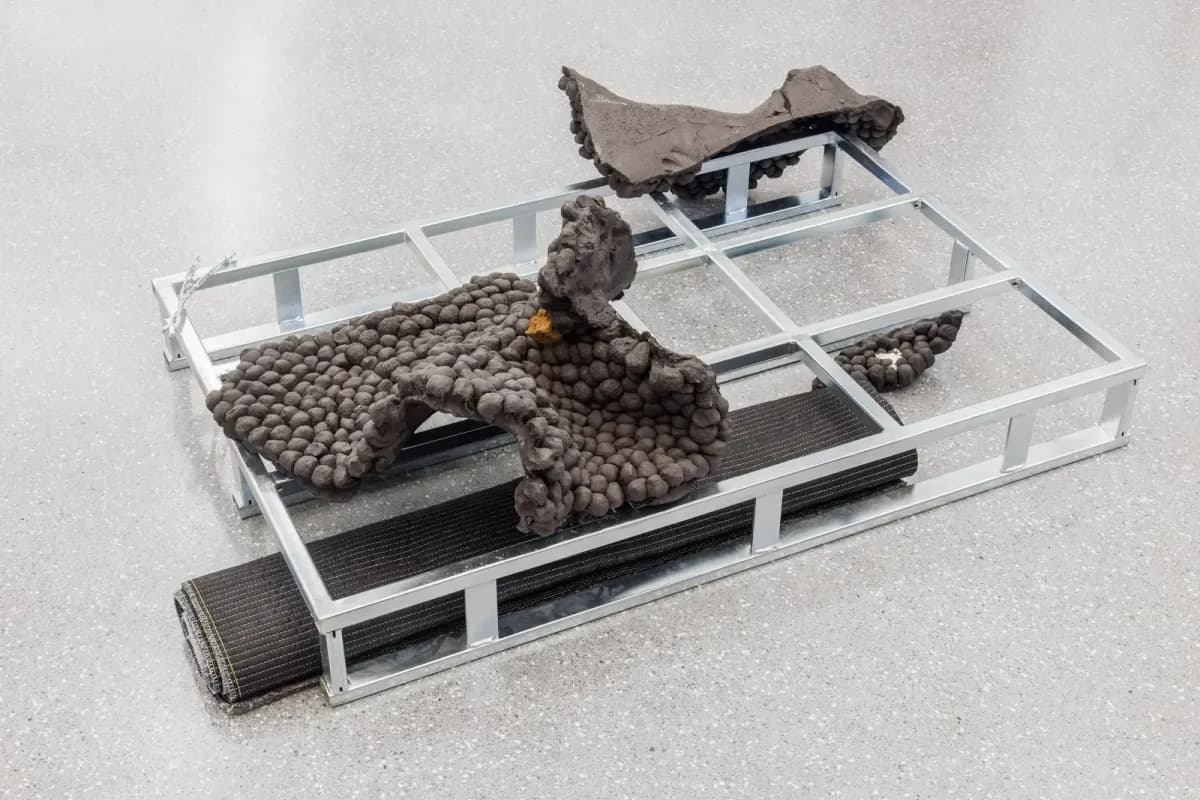
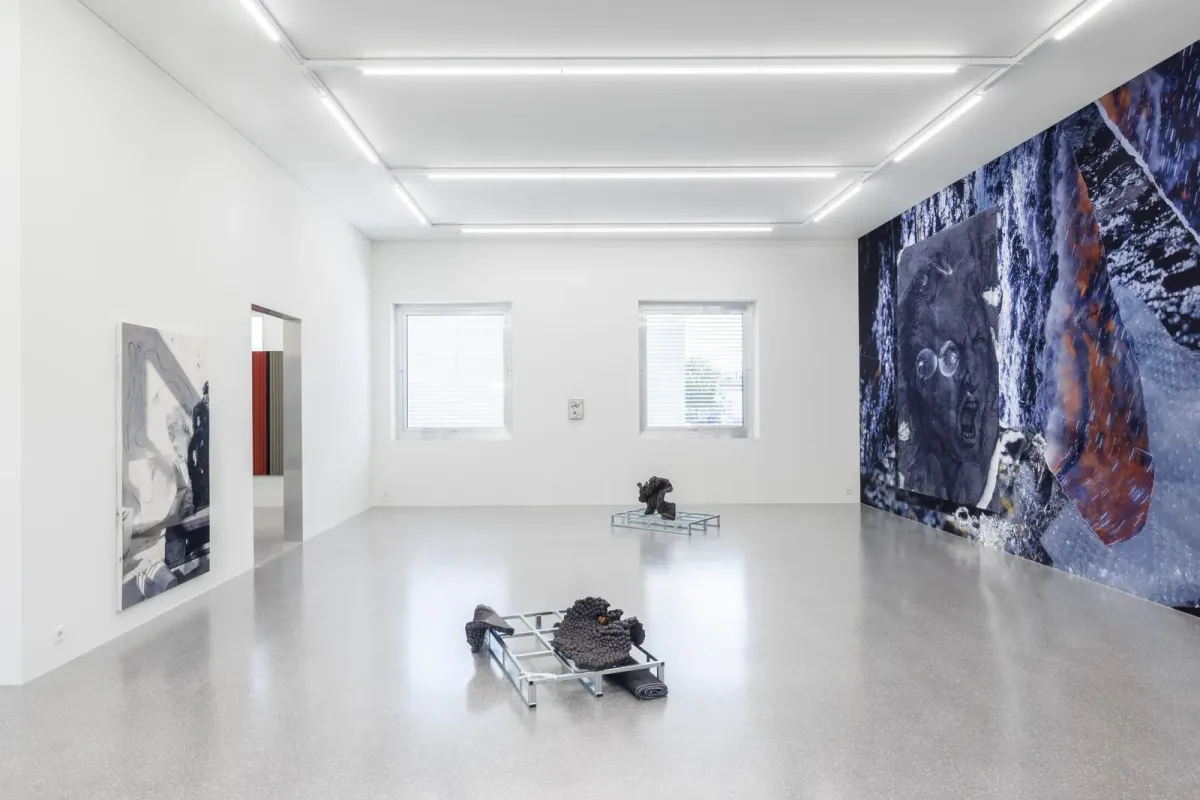
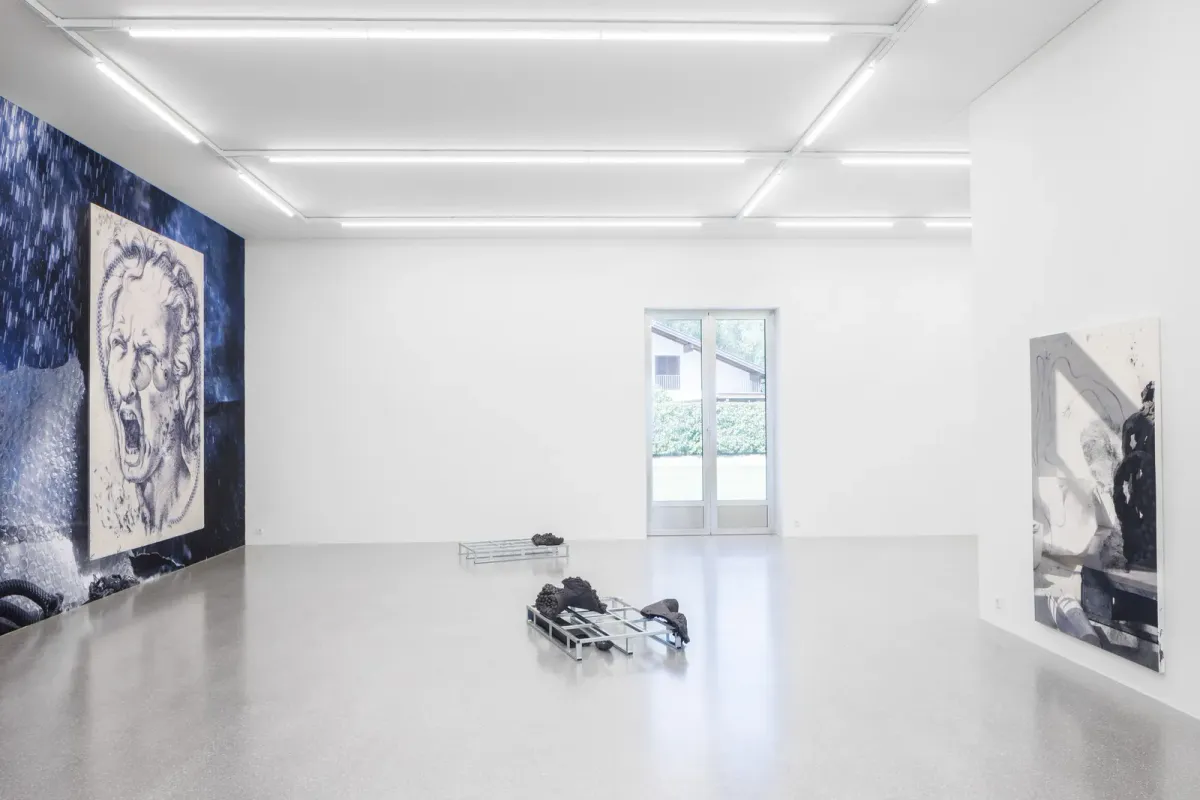
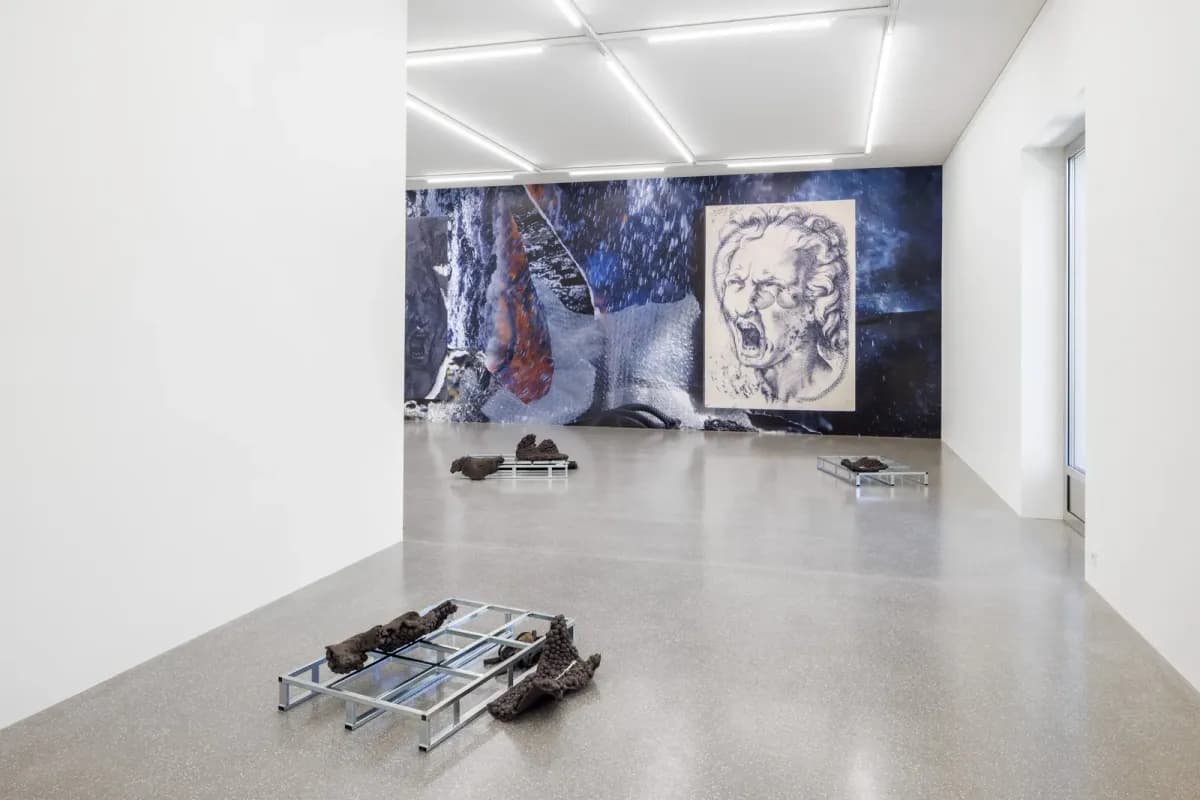
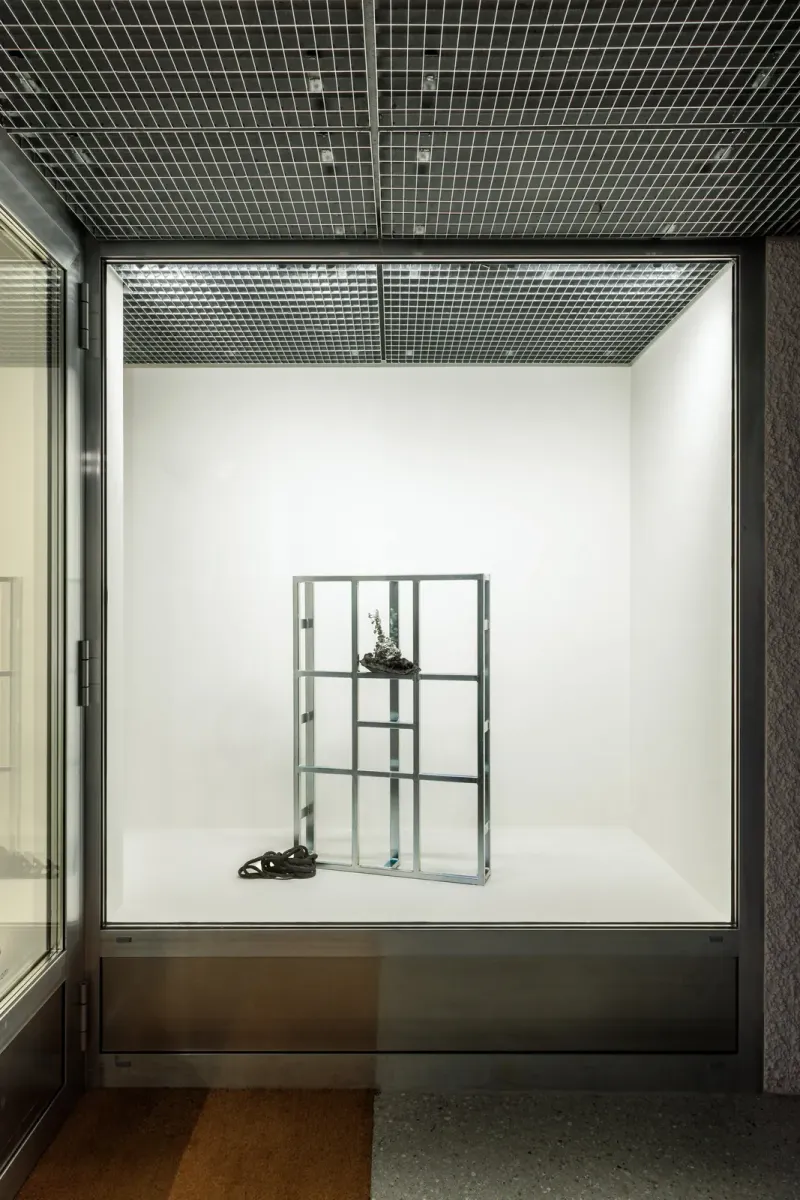
Klaus in Vorarlberg / 2026
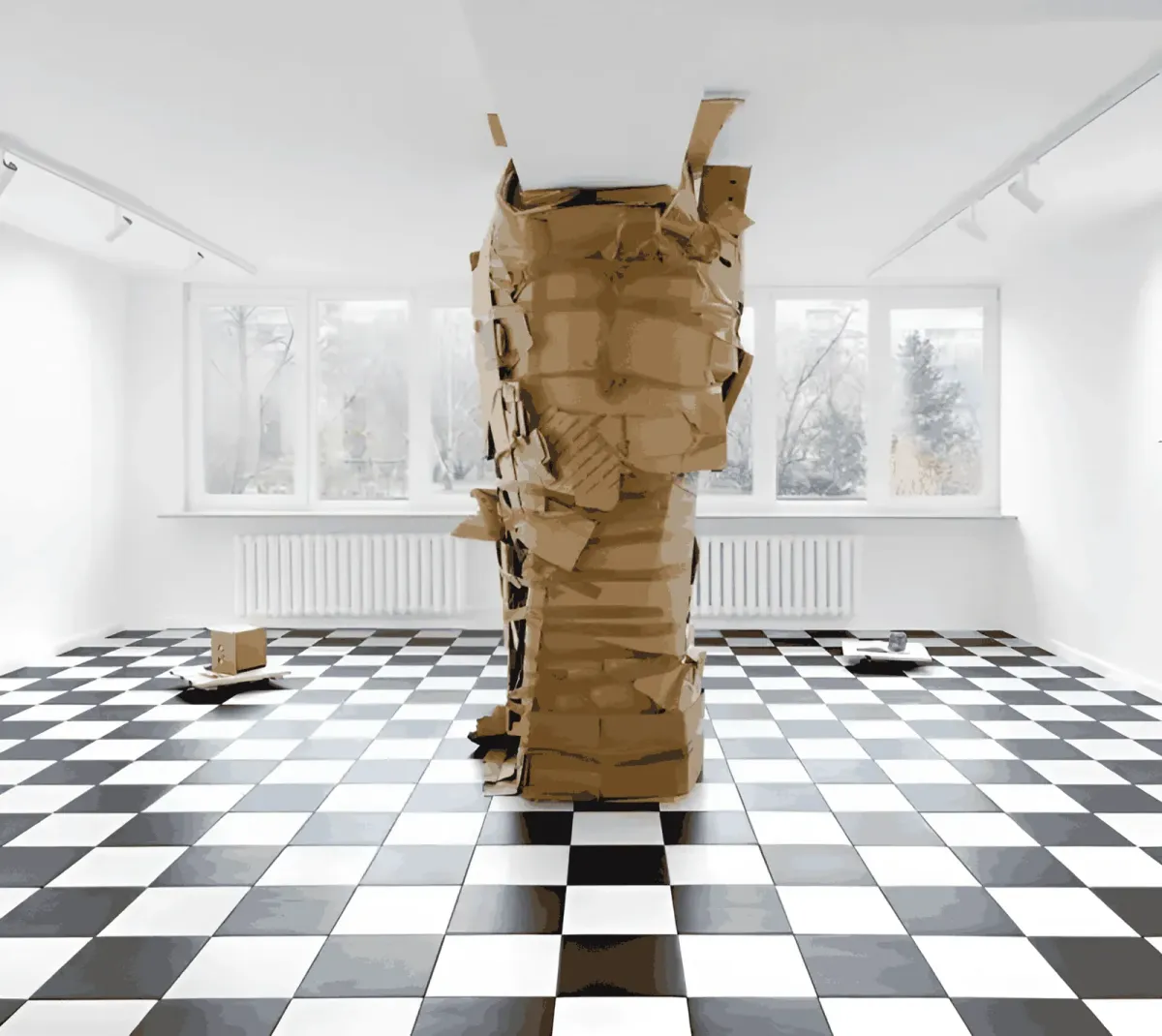
Der Kopf ist rund, damit das Denken die Richtung wechseln kannGalerie Brugger
Klaus in Vorarlberg / 2026
Der Kopf ist rund, damit das Denken die Richtung wechseln kannGalerie Brugger
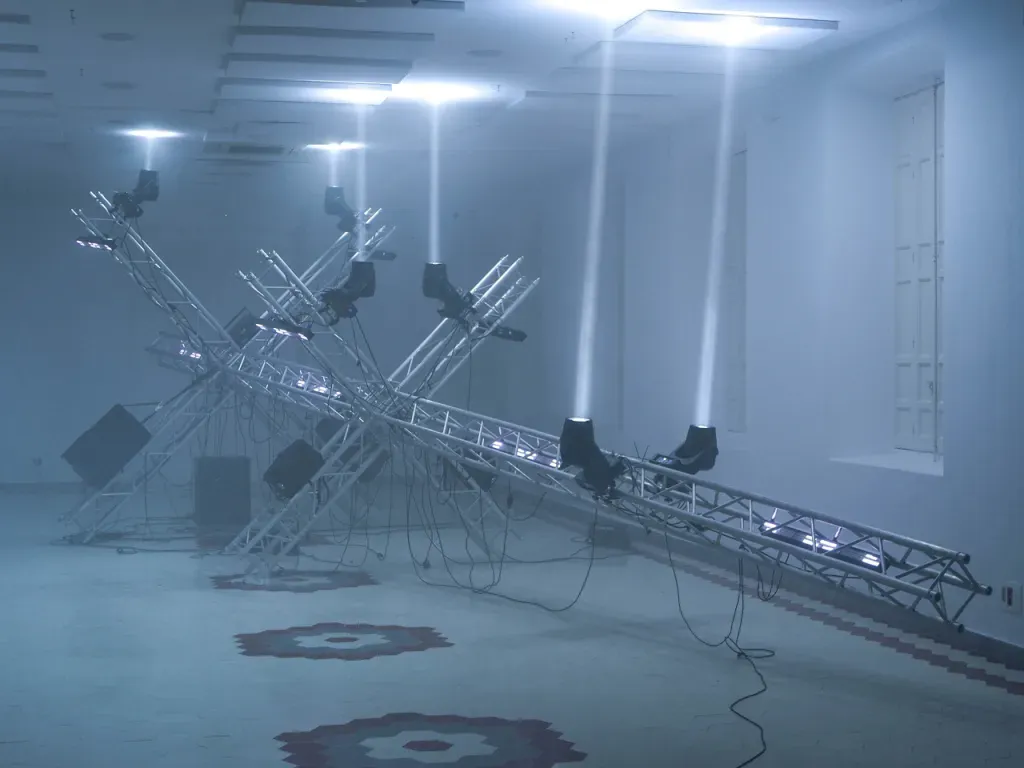
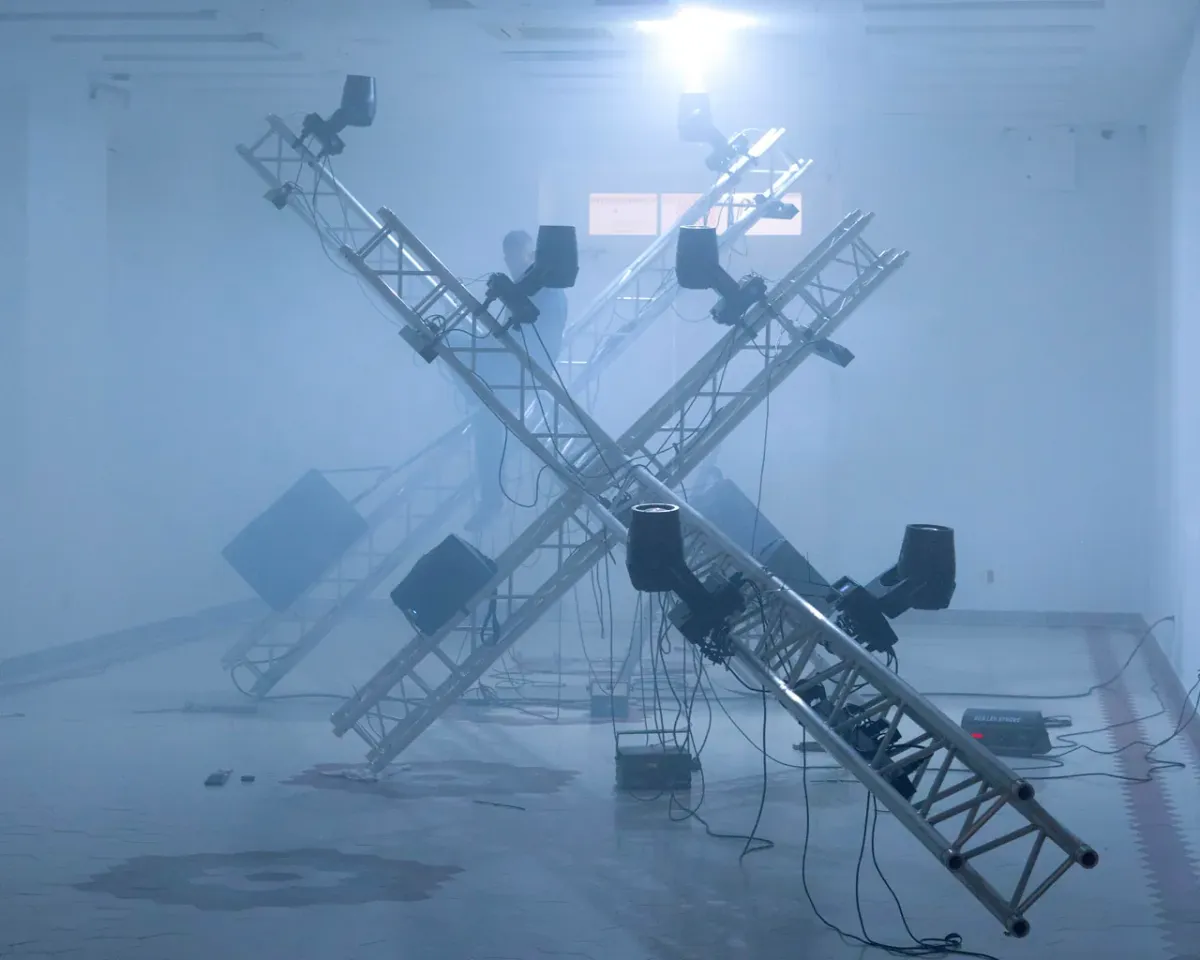
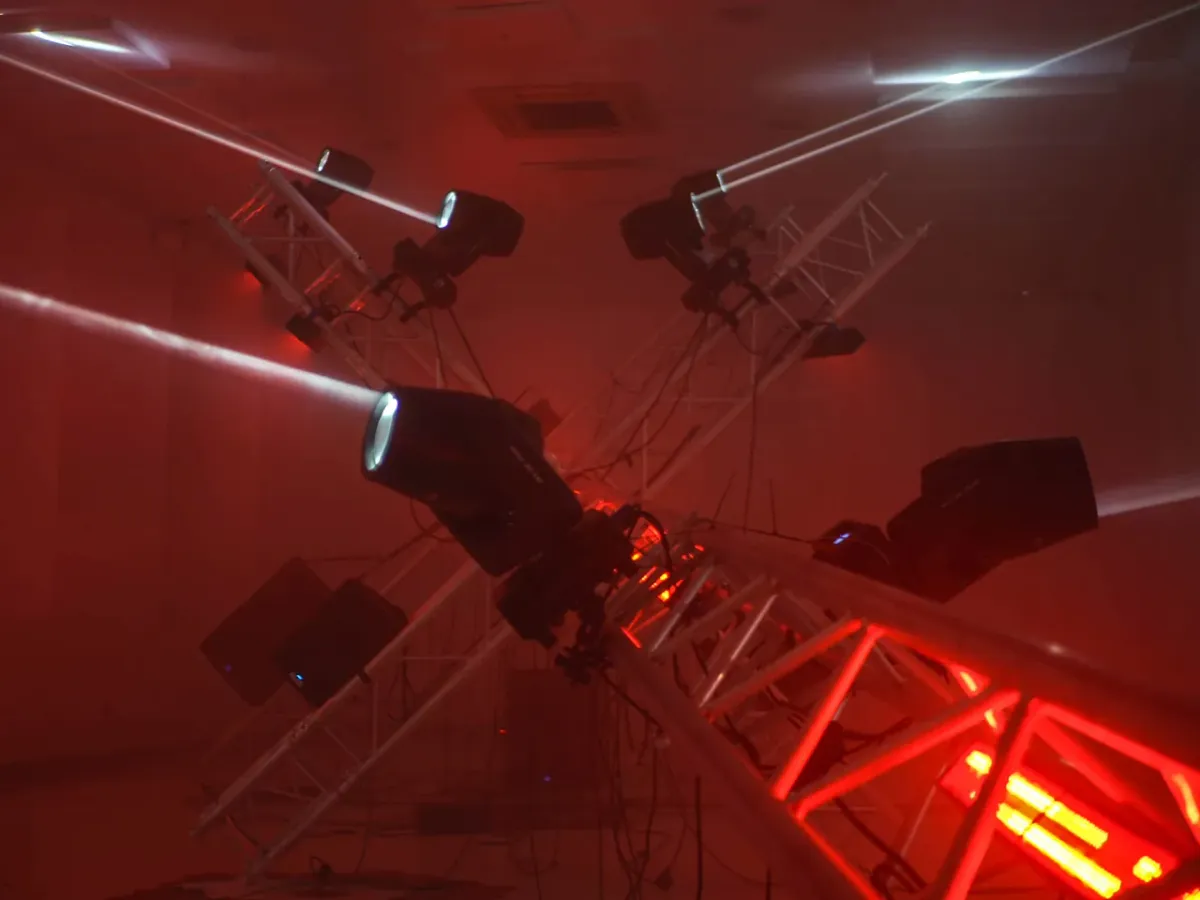
May 22 — June 01, 2026
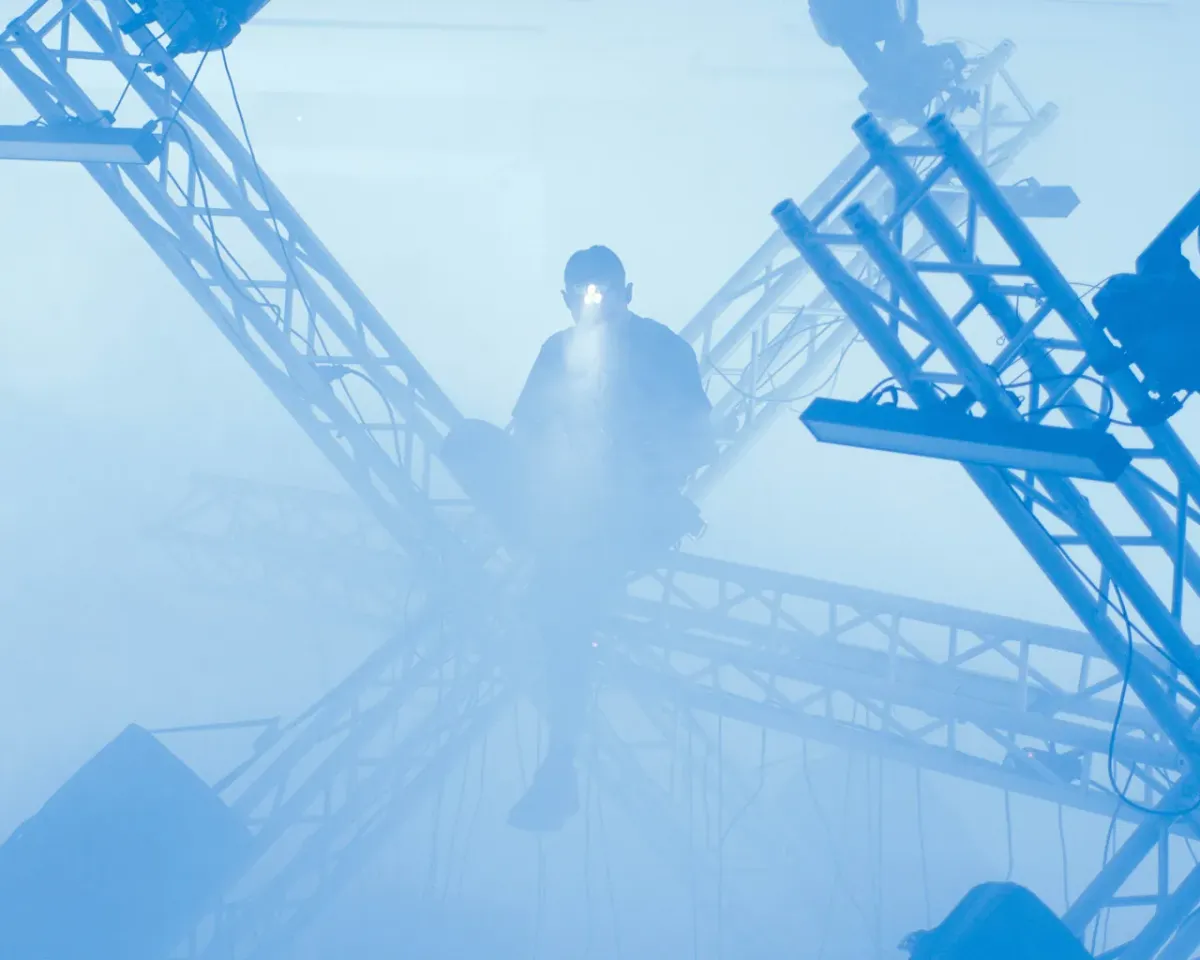
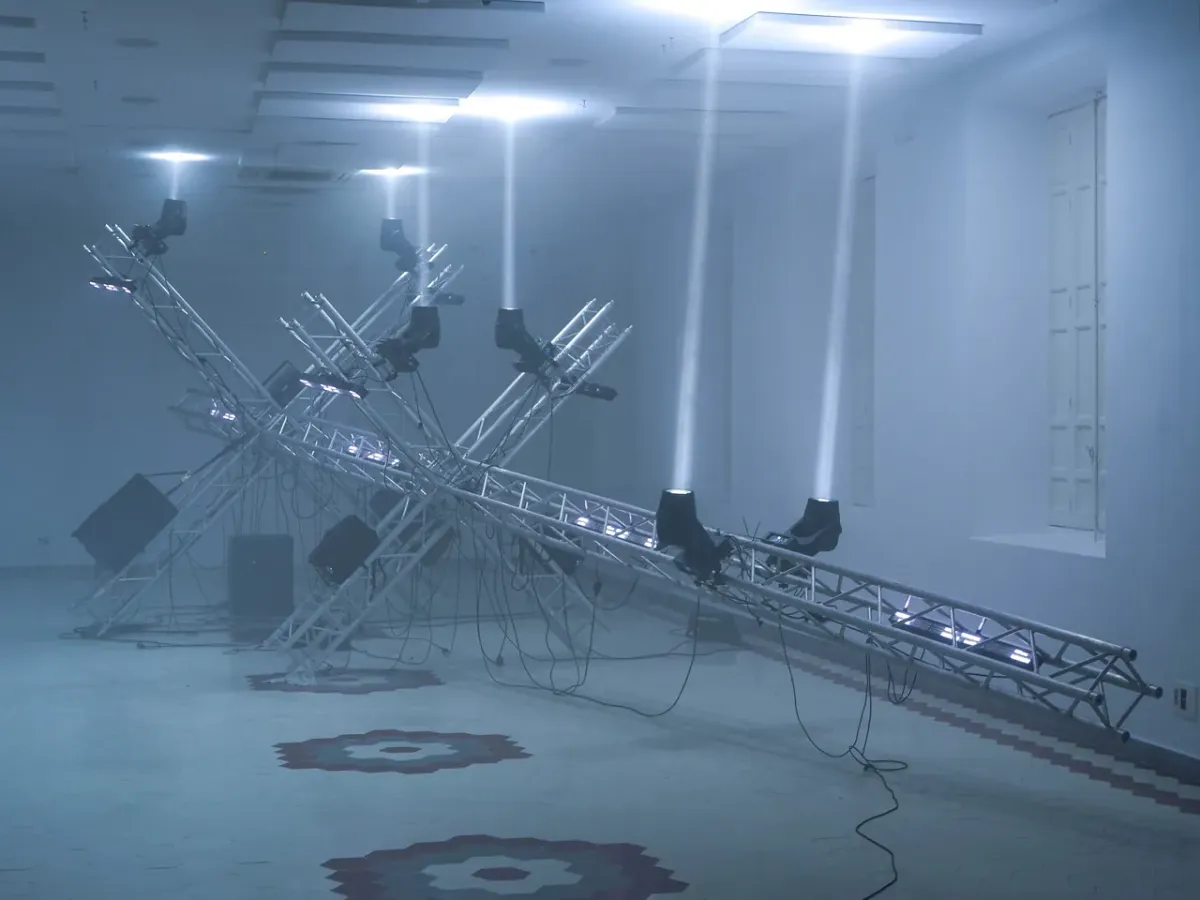
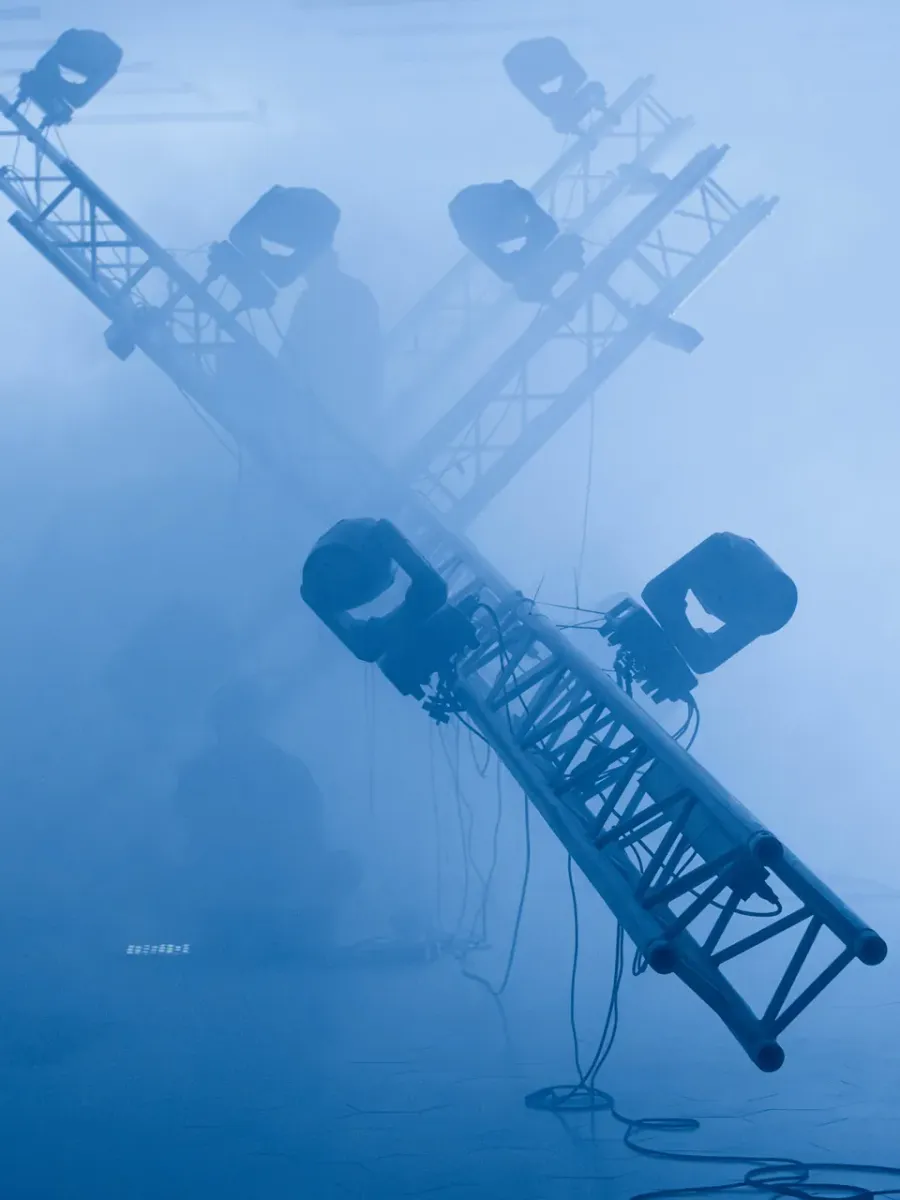
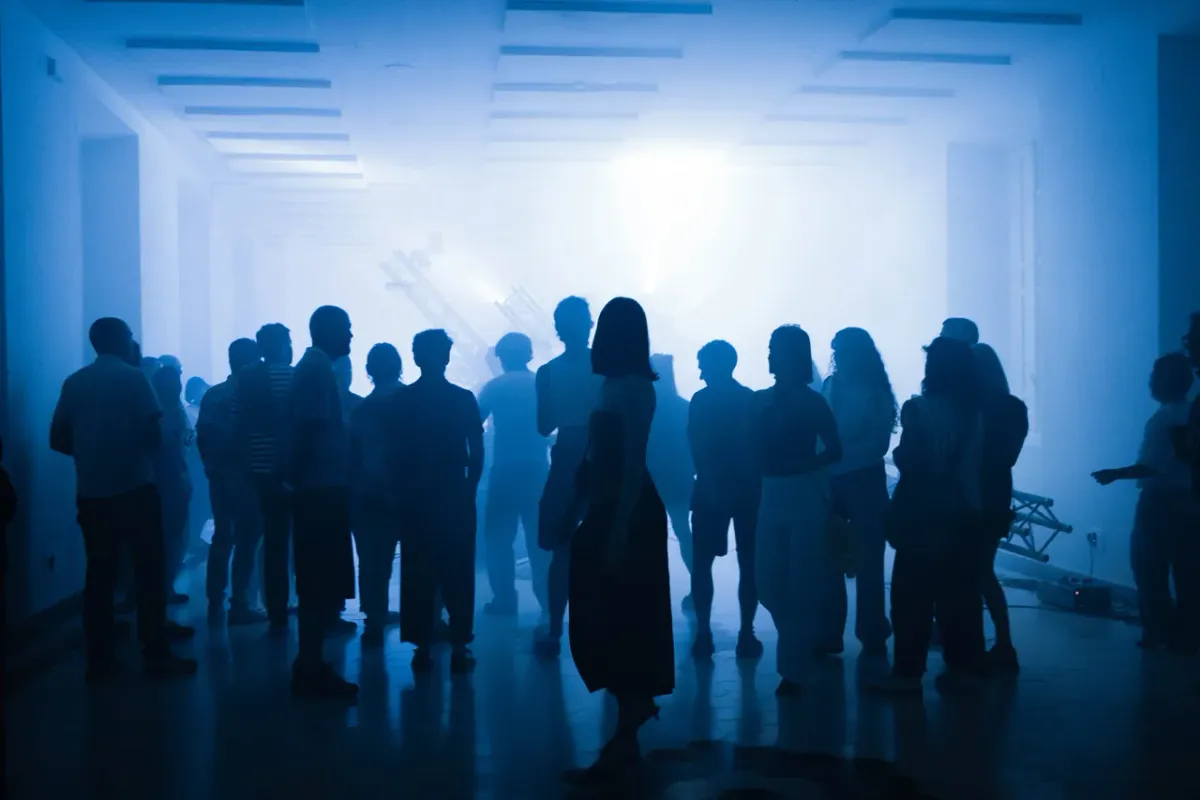
Leo Pum @La Térmica, Málaga KRVCE festival
Everything you need to plan, apply, and move your art career forward.
Lladó / 2026
 Features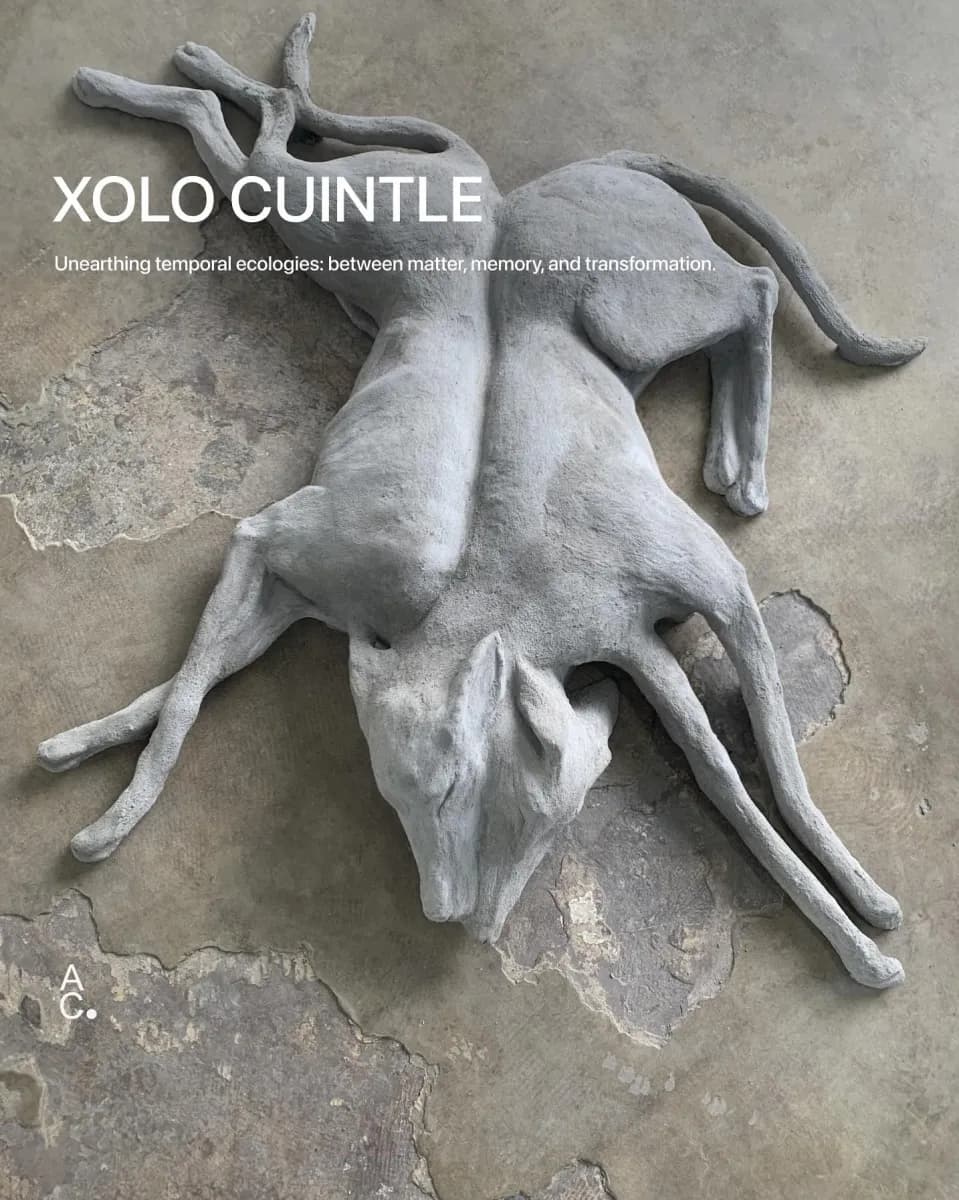
@xolo_cuintle
/ 2026
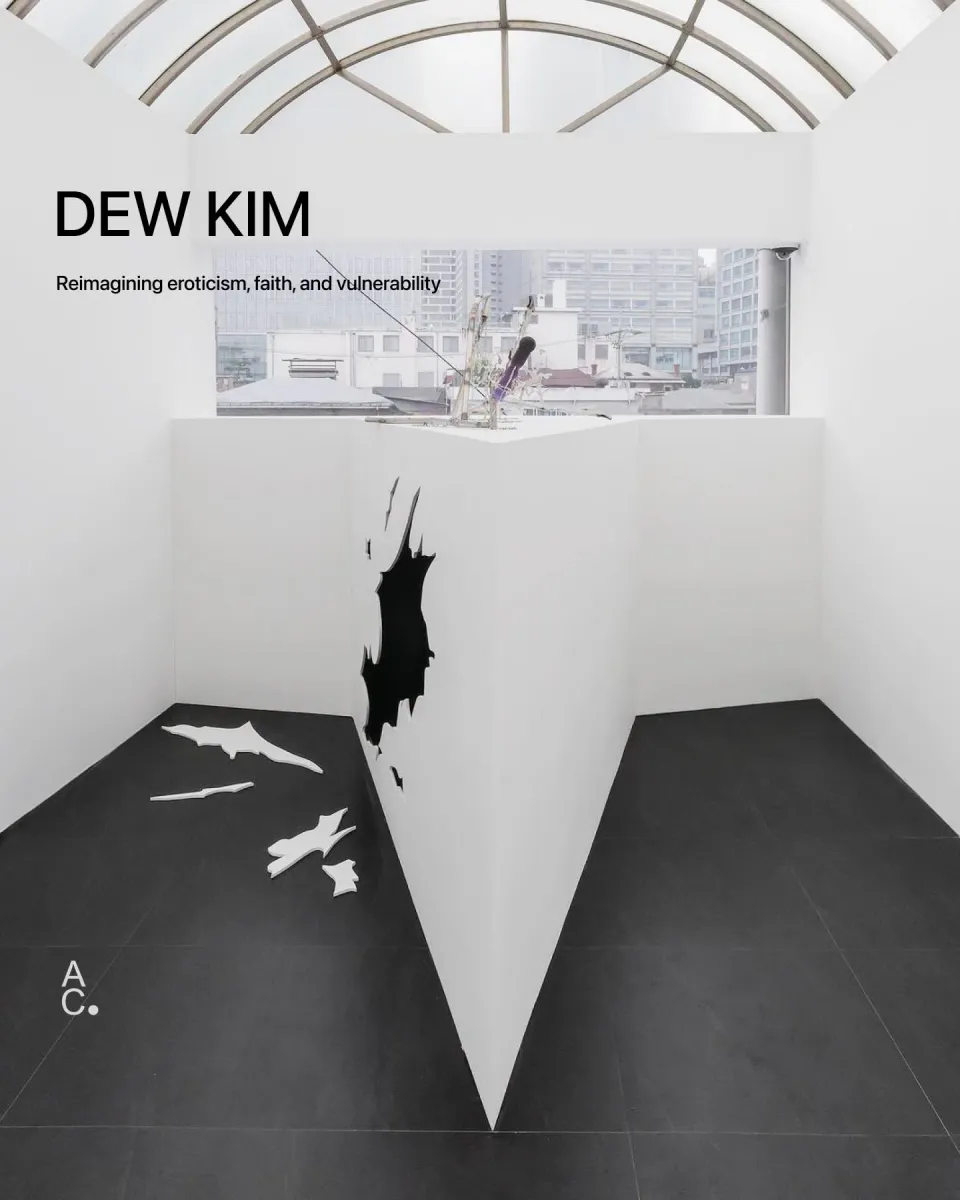
@dew_needs_you
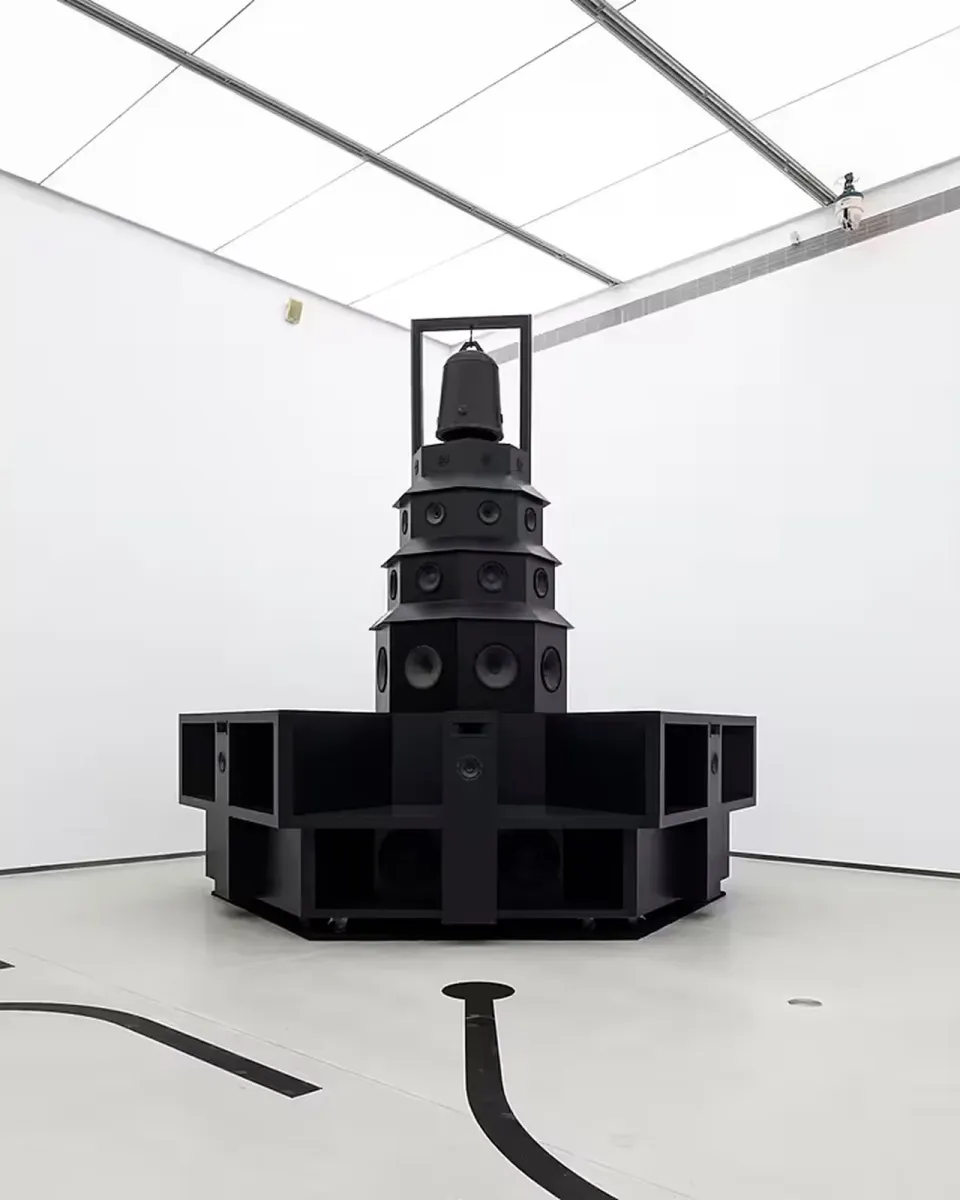
Shanghai / 2026
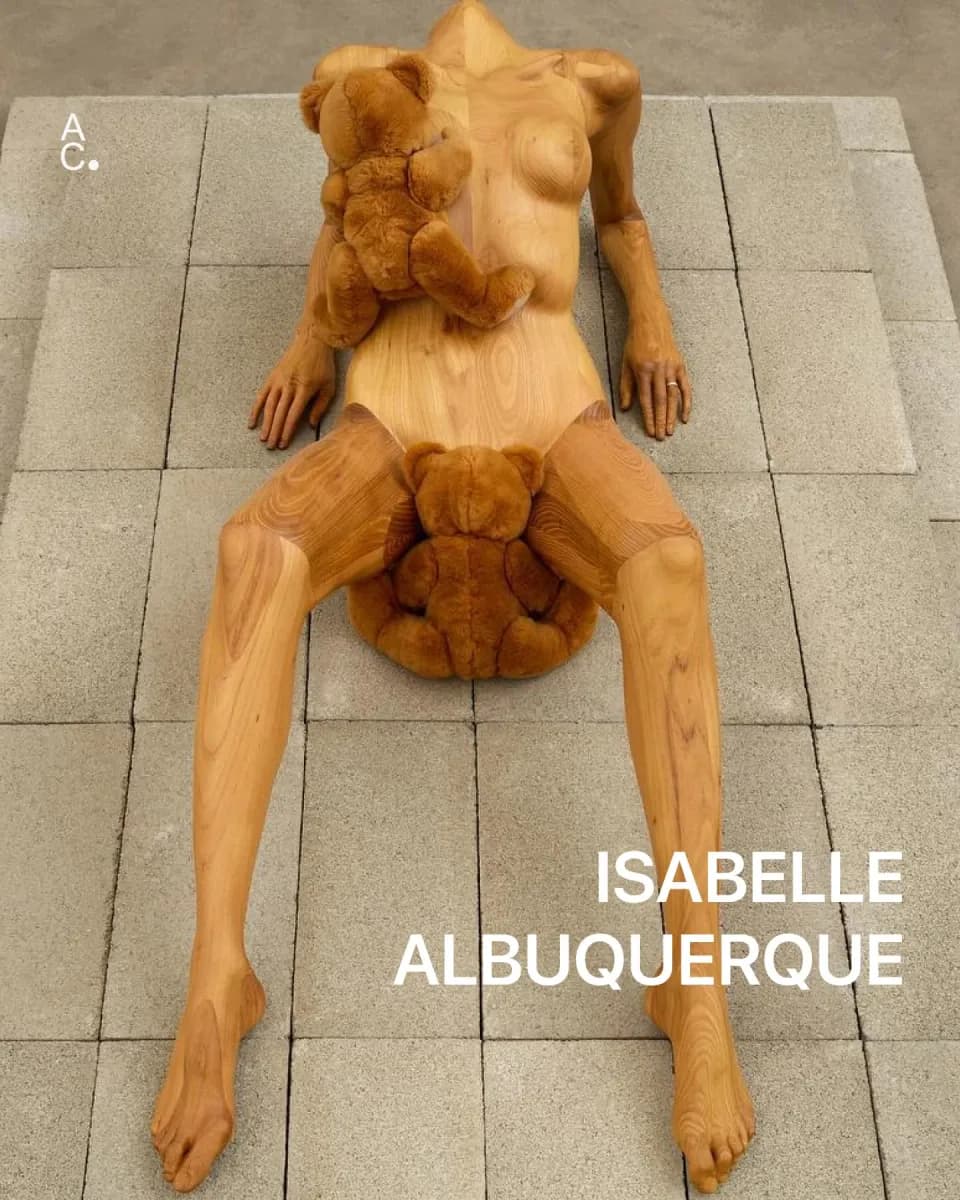
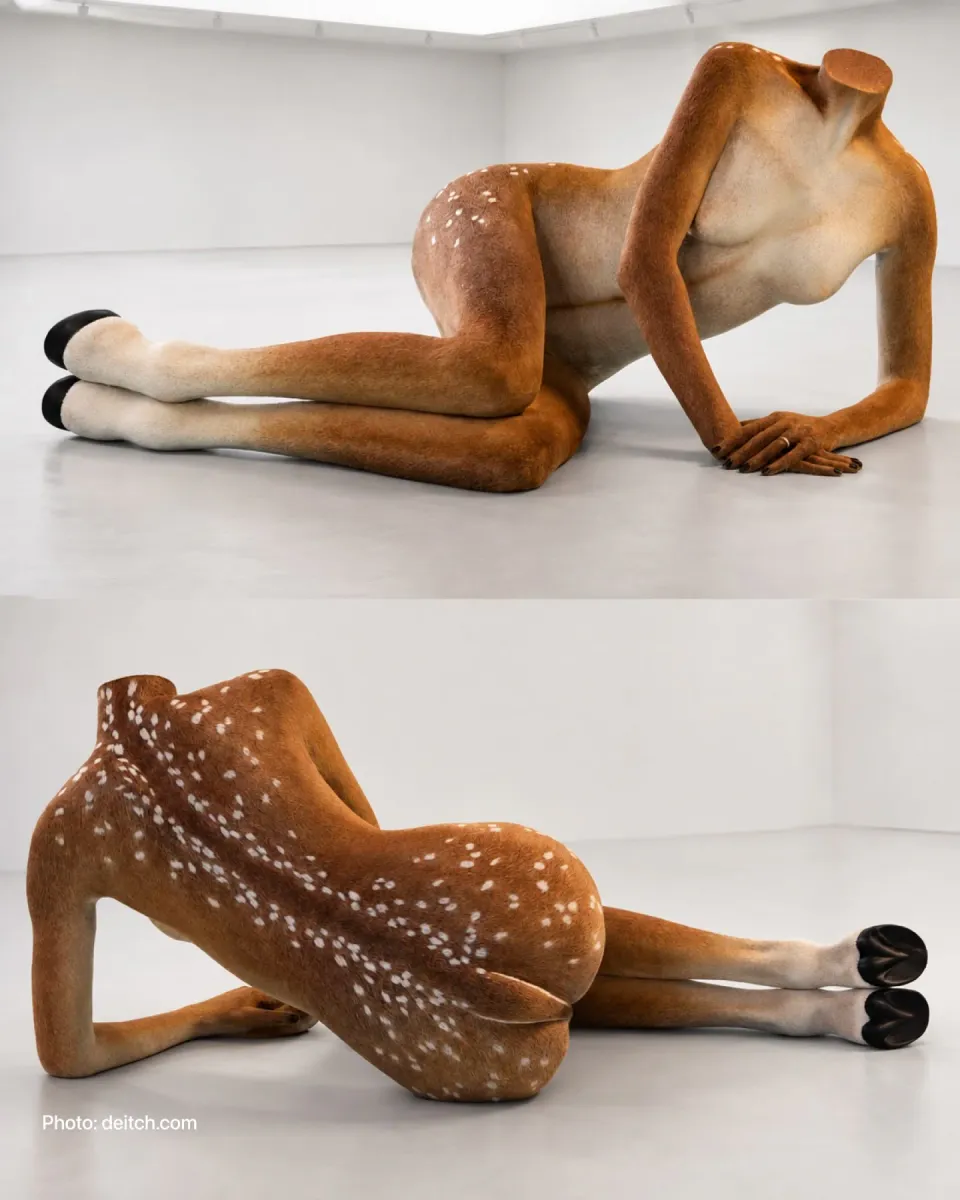
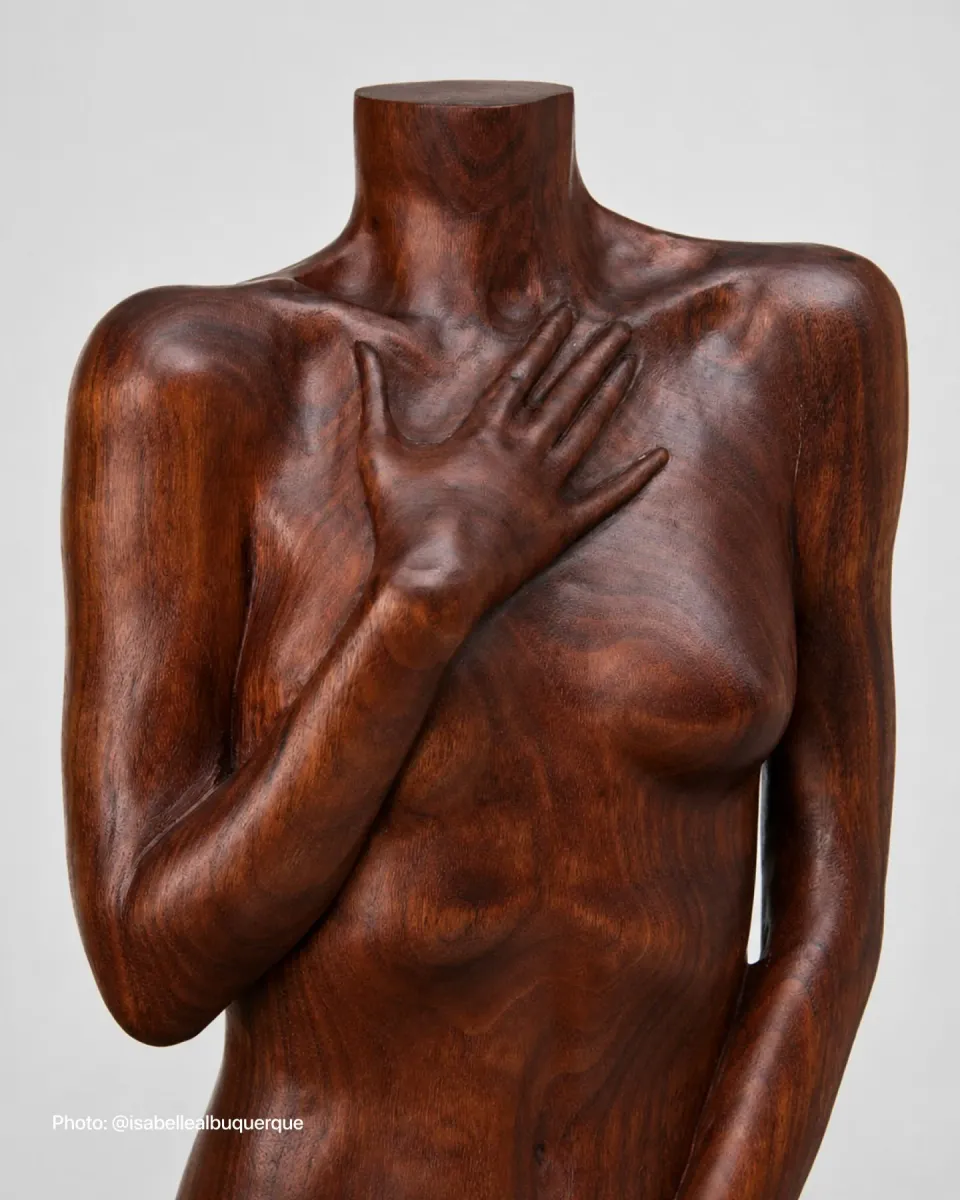
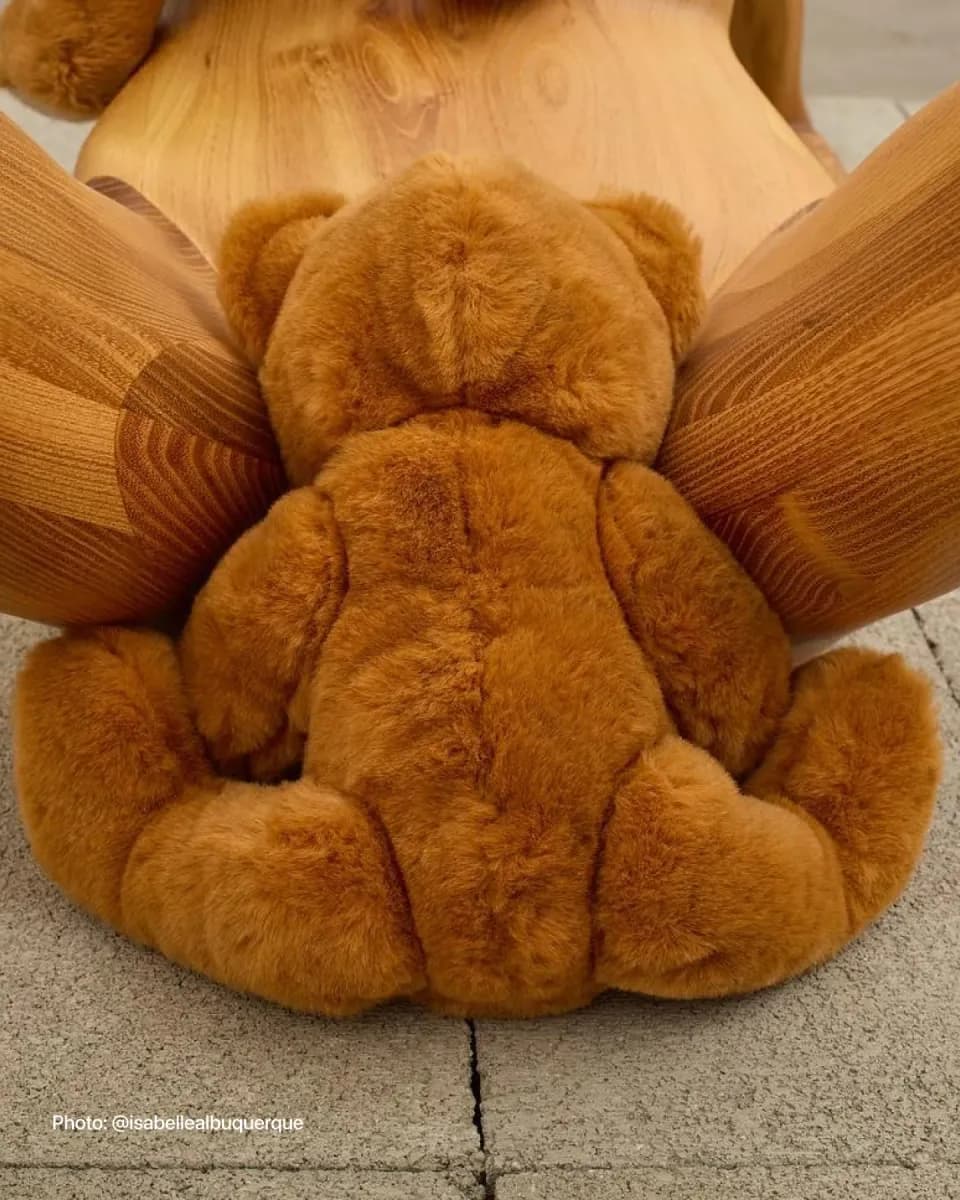
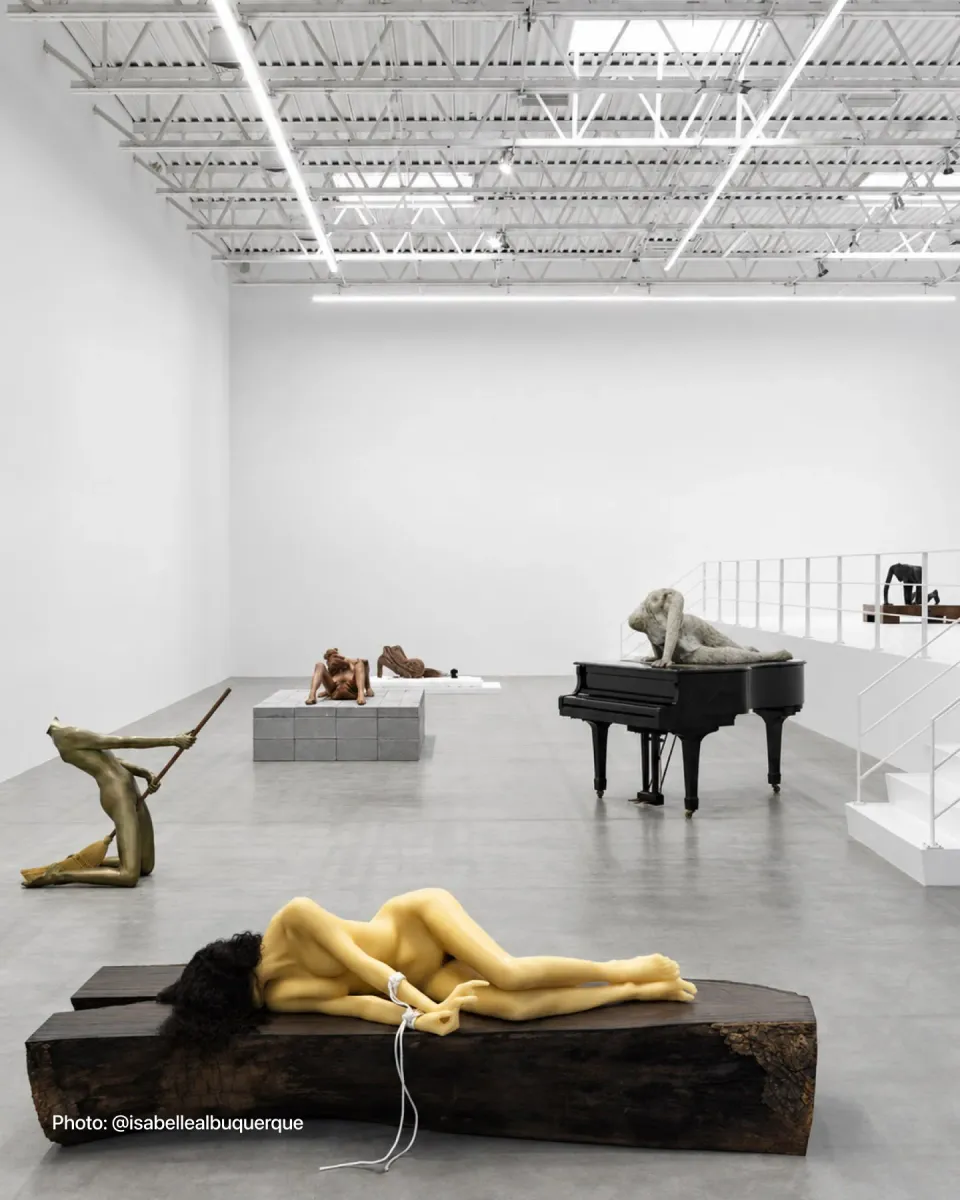
@isabellealbuquerque
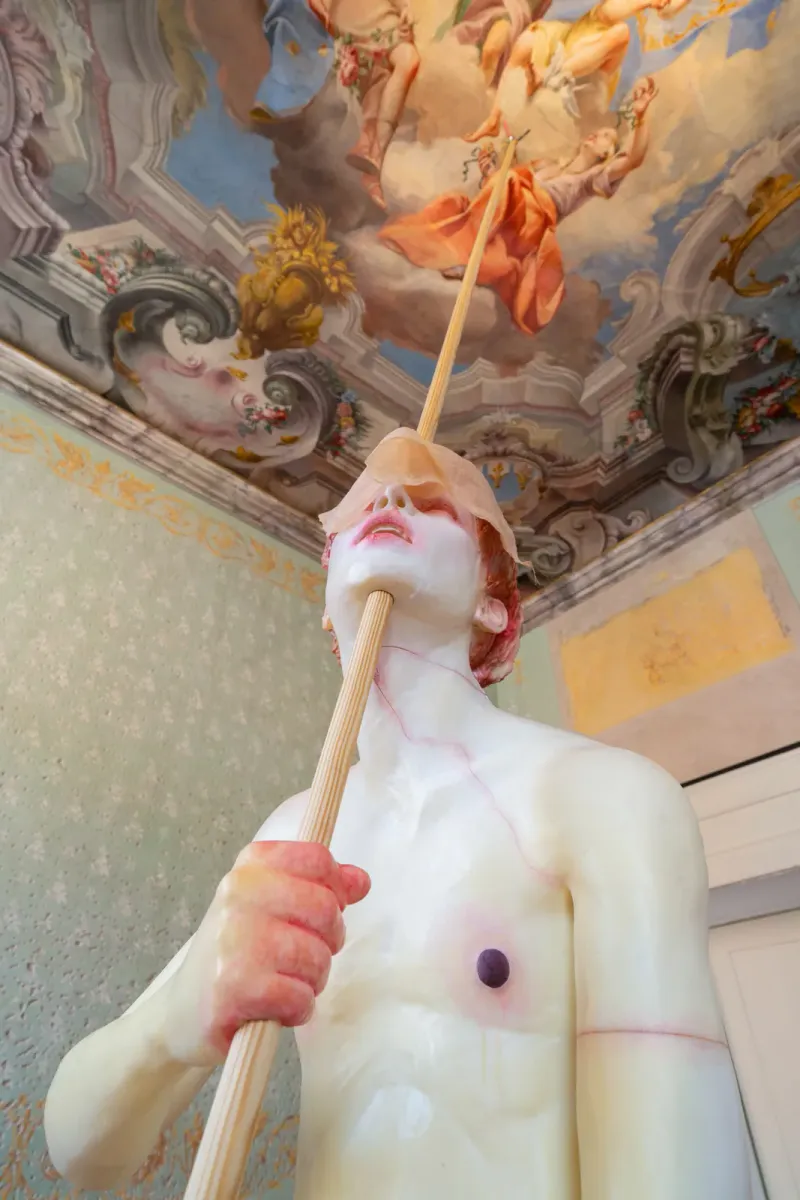
Brescia / 2026
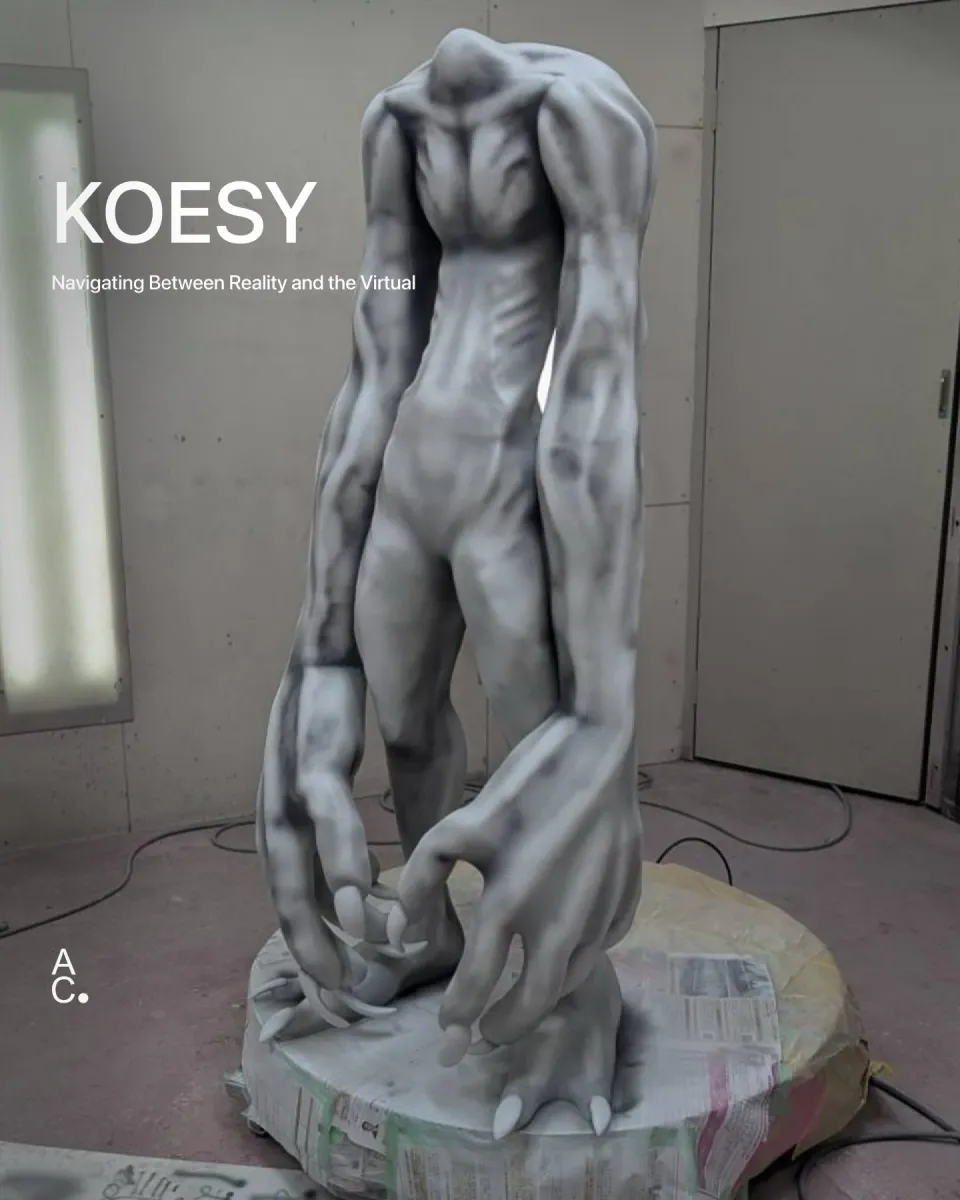
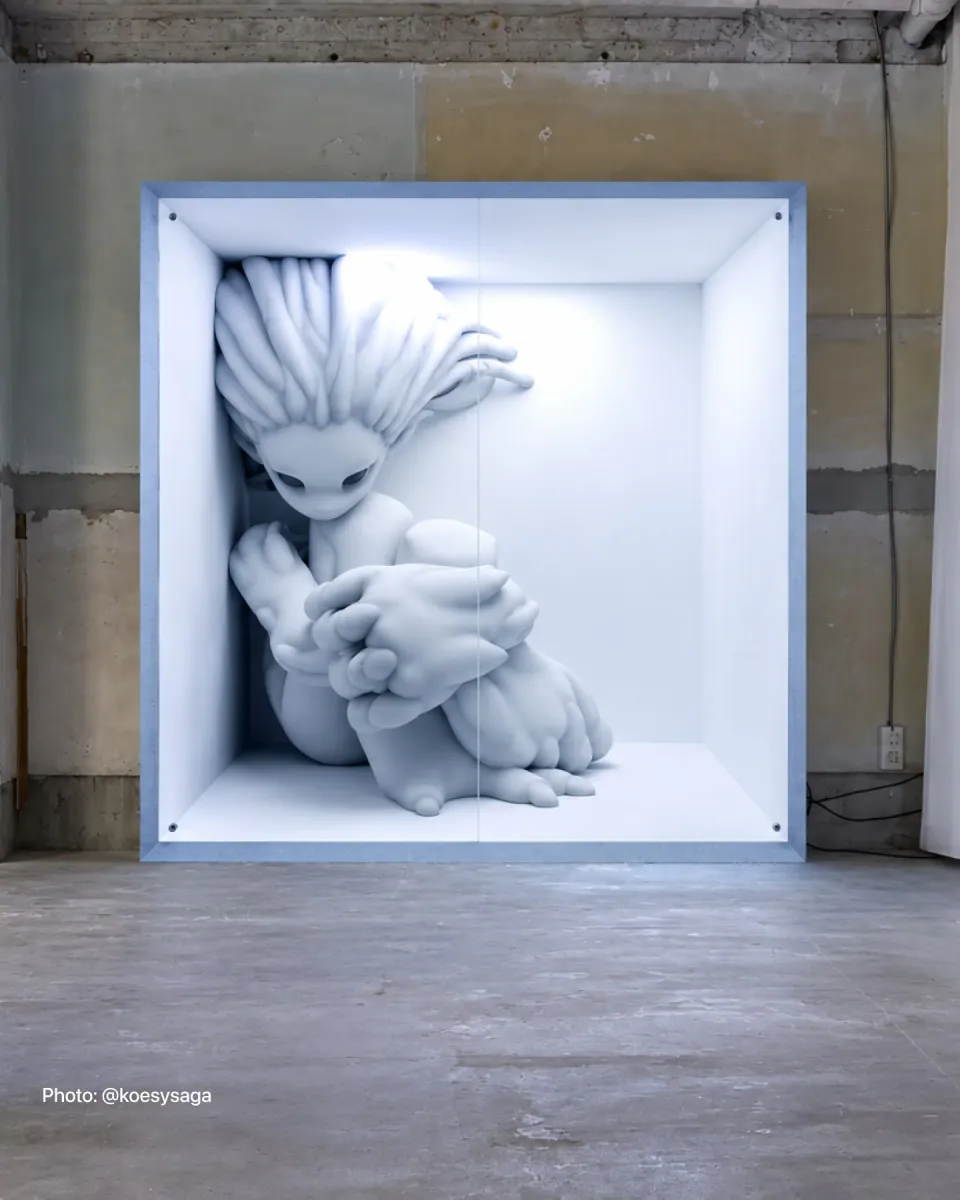
@koesysaga
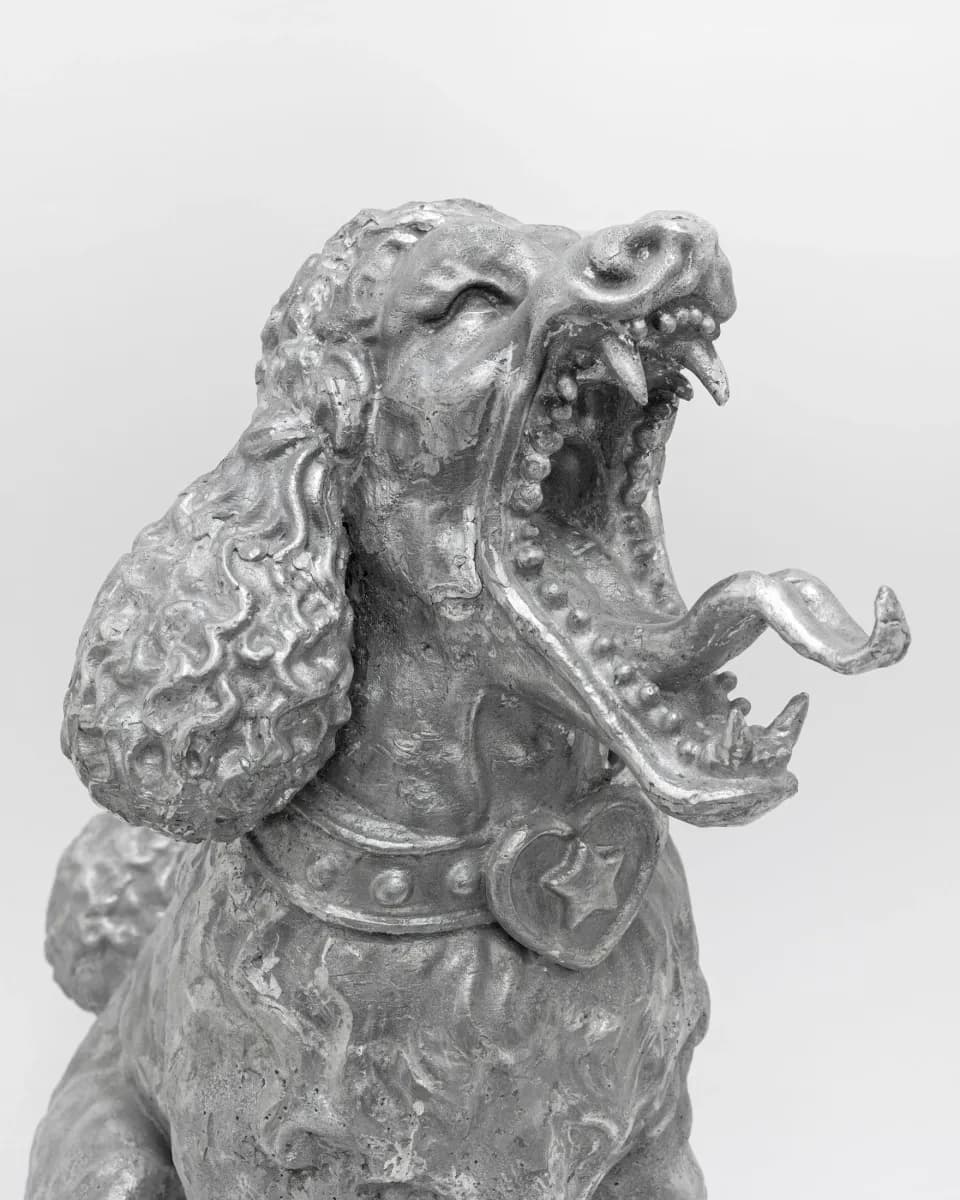
Lima / 2026
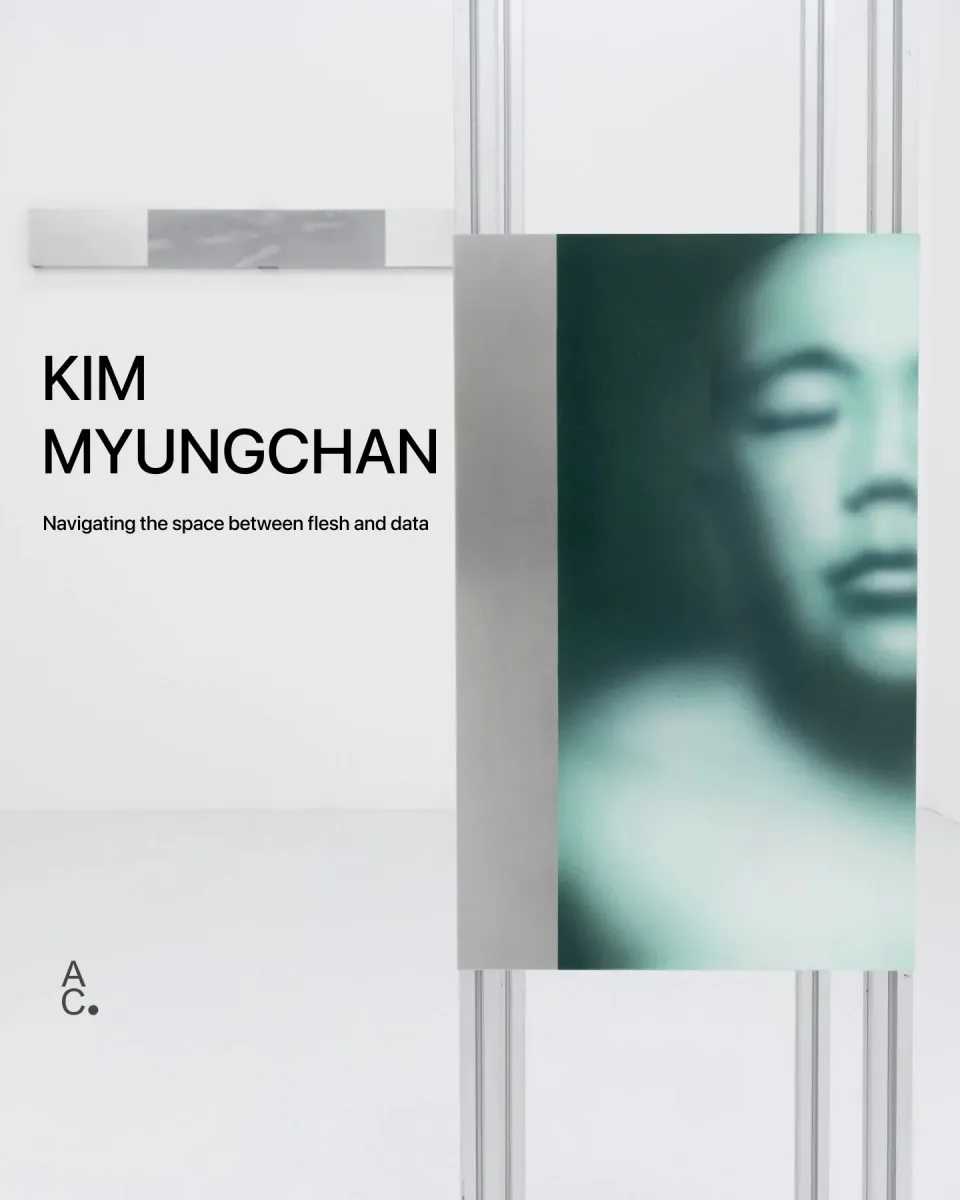
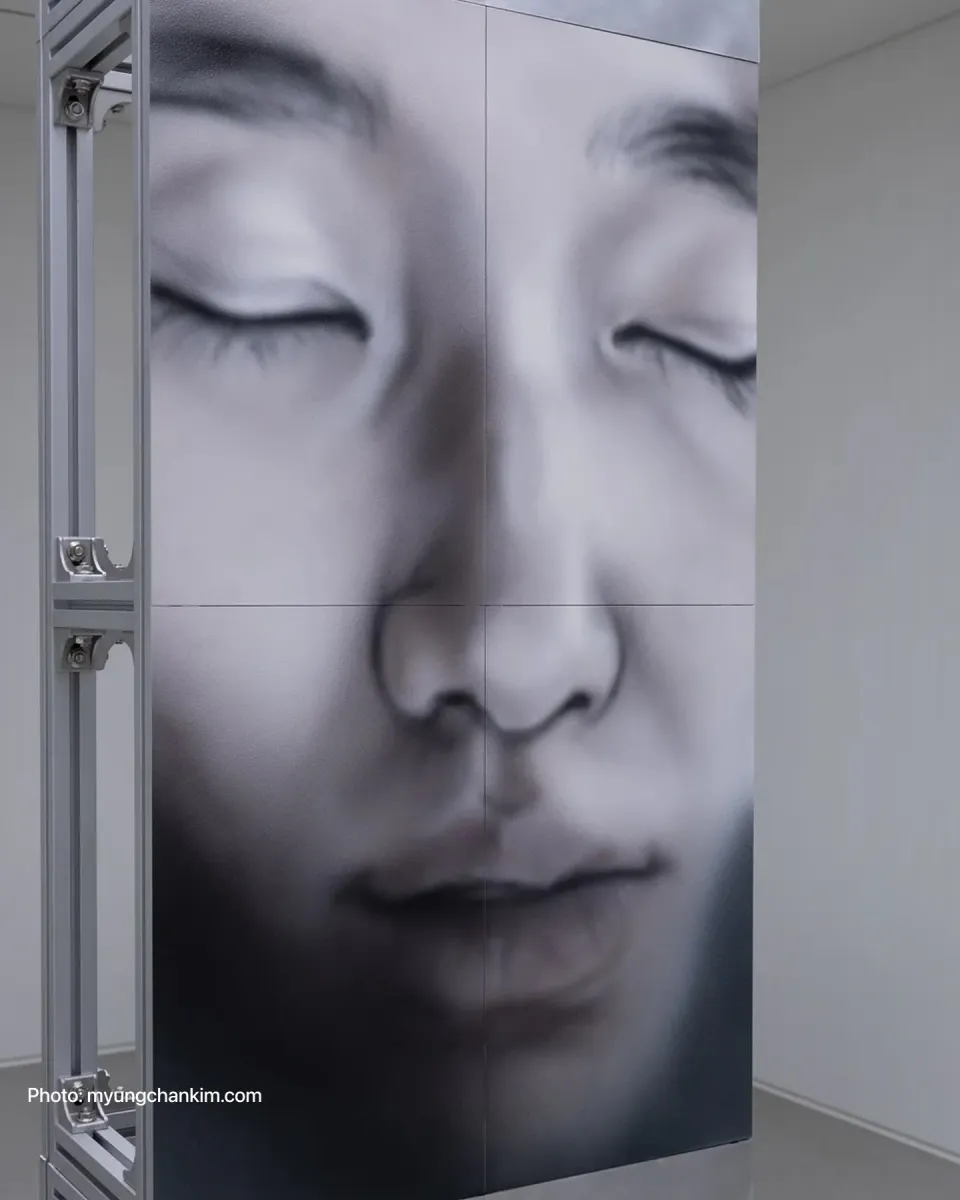
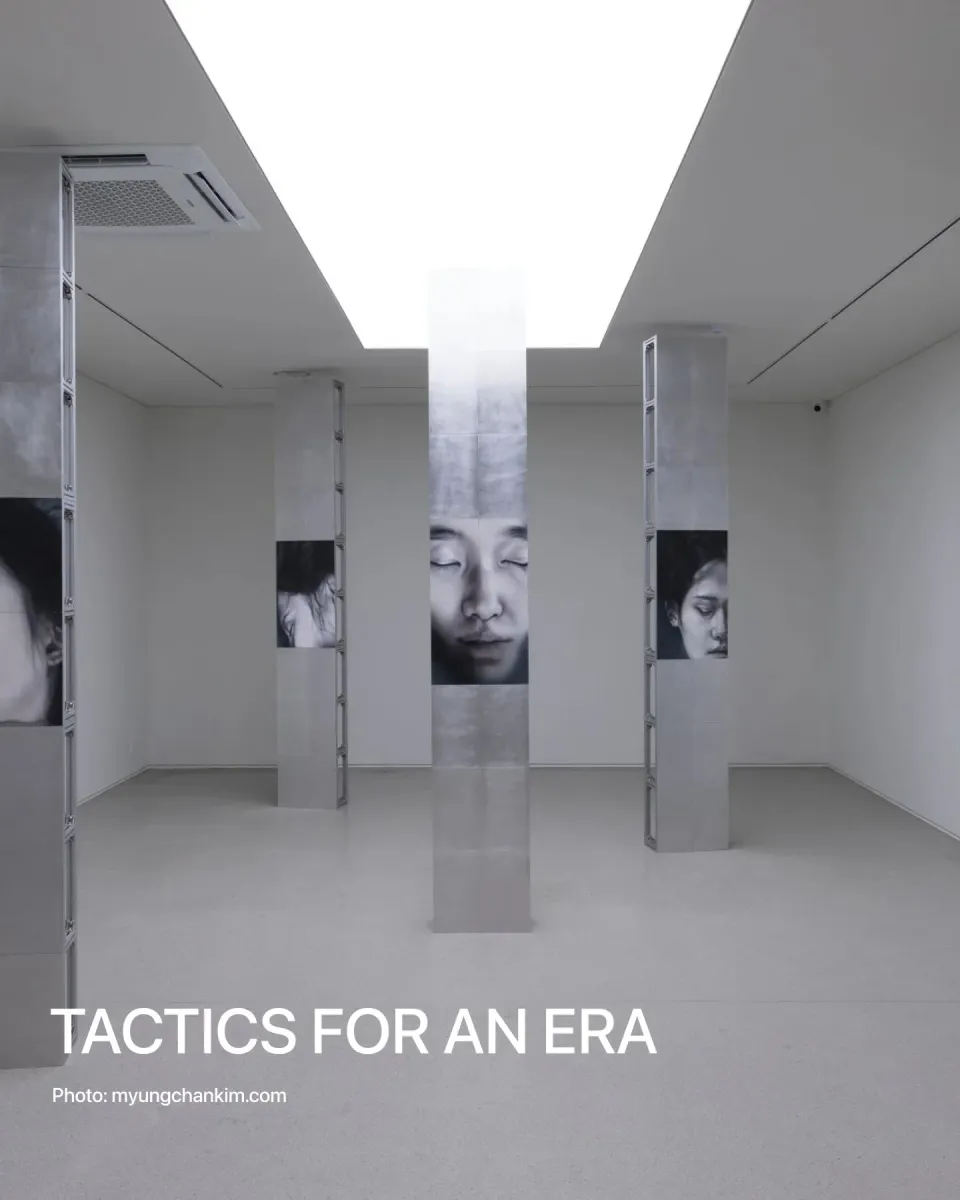
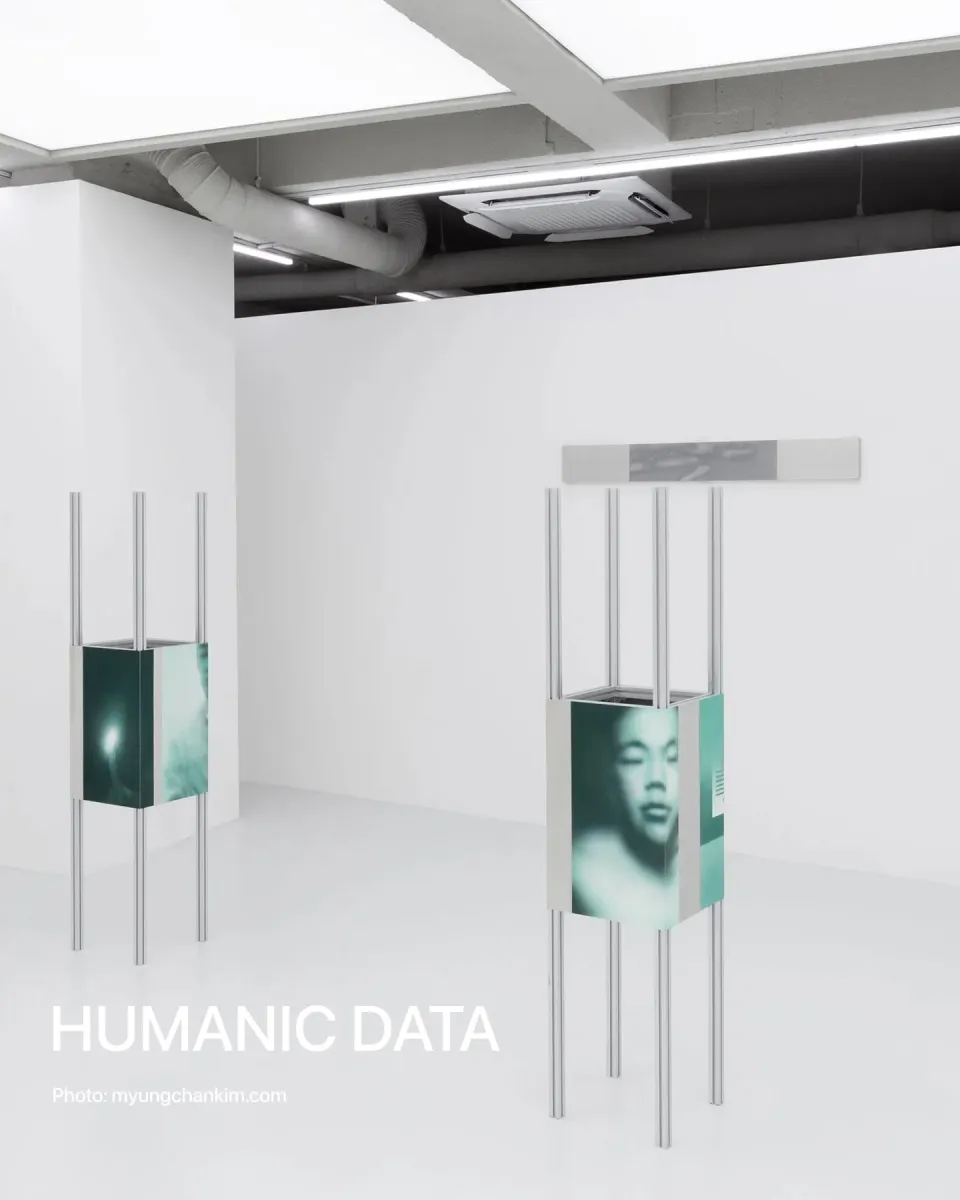
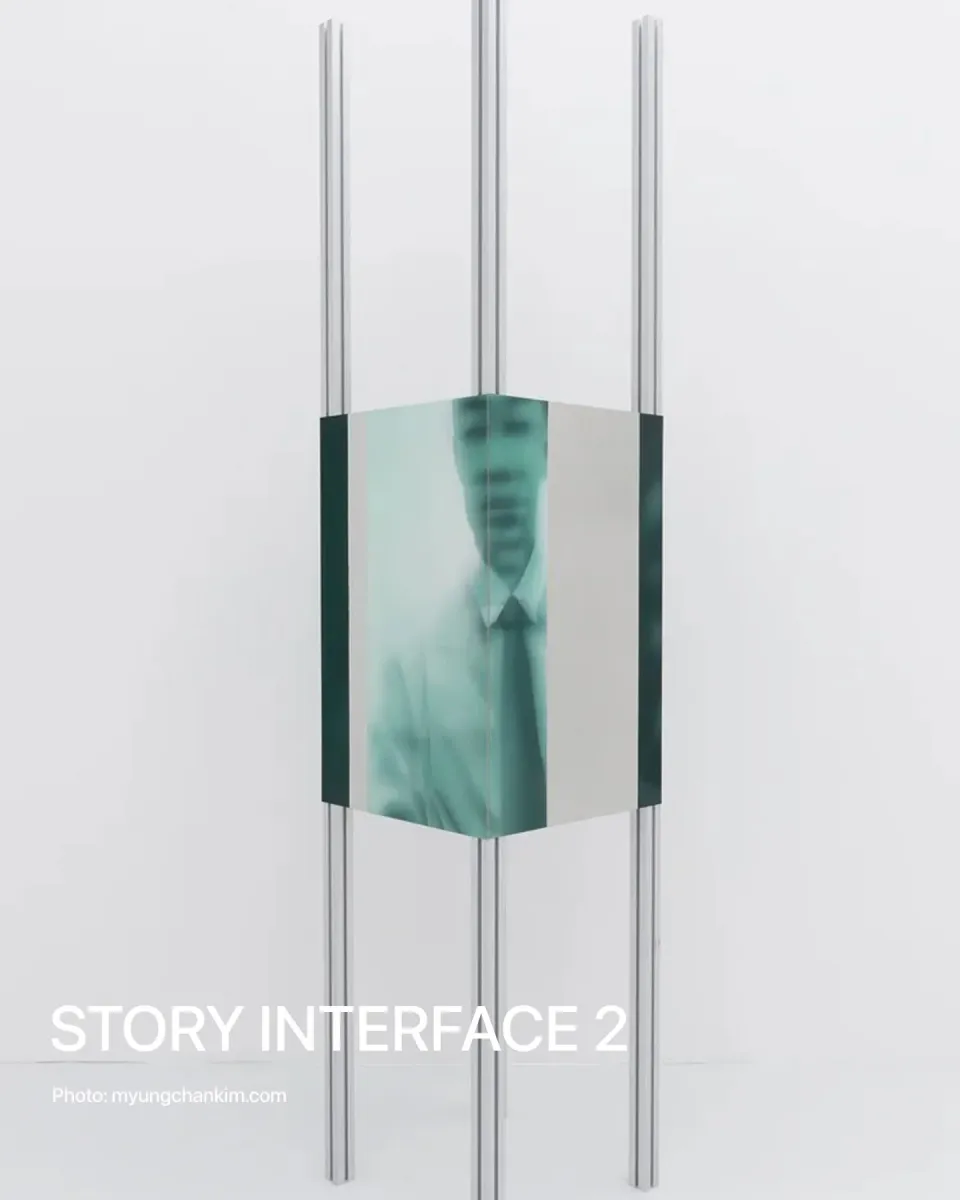
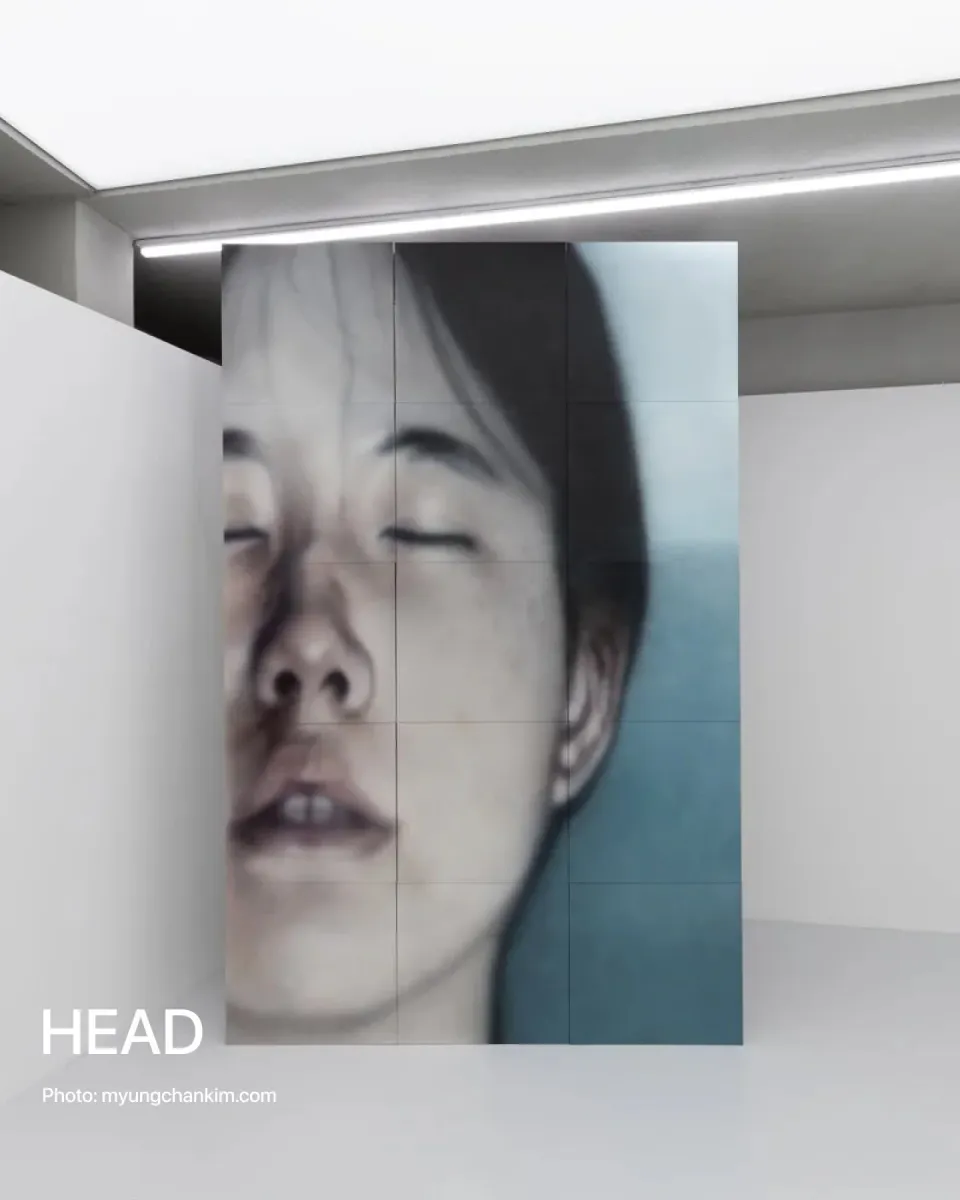
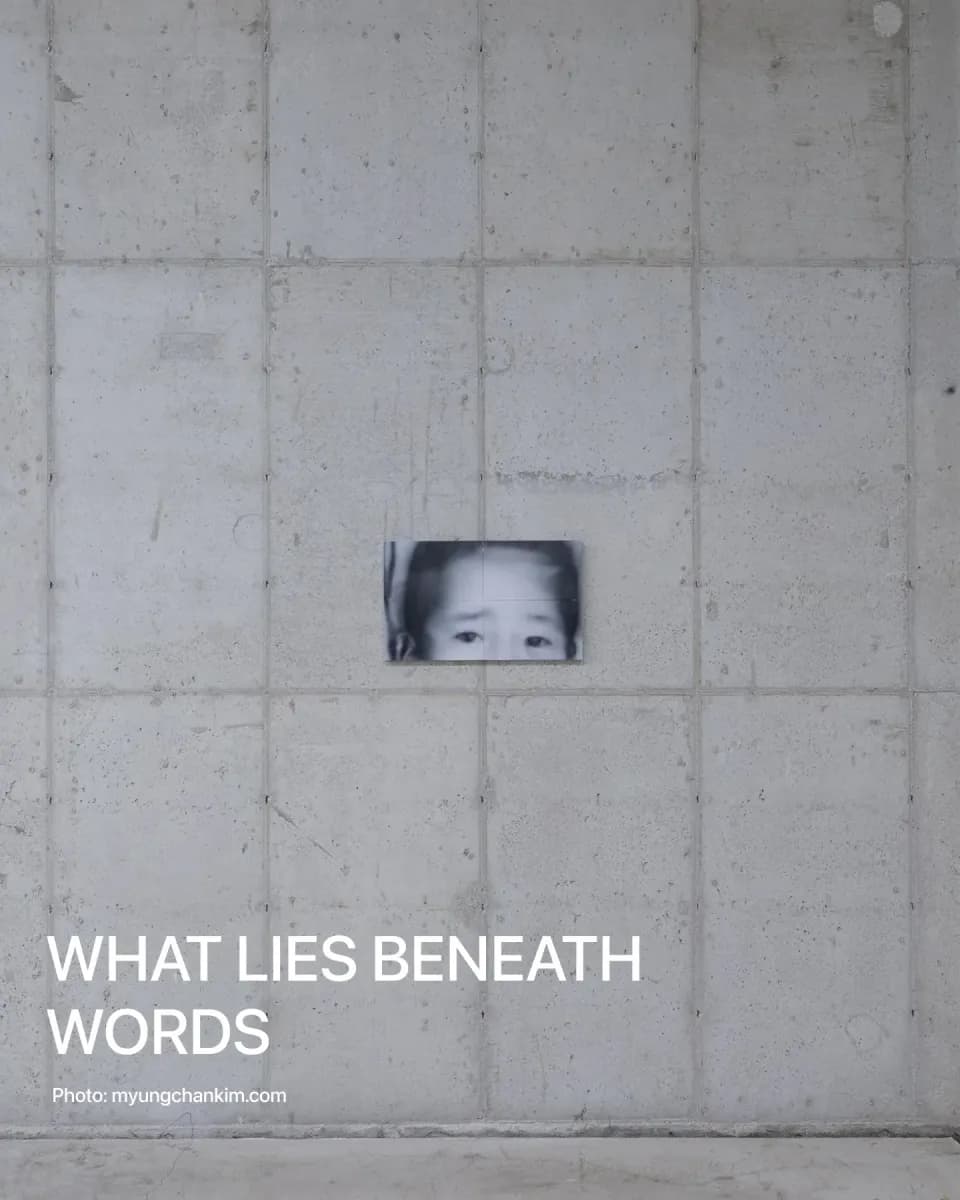
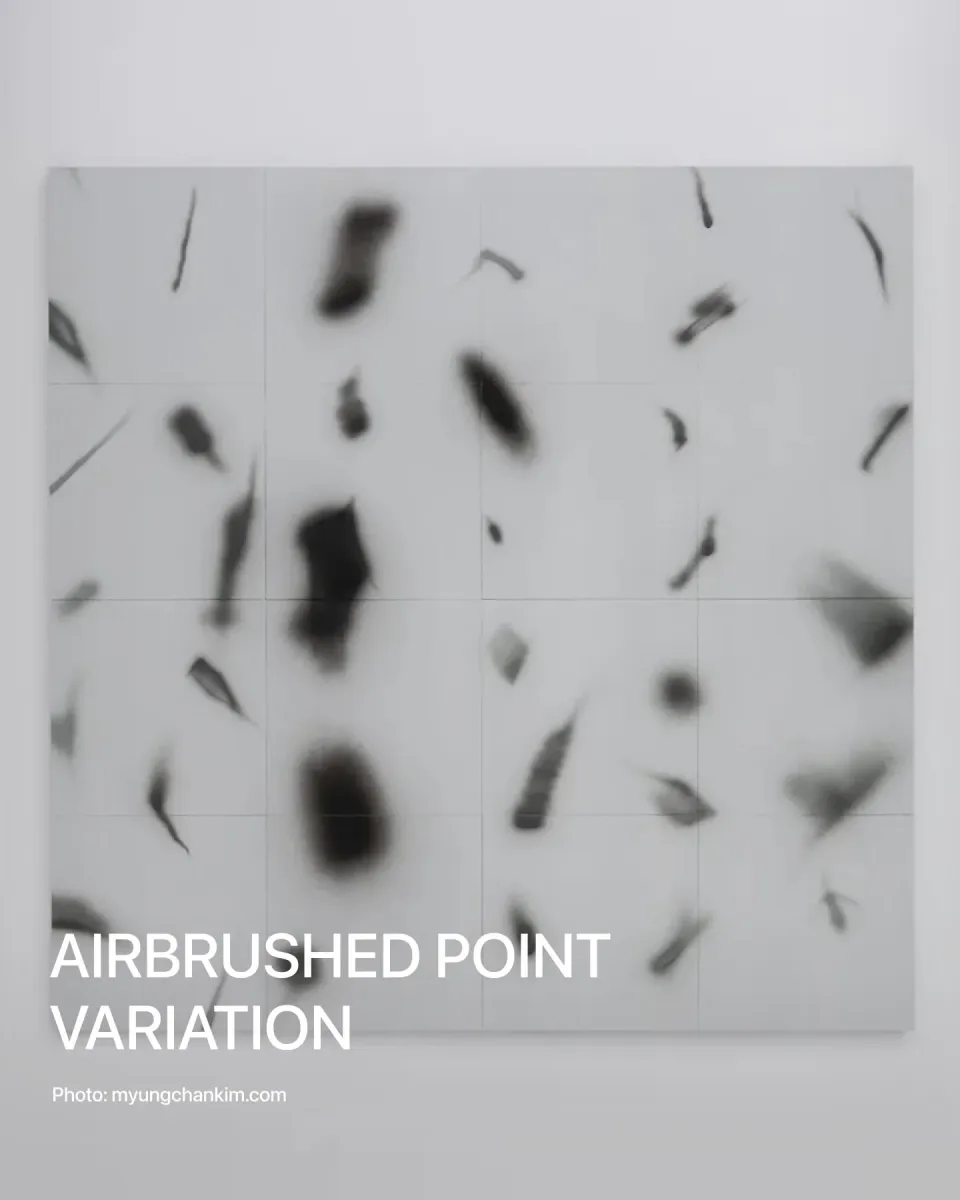
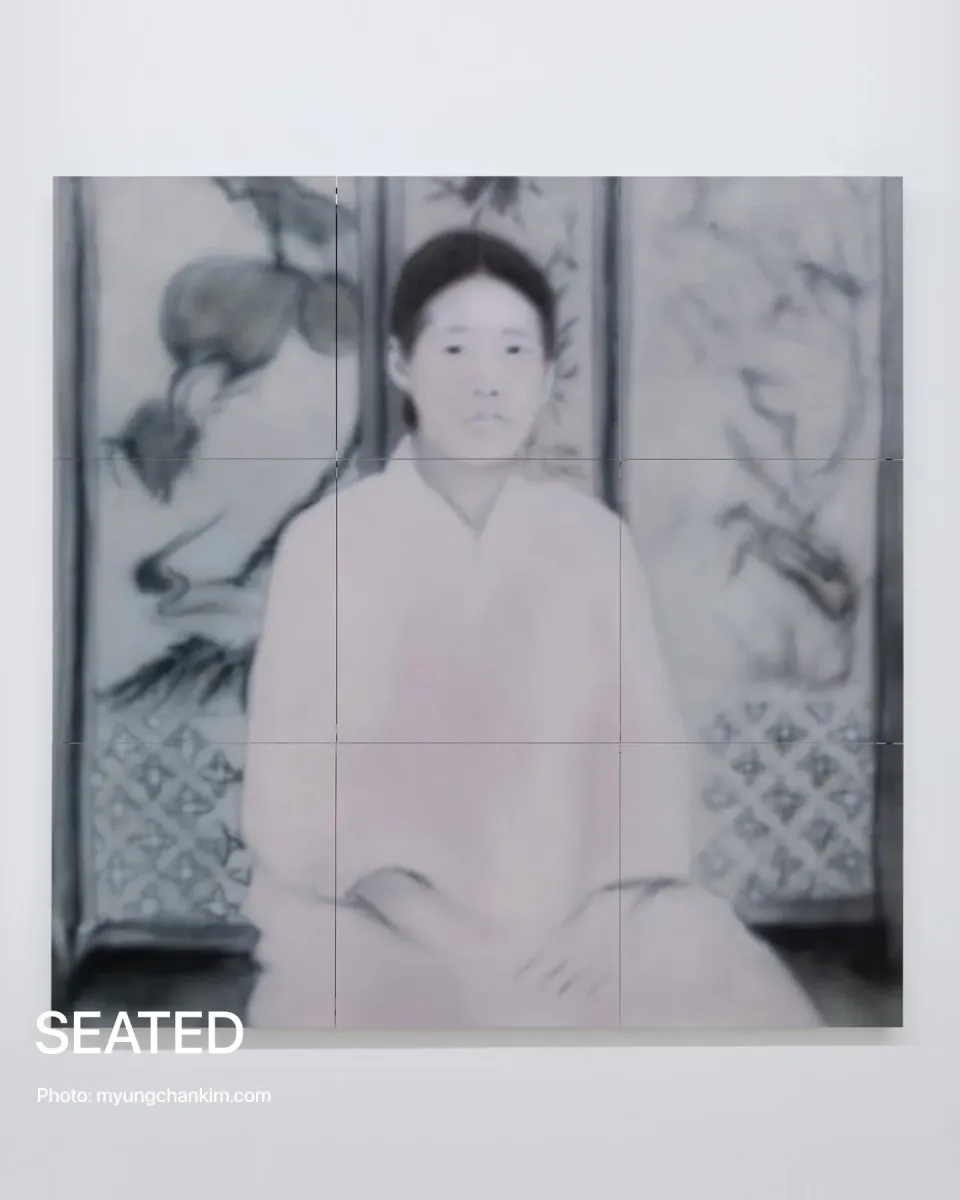
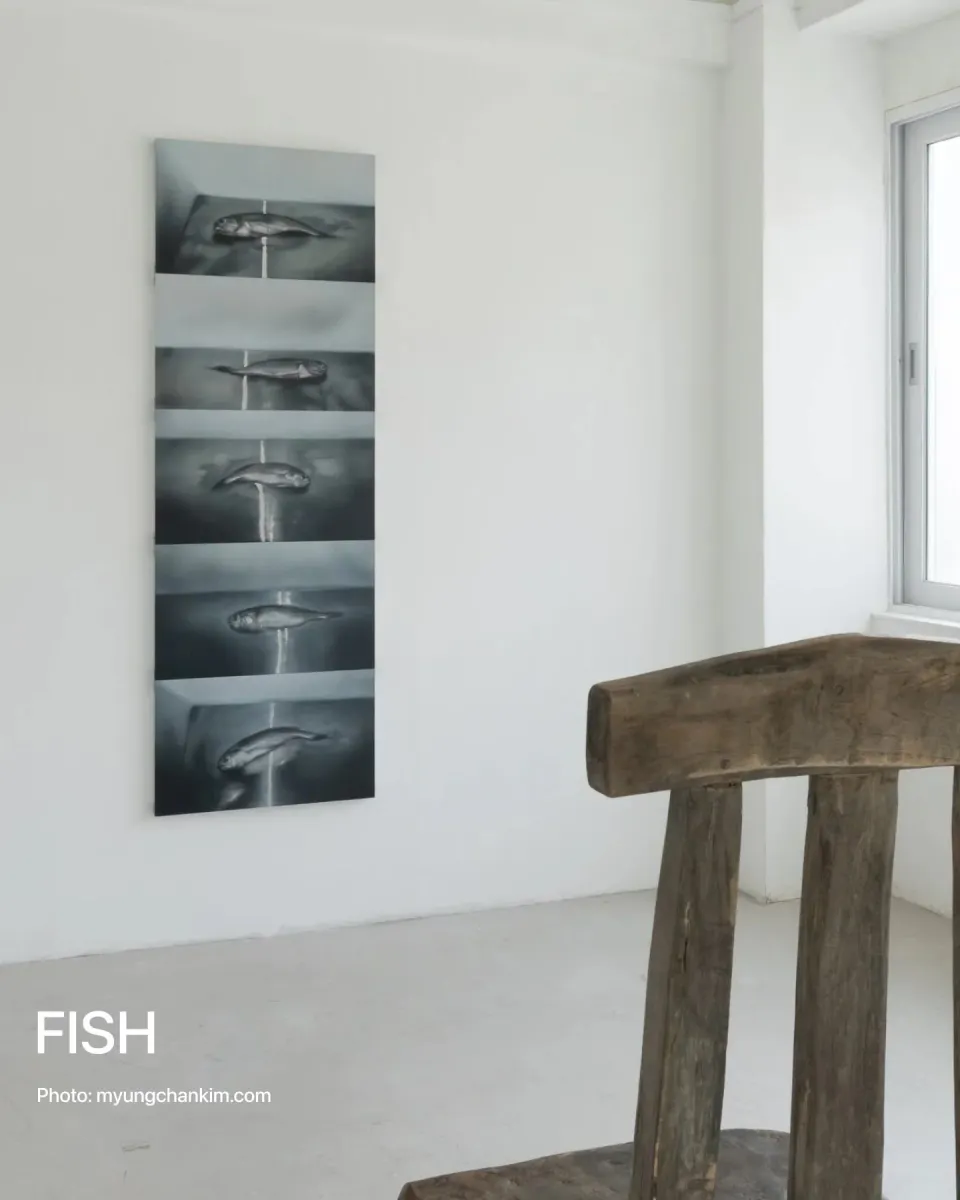
@kim.myungchan
.webp&w=1200&q=75)
Cergy / Paris / 2026
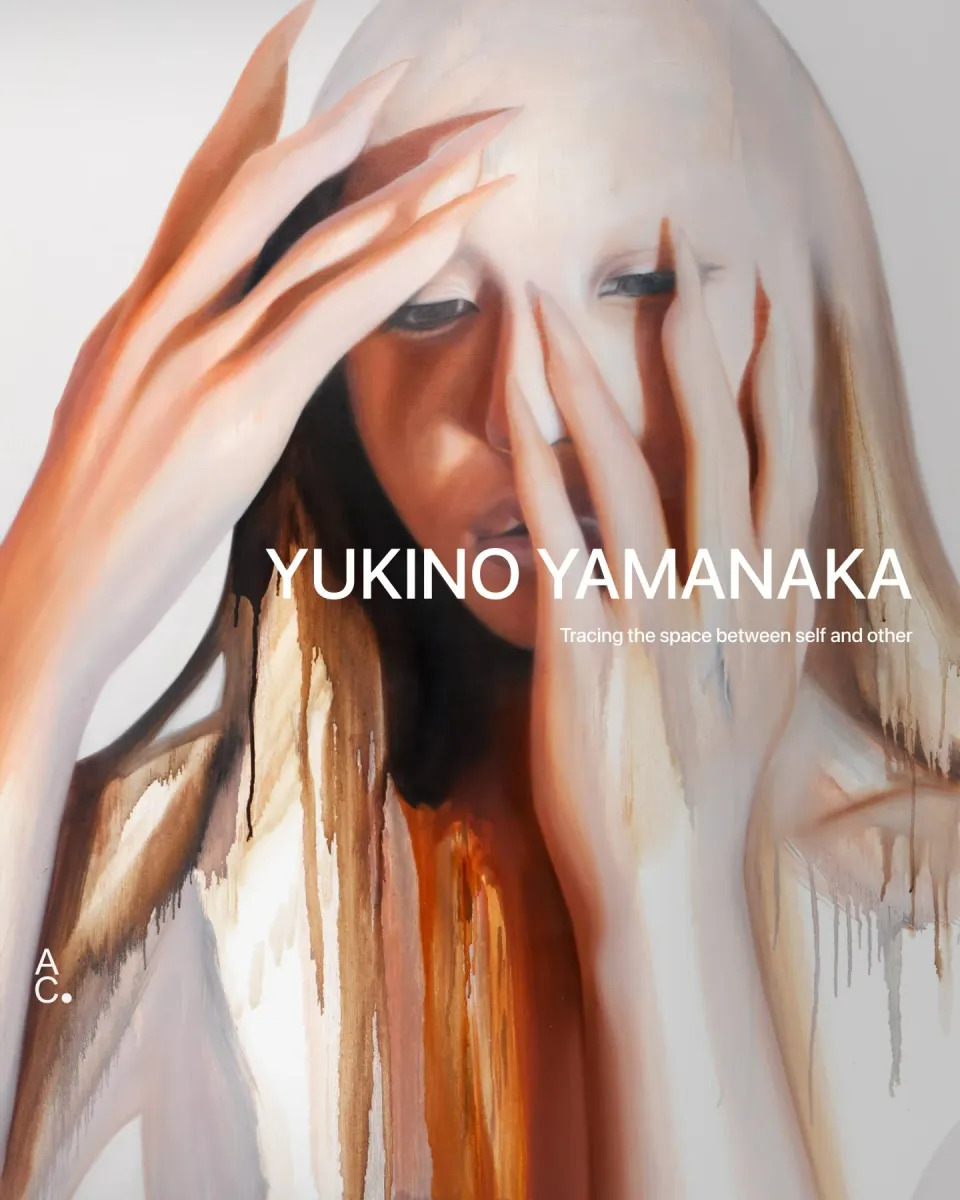
@yukino_yamanaka
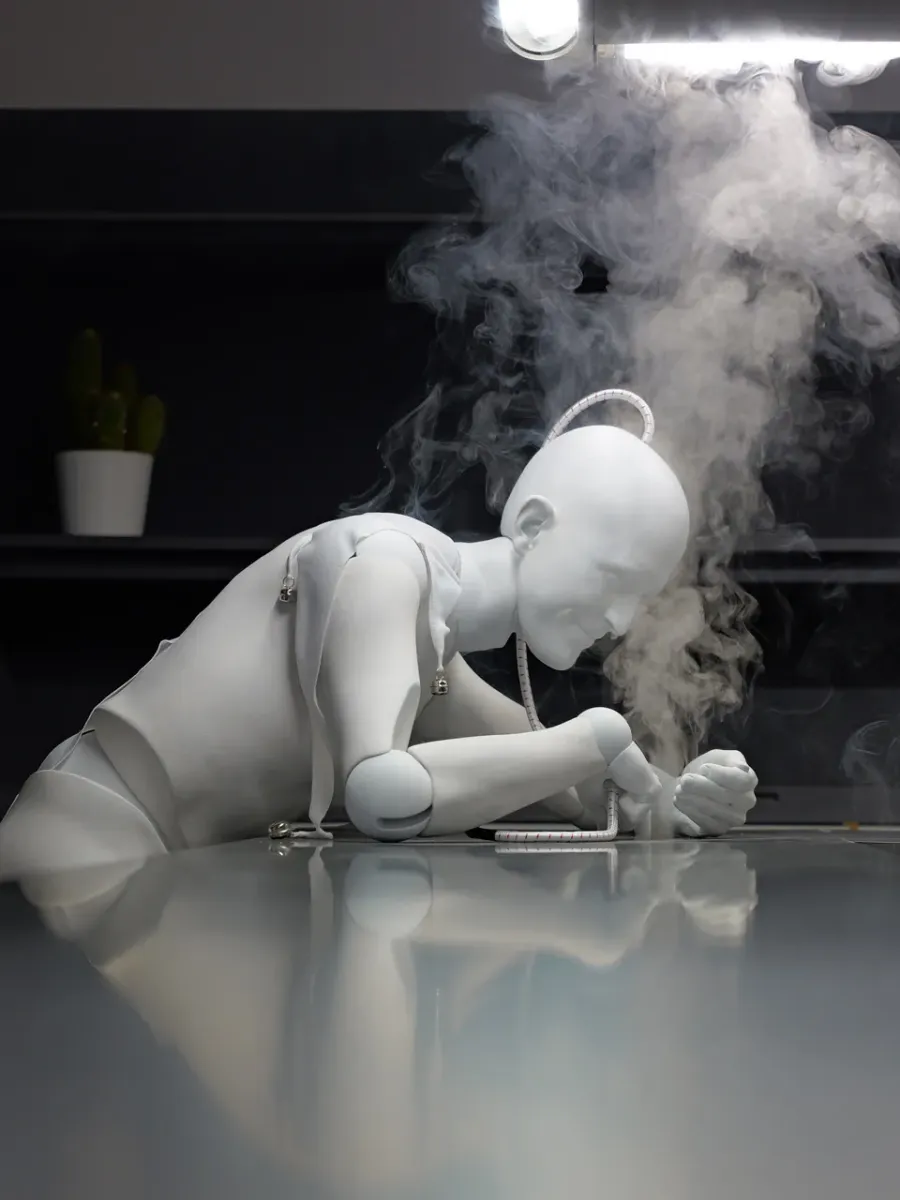
Düsseldorf / 2026
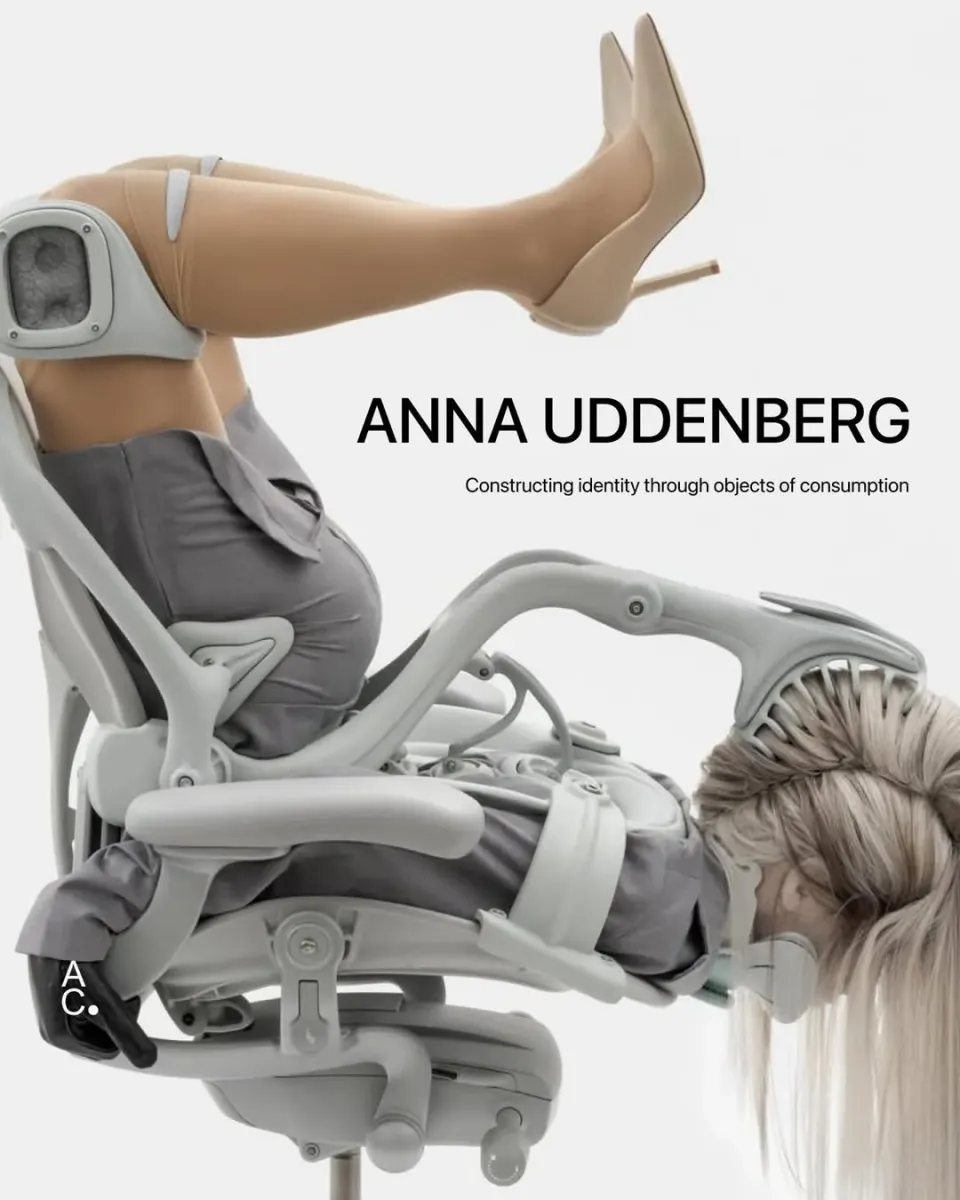
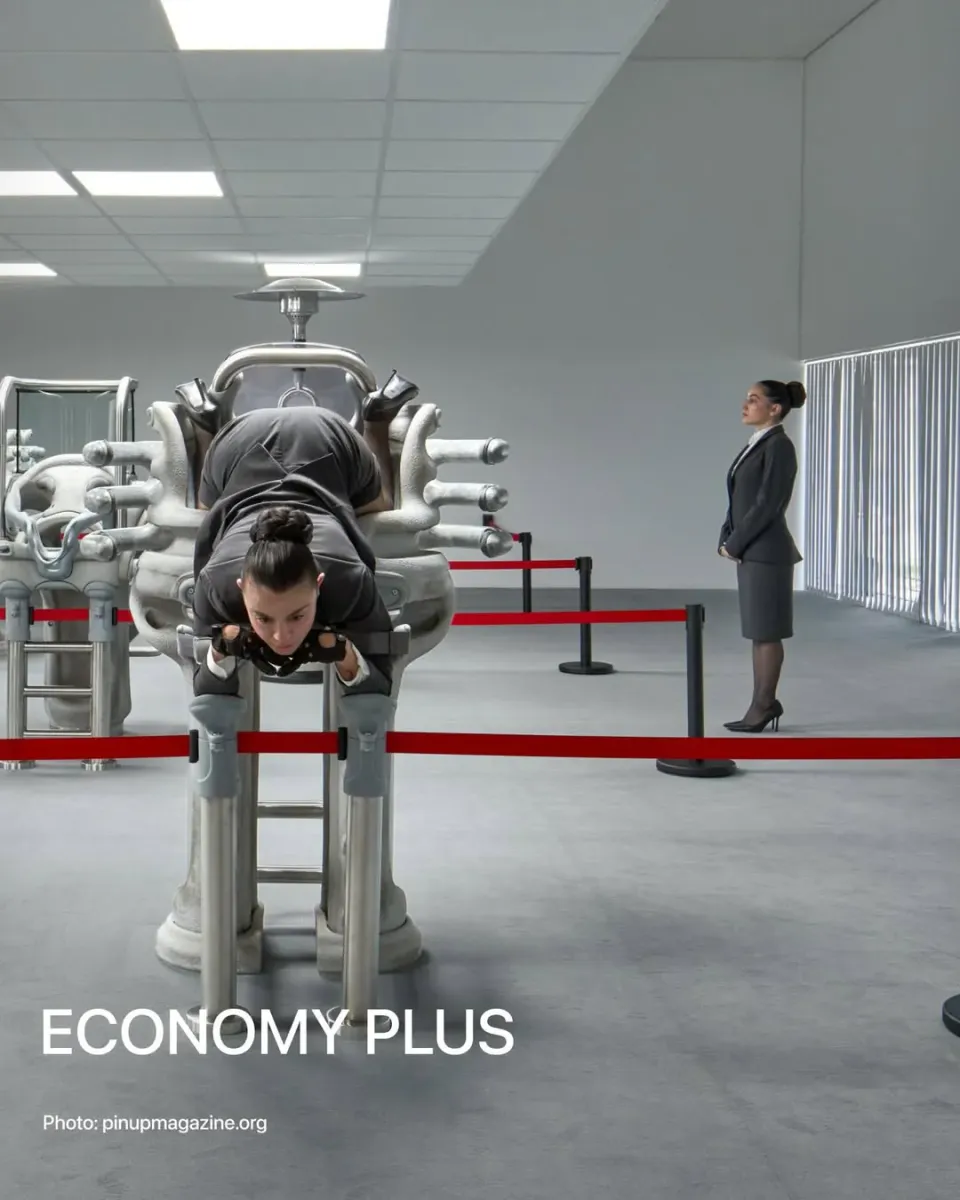
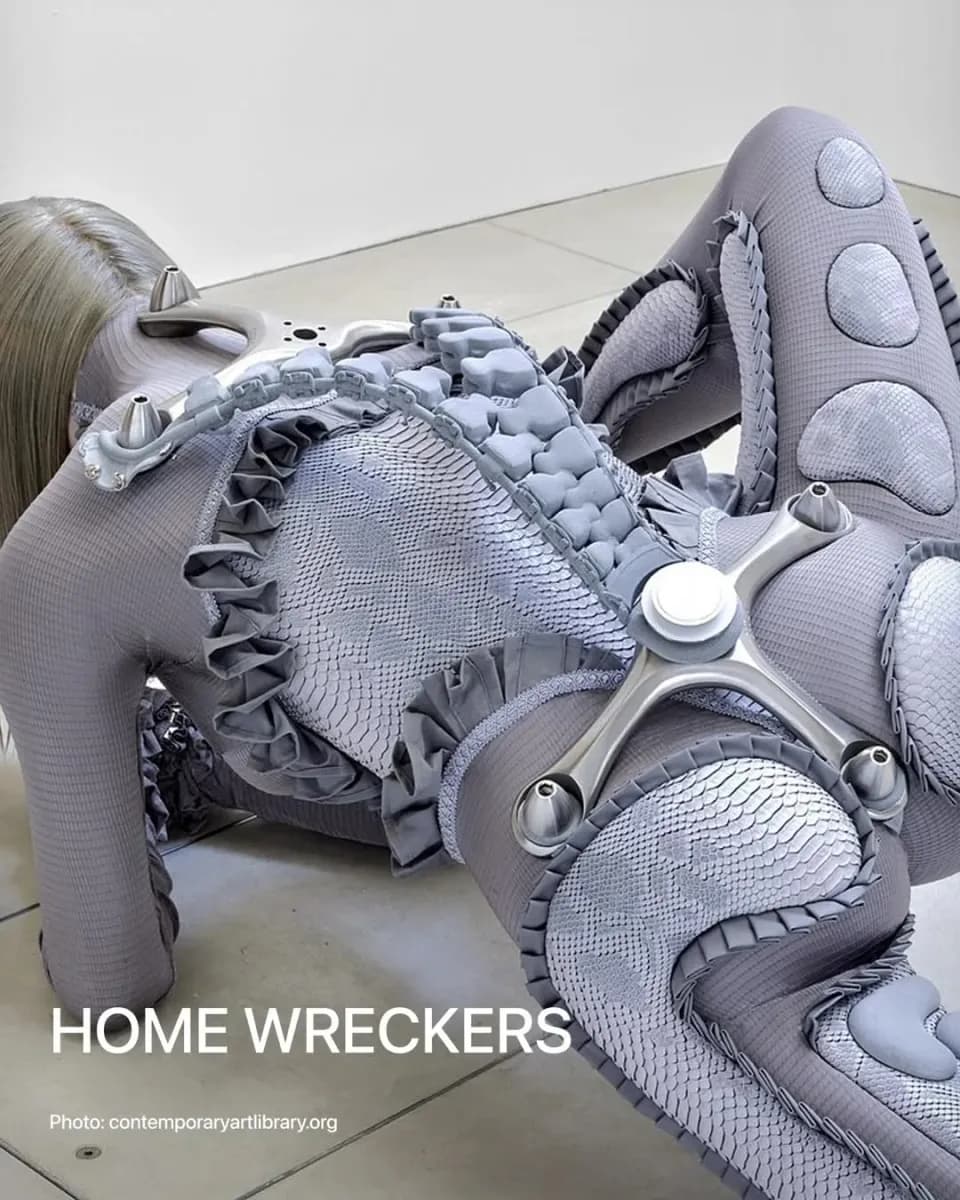
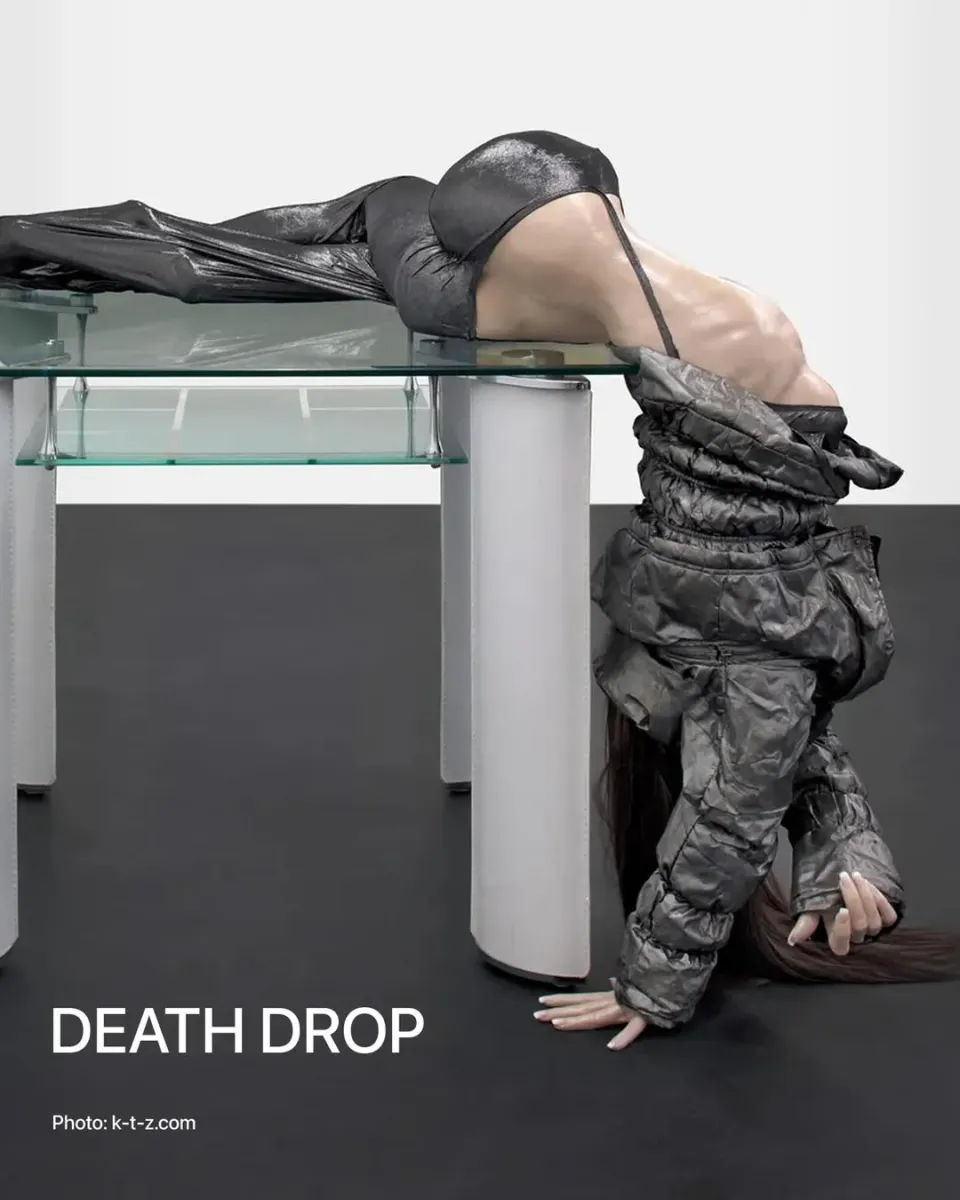
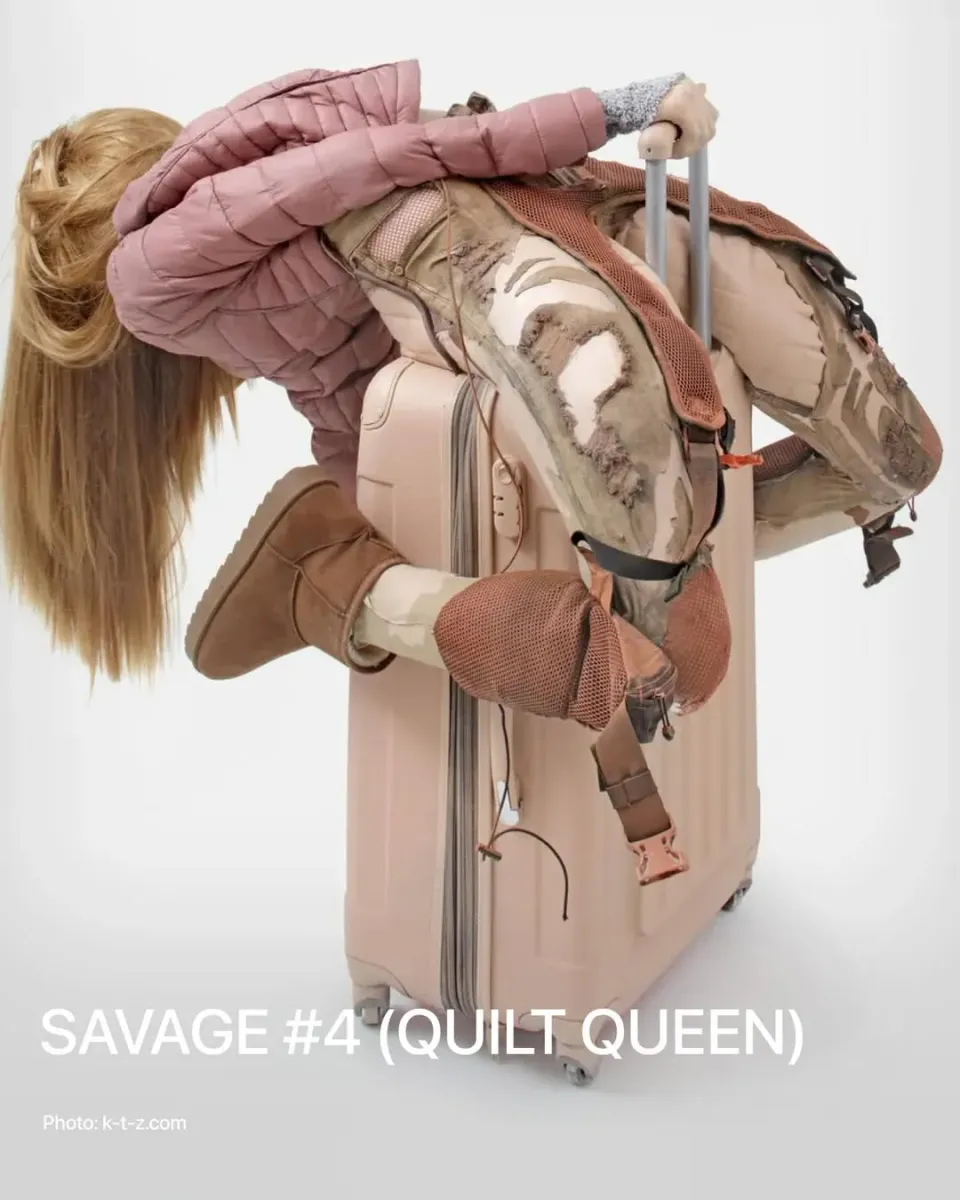
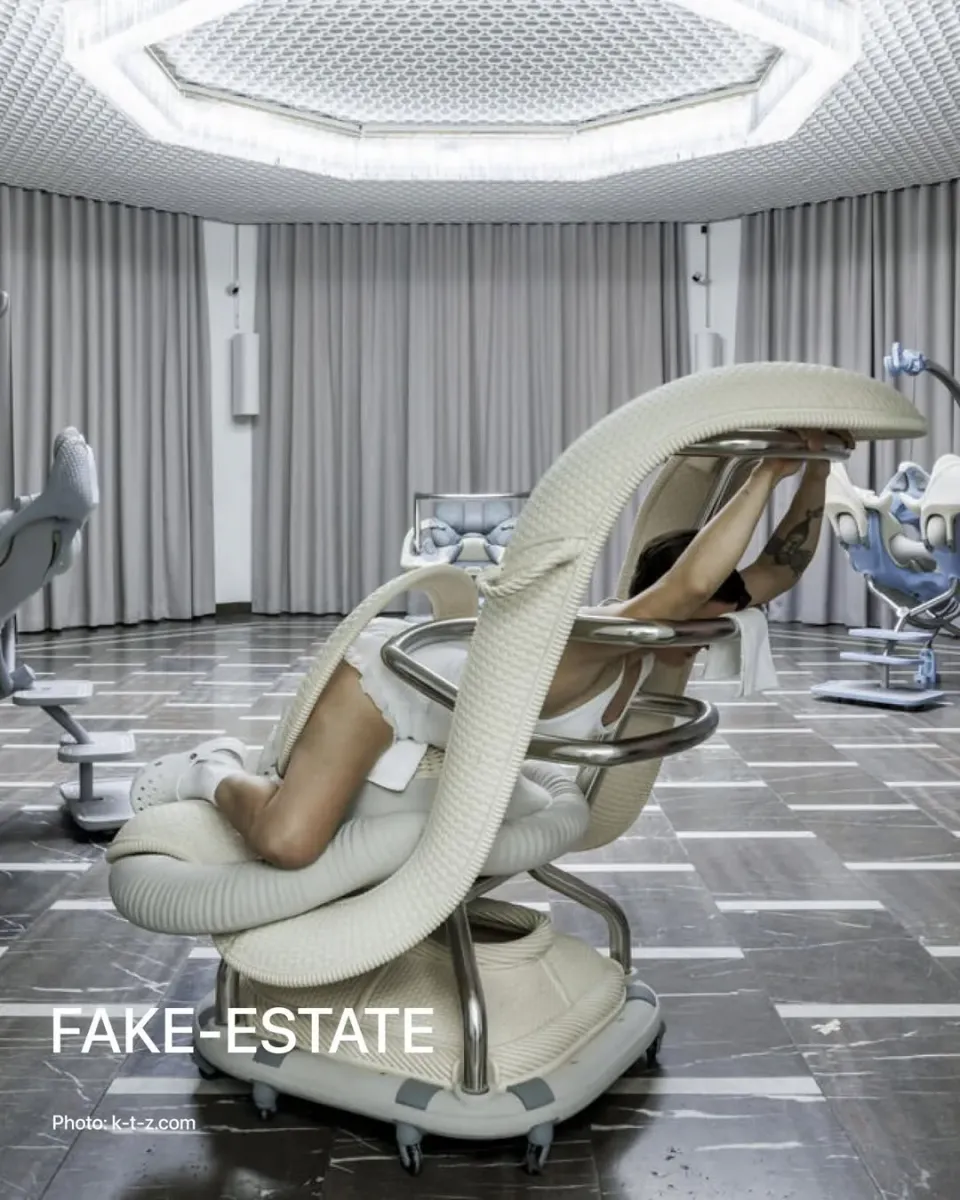
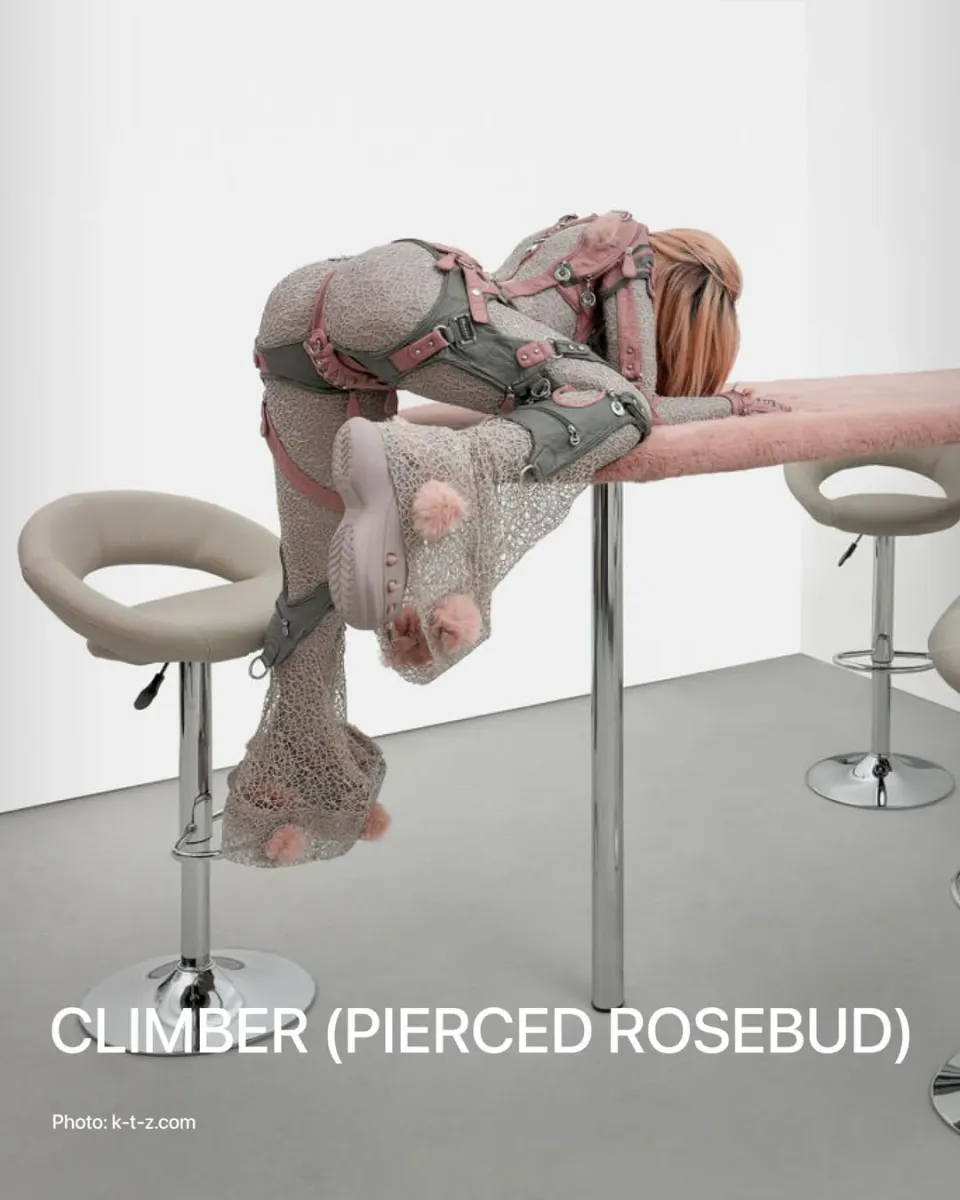
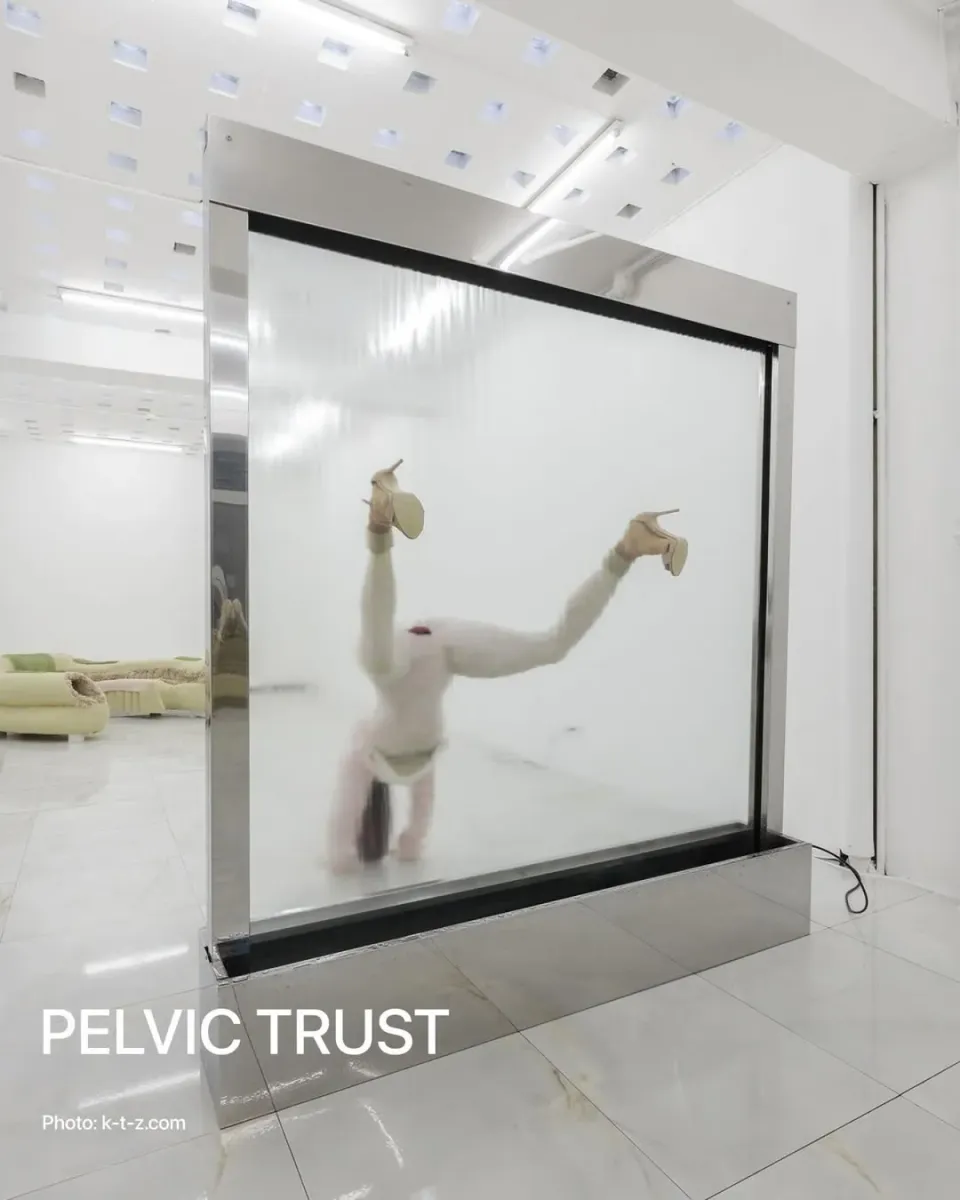
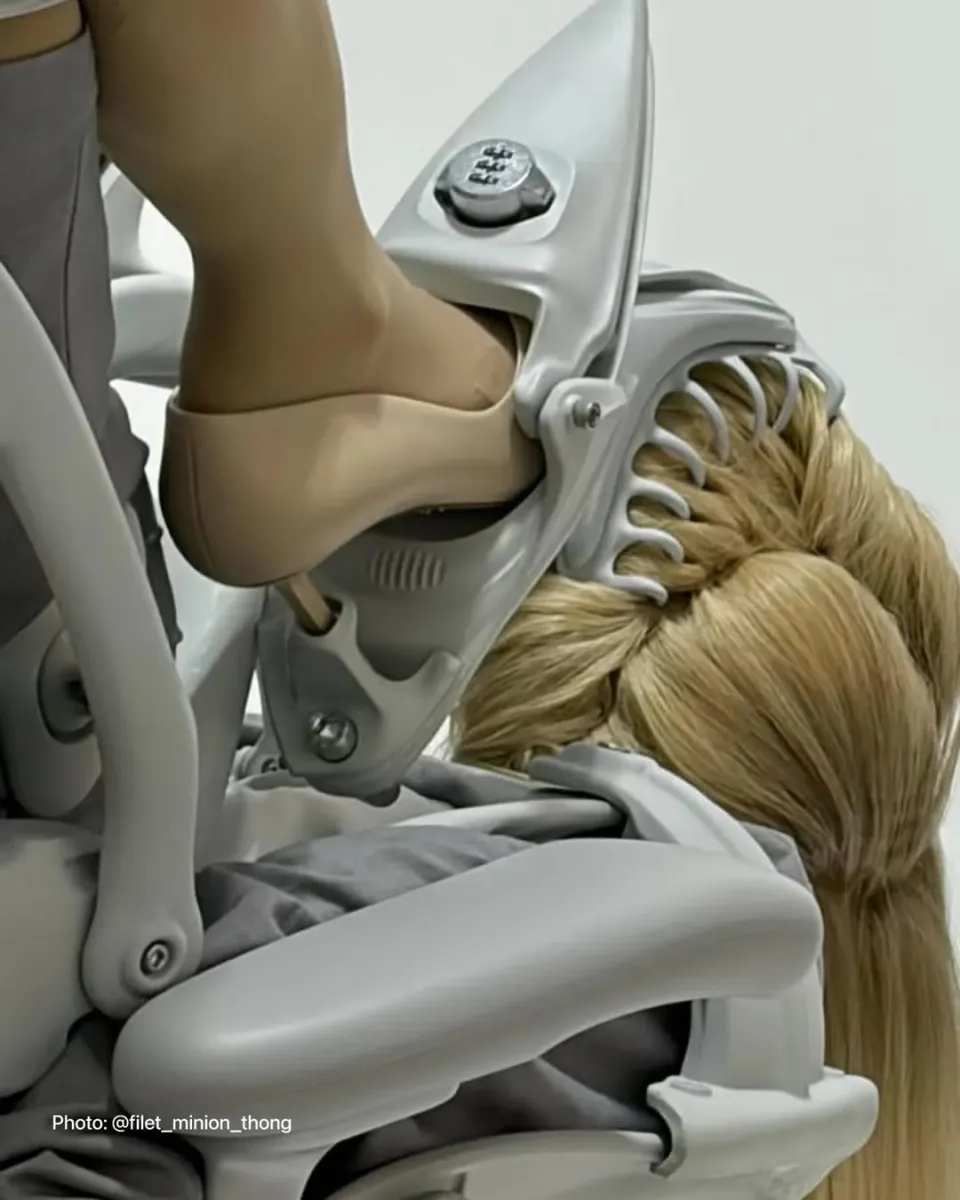
@filet_minion_thong
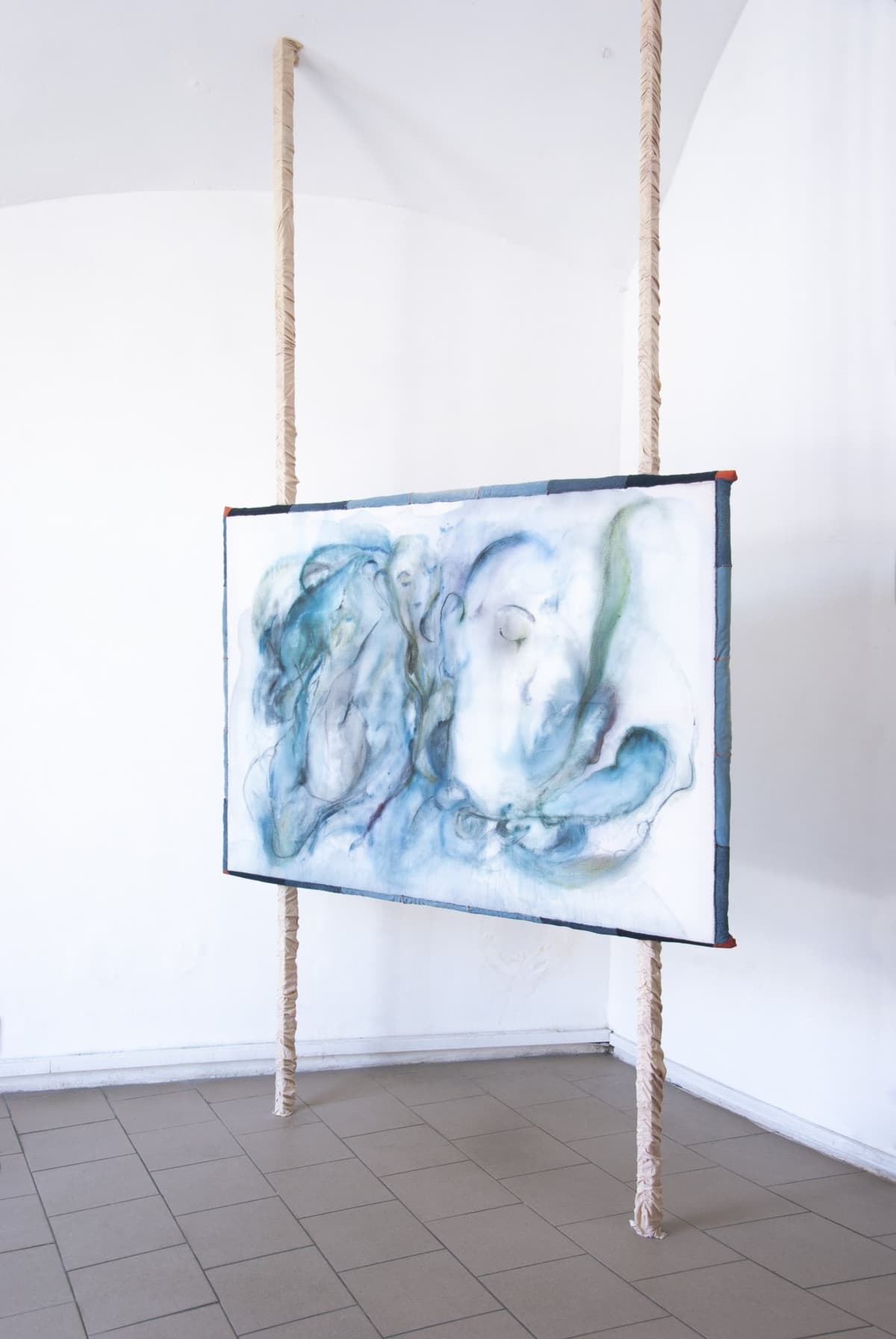
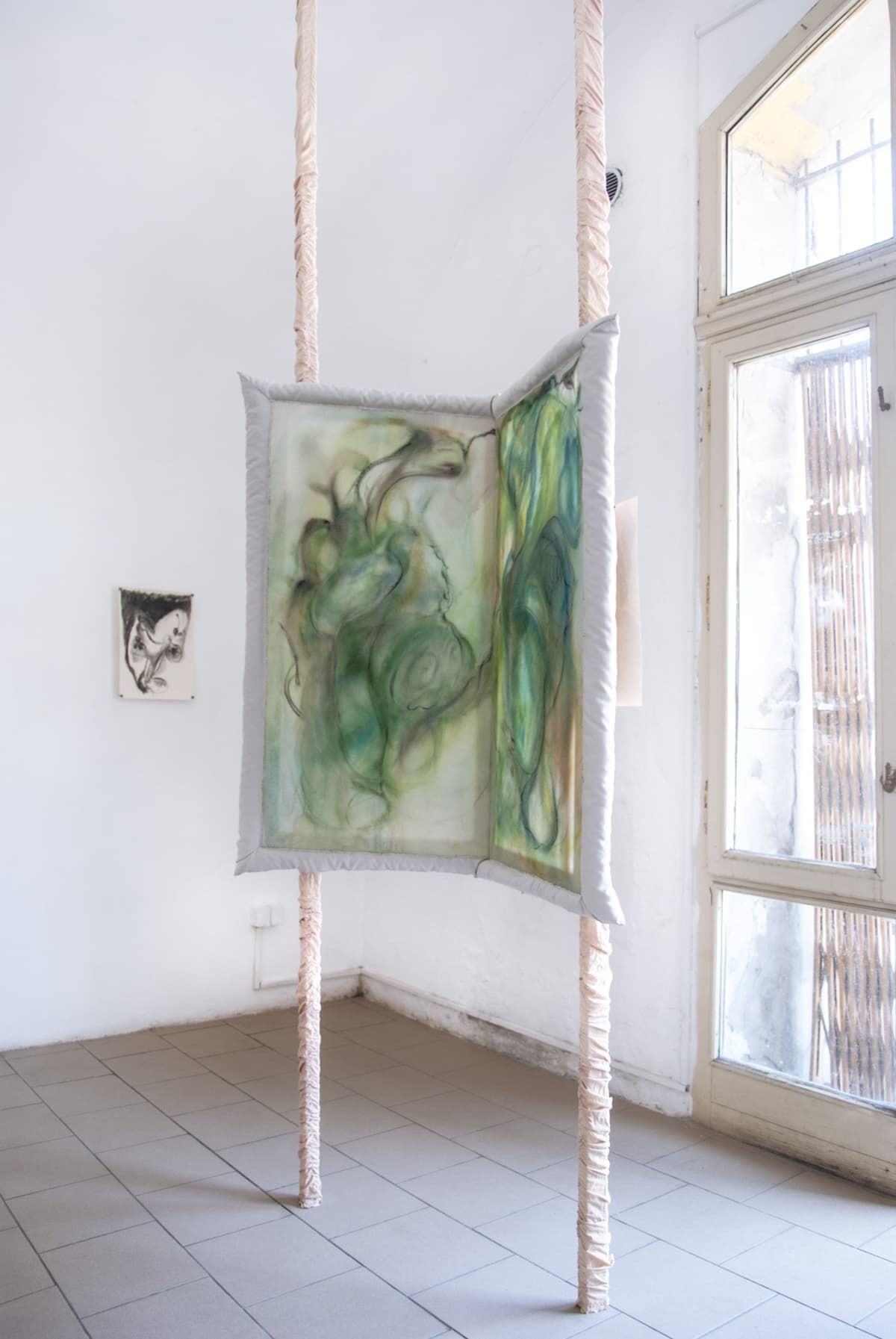
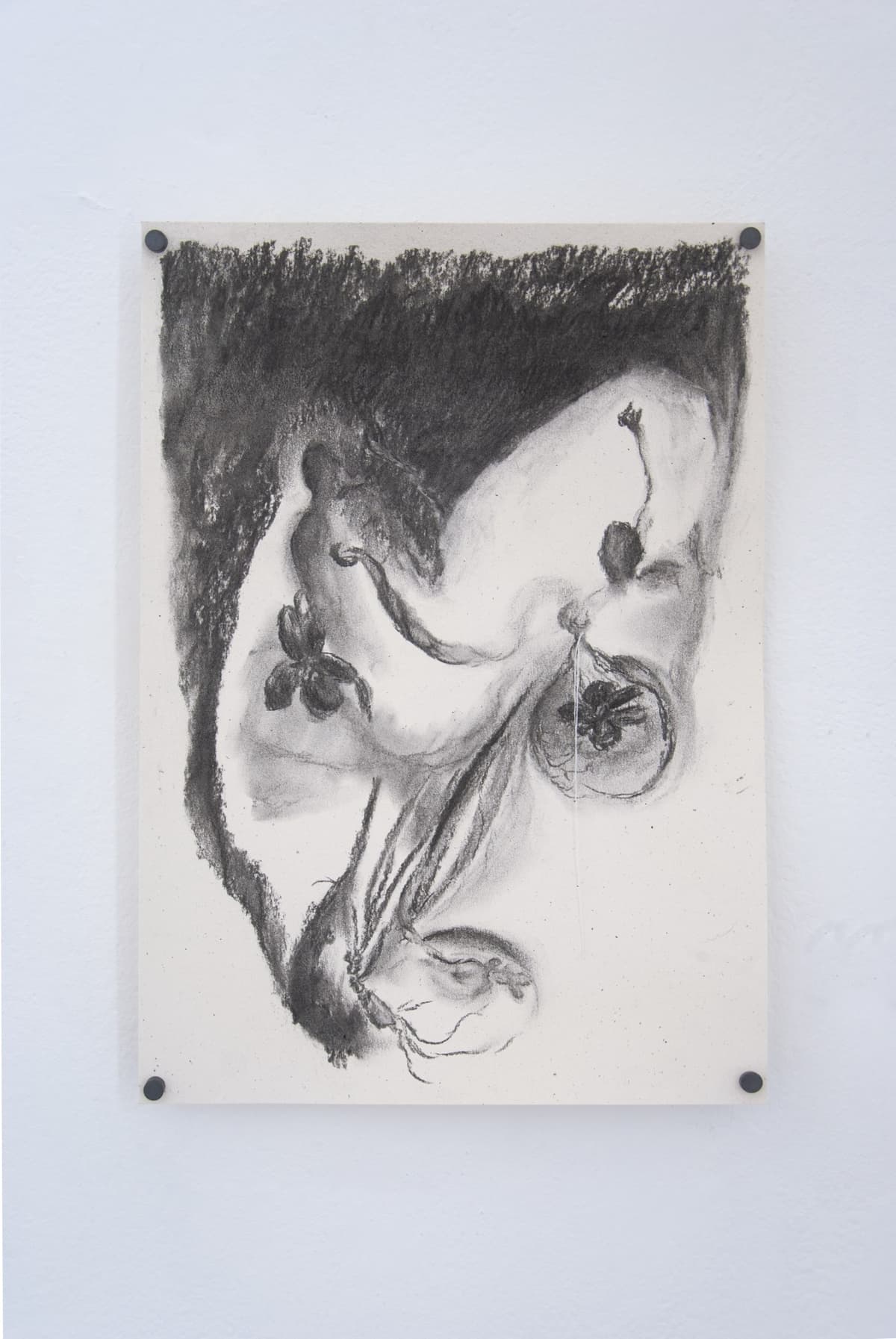
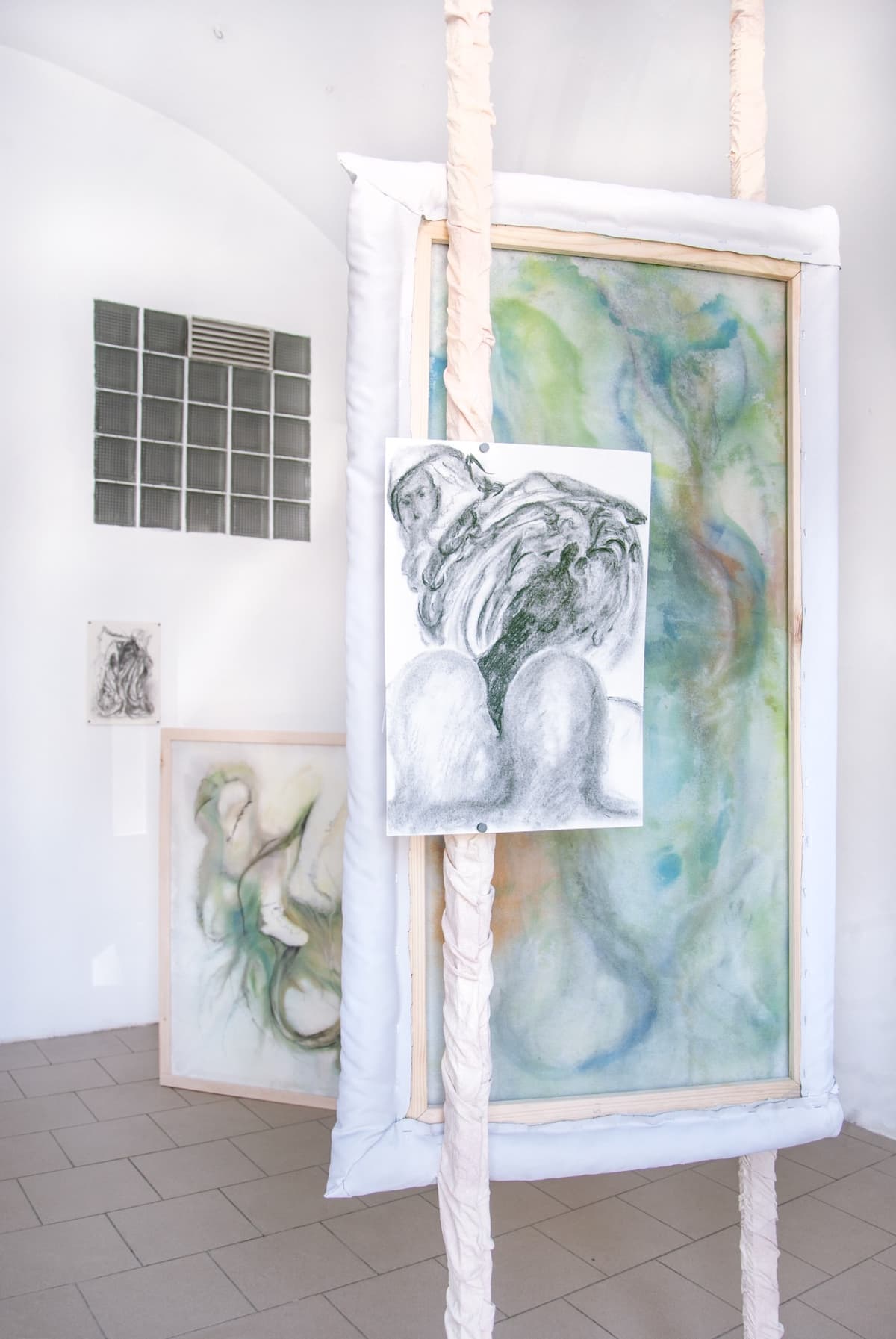
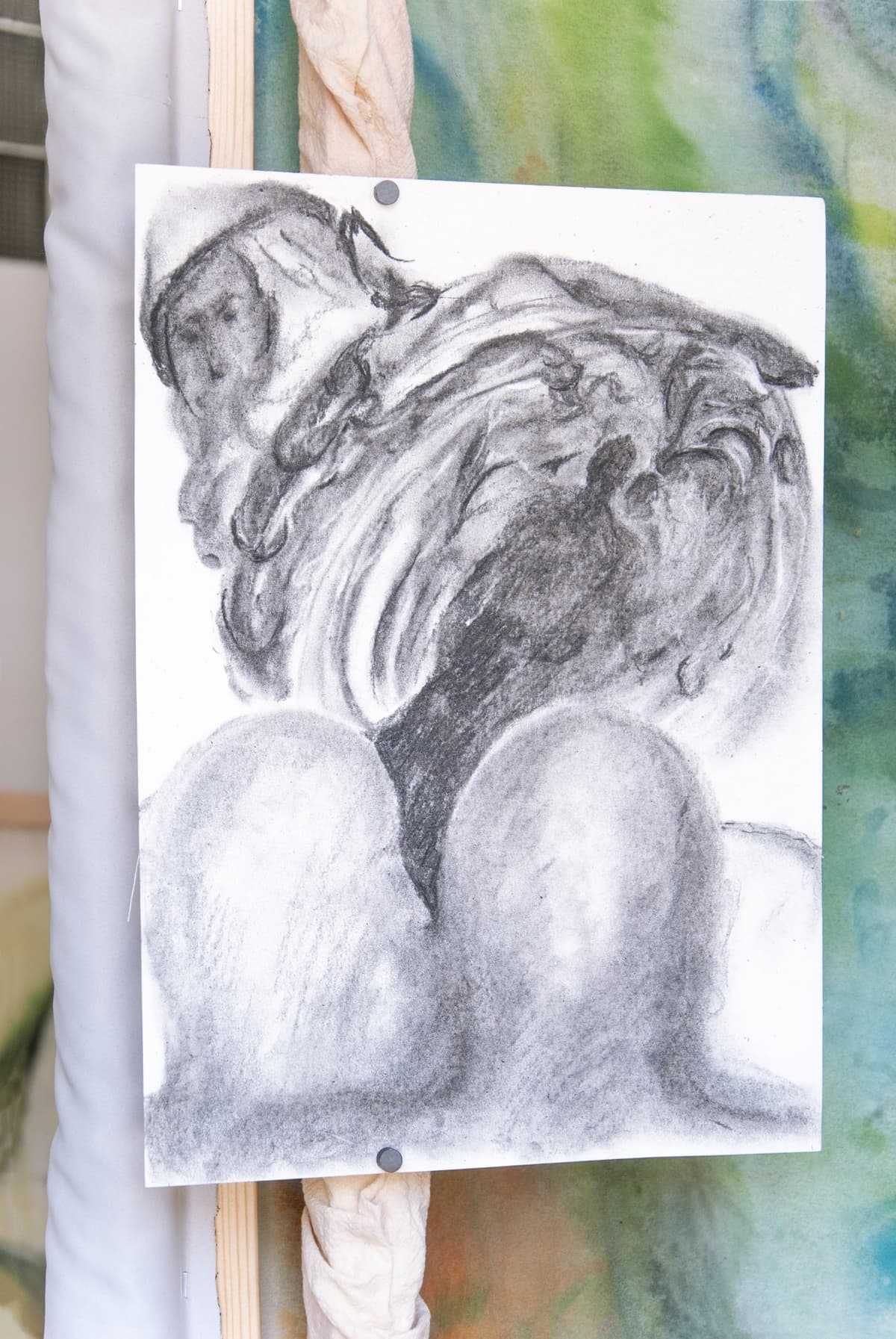
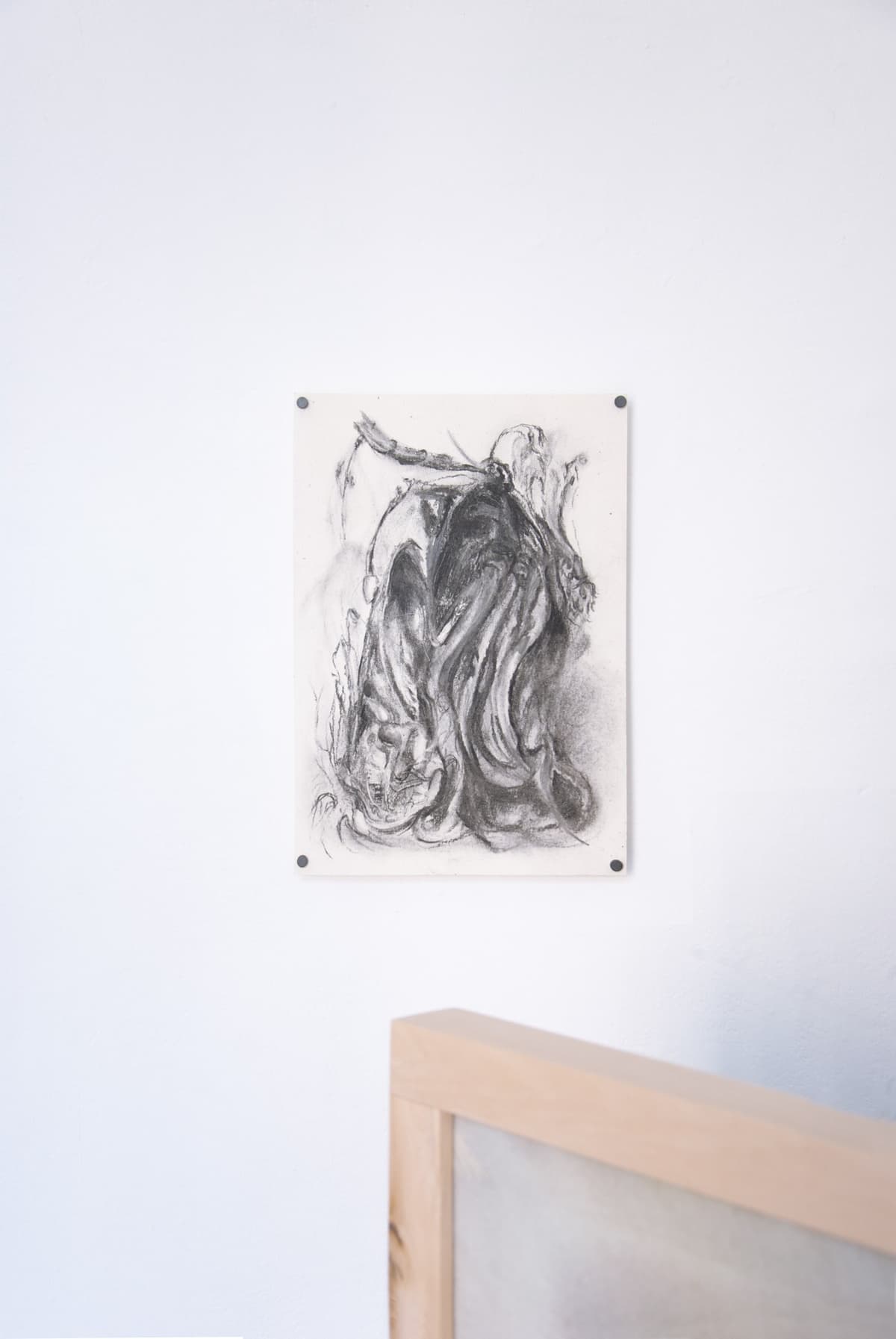
Brno / 2025
@aio0o0o0
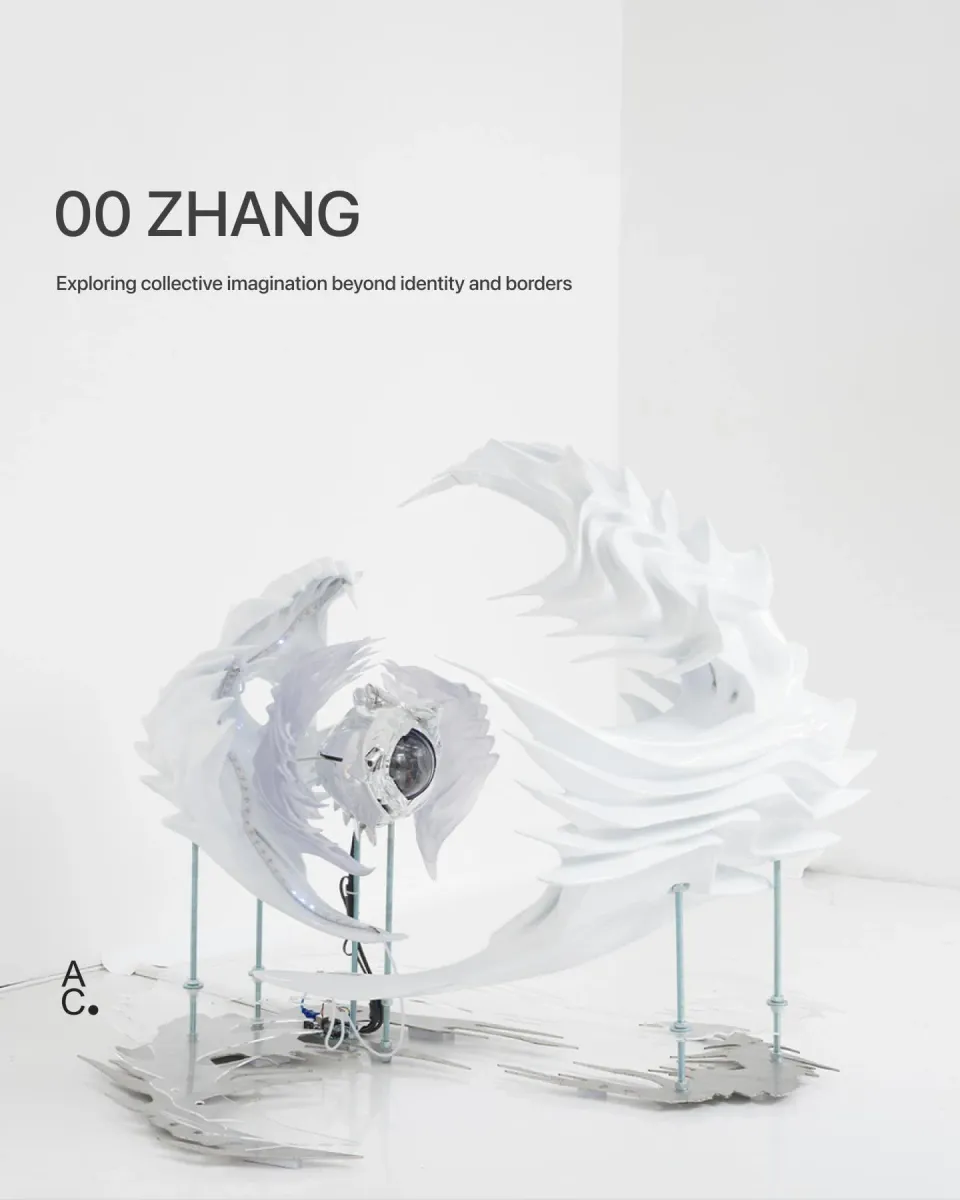
/ 2024
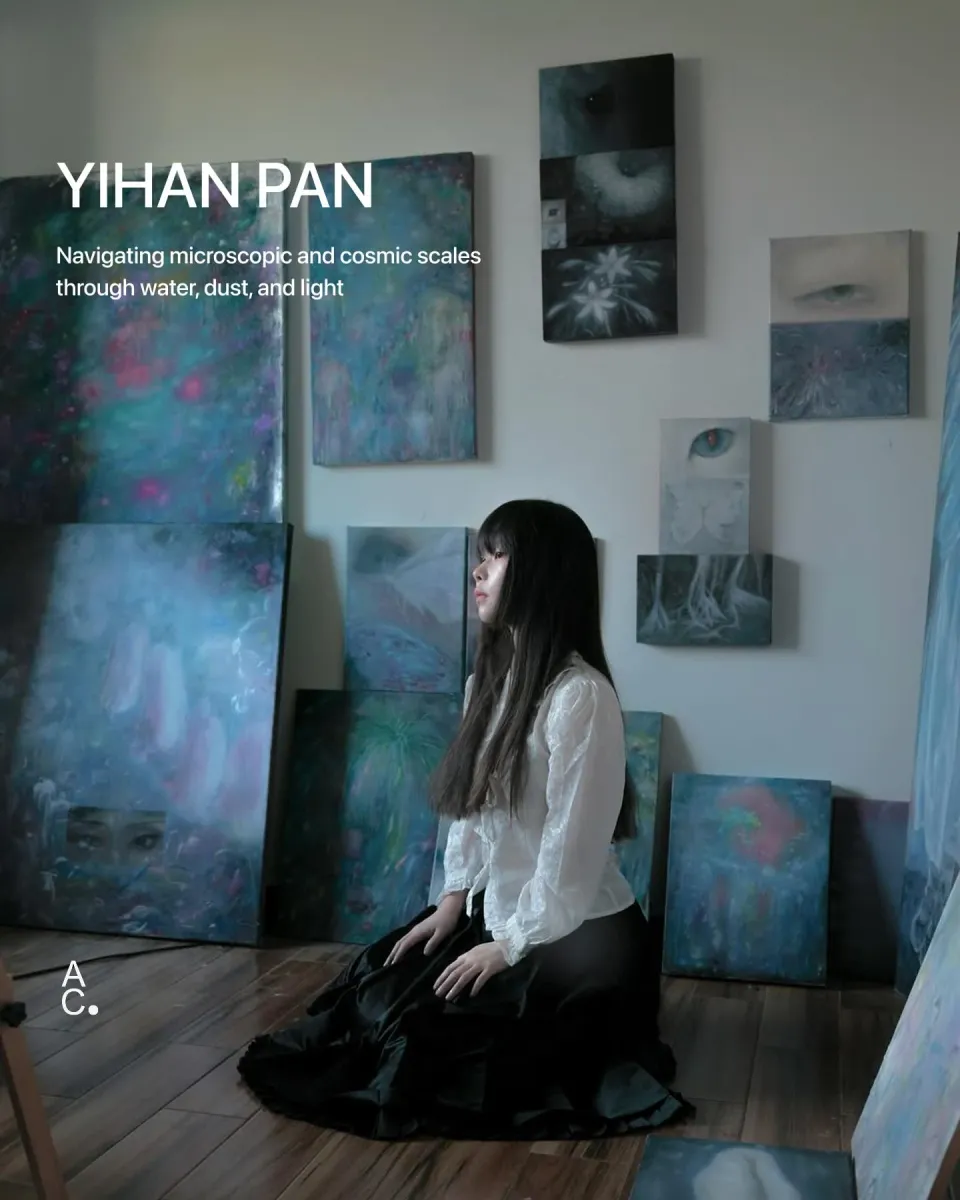
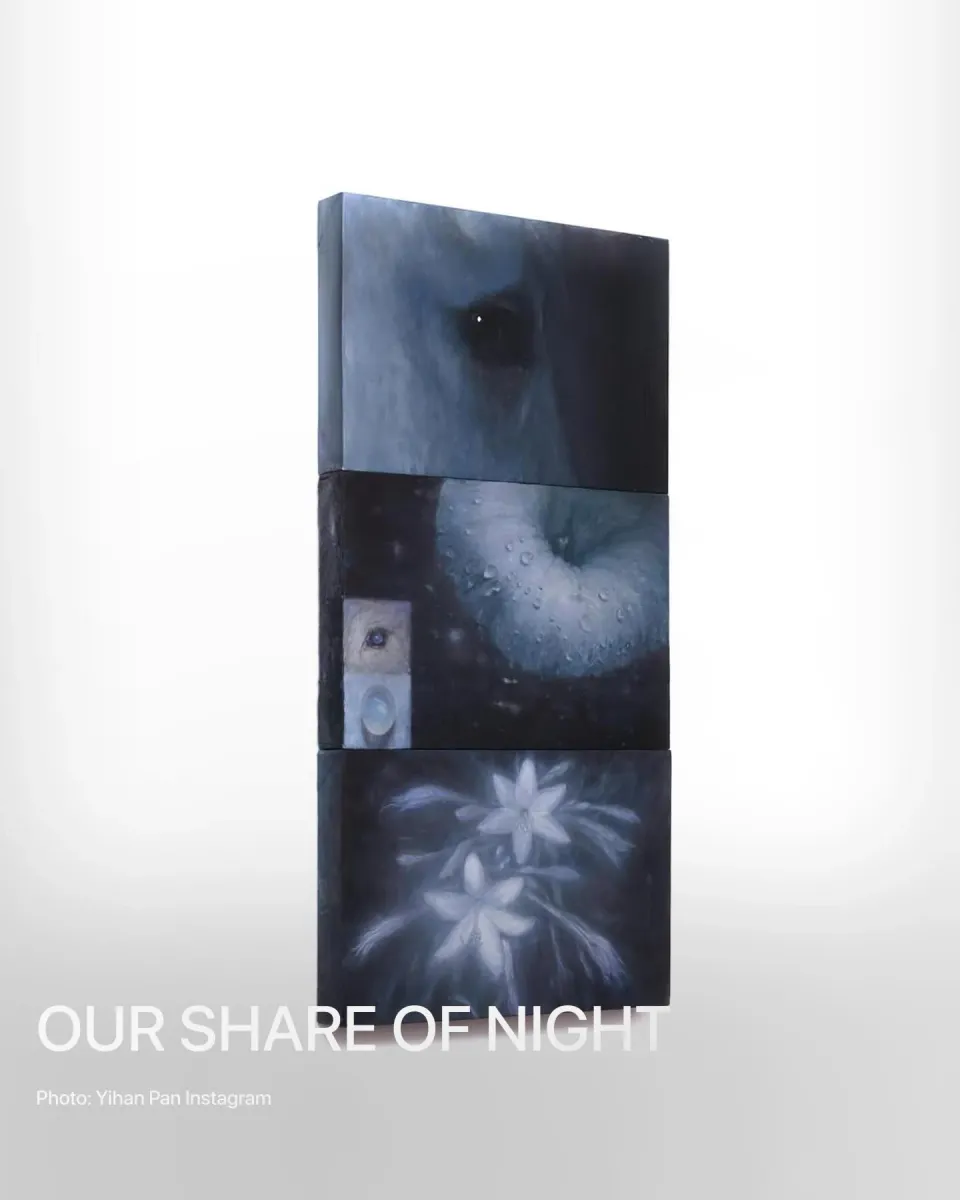
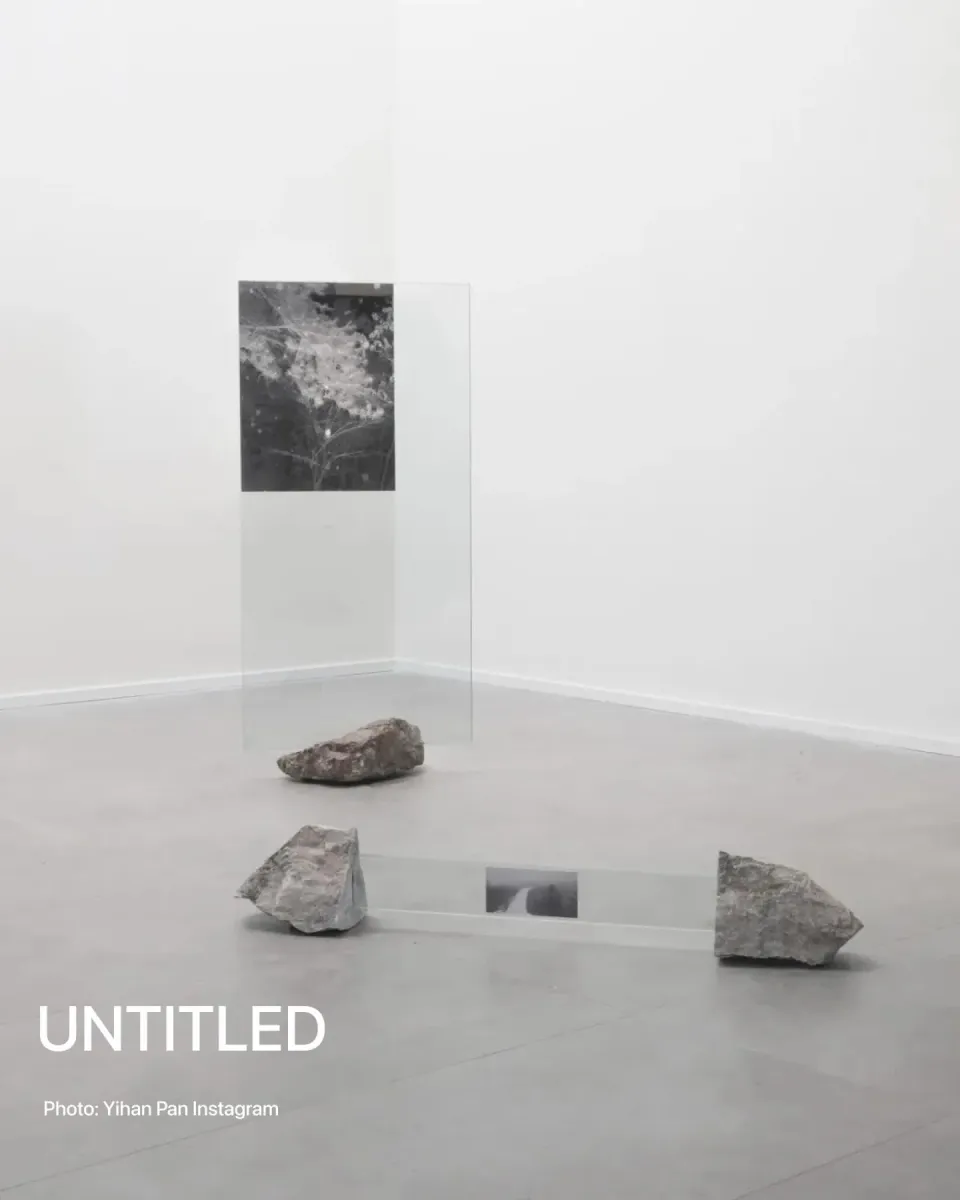
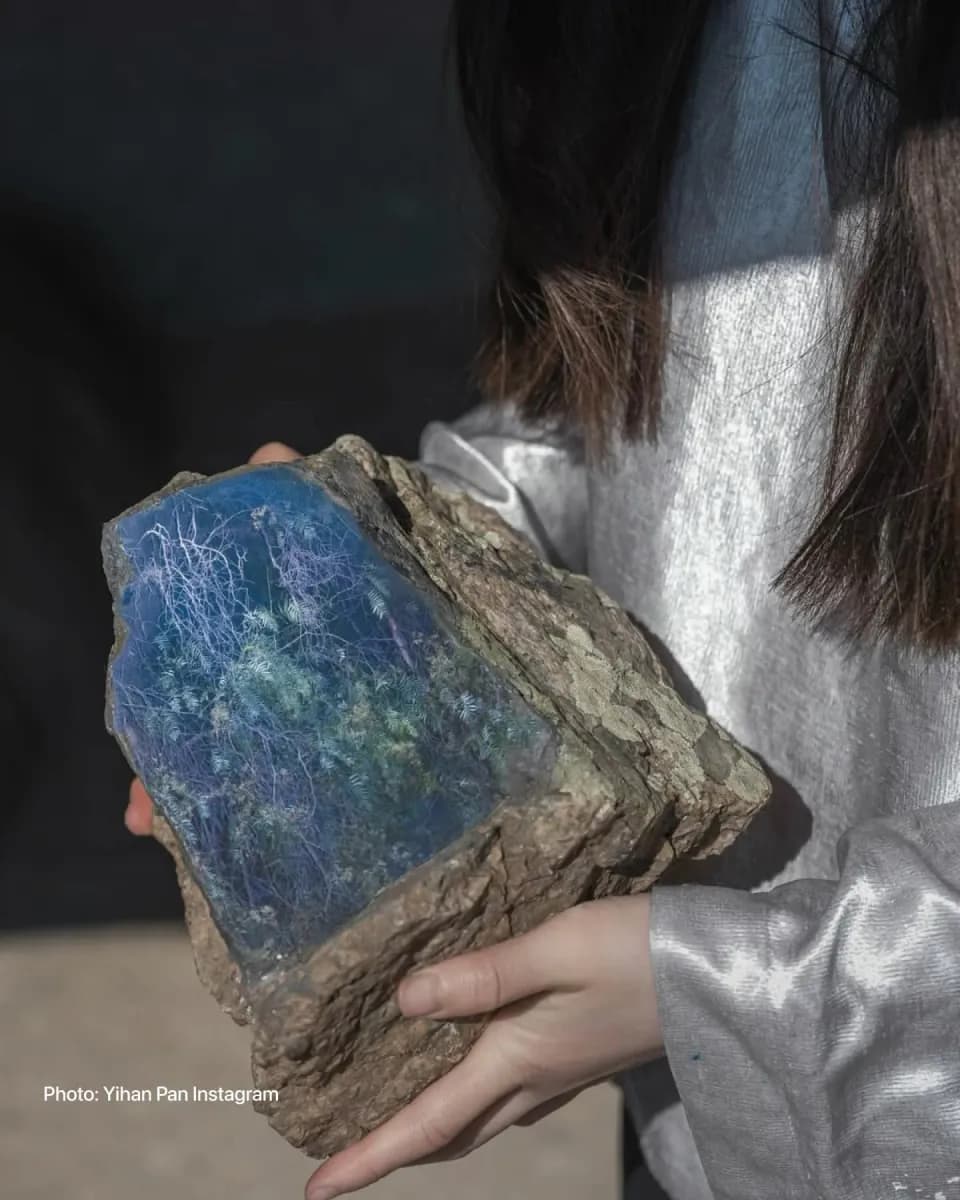
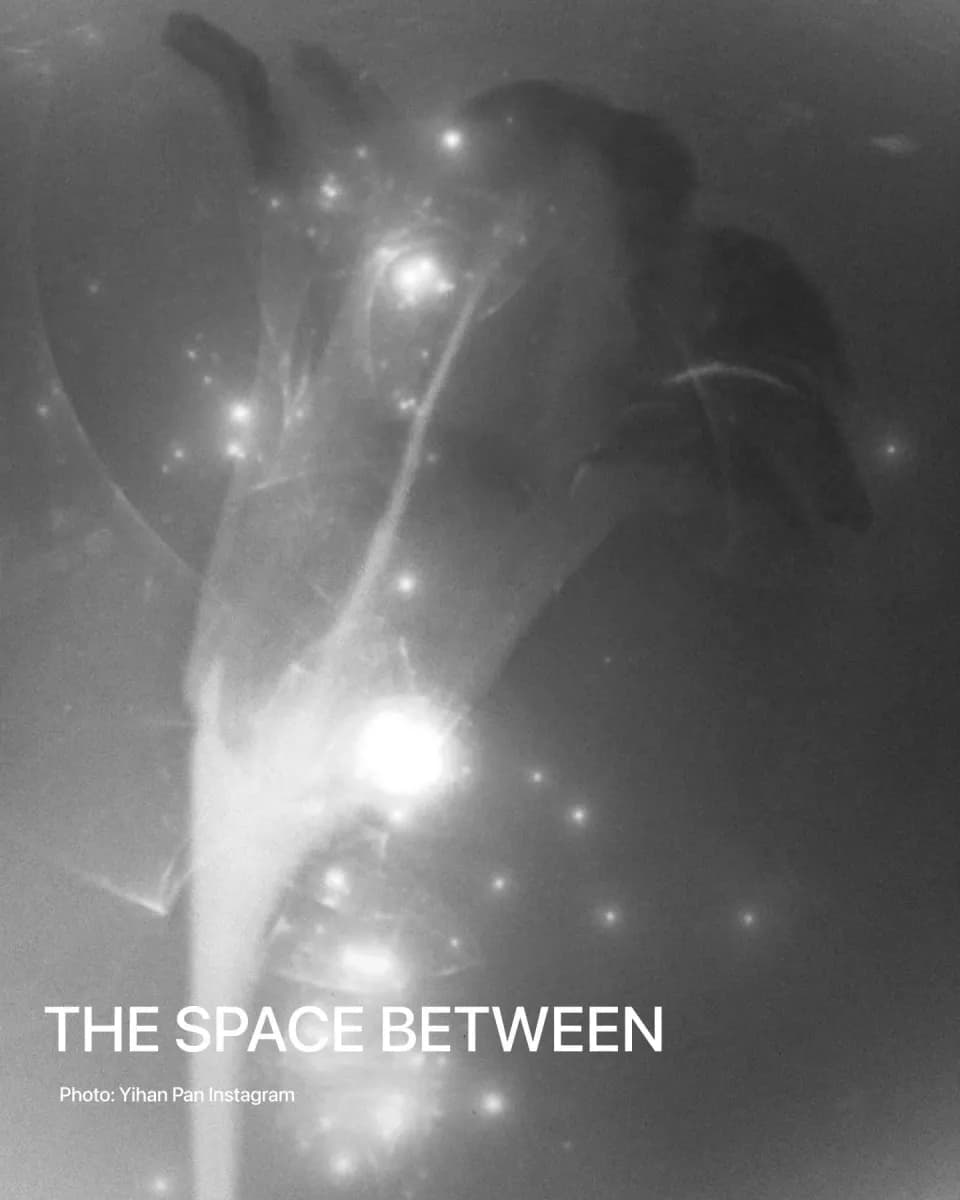
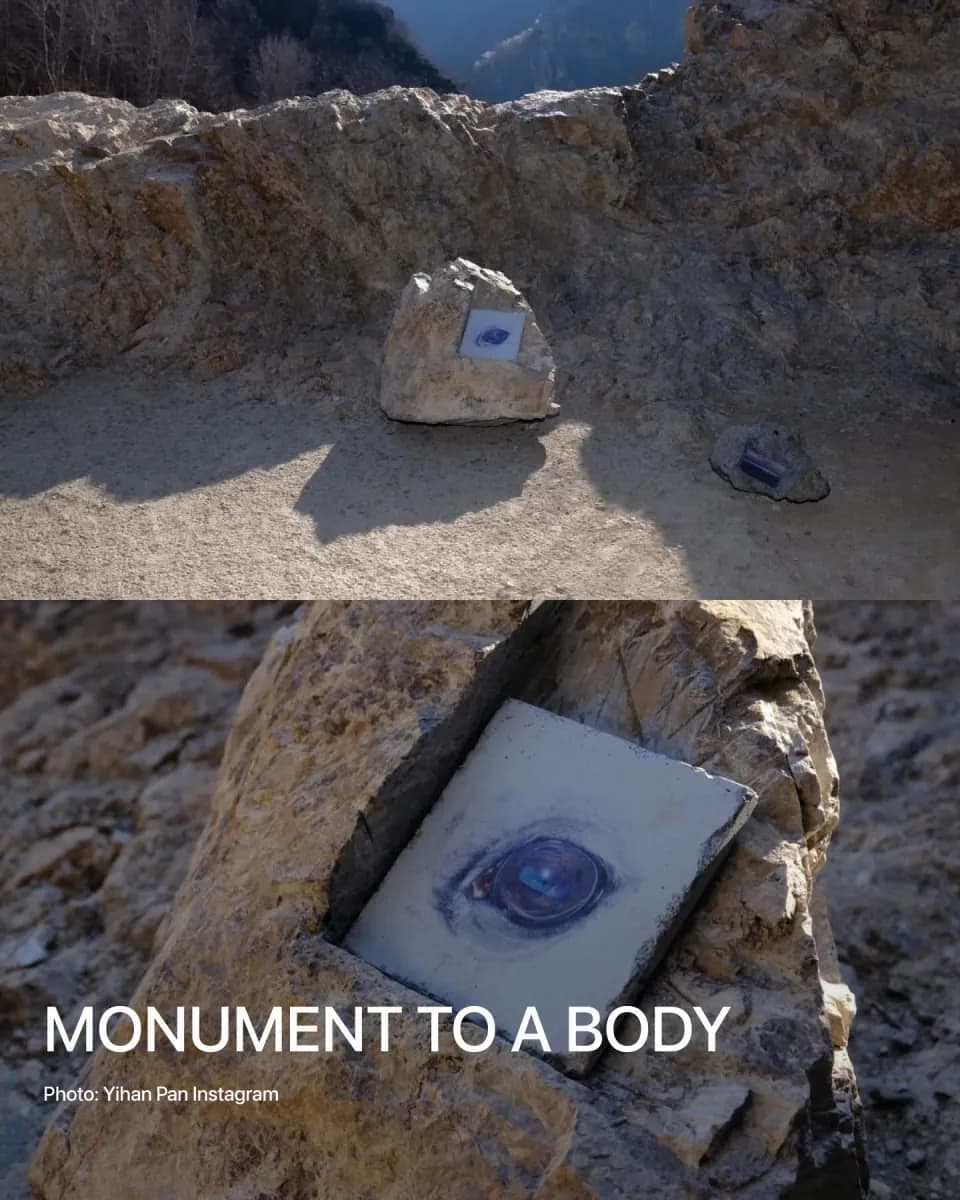
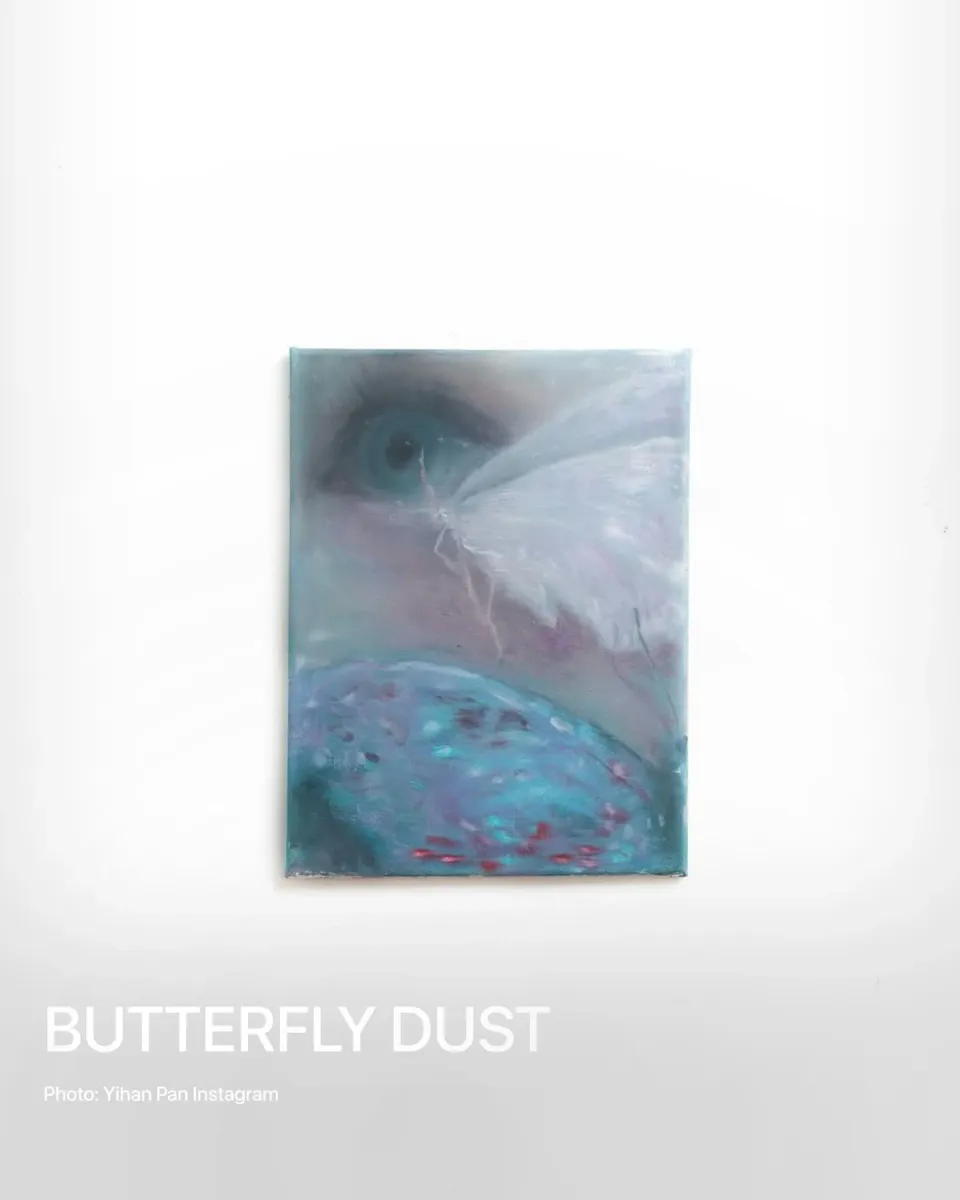
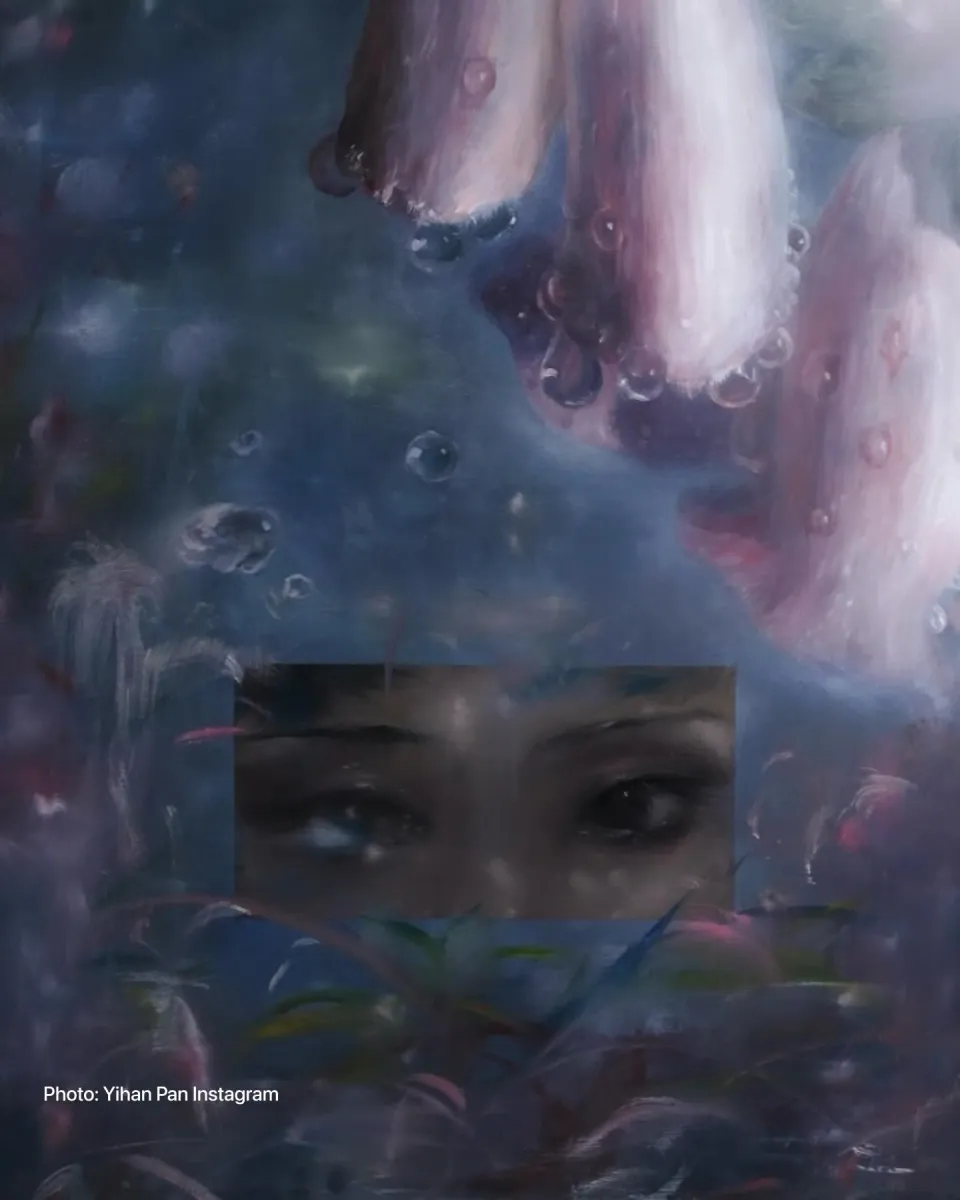
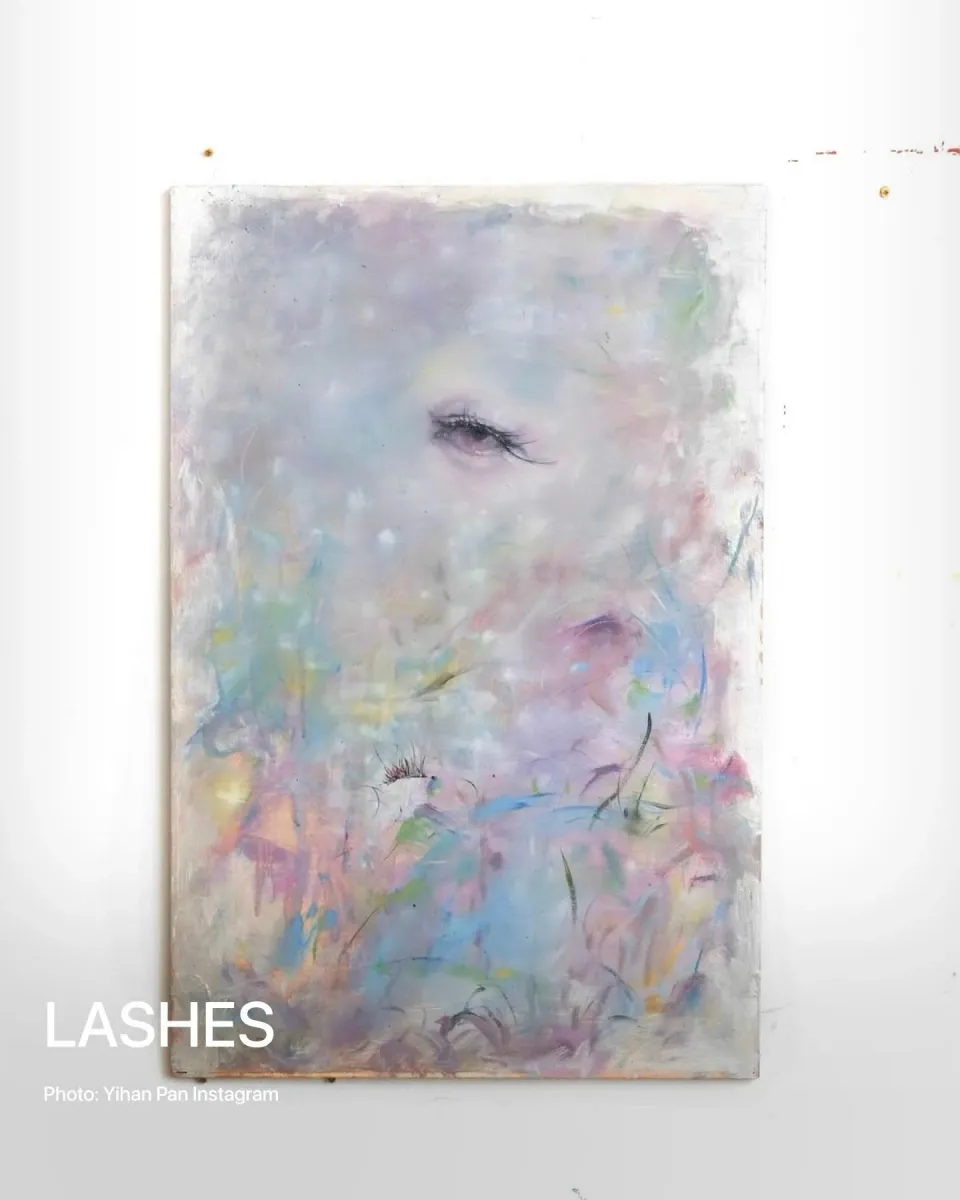
@pyhii
London / 2024
@emma.beatrez
Innsbruck / 2025
@s_gatzkan
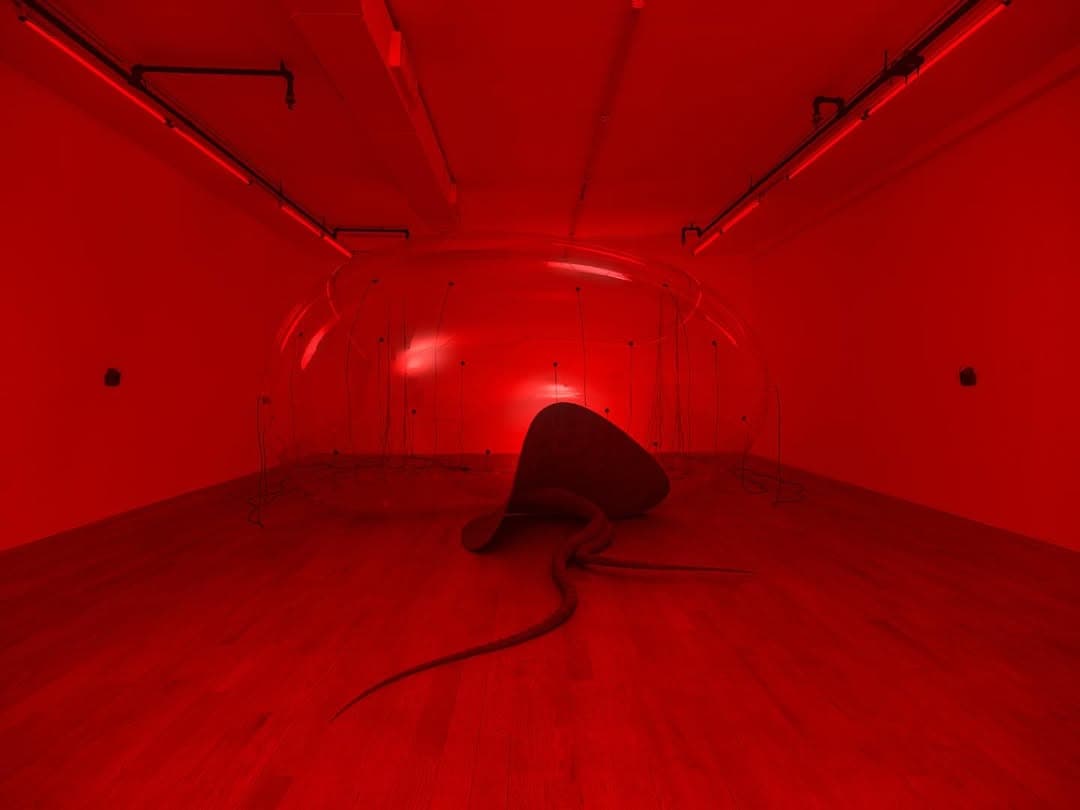
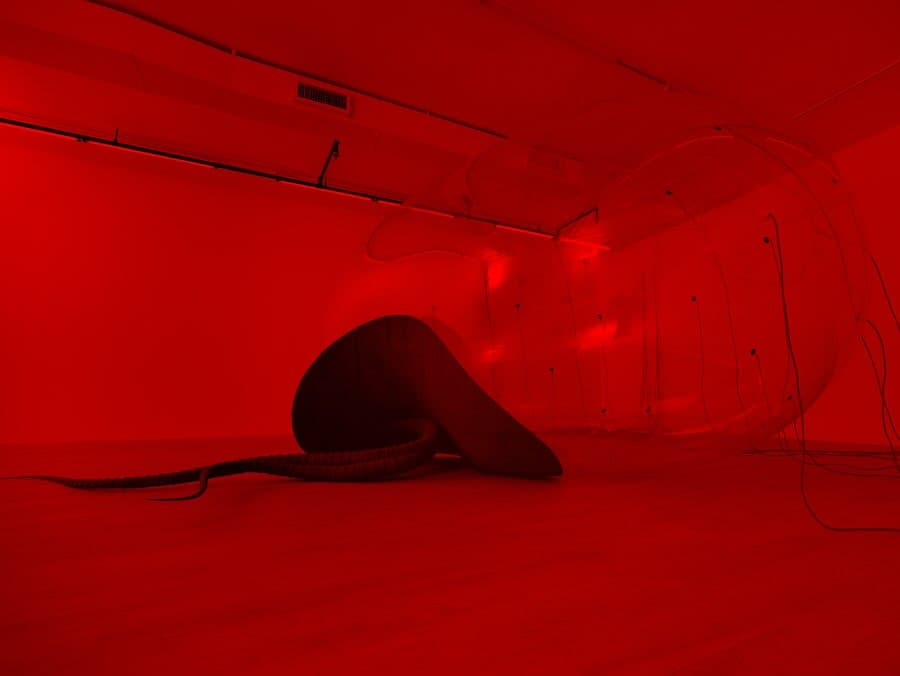
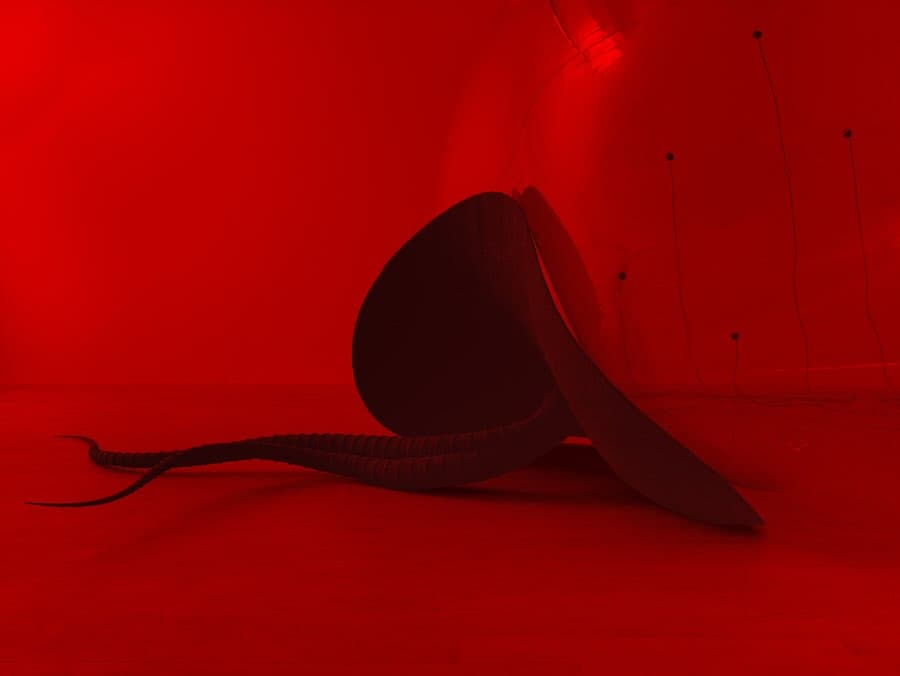
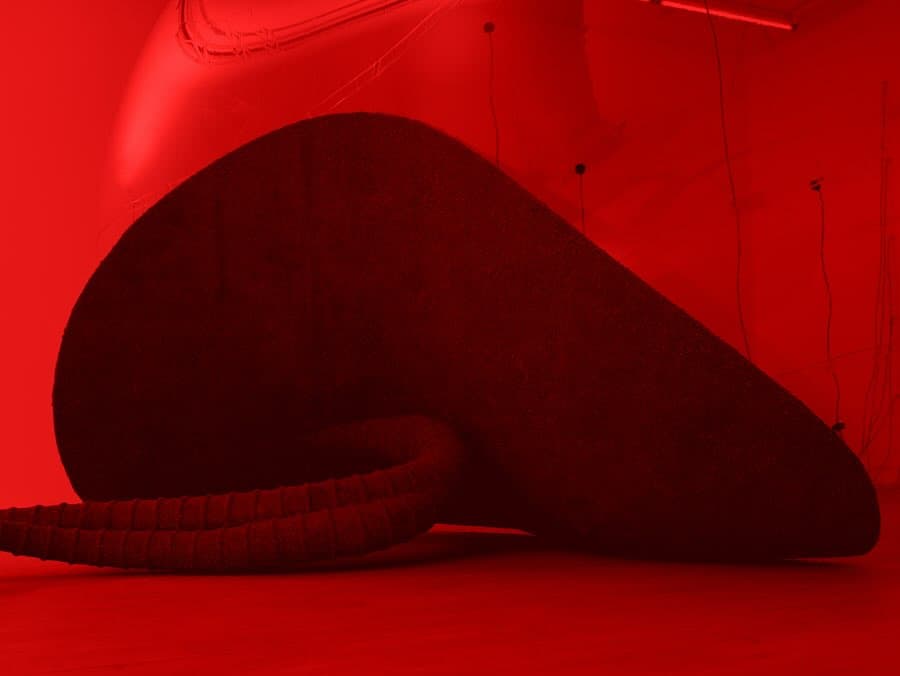
New York / 2025
@pax_aliena
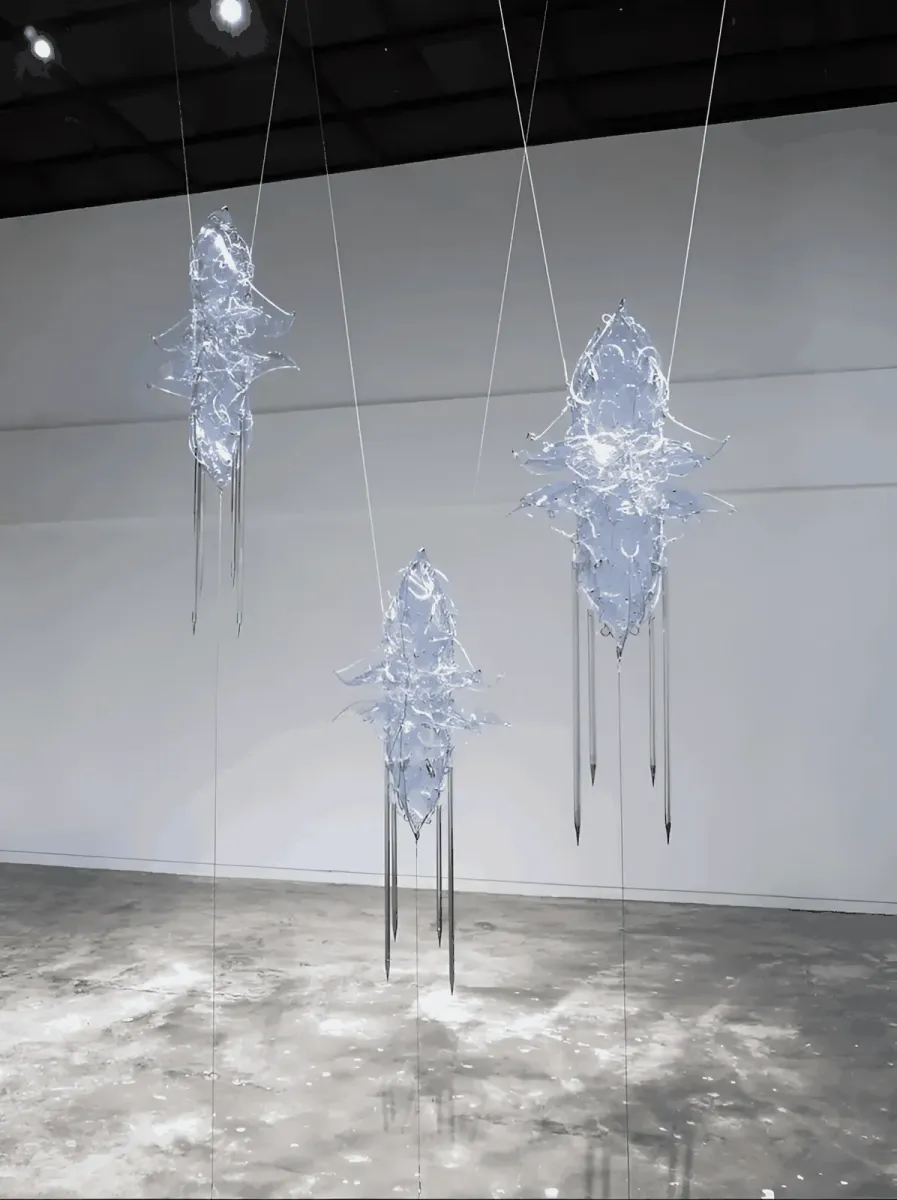
Busan / 2025
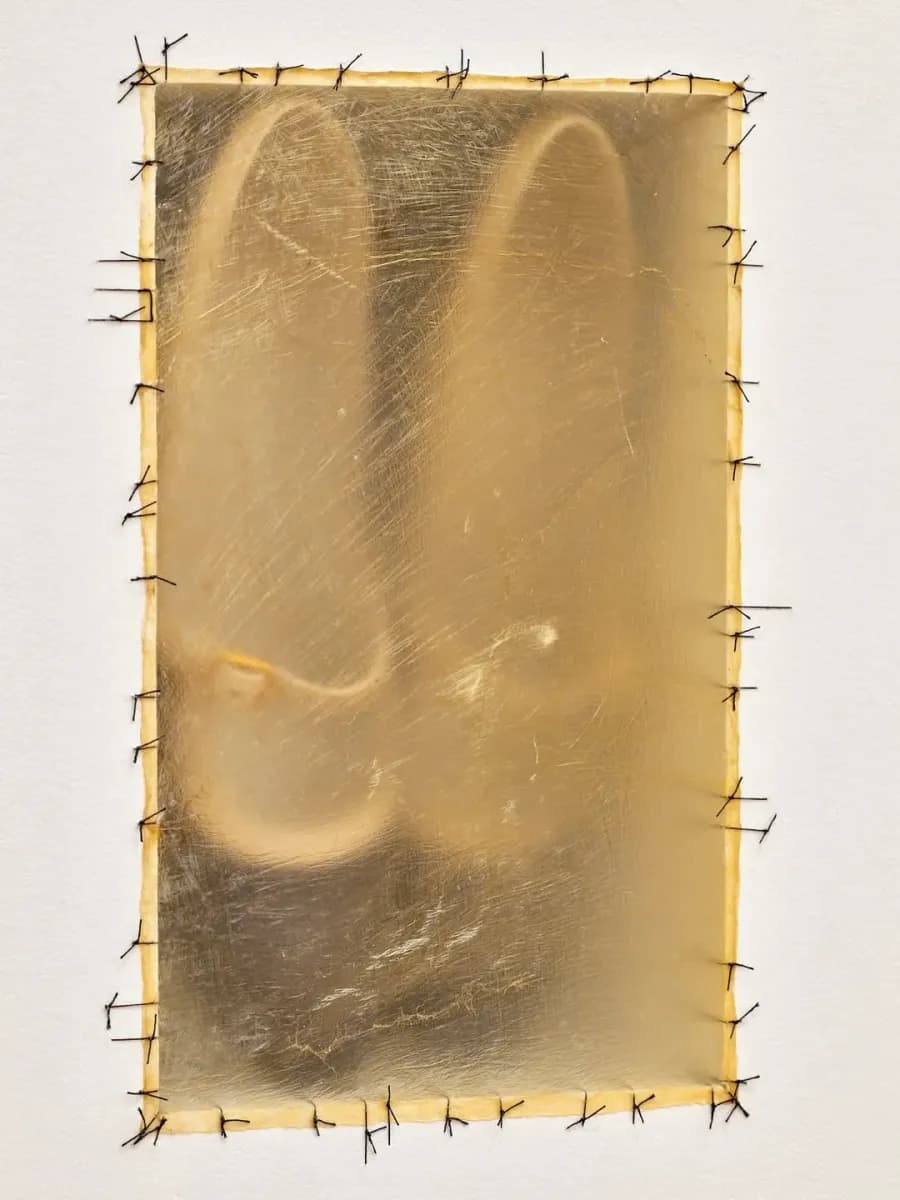
#DorisSalcedo
%2Fphoto_1_2026-05-23_19-23-24.jpg&w=1200&q=75)
Munich / 2026
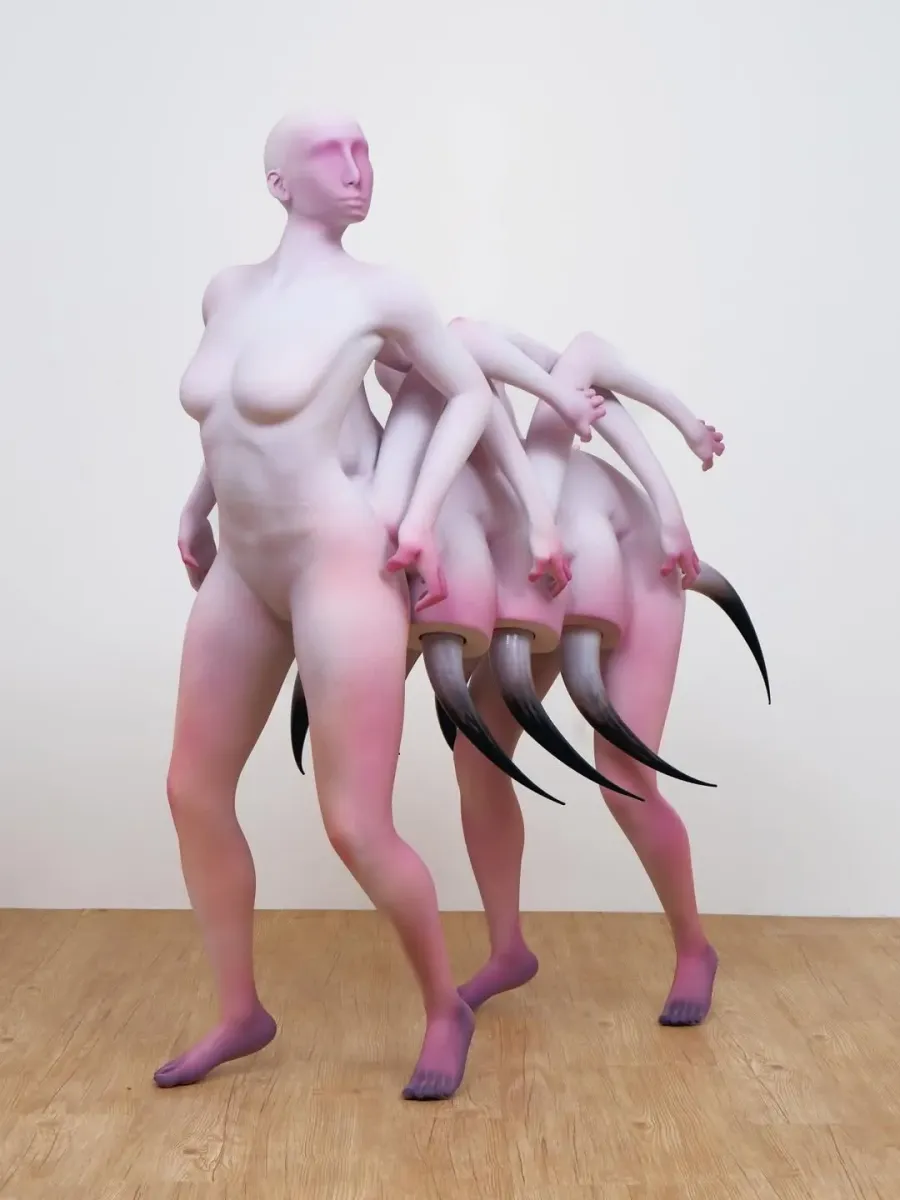
@camelostrich
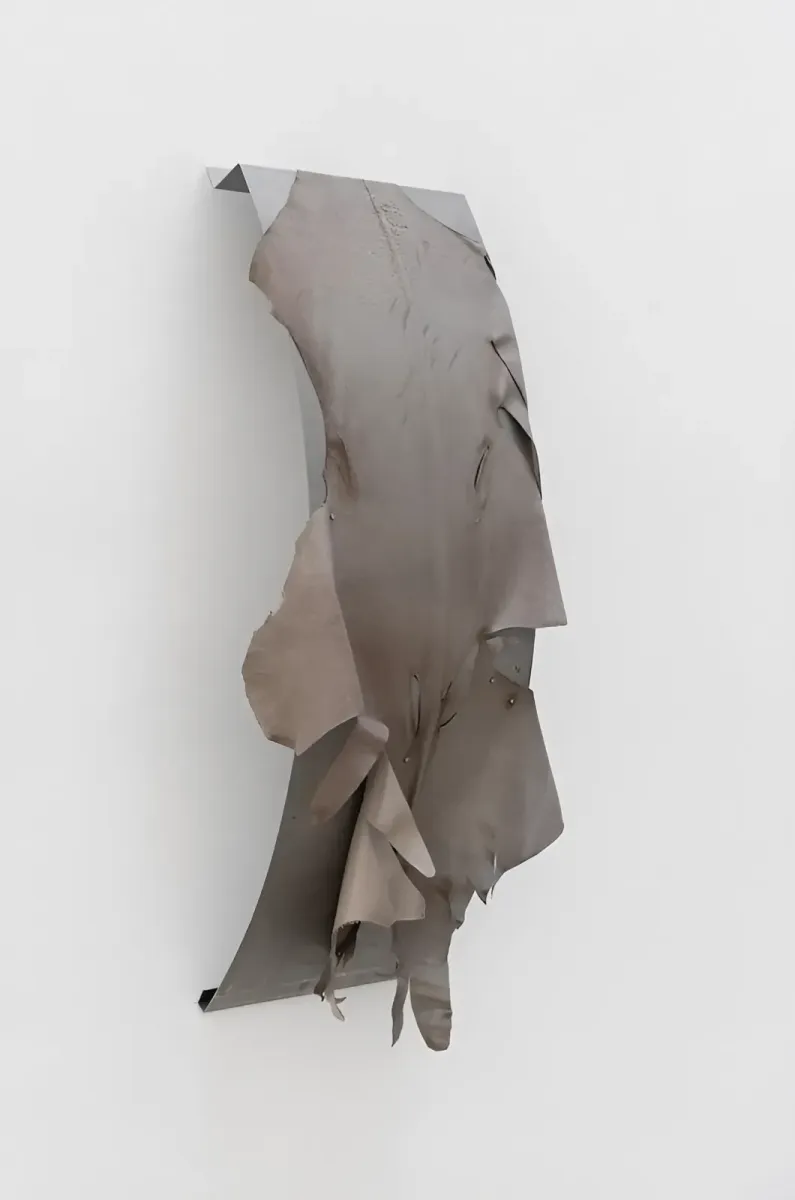
Paris / 2026
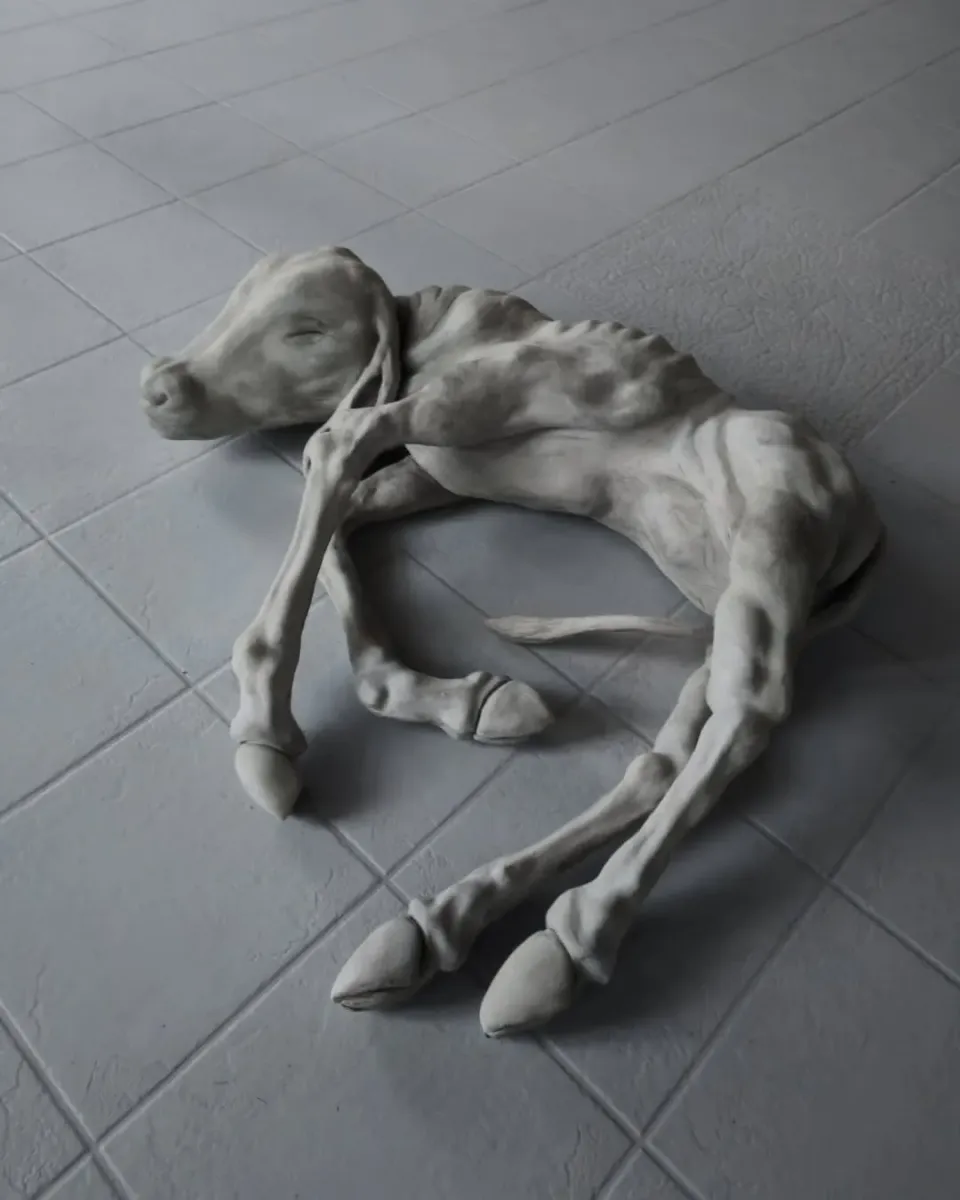
@nadaecc
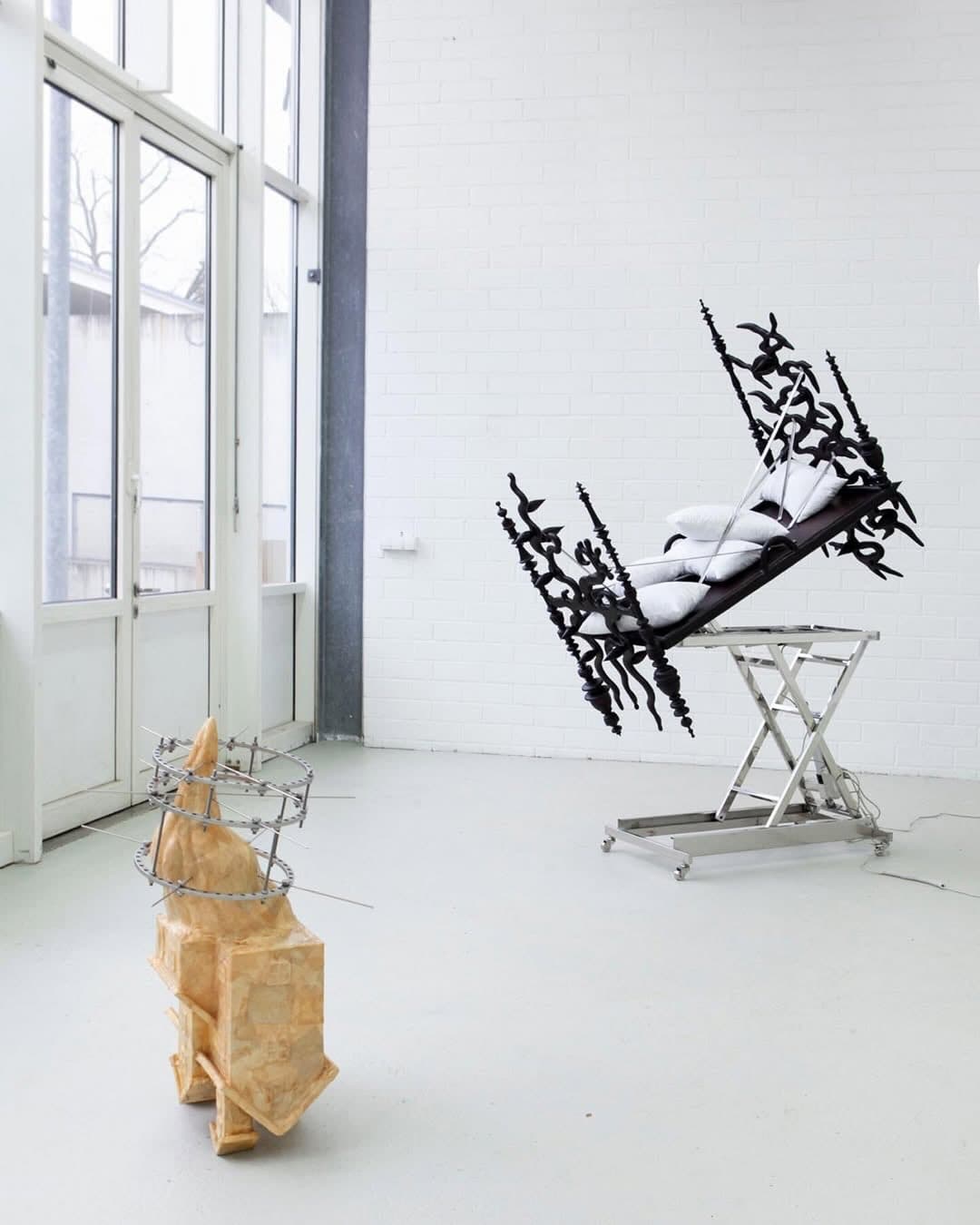
Nurnberg / 2026
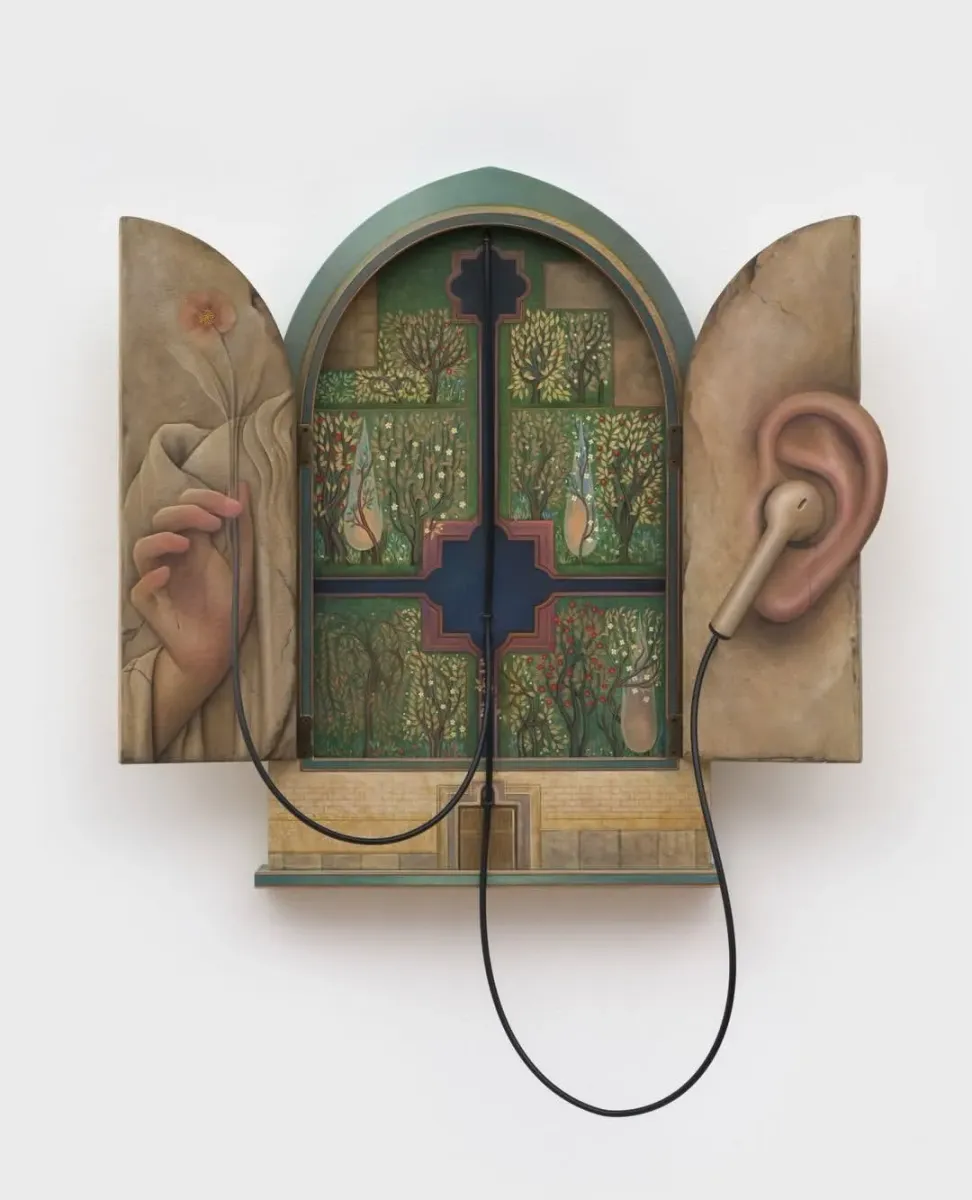
@arghavan_khosravi
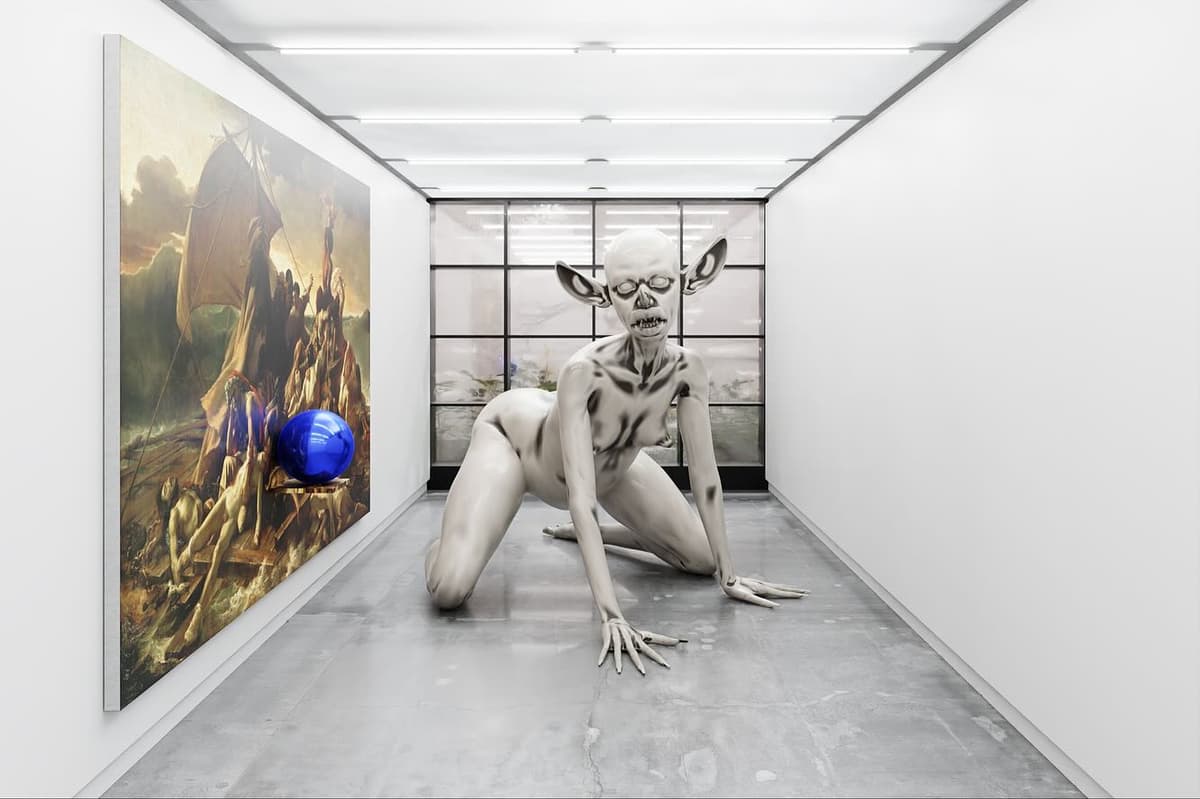
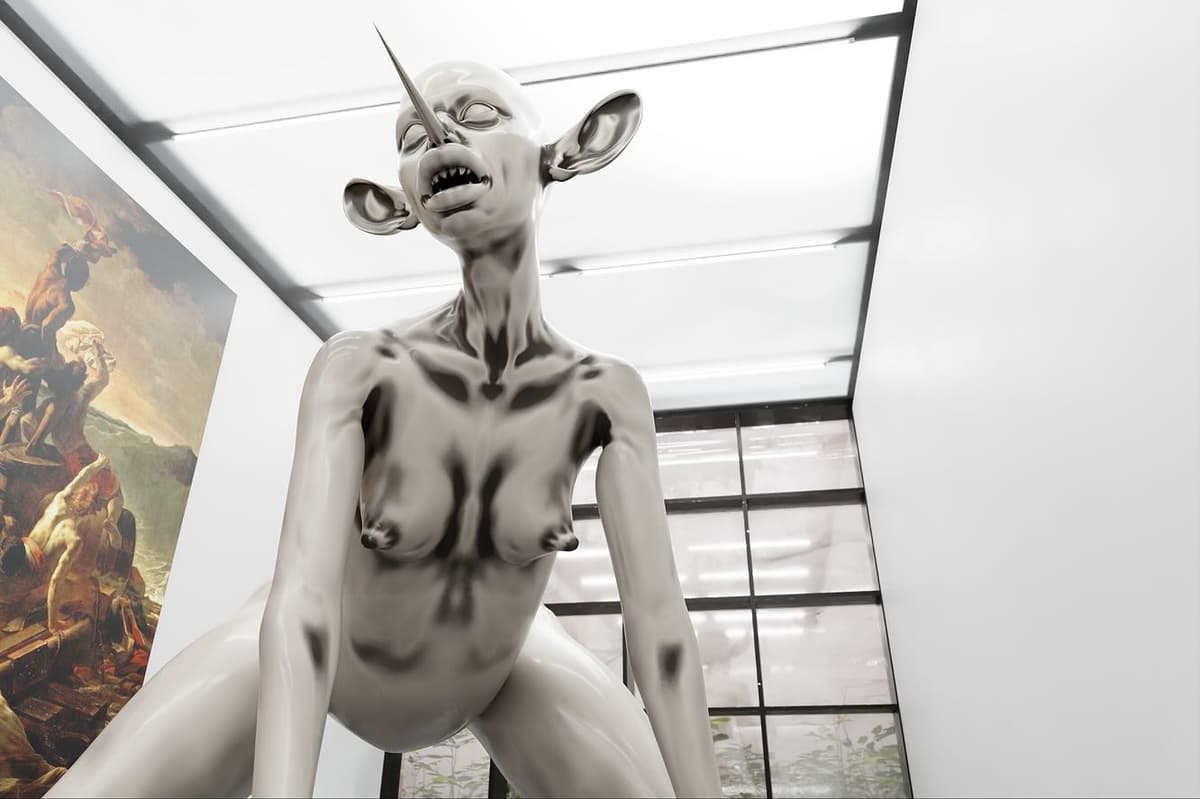
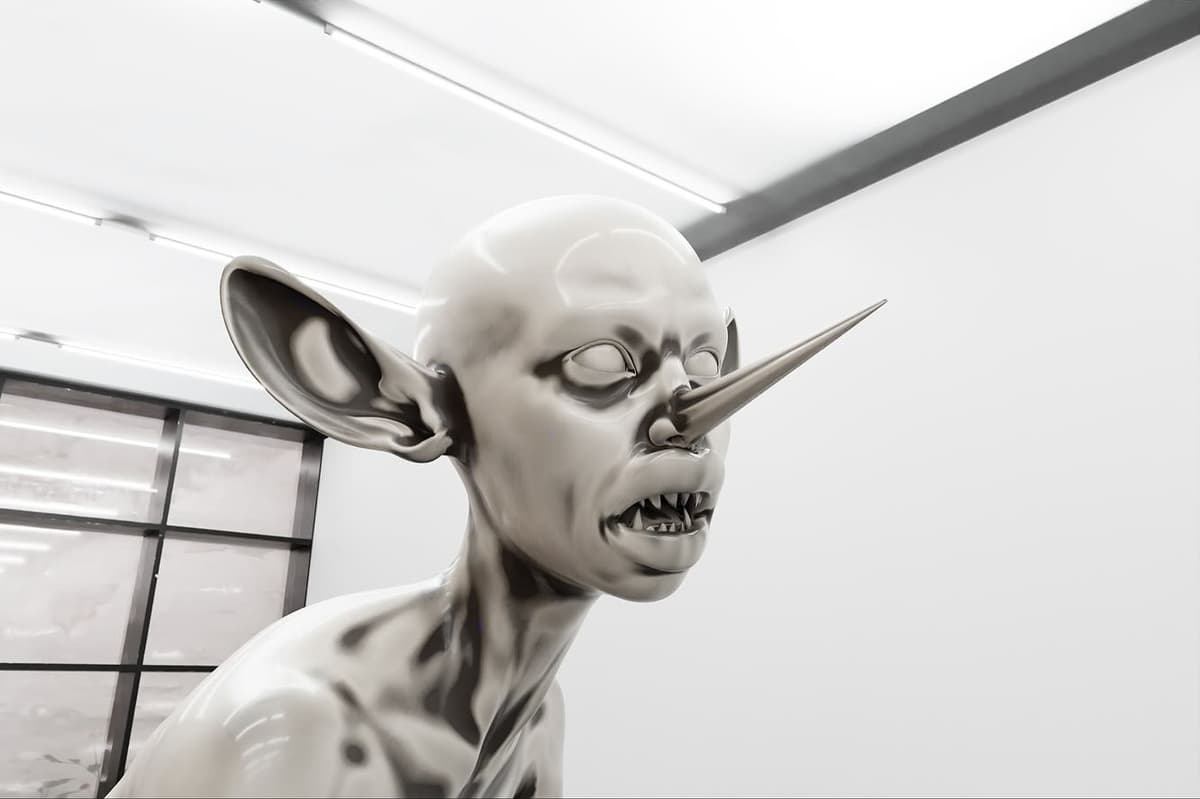
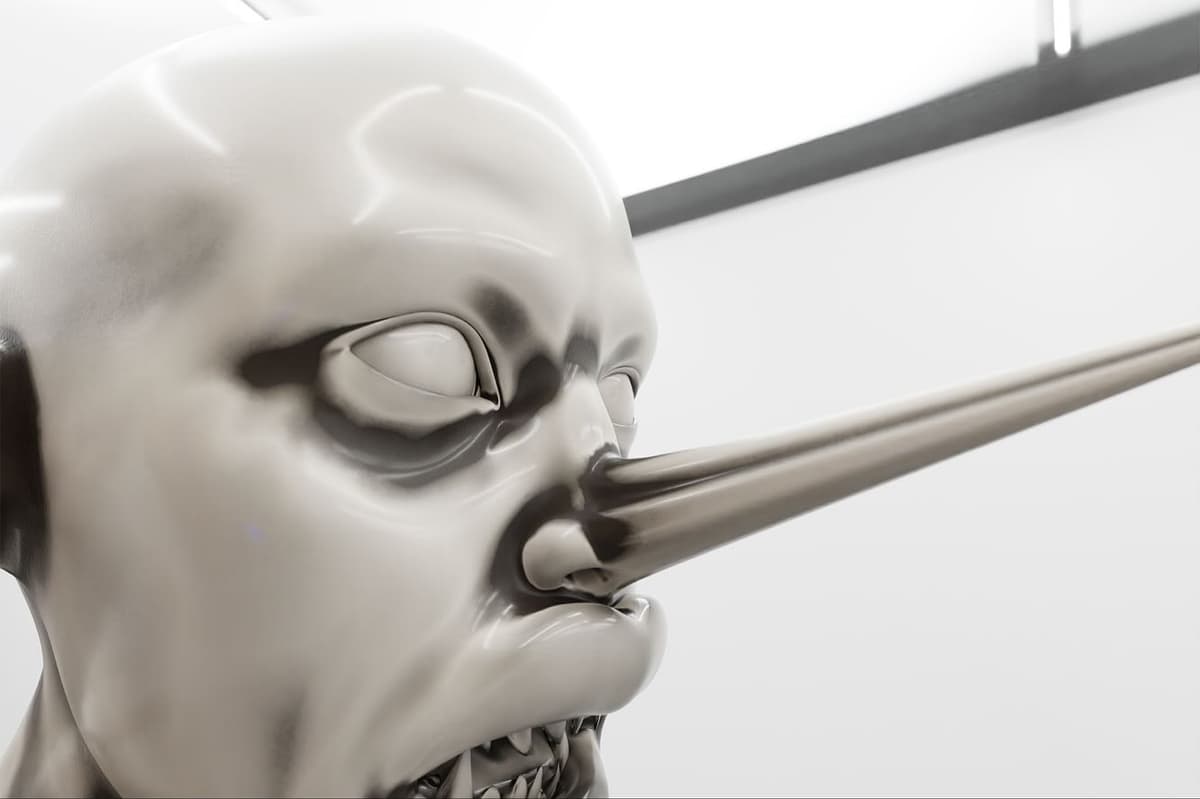
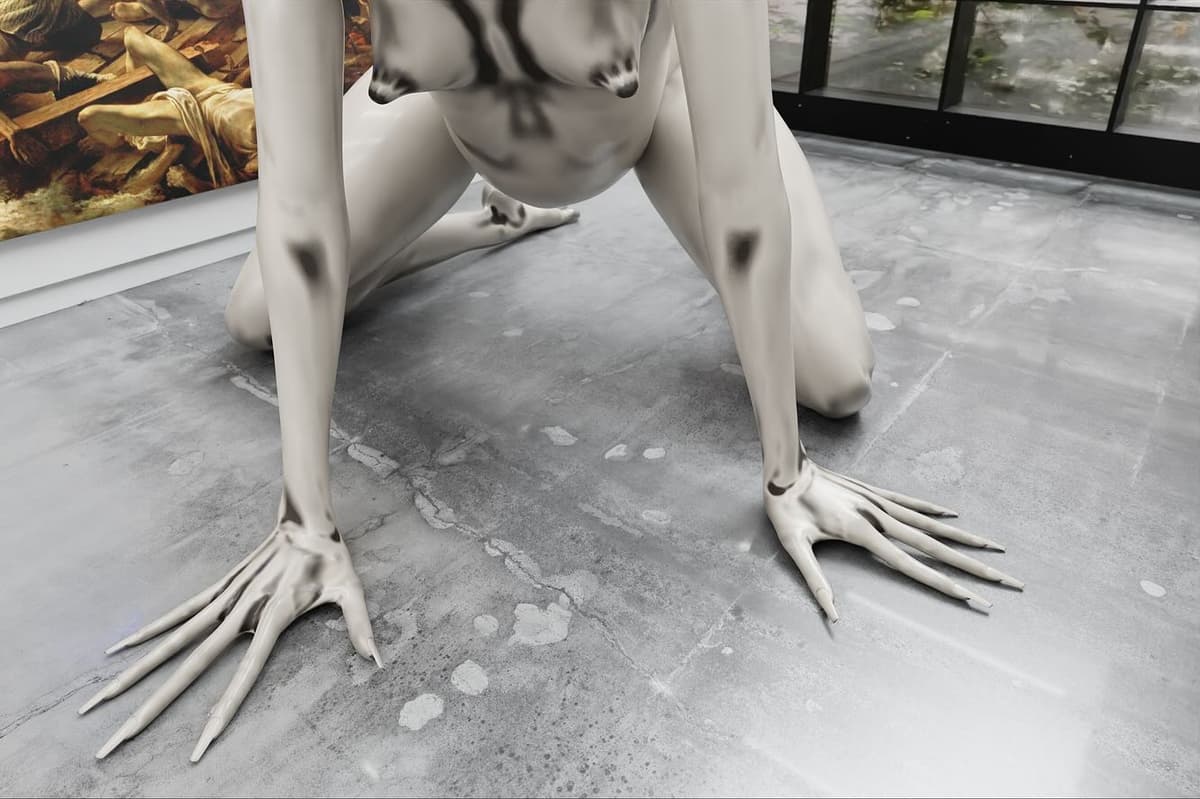
/ 2025
@que.fresca
Norwich / 2026
Santiago / 2026
Paris / 2026
Tisbury / 2026
Berlin / 2026
Málaga / 2026
Paris / 2026
Klaus in Vorarlberg / 2026
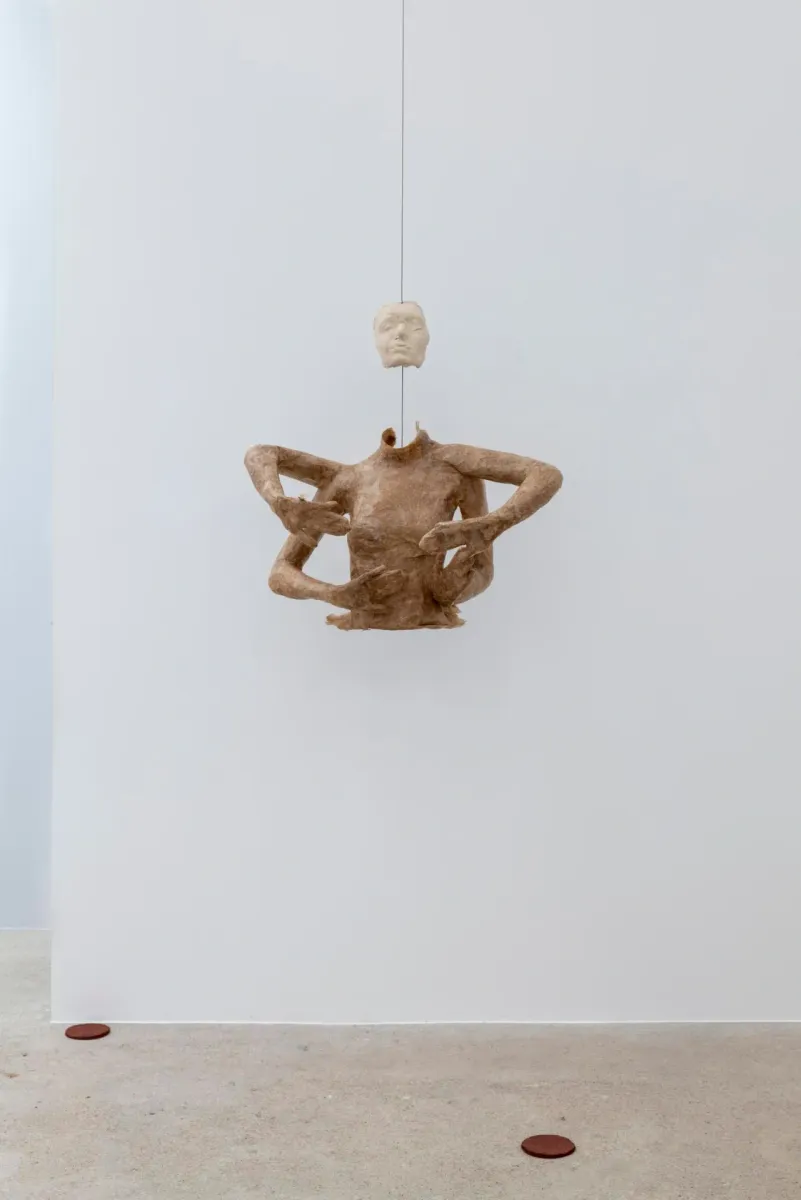
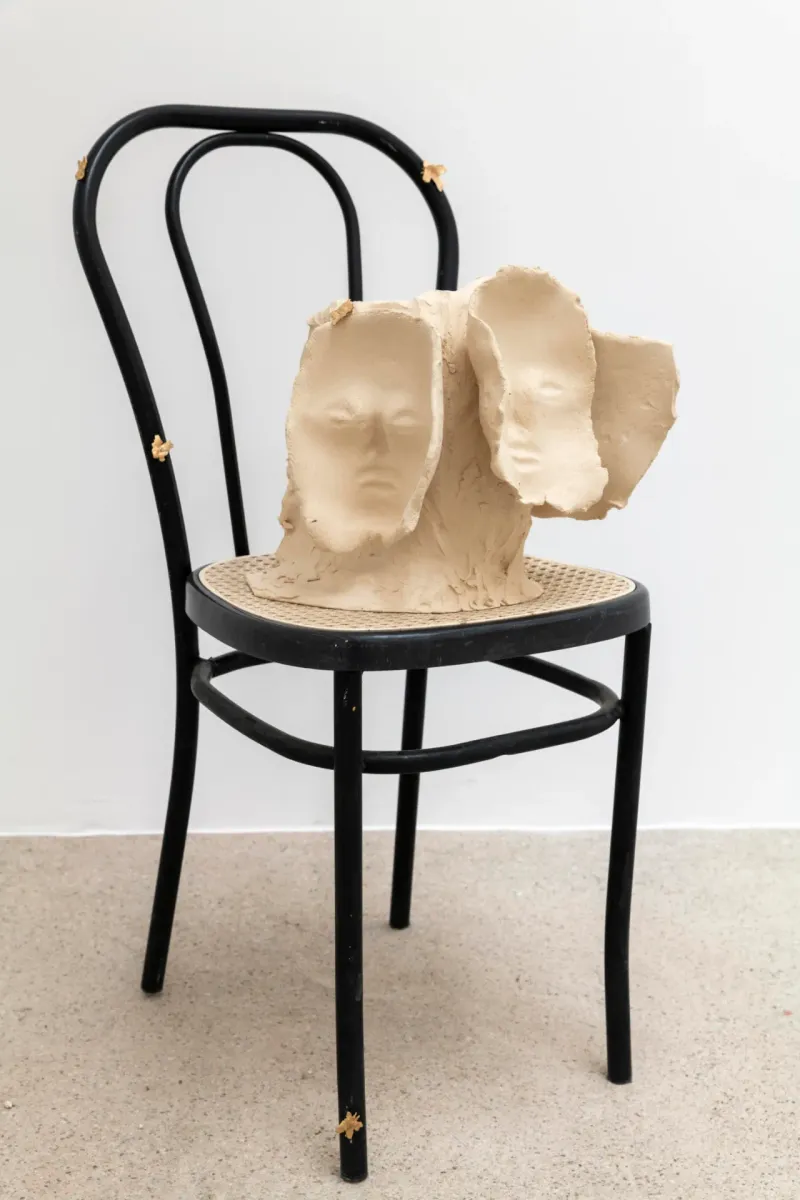
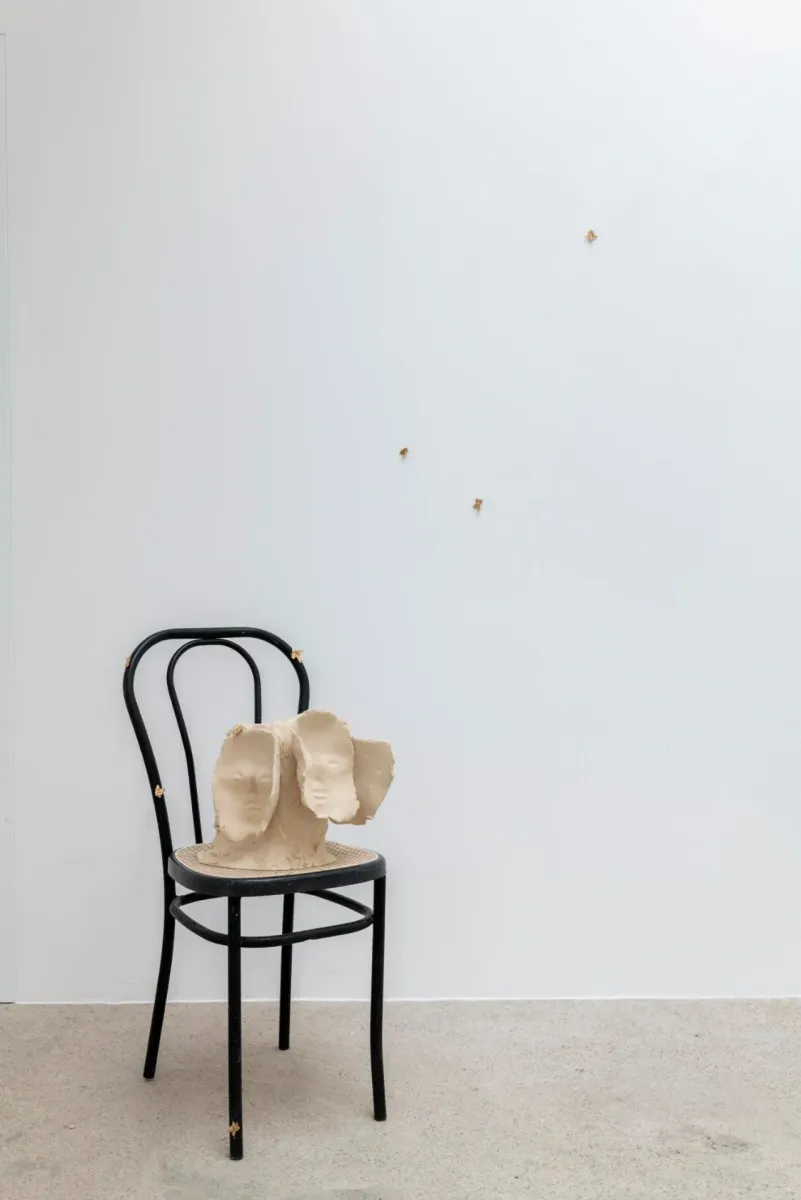
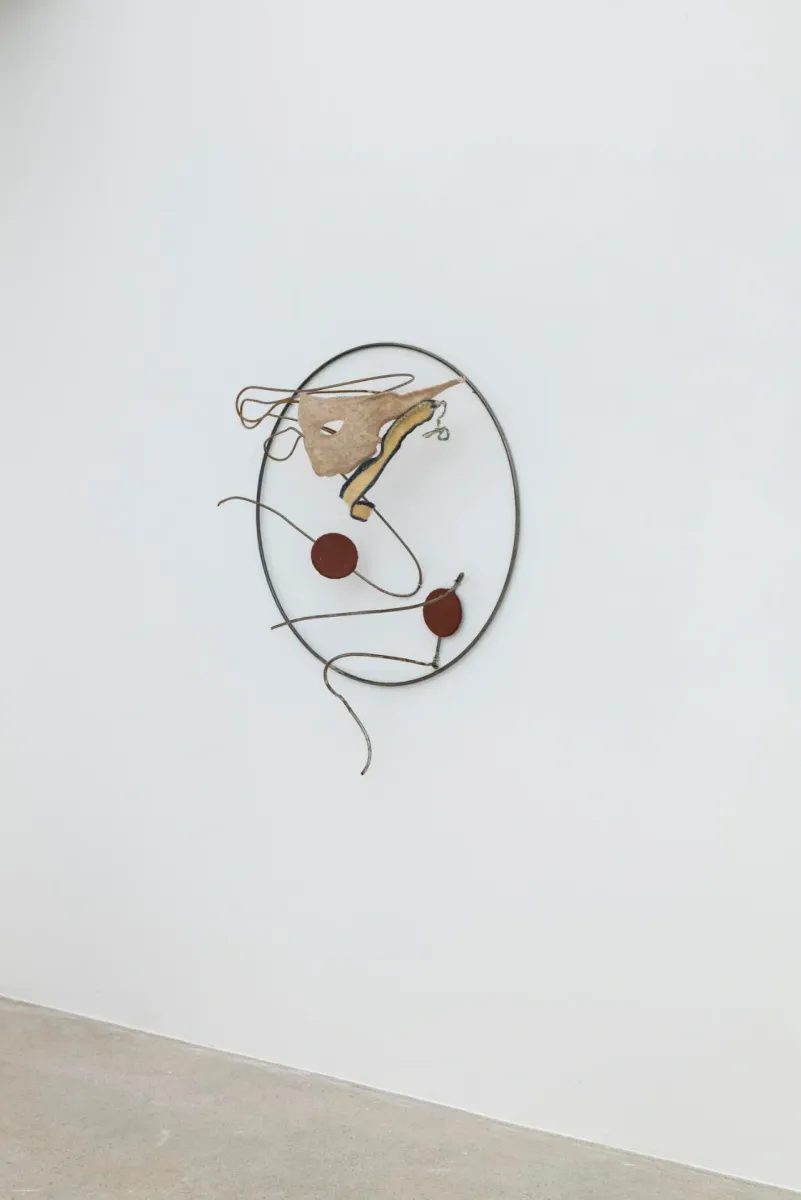
Munich / 2026
Turin / 2026
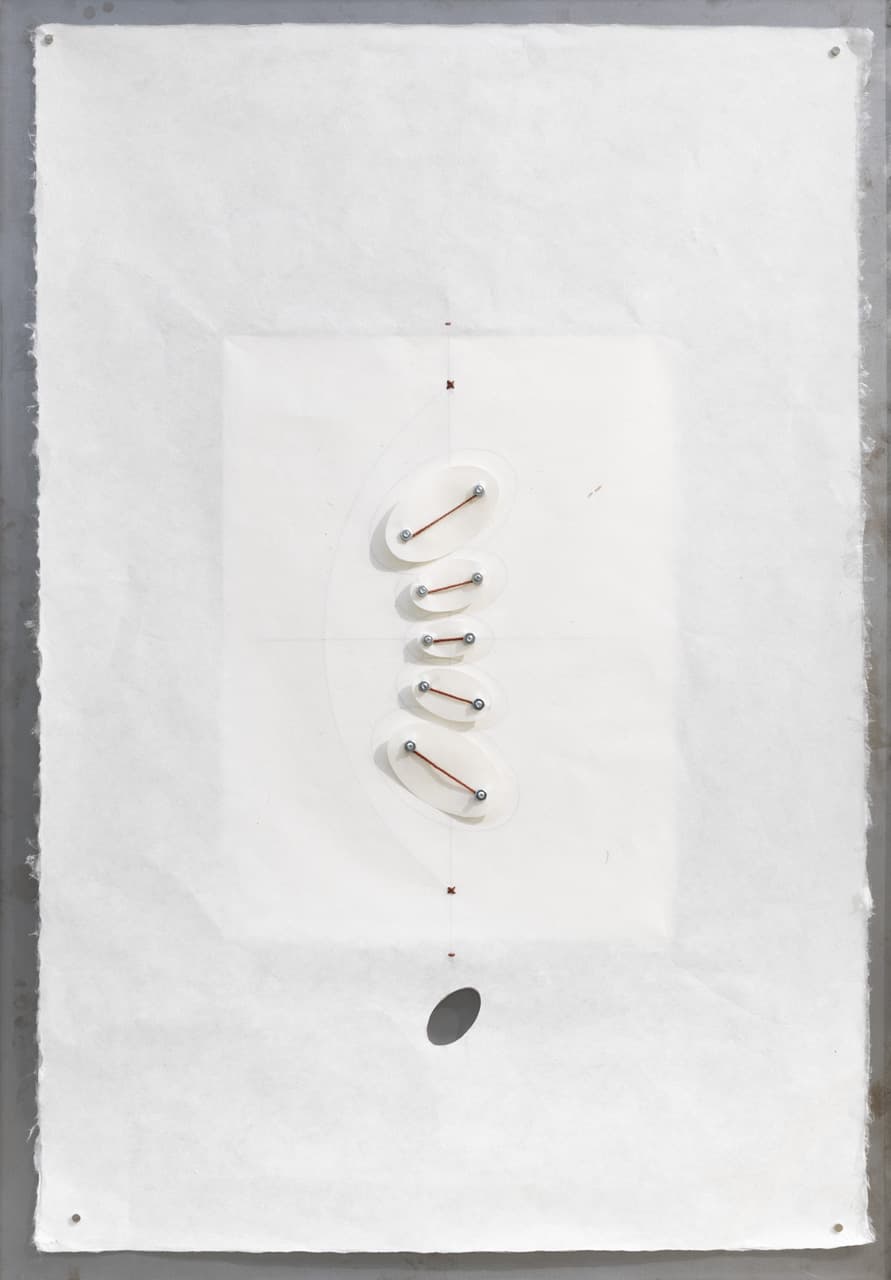
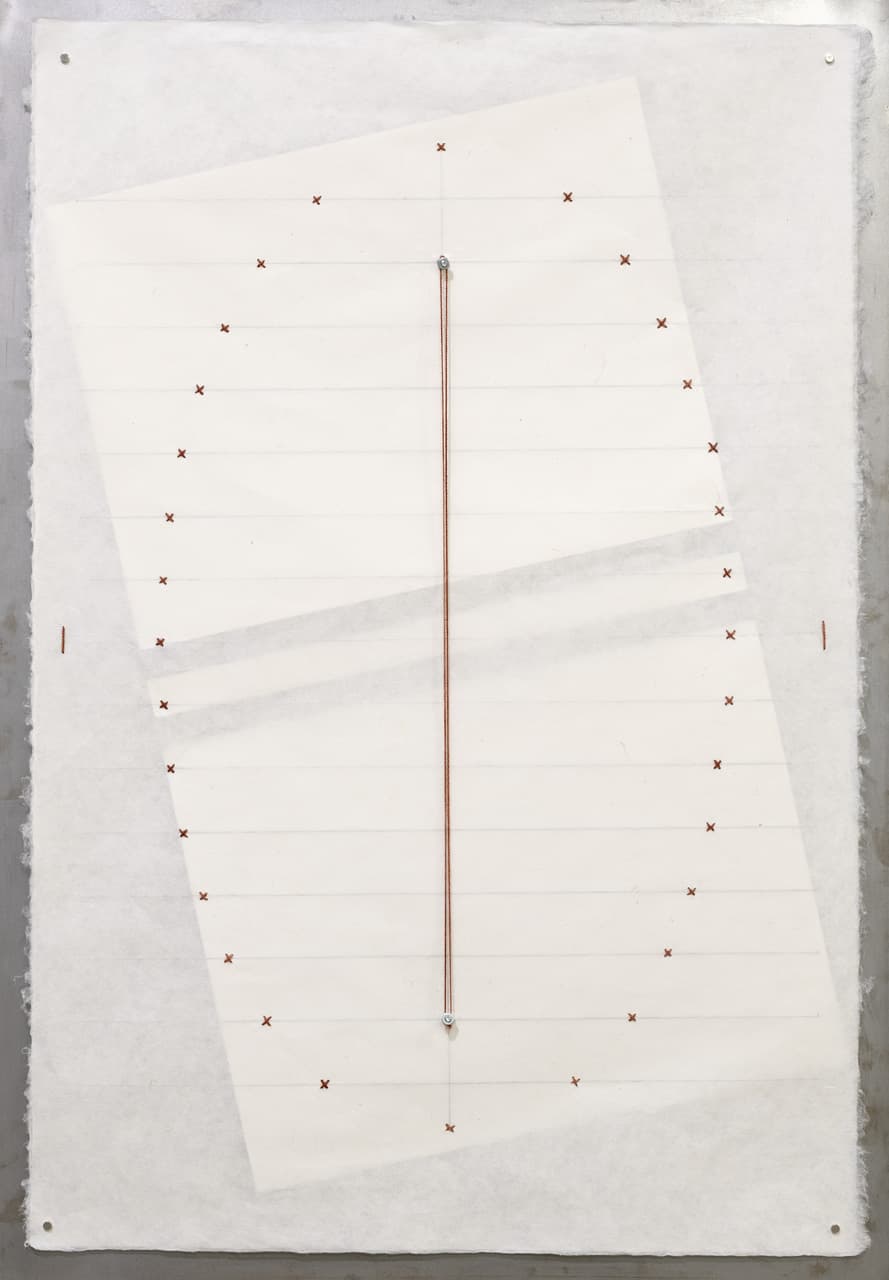
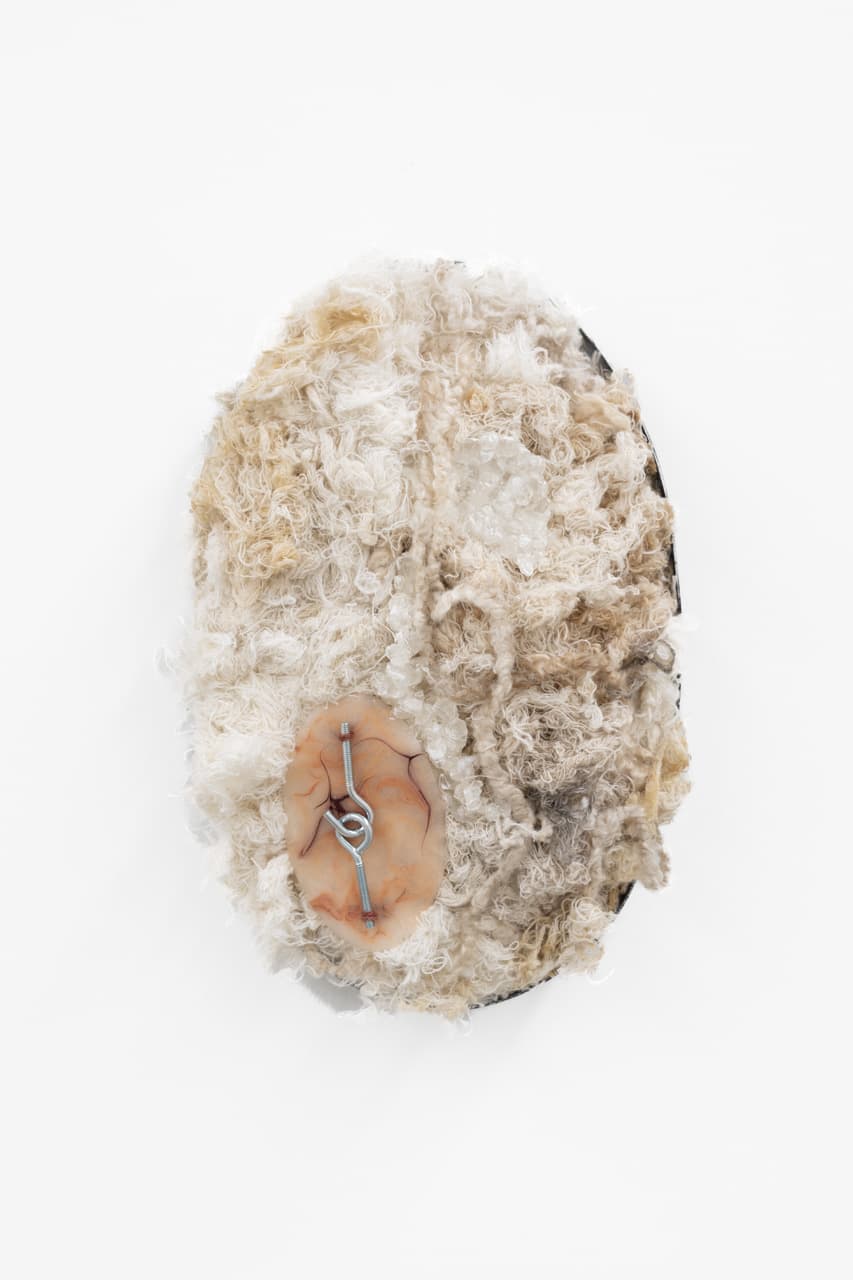
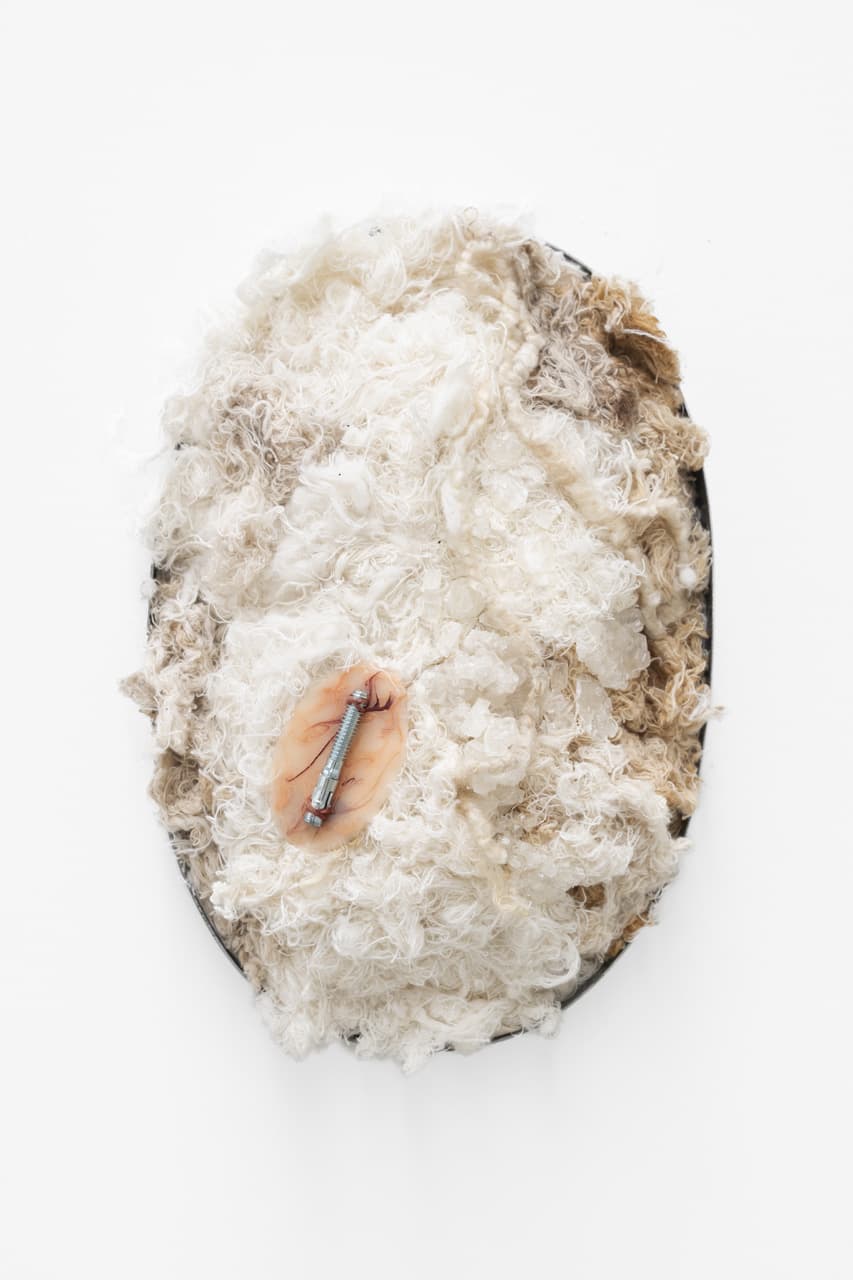
Mexico City / 2026
Oslo / 2026
New York / 2026
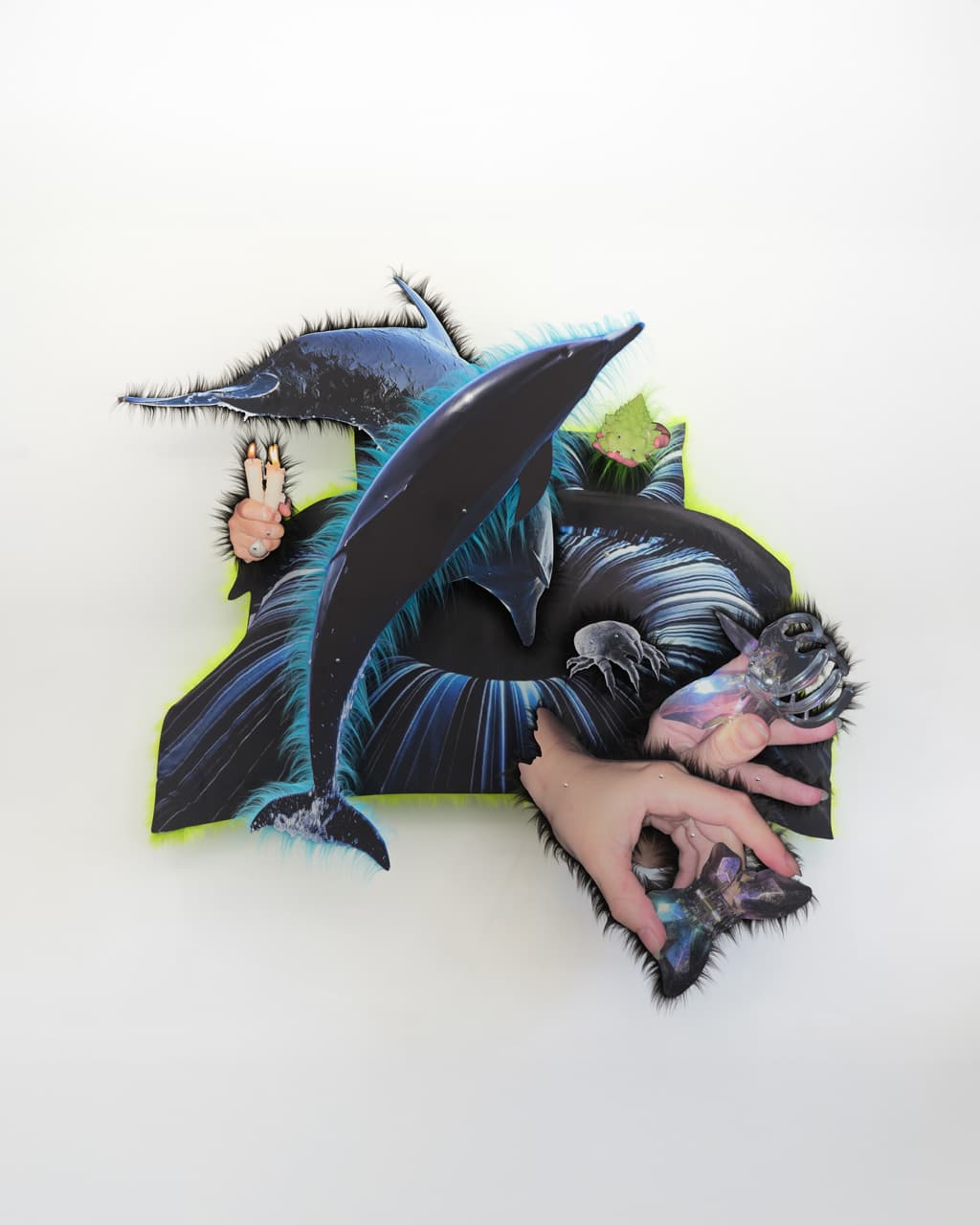
Düsseldorf / 2026
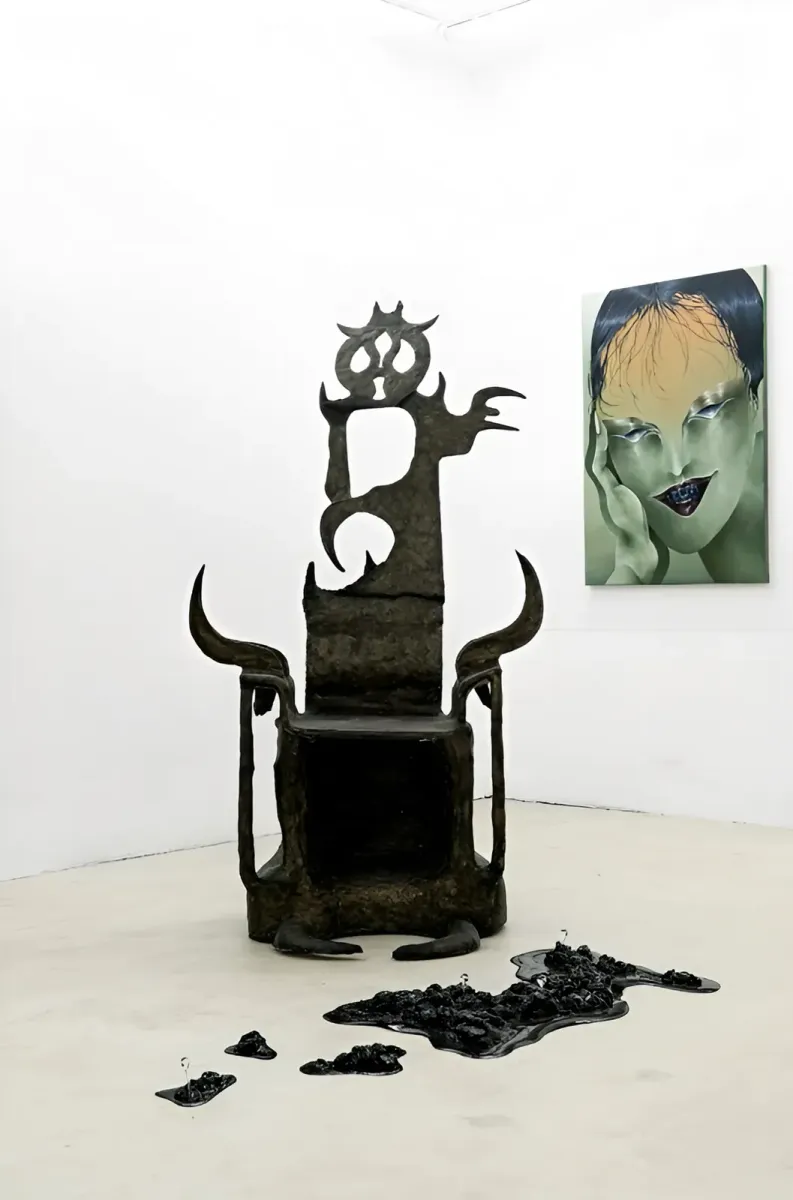
Kraków / 2025
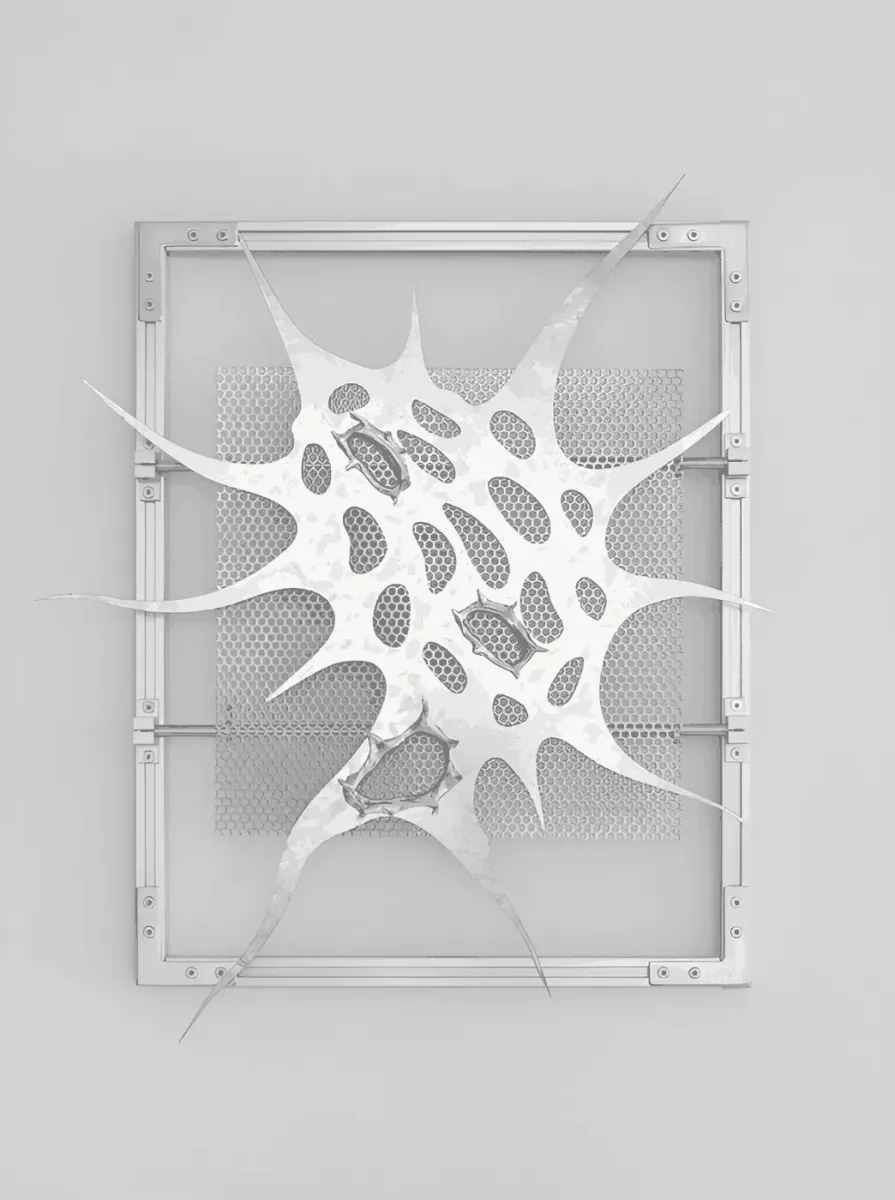
Shanghai / 2025
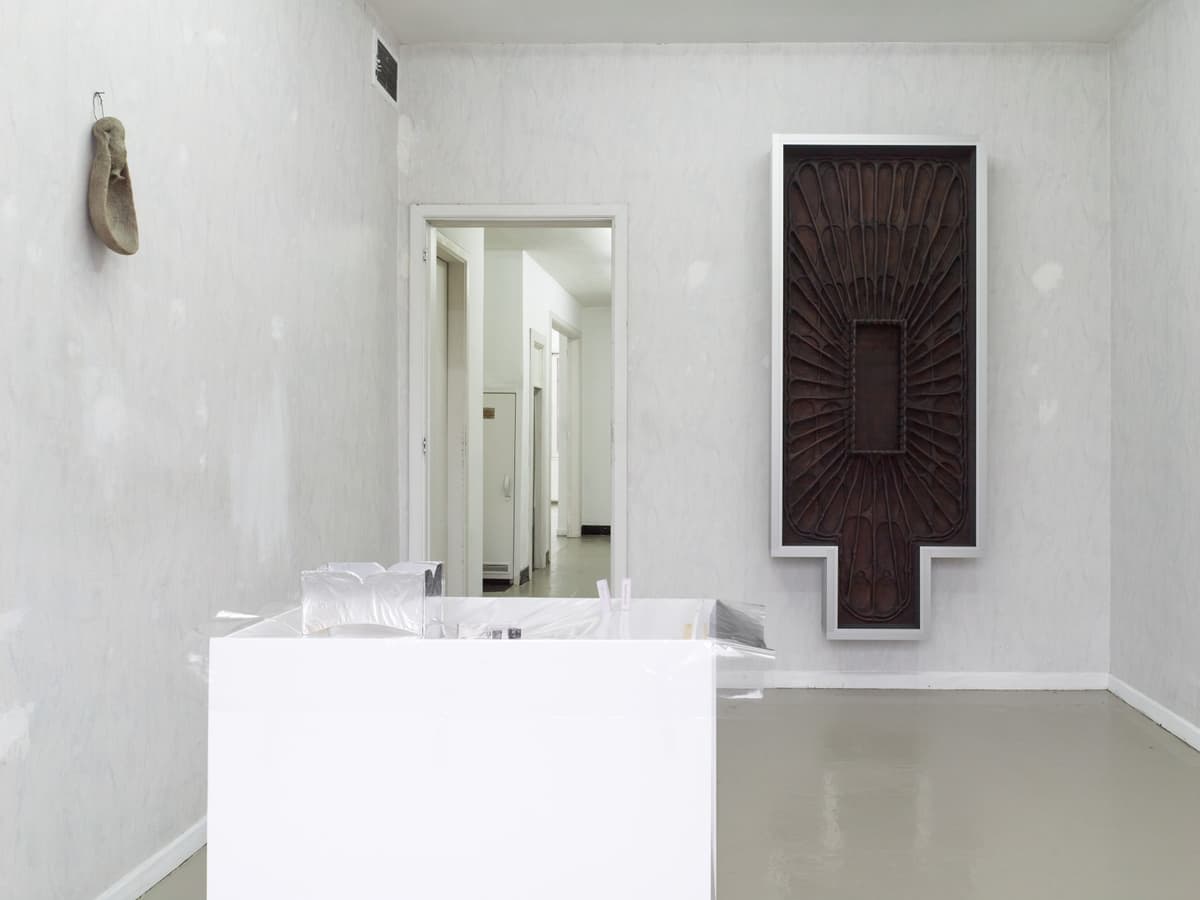
Brussels / 2025-2026
/ 2024
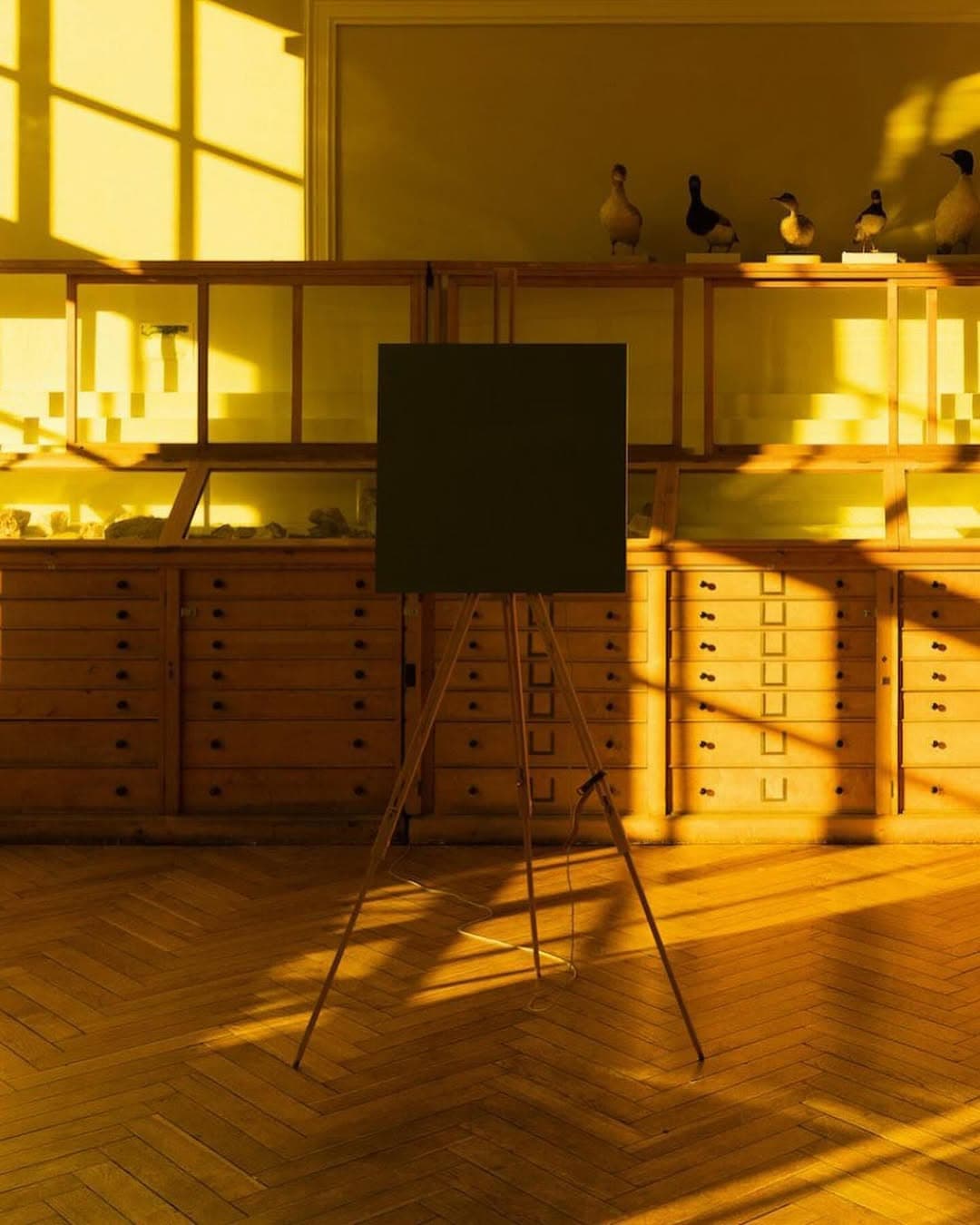
Tartu / 2024
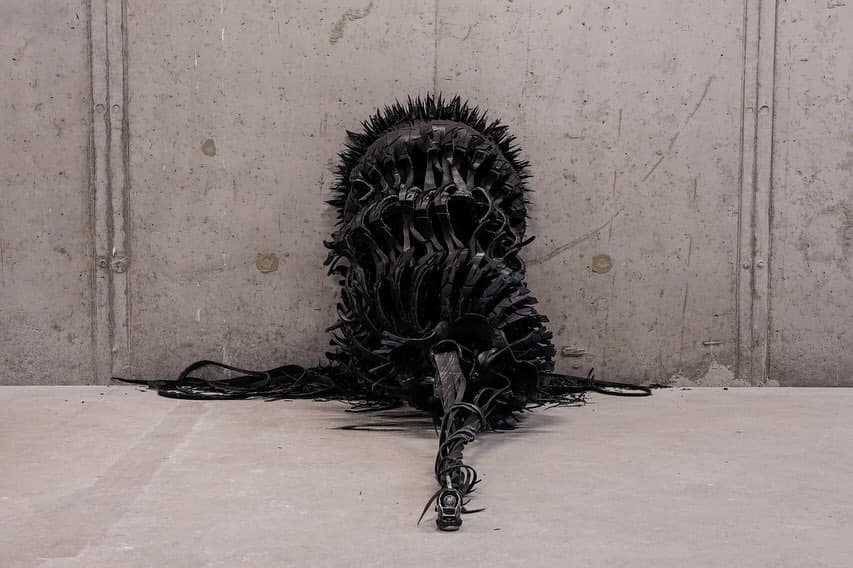
Wroclaw / 2024
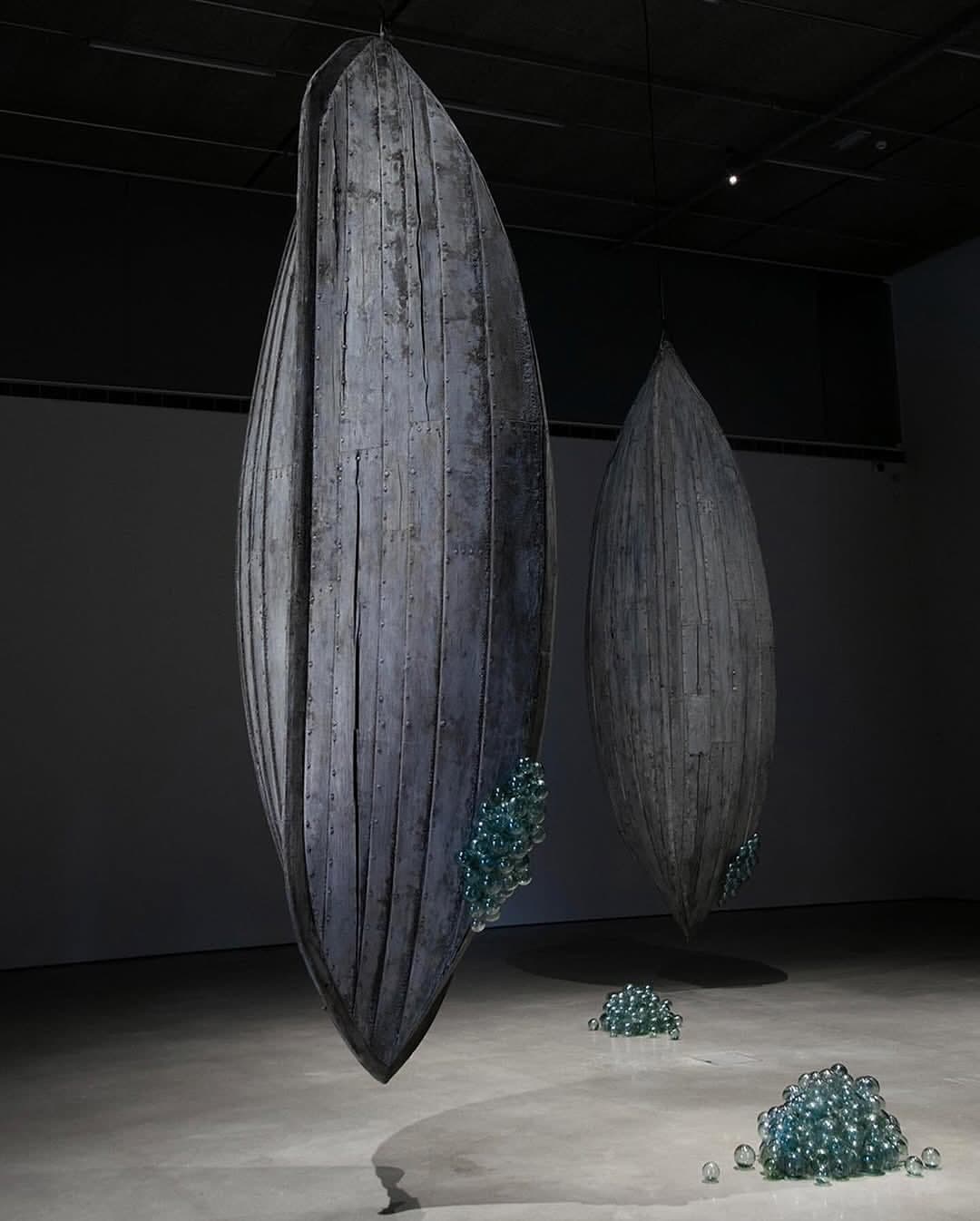
Stockholm / 2024-2025
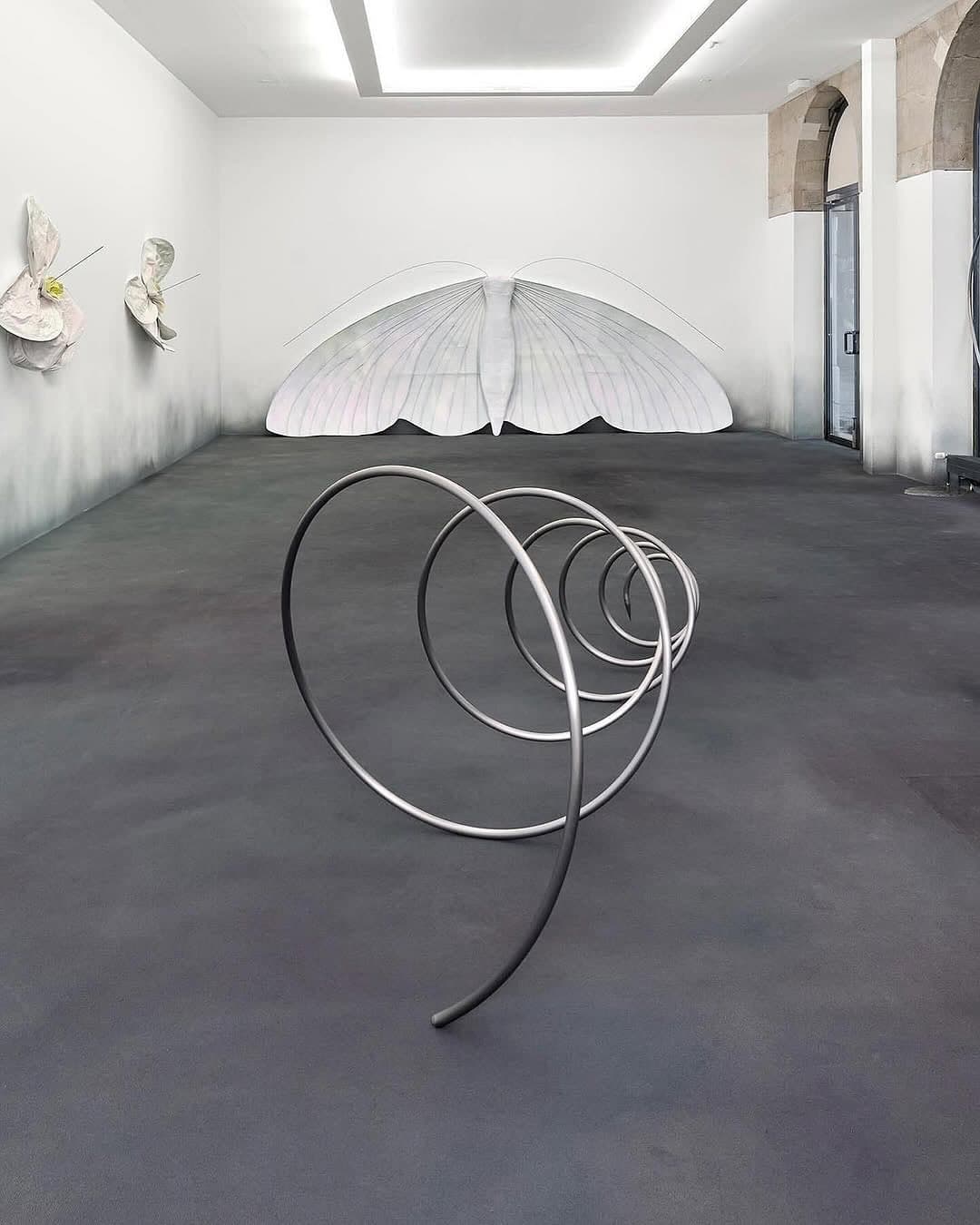
Geneva / 2024
Paris / 2025
Santiago / 2025
Warsaw / 2025
Milan / 2025
%2Fphoto_1_2026-05-23_19-28-57.jpg&w=1200&q=75)
Berlin / 2025
Dornbirn / 2026
Seoul / 2025-2026
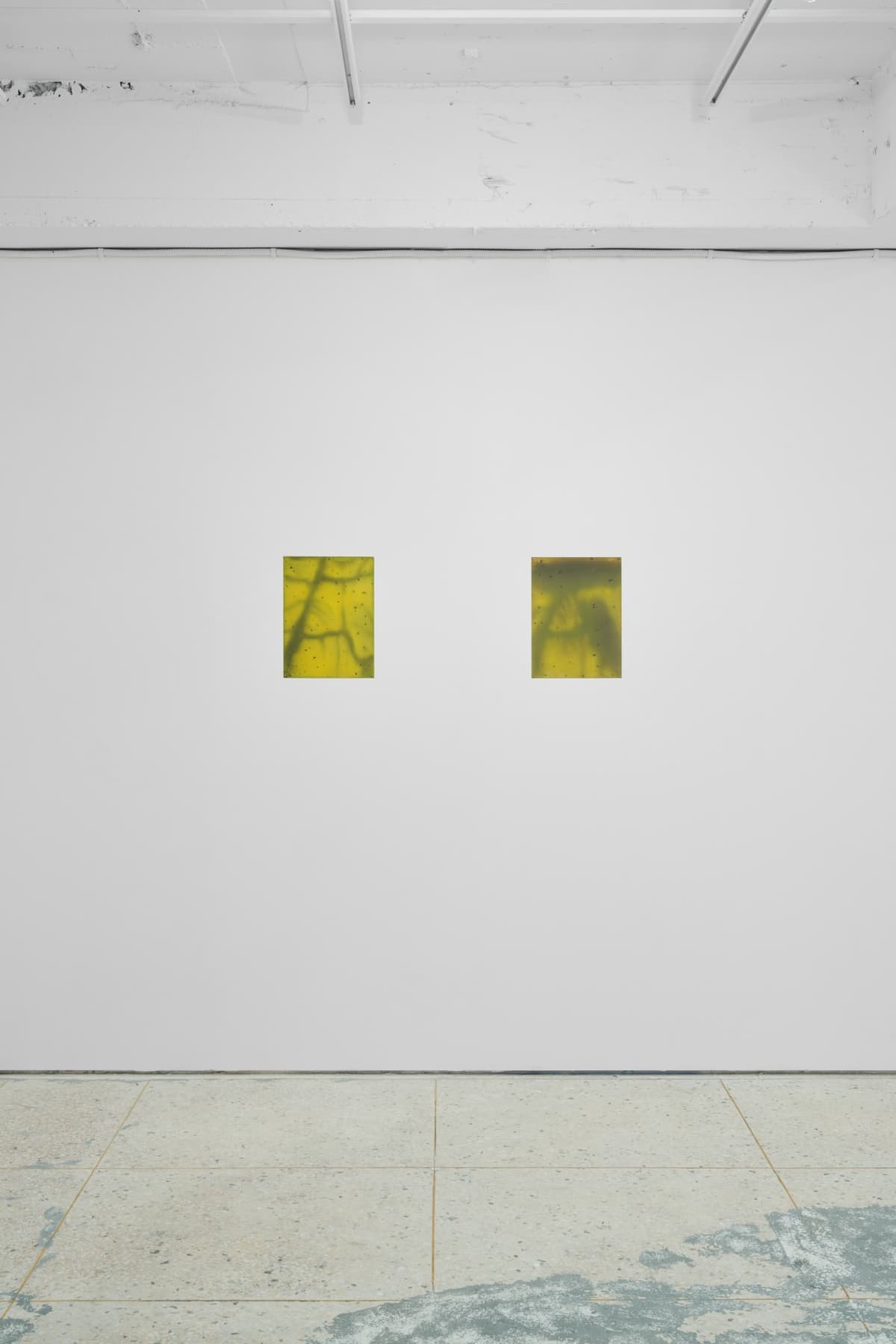
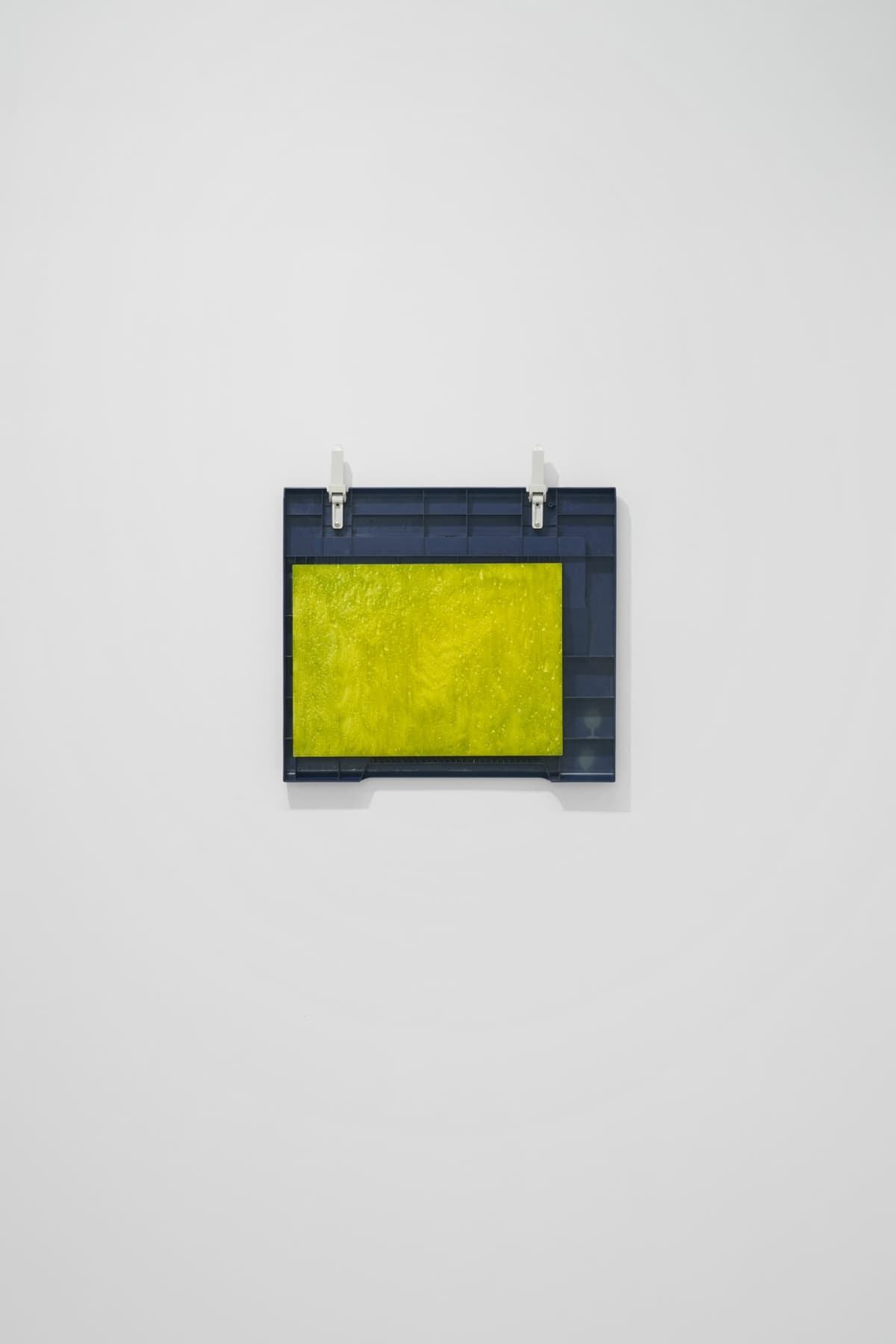
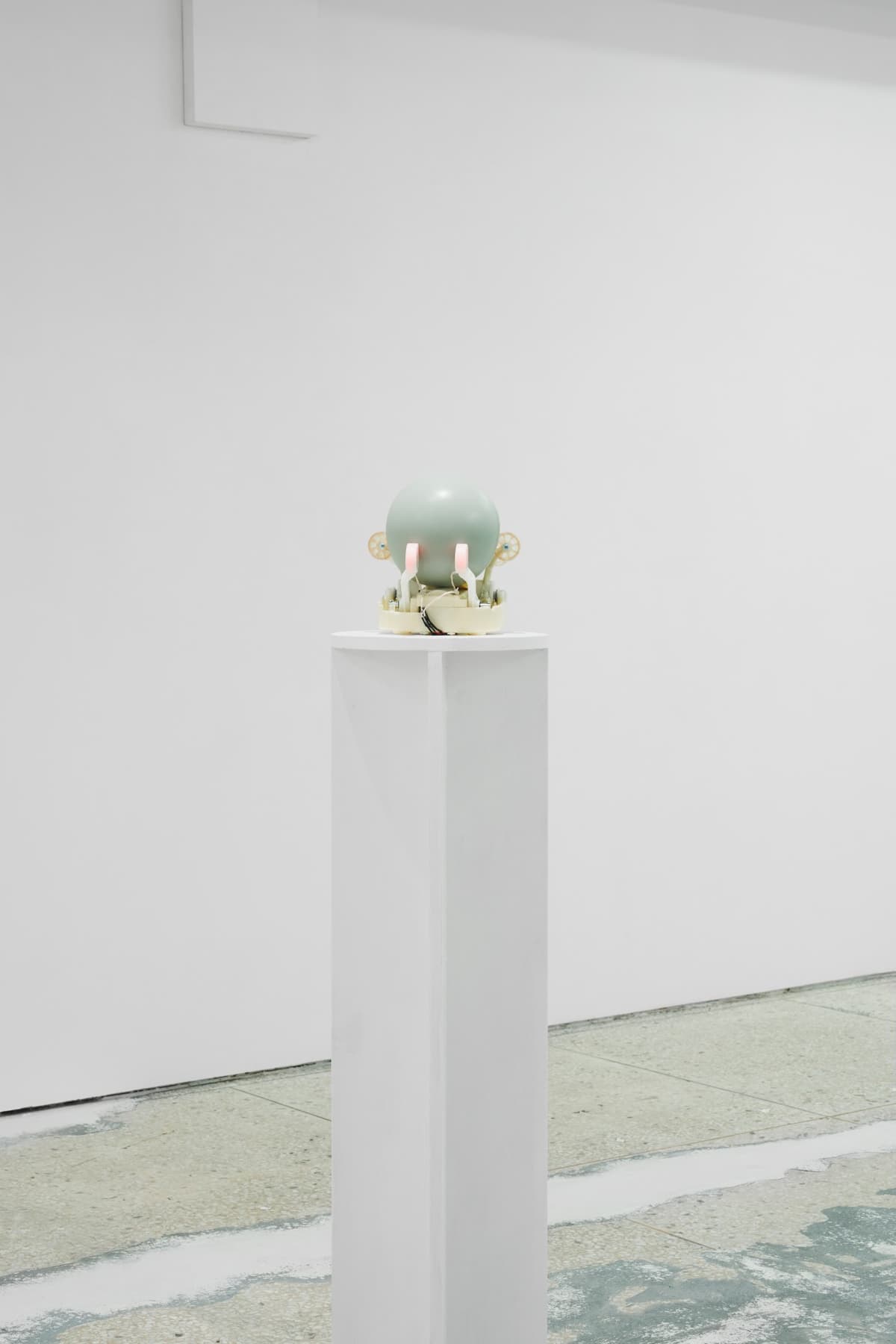
Seoul / 2025
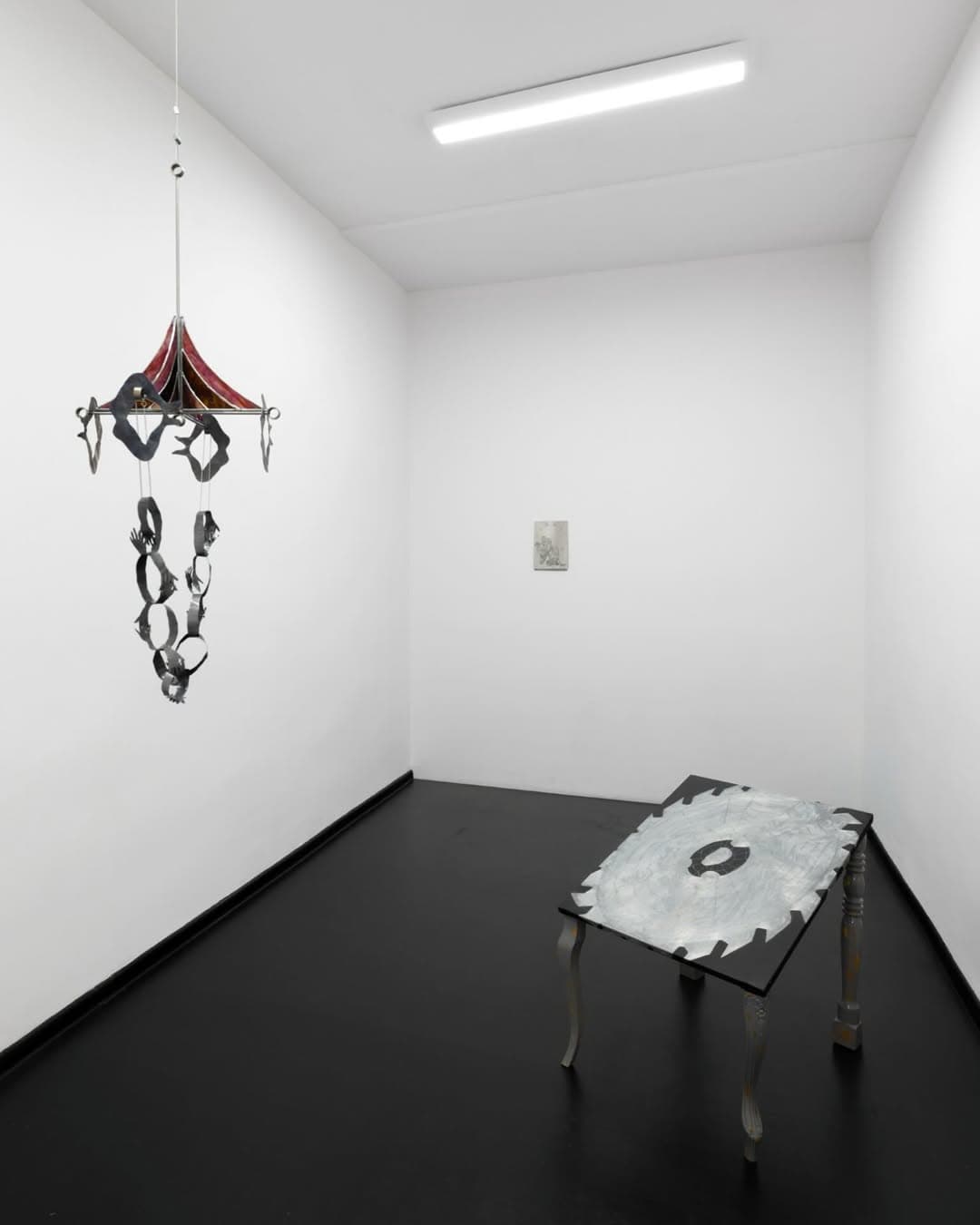
Warsaw / 2026
Seoul / 2026
Offenbach am Main / 2026
Białystok / 2025
@ppuri_
Münster / 2026
Vilnius / 2026
Brno / 2026
Avigliana / 2026
Shanghai / 2026
Copenhagen / 2026
Ciudad de México / 2026
Angers / 2026
Genk / 2026
Kraków / 2026
Vienna / 2026
Poznań / 2026
Warsaw / 2026
Tokyo / 2026
Berlin / 2025
Göteborg / 2025
/ 2023
Lisboa / 2023
Vilnius / 2024
Prague / 2024
Jung-gu, Seoul / 2025
Ljubljana / 2025
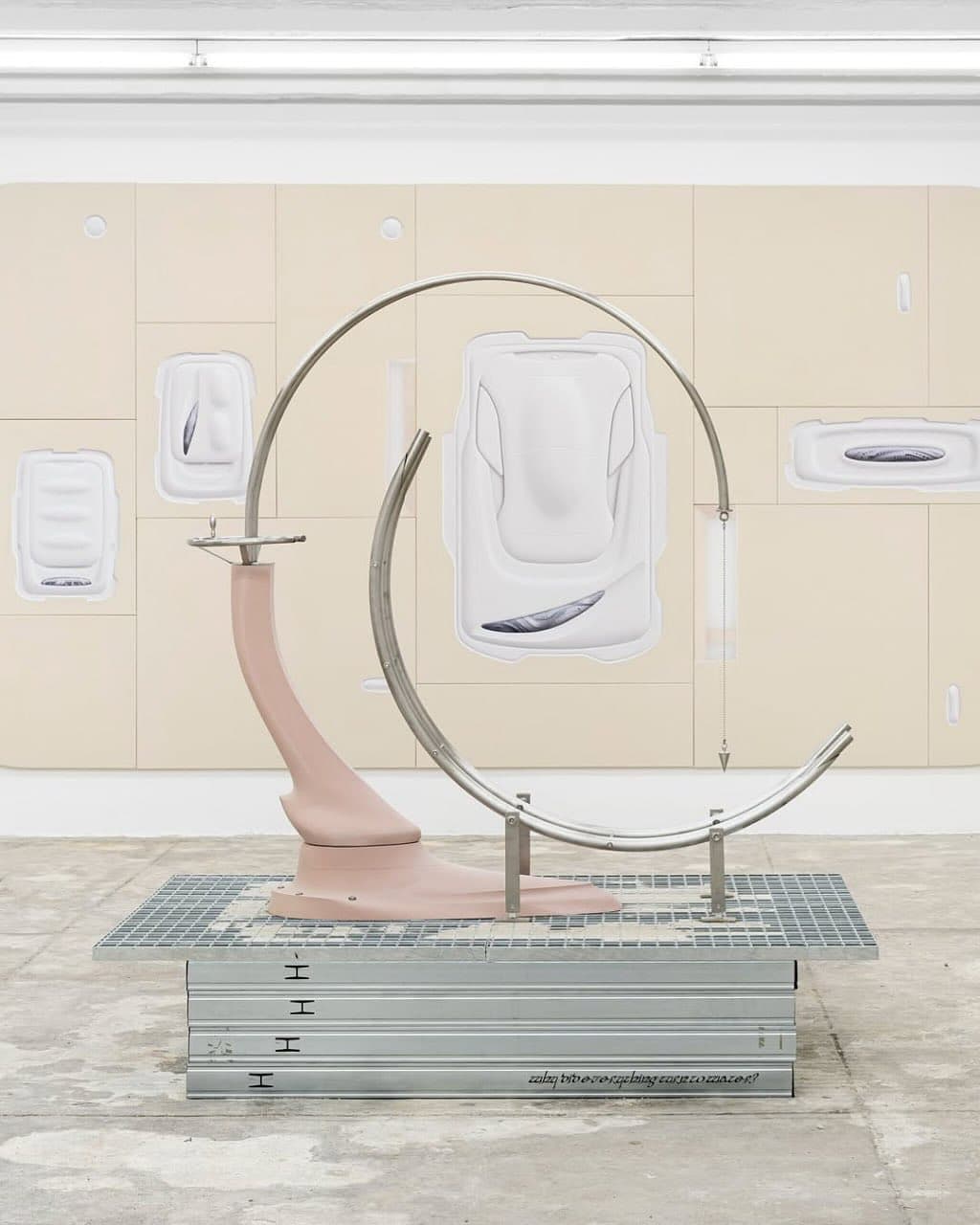
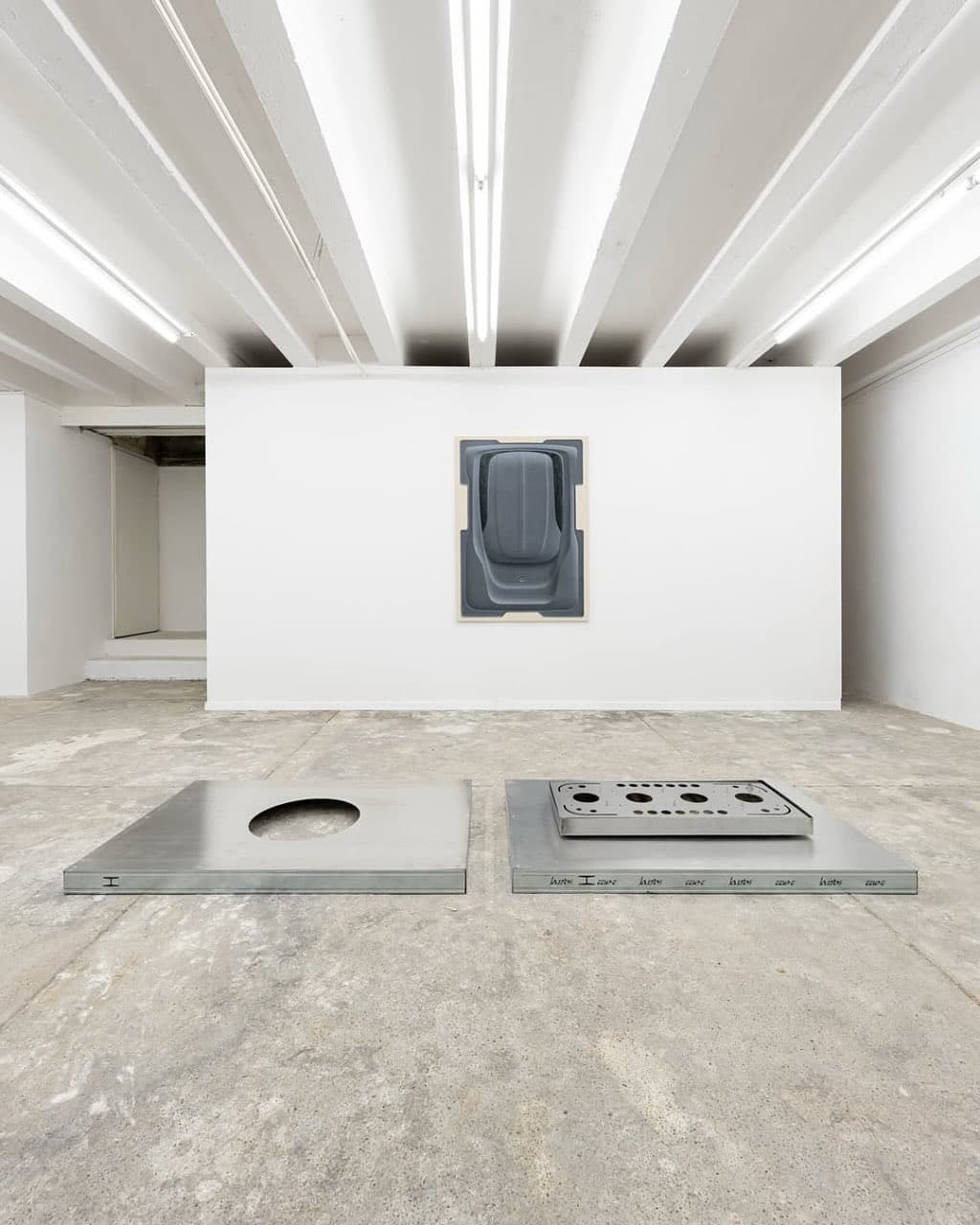
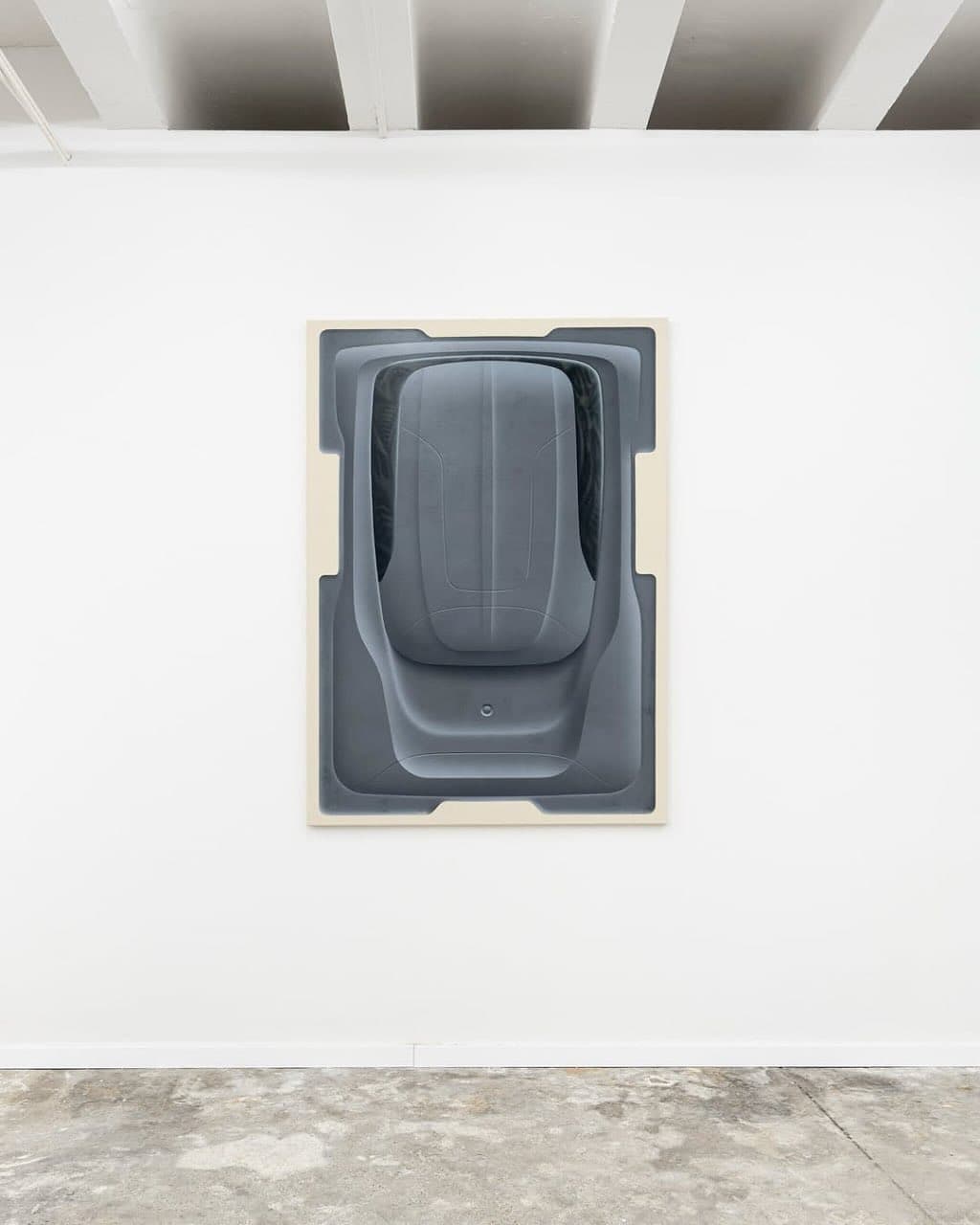
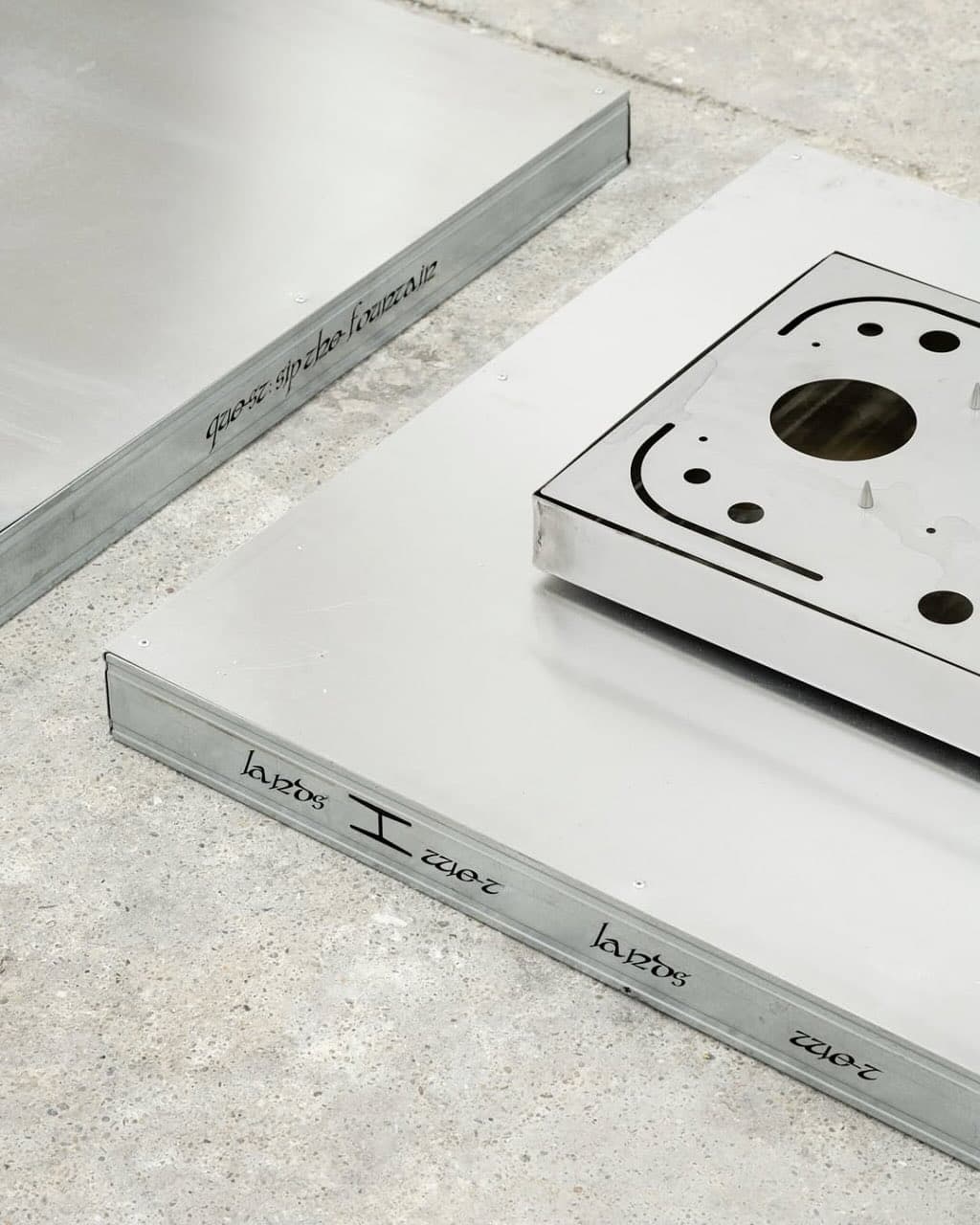
Bratislava / 2025
/ 2025
Bratislava / 2025
Kraków / 2025
%2Fphoto_1_2026-05-23_19-26-42.jpg&w=1200&q=75)
Milan / 2025
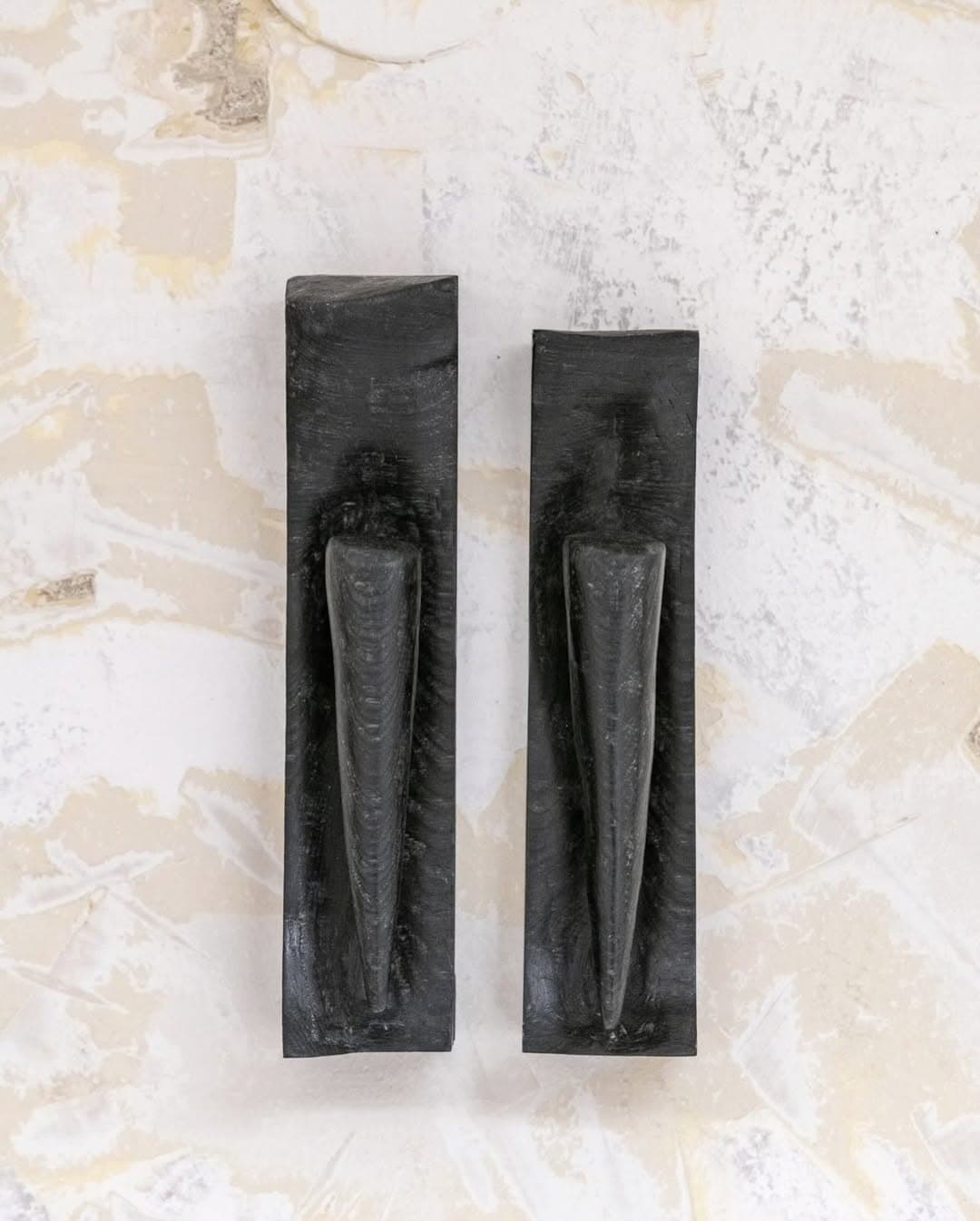
Graz / 2026
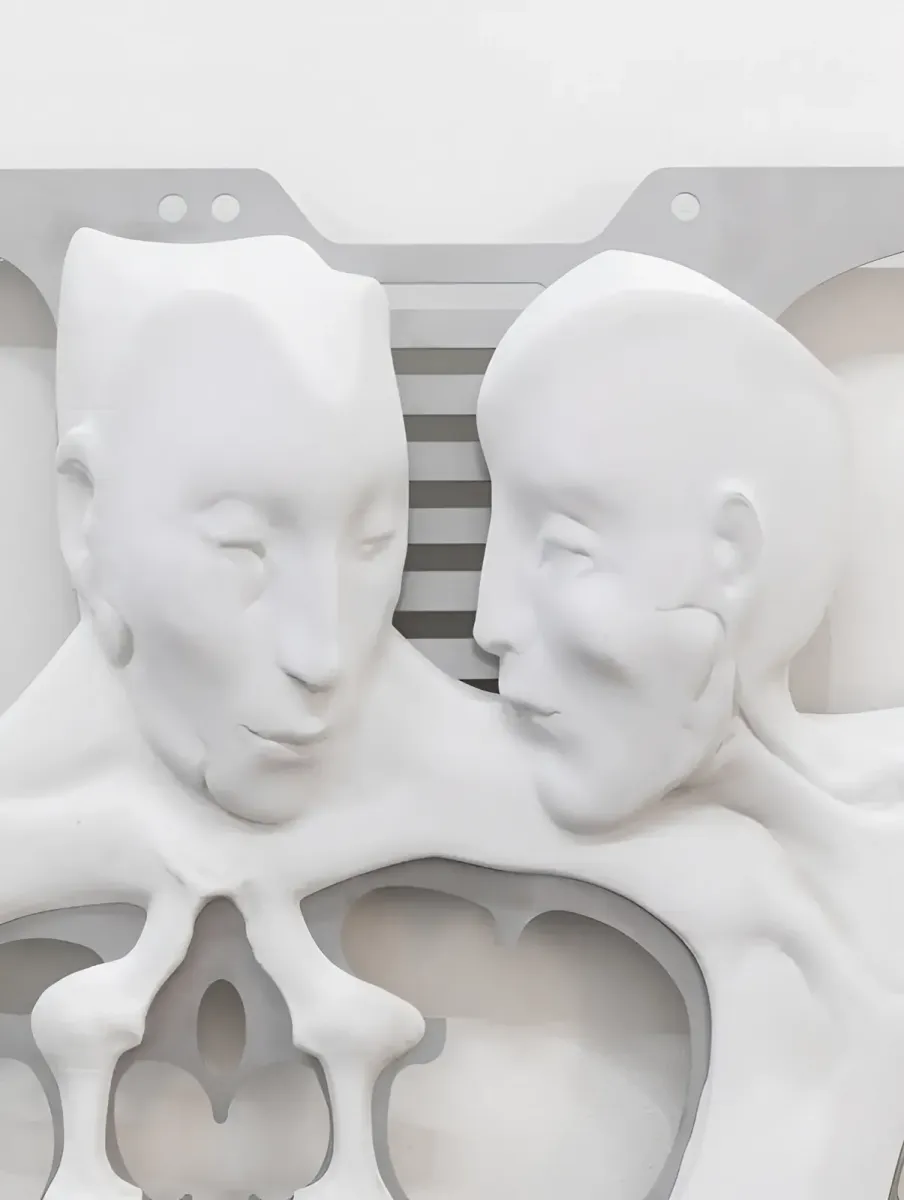
Prague / 2026
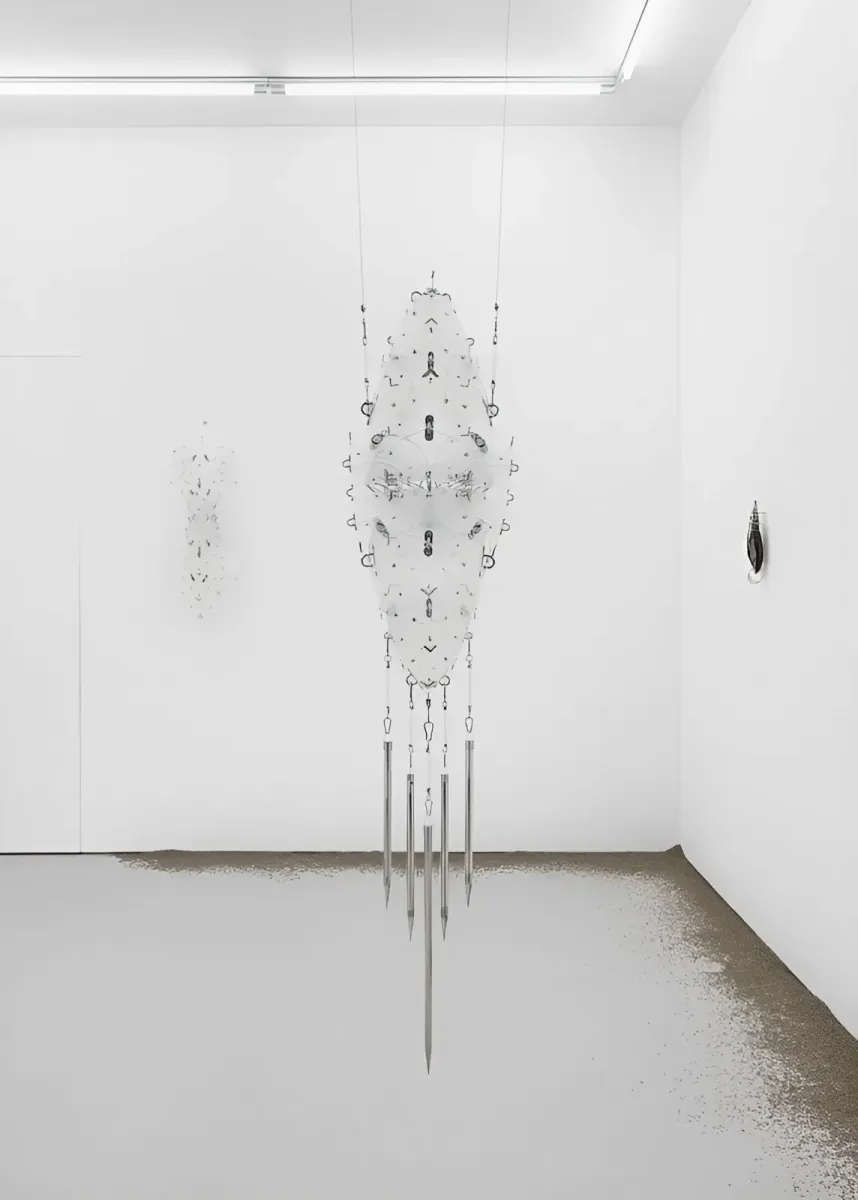
London / 2026
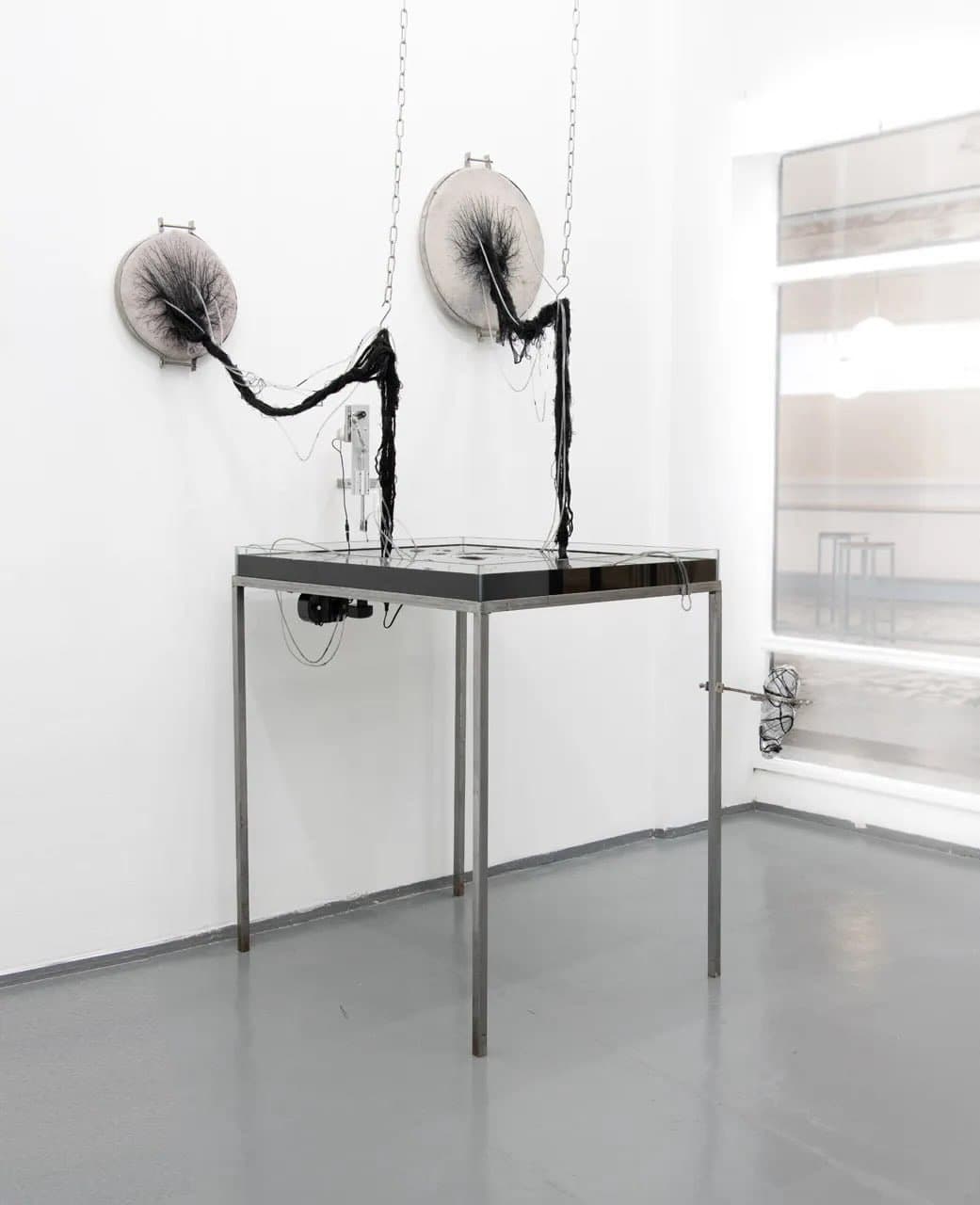
Buenos Aires / 2026
Sardinia / 2026
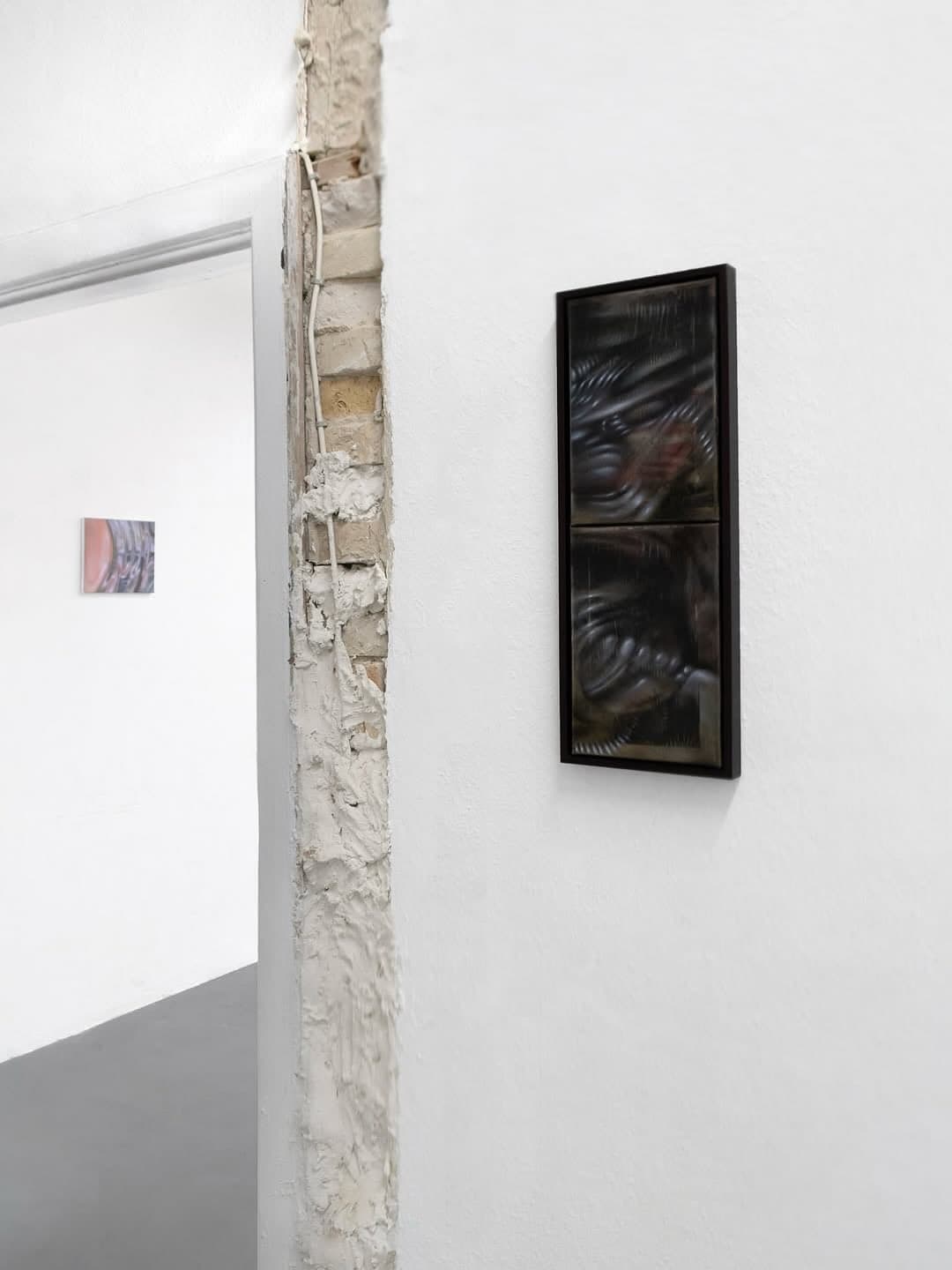
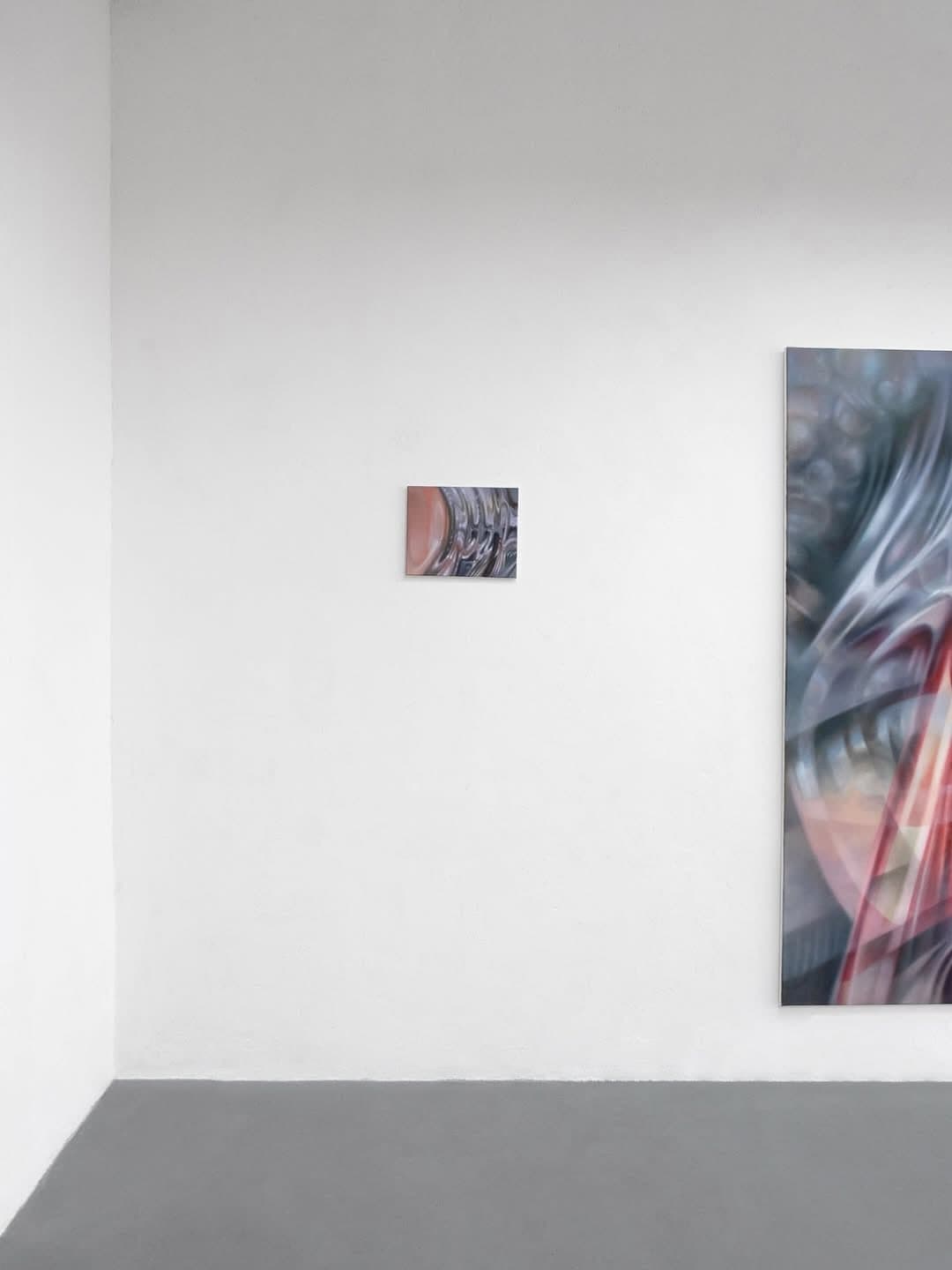
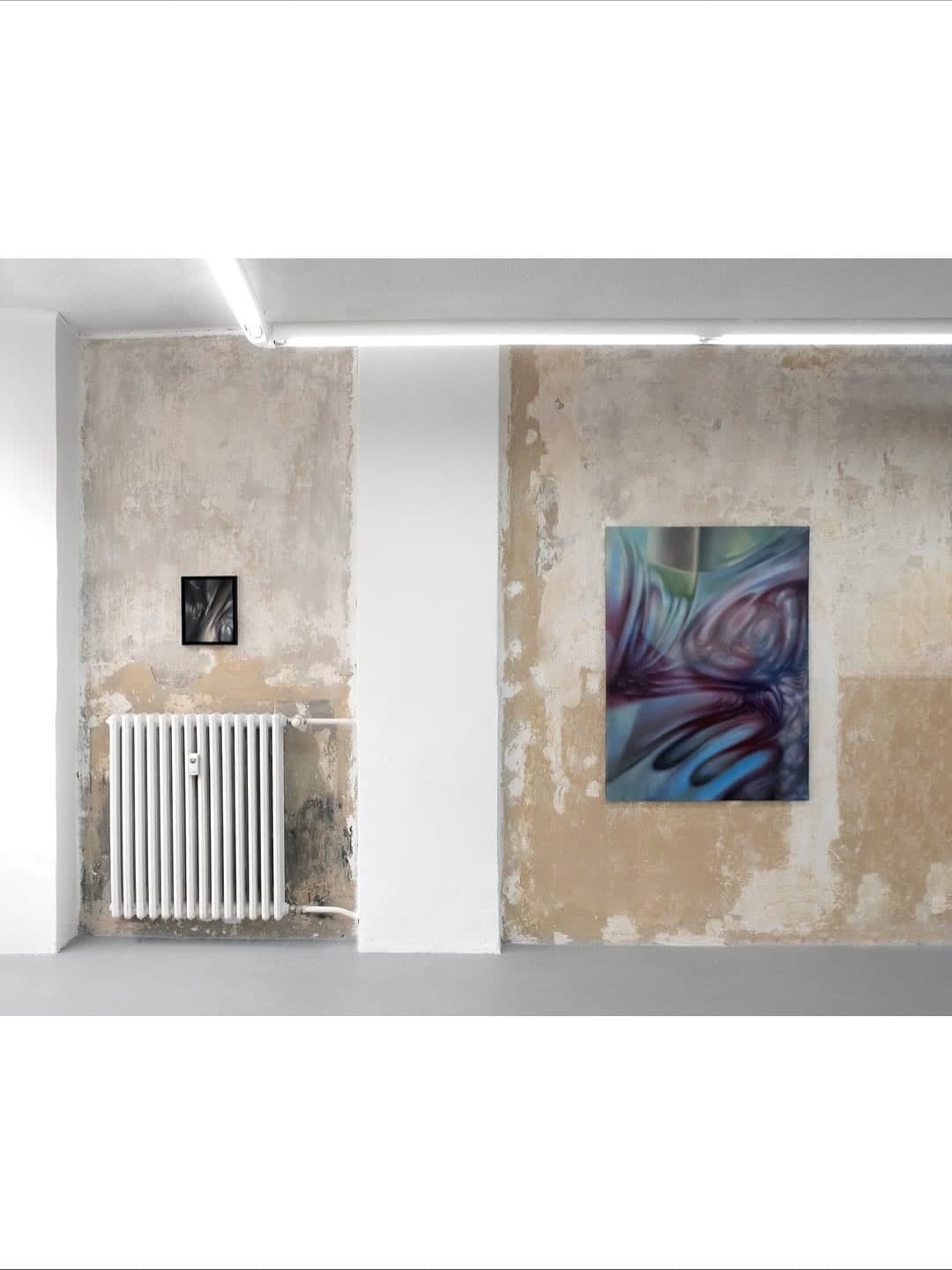
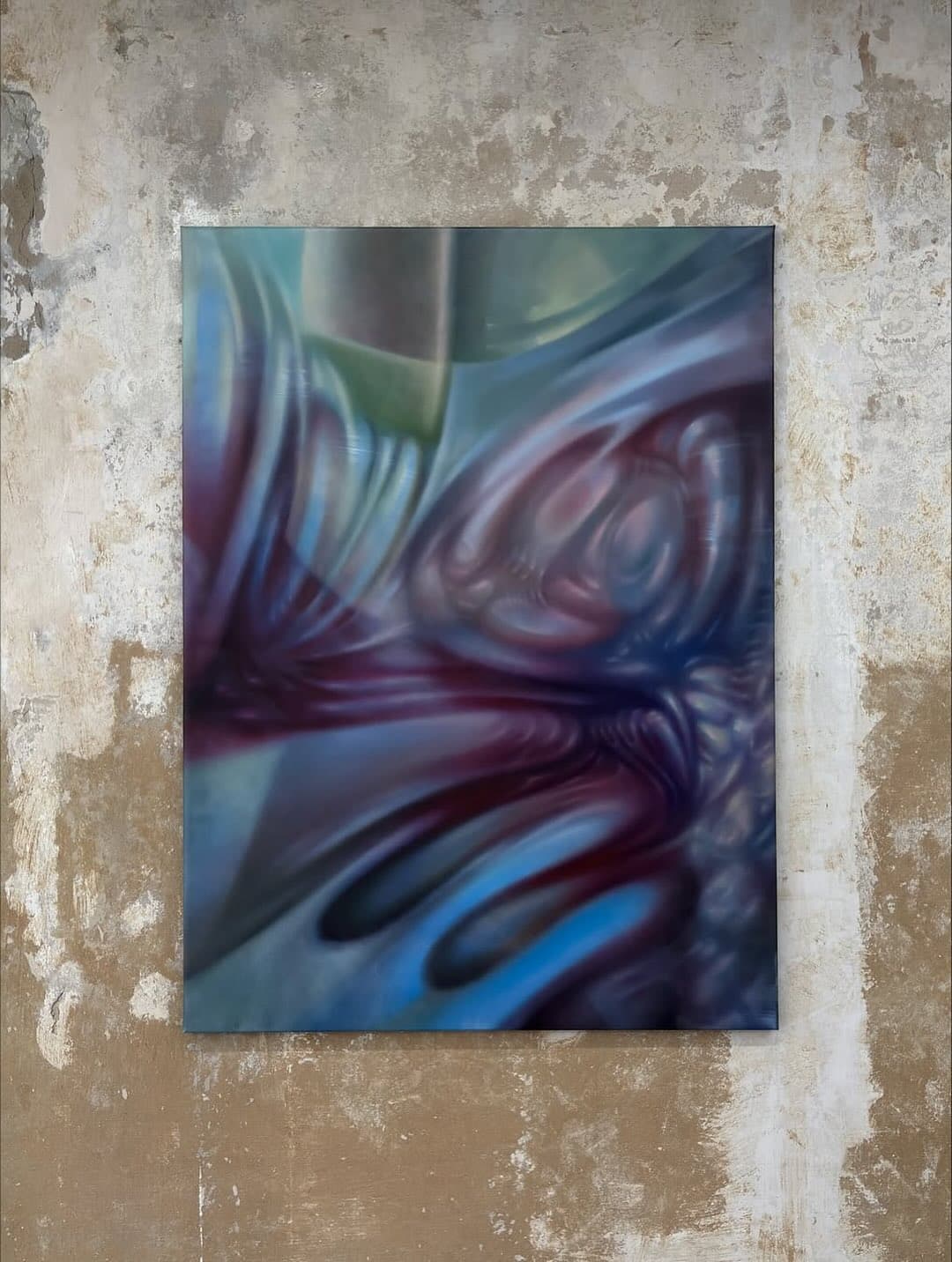
Berlin-Schöneberg / 2025
.webp&w=1200&q=75)
Seoul / 2025
Helsinki / 2026
/ 2026
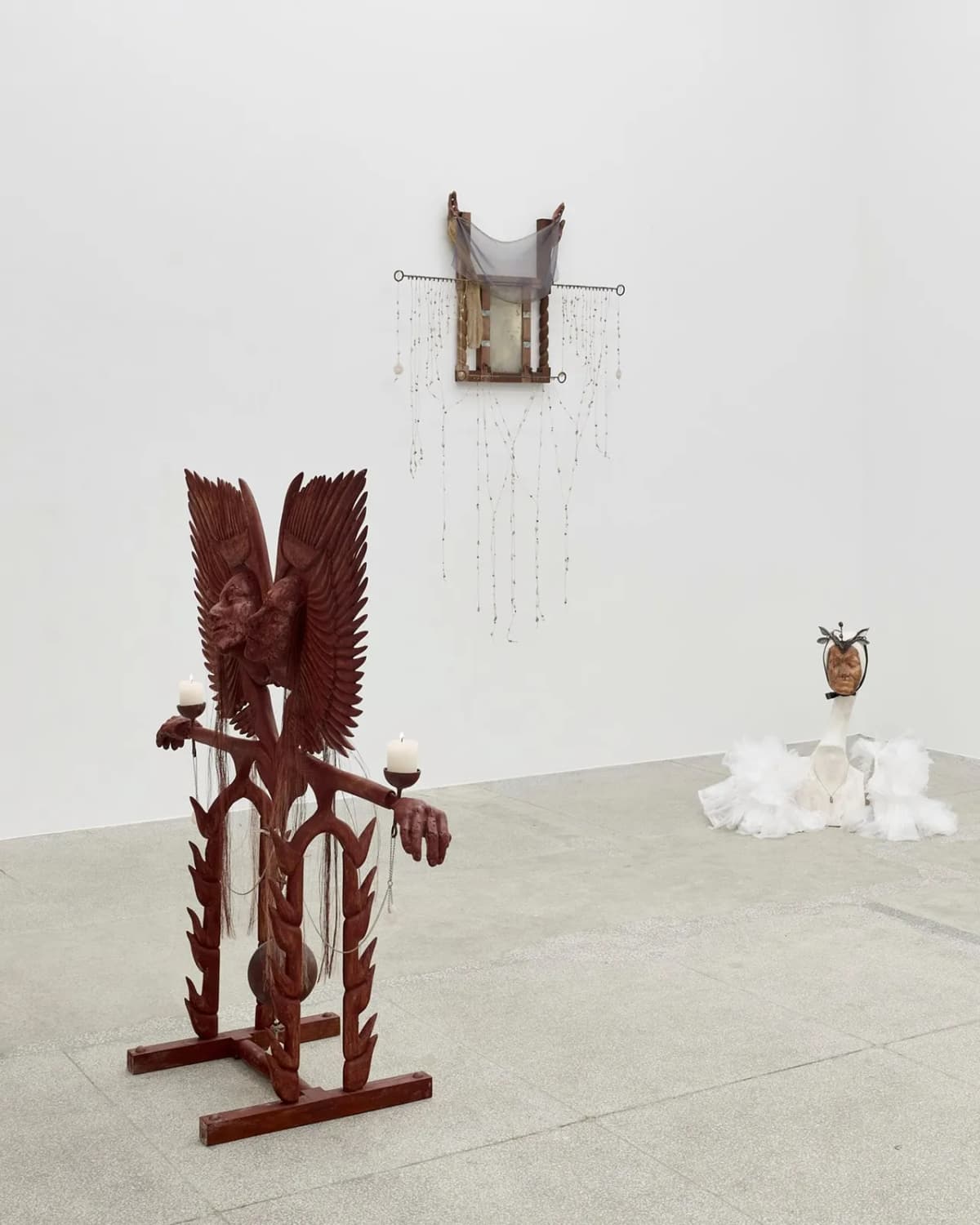
Warsaw / 2026
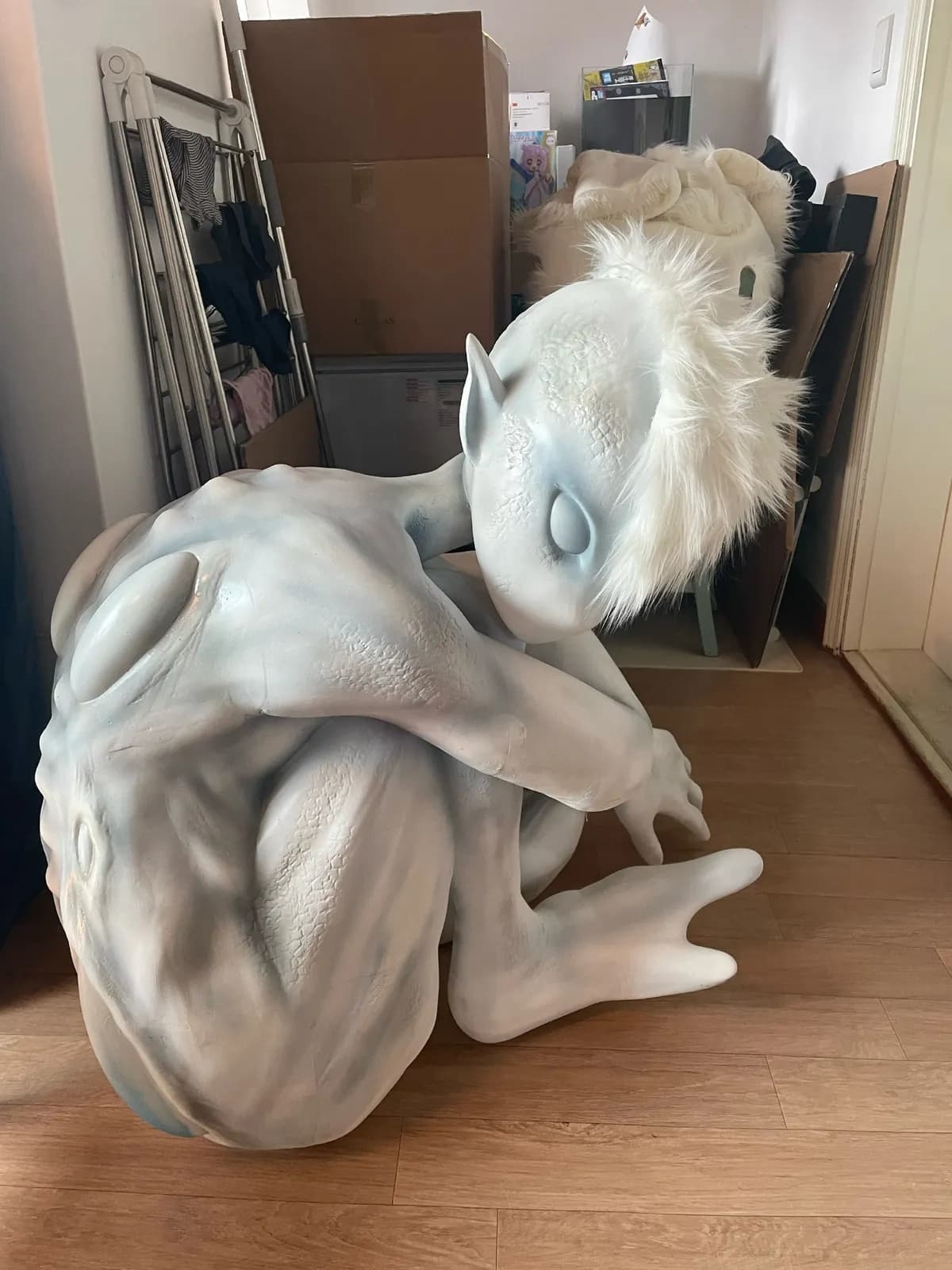
Seoul / 2026
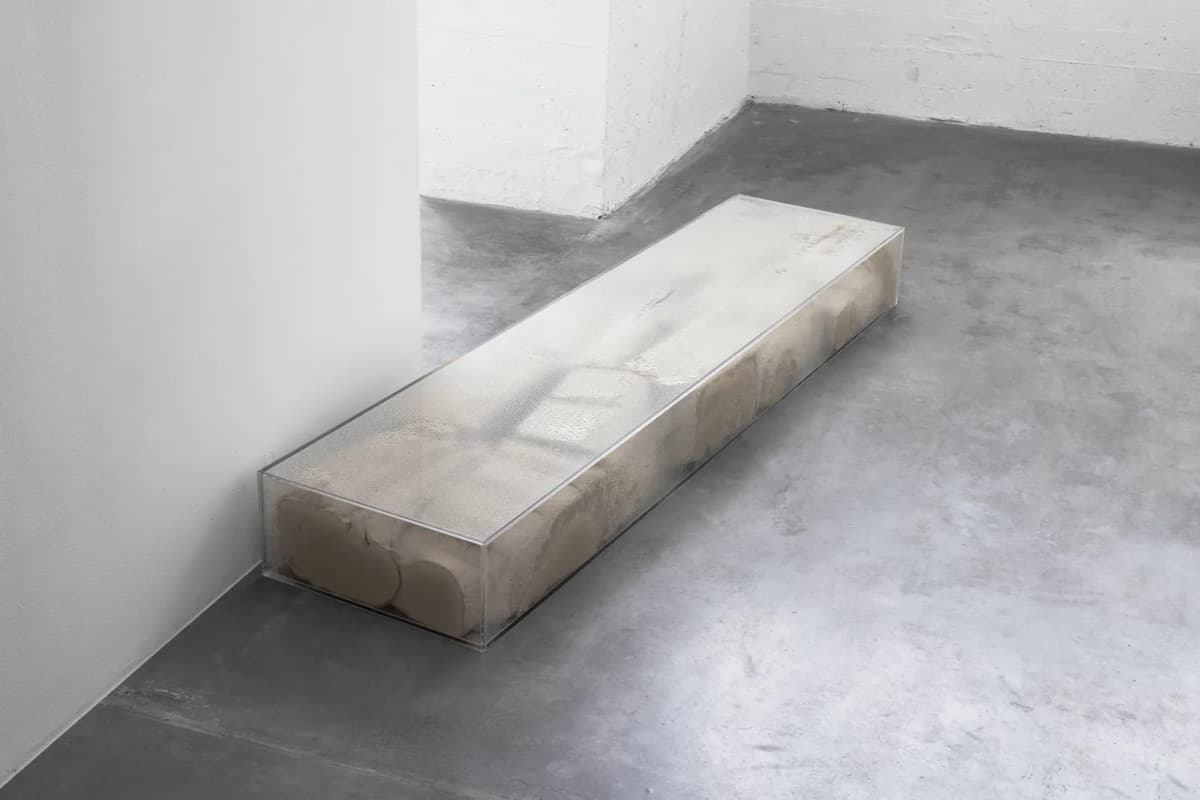
Brussels / 2026
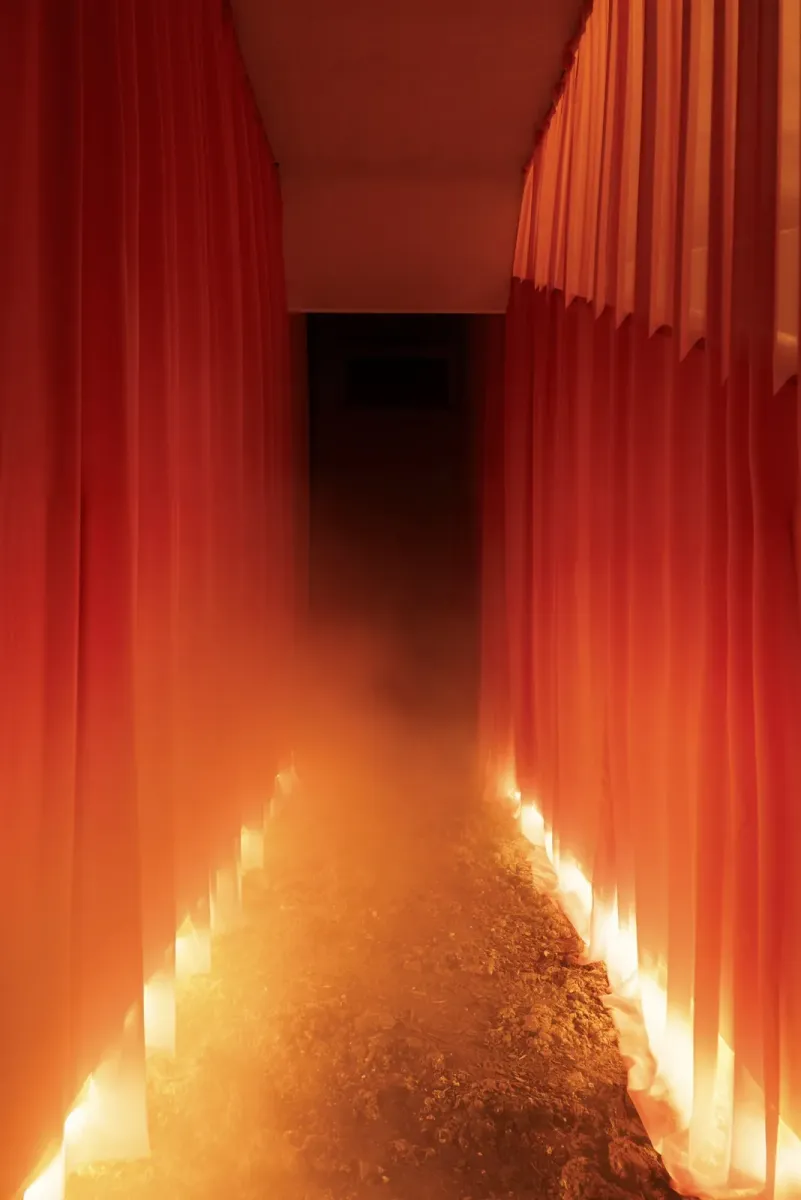
Seoul / 2026
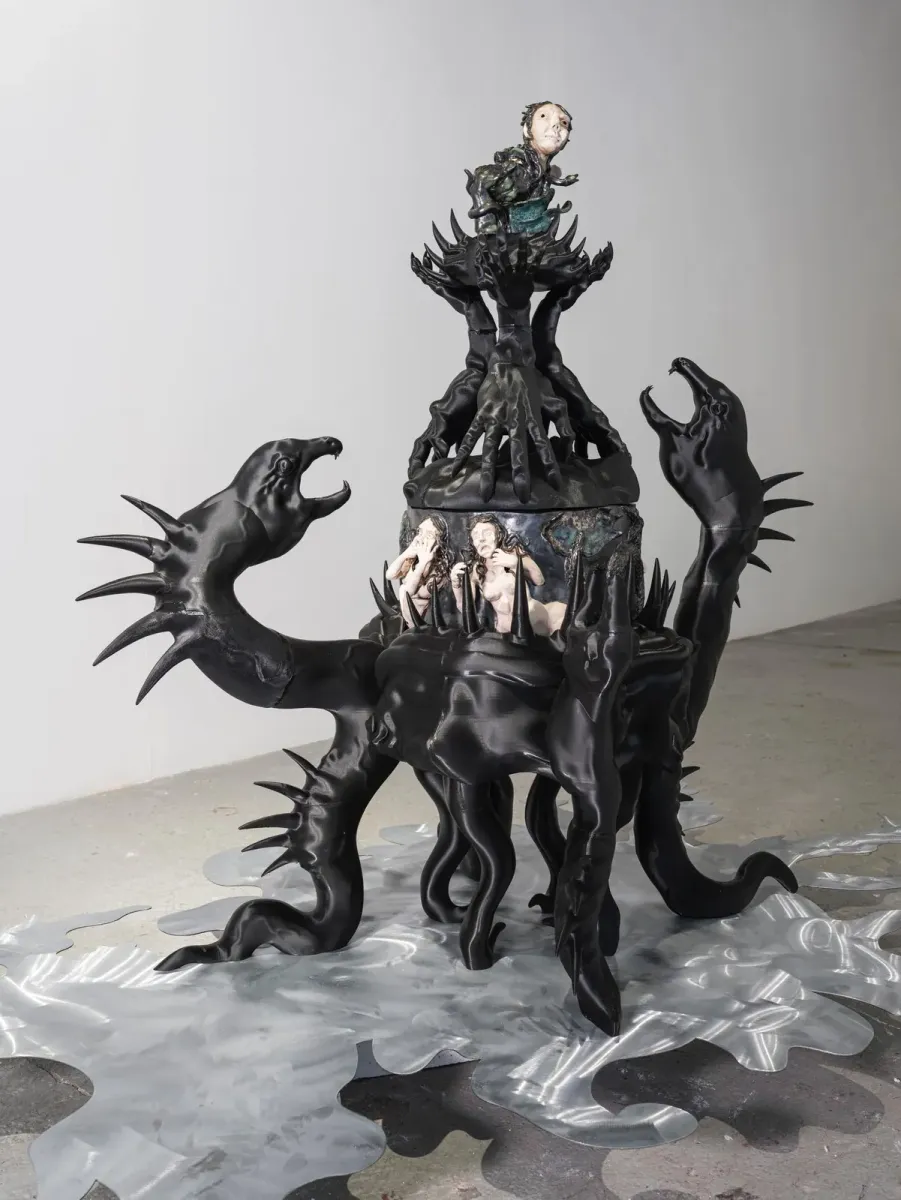
Paris / 2026
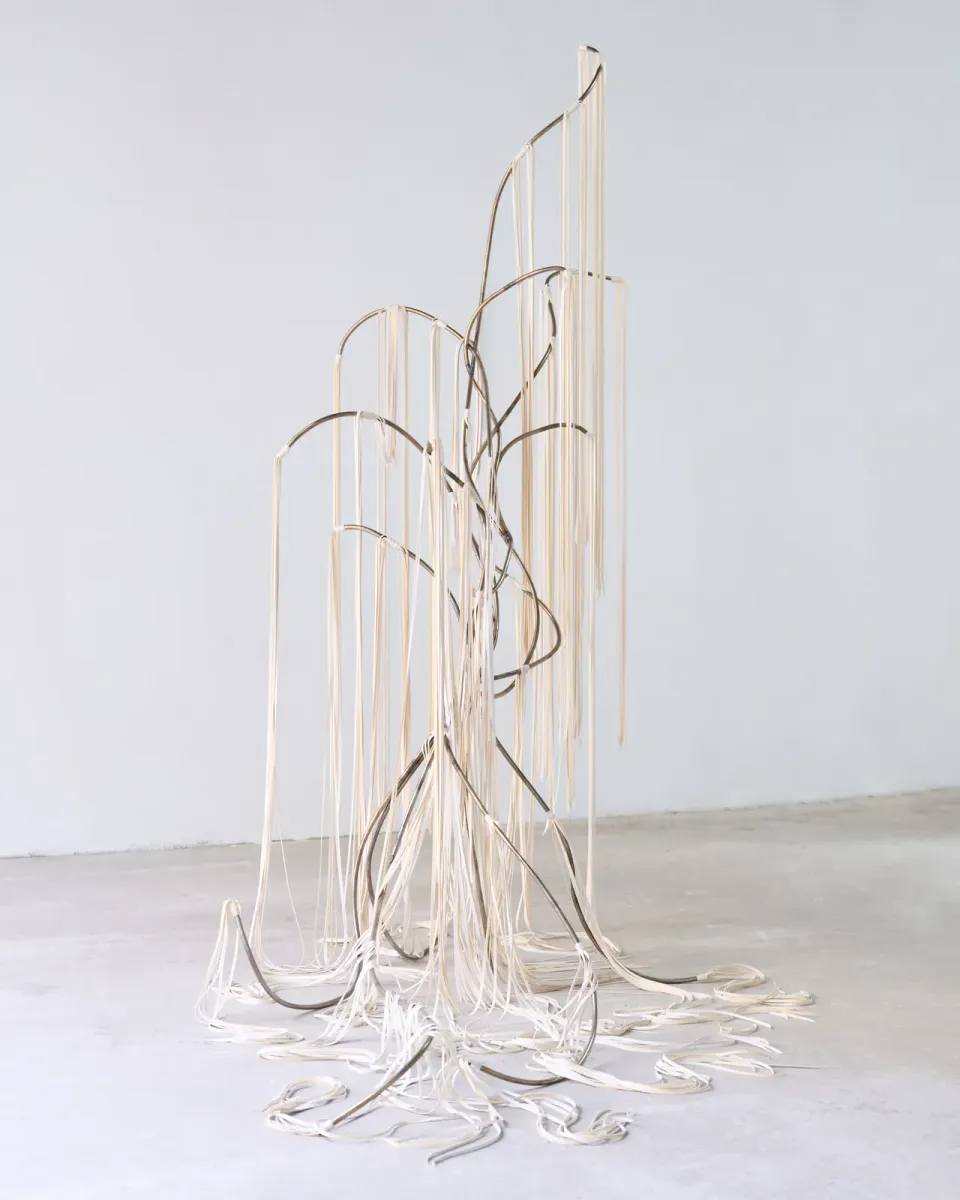
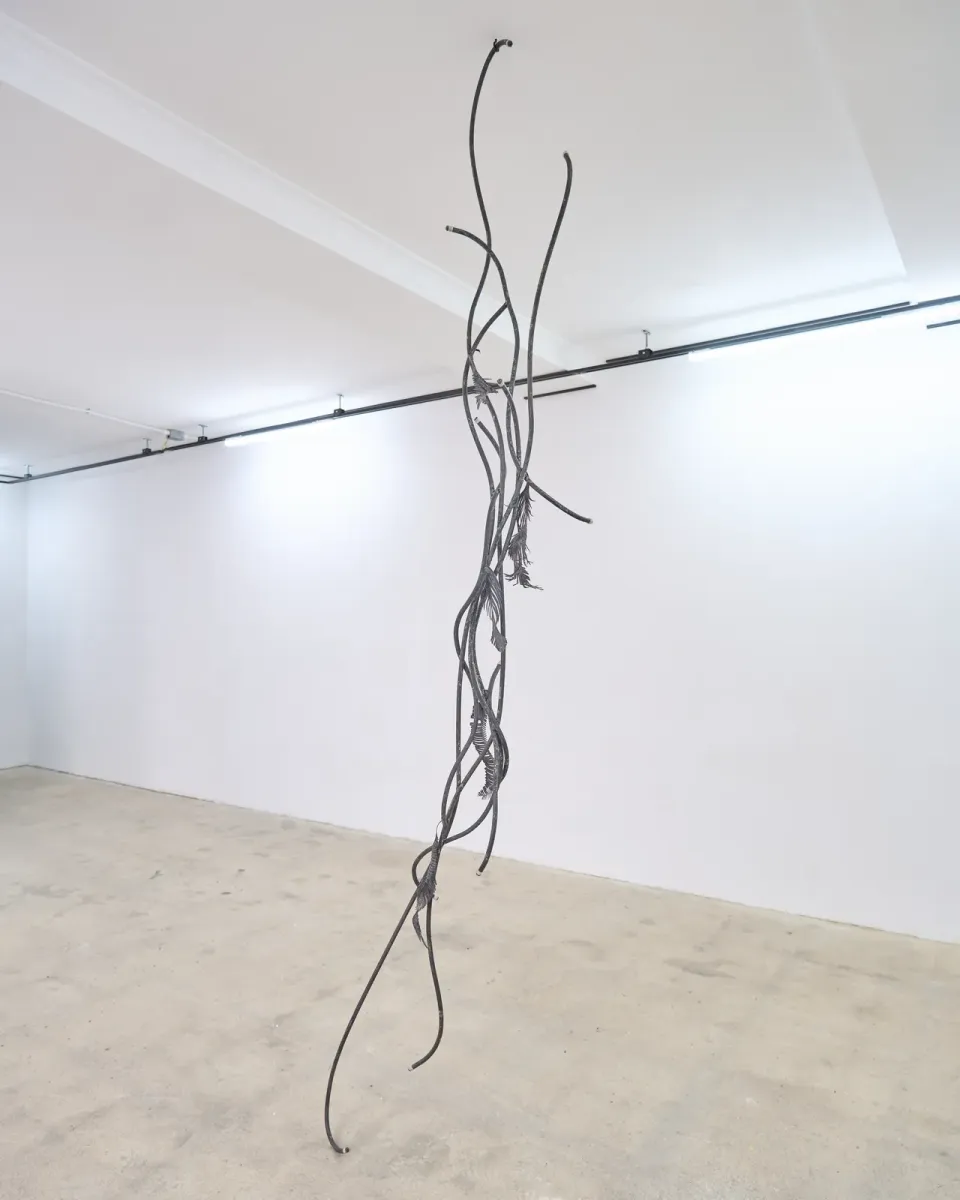
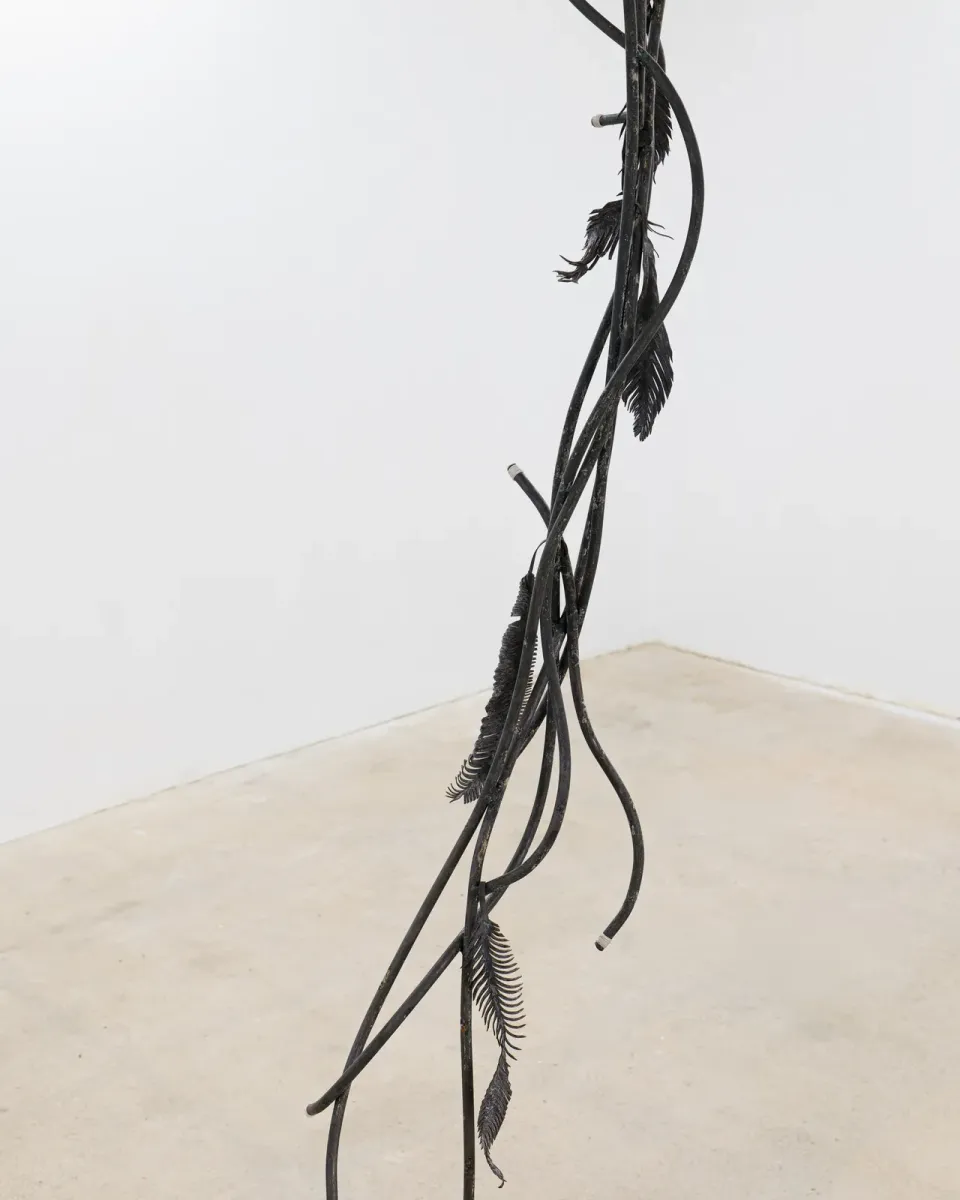
Seoul / 2026
London / 2026
.webp&w=1200&q=75)
.webp&w=1200&q=75)
.webp&w=1200&q=75)
.webp&w=1200&q=75)
.webp&w=1200&q=75)
.webp&w=1200&q=75)
.webp&w=1200&q=75)
.webp&w=1200&q=75)
Vienna / 2026
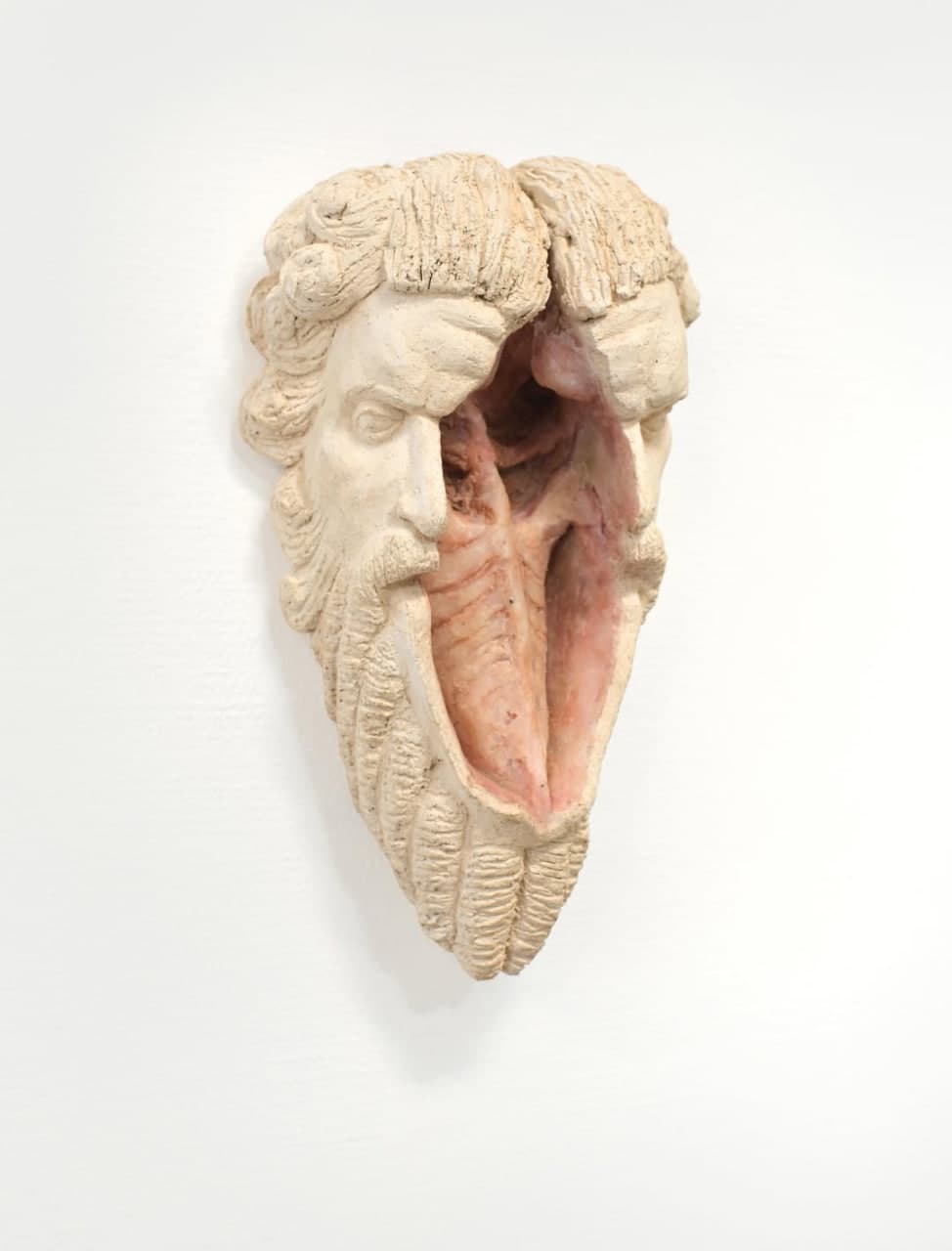
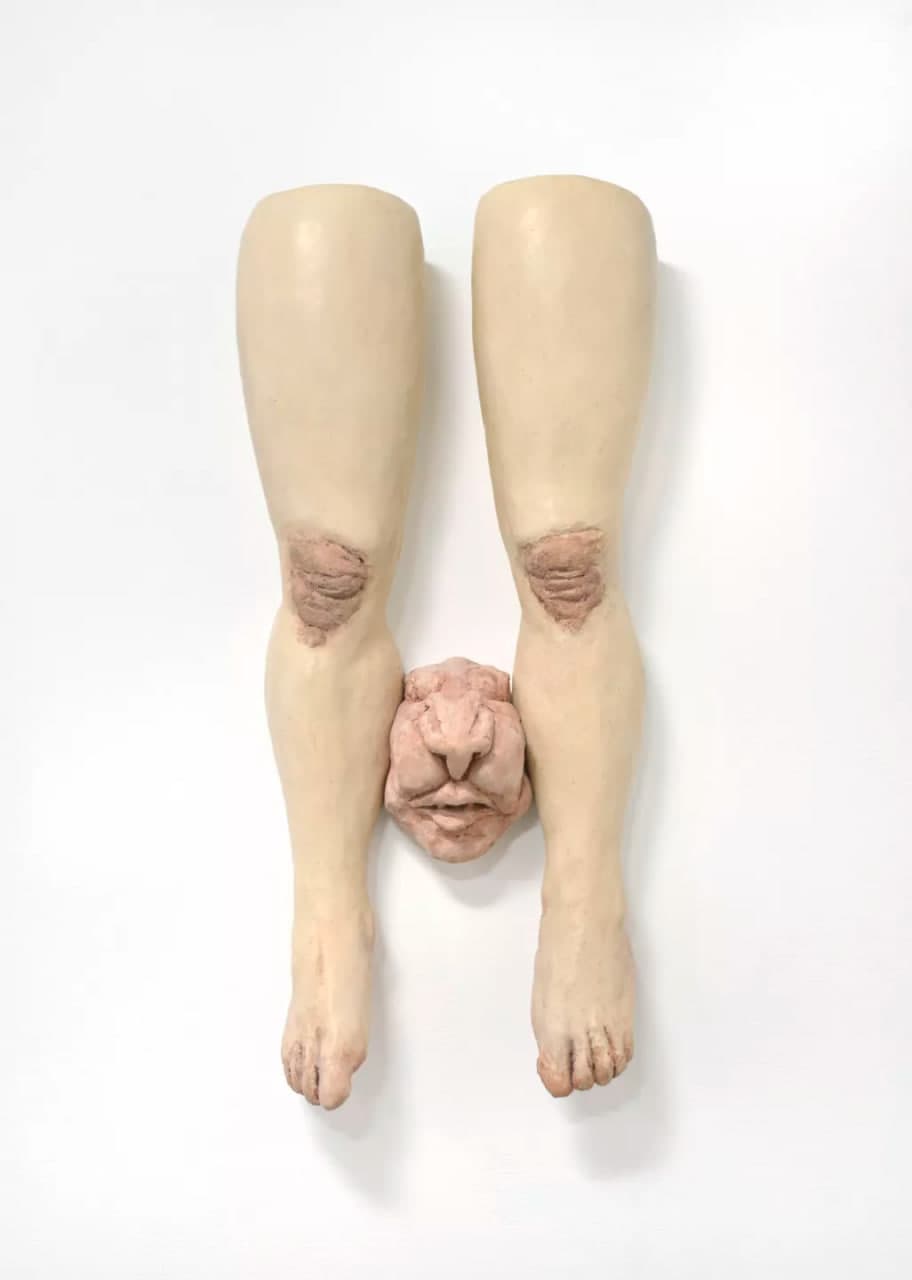
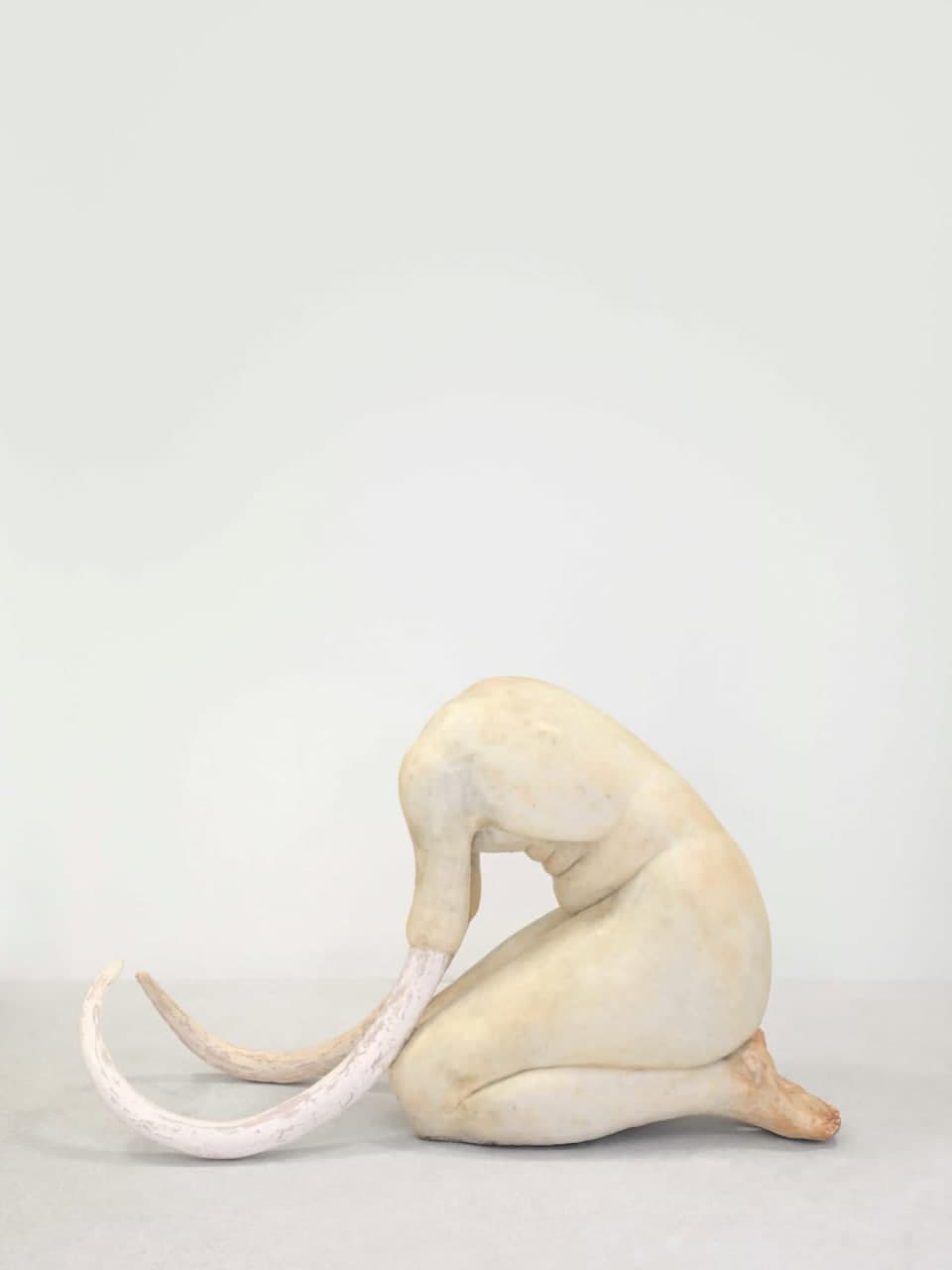
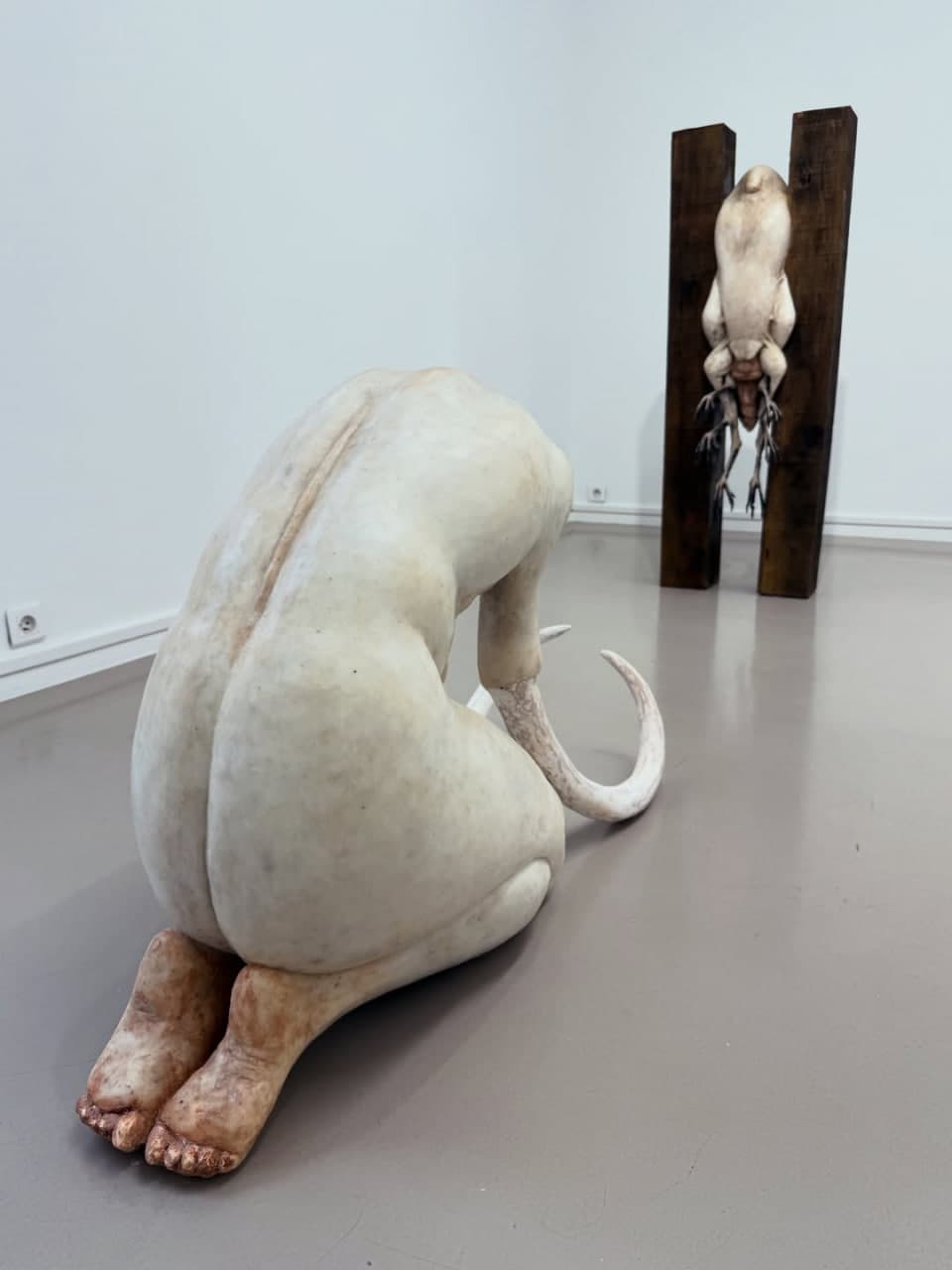
Paris / 2026
Munich / 2026
Bucharest / 2026
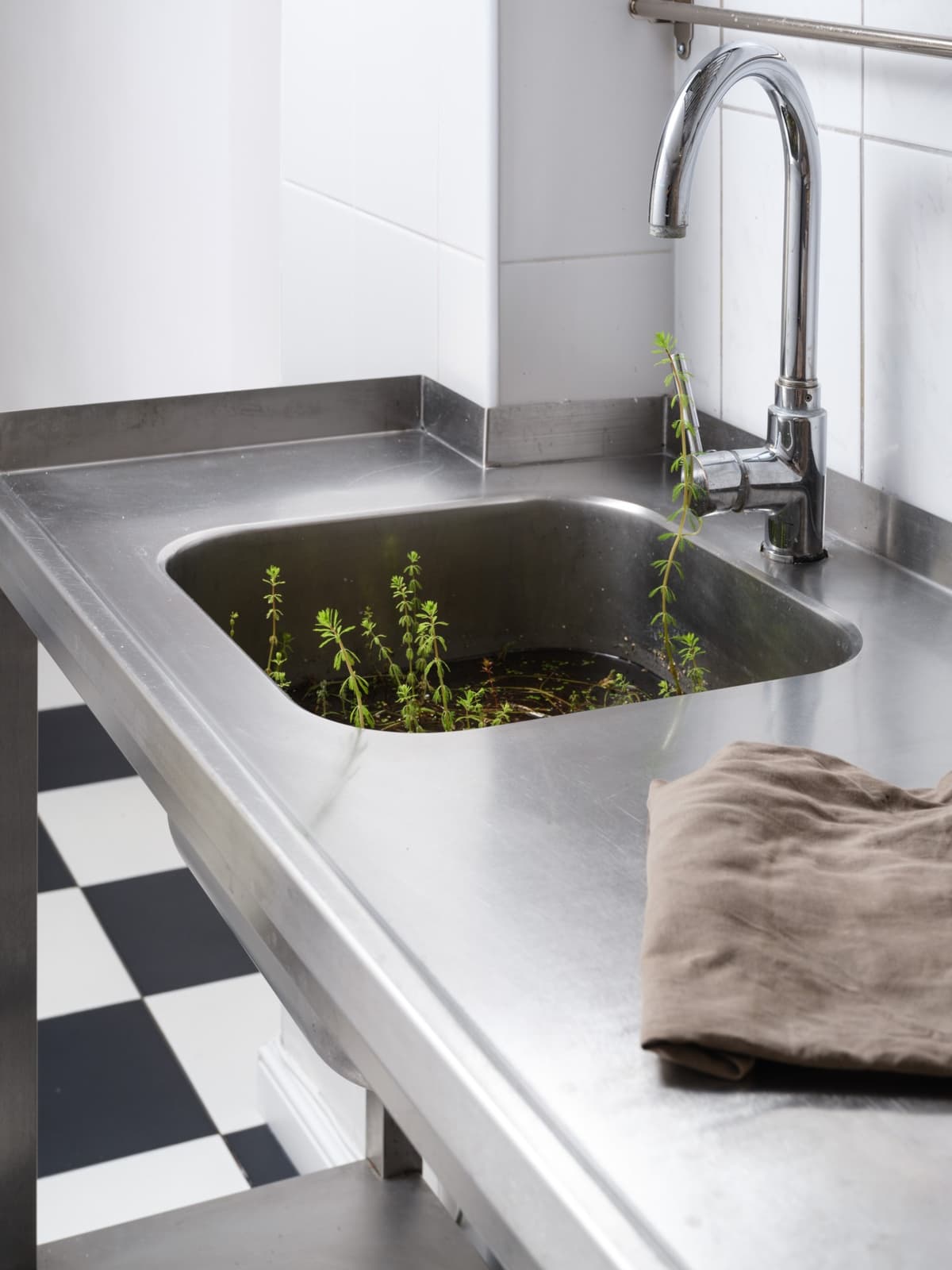
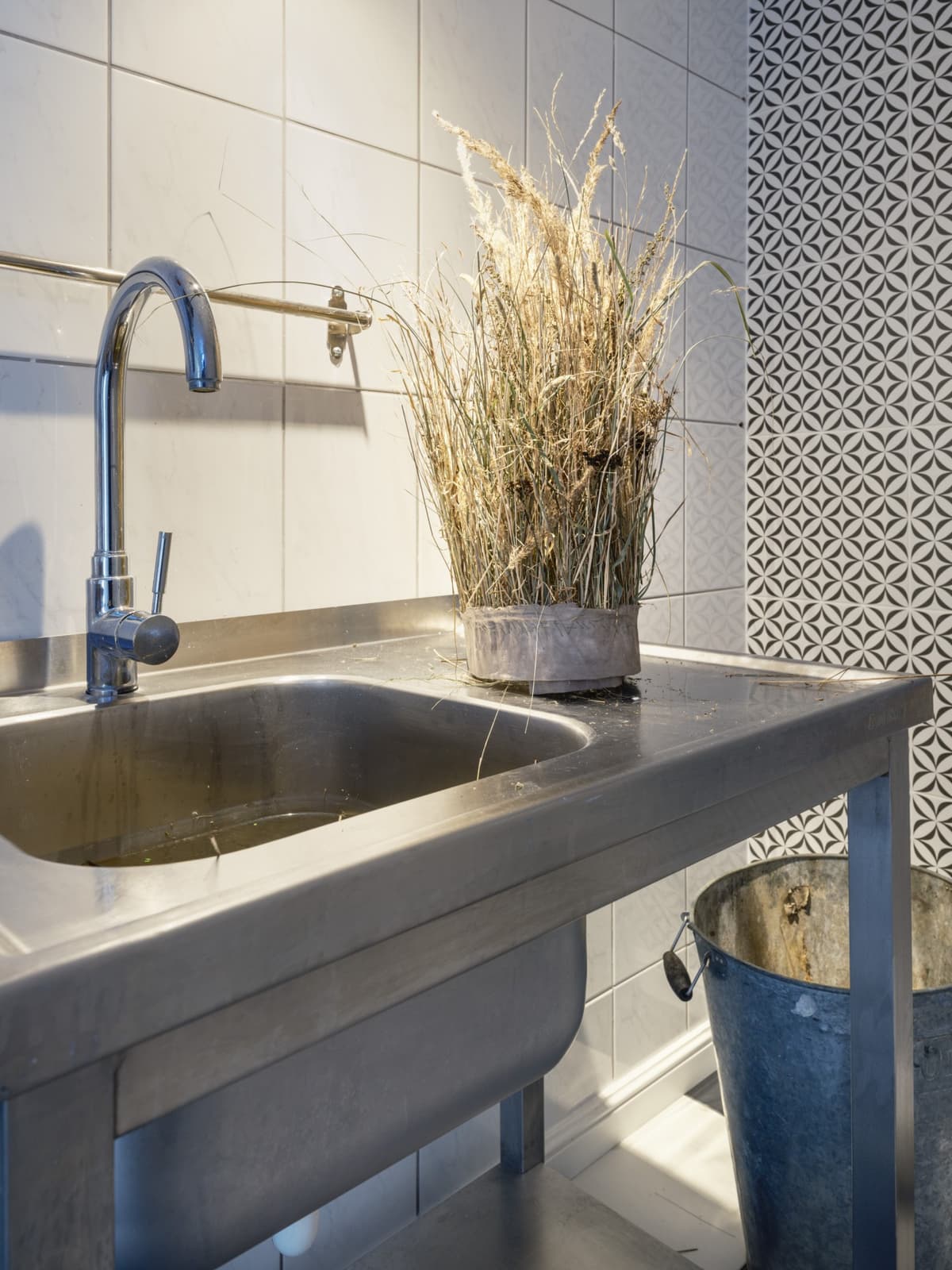
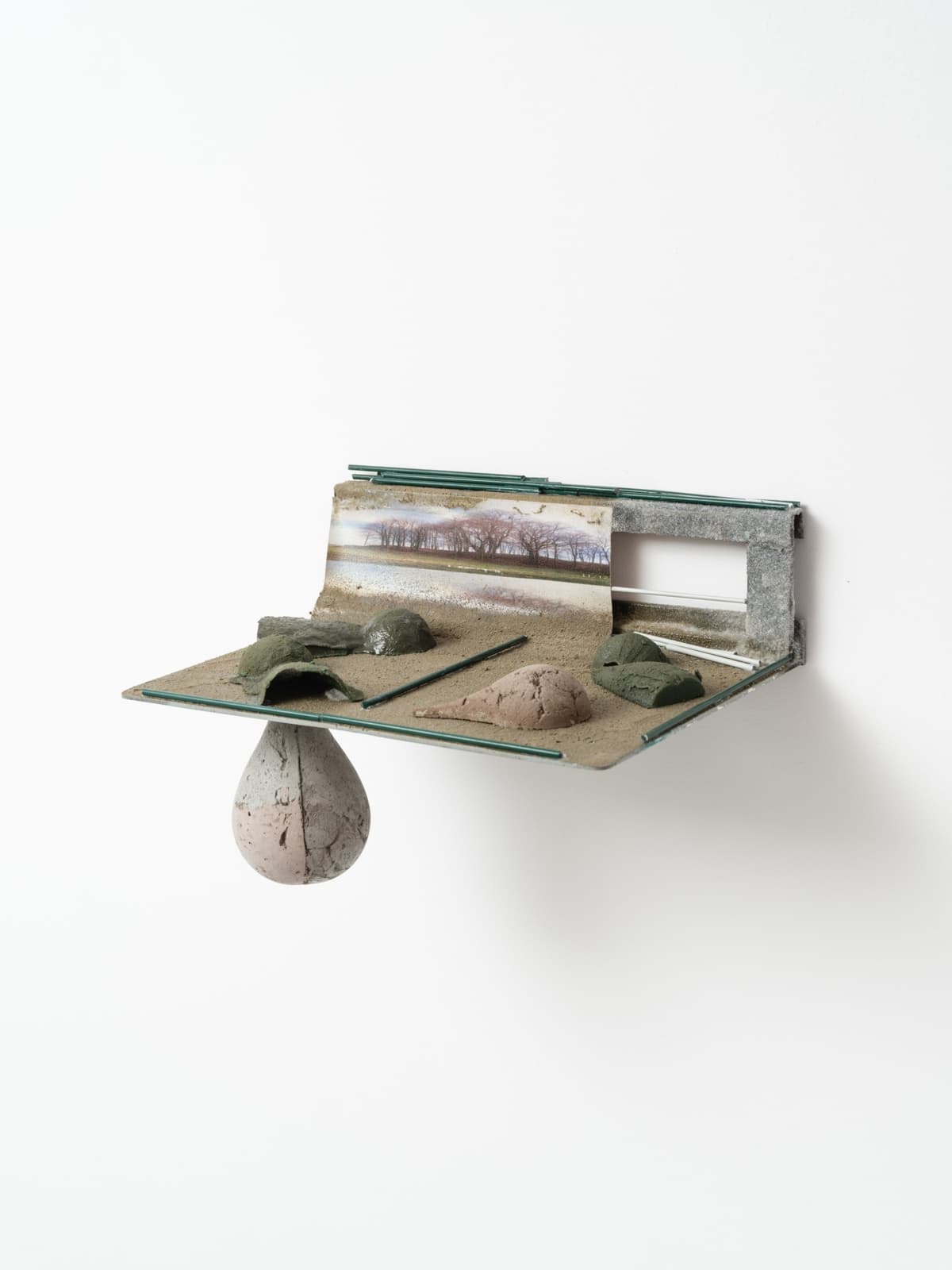
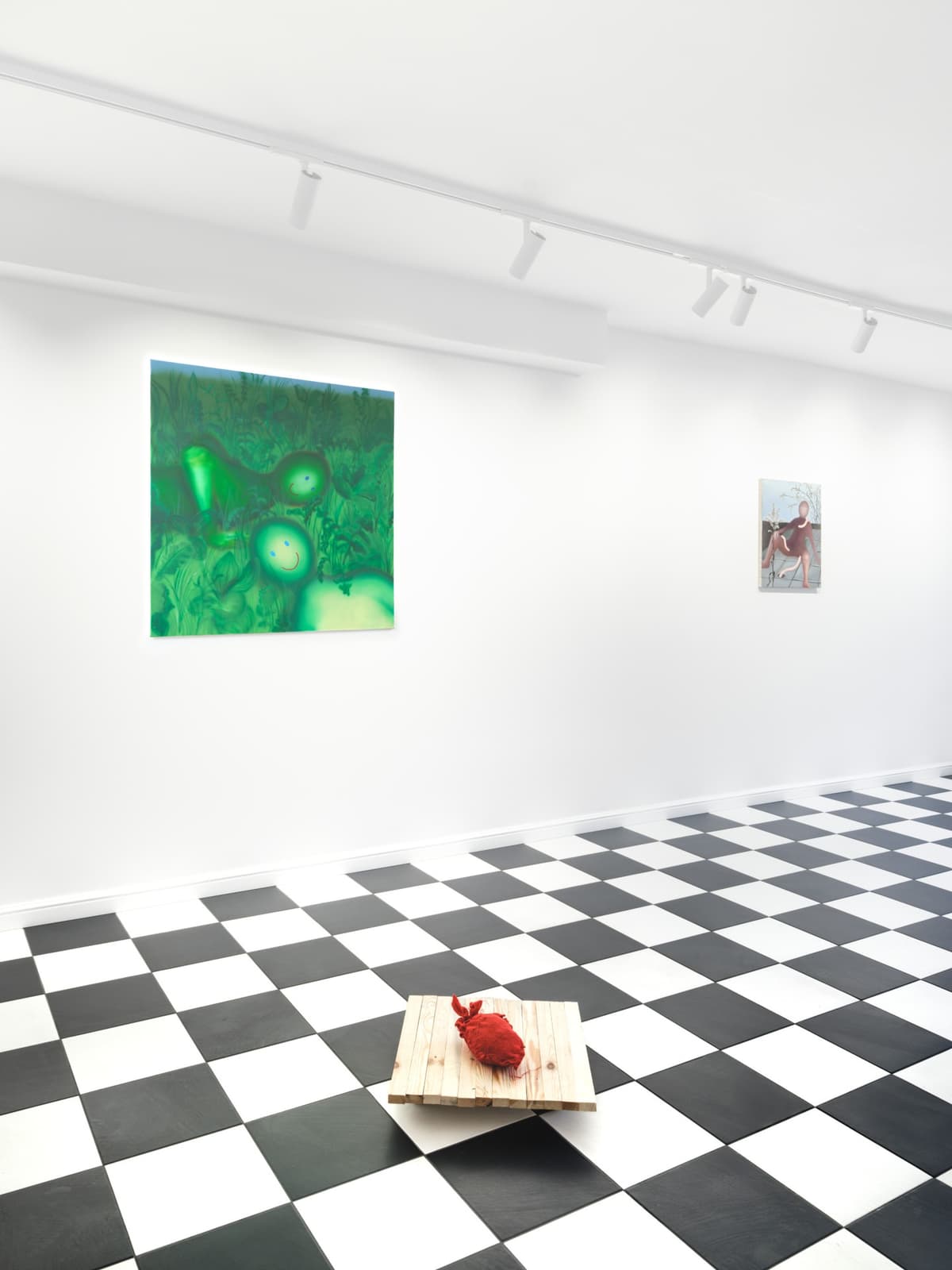
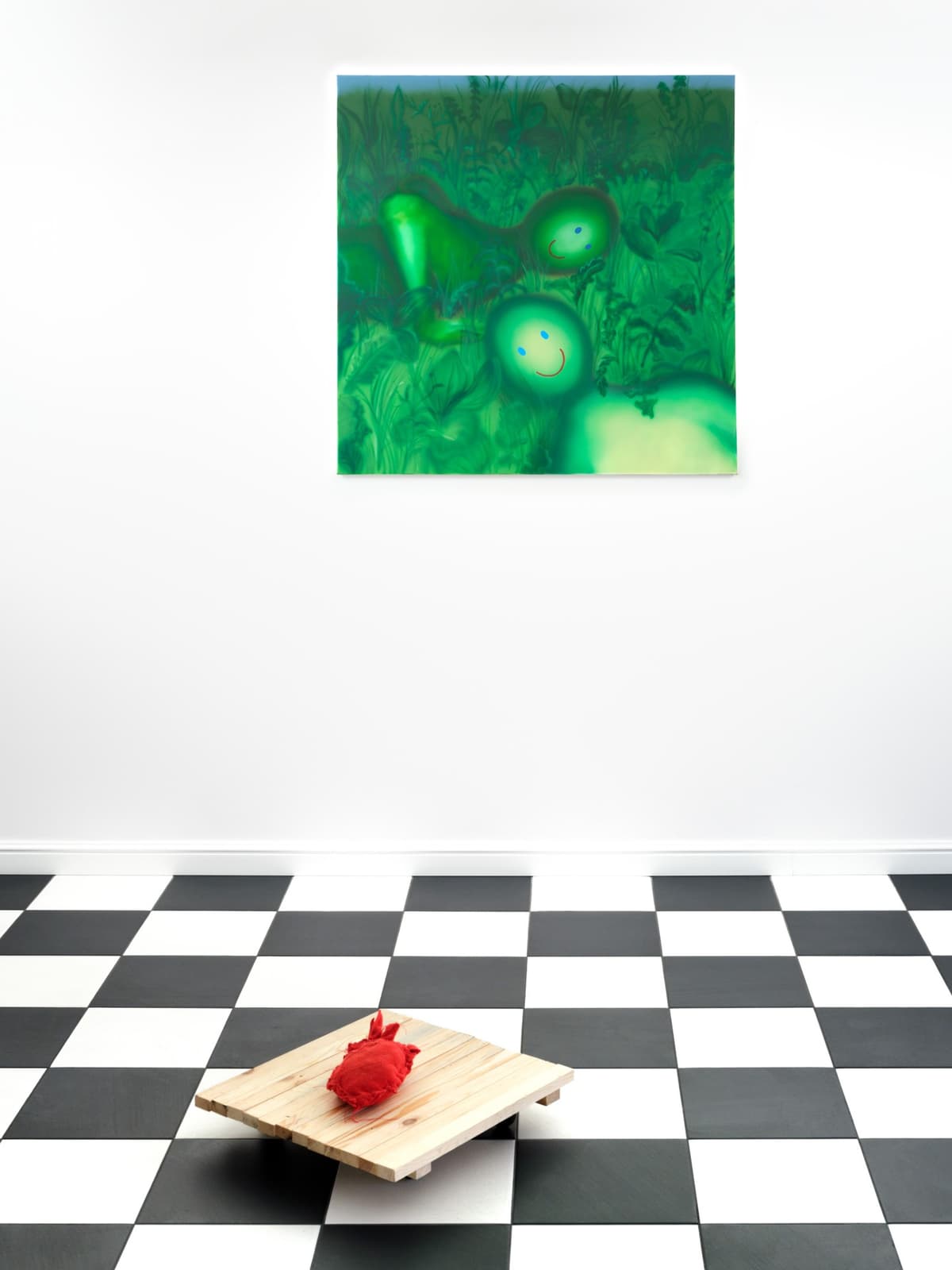
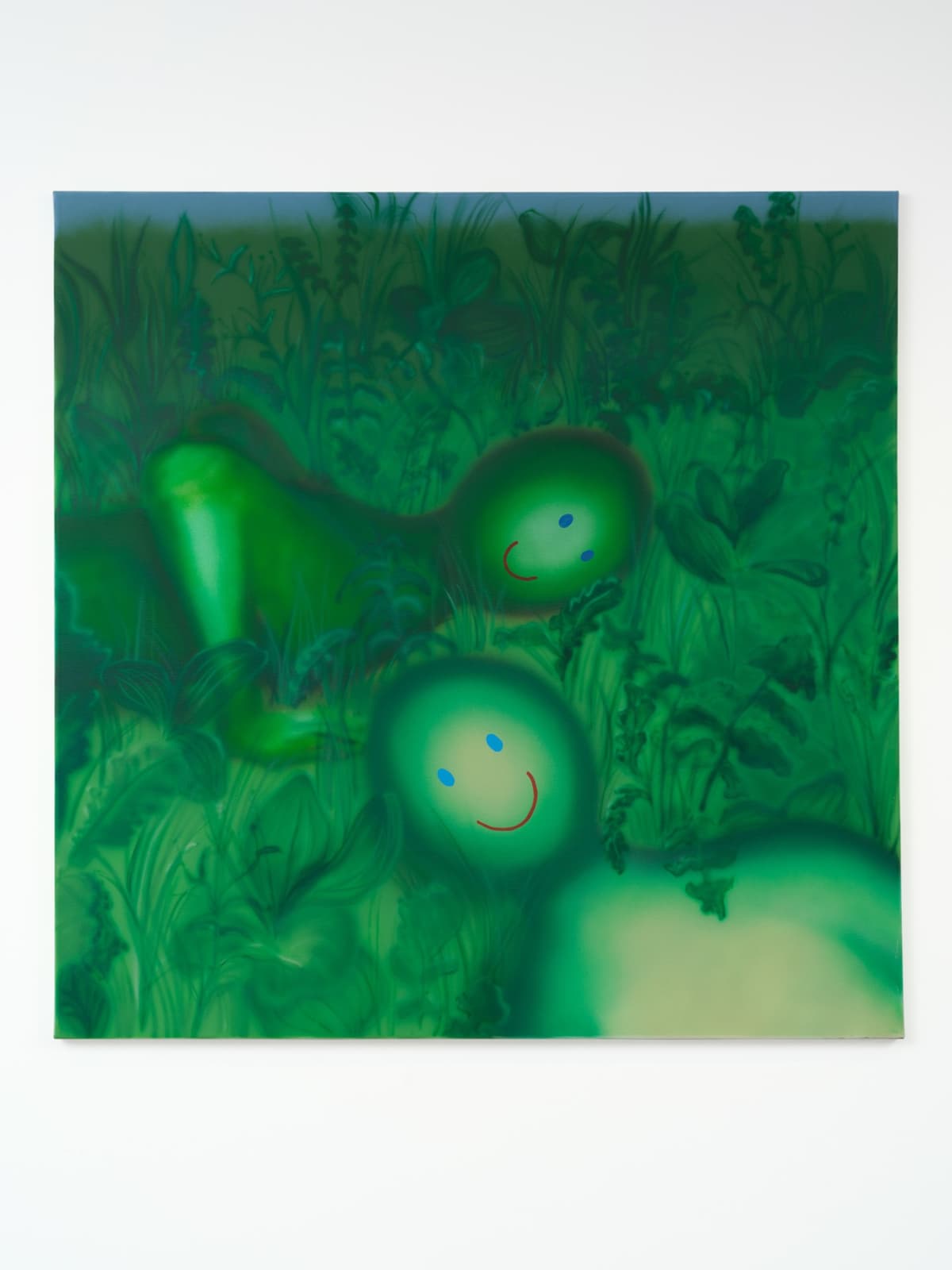
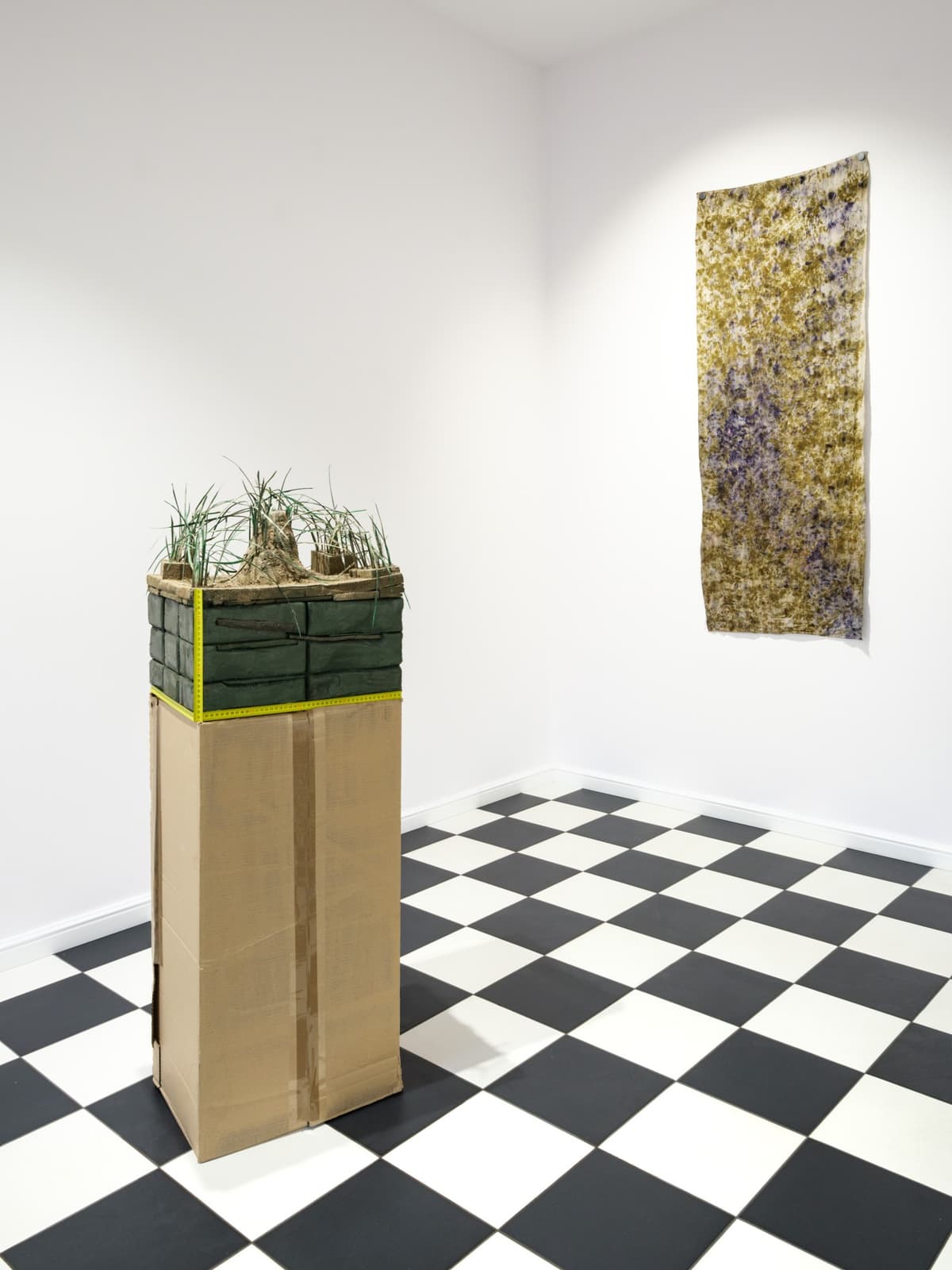
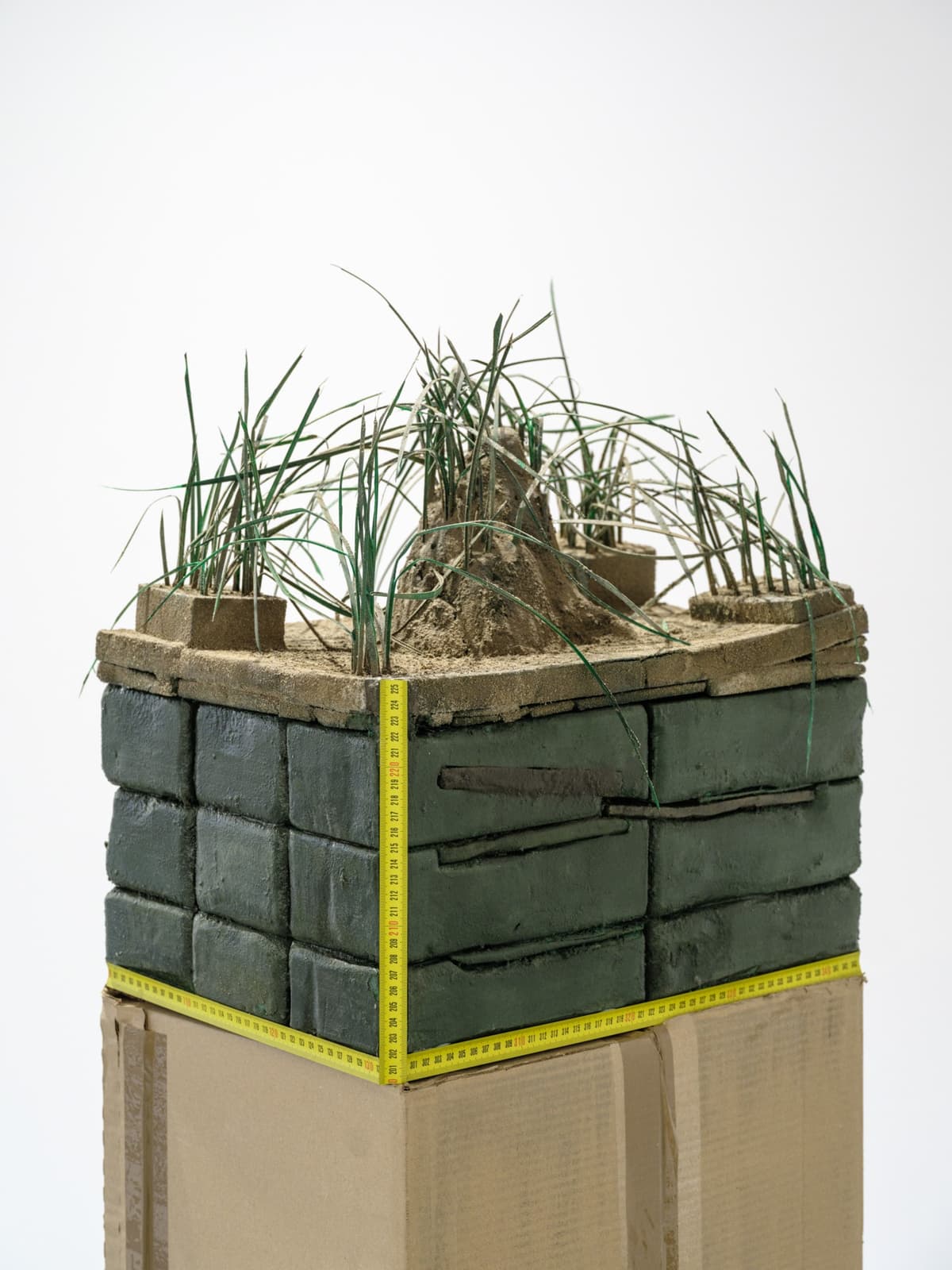
Warsaw / 2024-2025
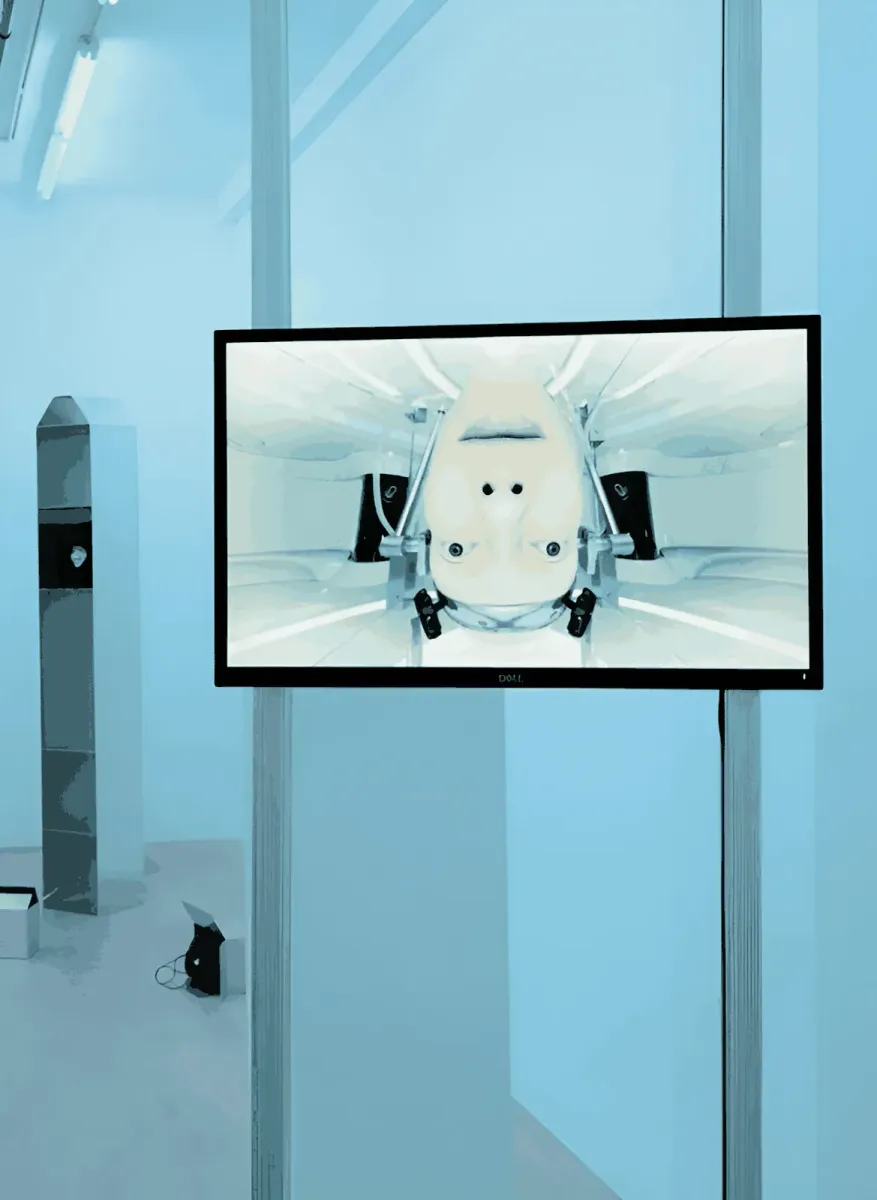
New York City (NY) / 2025
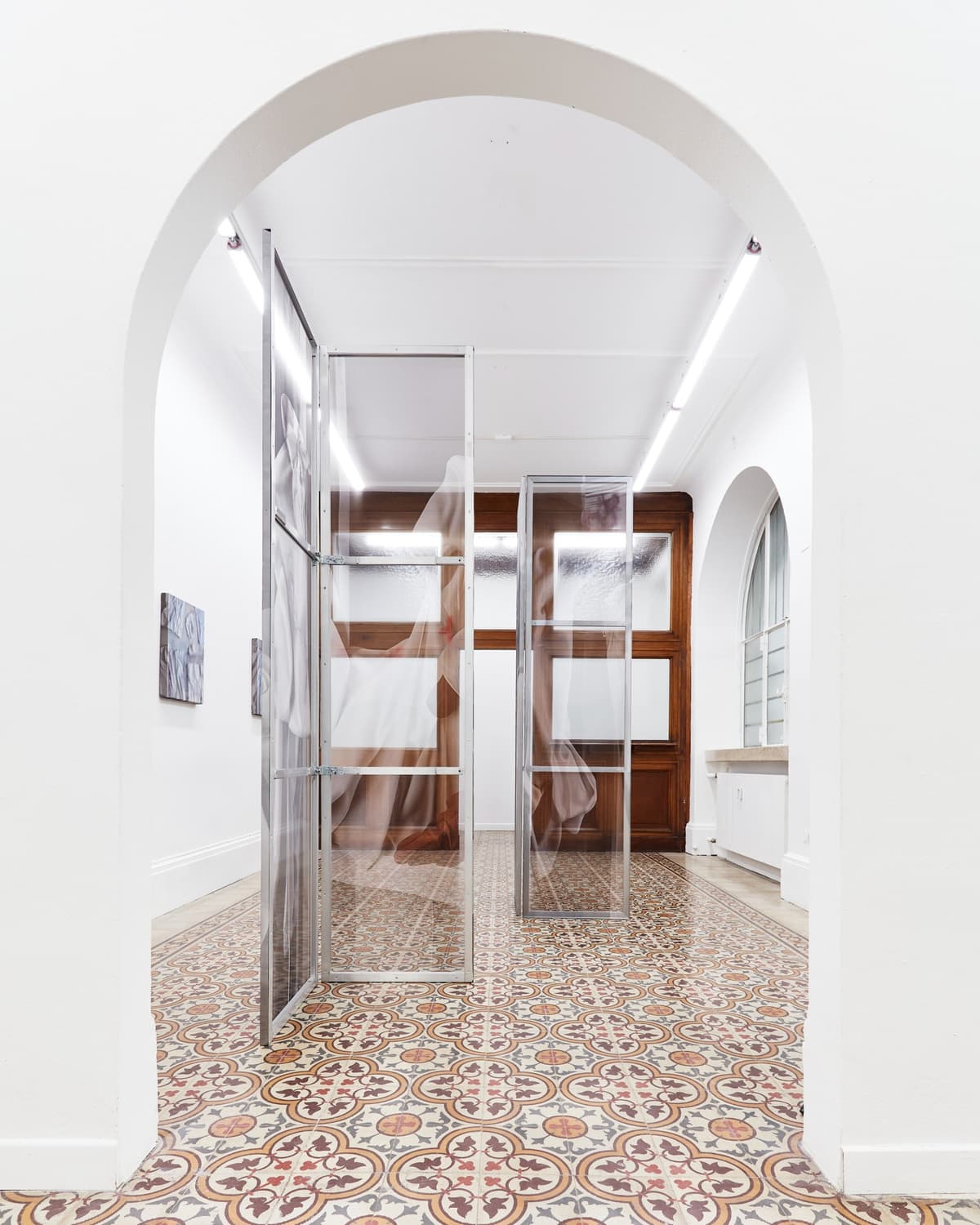
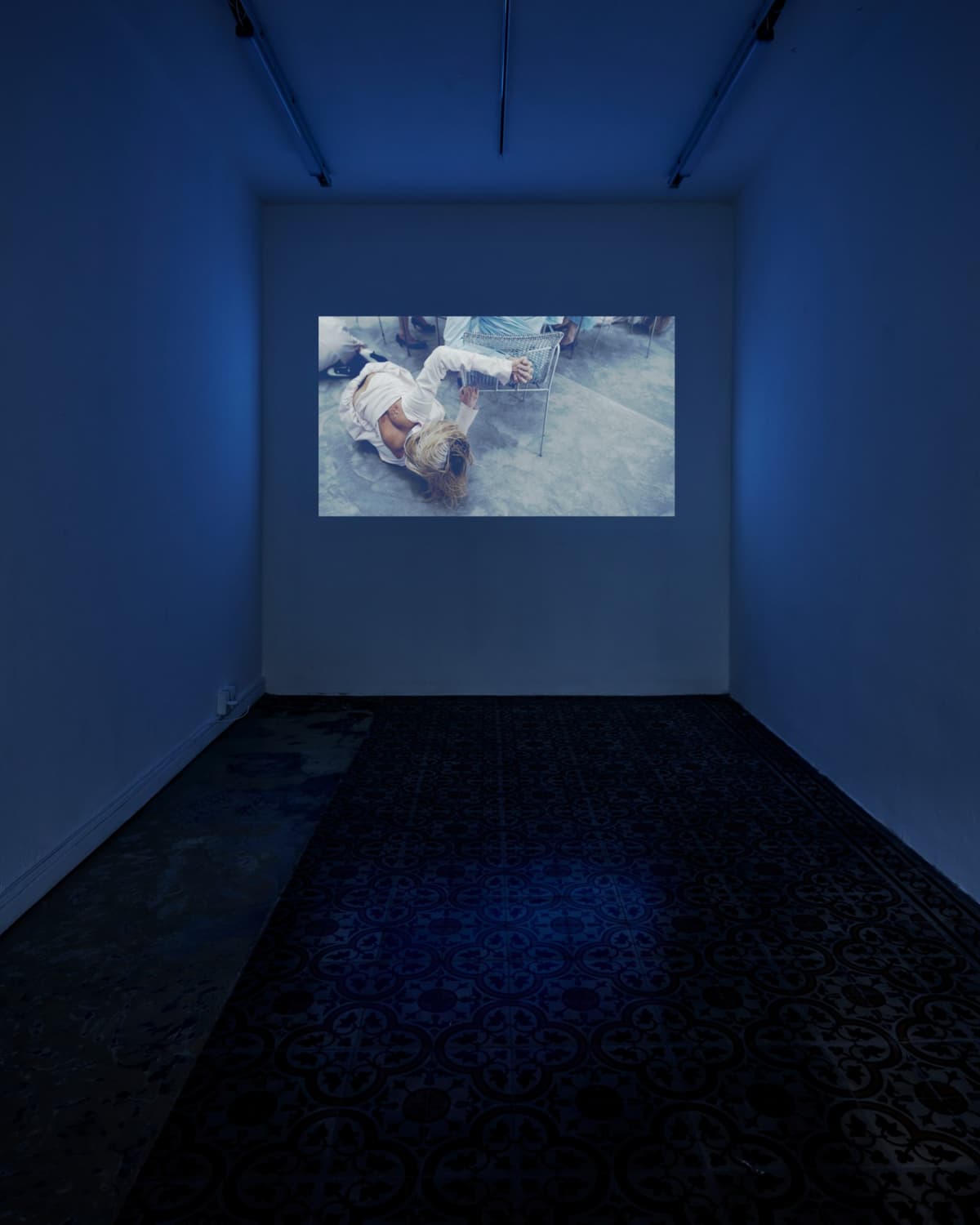
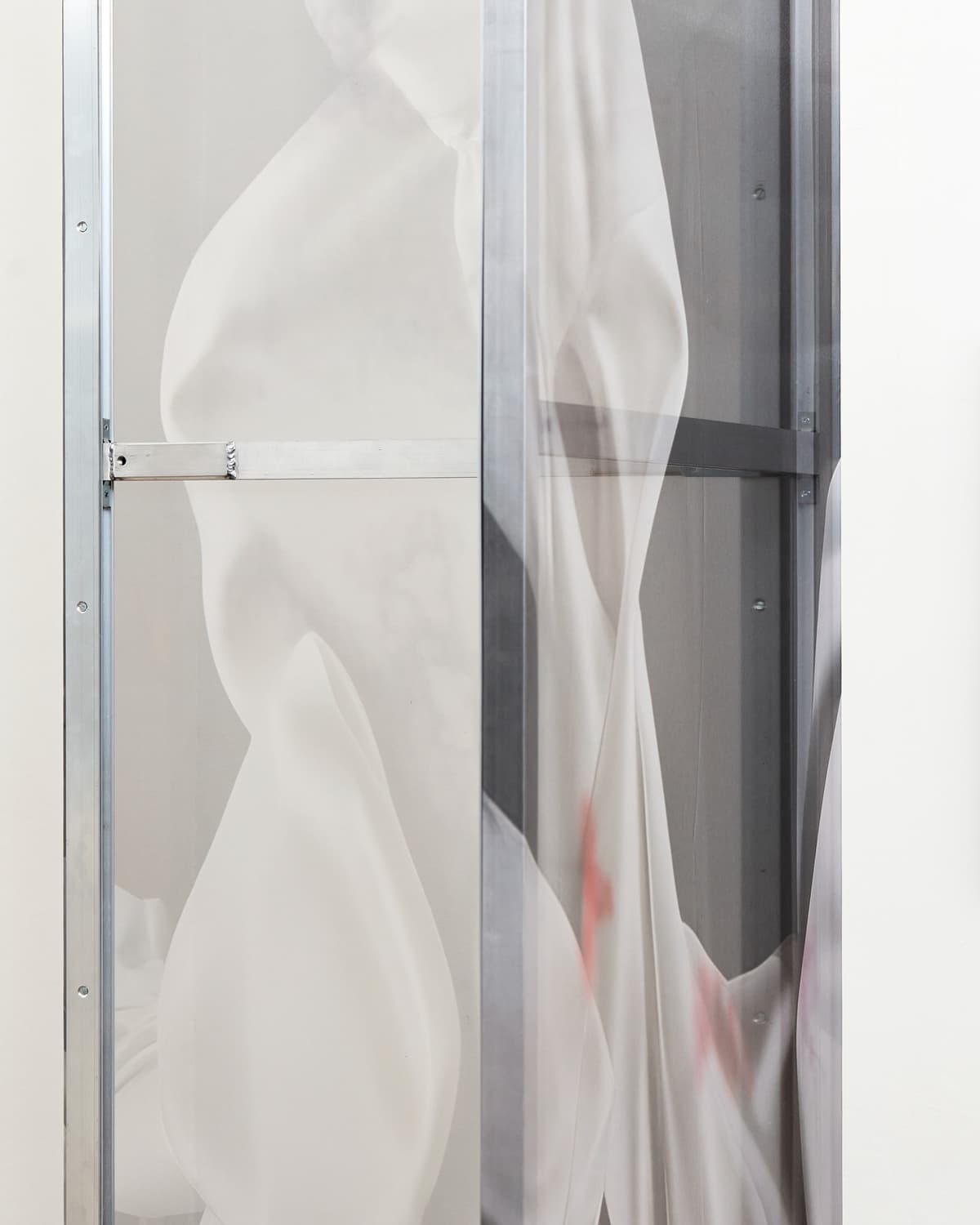
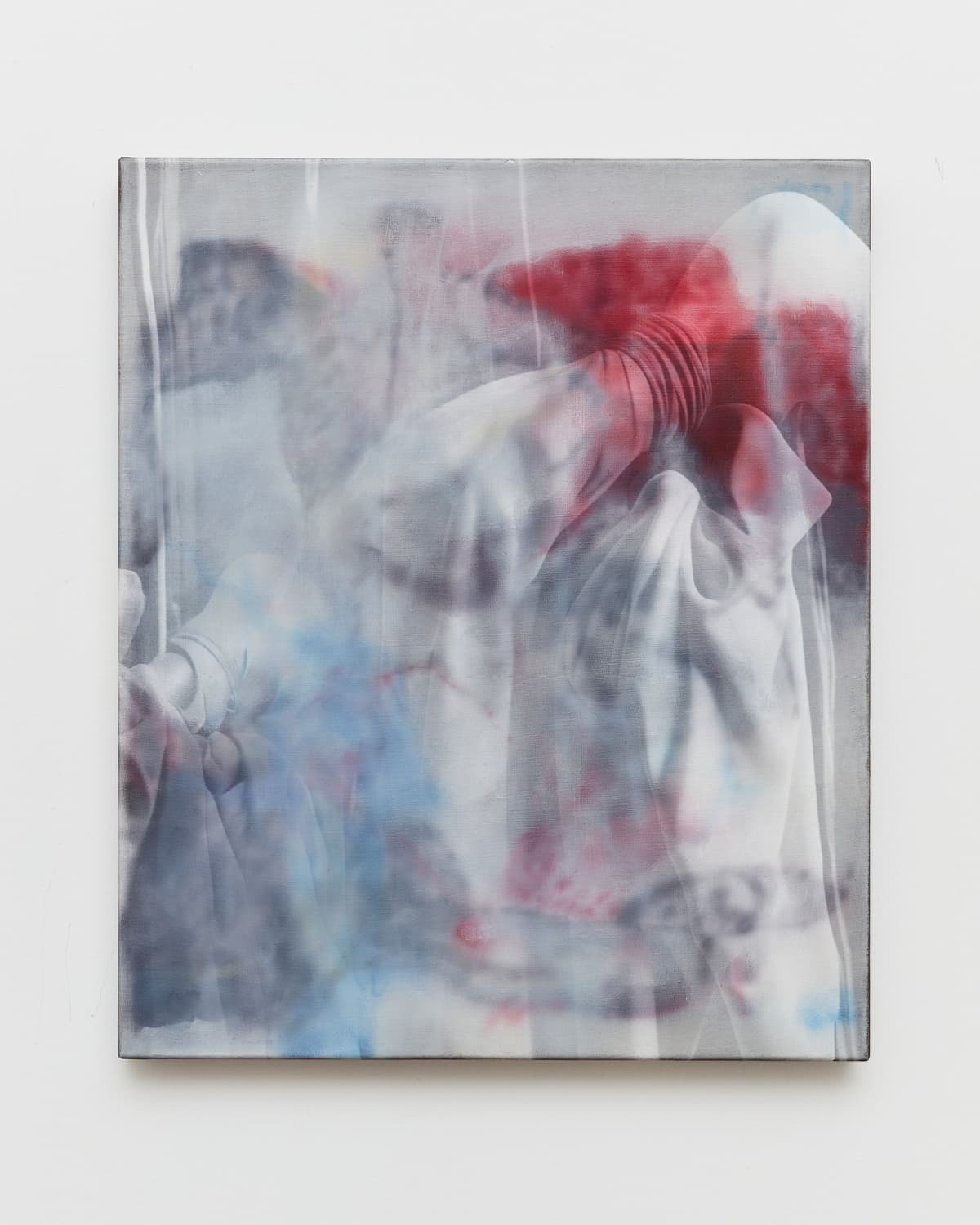
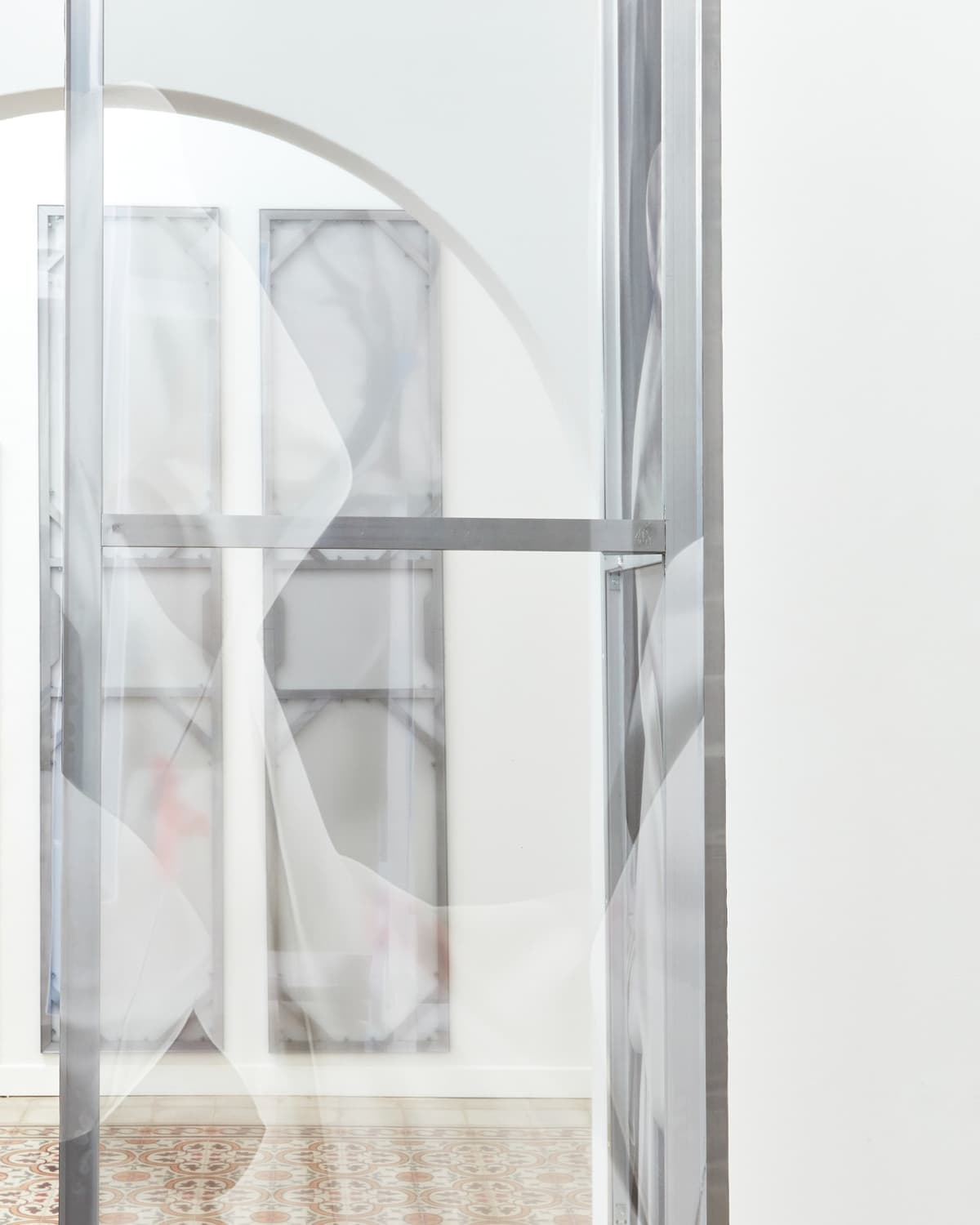
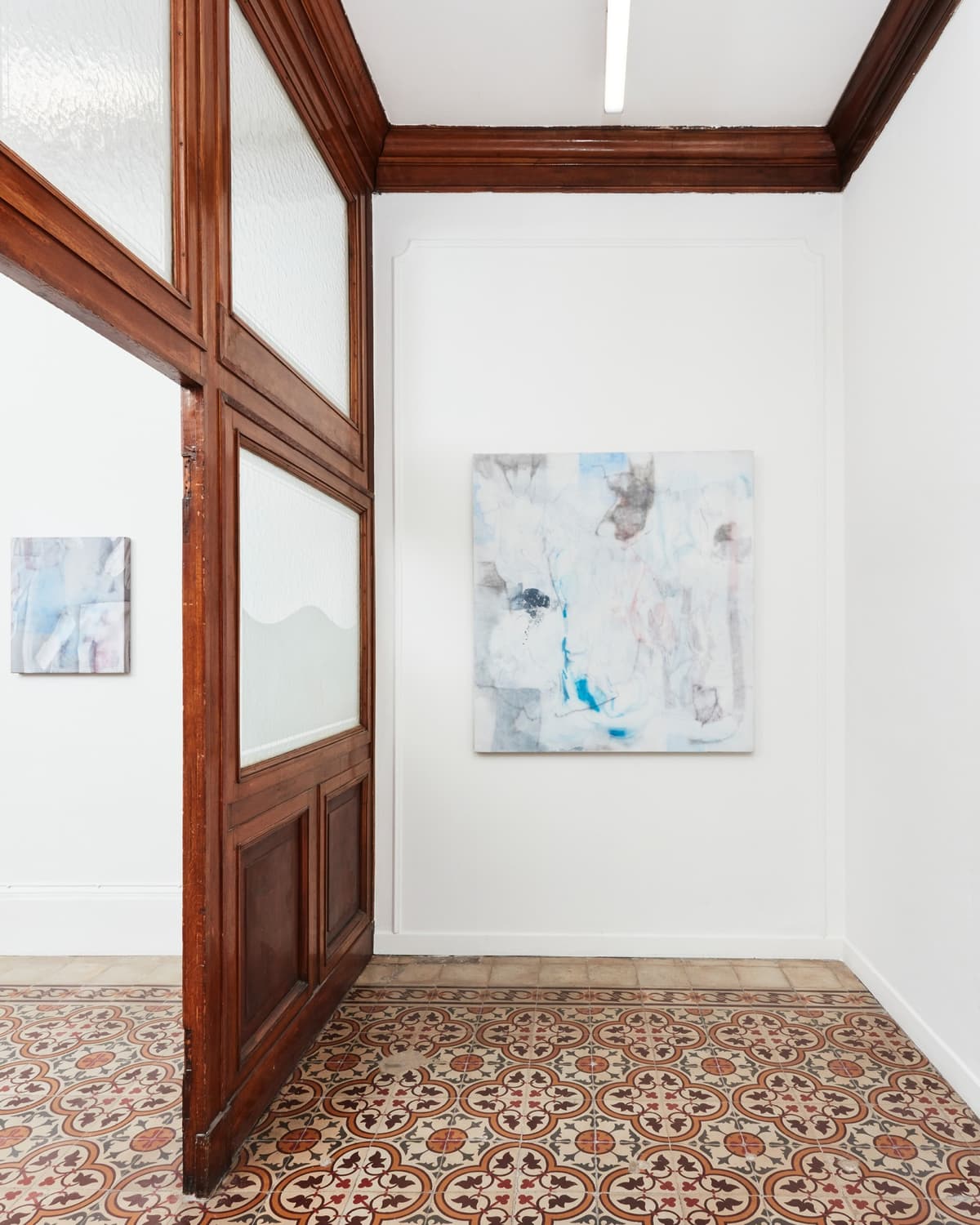
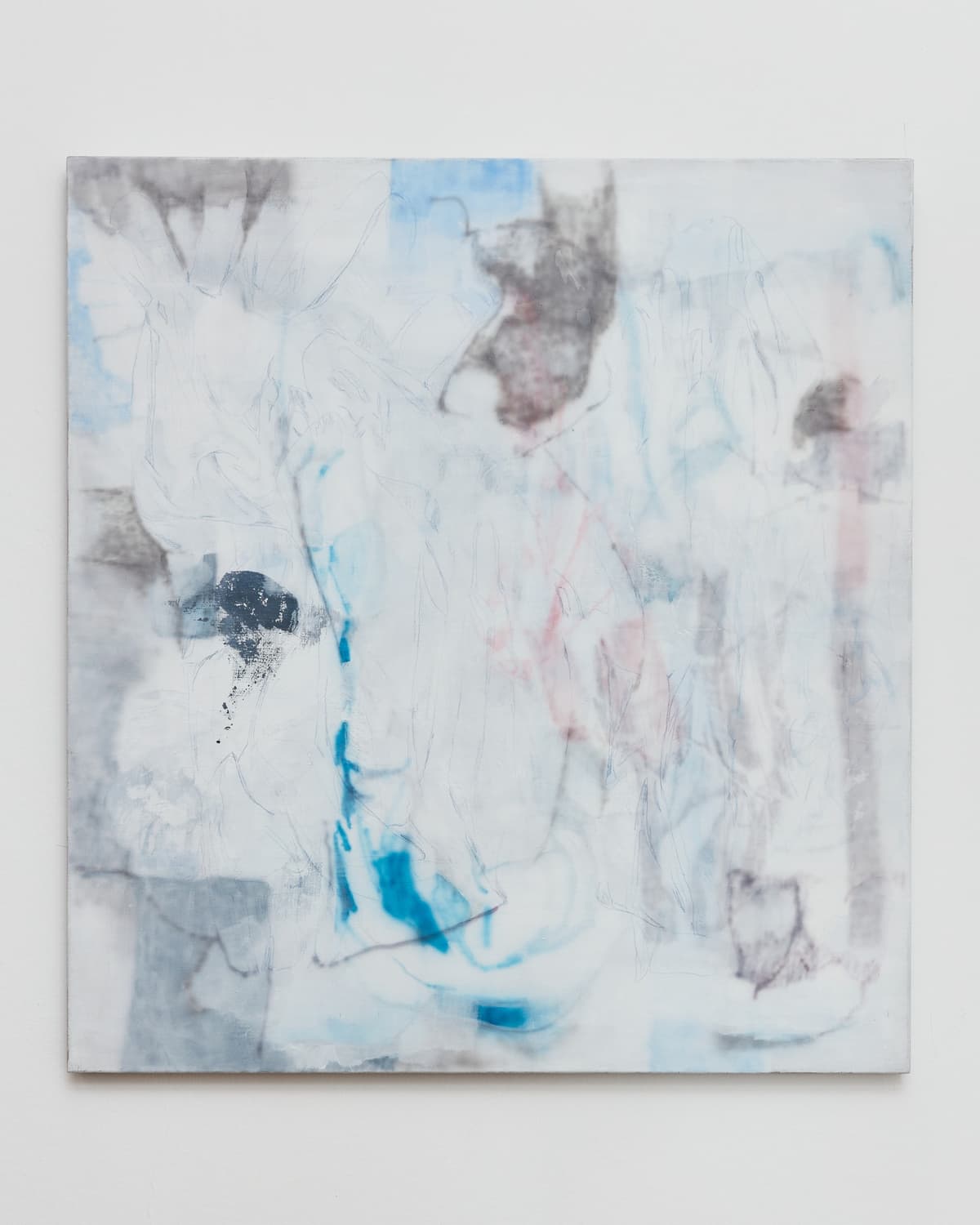
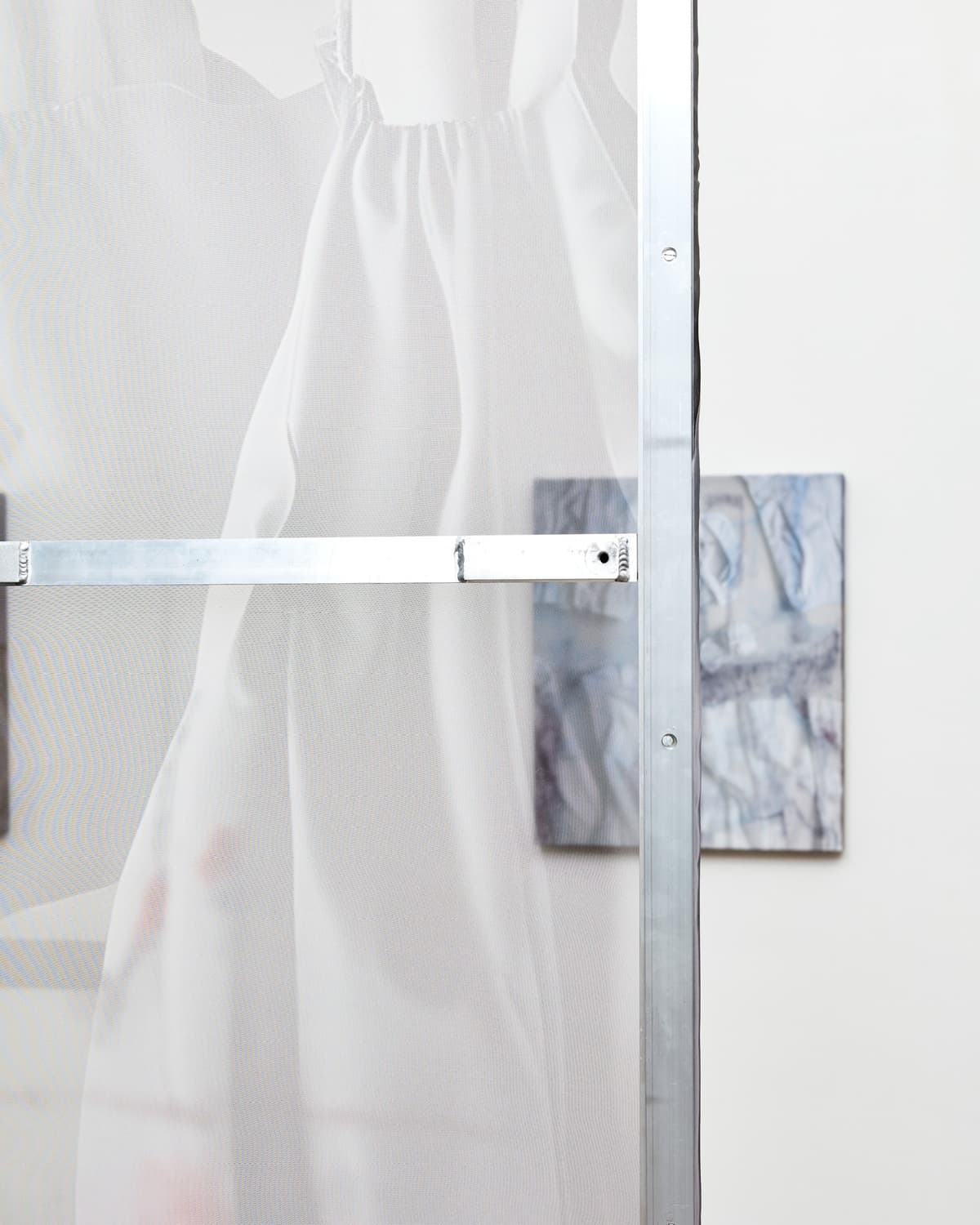
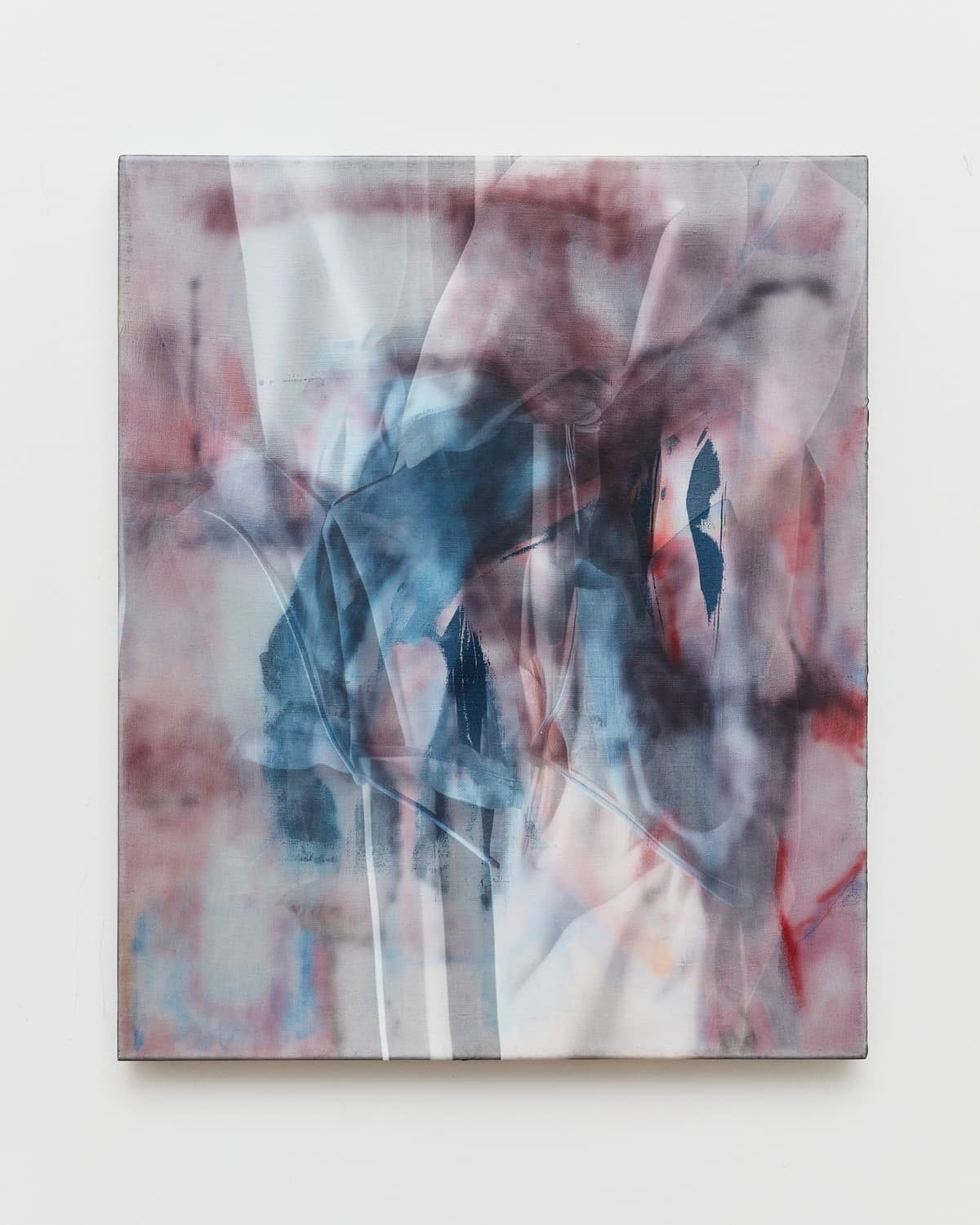
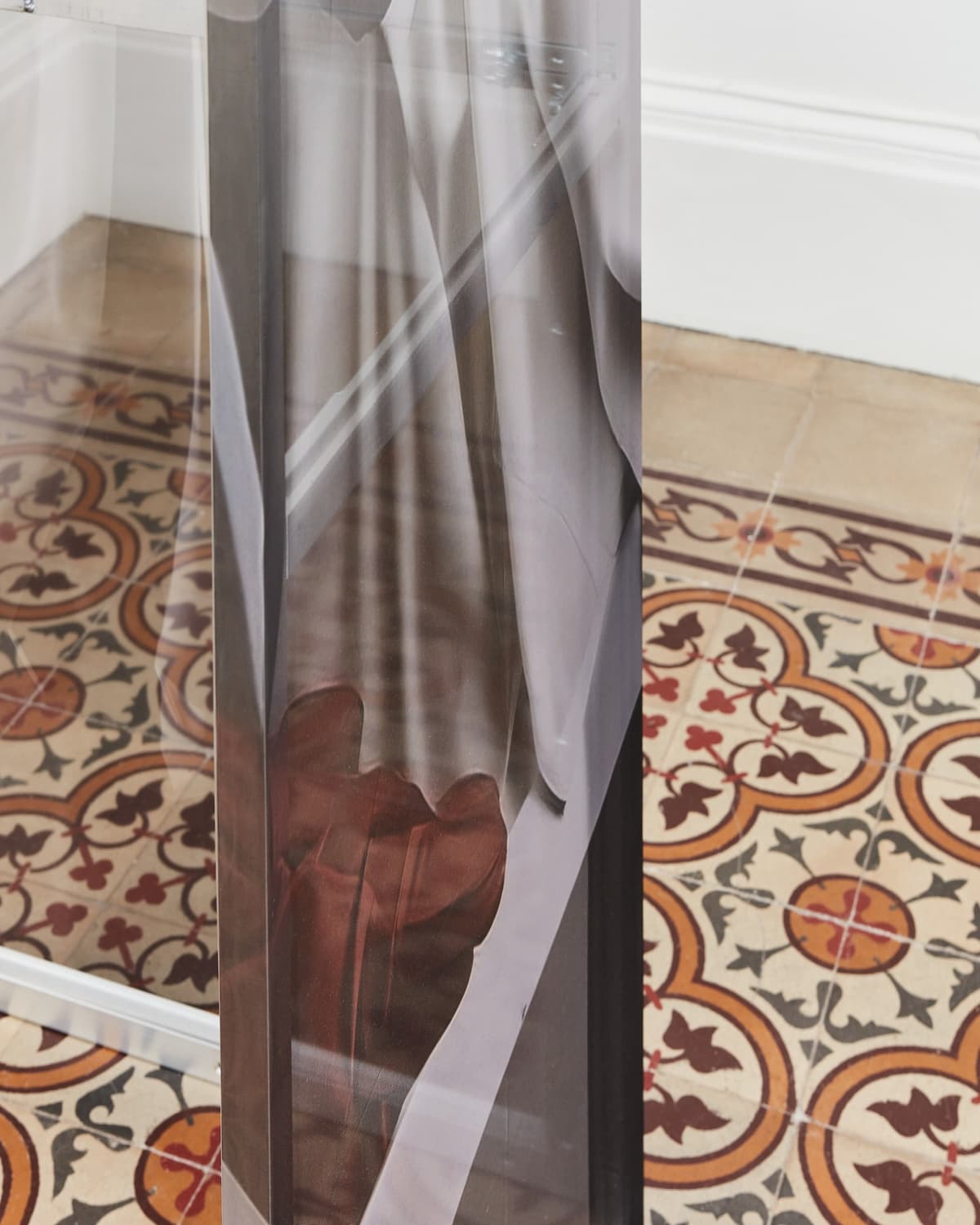
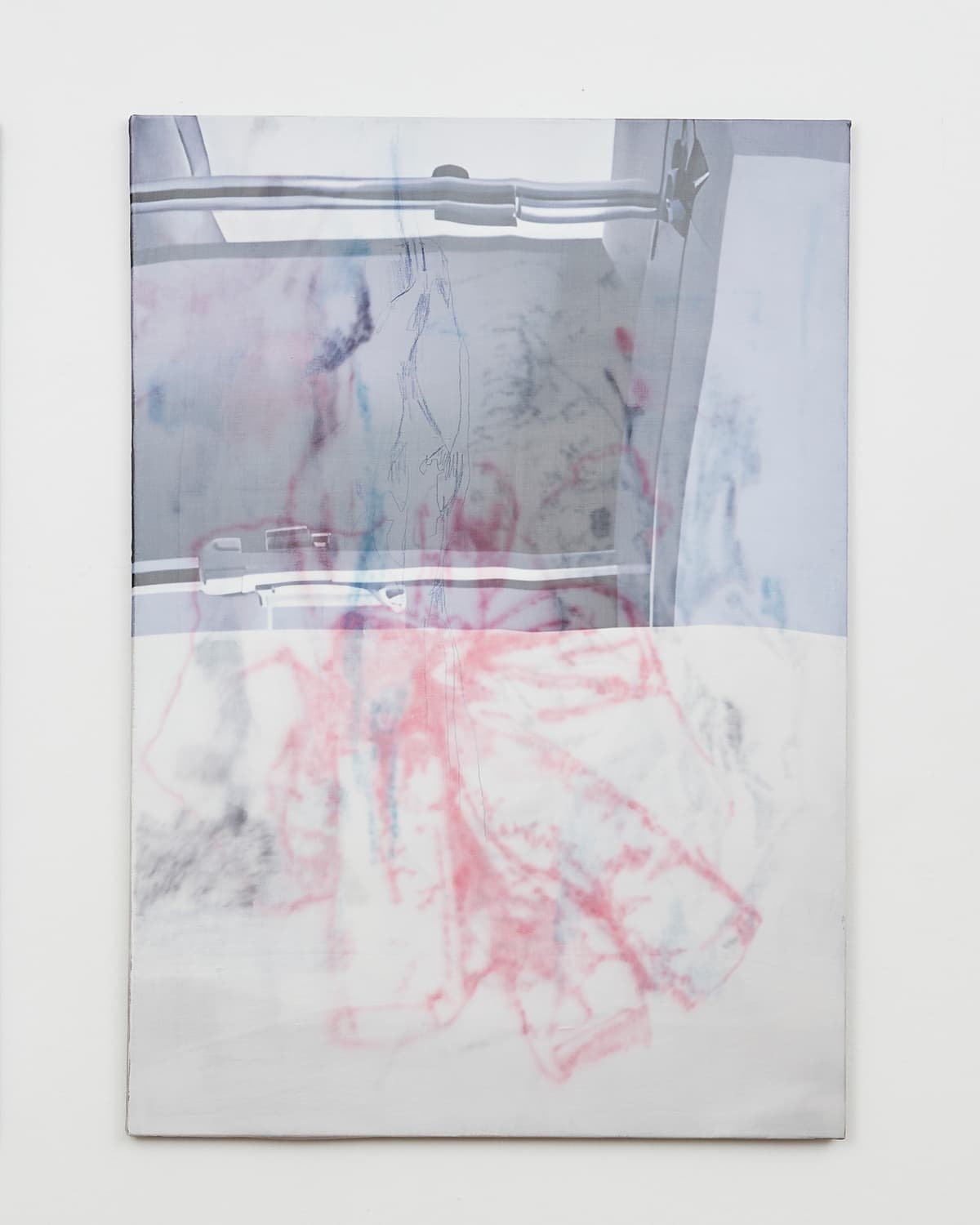
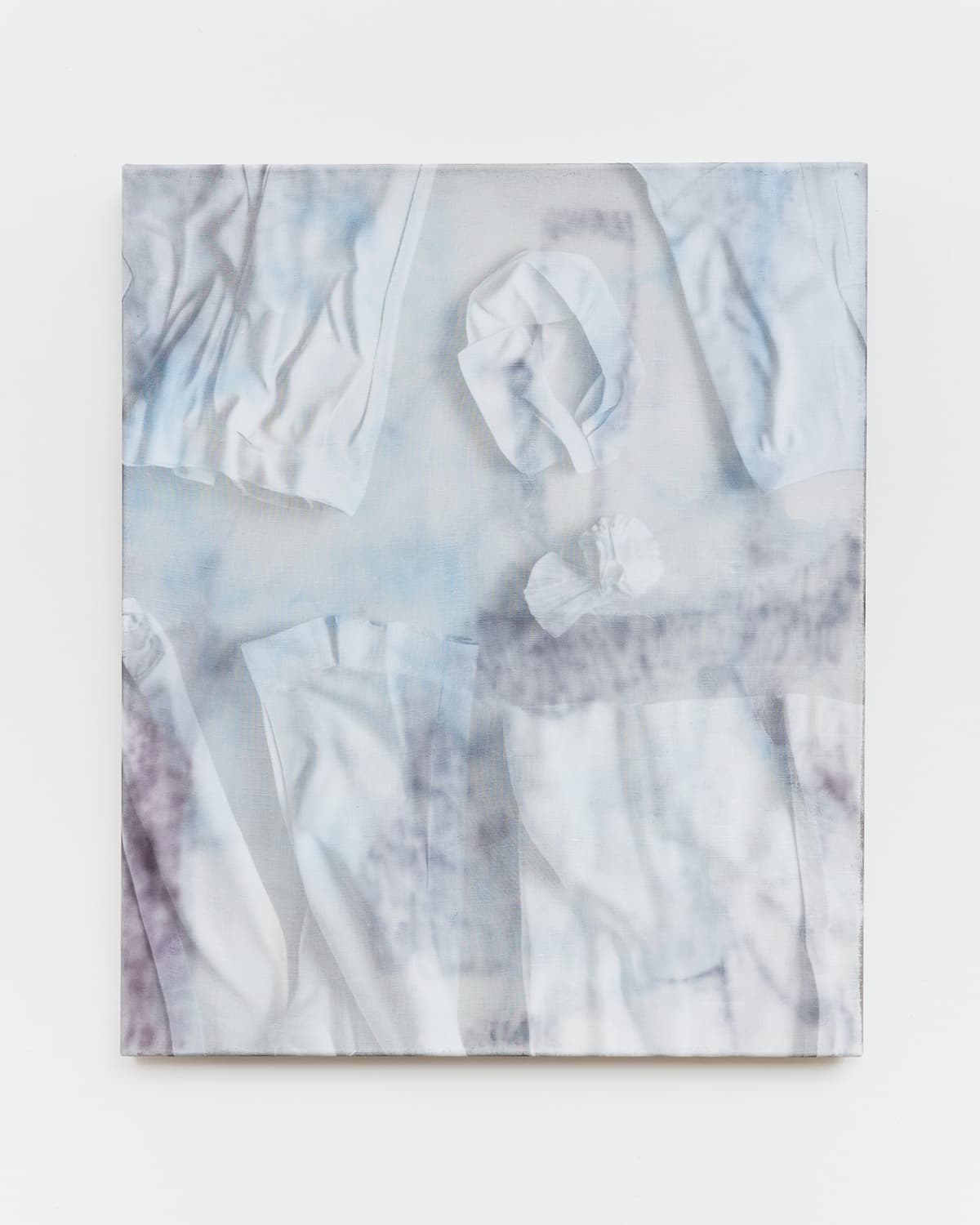
Brescia / 2025-2026
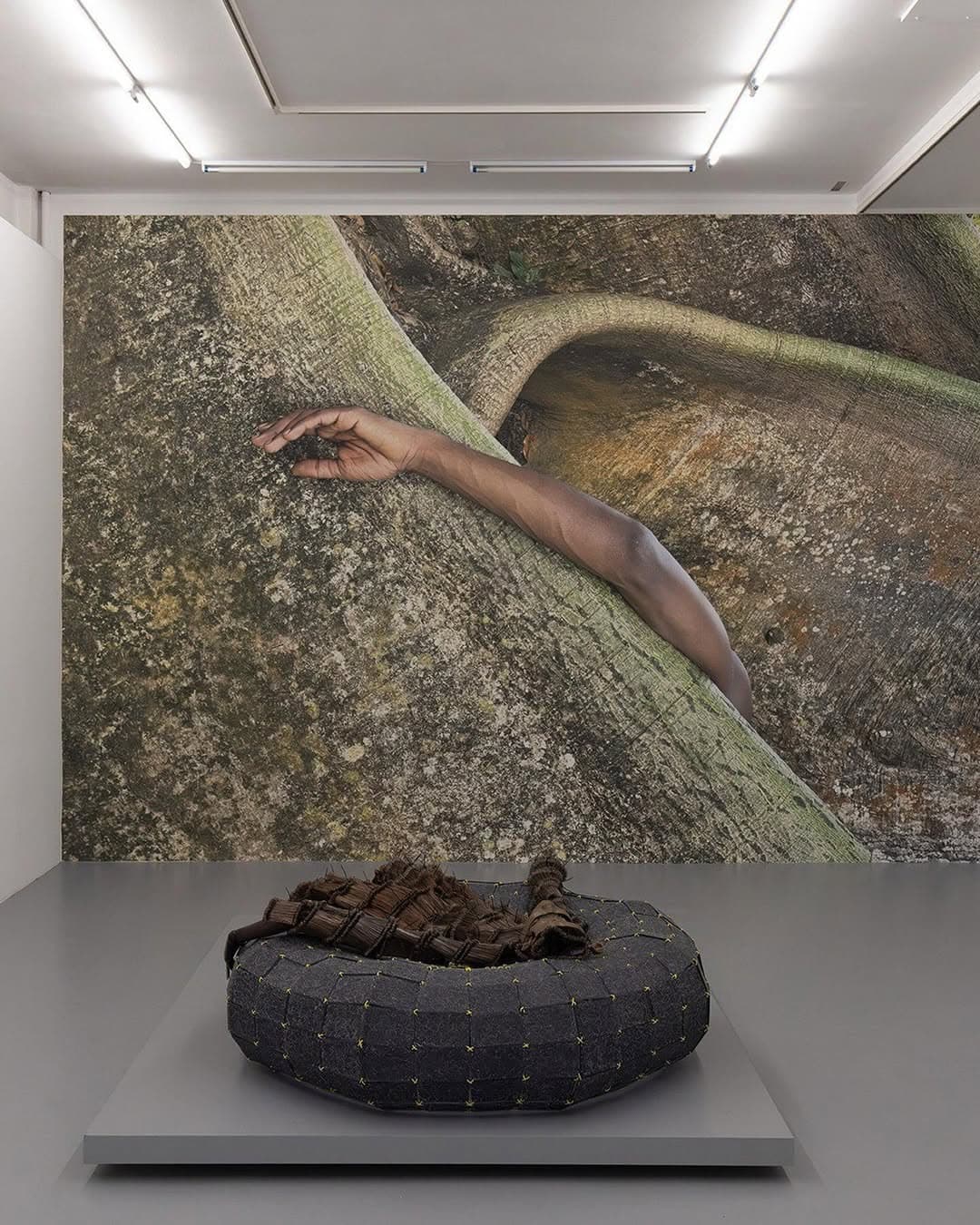
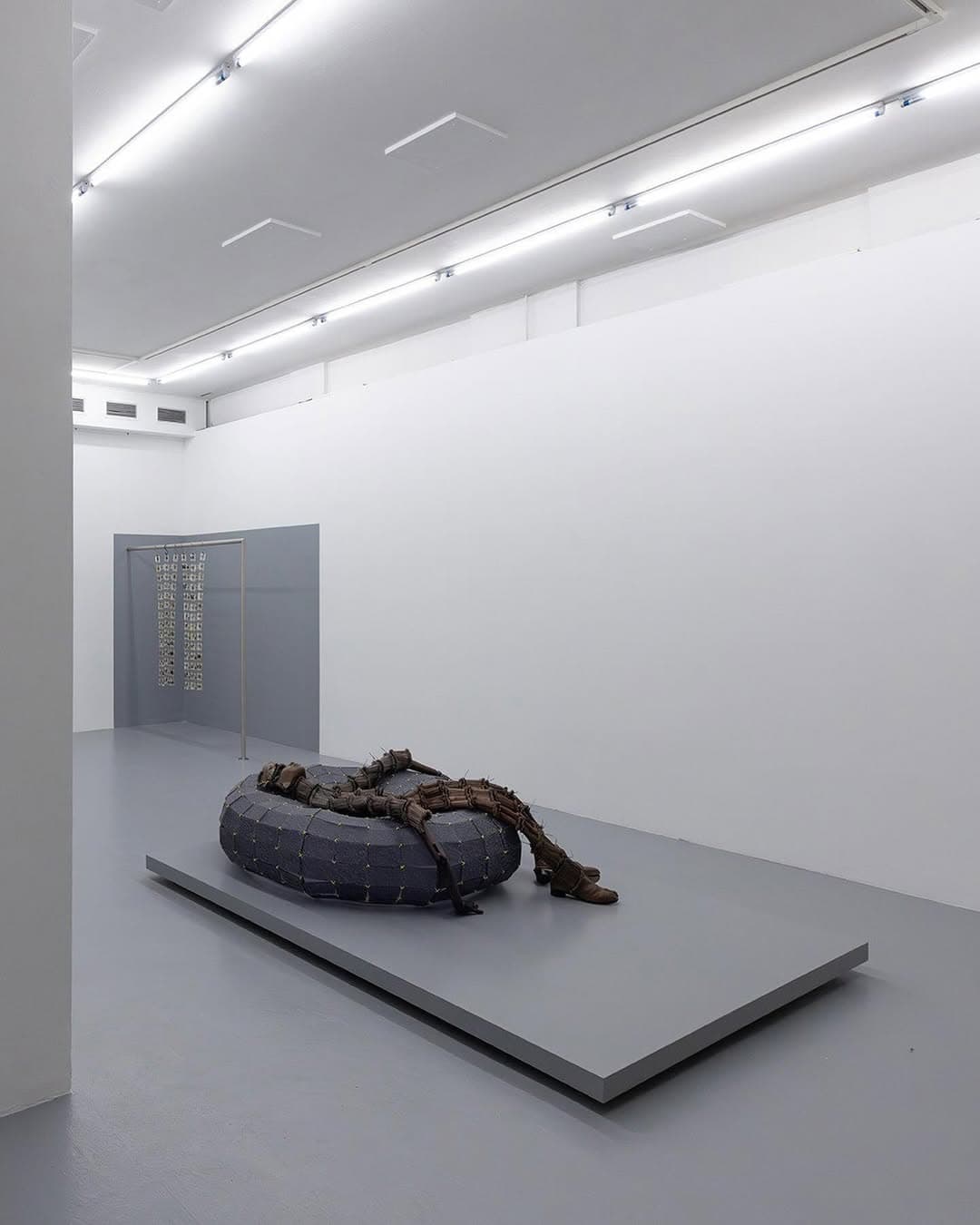
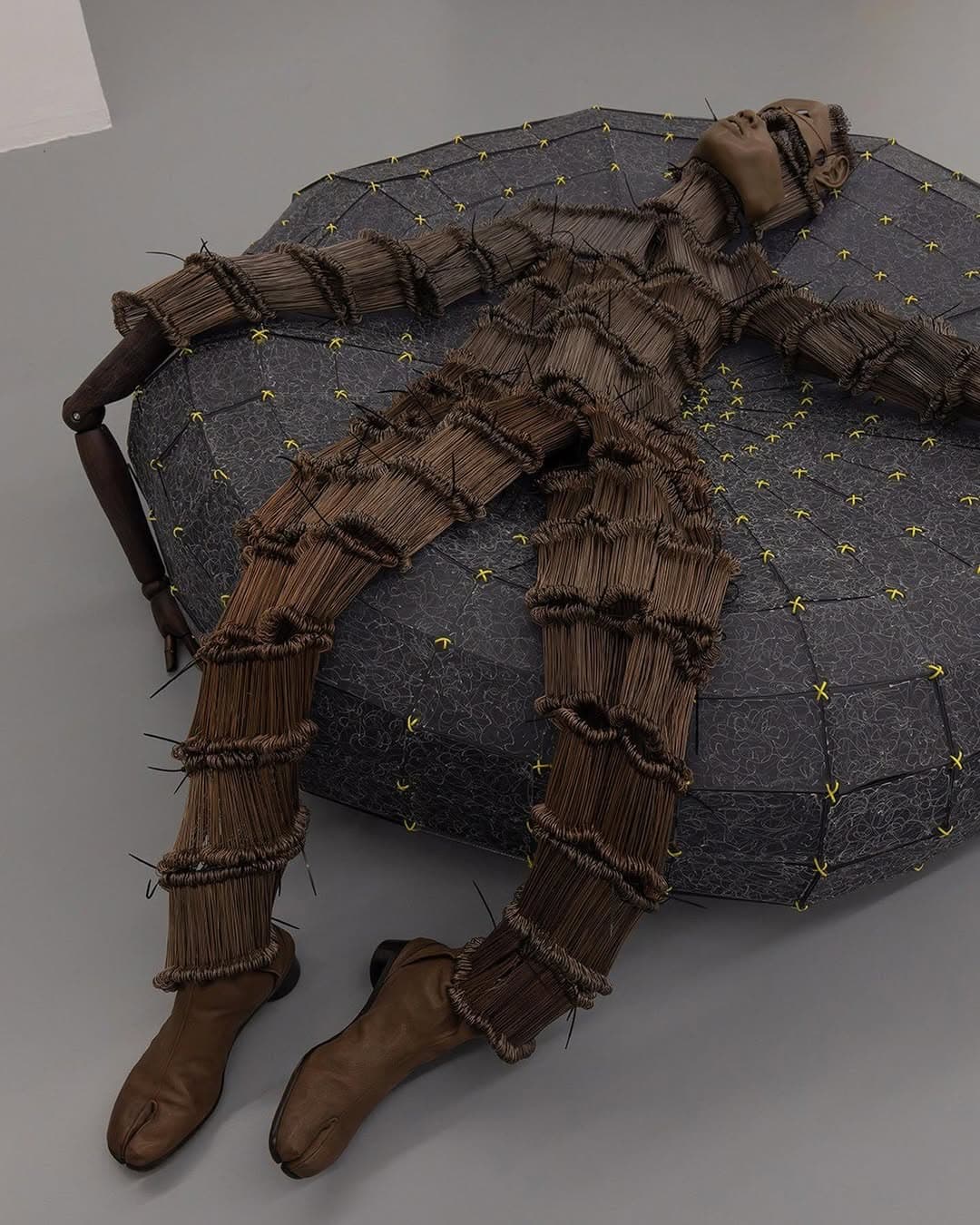
/ 2024
%2Fphoto_1_2026-05-24_00-50-58.jpg&w=1200&q=75)
/ 2023
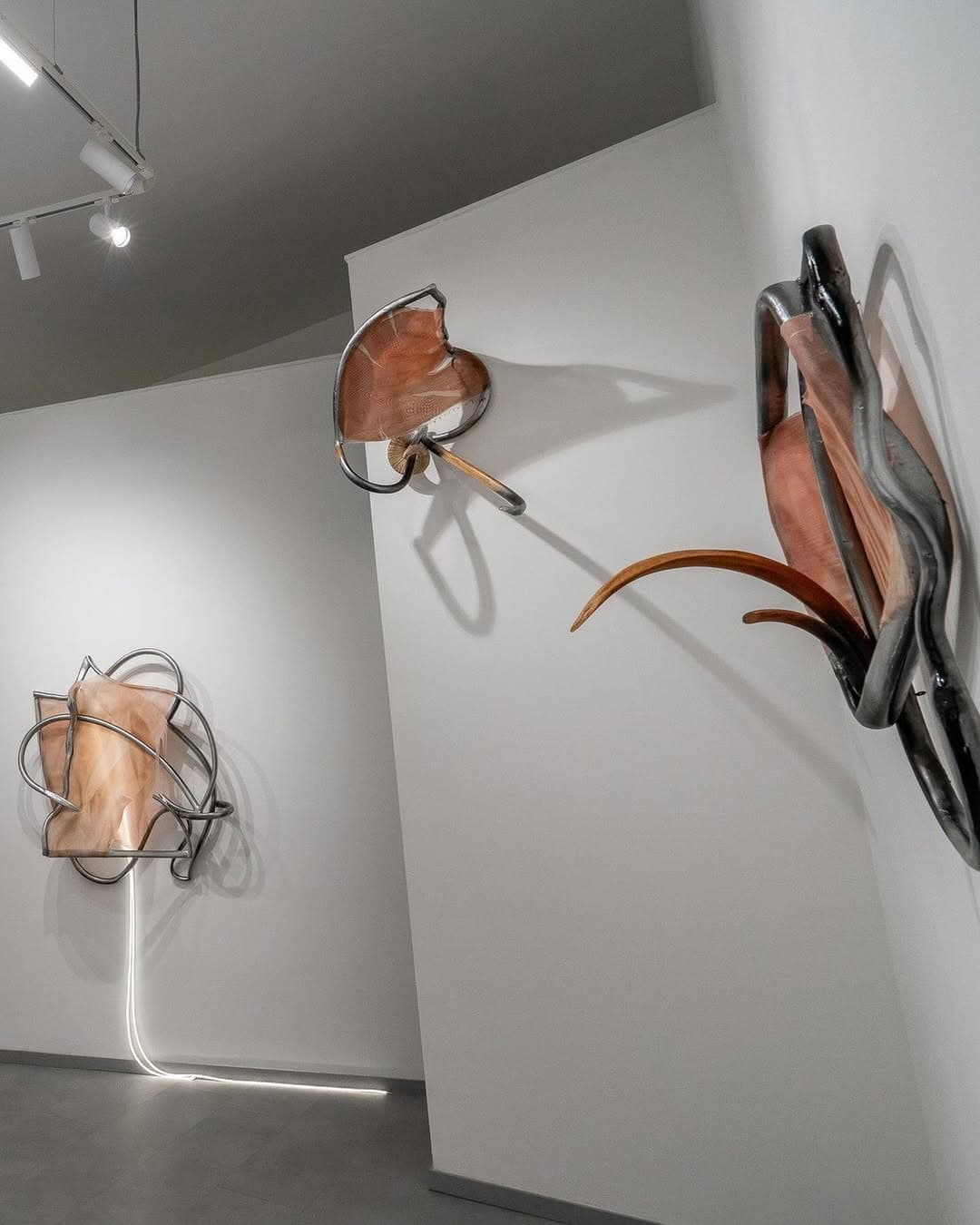
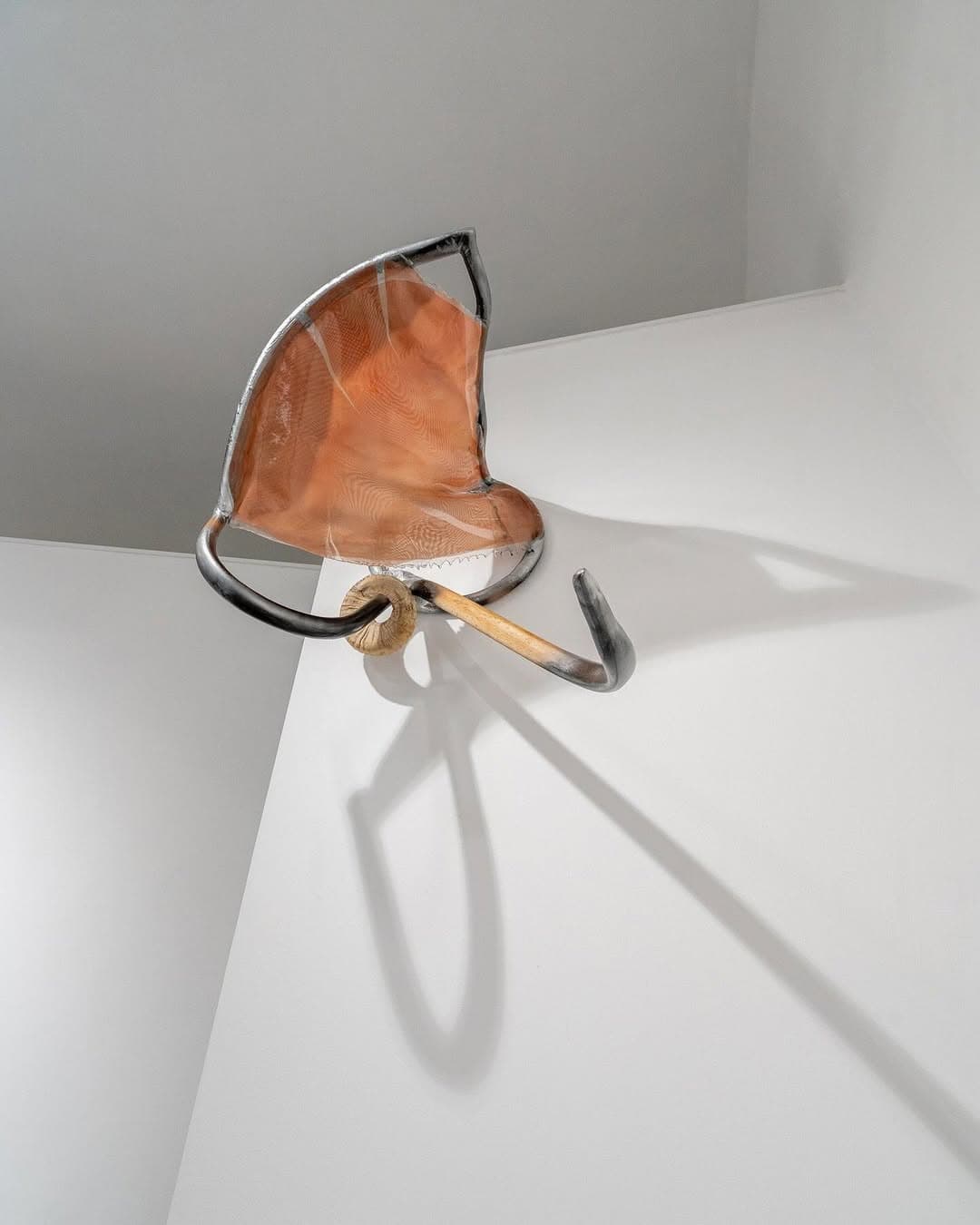
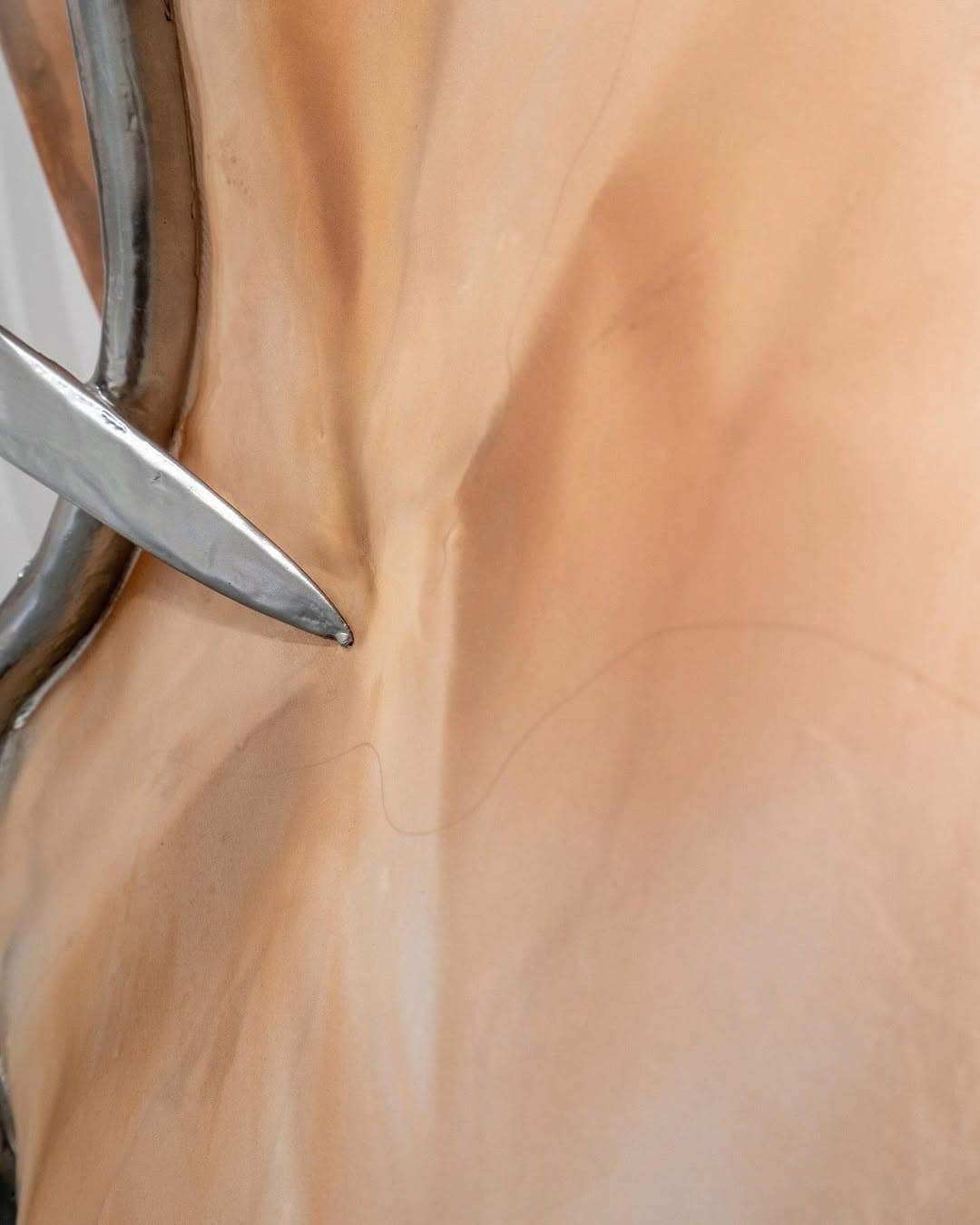
Budapest / 2024
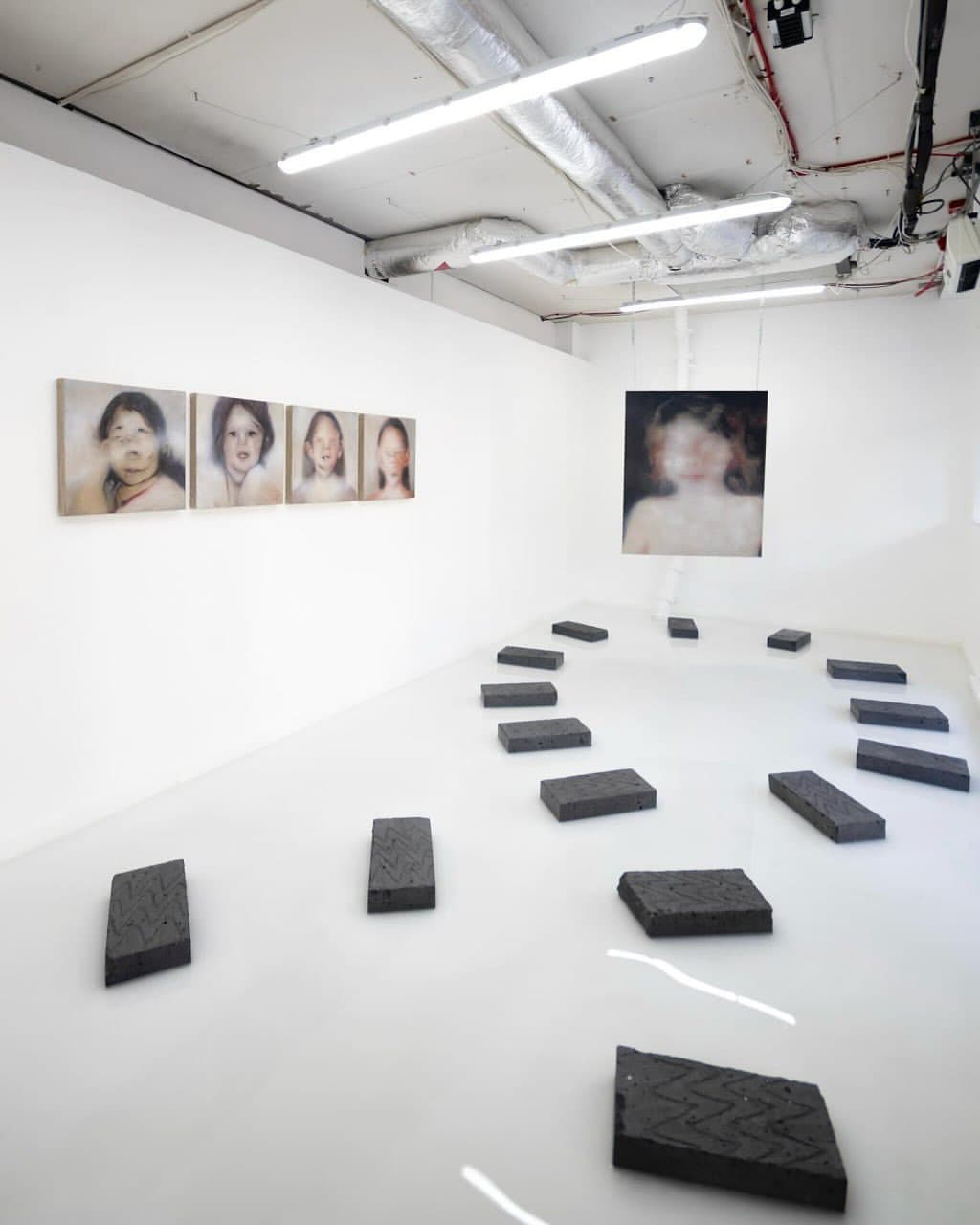
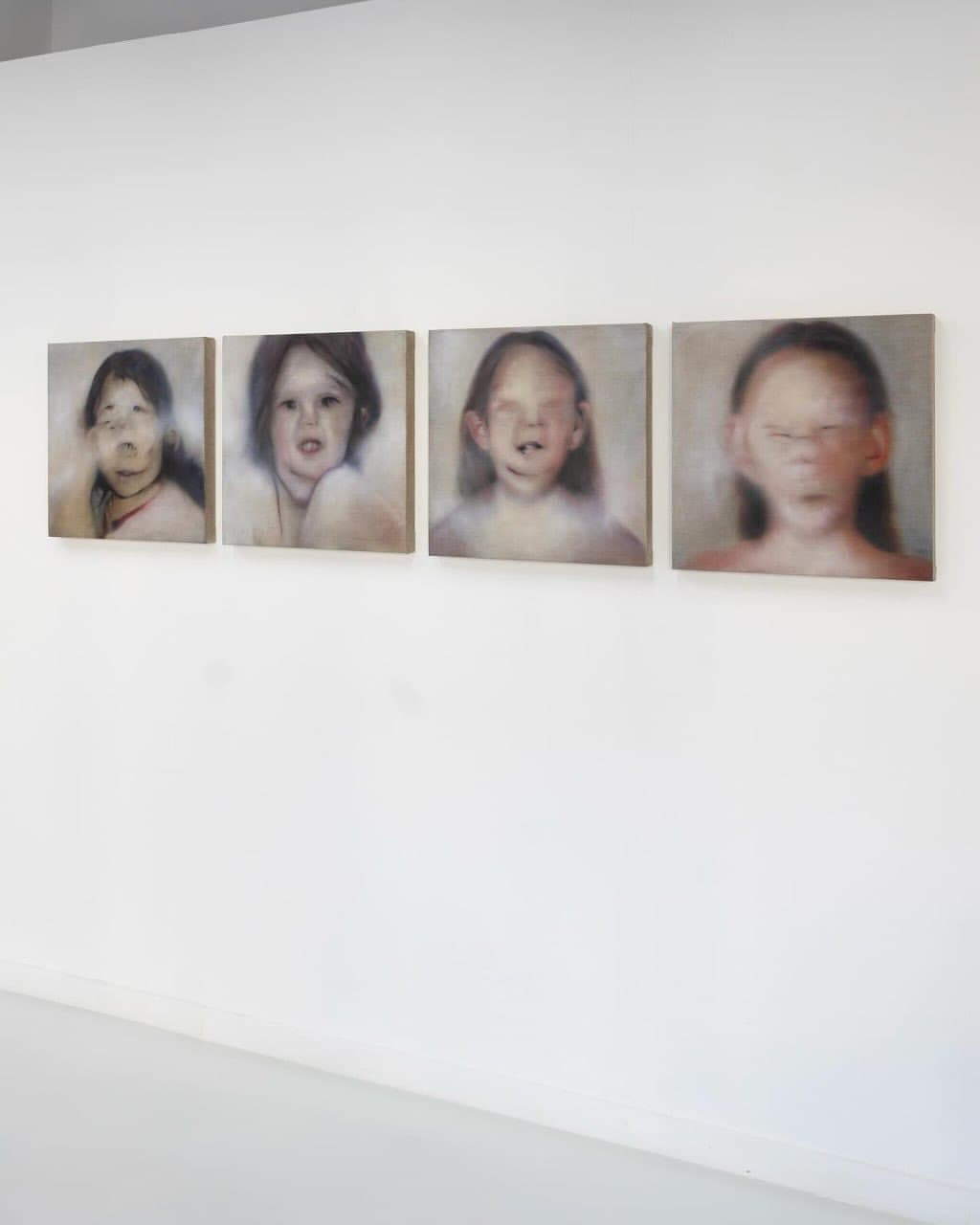
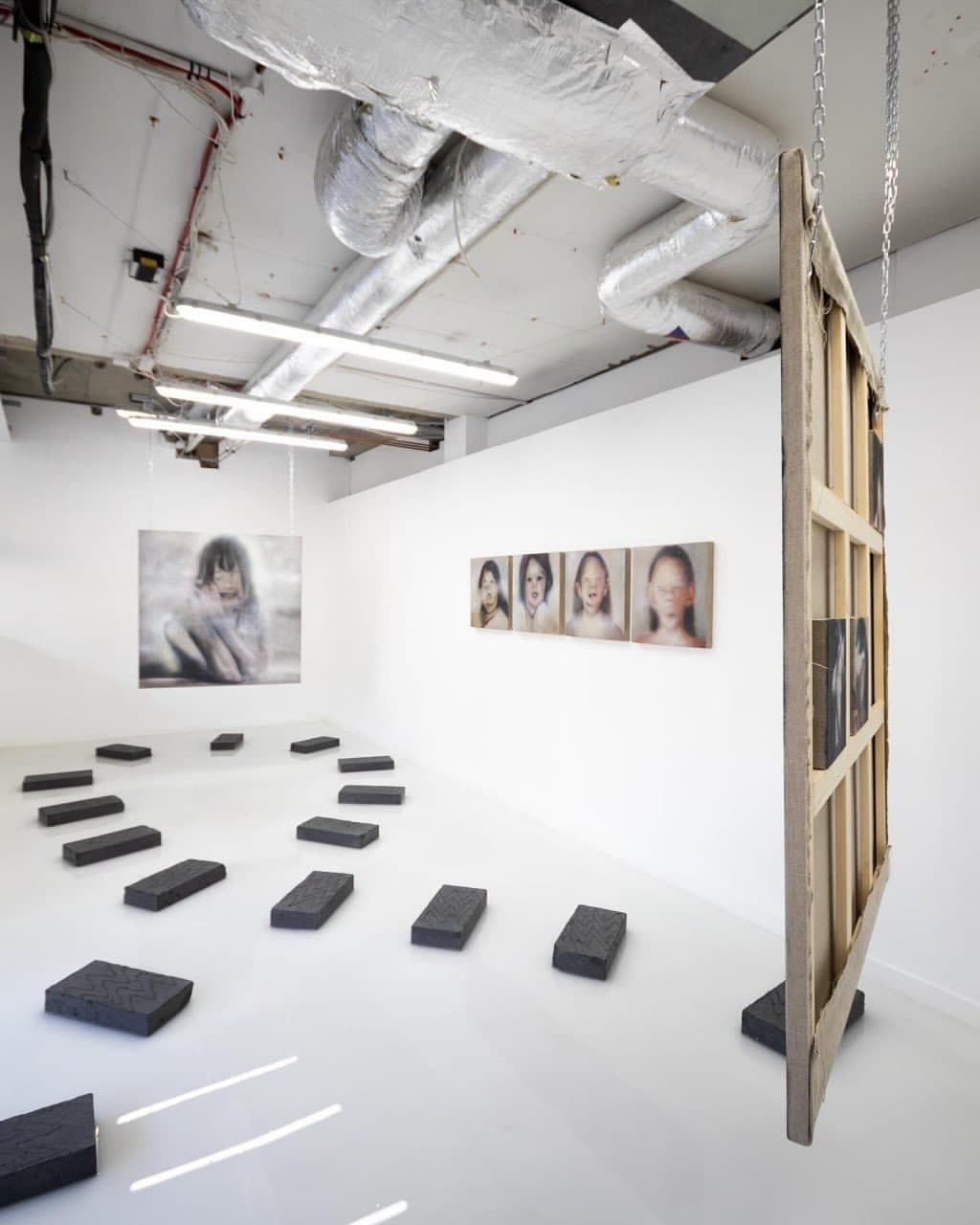
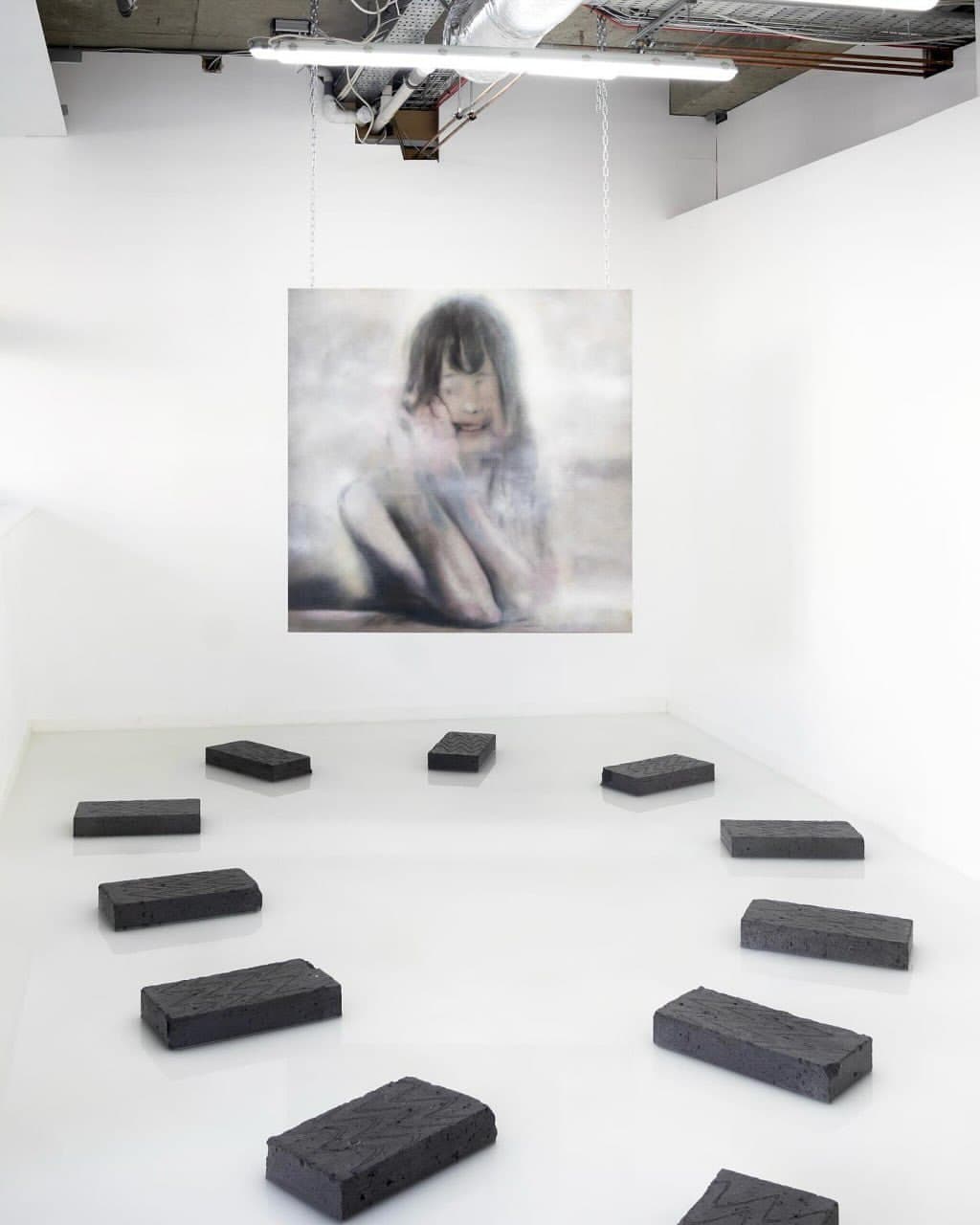
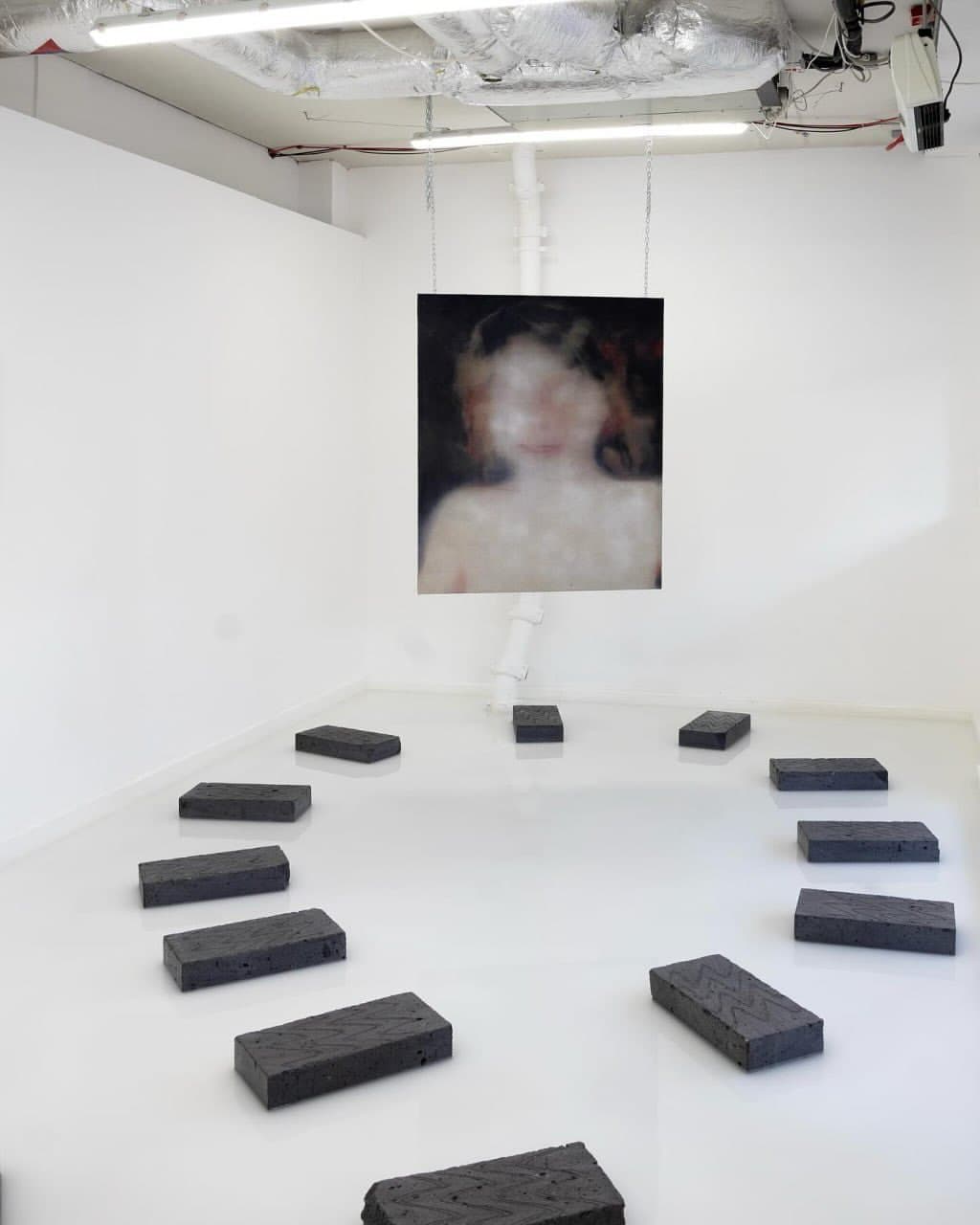
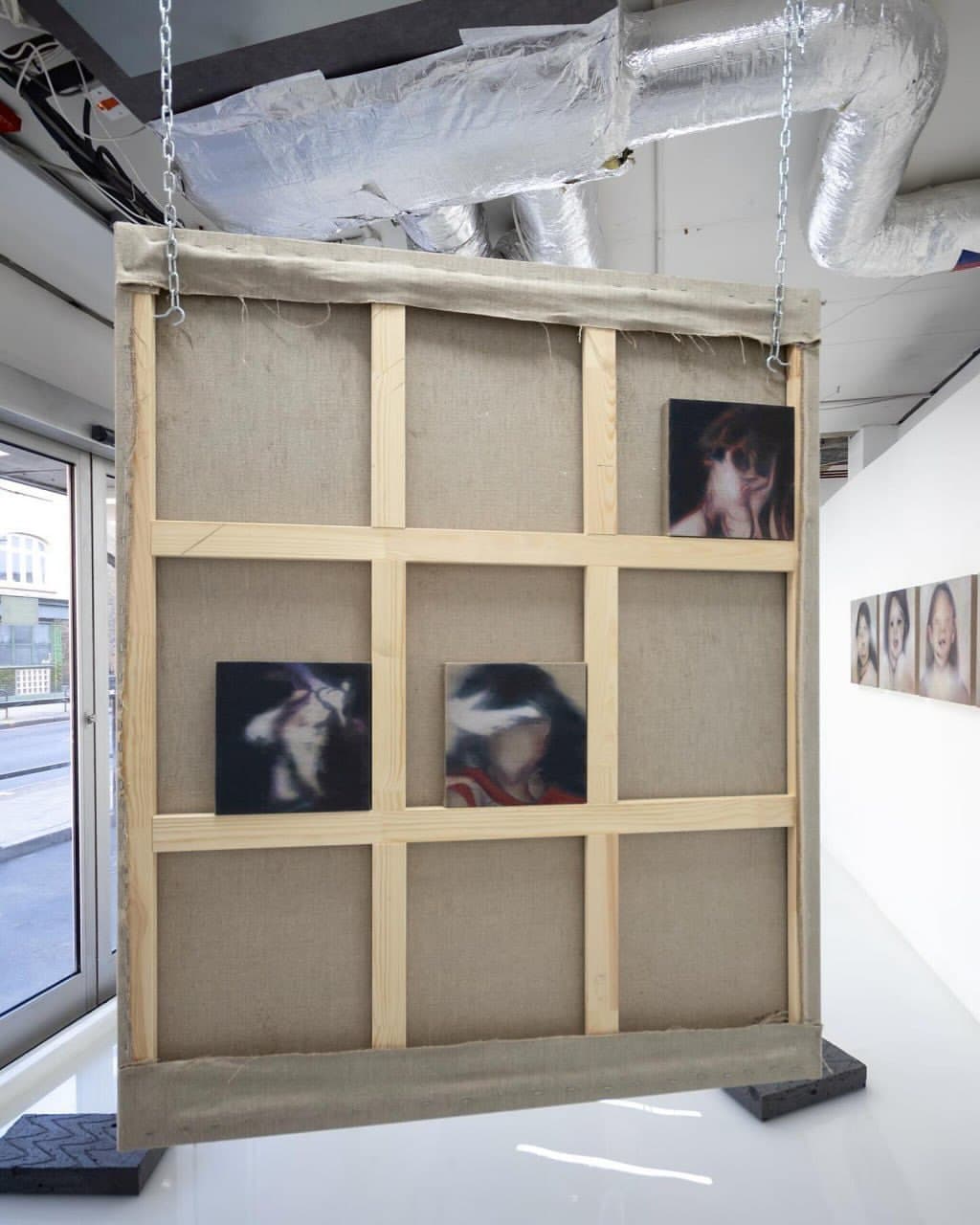
London / 2024
%2Fphoto_1_2026-05-24_00-42-04.jpg&w=1200&q=75)
Milan / 2025
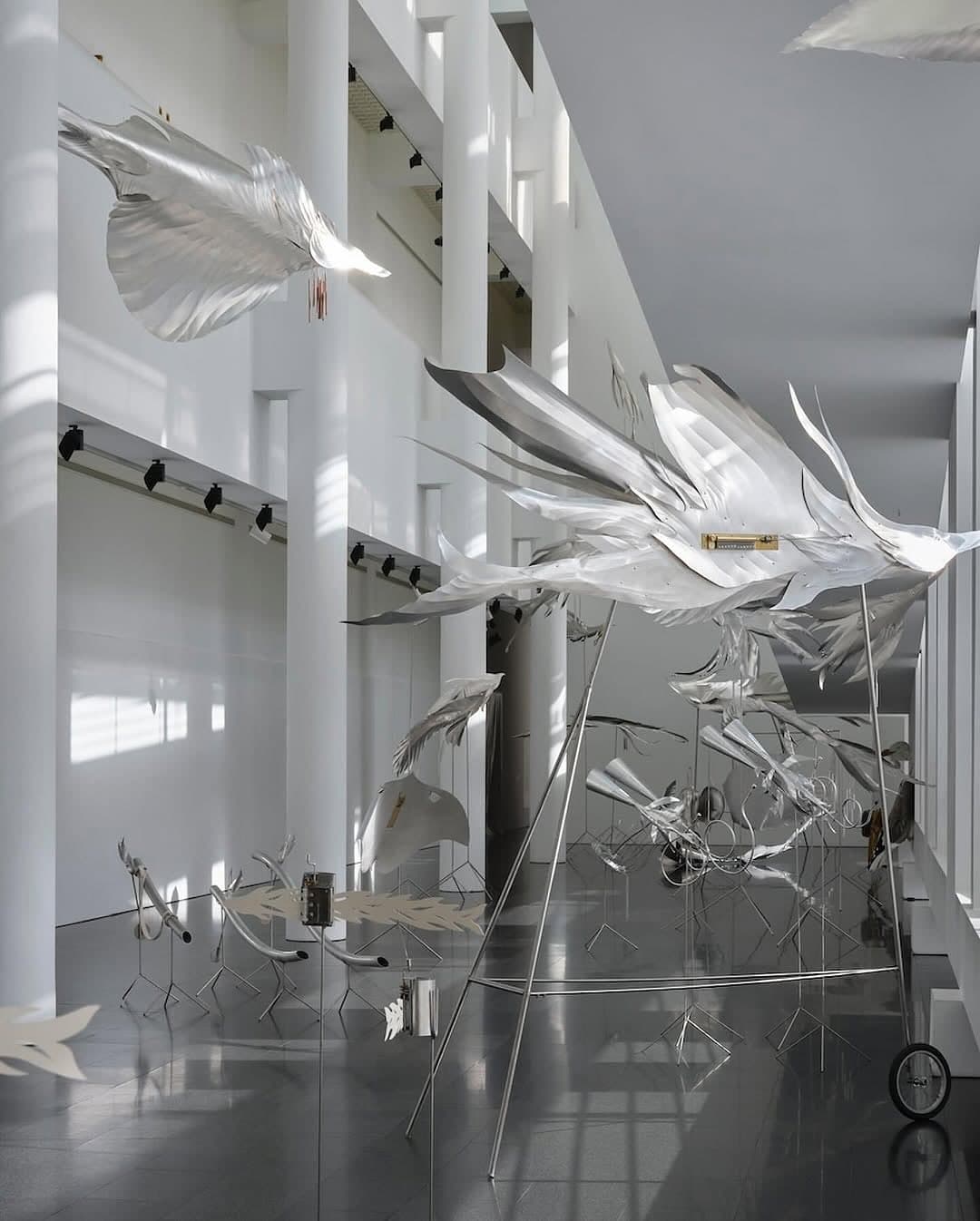
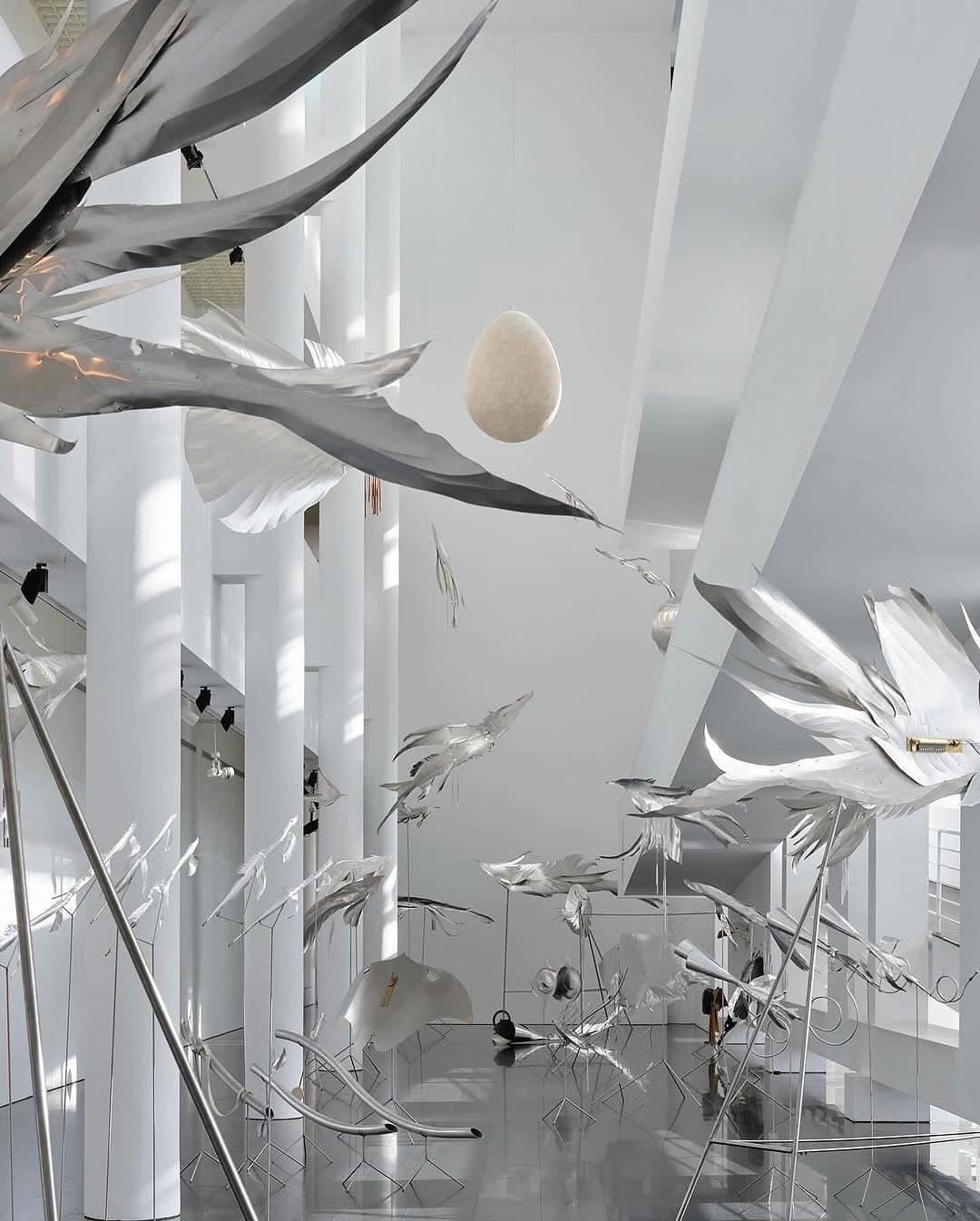
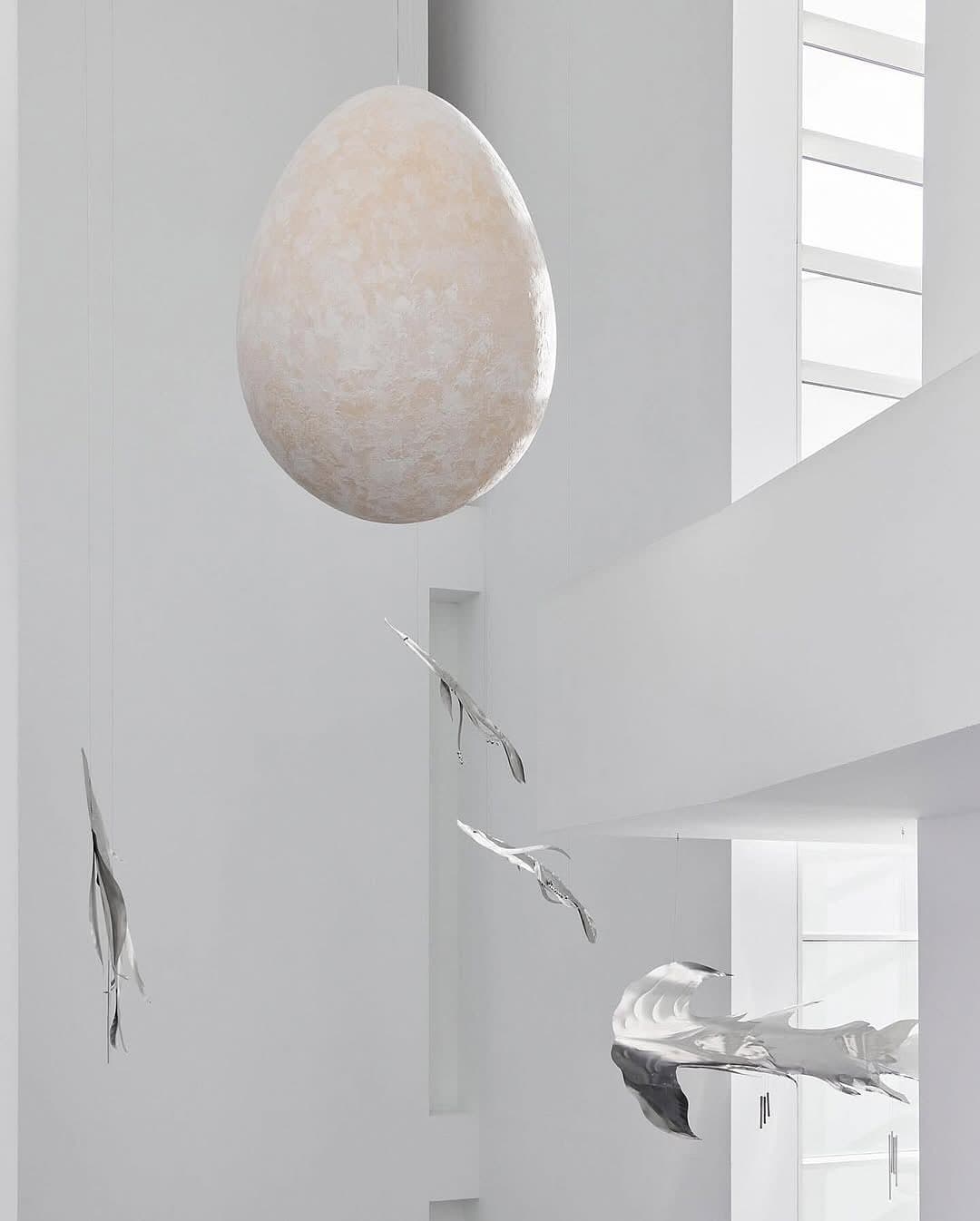
Barcelona / 2024-2025
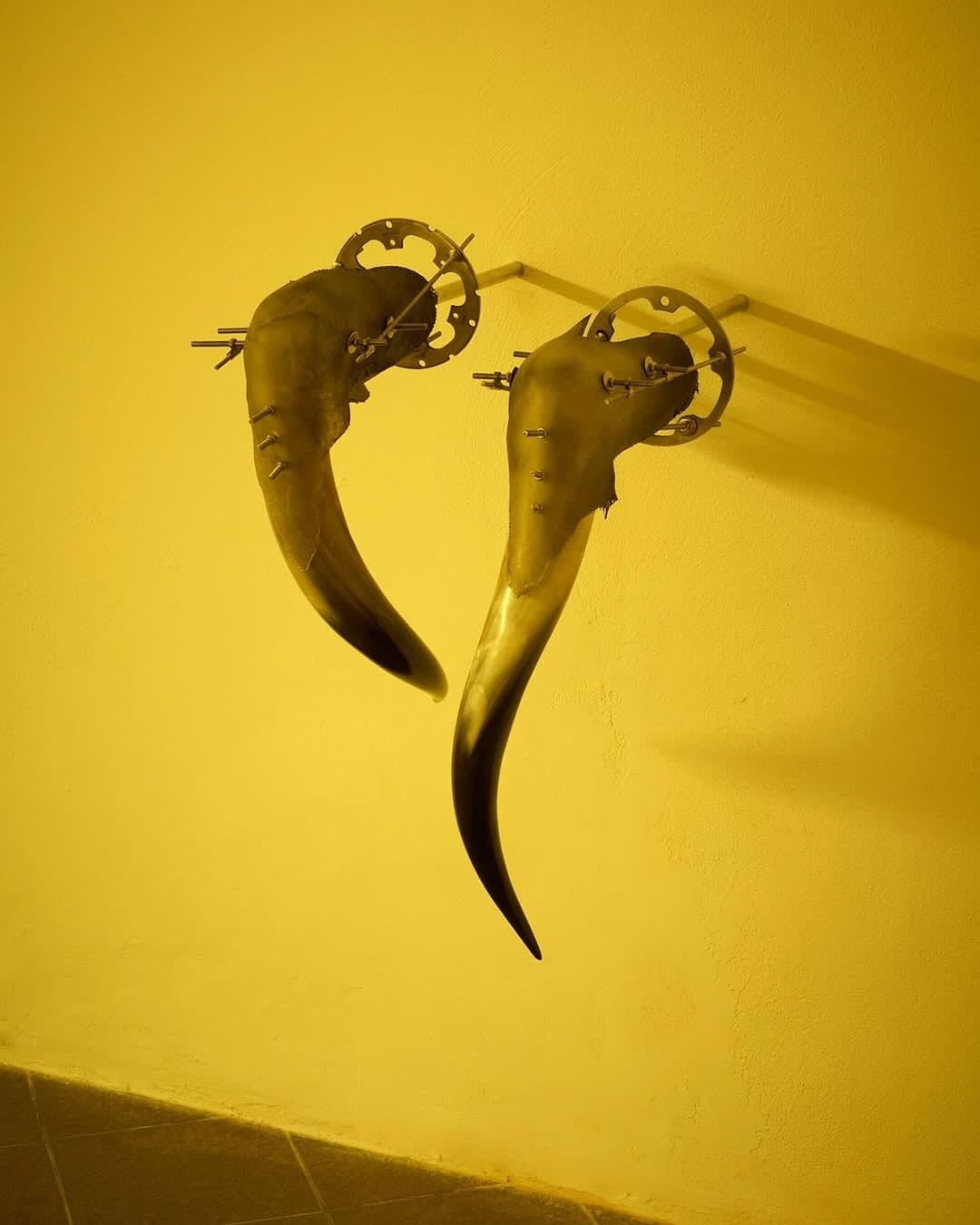
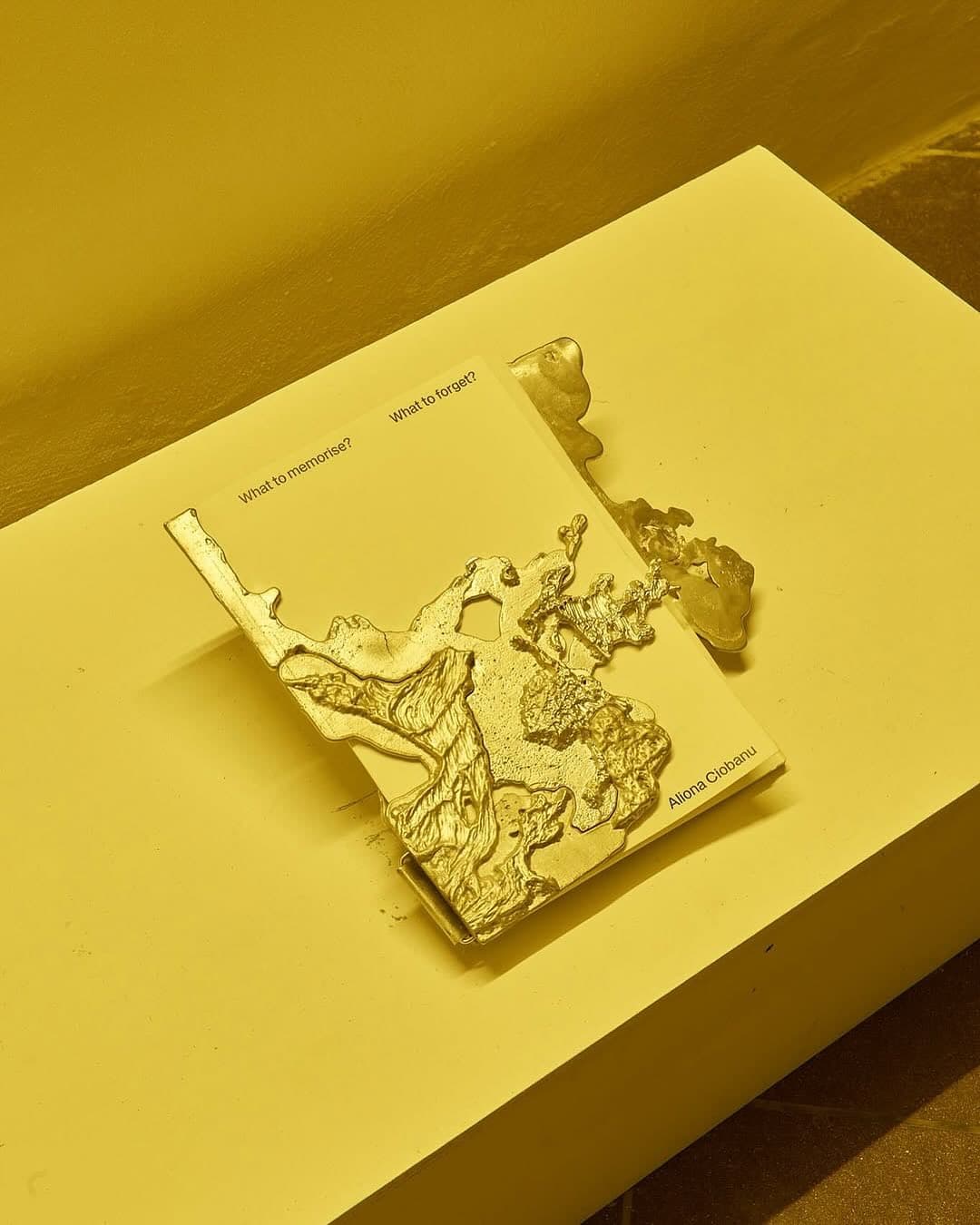
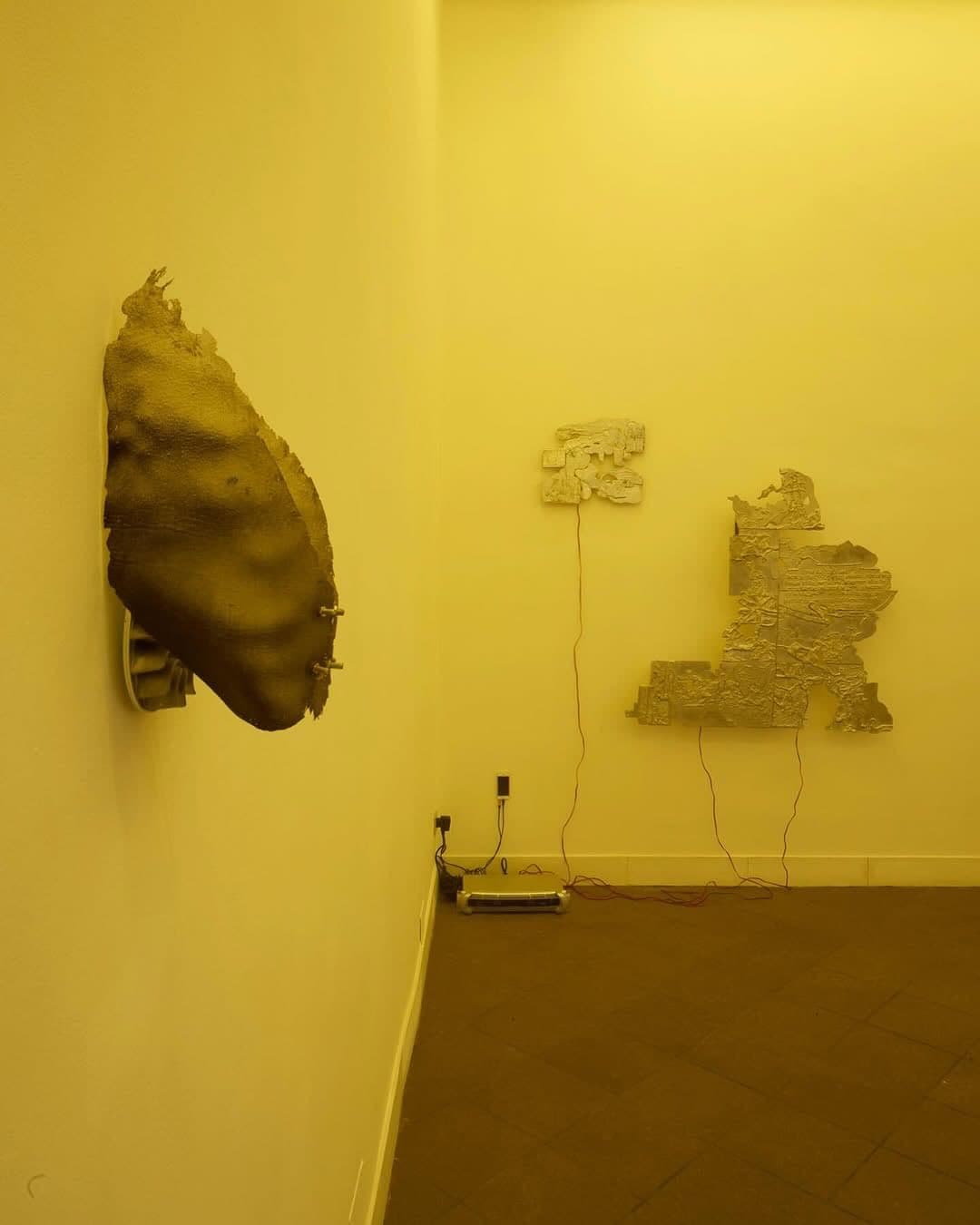
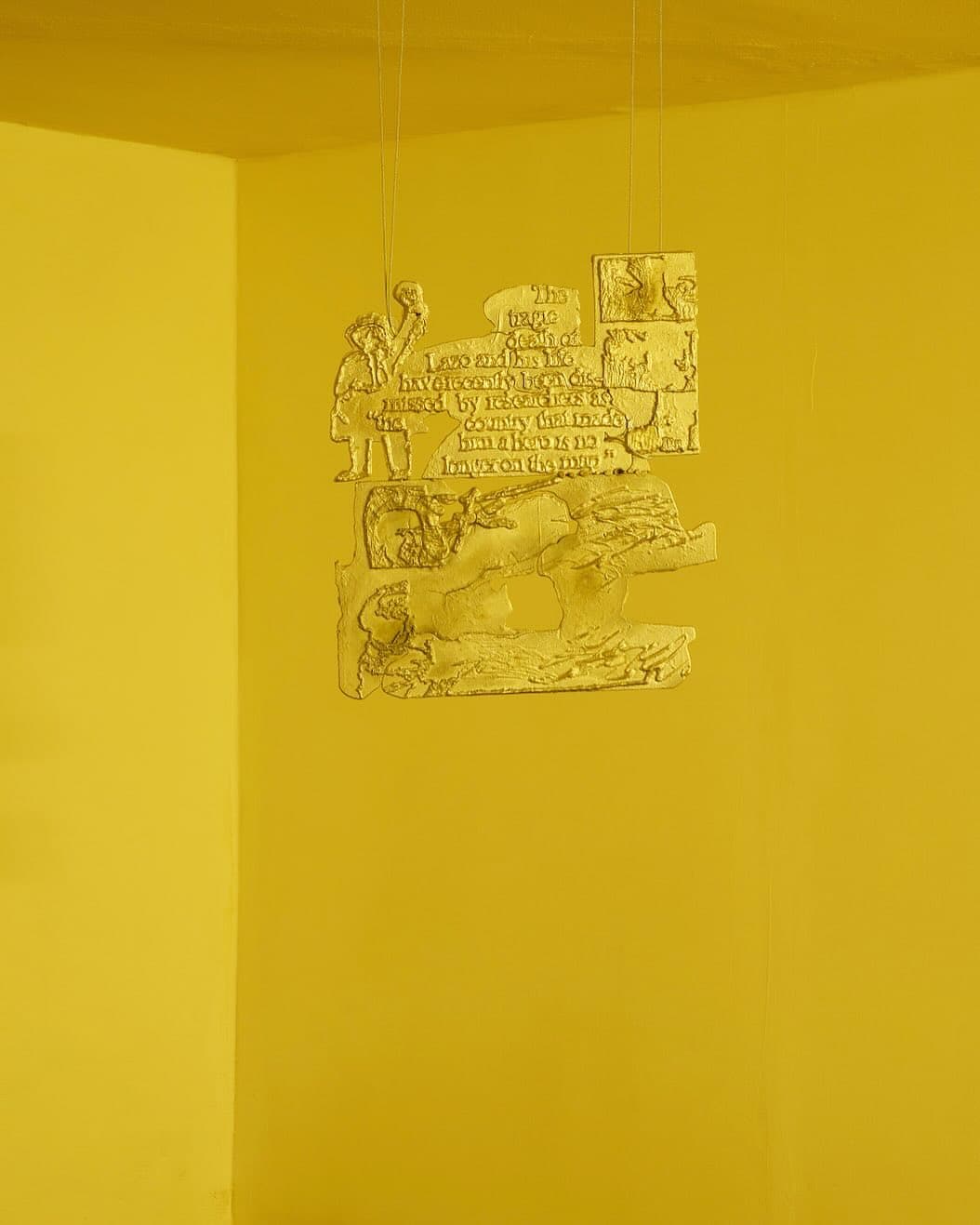
Milan / 2025
Berlin / 2025
Århus / 2025
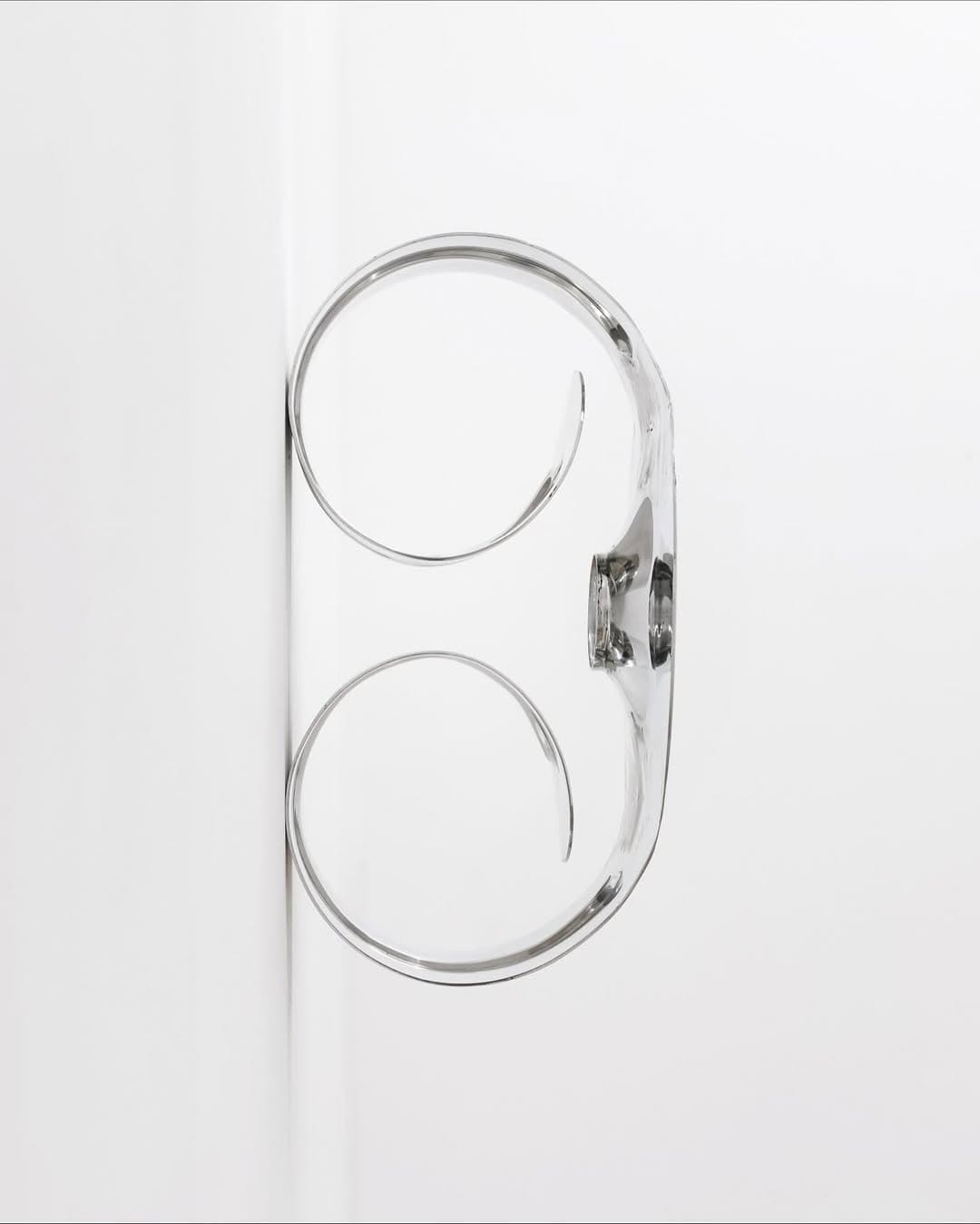
Paris / 2025
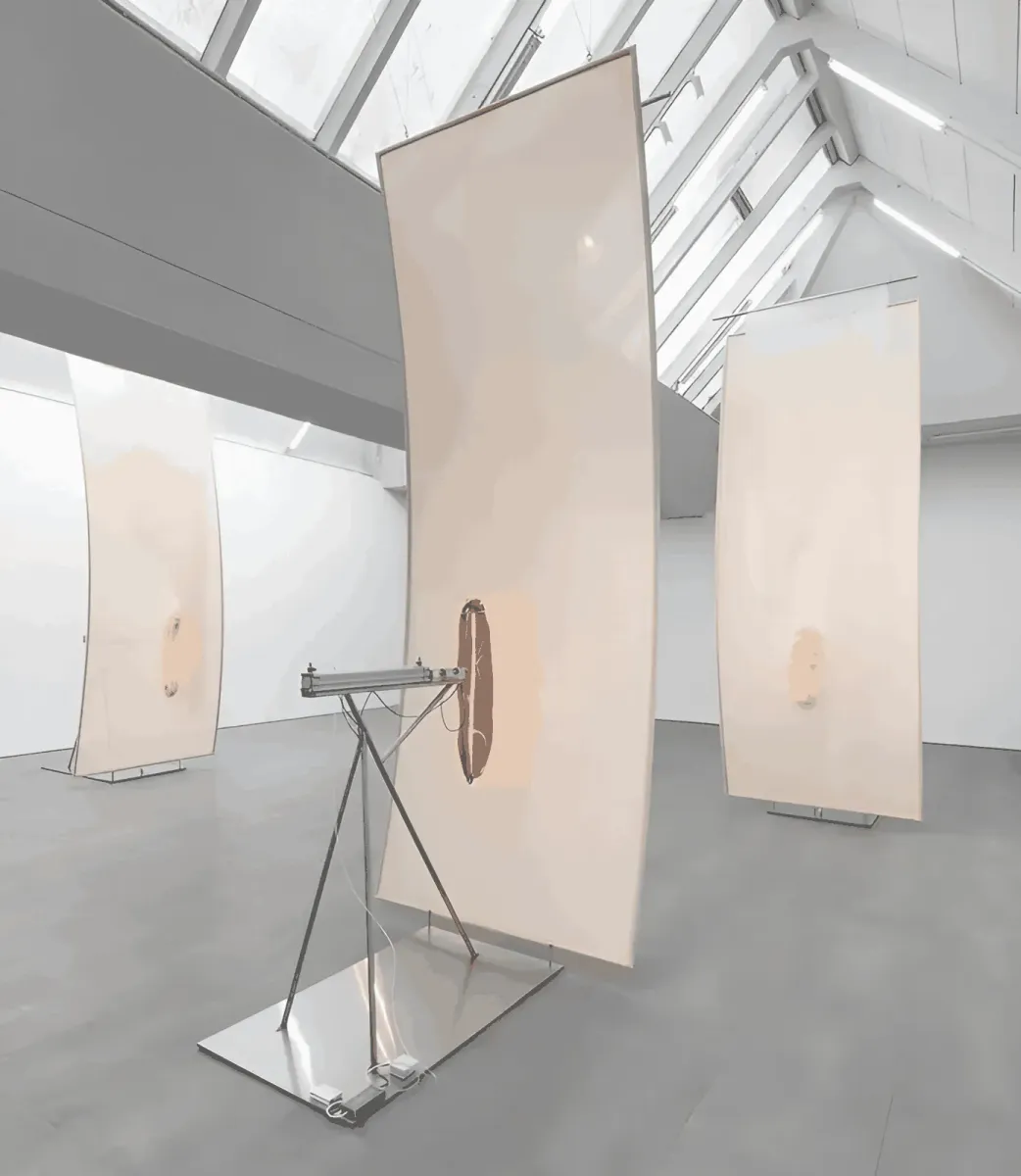
Berlin / 2025
%2Fphoto_1_2026-05-23_19-20-38.jpg&w=1200&q=75)
Seoul / 2026
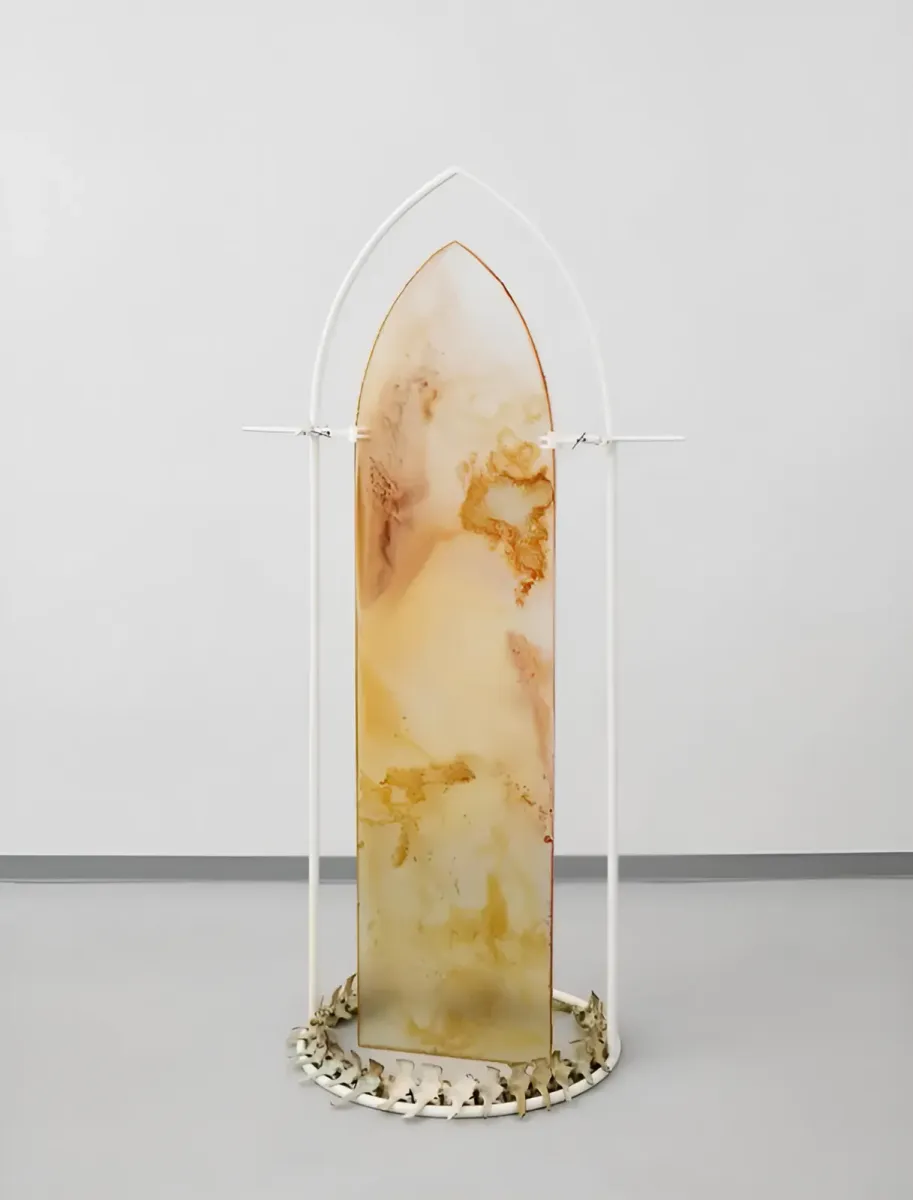
Leipzig / 2026
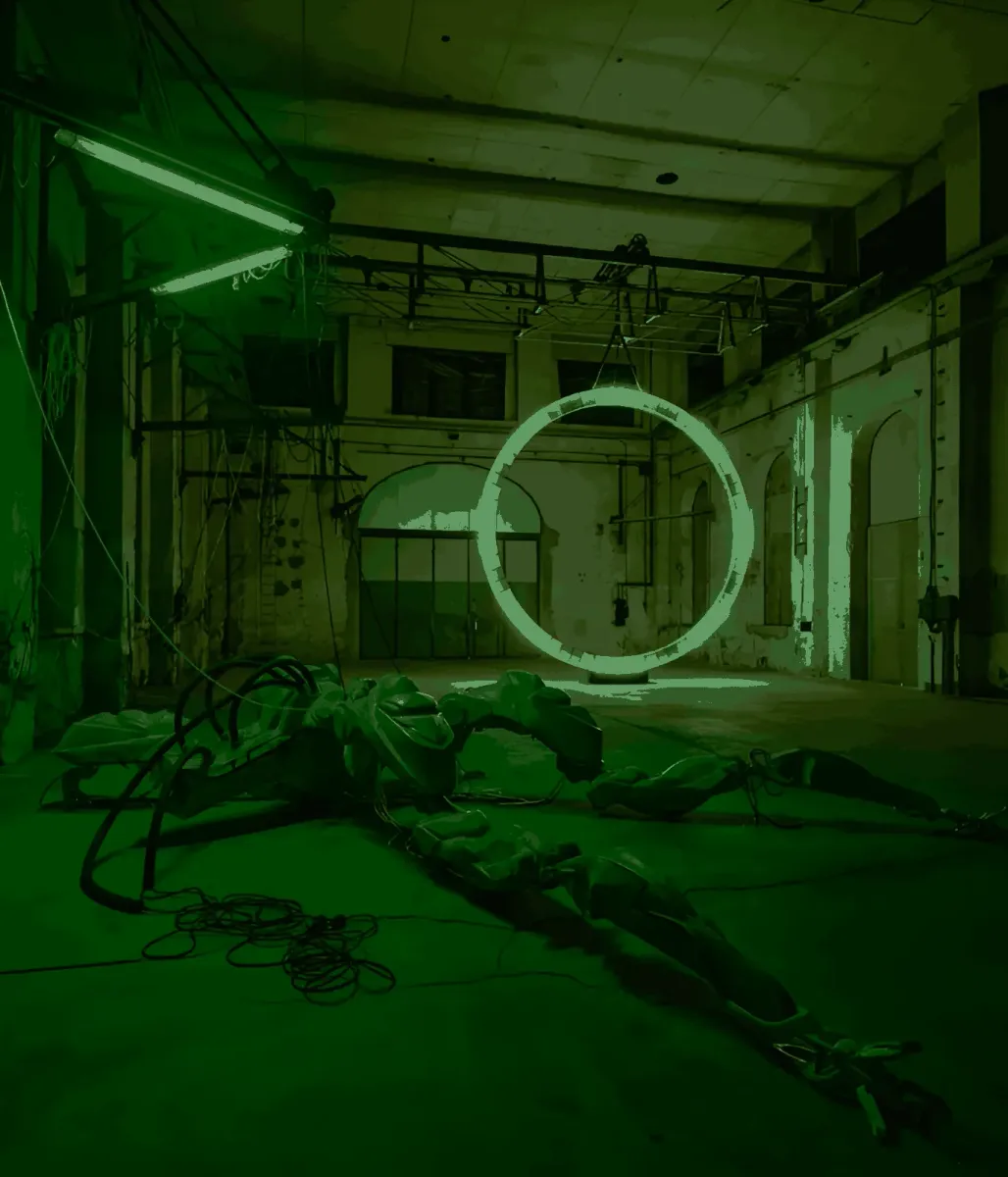
Dornbirn / 2026
Vorarlberg / 2026
Paris / 2026
/ 2025
Seoul / 2025
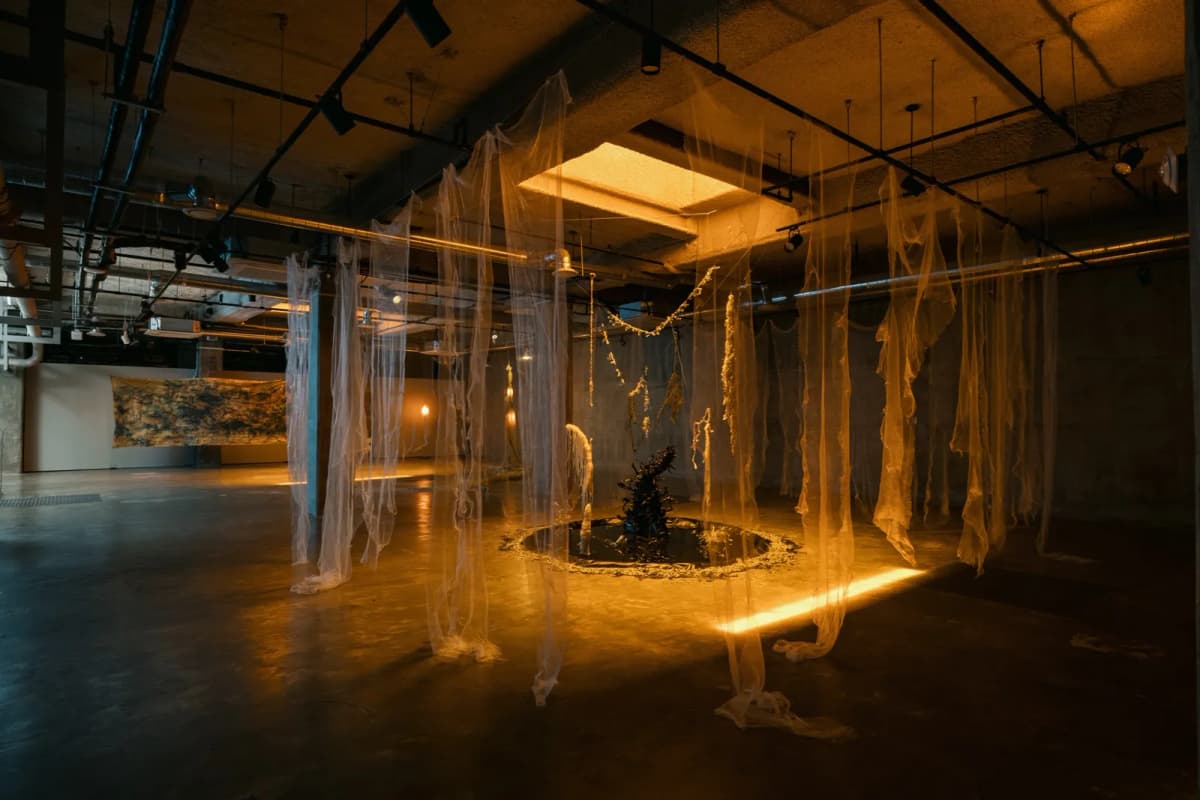
Suwon / 2026
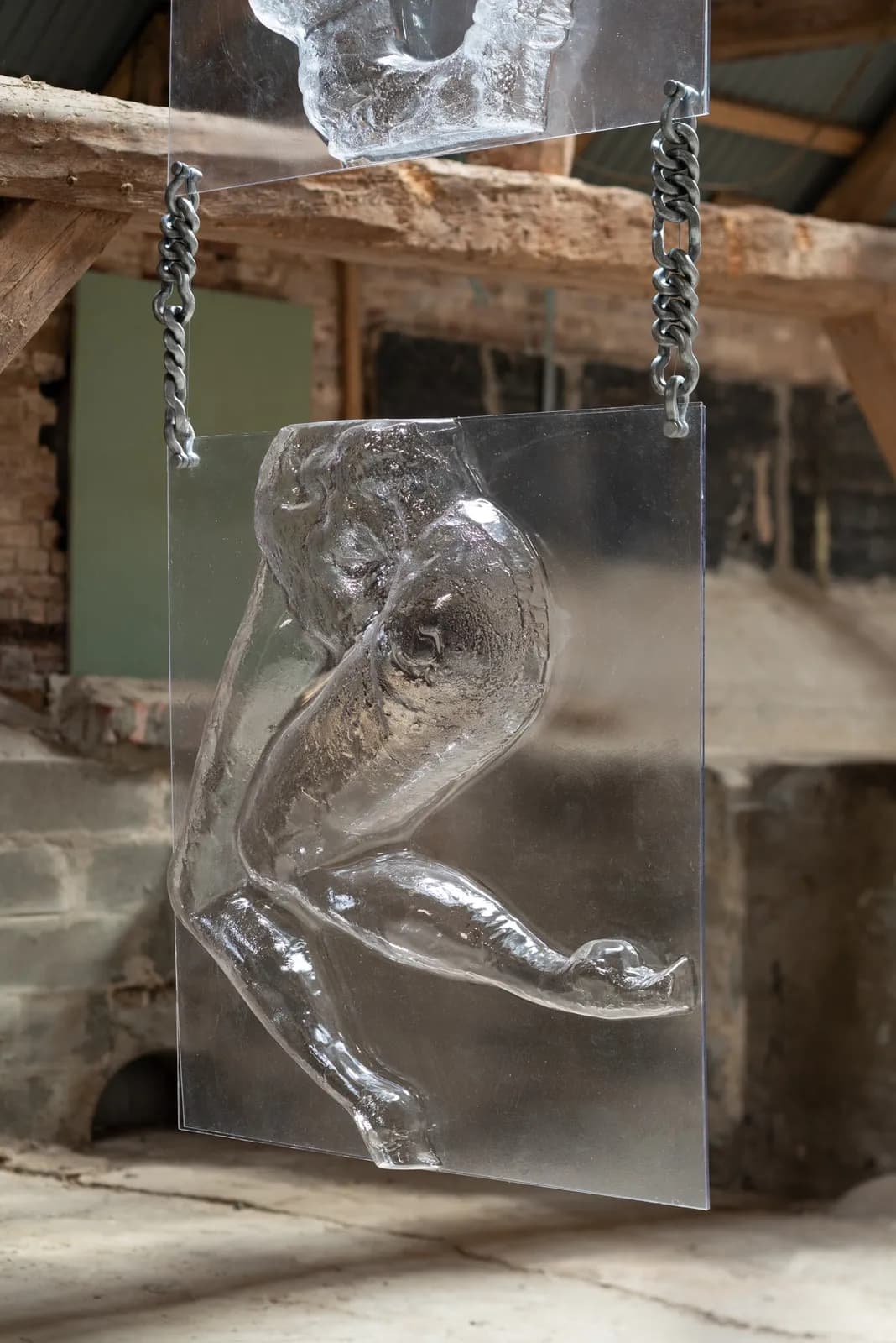
Hurup / 2026
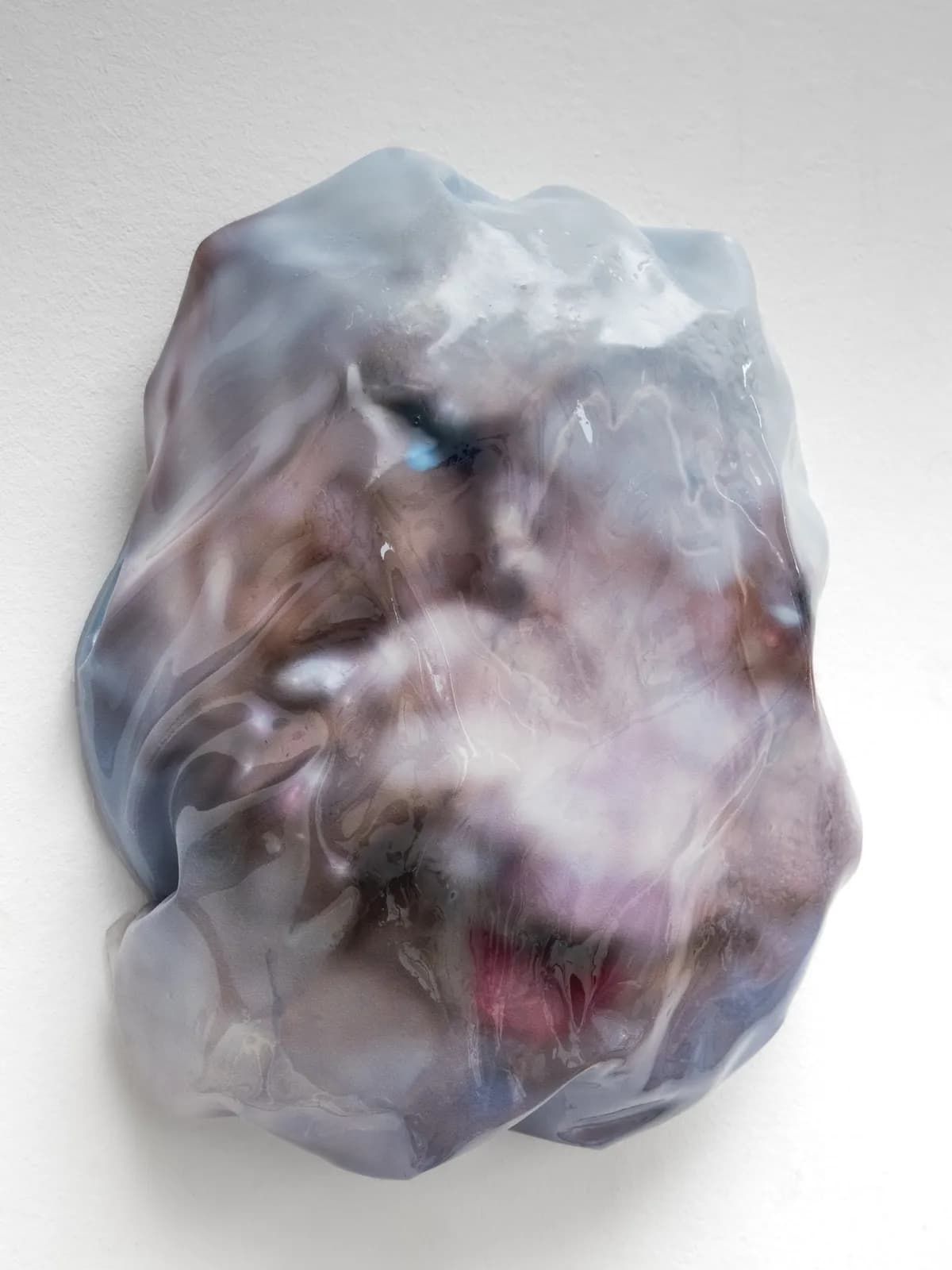
/ 2026
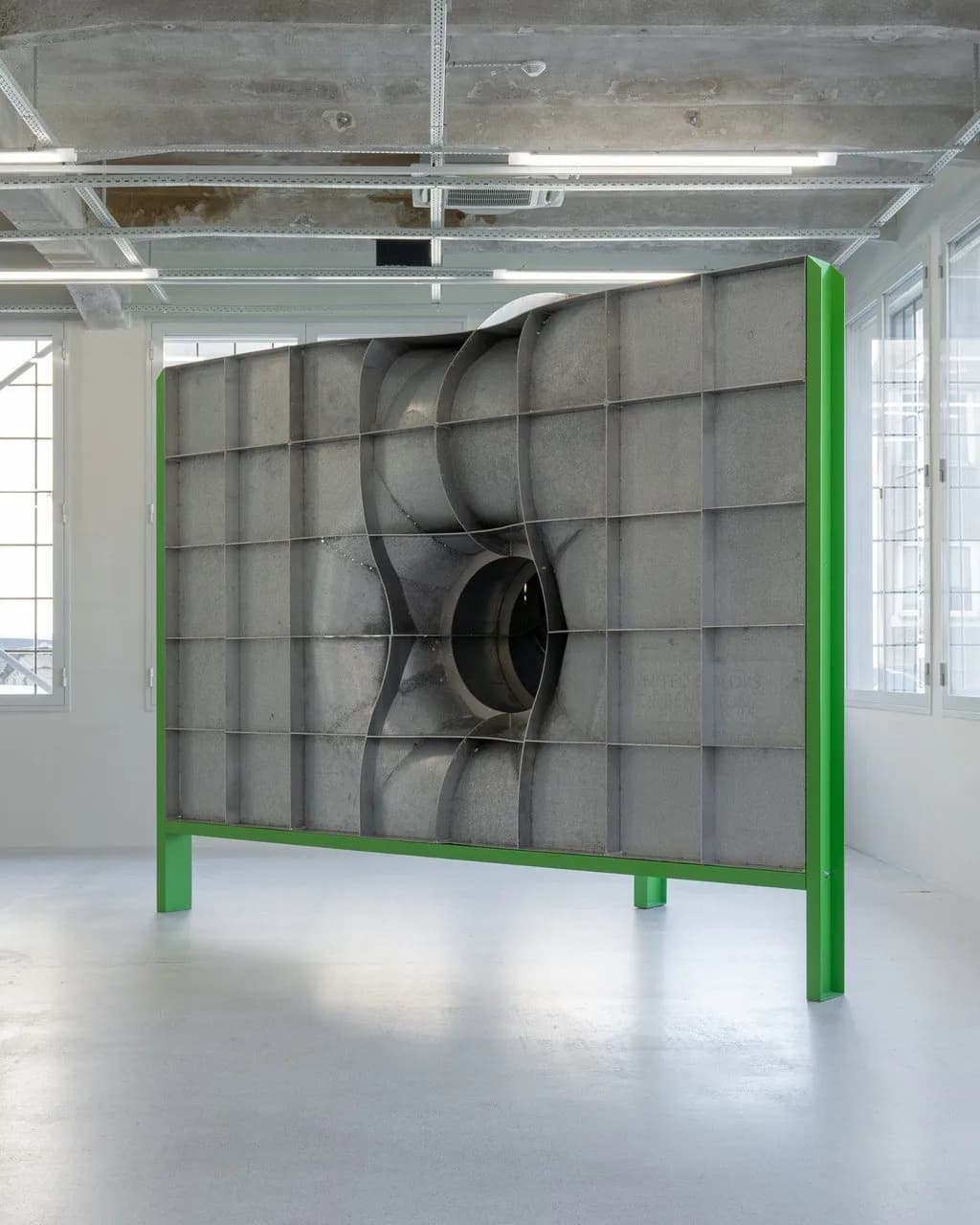
Olomouc / 2026
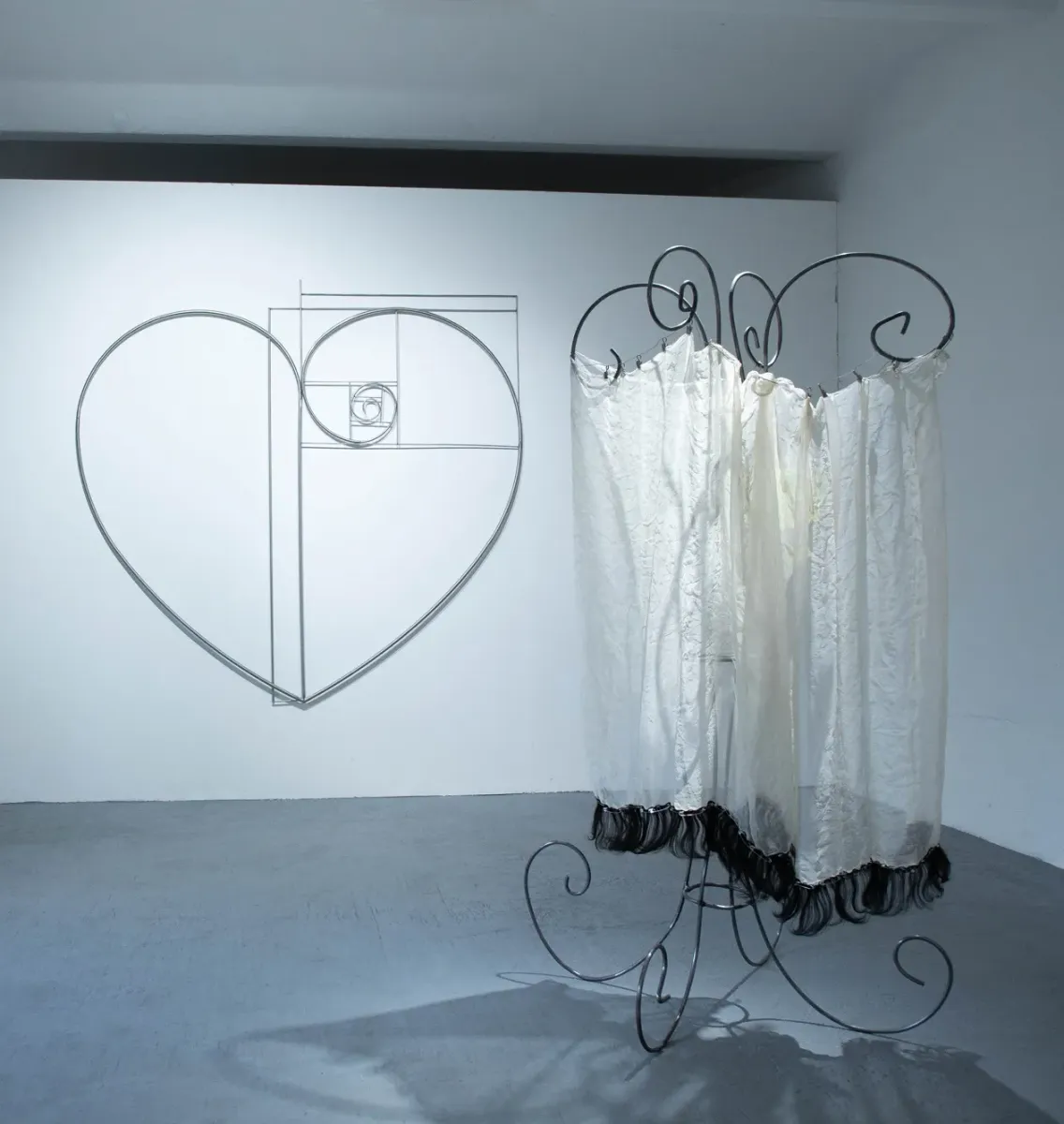
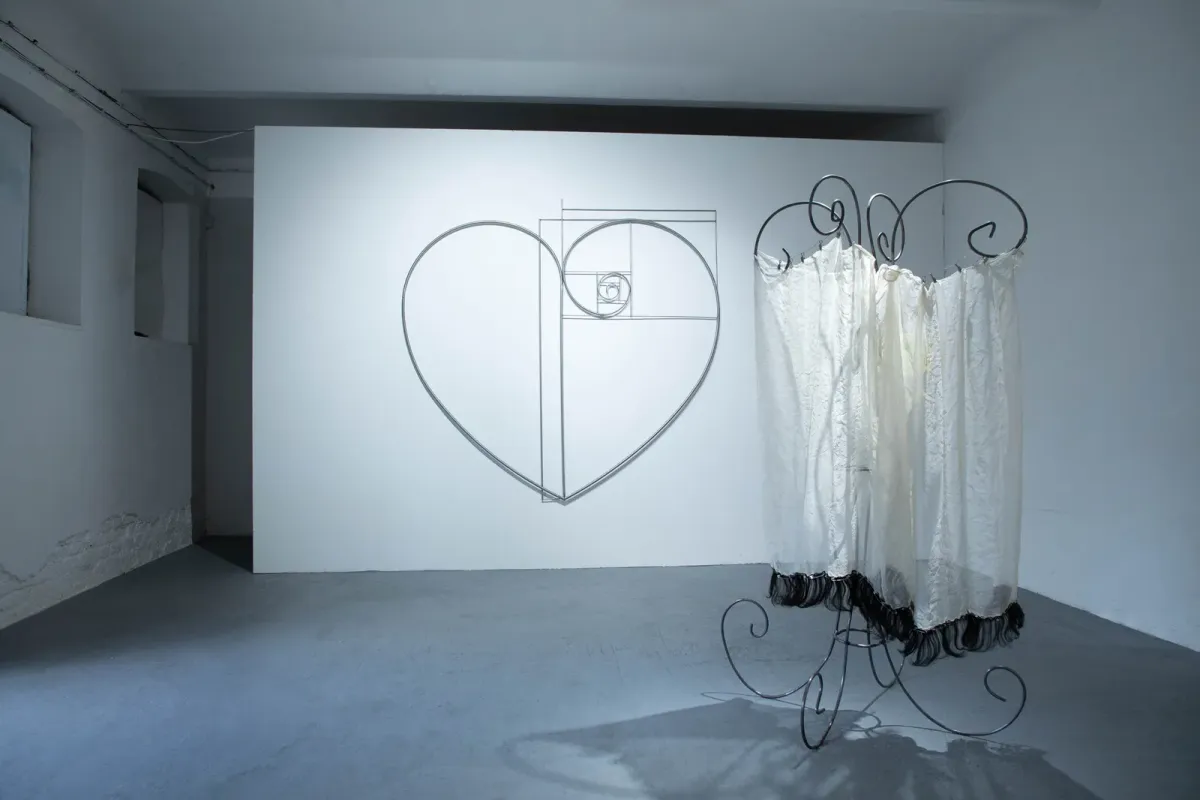
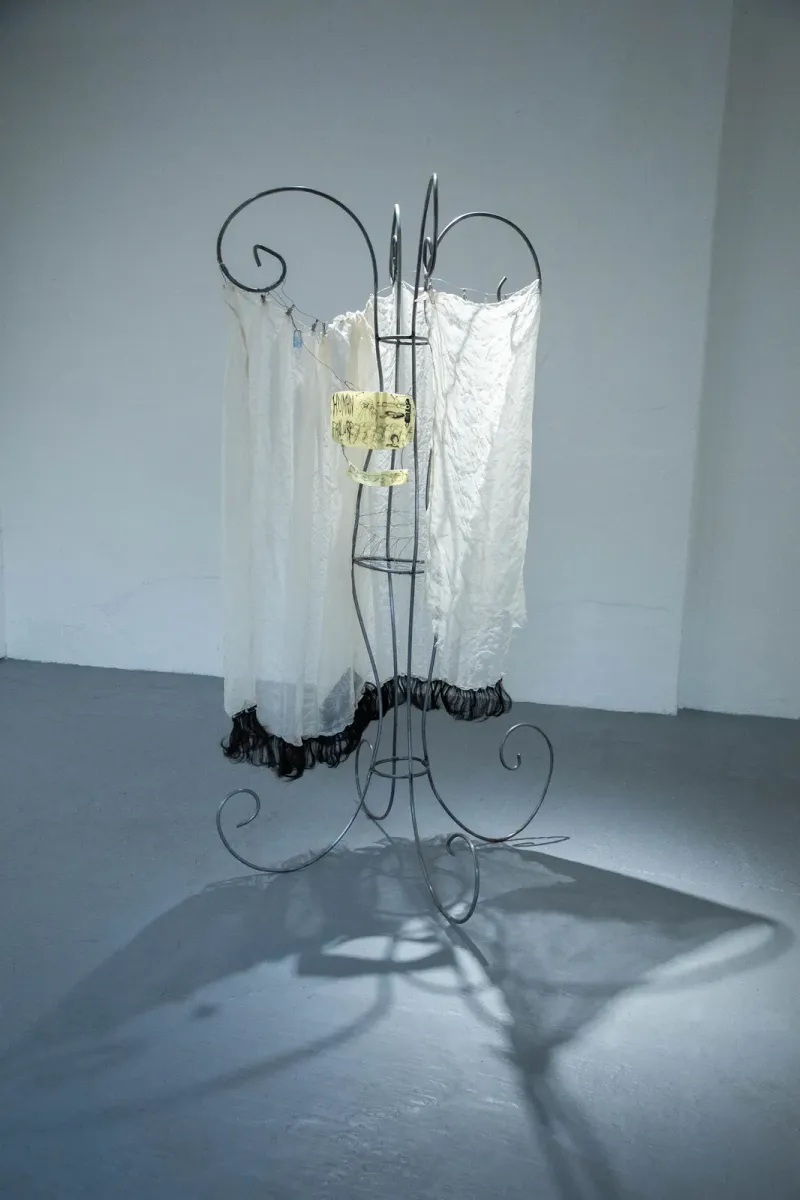
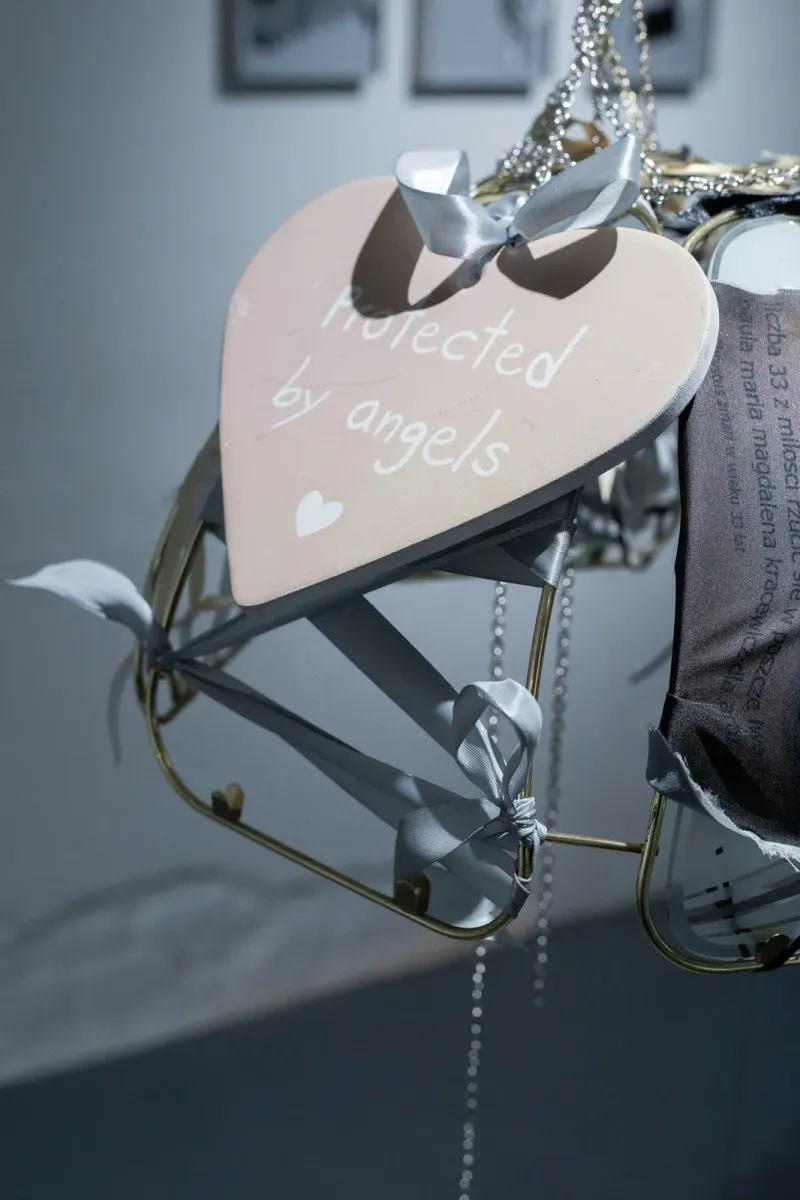
Prague / 2026
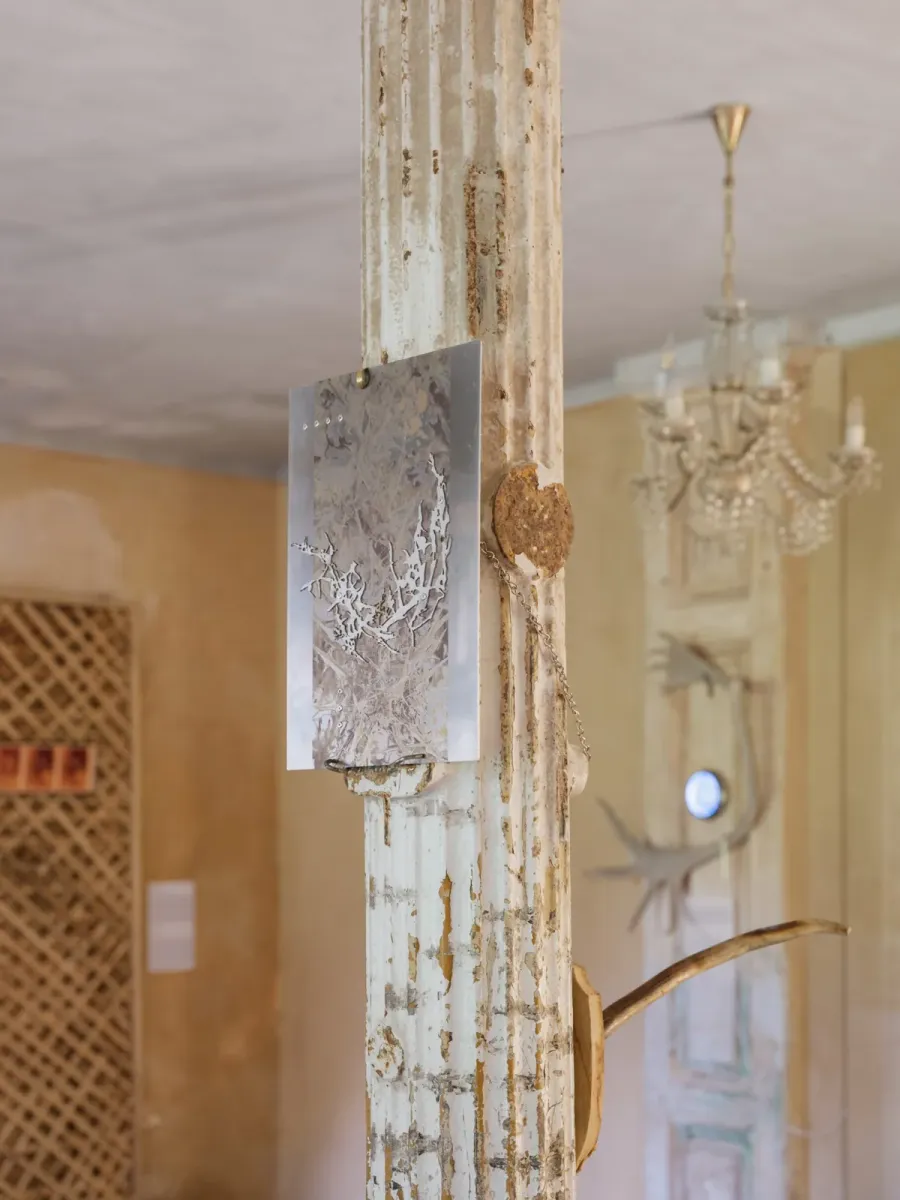
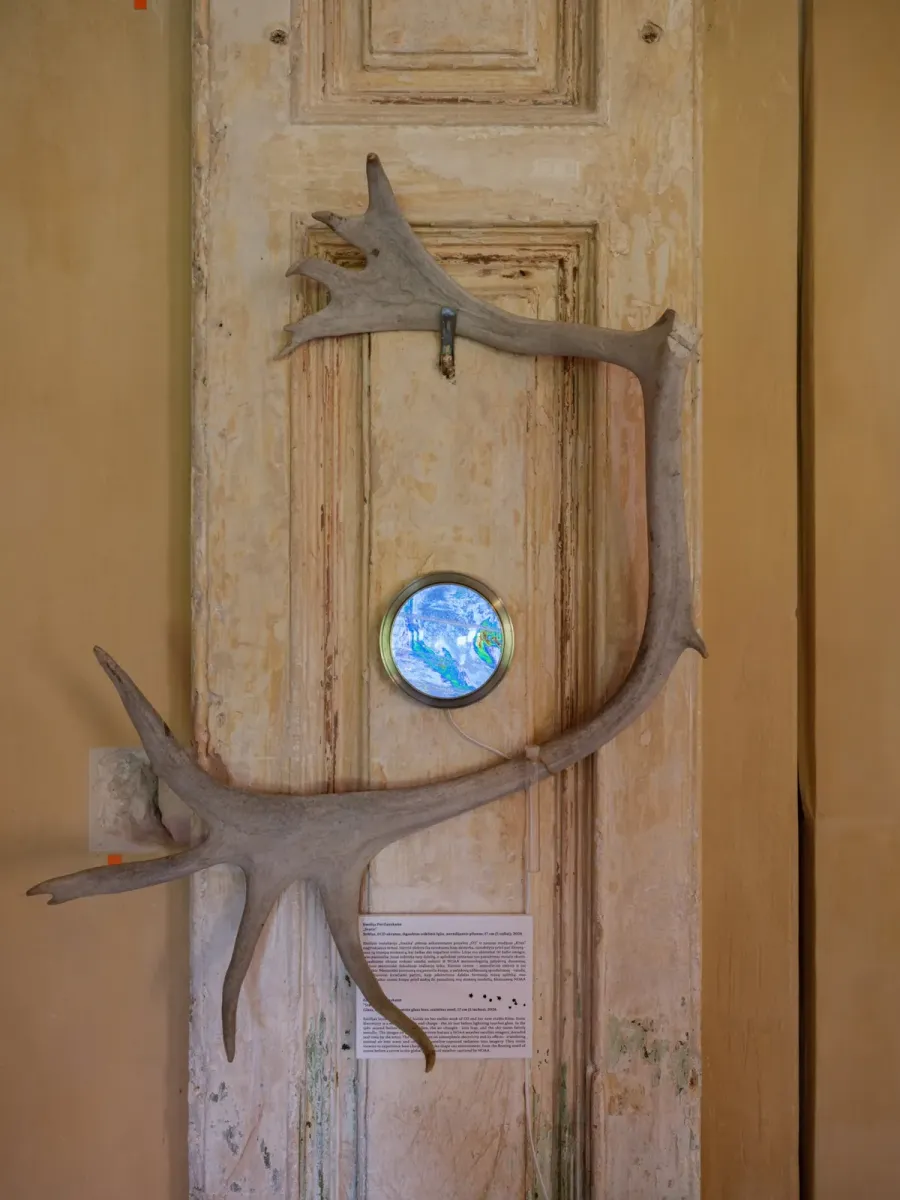
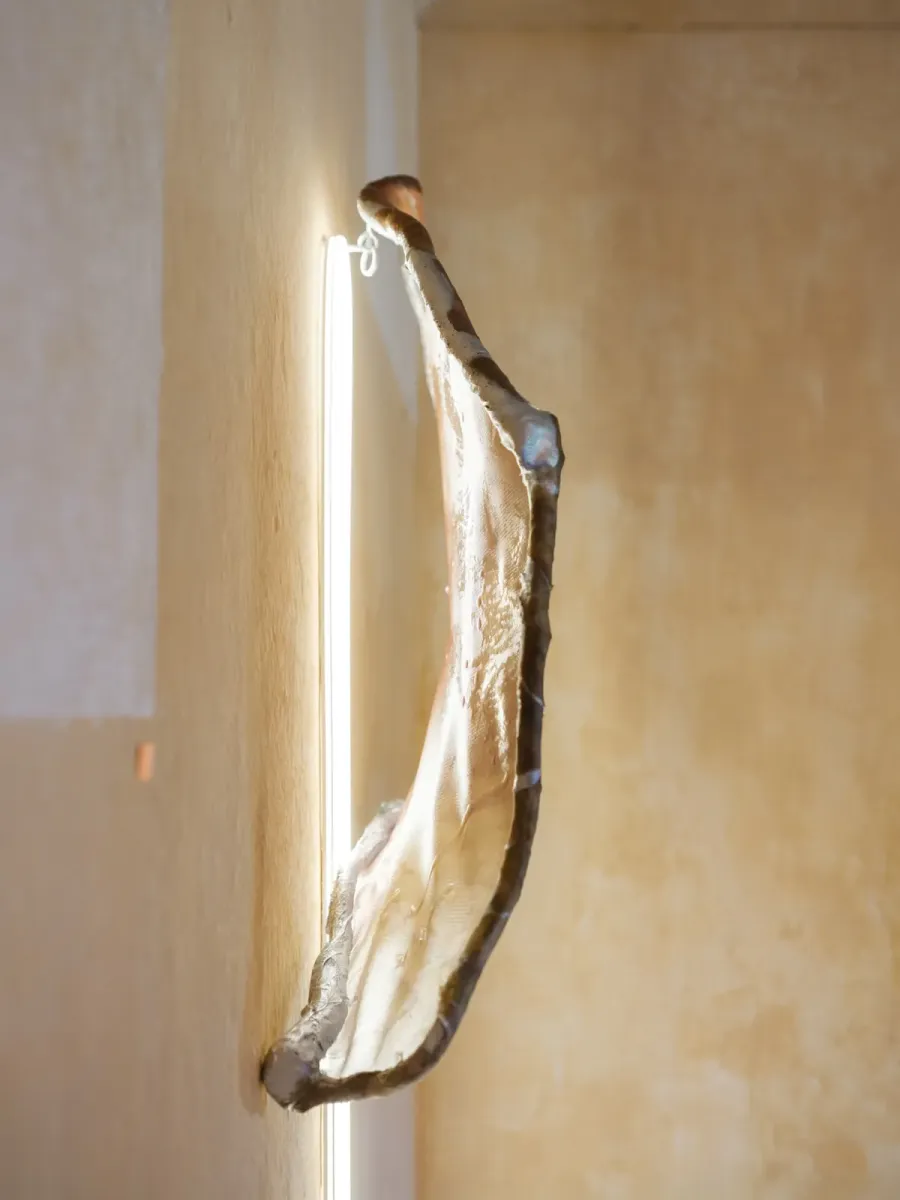
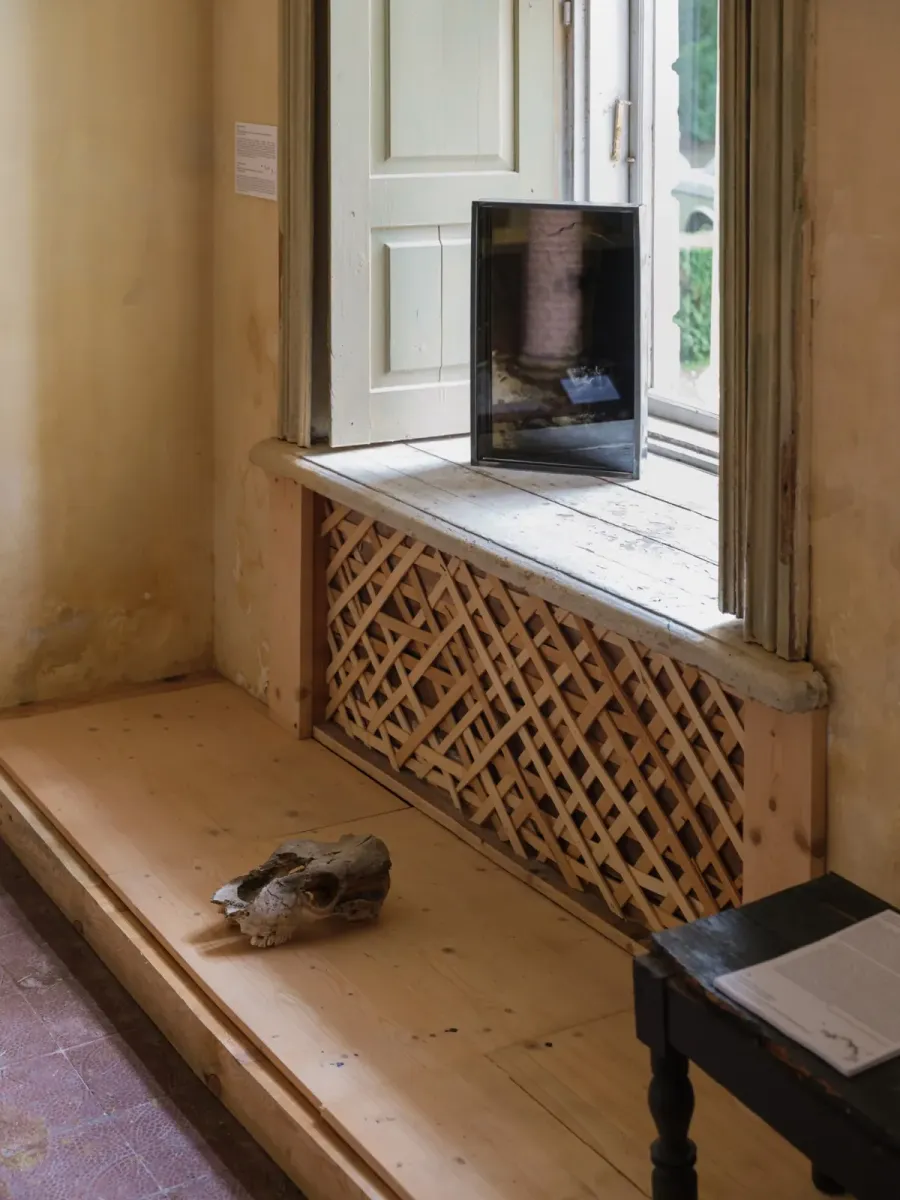
Vilnius District Municipality / 2026
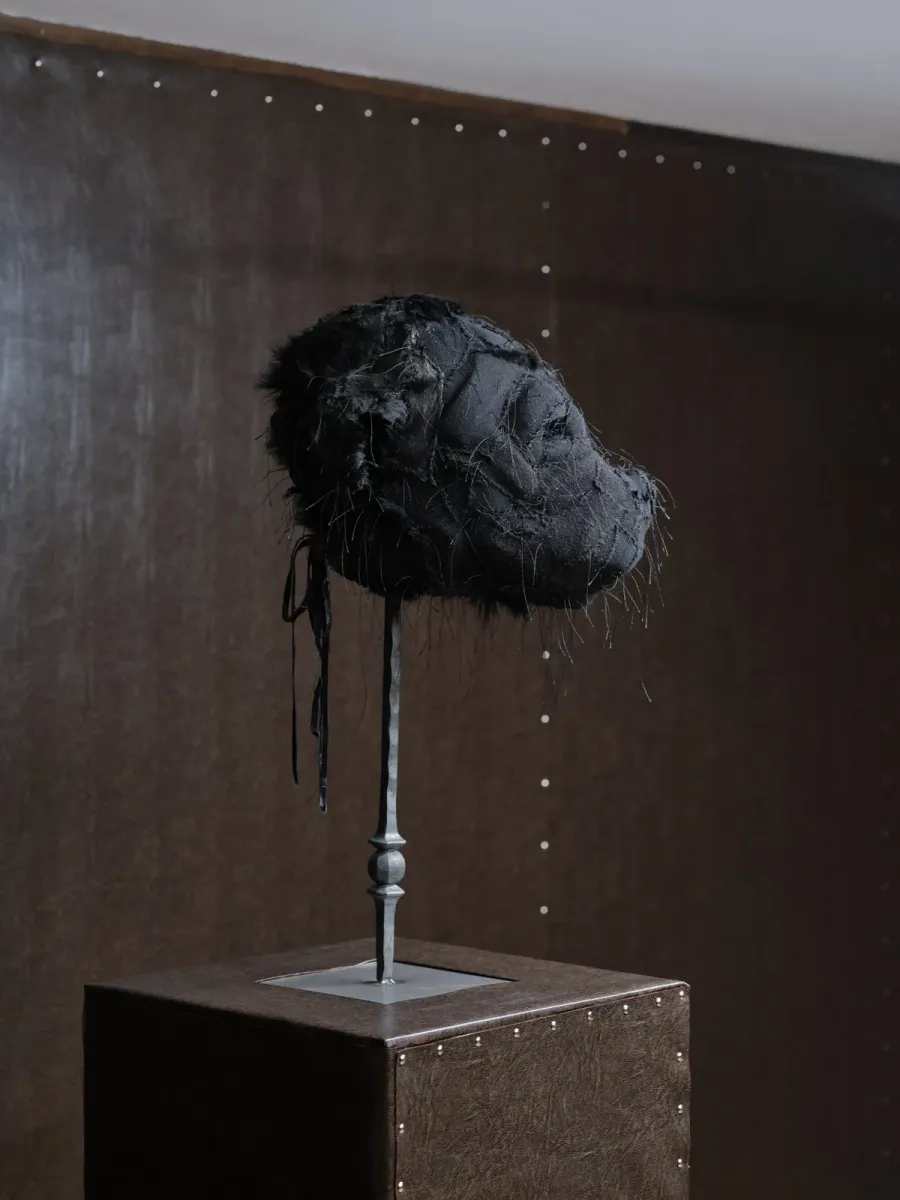
Słupsk / 2026
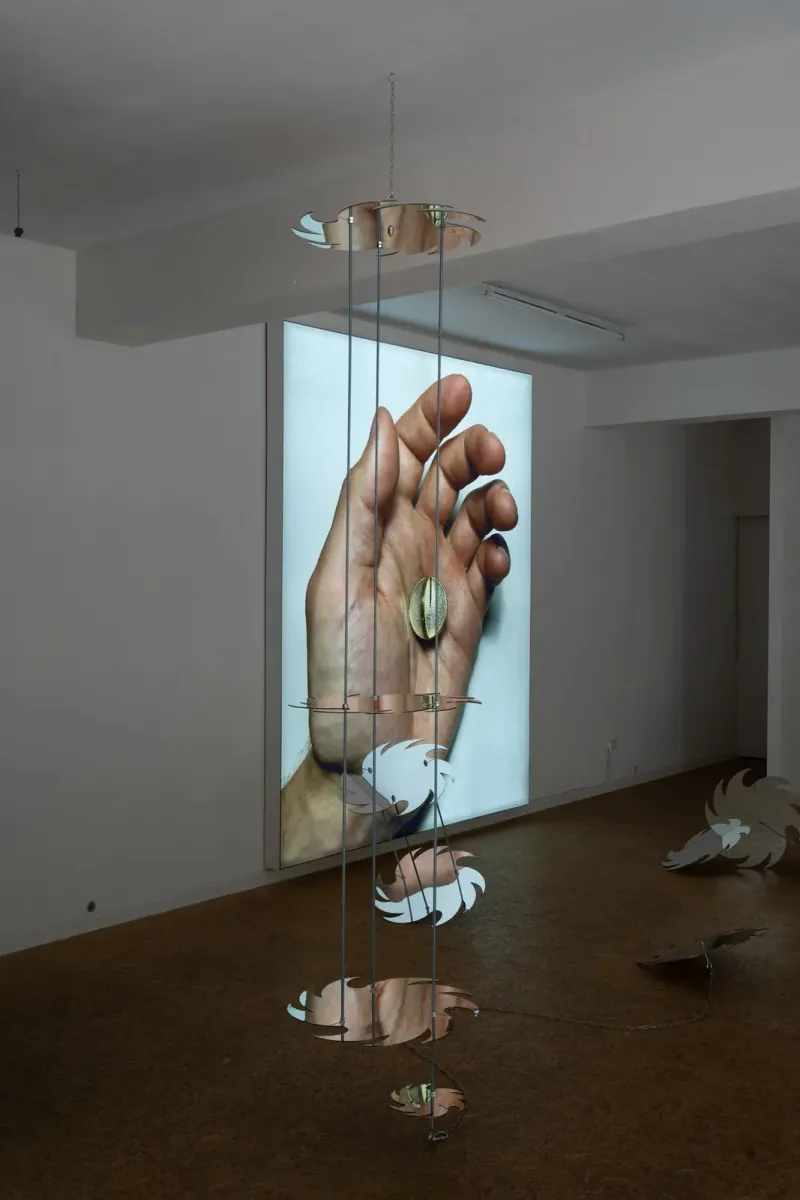
Poznań / 2026
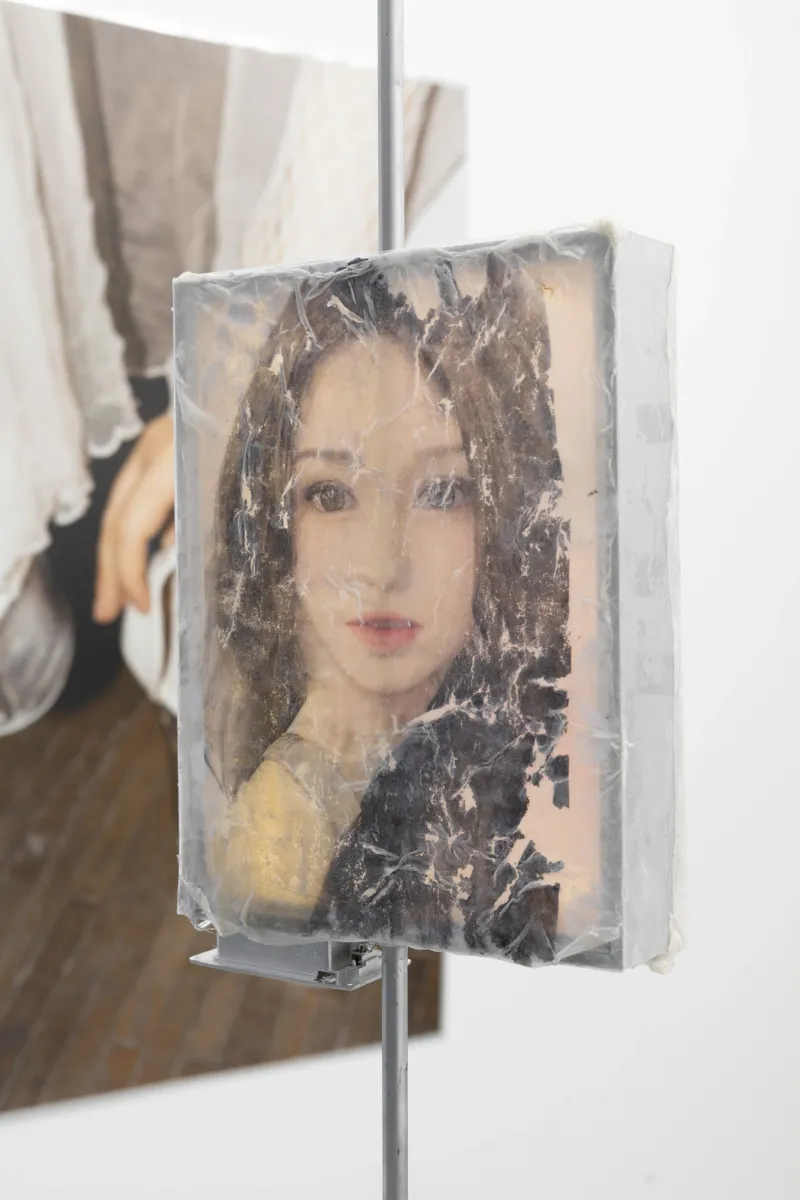
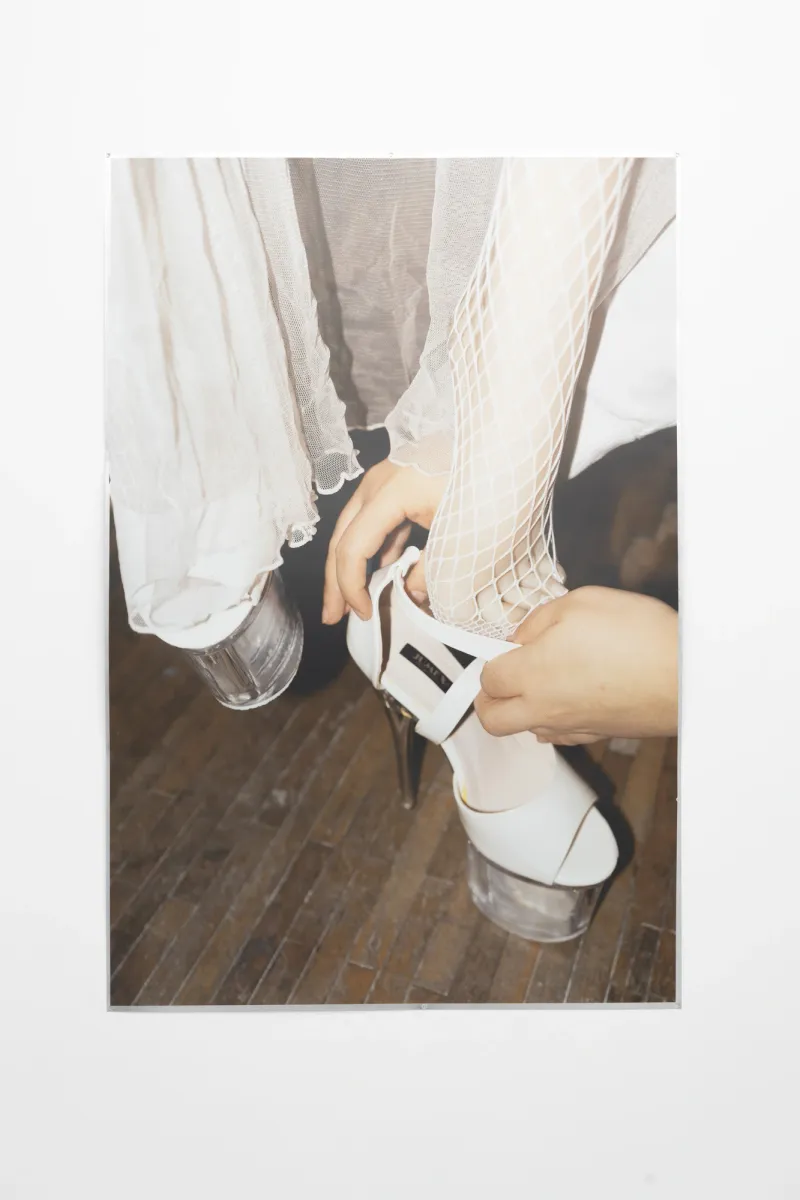
Poznań / 2026
Brussels / 2026
Berlin / 2026
Istanbul / 2026
Ljubljana / 2026
Montpellier / 2025
London / 2025
Lisbon / 2025
/ 2024
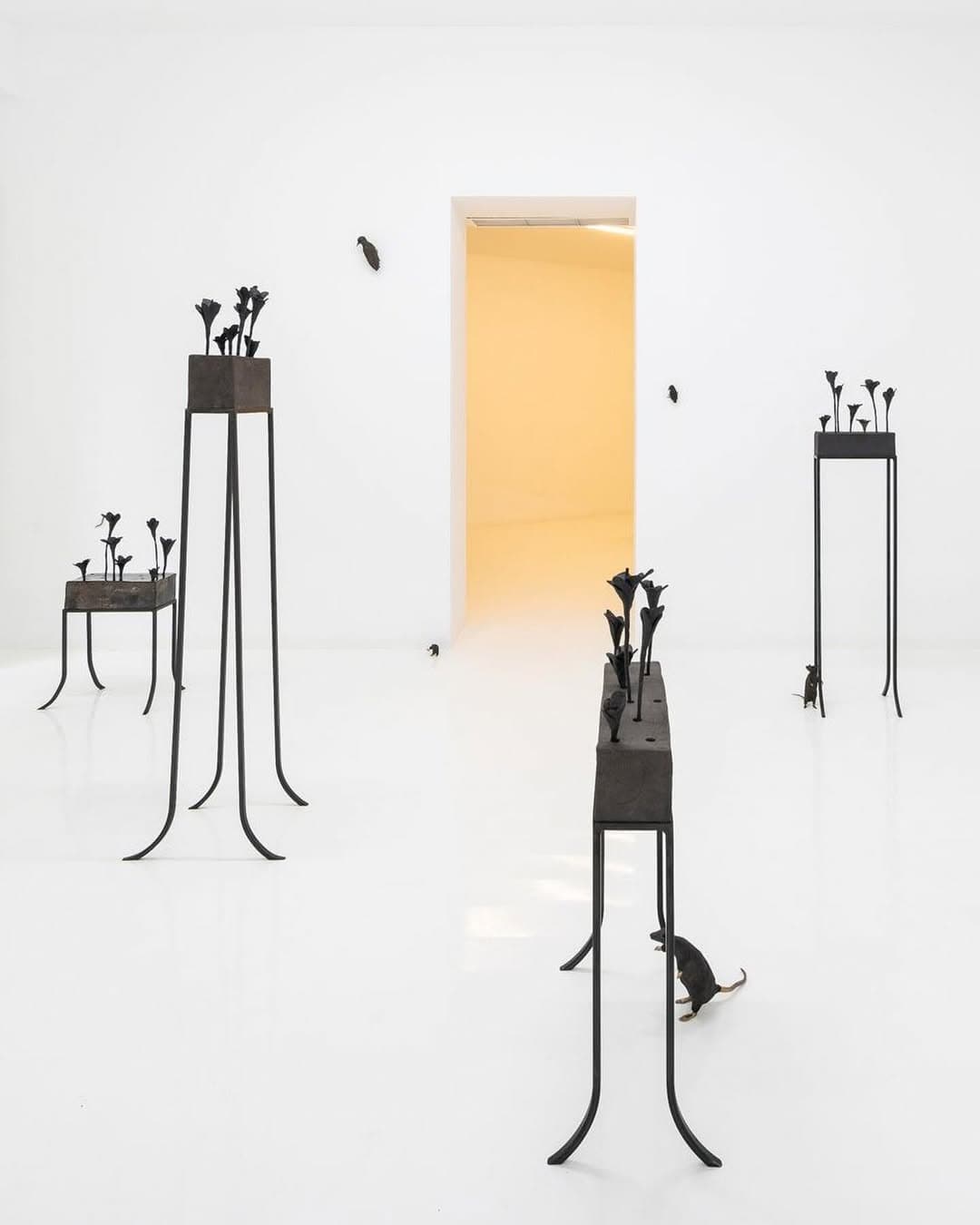
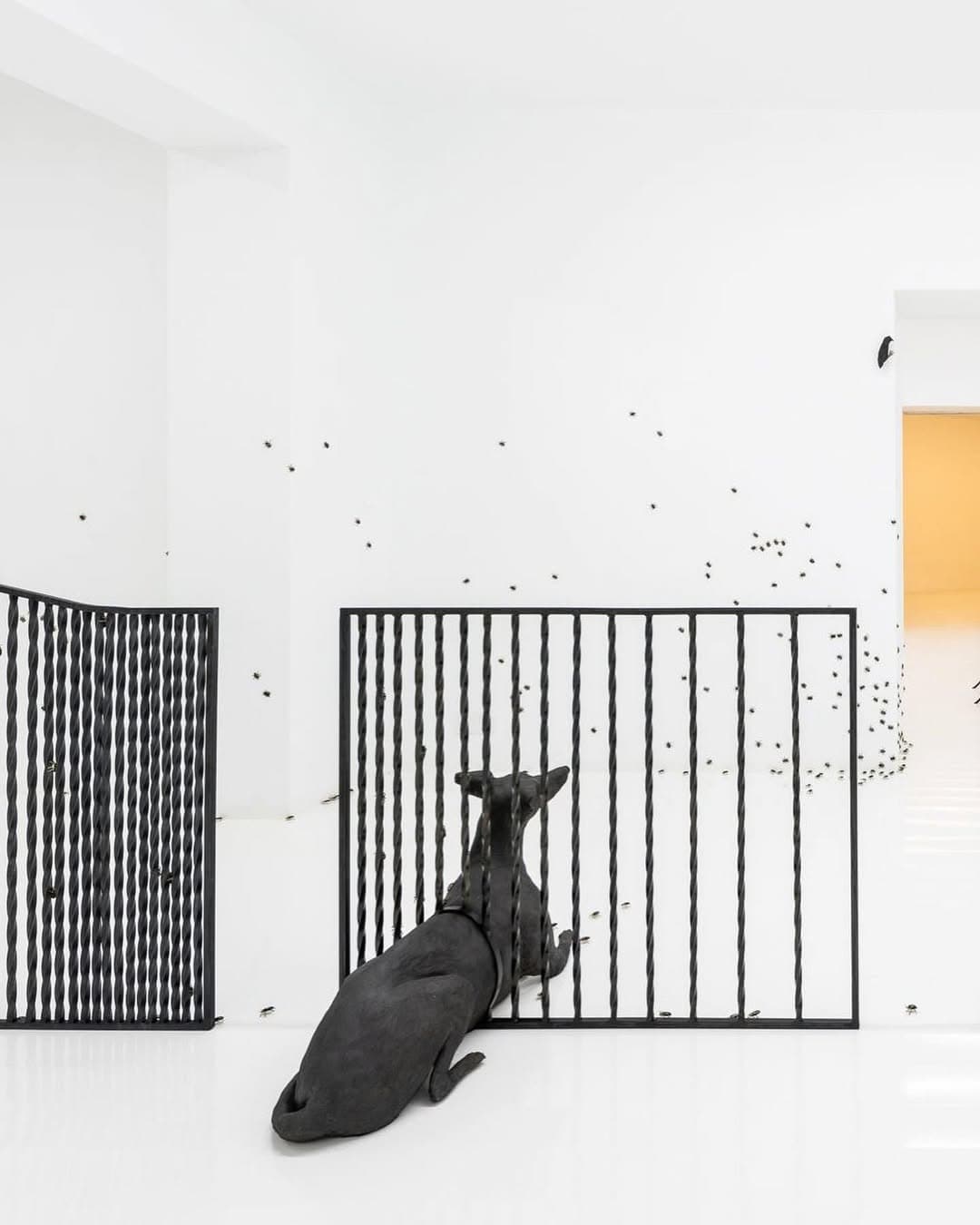
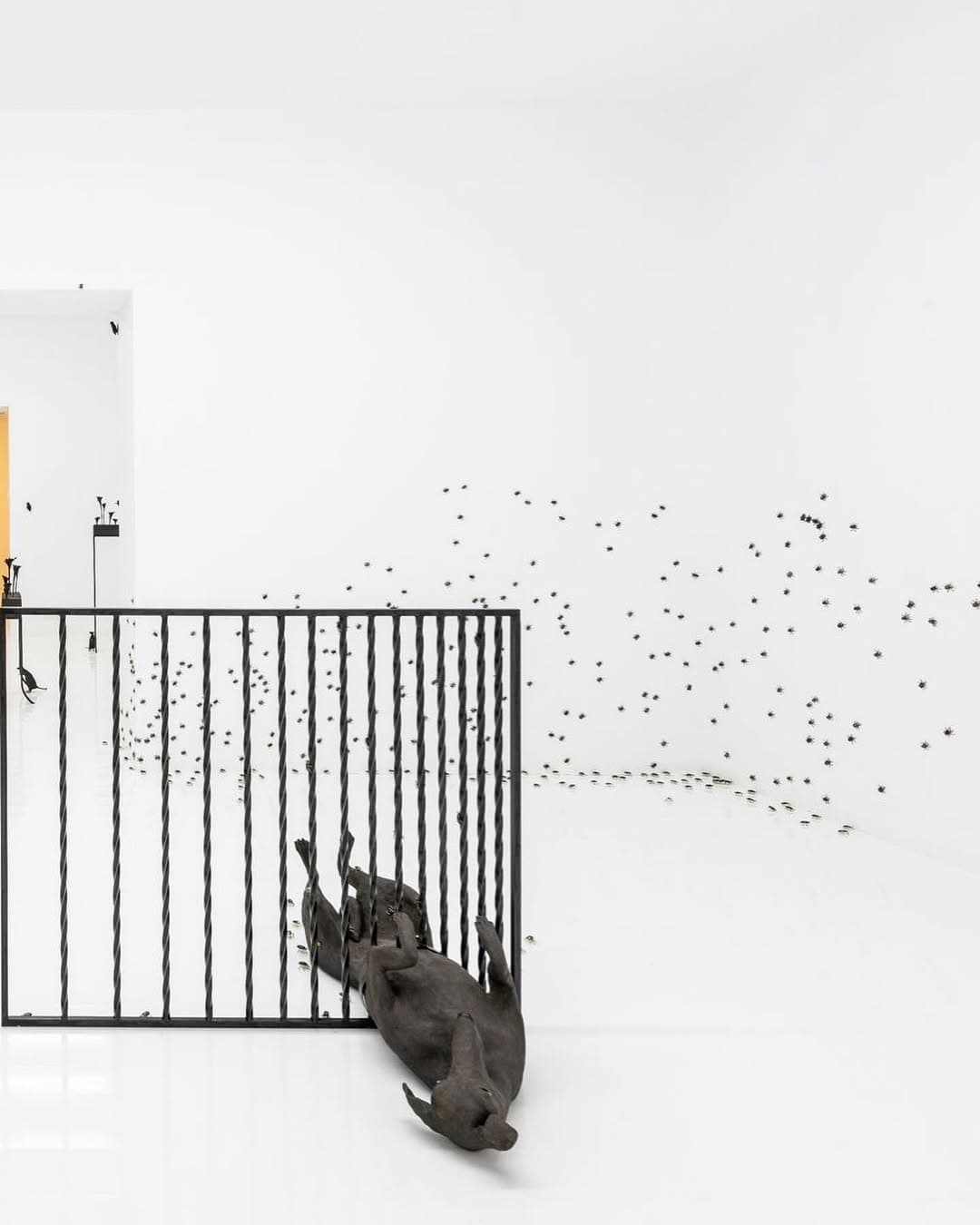
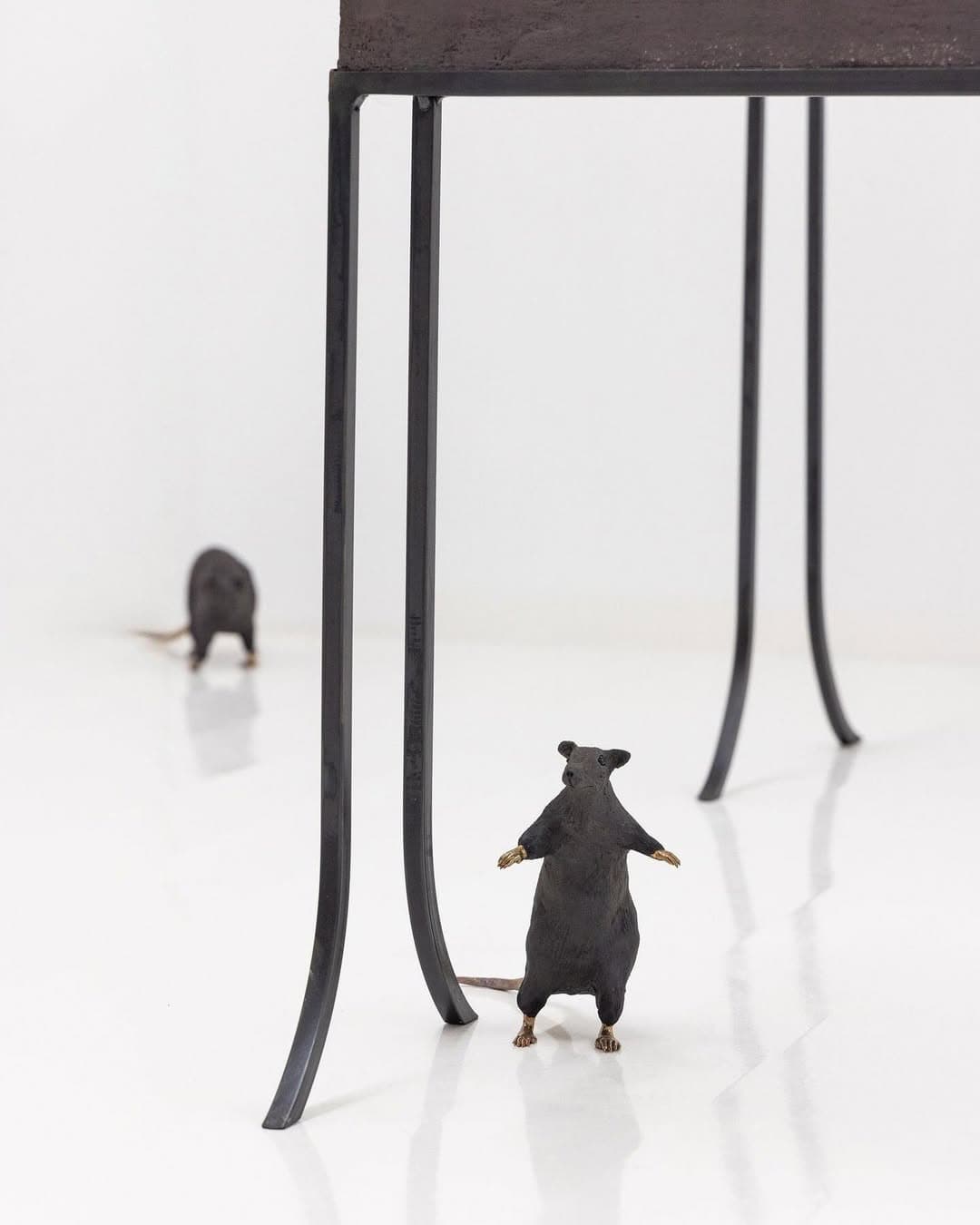
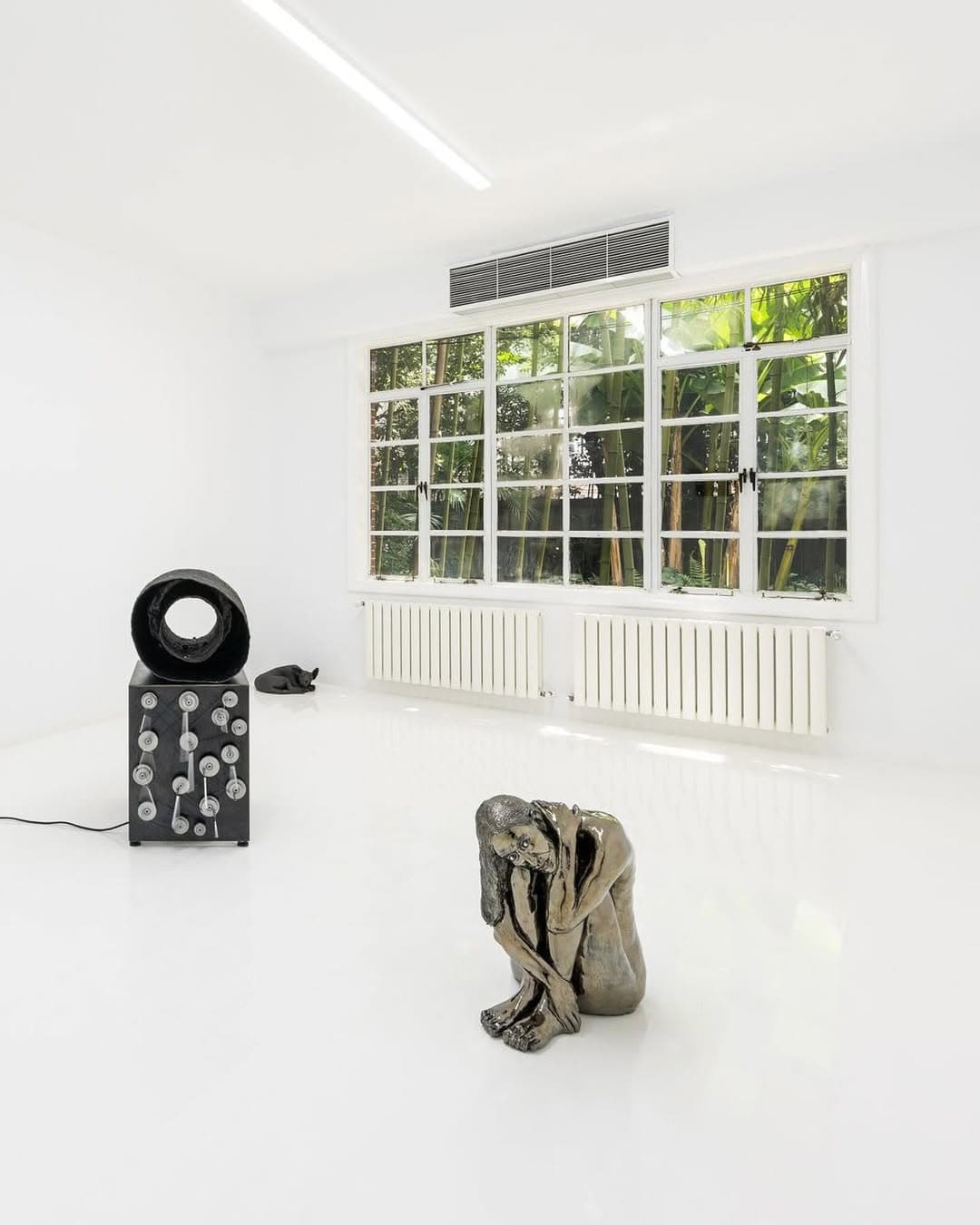
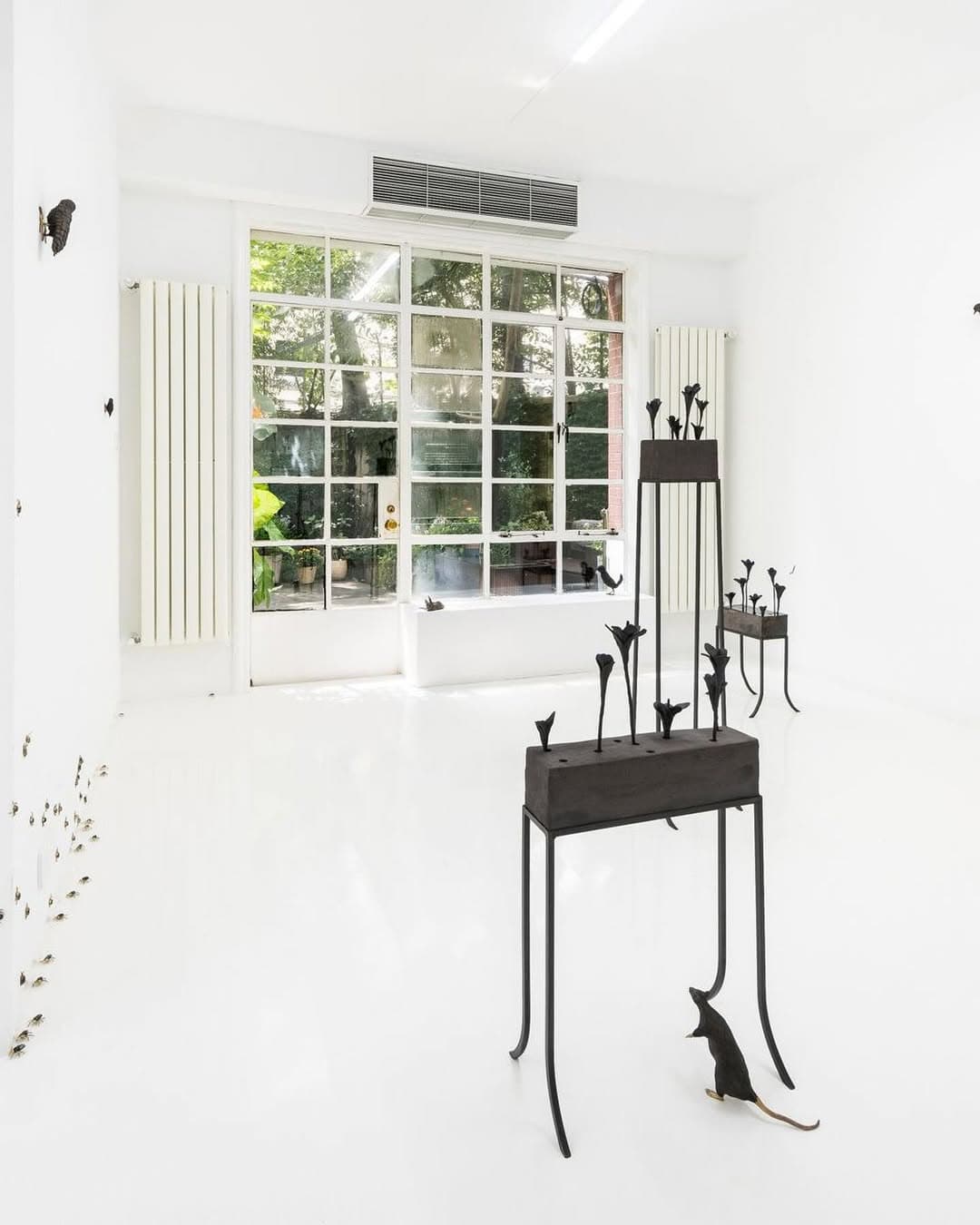
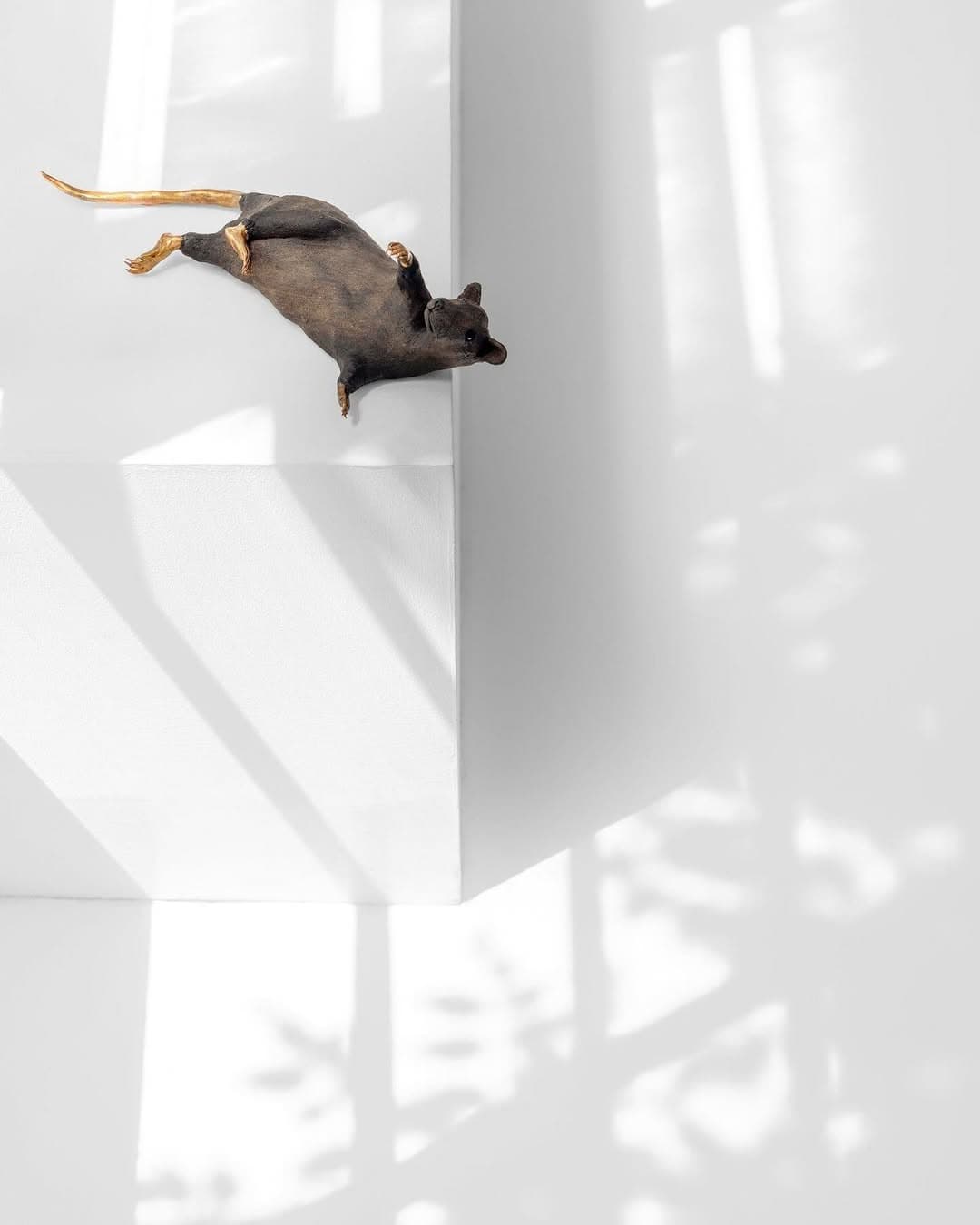
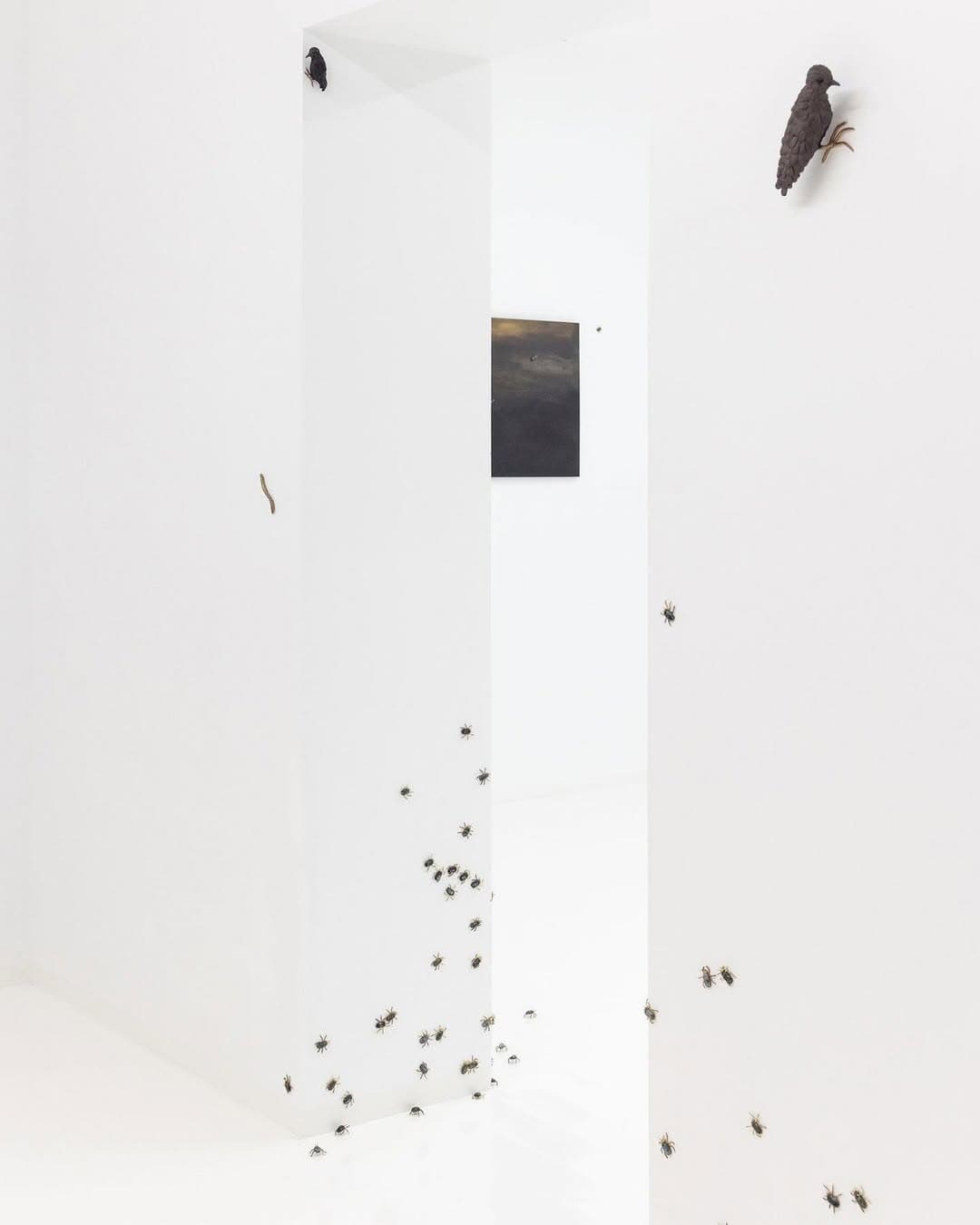
Shanghai / 2024
%2Fphoto_1_2026-05-24_00-47-49.jpg&w=1200&q=75)
Berlin / 2023
/ 2025
%2Fphoto_1_2026-05-24_00-41-28.jpg&w=1200&q=75)
Berlin / 2025
Vienna / 2025
Arnsberg / 2025
Hamburg / 2025
Prague / 2025
Seoul / 2026
%2Fphoto_1_2026-05-23_19-24-35.jpg&w=1200&q=75)
London / 2025
%20(GROUP%20SHOW).webp&w=1200&q=75)
Berlin / 2026
Dortmund / 2026
Kraków / 2026
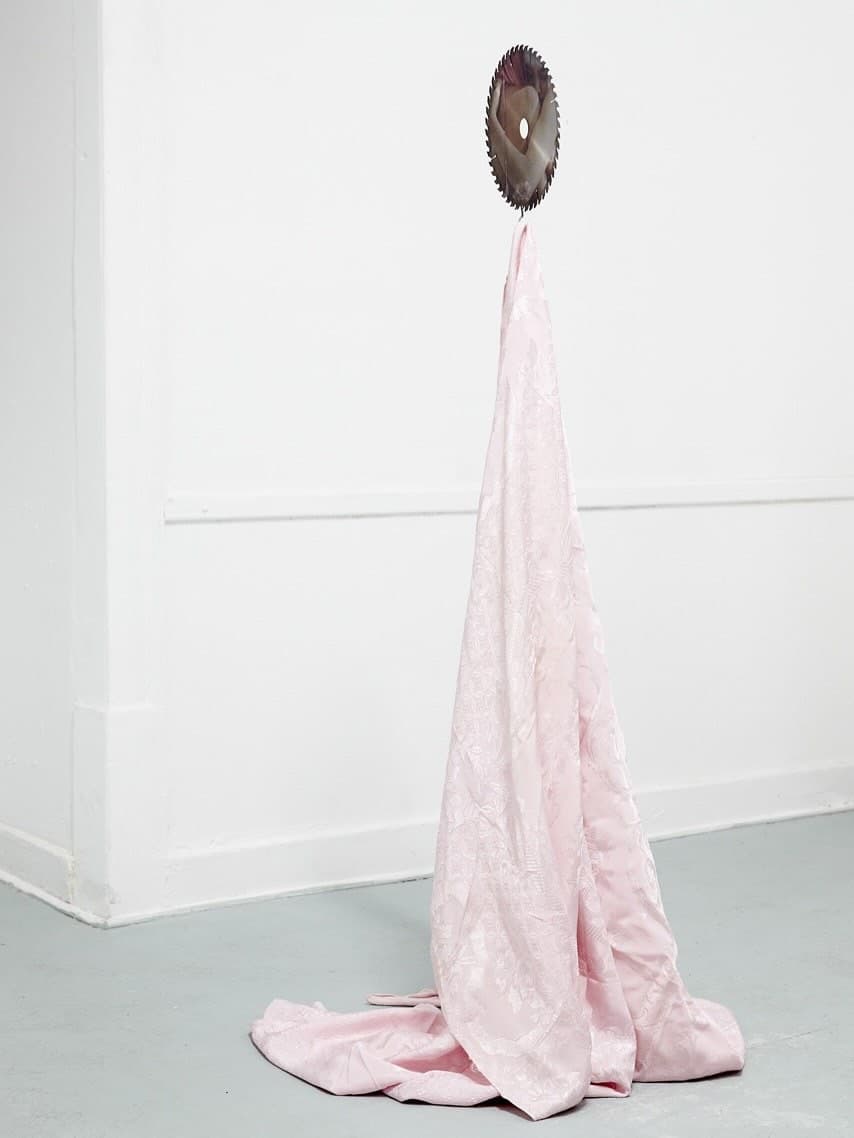
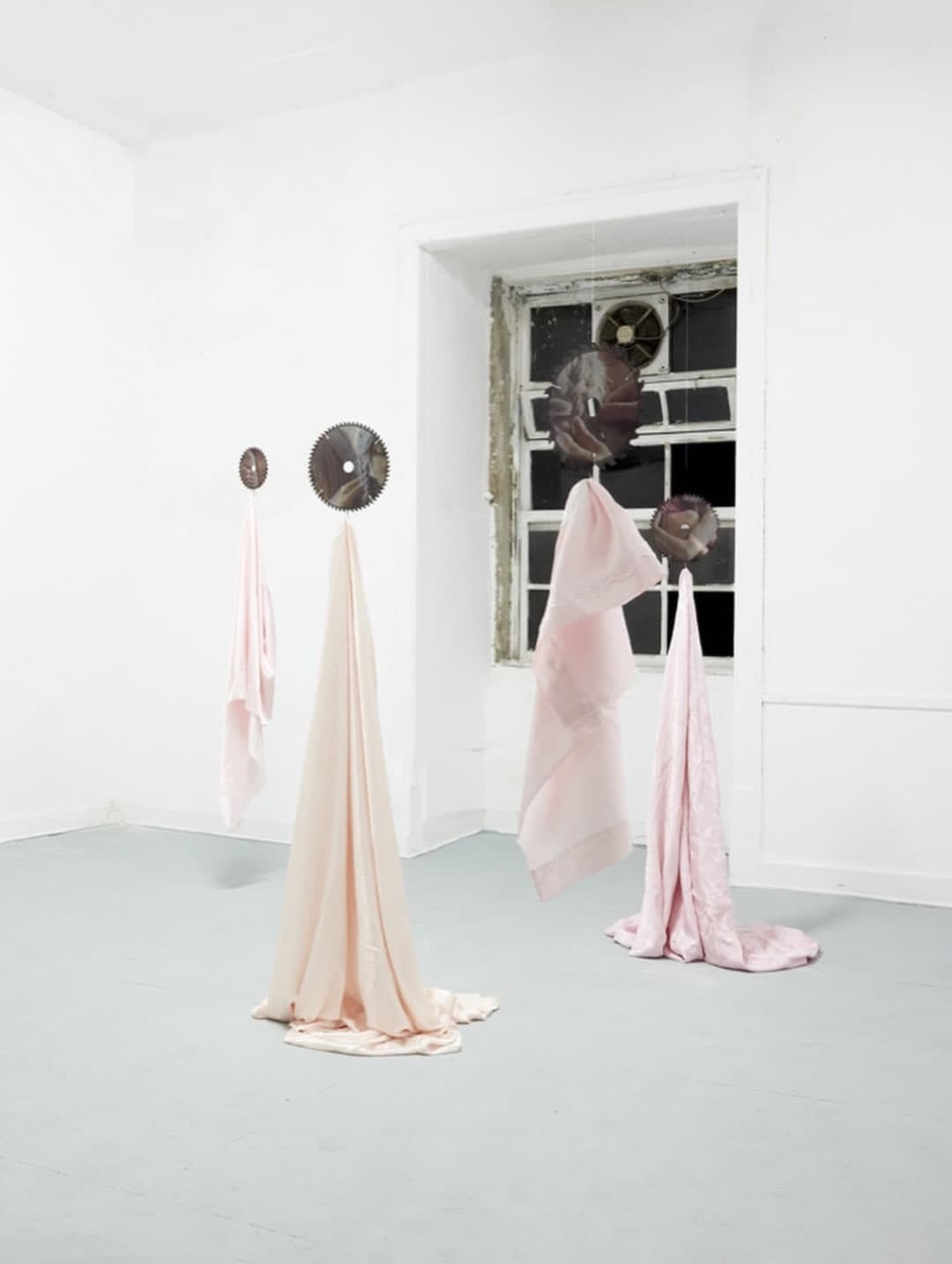
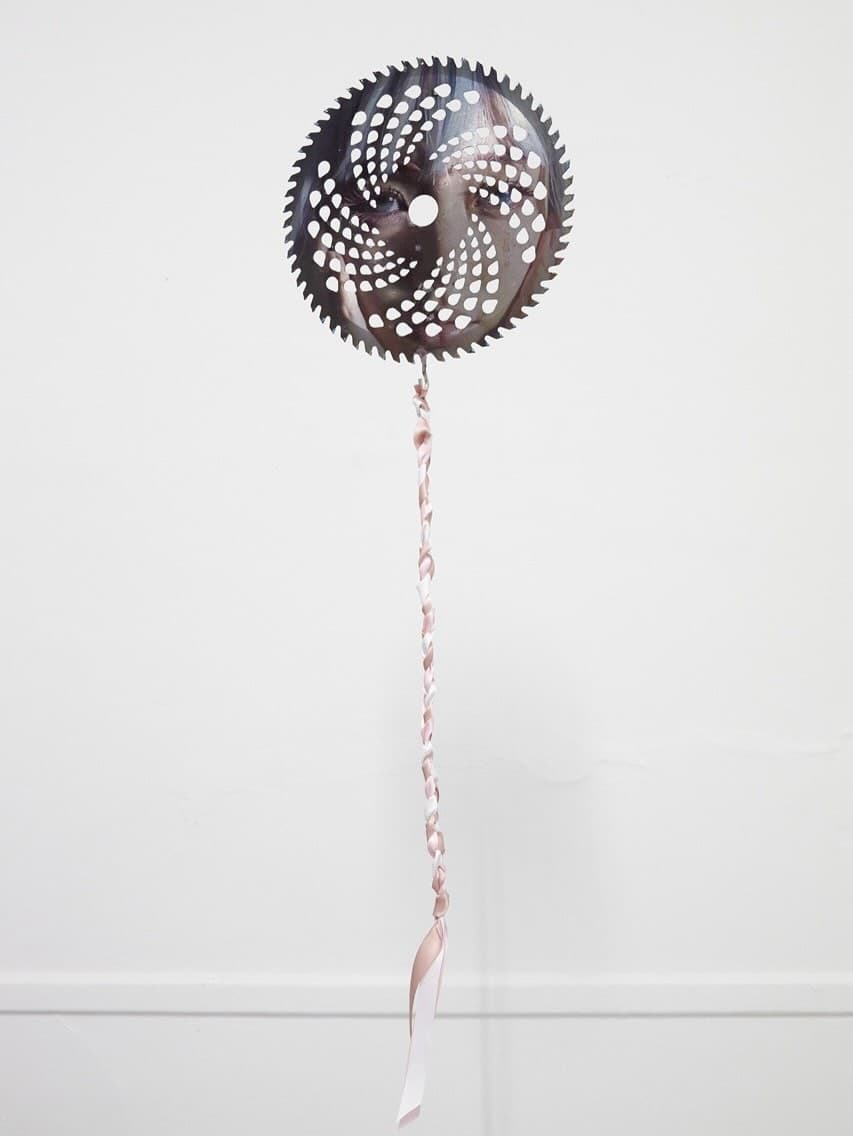
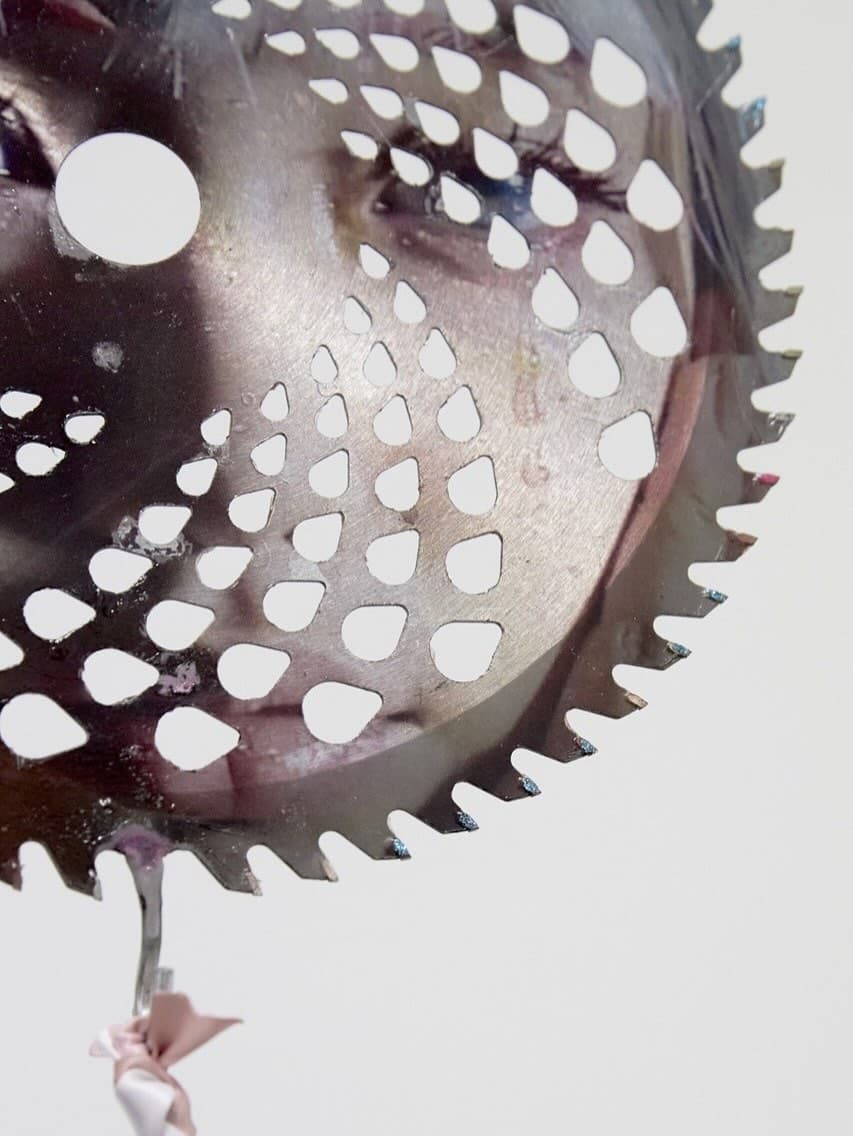
Lisbon / 2026
New York City / 2026
Paris / 2025
Madrid / 2025
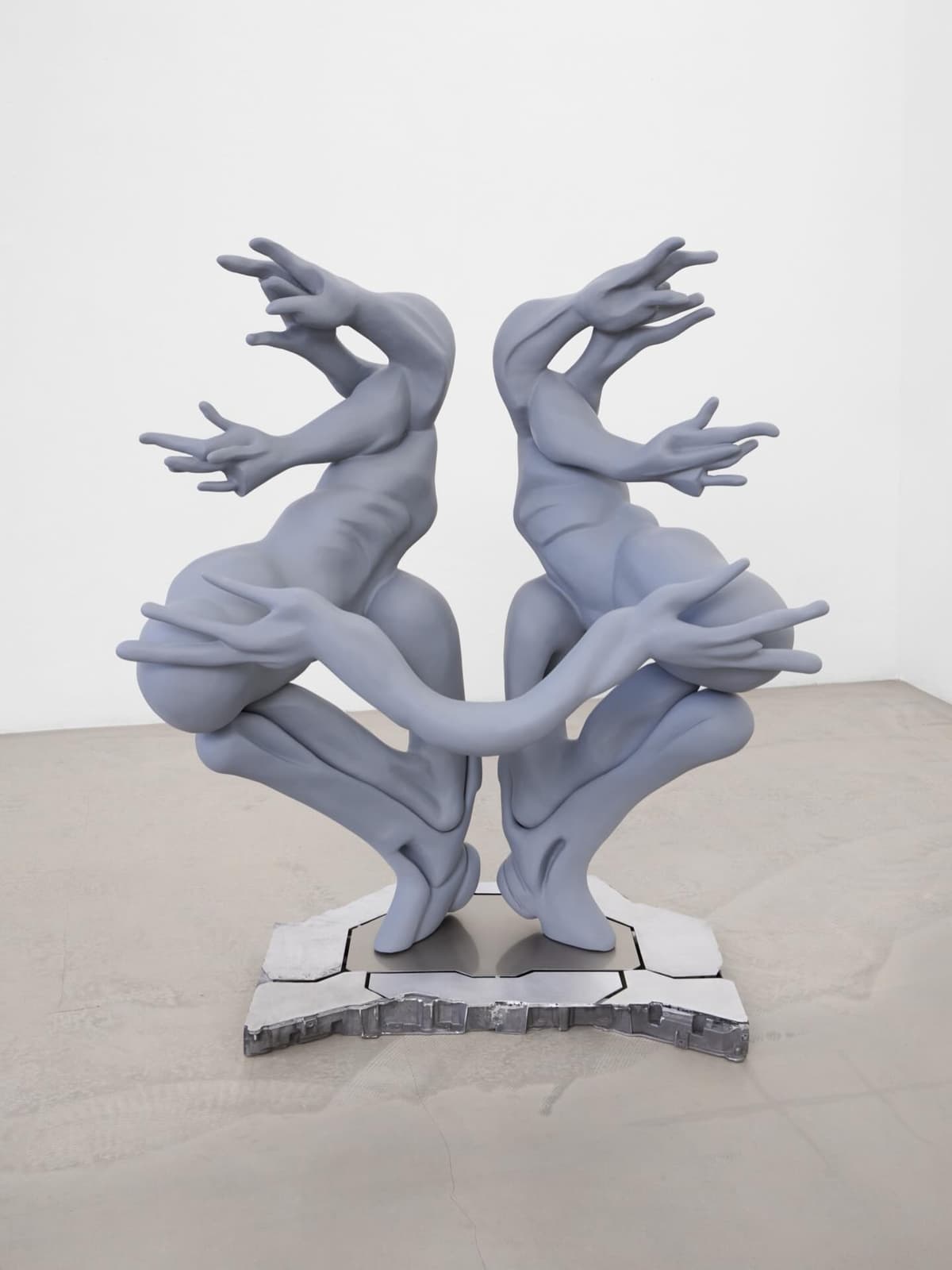
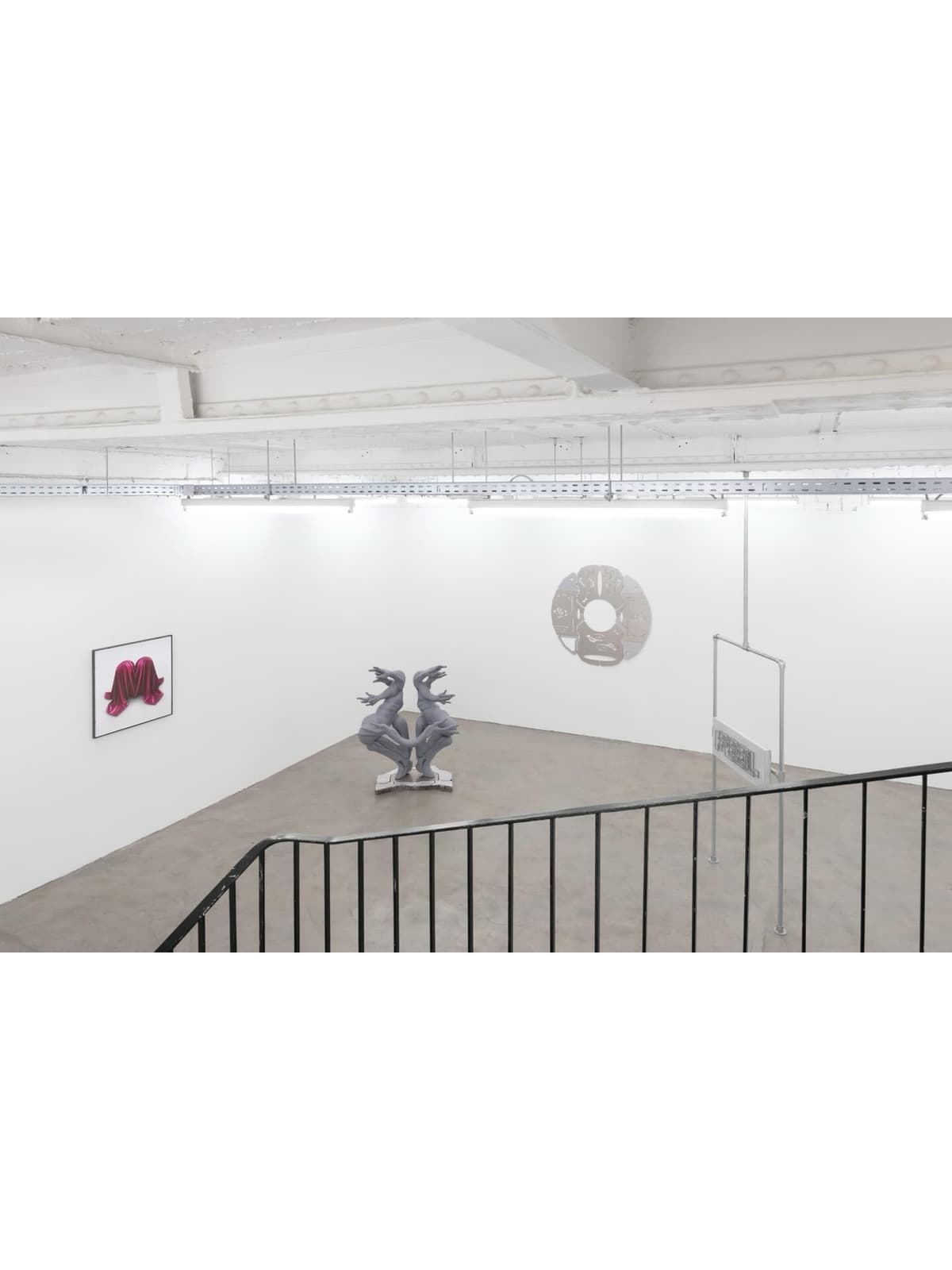
nouveaux deuxdeux / Paola Siri Renard
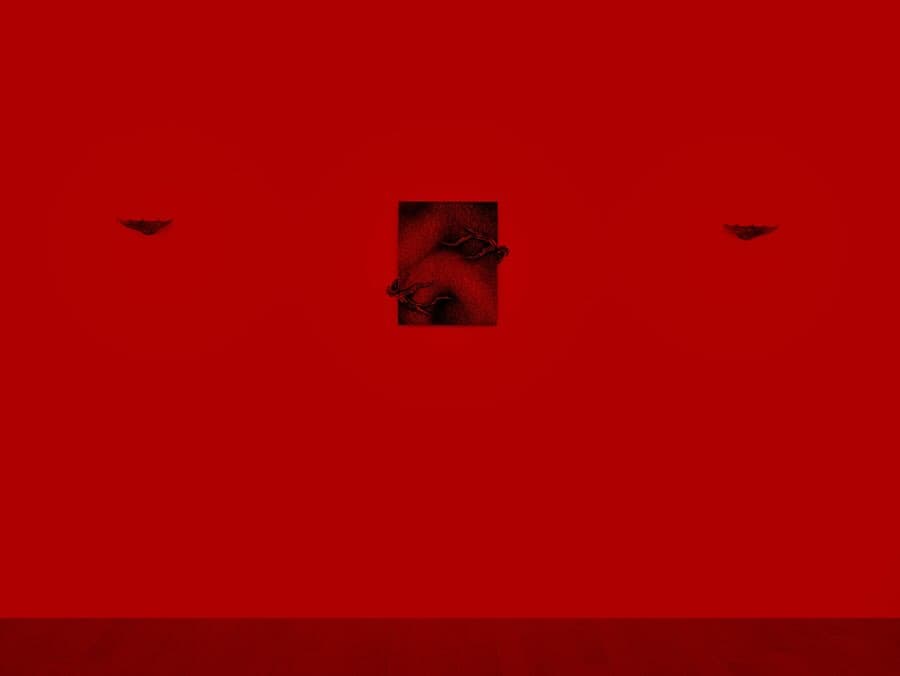
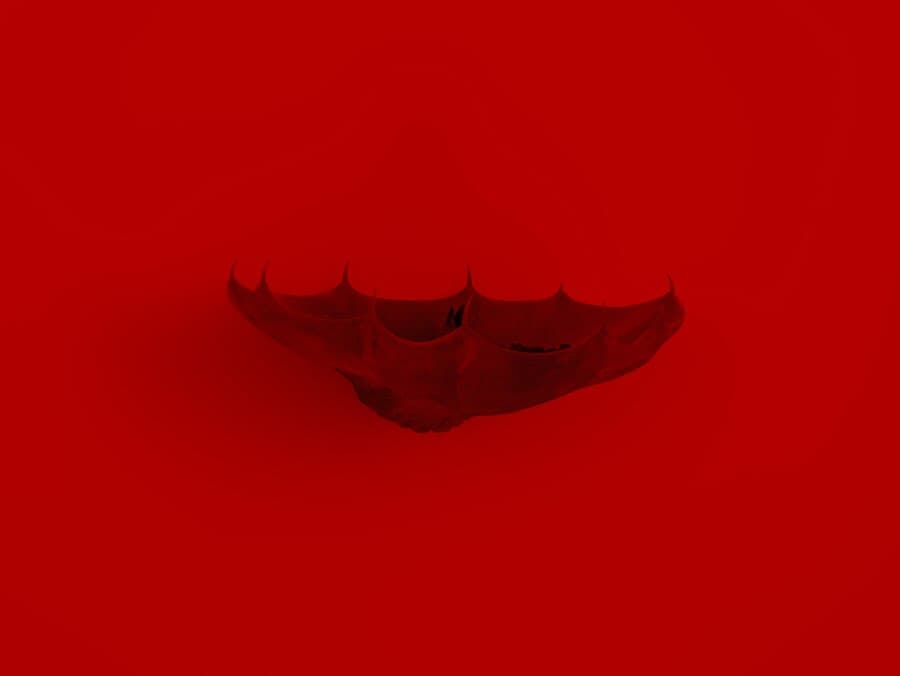
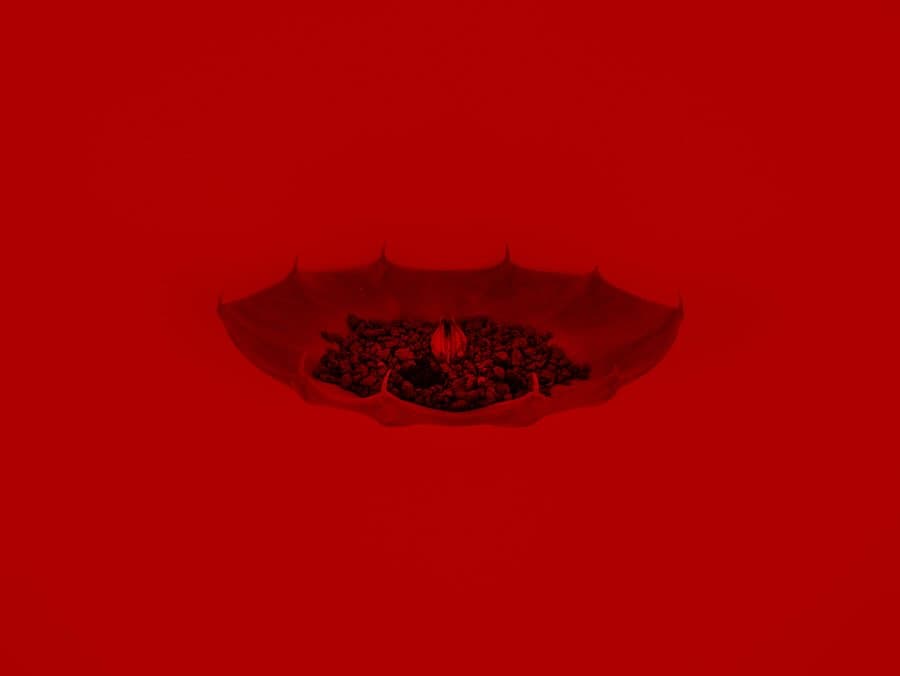
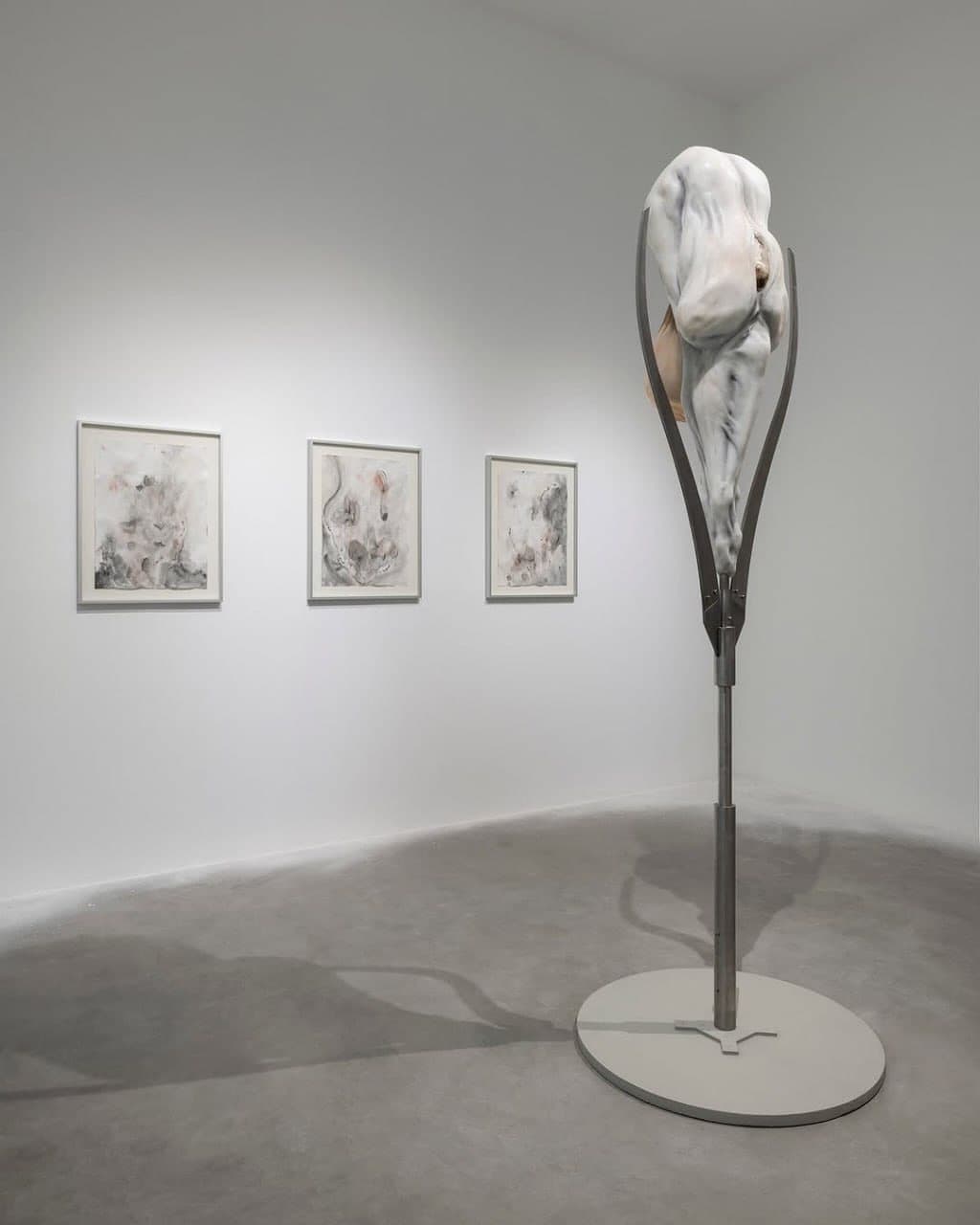
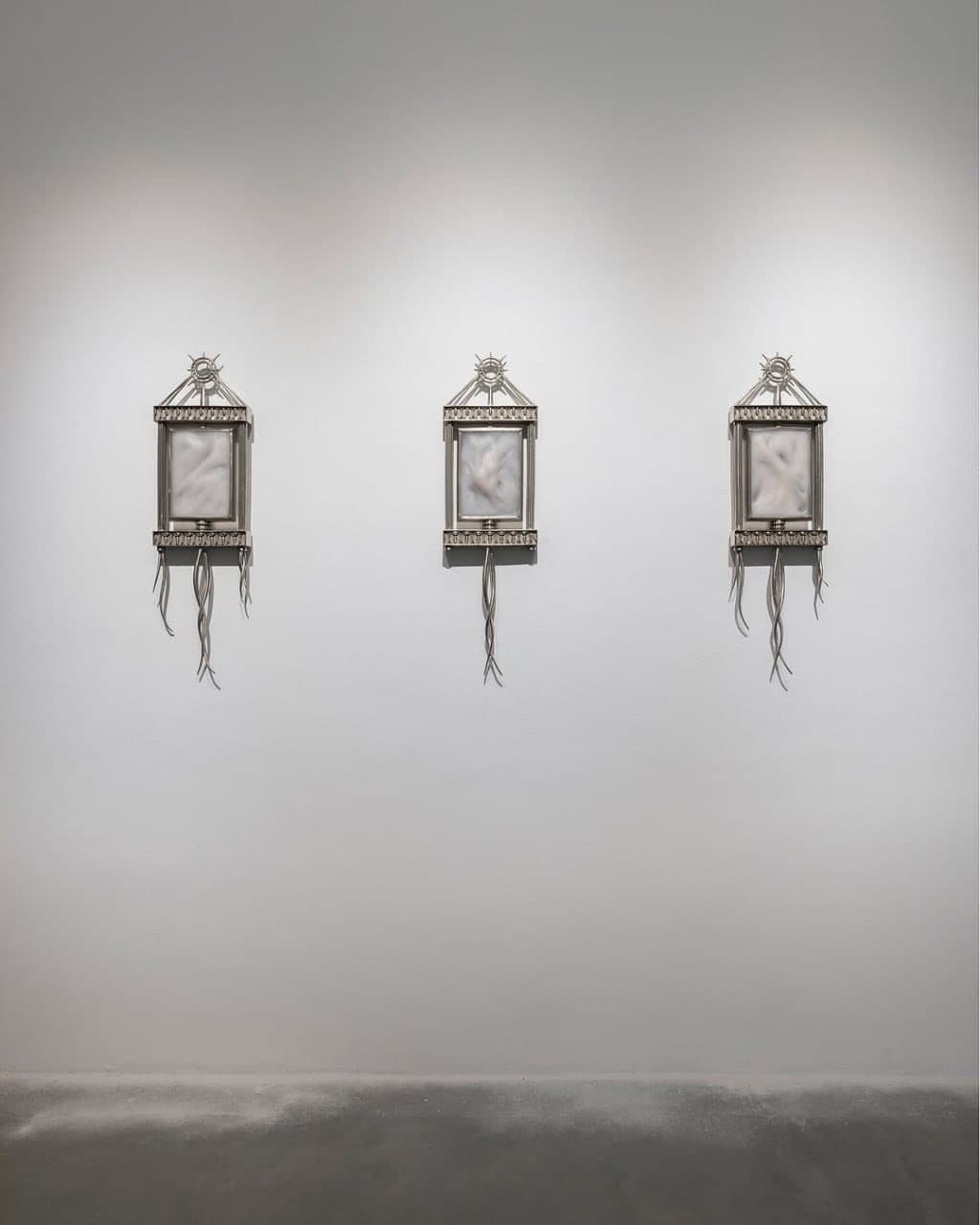
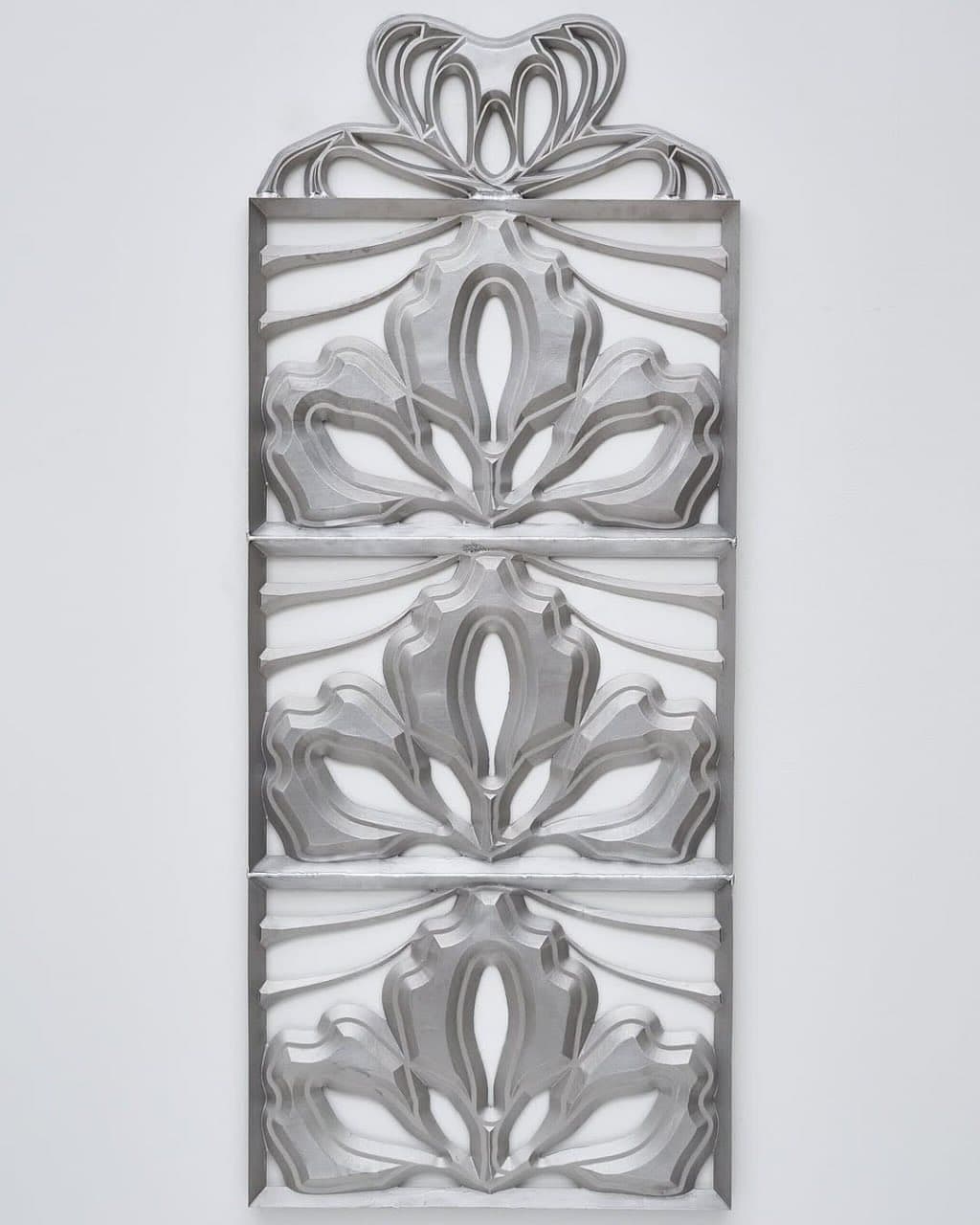
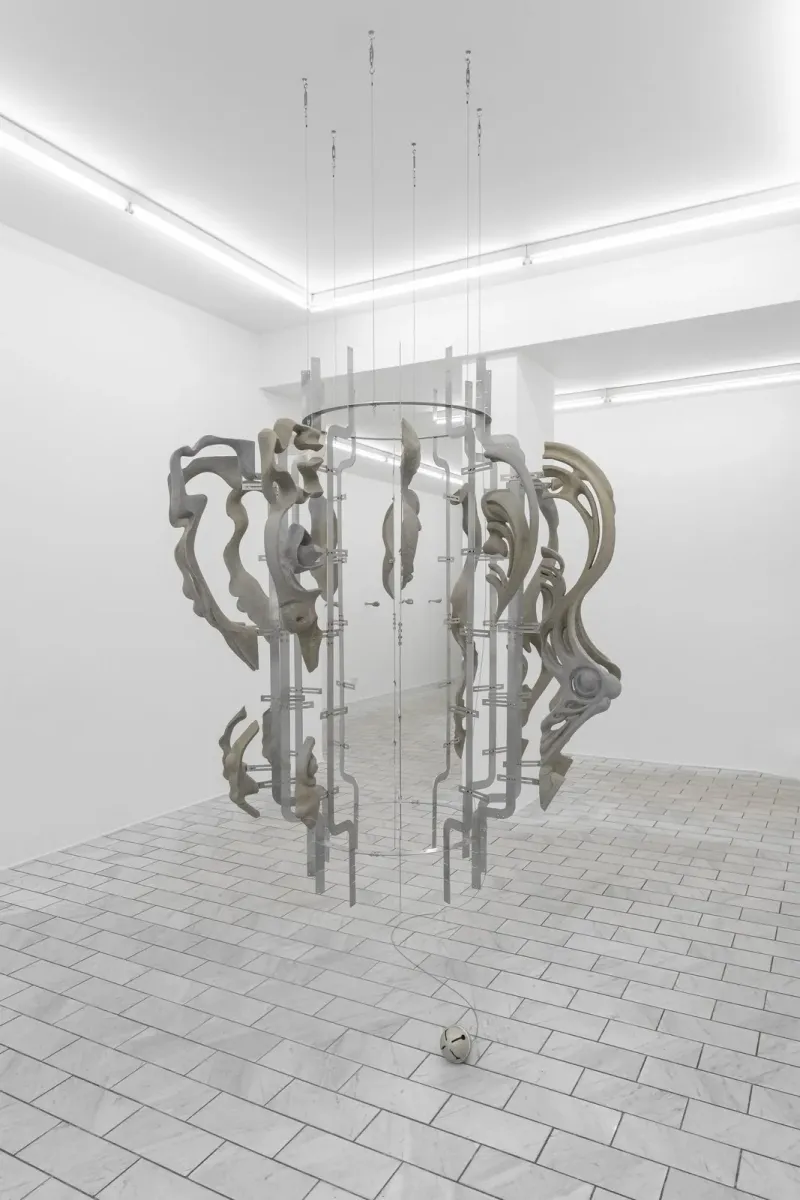
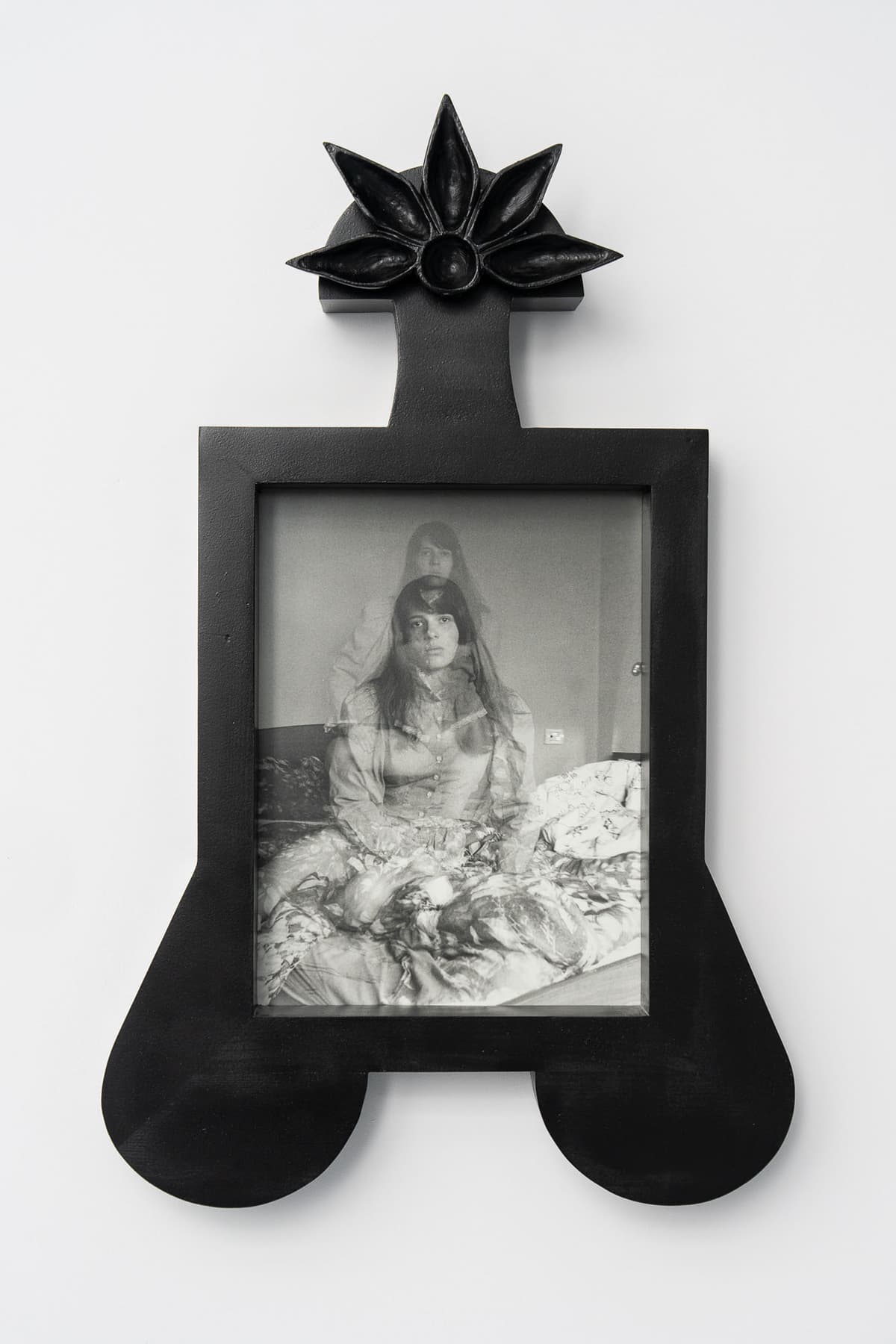
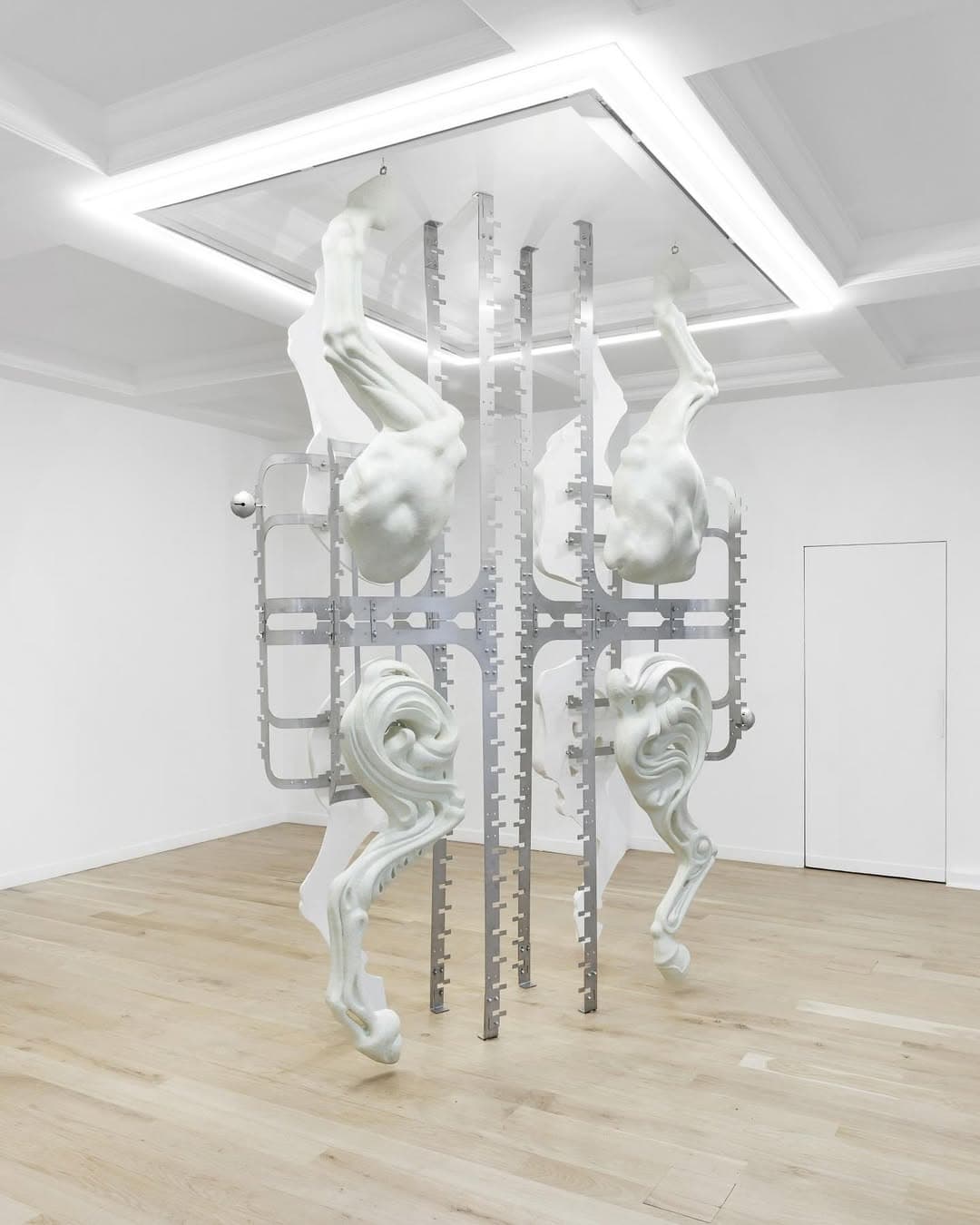
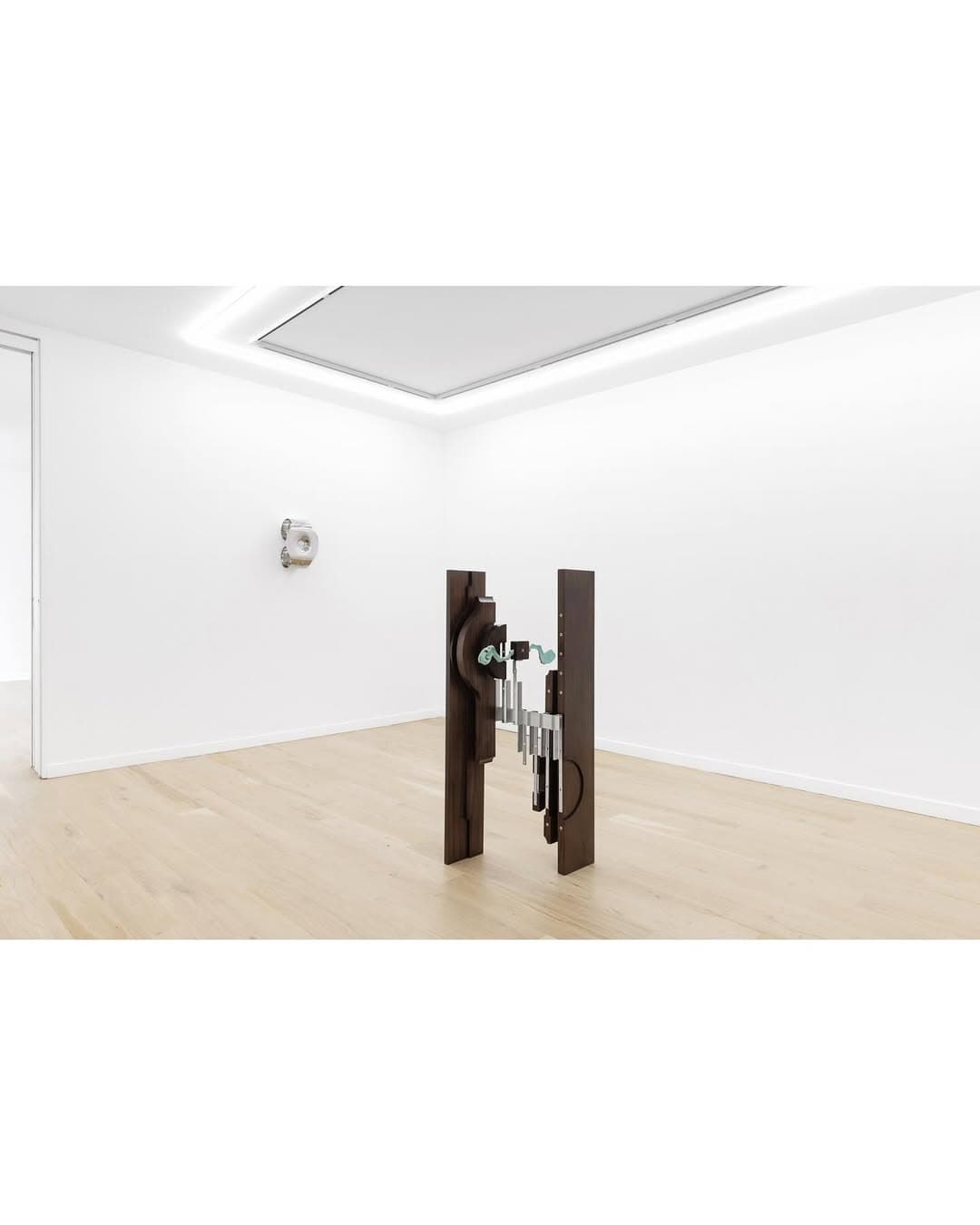
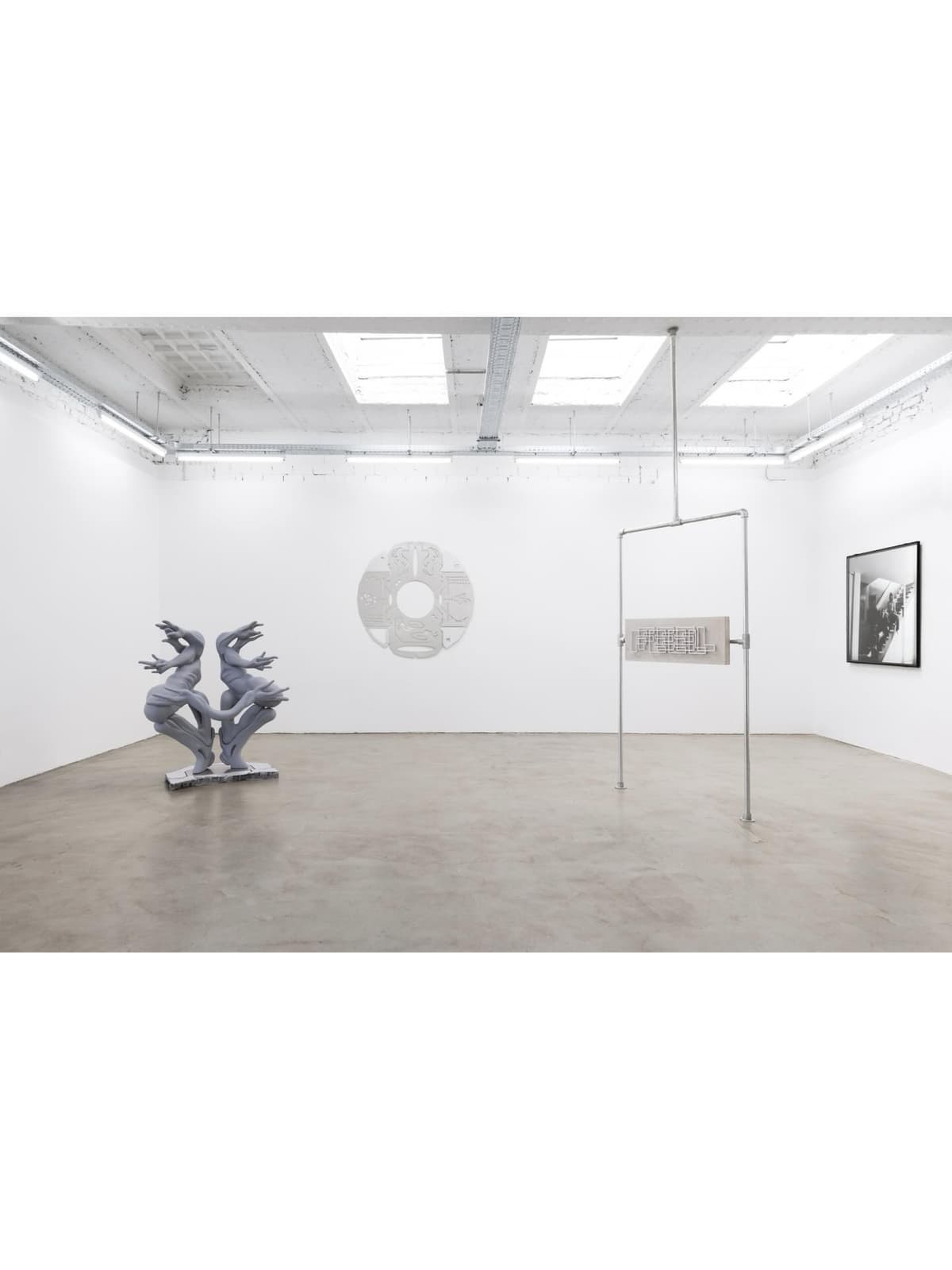
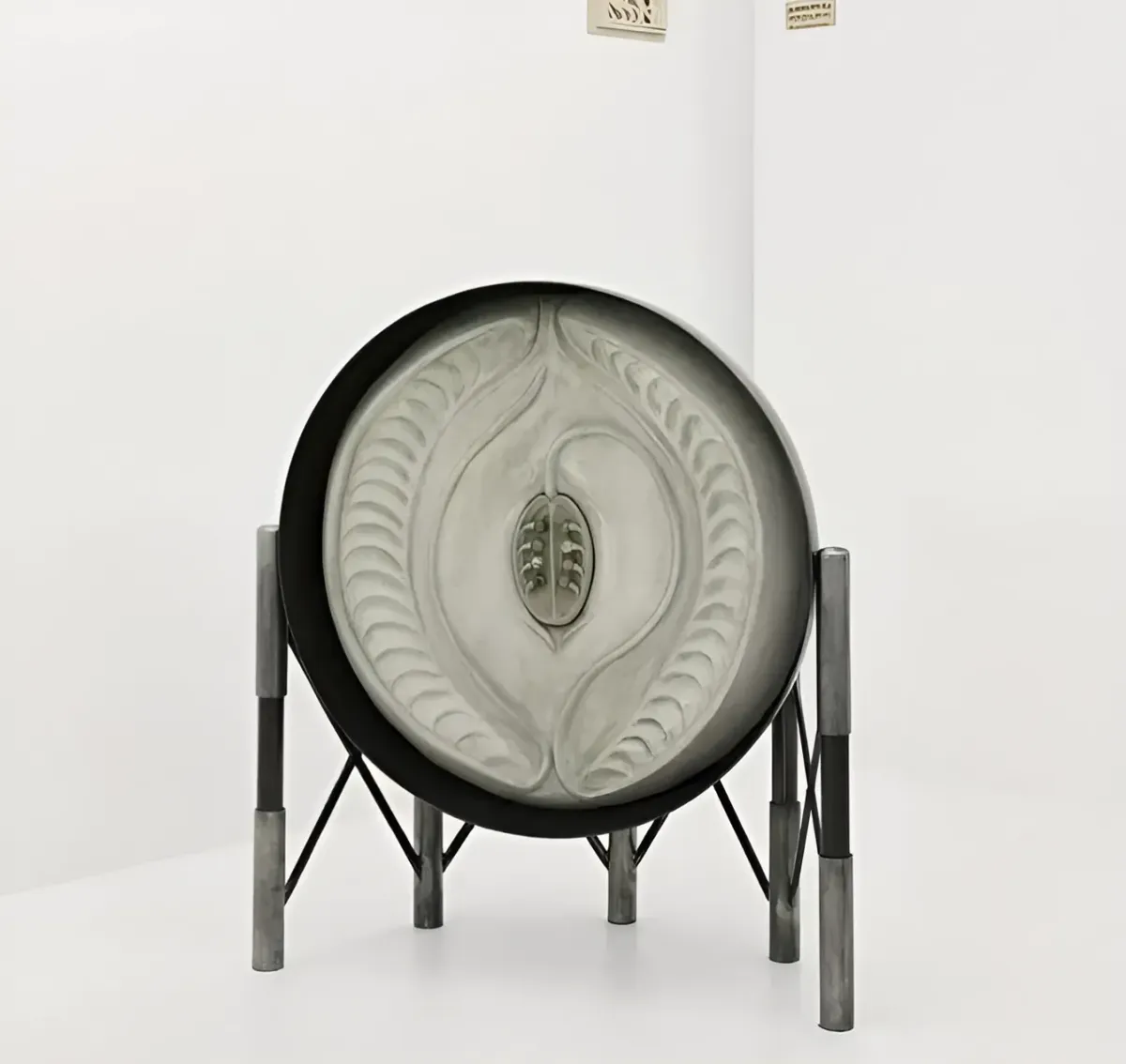
Paola Siri Renard's sculptures emerge from fragments, from architectural ornaments, equestrian monuments, industrial display systems, membranes, and skeletal forms that are extracted from historical structures and reassembled into unstable constellations. Her practice begins with research into architectural languages, from Gothic and Greco-Roman forms to Art Nouveau, not in order to reconstruct them, but to isolate details that reveal how histories of power become embedded within material surfaces. Ornament, in her work, is never merely decorative but rather evidence.
For her exhibition, Renard continues her investigation into monuments and the political symbolism of the horse. Public equestrian monuments have historically functioned as instruments of domination. They monumentalize military authority, colonial conquest, and heroic masculinity while naturalizing these narratives within urban space. Yet the horse itself occupies an ambiguous role within these structures, being both an emblem of power and suppressed body, vehicle of control and living instrument of labour, war, and extraction.
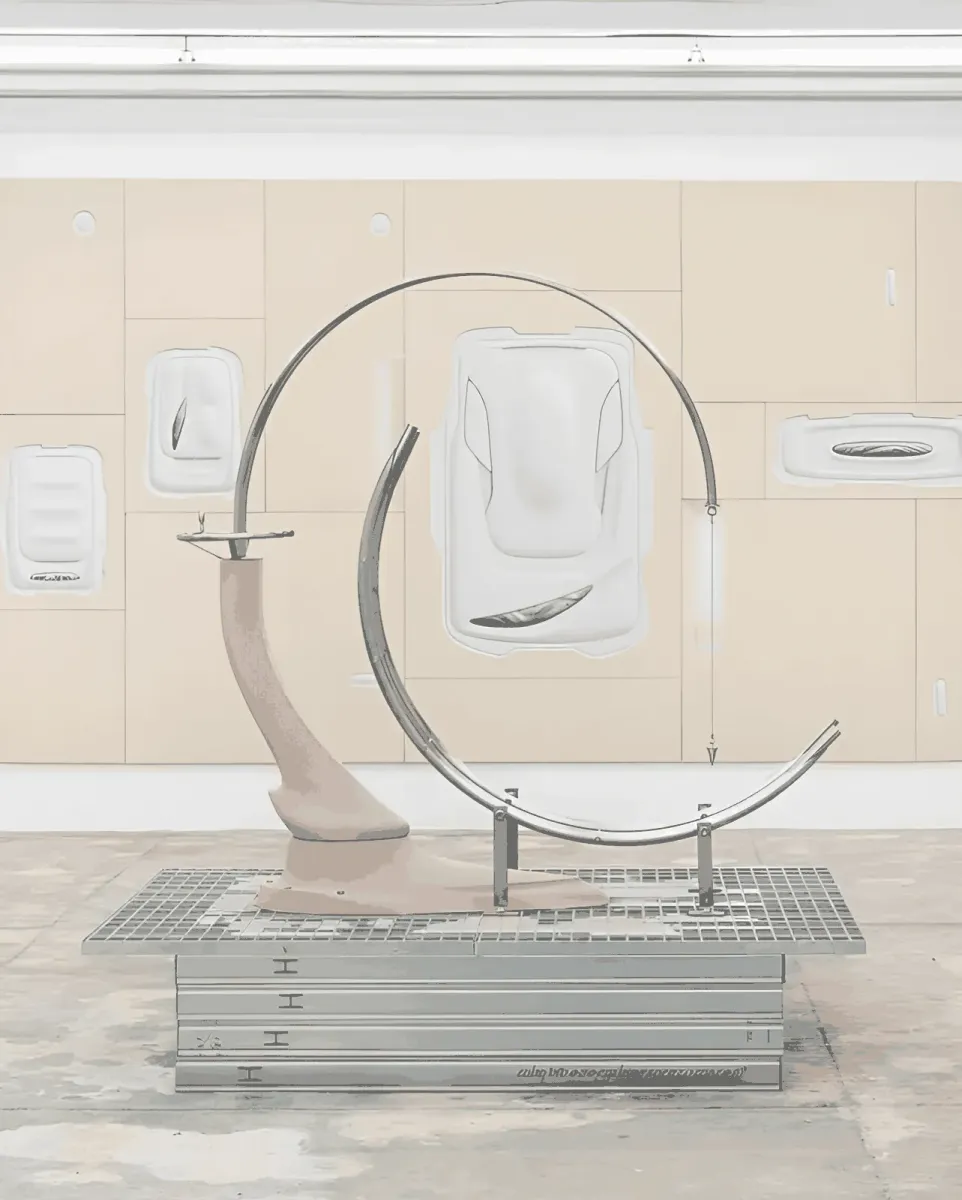
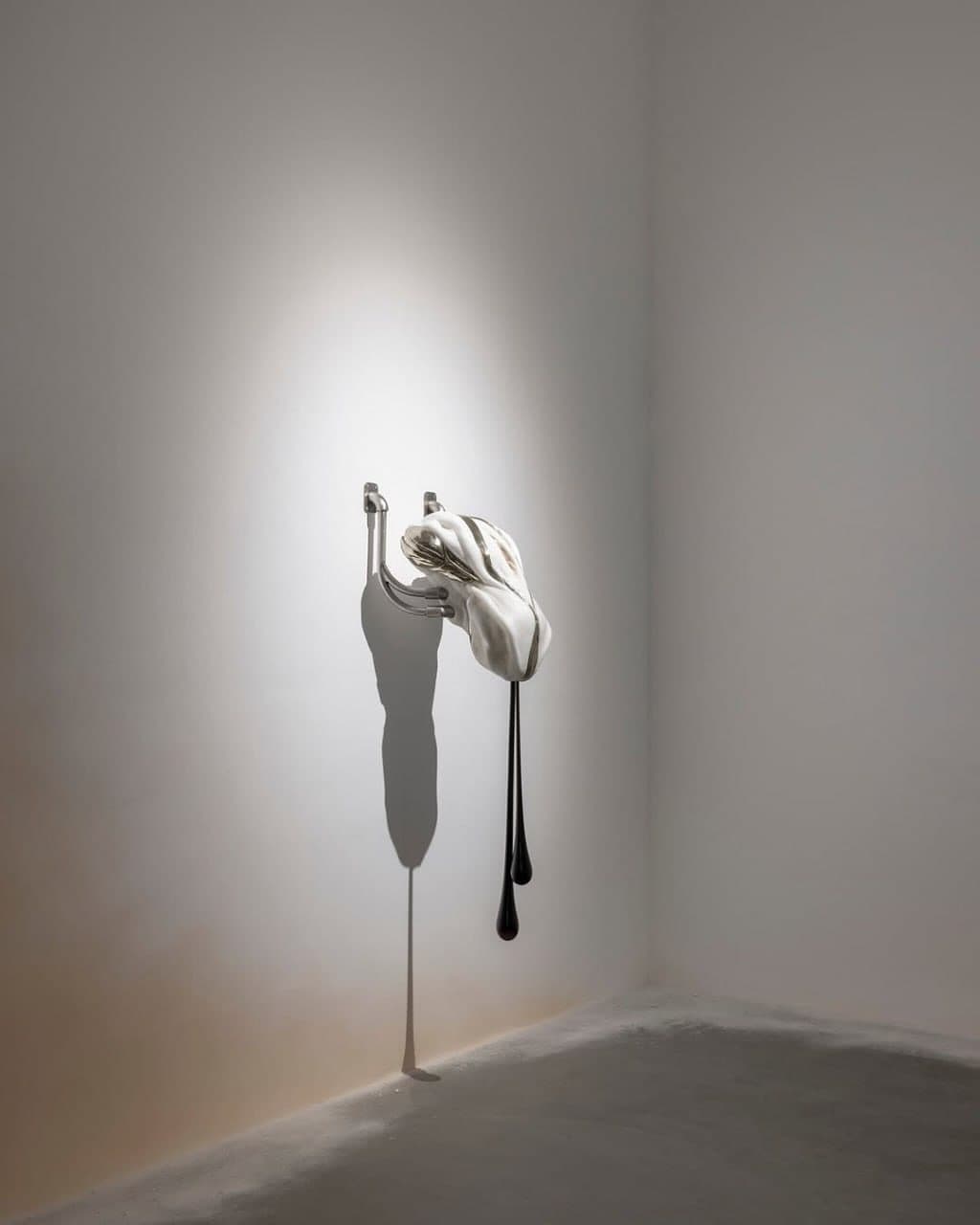
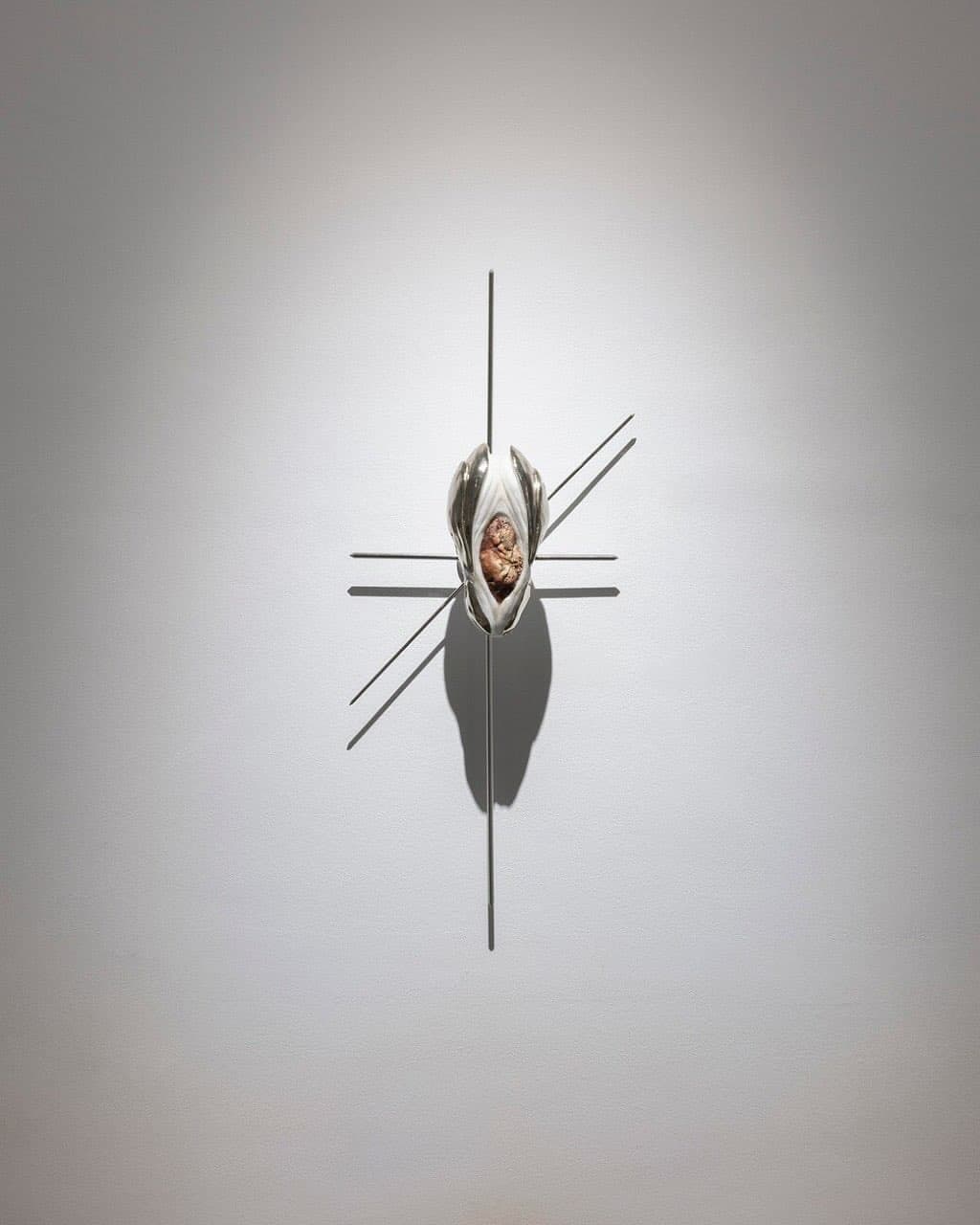
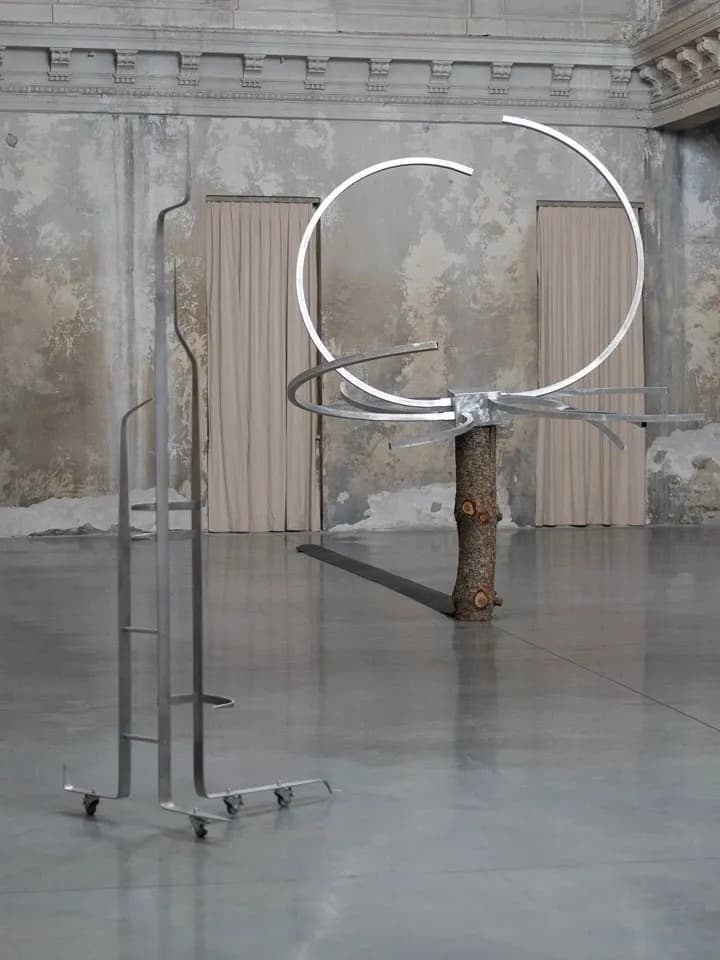
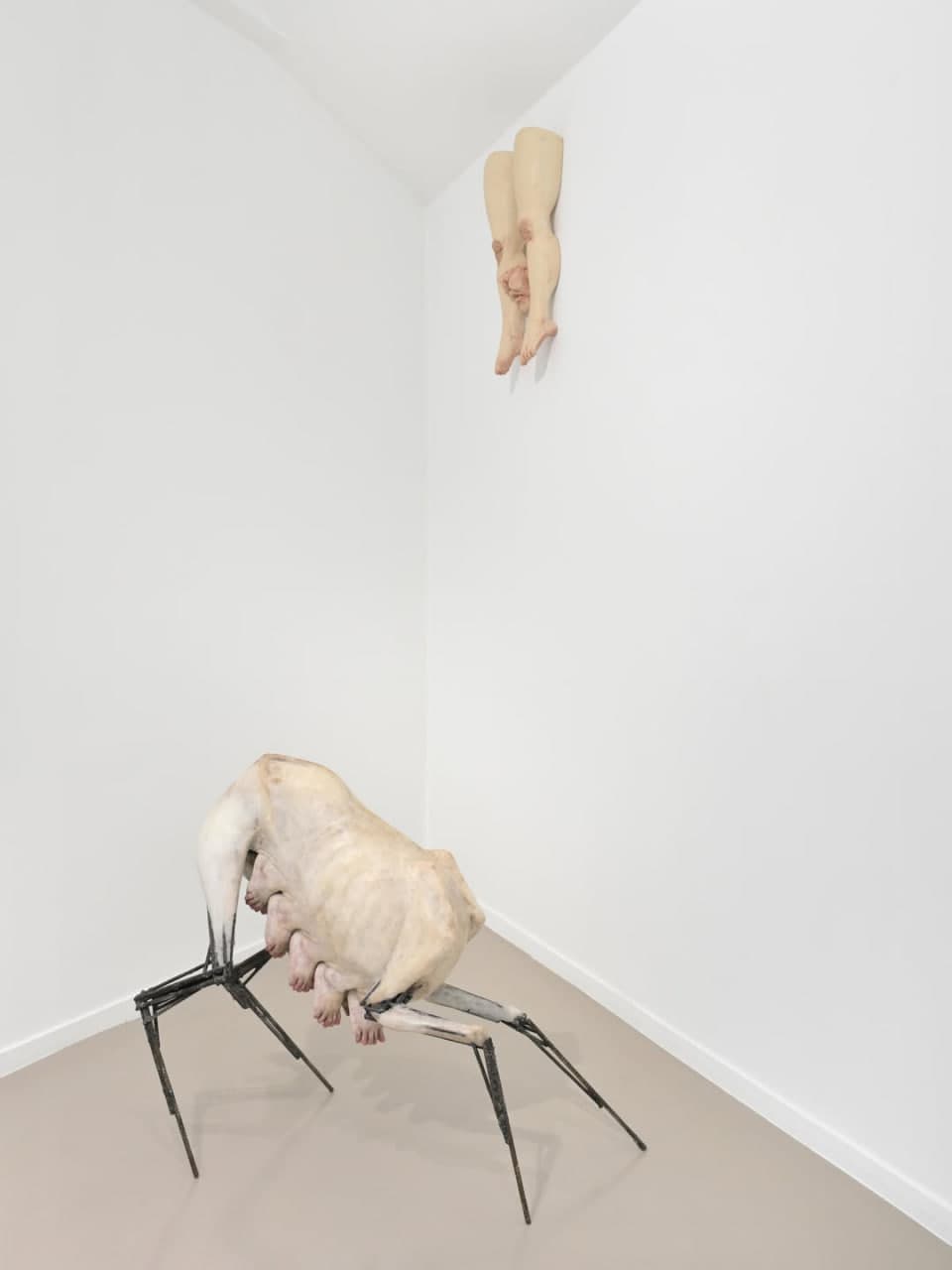
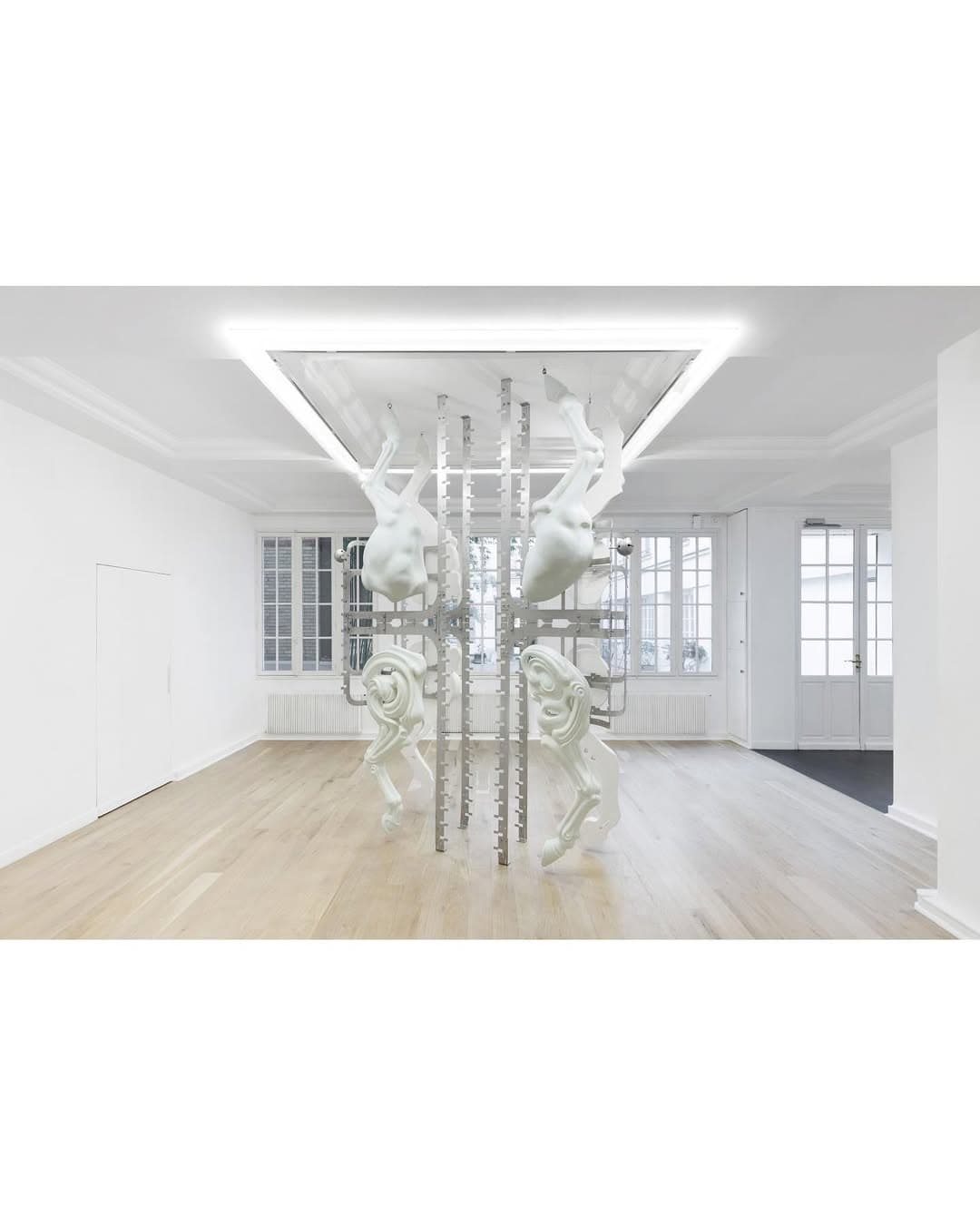
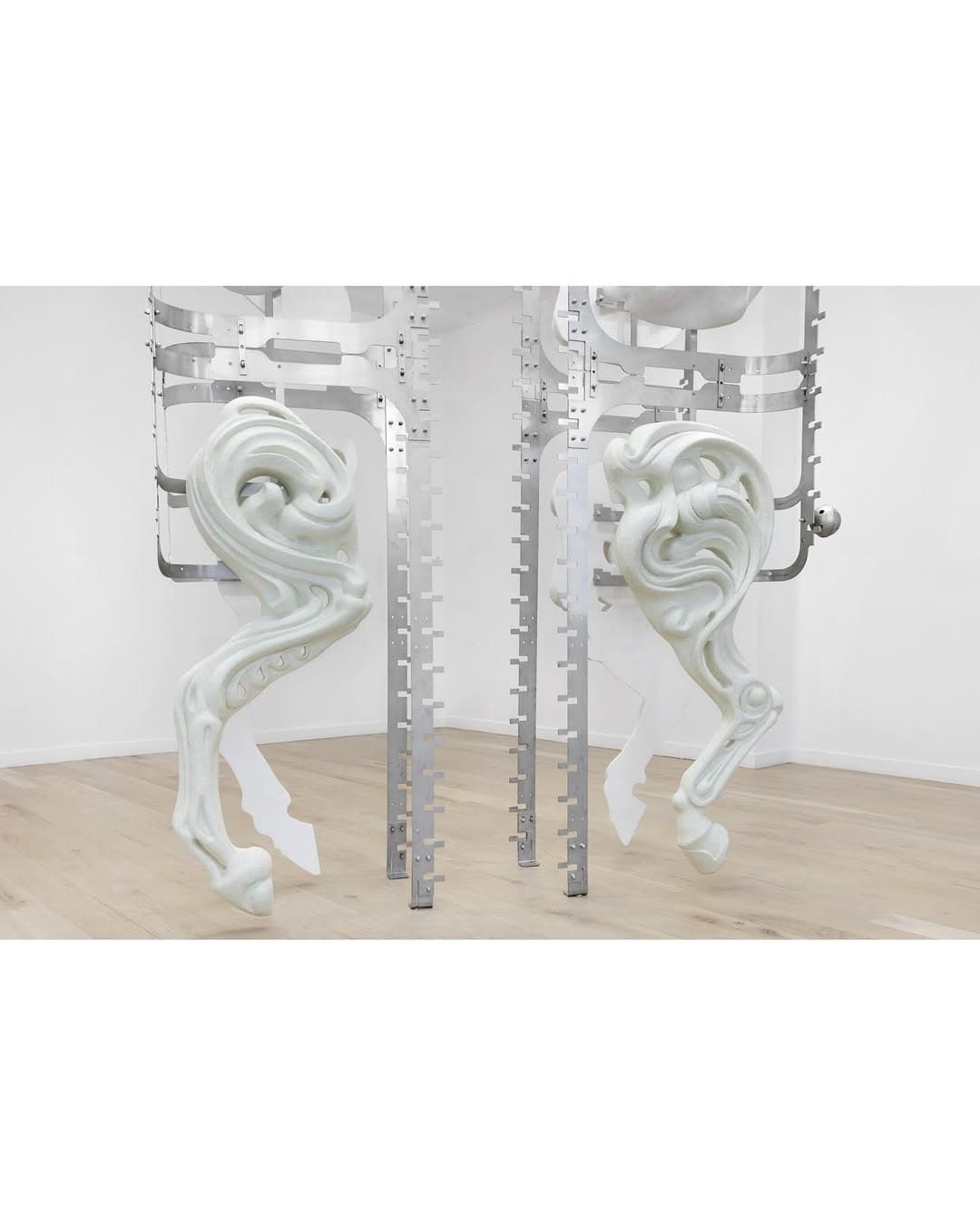
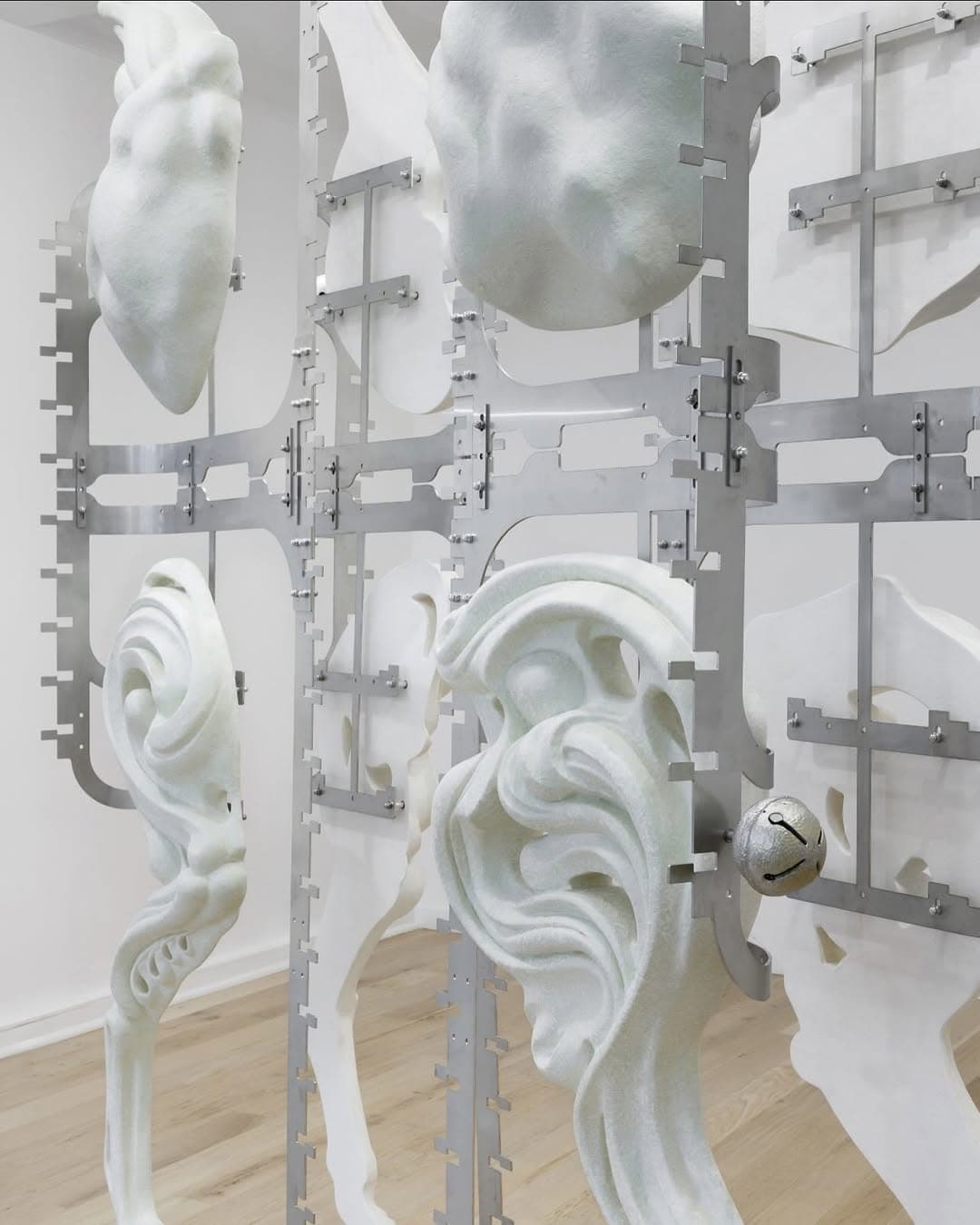
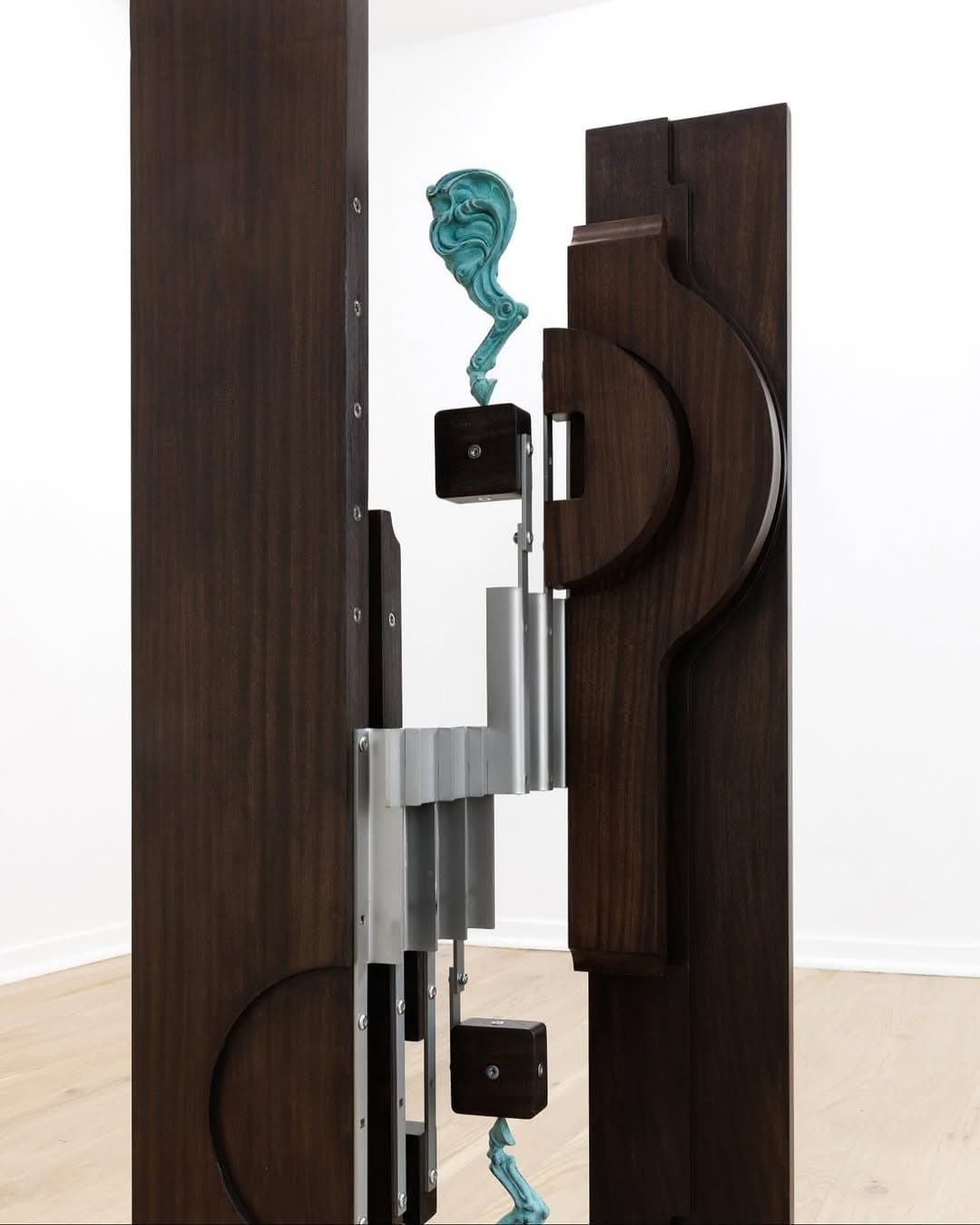
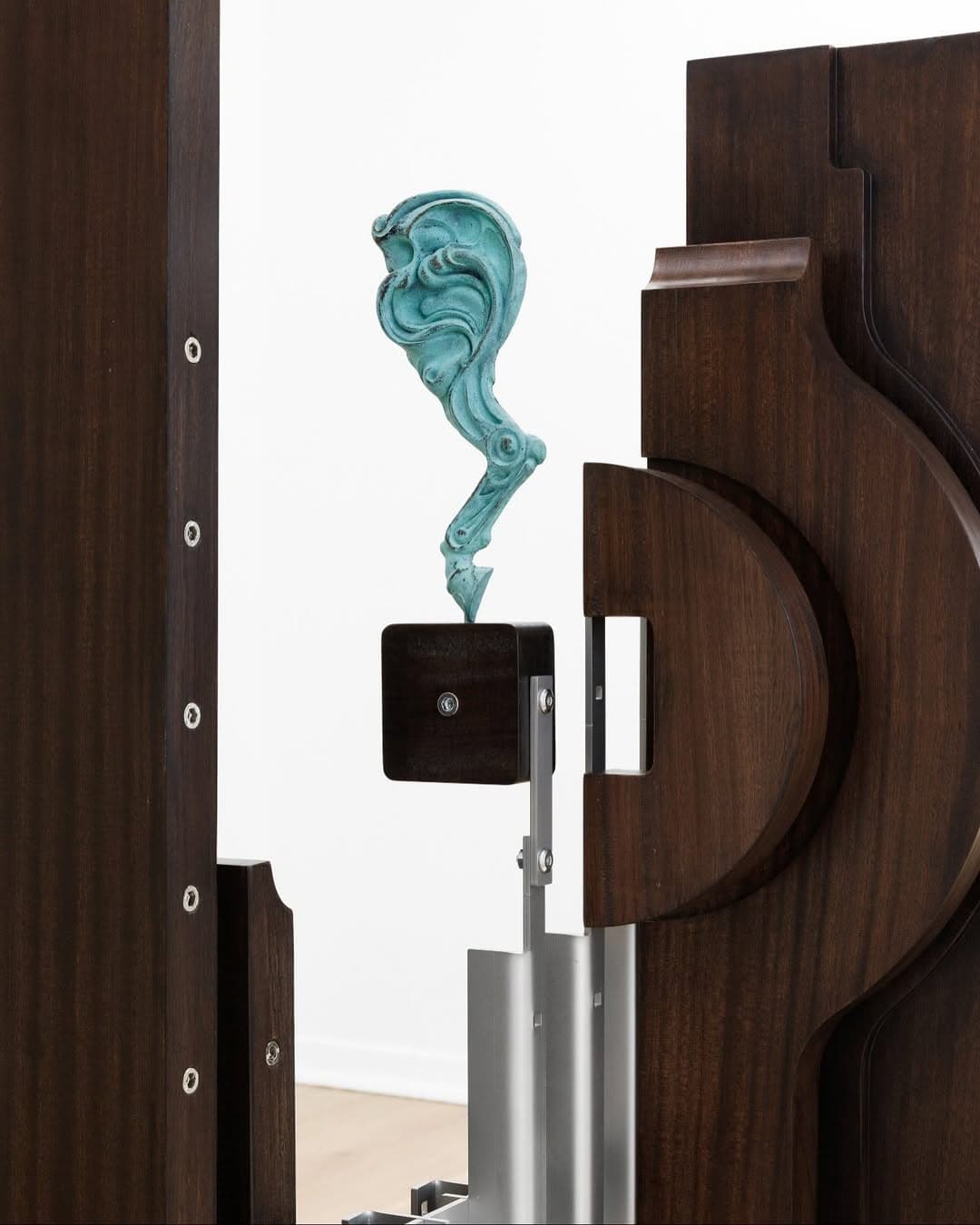
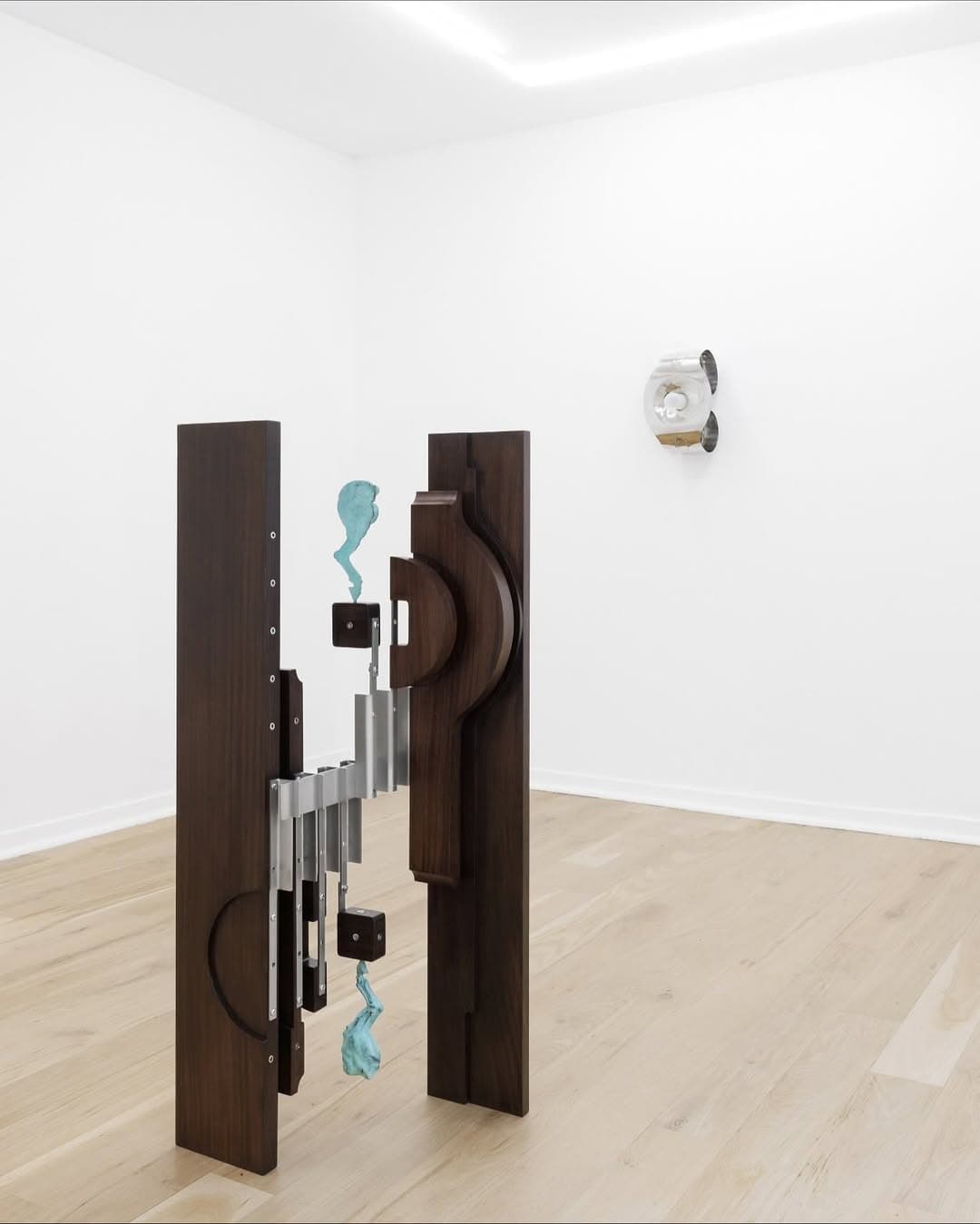
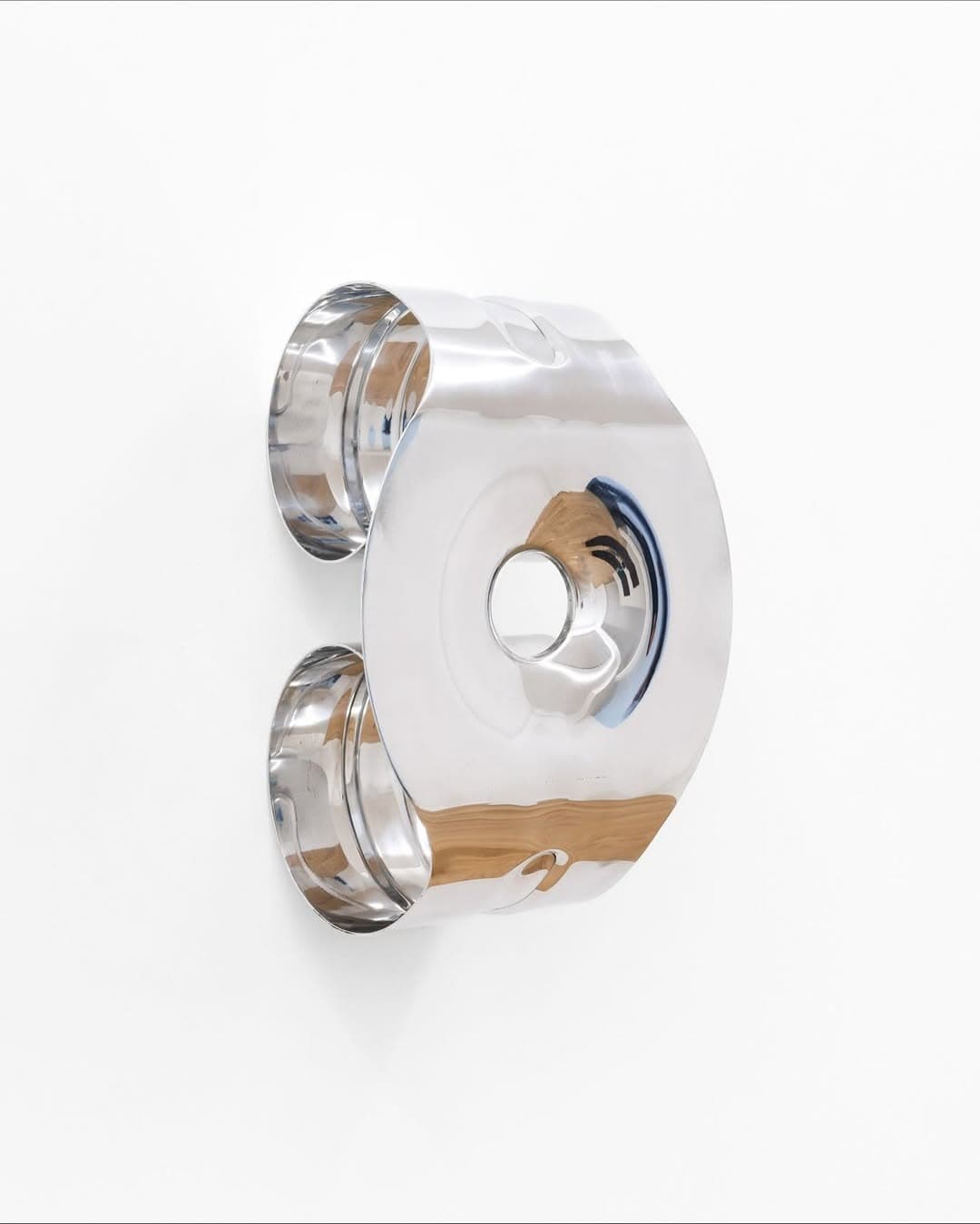
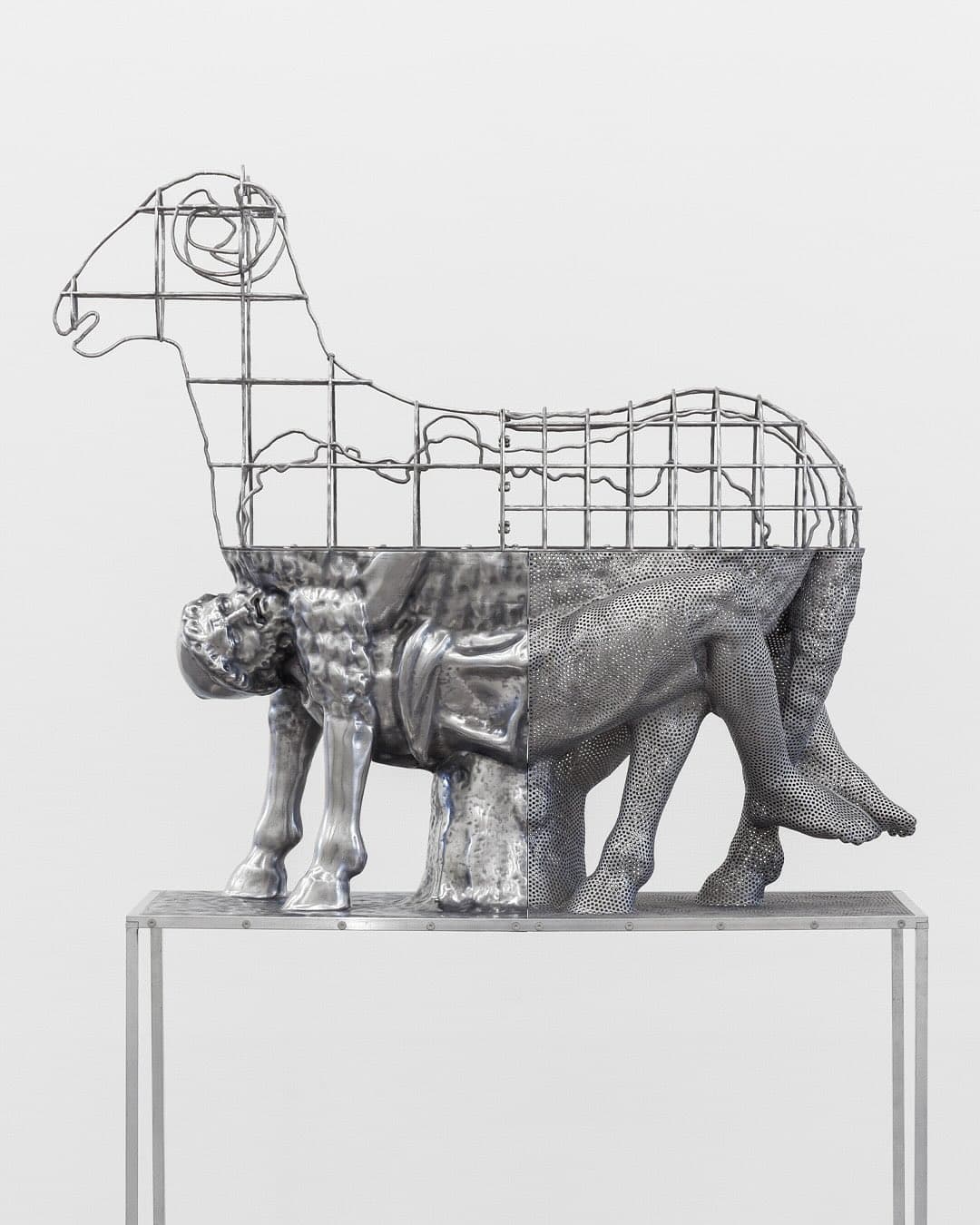
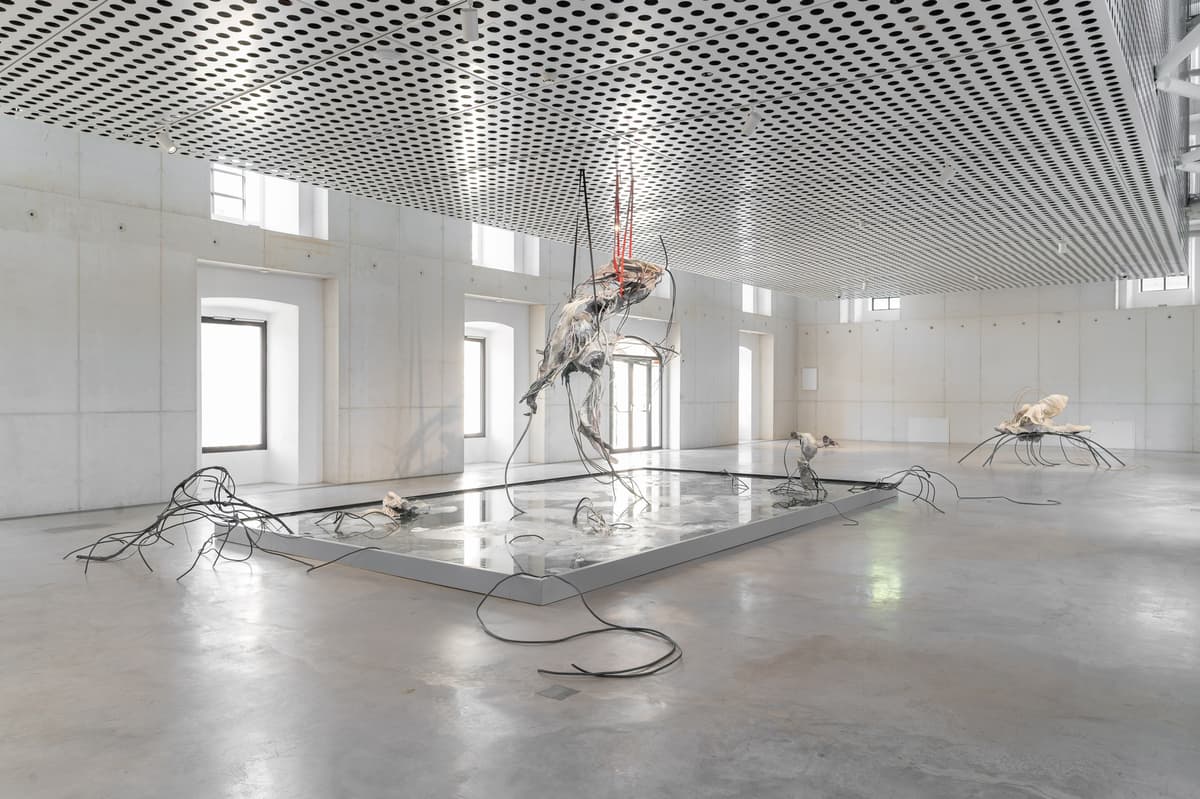
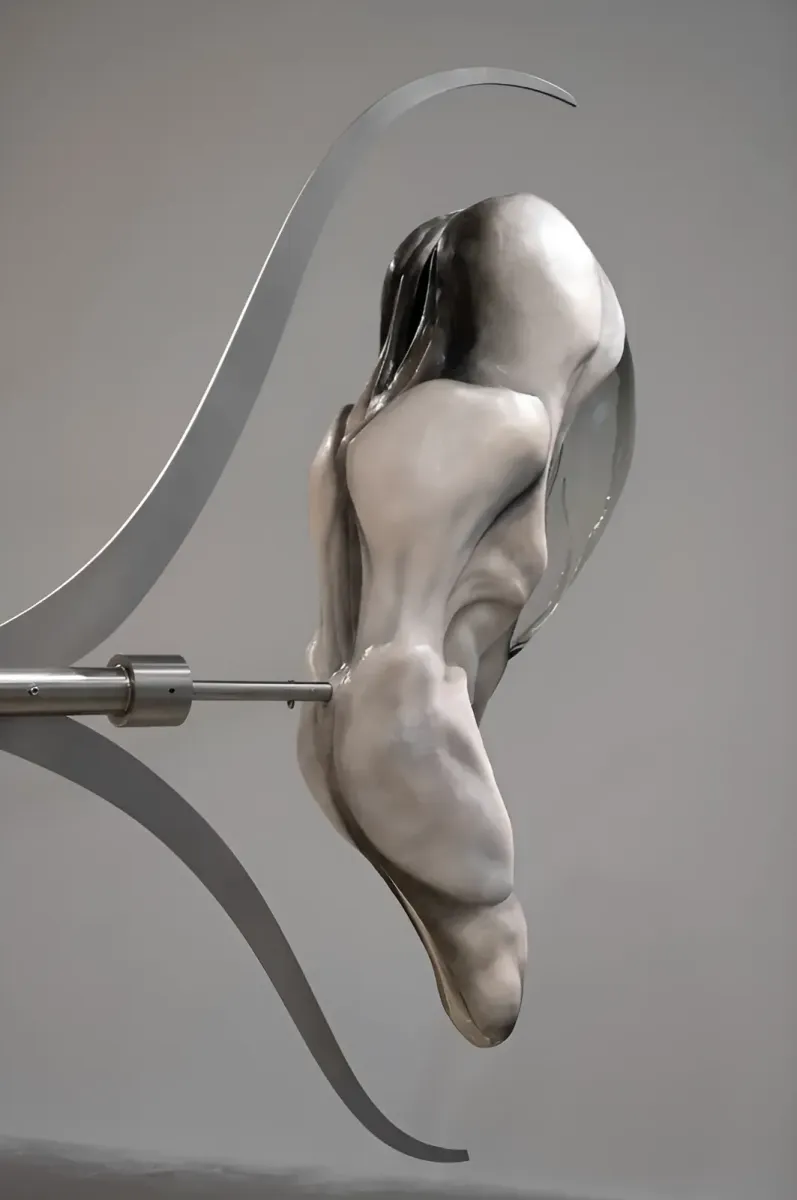
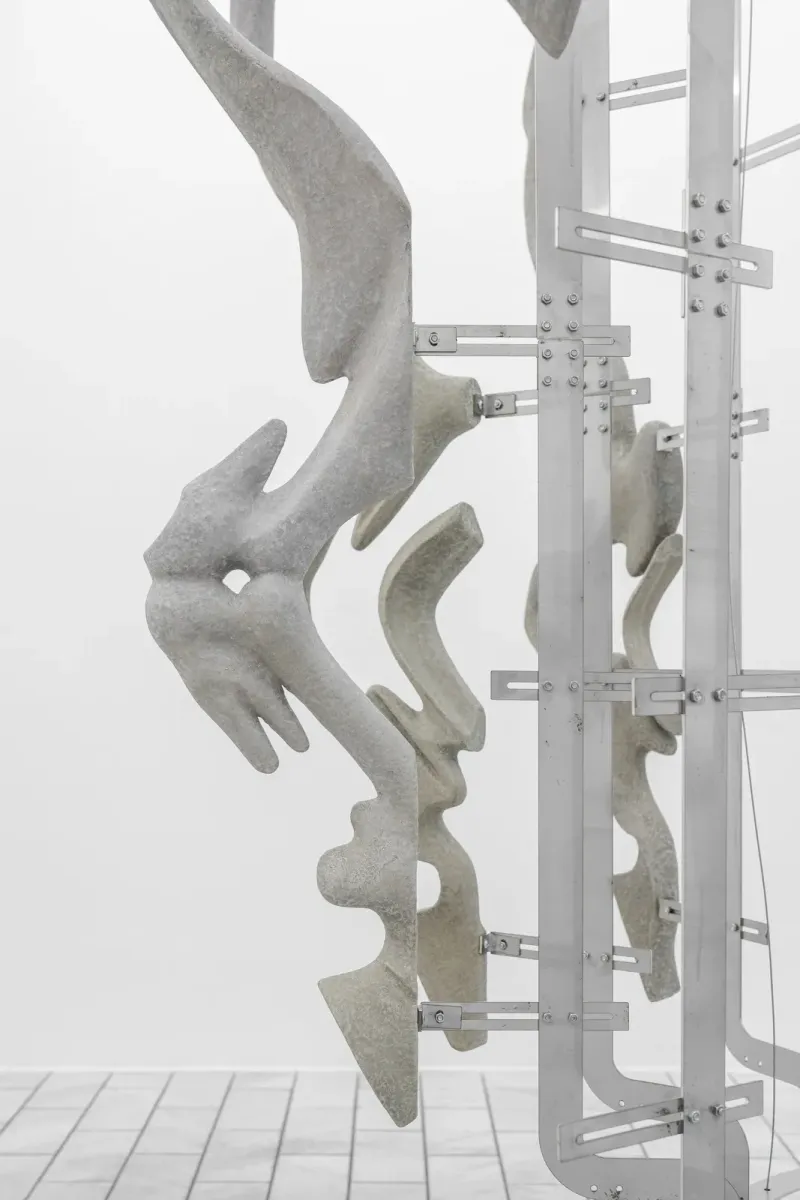
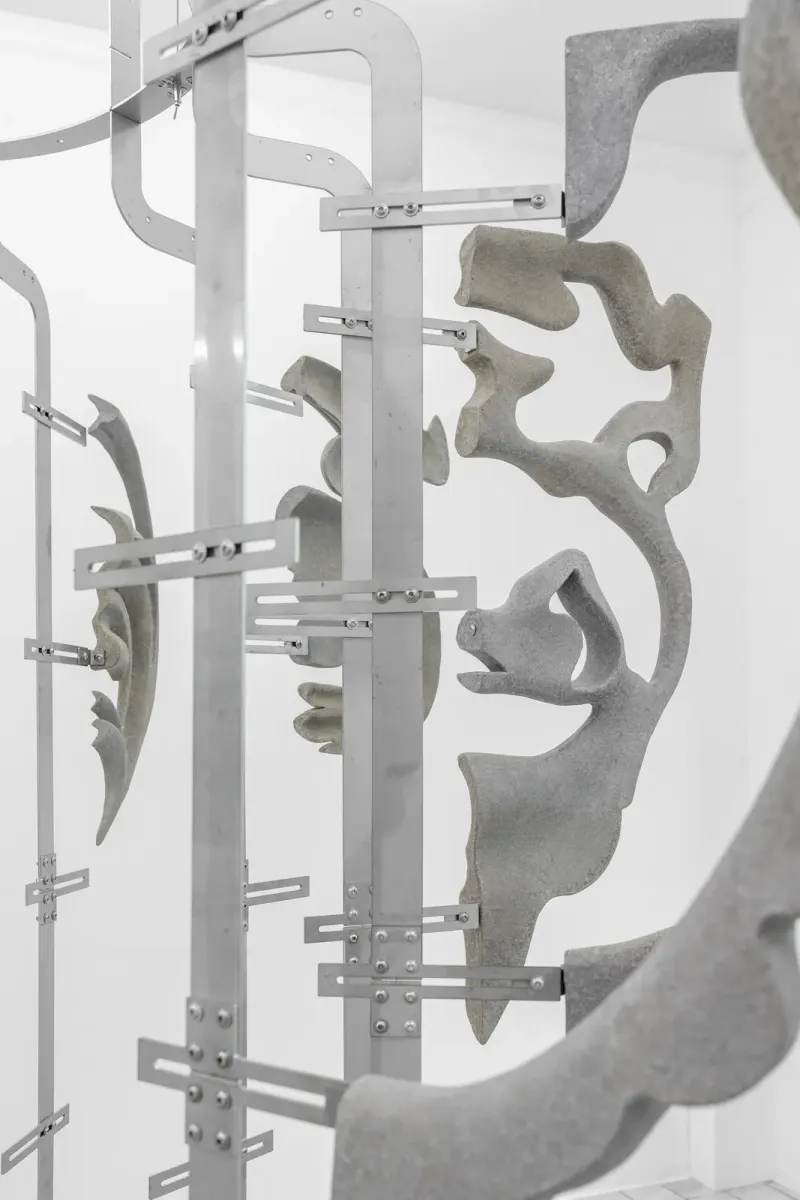
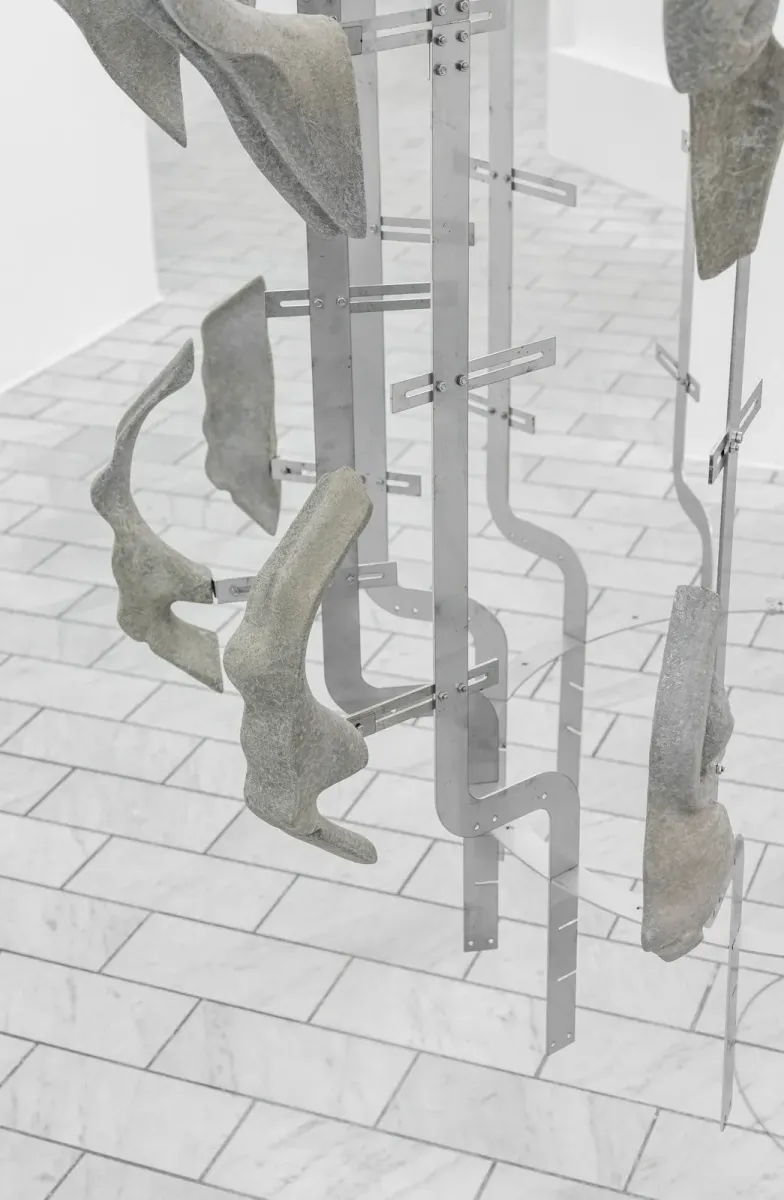
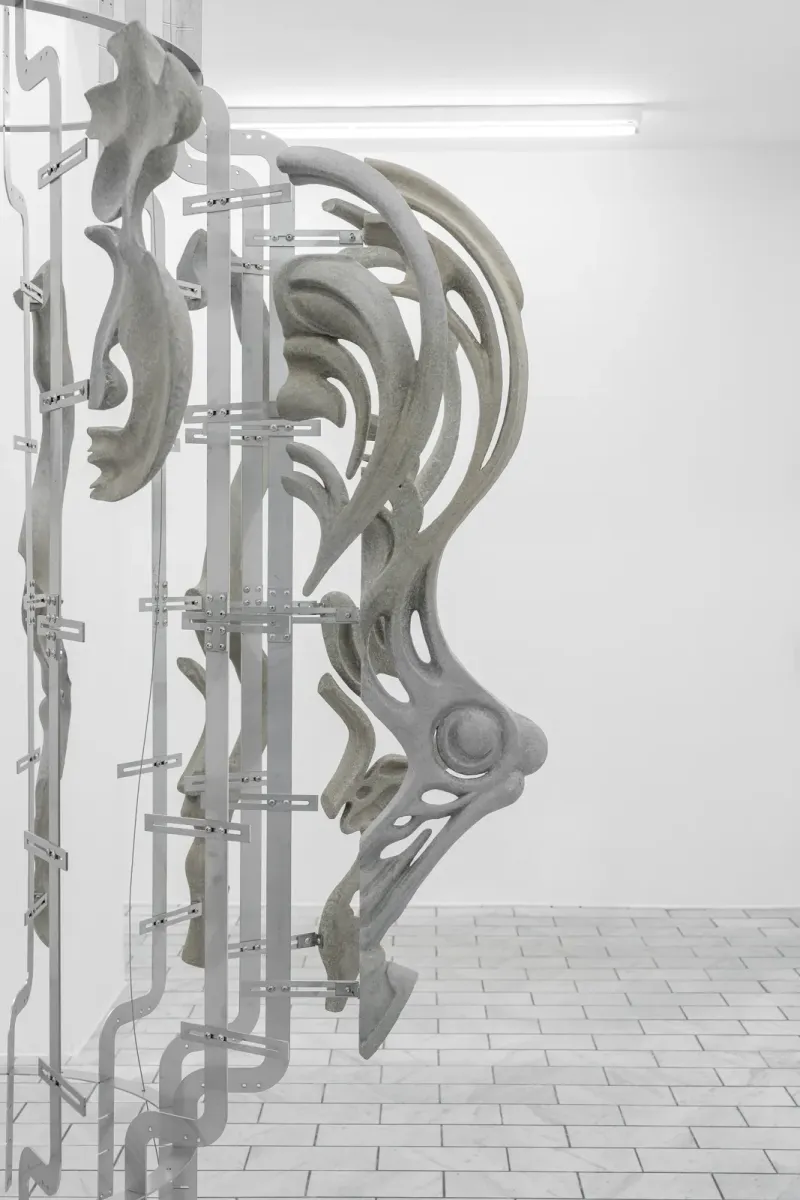
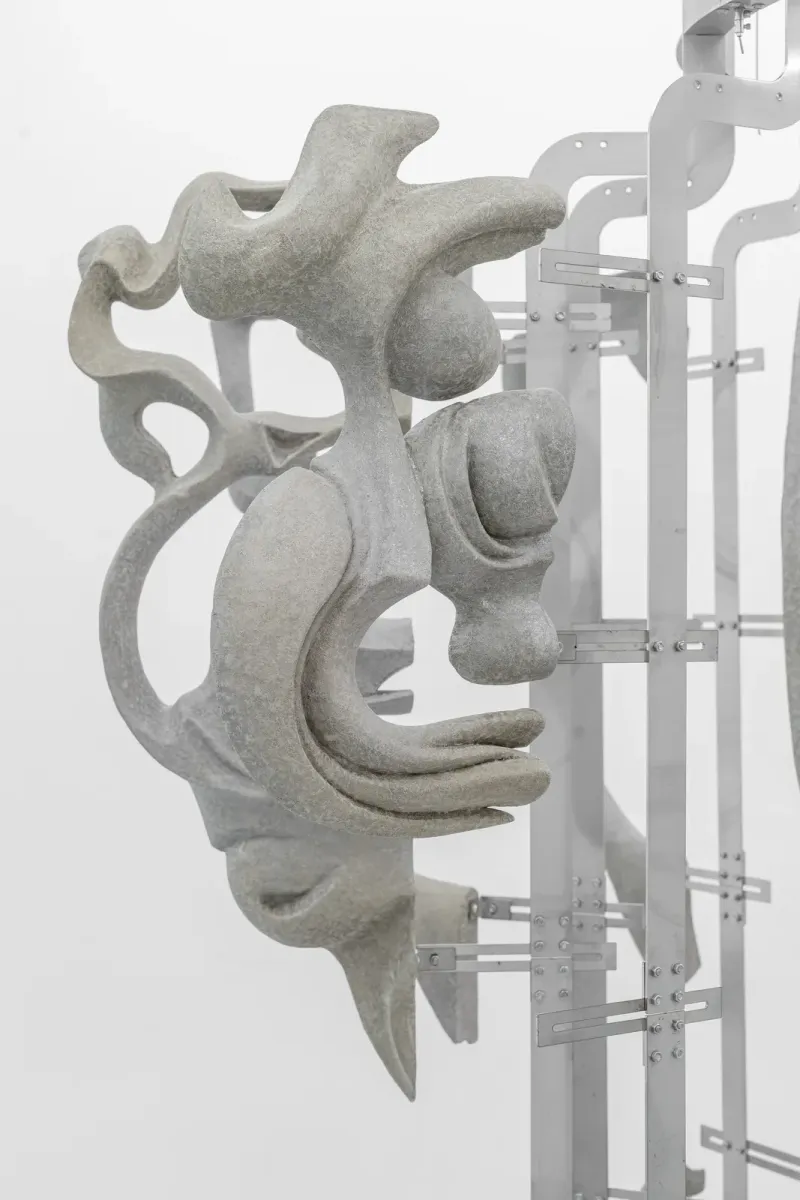
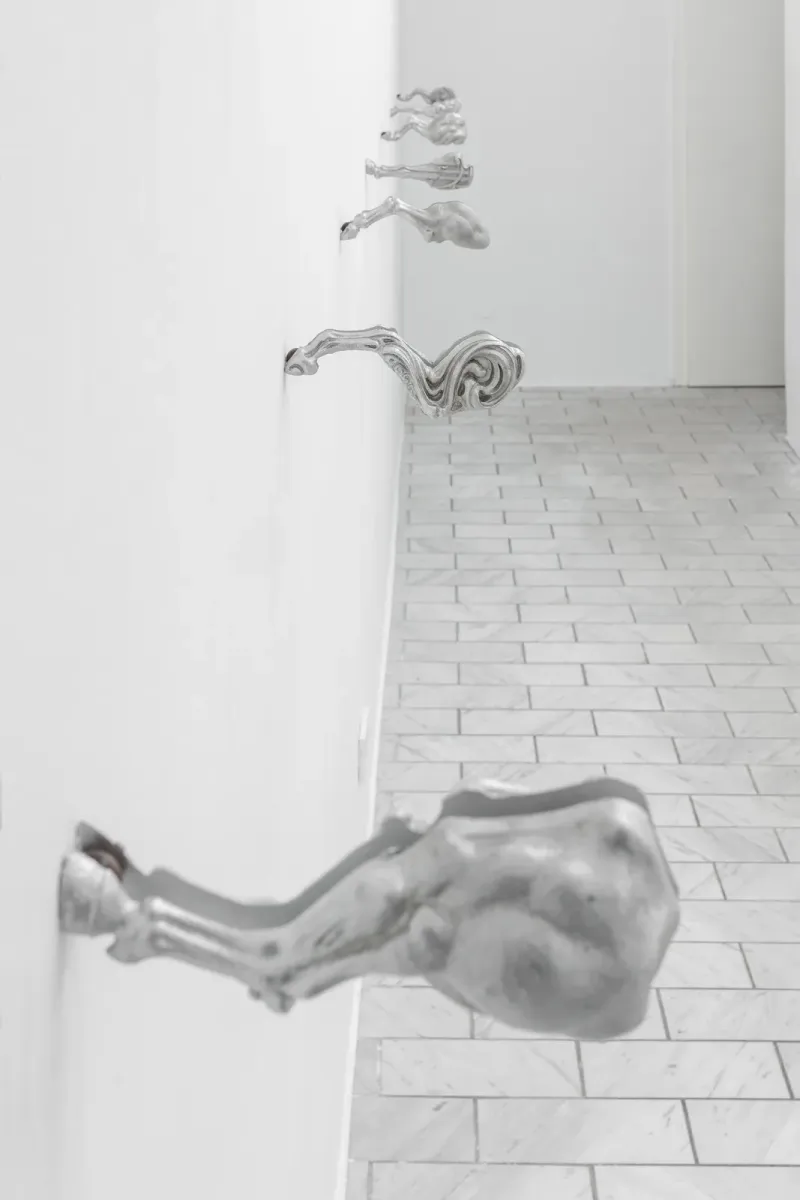
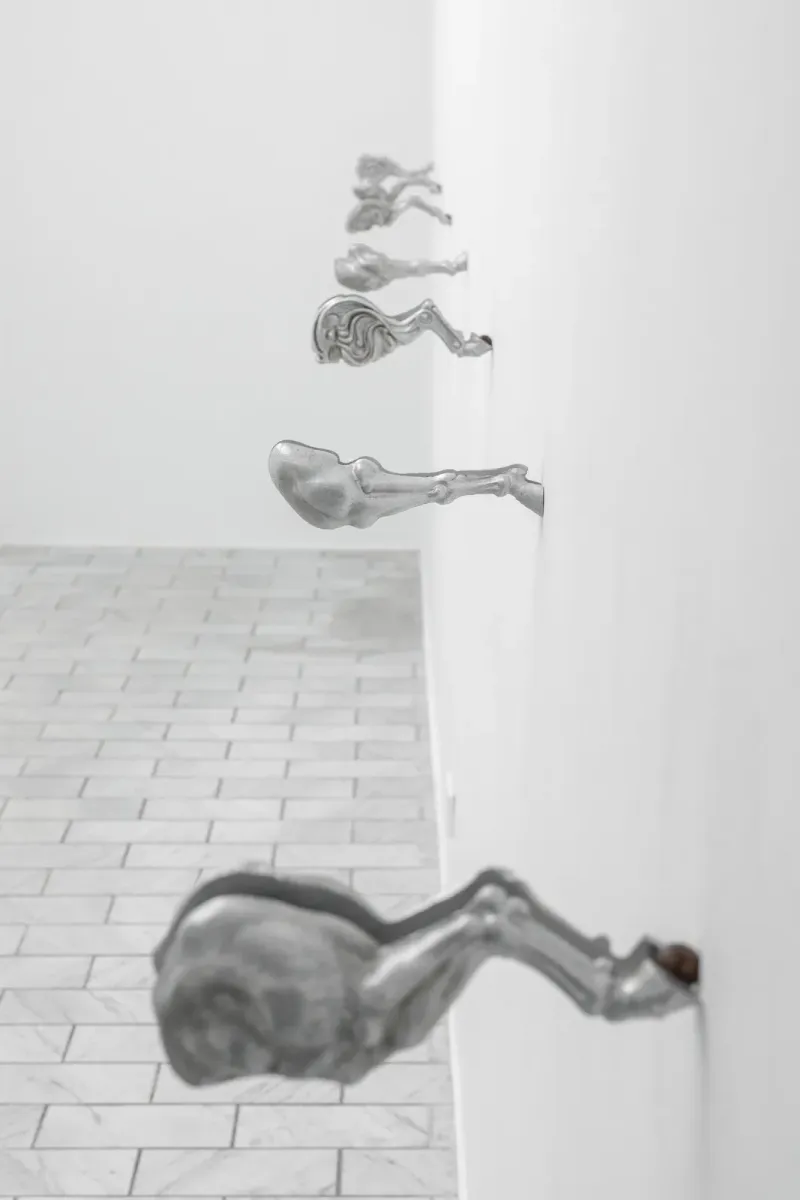
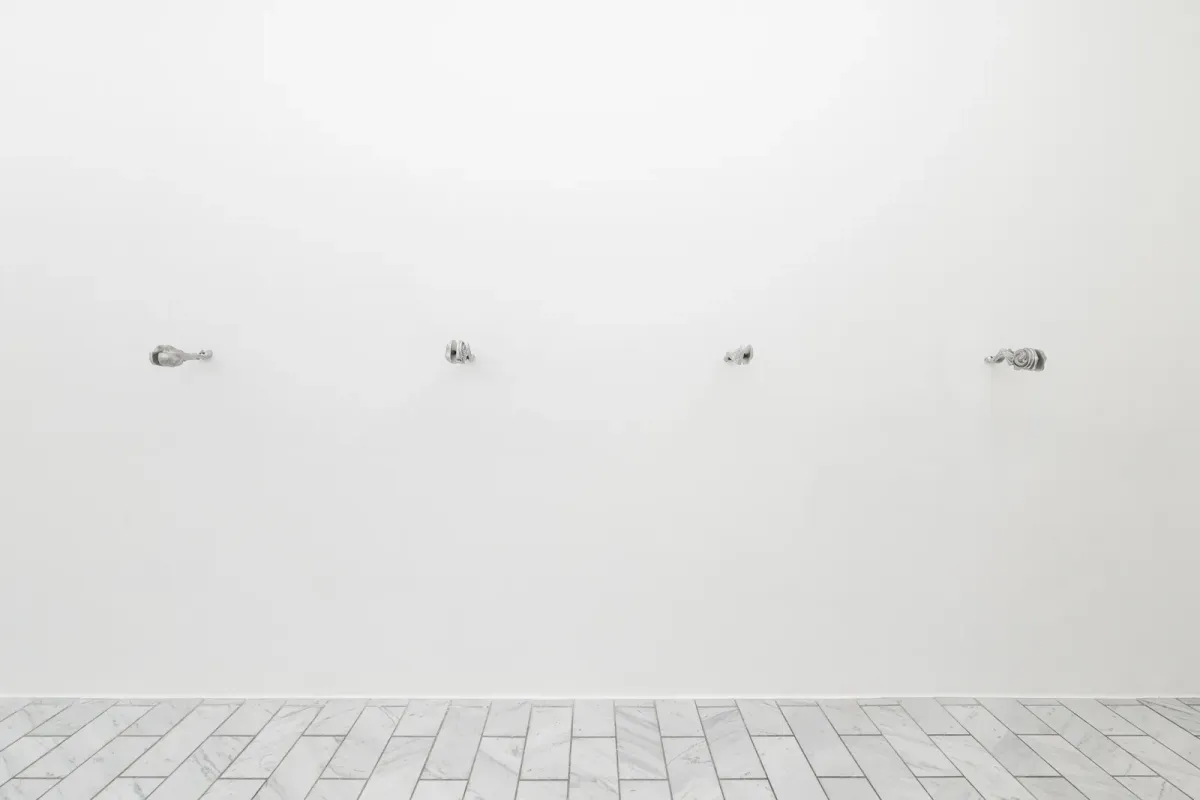
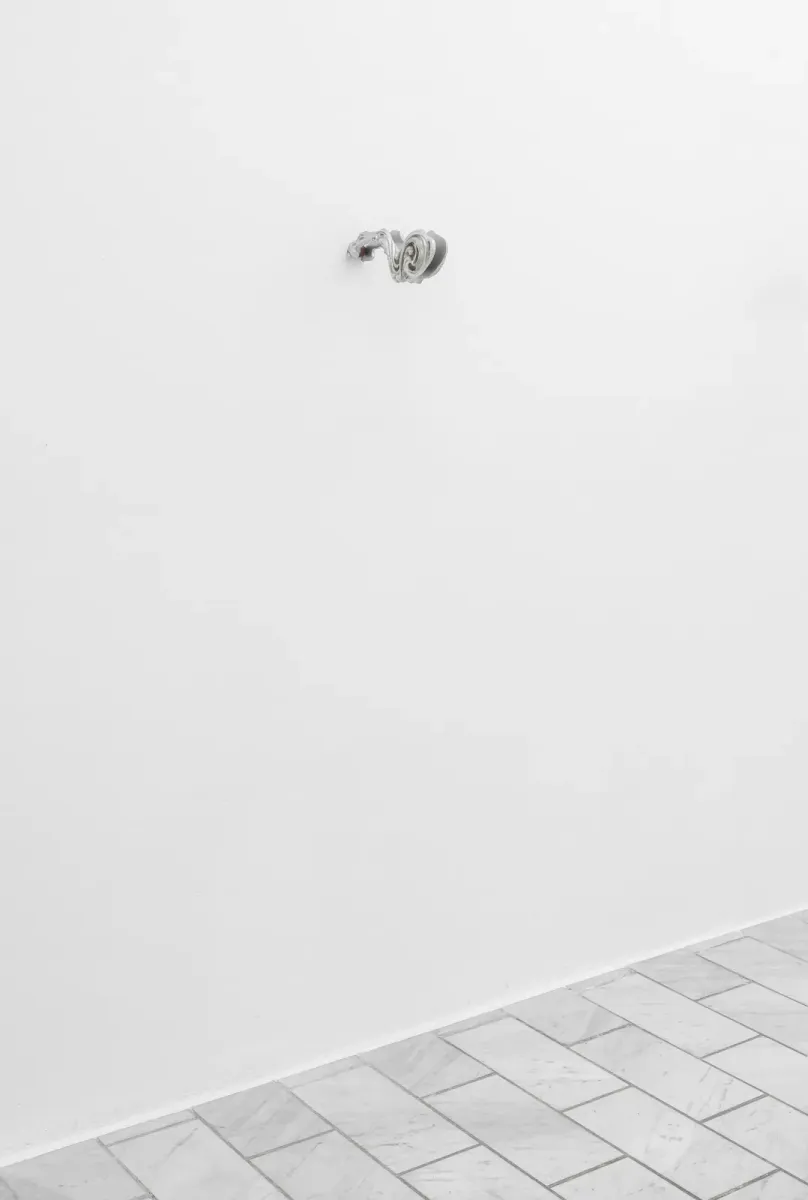
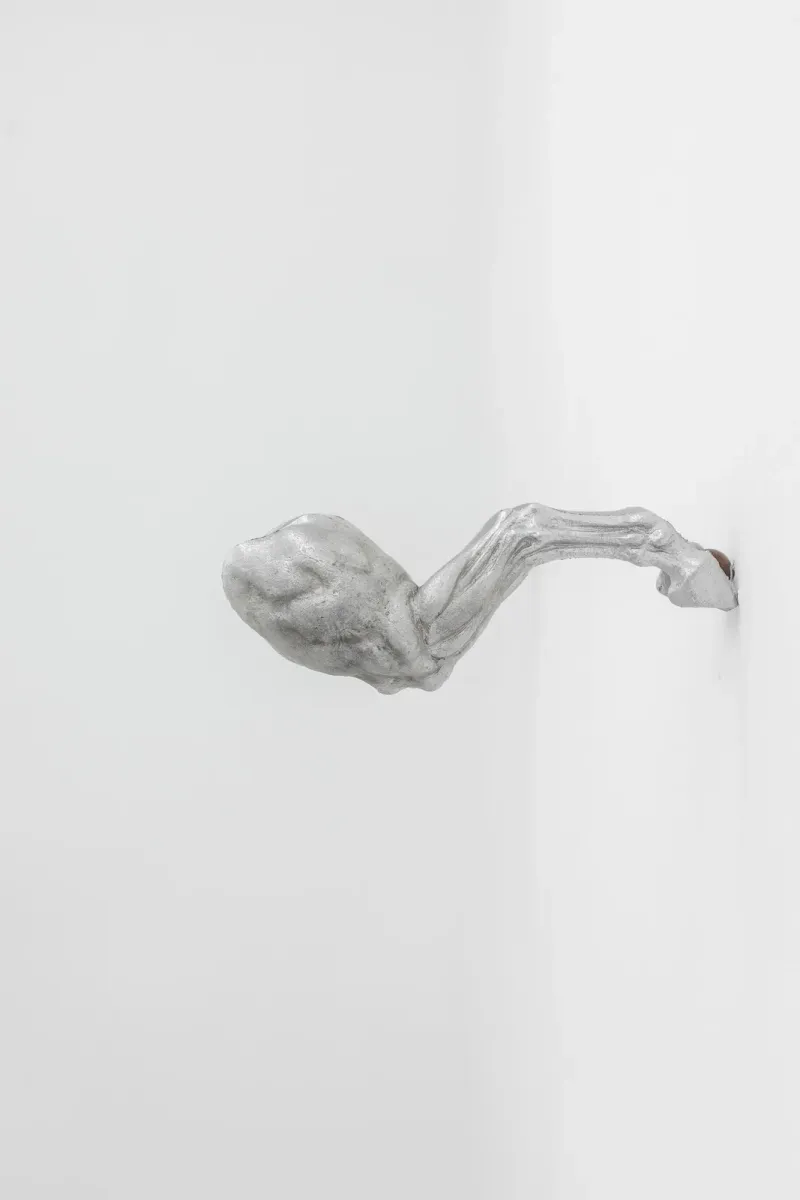
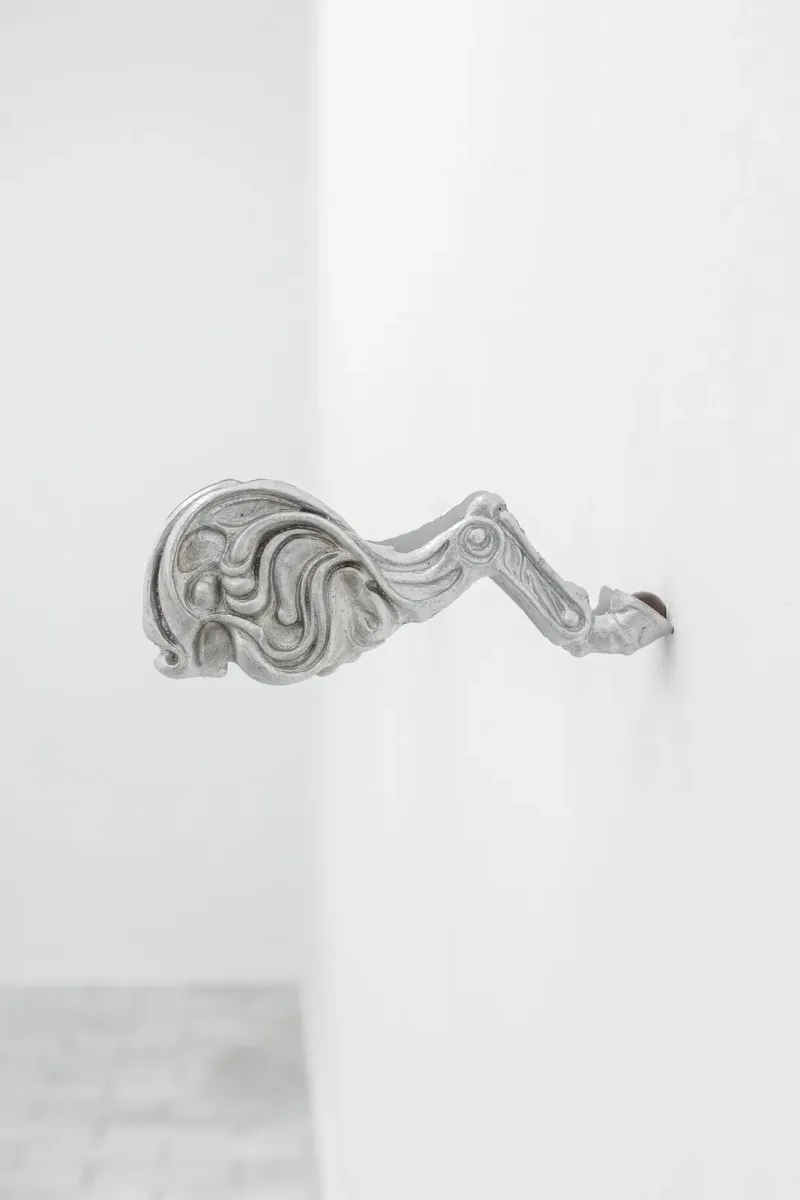
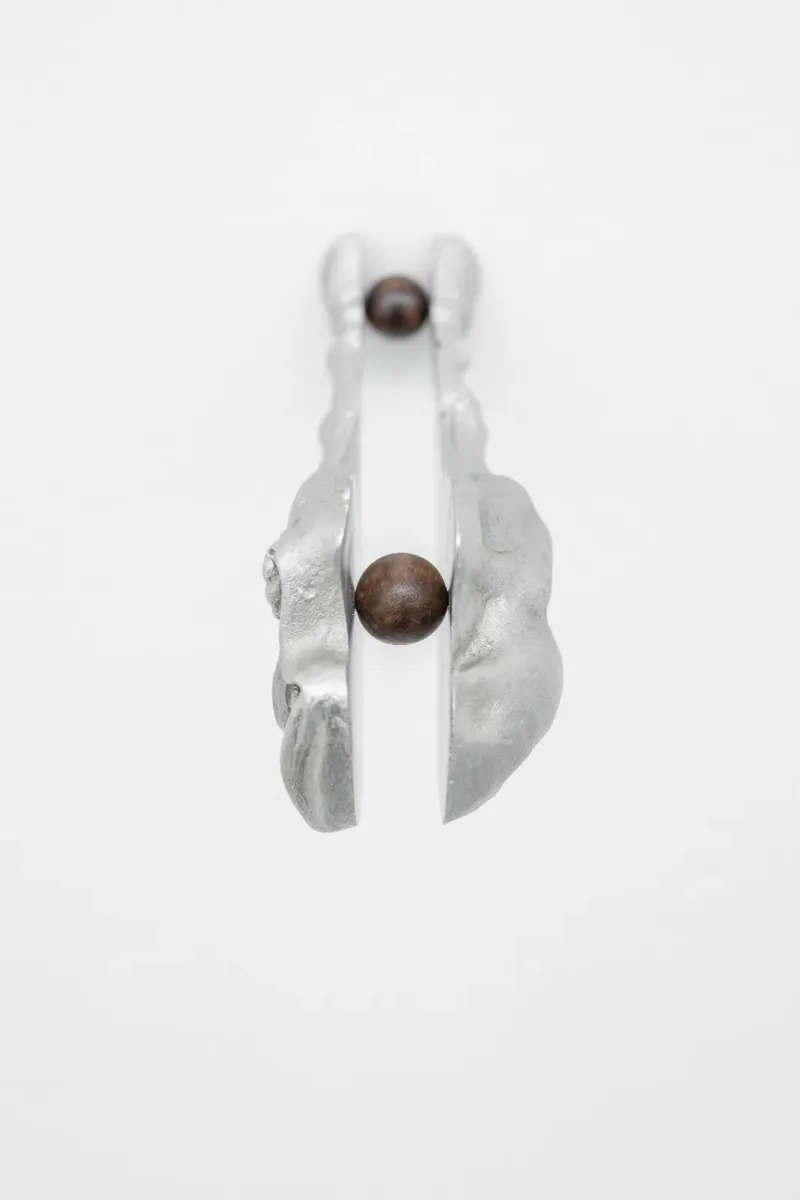
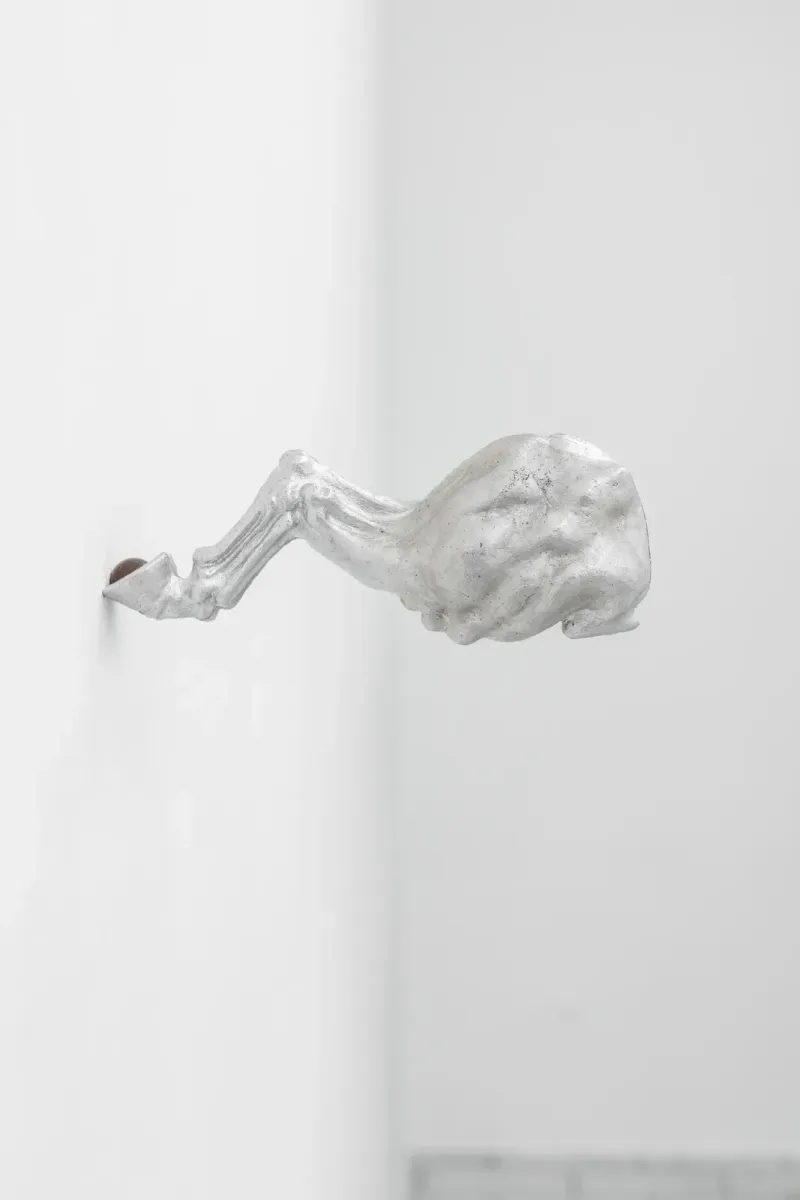
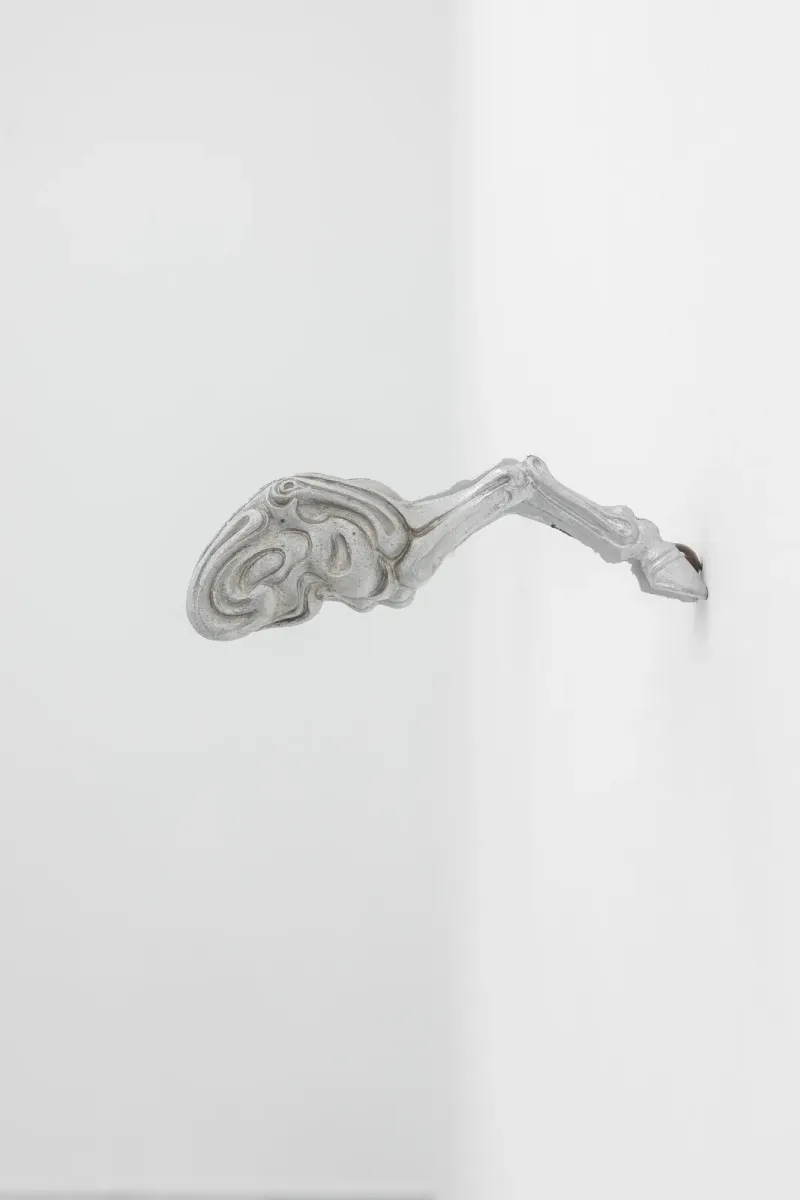
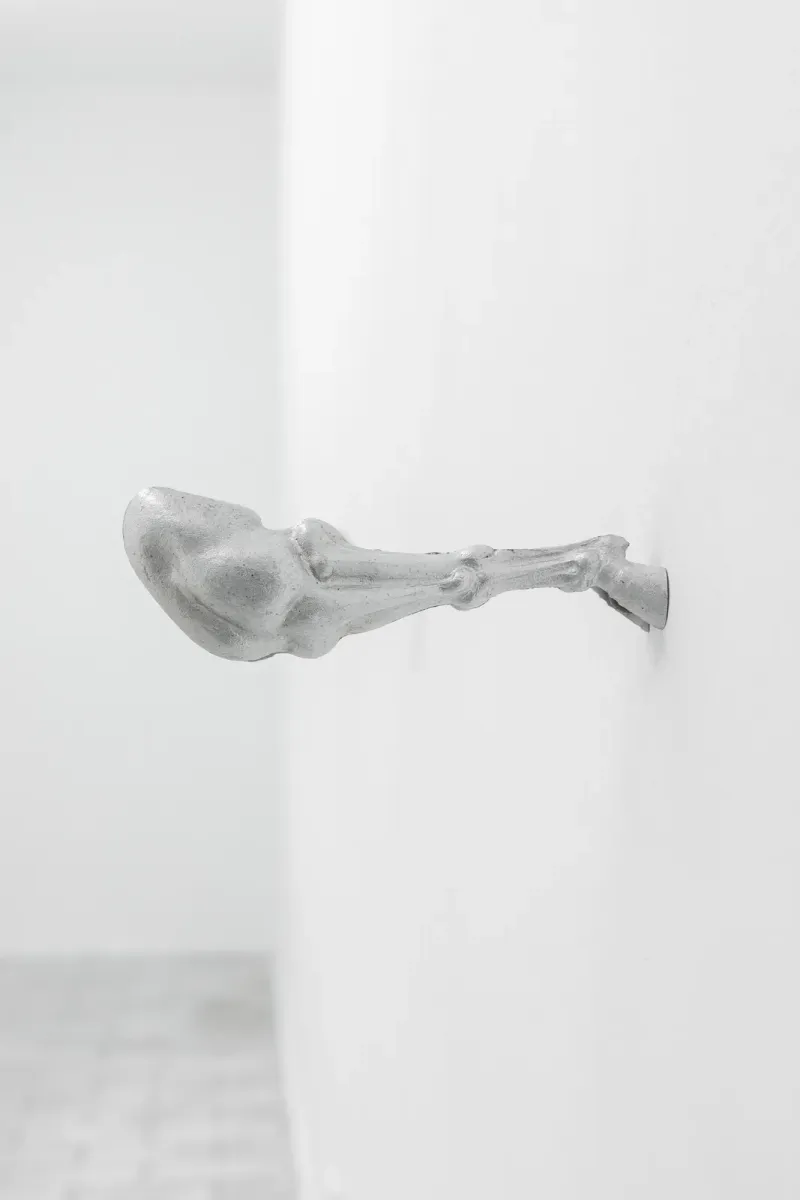
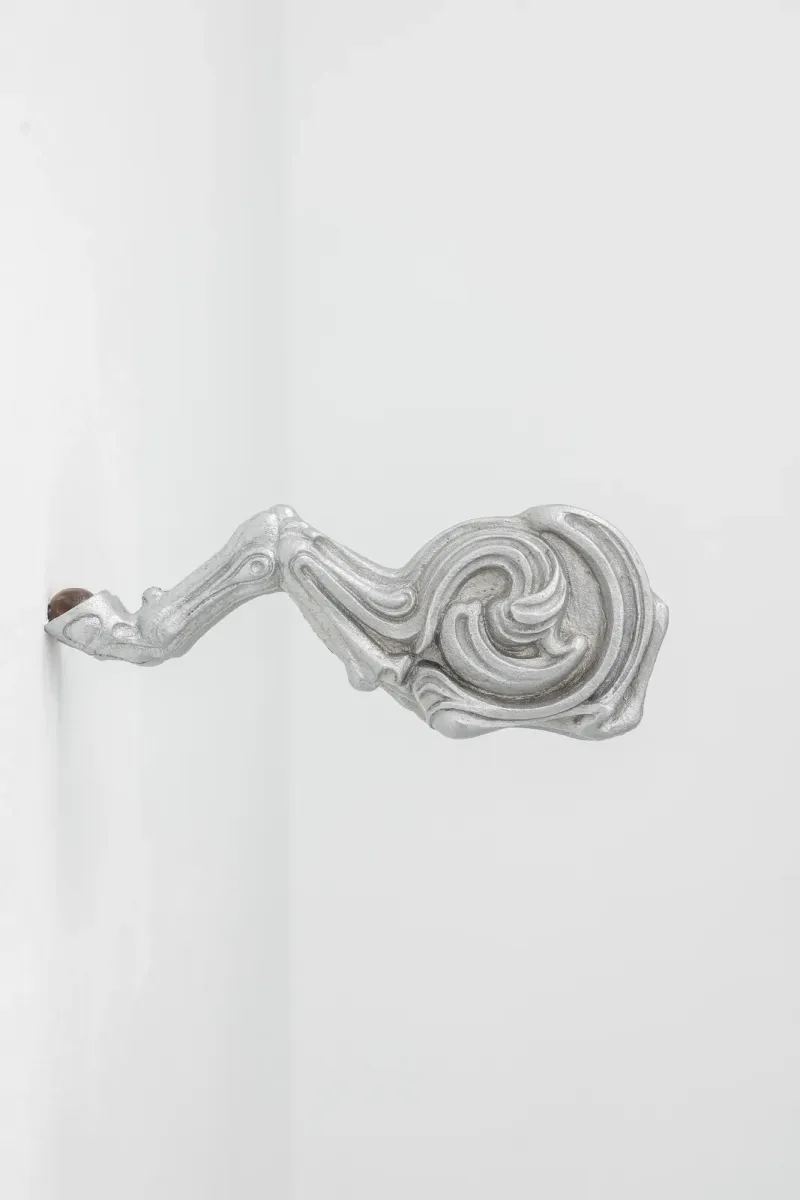
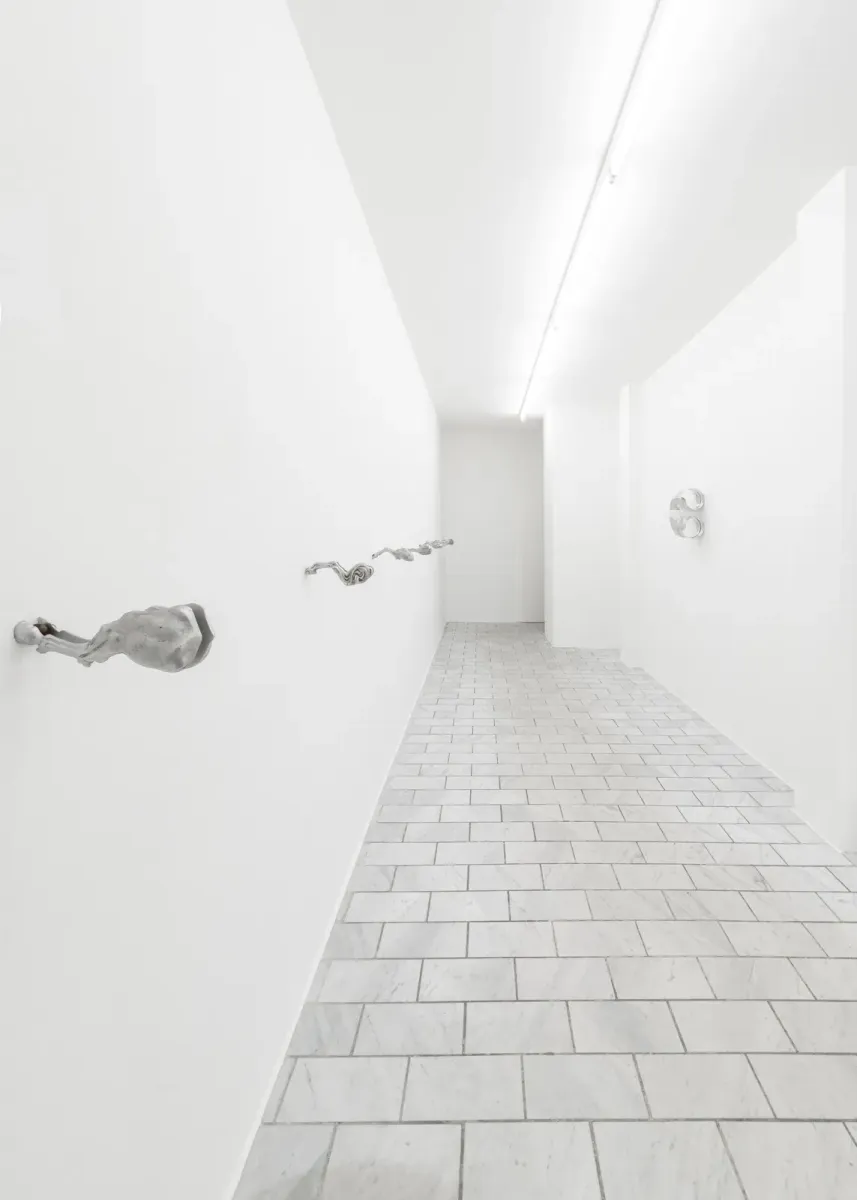
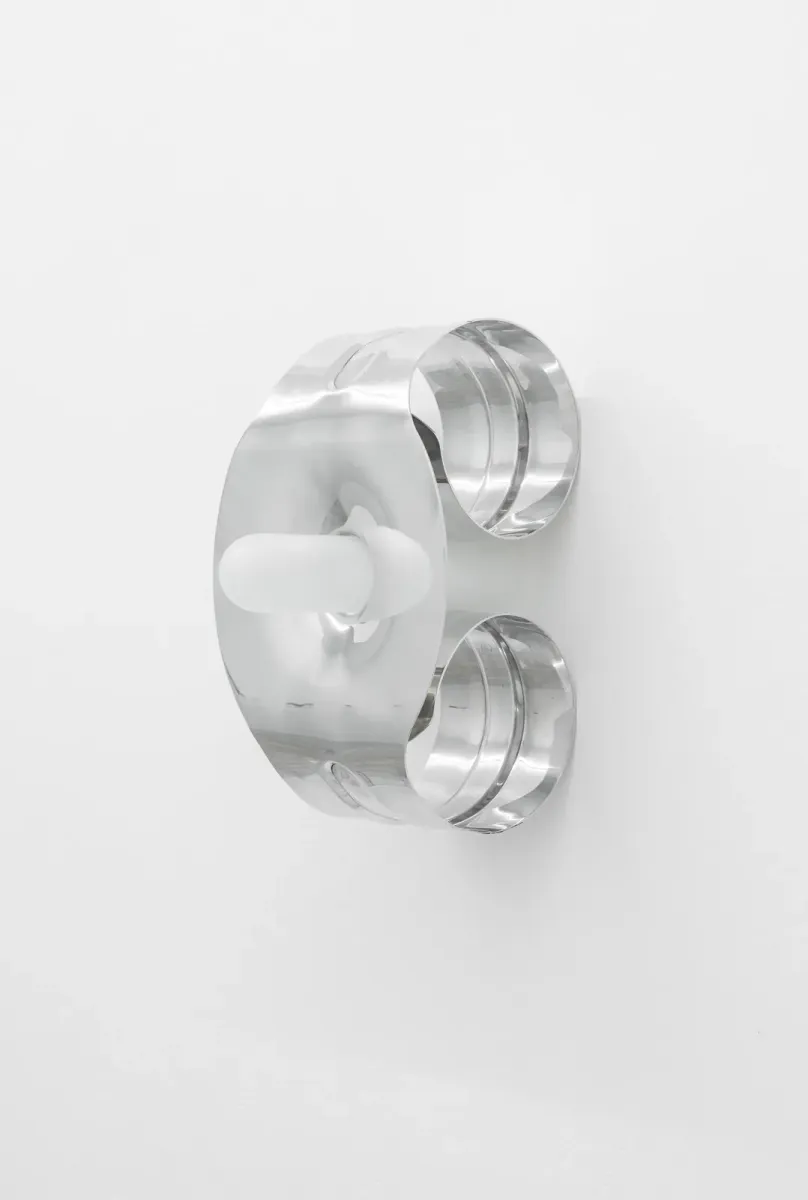
Rather than representing the whole monumental figure, the artist removes the rider and fragments the horse, dismantling the monument from below and isolating its legs - exposing their internal anatomies. Bones, membranes, and organic structures emerge beneath metallic skins, as though the sculptures were caught in a state of mutation. Seven aluminum cast sculptures derived from preparatory maquettes oscillate between archive and specimen. Dispersed individually, these entities form a fictive constellation. Each leg is divided into two distinct faces - one exaggerated and muscular, the other architectural and ornamental - generating a specular image. The cut creates a mirrored interstice from which a second identity emerges. The works suggest that something continues to grow underneath the surface, a latent violence embedded within architecture, monuments, and historical memory itself.
The artist's engagement with Art Nouveau and colonial history is informed in part by the writings of art historian Debora Silverman, whose research traces how vegetal and ornamental motifs in fin-de-siècle architecture were entangled with colonial expansion and the circulation of exoticized forms. Renard extends this reading into the present, approaching architecture as a living political body that absorbs systems of domination into its decorative skin. In her sculptures, architectural forms become porous, unstable, and bodily.
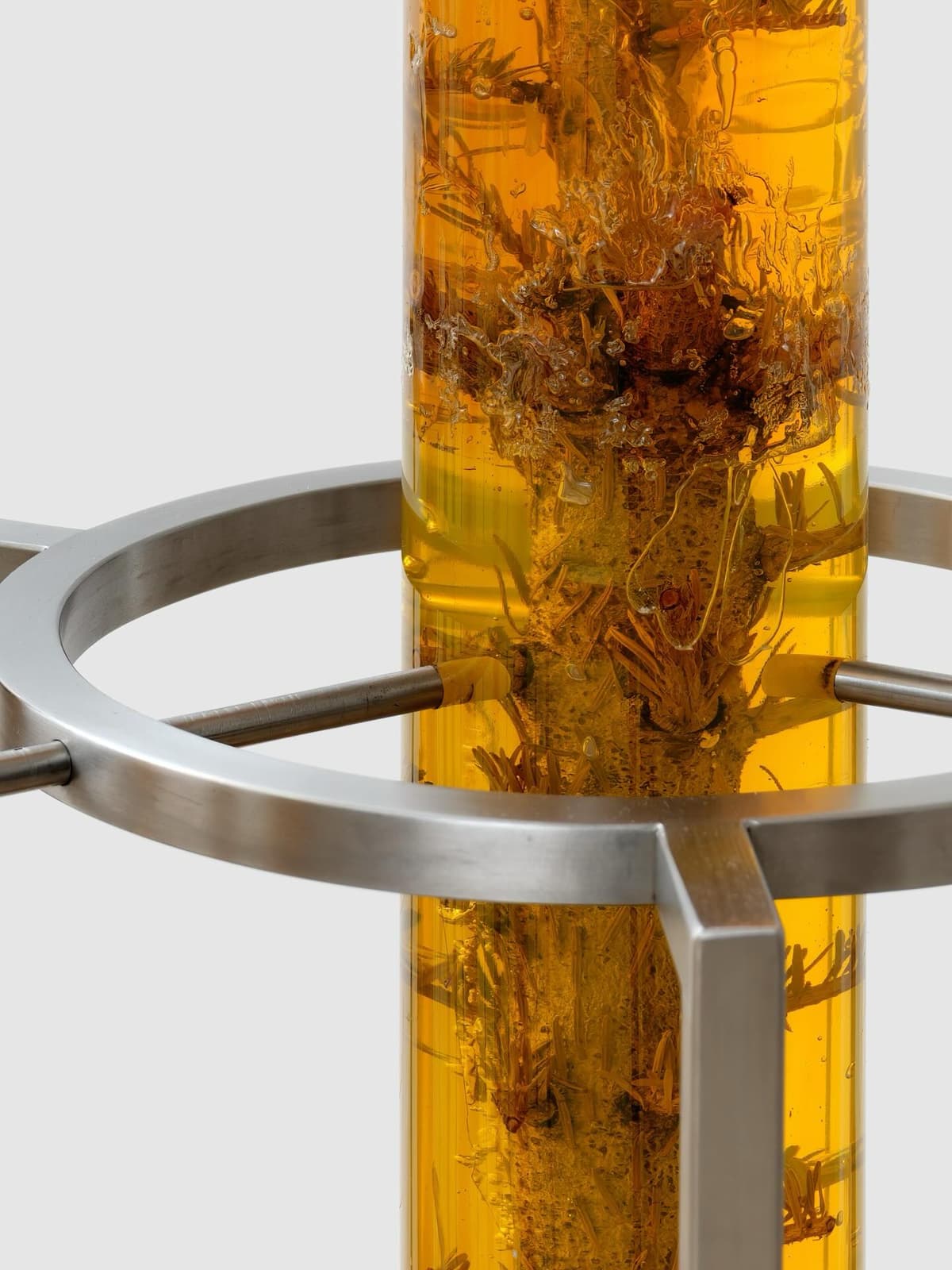
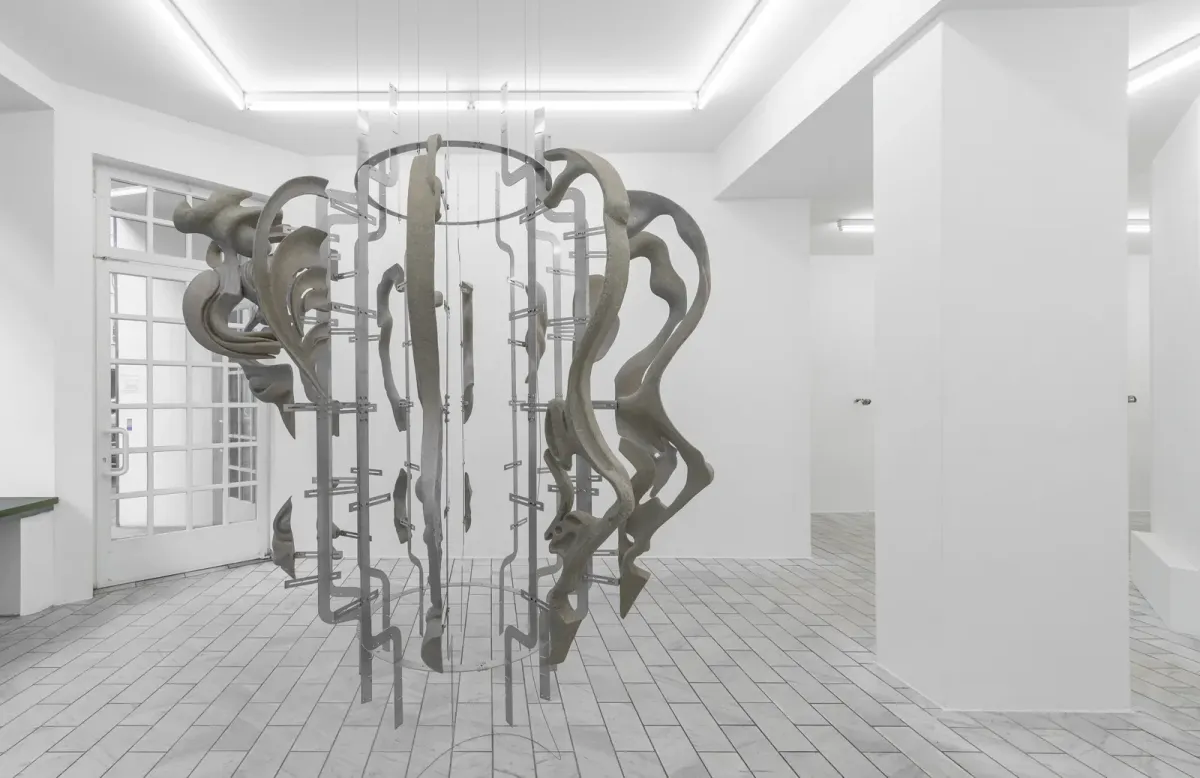
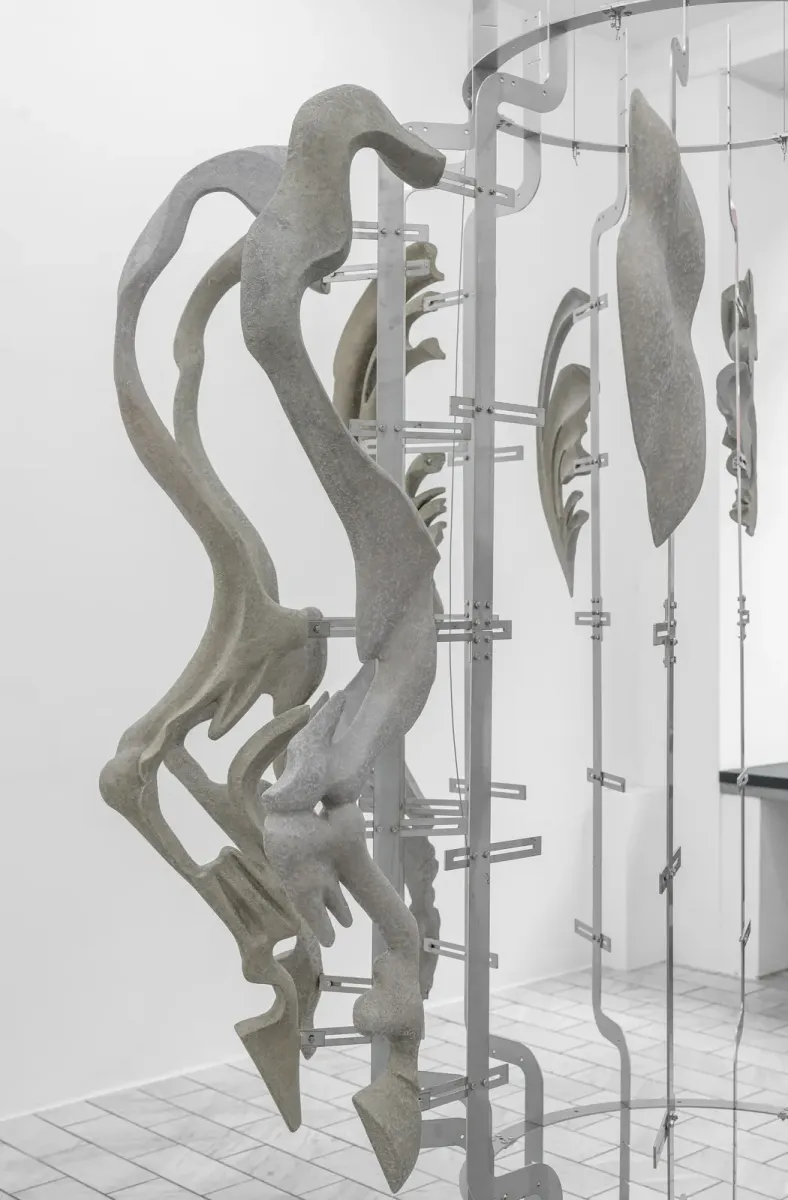
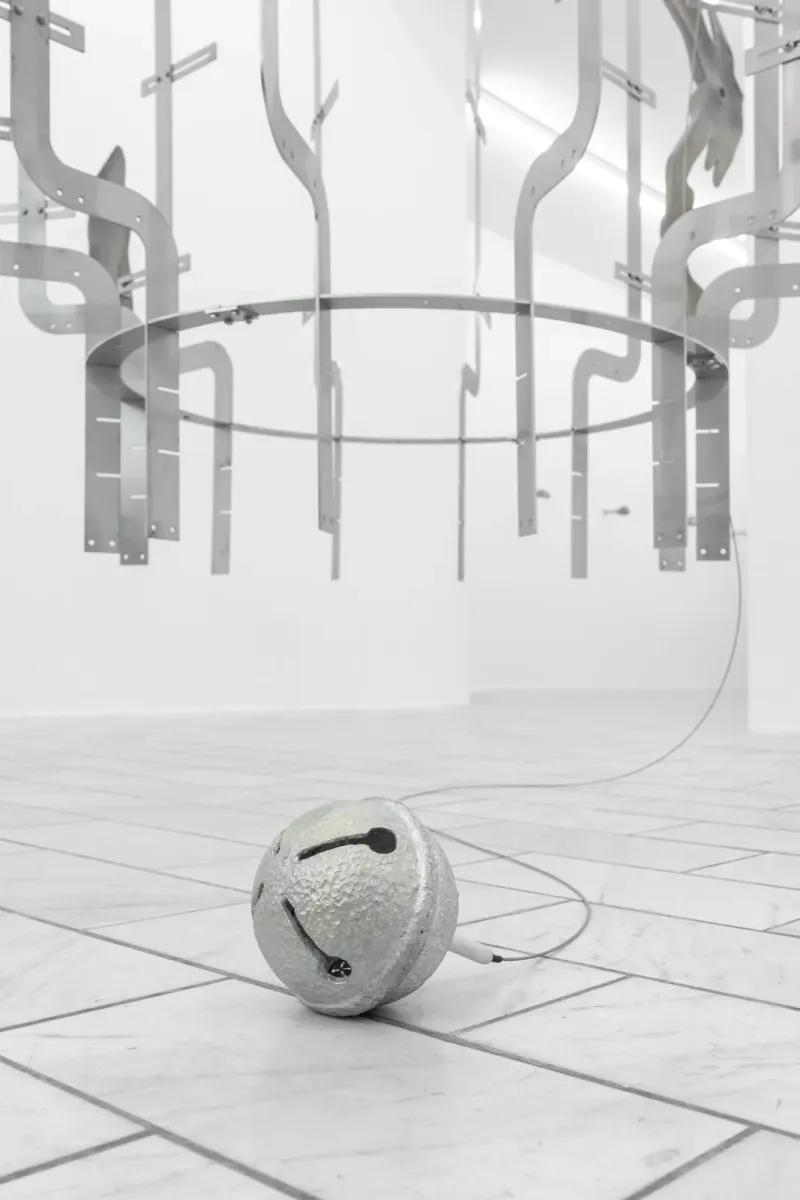
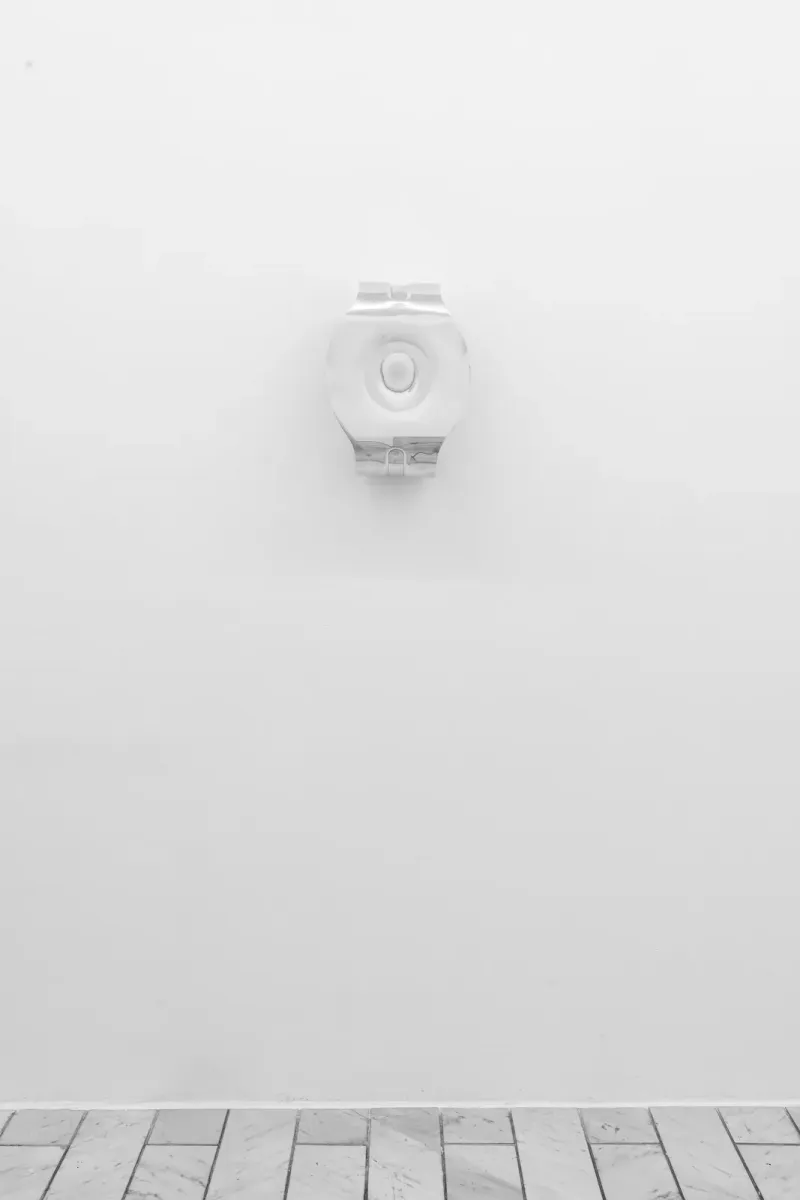
A central installation culminates this research. Conceived as a recomposed body that merges details drawn from the seven preceding models, the sculpture is fragmented into twelve elements arranged in a circular formation, evoking cyclical time and orbital motion. Suspended from modular stainless-steel structures reminiscent of slaughterhouse hangings, the fragments can either be assembled into a recognizable figure or dispersed throughout the space, oscillating between figuration and abstraction. Echoing the motif of the zipper, the structures present each configuration as a provisional and transitional state.
The title Double Star refers to the astronomical phenomenon in which two celestial bodies orbit around a shared centre. Renard uses this idea as a metaphor for history and perception - meanings change depending on perspective, distance, and position. What appears stable or coherent from one viewpoint may crumble from another.
Artists in this exhibition
More at nouveaux deuxdeux
More in Munich
Related topics
.webp&w=1200&q=75)