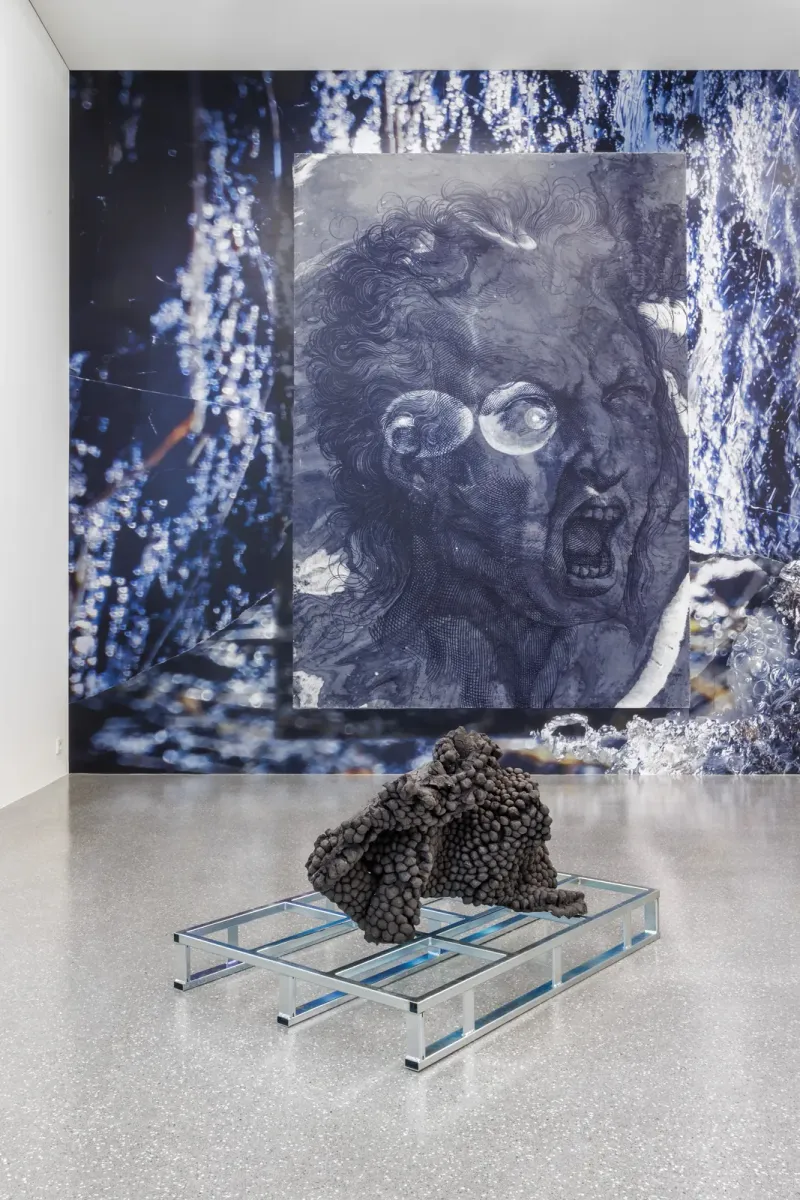
Klaus in Vorarlberg / 2026
Der Kopf ist rund, damit das Denken die Richtung wechseln kannGalerie Brugger
Klaus in Vorarlberg / 2026
Der Kopf ist rund, damit das Denken die Richtung wechseln kannGalerie Brugger
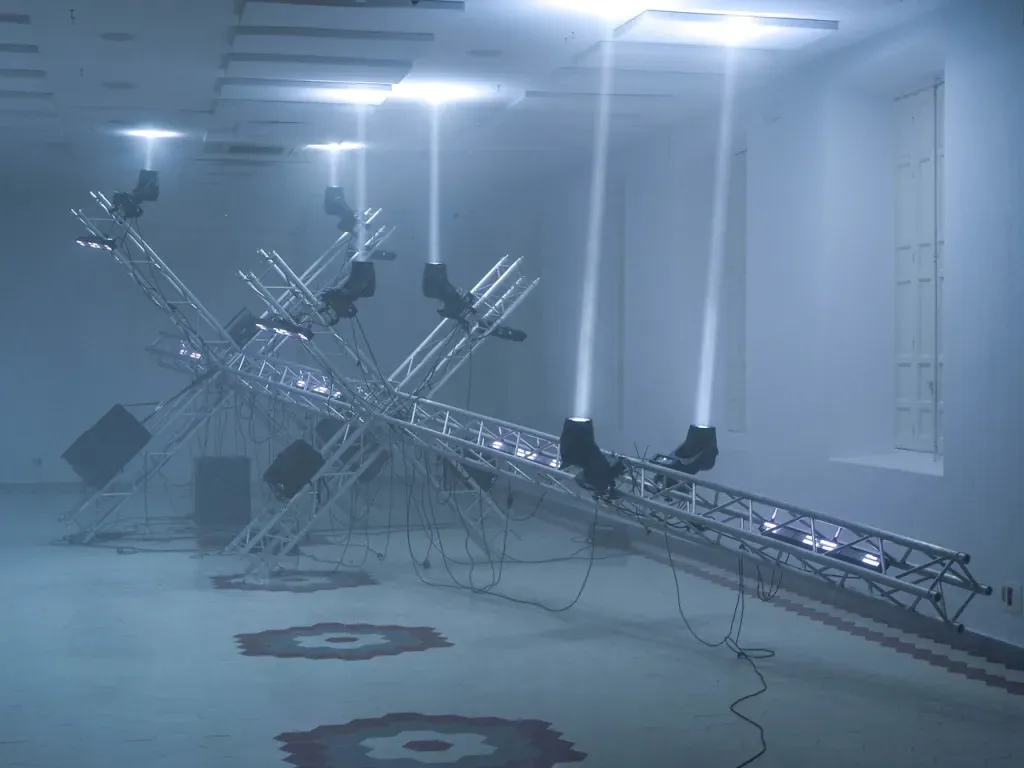
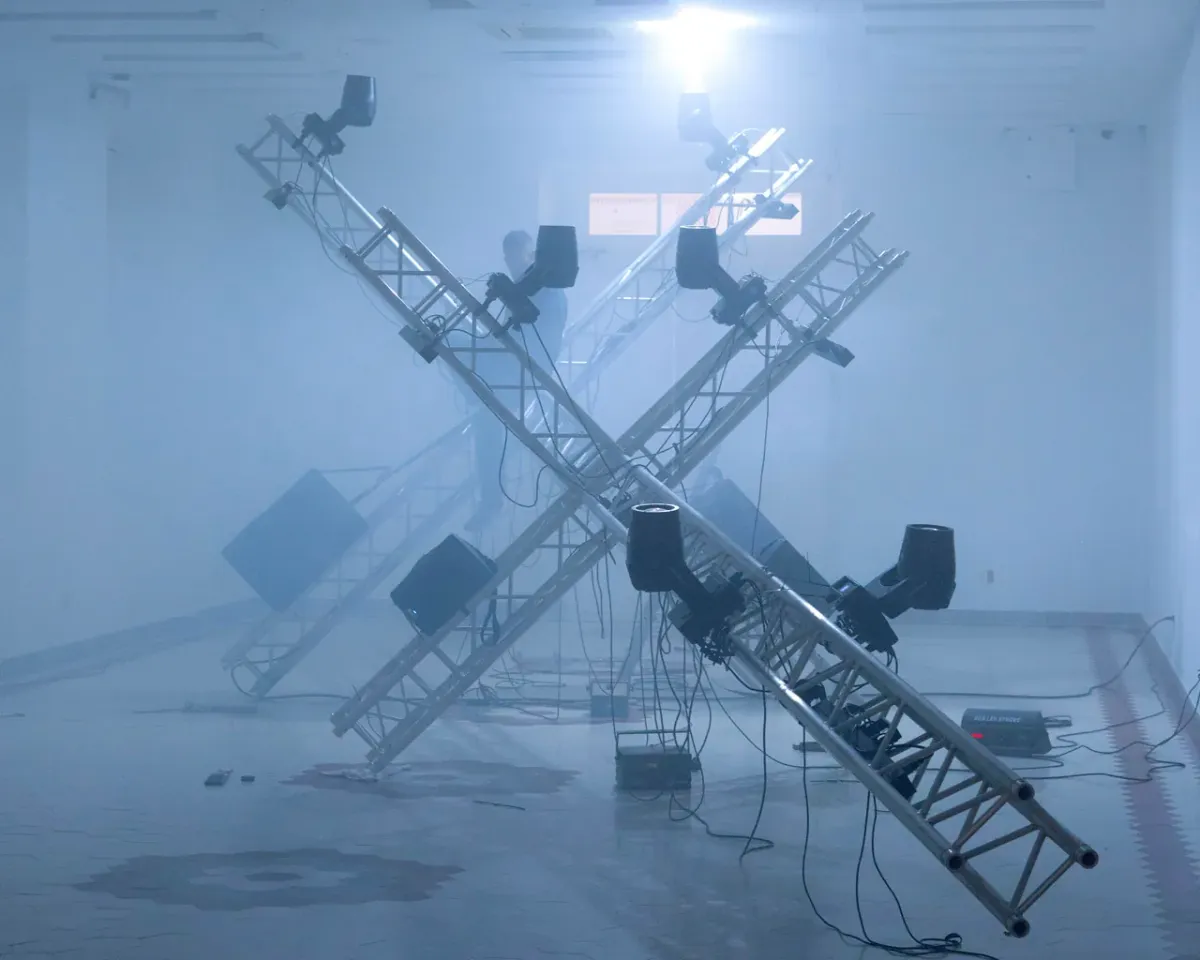
May 22 — June 01, 2026
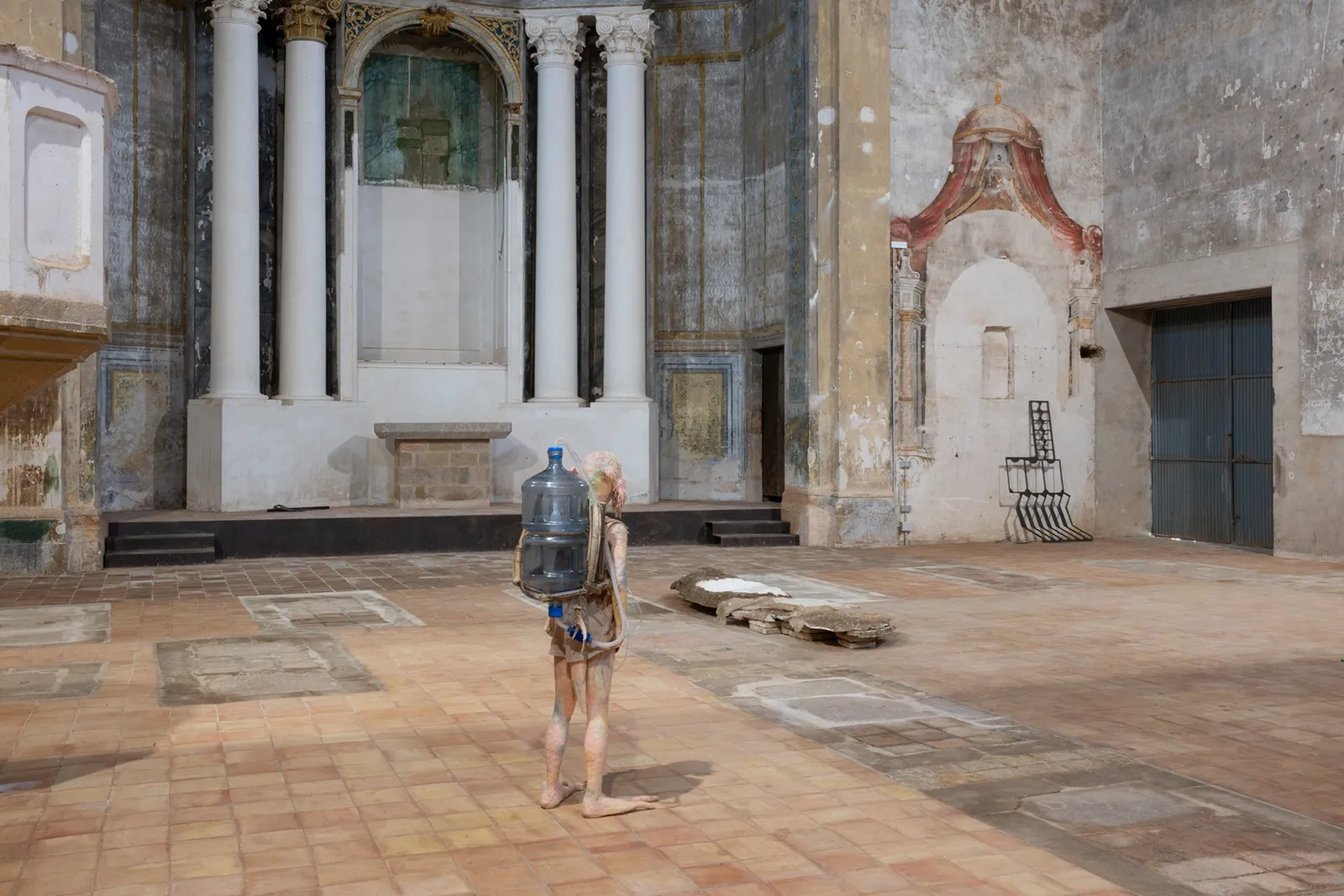
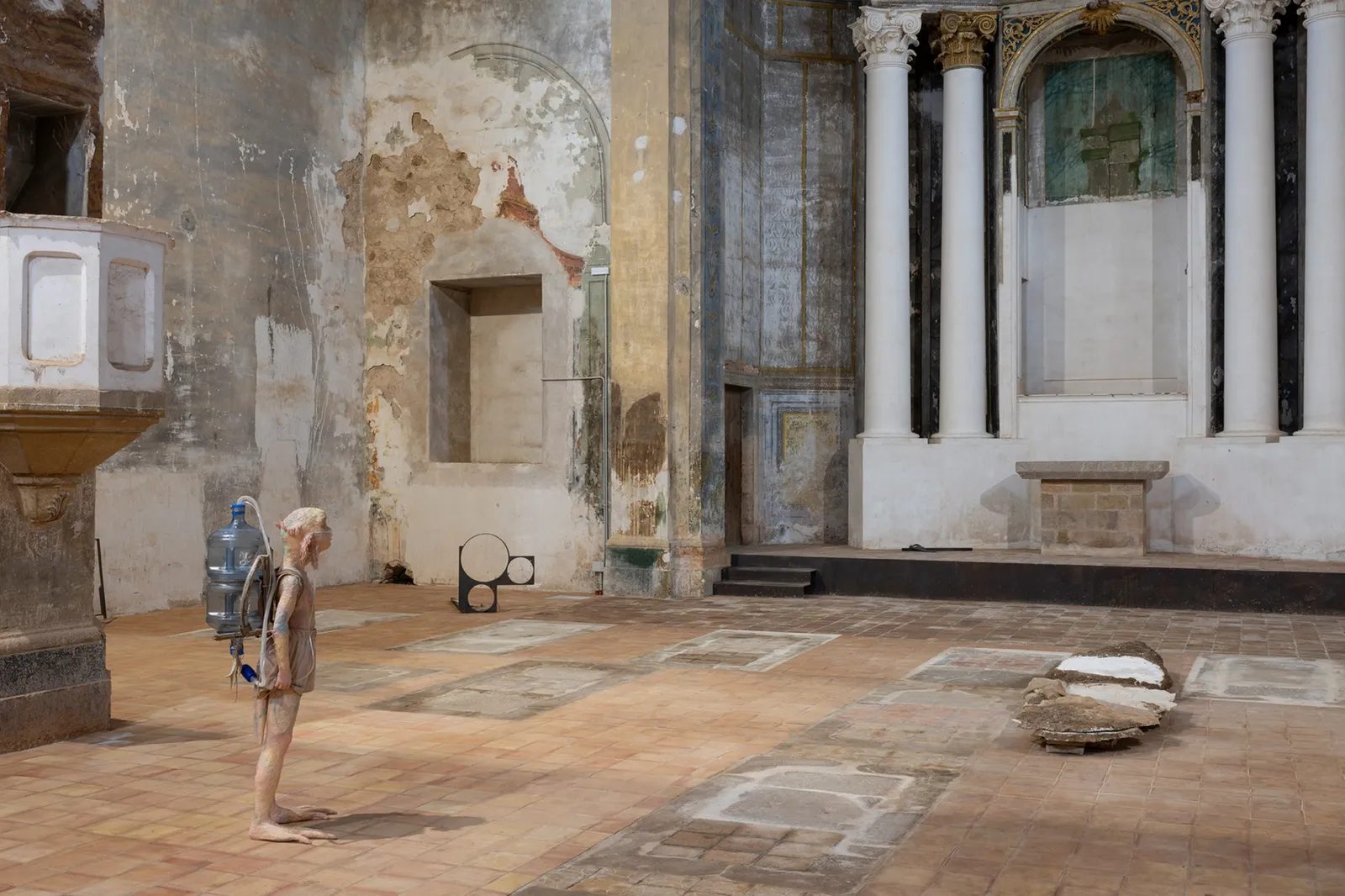
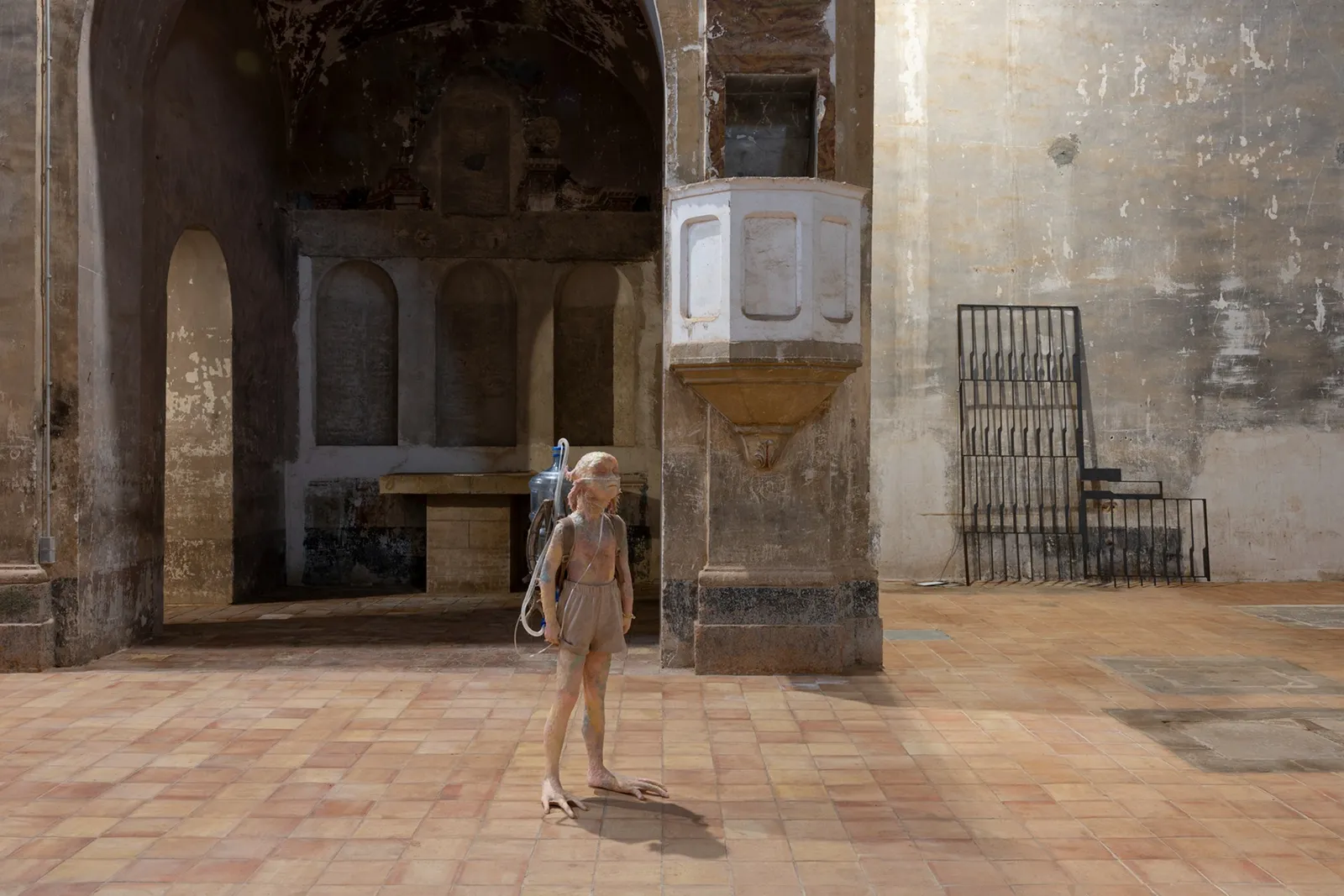
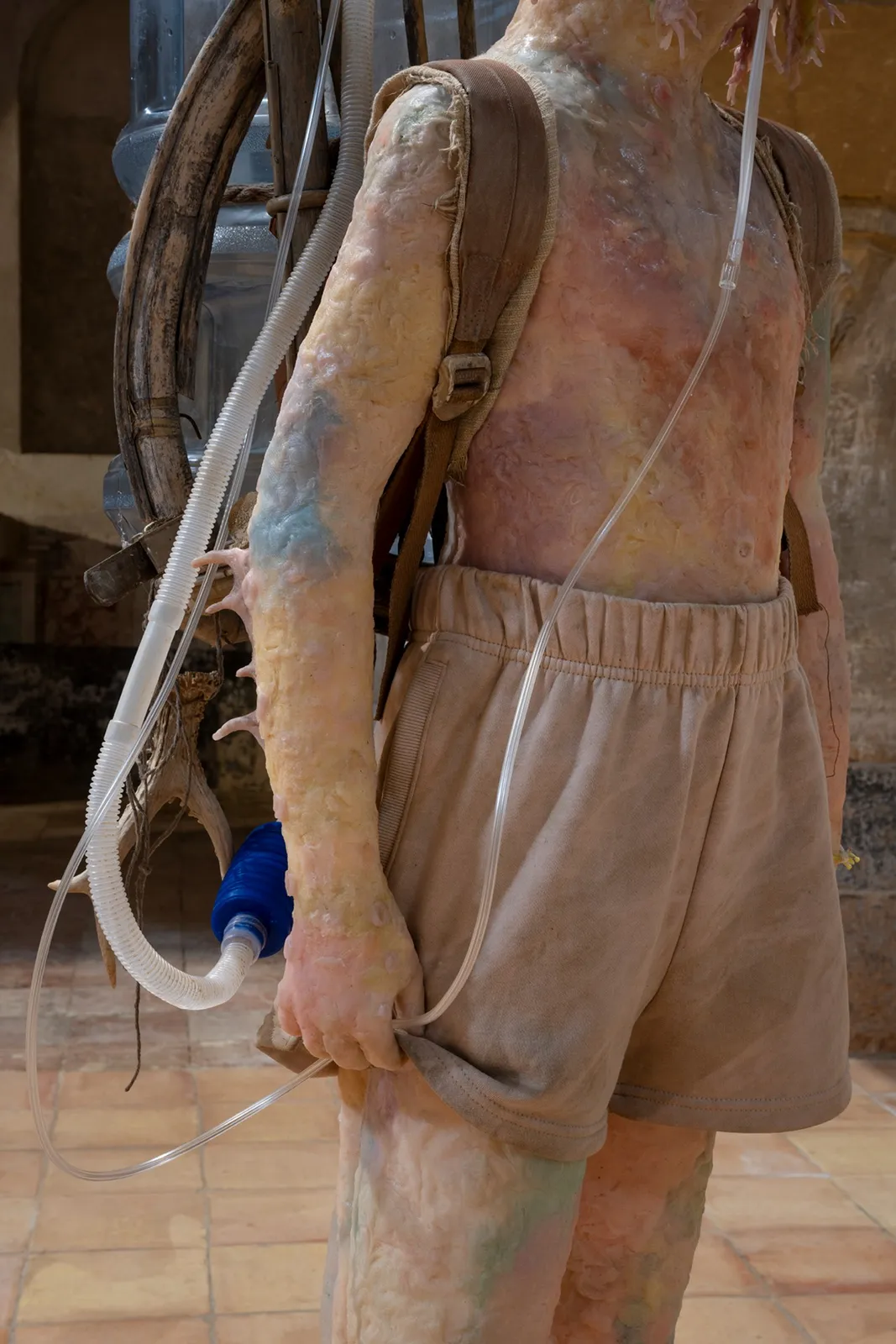
Leo Pum @La Térmica, Málaga KRVCE festival
Everything you need to plan, apply, and move your art career forward.
Seoul / 2026
Białystok / 2026
Napoli / 2026
Köln / 2026
Kraków / 2026
Porto / 2026
Stockholm / 2026
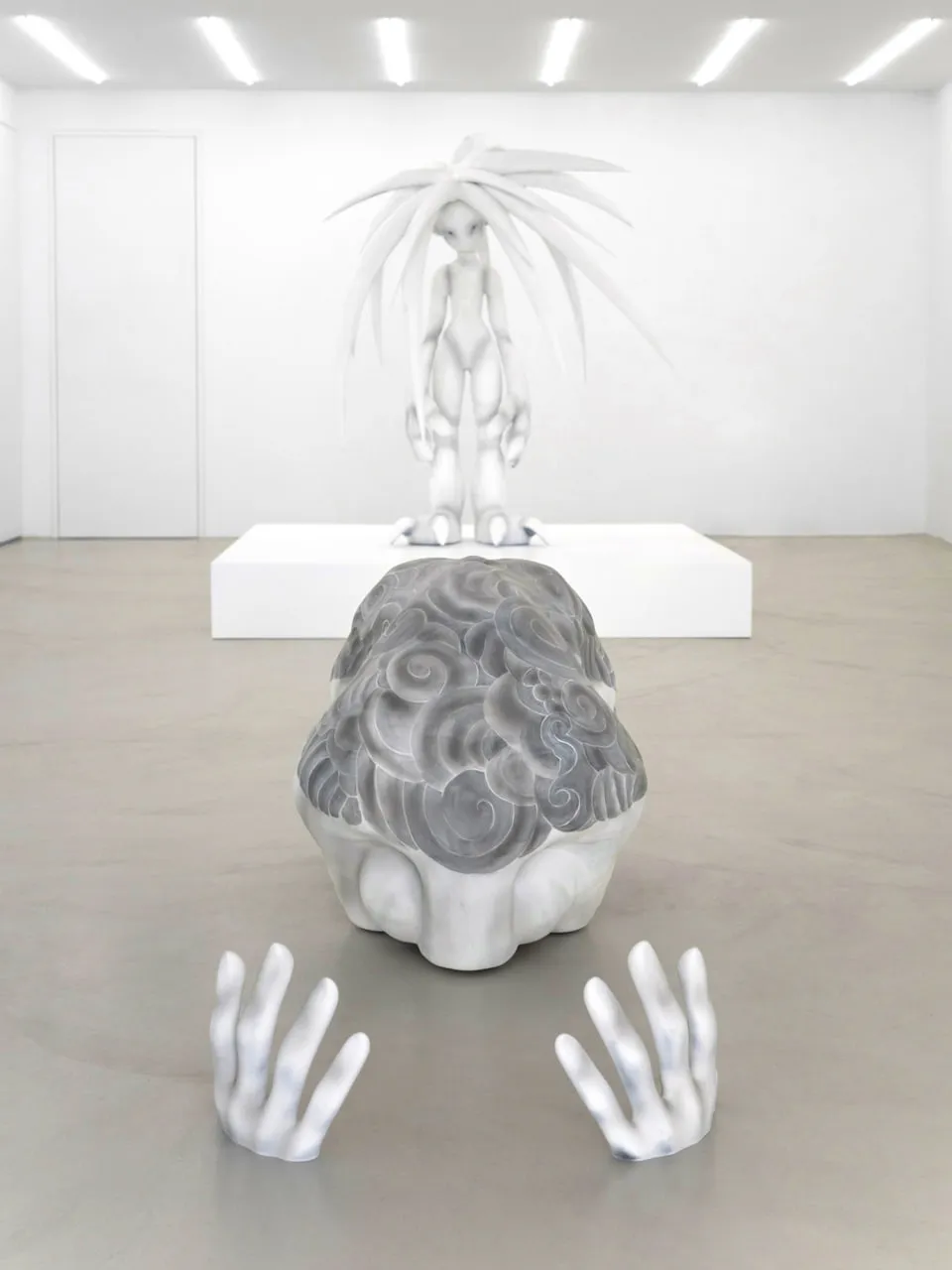
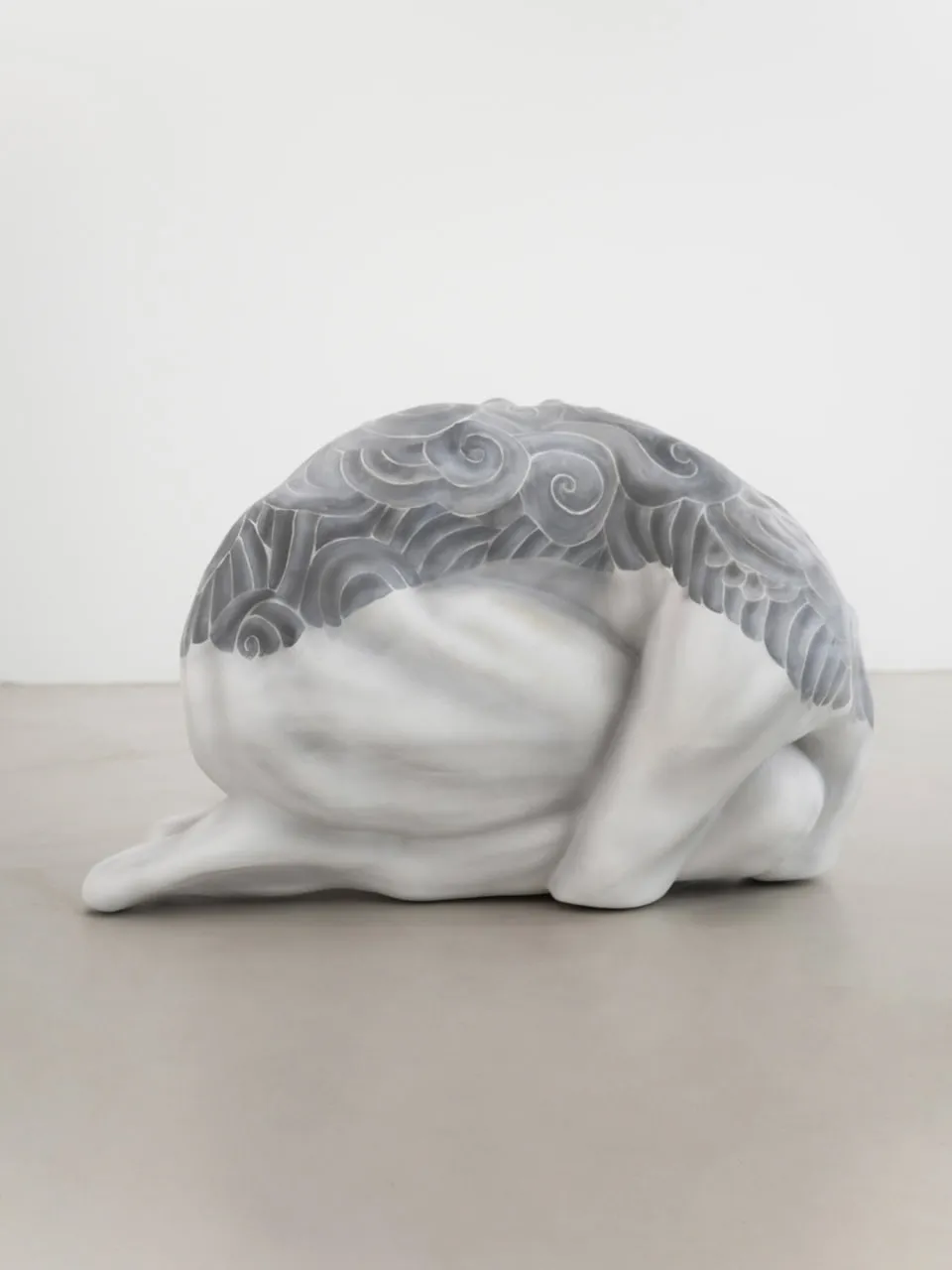
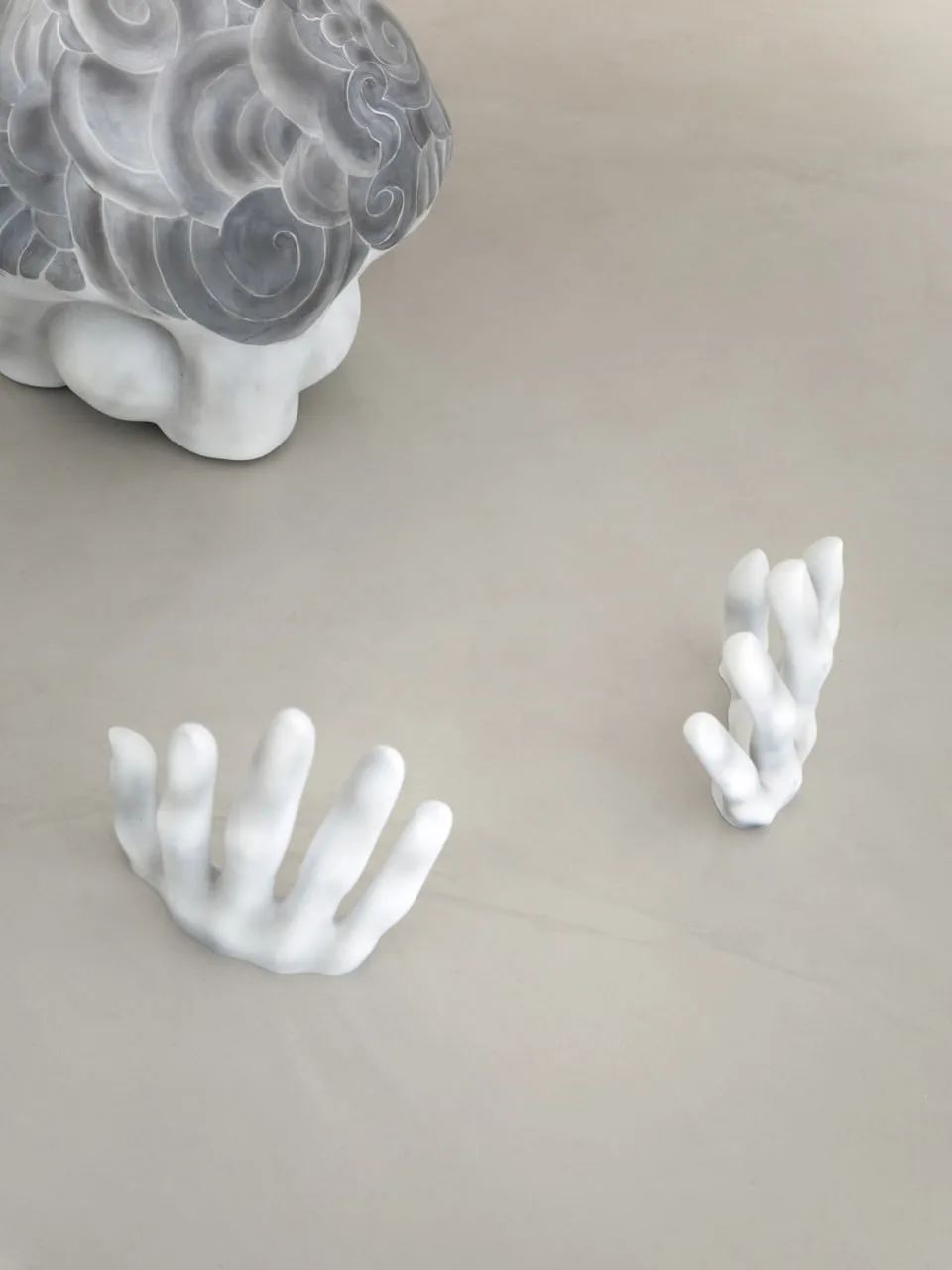
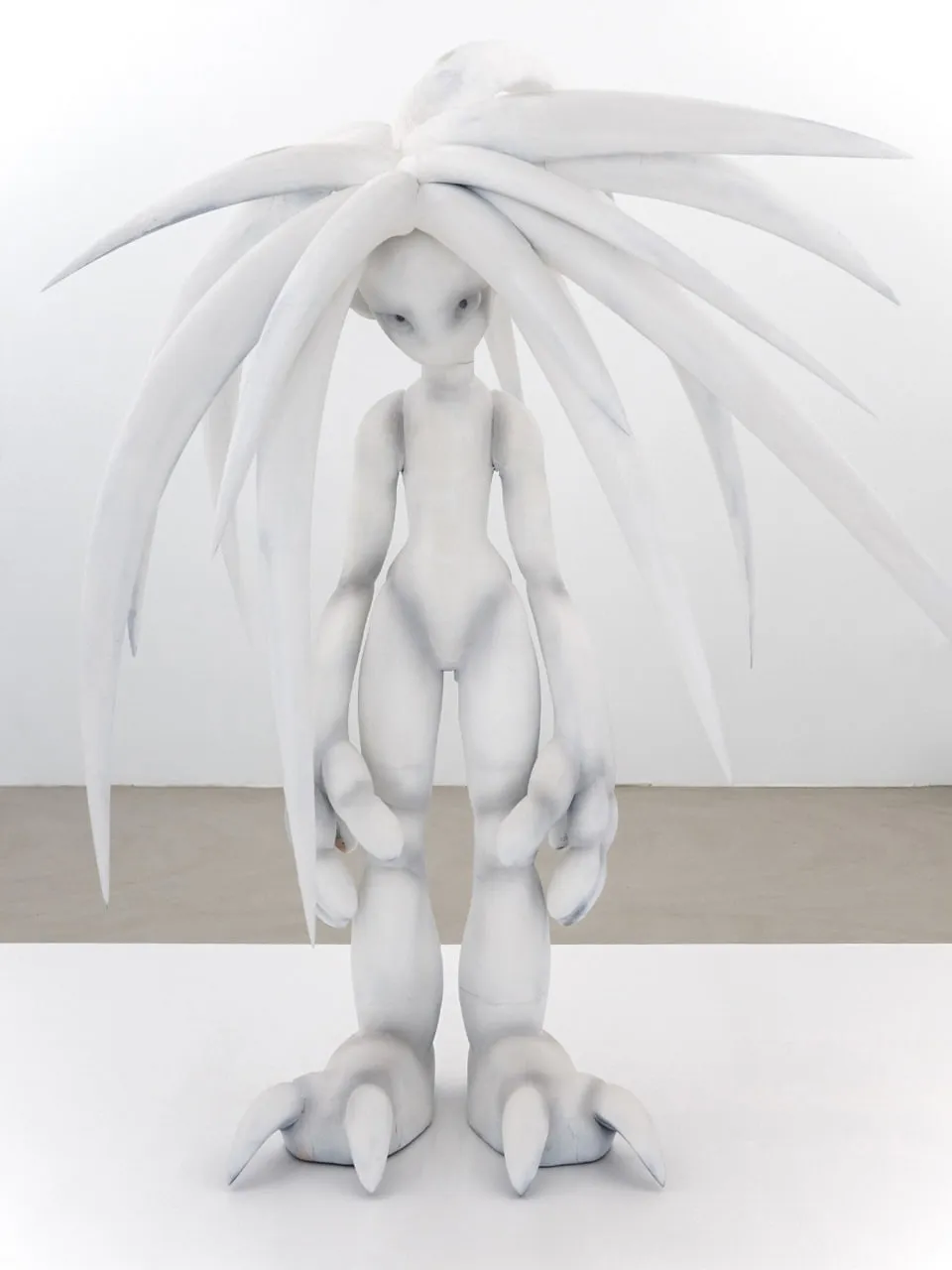
Seoul / 2026
Helsinki / 2026
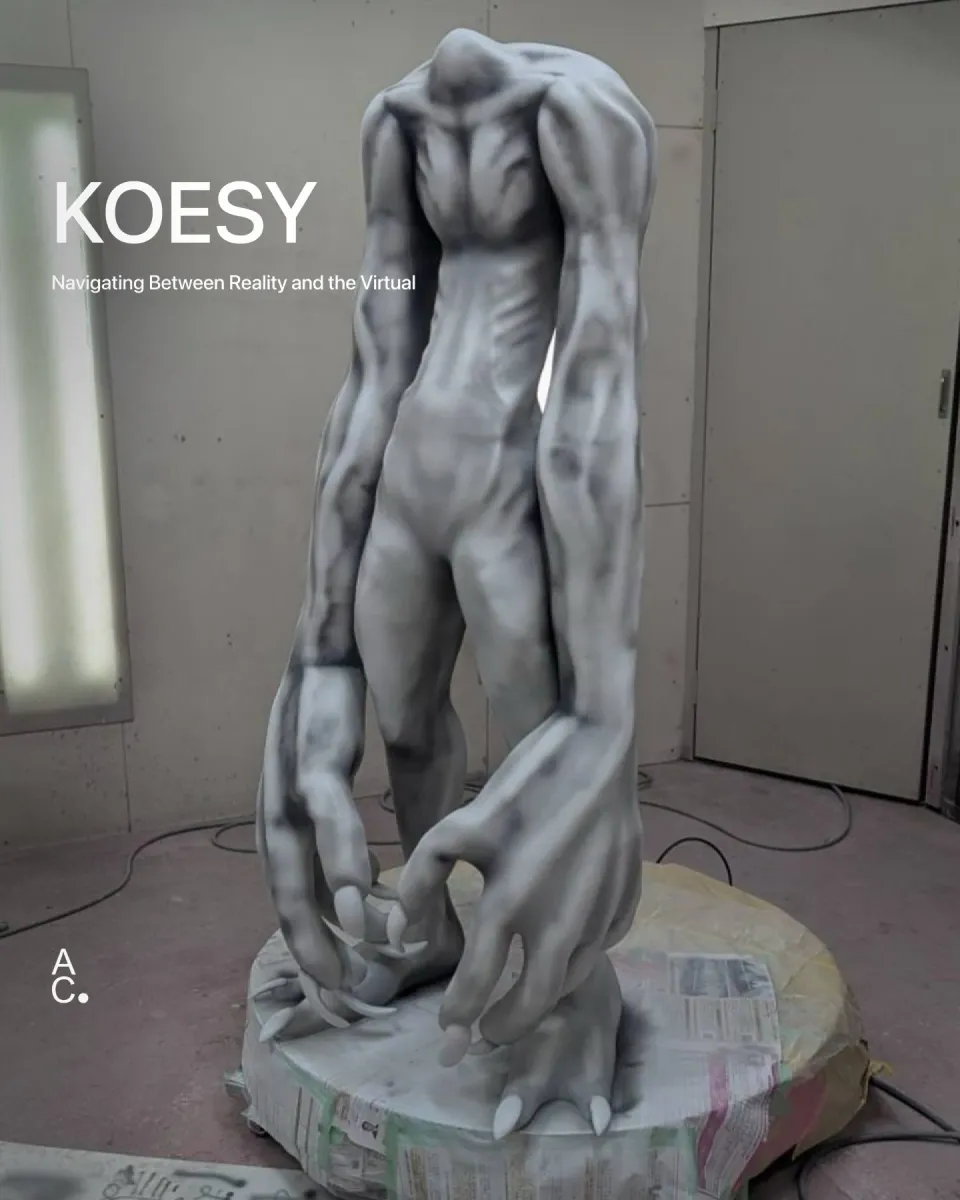
@koesysaga
/ 2026
Olomouc / 2026
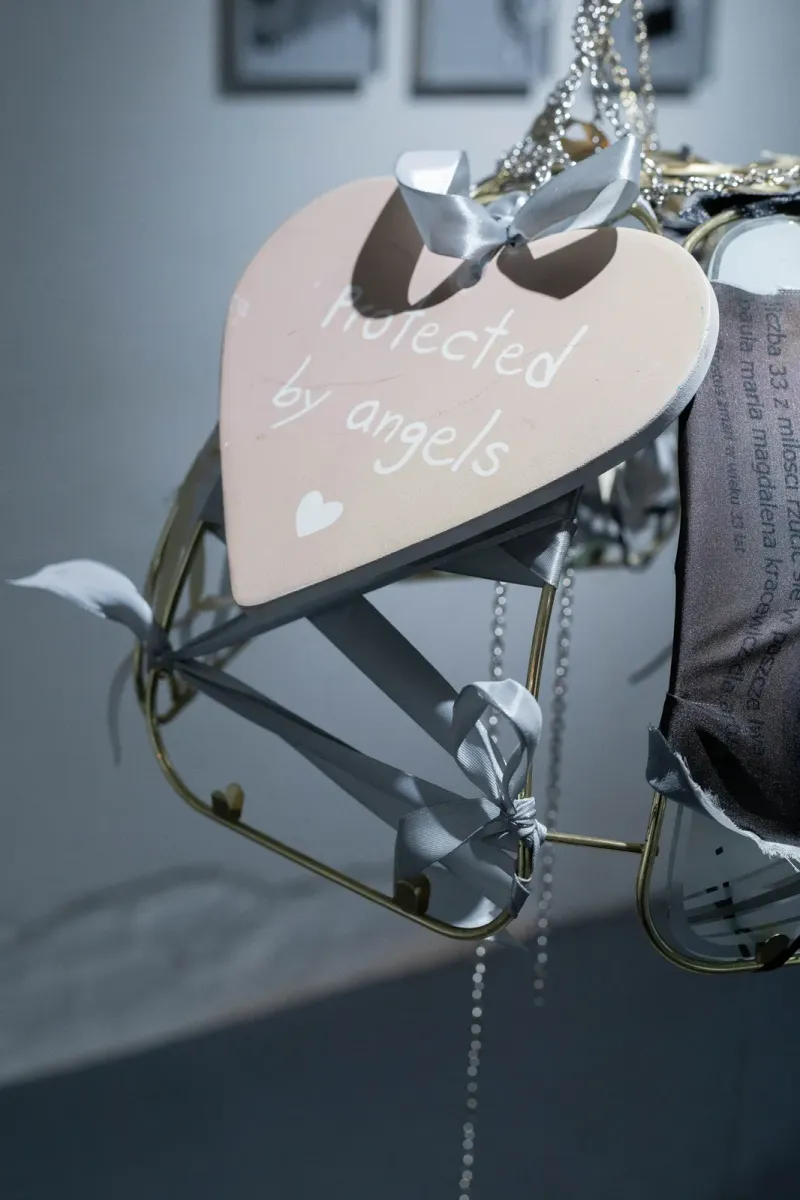
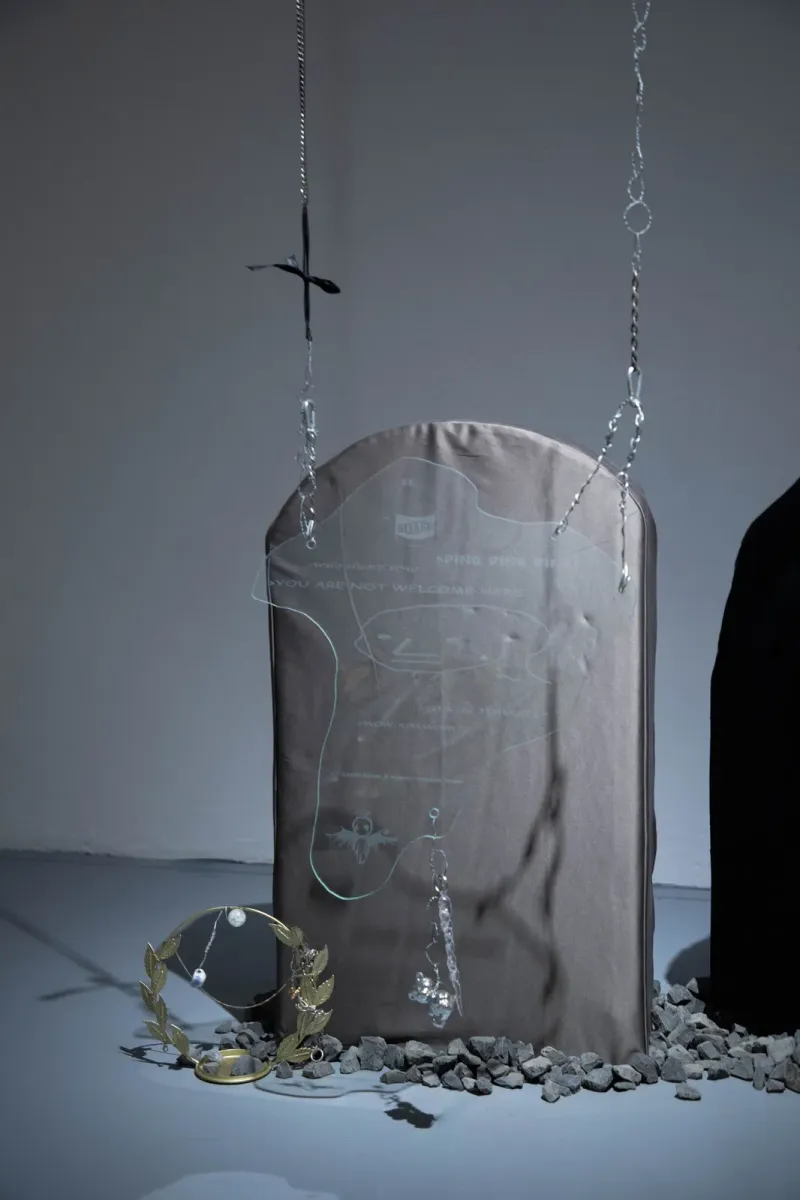
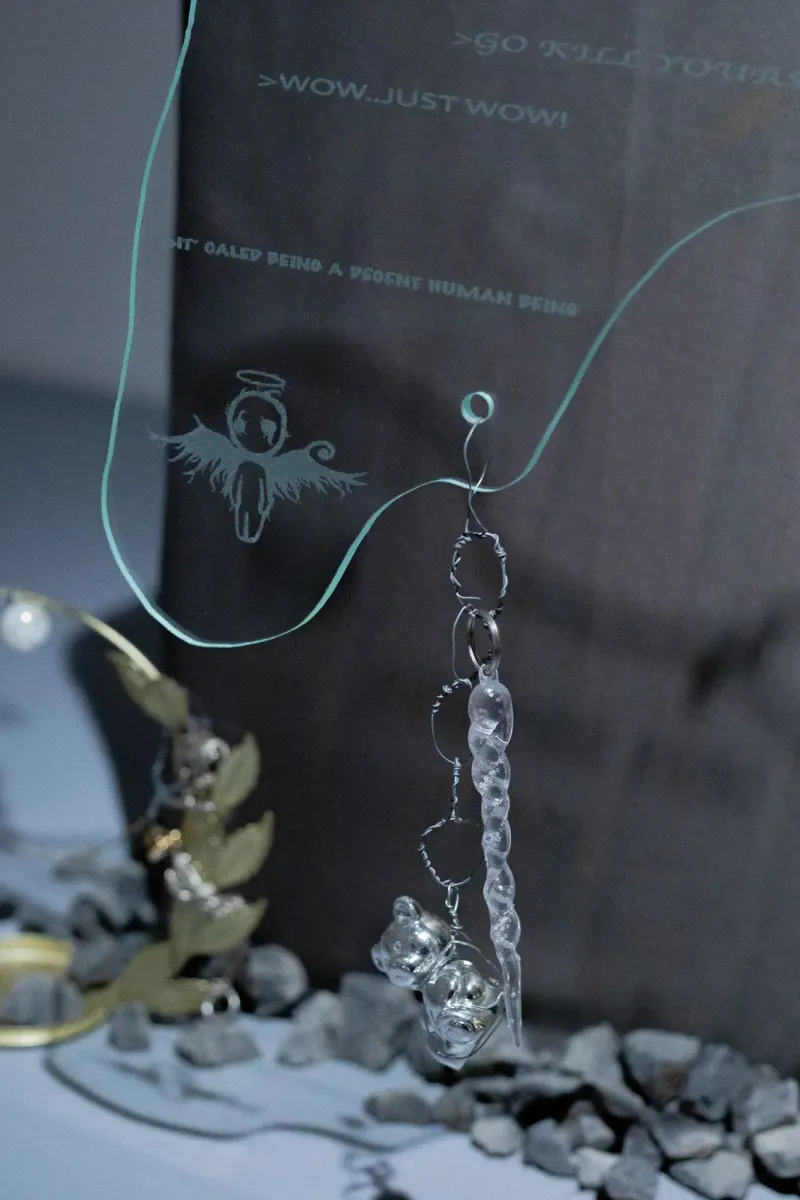
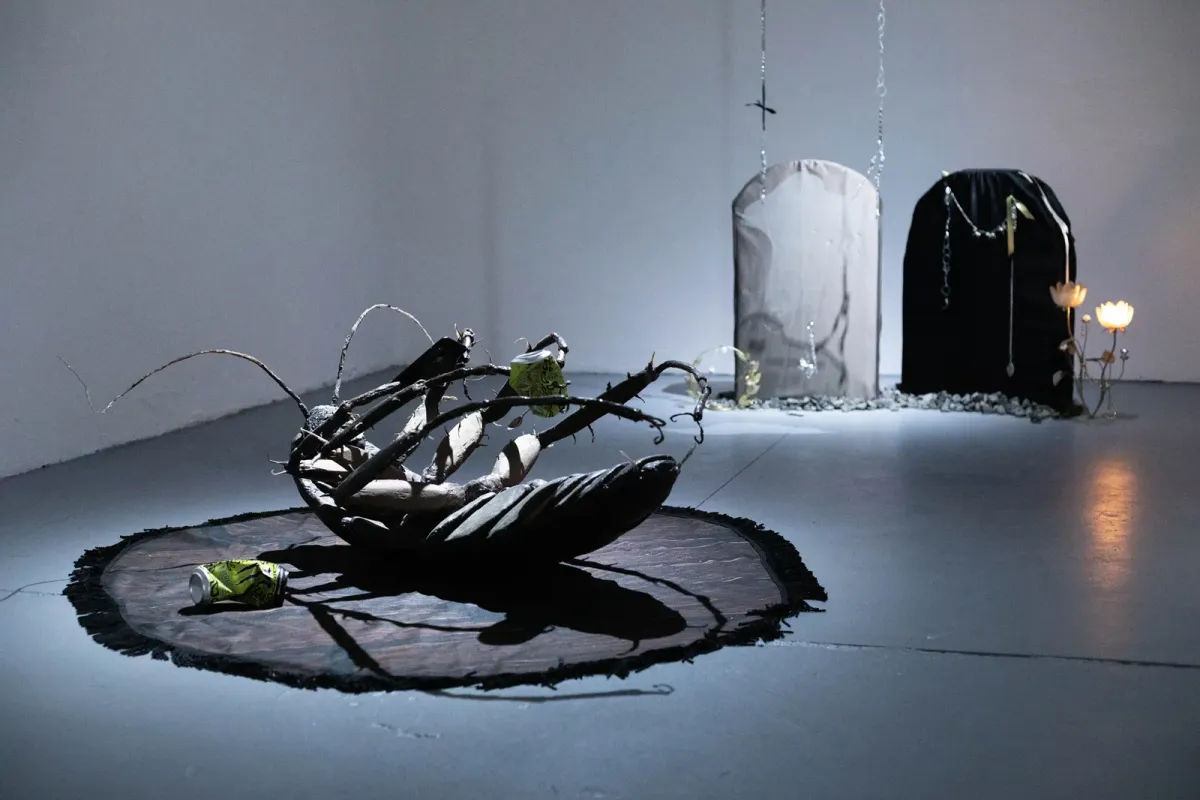
Prague / 2026
Vilnius District Municipality / 2026
Słupsk / 2026
Poznań / 2026
Poznań / 2026

Brussels / 2026

Berlin / 2026


Istanbul / 2026
@pyhii
Montpellier / 2025


Brno / 2025
Lisbon / 2025

/ 2024


Shanghai / 2024
London / 2024

/ 2025

Innsbruck / 2025

Vienna / 2025


New York / 2025
@camelostrich
Busan / 2025

Berlin / 2025

Munich / 2026
Seoul / 2025-2026
Paris / 2026


Warsaw / 2026

Nurnberg / 2026

Offenbach am Main / 2026


/ 2025
Berlin / 2026
/ 2026
@xolo_cuintle
 Features
Berlin / 2026
Cologne / 2026
Saarbrücken / 2026
Berlin / 2026
Suwon / 2026
Hurup / 2026
/ 2026
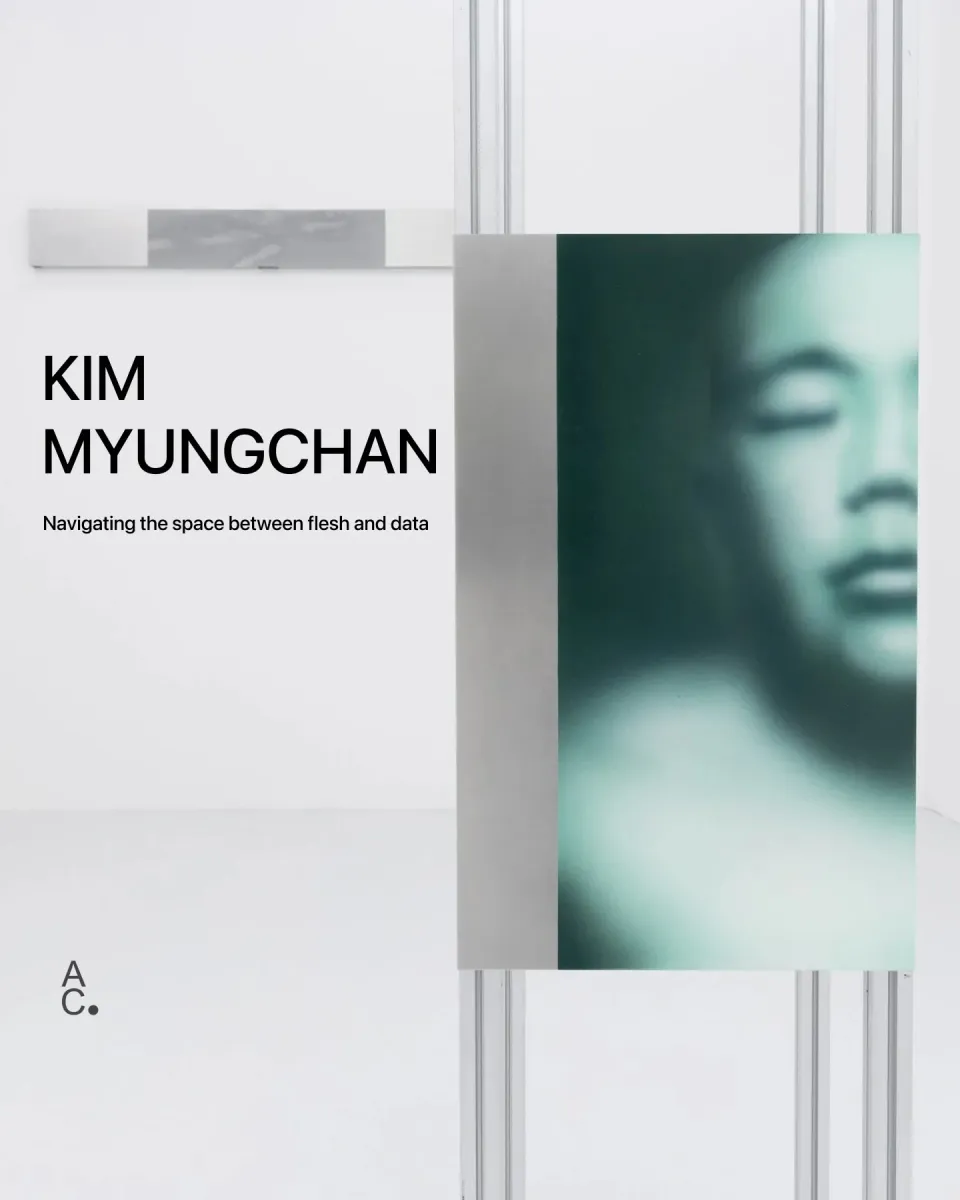
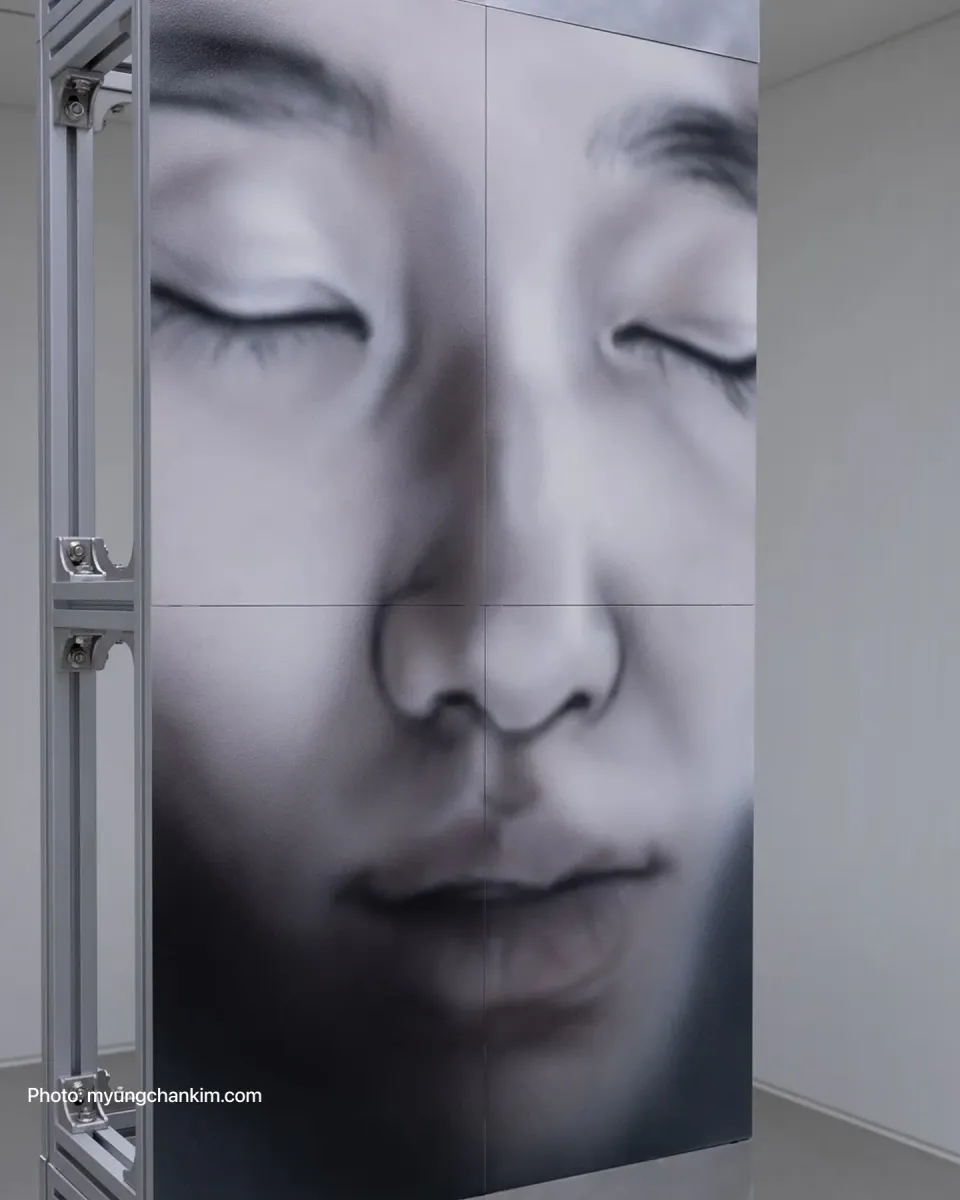
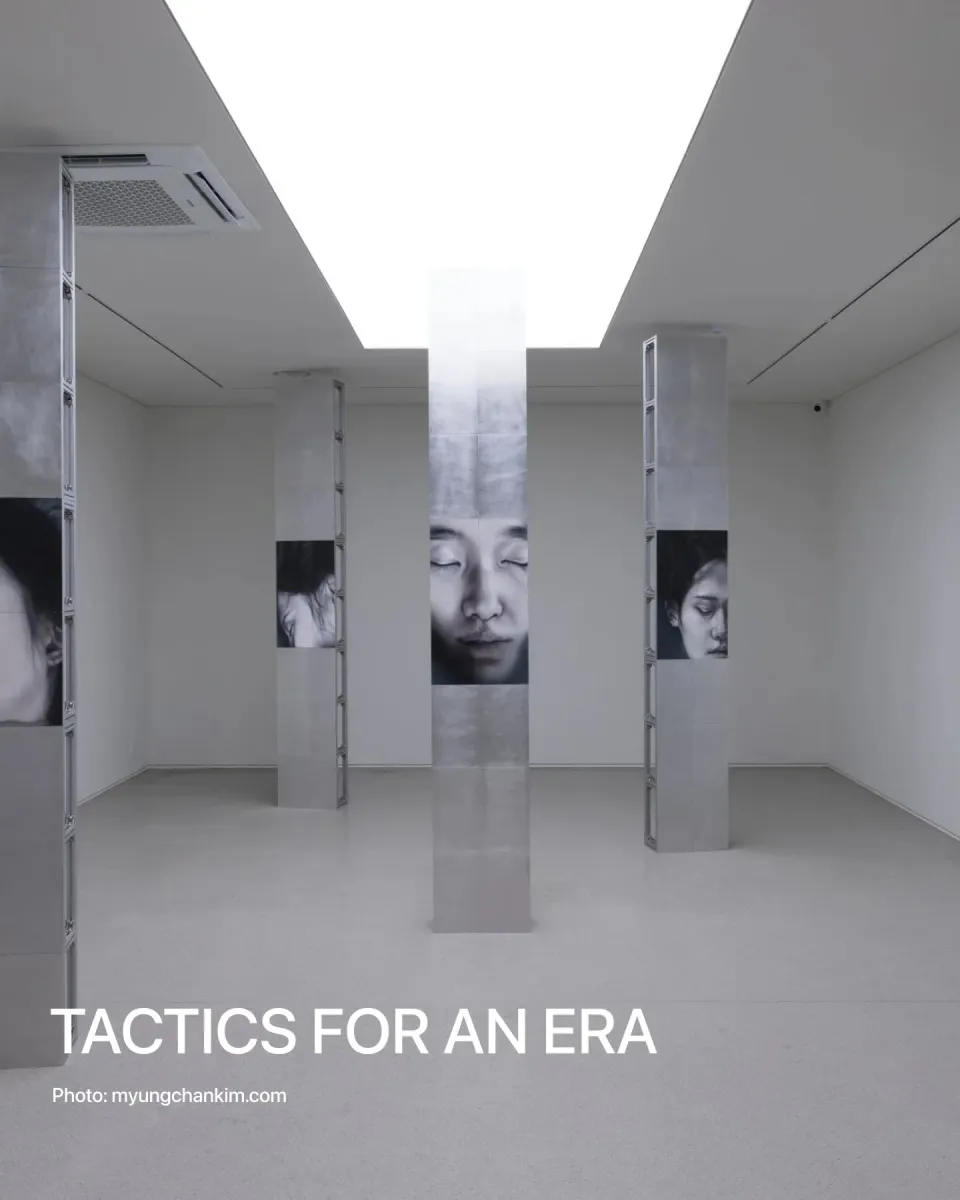
@kim.myungchan
Shanghai / 2026
Paris / 2026
Brescia / 2026
Munich / 2026
Lima / 2026


Mexico City / 2026
.webp)
Cergy / Paris / 2026


New York / 2026

Düsseldorf / 2026
Kraków / 2025
@emma.beatrez

Brussels / 2025-2026

/ 2024


Tartu / 2024

Wroclaw / 2024

Stockholm / 2024-2025

Geneva / 2024
Paris / 2025

Santiago / 2025

Warsaw / 2025


Milan / 2025
@nadaecc
Dornbirn / 2026
Prague / 2026


Seoul / 2025

Buenos Aires / 2026

Seoul / 2026


Berlin-Schöneberg / 2025

Białystok / 2025
Lima / 2026
Vienna / 2026
Antwerpen / 2026
Warsaw / 2026
Madrid / 2026
Istanbul / 2026
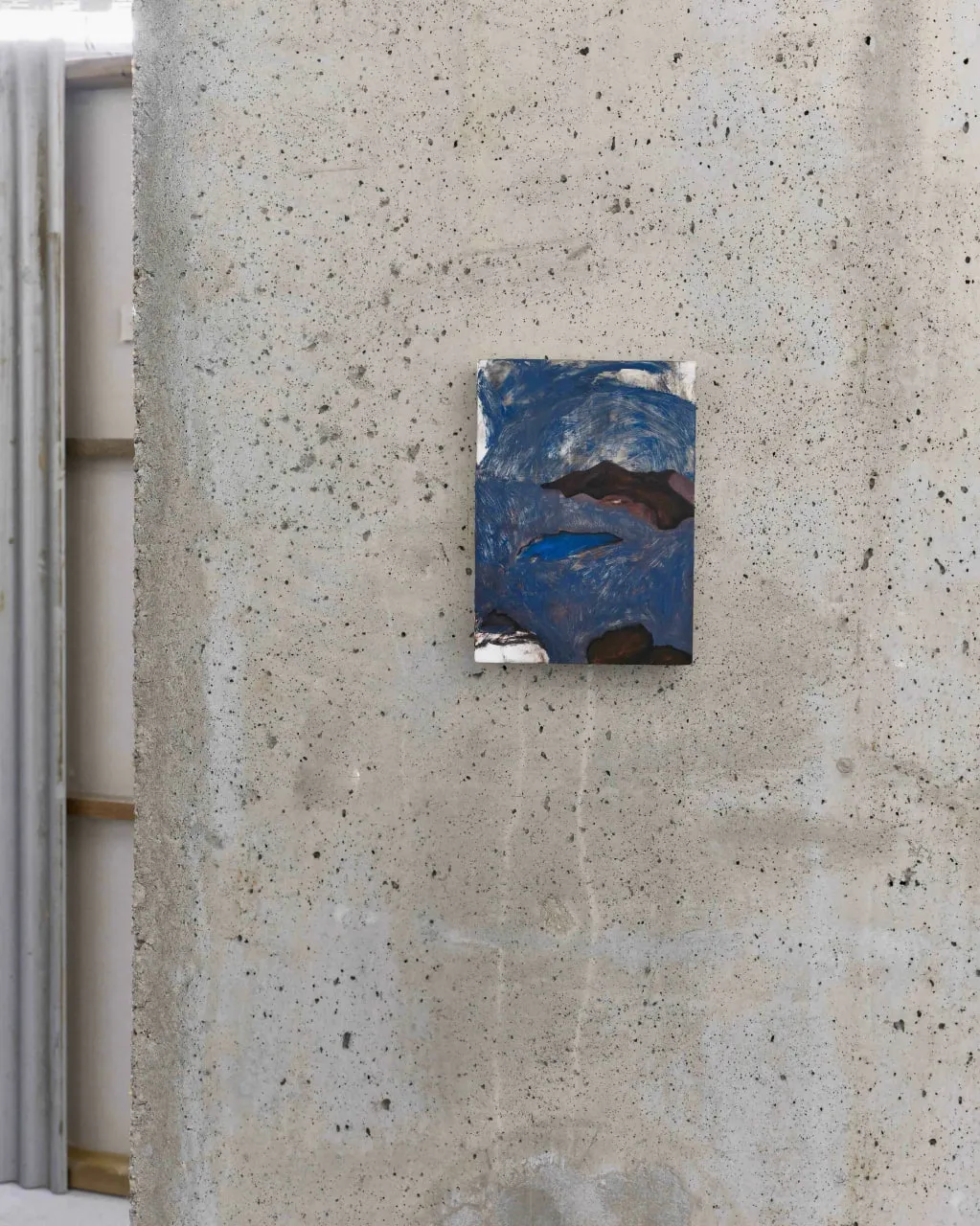
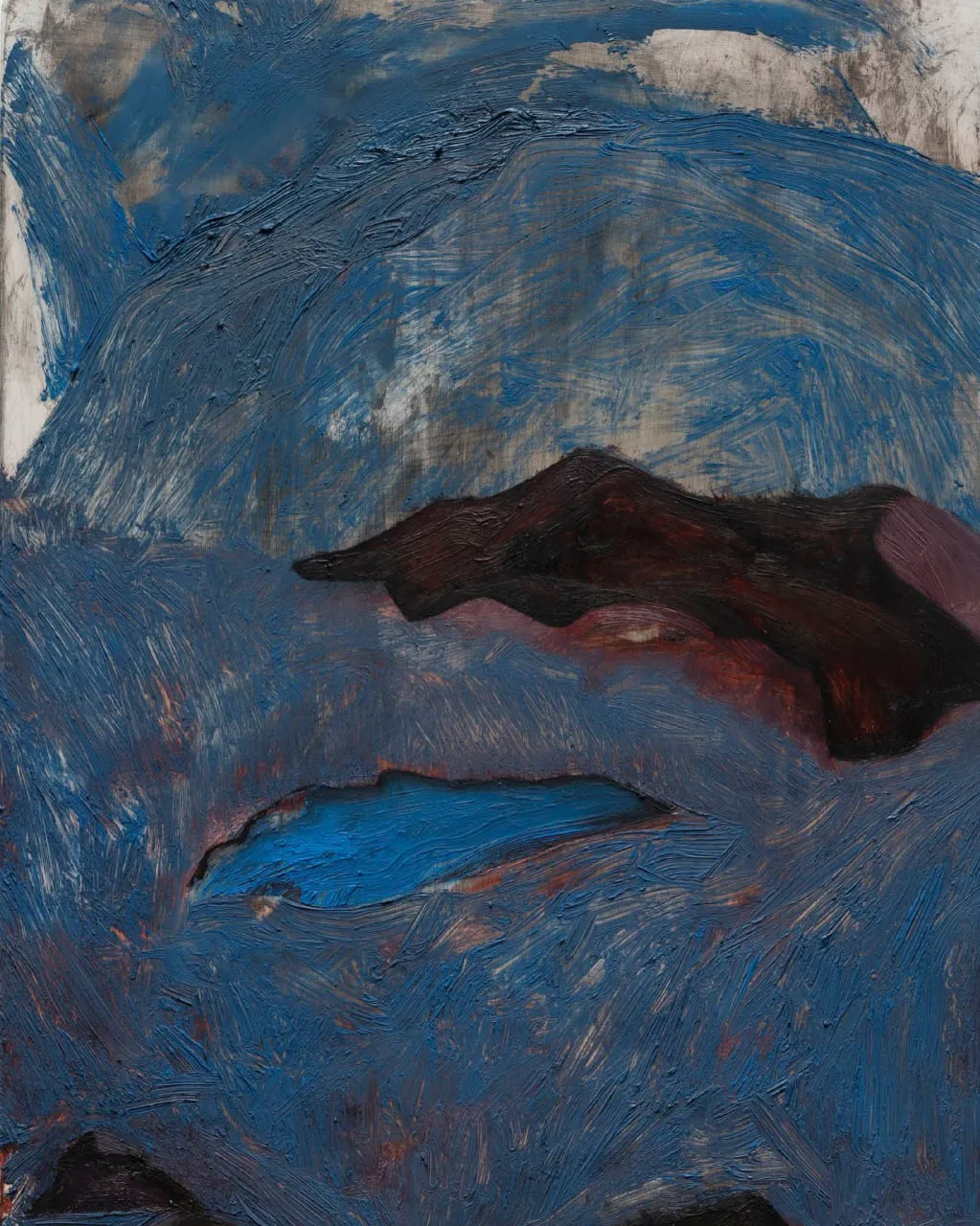
Berlin / 2026
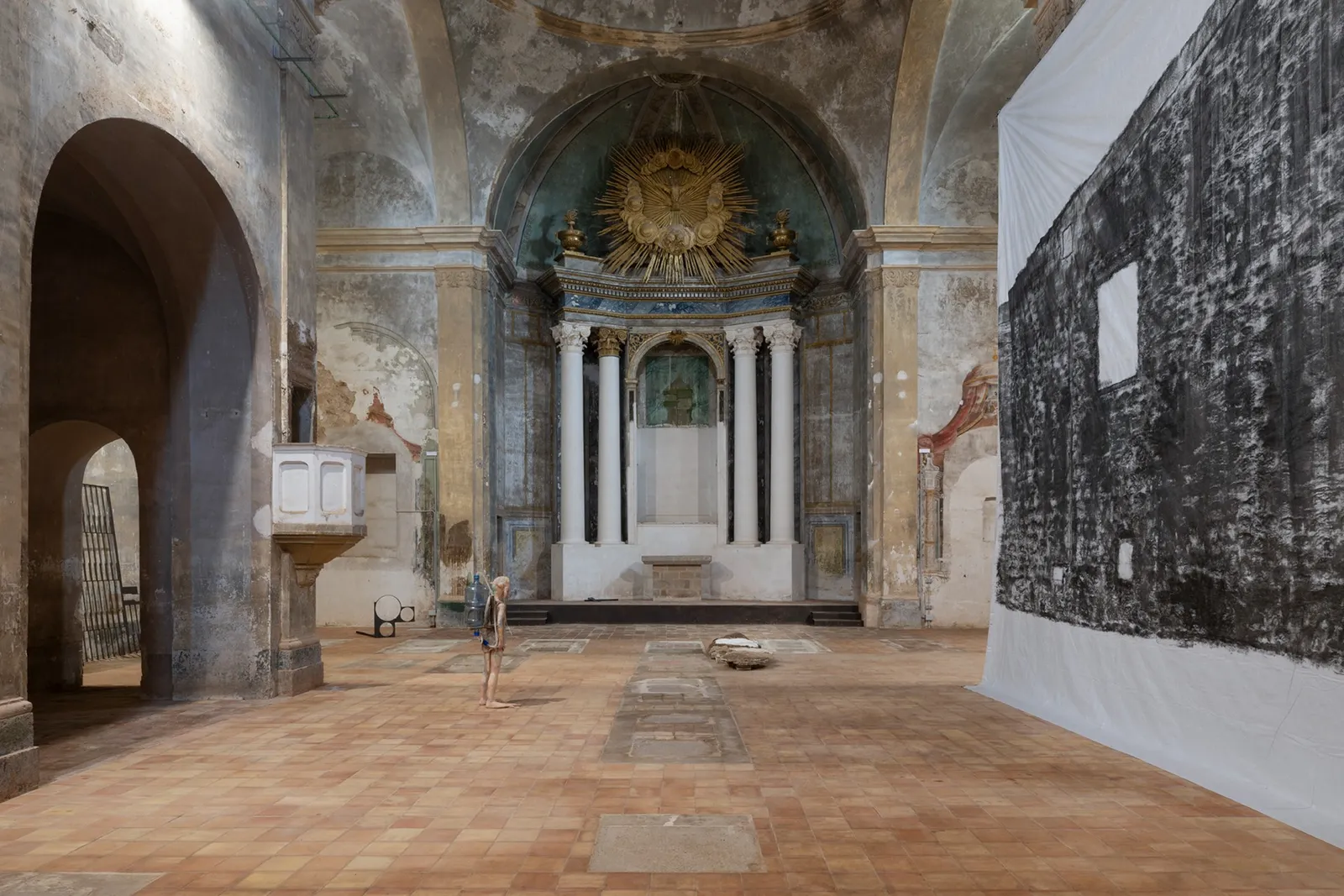
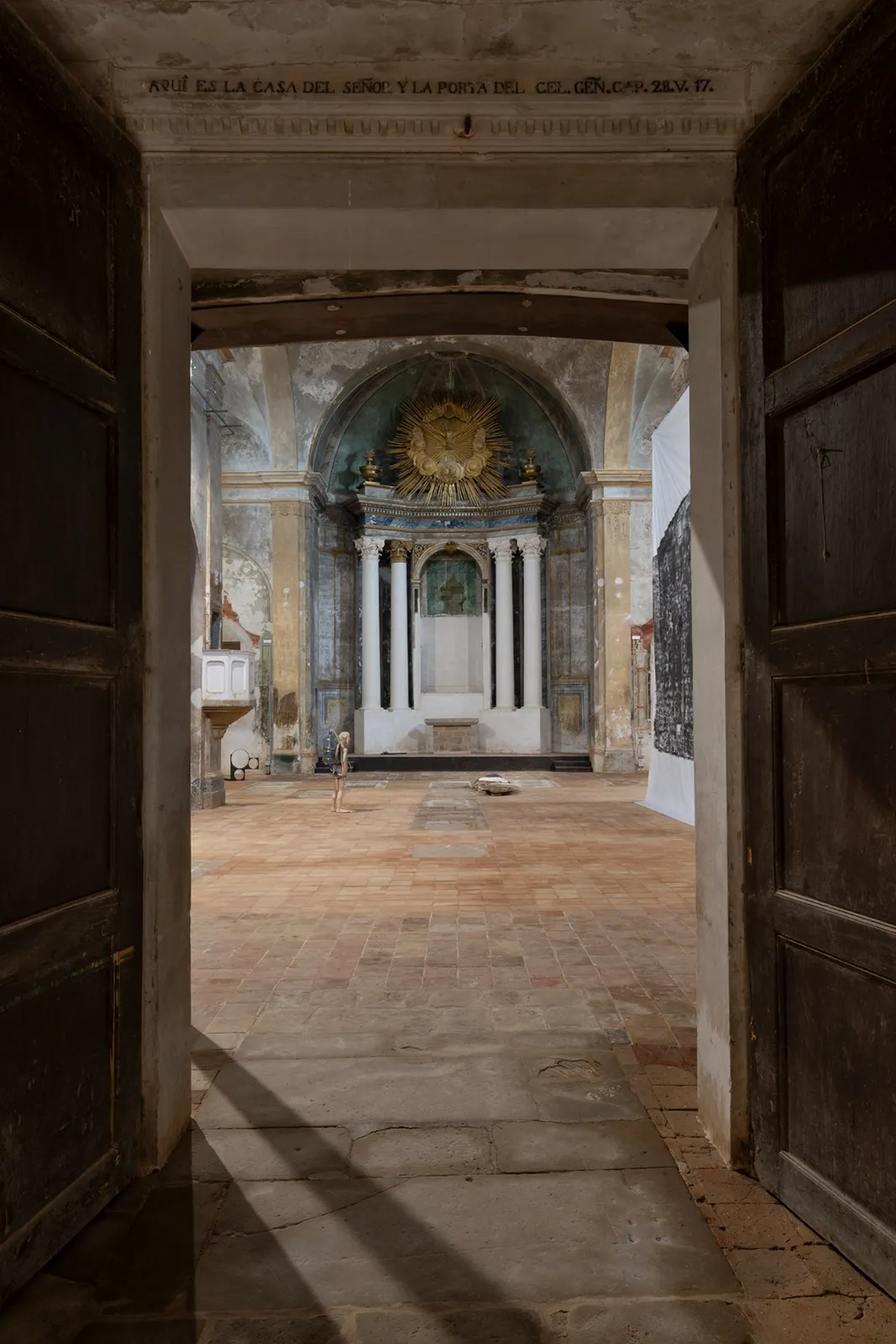
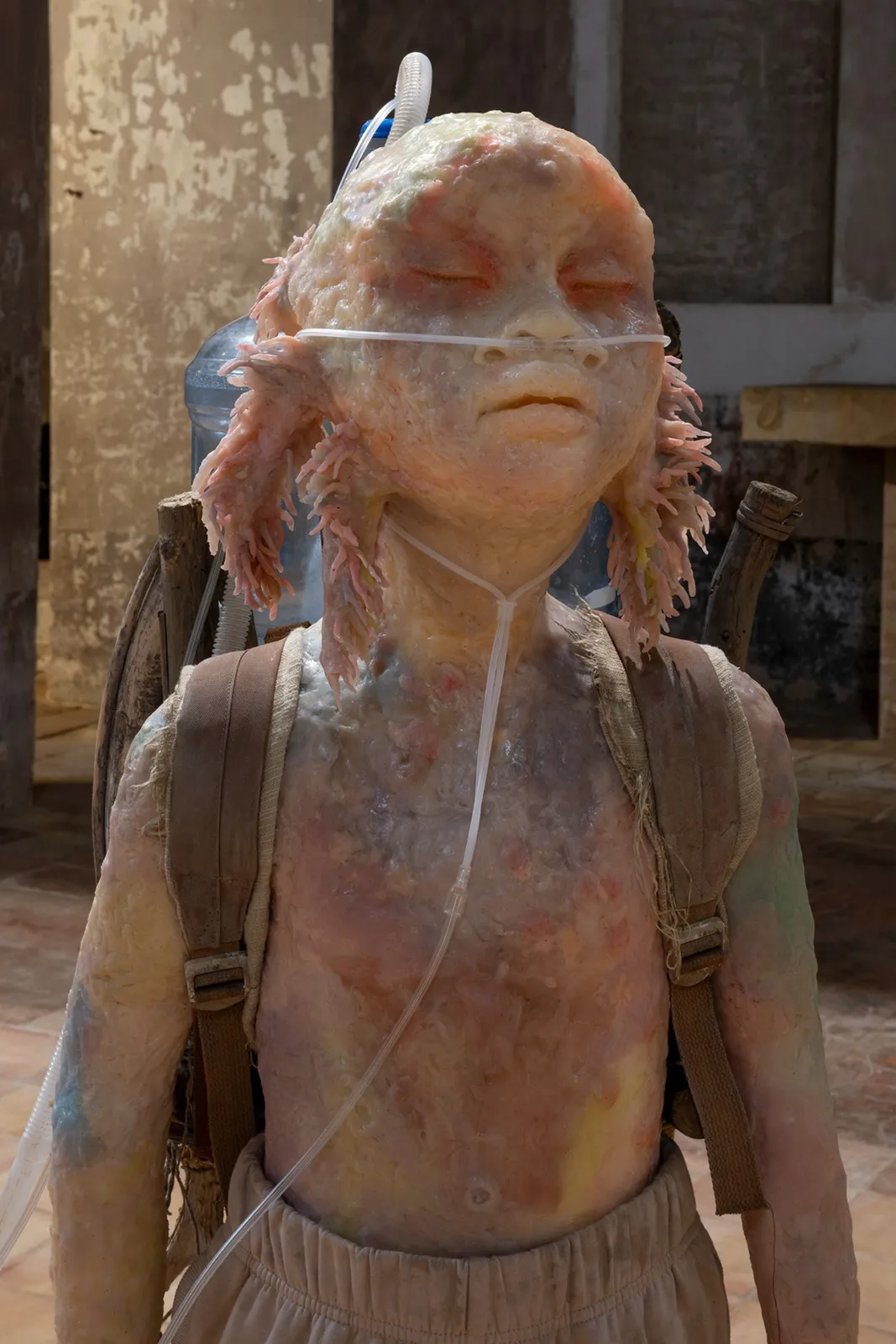
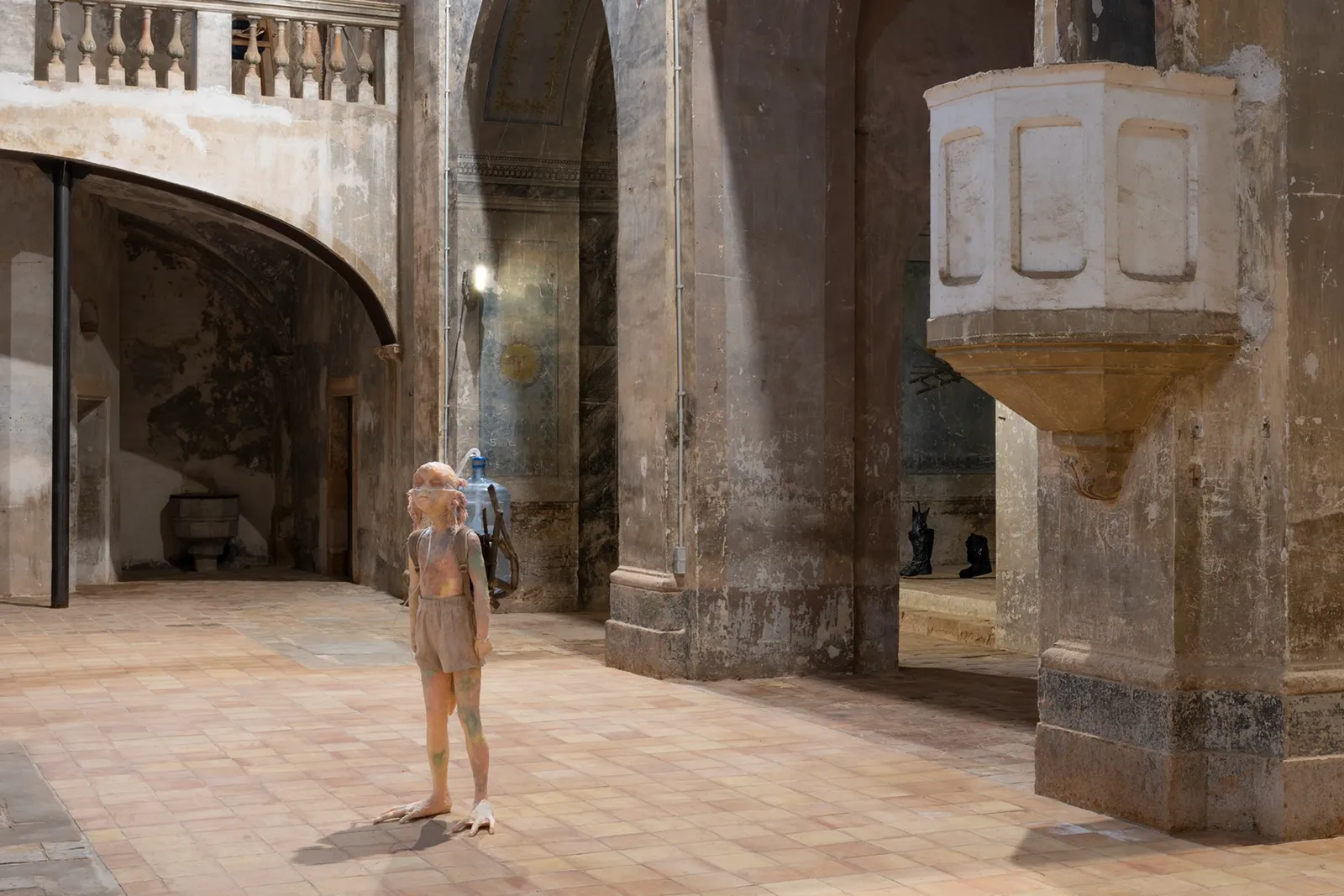
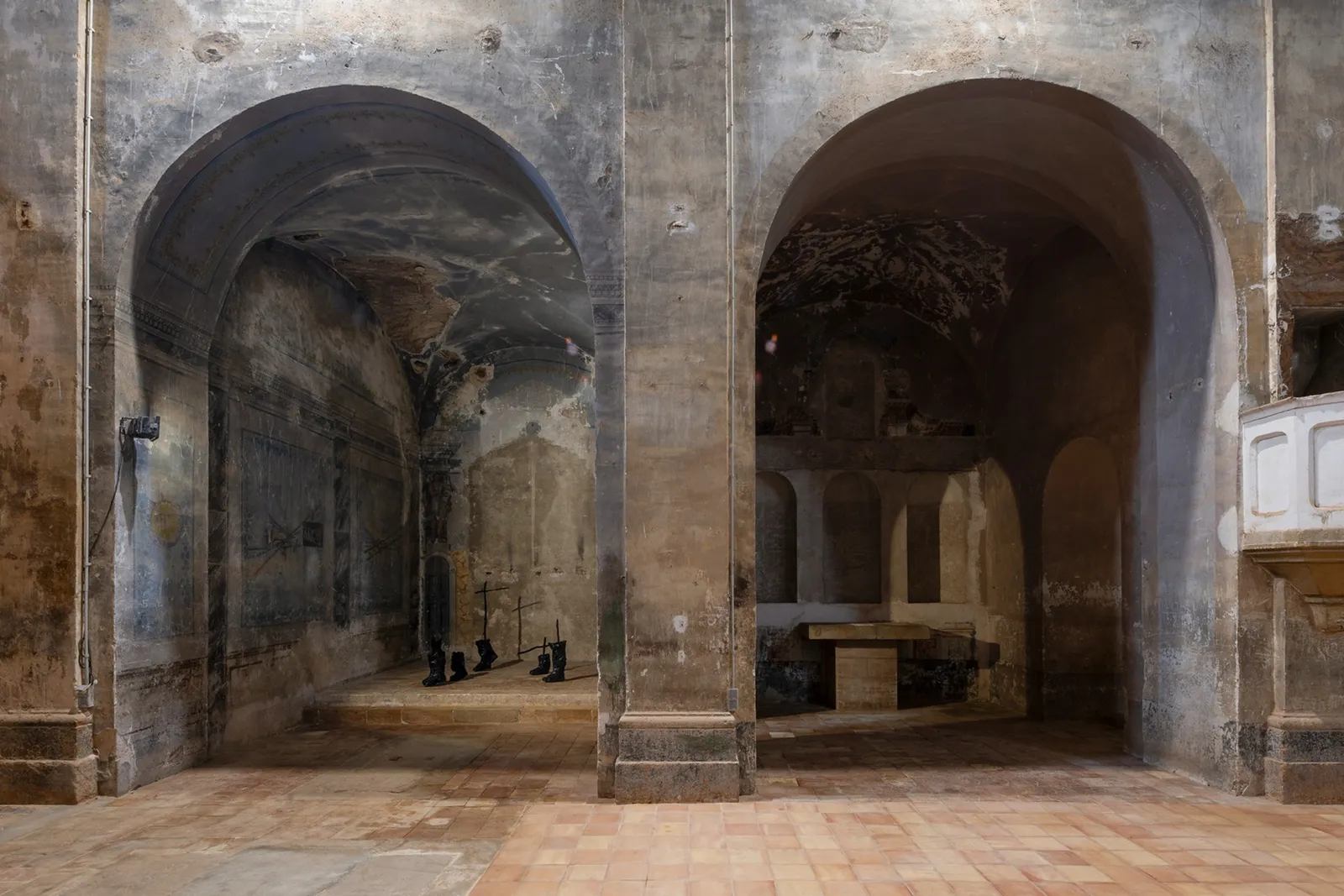
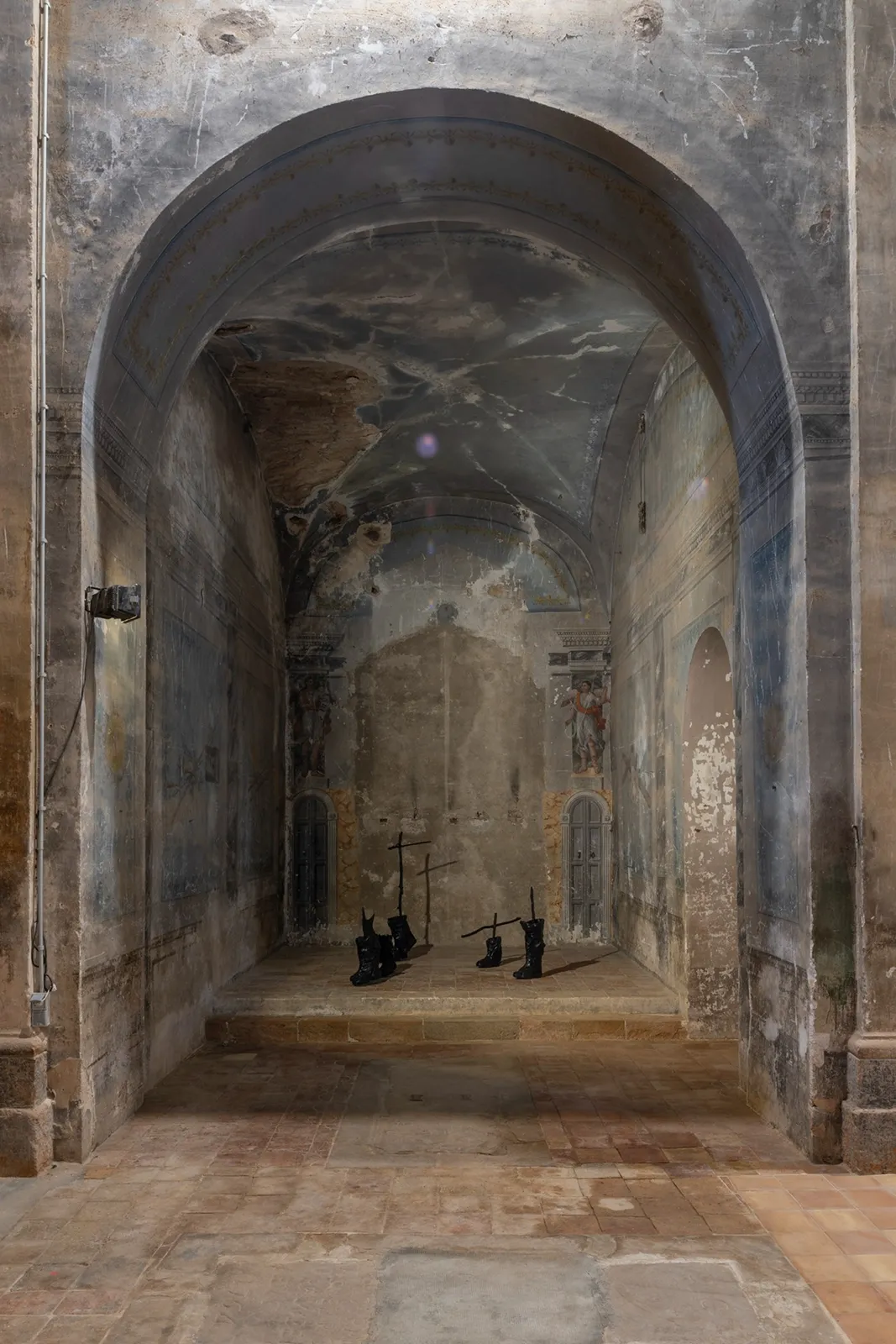
Lladó / 2026
Santiago / 2026
Paris / 2026
Tisbury / 2026
Berlin / 2026
Málaga / 2026
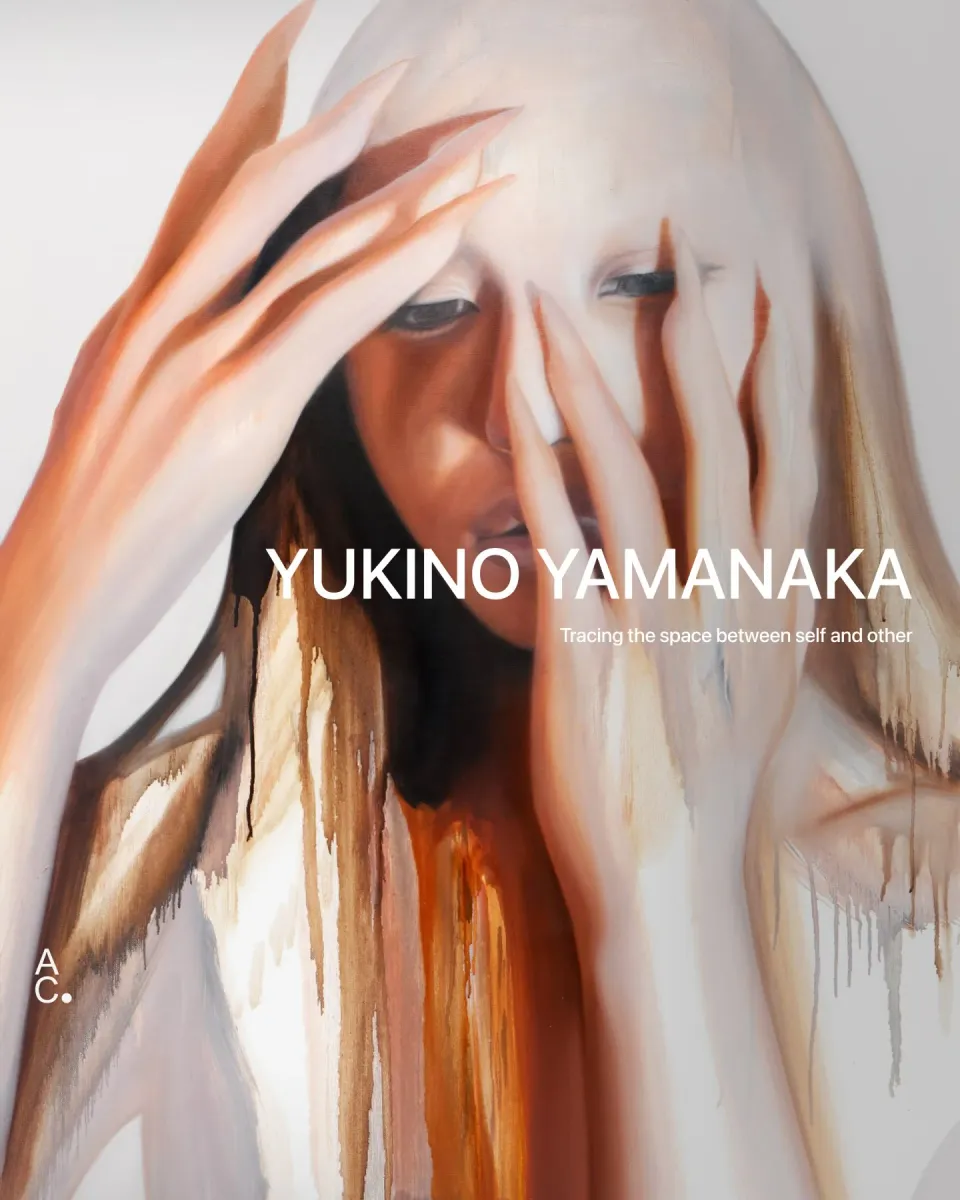
@yukino_yamanaka
Klaus in Vorarlberg / 2026
Genk / 2026
Turin / 2026

Vienna / 2026

Oslo / 2026

Warsaw / 2026


Düsseldorf / 2026


Berlin / 2025
Shanghai / 2025


/ 2023
@s_gatzkan
Vilnius / 2024
Prague / 2024


Jung-gu, Seoul / 2025

Ljubljana / 2025


Bratislava / 2025


/ 2025
Bratislava / 2025

Kraków / 2025

Milan / 2025


Graz / 2026
@arghavan_khosravi
London / 2026

Vorarlberg / 2026
Sardinia / 2026

/ 2025
.webp)
Seoul / 2025
Düsseldorf / 2026
 Submit Exhibition
Prague / 2026
Tokyo / 2026
@dew_needs_you
Miami / 2026
Berlin / 2026
Norwich / 2026
Vilnius / 2026
Brno / 2026
Avigliana / 2026
Shanghai / 2026
Copenhagen / 2026
Ciudad de México / 2026
Angers / 2026
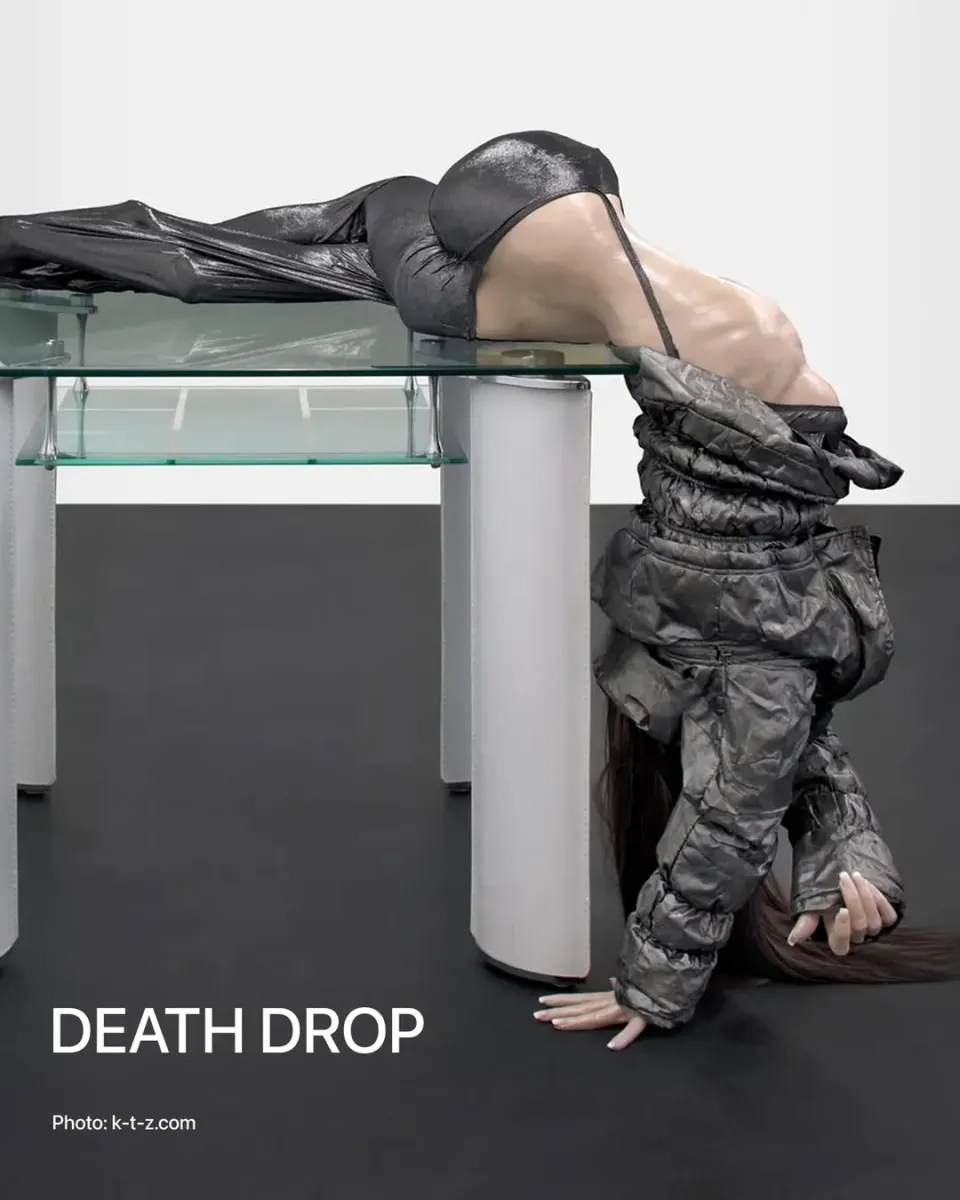
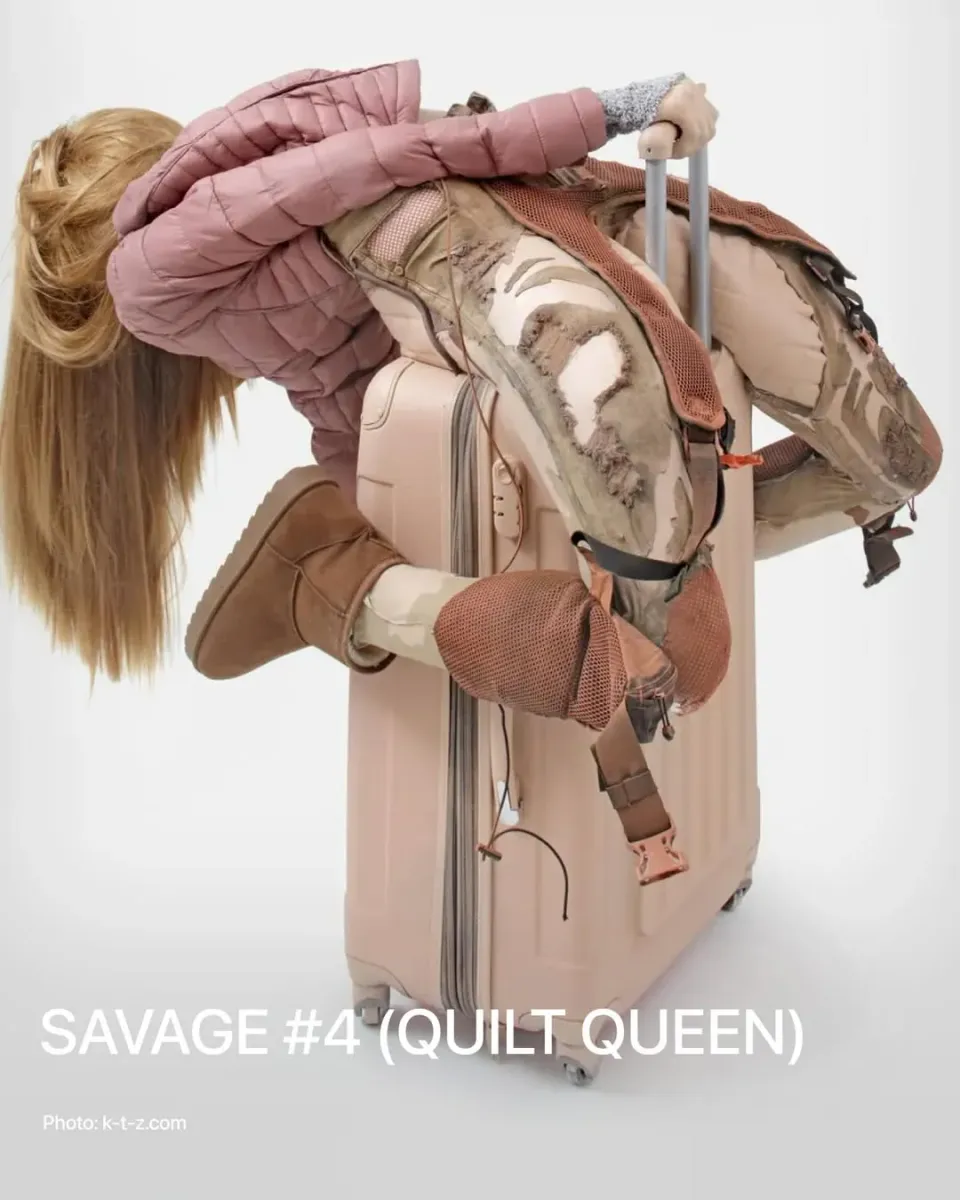
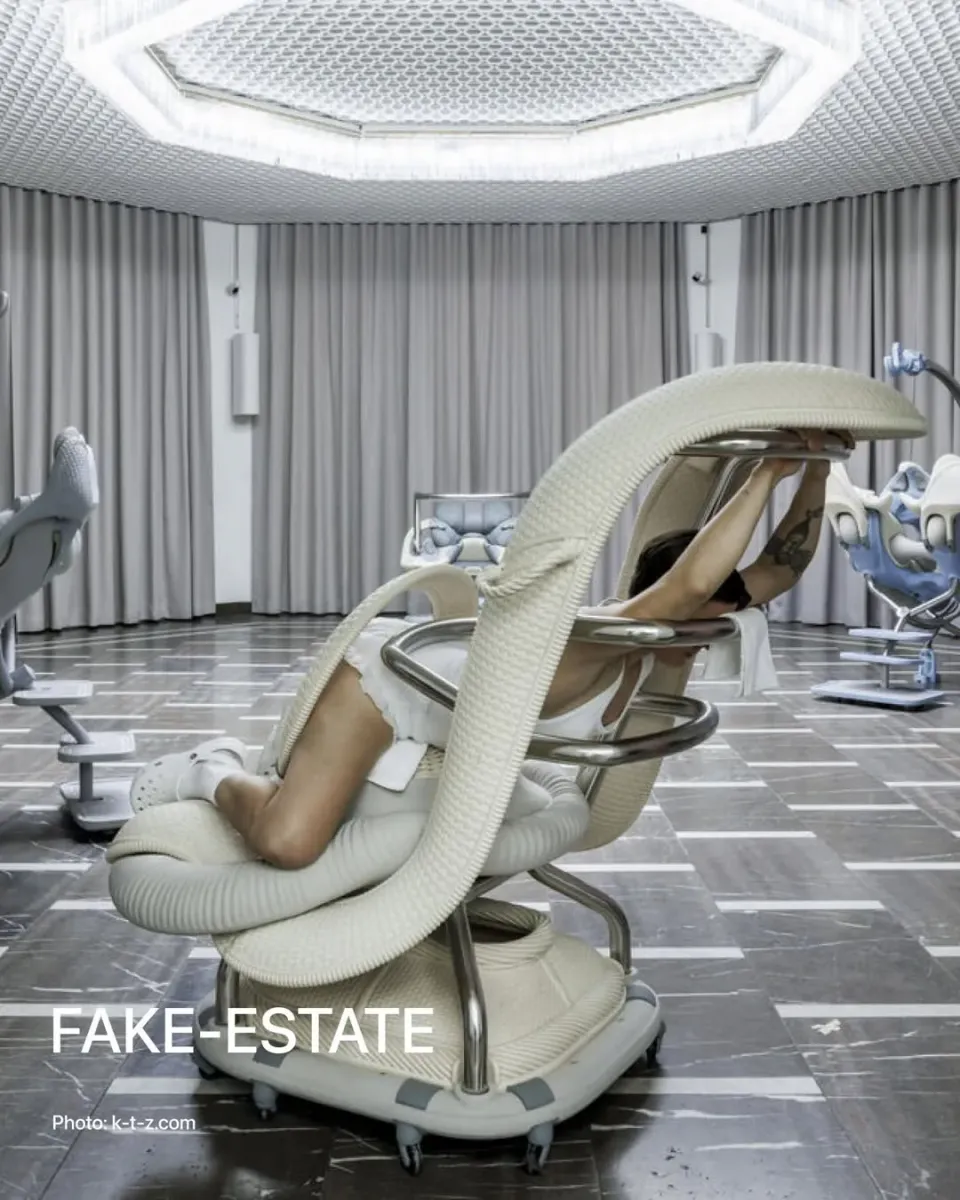
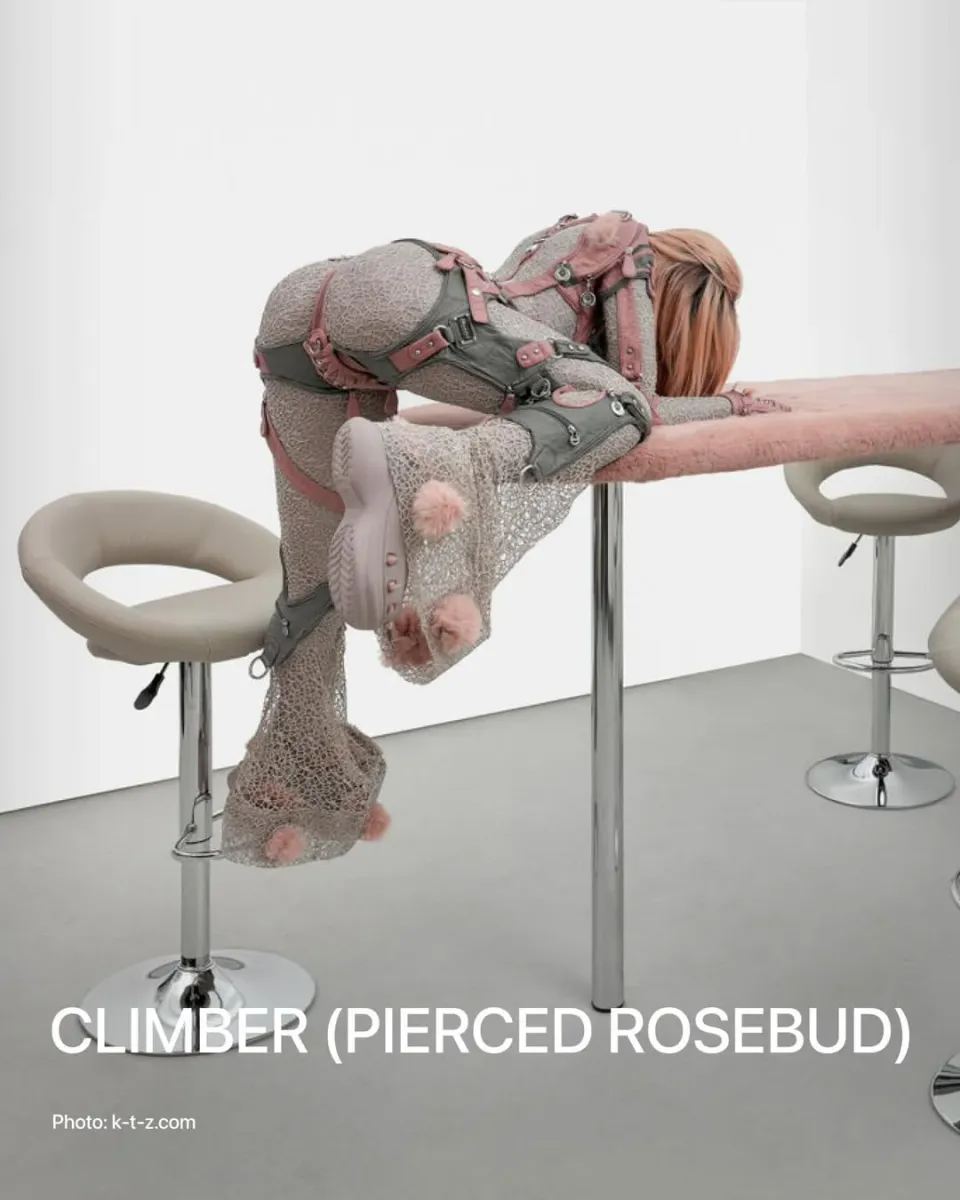
@filet_minion_thong
Kraków / 2026


Paris / 2026

Poznań / 2026

Bucharest / 2026

Tokyo / 2026
New York City (NY) / 2025
Göteborg / 2025


/ 2024

Lisboa / 2023


Budapest / 2024
@pax_aliena

Milan / 2025


Barcelona / 2024-2025


Milan / 2025
Berlin / 2025

Århus / 2025


Paris / 2025
Berlin / 2025

Seoul / 2026
Leipzig / 2026

Dornbirn / 2026
@que.fresca

Paris / 2026


Paris / 2025

Seoul / 2025
Sherbrooke / 2026
Warsaw / 2026
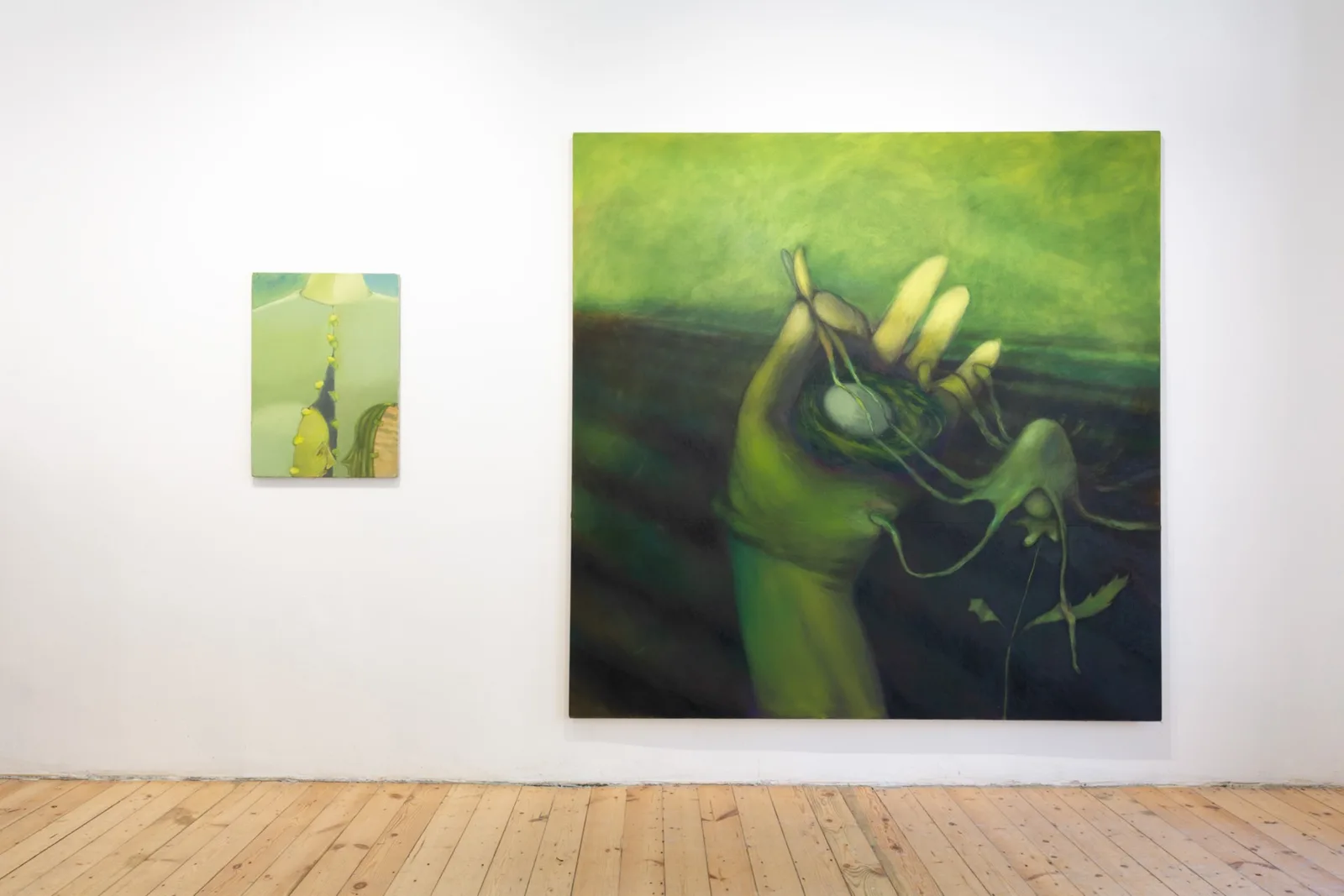
Riga / 2026
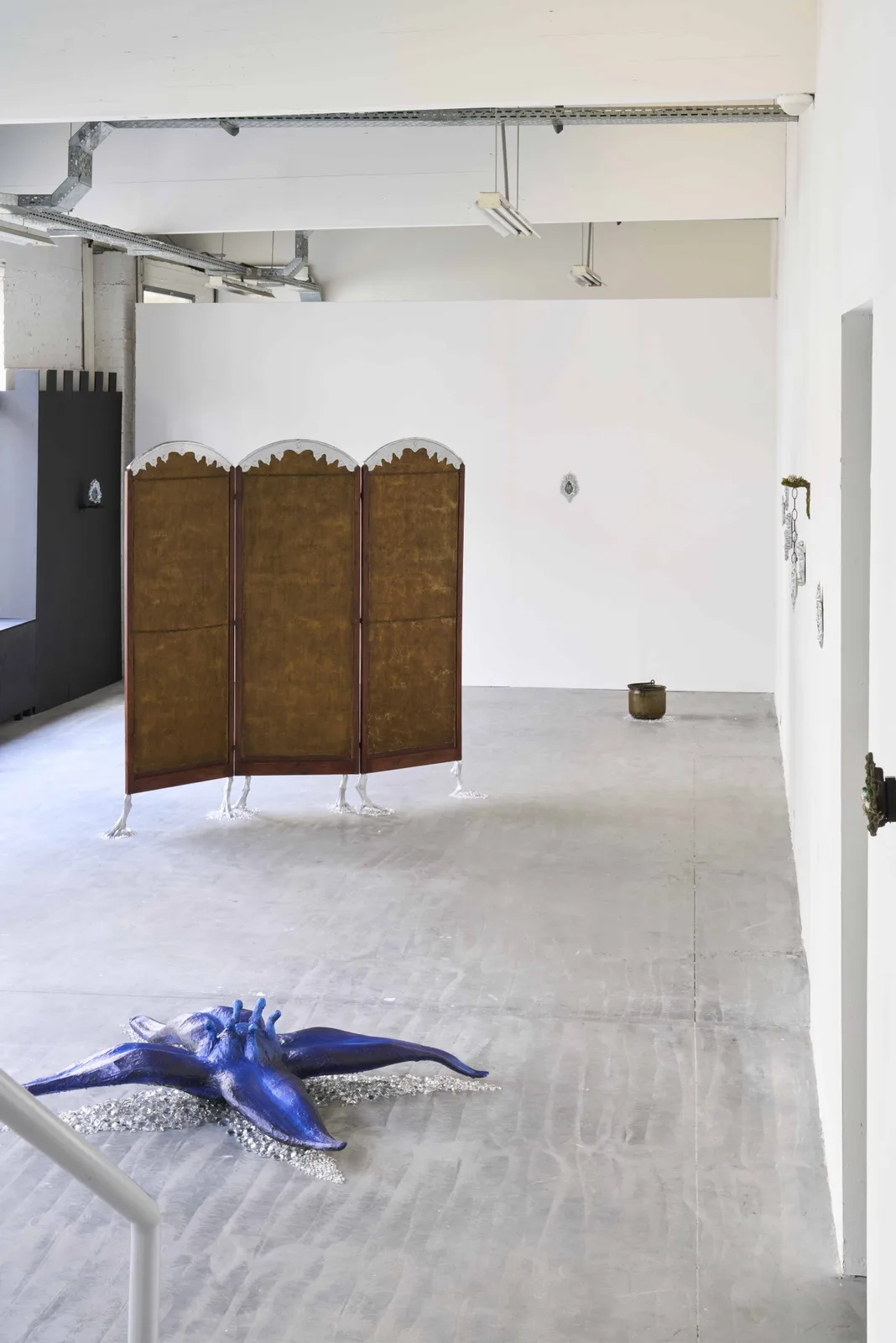
Brussels / 2026
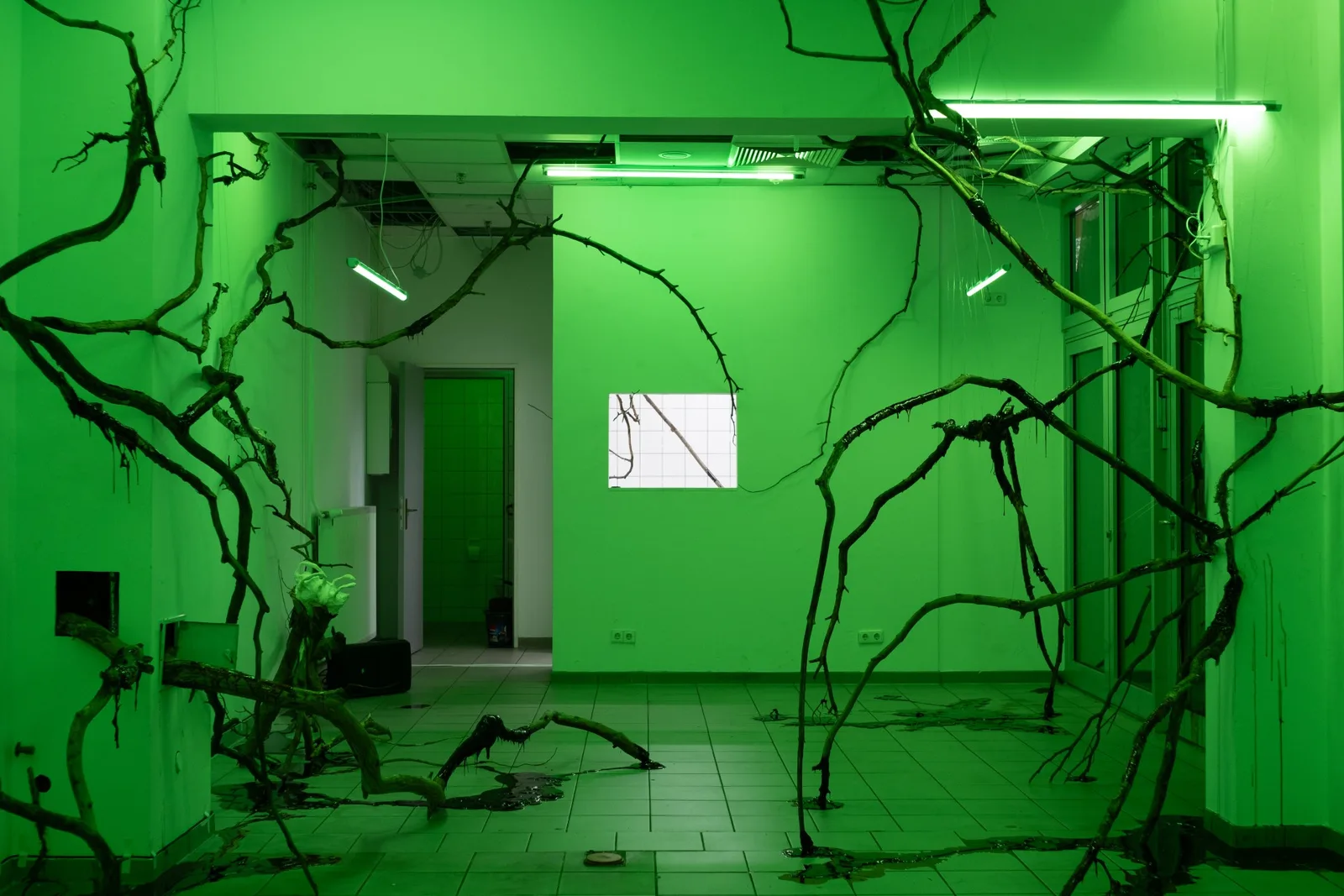
Berlin / 2026
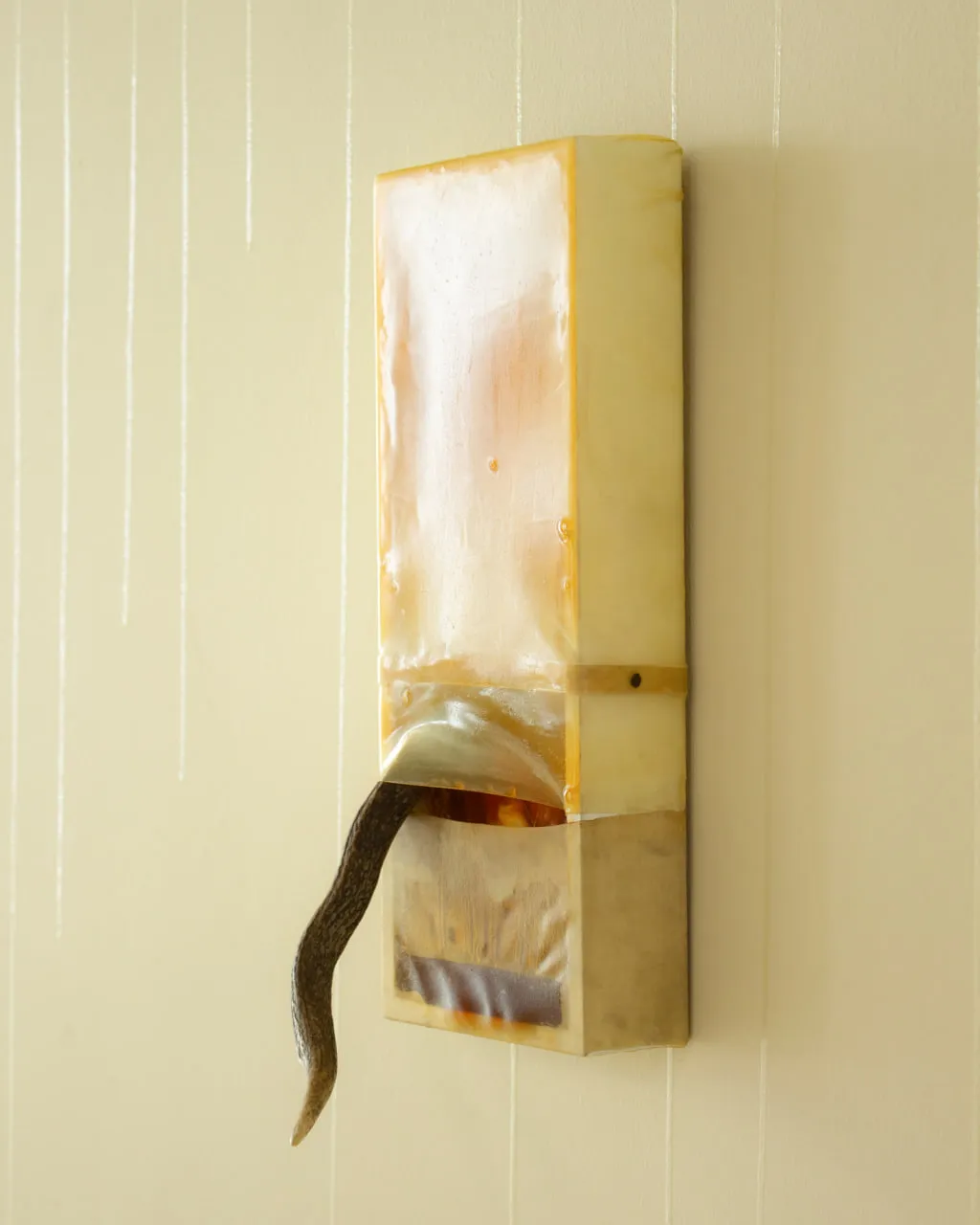
Munich / 2026
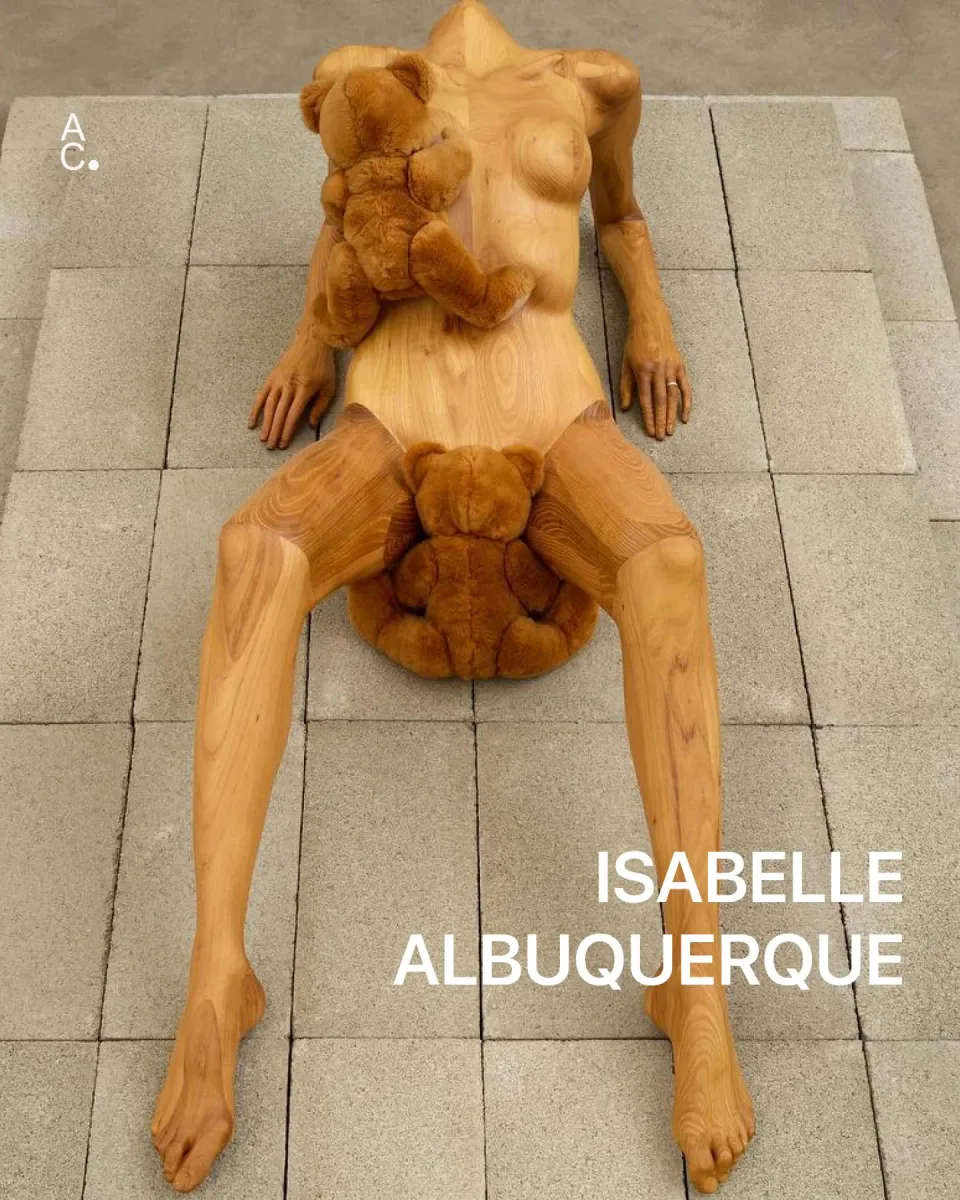
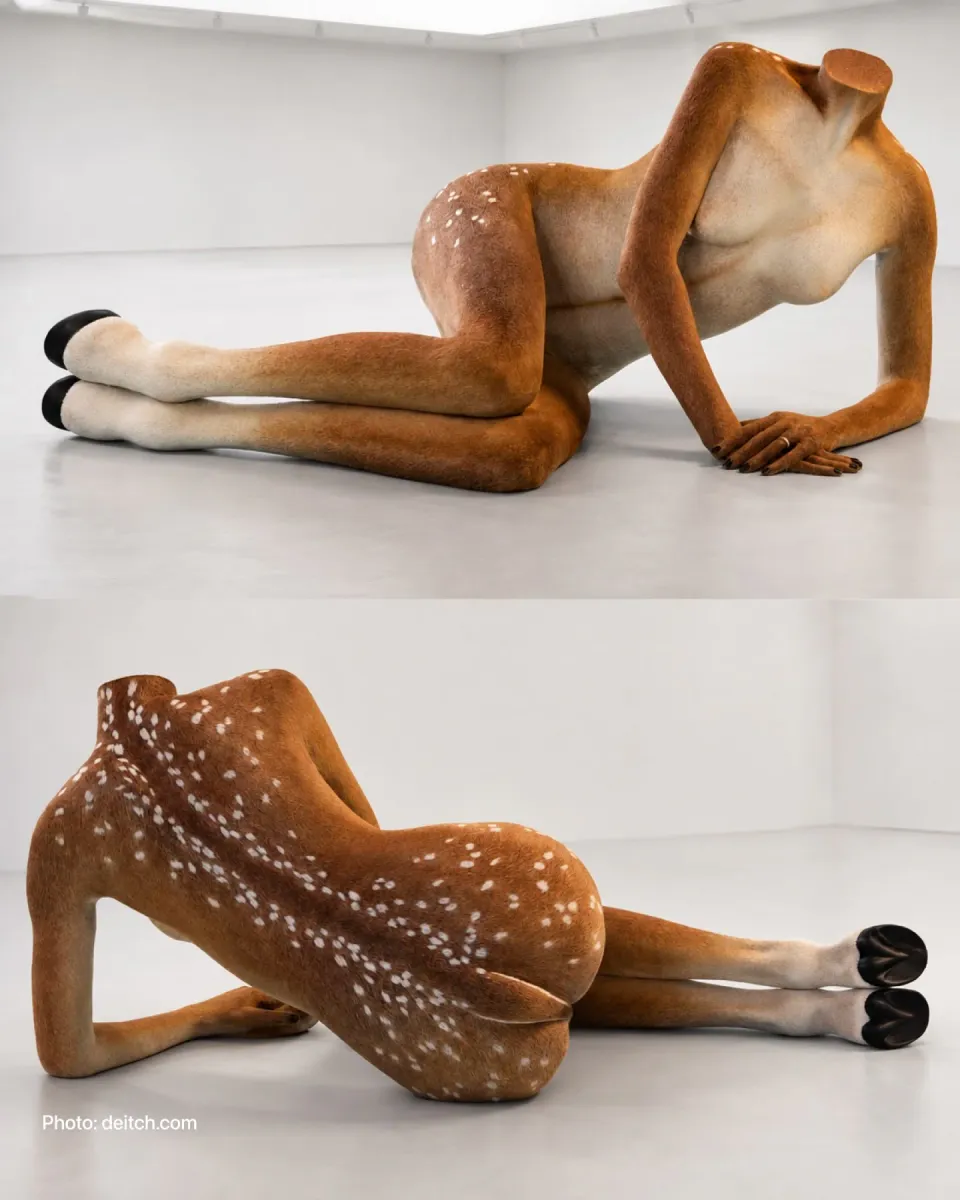
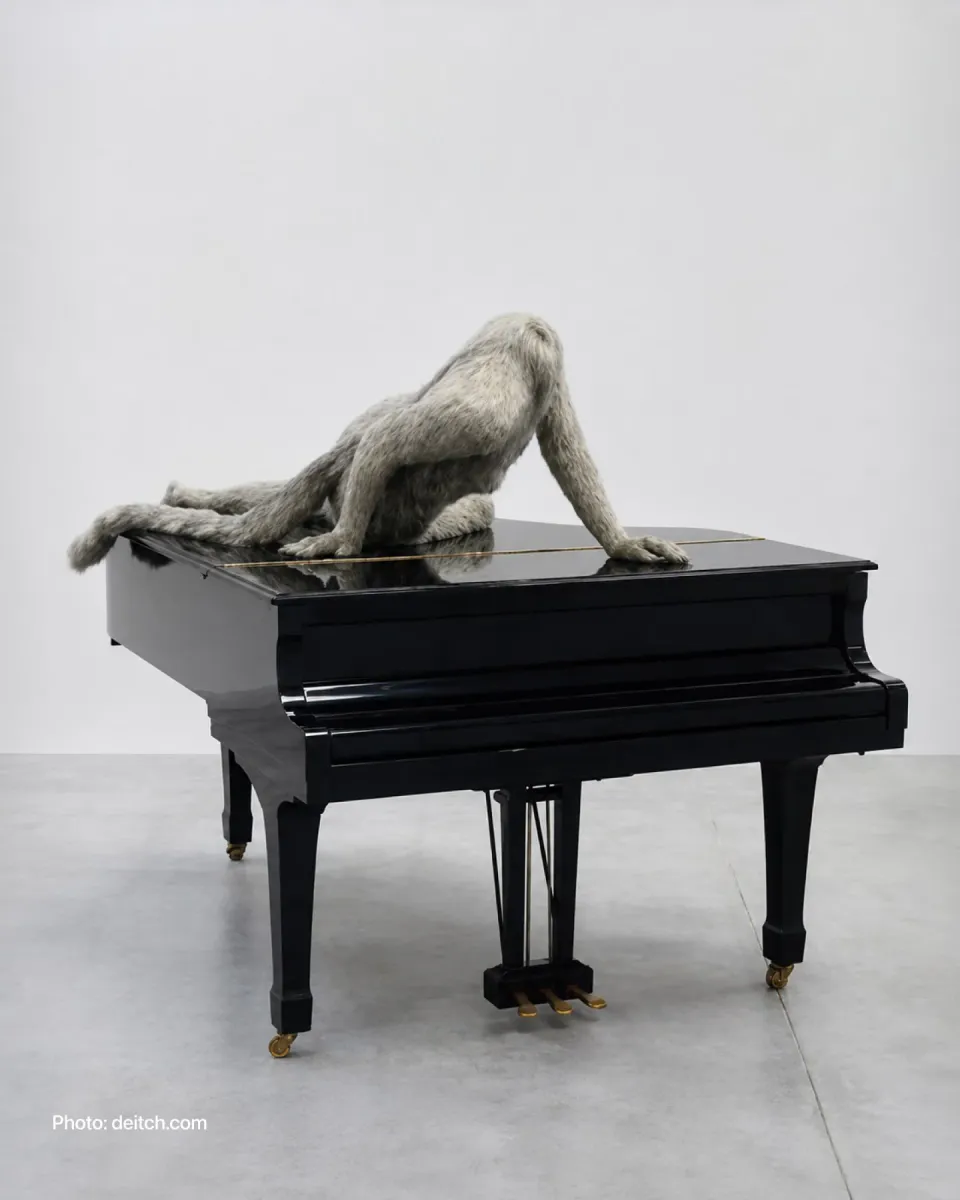
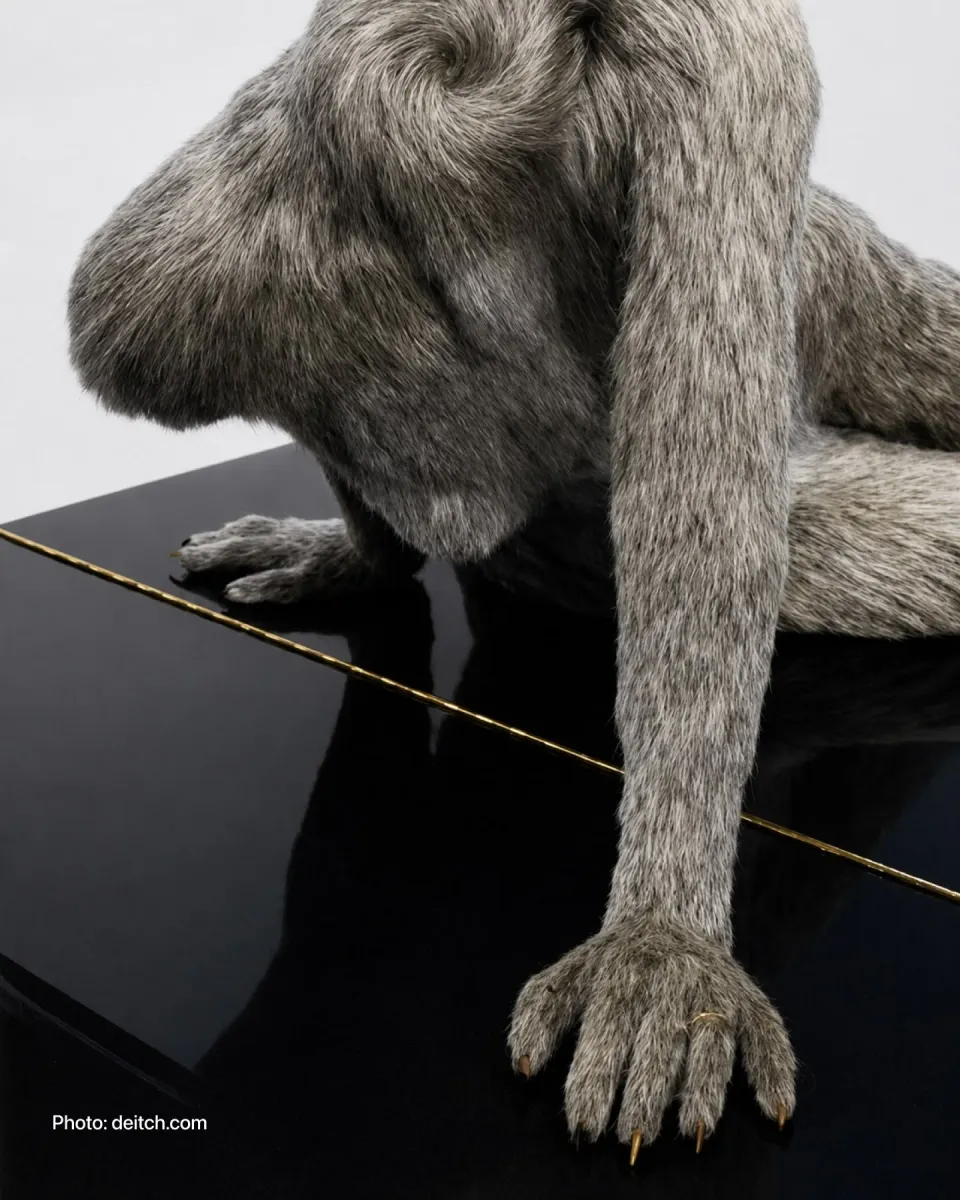
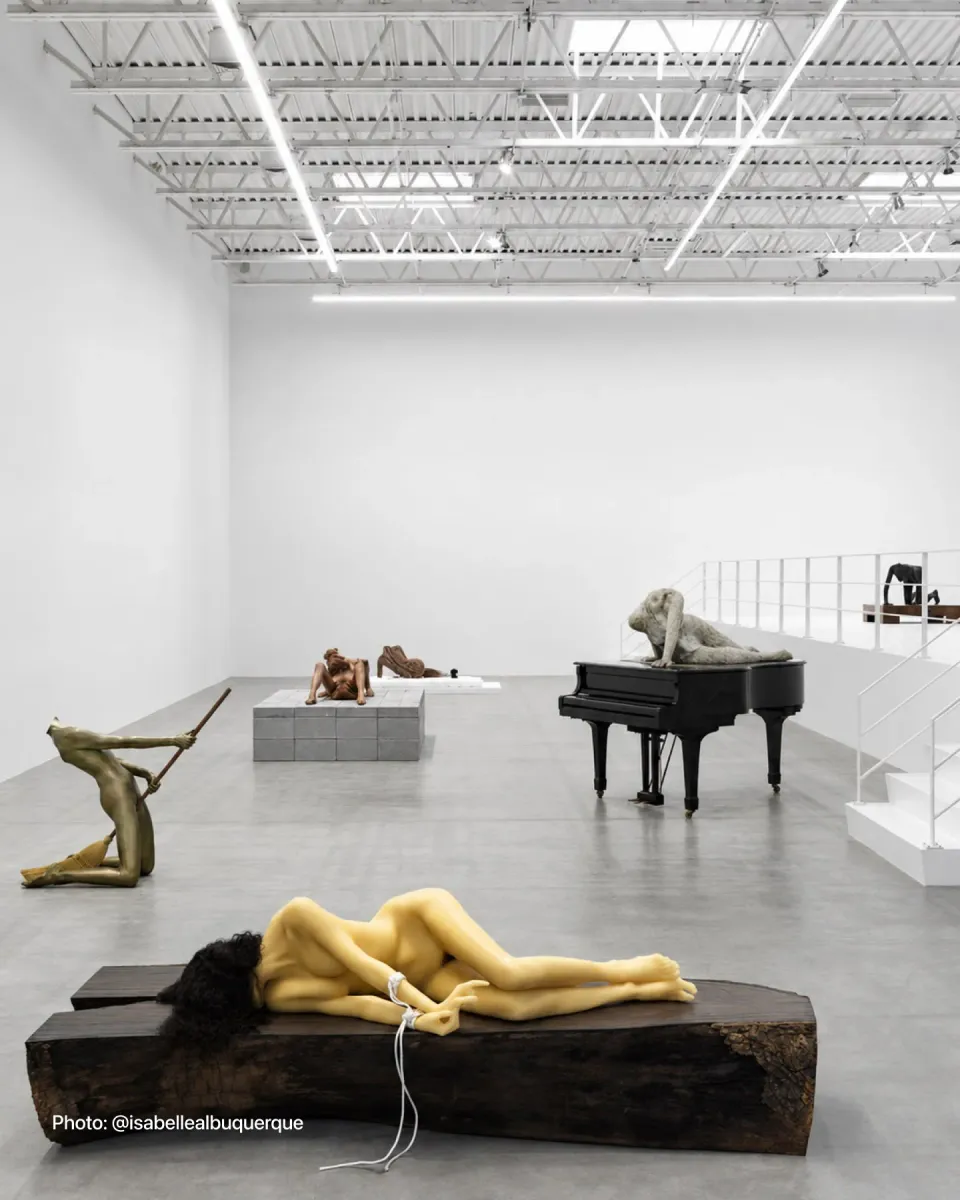
@isabellealbuquerque
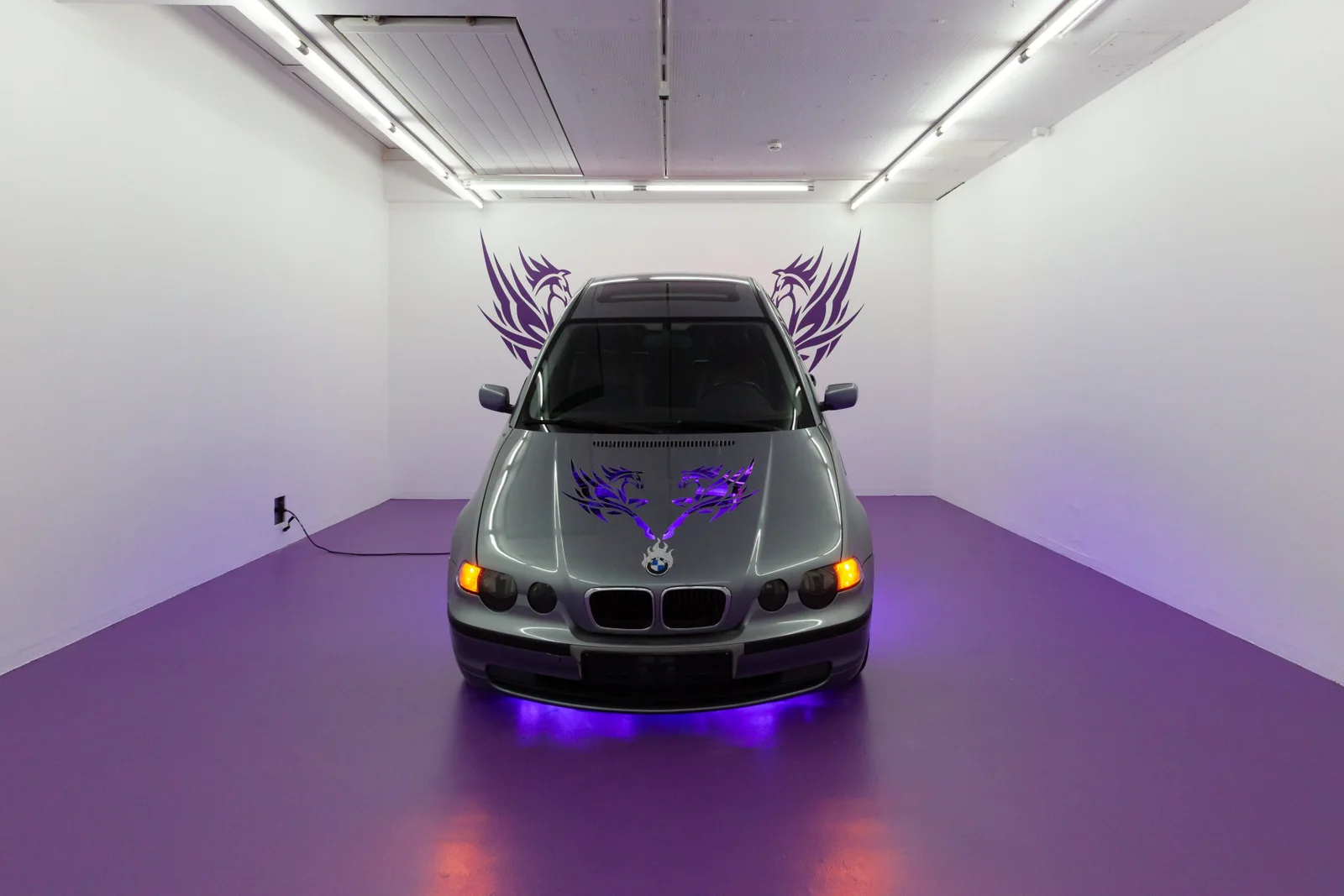
Münster / 2026
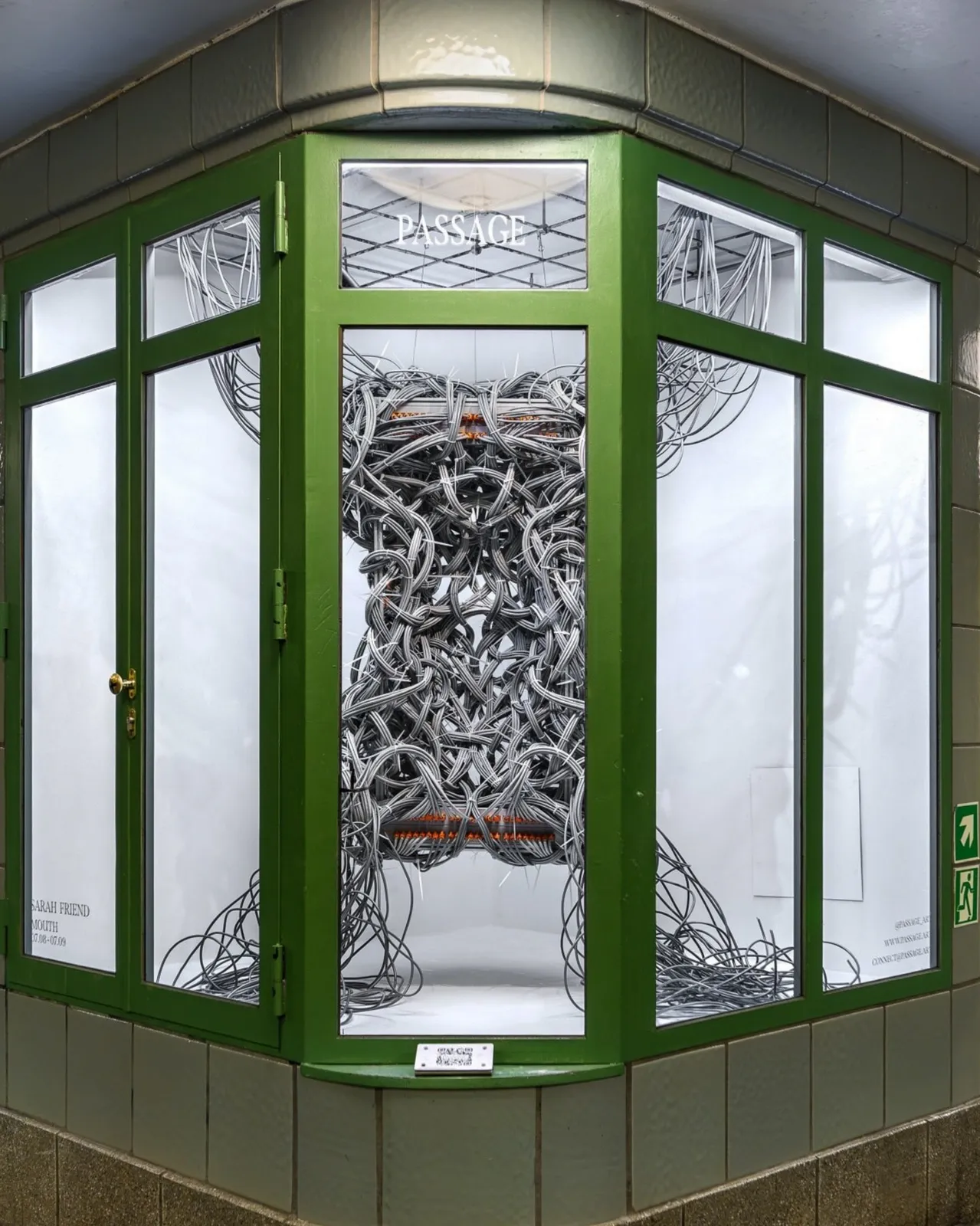
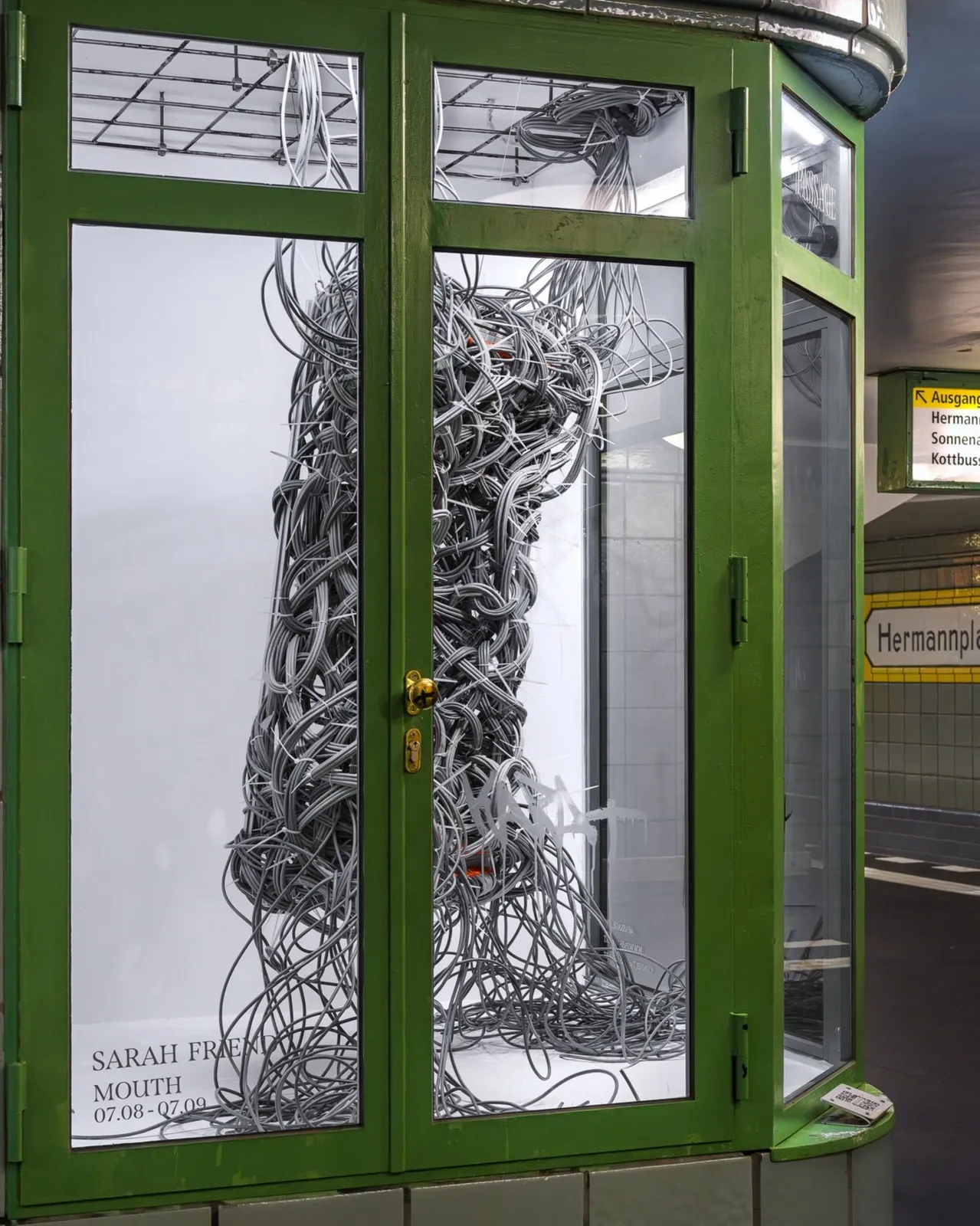
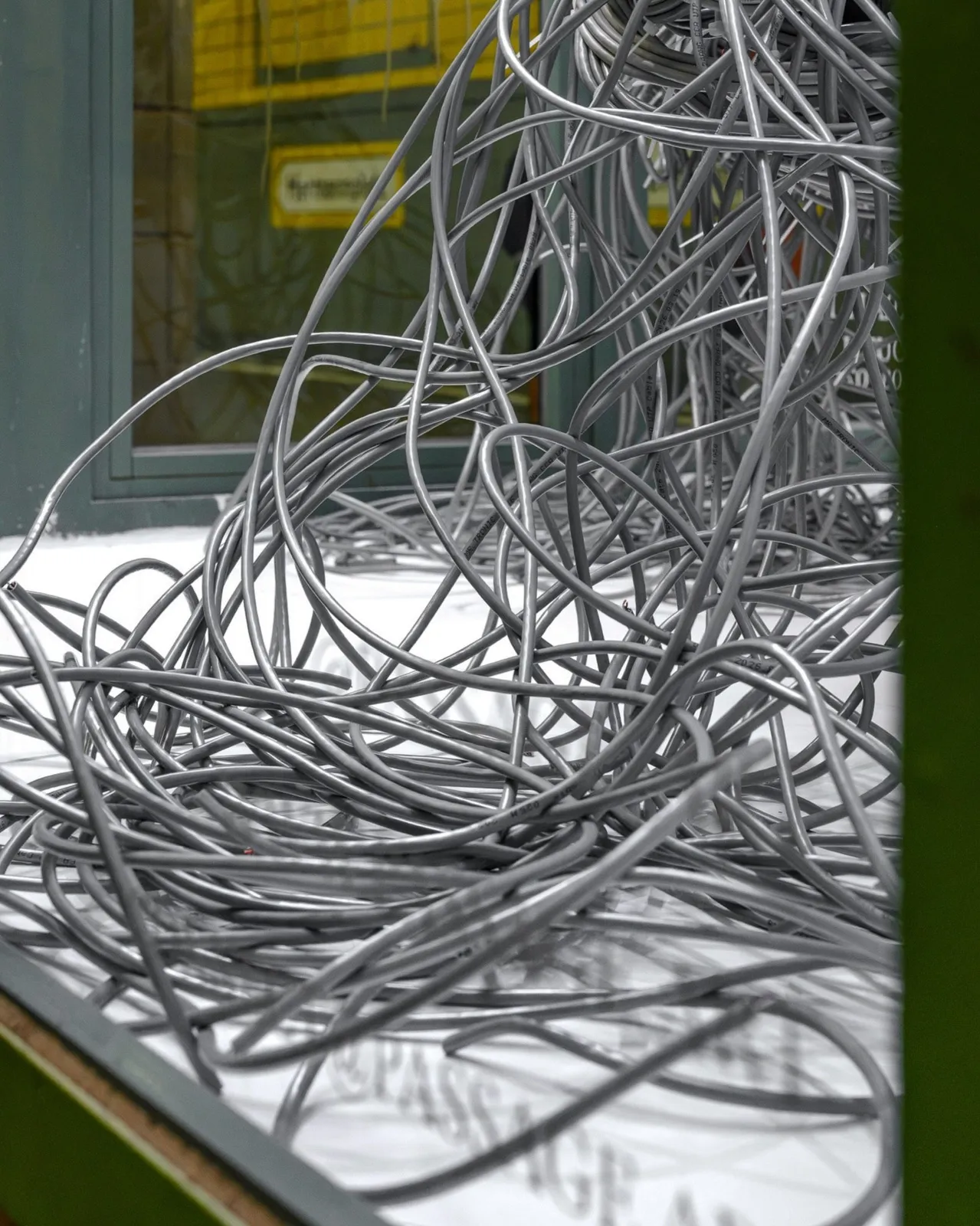
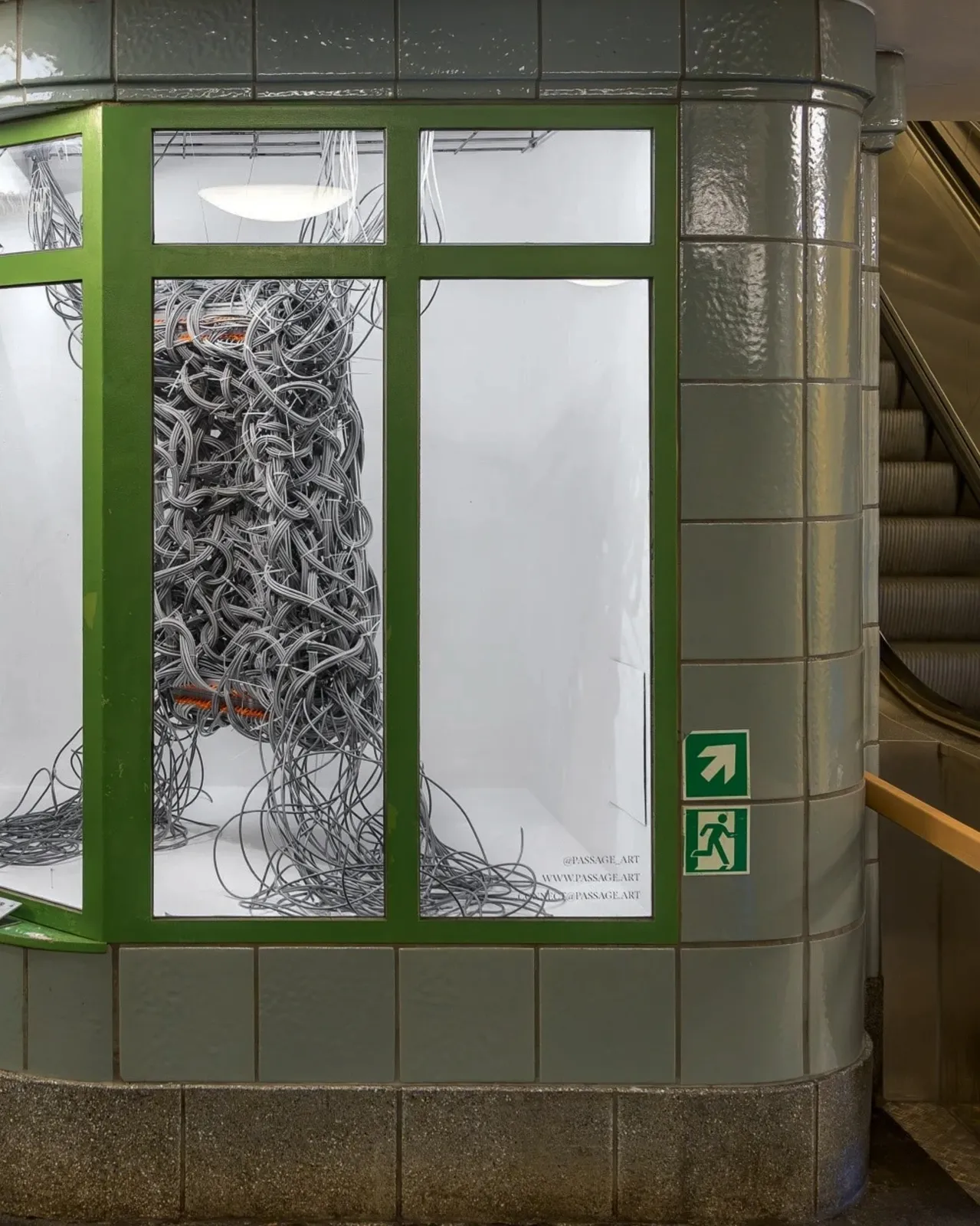
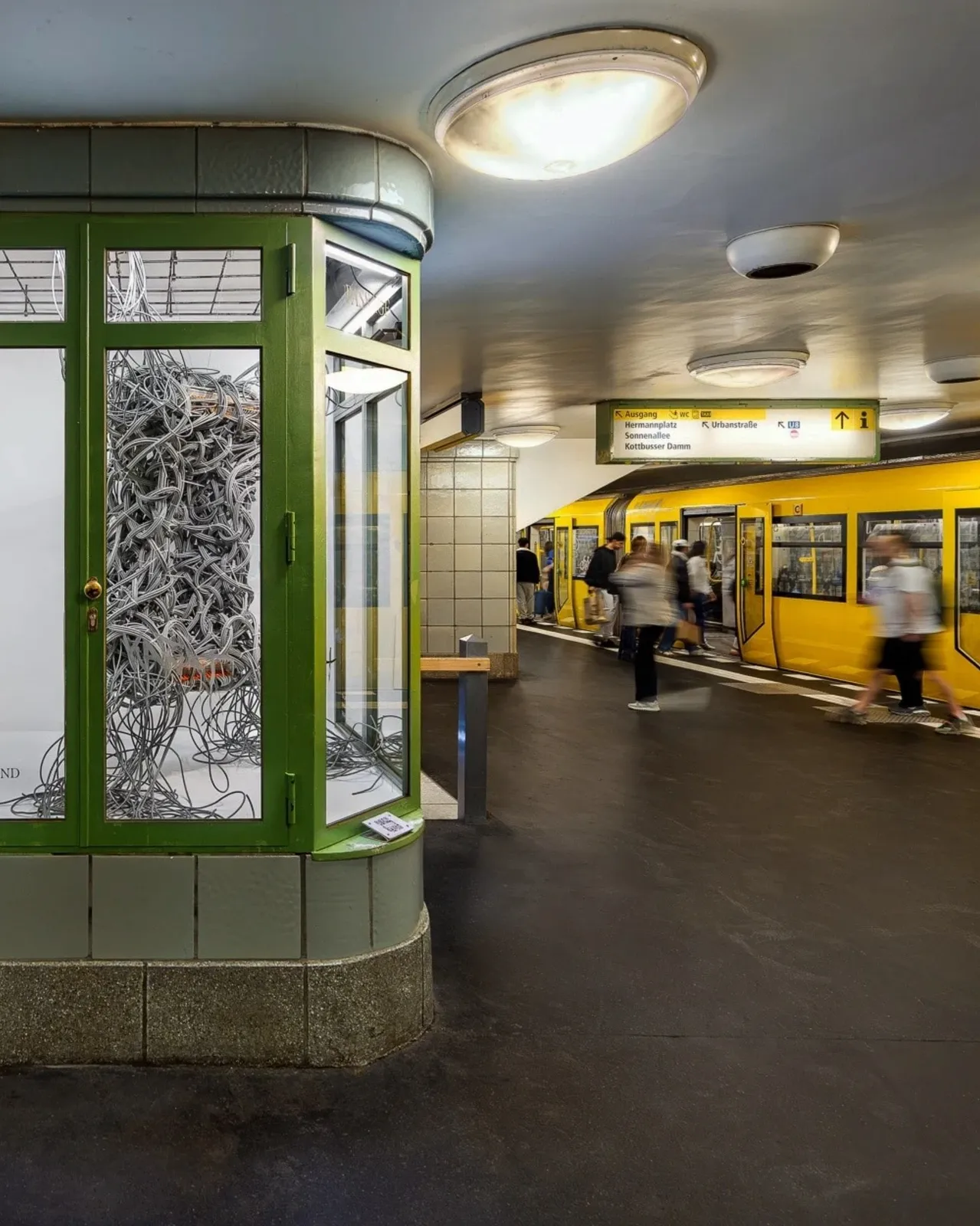
/ 2026
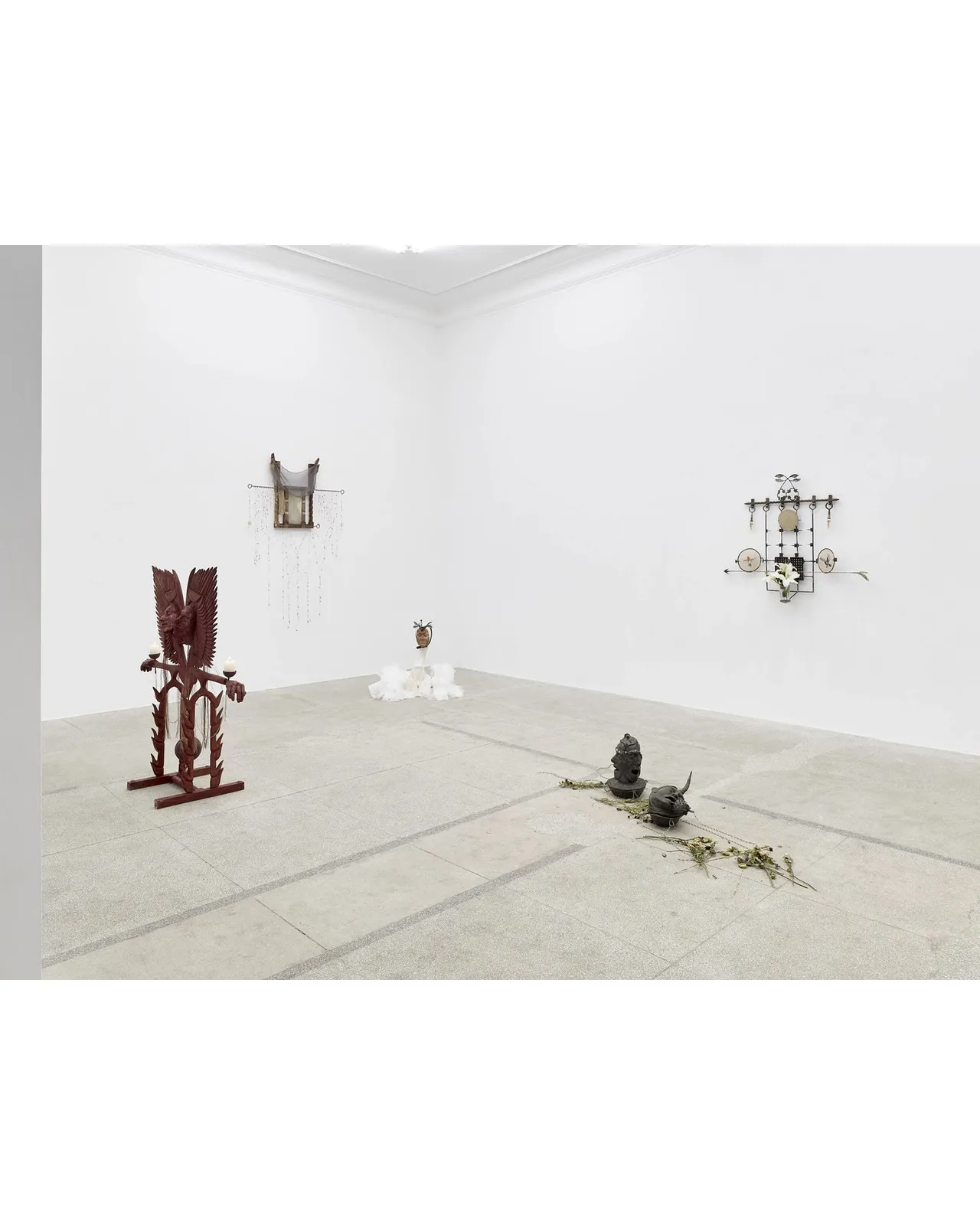
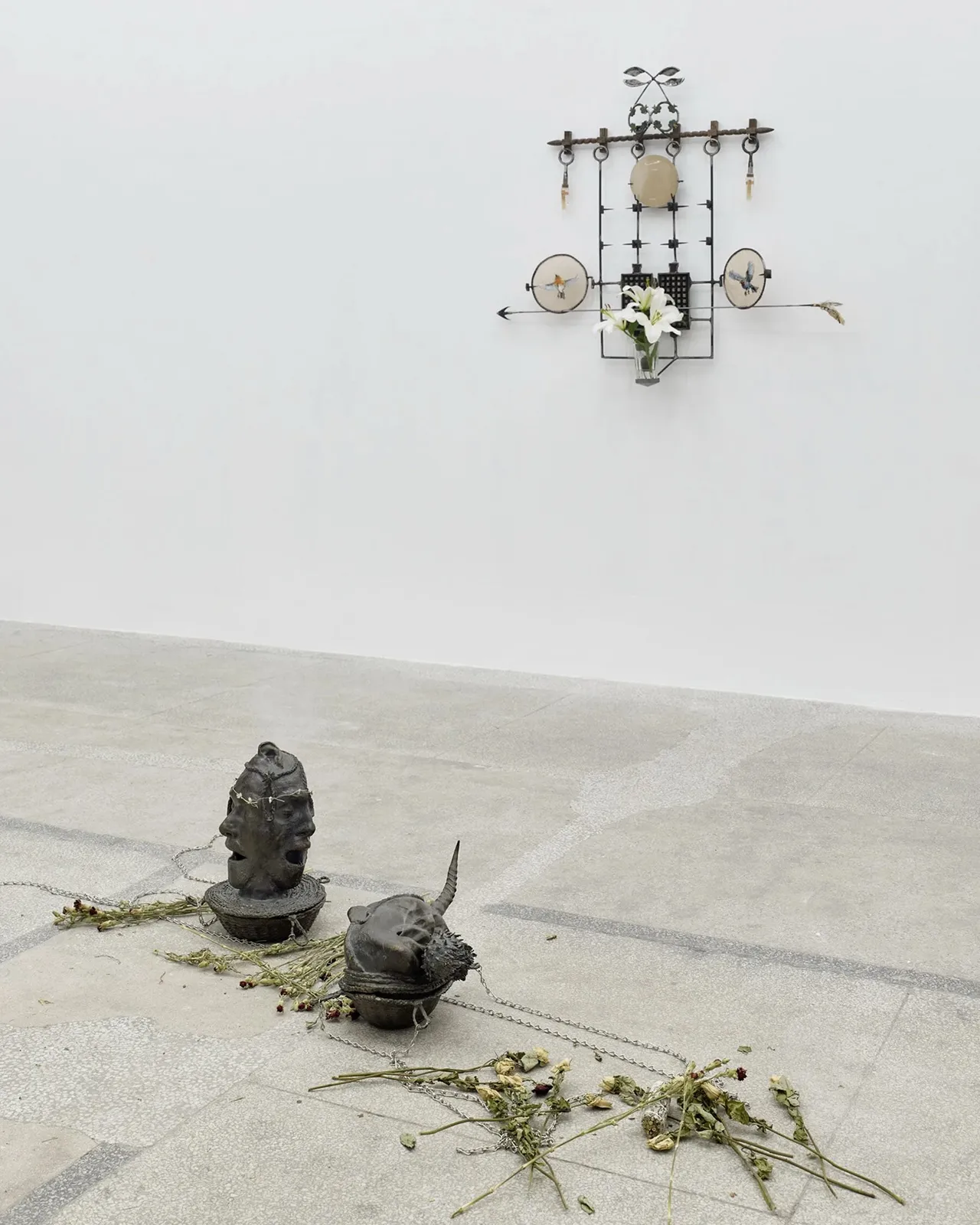
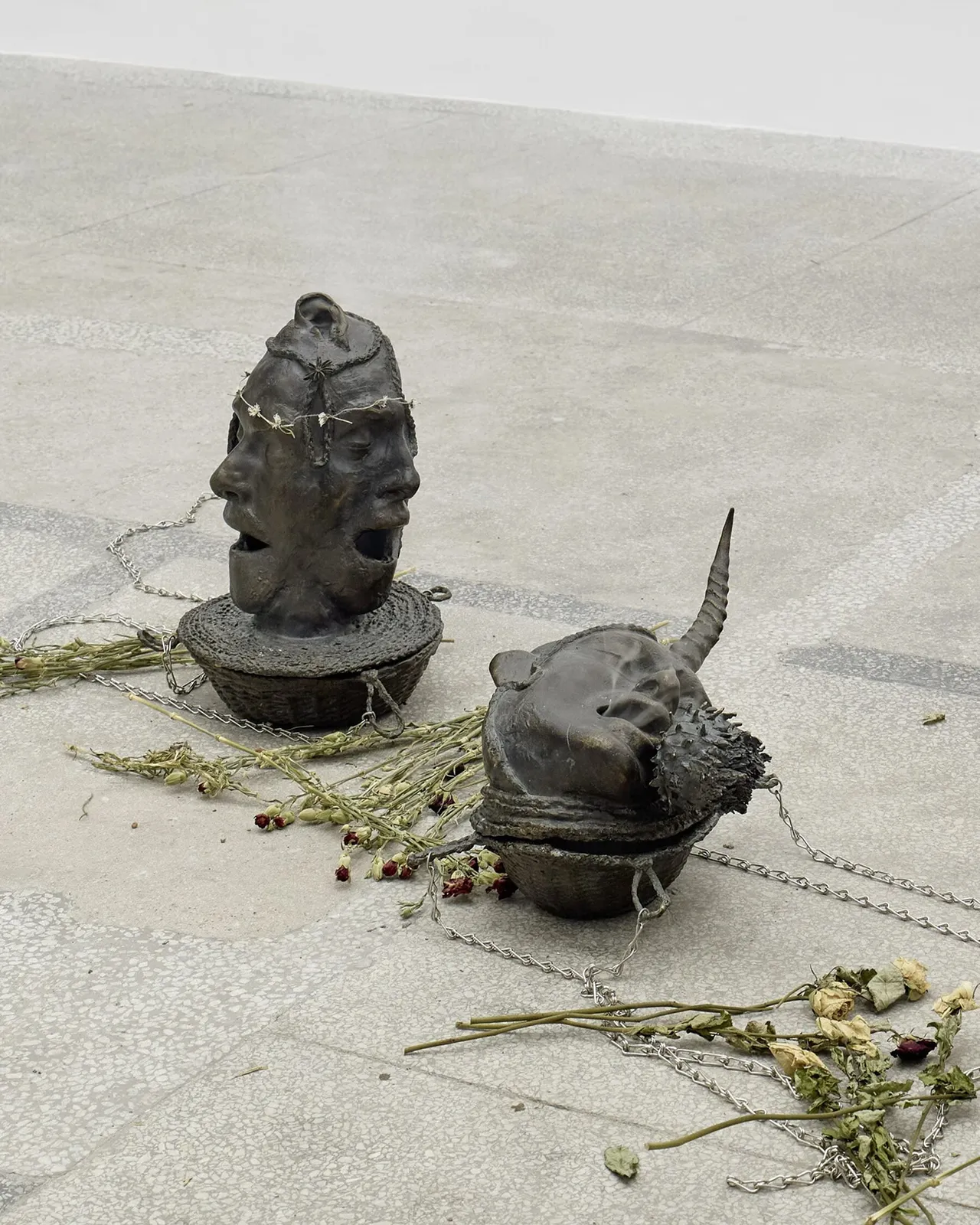
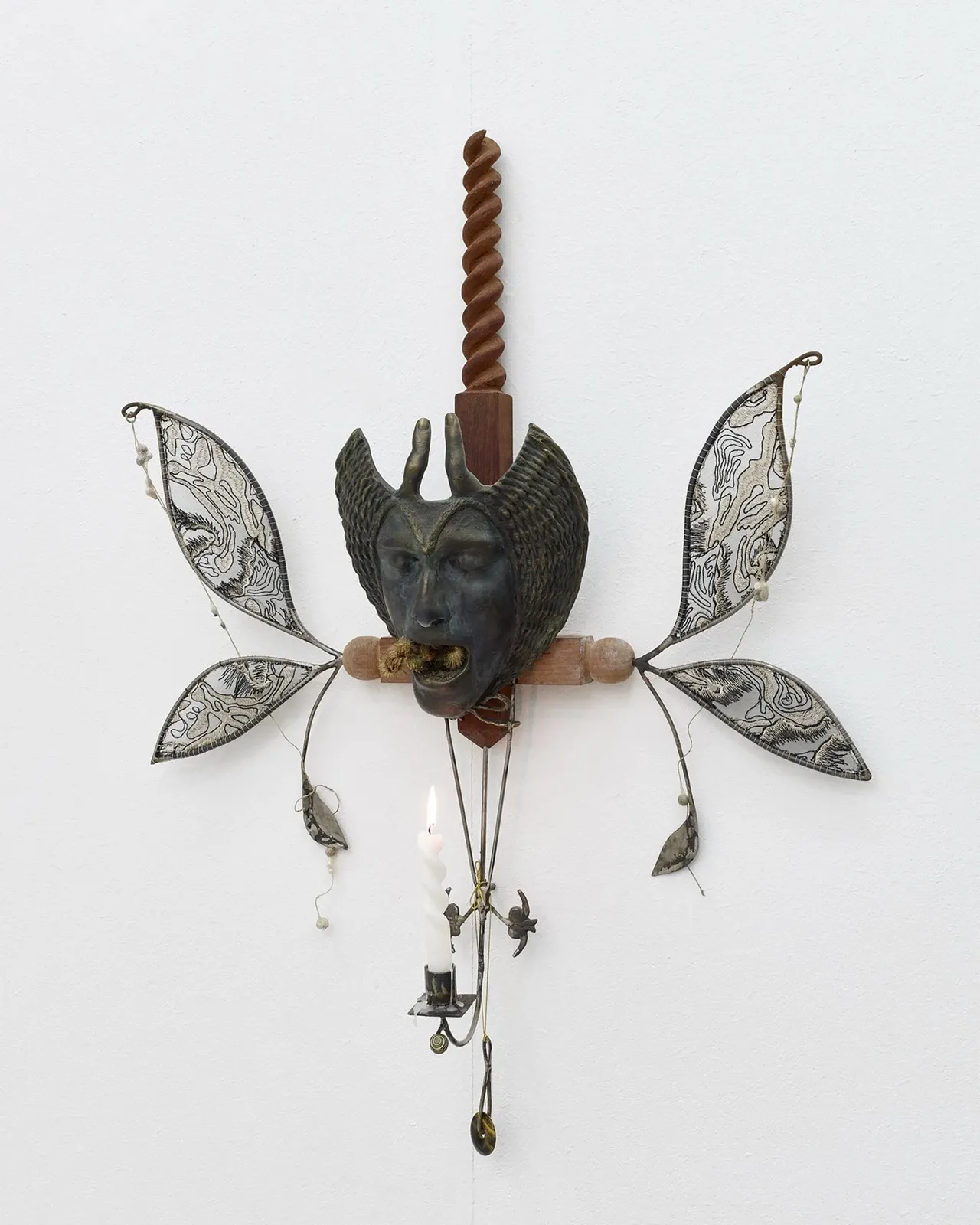
Warsaw / 2026
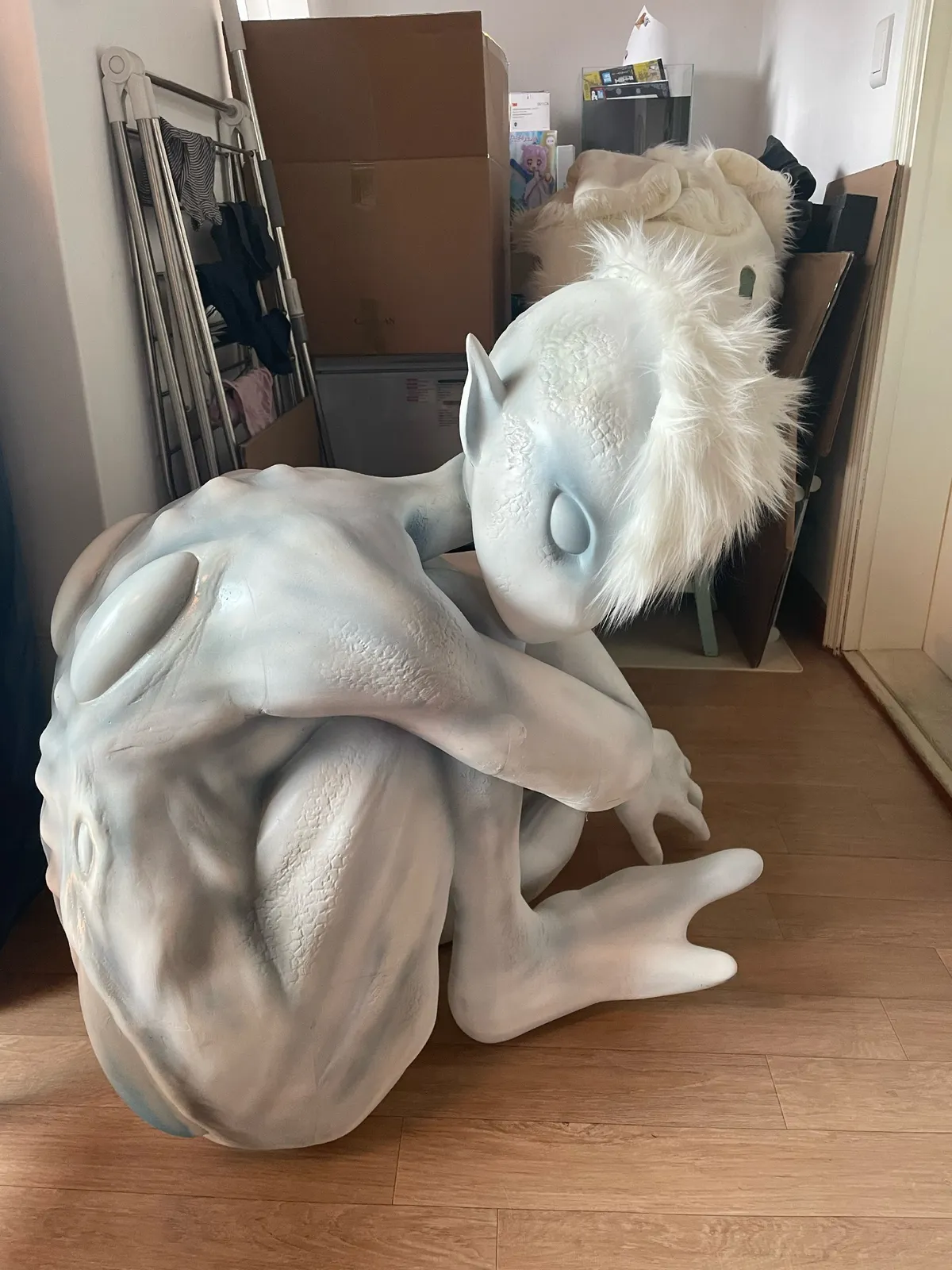
Seoul / 2026
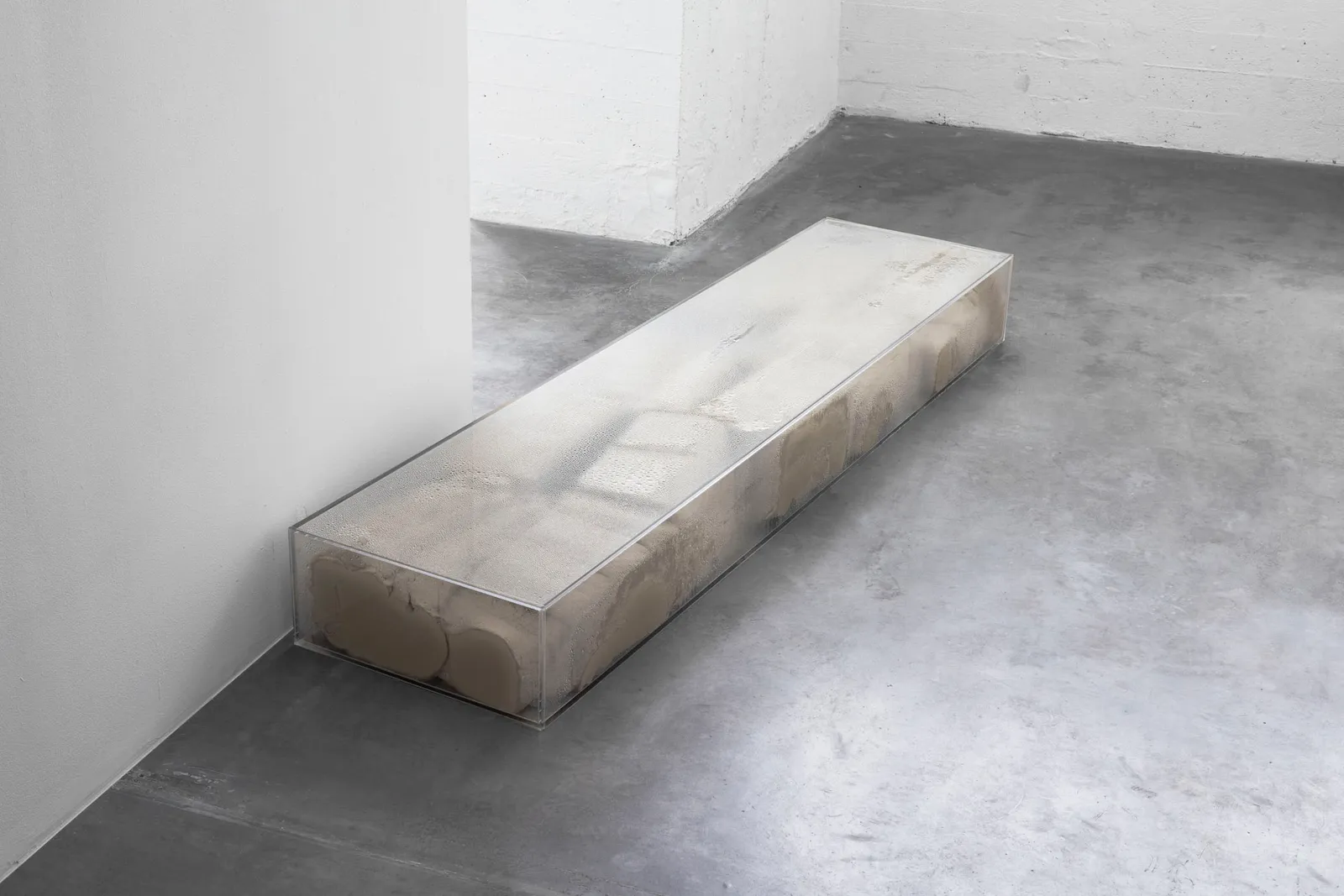
Brussels / 2026
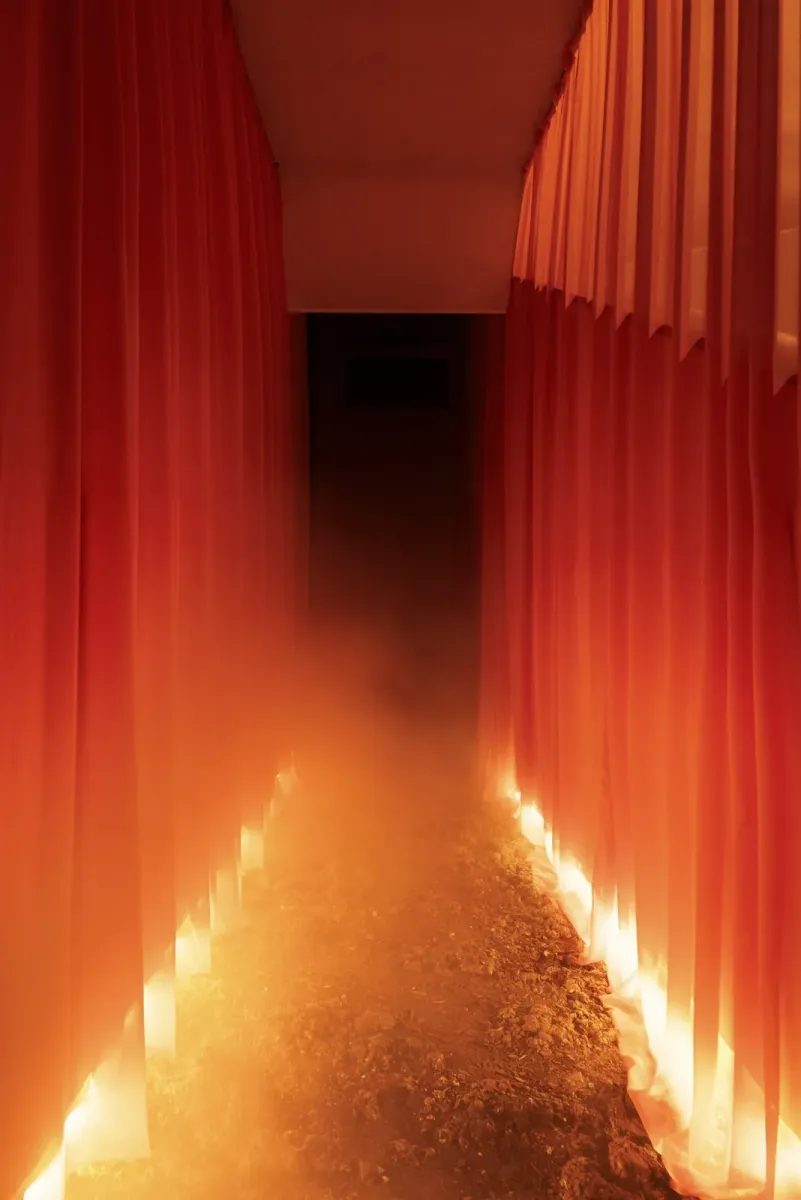
Seoul / 2026
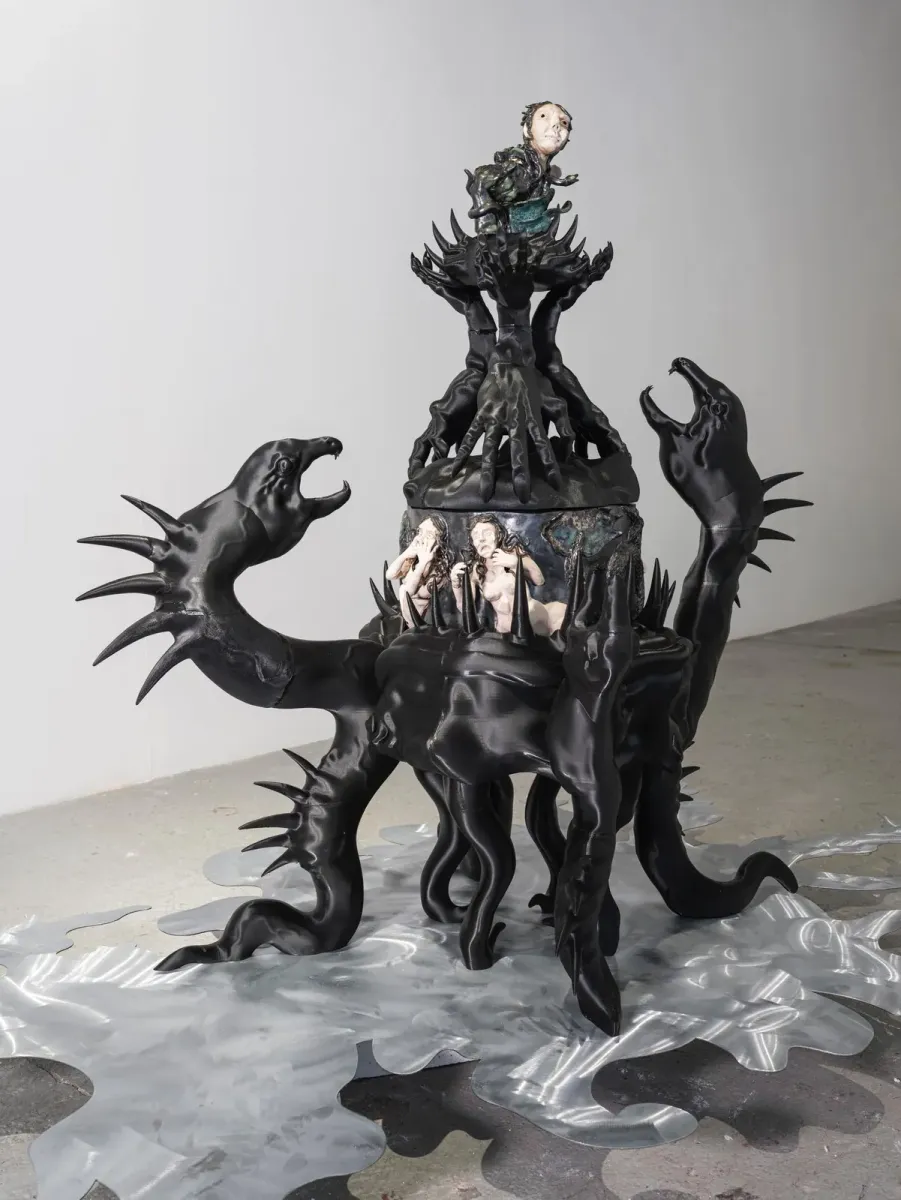
Paris / 2026
Seoul / 2026
London / 2026
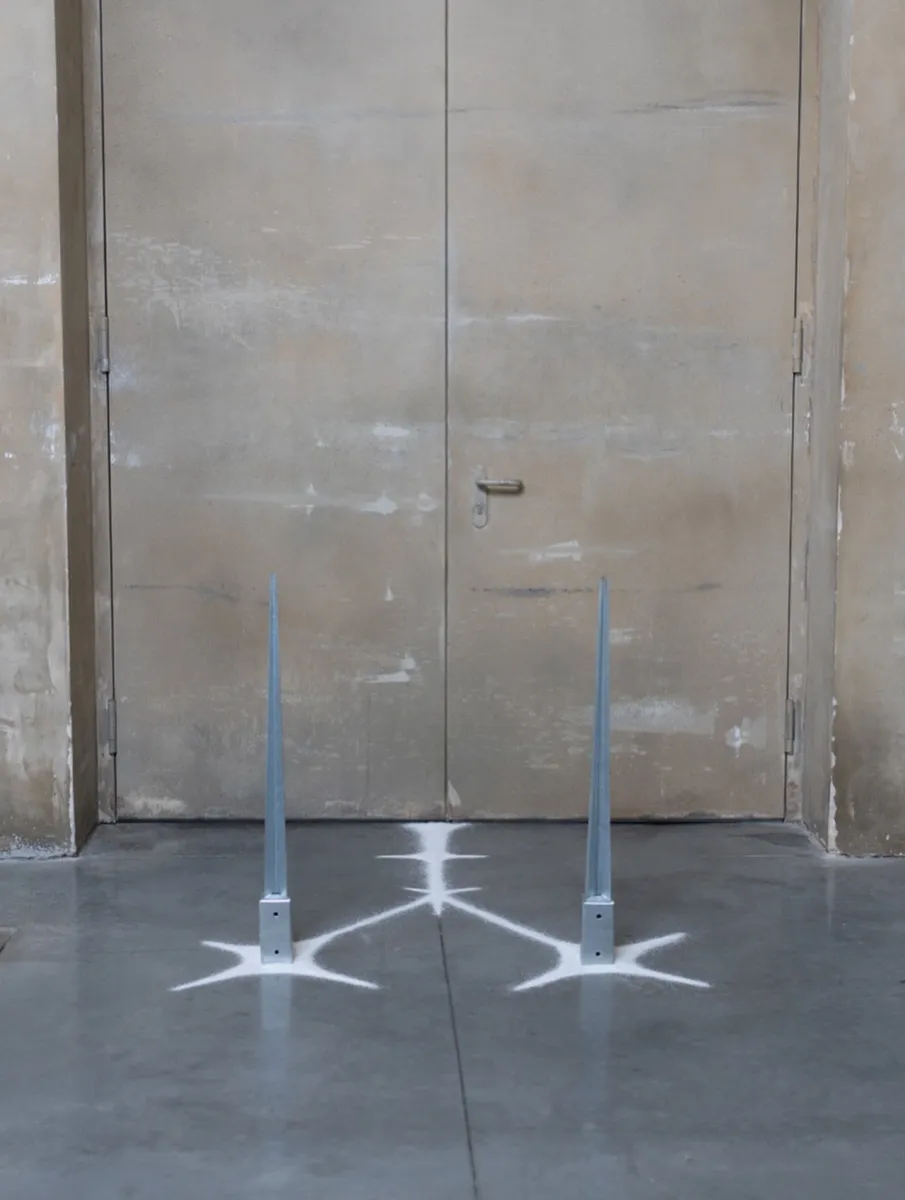
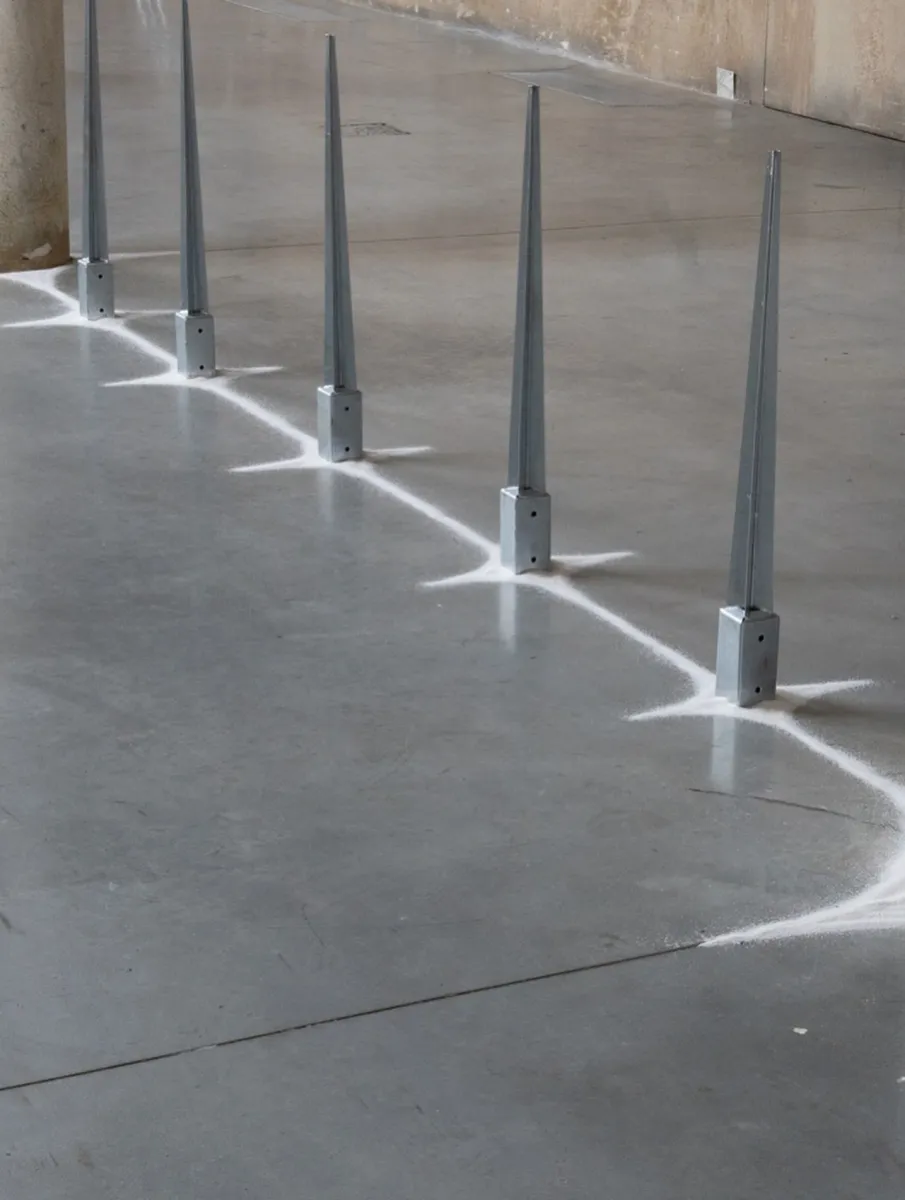
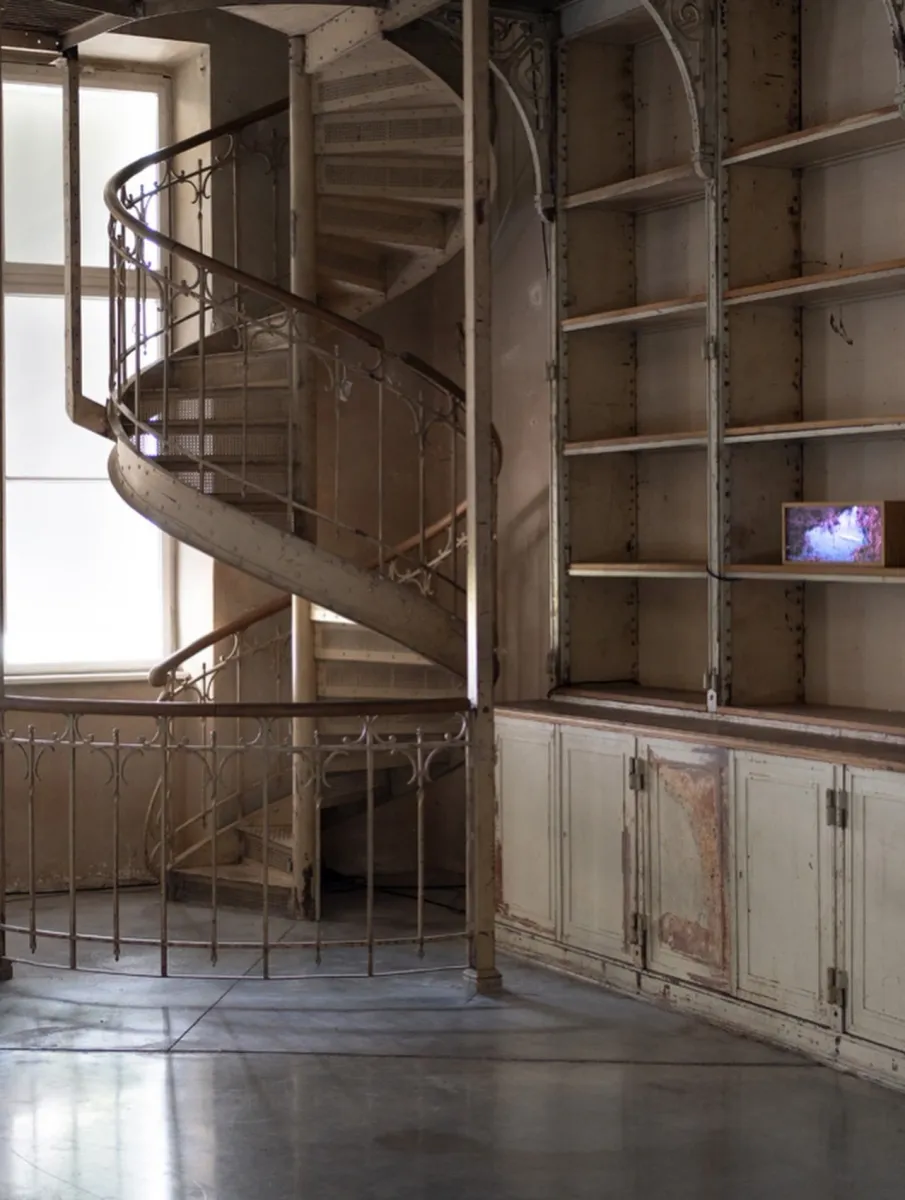
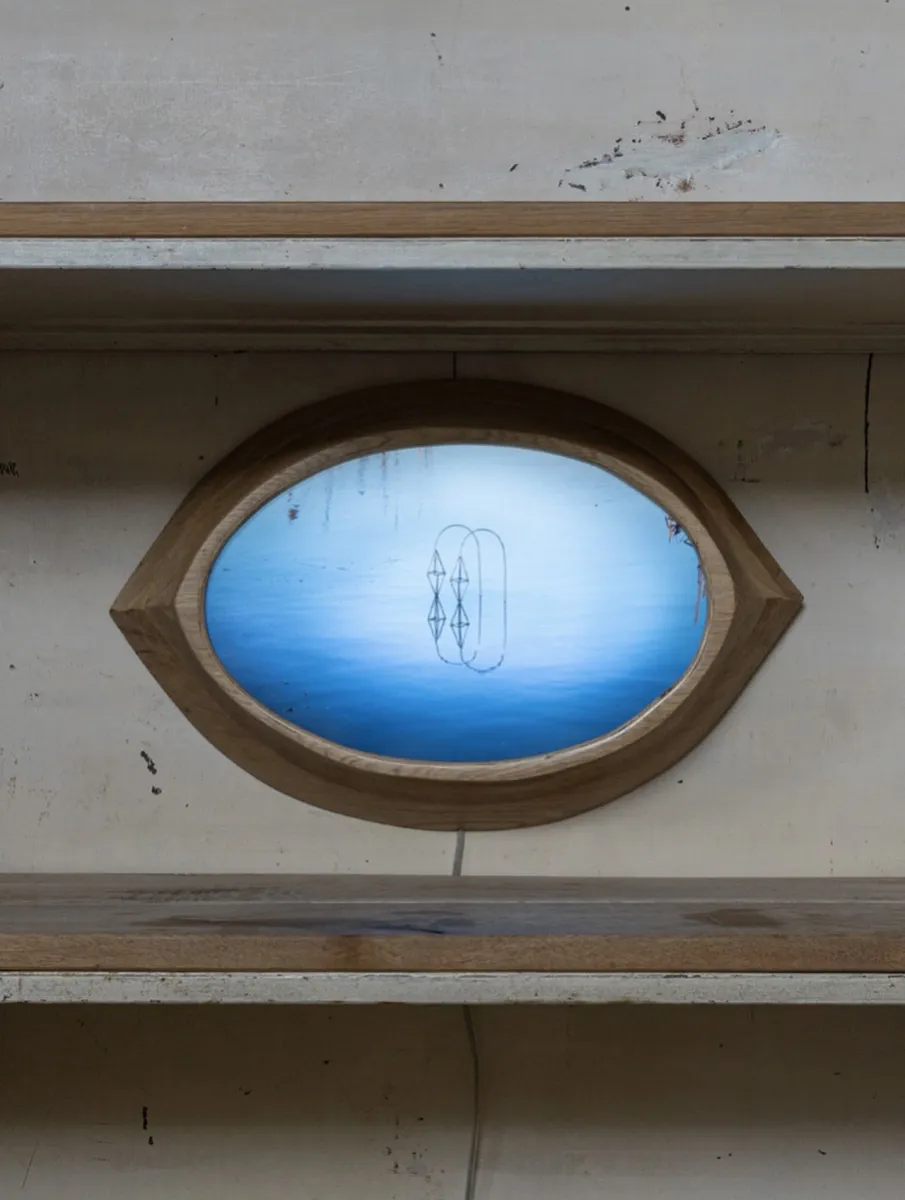
Vienna / 2026
@aio0o0o0
Munich / 2026

Ljubljana / 2026


Warsaw / 2024-2025
London / 2025


Brescia / 2025-2026

/ 2024

/ 2023

Berlin / 2023


London / 2024

Berlin / 2025
#DorisSalcedo
Arnsberg / 2025

Hamburg / 2025

Prague / 2025
Seoul / 2026

London / 2025
 (GROUP SHOW).webp)
Berlin / 2026


Dortmund / 2026
Kraków / 2026


Lisbon / 2026


New York City / 2026
@ppuri_

Madrid / 2025
Berlinskej model / Lenka Klodová , Ondřej Kubeš , Virtue Village, Anchan/Anna Daučíková
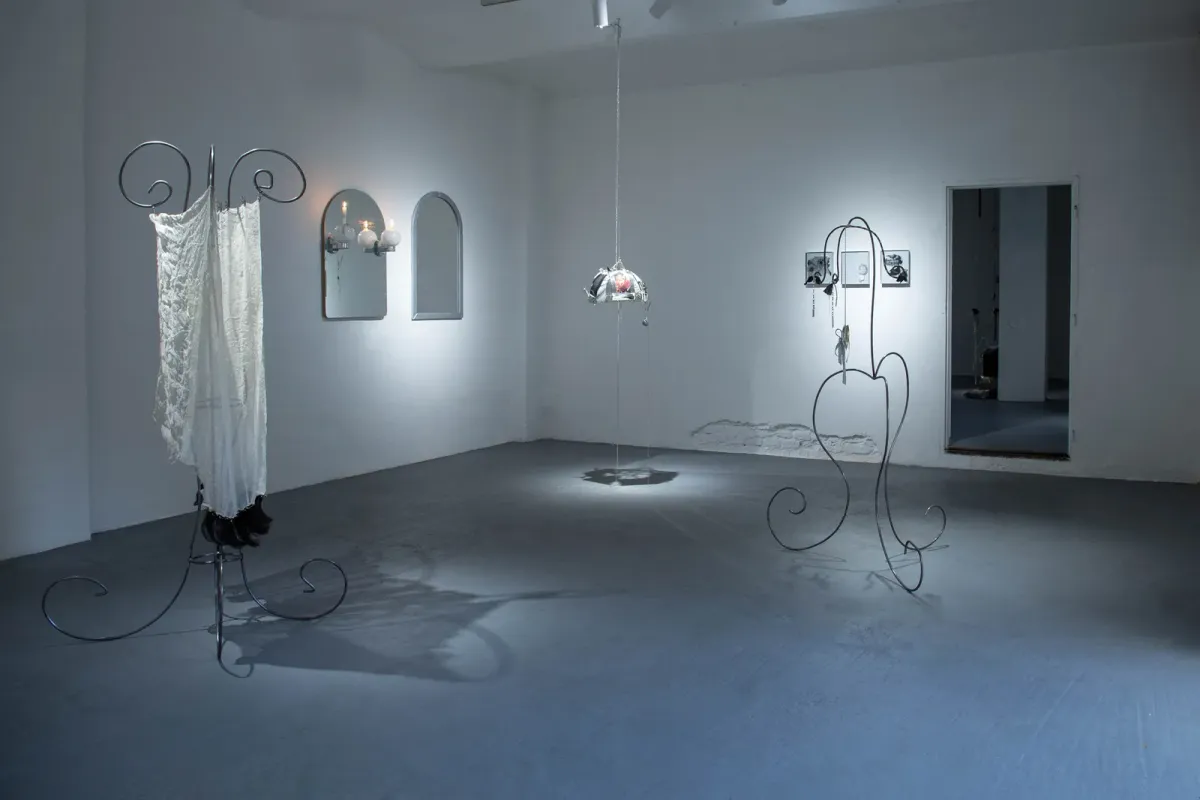
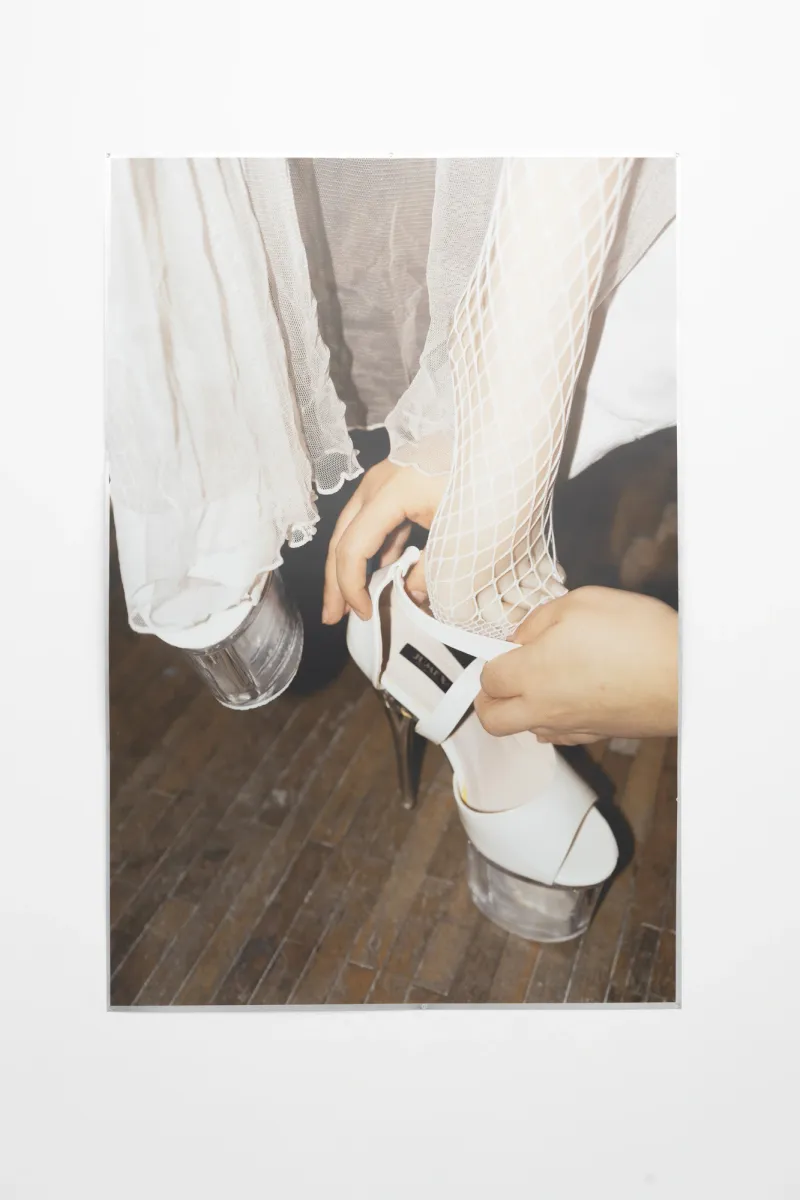
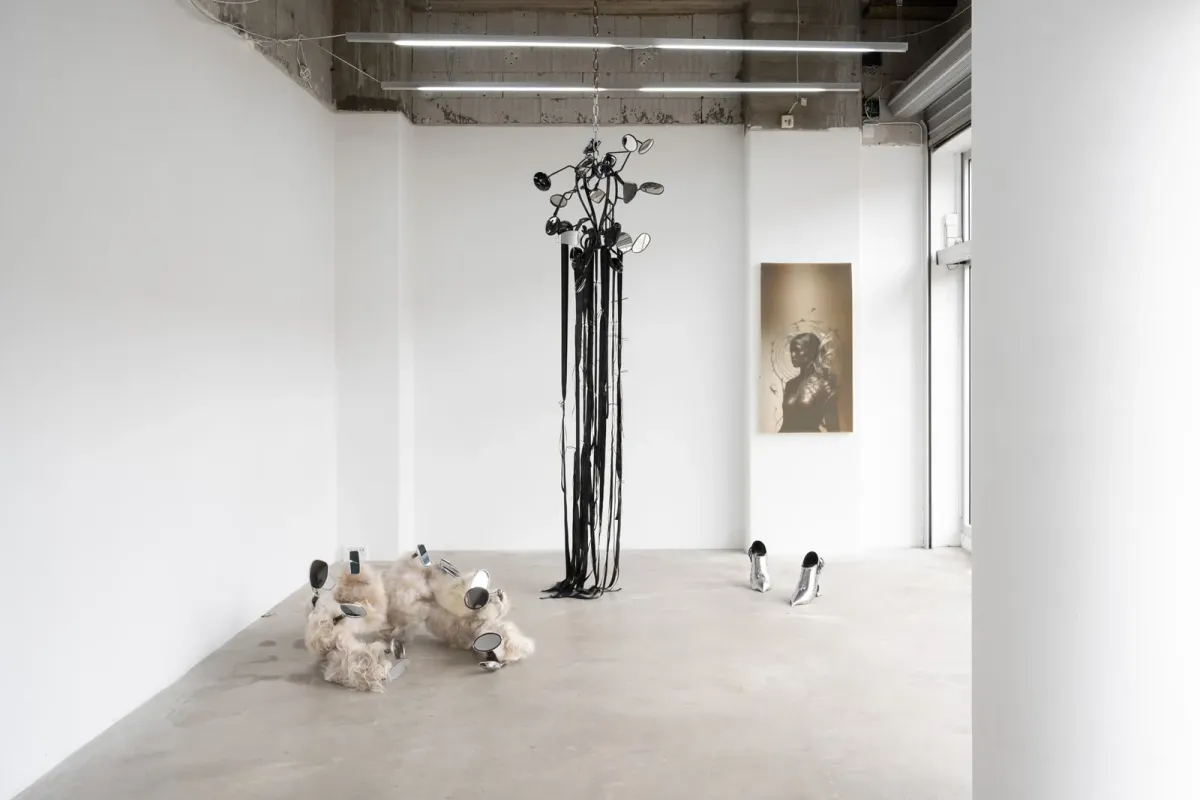
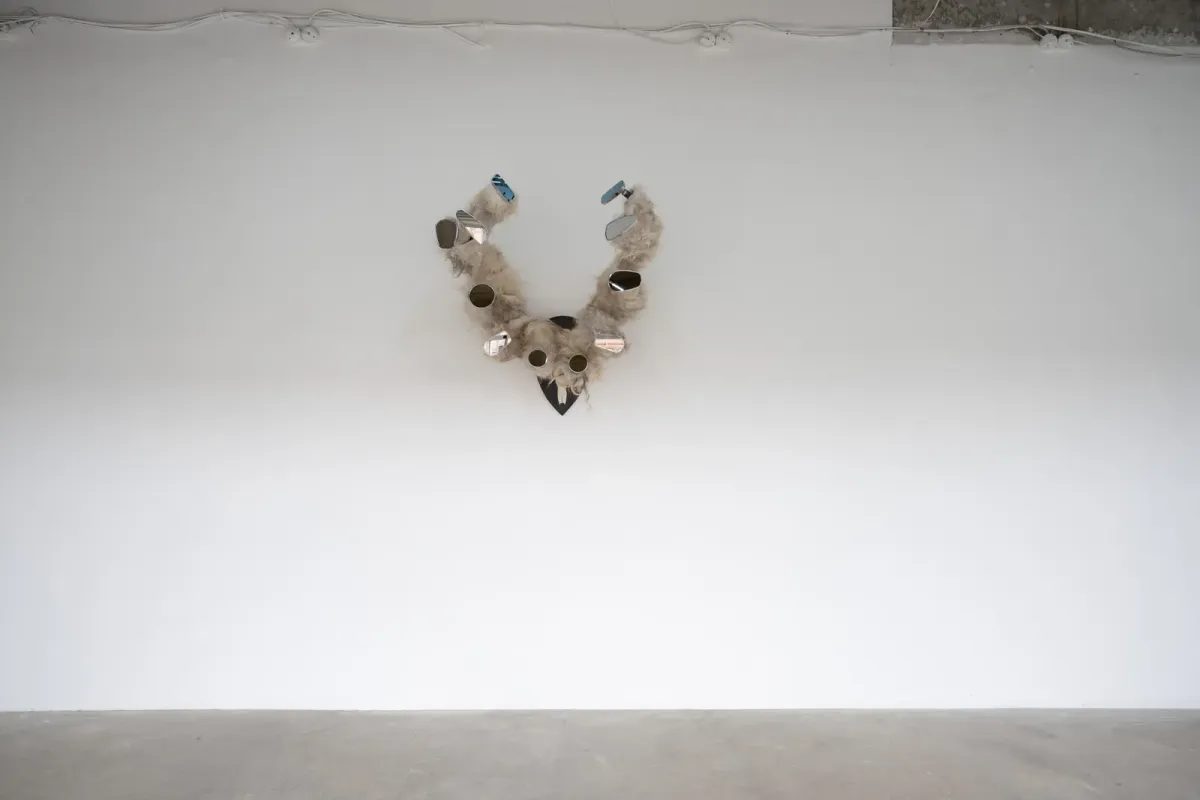
In Beside Bodies, curators Agáta Young Hošnová and Karolína Voleská trace emancipatory and queer approaches from the late 20th century to the present day, through gender performativity, critique of normative masculinity, and unstable ideals of beauty. The exhibition focuses on the changing of thought toward the body and bodily autonomy, systems of control and expectations connected to gender and sexuality, including family roles. Works by Virtual Village, Anchan/Anny Daučíková, Lenka Klodová, and Ondřej Kubeš explore corporeality as a space for personal and social experience to be inscribed as gestures and fragments of clothing: surfaces, reflecting performativity.
Feminist thought has historically focused primarily on the experiences and unequal status of women, gradually broadening to encompass analysis of gender as whole order of categorisation. Contemporary feminist and queer theory turns attention to structures of normativity and their role in the social expression of masculinity. For example, the expectancy-discrepancy-threat model developed by Stanaland, Gaither and Gassman-Pines (2023) situates these fragile structures in a paradigm of masculinity as emerging from the individual‘s relation to themselves and the socialisation of their self-recognition. Masculinity, as such, is the comparison of one‘s own behaviour with a conventionalised cultural ideal, the authority of which maintains the possibility of discord, and one‘s failure to cohere. This, then, is the fragility that opens space for other forms of male corporeality: the sensitive, the queer, the melancholic, the open to doubt.
Clothing functions as a second skin, understood as a fluid boundary where the body encounters its surroundings at the same time as it is set apart from them. In close proximity to the skin, clothing assumes whatever shape it extends over the surface of, translating bodily presence further into the realm of signs. The fabric thus preserves the physical traces of contact as well as the implicit imprinting of roles and relationships and memory that accumulates around the body over time. Textiles and clothing are signs; our familiarity with them establishes a position in society, and their absence too is a sign, gendered and historically used to reinforce a hierarchy that has precipitated novel modes of interaction.
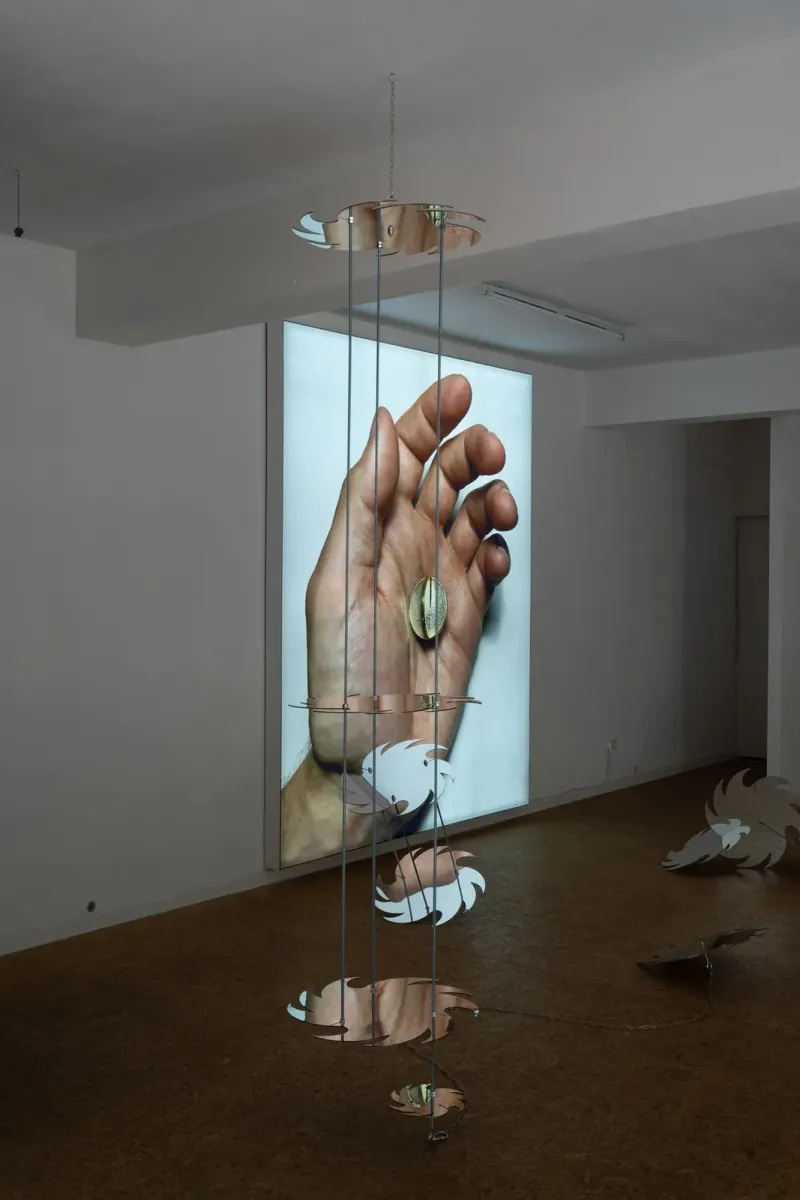
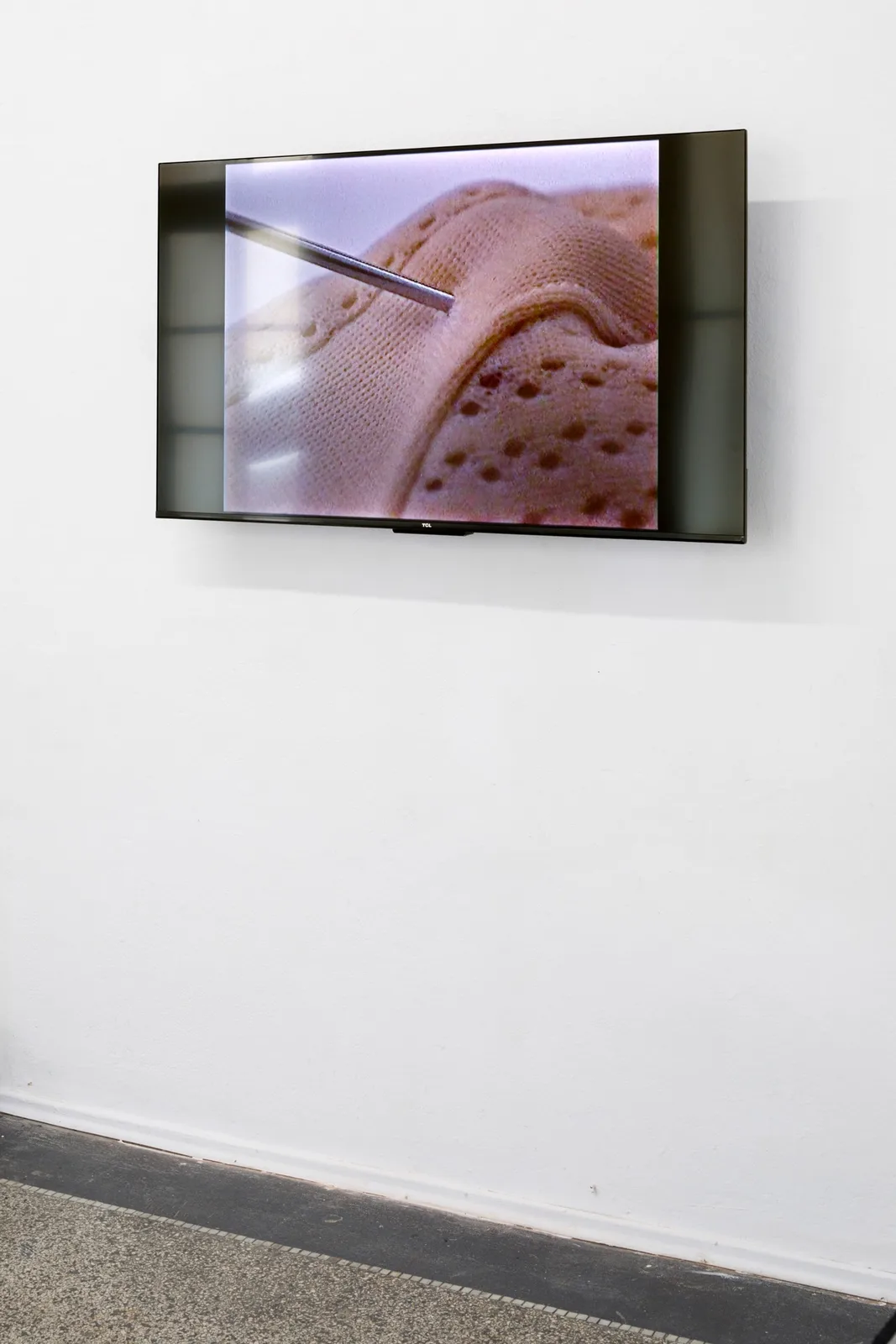
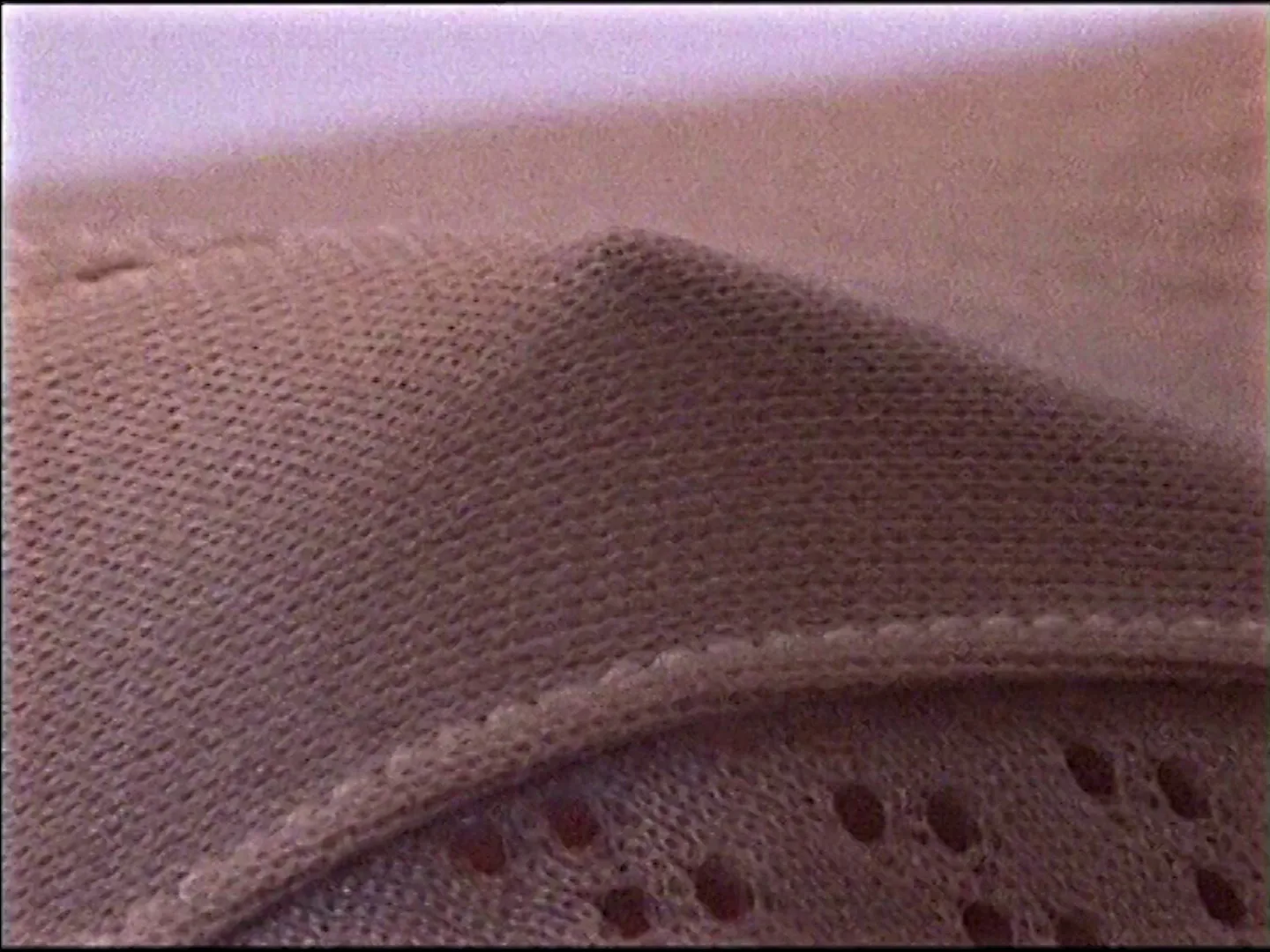
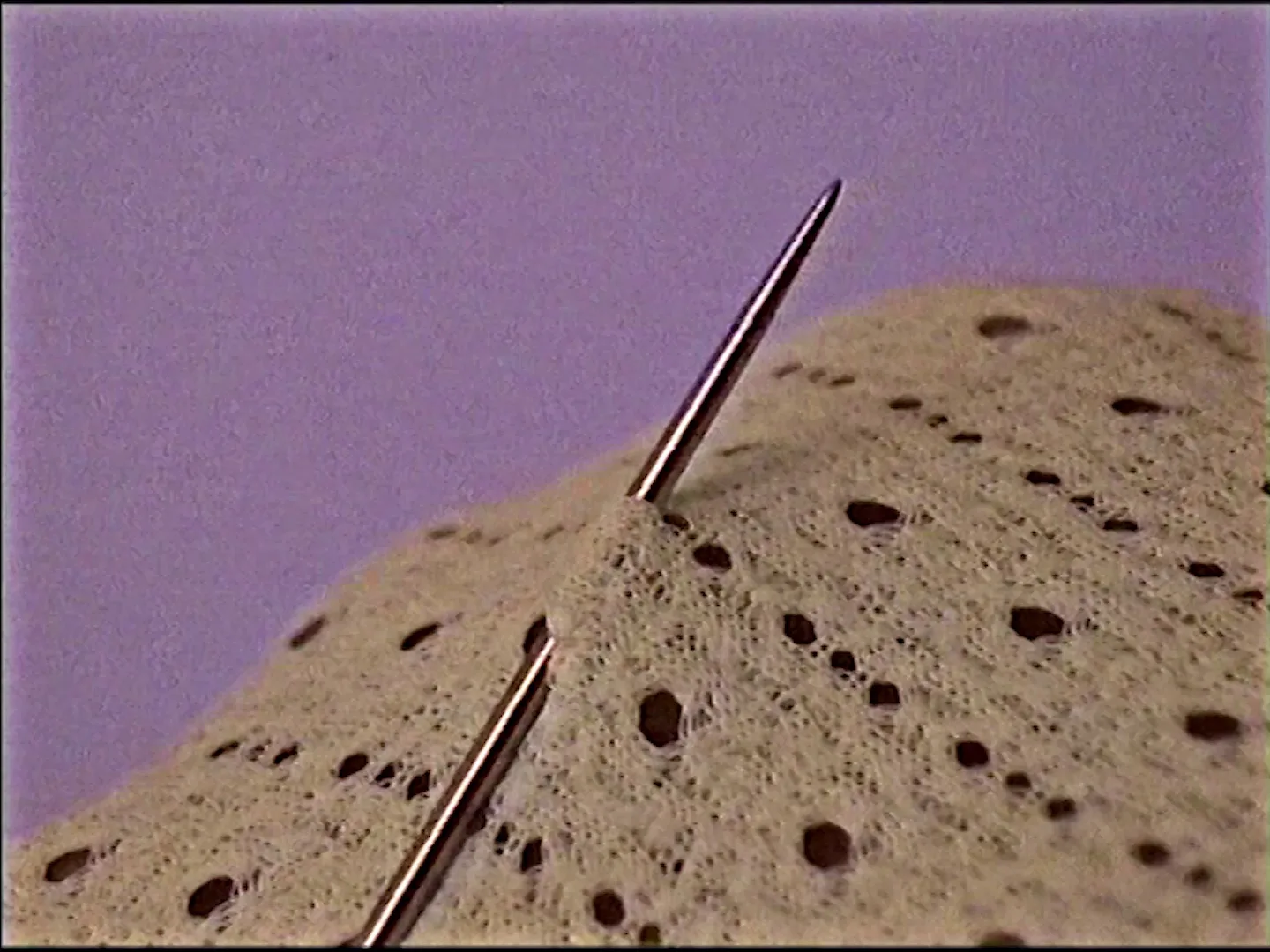
In “Home Exercise” (1997), Anchan/Anna Daučíková sews a pair of gloves together. The lens is uncomfortably close to the scene captured, focusing on the artist‘s hands working, the needle piercing fabric, the gradual joining of two items. The gloves follow the shape of hands, mediating contact with the surroundings and representing touch. Sewing them together renders a new whole, in which a practical act is imbued with the suggestion of intimate sexual union. Daučíková uses the act of traditionally female domestic labour to articulate a language of gender neutral gestures. Sewing is repeated touch, merging, and penetration. “Home Exercise” thus establishes the situation of the exhibition: the body enters the frame through the hands, while the fabric develops their gestures, patient and intimate and material.
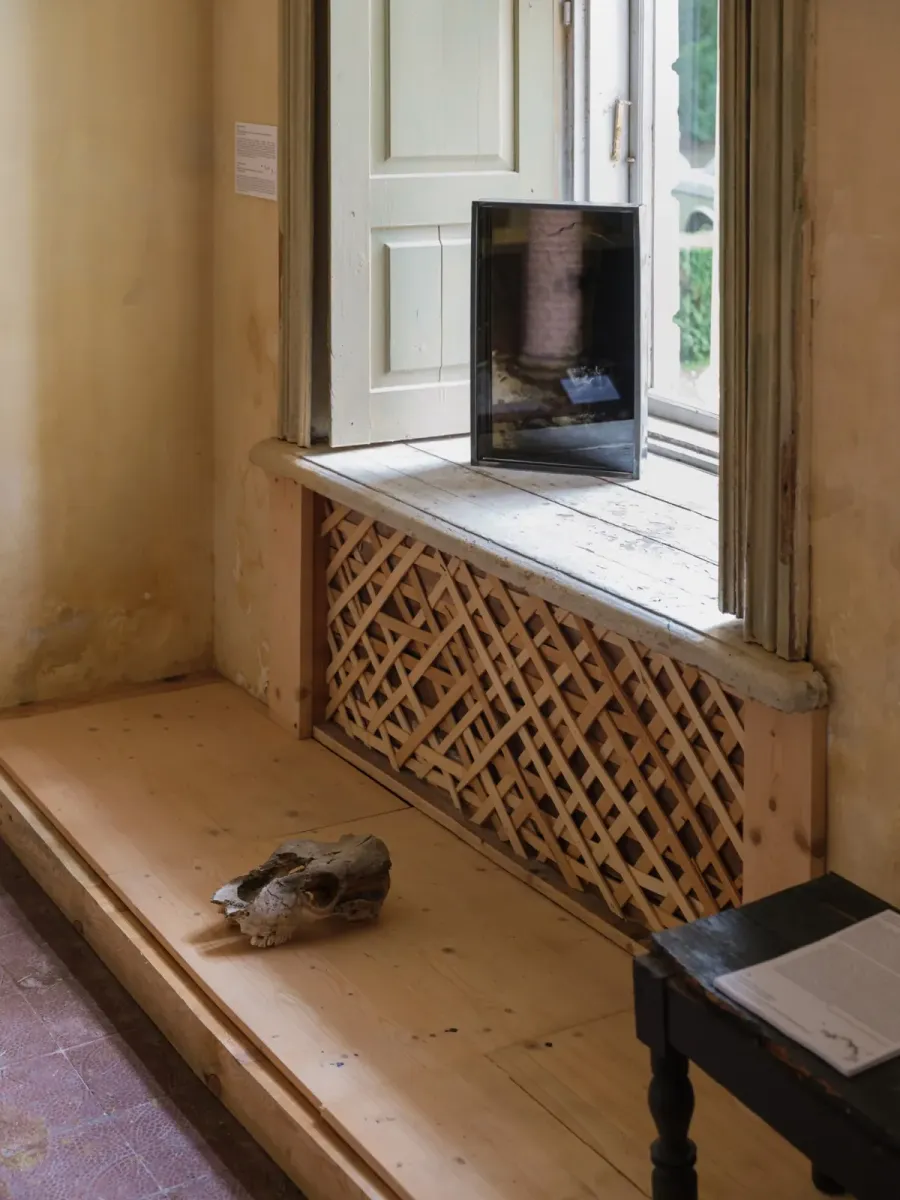
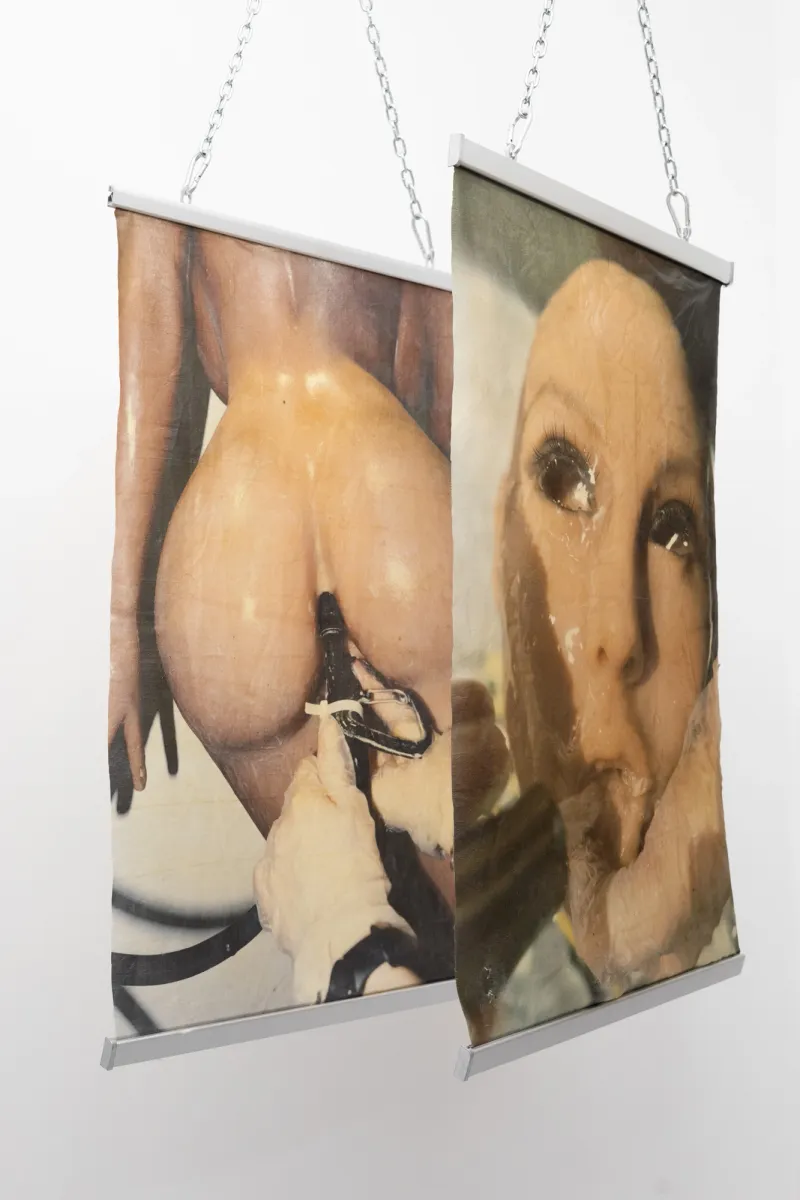
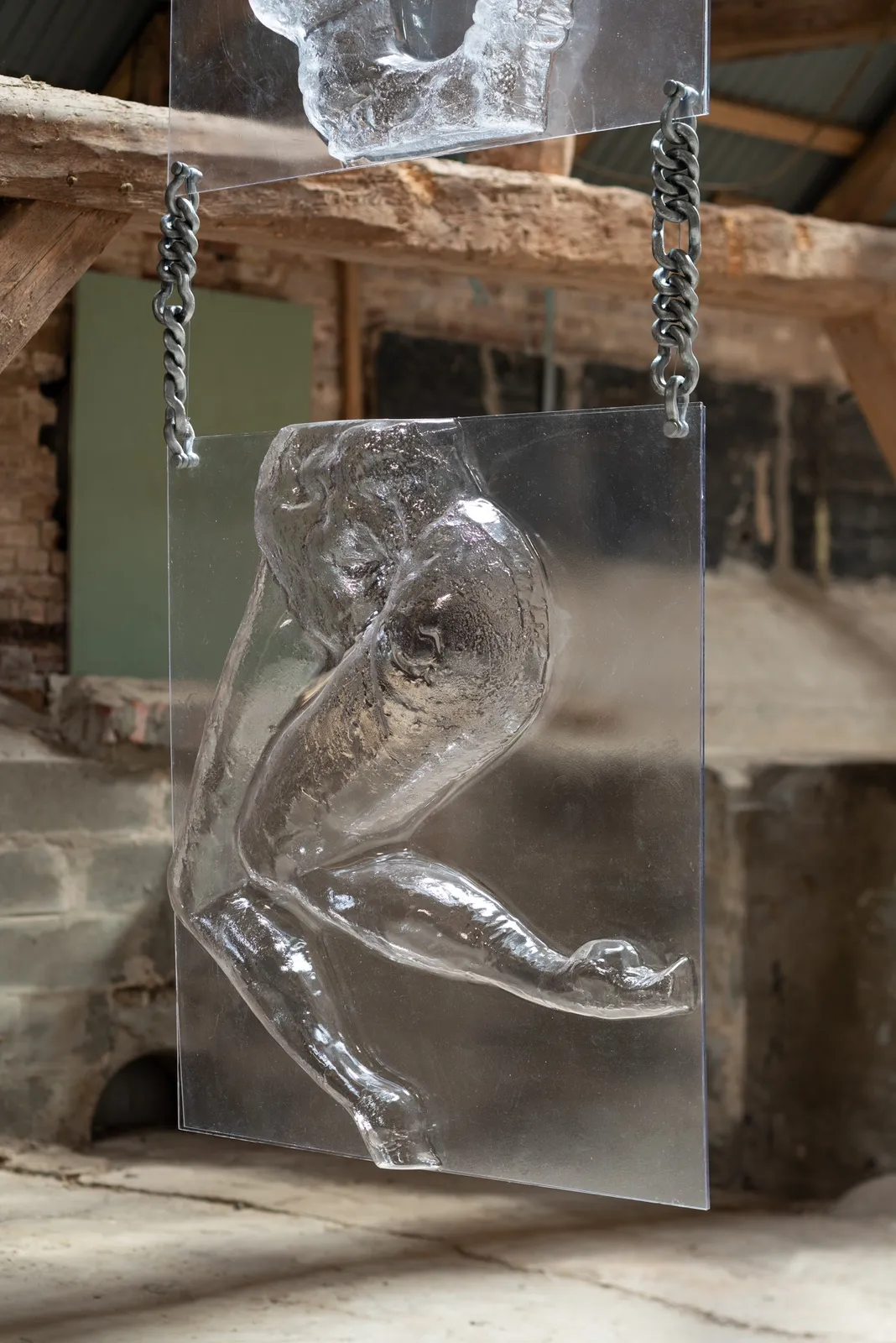
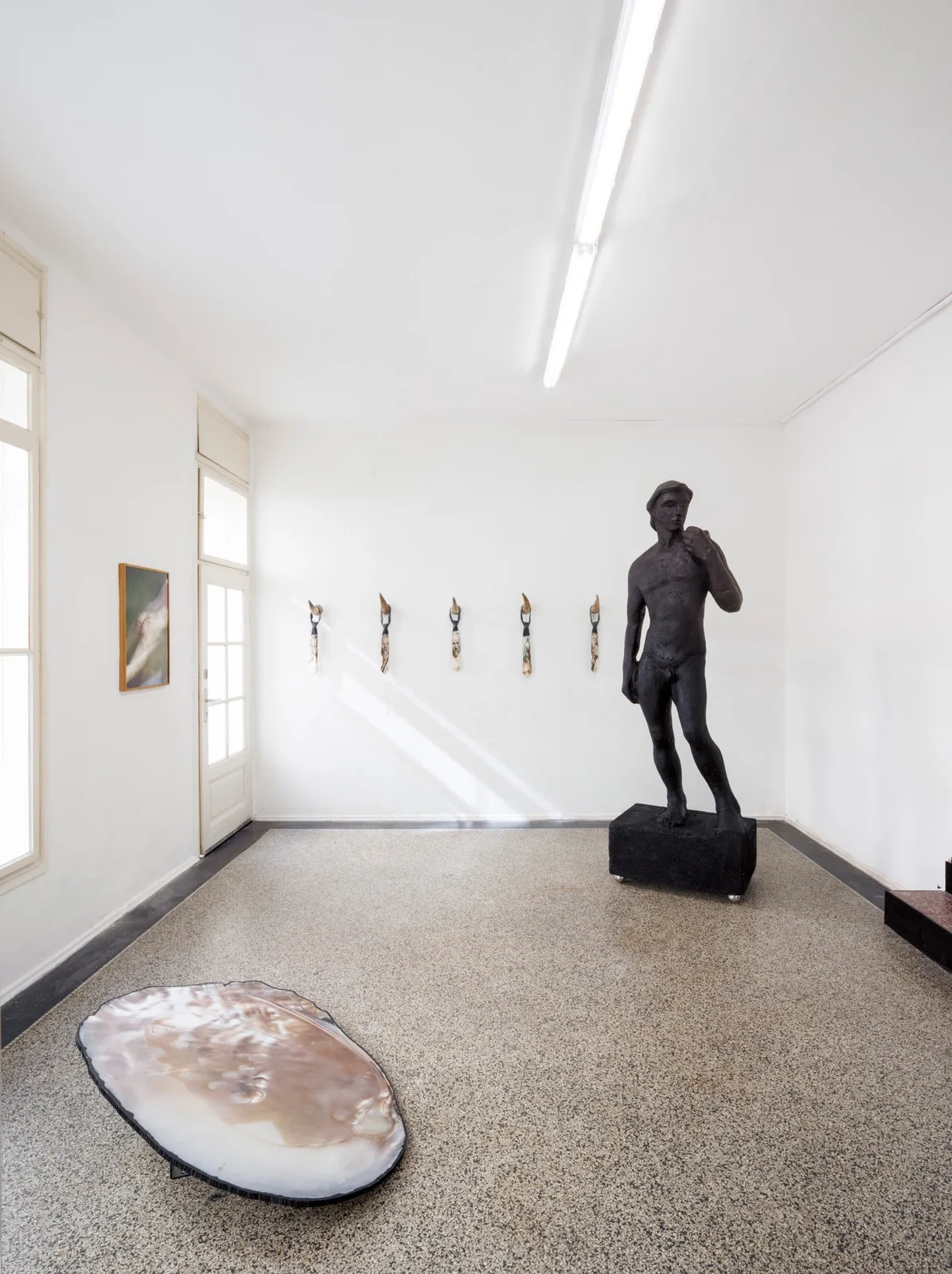
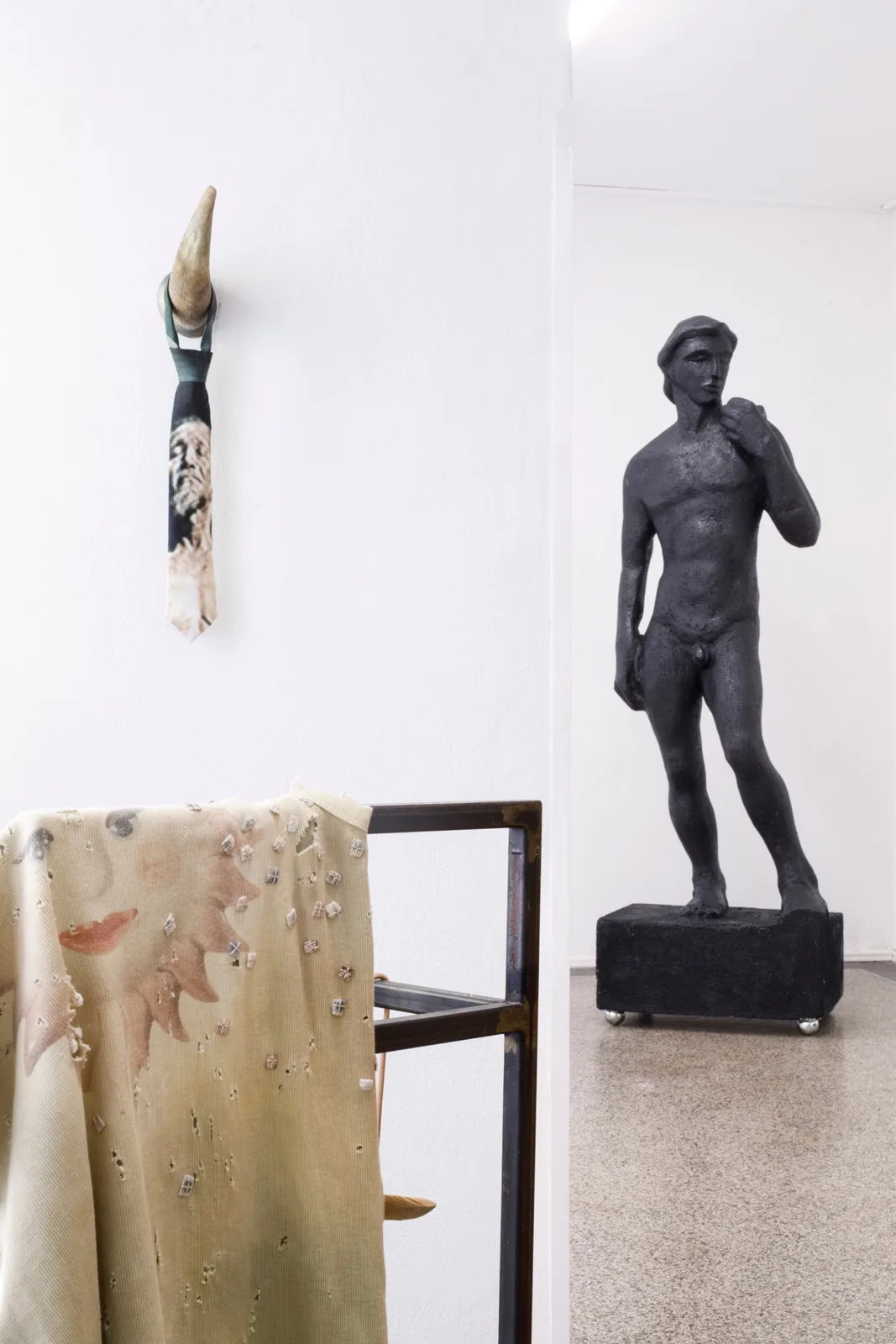
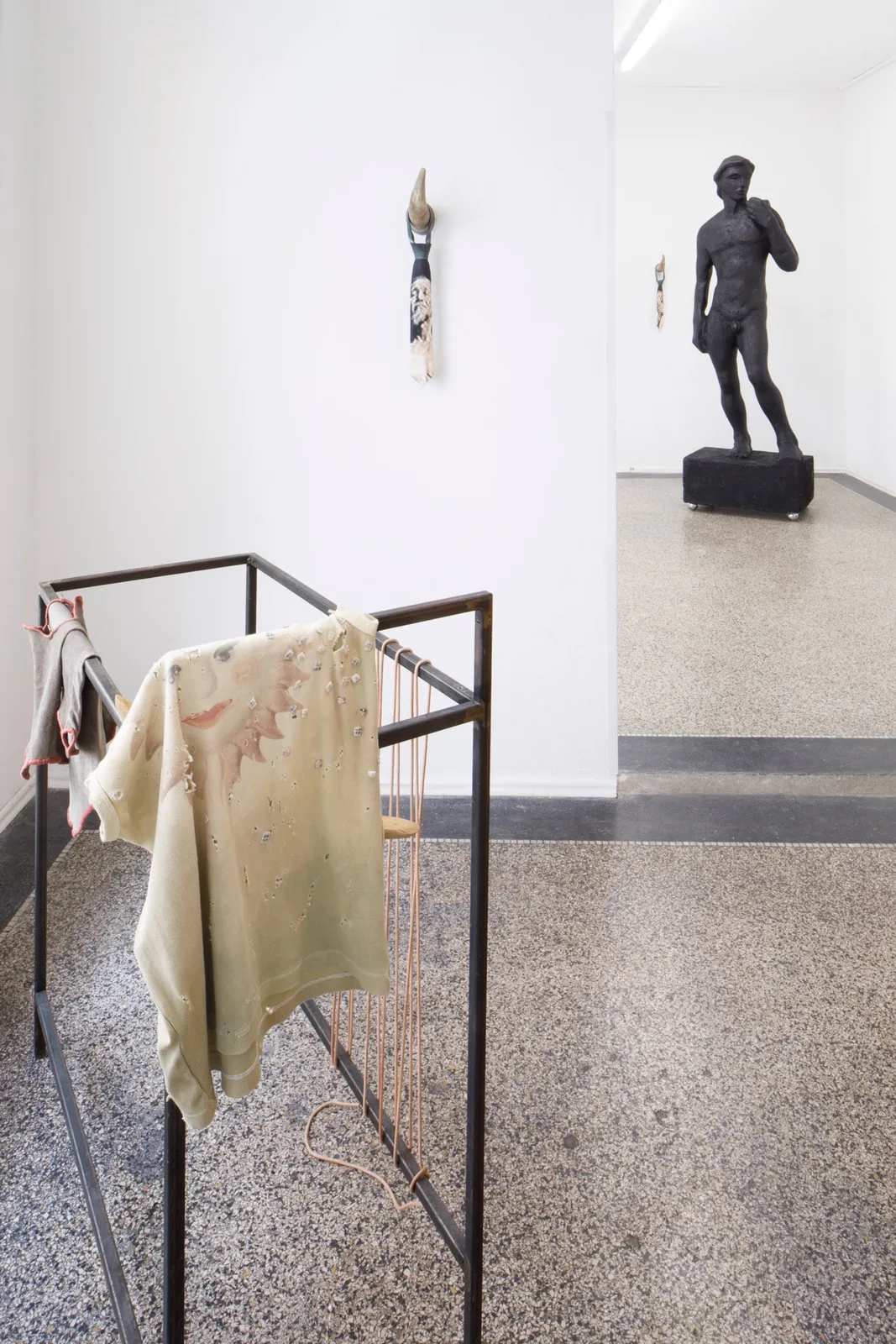
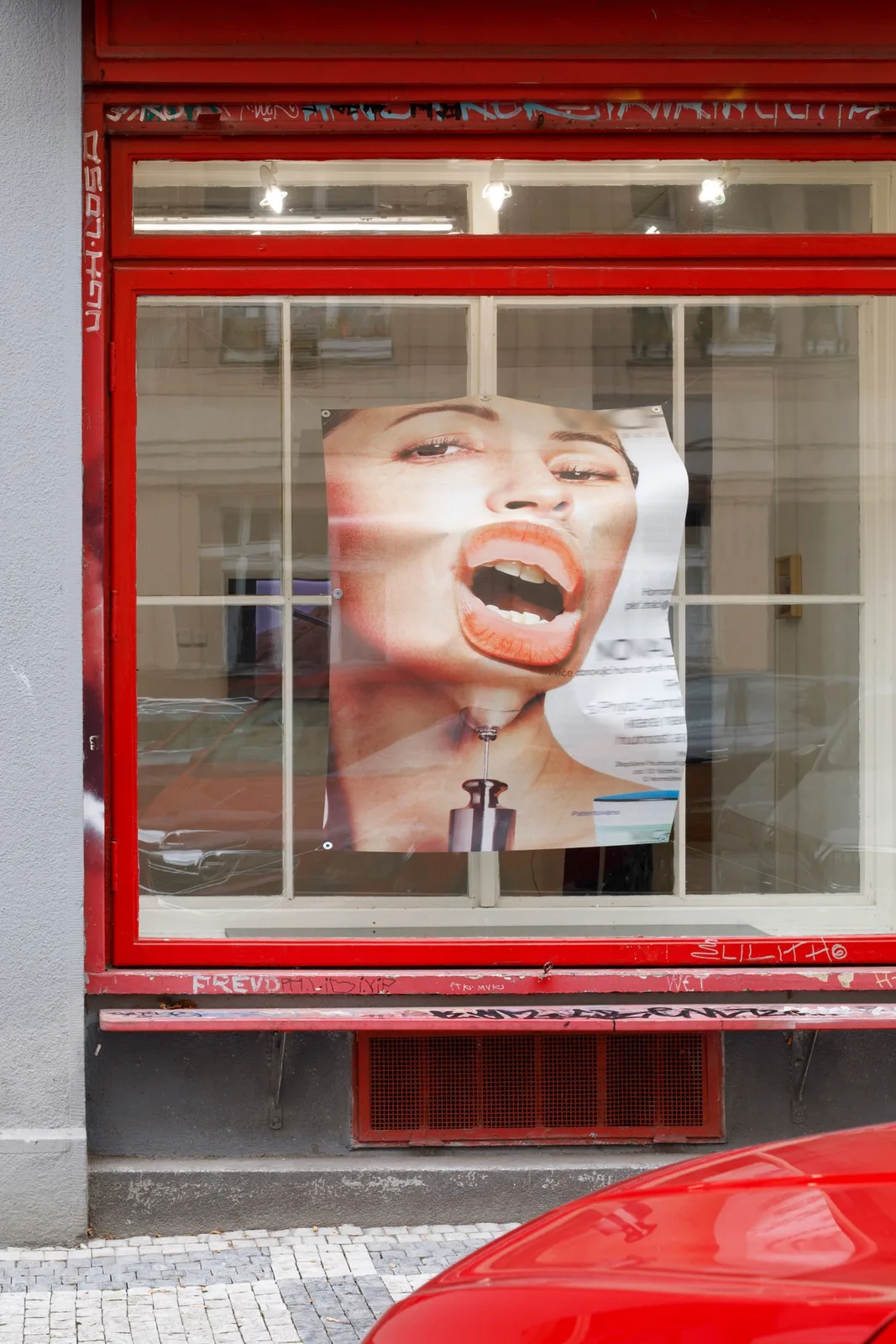
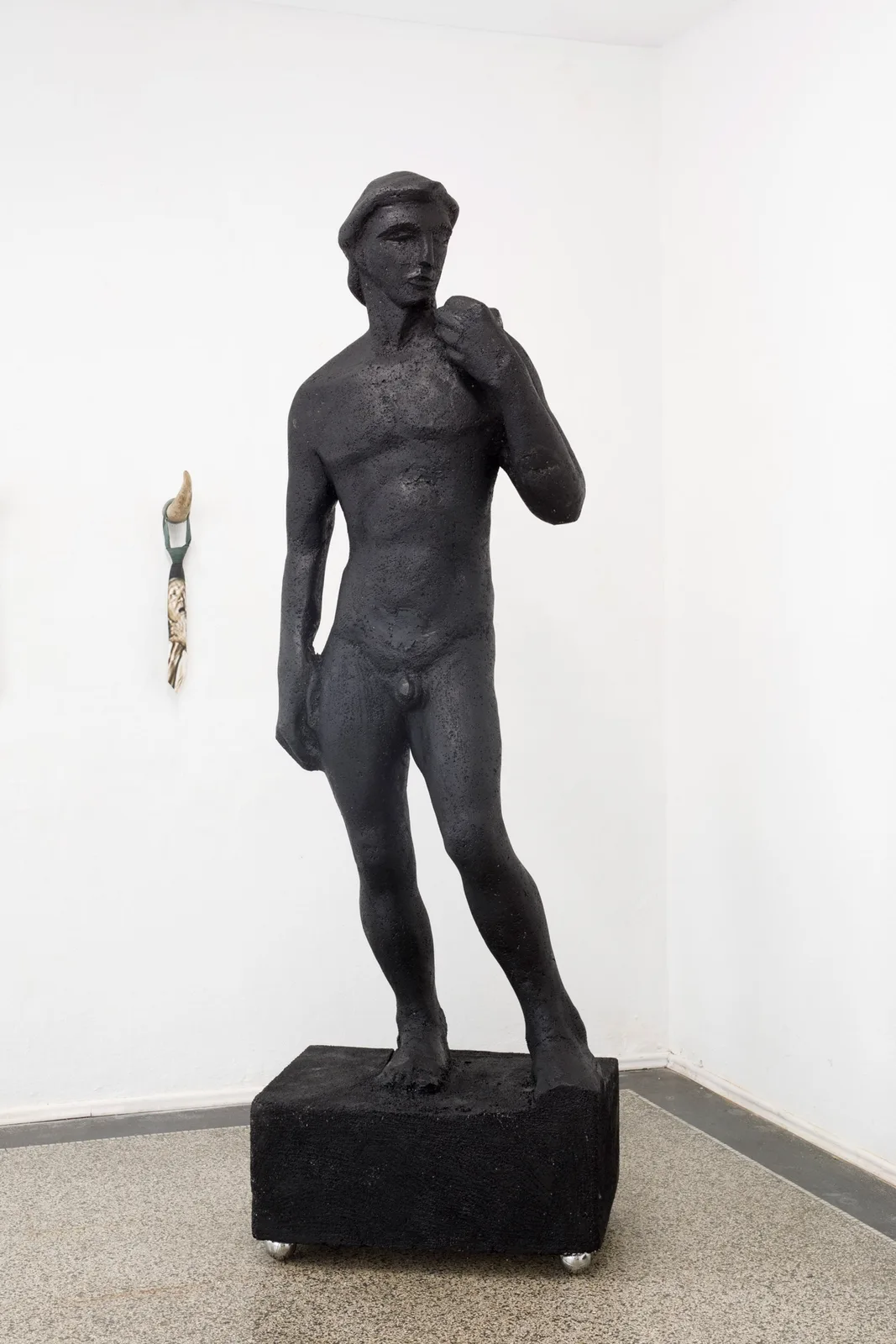
“David černý” (2009; literal translation “David black”) by the Czech performance and multimedia artist Lenka Klodová is a direct representation of the male body. Michelangelo‘s David is reconstituted in polystyrene, an ironic paraphrase connecting the canon of the male nude with the name of provocative corporate artist David Černý, responding to his sculptural installation Enropa (2009), a satirical piece on the stereotypes of European Union members. Use of lightweight, affordable polystyrene gives the typology a transient form, altering its monumental character, playing with questions of value. The simple gesture of painting David black is a mischievous subversion of, and deliberate failure to fulfil, rigid notions of European beauty. A digital print in the gallery window introduces the fabulated image of a woman as a distorted advertising product, subject to desires and stereotyping, tying into the artist‘s longstanding interest in caricaturing the tone of magazines aimed at specifically male or female audiences.
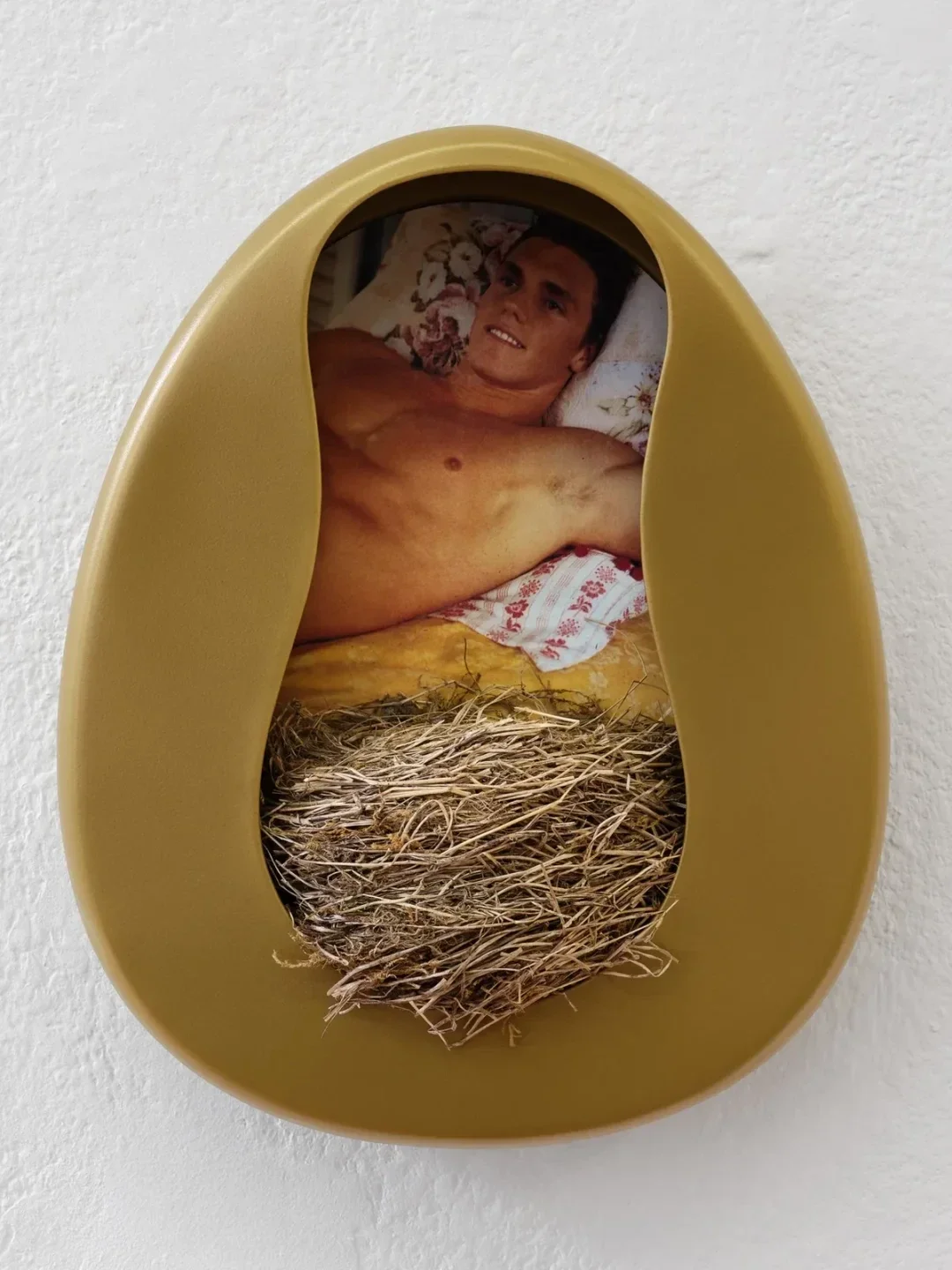
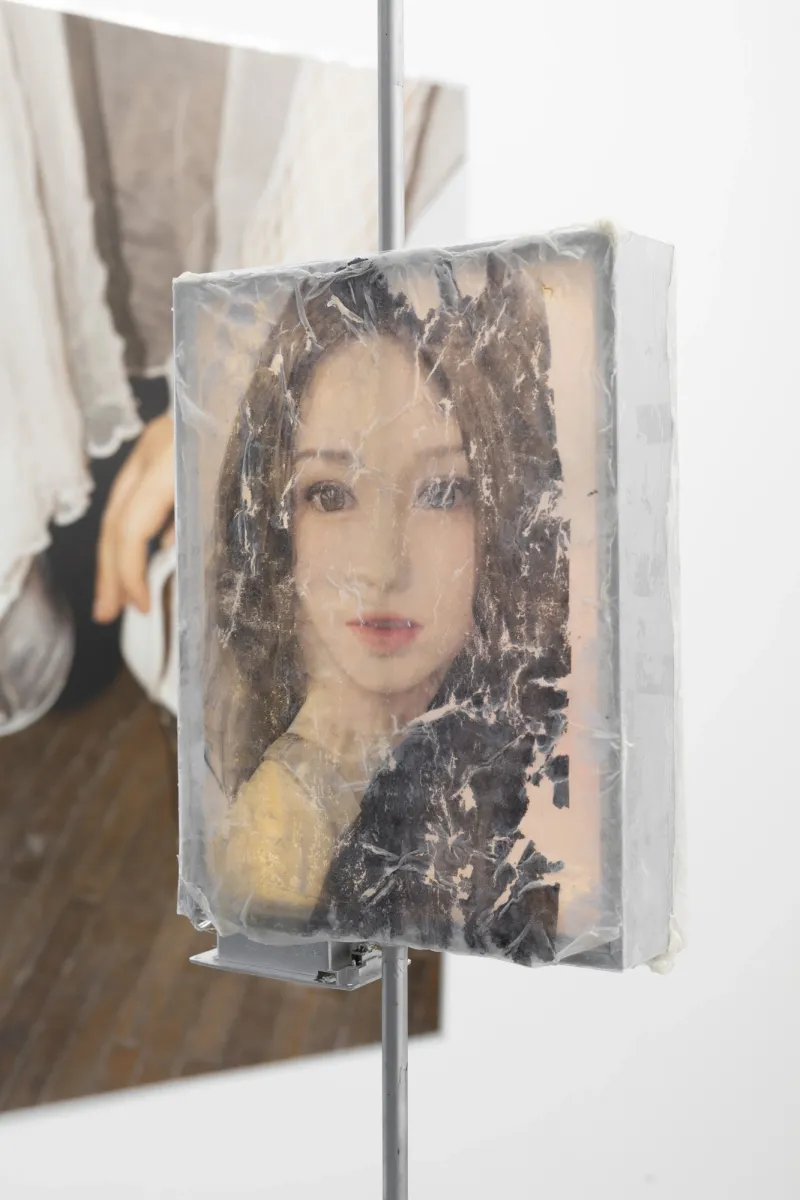
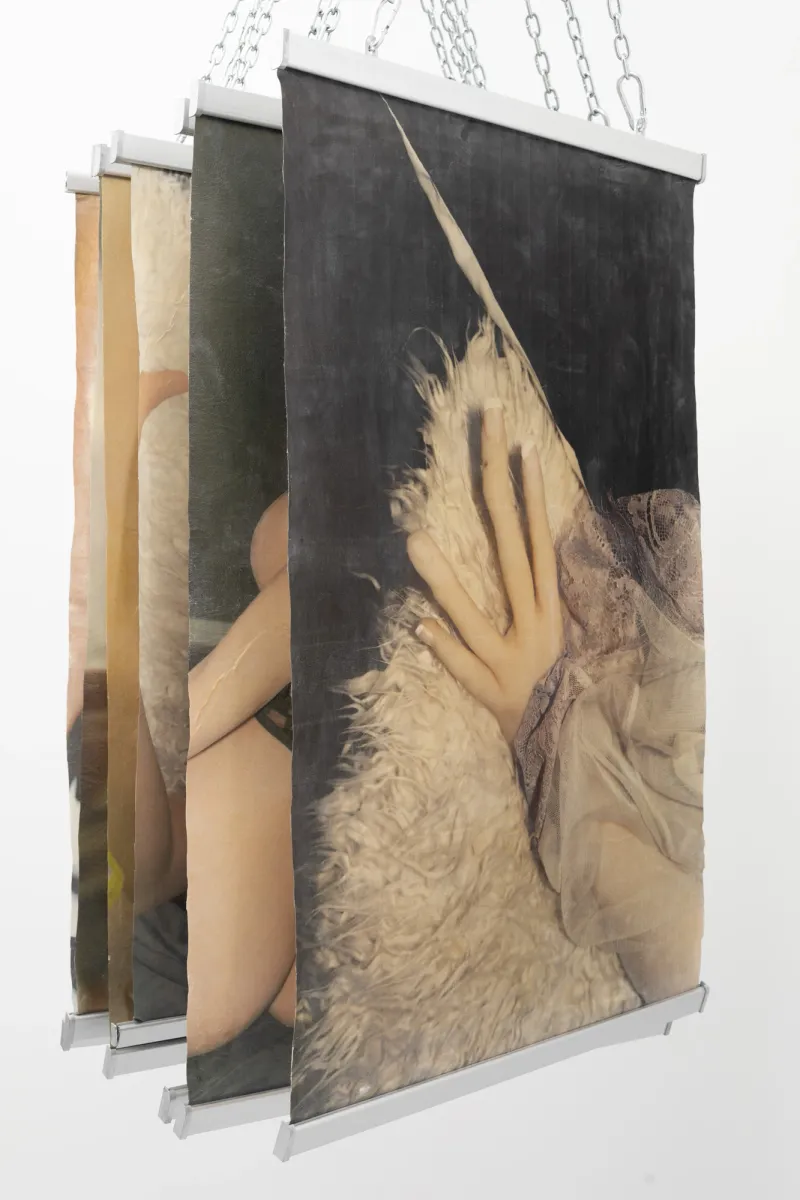
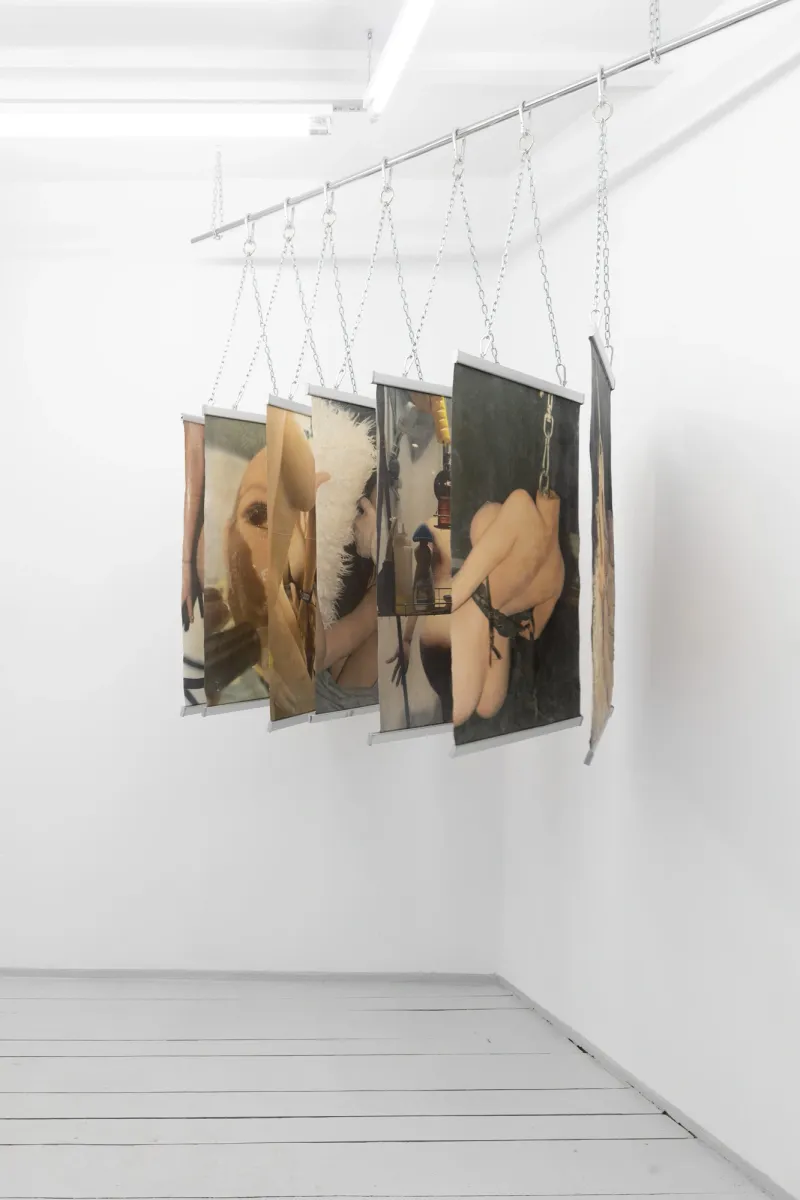
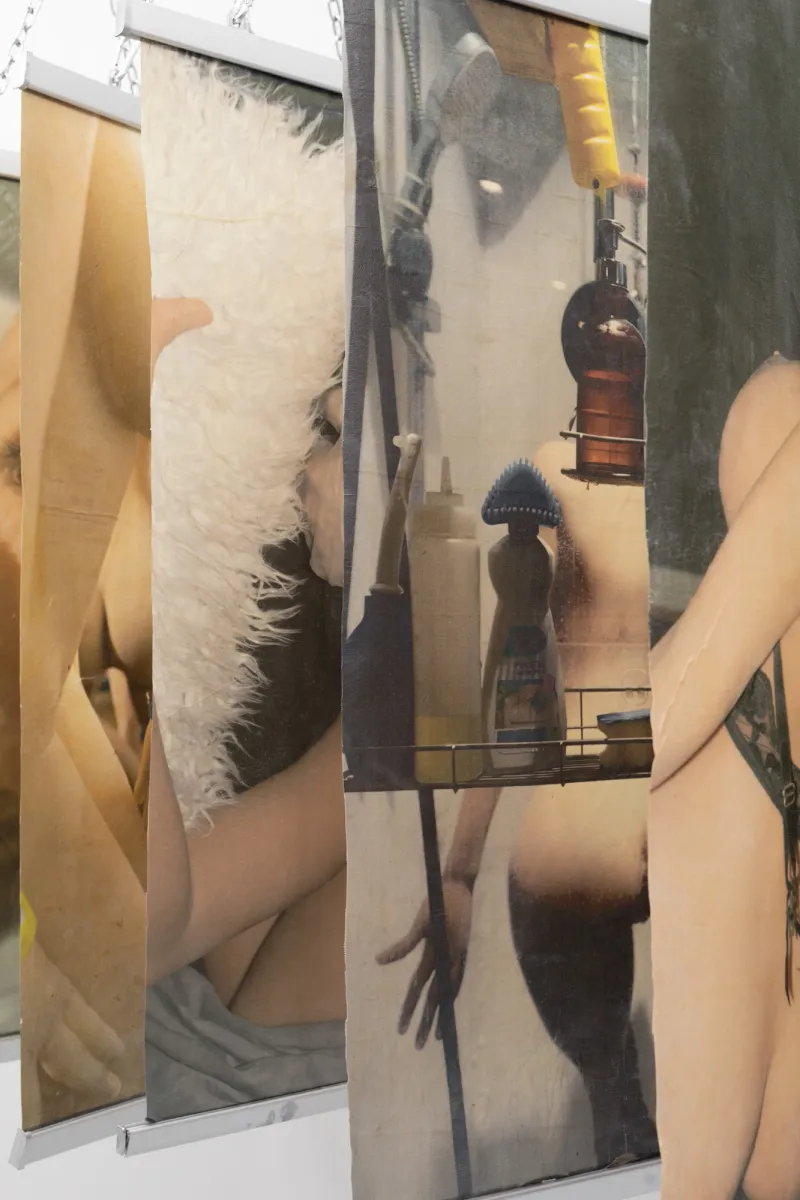
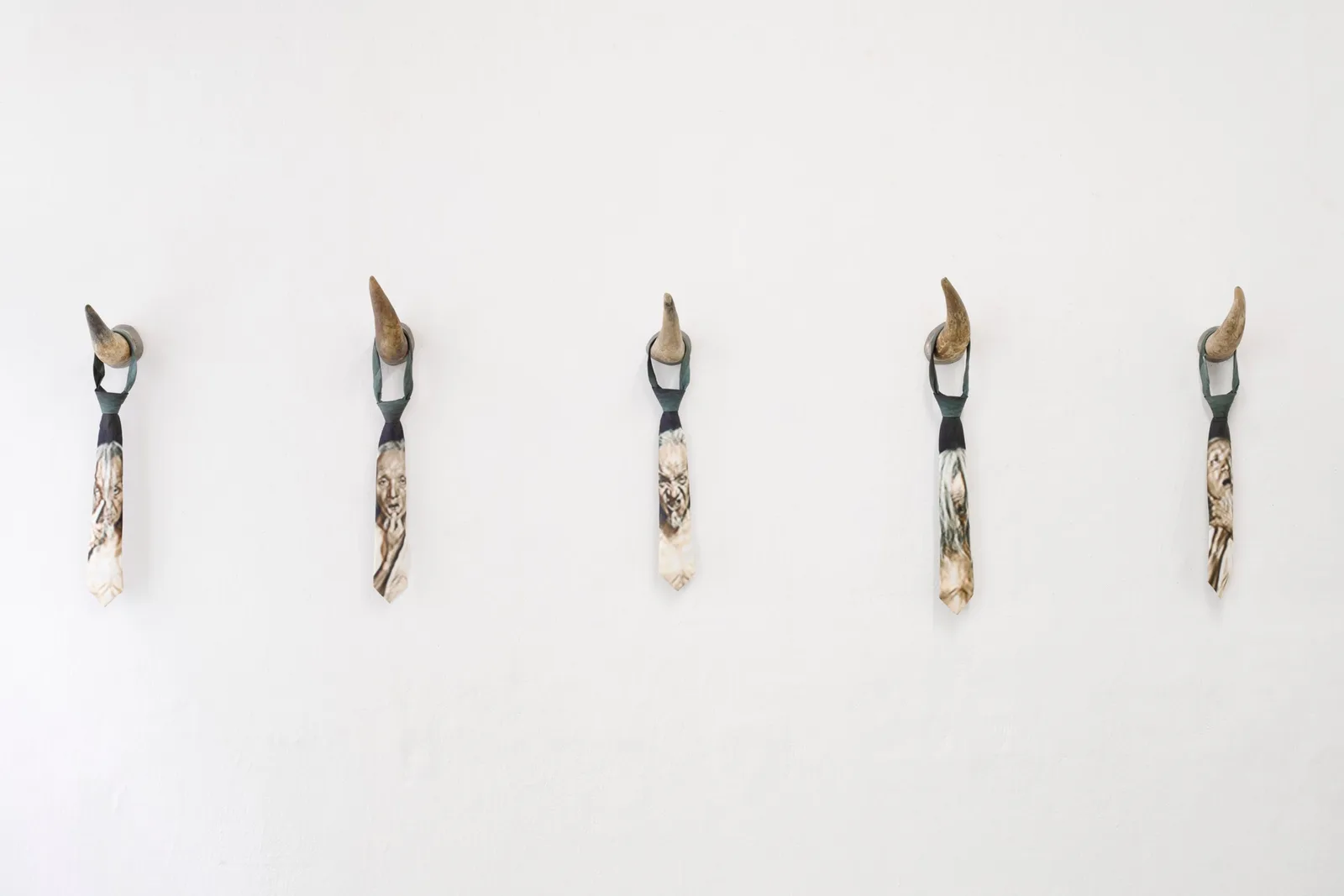
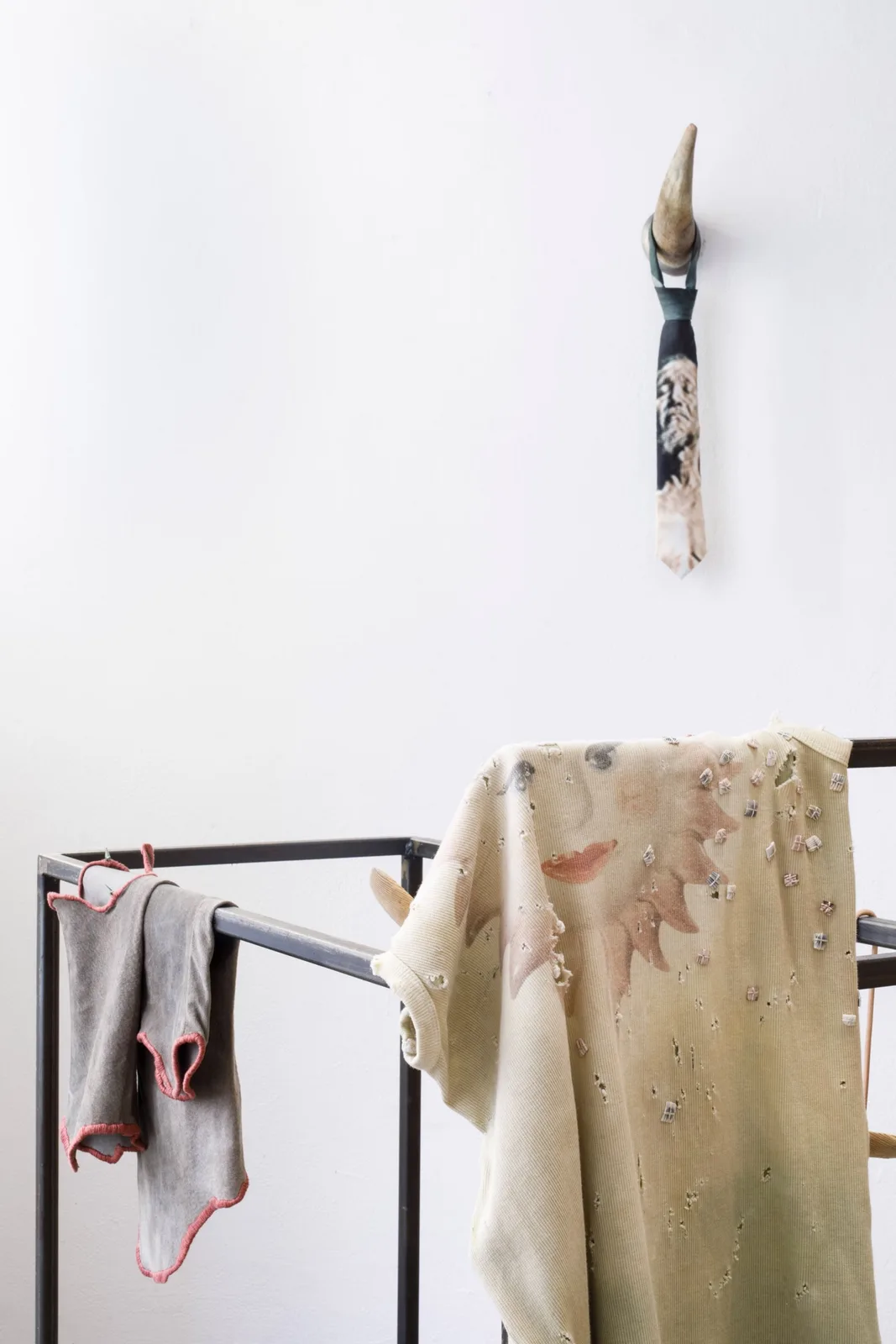
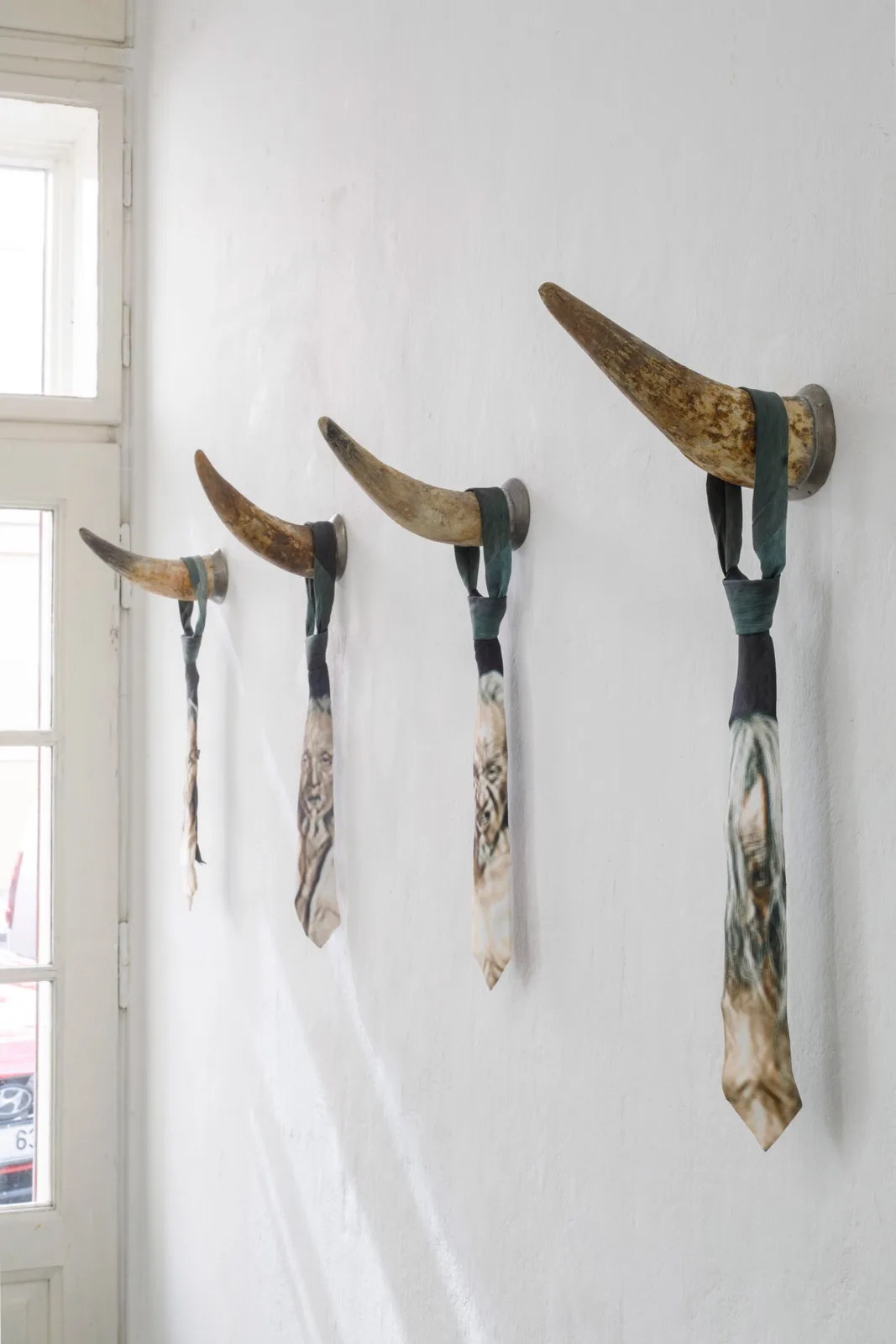
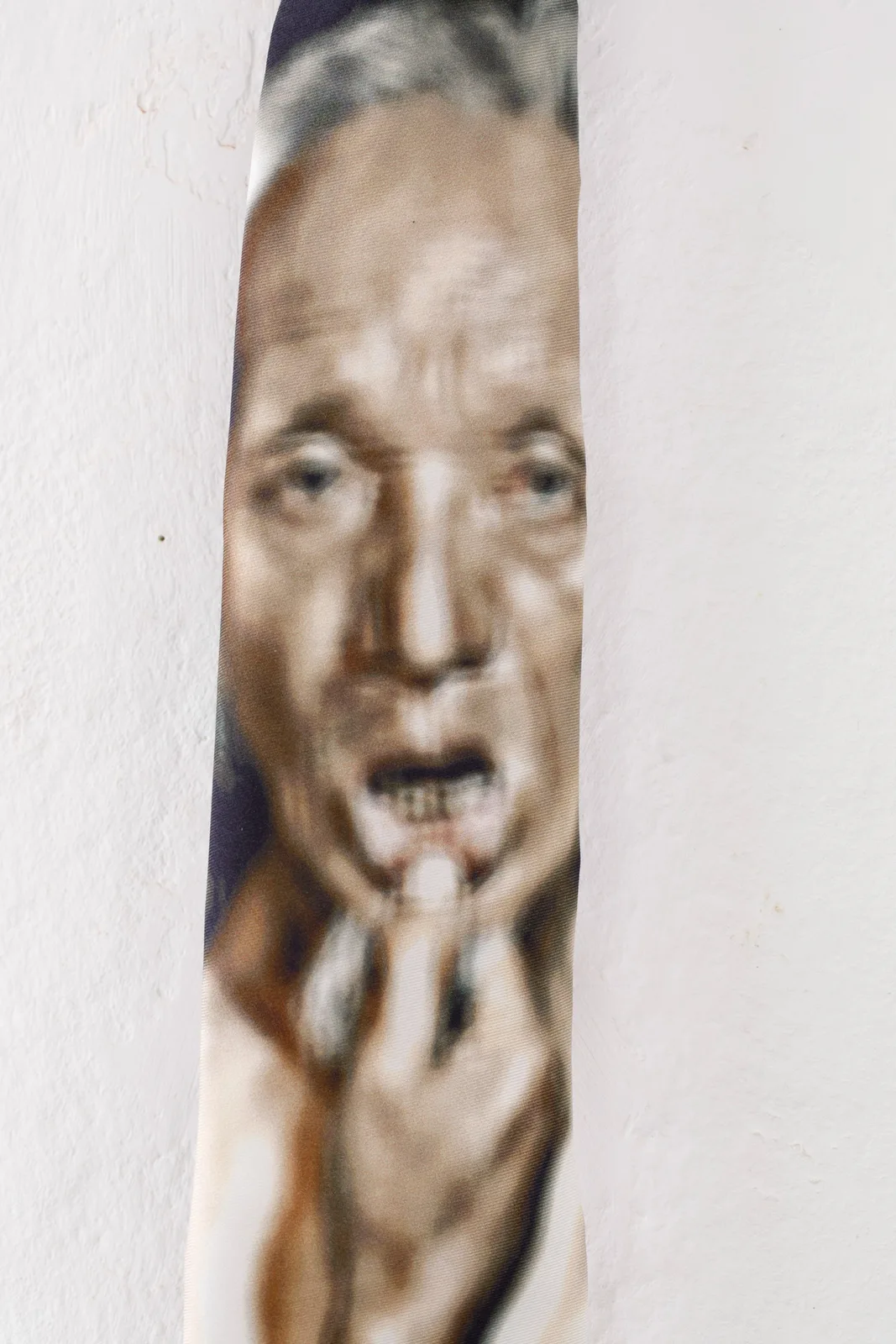
The familial dimension of clothing is the subject of “Homme Fatale” (2025) by the Hong Kong duo Virtue Village. Six wall-mounted objects draw on the history of the artists‘ paternal families, manufacturers of silk ties. The tie is an archetype of male formal wear, a symbol of formality, professional status and self-control, all expectations of the wearer. This work recontextualises the tie as a “tie” to family business and patrilineage. The silk accessories exhibited feature portraits of the performer Waha, a long-time collaborator of Virtue Village. Waha‘s expressions shift from tenderness to tension, defiance and anger, and through his photogenicity he draws on the multigeneric cinema of Hong Kong. The face on the tie incorporate a number of emotional states in the conventional representation of the male form. The absence of the patriarch raises the question of how ideals of masculinity transgress generational division.
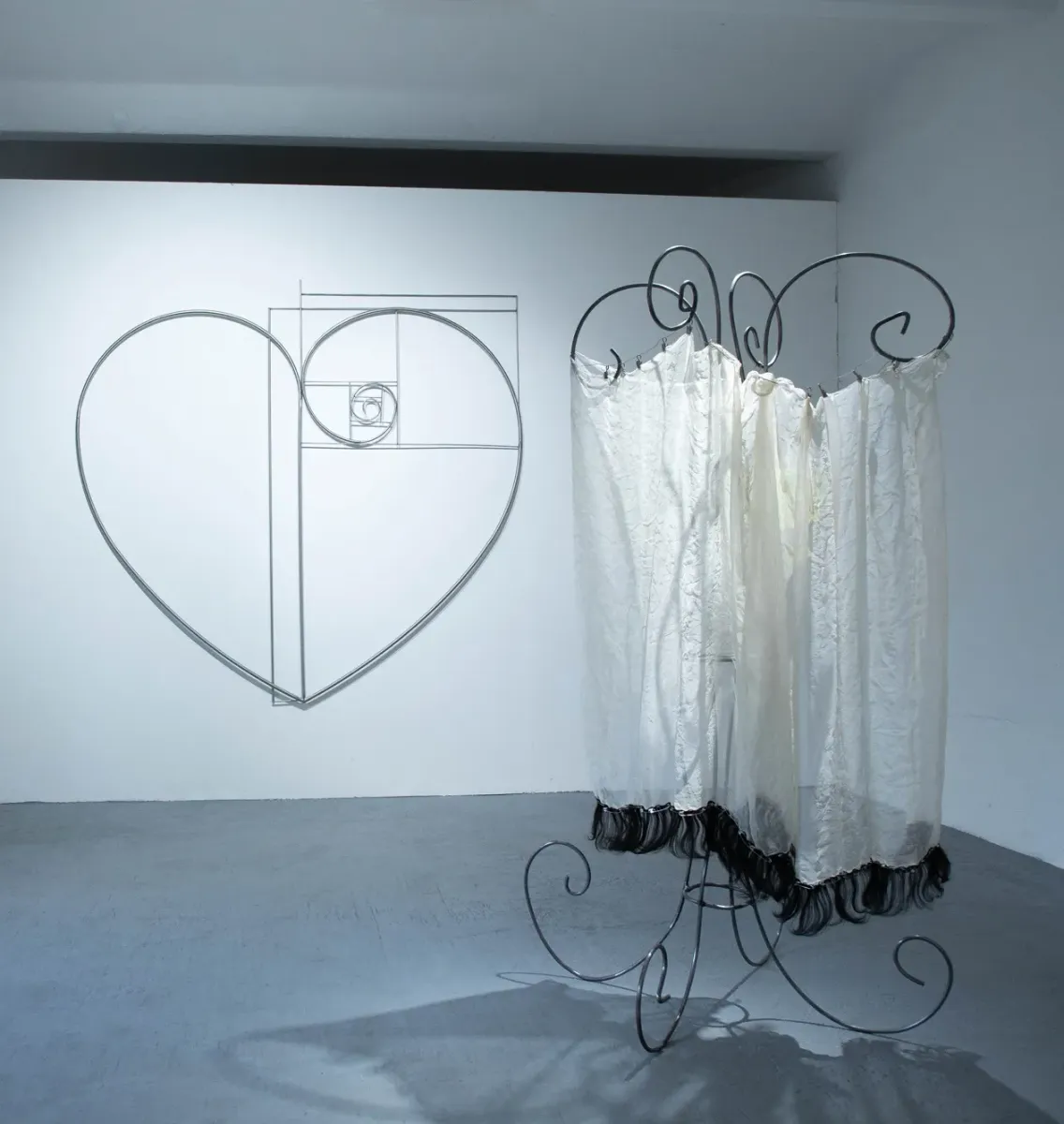
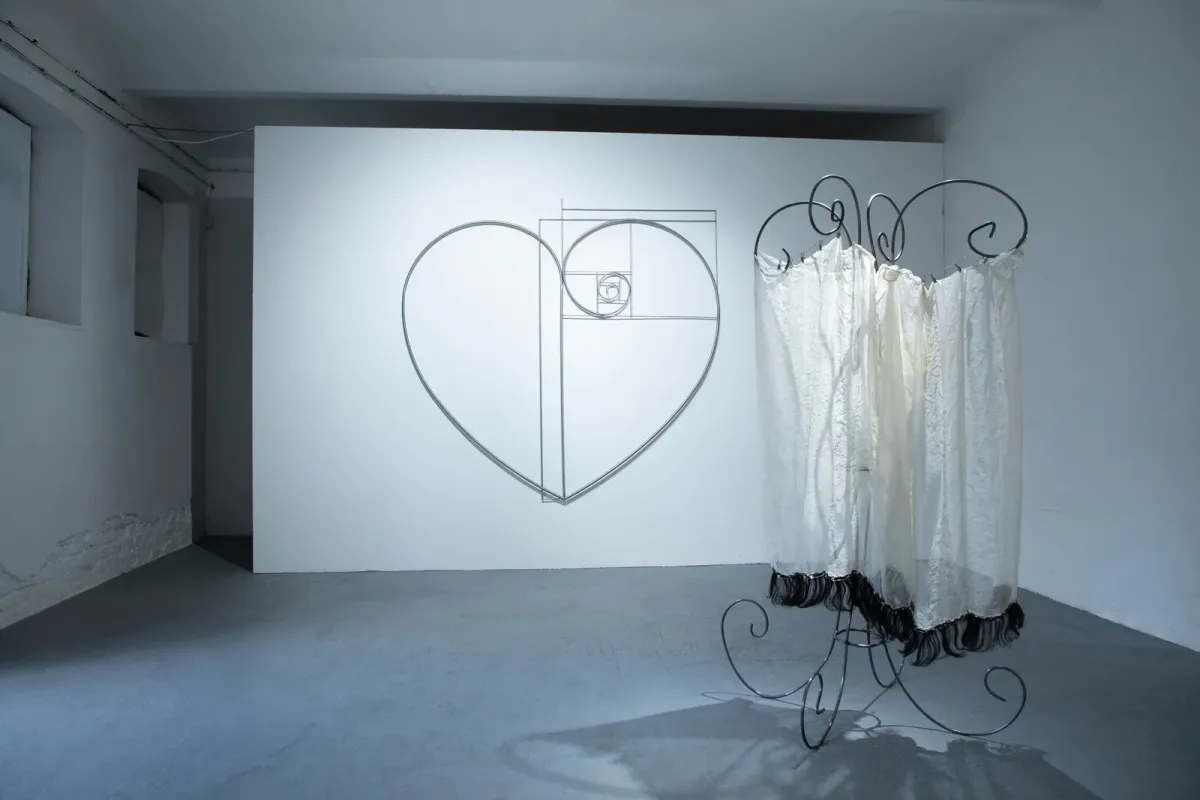
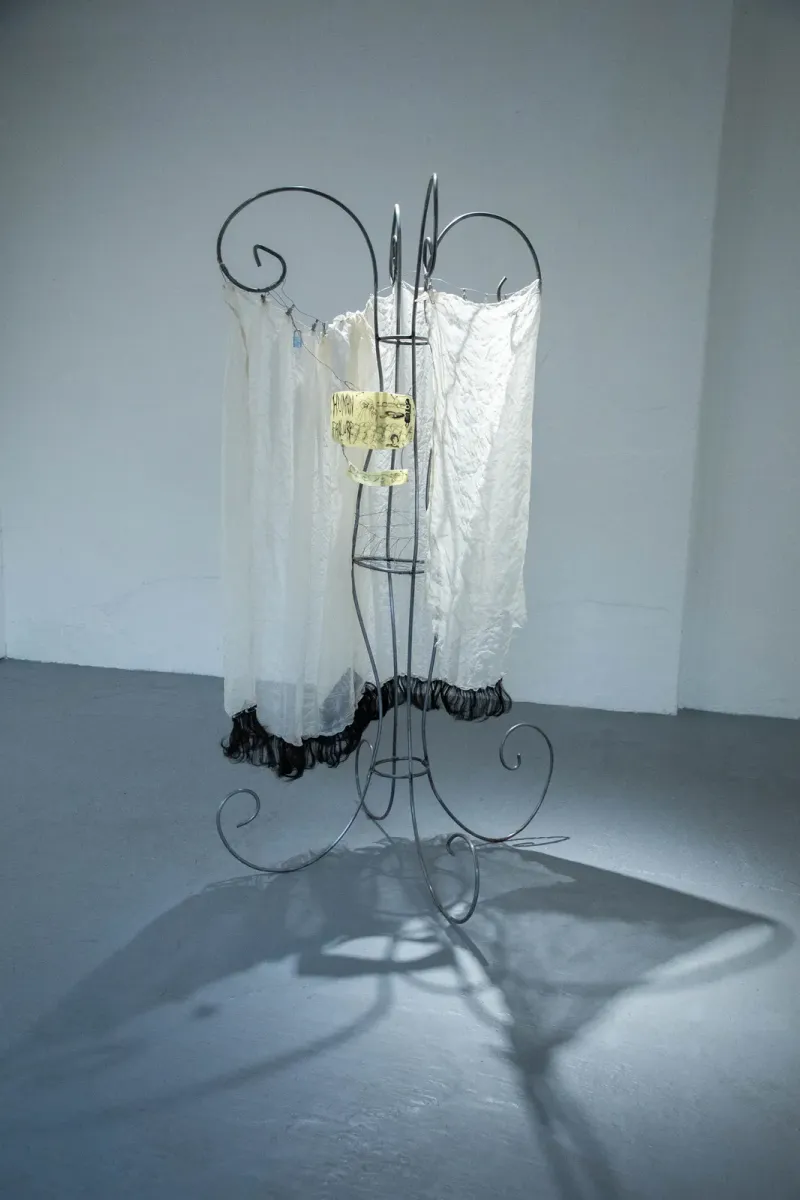
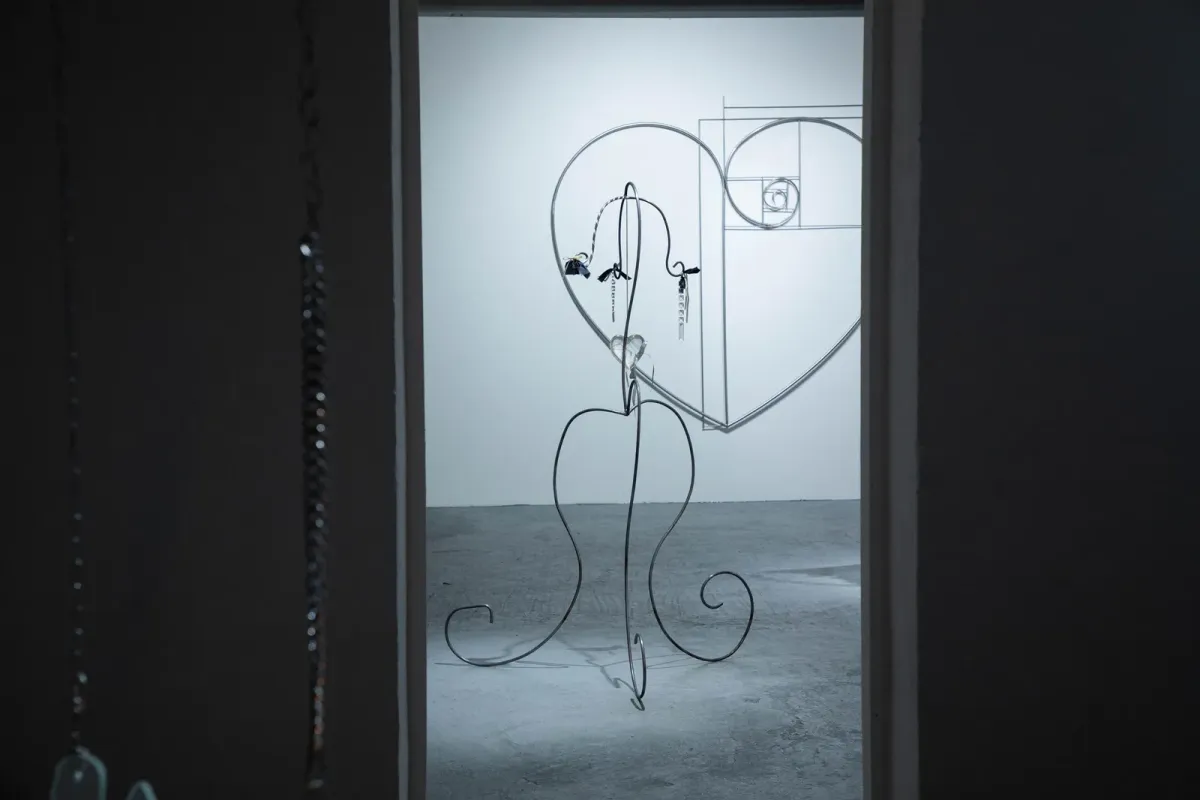
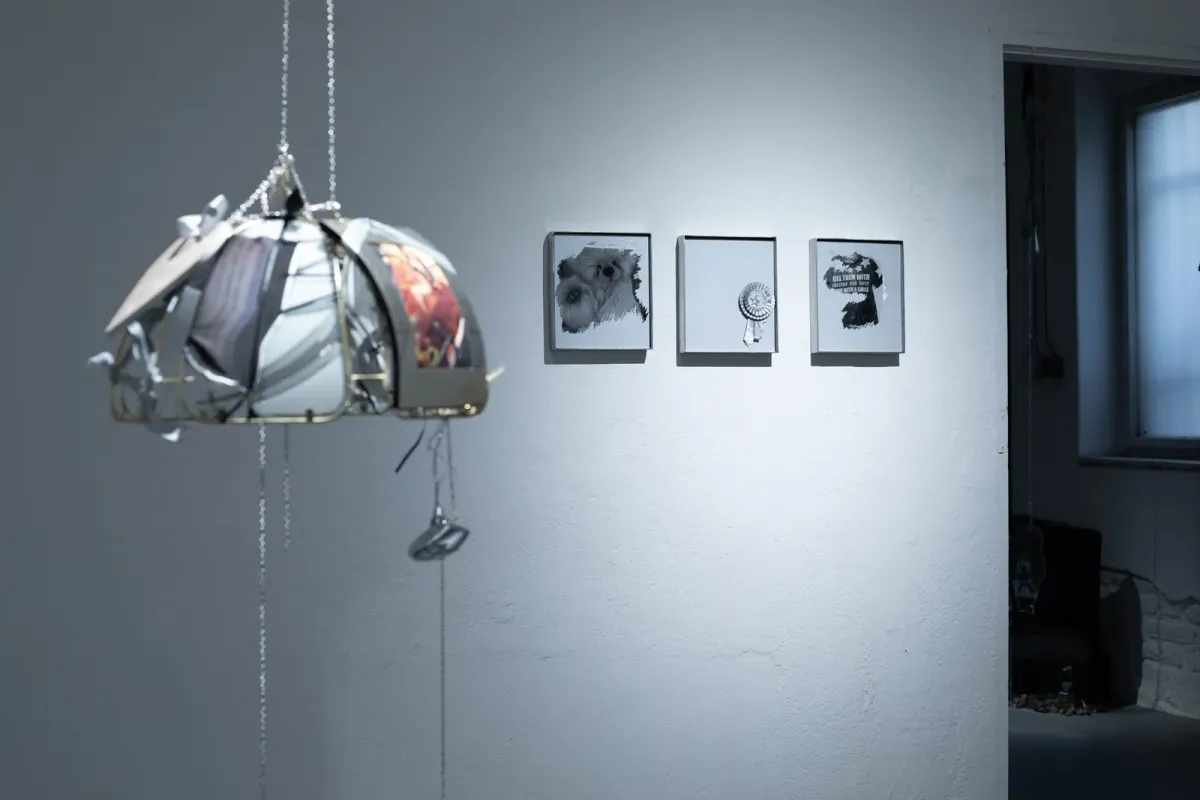
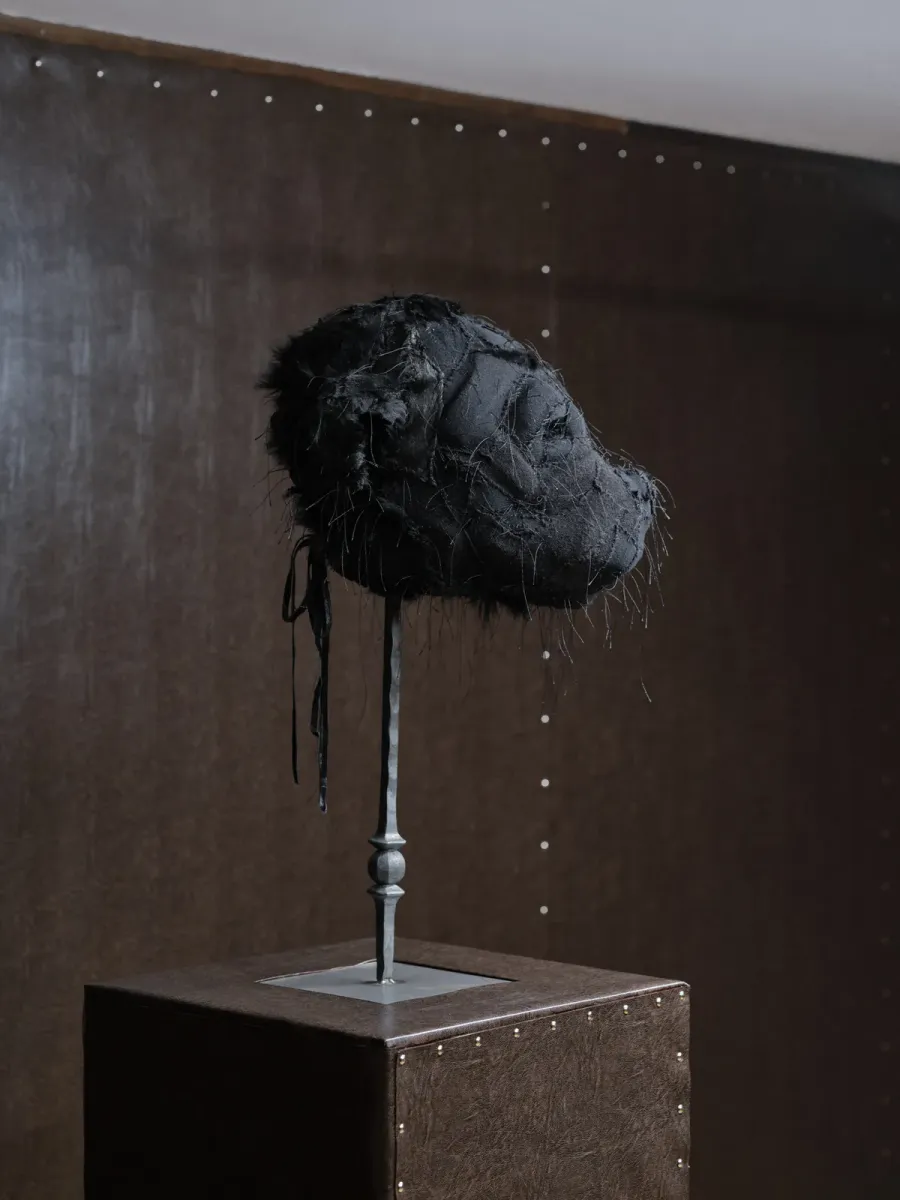
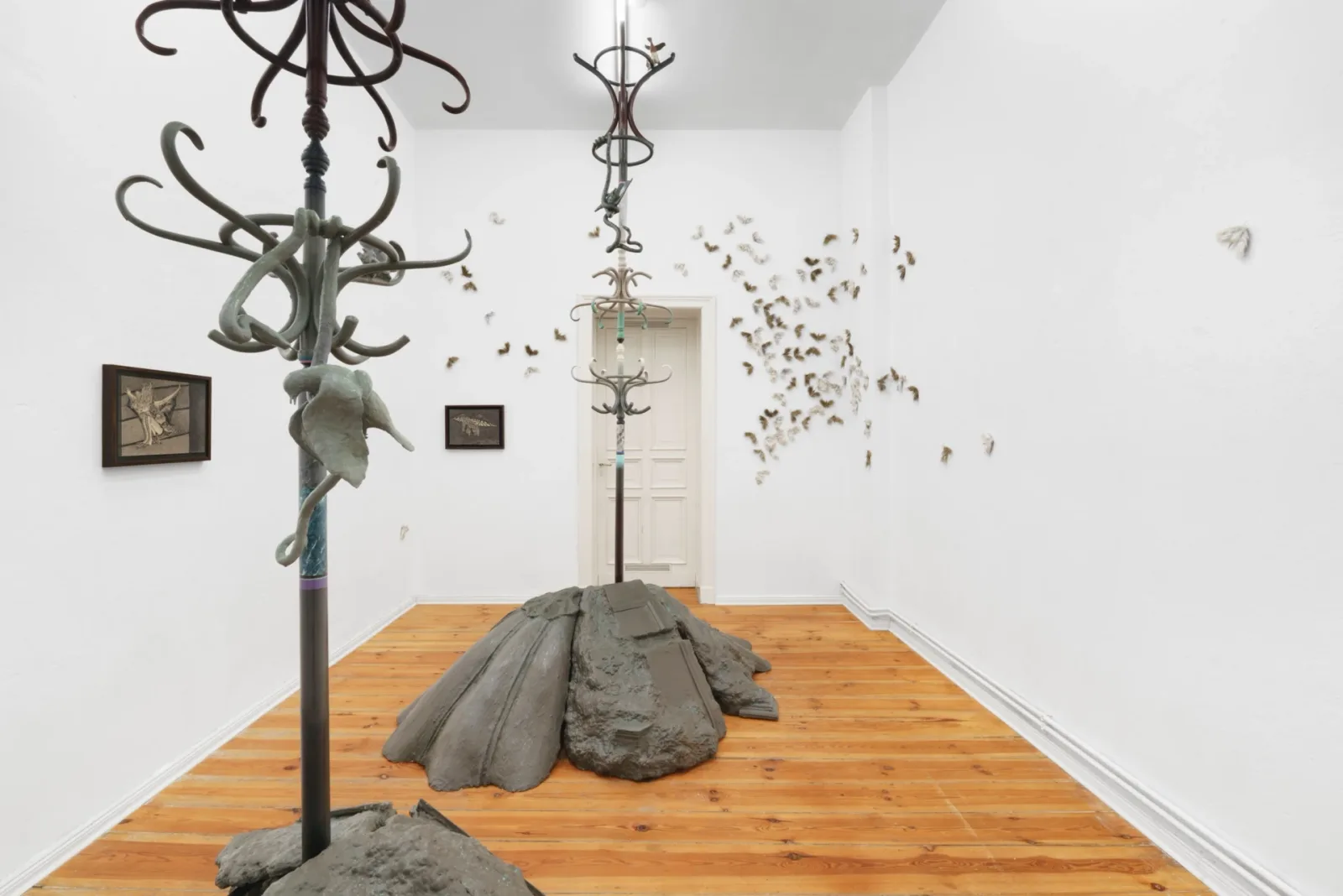
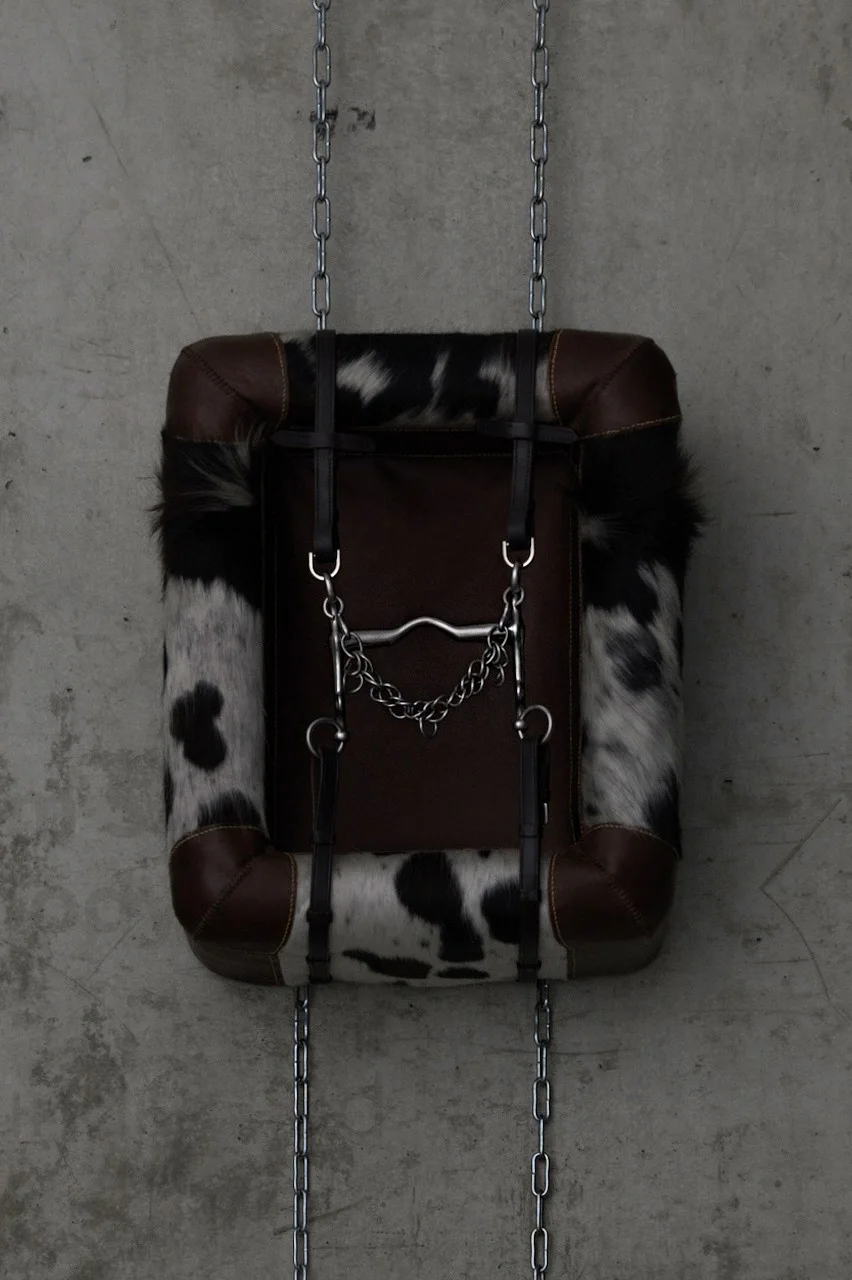
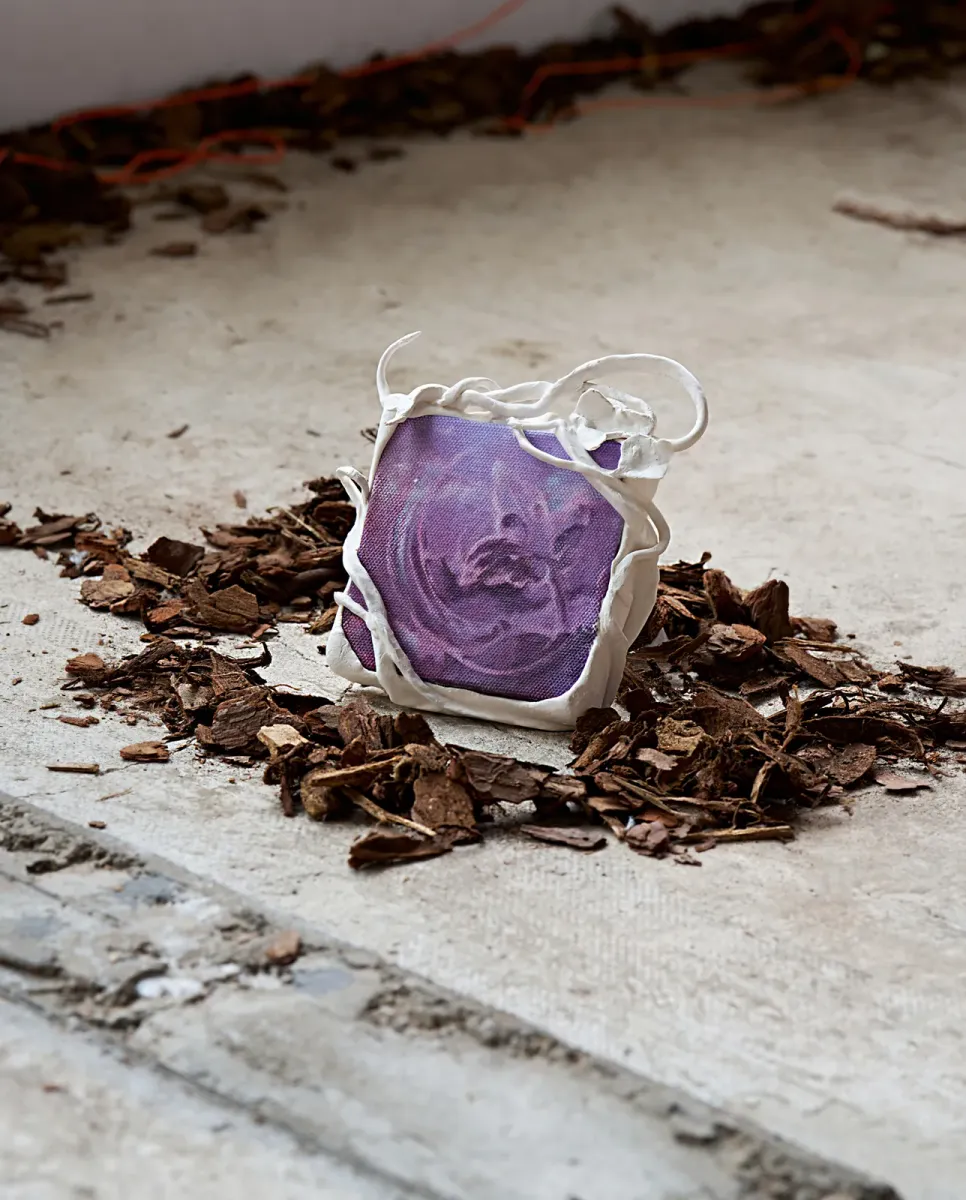
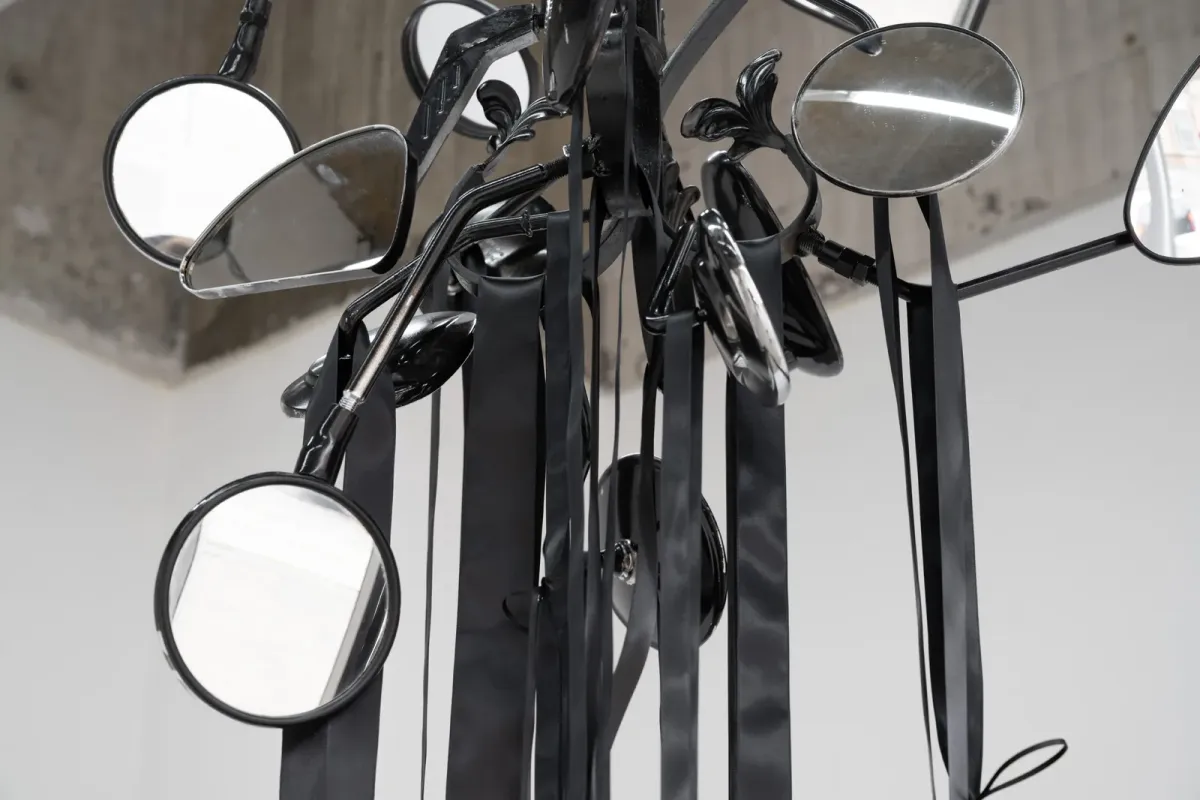
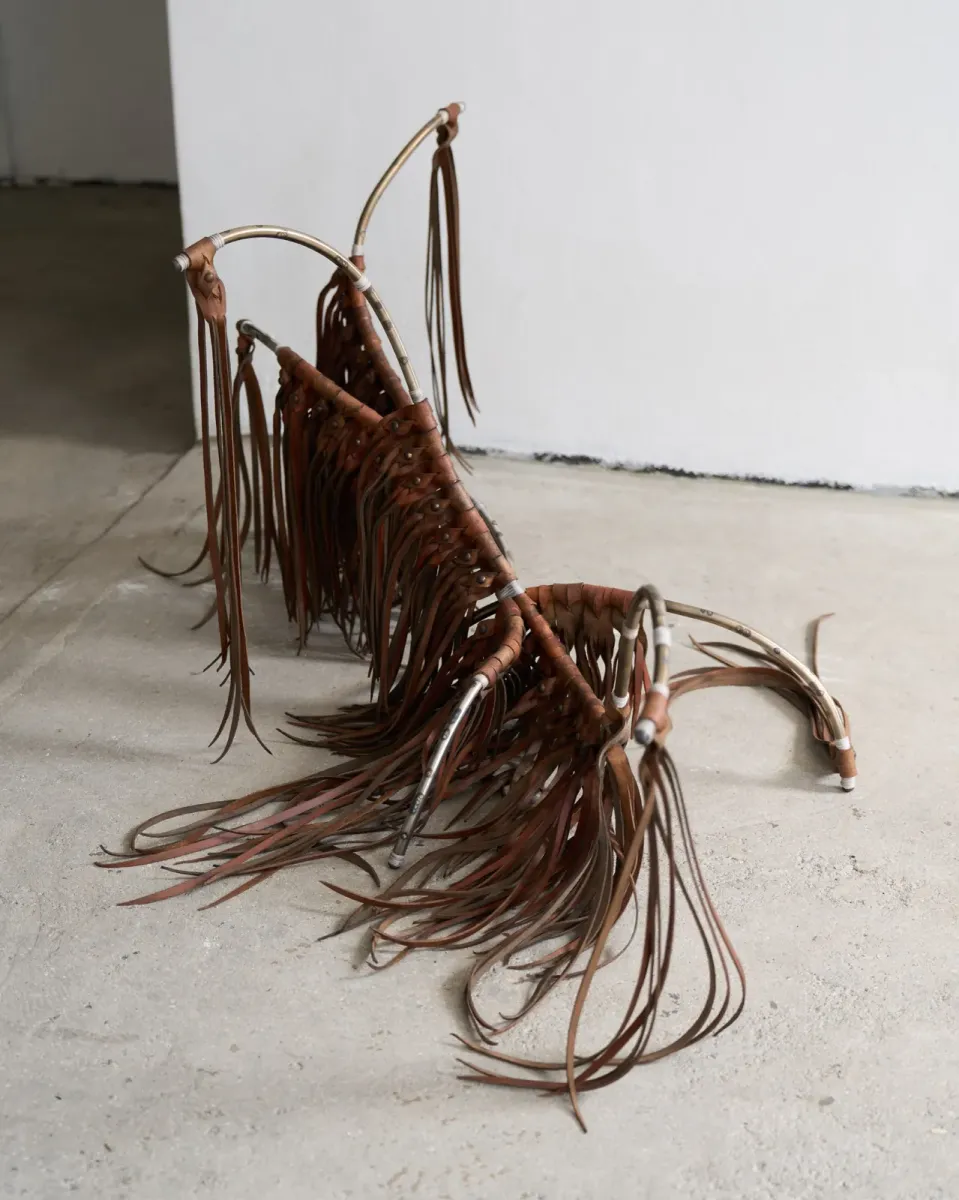
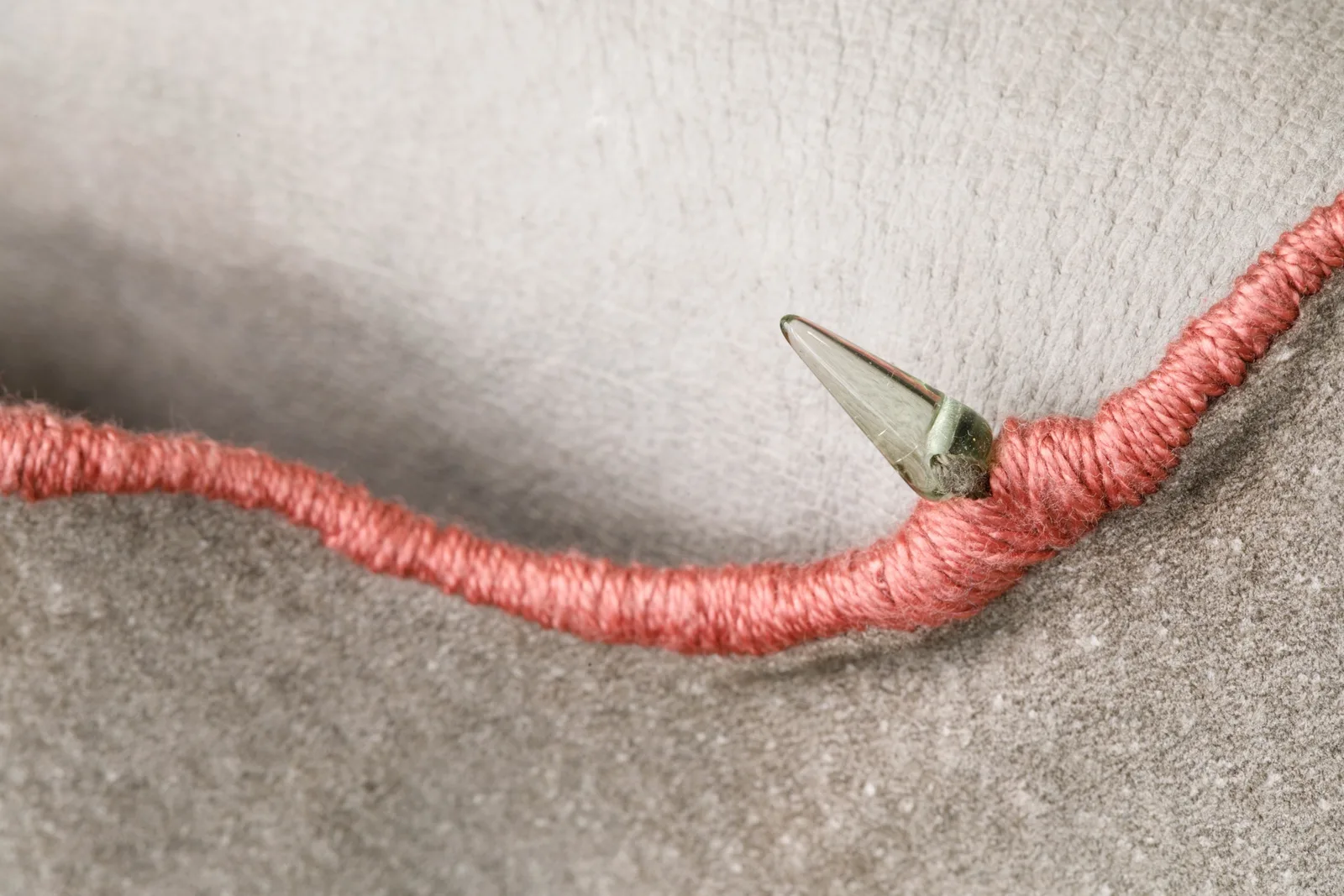
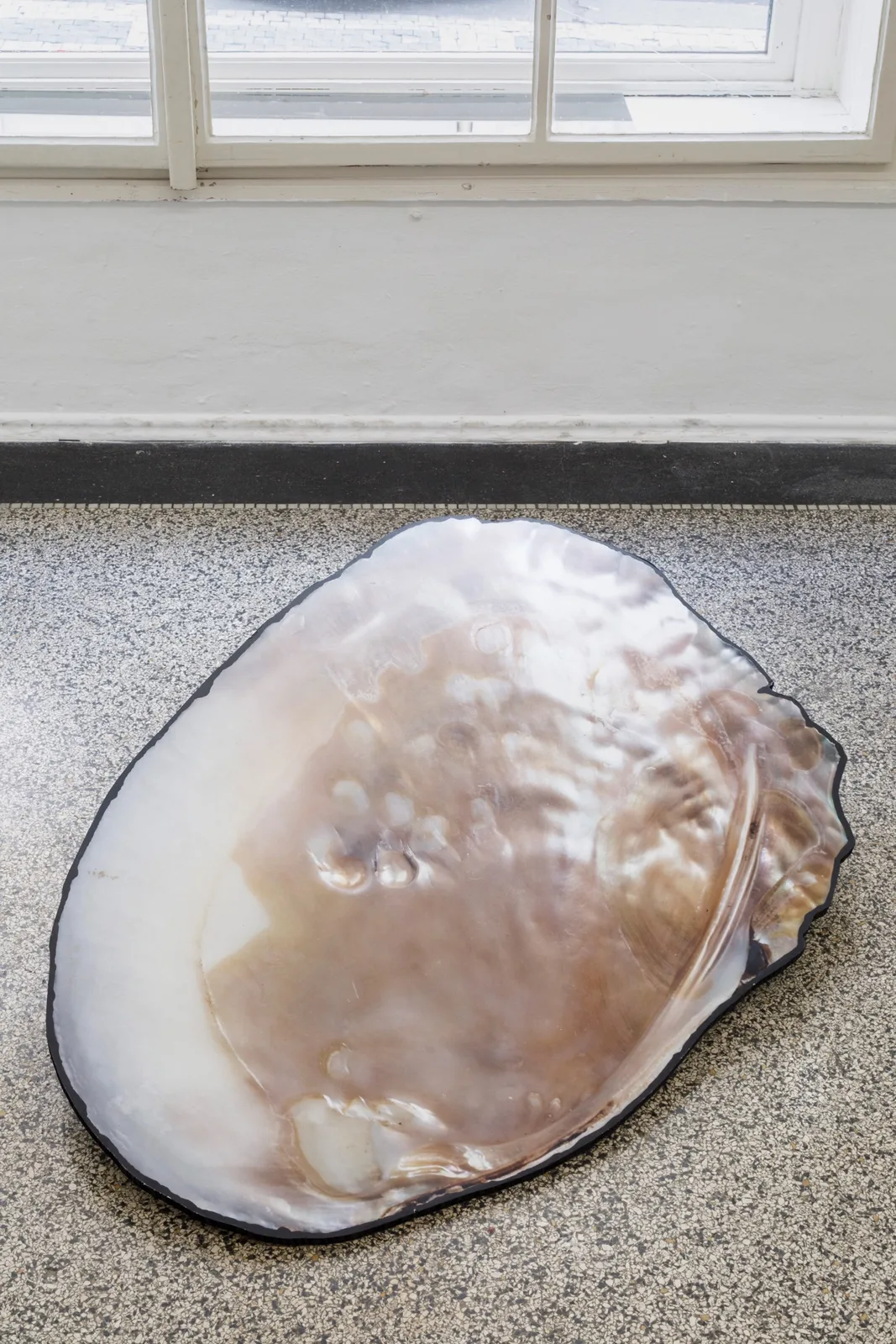
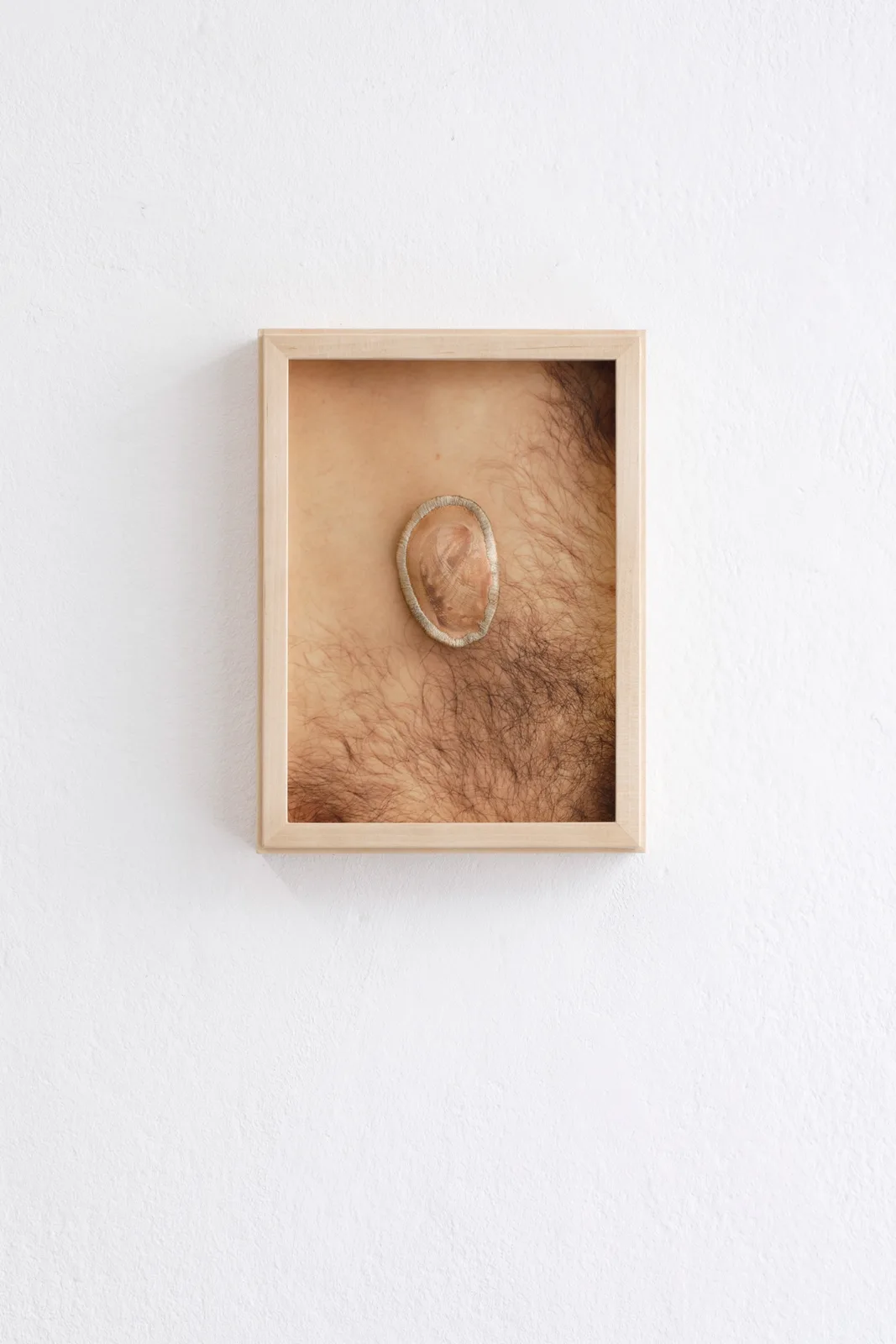
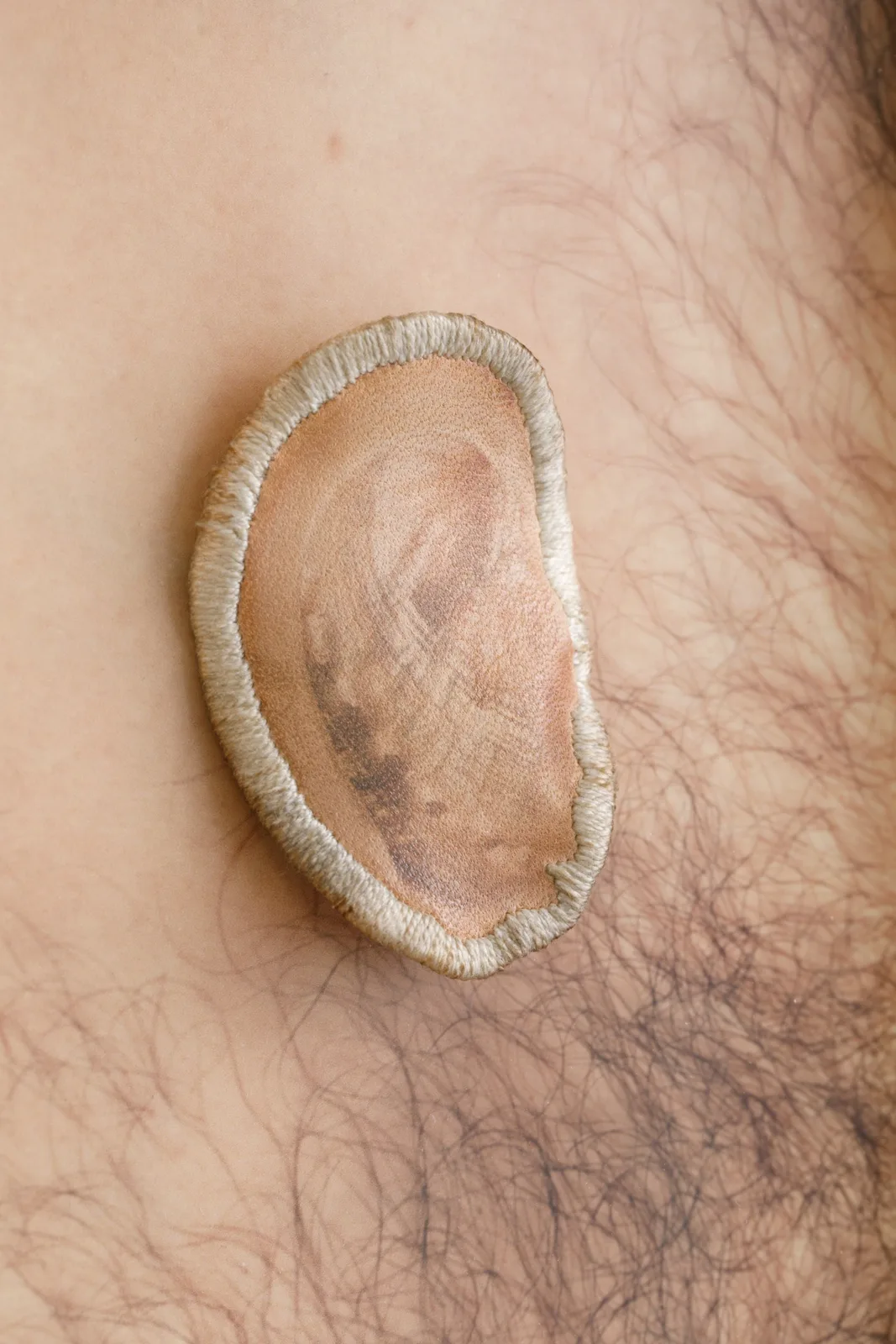
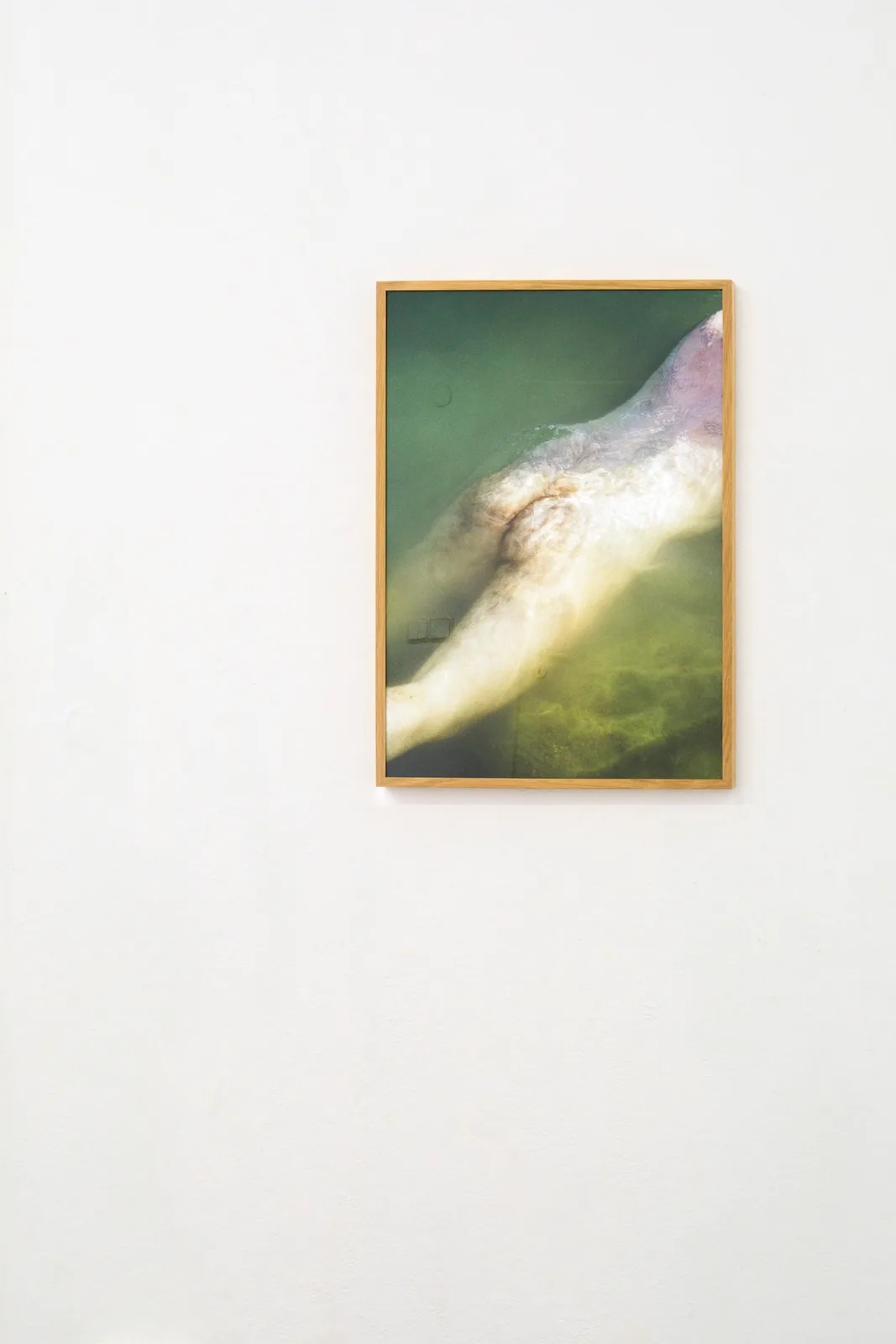
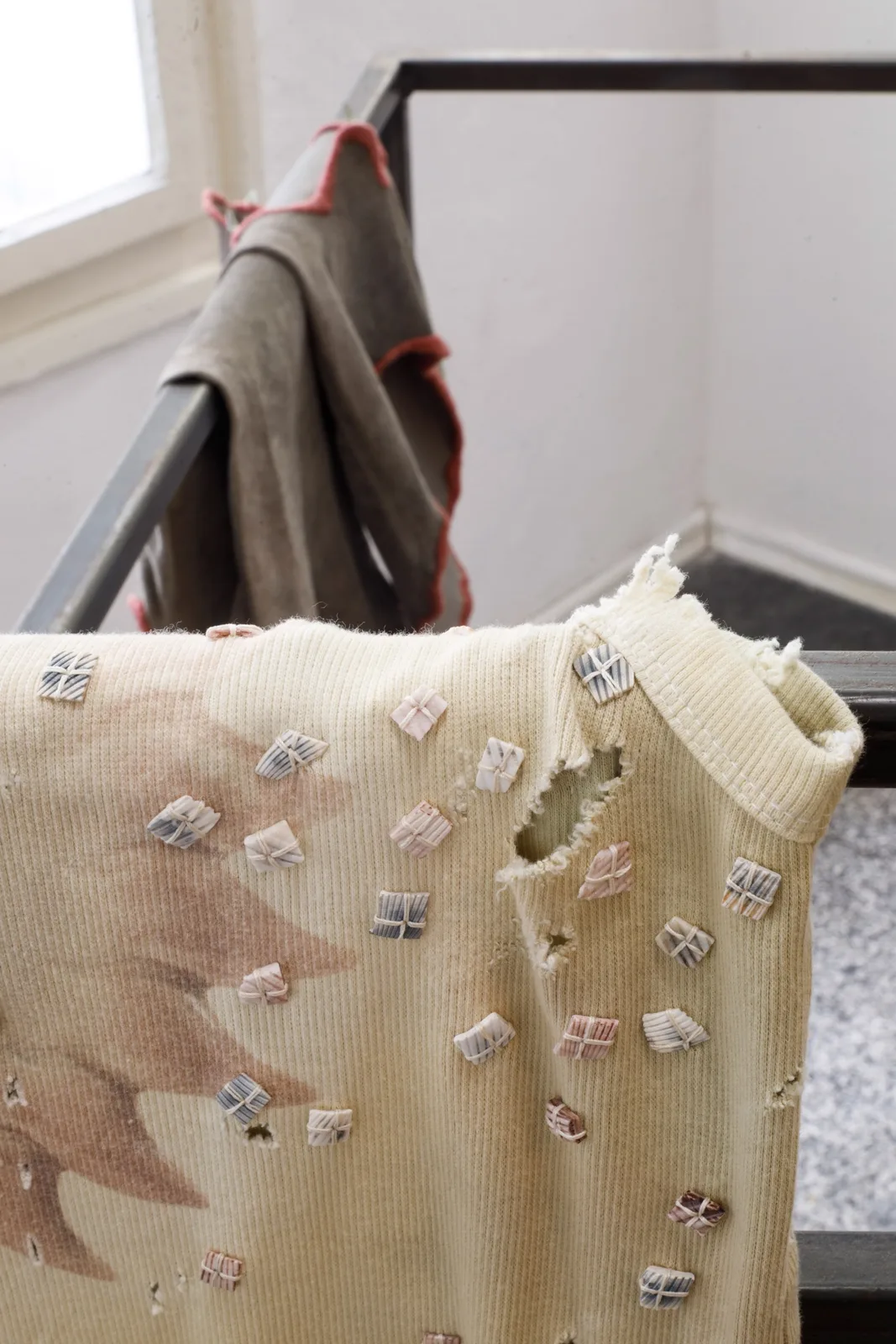
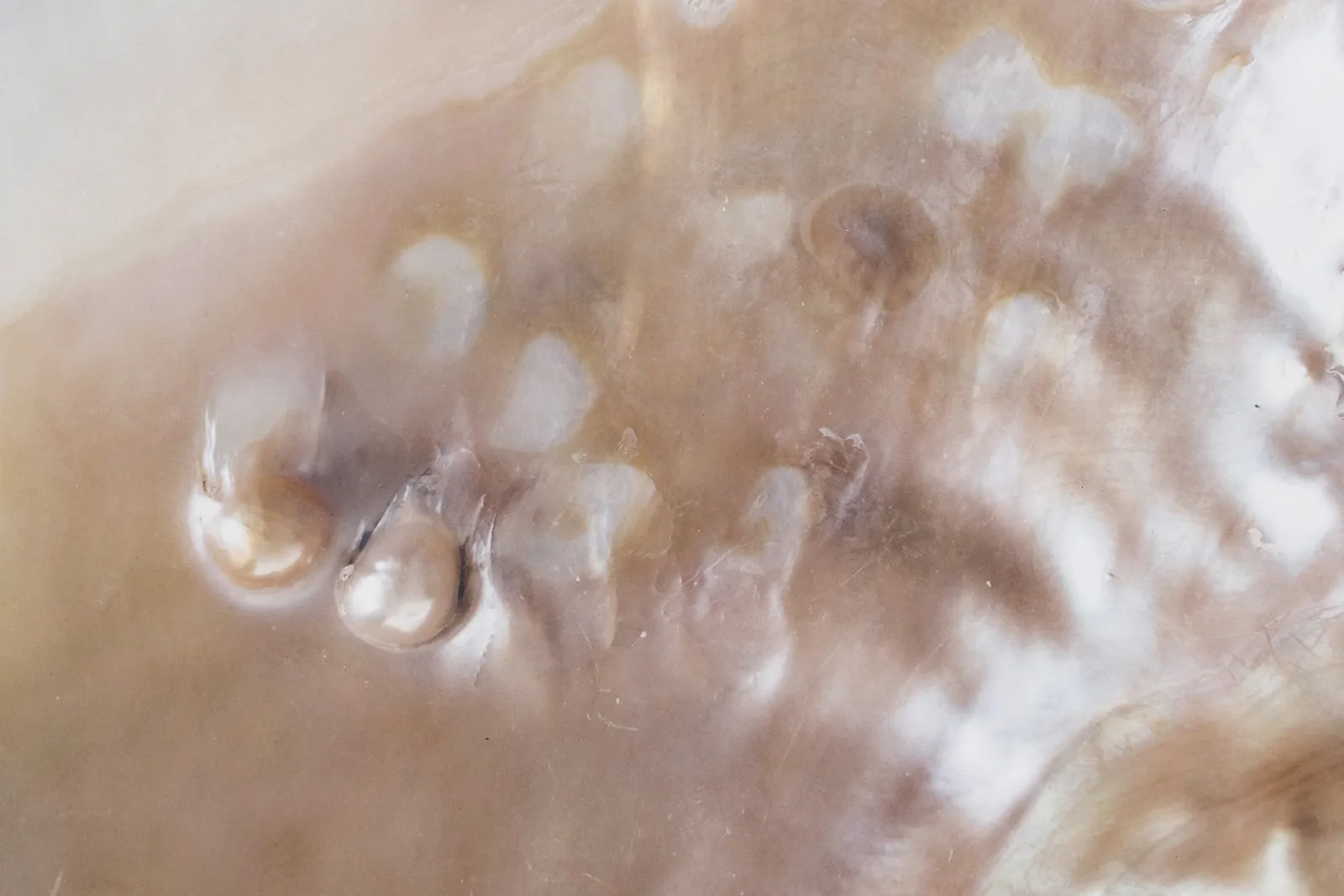
Ondřej Kubeš focuses on rendering visible the emotions subdued in a macho heteronormative society. His work is framed by nostalgia, melancholy, and radical openness which, in purest form, is expressed through photographic self-portraiture. The central installation combines a metal structure with leather and printed fabric, resembling an empty wardrobe, a ‘silent servant’. The valet suggests subservient service, constituents of power silencing and exploiting those beneath them. The second prominent element of Ondřej’s work is the motif of freshwater pearl mussels. The pearl is an appropriated jewel, a symbol of wealth, and in biological reality a foreign object, a chance parasite, a grand of sand washed into the mussel by the current. Ondřej’s work plays with this internal tension, balancing bodily states while digesting scars and dysmorphia. Like the other artists exhibited in Besides Bodies, the artist seeks to gently challenge entrenched stereotypes of gender, performativity, and deviations that have led to emancipation.
— Text: Agáta Young Hošnová, Karolína Voleská
Artists in this exhibition
More at Berlinskej model
More in Prague
Related topics

.webp)