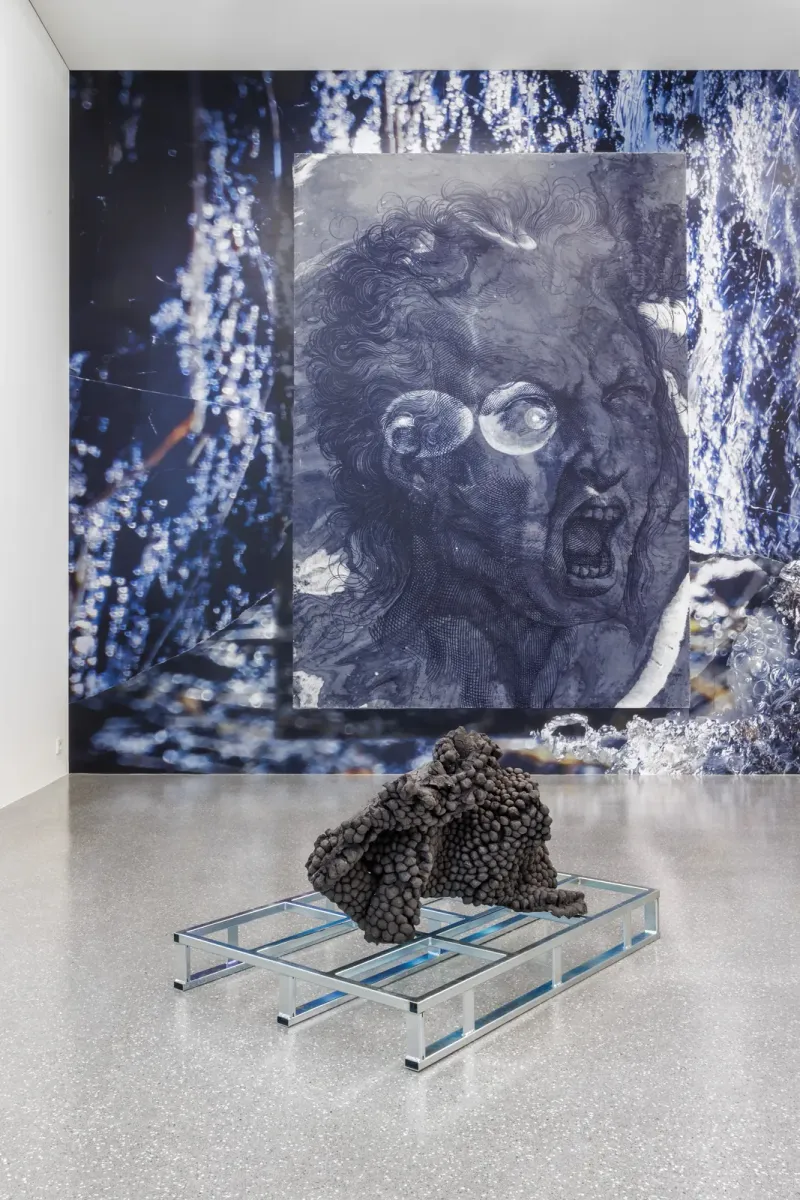
Klaus in Vorarlberg / 2026
Der Kopf ist rund, damit das Denken die Richtung wechseln kannGalerie Brugger
Klaus in Vorarlberg / 2026
Der Kopf ist rund, damit das Denken die Richtung wechseln kannGalerie Brugger
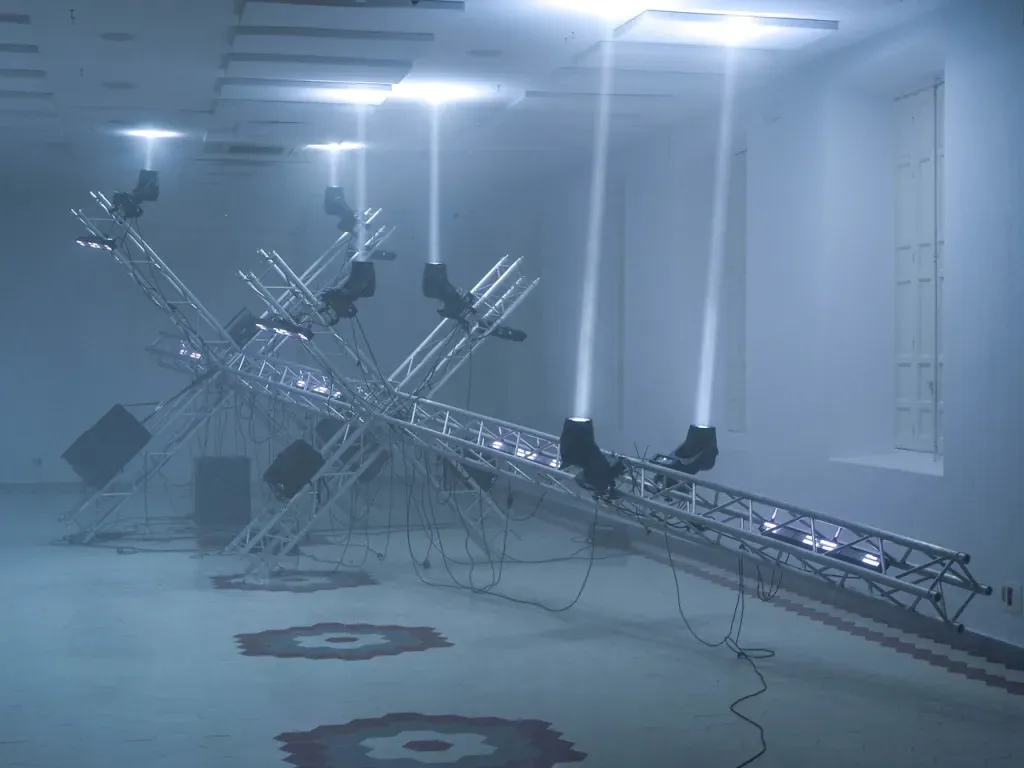
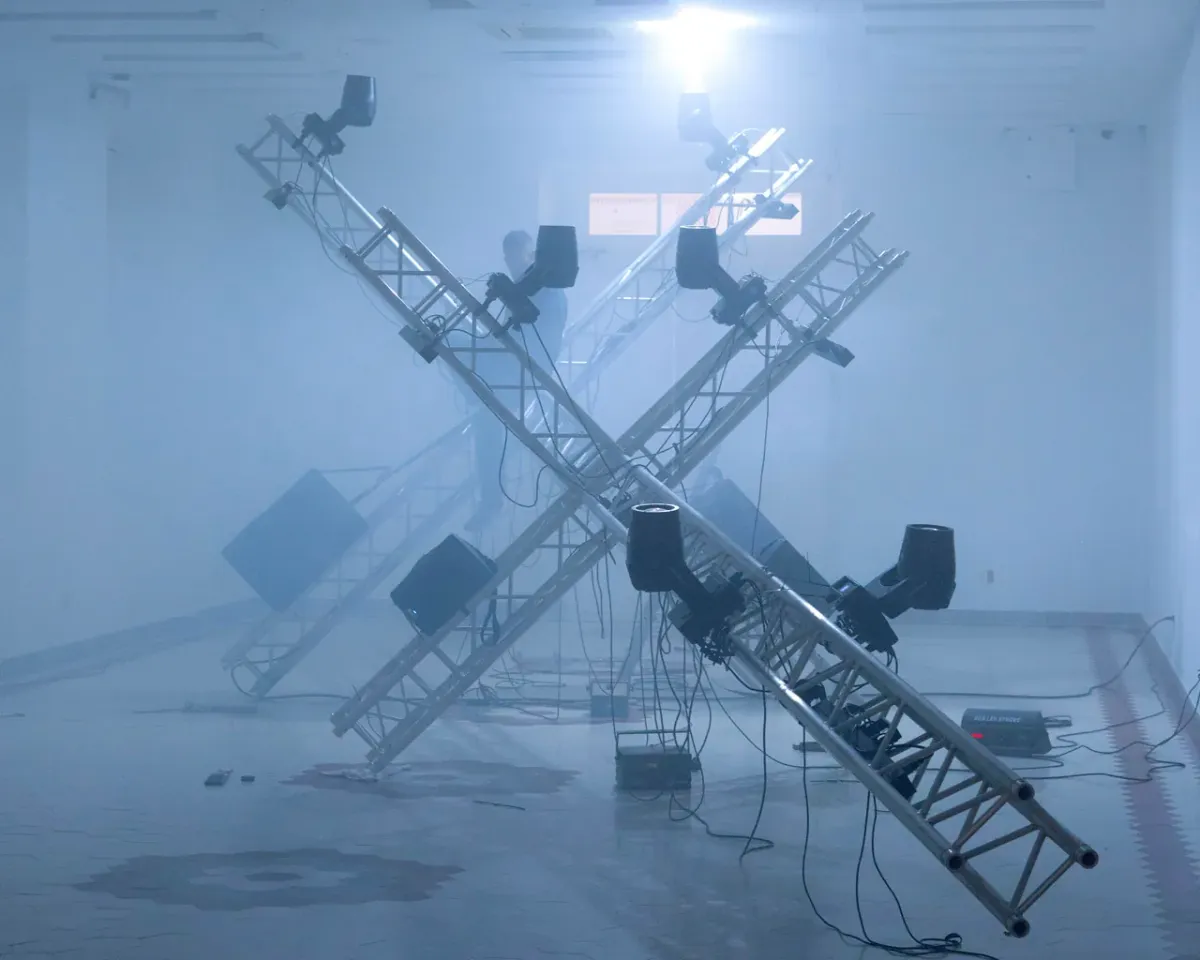
May 22 — June 01, 2026
Leo Pum @La Térmica, Málaga KRVCE festival
Everything you need to plan, apply, and move your art career forward.
Seoul / 2026
Białystok / 2026
Napoli / 2026
Köln / 2026
Kraków / 2026
Porto / 2026
Stockholm / 2026
Seoul / 2026
Helsinki / 2026
@koesysaga
/ 2026
Olomouc / 2026
Prague / 2026
Vilnius District Municipality / 2026
Słupsk / 2026
Poznań / 2026
Poznań / 2026

Brussels / 2026

Berlin / 2026


Istanbul / 2026
@pyhii
Montpellier / 2025


Brno / 2025
Lisbon / 2025

/ 2024


Shanghai / 2024
London / 2024

/ 2025

Innsbruck / 2025

Vienna / 2025


New York / 2025
@camelostrich
Busan / 2025

Berlin / 2025

Munich / 2026
Seoul / 2025-2026
Paris / 2026


Warsaw / 2026

Nurnberg / 2026

Offenbach am Main / 2026


/ 2025
Berlin / 2026
/ 2026
@xolo_cuintle
 Features
Berlin / 2026
Cologne / 2026
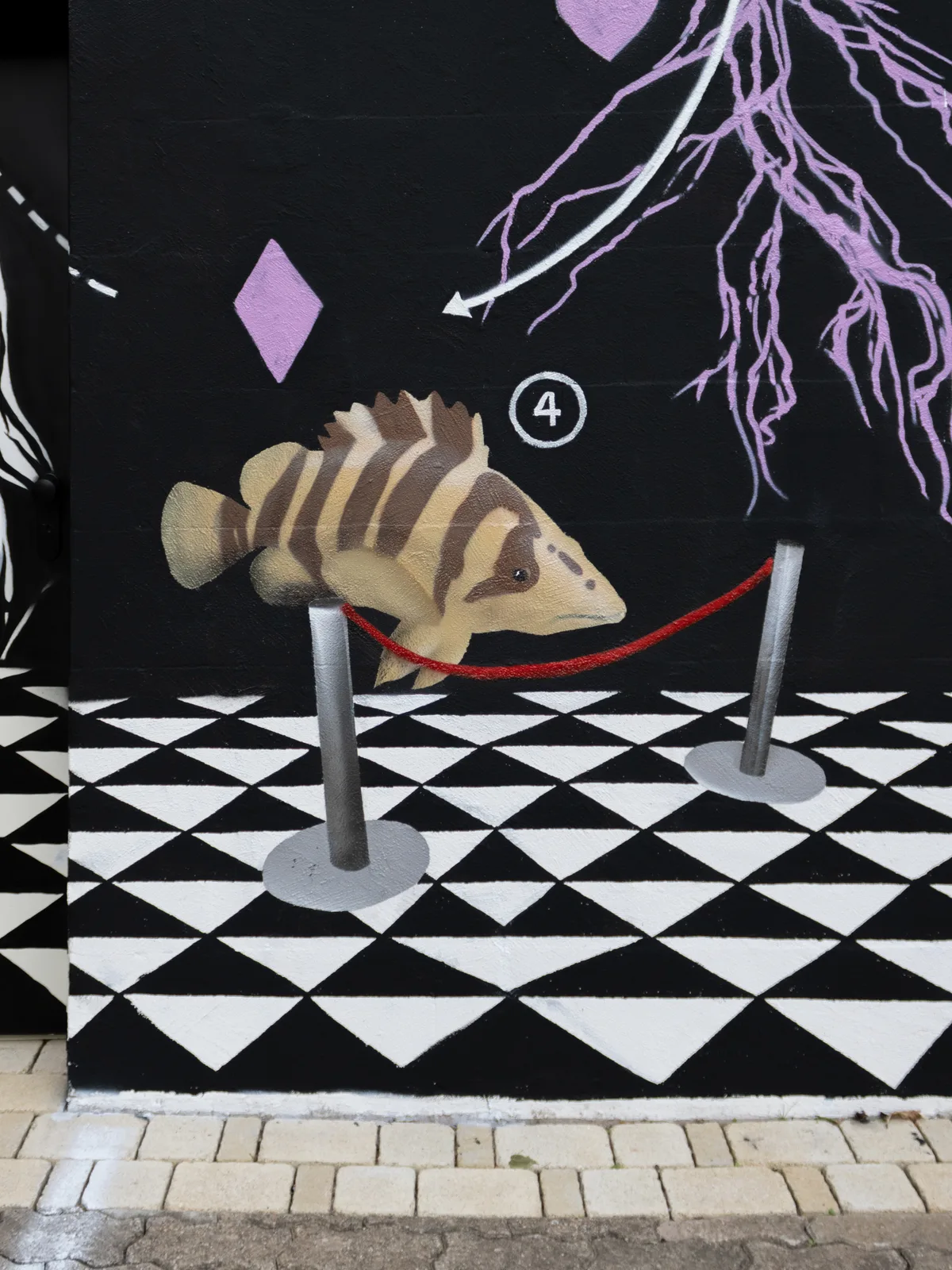
Saarbrücken / 2026
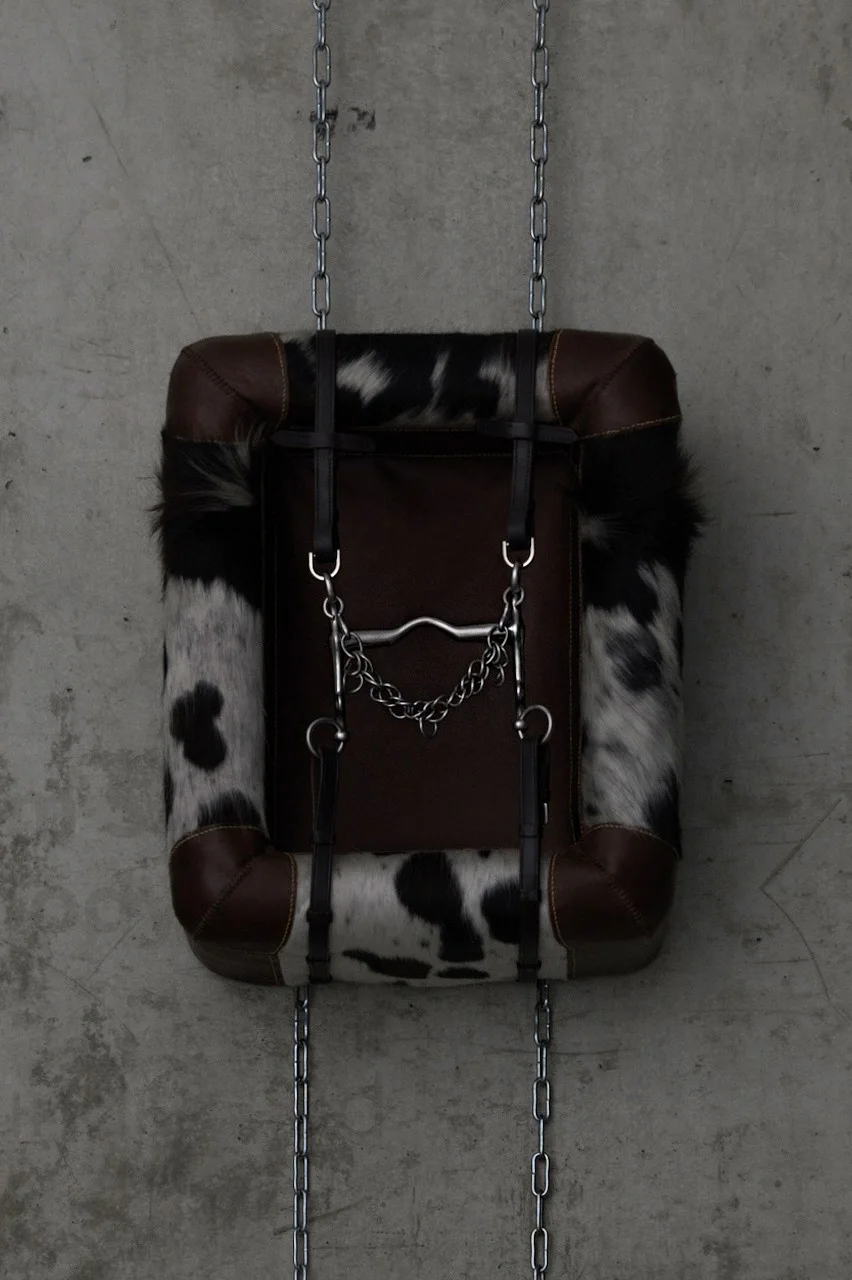
Berlin / 2026
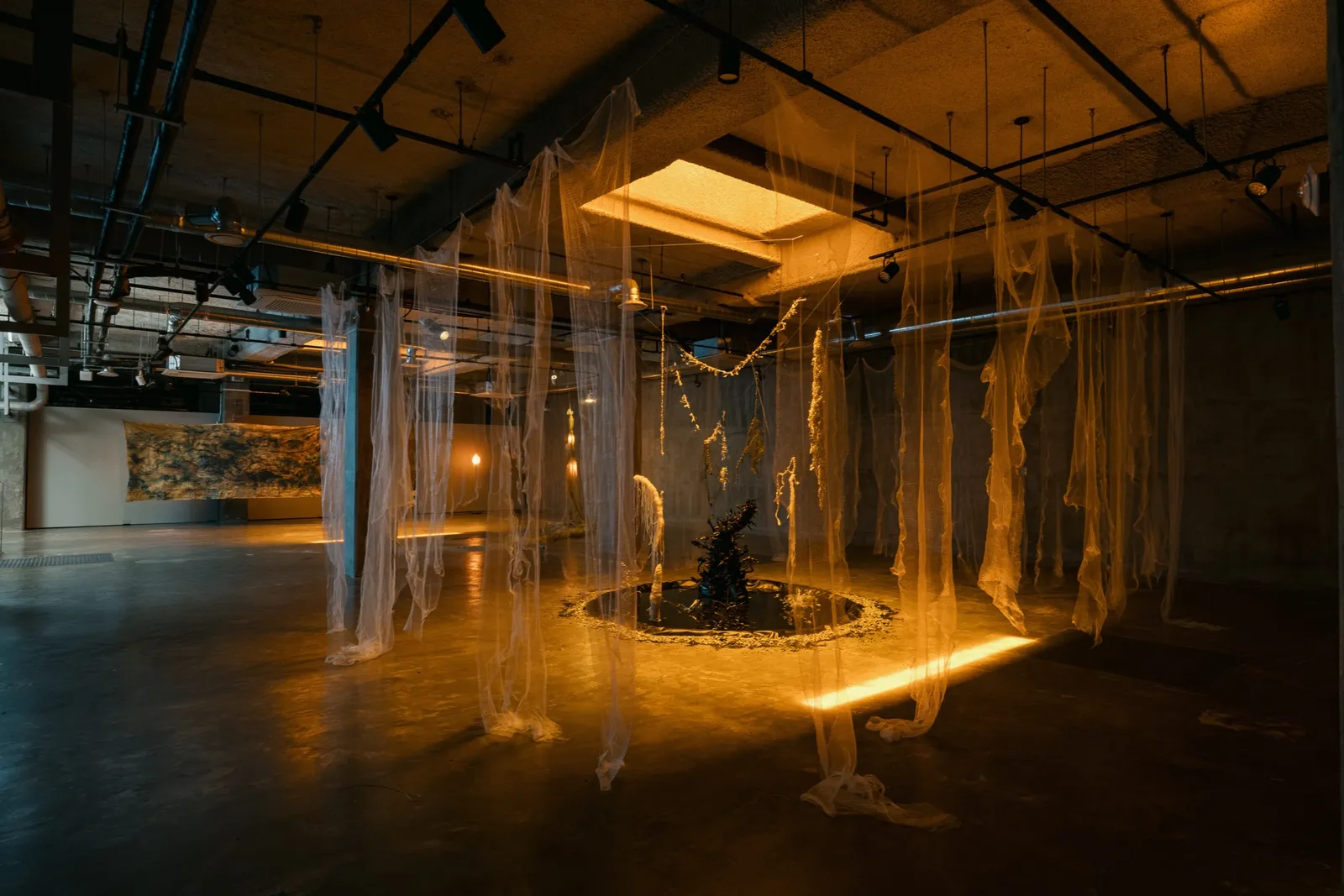
Suwon / 2026
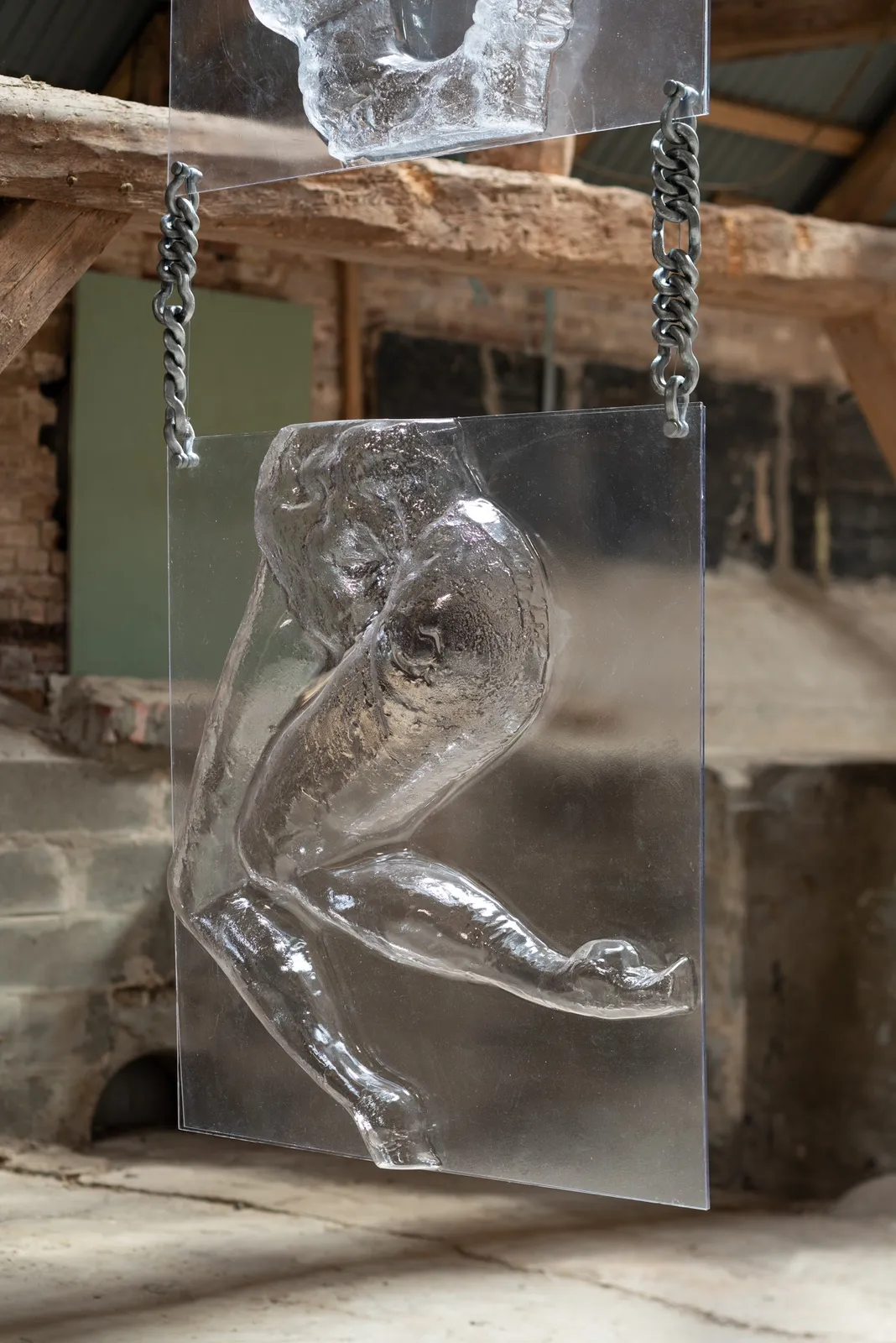
Hurup / 2026
/ 2026
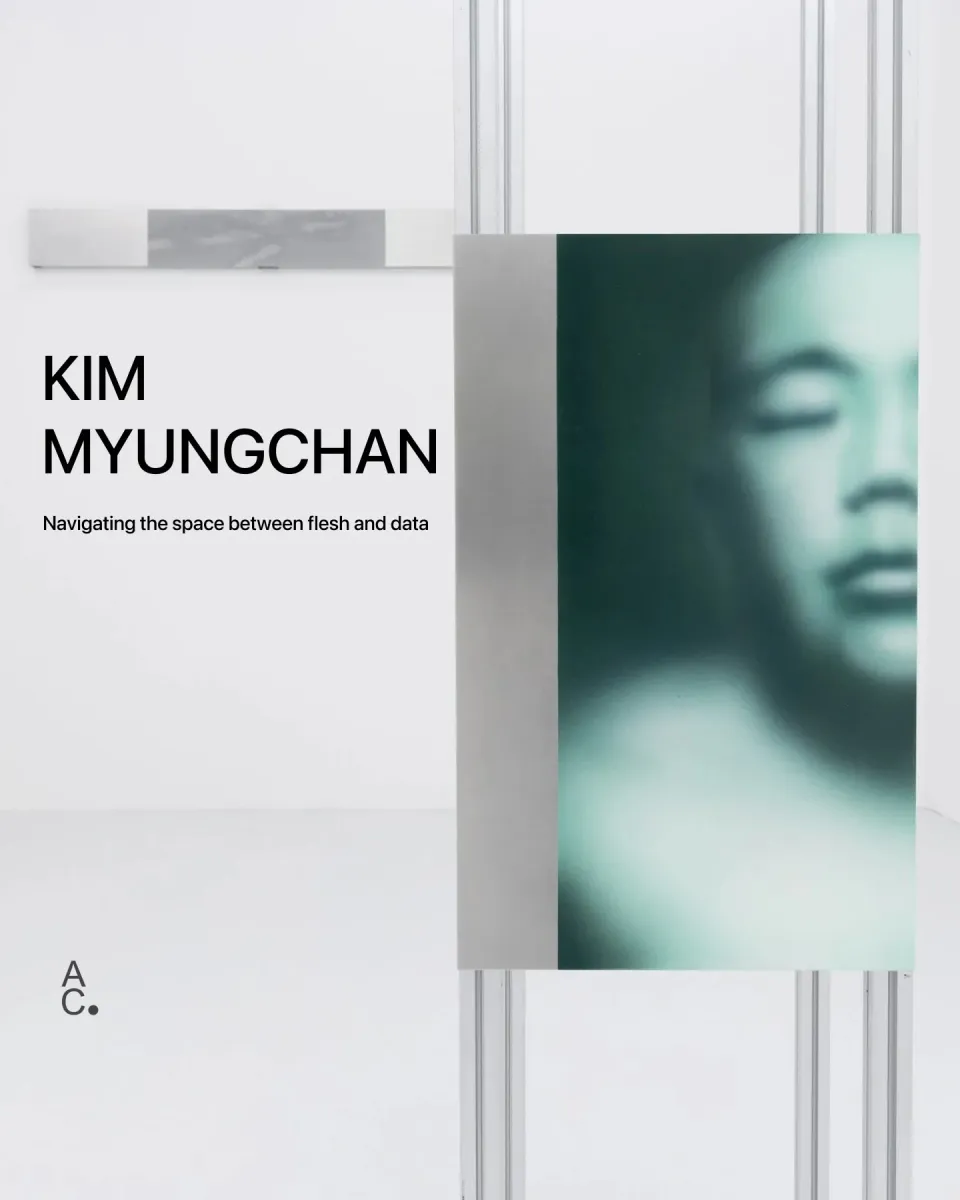
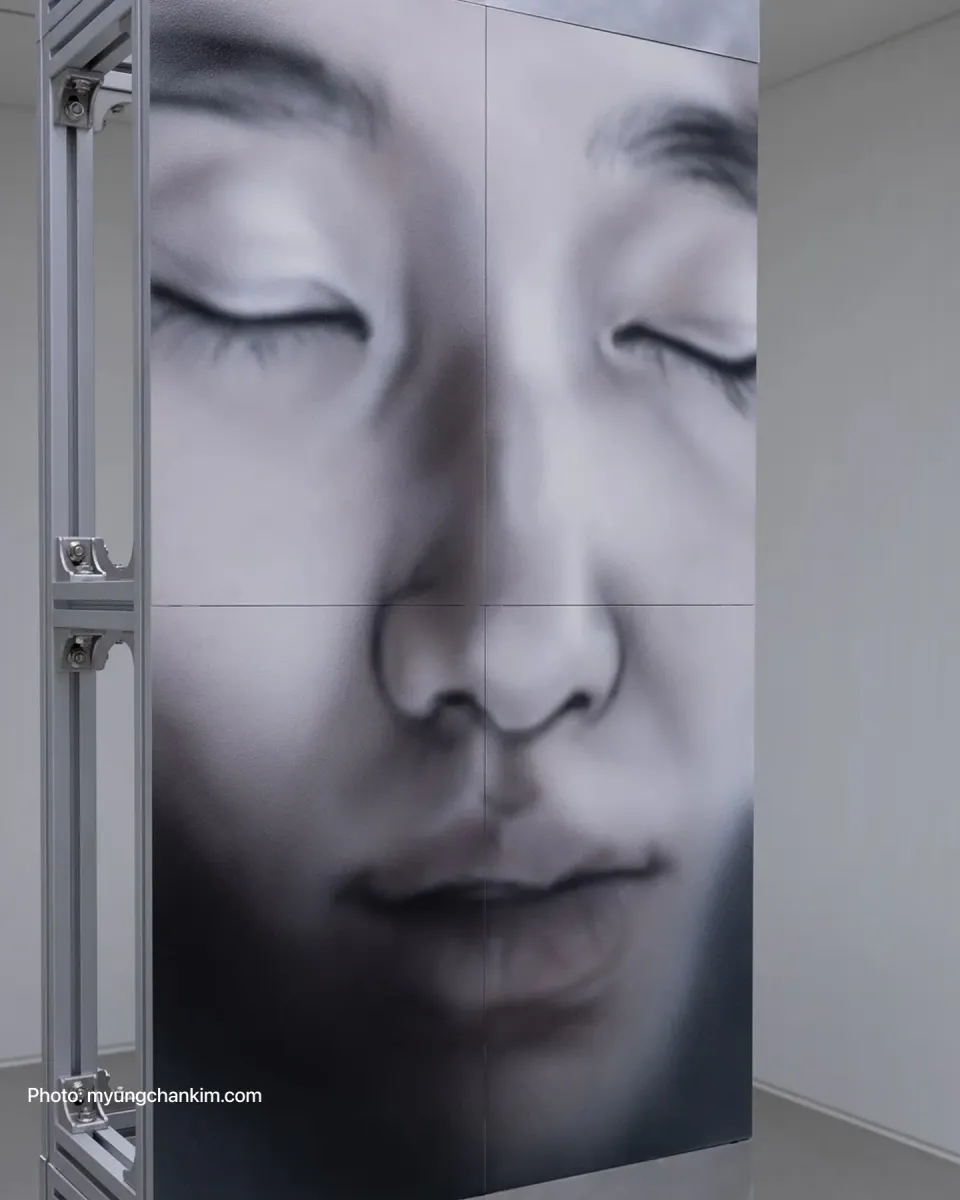
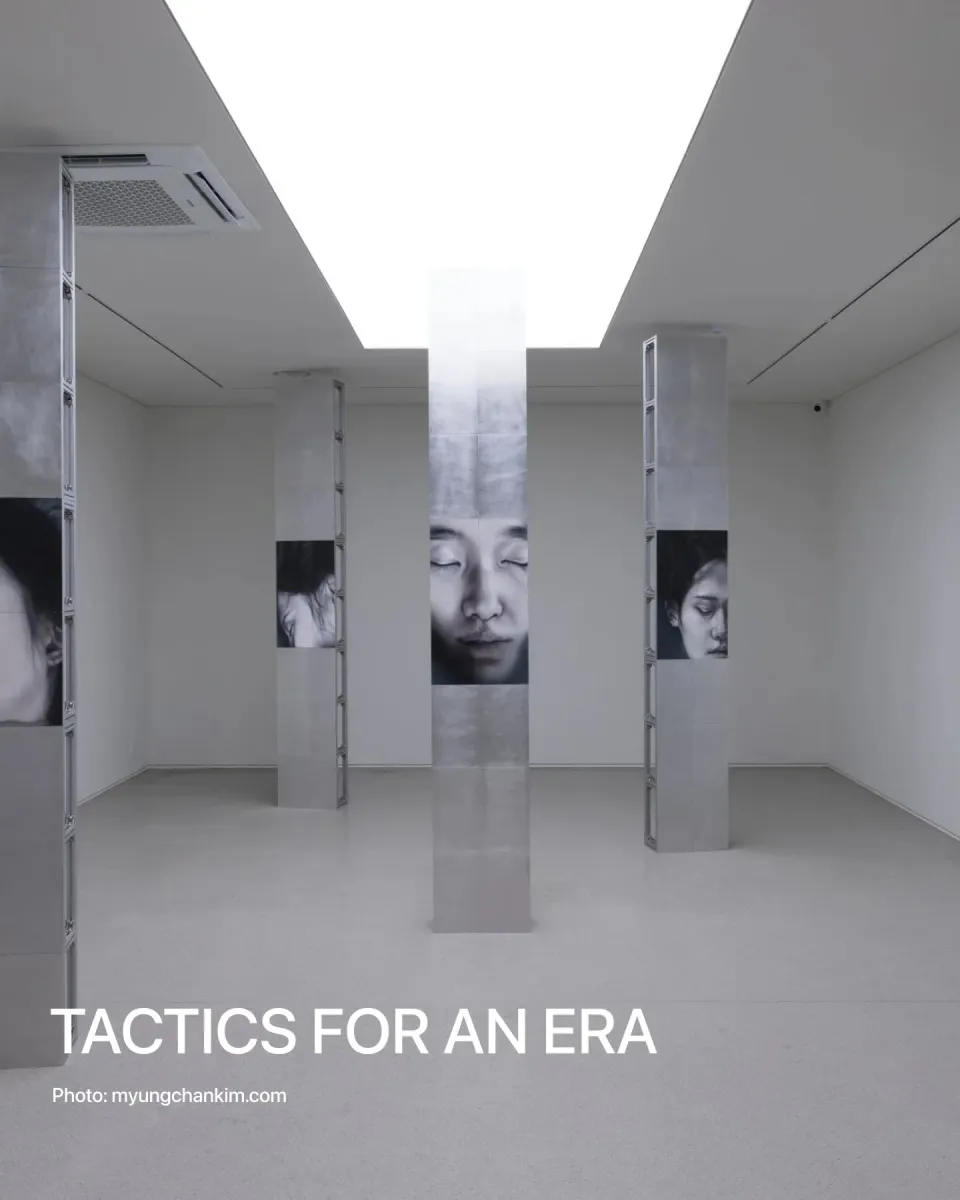
@kim.myungchan
Shanghai / 2026
Paris / 2026
Brescia / 2026
Munich / 2026
Lima / 2026


Mexico City / 2026
.webp)
Cergy / Paris / 2026


New York / 2026

Düsseldorf / 2026
Kraków / 2025
@emma.beatrez

Brussels / 2025-2026

/ 2024


Tartu / 2024

Wroclaw / 2024

Stockholm / 2024-2025

Geneva / 2024
Paris / 2025

Santiago / 2025

Warsaw / 2025


Milan / 2025
@nadaecc
Dornbirn / 2026
Prague / 2026


Seoul / 2025

Buenos Aires / 2026

Seoul / 2026


Berlin-Schöneberg / 2025

Białystok / 2025
Lima / 2026
Vienna / 2026
Antwerpen / 2026
Warsaw / 2026
Madrid / 2026
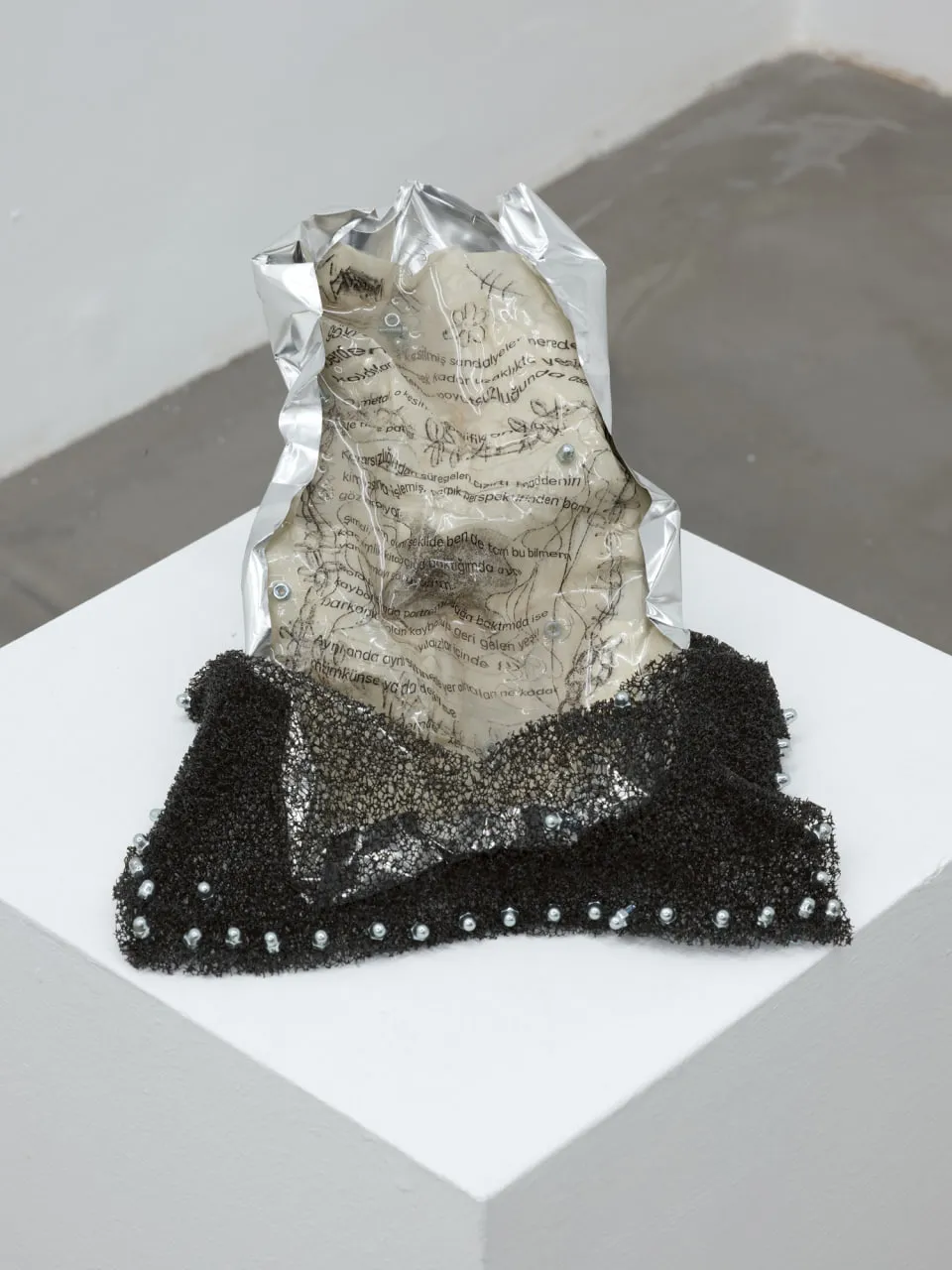
Istanbul / 2026
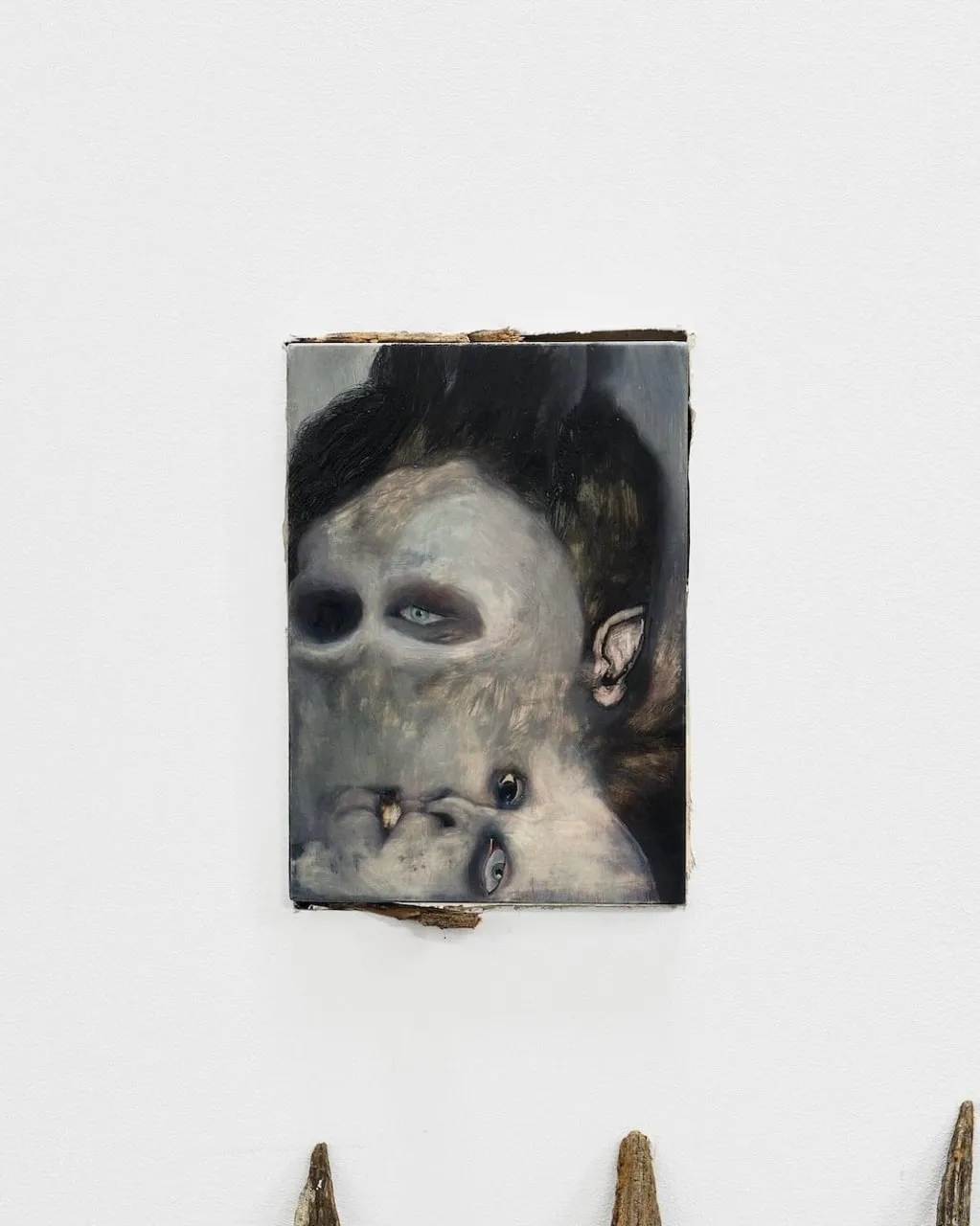
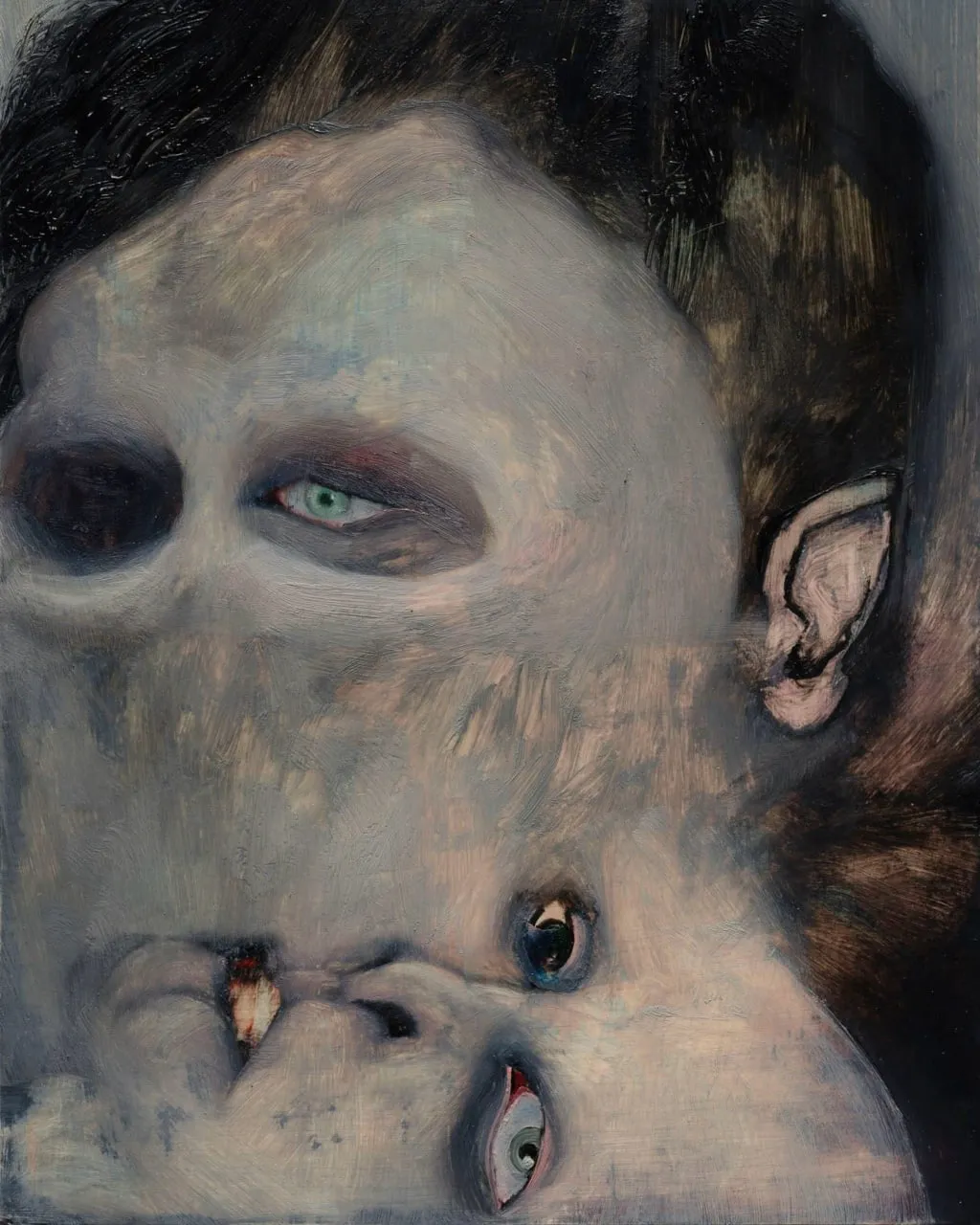
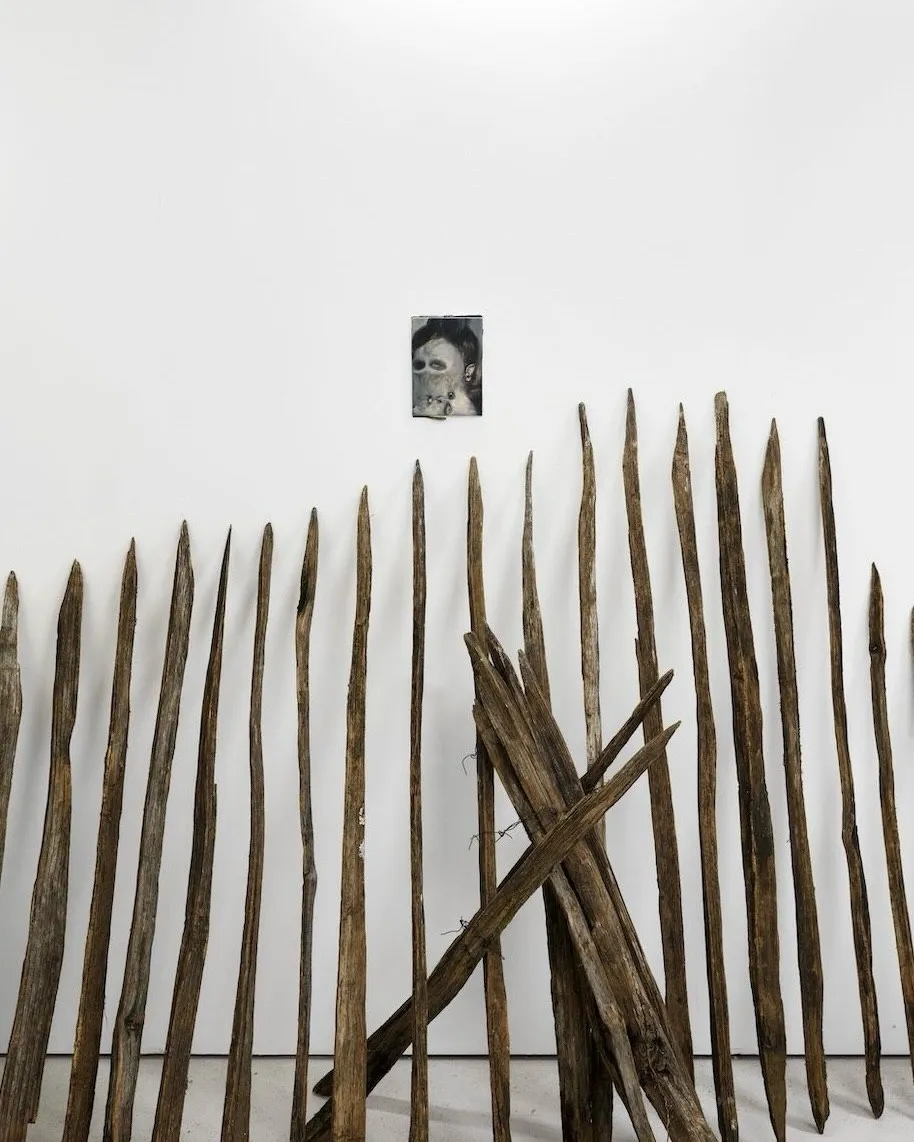
Berlin / 2026
Lladó / 2026
Santiago / 2026
Paris / 2026
Tisbury / 2026
Berlin / 2026
Málaga / 2026
@yukino_yamanaka
Klaus in Vorarlberg / 2026
Genk / 2026
Turin / 2026

Vienna / 2026

Oslo / 2026

Warsaw / 2026


Düsseldorf / 2026


Berlin / 2025
Shanghai / 2025


/ 2023
@s_gatzkan
Vilnius / 2024
Prague / 2024


Jung-gu, Seoul / 2025

Ljubljana / 2025


Bratislava / 2025


/ 2025
Bratislava / 2025

Kraków / 2025

Milan / 2025


Graz / 2026
@arghavan_khosravi
London / 2026

Vorarlberg / 2026
Sardinia / 2026

/ 2025
.webp)
Seoul / 2025
Düsseldorf / 2026
 Submit Exhibition
Prague / 2026
Tokyo / 2026
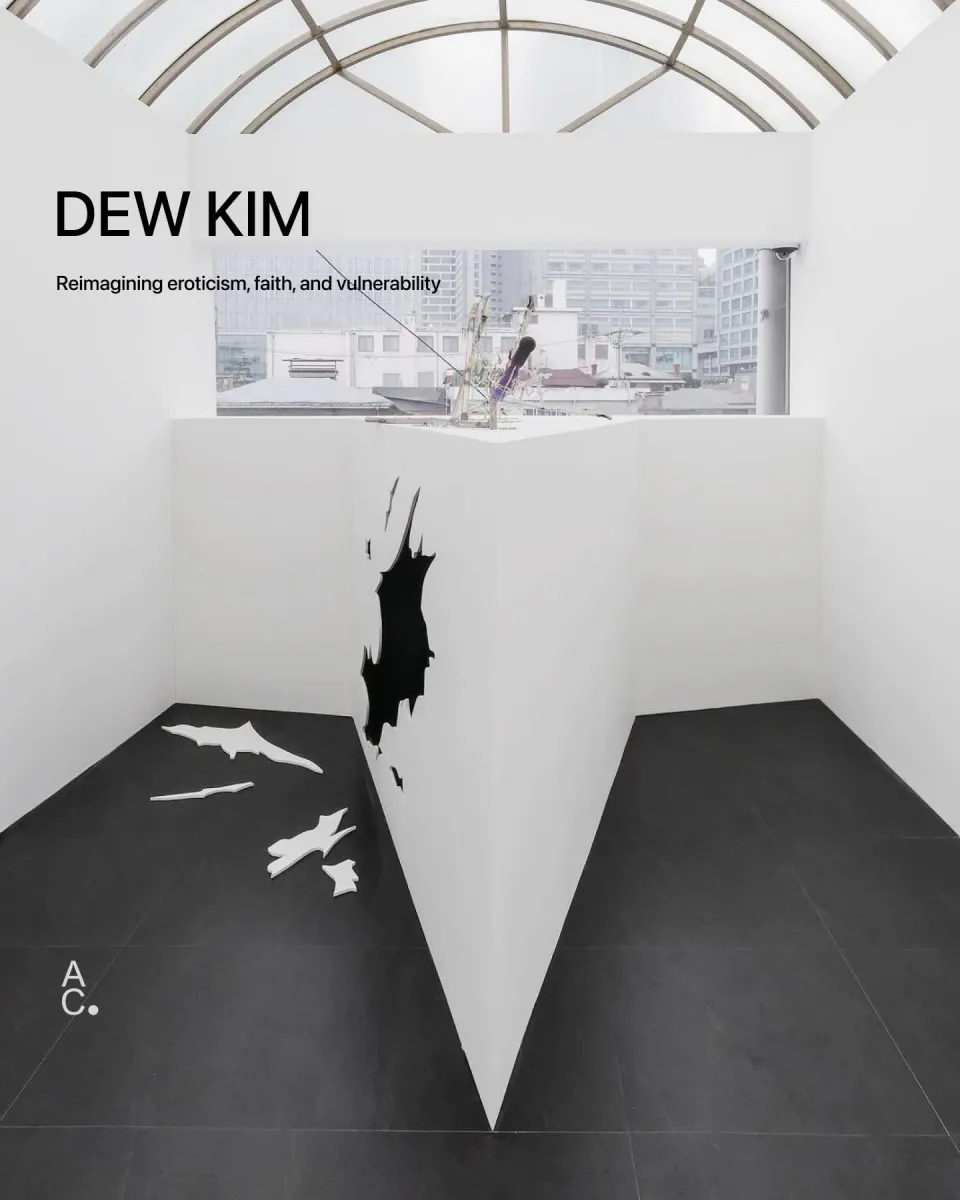
@dew_needs_you
Miami / 2026
Berlin / 2026
Norwich / 2026
Vilnius / 2026
Brno / 2026
Avigliana / 2026
Shanghai / 2026
Copenhagen / 2026
Ciudad de México / 2026
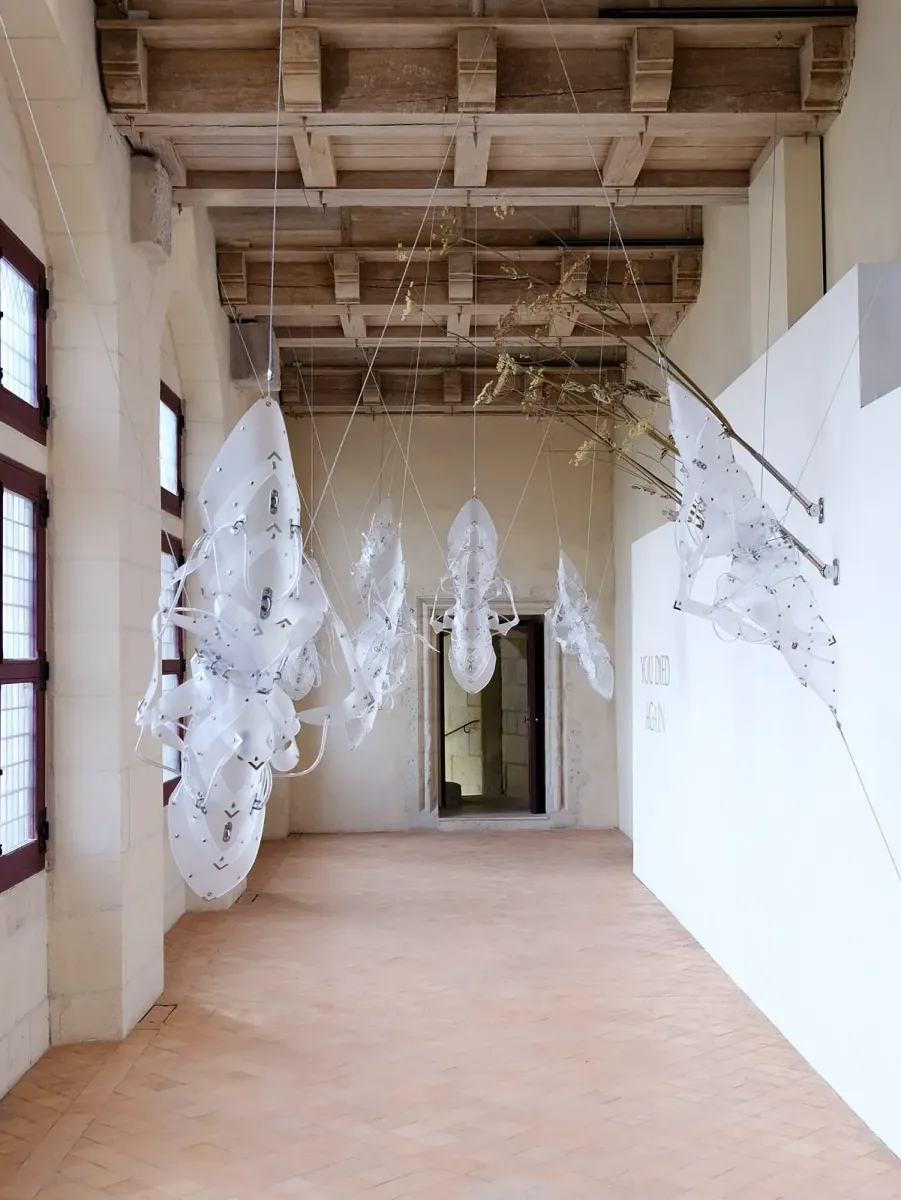
Angers / 2026
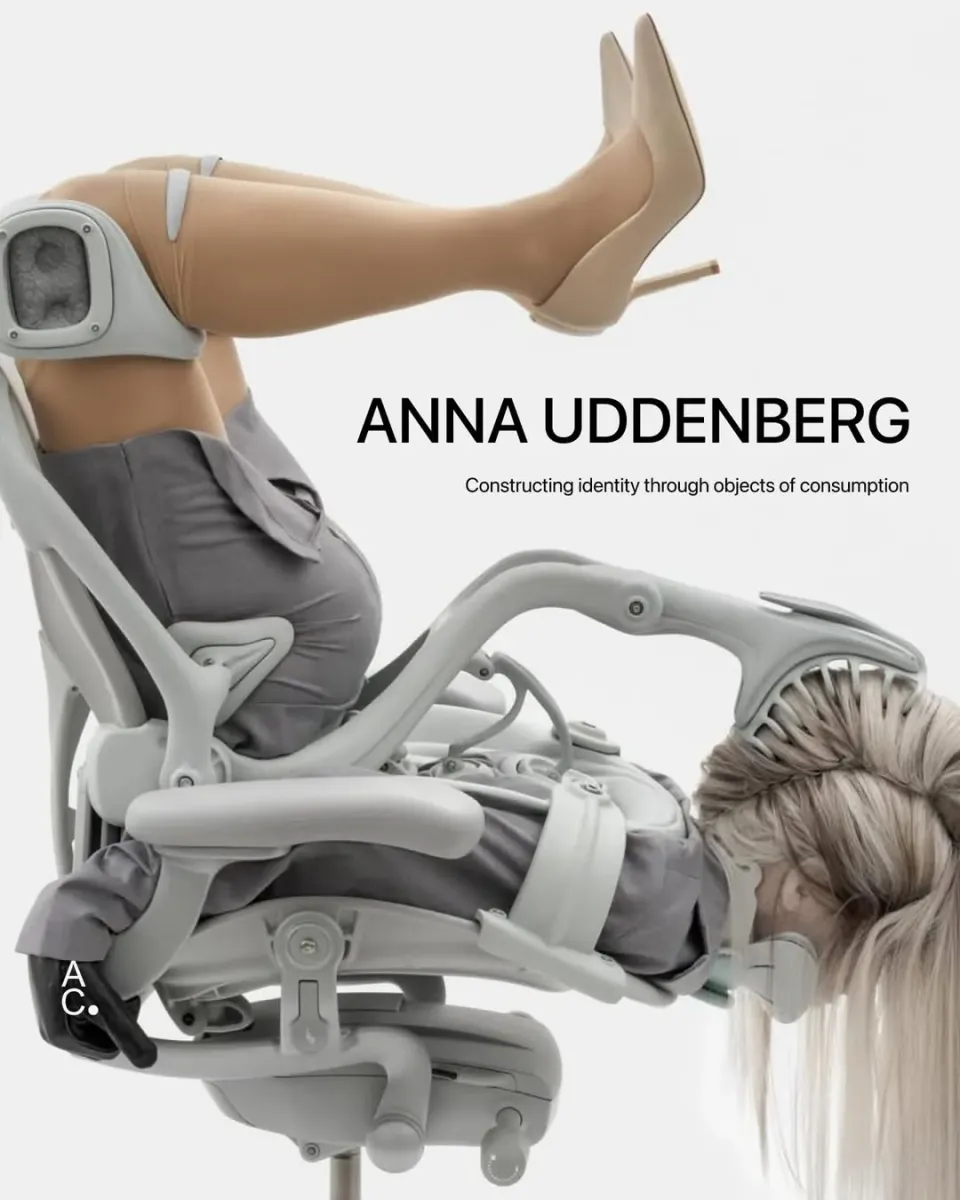
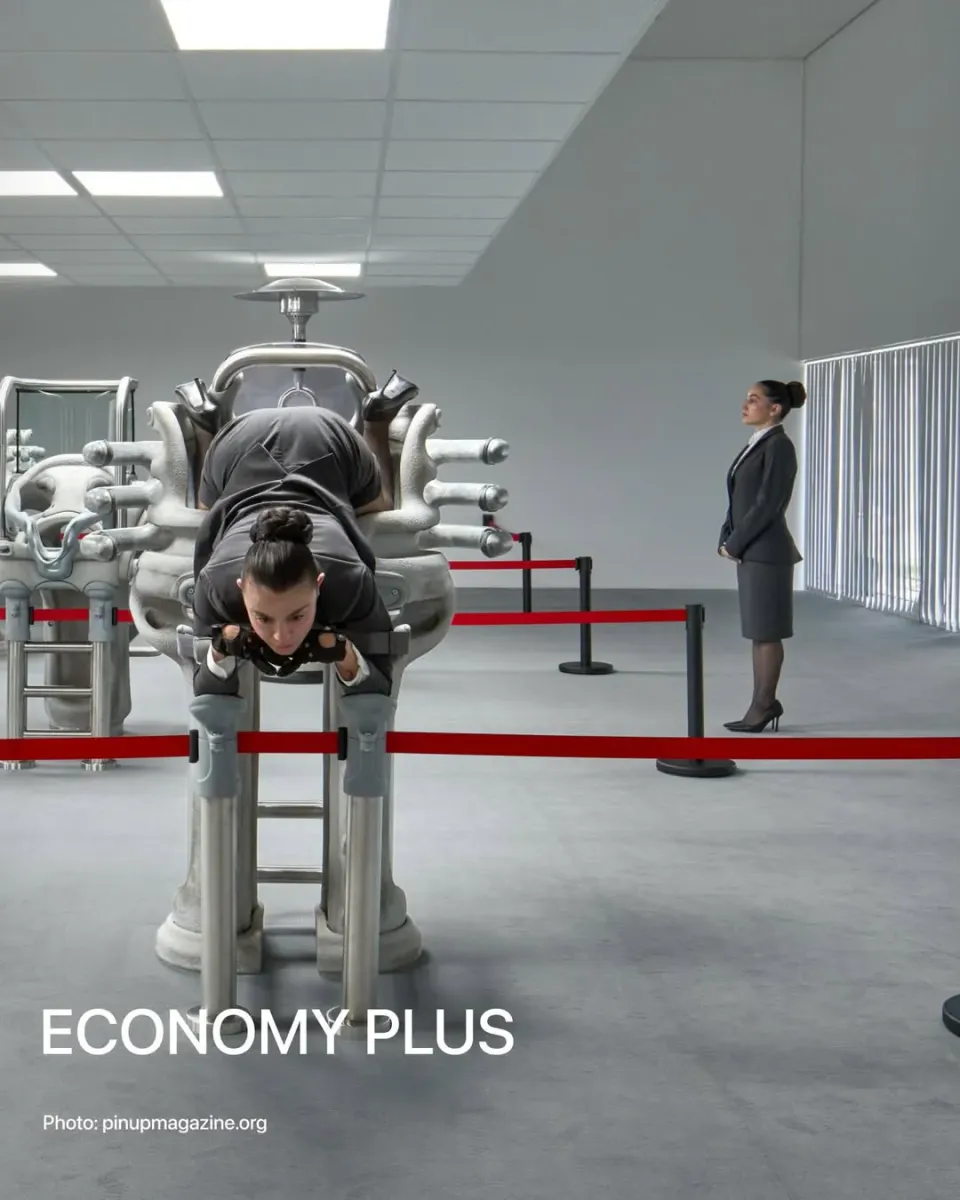
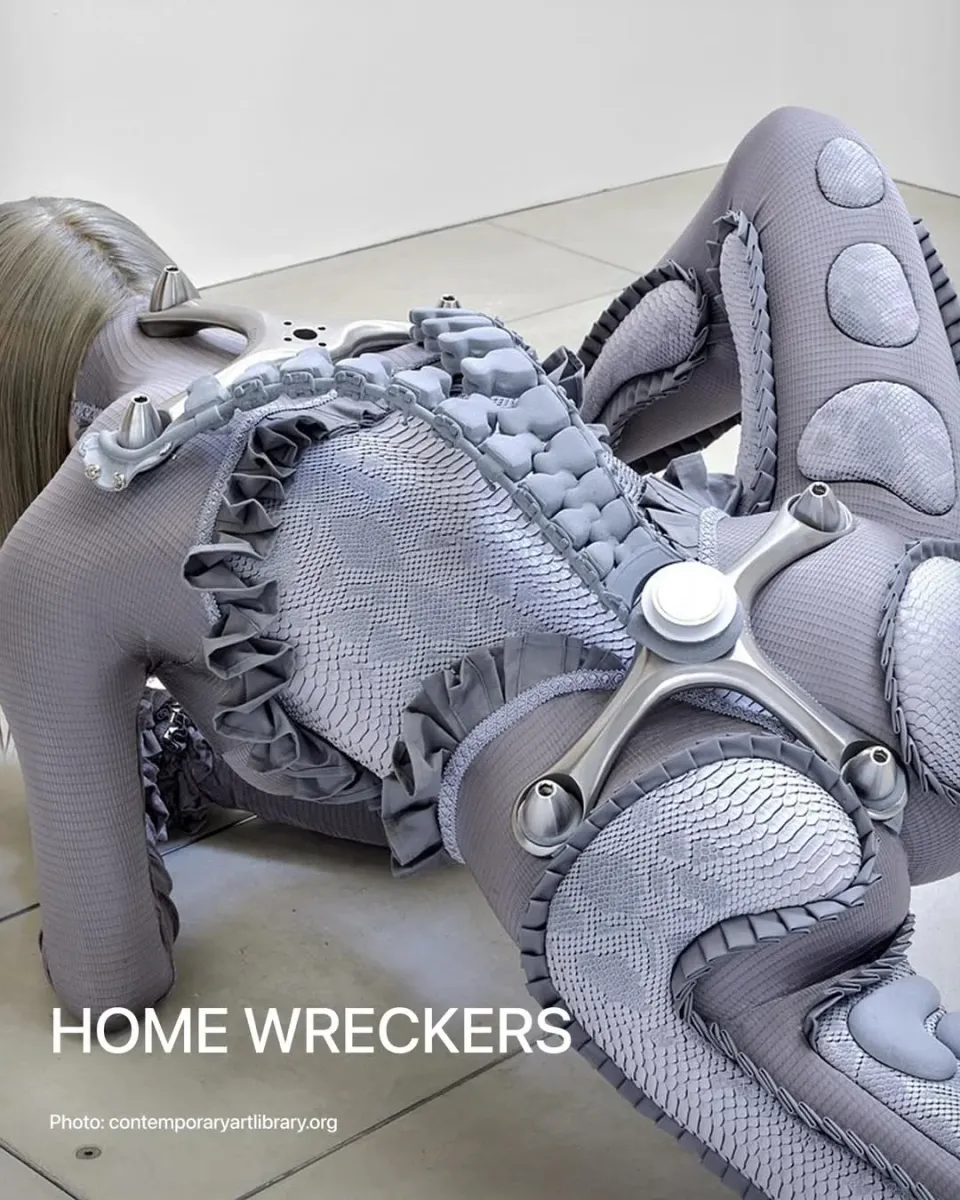
@filet_minion_thong
Kraków / 2026


Paris / 2026

Poznań / 2026

Bucharest / 2026

Tokyo / 2026
New York City (NY) / 2025
Göteborg / 2025


/ 2024

Lisboa / 2023


Budapest / 2024
@pax_aliena

Milan / 2025


Barcelona / 2024-2025


Milan / 2025
Berlin / 2025

Århus / 2025


Paris / 2025
Berlin / 2025

Seoul / 2026
Leipzig / 2026

Dornbirn / 2026
@que.fresca

Paris / 2026


Paris / 2025

Seoul / 2025
Sherbrooke / 2026
Warsaw / 2026
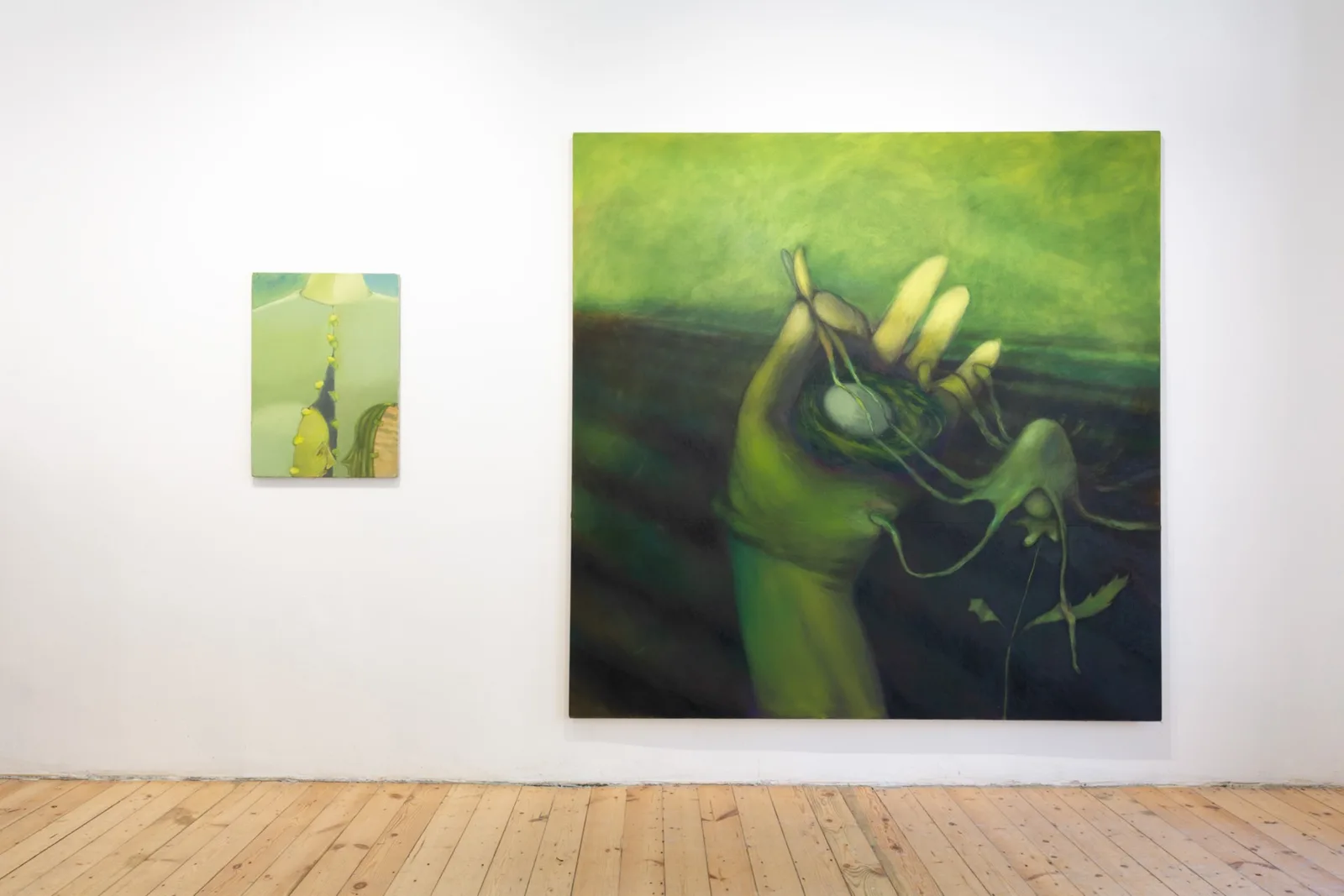
Riga / 2026
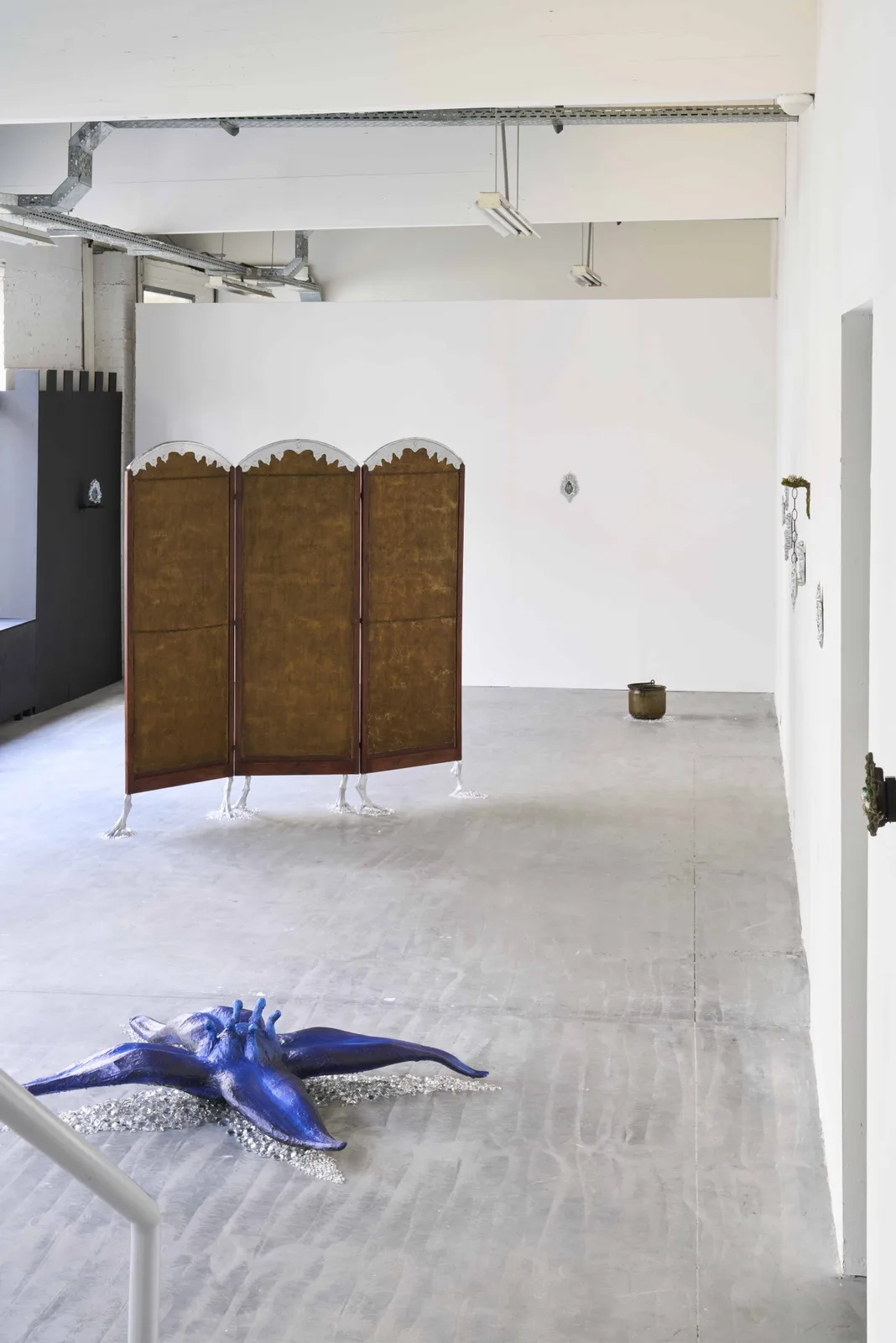
Brussels / 2026
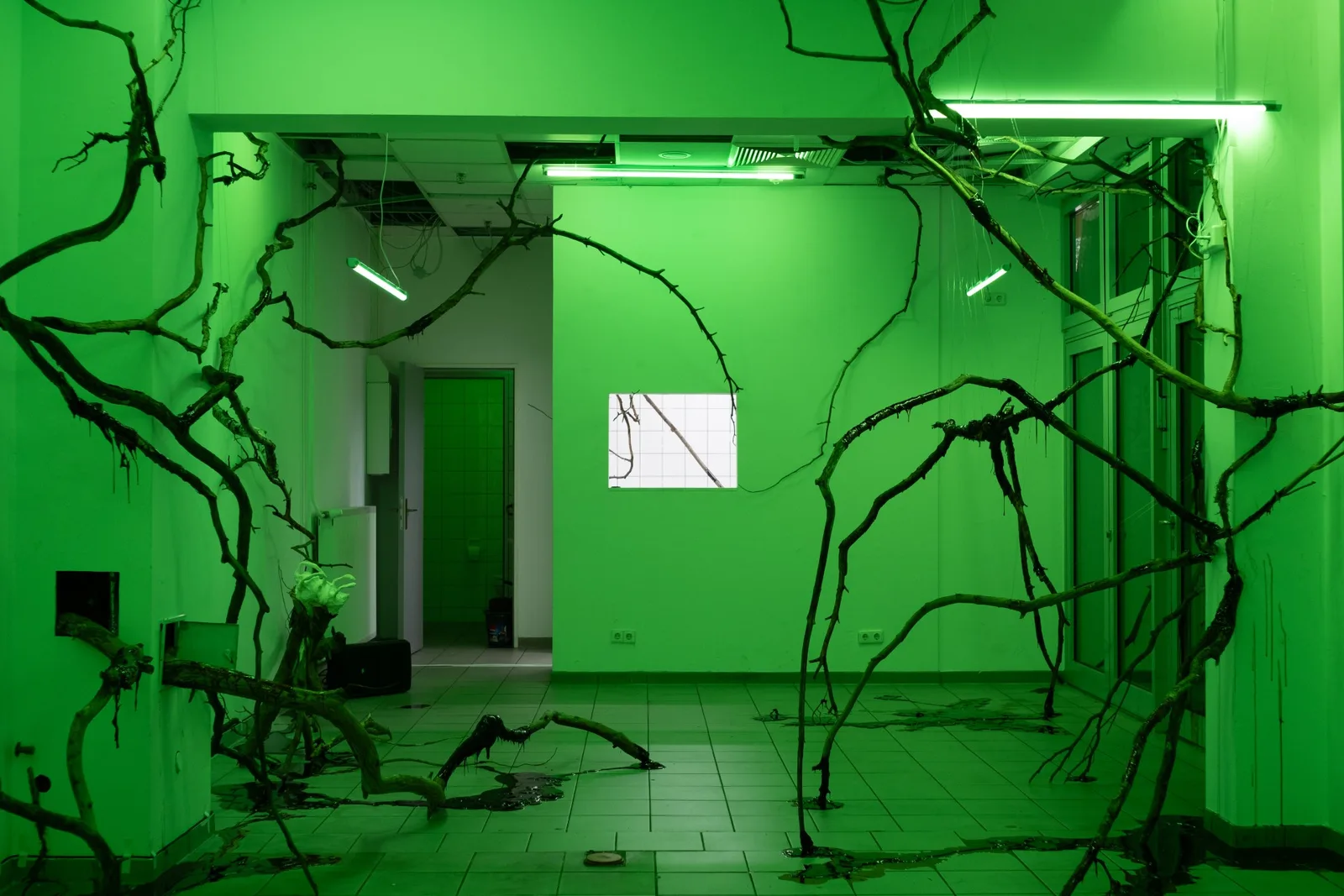
Berlin / 2026
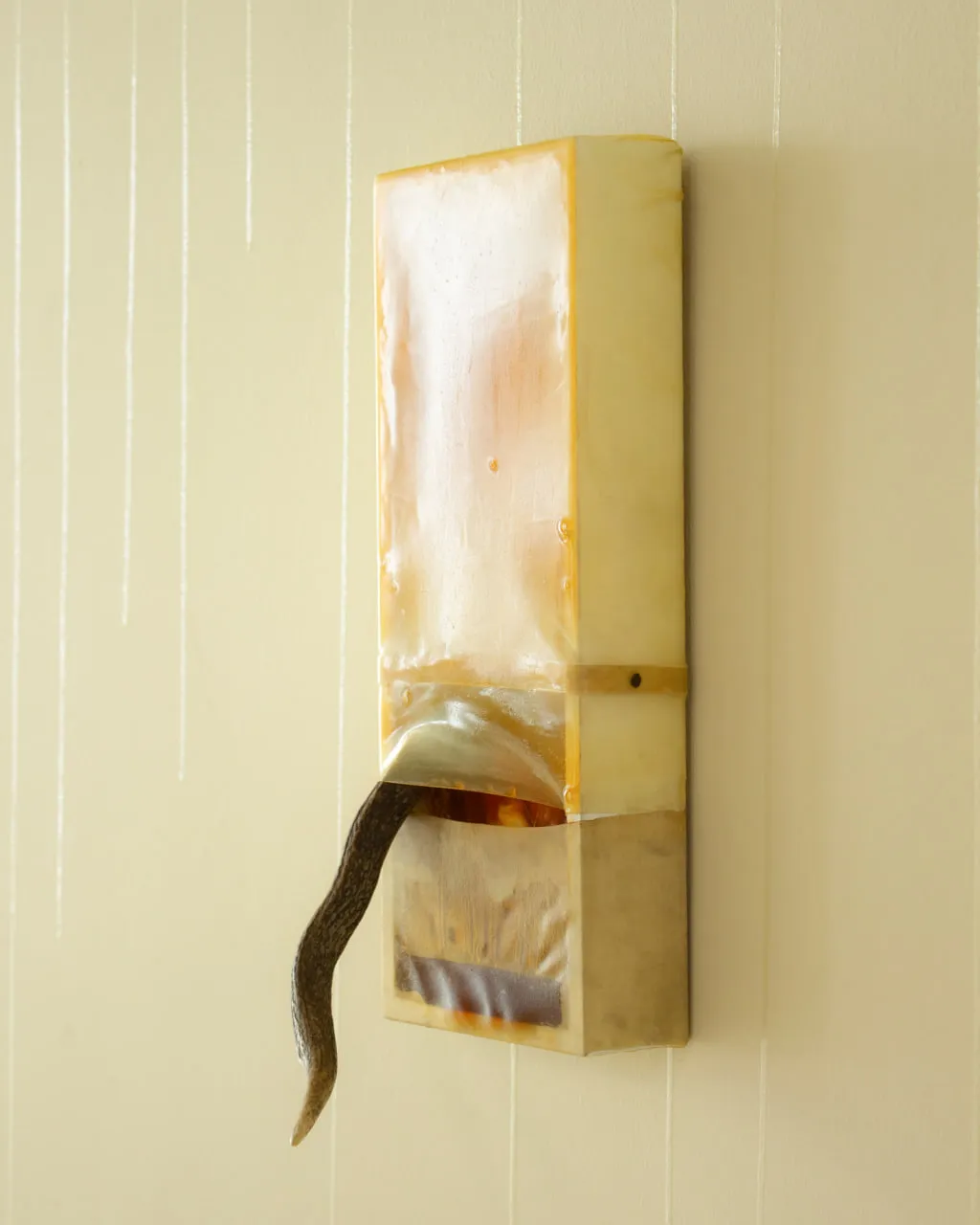
Munich / 2026
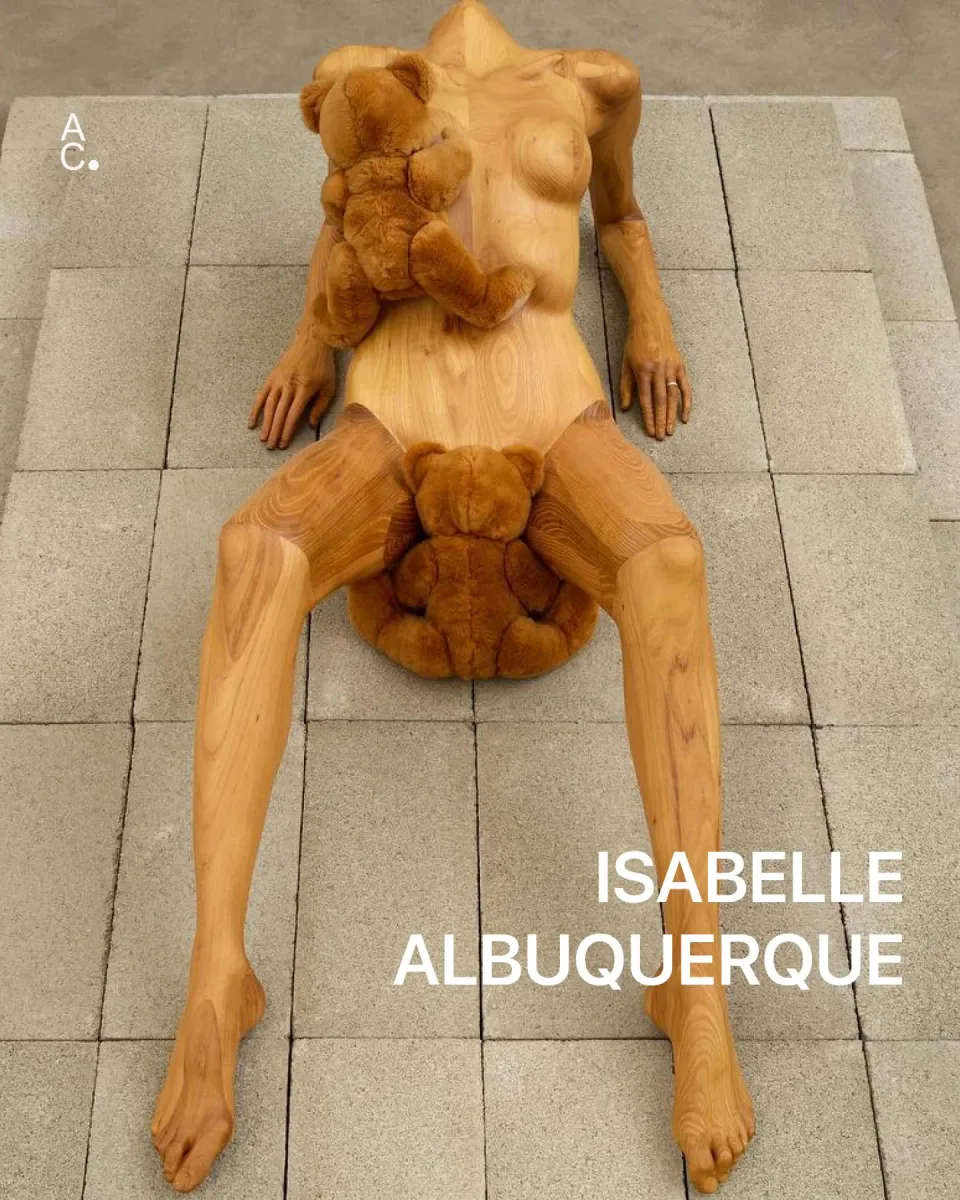
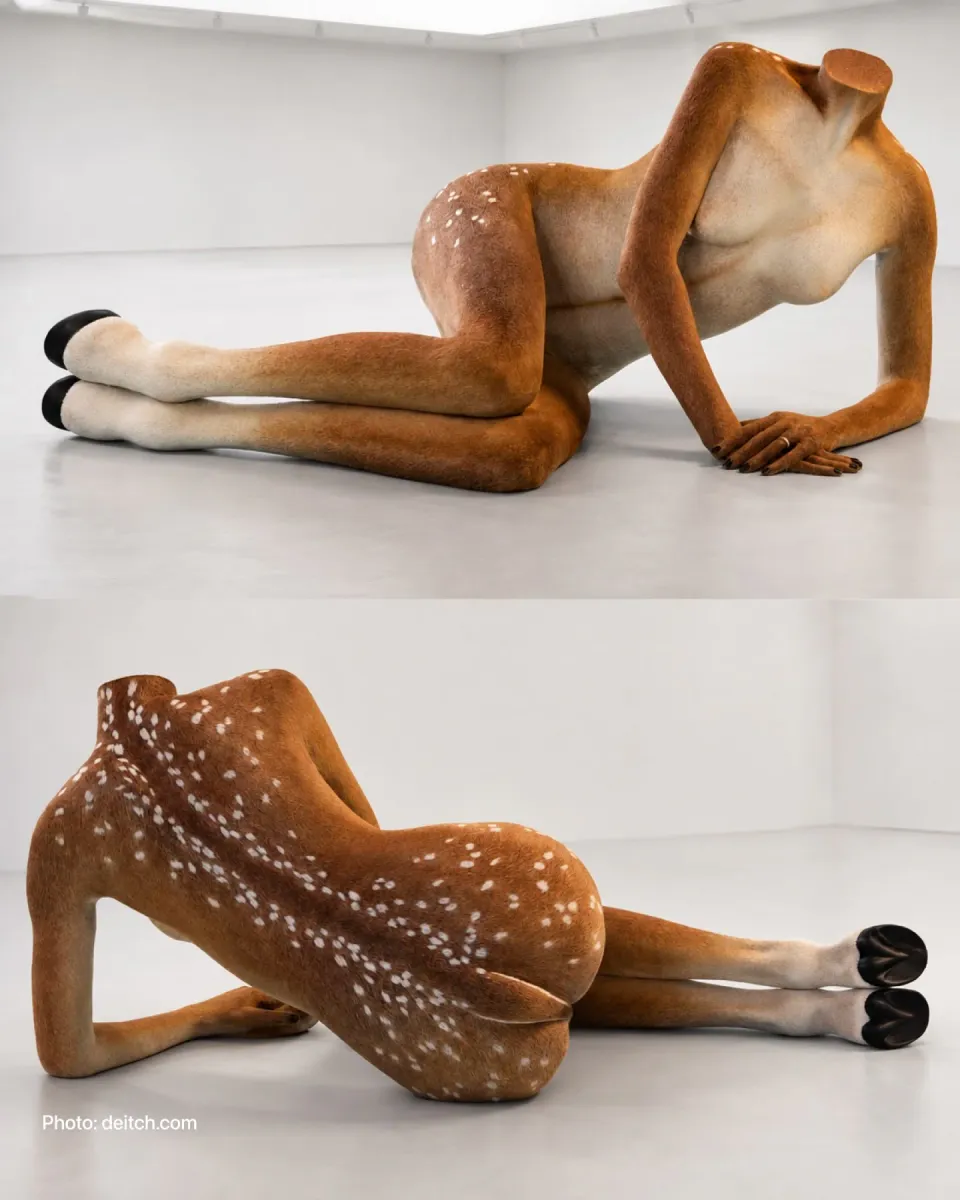
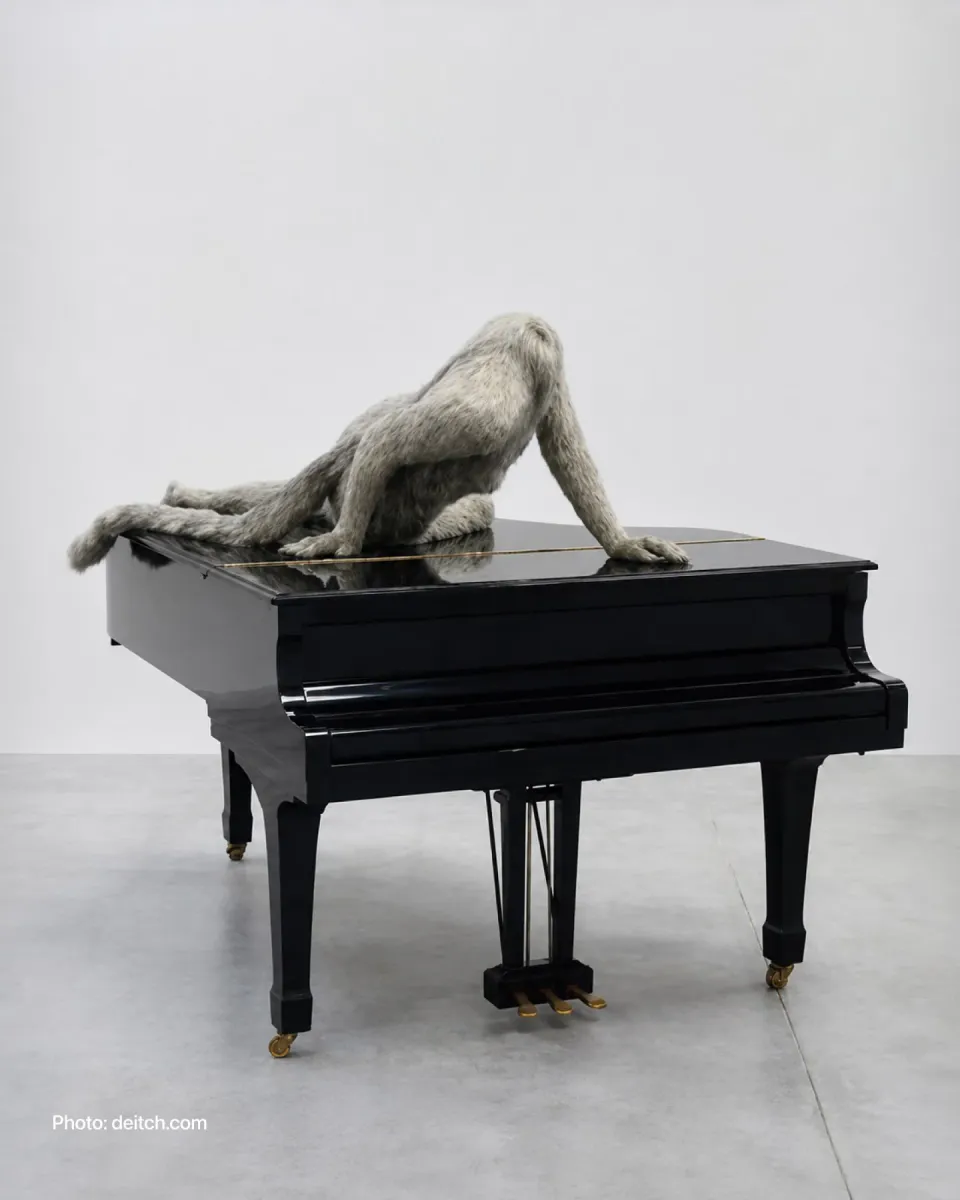
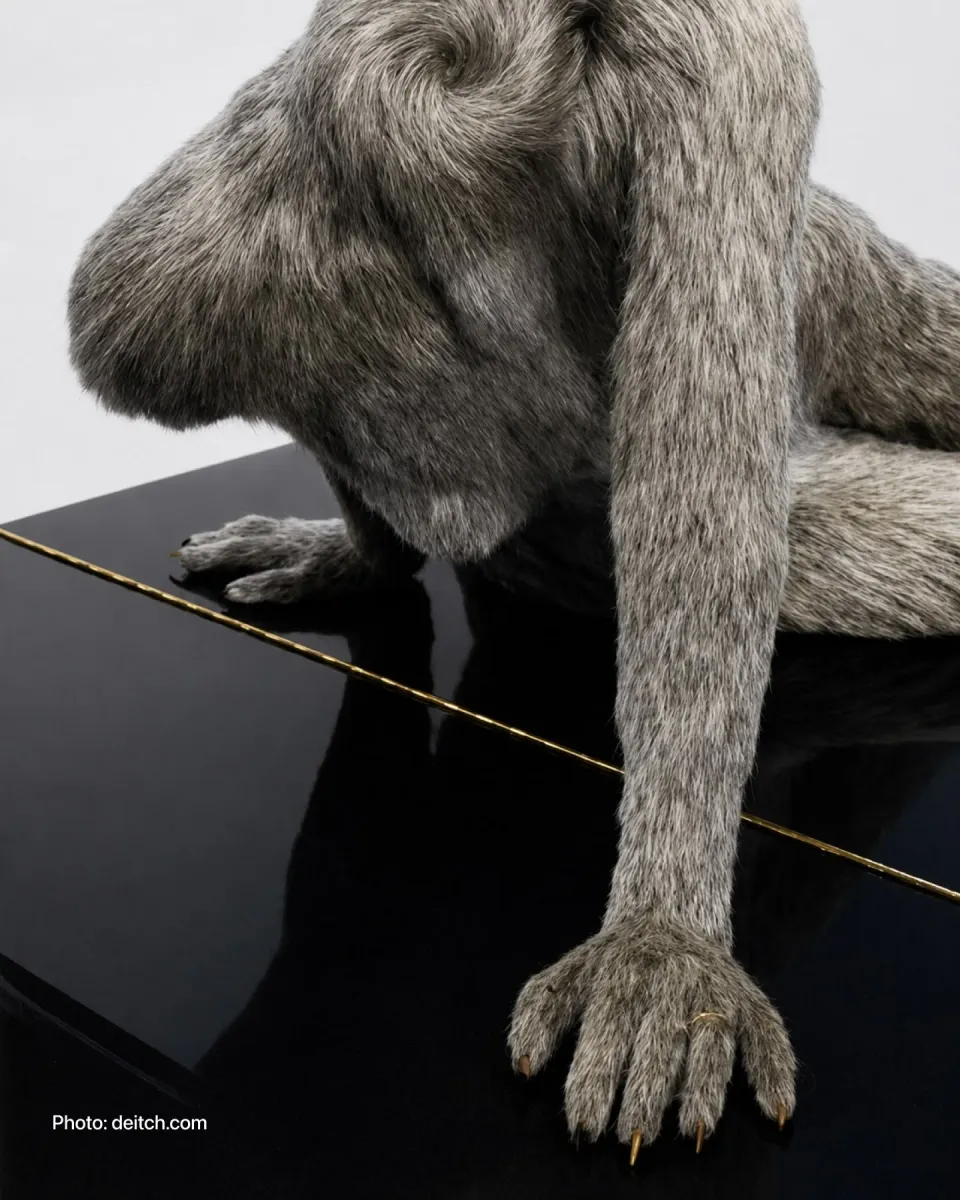
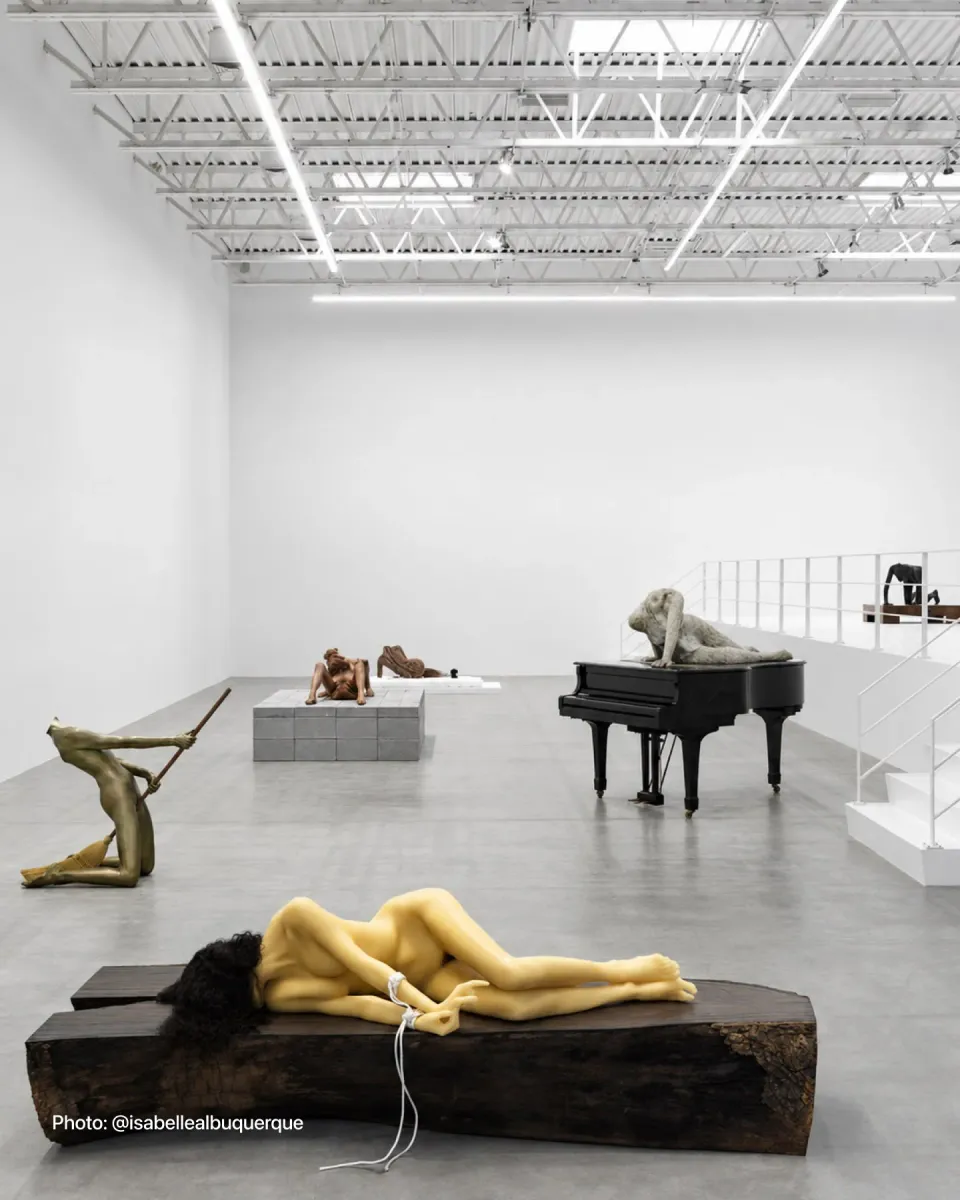
@isabellealbuquerque
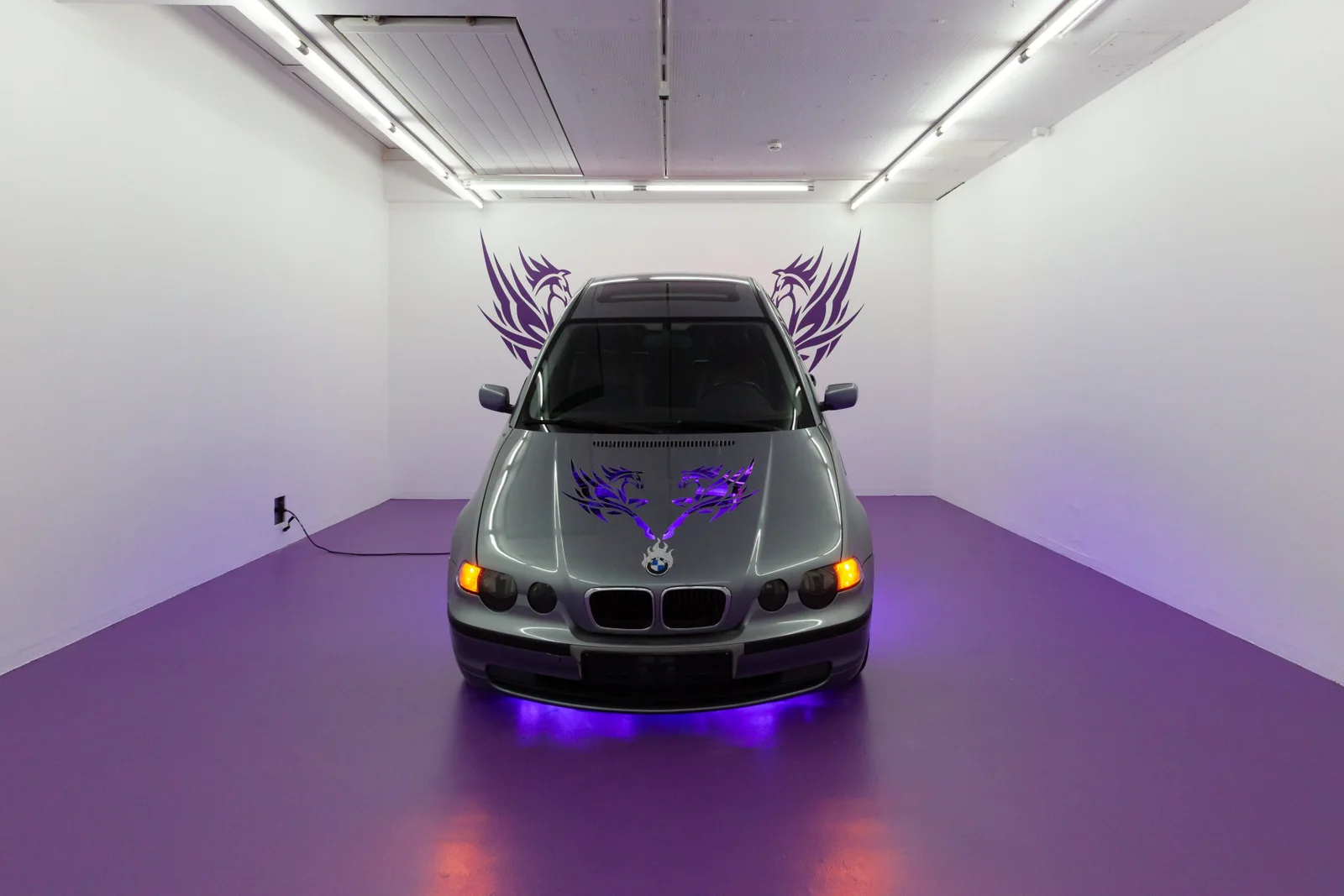
Münster / 2026
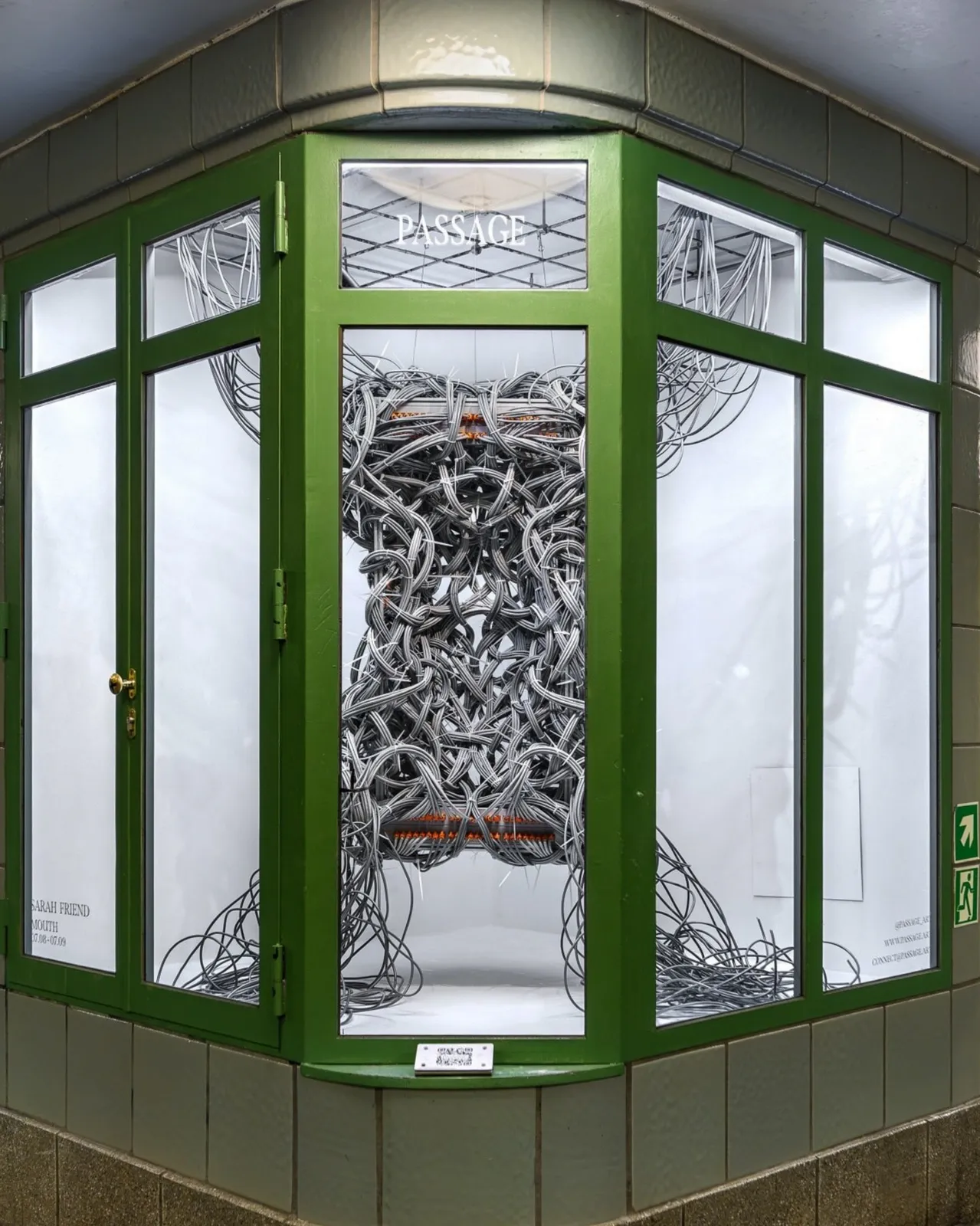
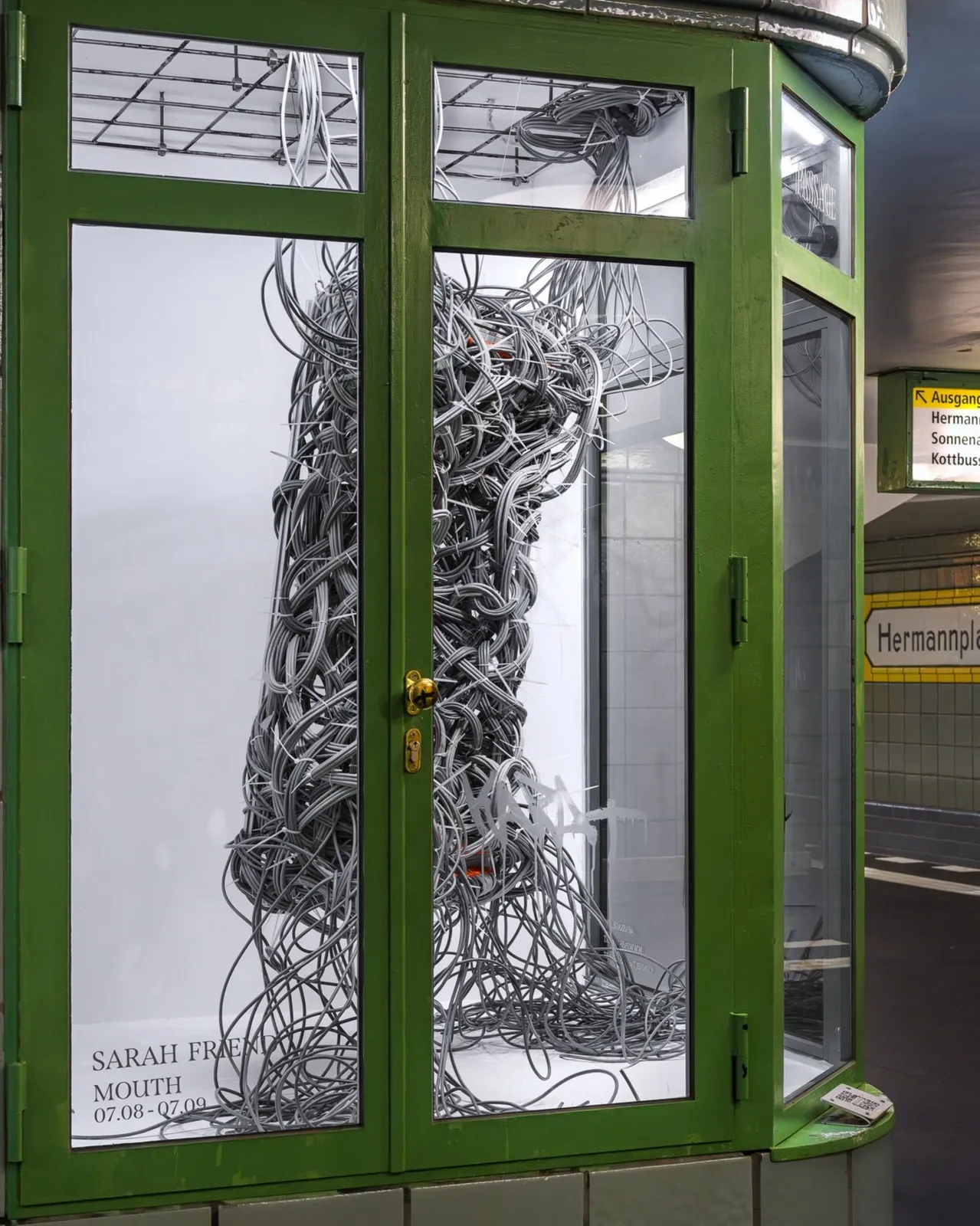
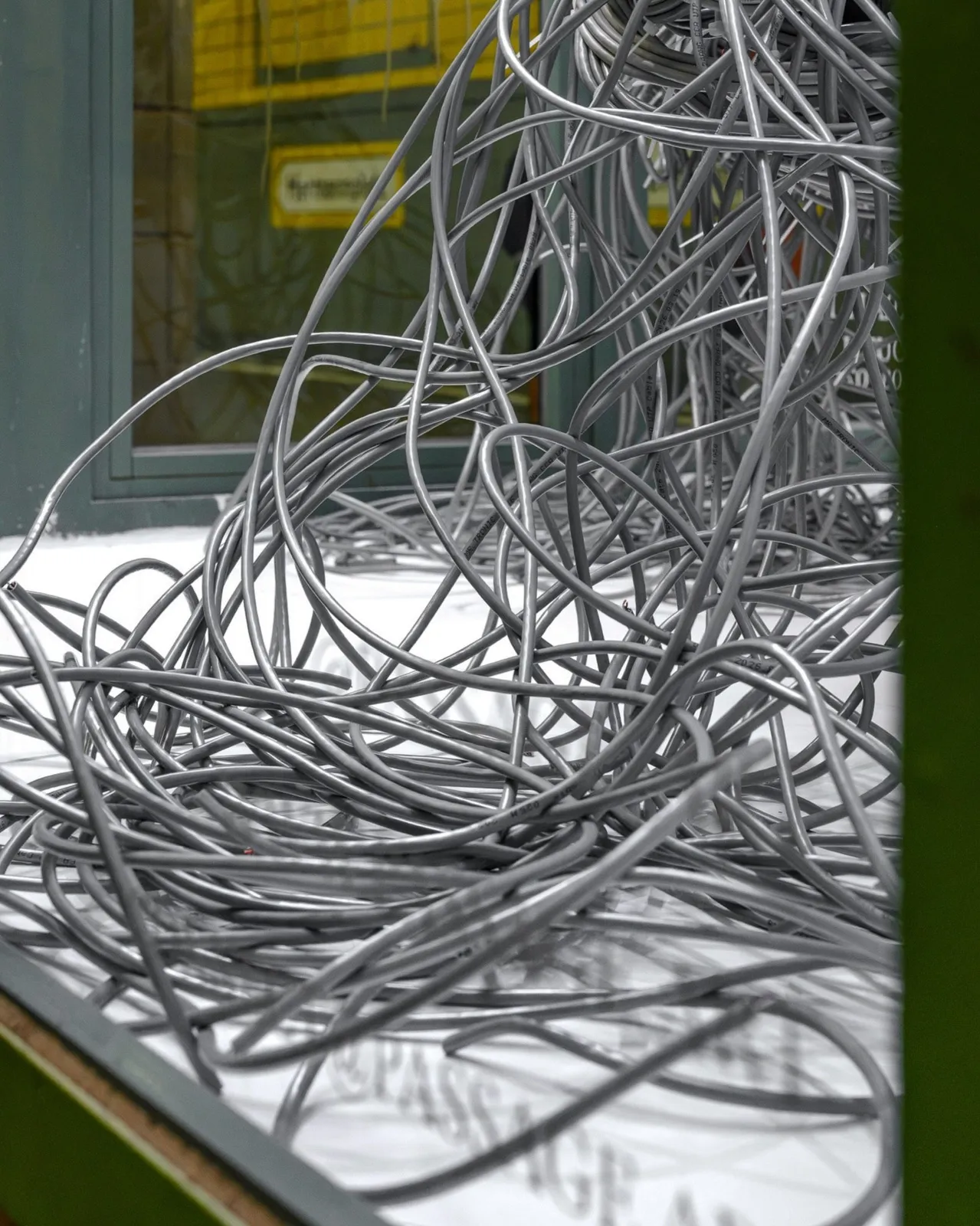
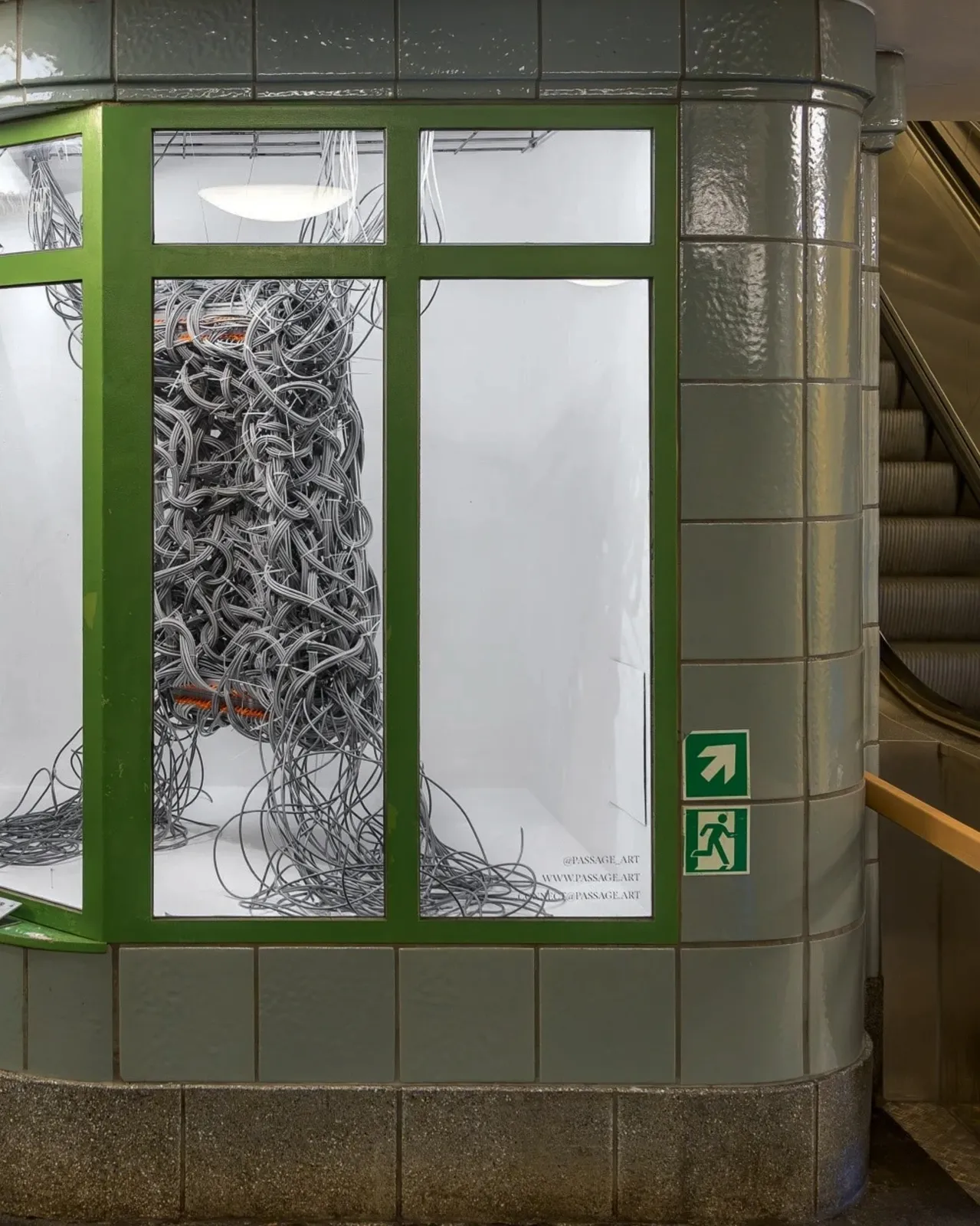
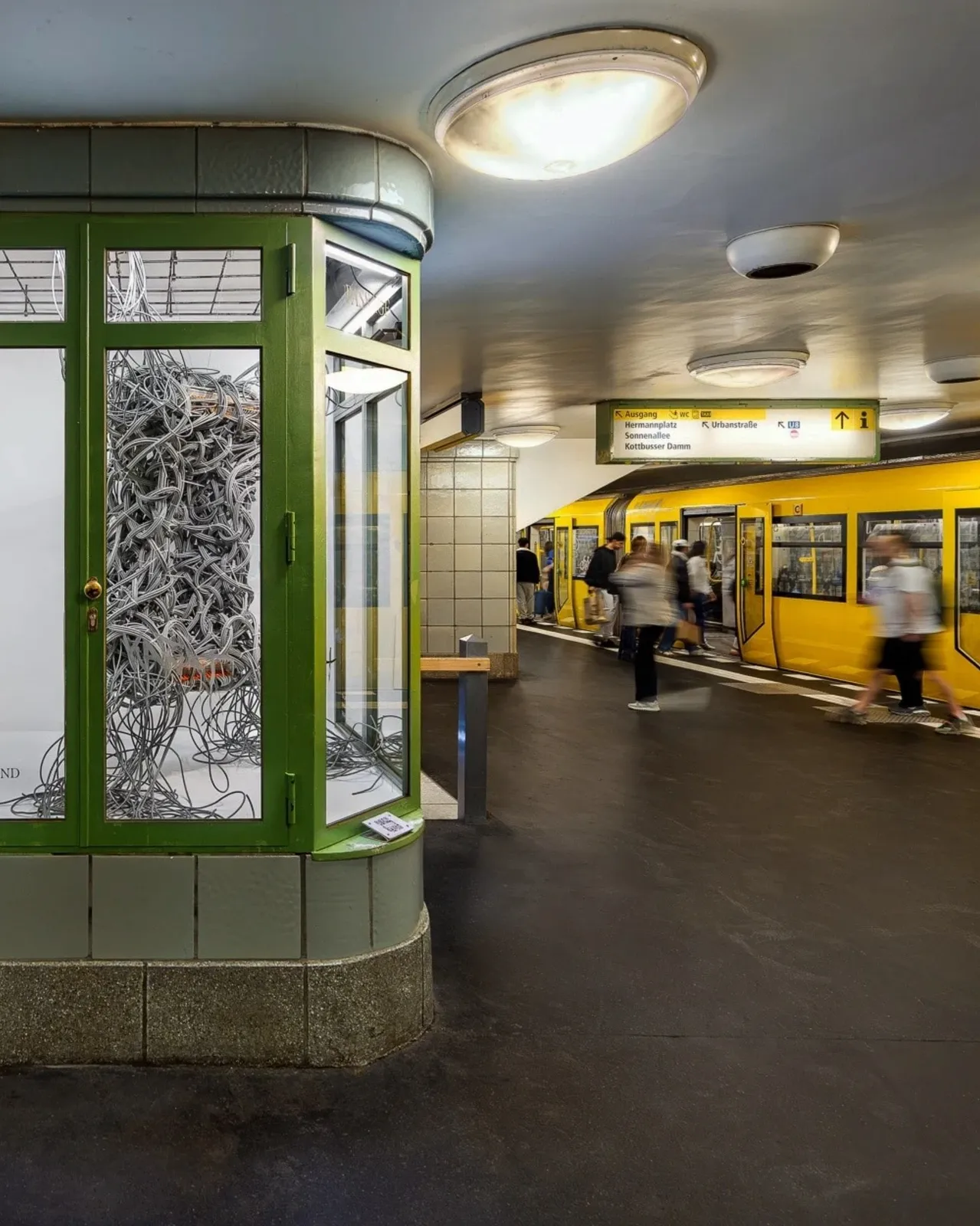
/ 2026
Warsaw / 2026
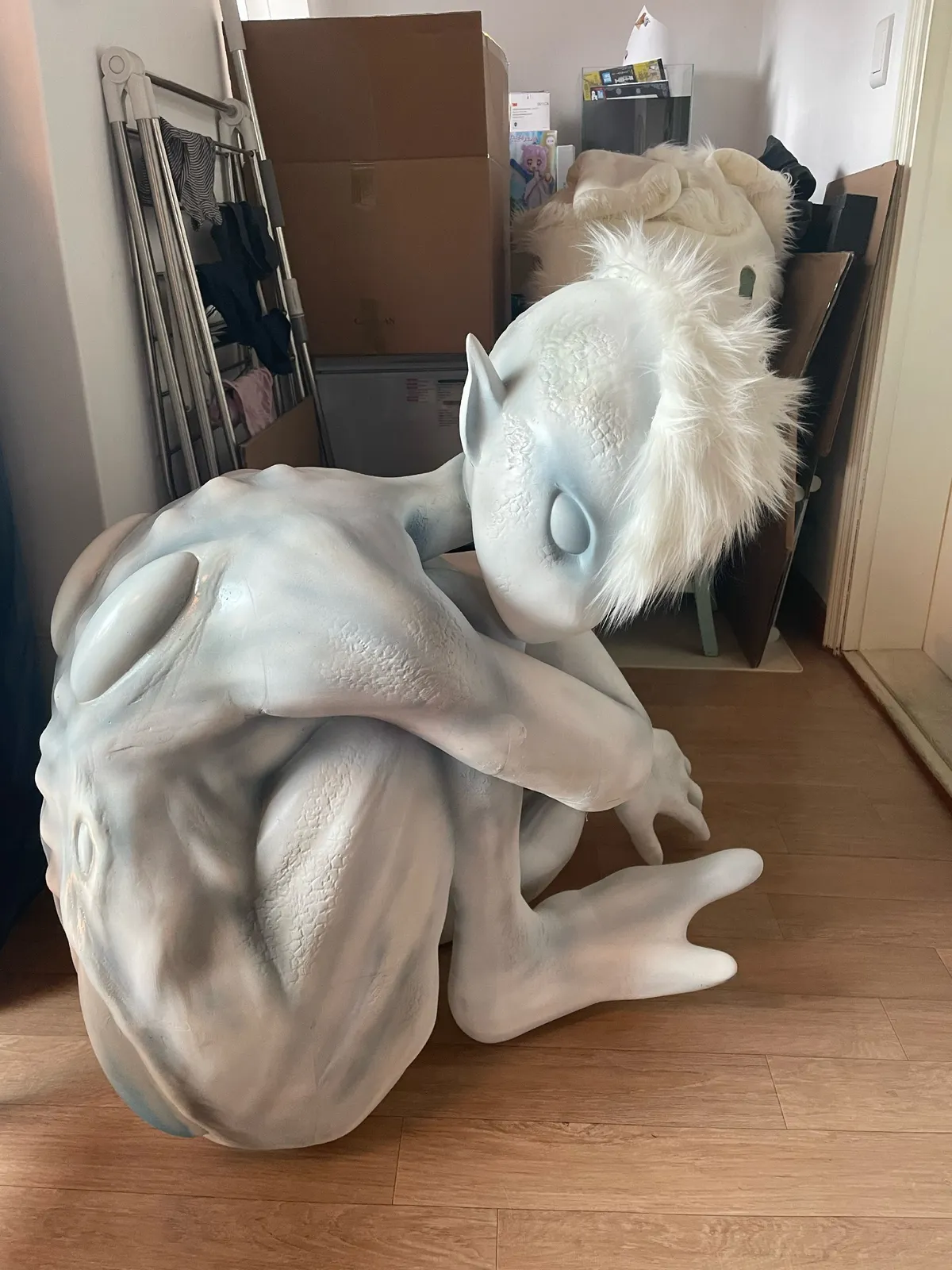
Seoul / 2026
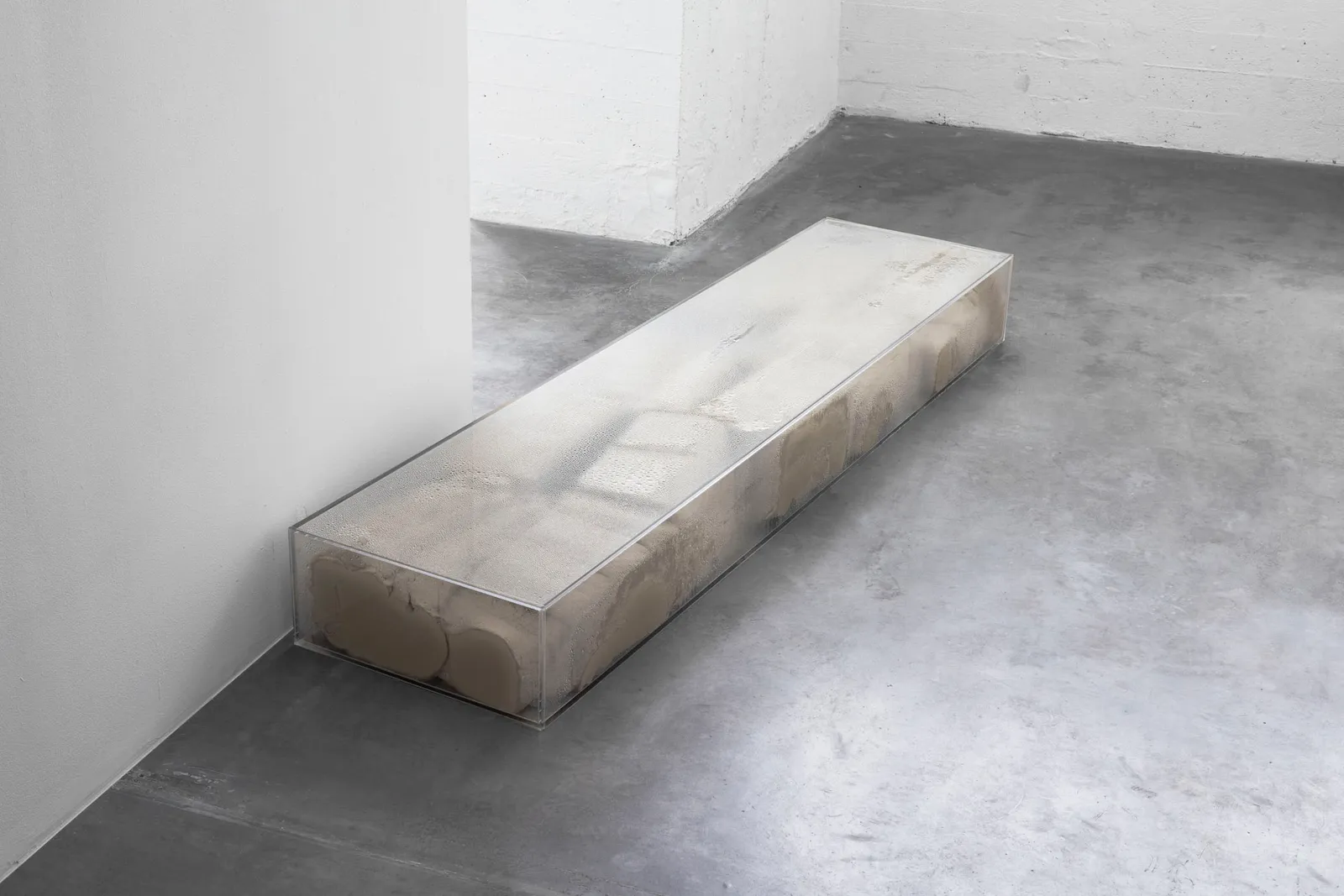
Brussels / 2026
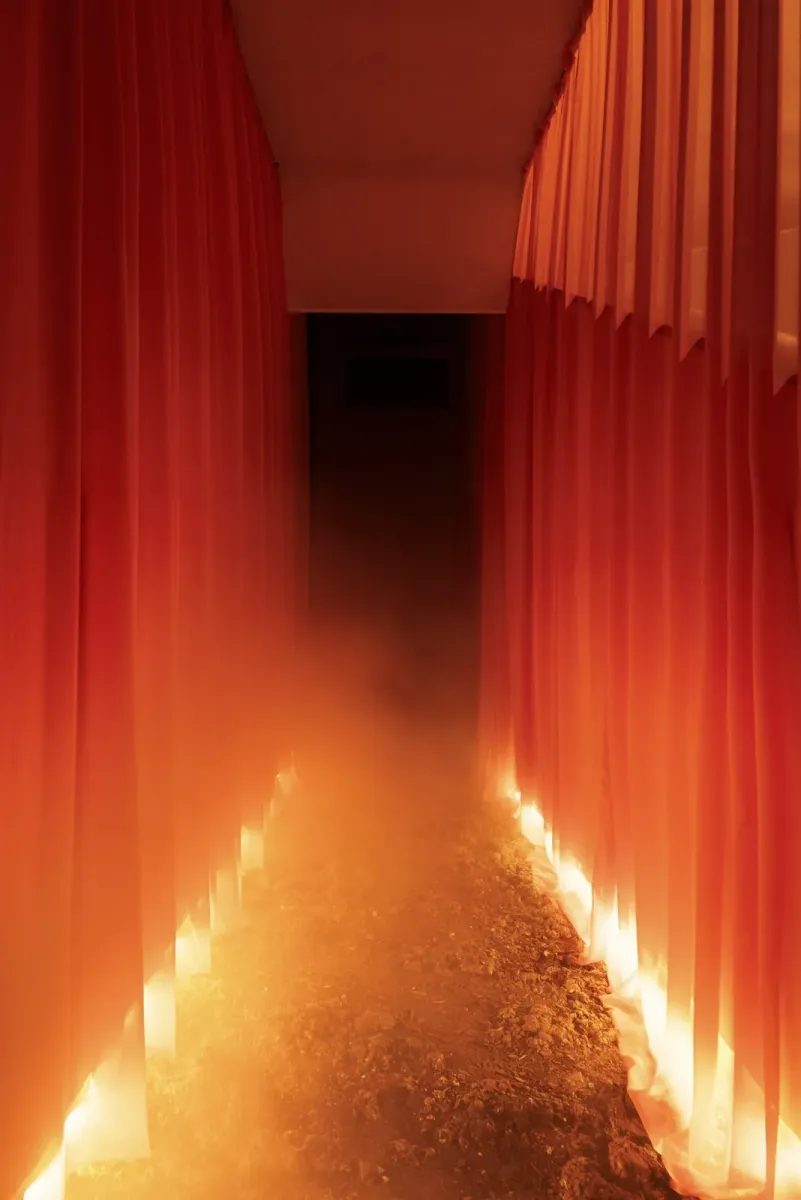
Seoul / 2026
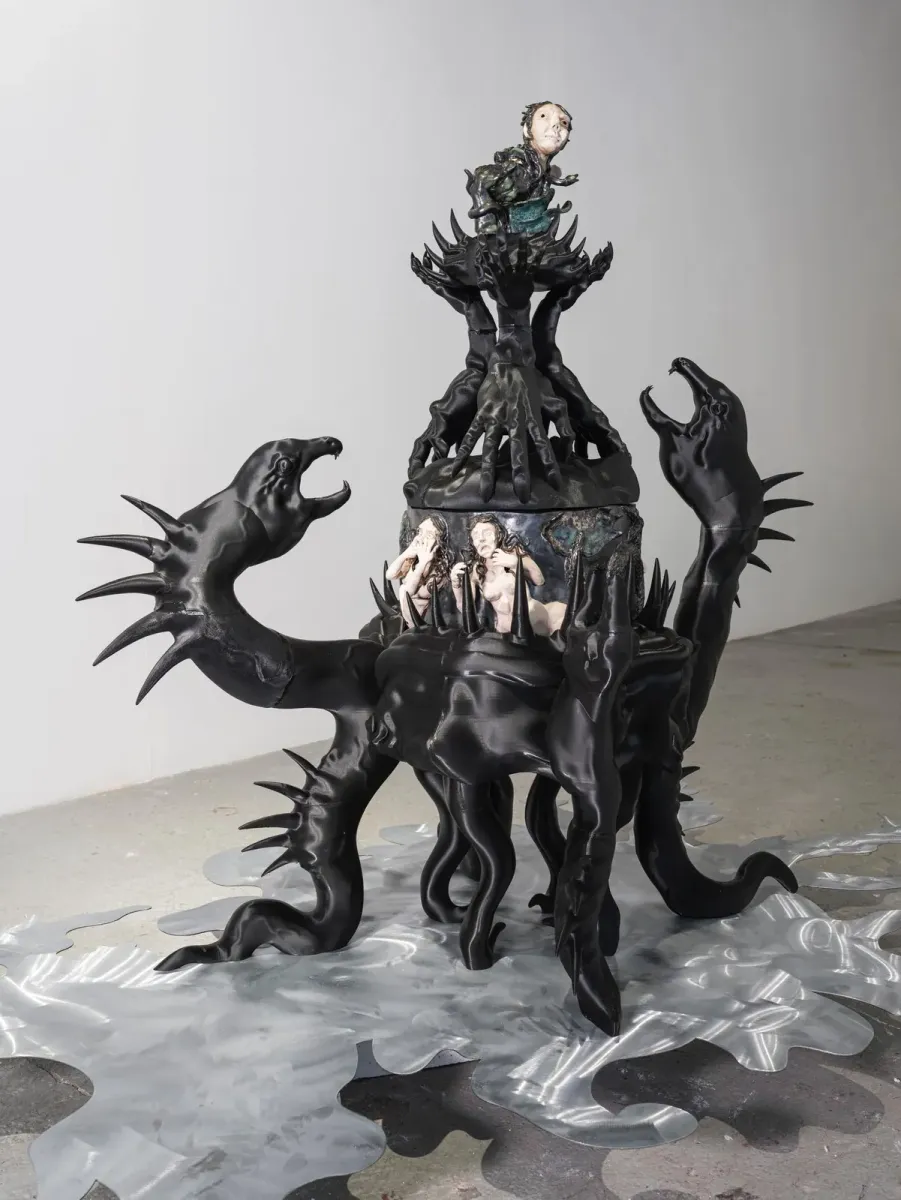
Paris / 2026
Seoul / 2026
London / 2026
Vienna / 2026
@aio0o0o0
Munich / 2026

Ljubljana / 2026


Warsaw / 2024-2025
London / 2025


Brescia / 2025-2026

/ 2024

/ 2023

Berlin / 2023


London / 2024

Berlin / 2025
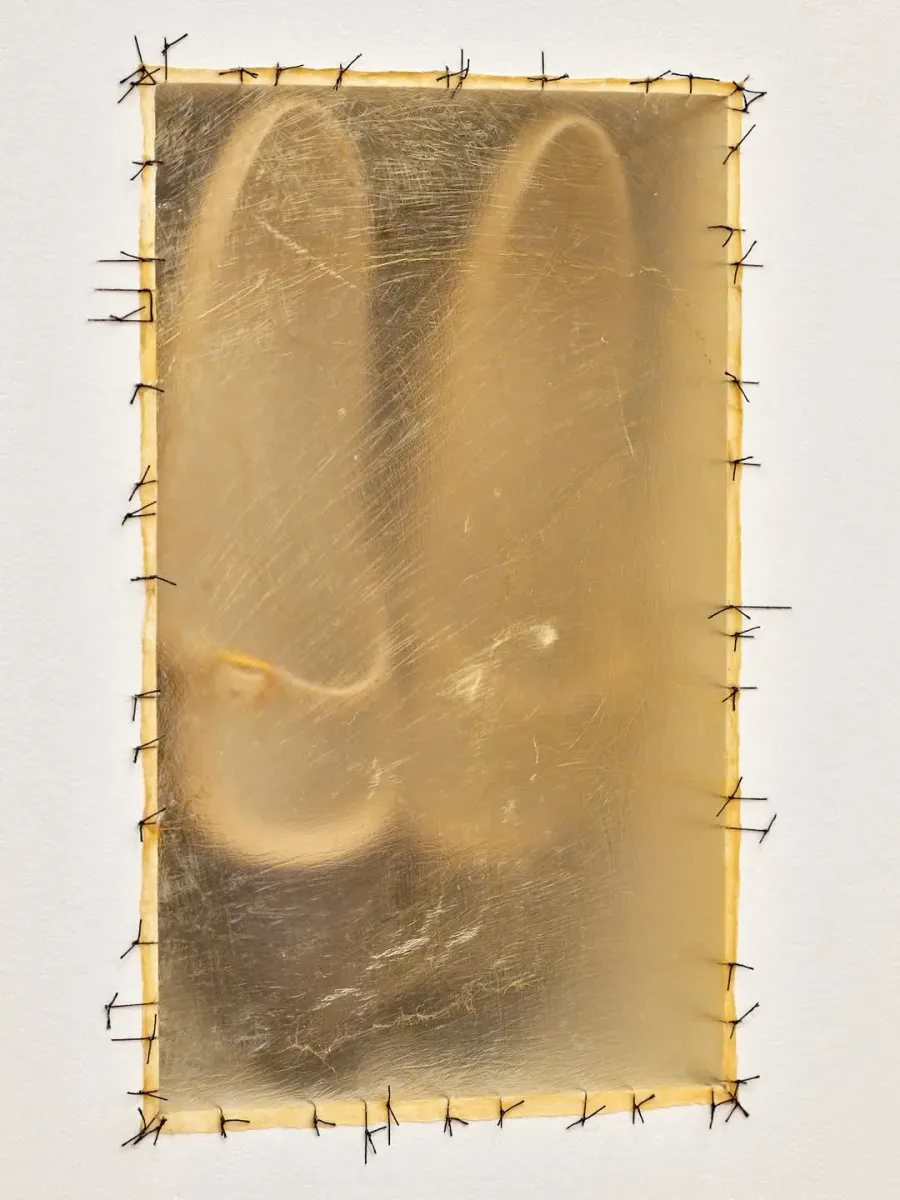
#DorisSalcedo
Arnsberg / 2025

Hamburg / 2025

Prague / 2025
Seoul / 2026

London / 2025
 (GROUP SHOW).webp)
Berlin / 2026


Dortmund / 2026
Kraków / 2026


Lisbon / 2026


New York City / 2026
@ppuri_

Madrid / 2025
WHOISPOLA / Jan Baszak
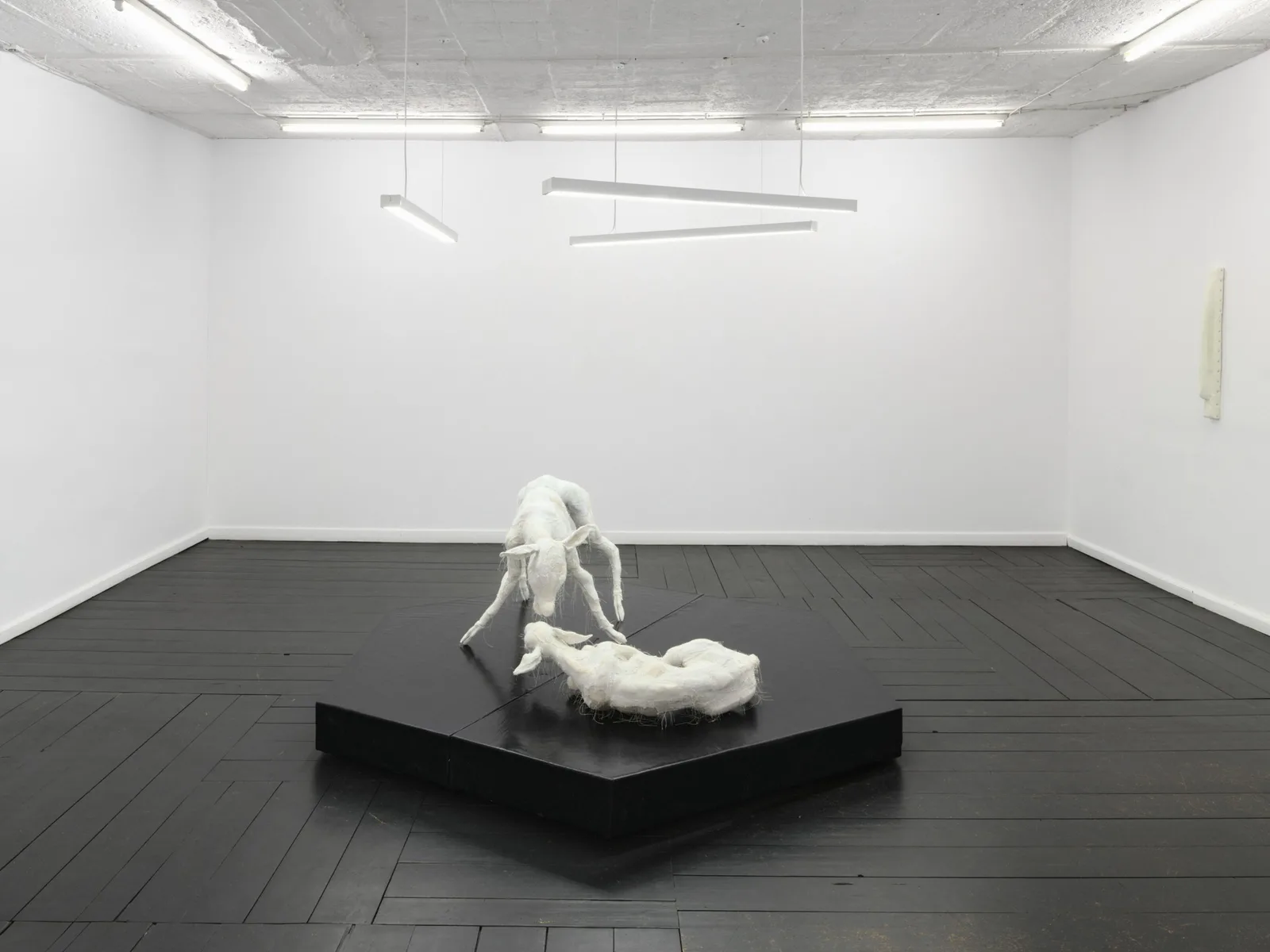
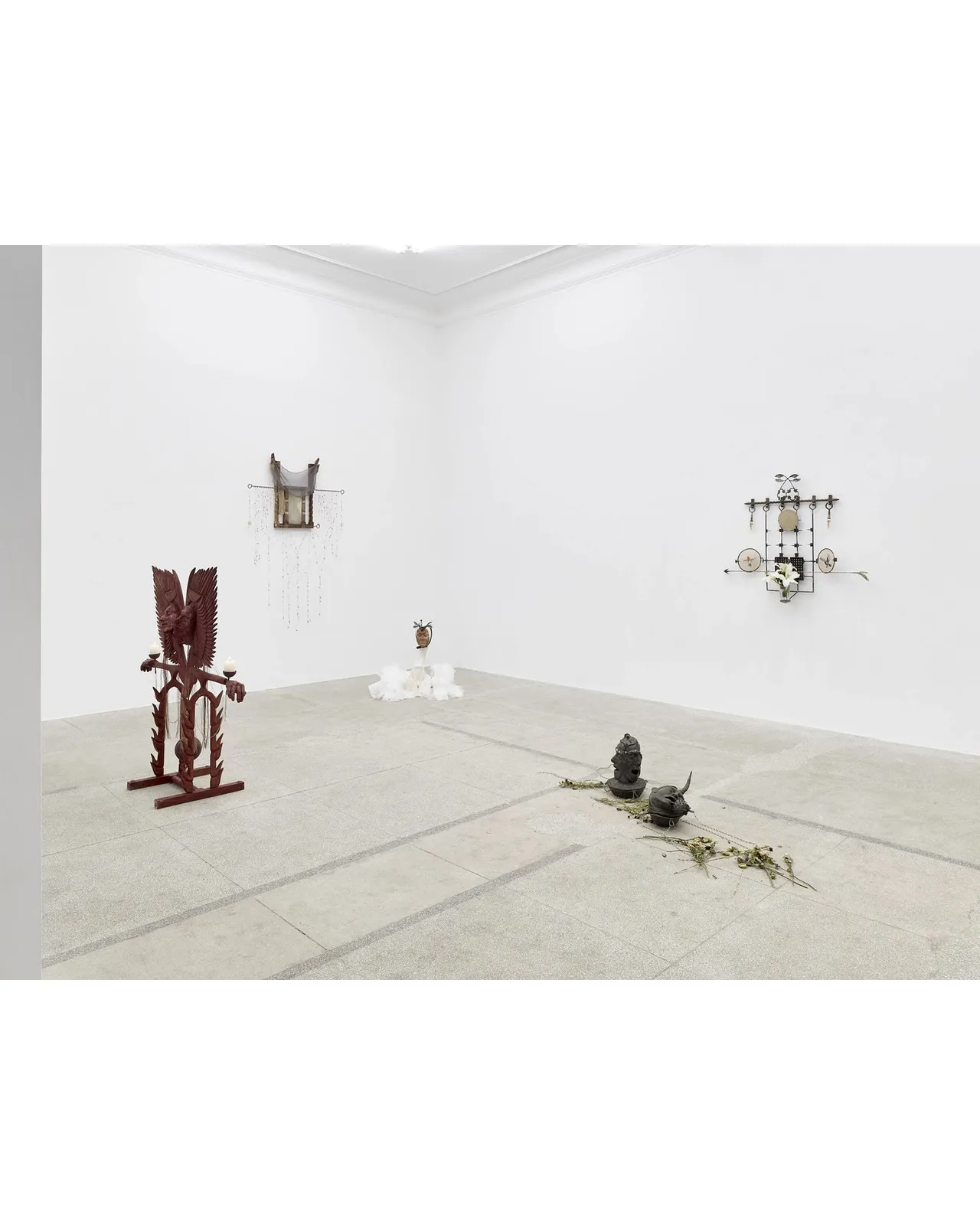
Where does one body end and another begin? How much of us is truly ourselves, and how much of us is made up of other beings? How, in the fervor of evolution, can we discern the contours of species, reason, and feeling? And finally: what is (really) alive?
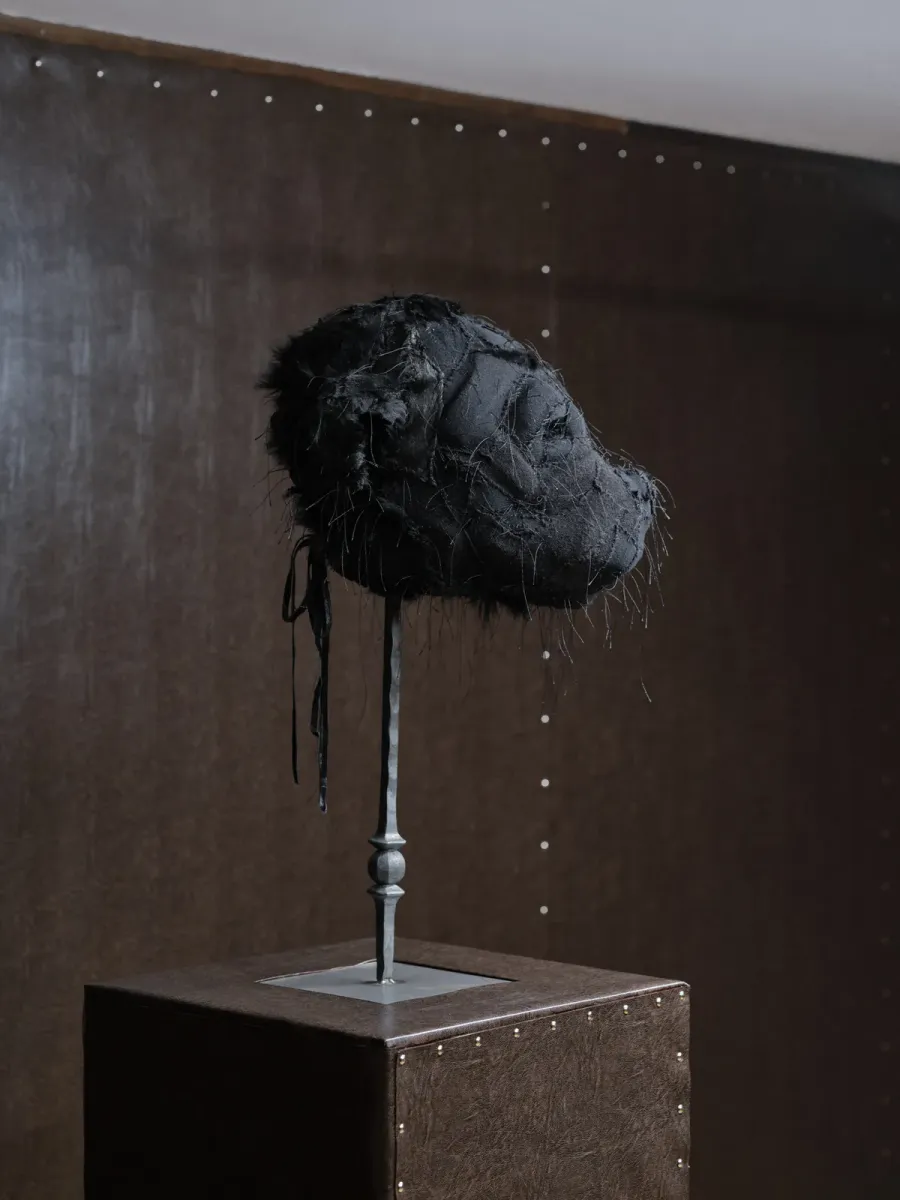
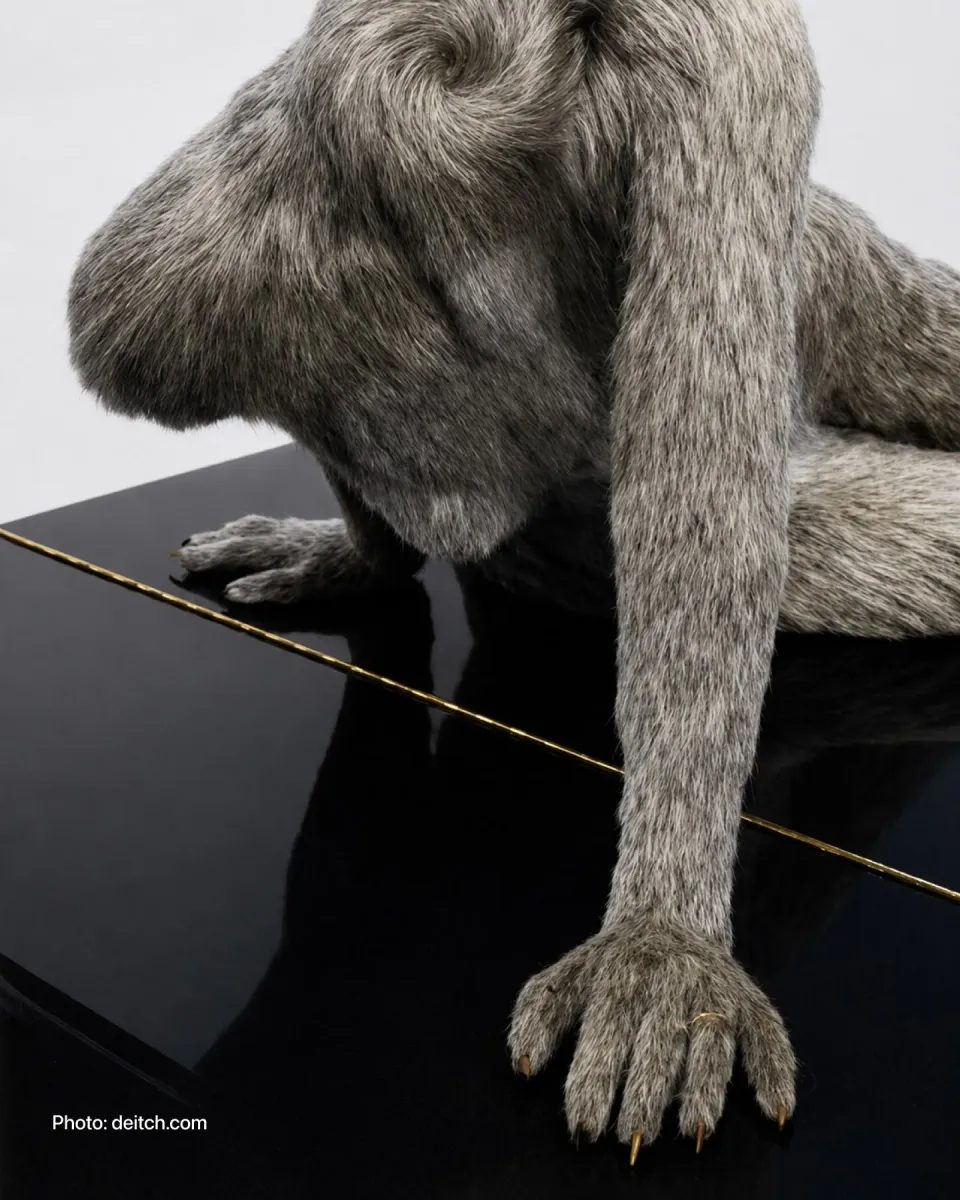
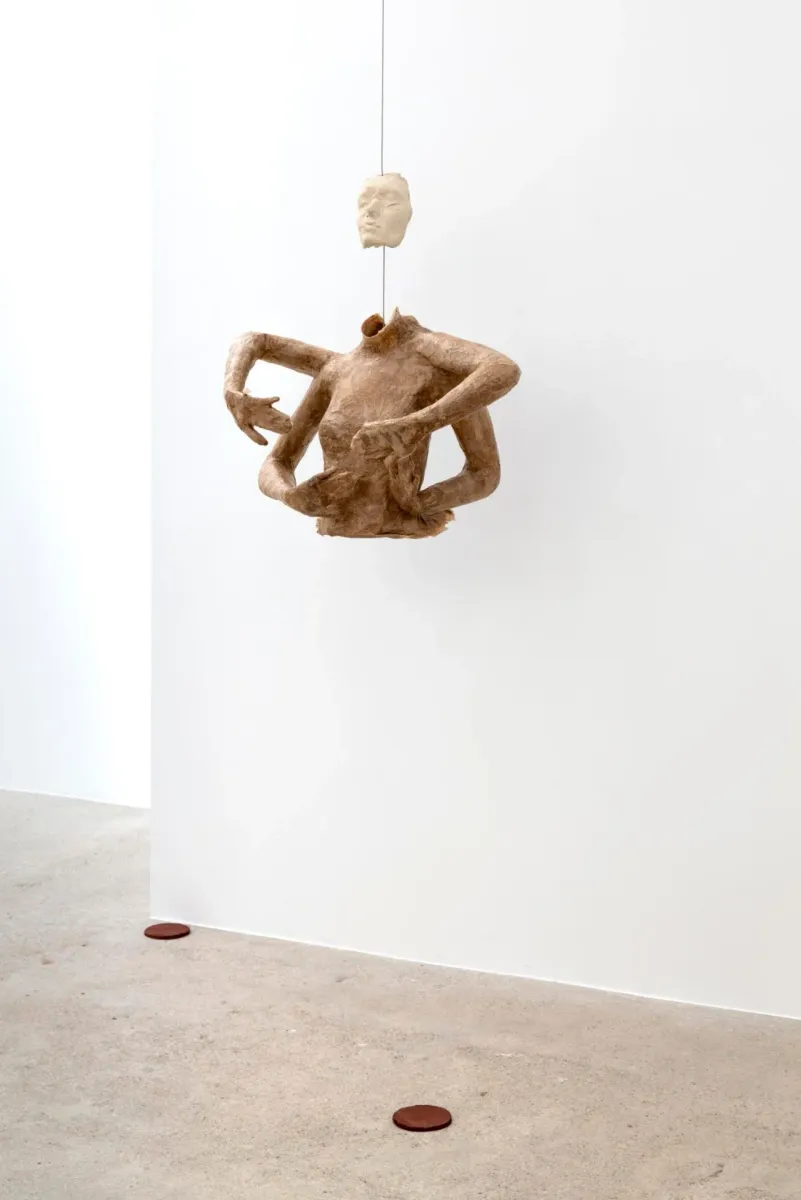
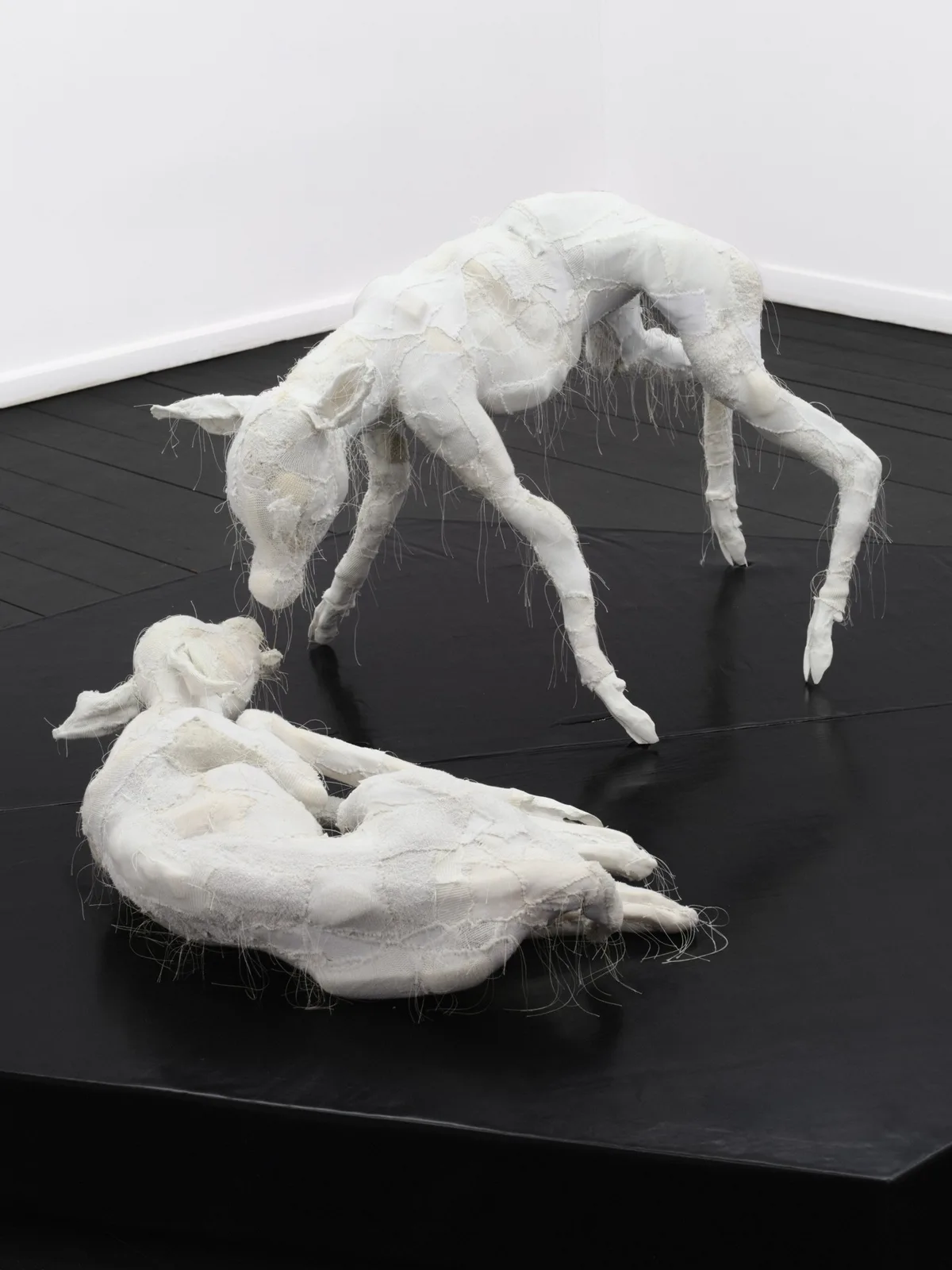
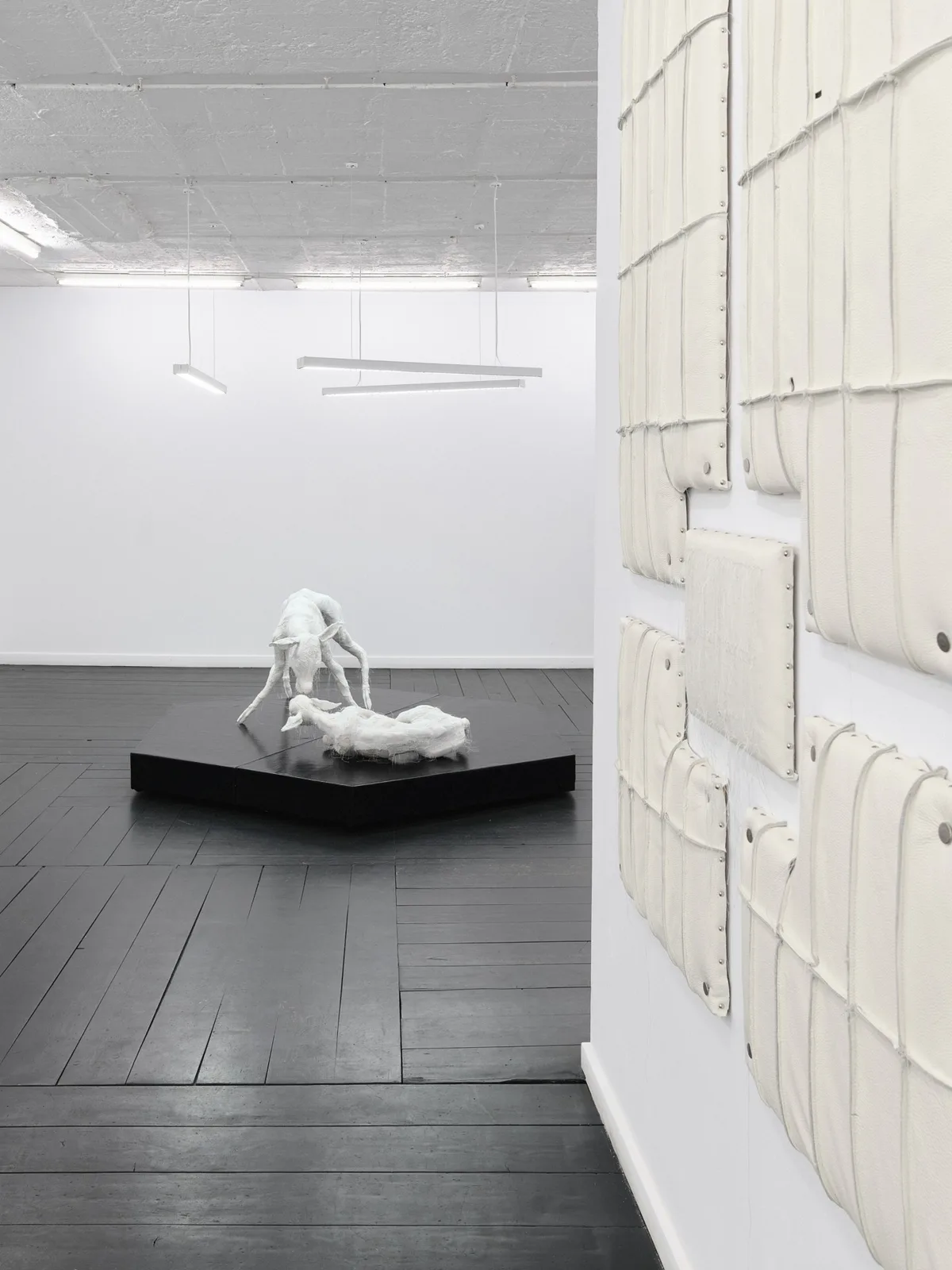
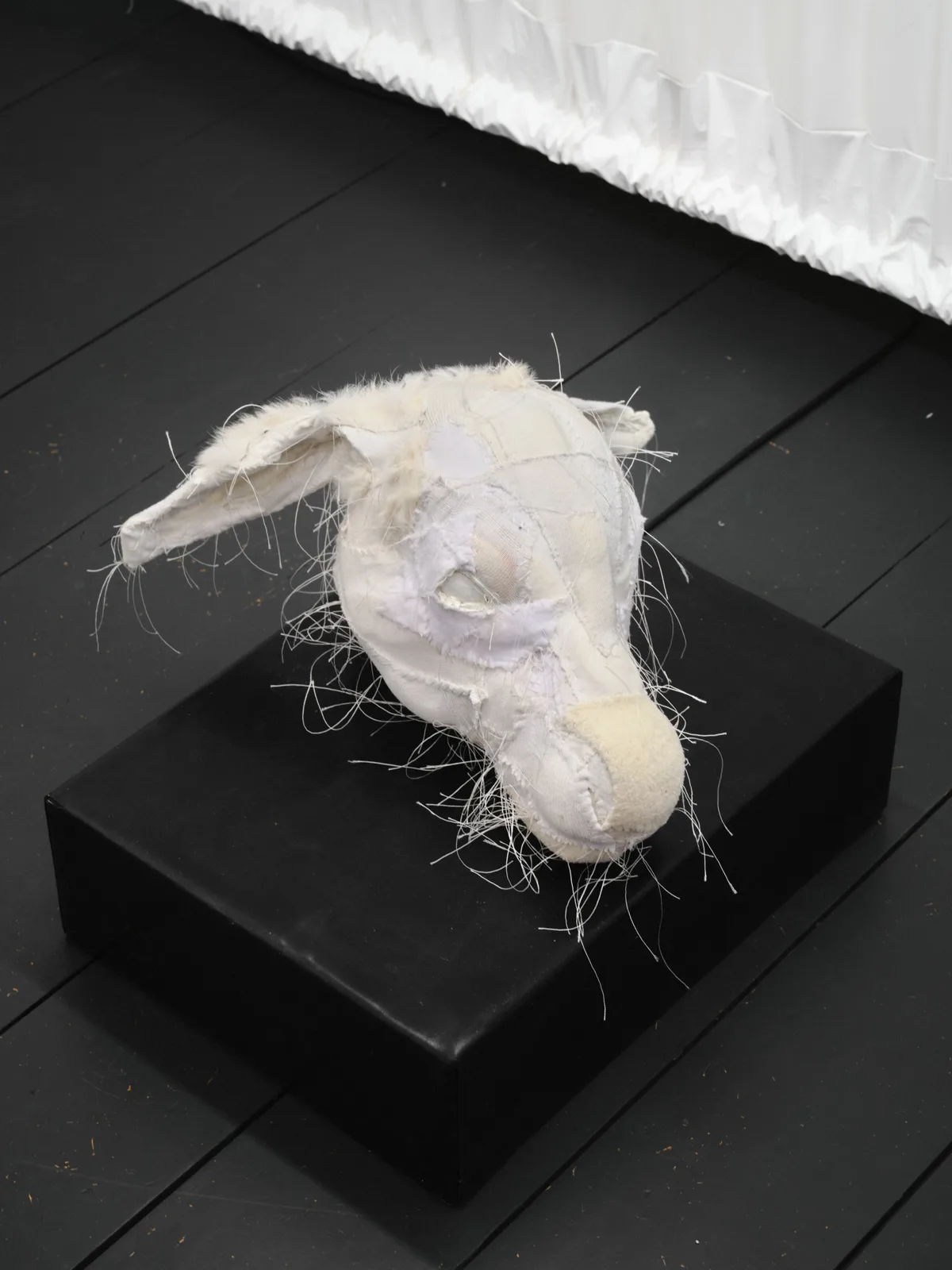
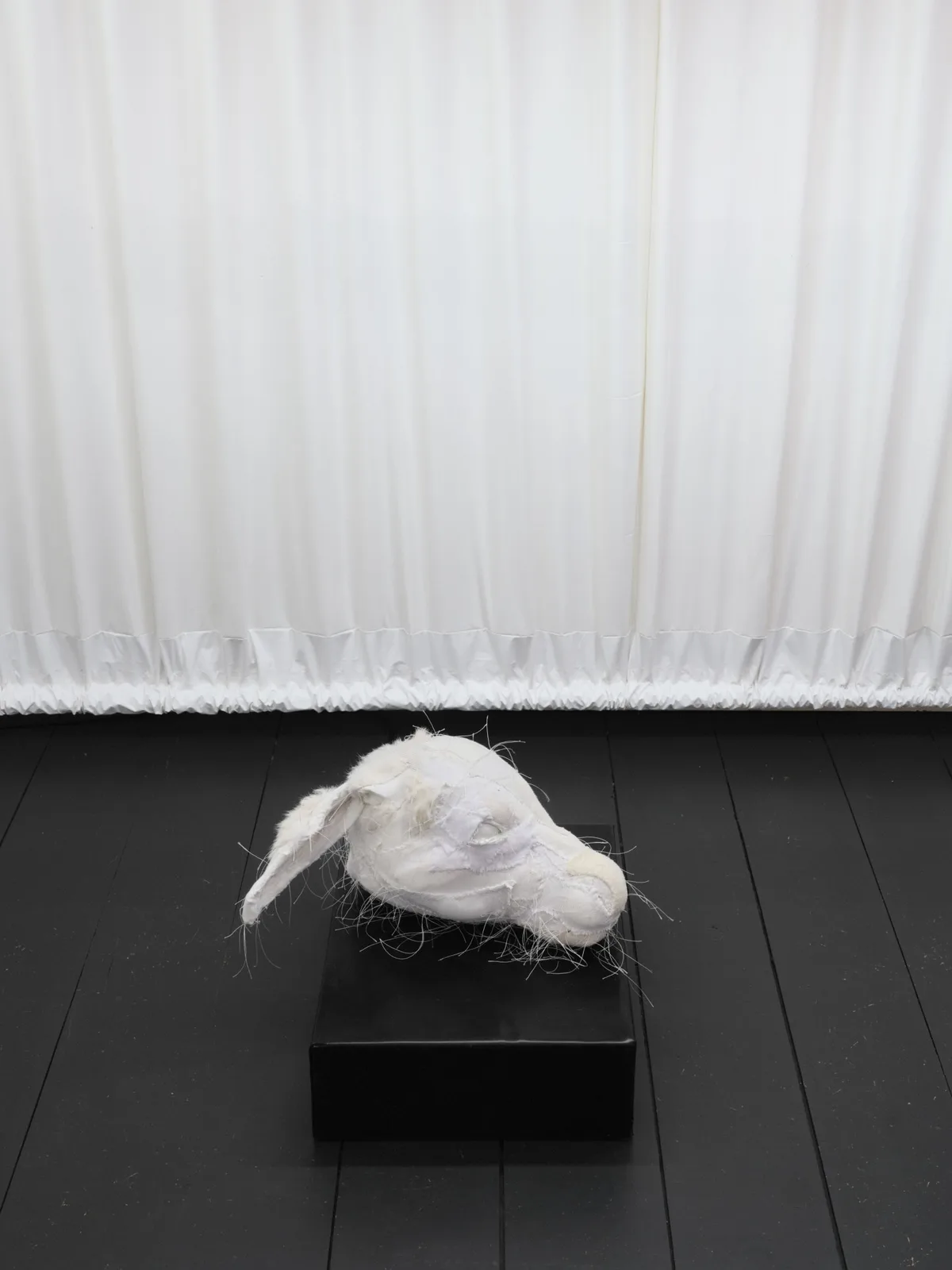
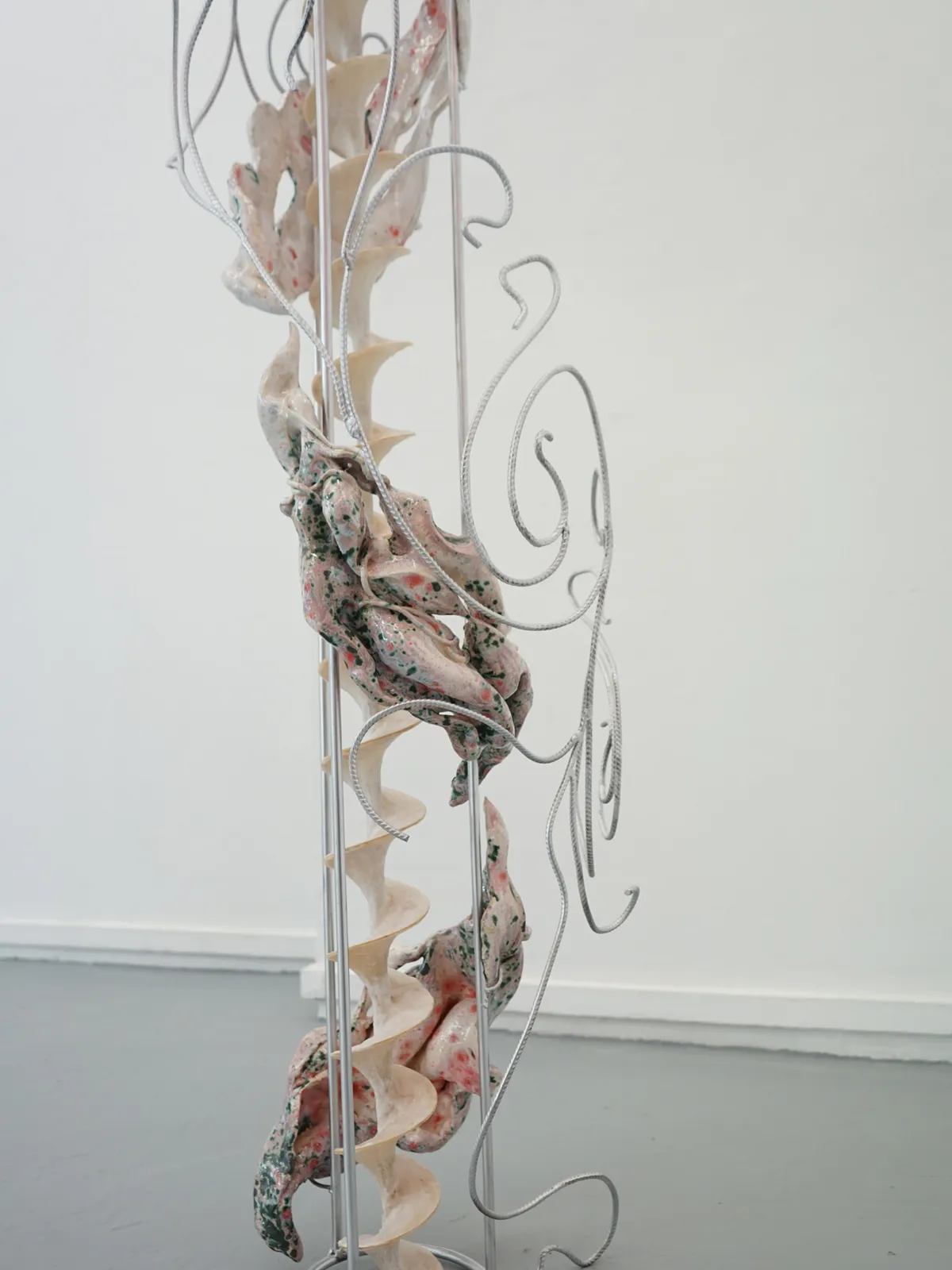
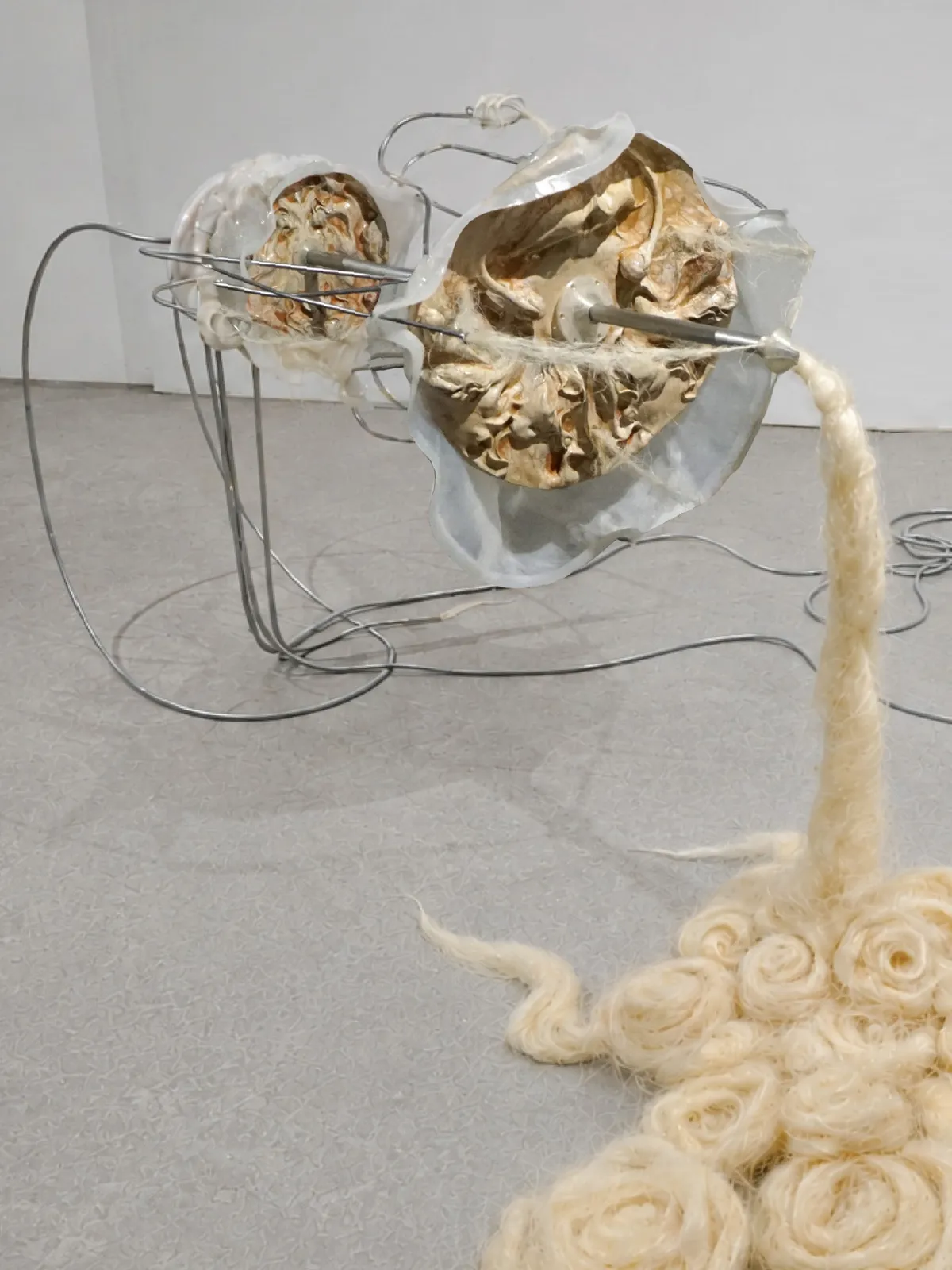
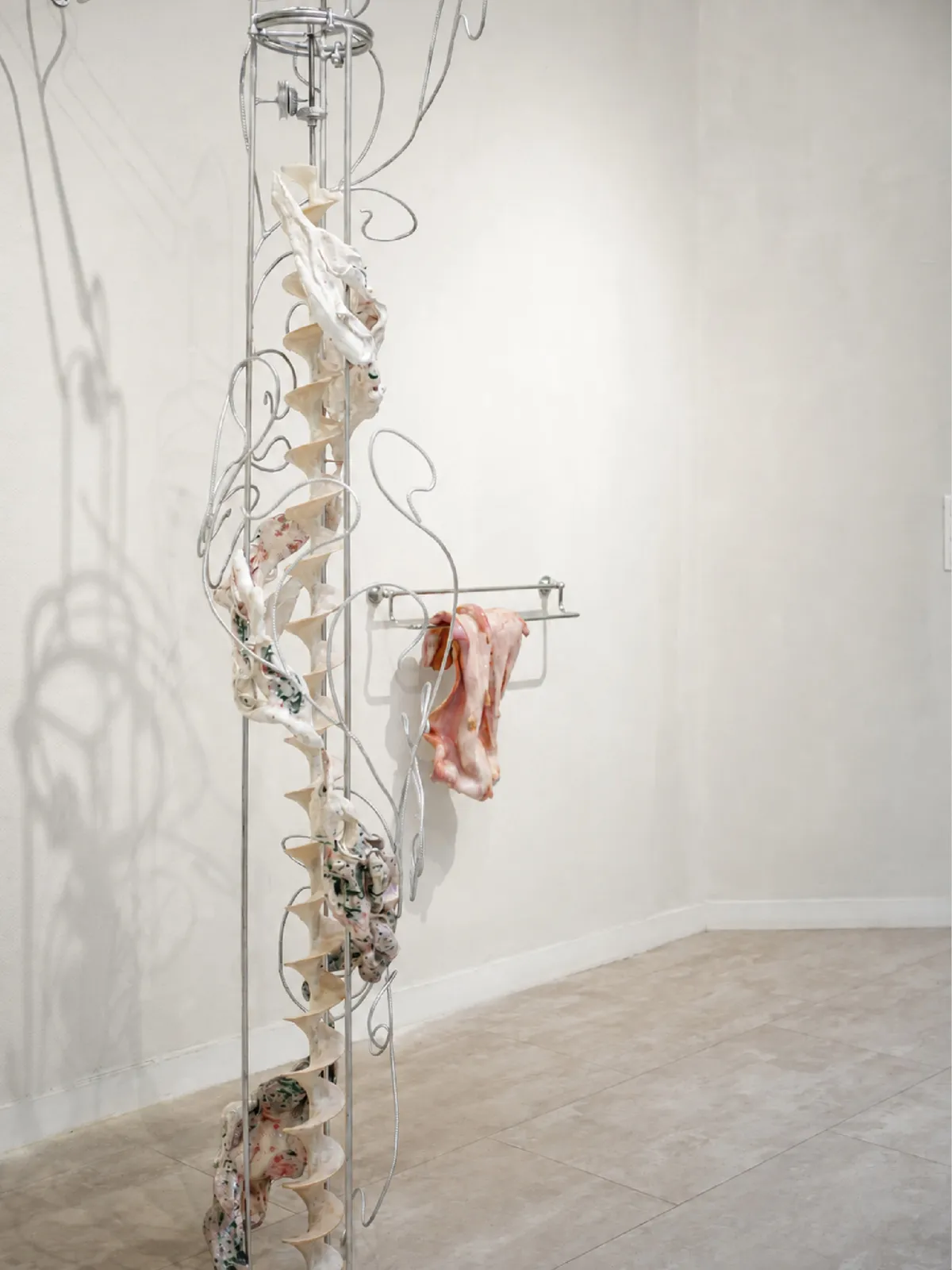
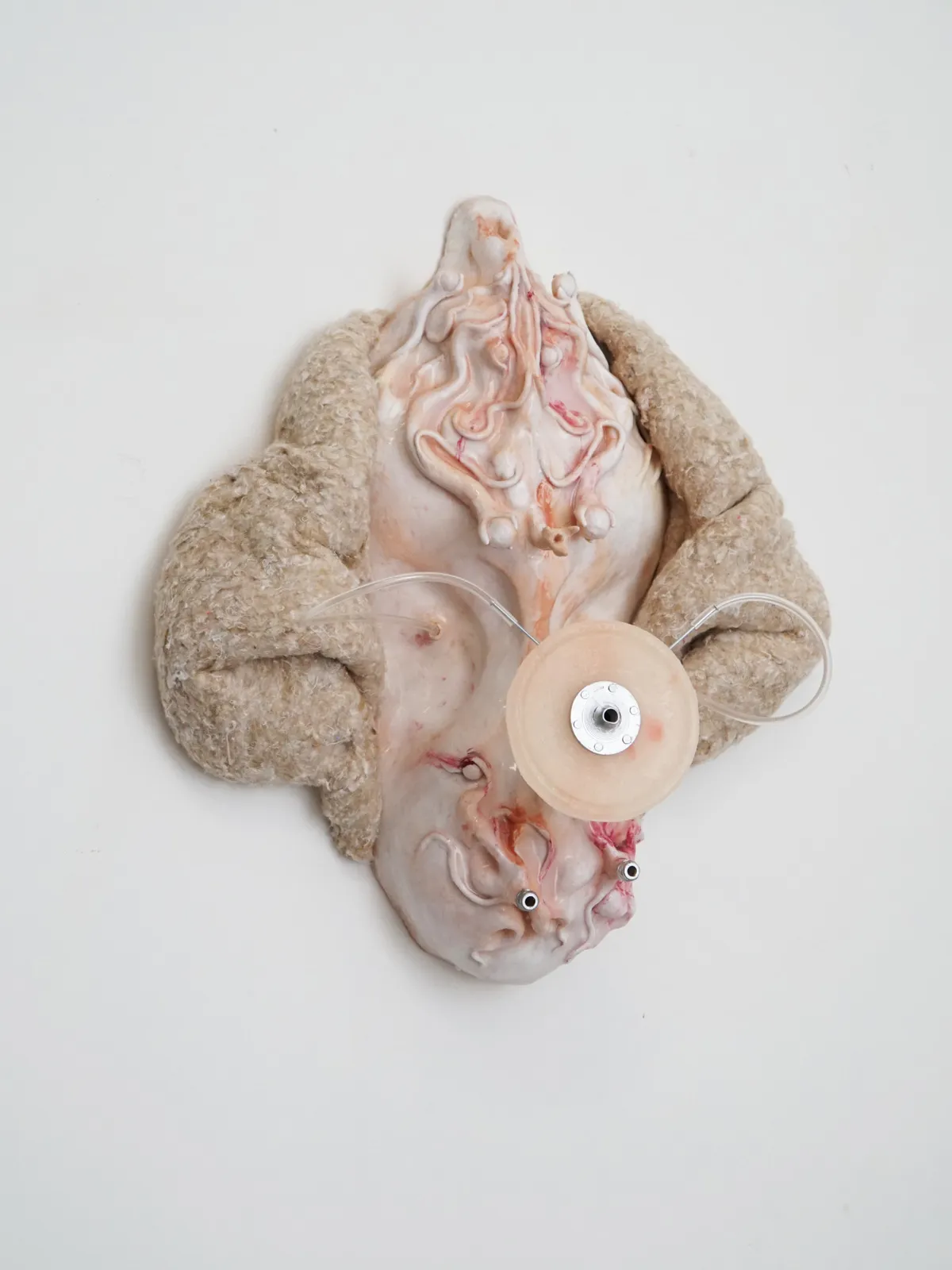
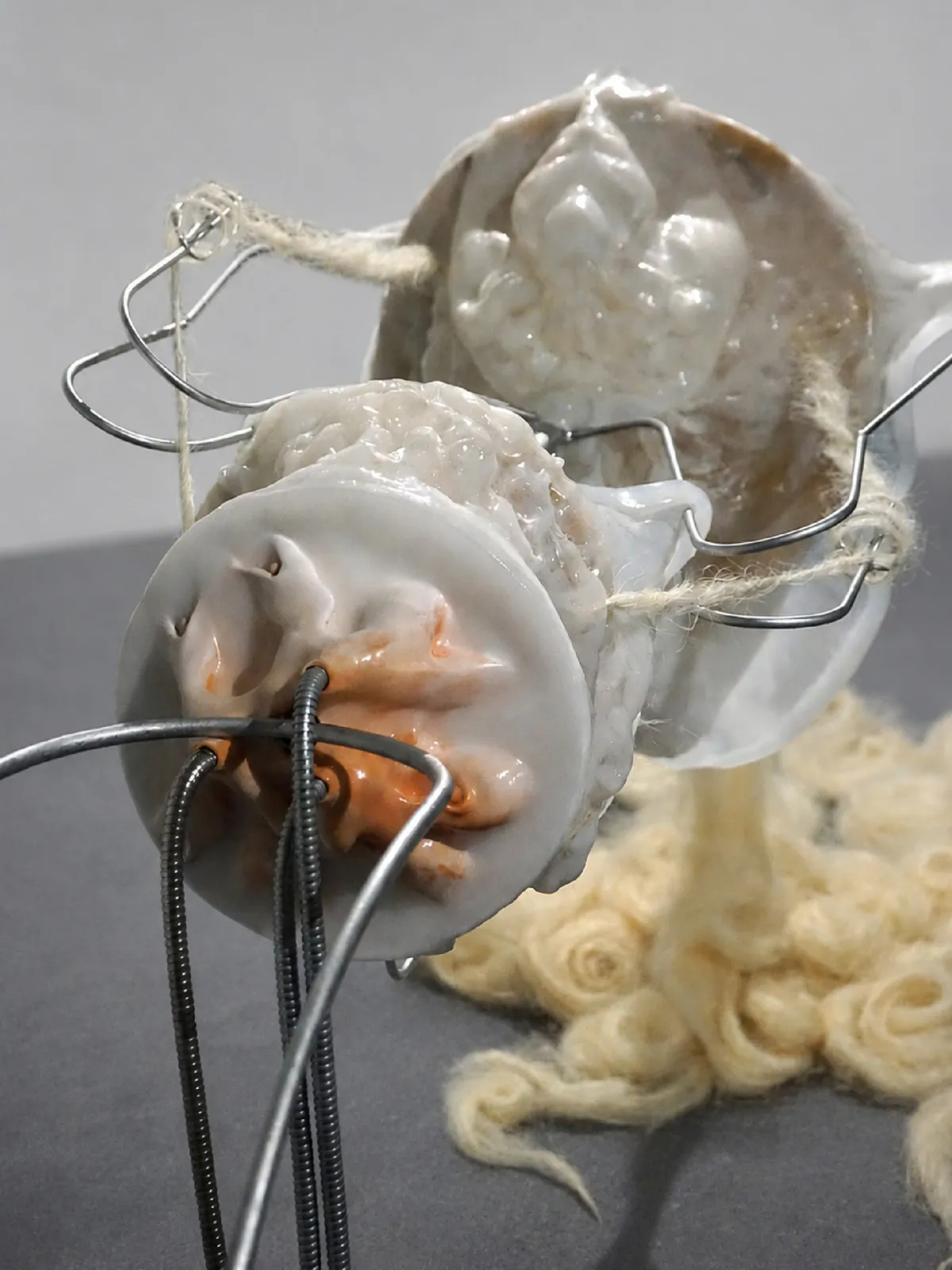
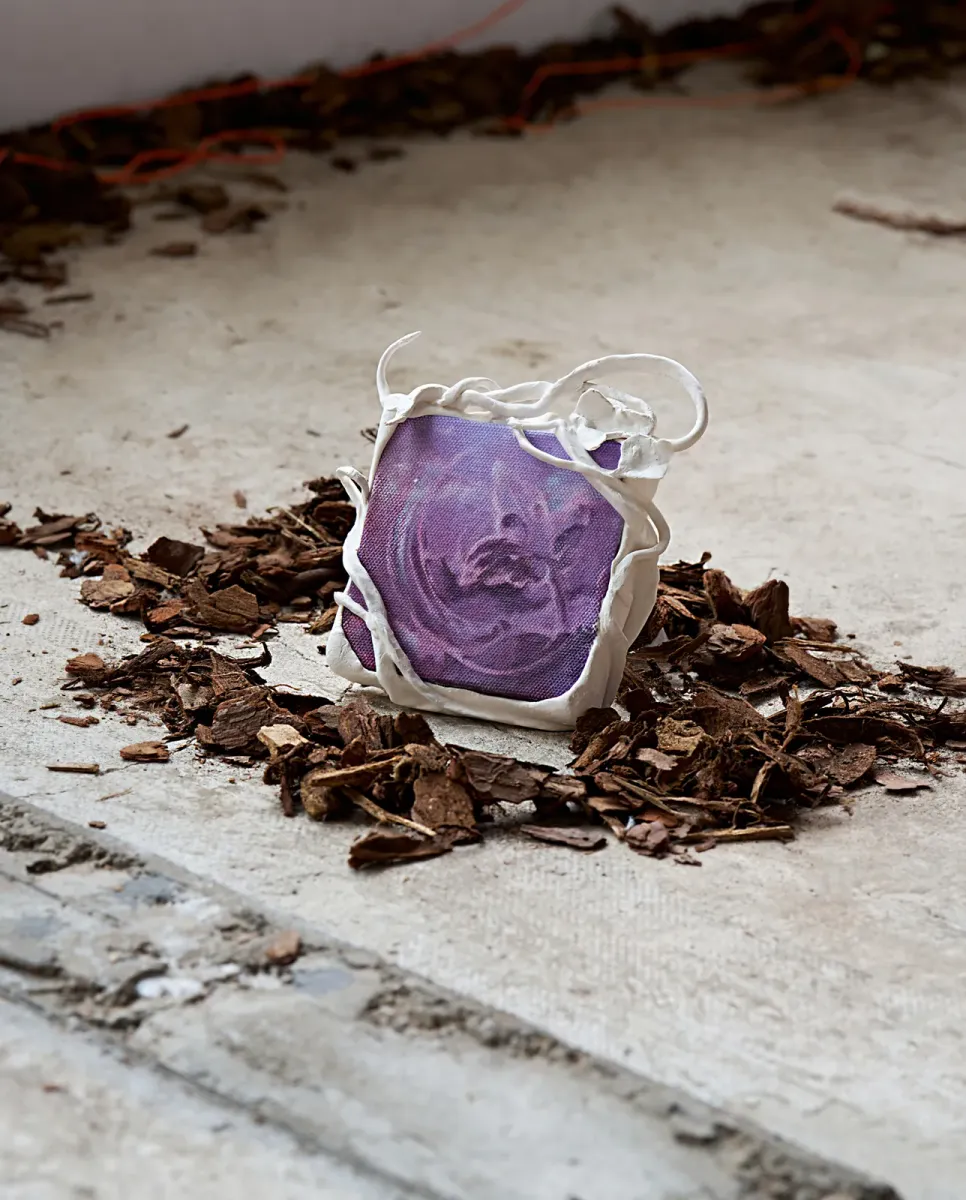
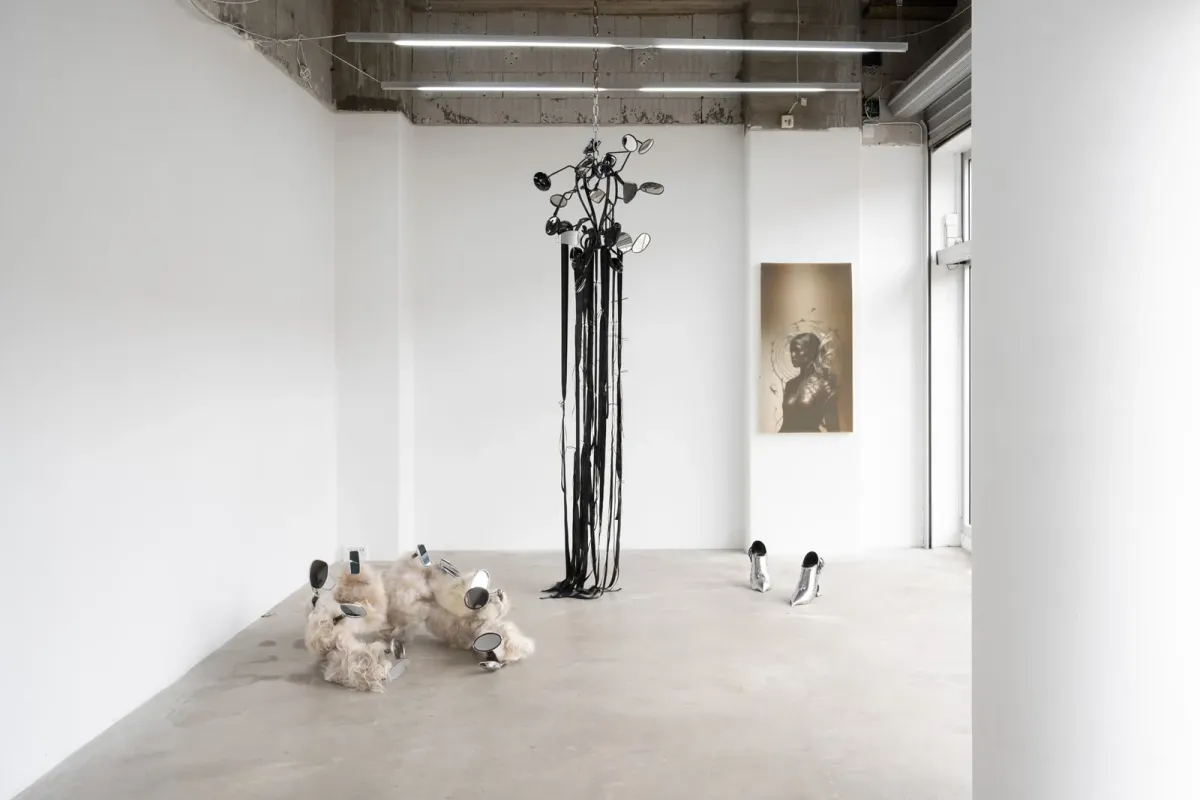
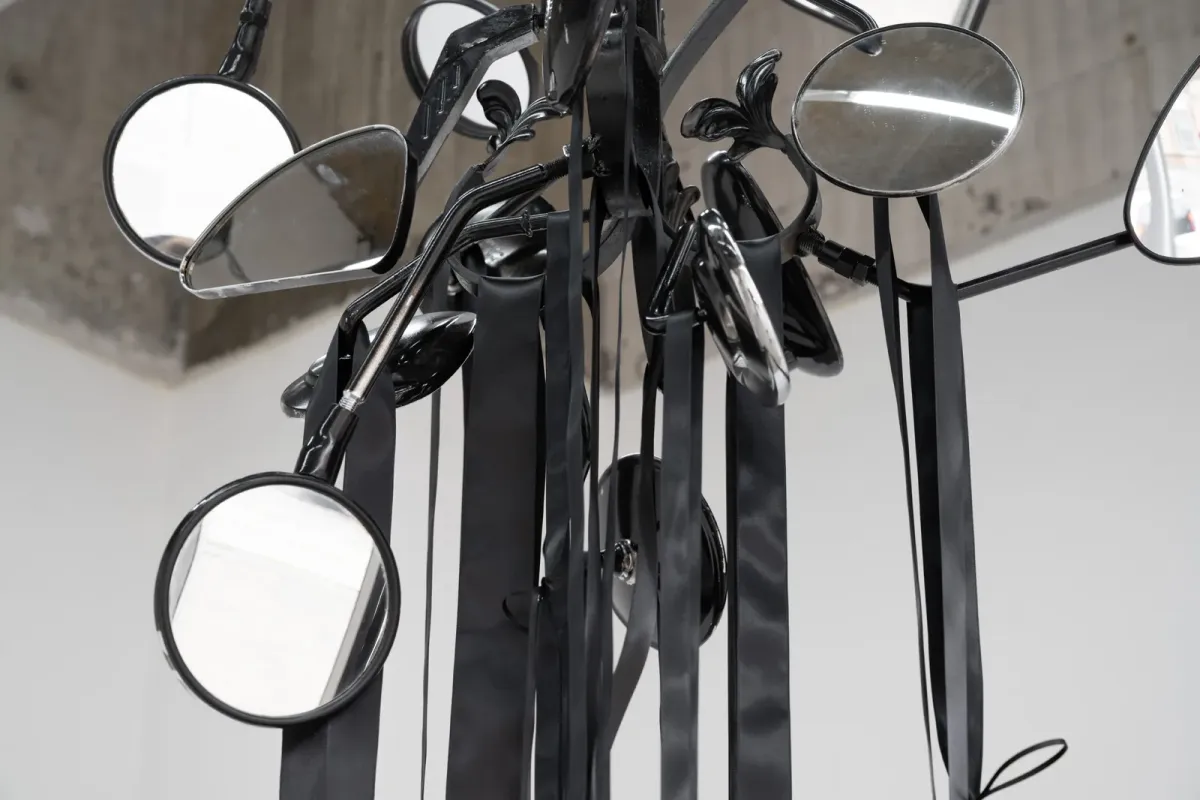
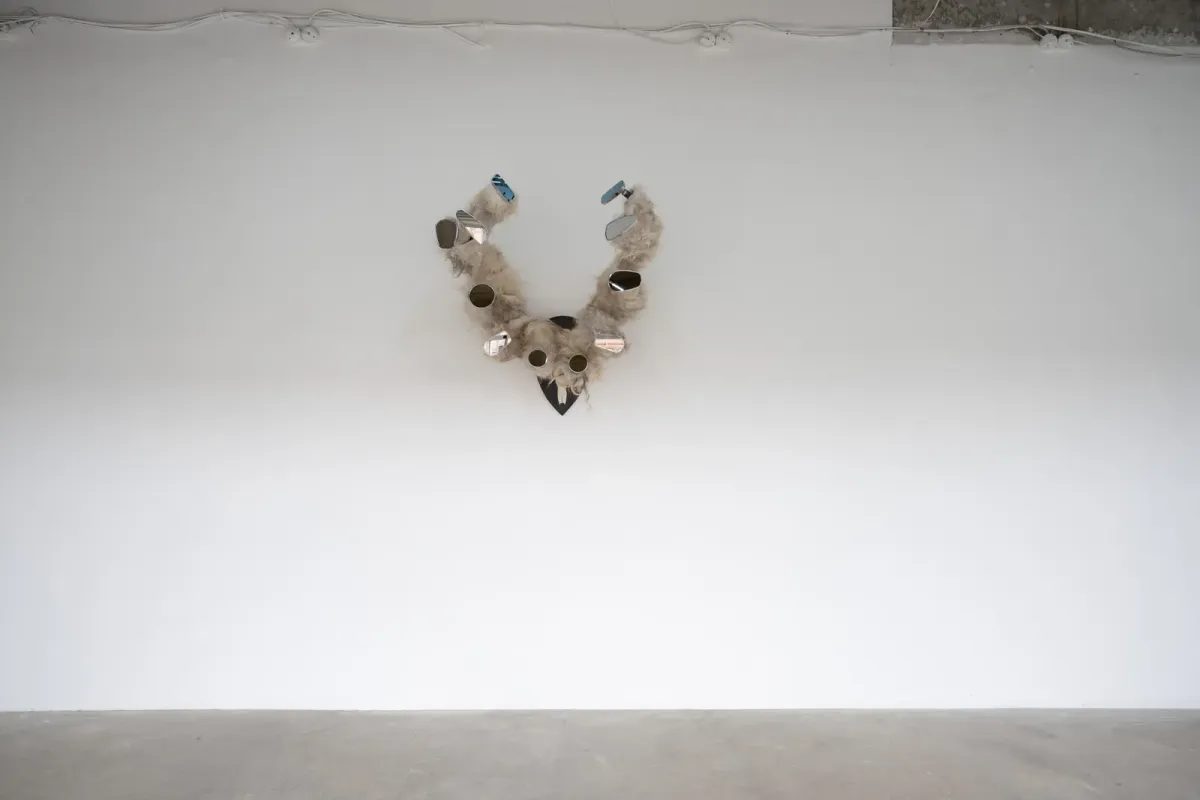
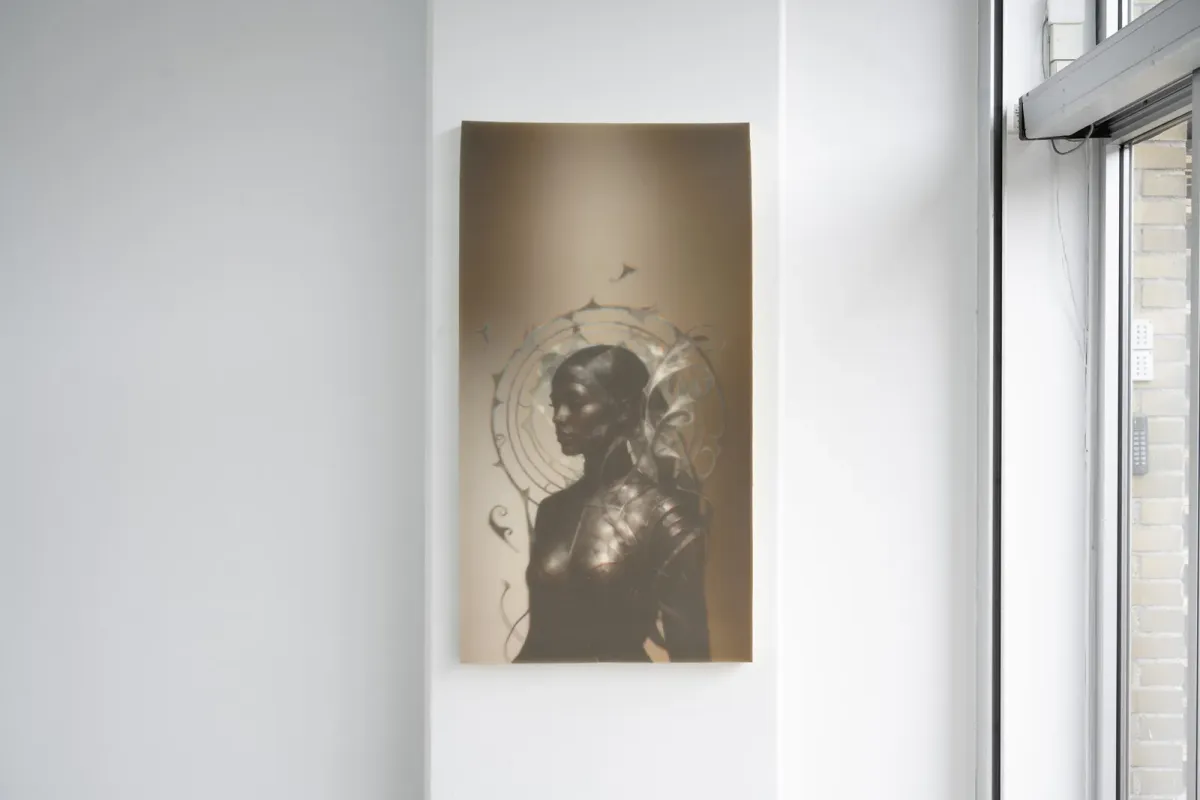
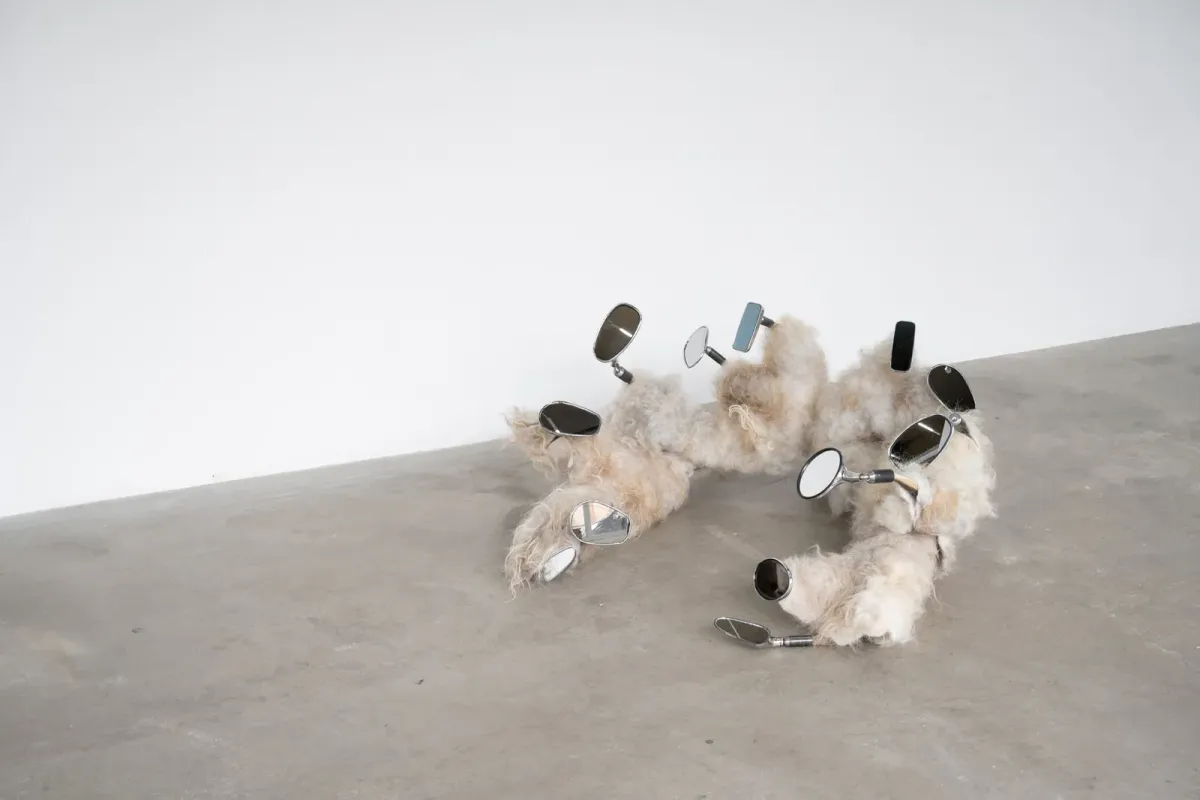
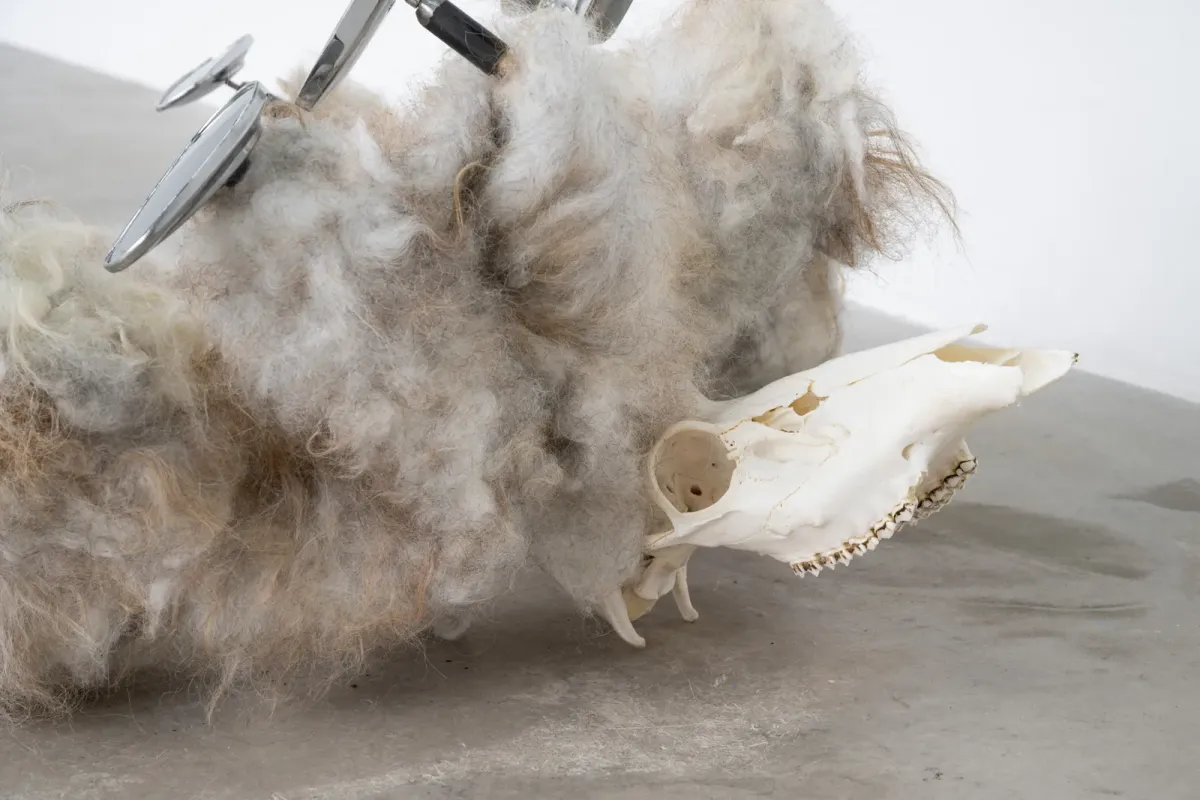
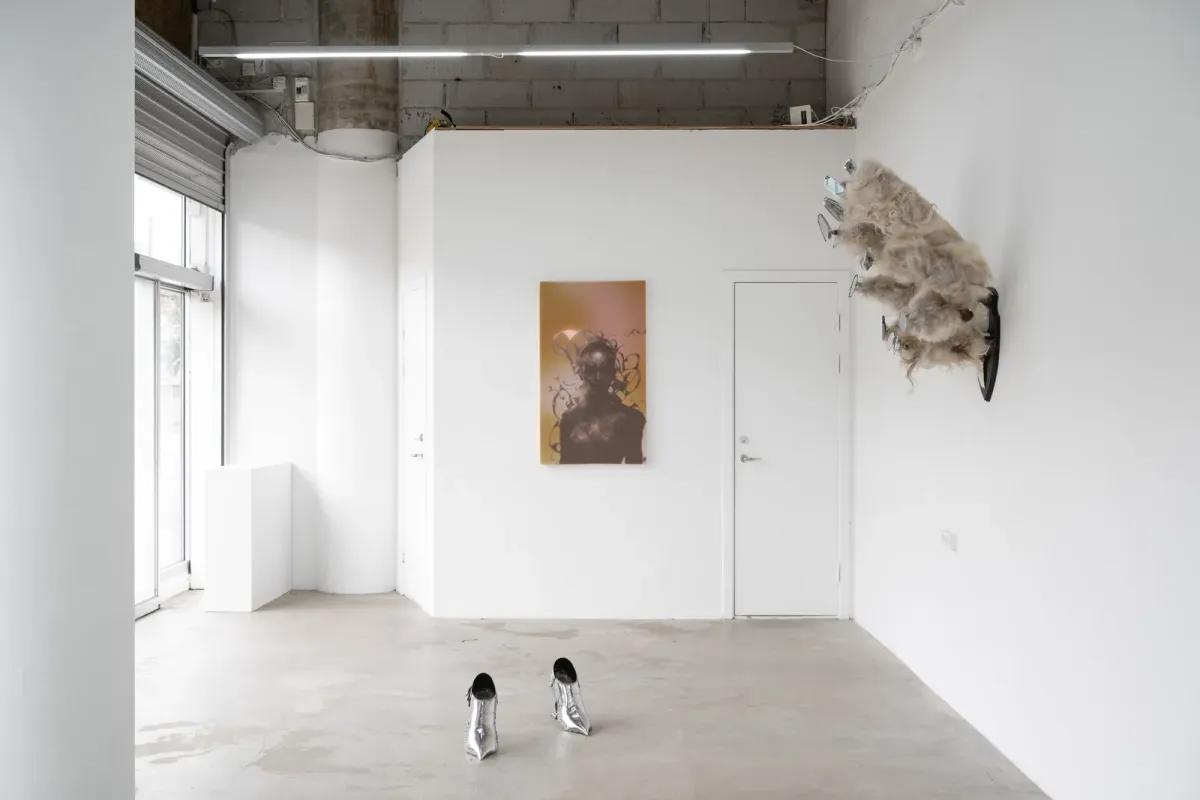
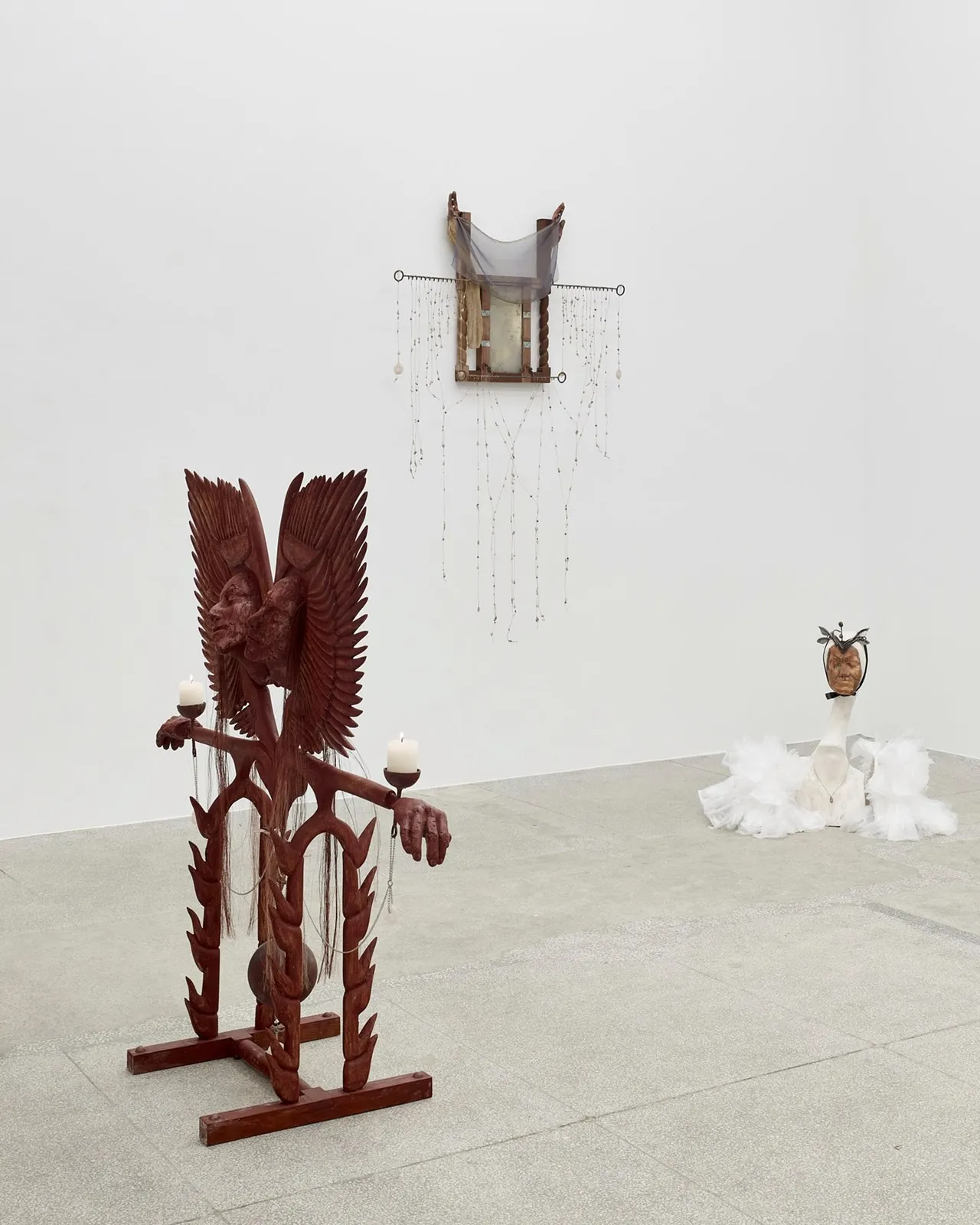
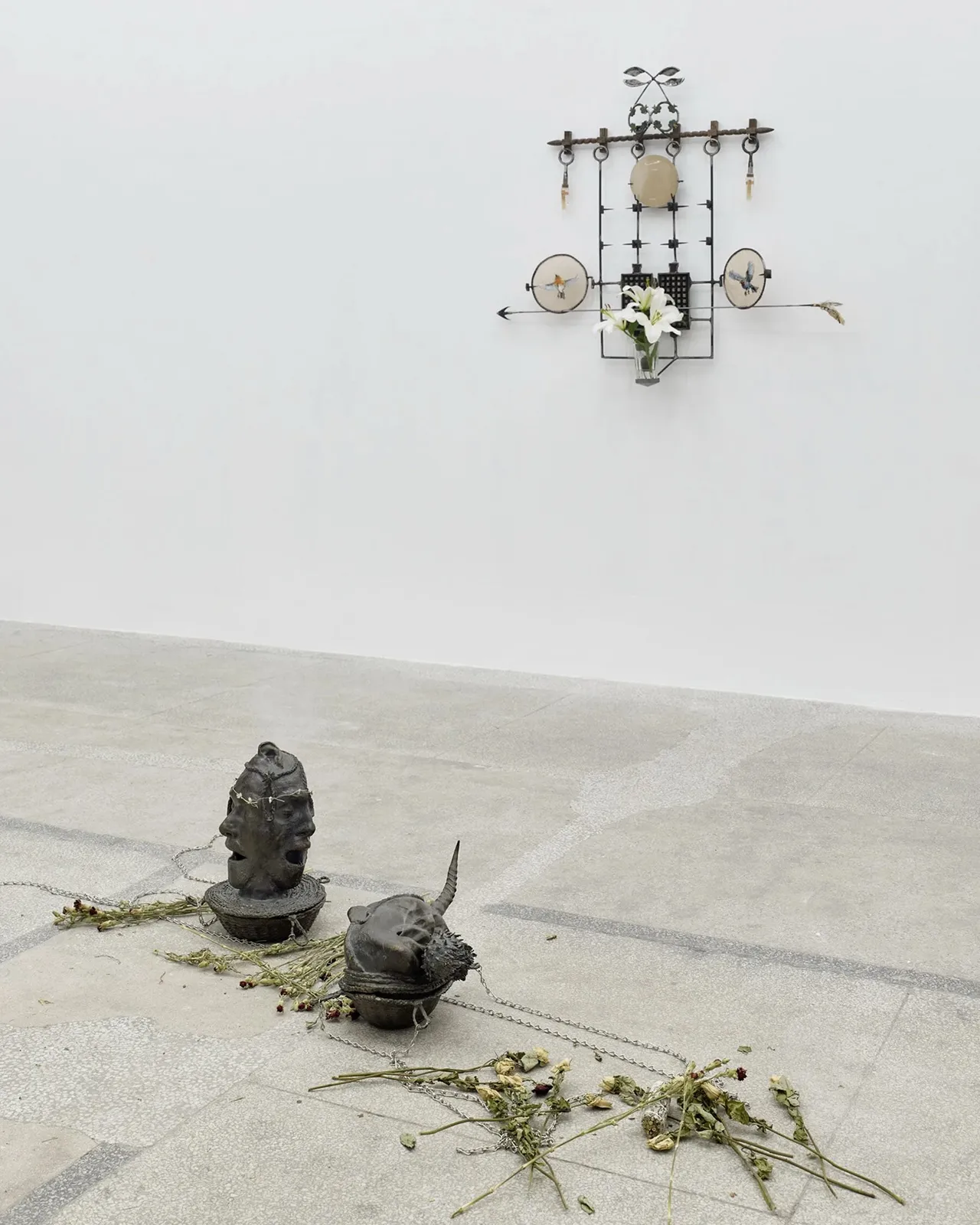
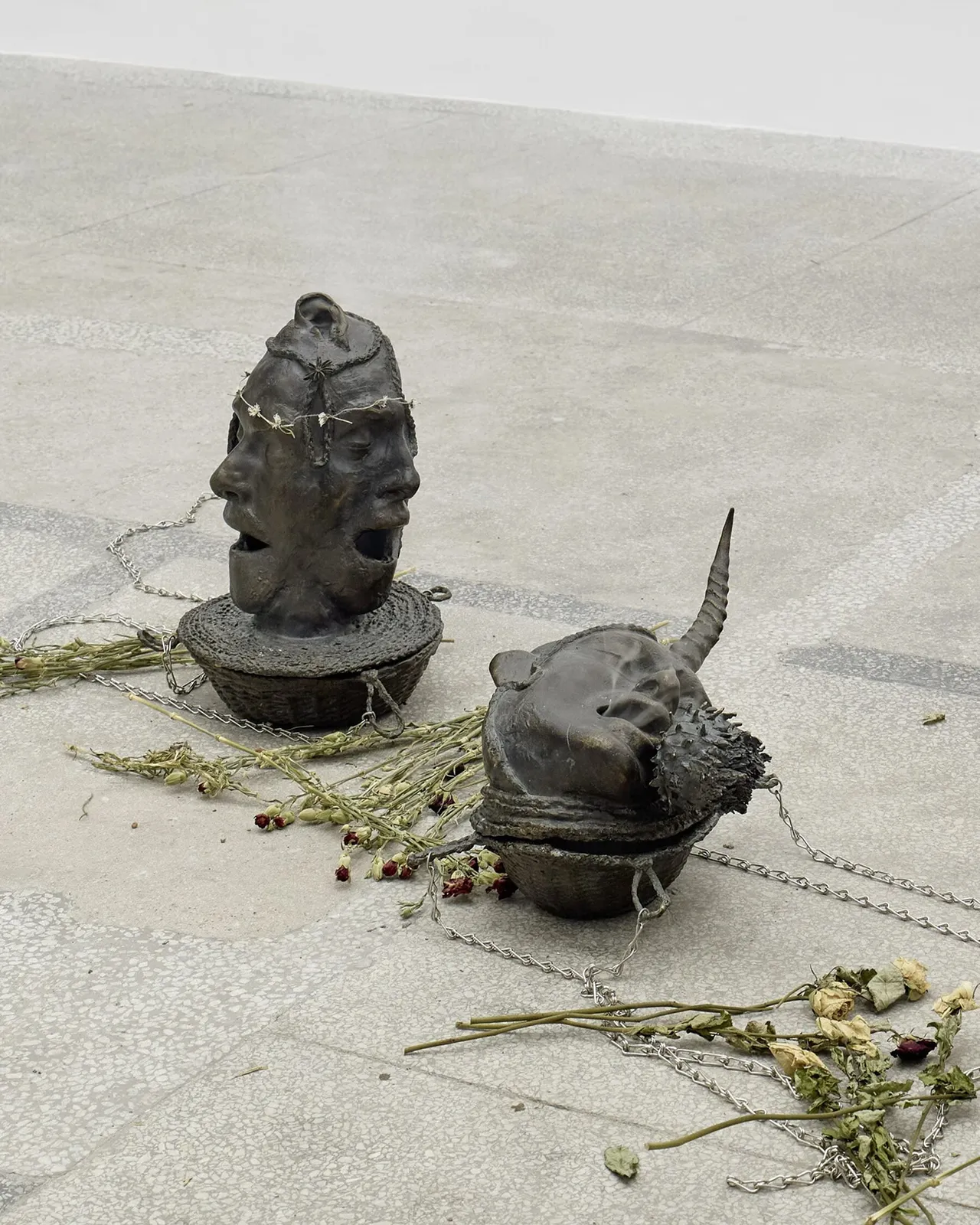
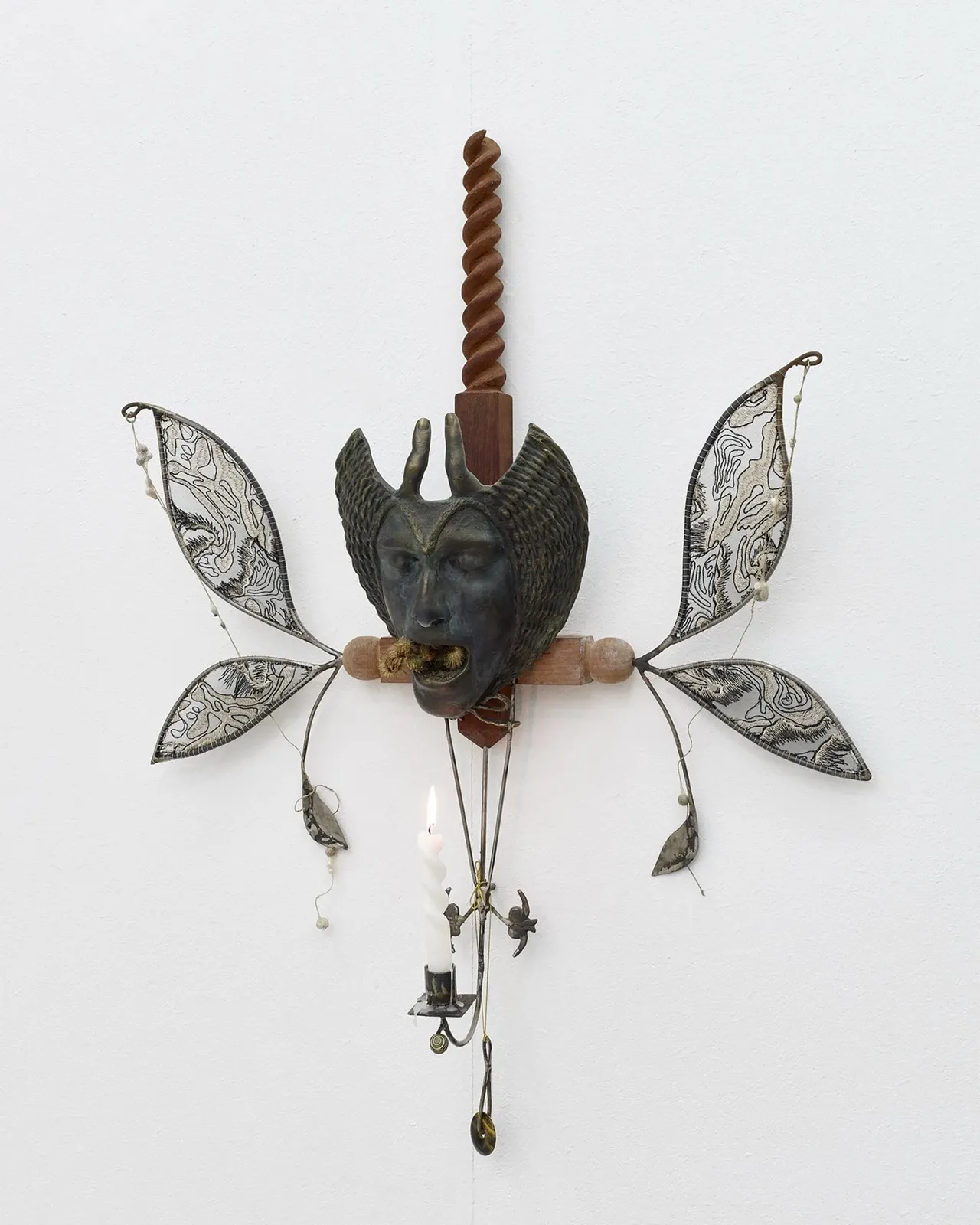
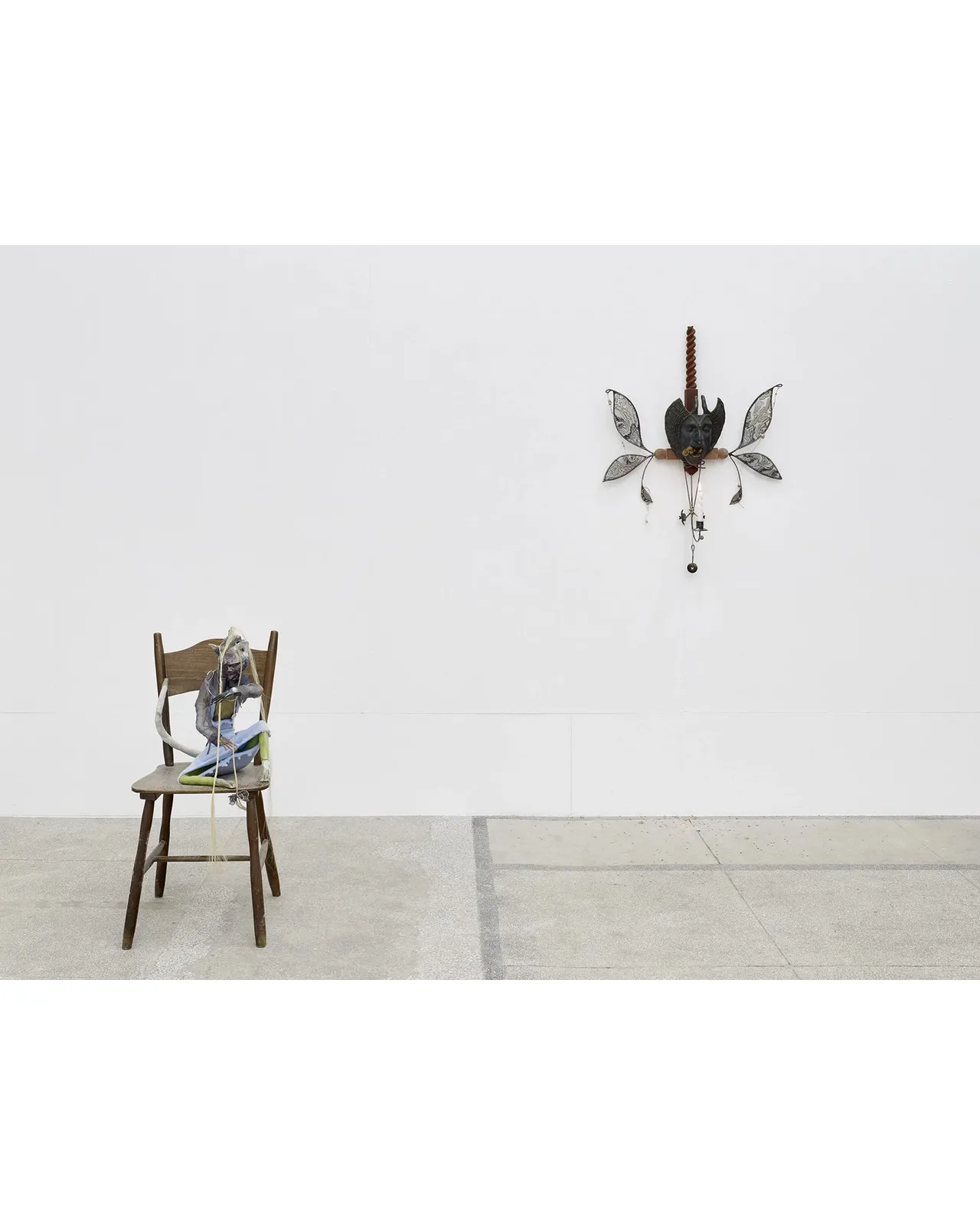
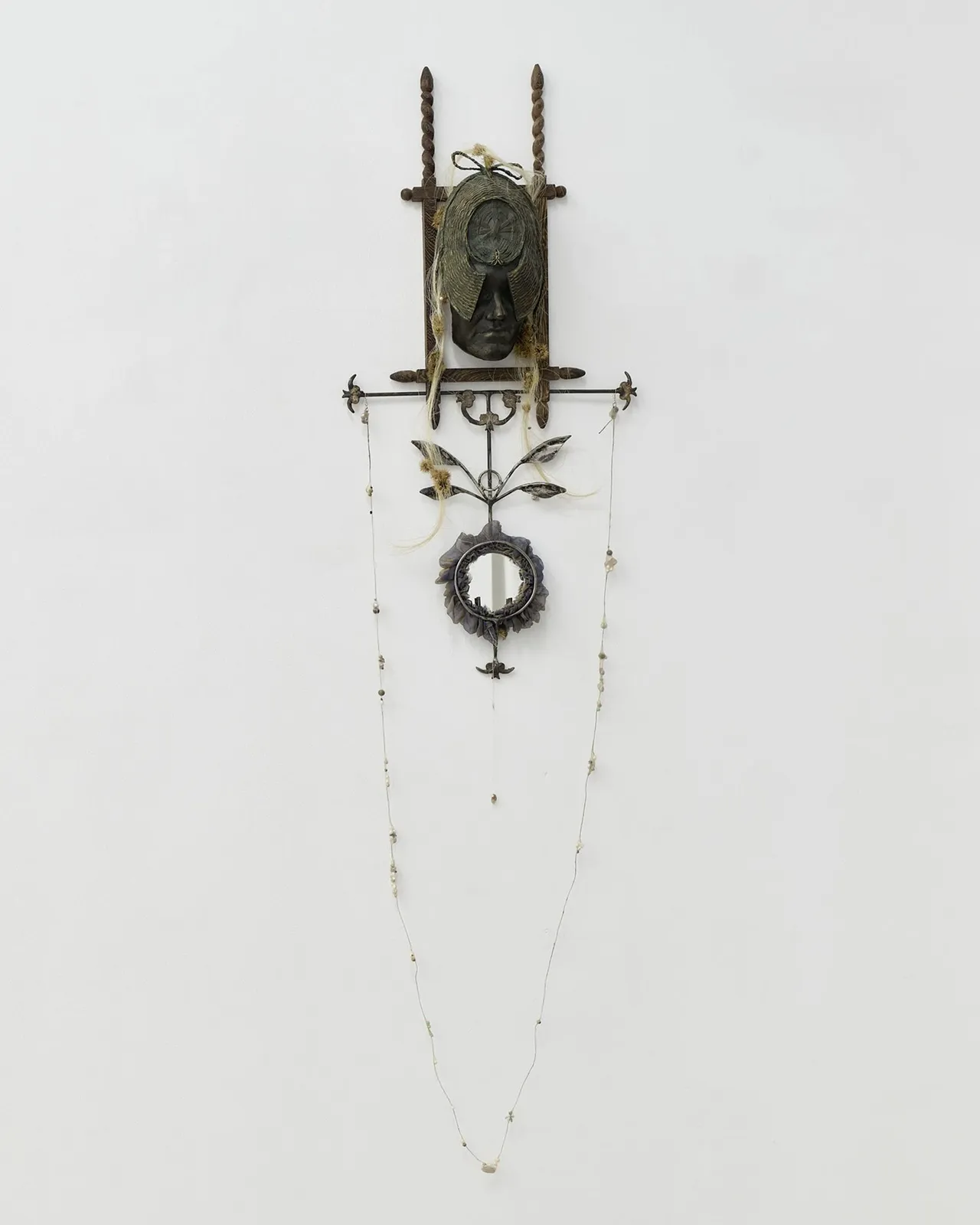
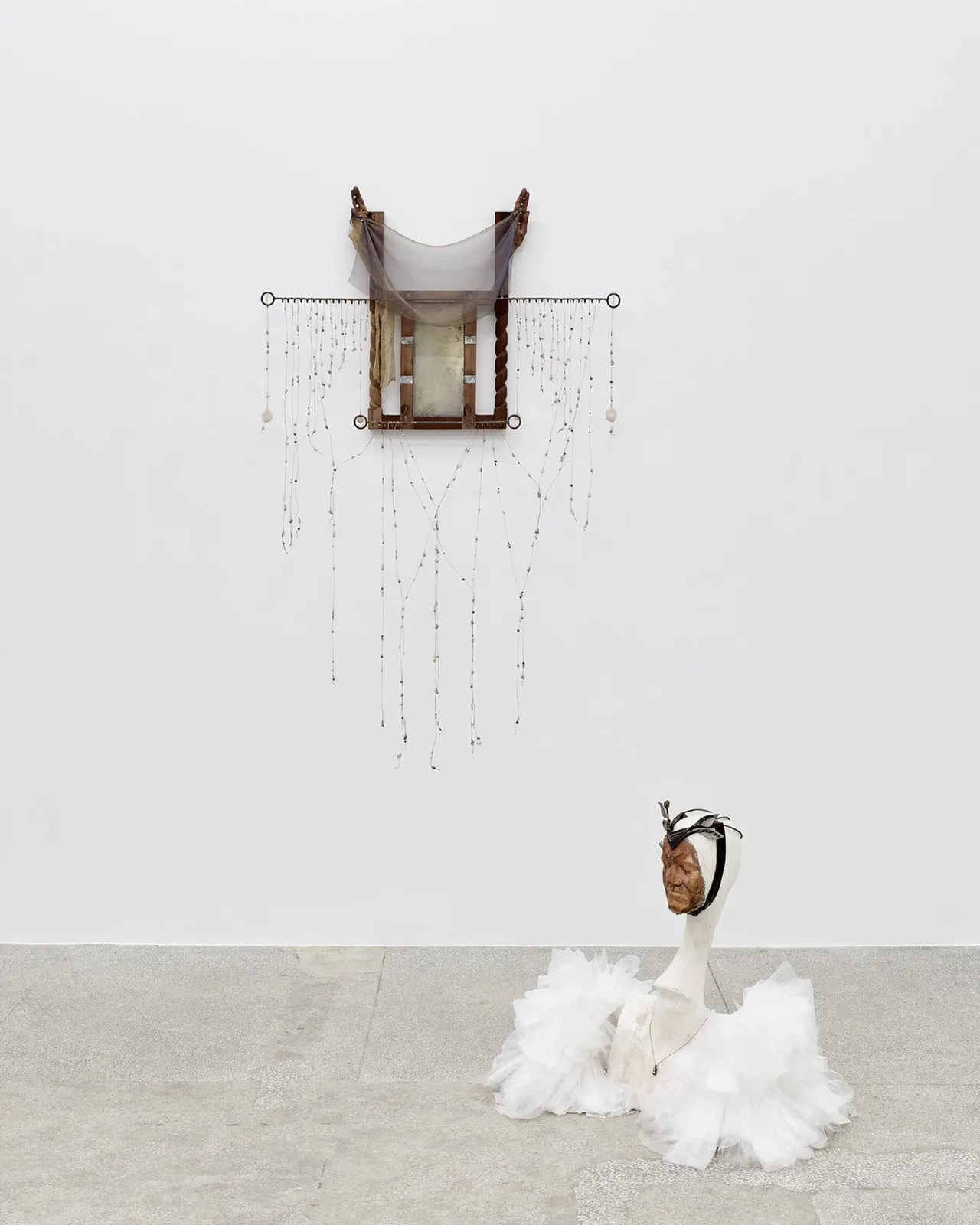
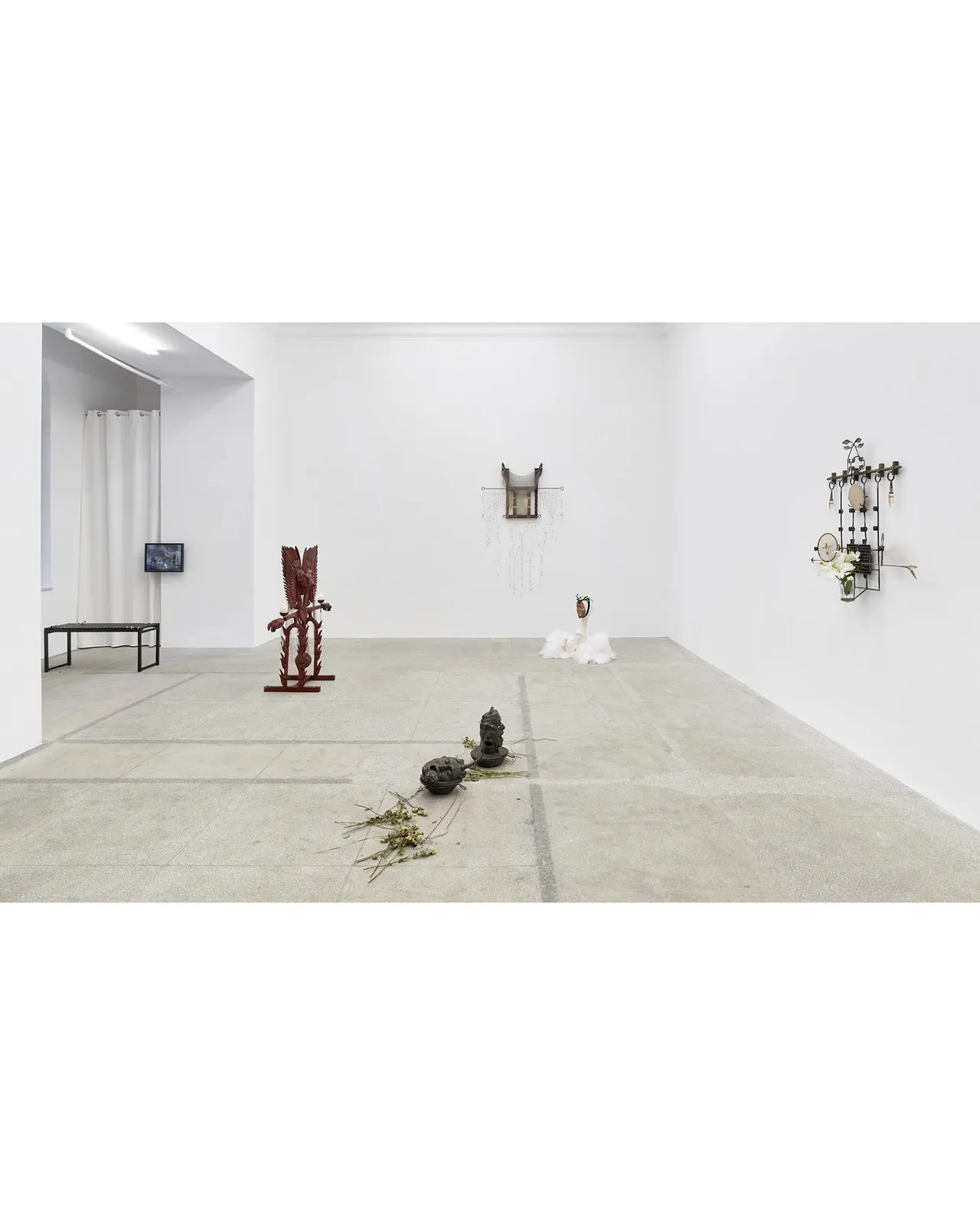
Jan Baszak’s art engages with unmediated forms - forms undergoing metamorphosis, inhabiting a shadow zone where contours blur and presence remains ambiguous. The artist creates hybrid forms from materials stitched into the guise of other bodies, using prostheses and organic fragments - hair, ground fingernails, saliva, and so on. This art draws on the idea of the “obscene,” if we return to the Latin root obscēnus, which on the one hand referred to something ominous, an ill omen, while on the other carried connotations of shamelessness and indecency.
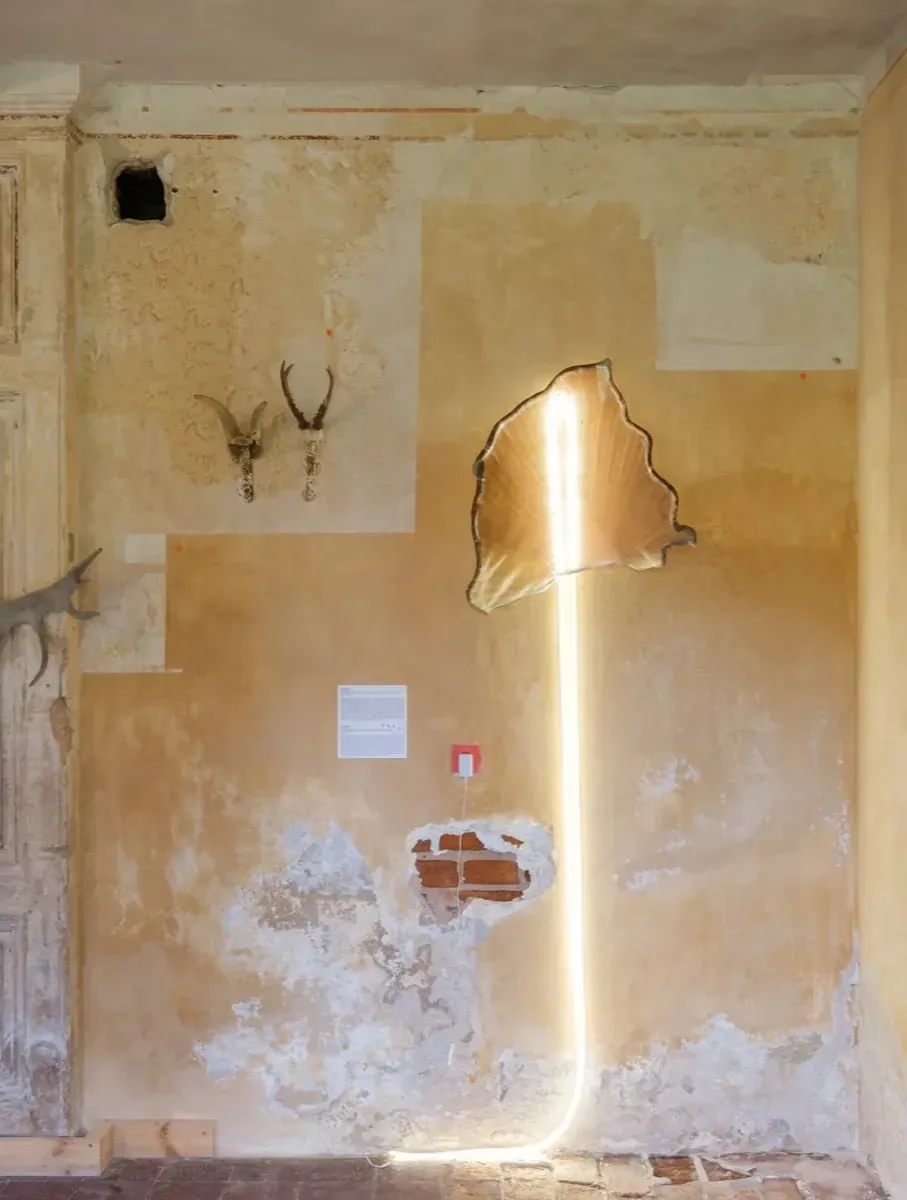
Animals inhabit this world; it is an entire menagerie. Rabbit, dog, rat, cow, horse, swan, hare - and this time, roe deer. For centuries, these creatures have spoken for us, cast in carefully assigned roles - often as villains and messengers from the Beyond, or at least as servants of dark forces. This is a kind of cryptozoology, populated by figures who inspire in us a sense of remorse and guilt, and by others who take the initiative and haunt our dreams. They rarely arrive in peace.
This is a story of permeability, moving in many directions at once. The boundaries between bodies are indistinct. According to the theory of endosymbiosis, proposed by Lynn Margulis and once regarded in the scientific community as almost heretical, our bodies are also composed of other beings. Not only are our insides inhabited by bacteria, fungi, viruses, and archaea; we can also treat other species as building material, growing parts of our own bodies from them. Our mitochondria, after all, evolved from once free-living bacteria. We absorbed them, and they transformed into us, into our organelles. Usually, however, we reject foreign bodies, and in anaphylactic shock we recognize their presence as foreign. As obscene. The nature of our bodies is porous, but so too are the boundaries of scientific taxonomies, of knowledge and what remains unknown.
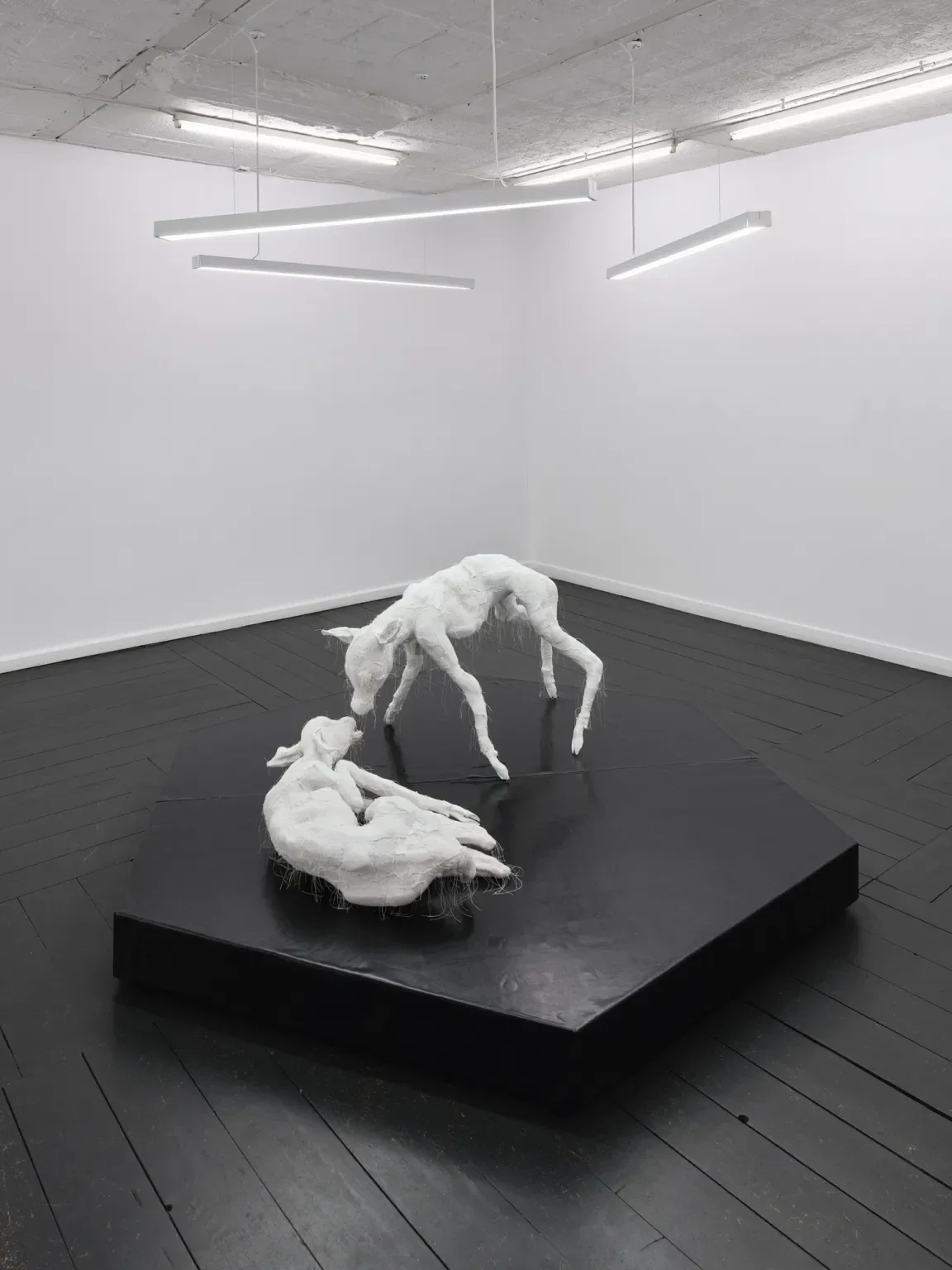
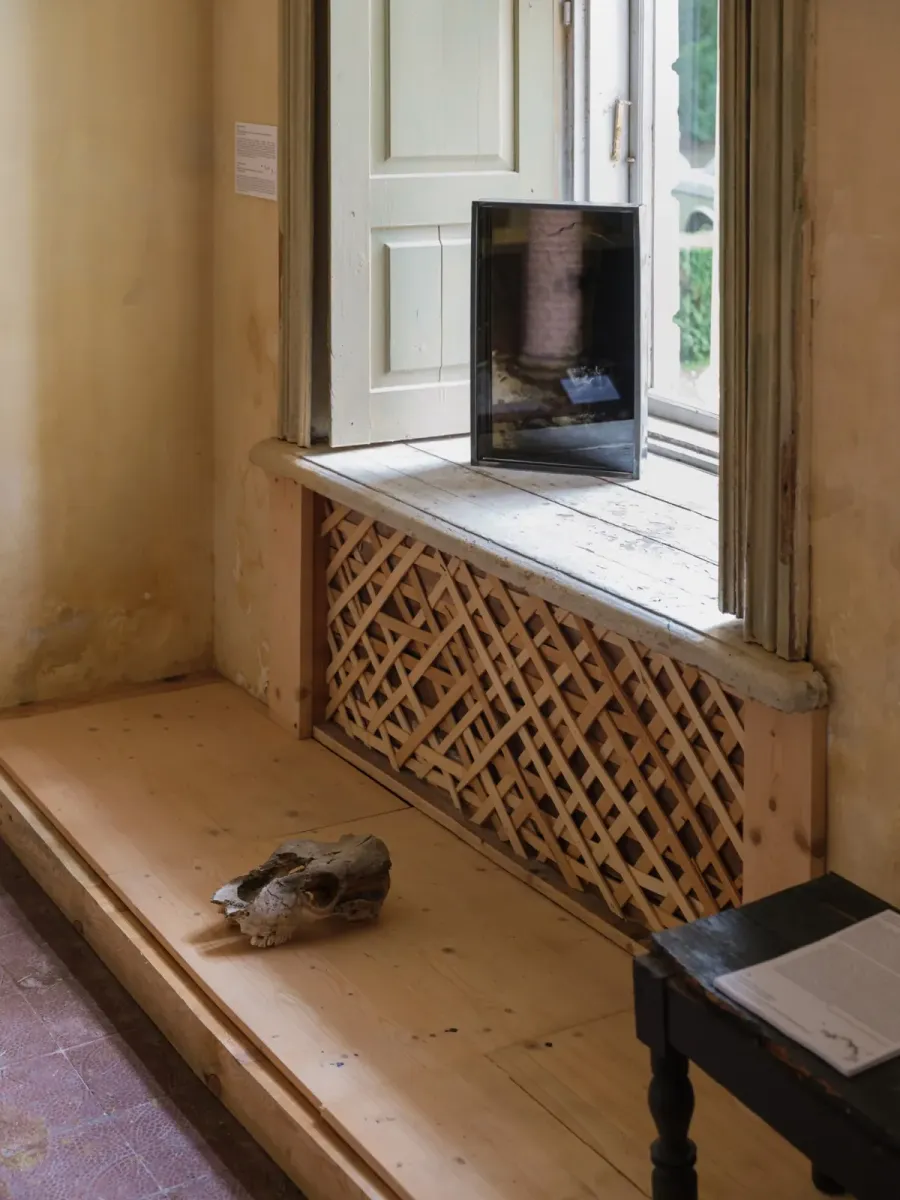
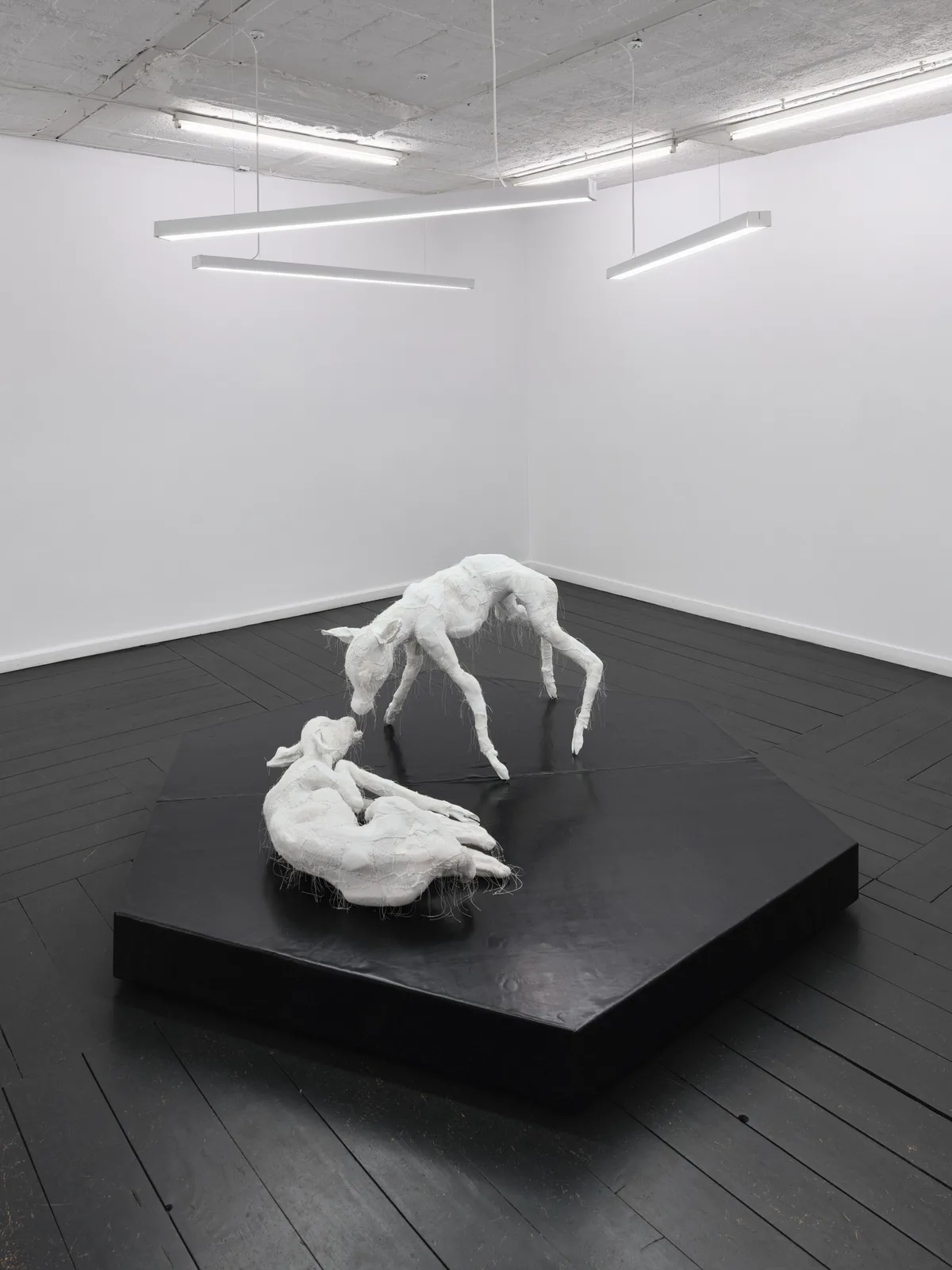
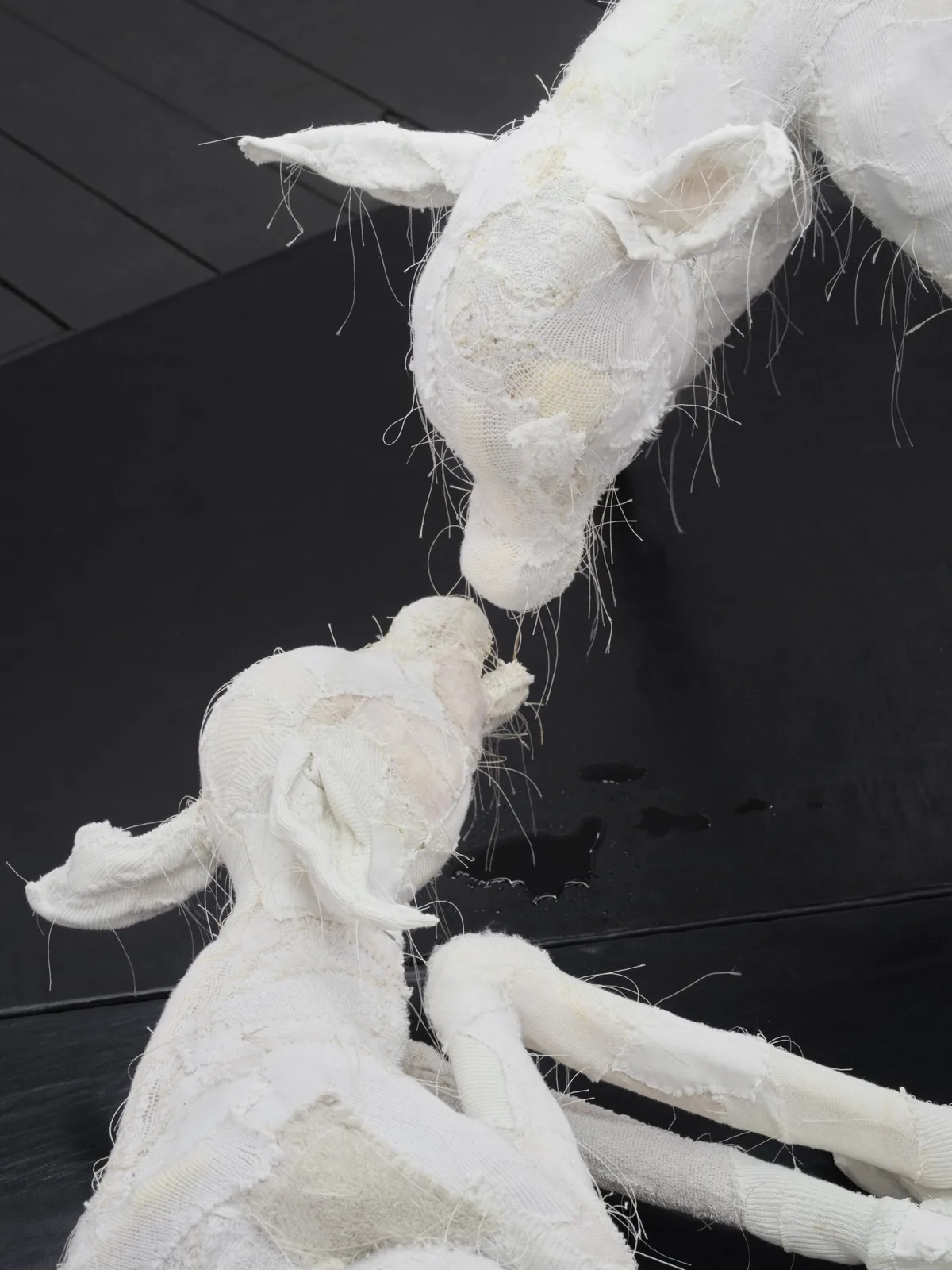
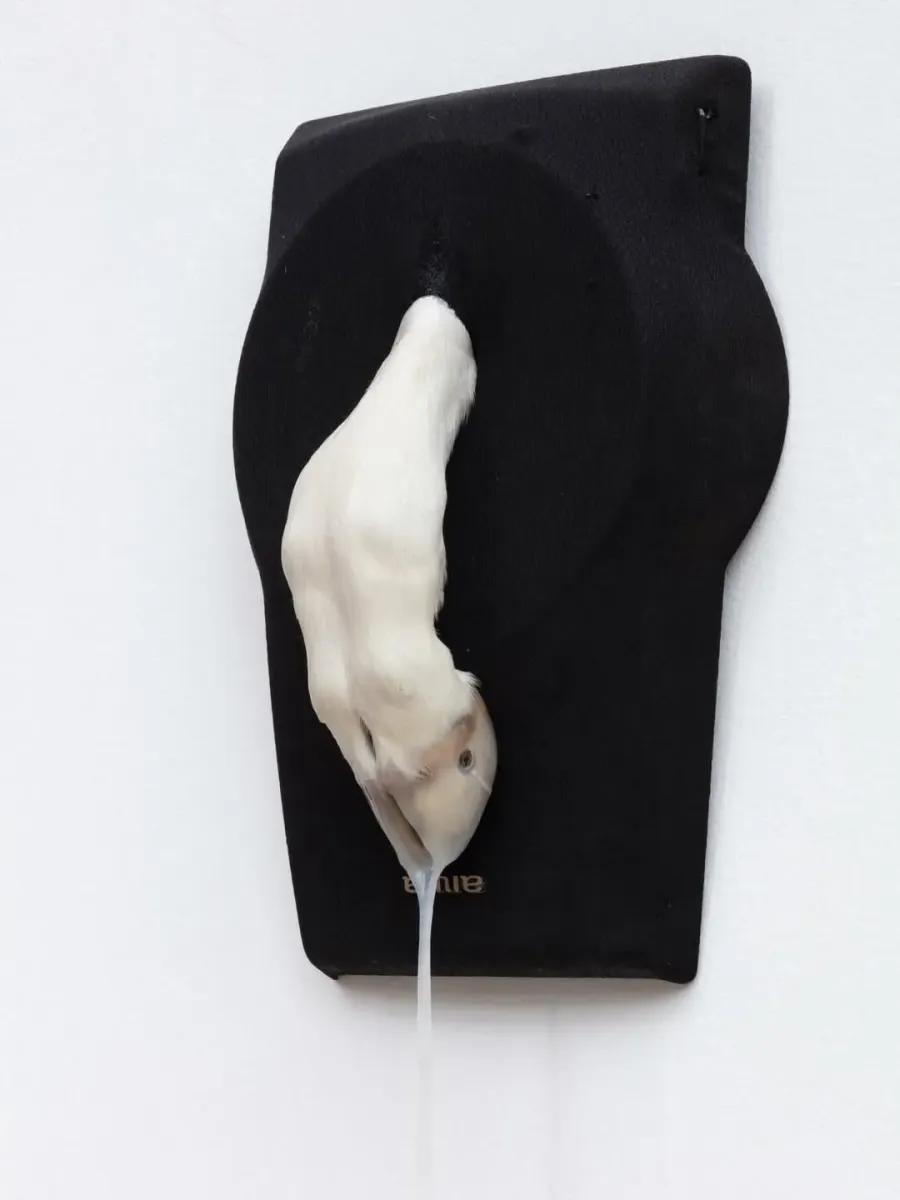
The protagonists of this story are roe deer. Two roe deer are joined in a peculiar ritual - an exchange, or perhaps an offering, of saliva. What is more, they are albinos, and therefore doubly peculiar. On the one hand, they are joined by an unknown ritual (of love, care, excess, or perhaps a psychoactive journey); on the other, they are marked, rare exceptions, apparitions. From a scientific point of view, this is quite an anomaly: an albino roe deer occurs once in every hundred thousand births. It is amiracle, but a frail one. A white creature in the forest is an easy target. Among hunters, however, there is a taboo against killing albino animals. One does not raise a hand against a messenger from the Beyond (and what else could a white creature with red eyes be?). The killer faces severe punishment; blindness may befall them. It is a paradox - the white animal is more visible to others against the dark background of the forest (while the albino itself has poor eyesight), yet one may pay for its death with the loss of sight. What is too insistently on display may become the final thing one sees.
Let us look more closely at the relationship between the two roe deer. They cling to one another. Saliva takes on the role of ectoplasm here, in its occult and spiritual sense: a sticky, gelatinous substance emitted by mediums during séances. We are dealing with a “medium.” This substance was most often faked using pieces of gauze, egg white, starch, or paper, which vividly recalls Jan Baszak’s sculptural method - they are manifestations of organic forms and bodies. During séances at the turn of the nineteenth and twentieth centuries, ectoplasm served as an esoteric lubricant: it facilitated contact between beings from two worlds. The substance emerged through openings in the medium’s body: the eyes, nose, and ears. Gates to the unknown opened. Communication took place - here, Earth; there, the Beyond. A séance, however, had to be based on an attempt to translate what was nonverbal. Communication found an outlet in thought and action, but not in speech. This act (this esoteric masquerade) can be compared to an animal leaving its scent for its own kind. And in this respect, the roe deer is unparalleled. It has scent glands all over its body: on its forehead, at the corners of its eyes, on its legs, and beneath its hooves. Its entire body is a machine for nonverbal communication. It can leave behind, for example, a distillation of fear mixed with urine, press it into the earth with its hoof. It is like ectoplasm flowing from the ear of a medium - a message from another world that we can finally decipher: we live in fear!
The roe deer is a fitting protagonist for this story. It is skittish, alert in an almost supernatural way. It inhabits that strange territory between what has been domesticated, edited, and what repeatedly becomes wild. The peculiarity of the roe deer lies in its apparent domestication. It exists alongside us, like urban foxes, but does not become familiar with us; it has never trusted us and probably never will. It has therefore been symbolically domesticated, or rather infantilized from a distance, through the spells of popular culture - inhabiting the imaginary worlds of fairy tales, cartoons, and toy stores. The phenomenon is so widespread that it has acquired a name: bambification, the tendency to create a naive, idealized image of the world we once called (in the past) nature. The roe deer is the queen of this strange impulse. But when we look into the pupils of an animal that has finally lost its vigilance, frozen in rigor mortis and allowing us to approach, we feel that the stories of messengers from the Beyond are not simply inventions.
In the Grimm brothers’ fairy tale Brother and Sister, a story that reads like a cruel lesson in dark ecology for the youngest readers, there is a motif of a roe deer (or perhaps a stag - in children’s literature there is a certain casualness toward zoological taxonomies), into which a young boy is transformed. It is a spell cast by a witch, but the boy finds solace in nature. He hides in the forest fromthe cruelties of the world. “Since our mother died, we have not known a moment of happiness. Our stepmother beats and kicks us whenever we come near her, and our only food is the hard crusts of bread,”- the boy laments to his sister, already in the opening lines of the tale. And so he escapes into the dark forest, finding happiness in moving between worlds. Yet he is accompanied by a death drive, a peculiar attraction to hunting - to being seduced by the lamenting sound of the hunter’s horn.
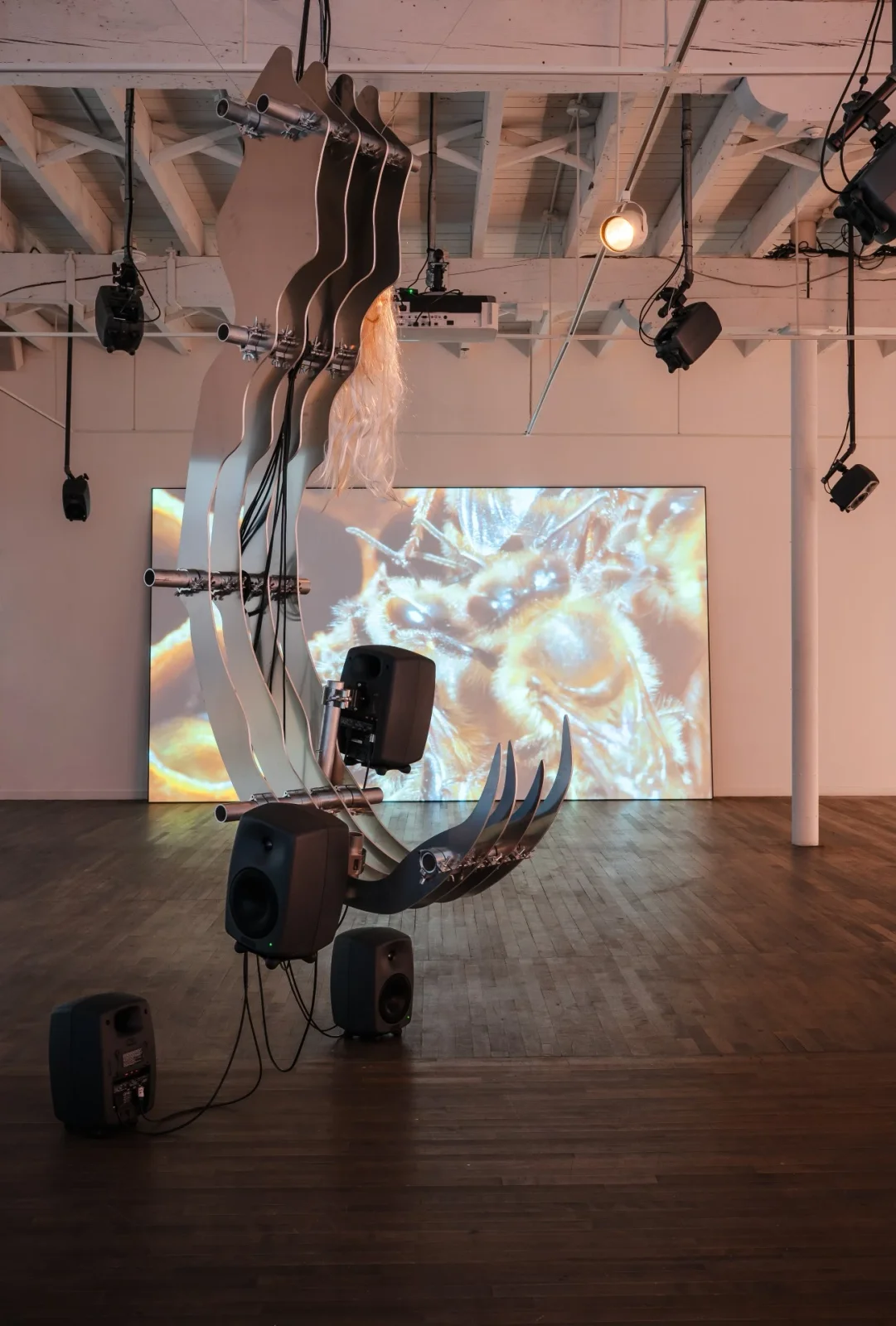
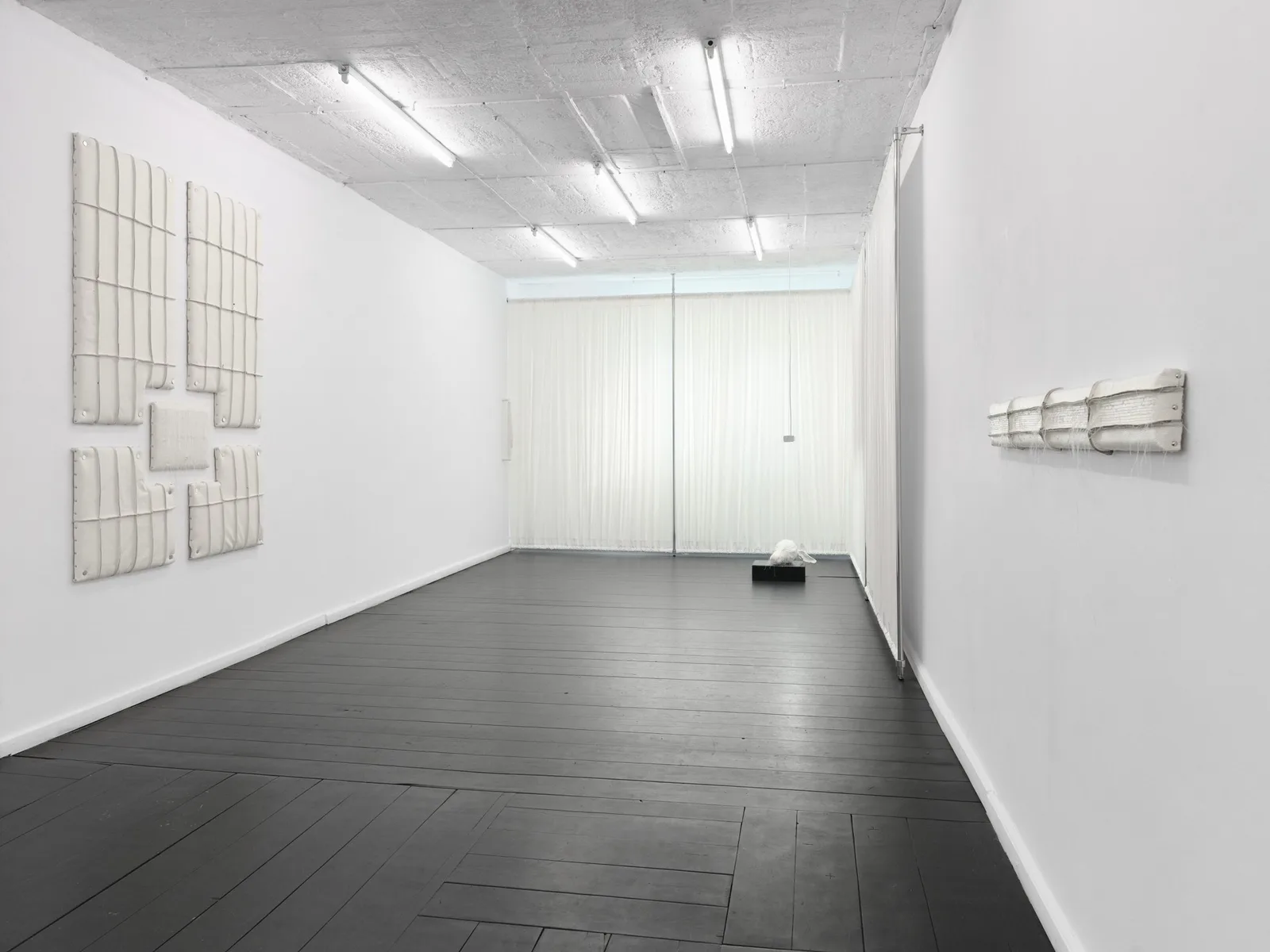
The objects in the exhibition are accompanied by sound as well. From the head of the third roe deer emerges John Dowland’s sixteenth-century song Flow My Tears, known previously in its instrumental form as the heartbreaking lute piece Lachrimae Pavane. The composer (“Semper Dowland, semper dolens” - always Dowland, always grieving - introduced himself in the title of one of his compositions) immersed himself in a melancholic sea of desperate sounds. The final stanza of this lament has an almost haughty, arrogant tone. It is a true celebration of wilding, of hiding among the shadows, of being overwhelmed by the incomprehensible whispers of the night:
Hark! you shadows that in darkness dwell,Learn to contemn light.
In Jan Baszak’s art, the motif of wilding, or becoming feral, returns insistently. It is a dark impulse. This is not about a gentle renaturalization, guided by a caring human hand, so that fluffy, big-eyed creatures can delight our eyes in an idyllic setting. Rather, what emerges here is an image of ugly, furious wilding. Of feral beings. In Polish, feralny means unlucky, unfortunate. But the word derives from the Latin fērālis (mortal or funereal), which, like obscēnus, suggests an ill omen. In English, feral means wild, as in “feral child” - a child who grew up „in the wild”, among animals, and does not communicate in human language. In this sense, we can think about systems, institutions, and social organization. About wilding that may not be particularly beautiful, but is nevertheless a promise of some form of salvation. For us and for the planet. Not a gentle return to nature, but a “feral” reckoning with the practices of domestication. This is precisely what art does at its best: it is a tool that helps us escape, evacuate ourselves from a world on fire.
It is the feeling that accompanies us when we see a pack of stray dogs hunting their prey by the roadside of a highway. We are witnessing a ritual of calling the wolf out of the forest. Except that instead of a predator, what appears is a gentle, saliva-covered roe deer, flickering, being here and there. It inhabits our world and the other one, blurred, feverish, hallucinating, decaying. Will everything become wild and find solace in that wildness? After all this, in contempt for the world, will we dream the dream of the roe deer, among shadows and covered in mud, emitting the scent of hope?
And feare, and griefe, and paine for my deserts, for my deserts,Are my hopes since hope is gone.
— Text: Sebastian Cichocki
Artists in this exhibition
More at WHOISPOLA
More in Warsaw
Related topics

.webp)