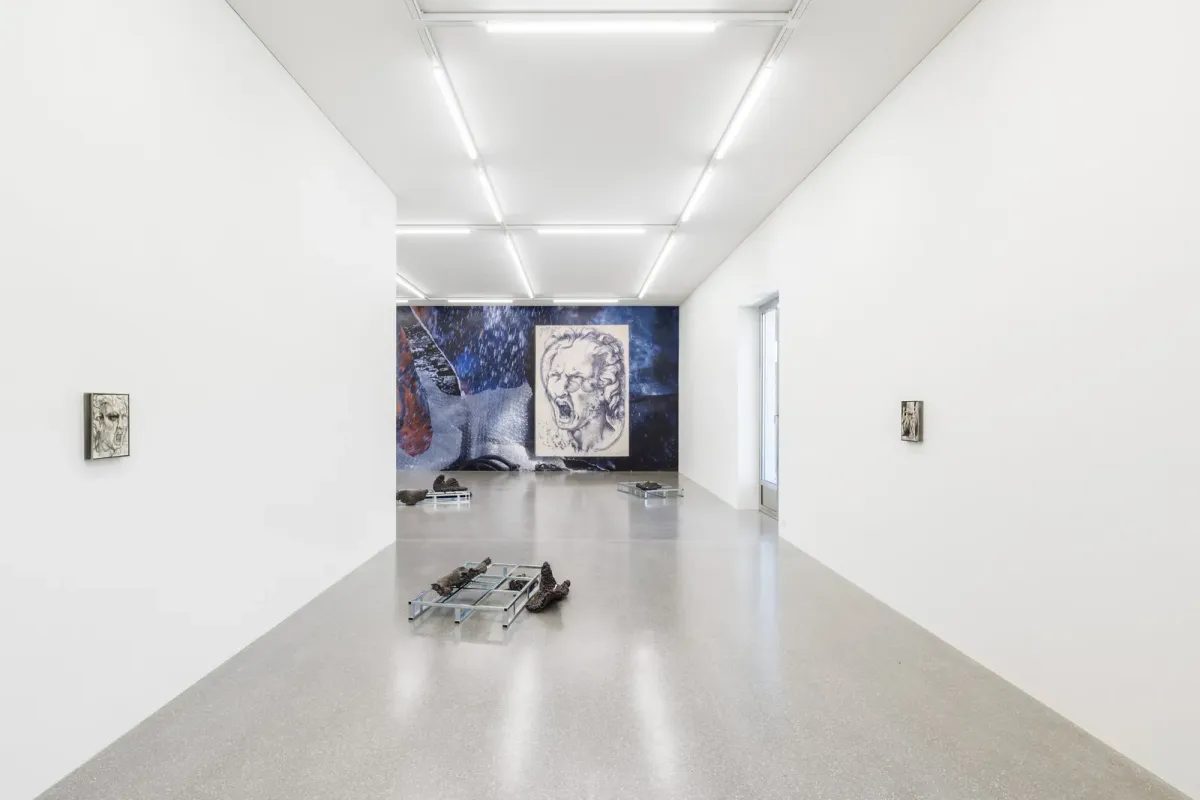
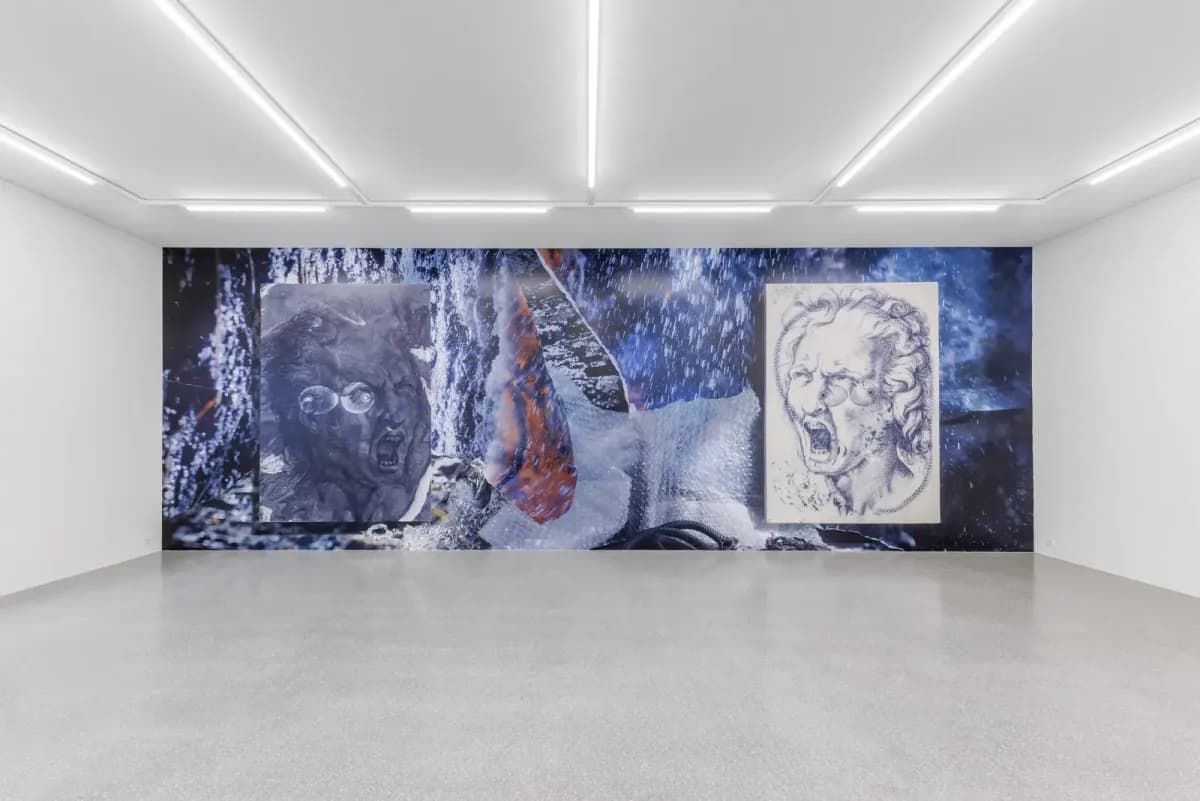
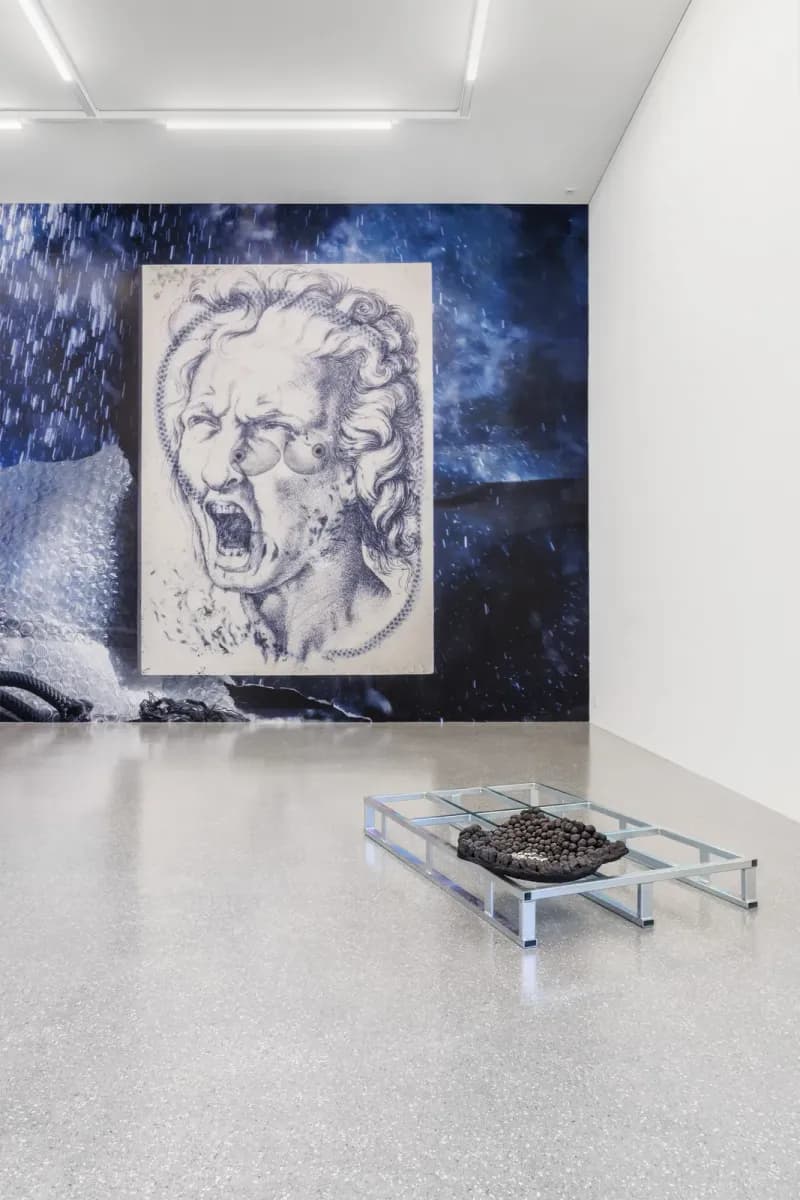
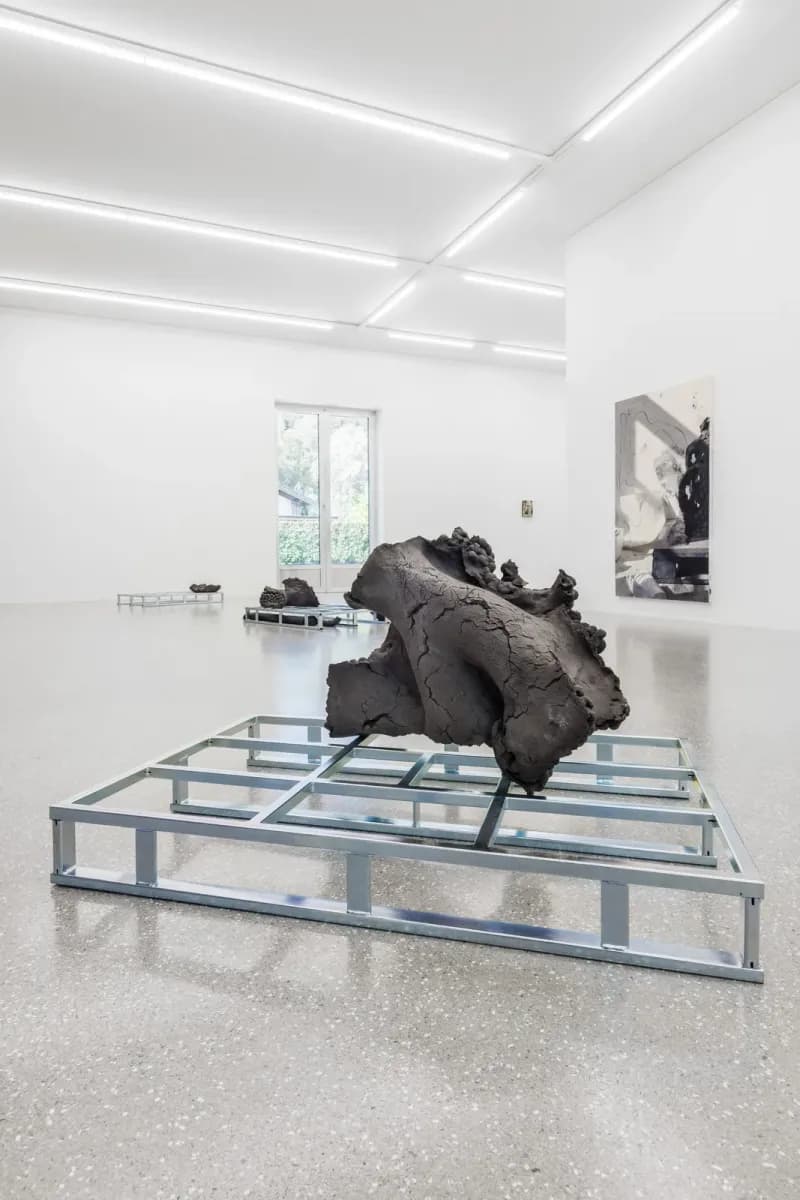
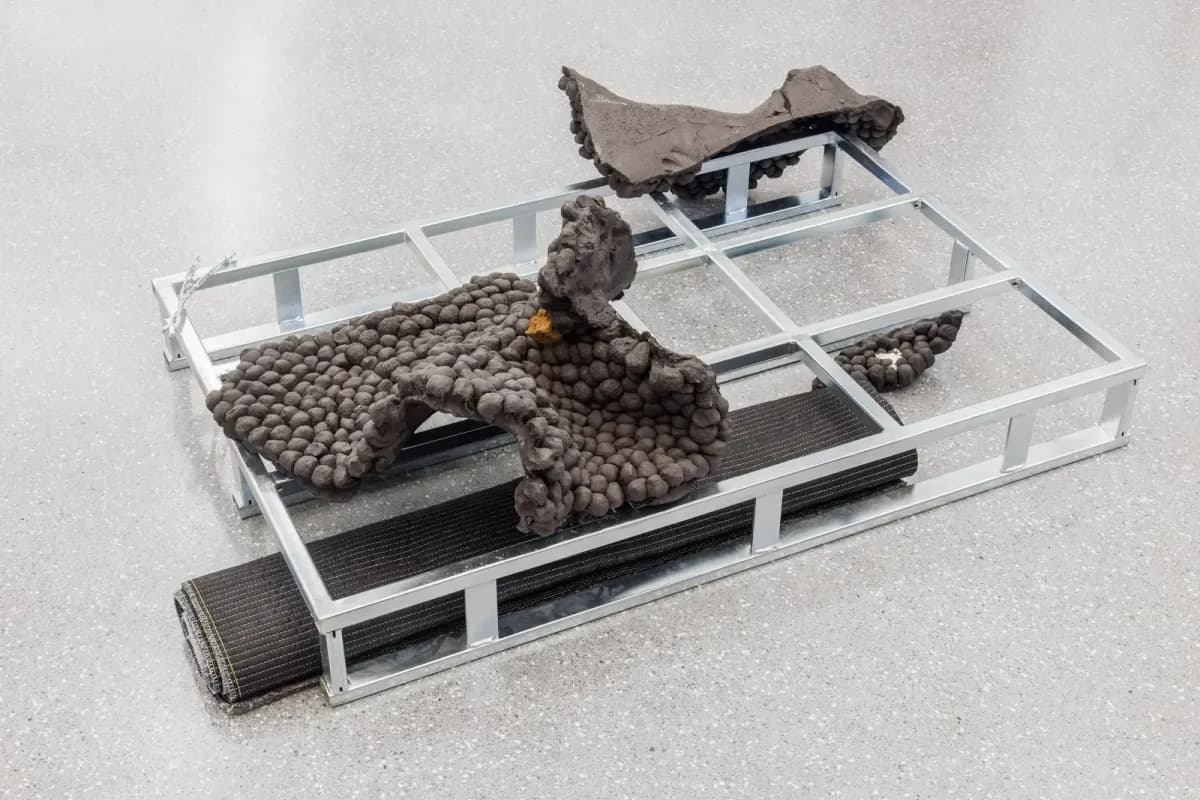
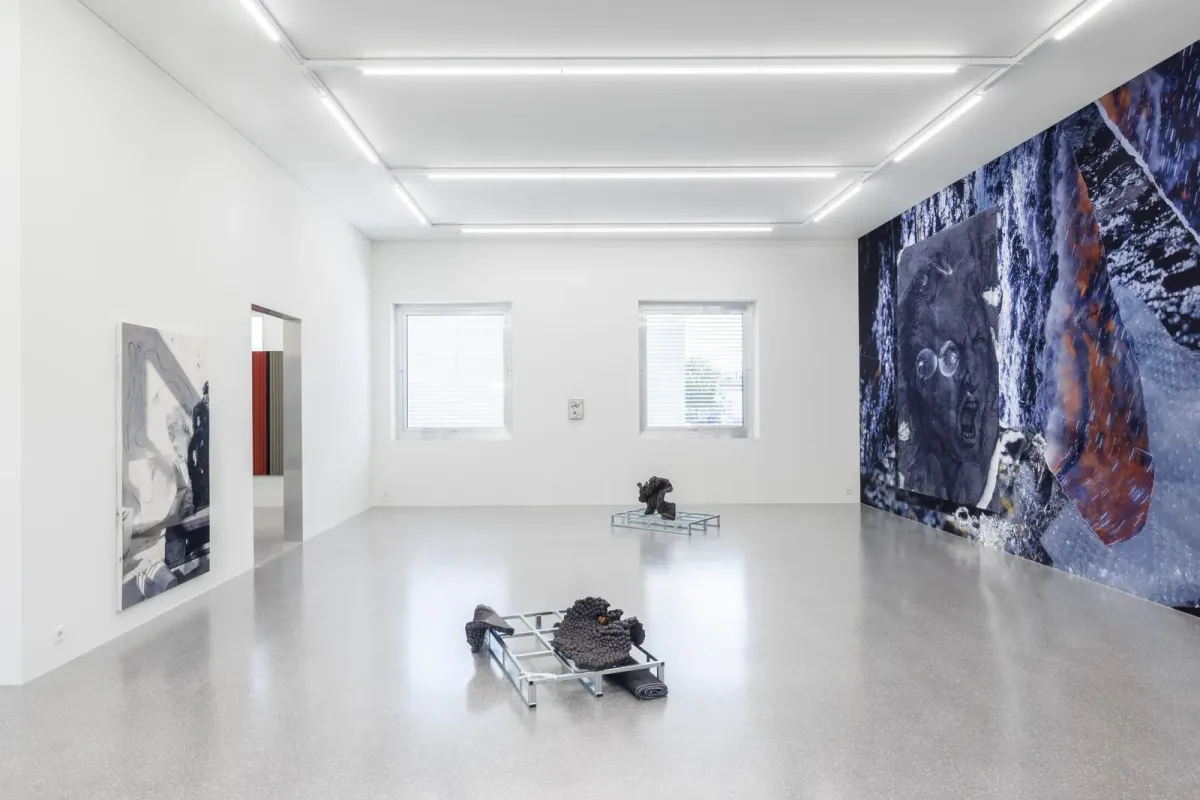
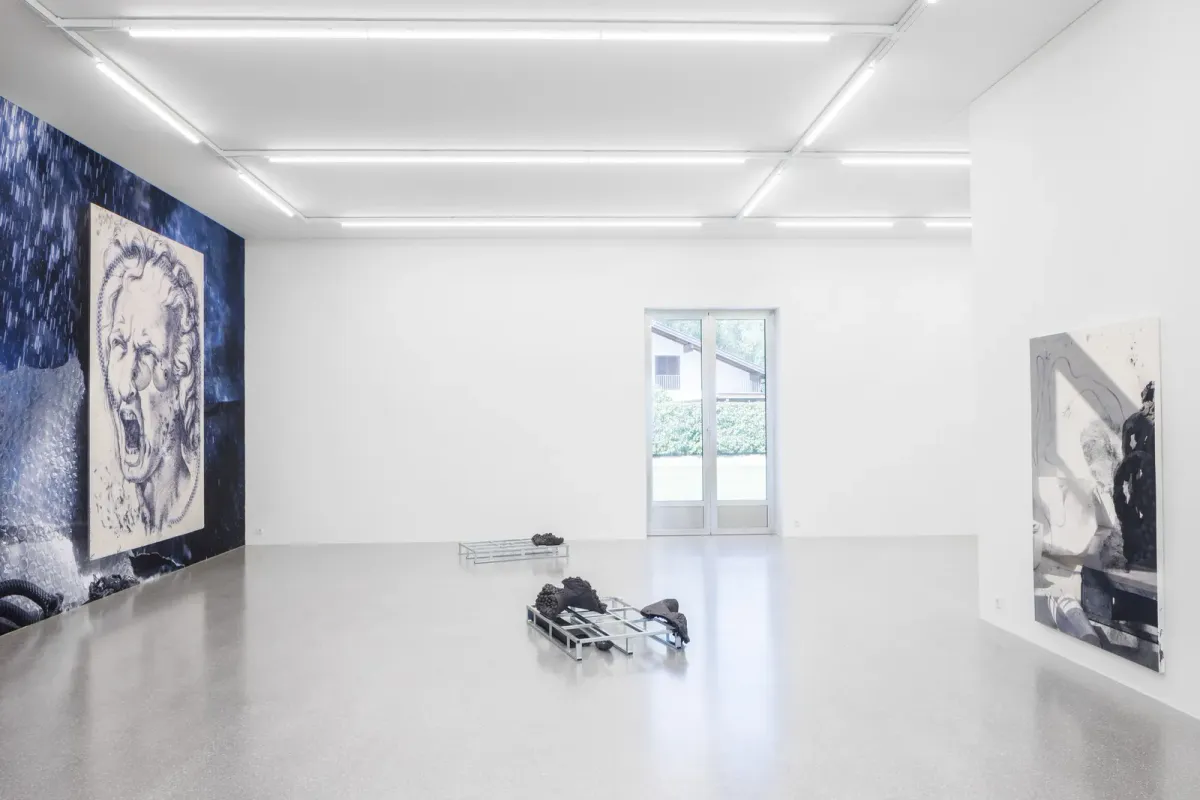
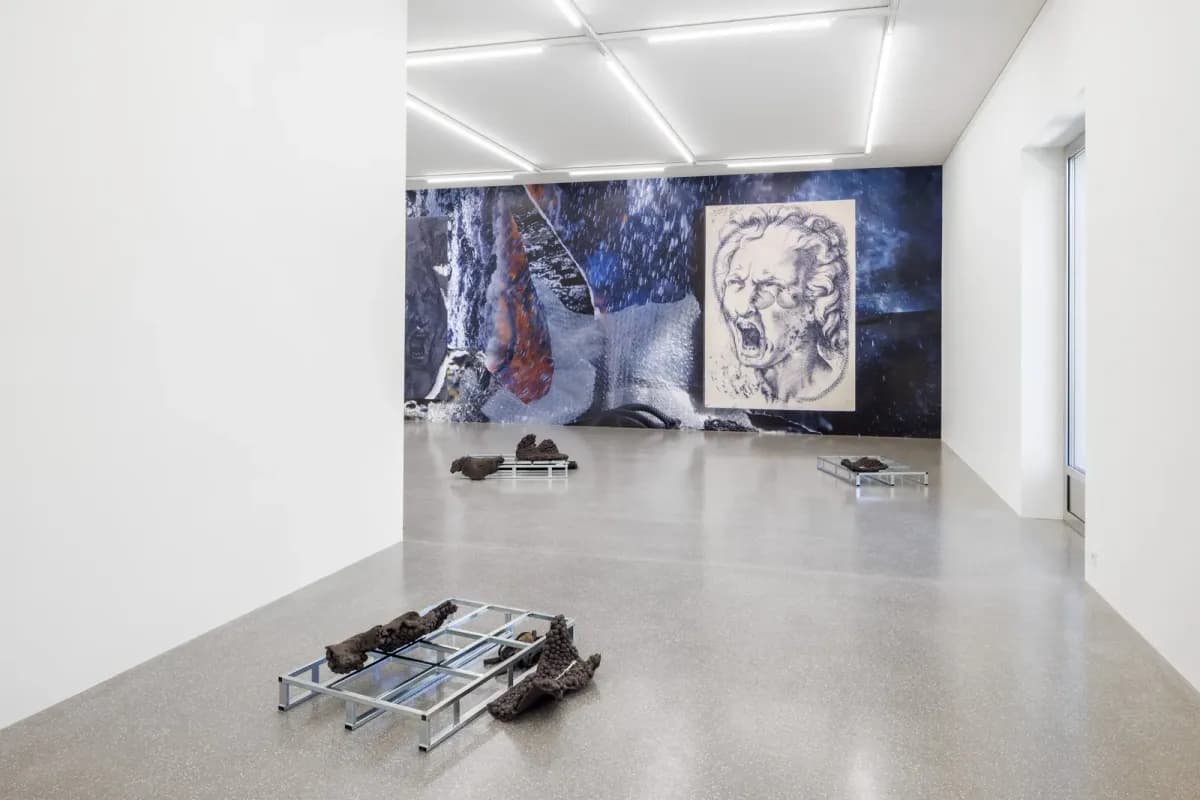
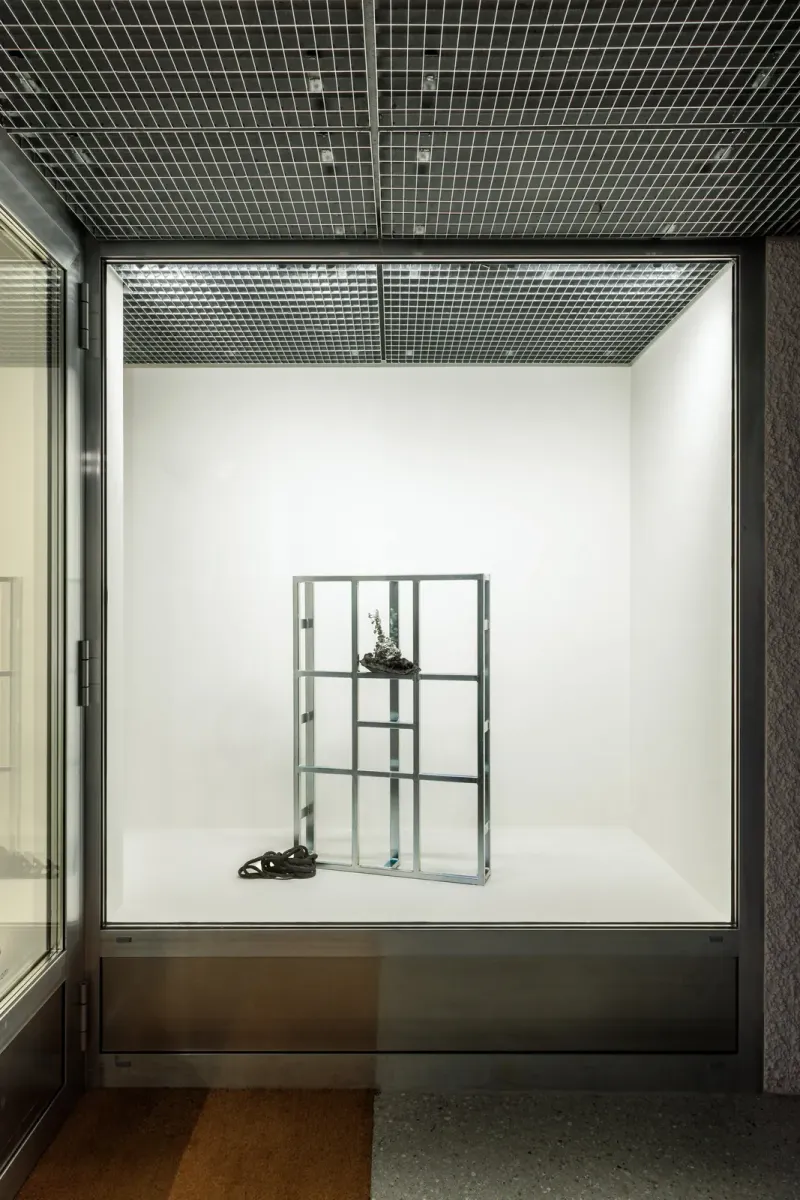
Klaus in Vorarlberg / 2026
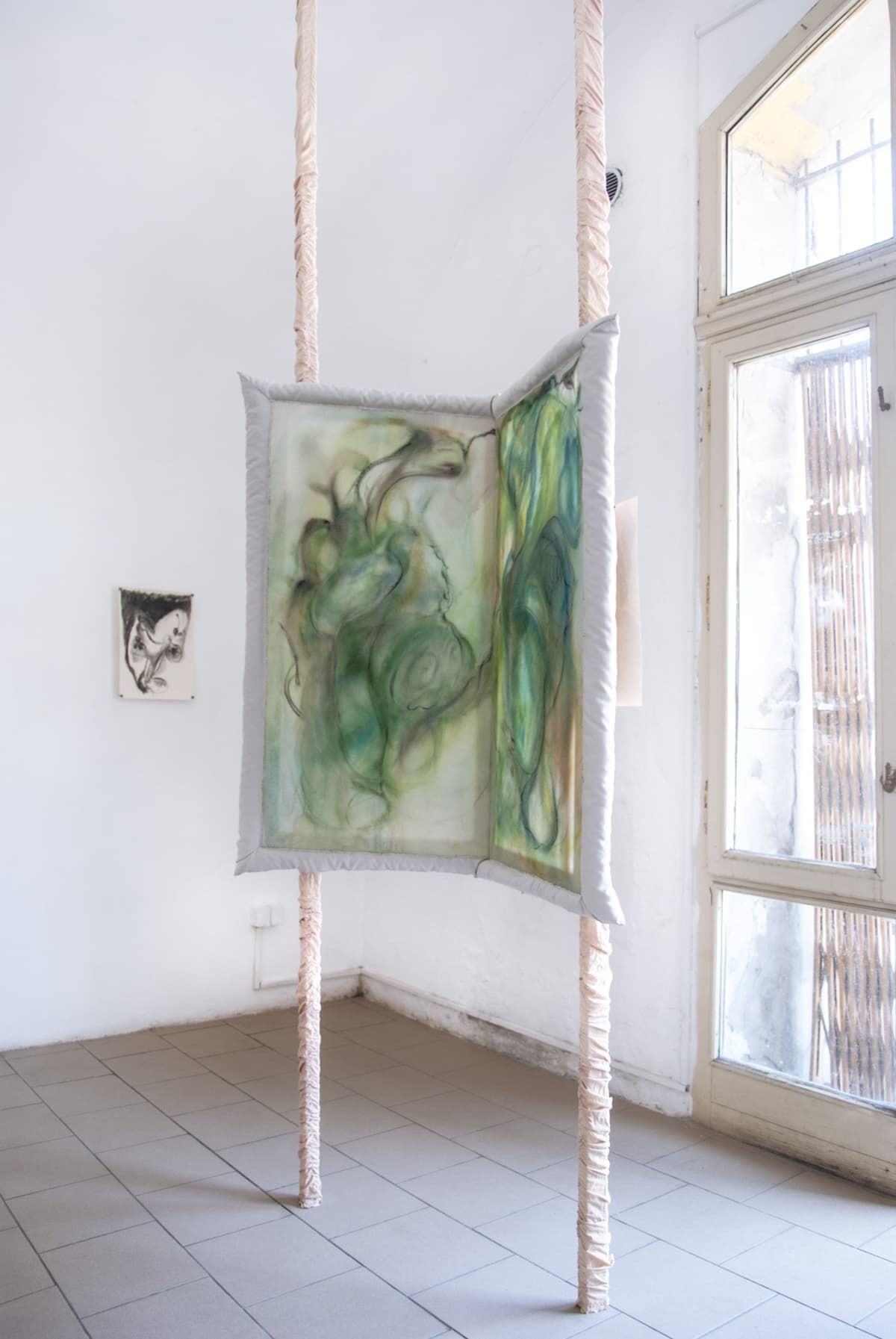
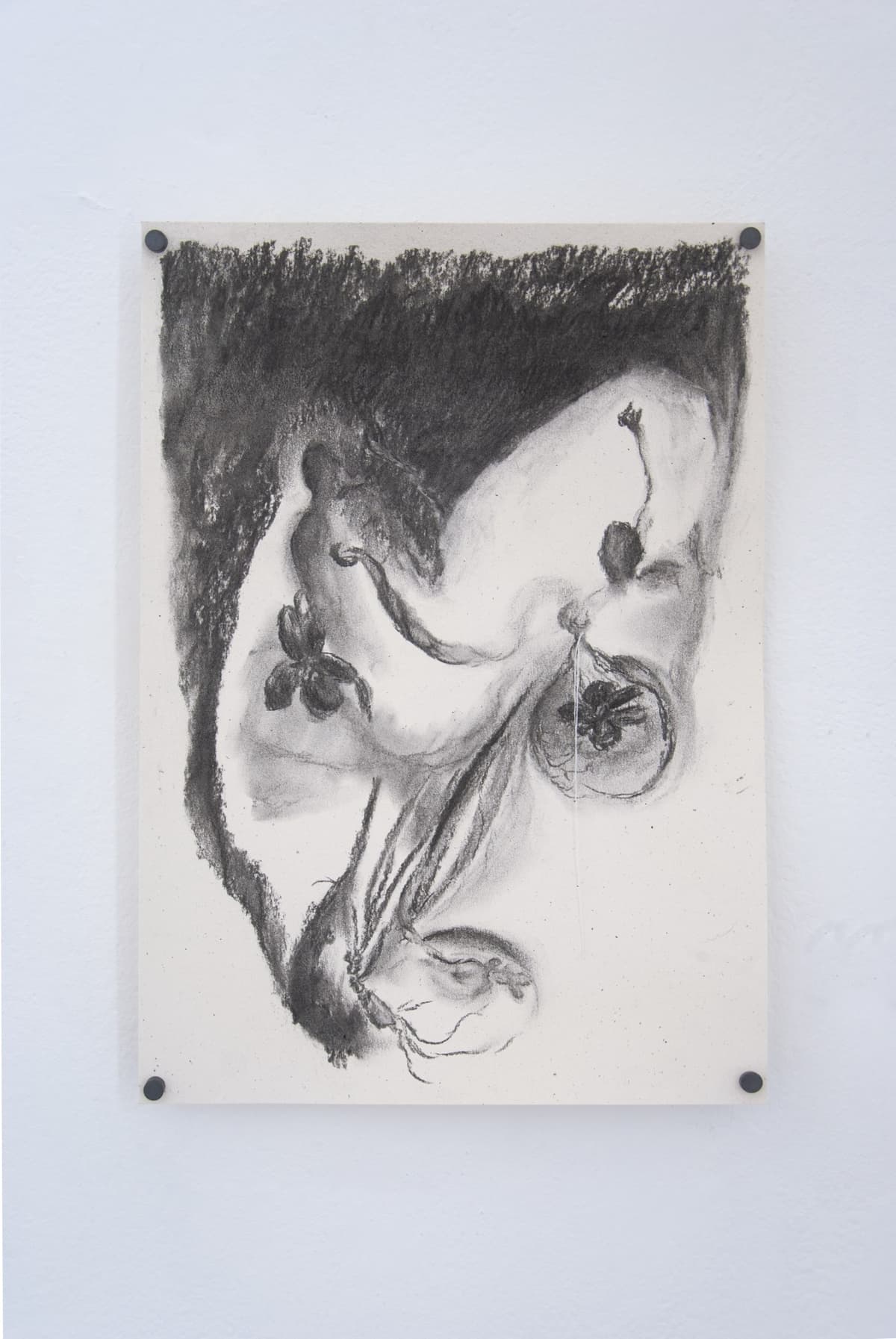
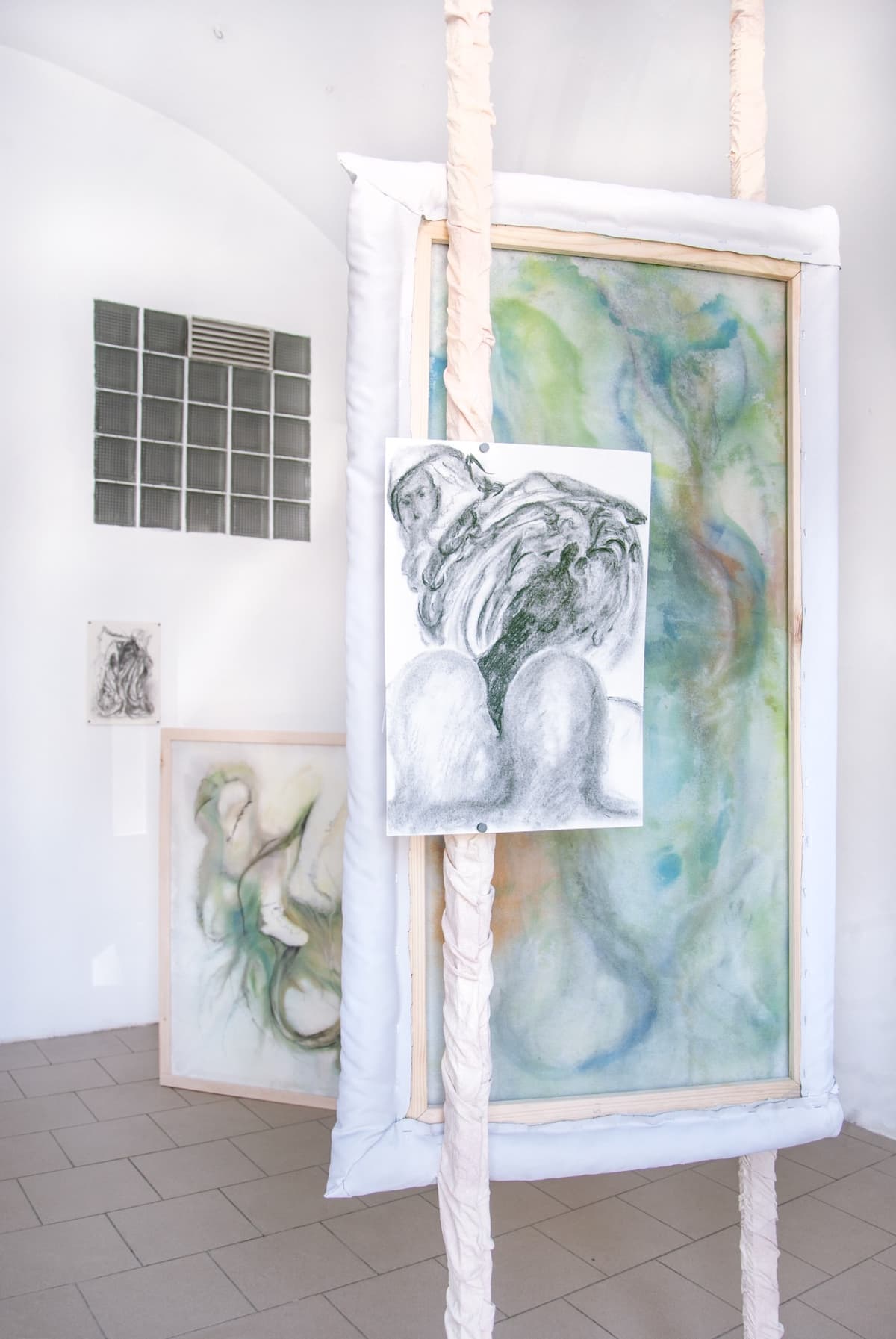
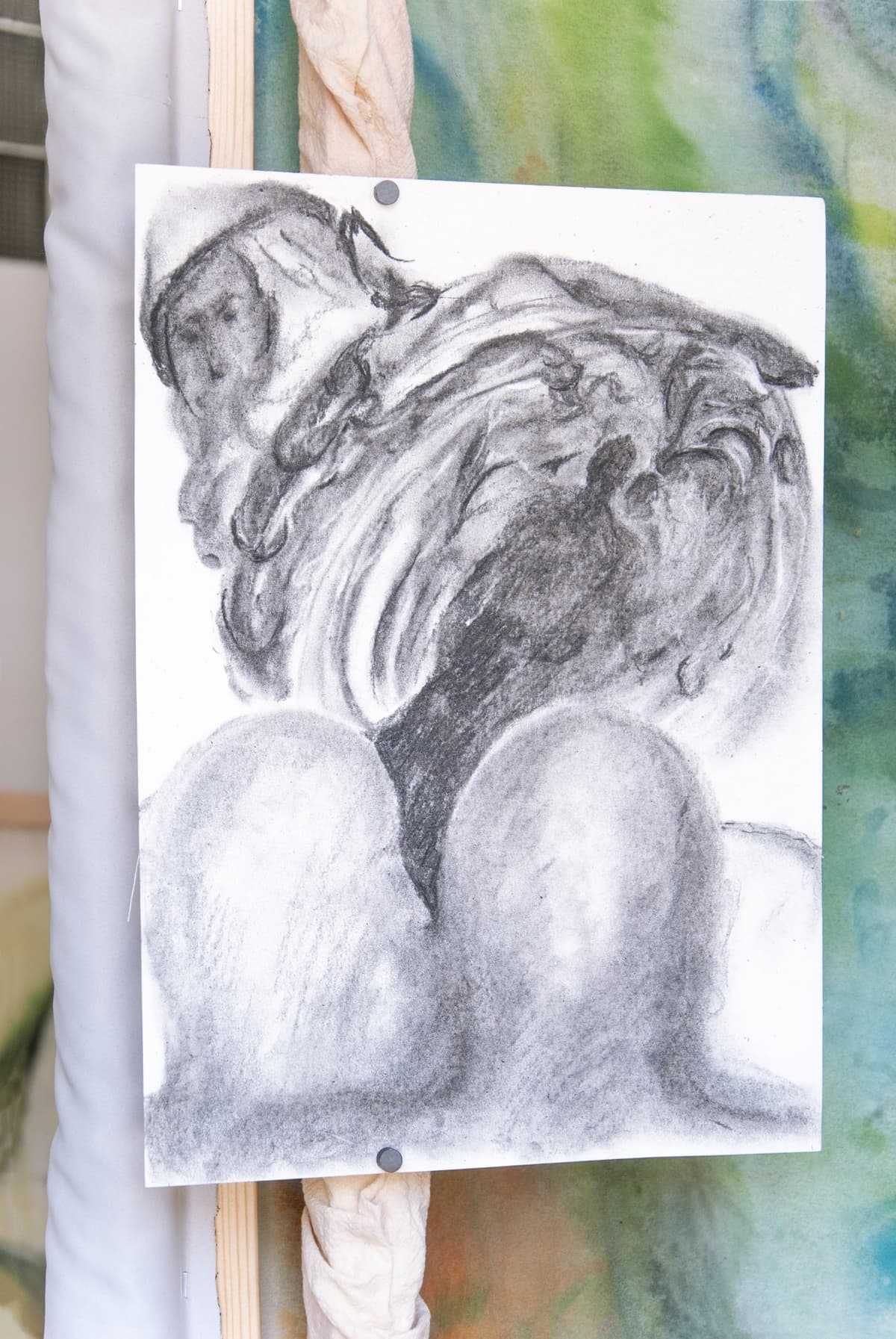
Der Kopf ist rund, damit das Denken die Richtung wechseln kannGalerie Brugger
Klaus in Vorarlberg / 2026
Der Kopf ist rund, damit das Denken die Richtung wechseln kannGalerie Brugger
May 22 — June 01, 2026
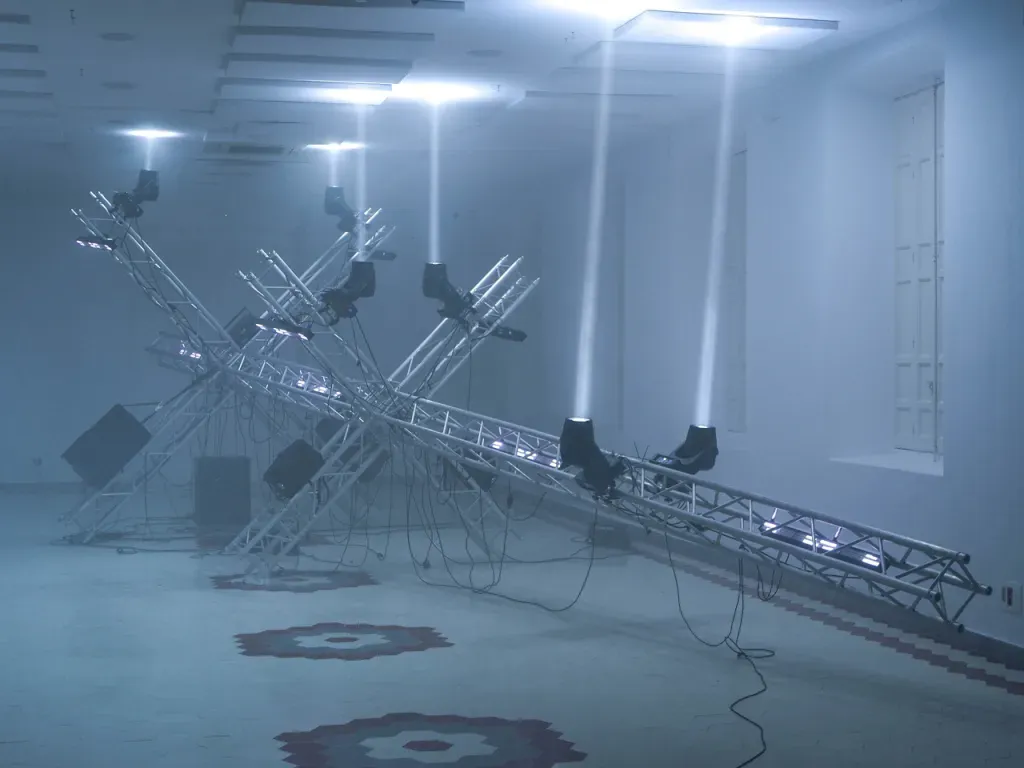
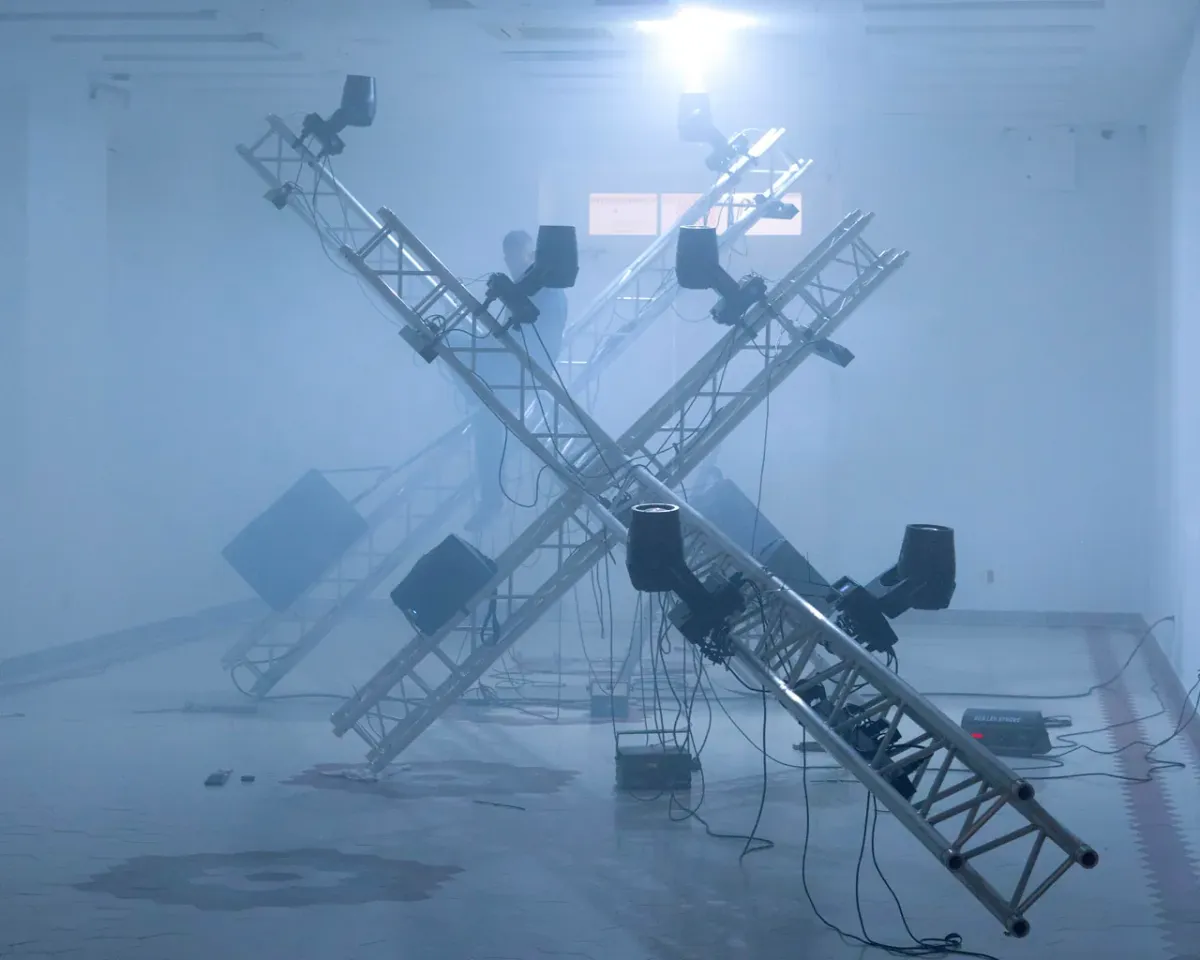
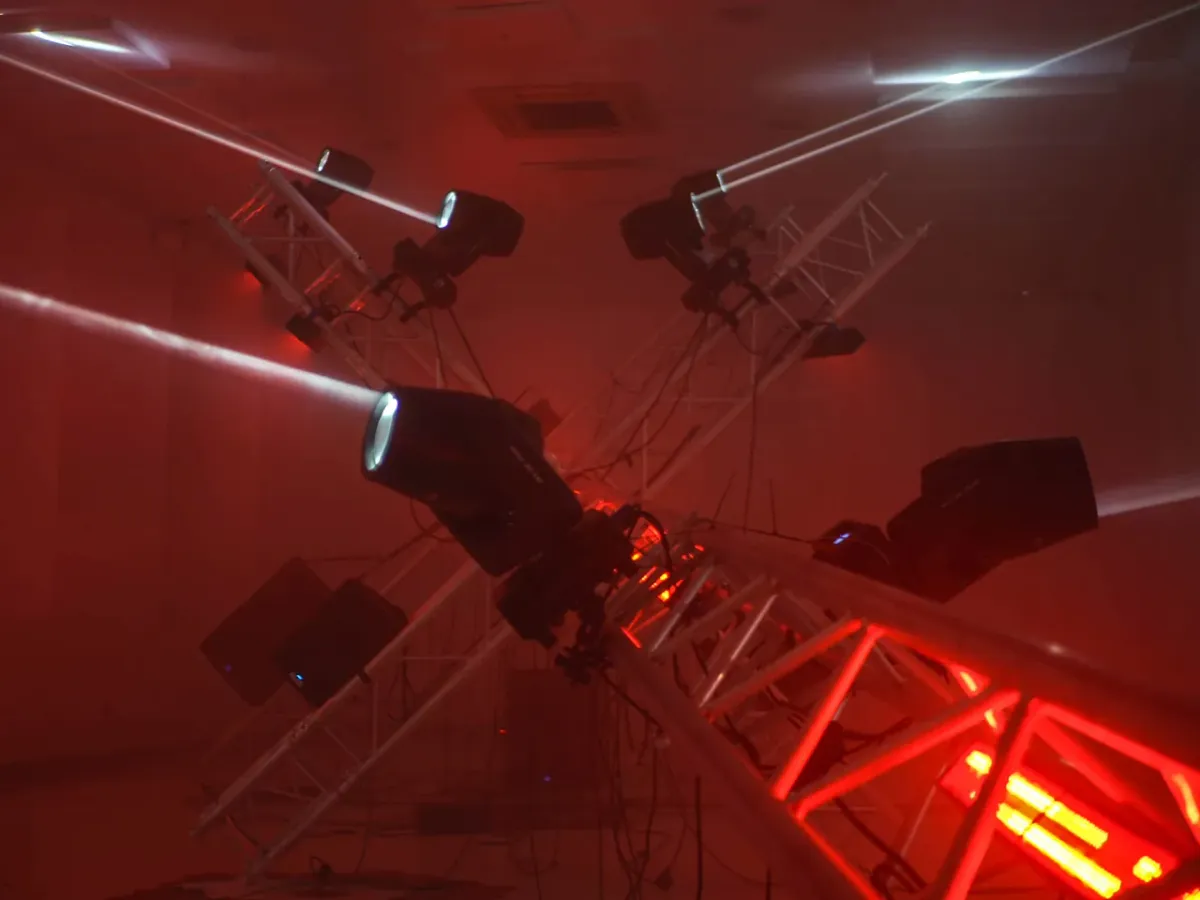
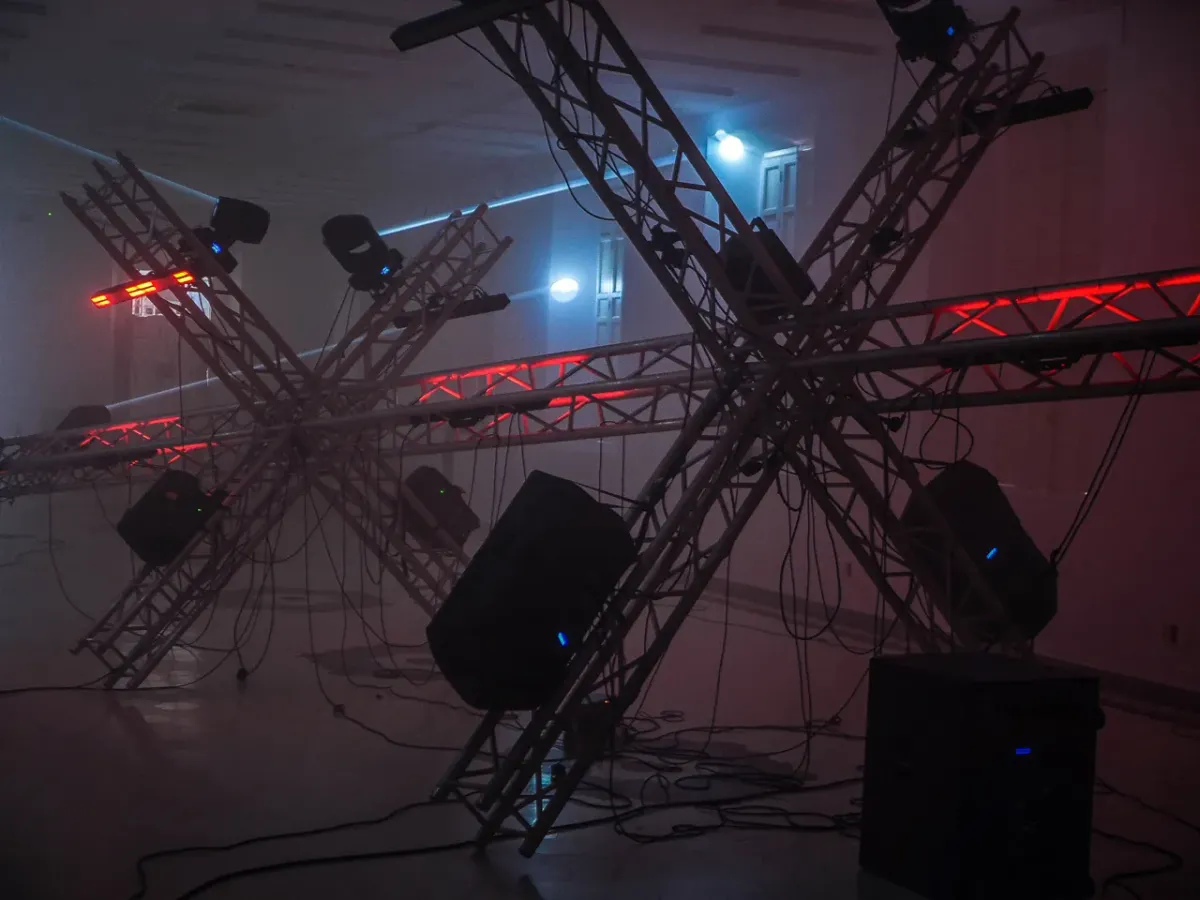
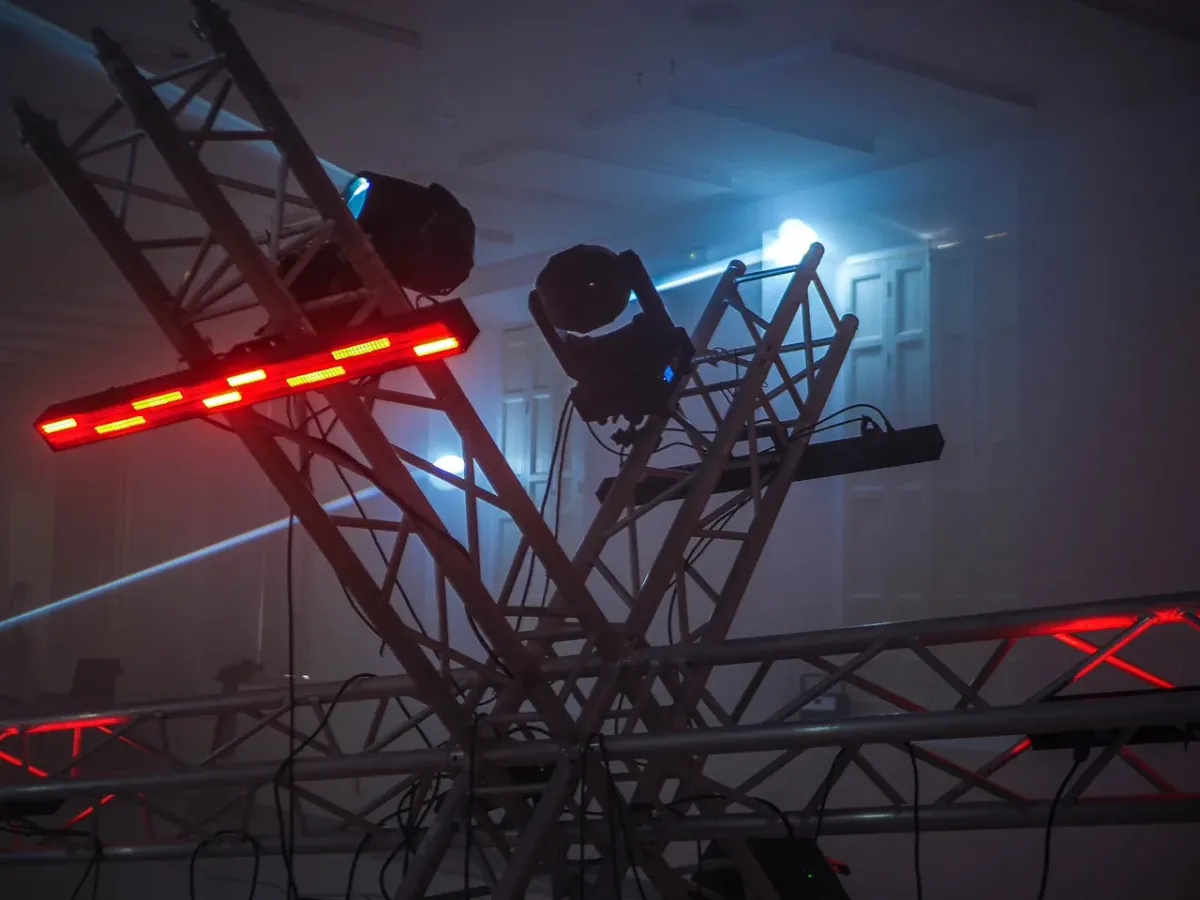
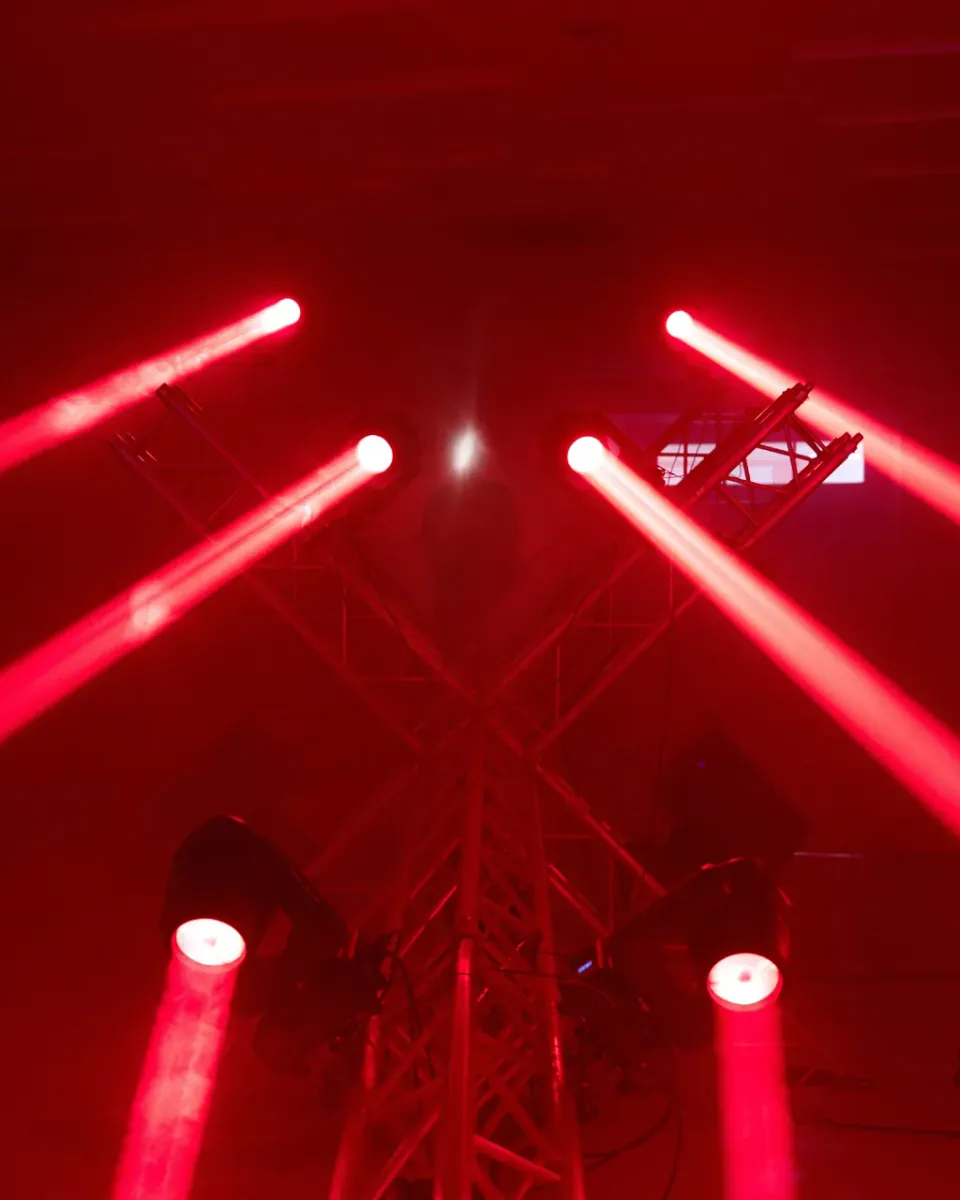
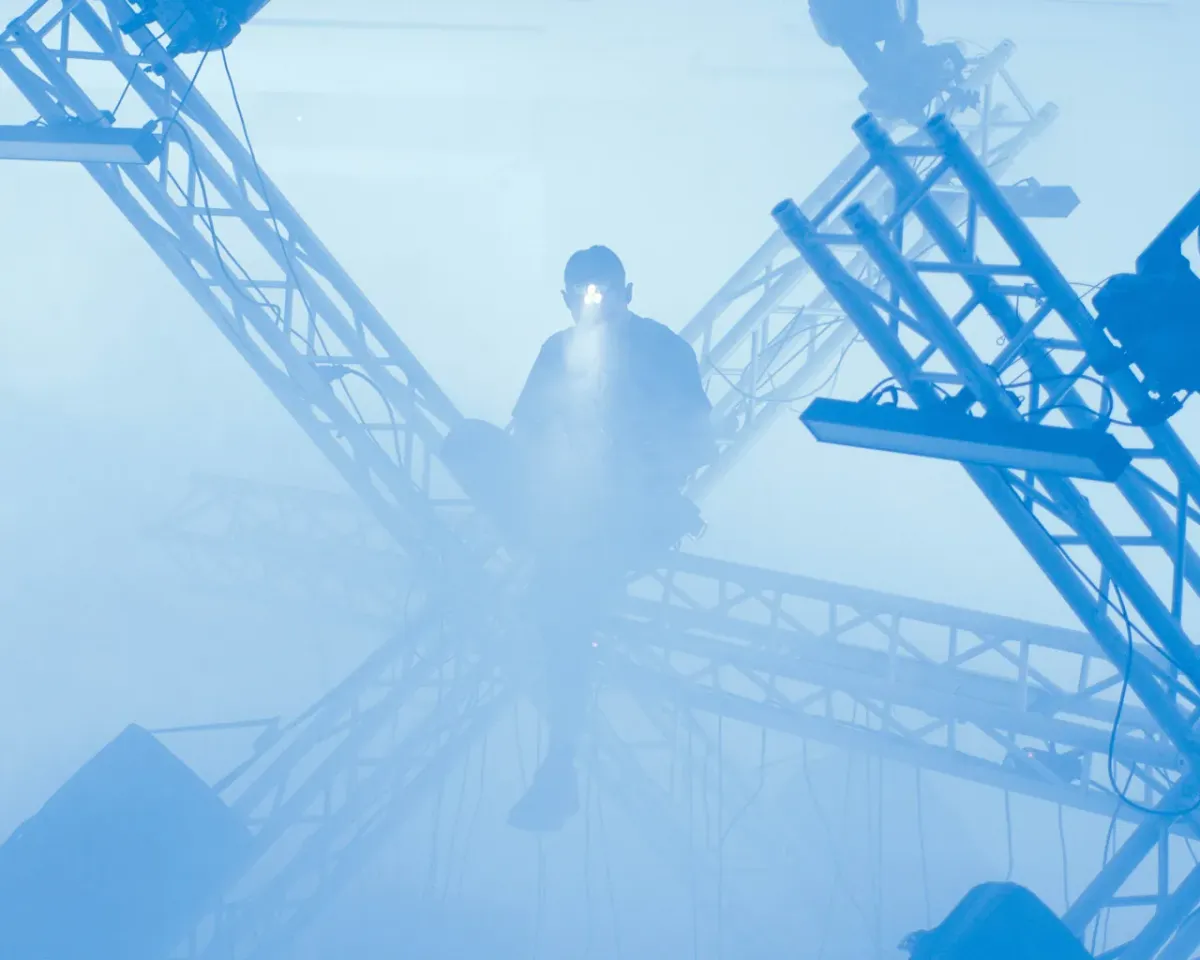
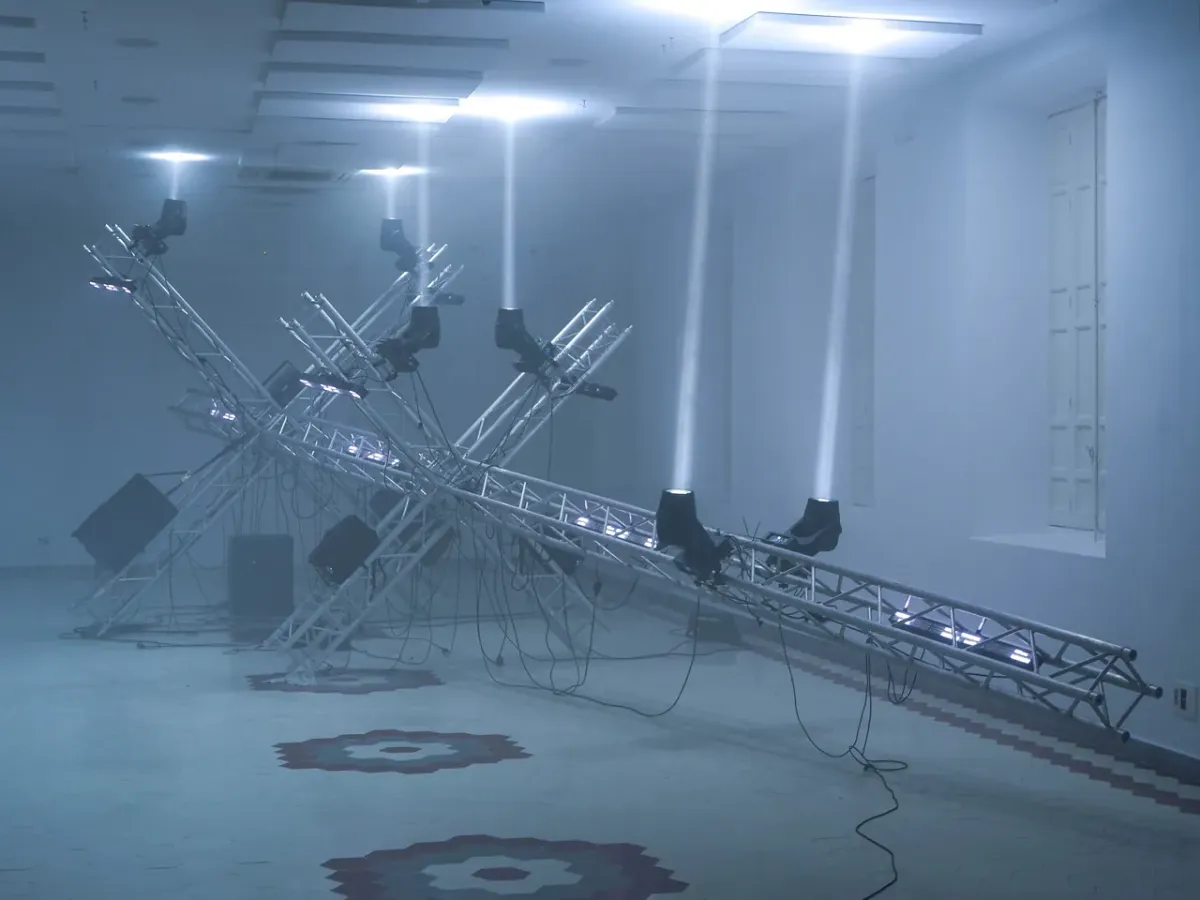
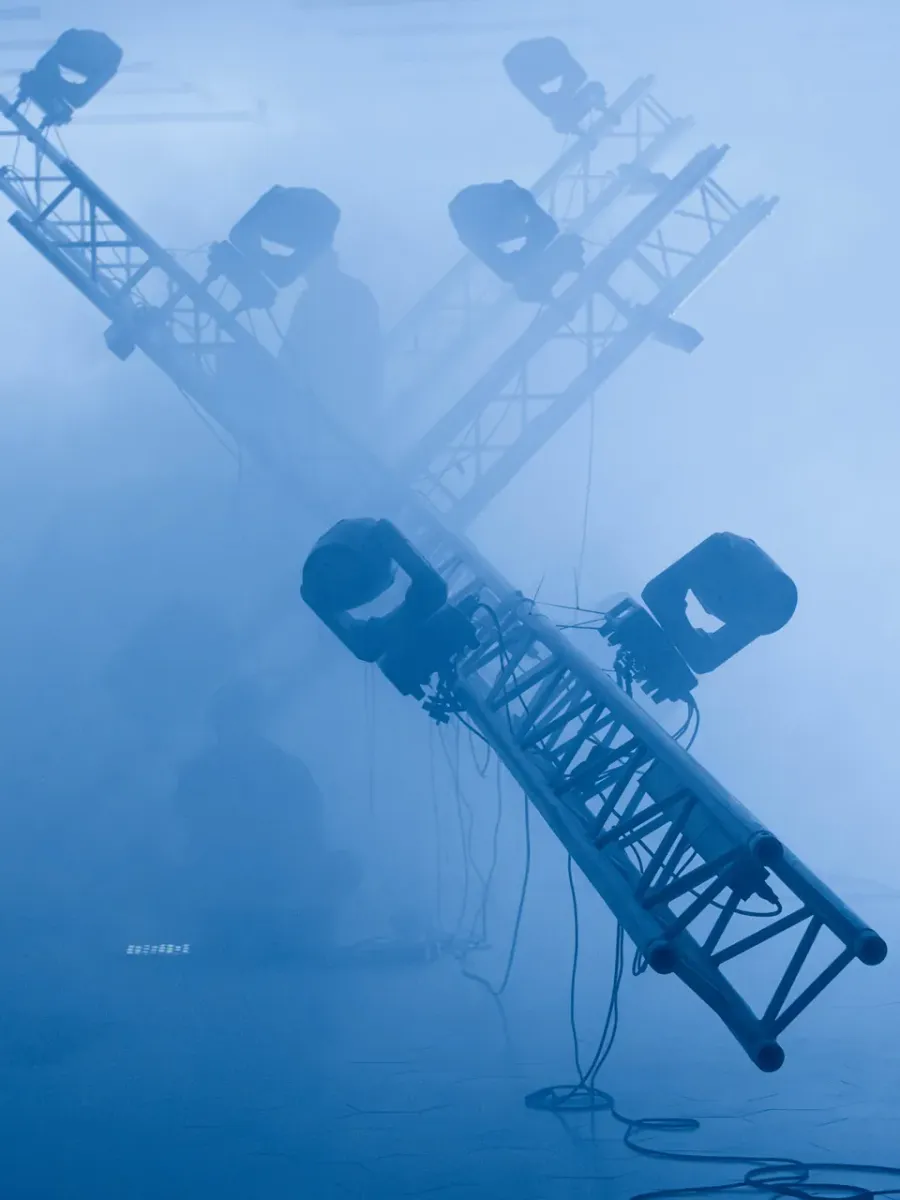
Leo Pum @La Térmica, Málaga KRVCE festival
Everything you need to plan, apply, and move your art career forward.
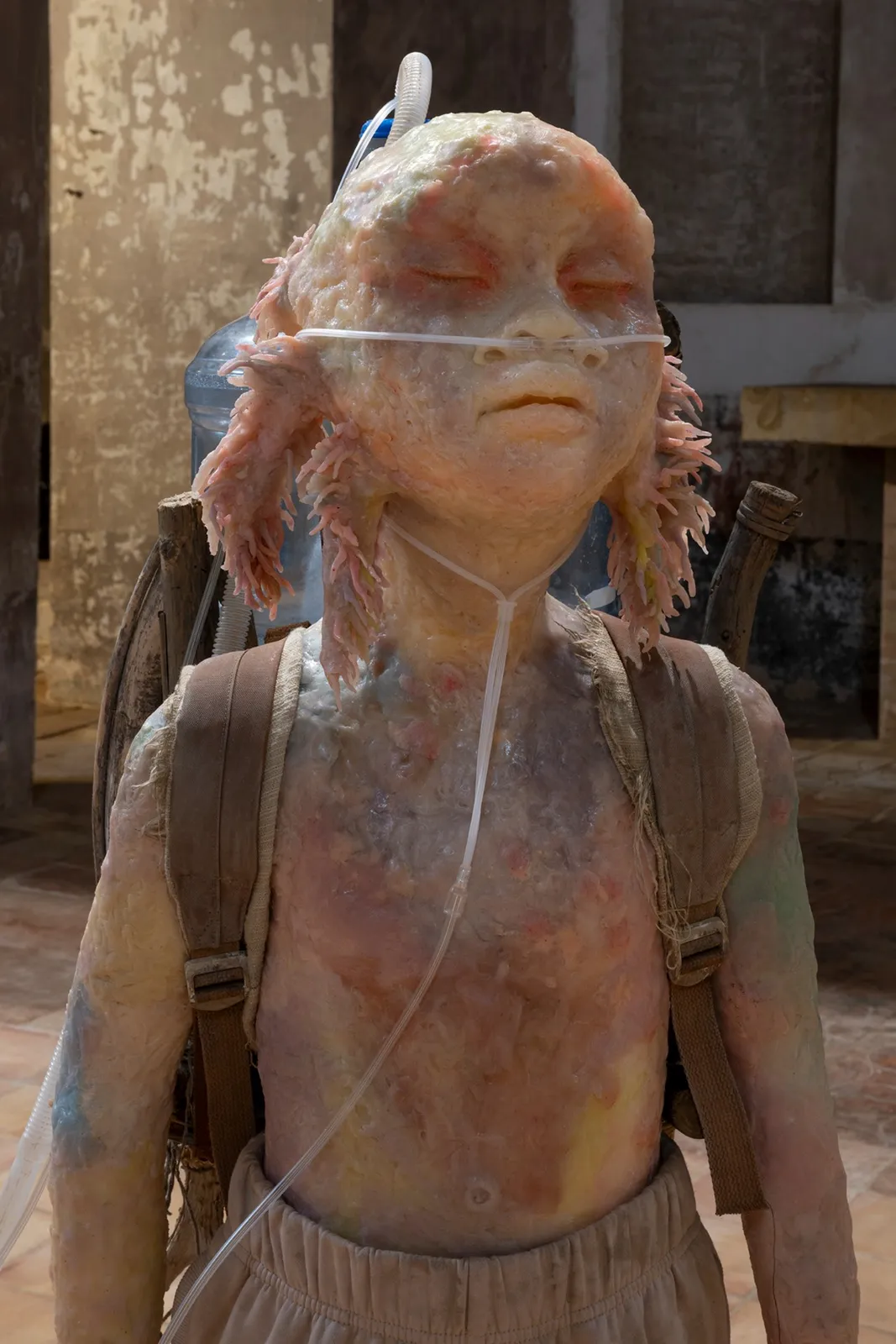
Lladó / 2026
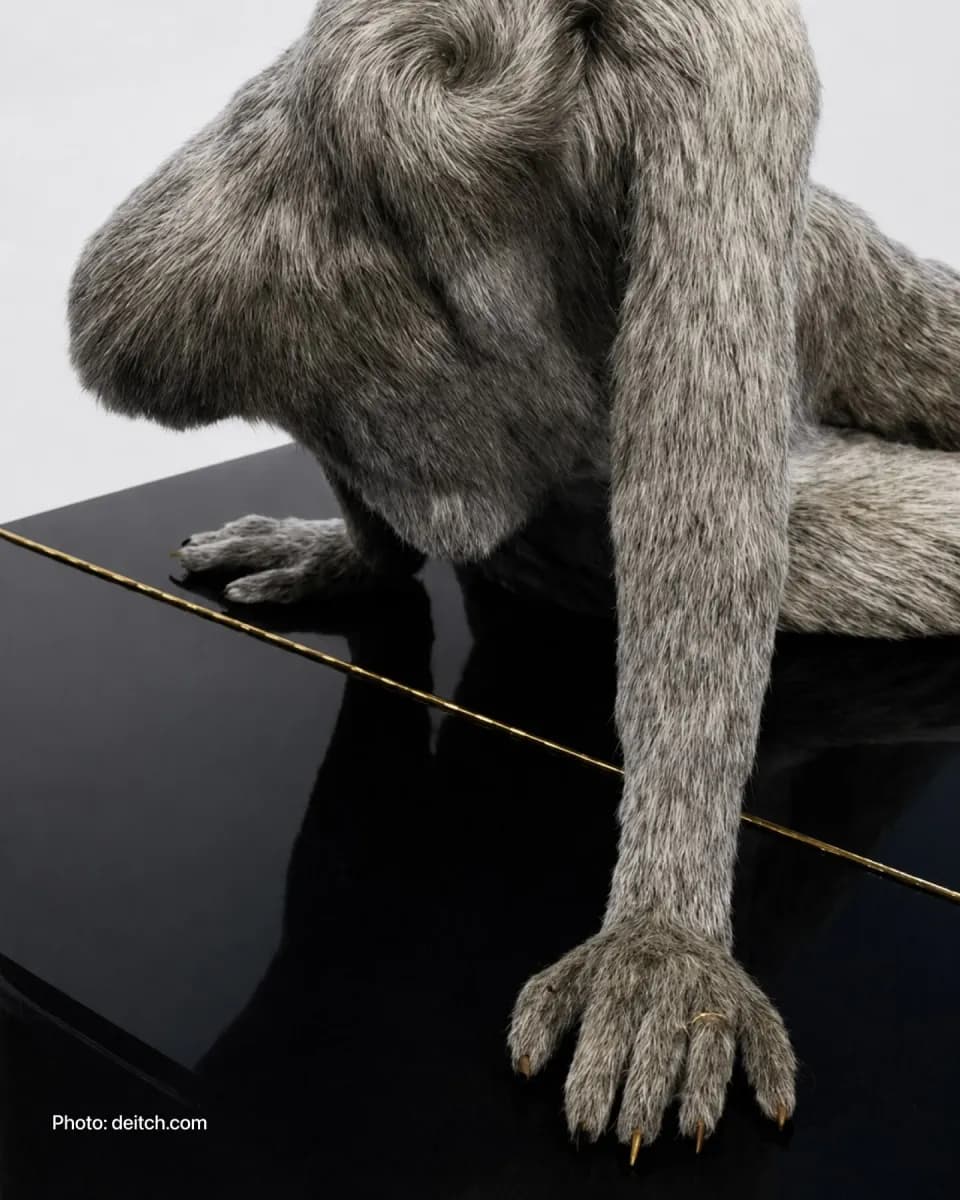
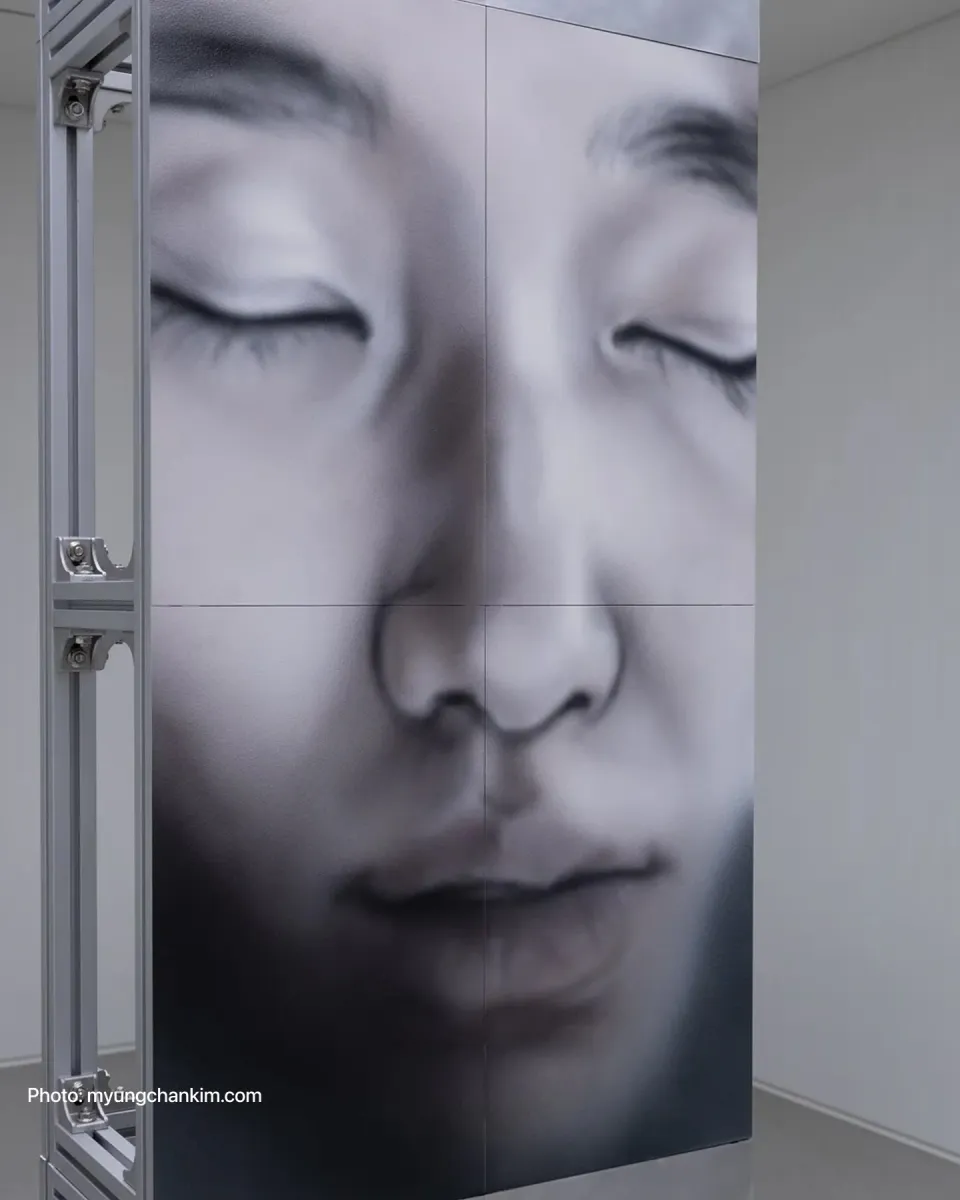
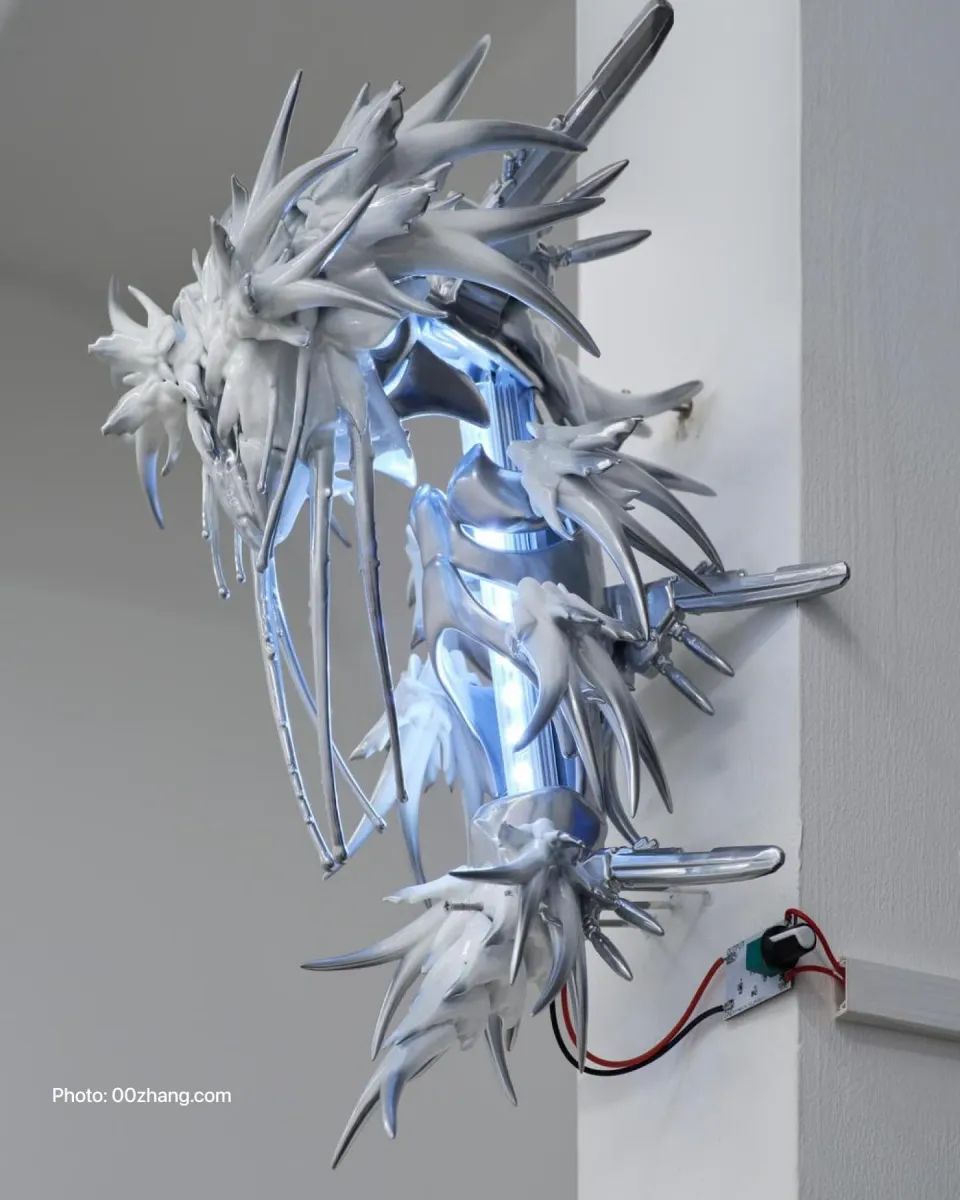
 Features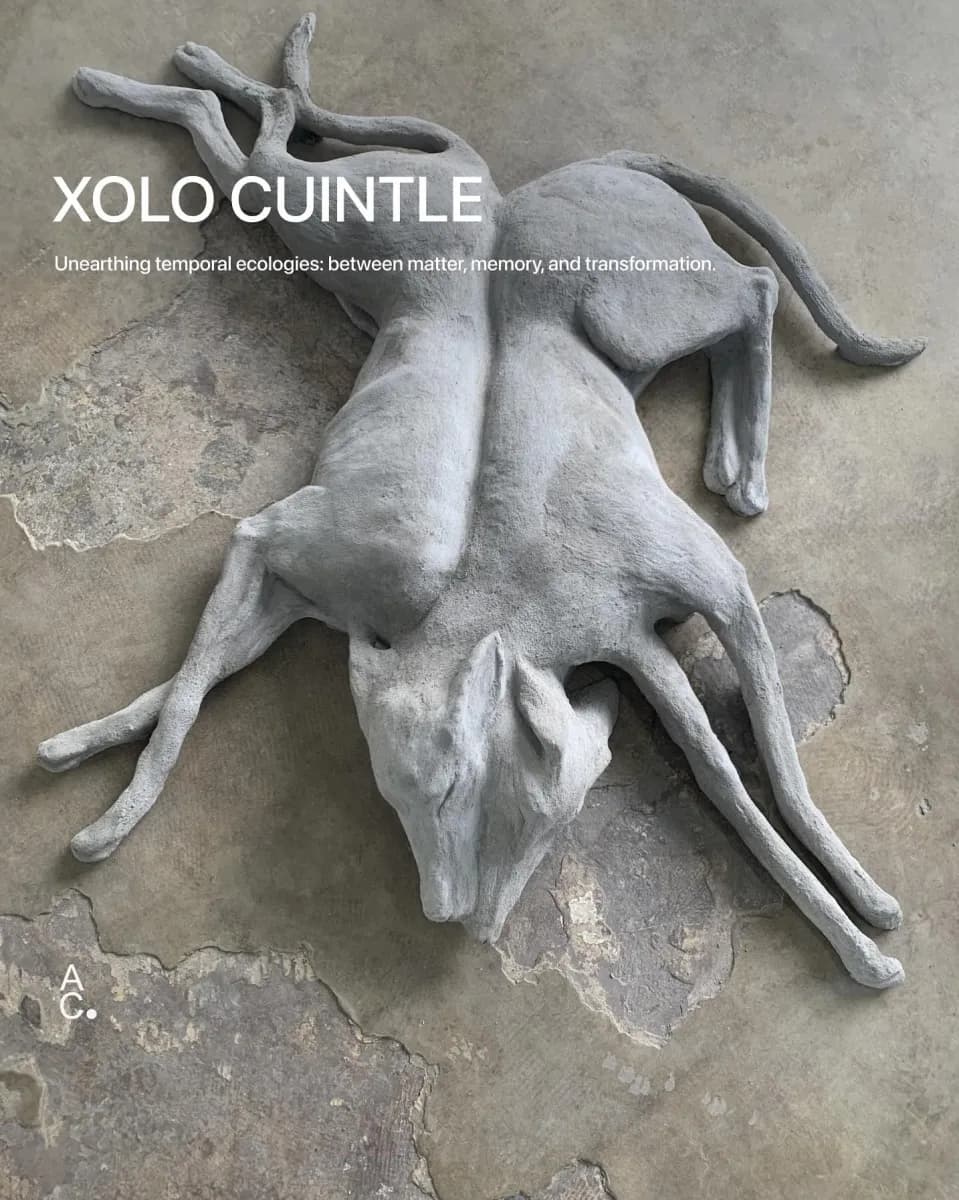
@xolo_cuintle
/ 2026
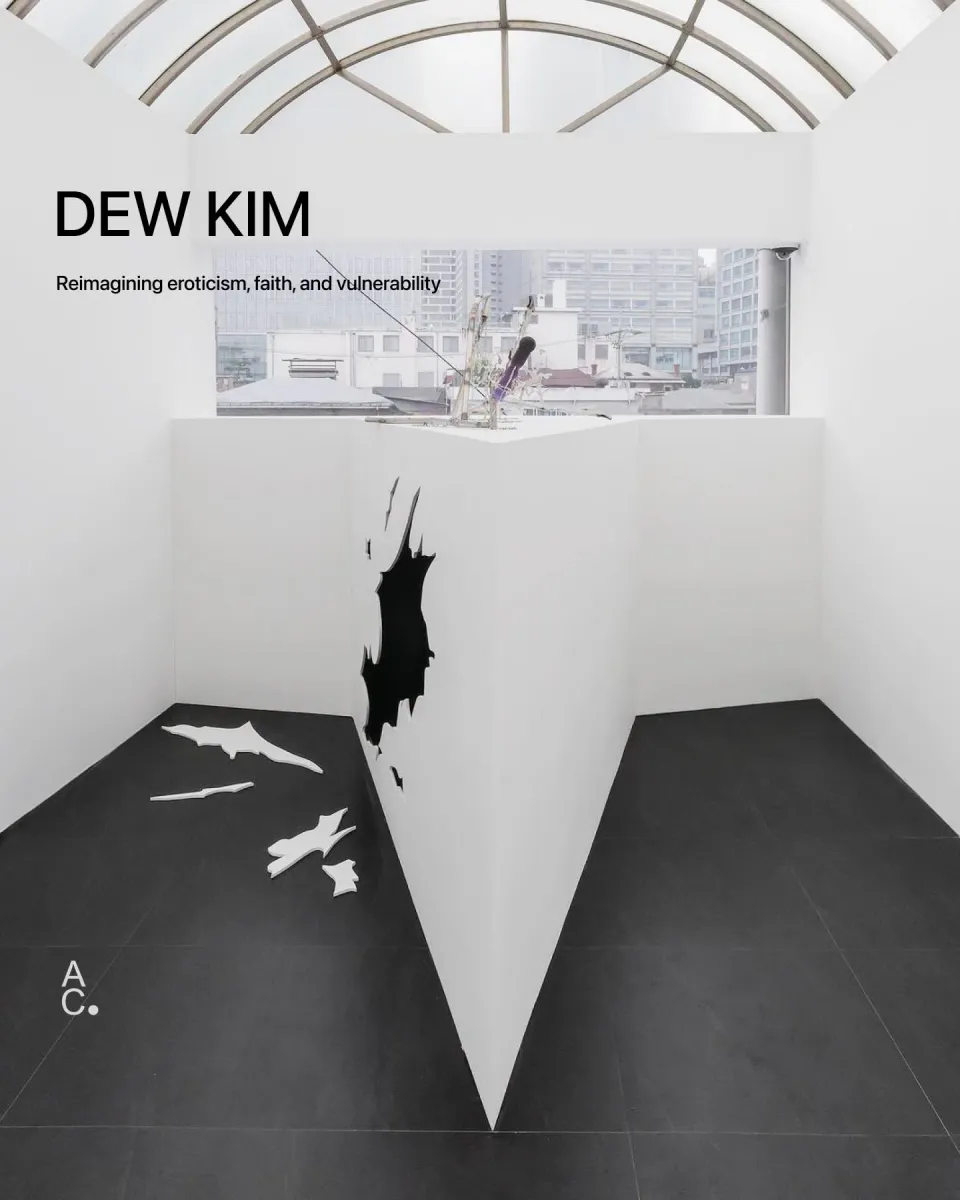
@dew_needs_you
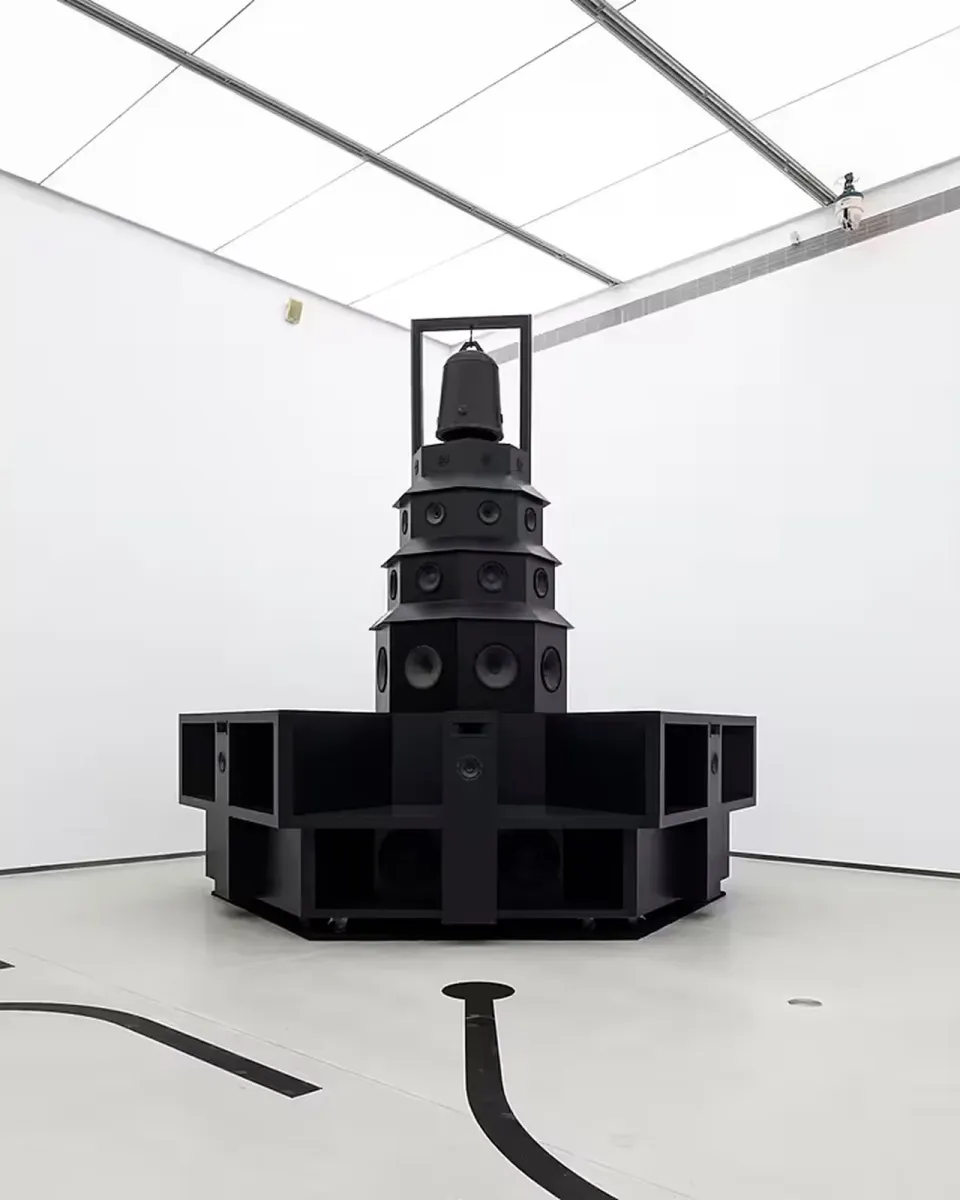
Shanghai / 2026
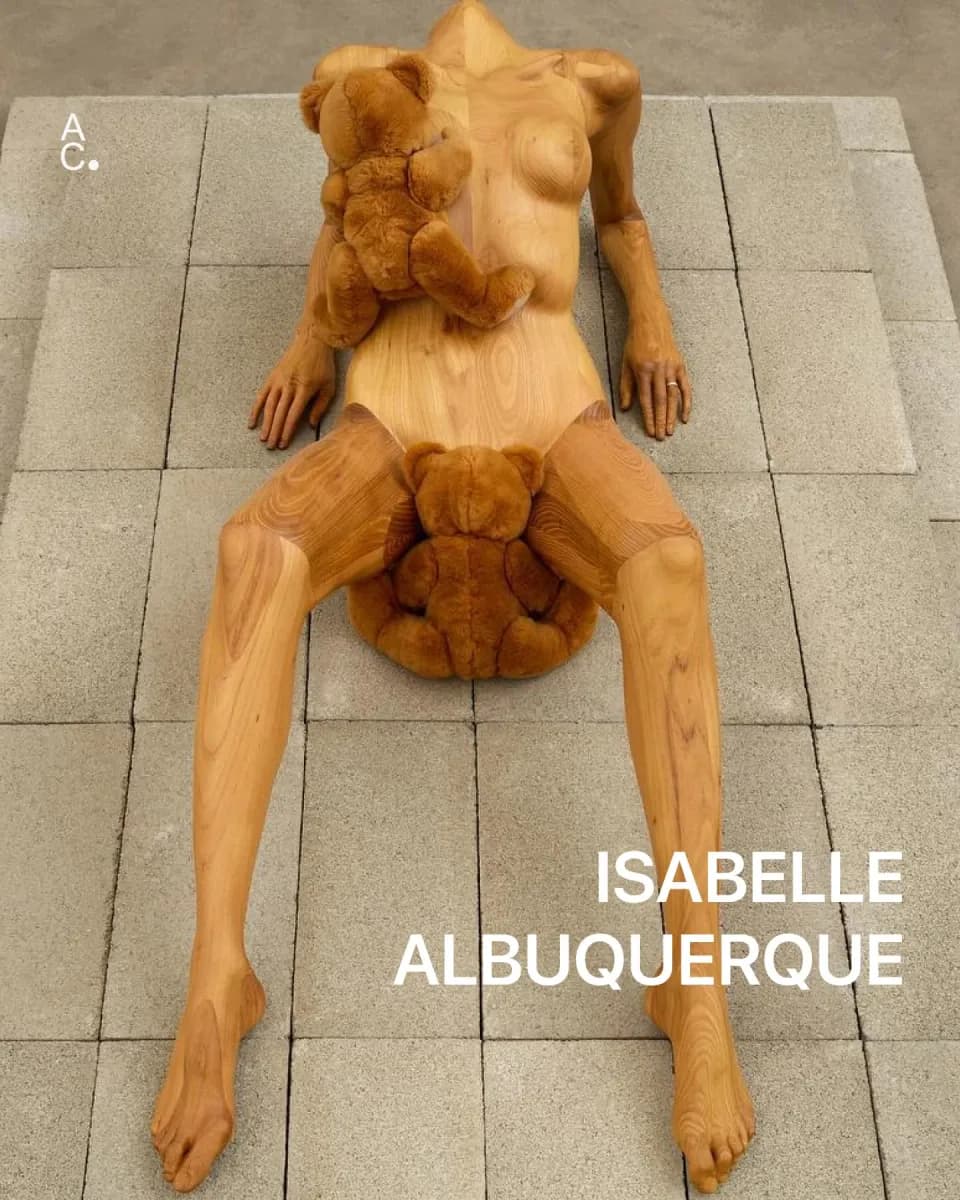
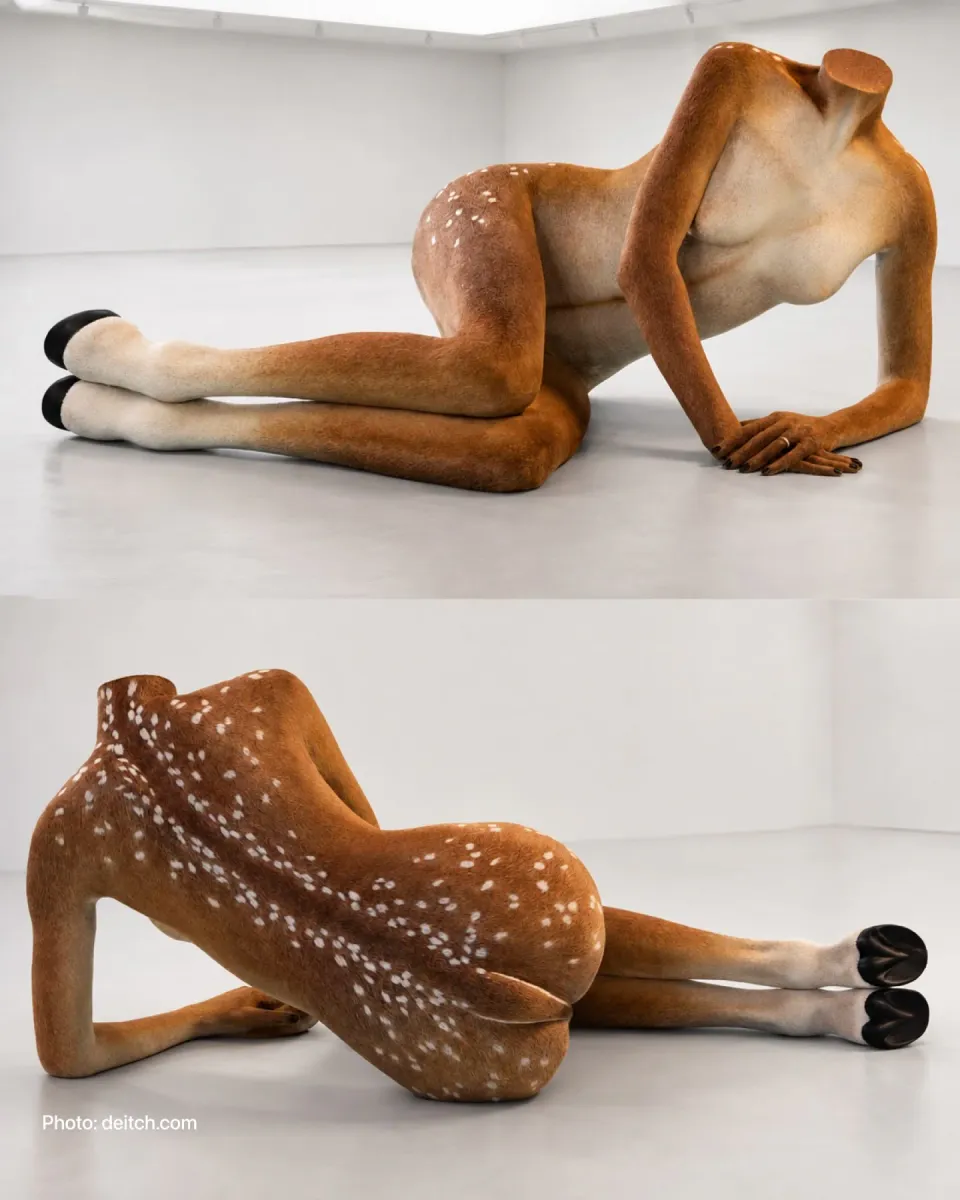
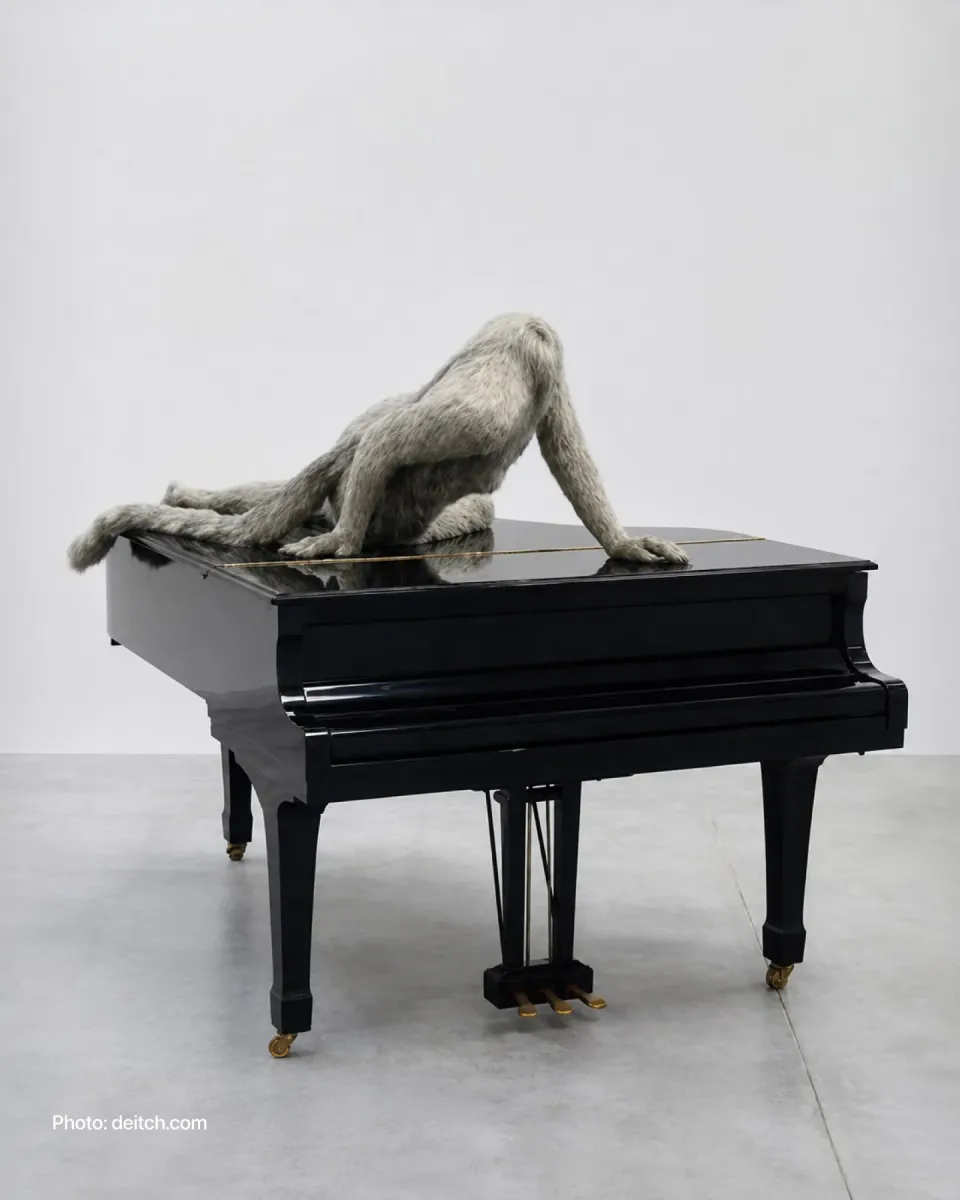
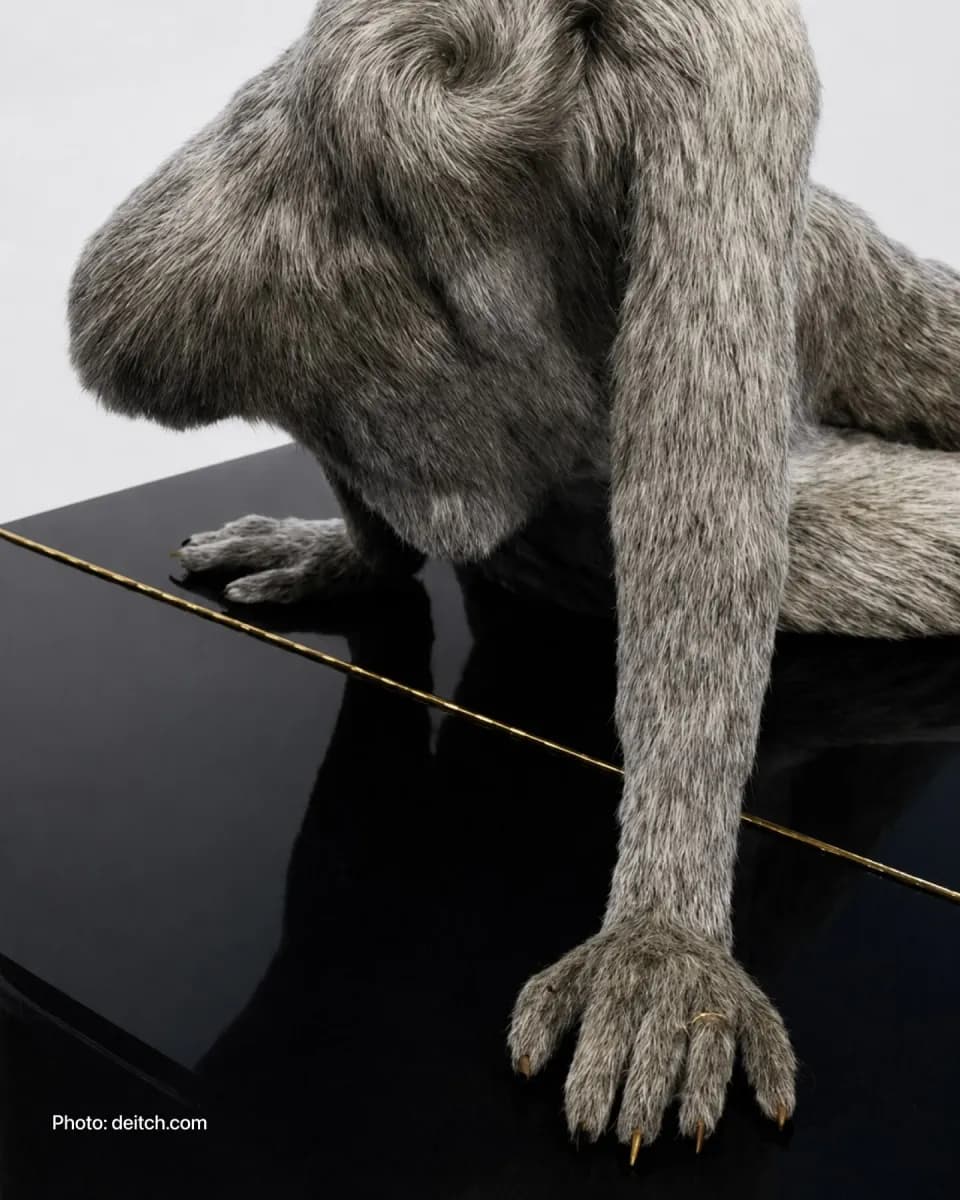
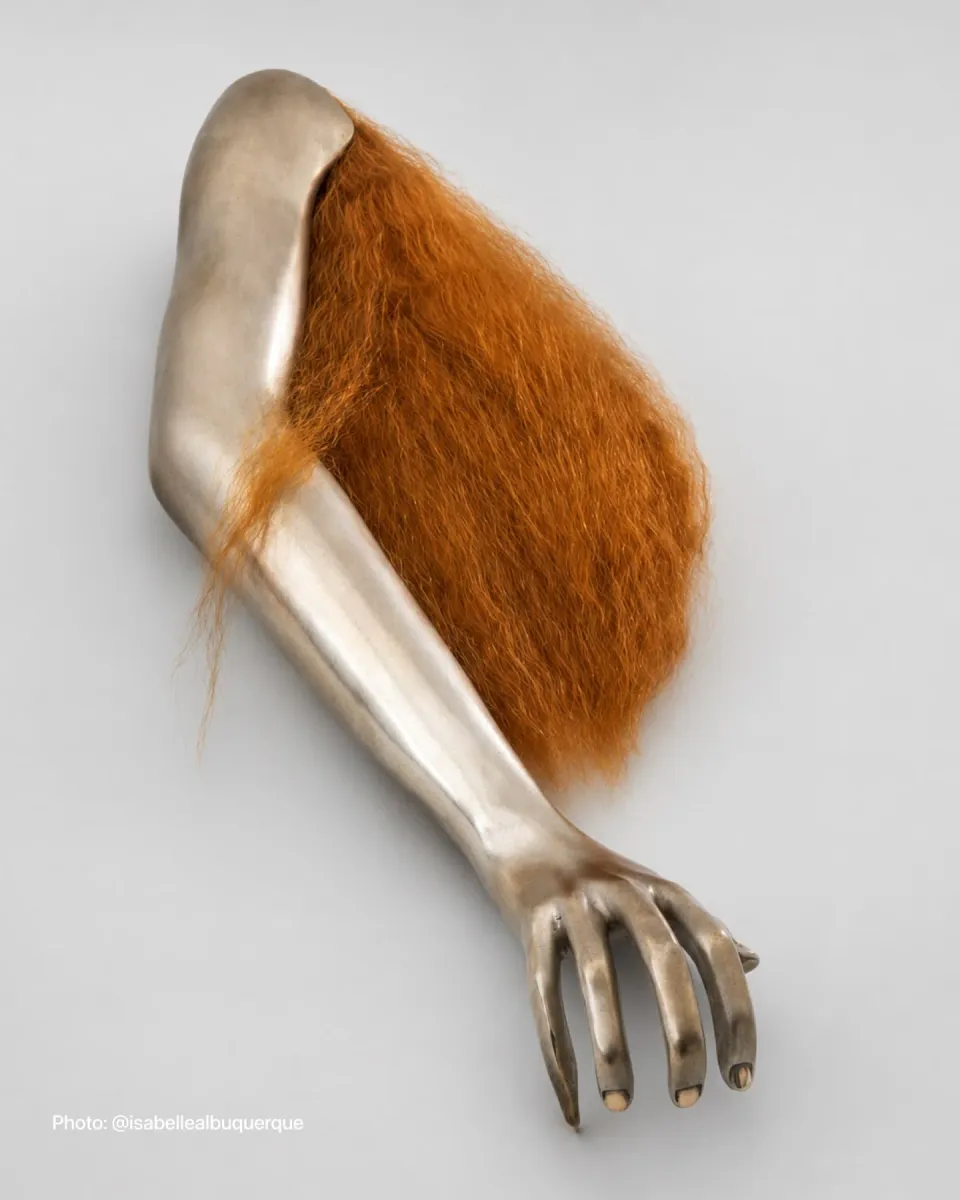
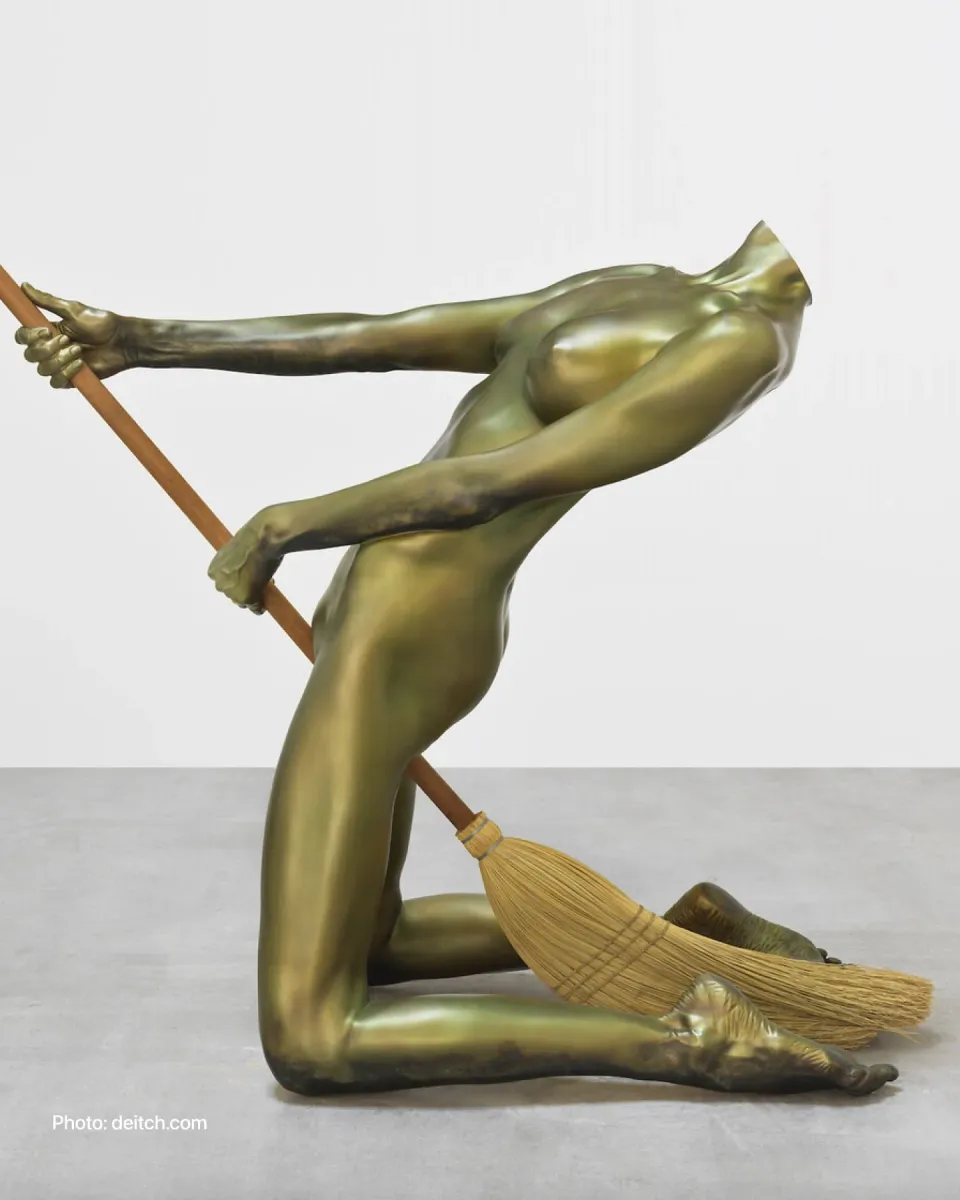
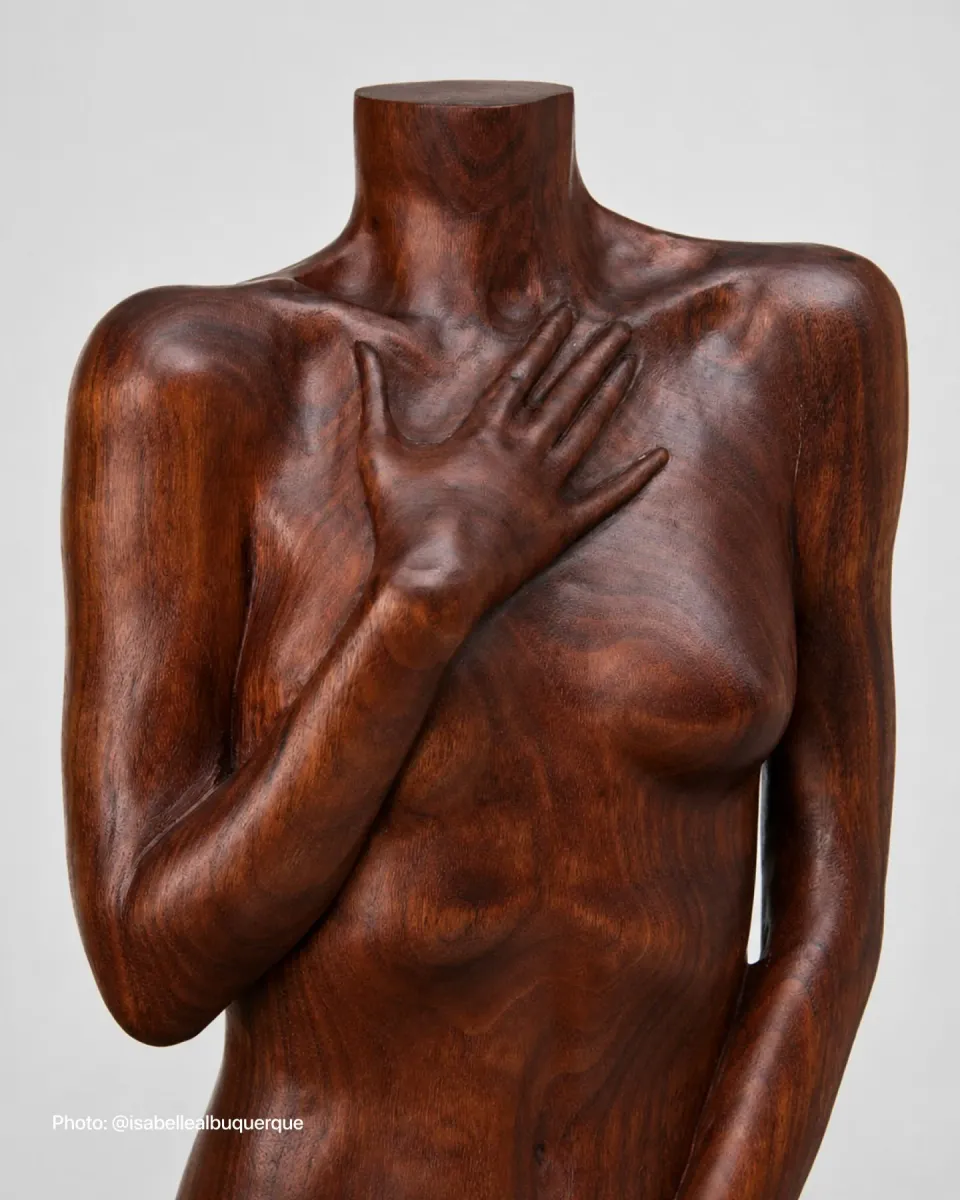
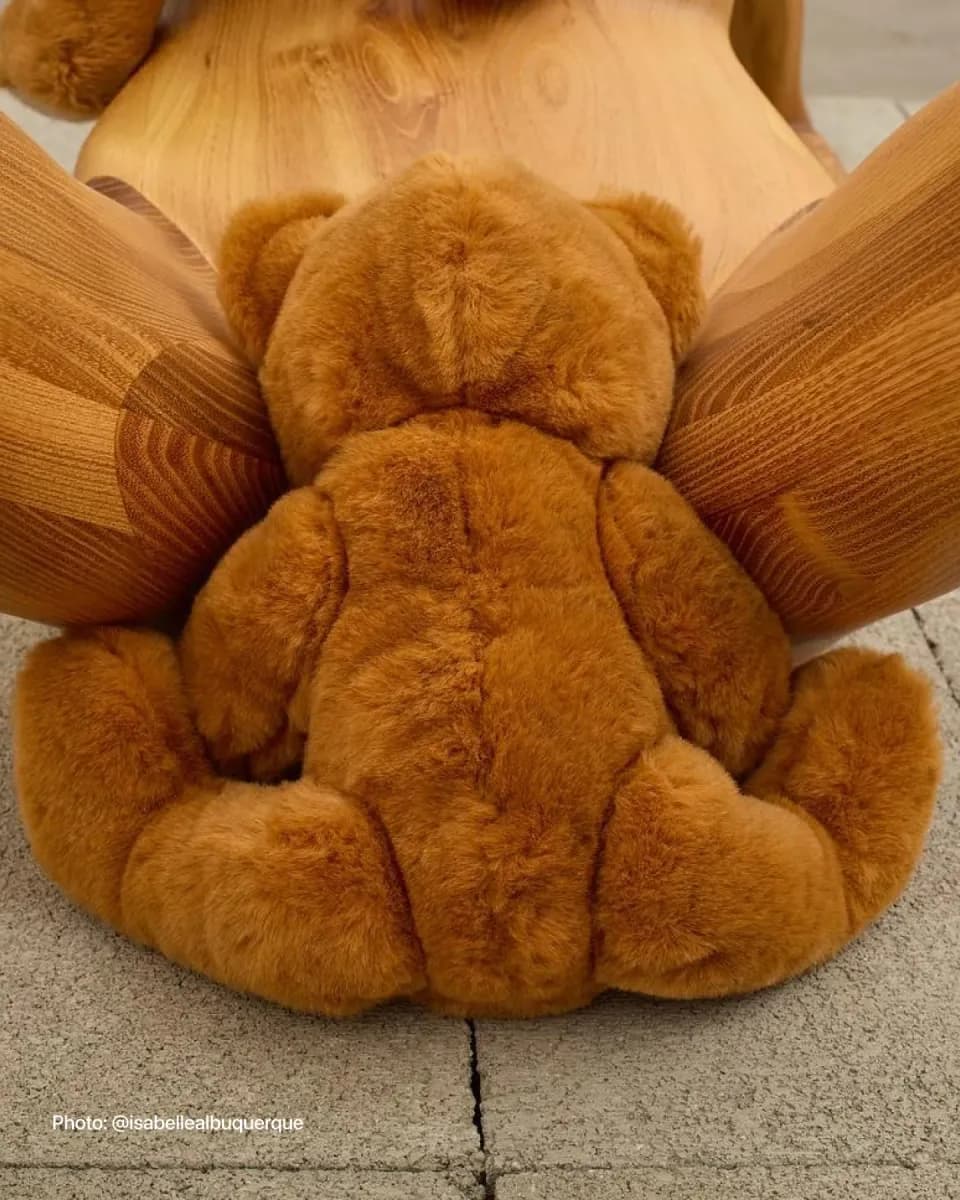
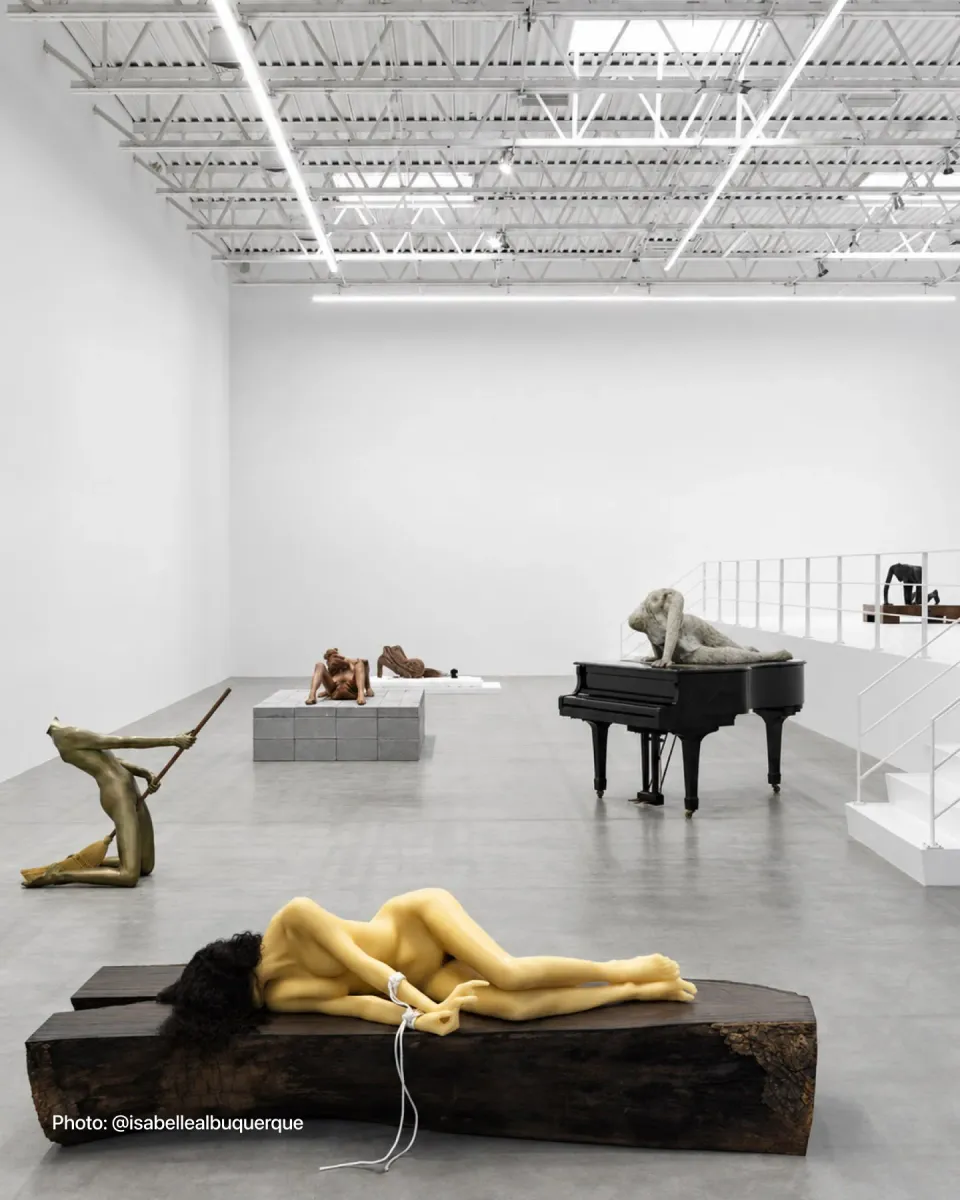
@isabellealbuquerque
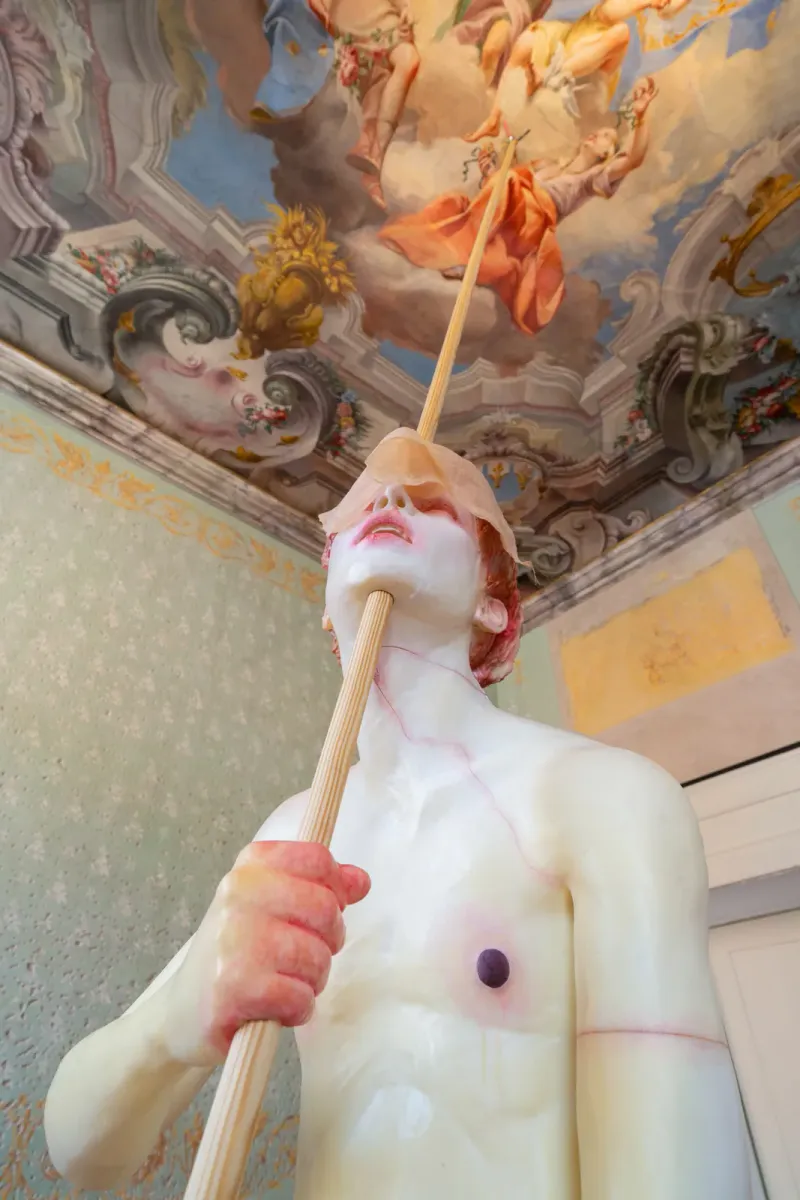
Brescia / 2026
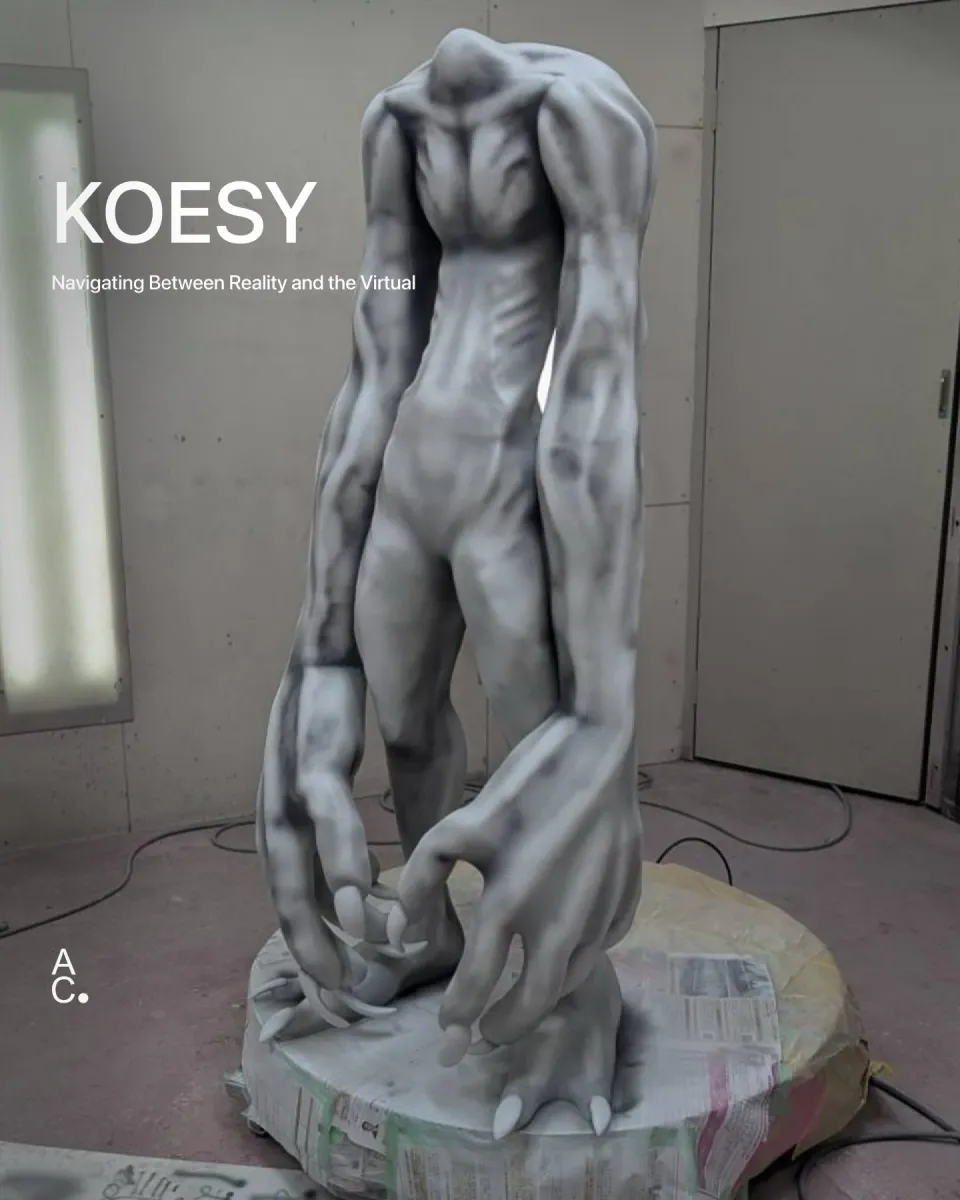
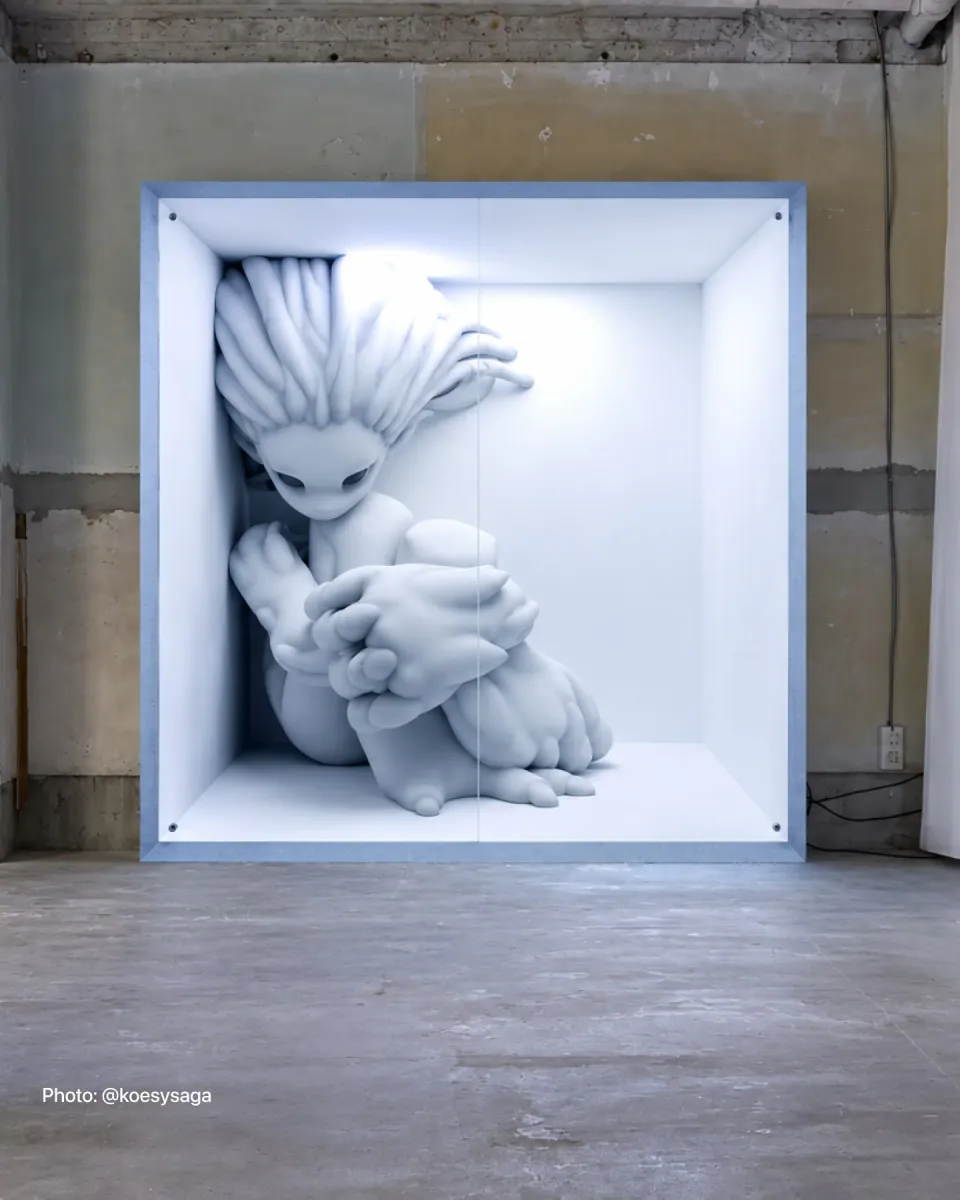
@koesysaga
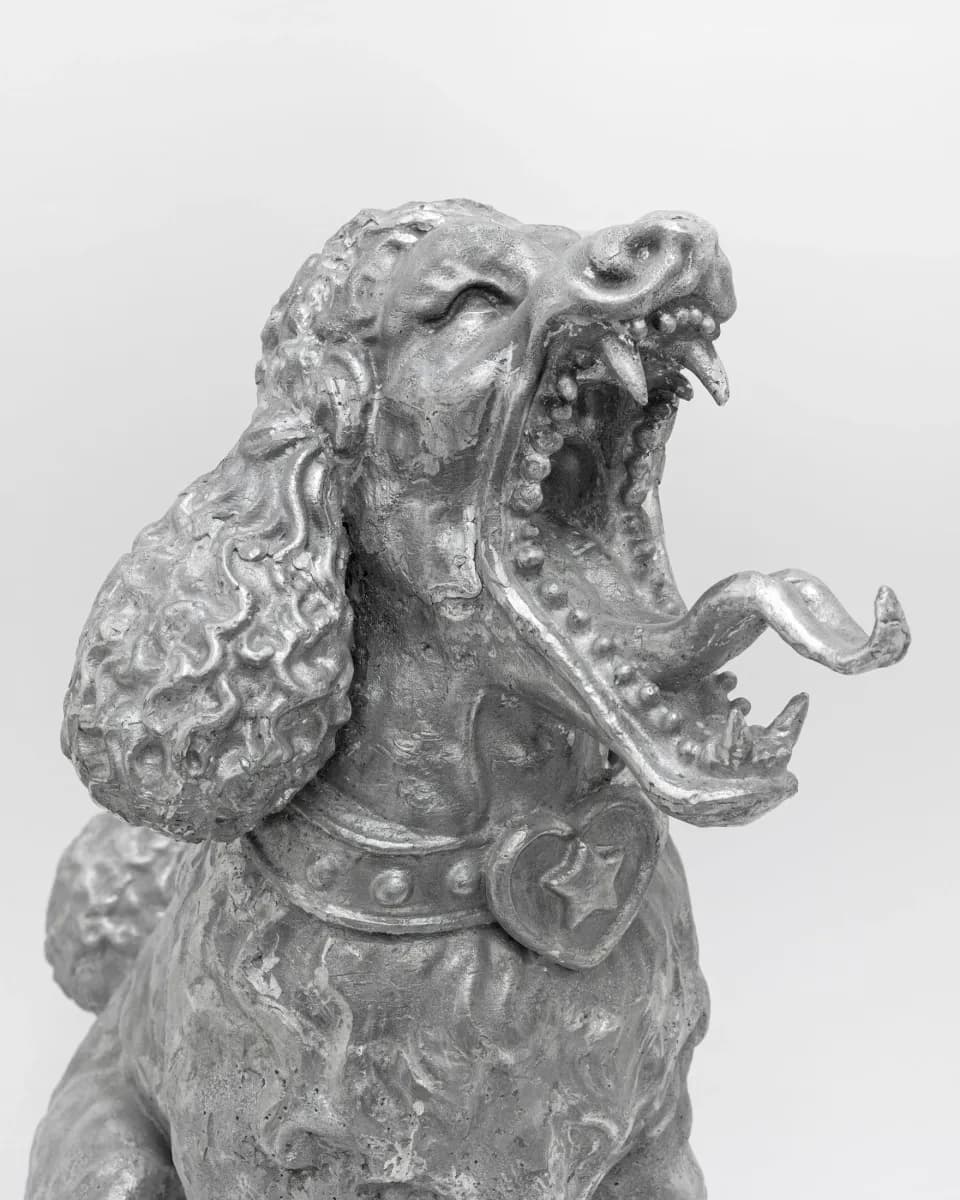
Lima / 2026
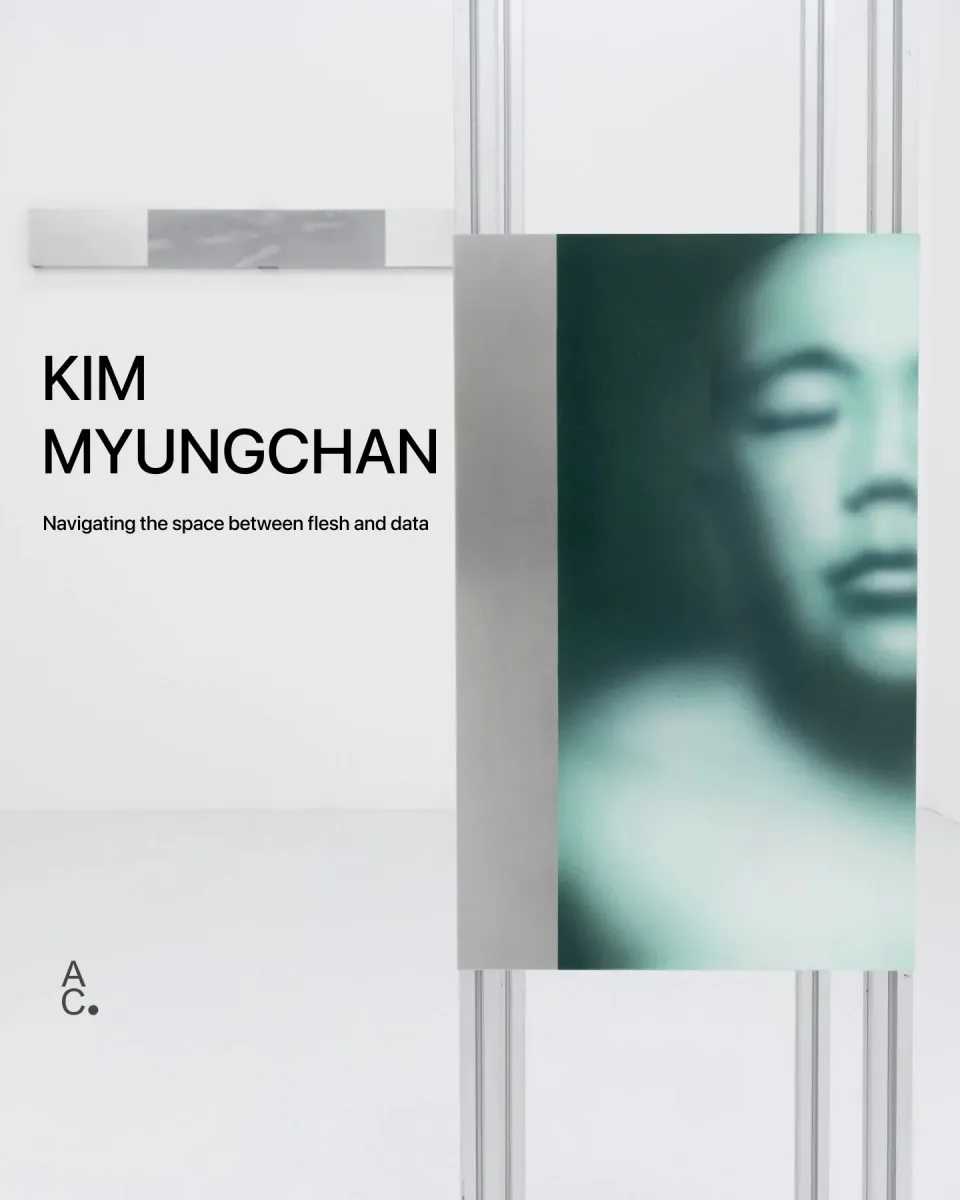
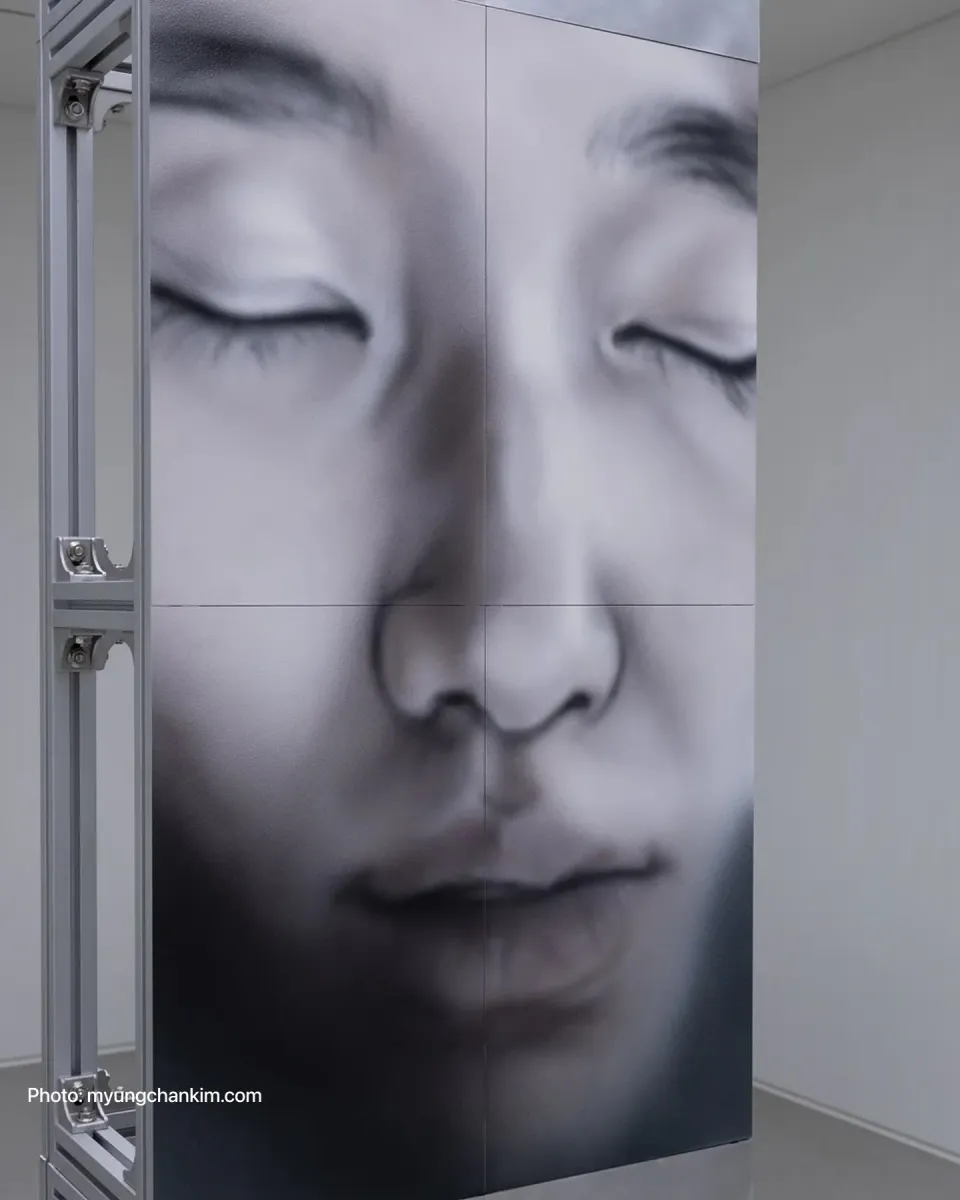
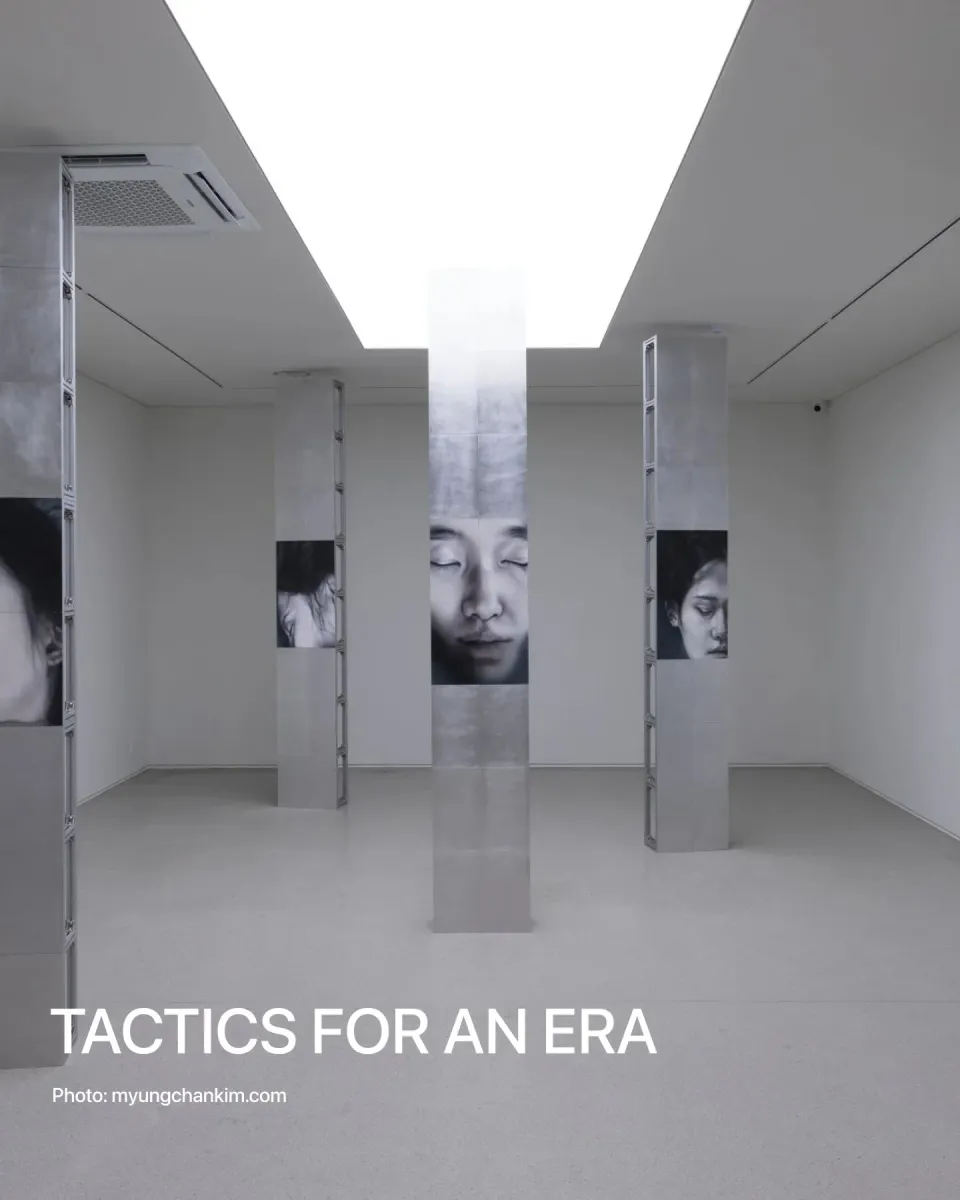
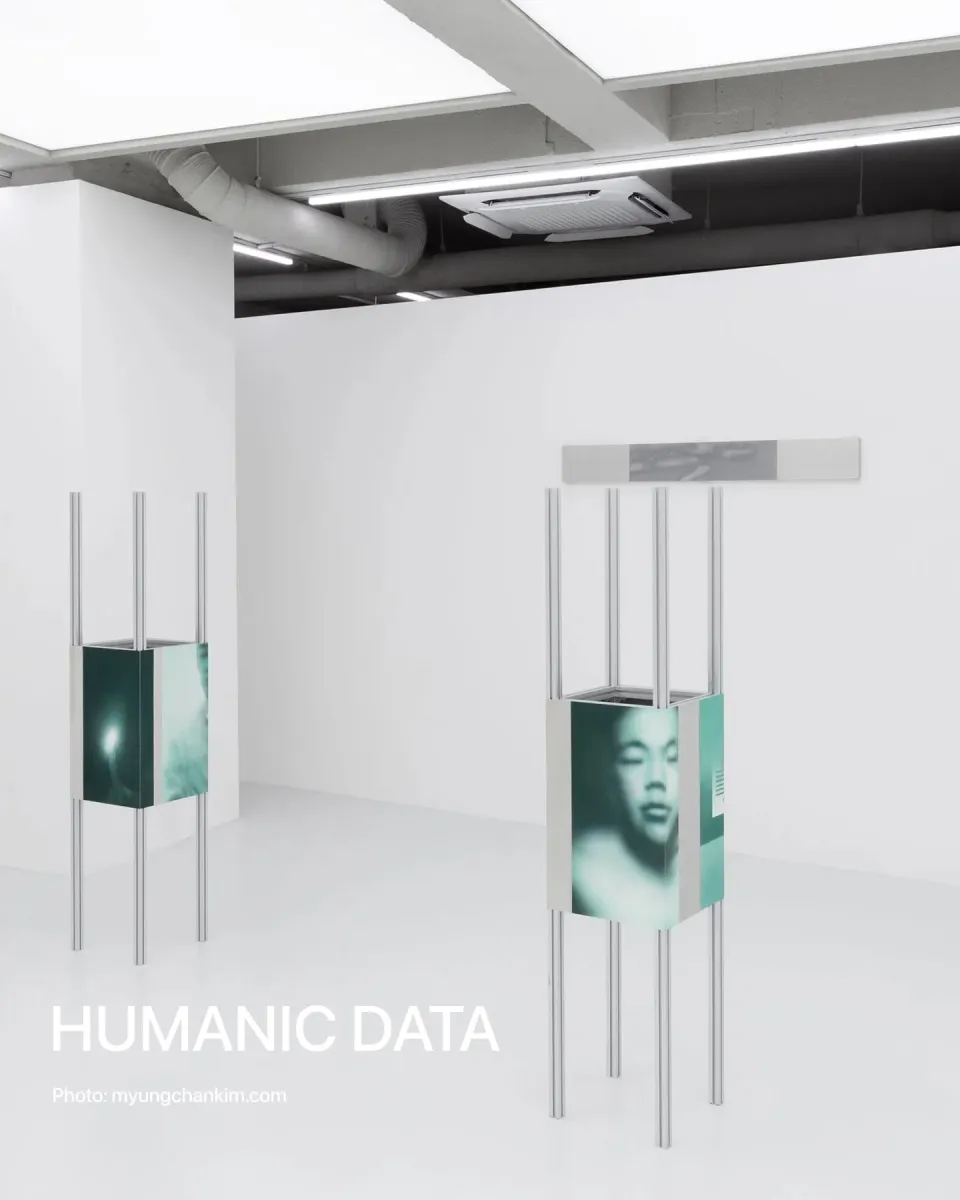
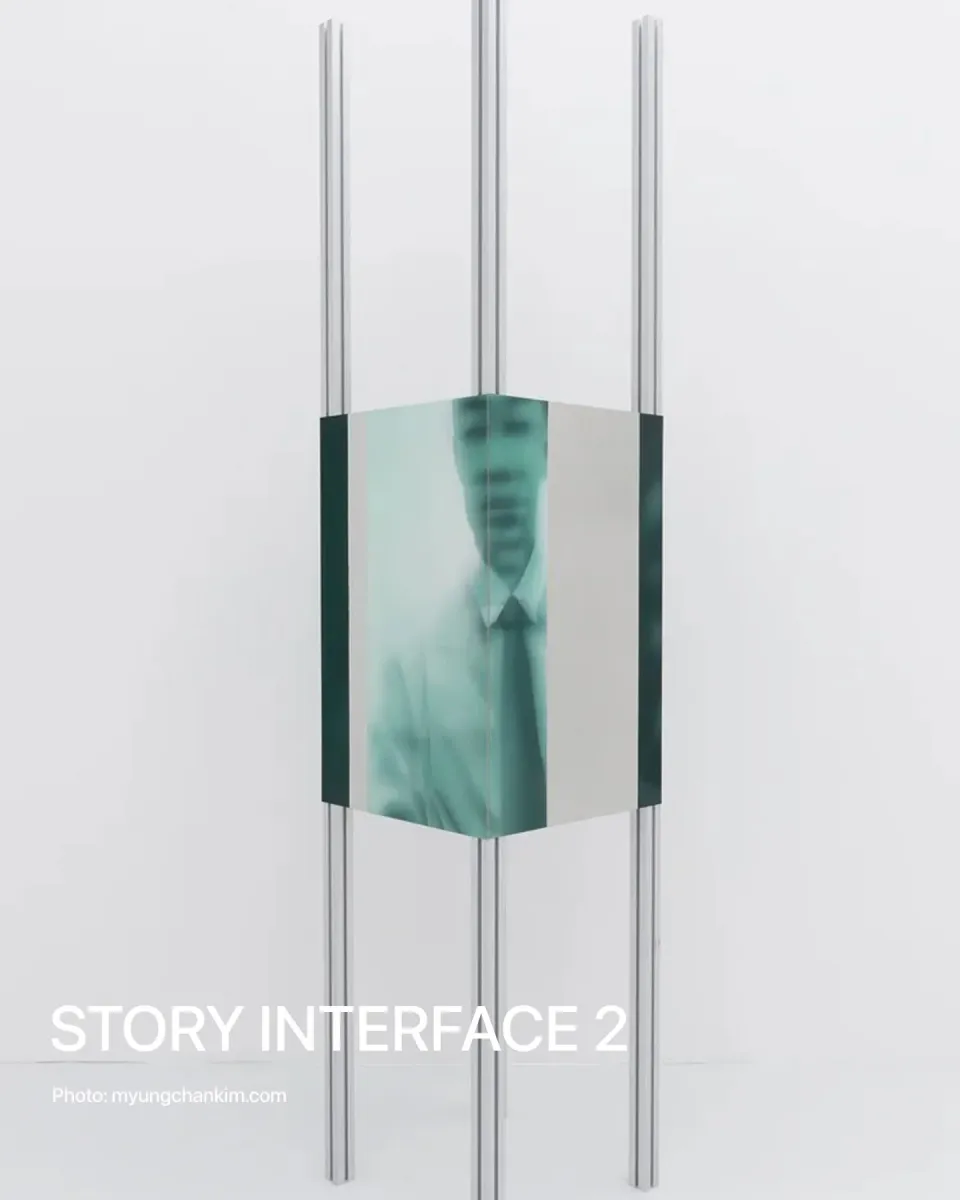
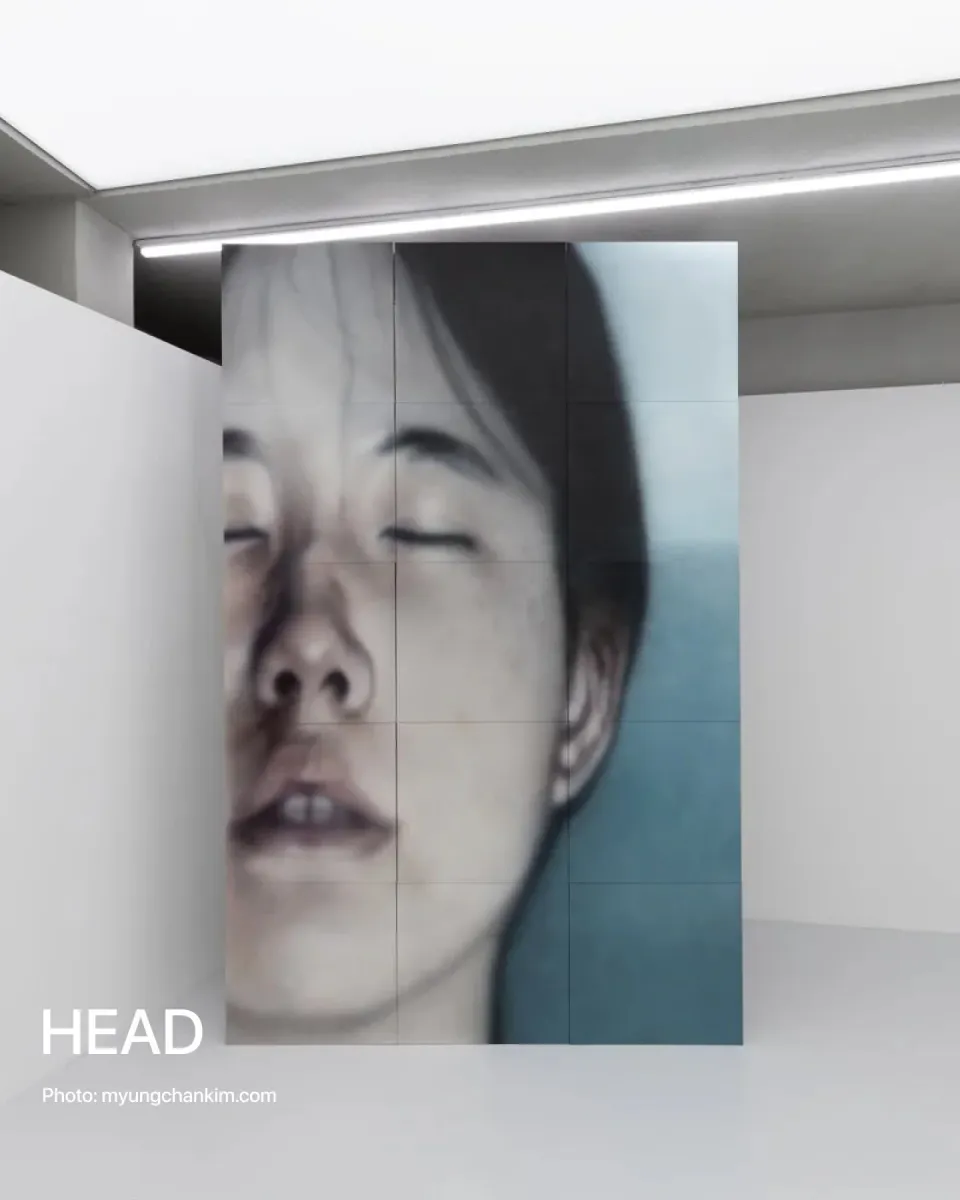
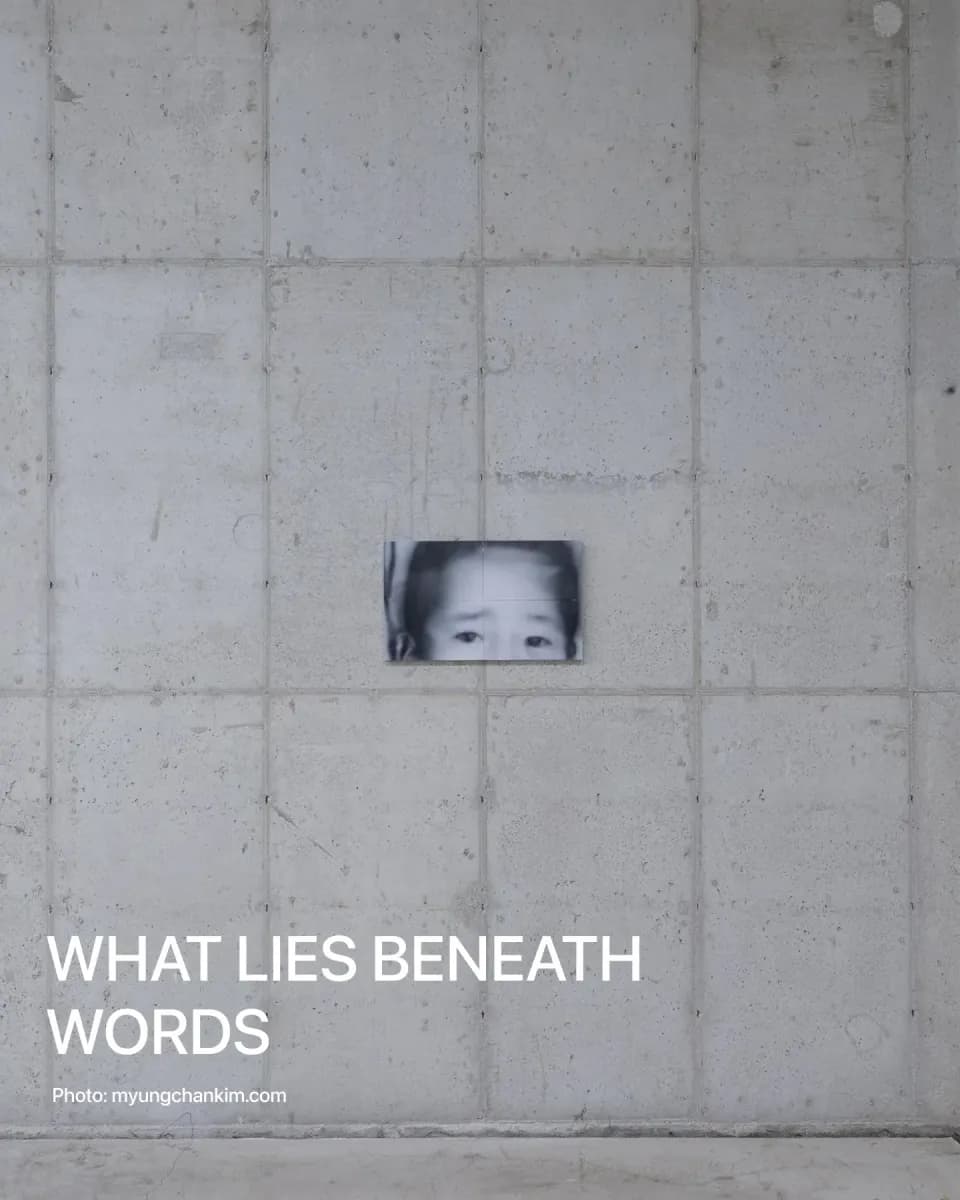
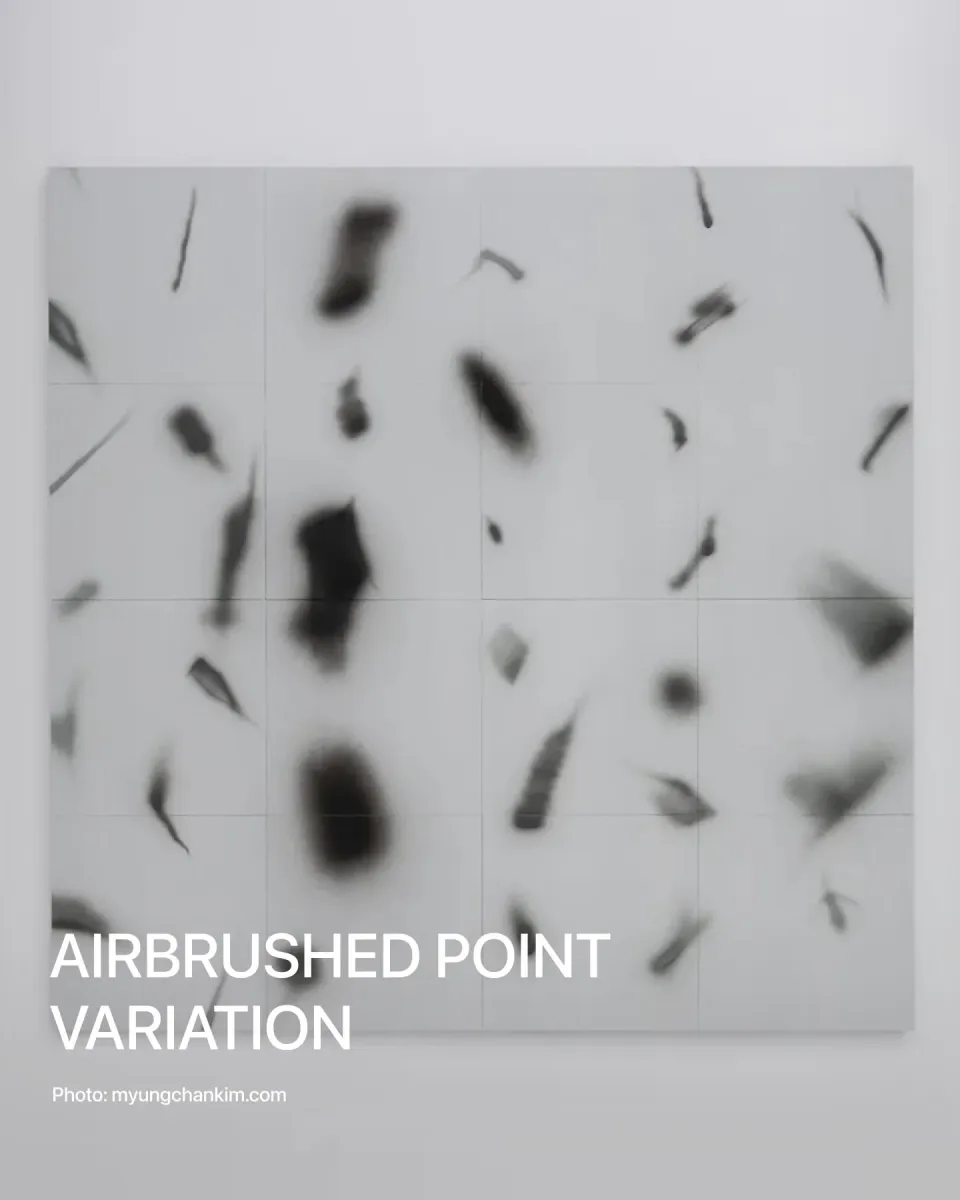
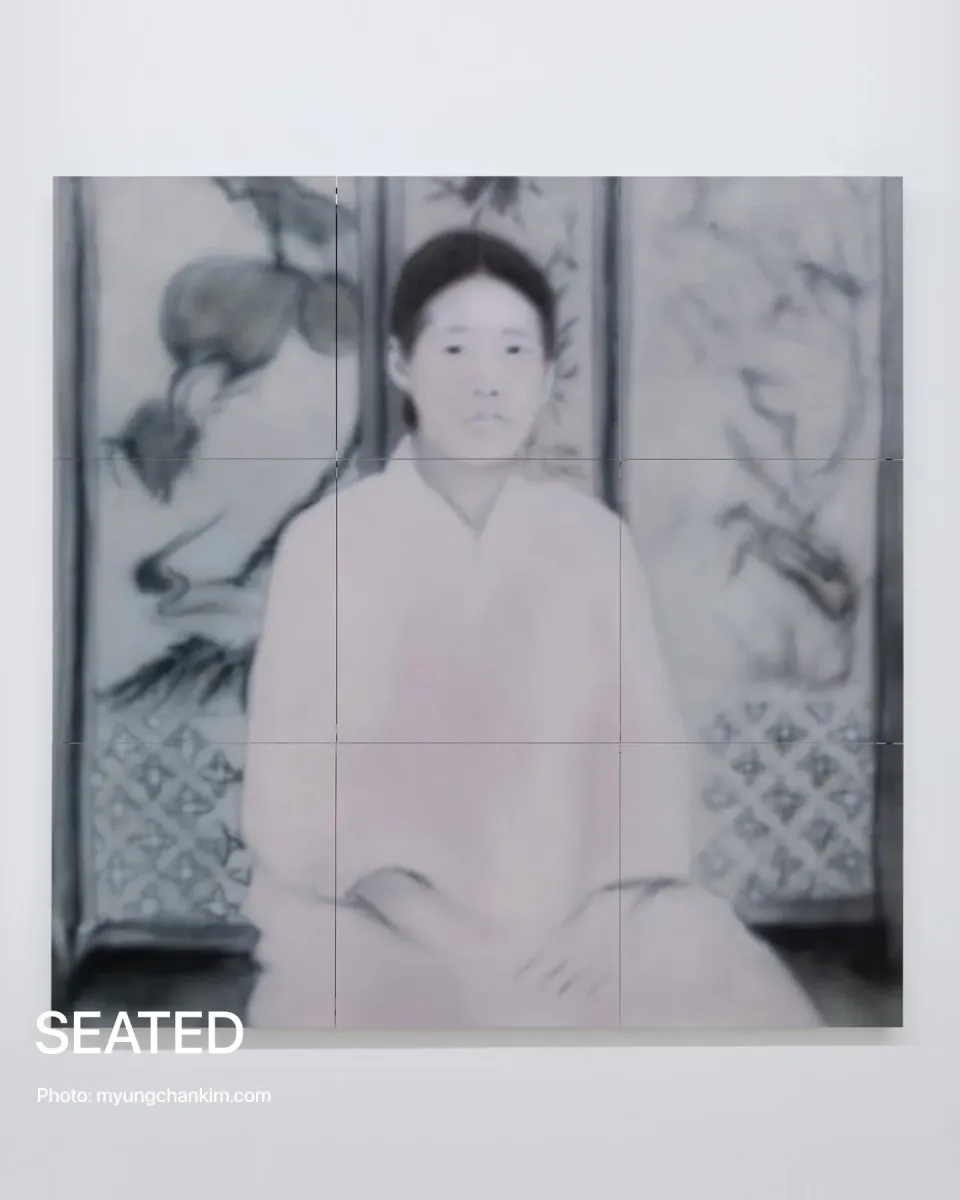
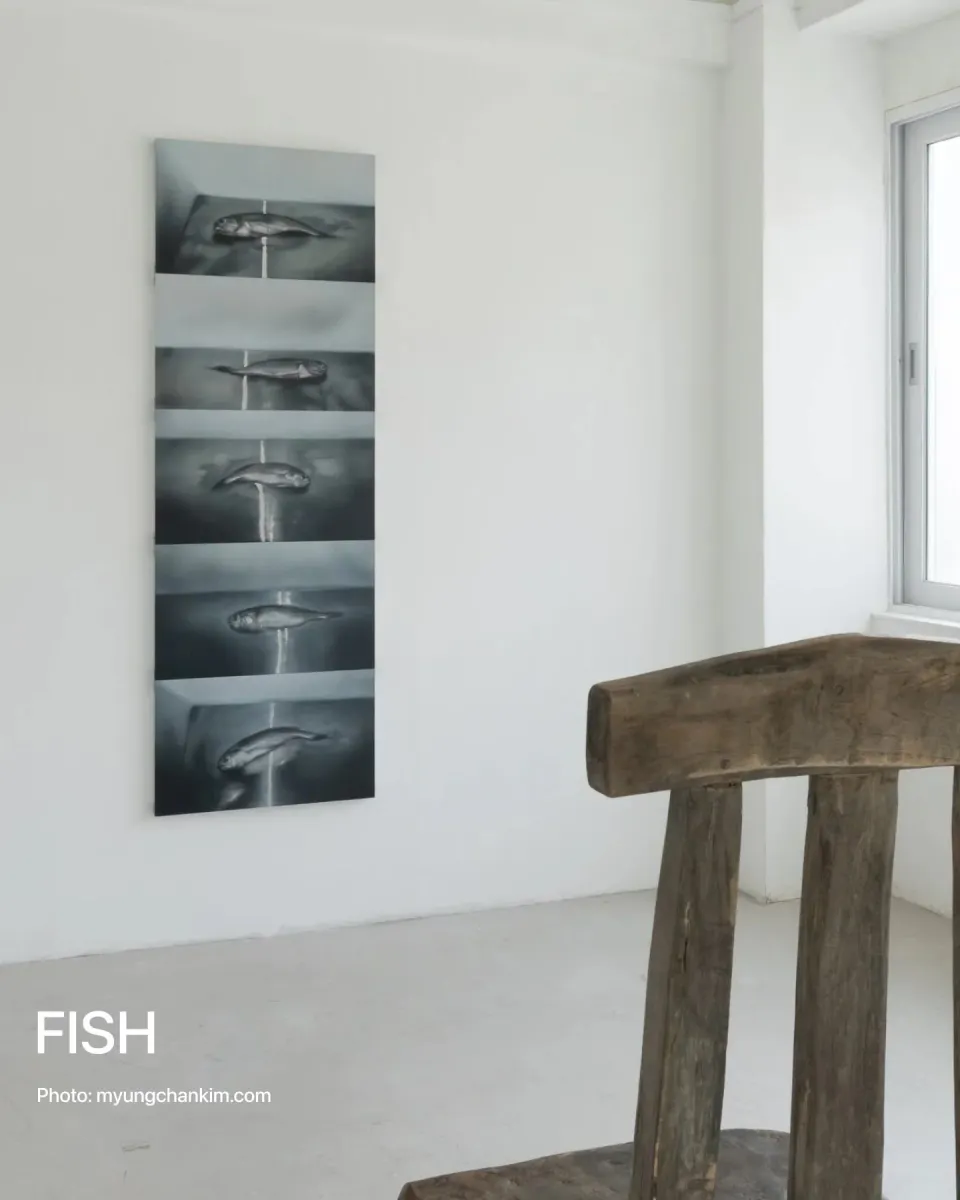
@kim.myungchan
.webp&w=1200&q=75)
Cergy / Paris / 2026
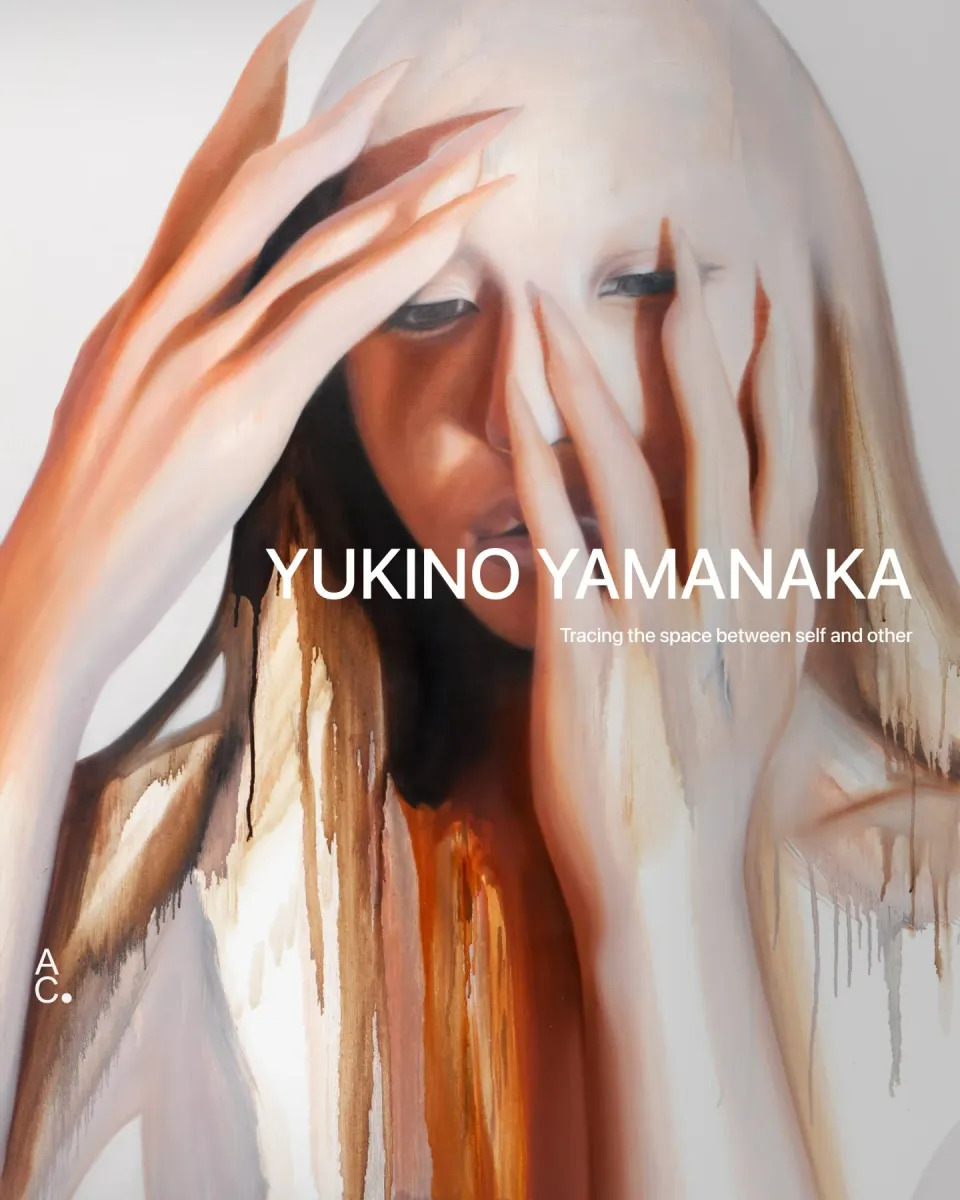
@yukino_yamanaka
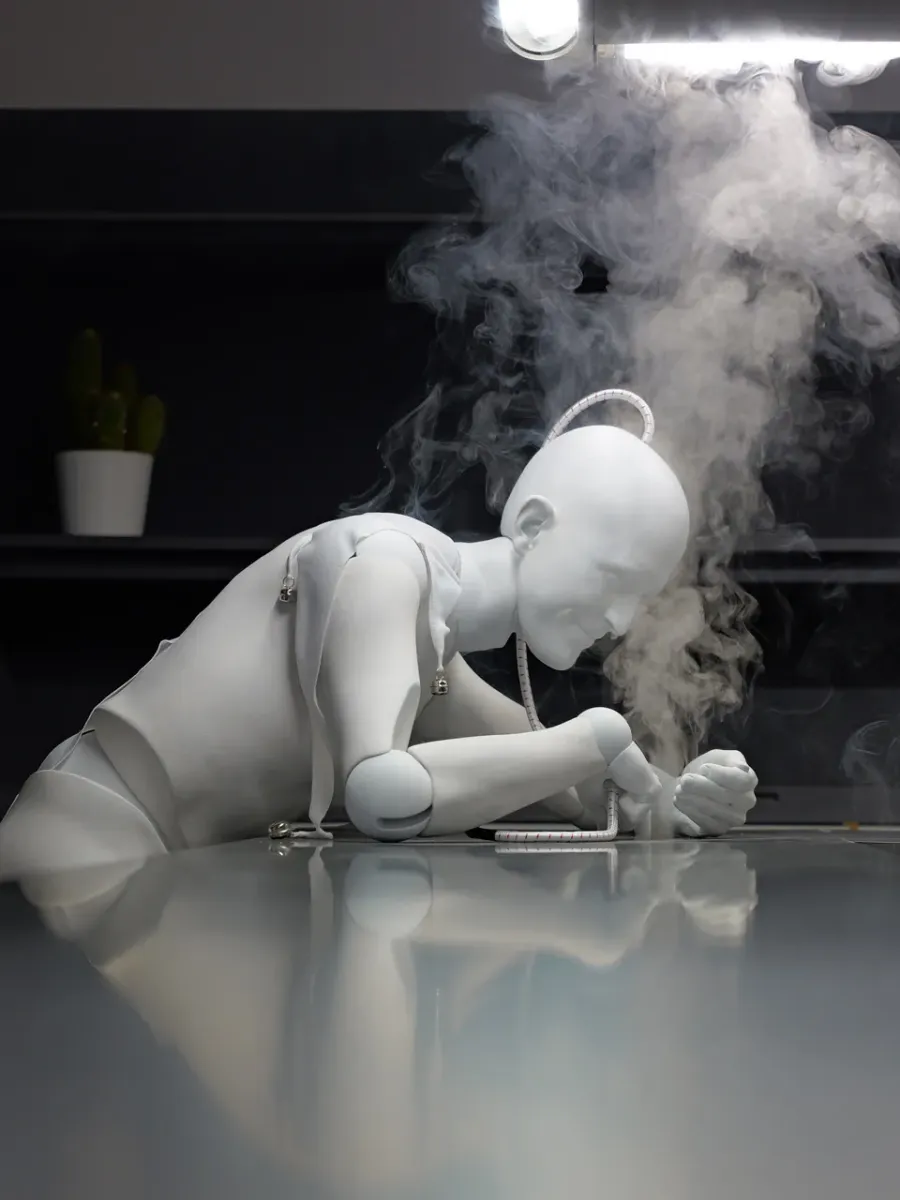
Düsseldorf / 2026
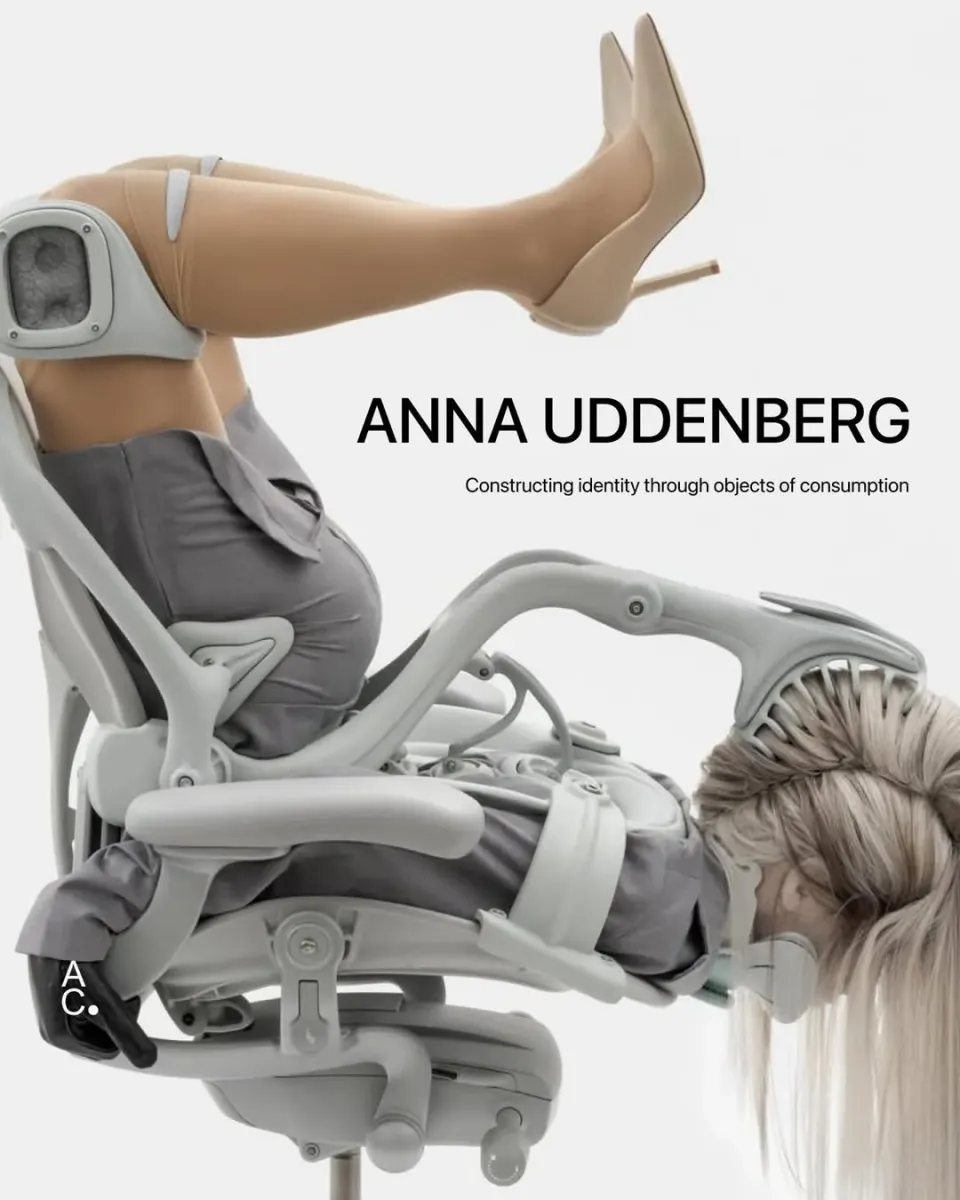
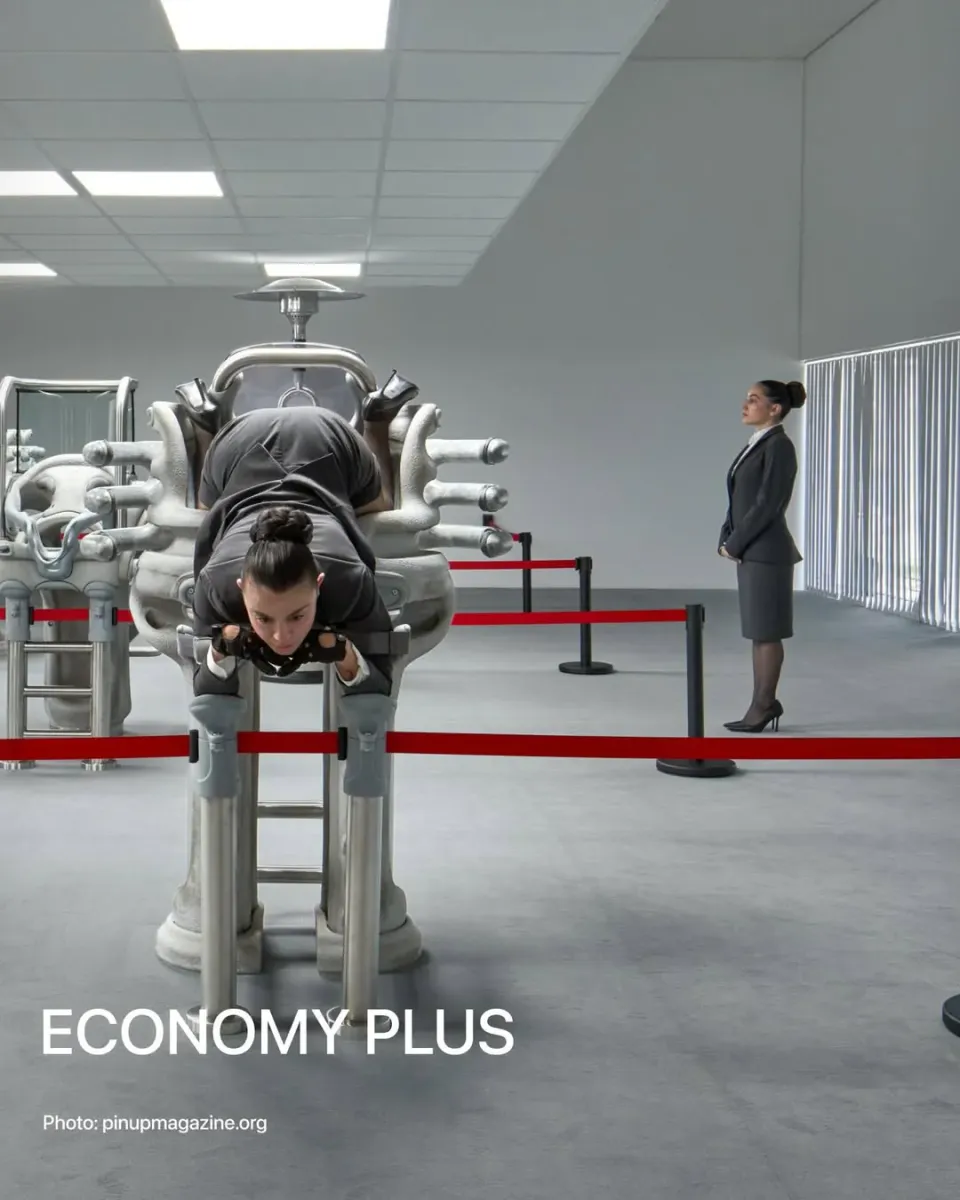
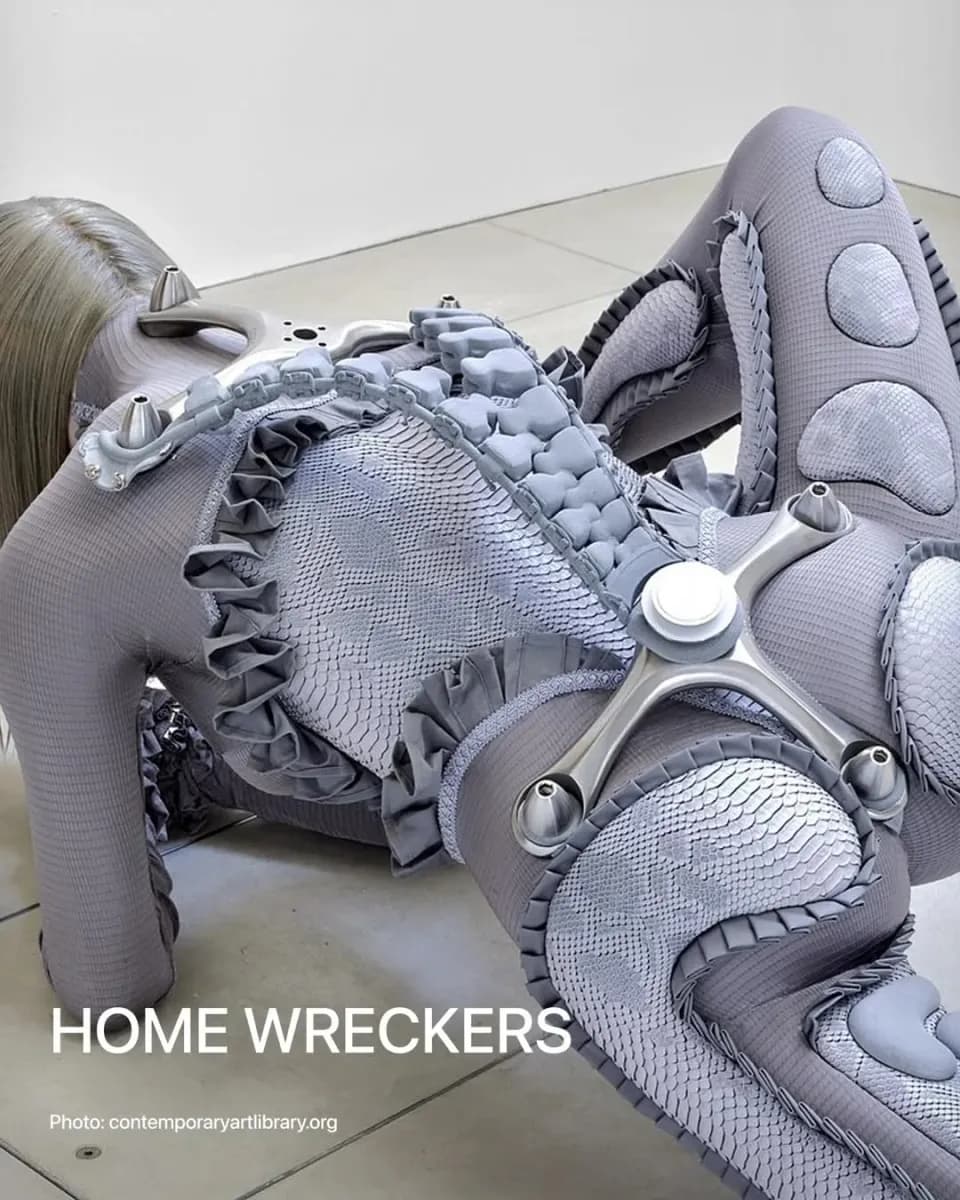
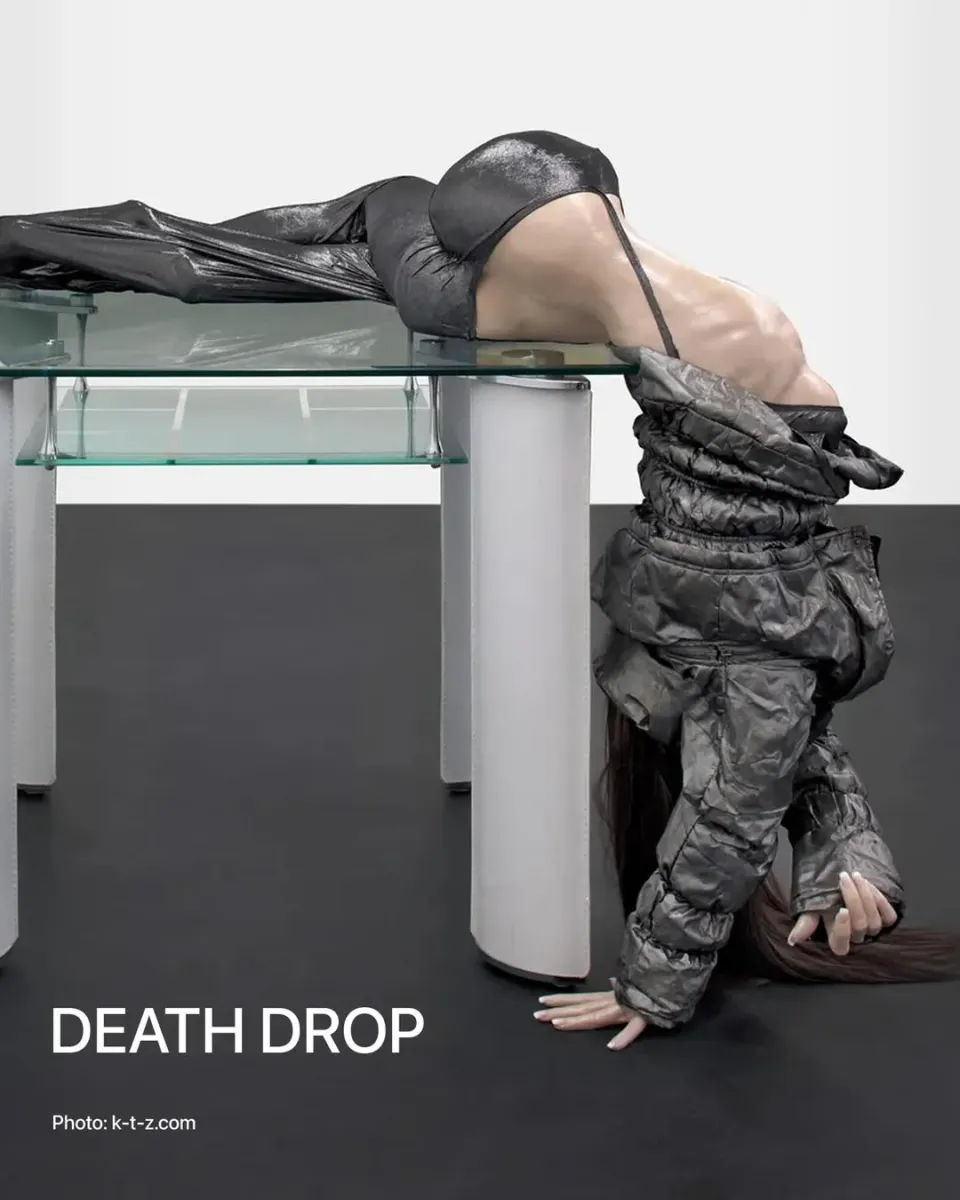
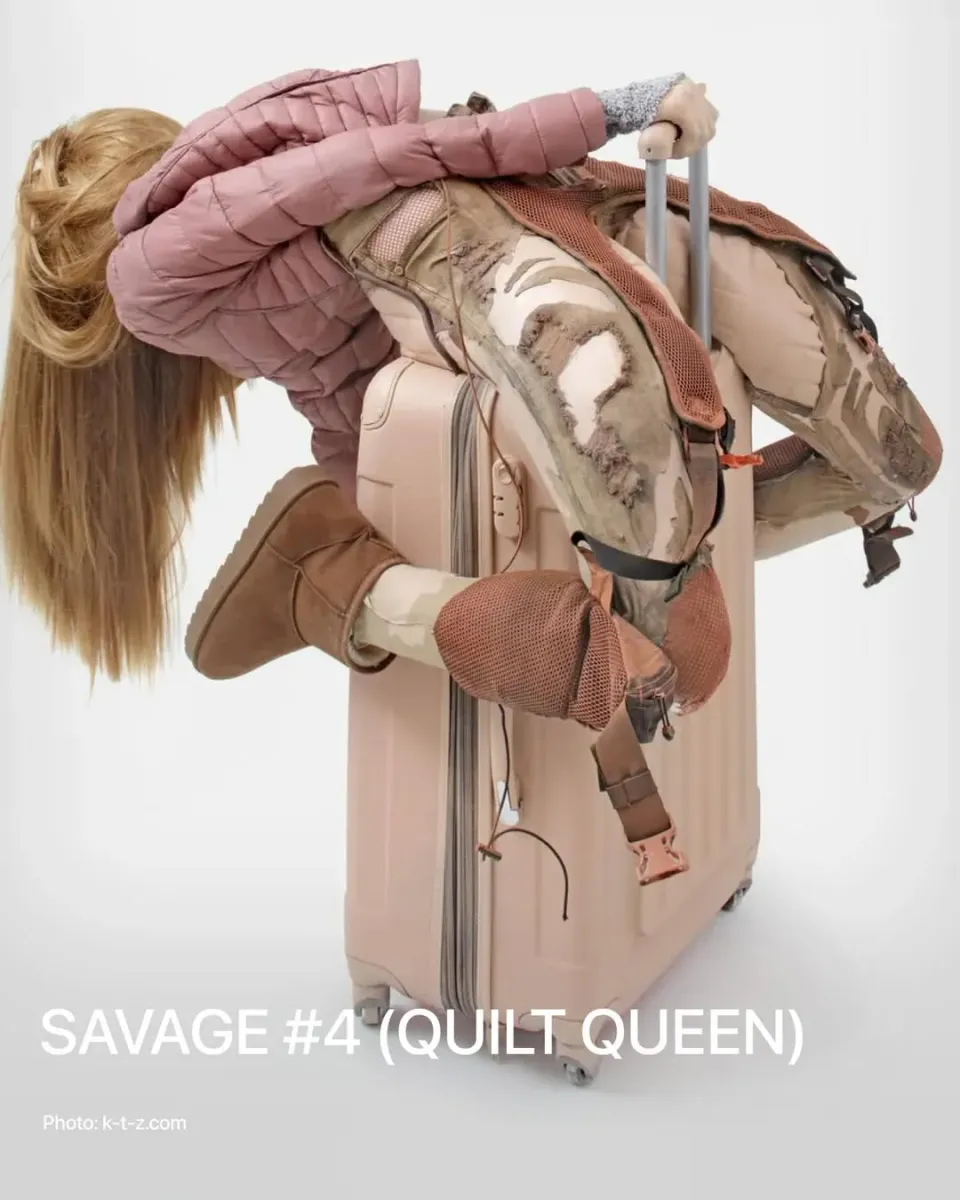
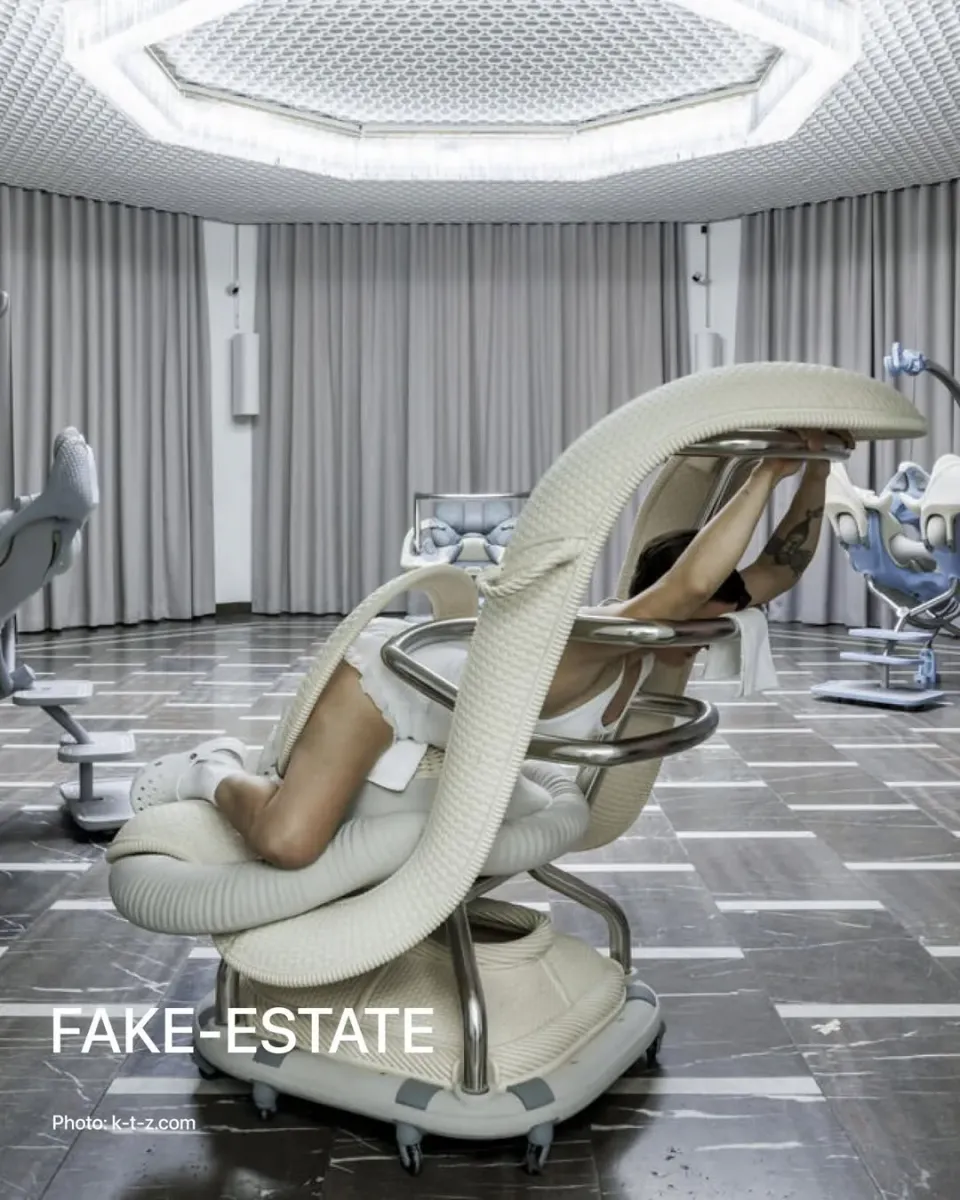
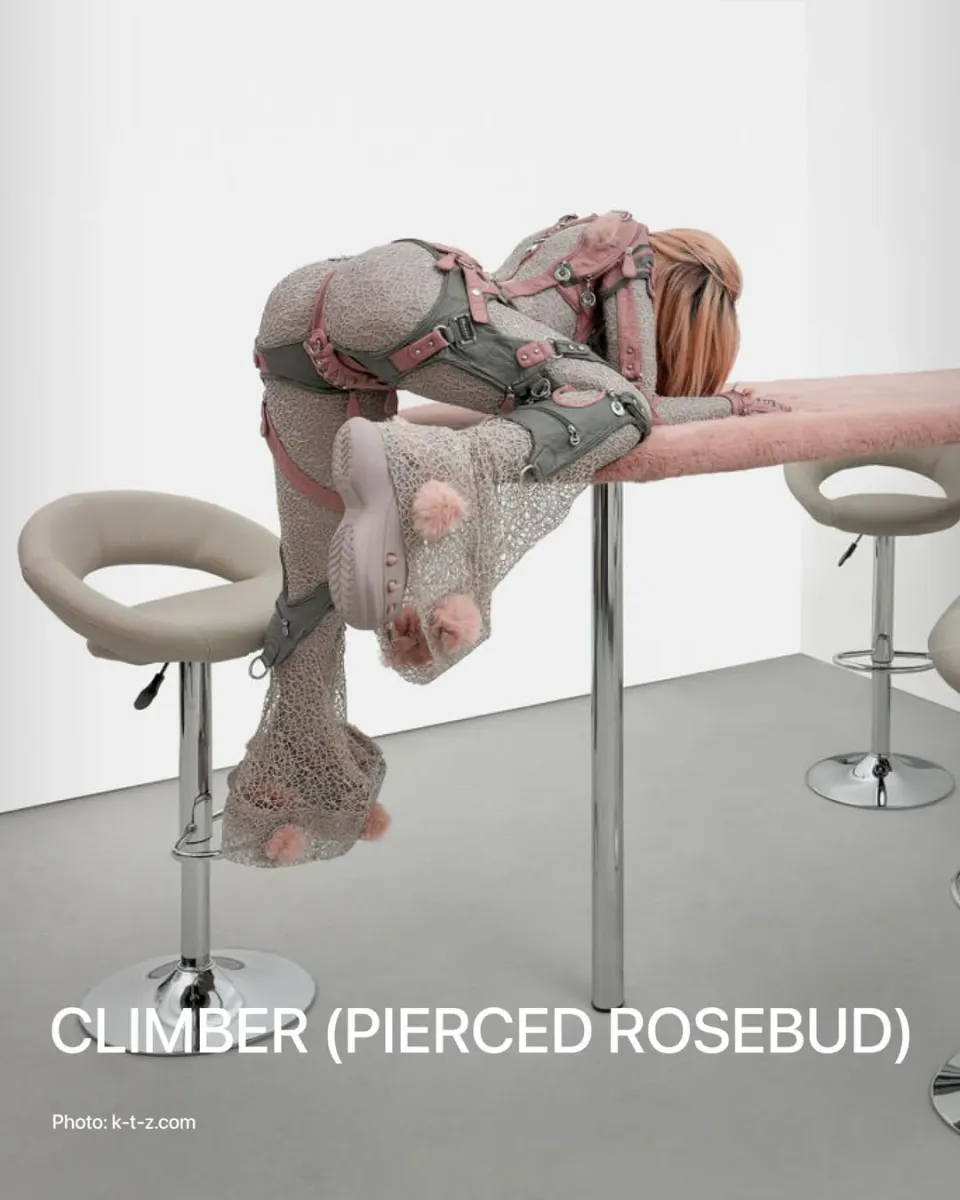
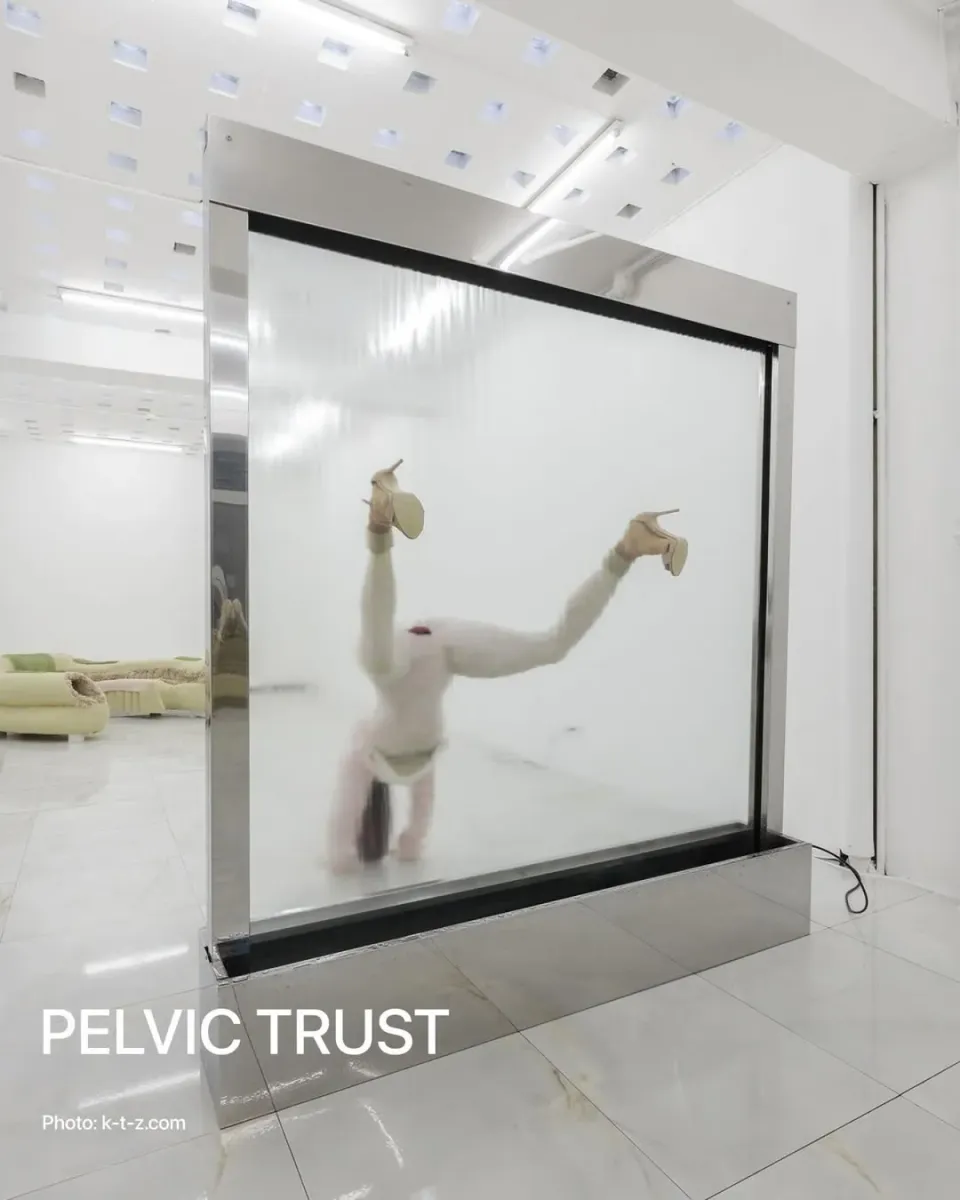
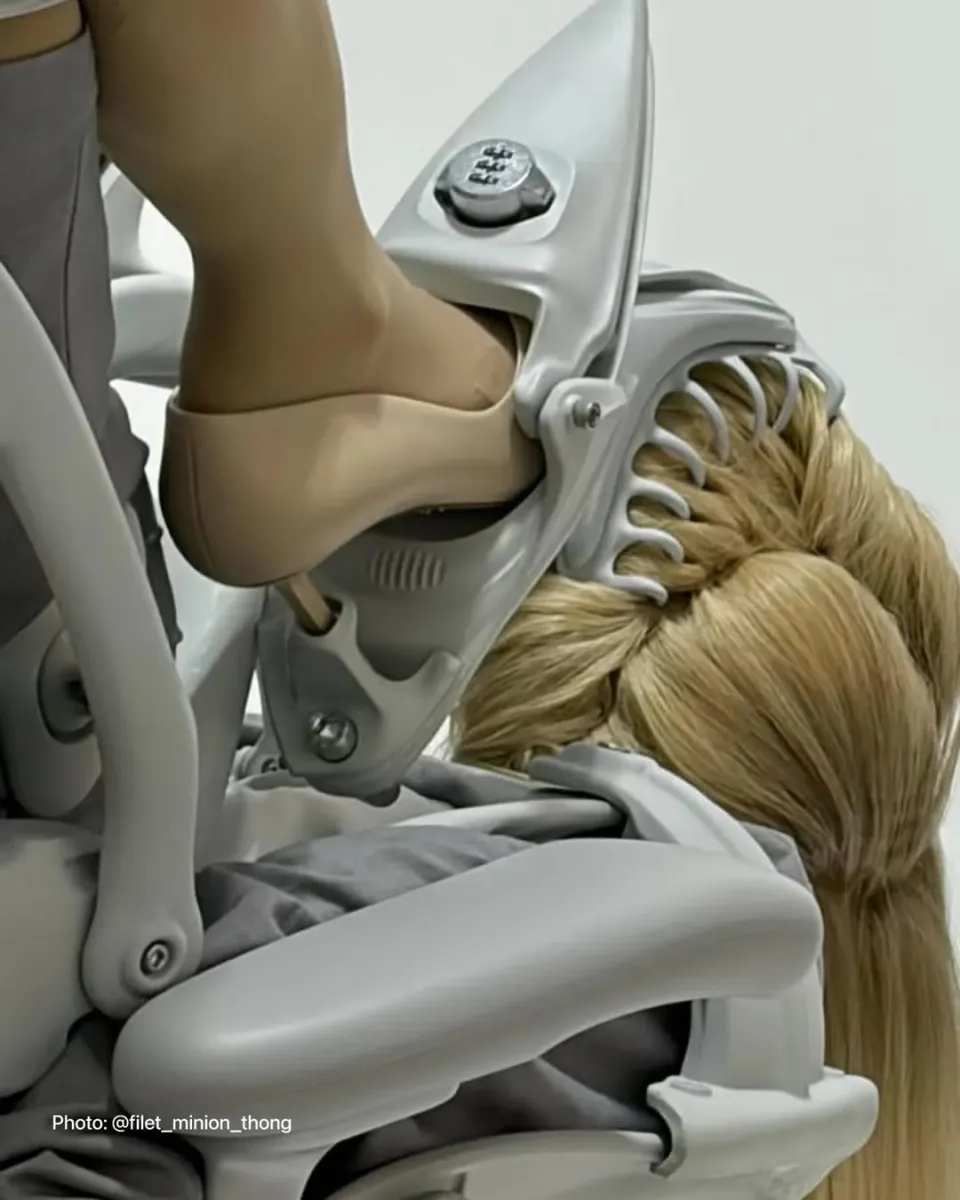
@filet_minion_thong
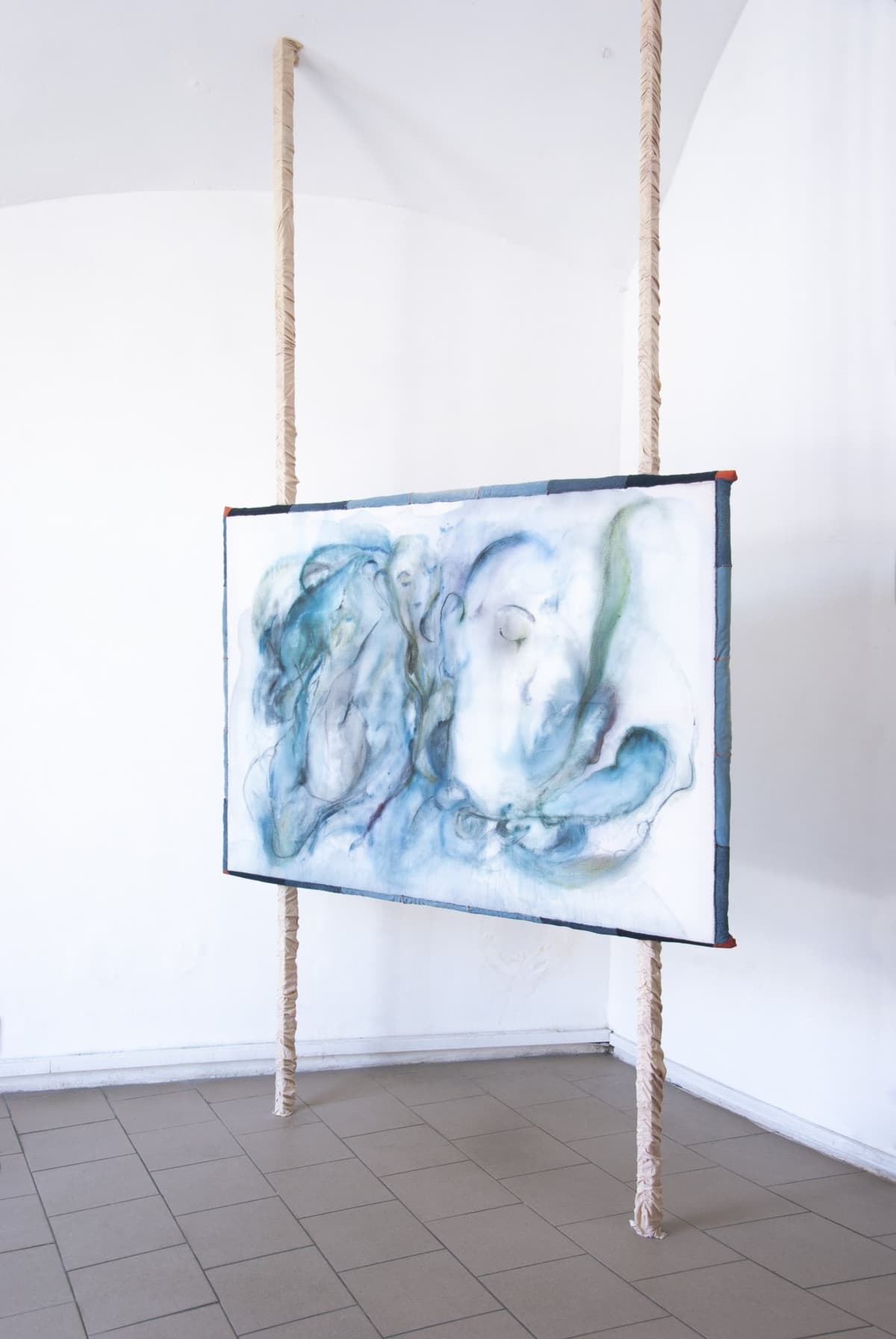
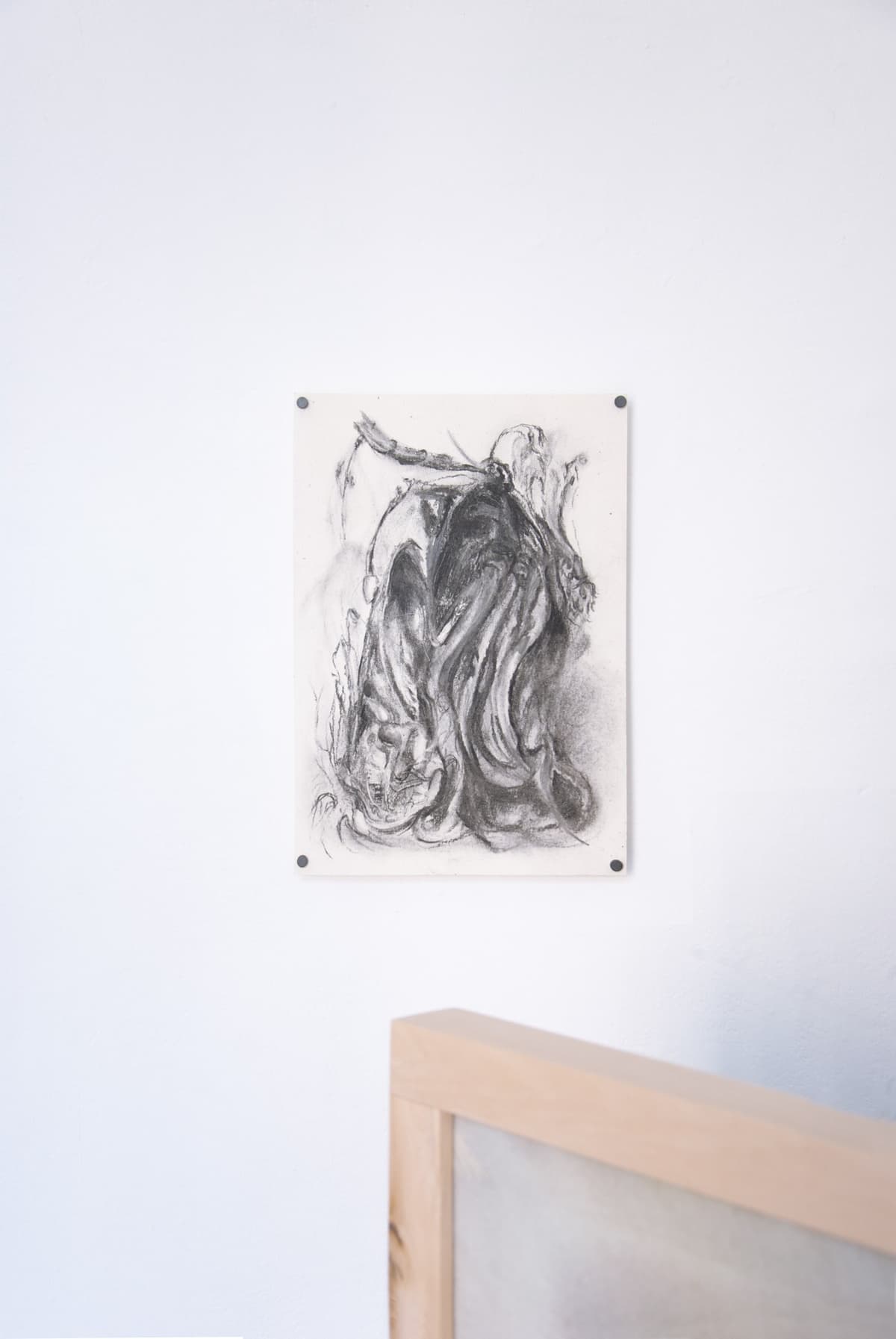
Brno / 2025
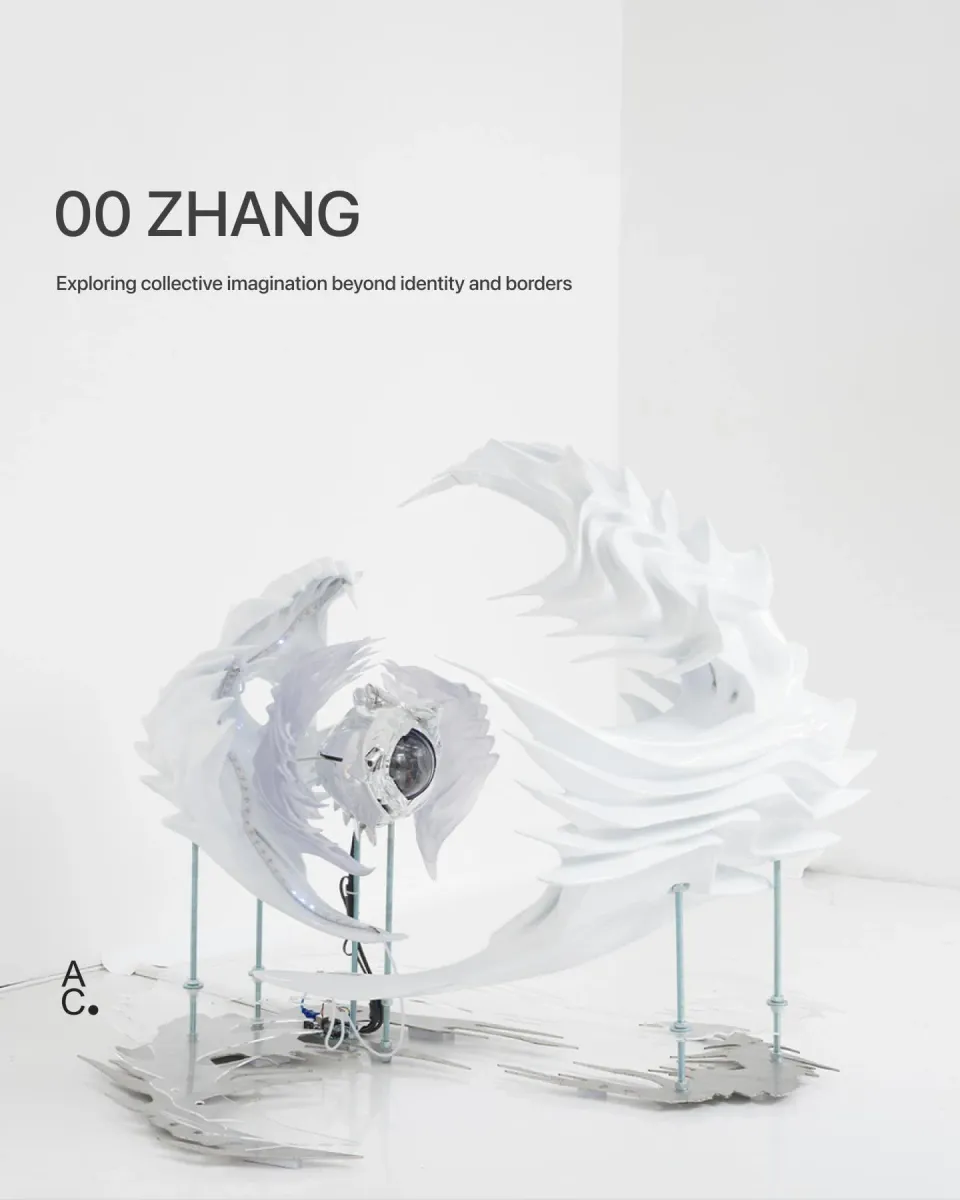
@aio0o0o0
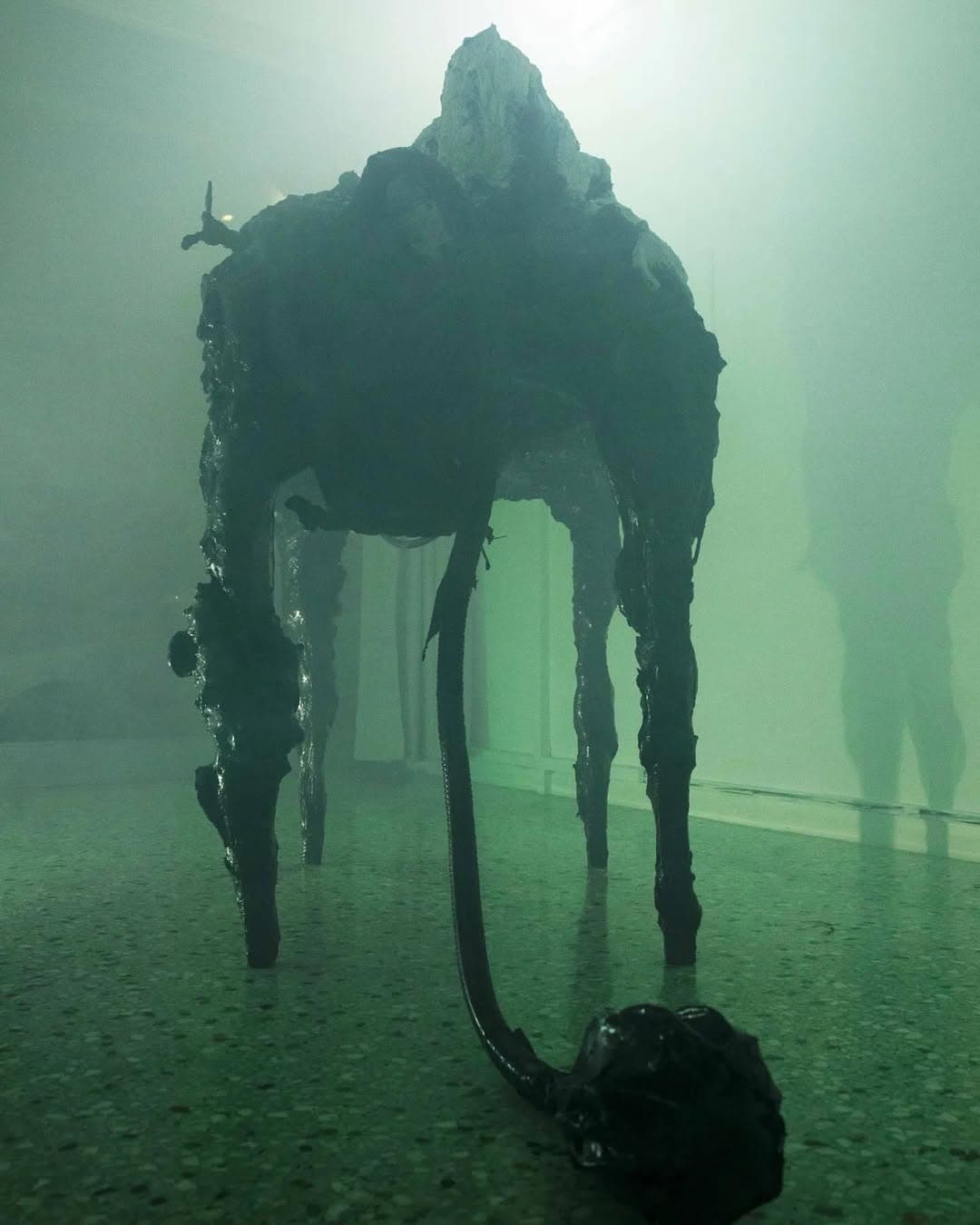
/ 2024
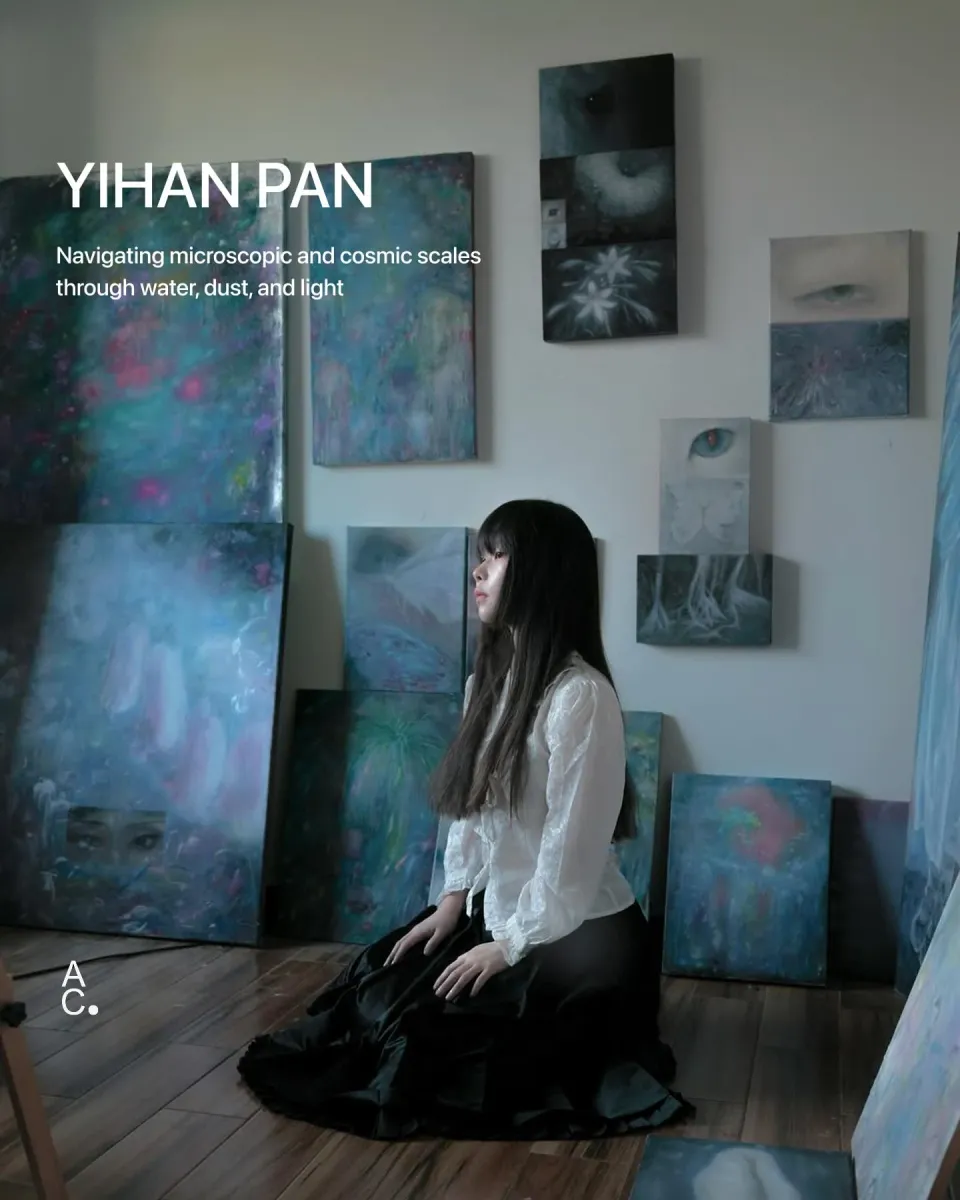
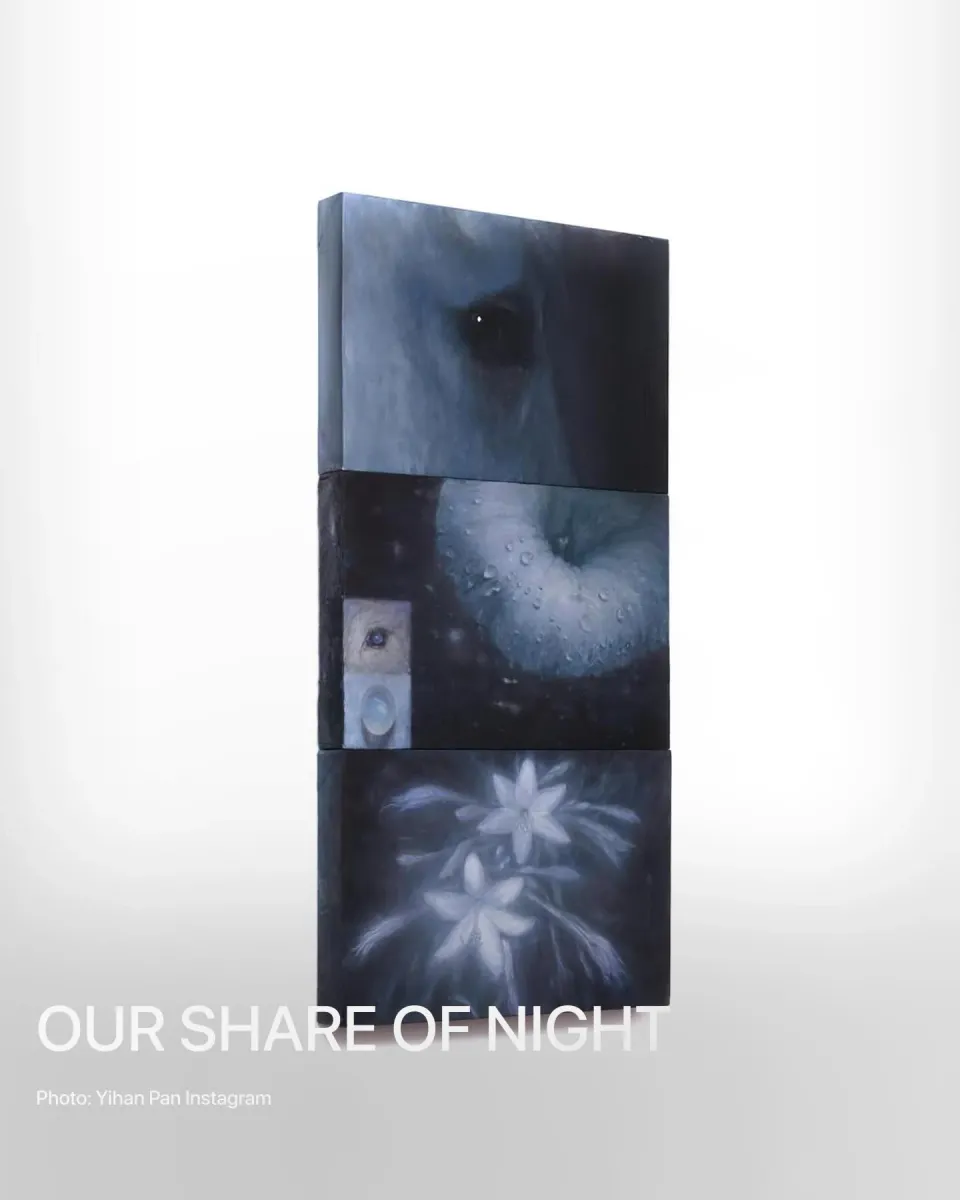
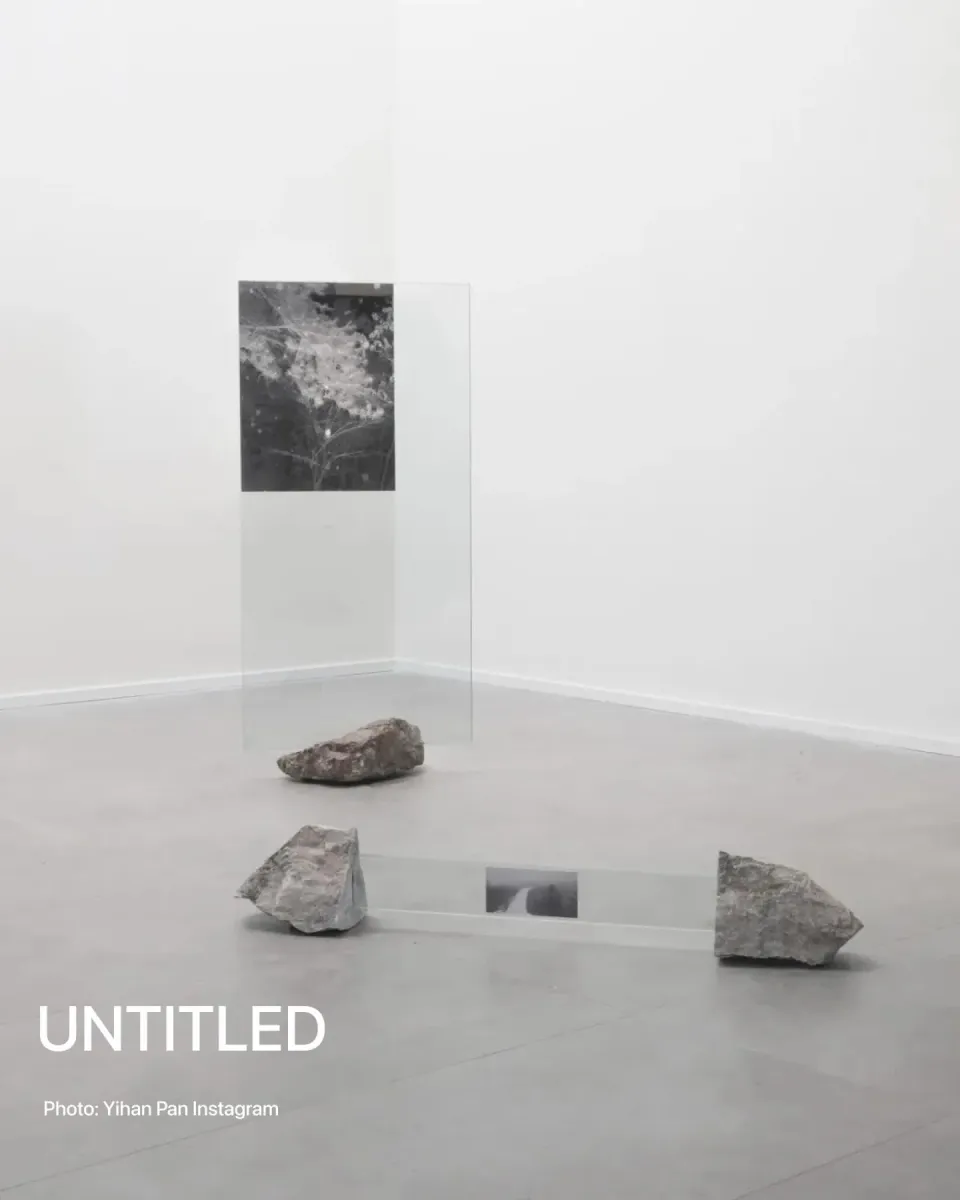
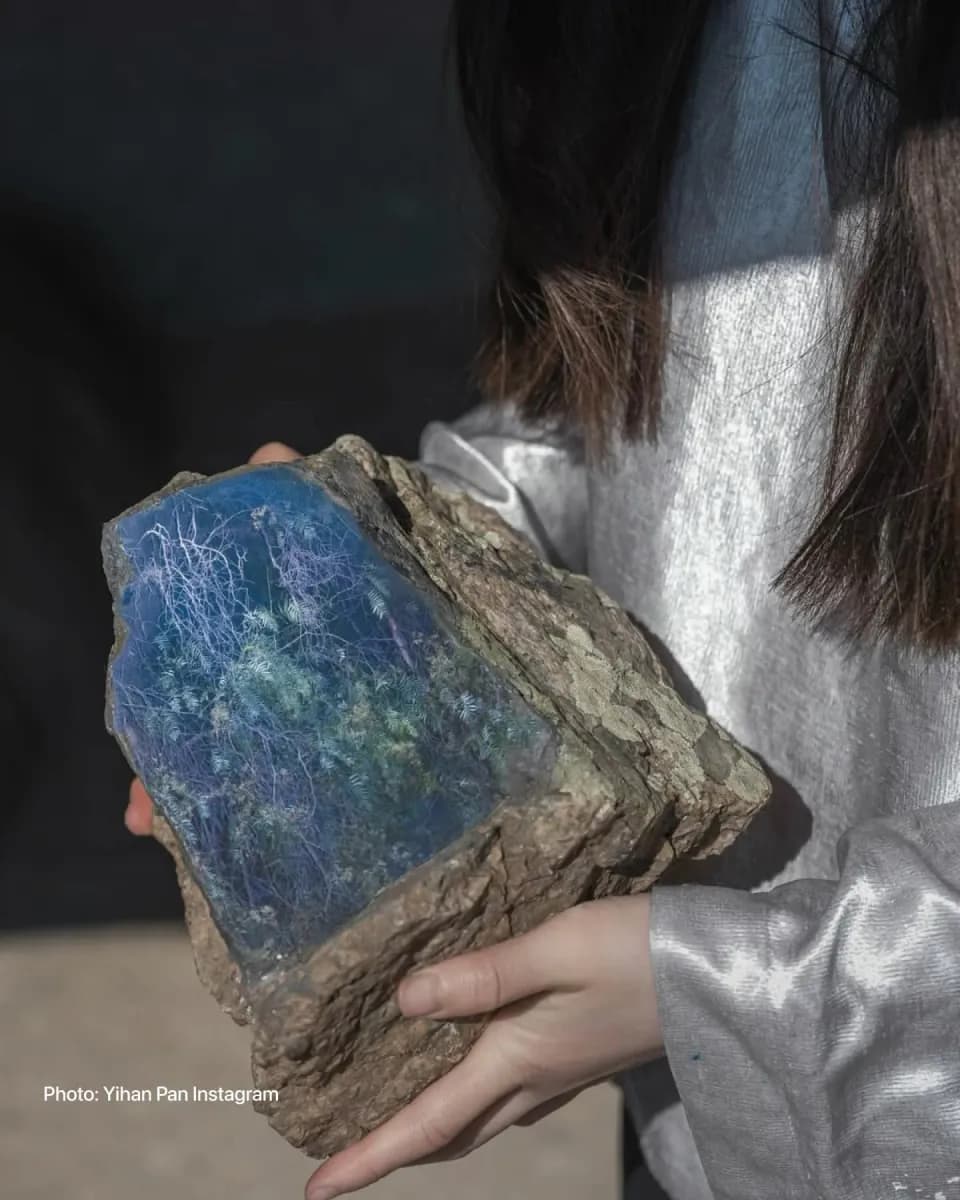
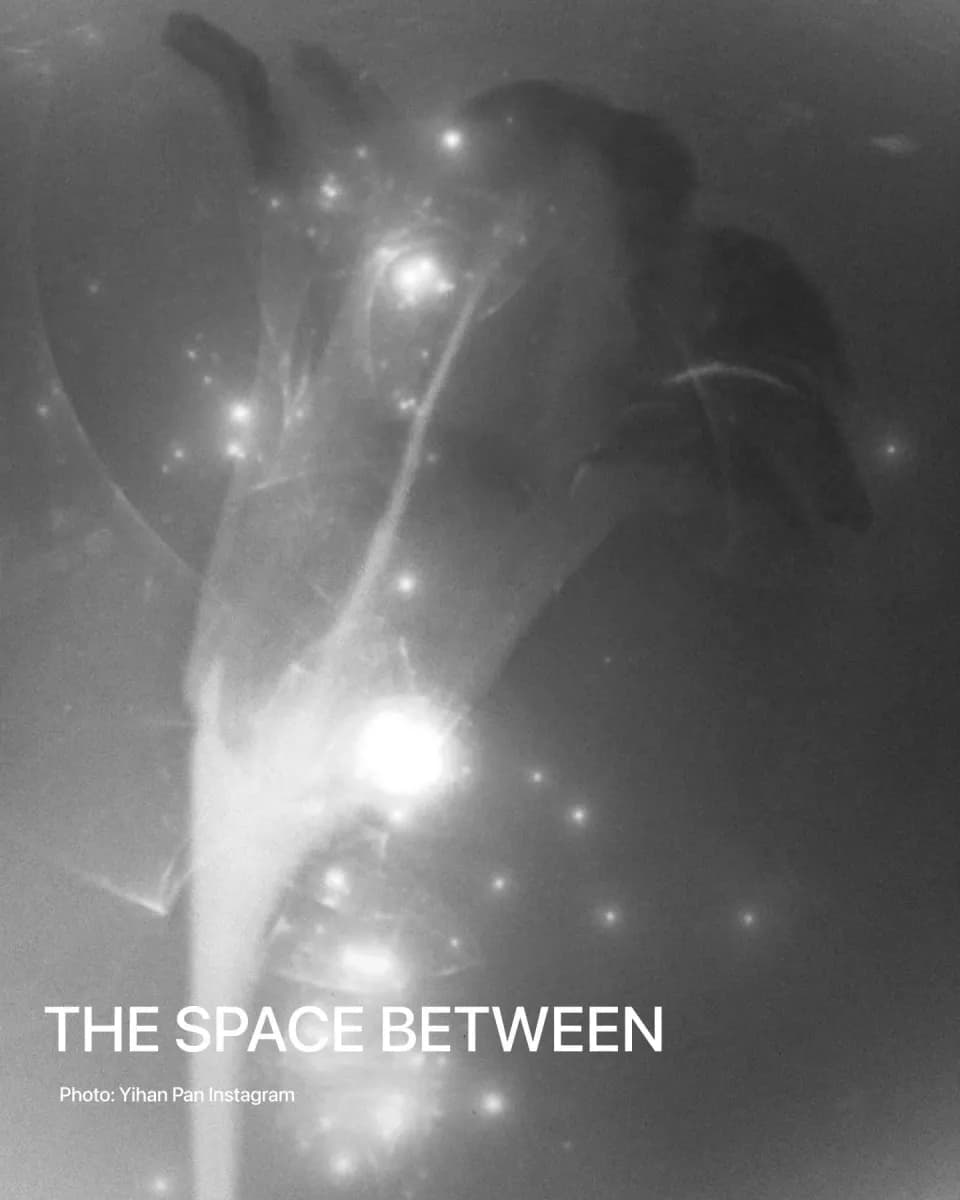
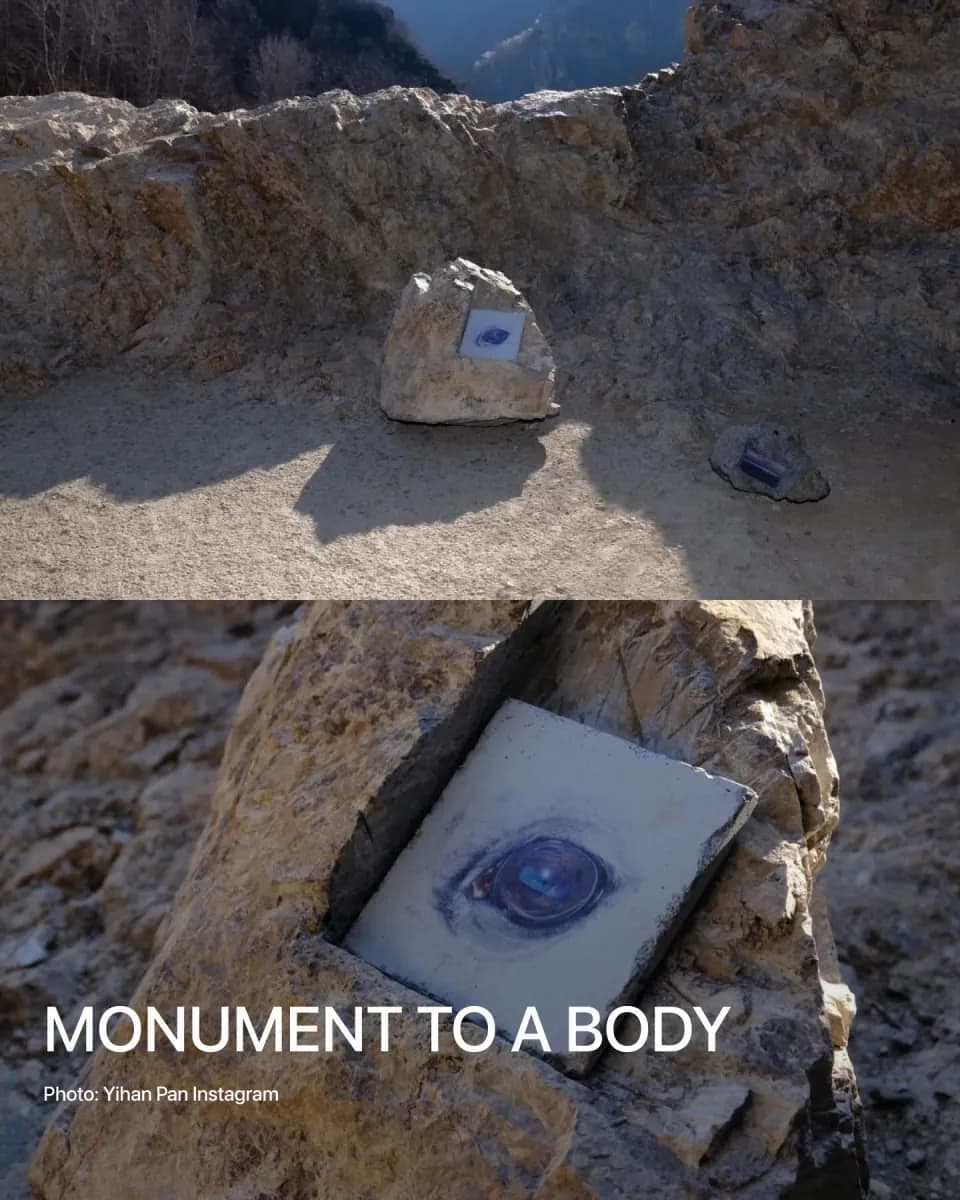
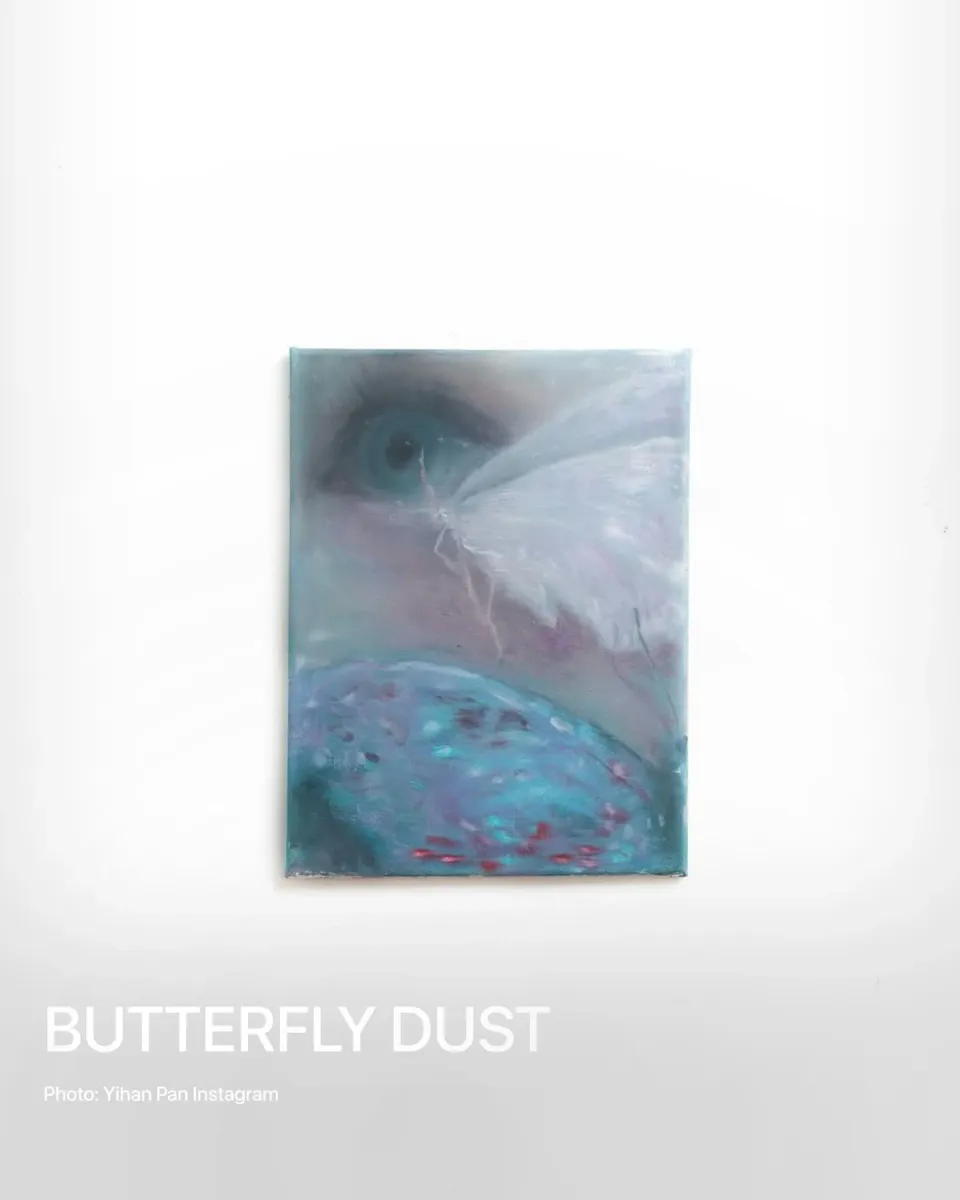
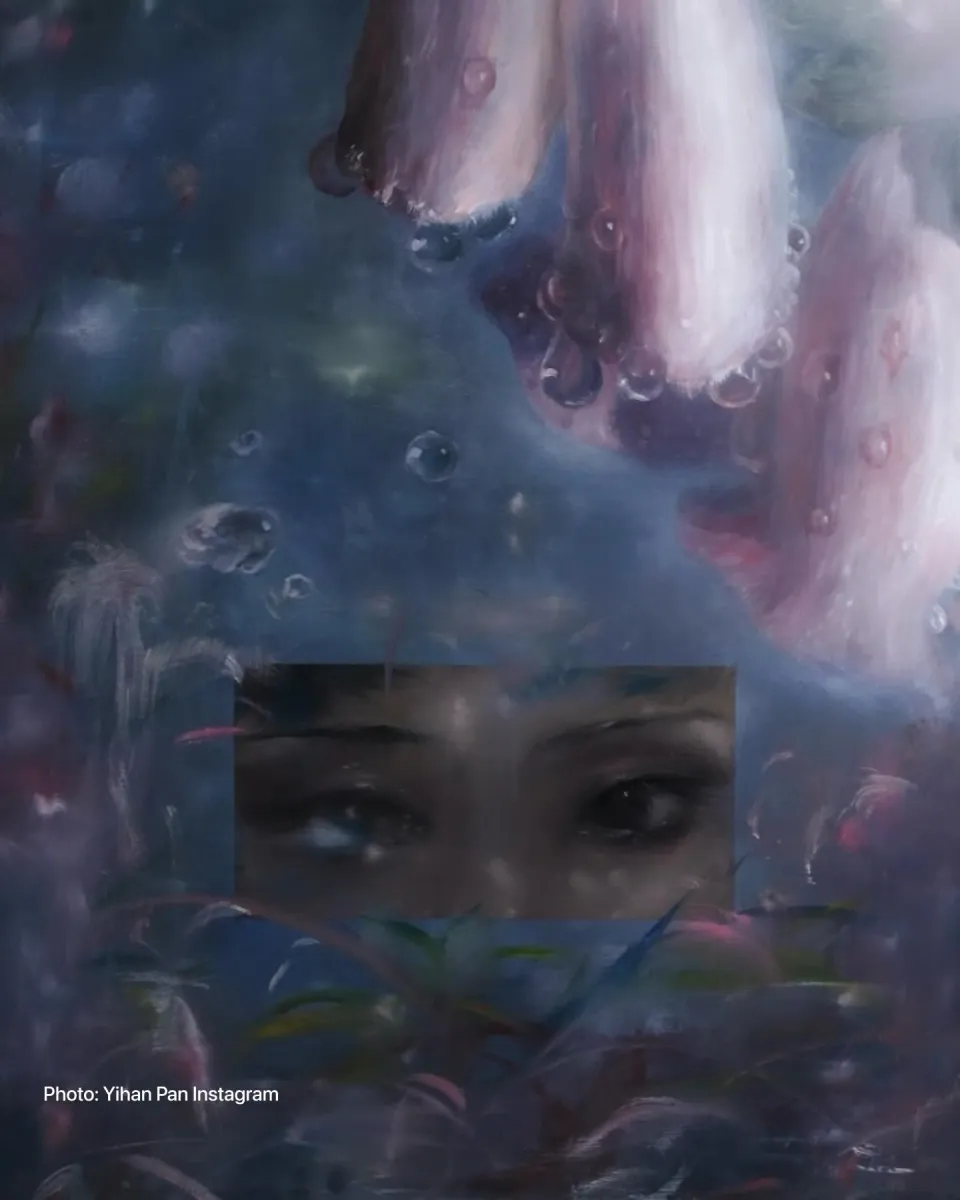
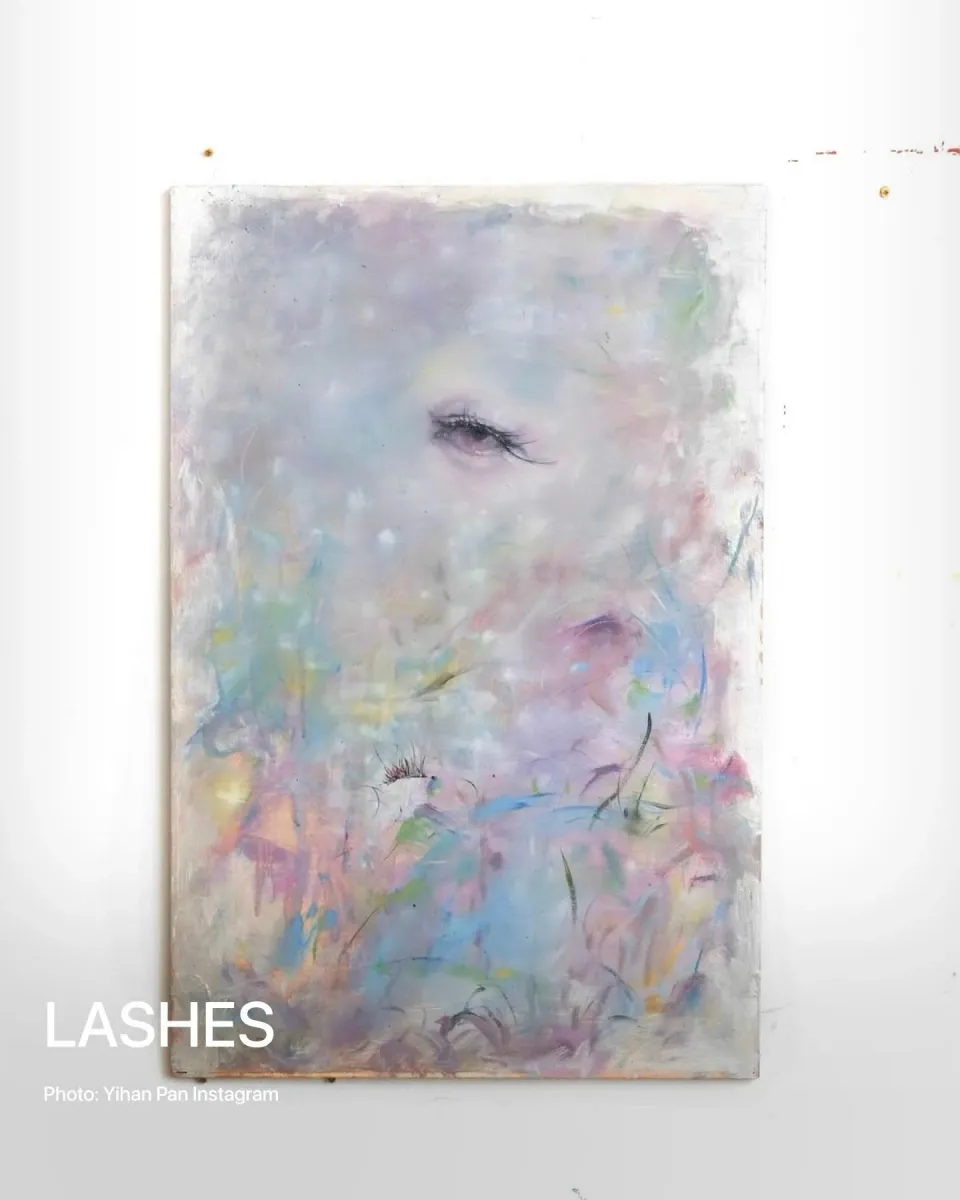
@pyhii
London / 2024
@emma.beatrez
Innsbruck / 2025
@s_gatzkan
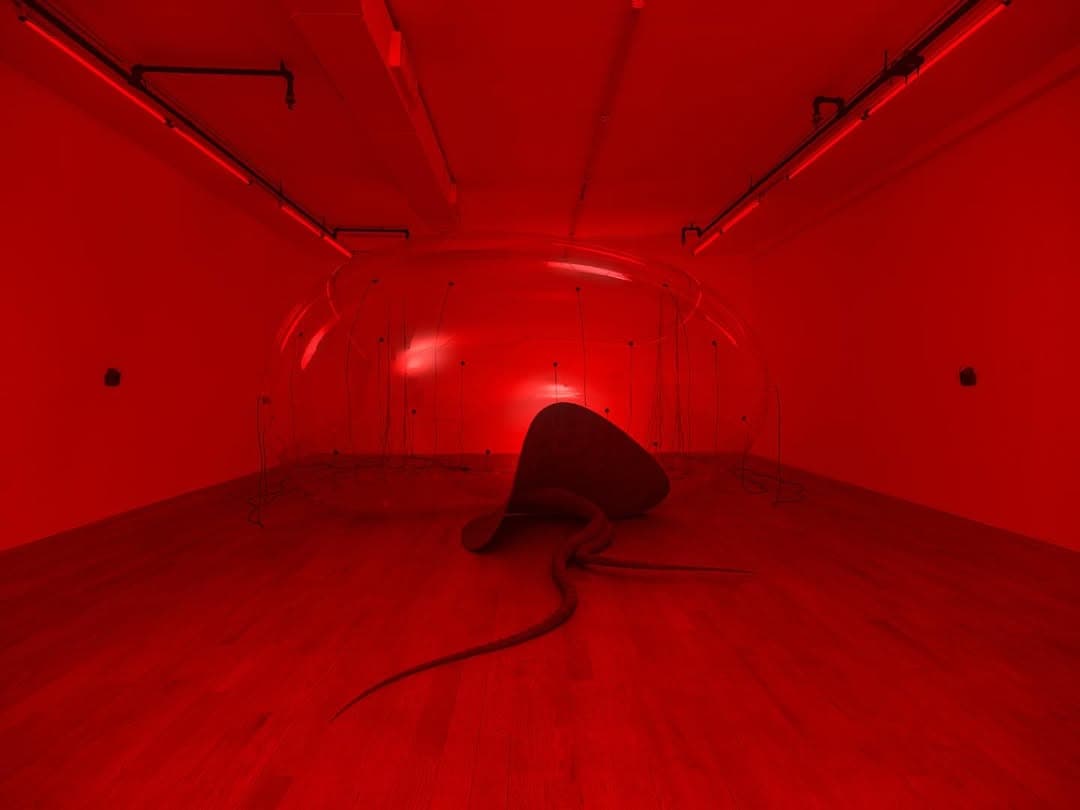
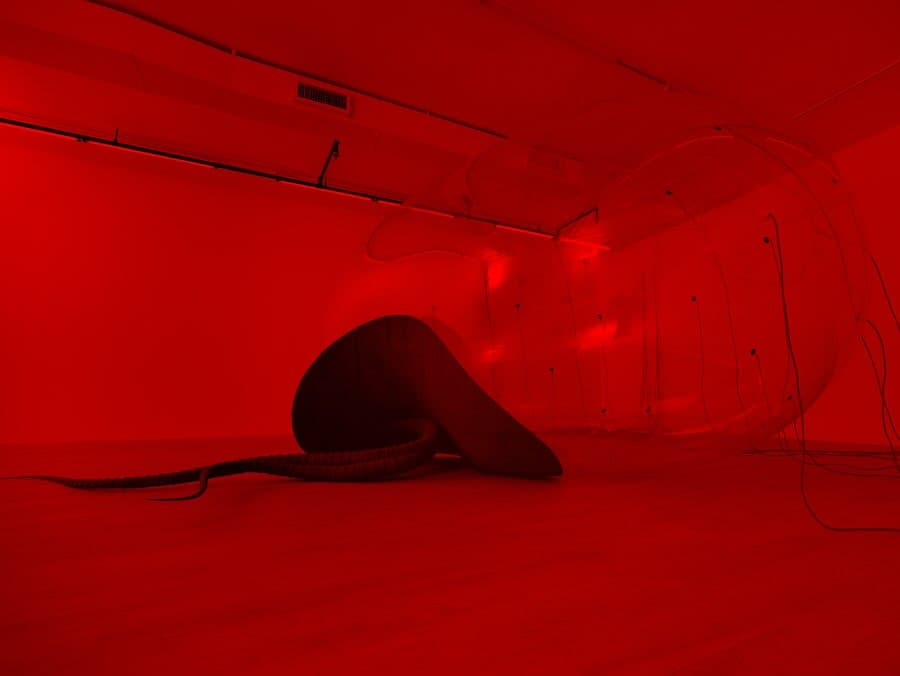
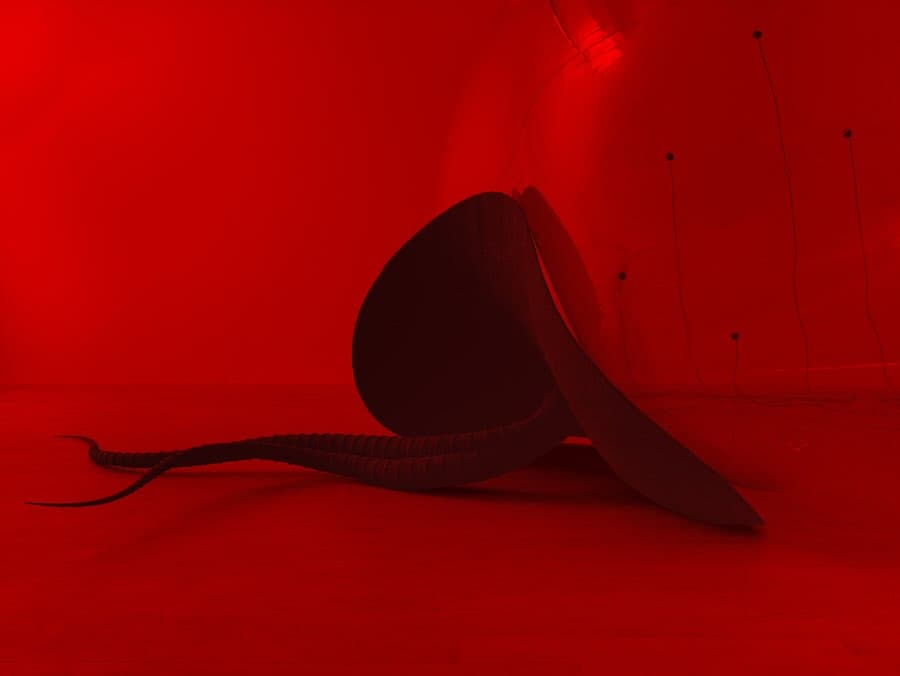
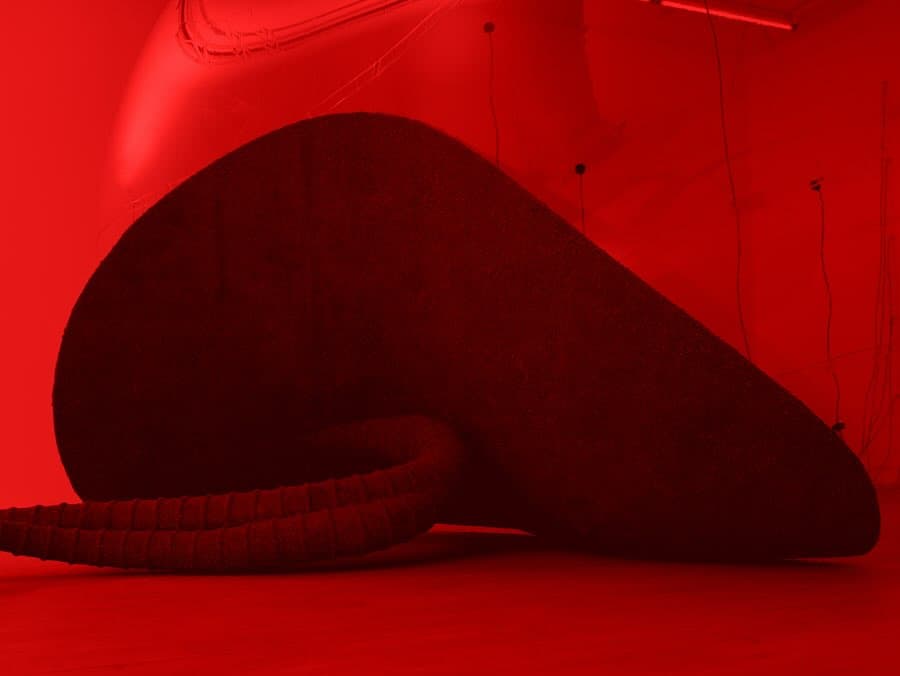
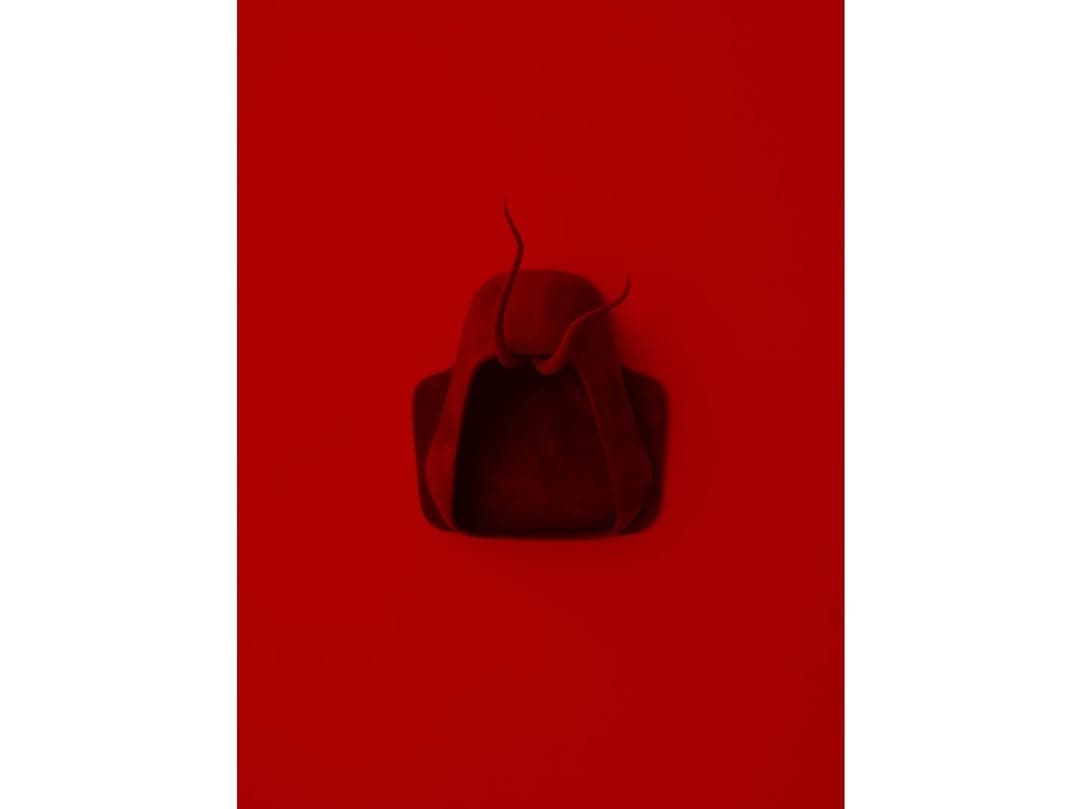
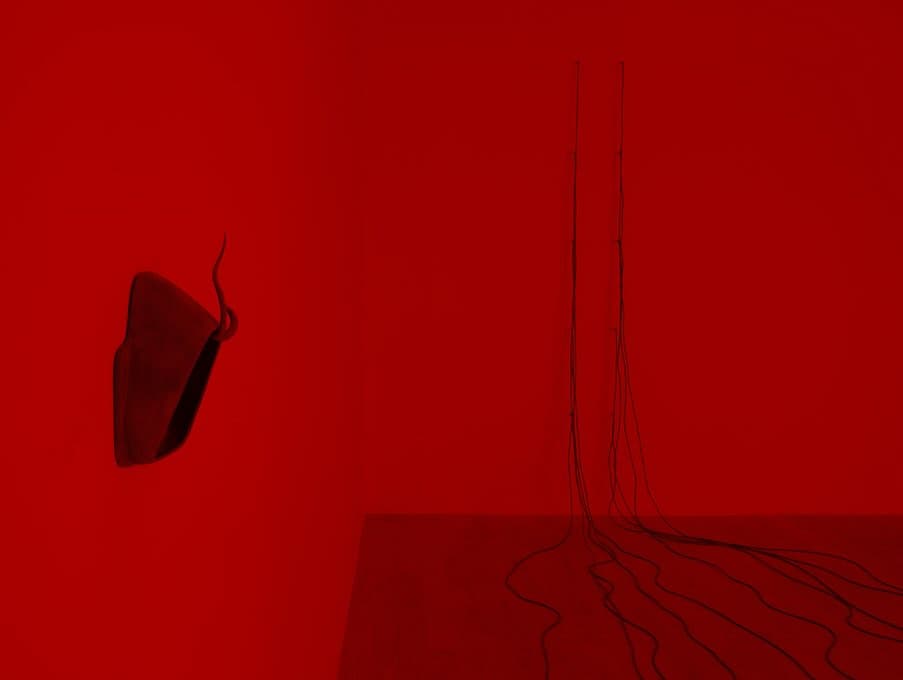
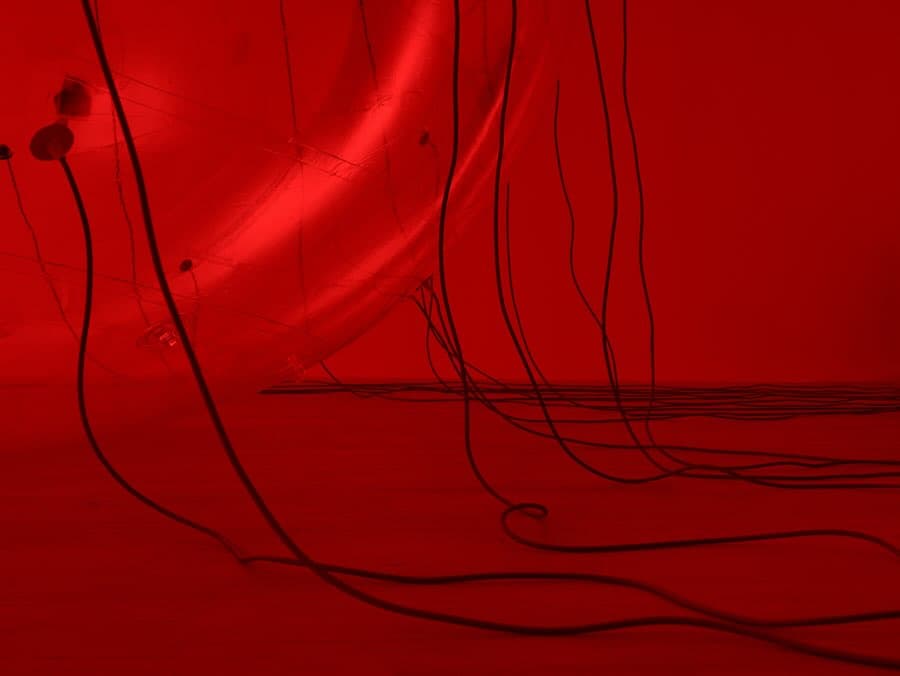
New York / 2025
@pax_aliena
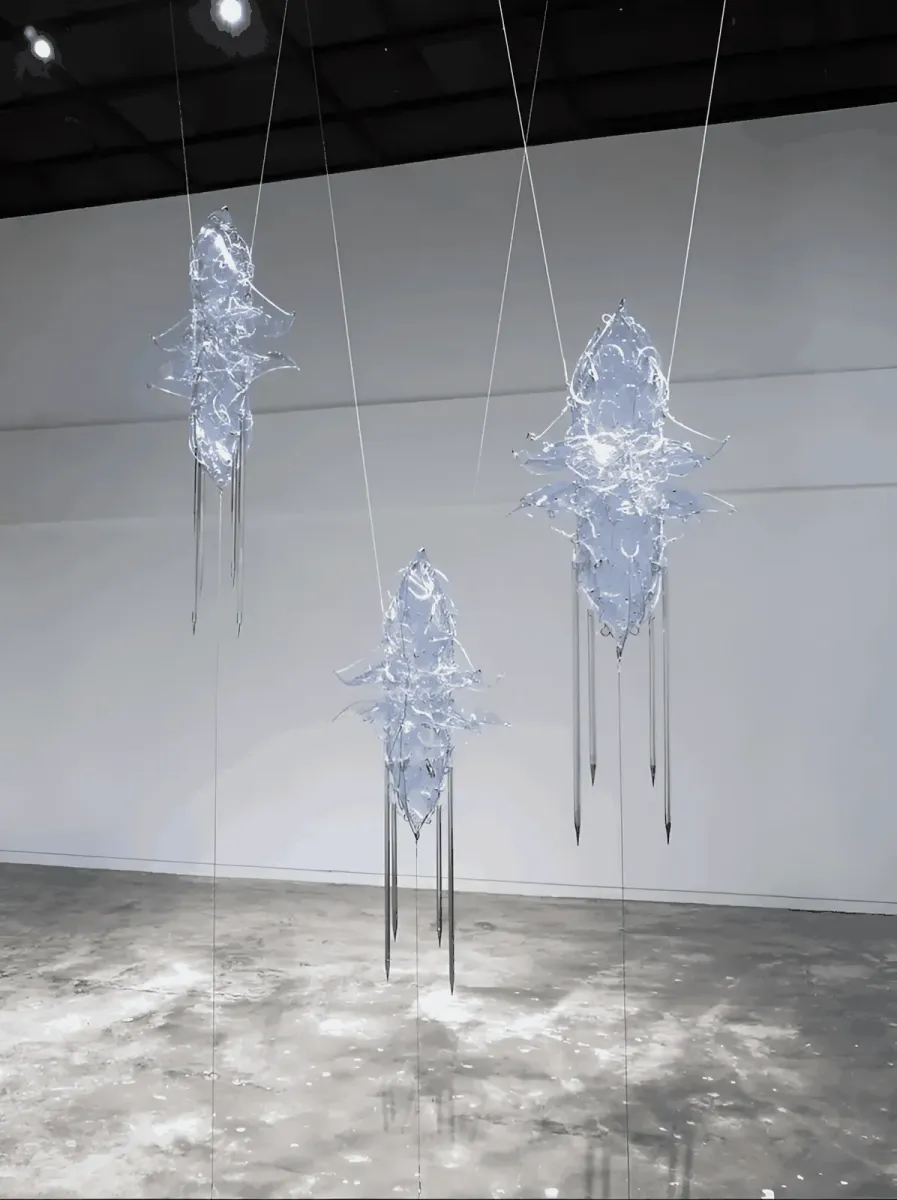
Busan / 2025
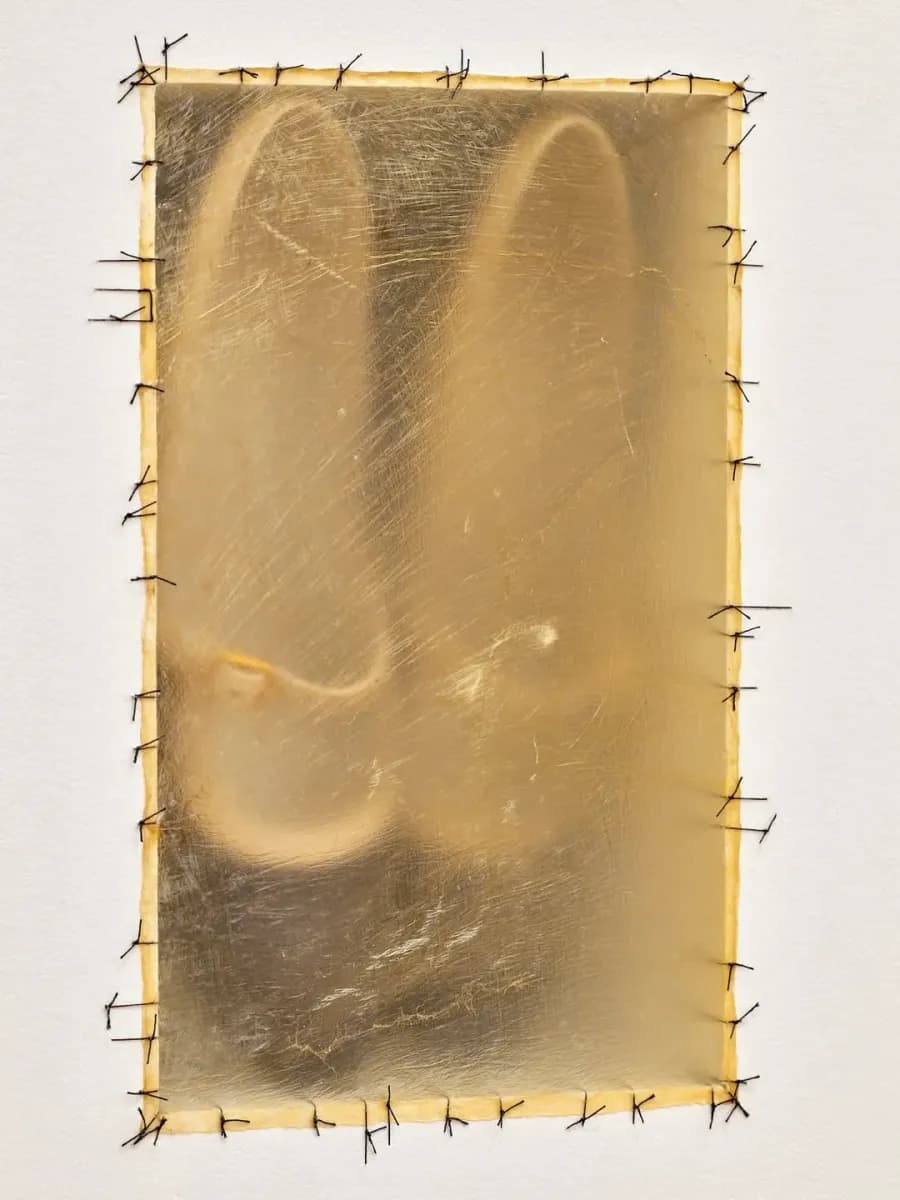
#DorisSalcedo
%2Fphoto_1_2026-05-23_19-23-24.jpg&w=1200&q=75)
Munich / 2026
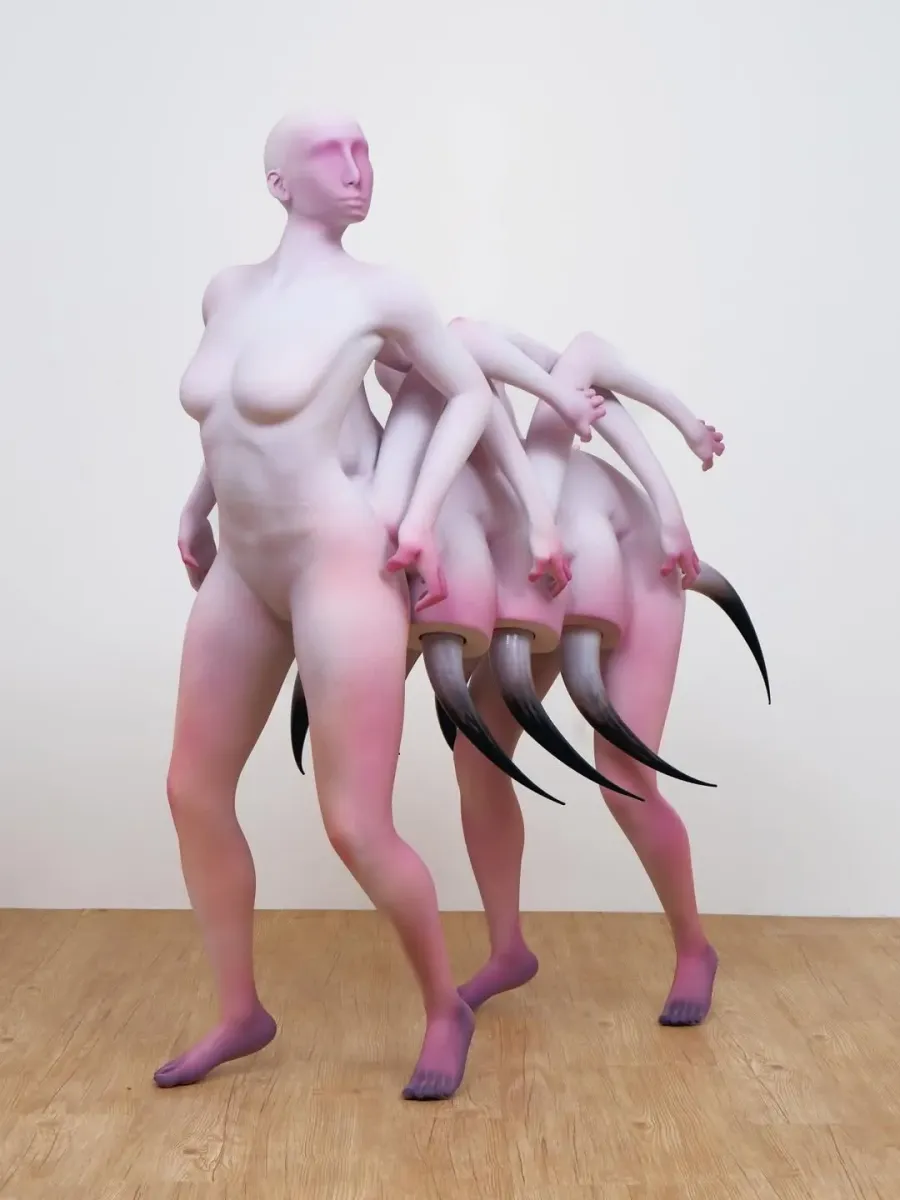
@camelostrich
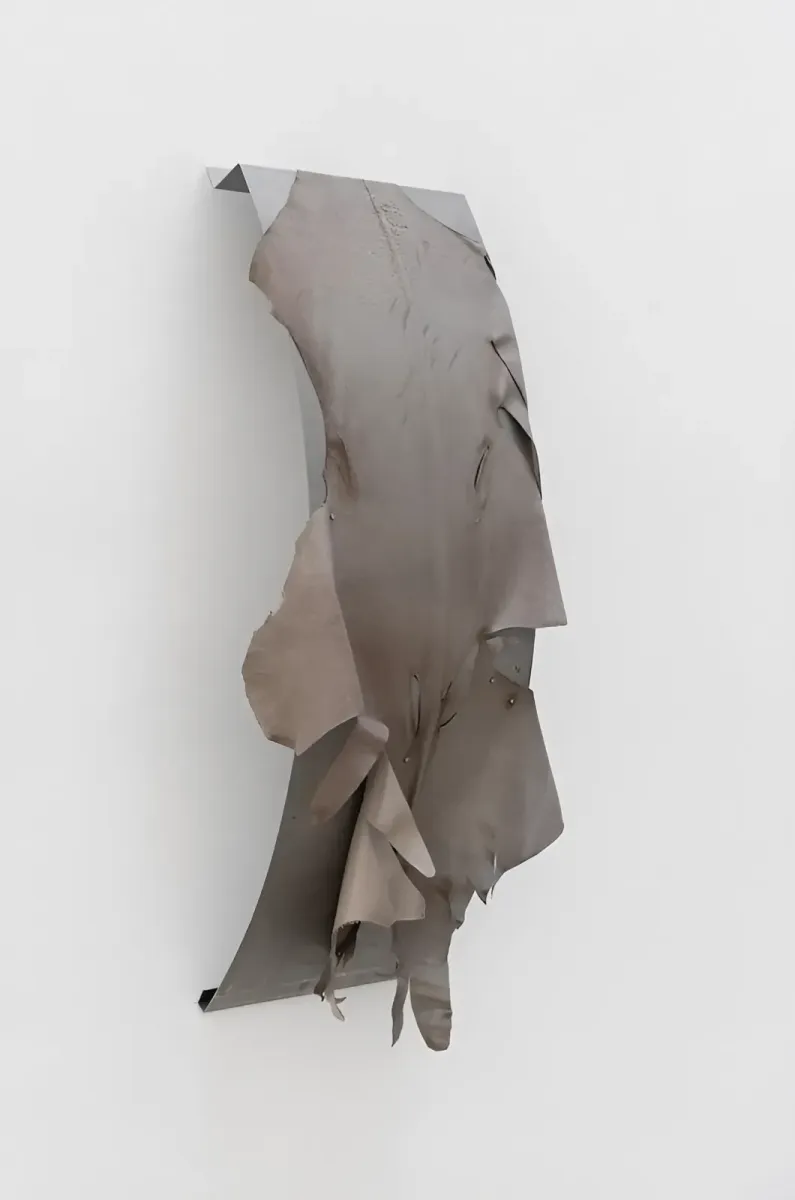
Paris / 2026
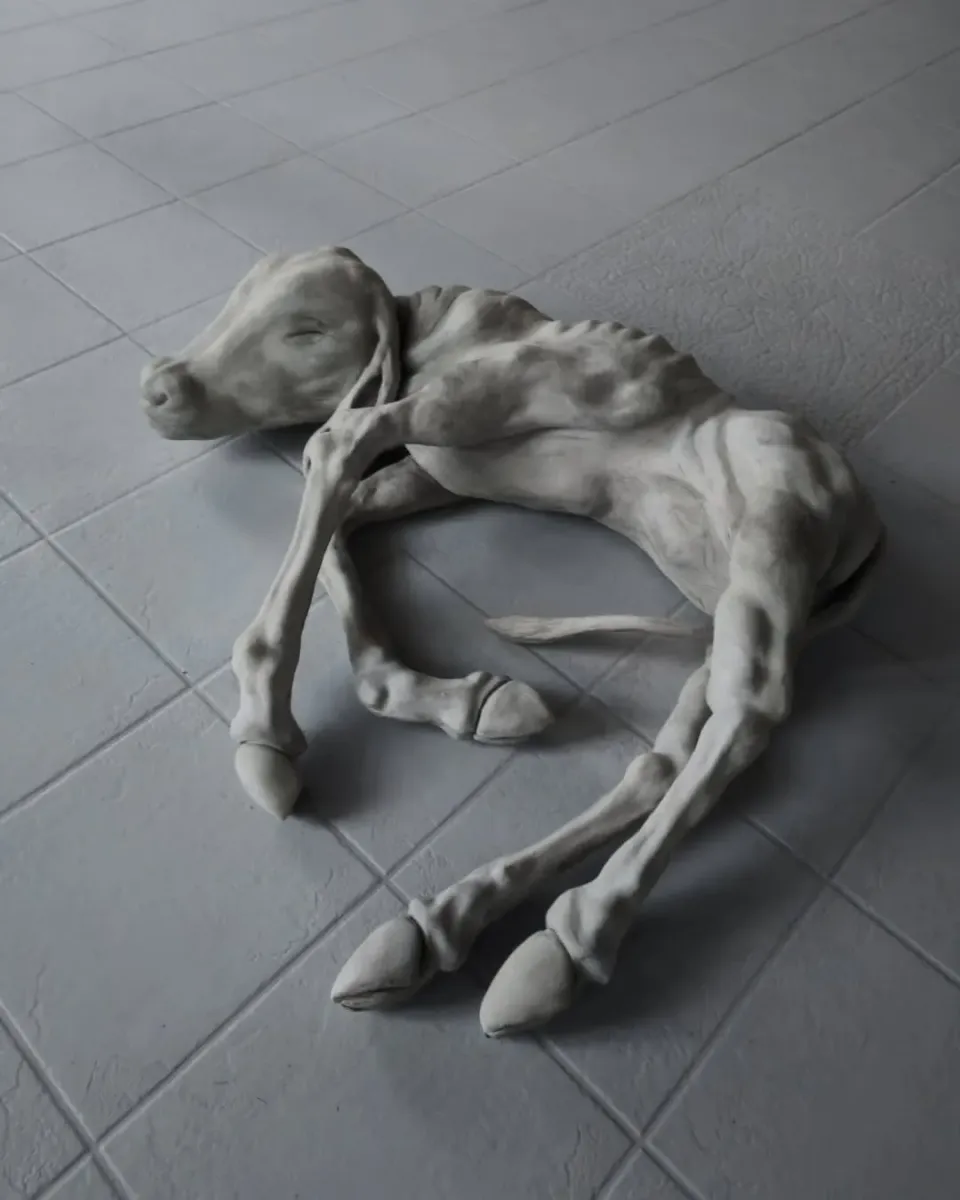
@nadaecc
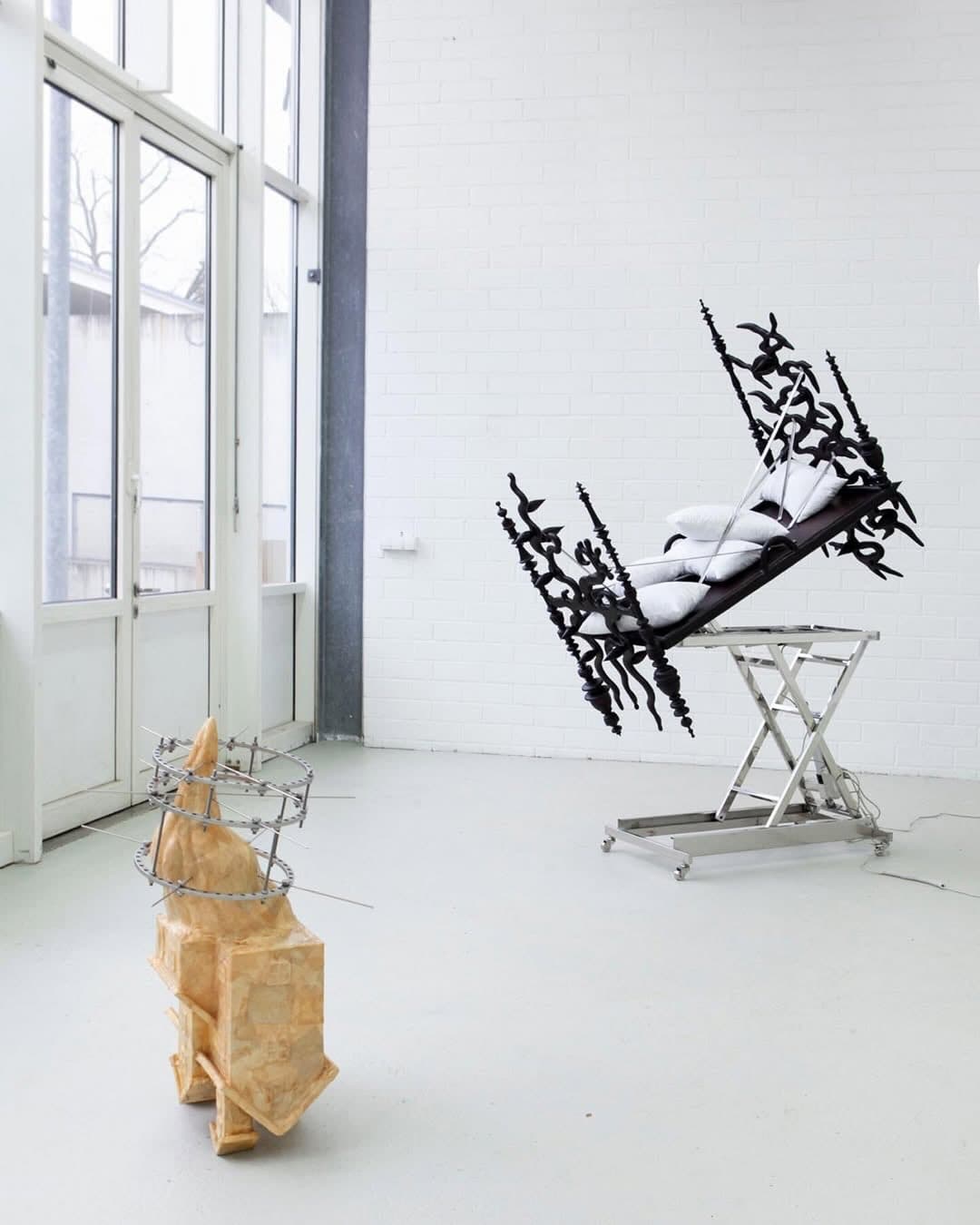
Nurnberg / 2026
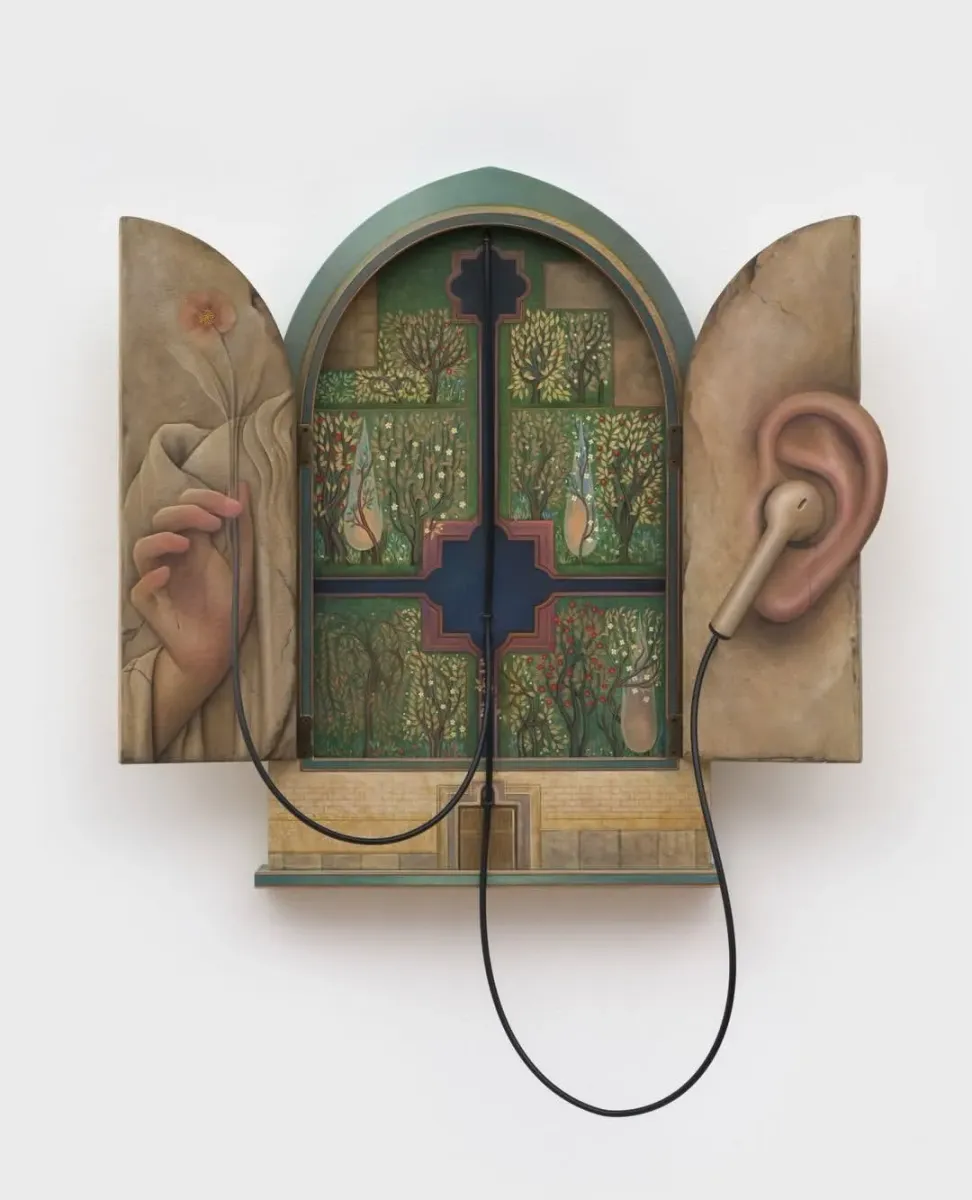
@arghavan_khosravi
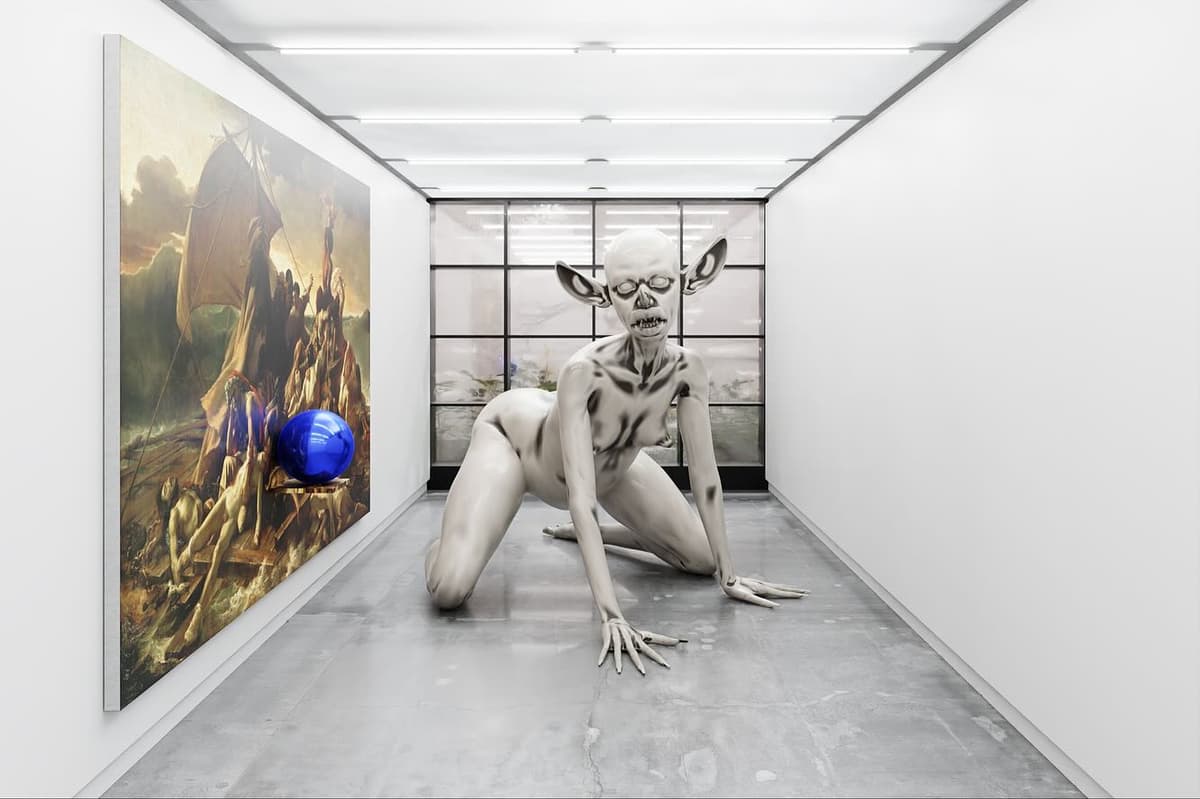
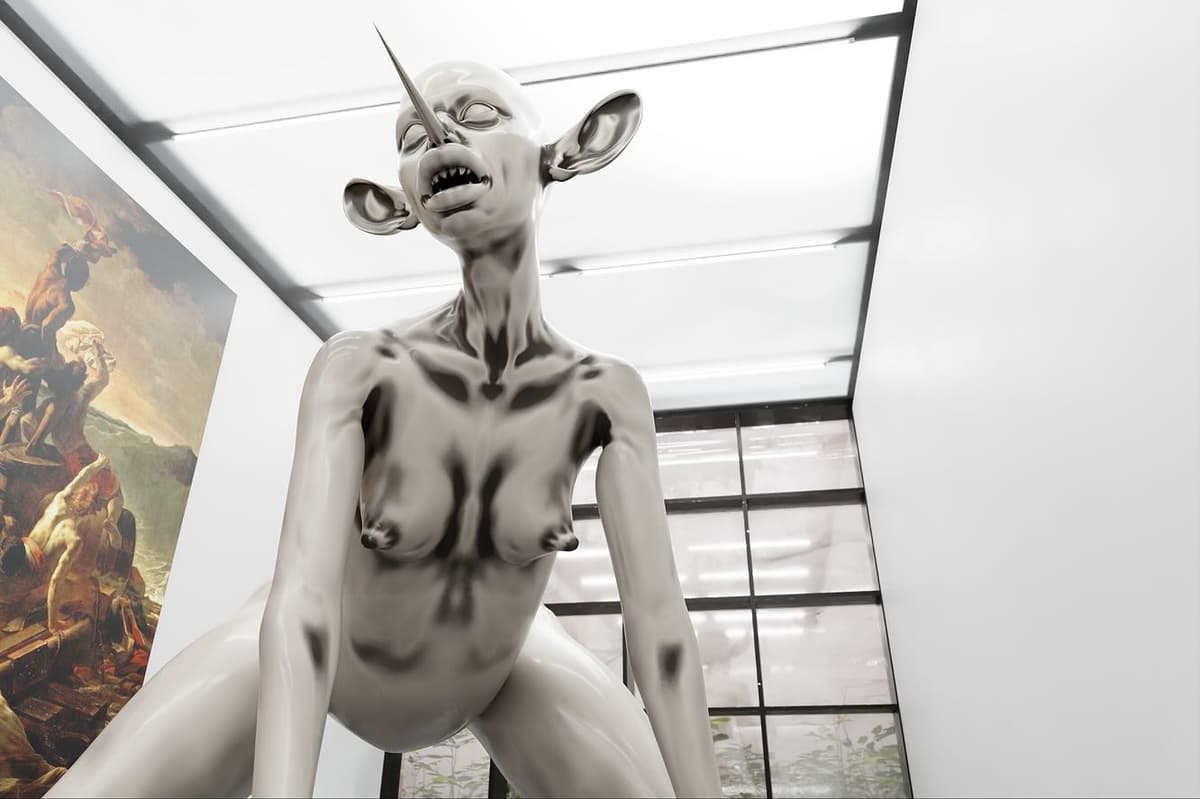
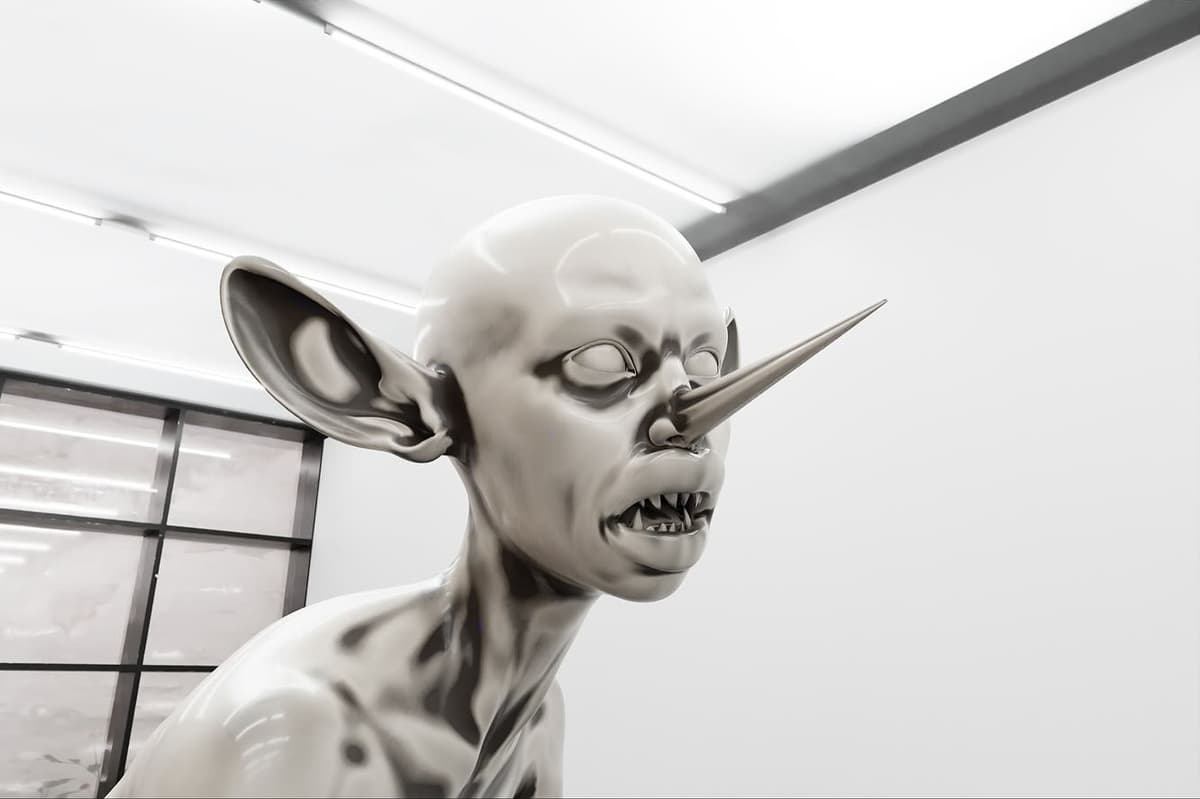
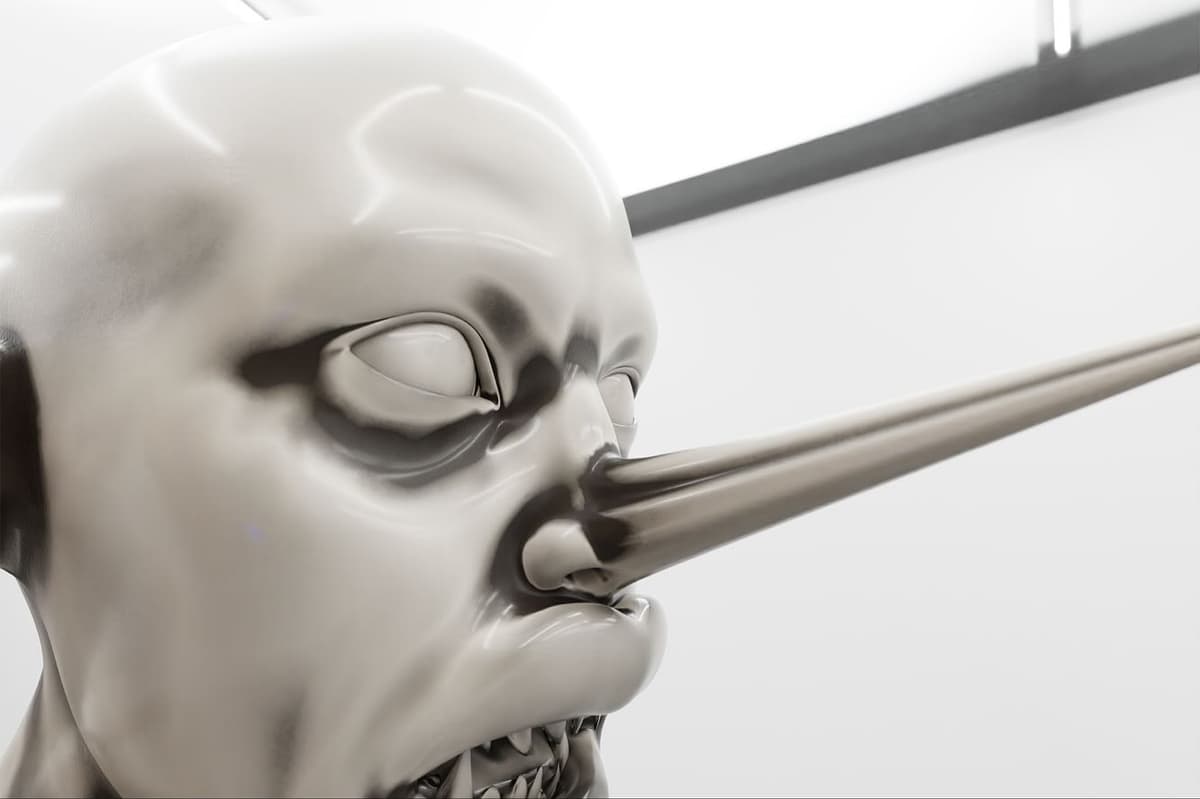
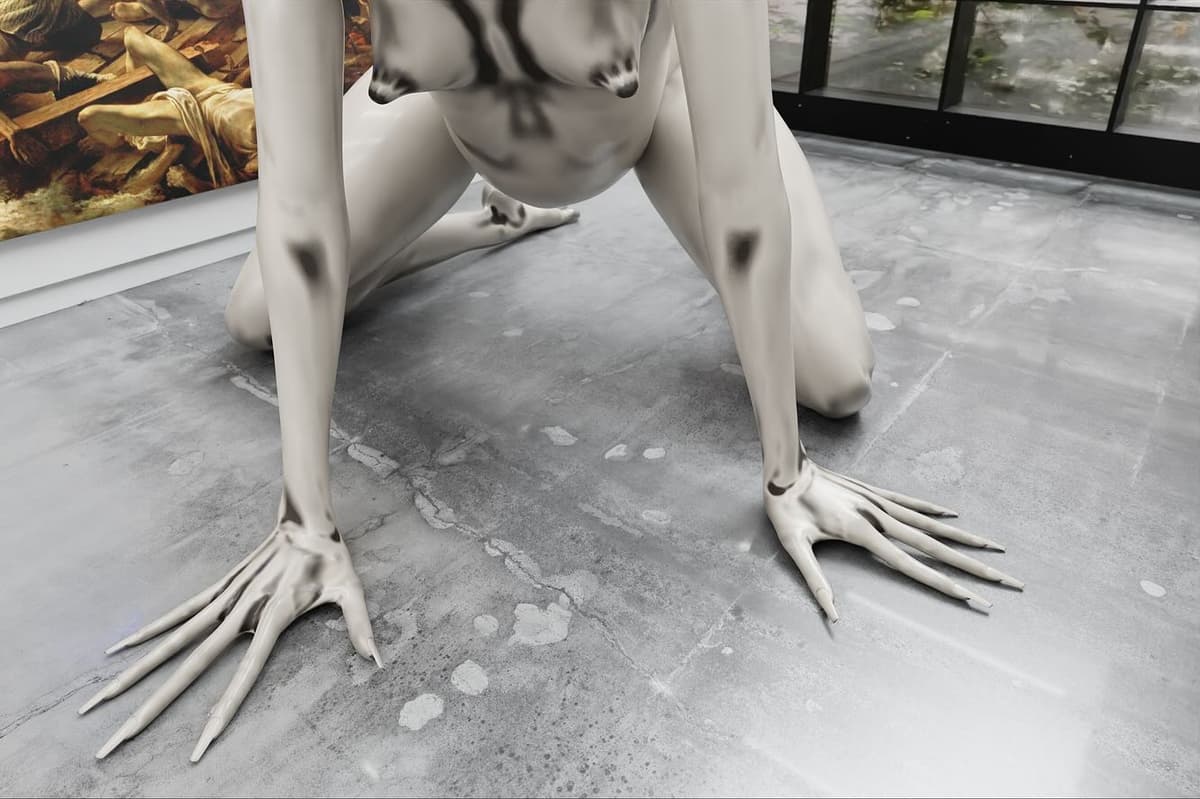
/ 2025
@que.fresca
Norwich / 2026
Santiago / 2026
Paris / 2026
Tisbury / 2026
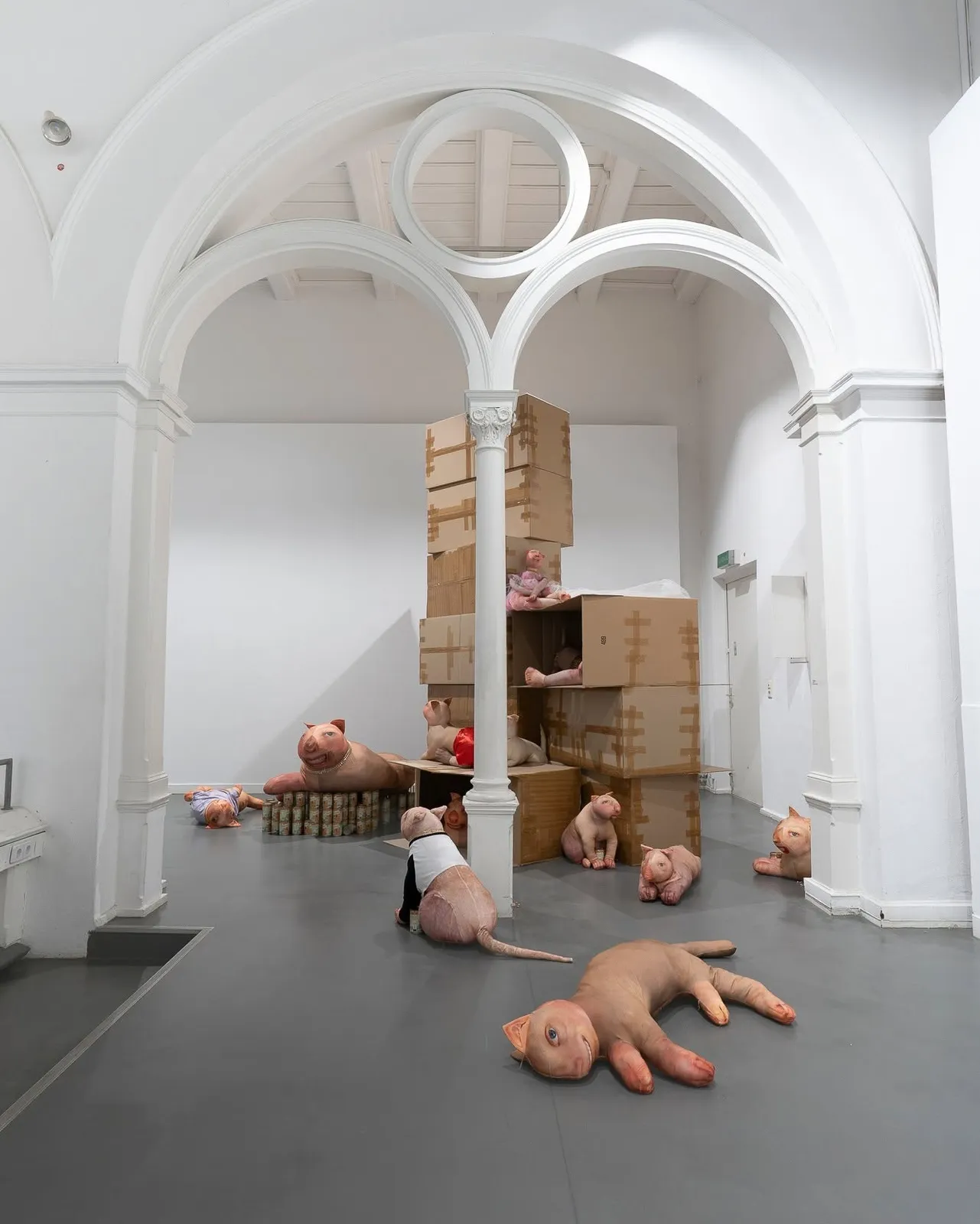
Berlin / 2026
Málaga / 2026
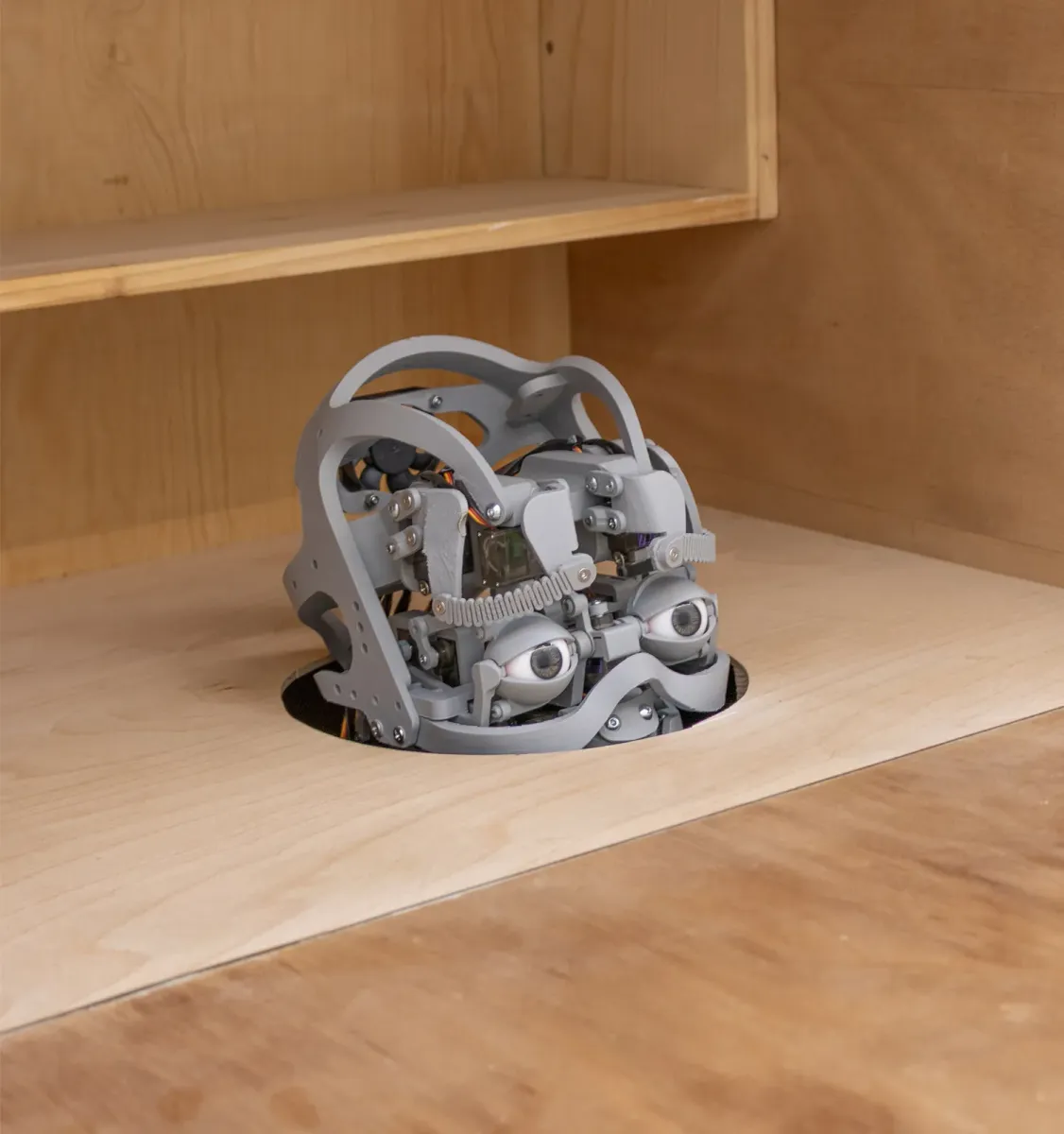
Paris / 2026
Klaus in Vorarlberg / 2026
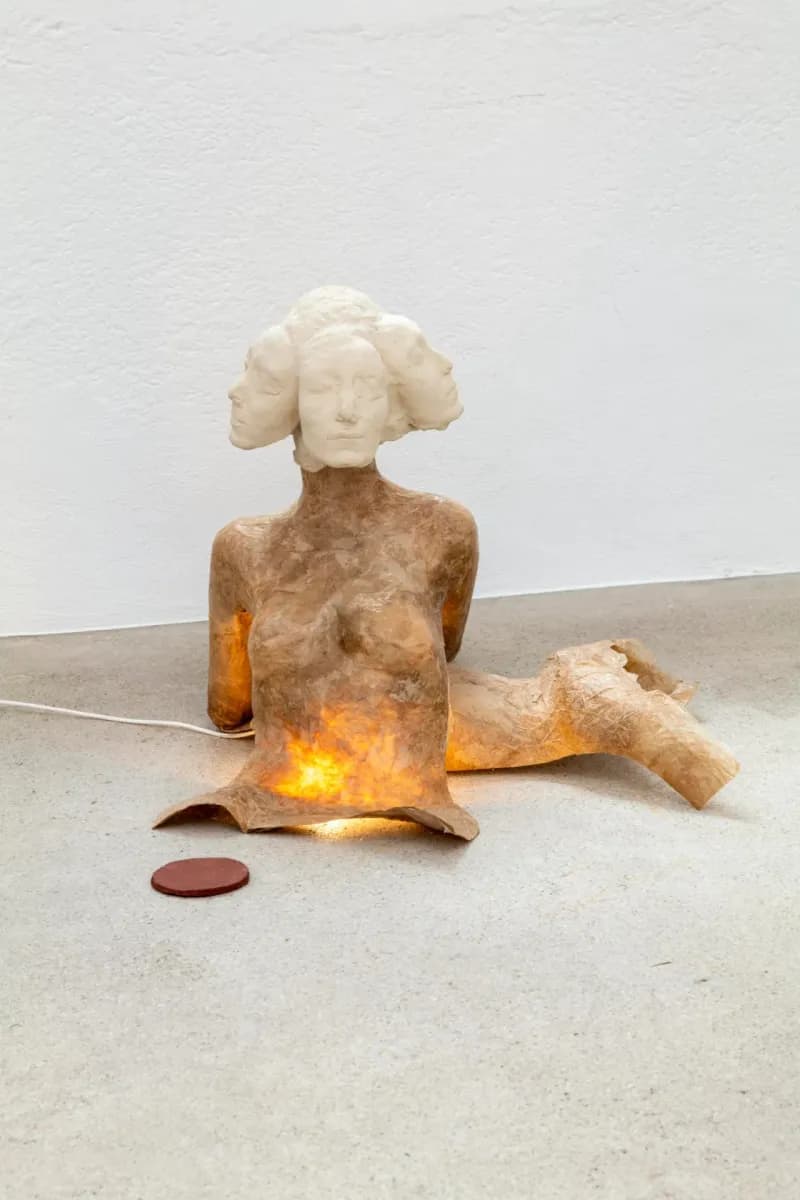
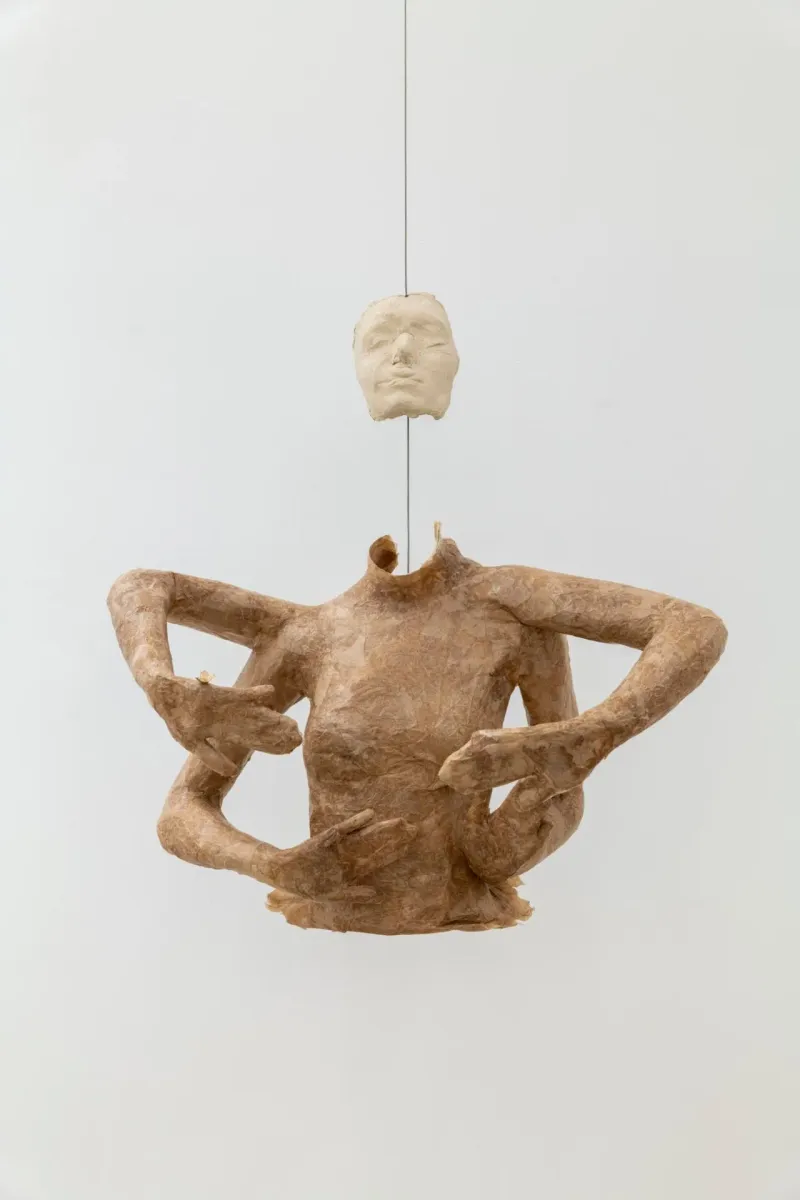
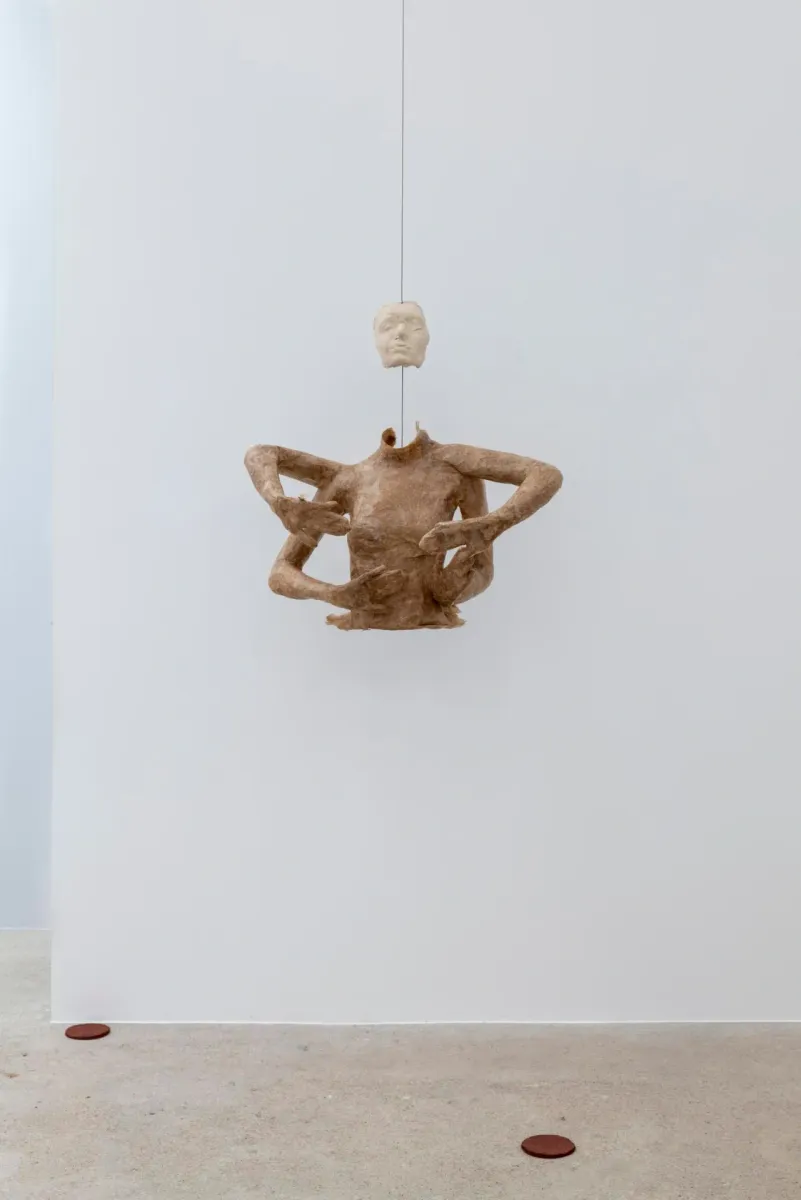
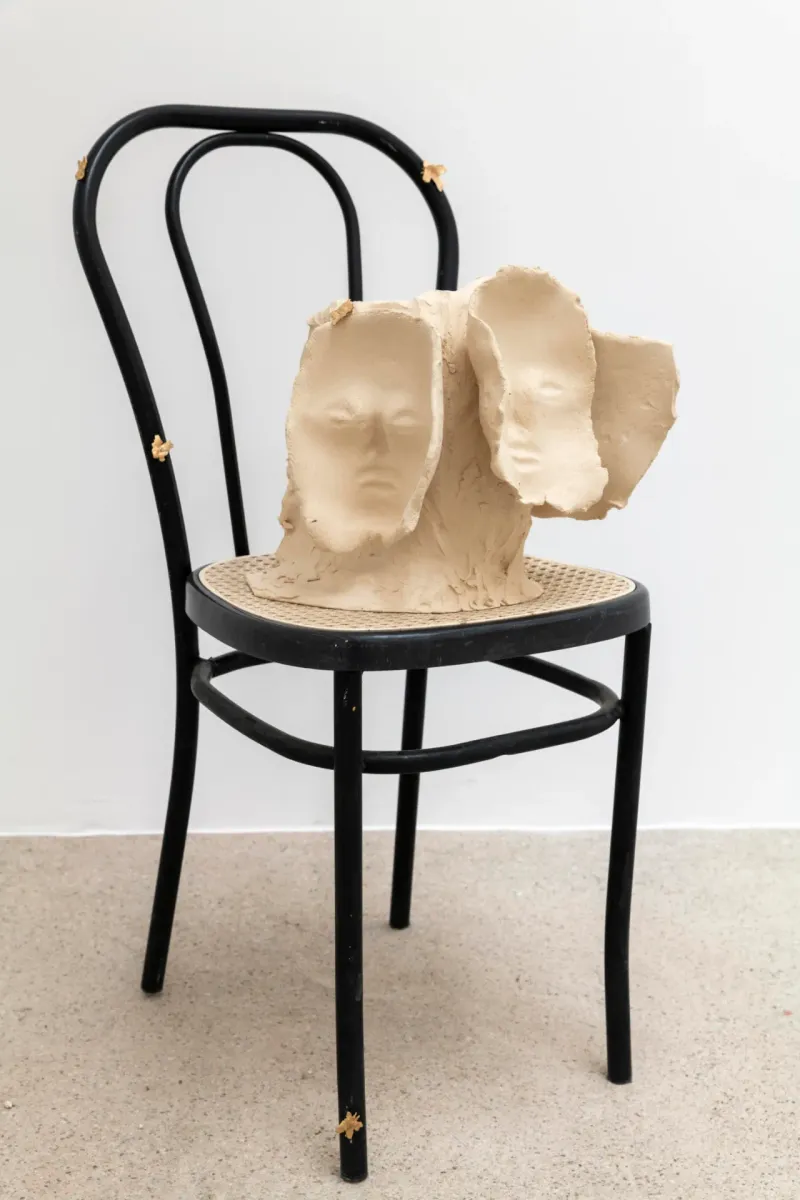
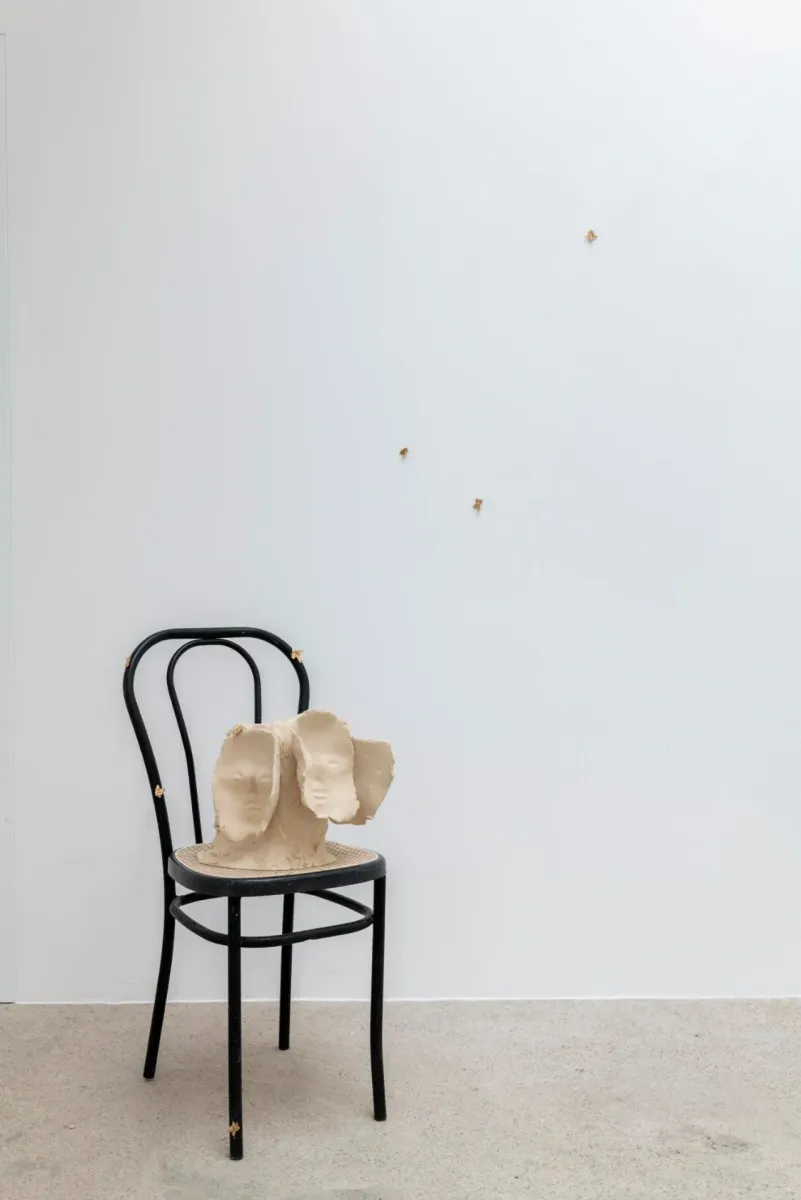
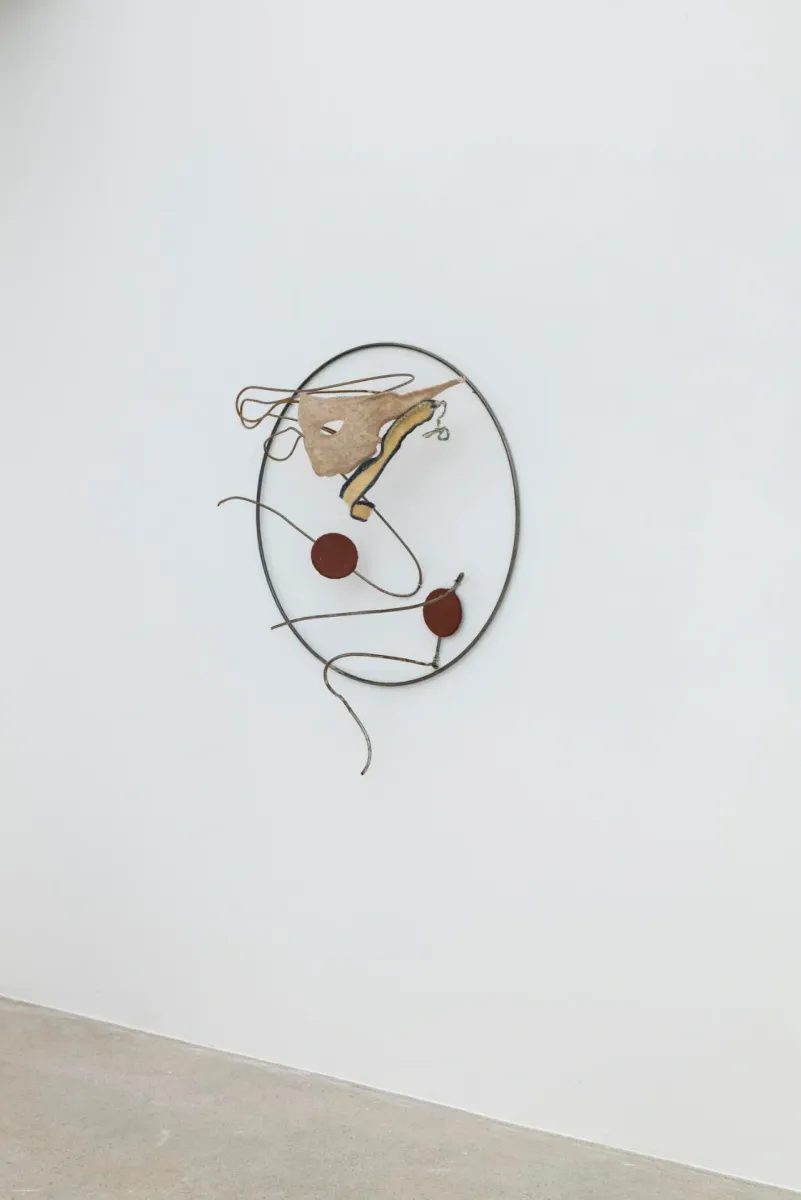
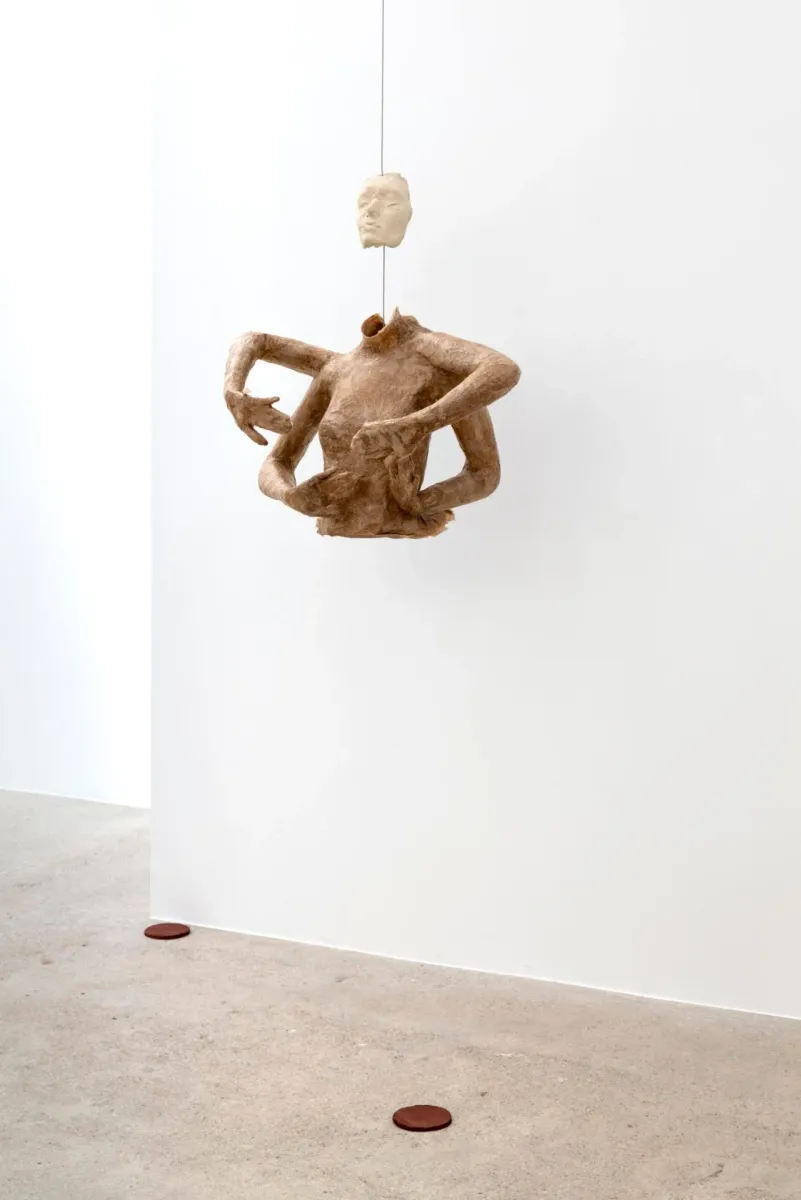
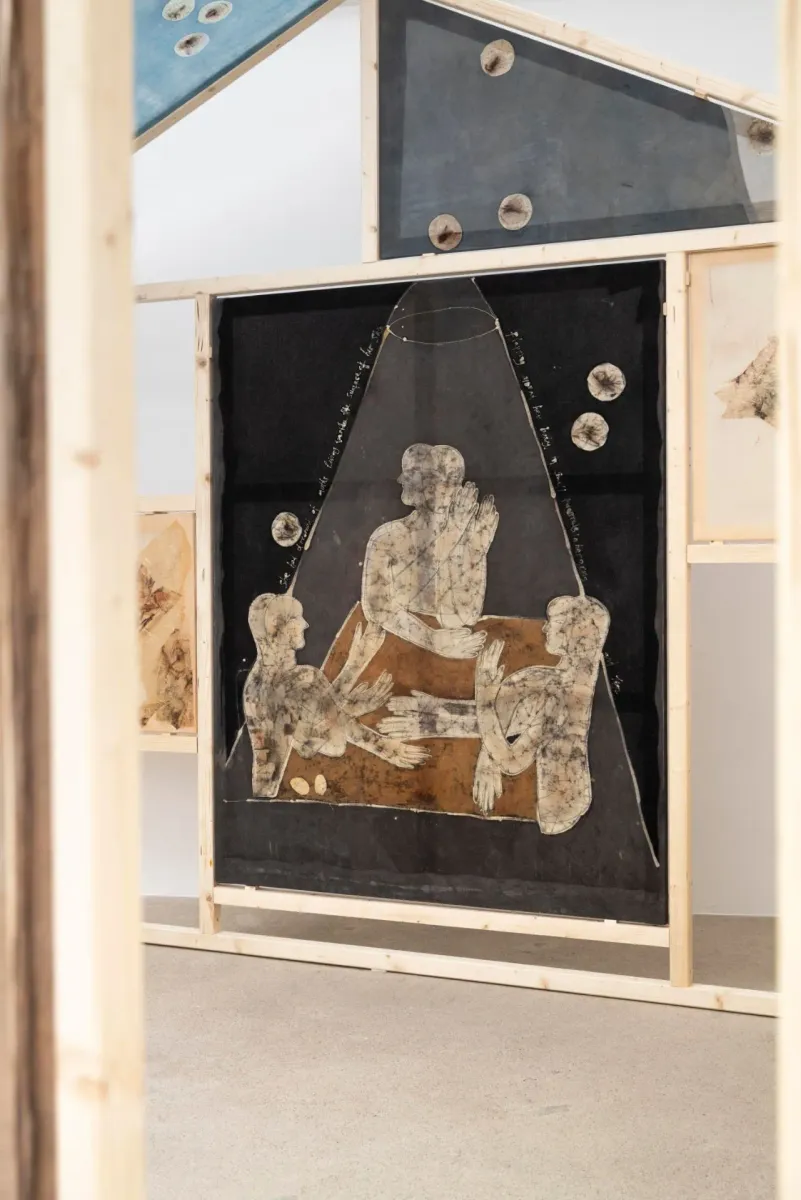
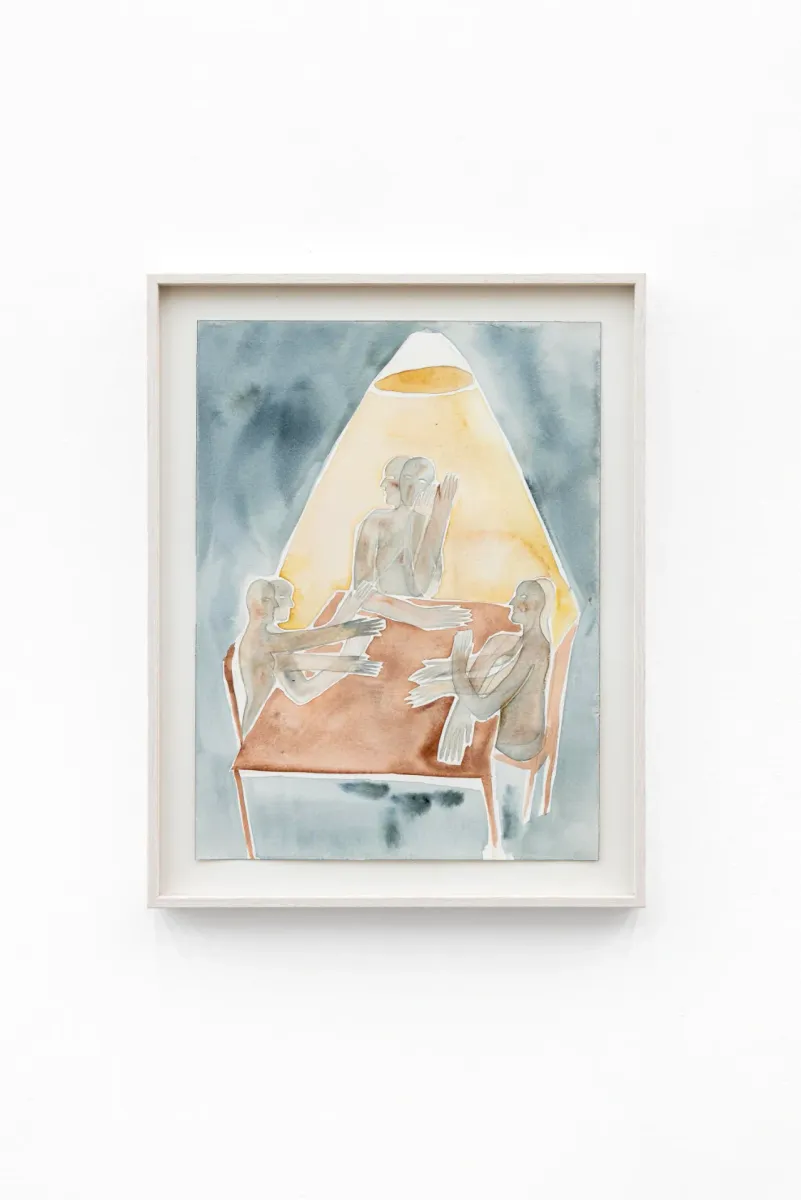
Munich / 2026
Turin / 2026
Mexico City / 2026
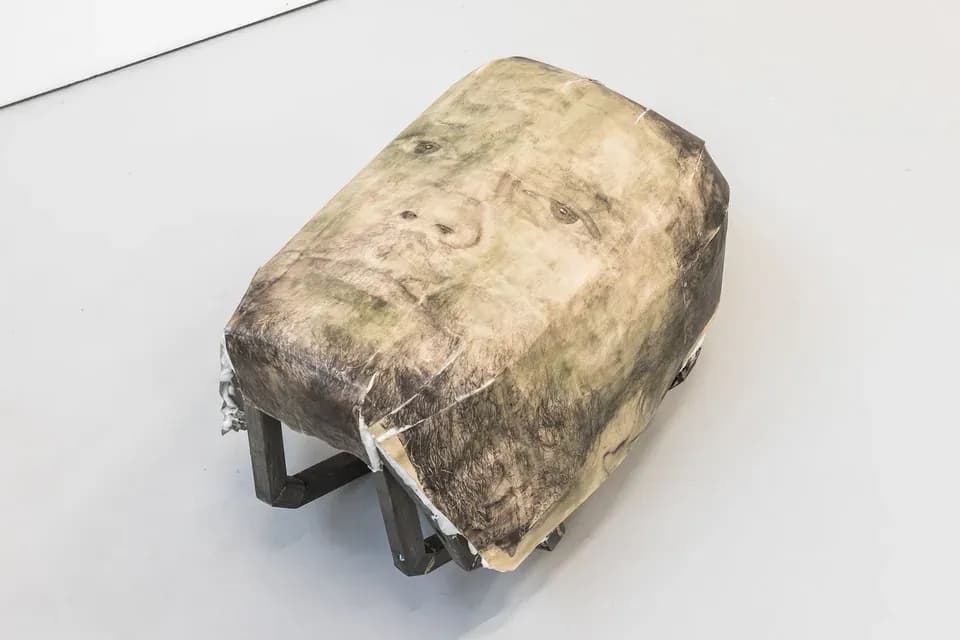
Oslo / 2026
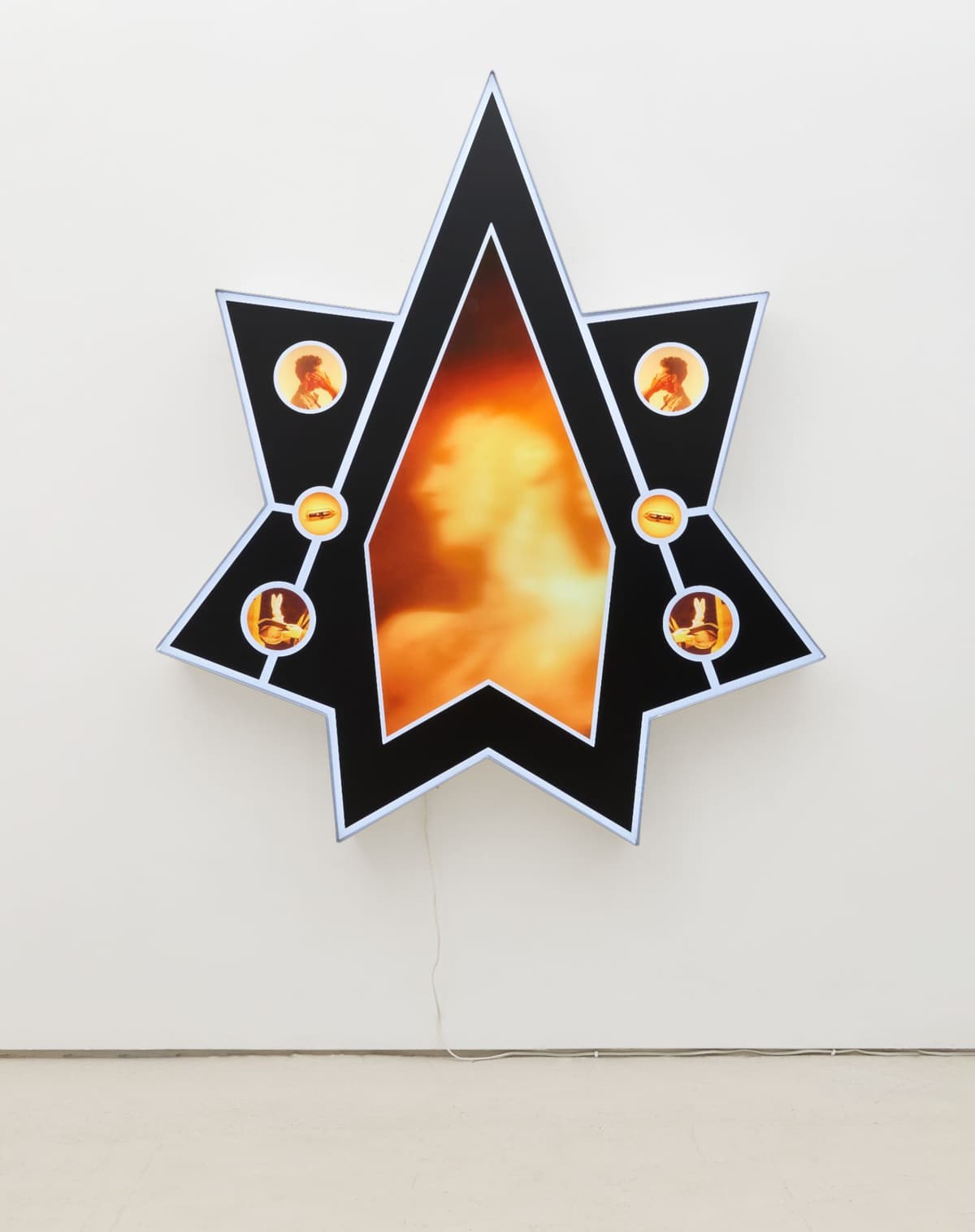
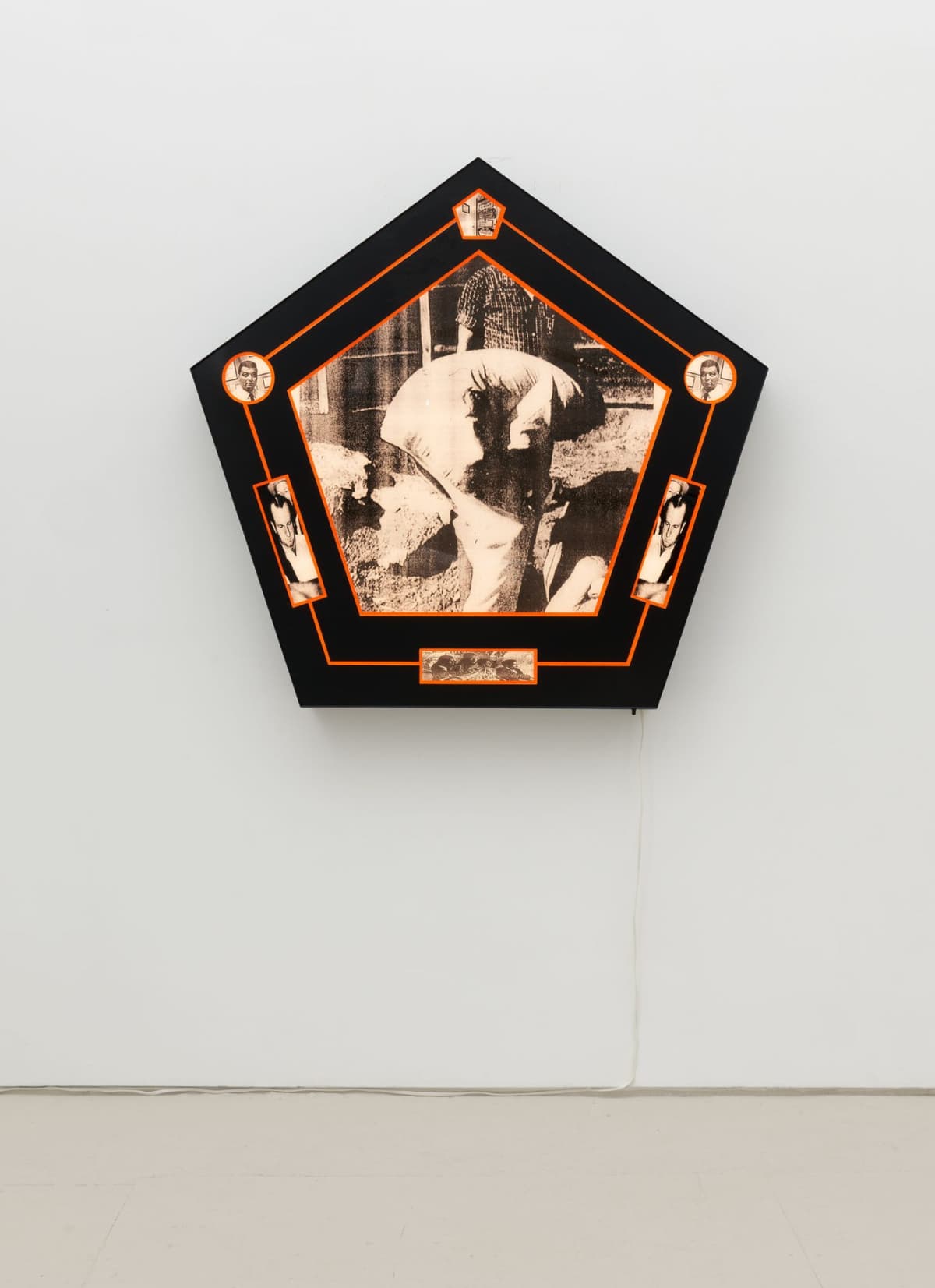
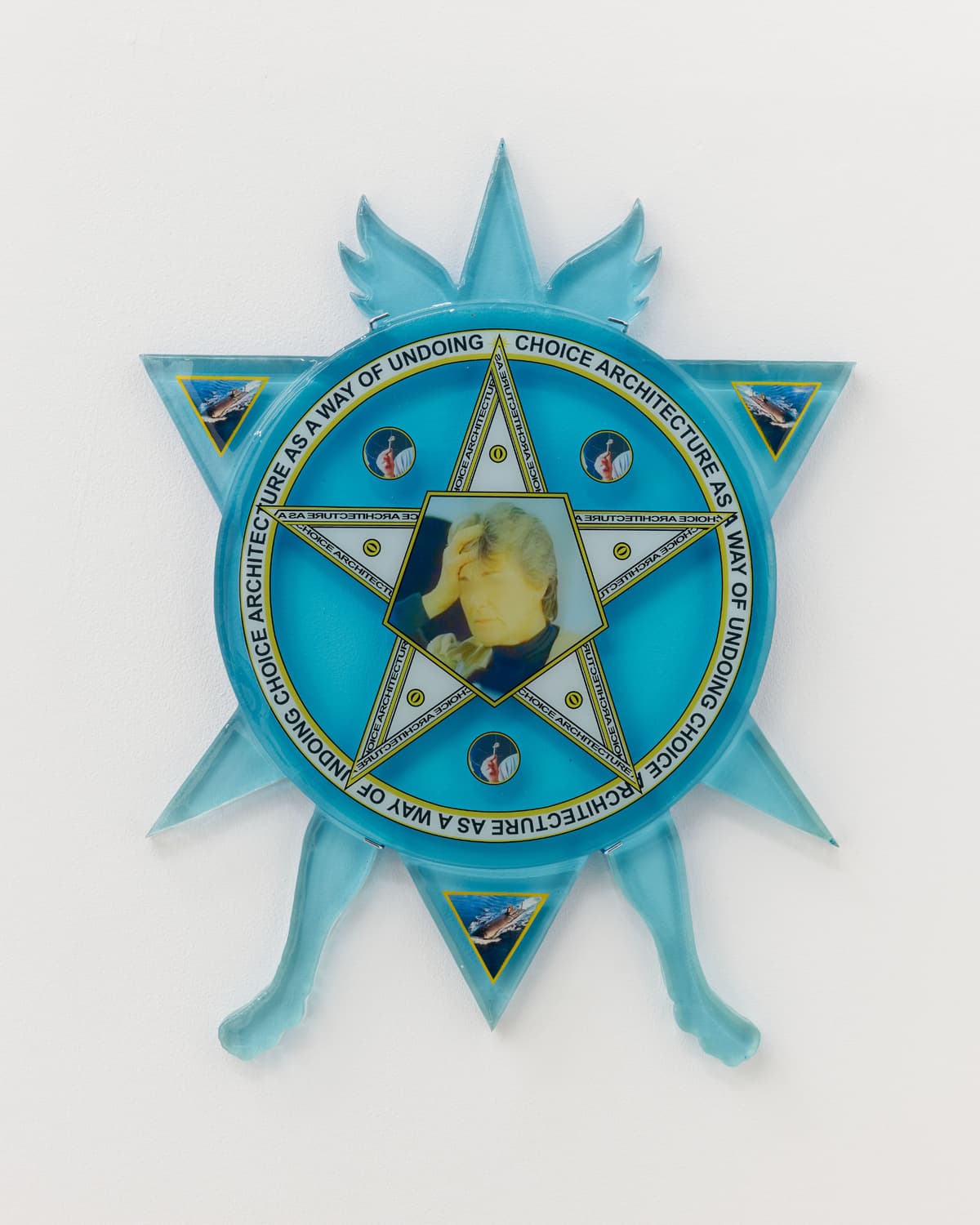
New York / 2026
Düsseldorf / 2026
Kraków / 2025
Shanghai / 2025
Brussels / 2025-2026
/ 2024
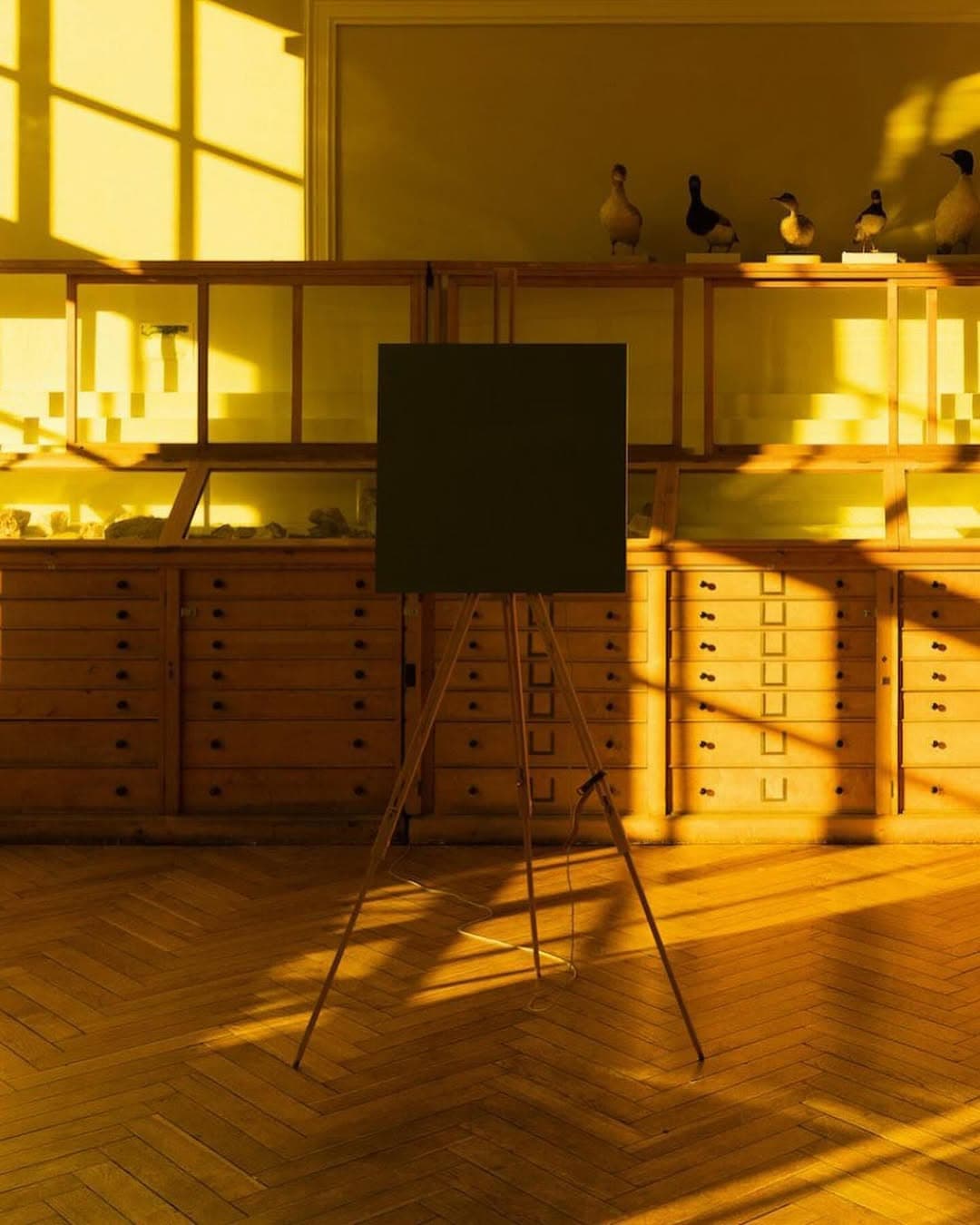
Tartu / 2024
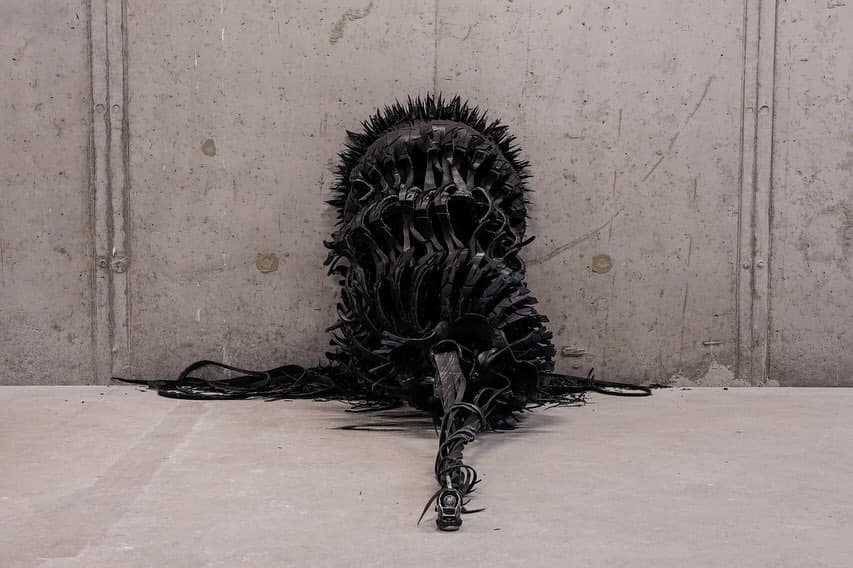
Wroclaw / 2024
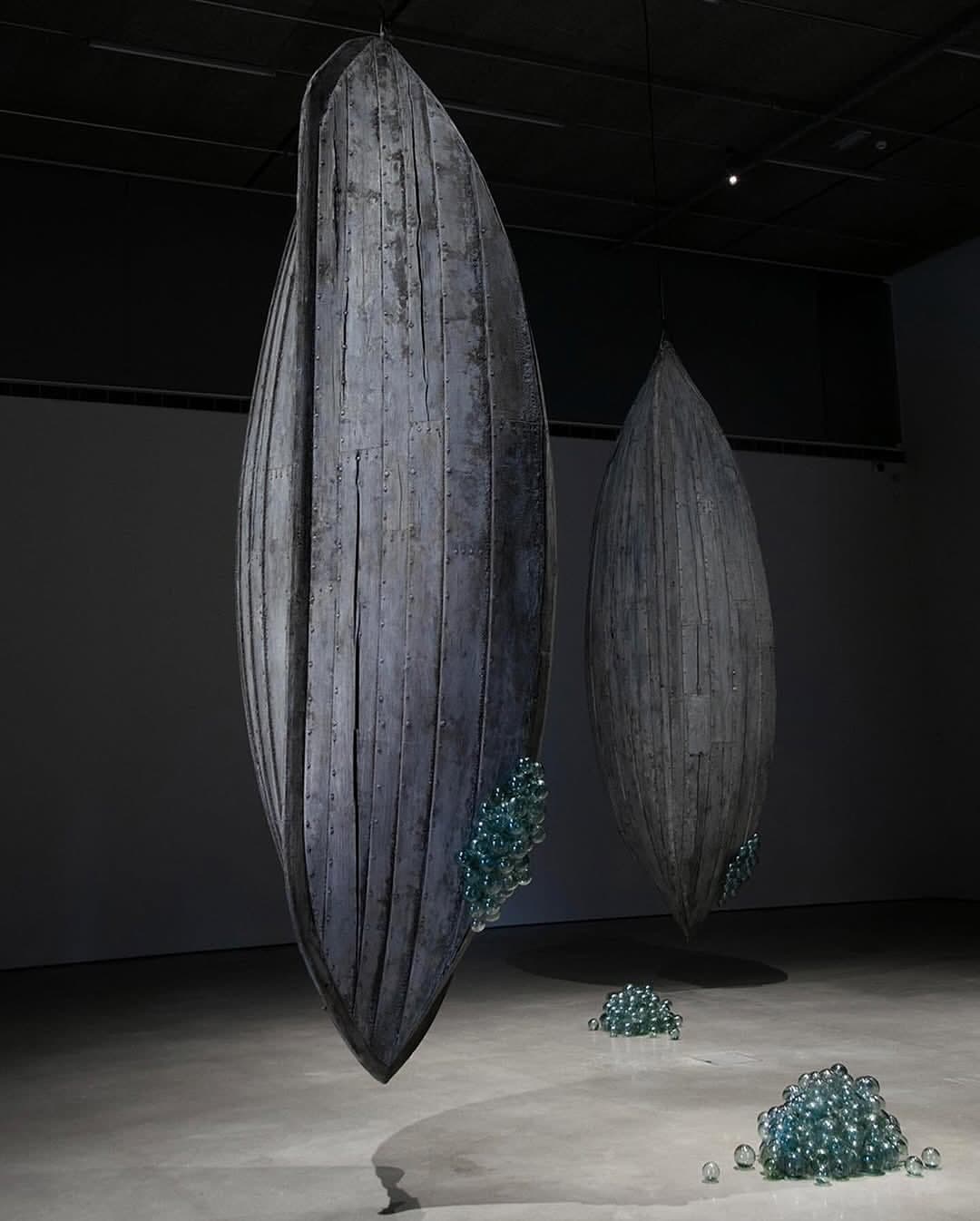
Stockholm / 2024-2025
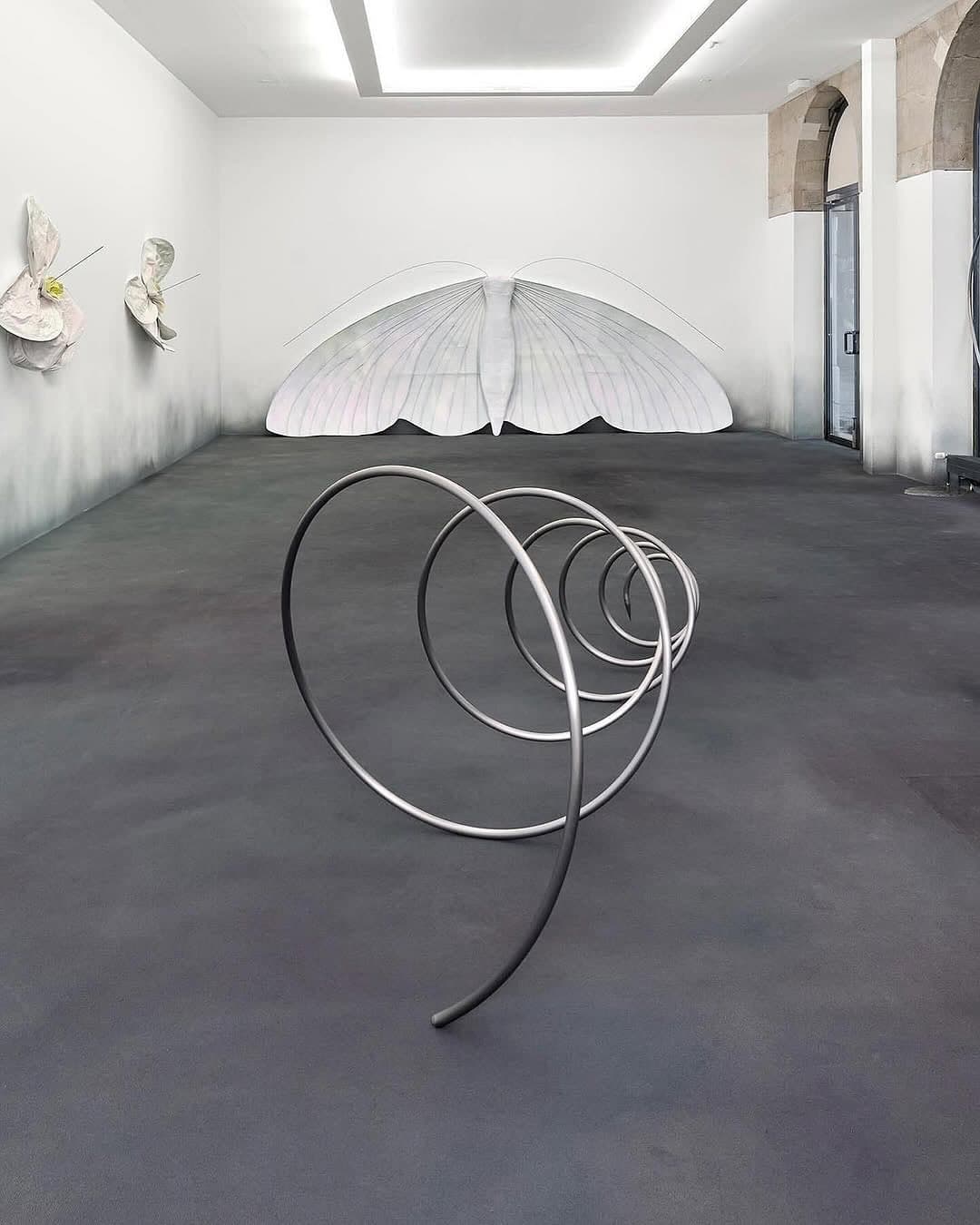
Geneva / 2024
Paris / 2025
Santiago / 2025
Warsaw / 2025
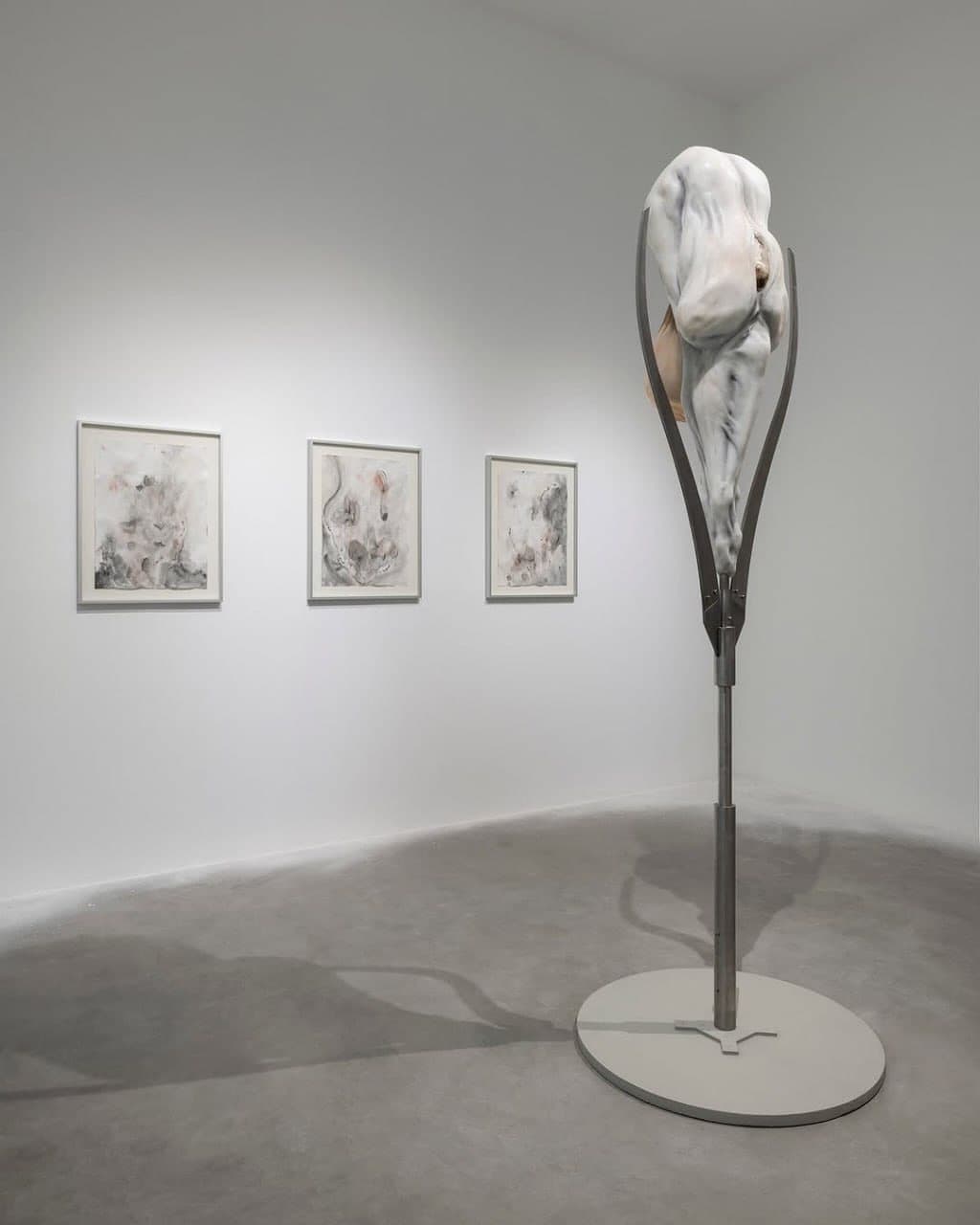
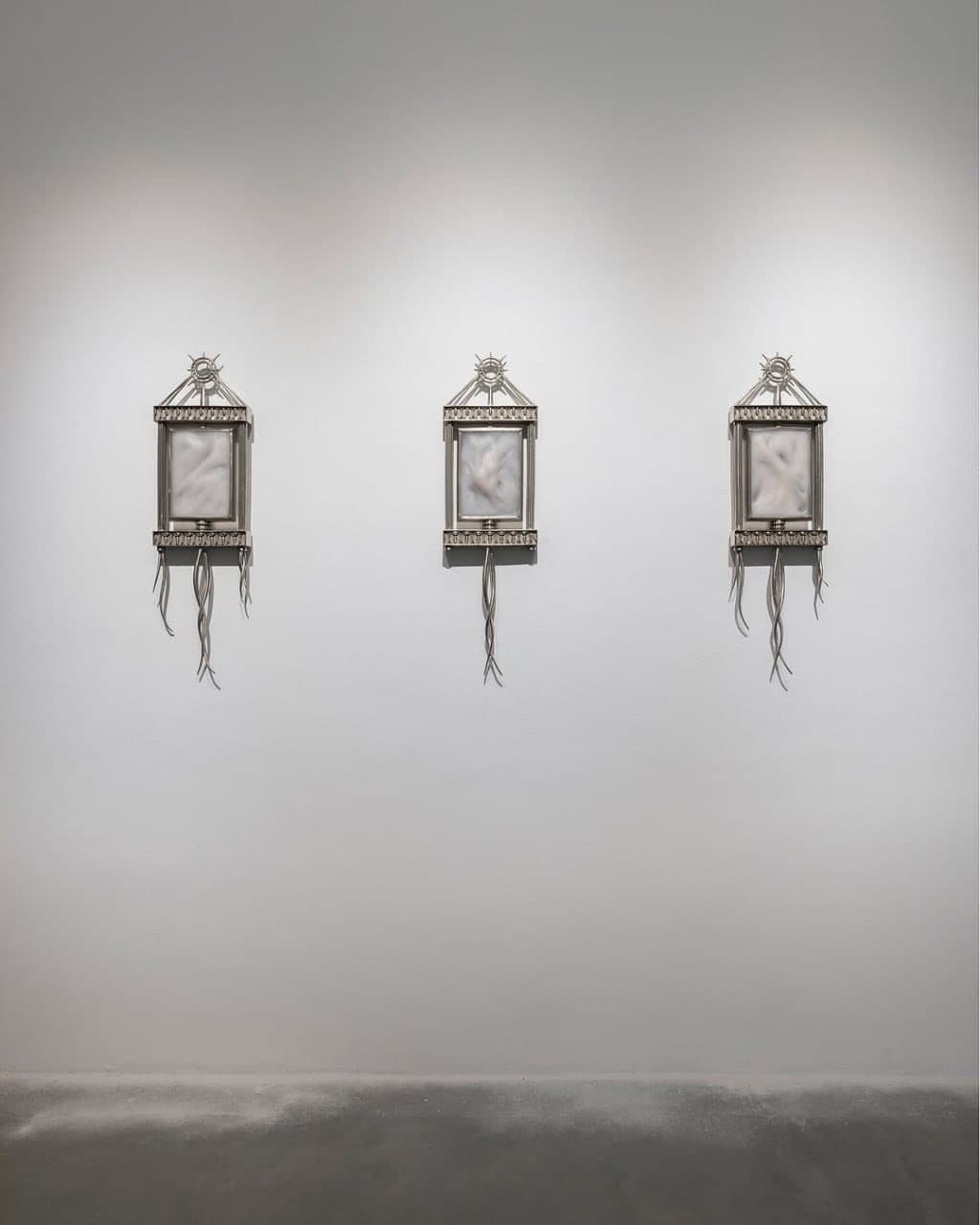
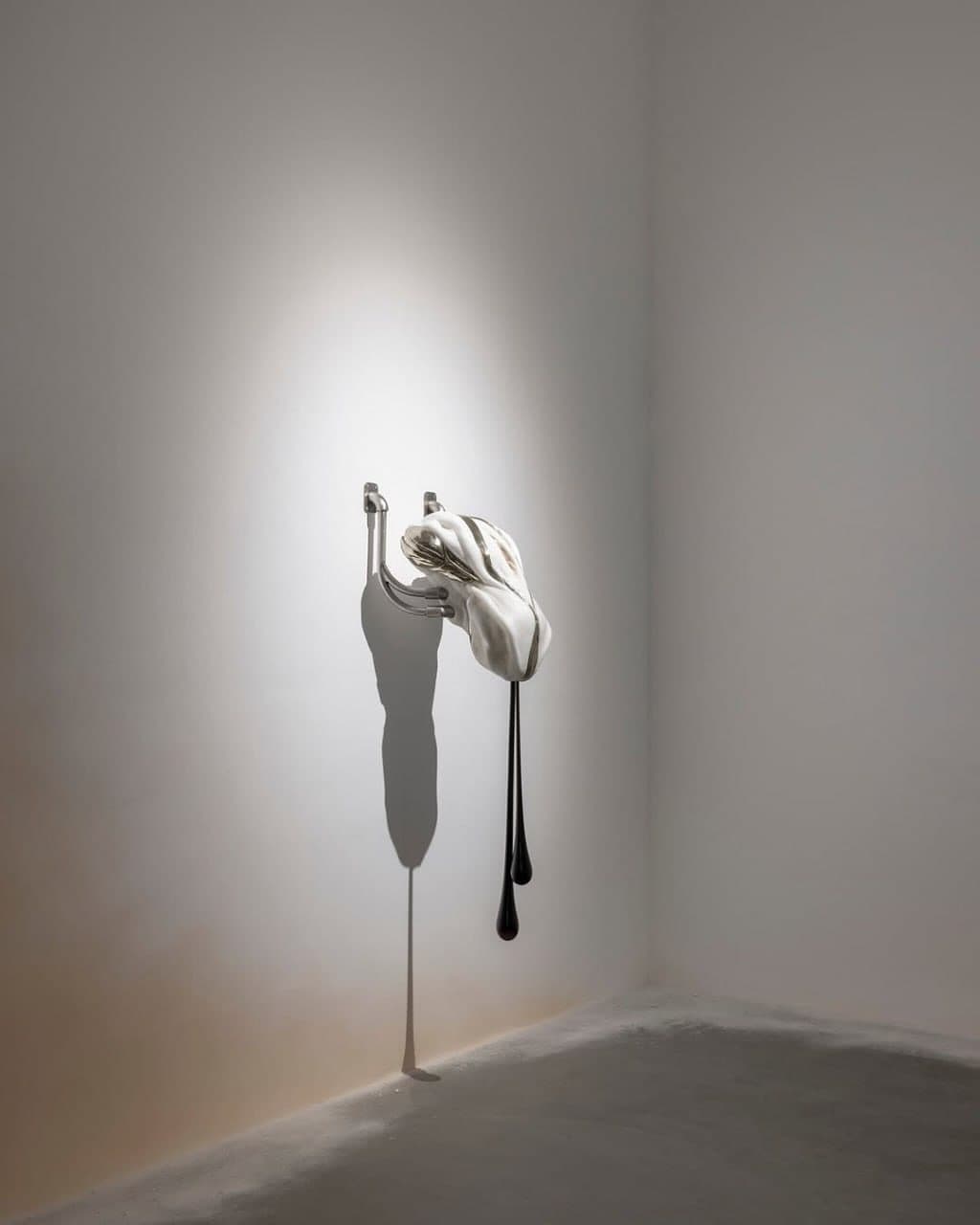
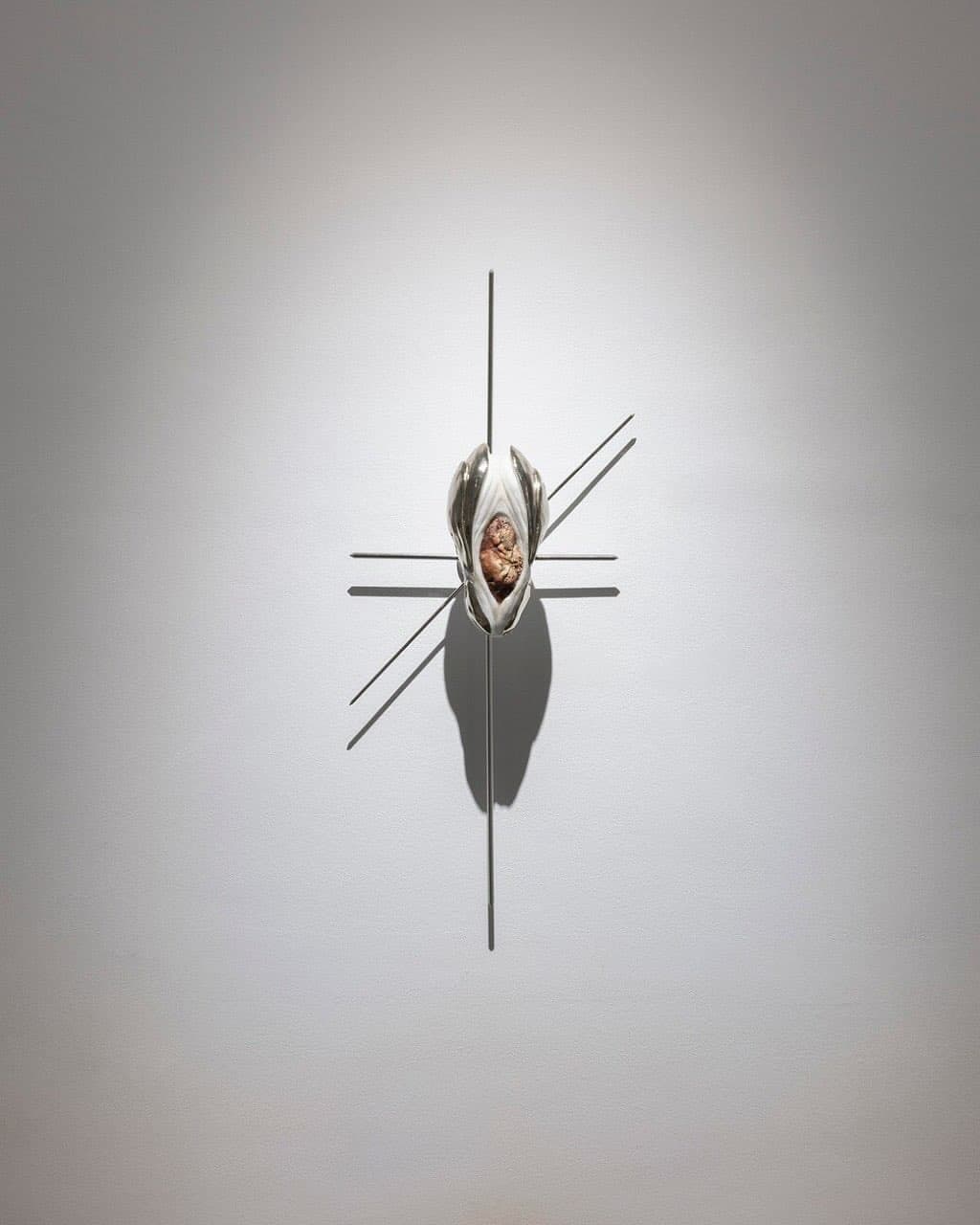
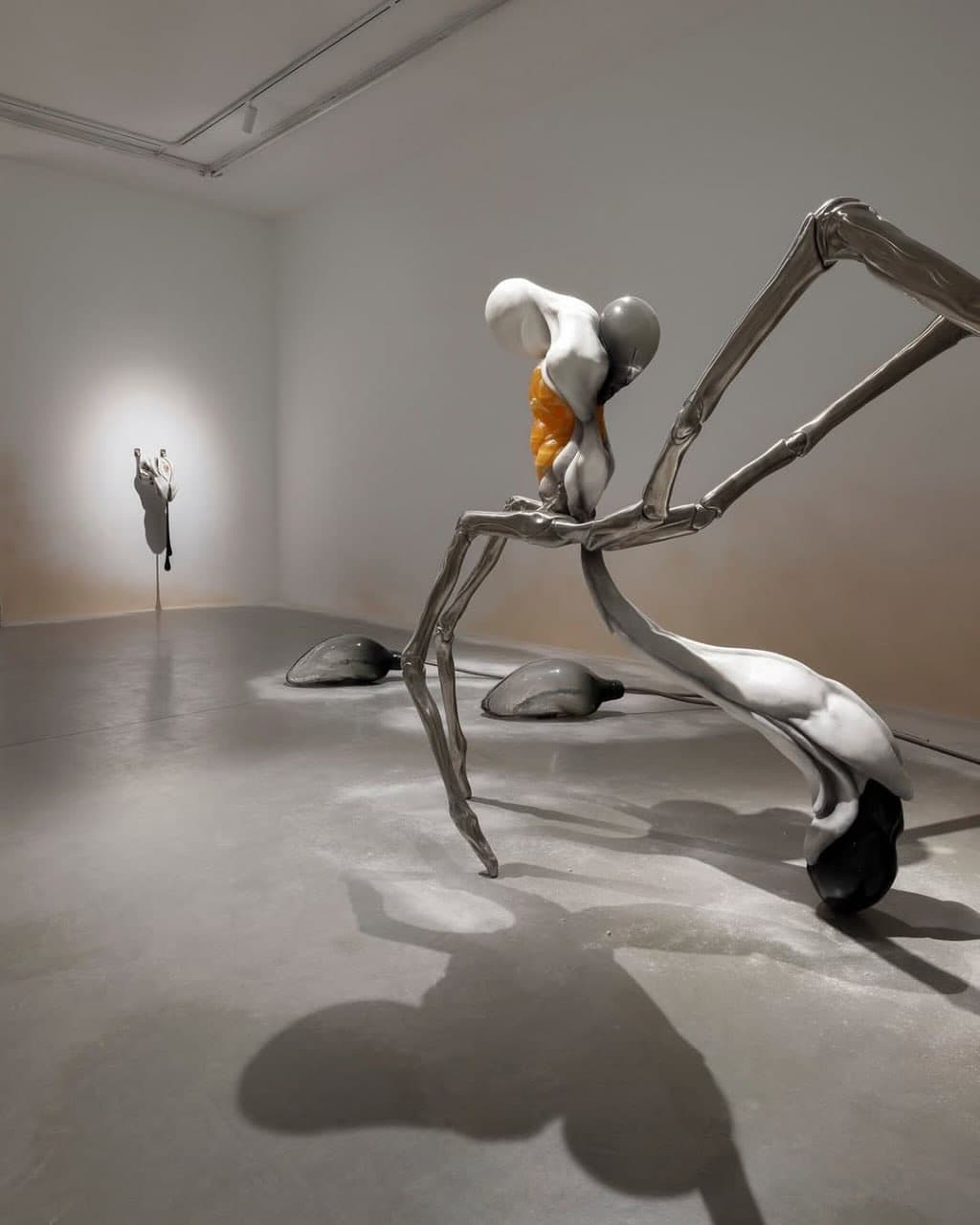
Milan / 2025
%2Fphoto_1_2026-05-23_19-28-57.jpg&w=1200&q=75)
Berlin / 2025
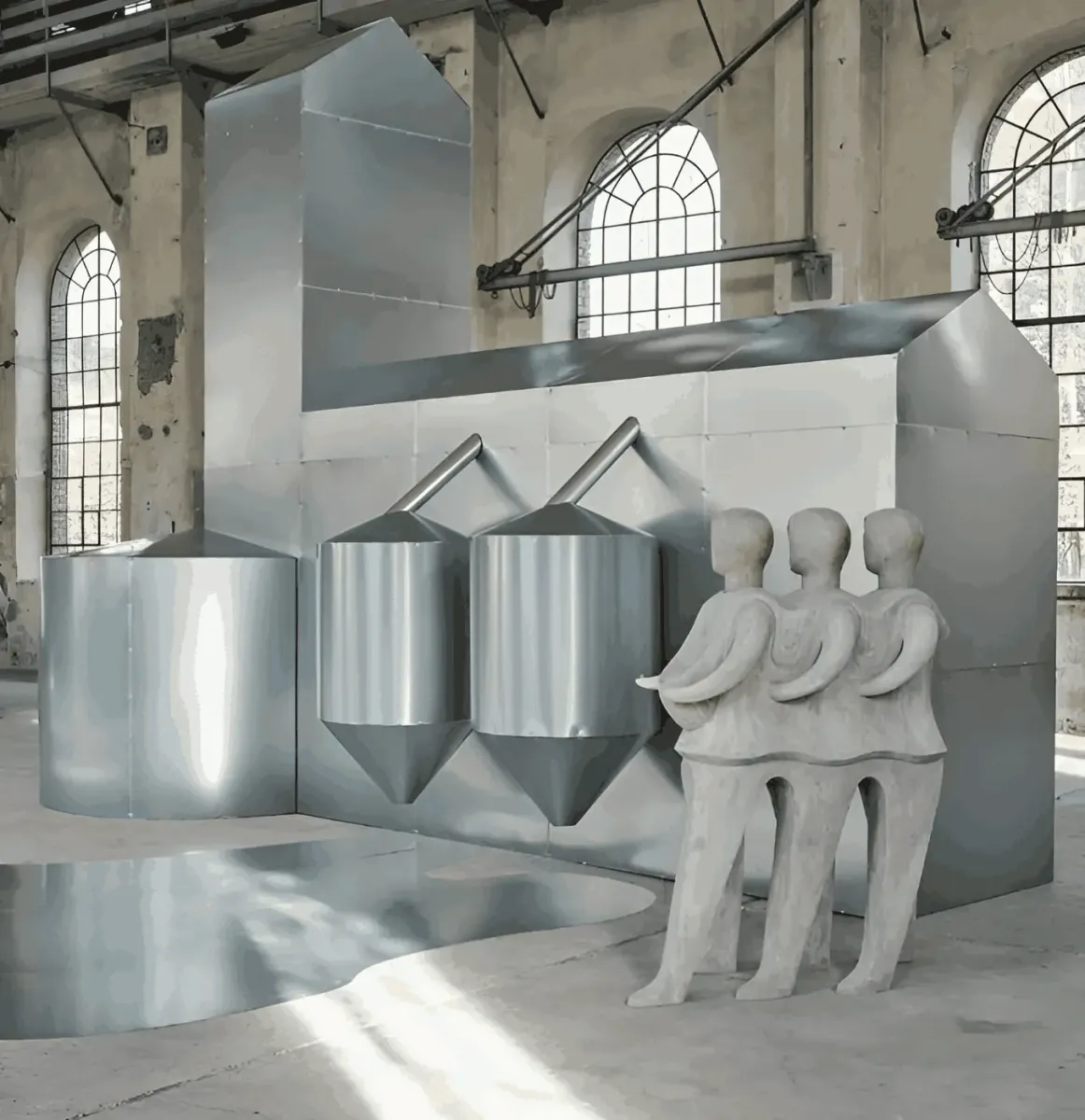
Dornbirn / 2026
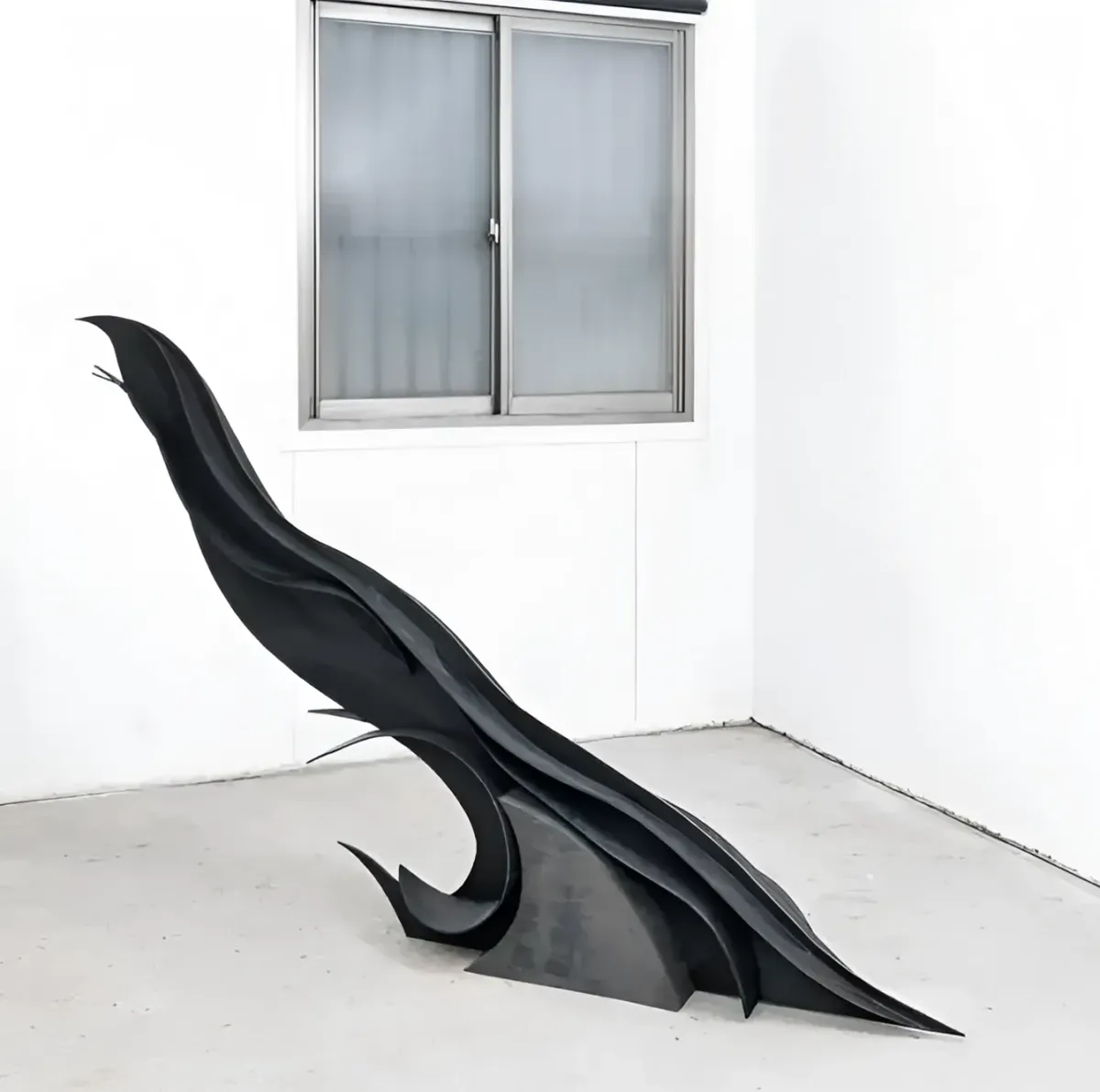
Seoul / 2025-2026
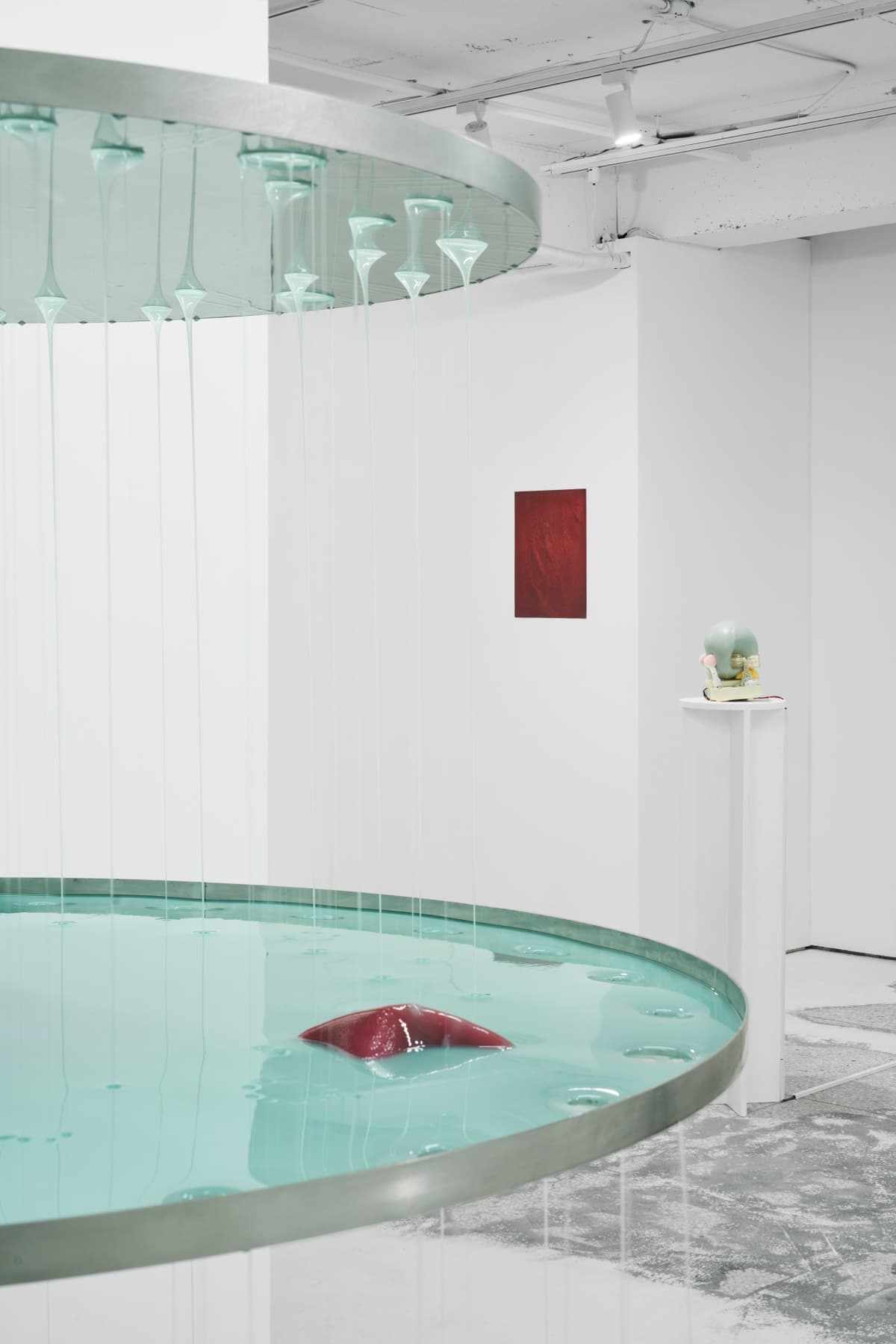
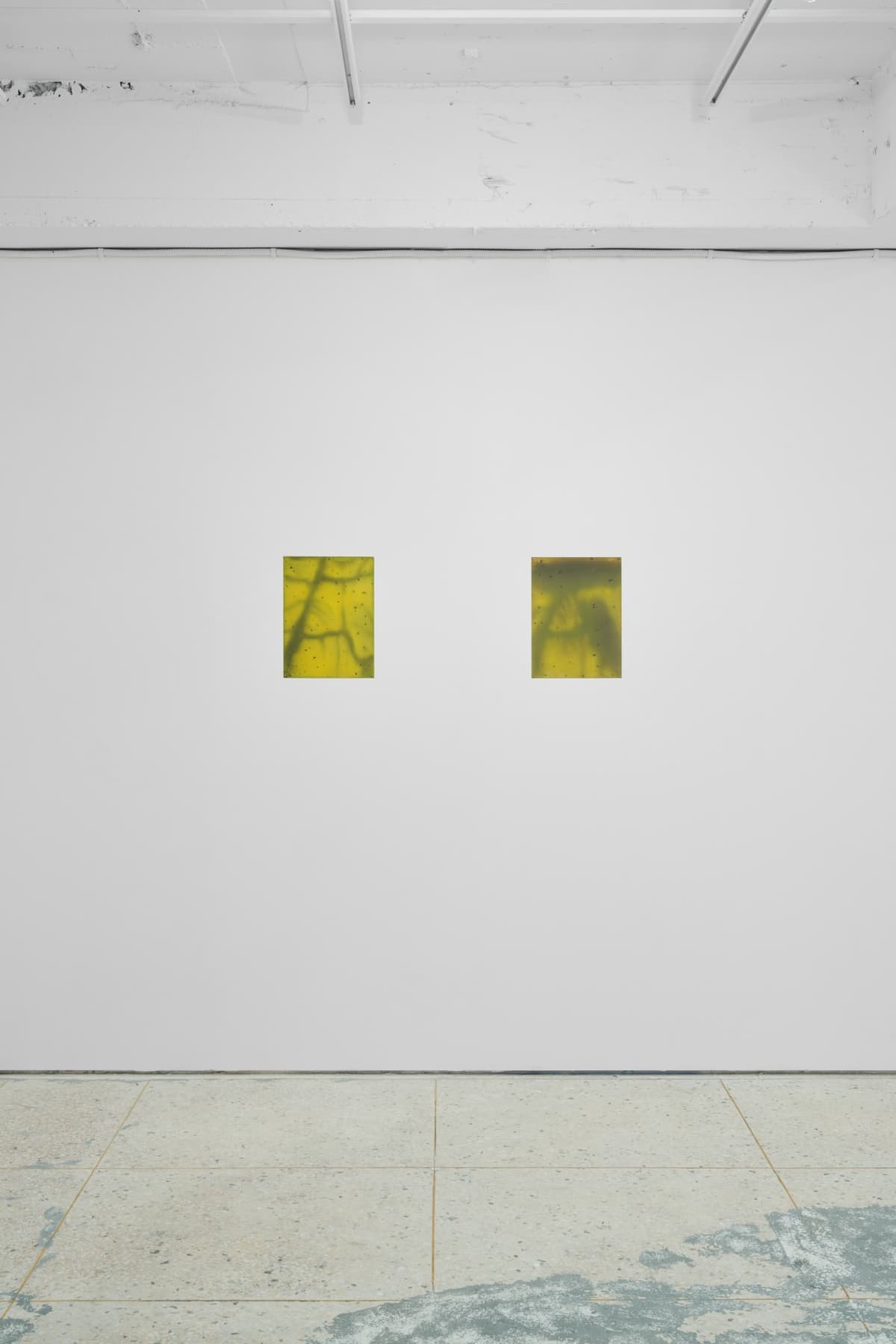
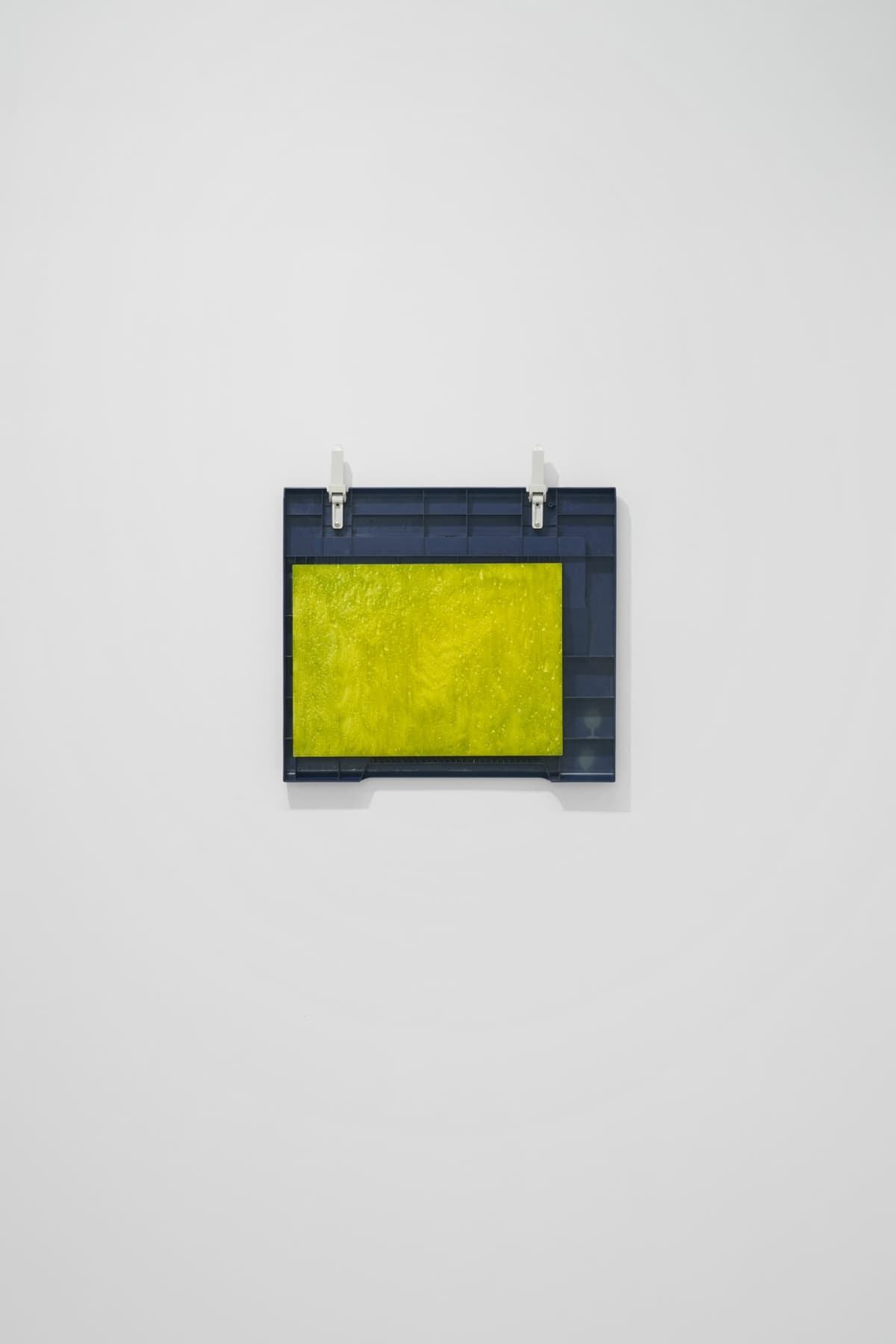
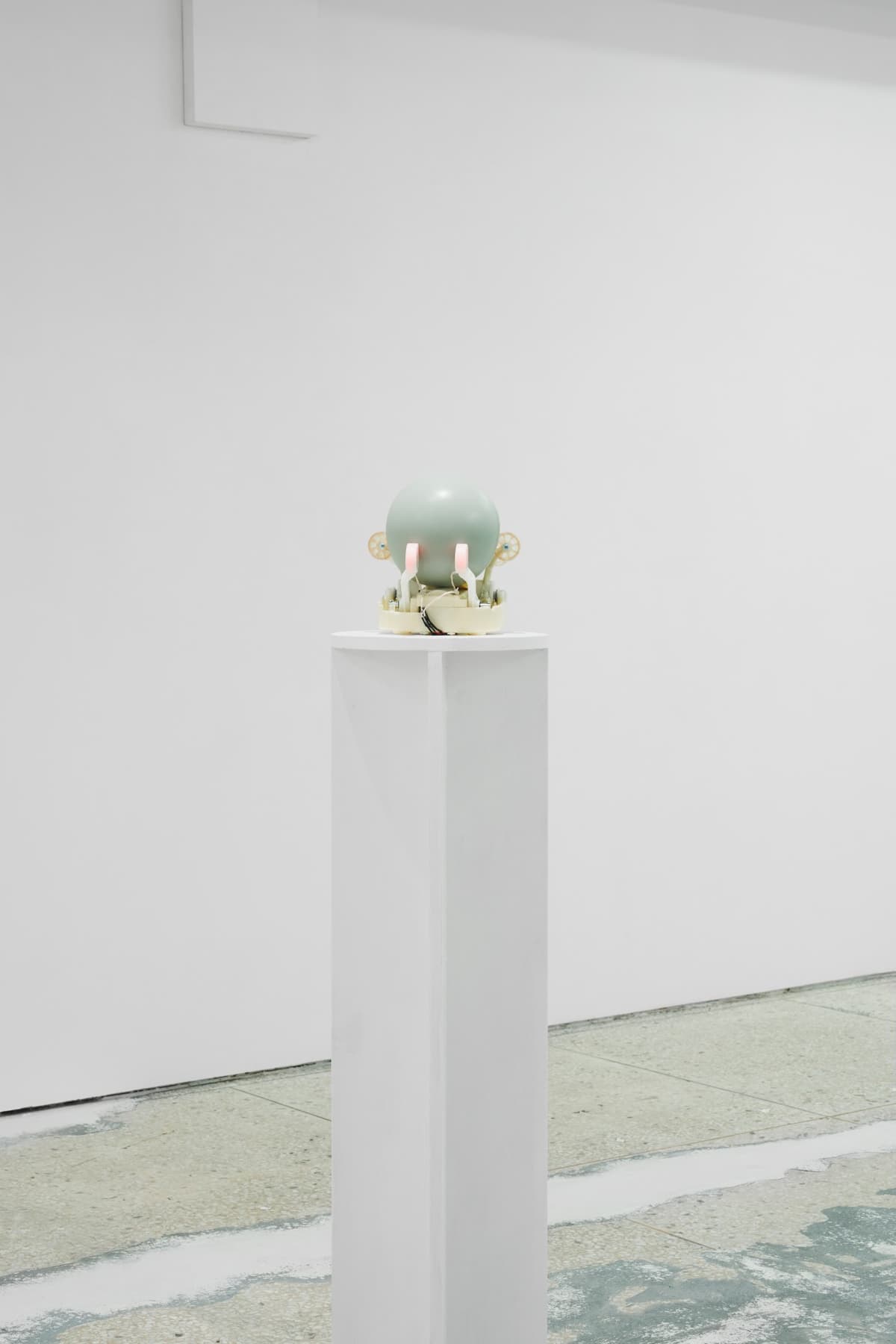
Seoul / 2025
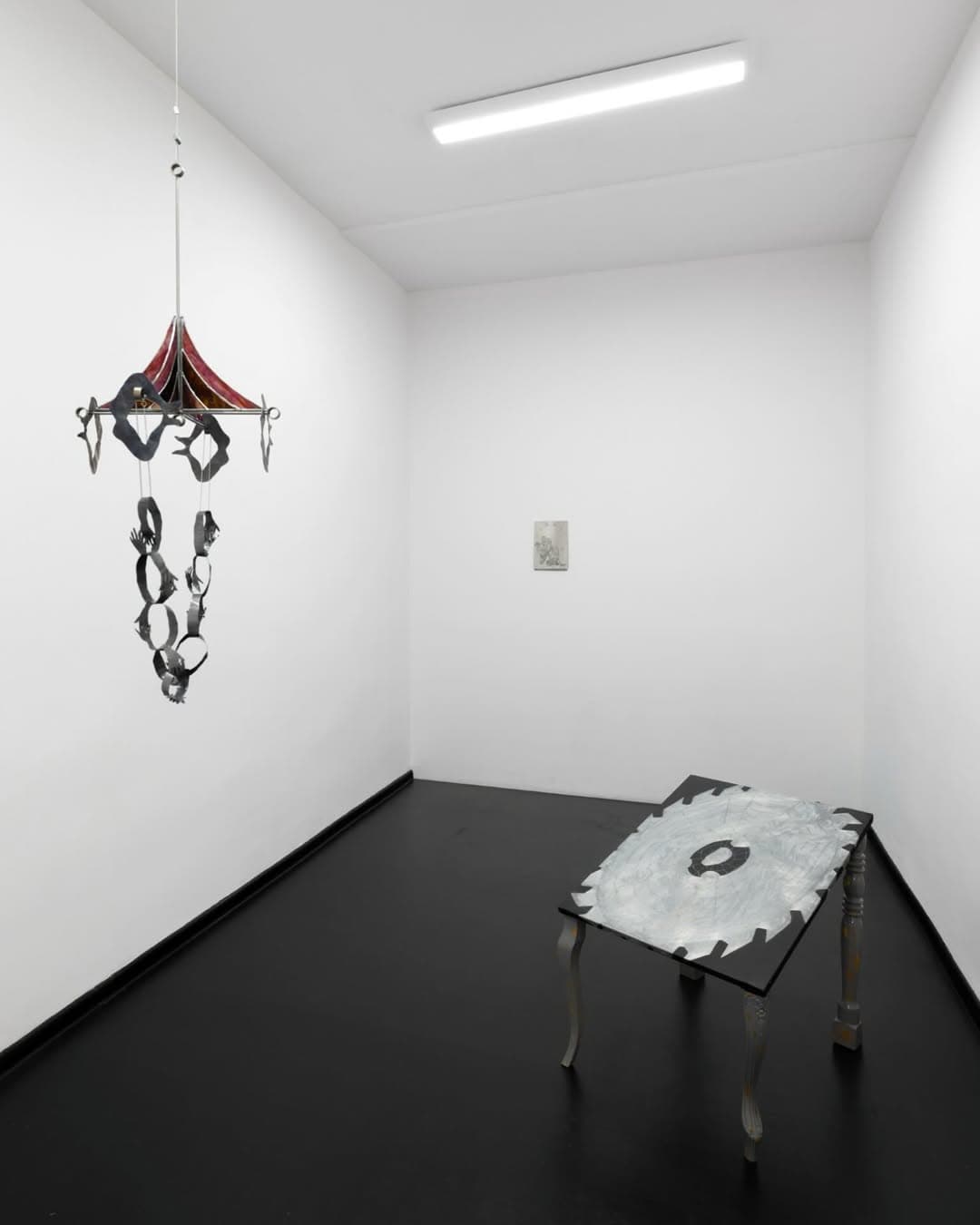
Warsaw / 2026
Seoul / 2026
Offenbach am Main / 2026
Białystok / 2025
@ppuri_
Münster / 2026
Vilnius / 2026
Brno / 2026
Avigliana / 2026
Shanghai / 2026
Copenhagen / 2026
Ciudad de México / 2026
Angers / 2026
Genk / 2026
Kraków / 2026
Vienna / 2026
Poznań / 2026
Warsaw / 2026
Tokyo / 2026
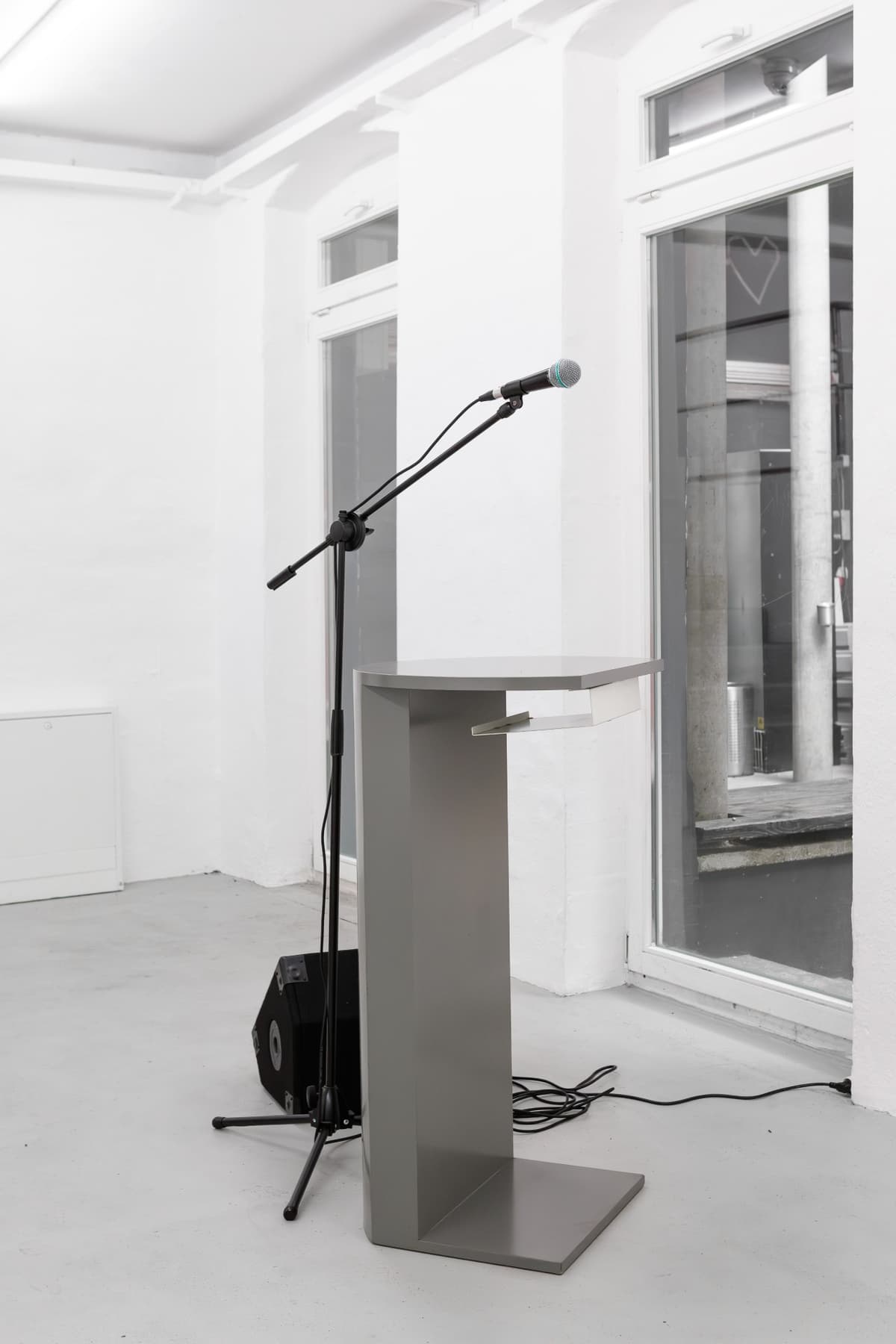
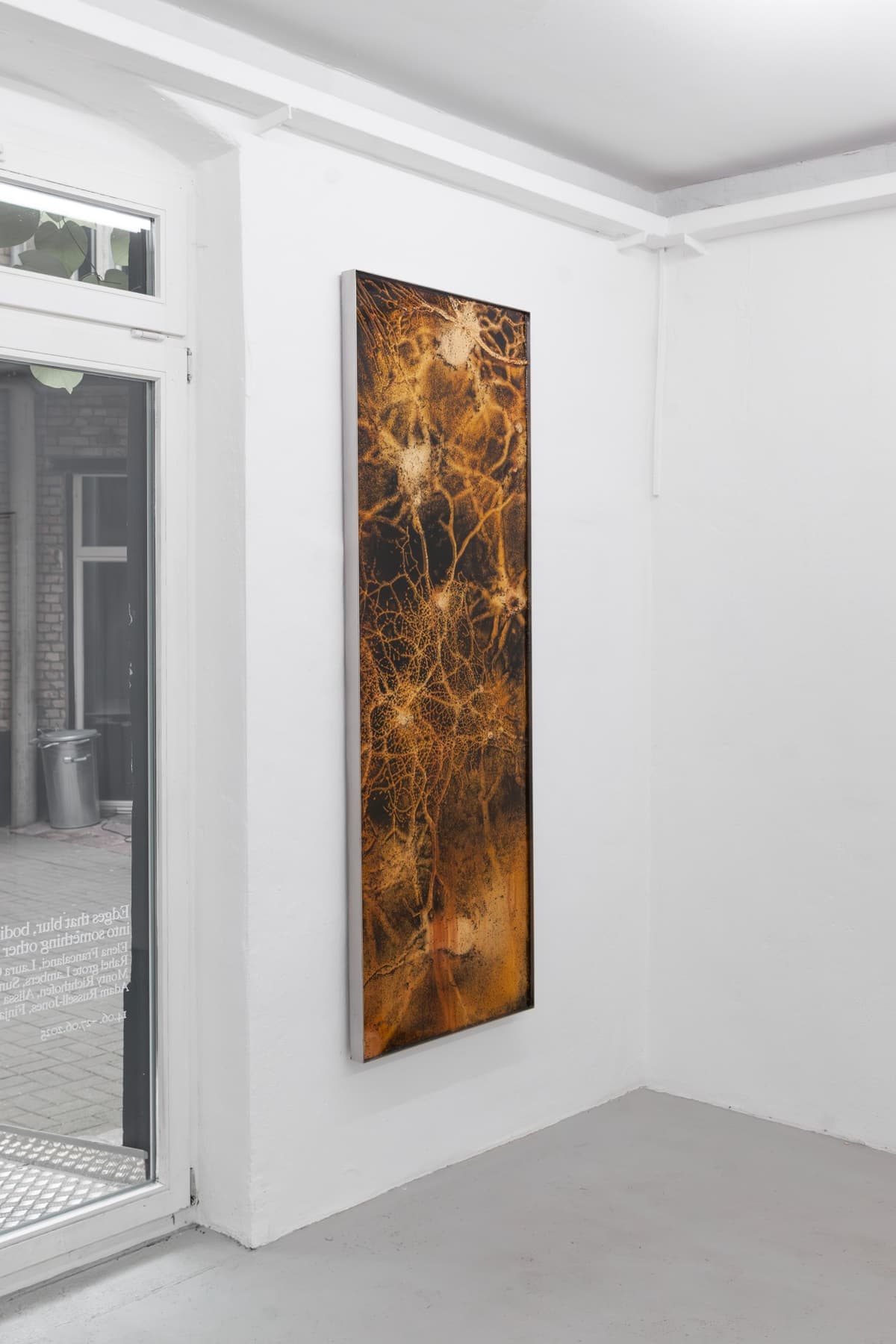
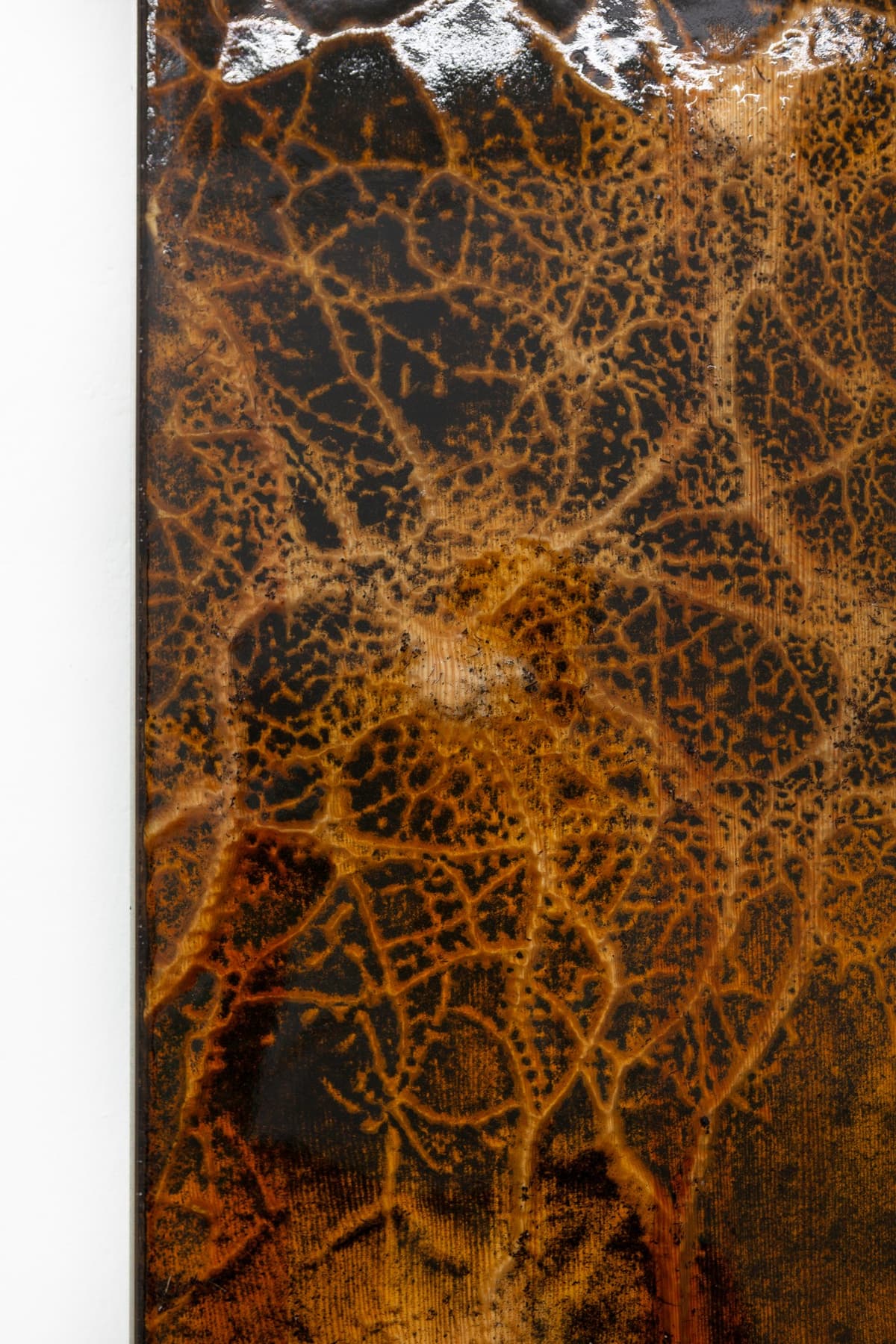
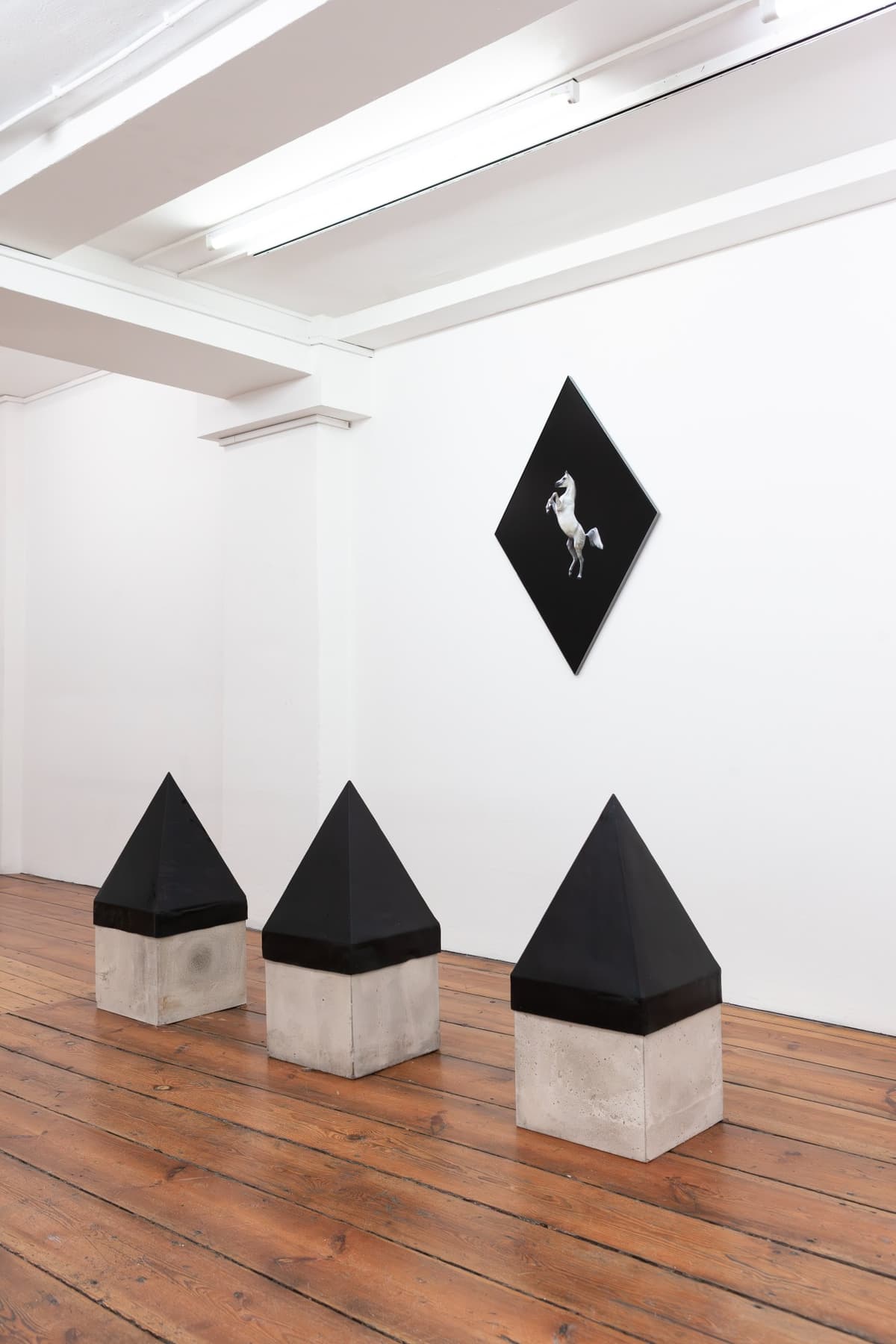
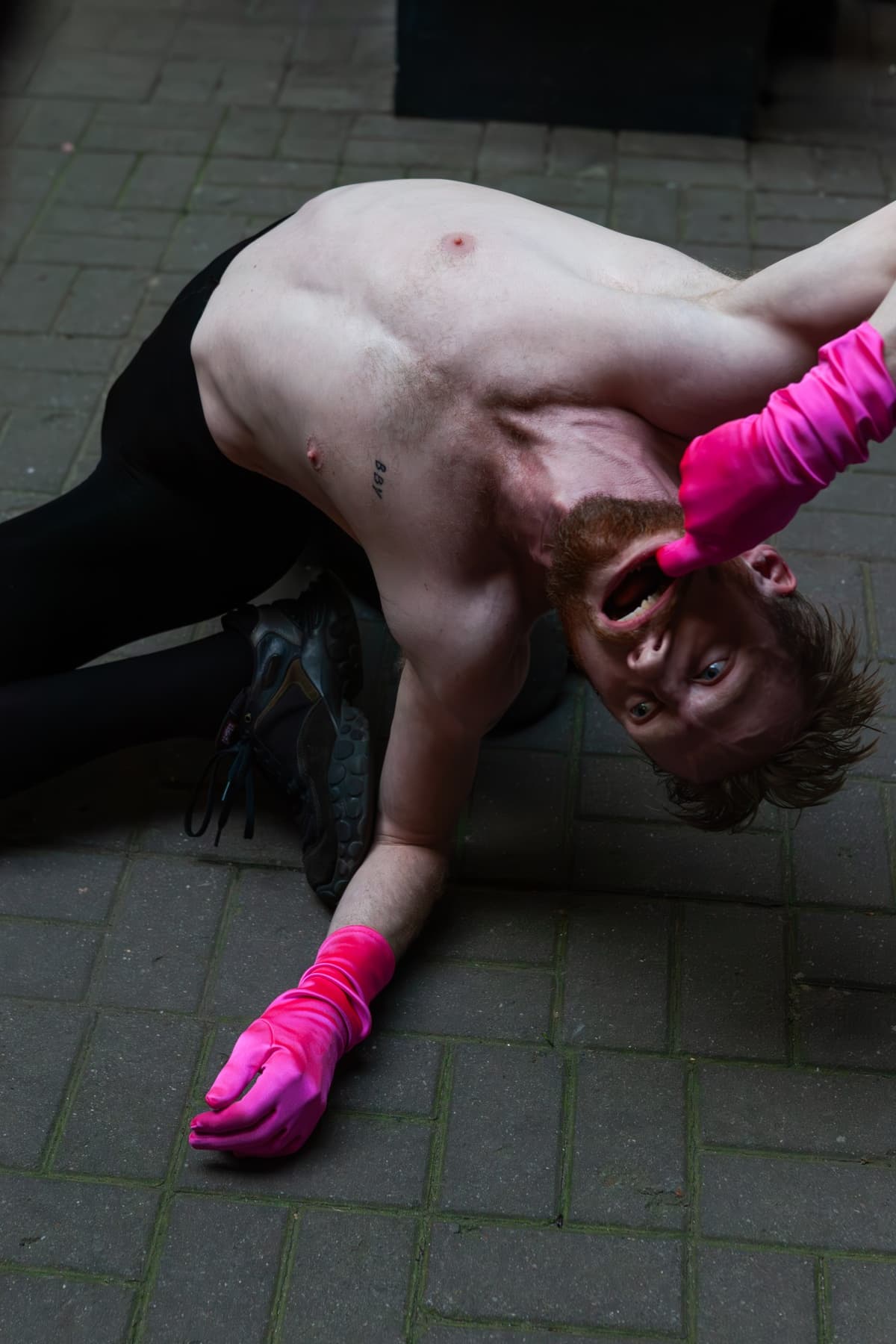
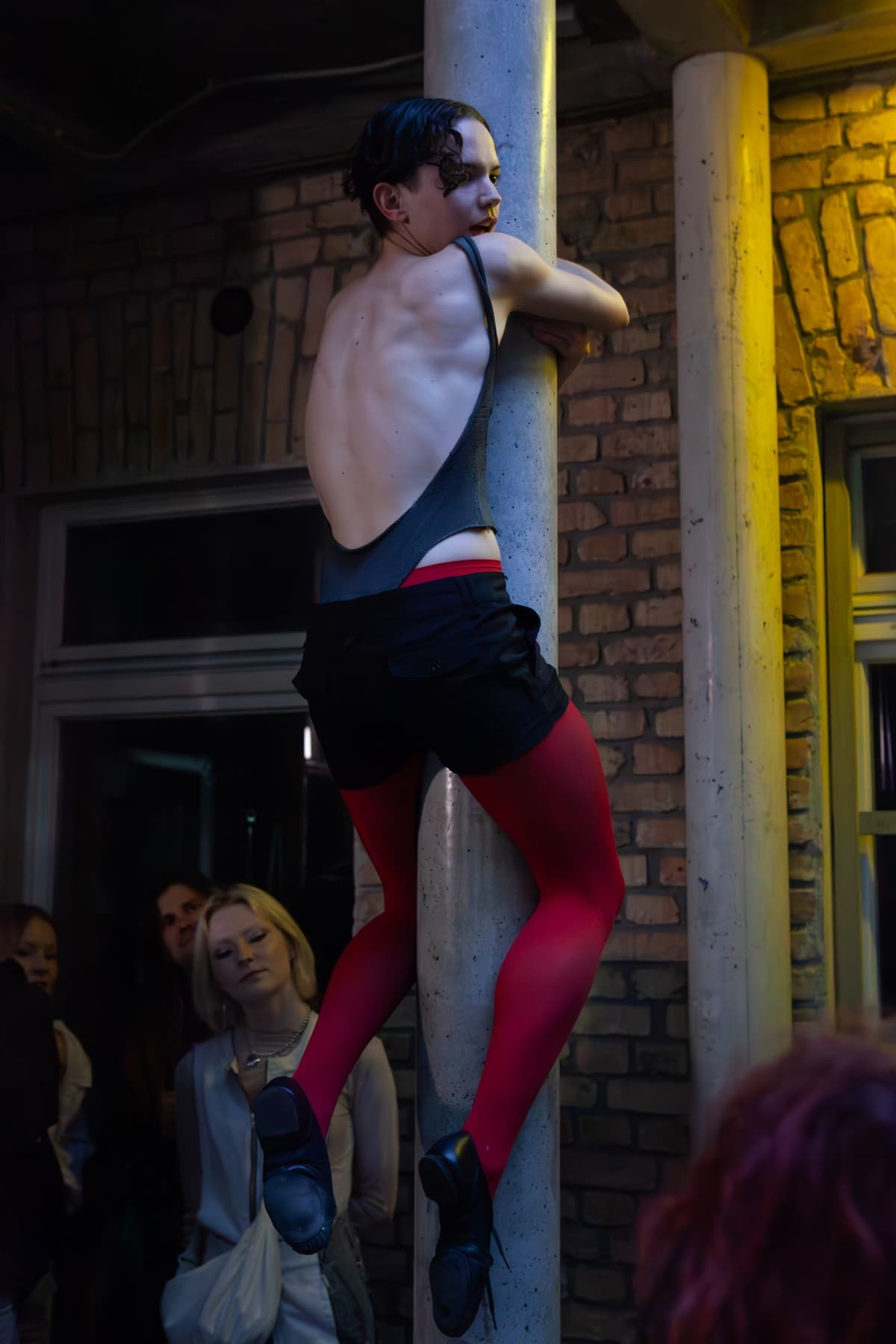
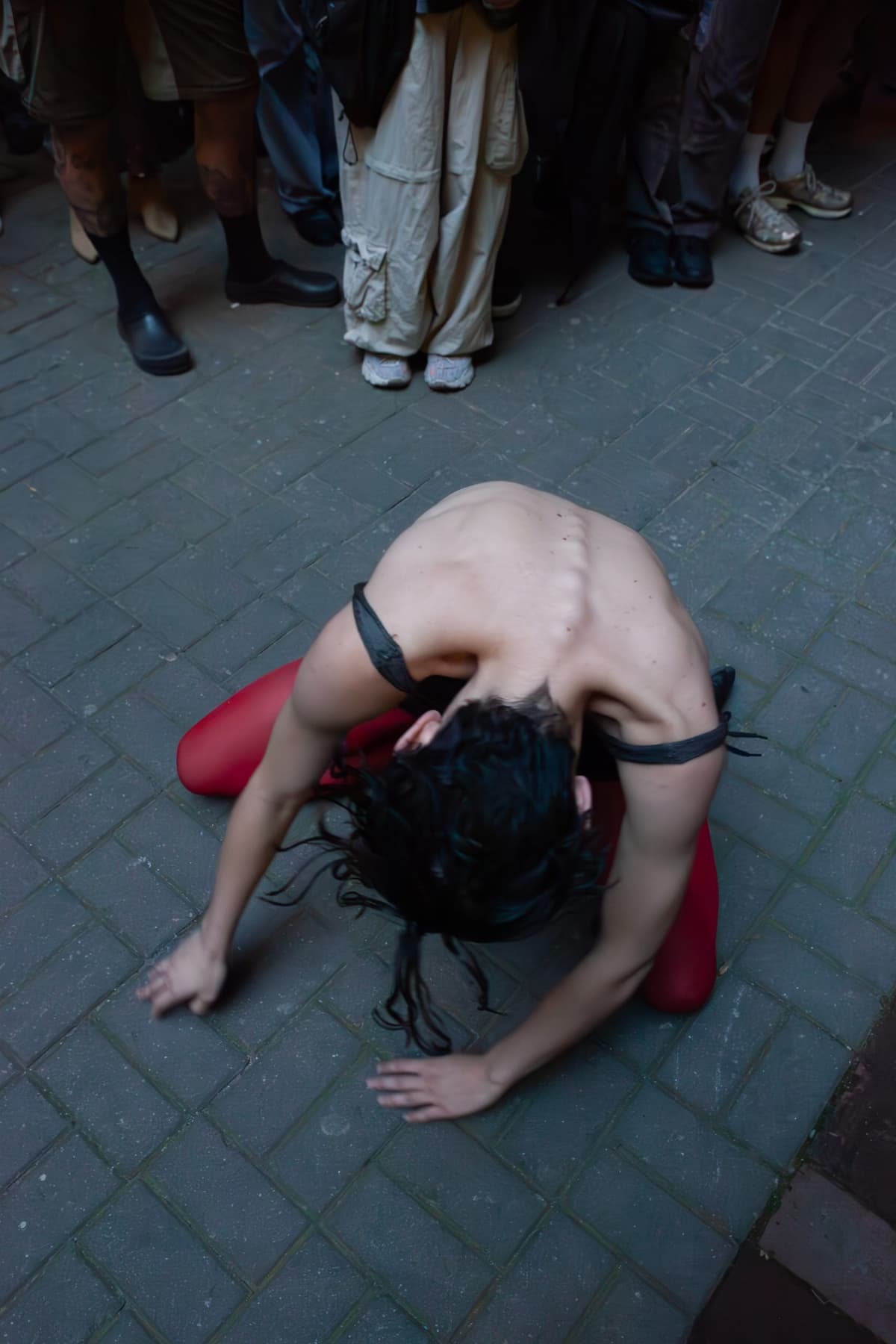
Berlin / 2025
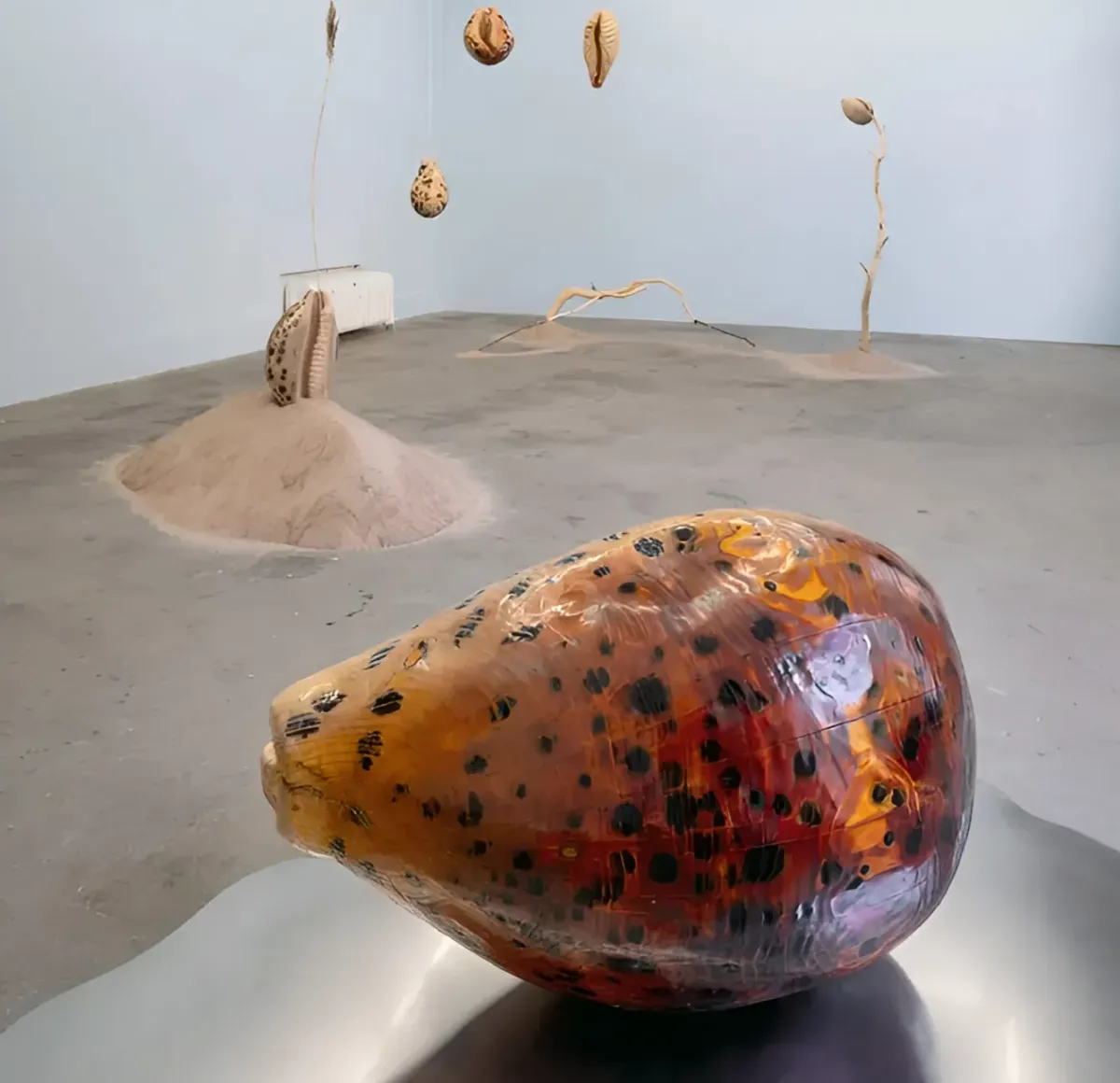
Göteborg / 2025
/ 2023
Lisboa / 2023
Vilnius / 2024
Prague / 2024
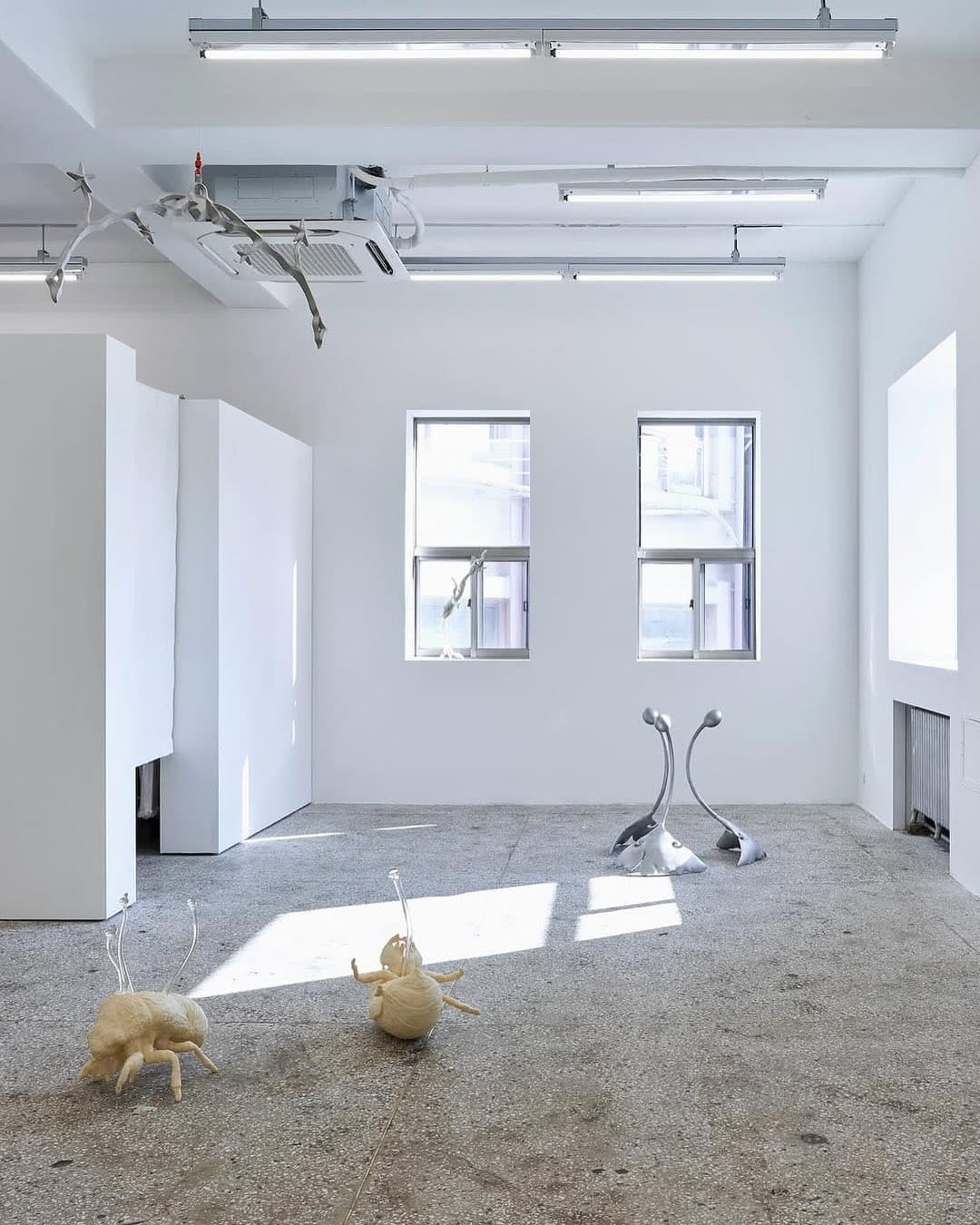
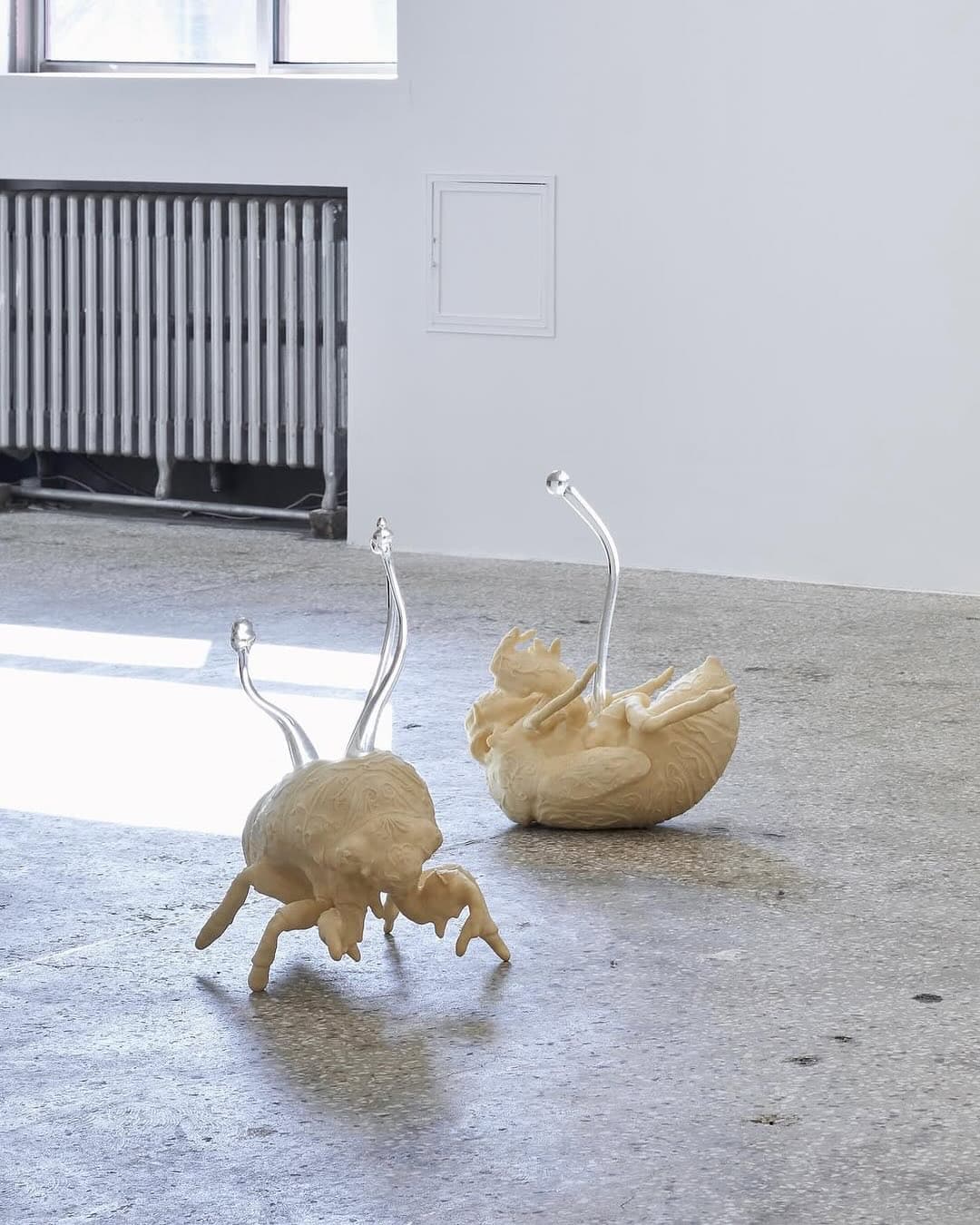
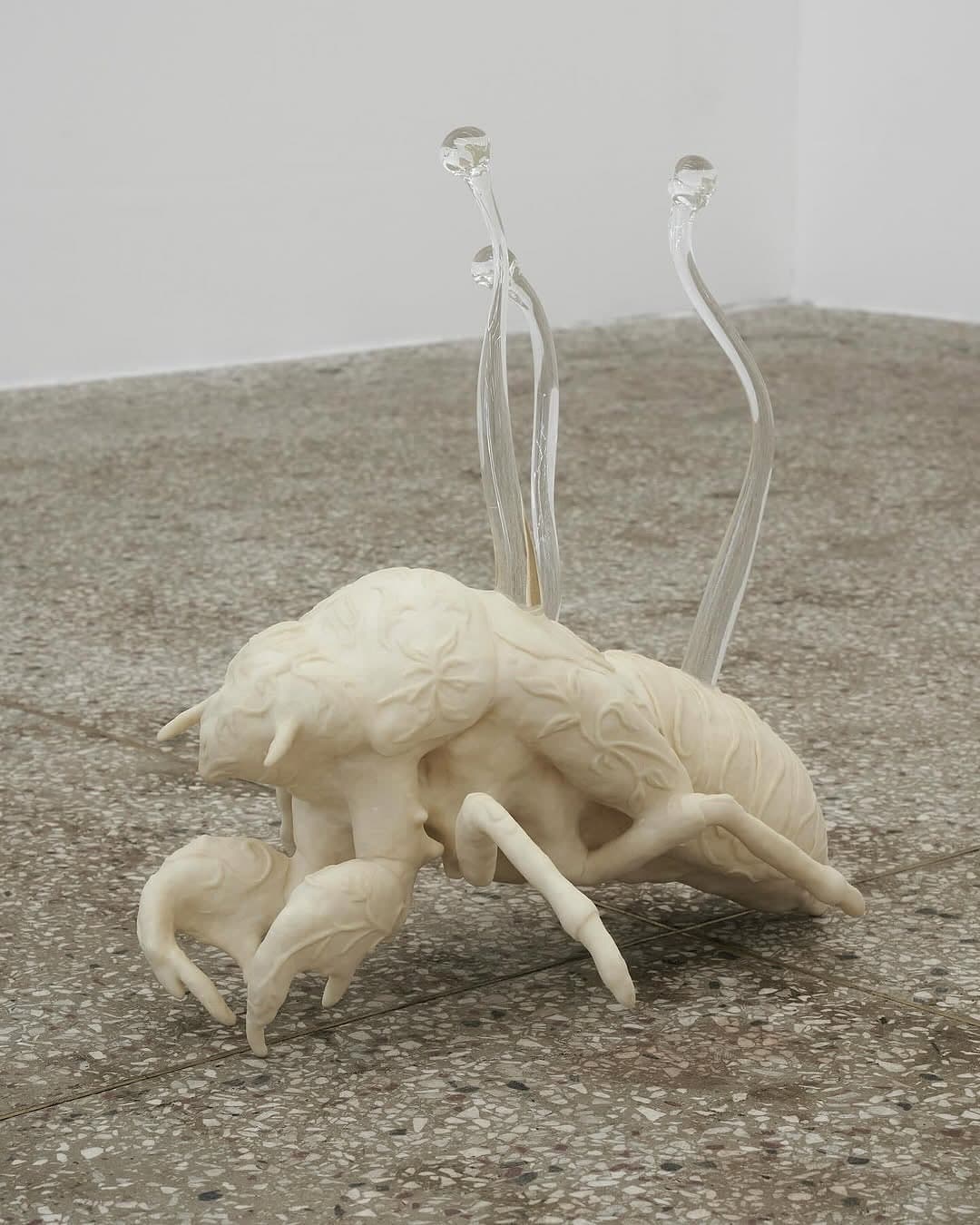
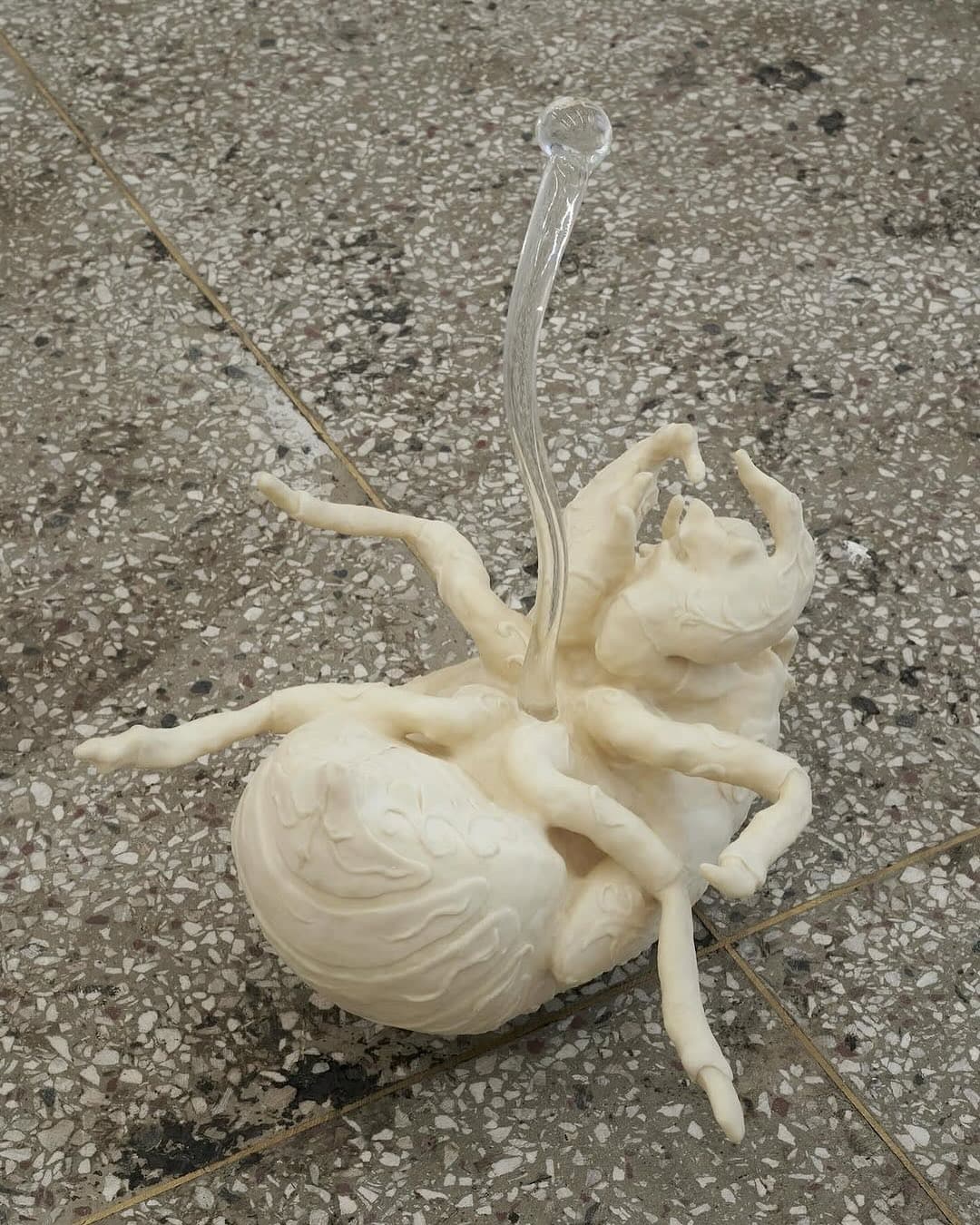
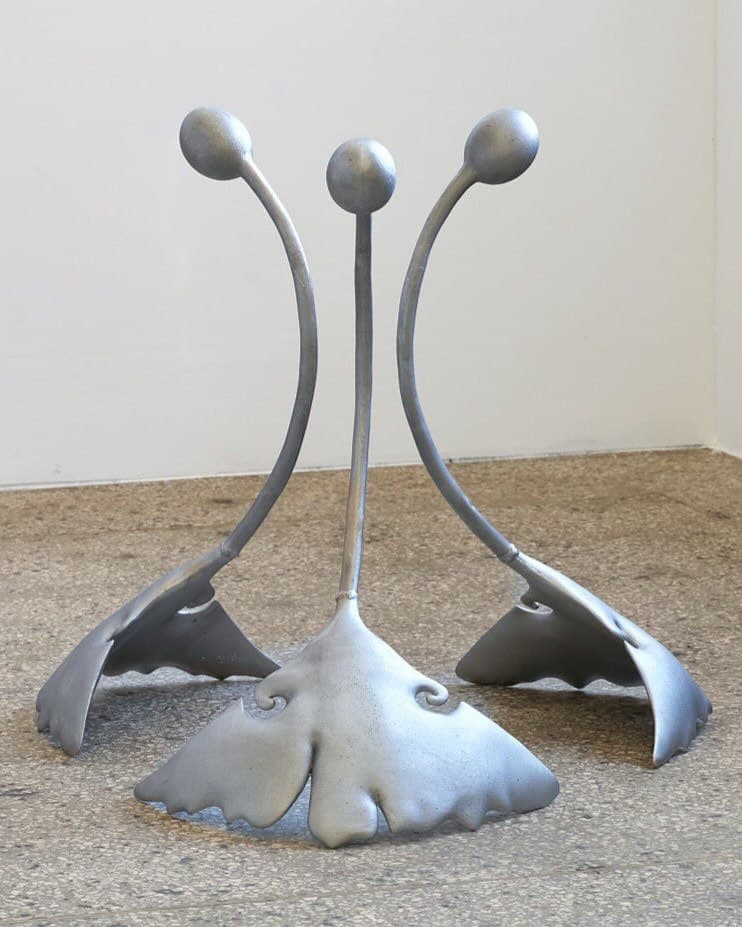
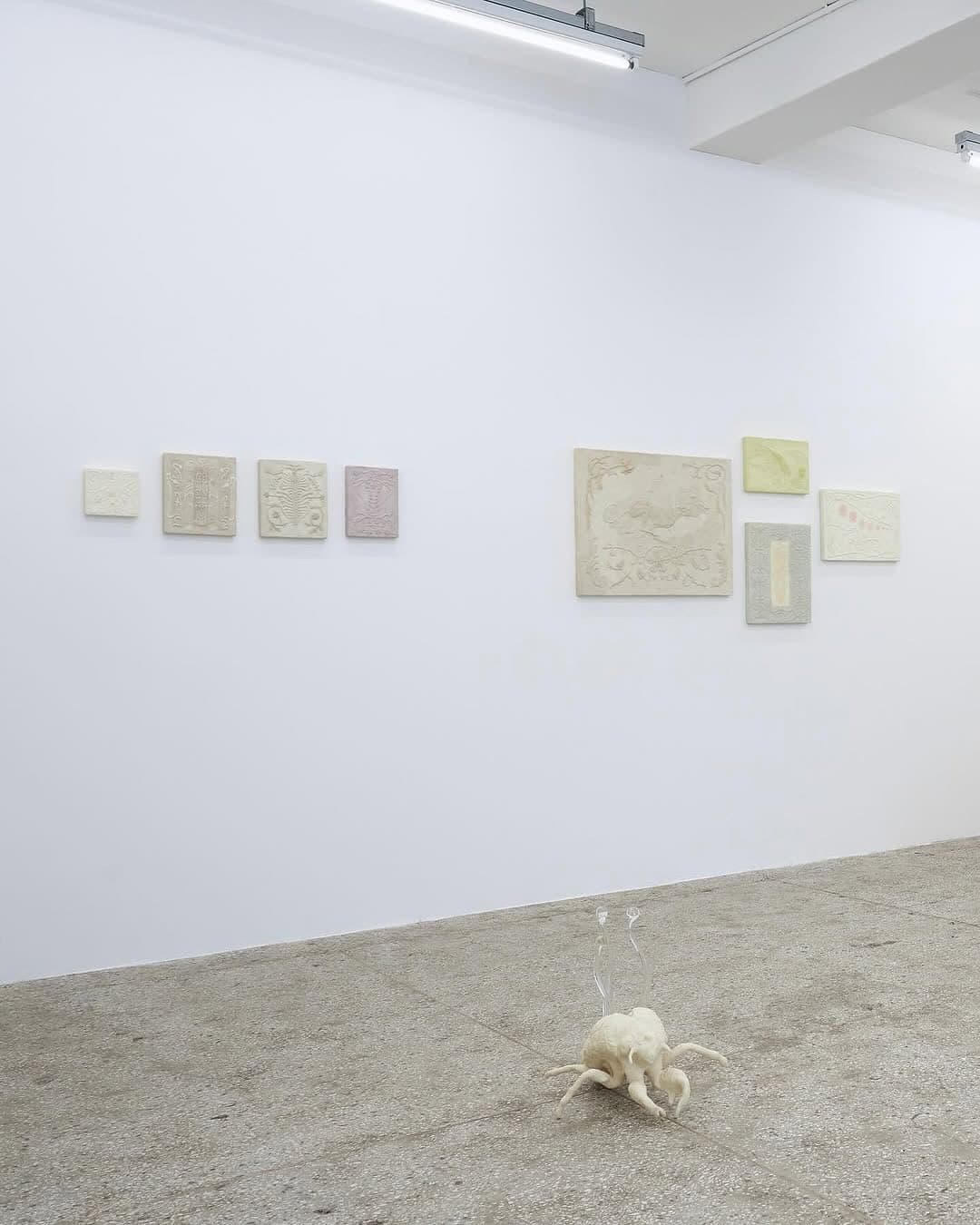
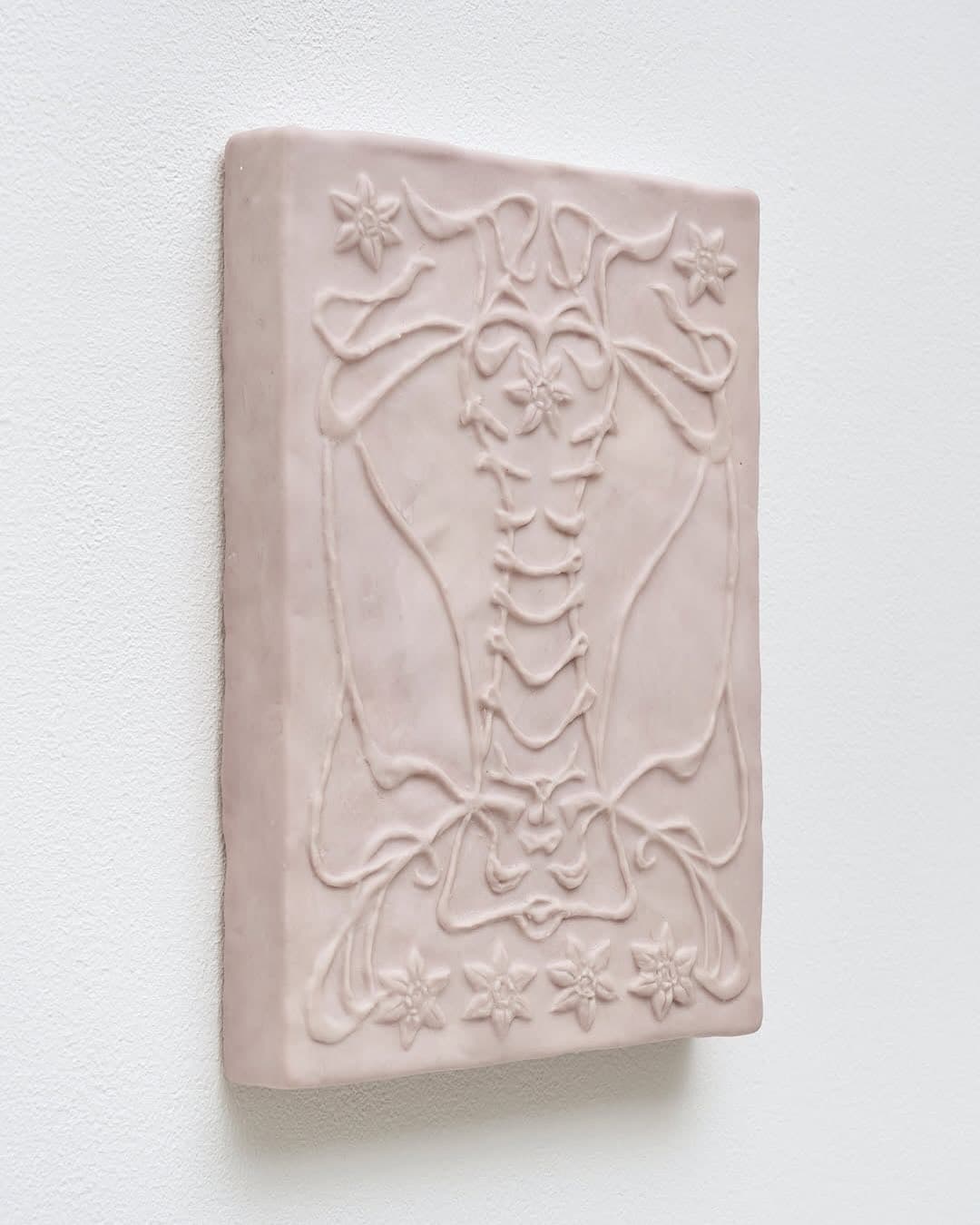
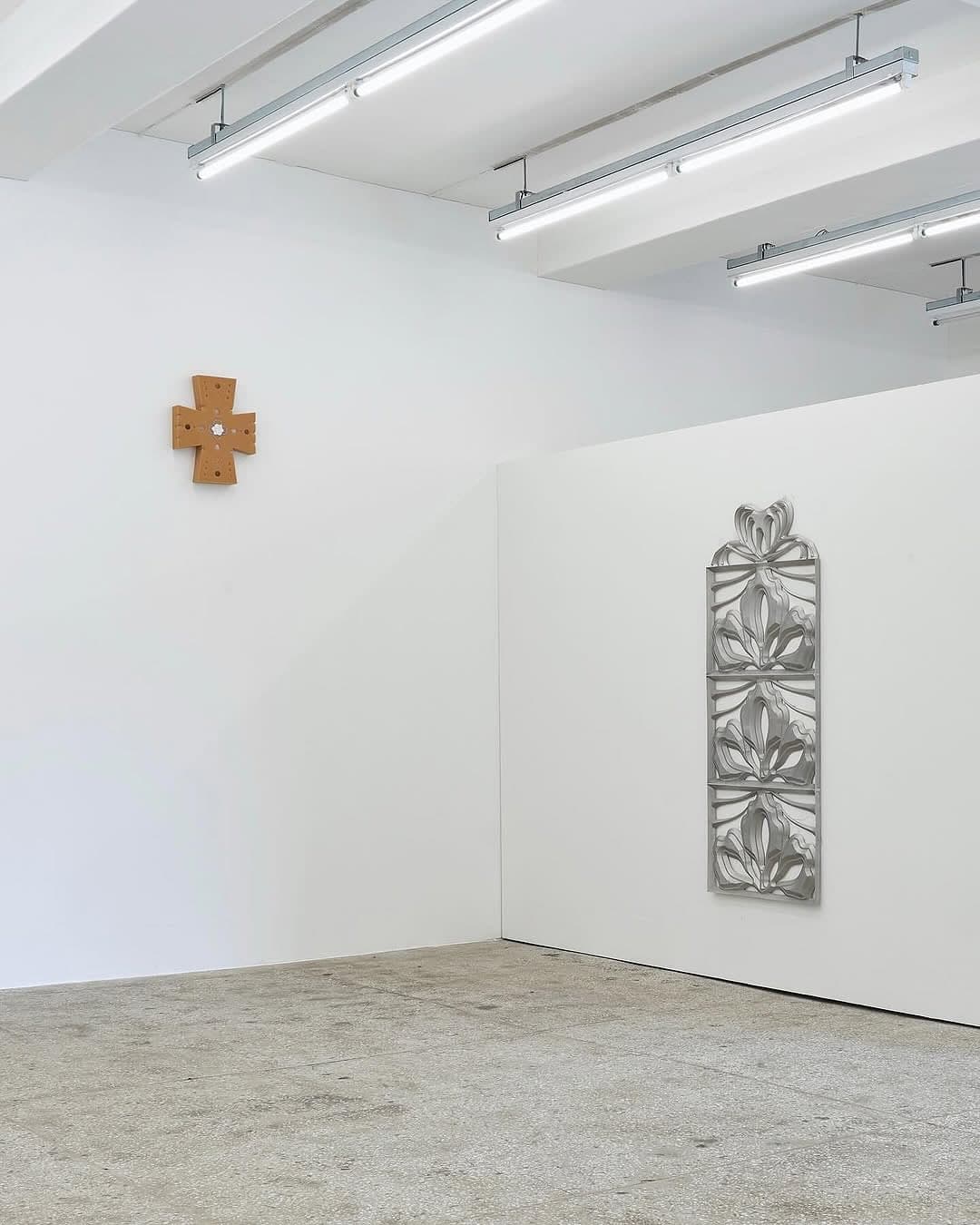
Jung-gu, Seoul / 2025
Ljubljana / 2025
Bratislava / 2025
/ 2025
Bratislava / 2025
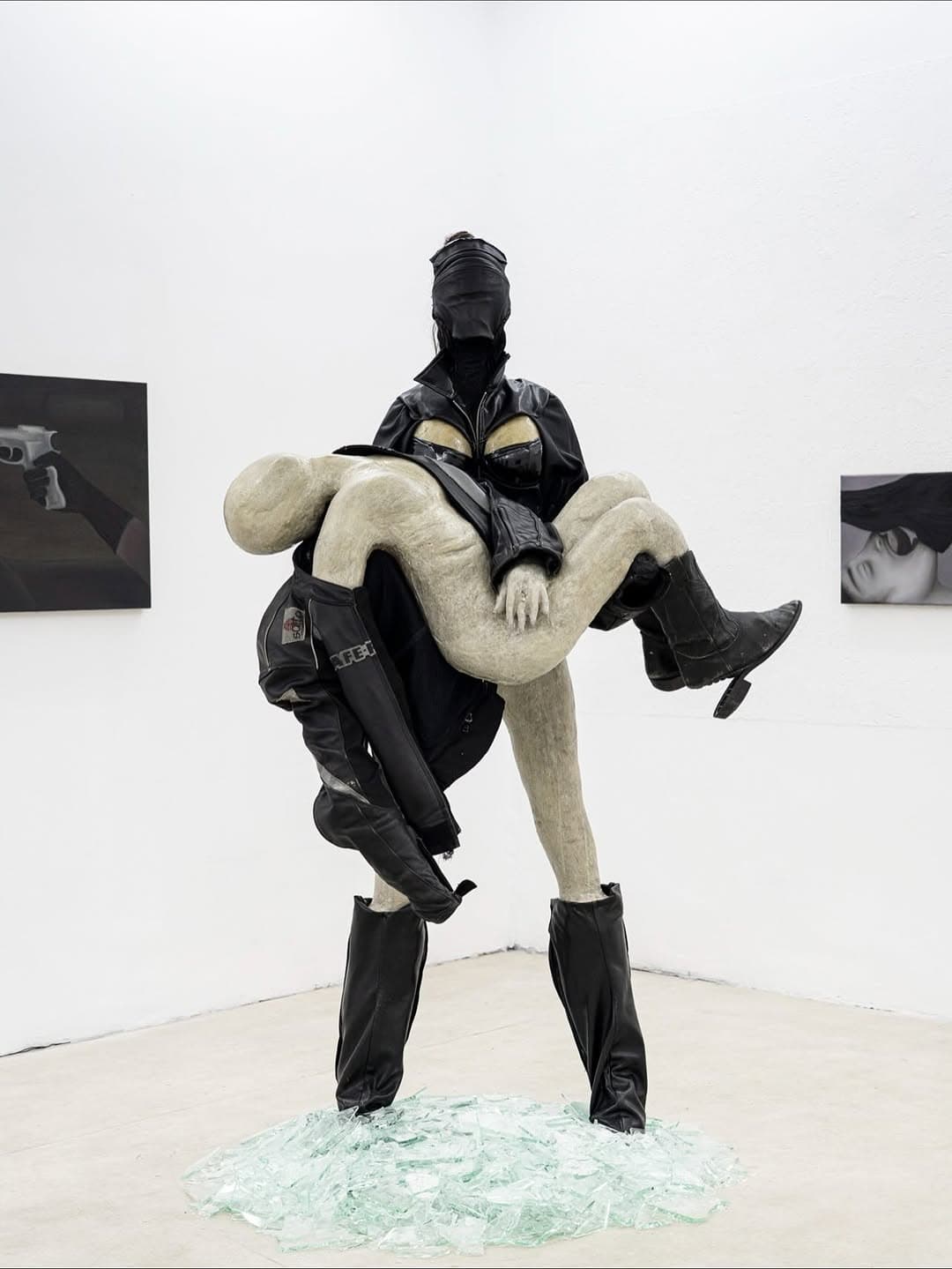
Kraków / 2025
%2Fphoto_1_2026-05-23_19-26-42.jpg&w=1200&q=75)
Milan / 2025
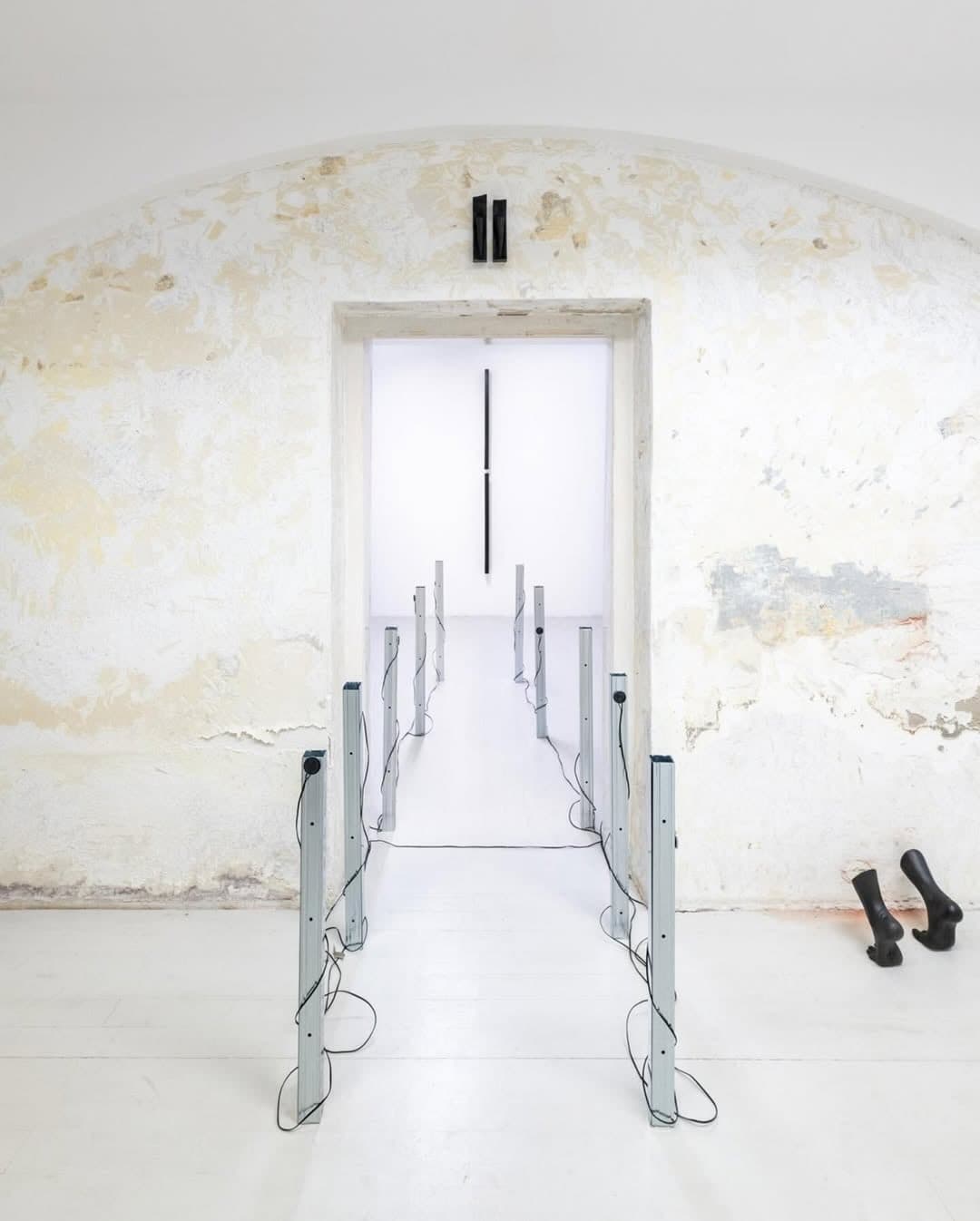
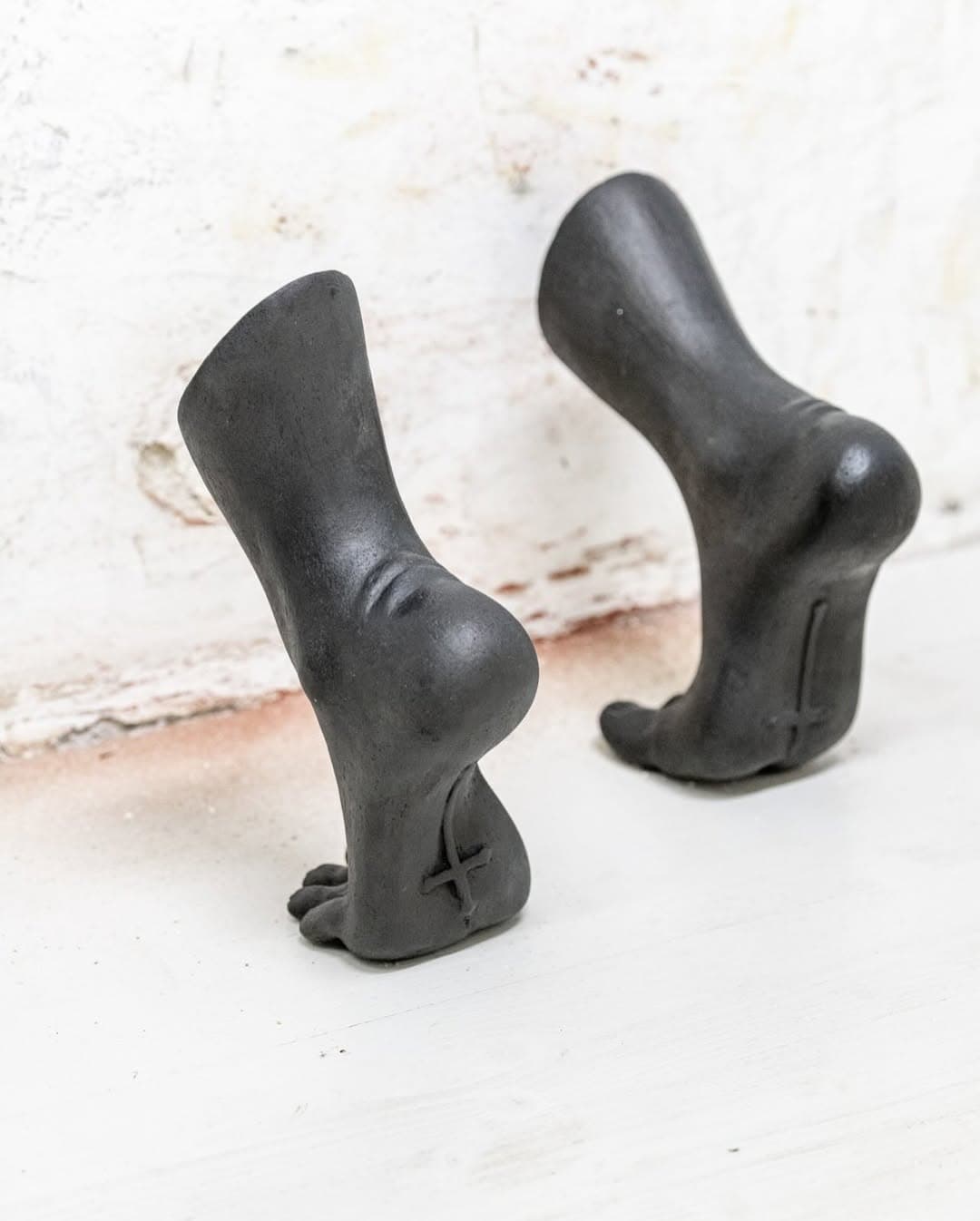
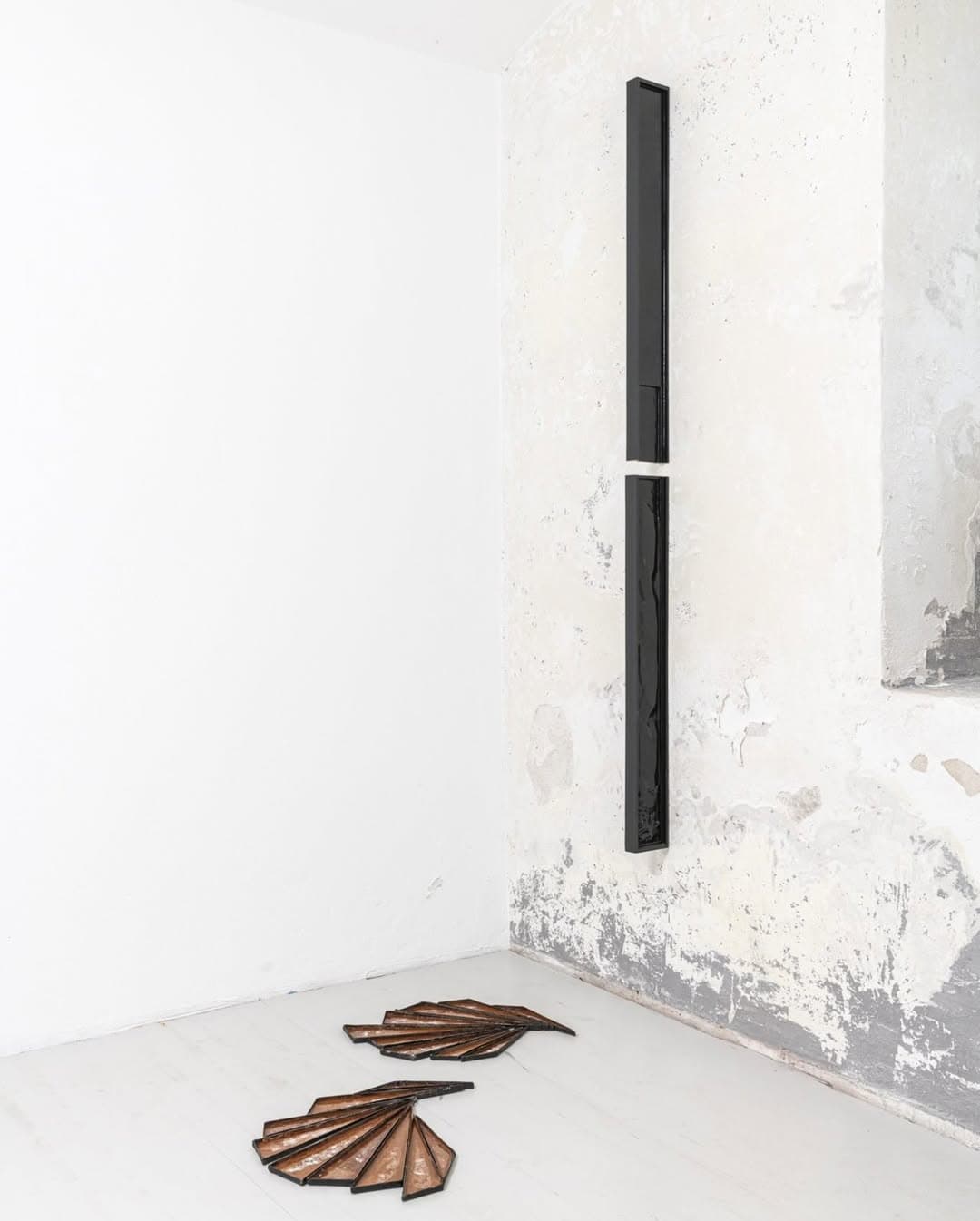
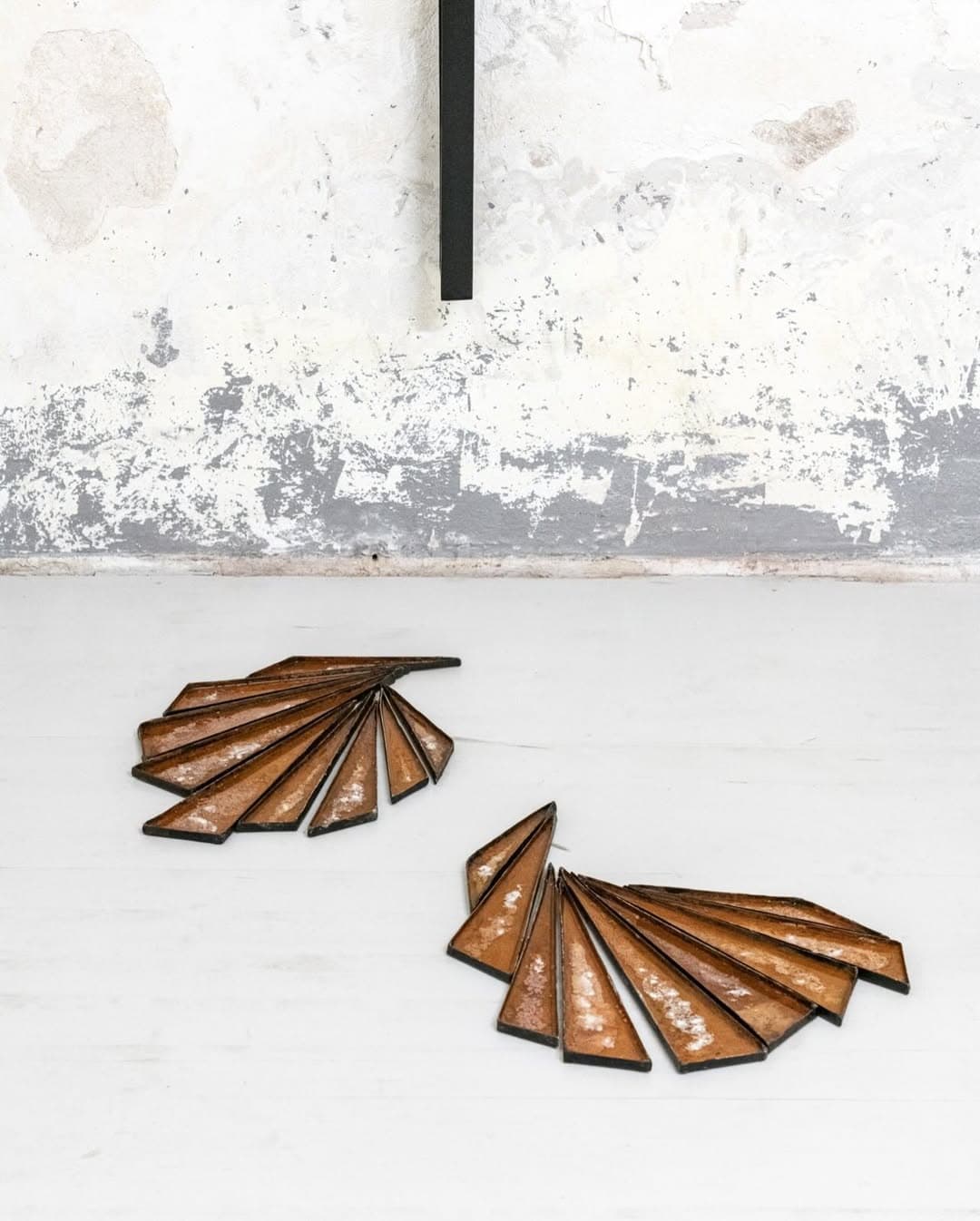
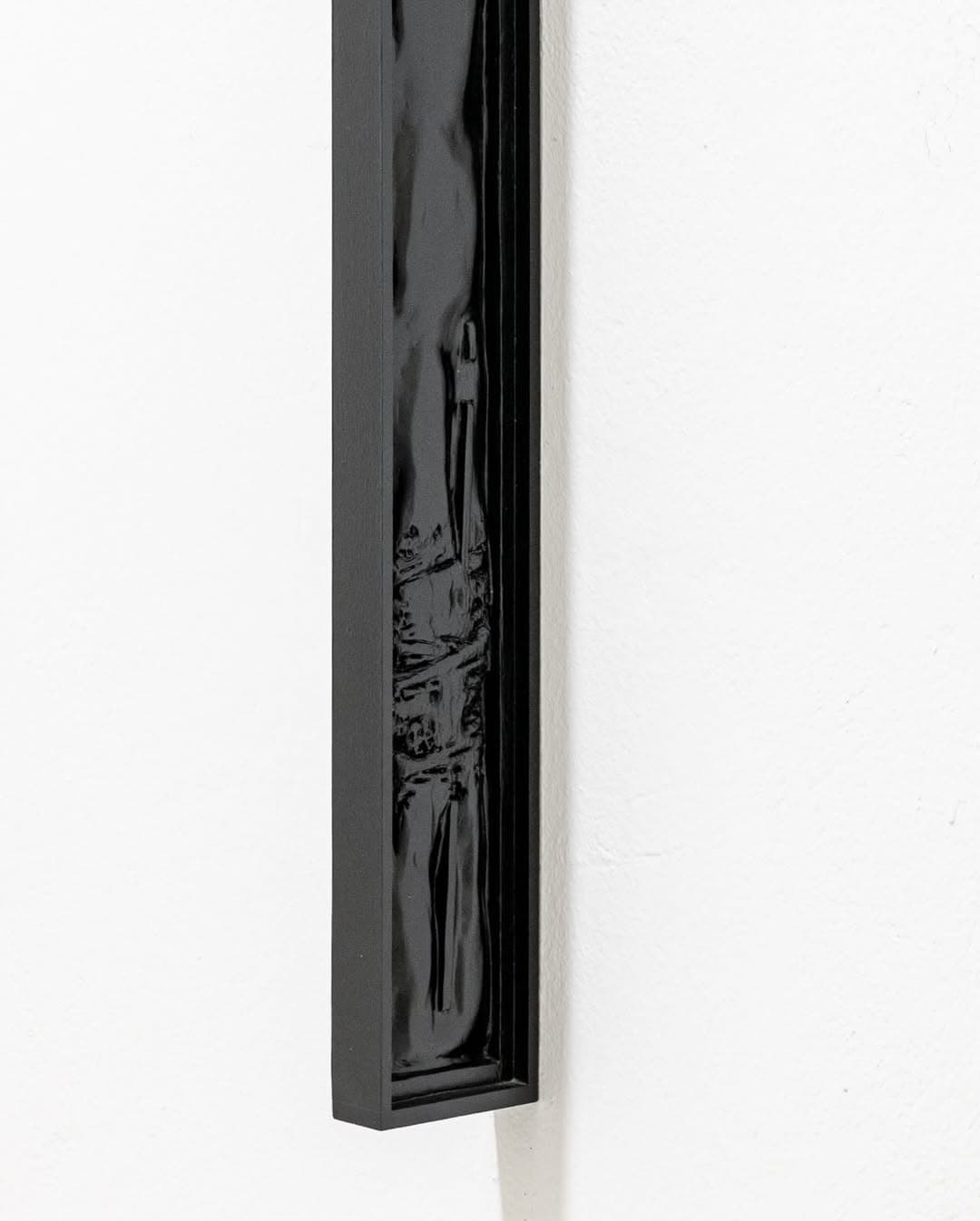
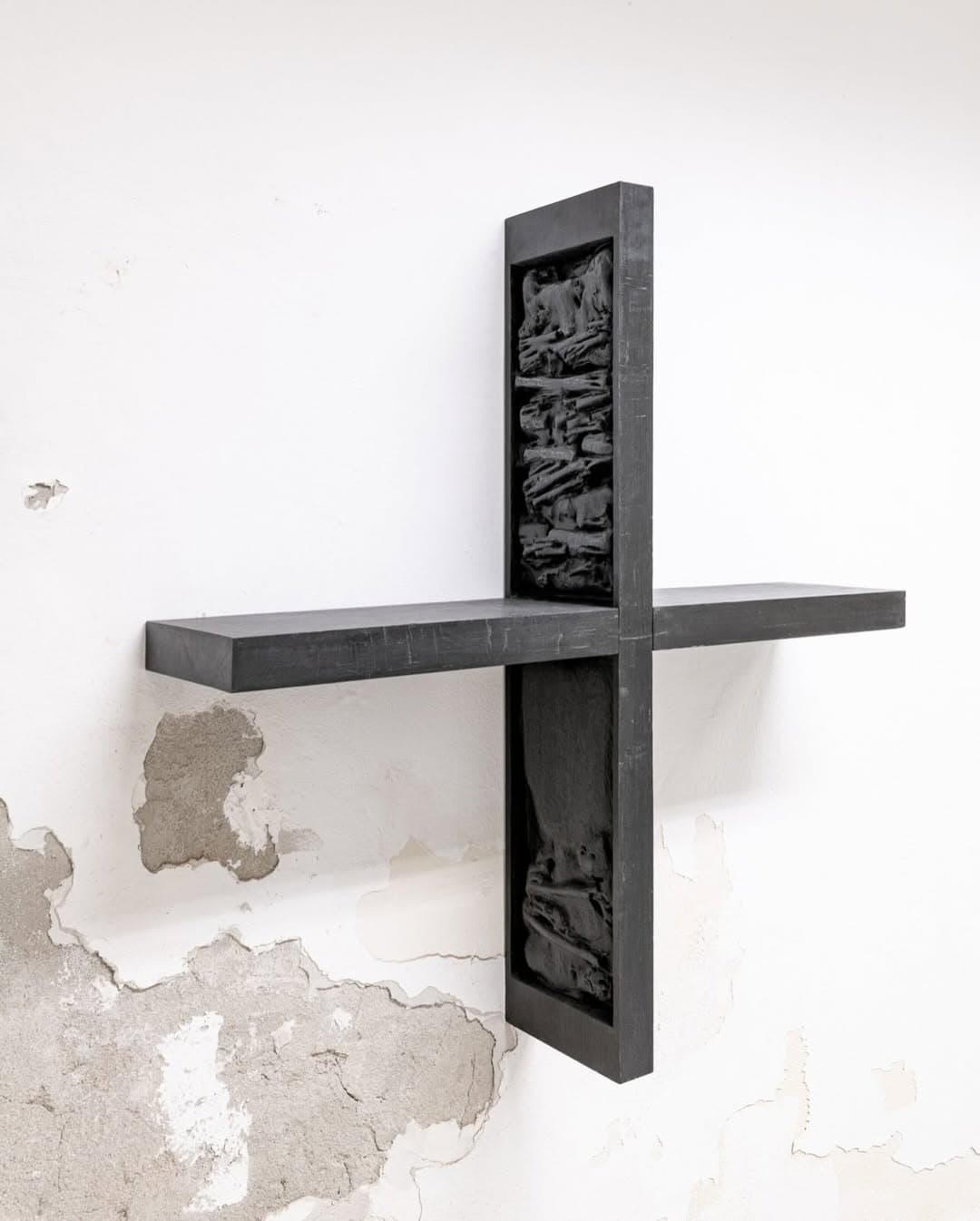
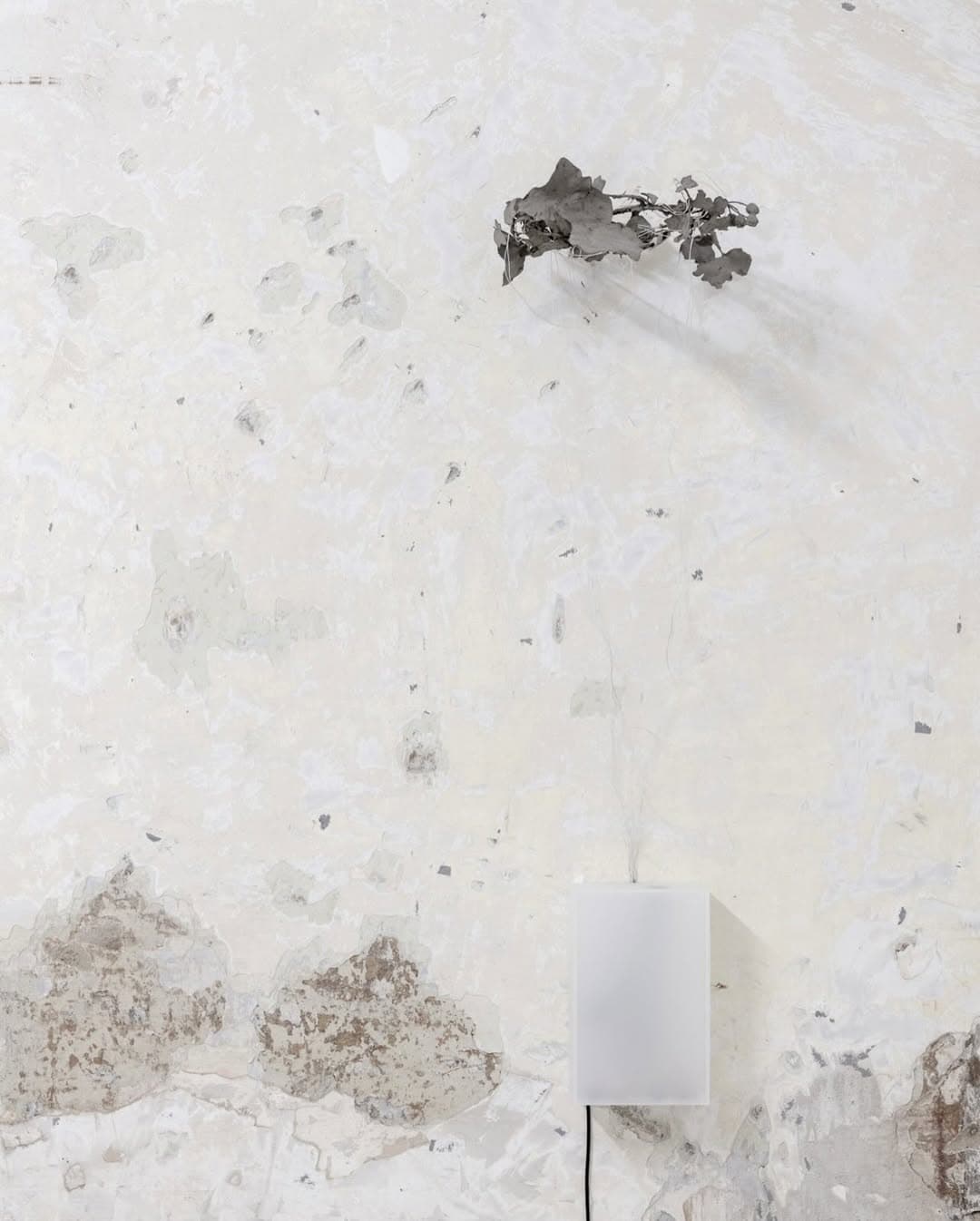
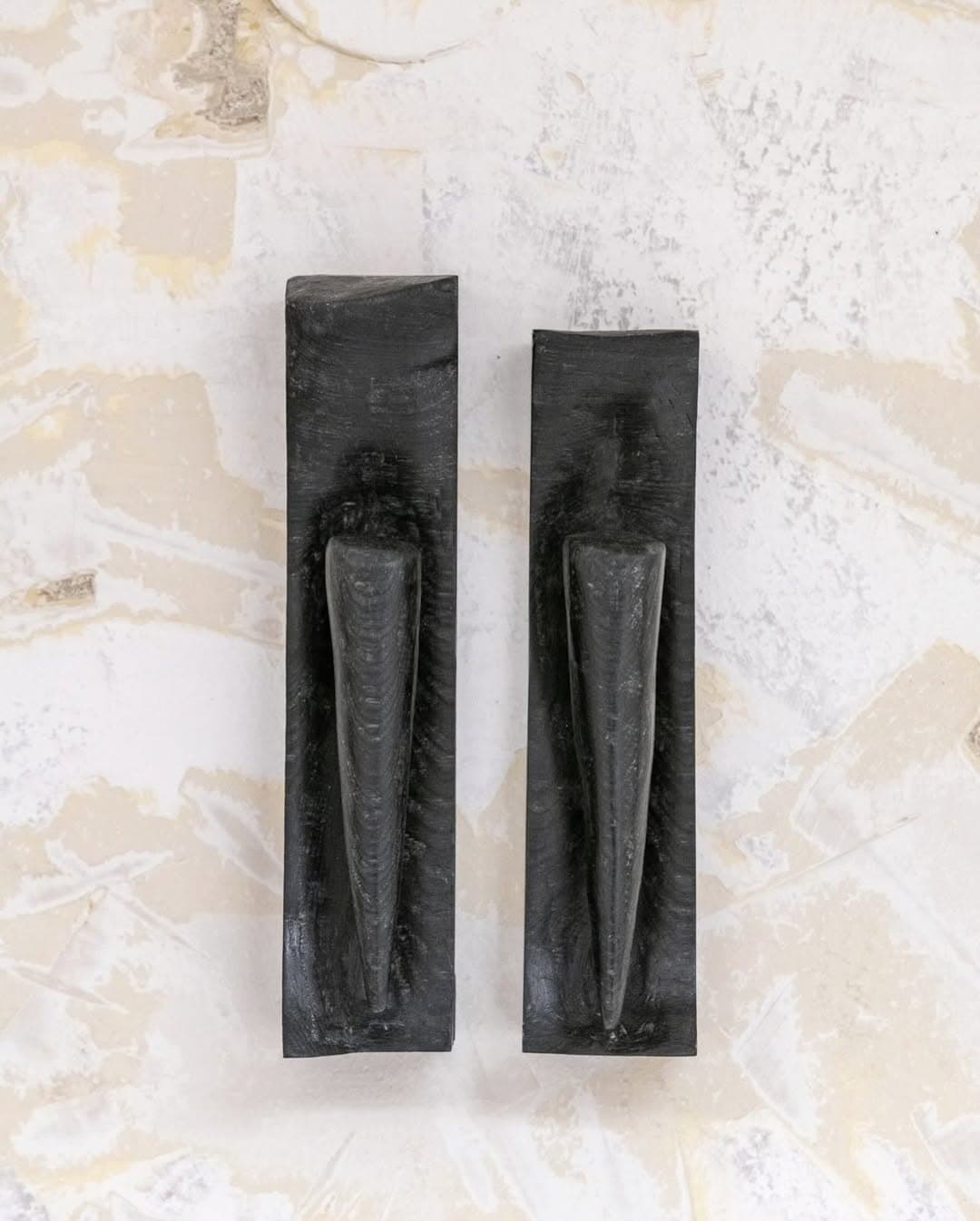
Graz / 2026
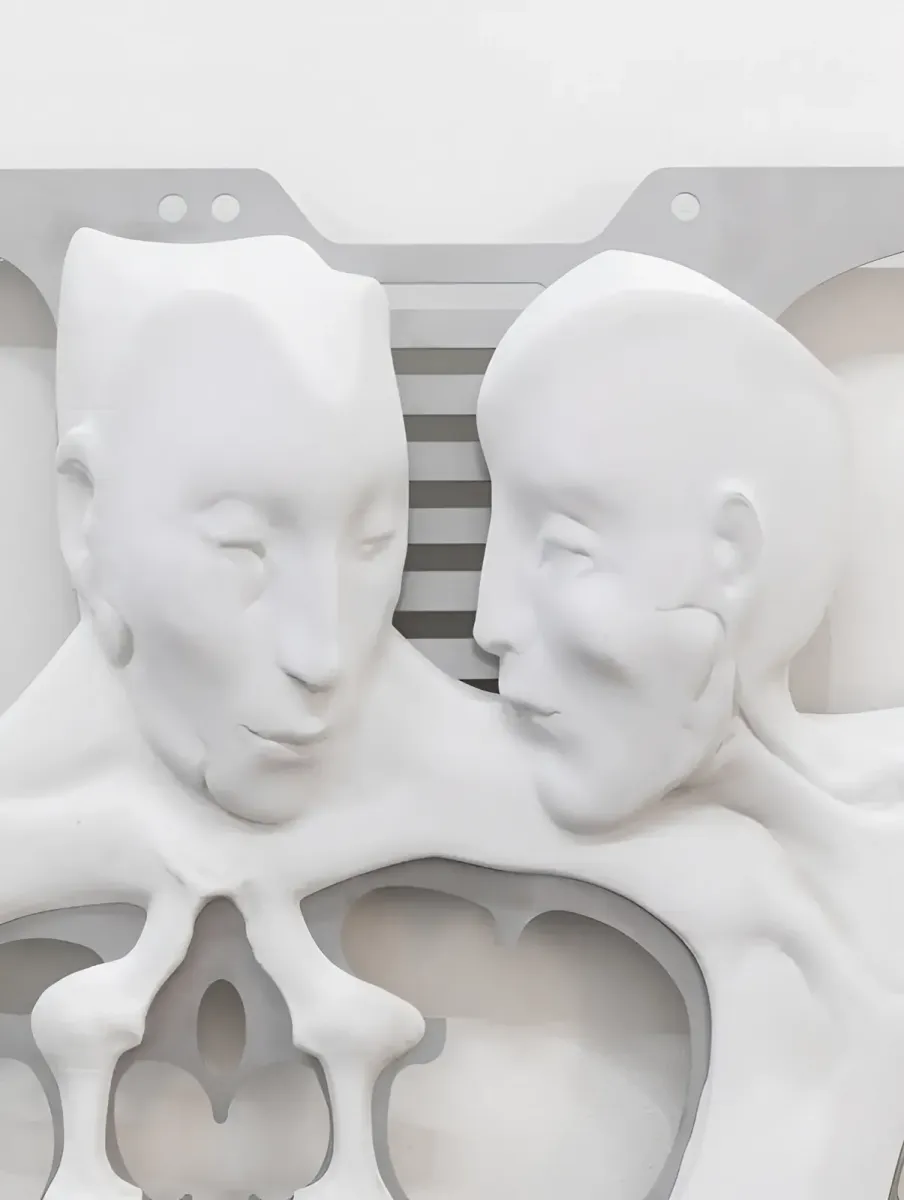
Prague / 2026
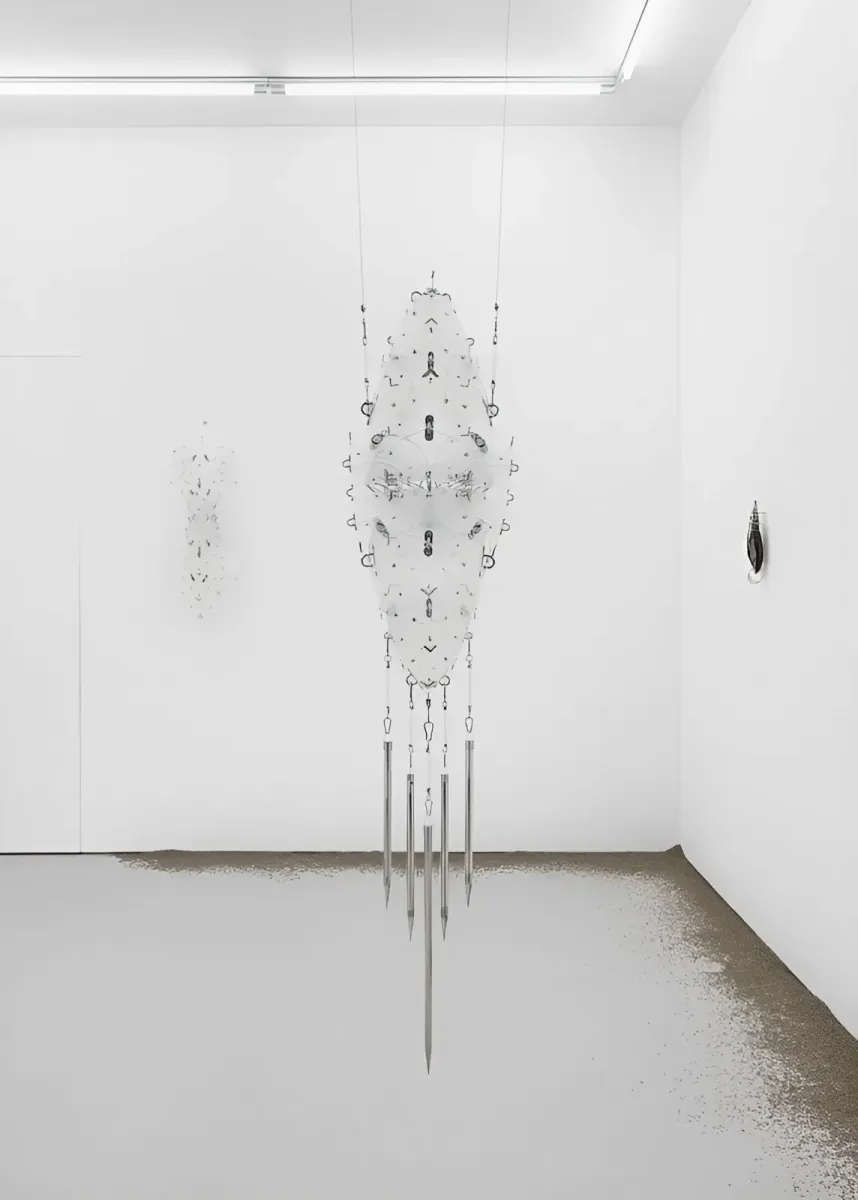
London / 2026
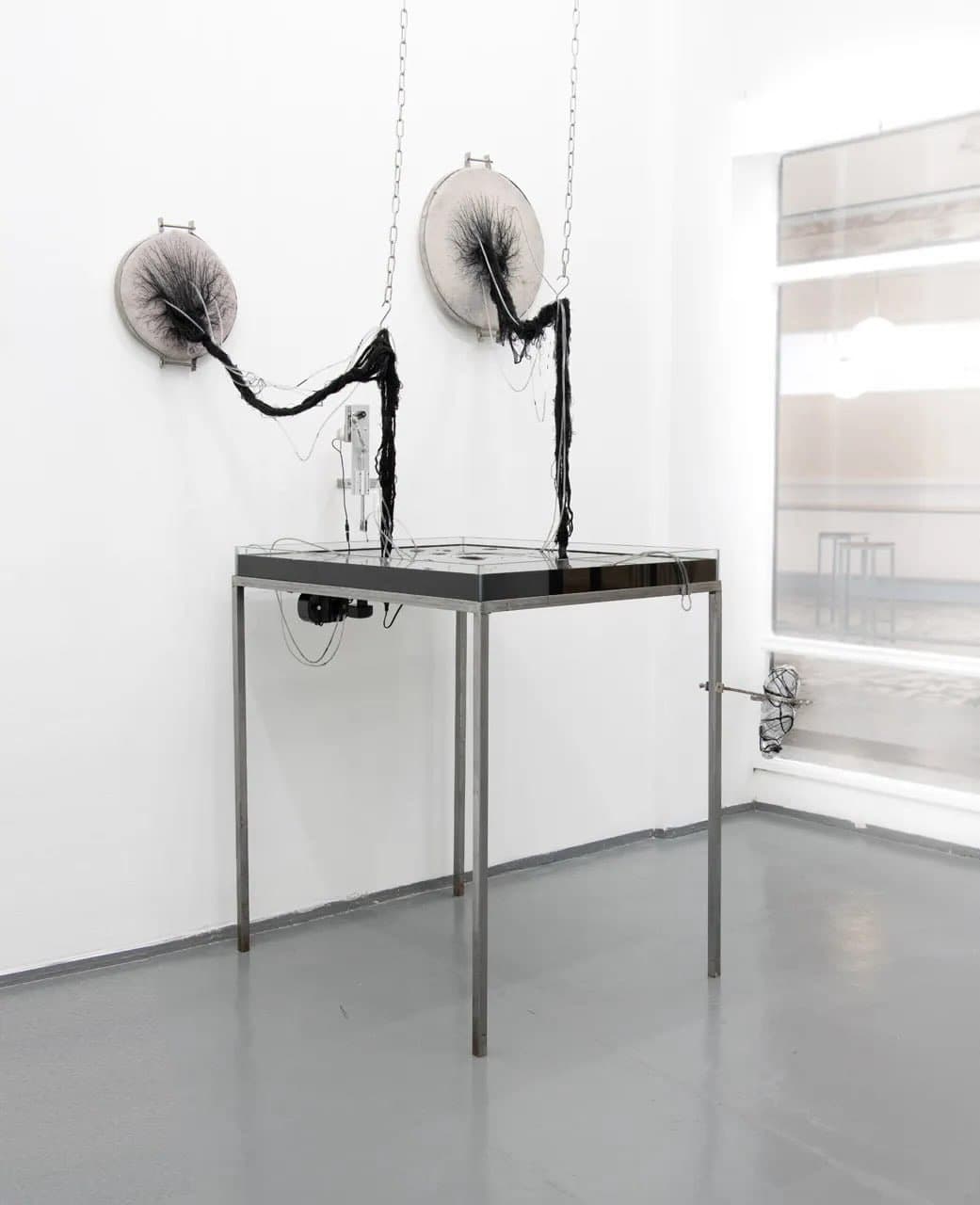
Buenos Aires / 2026
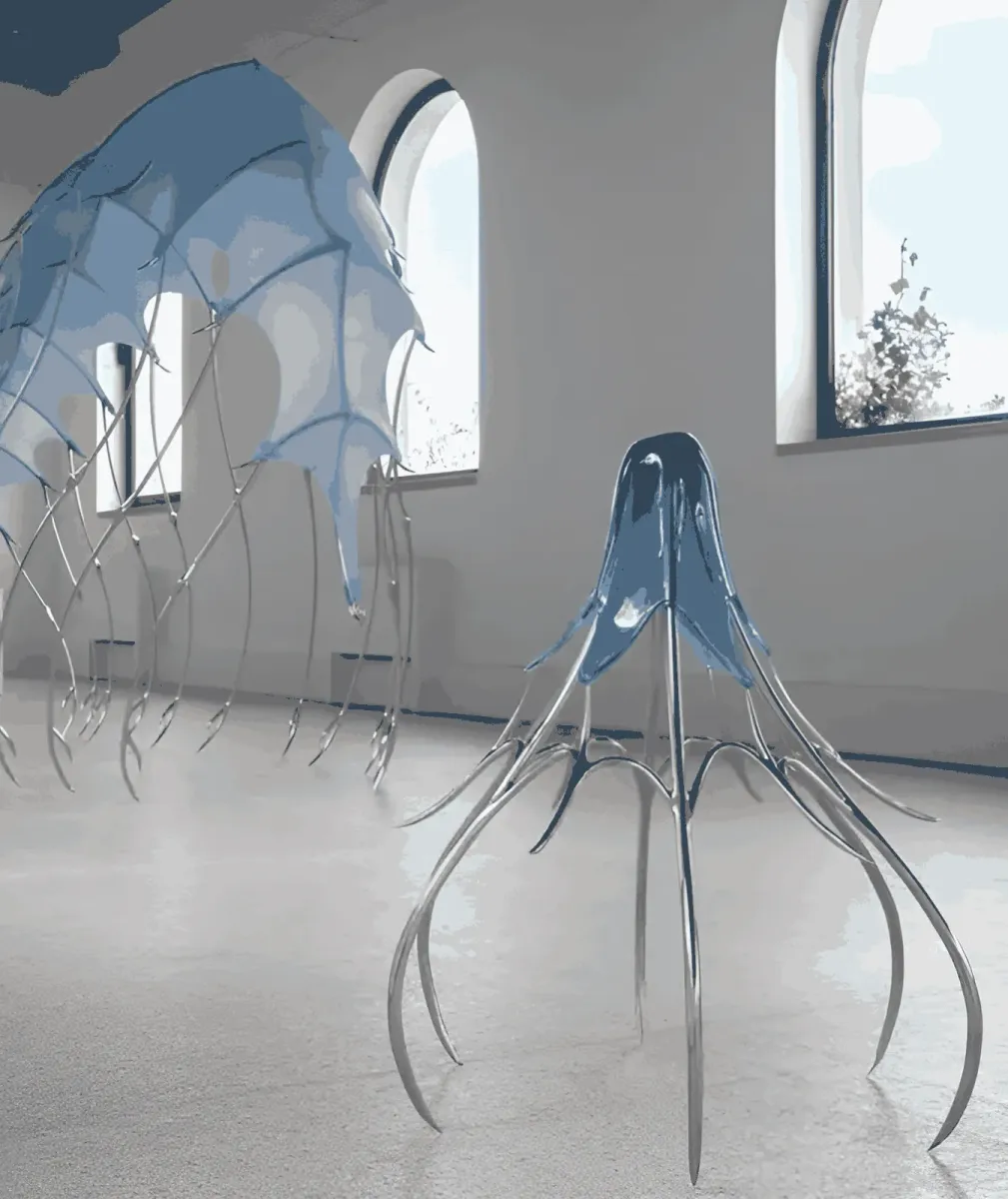
Sardinia / 2026
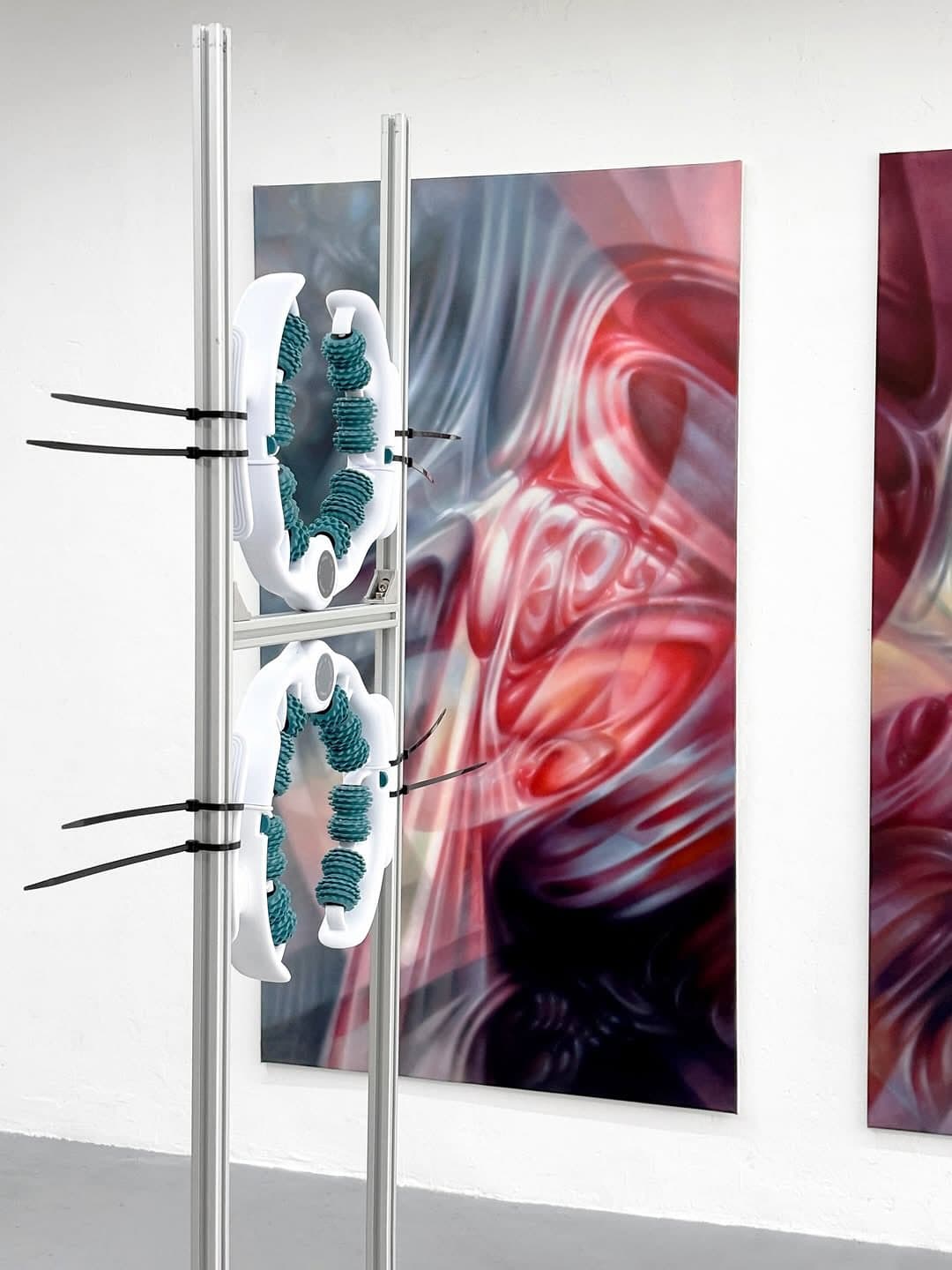
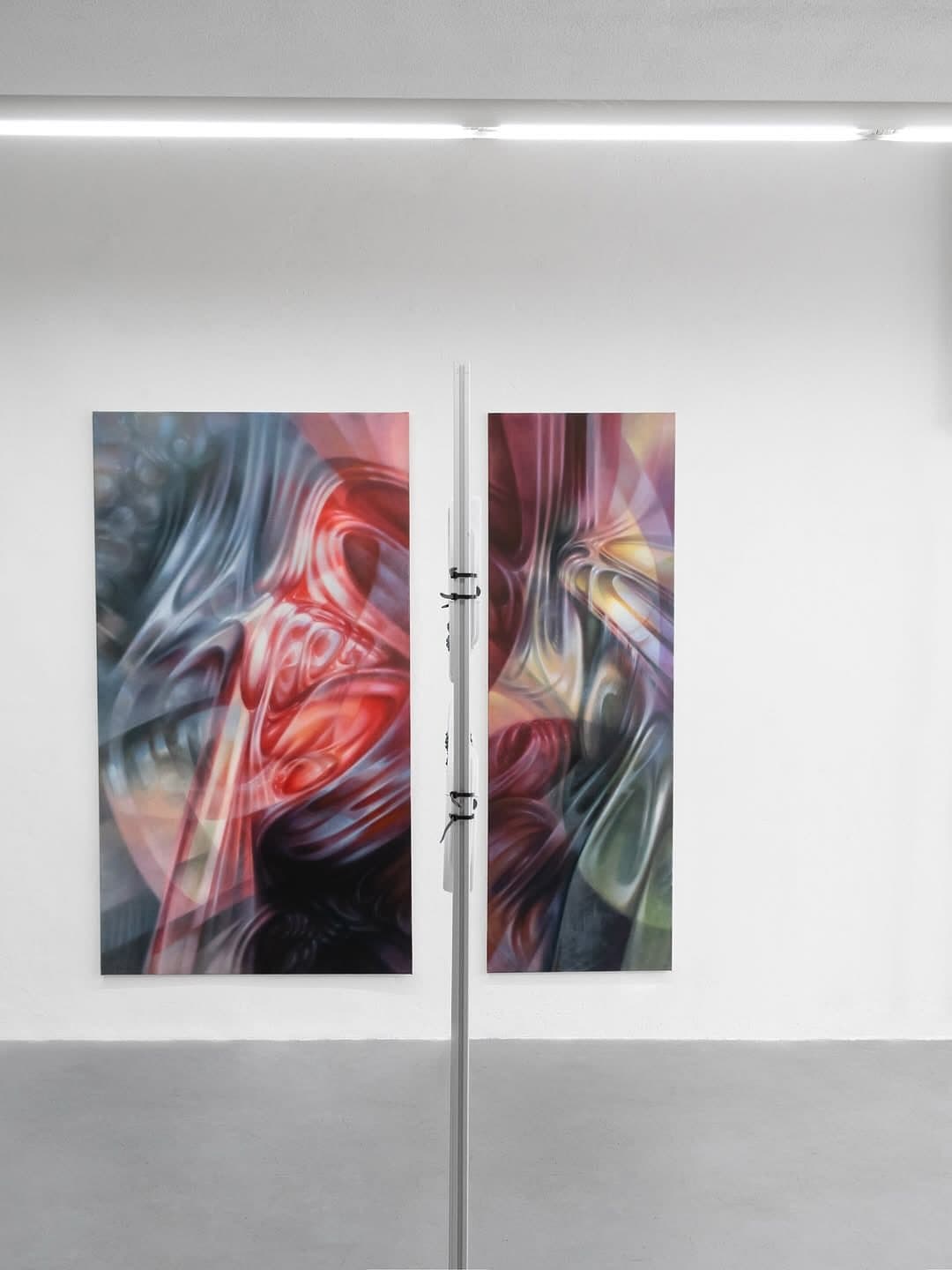
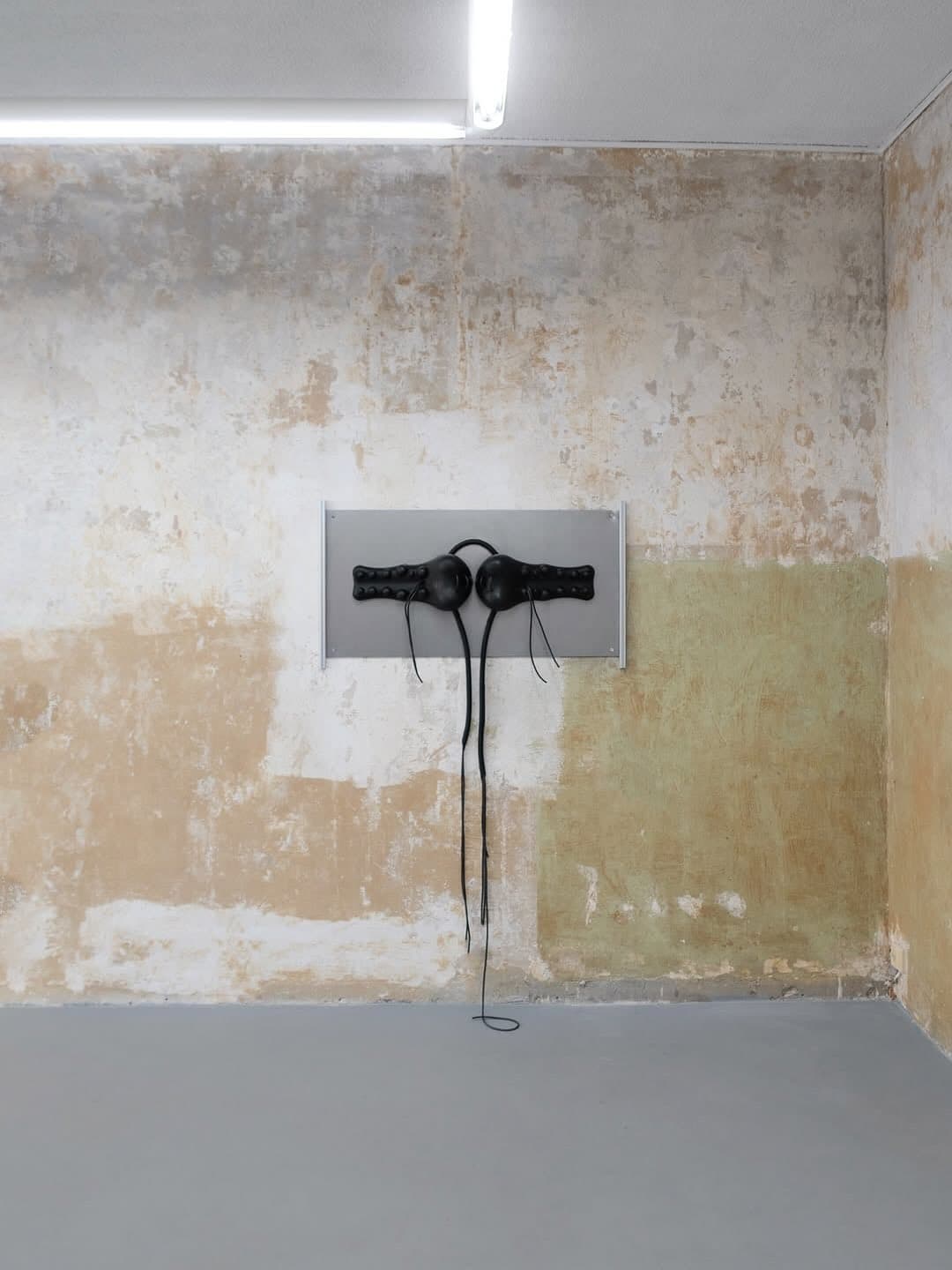
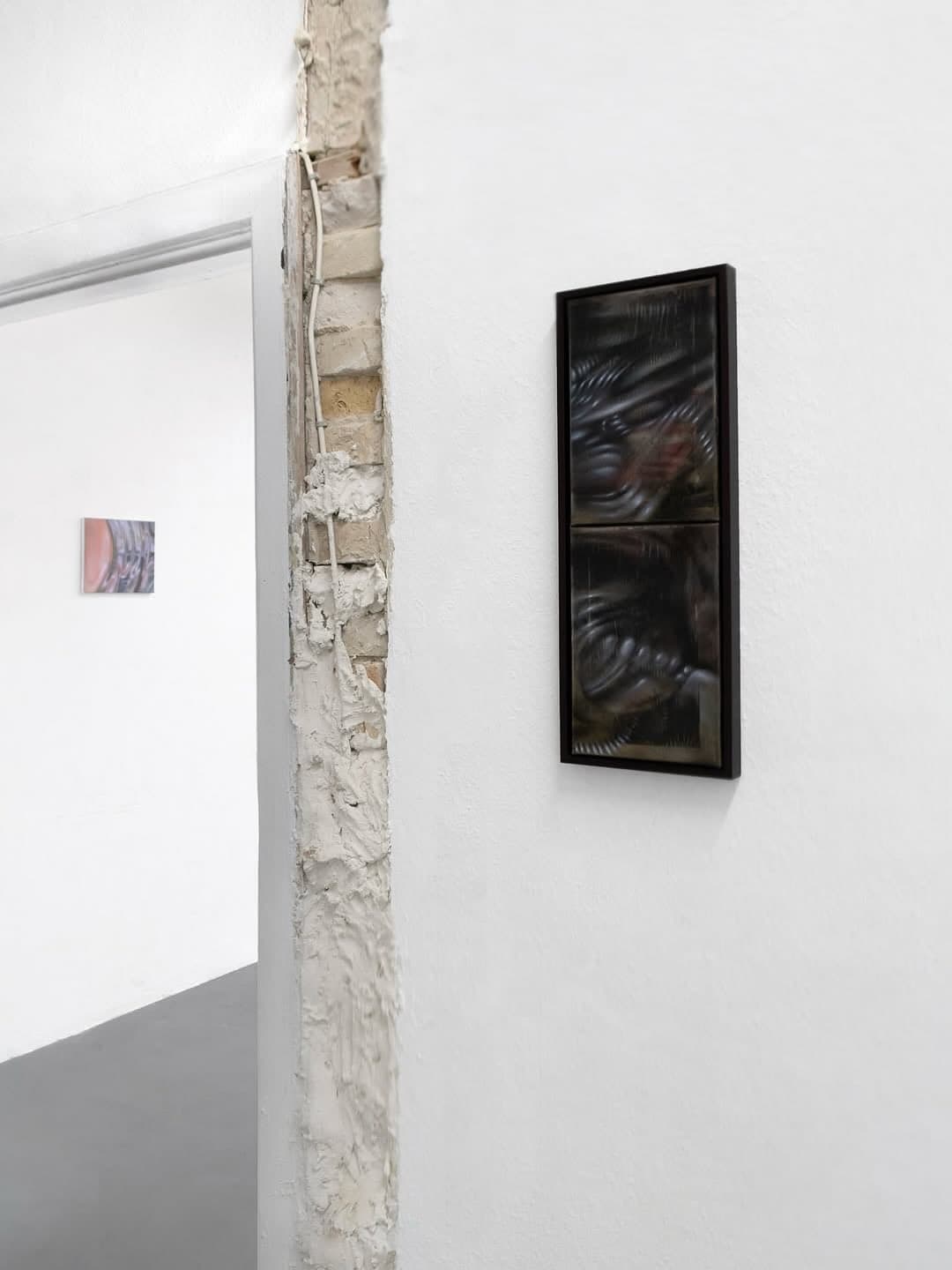
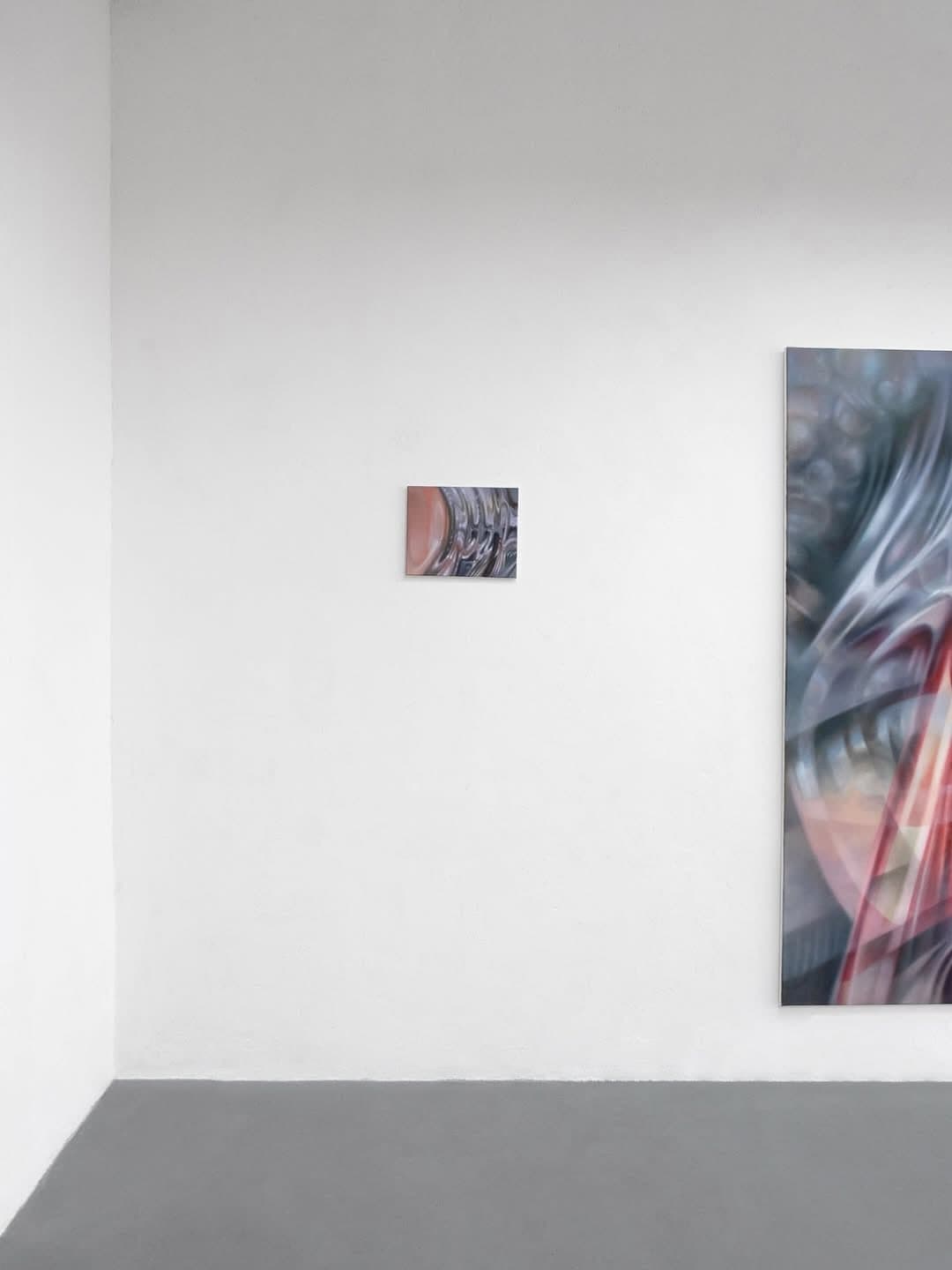
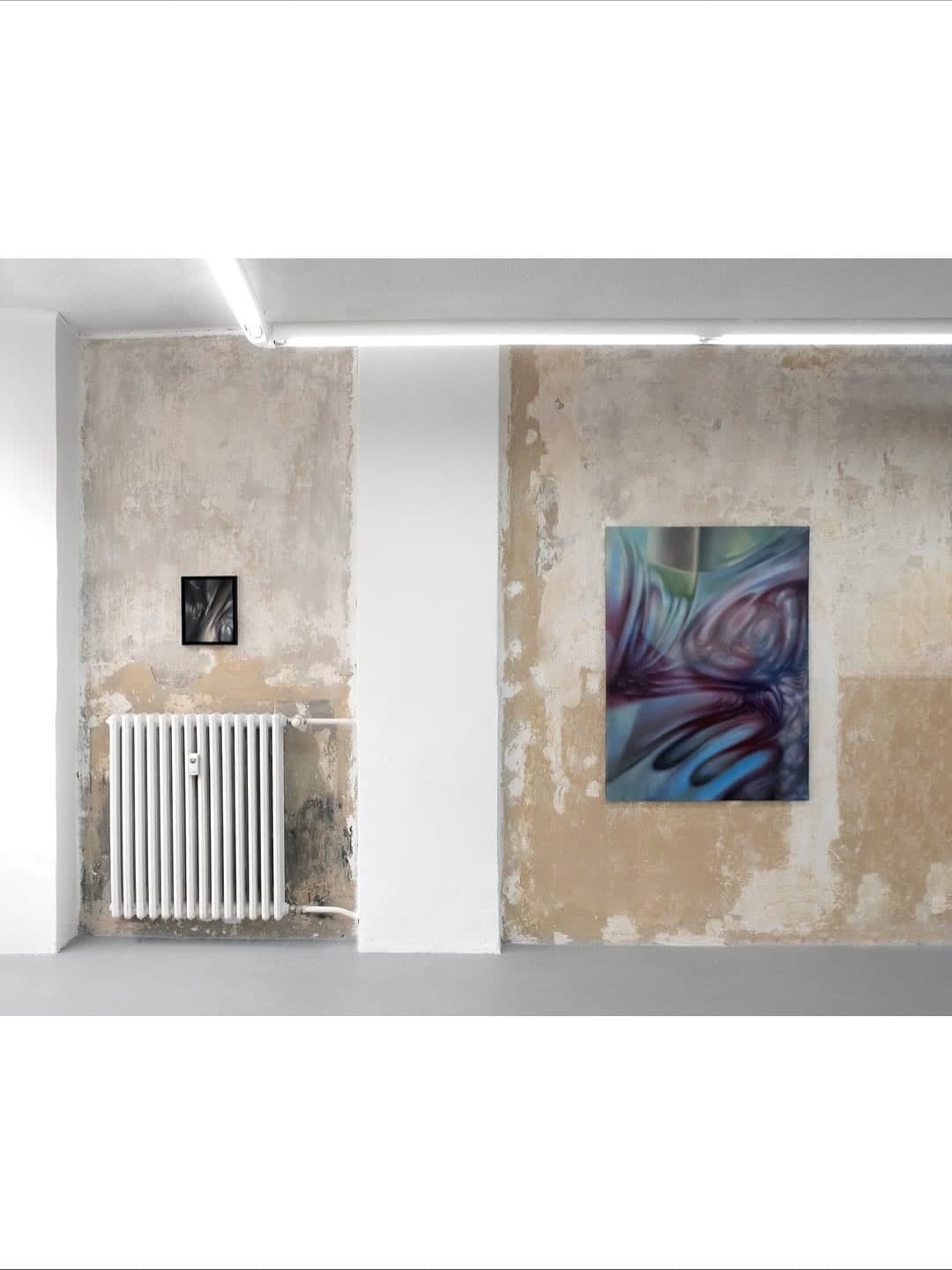
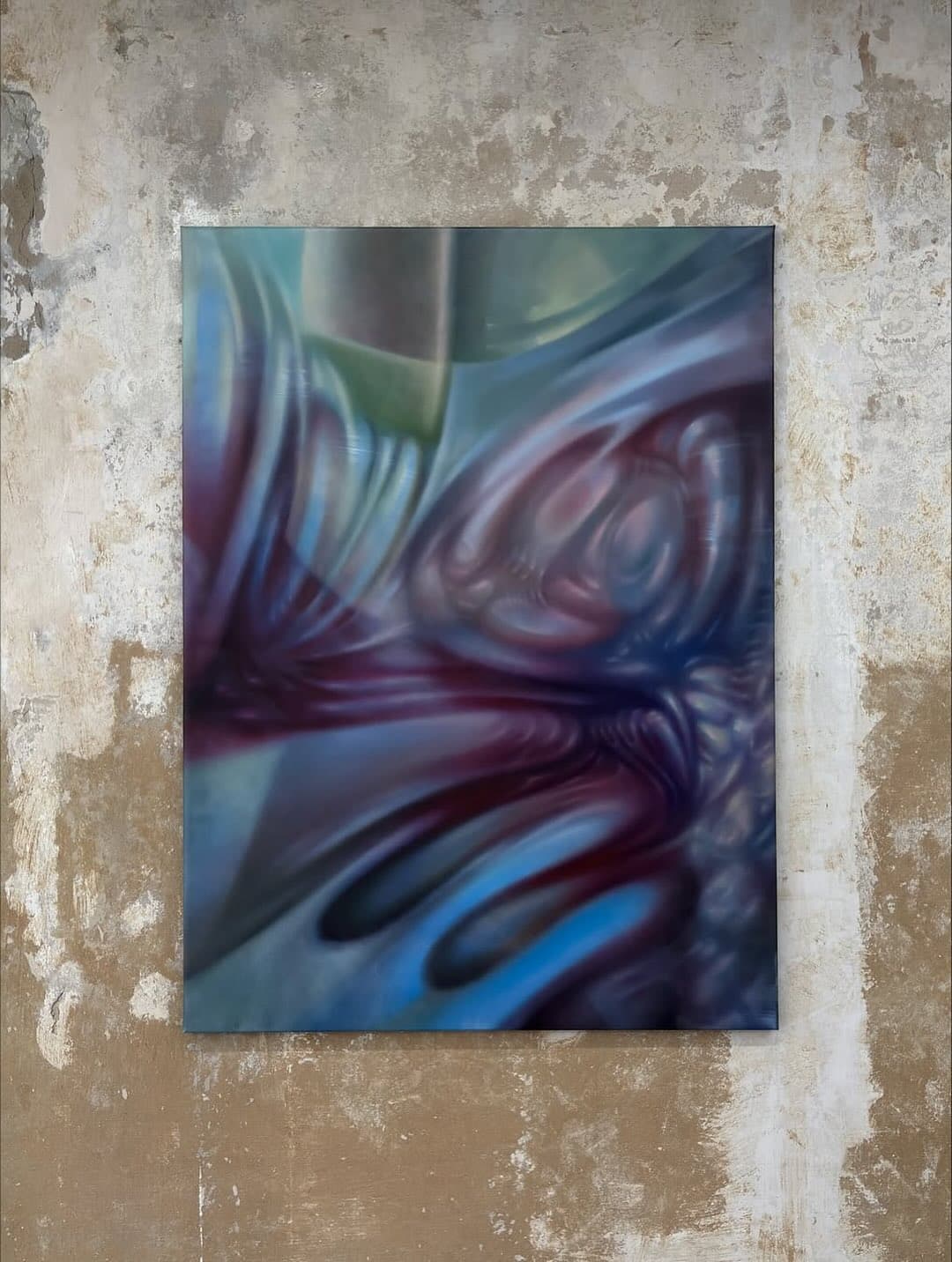
Berlin-Schöneberg / 2025
.webp&w=1200&q=75)
Seoul / 2025
Helsinki / 2026
/ 2026
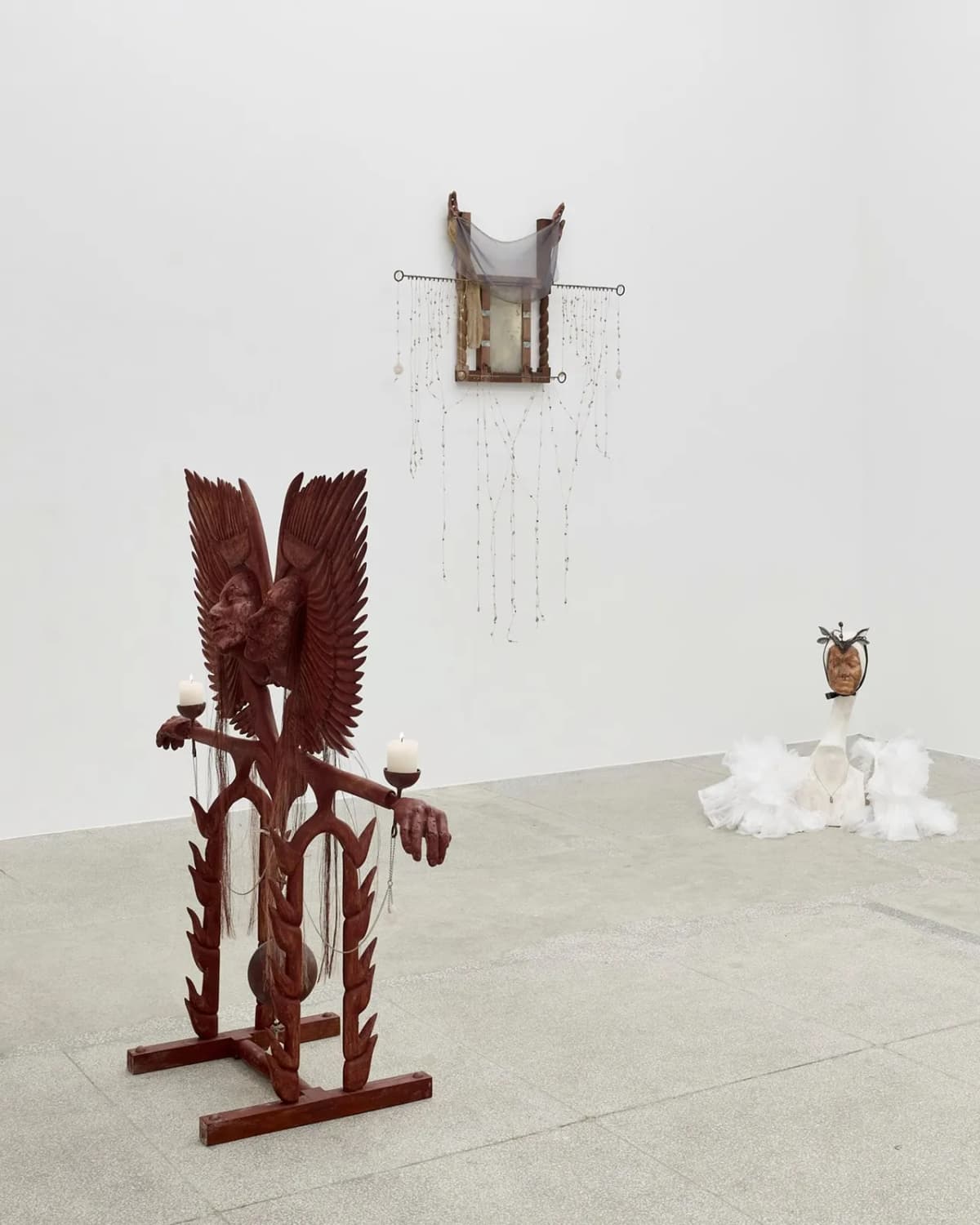
Warsaw / 2026
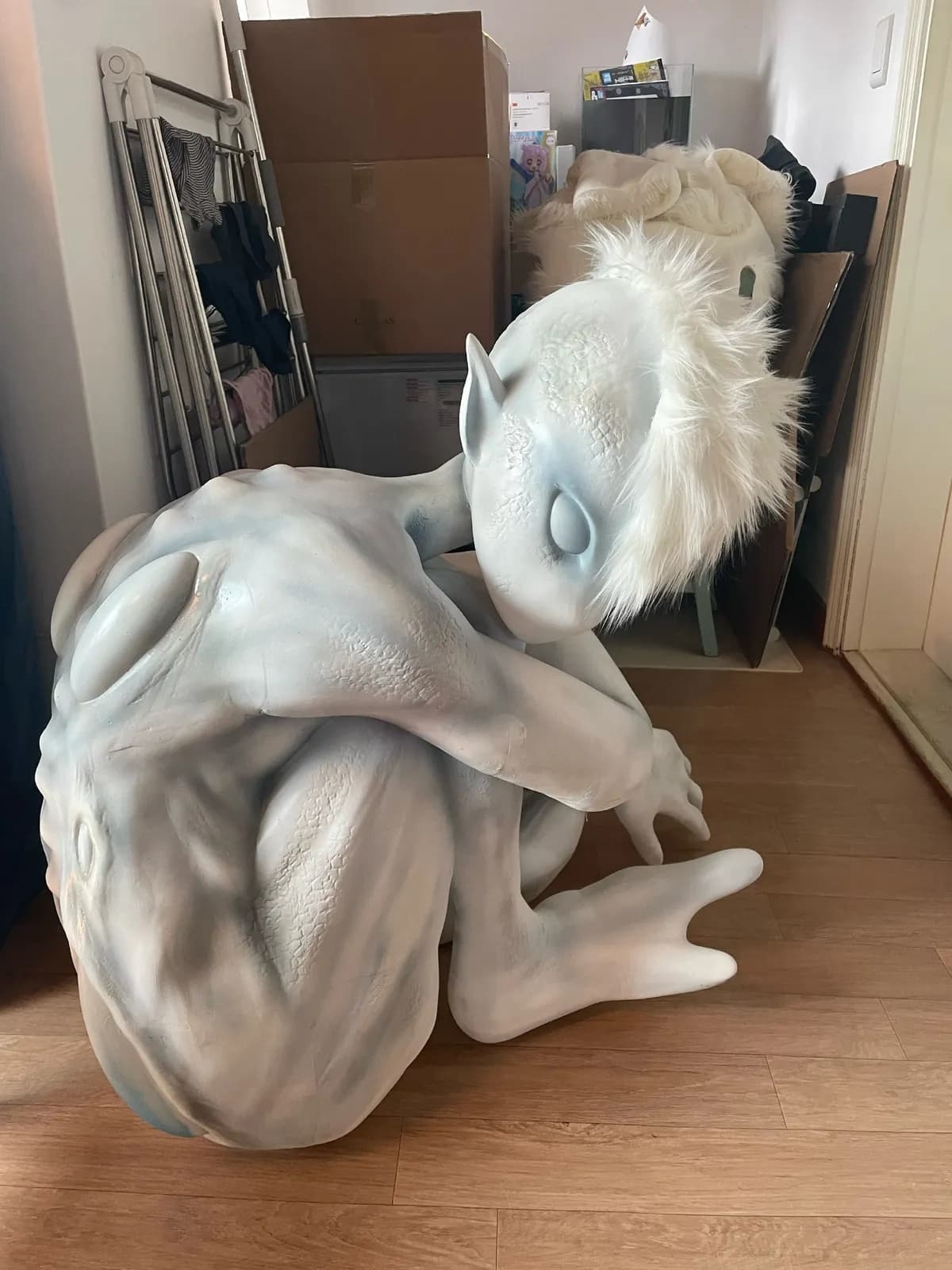
Seoul / 2026
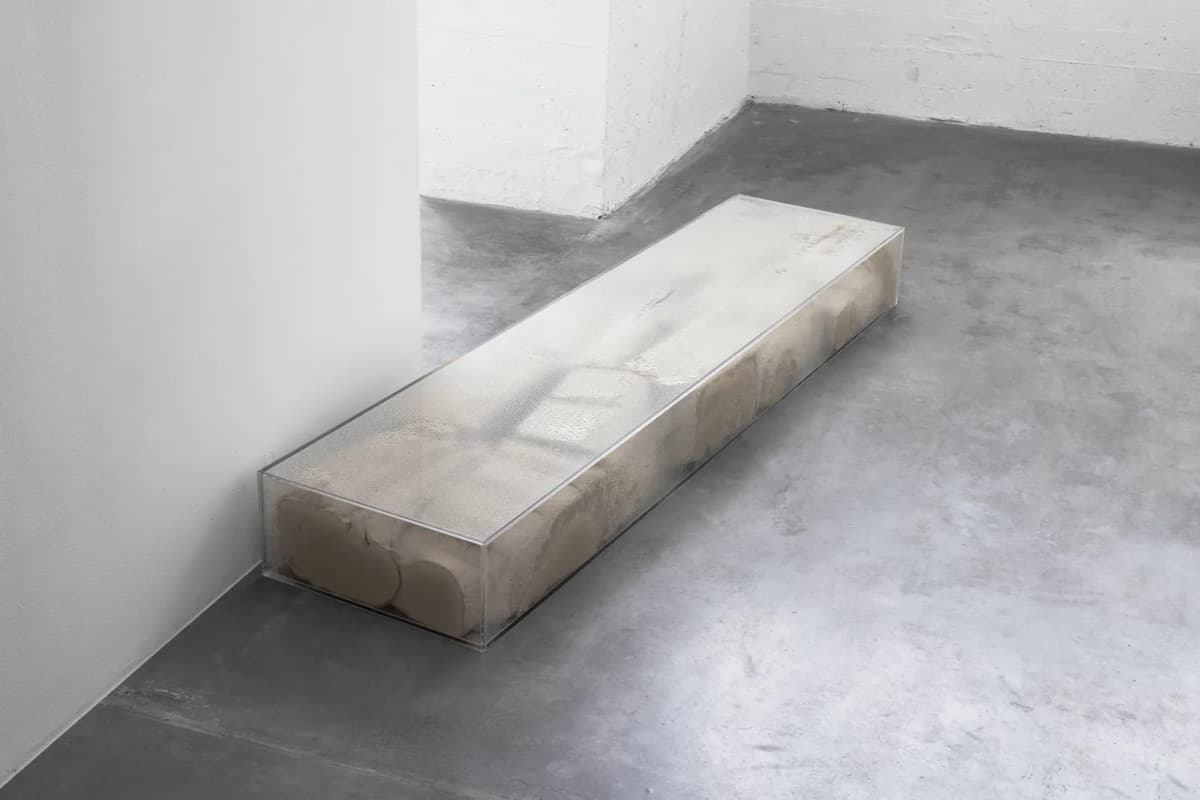
Brussels / 2026
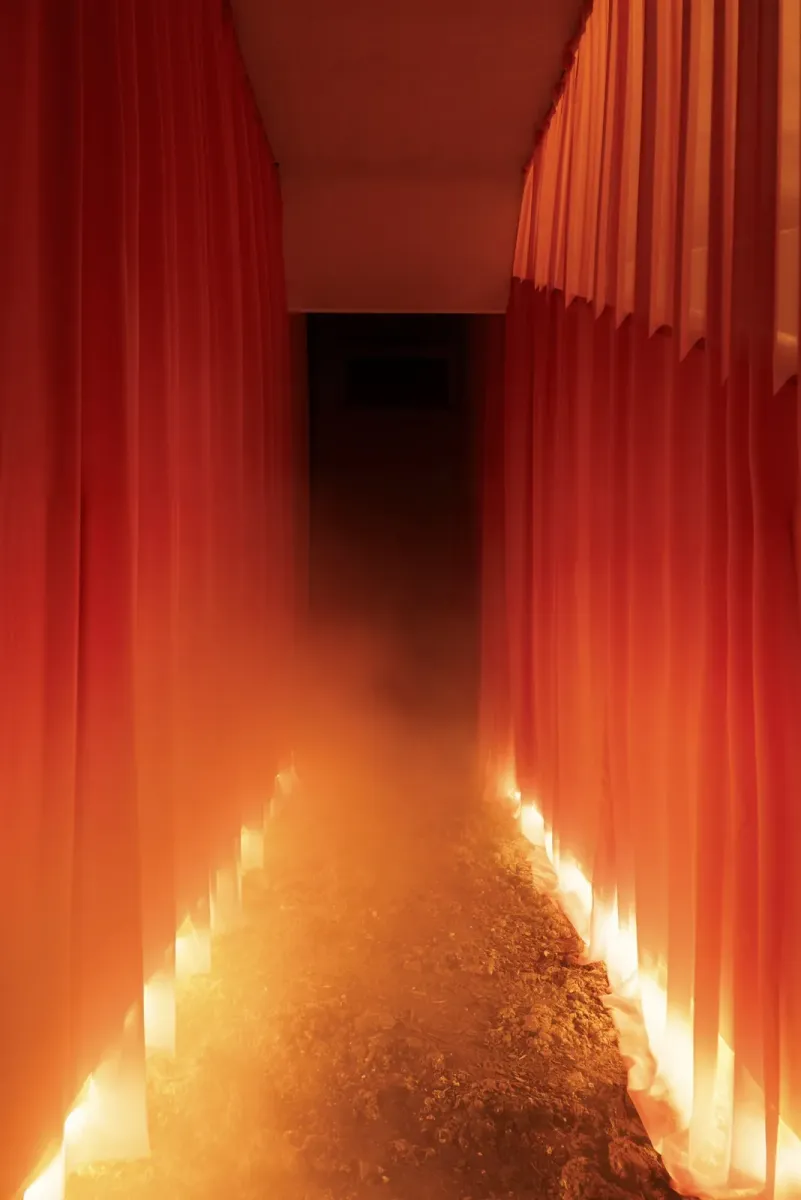
Seoul / 2026
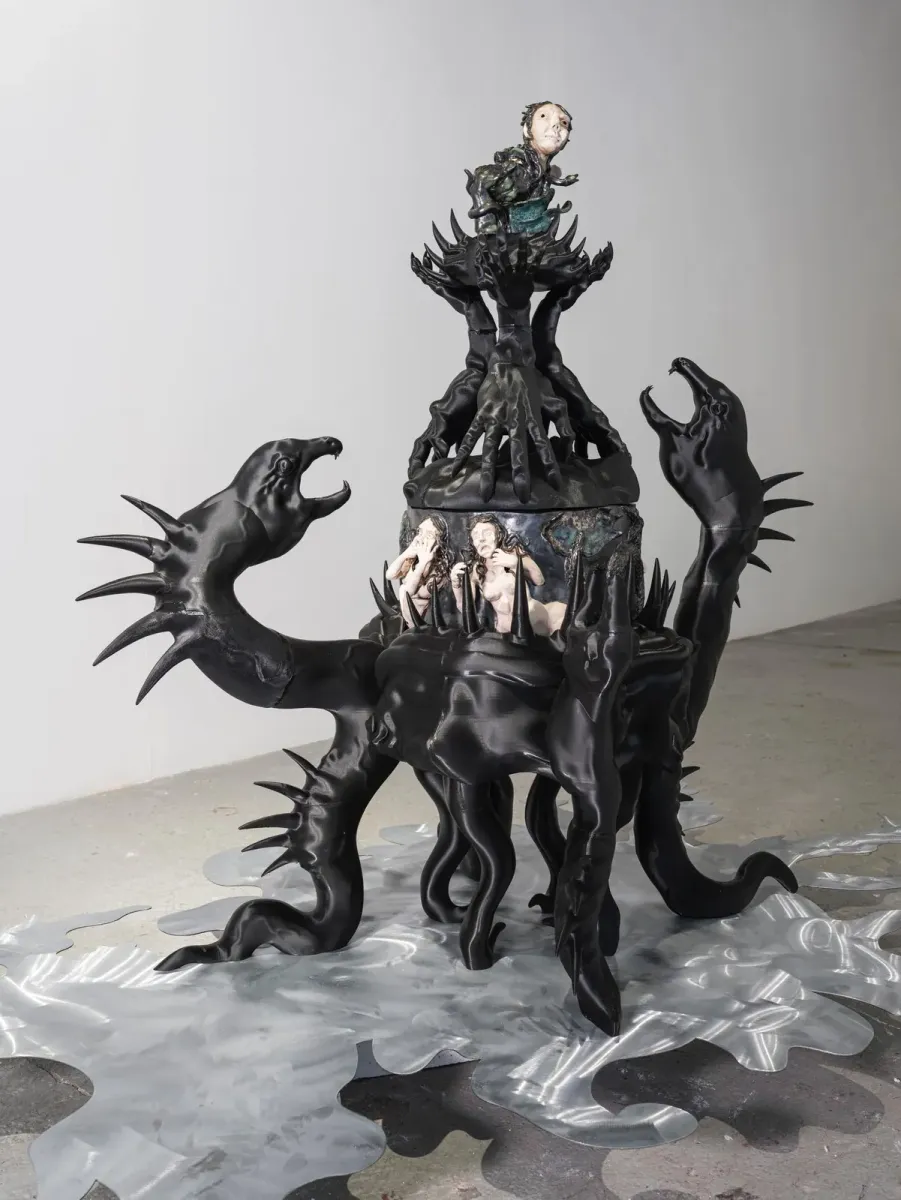
Paris / 2026
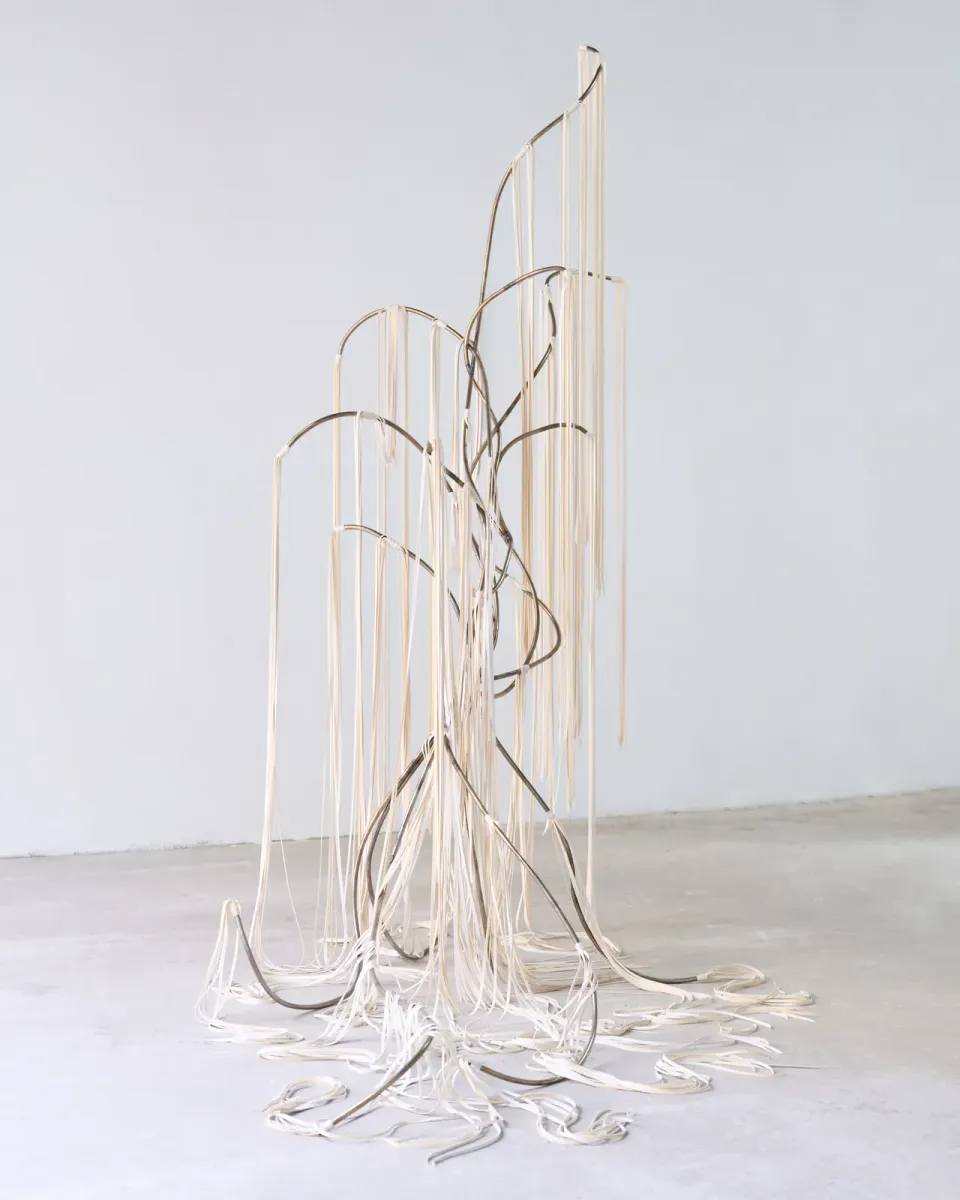
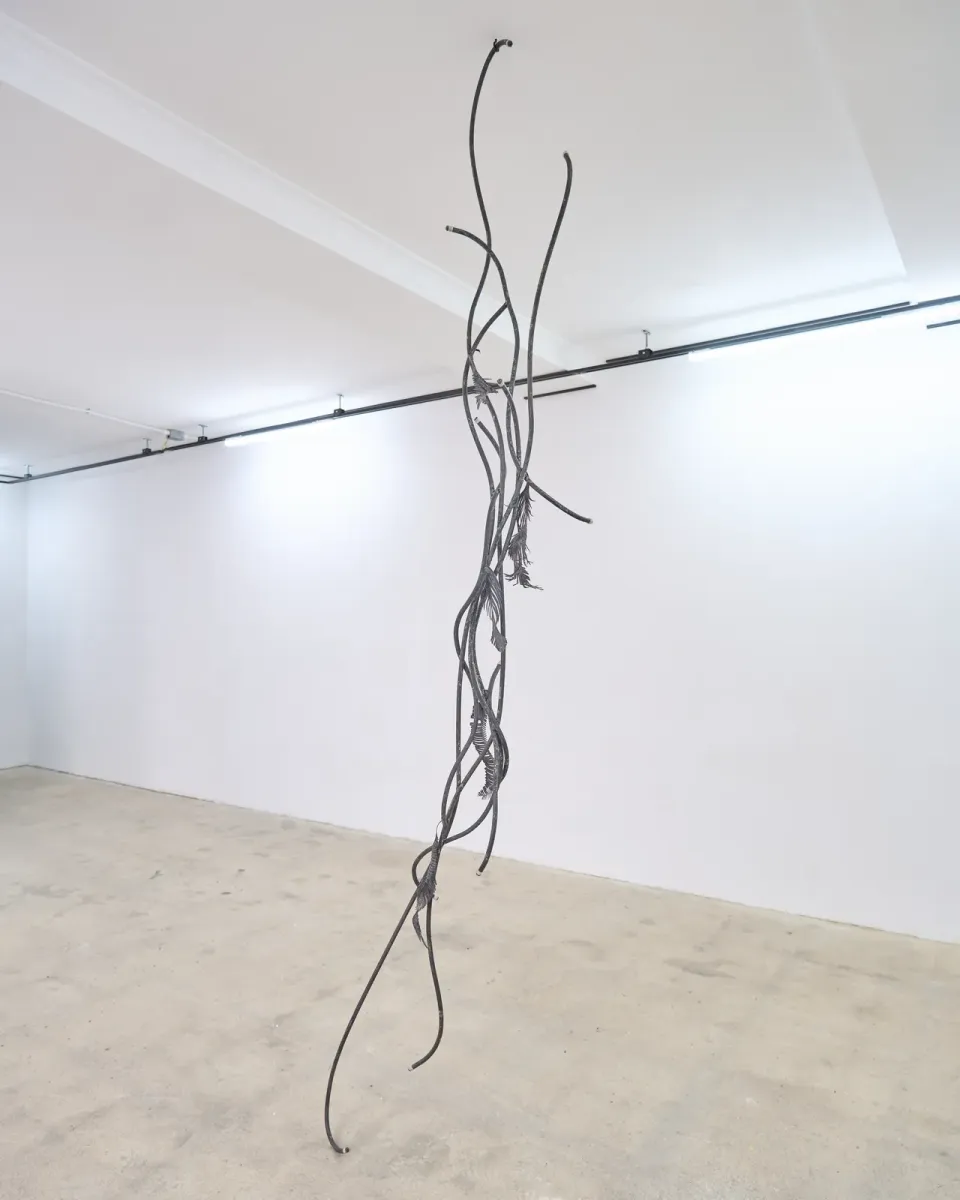
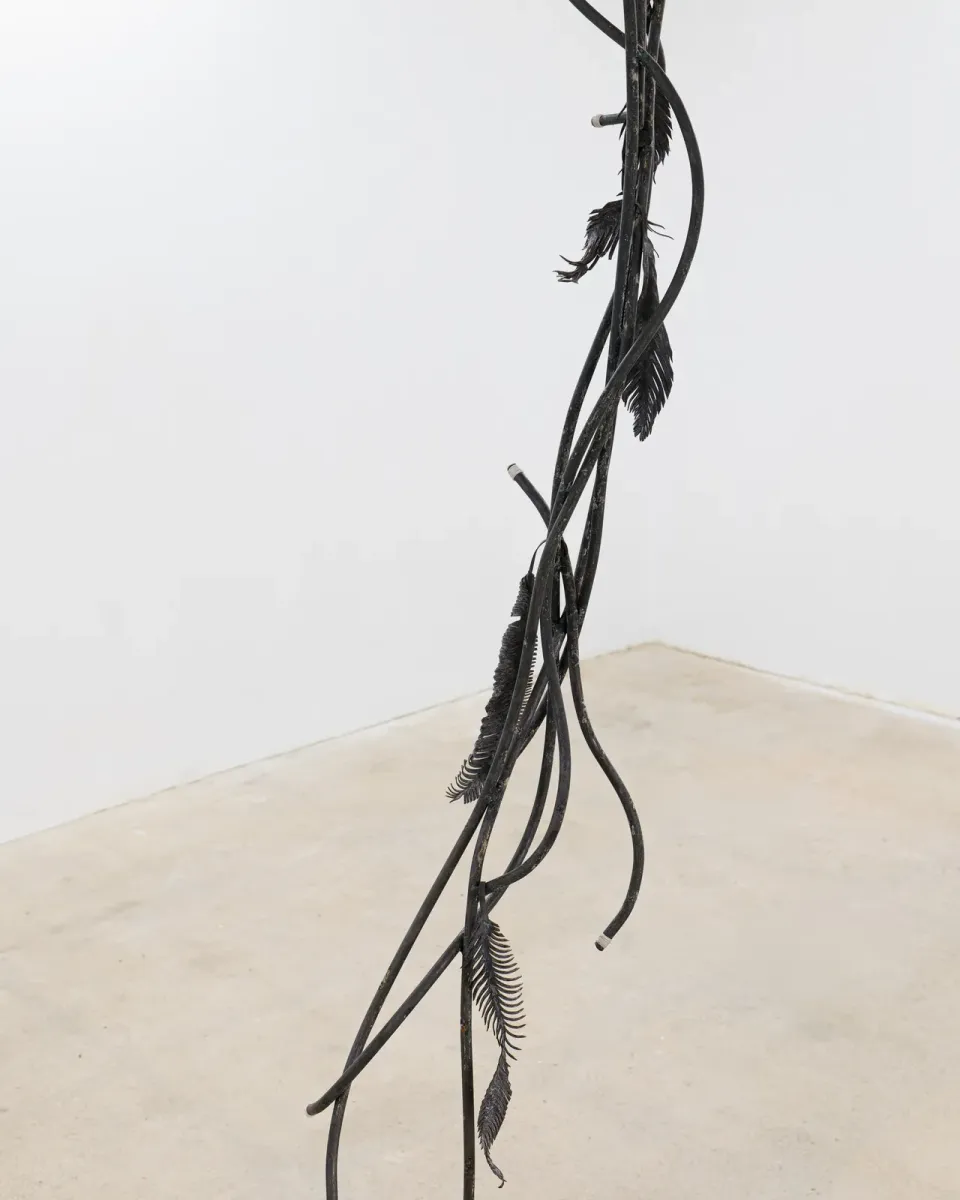
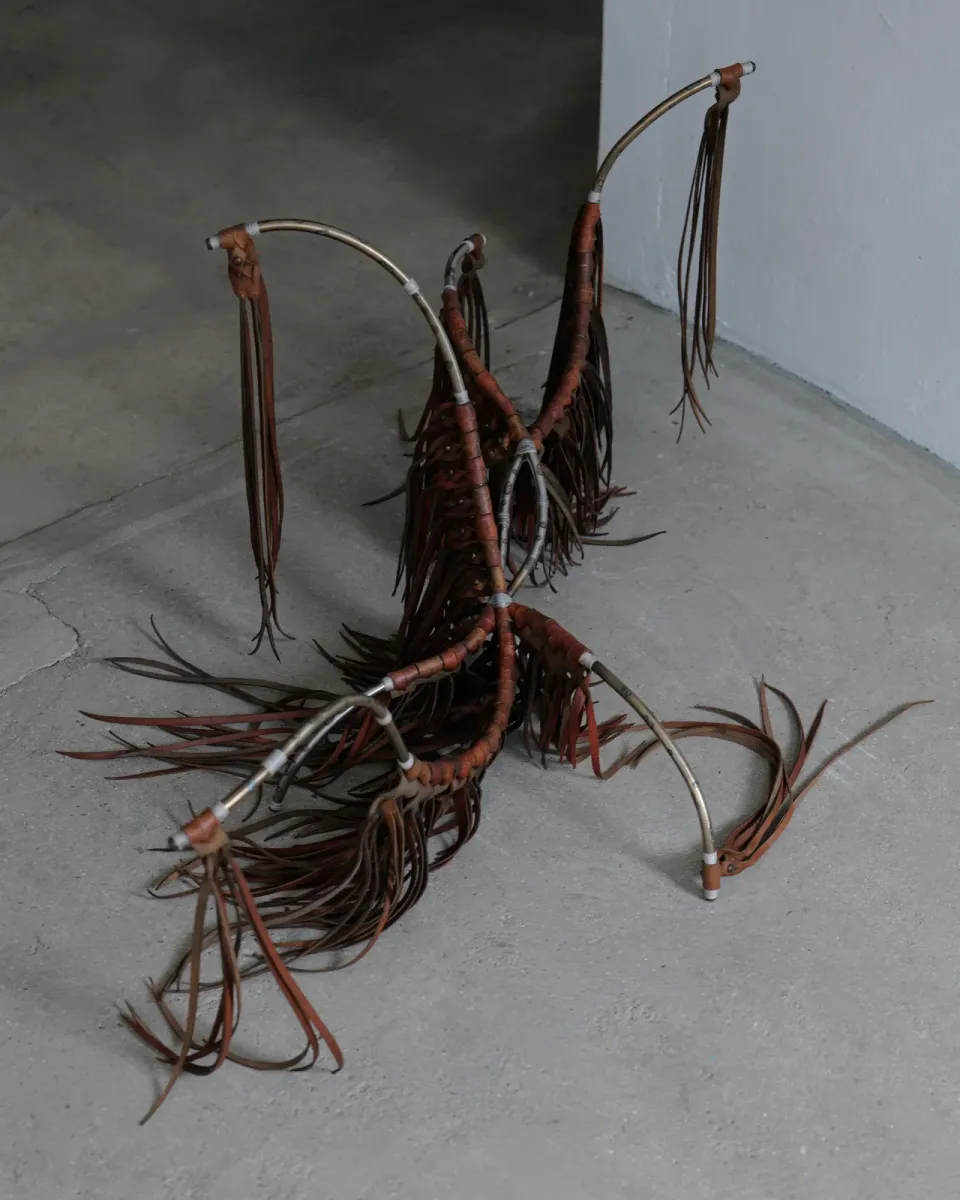
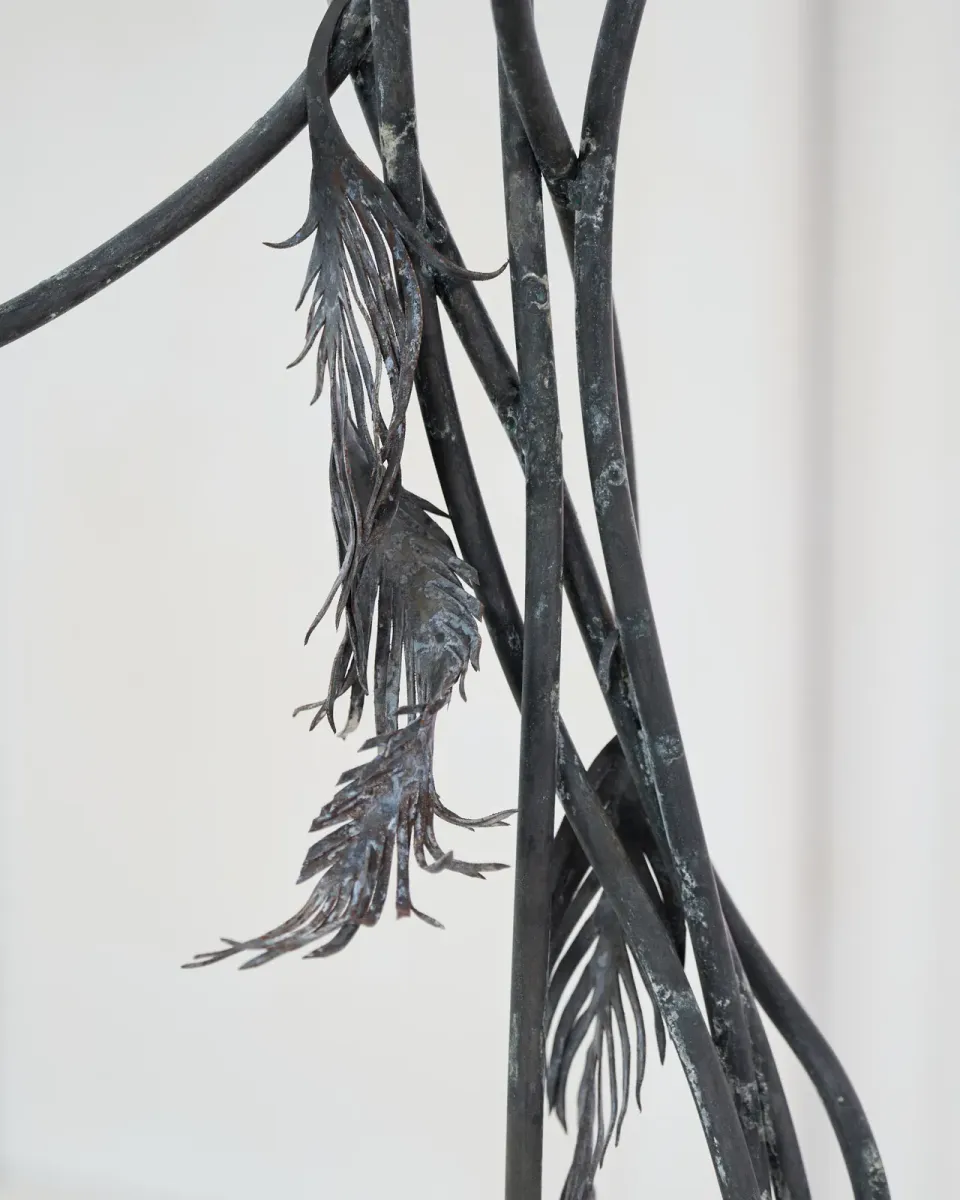
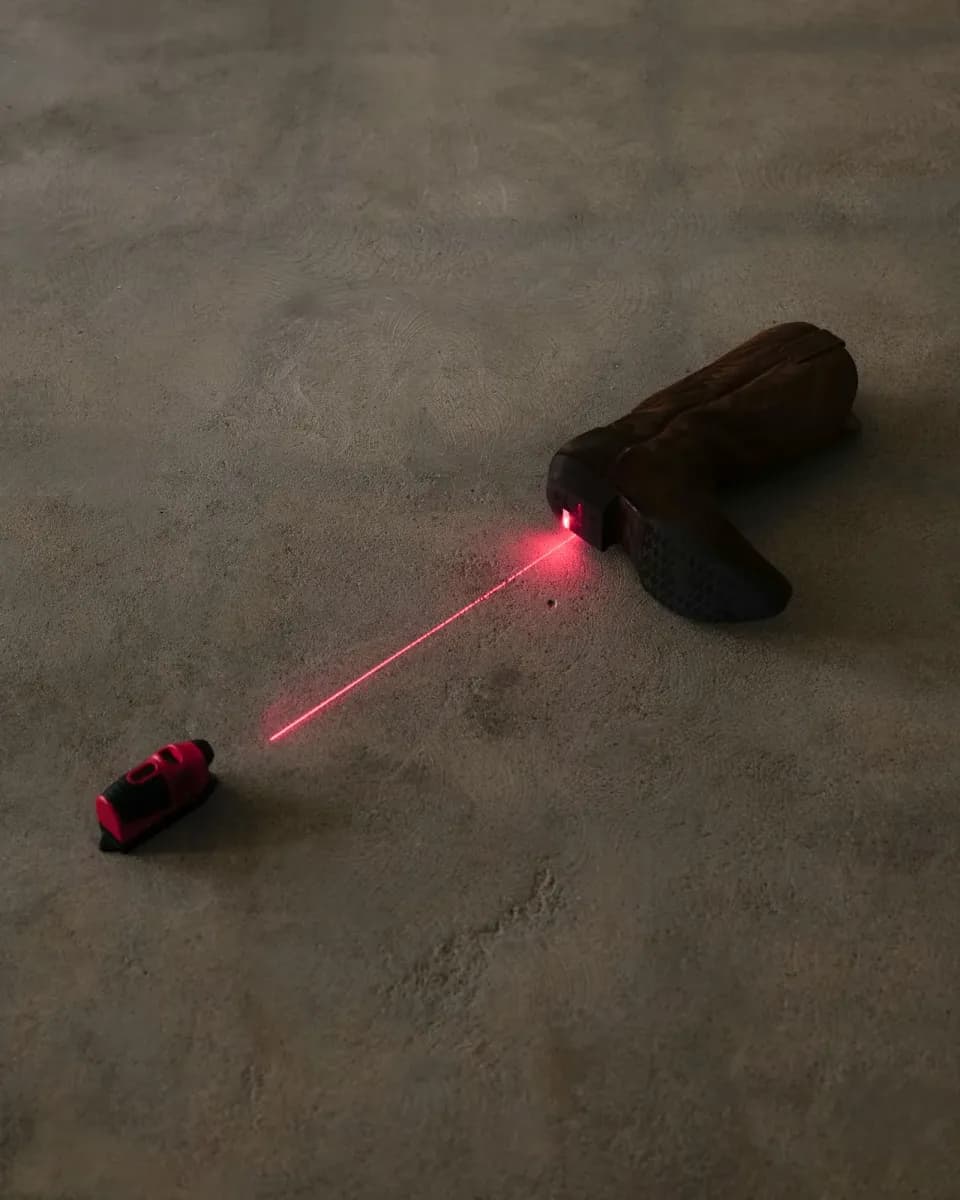
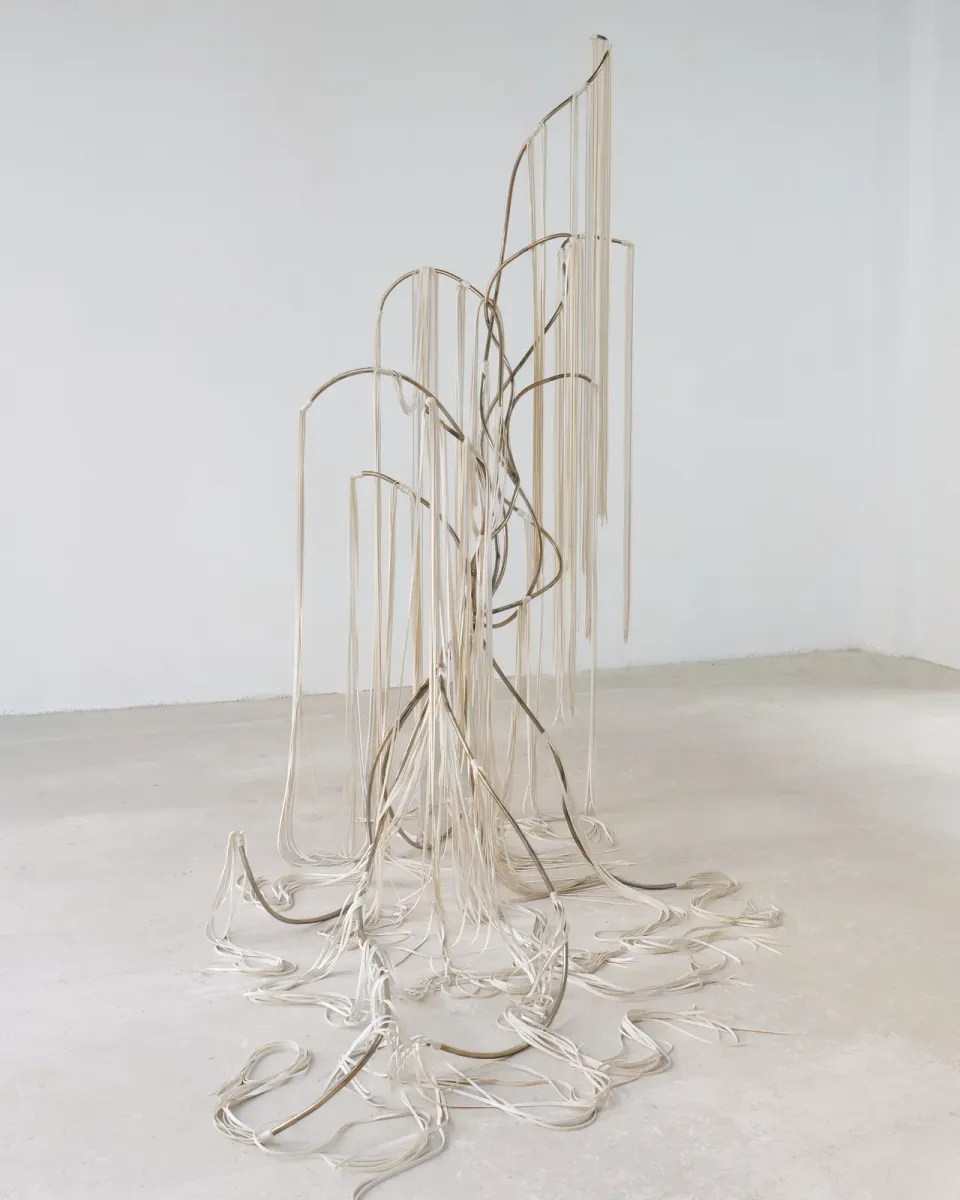
Seoul / 2026
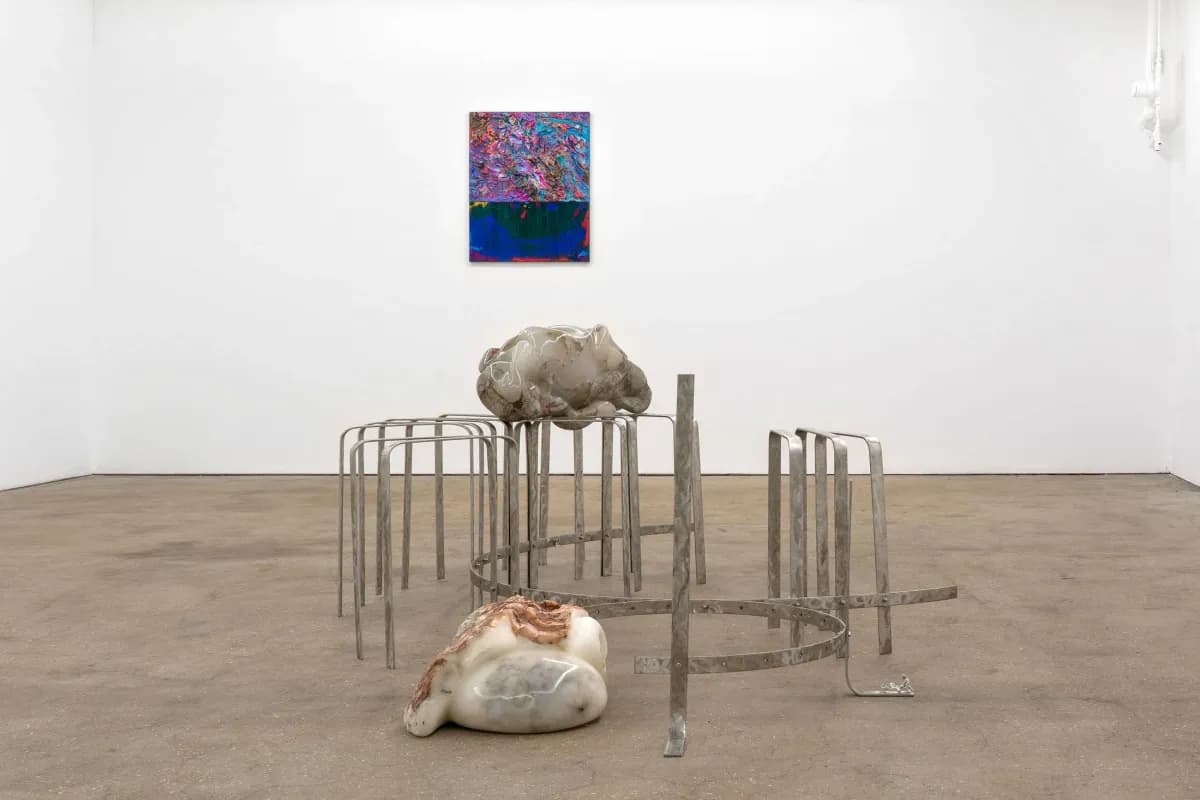
London / 2026
.webp&w=1200&q=75)
.webp&w=1200&q=75)
.webp&w=1200&q=75)
.webp&w=1200&q=75)
.webp&w=1200&q=75)
.webp&w=1200&q=75)
.webp&w=1200&q=75)
.webp&w=1200&q=75)
Vienna / 2026
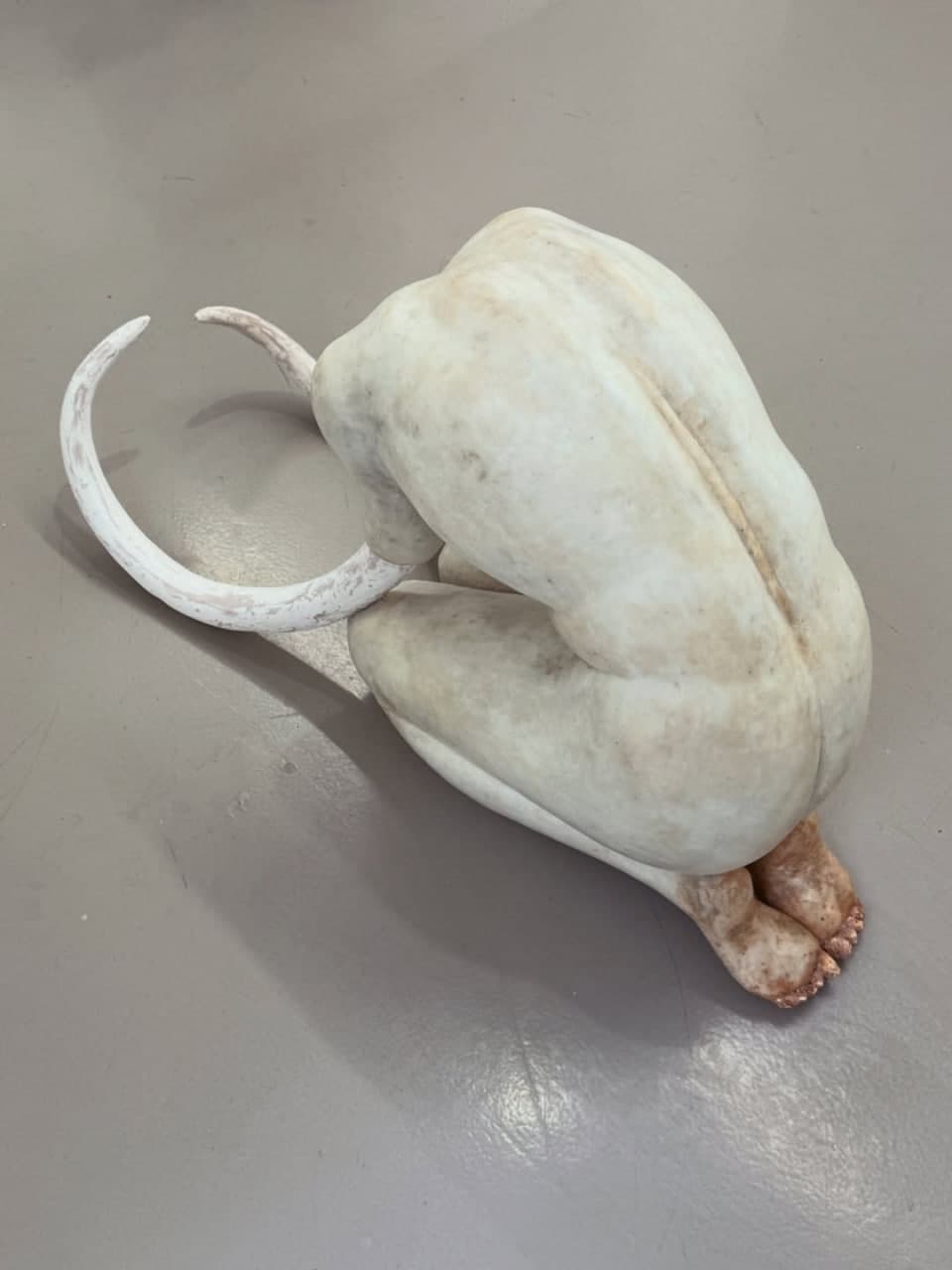
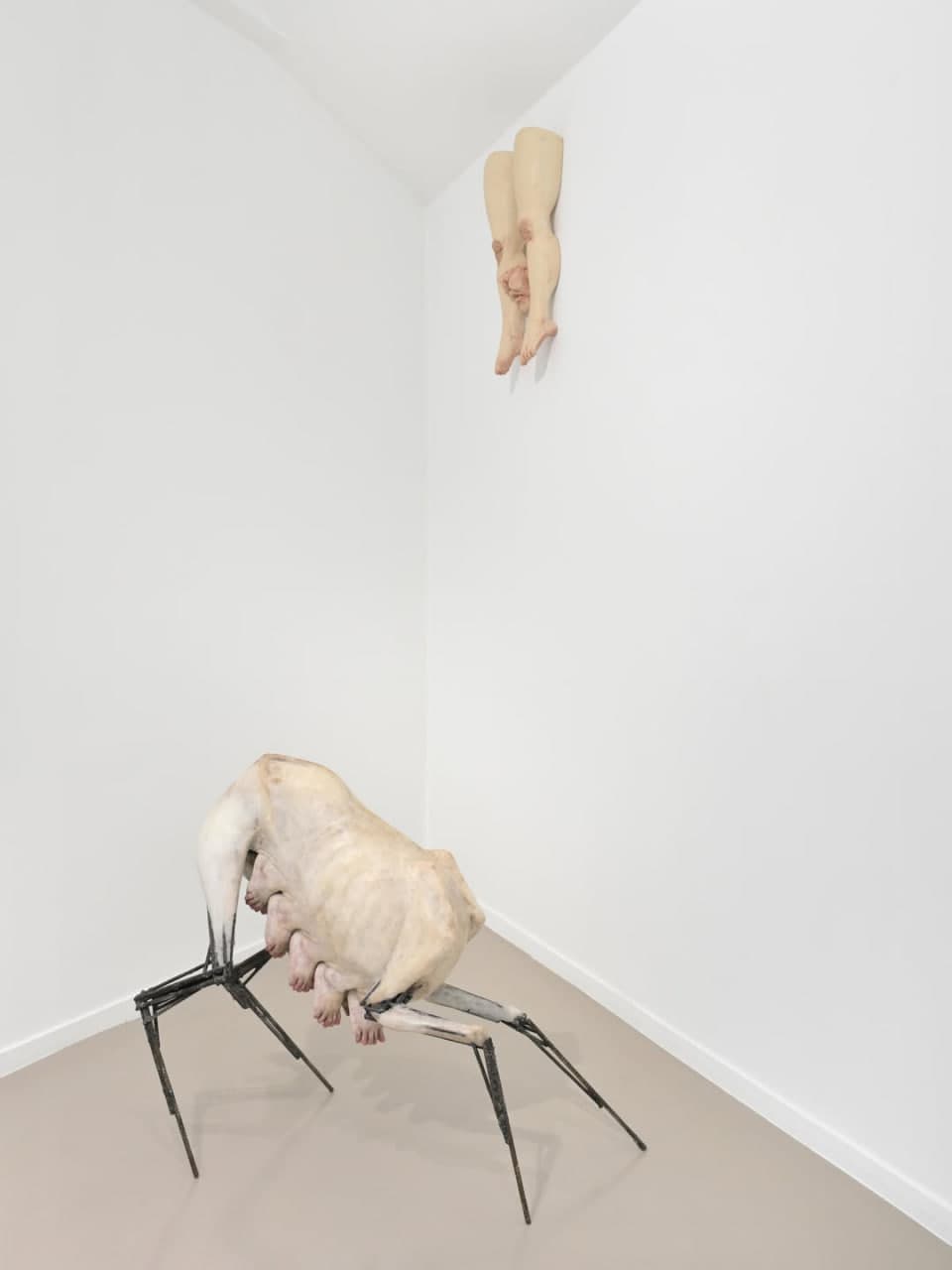
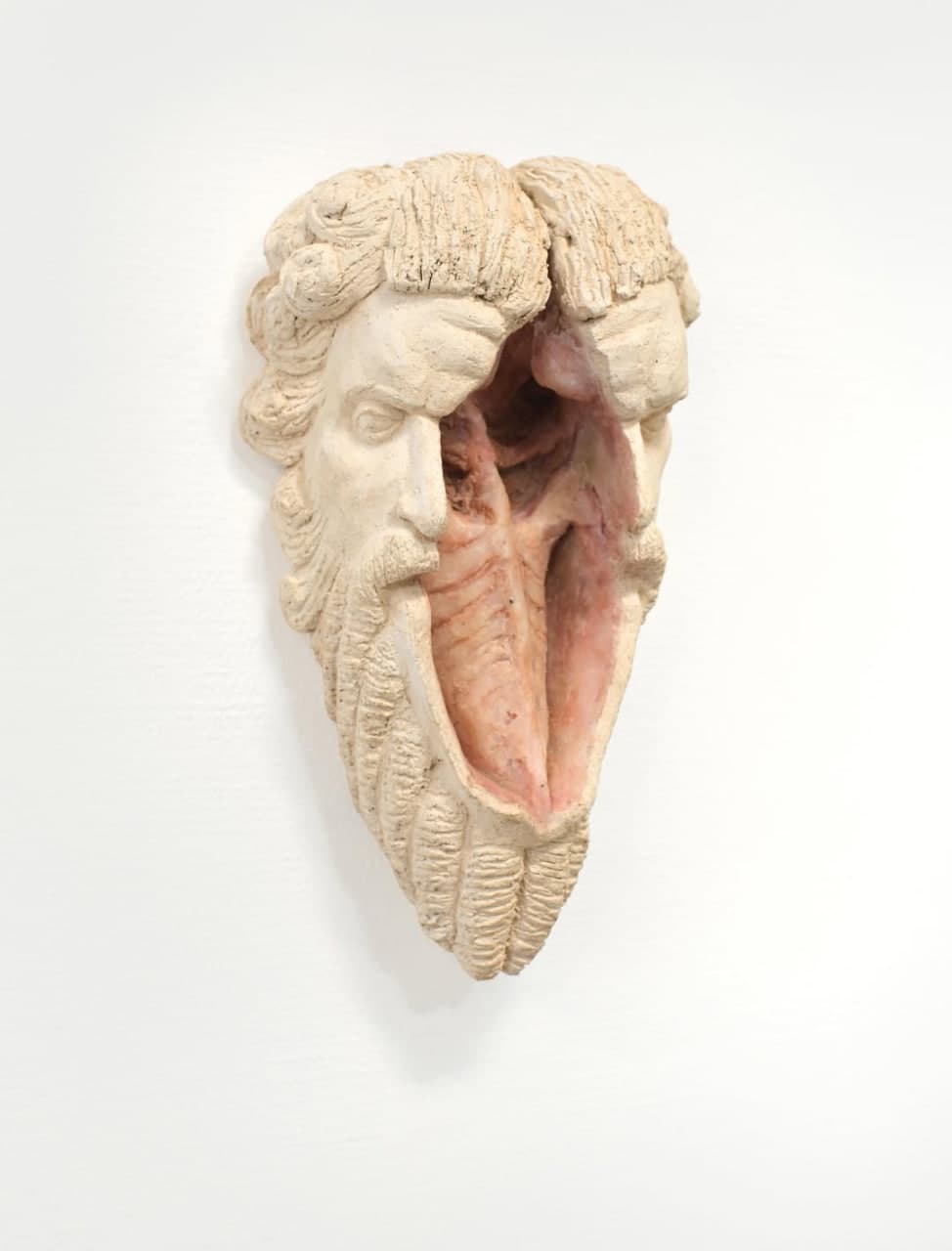
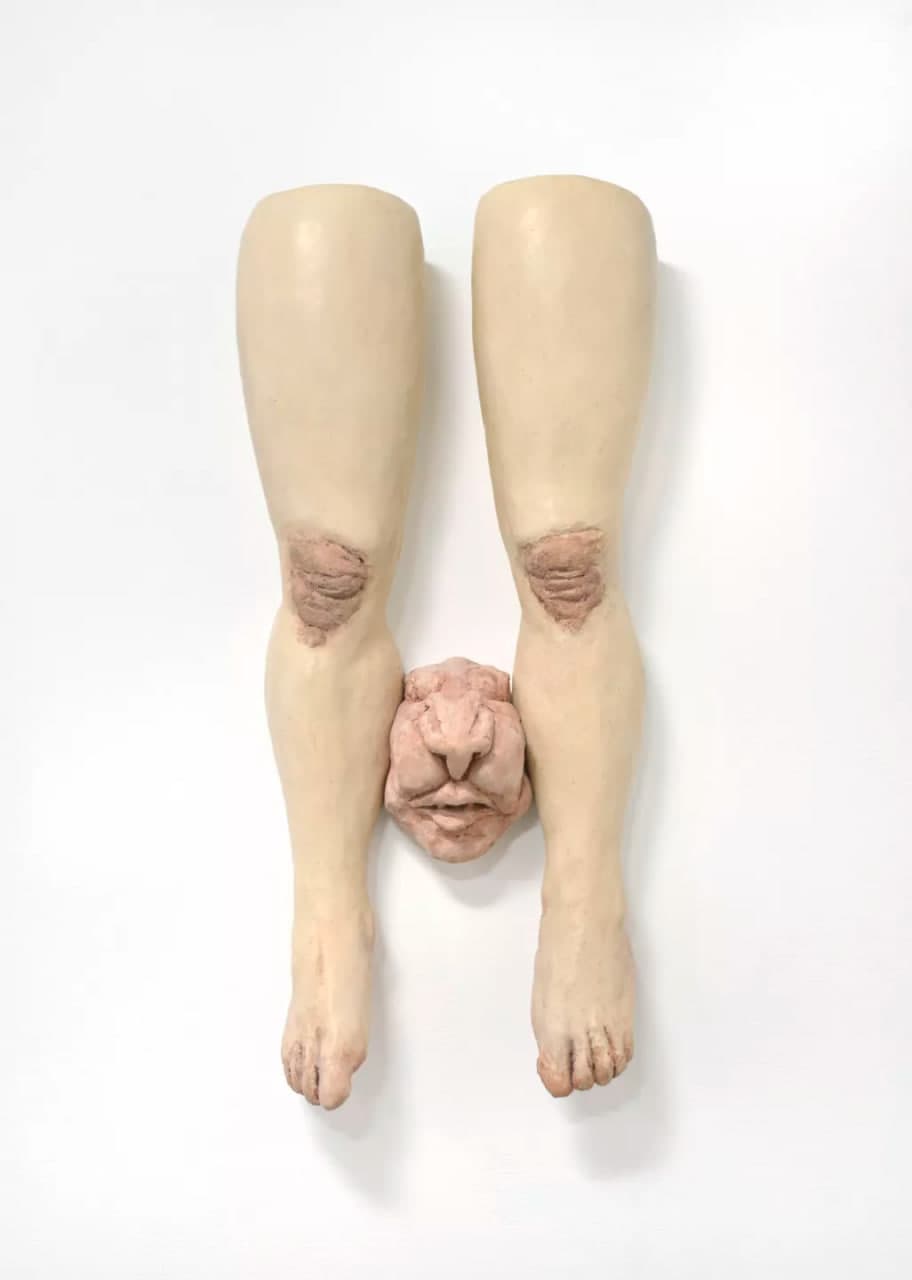
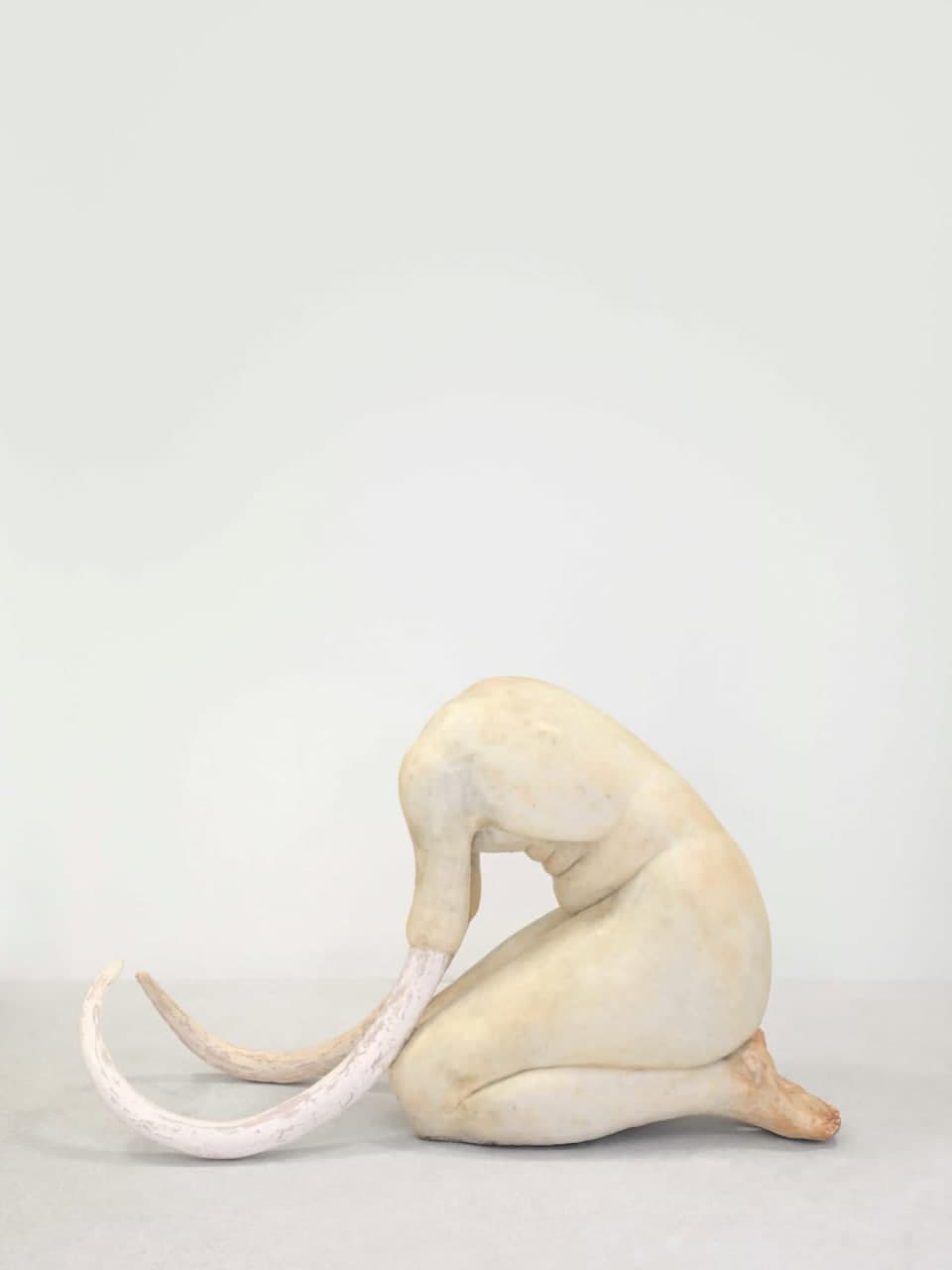
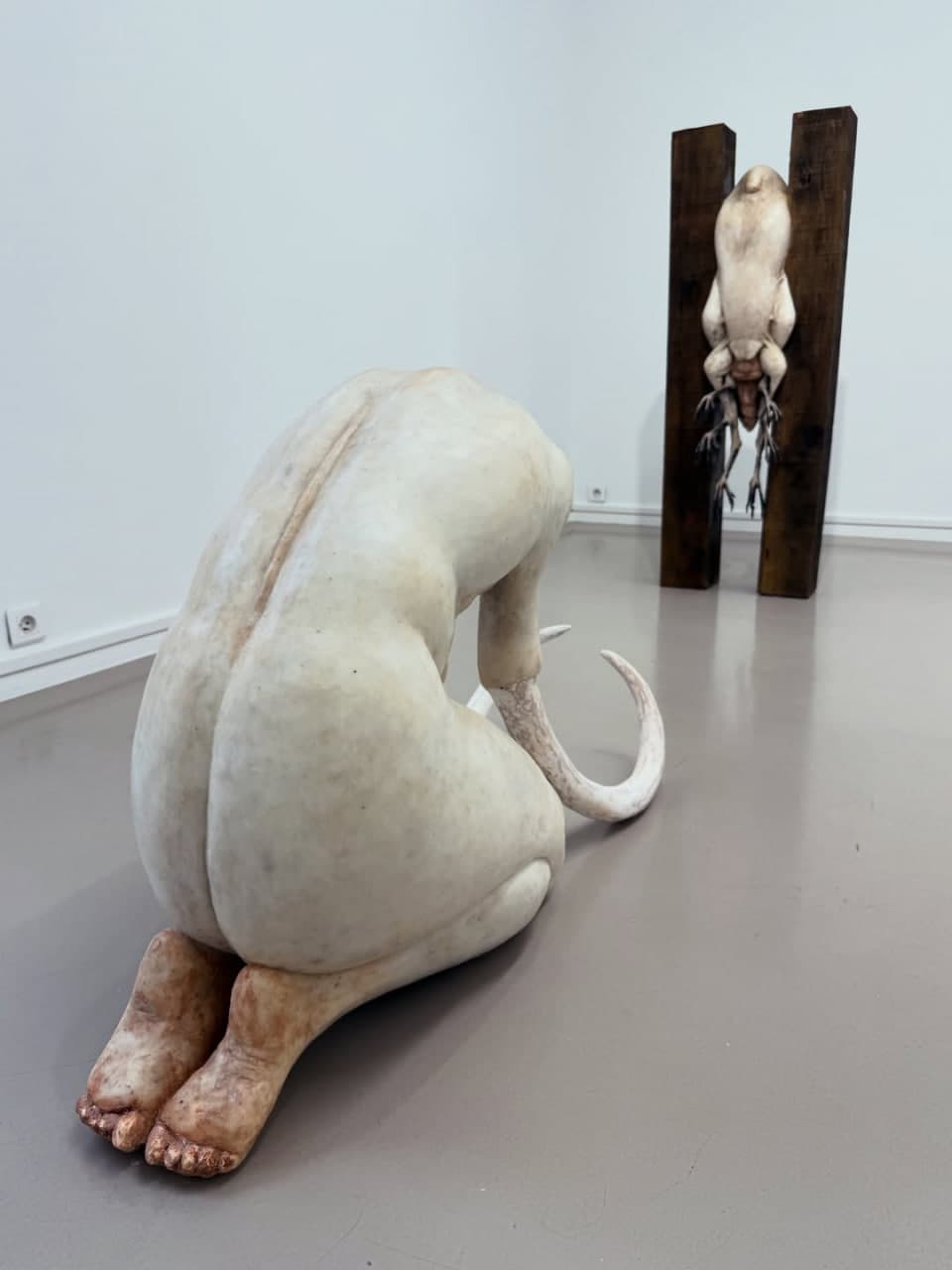
Paris / 2026
Munich / 2026
Bucharest / 2026
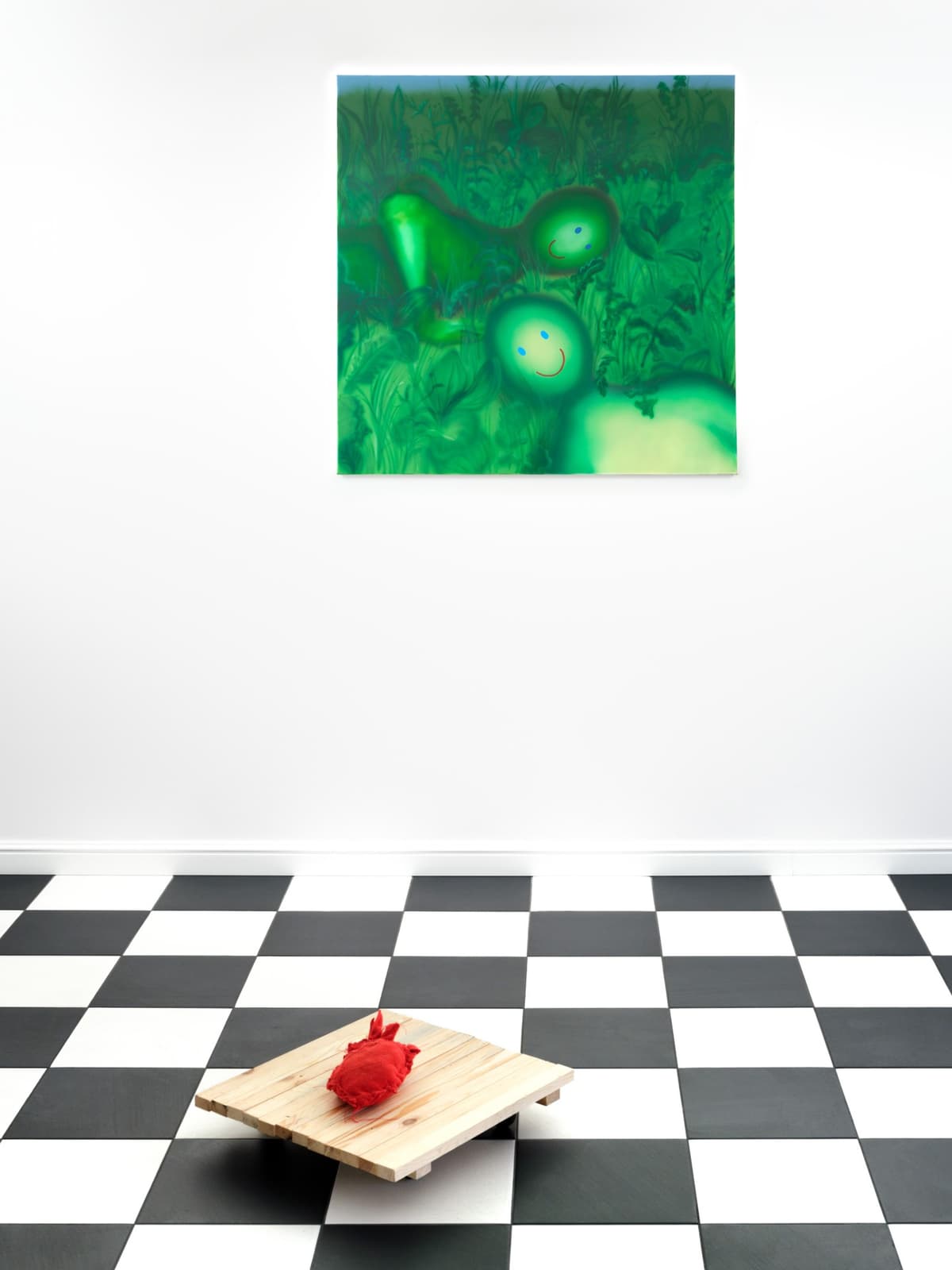
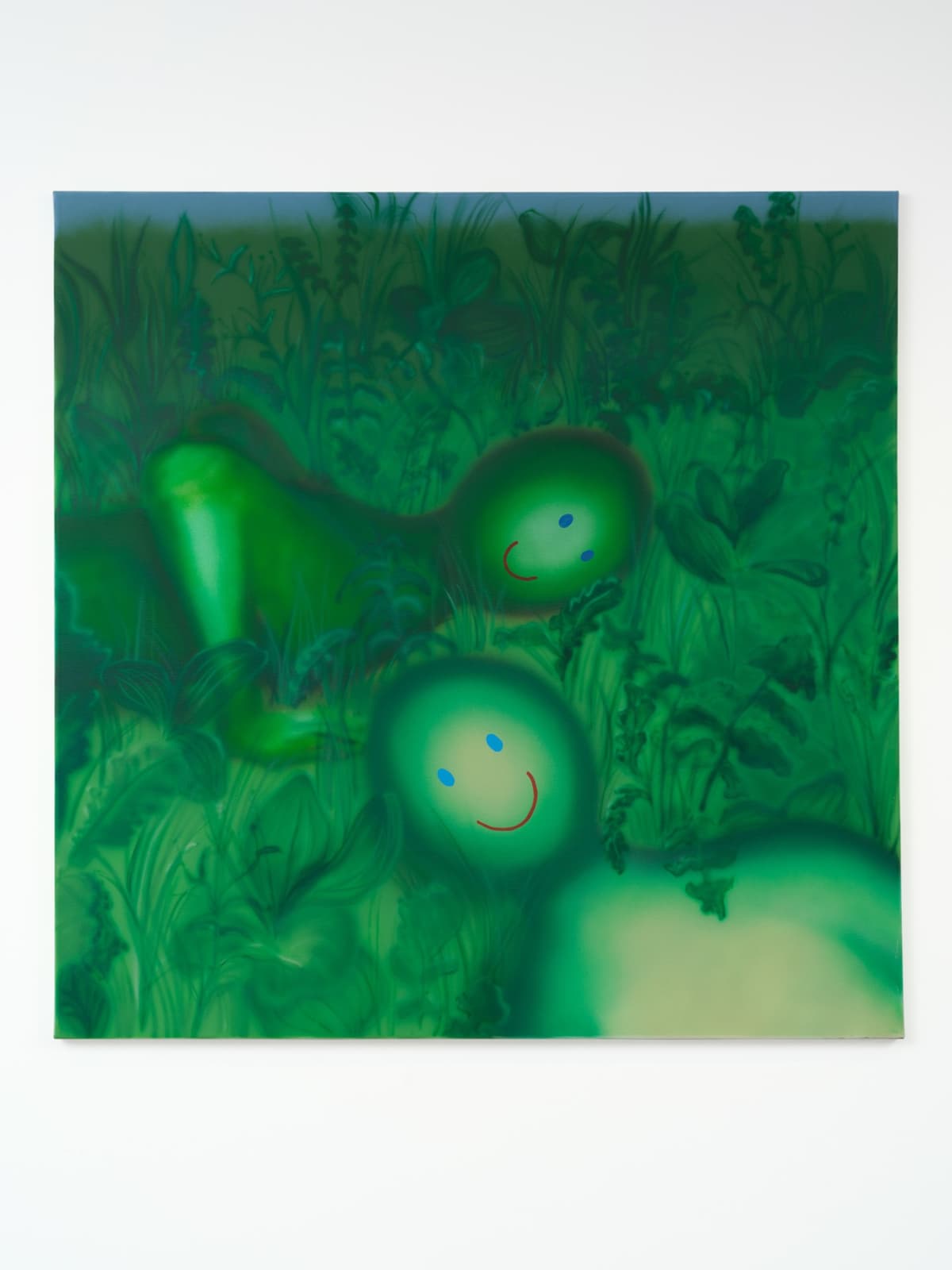
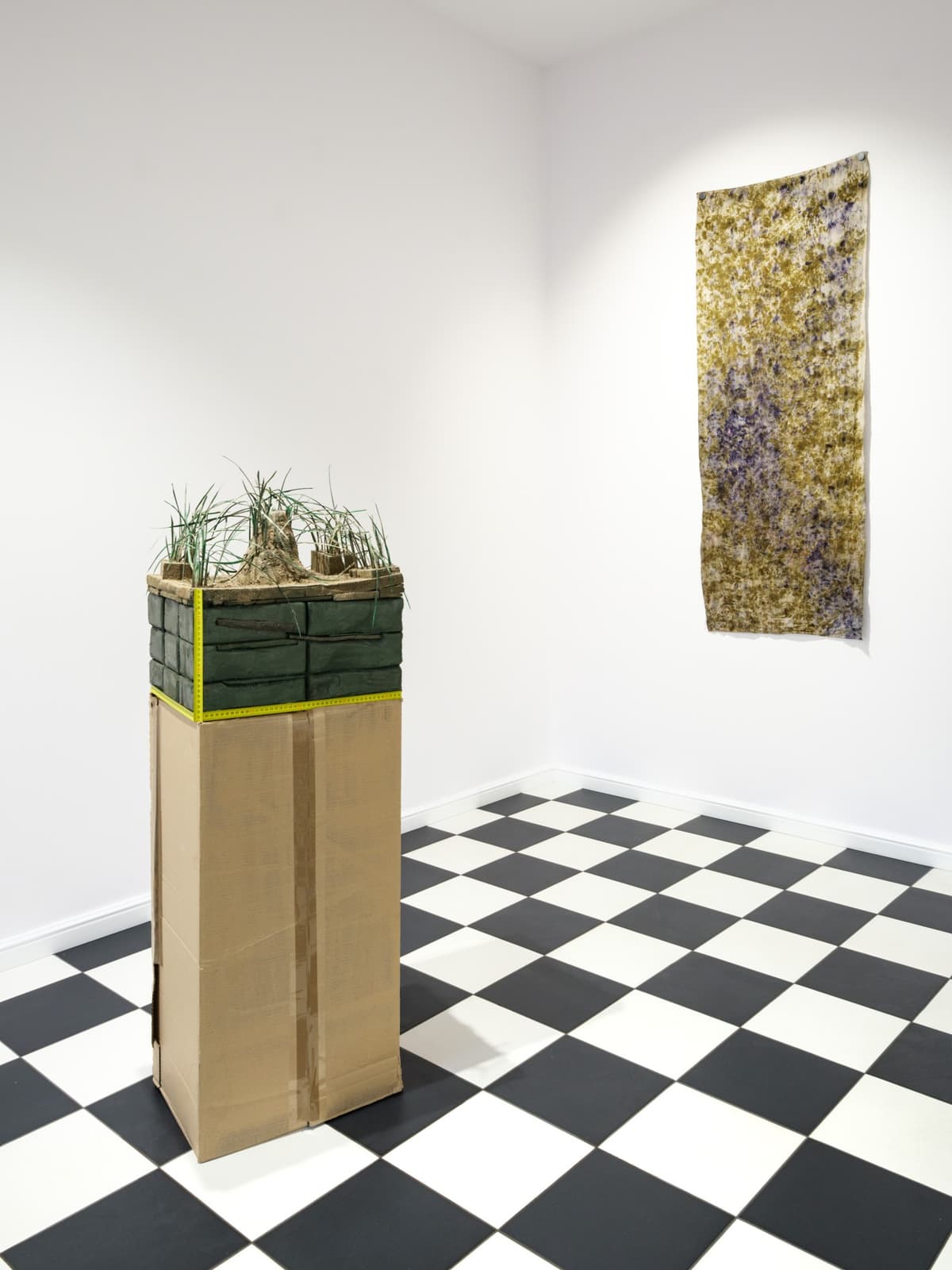
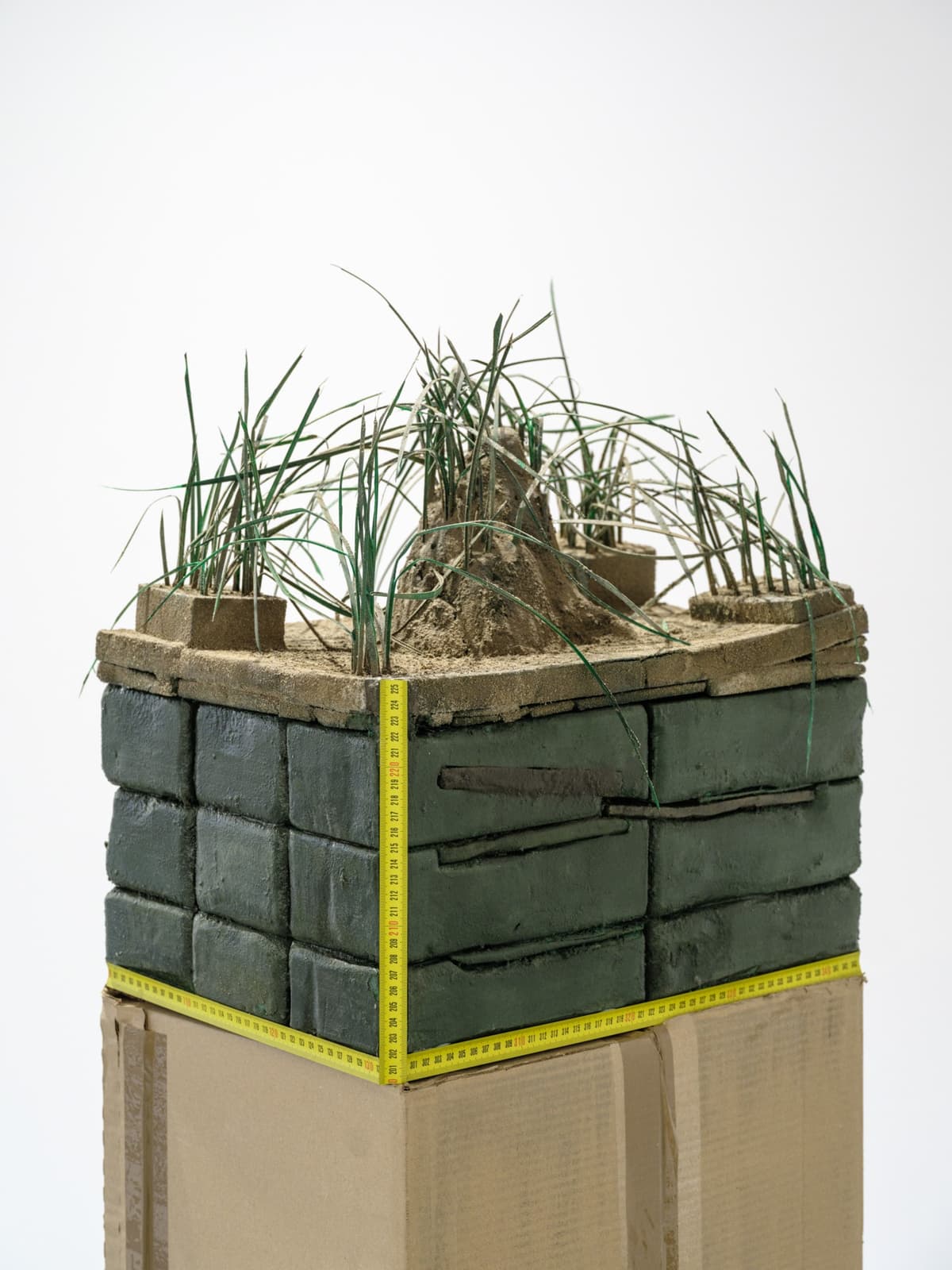
Warsaw / 2024-2025
New York City (NY) / 2025
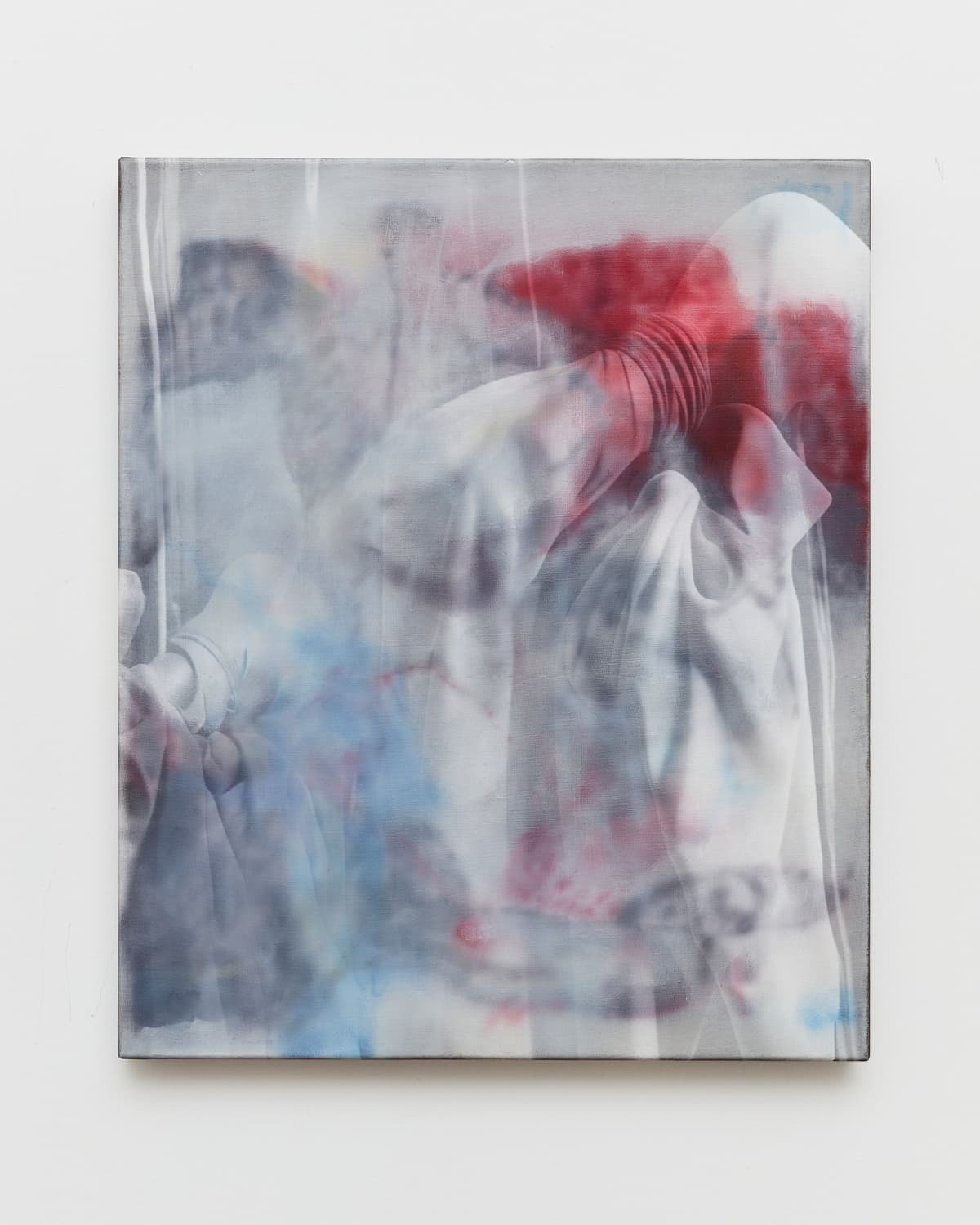
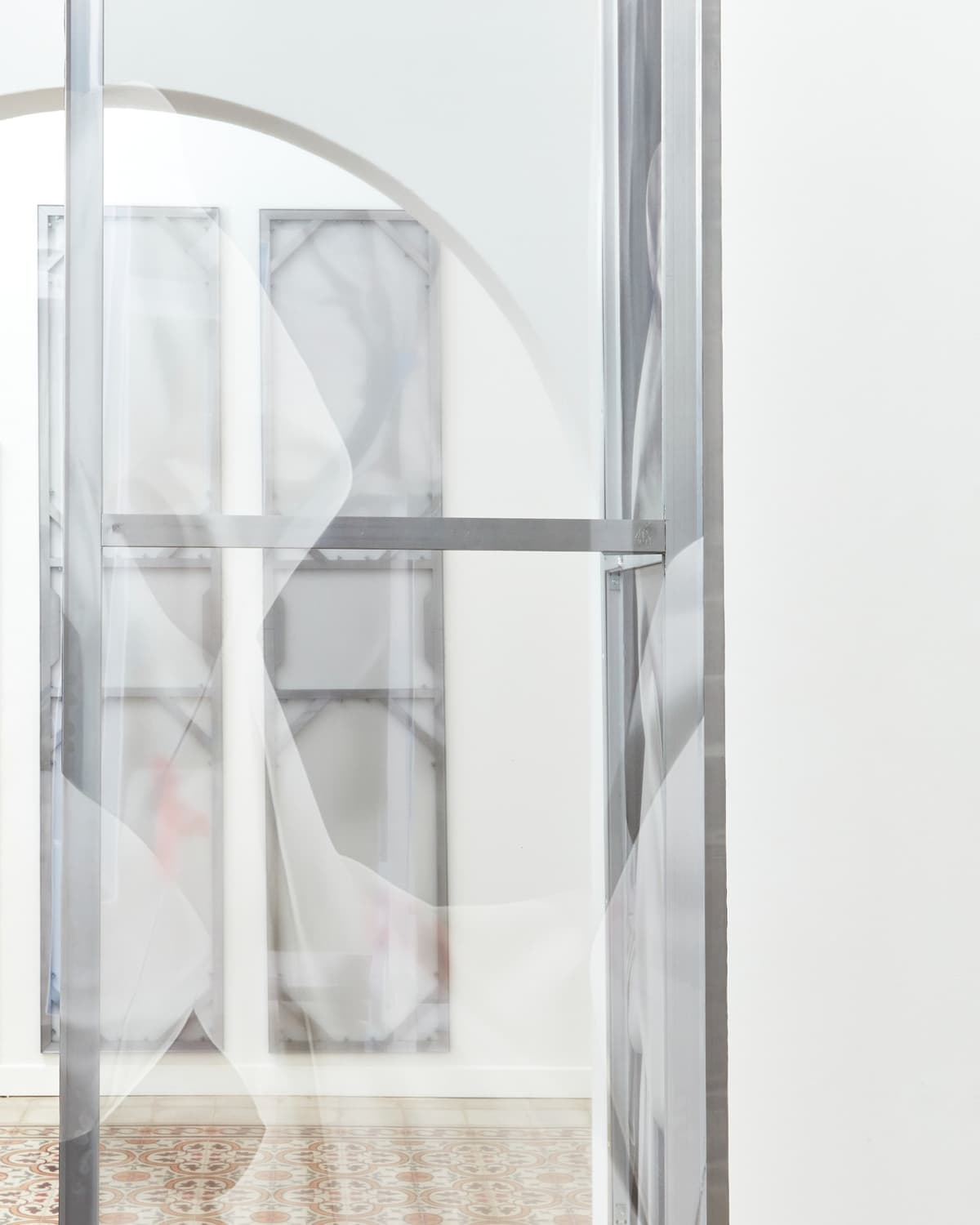
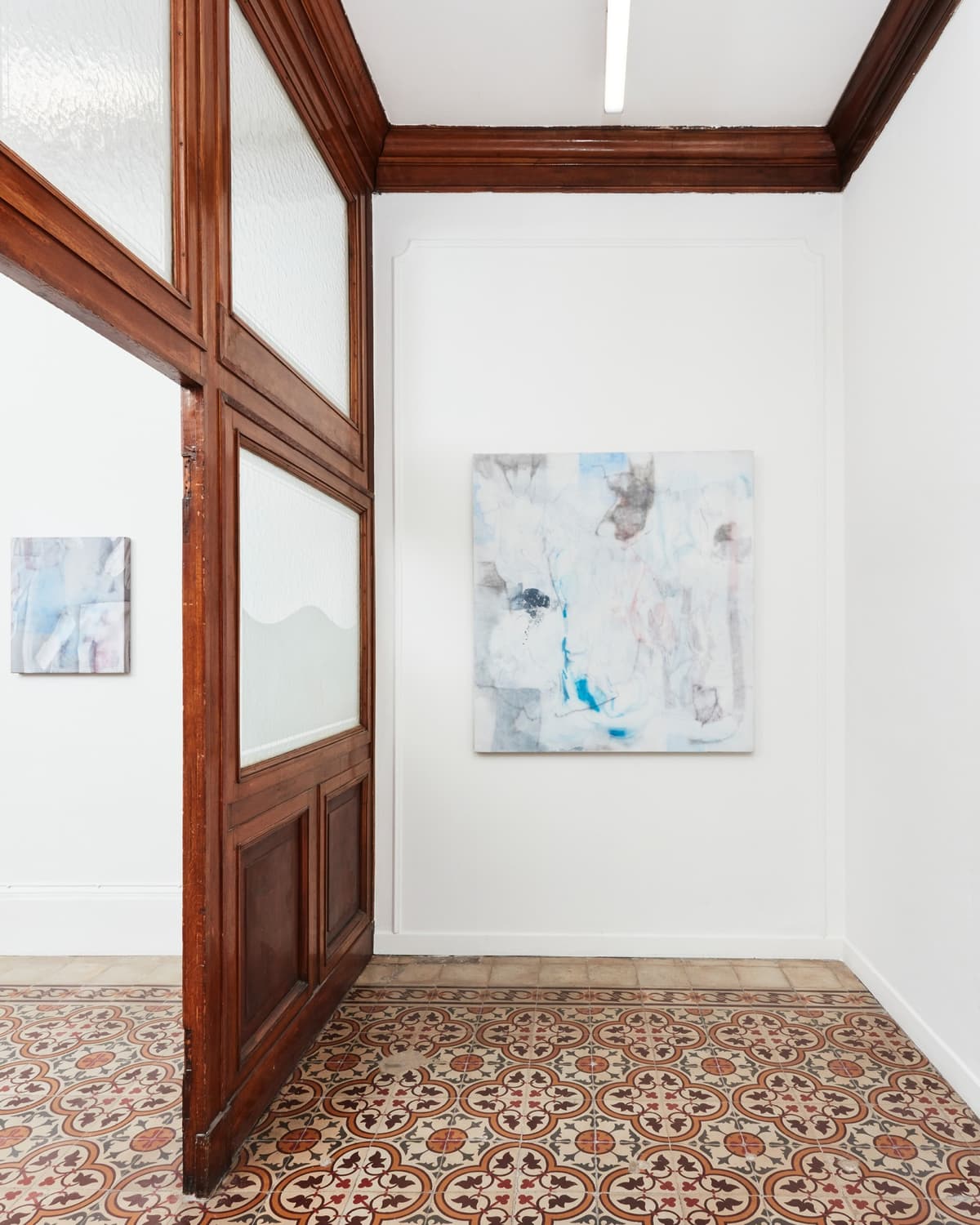
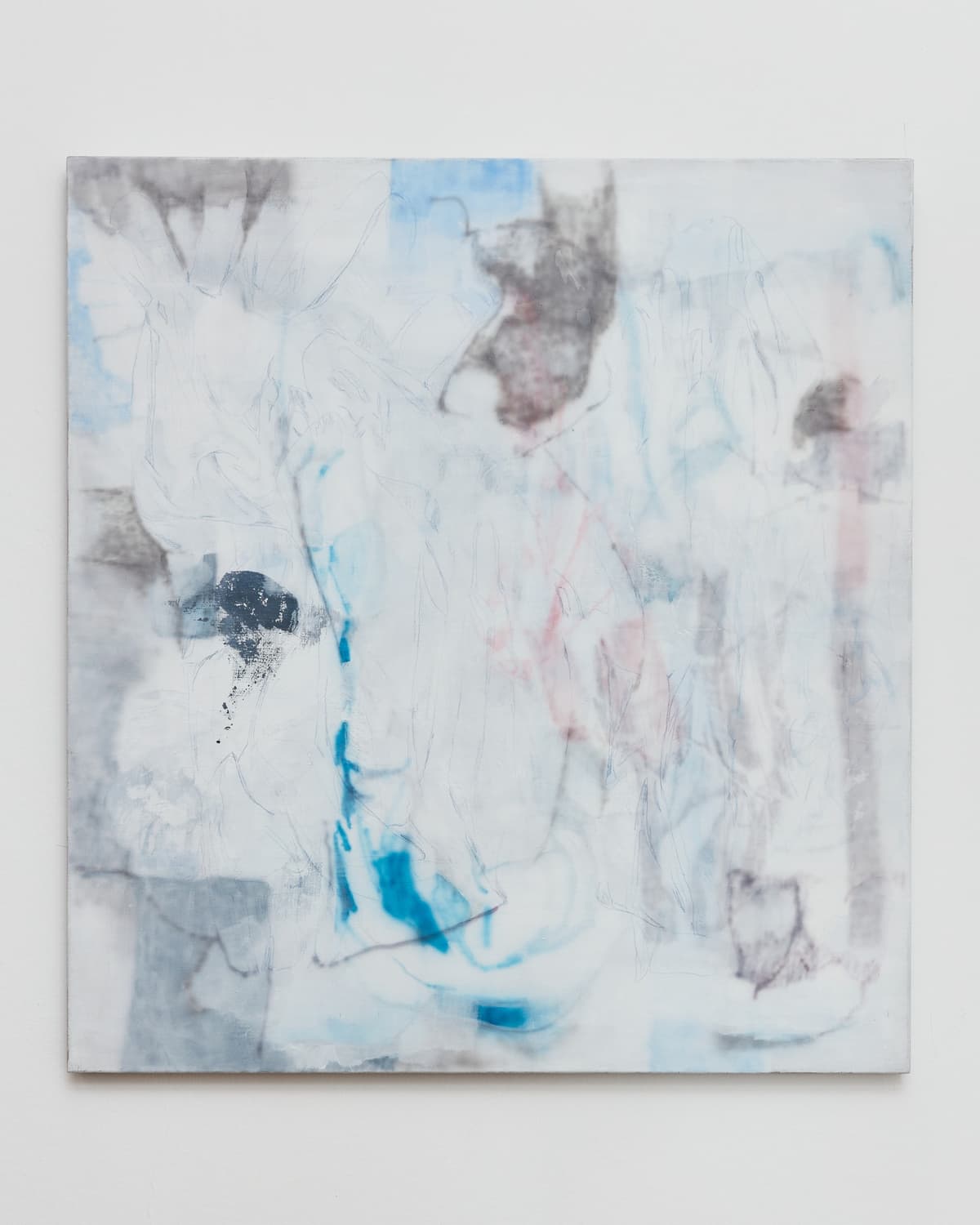
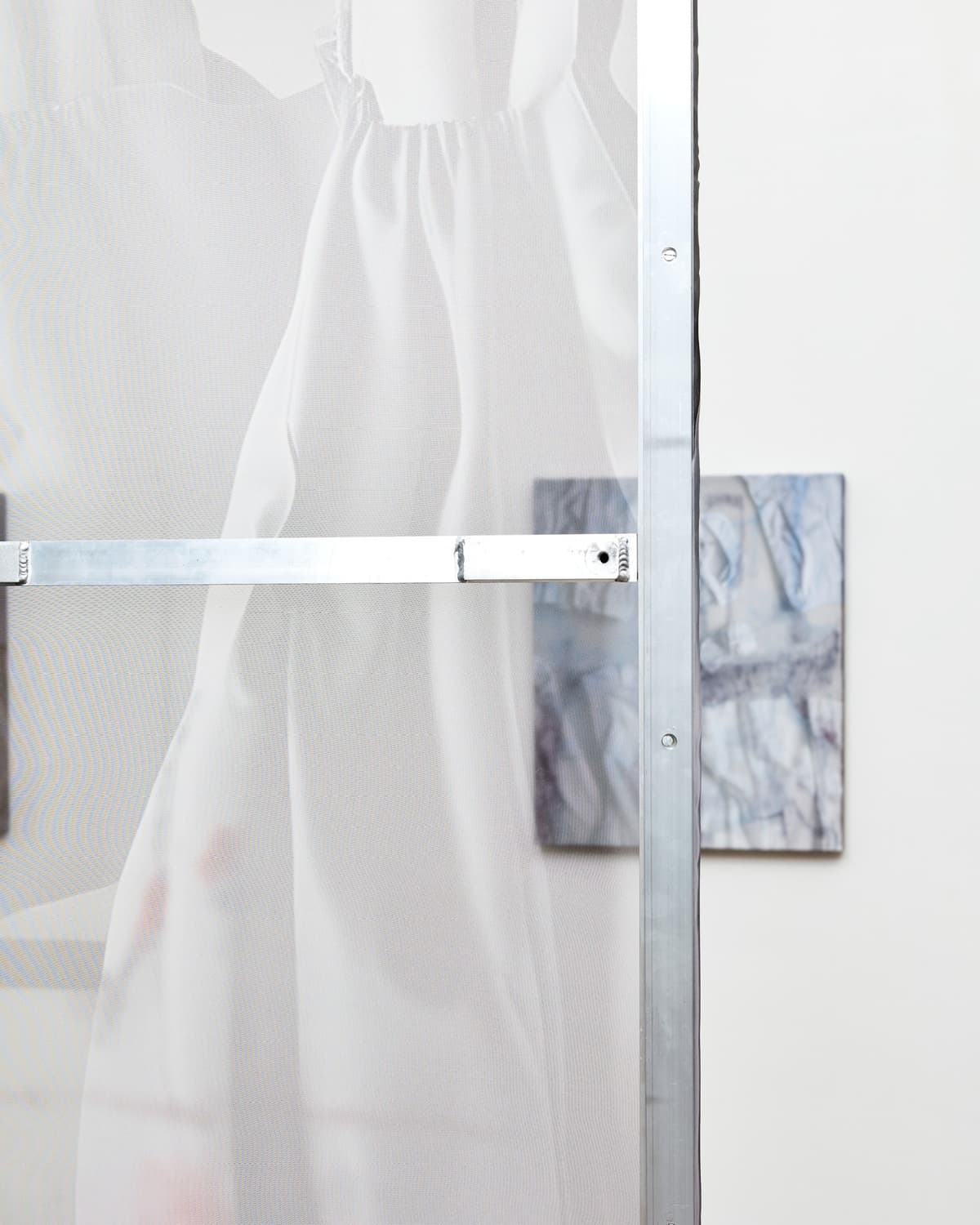
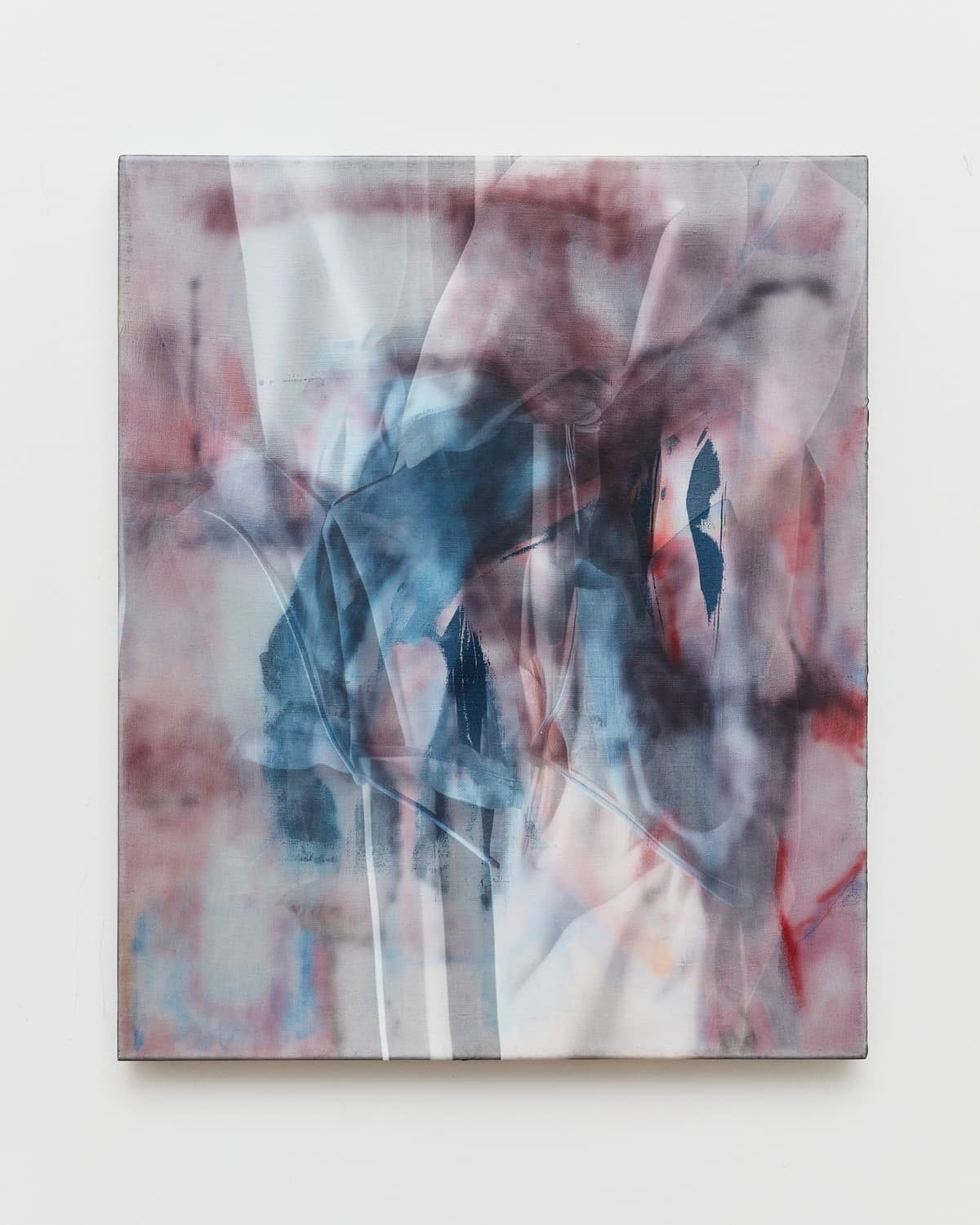
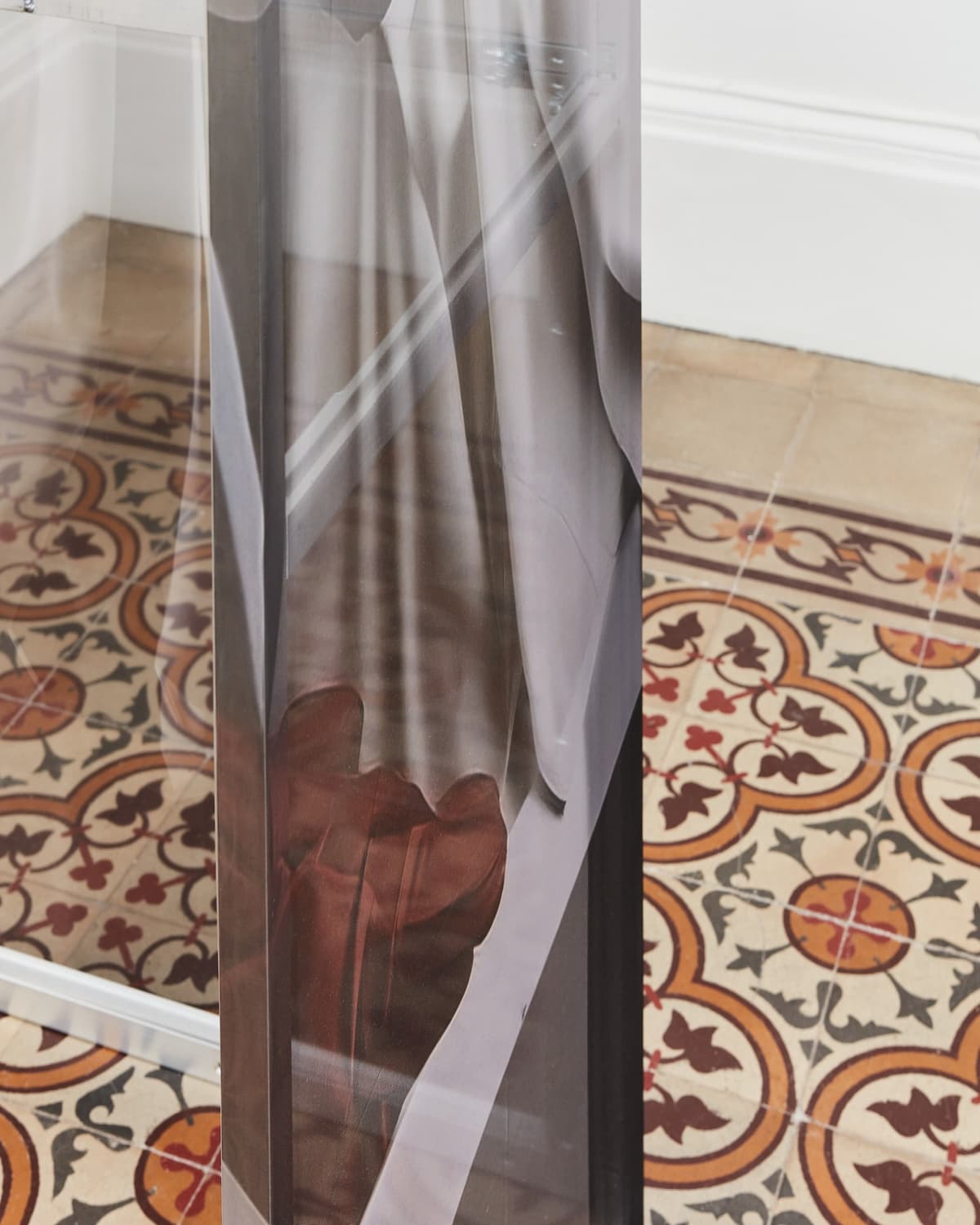
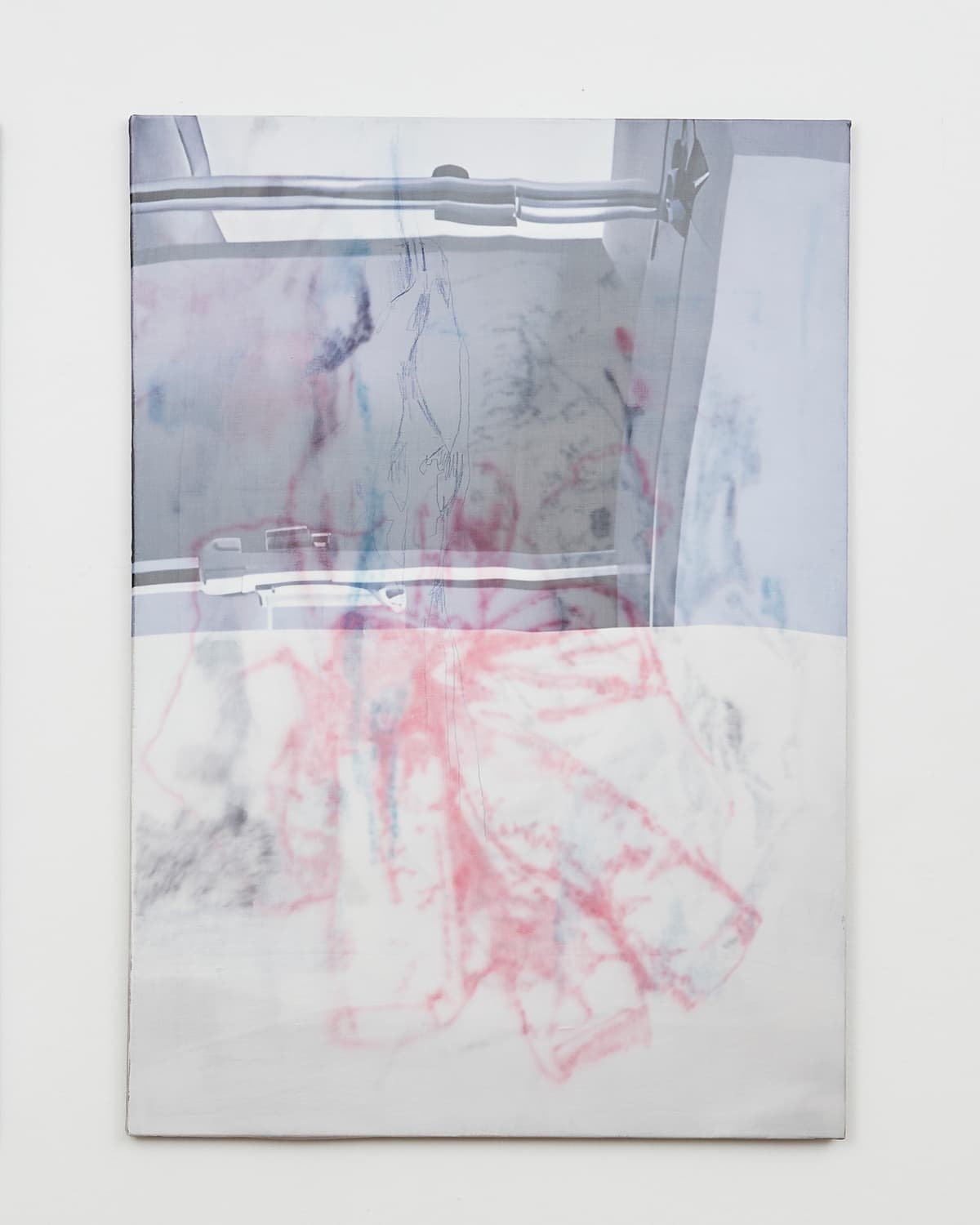
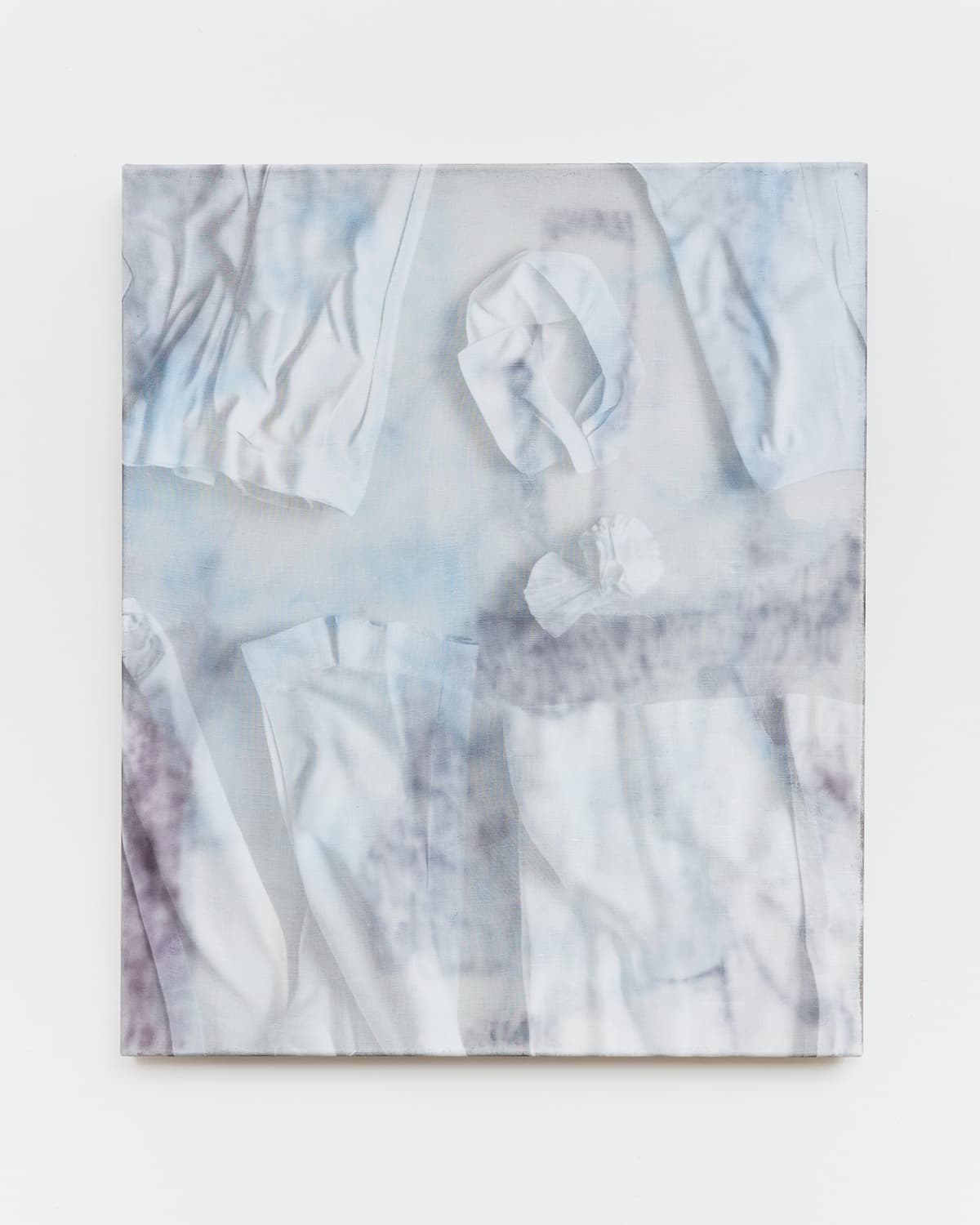
Brescia / 2025-2026
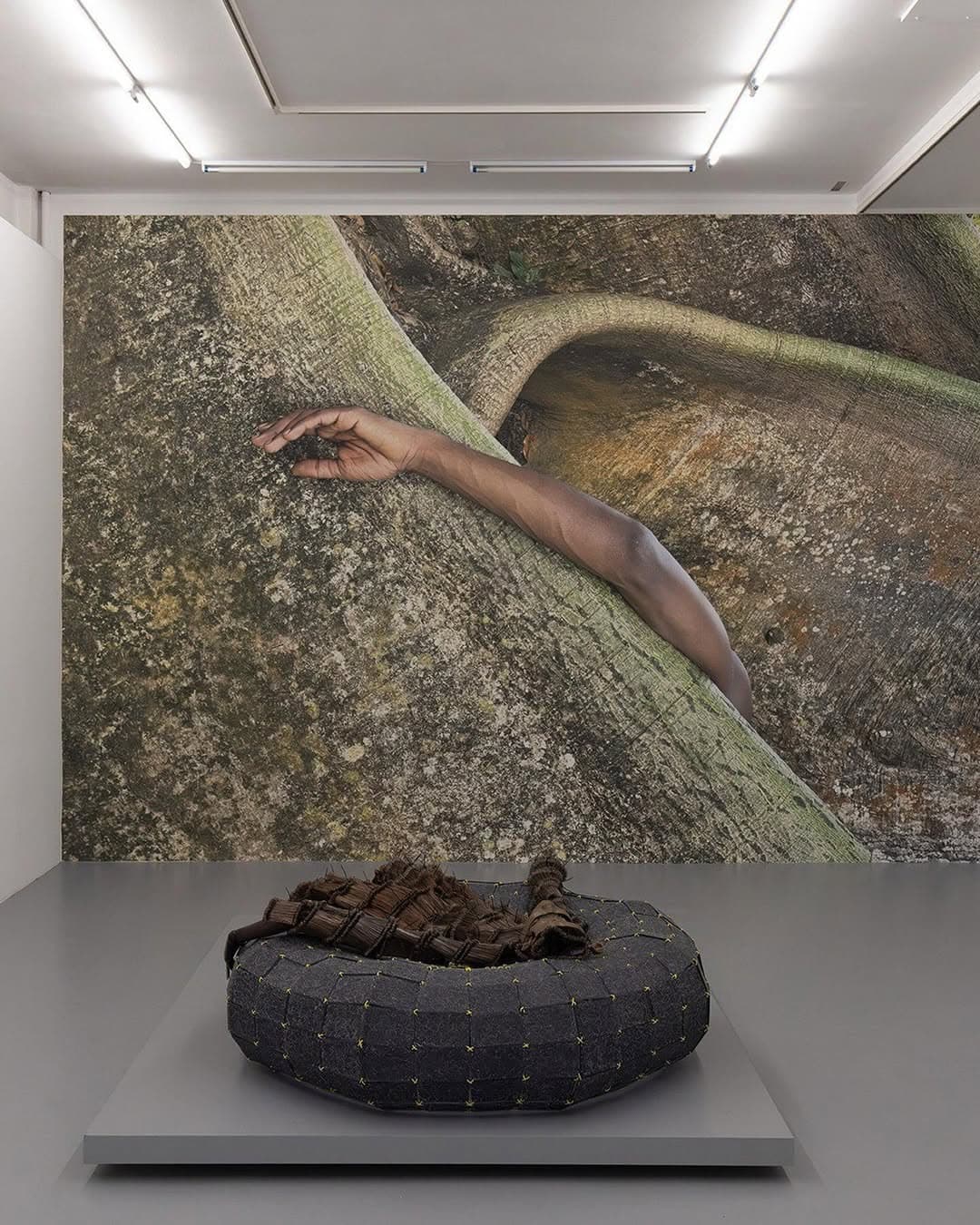
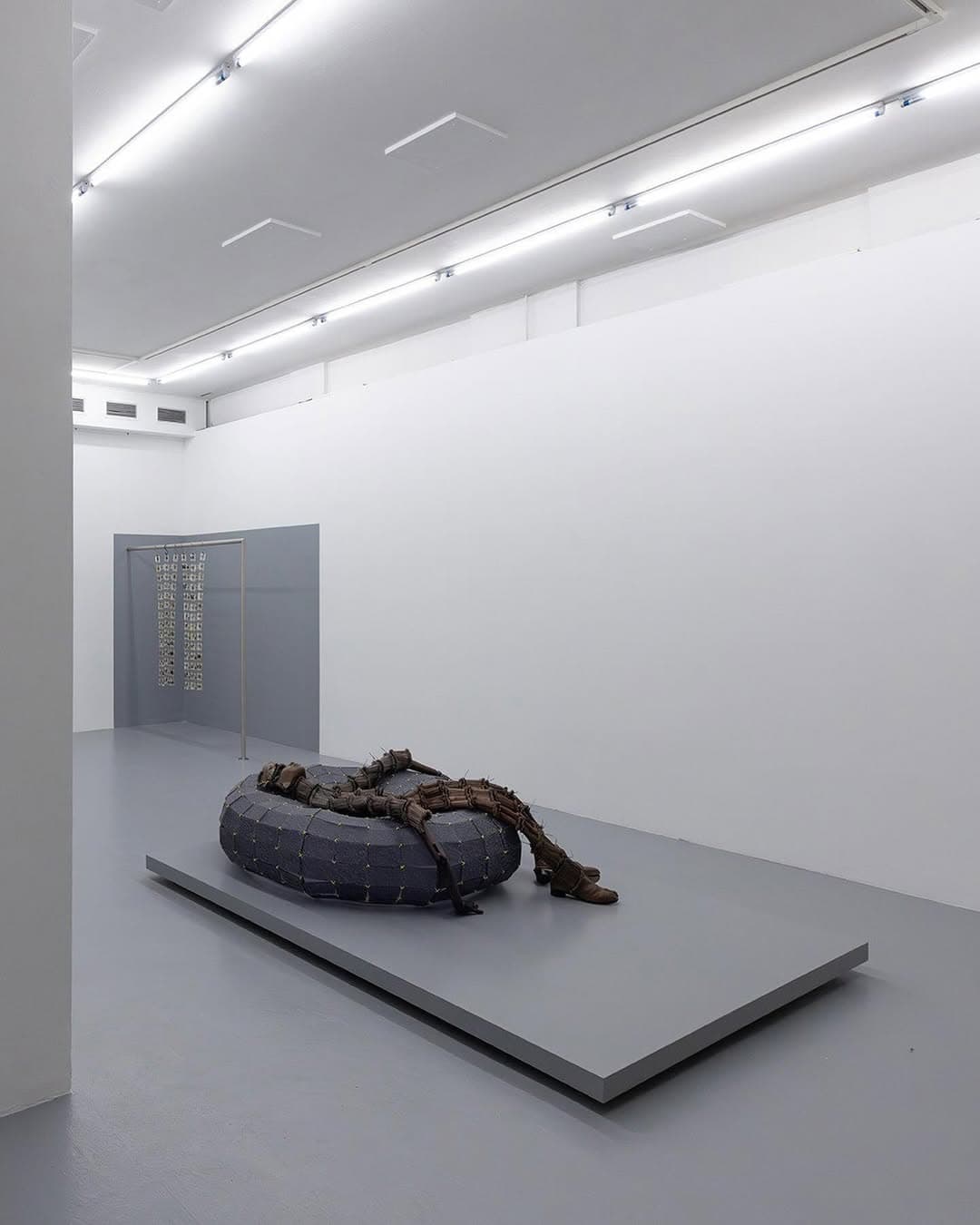
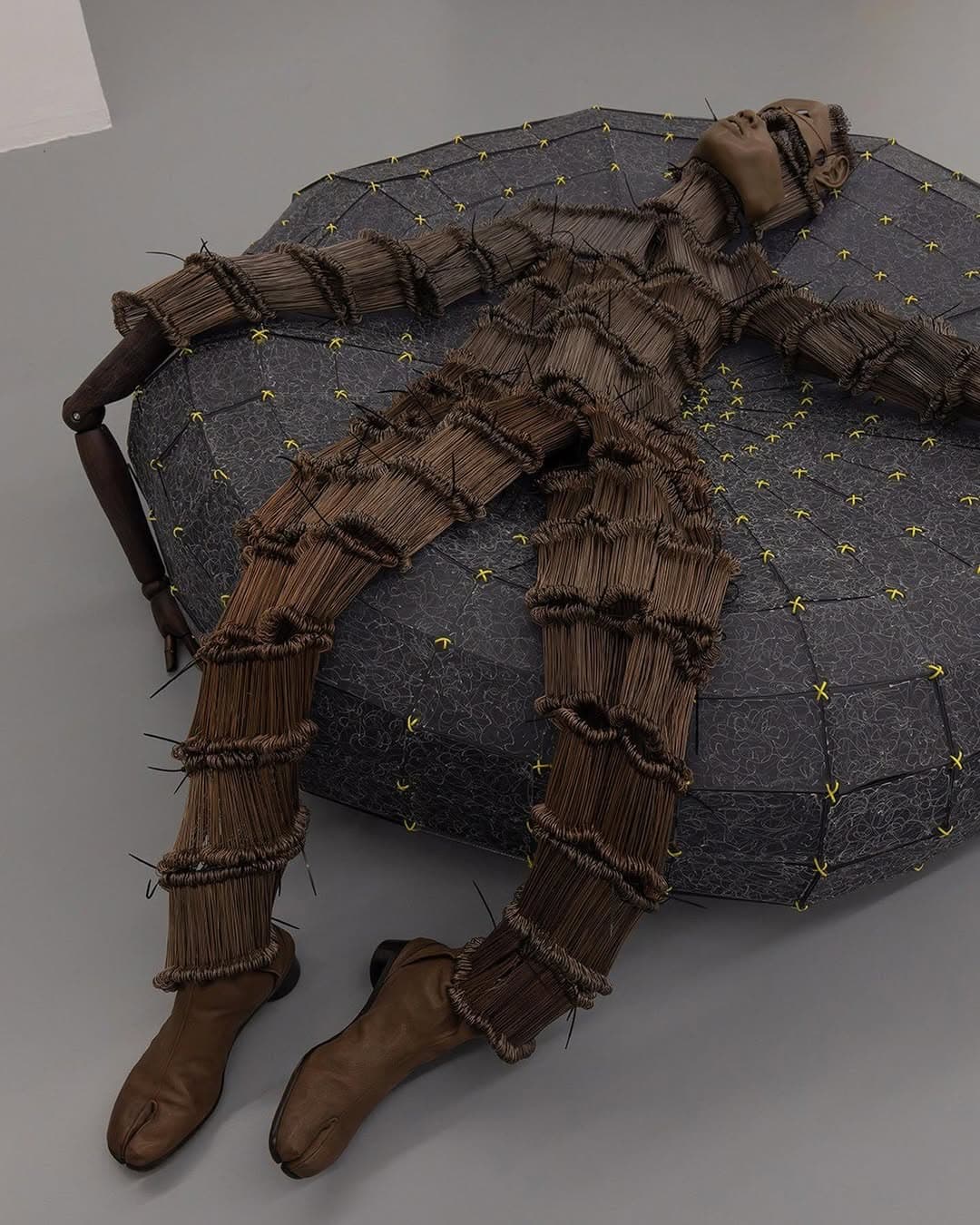
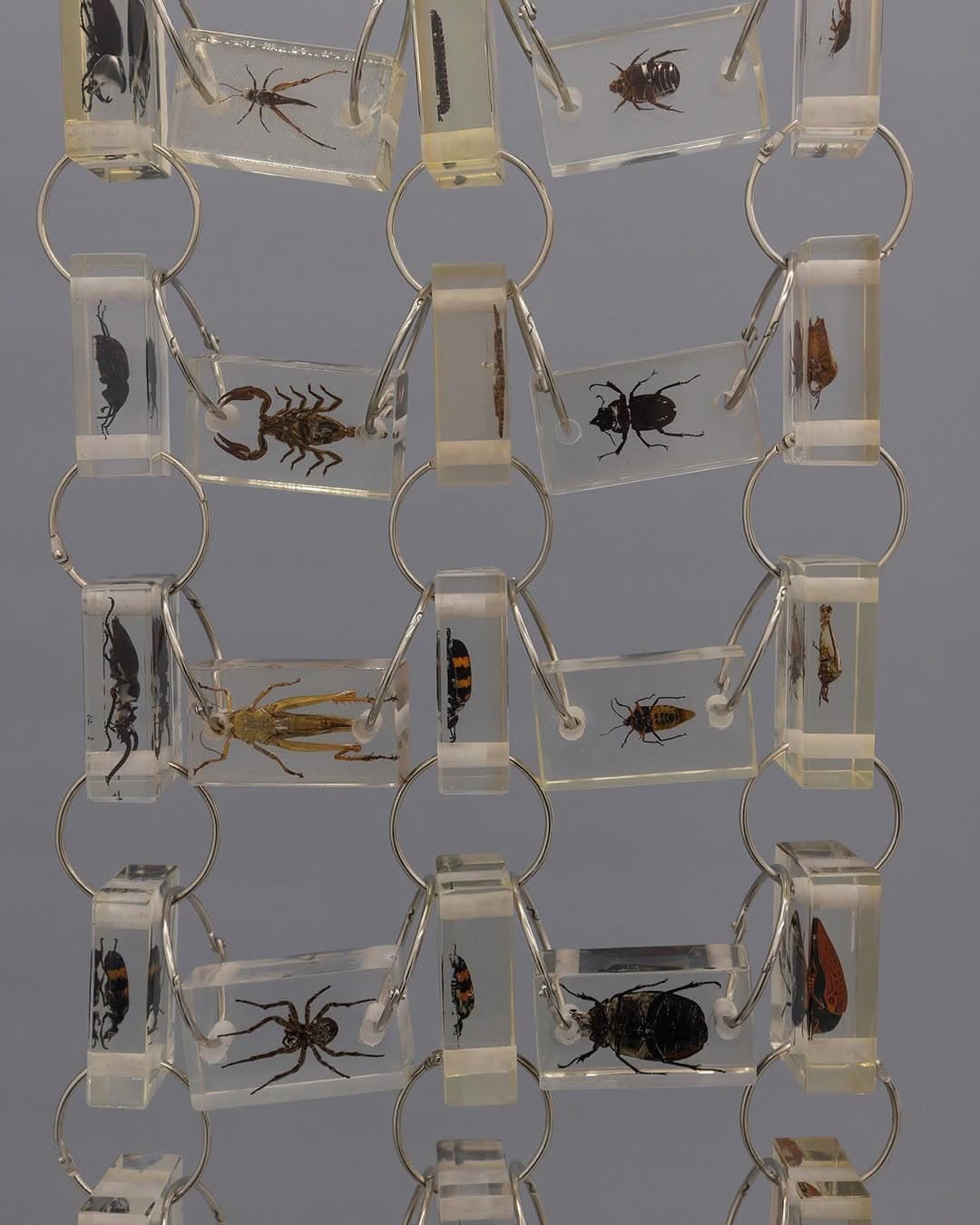
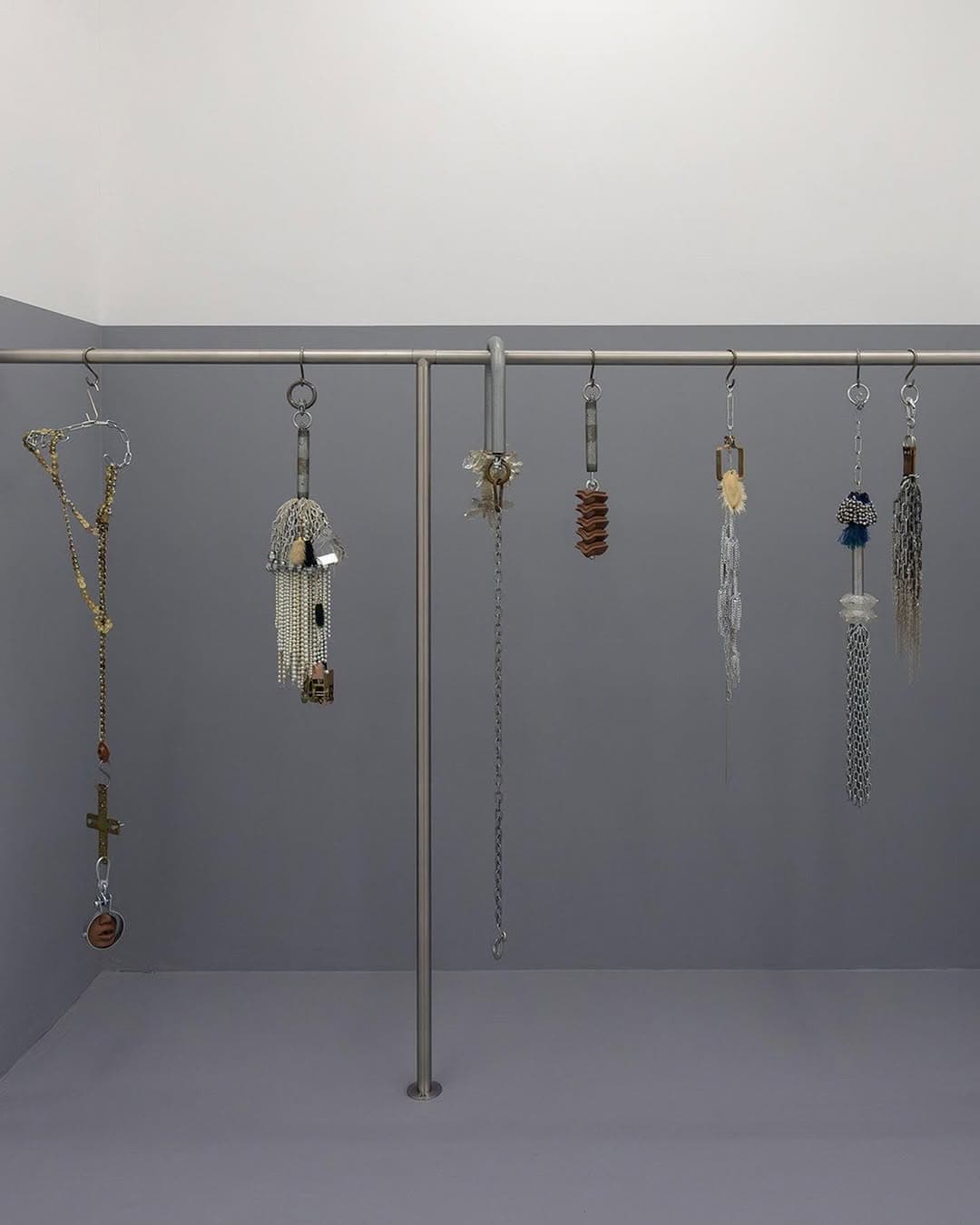
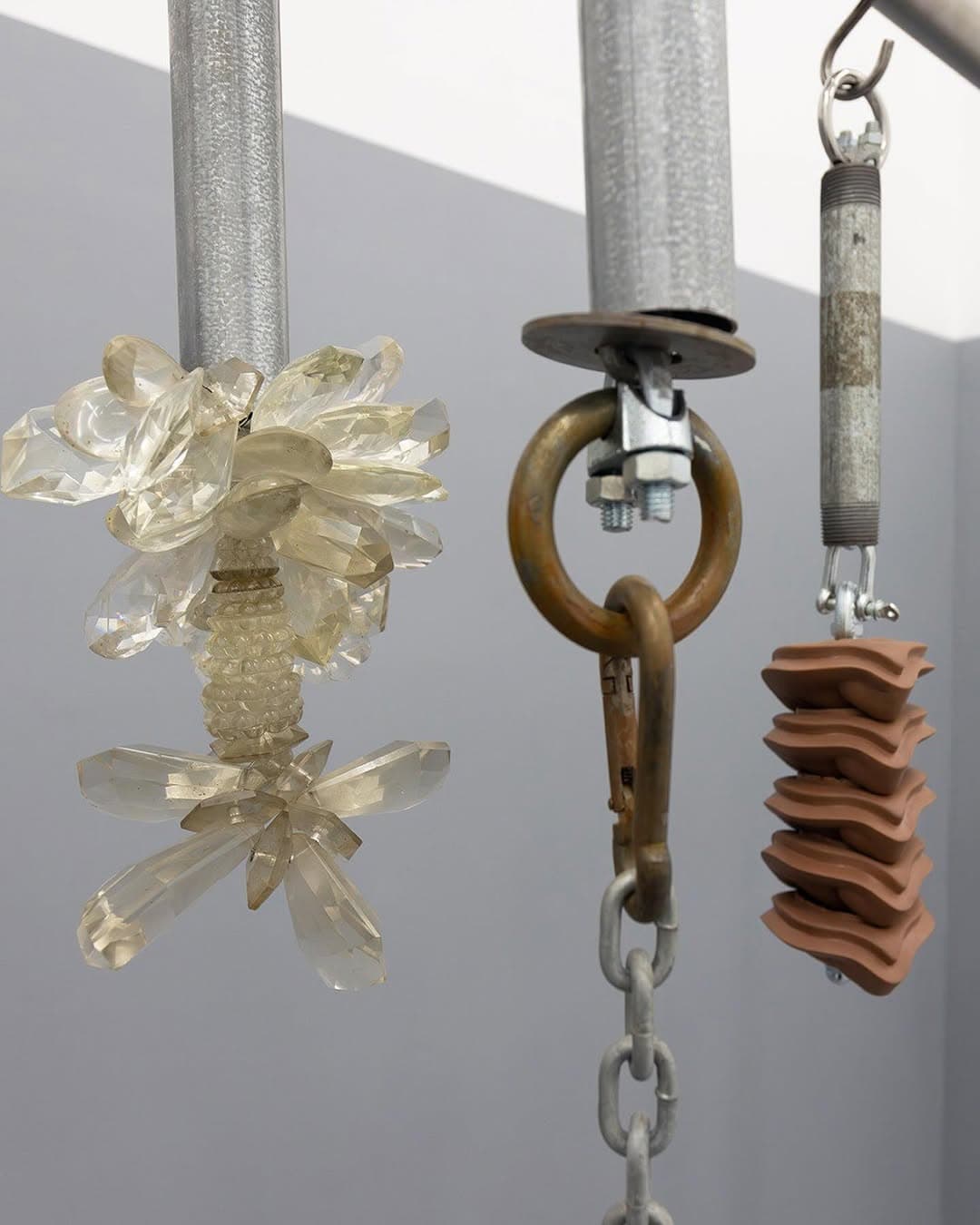
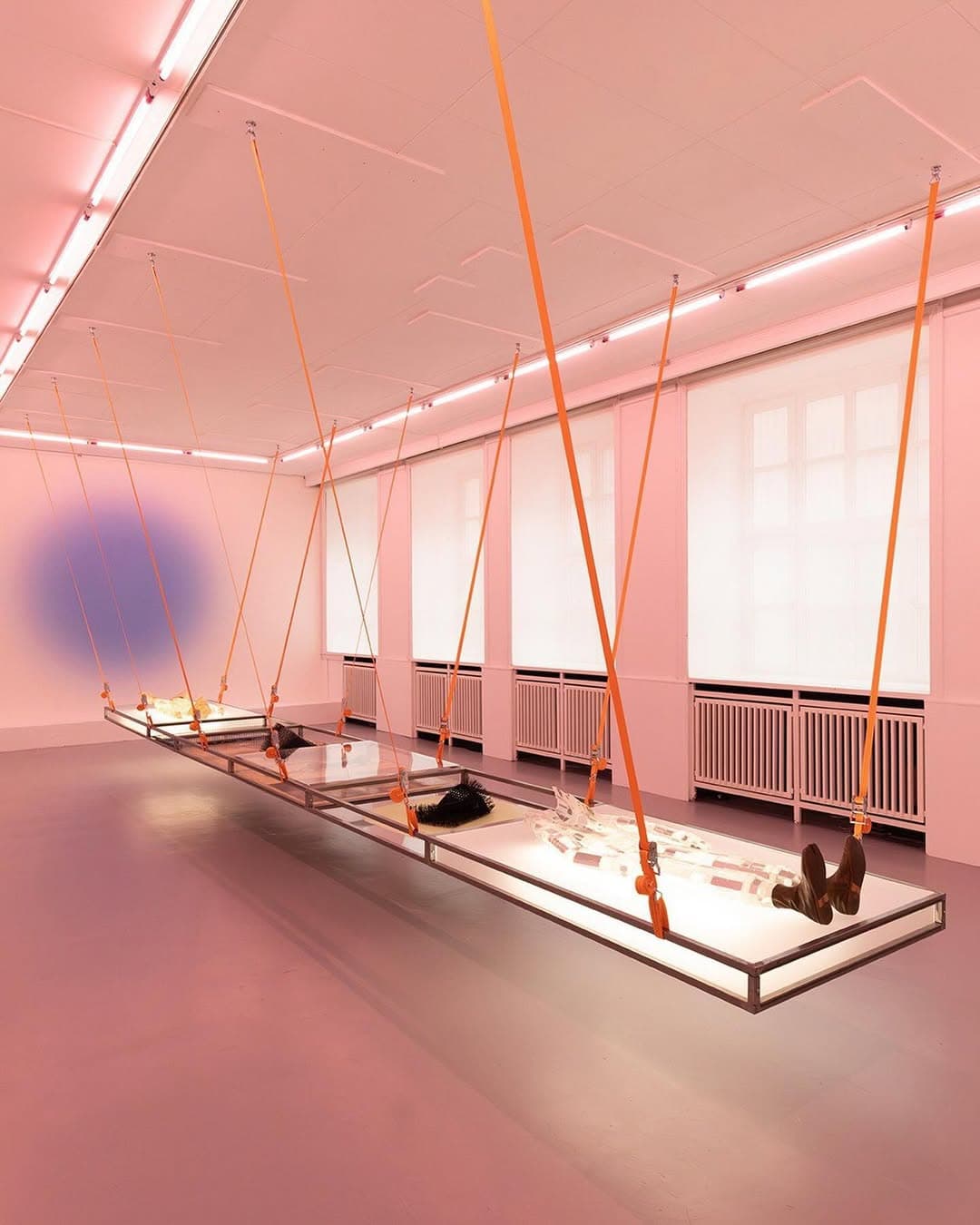
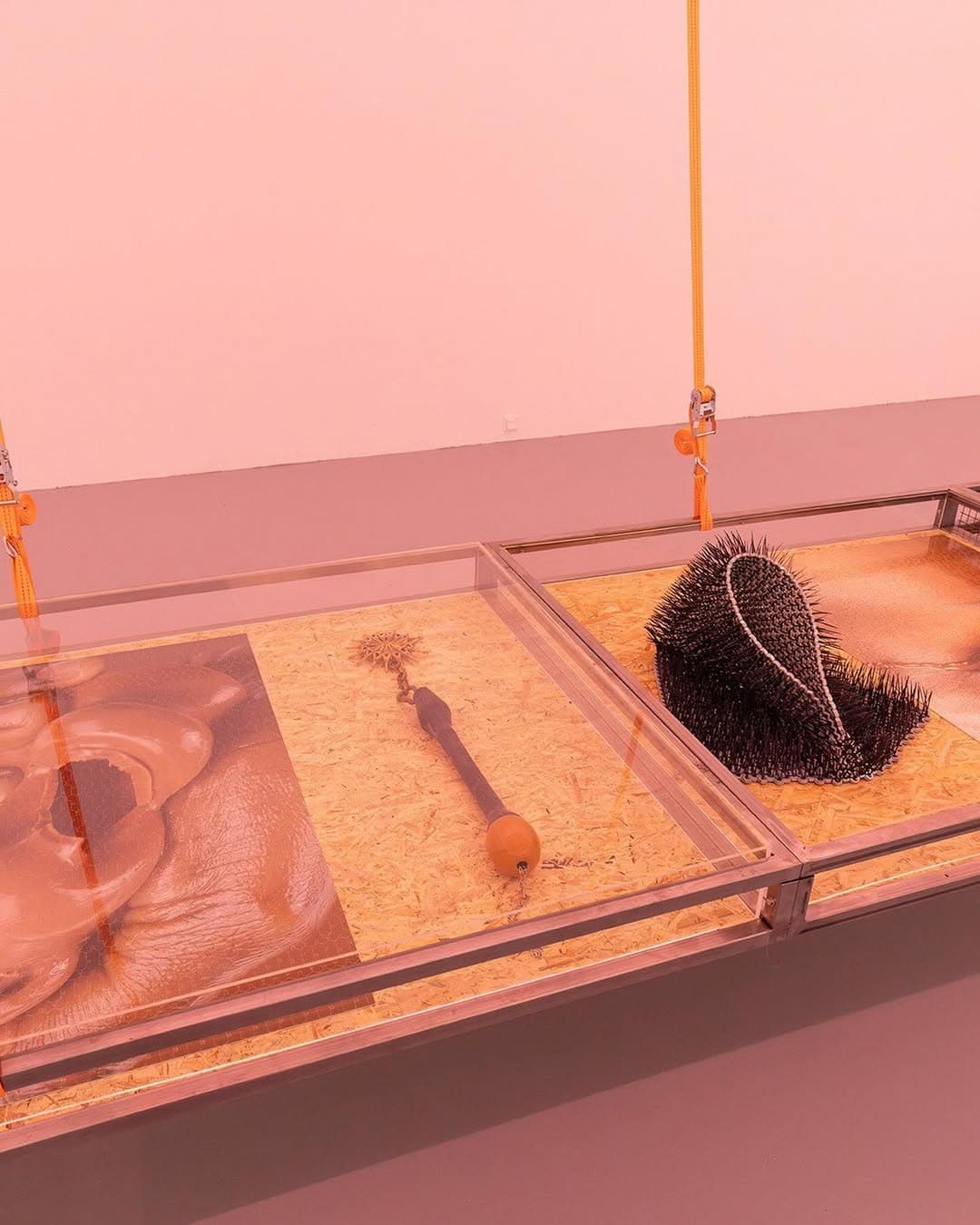
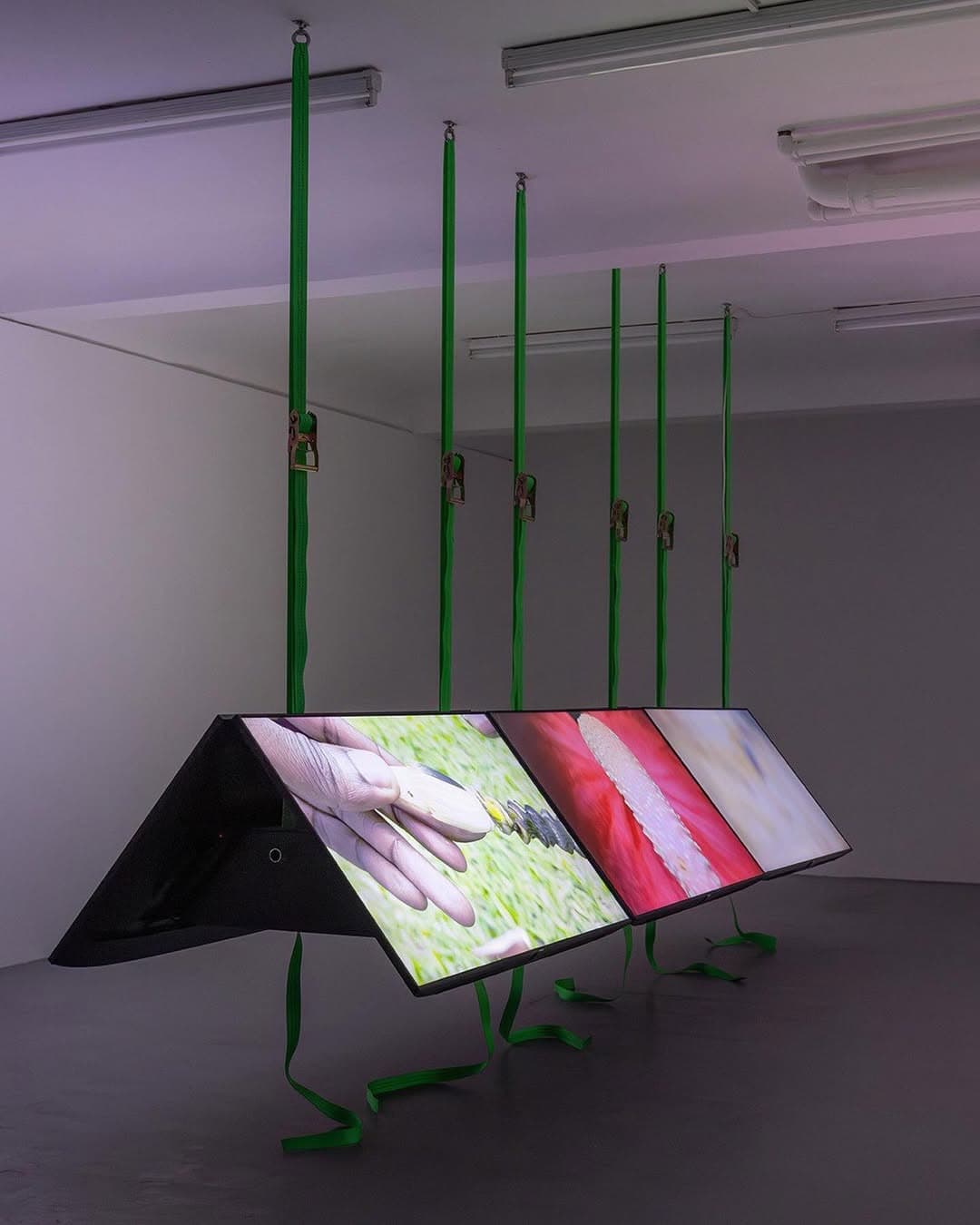
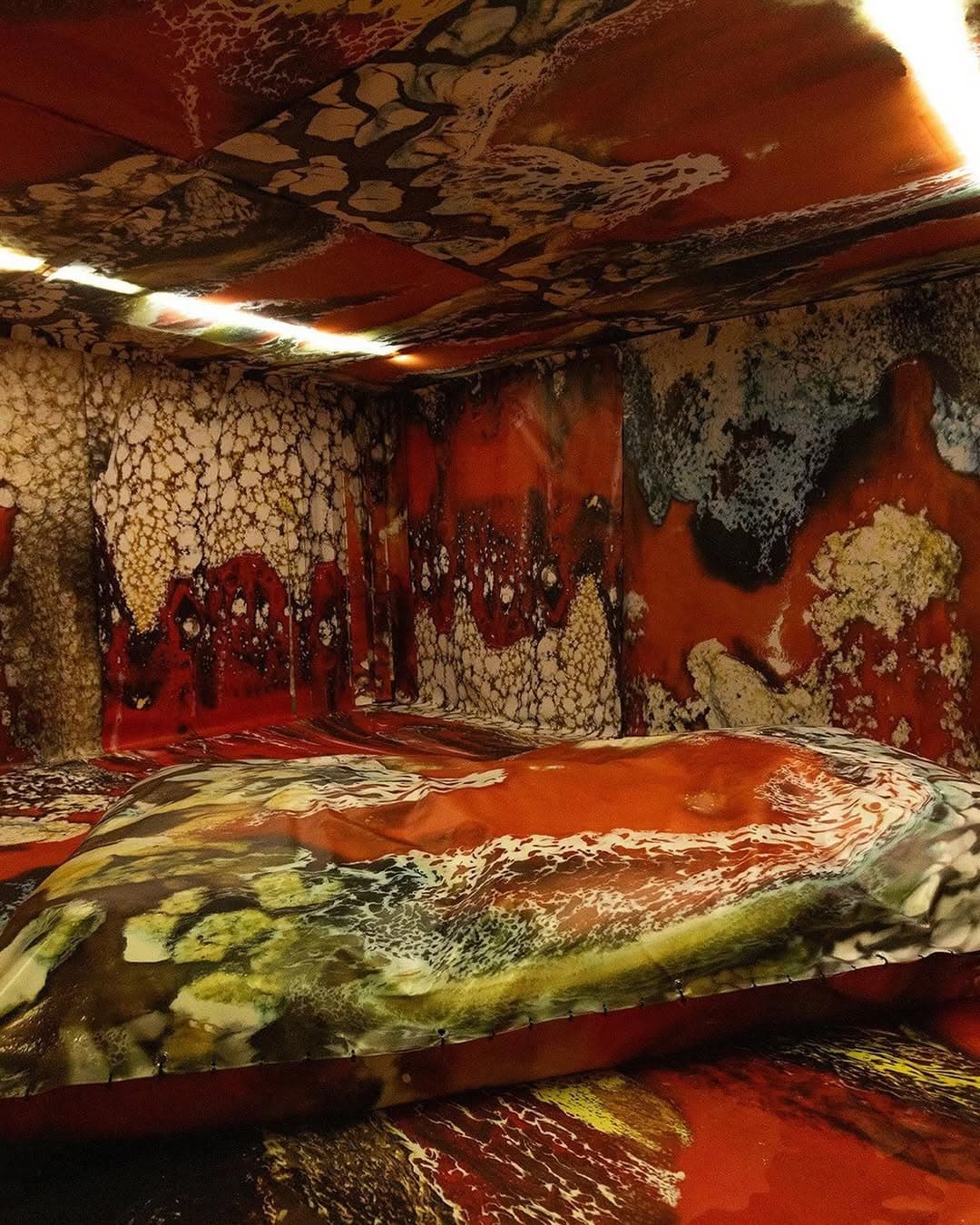
/ 2024
%2Fphoto_1_2026-05-24_00-50-58.jpg&w=1200&q=75)
/ 2023
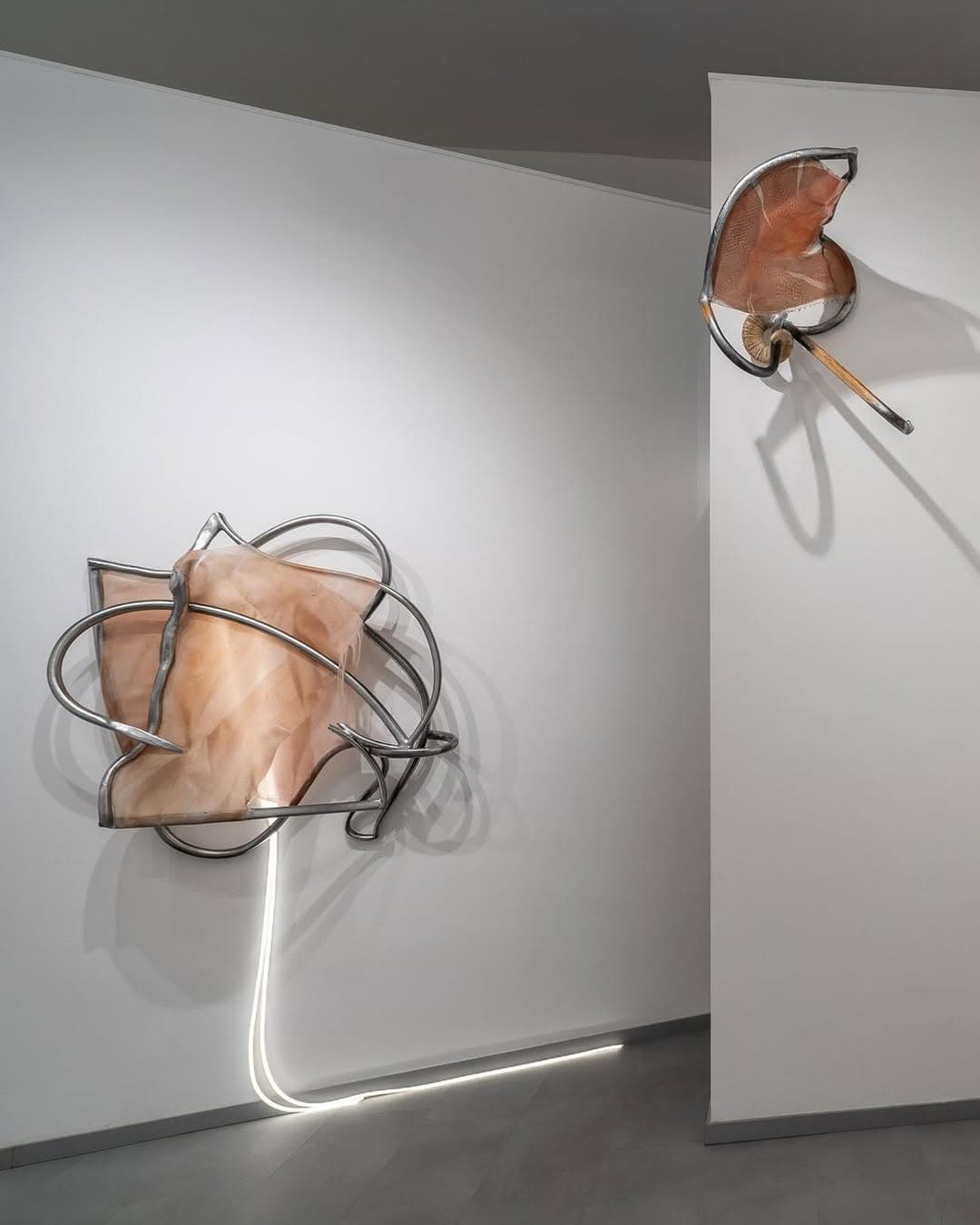
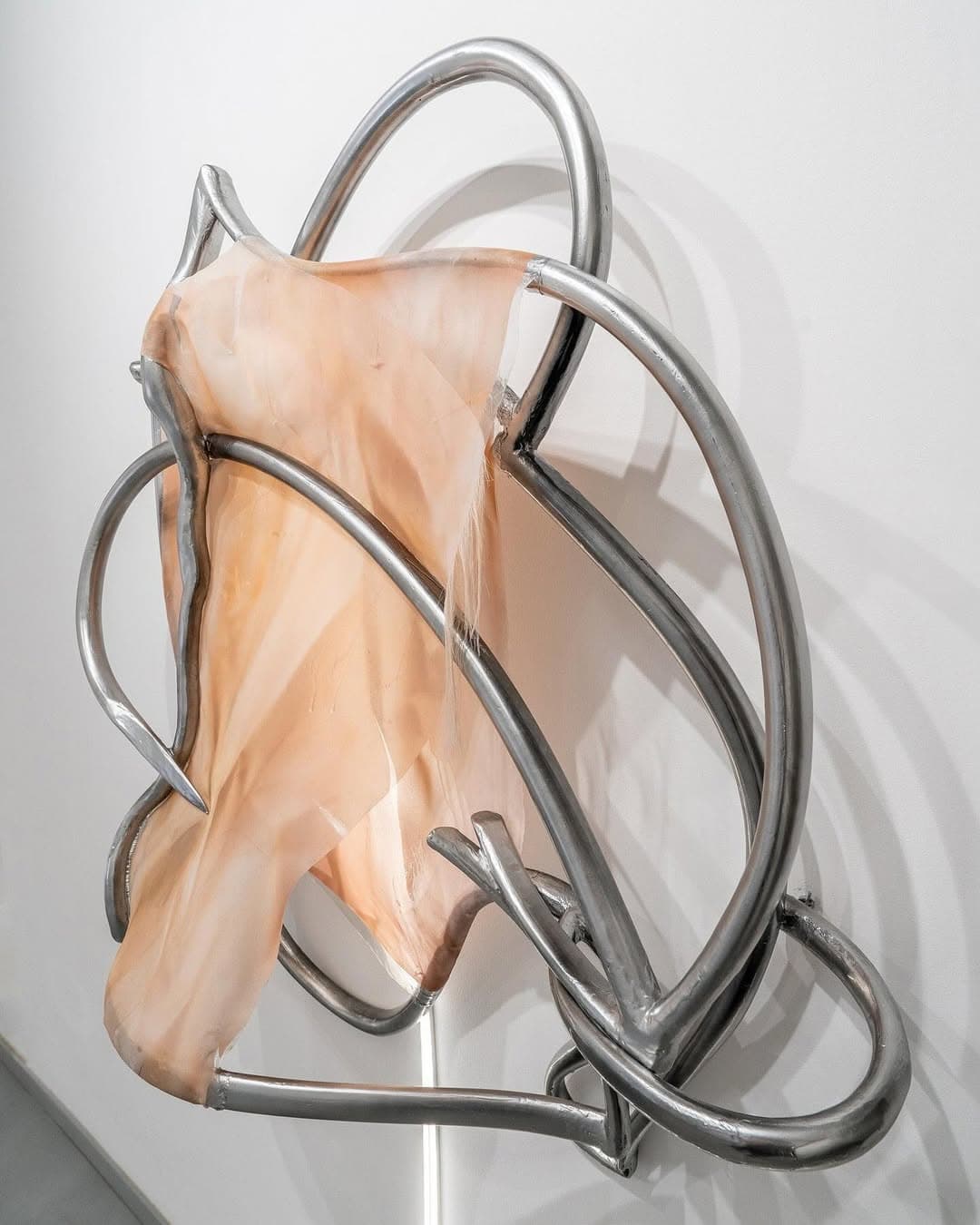
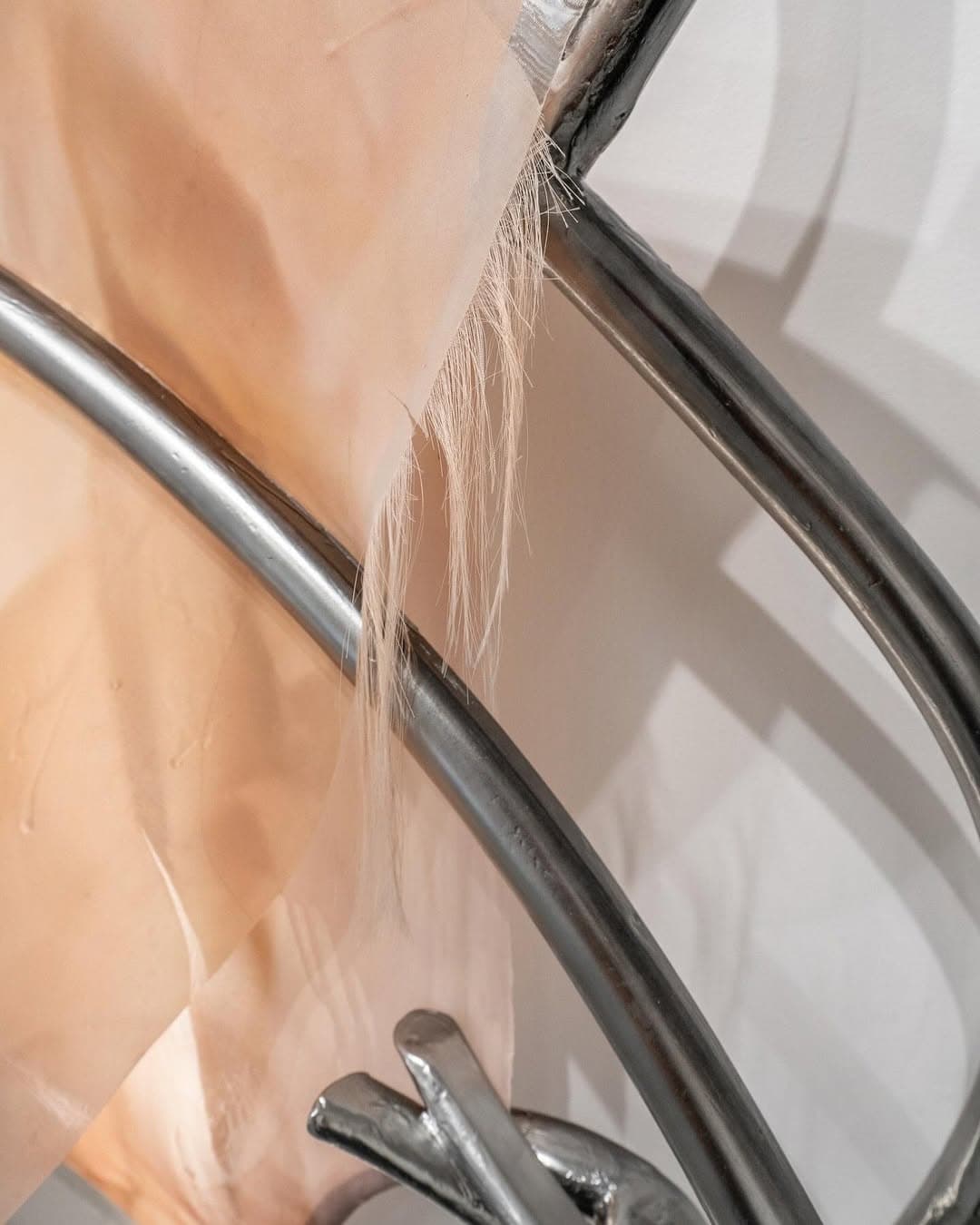
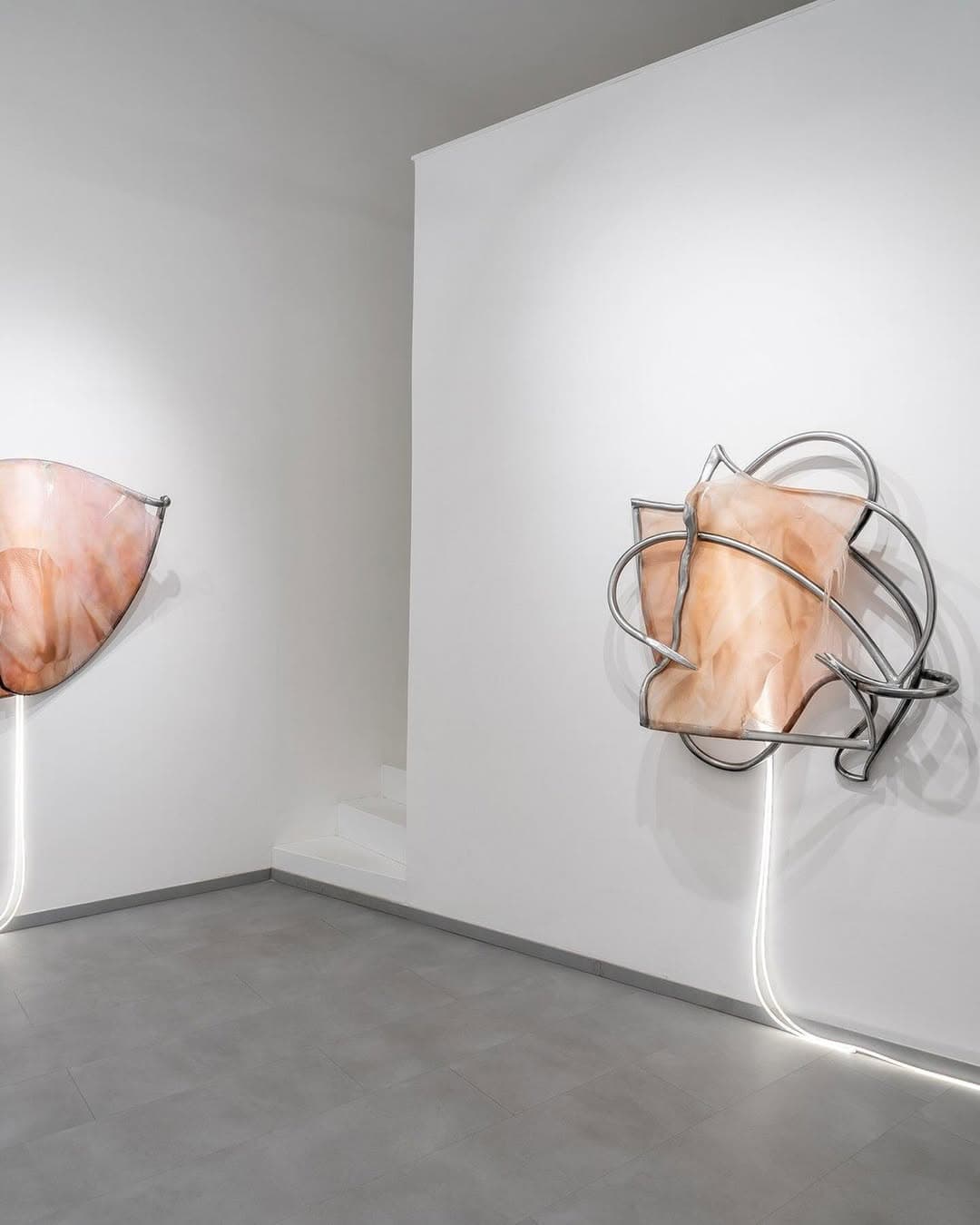
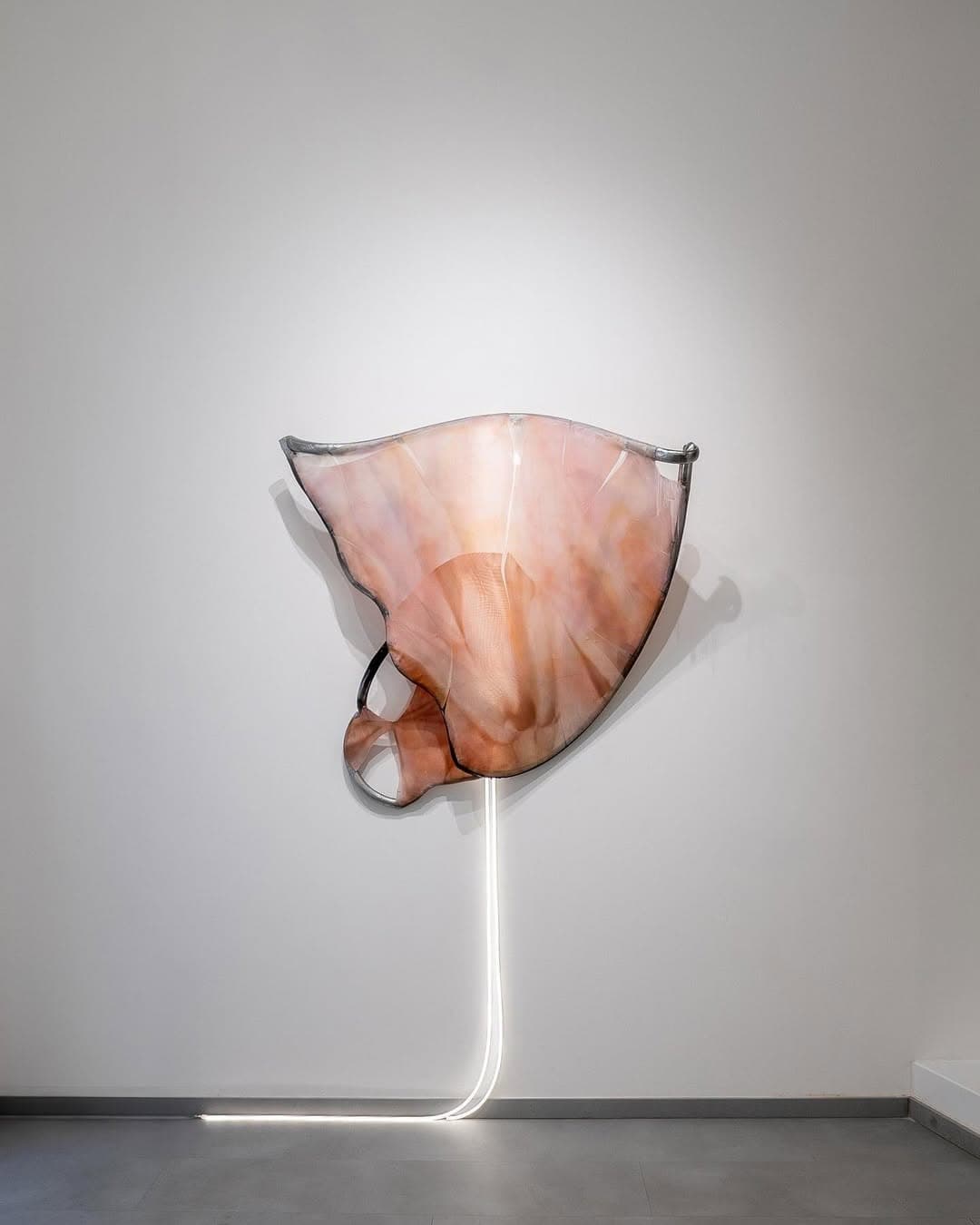
Budapest / 2024
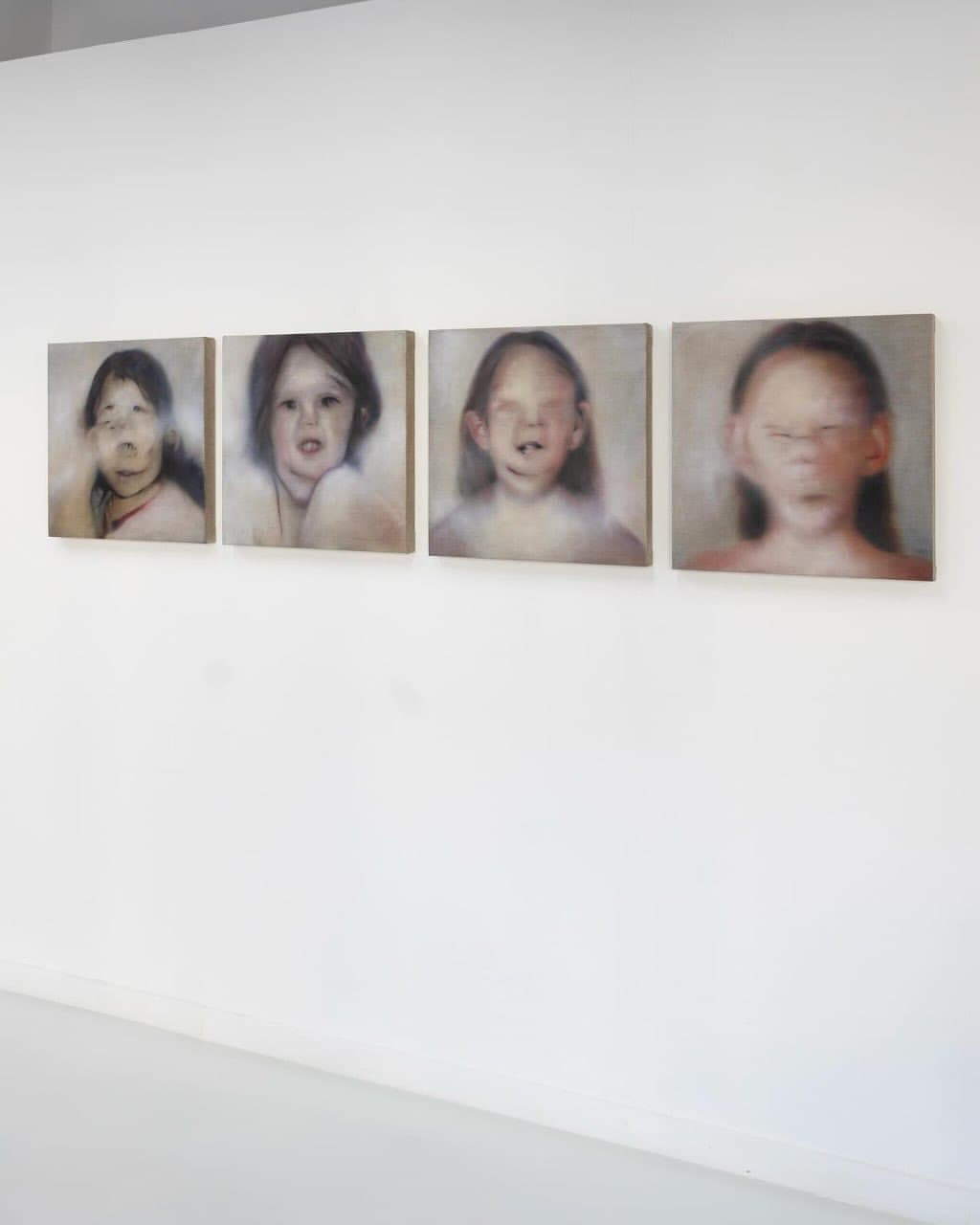
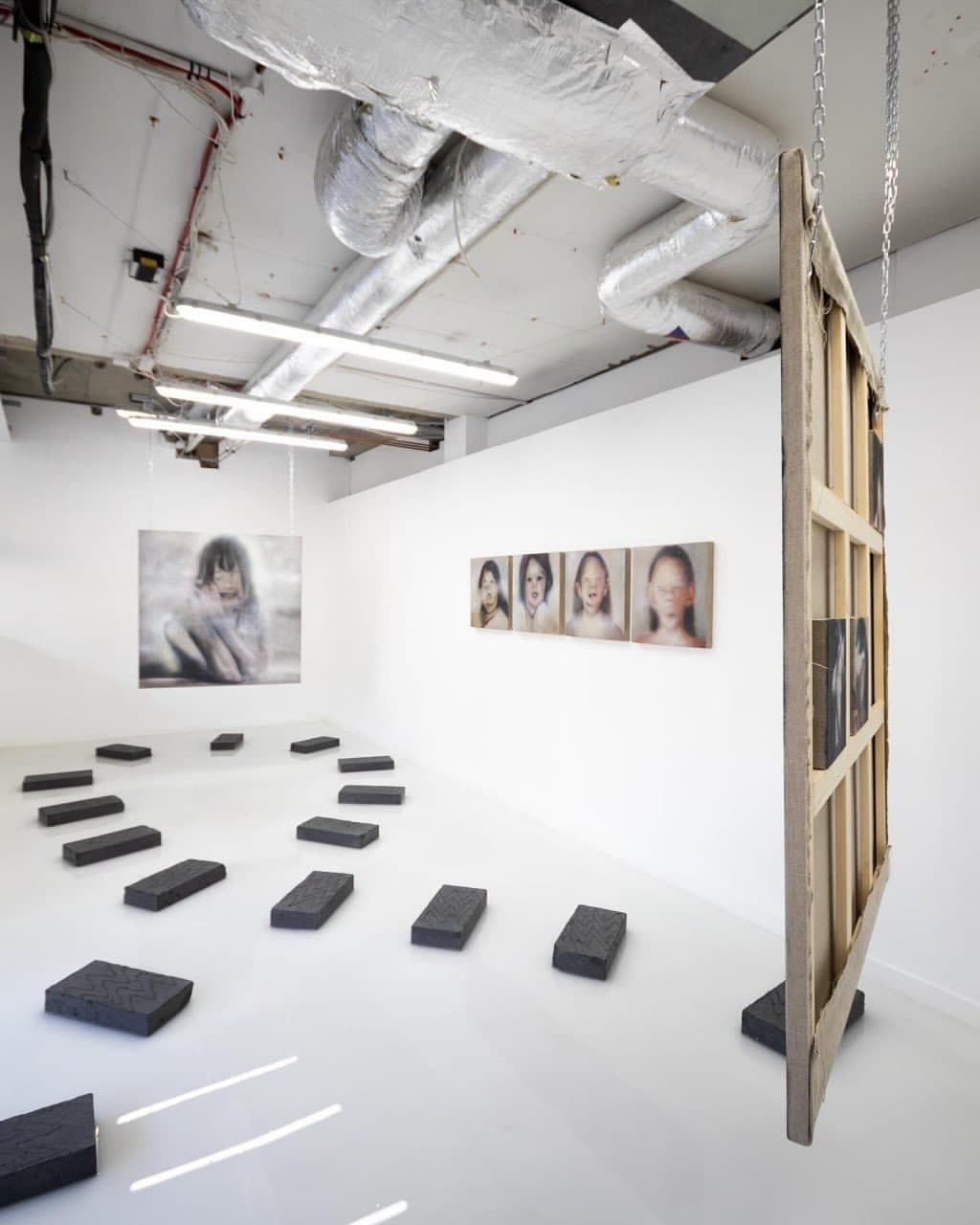
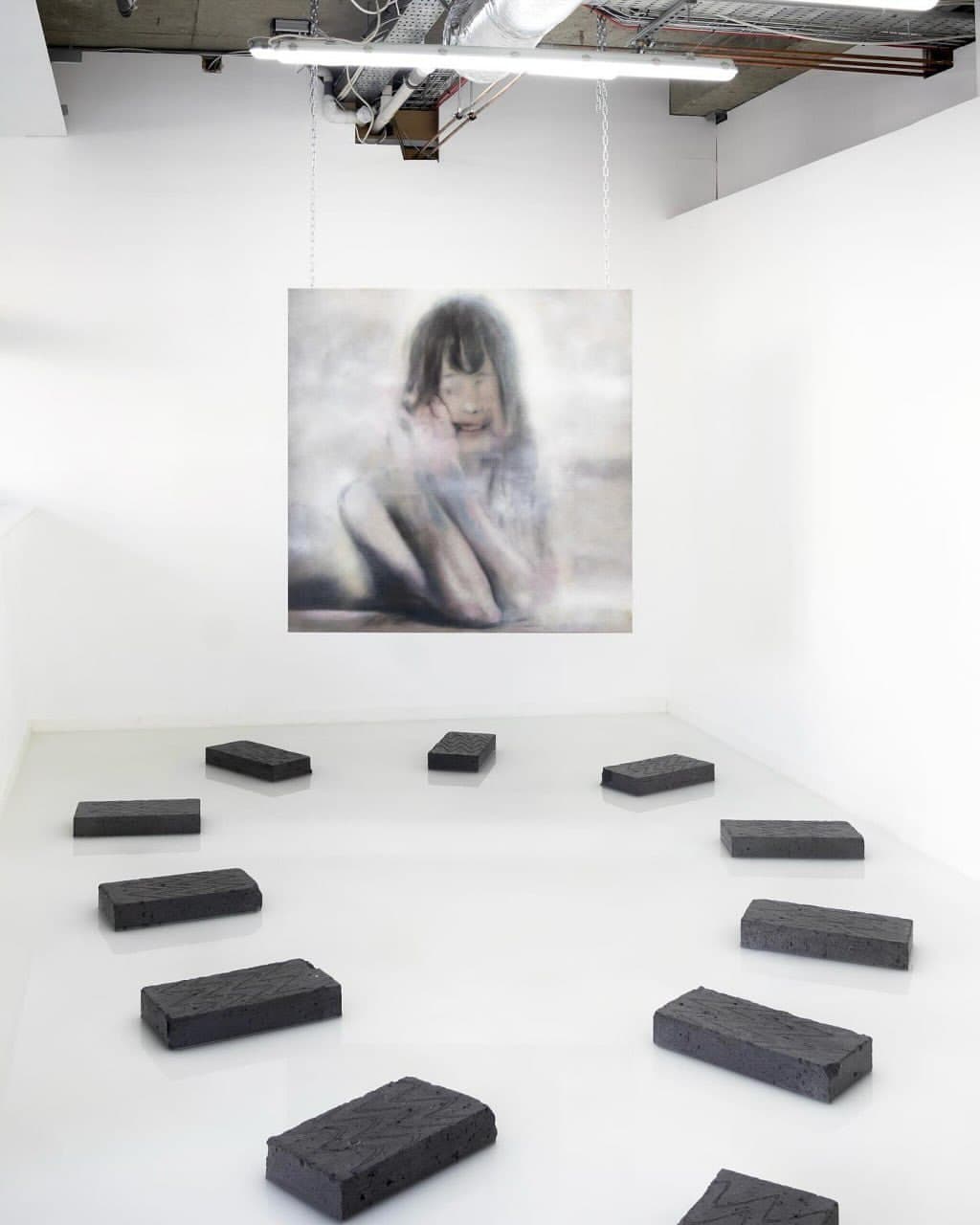
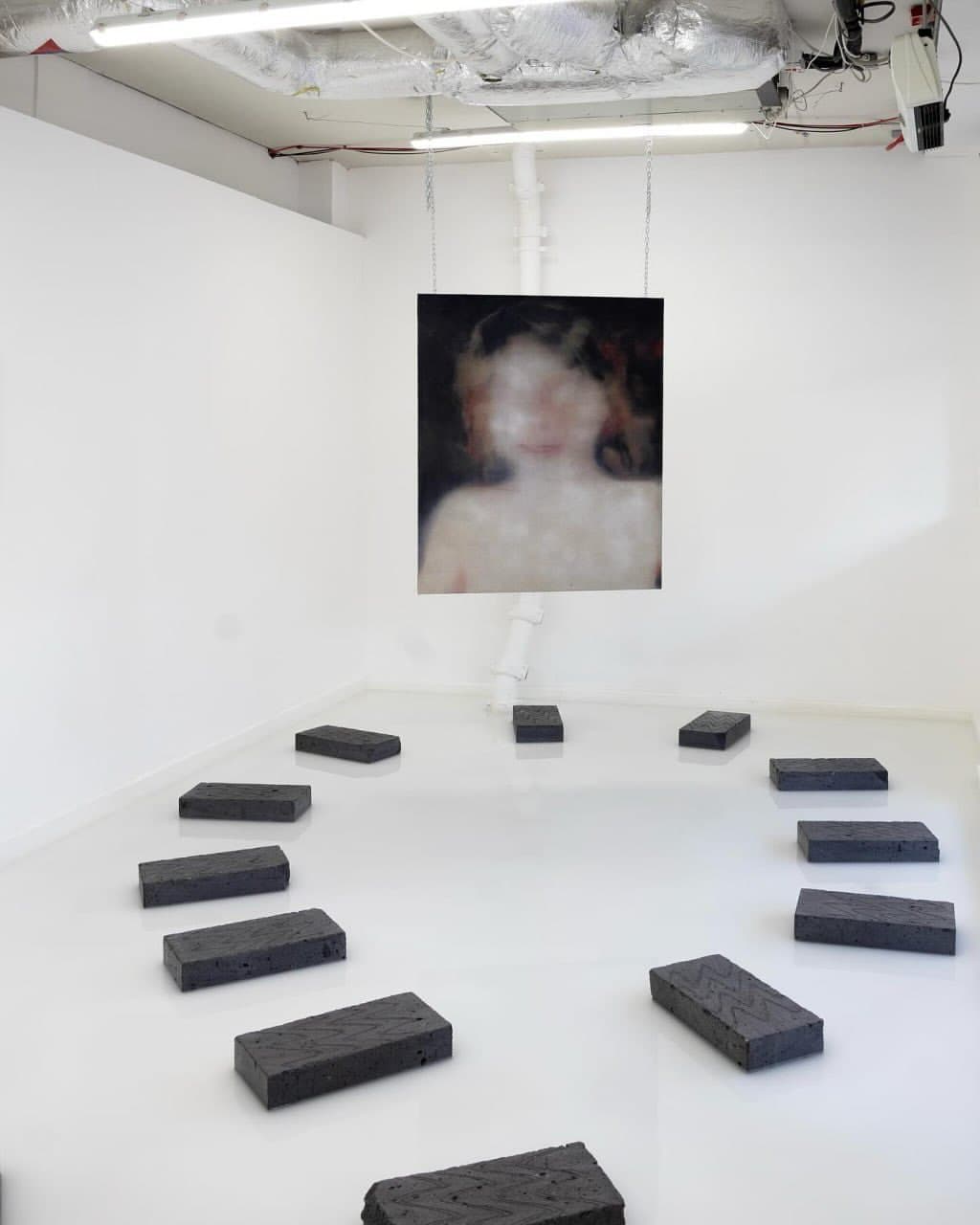
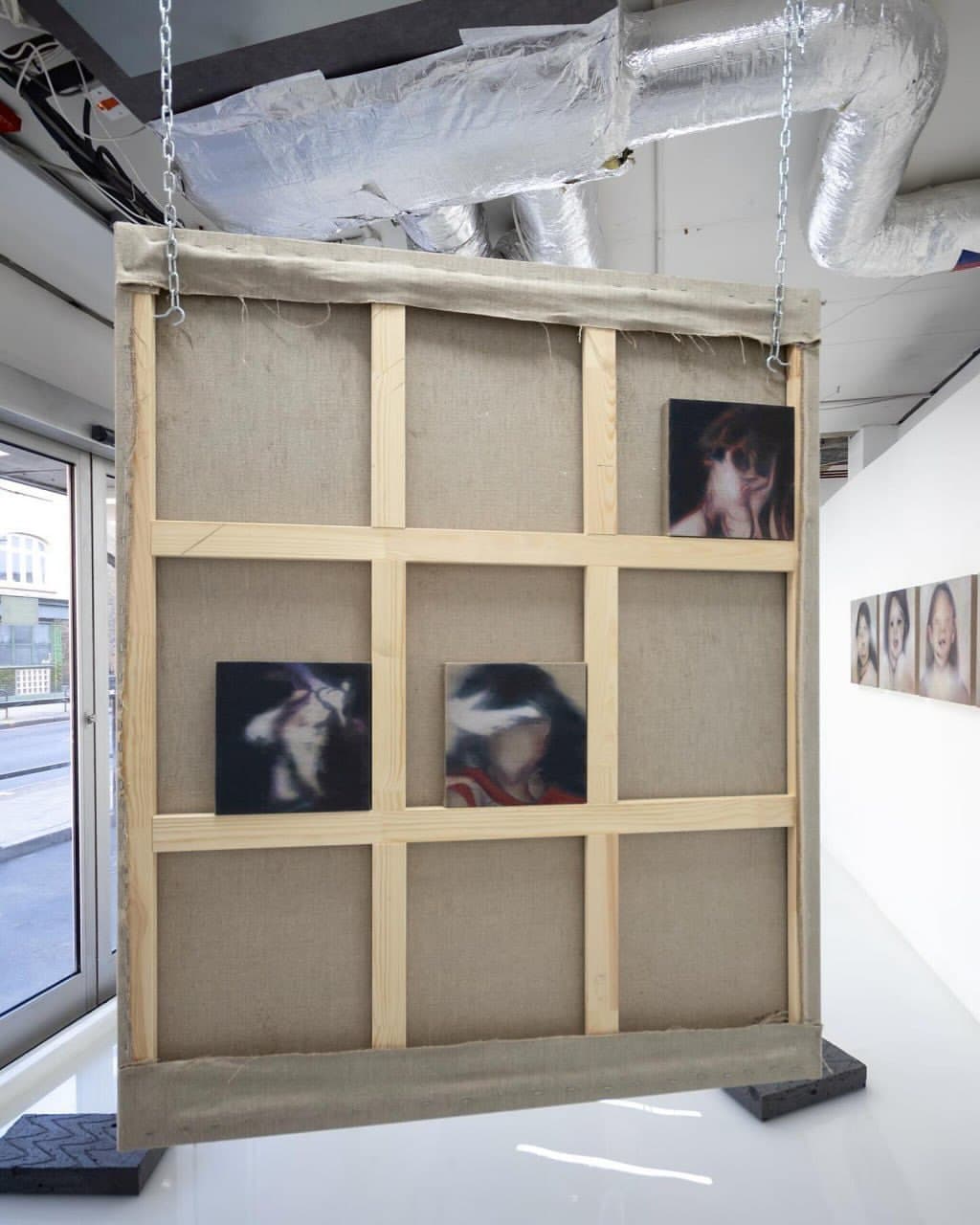
London / 2024
%2Fphoto_1_2026-05-24_00-42-04.jpg&w=1200&q=75)
Milan / 2025
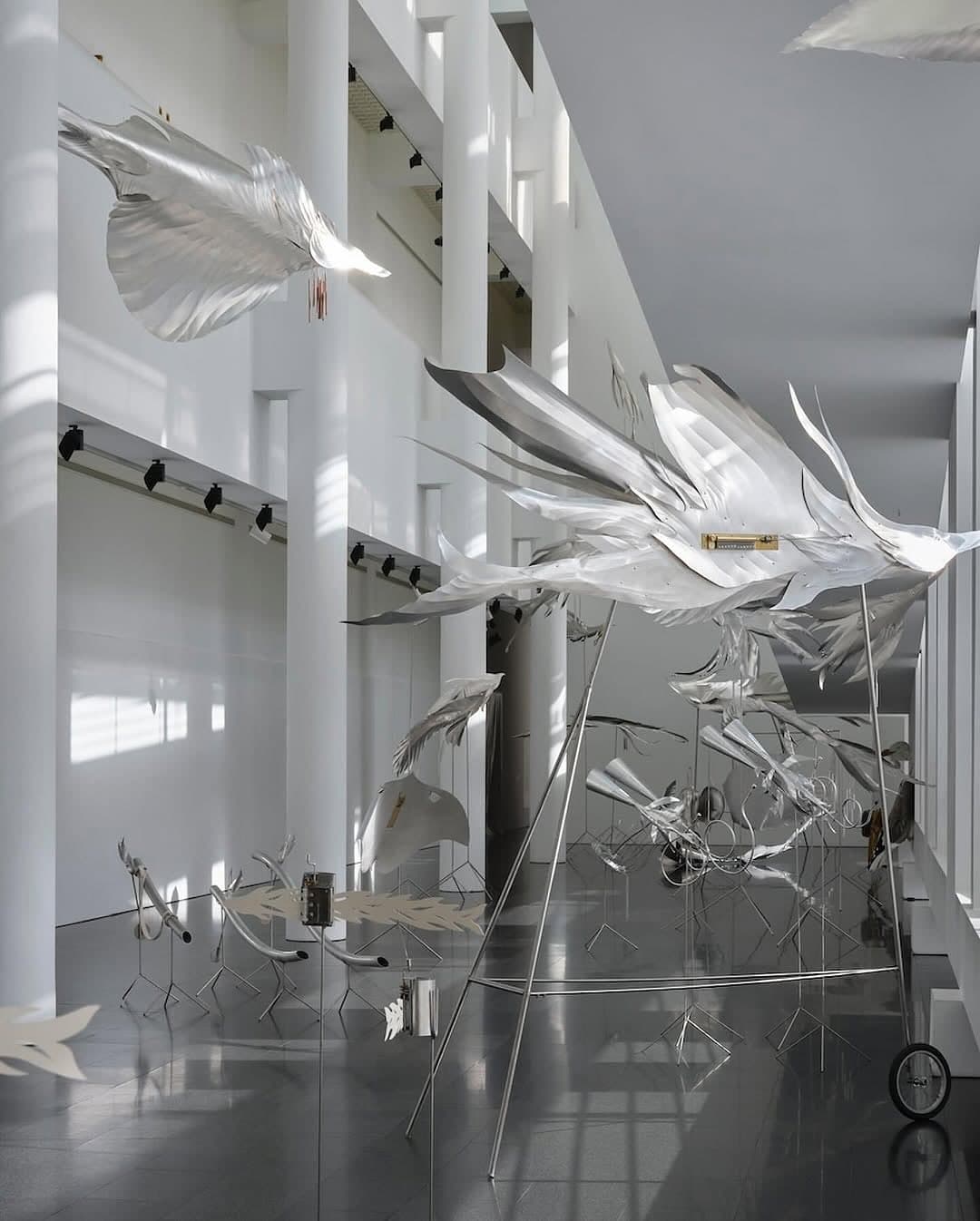
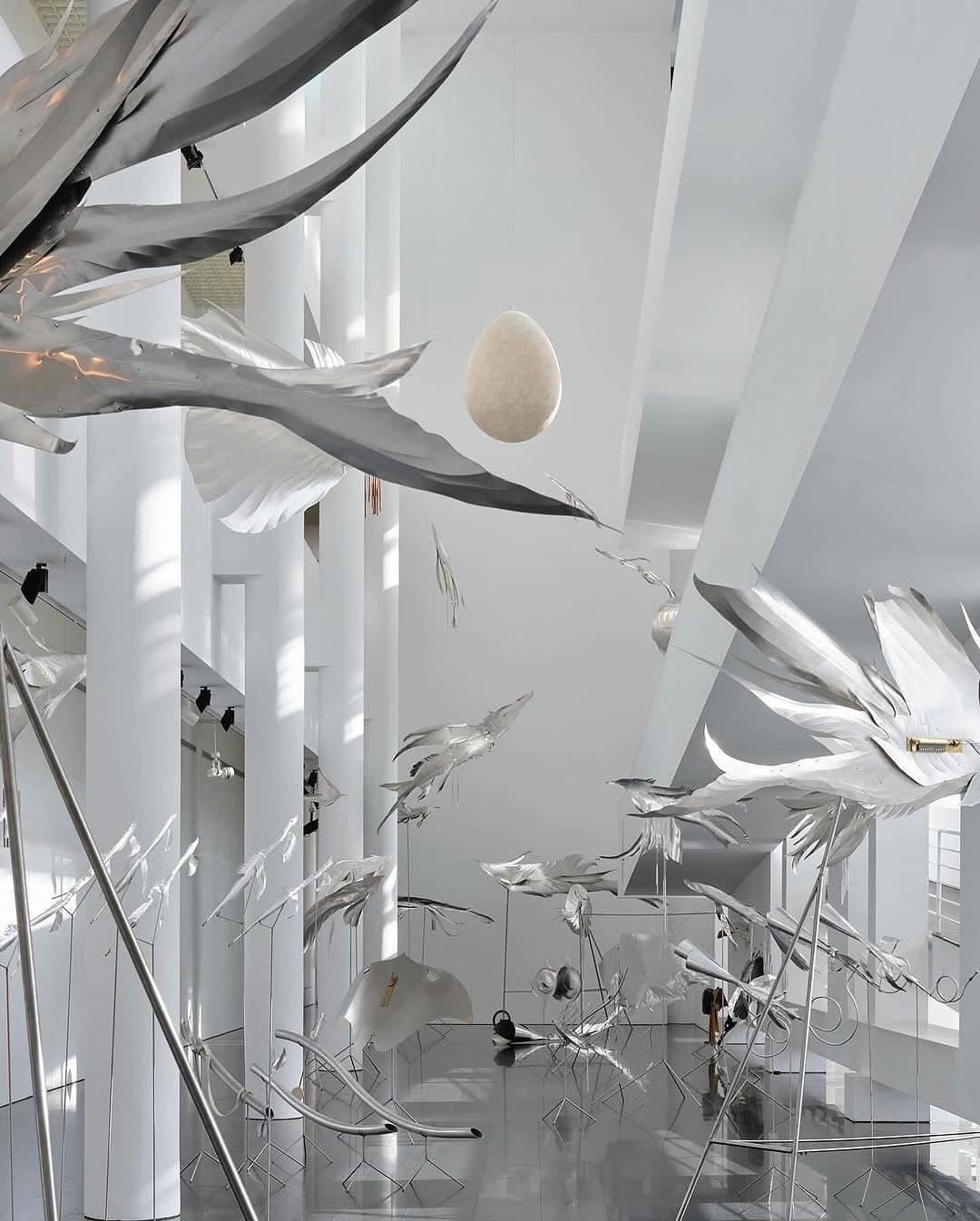
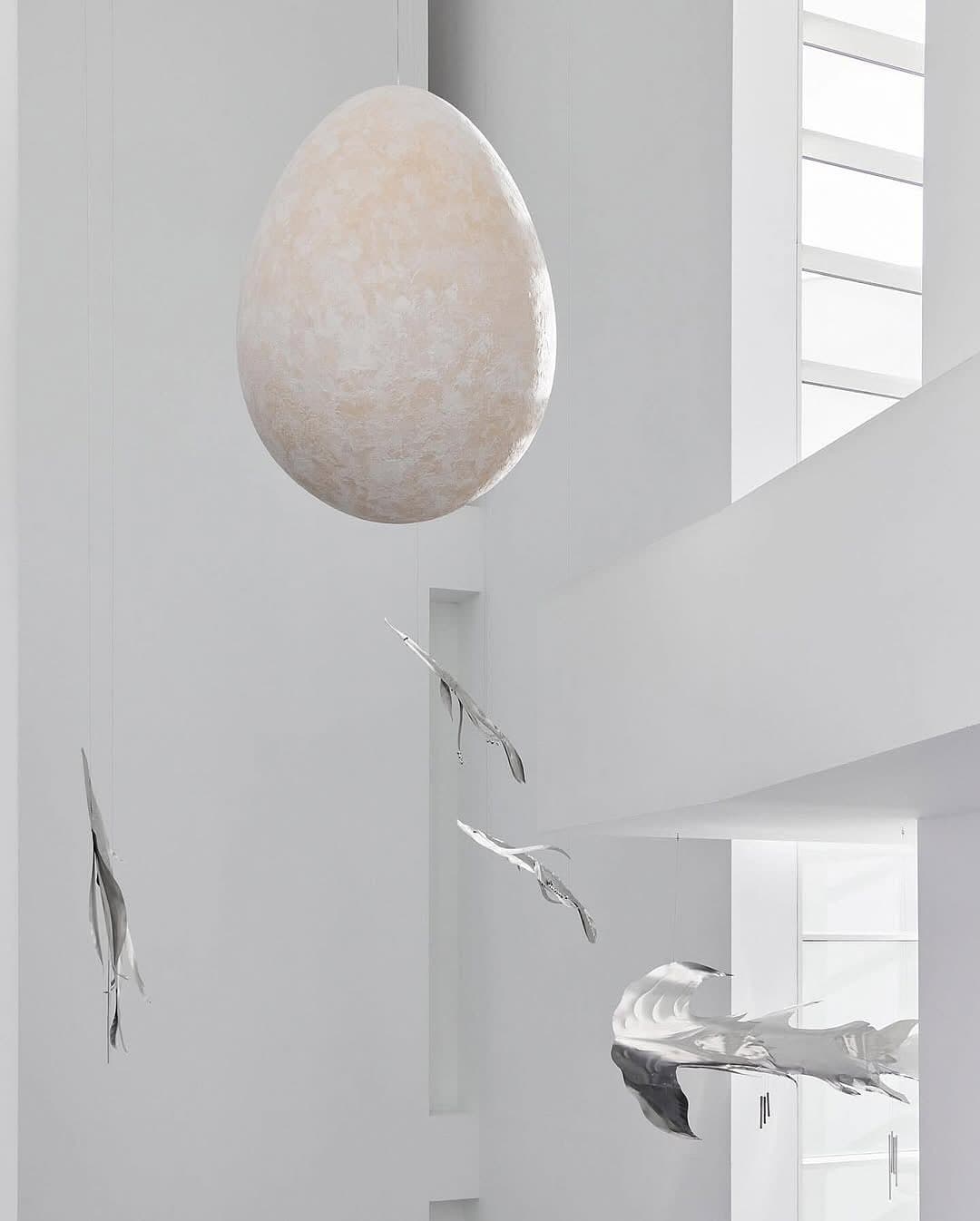
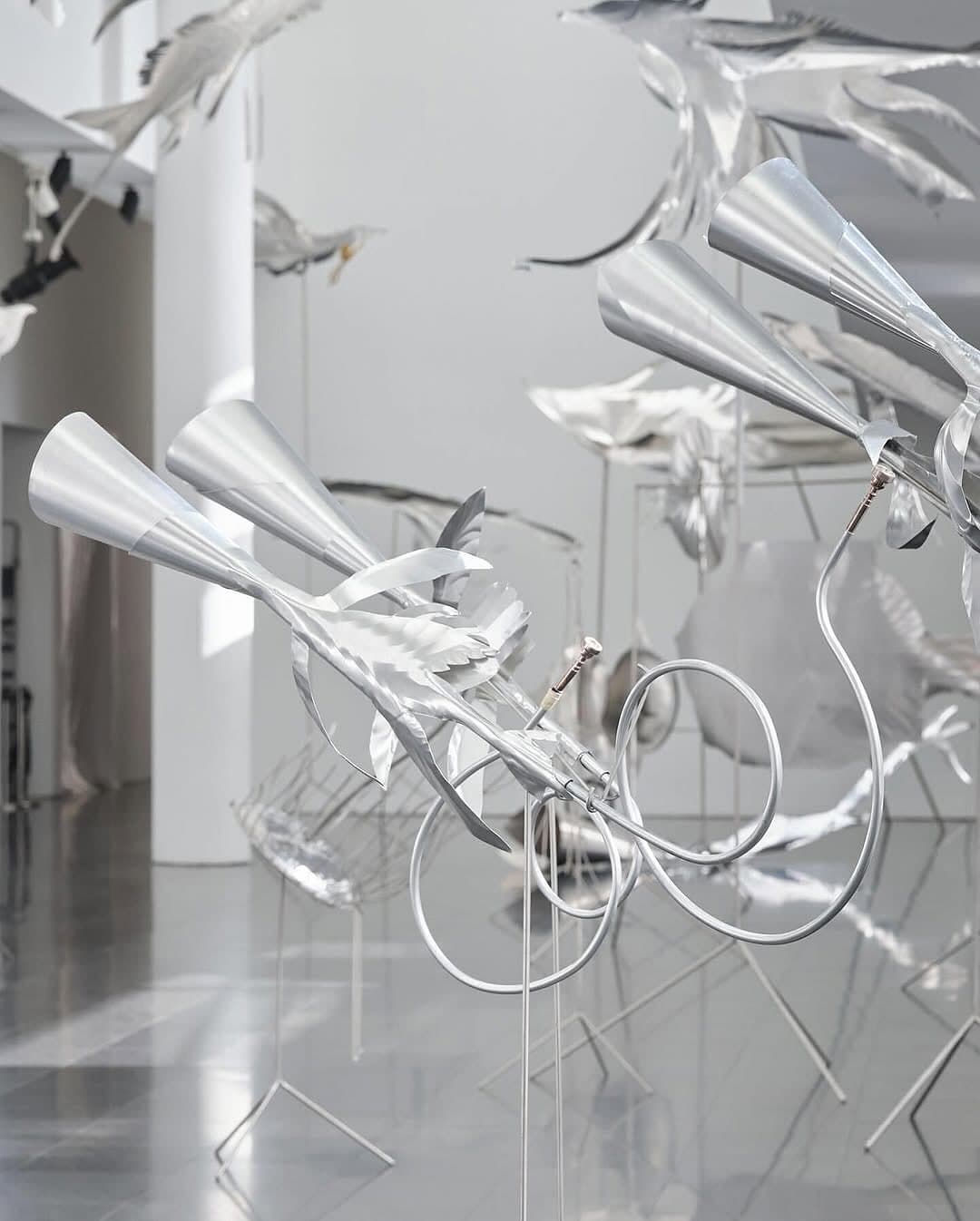
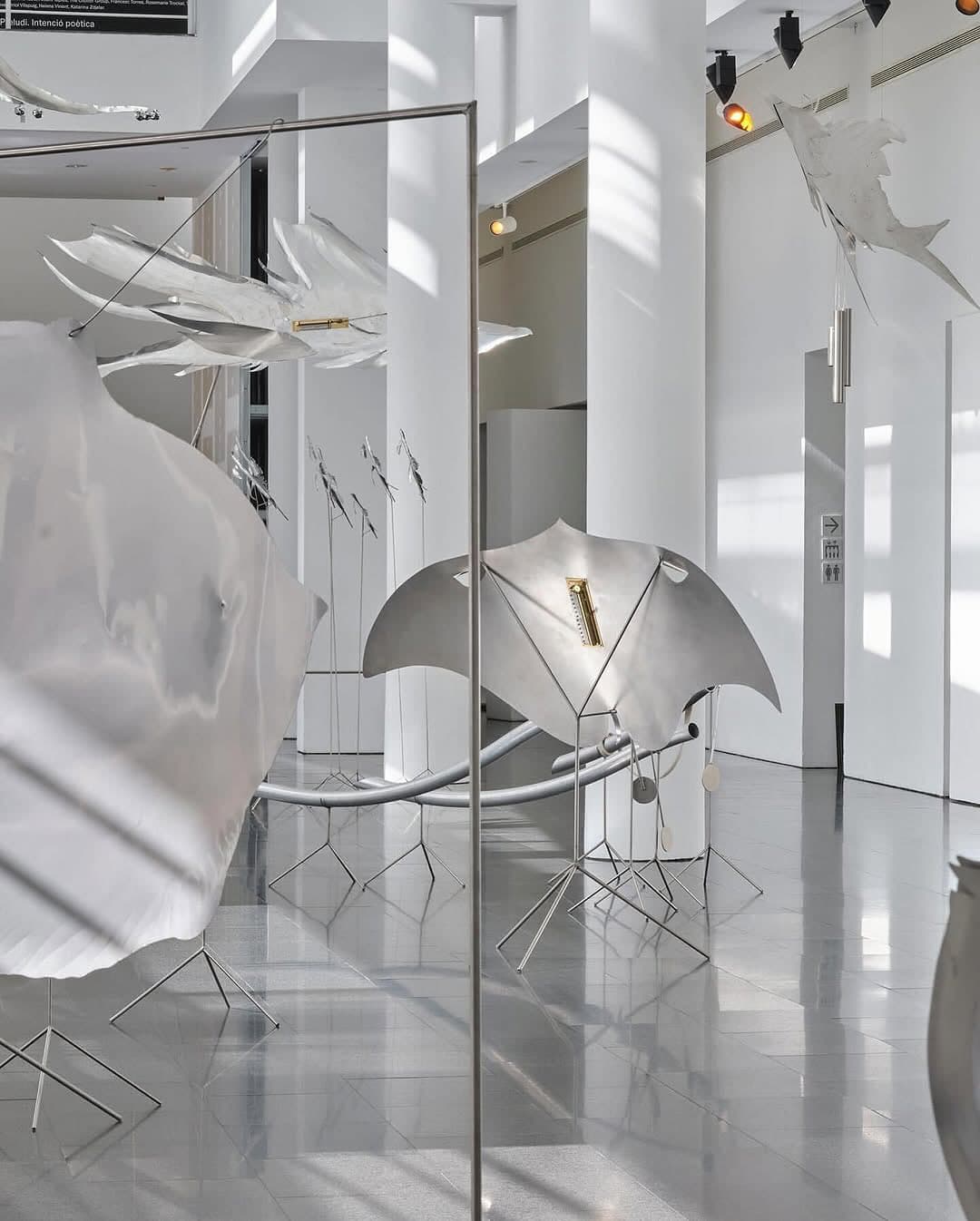
Barcelona / 2024-2025
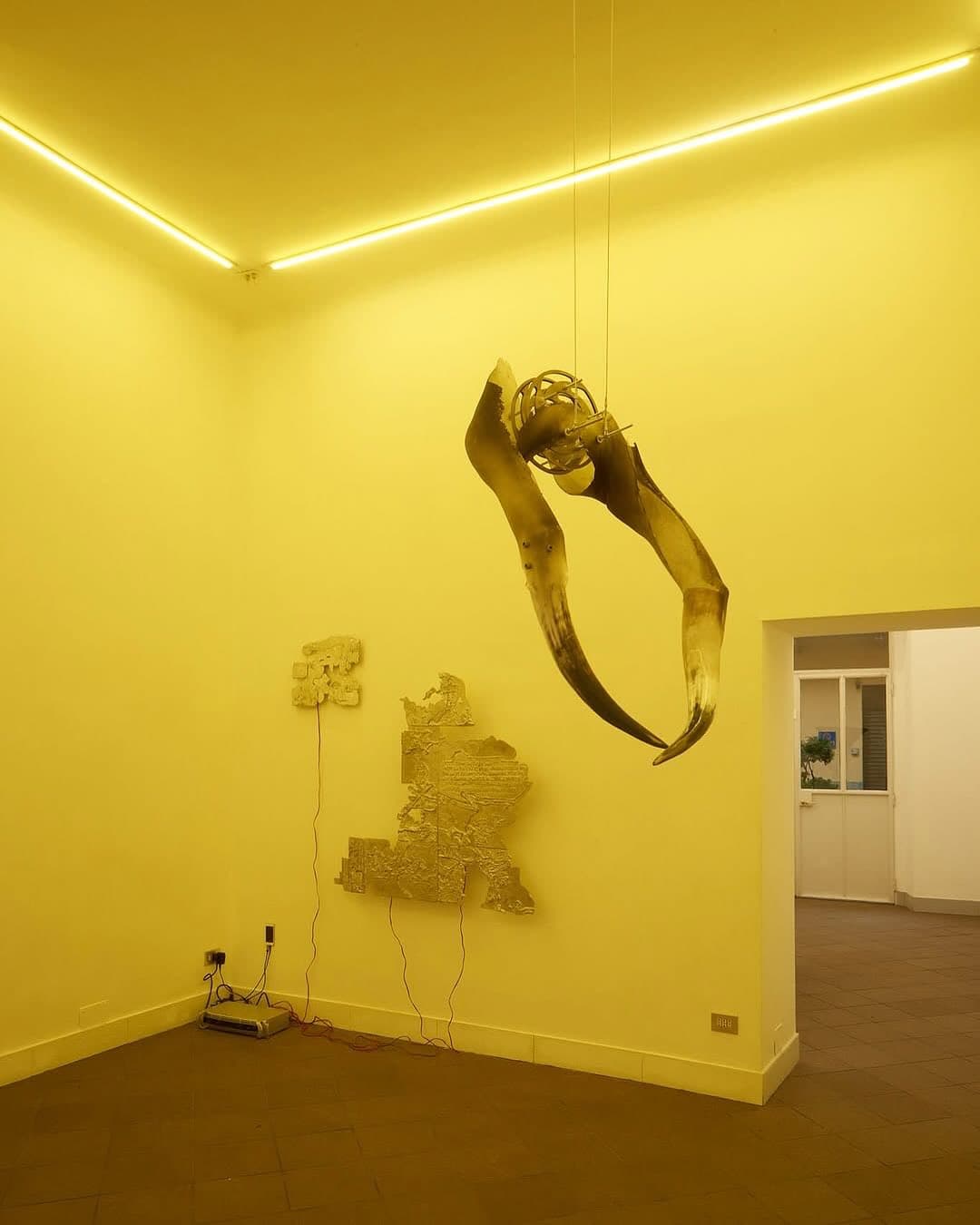
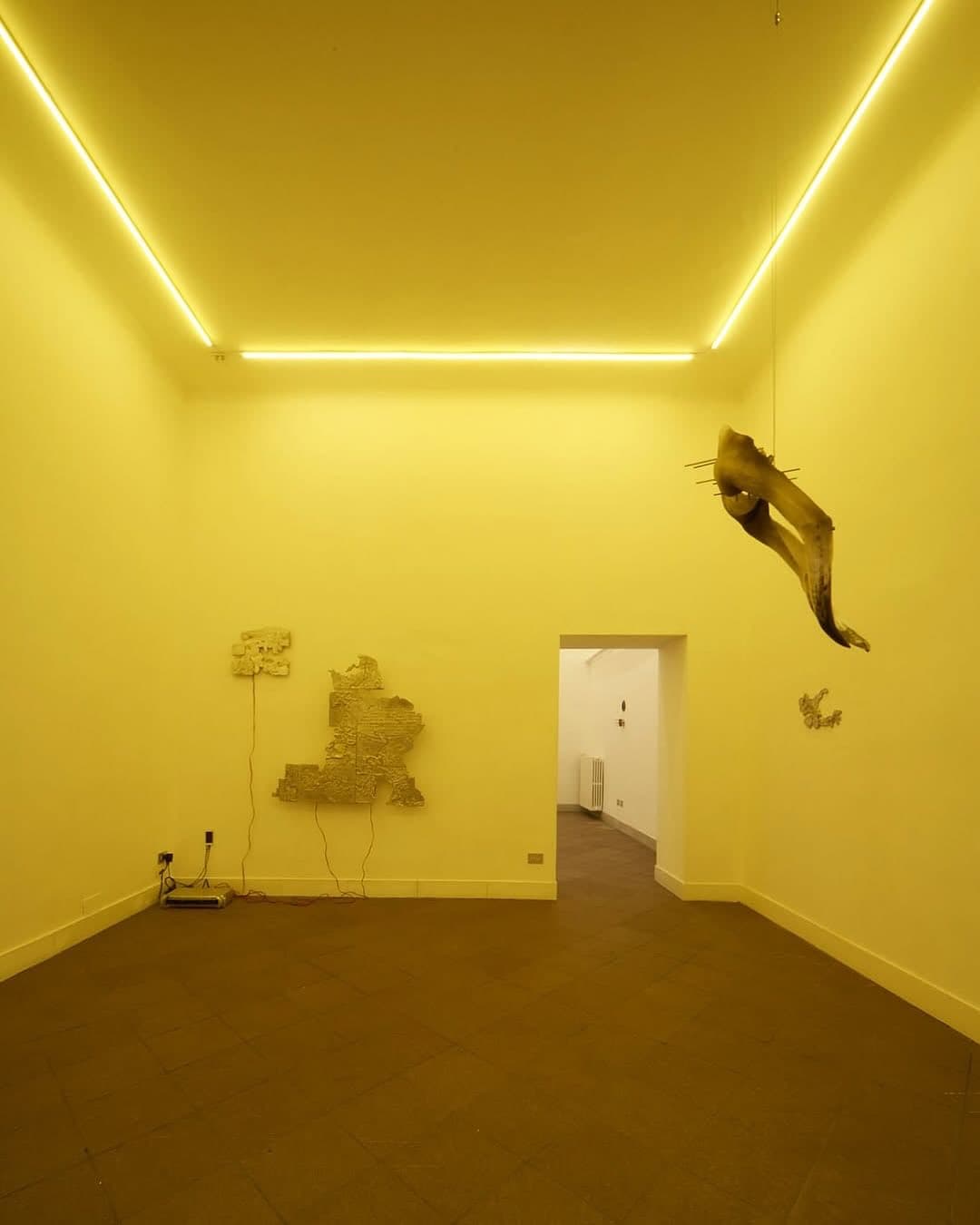
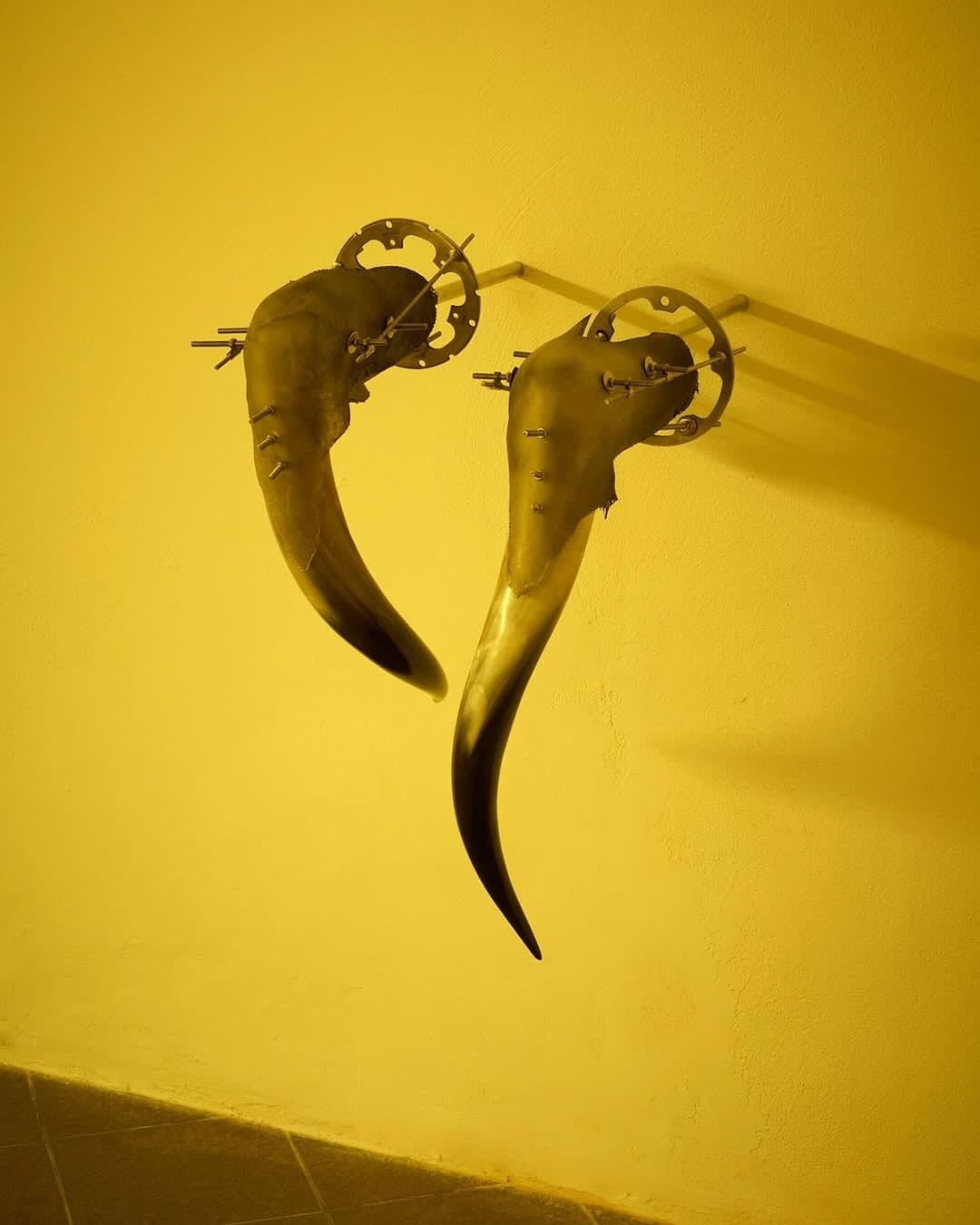
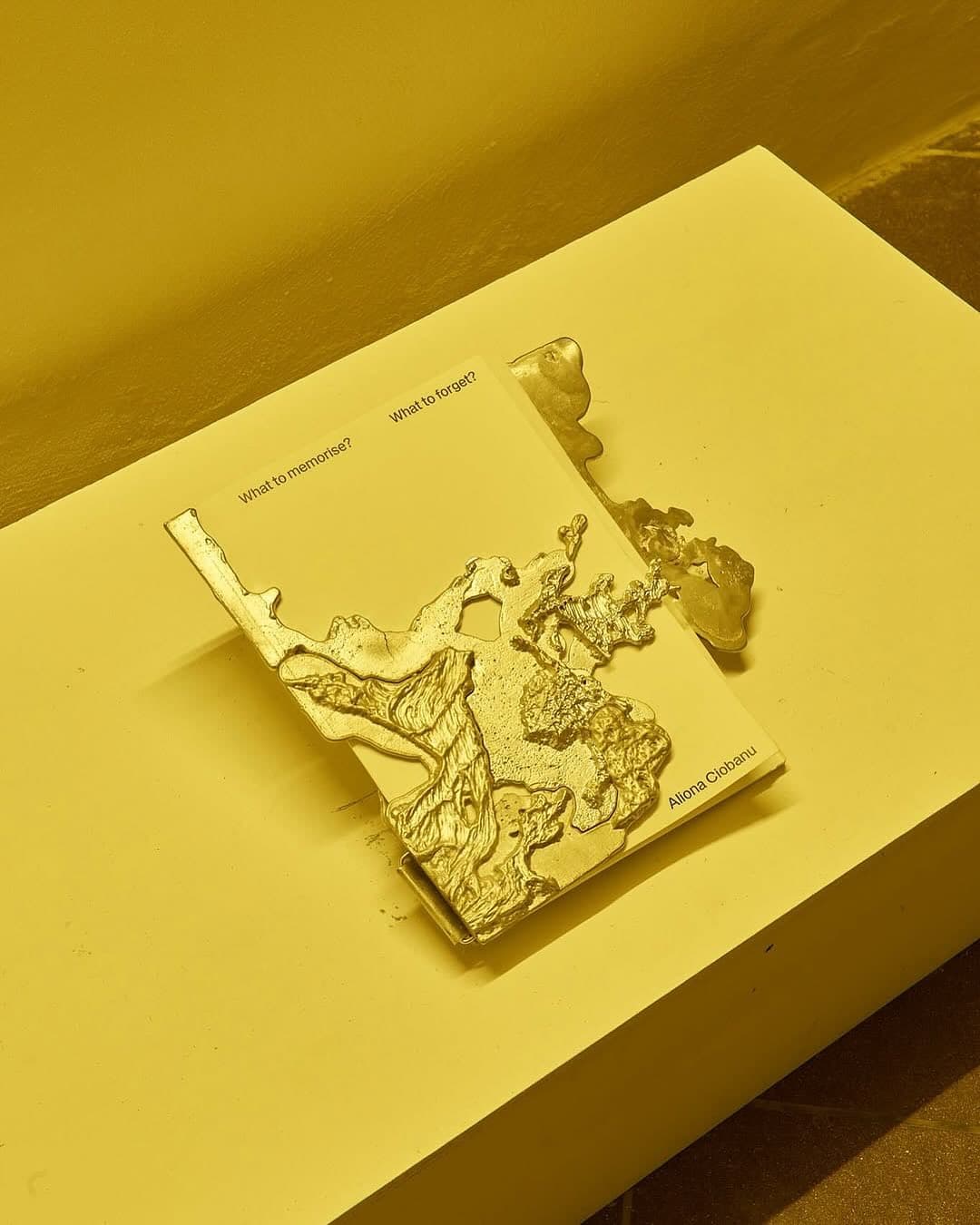
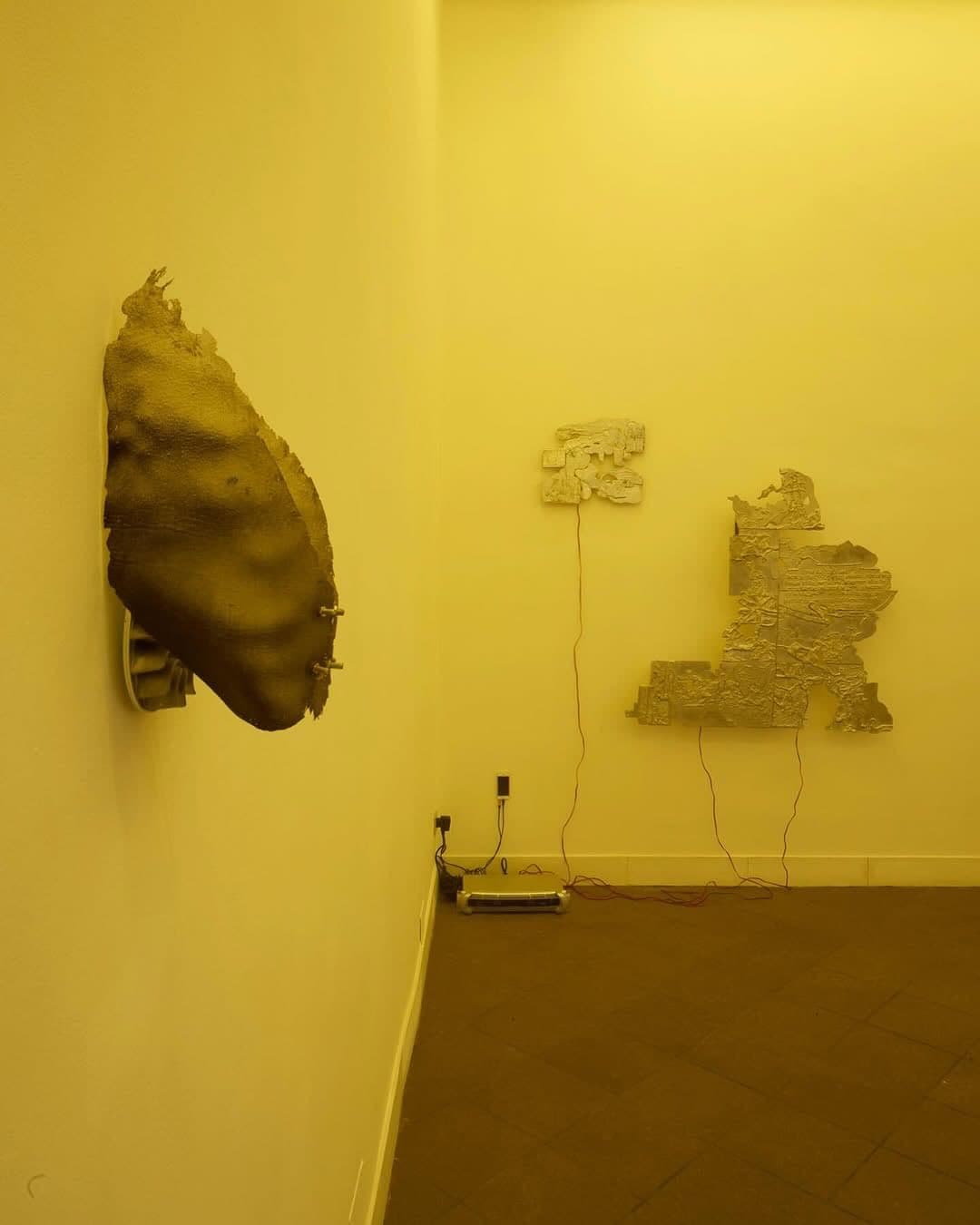
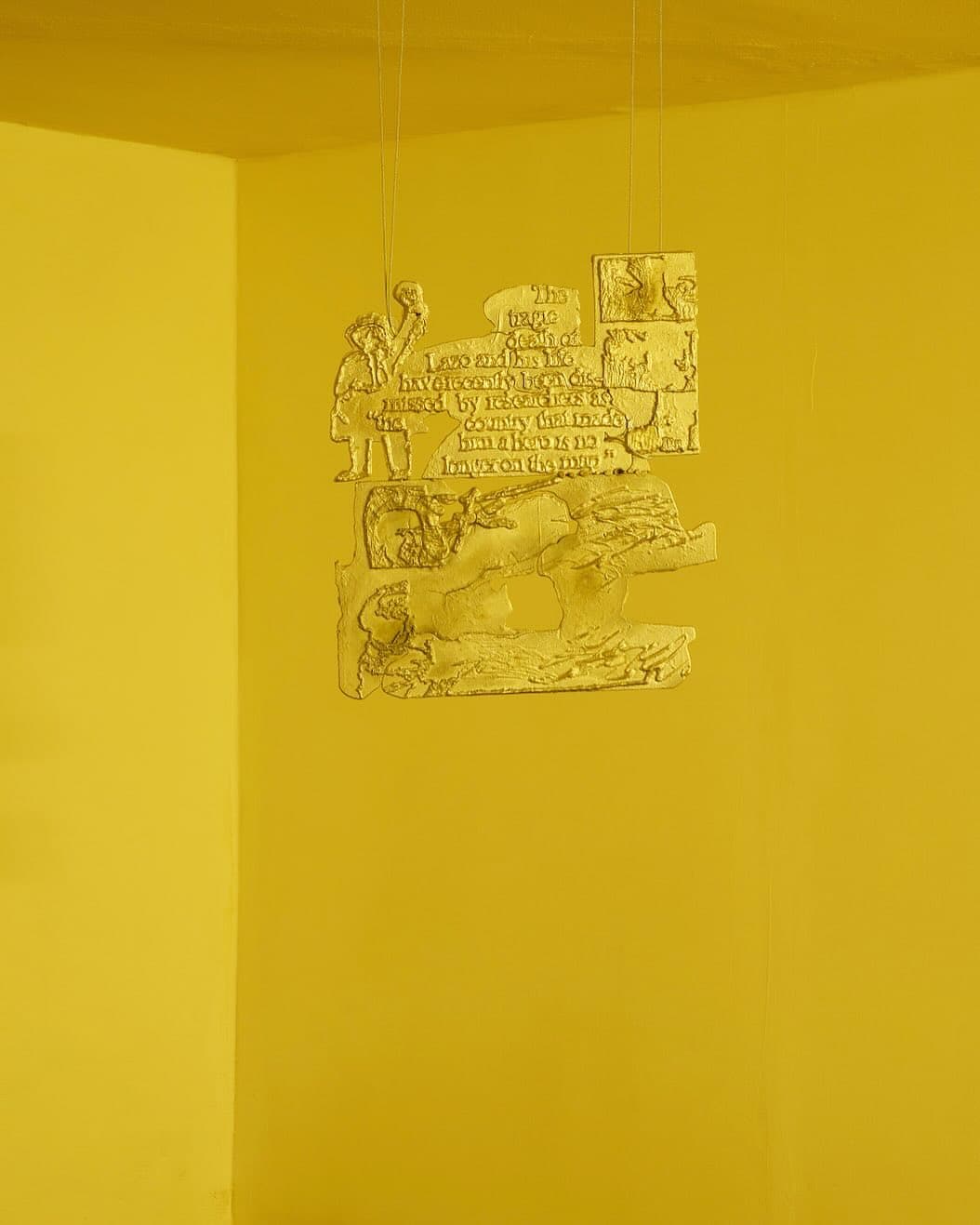
Milan / 2025
Berlin / 2025
Århus / 2025
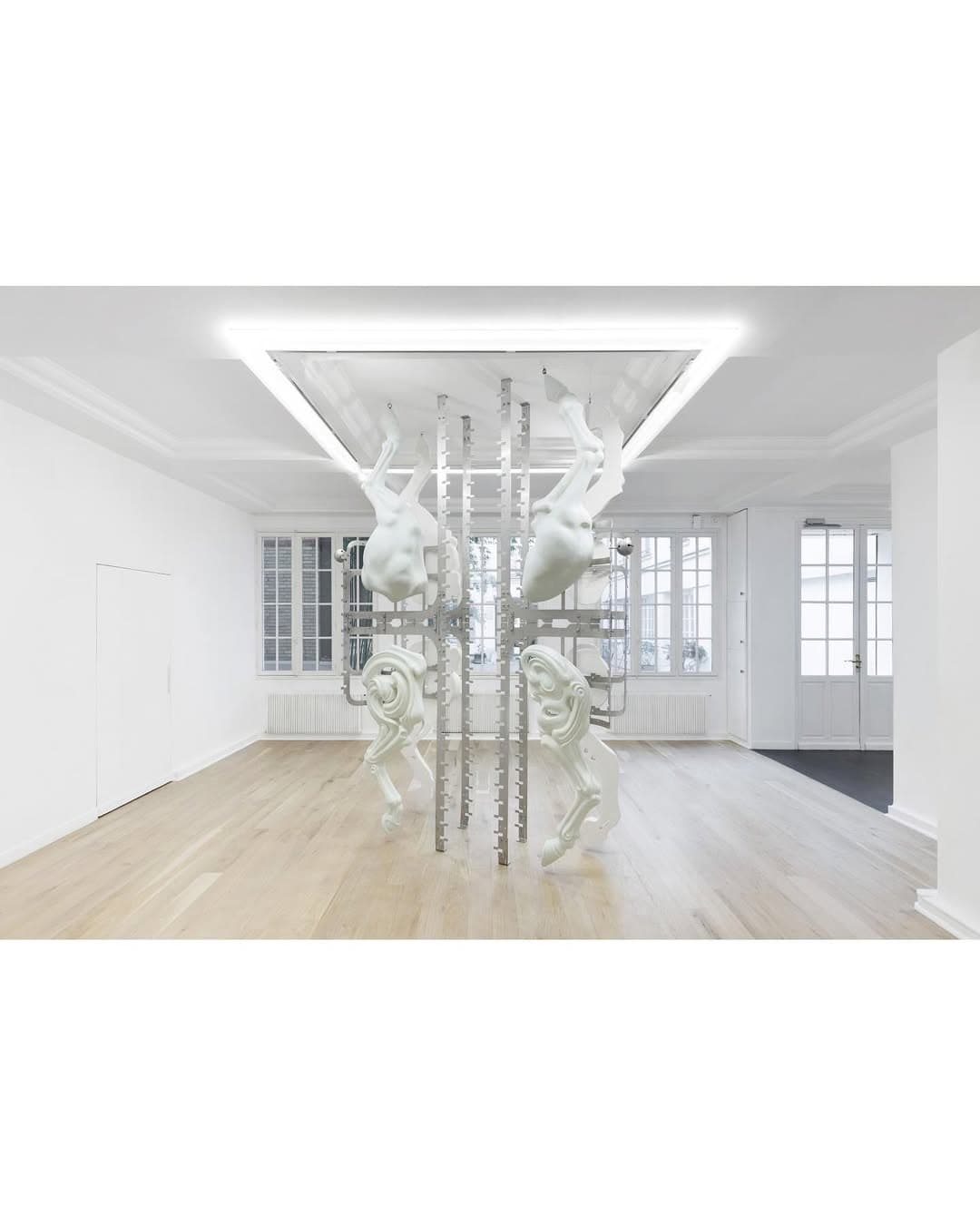
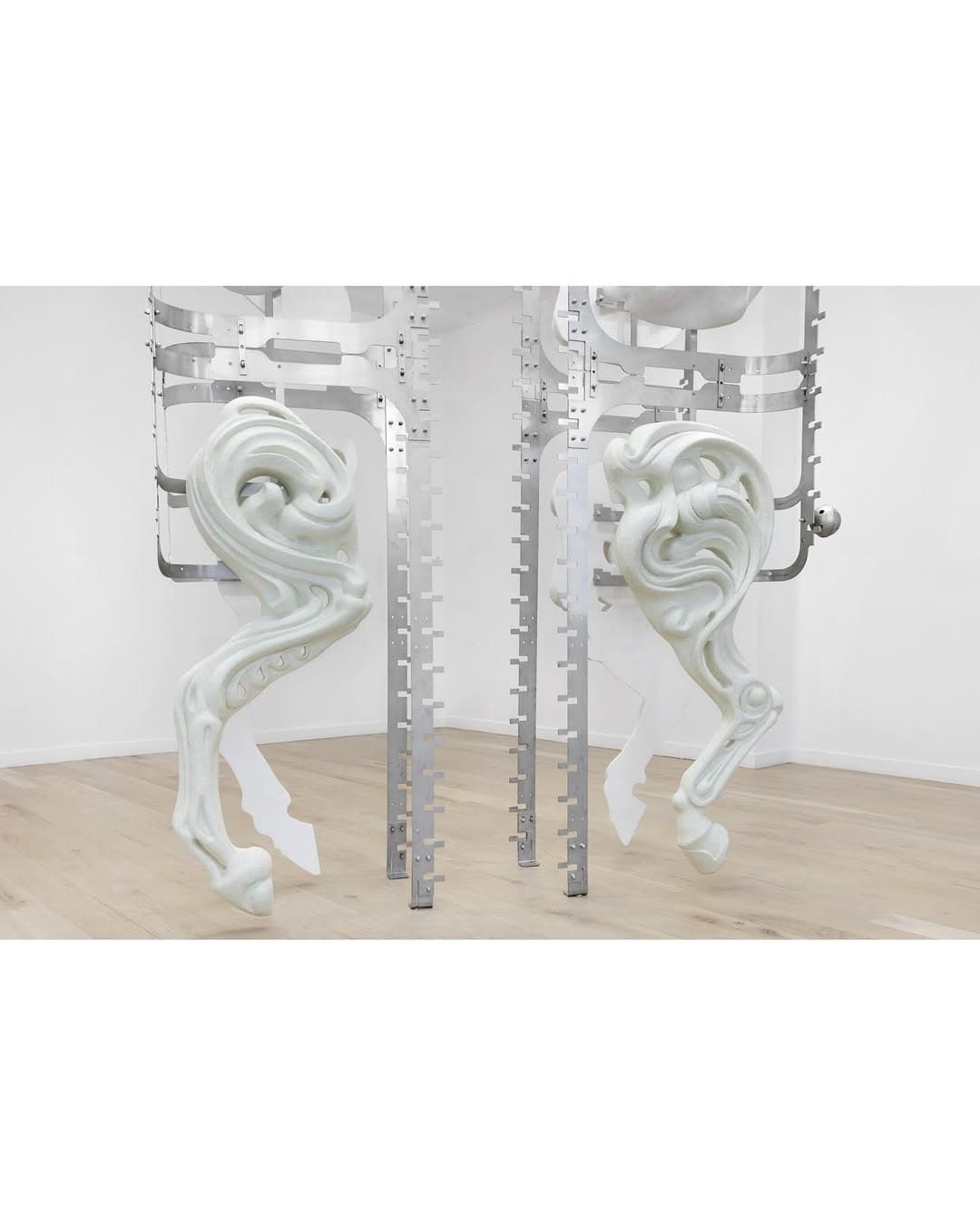
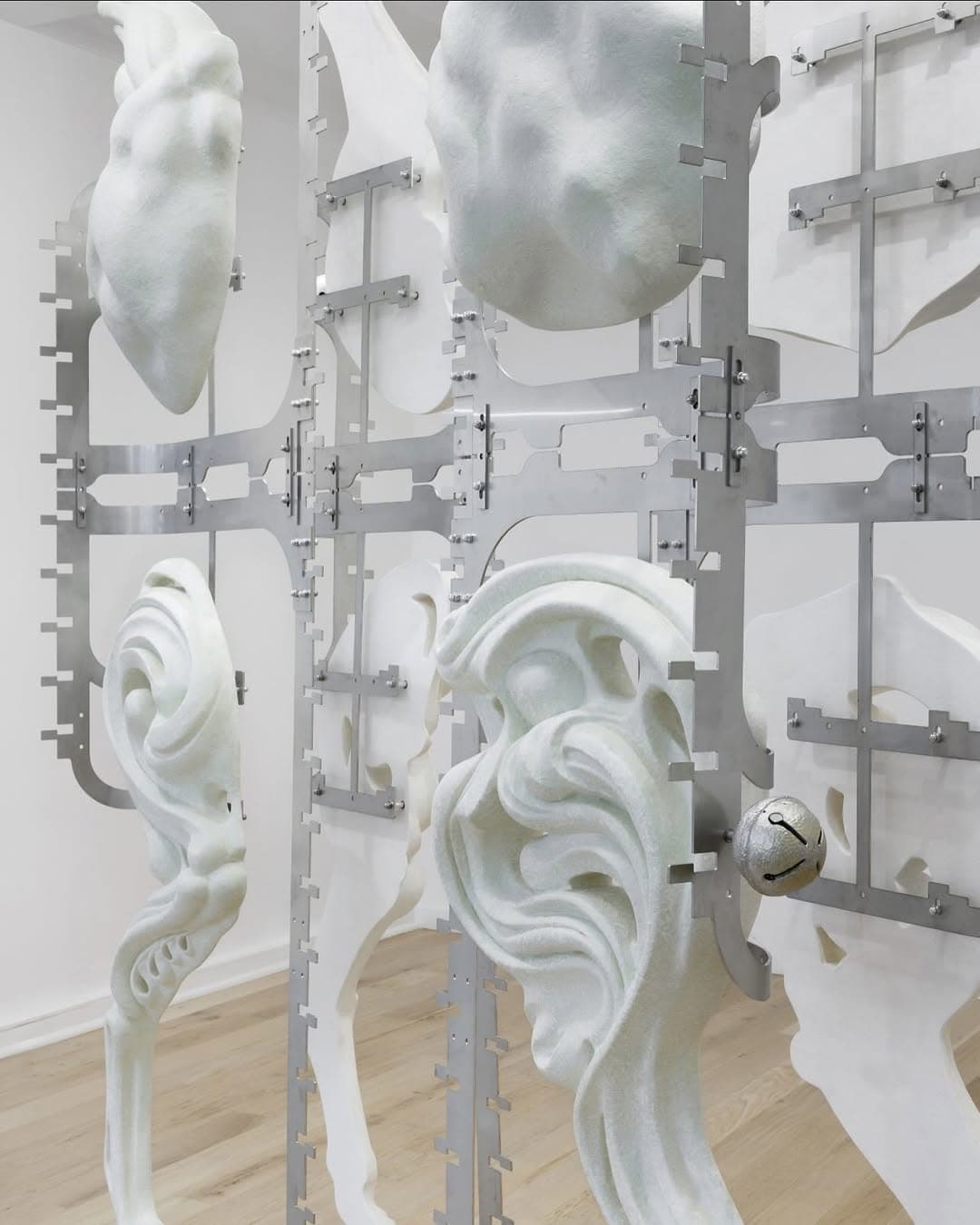
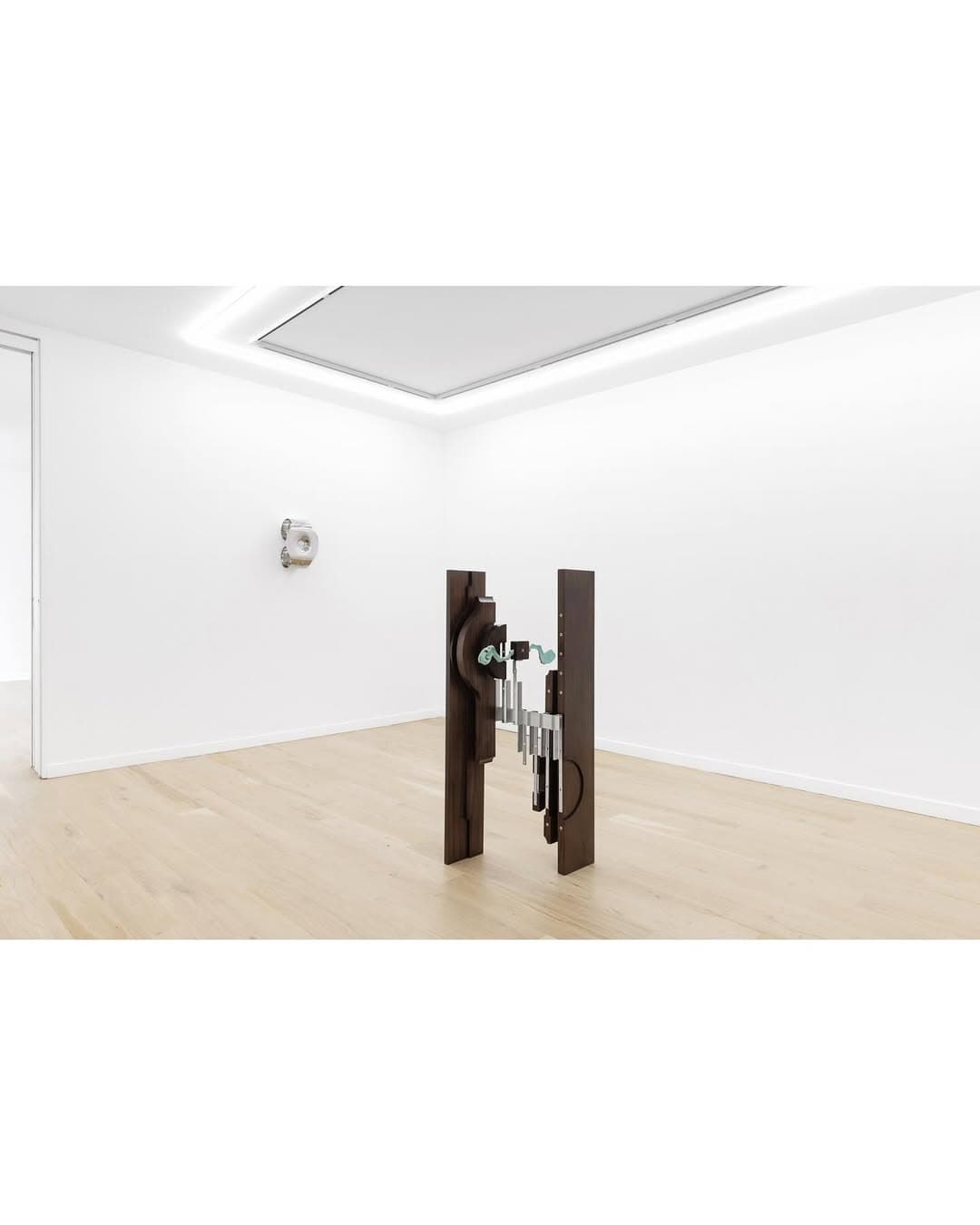
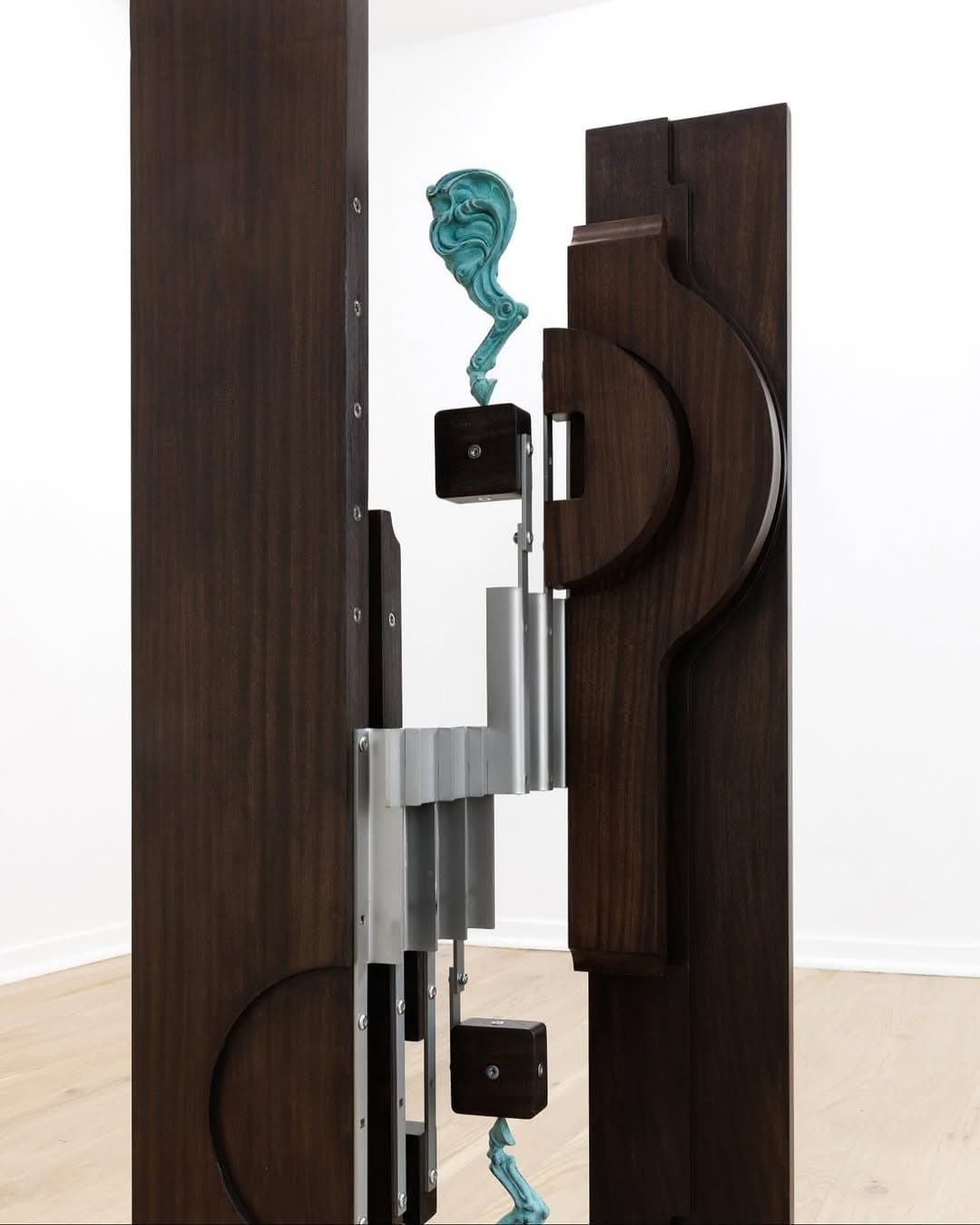
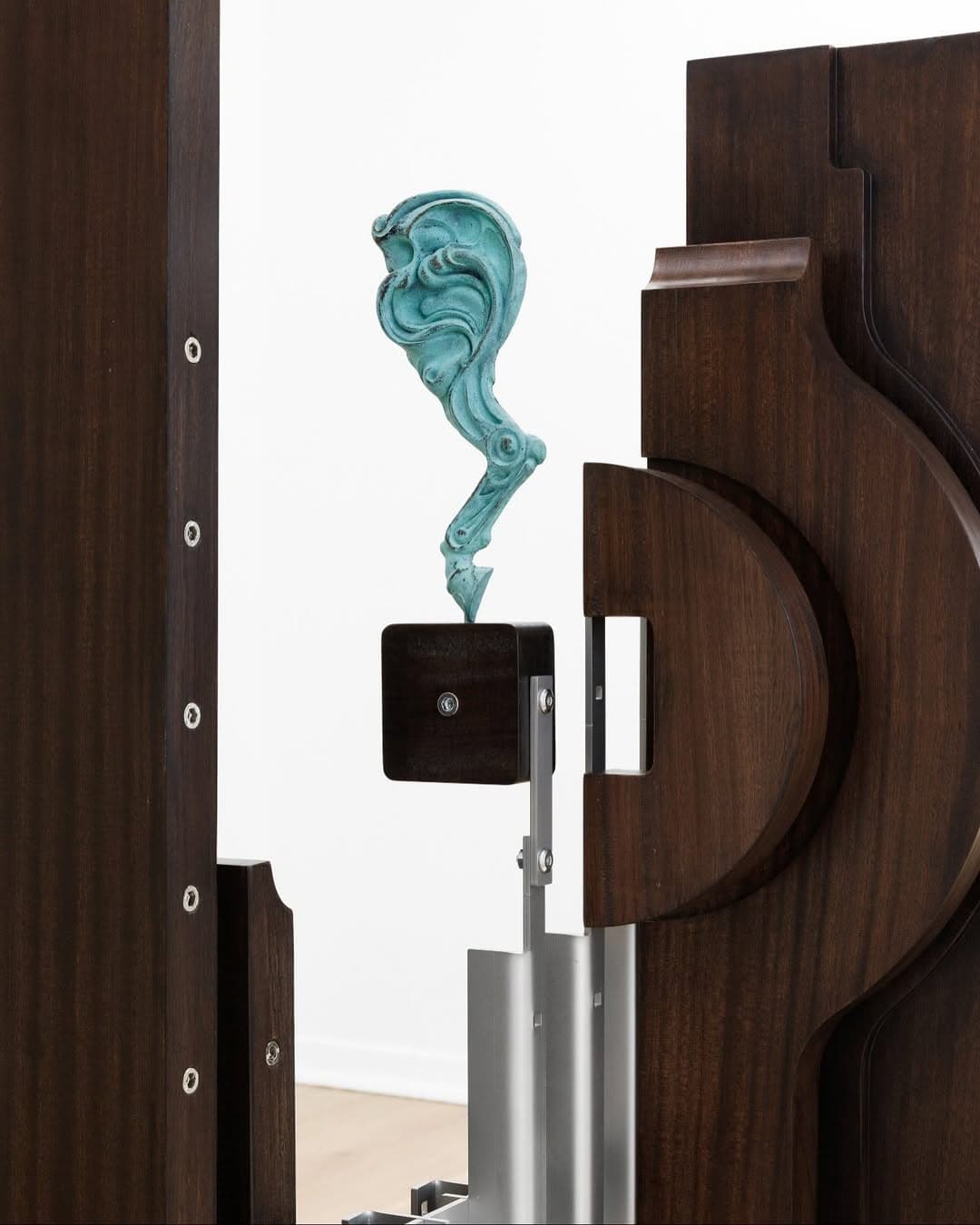
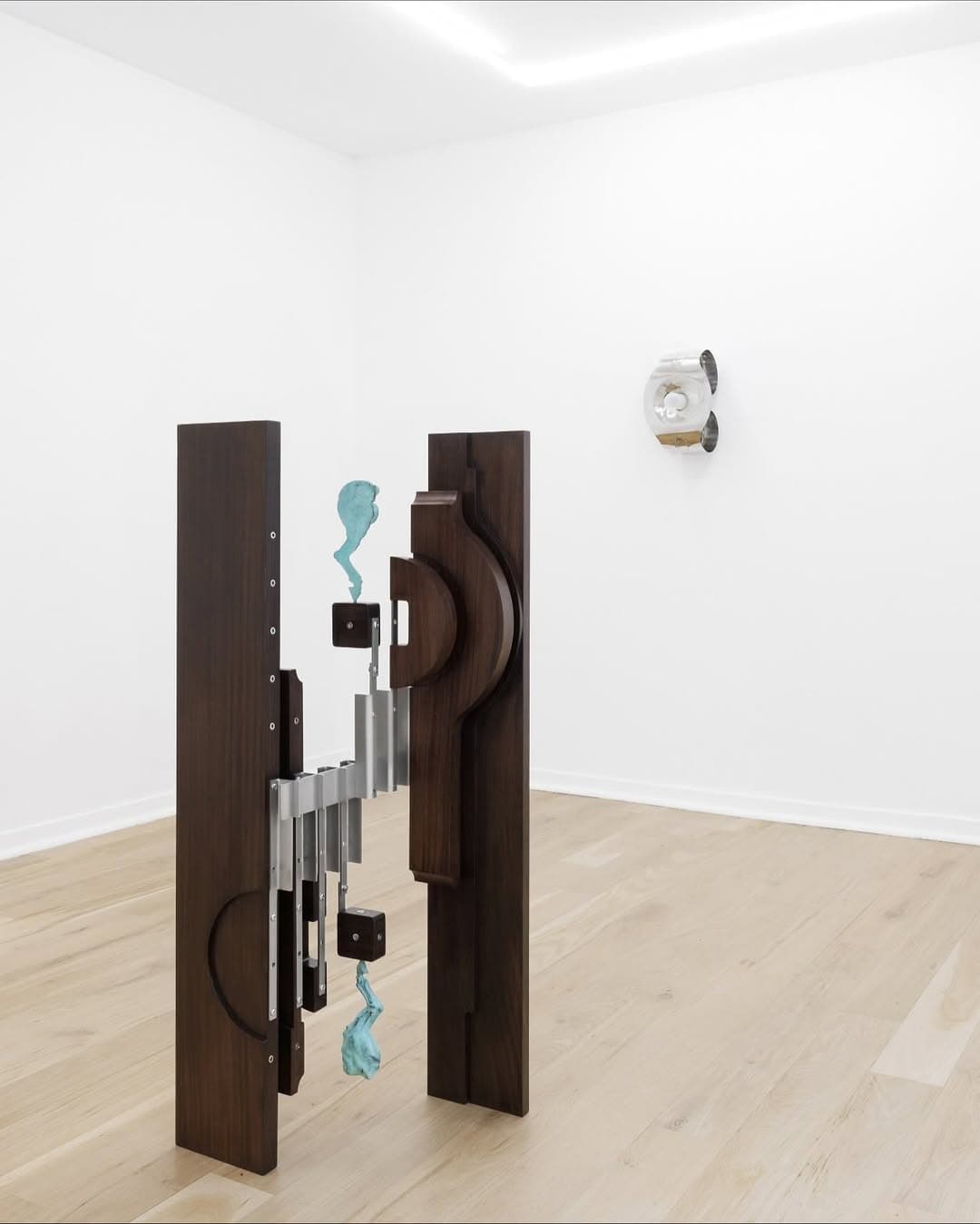
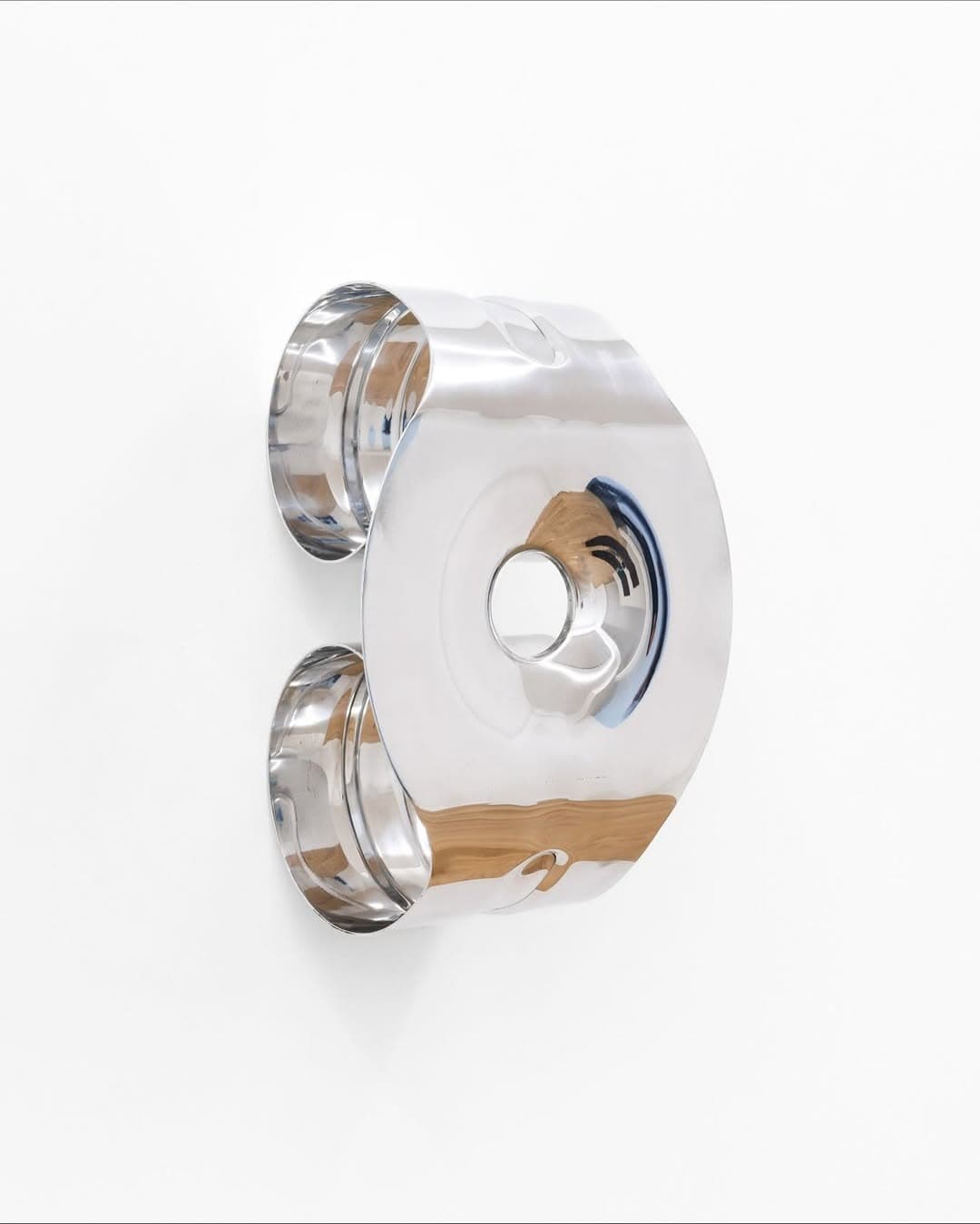
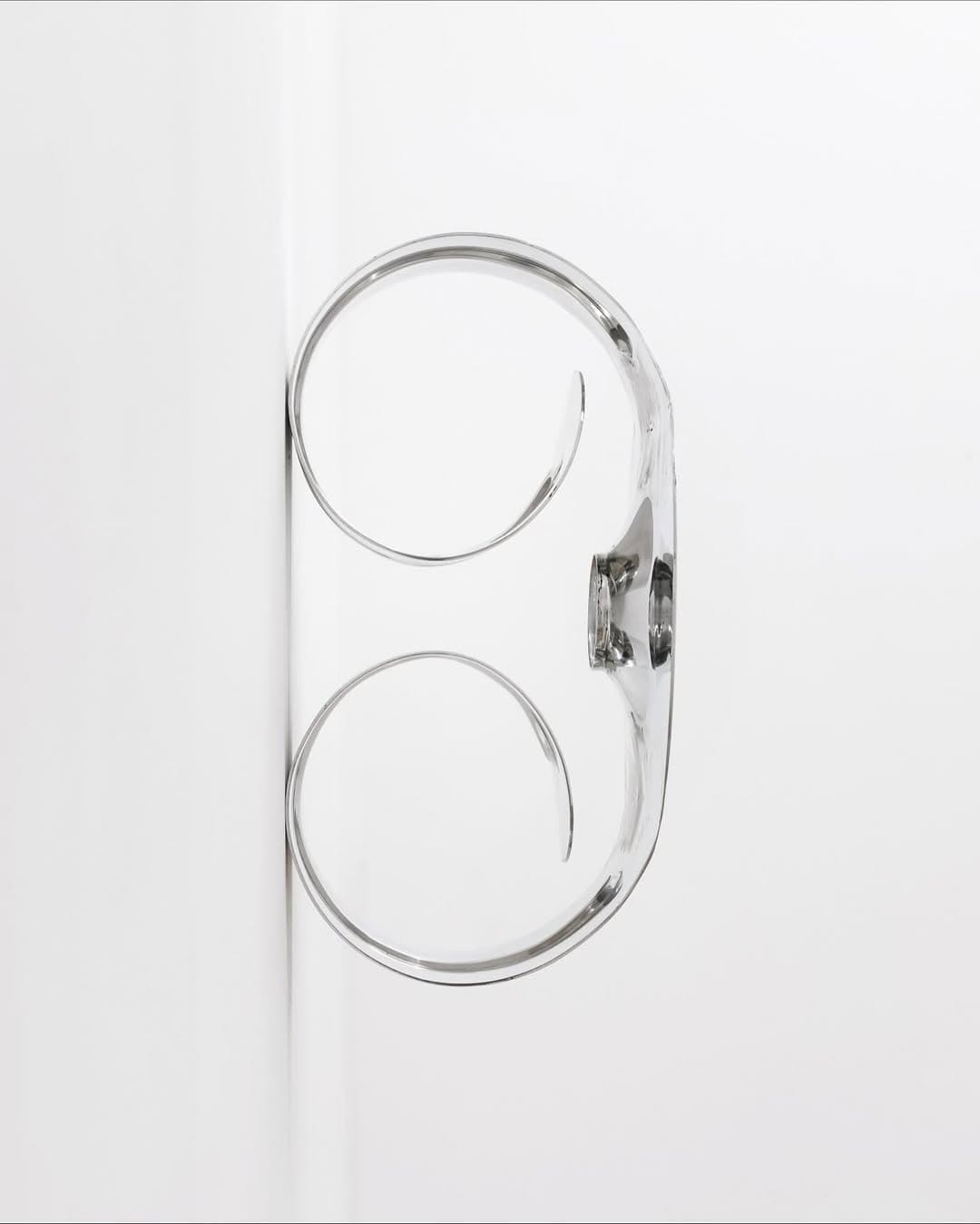
Paris / 2025
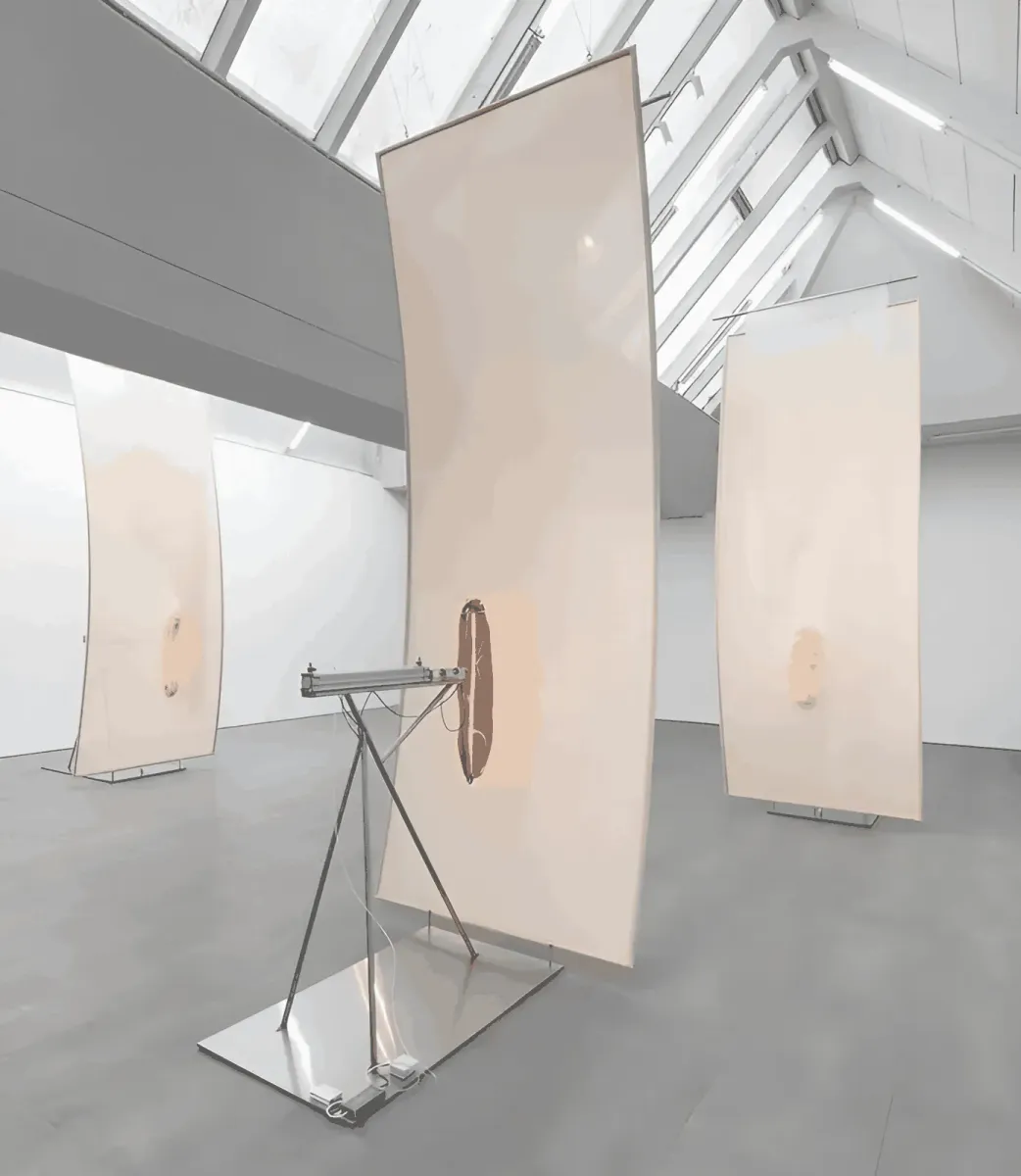
Berlin / 2025
%2Fphoto_1_2026-05-23_19-20-38.jpg&w=1200&q=75)
Seoul / 2026
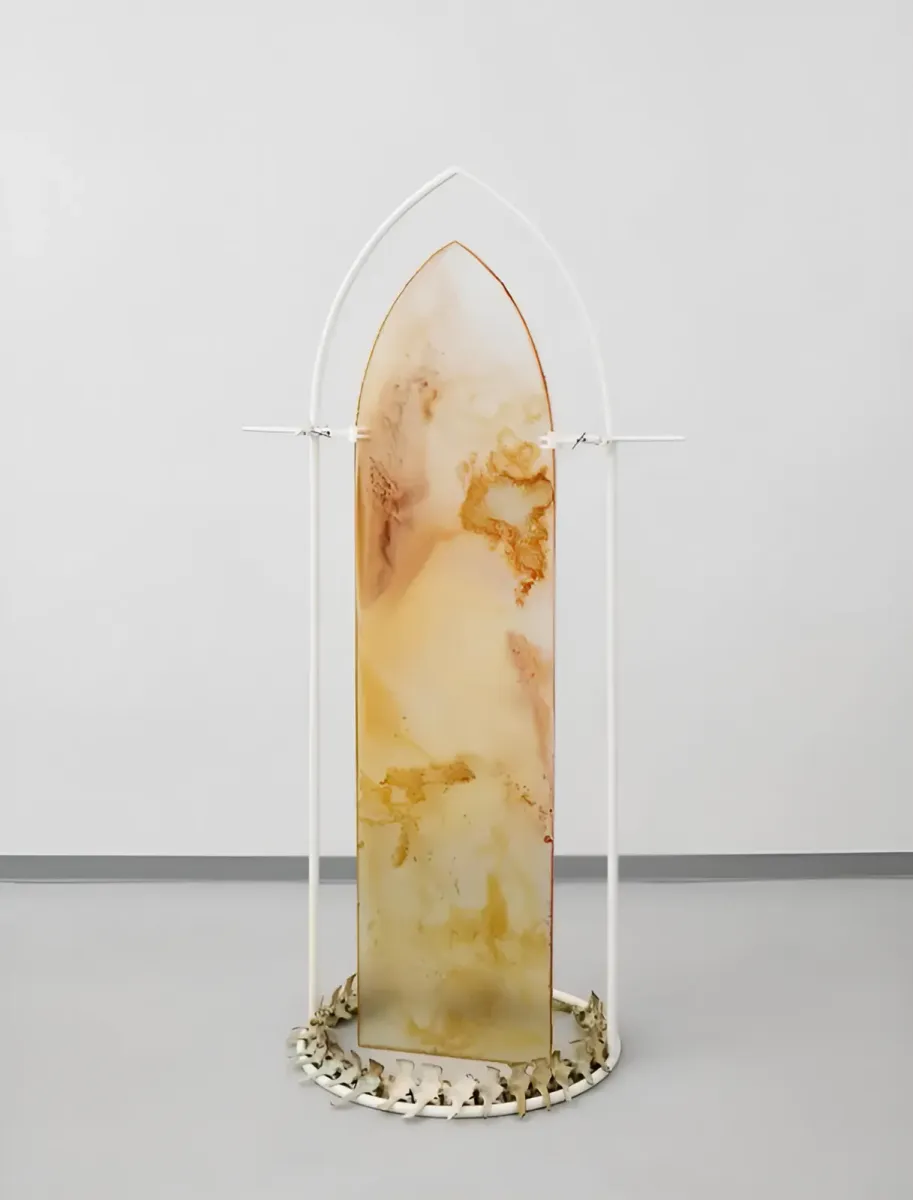
Leipzig / 2026
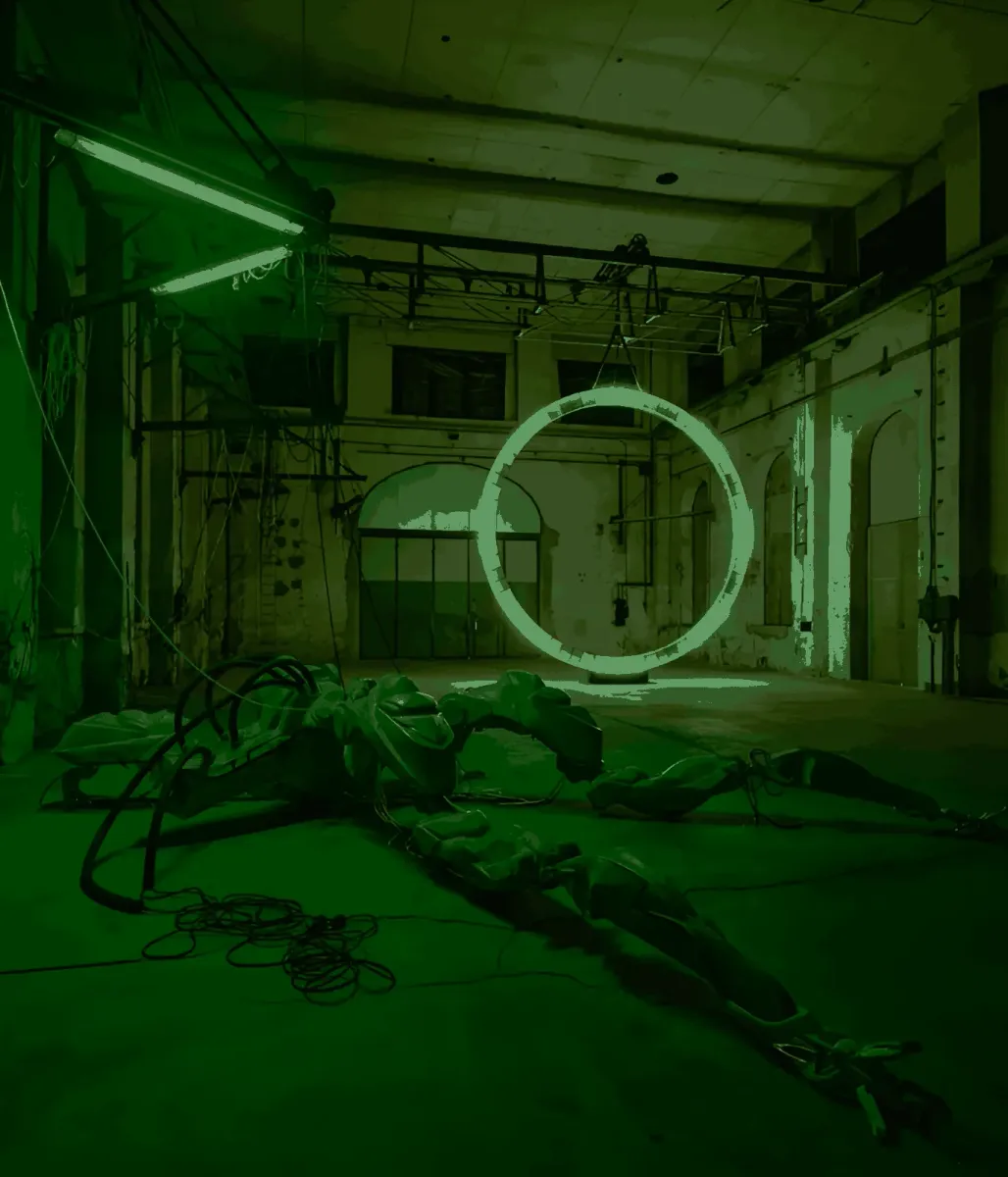
Dornbirn / 2026
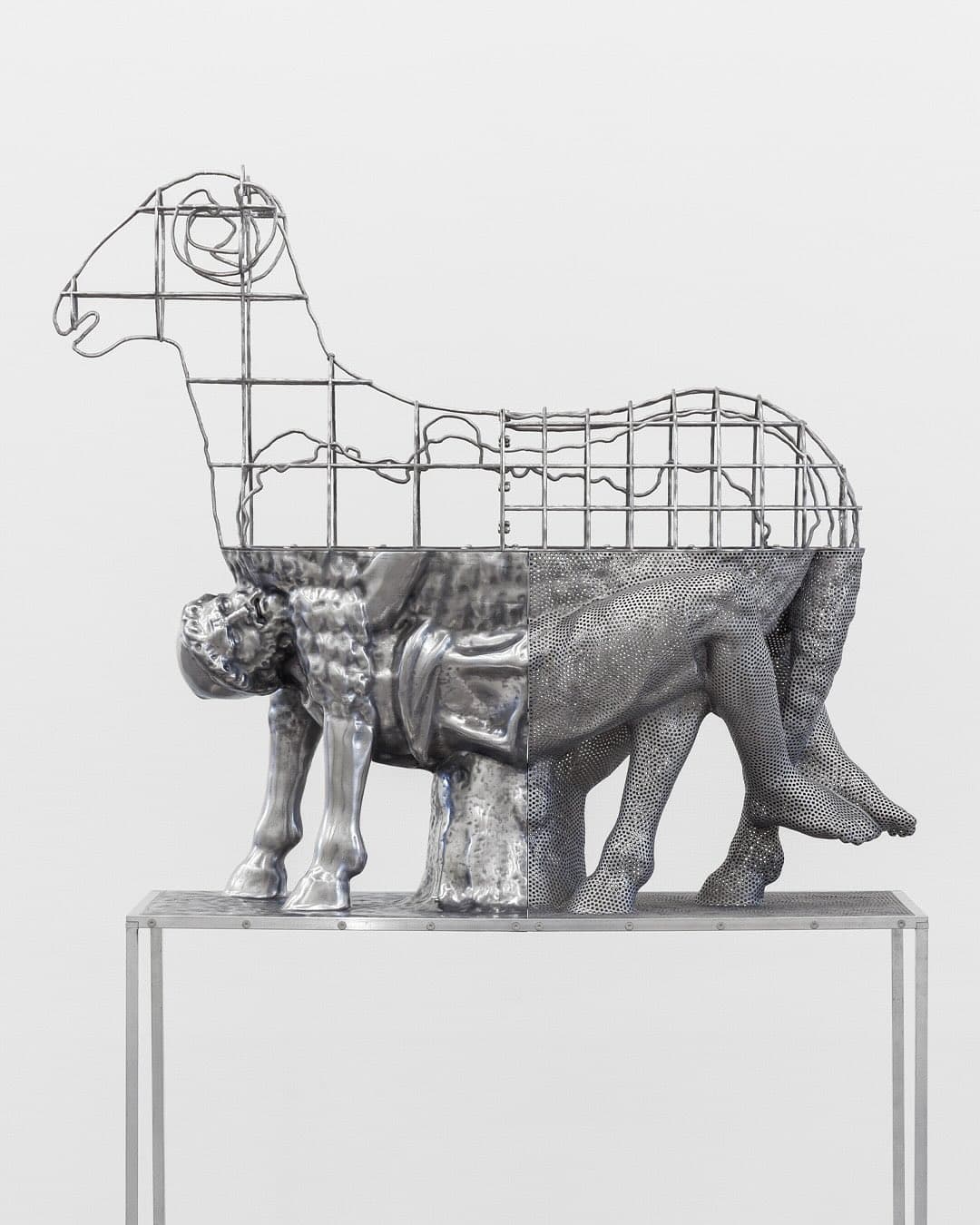
Vorarlberg / 2026
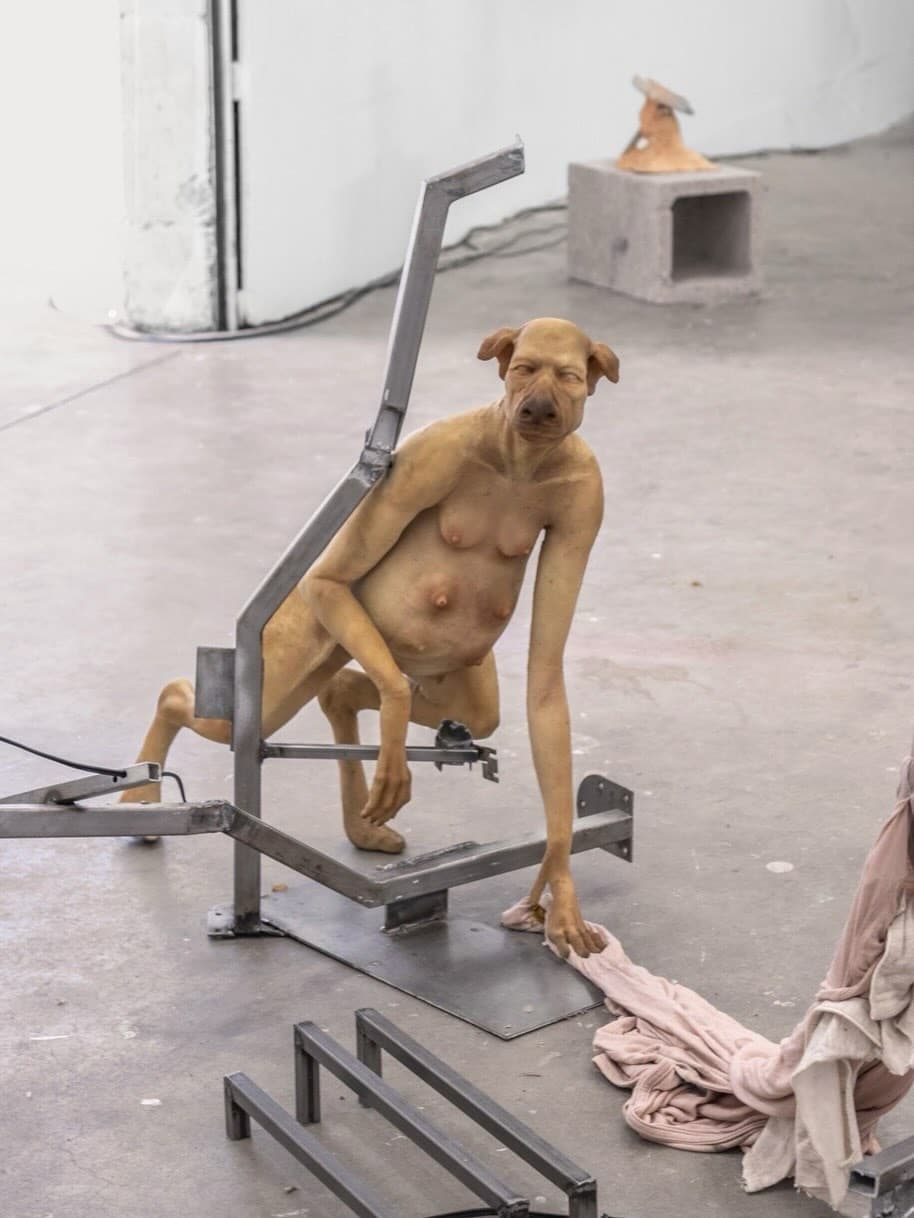
Paris / 2026
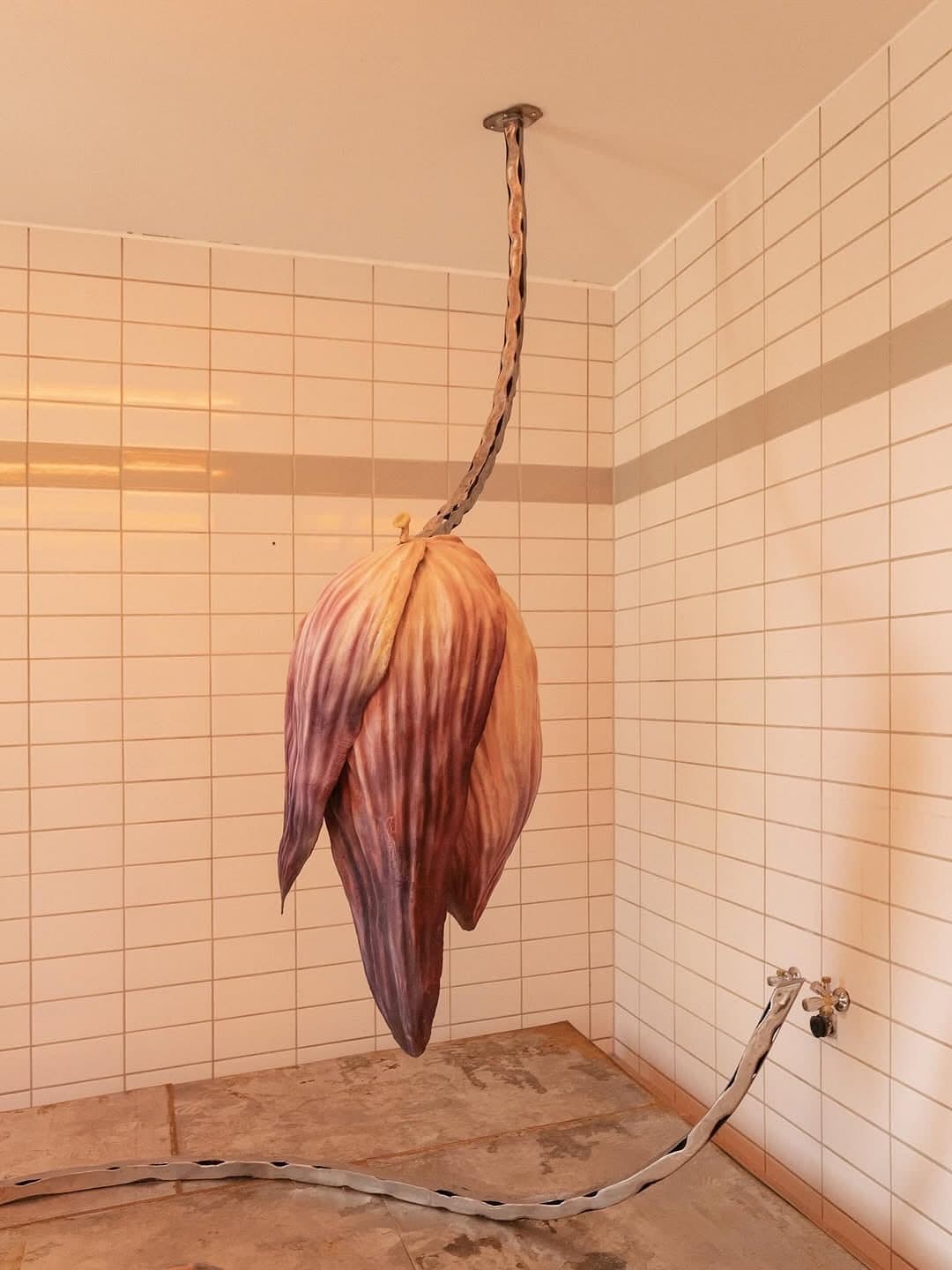
/ 2025
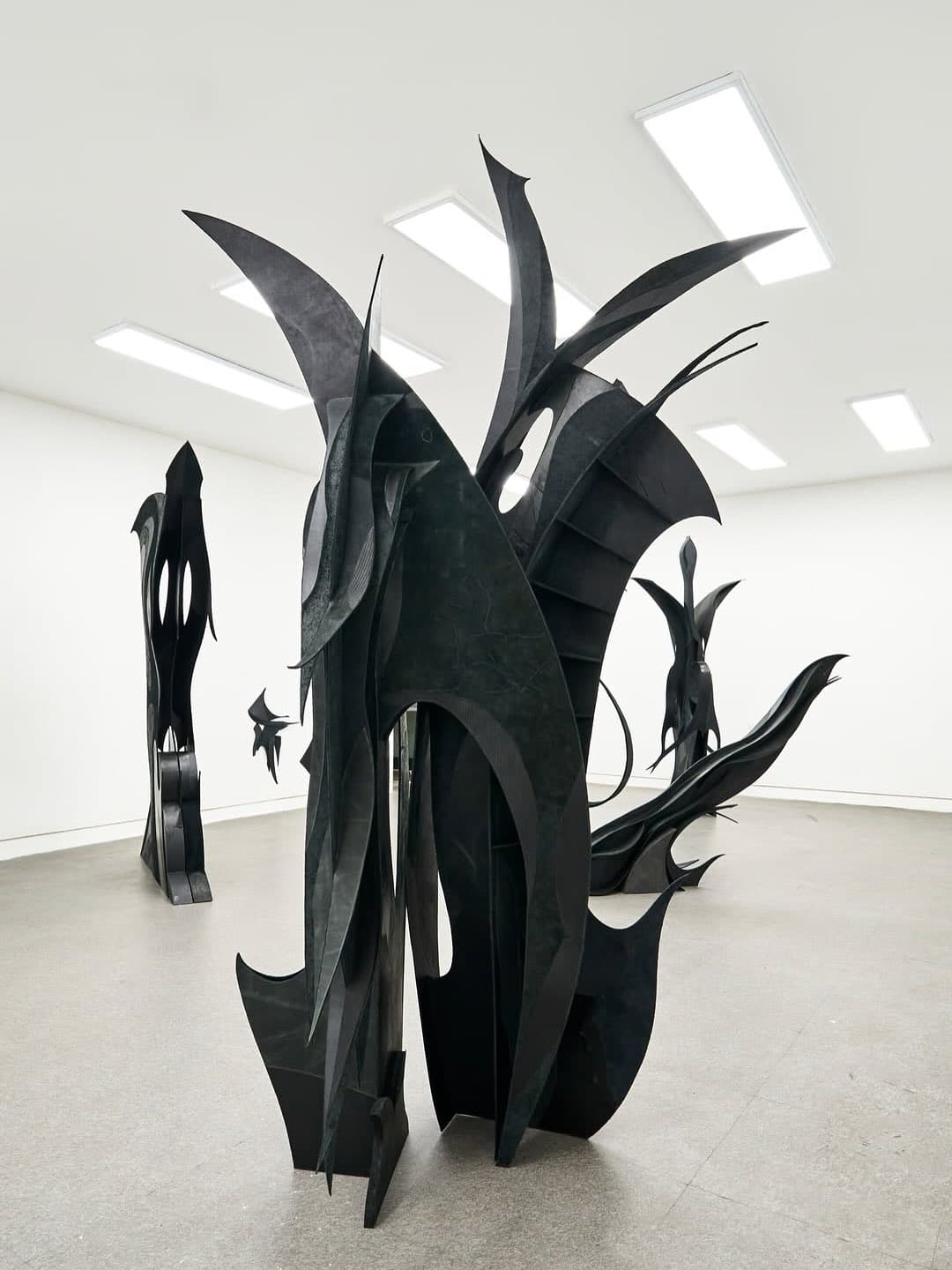
Seoul / 2025
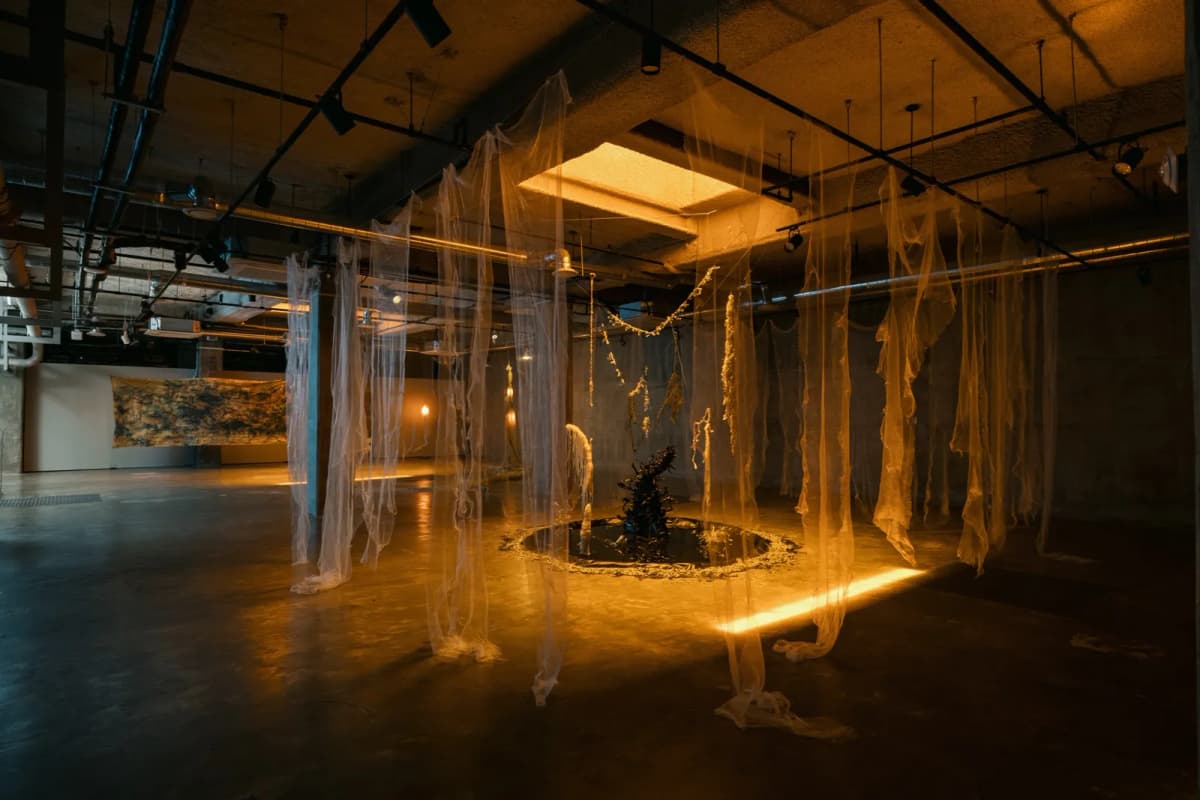
Suwon / 2026
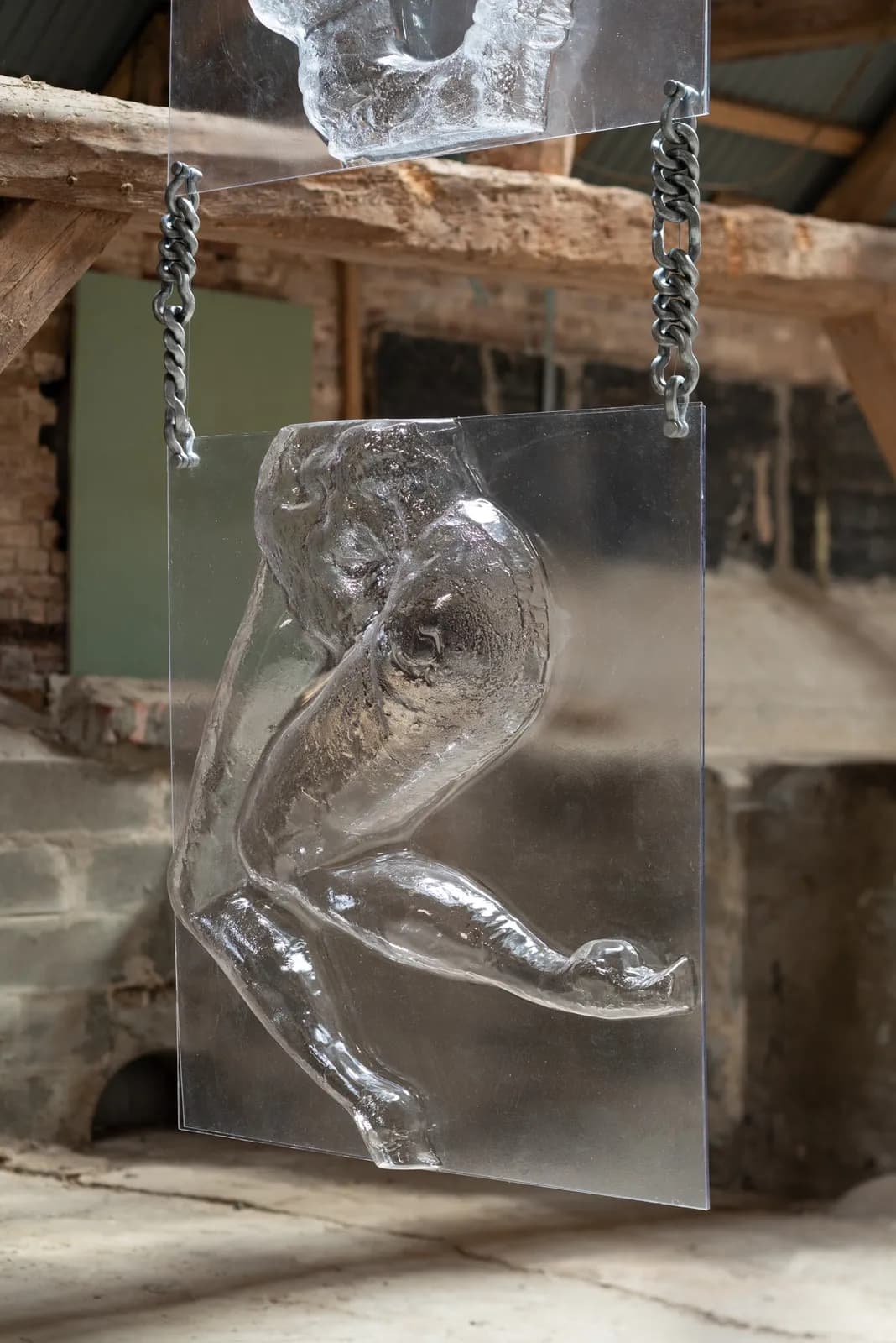
Hurup / 2026
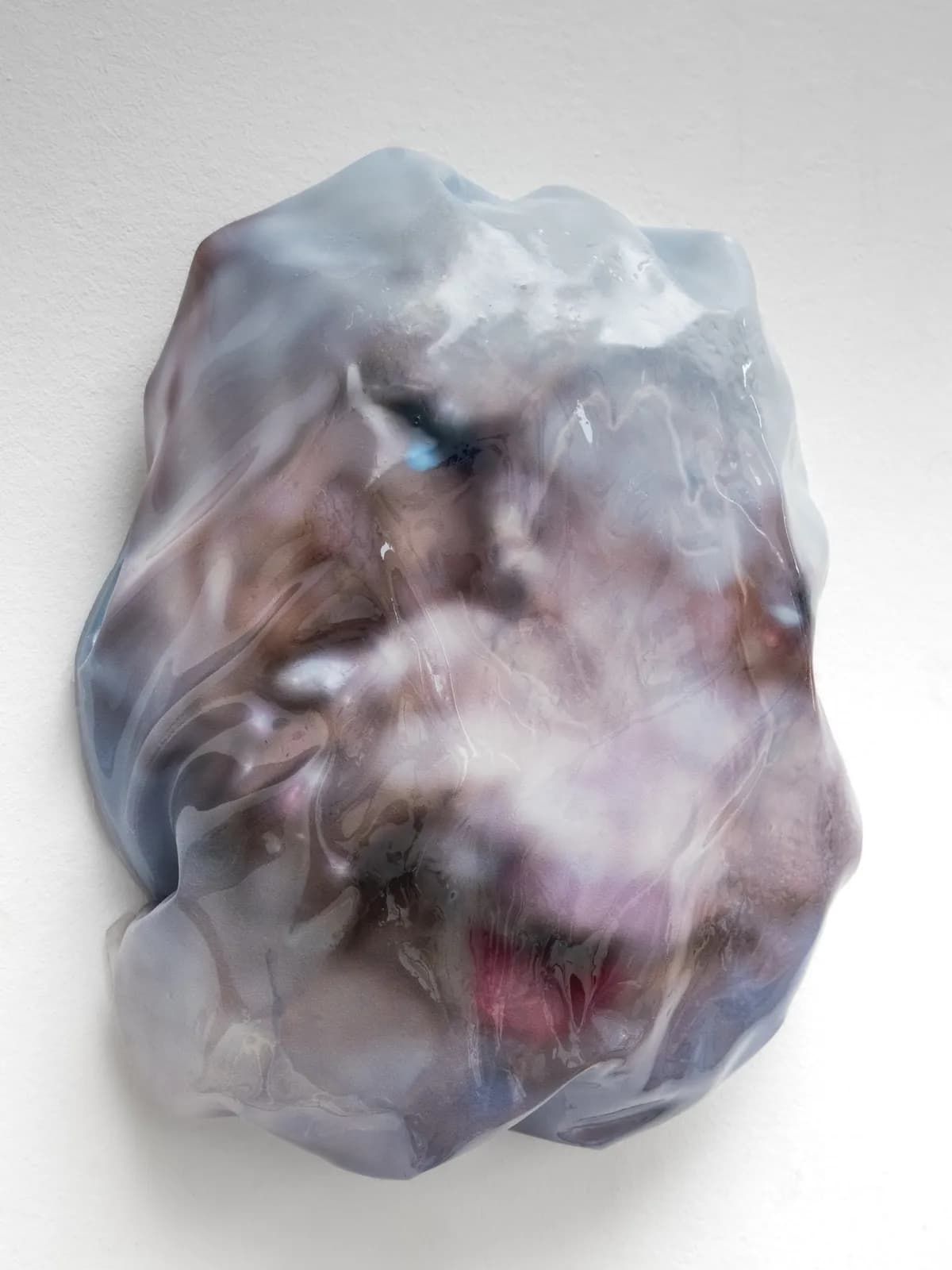
/ 2026
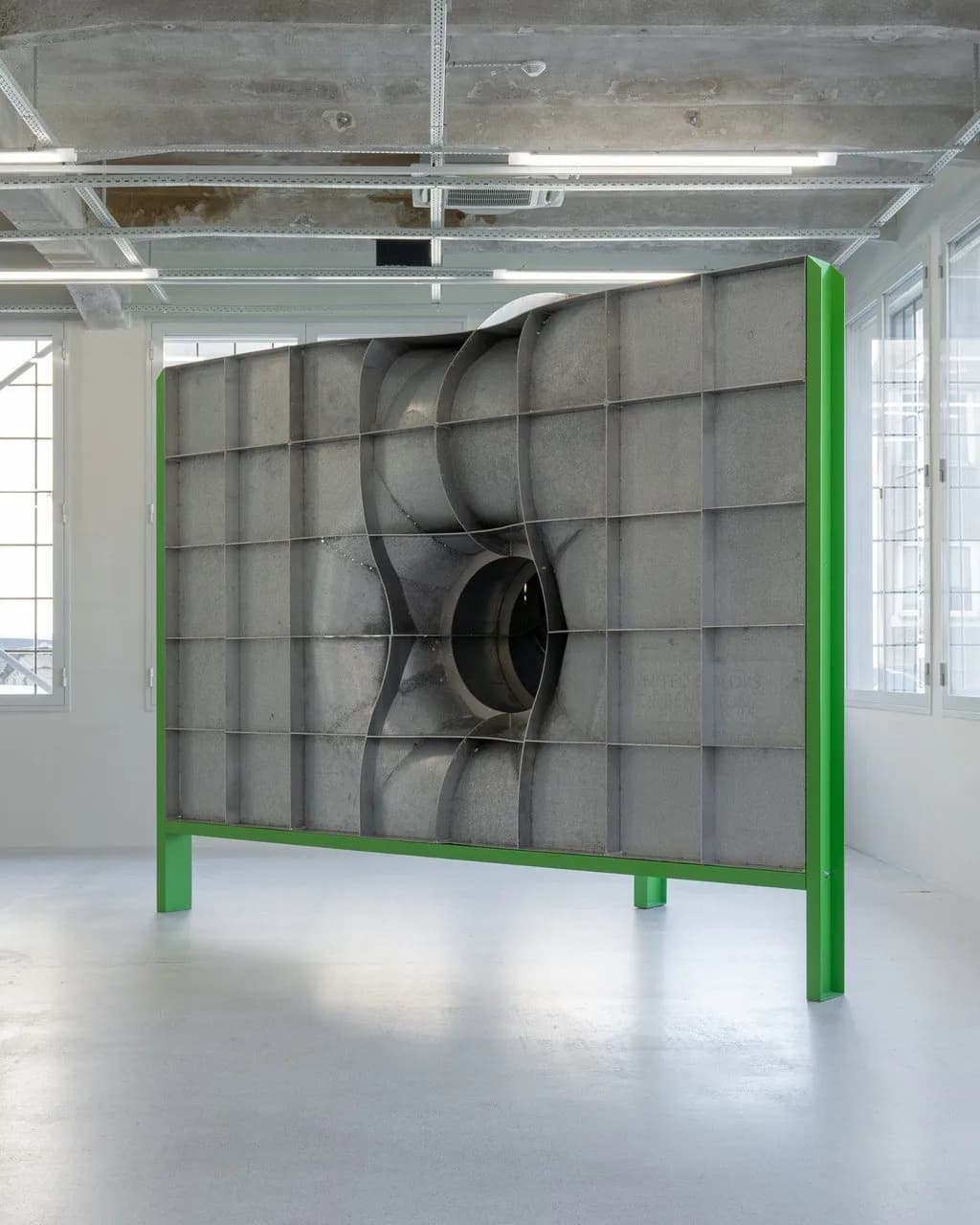
Olomouc / 2026
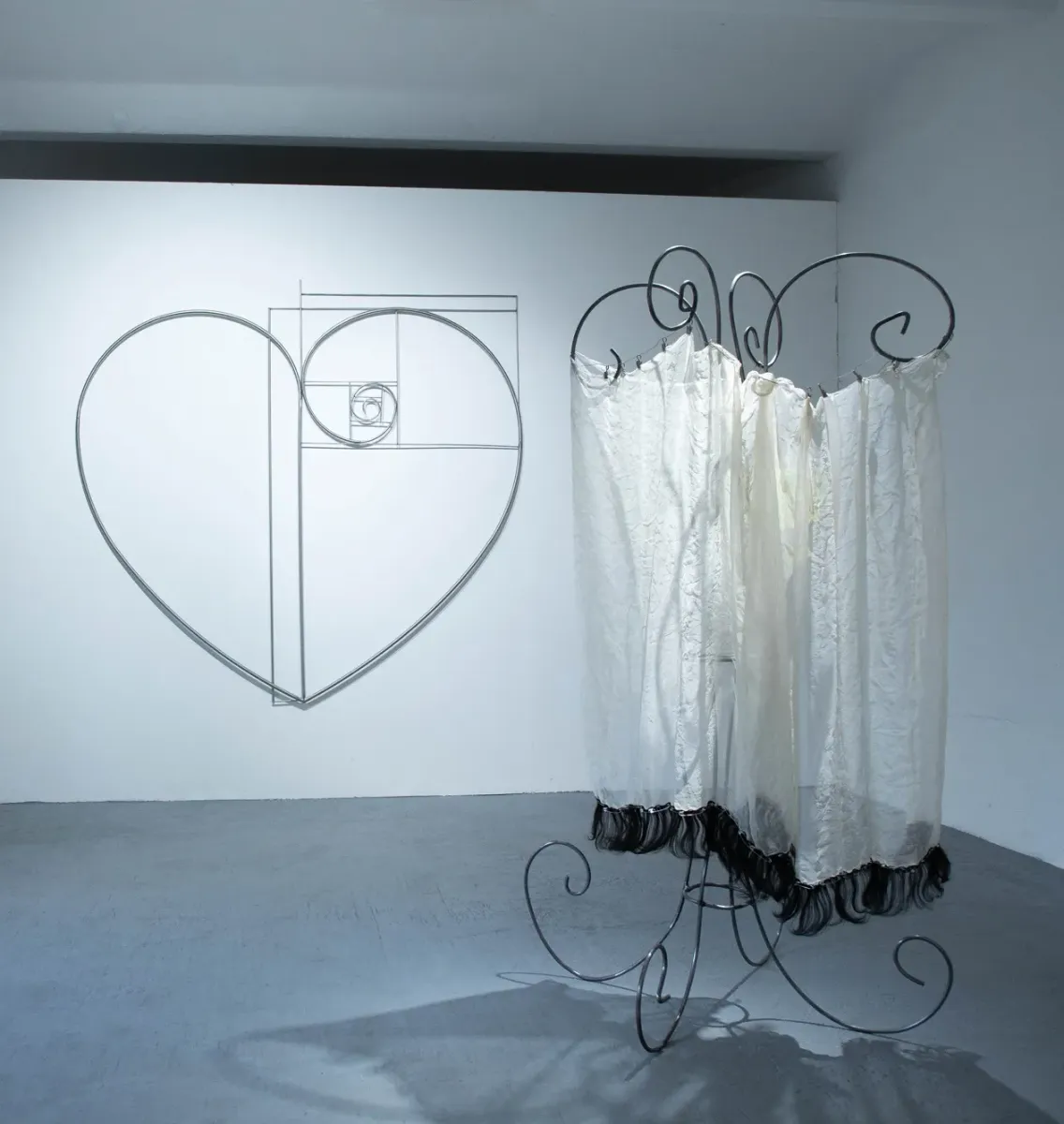
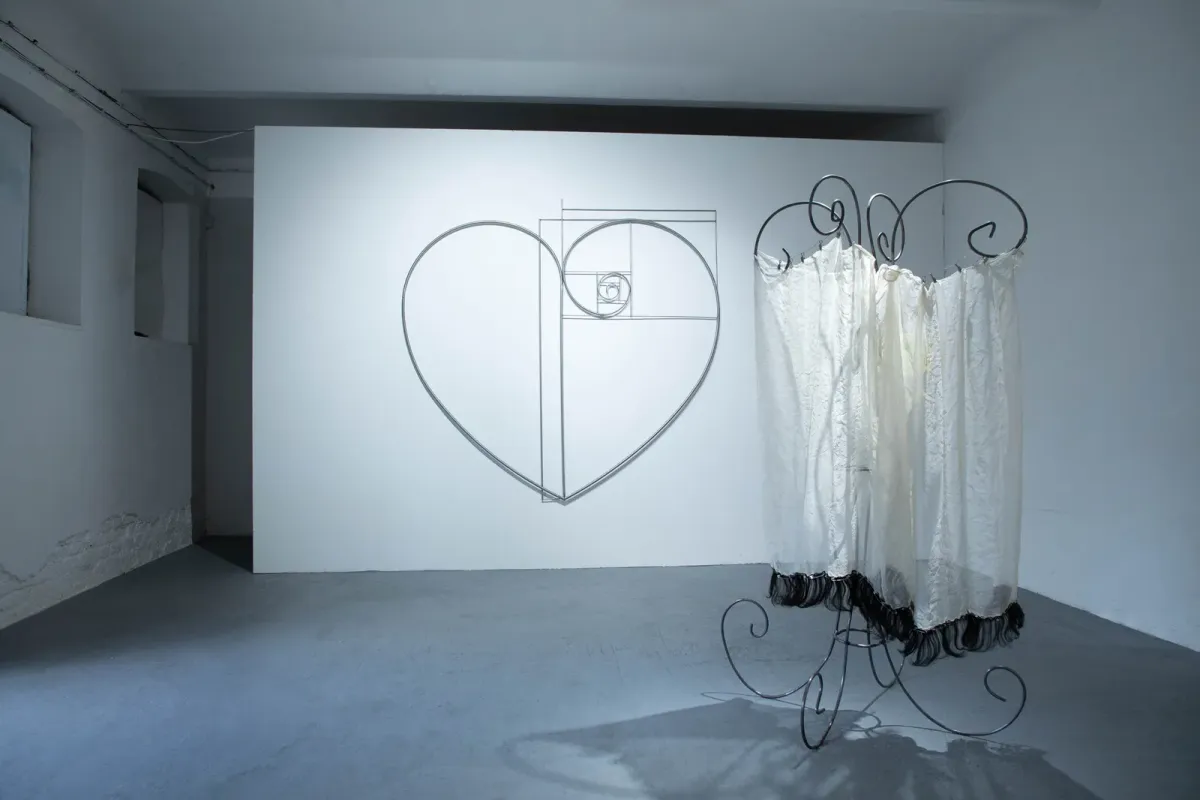
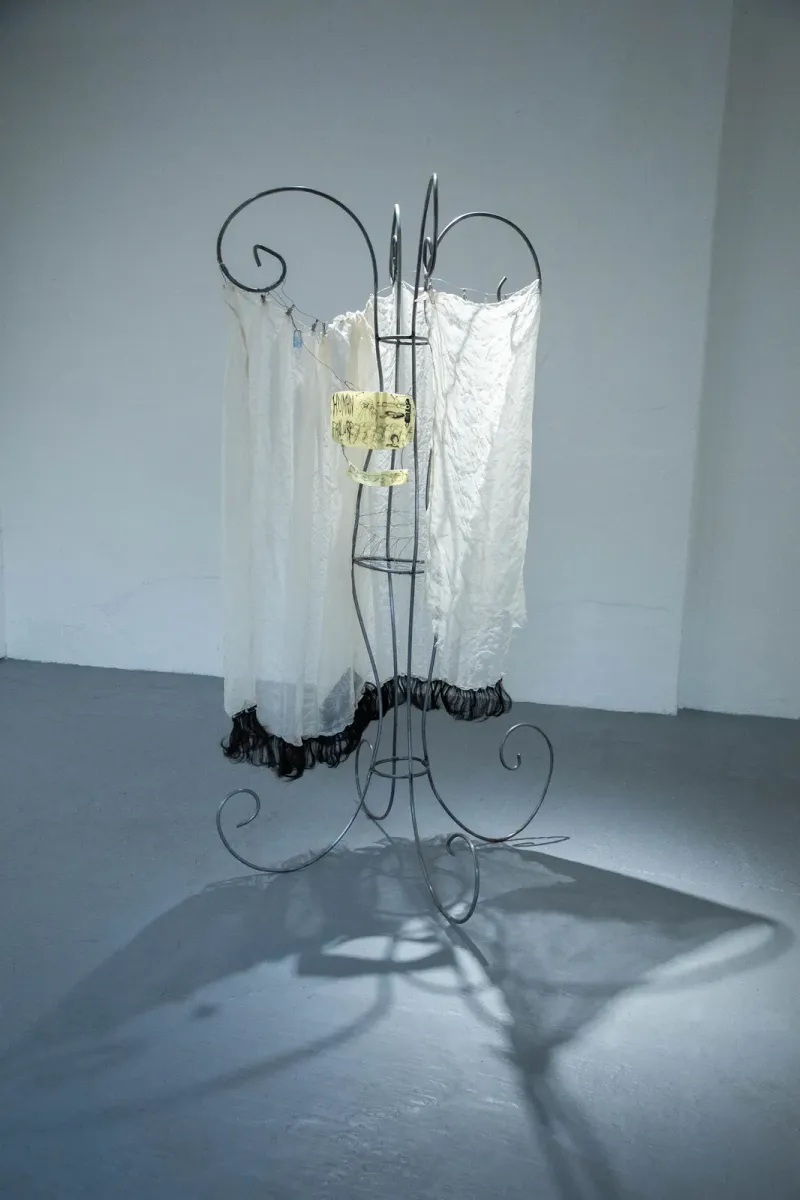
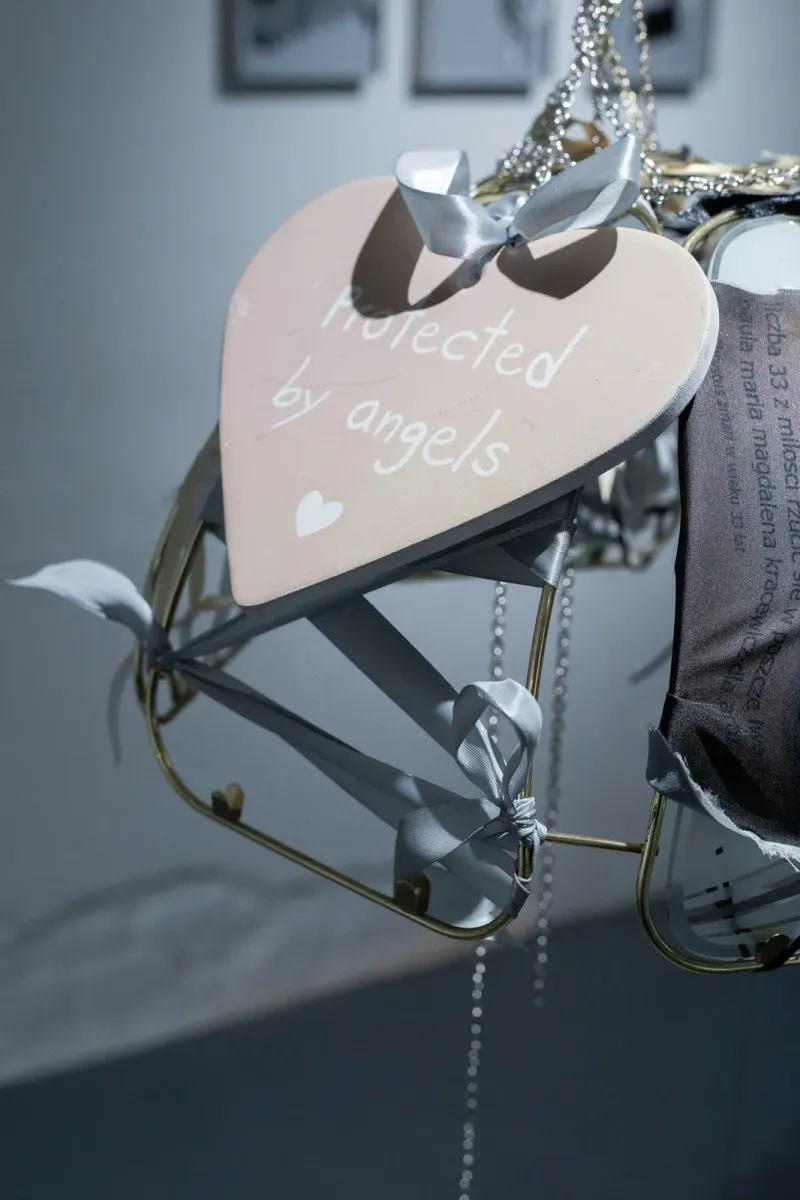
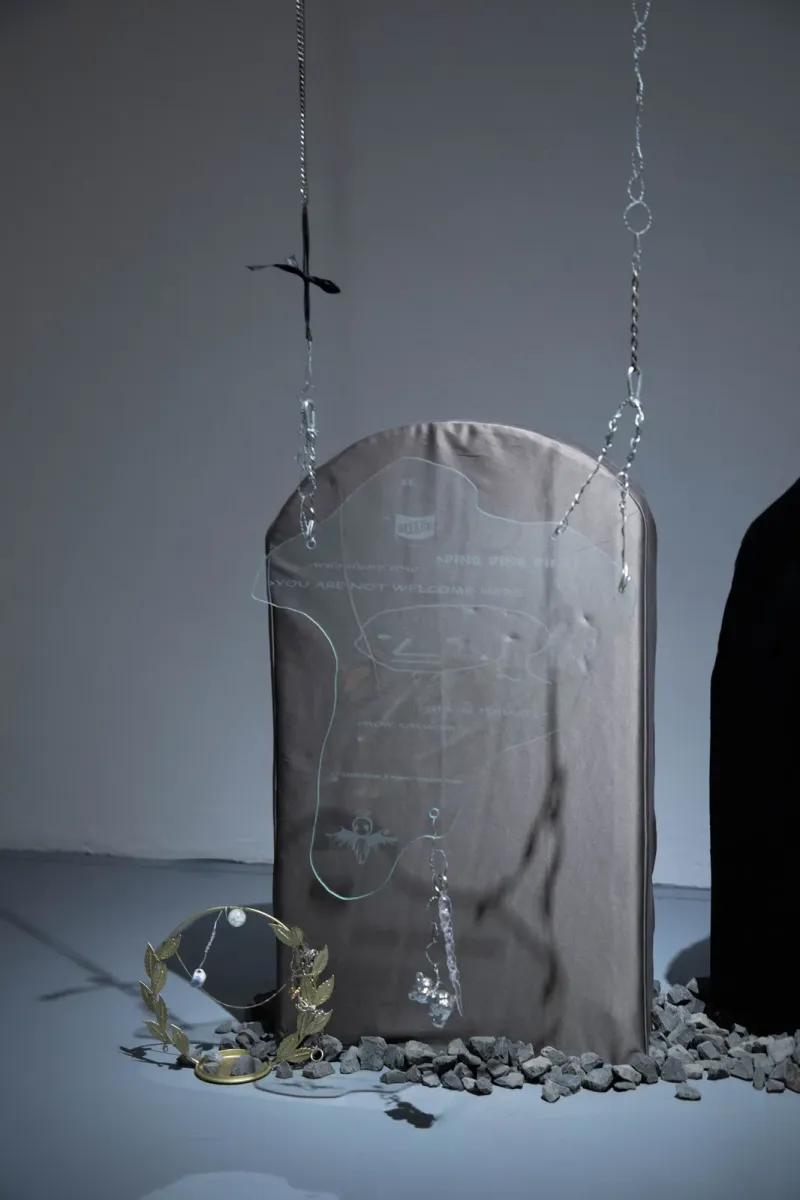
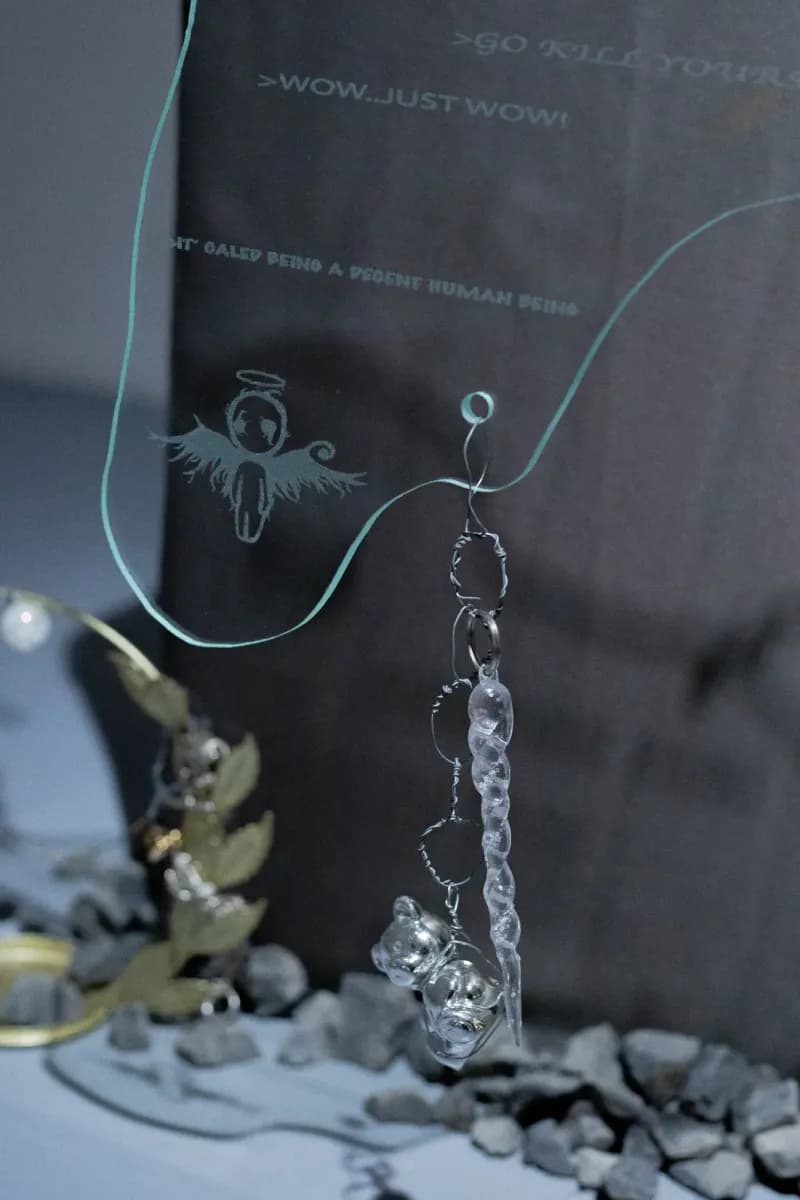
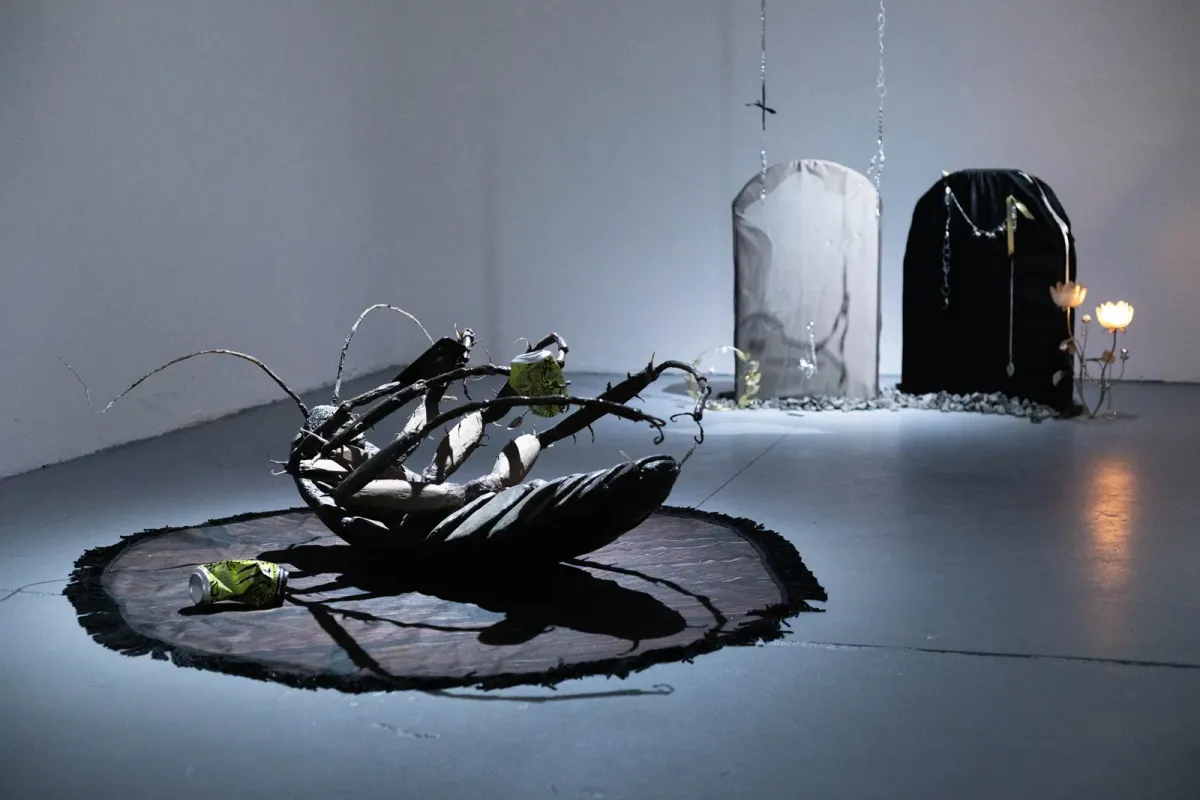
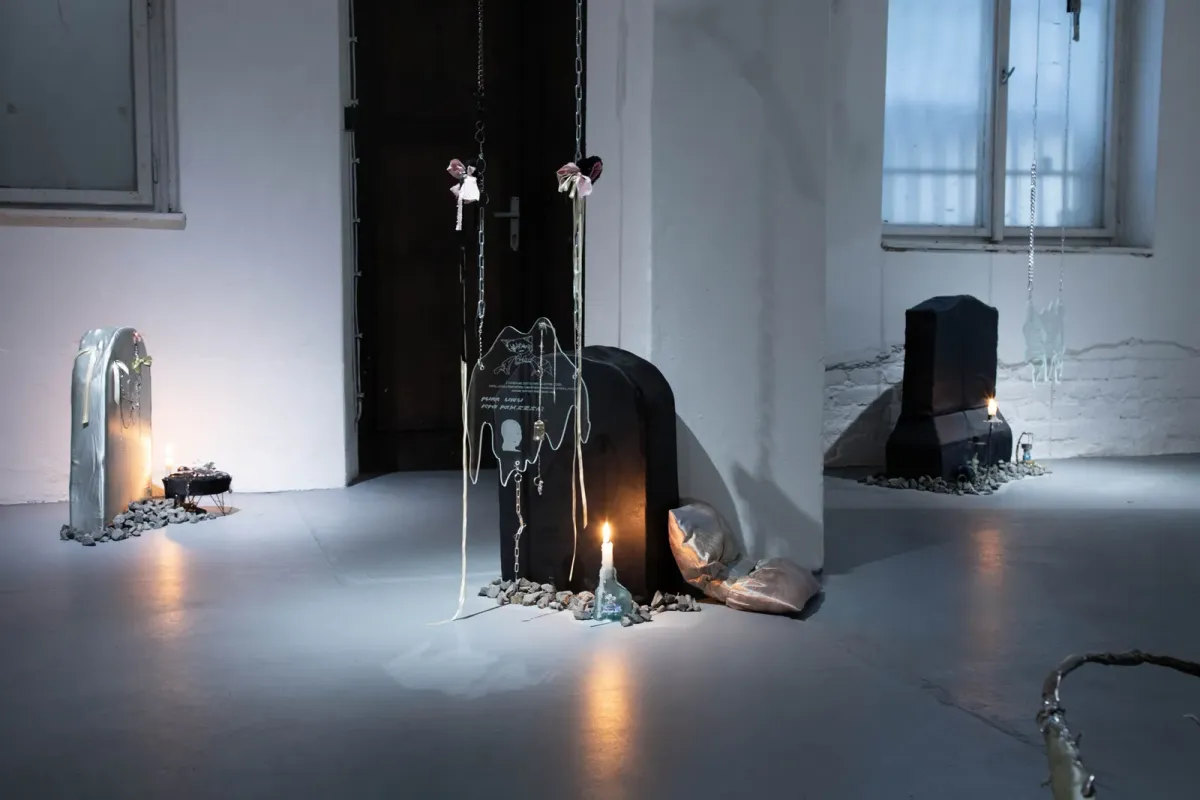
Prague / 2026
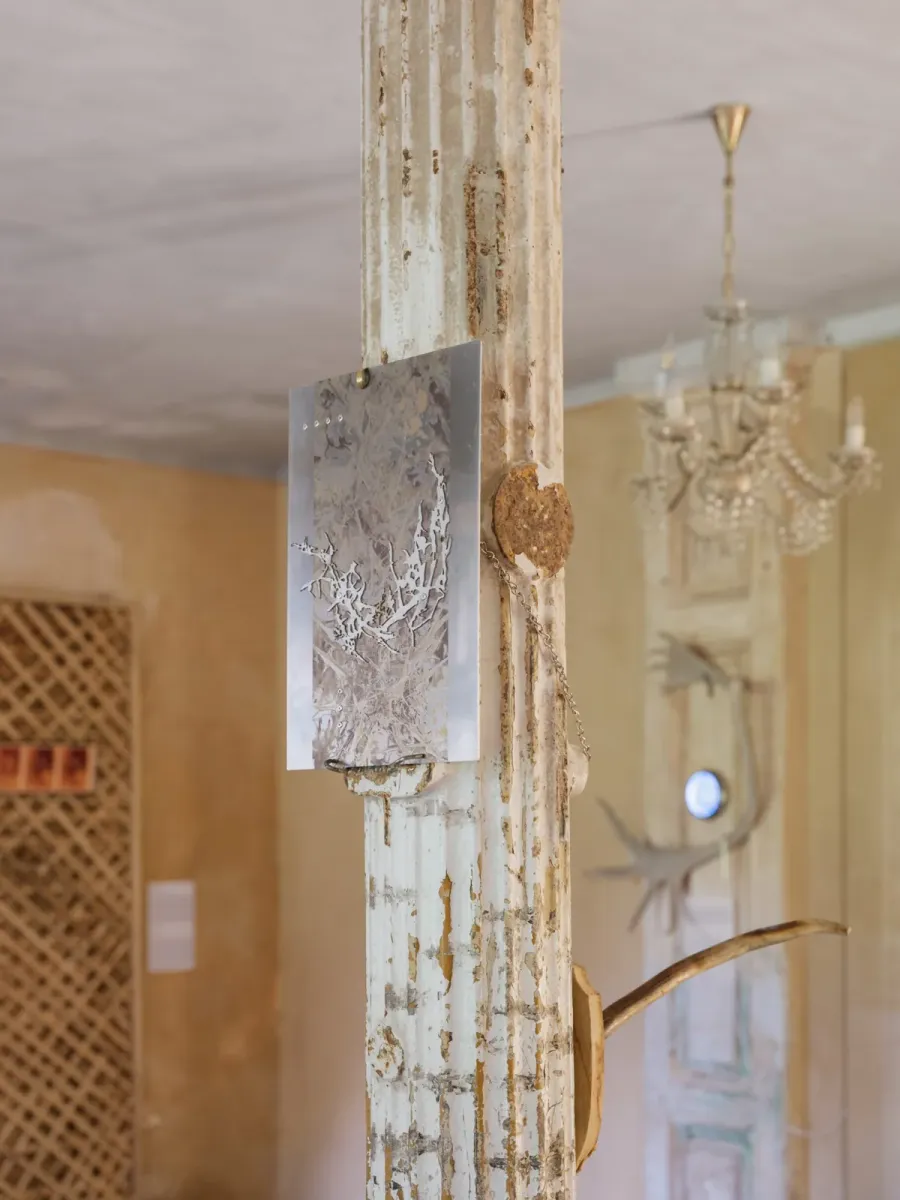
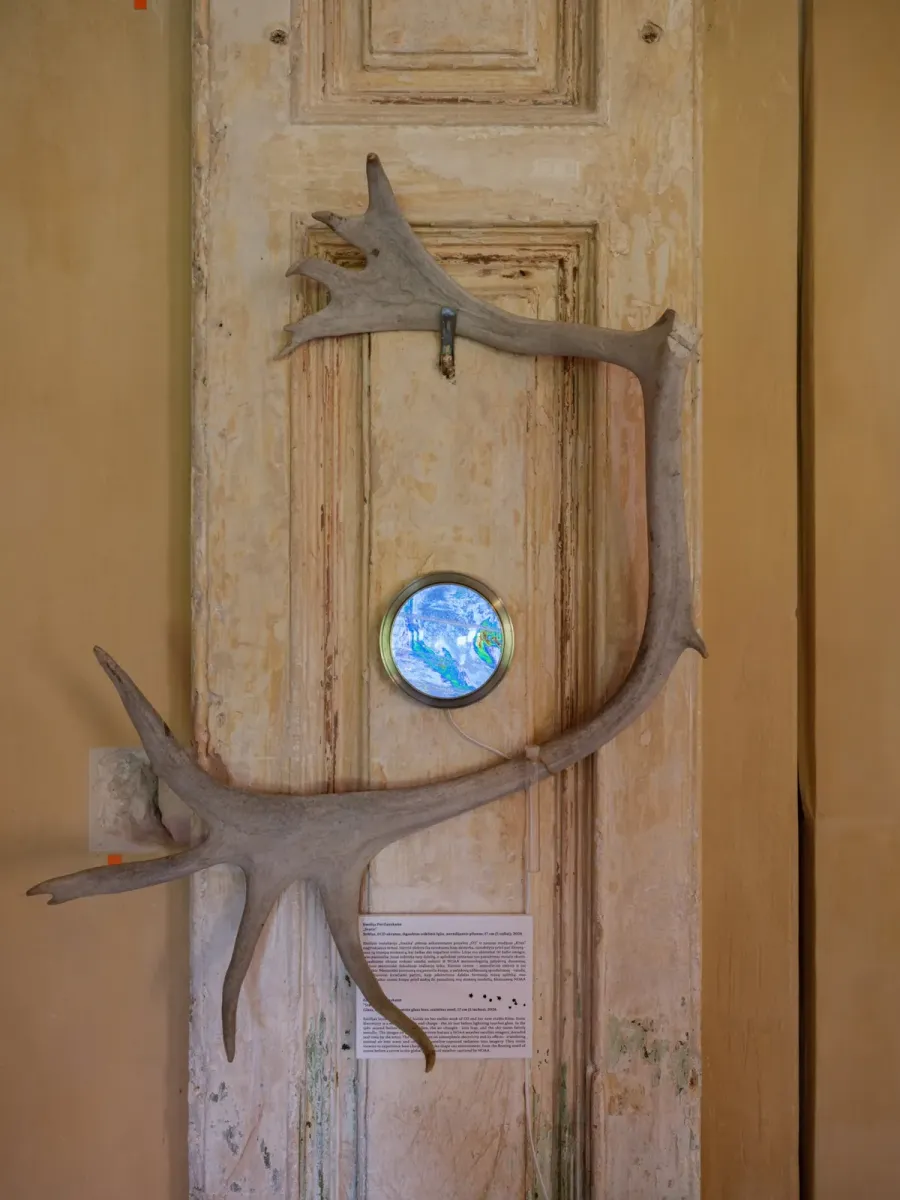
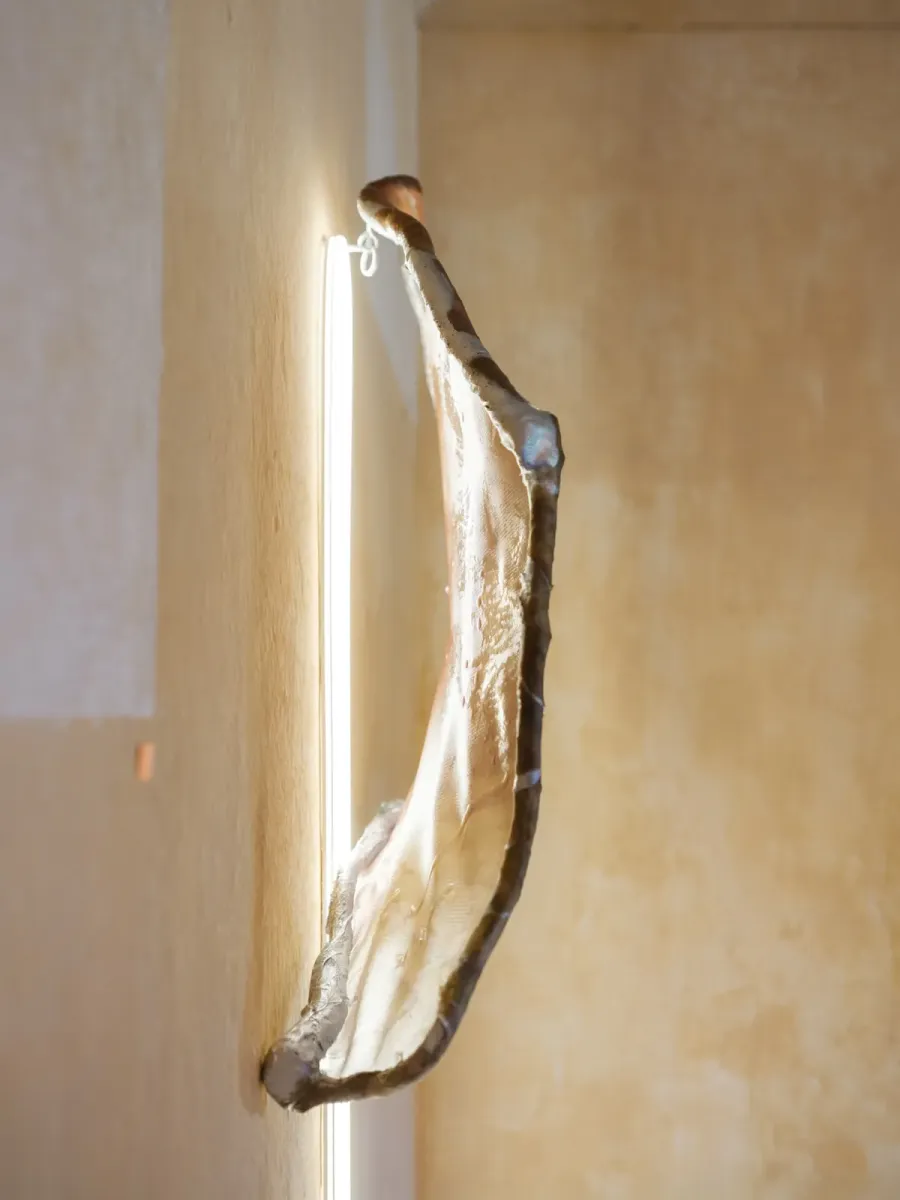
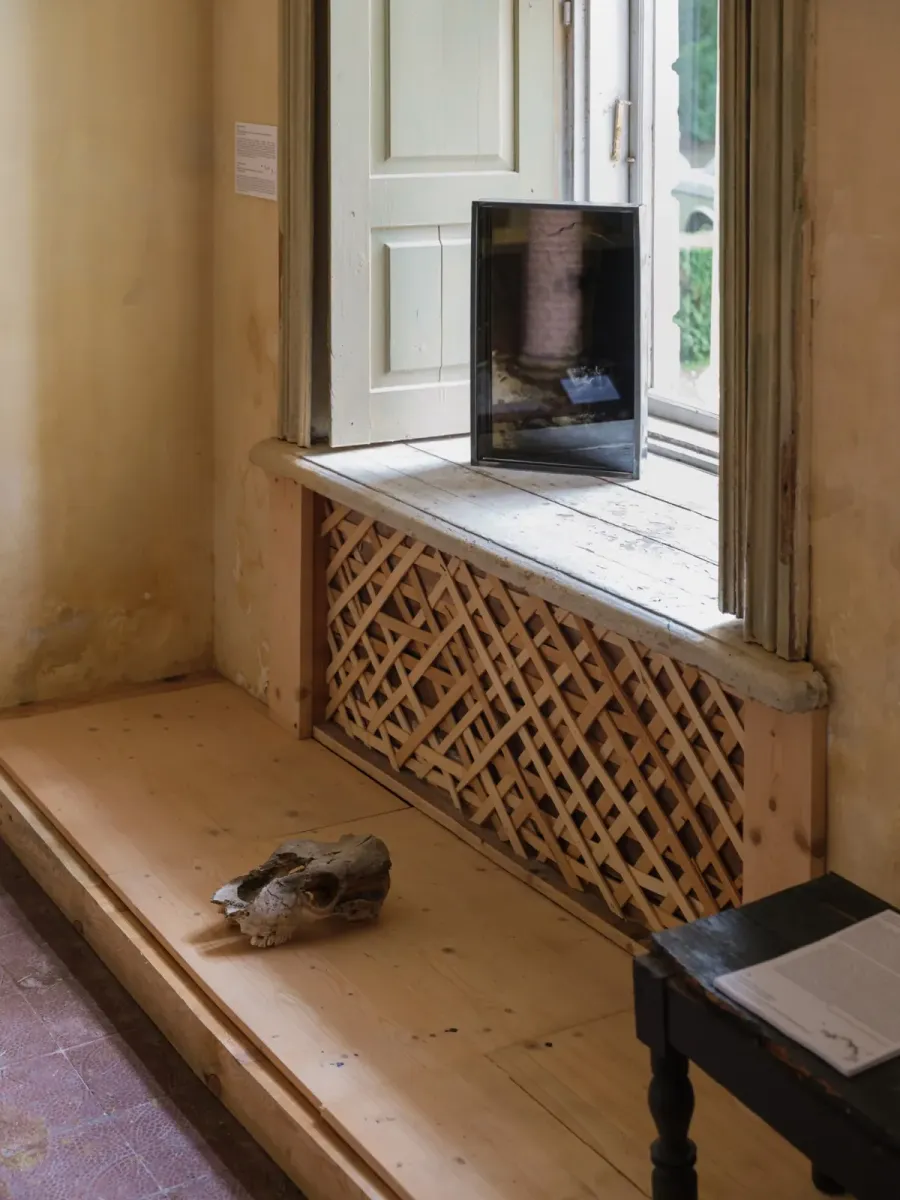
Vilnius District Municipality / 2026
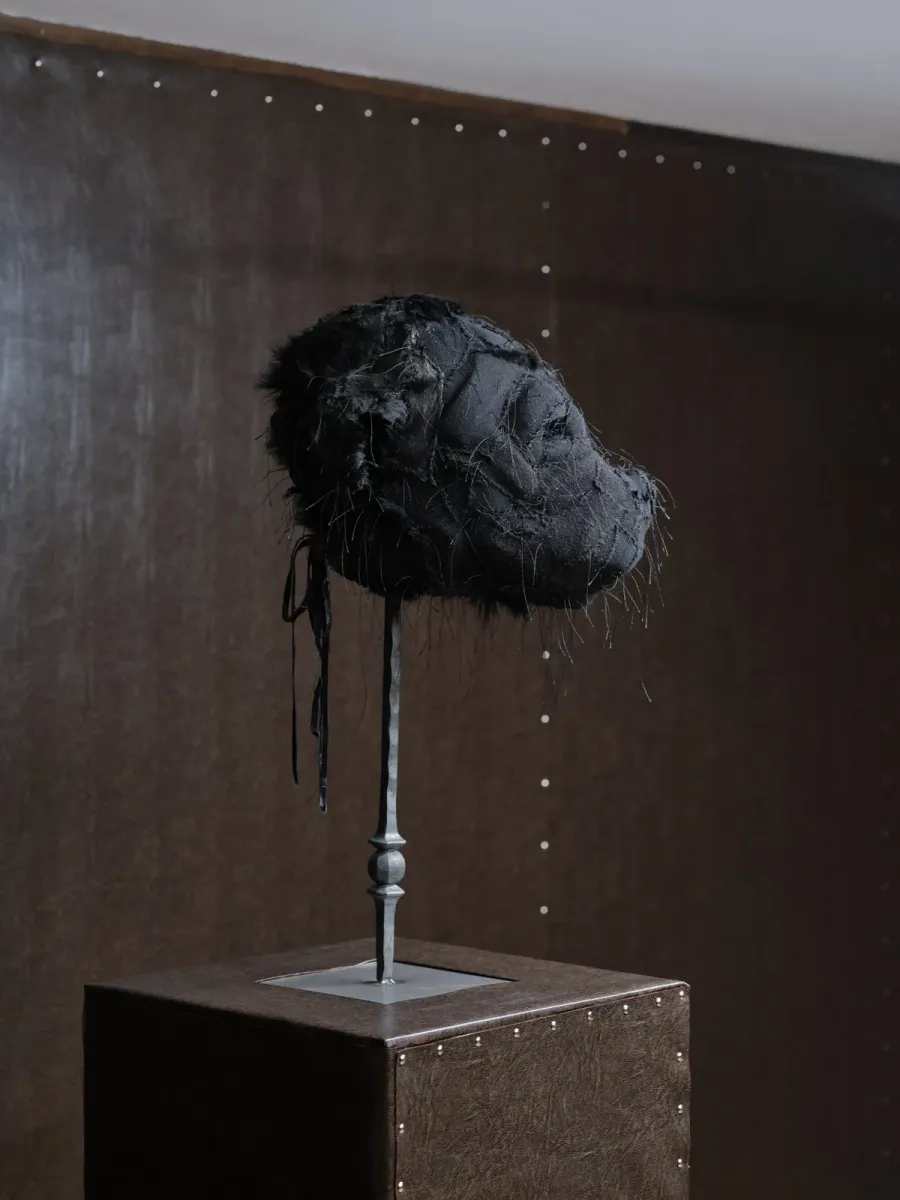
Słupsk / 2026
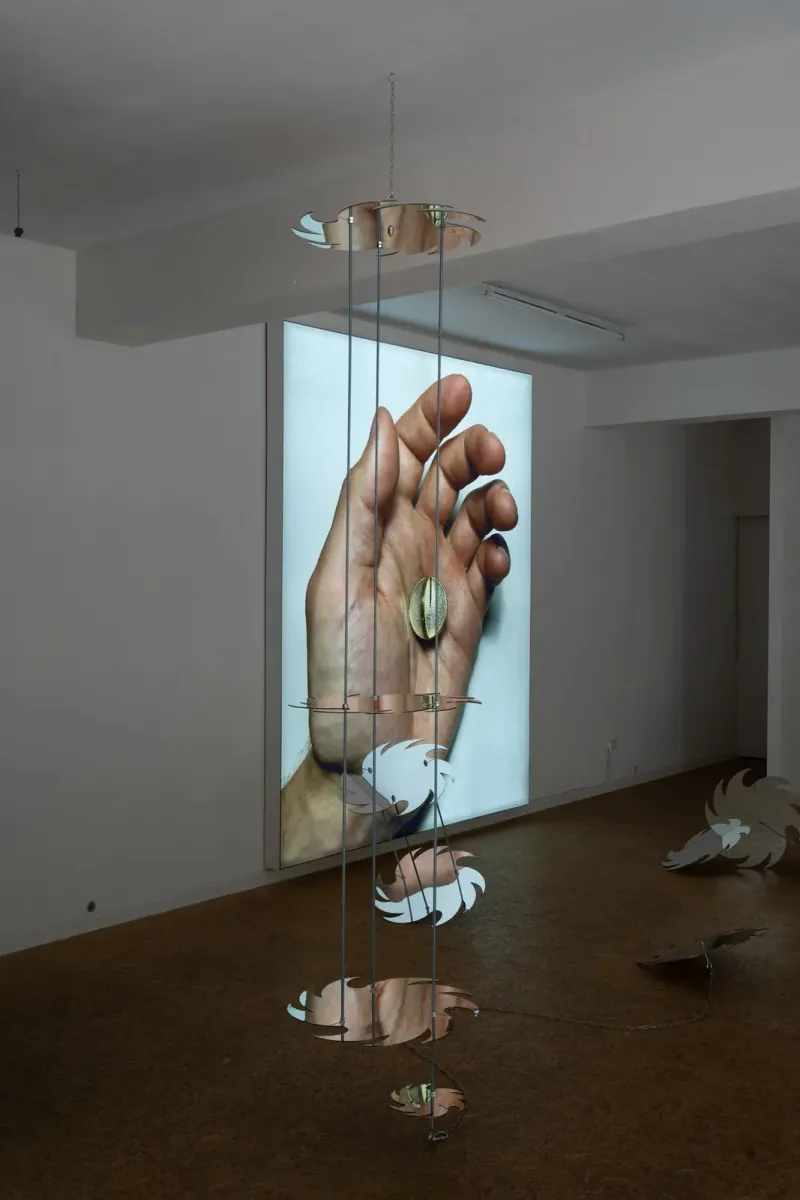
Poznań / 2026
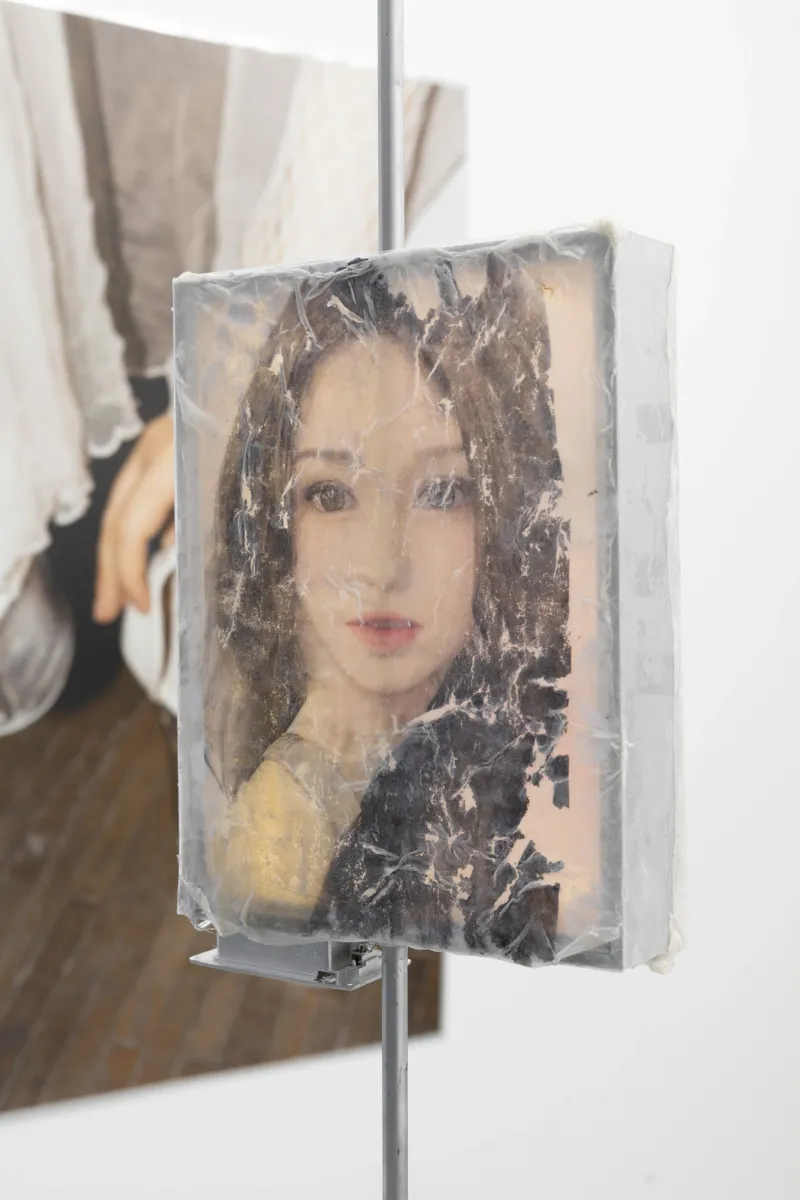
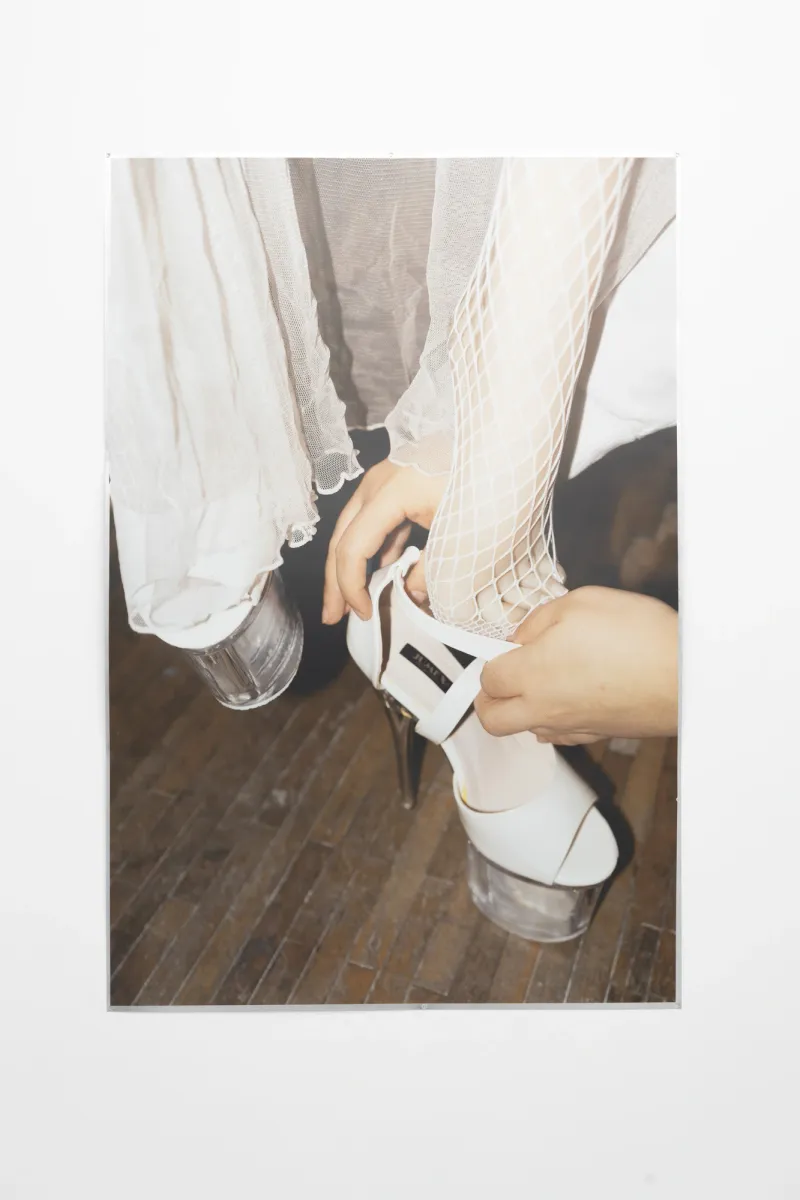
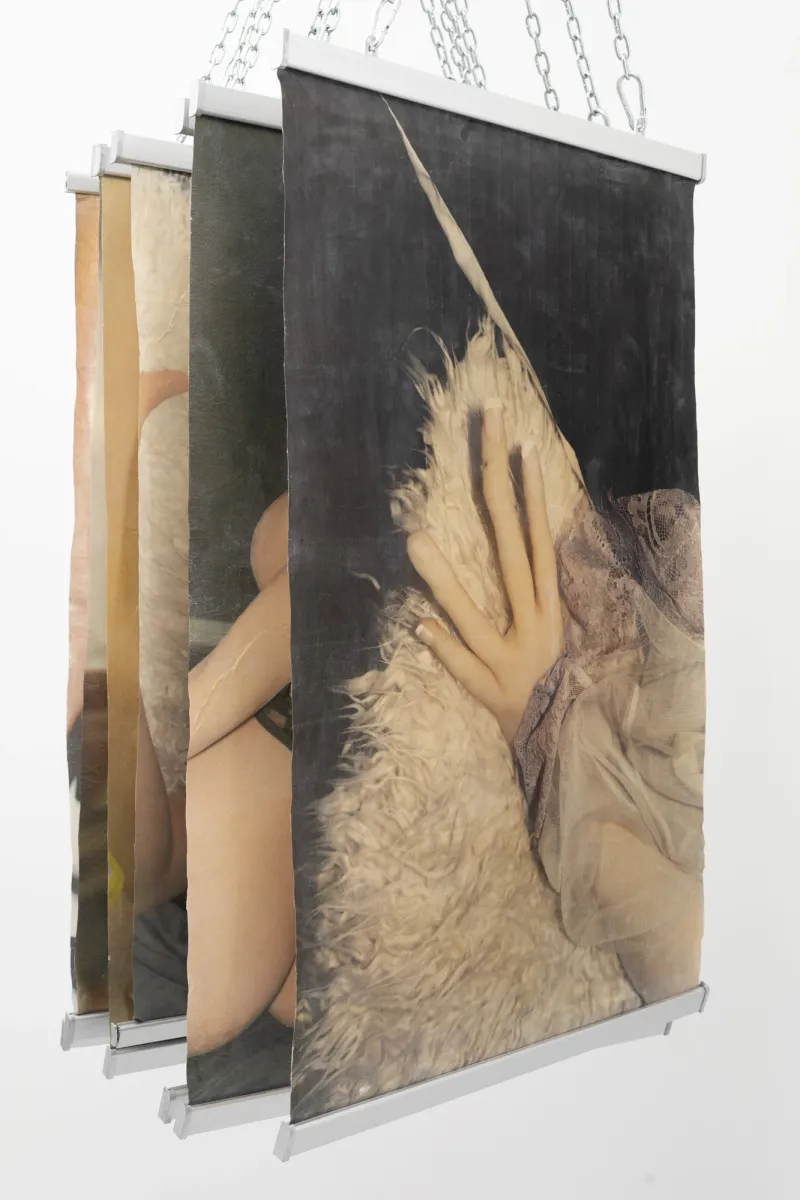
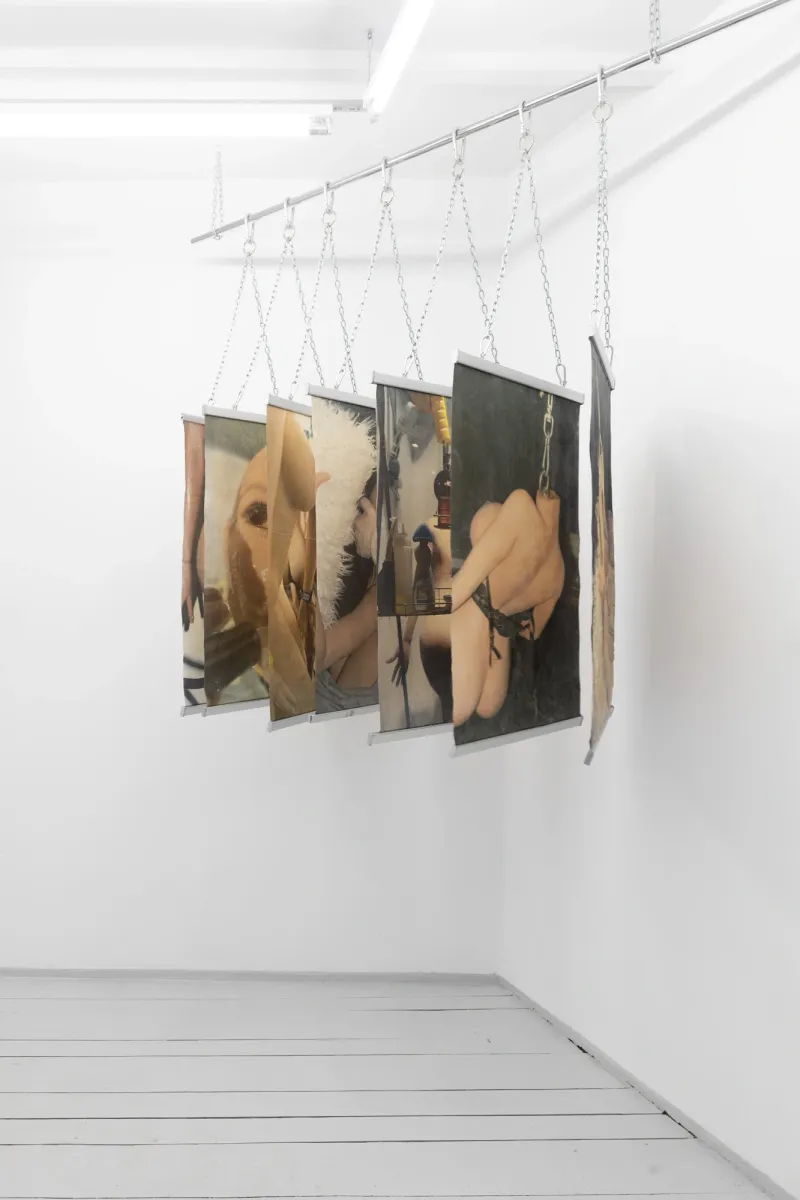
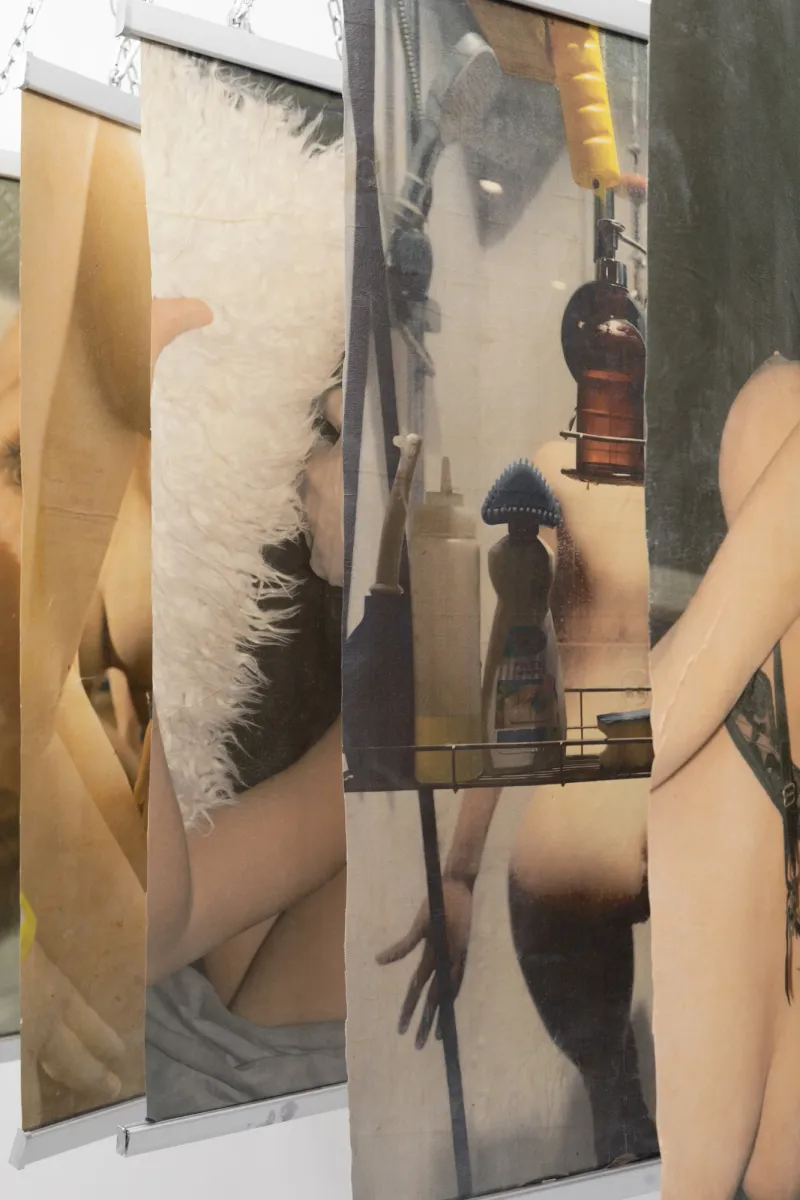
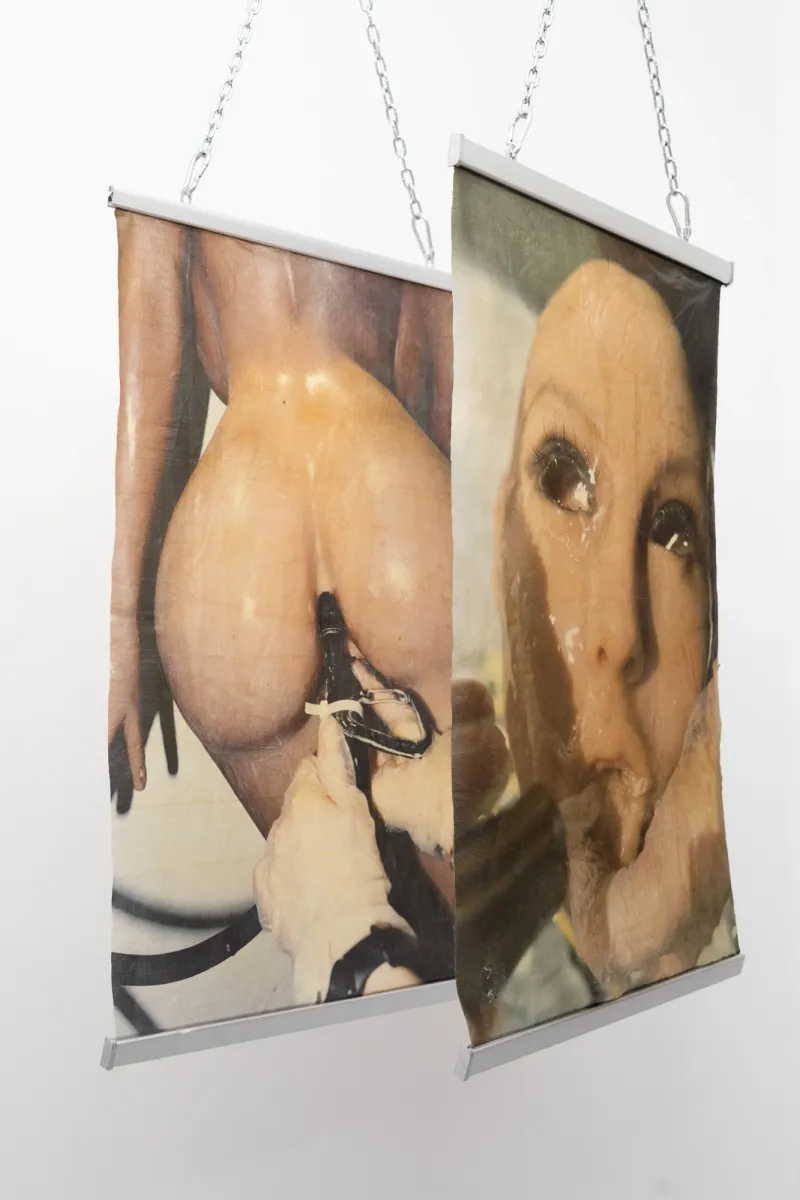
Poznań / 2026
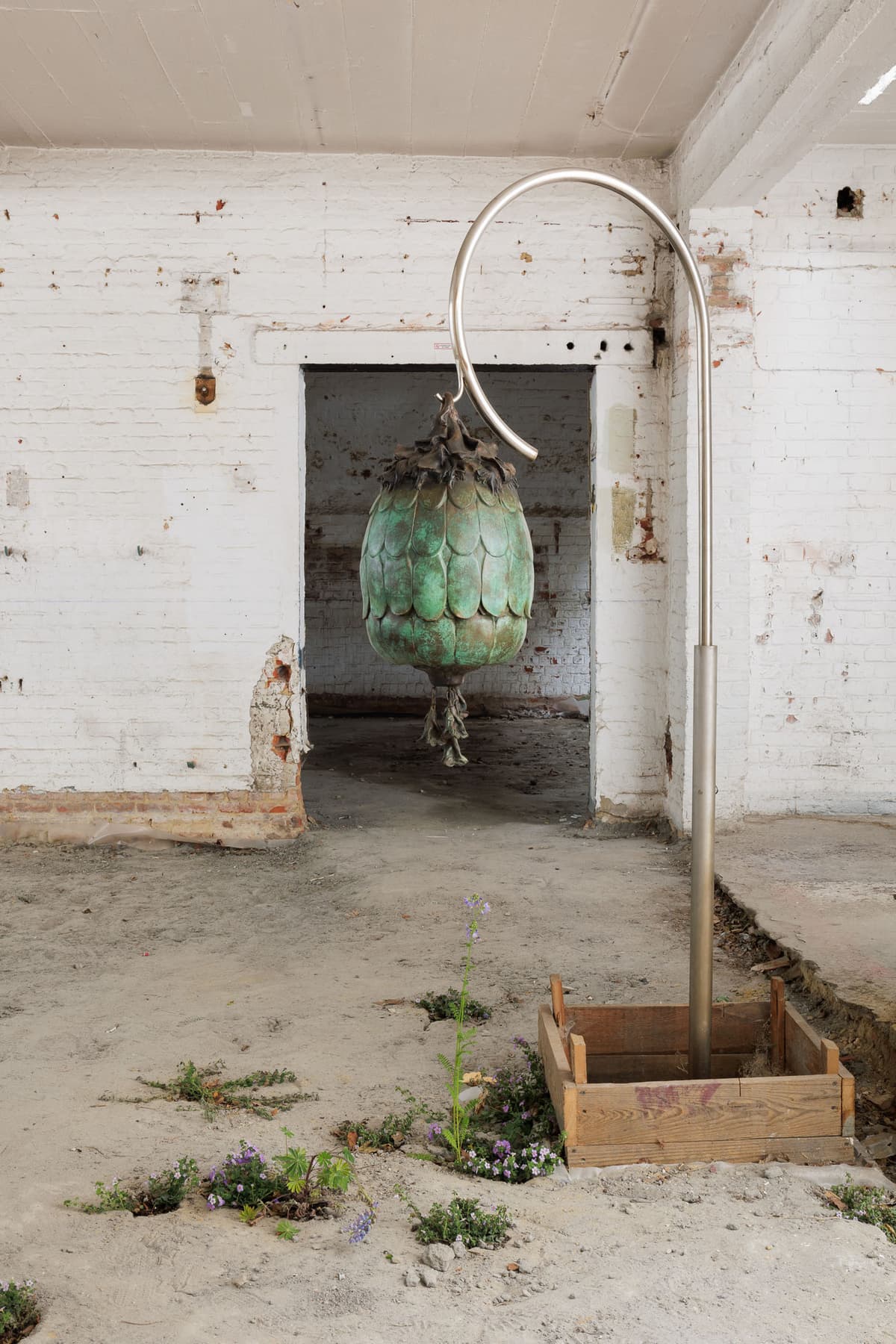
Brussels / 2026
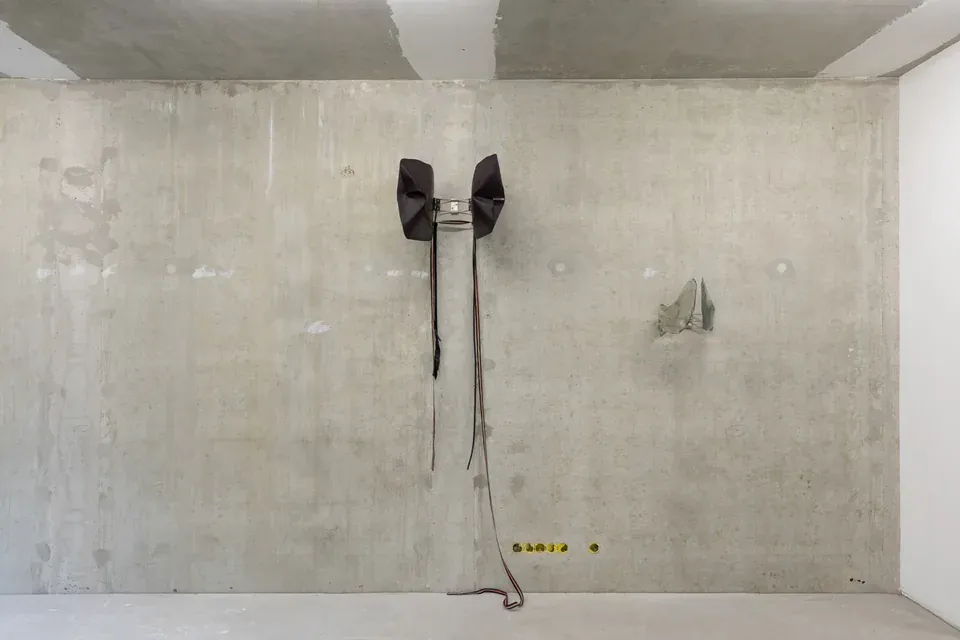
Berlin / 2026
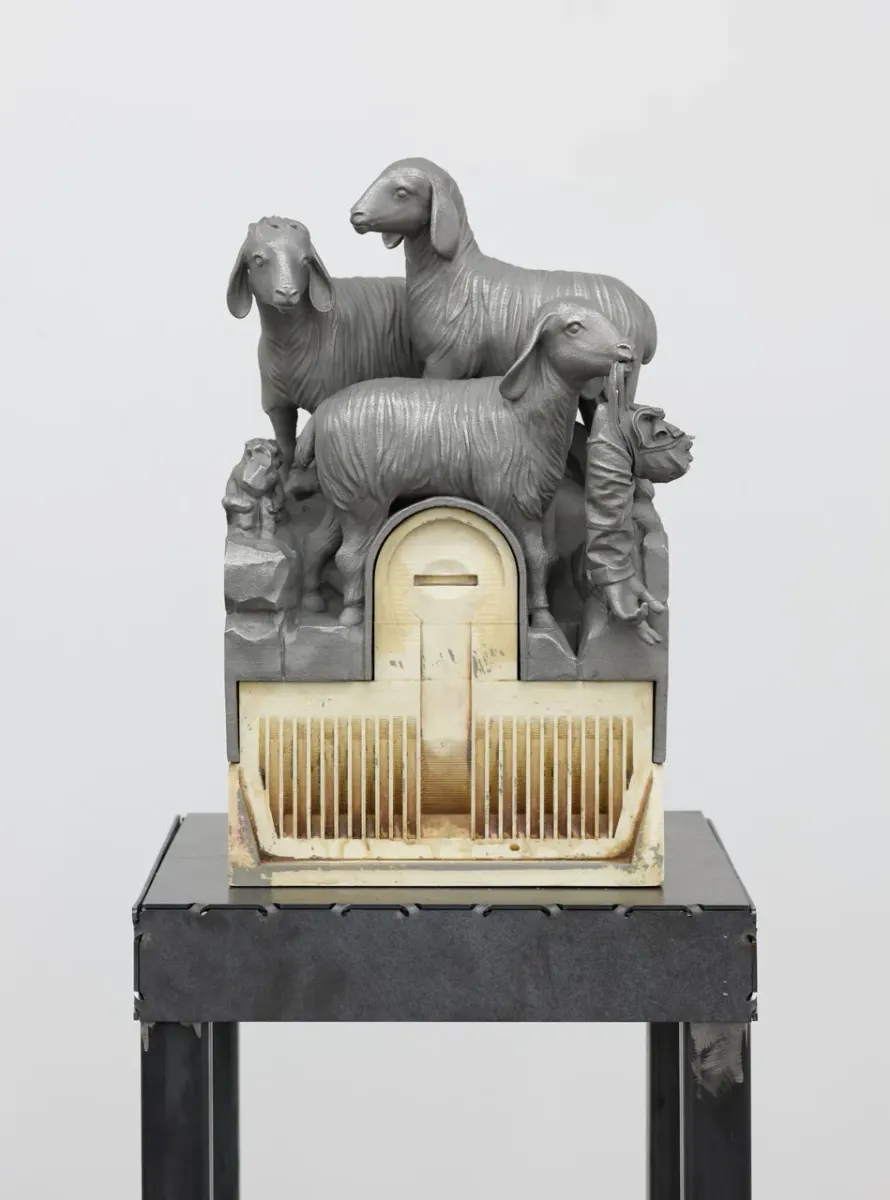
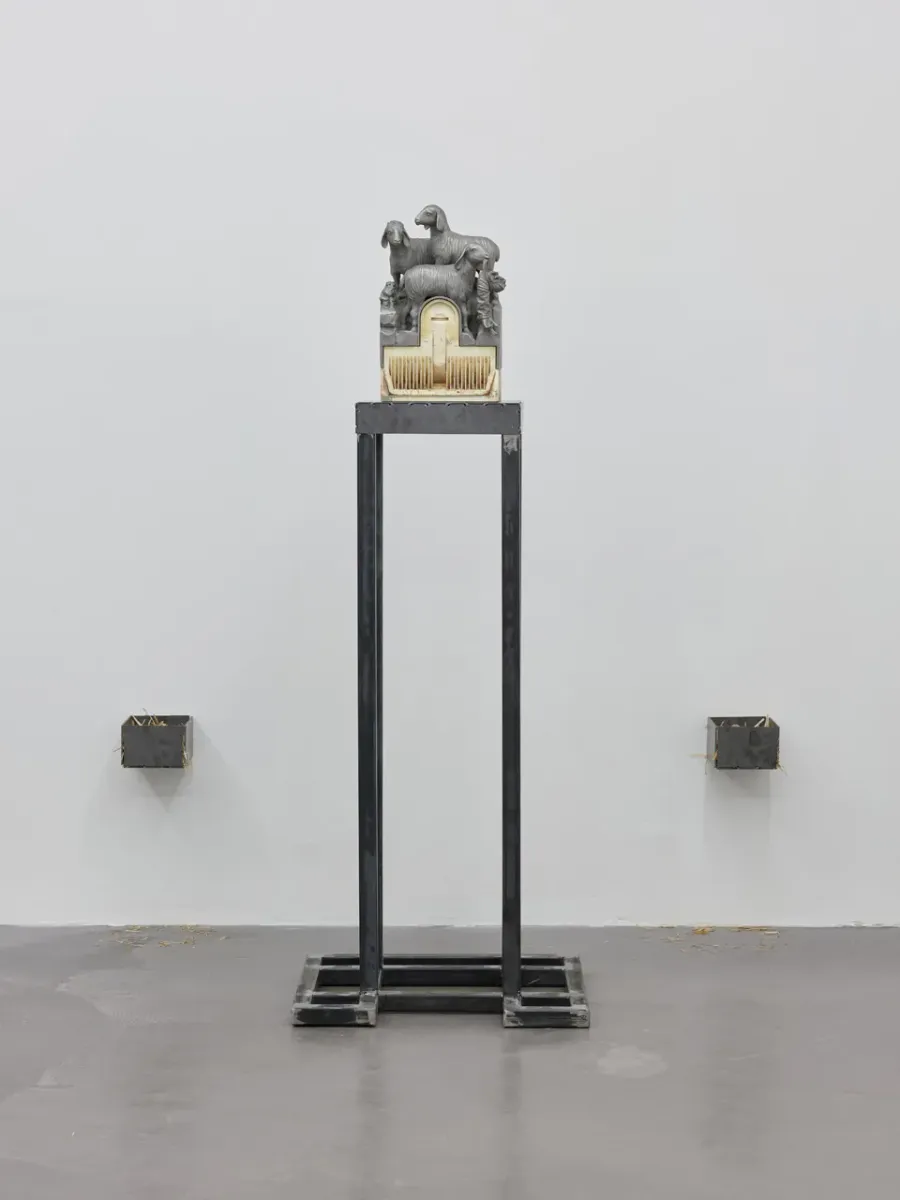
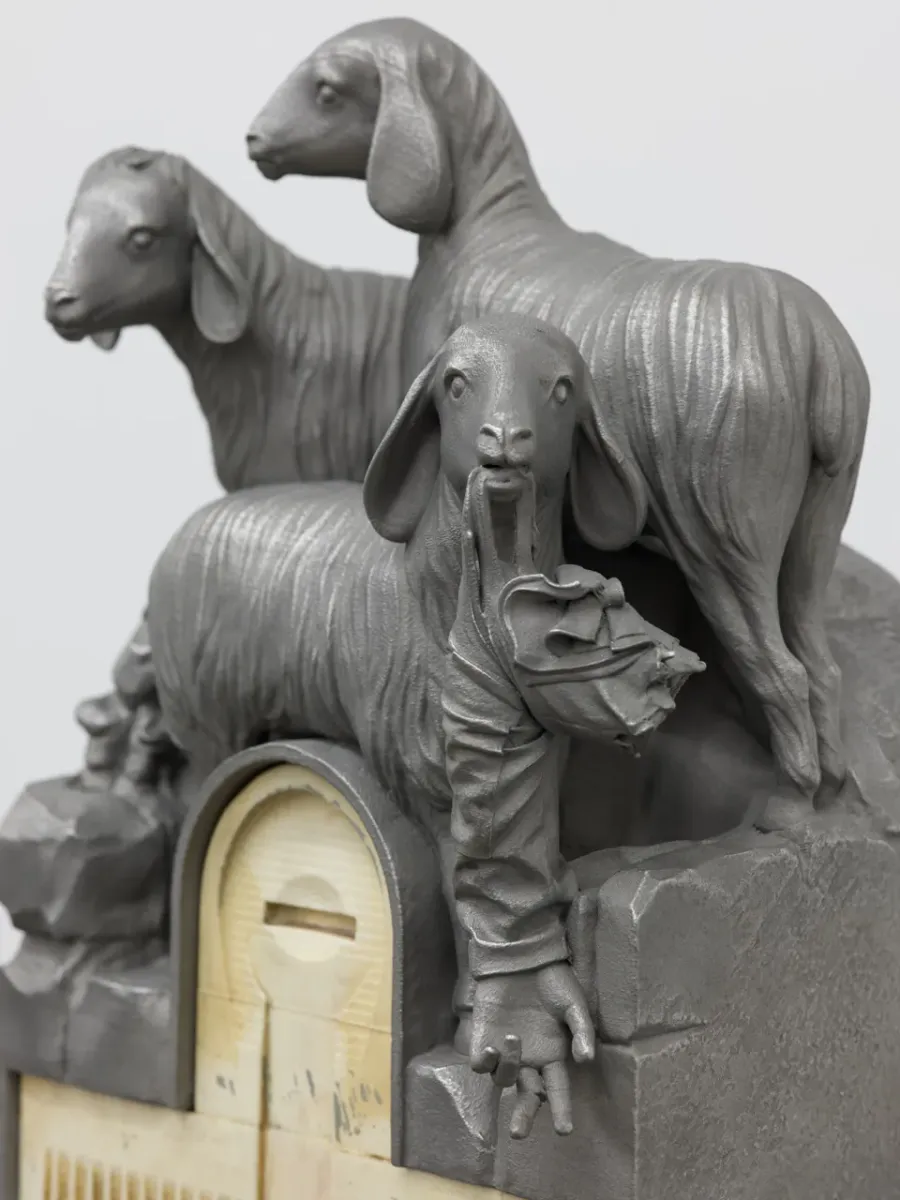
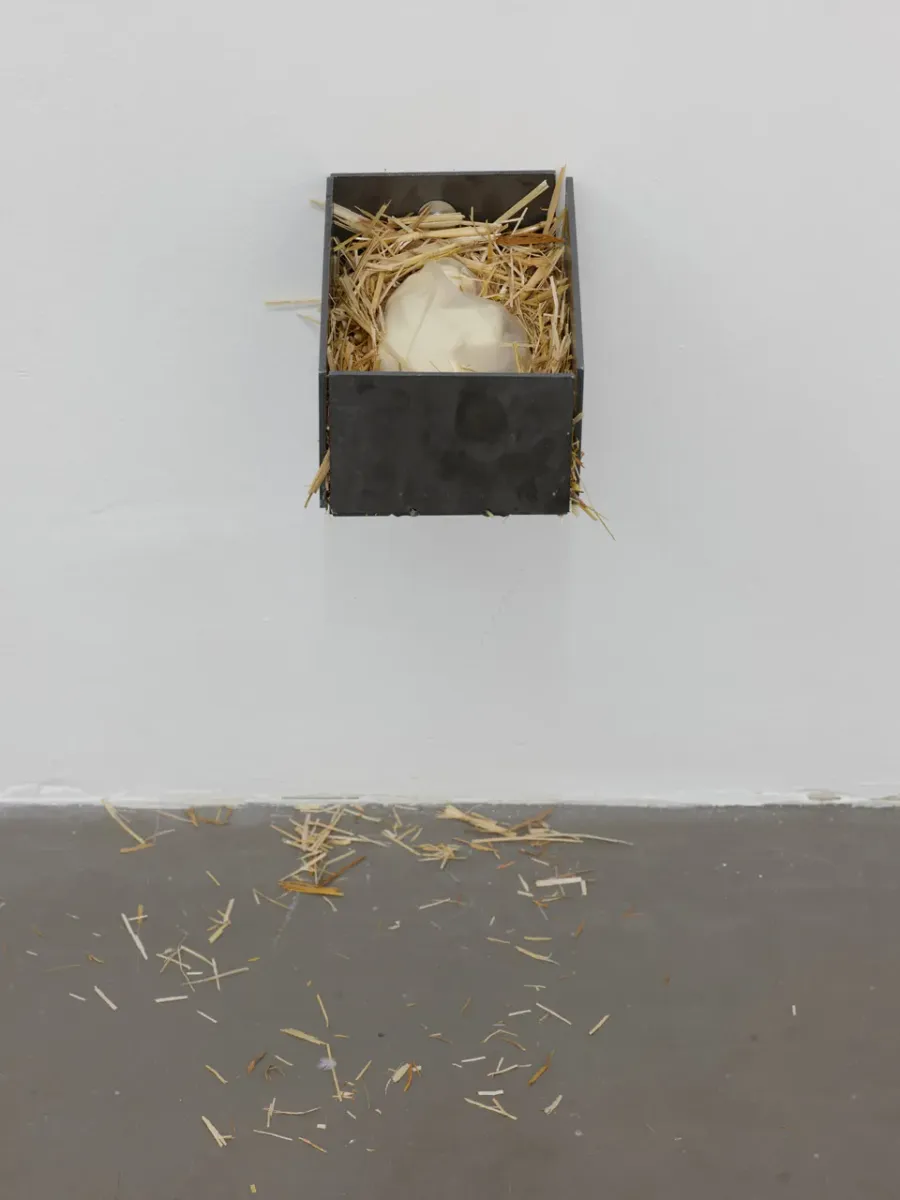
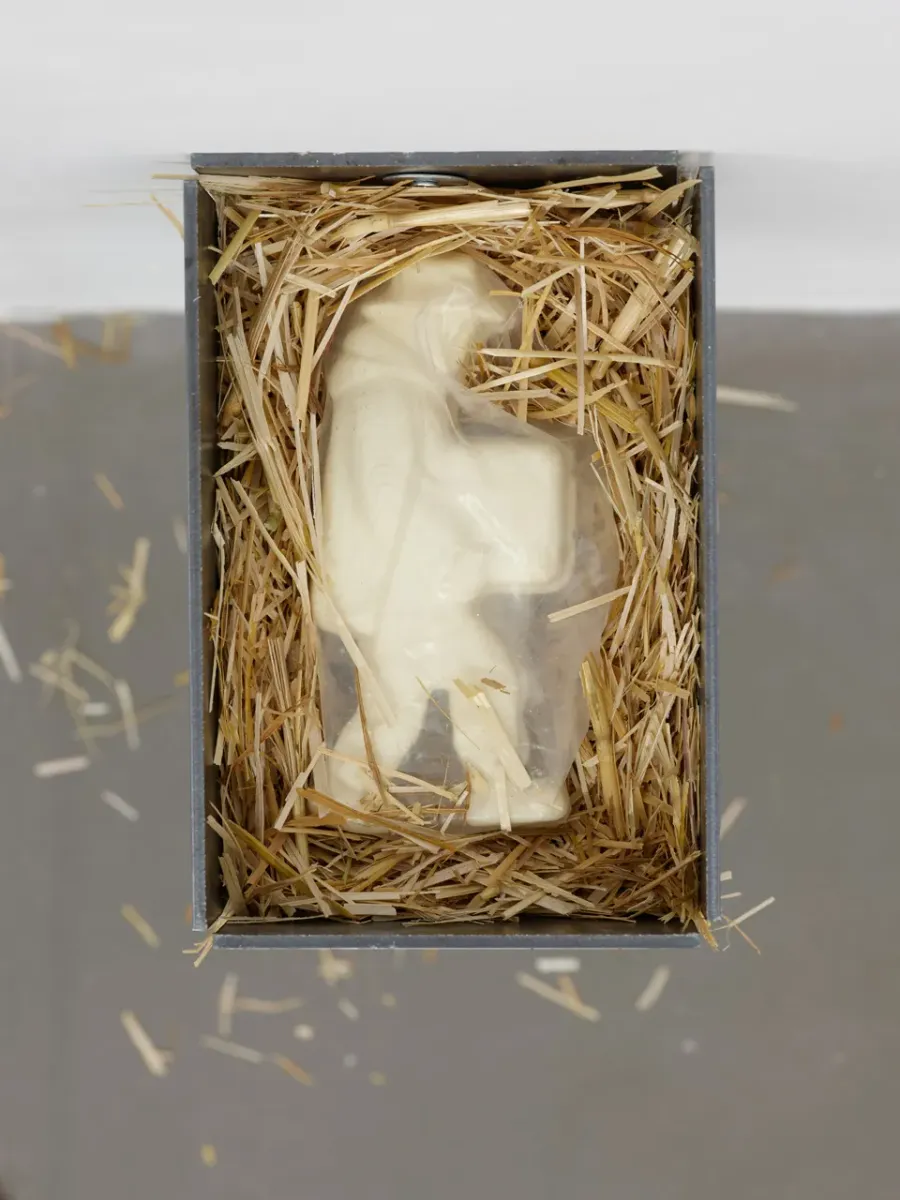
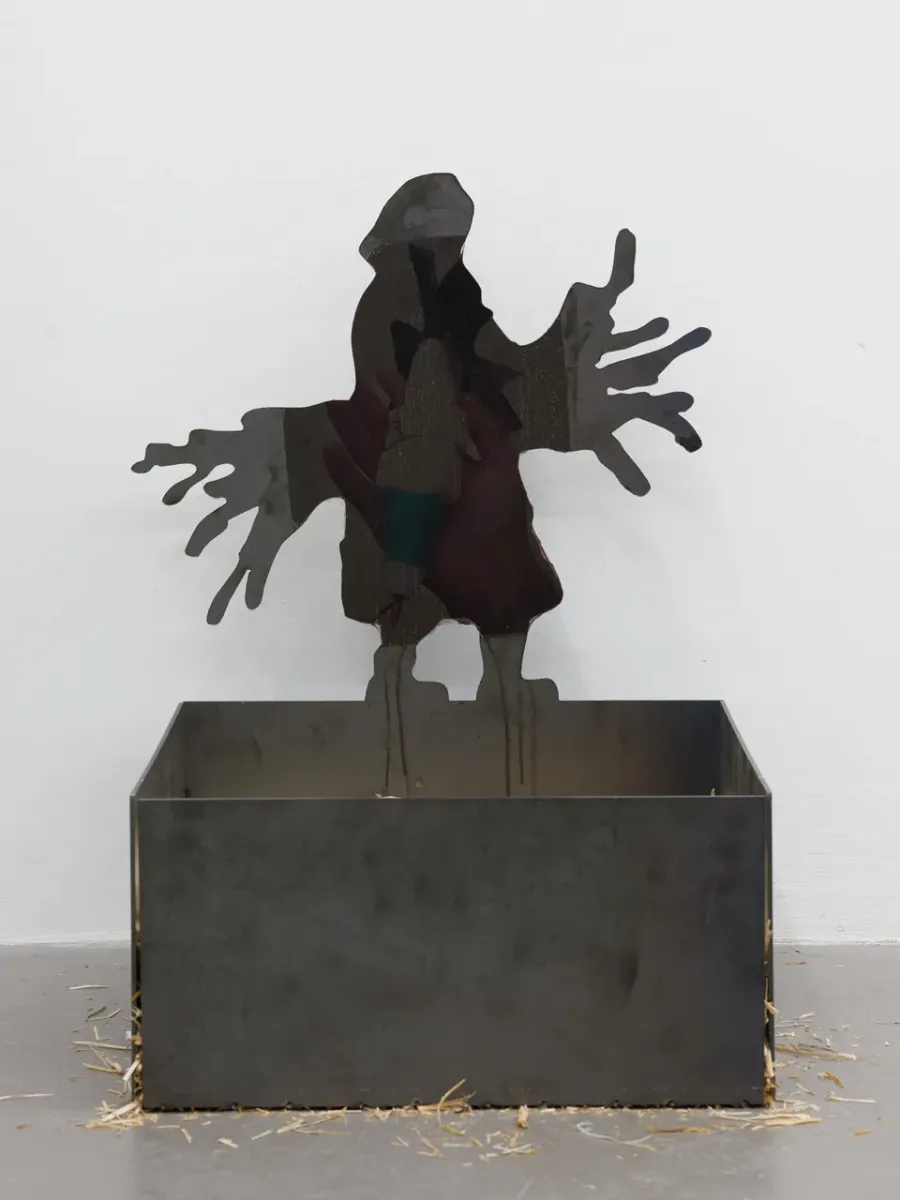
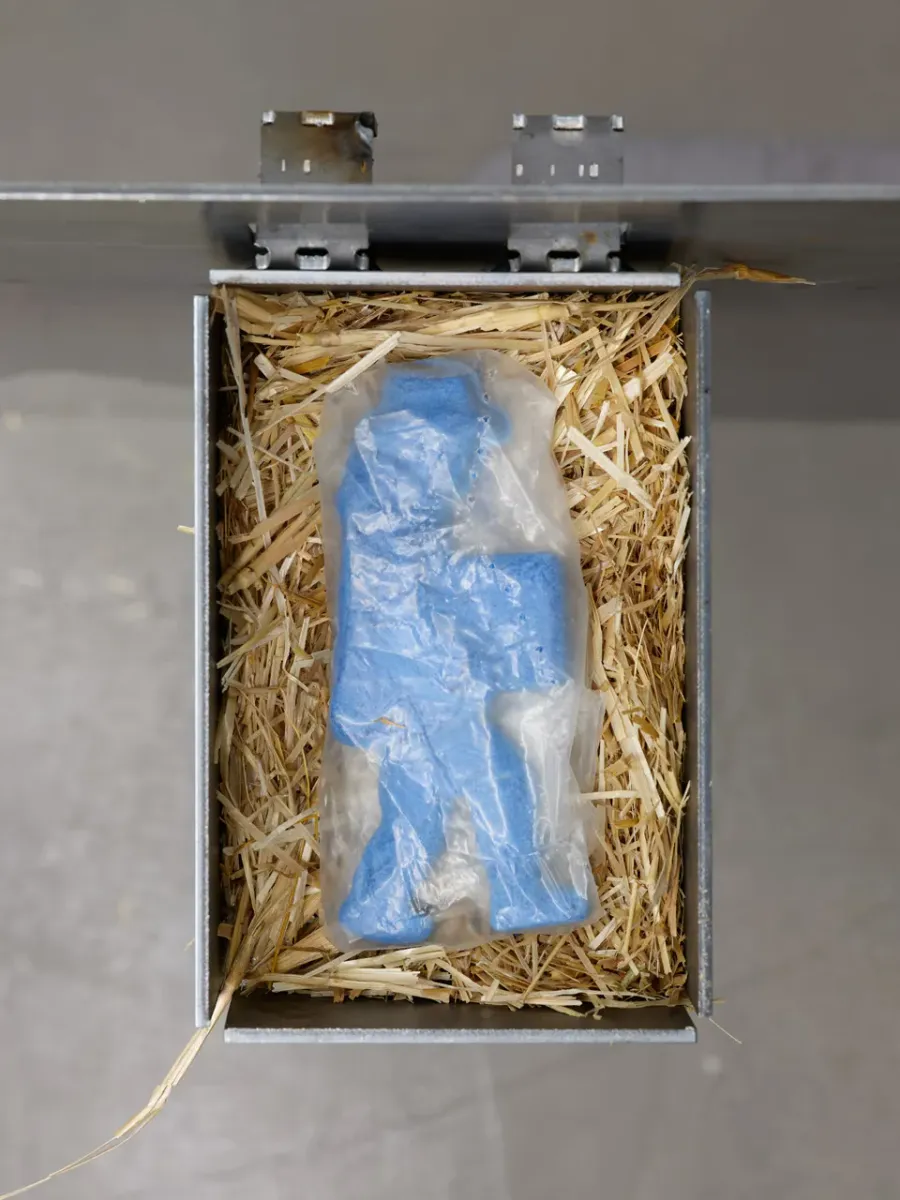
Istanbul / 2026
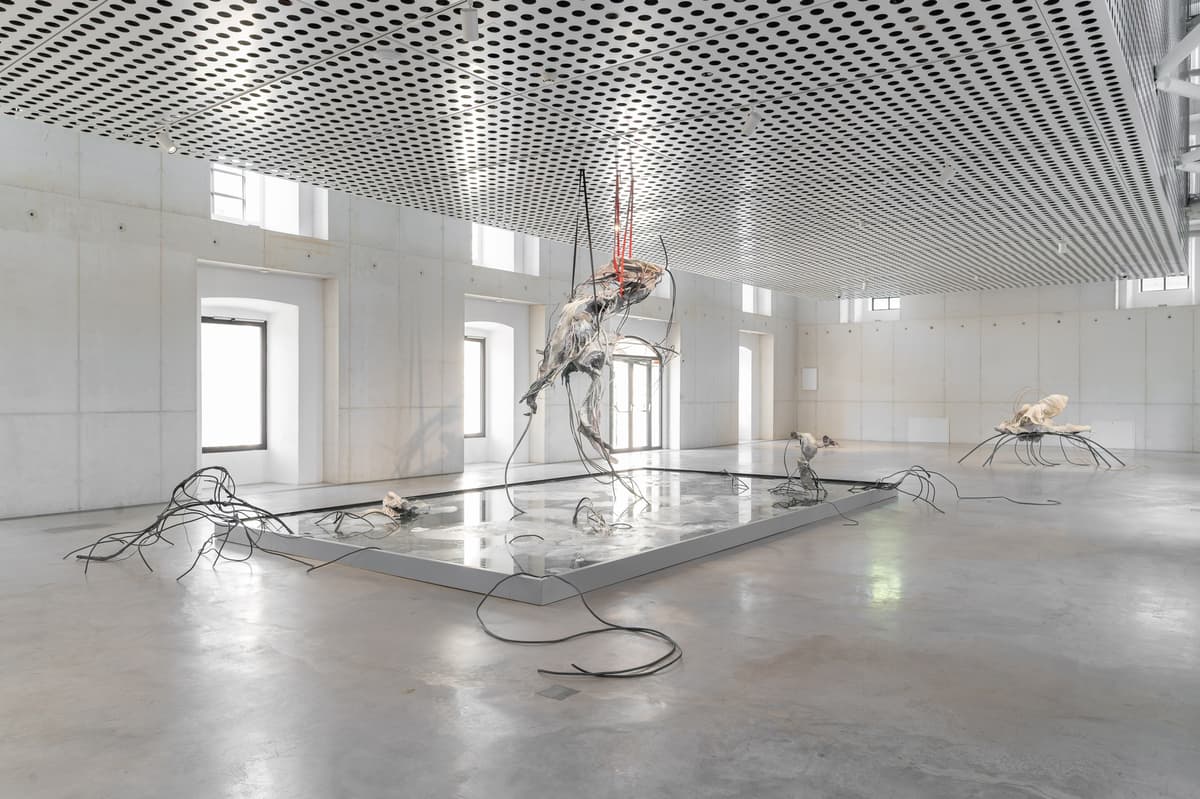
Ljubljana / 2026
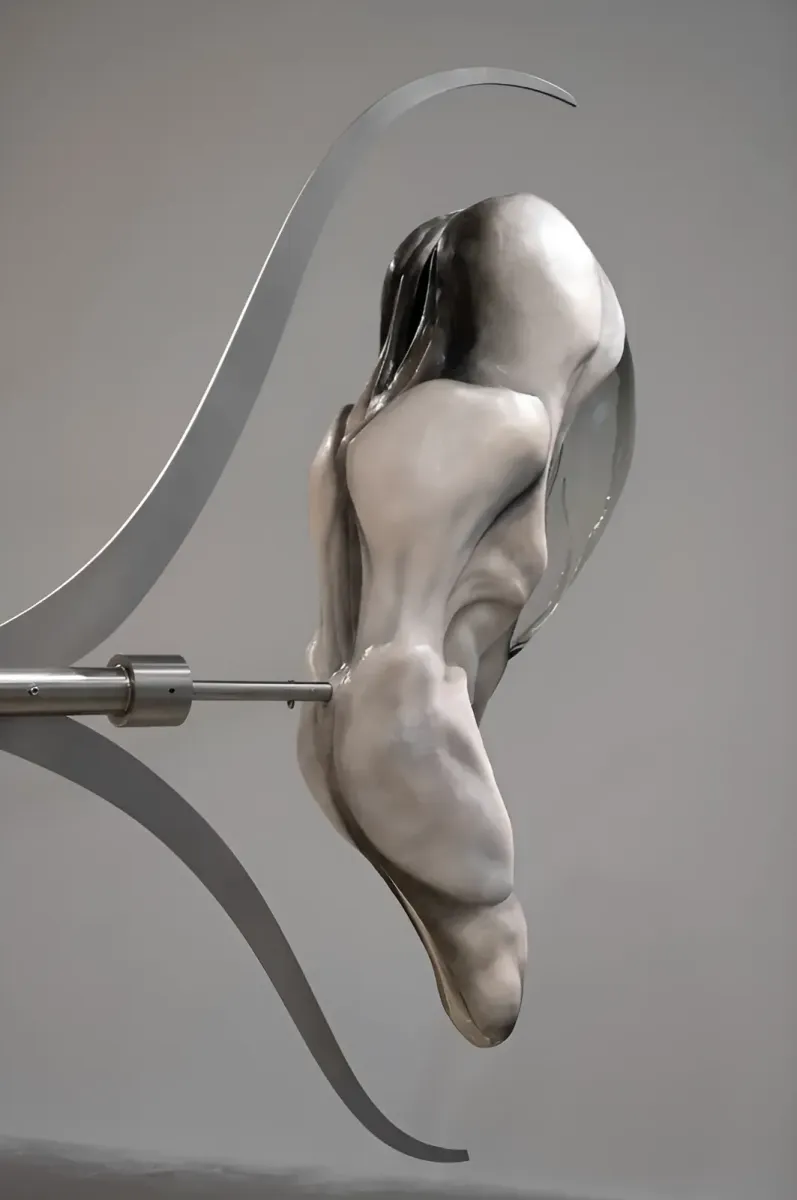
Montpellier / 2025
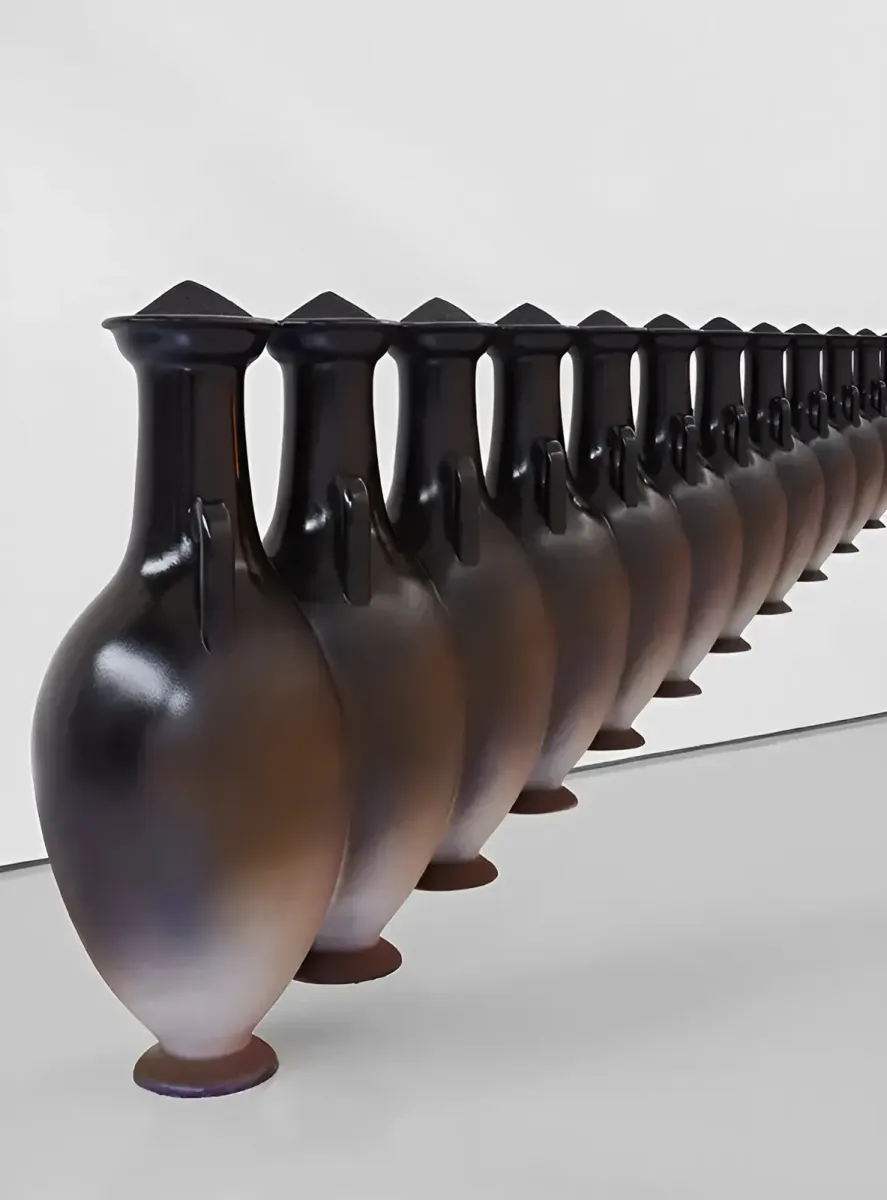
London / 2025
Lisbon / 2025
/ 2024
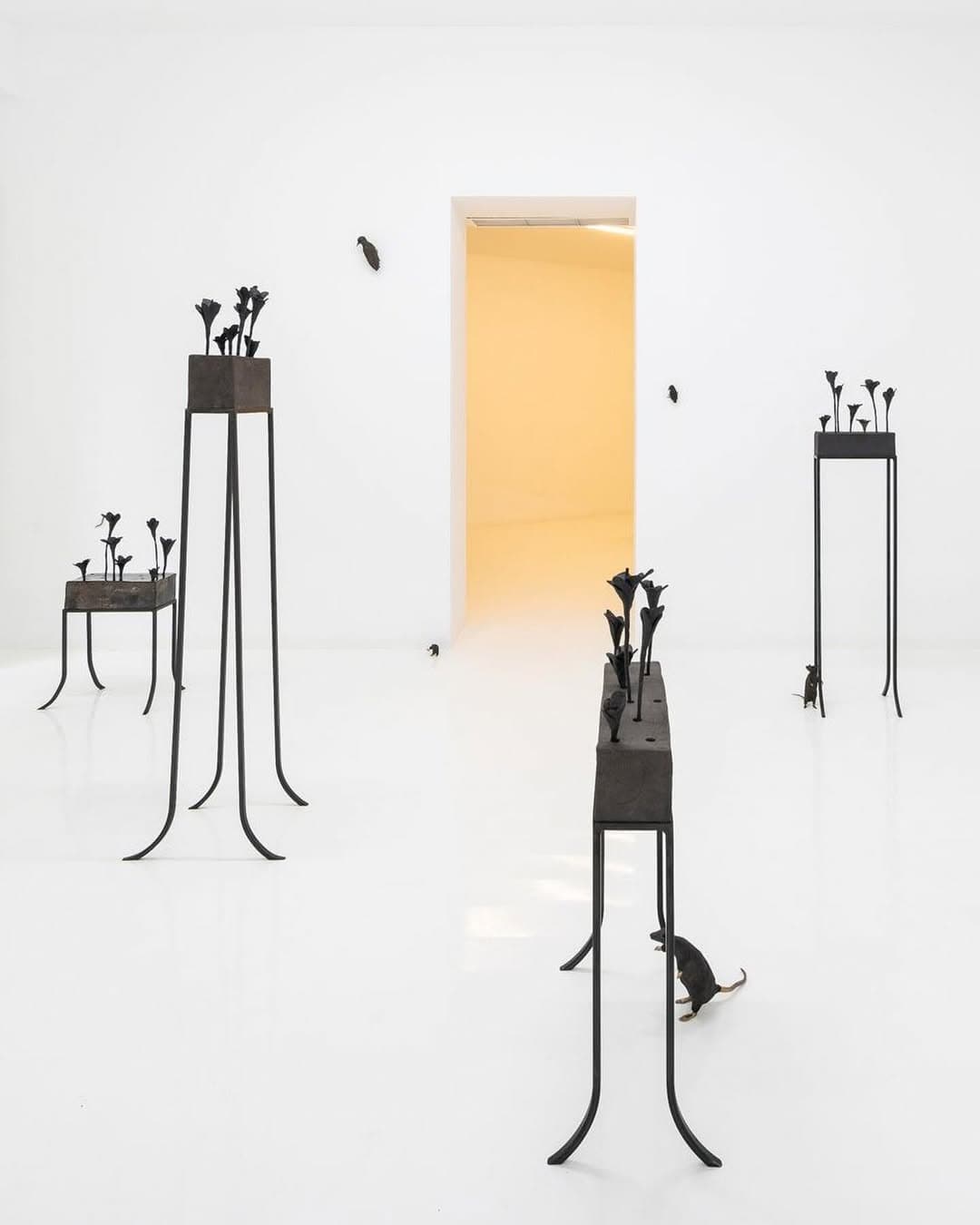
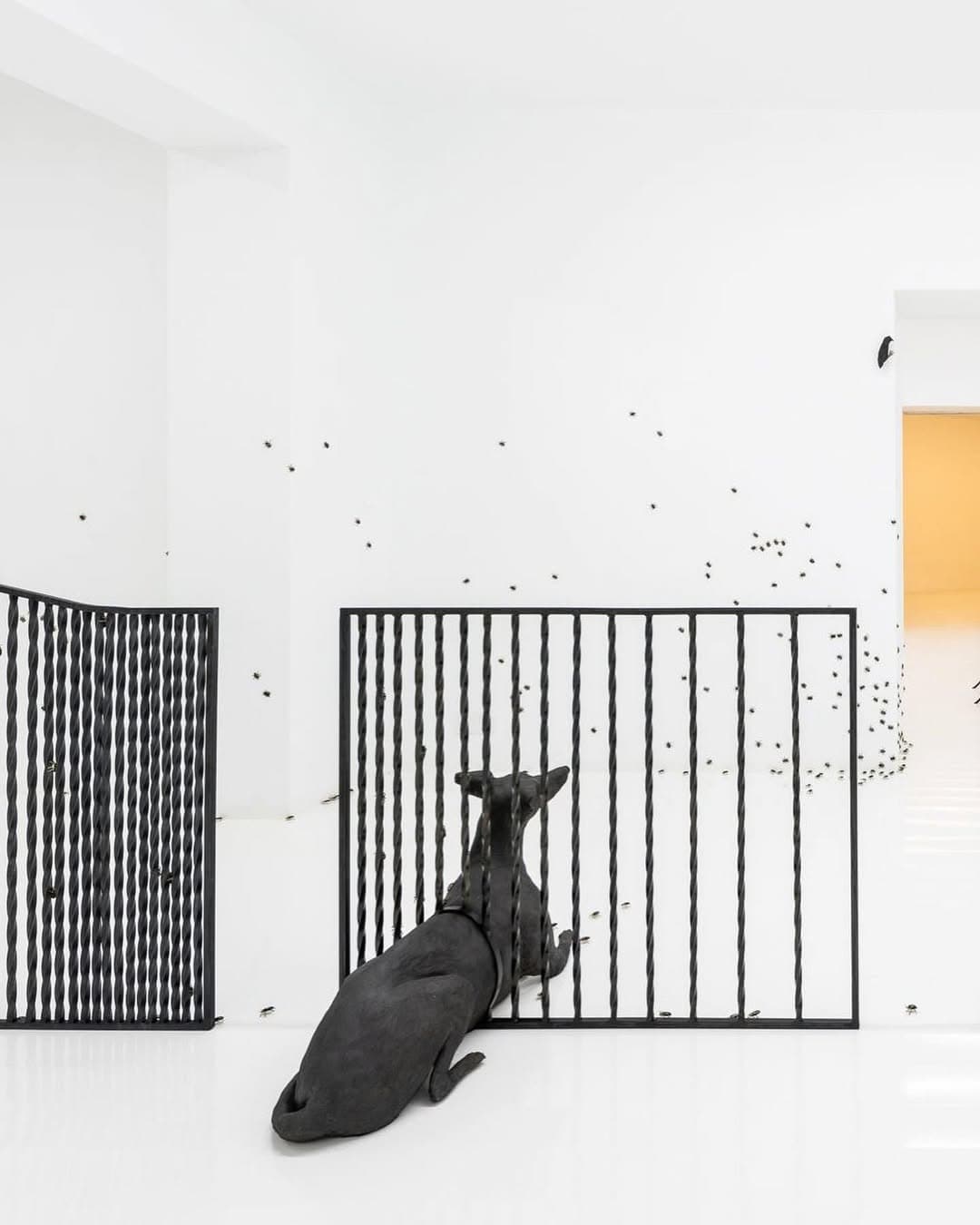
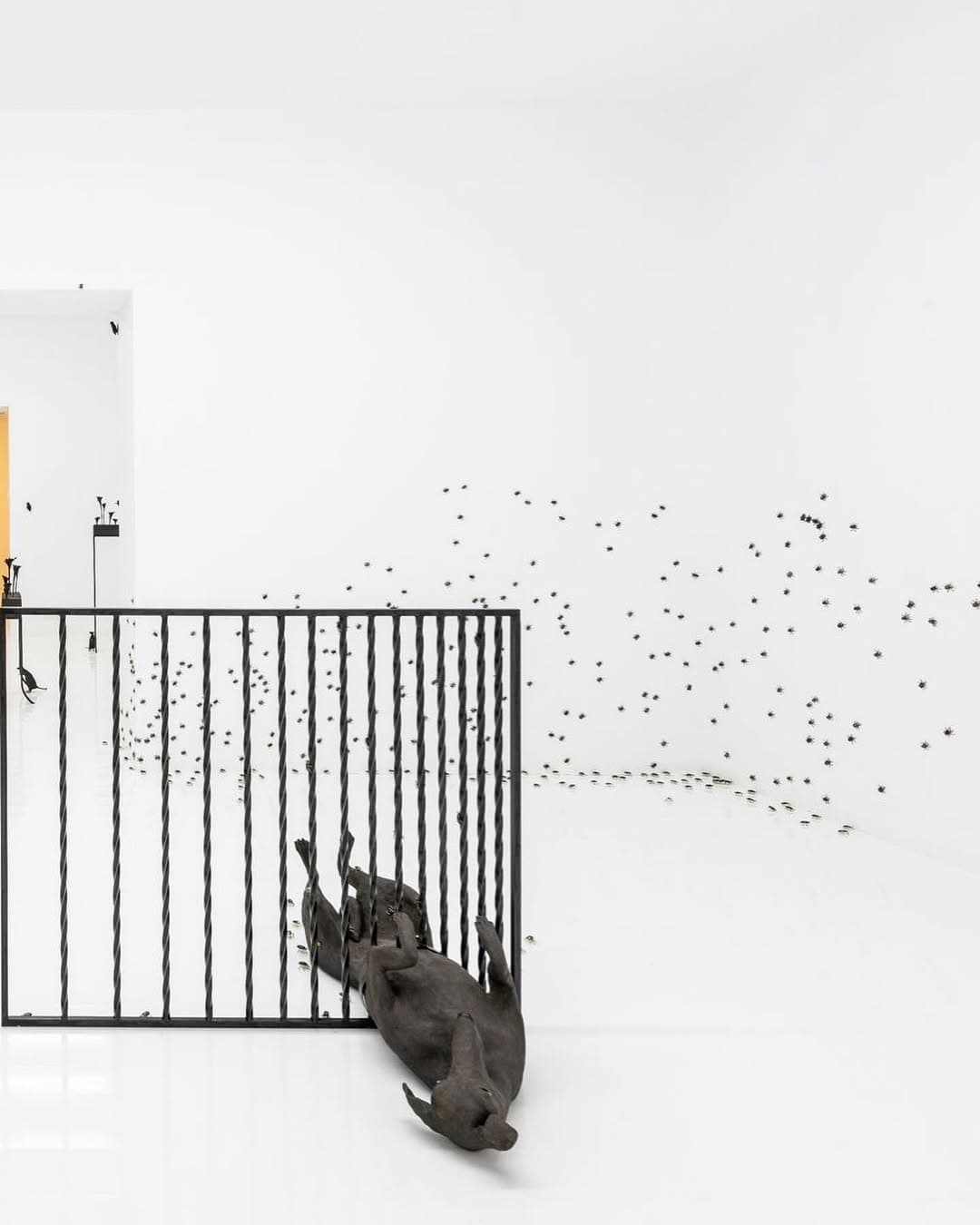
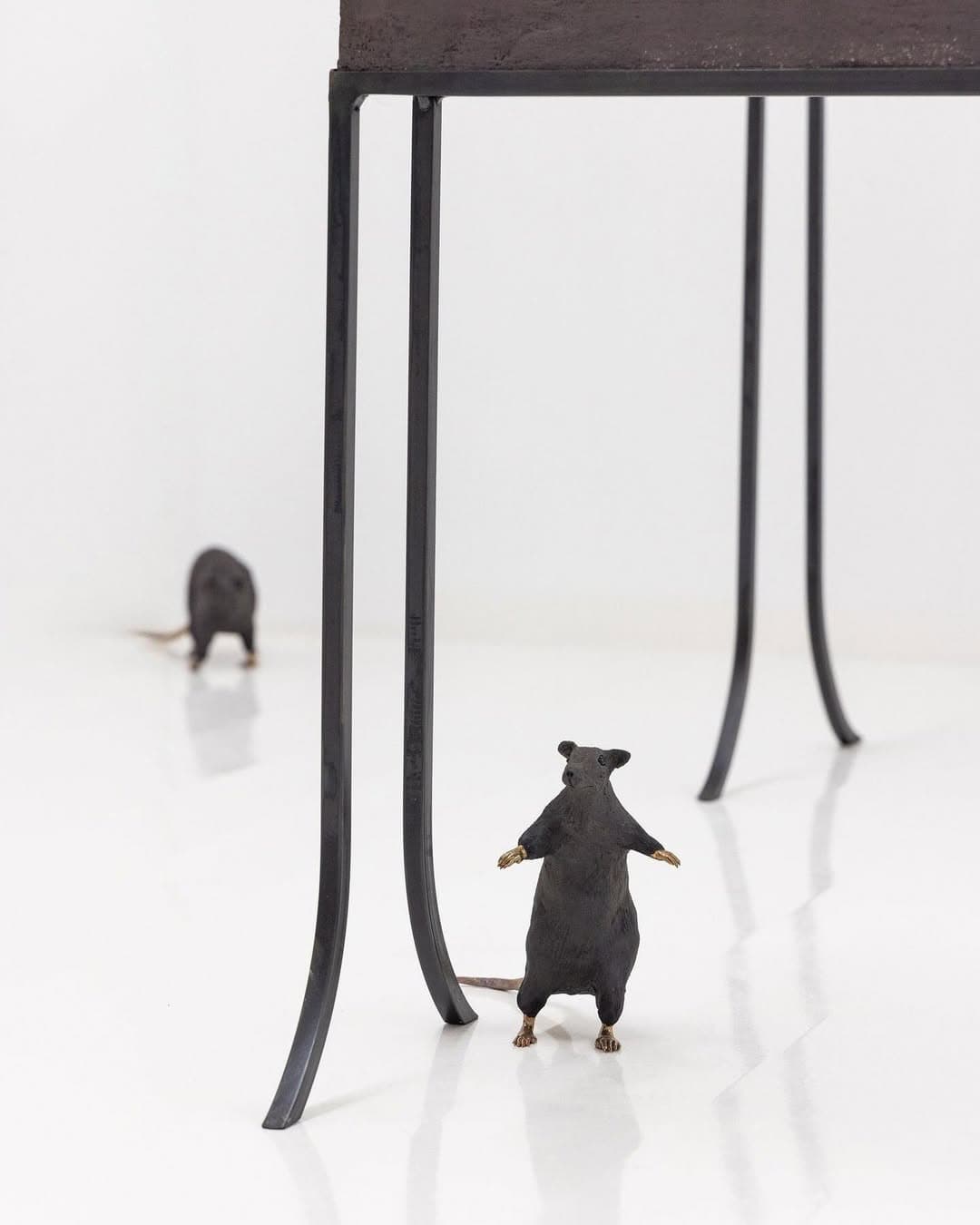
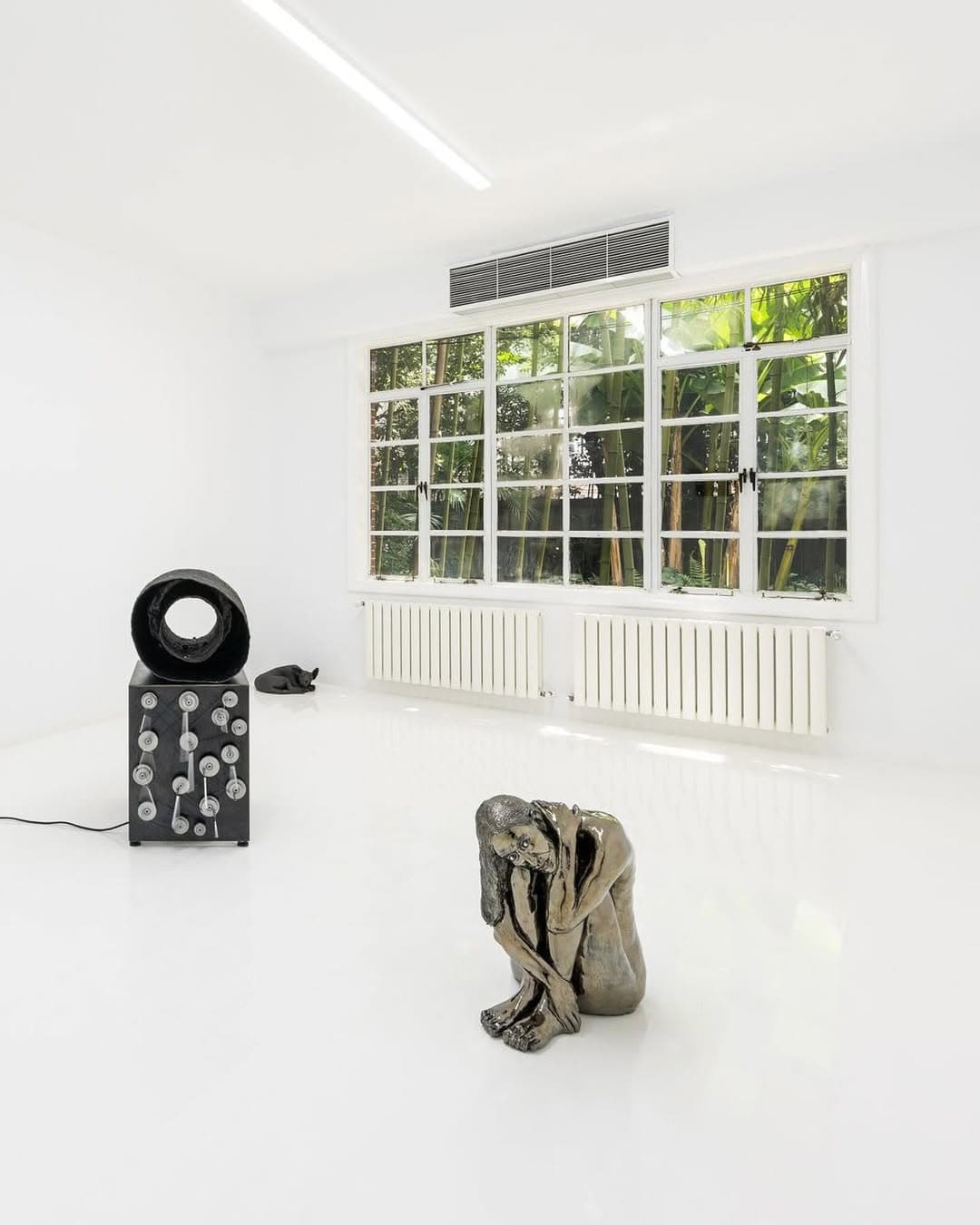
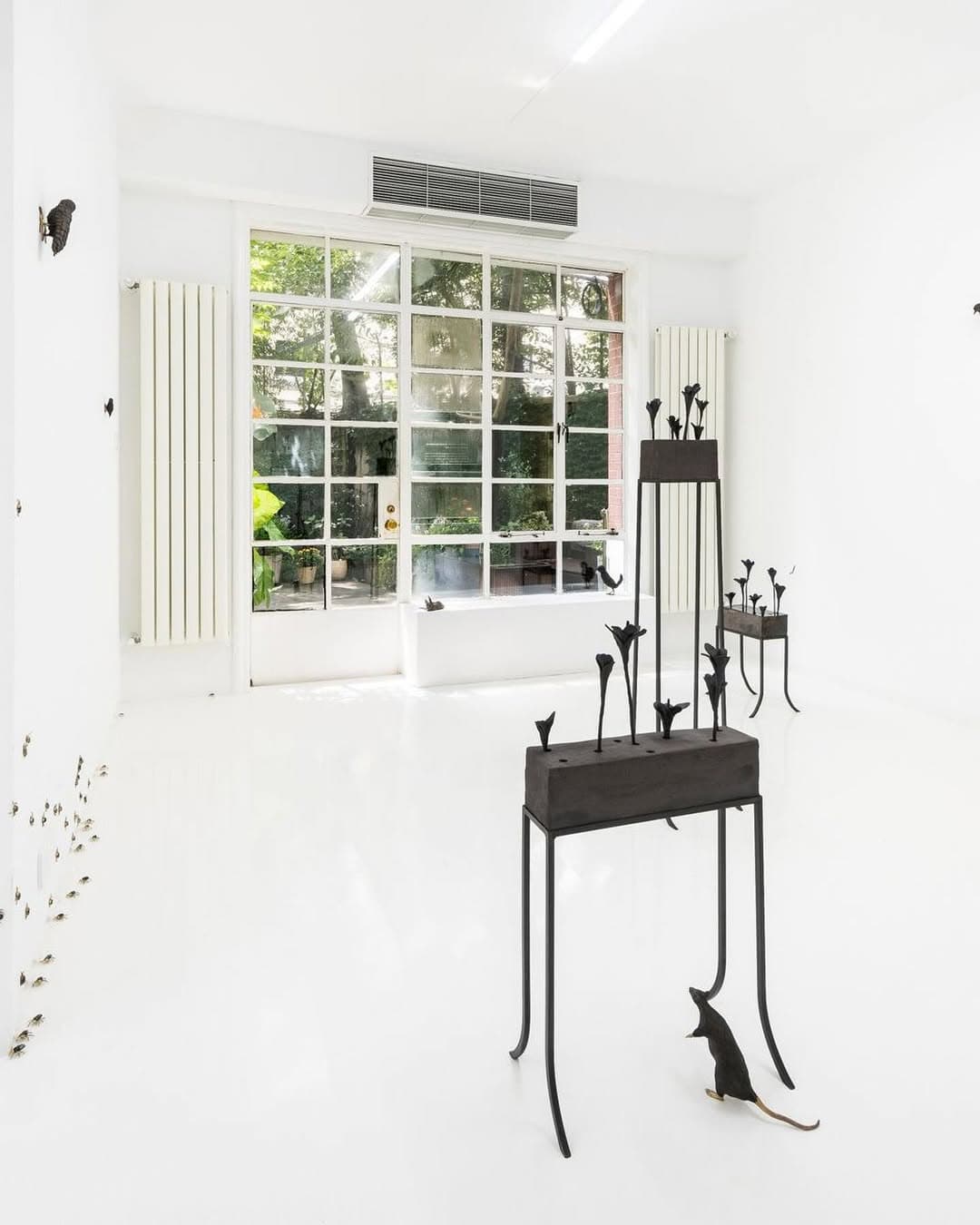
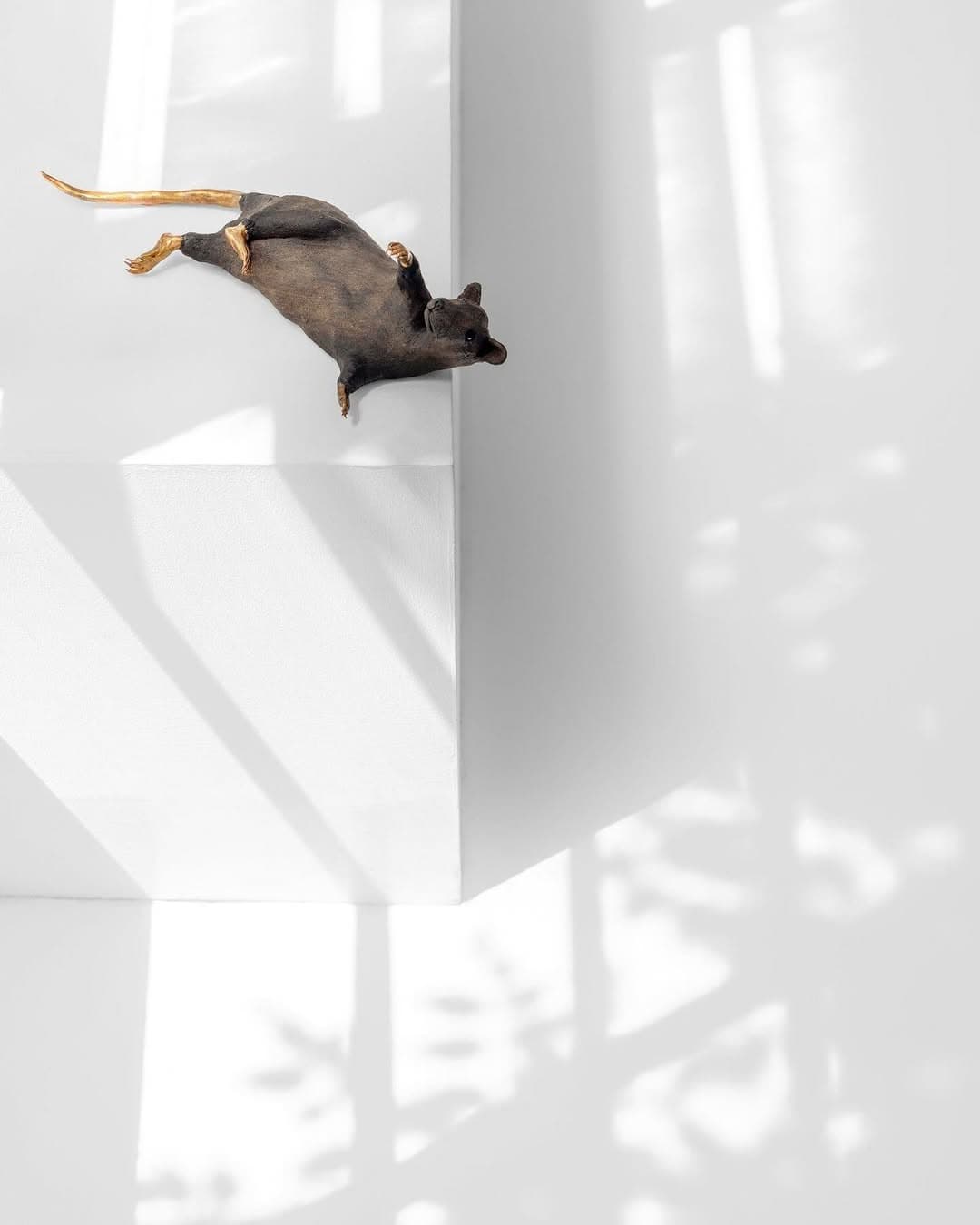
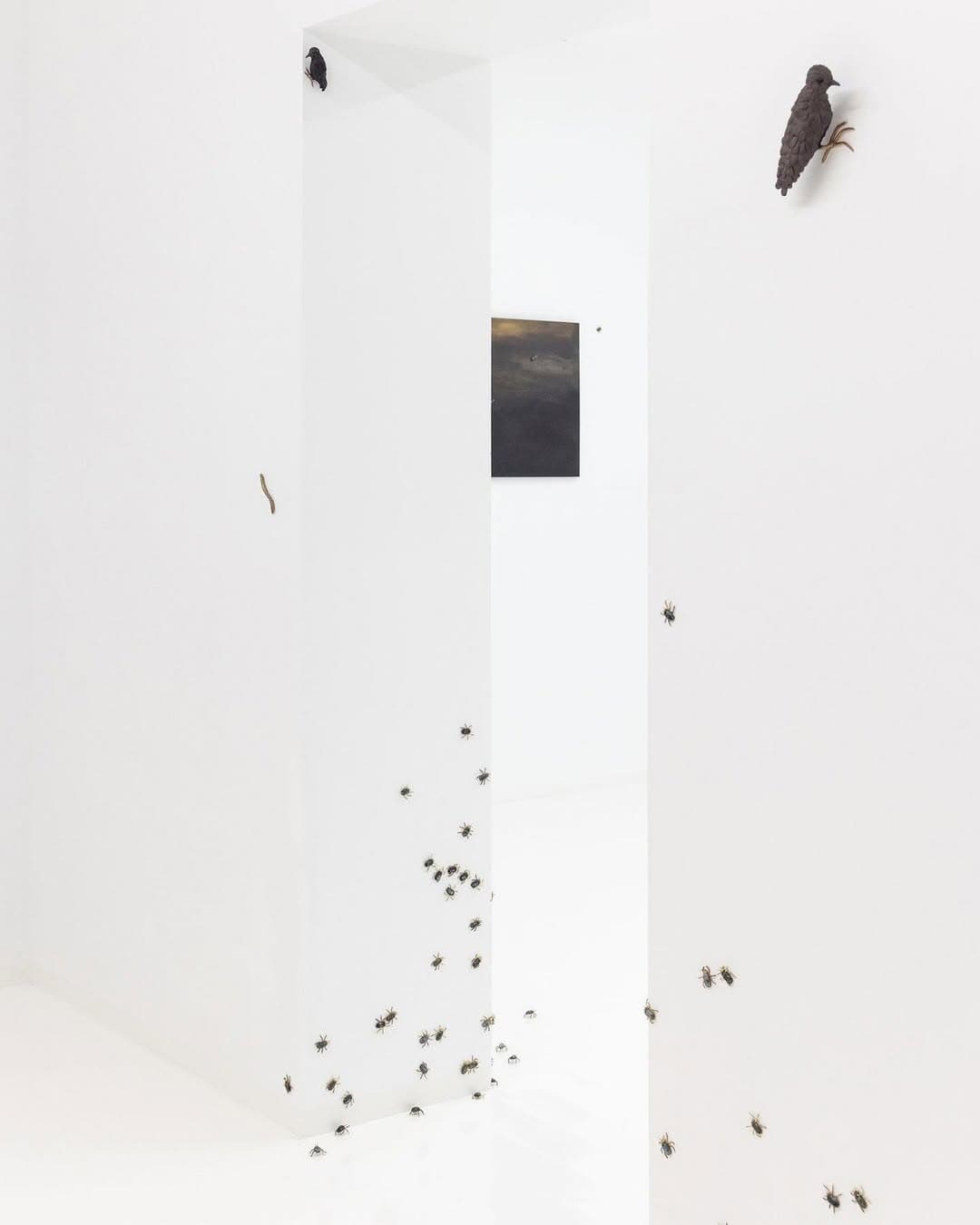
Shanghai / 2024
%2Fphoto_1_2026-05-24_00-47-49.jpg&w=1200&q=75)
Berlin / 2023
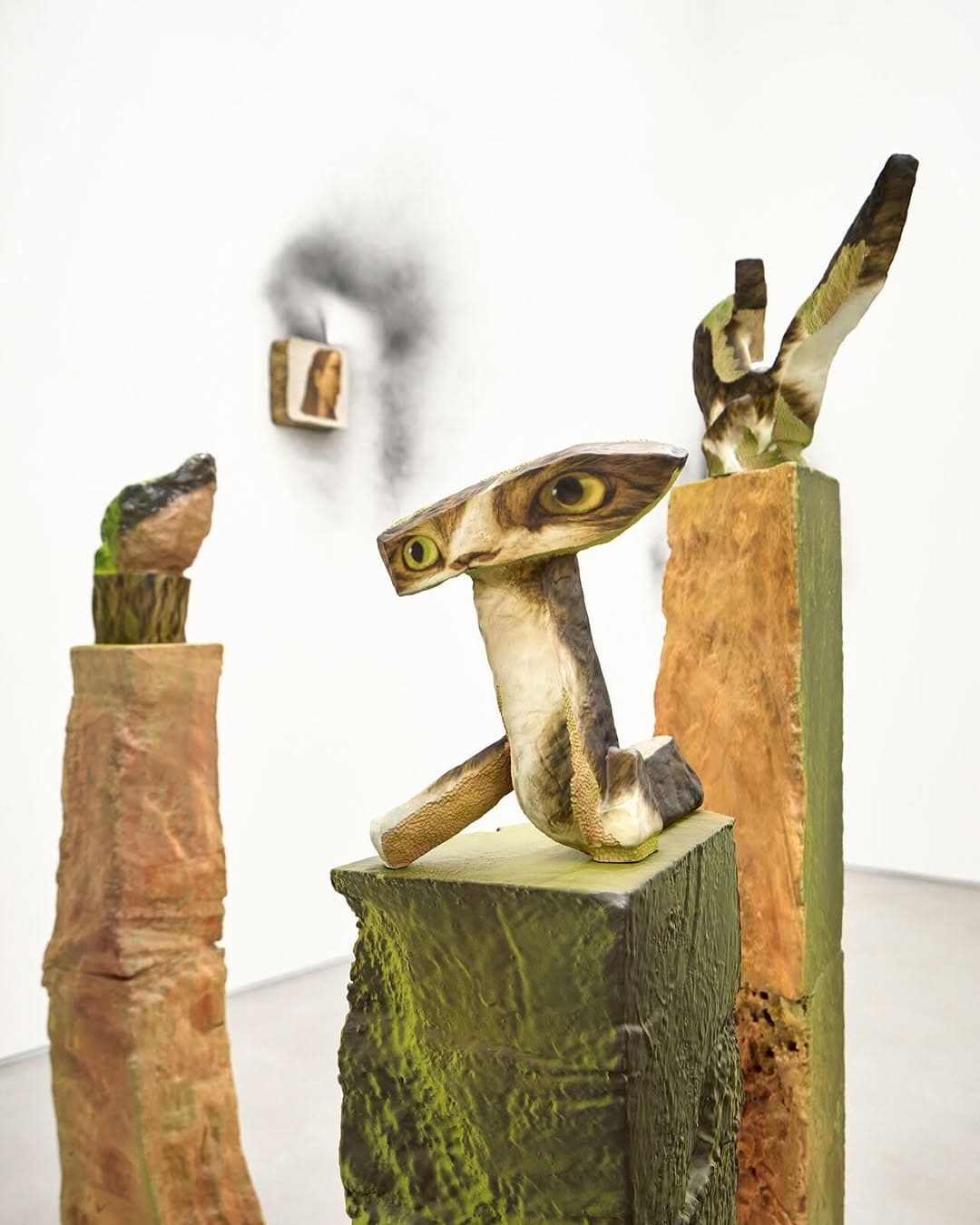
/ 2025
%2Fphoto_1_2026-05-24_00-41-28.jpg&w=1200&q=75)
Berlin / 2025
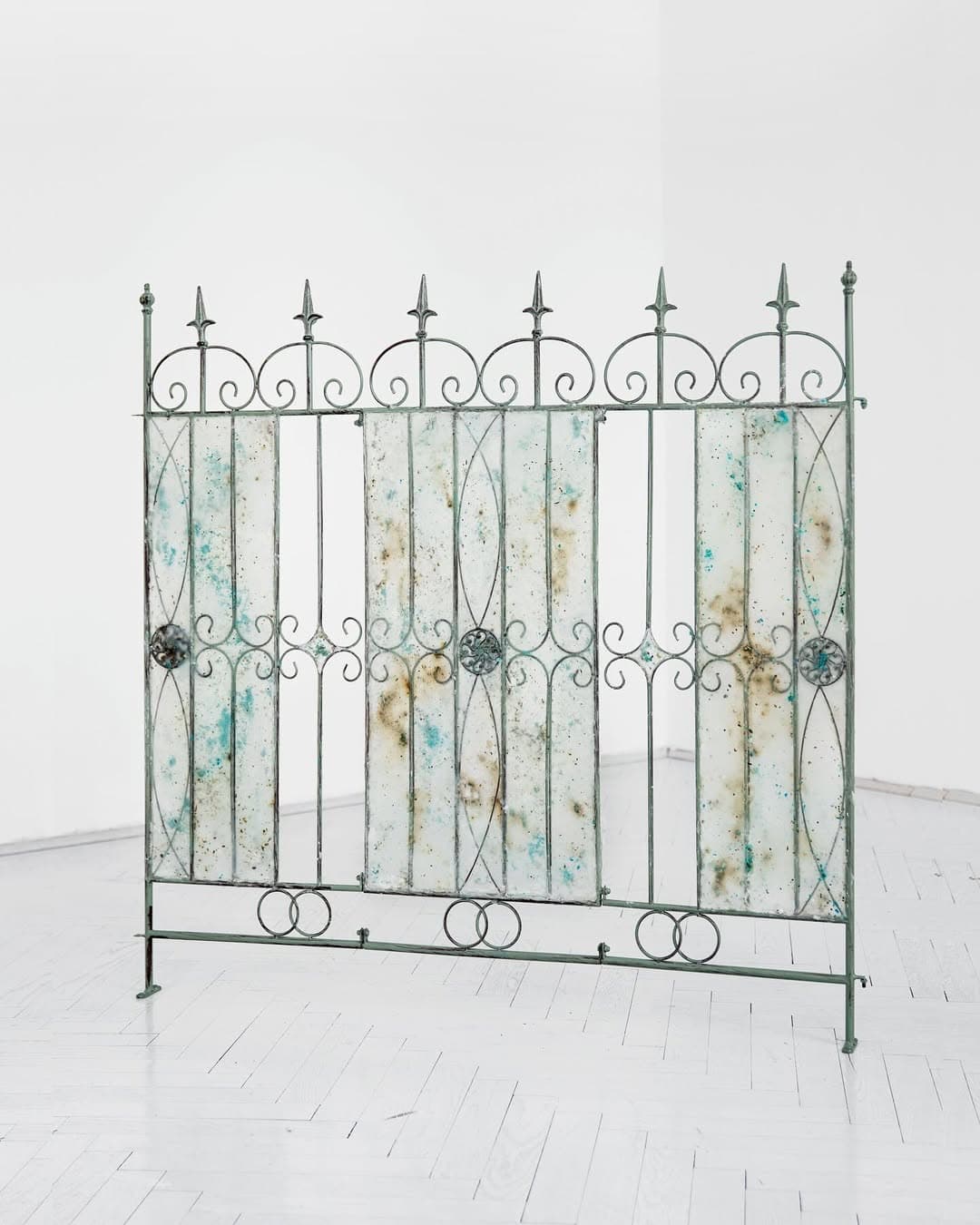
Vienna / 2025
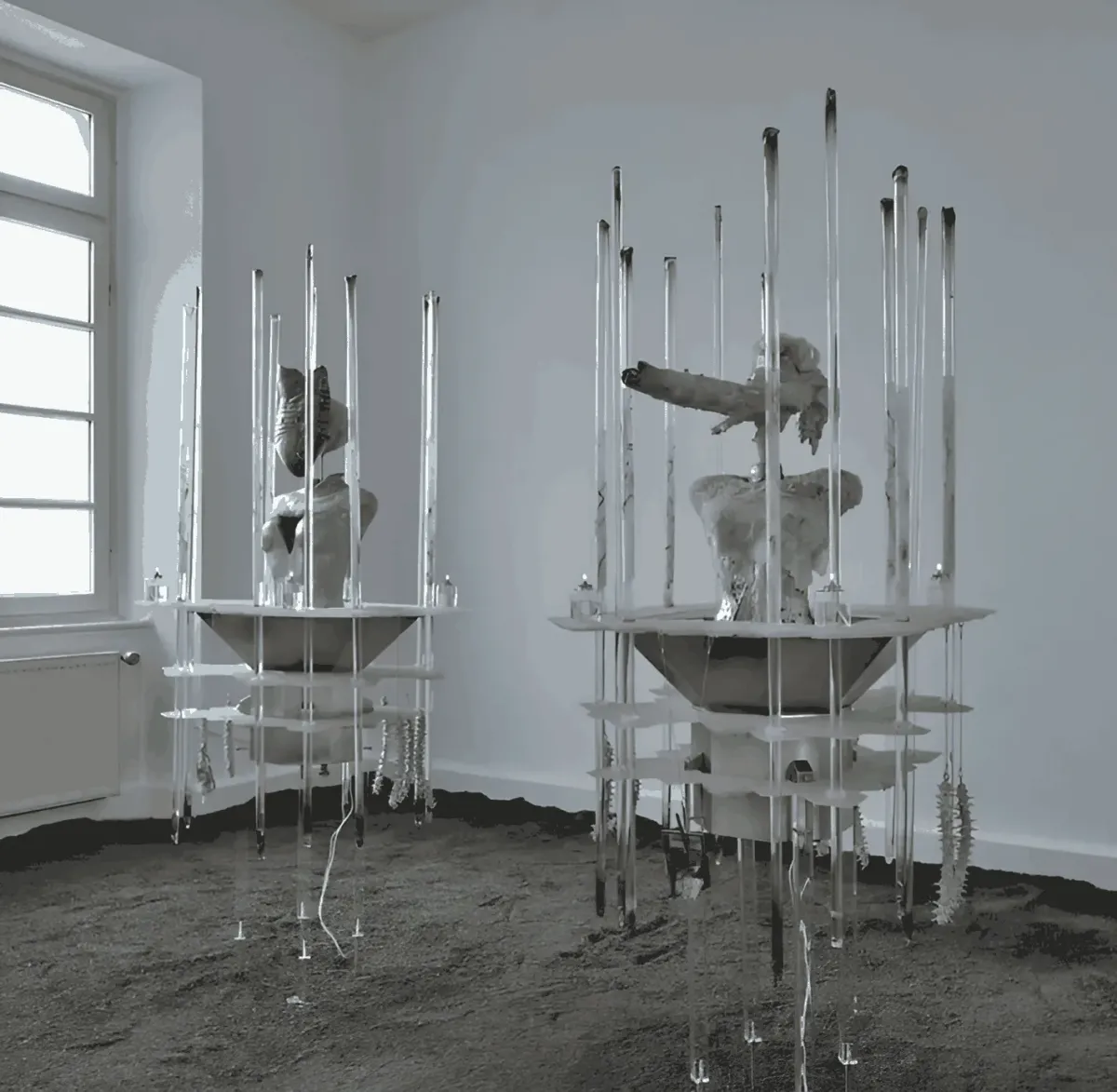
Arnsberg / 2025
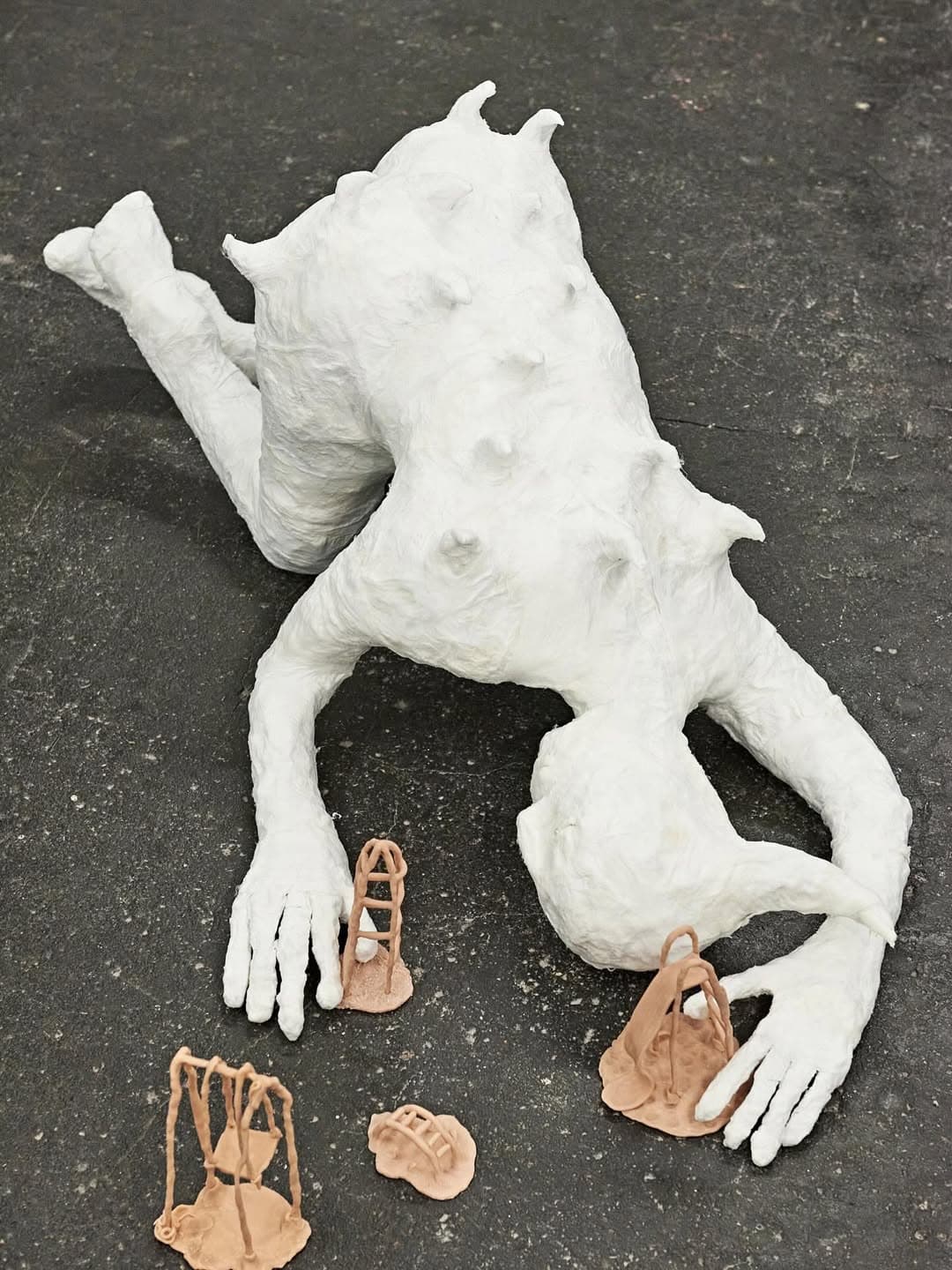
Hamburg / 2025
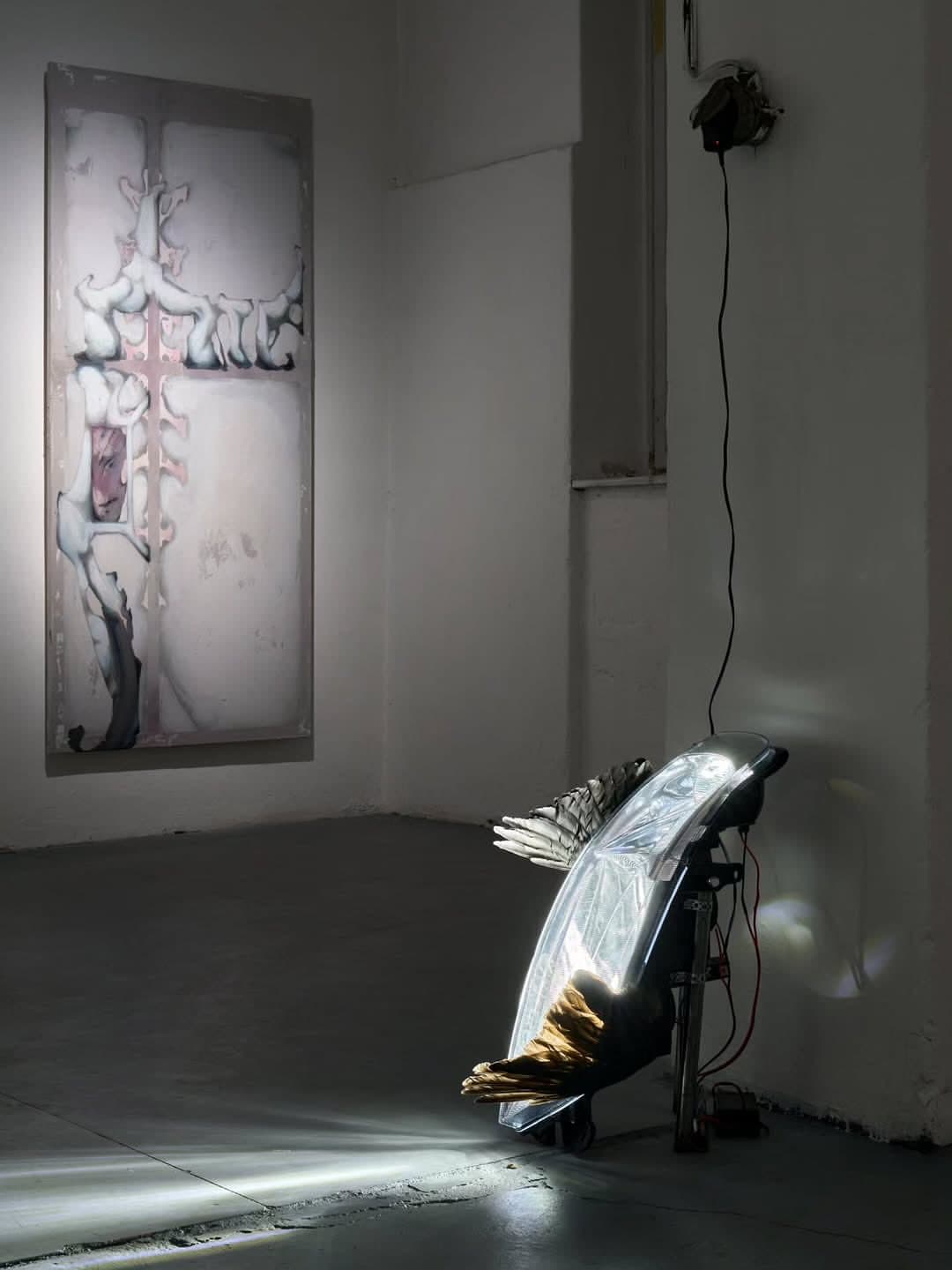
Prague / 2025
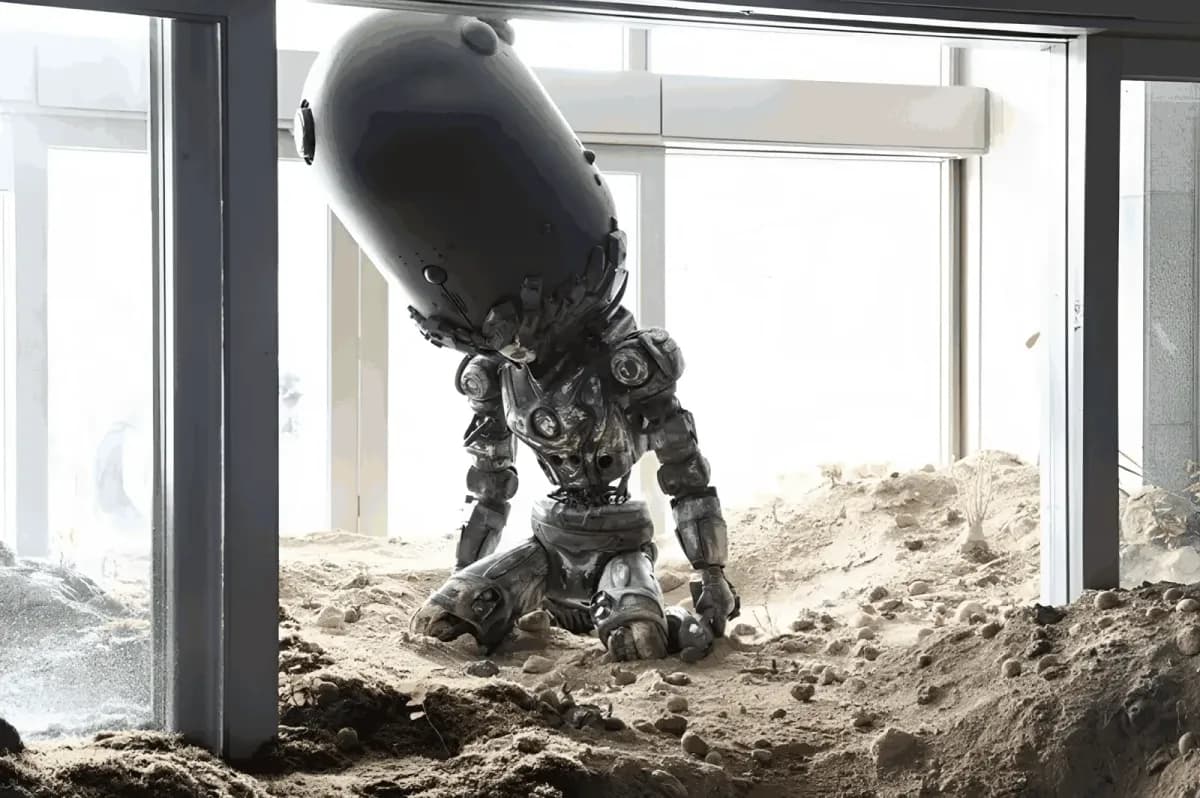
Seoul / 2026
%2Fphoto_1_2026-05-23_19-24-35.jpg&w=1200&q=75)
London / 2025
%20(GROUP%20SHOW).webp&w=1200&q=75)
Berlin / 2026
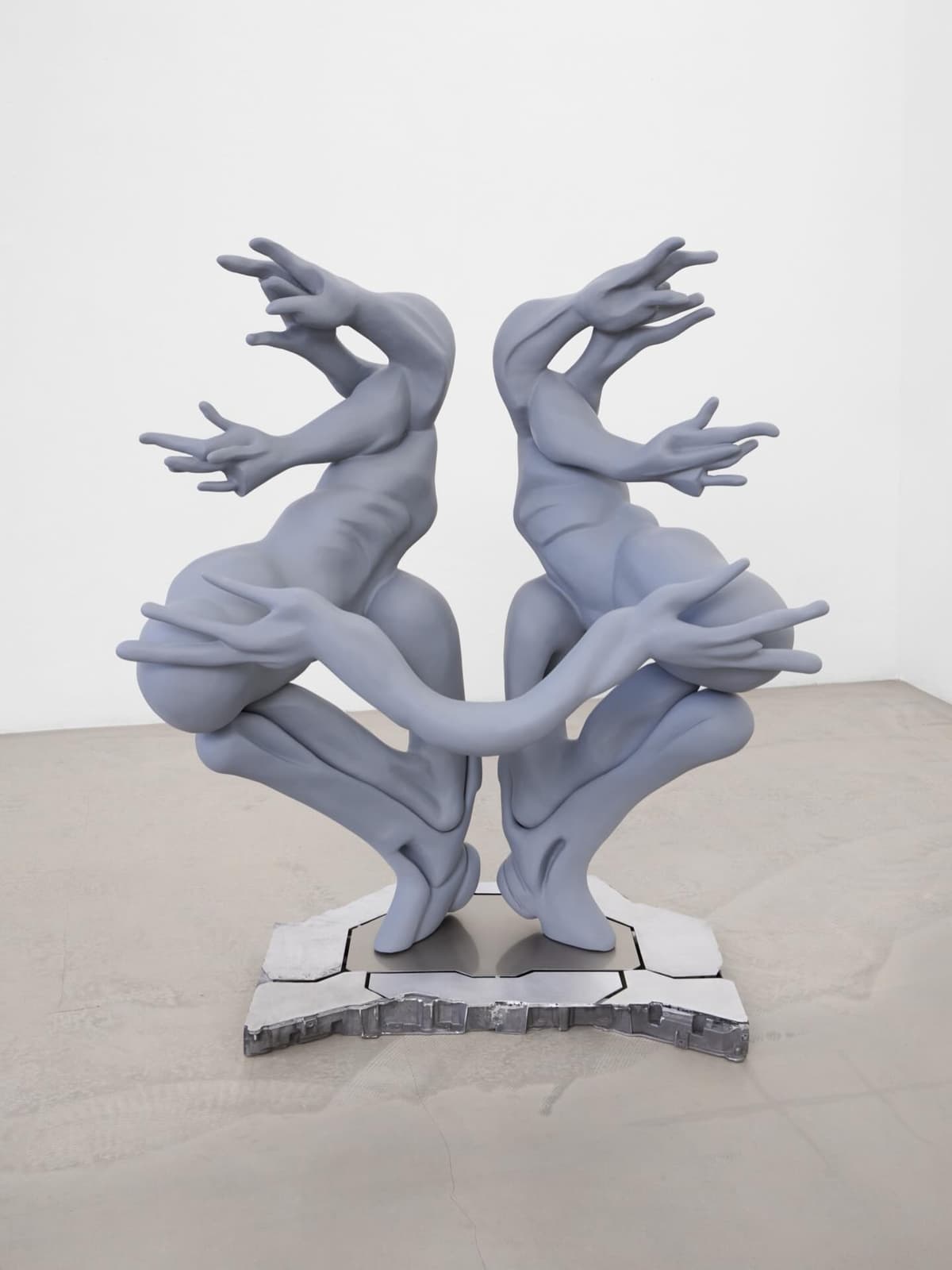
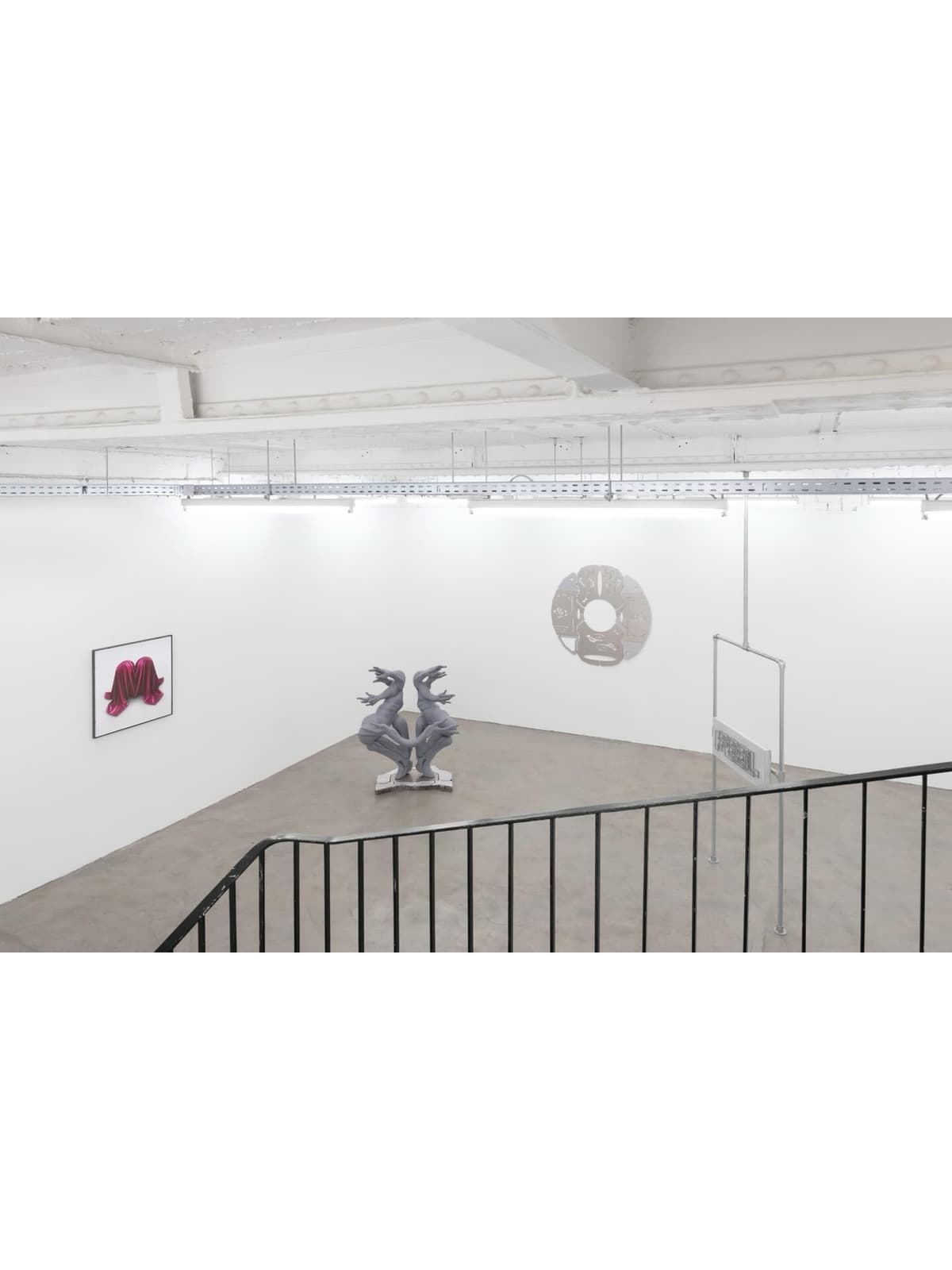
Dortmund / 2026
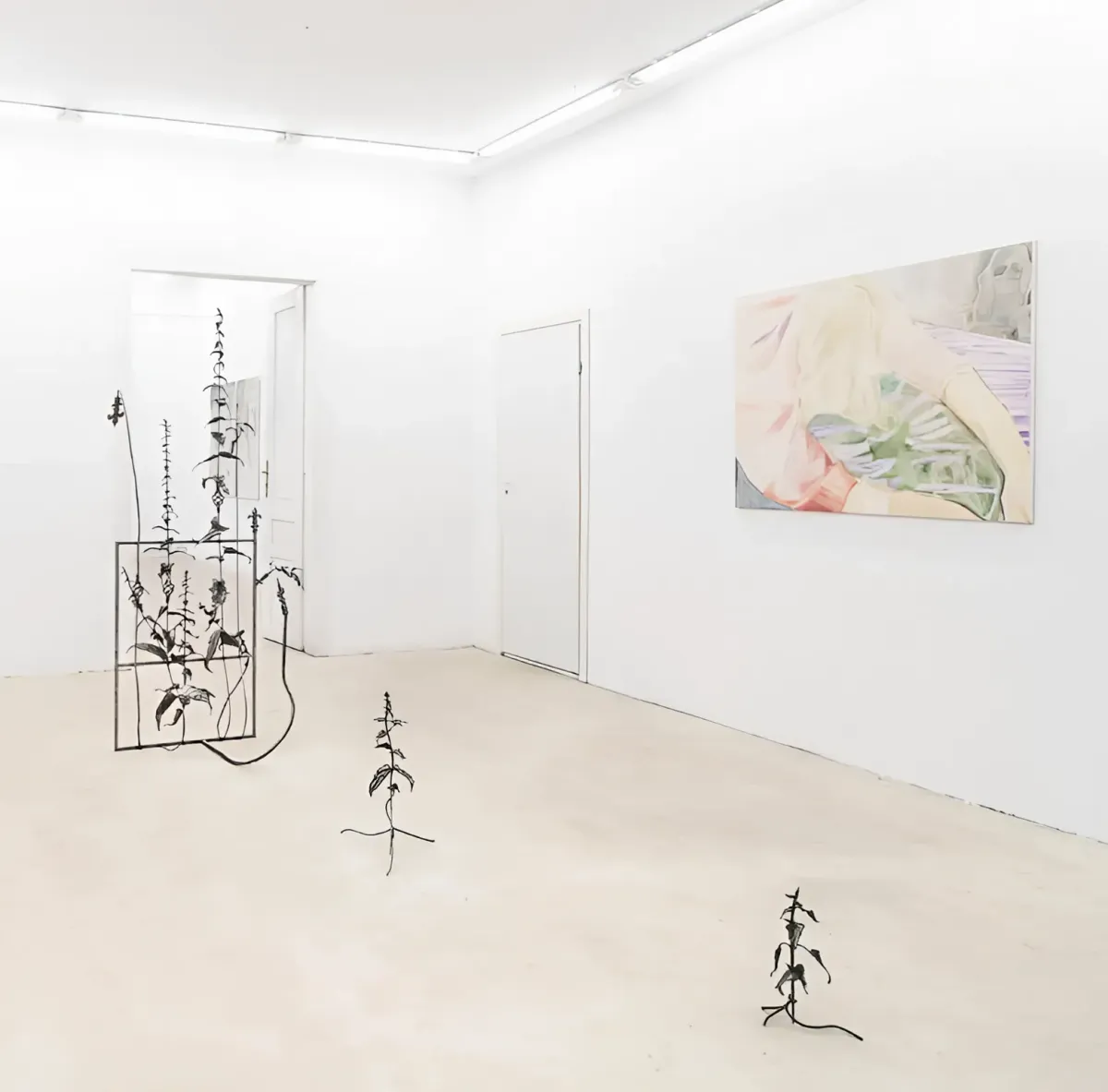
Kraków / 2026
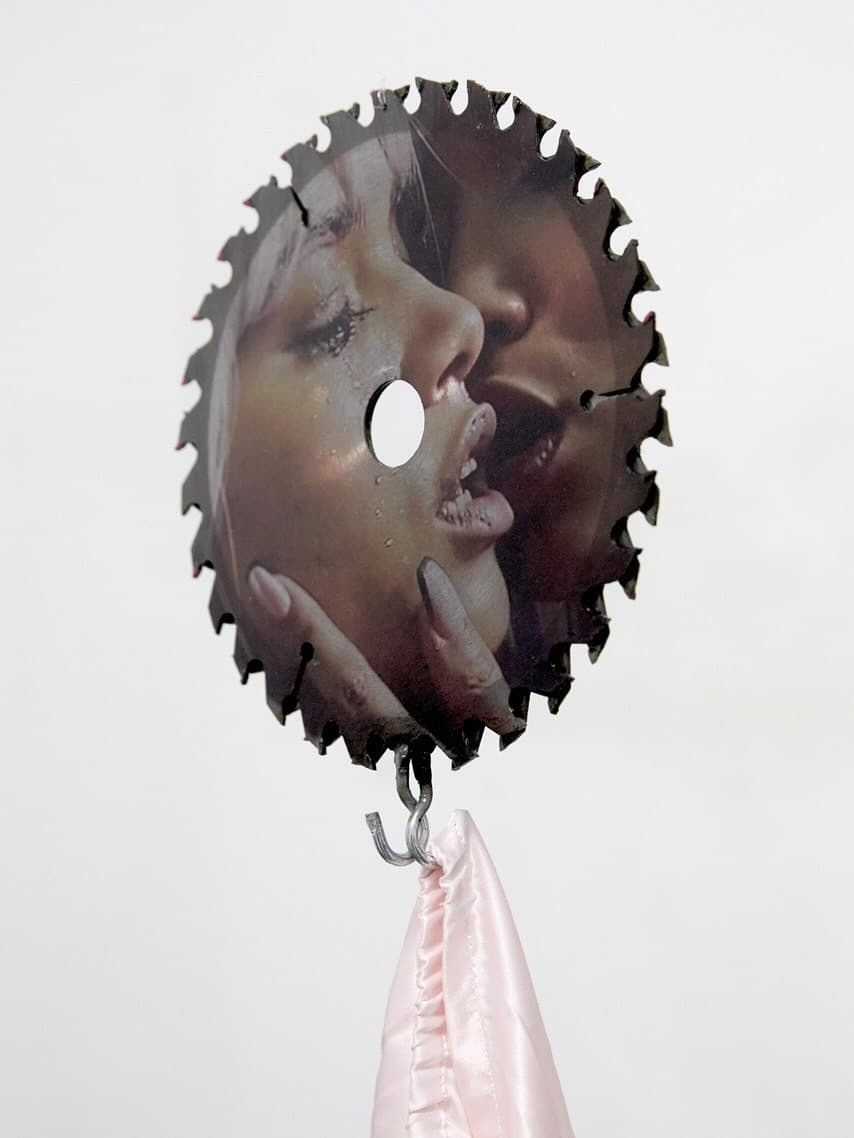
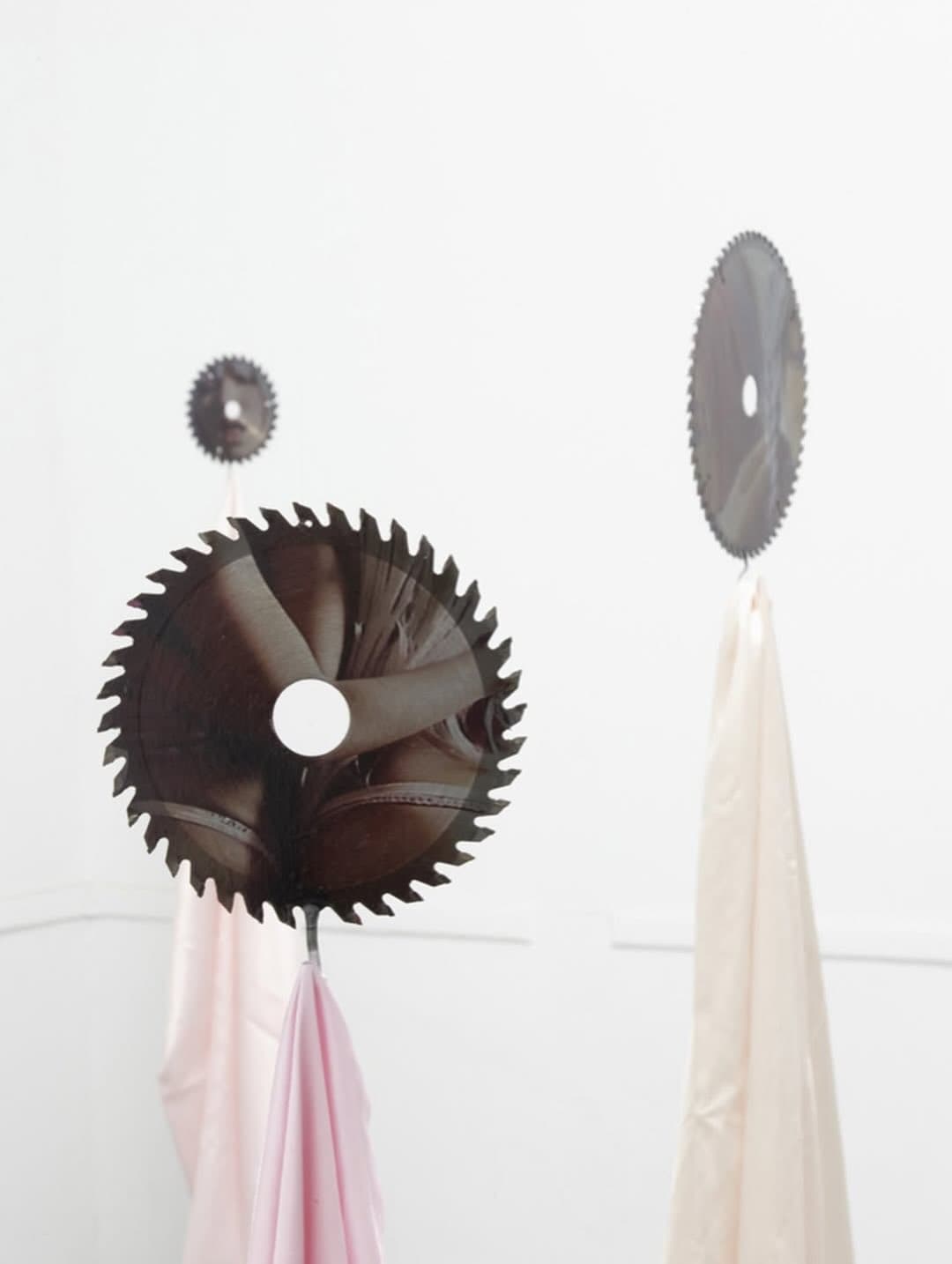
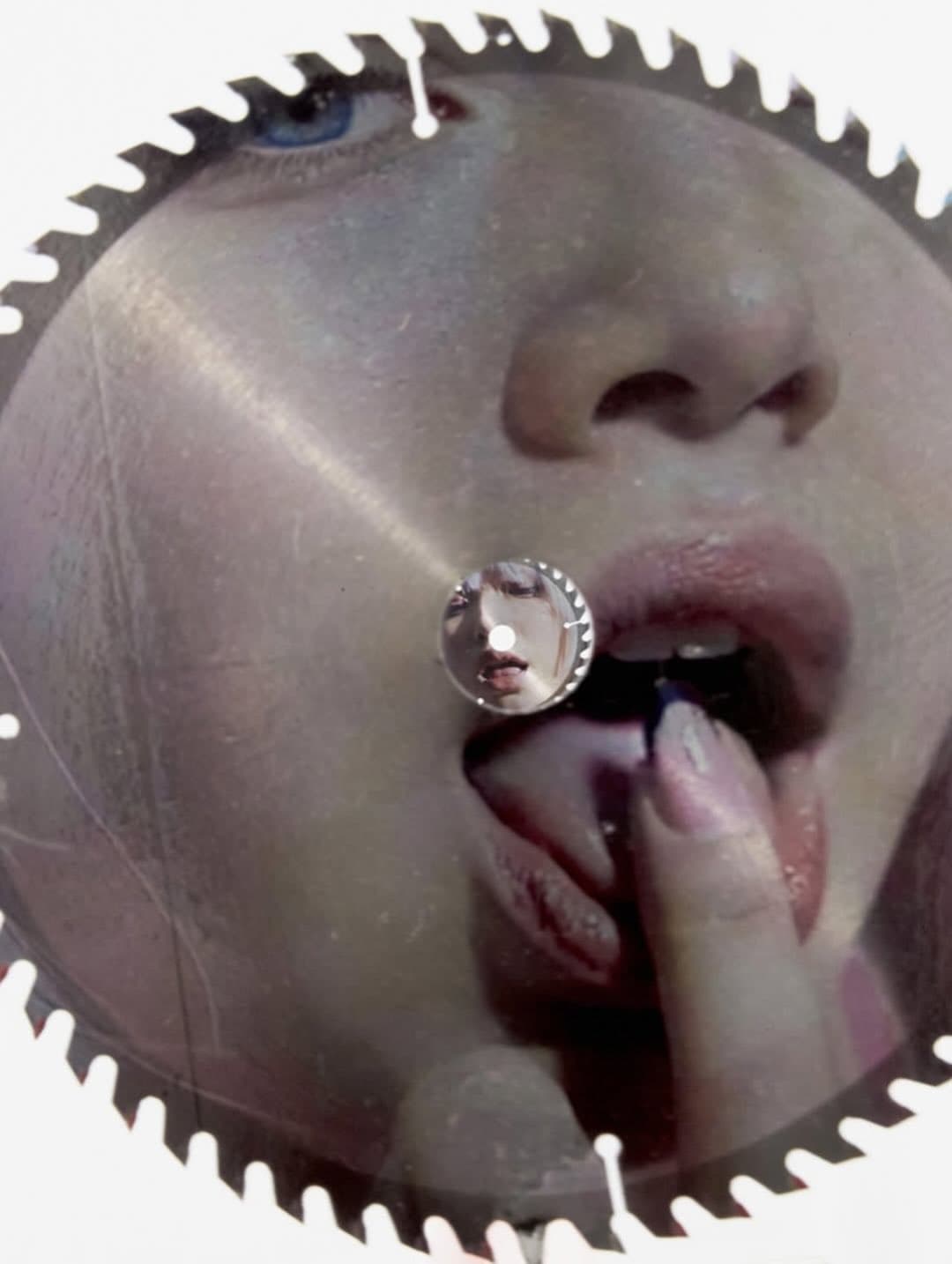
Lisbon / 2026
New York City / 2026
Paris / 2025
Madrid / 2025
Société Interludio / Ingeborg Tysse
I usually disdain texts beginning with a definition, but Old Snag definitely demands one. Personally, I could imagine a “hey you!” just preceding it — the kind of expression muttered at the edge of a counter, directed toward some drunk man: a body gone crooked, inexplicably still standing. As it turns out, the term is not typically used for human beings. And yet, if it were, my intuition would not feel entirely misapplied. A snag, in forestry, is a standing dead tree: no longer alive in the biological sense but not yet absorbed back into the ground. A walking dead, in other words! No wonder every existing image of a haunted house includes somewhere in the background a lightning-struck trunk, twisted like a witch’s finger. Wait, hear this before you roll your eyes in disapproval of my fixation with the topic. What is important, and increasingly documented in ecological research, is that these dead standing trees are far from inert remnants. They function as active ecosystems, hosting nesting cavities for birds, shelter for insects, bats, microbial life, fungi, lichens, mosses, and a dense array of organisms that depend precisely on decomposition for vitality.
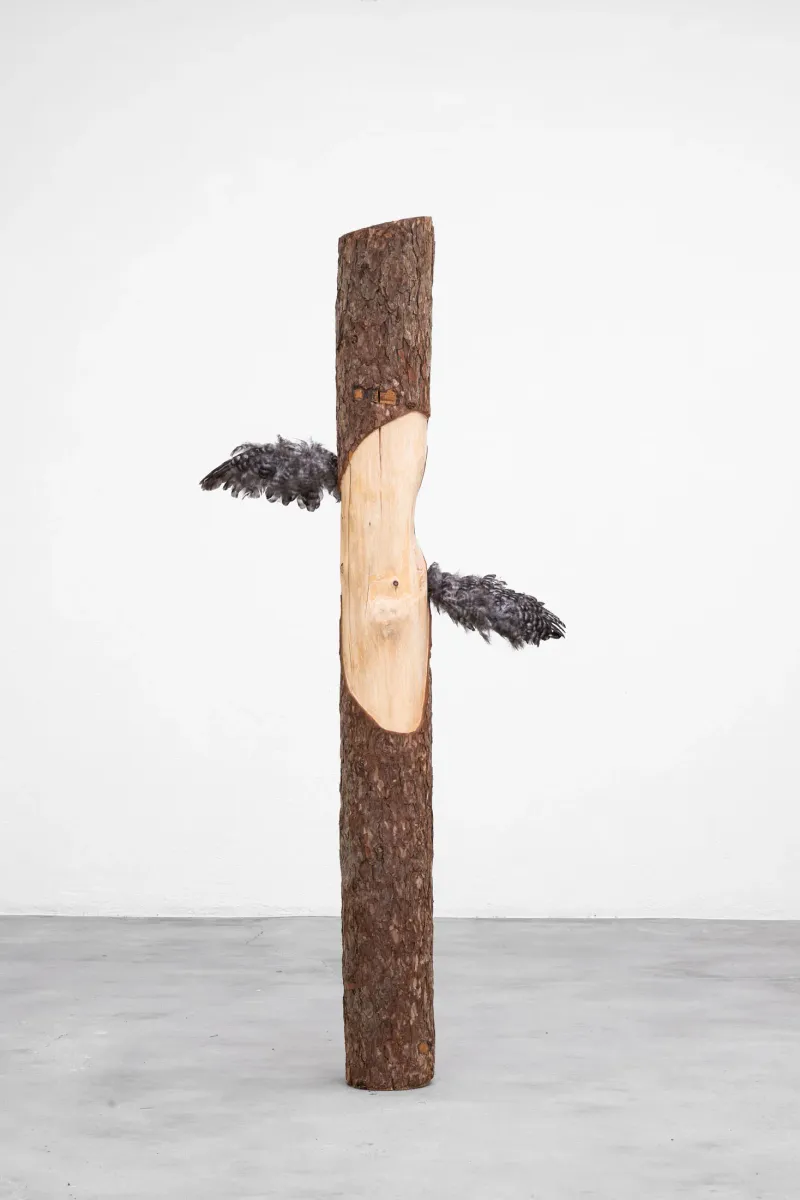
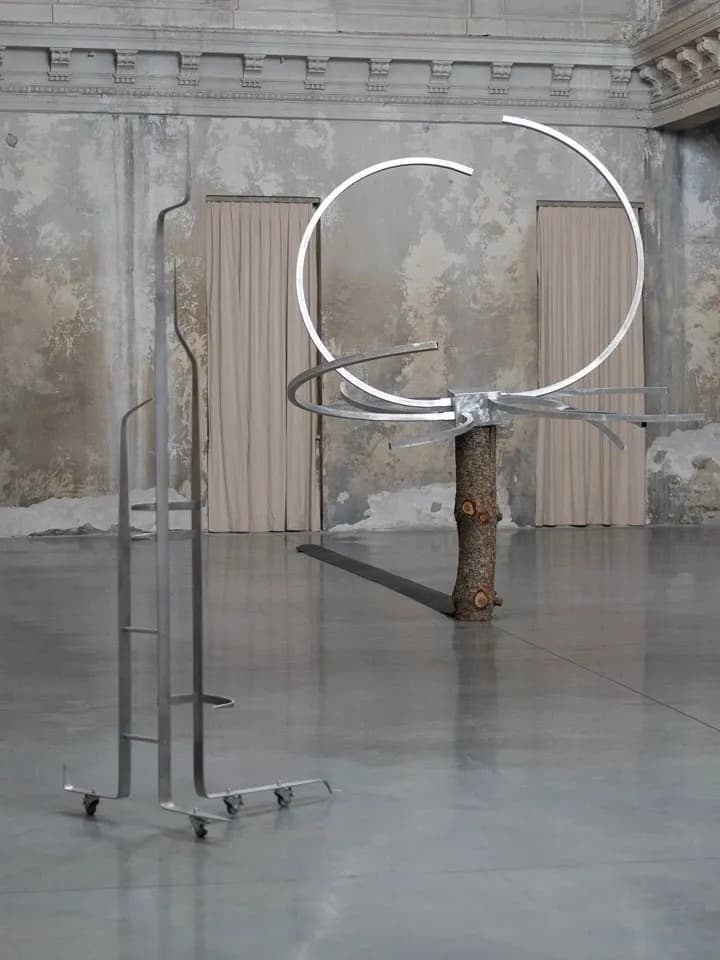
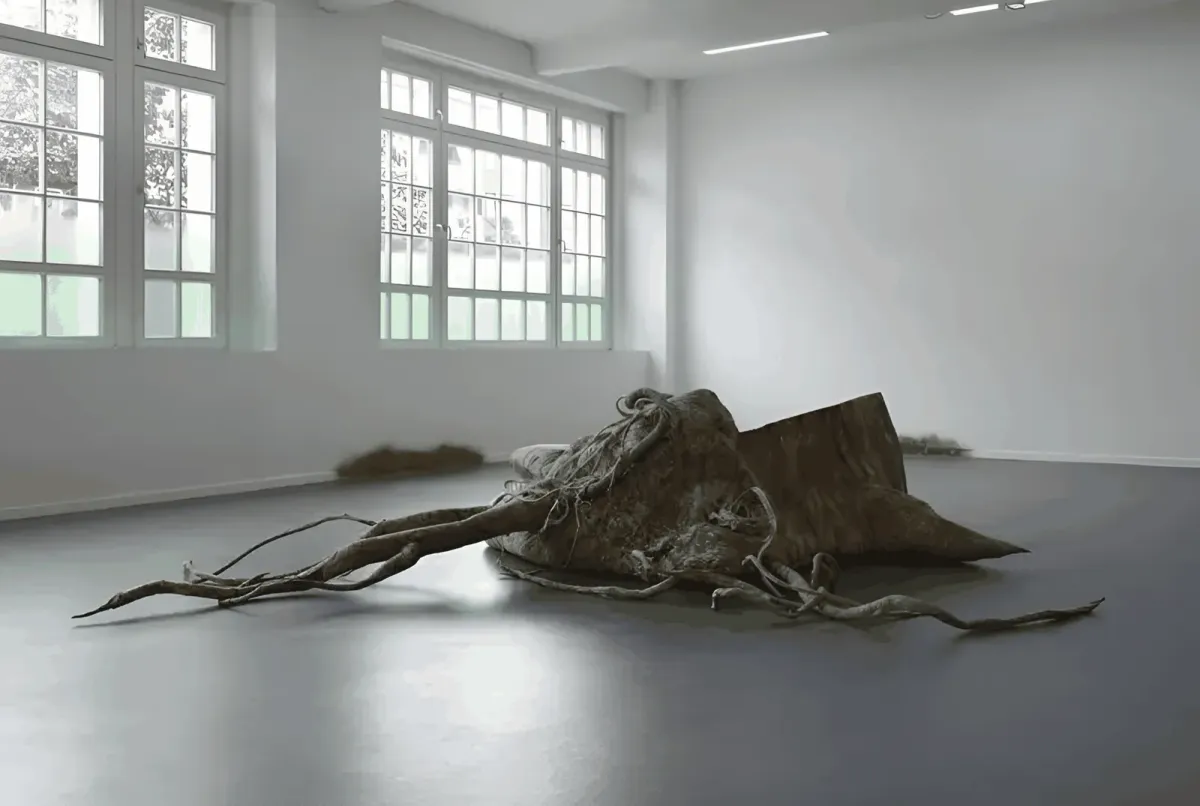
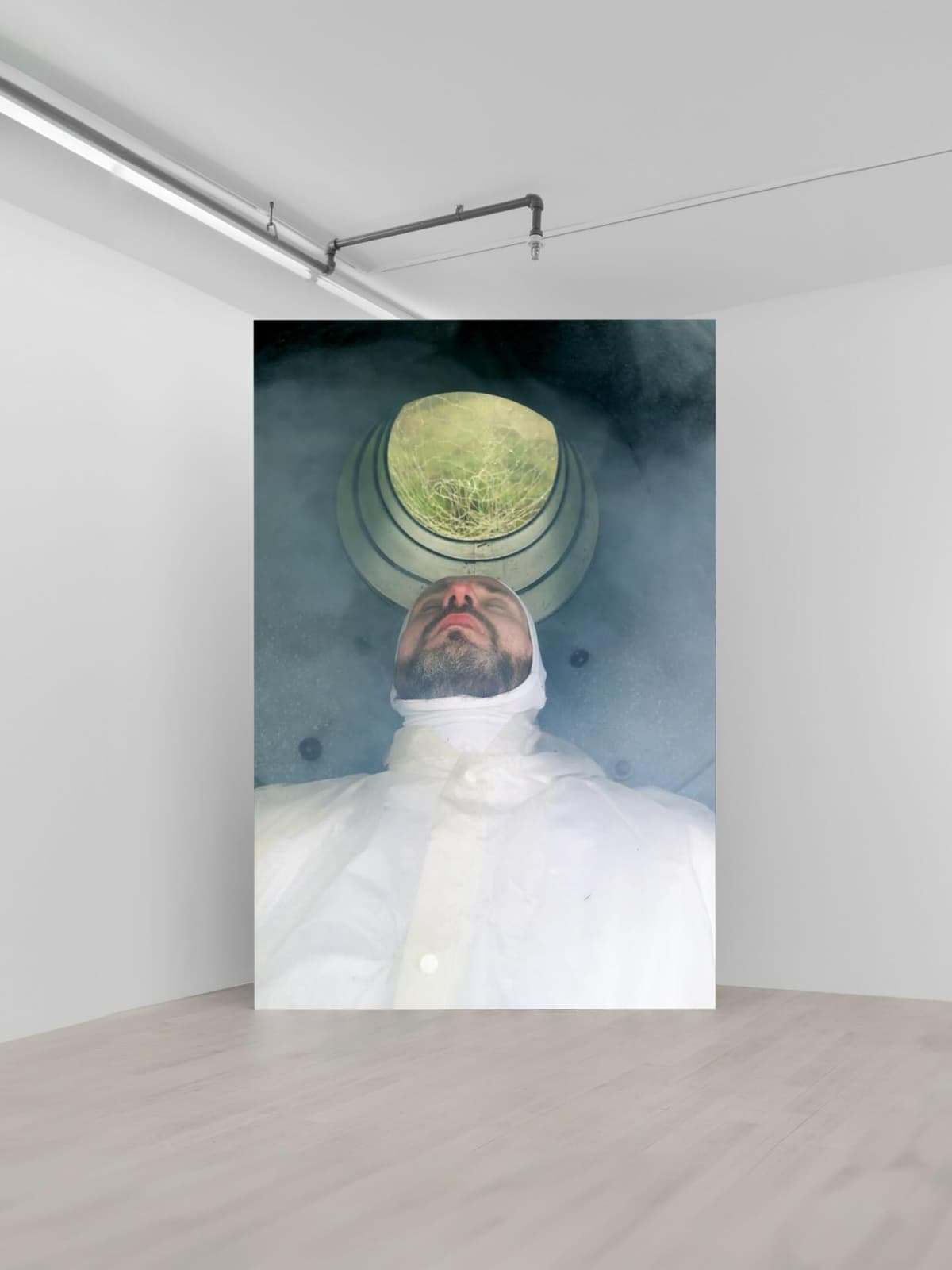
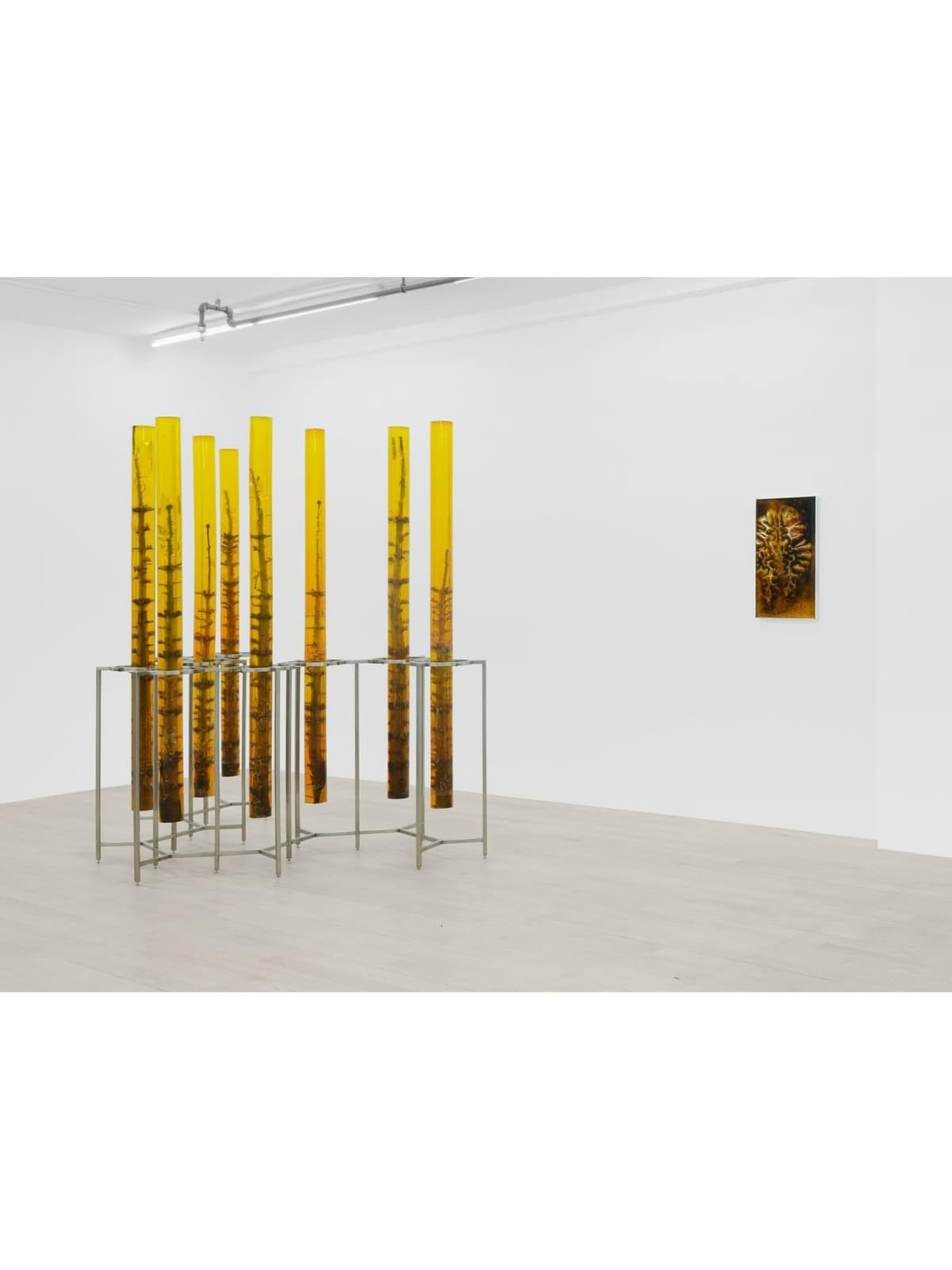
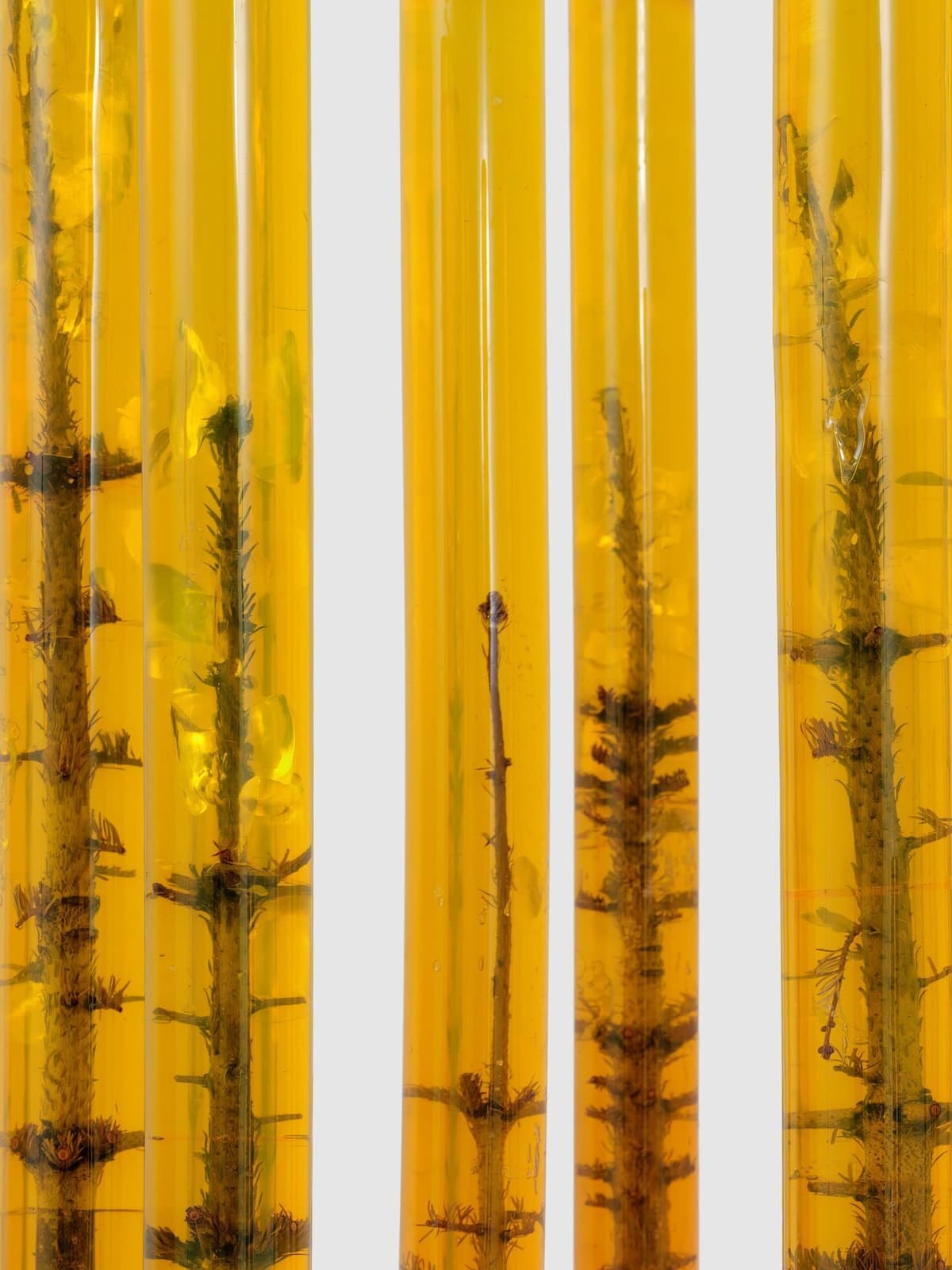
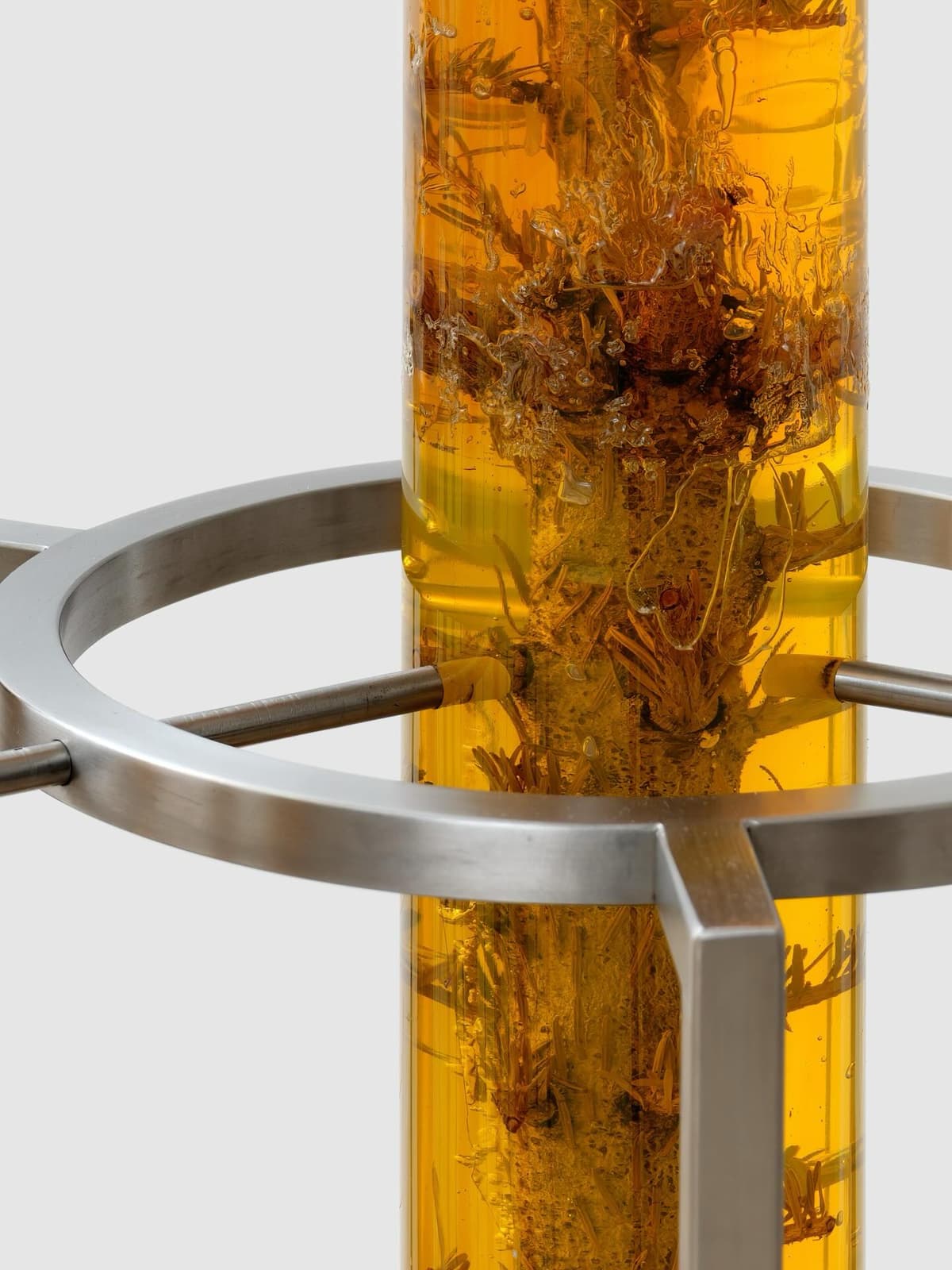
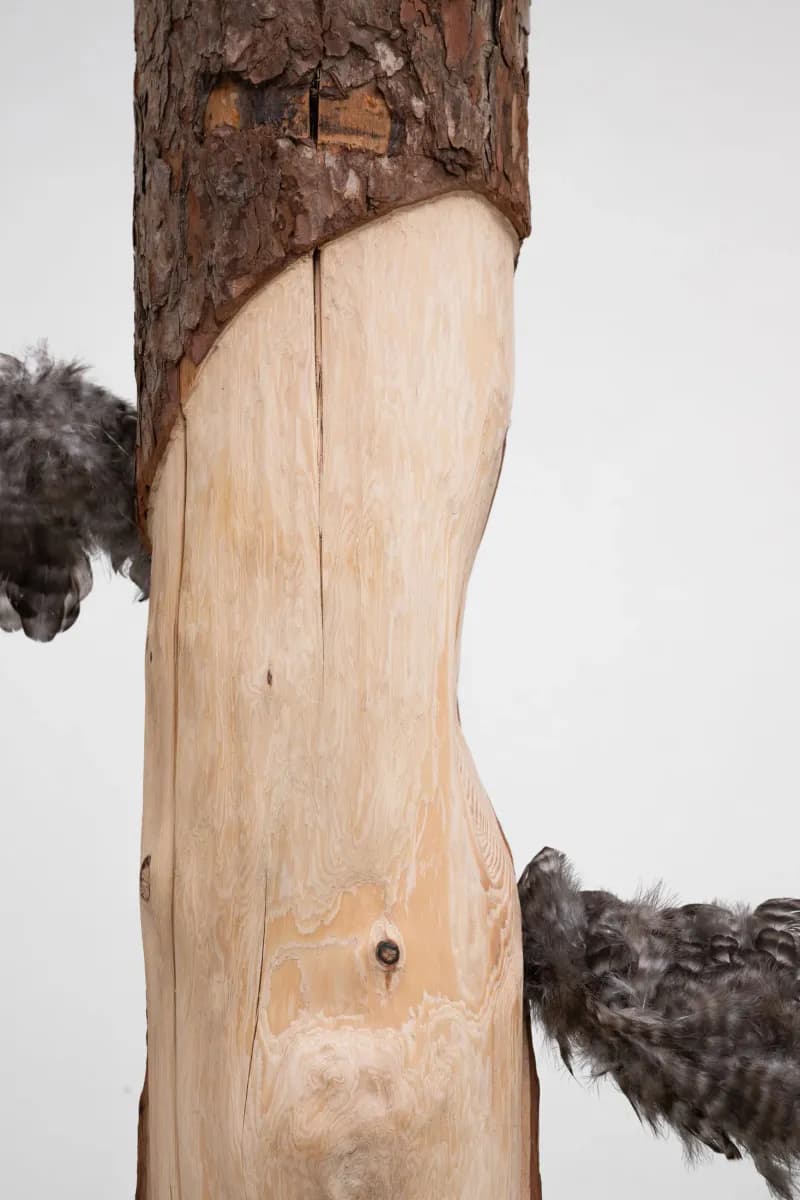
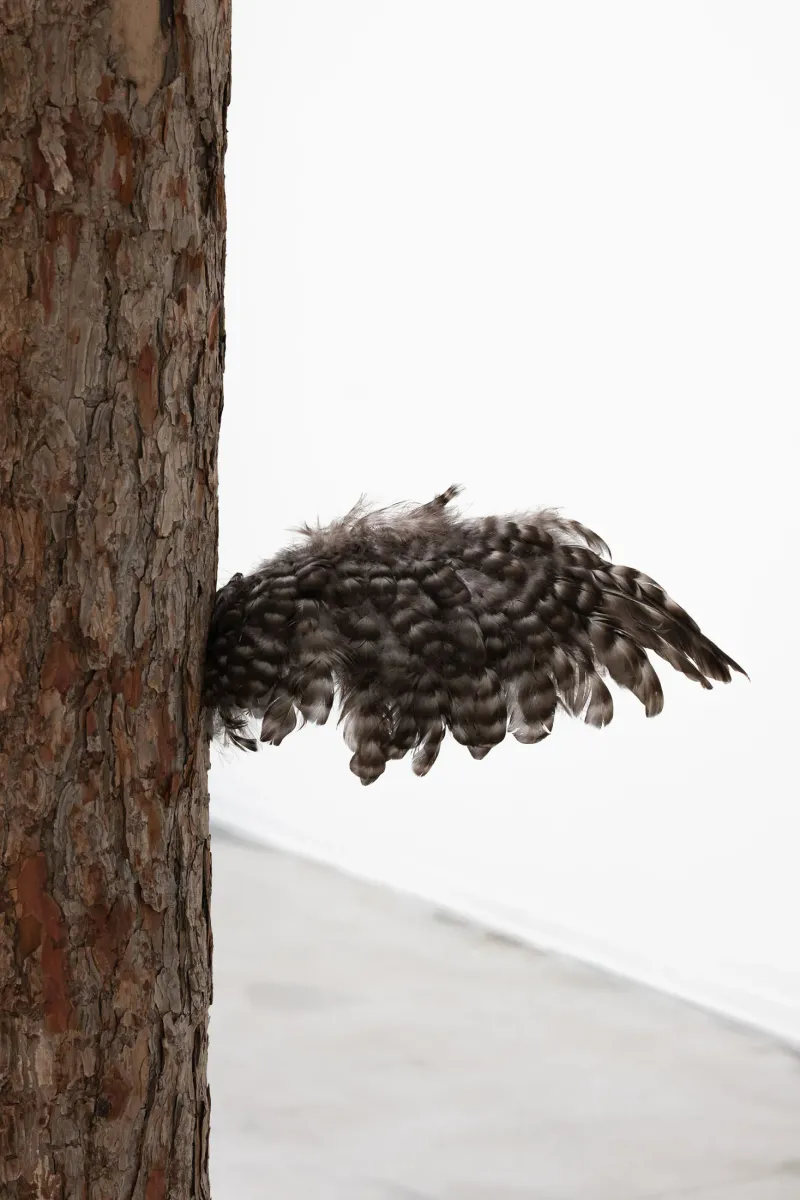
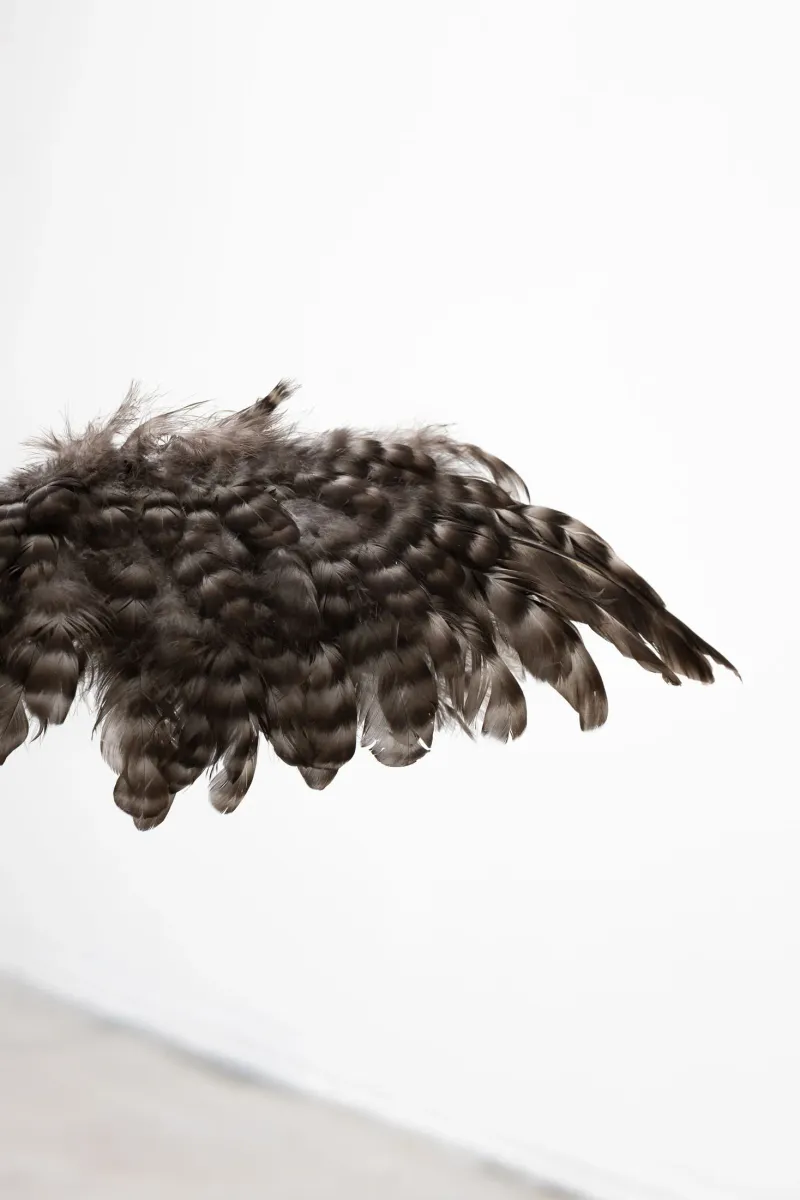
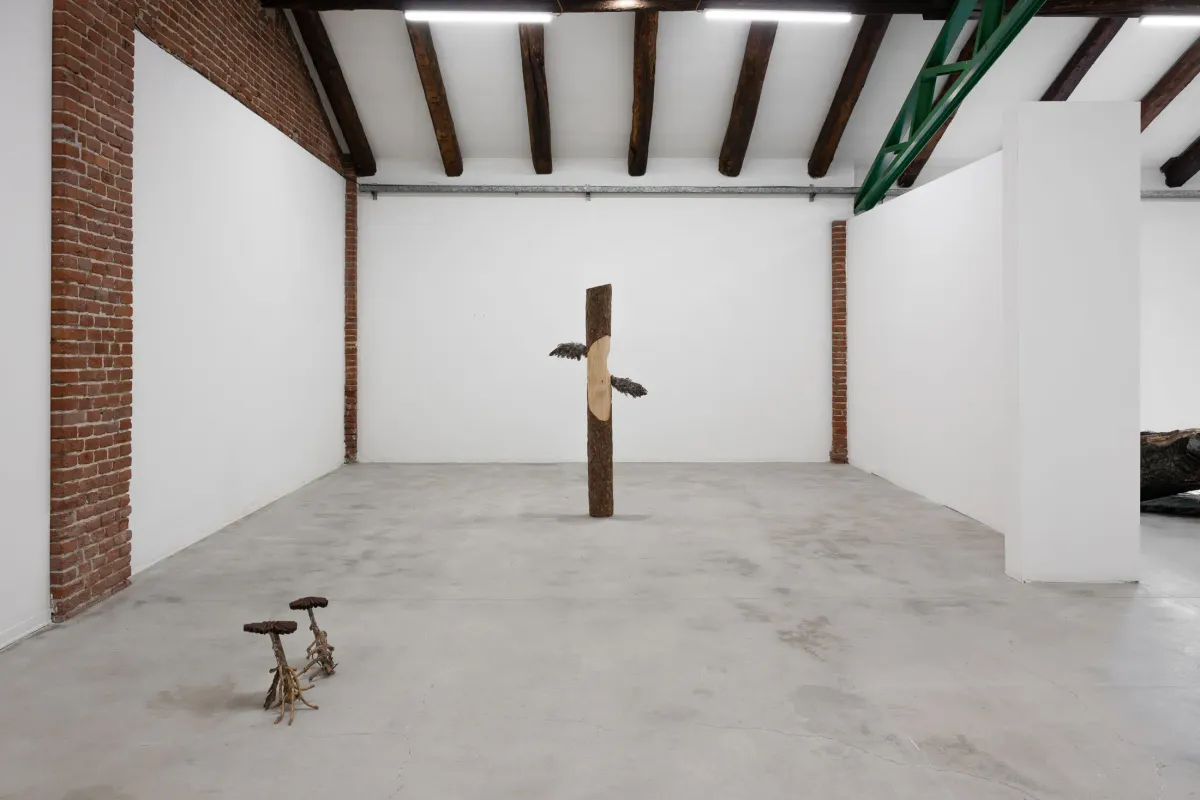
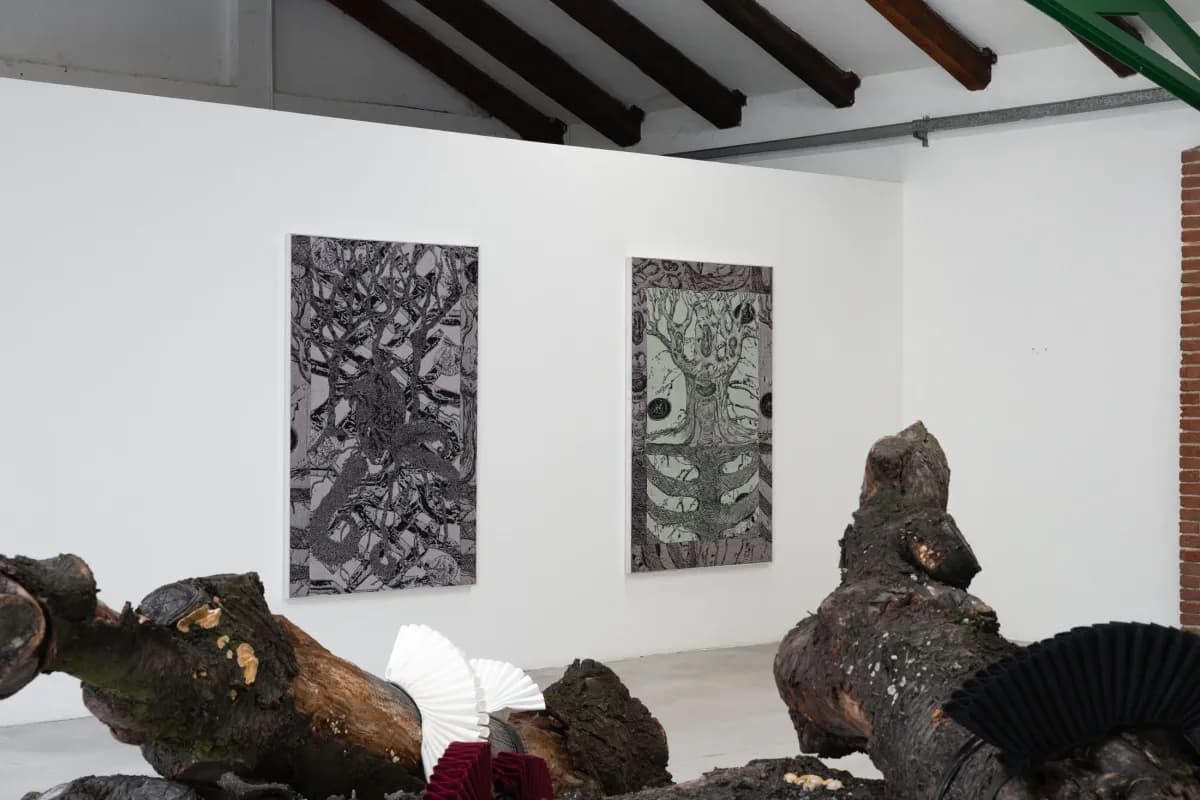
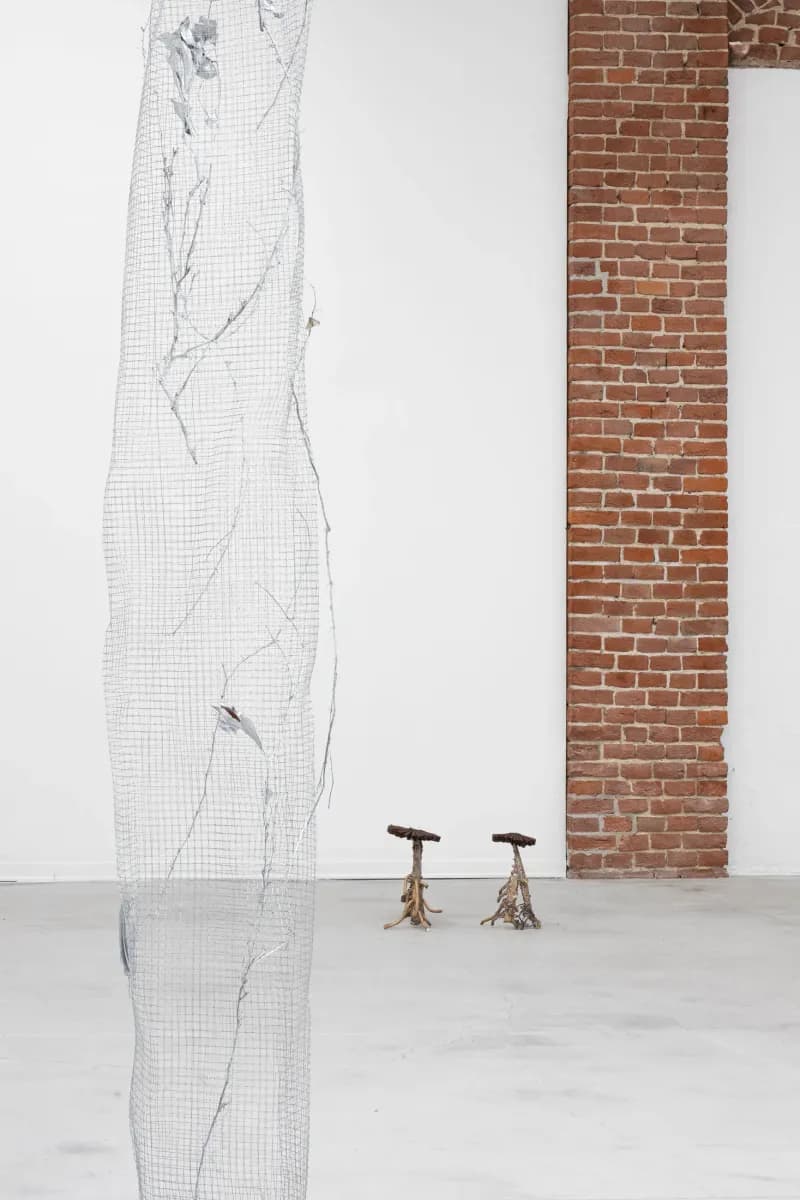
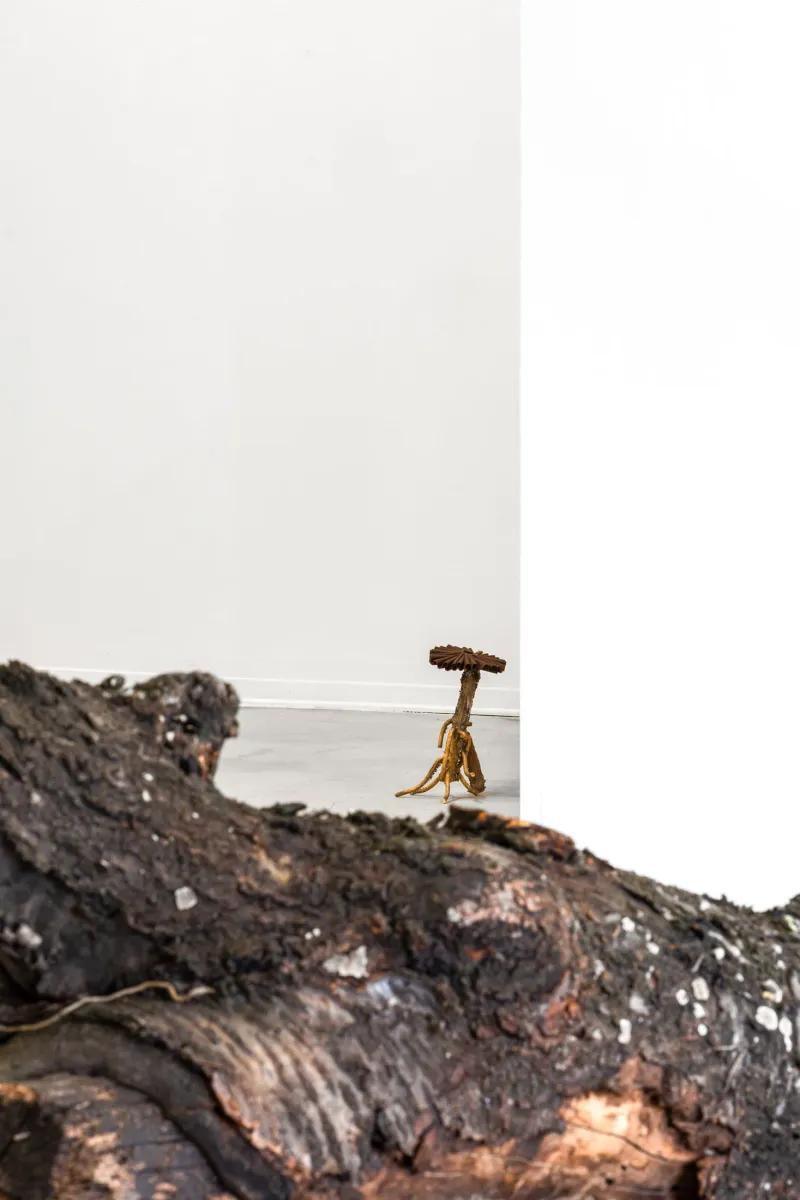
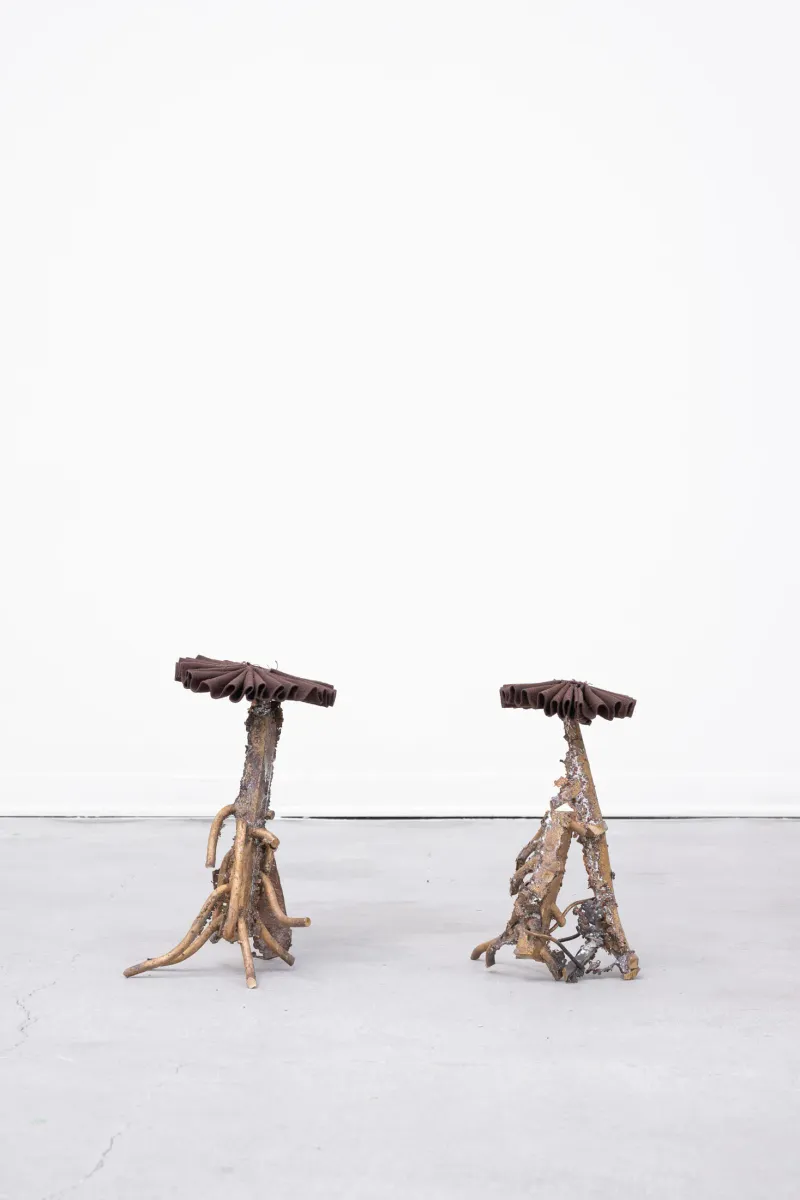
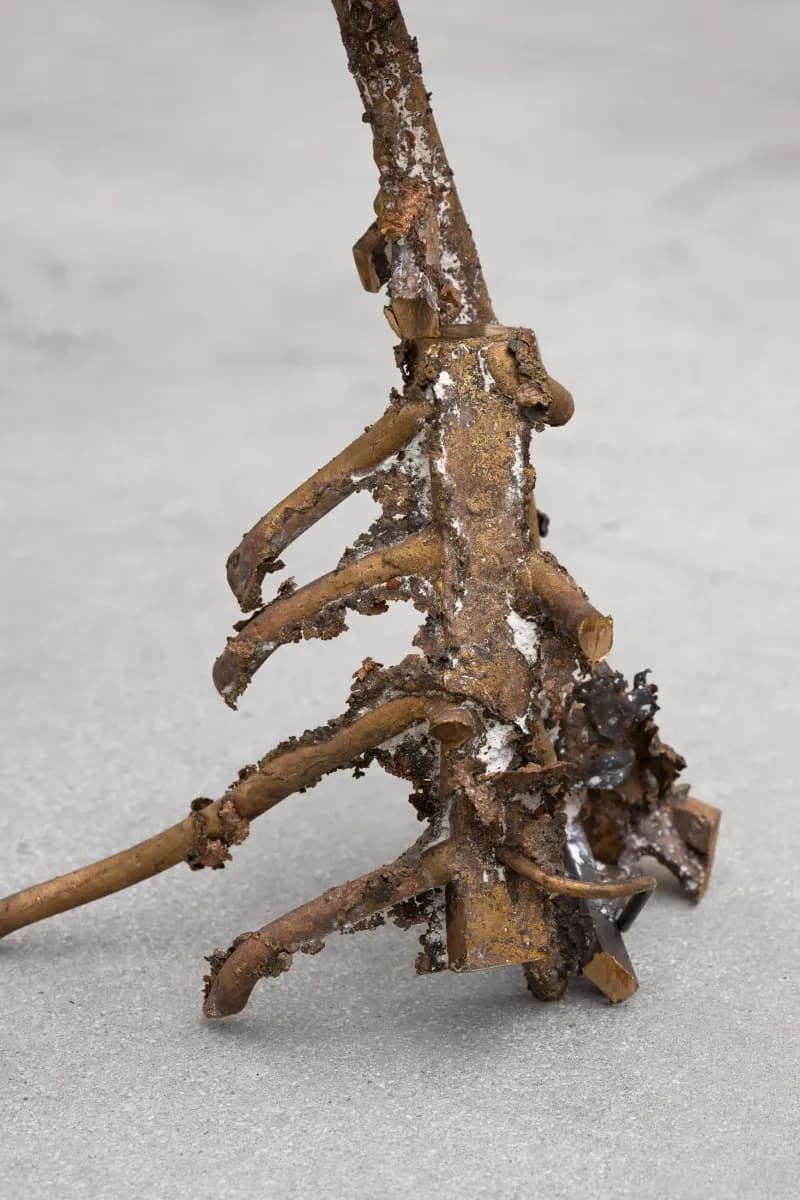
In Ingeborg Tysse’s exhibition, an old snag appears within an analogous suspended ontology. Sourced from the area surrounding the gallery, the trunk is ceremonially positioned upright. With a pair of owl-looking wings that unfurl at its sides, it assumes a totemic presence. The effect is rather absurd and deliberately unsettling: the trunk is grounded, heavy with its own past, while the wings animate something expected to be devoid of life. The owl too carries a symbolic history, appearing across multiple folk traditions as a creature associated with death omens, obscure knowledge and the threshold between worlds. Other three monumental cherry trunks lie horizontally across the floor, dressed with Elizabethan and clerical collars, as well as belts. The arthritic dark-brown bark and the fleshy fungi bulging from it reveal that, when sourced, these trunks had already been reclaimed by the forest floor. Ecologically, they belong to another category altogether: deadwood, or downed logs. Typically, as moisture infiltrates deadwood from the soil below, moss spreads across its bark and fungi proliferate, while larvae and microbial colonies gradually convert wood into nutrient-rich organic matter, contributing to the slow release of carbon into the soil. A fundamental regenerative process indeed, one that makes the log uncomfortably close to a putrefying corpse. What disgusts us about the cadaver, writes Julia Kristeva in Powers of Horror, is its collapsing of categories we obsess on keeping separate: life and death, self and non-self, body and waste. The corpse is that which exceeds purity and containment — the most disturbing of residues in which life persists as something no longer recognisable as “self.” Think about how we see our dead ones for the last time. It is usually at the funeral parlour: dressed, composed, cosmetically restored, the smell temporarily subdued, the body carefully adjusted into a final image of coherence before the coffin is sealed, and decomposition is removed from sight. What follows — the slow, irreversible transformation of the body into other forms of matter — is systematically withdrawn from the sphere of the living imagination. It is precisely within this logic that the Elizabethan ruffs and belts placed on her trunks resonate. Historically, ruffs functioned as devices of posture and class distinction, producing an image of elegance and aristocratic composure — while also, more implicitly, concealing the softening of the neck and the visible signs of bodily ageing in a pre-Botox era. Belts, too, operate through a similar logic of containment, framing another notoriously soft part of the body. In Tysse’s installation, these anthropic accessories, clumsily off-scale, resemble attempts to stabilise matter in the process of transformation, entering a rather intimate sphere of attachment, where decoration and maintenance become ways of staying with what is lost. The result is both tender and grotesque. As for the bird feathers in the standing trunk, they animate the logs, granting them personality. This is also evident in the pair of small bronze root-like sculptures, each adorned with a collar hat that gives them a lively appearance, as if caught dancing. Or are all these ruffs rather disclosing a whole bunch of beheaded creatures? The doubt can’t but hover in unresolved suspension…
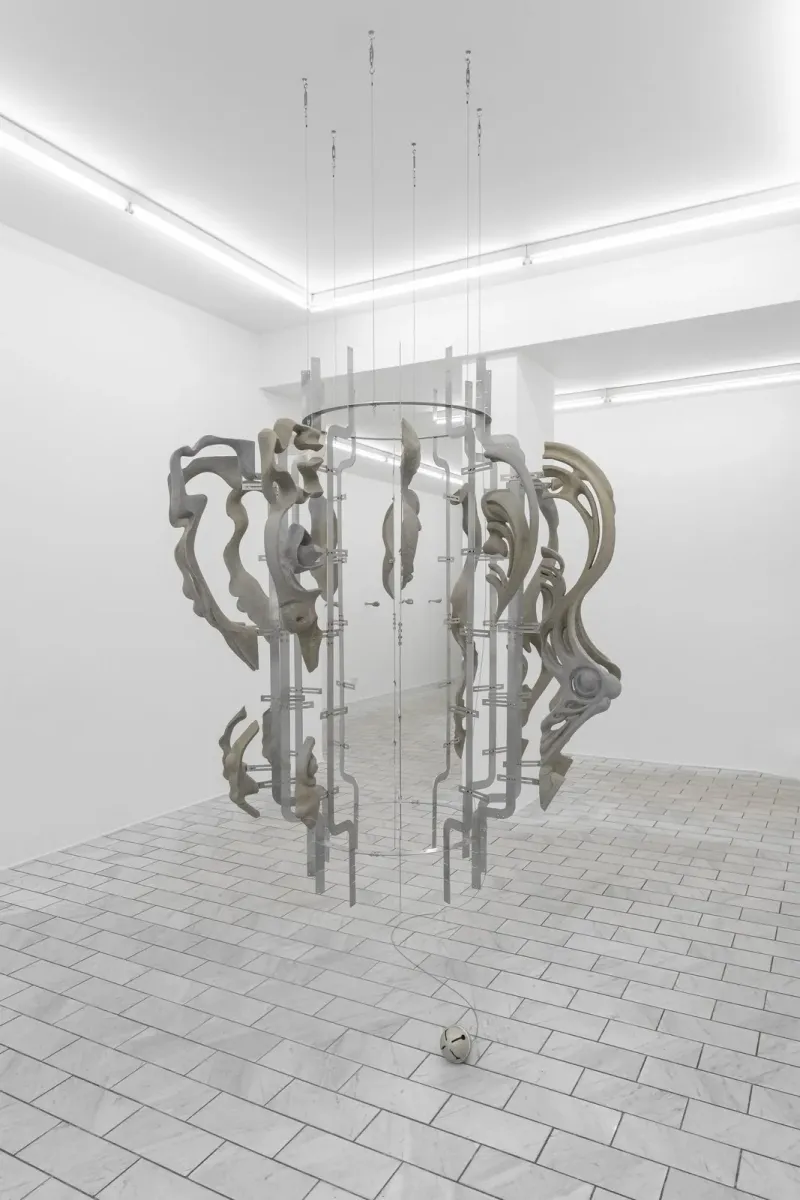
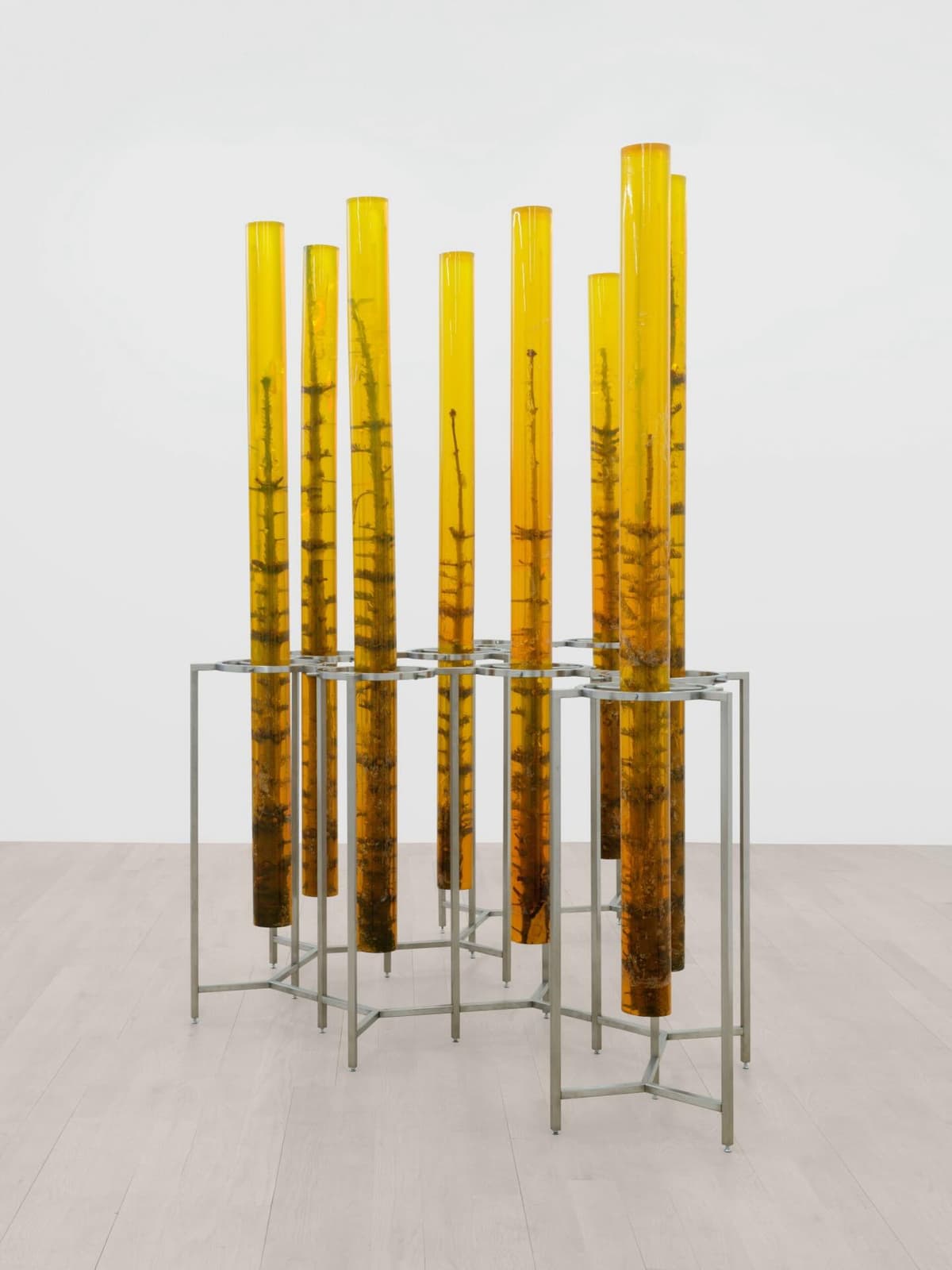
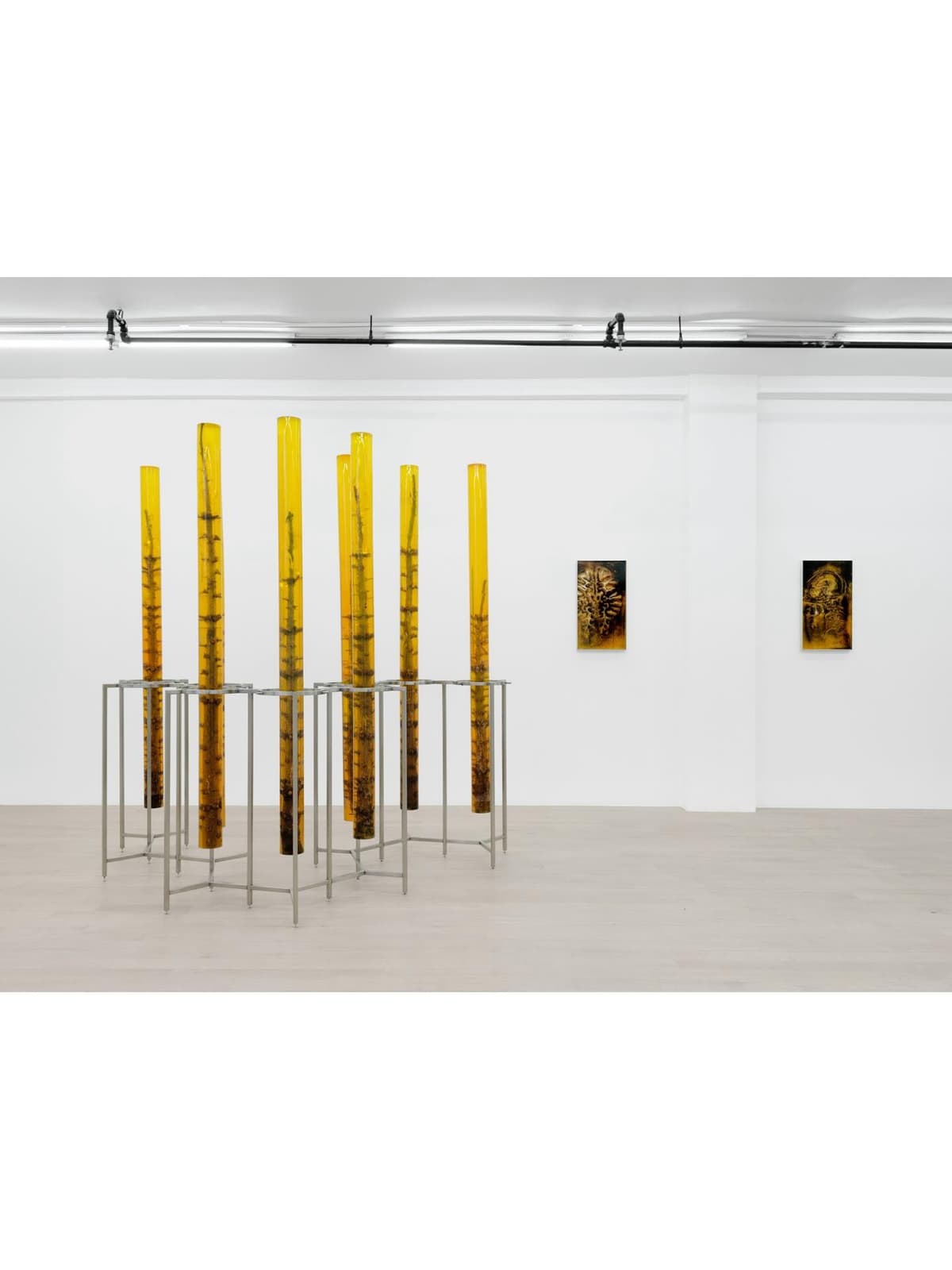
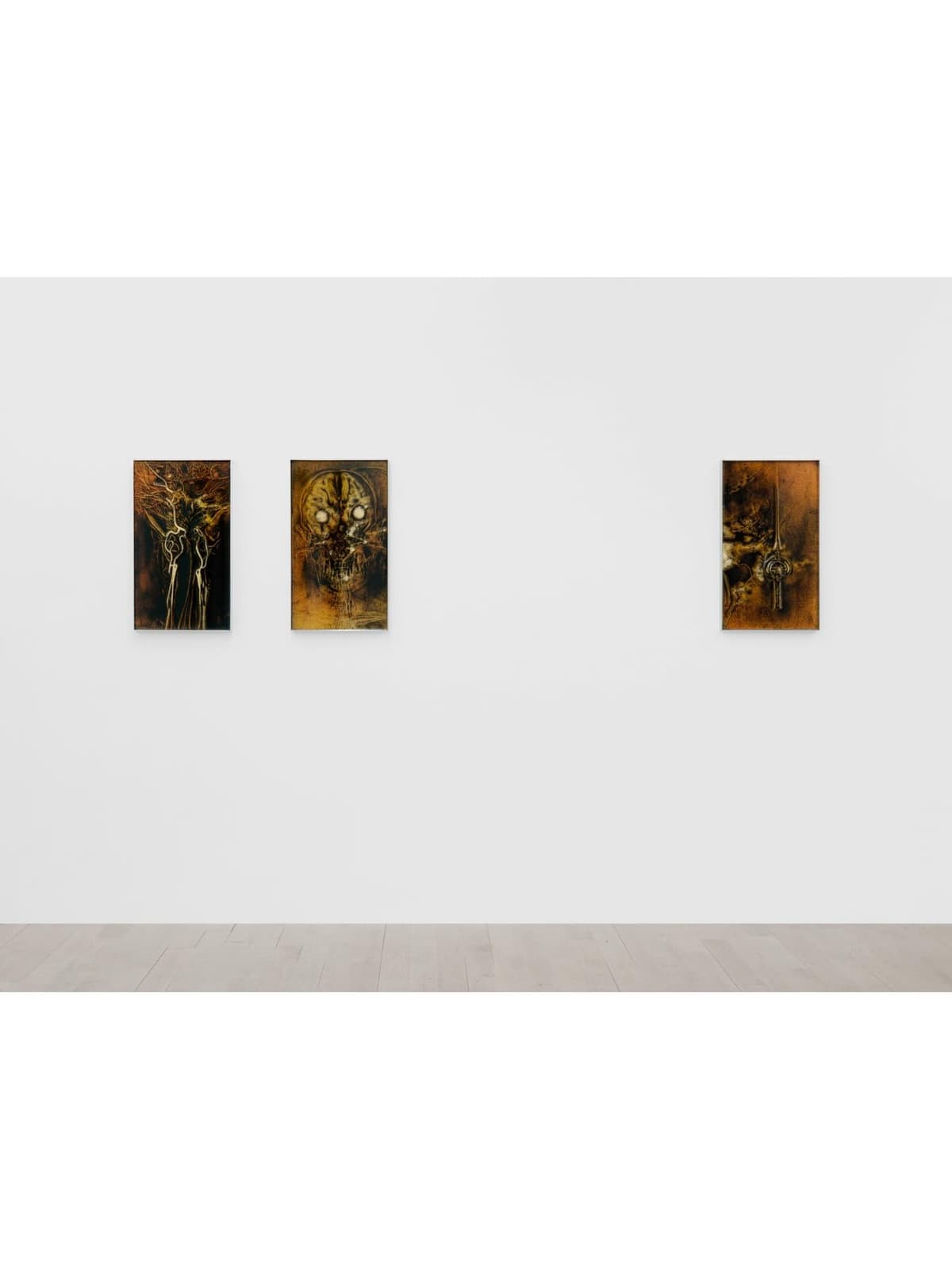
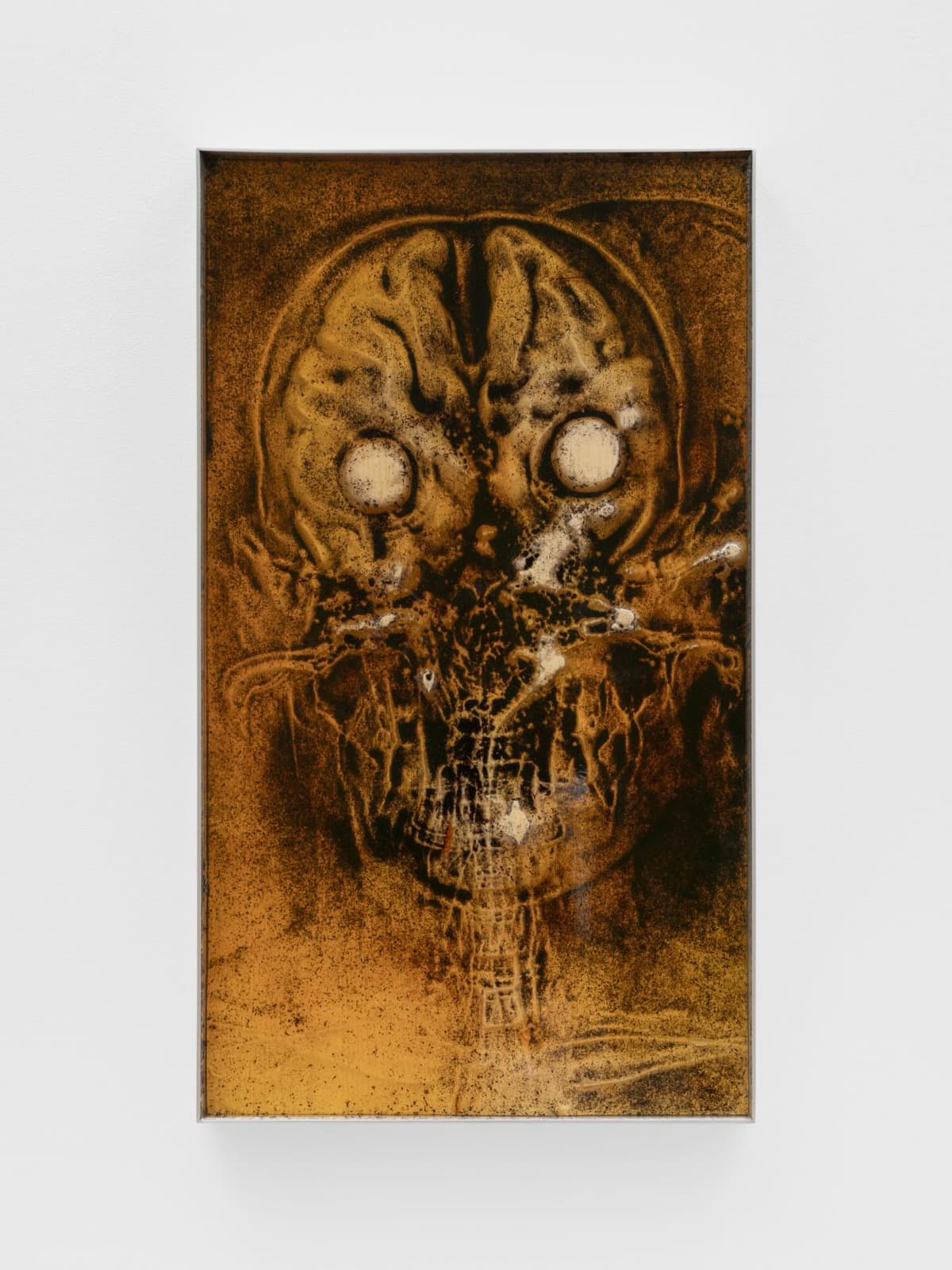
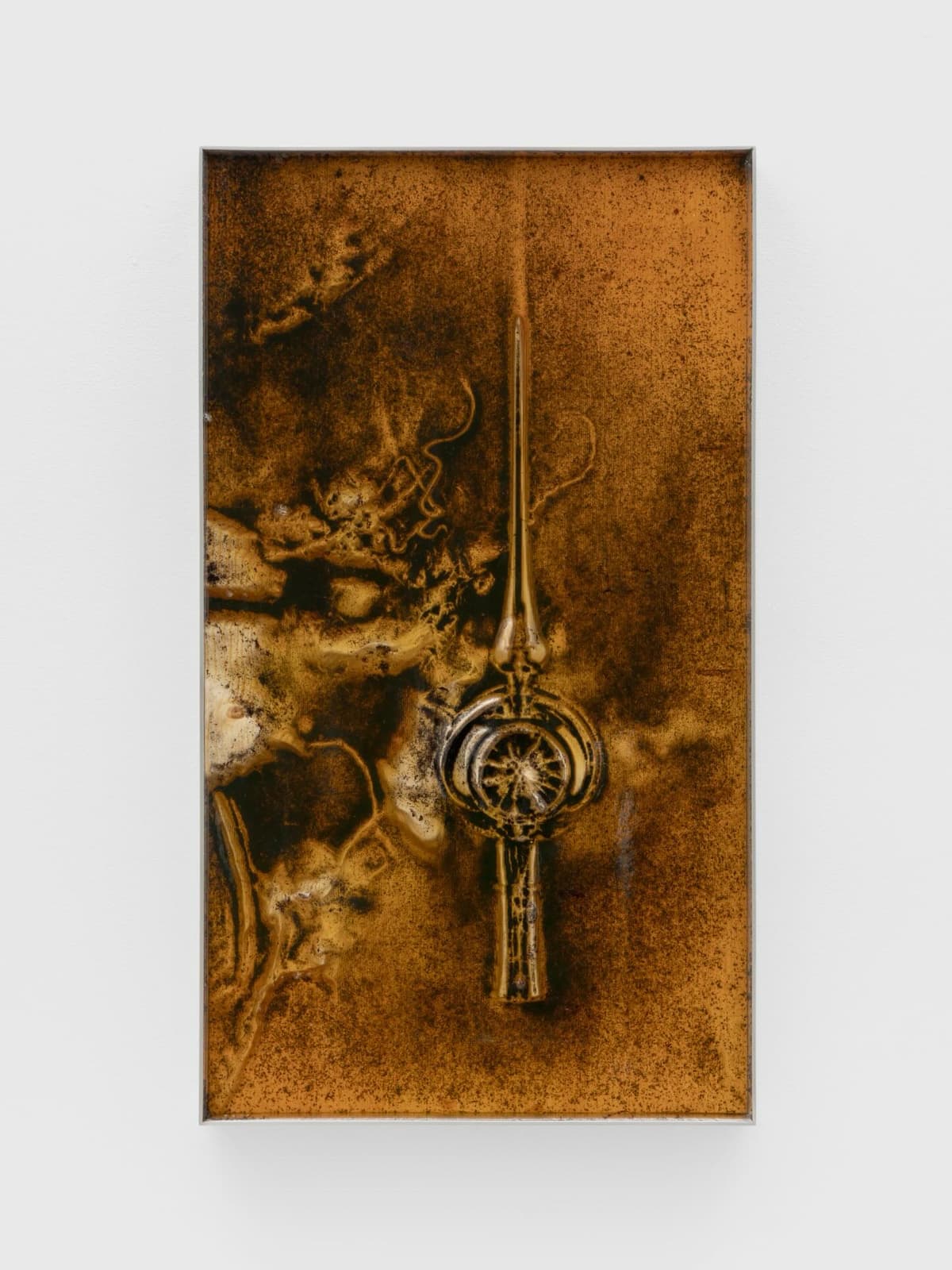
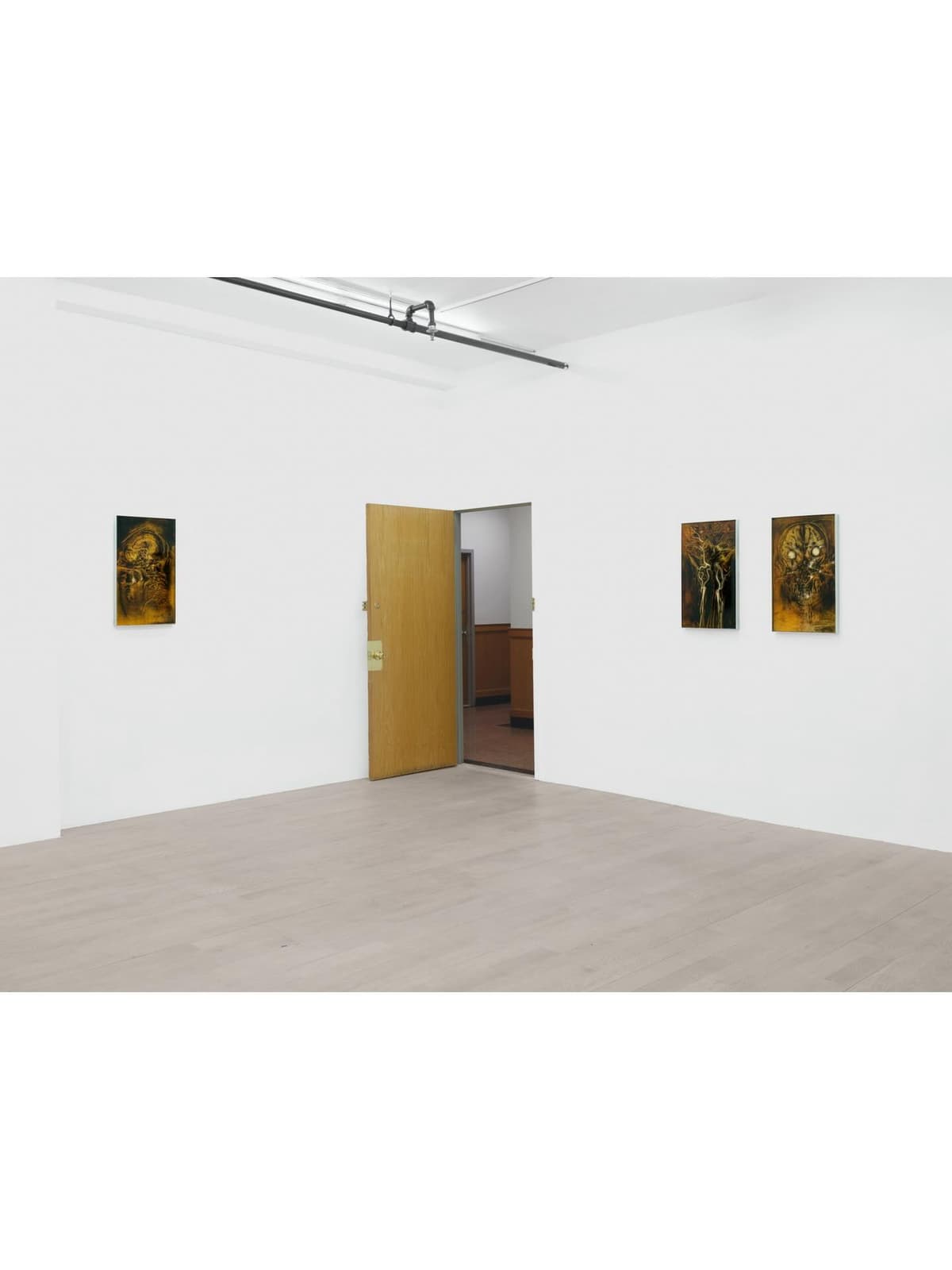
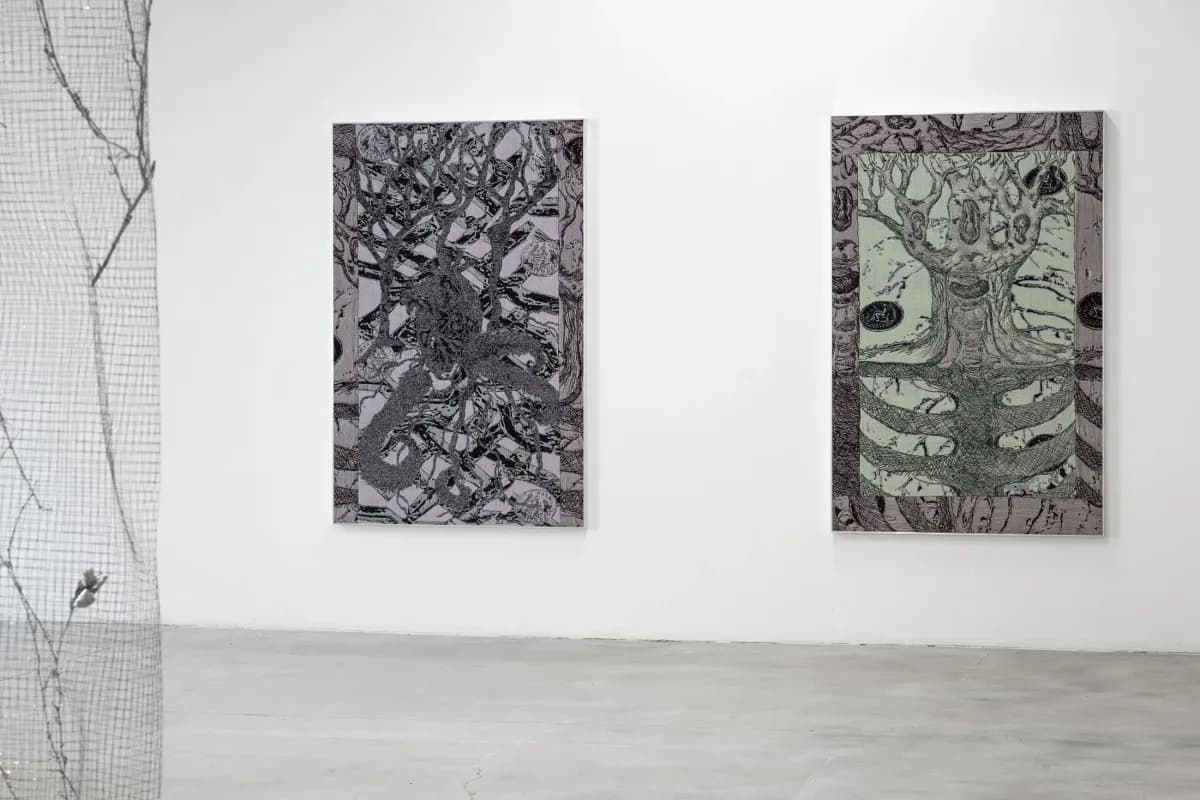
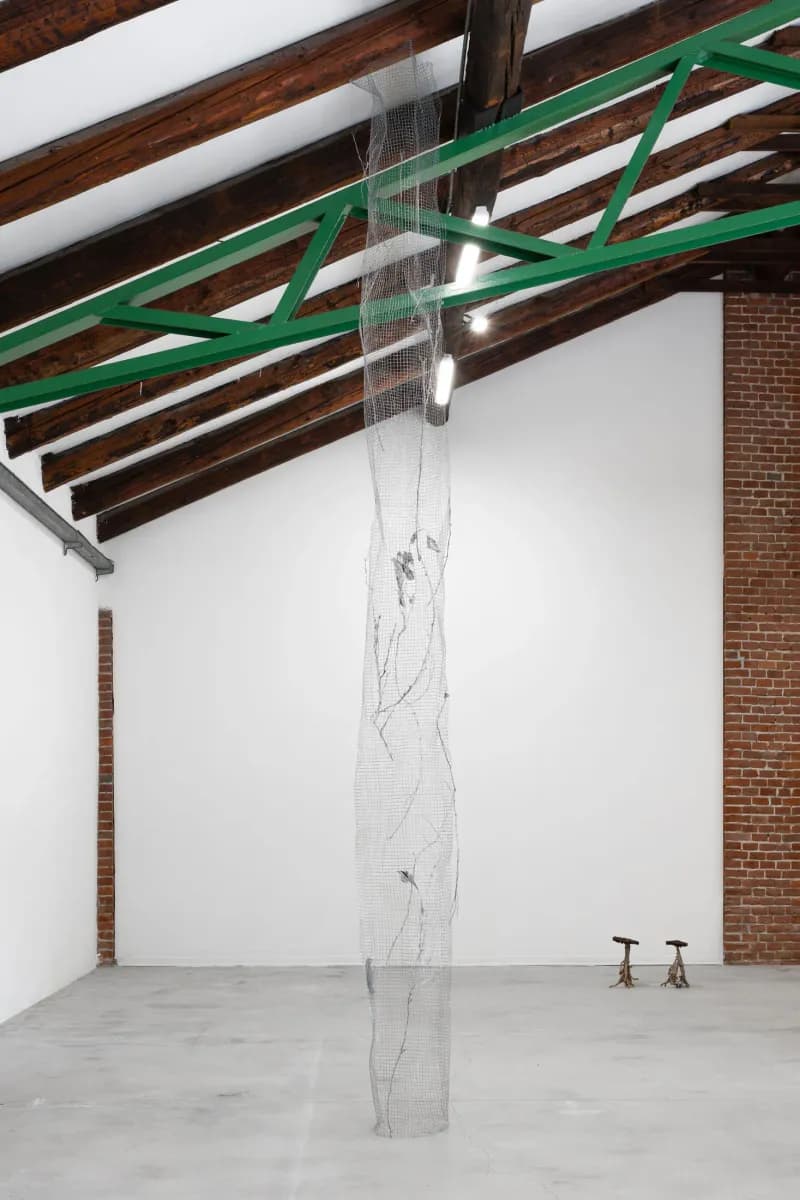
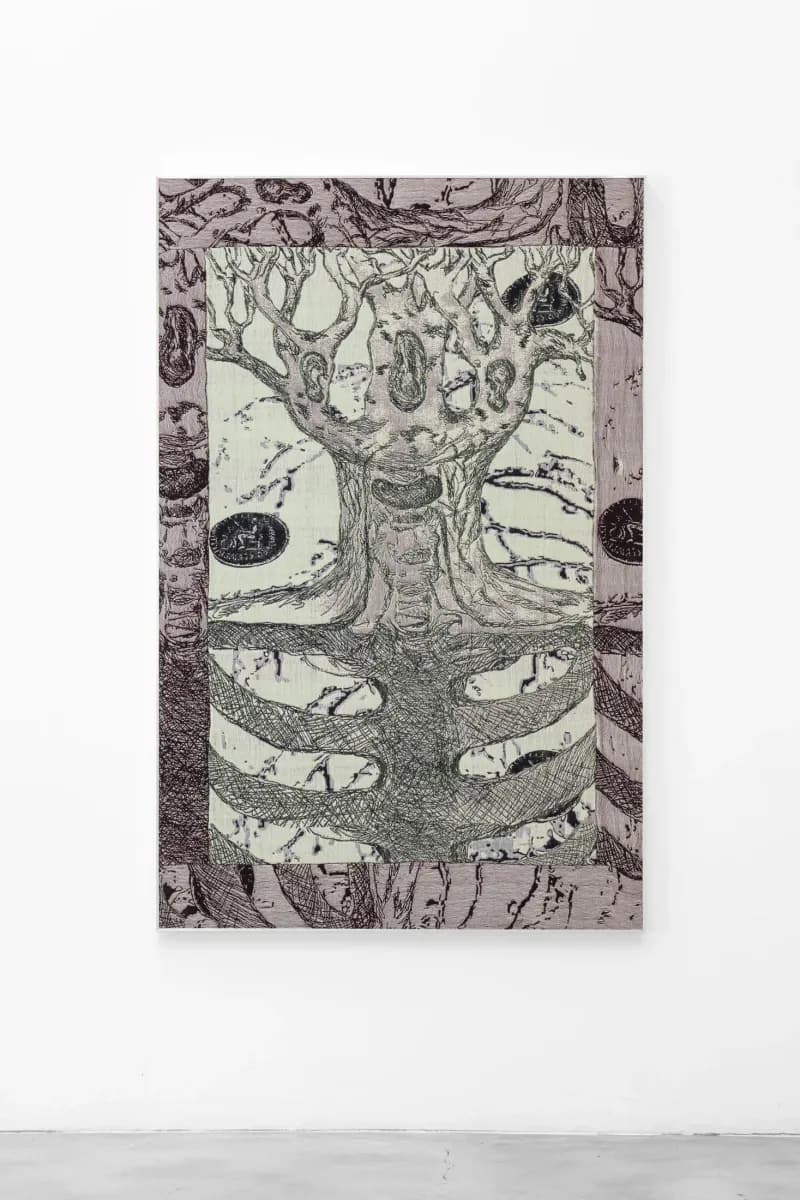
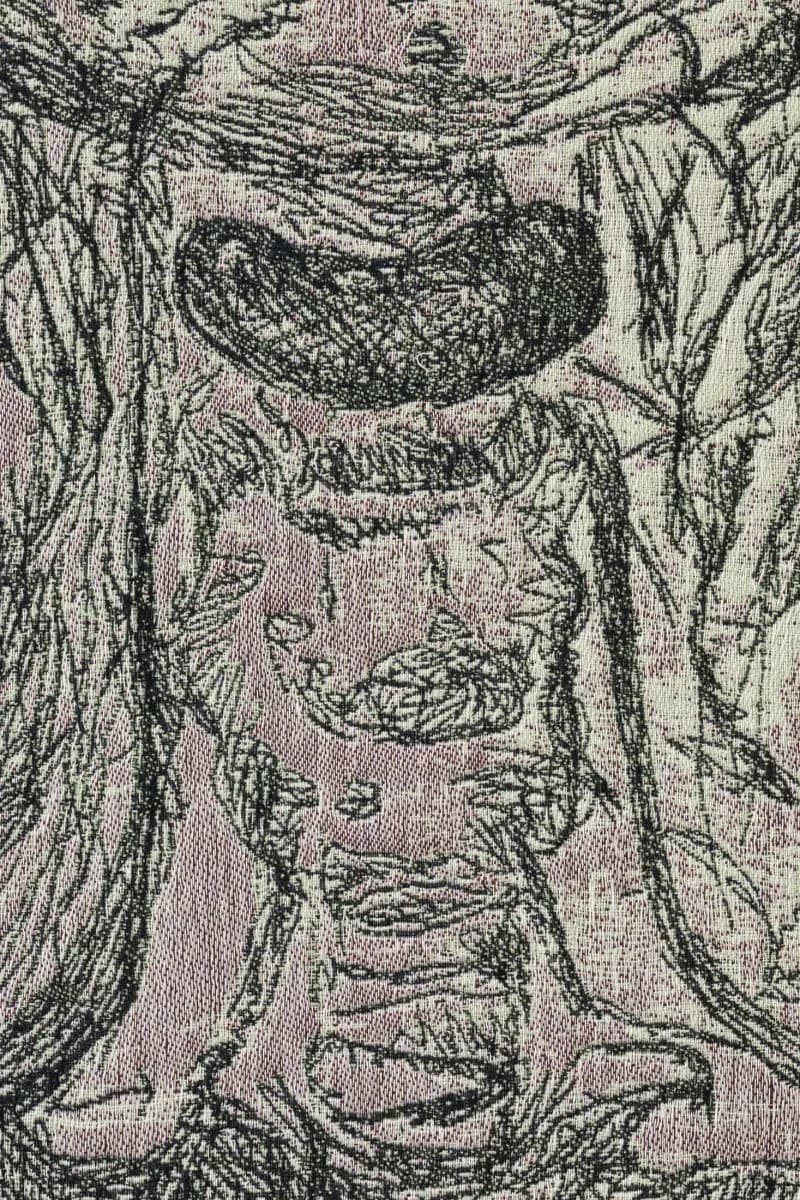
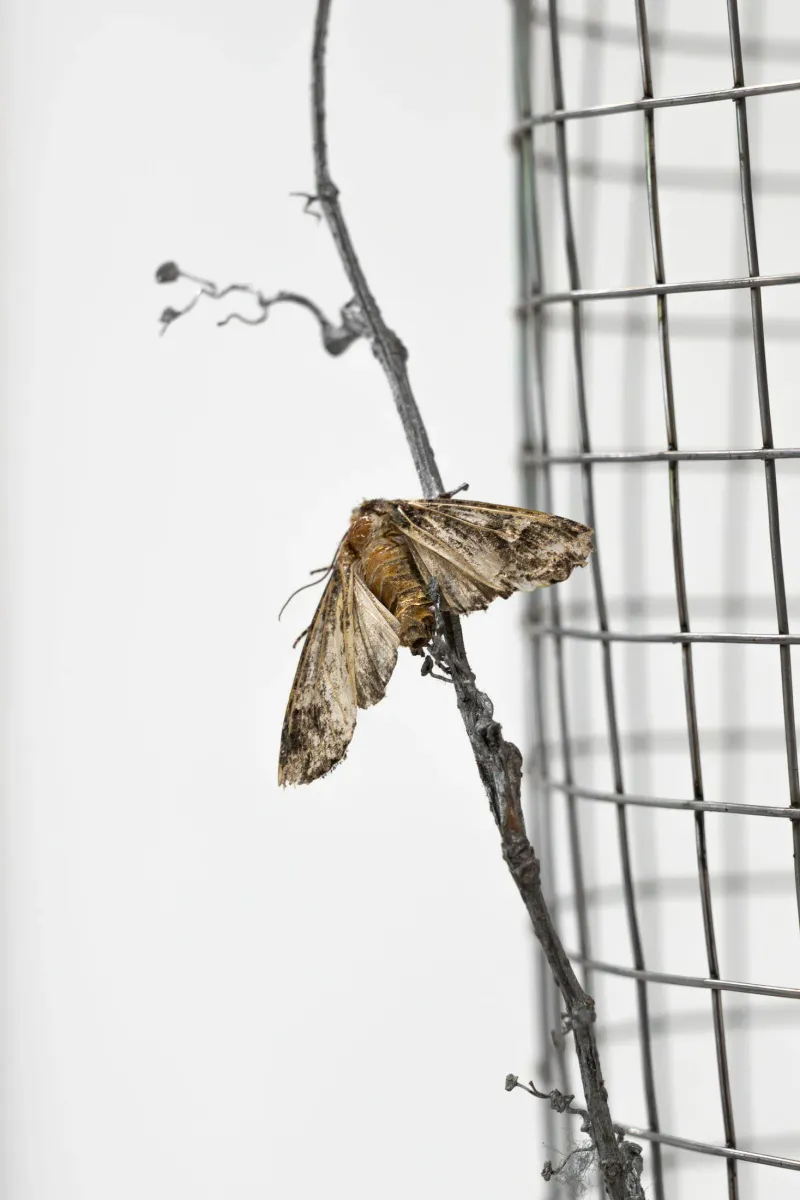
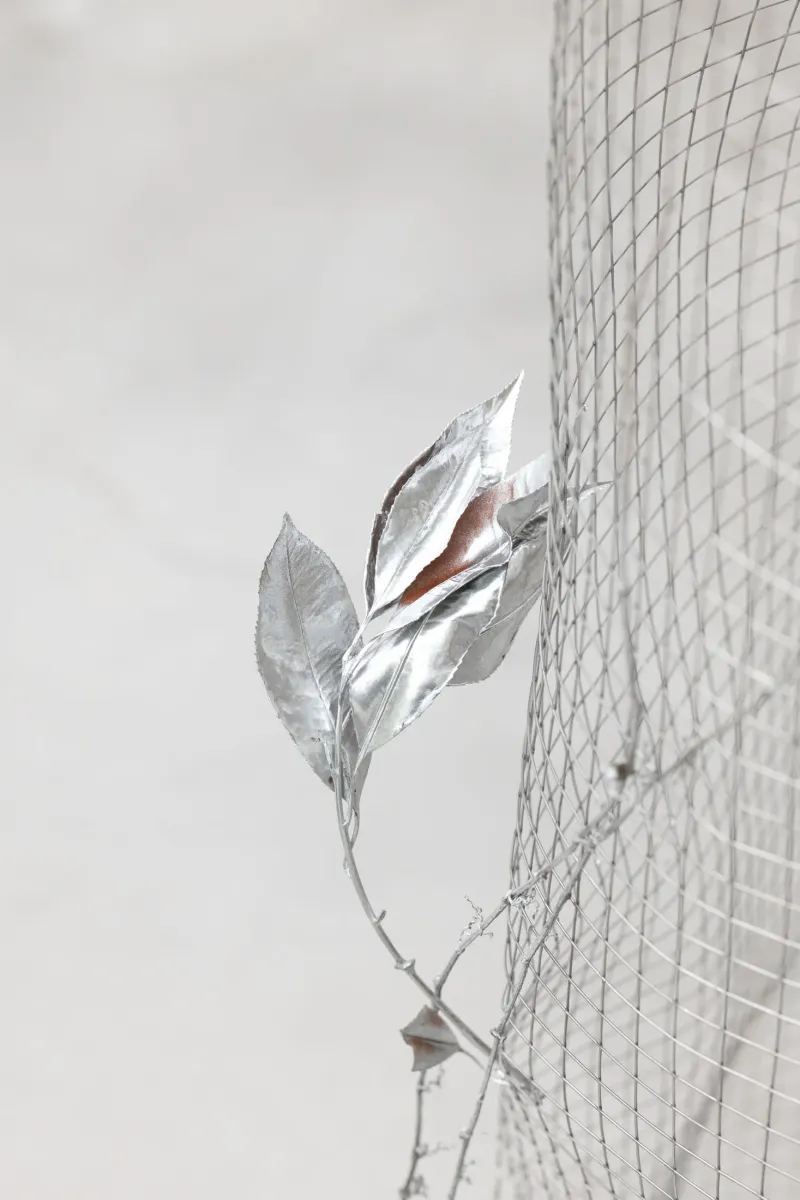
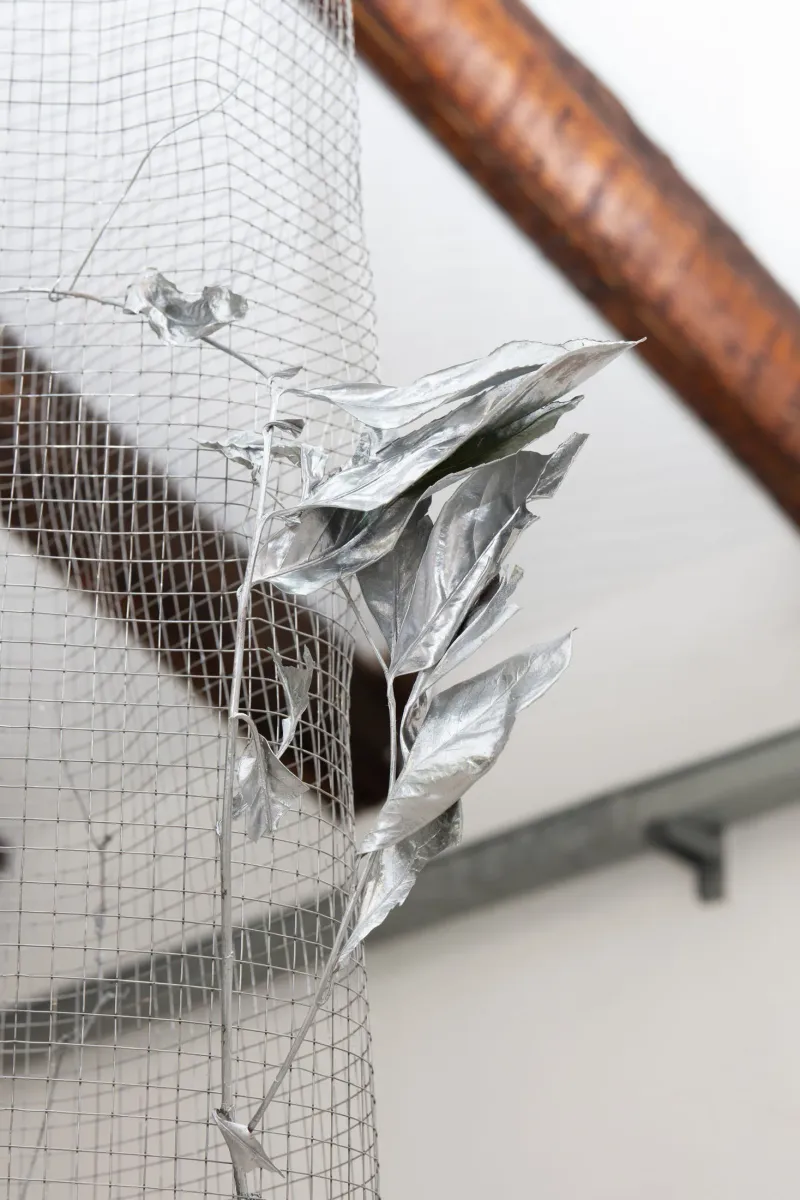
And of course, no parade of the dead would be complete without a ghost. A haunting cylindrical metallic grid rises in the space, shimmering with silver leaves that instil a spectral presence, bearing witness to those forms of disappearance that can no longer be kept at a distance, and allowing for extended grief. Tysse addresses the deeply human desire to preserve and immortalise, while simultaneously placing the death of ecological systems directly in front of us. In doing so, she also quietly invites to ponder on what is deemed worthy of preservation, and what is allowed to disappear unnoticed. The snag, after all, is not simply a lesser-known poetic symbol of mortality, but an increasingly vulnerable element within managed forests, where deadwood is often removed in the name of productivity. Together with this piece, two digital jacquard weavings introduce a synthetic dimension to the whole. Among dense branching tangles disclosing subterranean rib cages or ears popping out of wooden pockets, archaic trippy visions unfold. It’s the effect of the hallucinatory realisation that organic life has always communicated through hidden infrastructures exceeding individual bodies… and that the forest is very much alive (and dying) inside and outside us.
— Caterina Avataneo
Ingeborg Tysse (1992, Stavanger, Norway) lives and works in Oslo. She works across sculpture, installation, weaving, video, and costume, engaging with personal narratives, contemporary and historical myths, craft traditions and environmentalism. Central to her practice is an exploration of prosthetics as extensions of body, space, and time — material encounters between the organic and synthetic, the old and the new, the lost and the re-imagined. Within her work, prosthetics become metaphors for mental, physical, and metaphysical adaptation, addressing how bodies and environments adjust to loss, change, and synthetic intervention. Tysse holds an MFA from Bergen Art Academy from 2024 and a BFA from Oslo National Academy of the Arts, Textile Department, and from Iceland University of the Arts.
Recent solo exhibitions include: Neckwreath, Kiosken Studio, Bergen, Norway (2025); Wild Watch, Norwegian Sculptors Society, Oslo, Norway (2025); Chimed, Ditroit Dream, Milan, Italy (2025), Phantom Gut, L21 Gallery, Palma de Mallorca, Spain (2024); SKRØMT, Hordaland Kunstsenter, Bergen, Norway (2023). Her work has been exhibited in group exhibitions such as Hesten og Plysen, Gamle Innvik Ullvarefabrikk, Stryn, Norway (2025); fantom\kopi\klem\print, She Will Art Space, Oslo, Norway (2025); This is personal, Bergen Kunsthall, Norway (2024); I arrived, I laid an egg, I left, L21 Gallery, Palma de Mallorca, Spain (2024); BACC Bangkok Art and Culture Centre, Thailand (2023); Shared Imaginations, KUNO Biennial, Vilnius, Lithuania (2023); Aeaea, Podium, Oslo, Norway (2023).
Artists in this exhibition
More at Société Interludio
More in Turin
Related topics
.webp&w=1200&q=75)