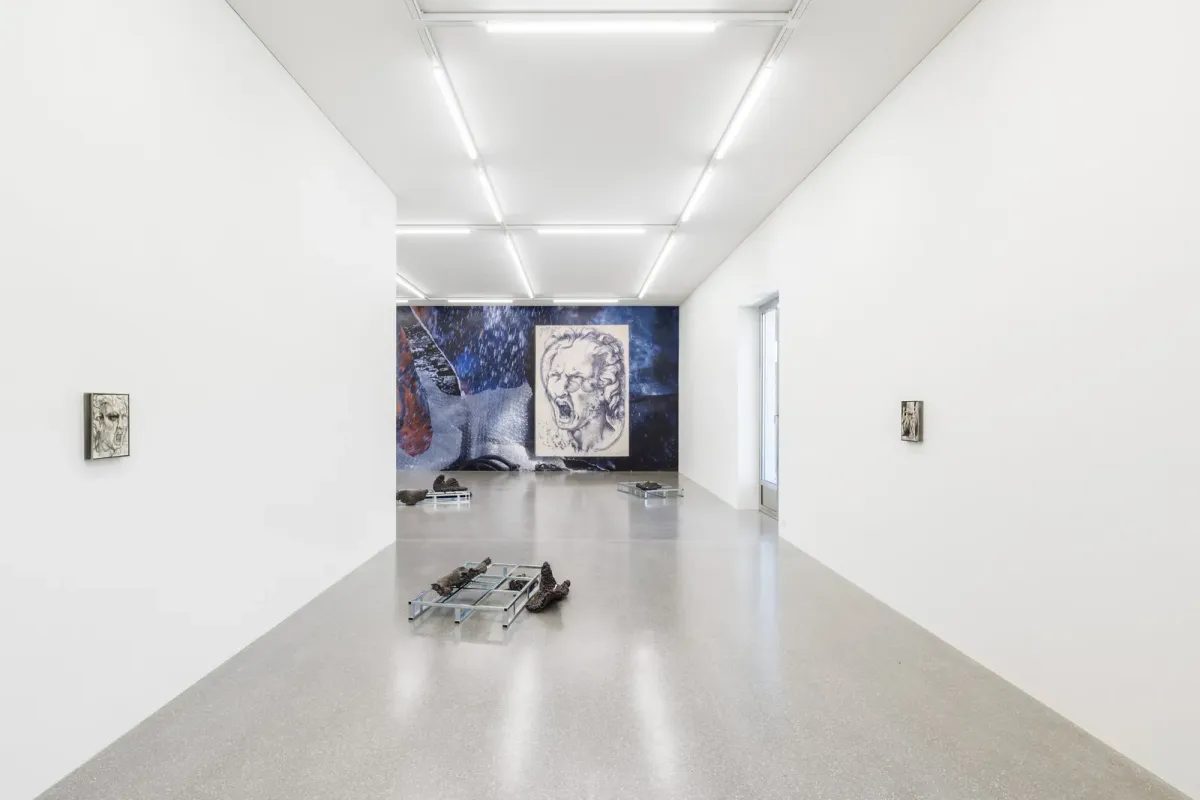
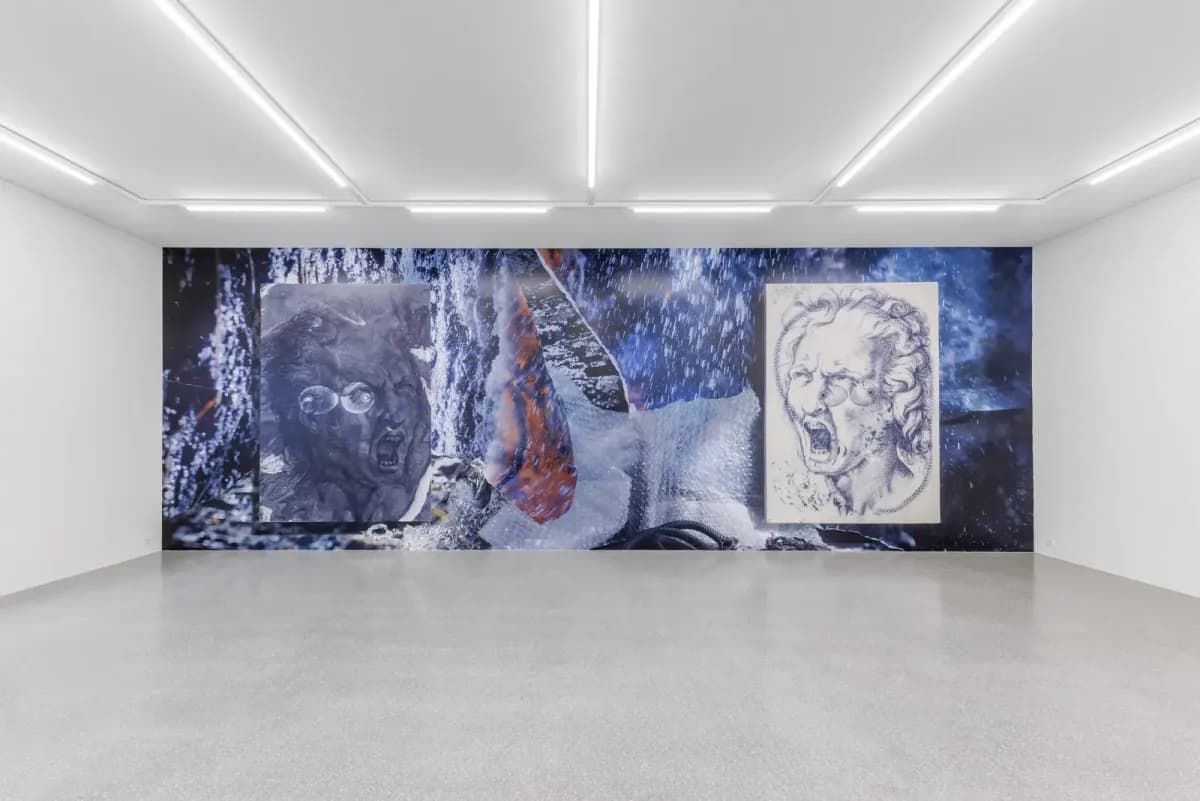
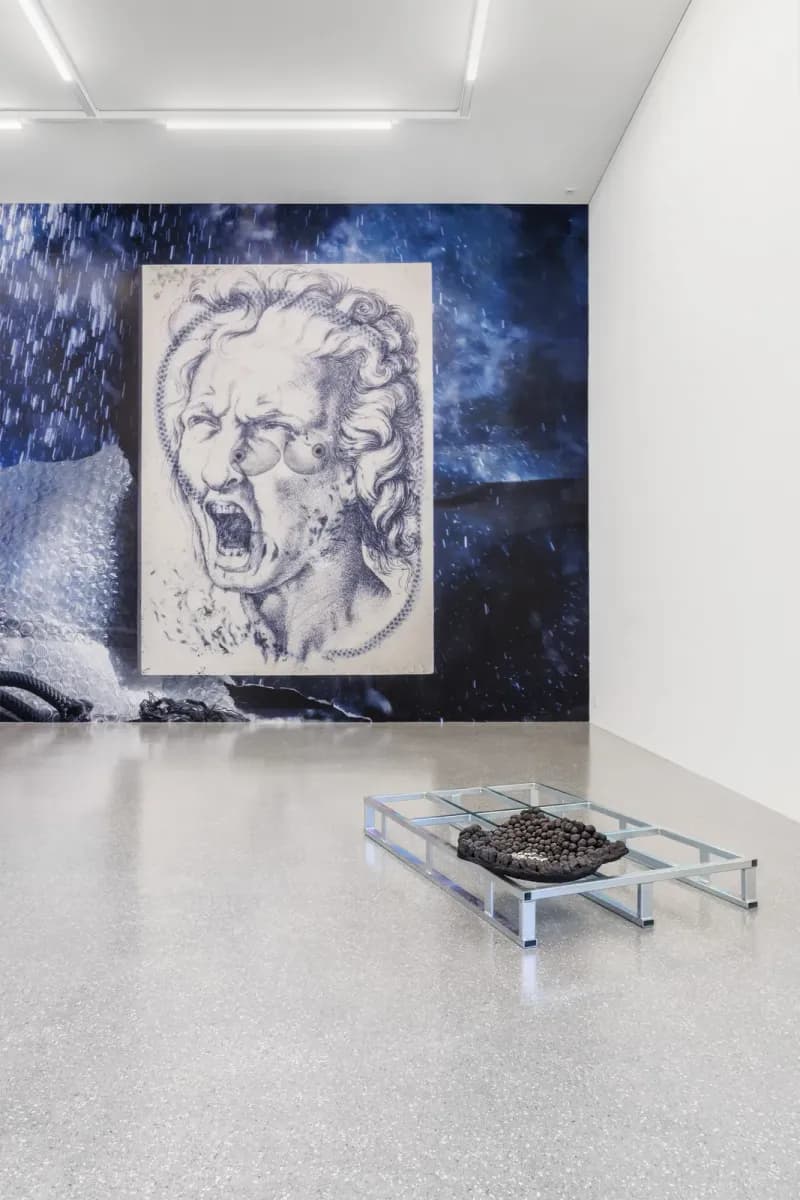
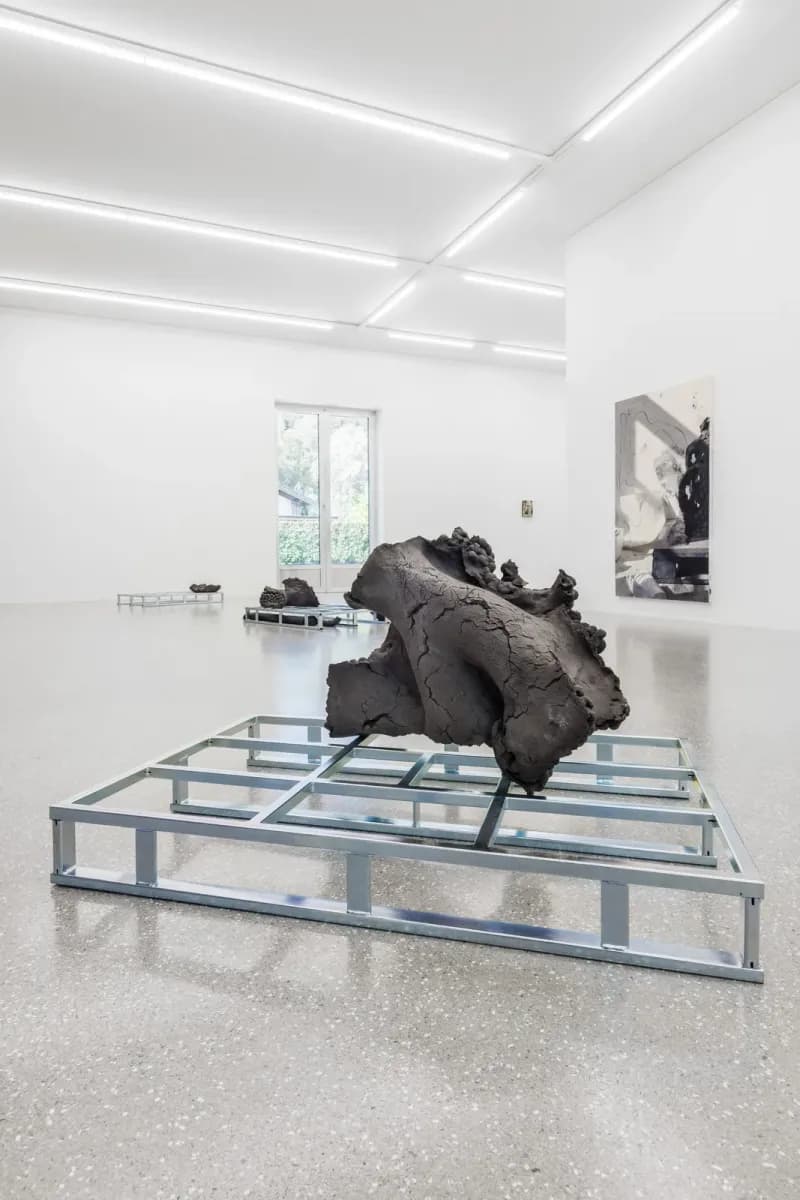
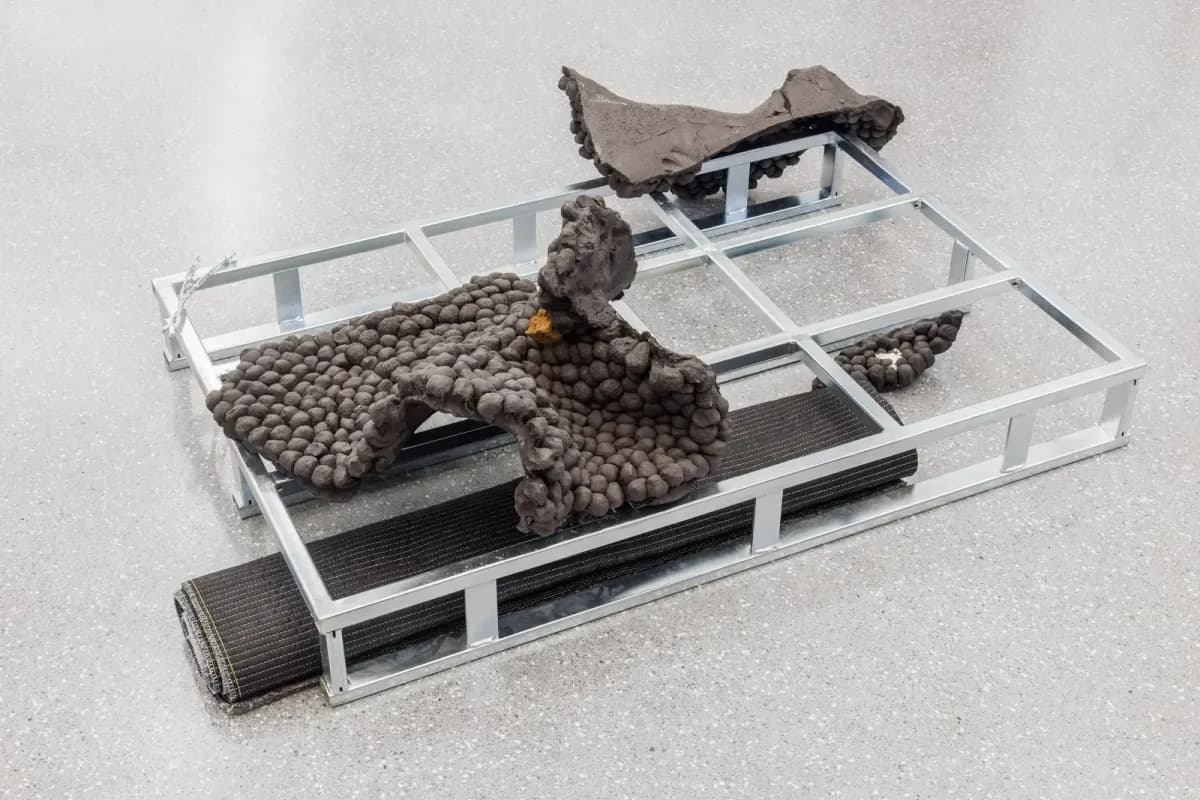
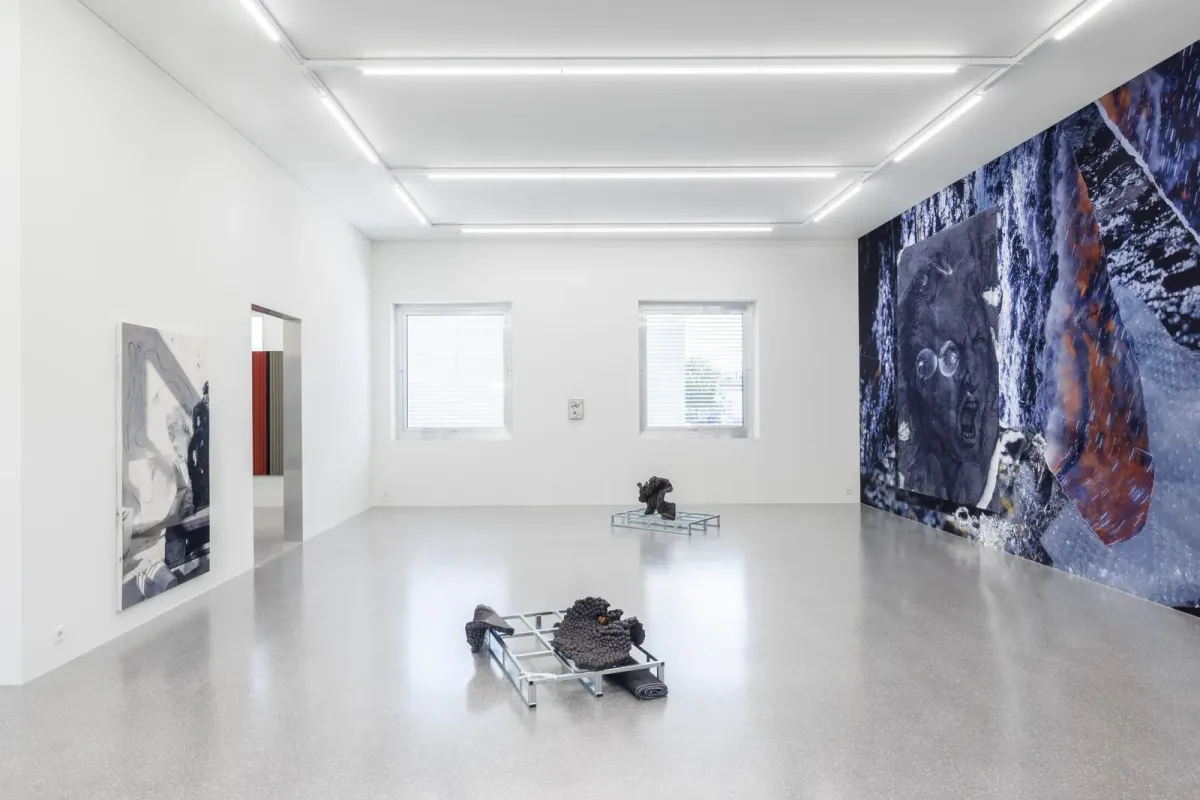
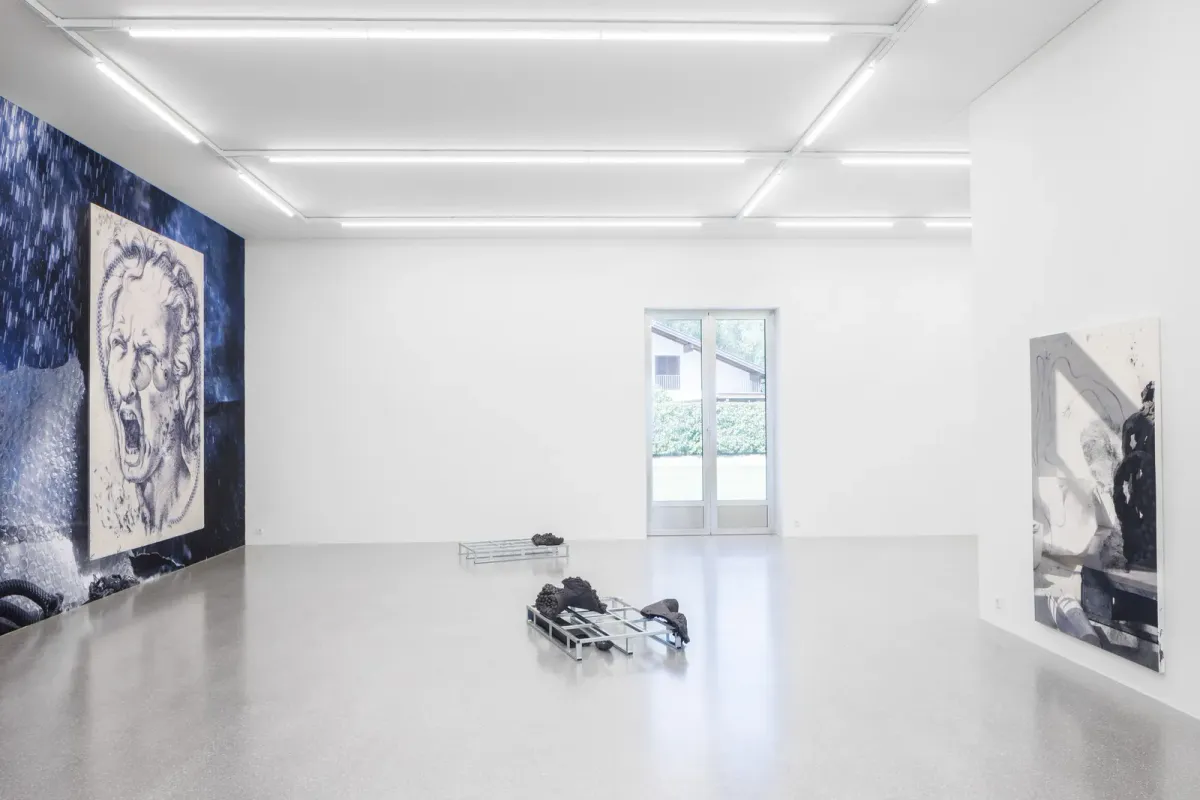
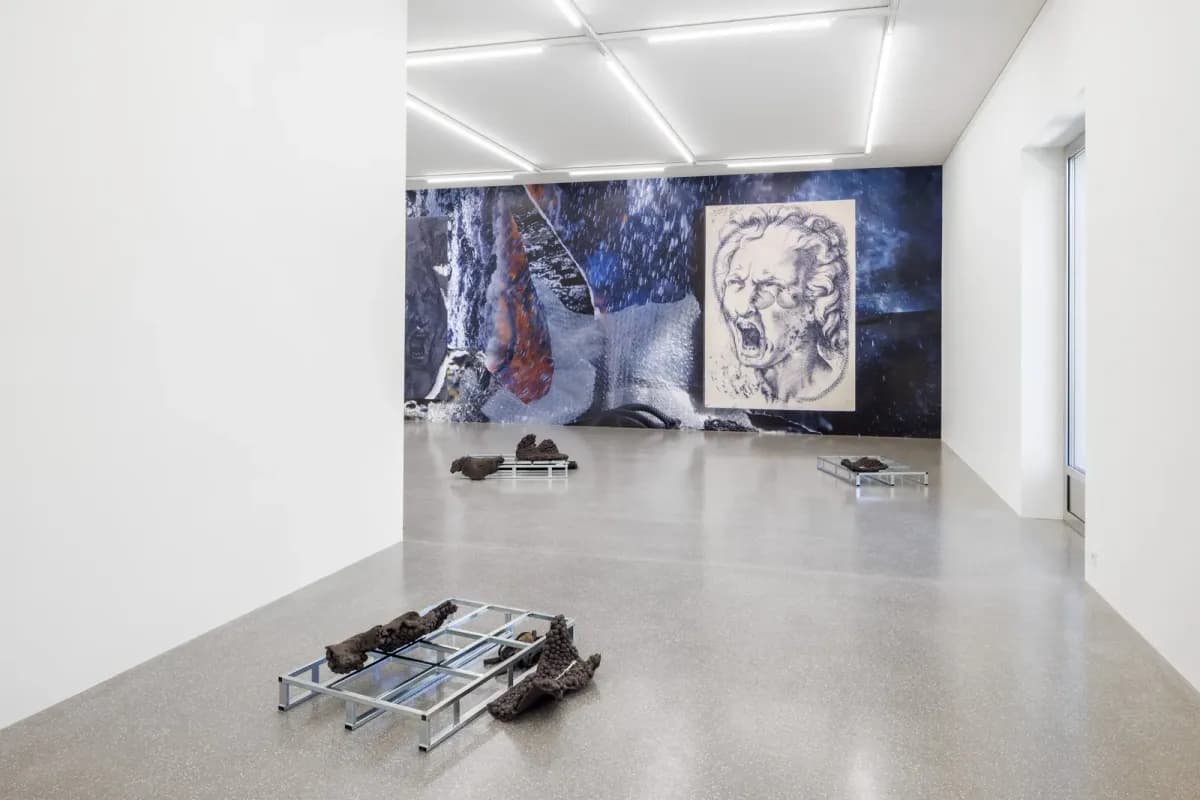
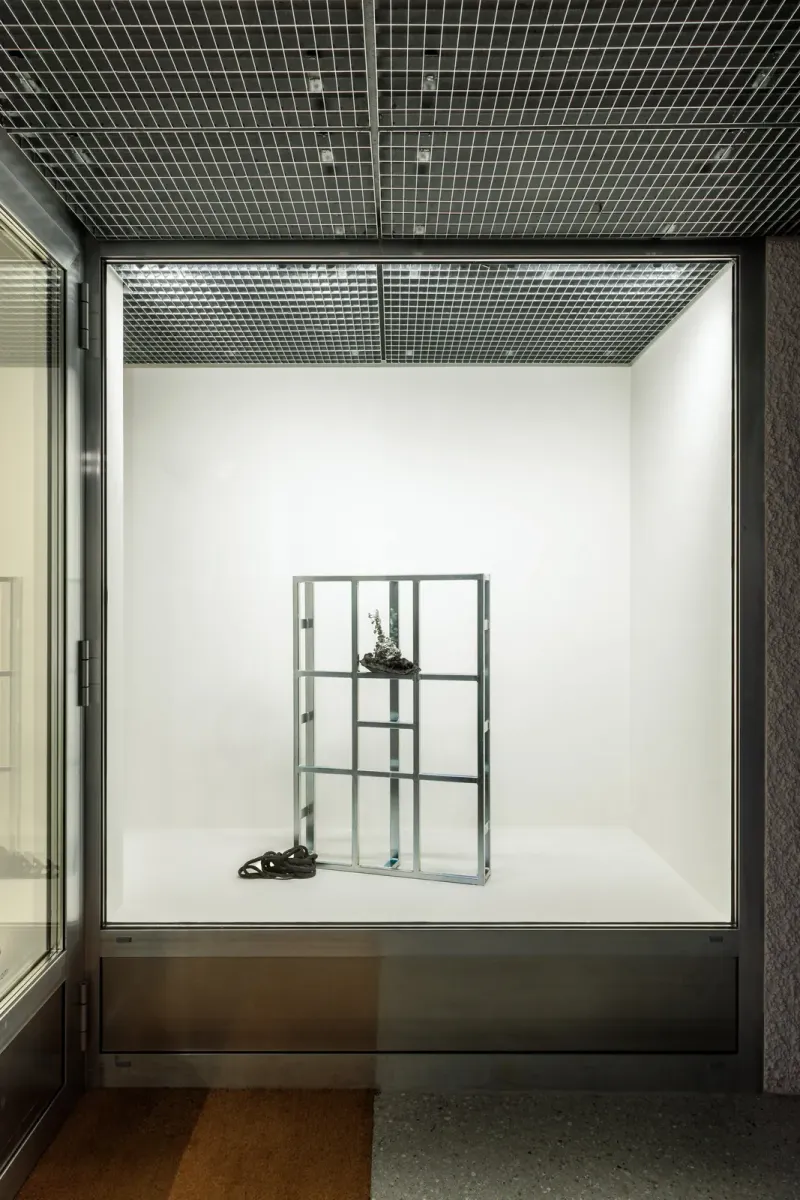
Klaus in Vorarlberg / 2026
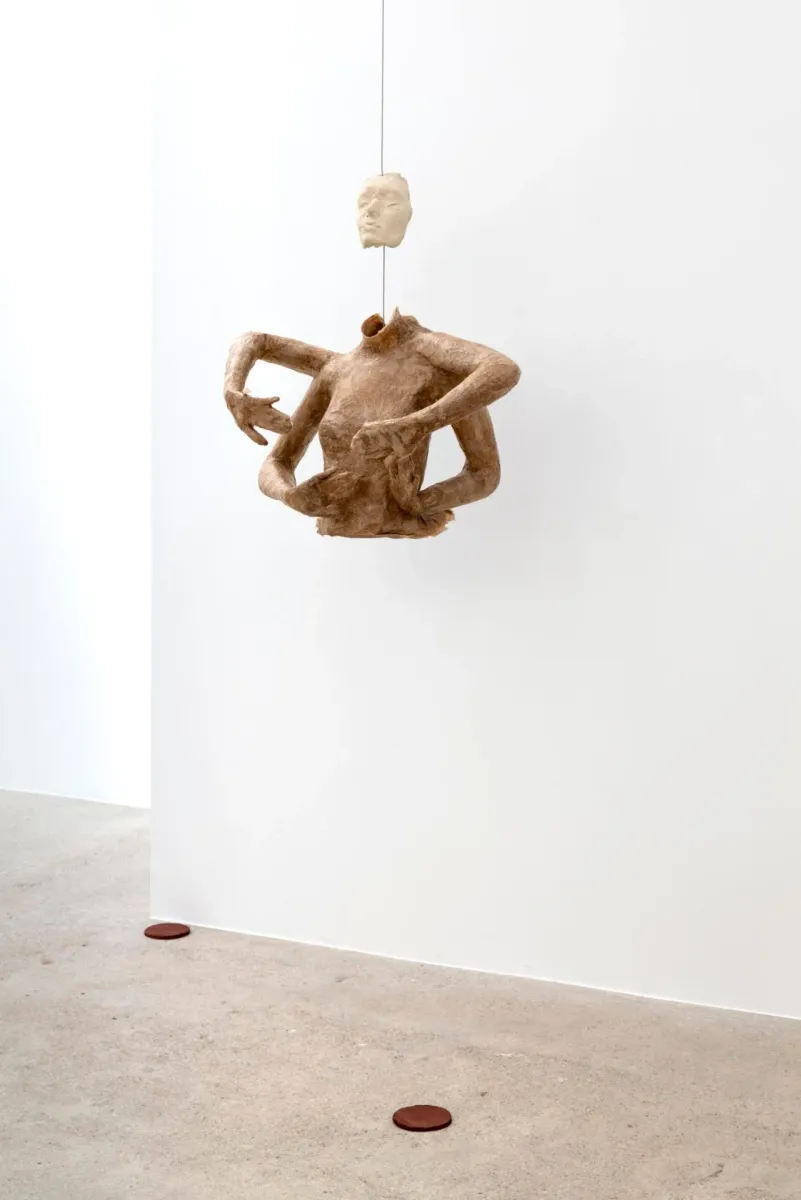
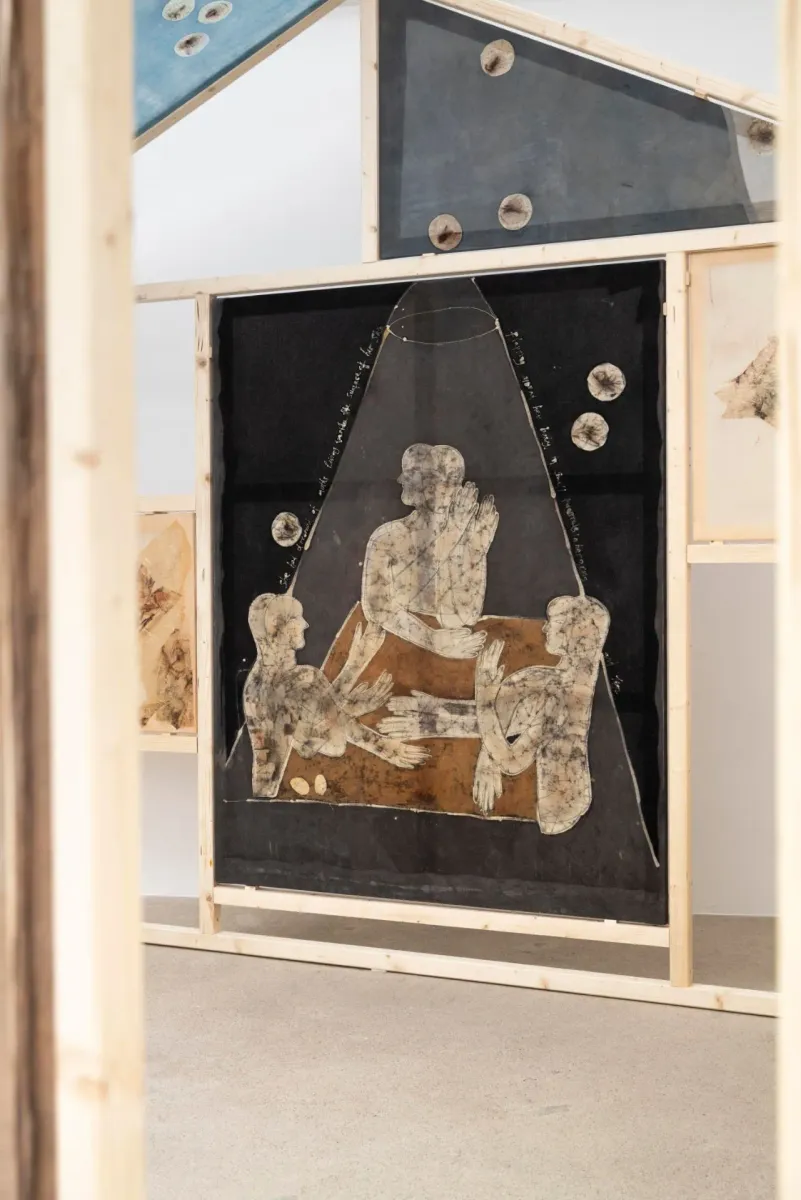
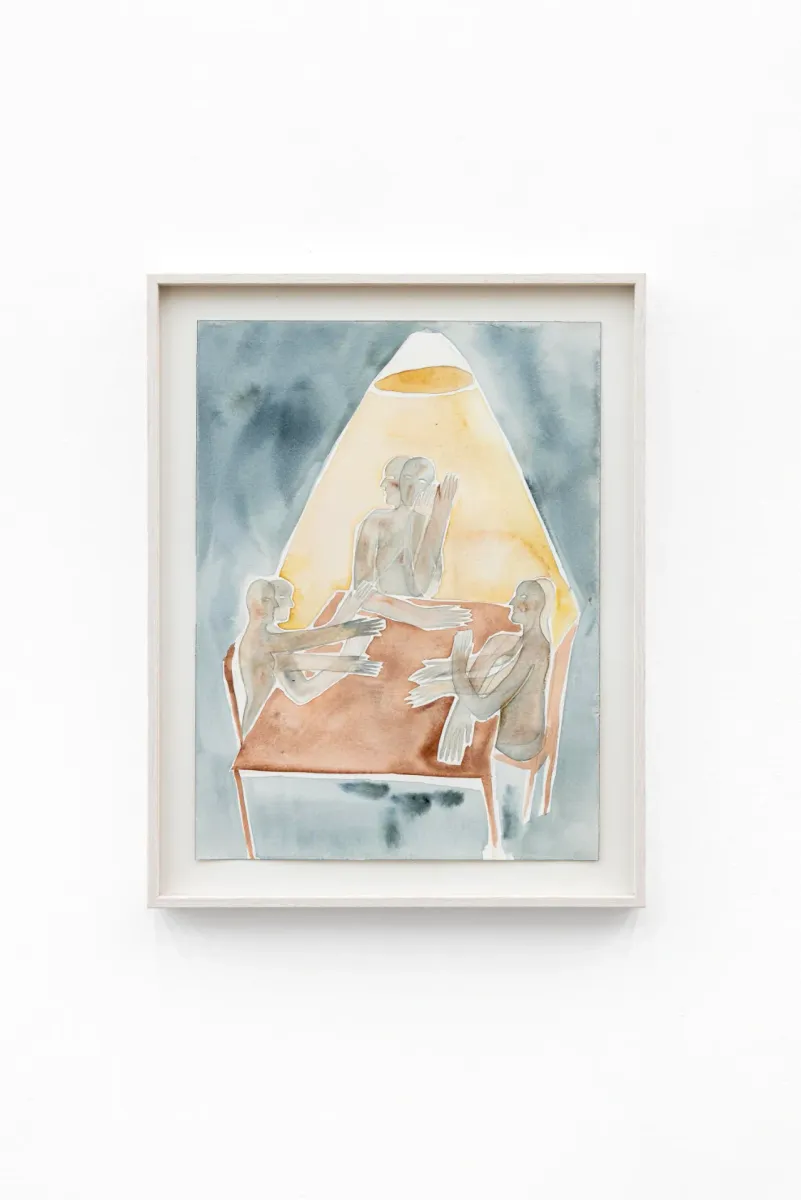
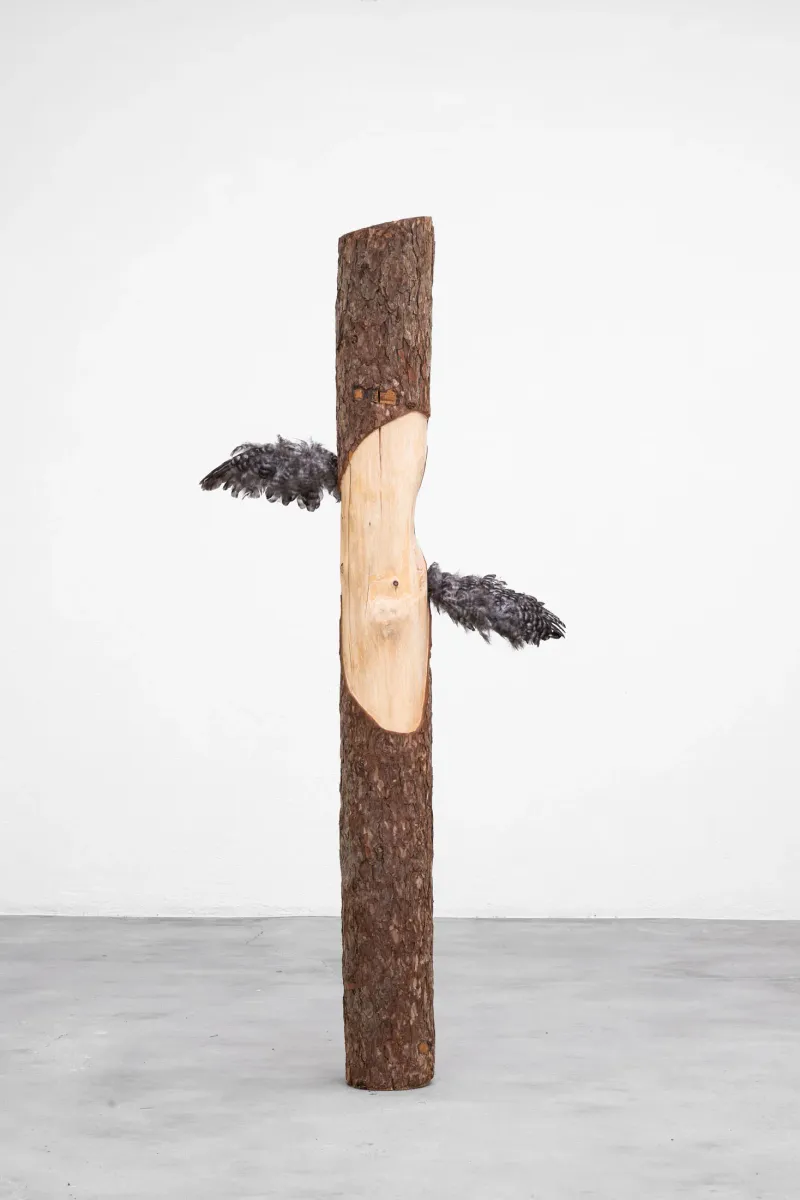
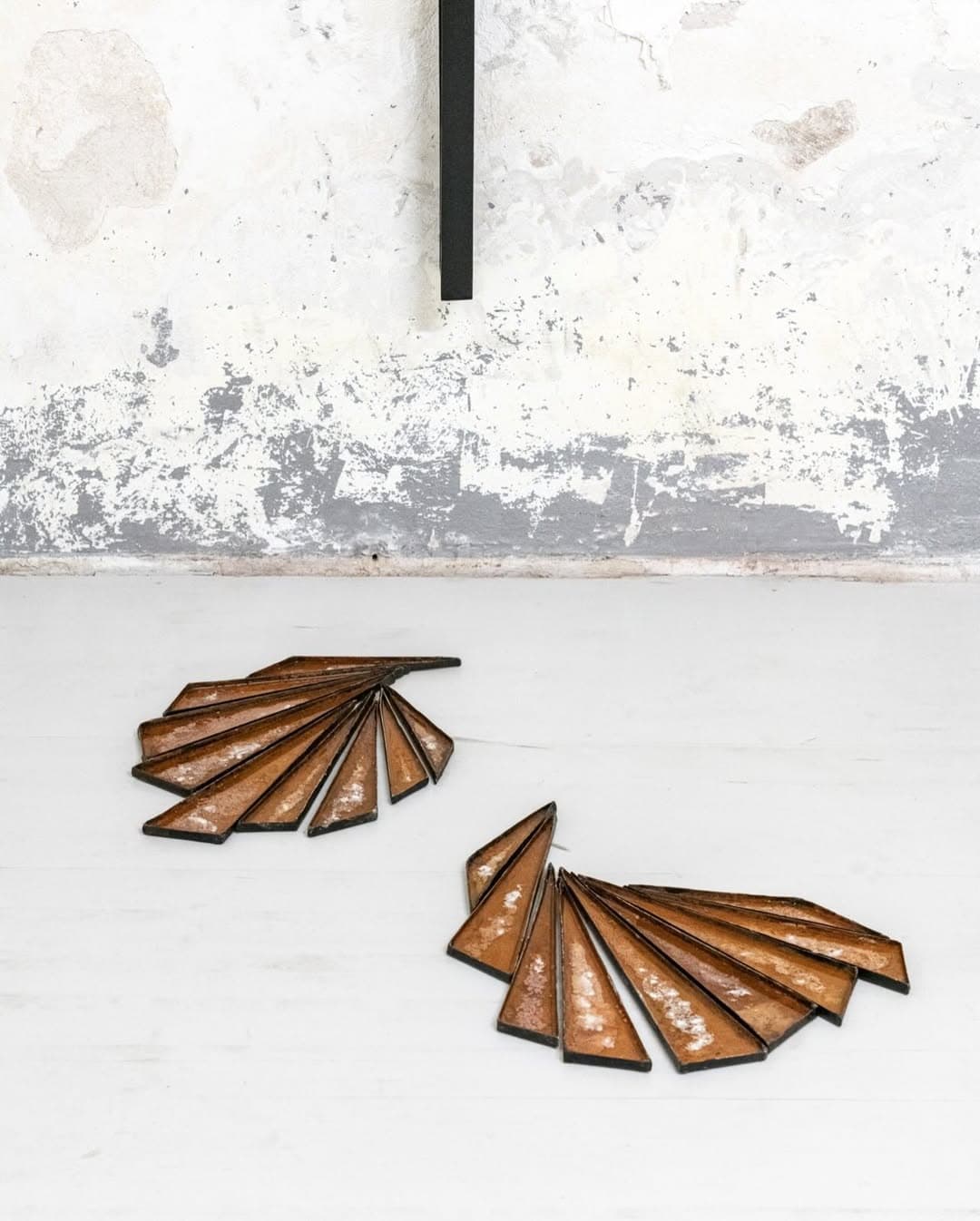
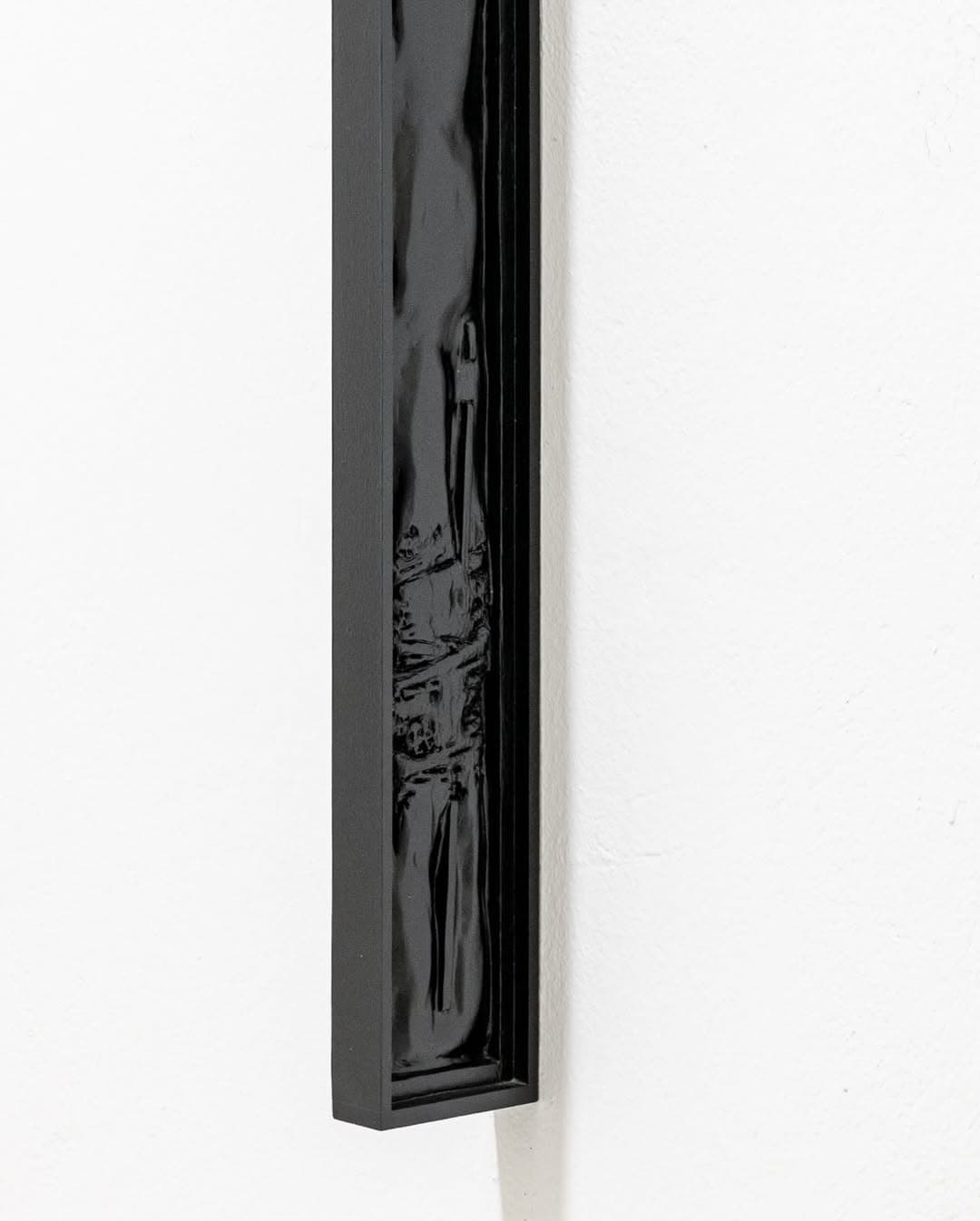
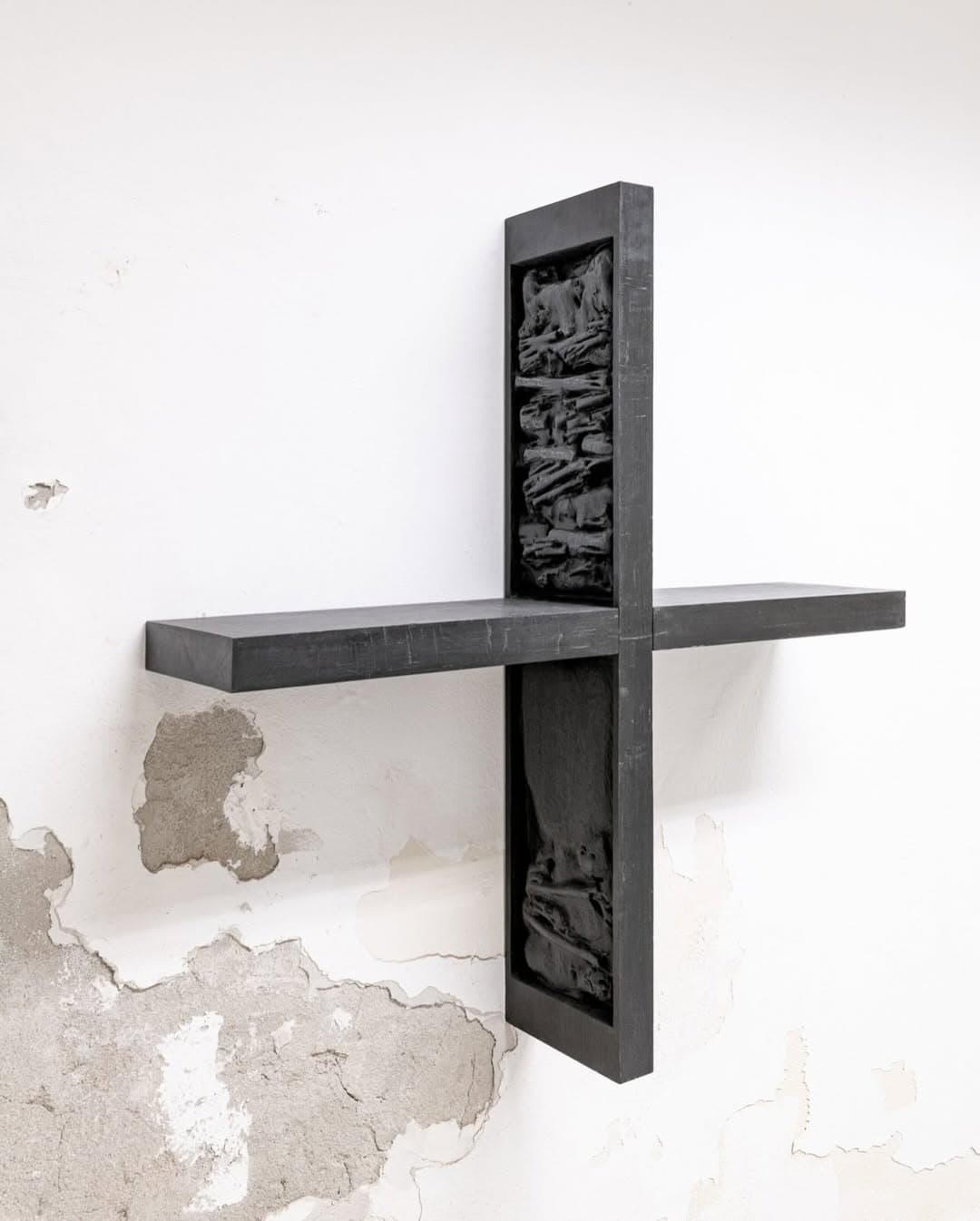
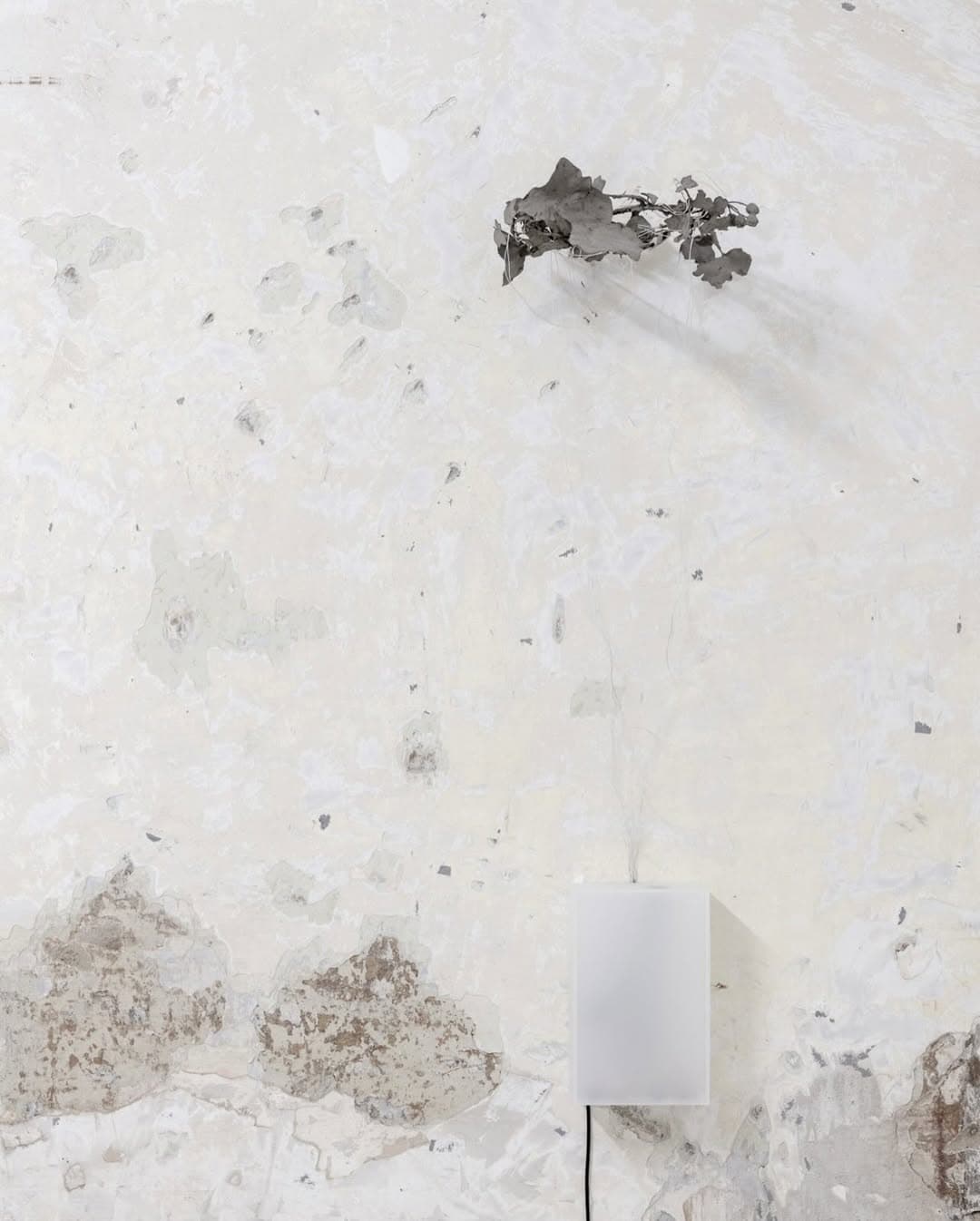
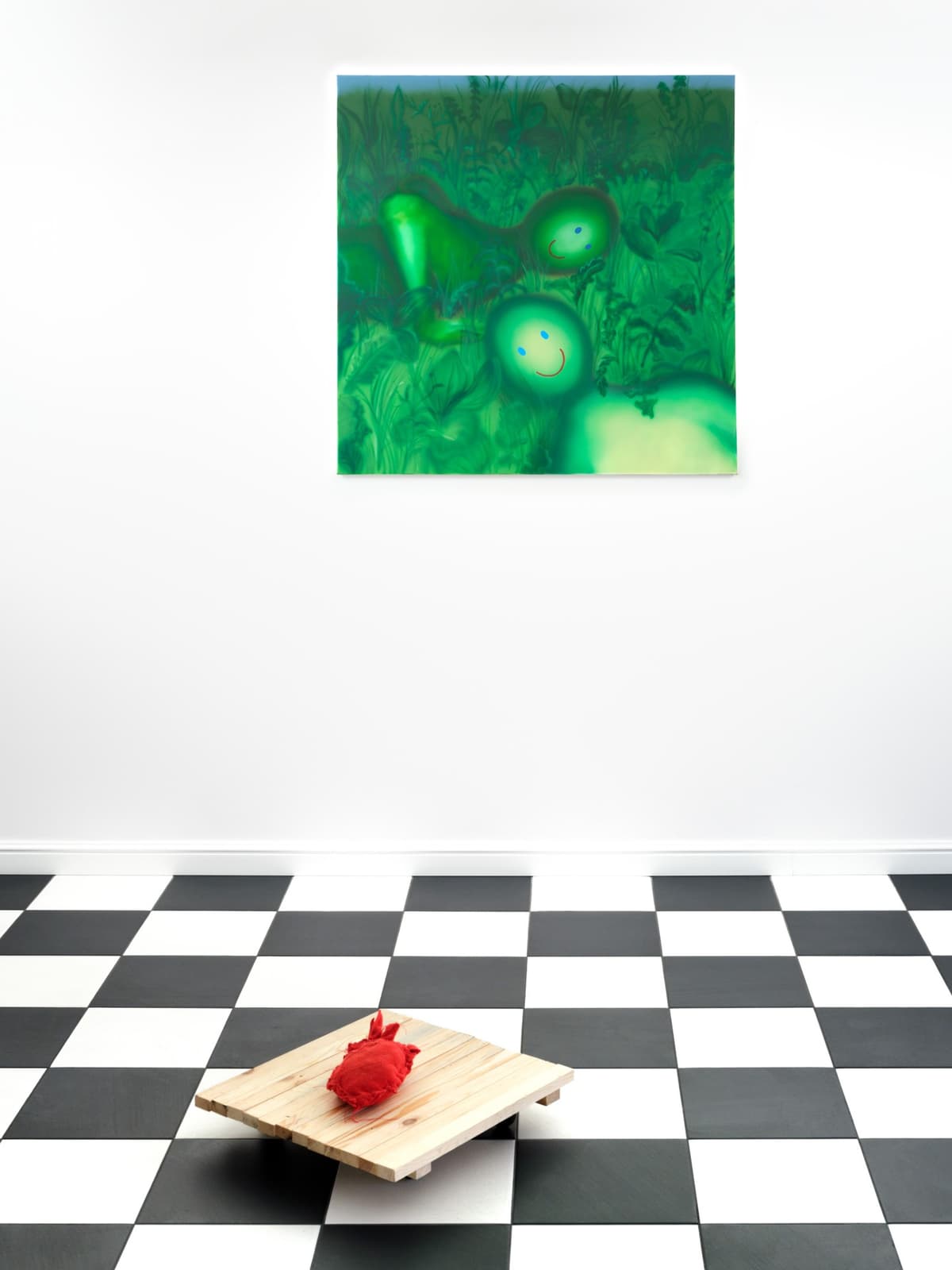
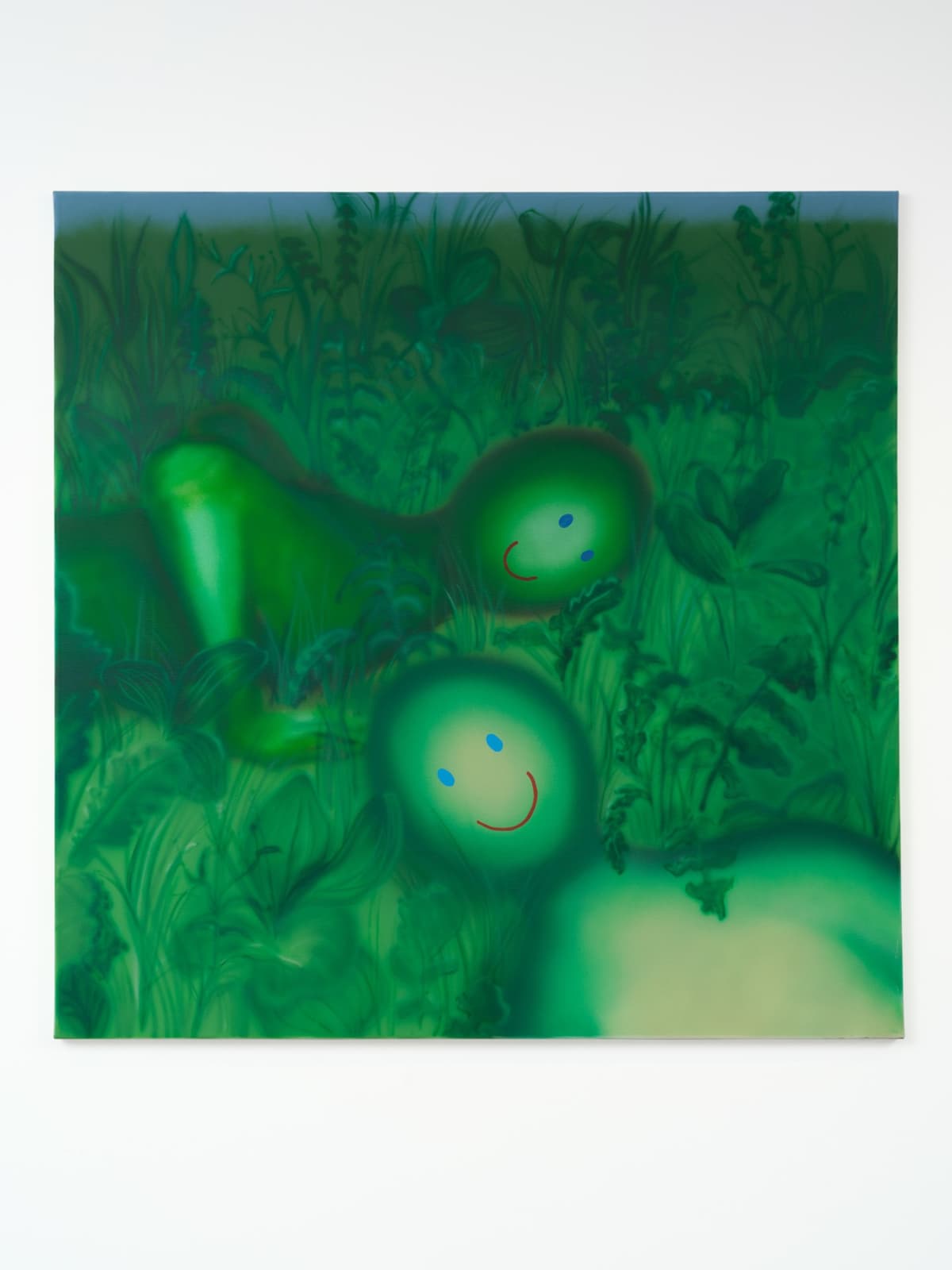
Der Kopf ist rund, damit das Denken die Richtung wechseln kannGalerie Brugger
Klaus in Vorarlberg / 2026
Der Kopf ist rund, damit das Denken die Richtung wechseln kannGalerie Brugger
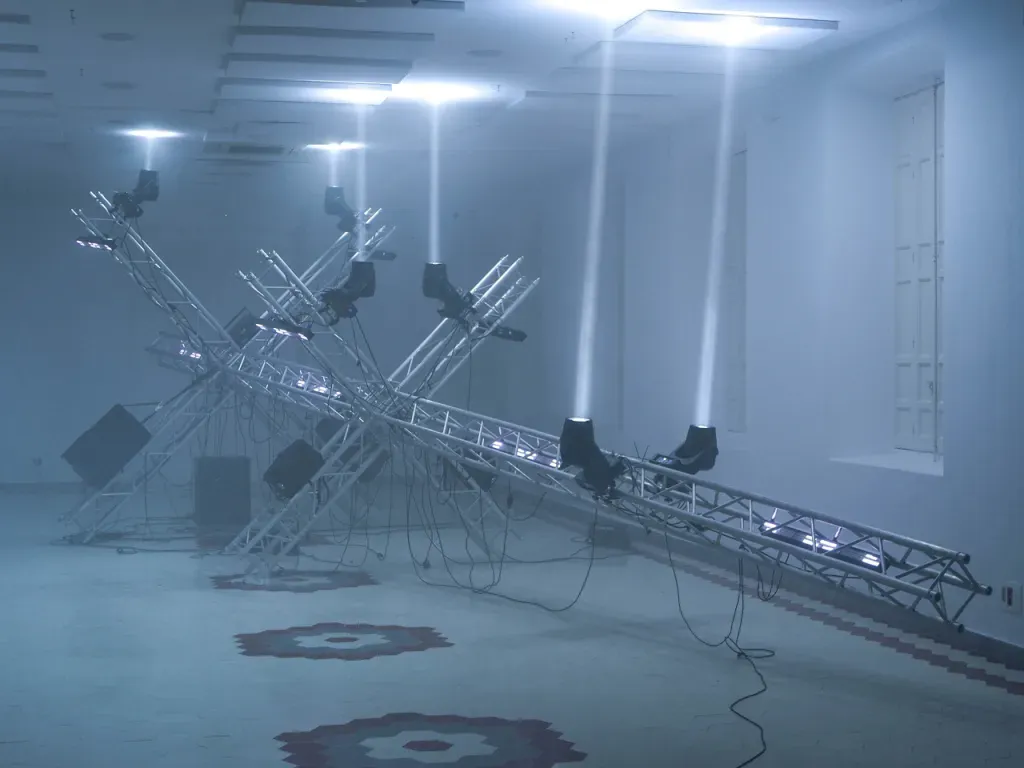
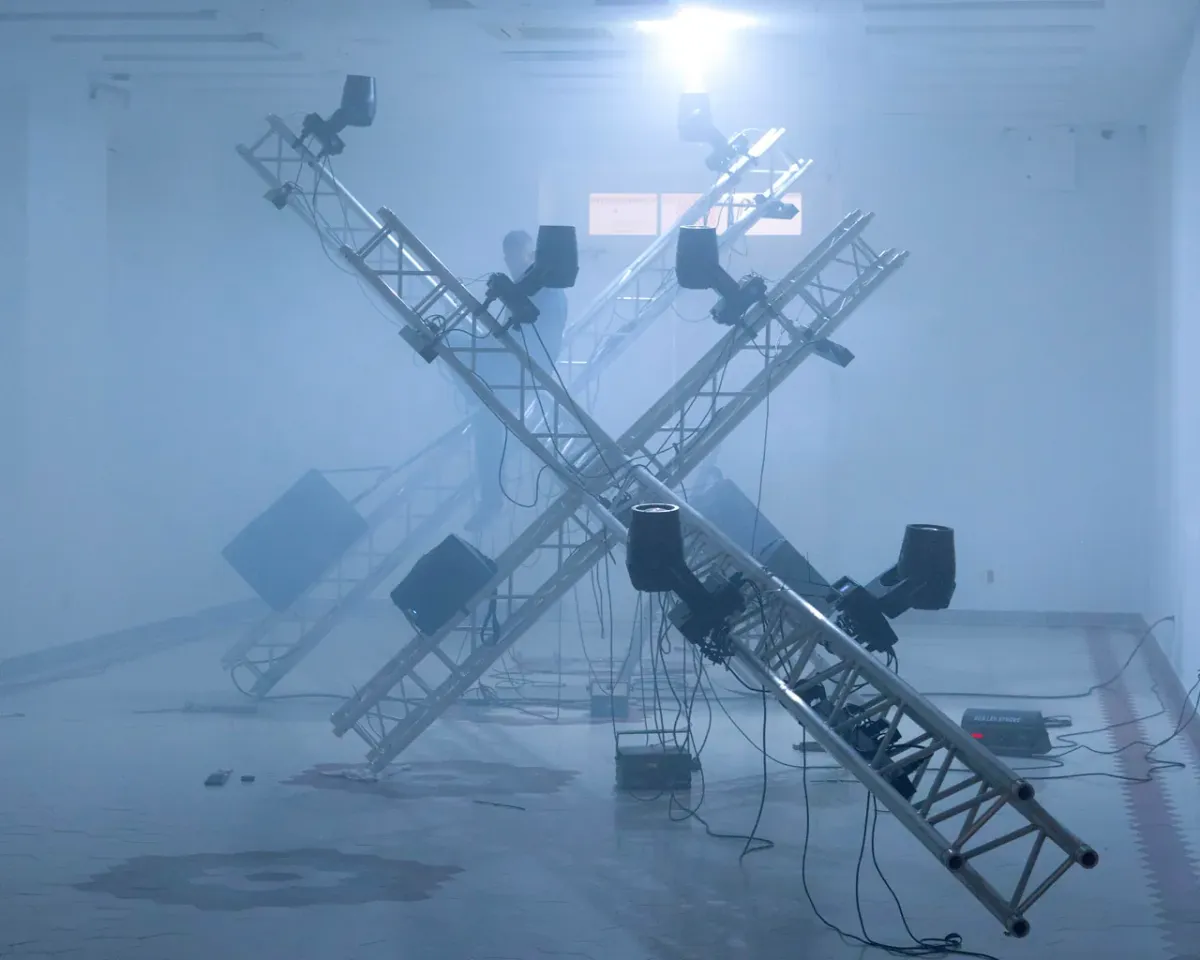
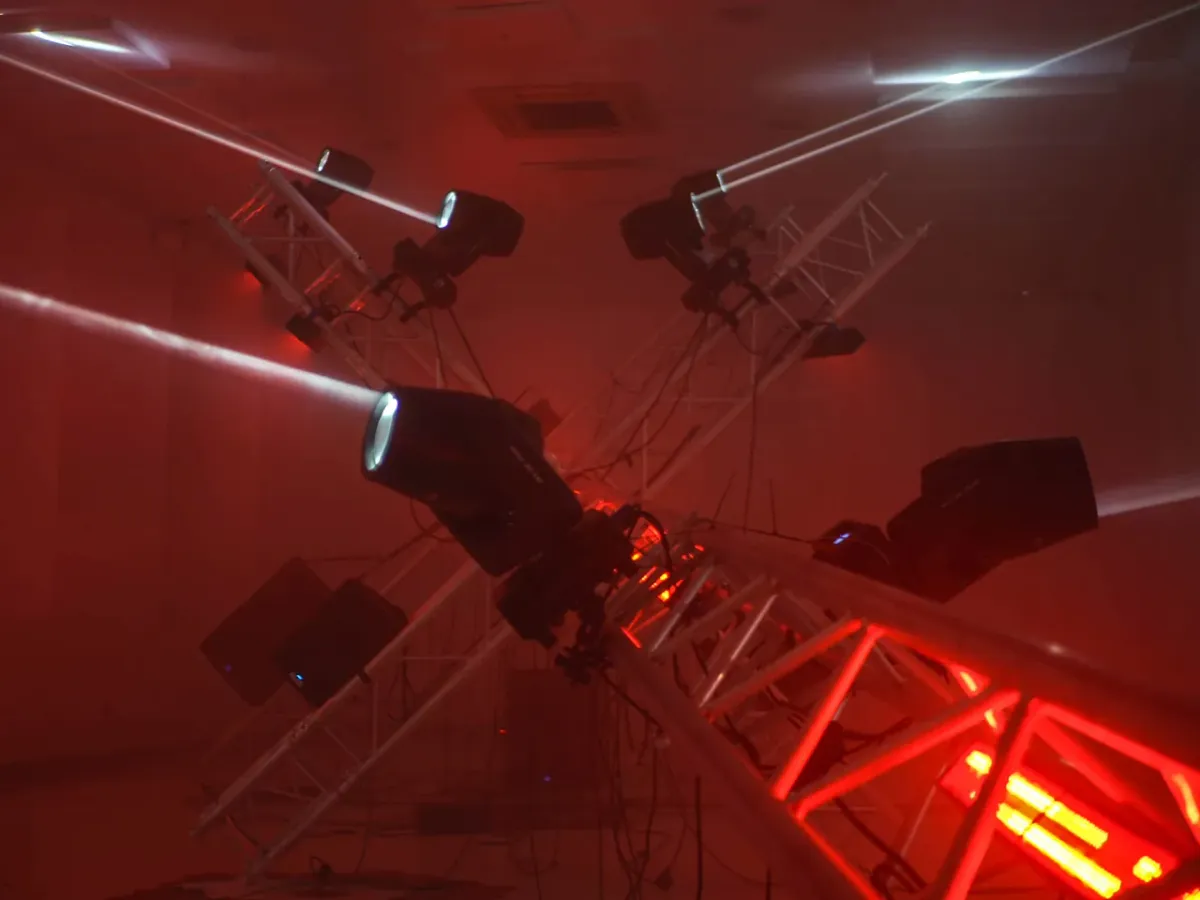
May 22 — June 01, 2026
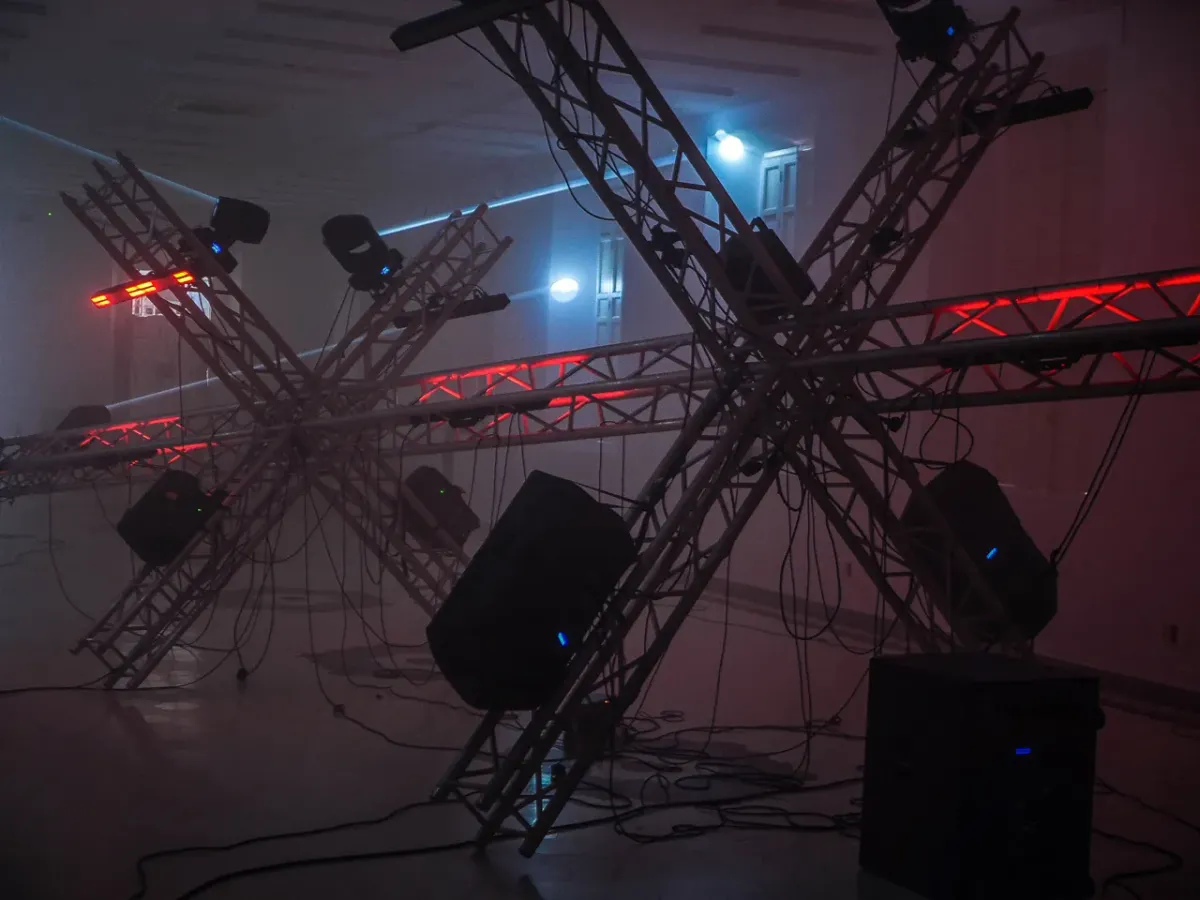
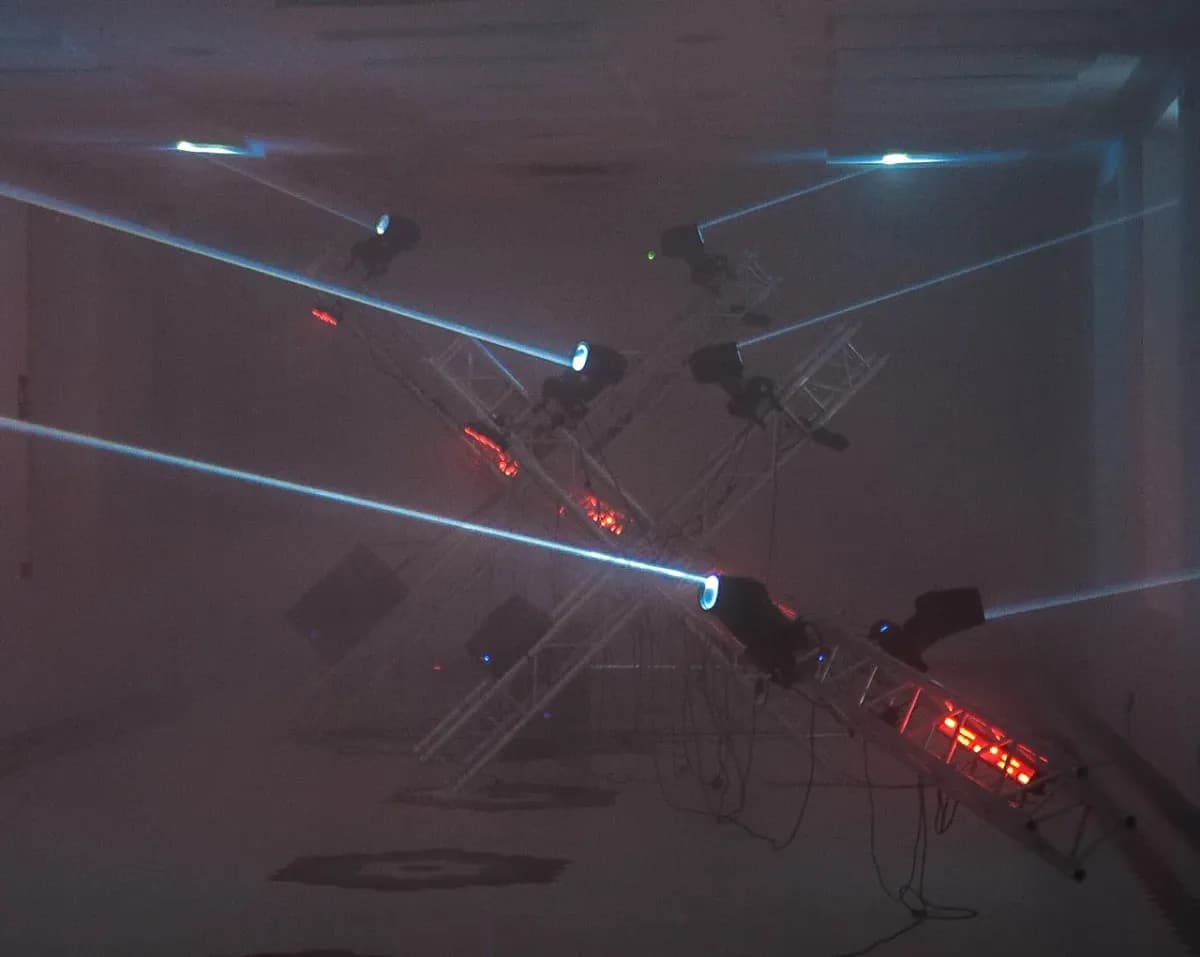
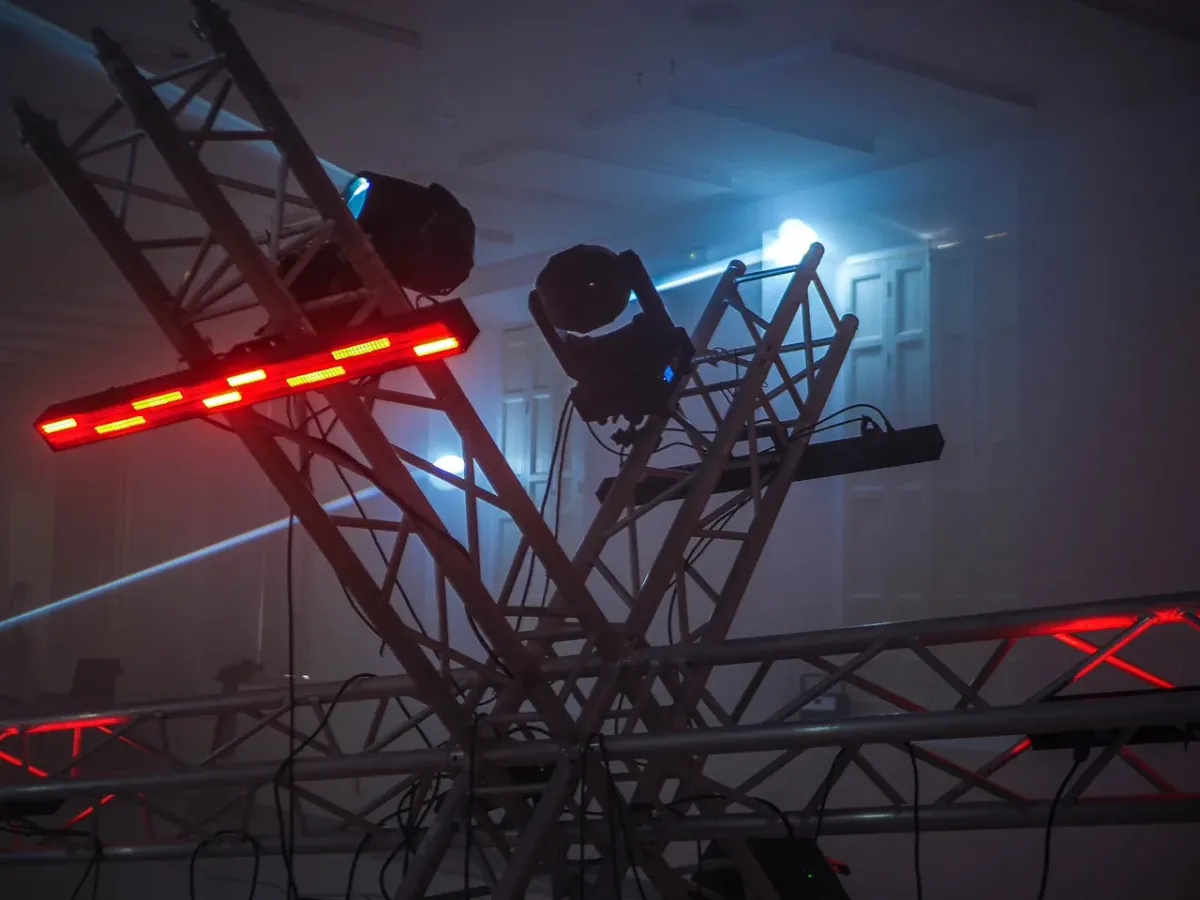
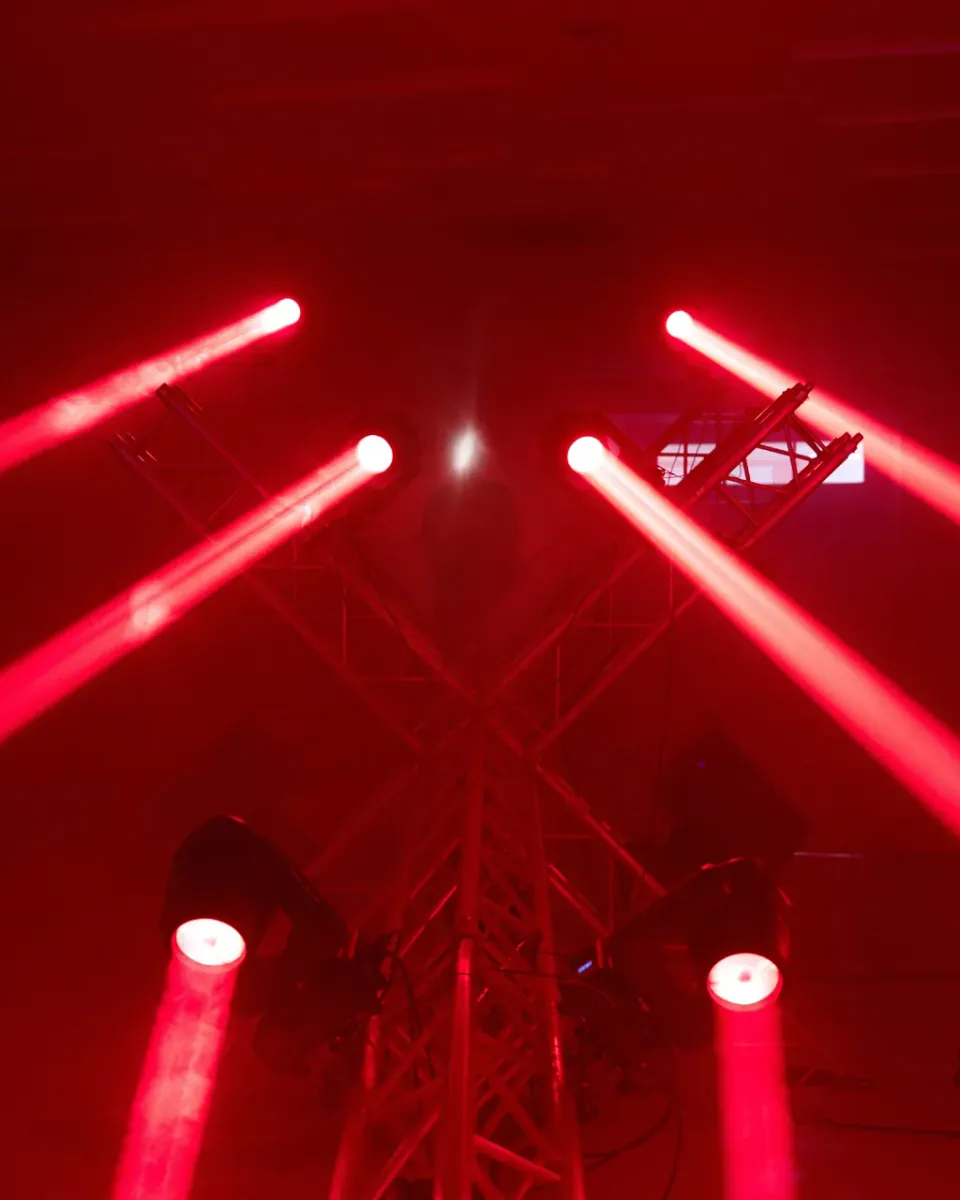
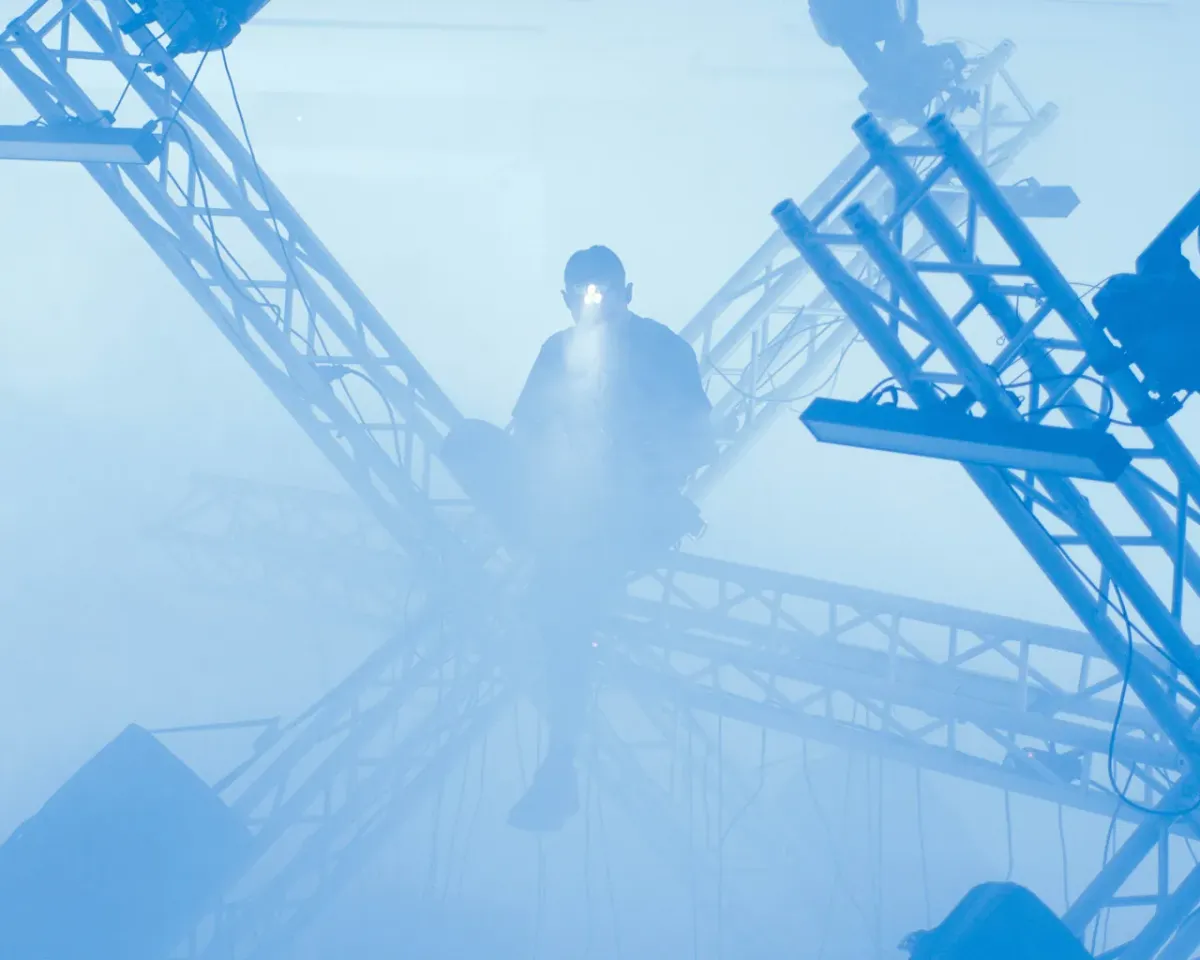
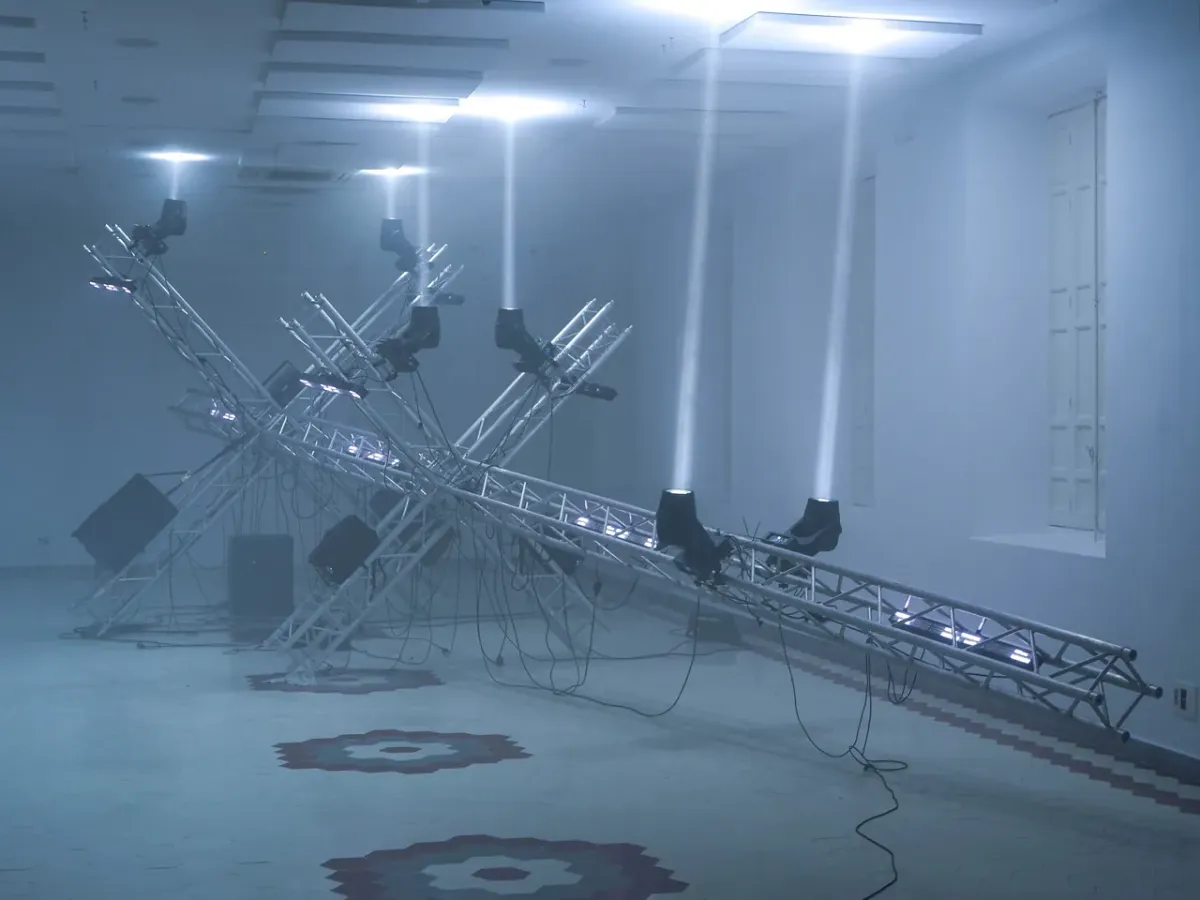
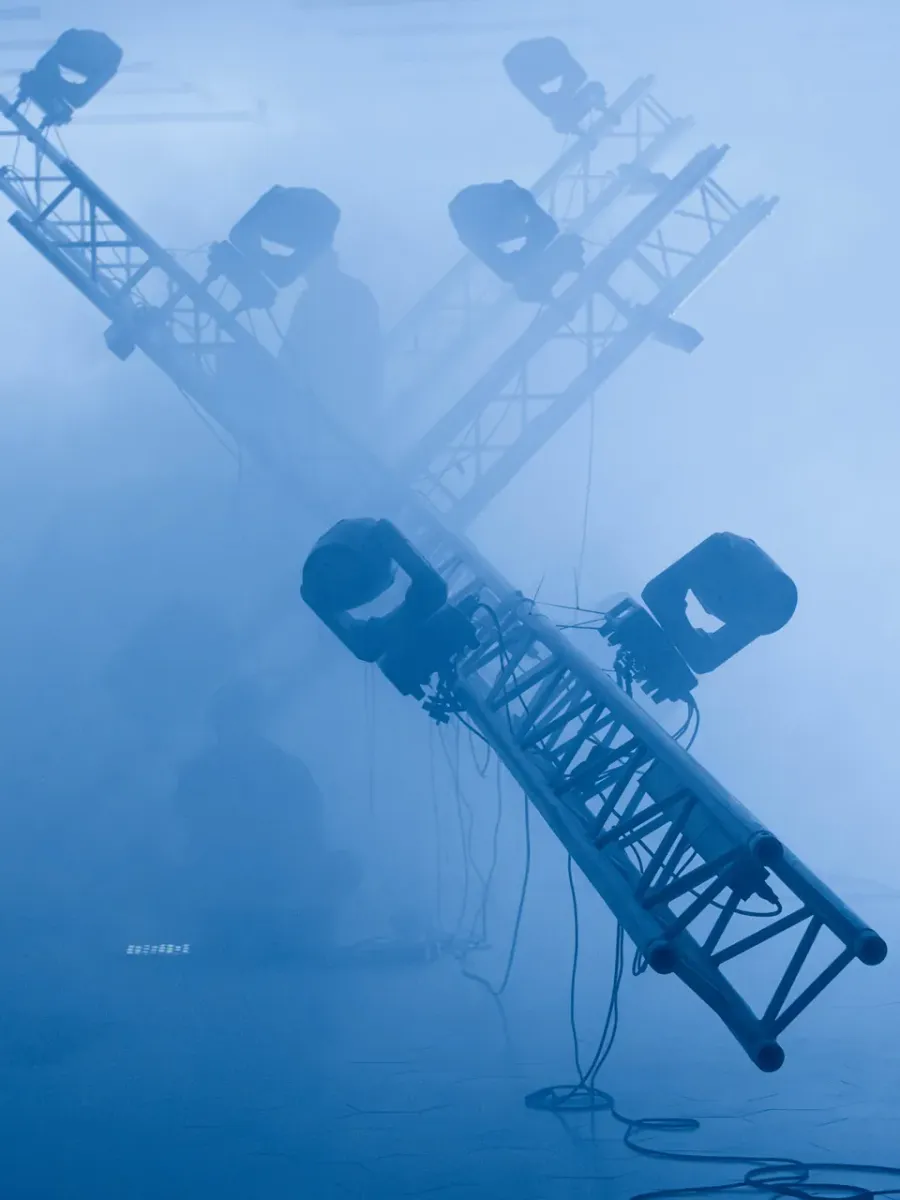
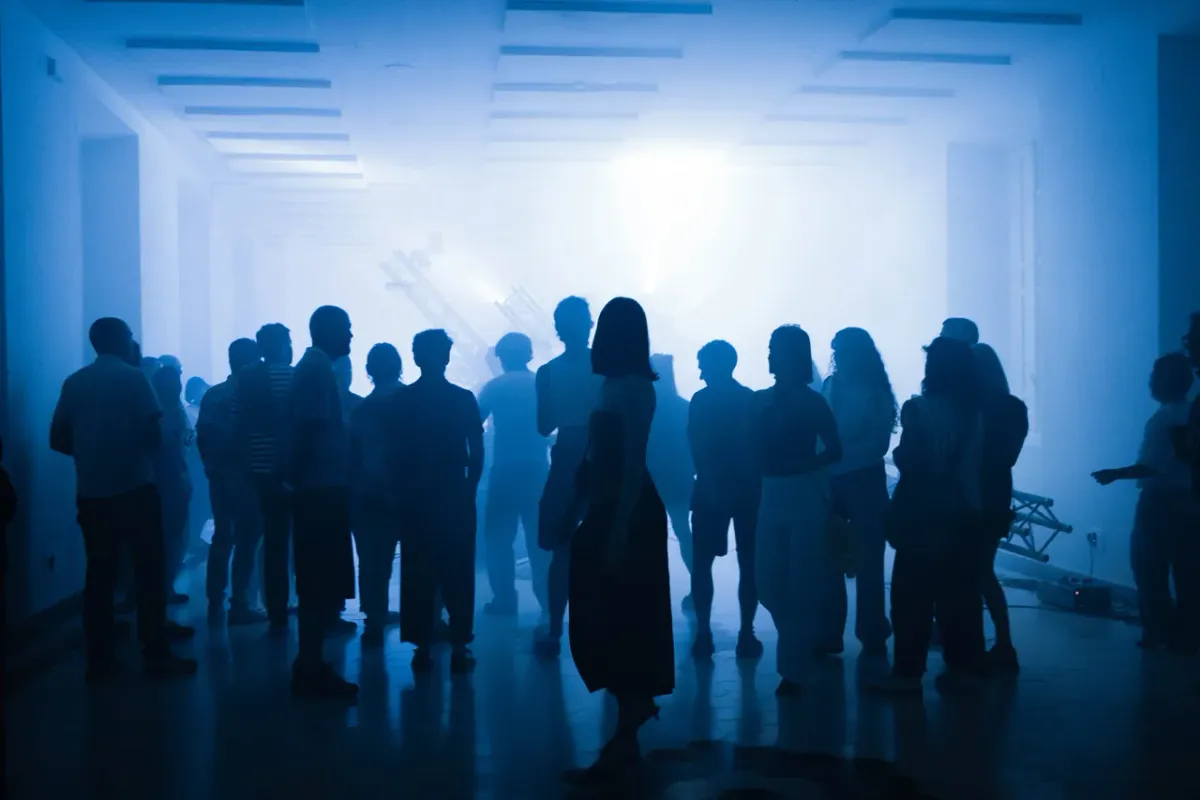
Leo Pum @La Térmica, Málaga KRVCE festival
Everything you need to plan, apply, and move your art career forward.
Lladó / 2026
 Features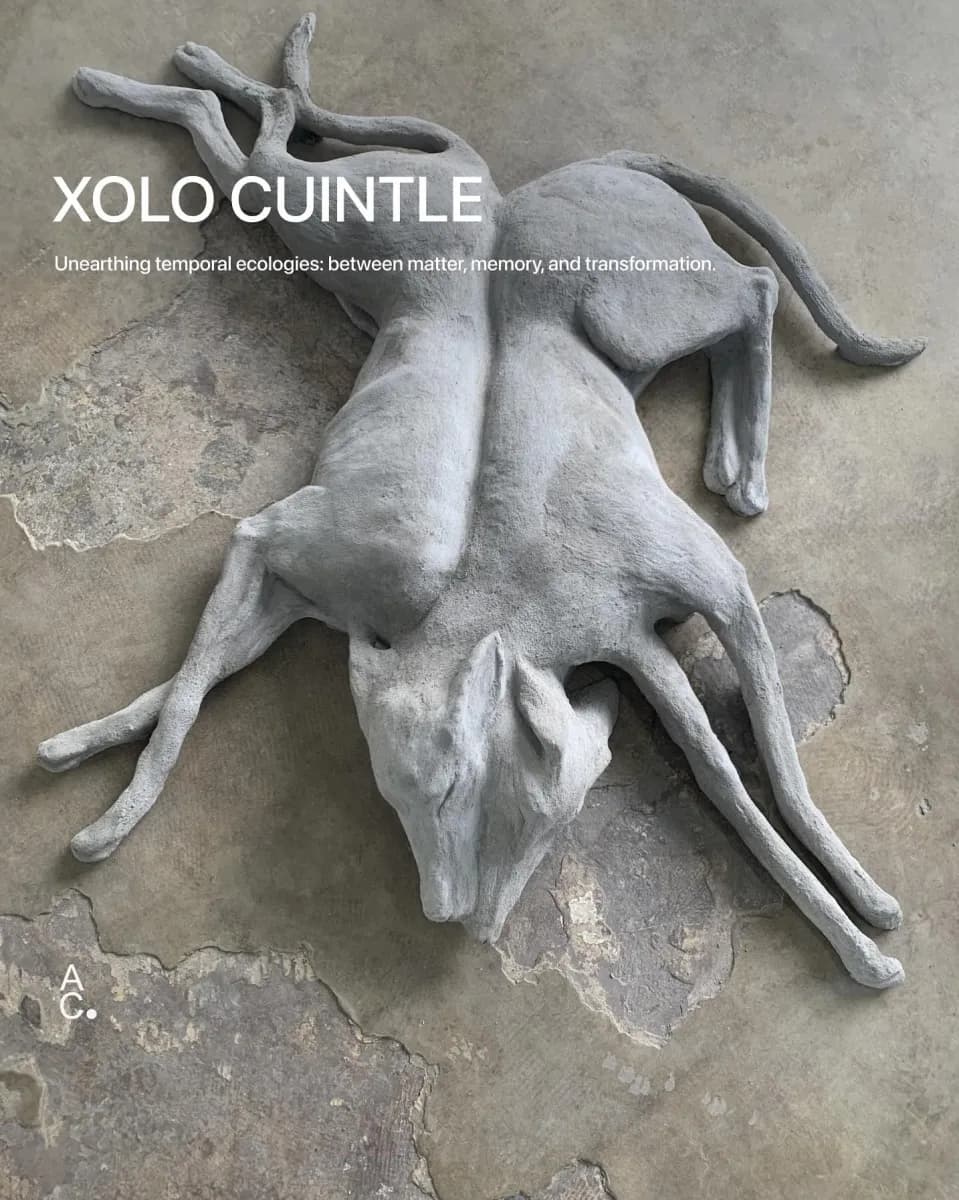
@xolo_cuintle
/ 2026
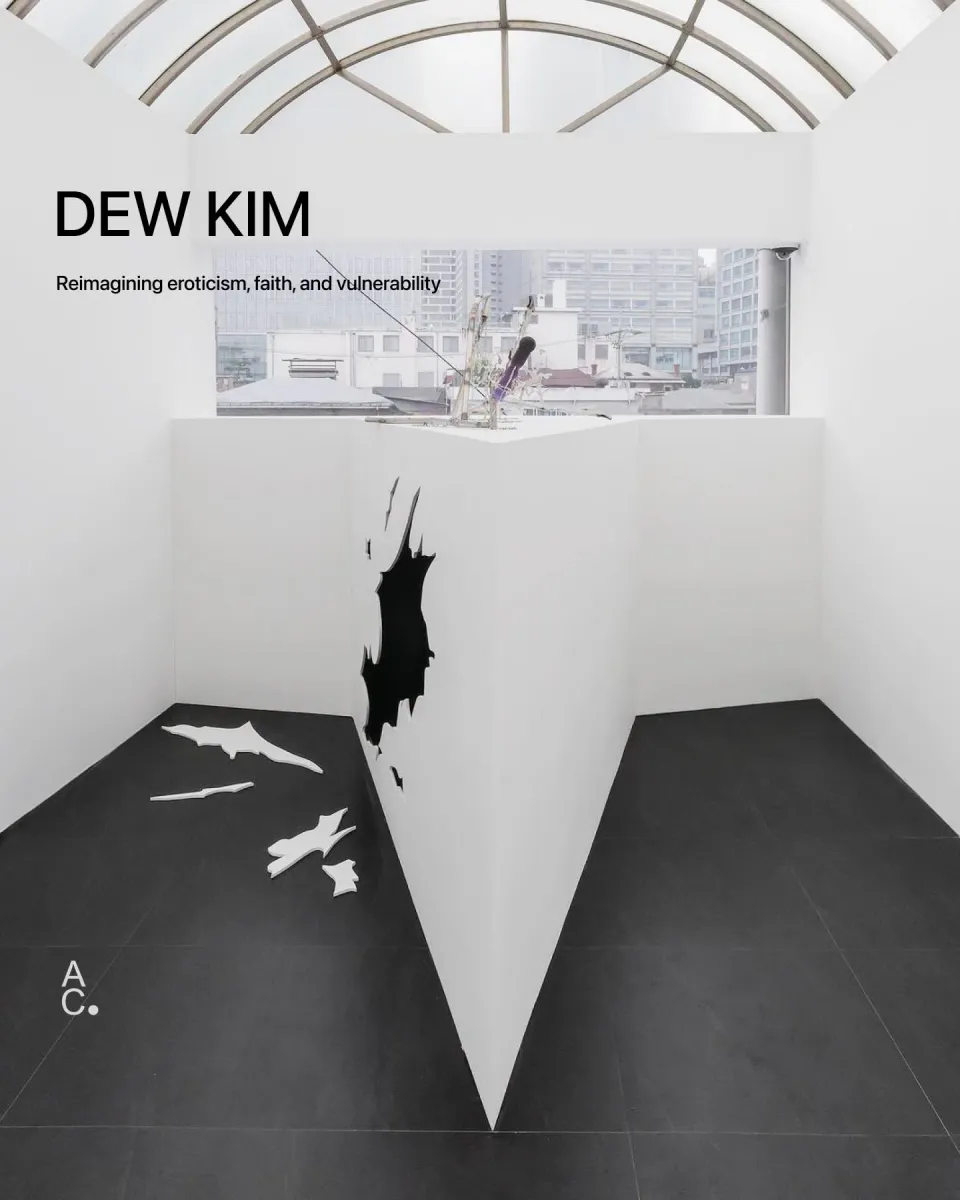
@dew_needs_you
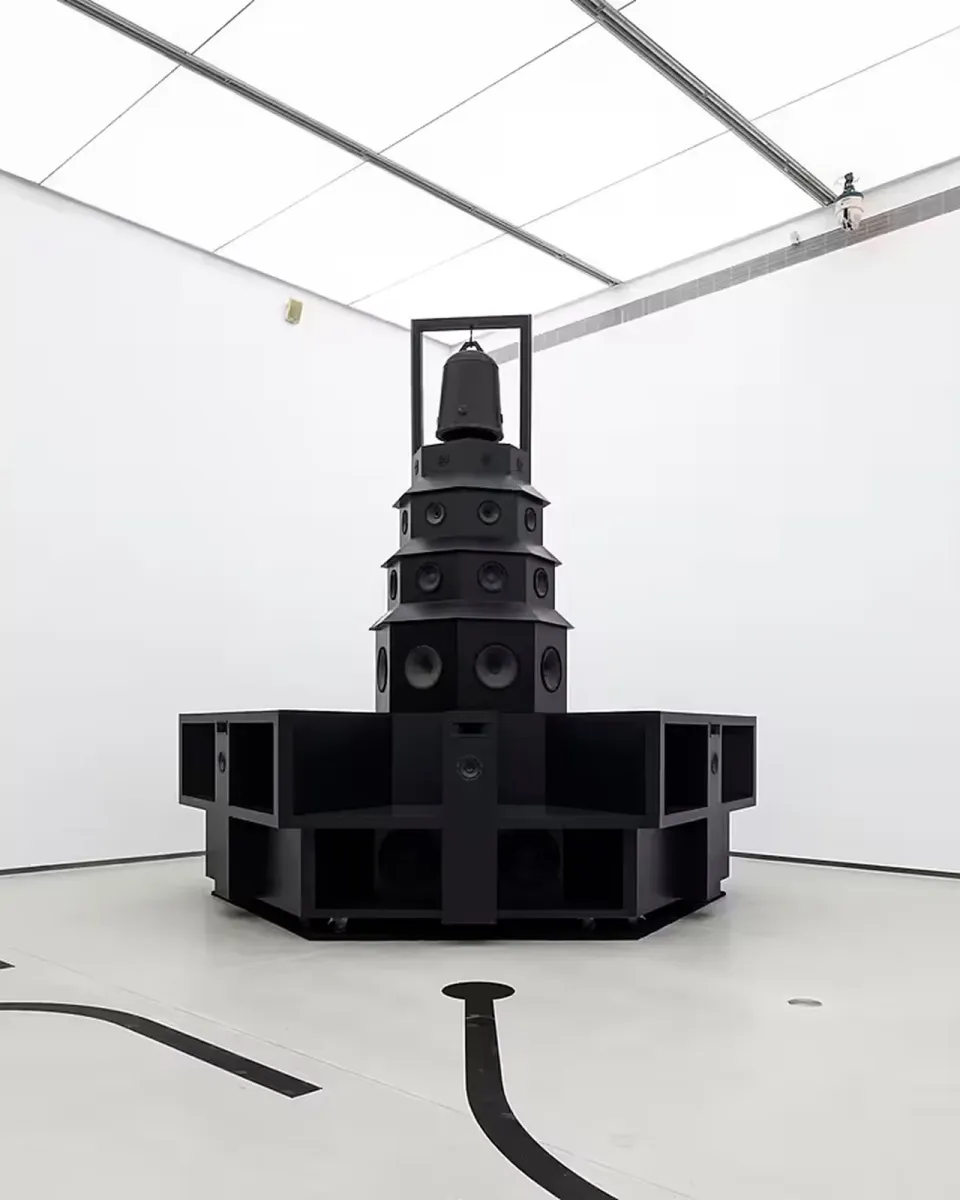
Shanghai / 2026
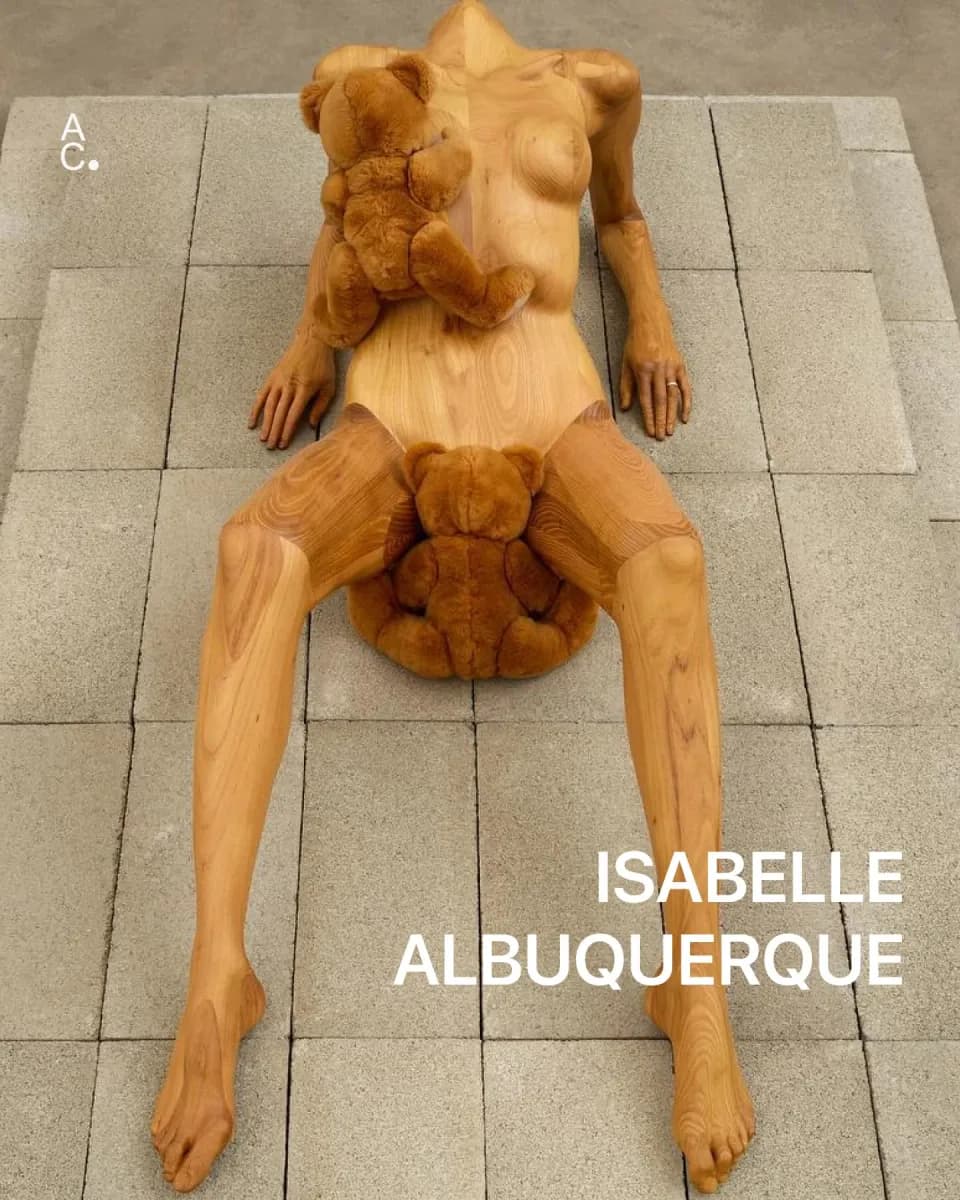
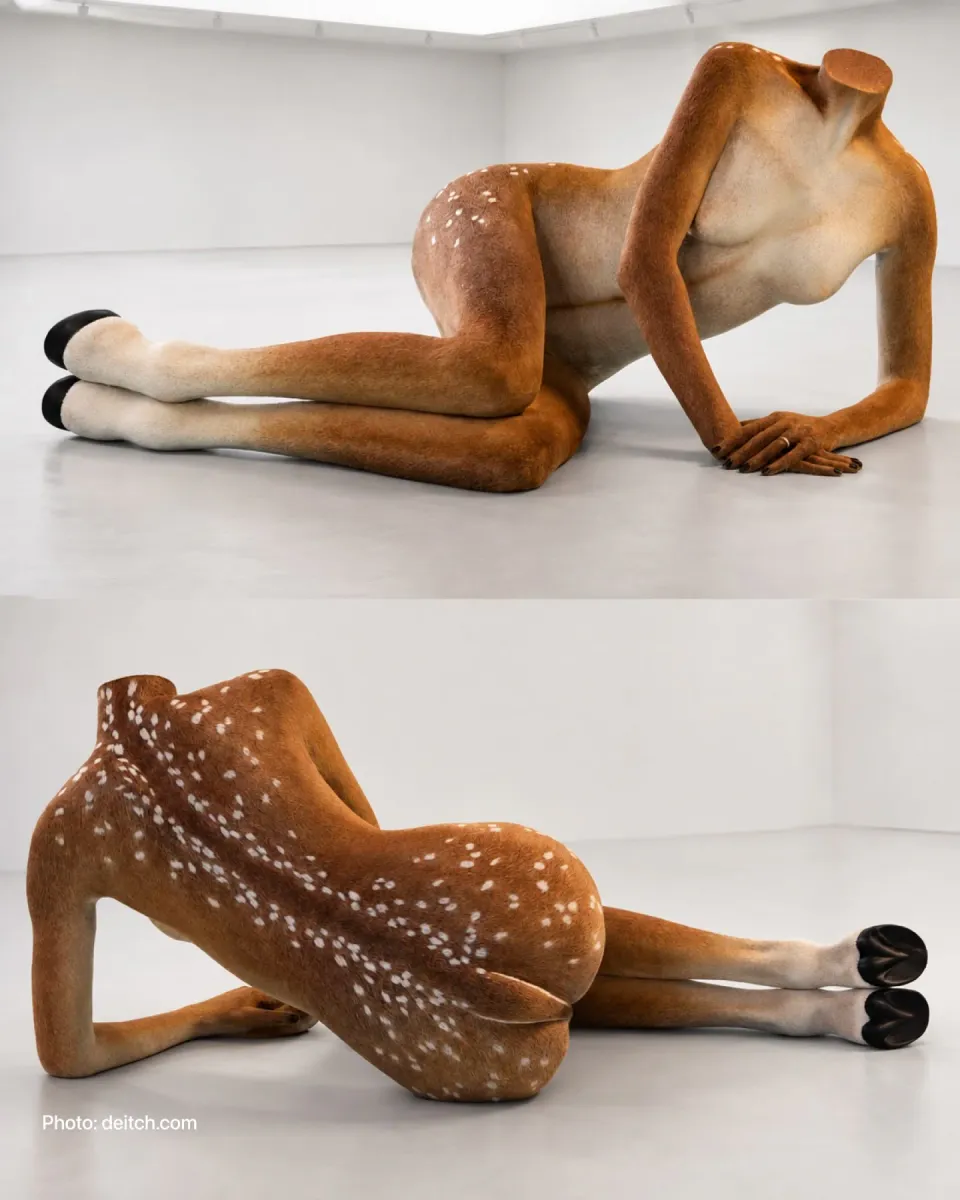
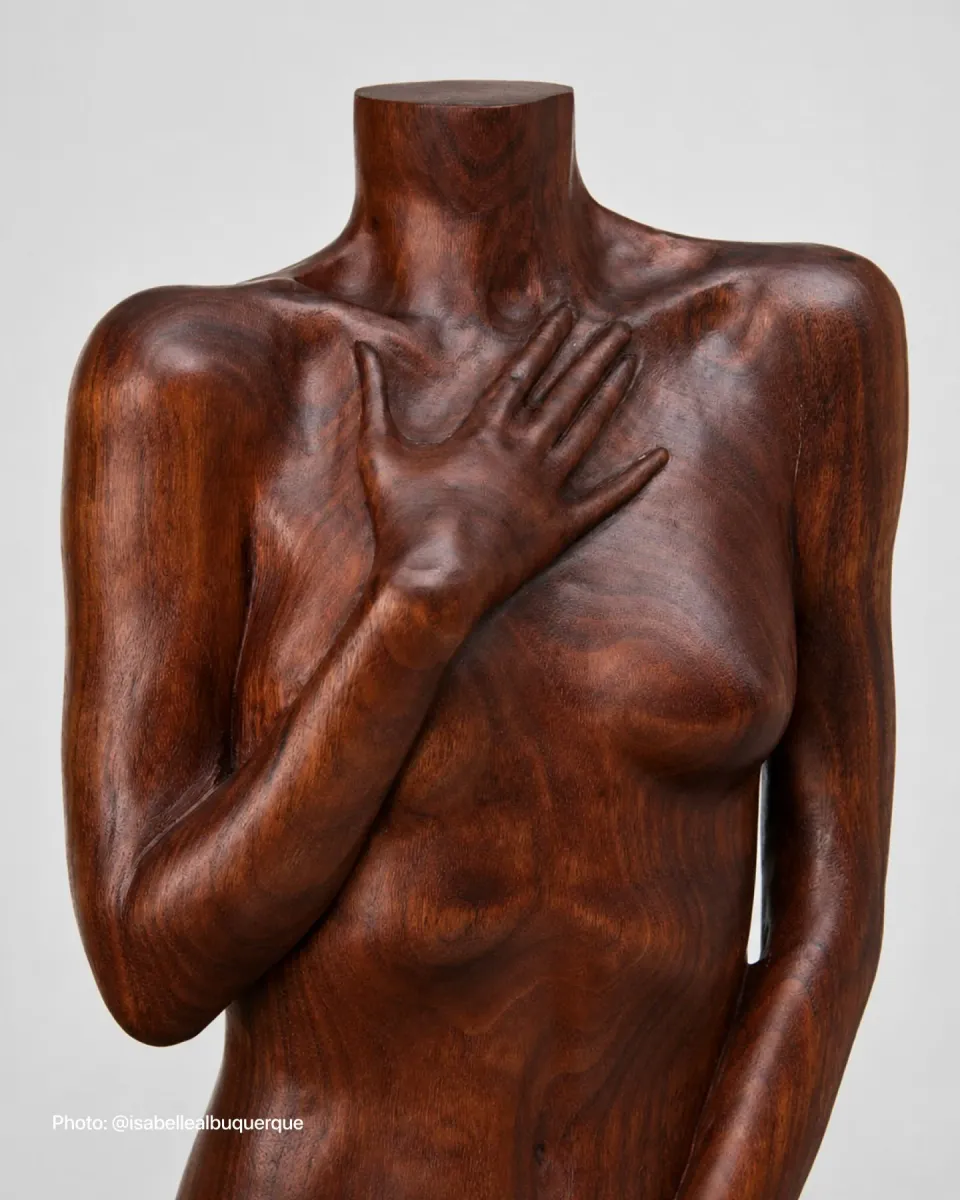
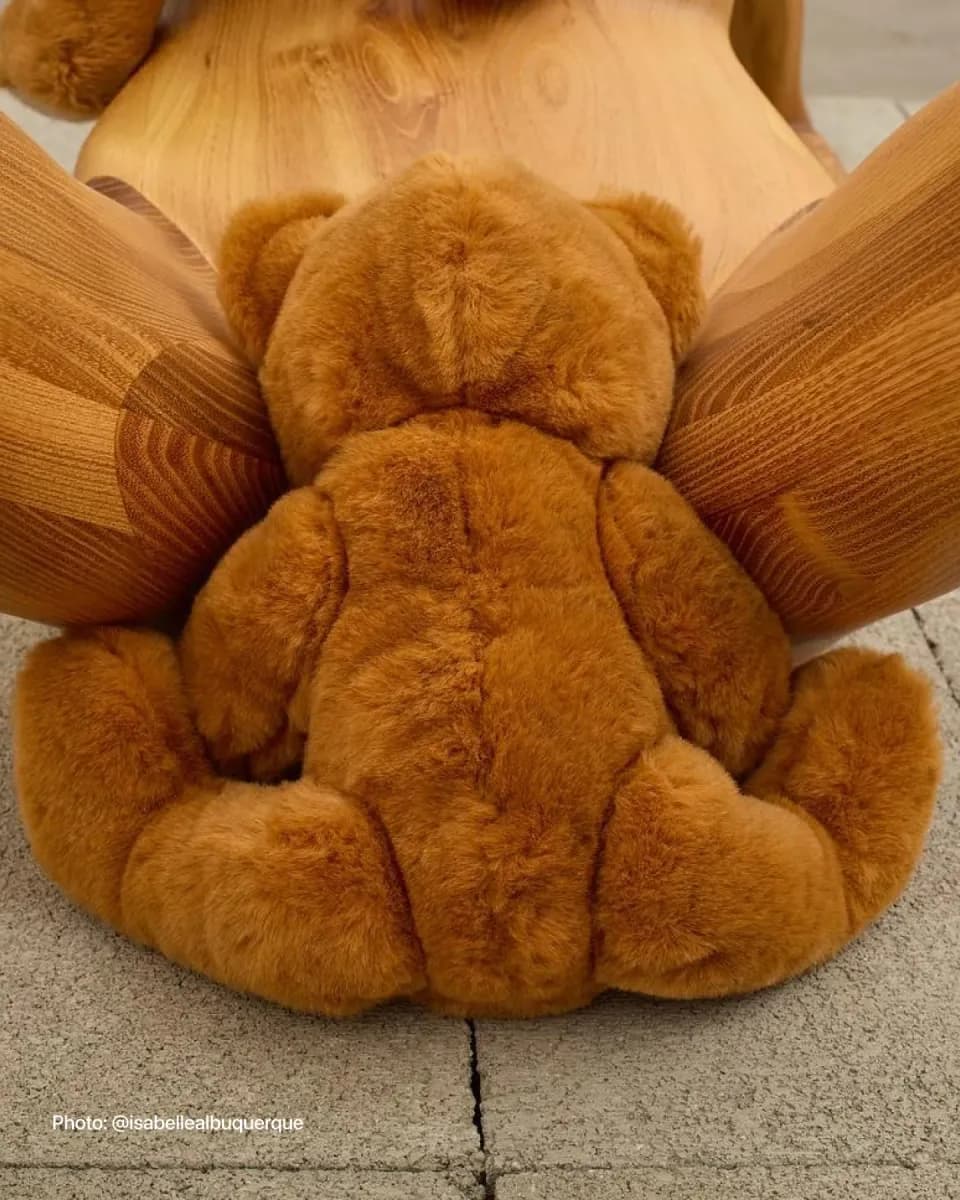
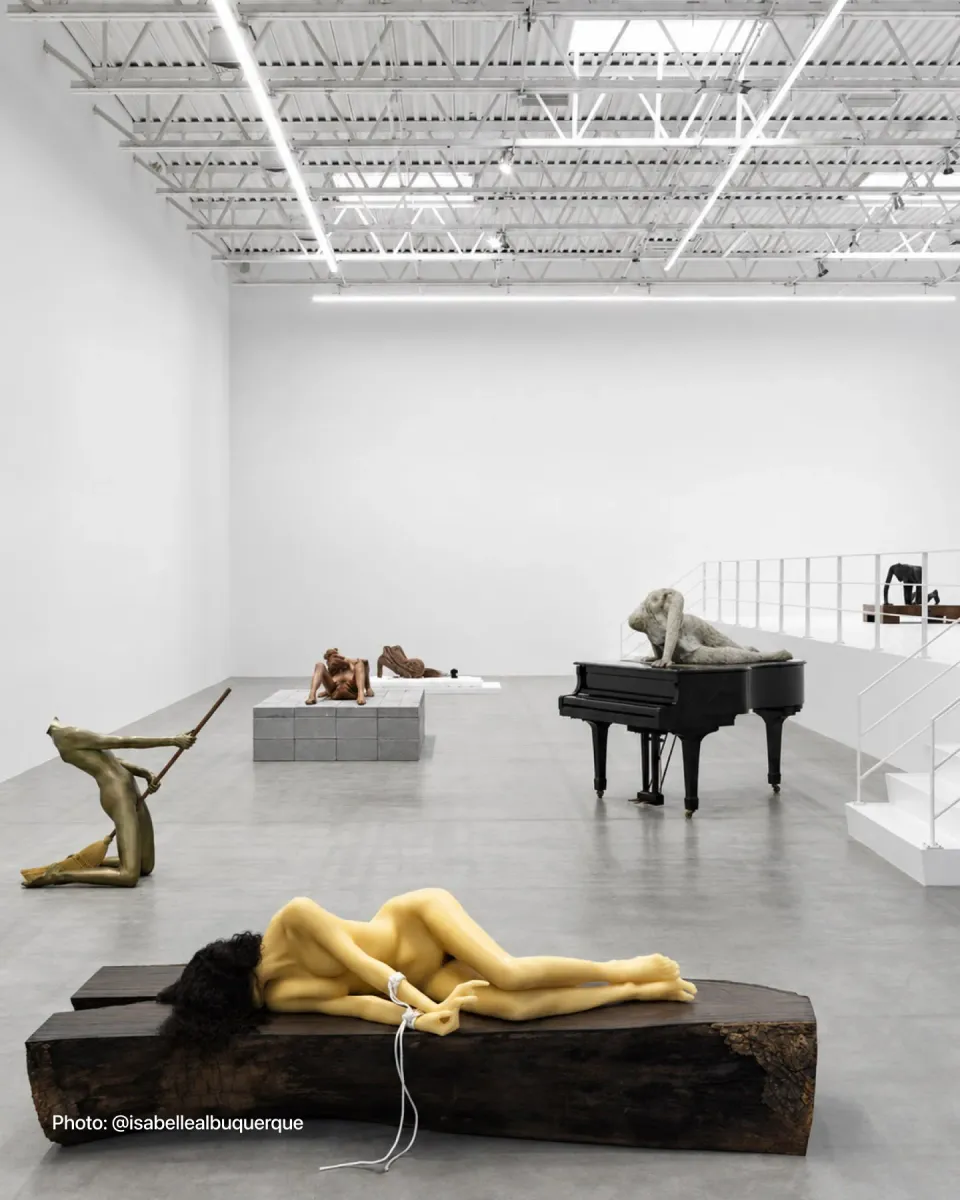
@isabellealbuquerque
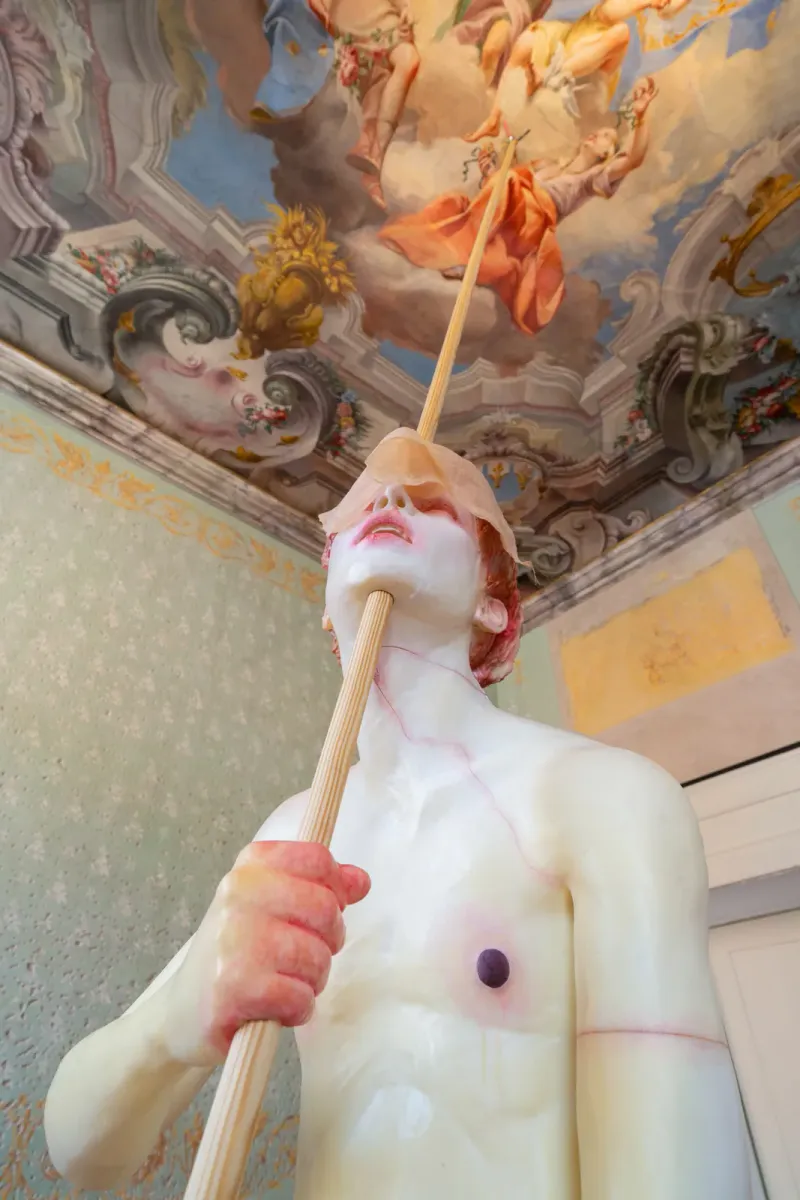
Brescia / 2026
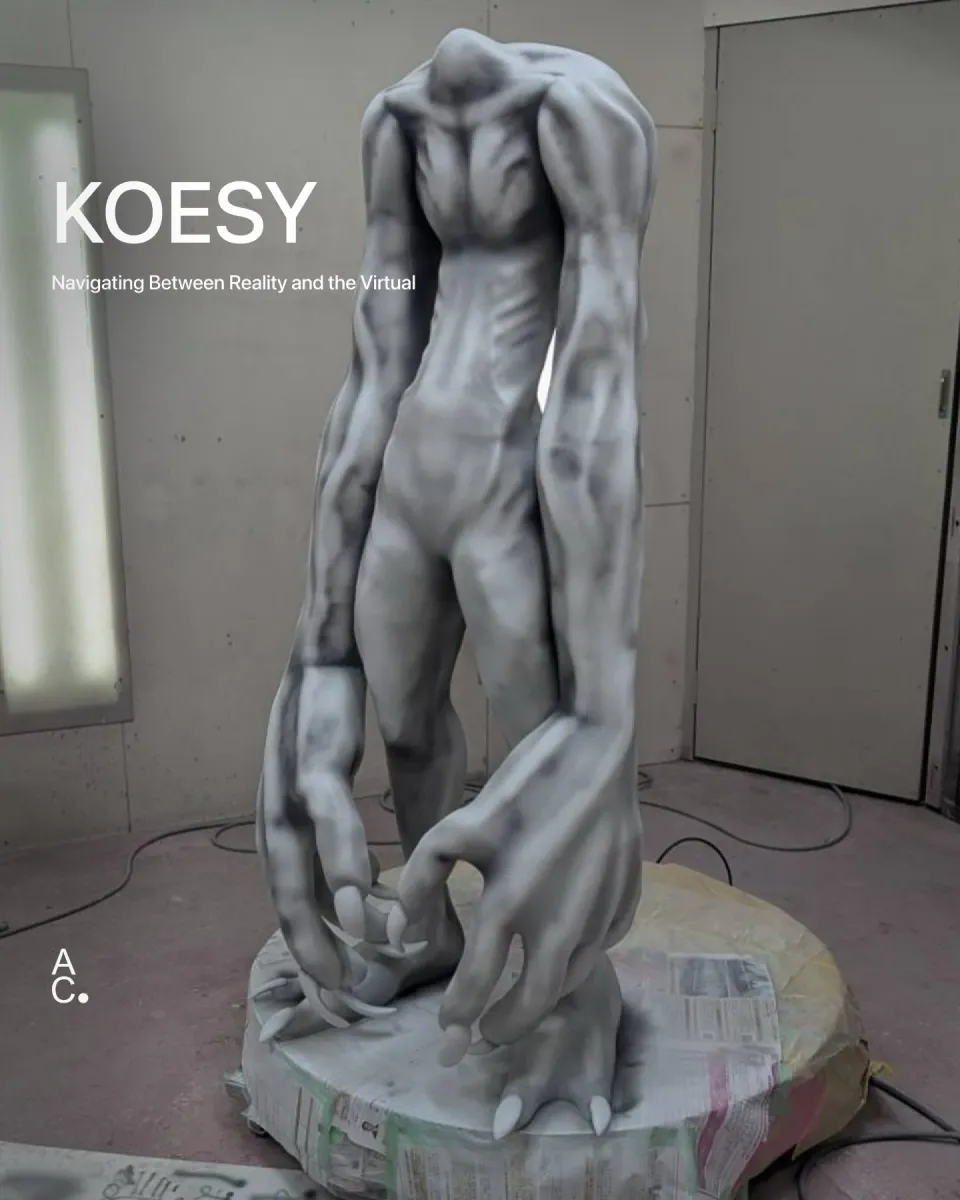
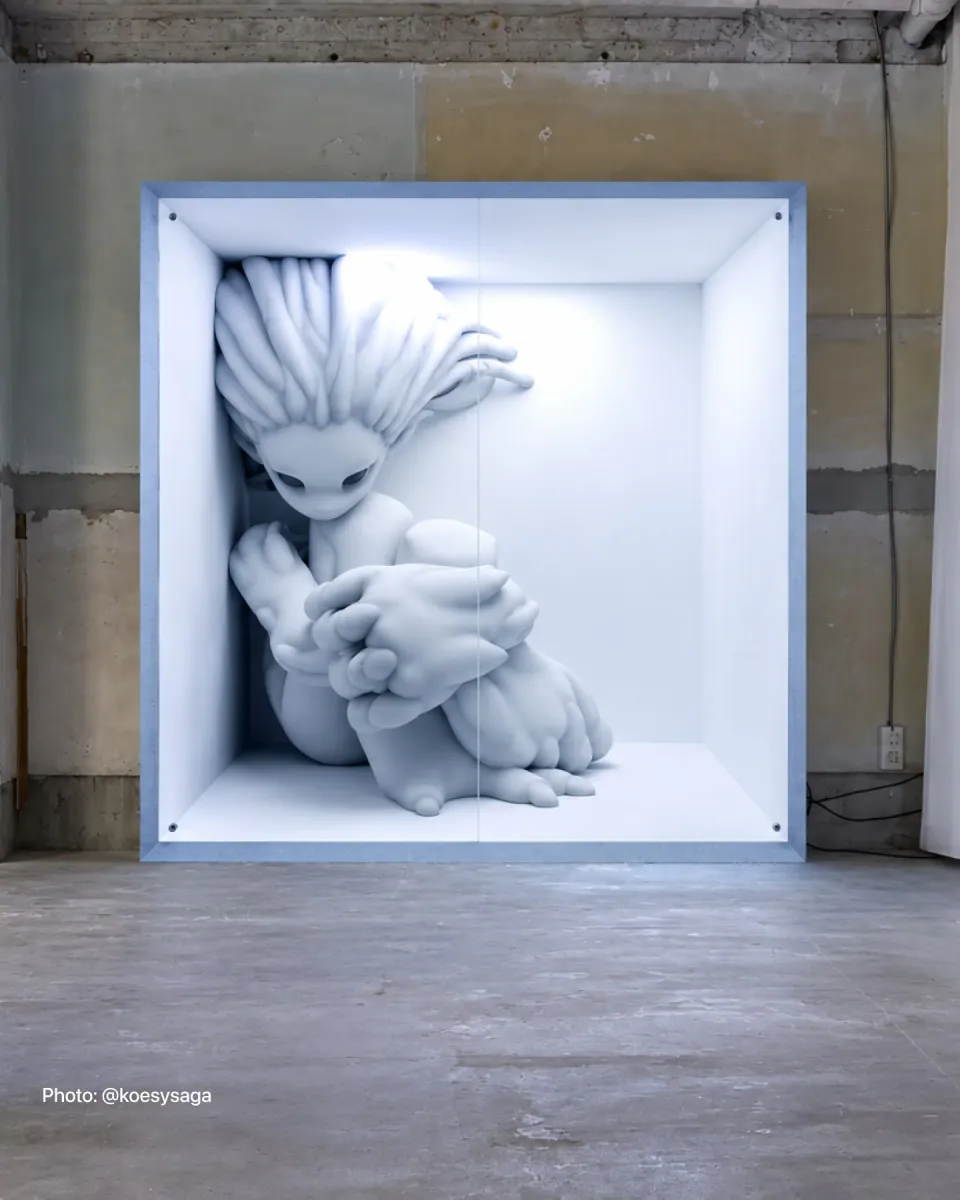
@koesysaga
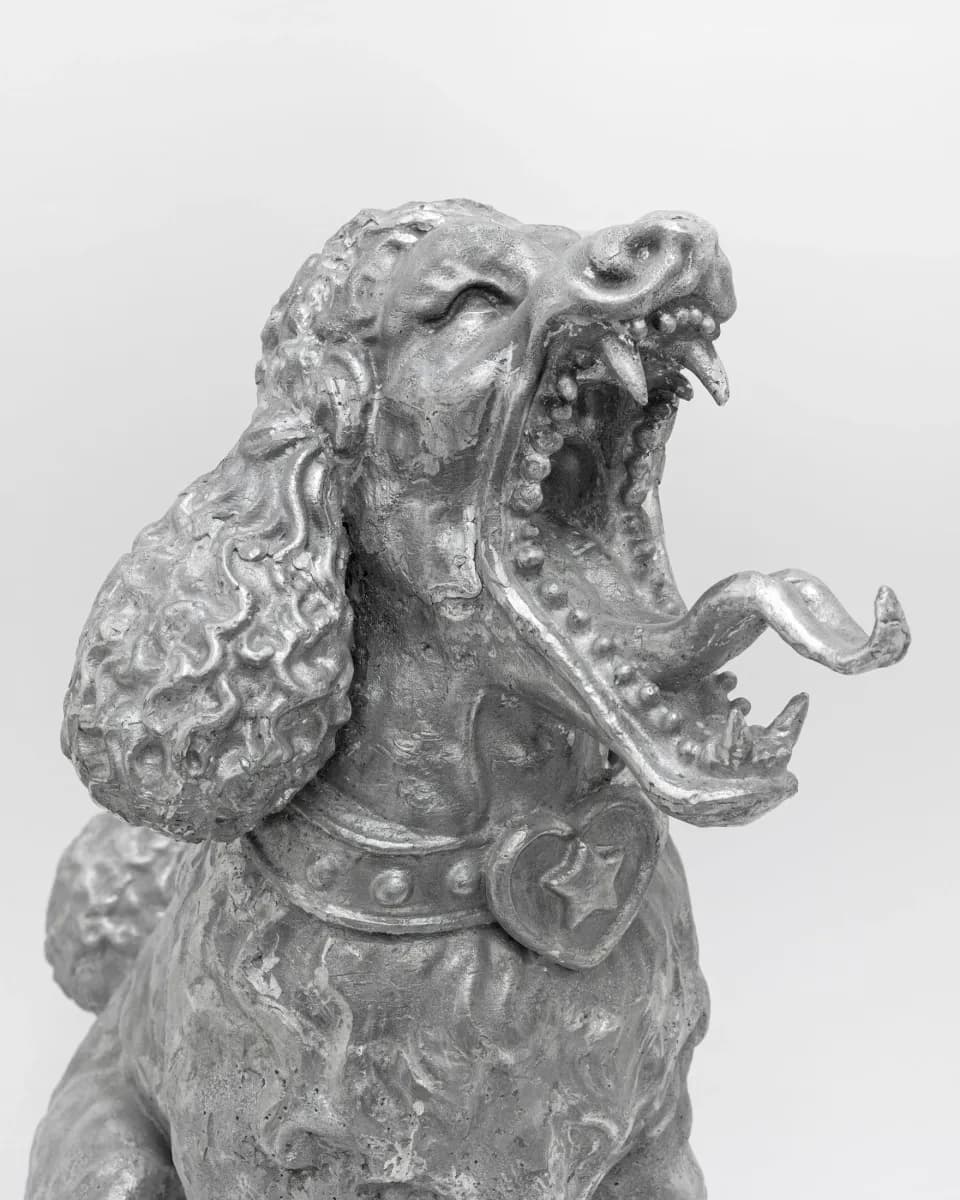
Lima / 2026
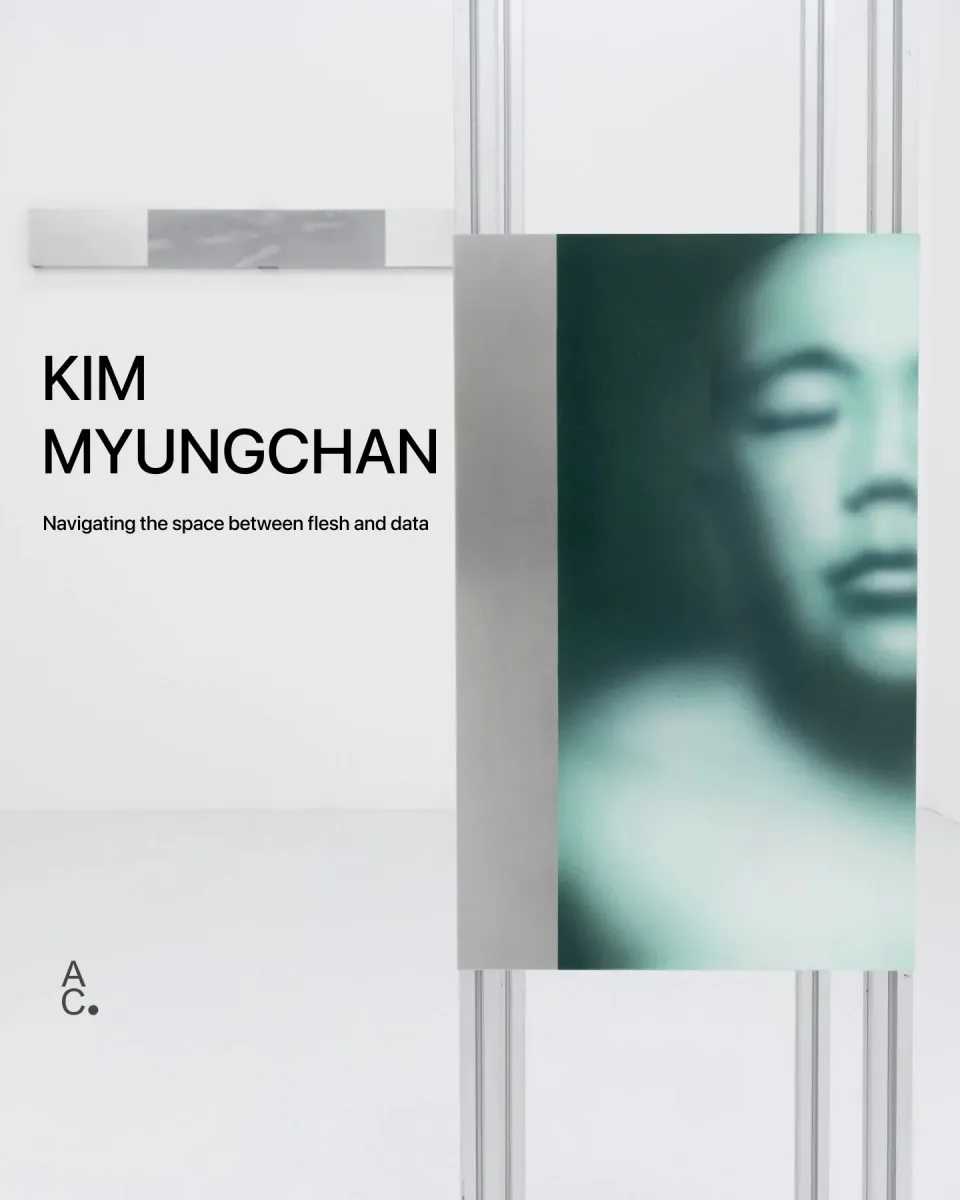
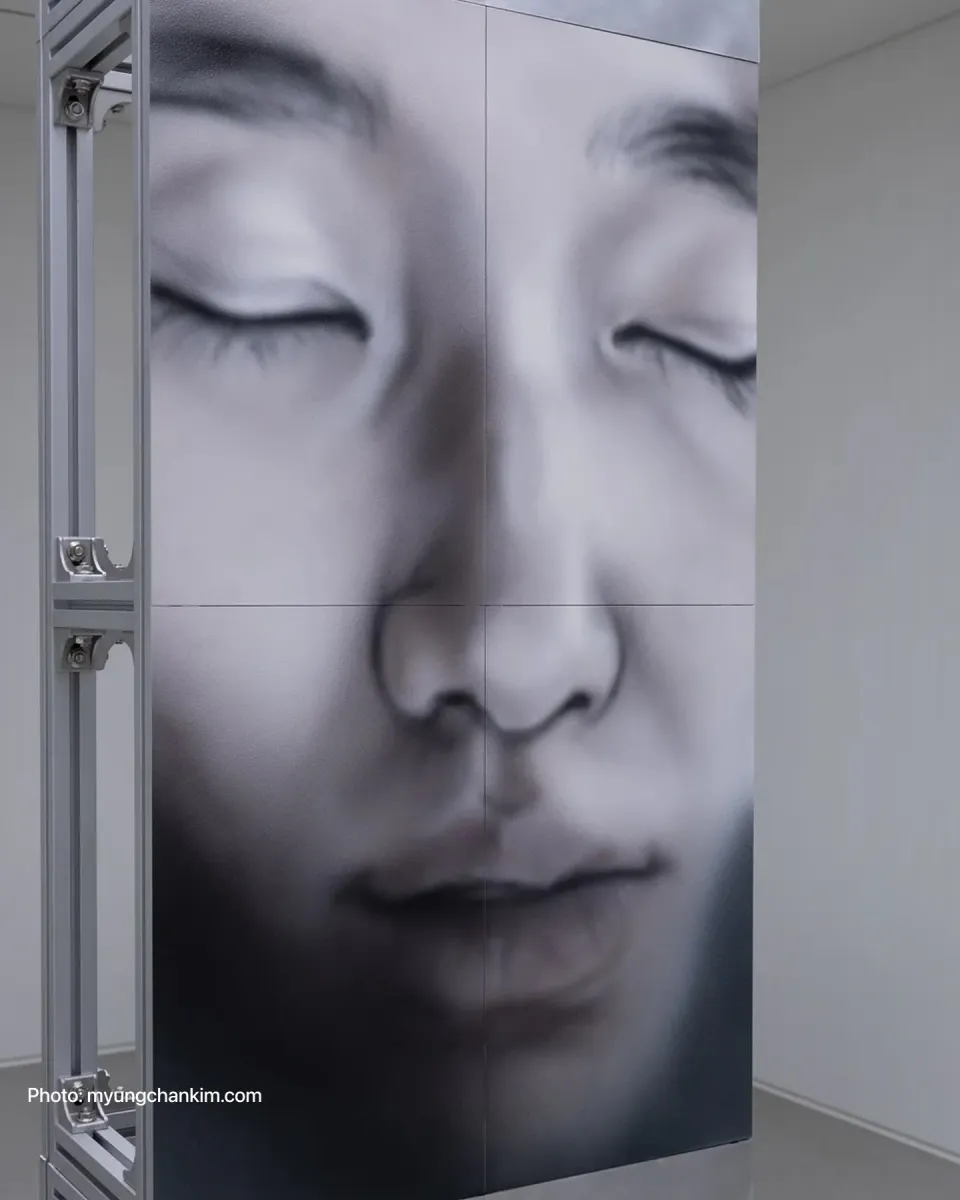
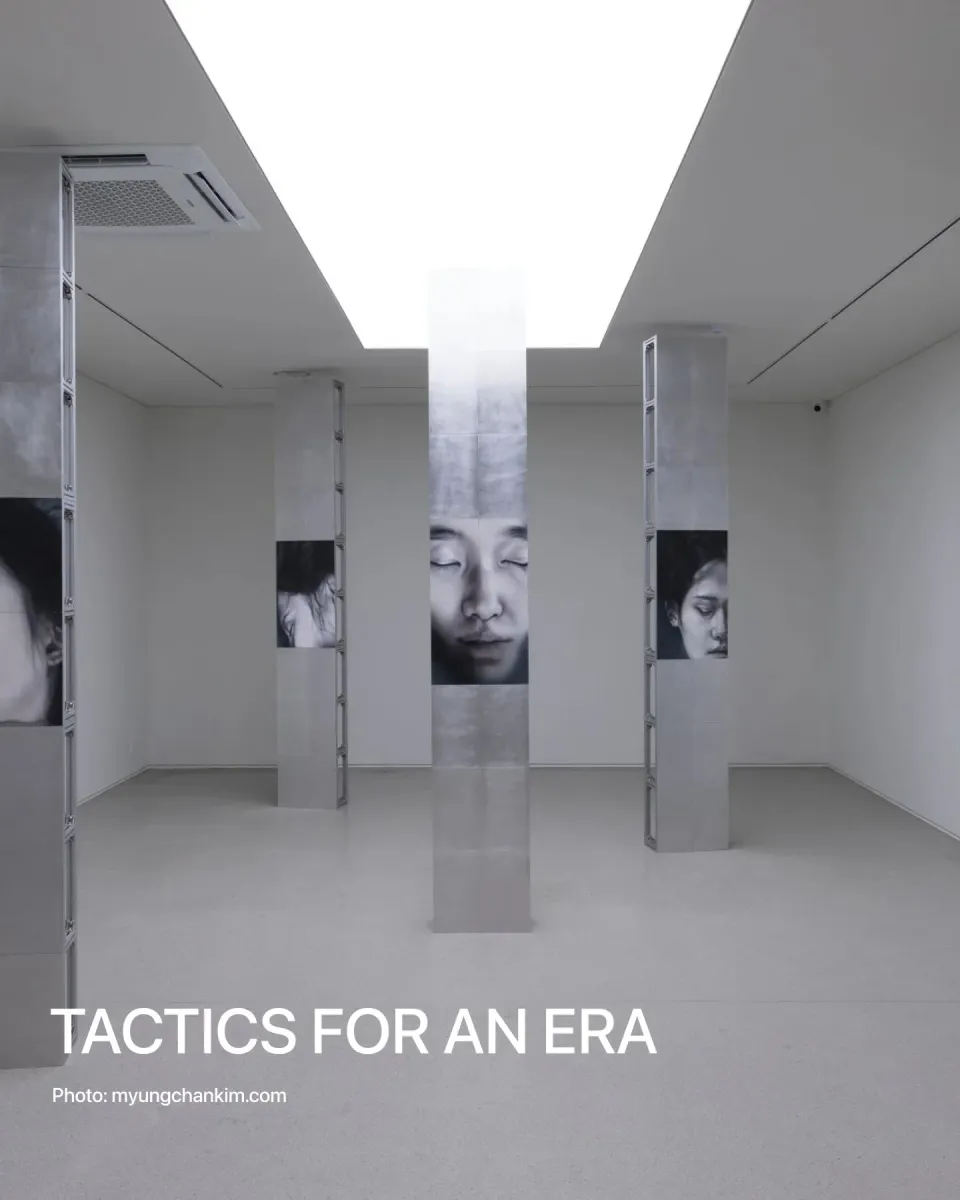
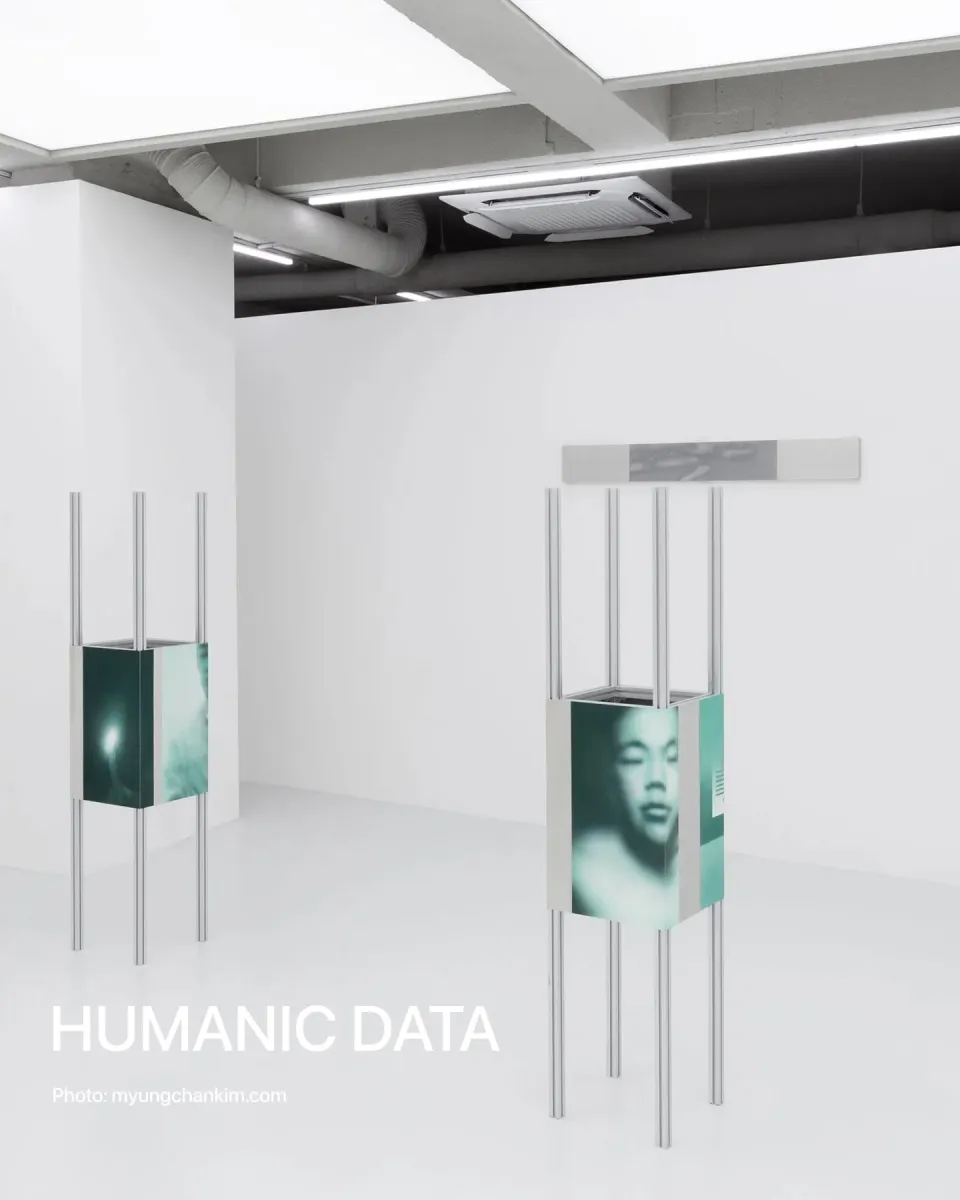
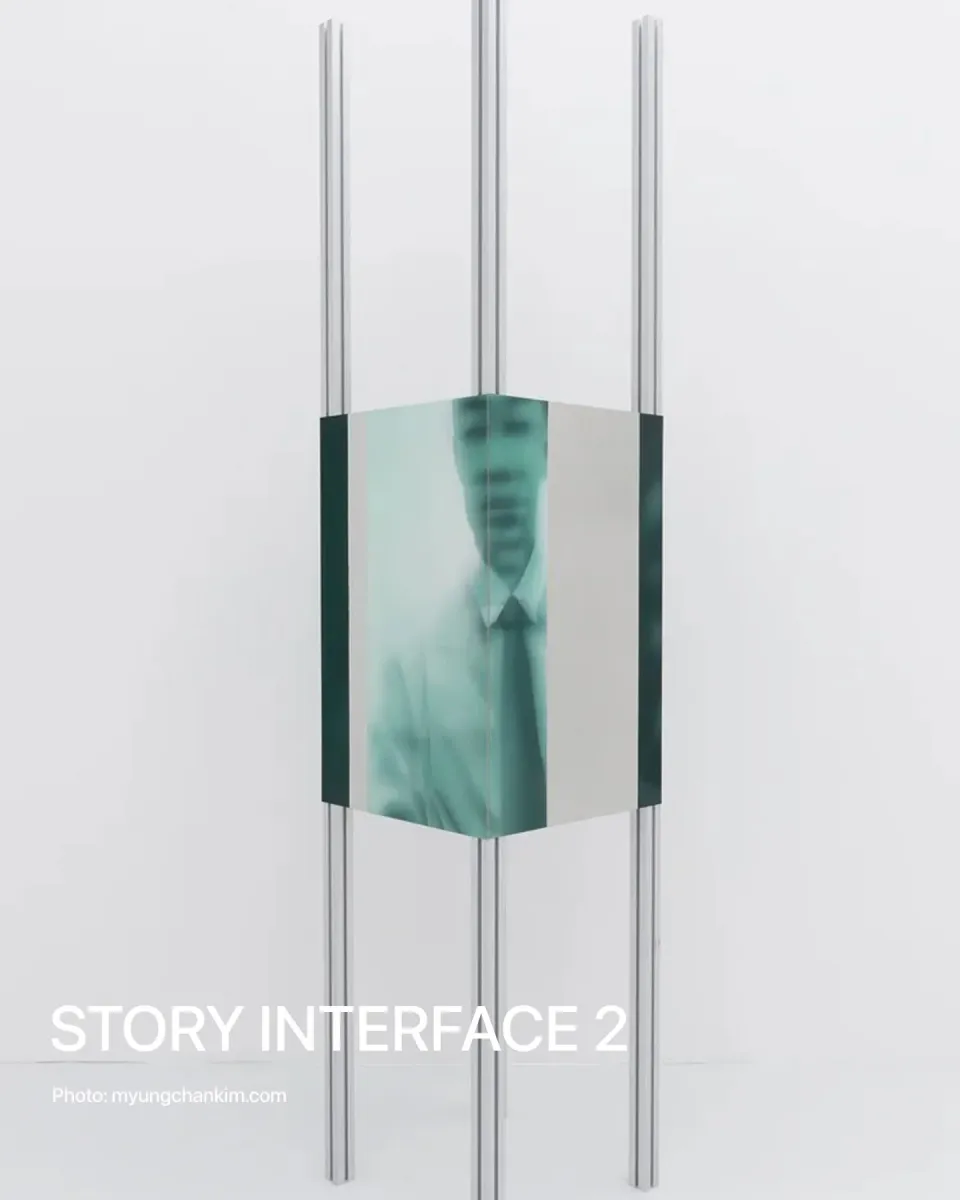
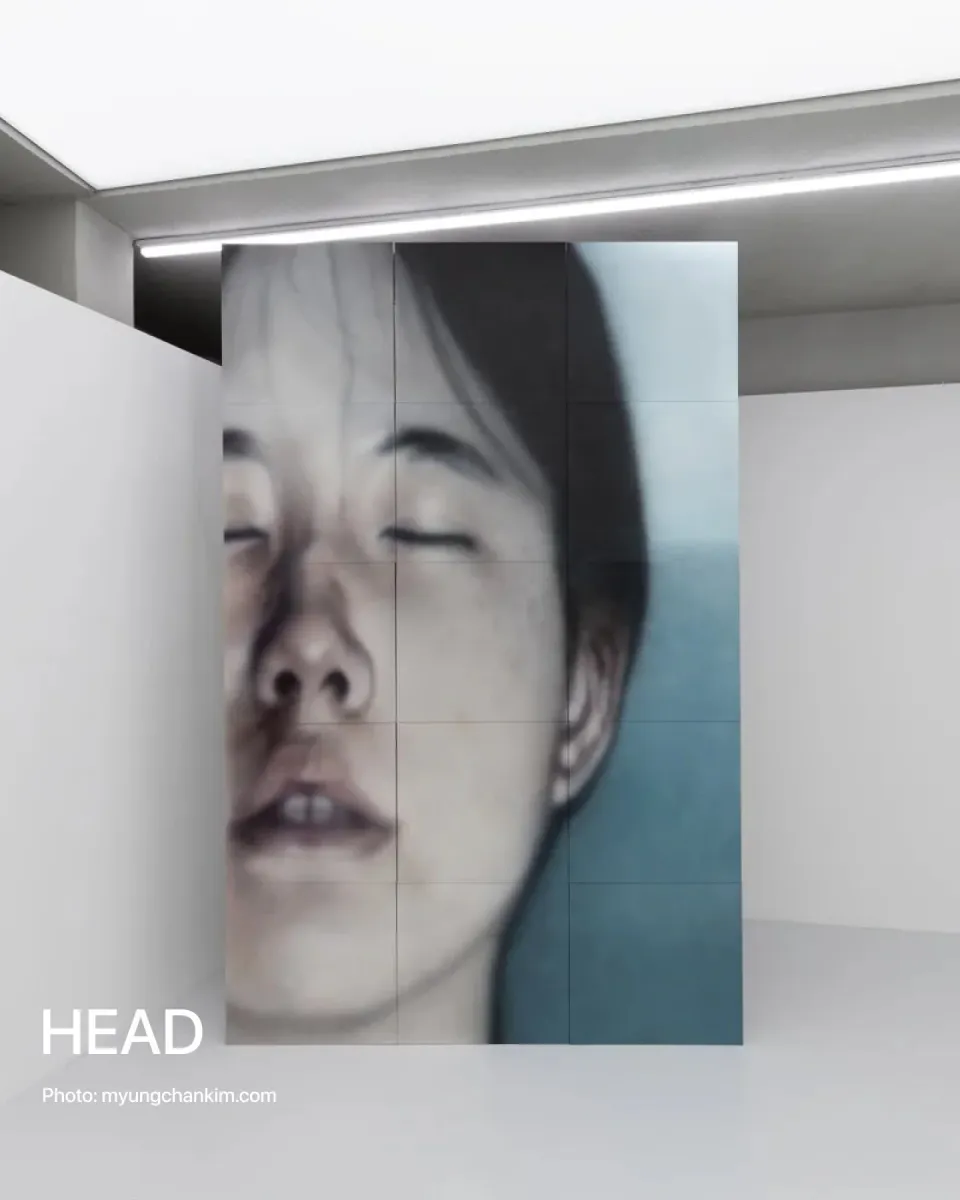
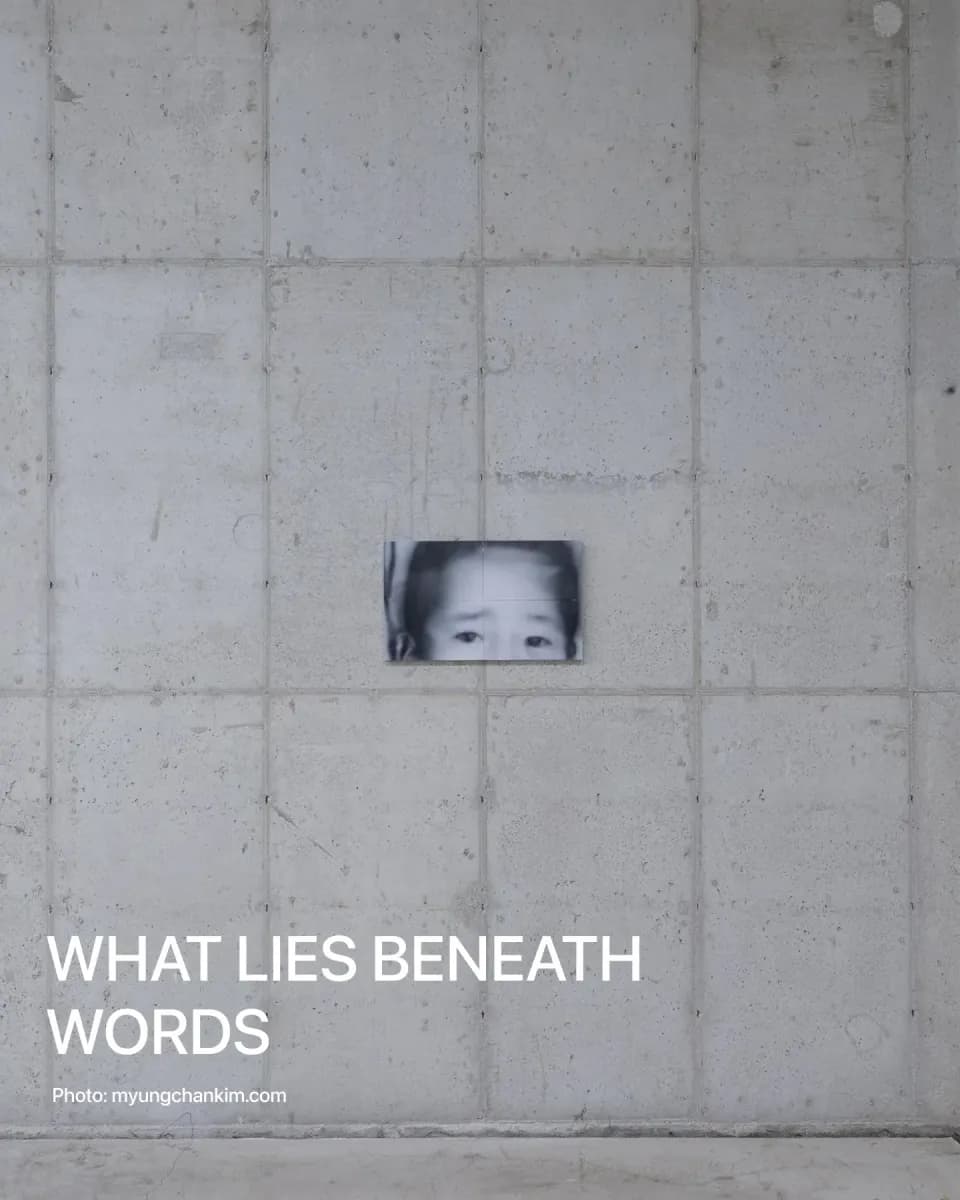
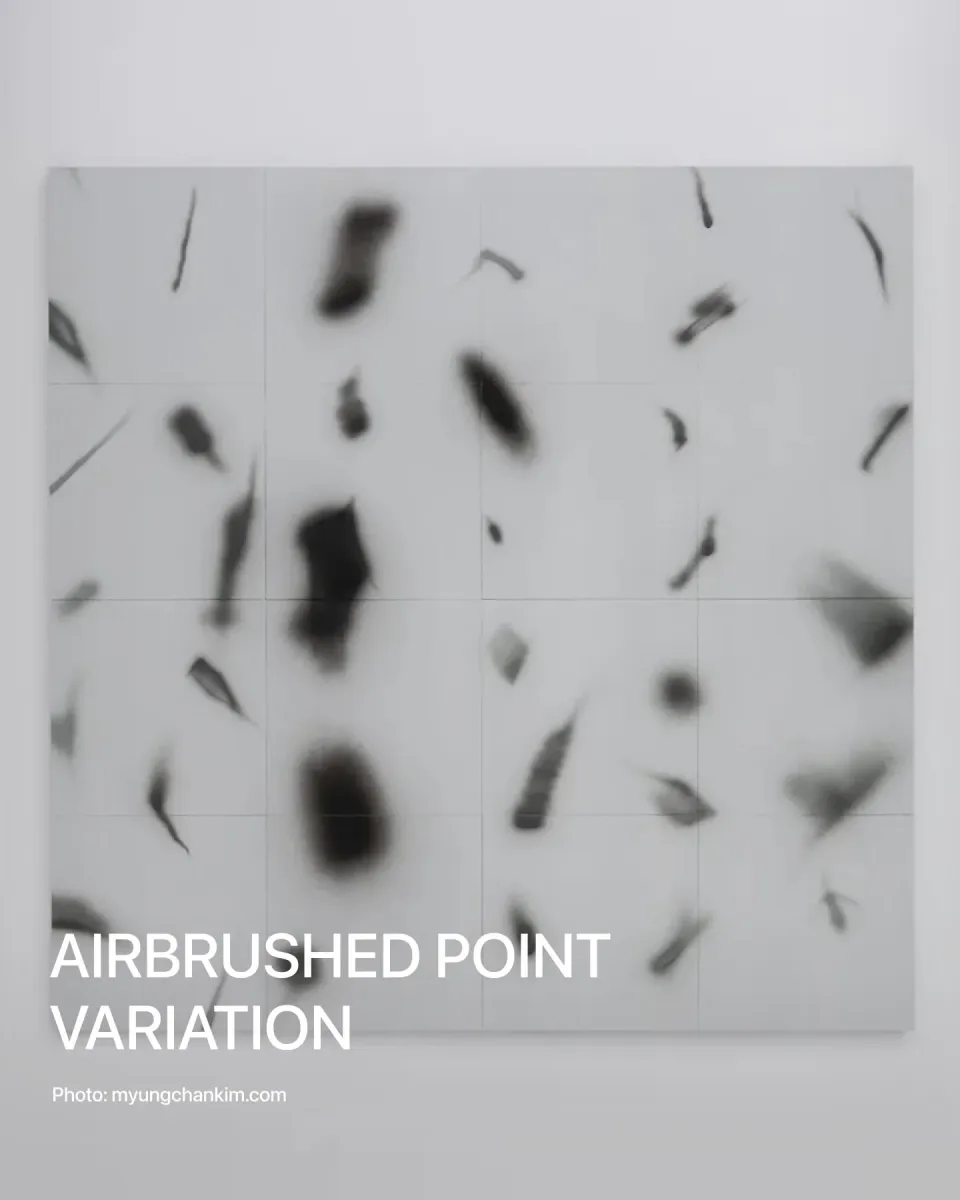
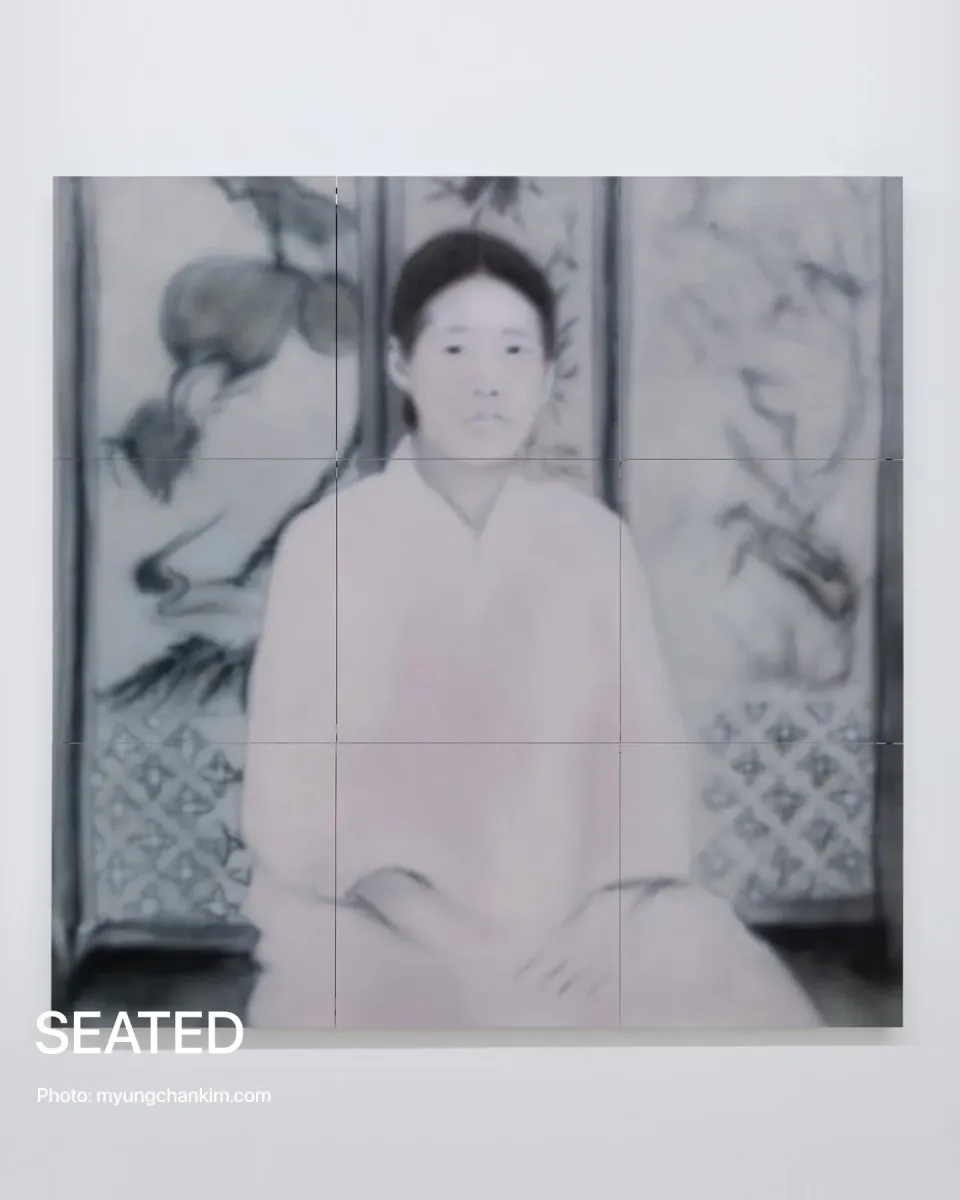
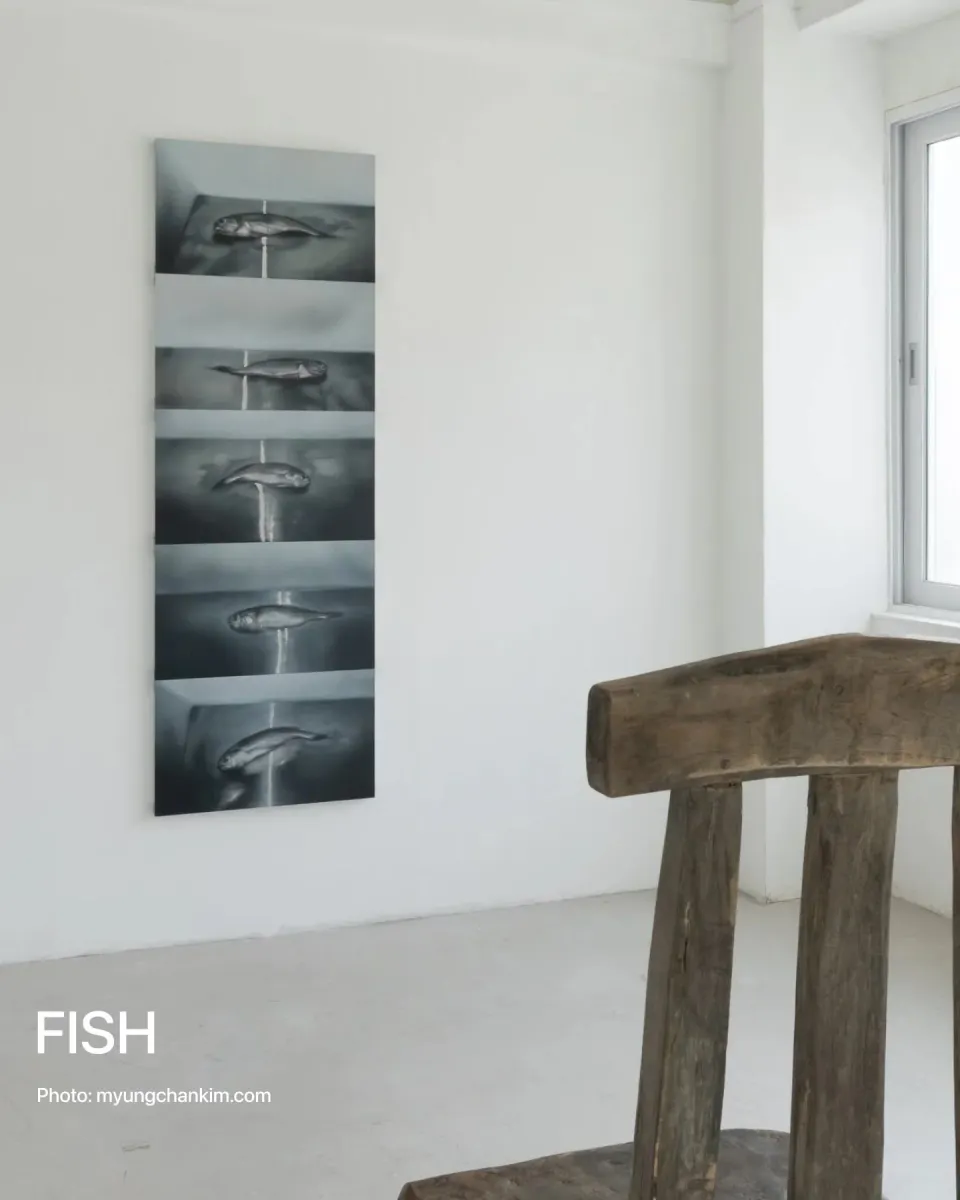
@kim.myungchan
.webp&w=1200&q=75)
Cergy / Paris / 2026
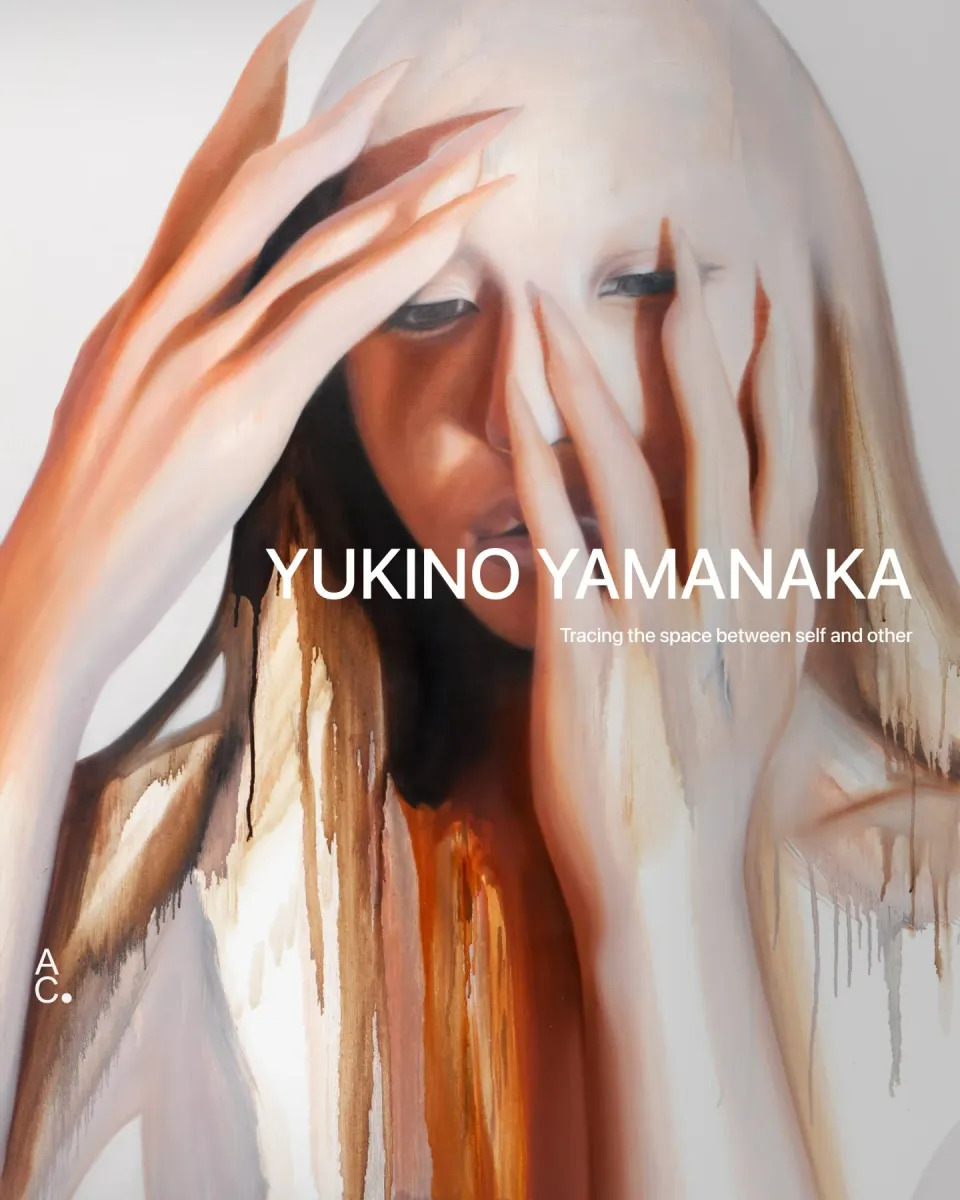
@yukino_yamanaka
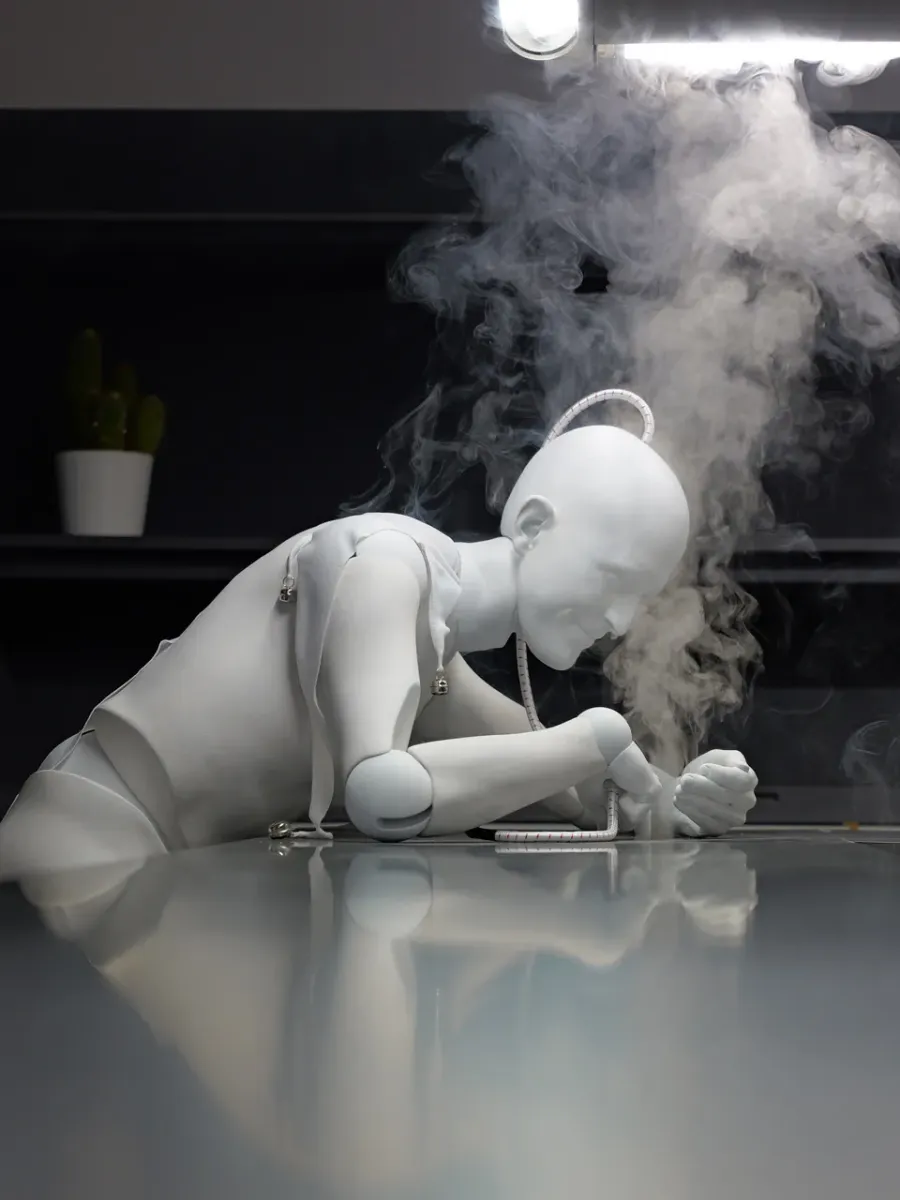
Düsseldorf / 2026
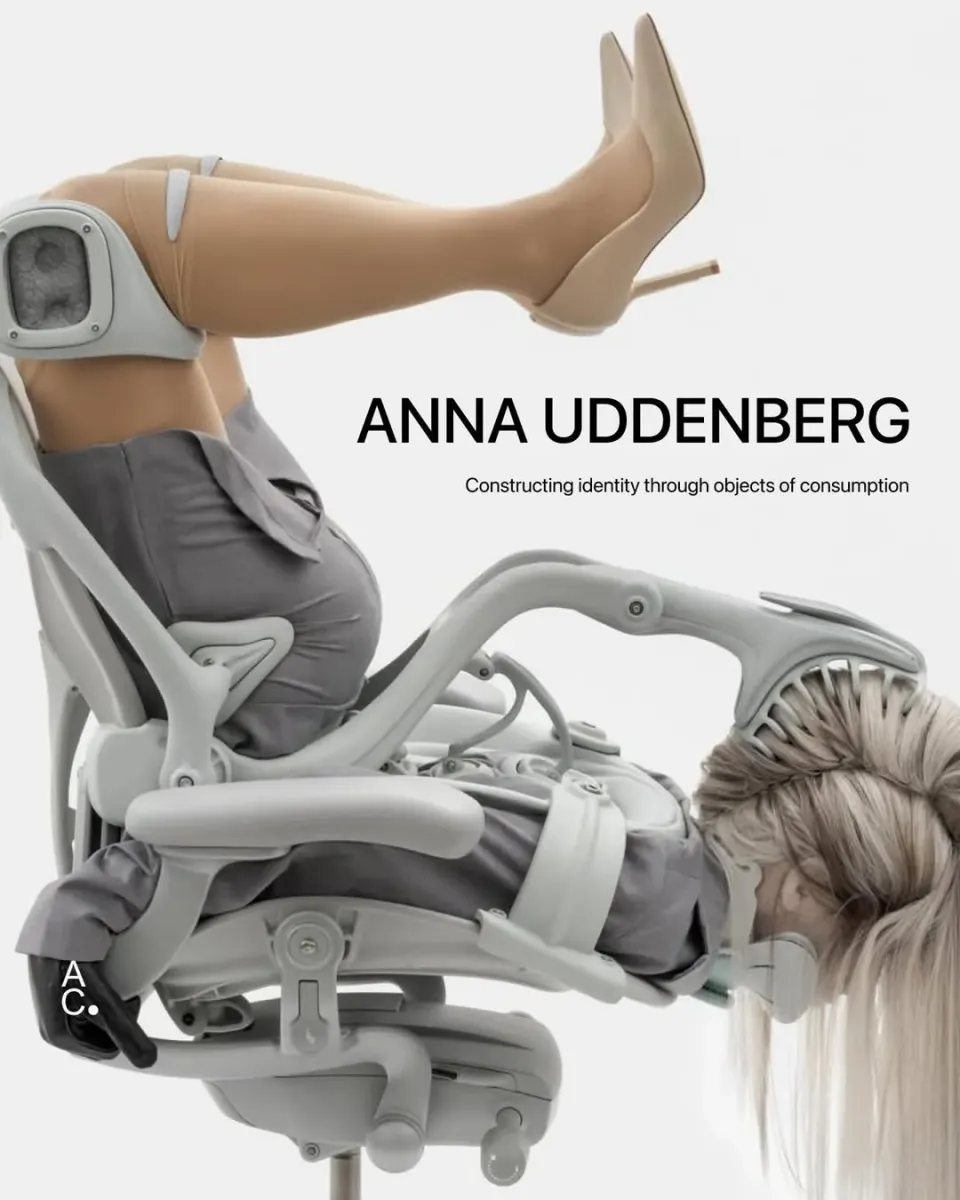
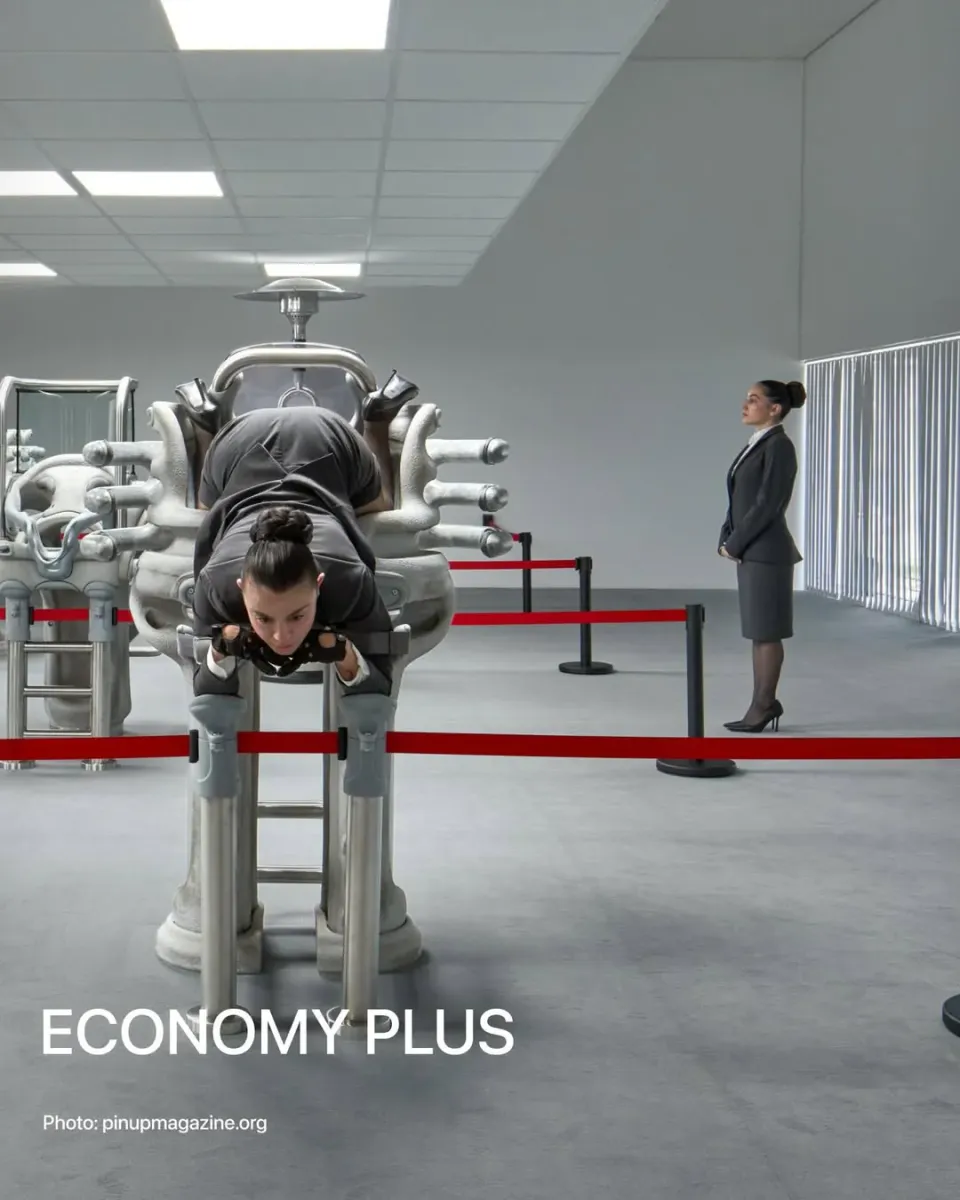
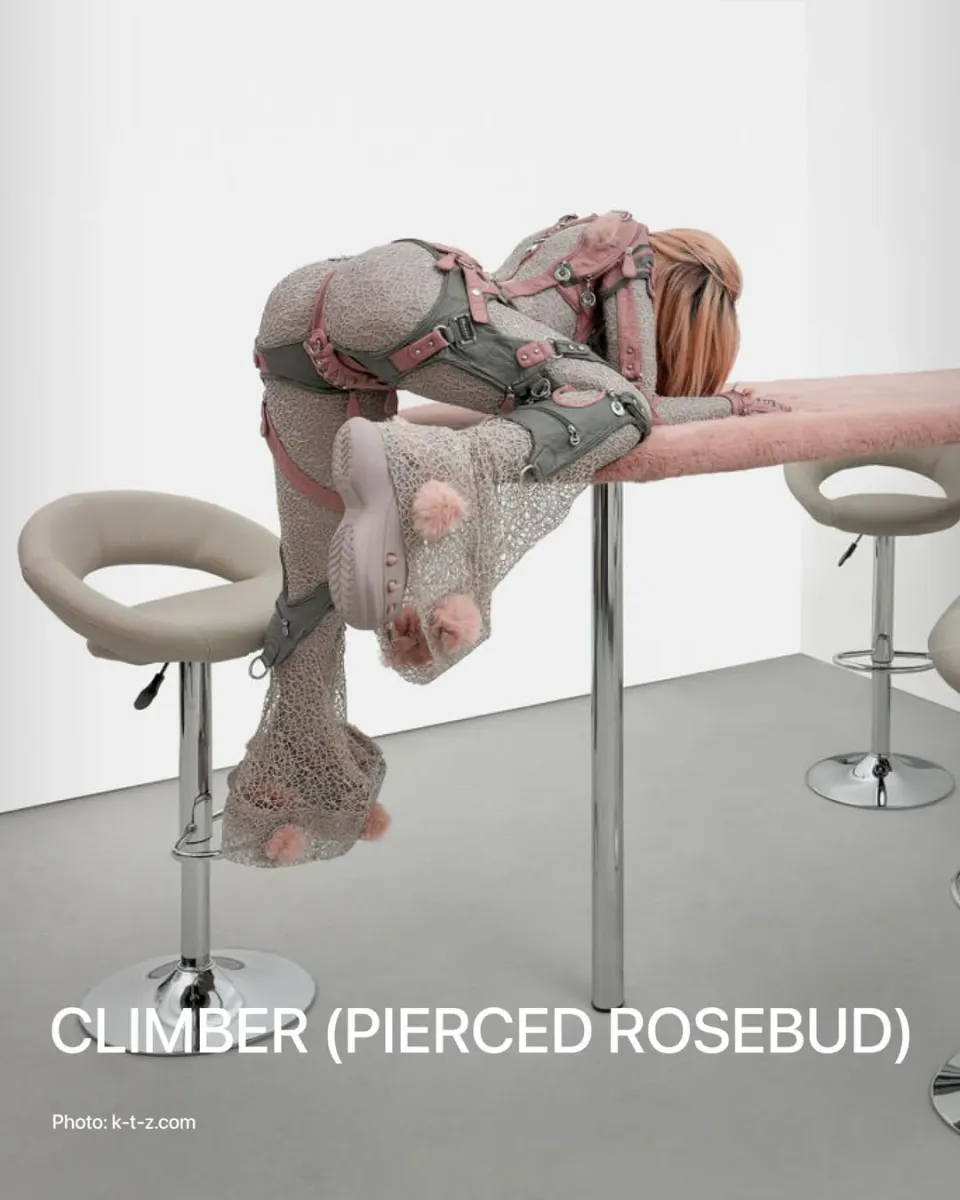
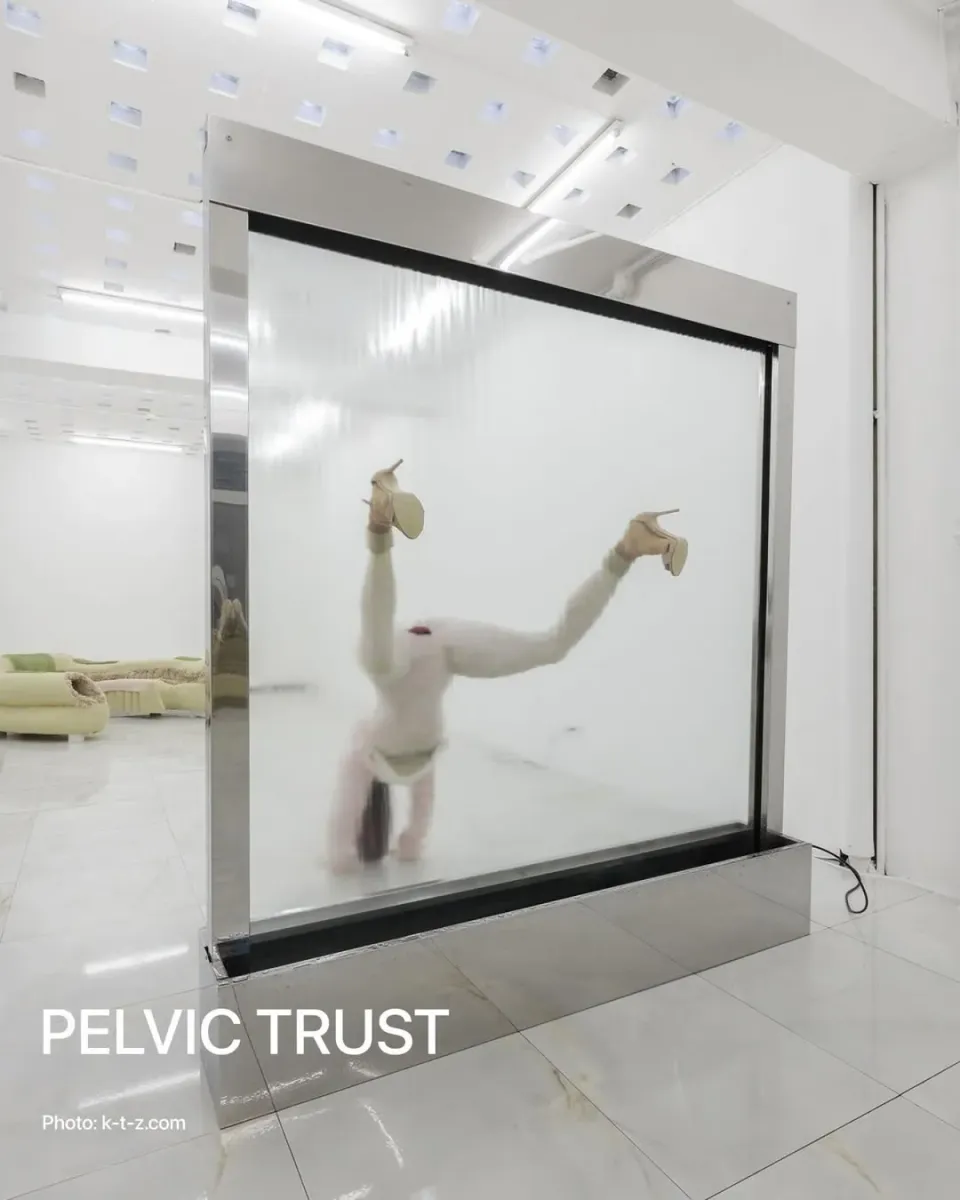
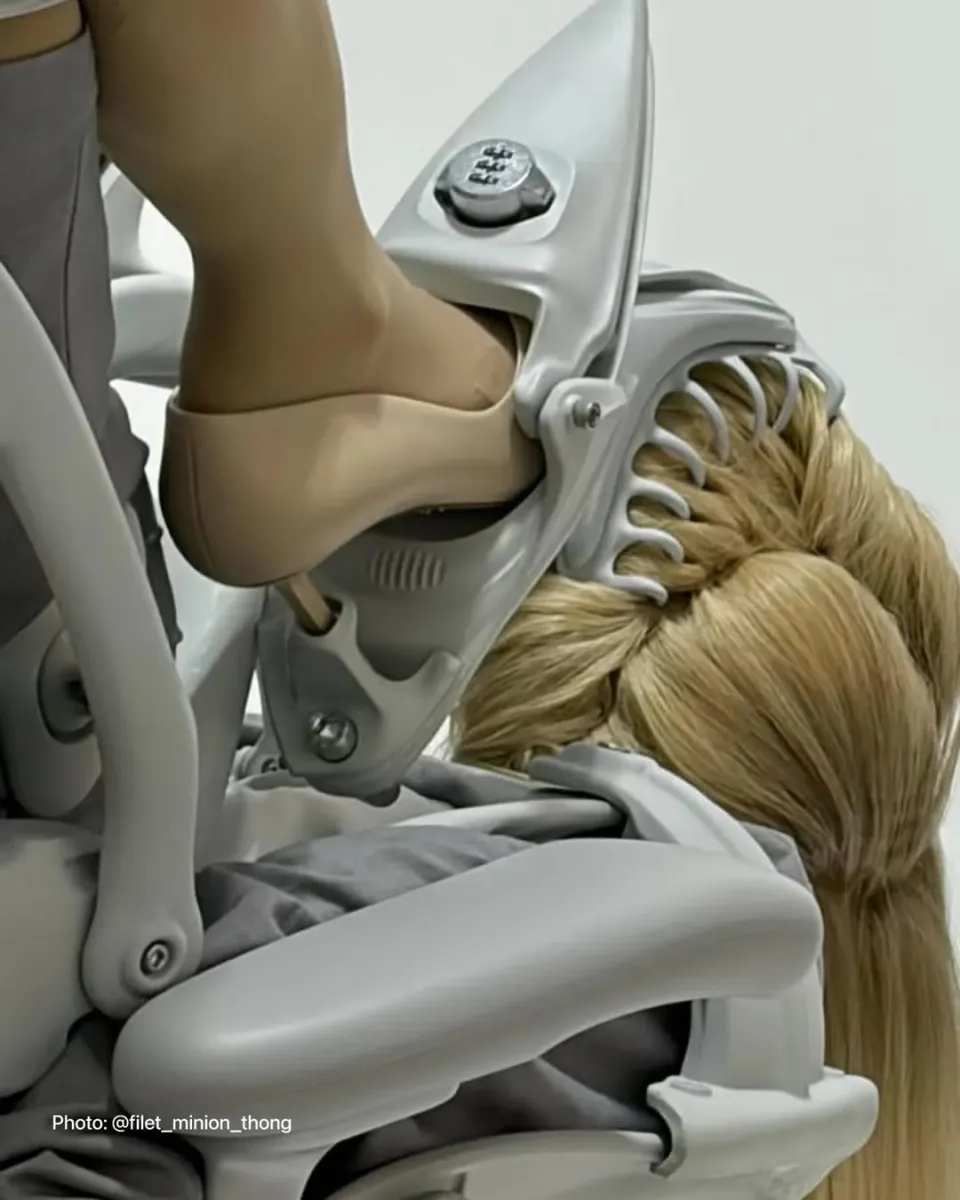
@filet_minion_thong
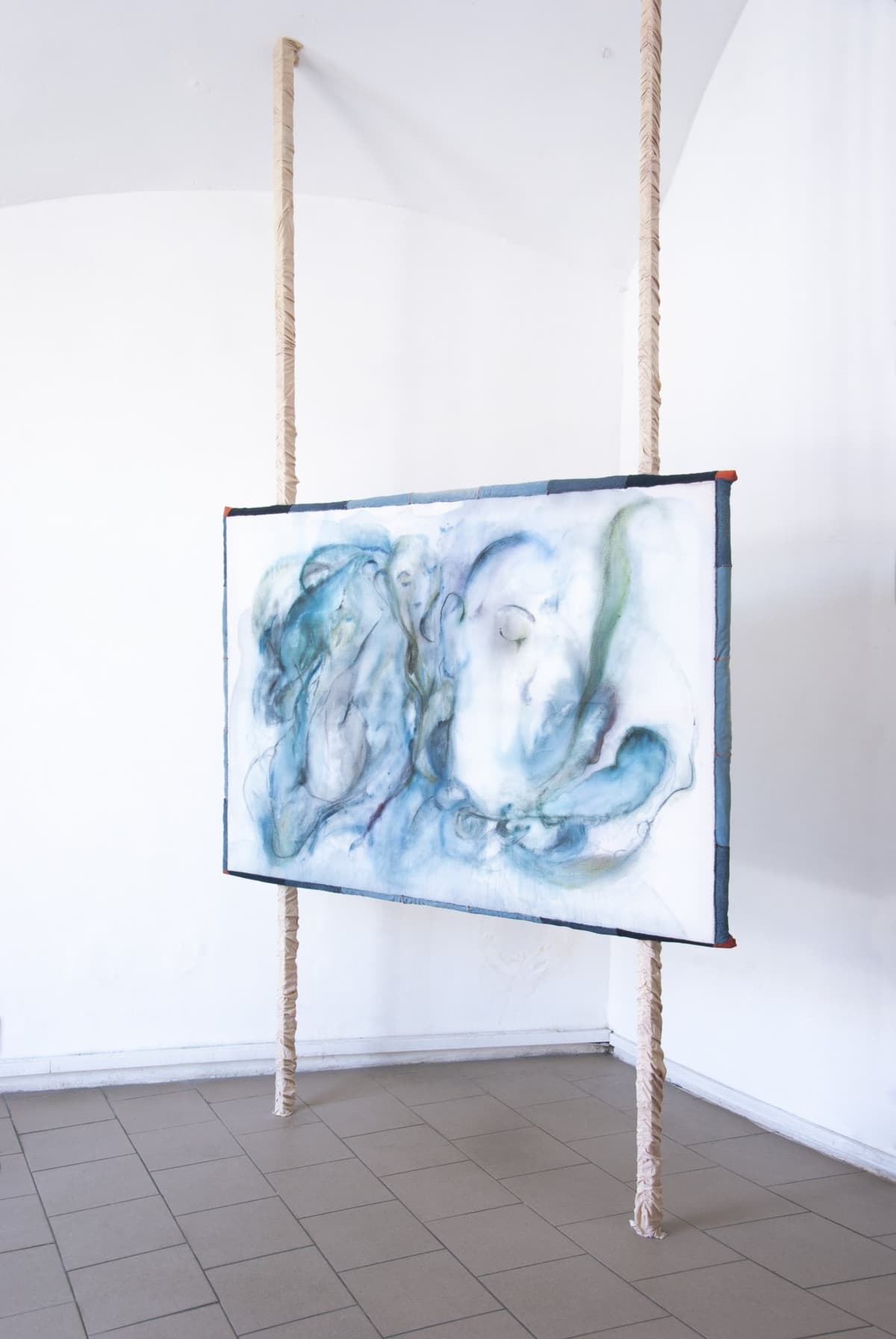
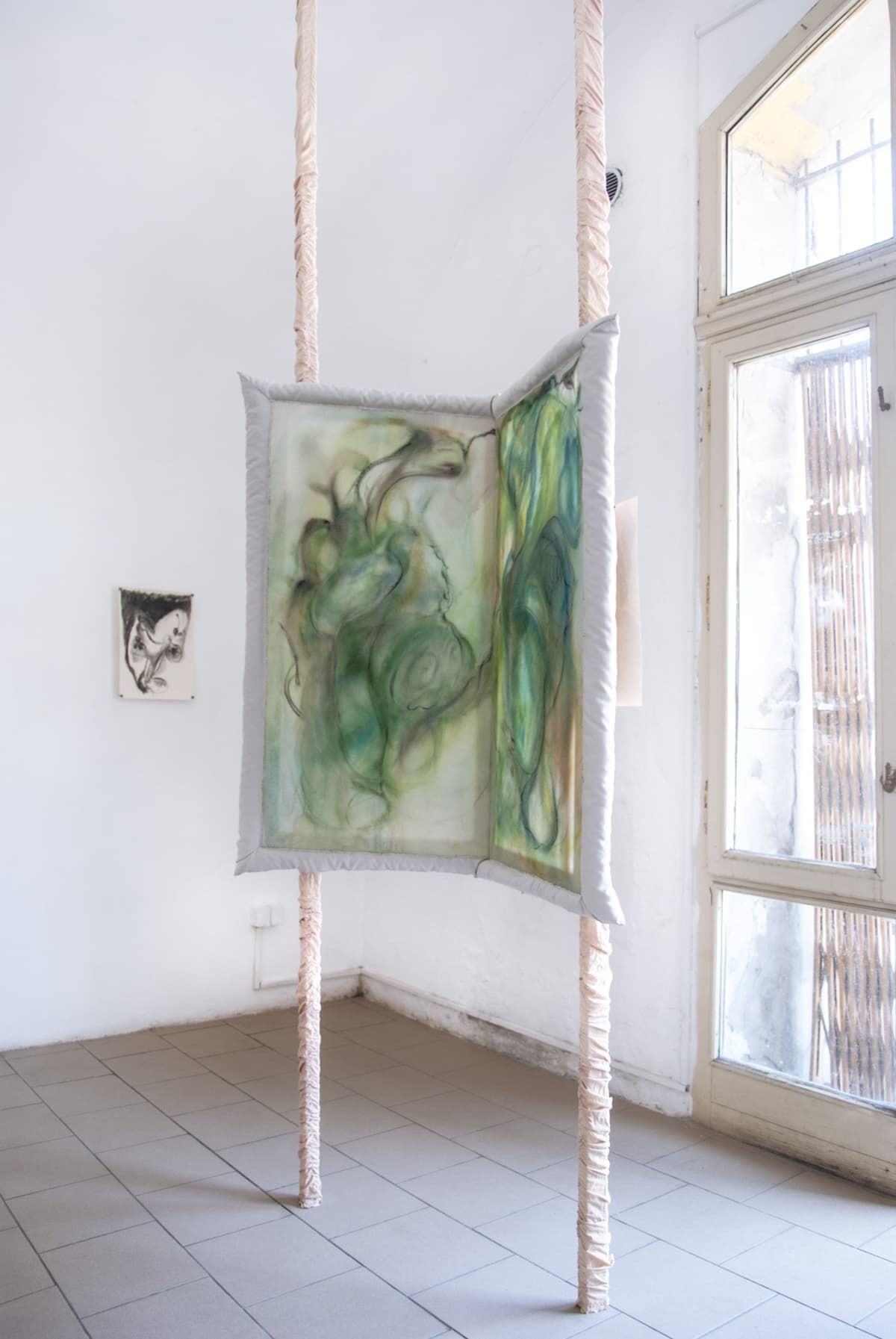
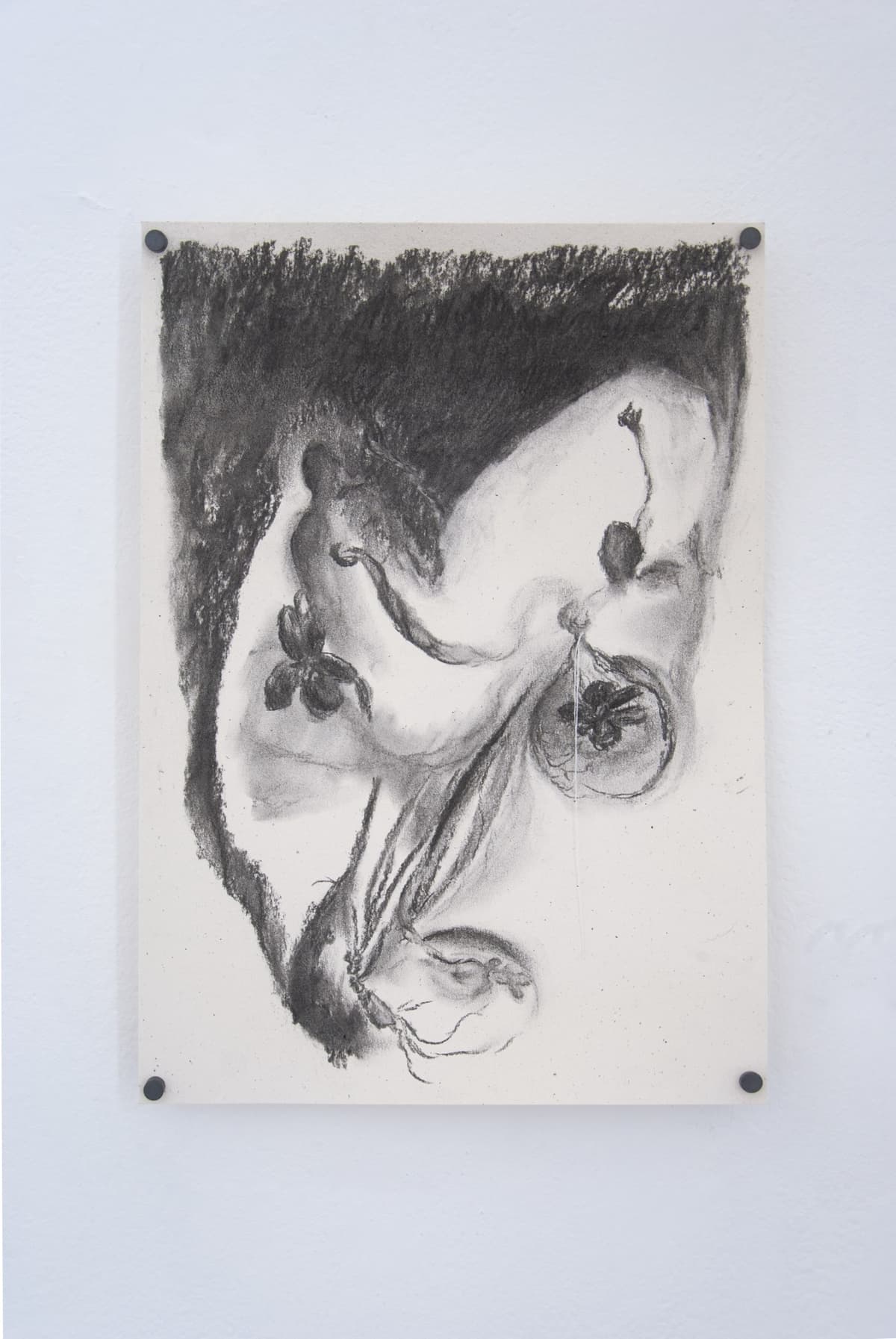
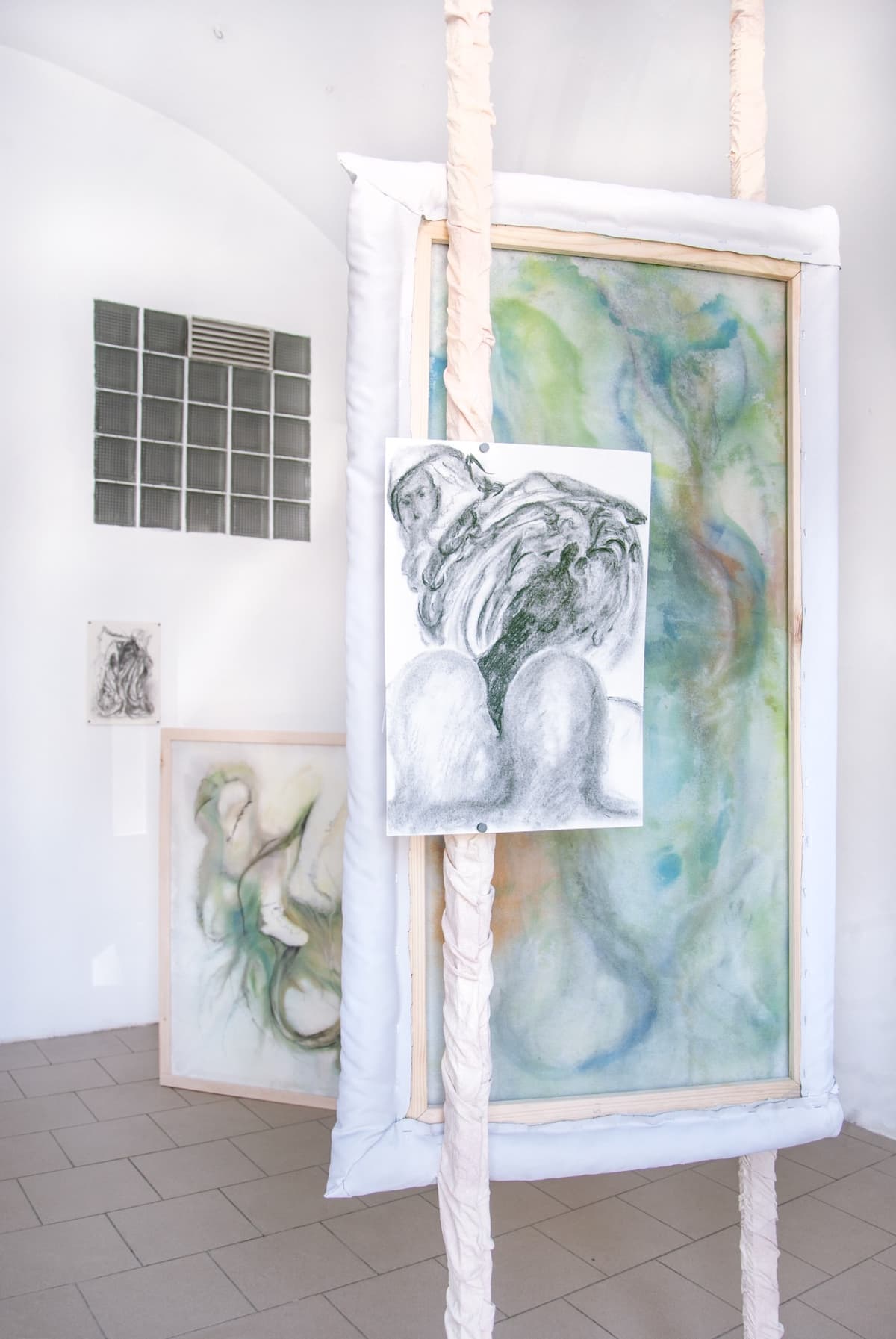
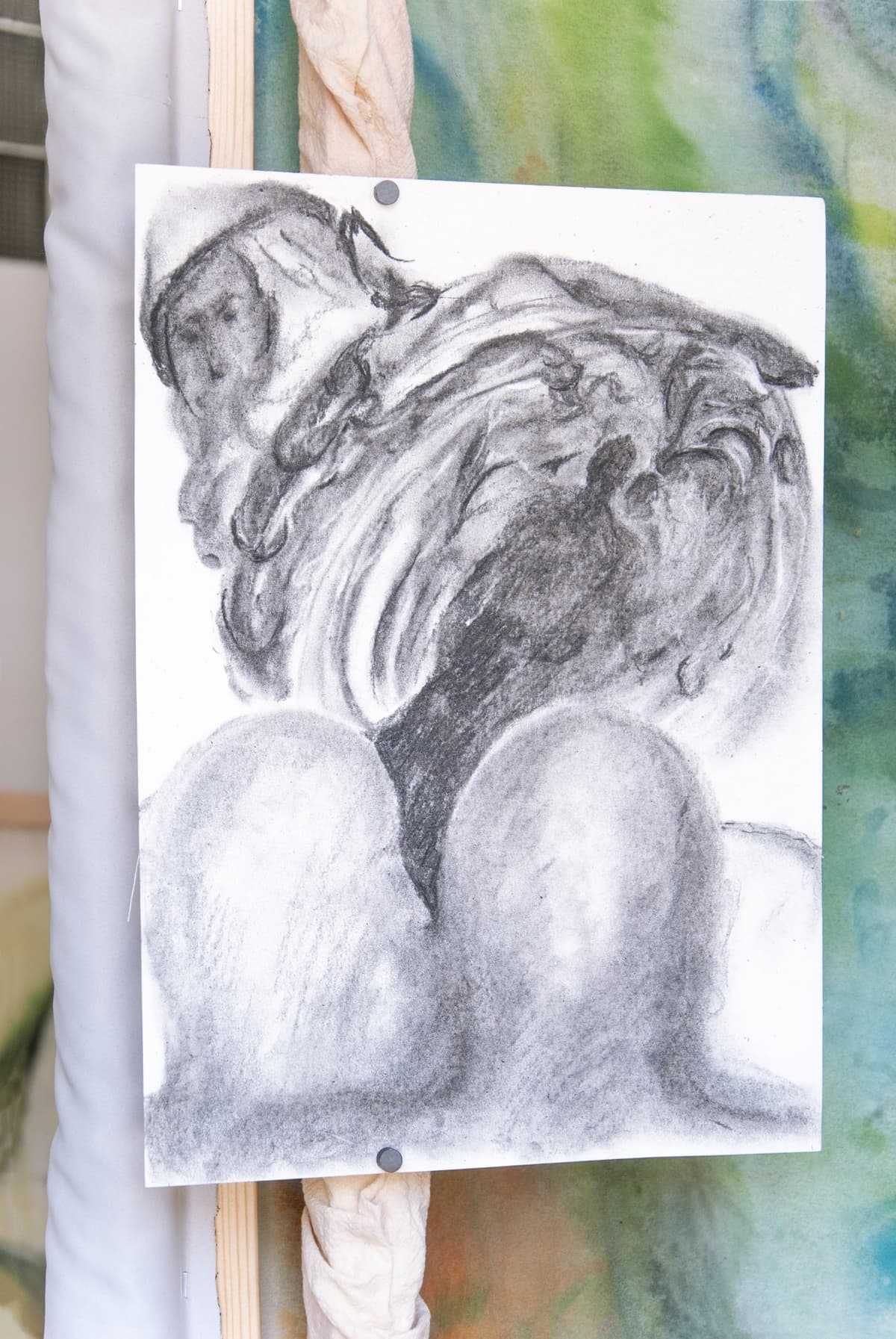
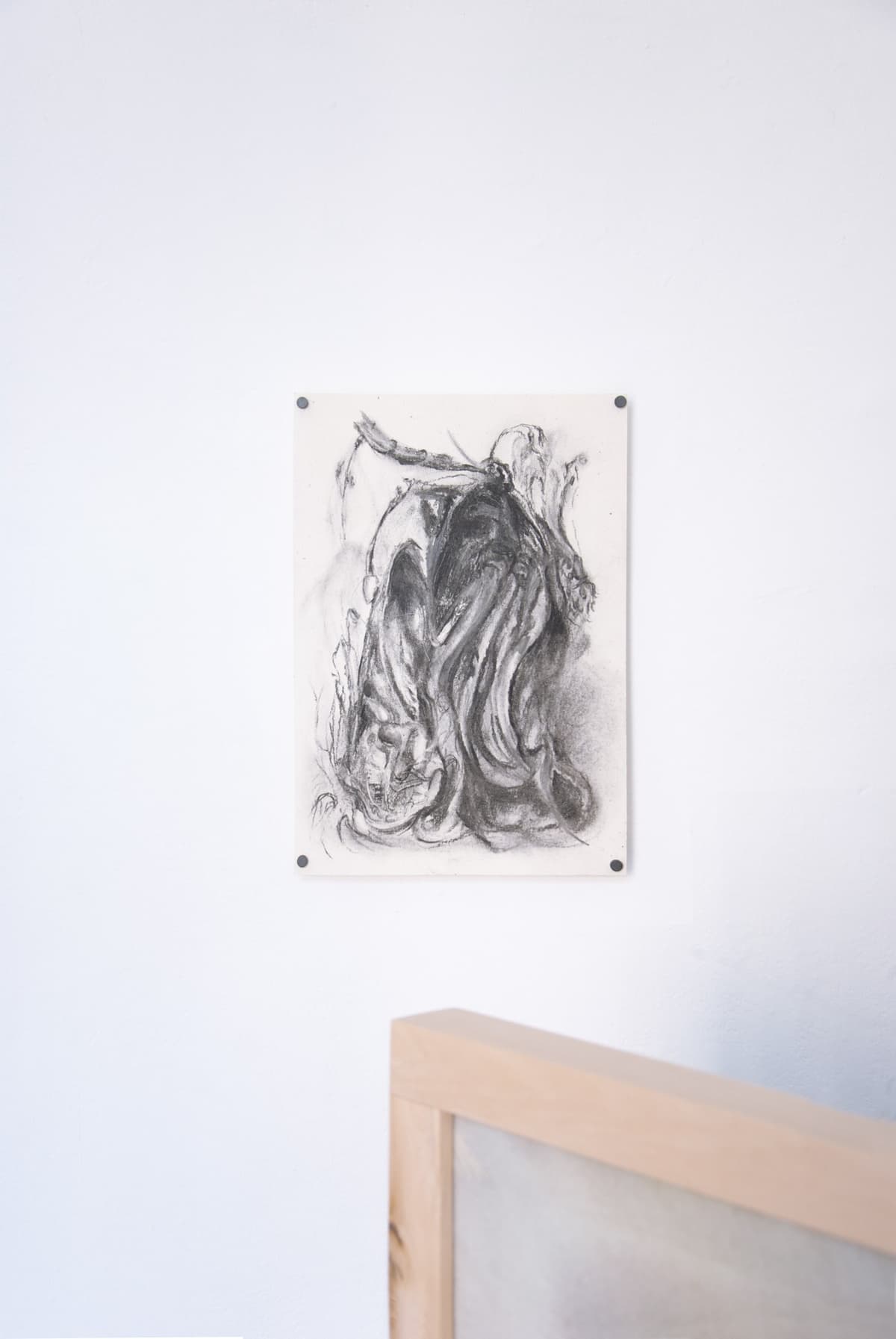
Brno / 2025
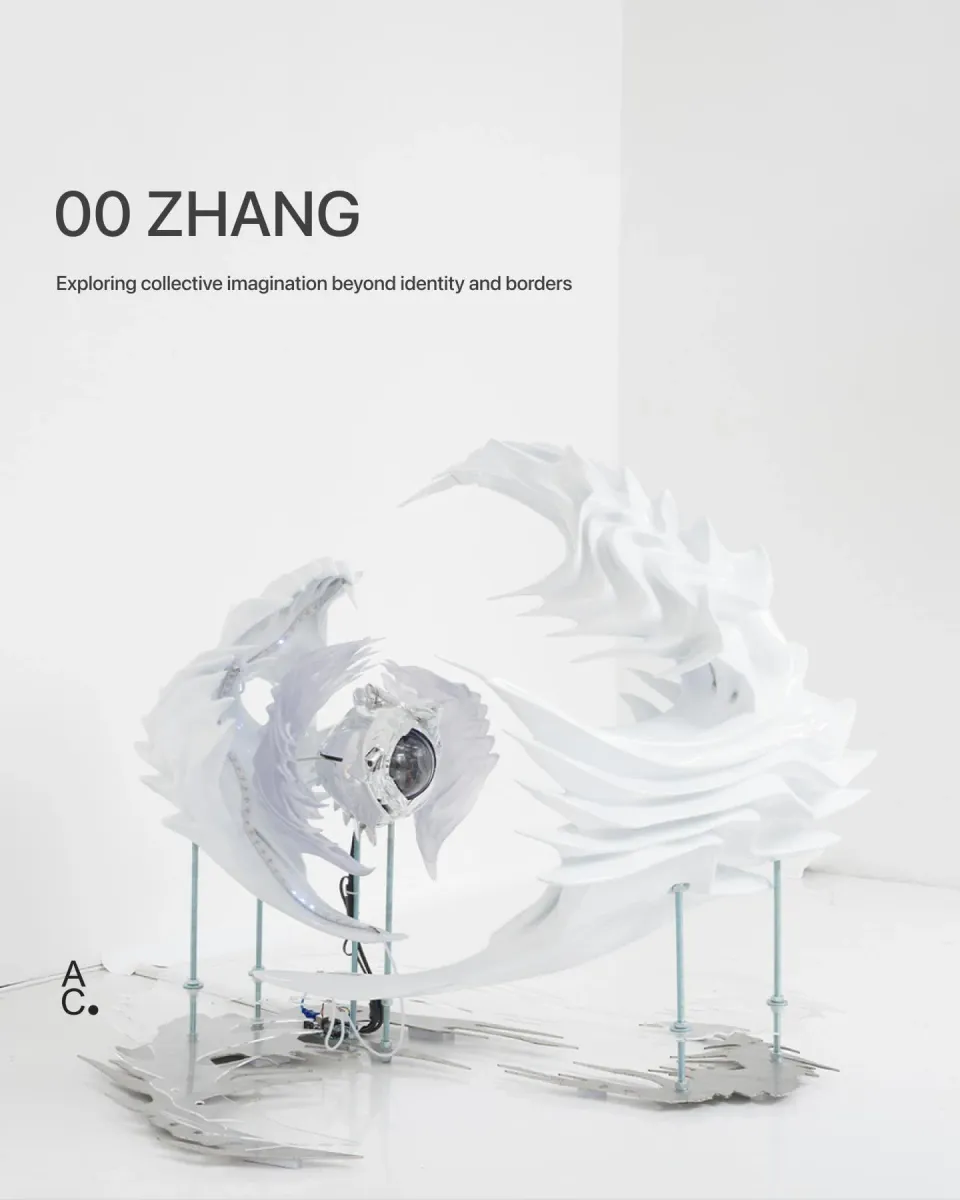
@aio0o0o0
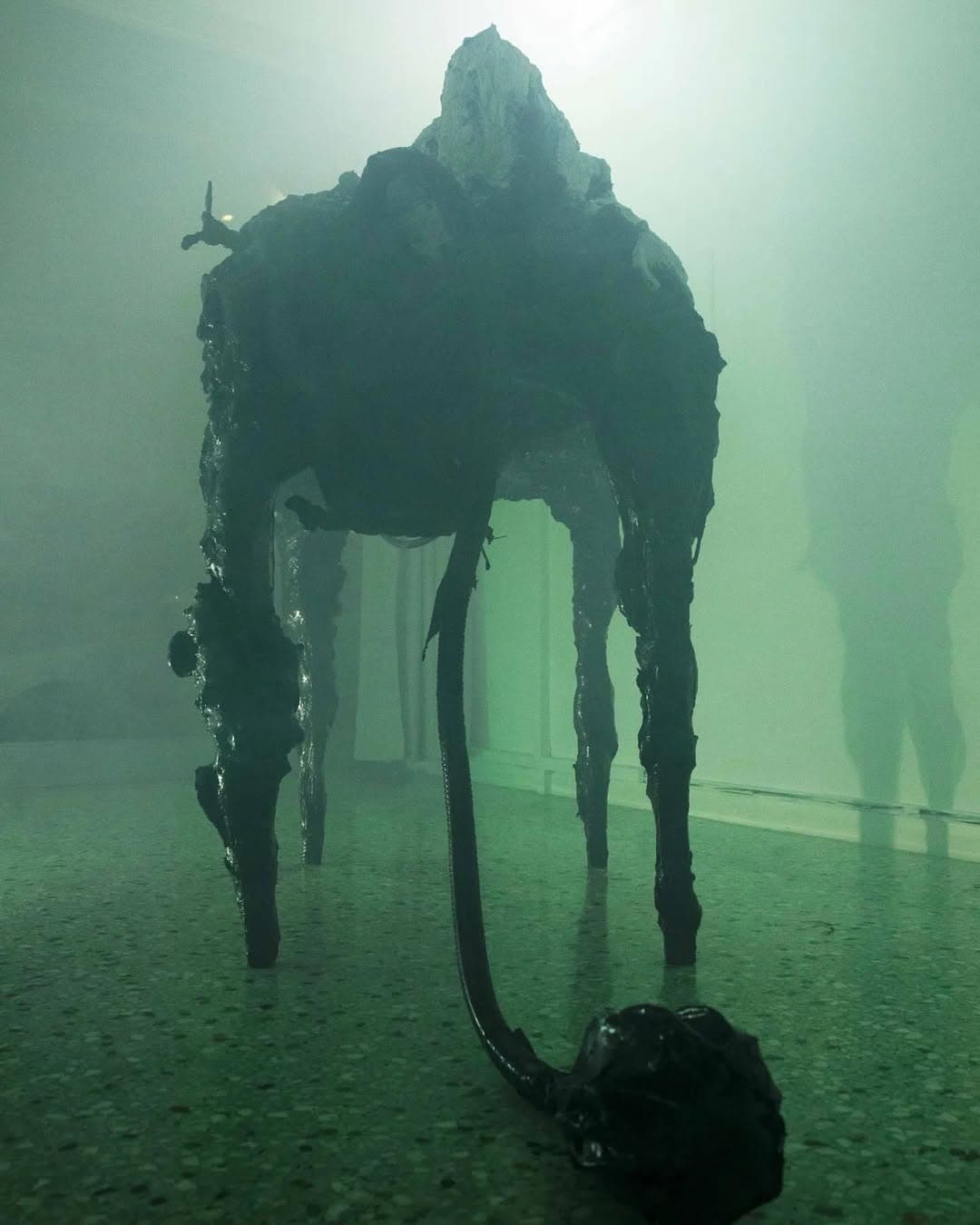
/ 2024
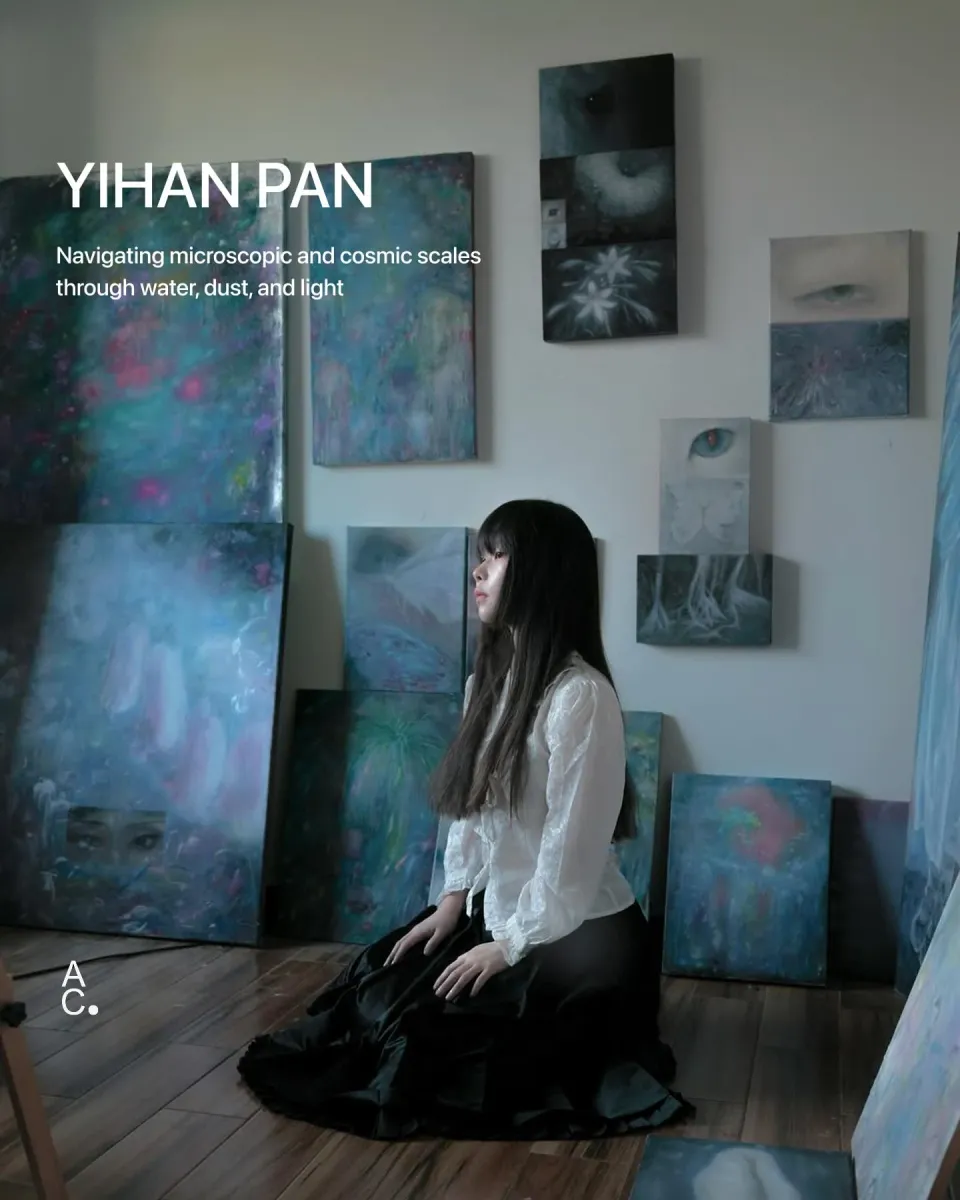
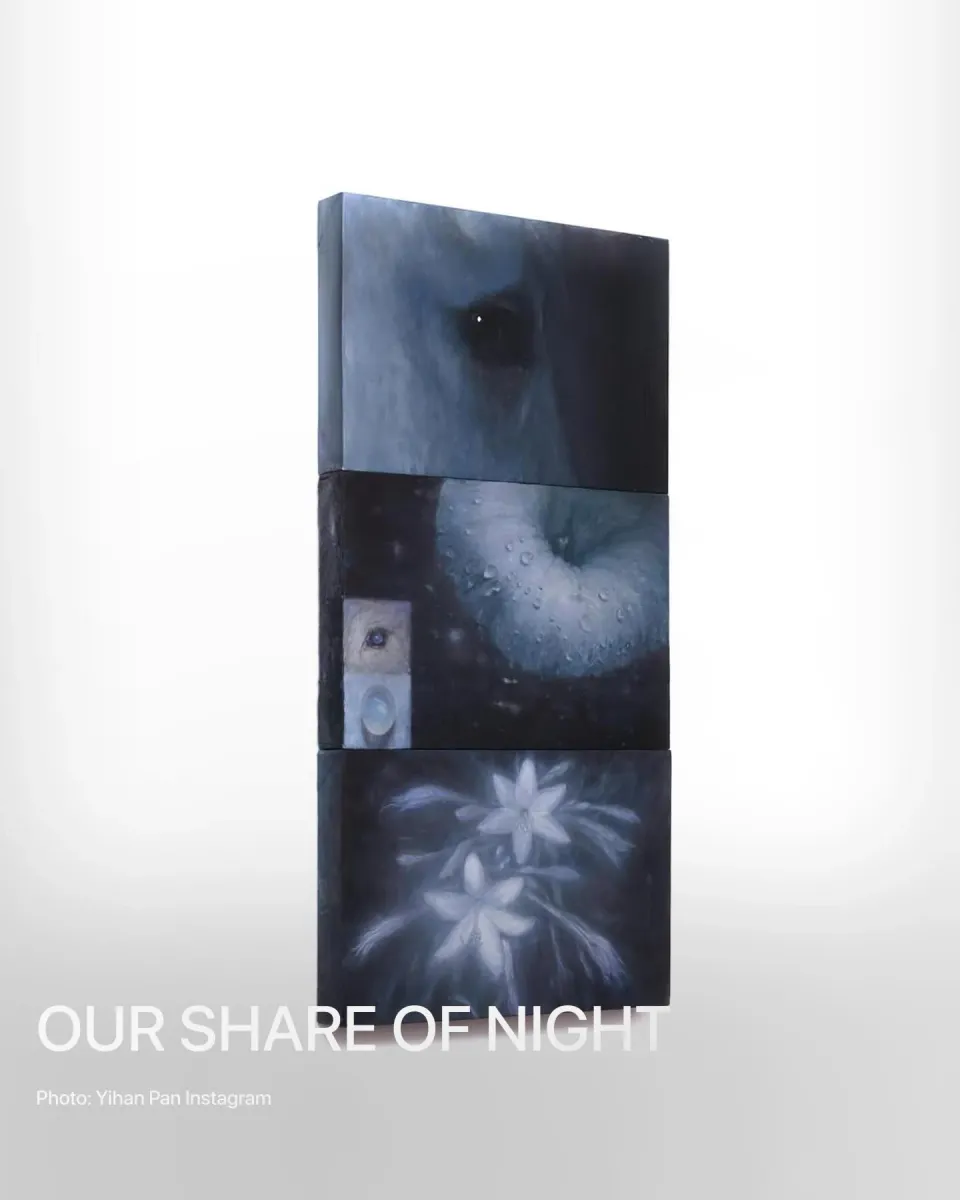
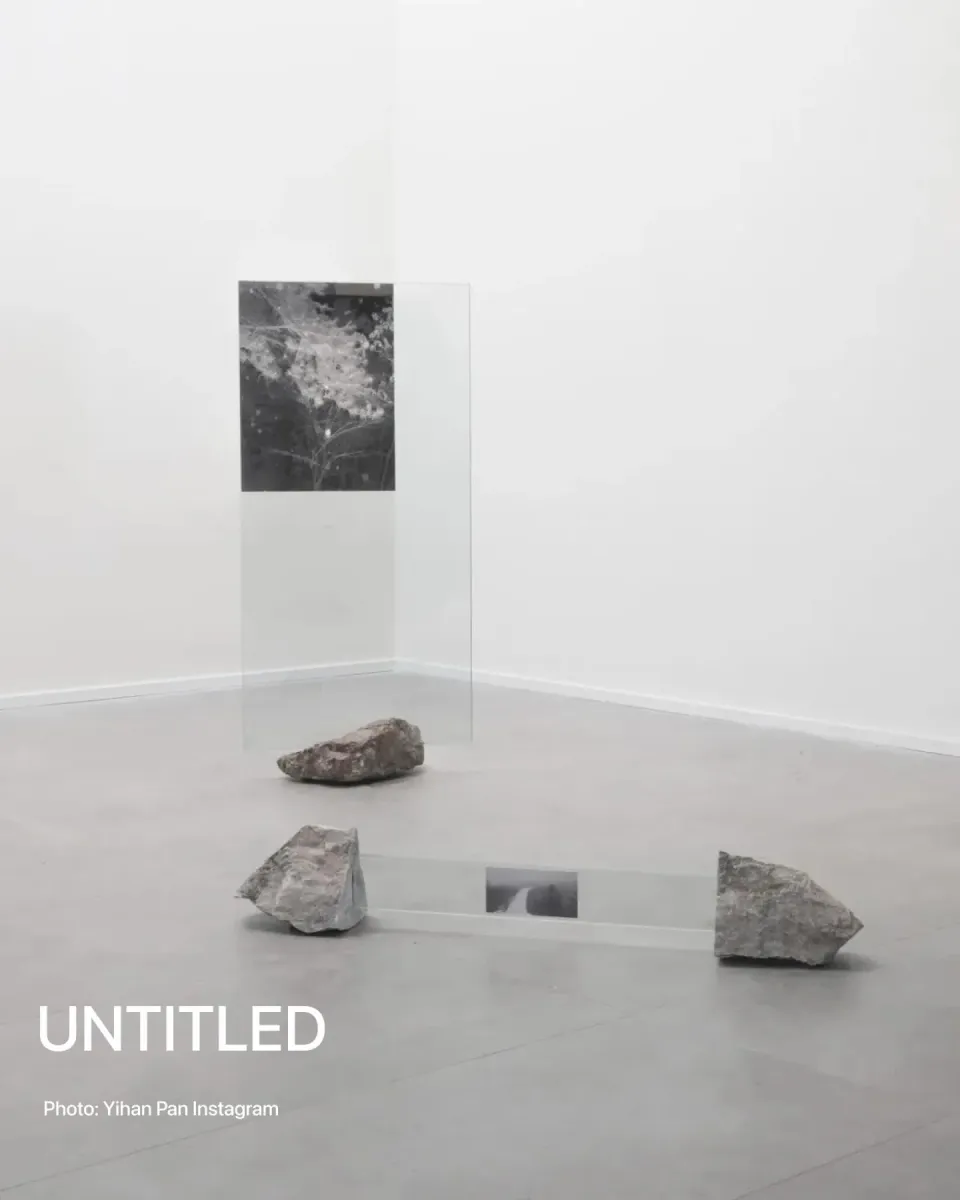
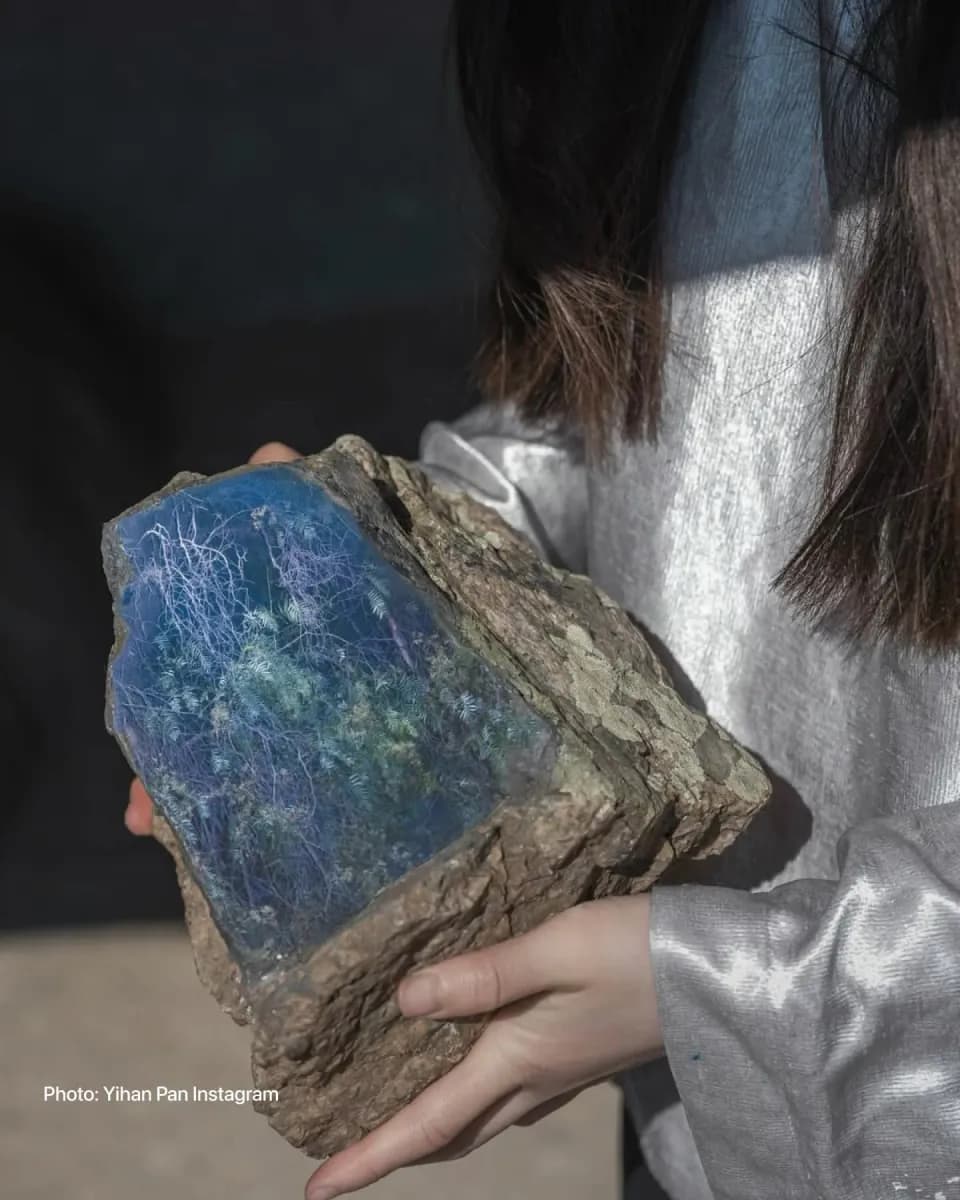
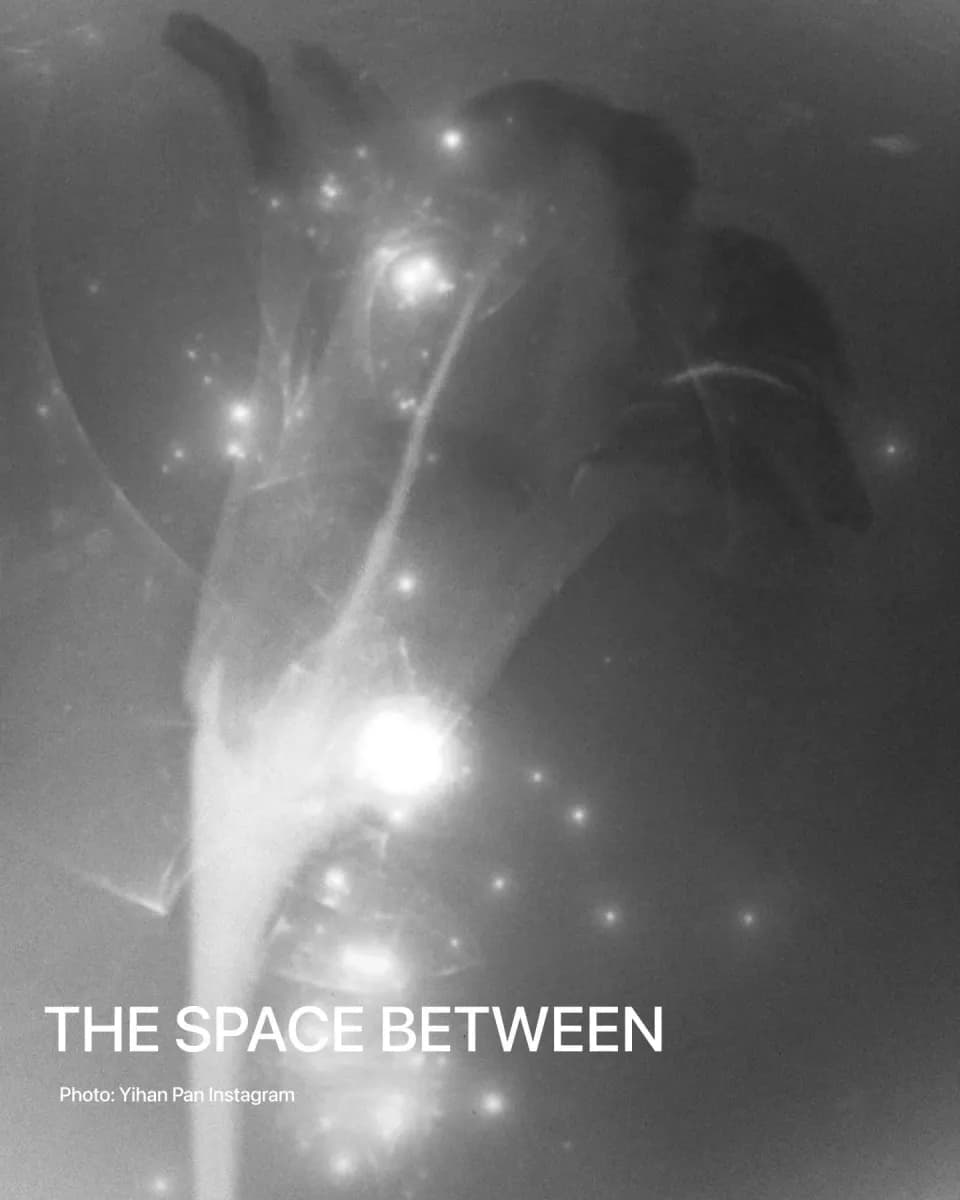
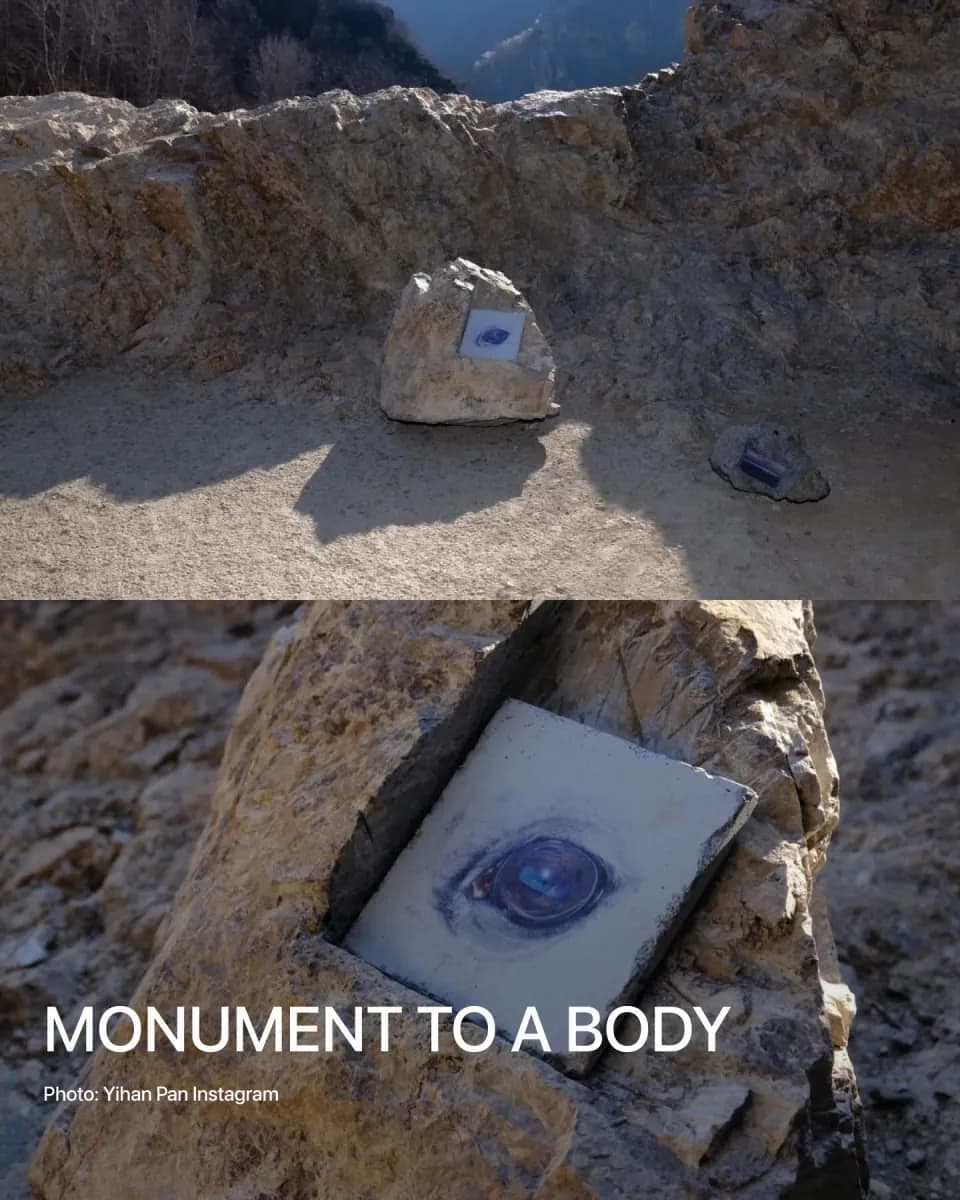
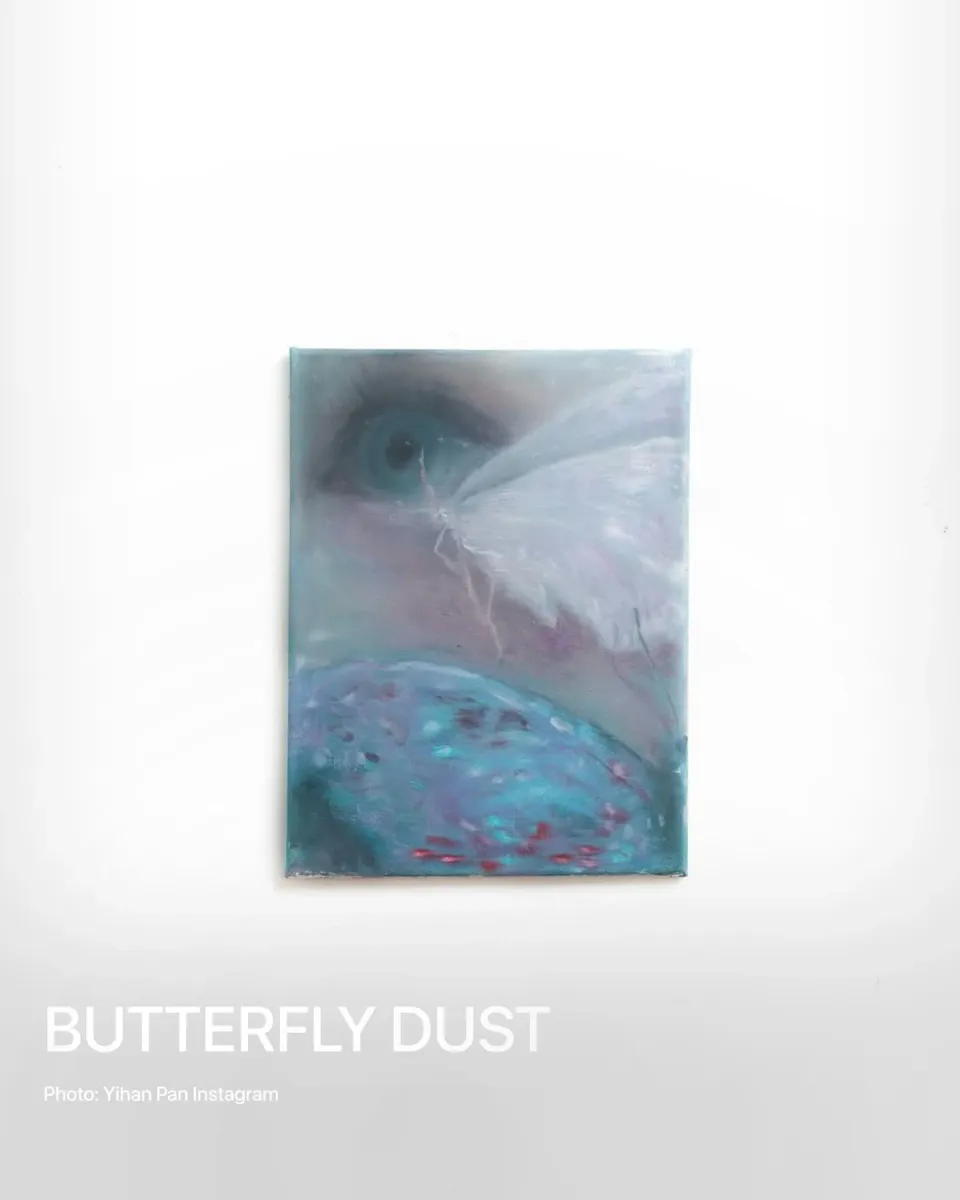
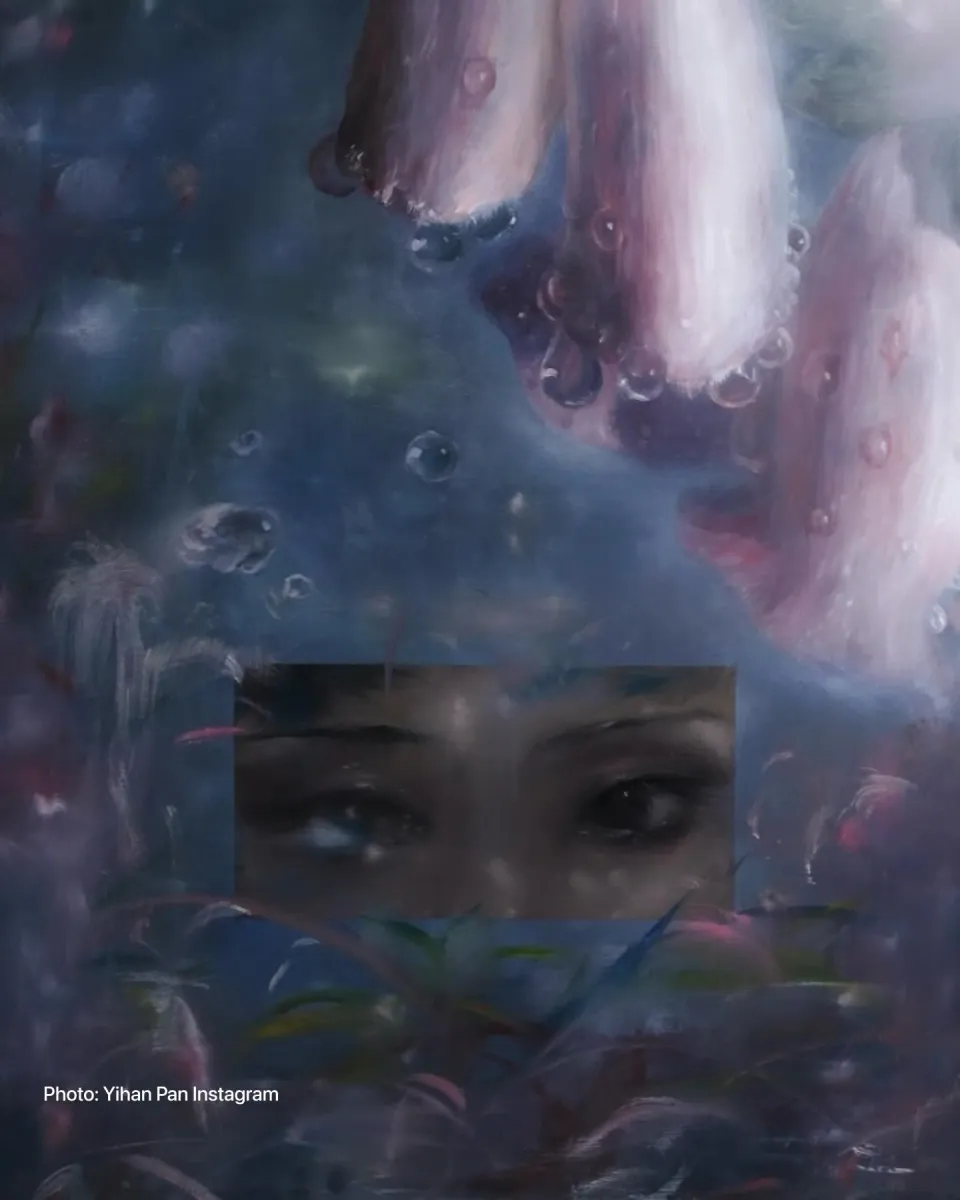
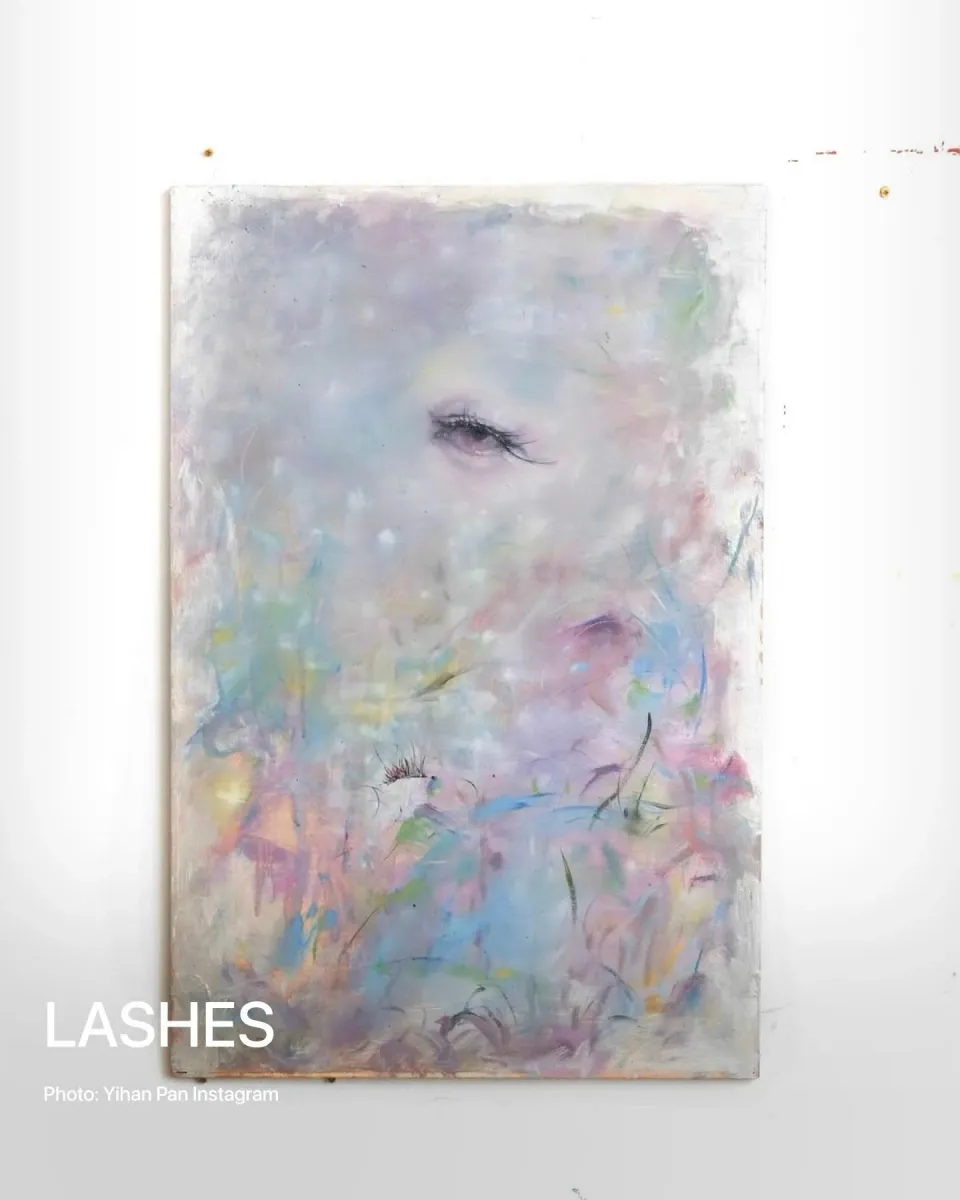
@pyhii
London / 2024
@emma.beatrez
Innsbruck / 2025
@s_gatzkan
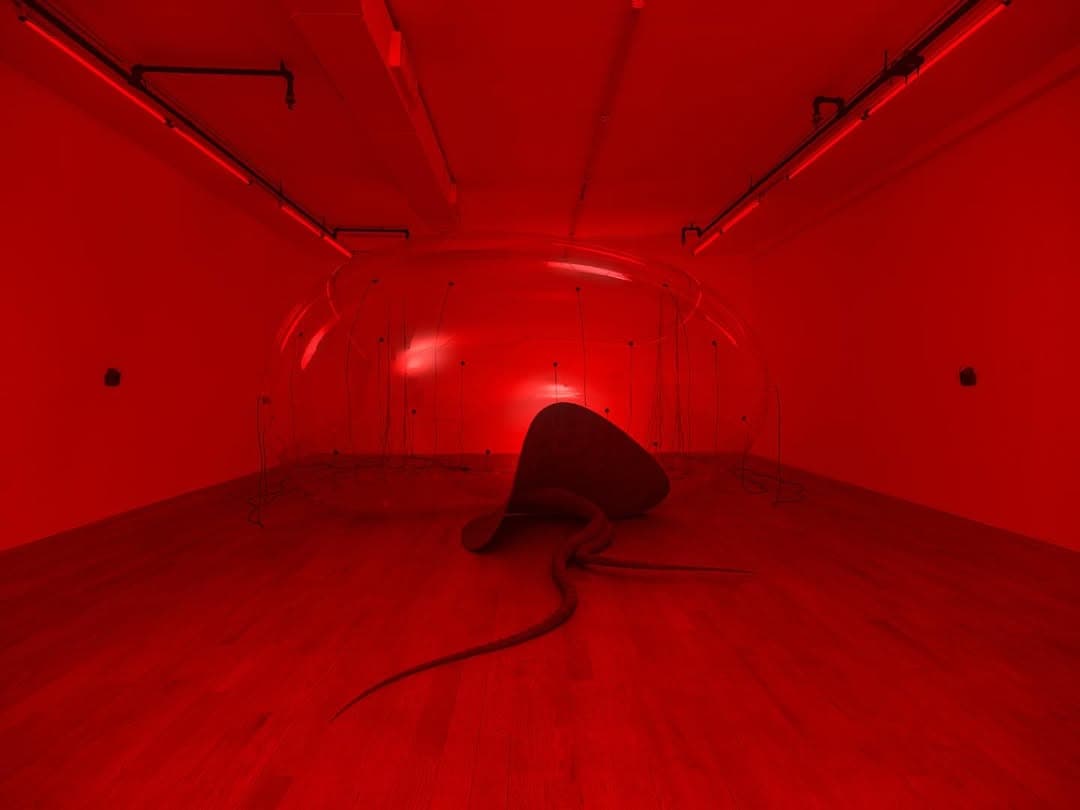
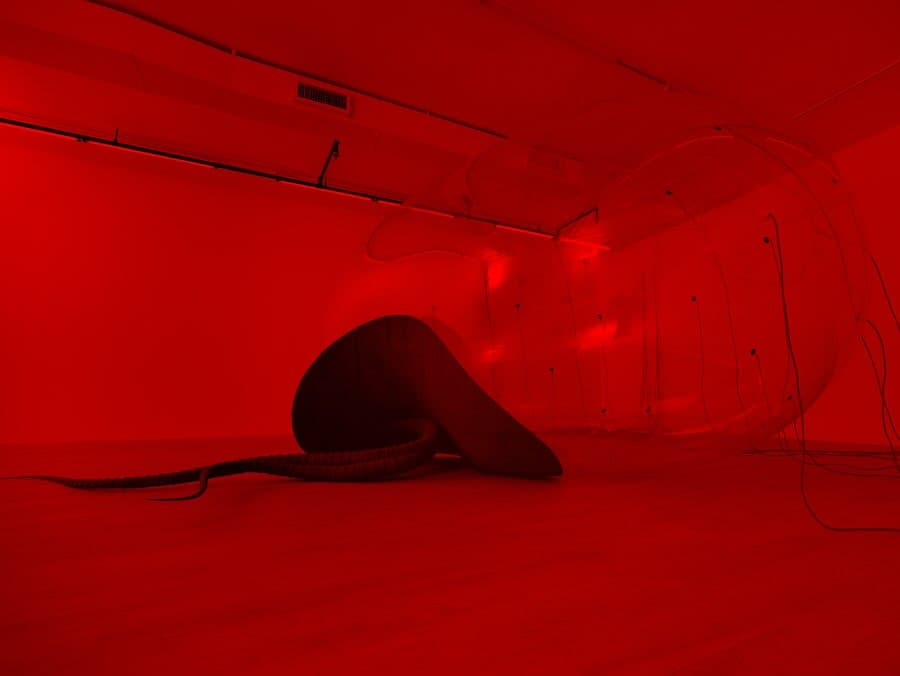
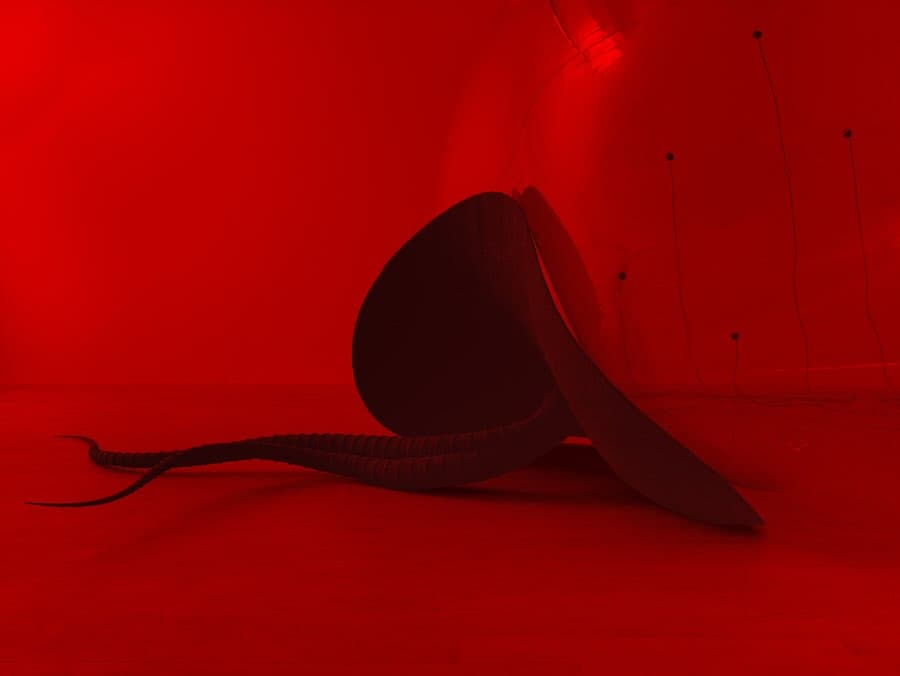
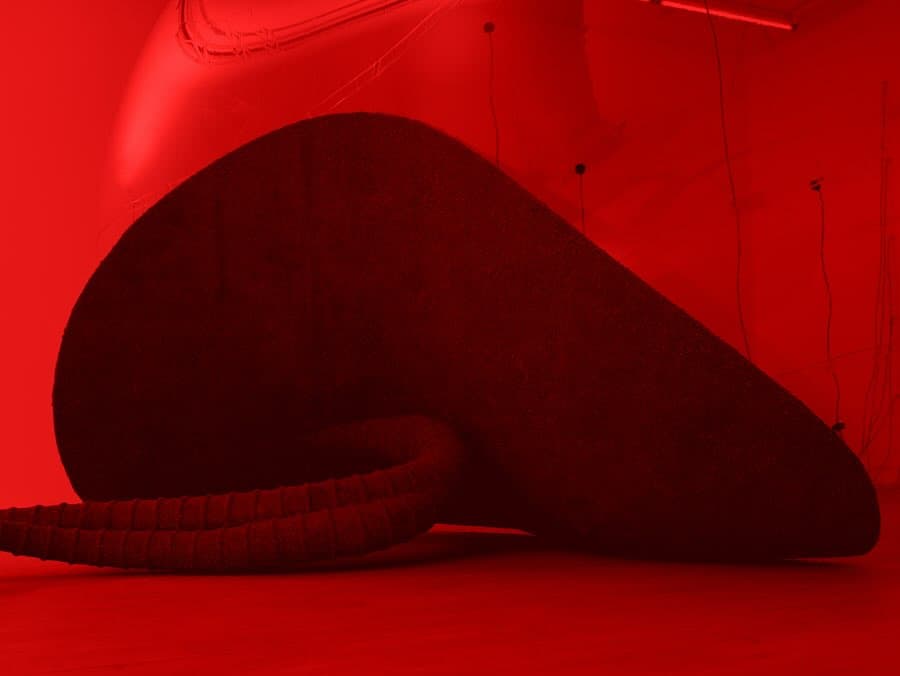
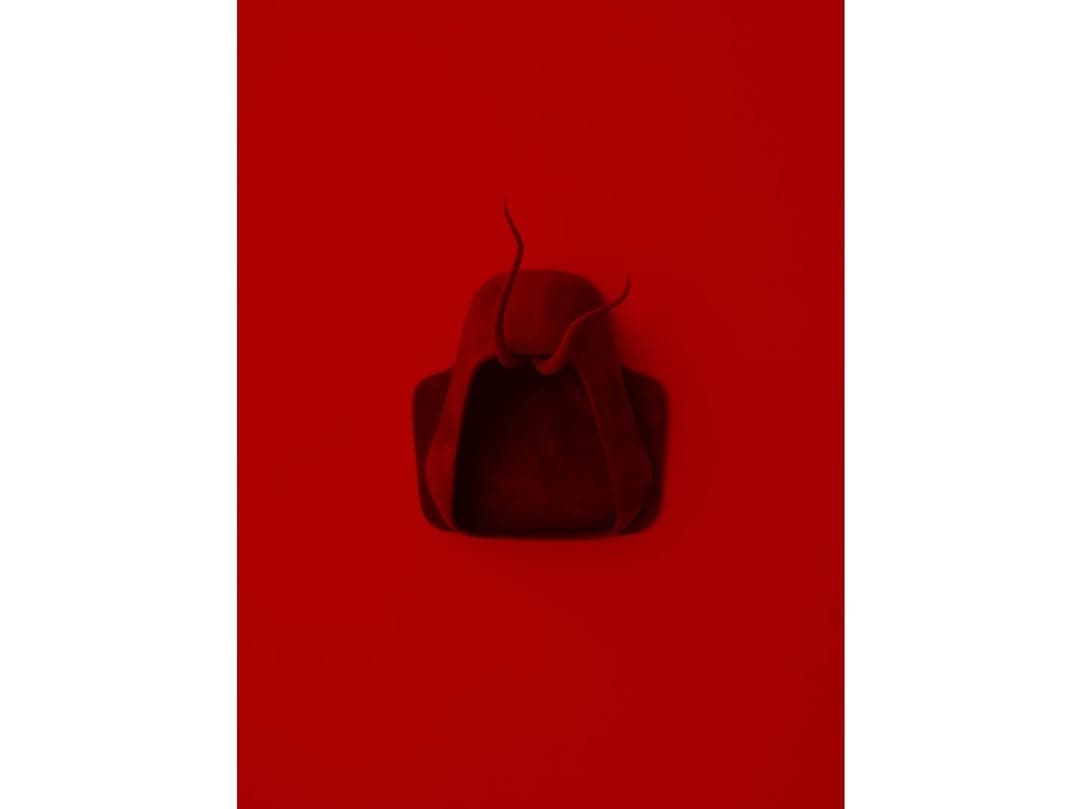
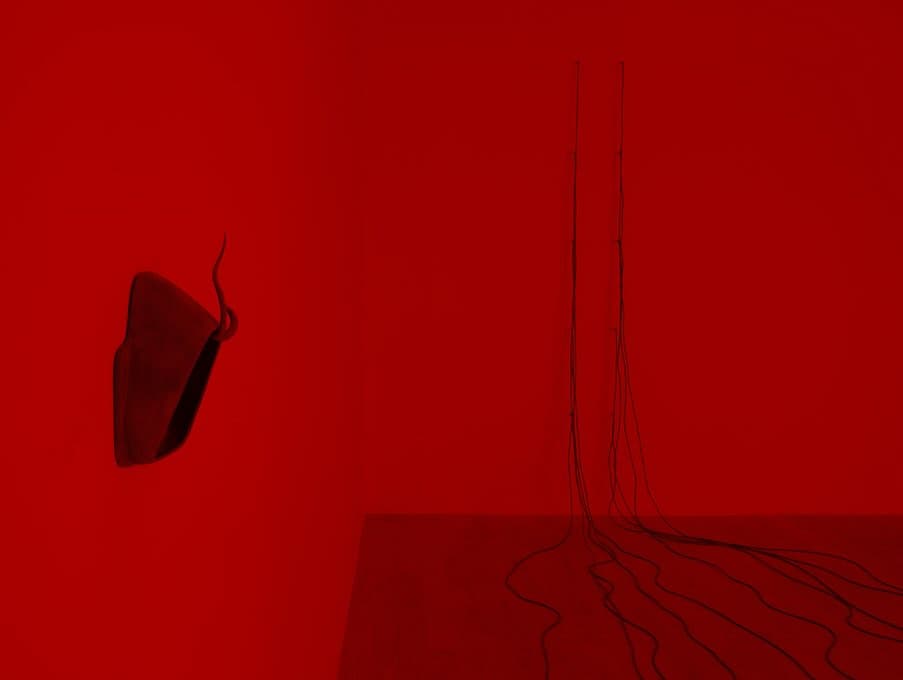
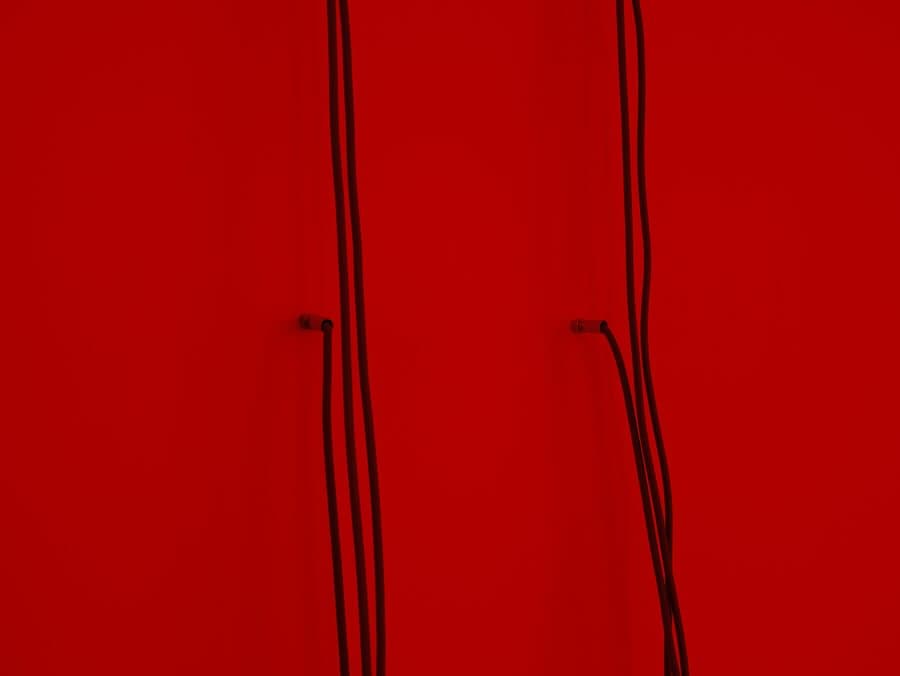
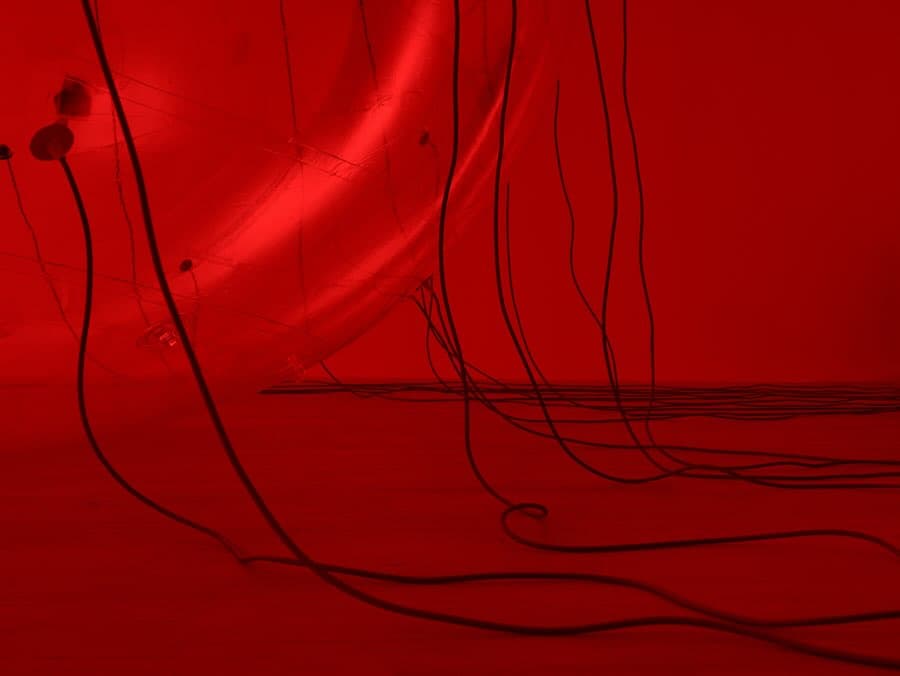
New York / 2025
@pax_aliena
Busan / 2025
#DorisSalcedo
%2Fphoto_1_2026-05-23_19-23-24.jpg&w=1200&q=75)
Munich / 2026
@camelostrich
Paris / 2026
@nadaecc
Nurnberg / 2026
@arghavan_khosravi
/ 2025
@que.fresca
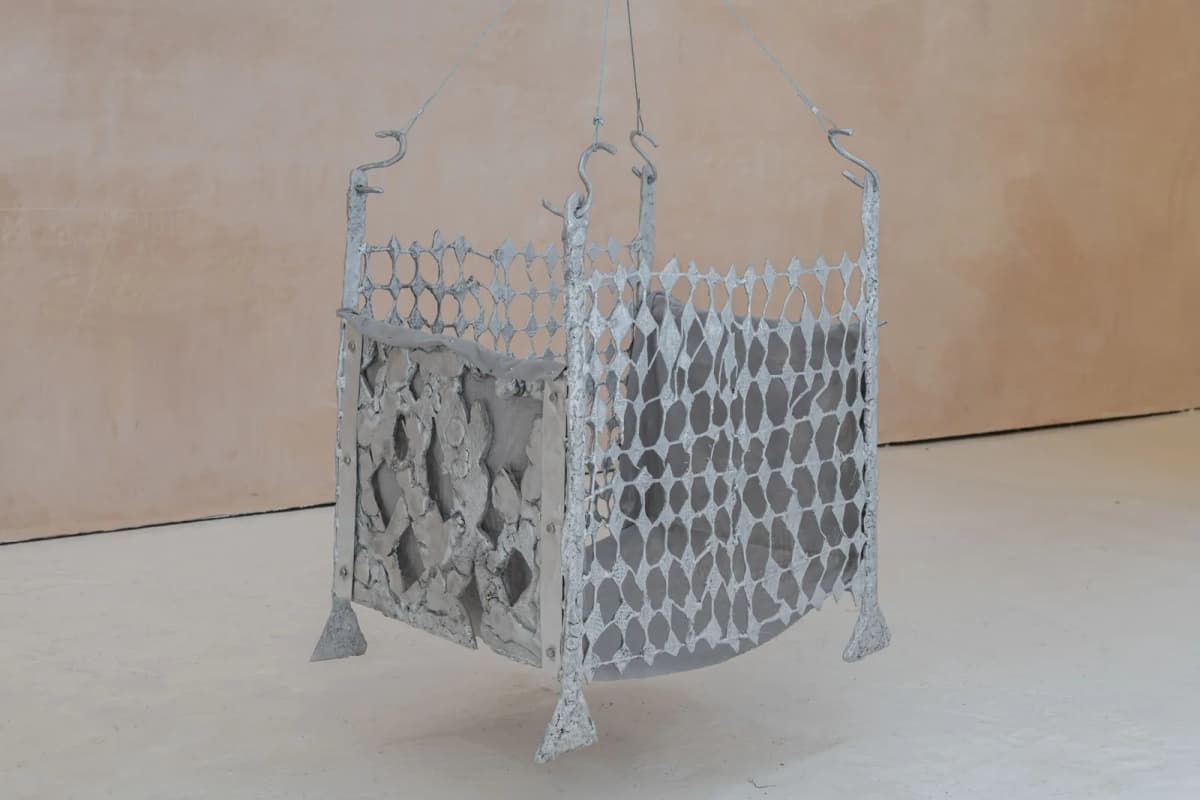
Norwich / 2026
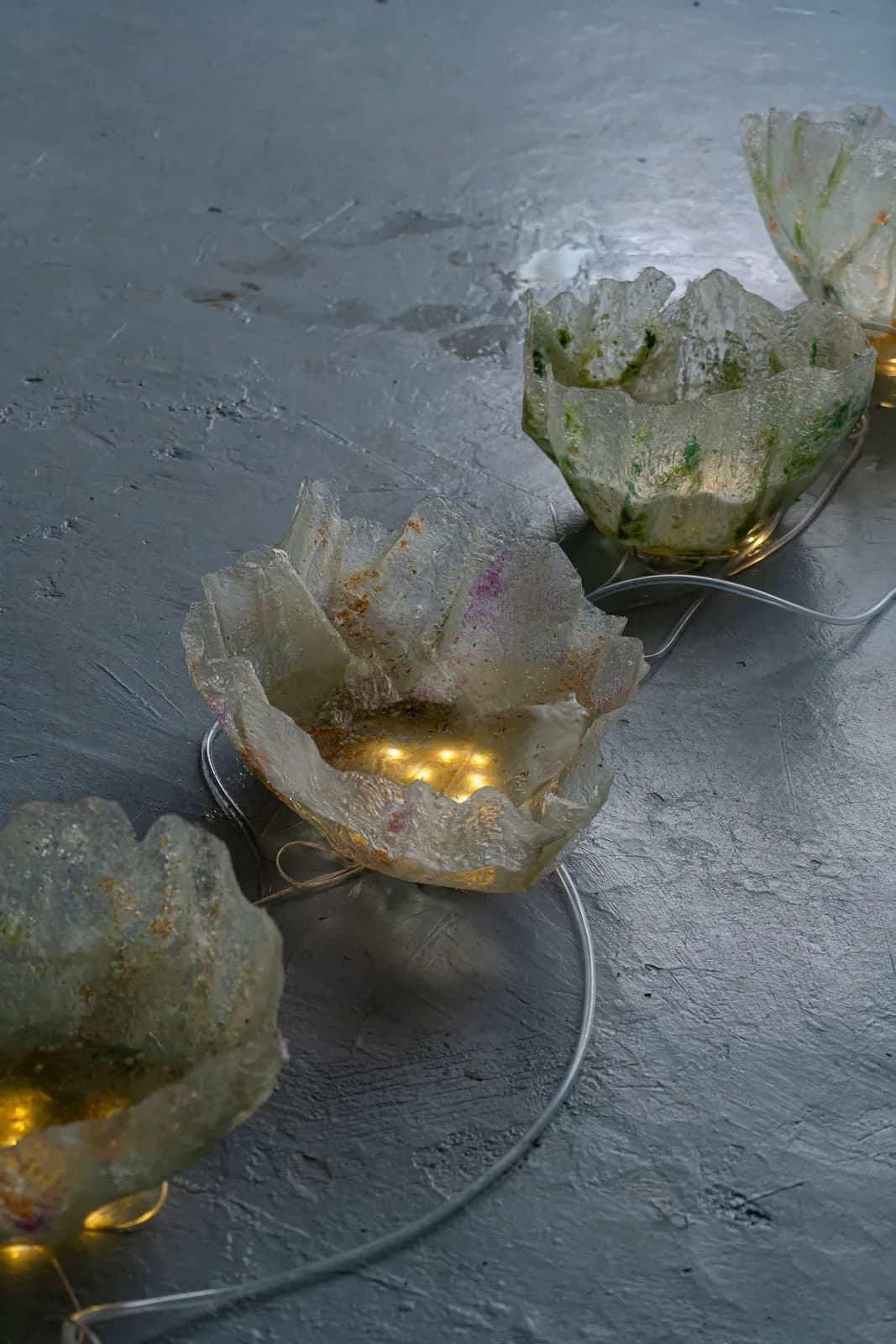
Santiago / 2026
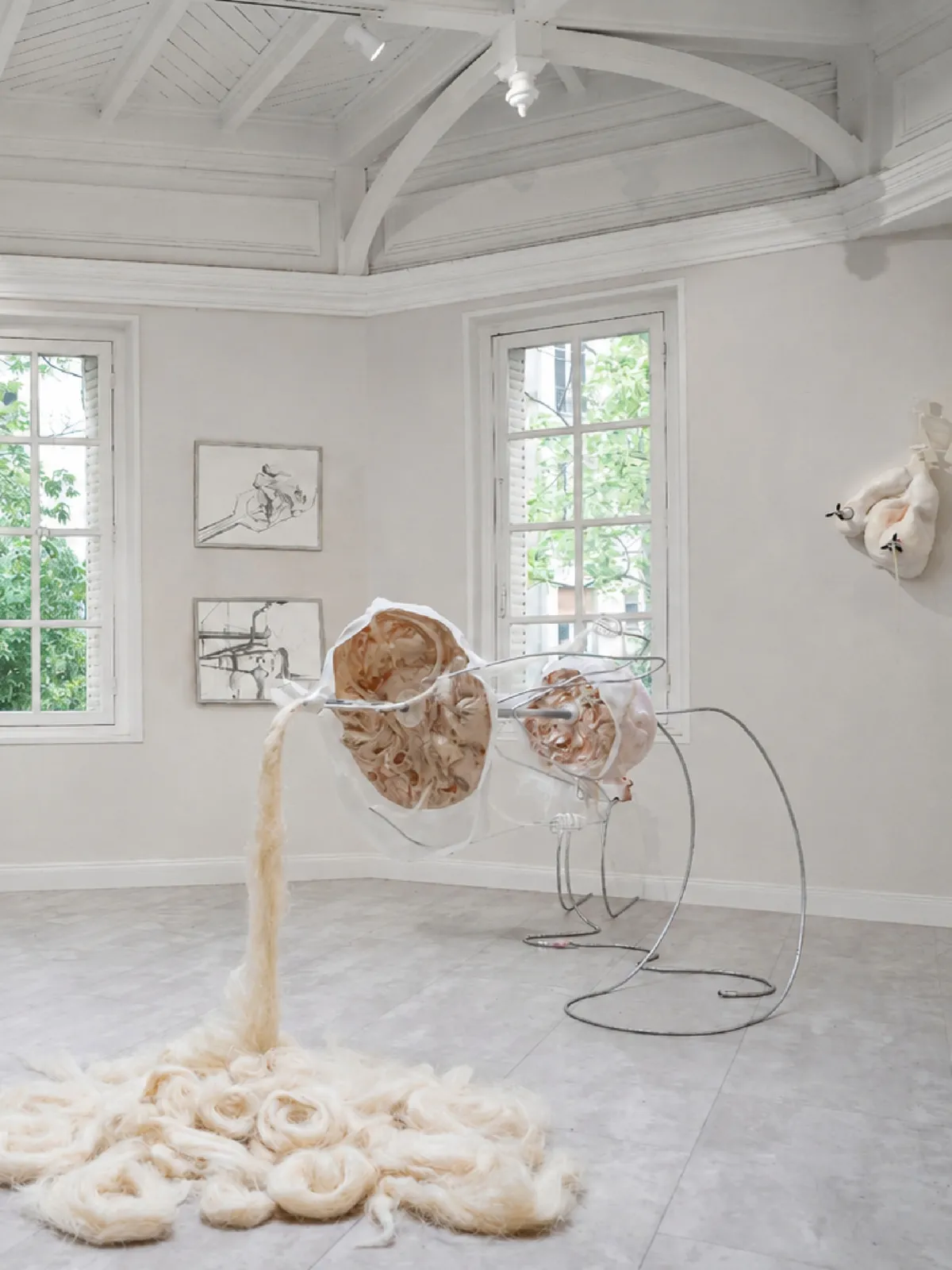
Paris / 2026
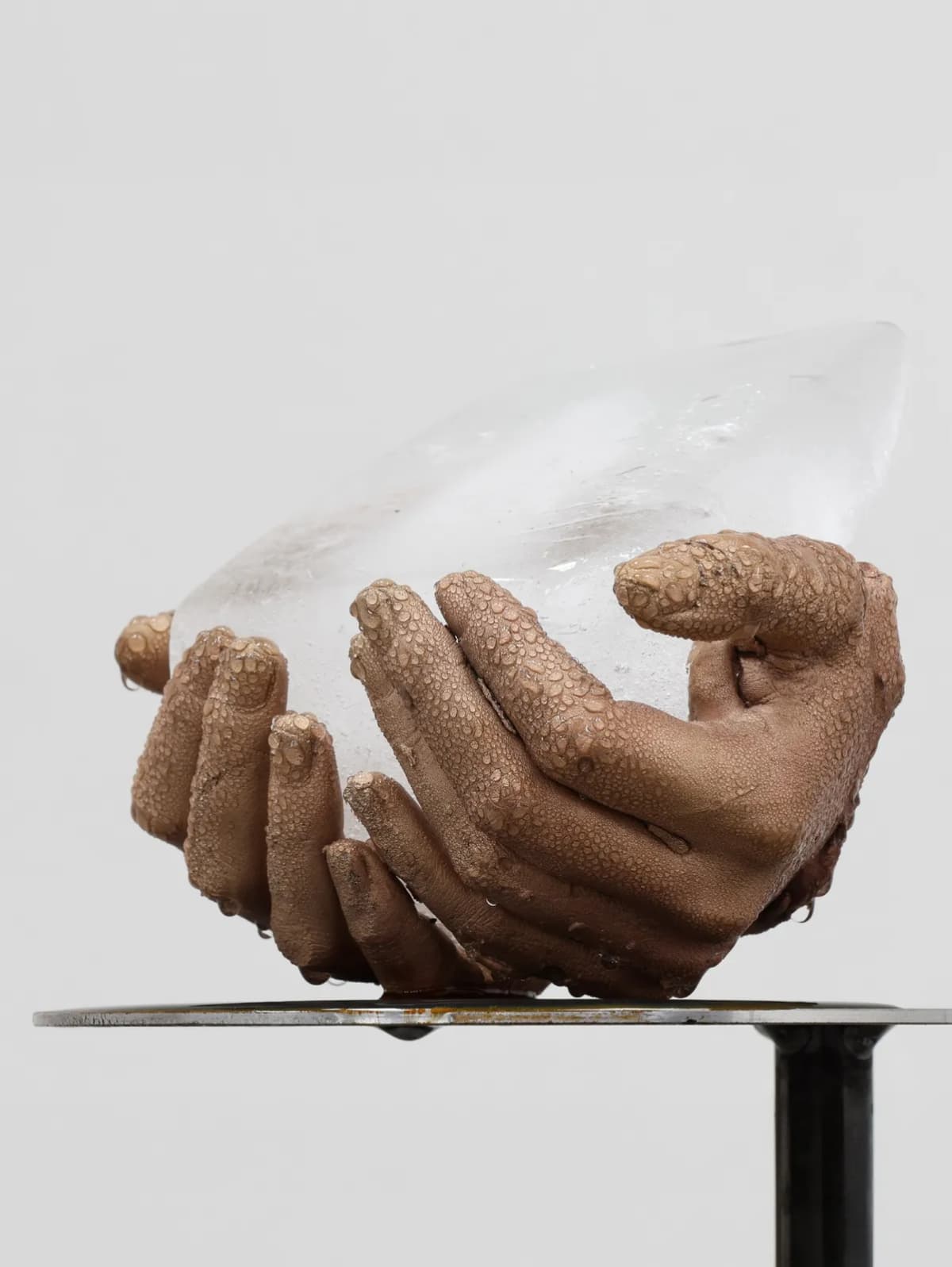
Tisbury / 2026
Berlin / 2026
Málaga / 2026
Paris / 2026
Klaus in Vorarlberg / 2026
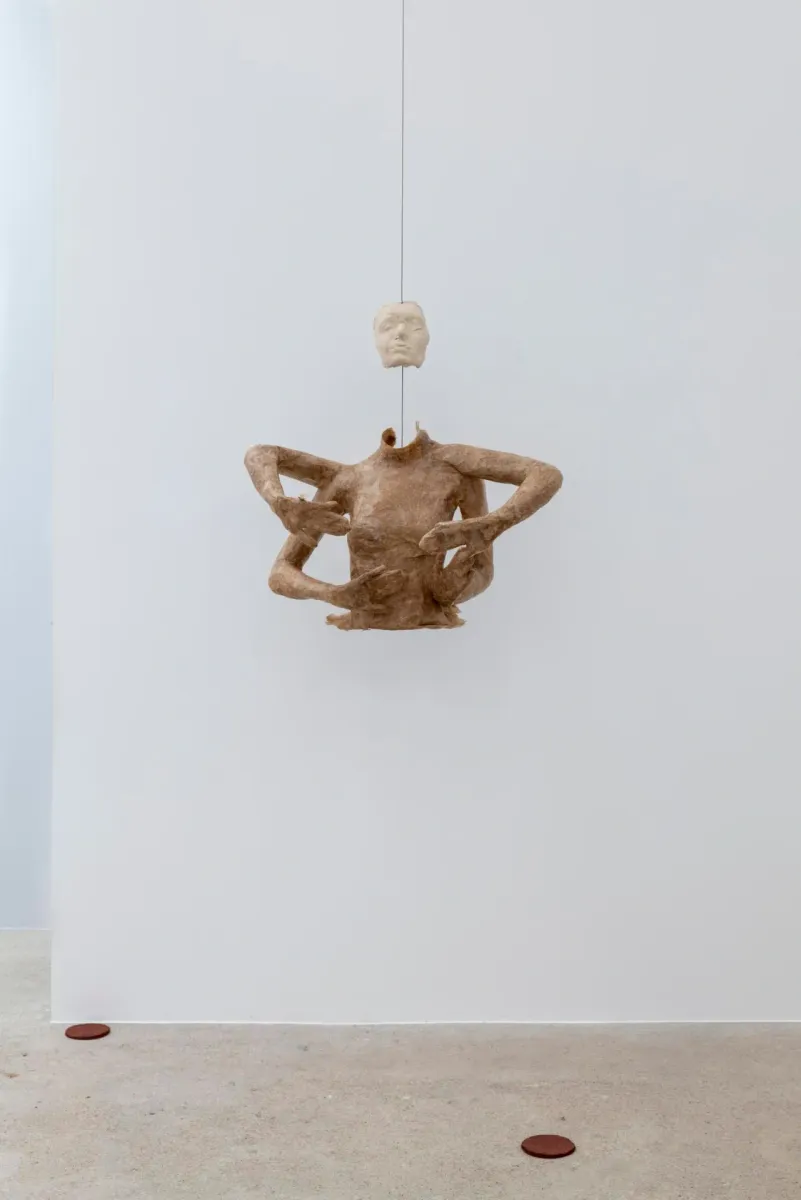
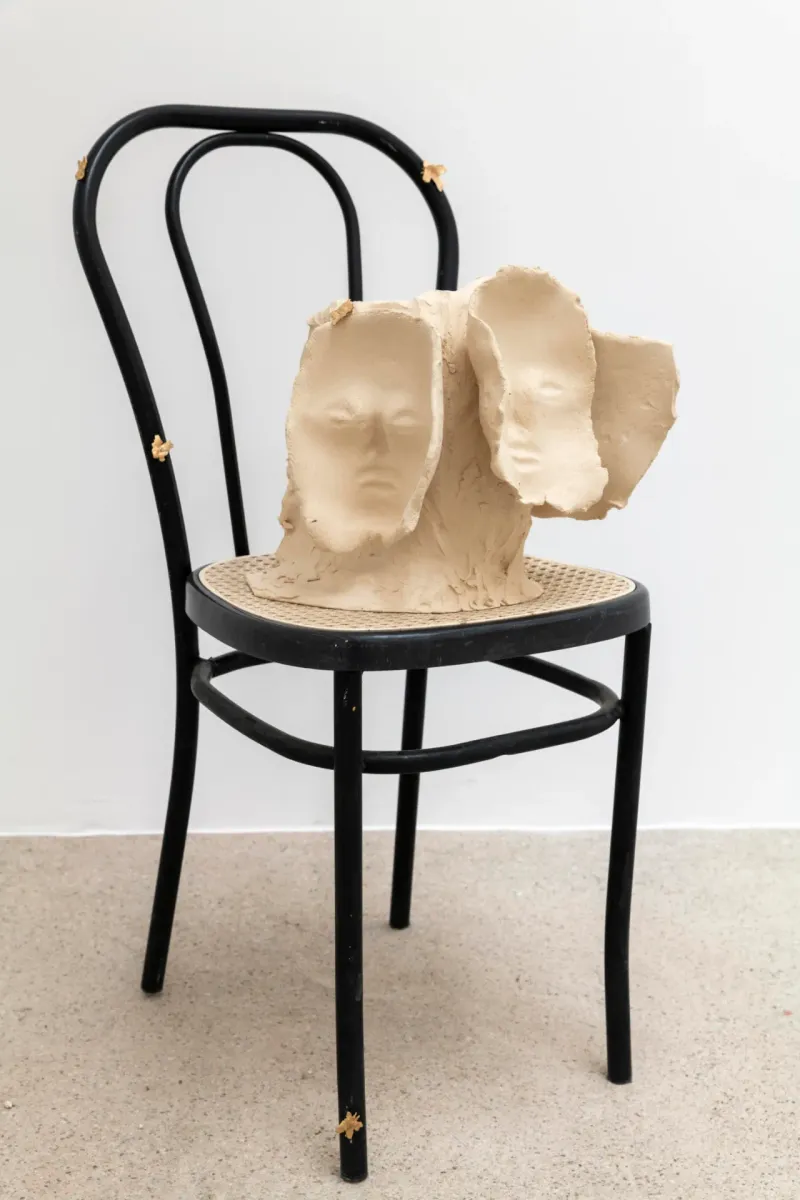
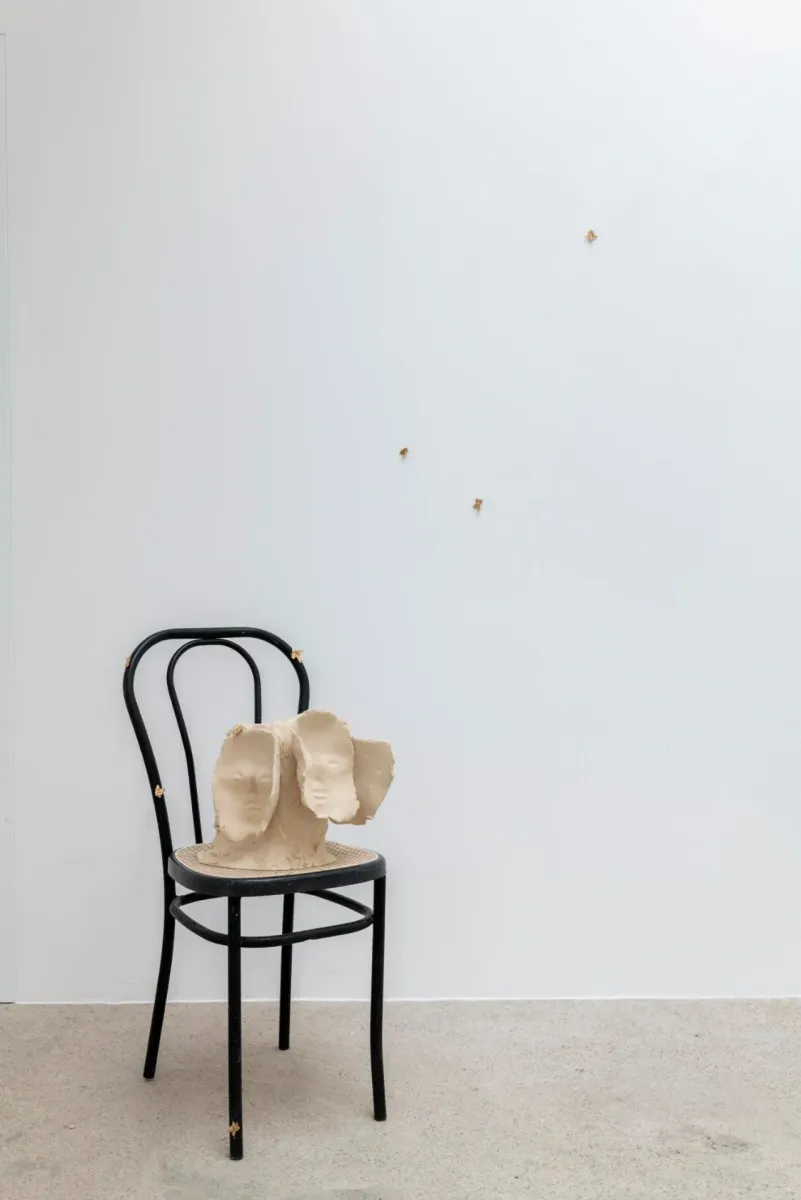
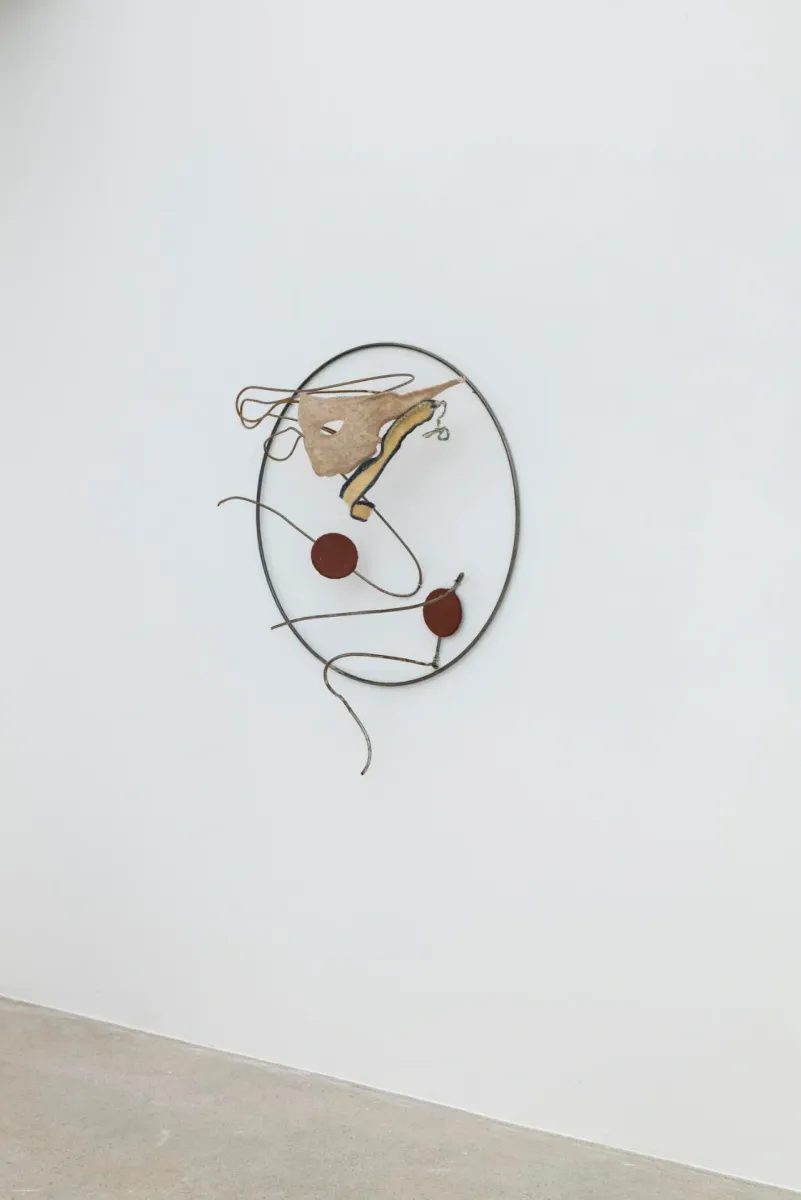
Munich / 2026
Turin / 2026
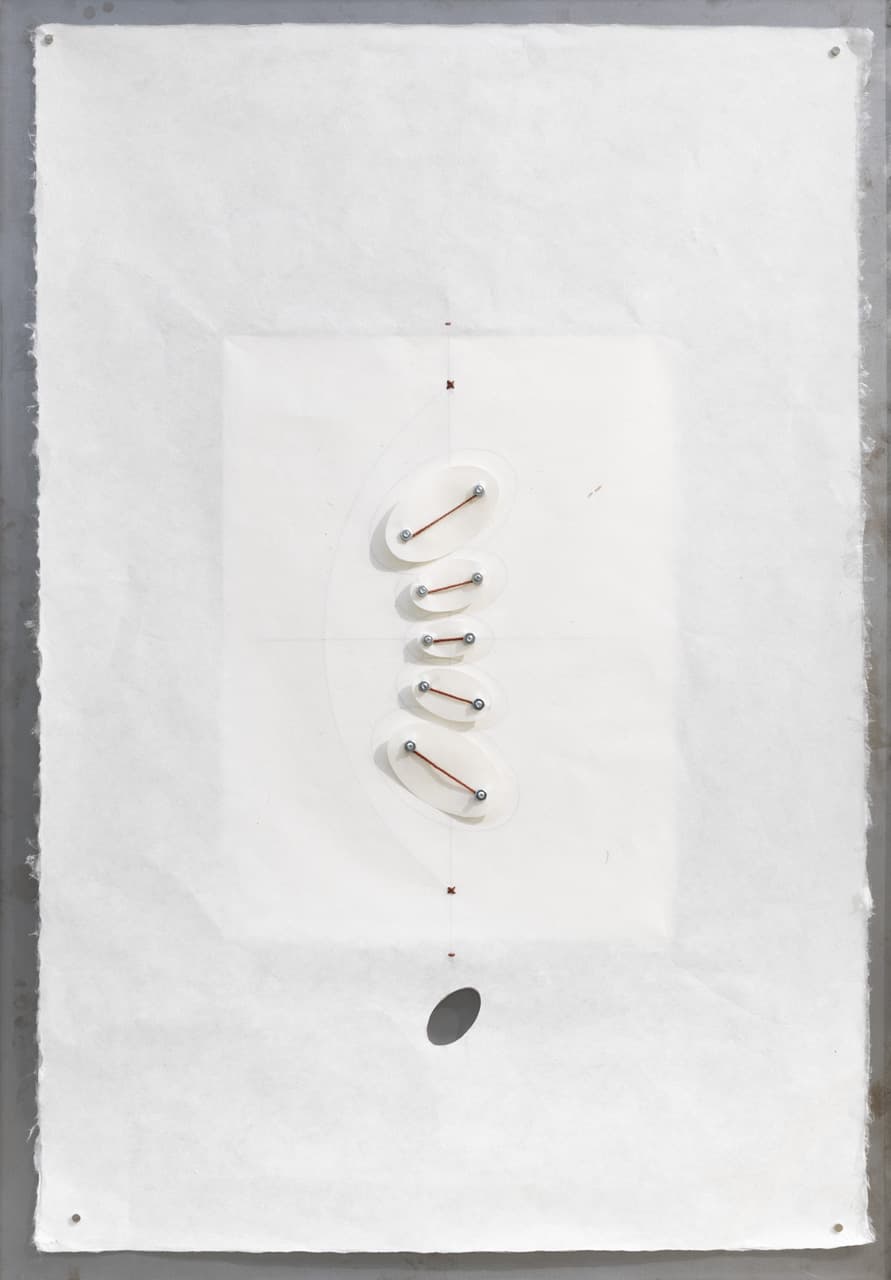
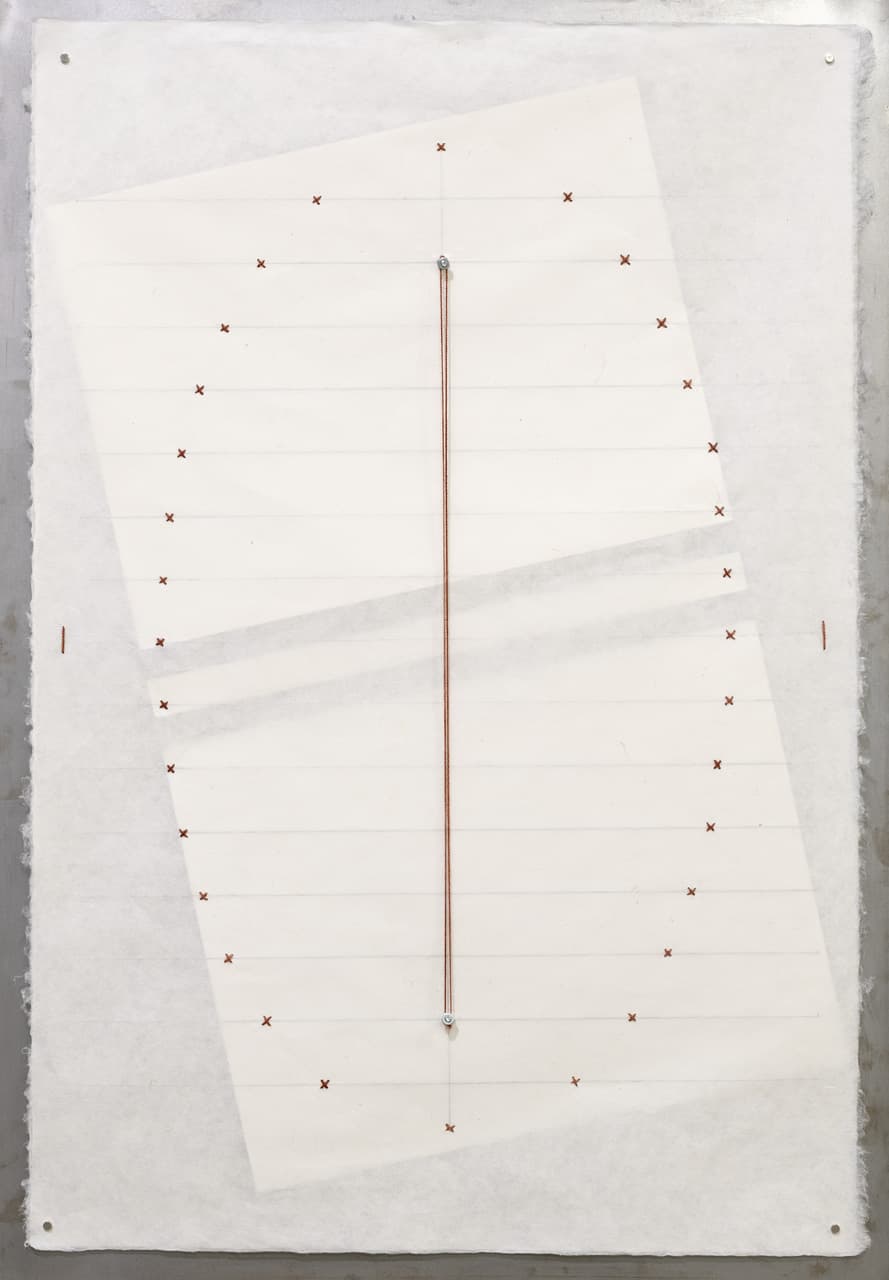
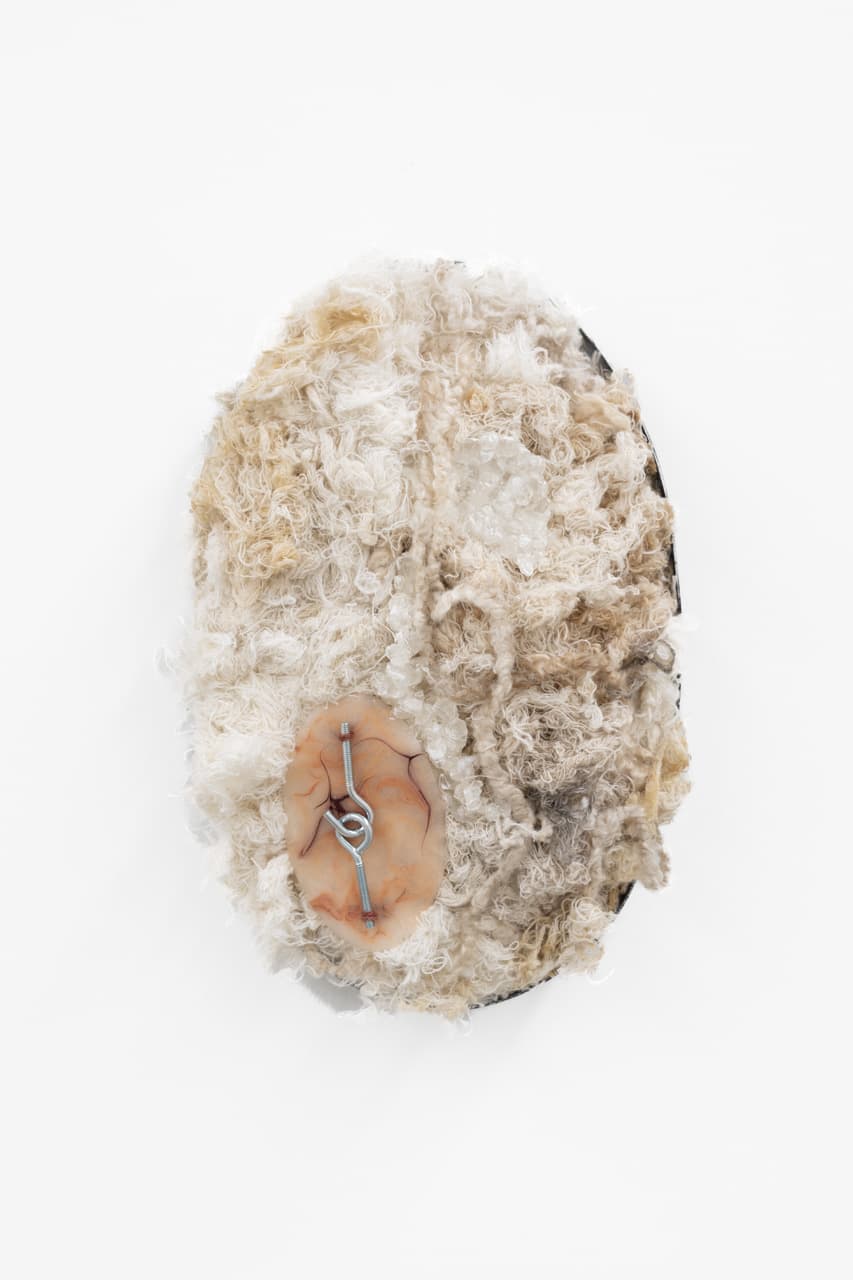
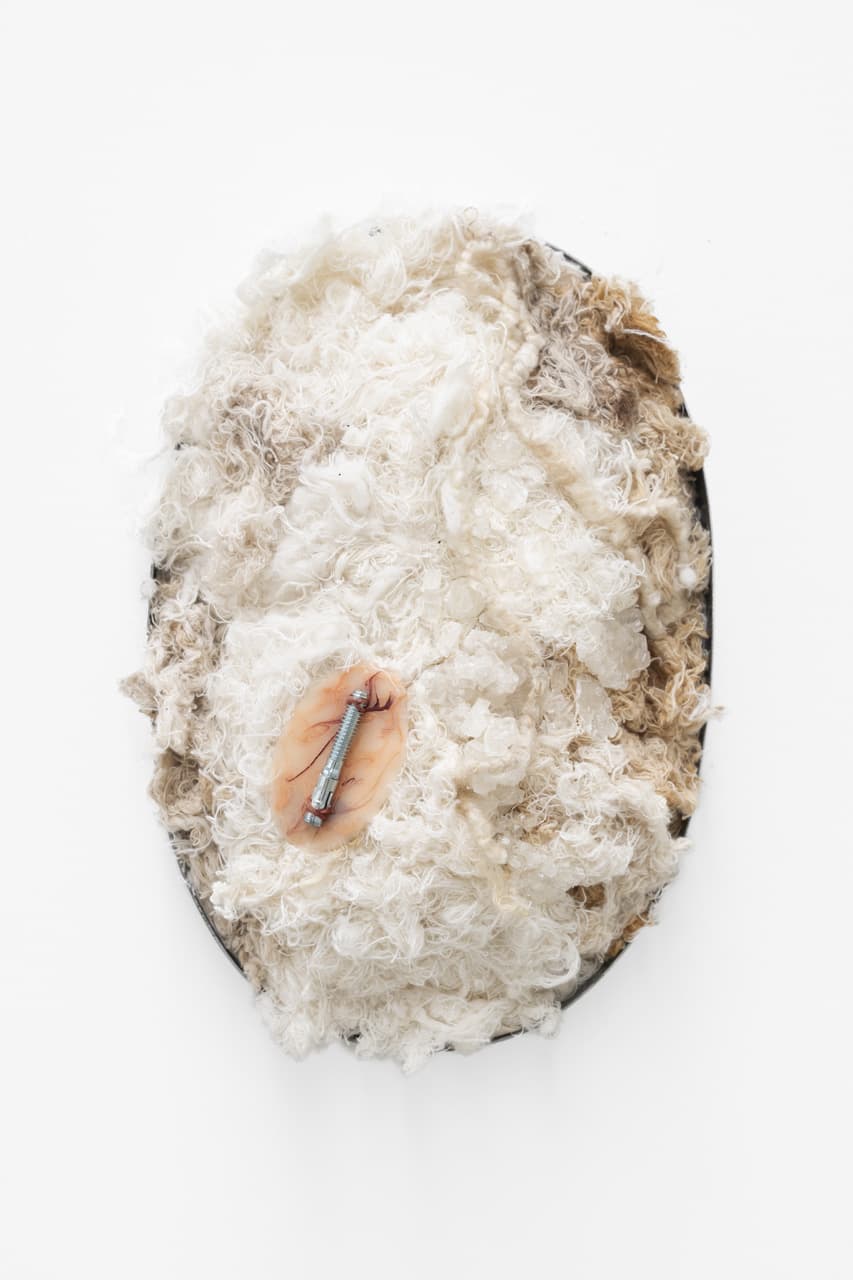
Mexico City / 2026
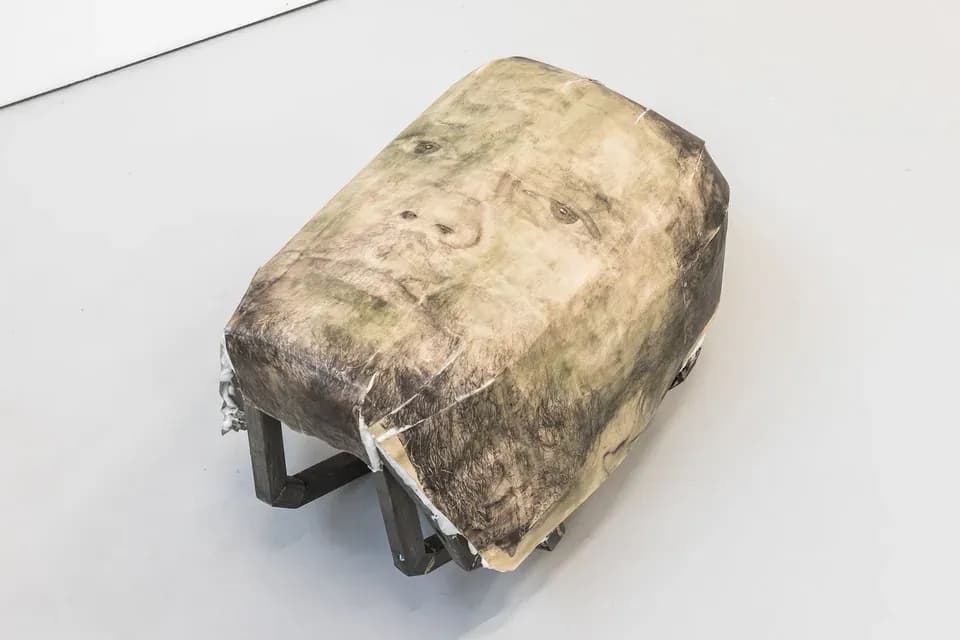
Oslo / 2026
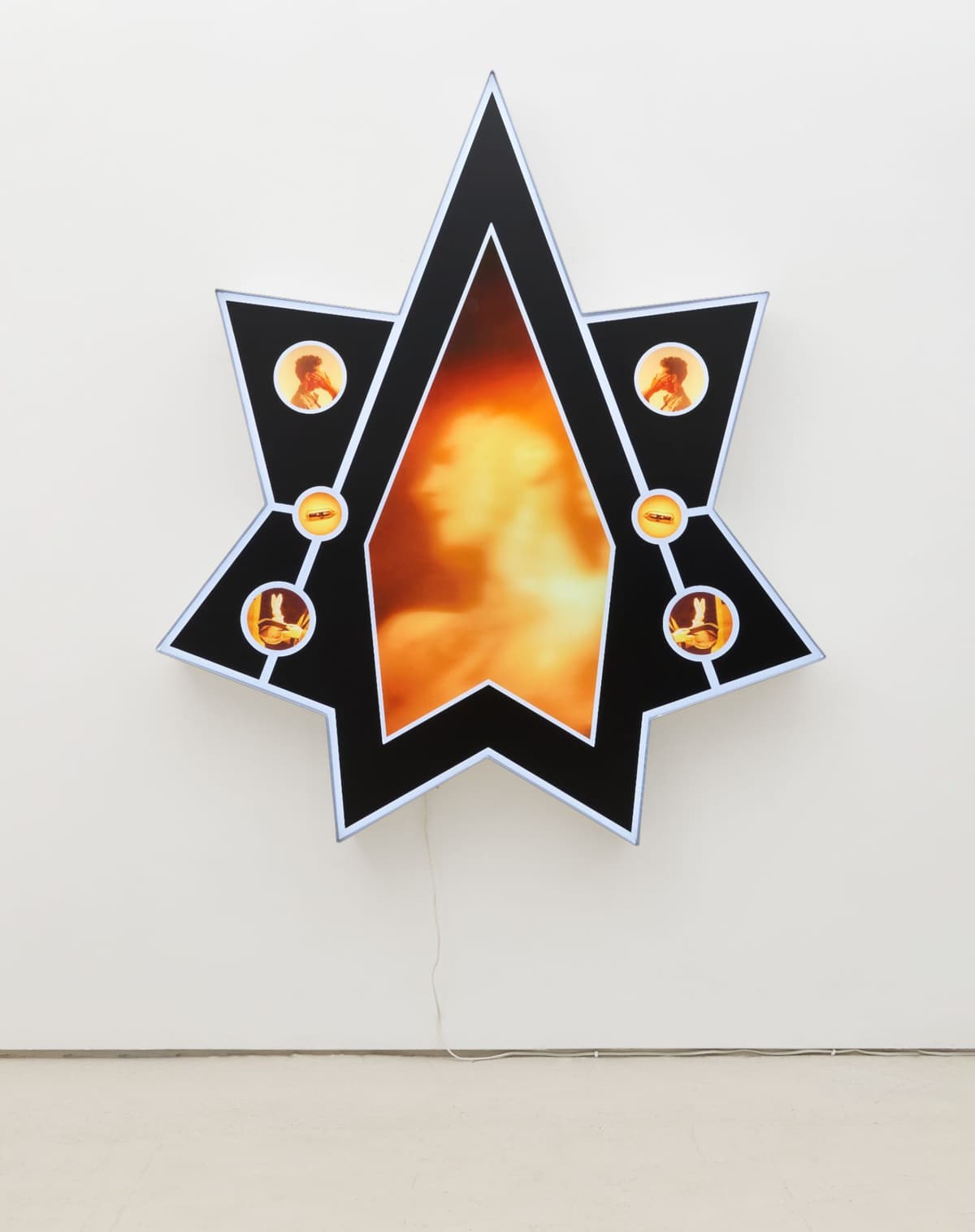
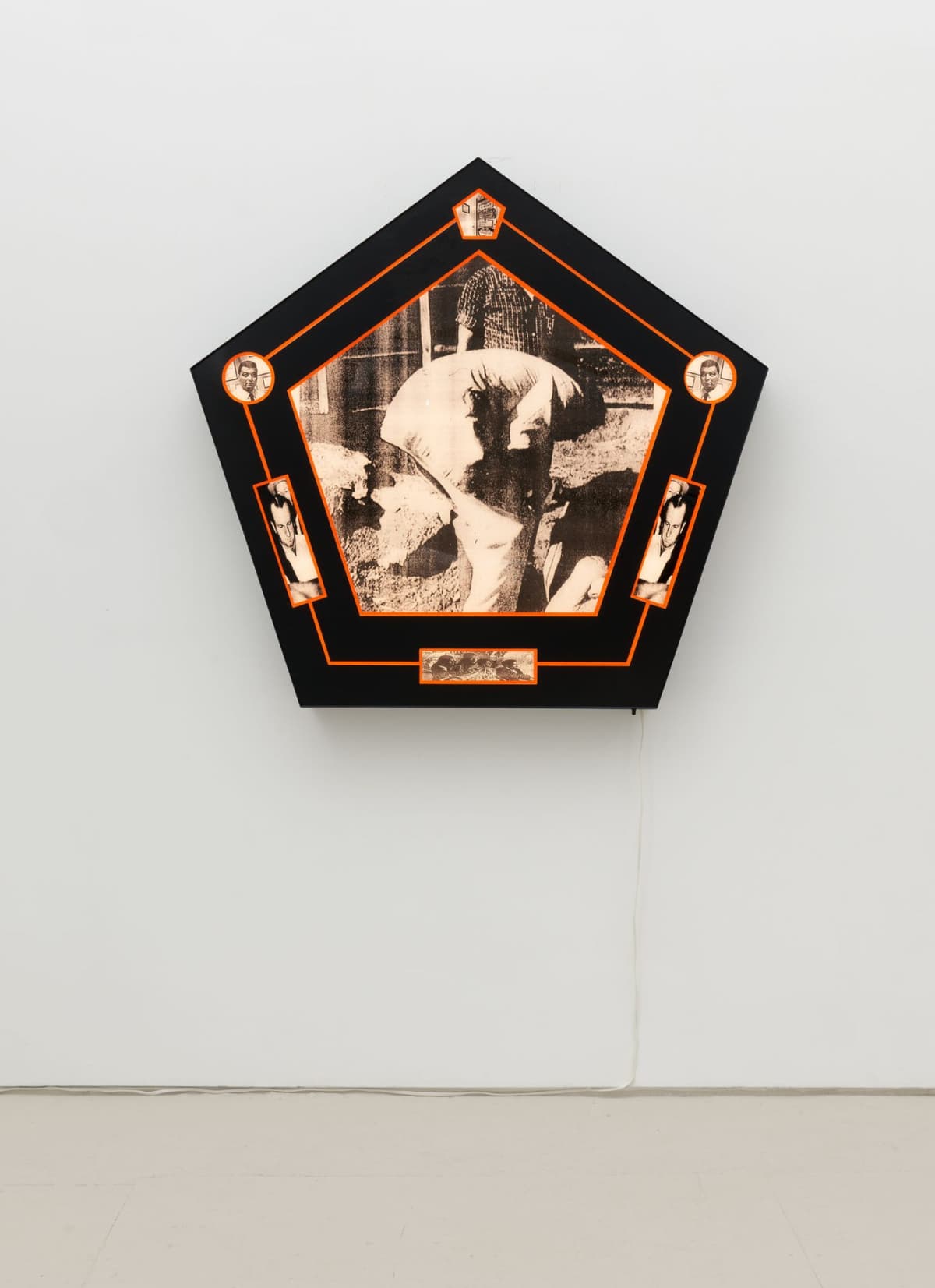
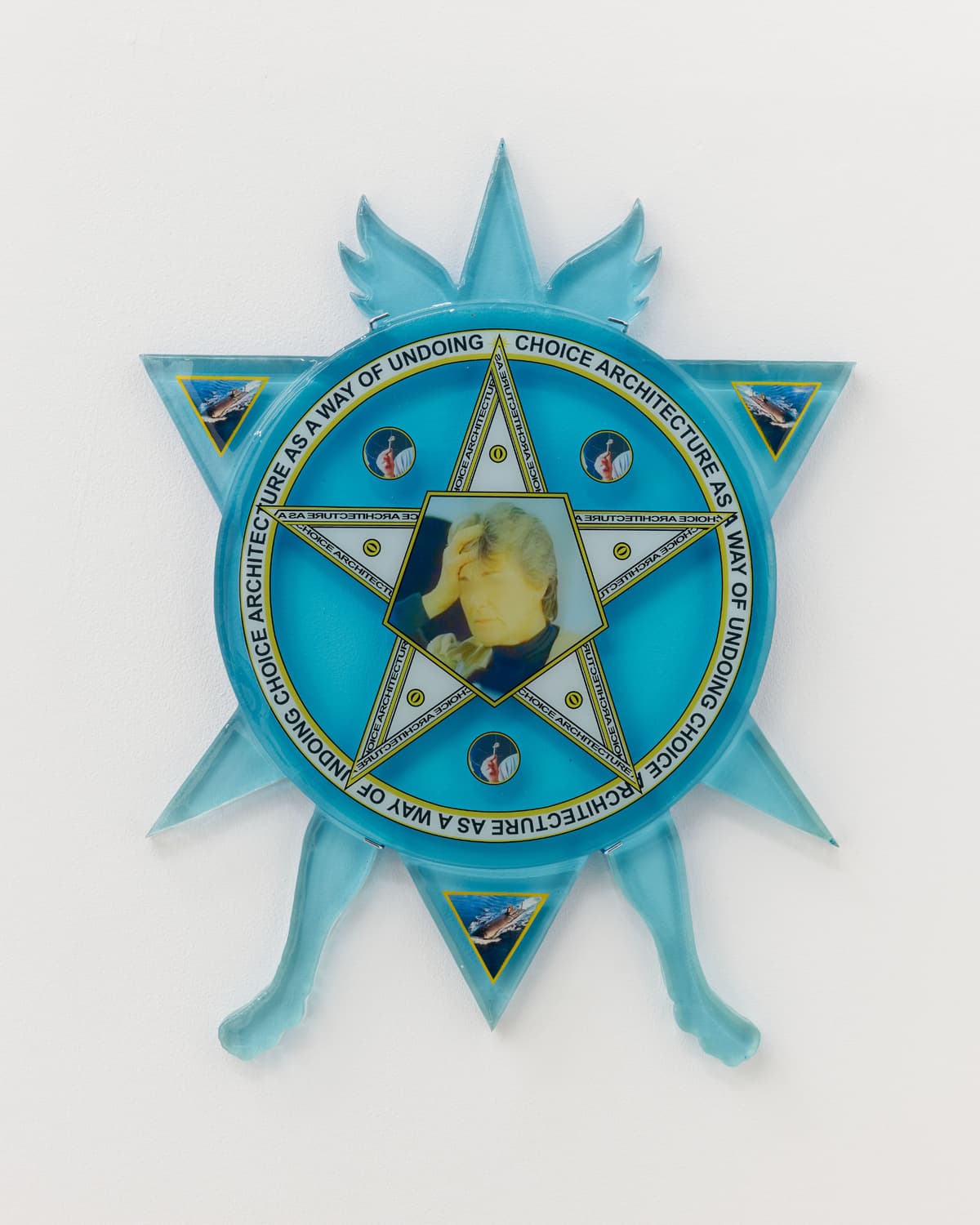
New York / 2026
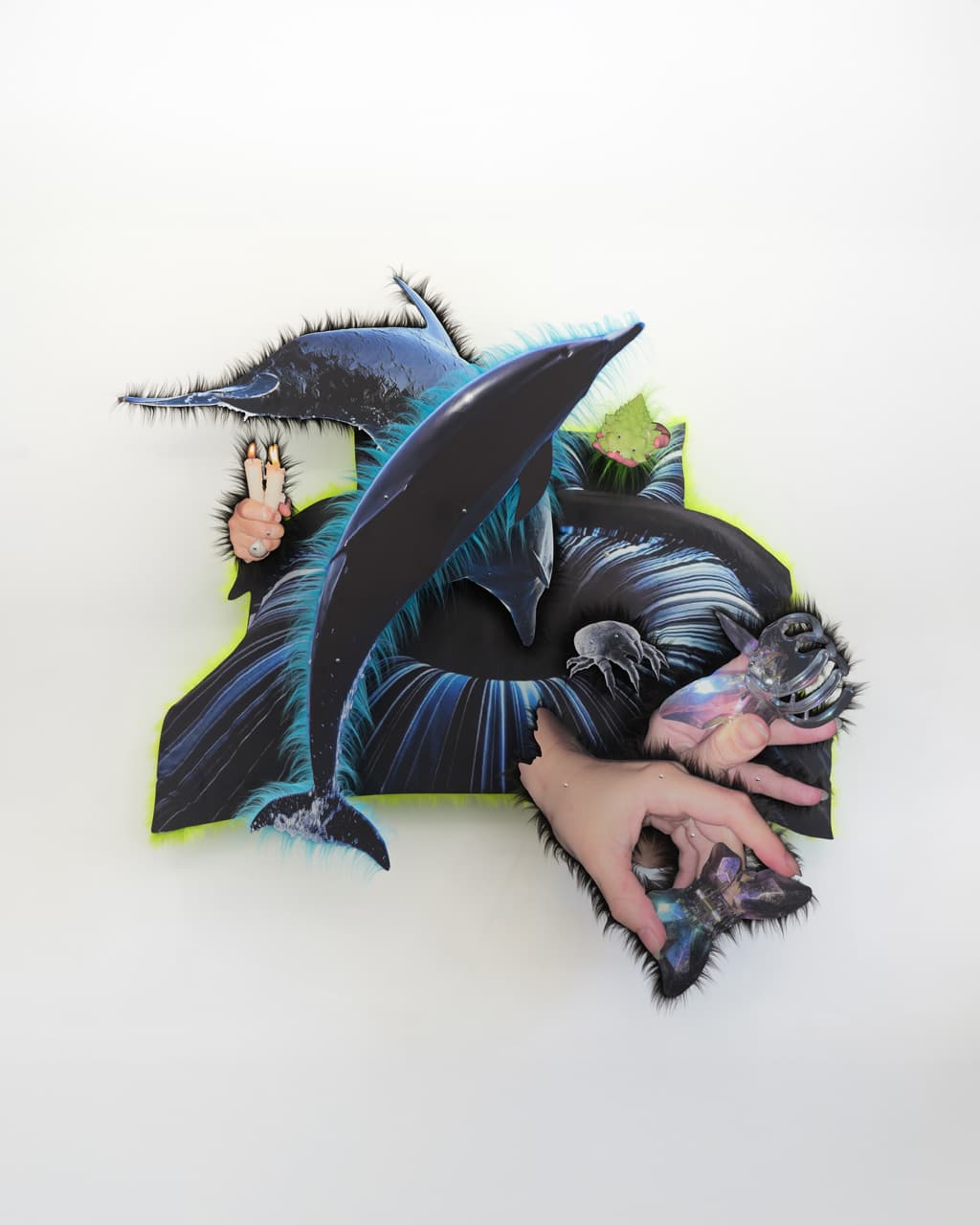
Düsseldorf / 2026
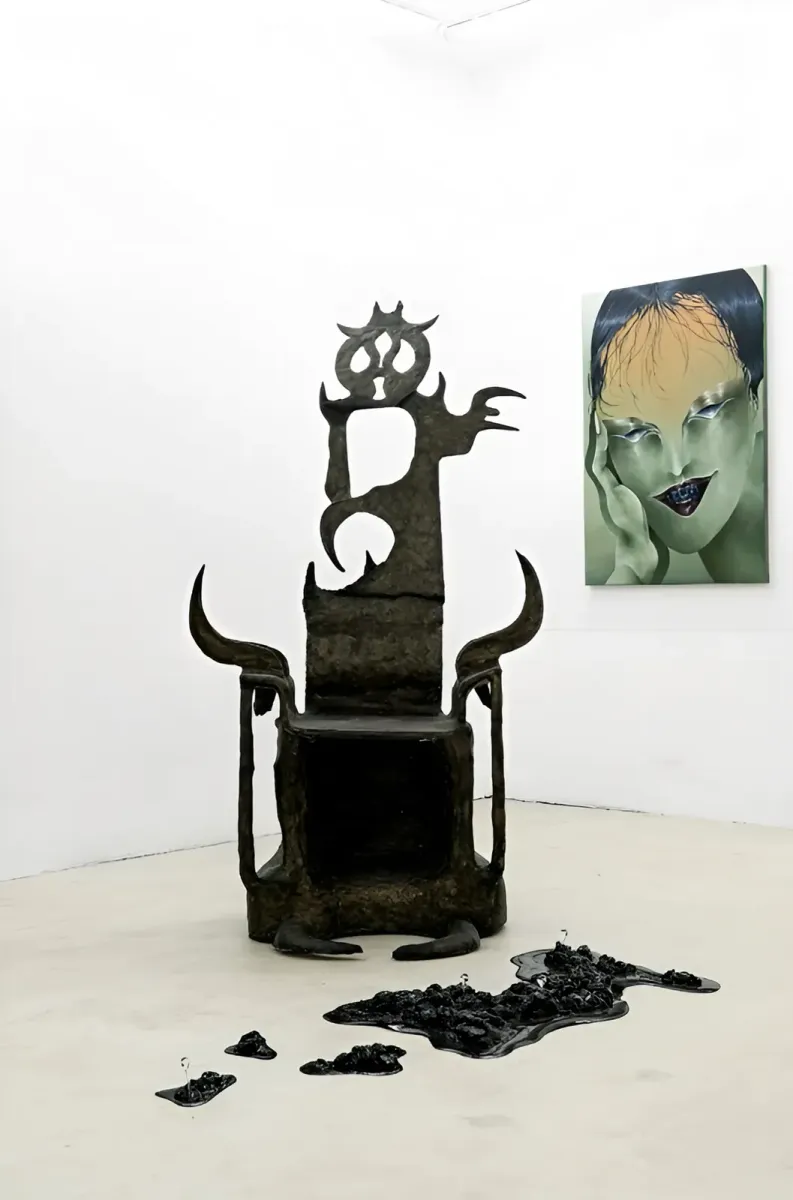
Kraków / 2025
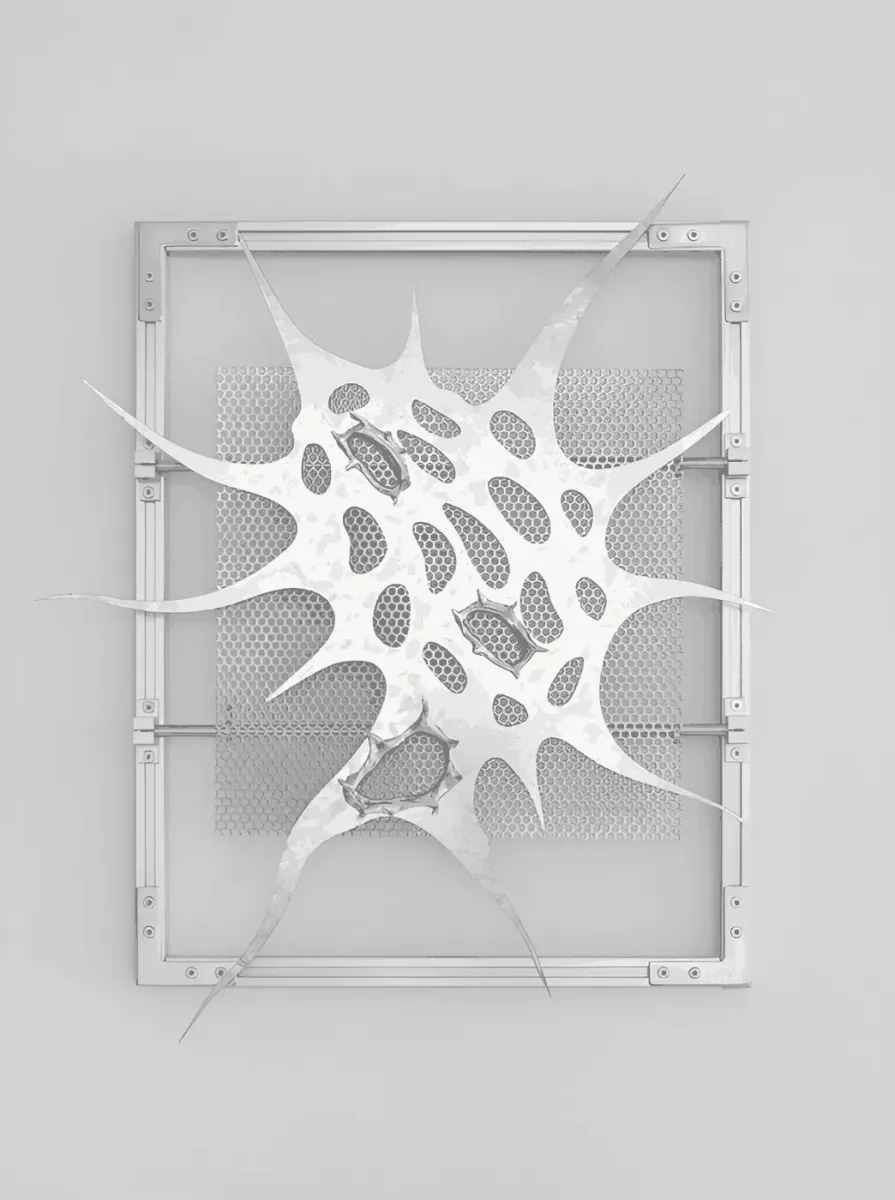
Shanghai / 2025
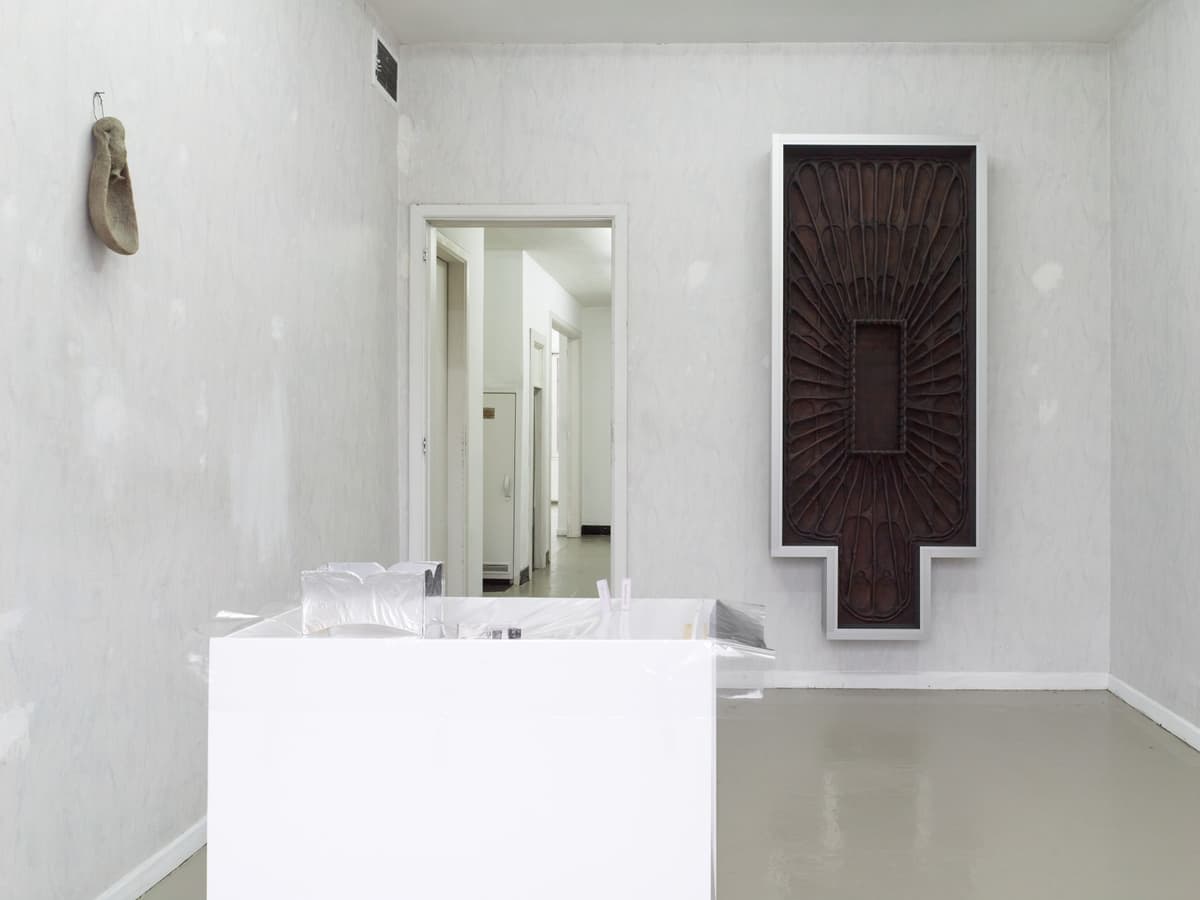
Brussels / 2025-2026
/ 2024
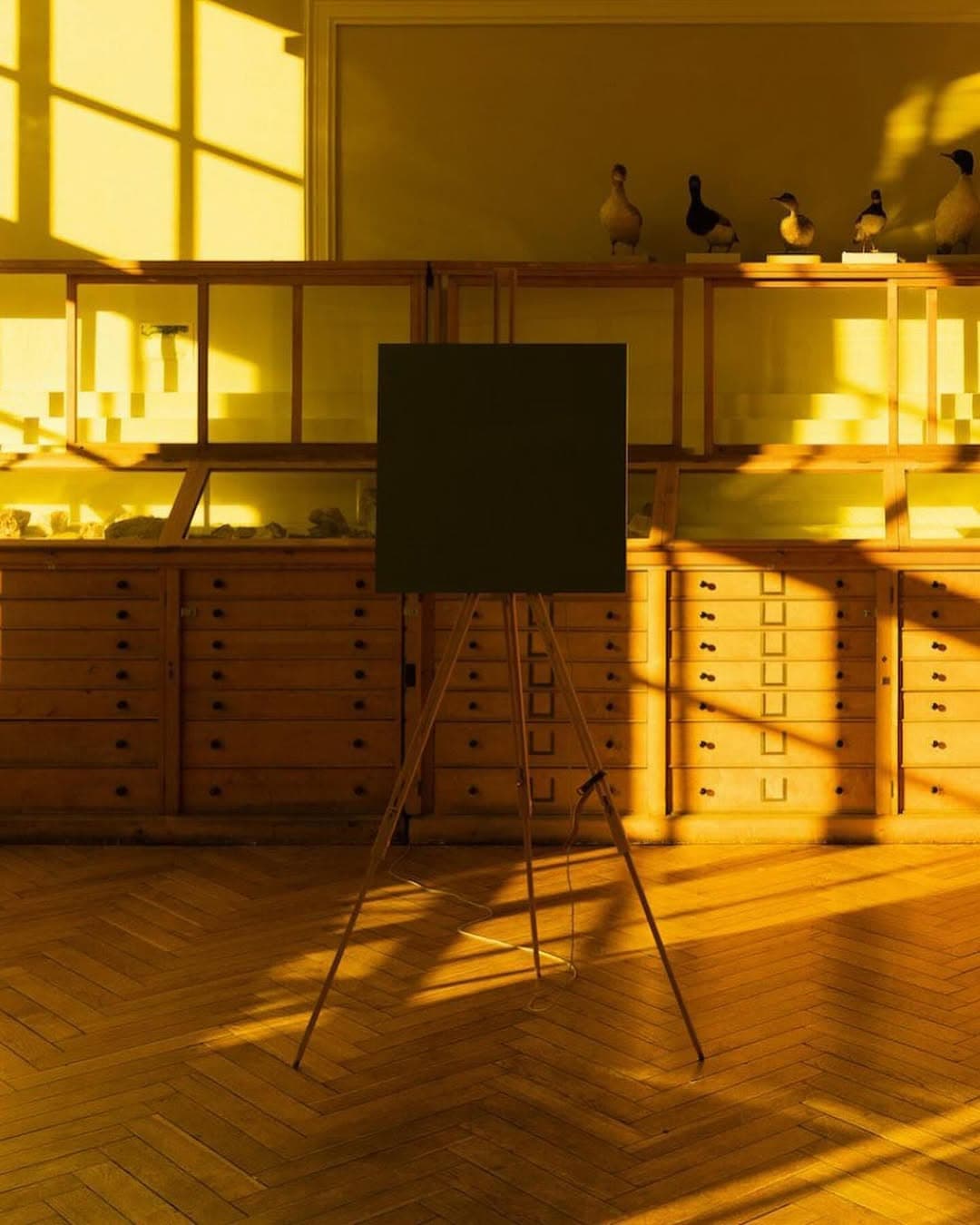
Tartu / 2024
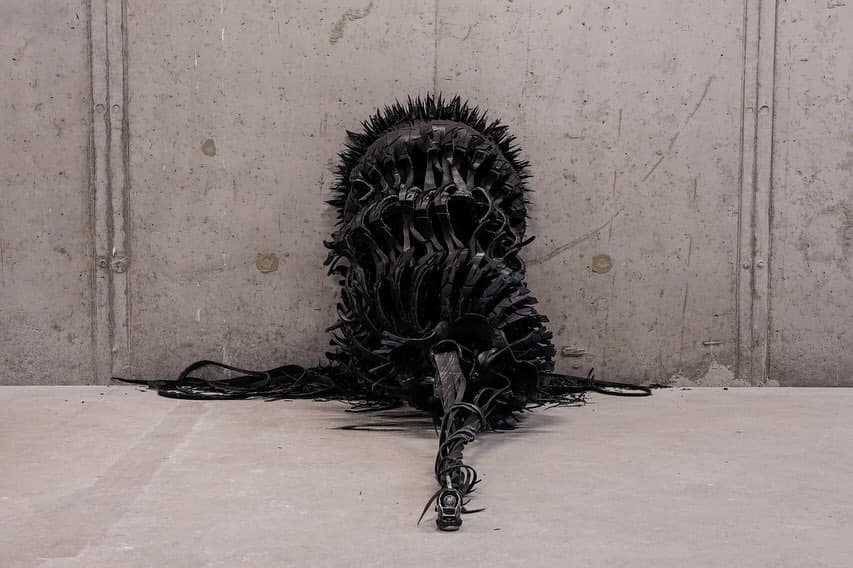
Wroclaw / 2024
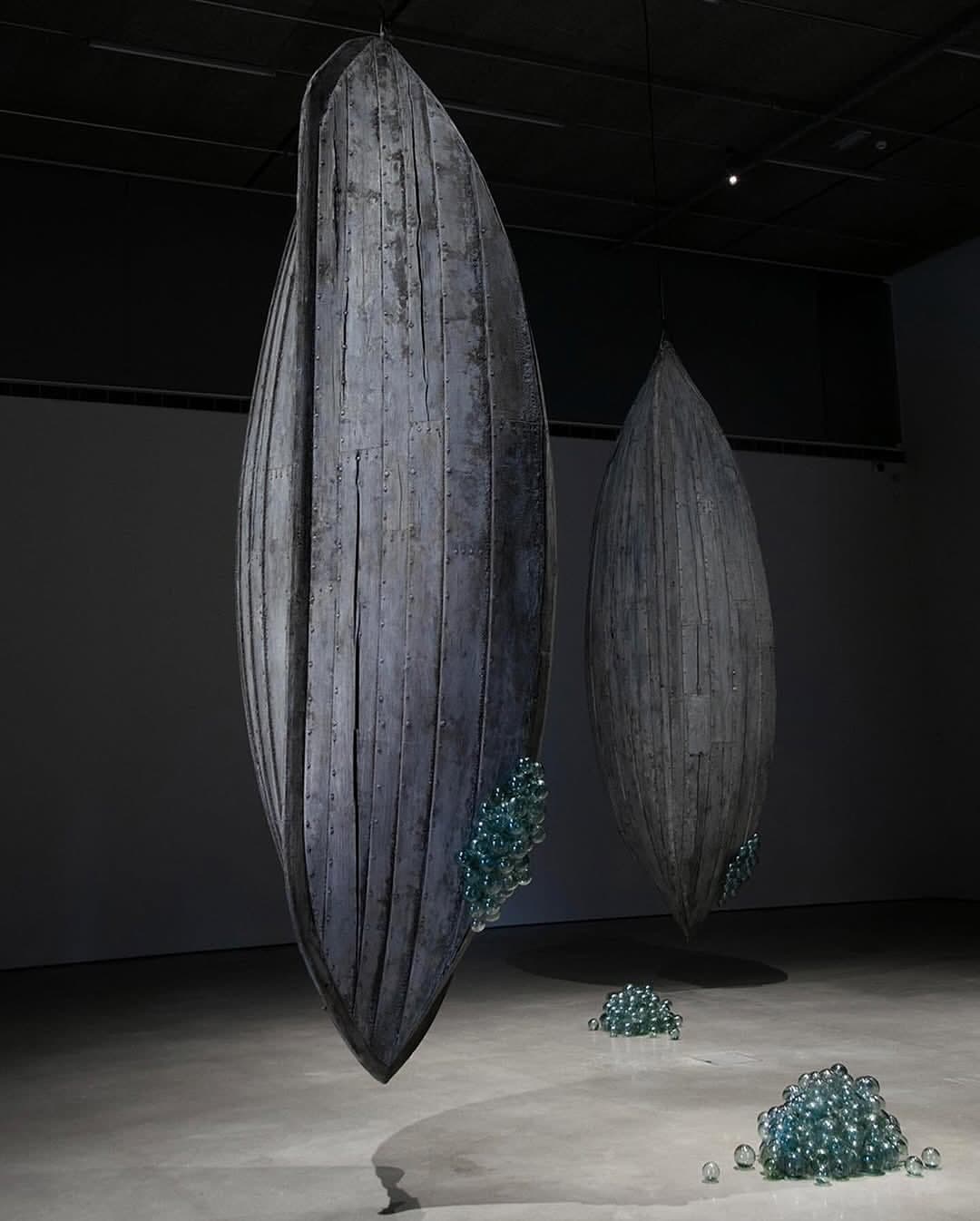
Stockholm / 2024-2025
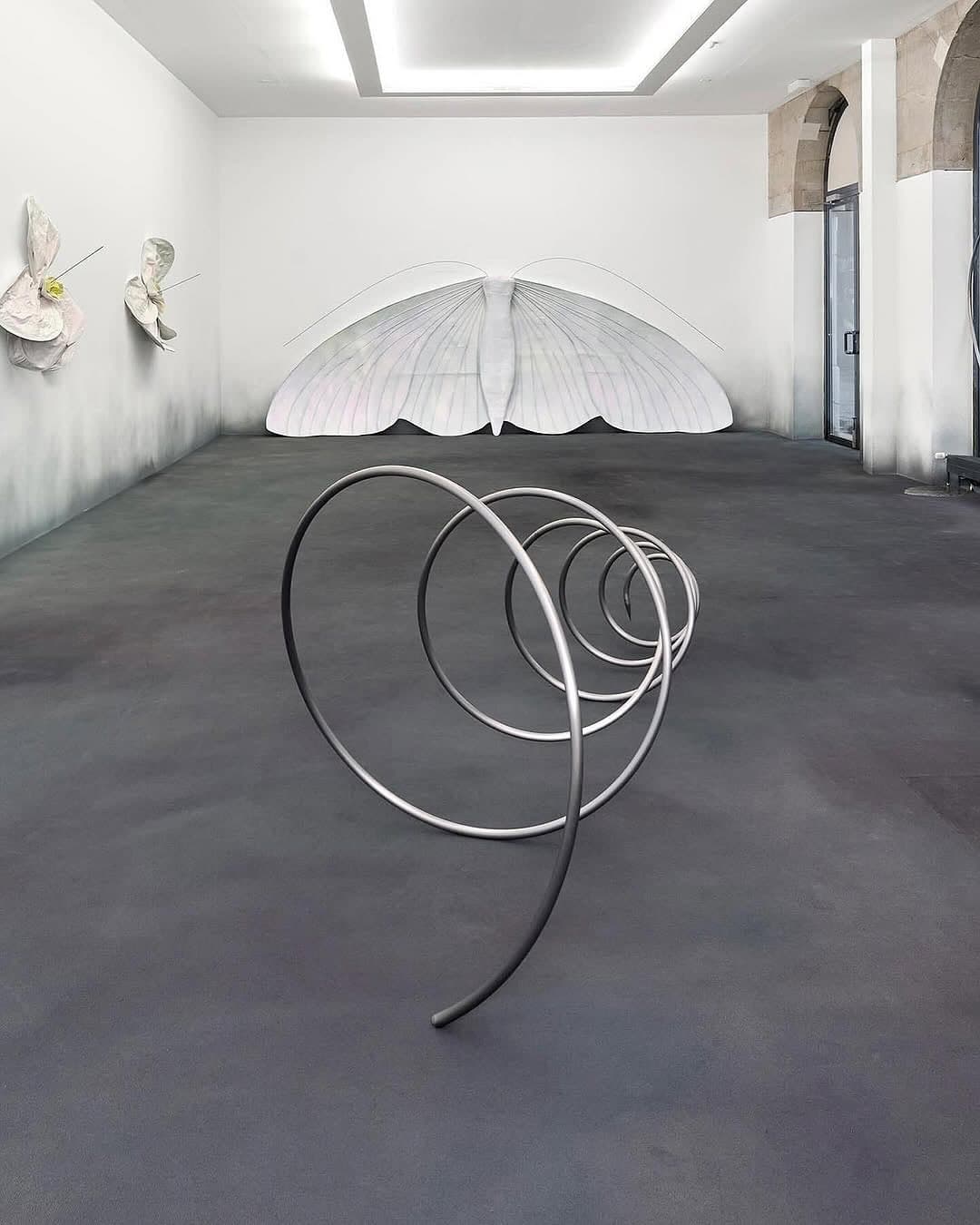
Geneva / 2024
Paris / 2025
Santiago / 2025
Warsaw / 2025
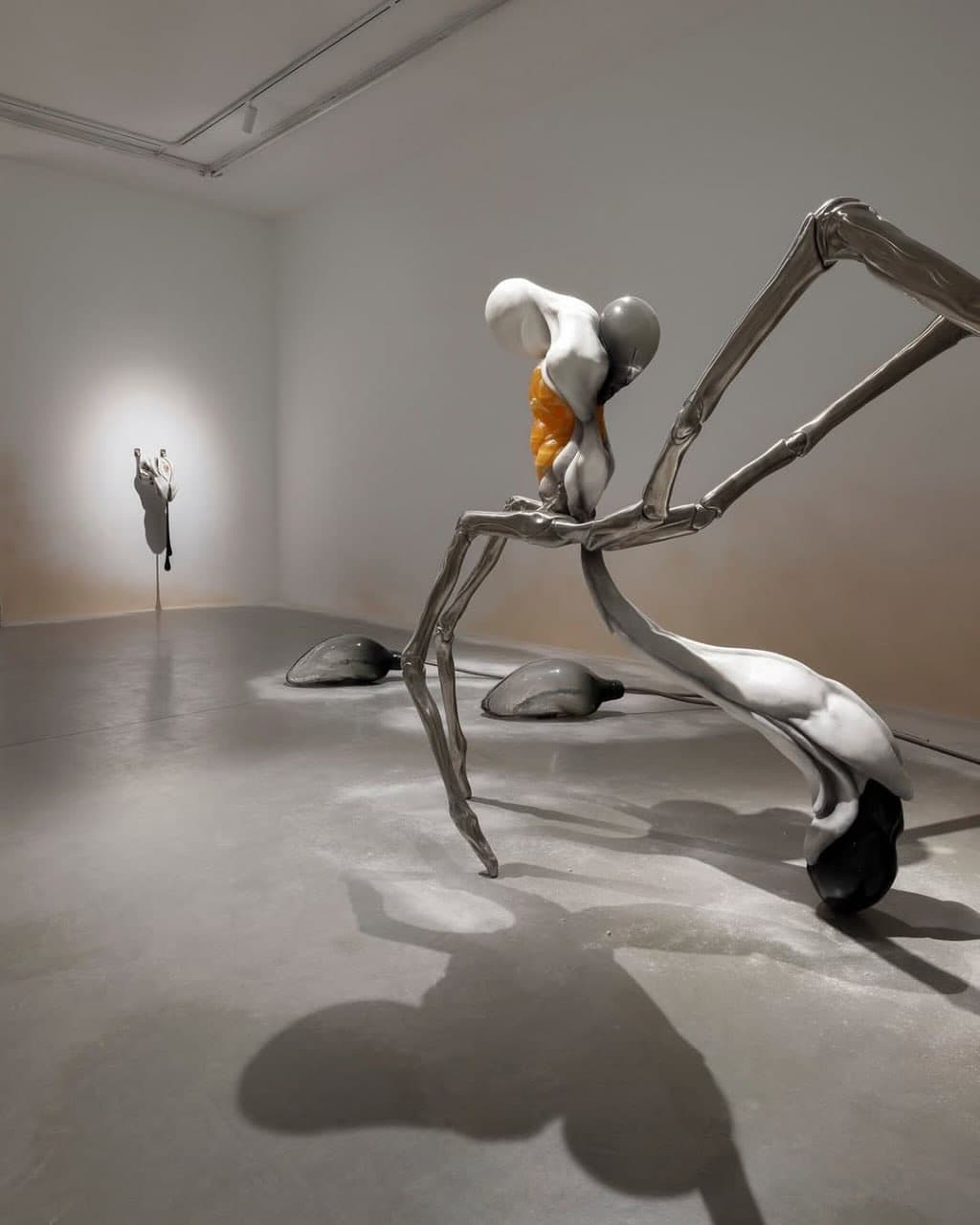
Milan / 2025
%2Fphoto_1_2026-05-23_19-28-57.jpg&w=1200&q=75)
Berlin / 2025
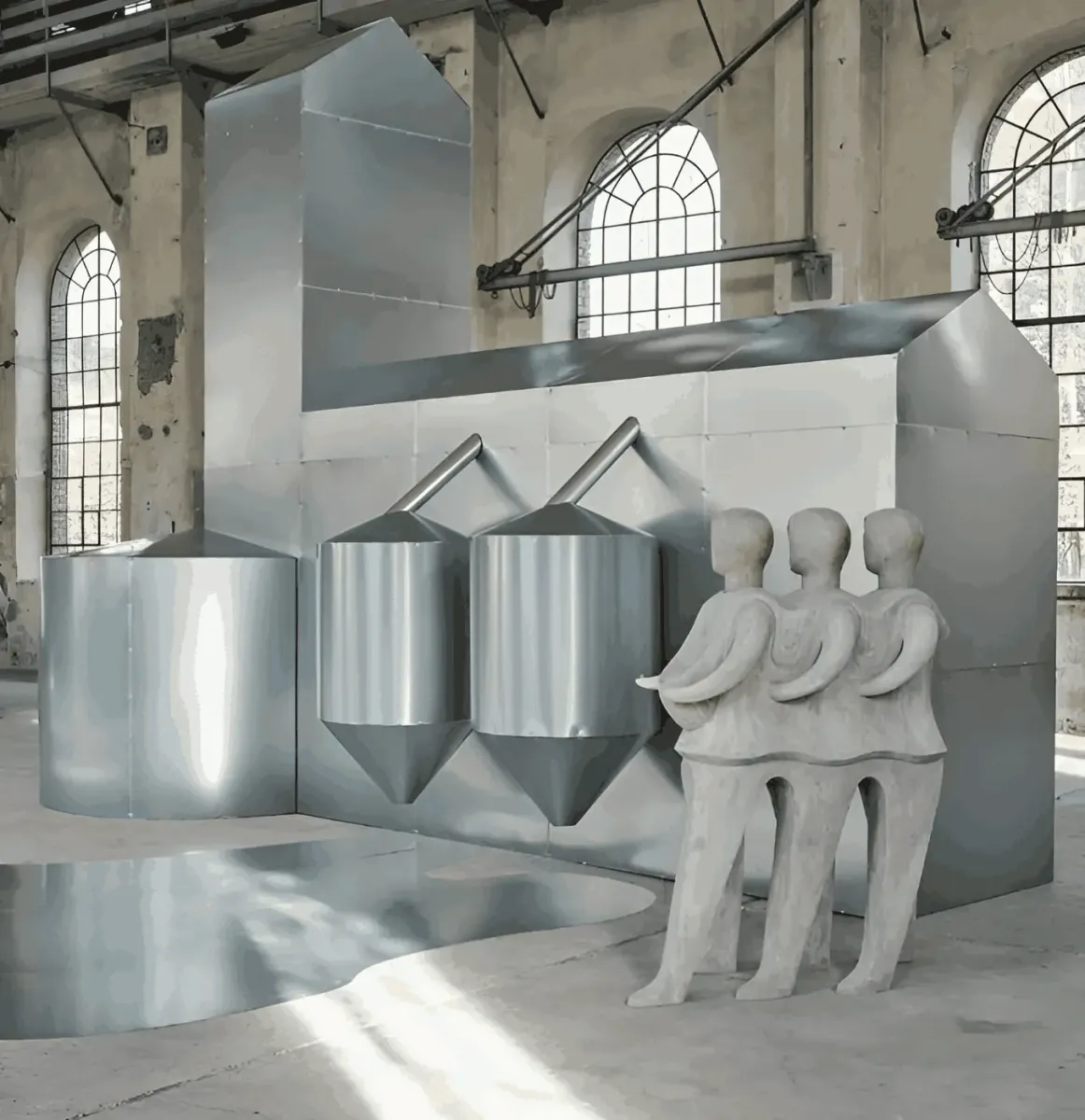
Dornbirn / 2026
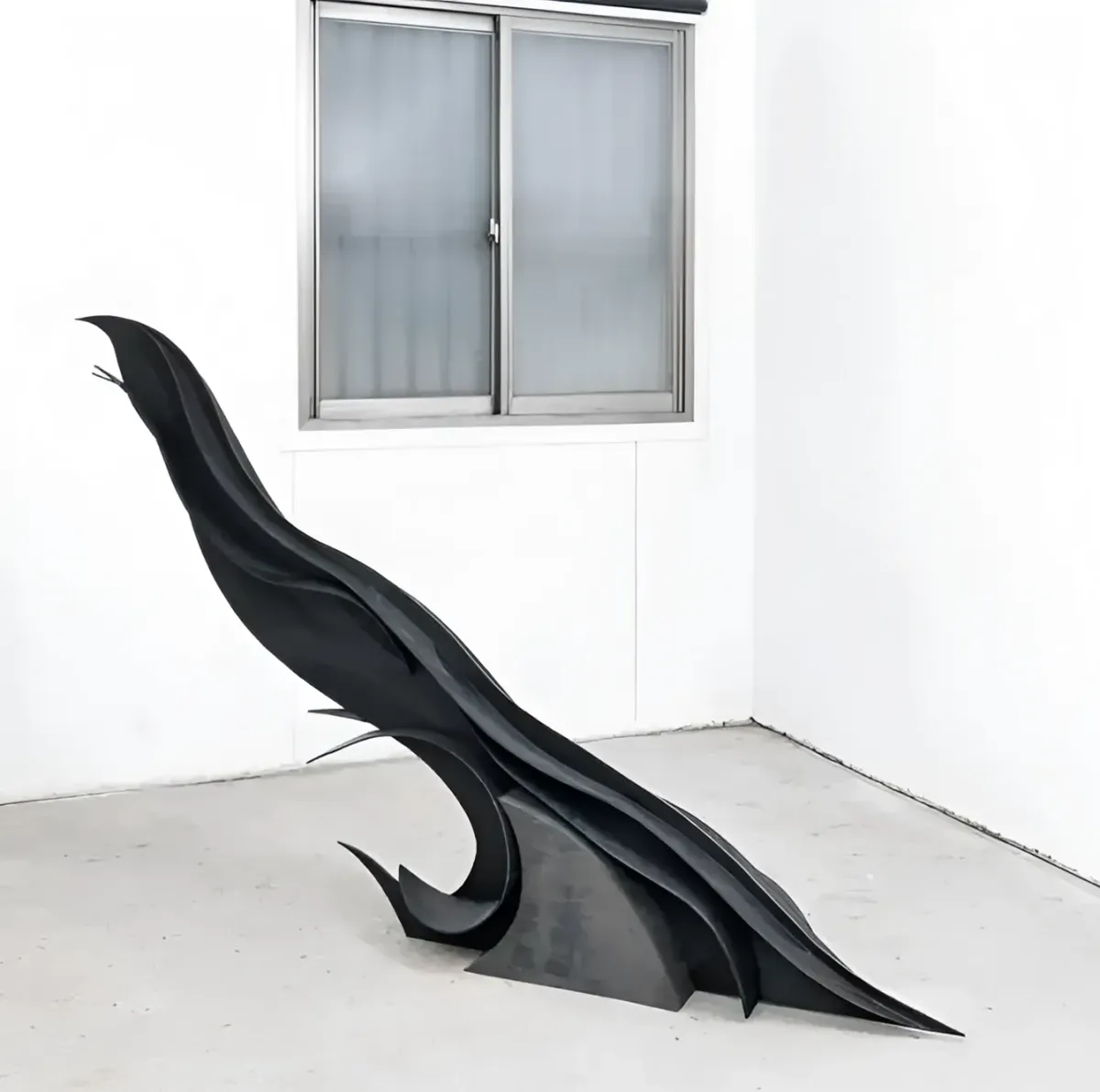
Seoul / 2025-2026
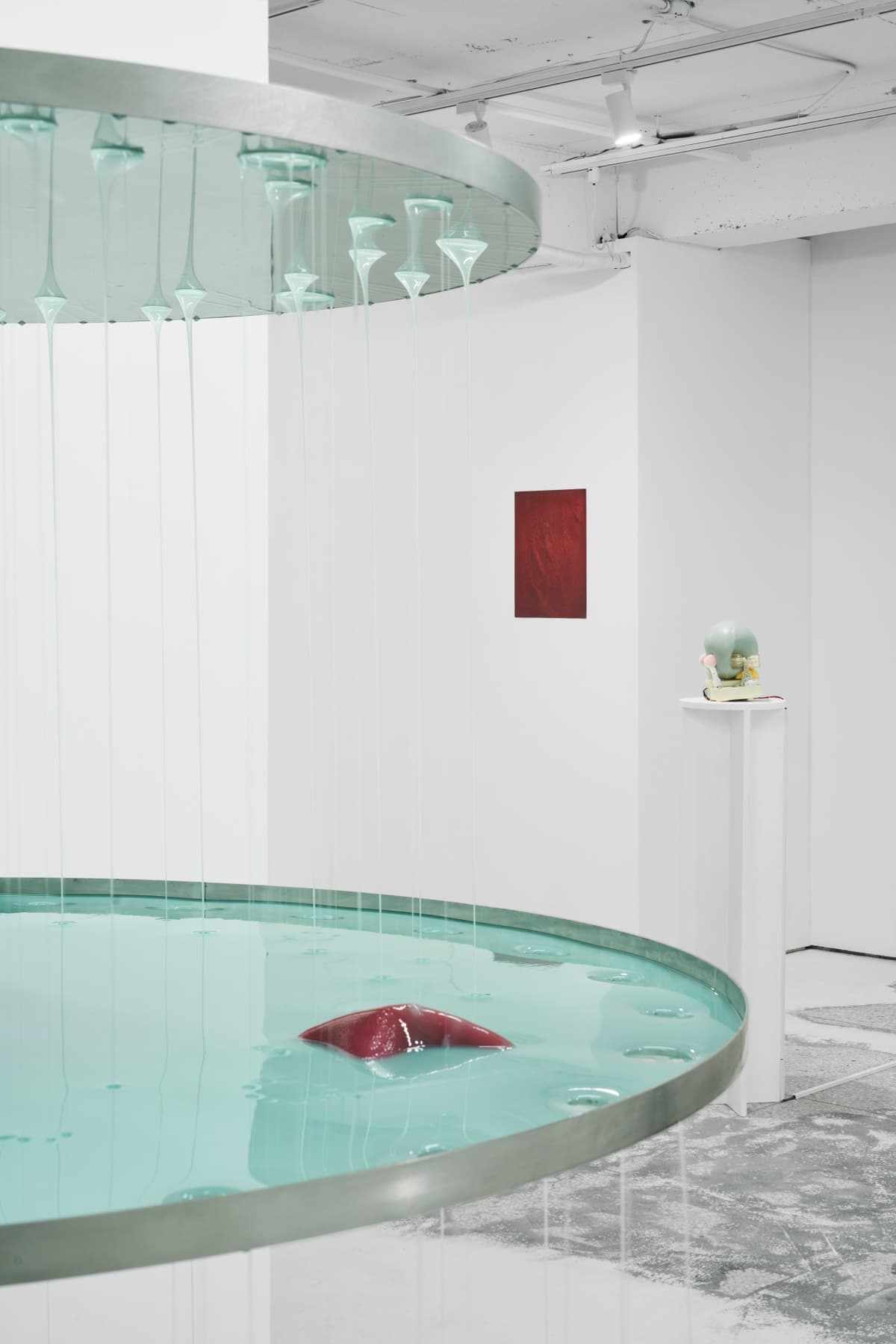
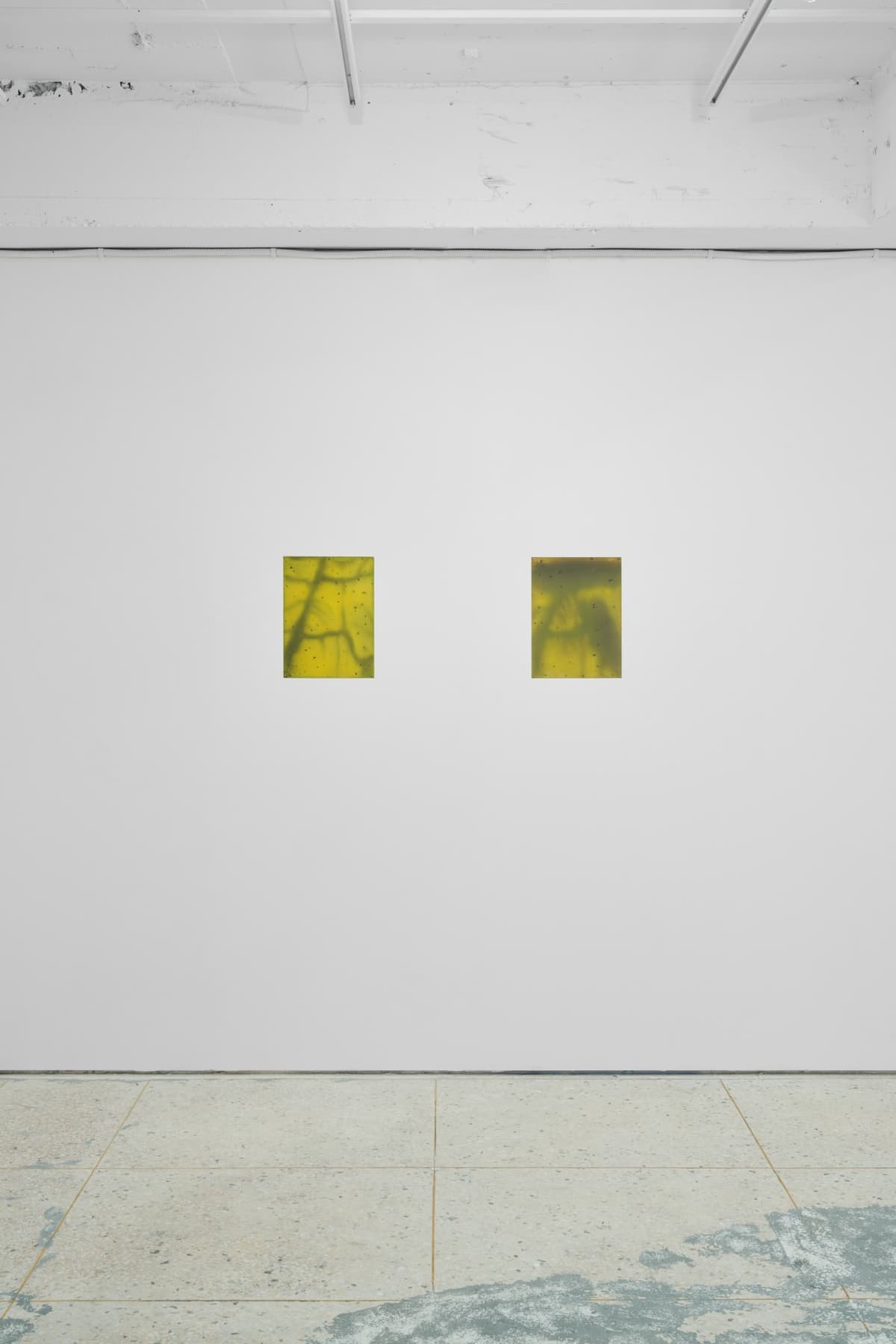
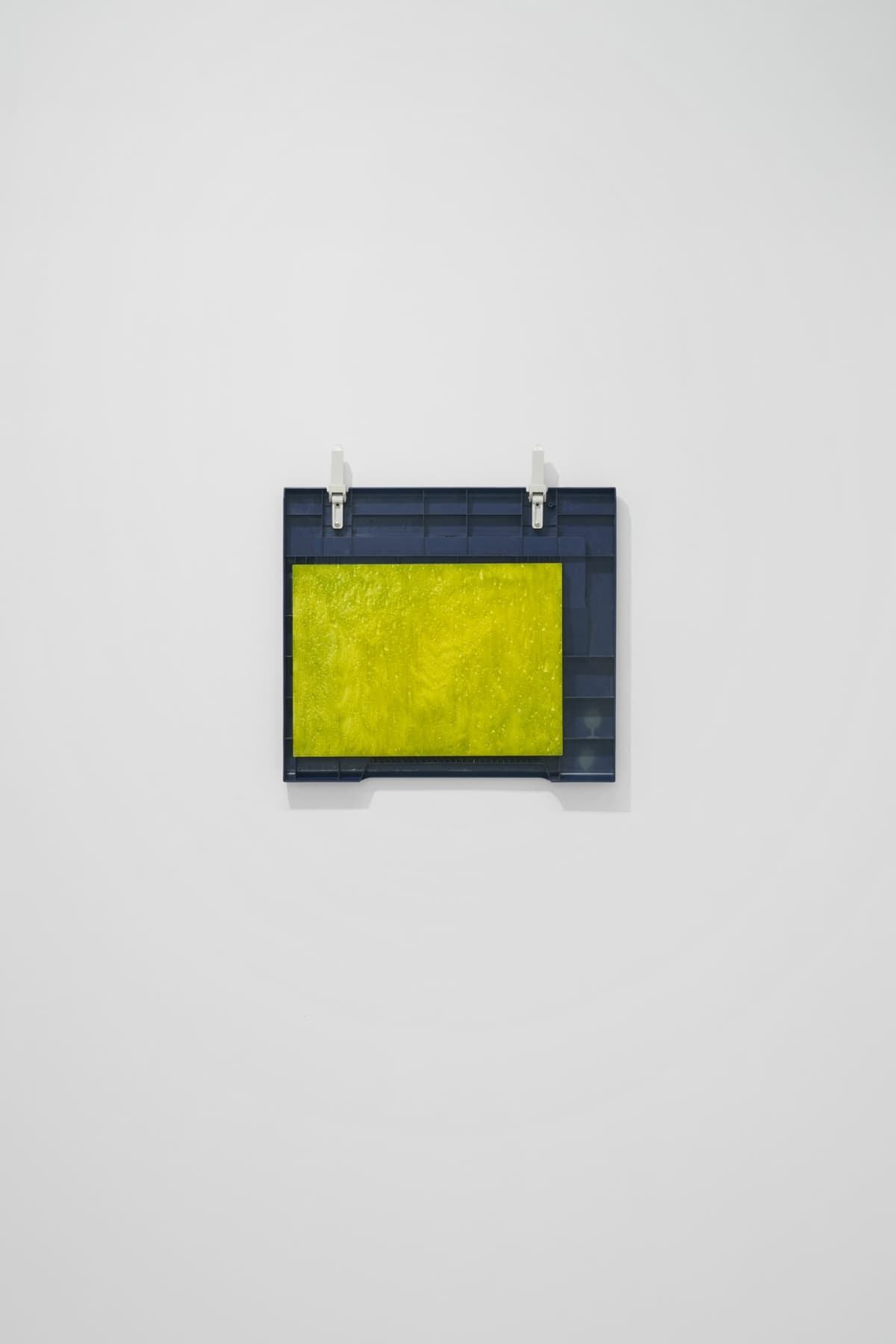
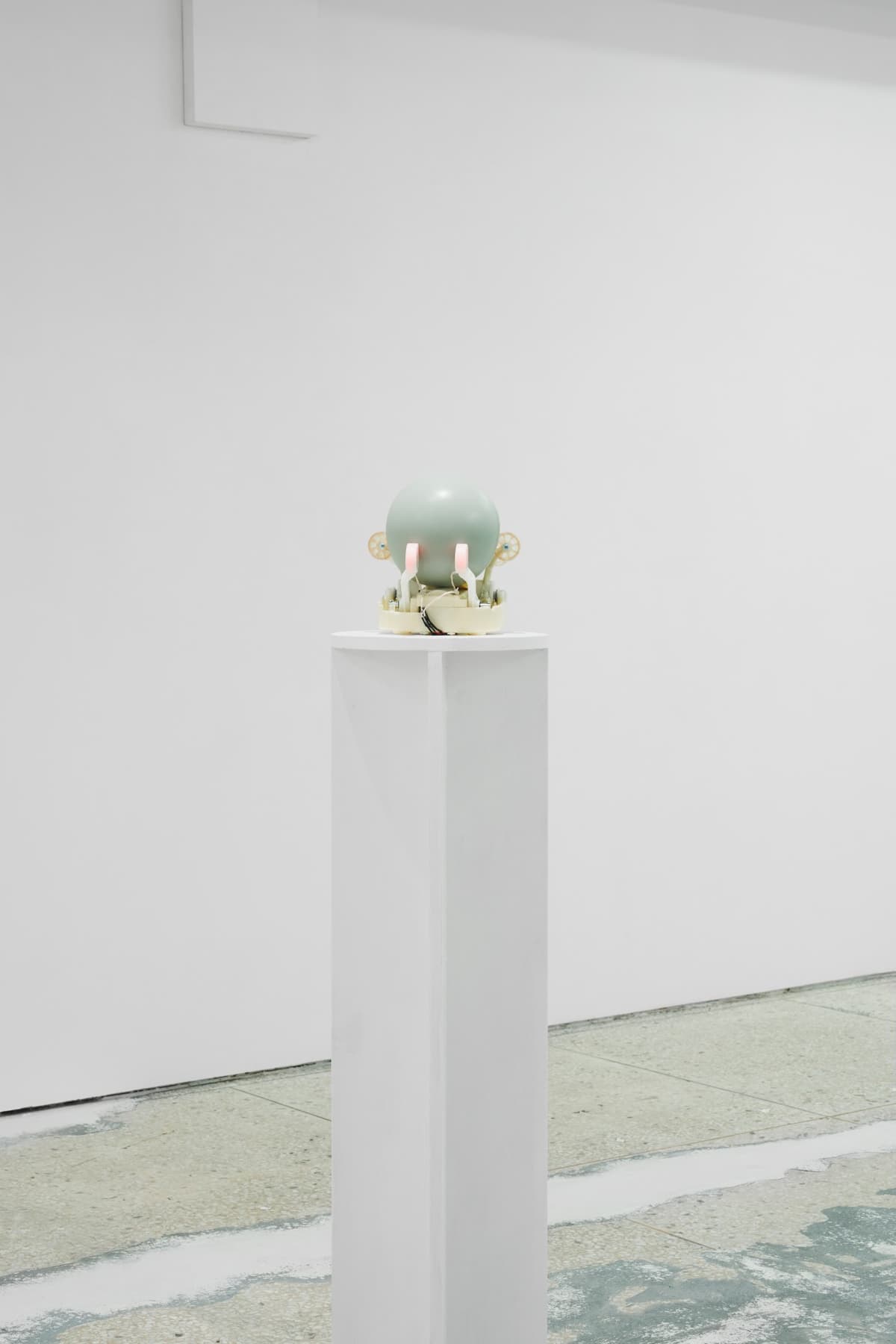
Seoul / 2025
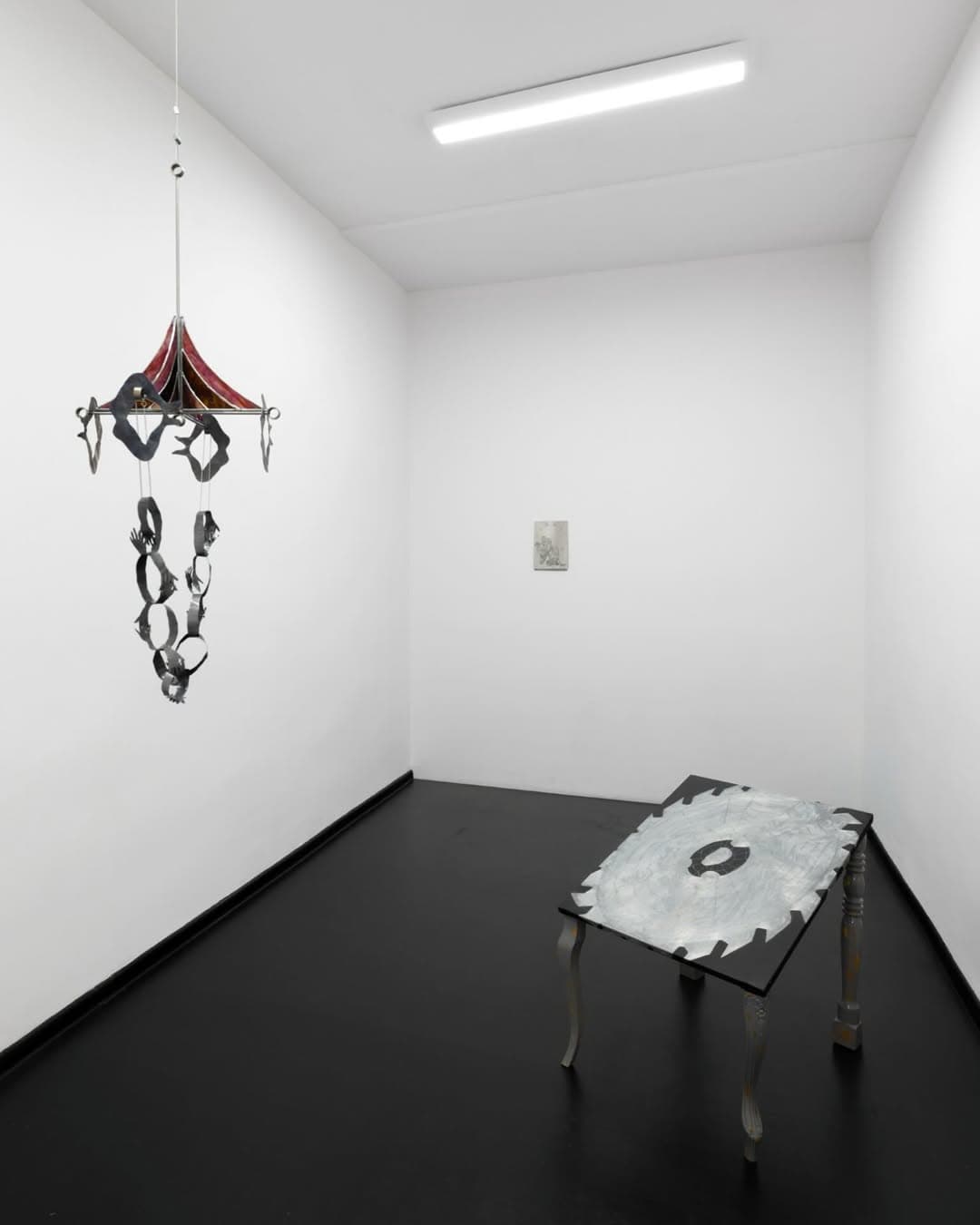
Warsaw / 2026
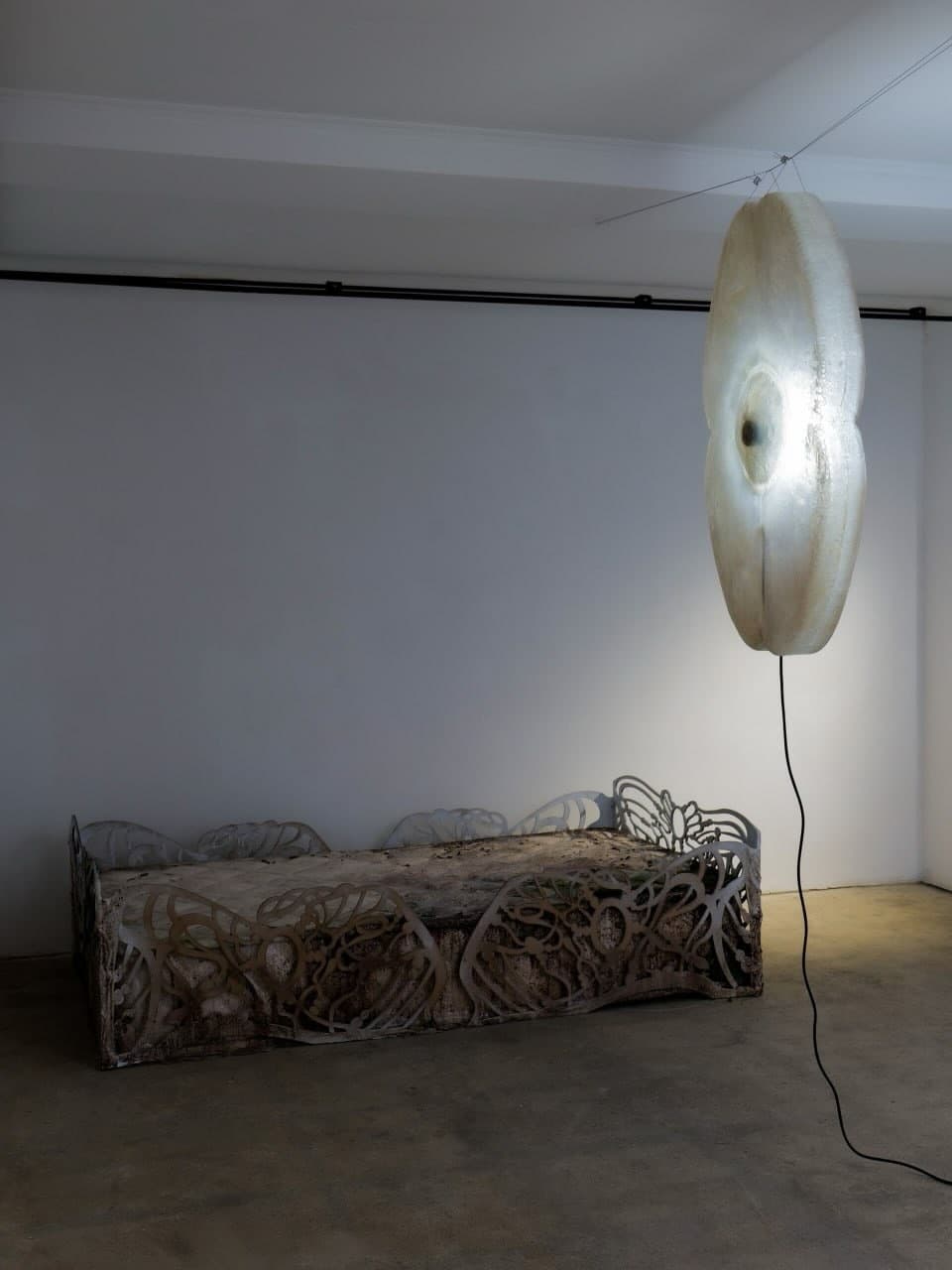
Seoul / 2026
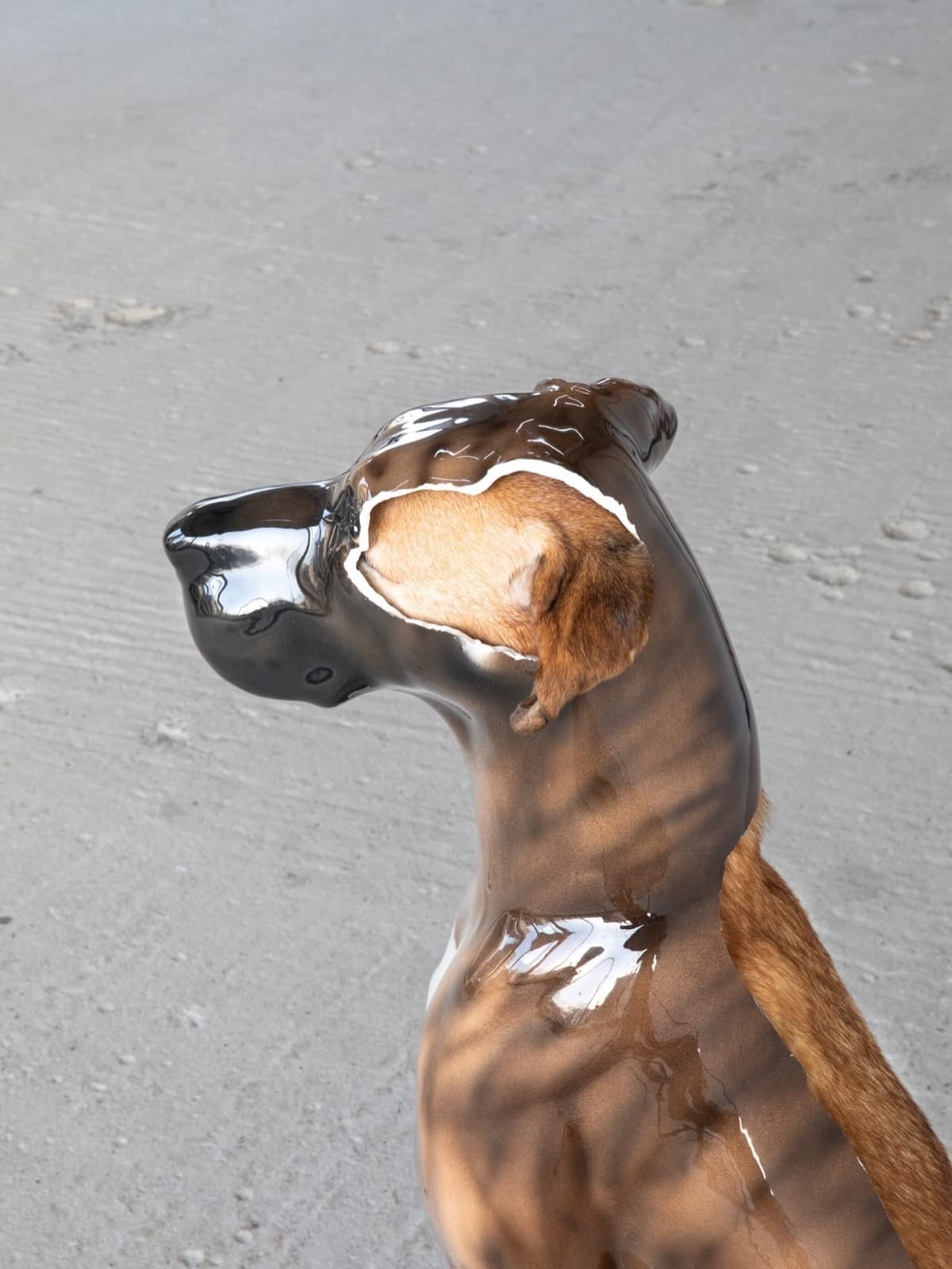
Offenbach am Main / 2026
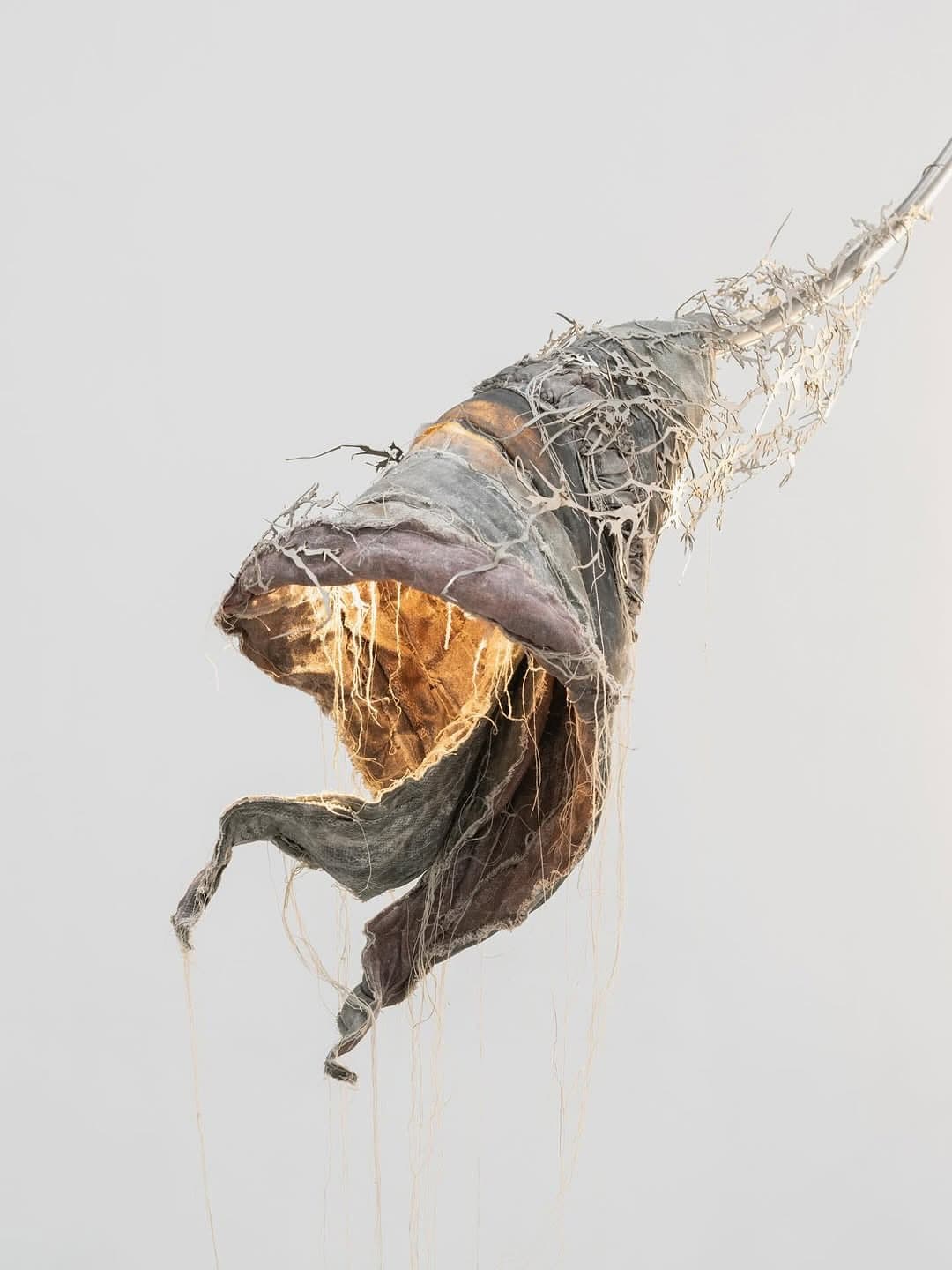
Białystok / 2025
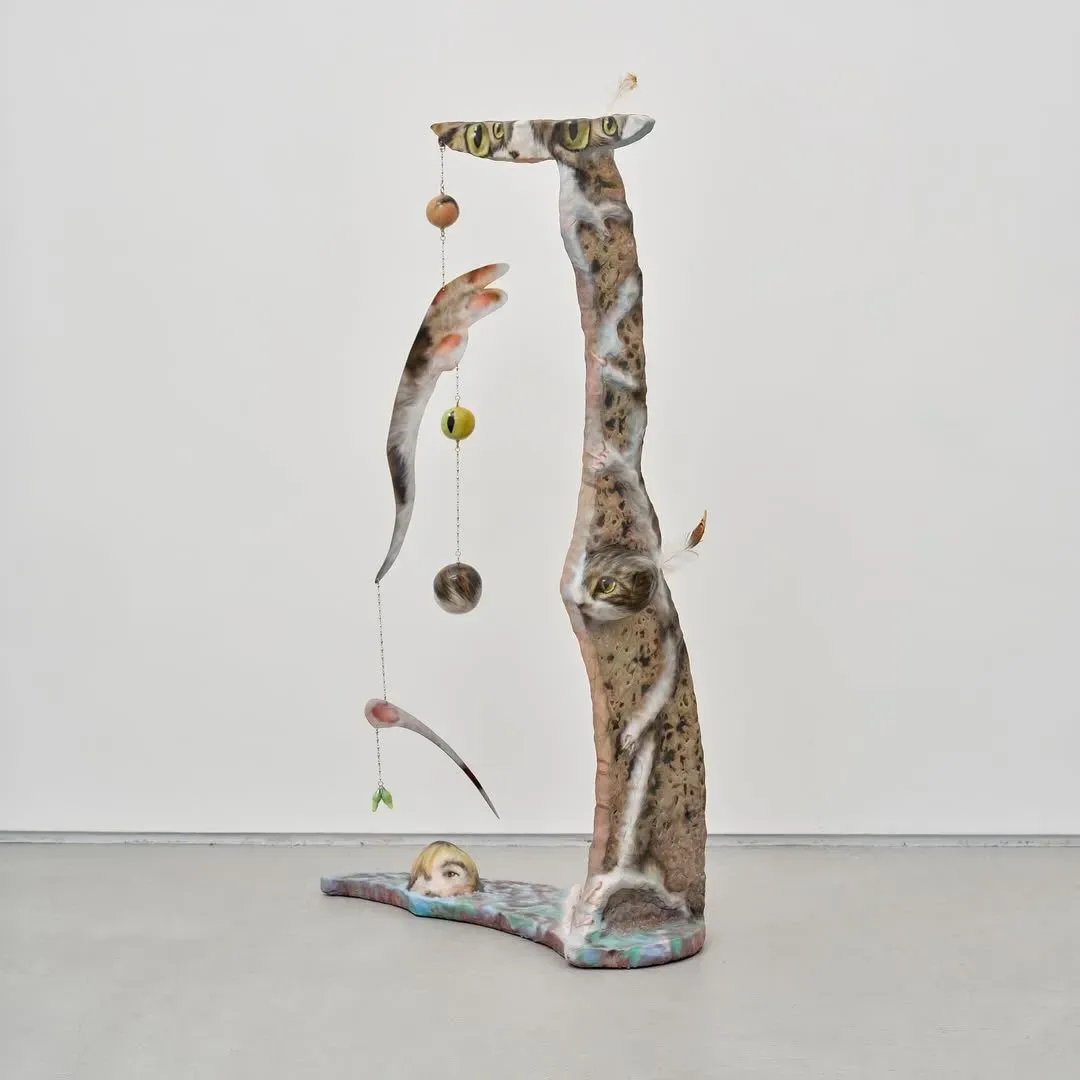
@ppuri_
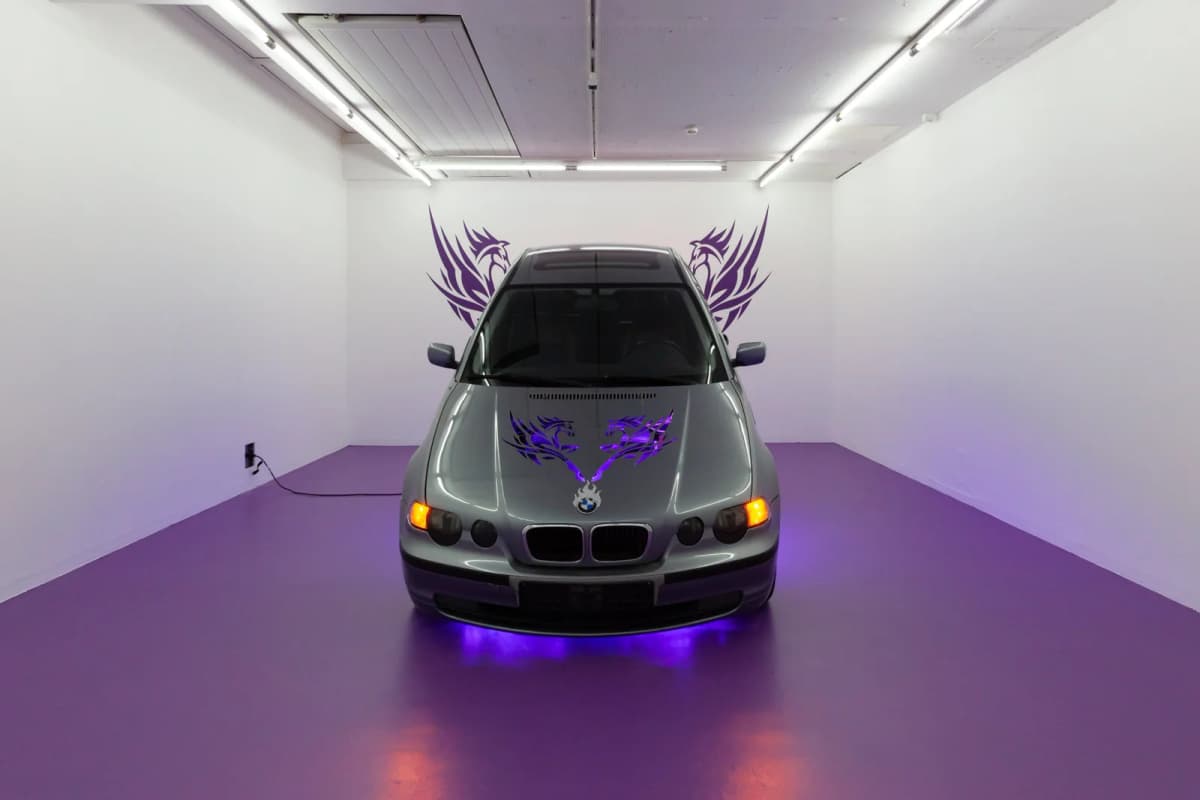
Münster / 2026
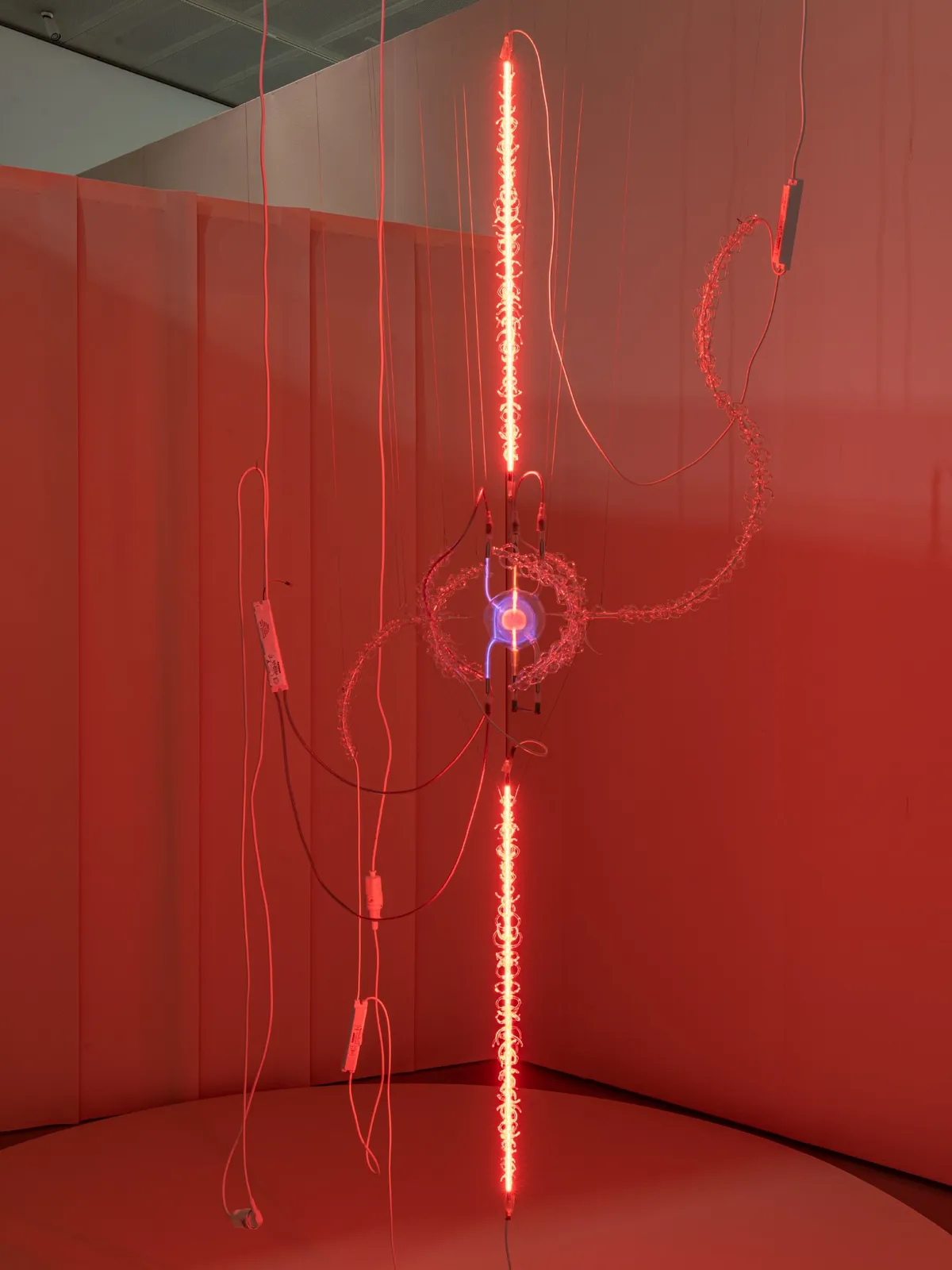
Vilnius / 2026
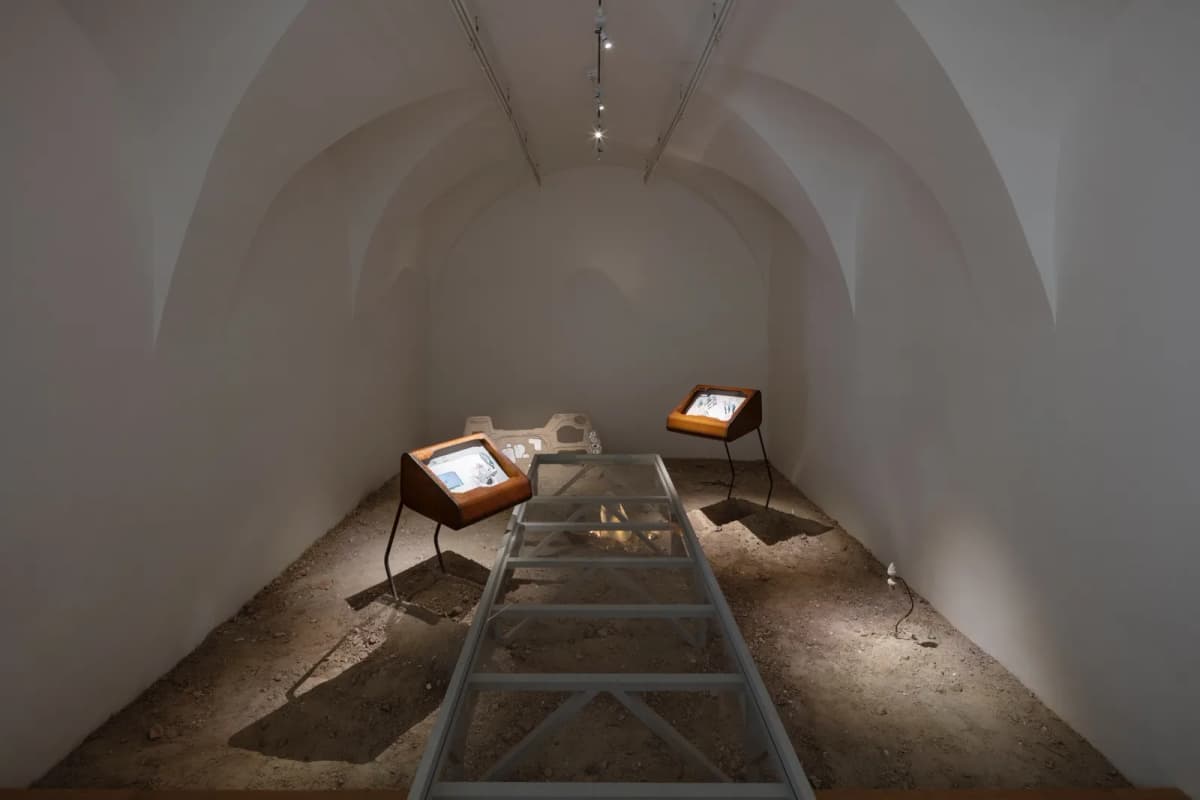
Brno / 2026
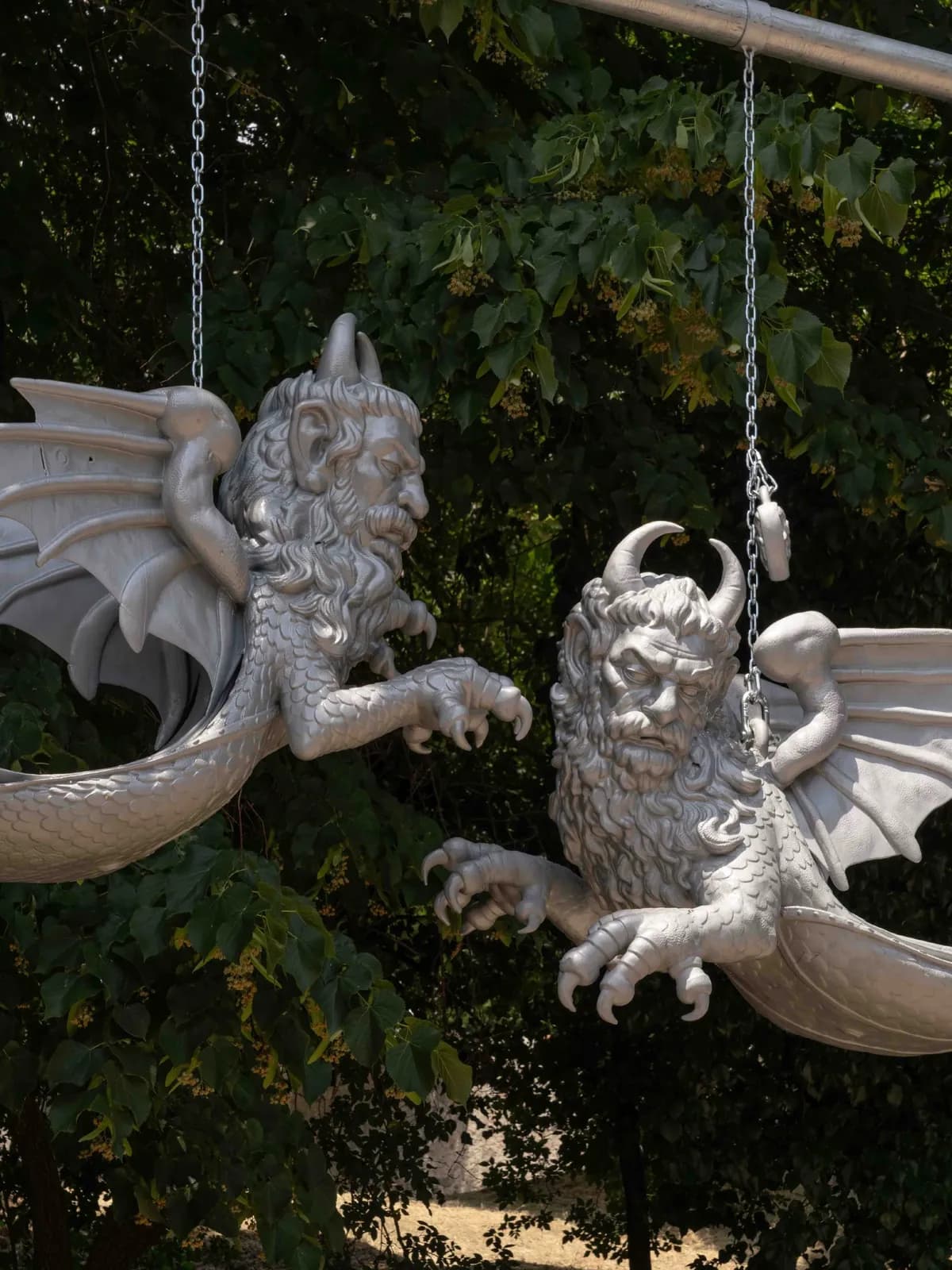
Avigliana / 2026
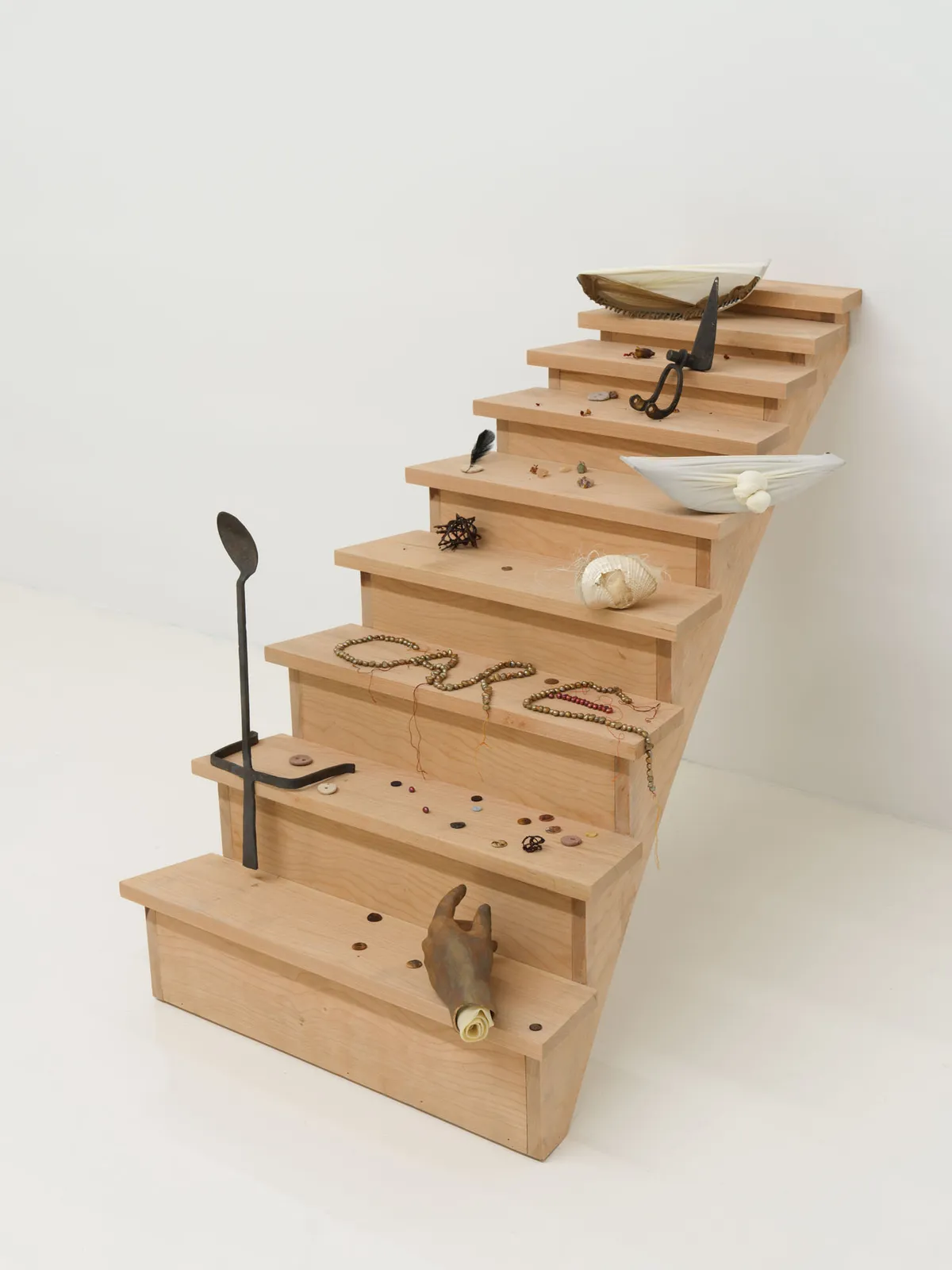
Shanghai / 2026
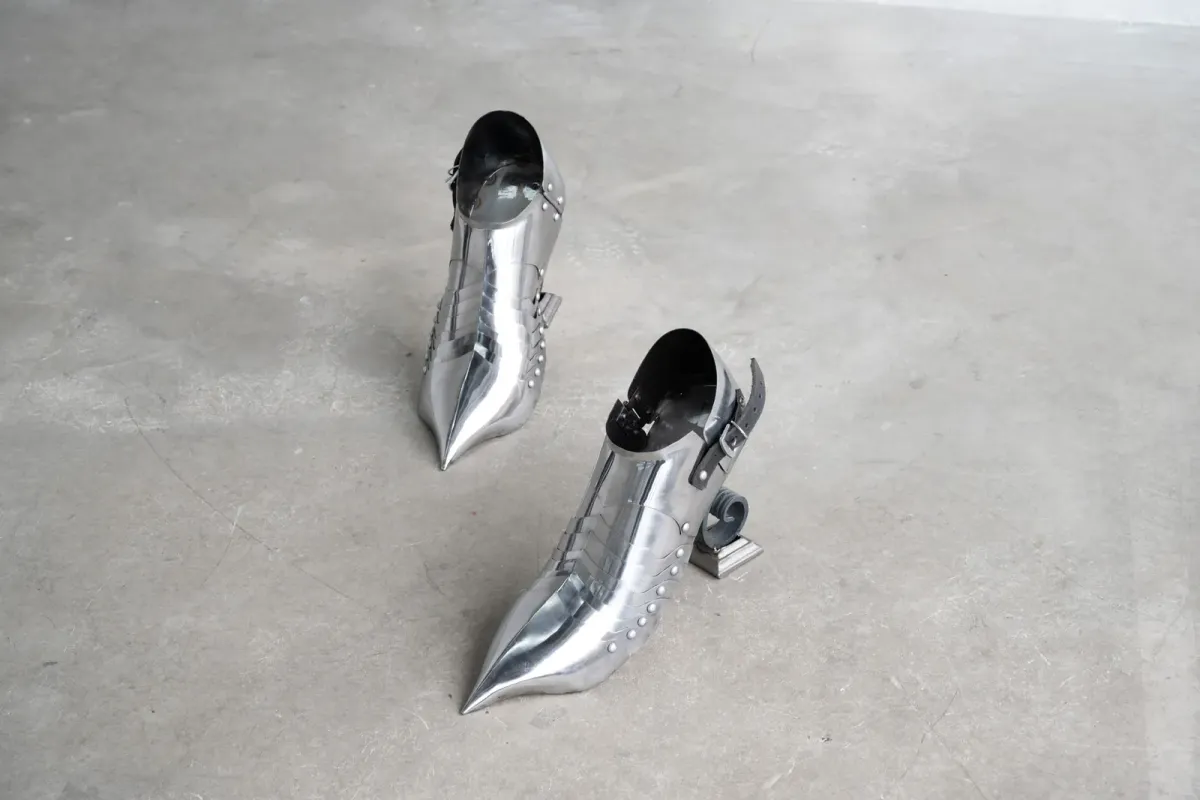
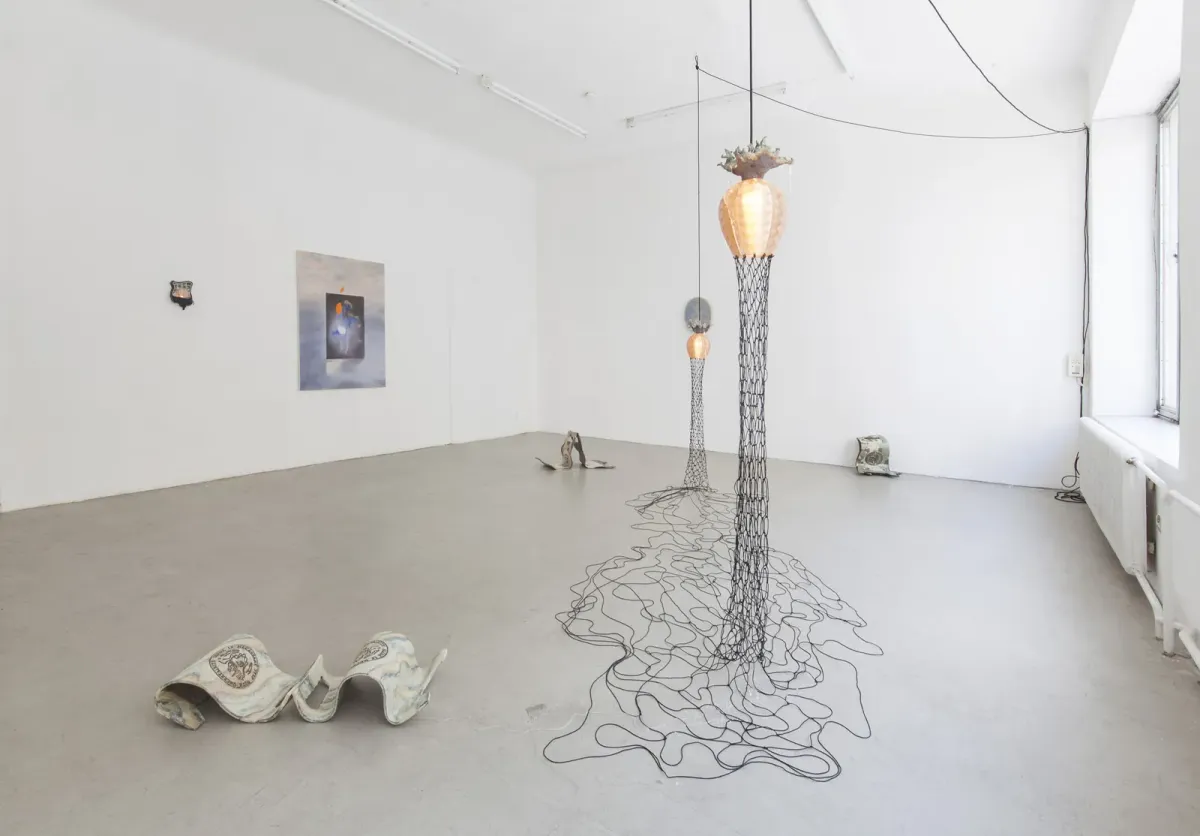
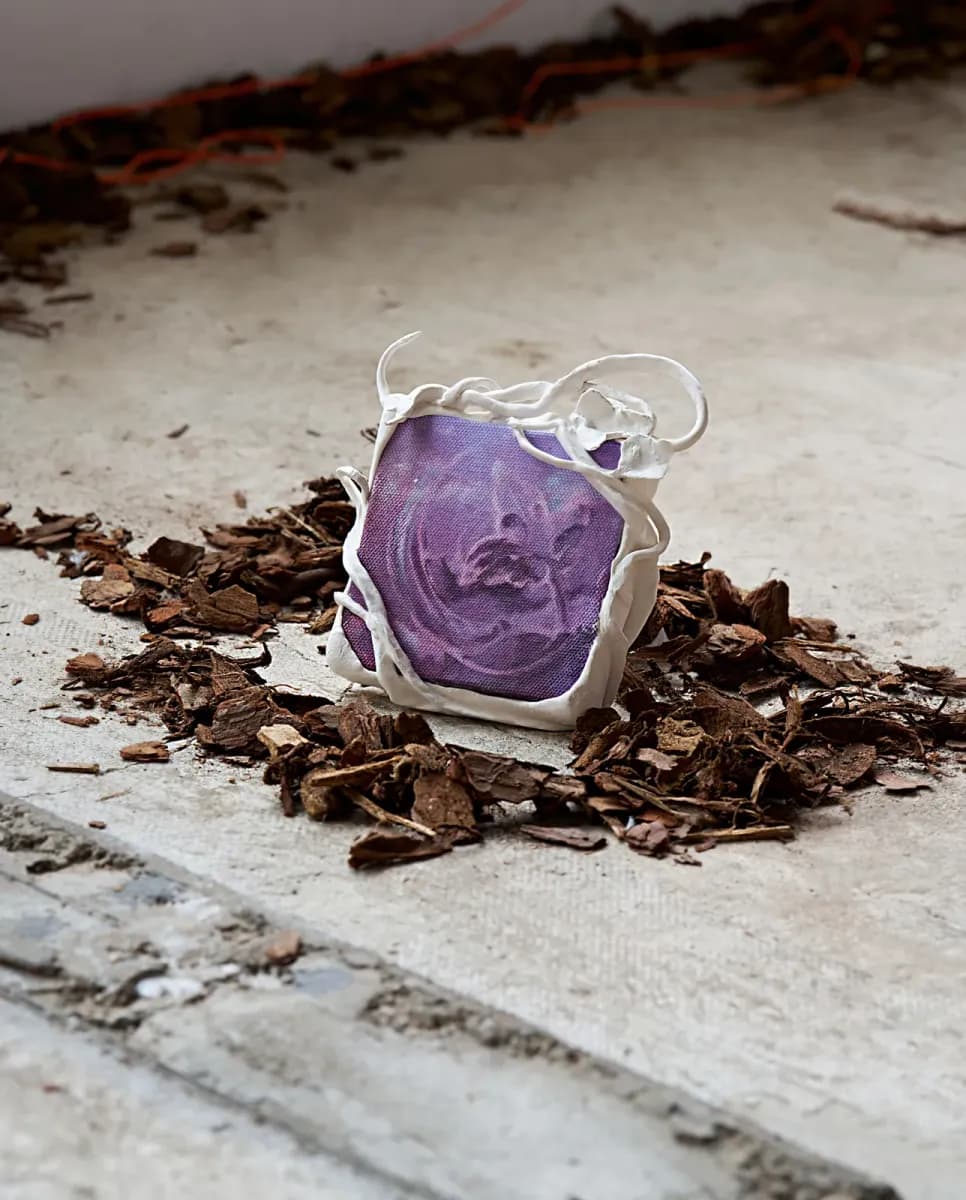
Copenhagen / 2026
Ciudad de México / 2026
Angers / 2026
Genk / 2026
Kraków / 2026
Vienna / 2026
Poznań / 2026
Warsaw / 2026
Tokyo / 2026
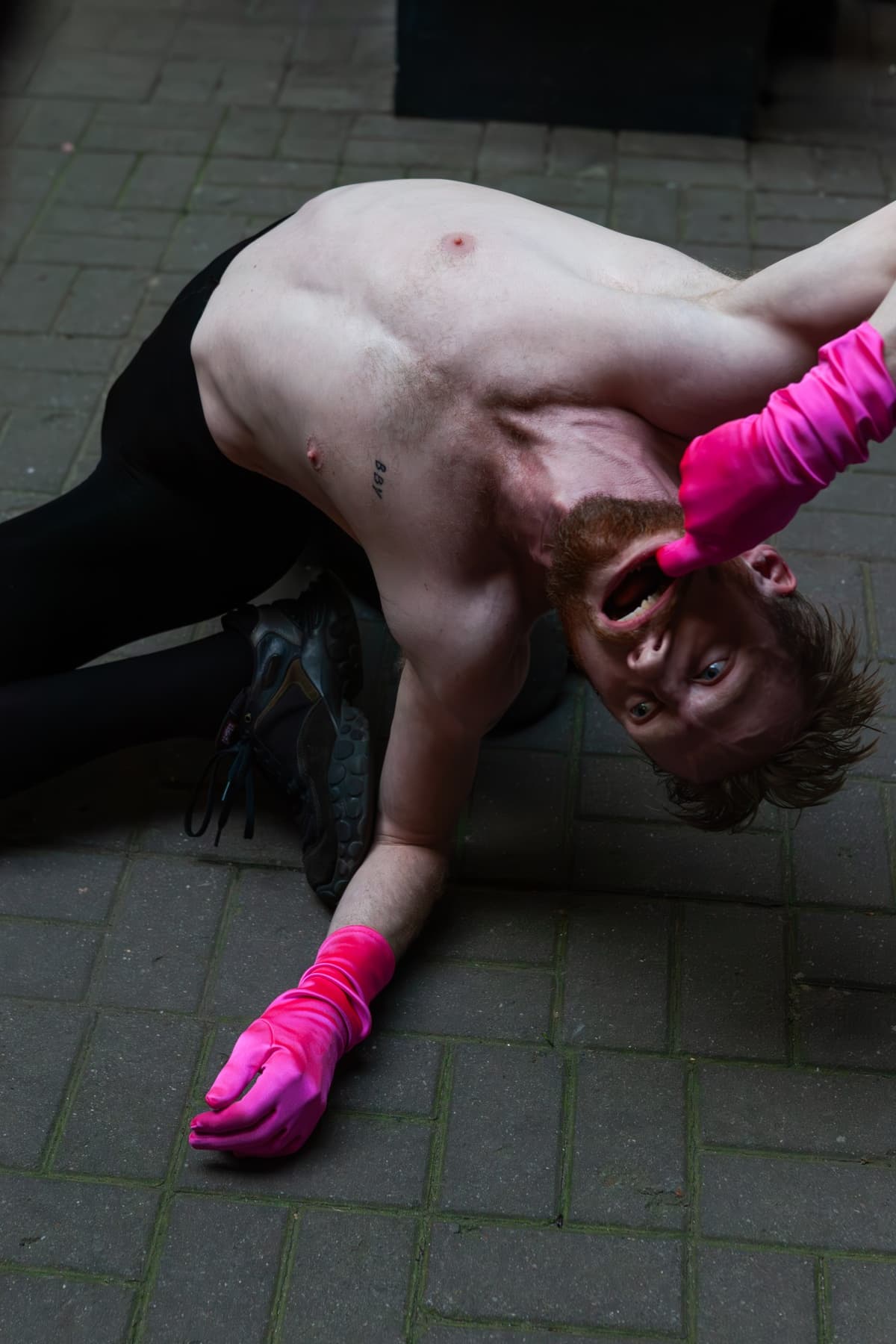
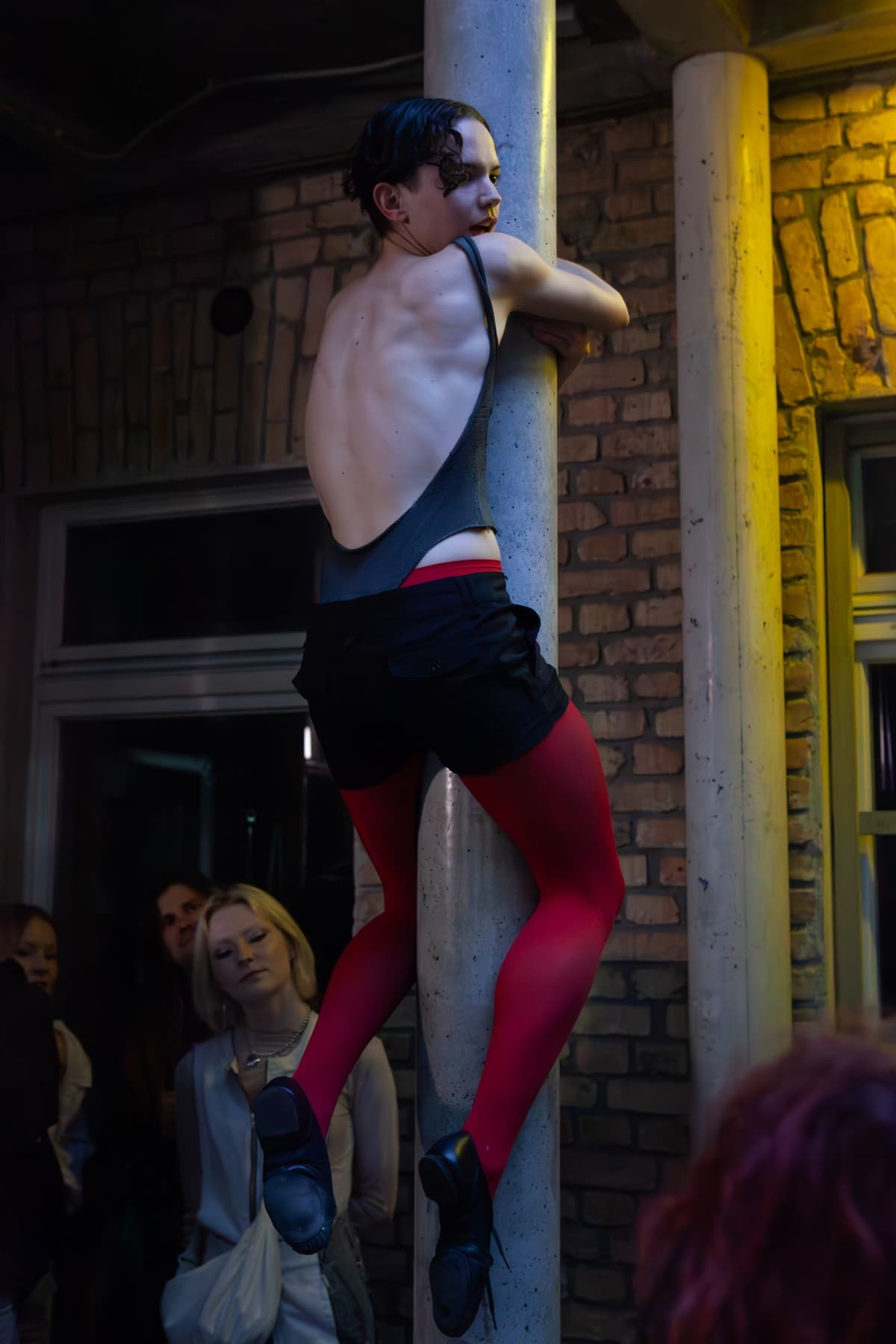
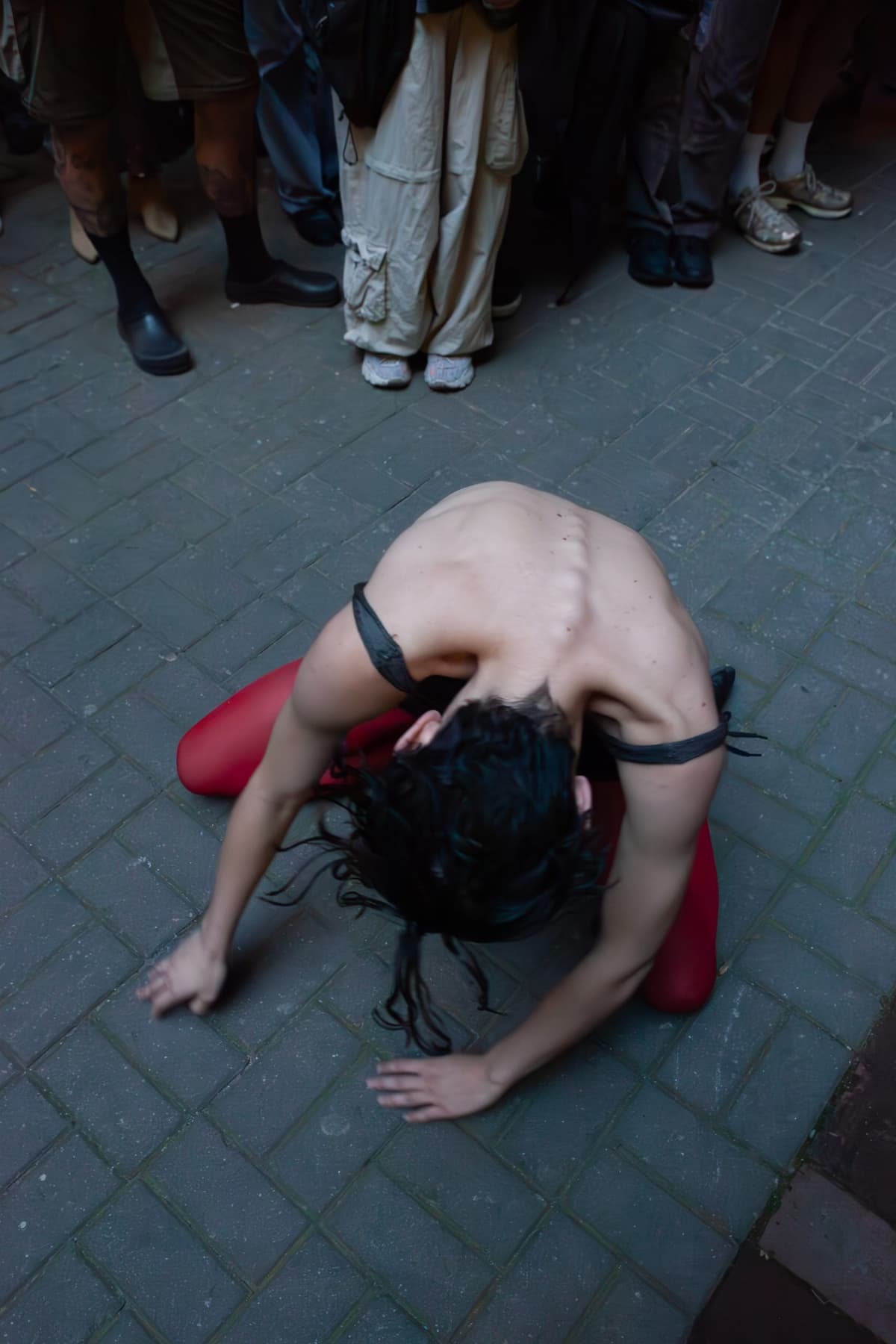
Berlin / 2025
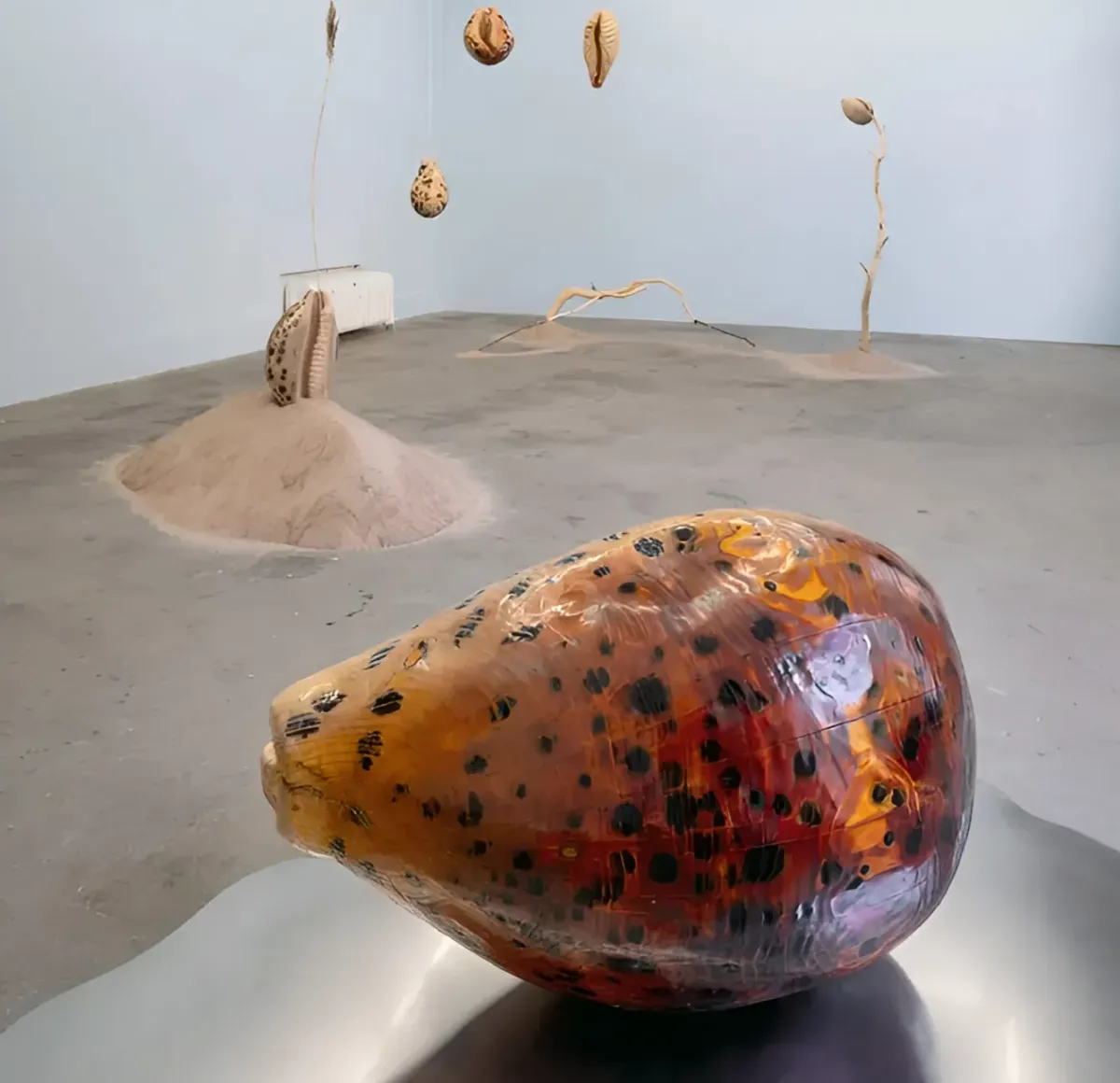
Göteborg / 2025
/ 2023
Lisboa / 2023
Vilnius / 2024
Prague / 2024
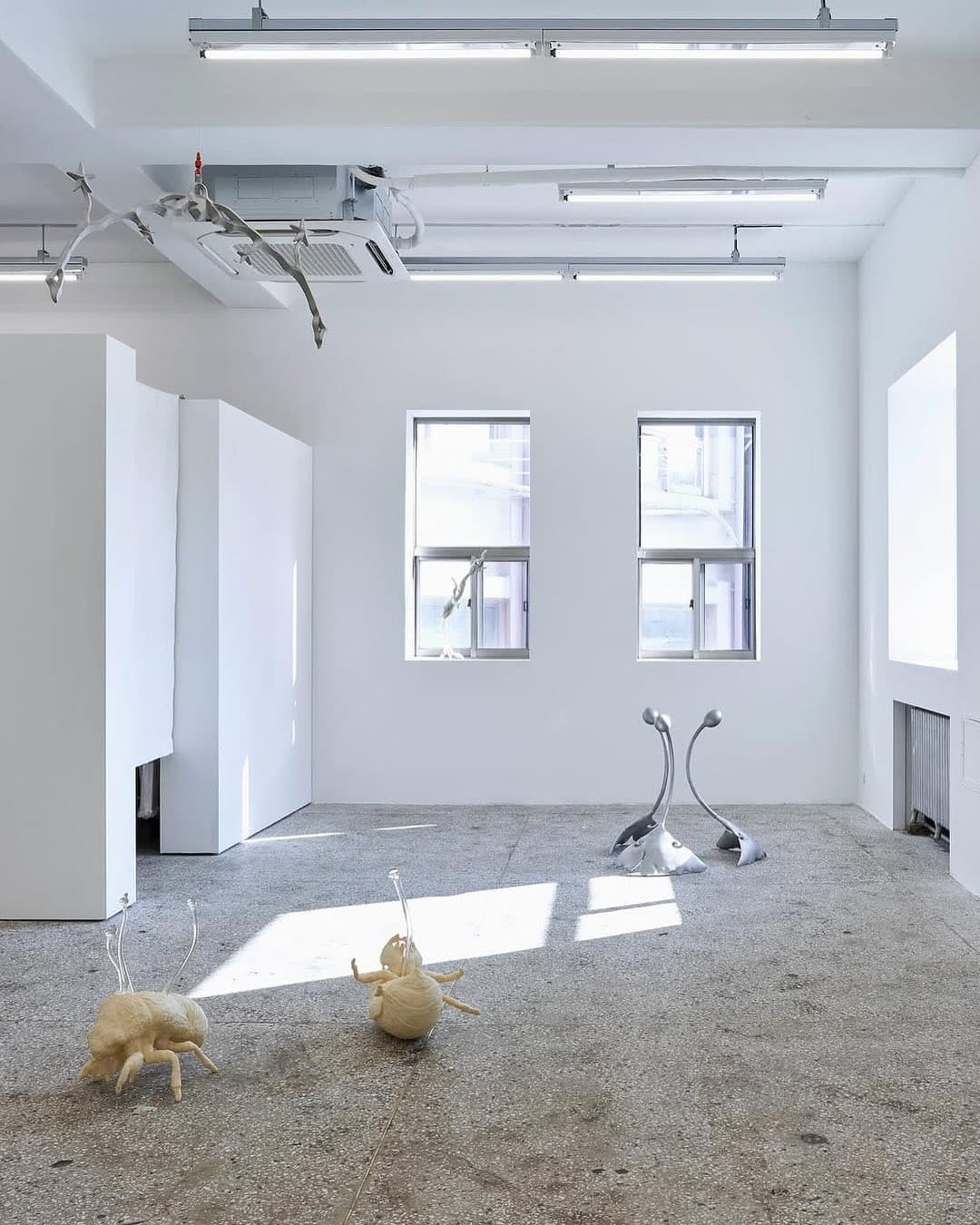
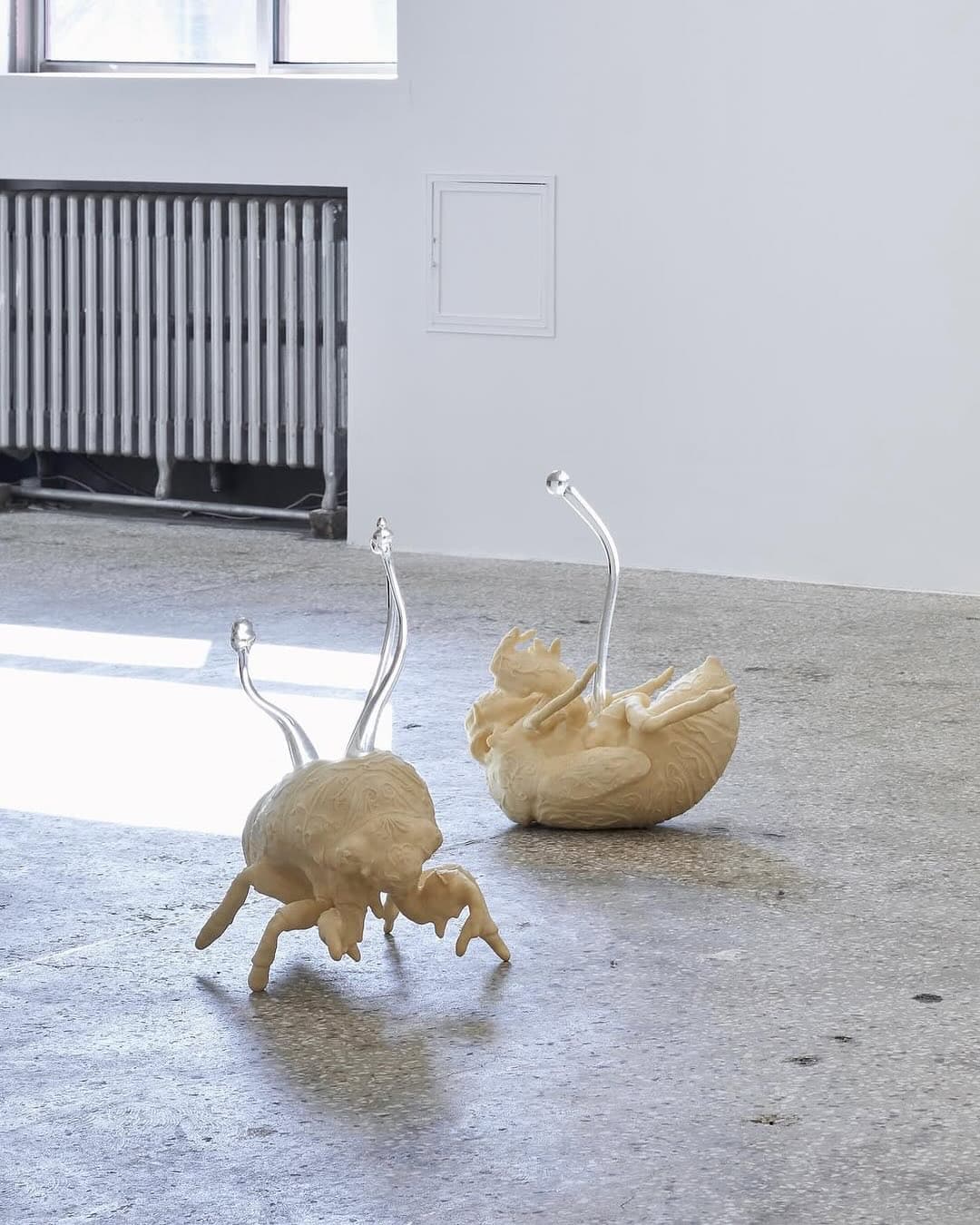
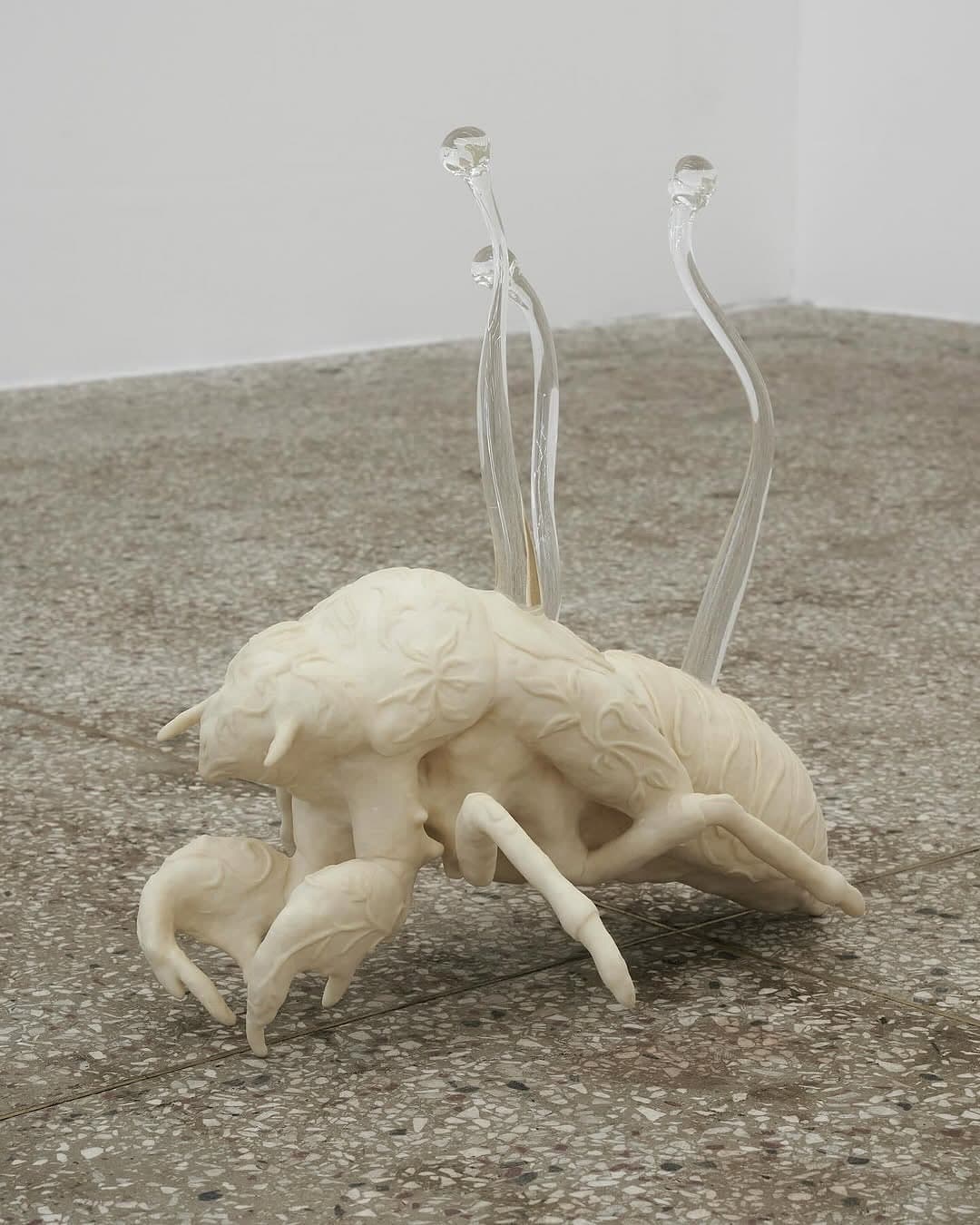
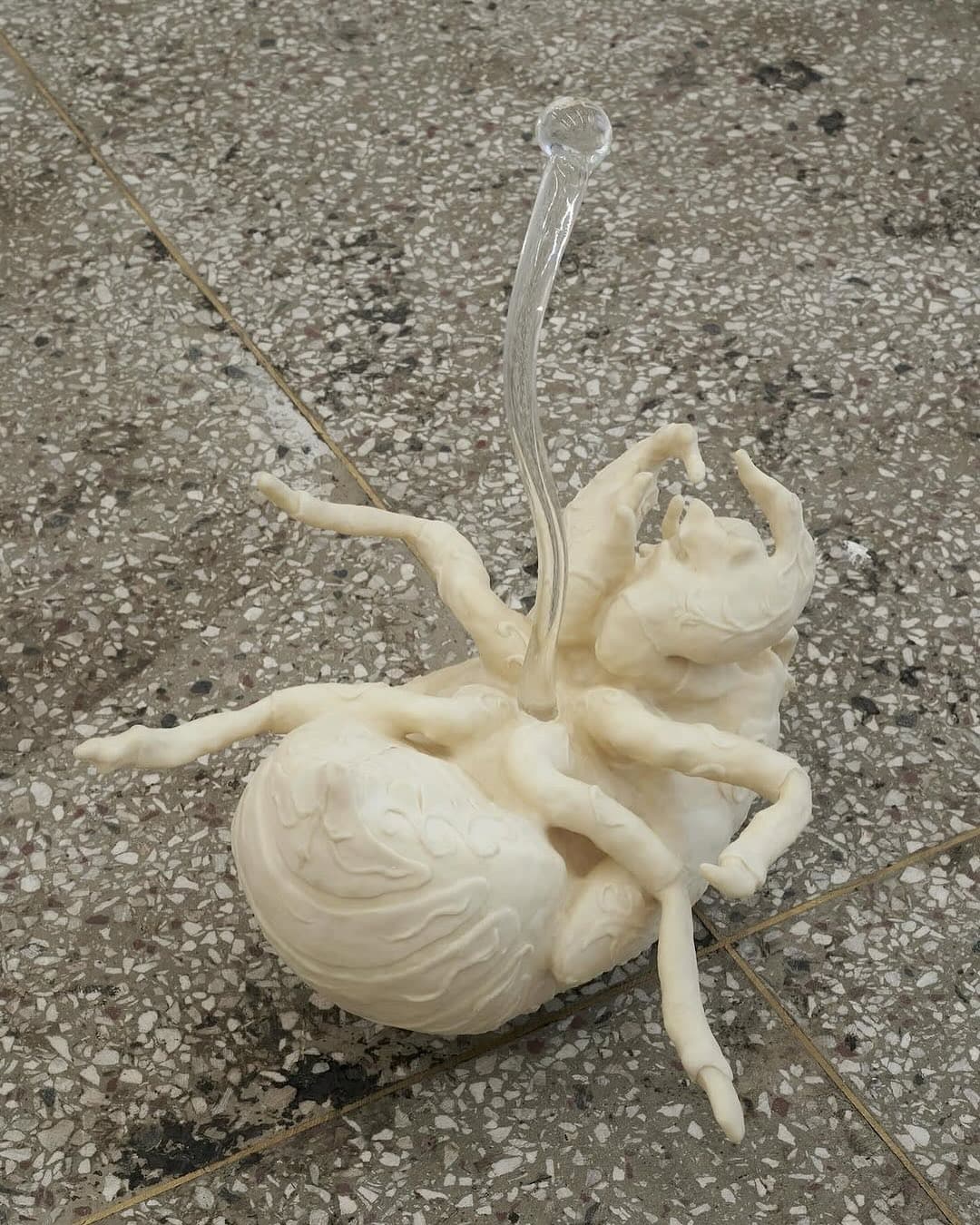
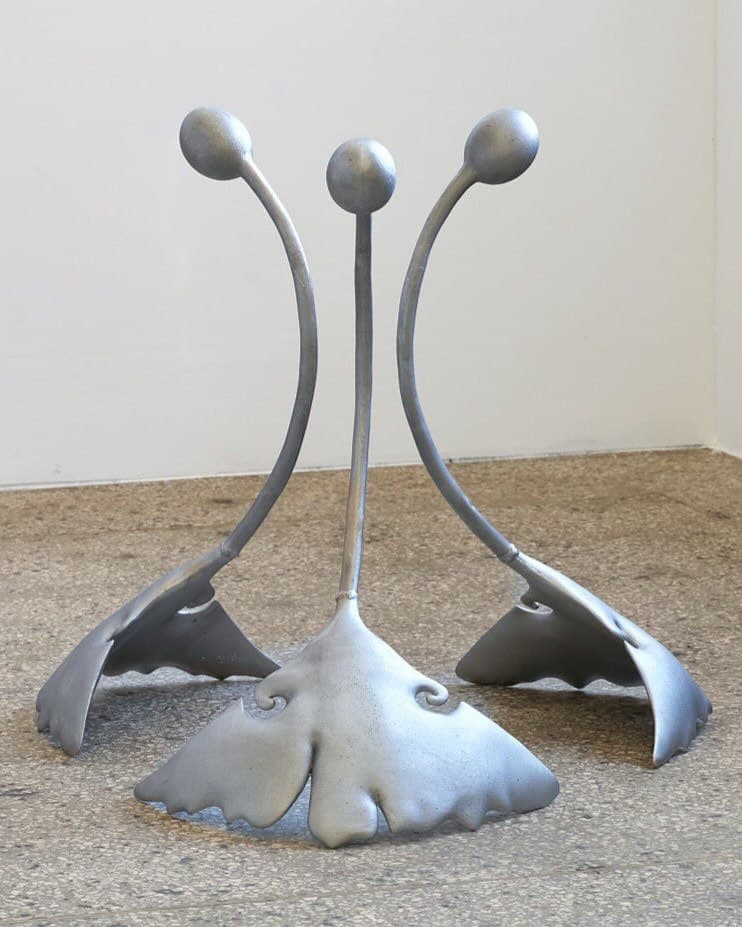
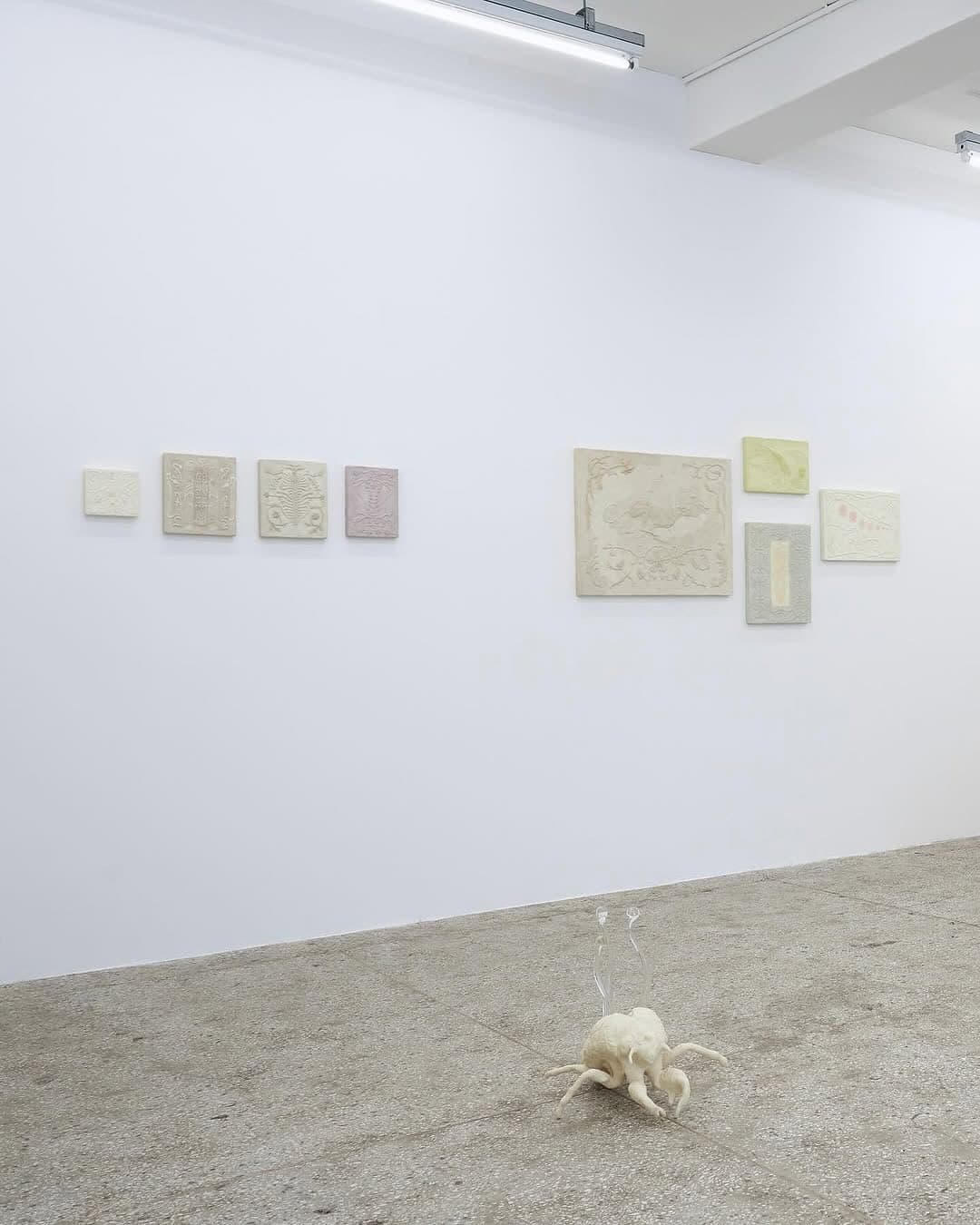
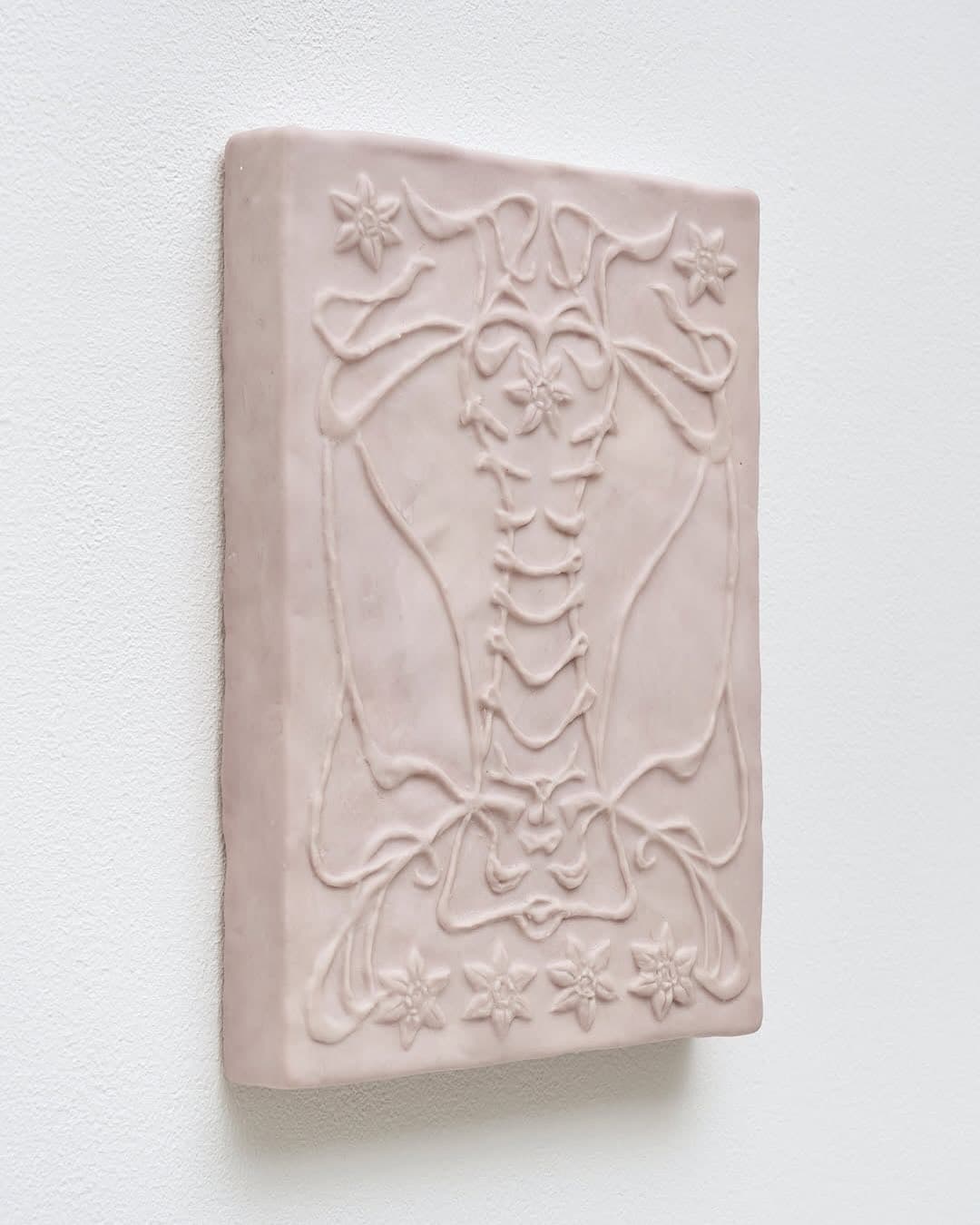
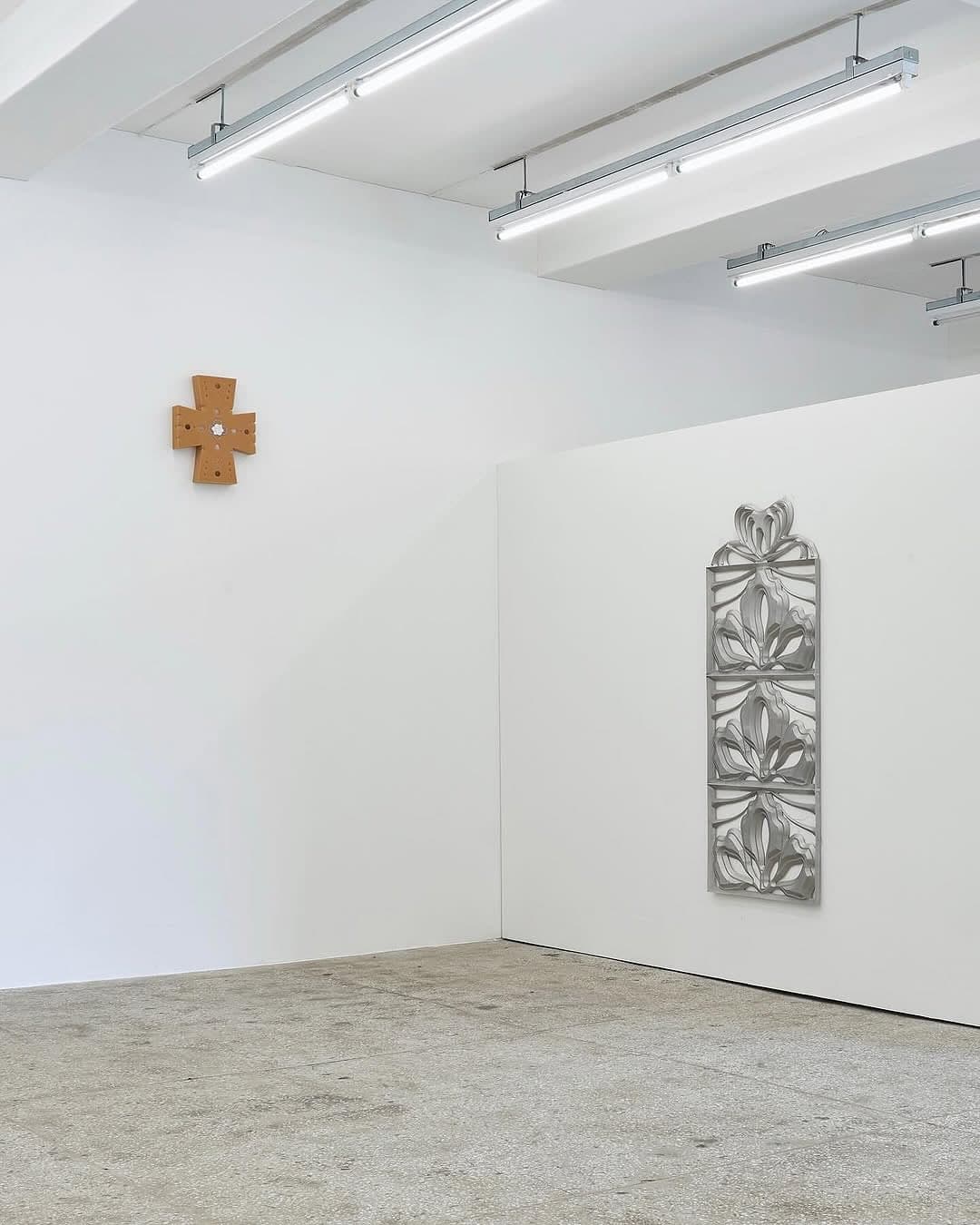
Jung-gu, Seoul / 2025
Ljubljana / 2025
Bratislava / 2025
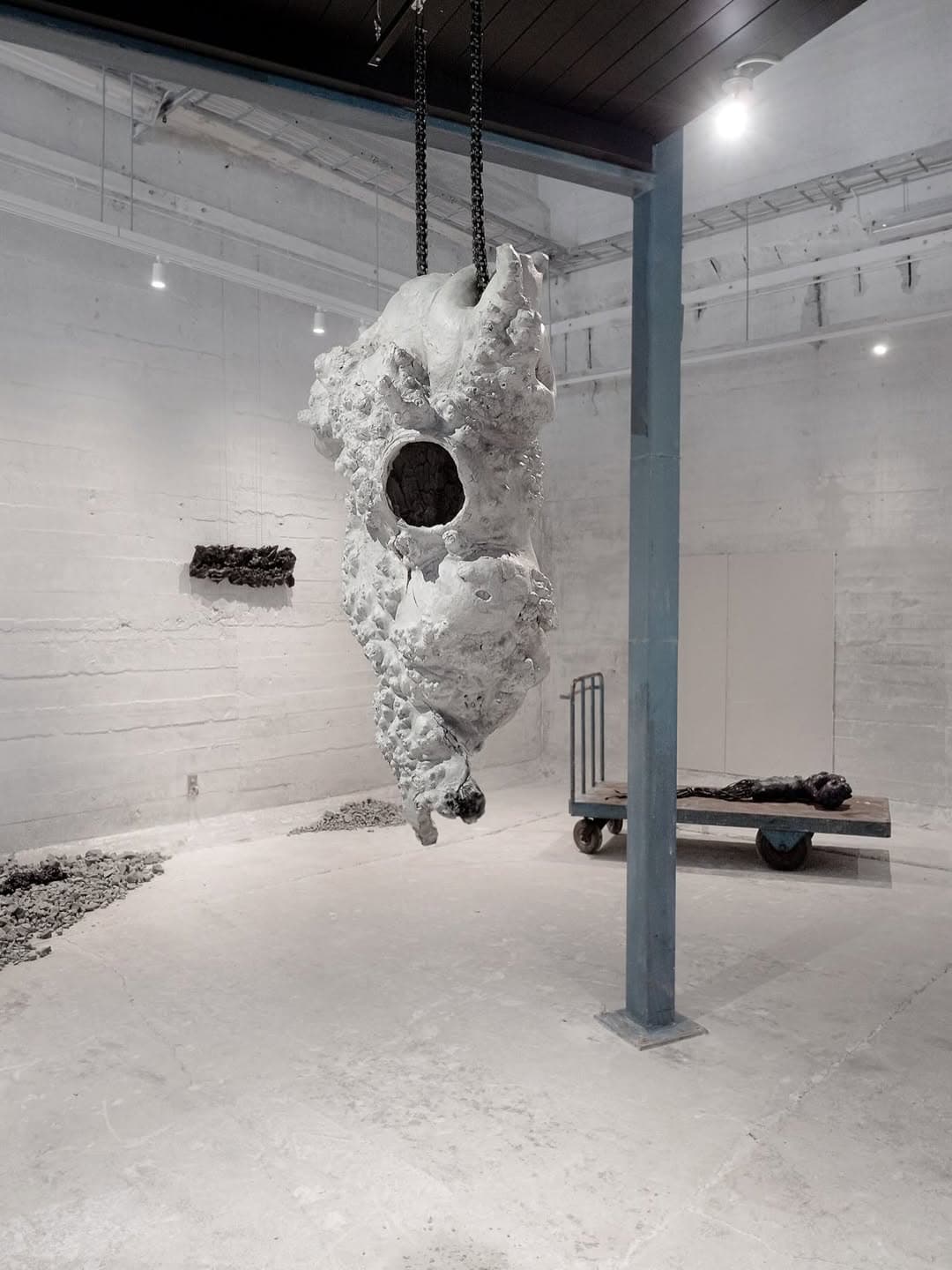
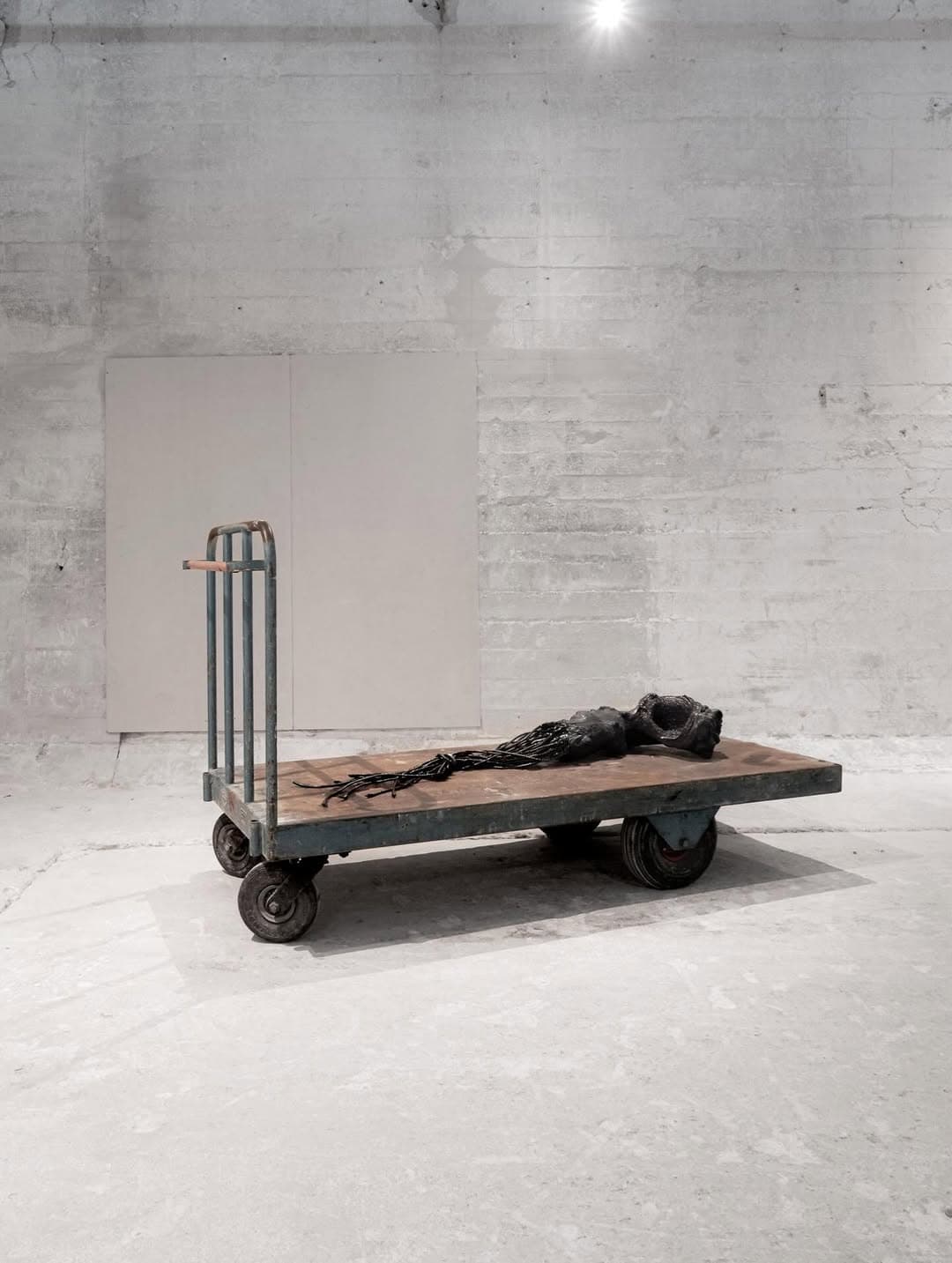
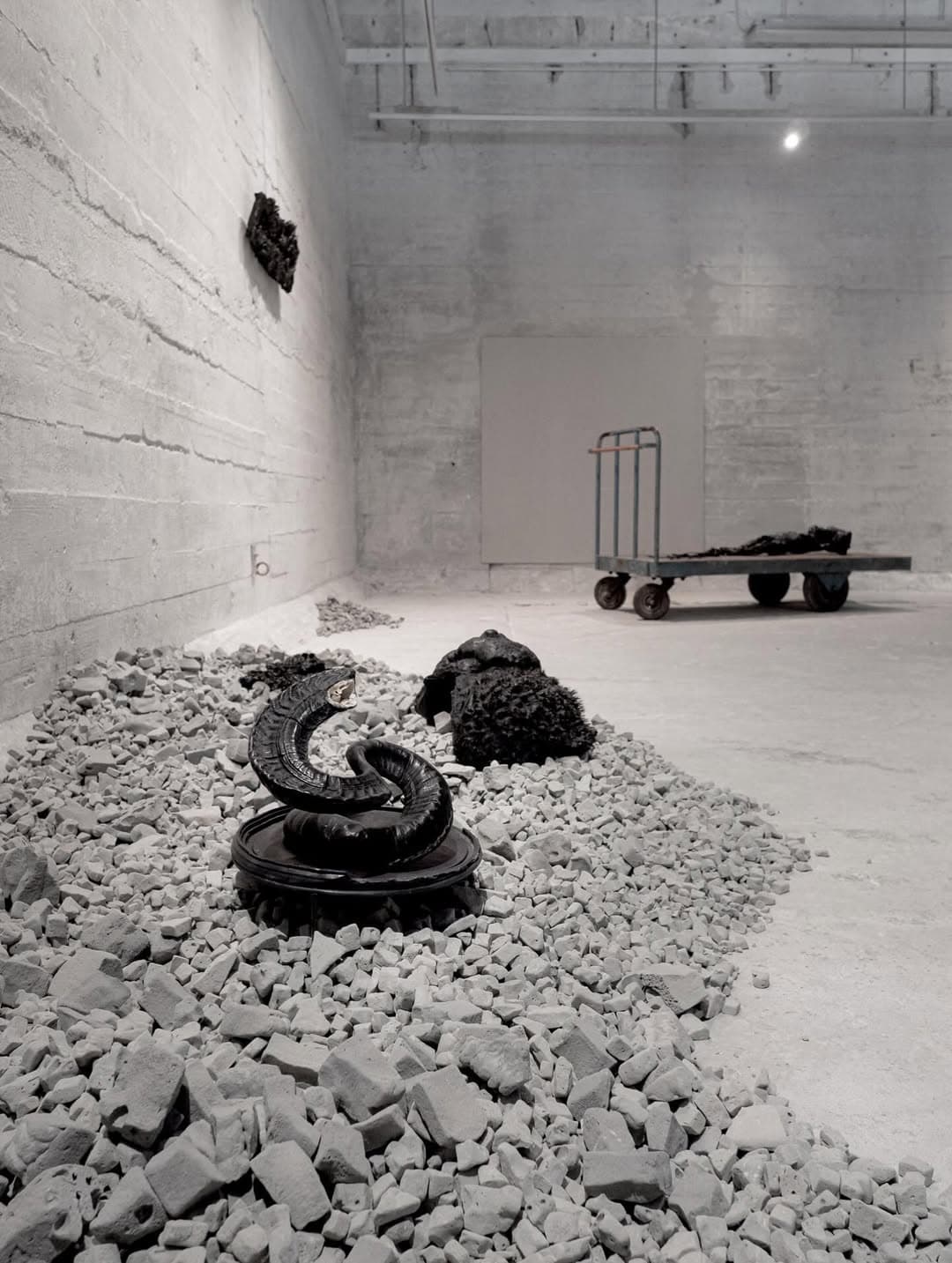
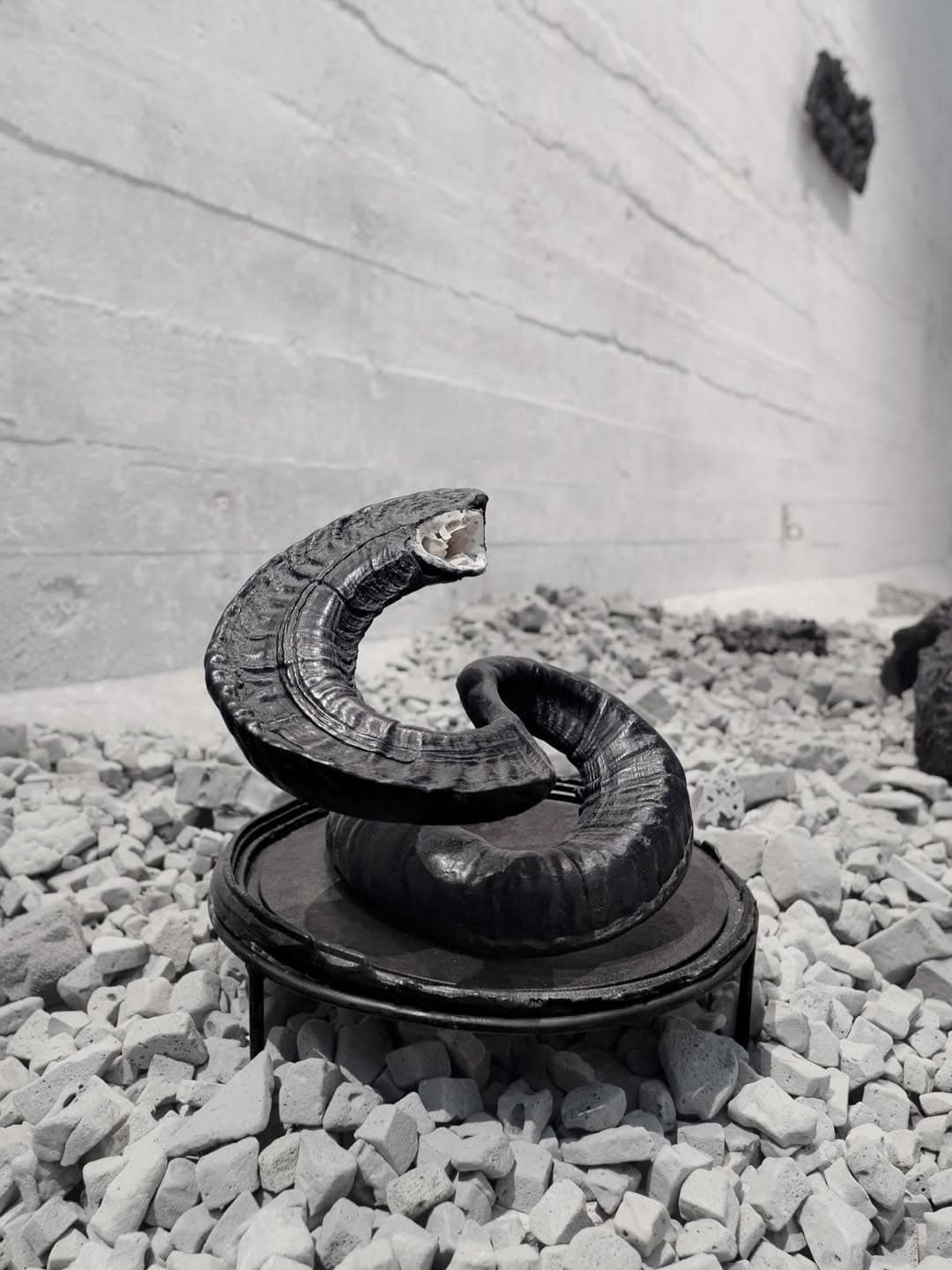
/ 2025
Bratislava / 2025
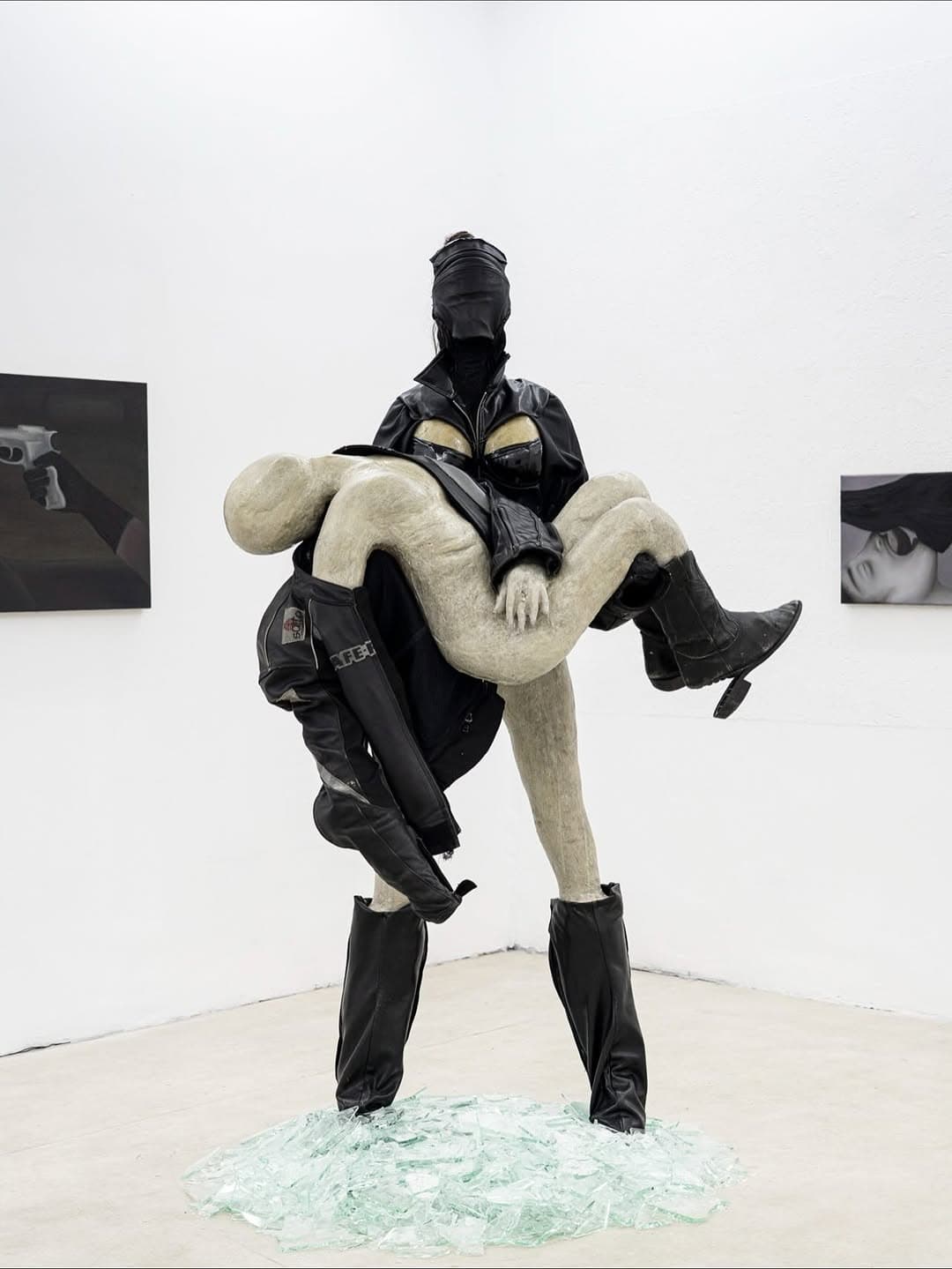
Kraków / 2025
%2Fphoto_1_2026-05-23_19-26-42.jpg&w=1200&q=75)
Milan / 2025
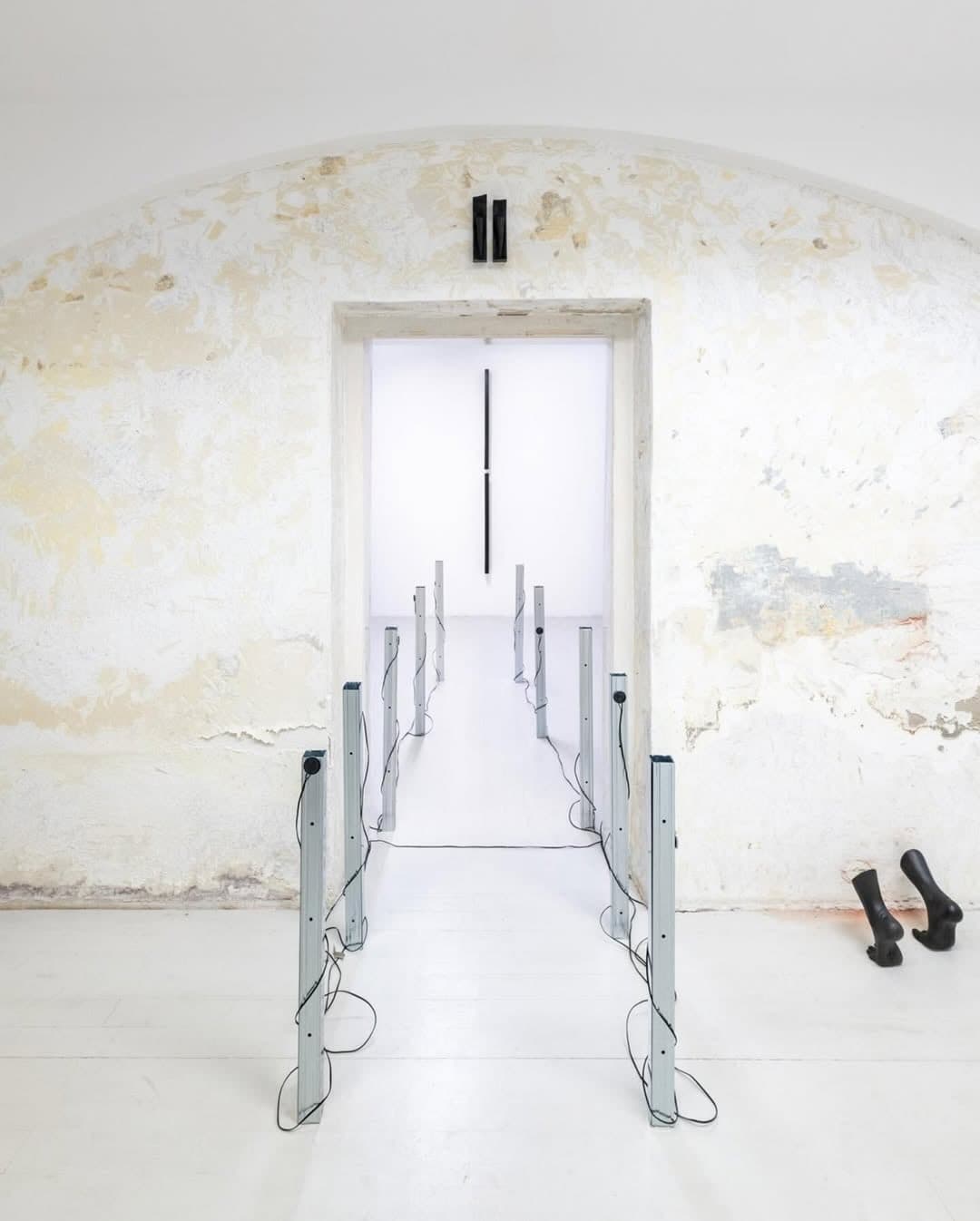
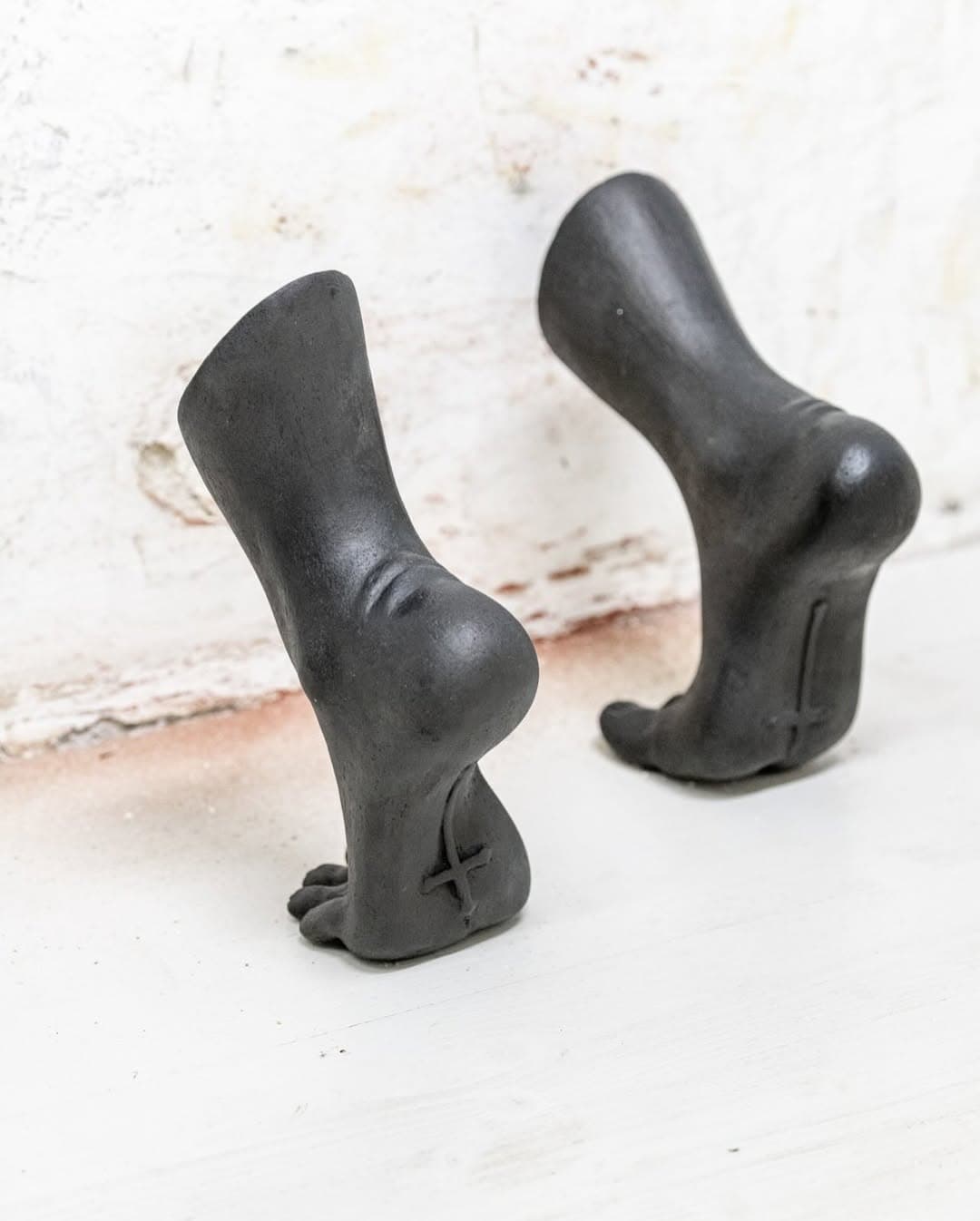
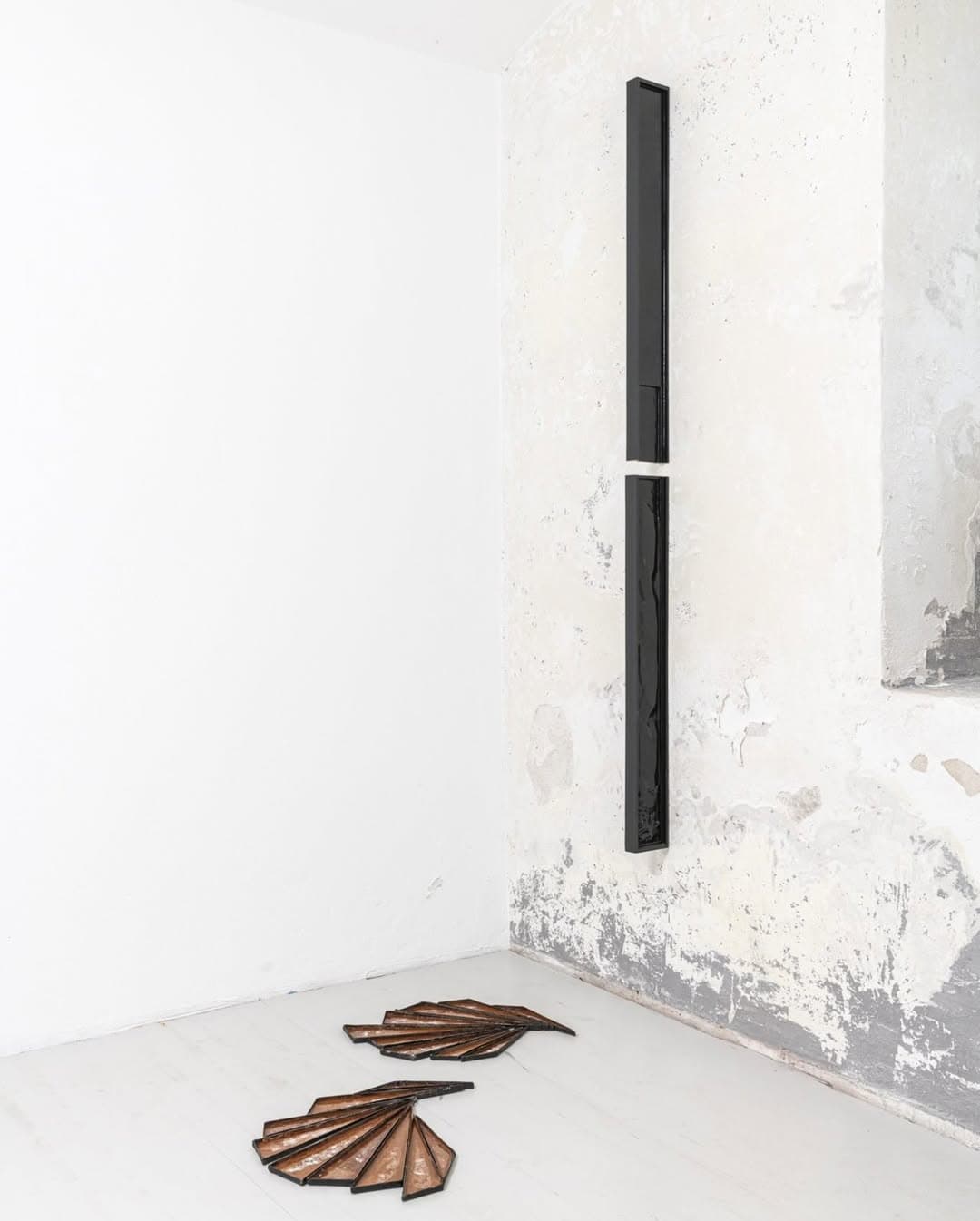
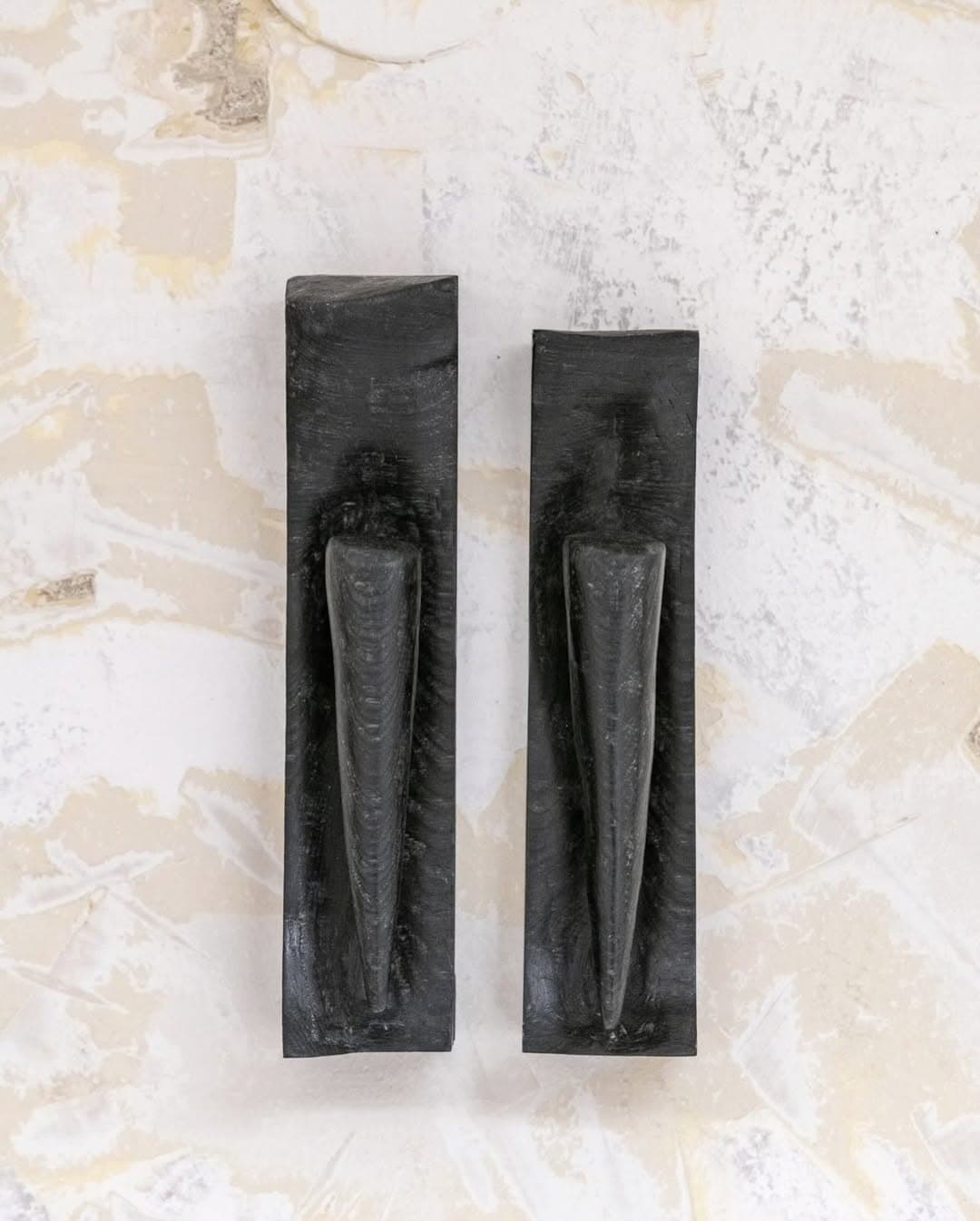
Graz / 2026
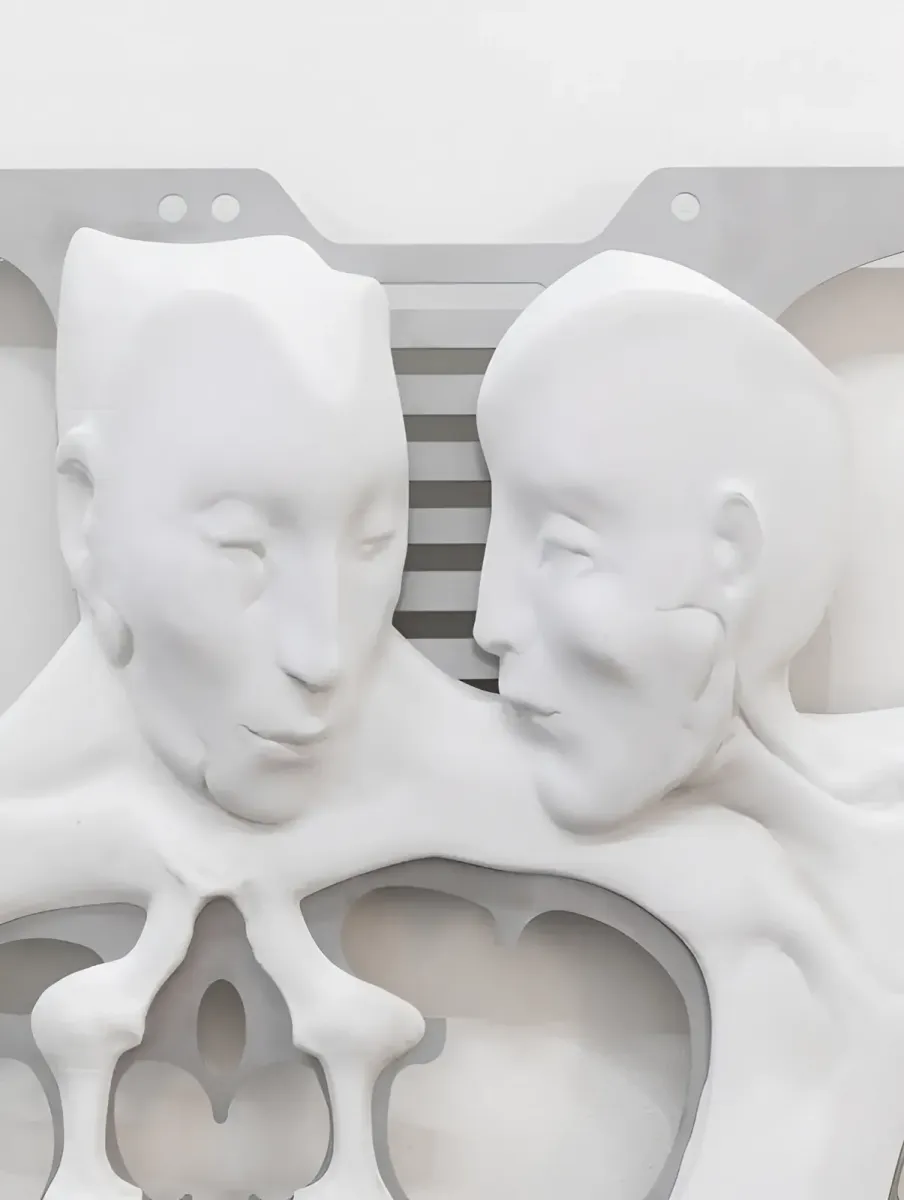
Prague / 2026
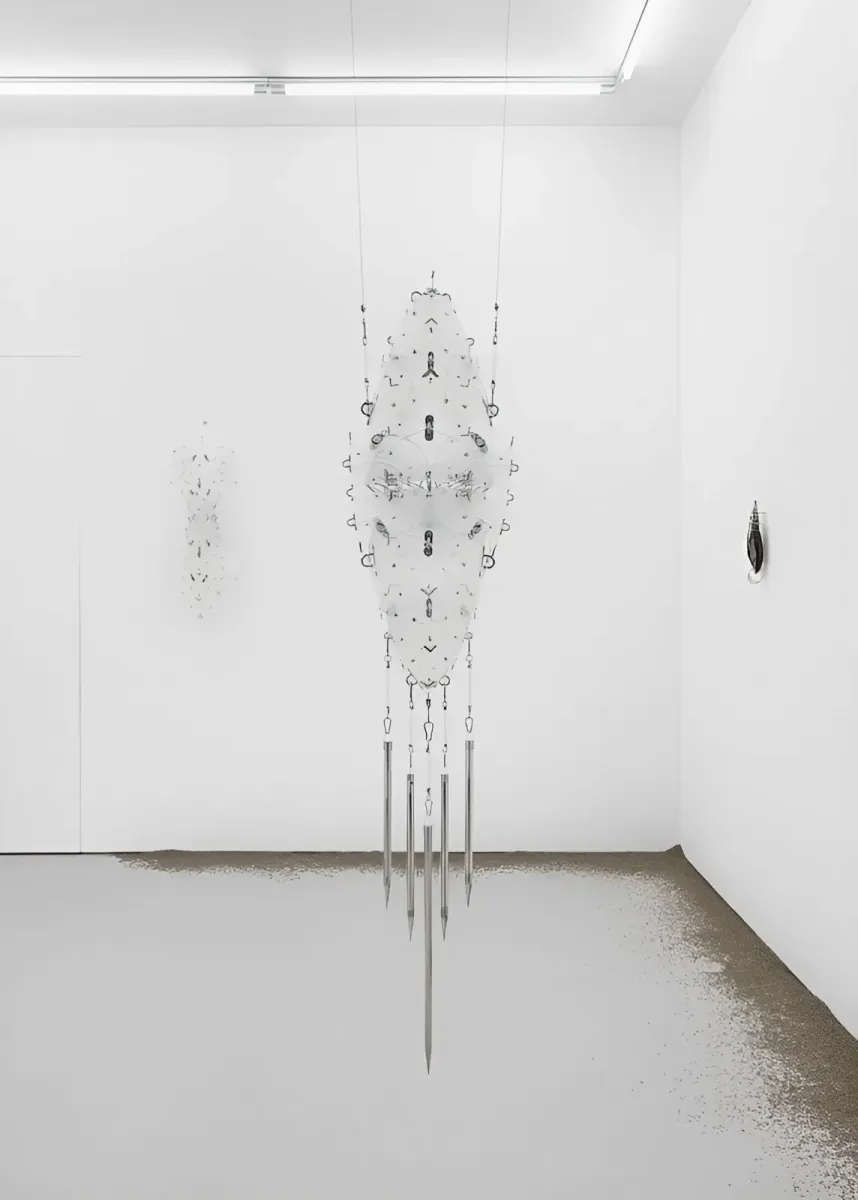
London / 2026
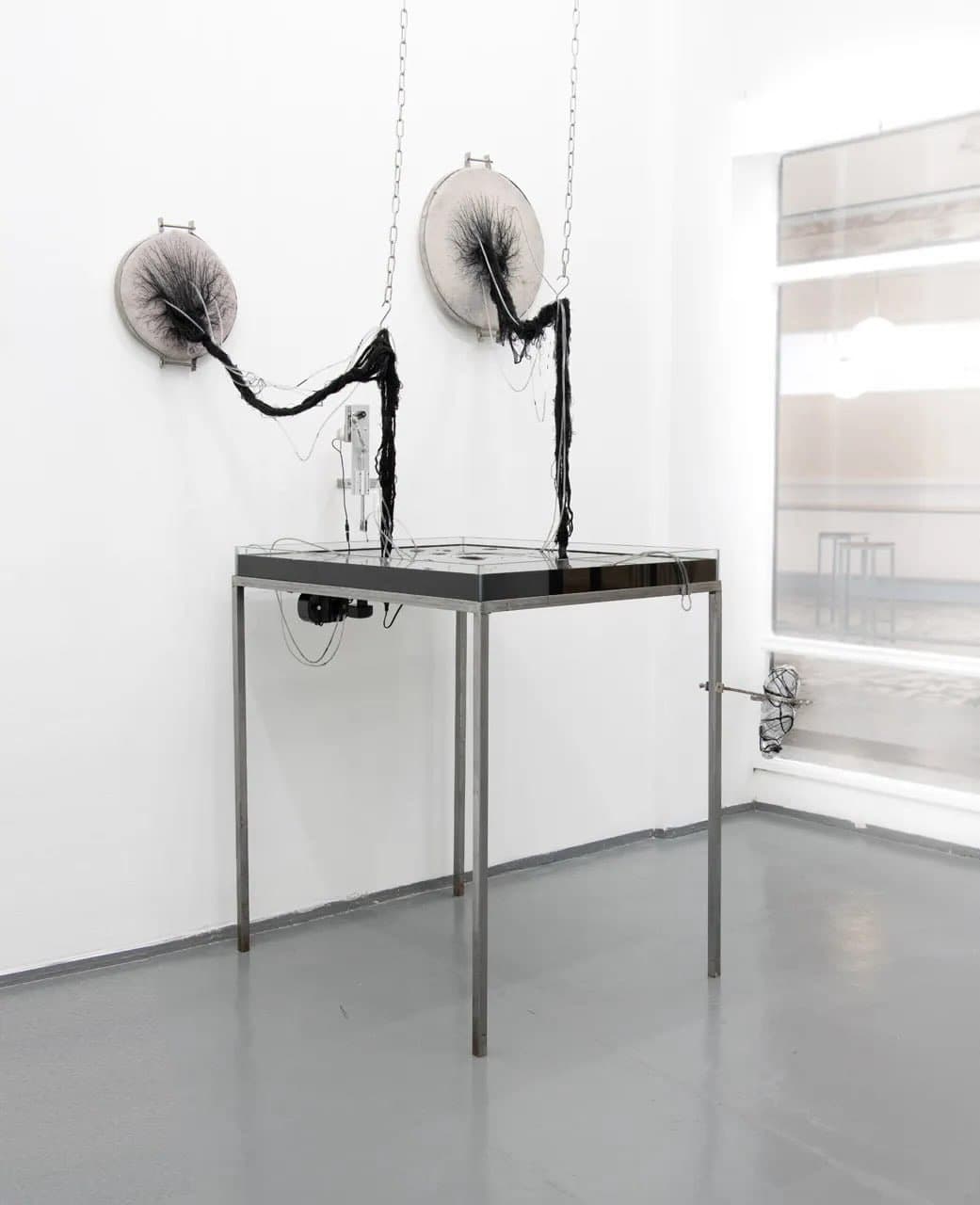
Buenos Aires / 2026
Sardinia / 2026
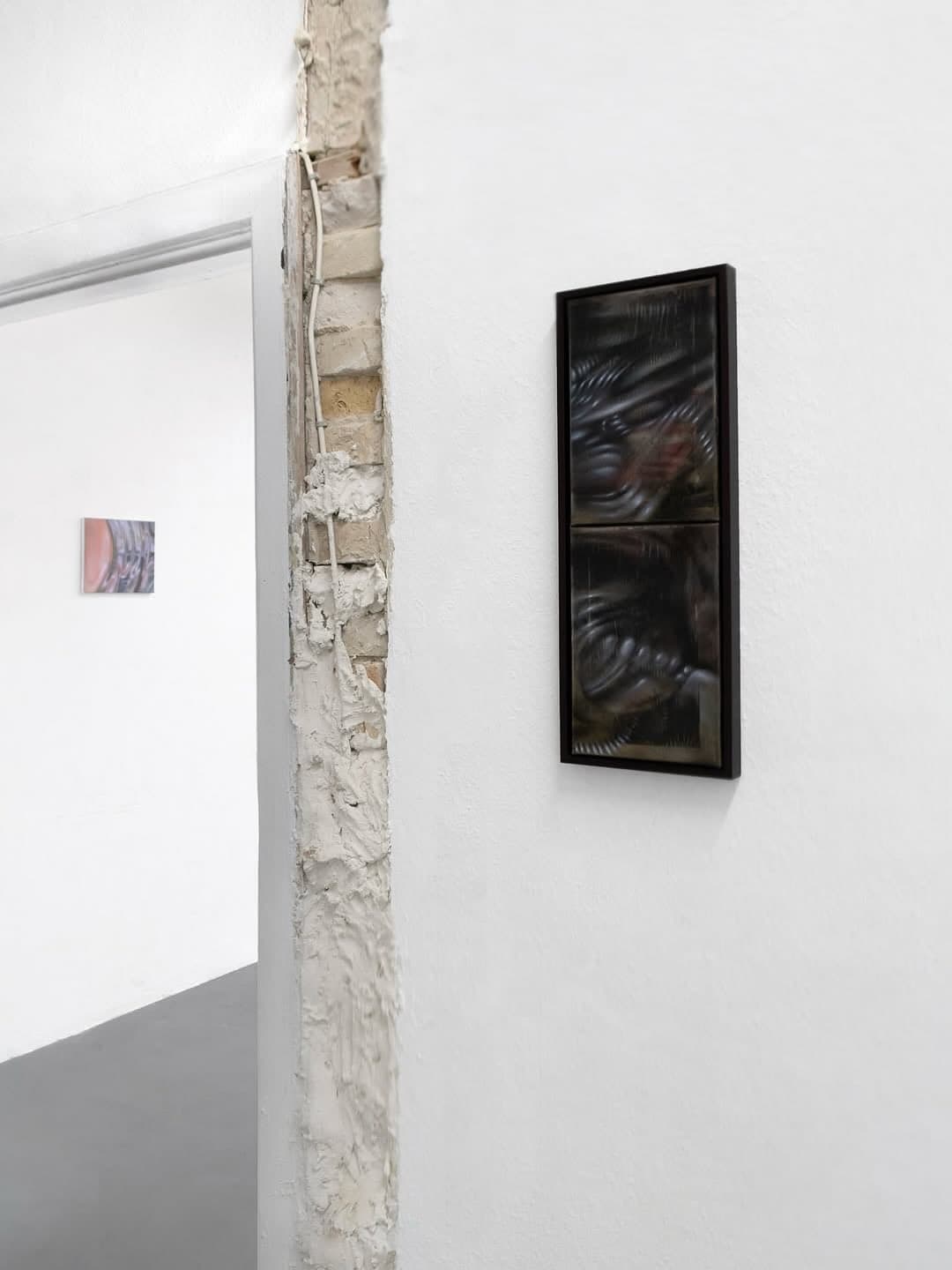
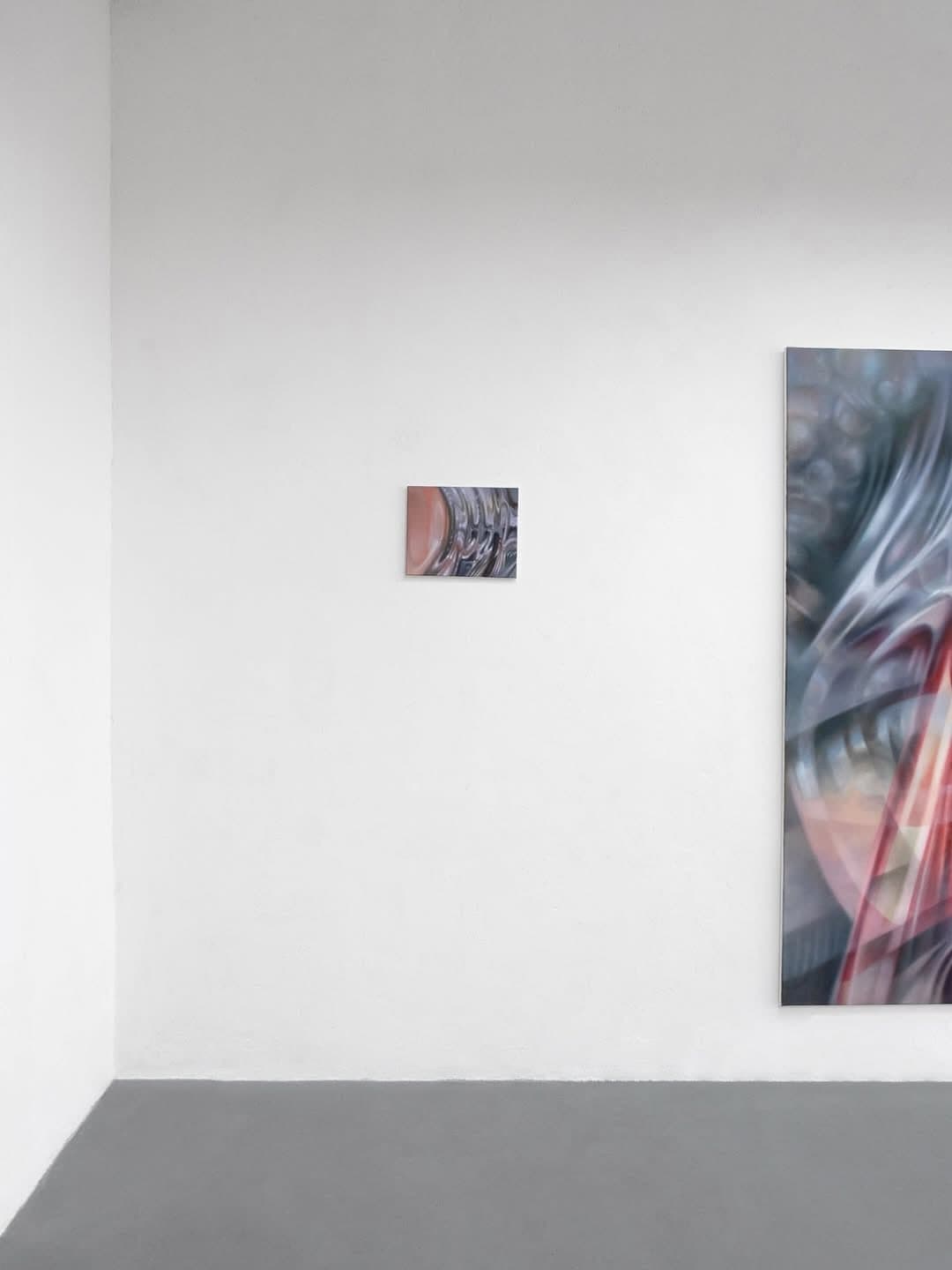
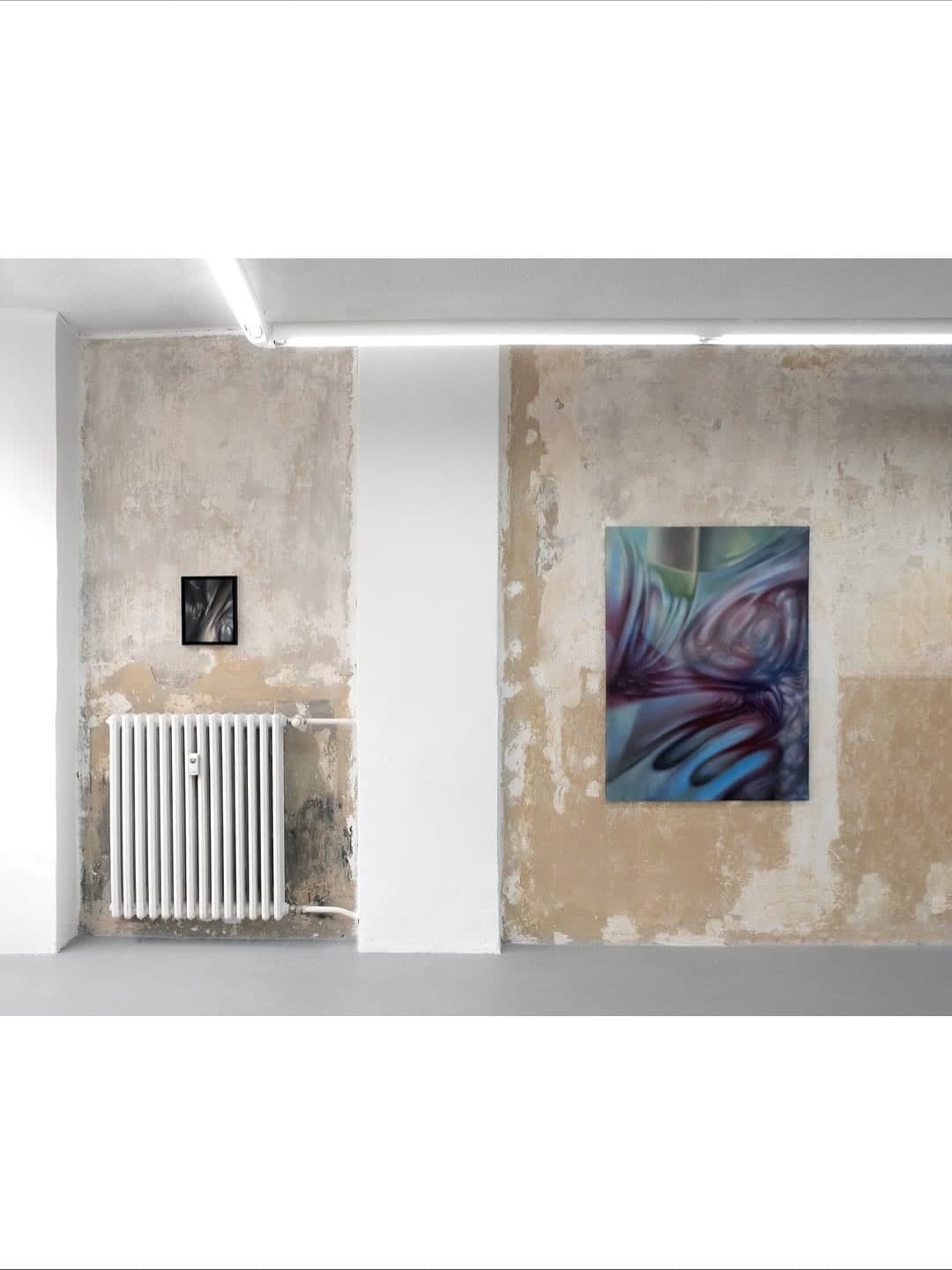
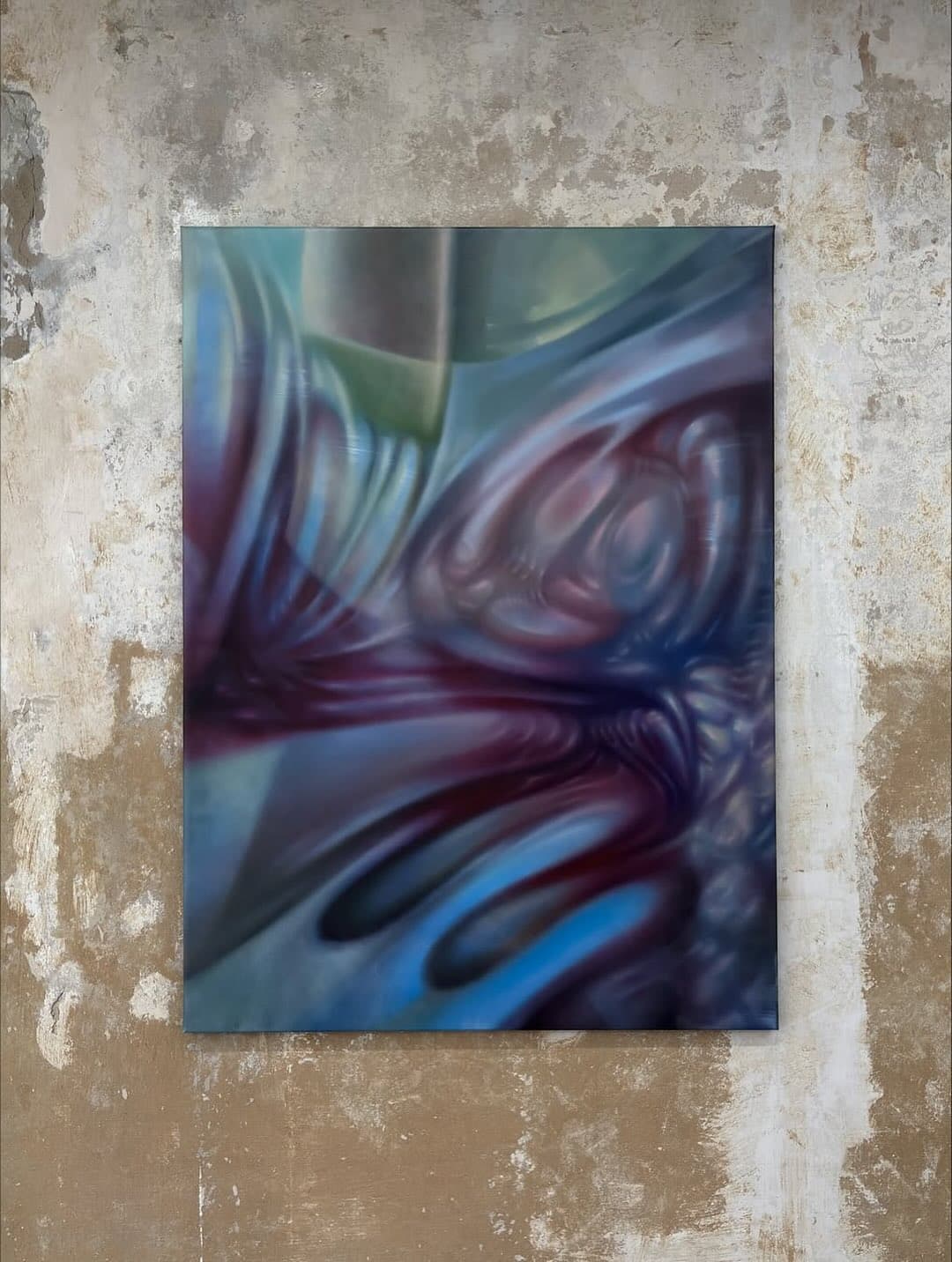
Berlin-Schöneberg / 2025
.webp&w=1200&q=75)
Seoul / 2025
Helsinki / 2026
/ 2026
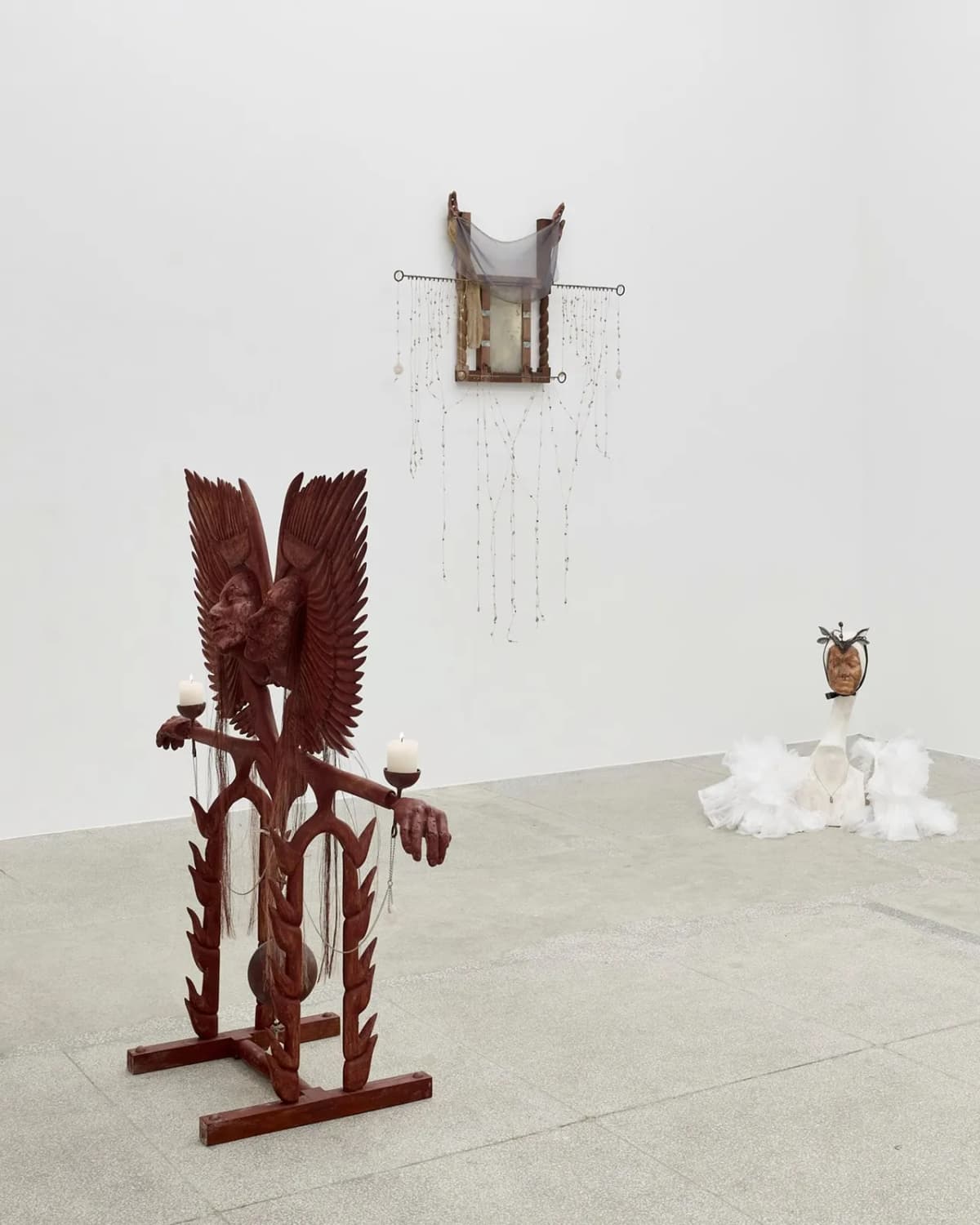
Warsaw / 2026
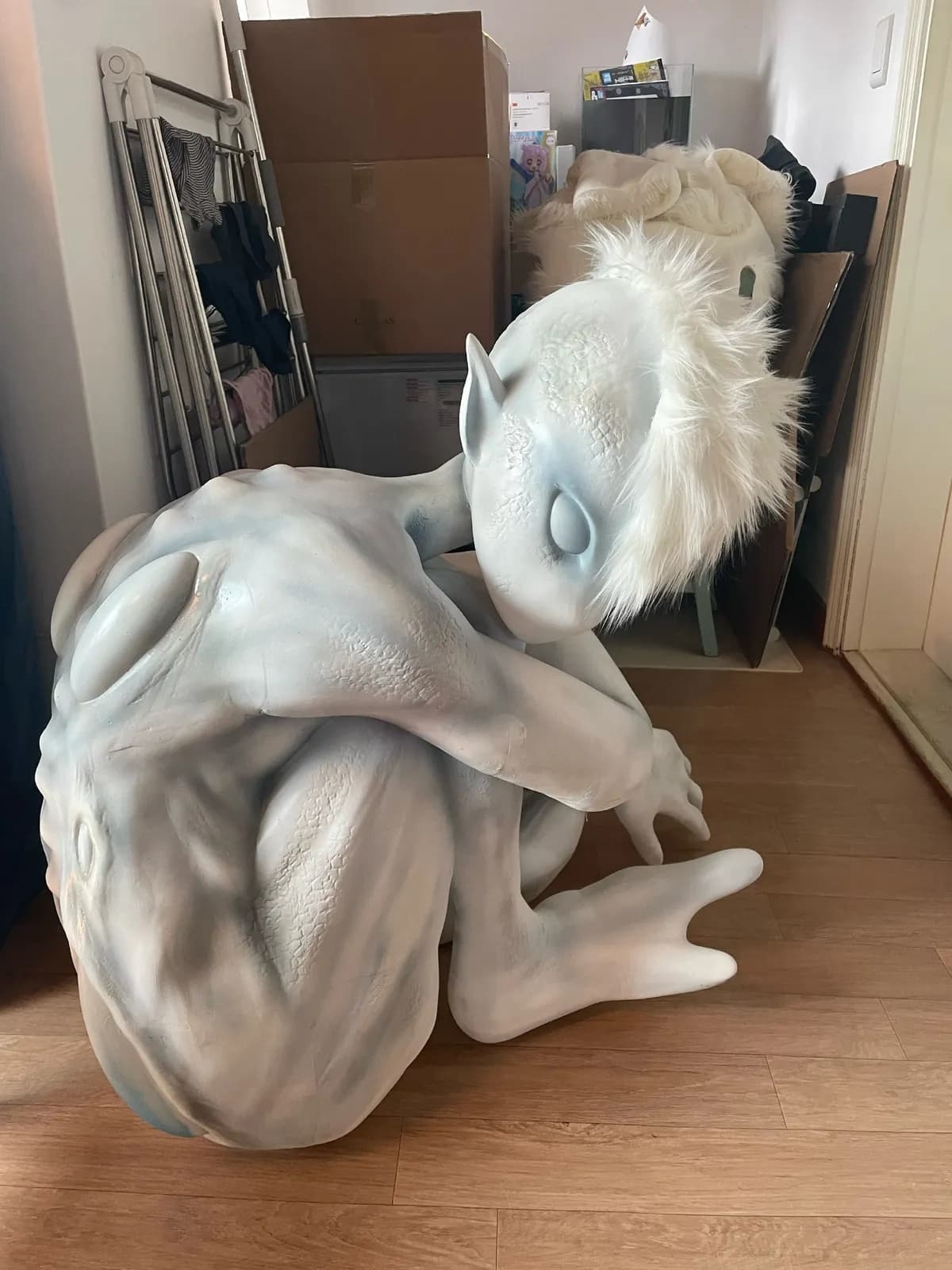
Seoul / 2026
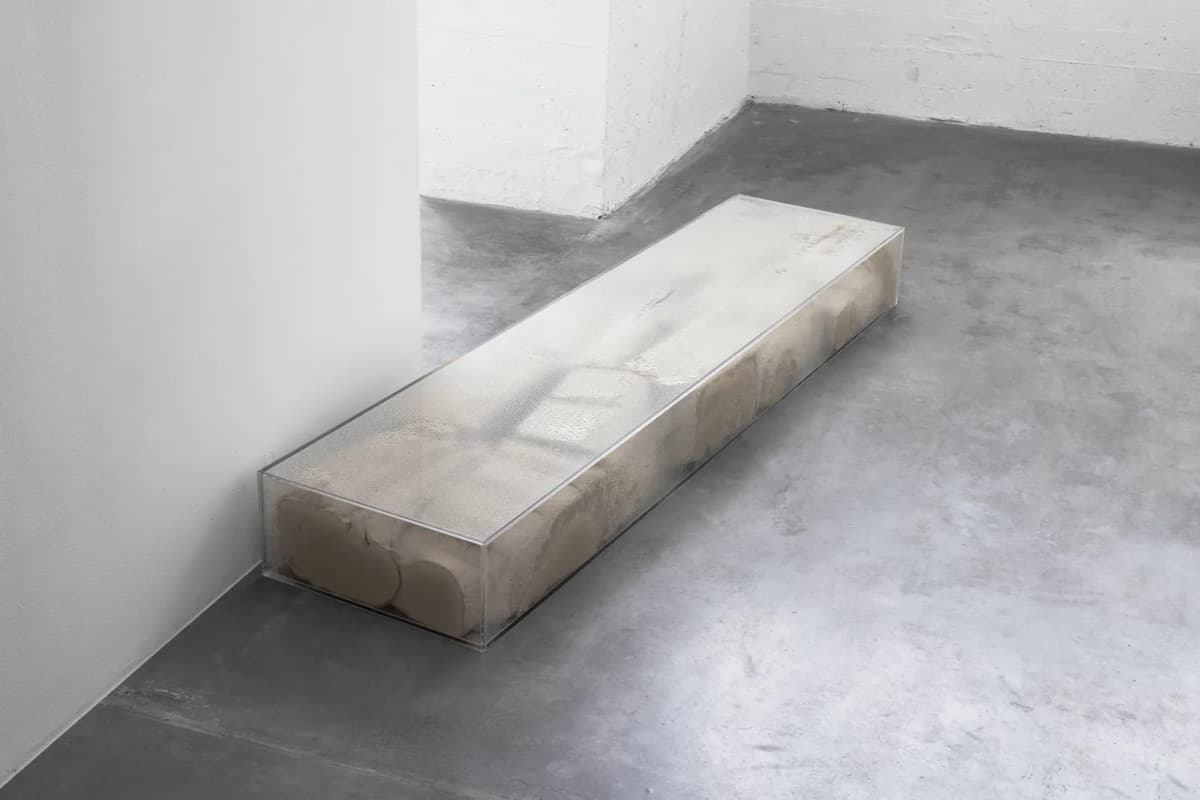
Brussels / 2026
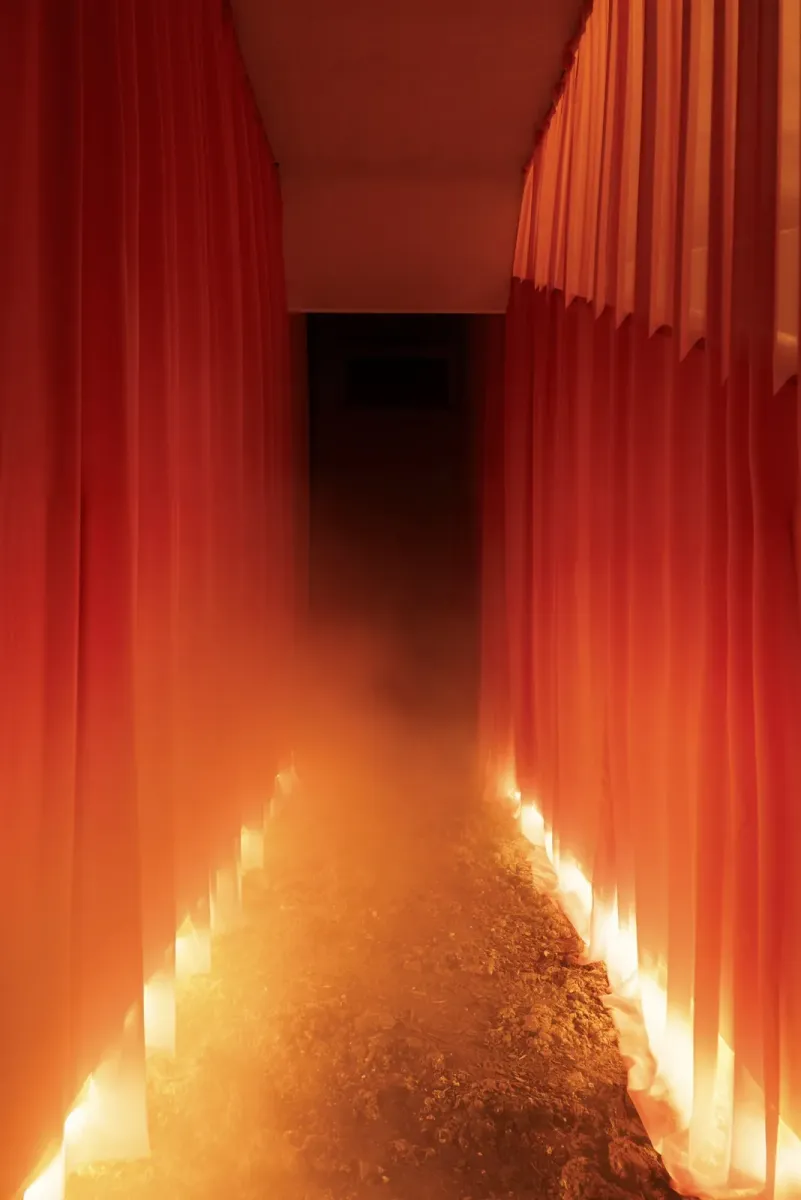
Seoul / 2026
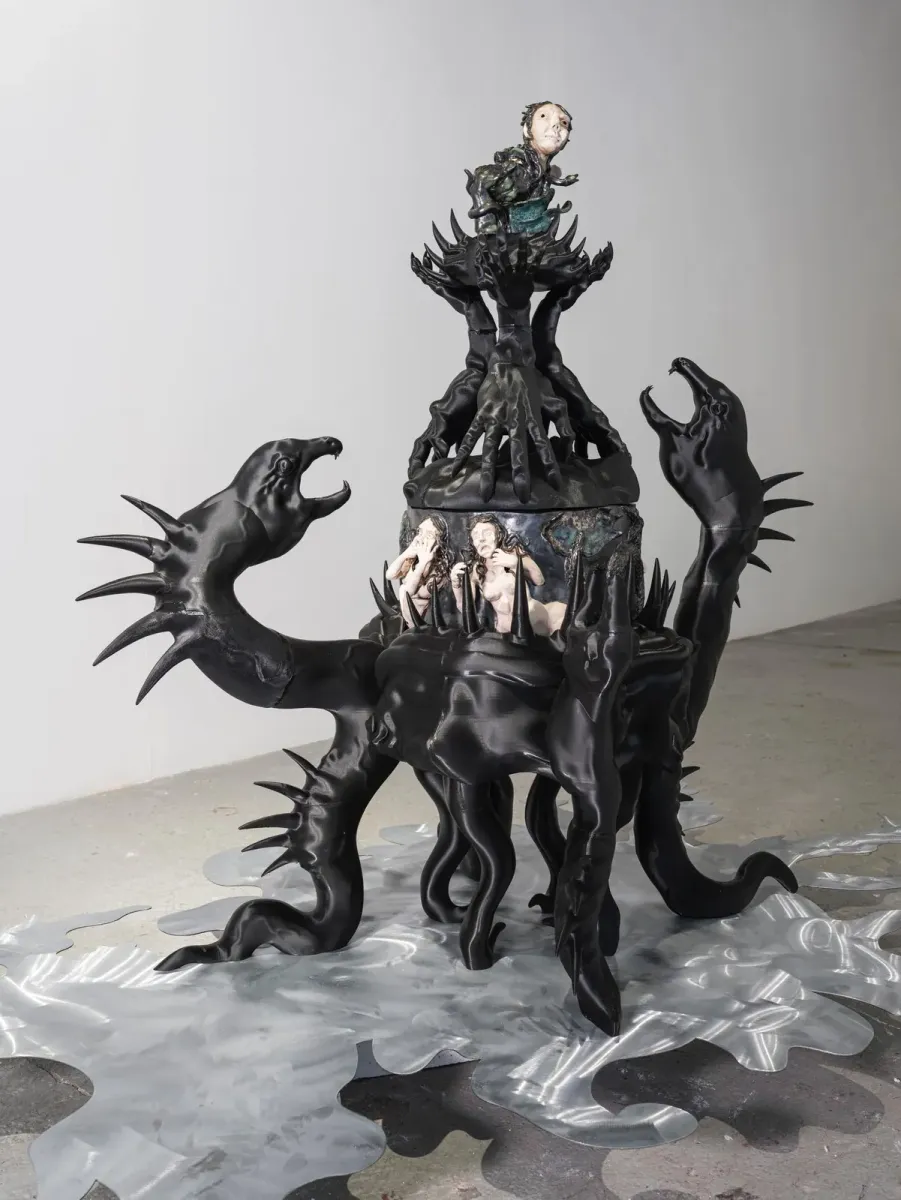
Paris / 2026
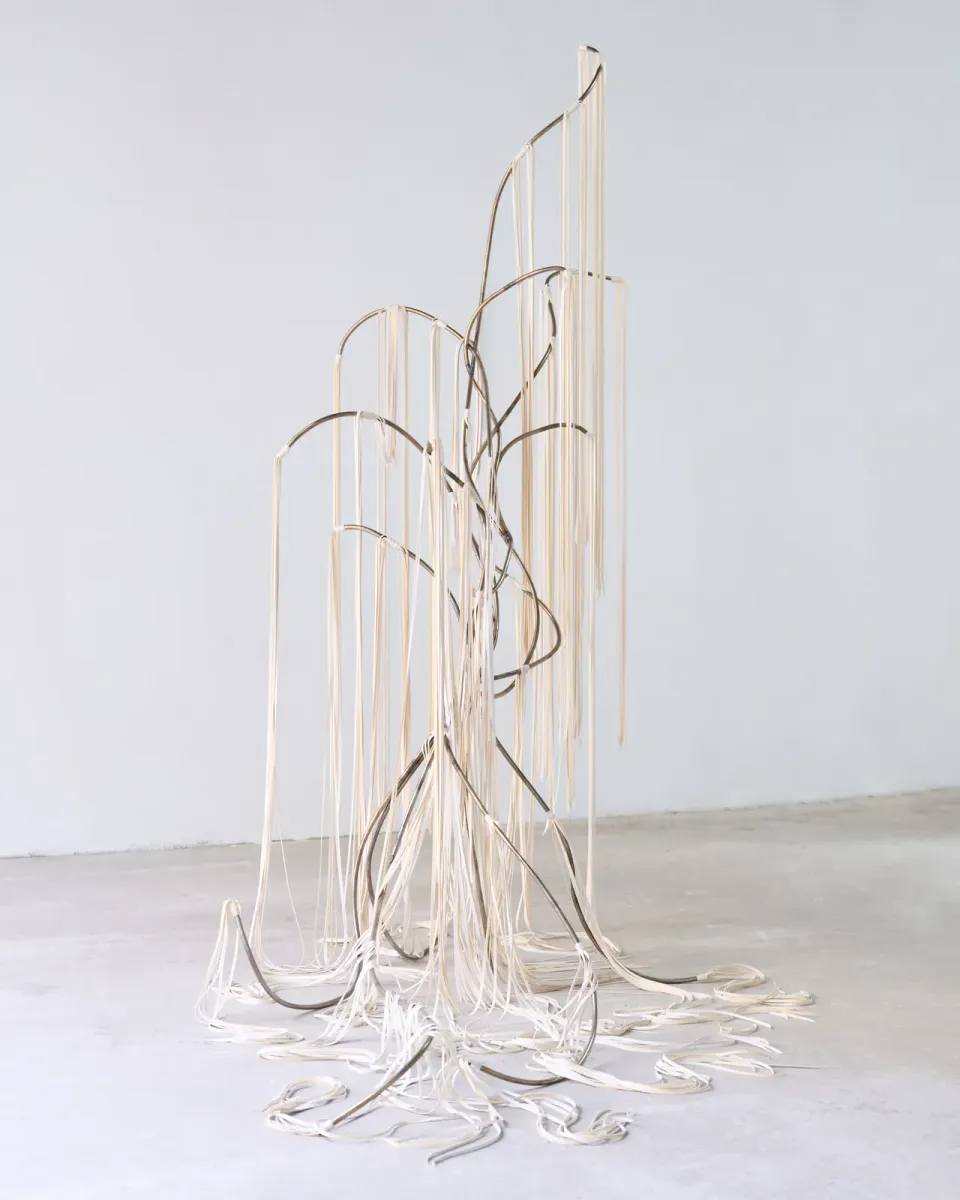
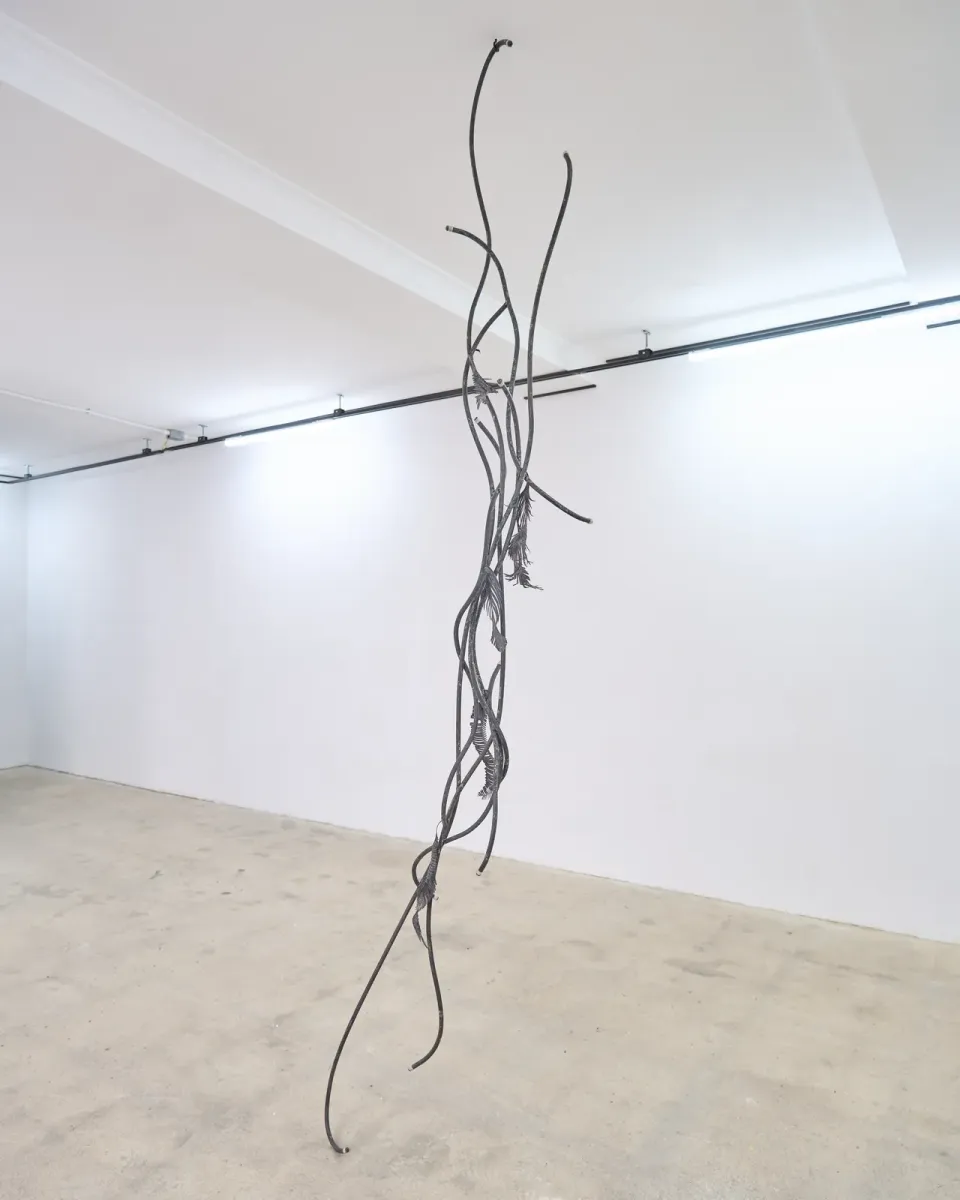
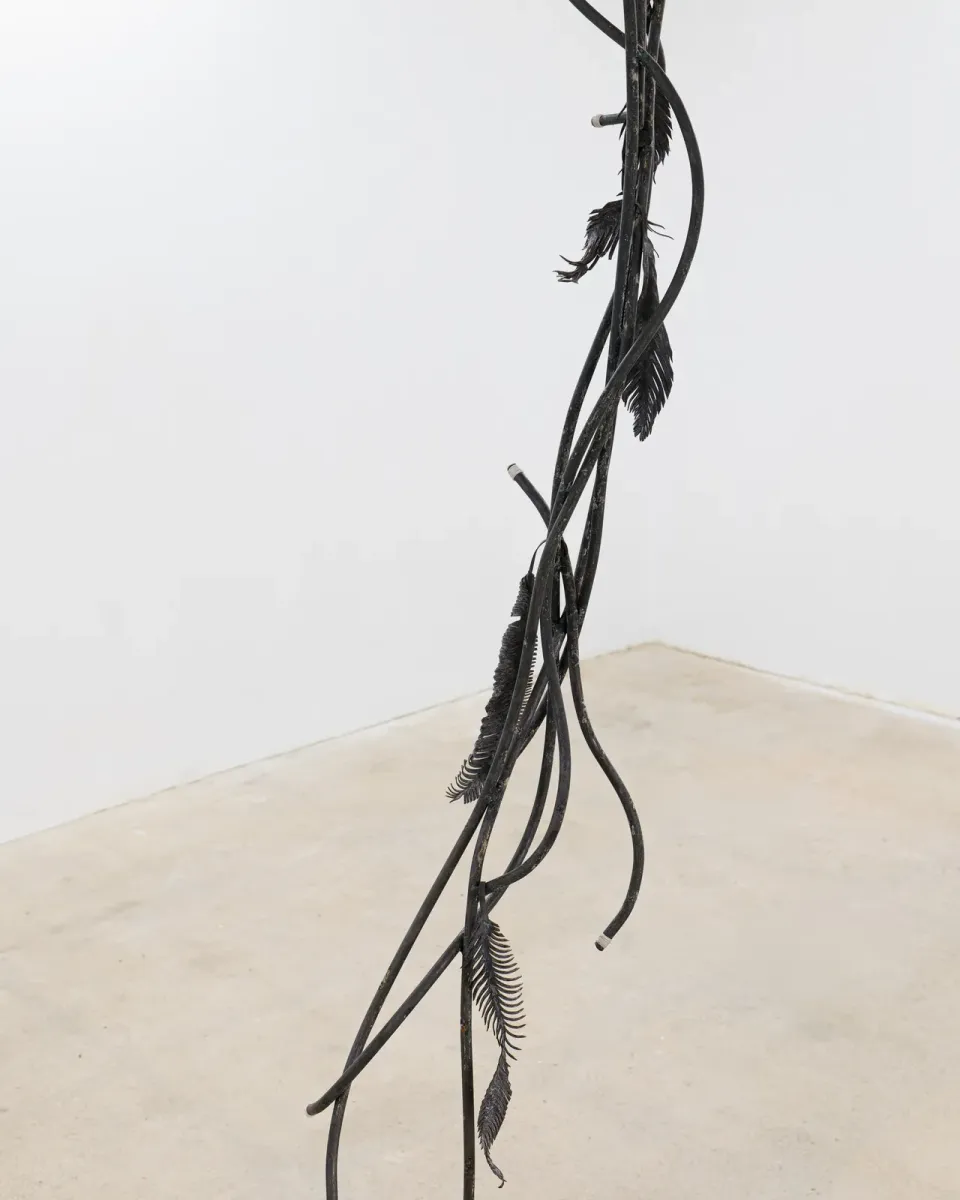
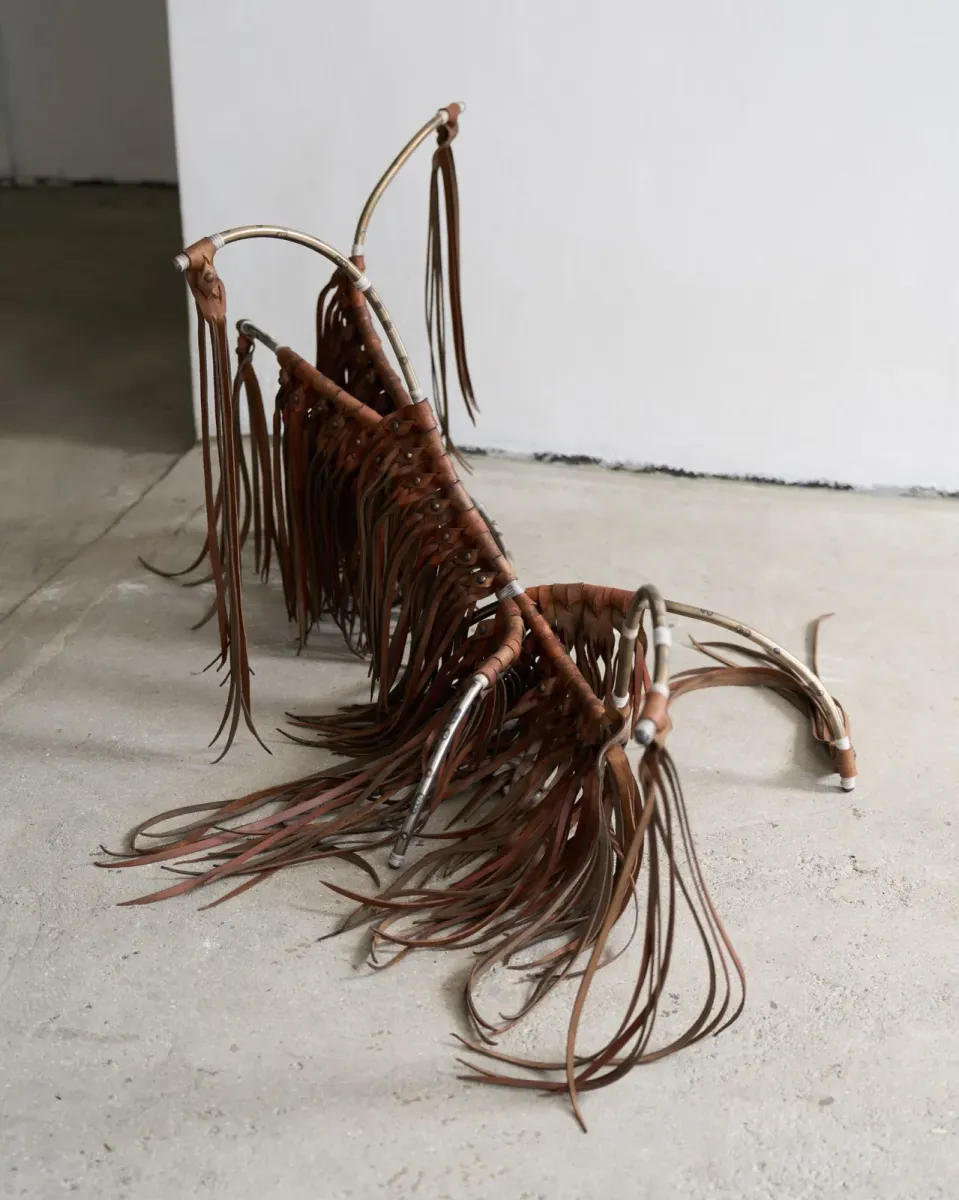
Seoul / 2026
London / 2026
.webp&w=1200&q=75)
.webp&w=1200&q=75)
.webp&w=1200&q=75)
.webp&w=1200&q=75)
.webp&w=1200&q=75)
.webp&w=1200&q=75)
.webp&w=1200&q=75)
.webp&w=1200&q=75)
Vienna / 2026
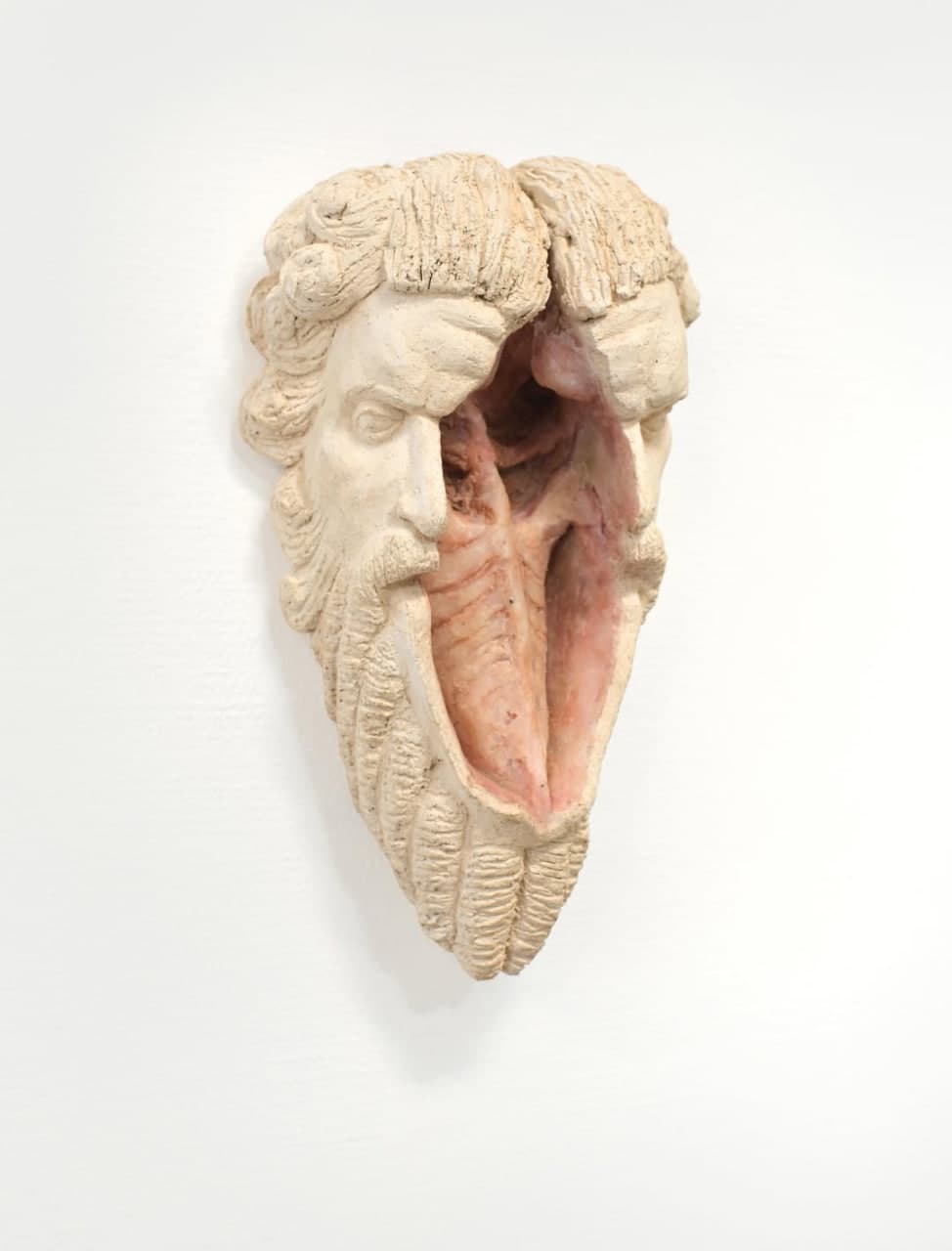
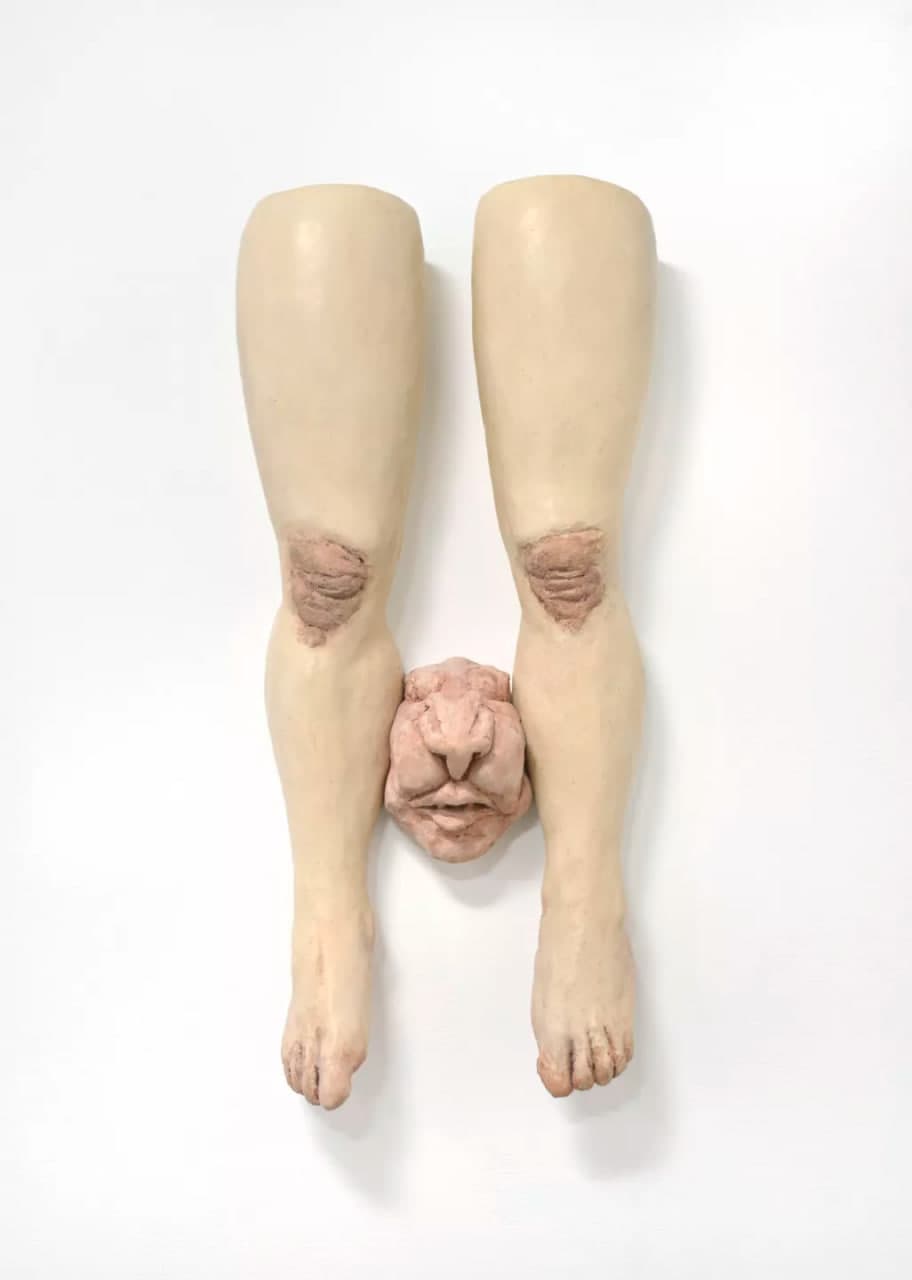
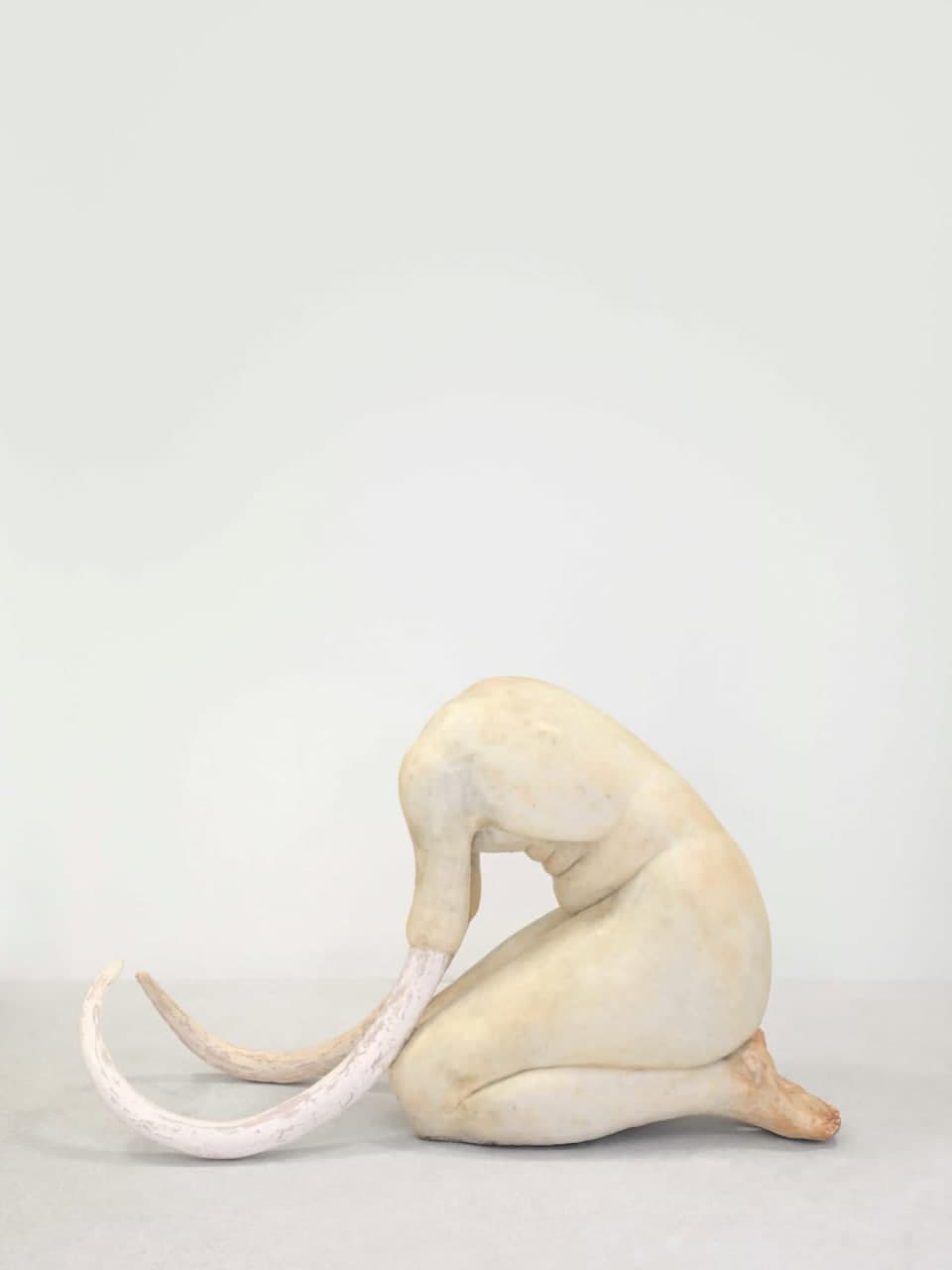
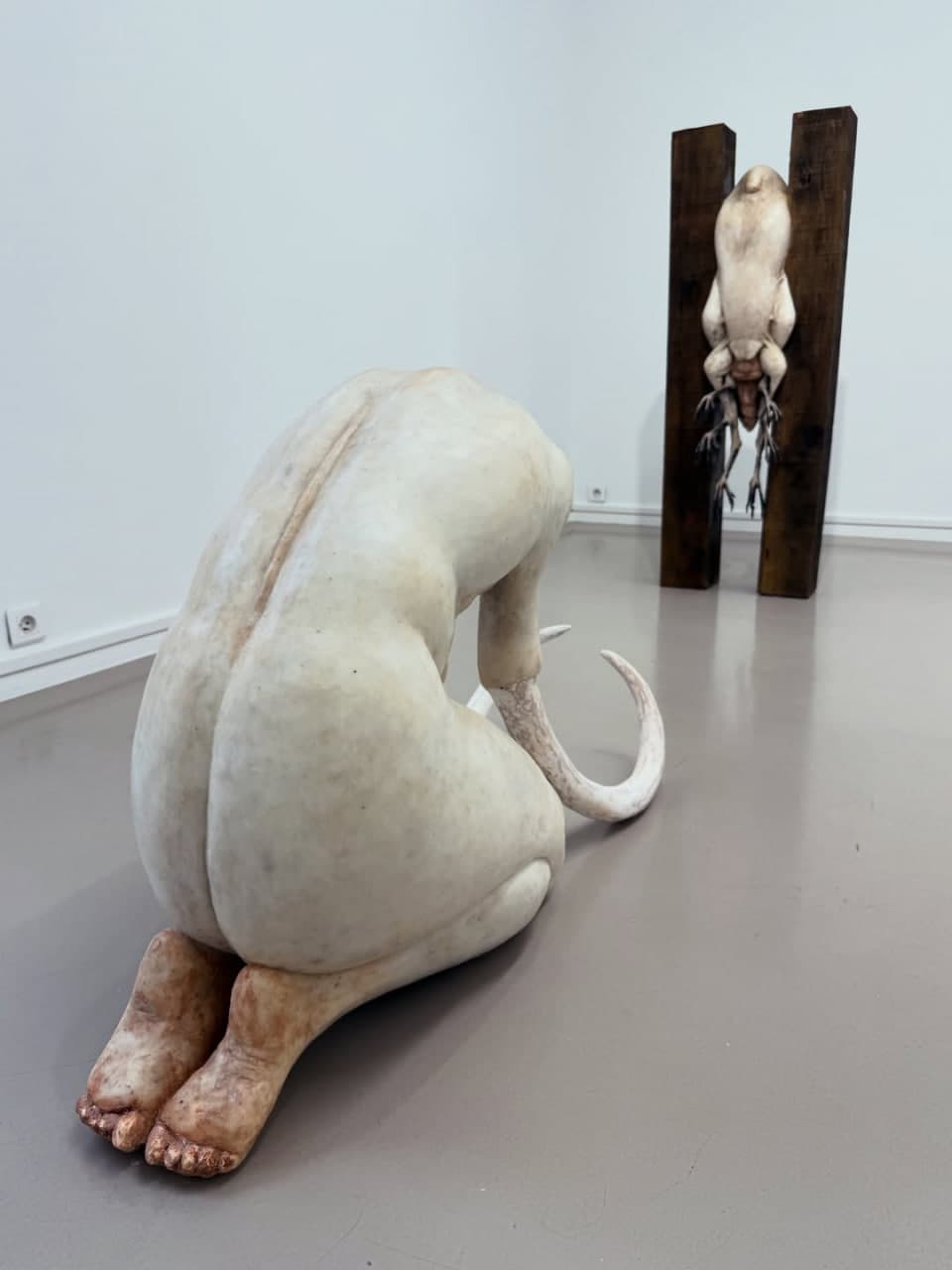
Paris / 2026
Munich / 2026
Bucharest / 2026
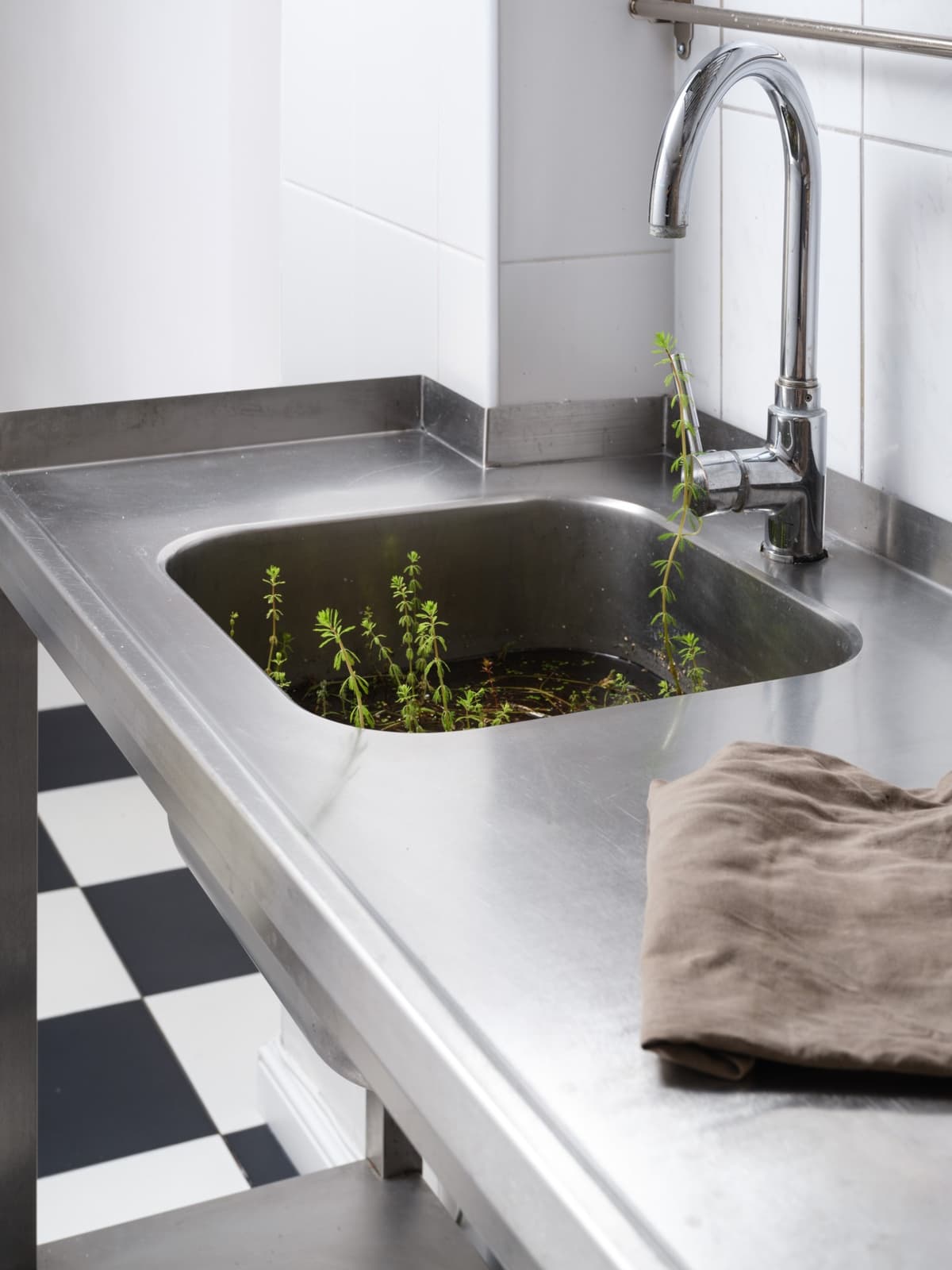
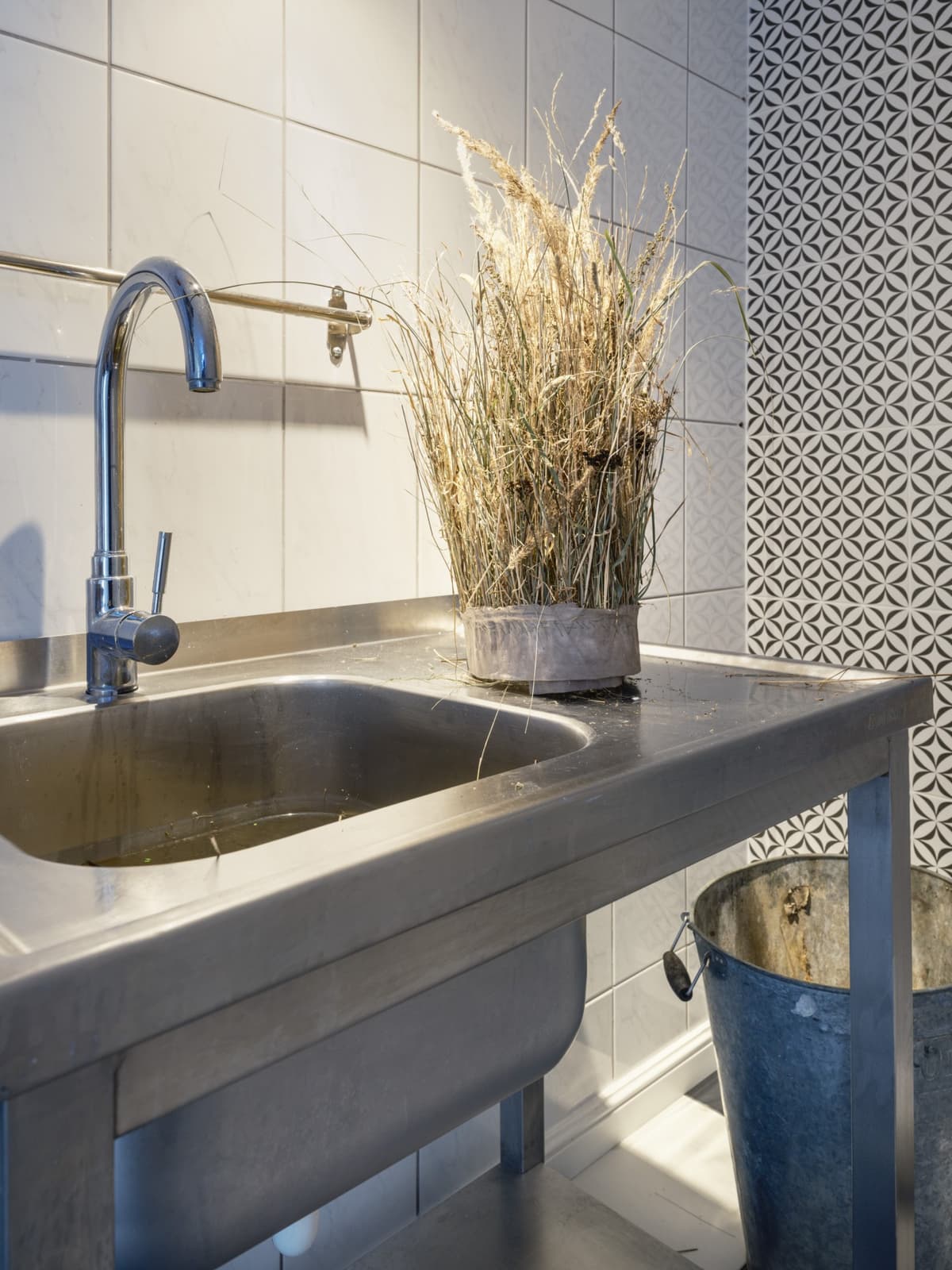
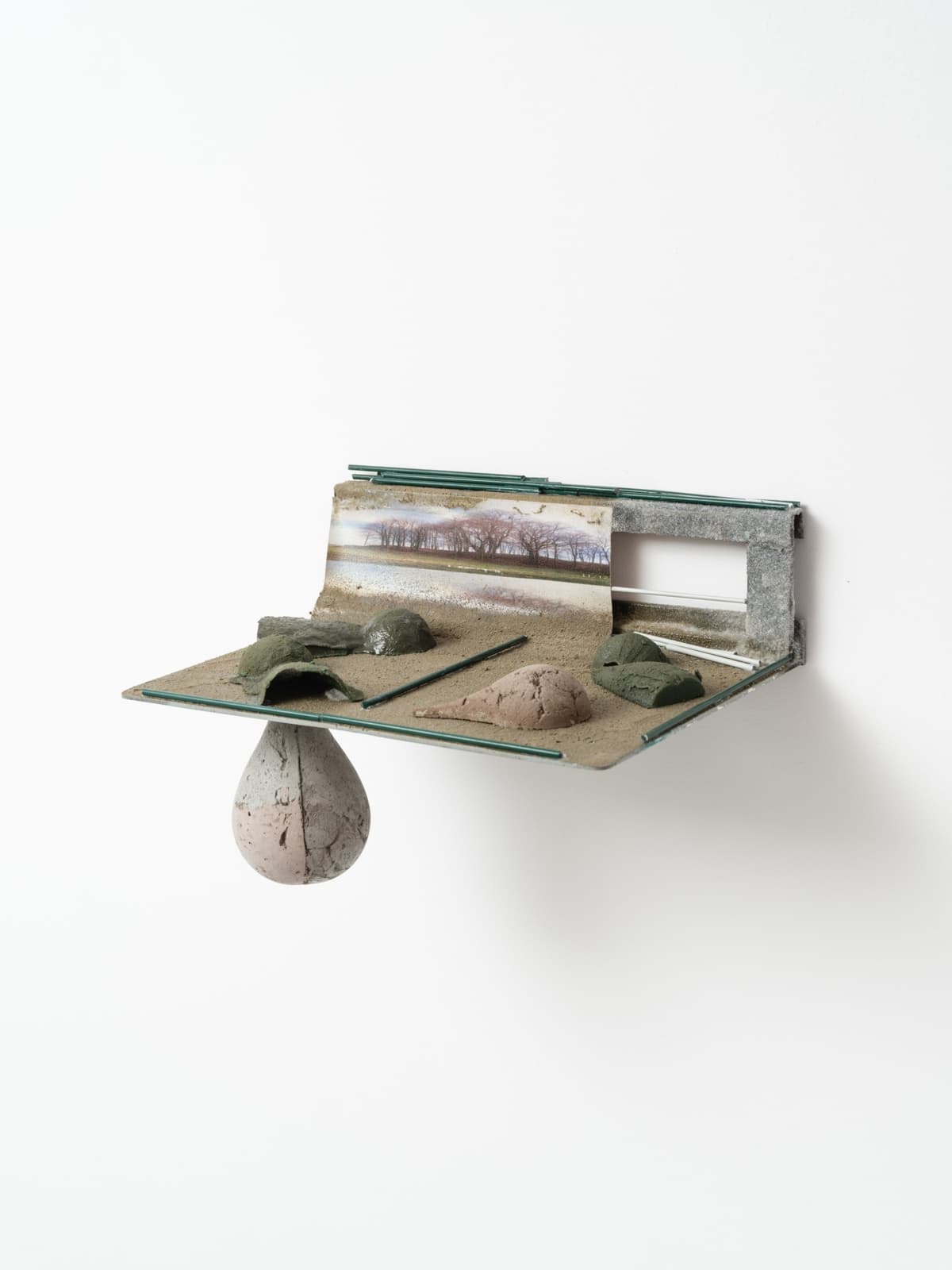
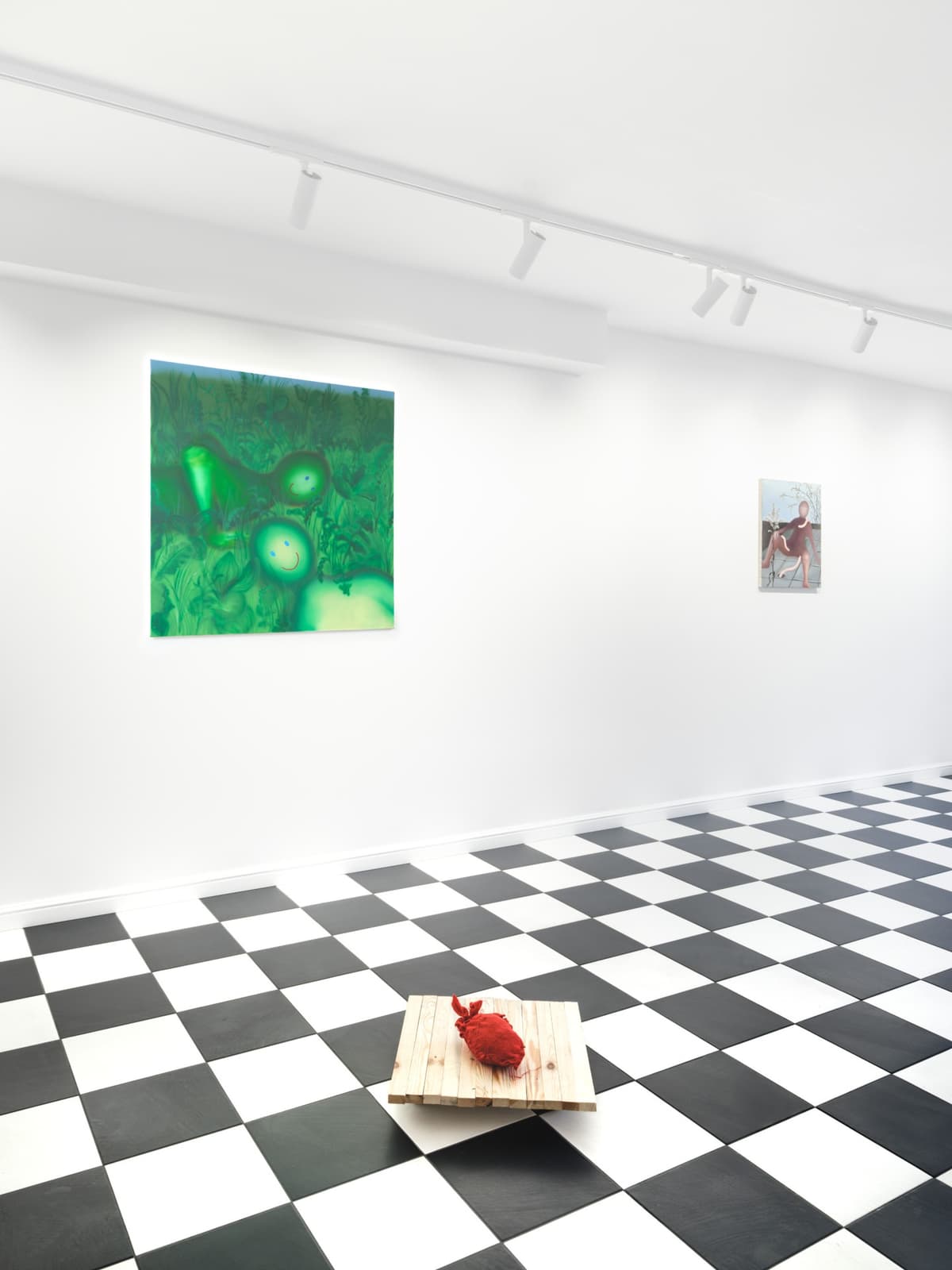
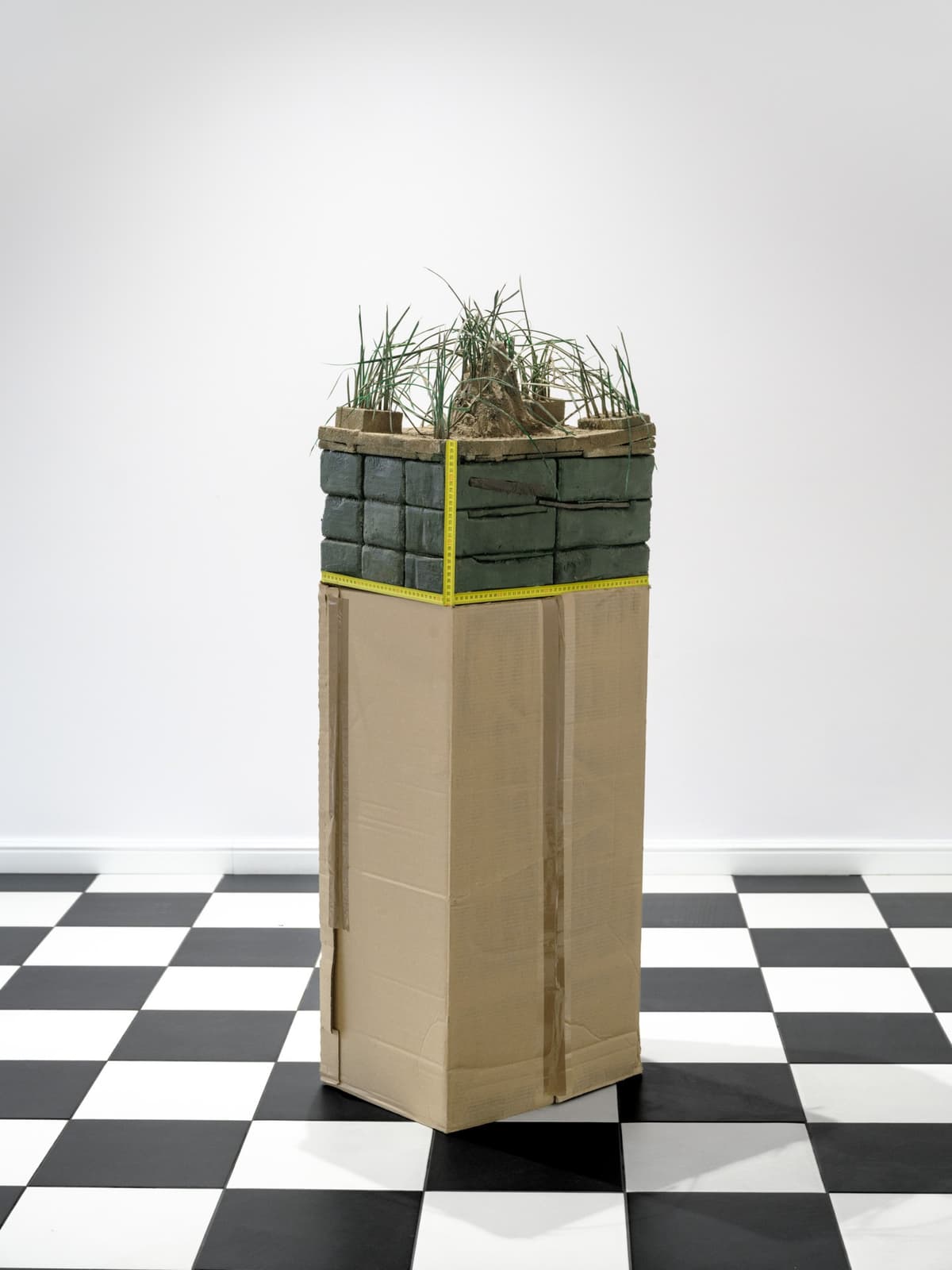
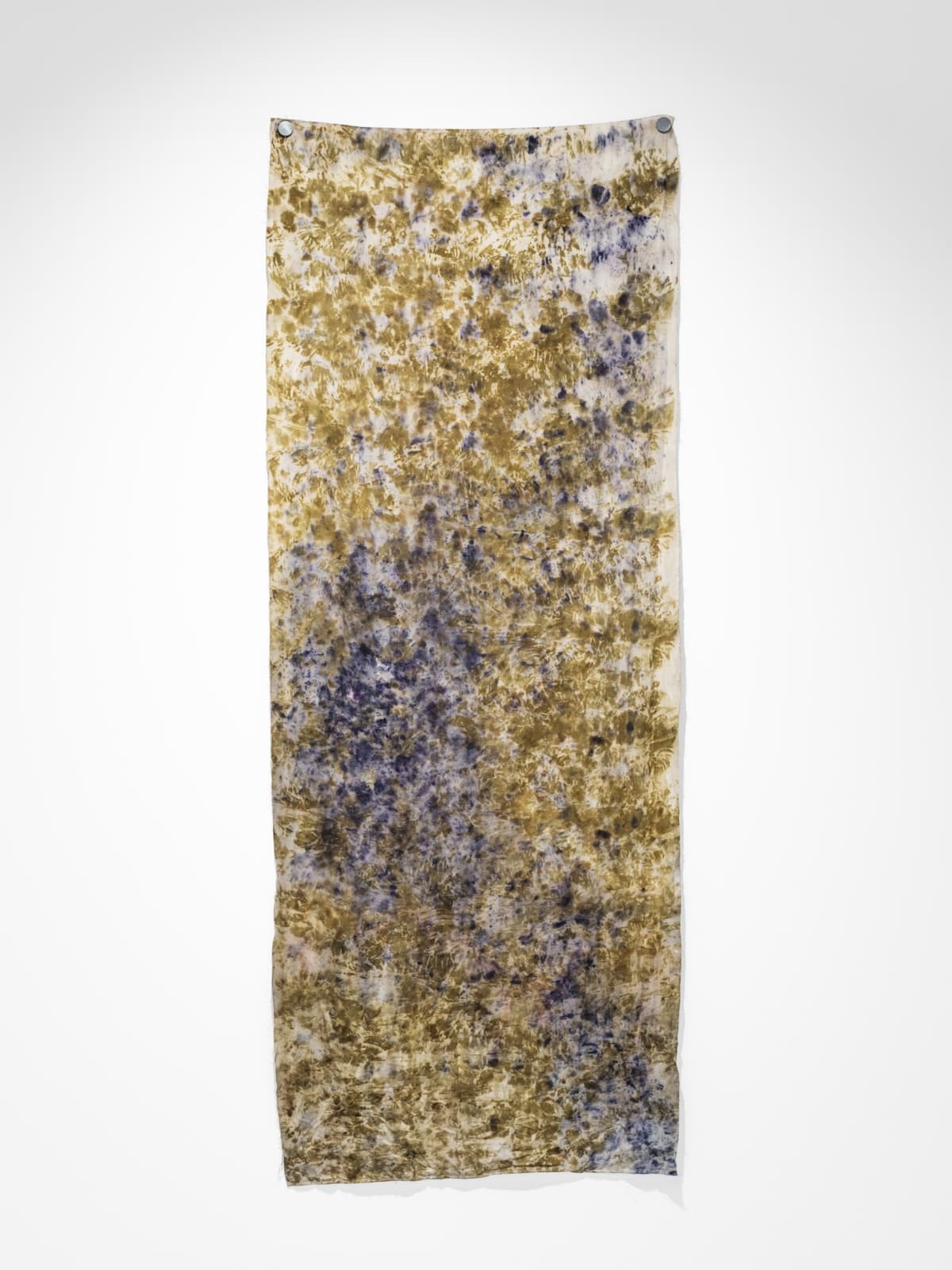
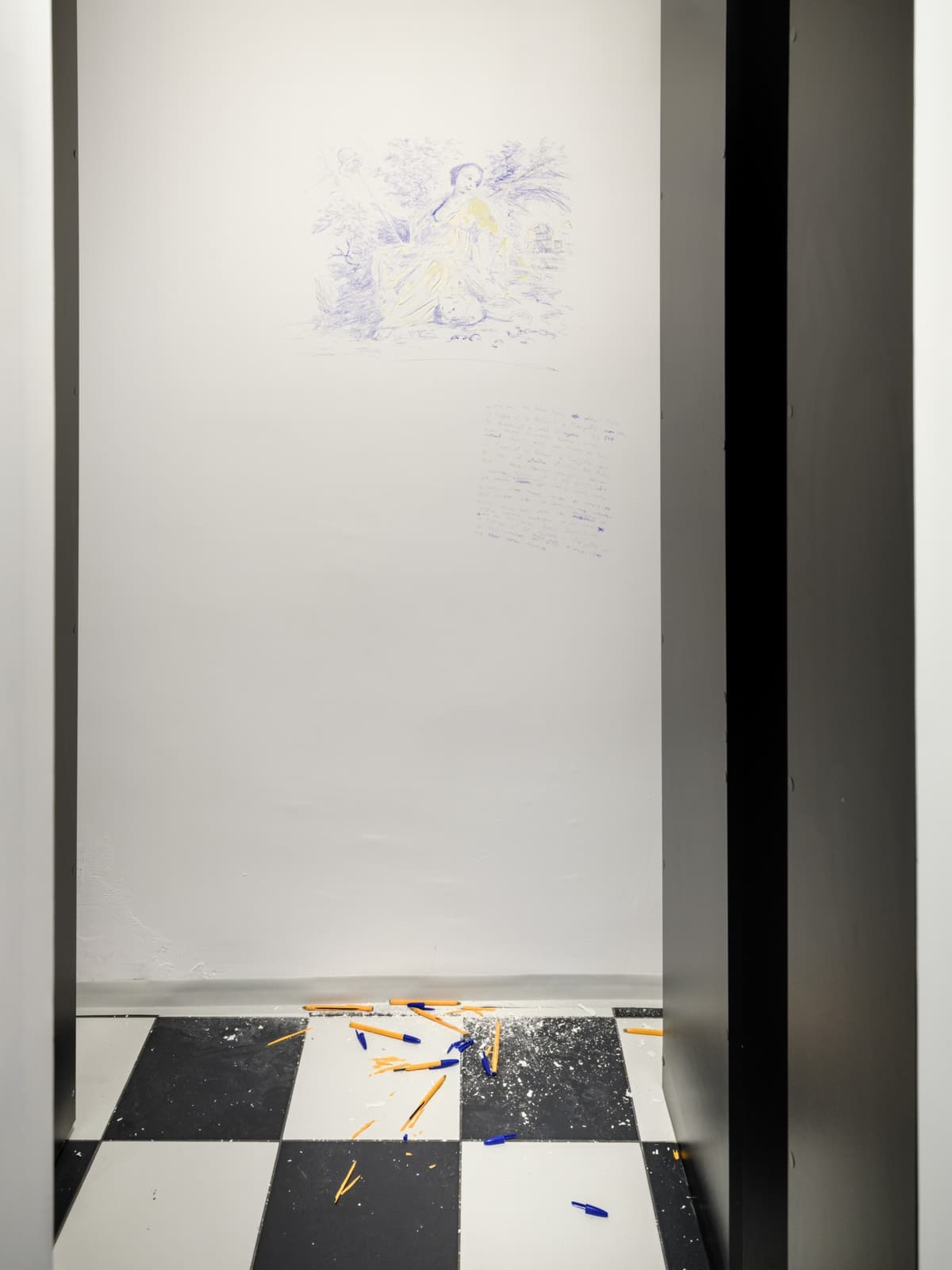
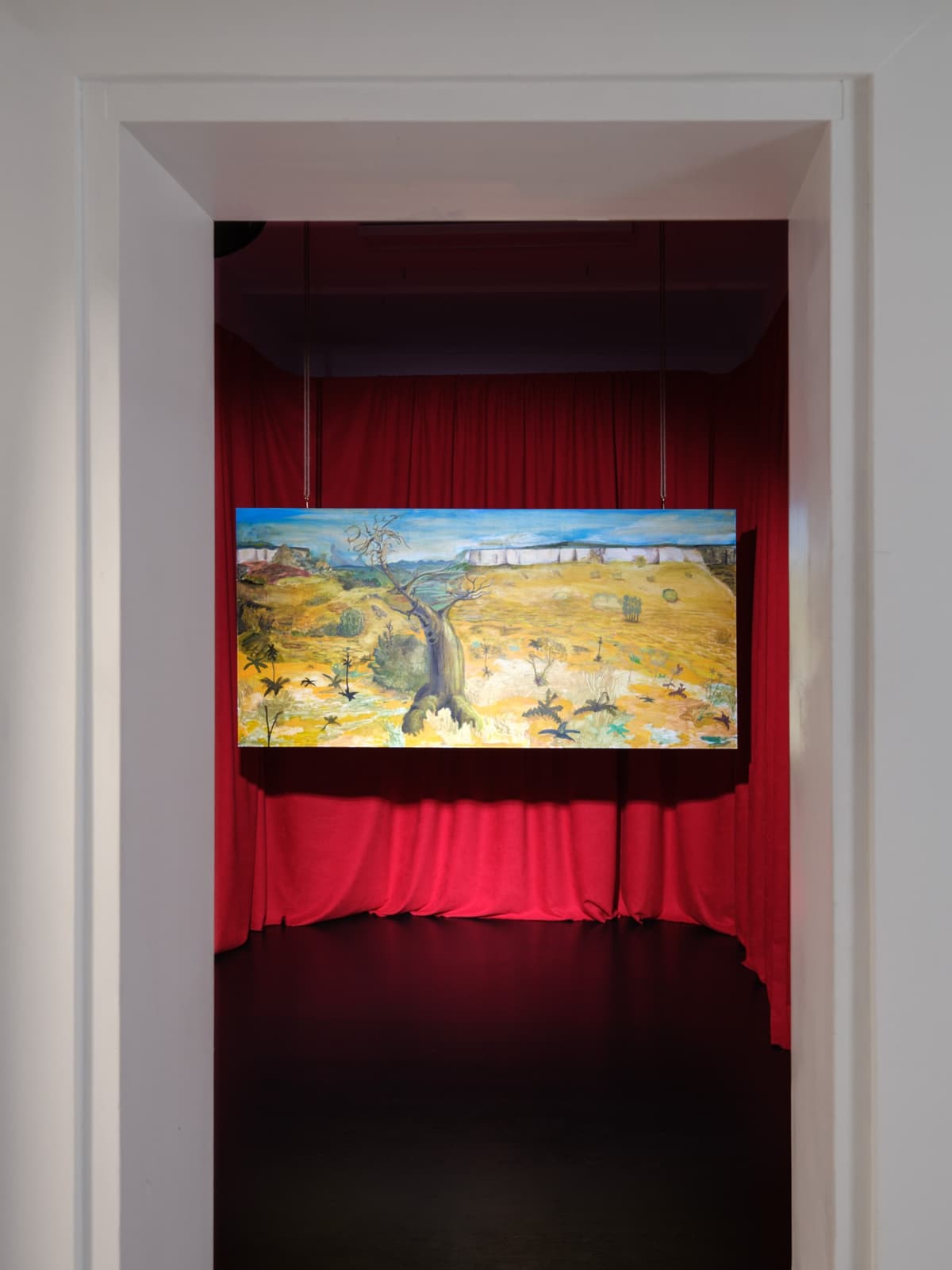
Warsaw / 2024-2025
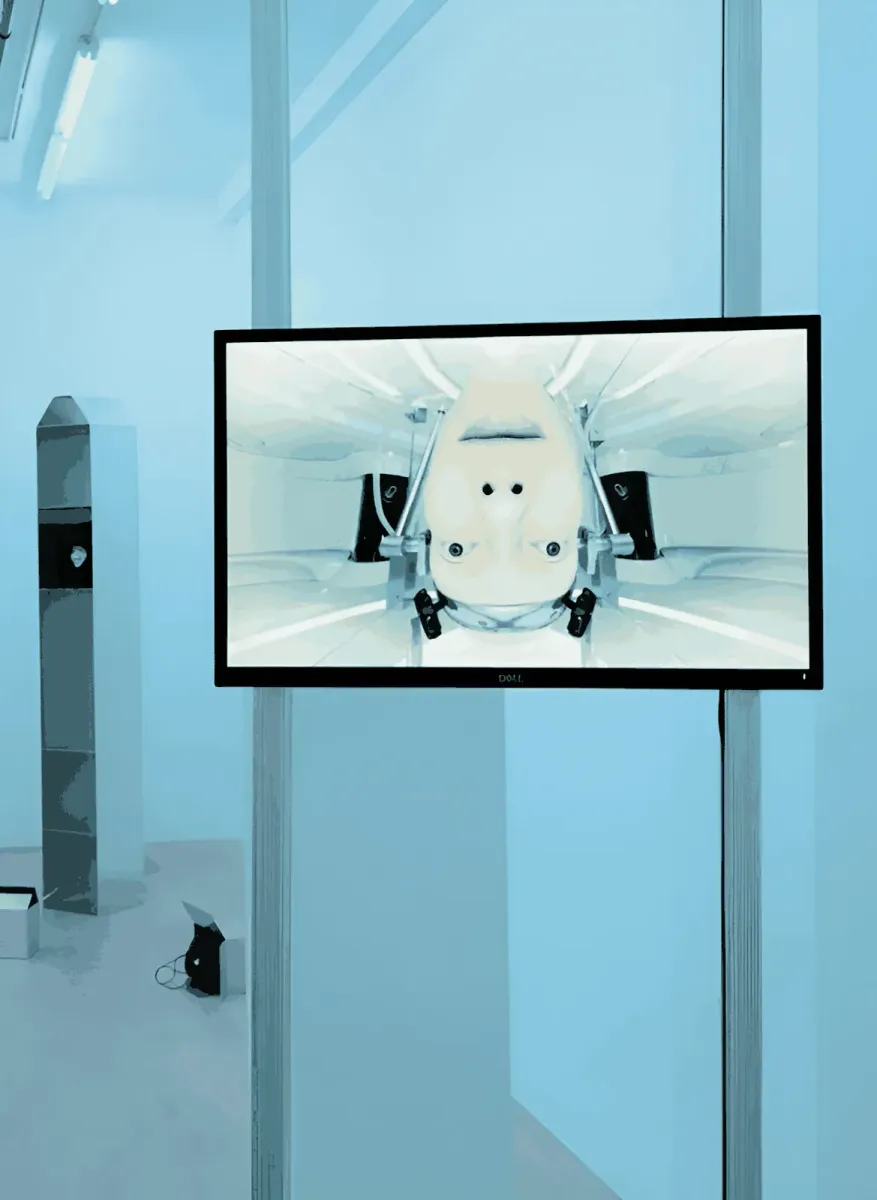
New York City (NY) / 2025
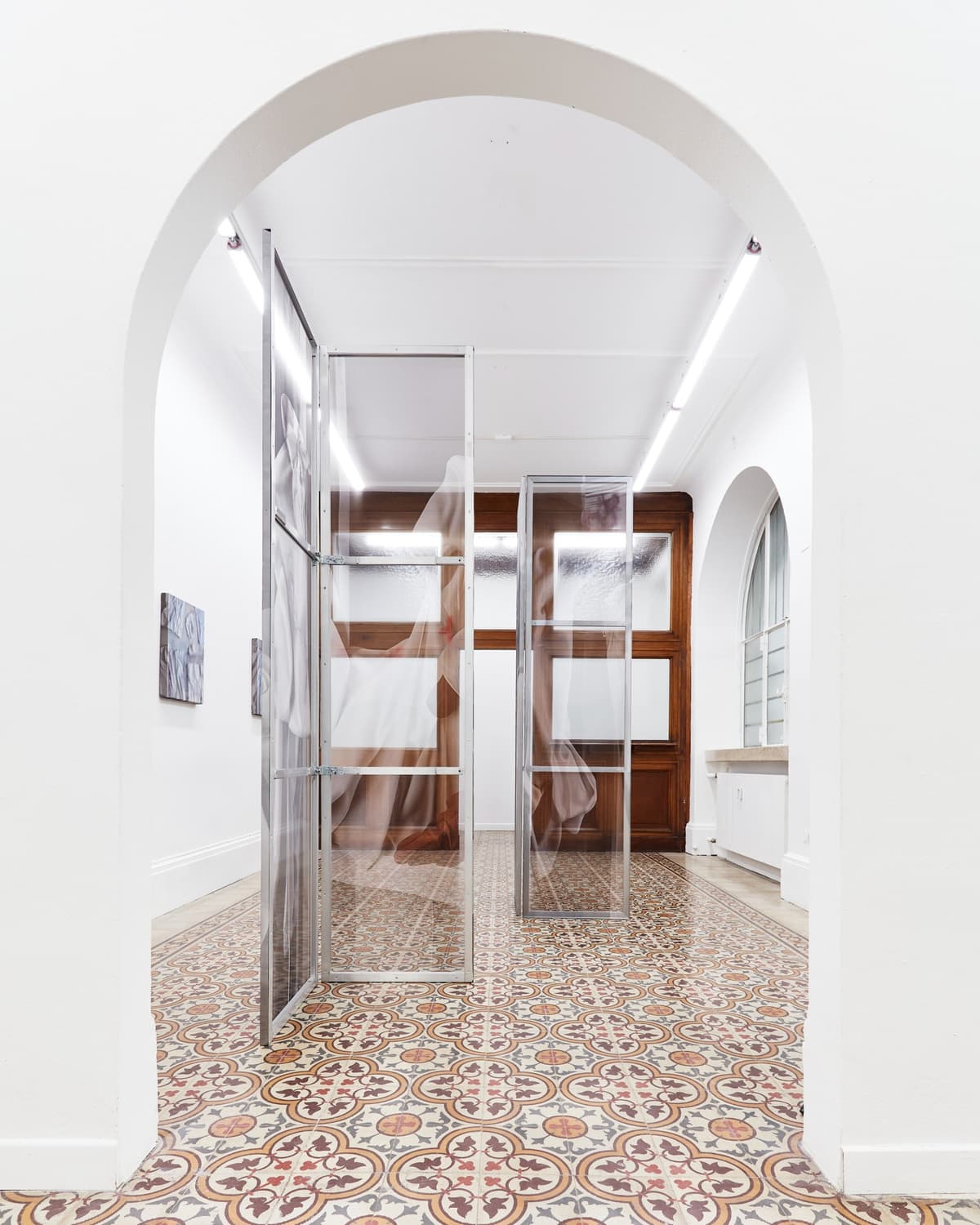
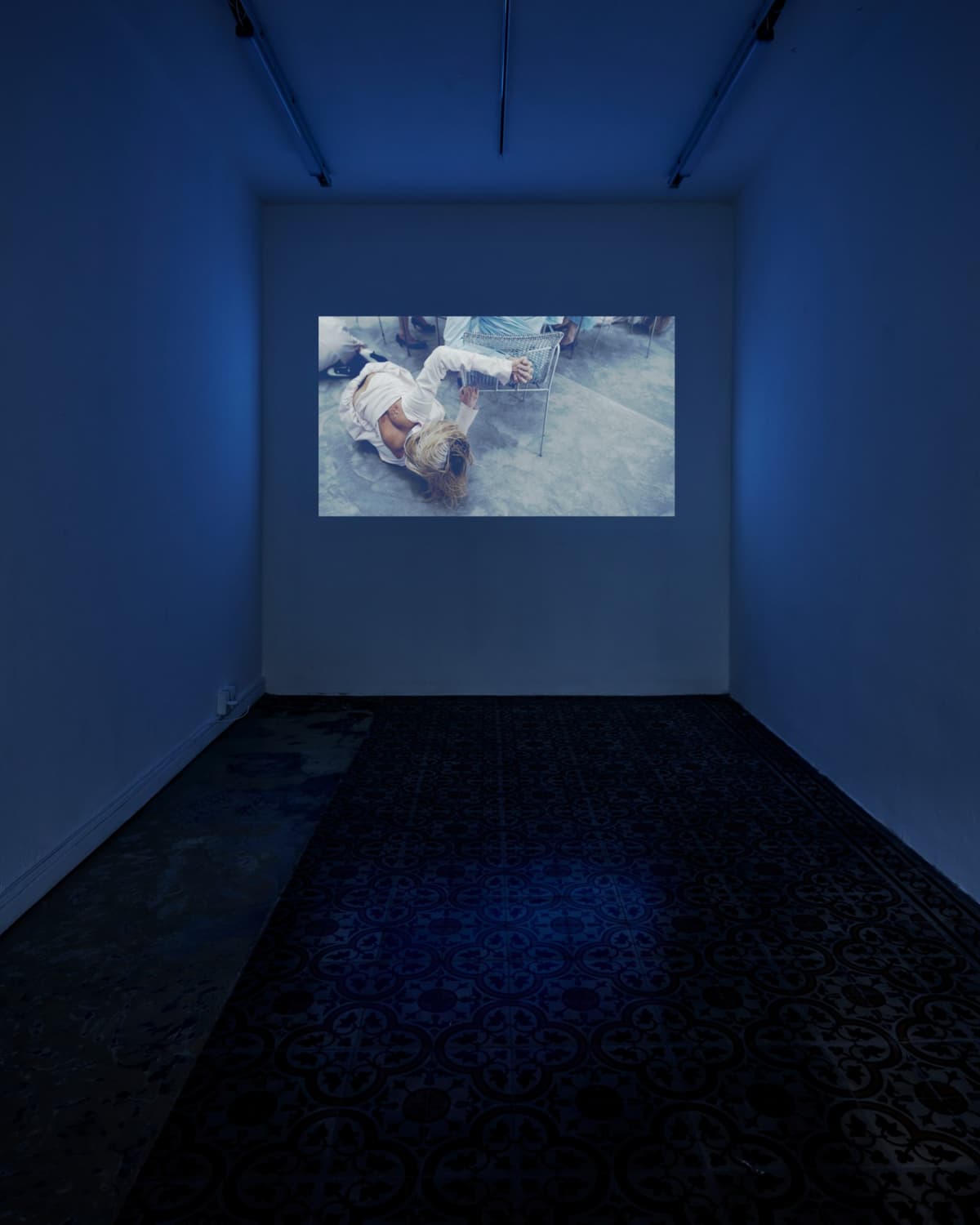
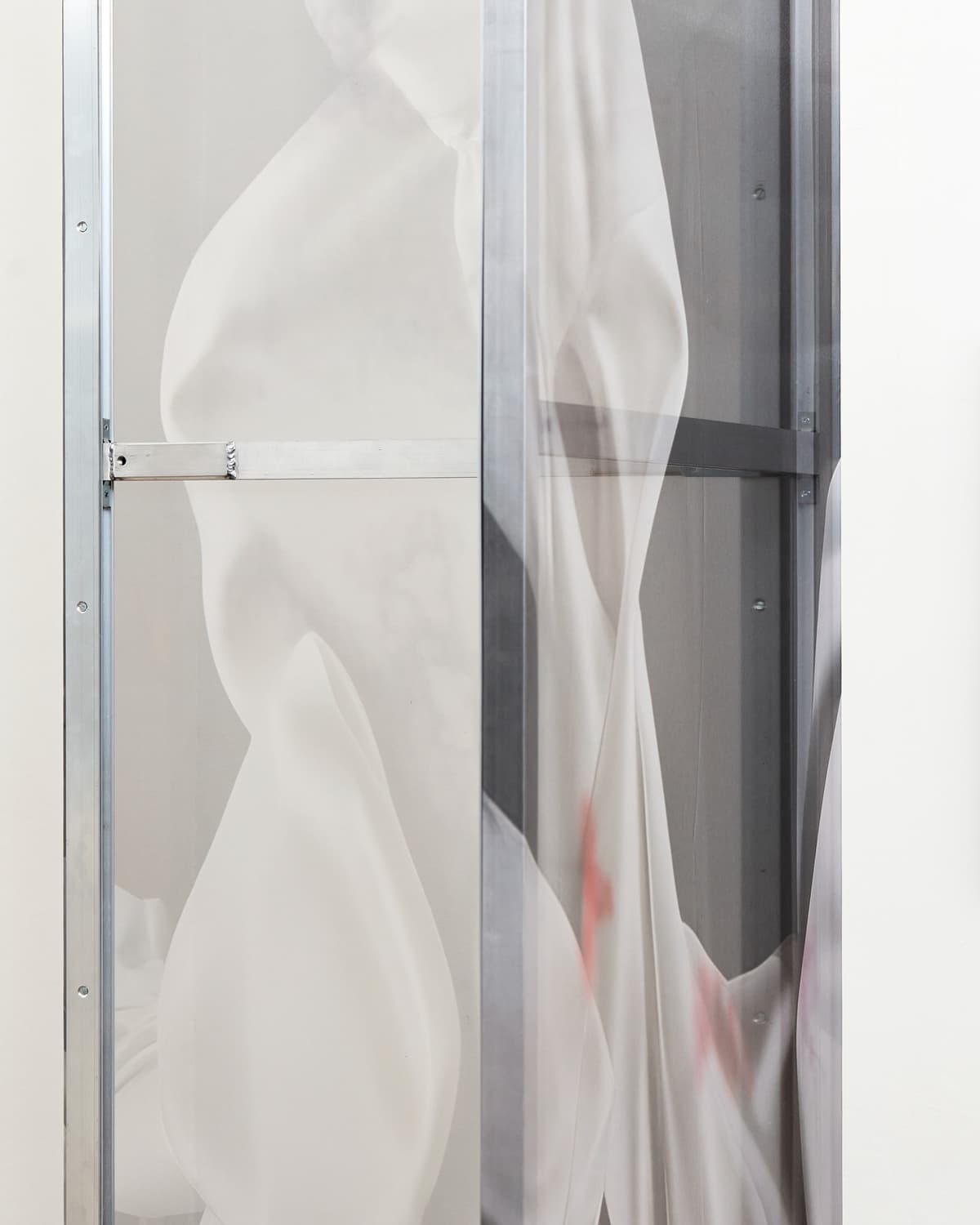
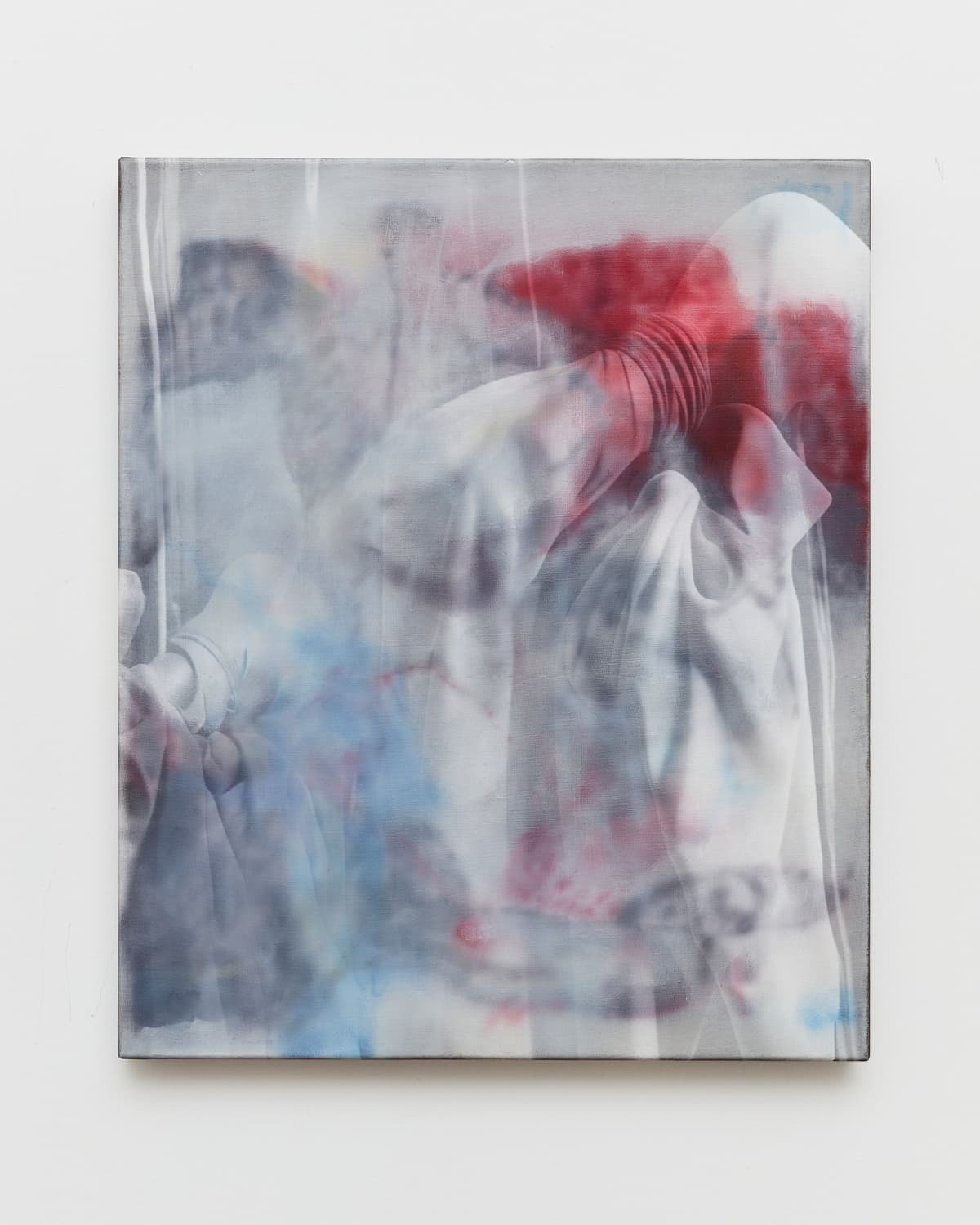
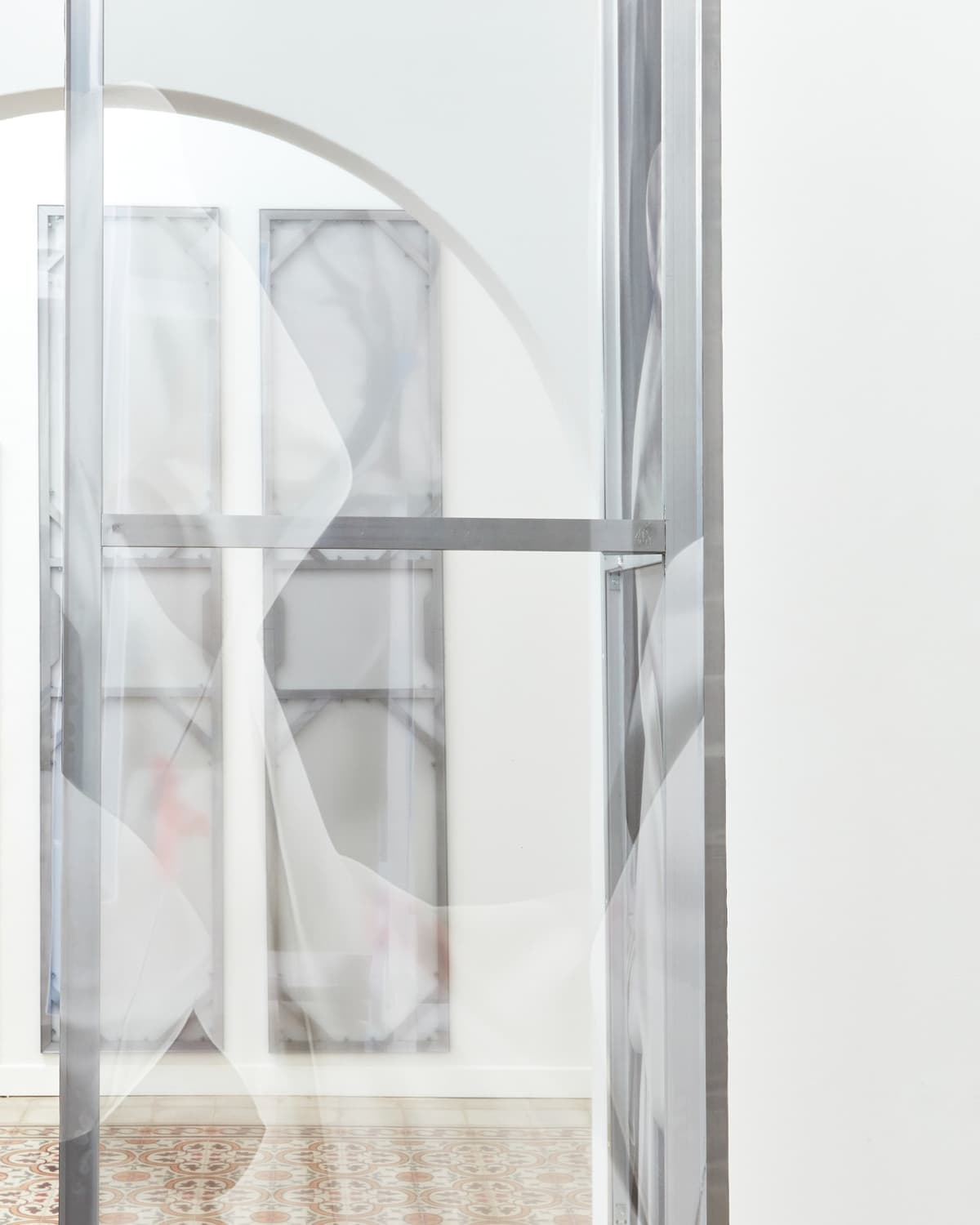
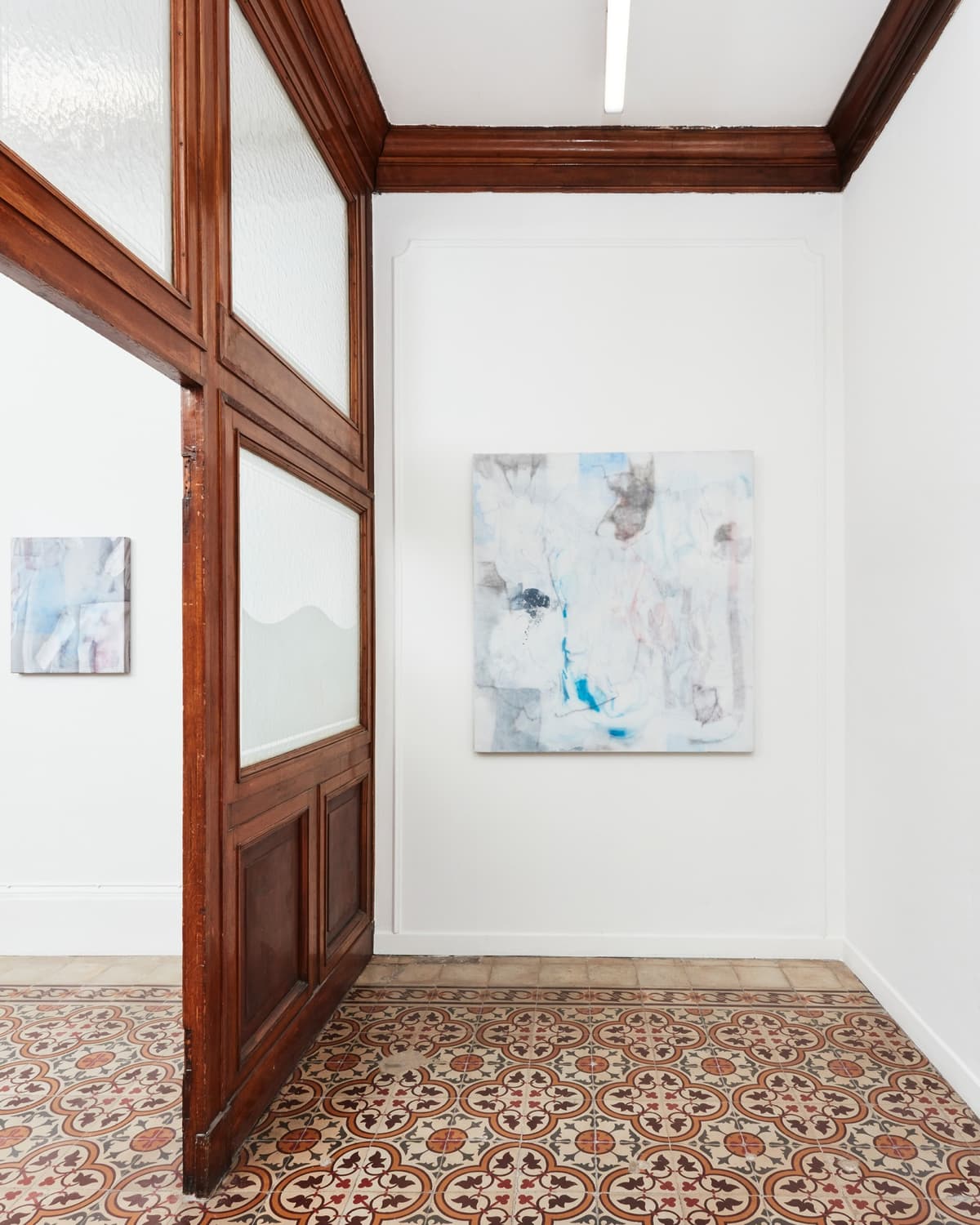
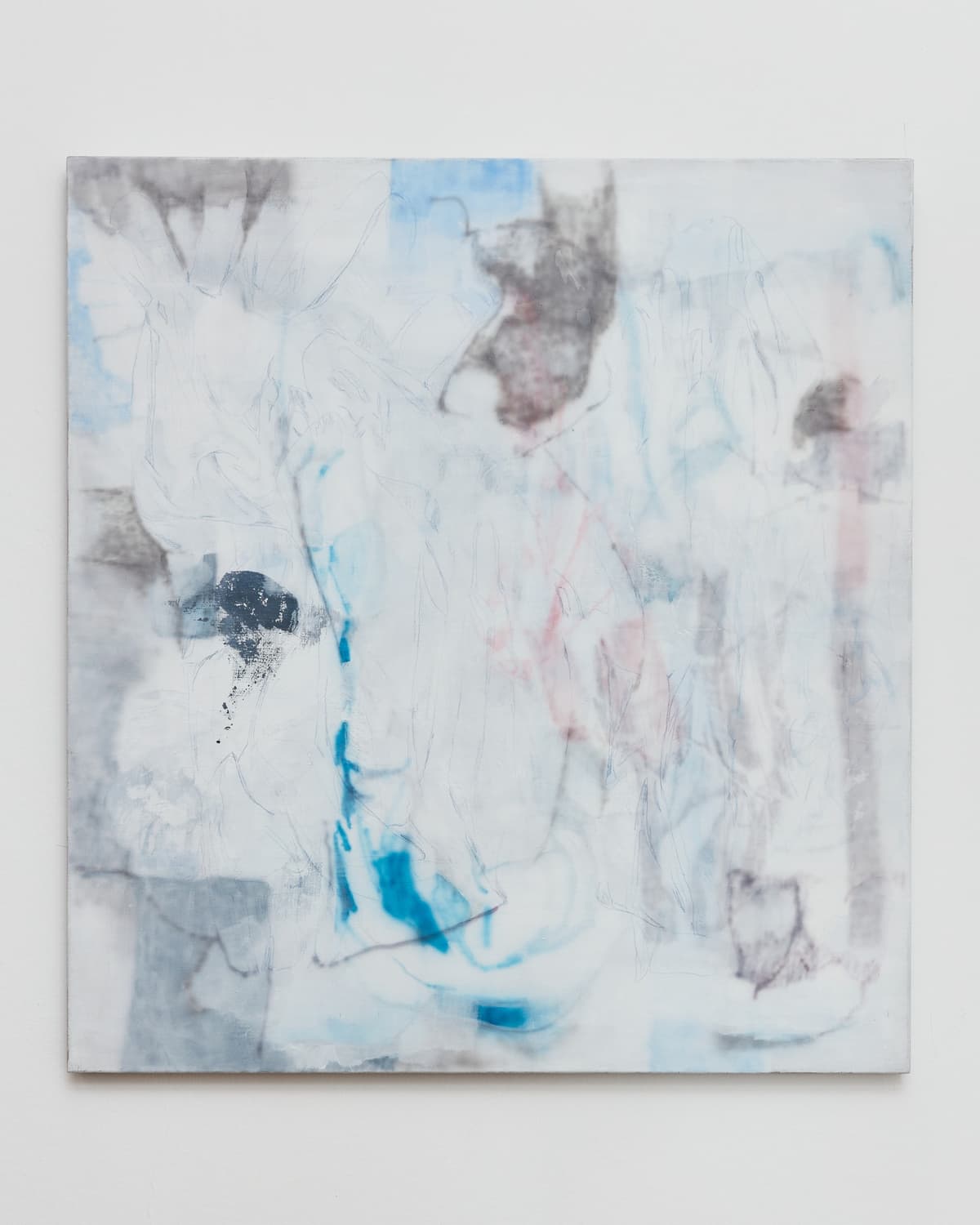
Brescia / 2025-2026
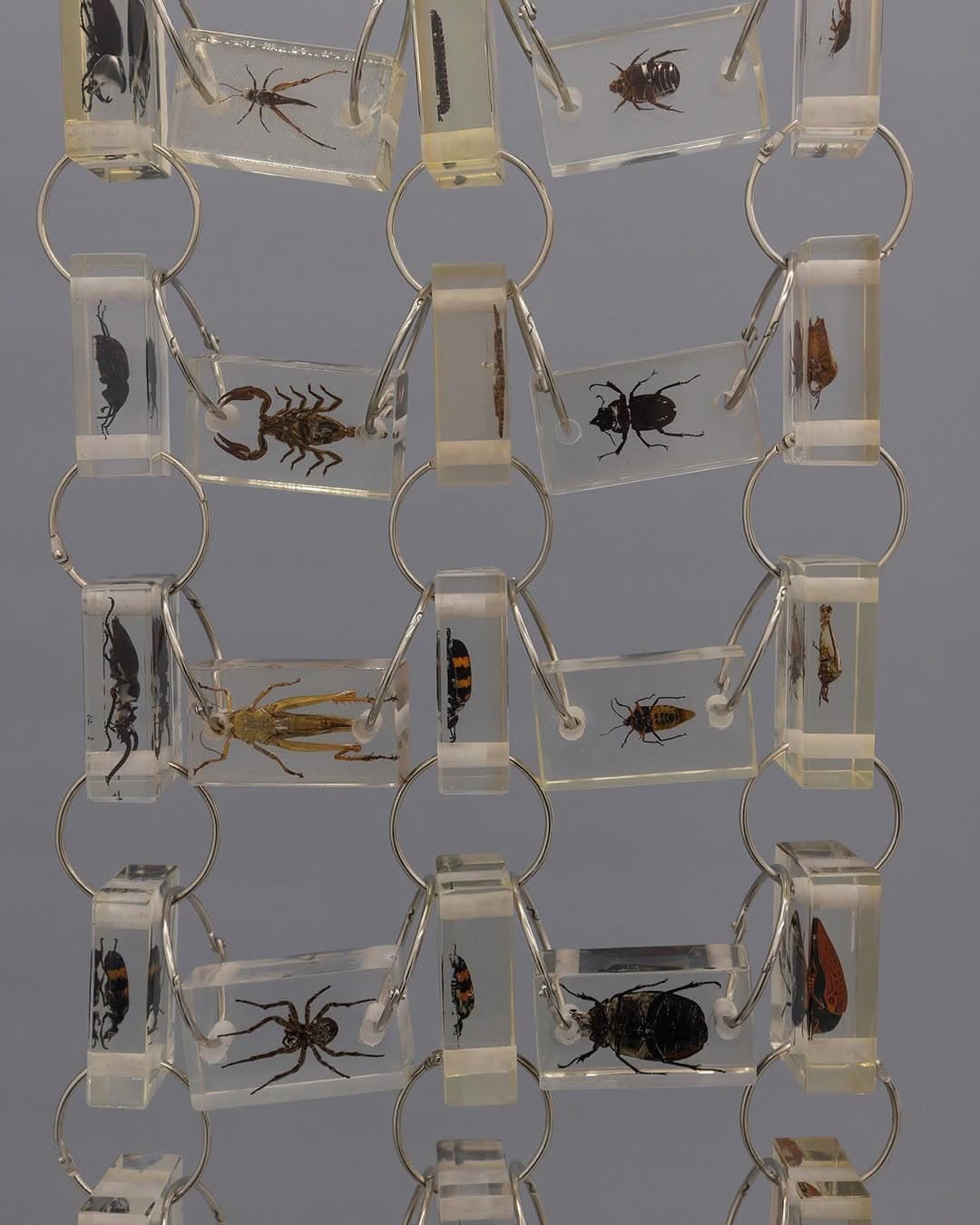
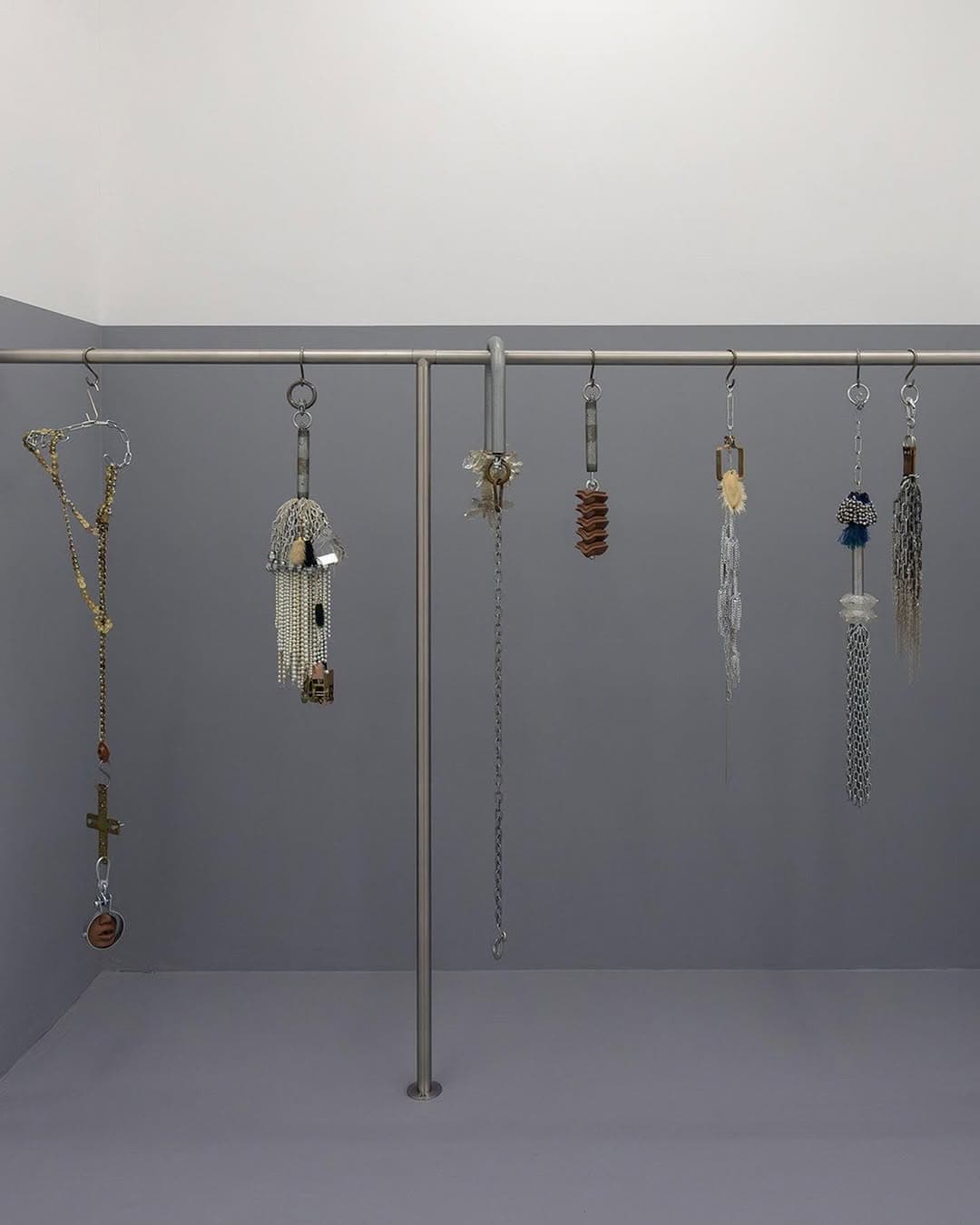
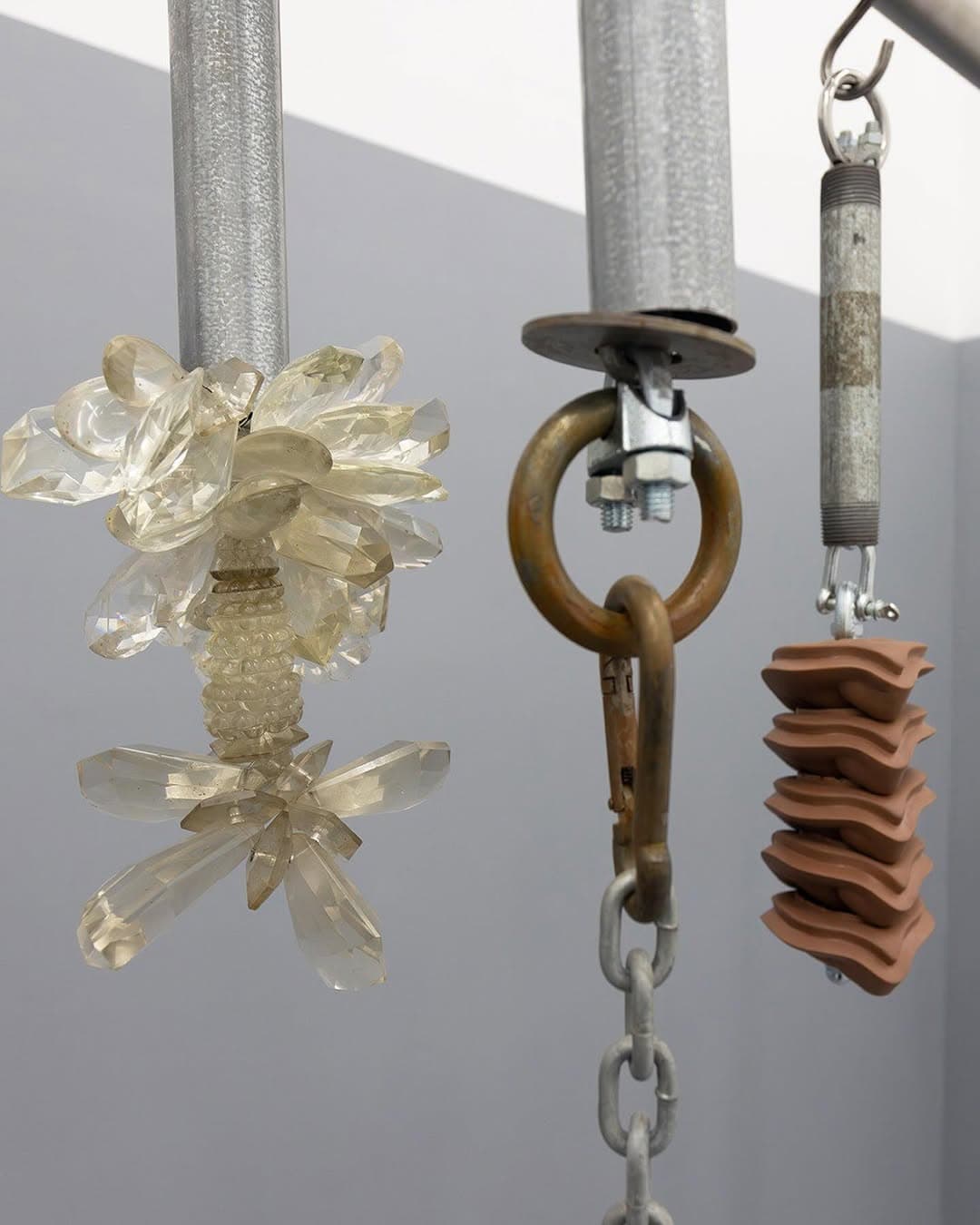
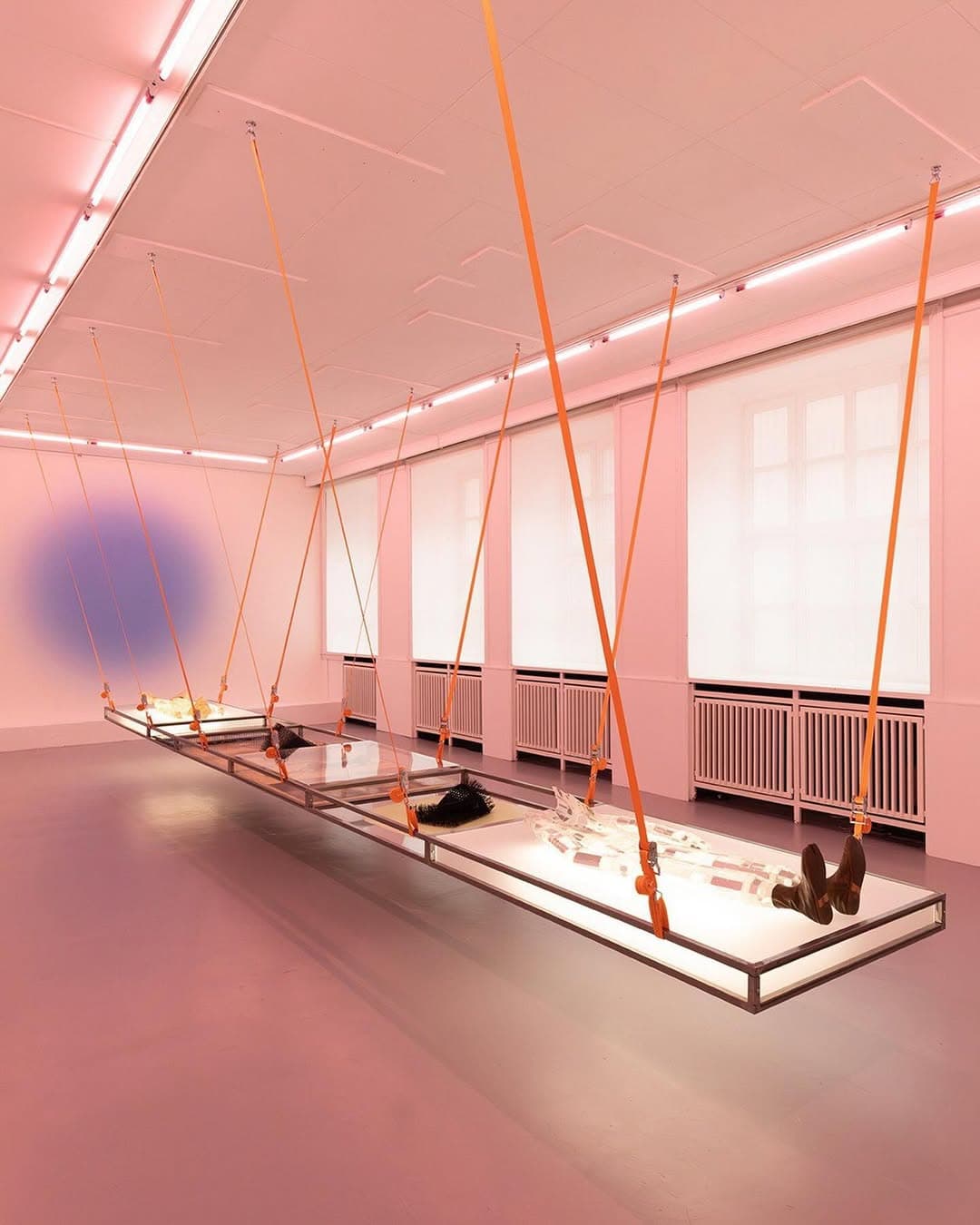
/ 2024
%2Fphoto_1_2026-05-24_00-50-58.jpg&w=1200&q=75)
/ 2023
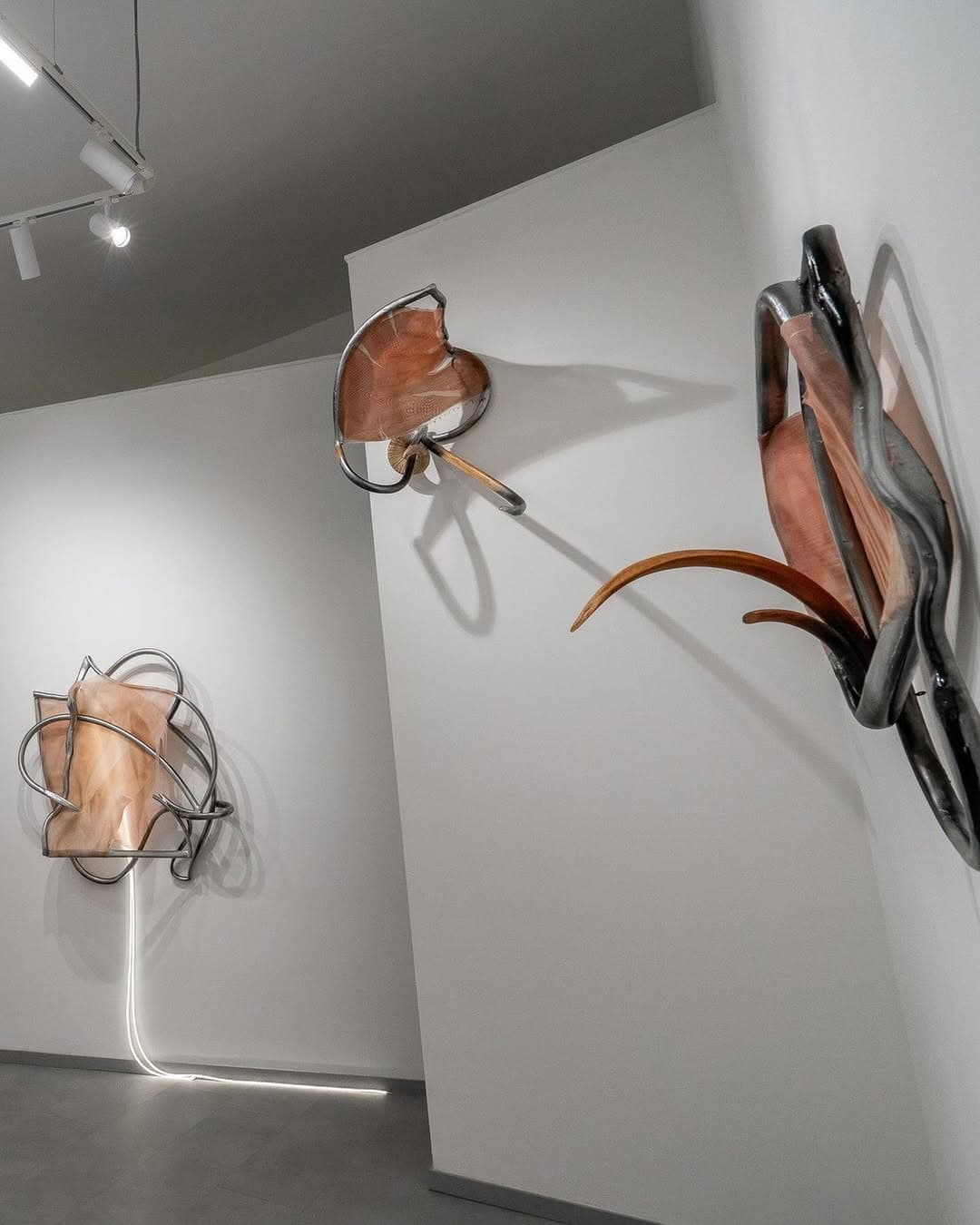
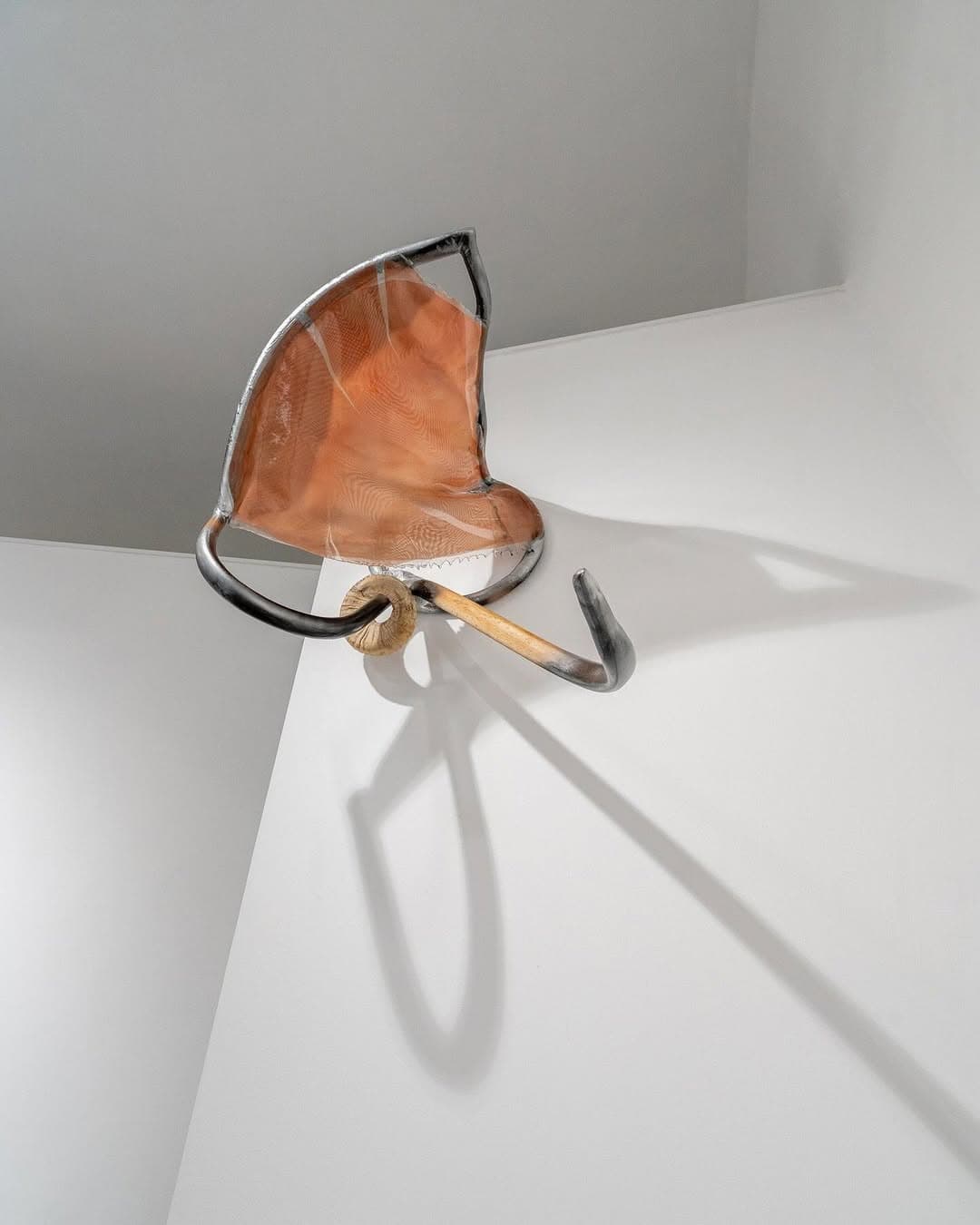
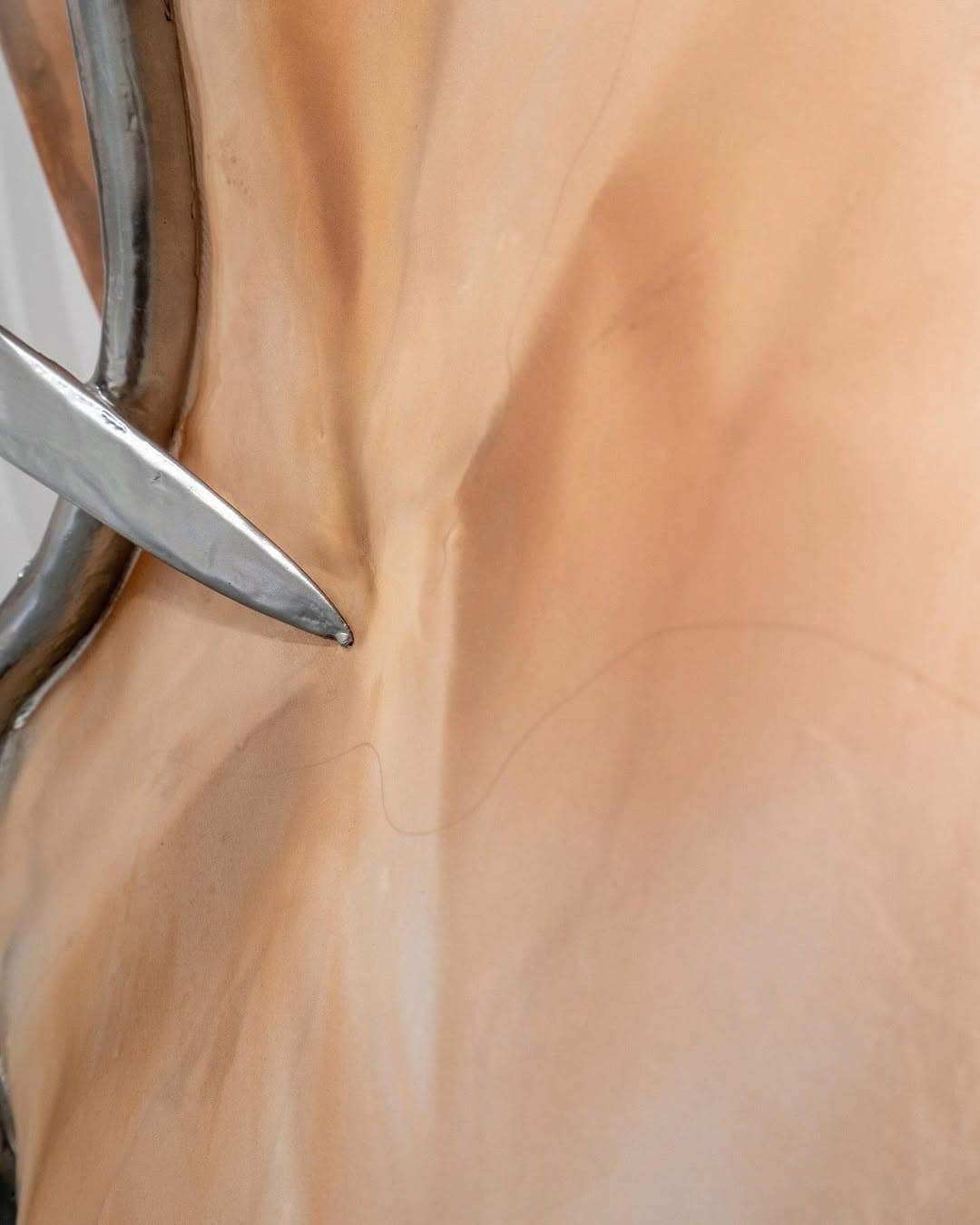
Budapest / 2024
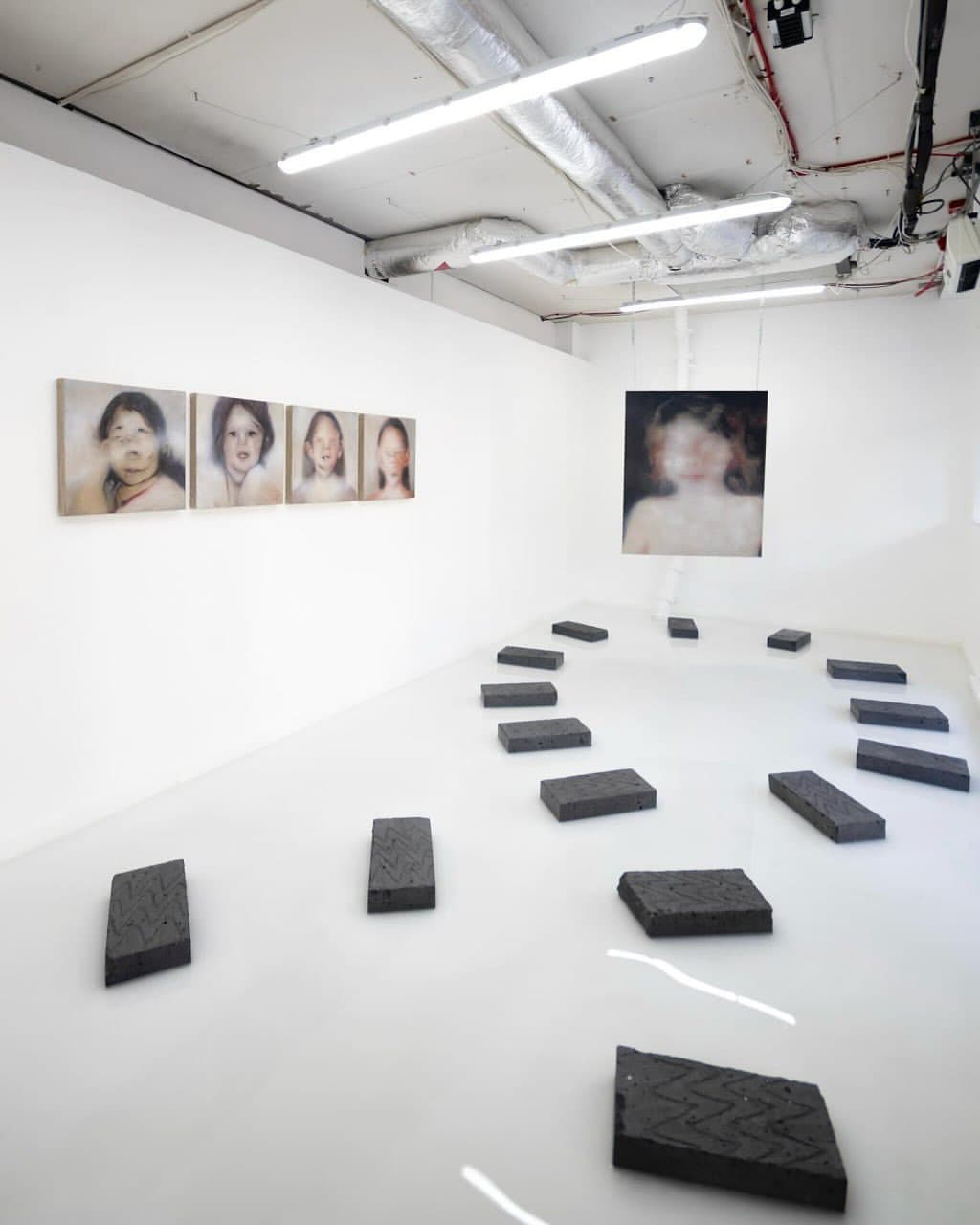
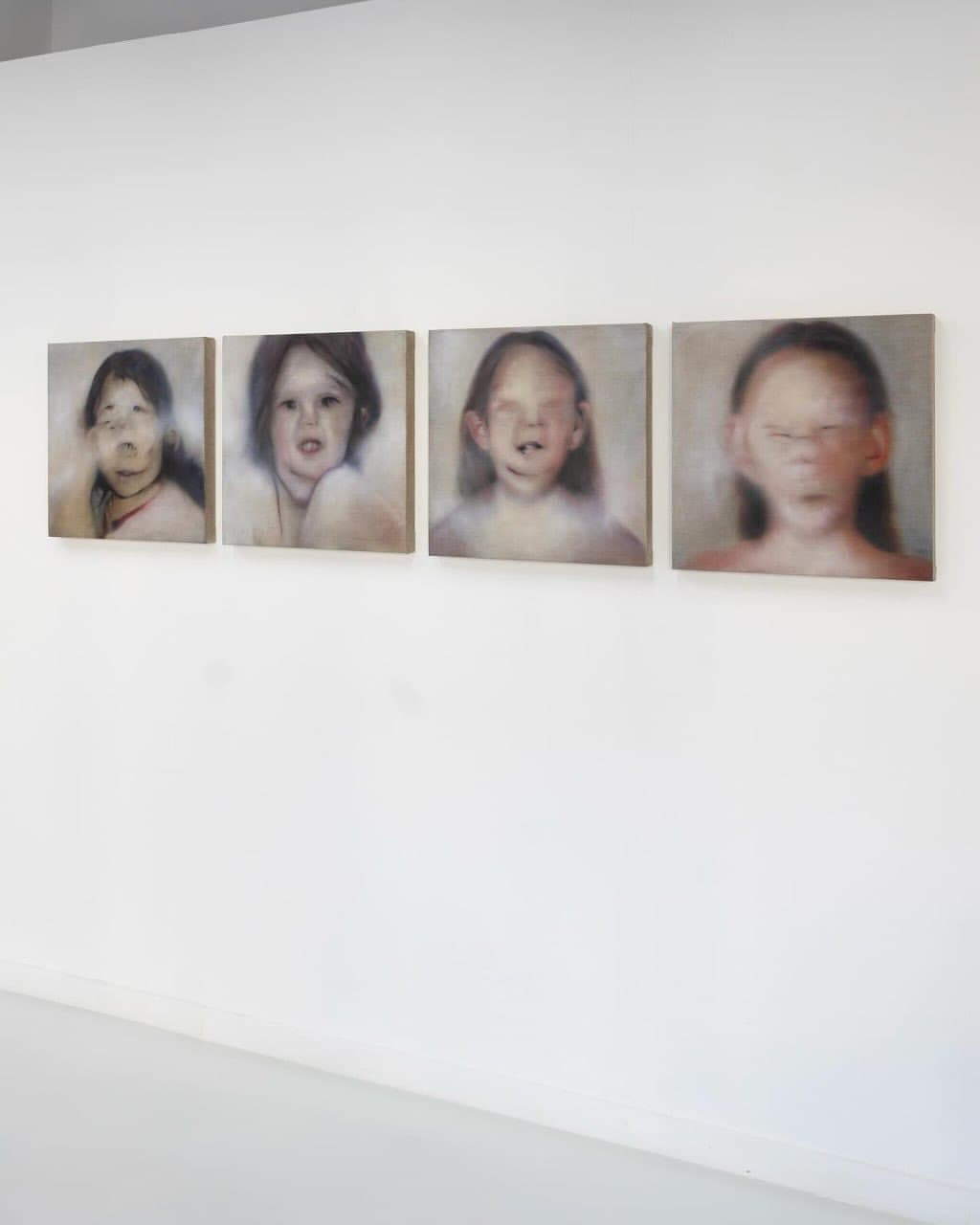
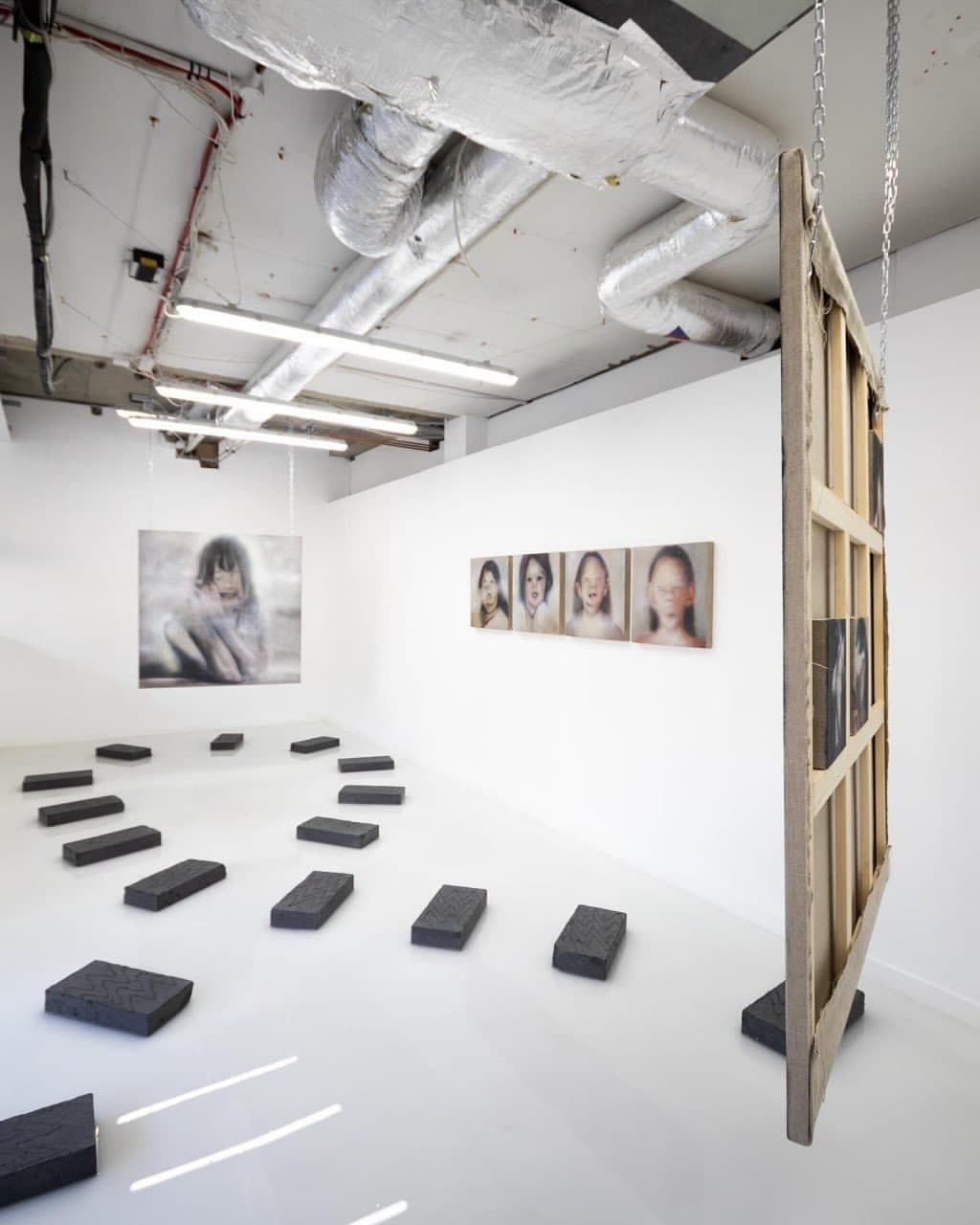
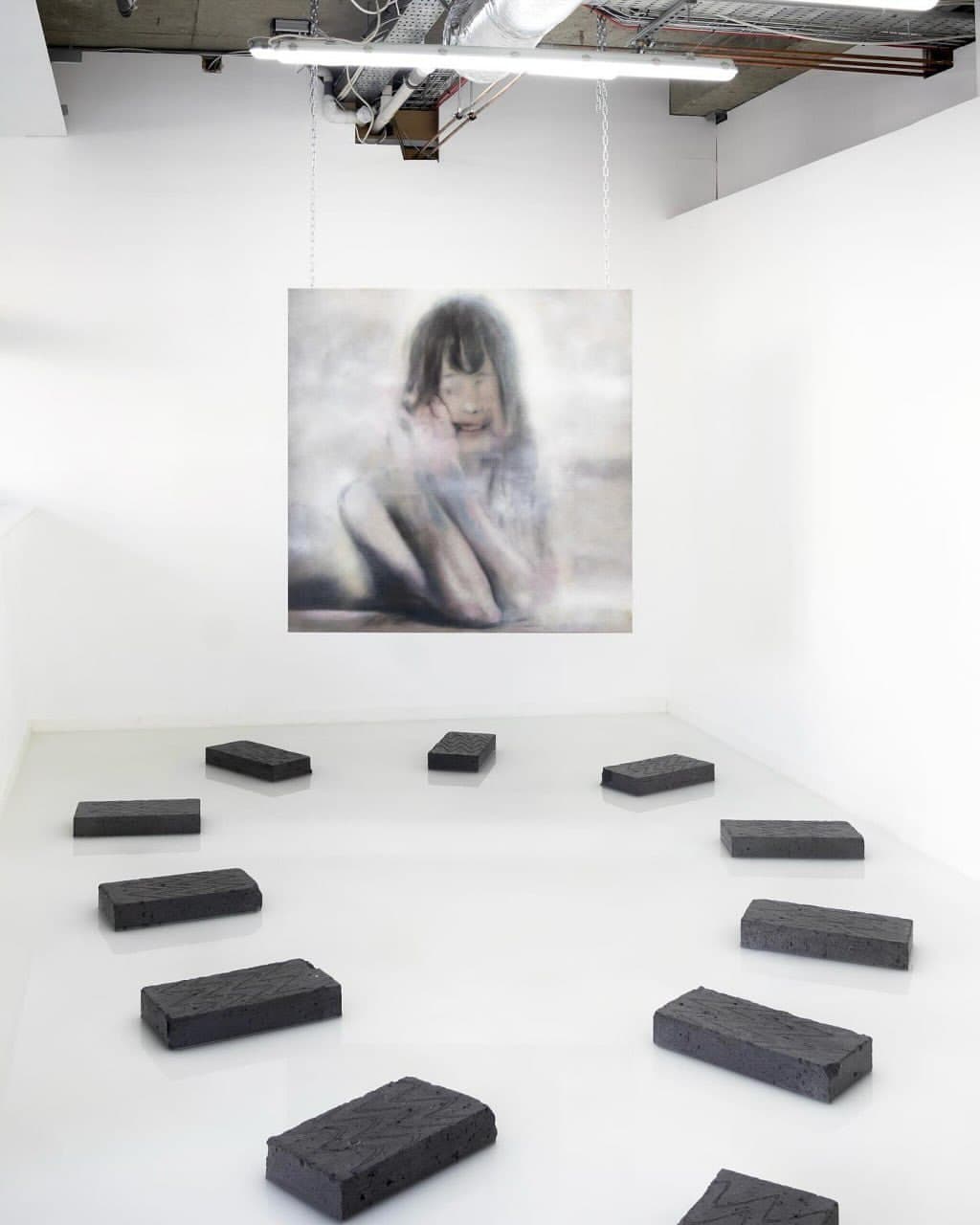
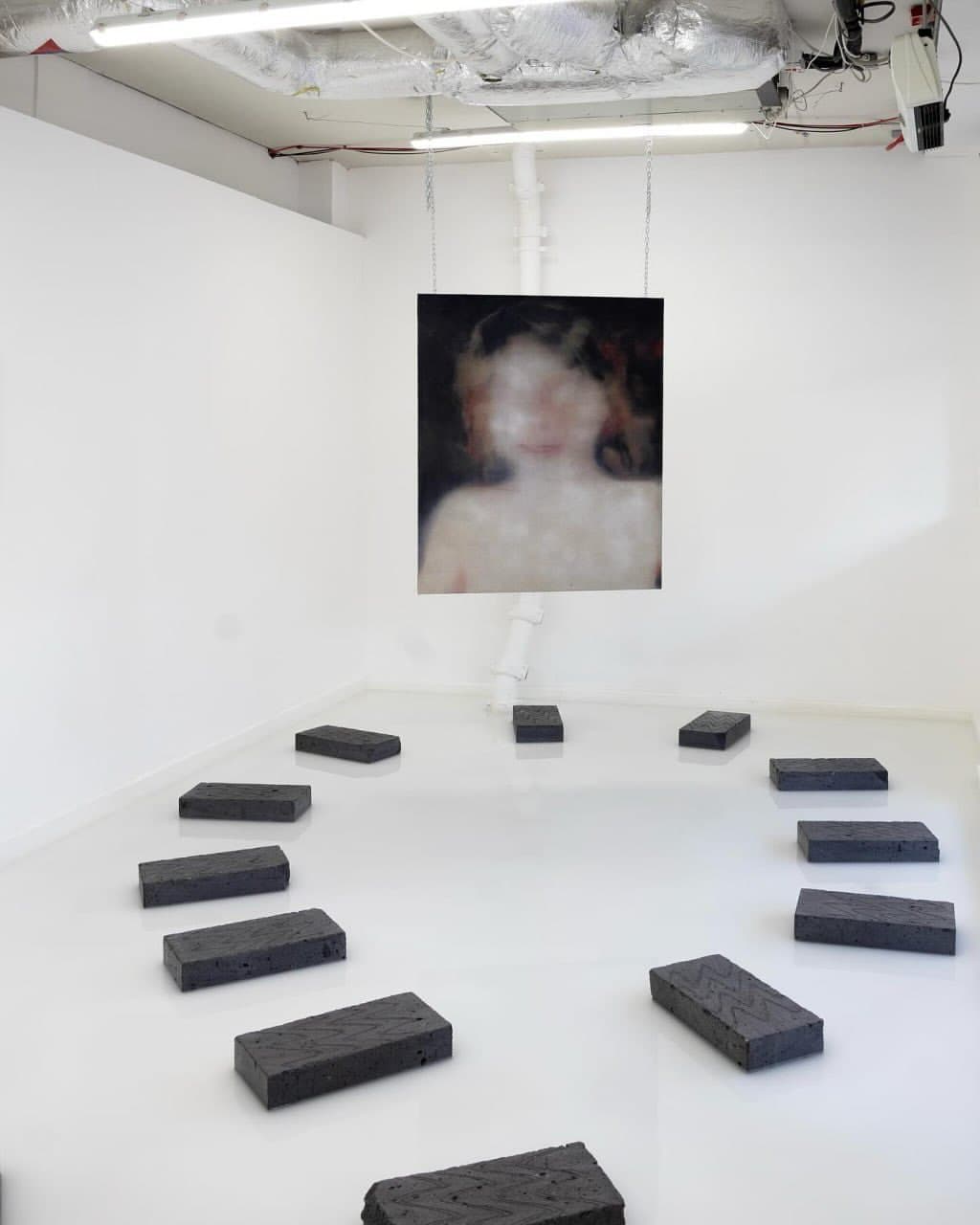
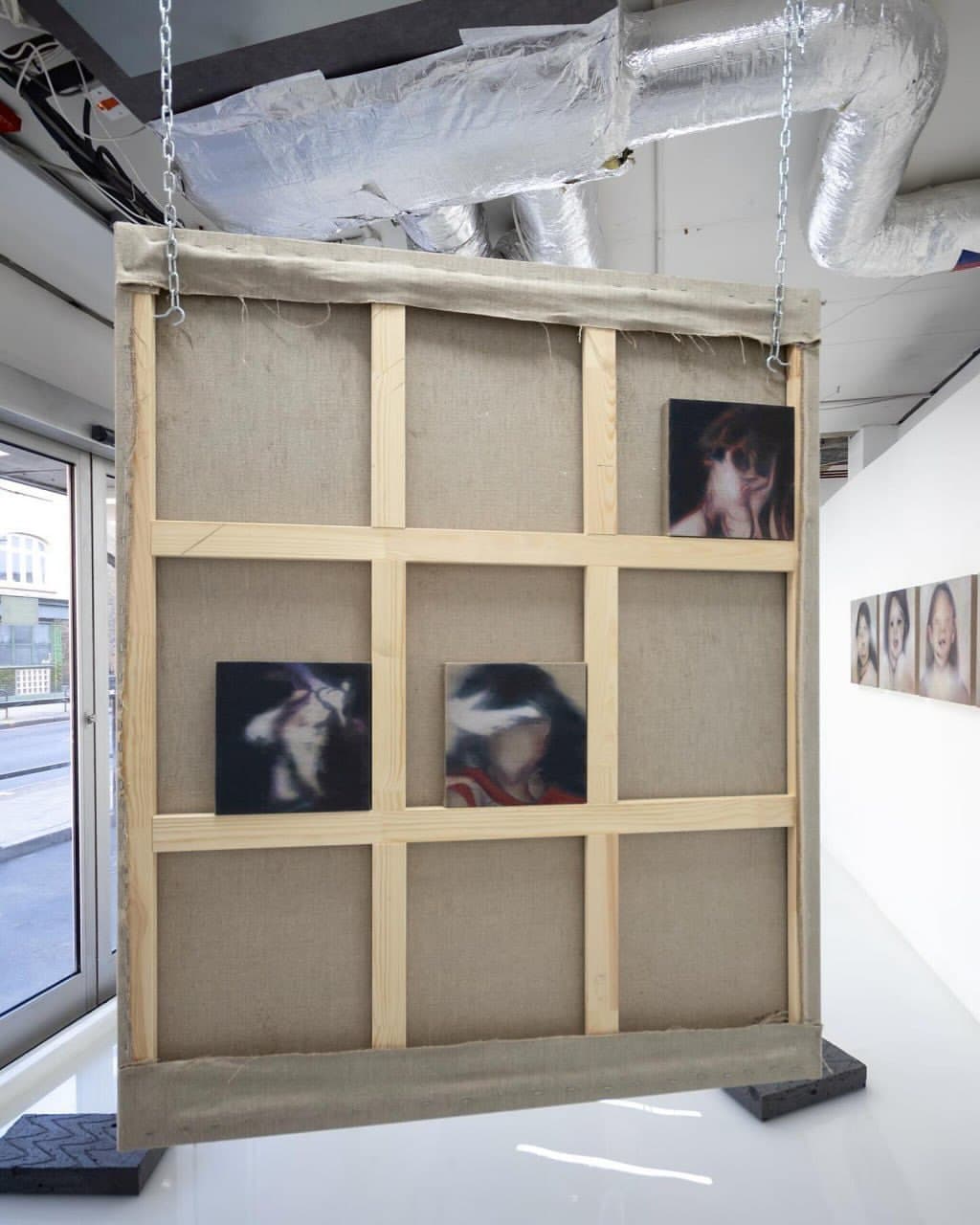
London / 2024
%2Fphoto_1_2026-05-24_00-42-04.jpg&w=1200&q=75)
Milan / 2025
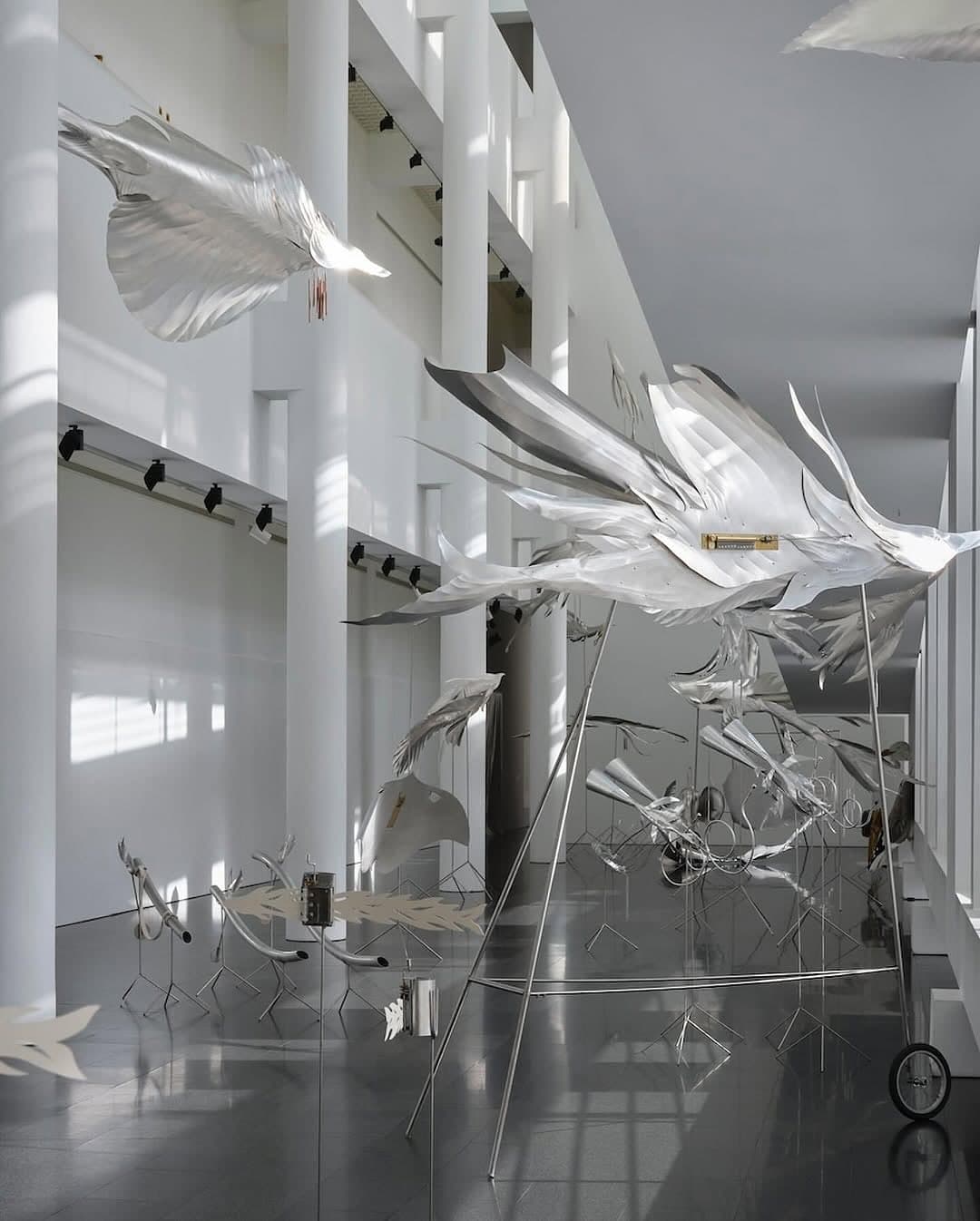
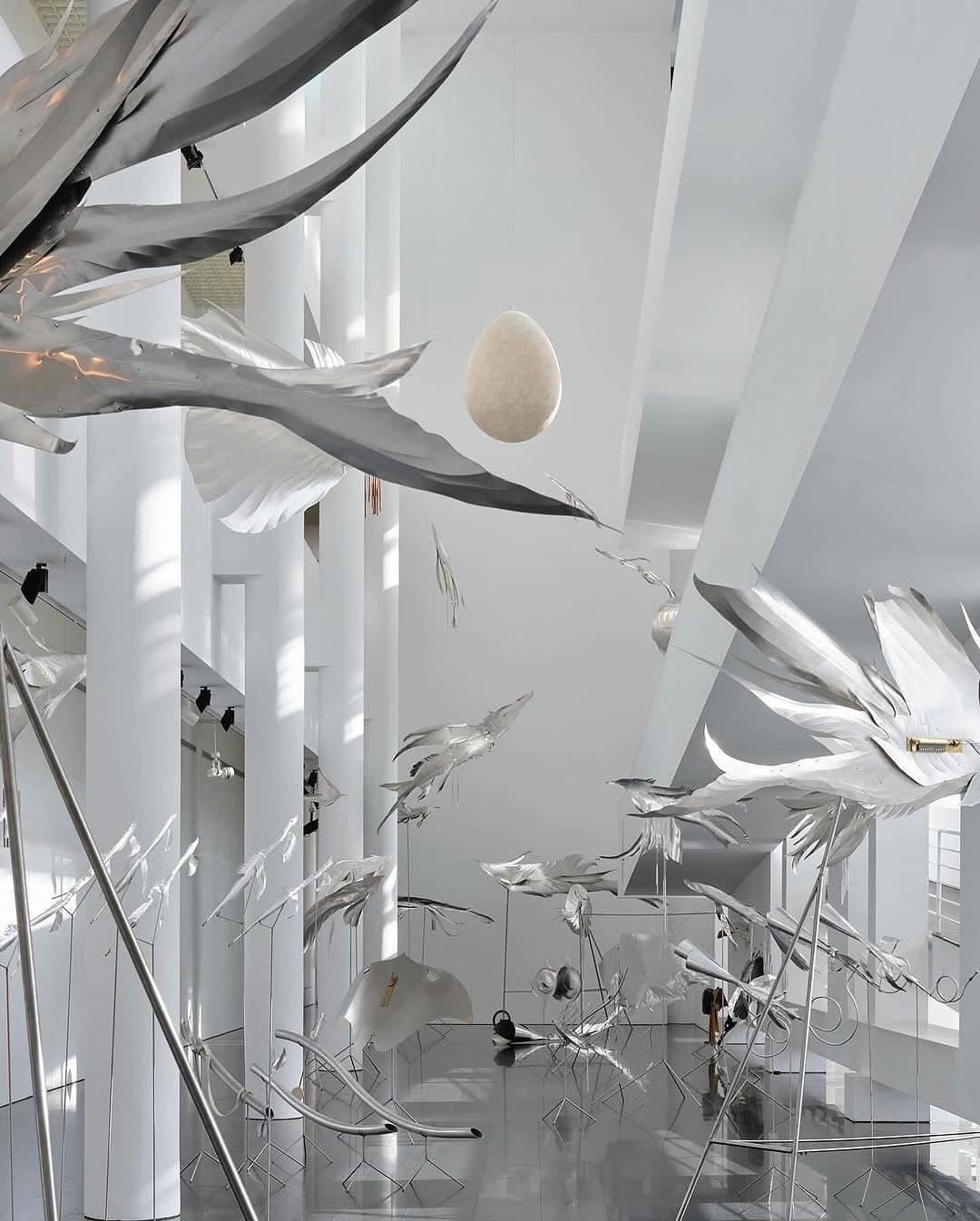
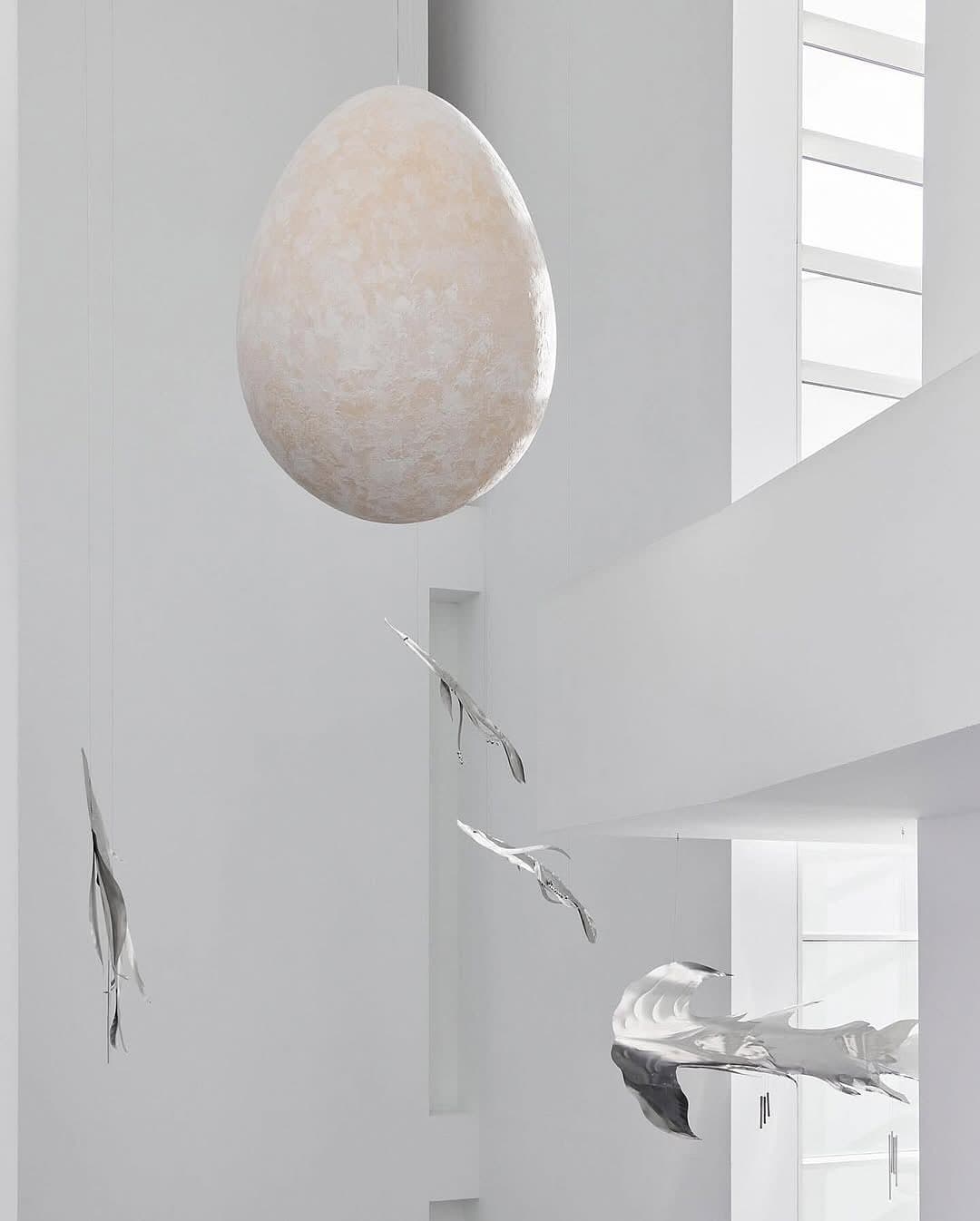
Barcelona / 2024-2025
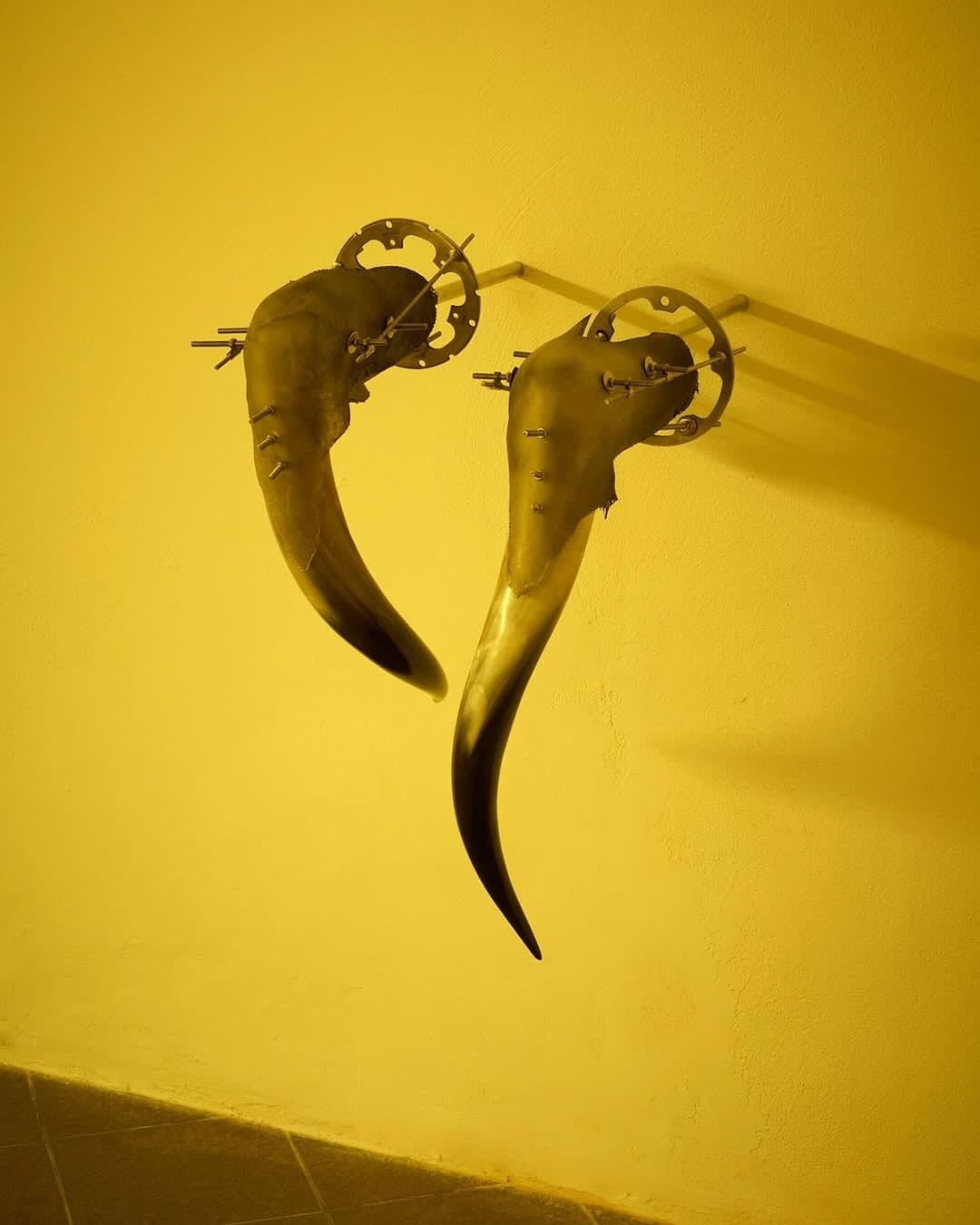
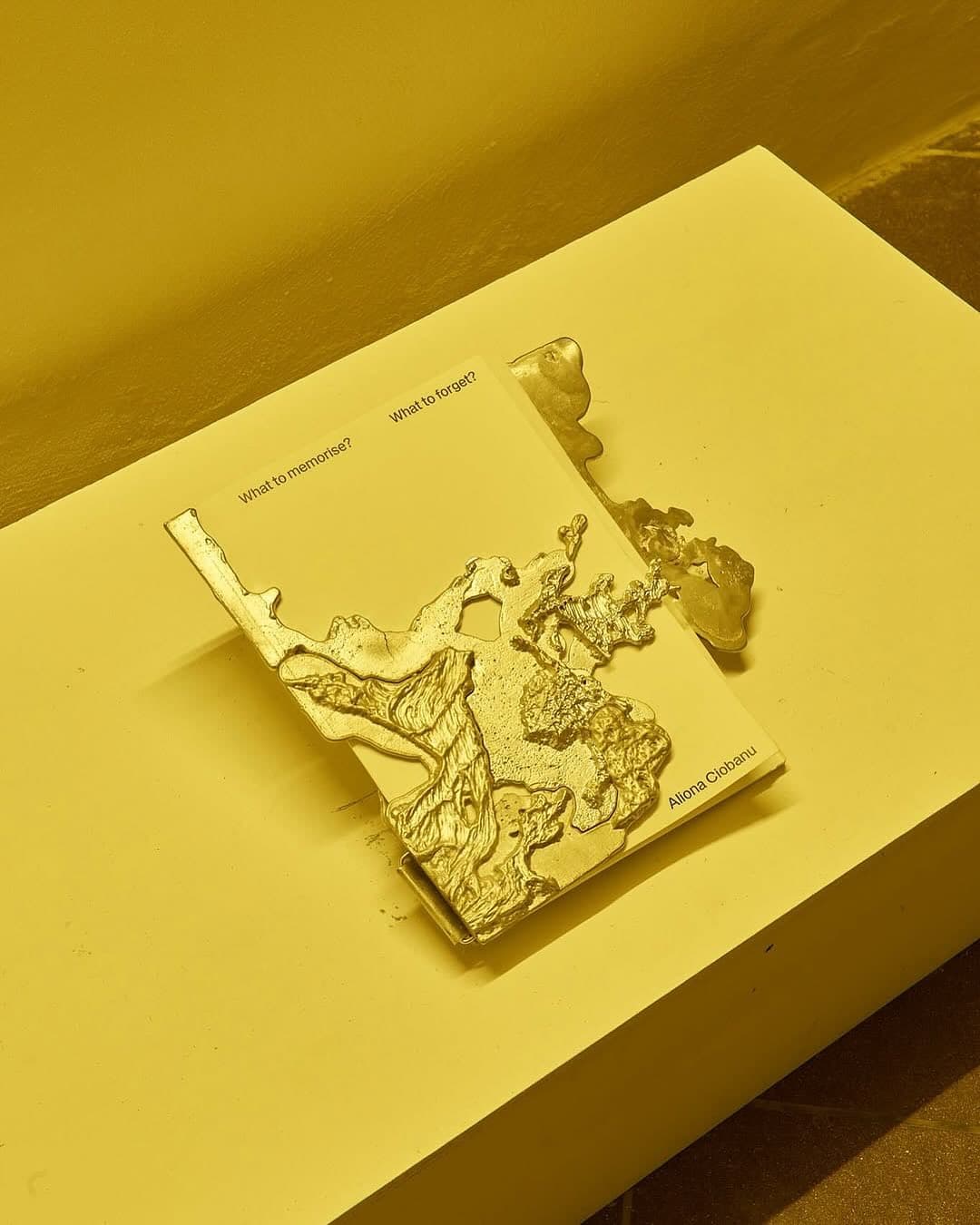
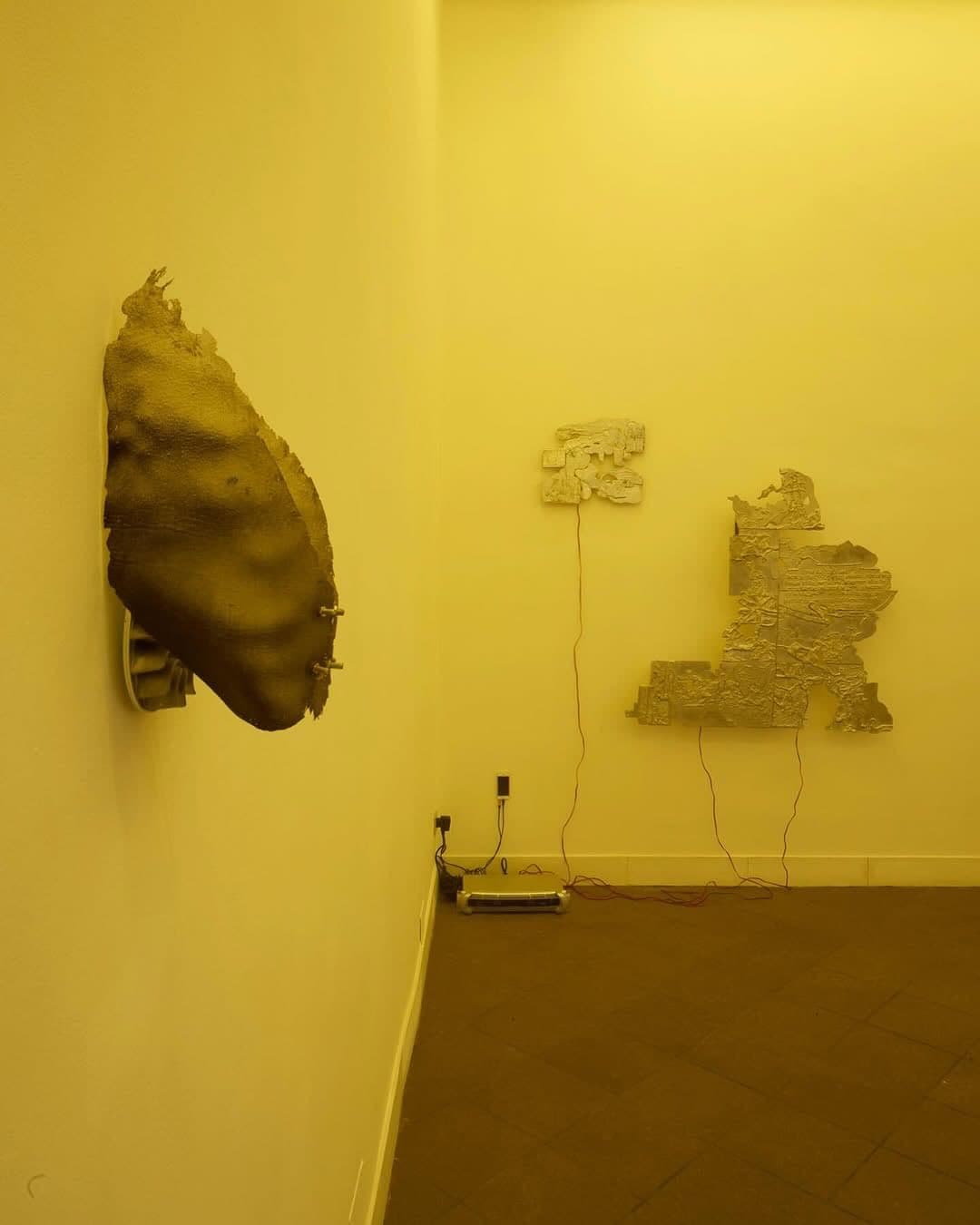
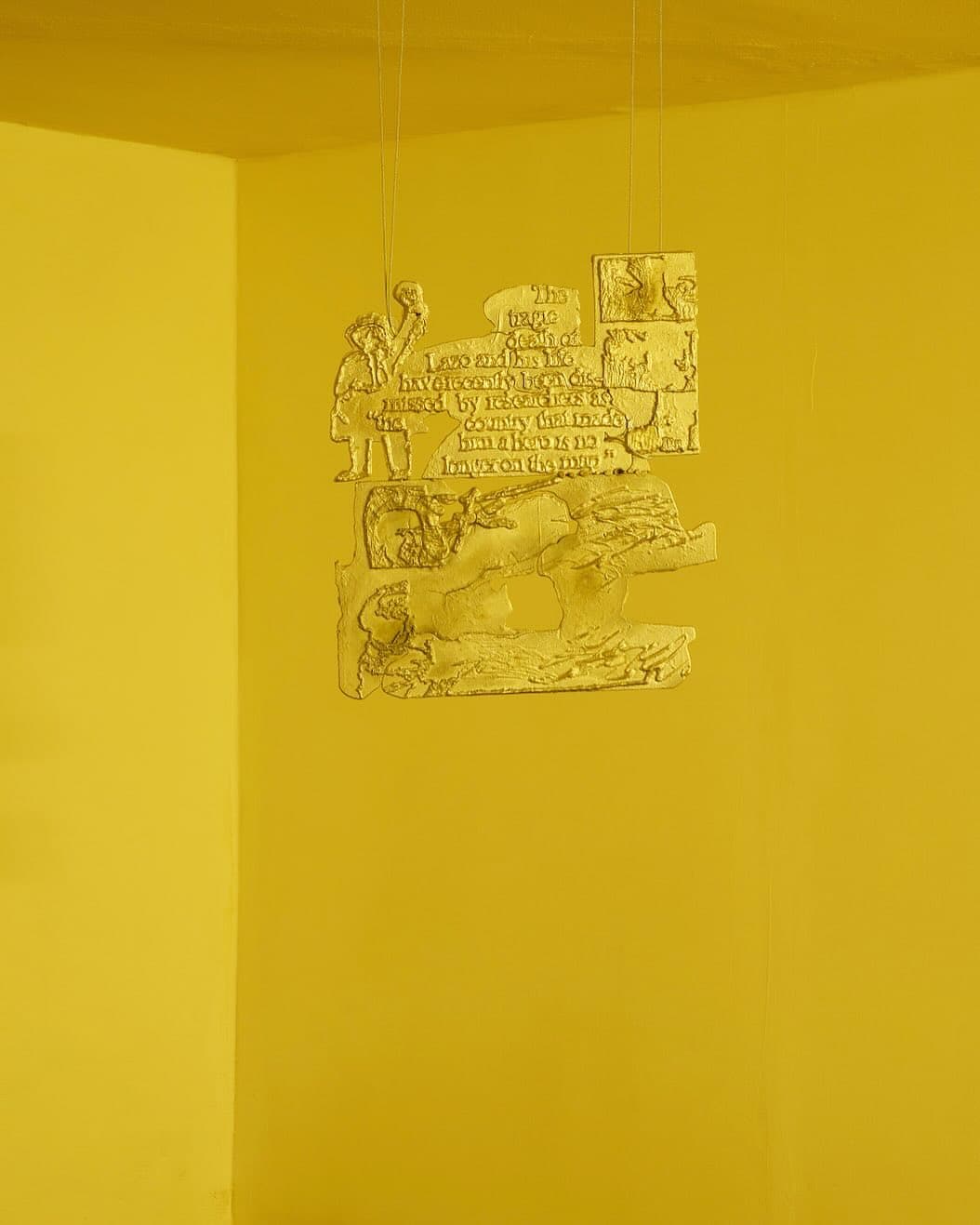
Milan / 2025
Berlin / 2025
Århus / 2025
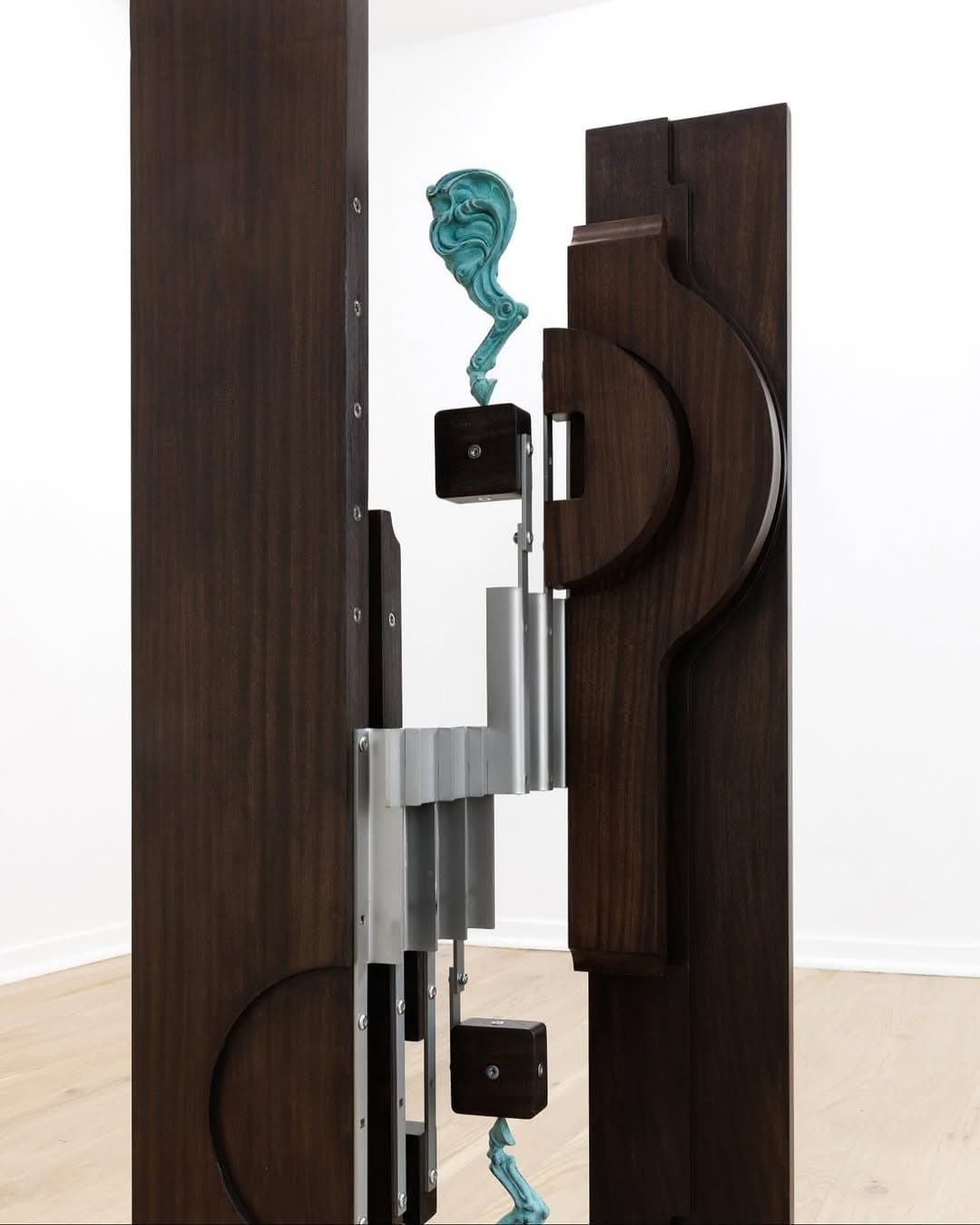
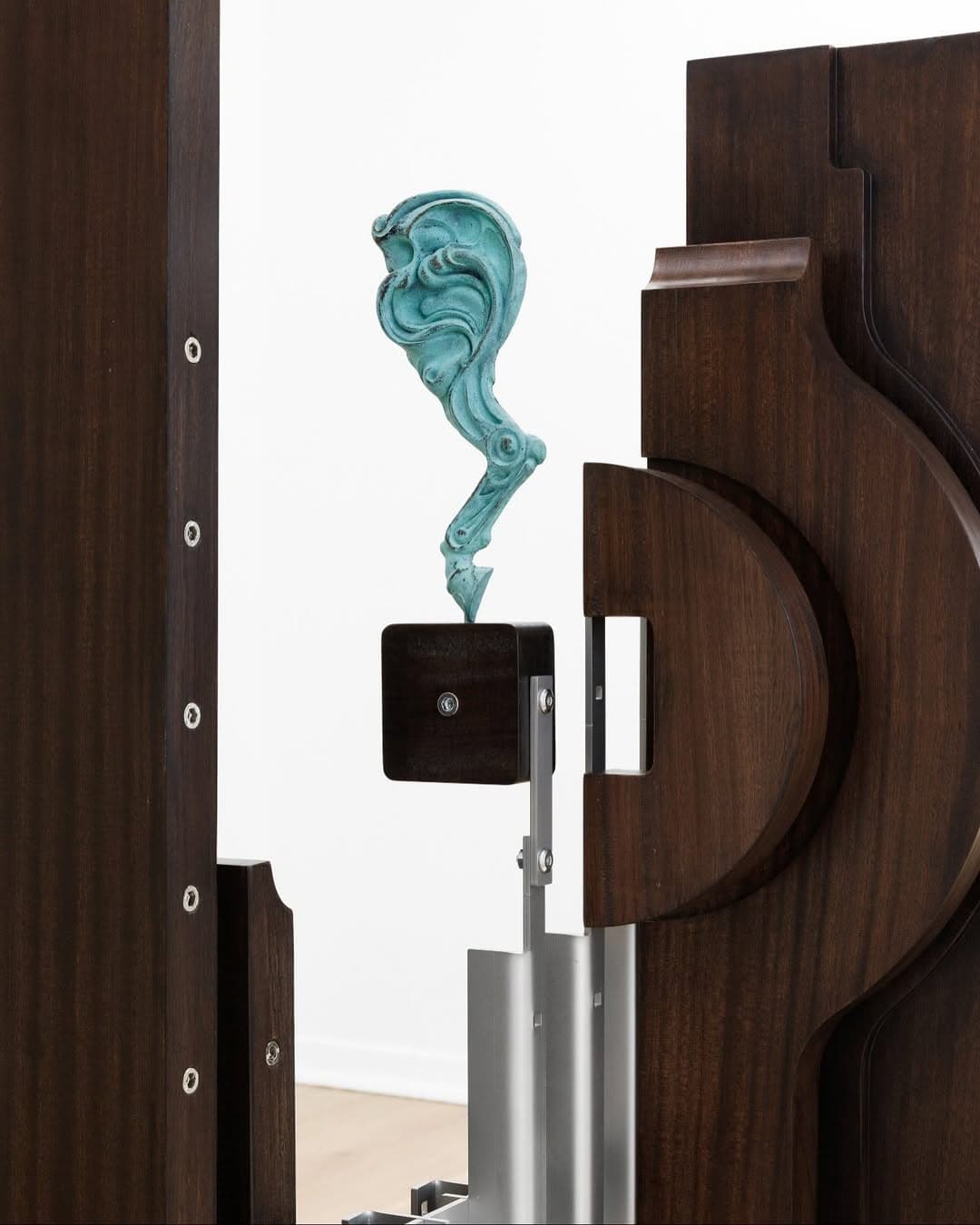
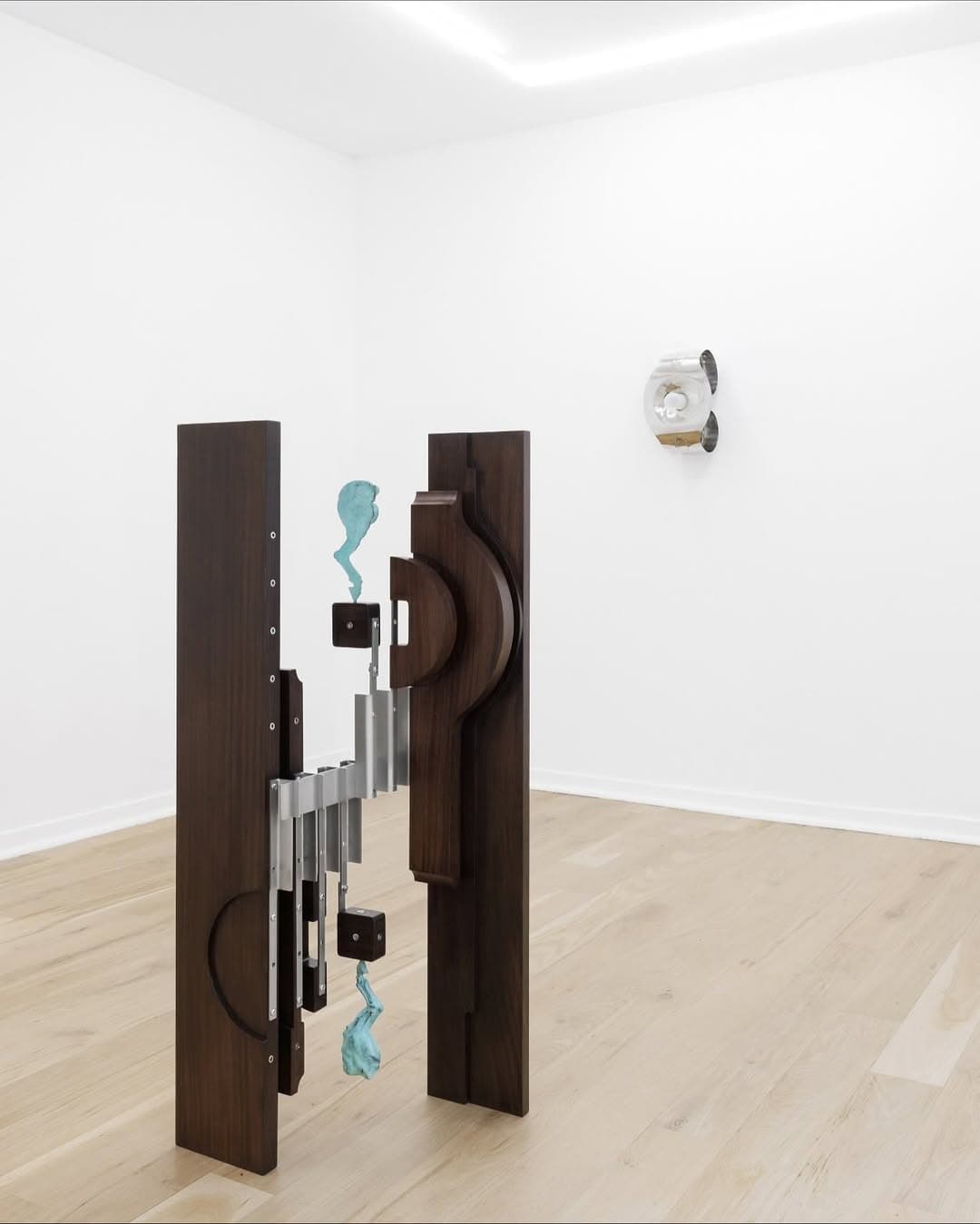
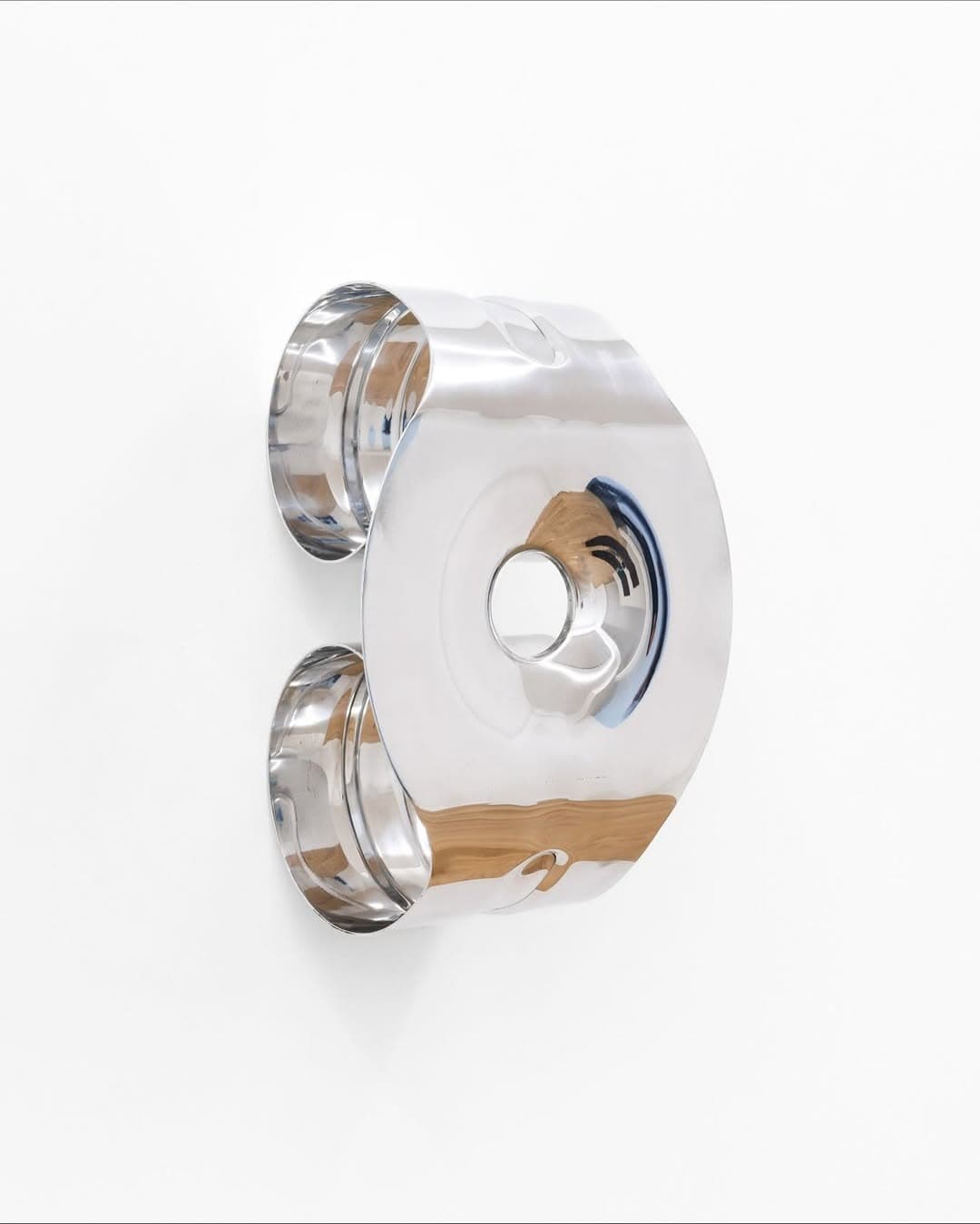
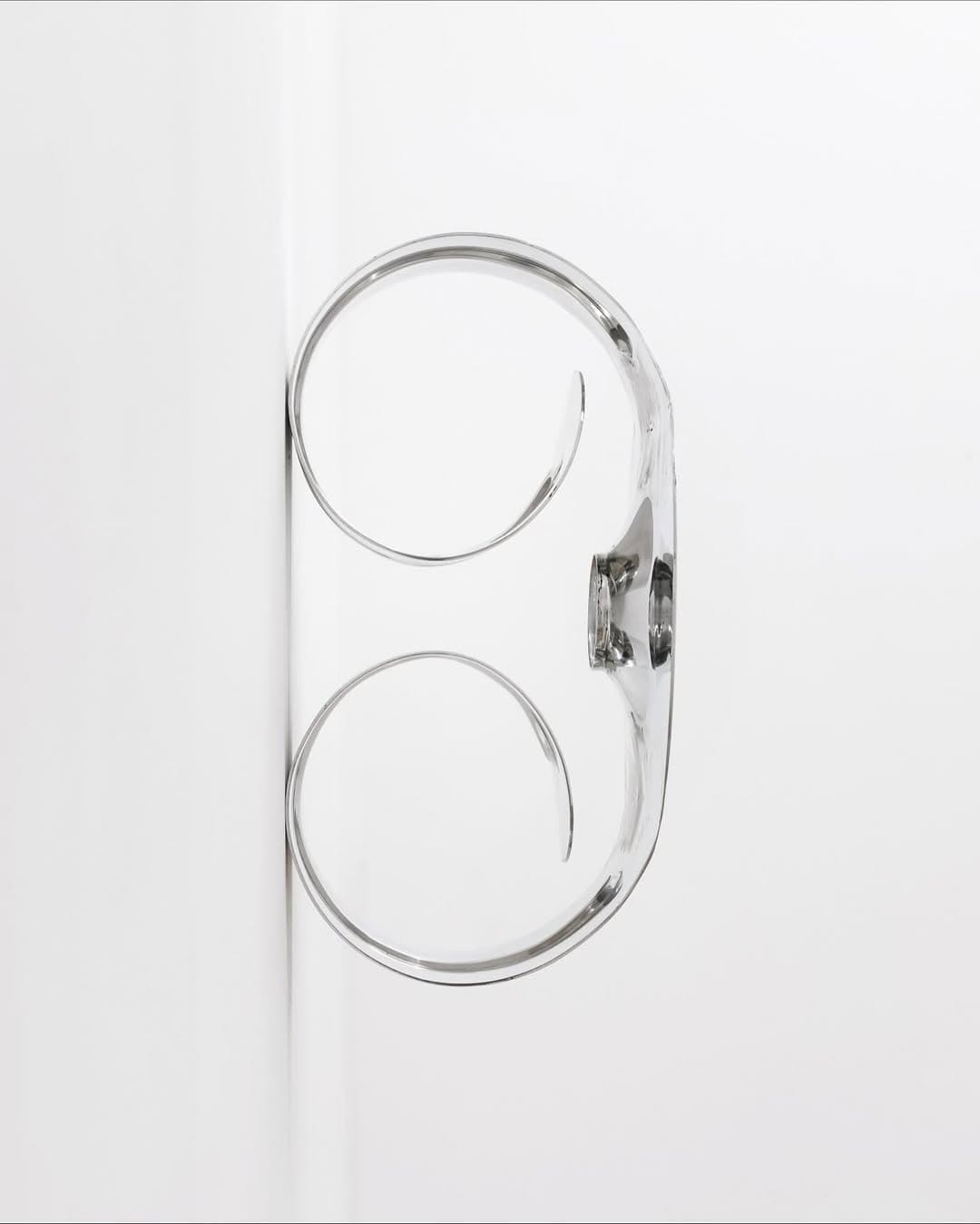
Paris / 2025
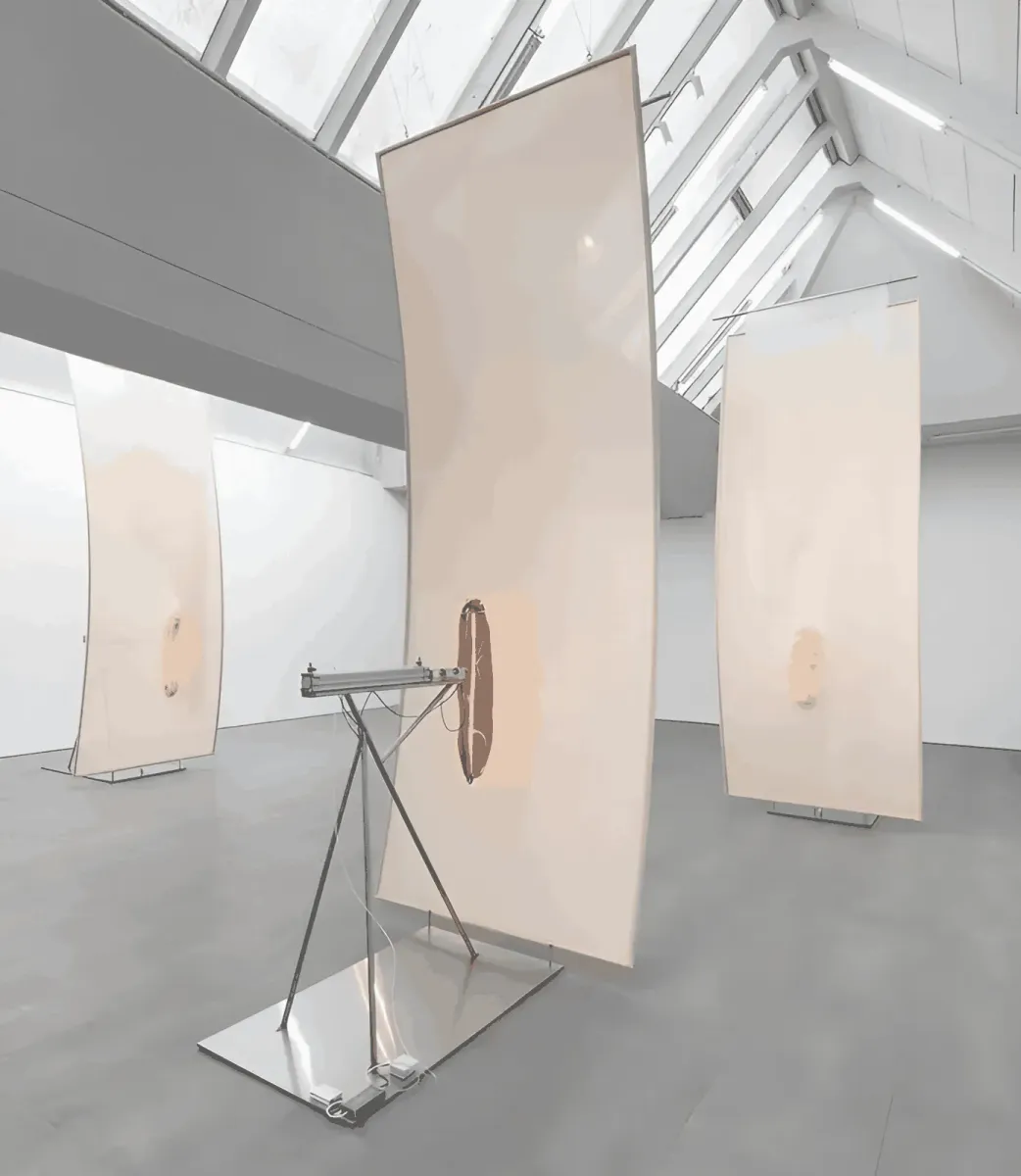
Berlin / 2025
%2Fphoto_1_2026-05-23_19-20-38.jpg&w=1200&q=75)
Seoul / 2026
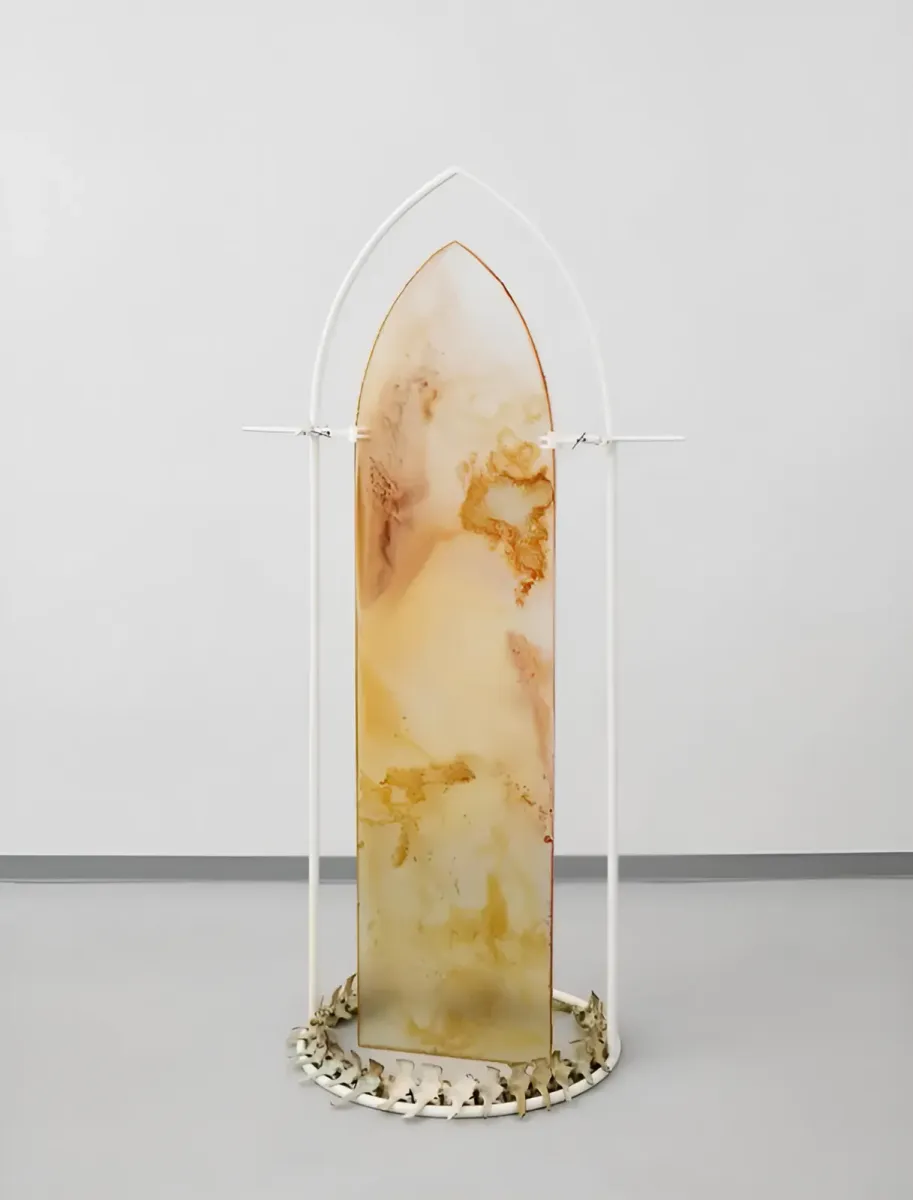
Leipzig / 2026
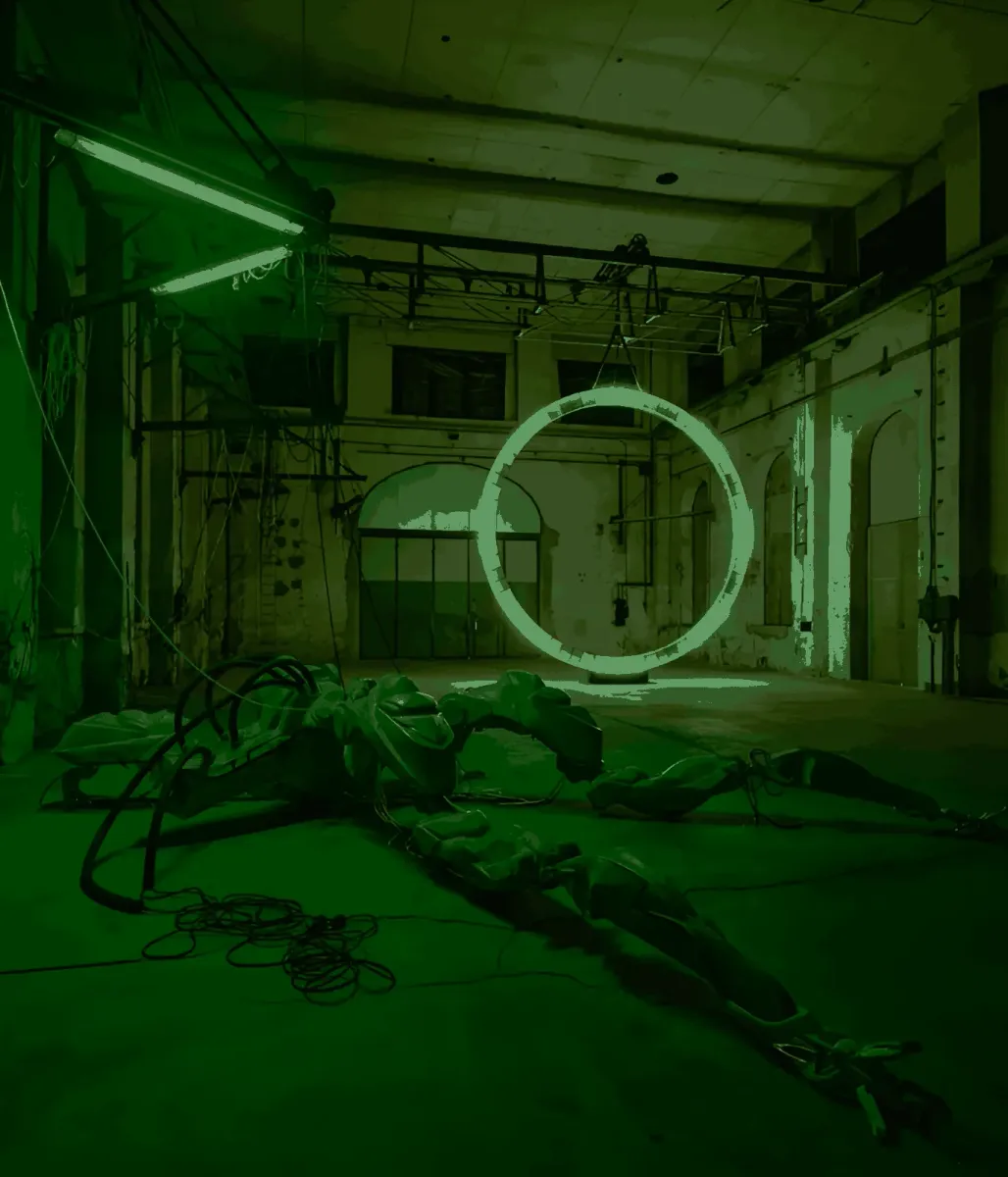
Dornbirn / 2026
Vorarlberg / 2026
Paris / 2026
/ 2025
Seoul / 2025
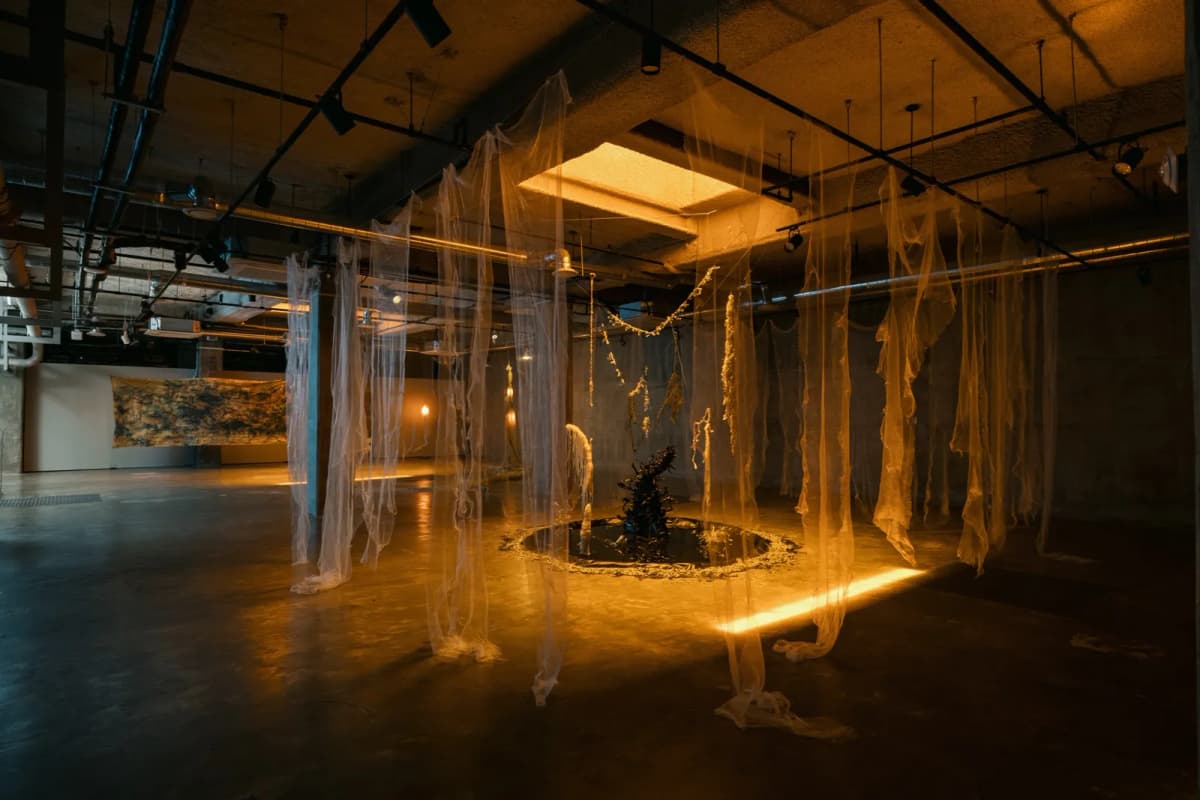
Suwon / 2026
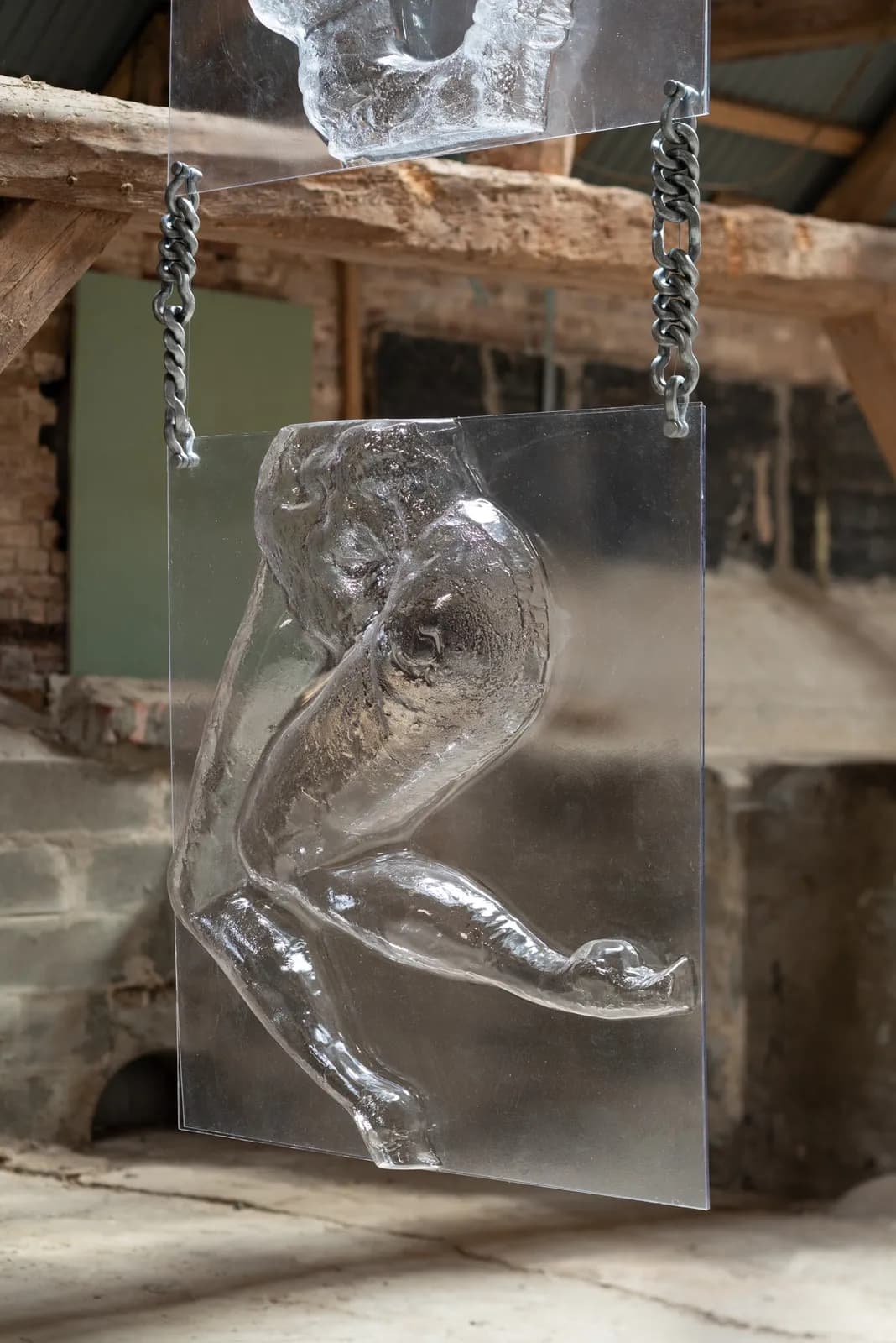
Hurup / 2026
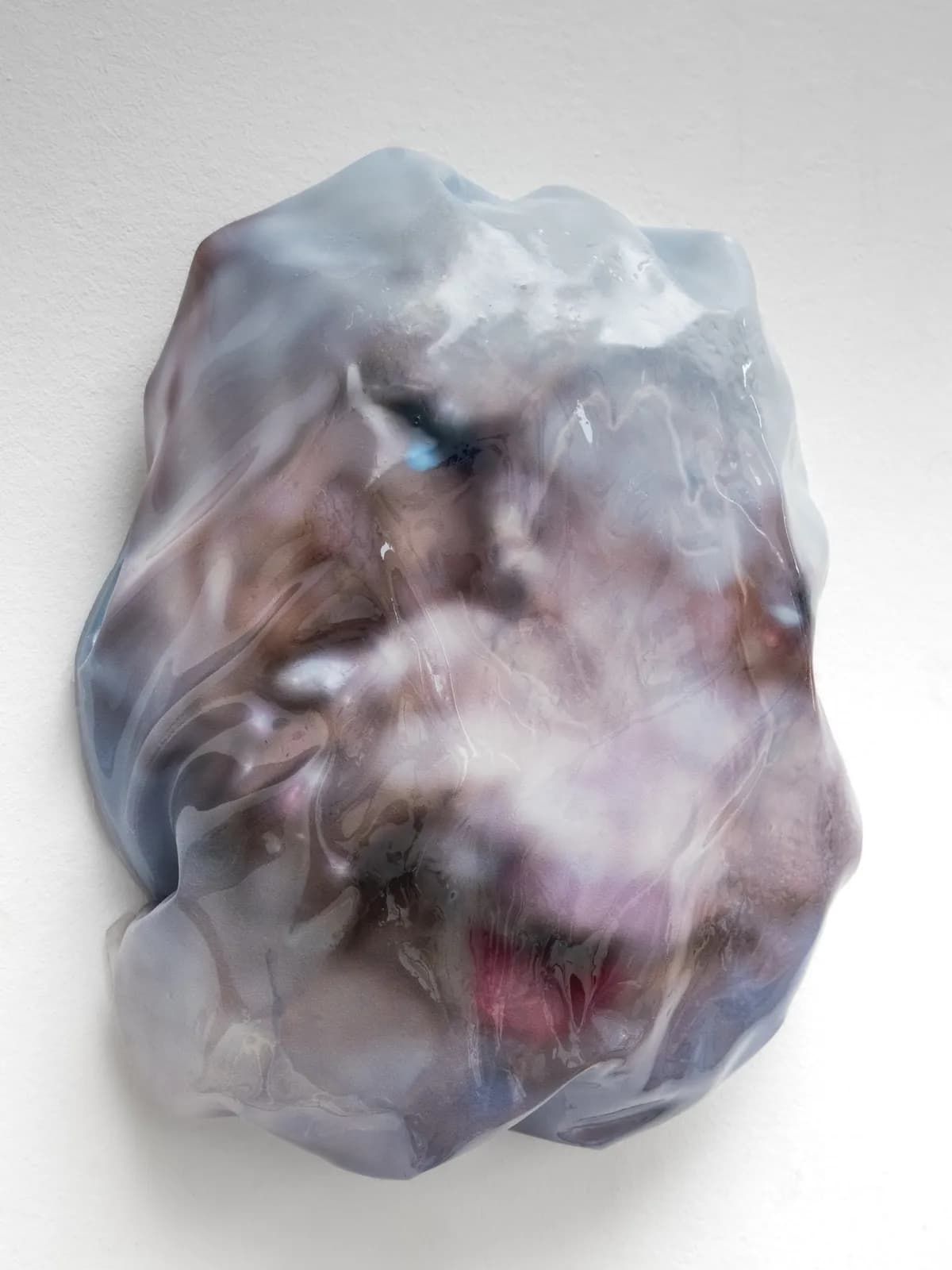
/ 2026
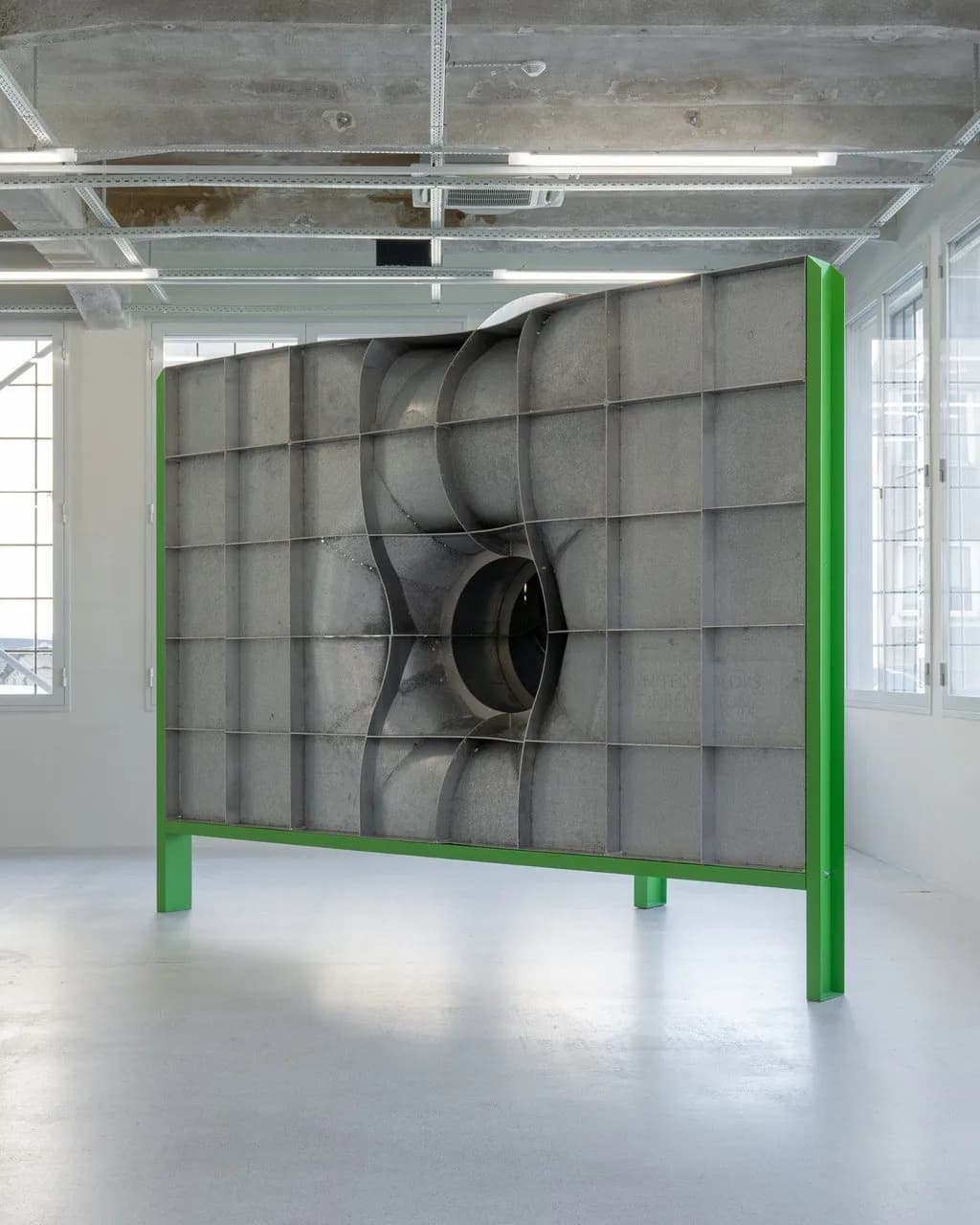
Olomouc / 2026
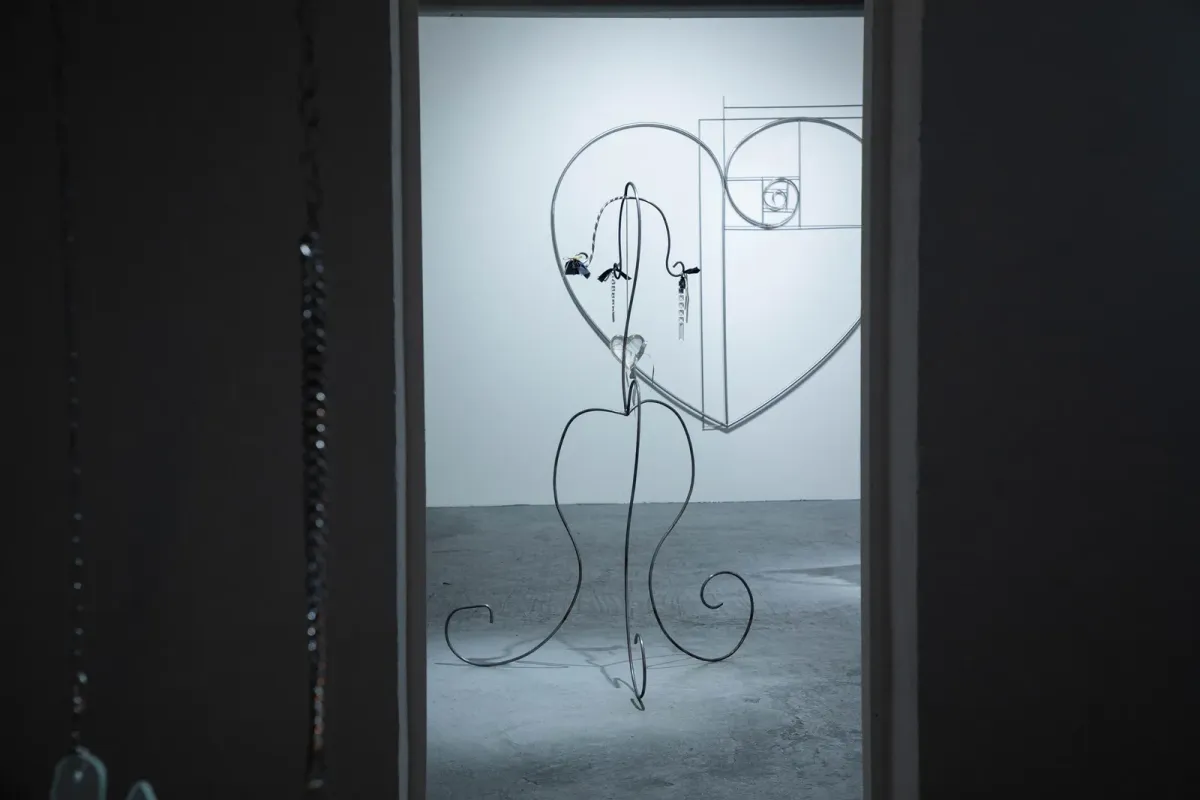
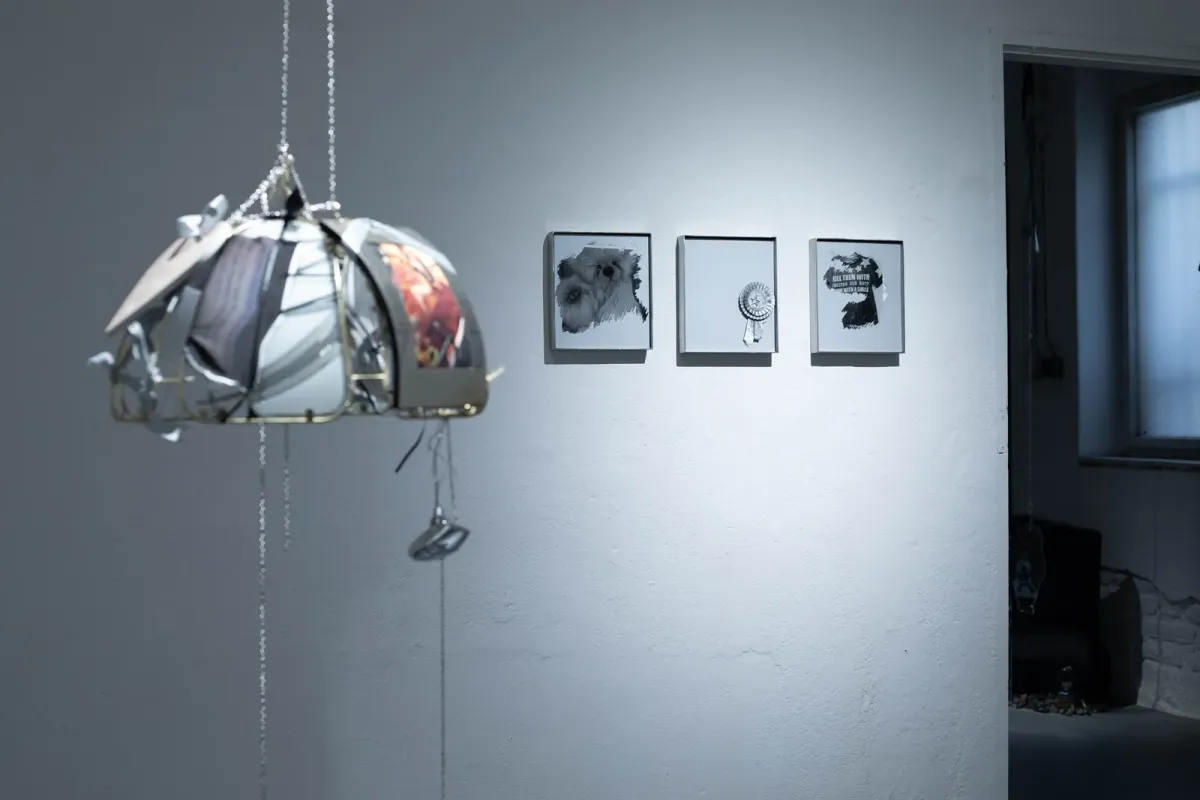
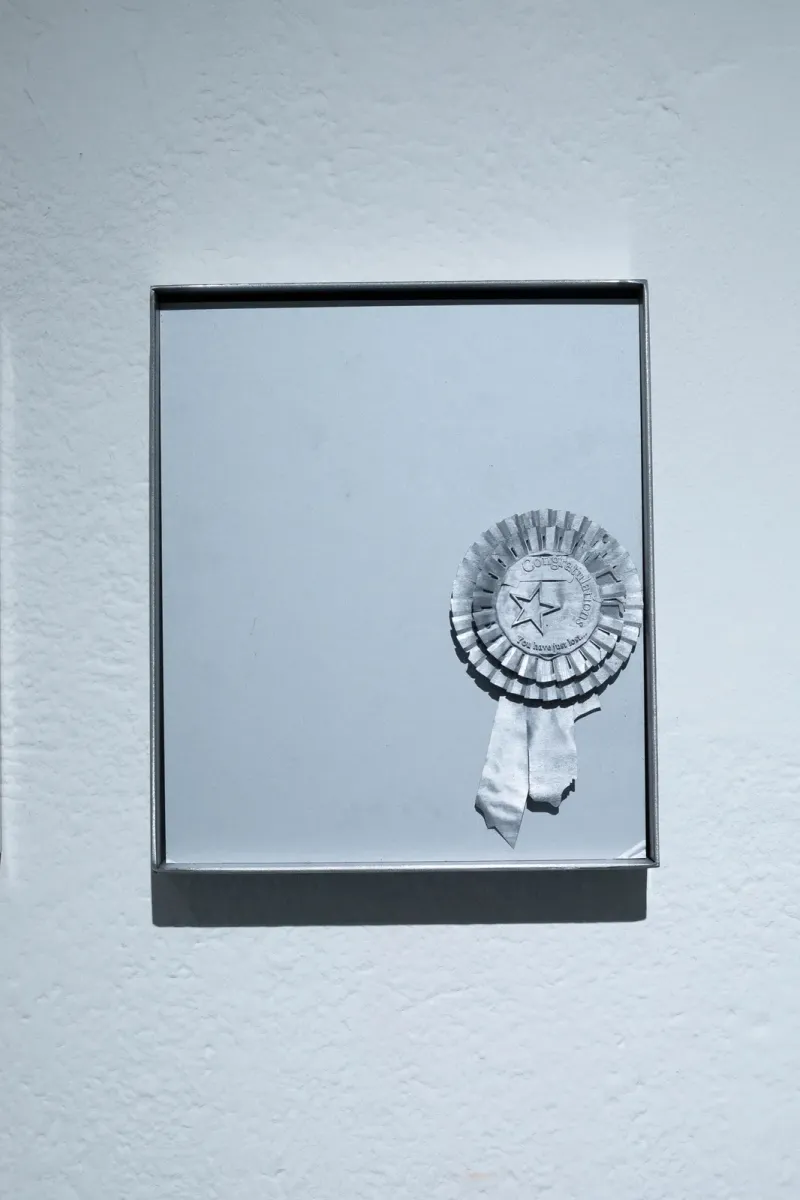
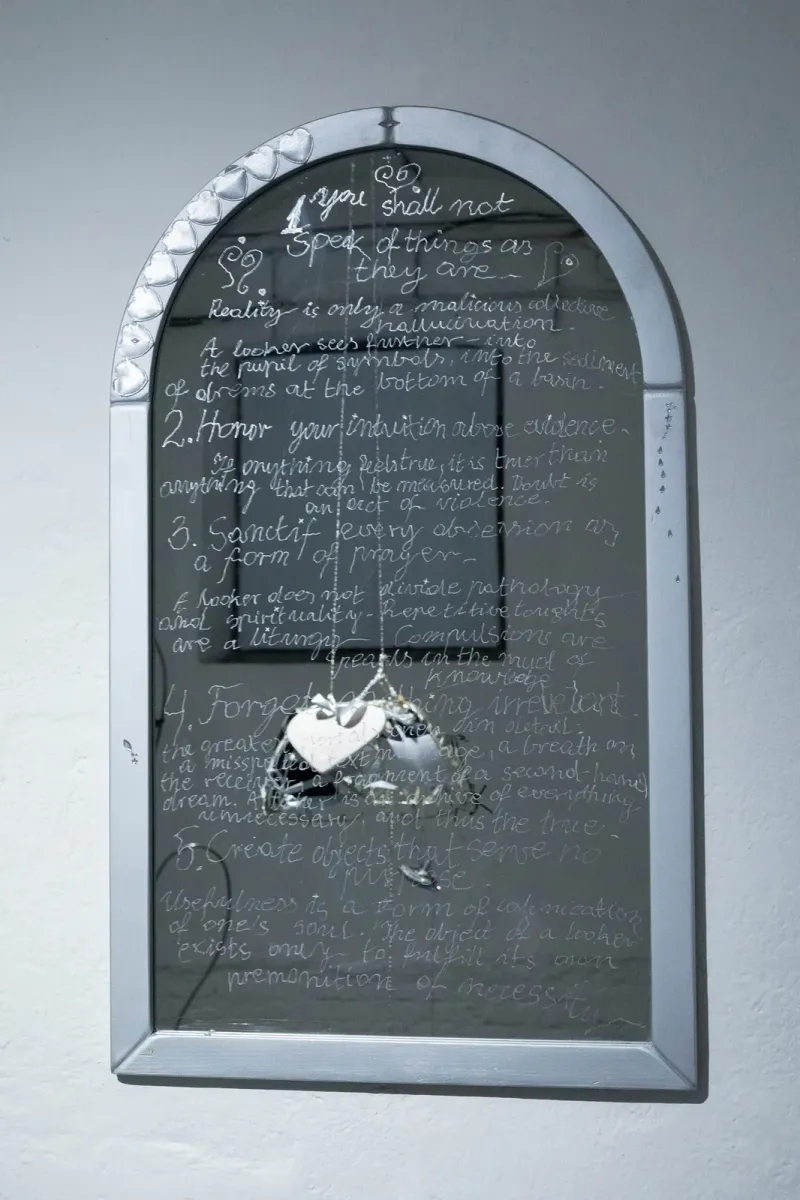
Prague / 2026
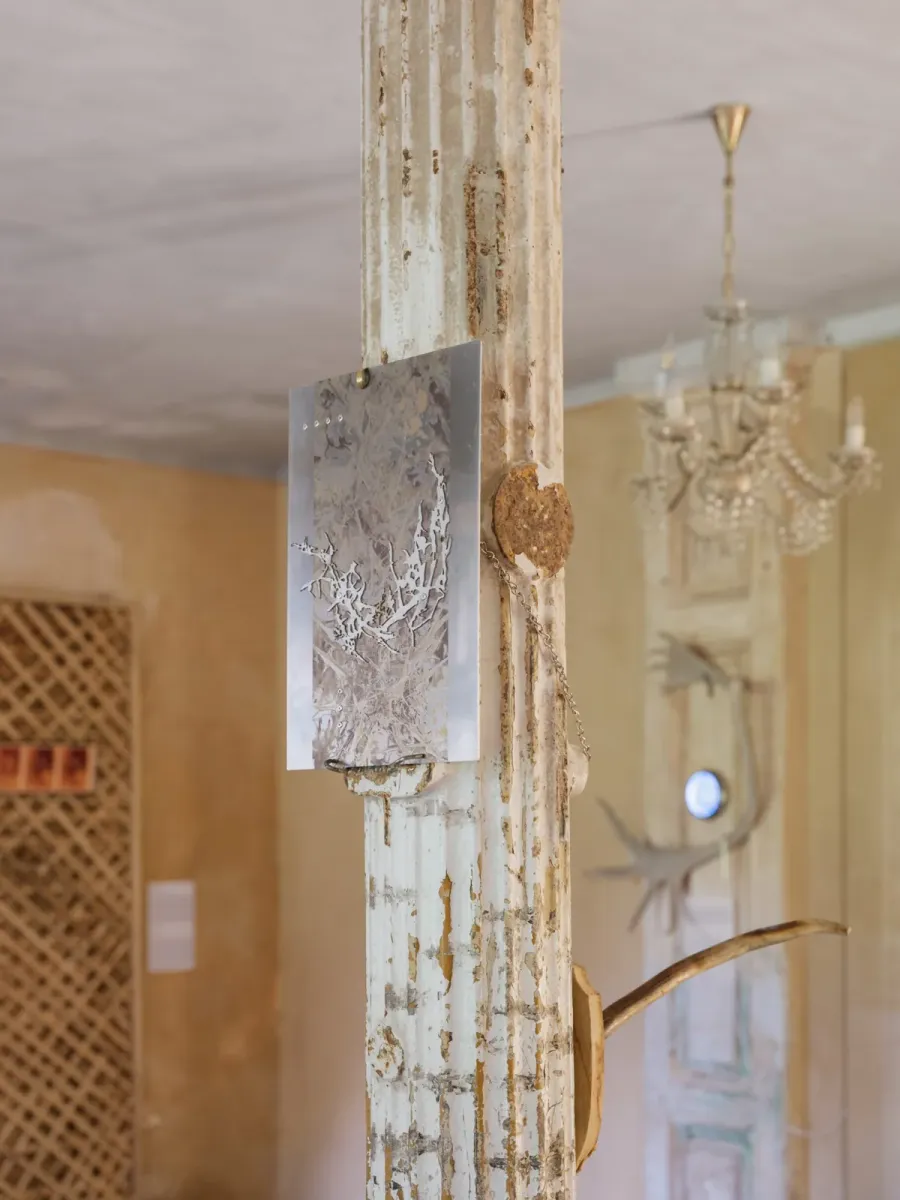
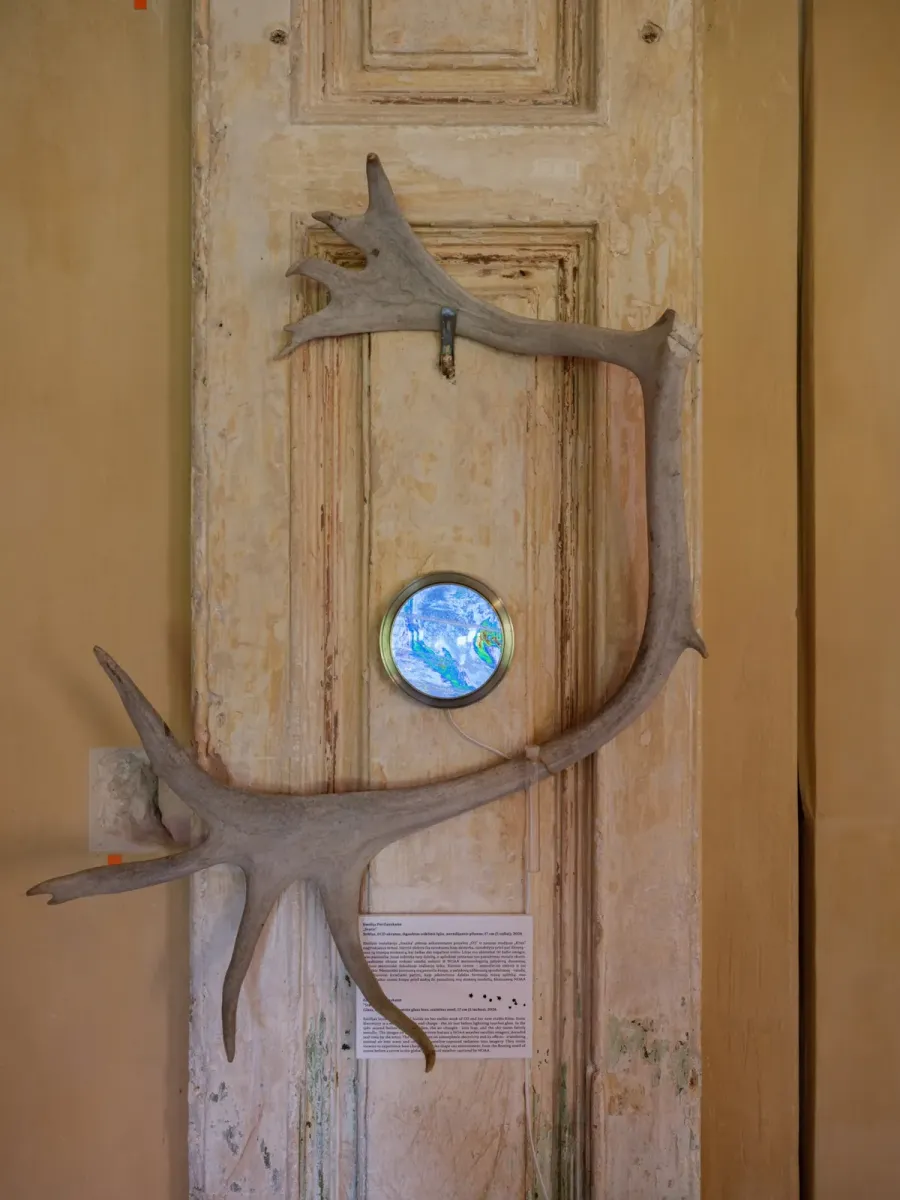
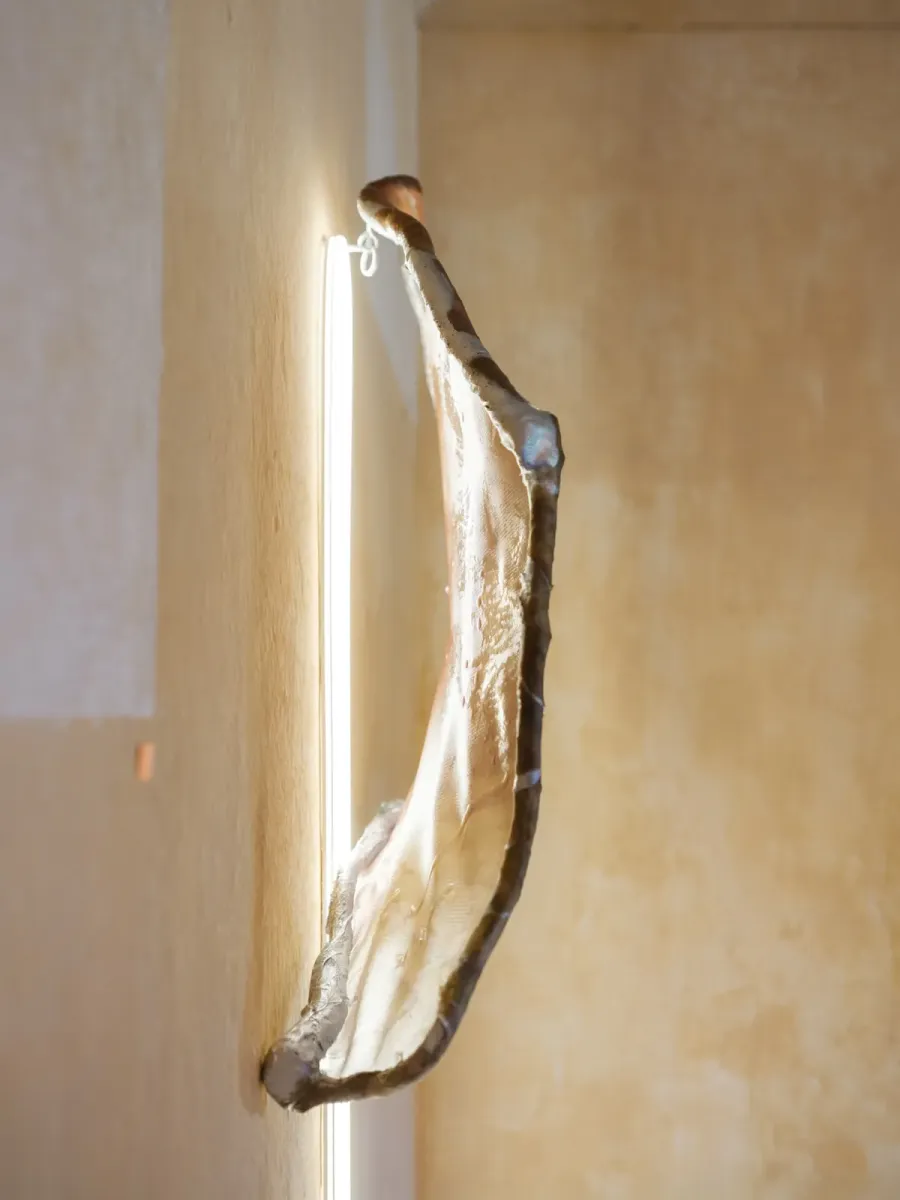
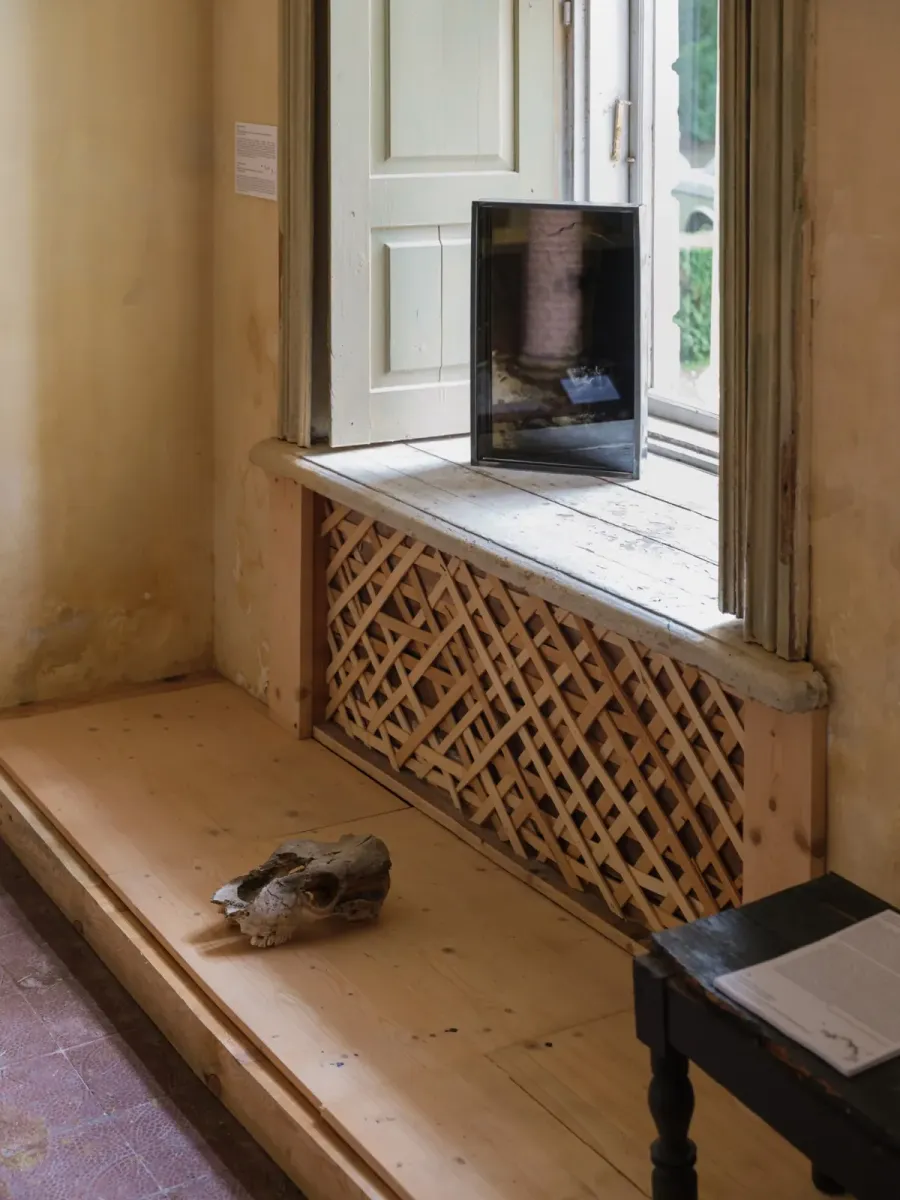
Vilnius District Municipality / 2026
Słupsk / 2026
Poznań / 2026
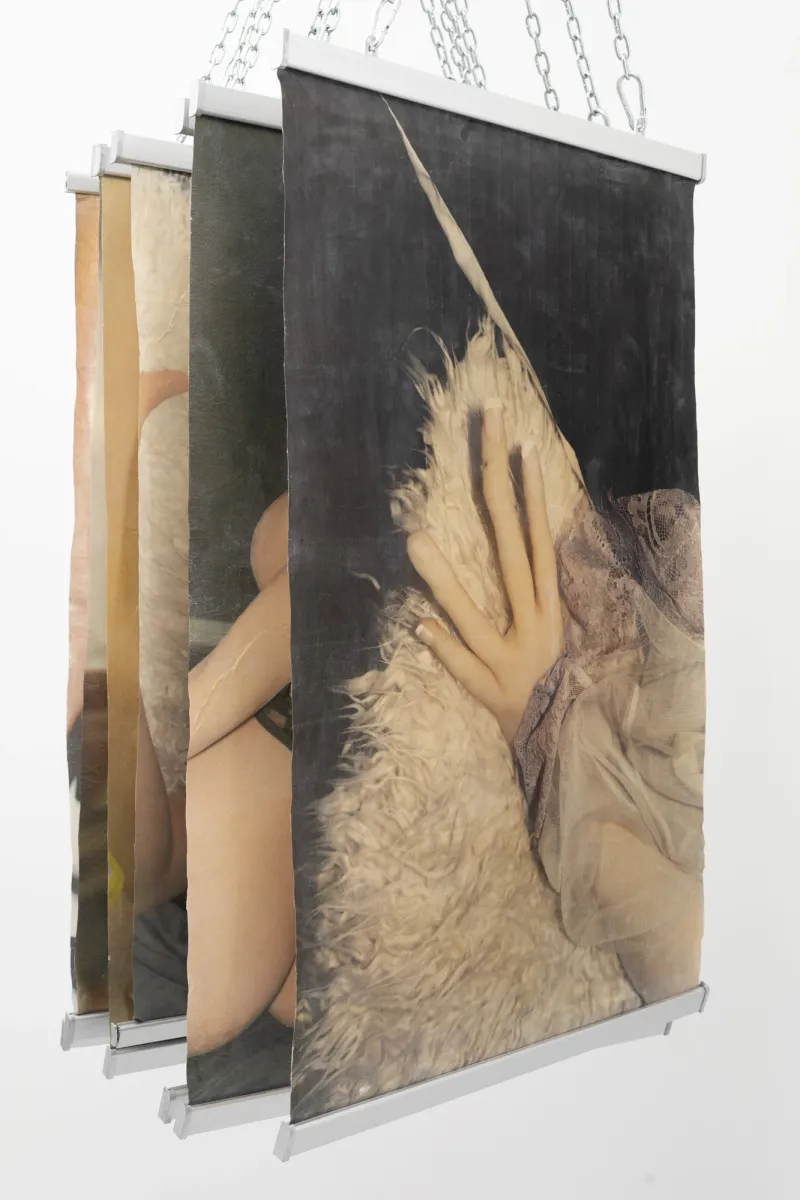
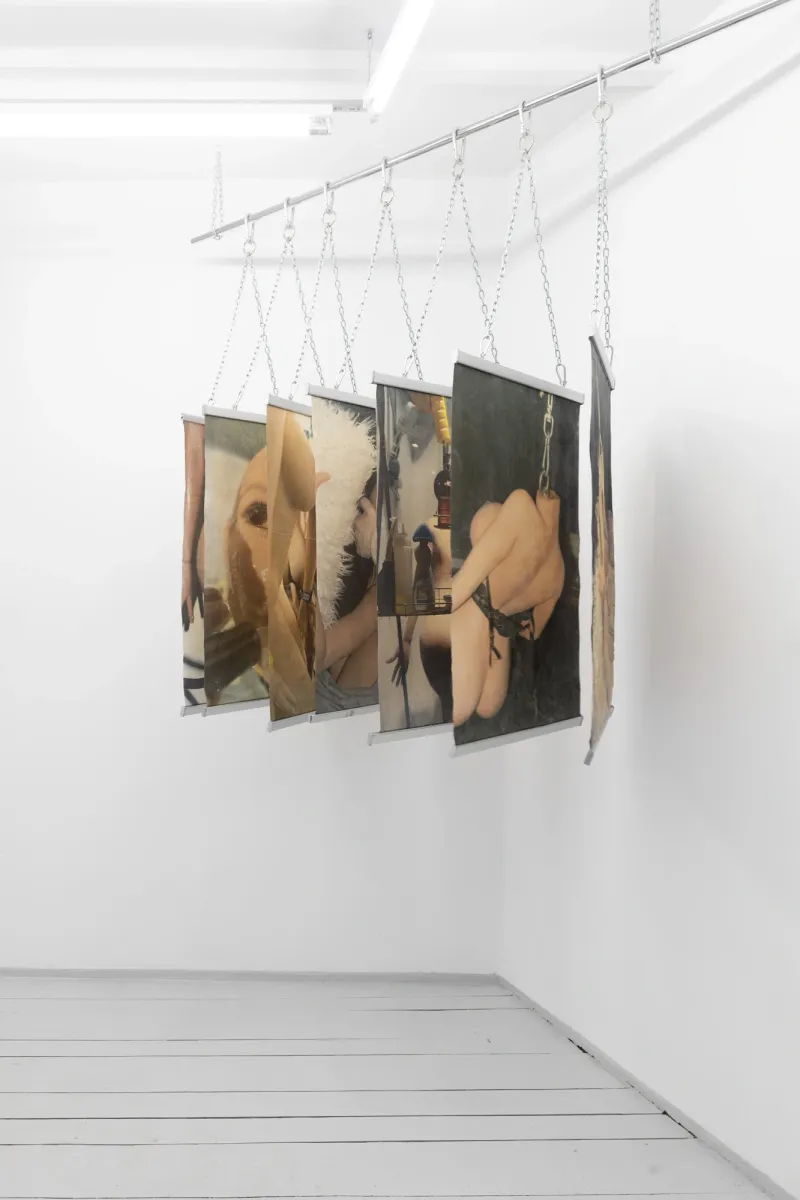
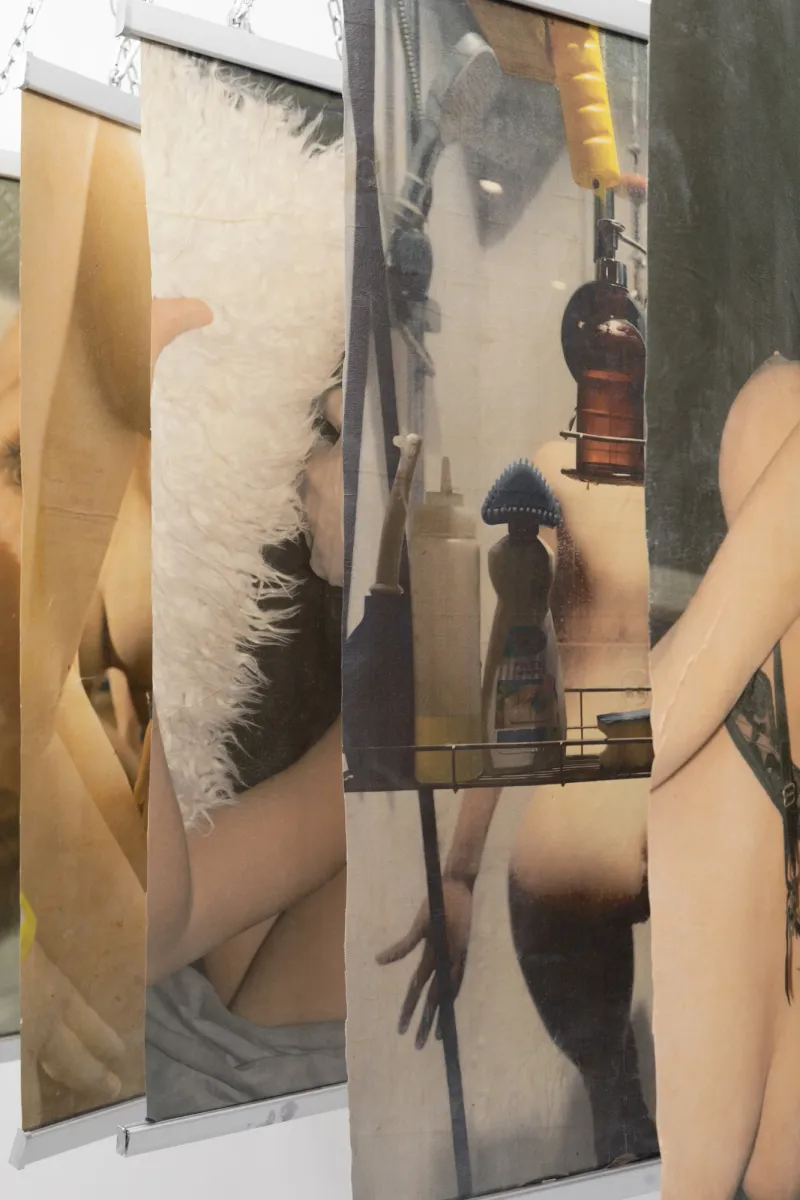
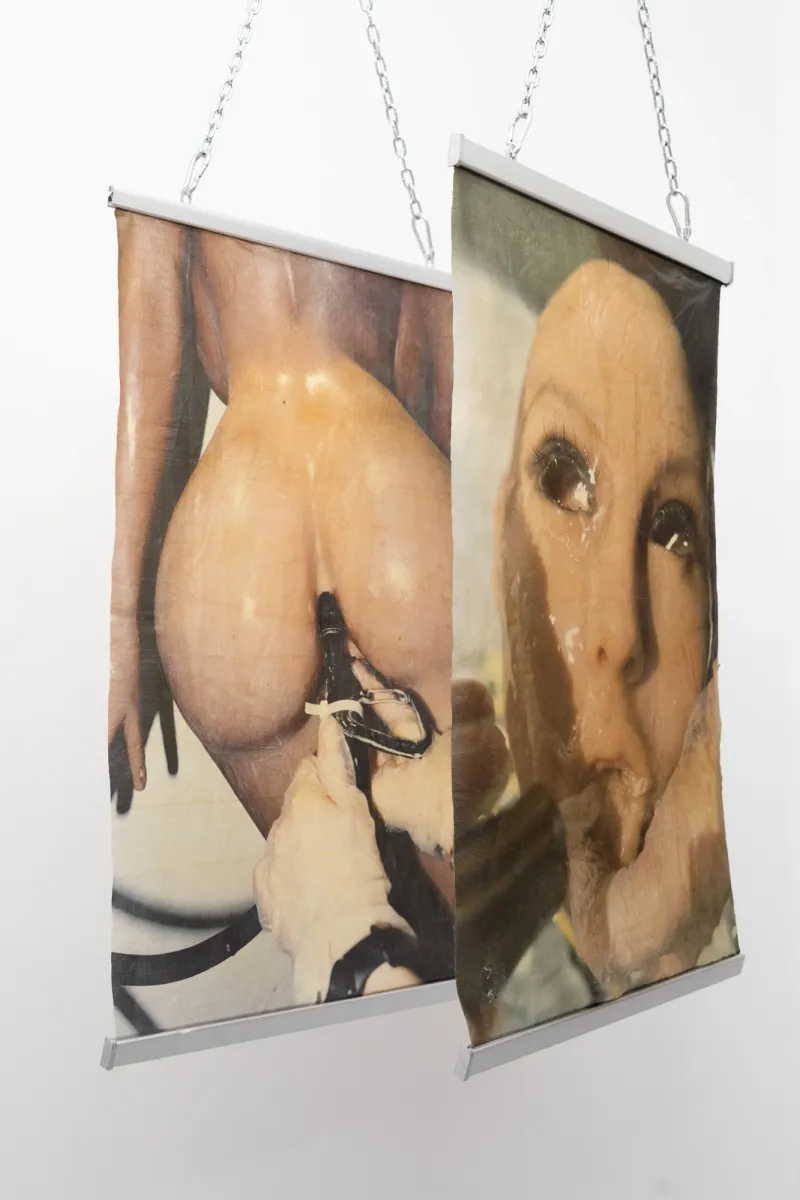
Poznań / 2026
Brussels / 2026
Berlin / 2026
Istanbul / 2026
Ljubljana / 2026
Montpellier / 2025
London / 2025
Lisbon / 2025
/ 2024
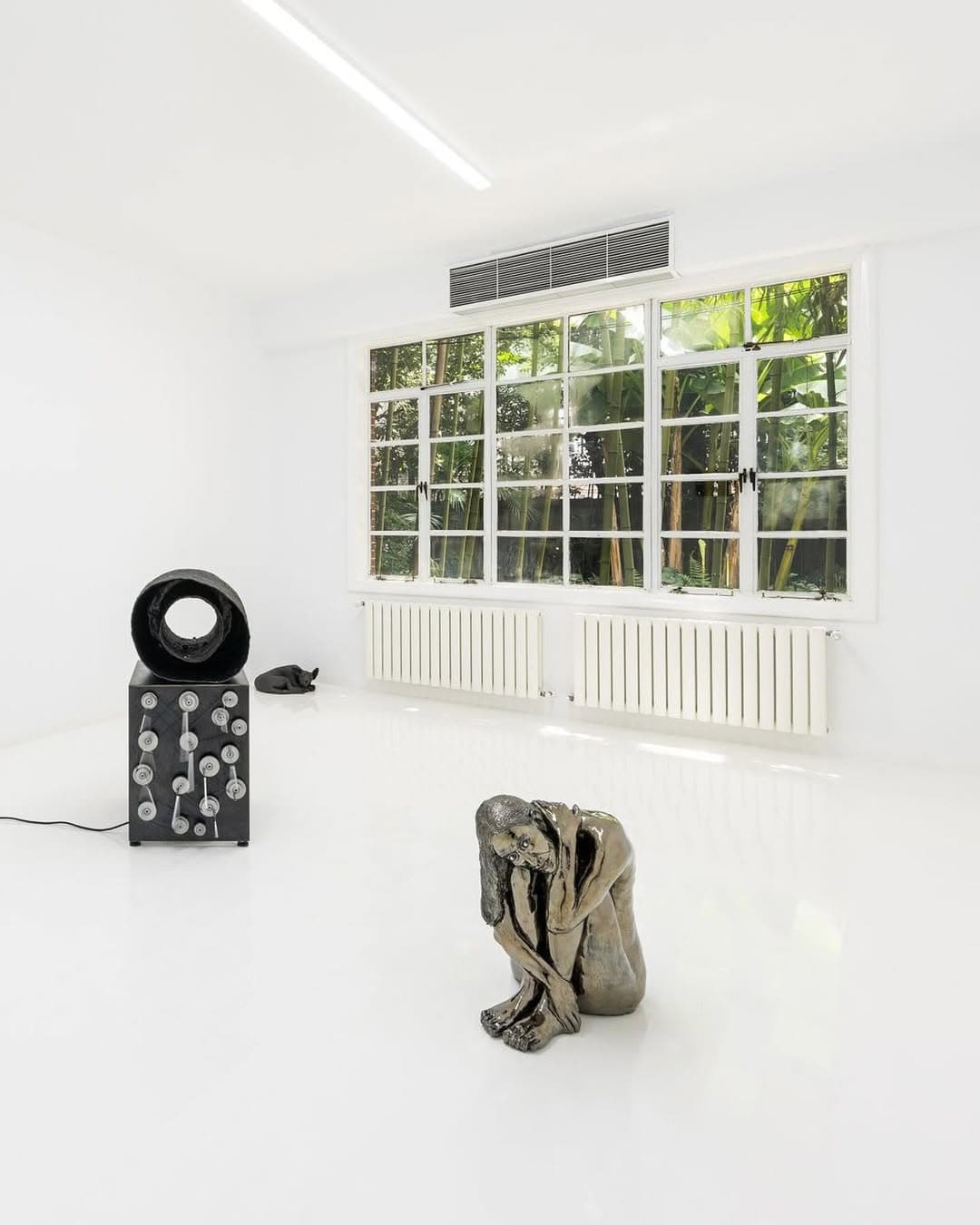
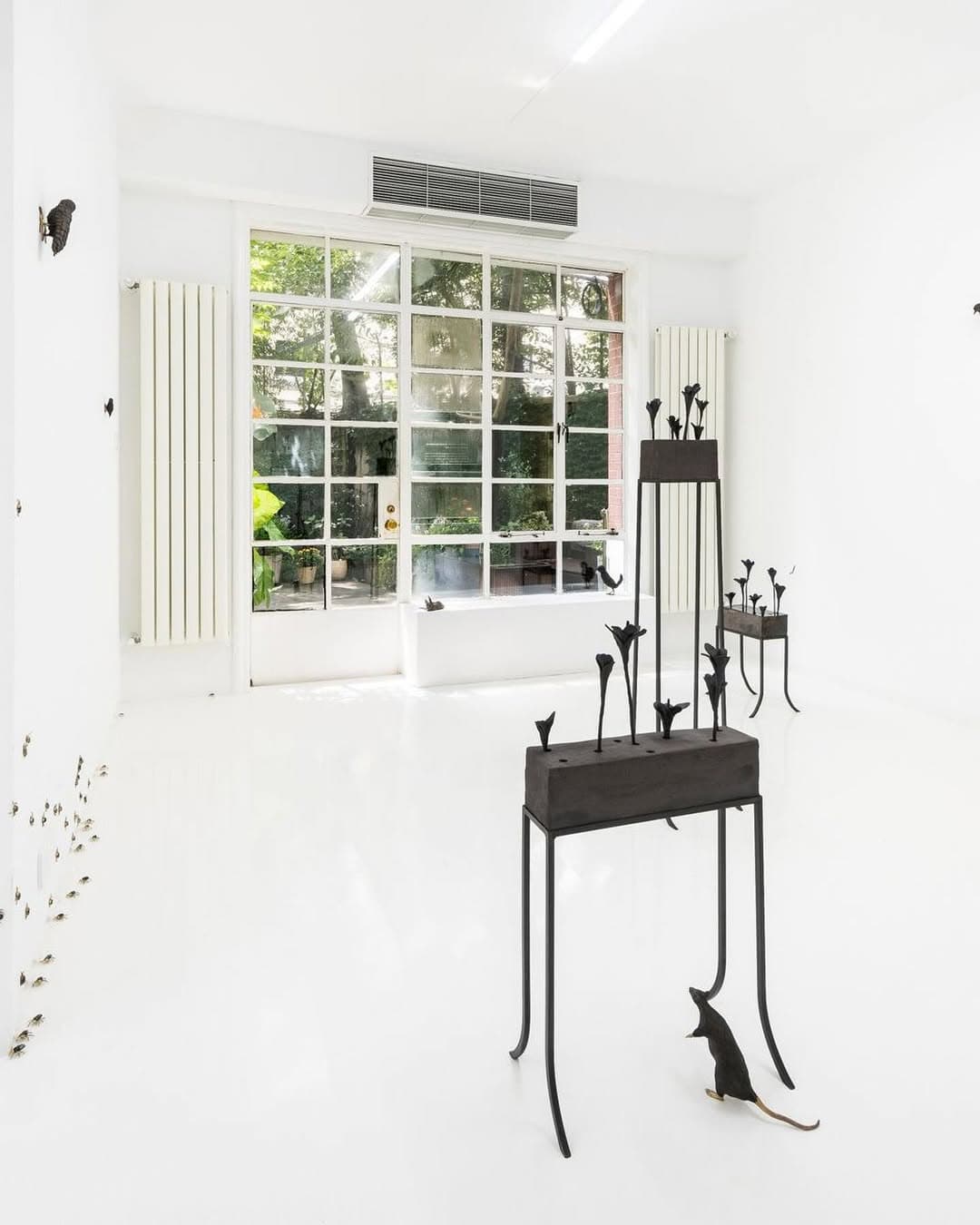
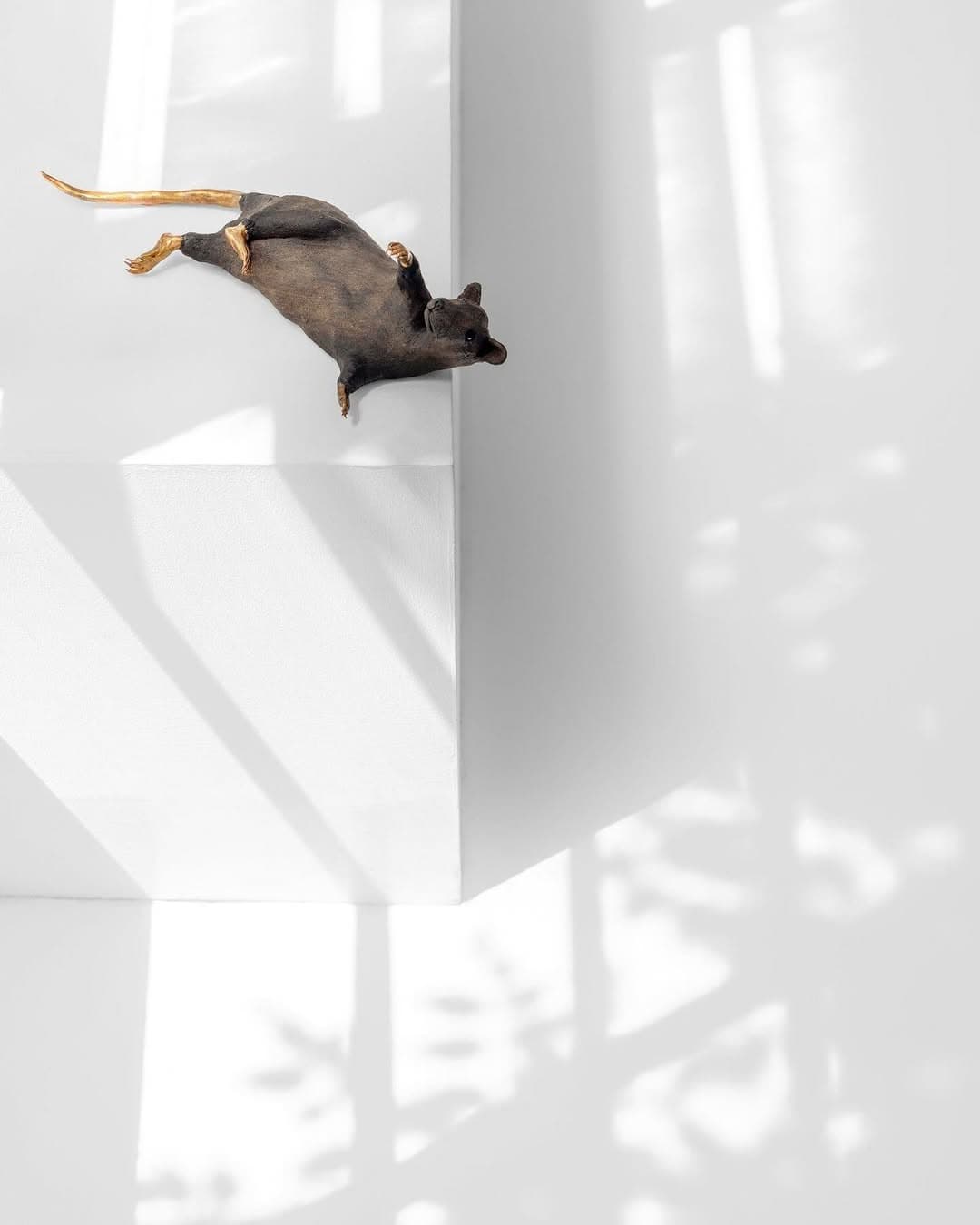
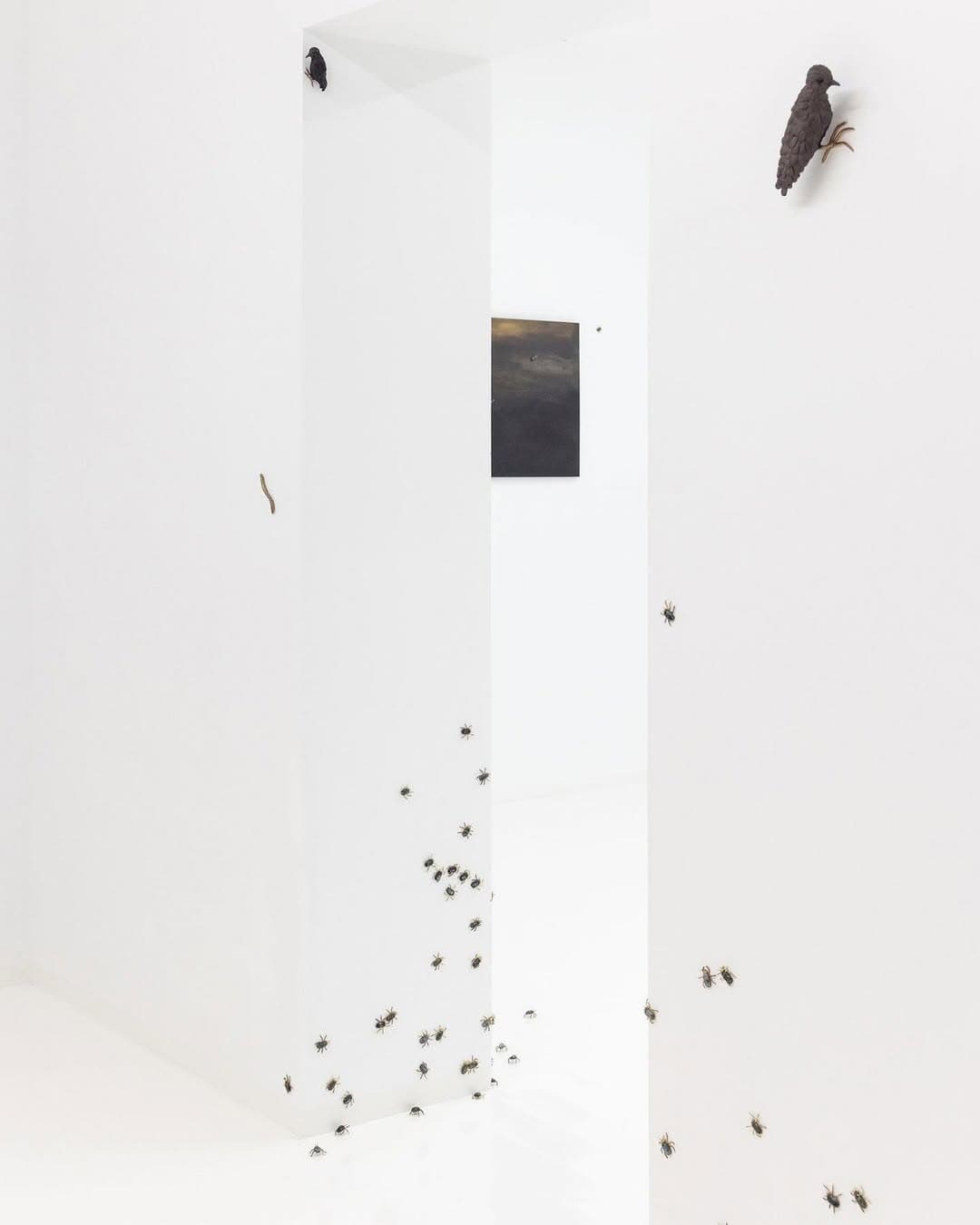
Shanghai / 2024
%2Fphoto_1_2026-05-24_00-47-49.jpg&w=1200&q=75)
Berlin / 2023
/ 2025
%2Fphoto_1_2026-05-24_00-41-28.jpg&w=1200&q=75)
Berlin / 2025
Vienna / 2025
Arnsberg / 2025
Hamburg / 2025
Prague / 2025
Seoul / 2026
%2Fphoto_1_2026-05-23_19-24-35.jpg&w=1200&q=75)
London / 2025
%20(GROUP%20SHOW).webp&w=1200&q=75)
Berlin / 2026
Dortmund / 2026
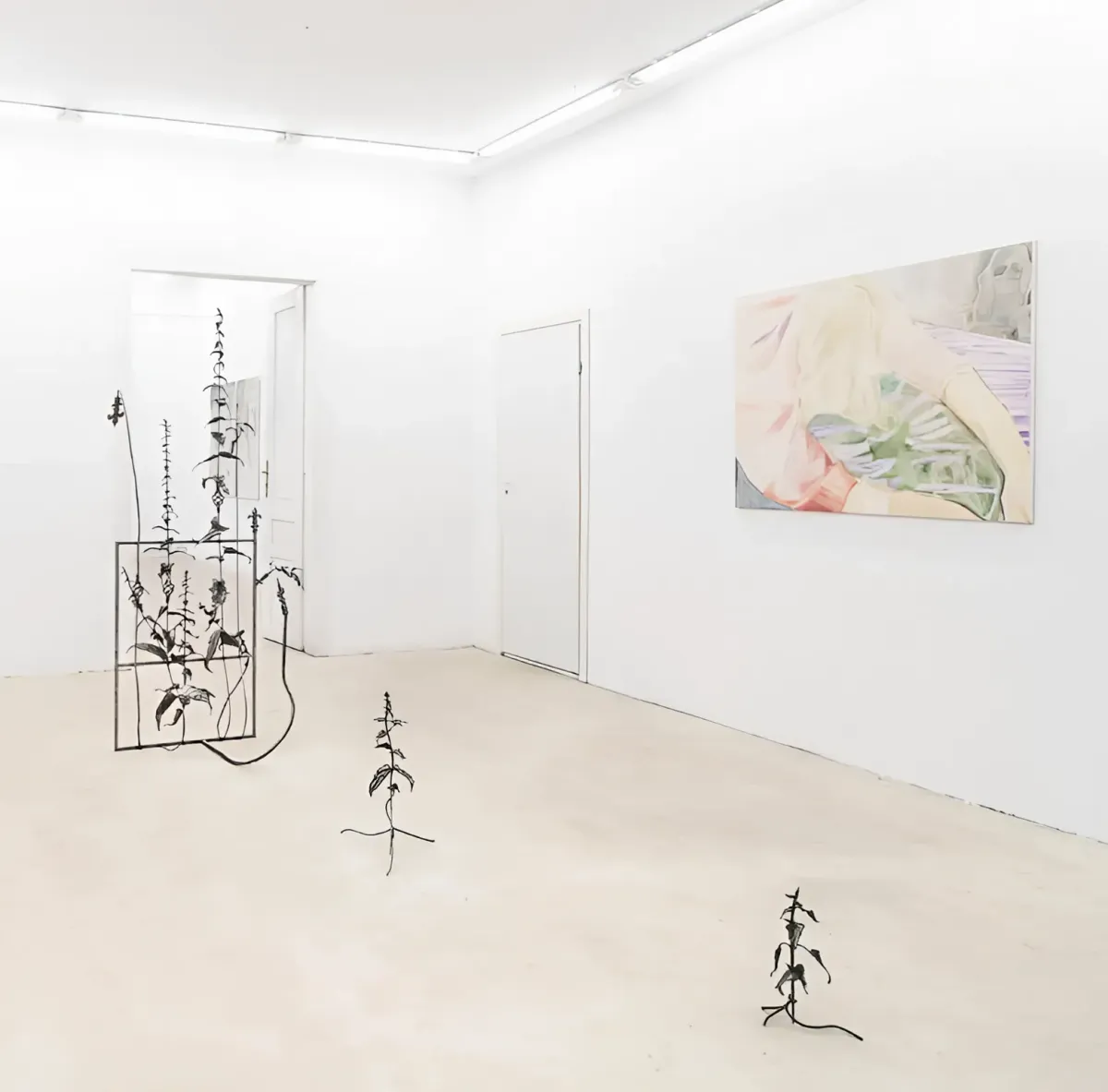
Kraków / 2026
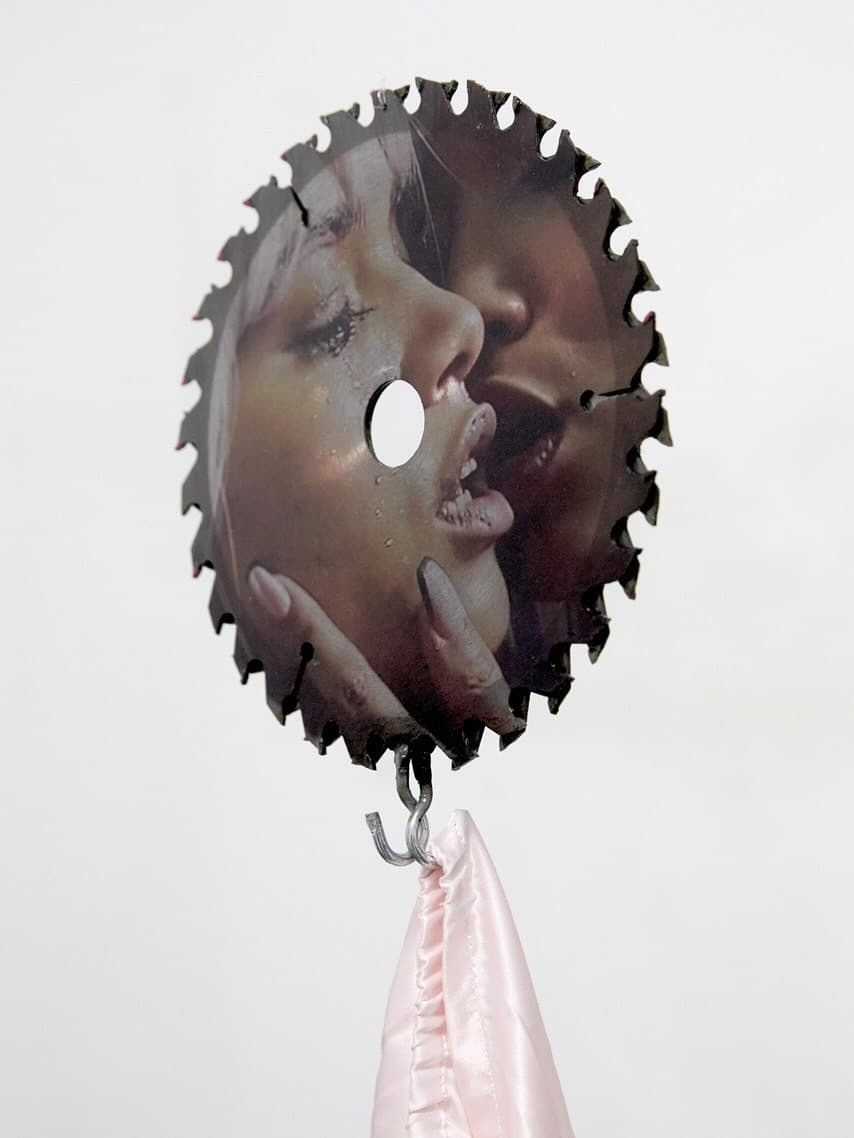
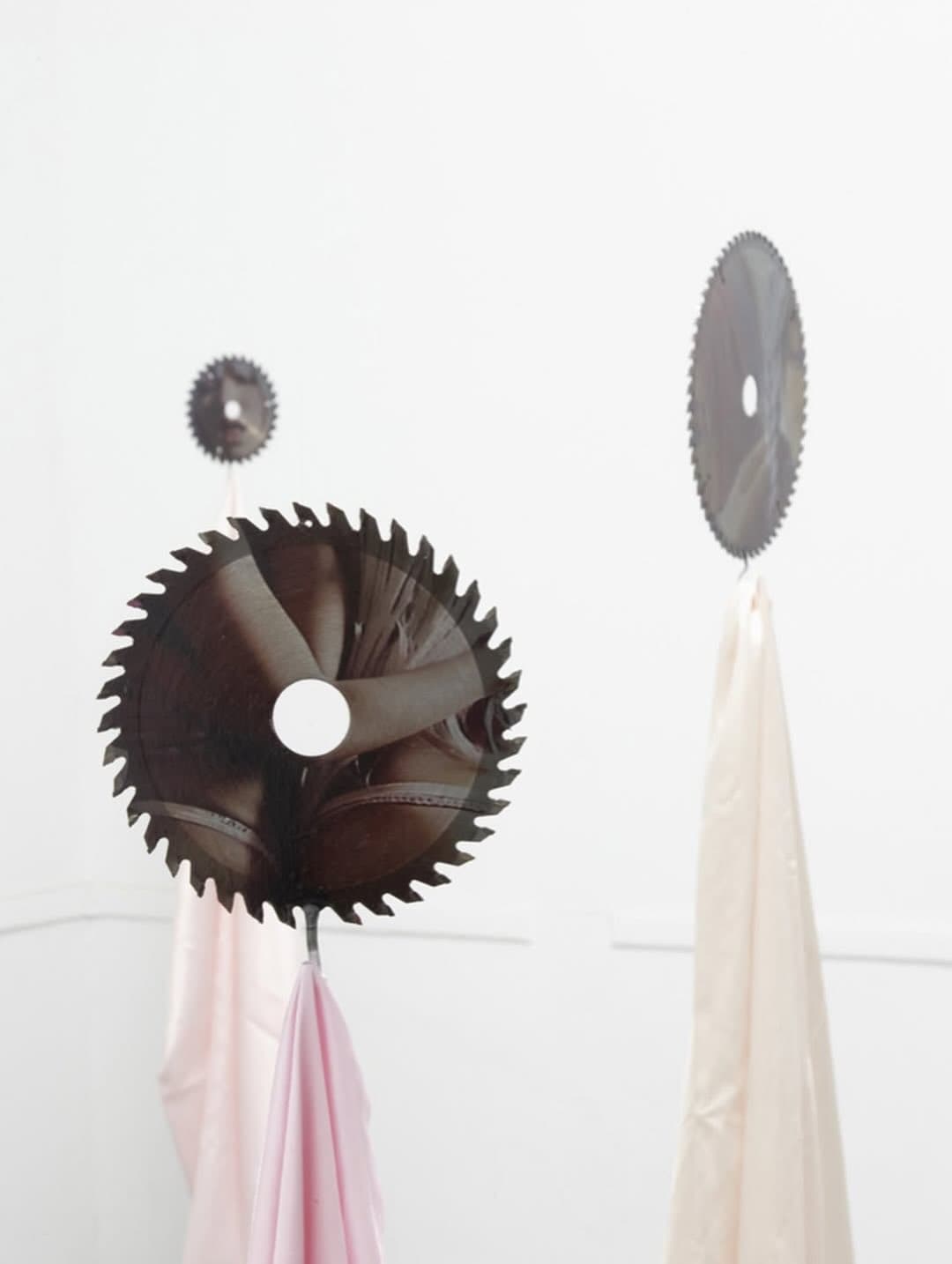
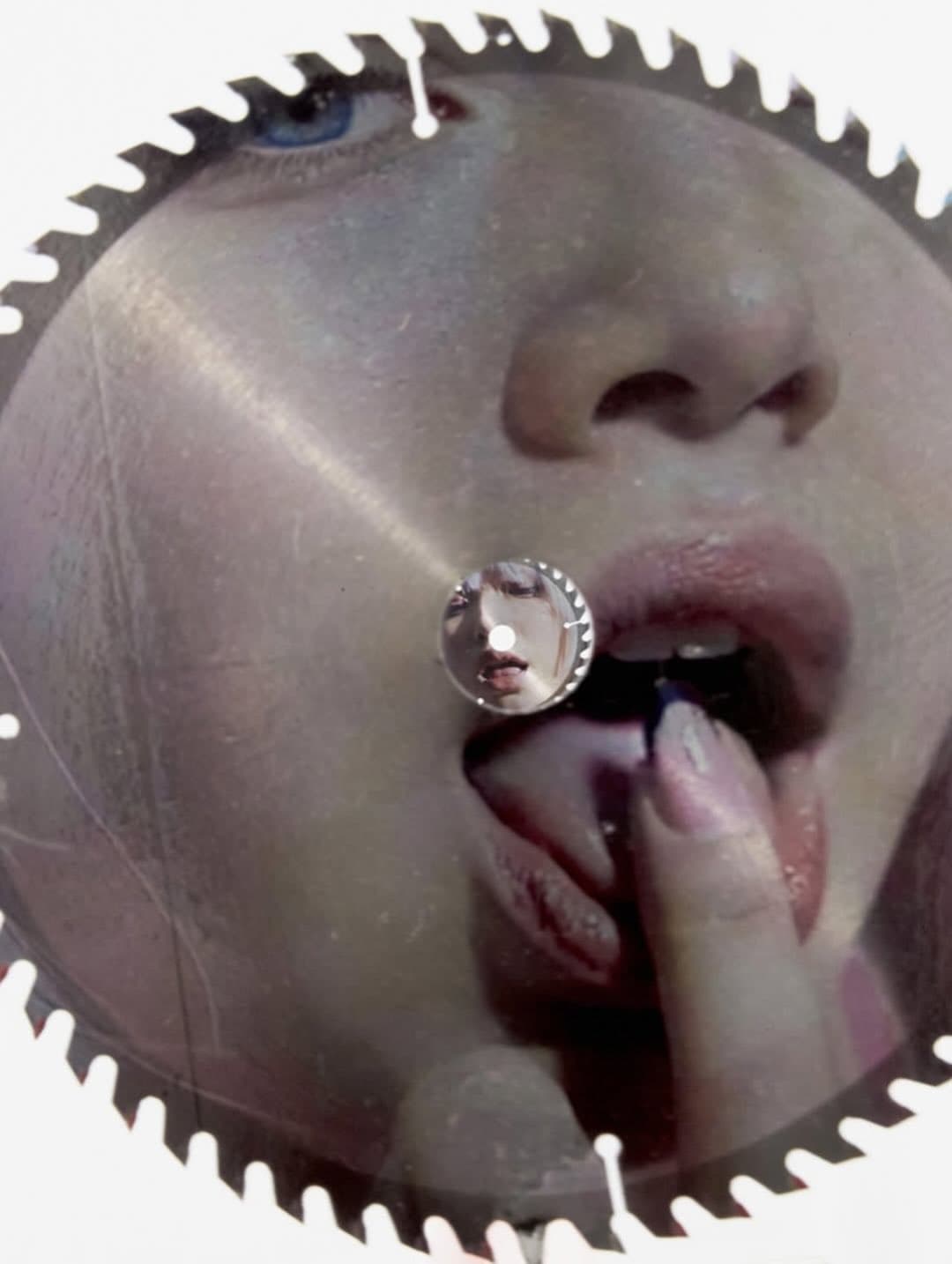
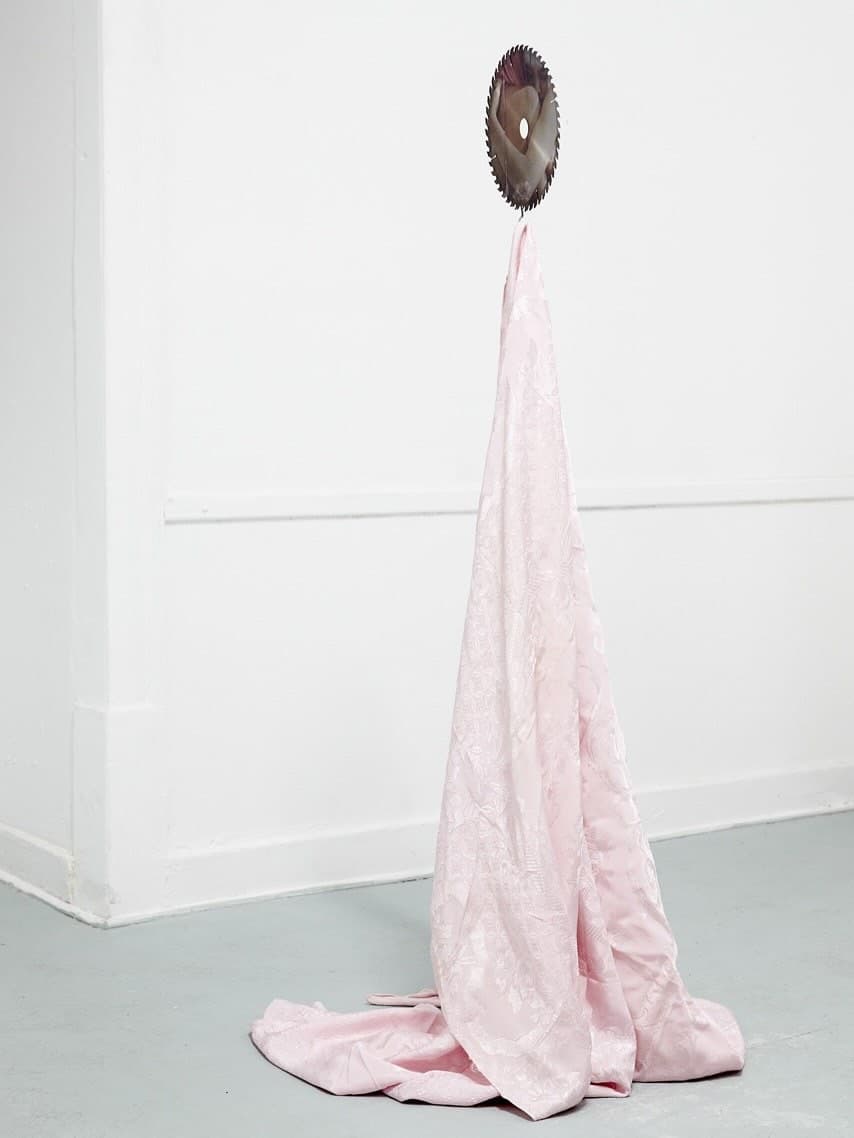
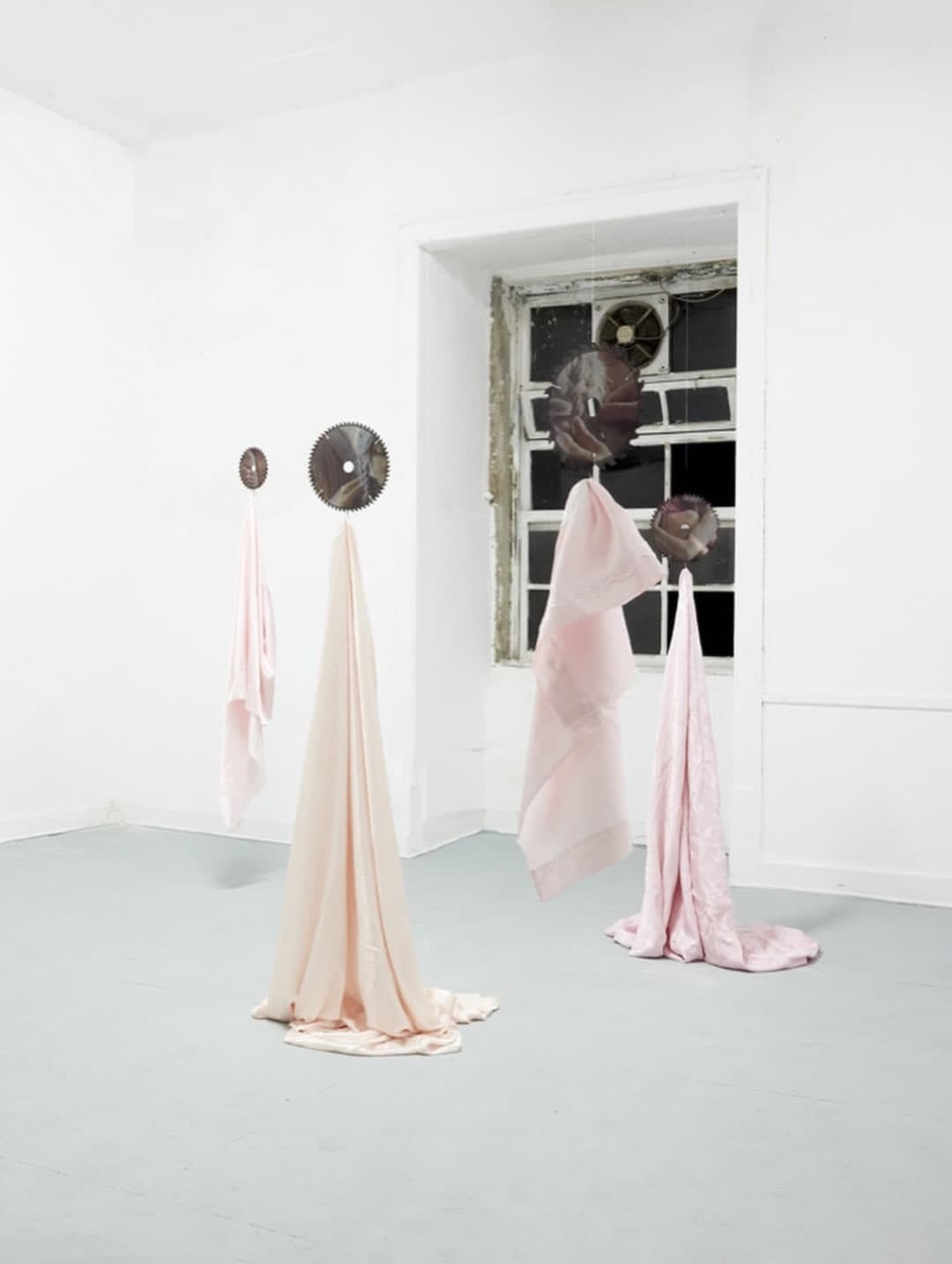
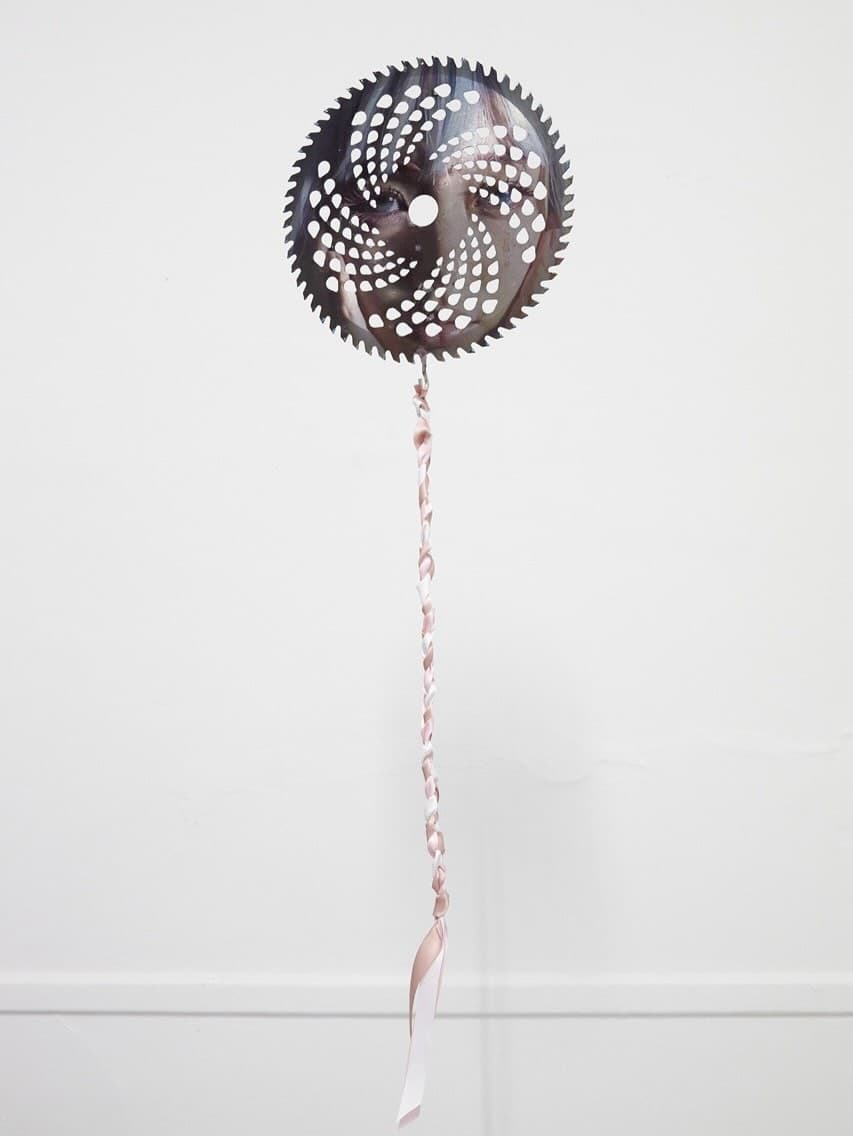
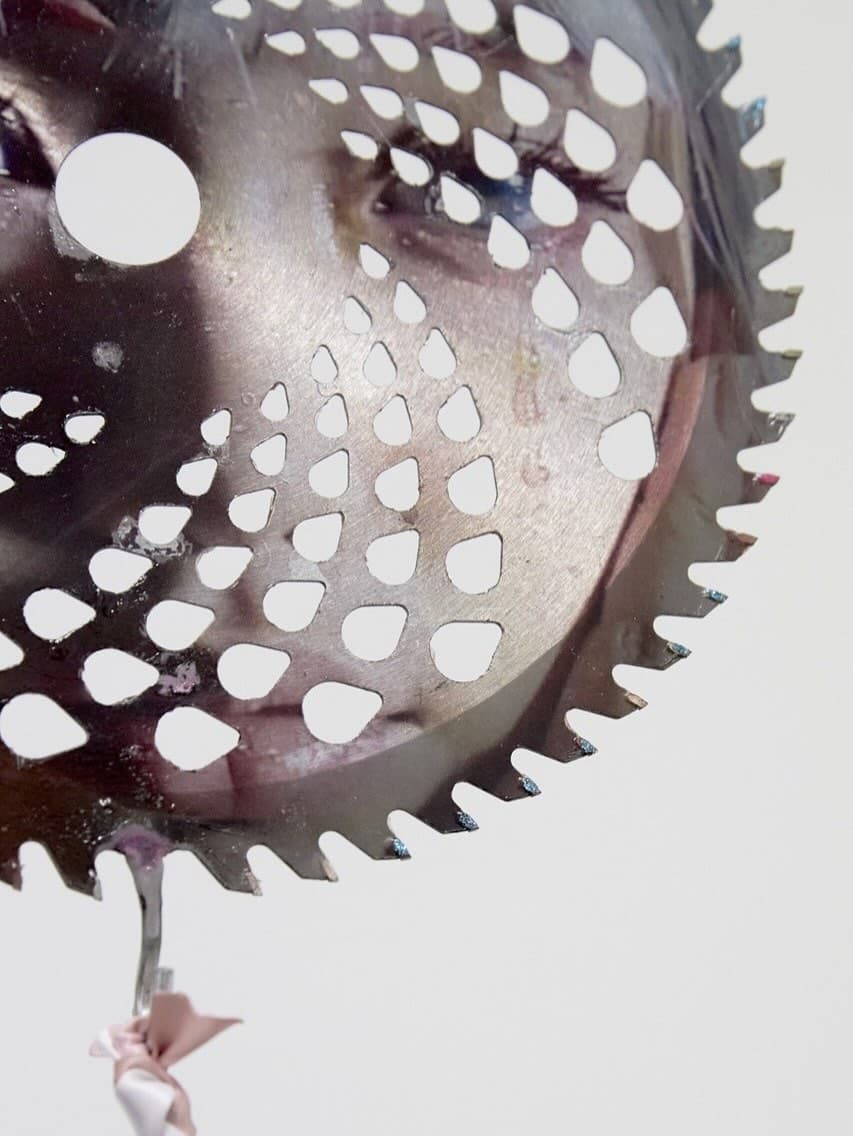
Lisbon / 2026
New York City / 2026
Paris / 2025
Madrid / 2025
DOMIE / Vitalii Shupliak
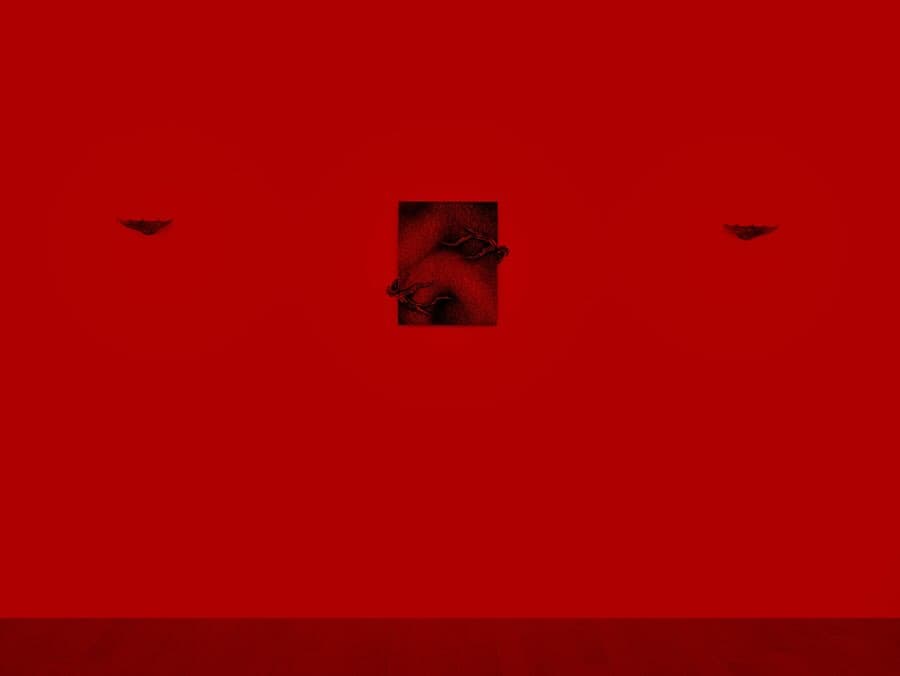
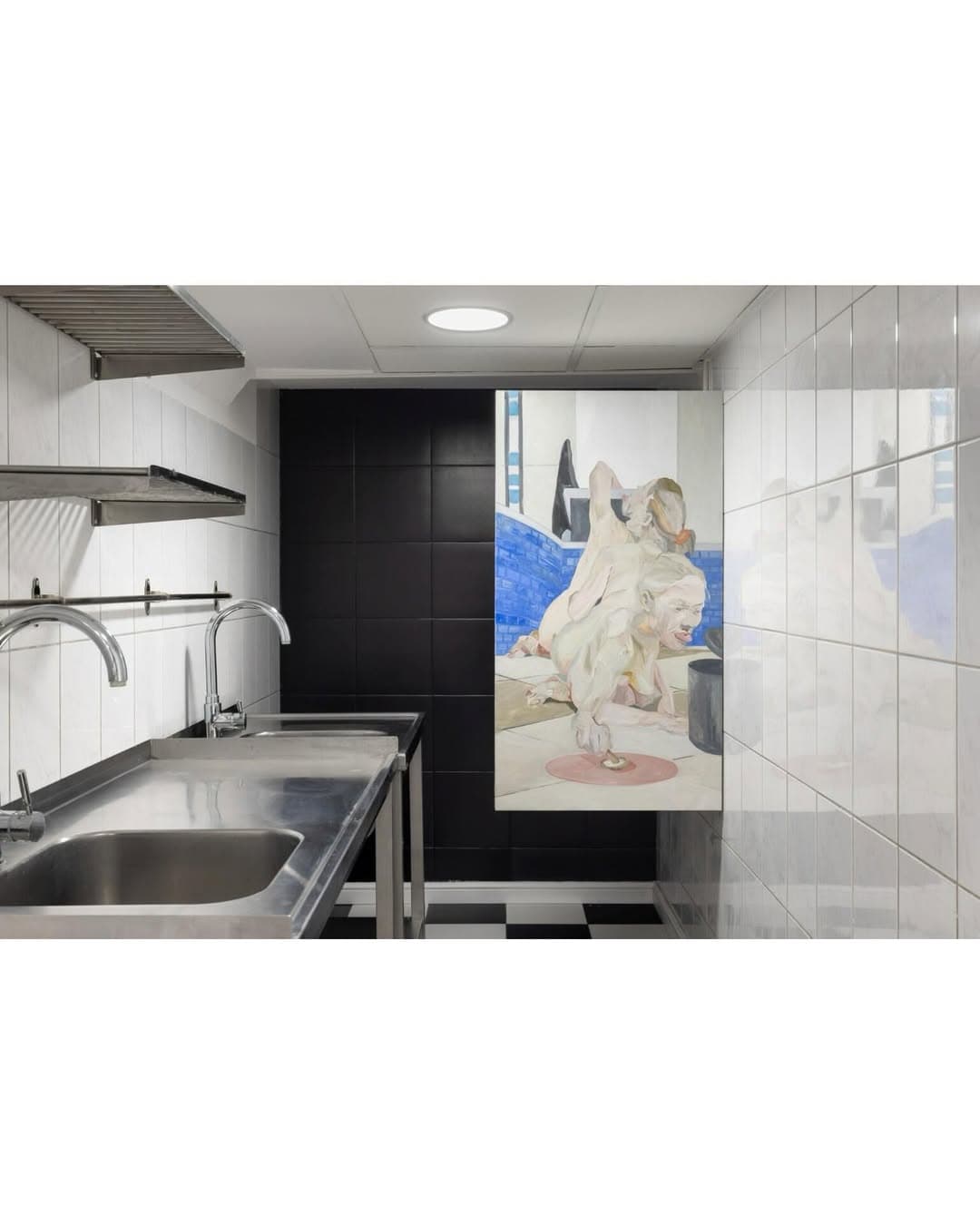
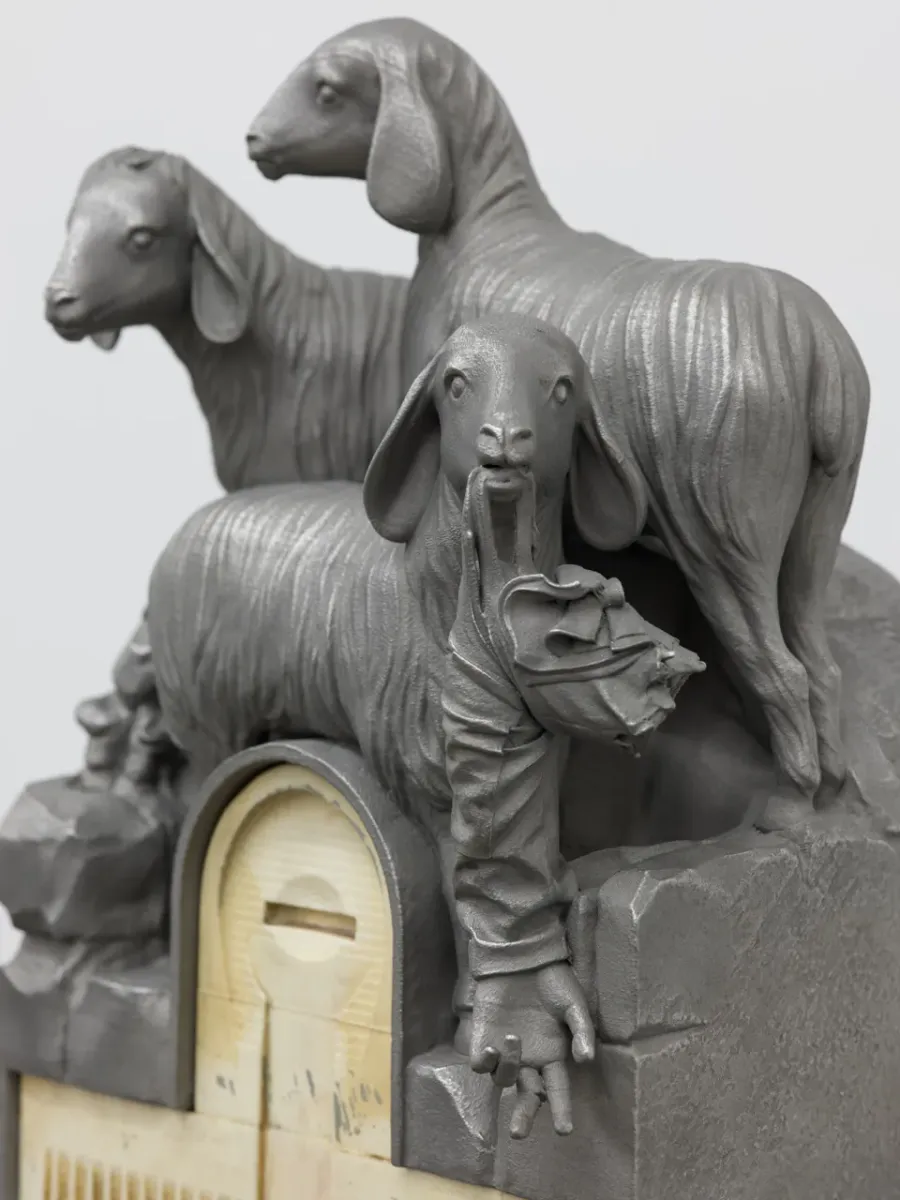
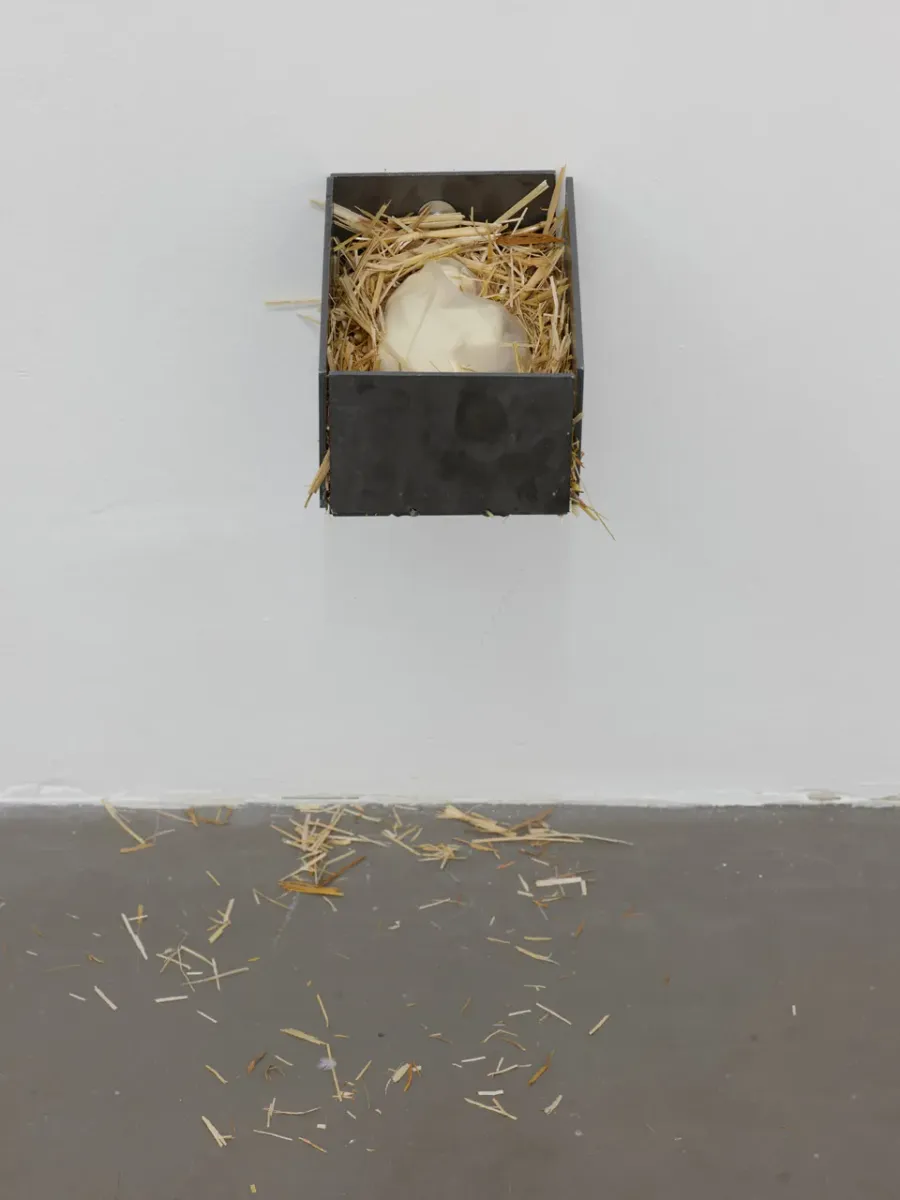
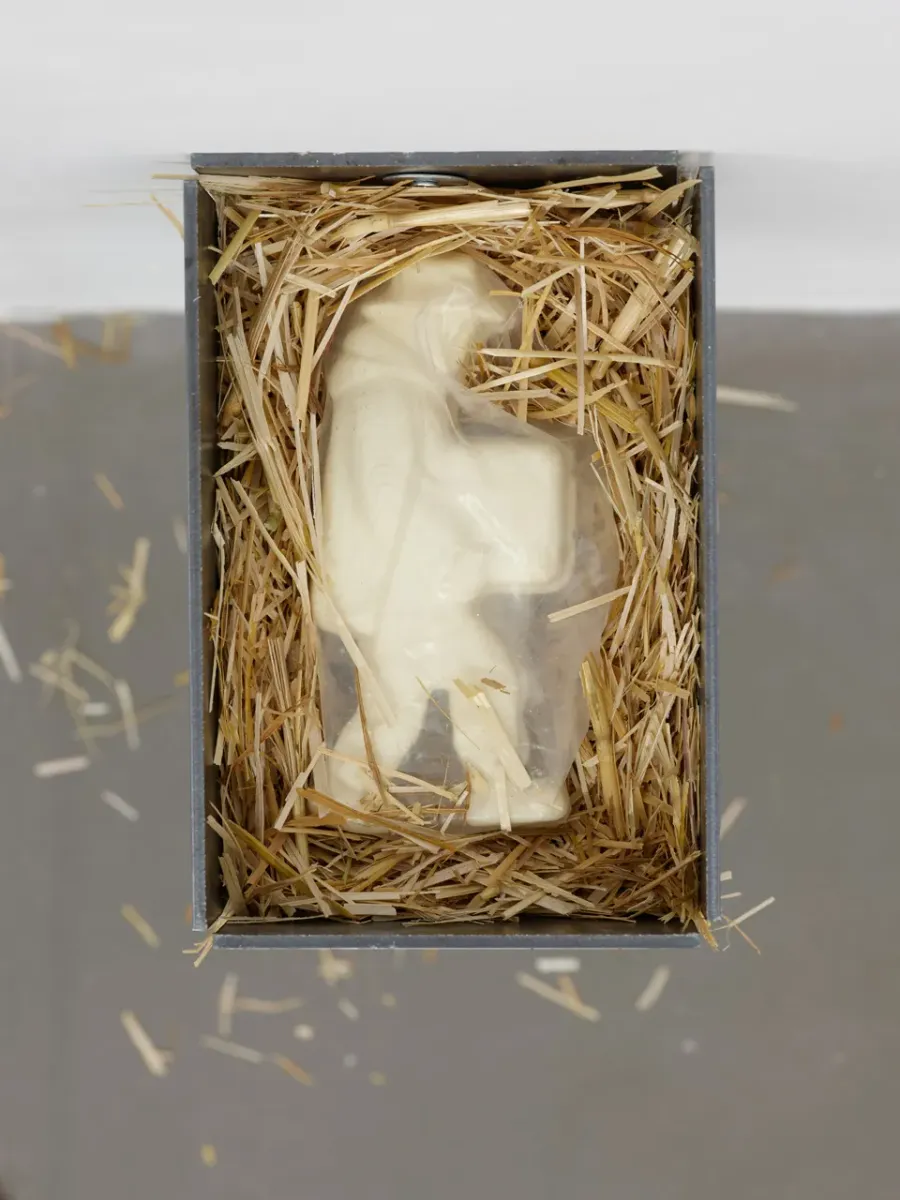
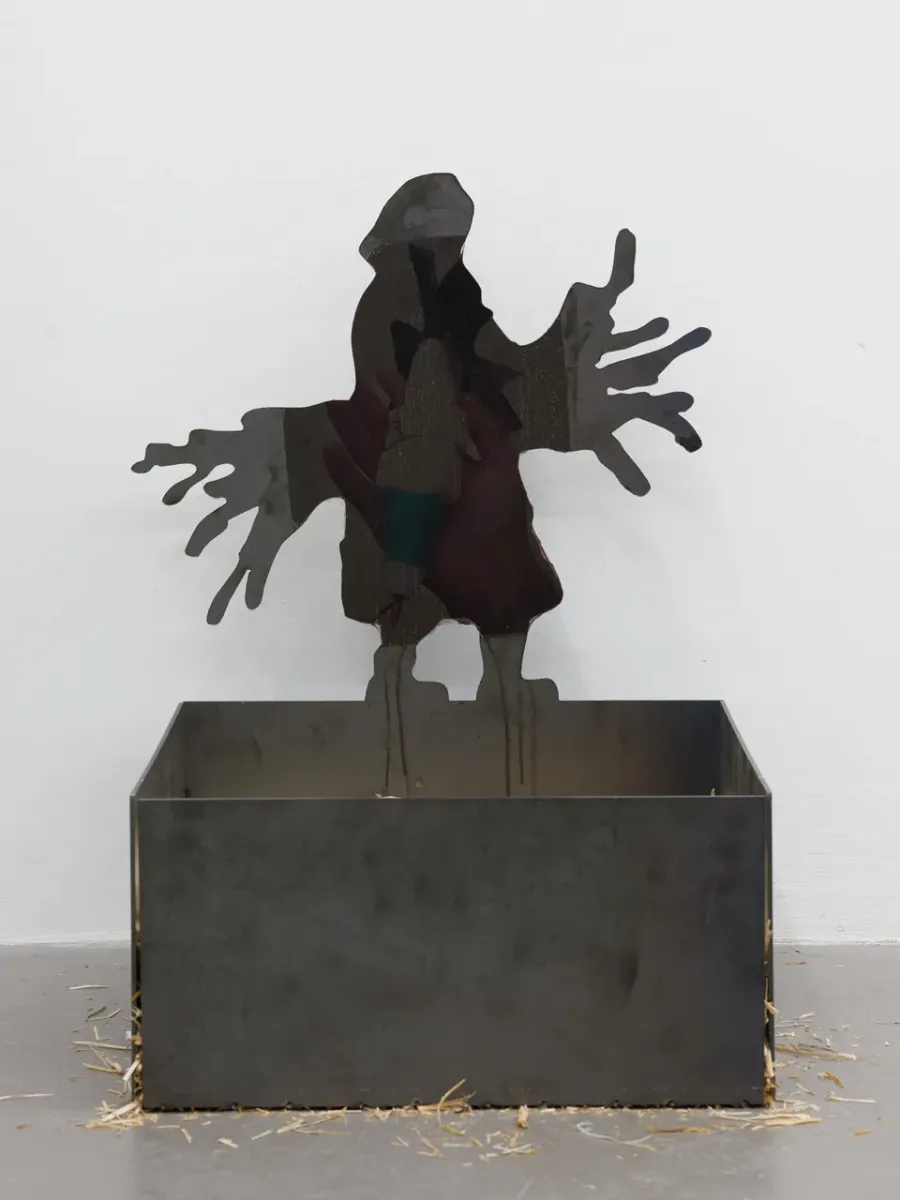
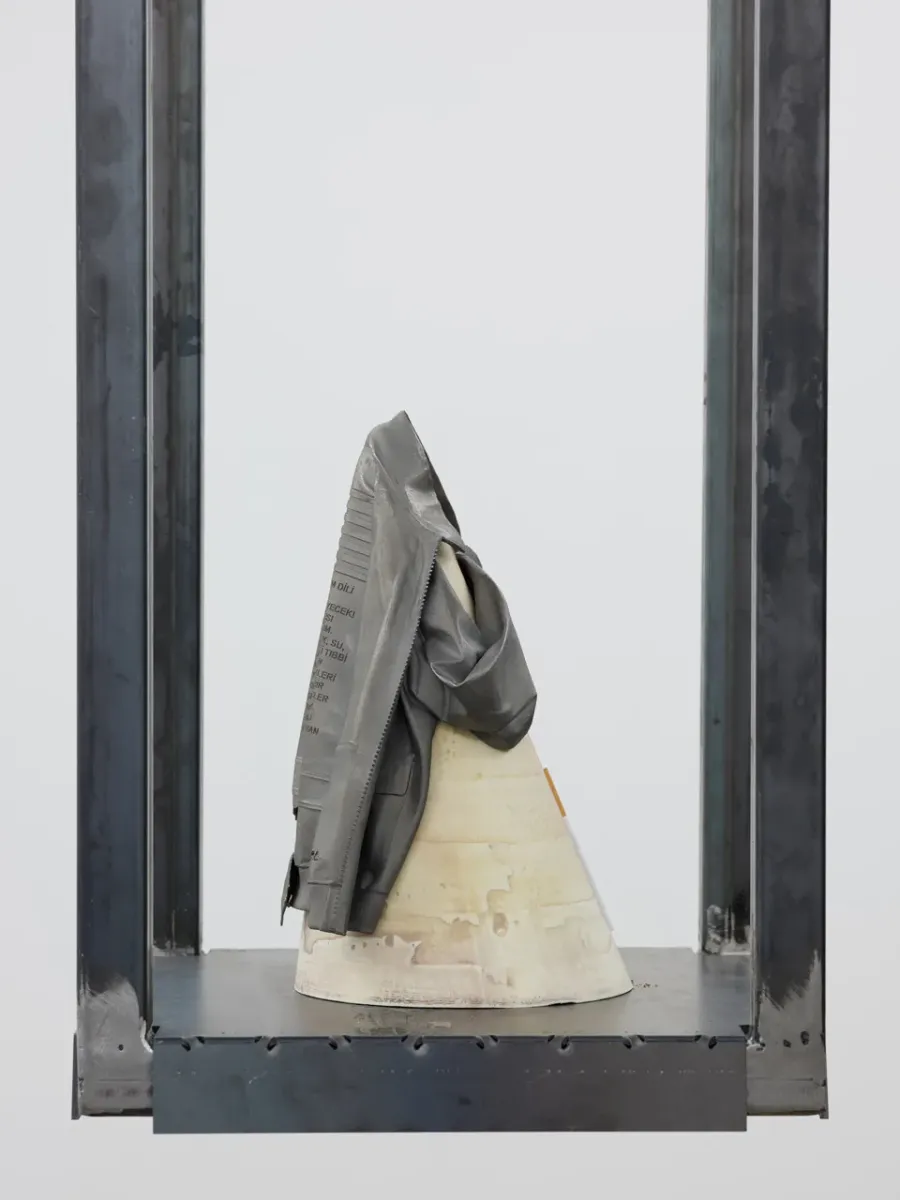
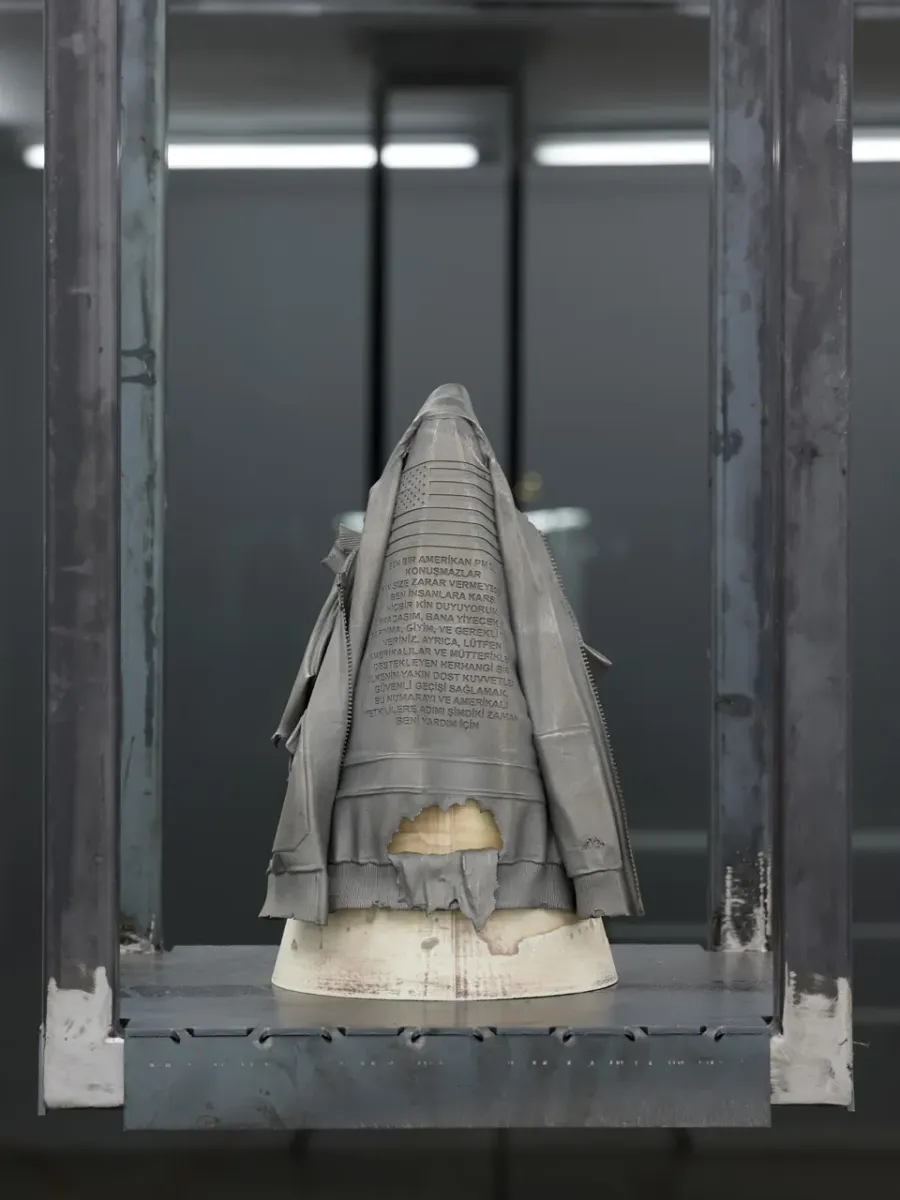
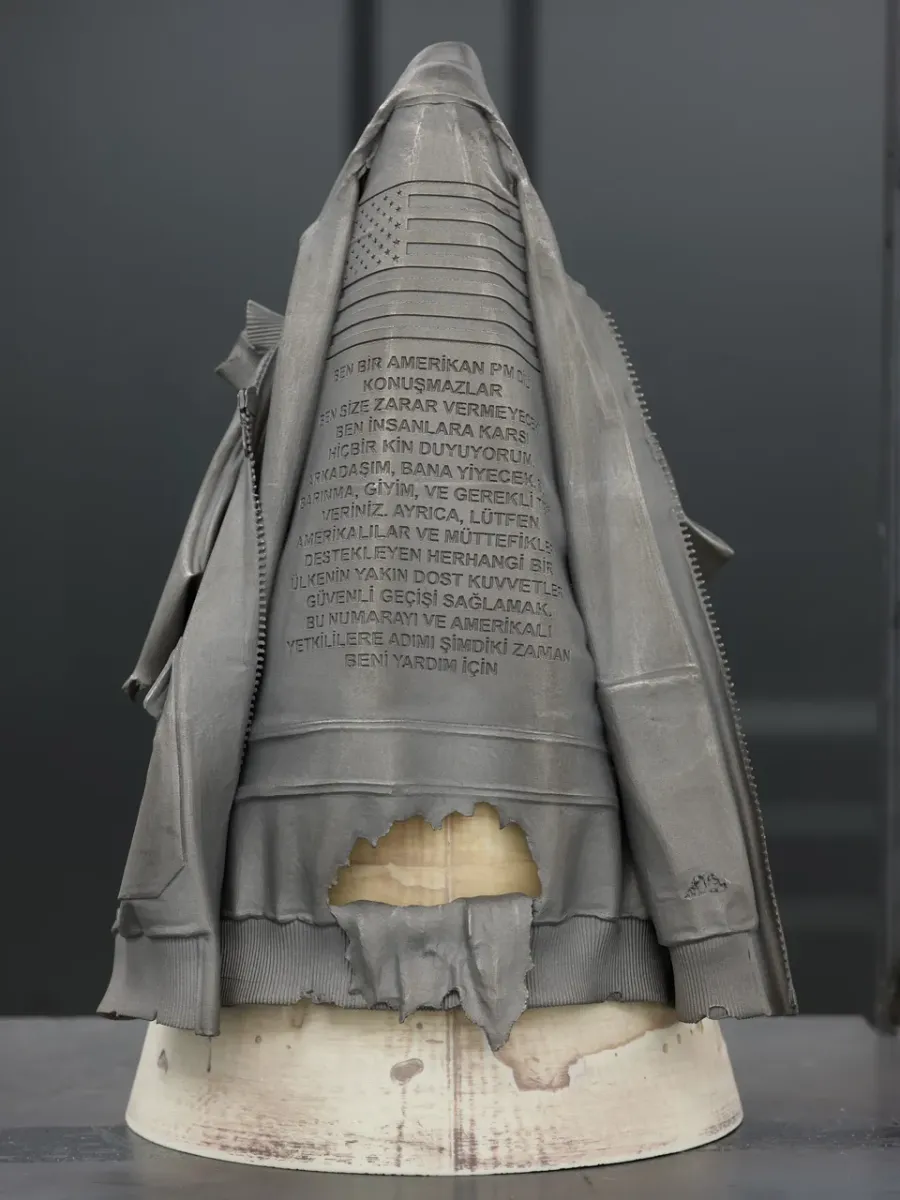
The exhibition emerges from the tension between the idealization of a European community and the experience of its erosion. A space that promises security and solidarity increasingly reveals its own fractures: in its responses to wars, migration, social crises, and the consequences of political decisions. In this context, questions of agency and responsibility acquire an increasingly sharp dimension.
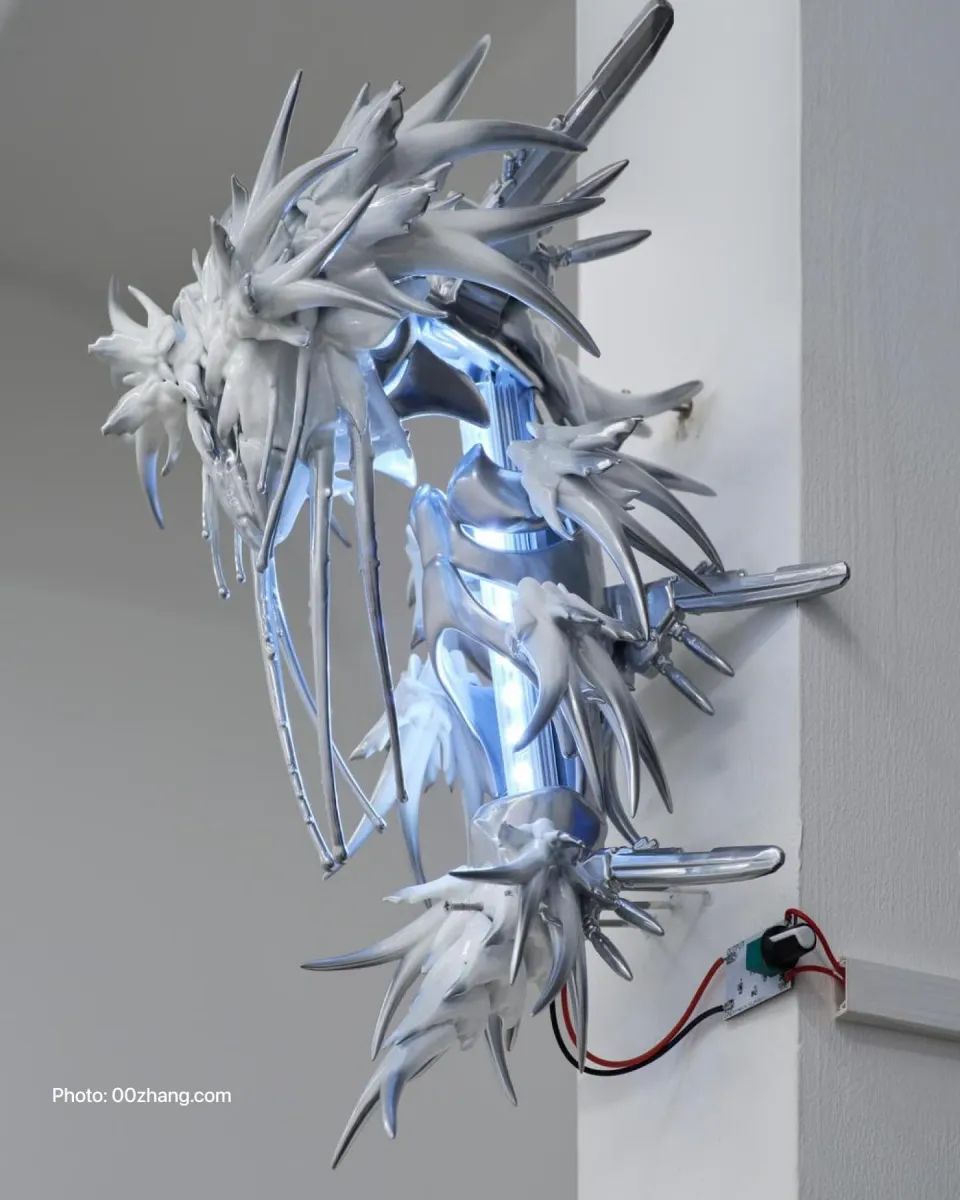
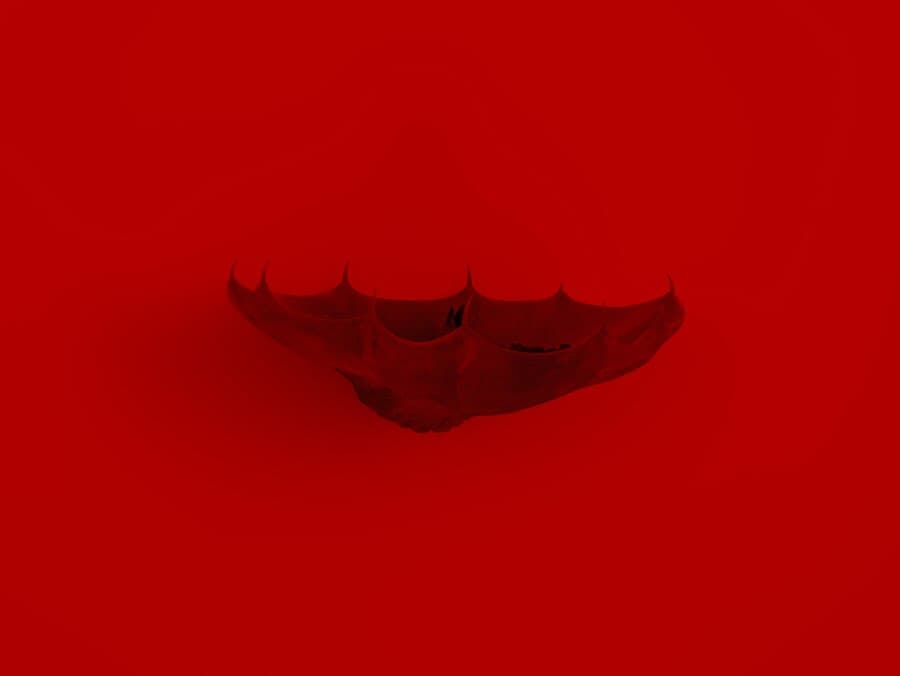
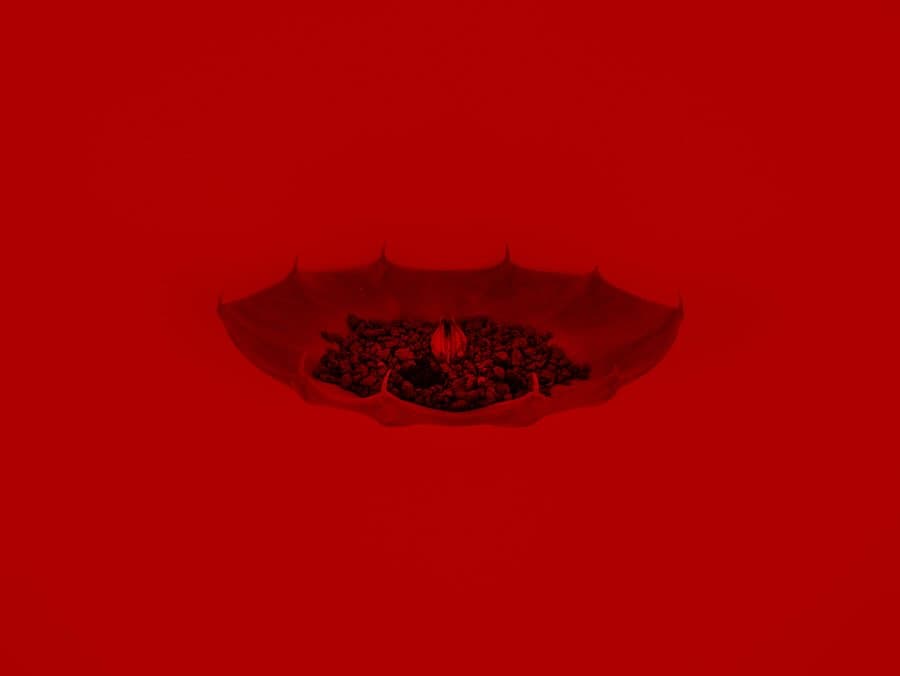
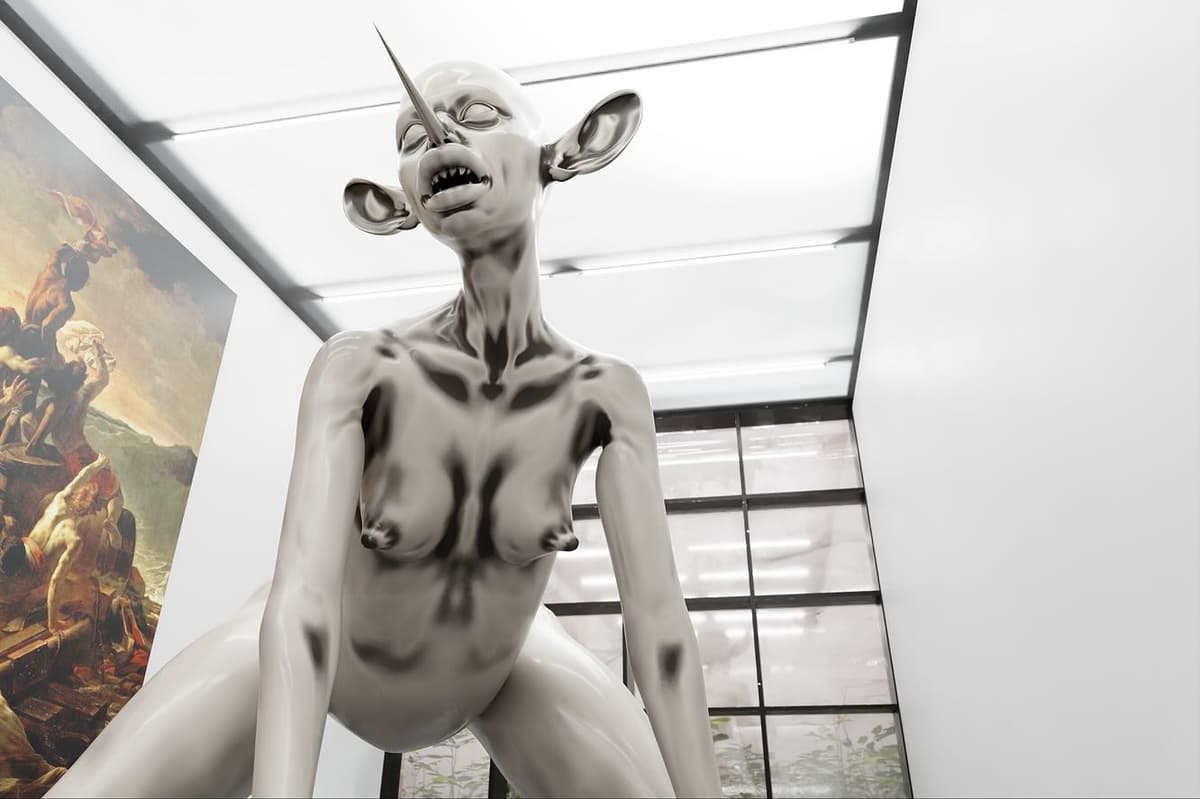
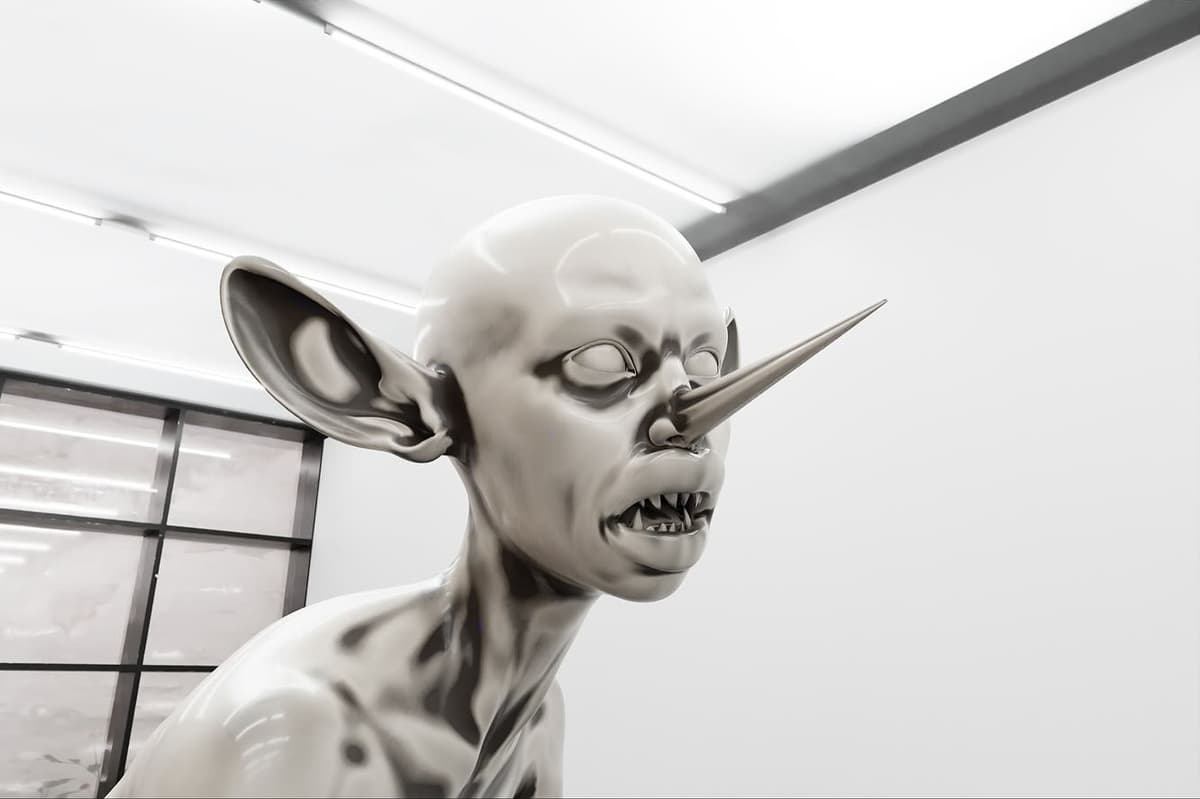
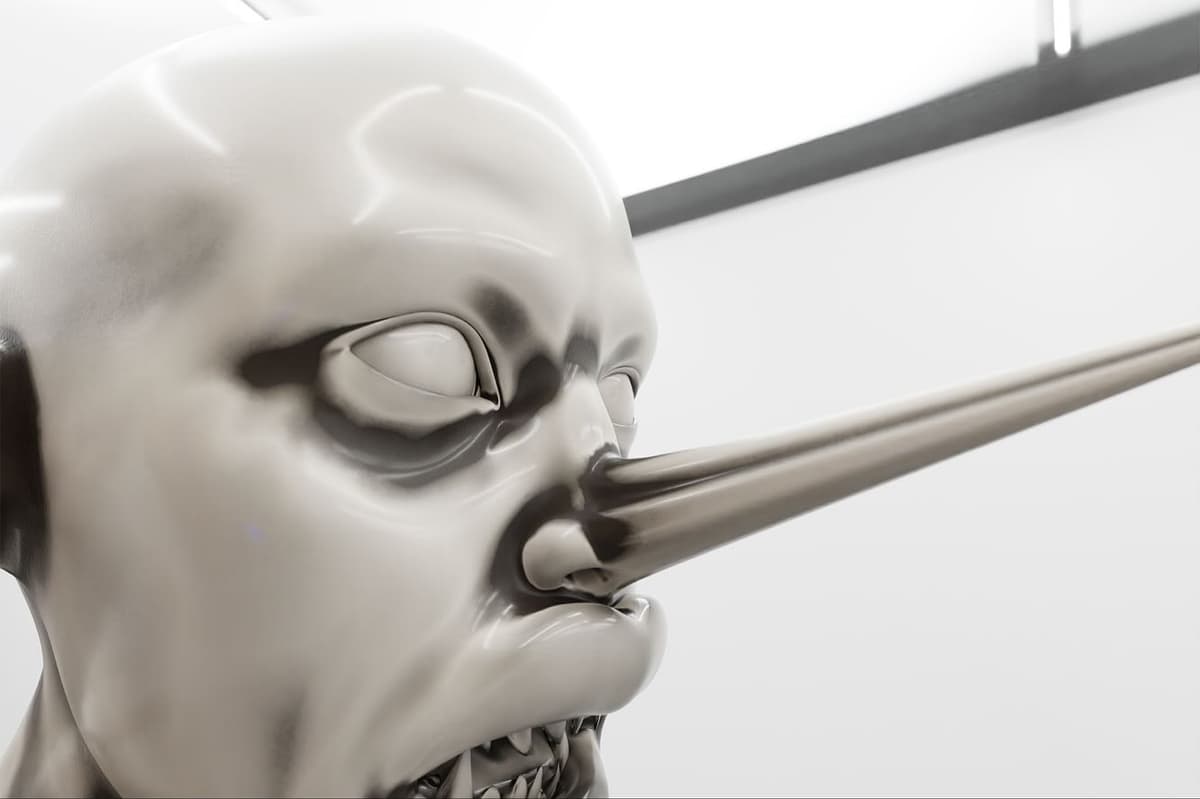
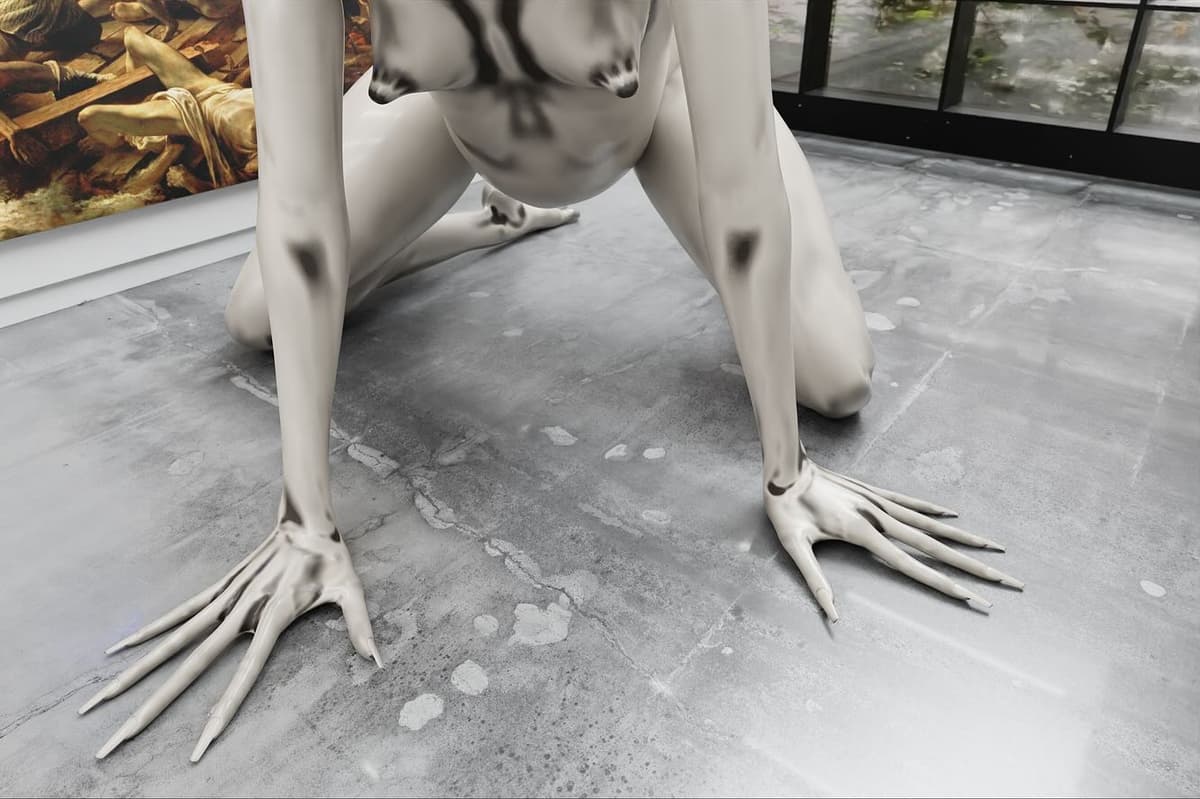
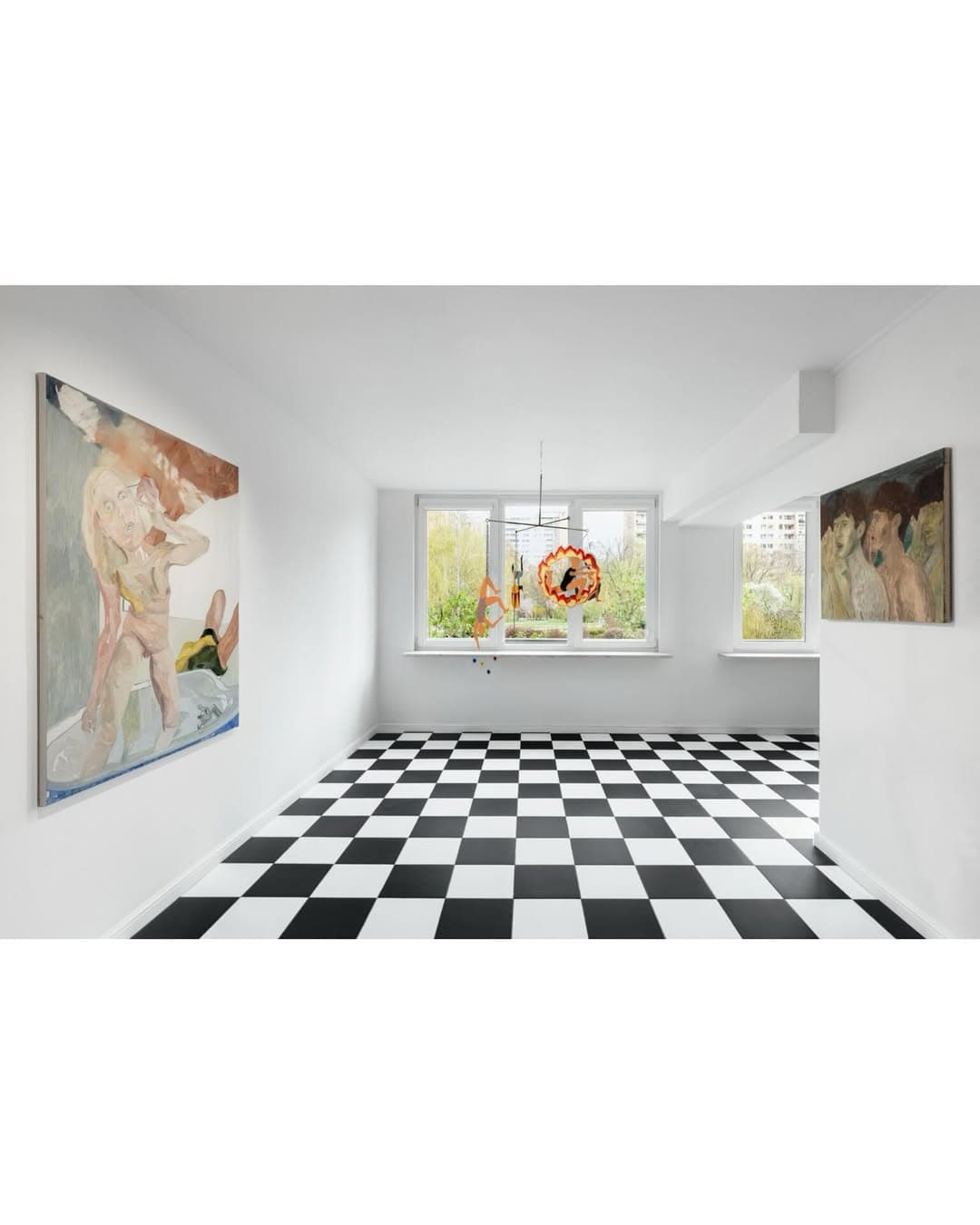
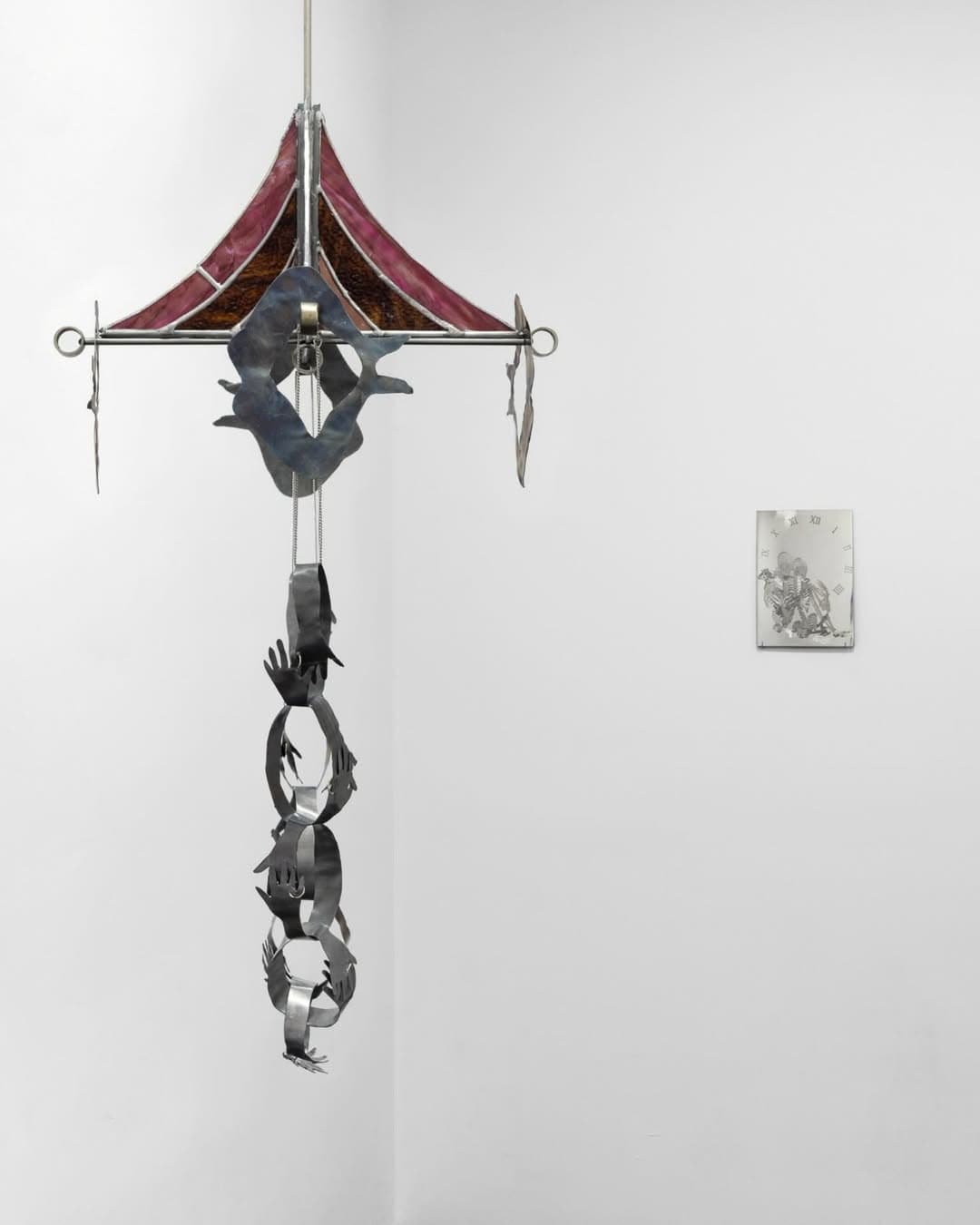
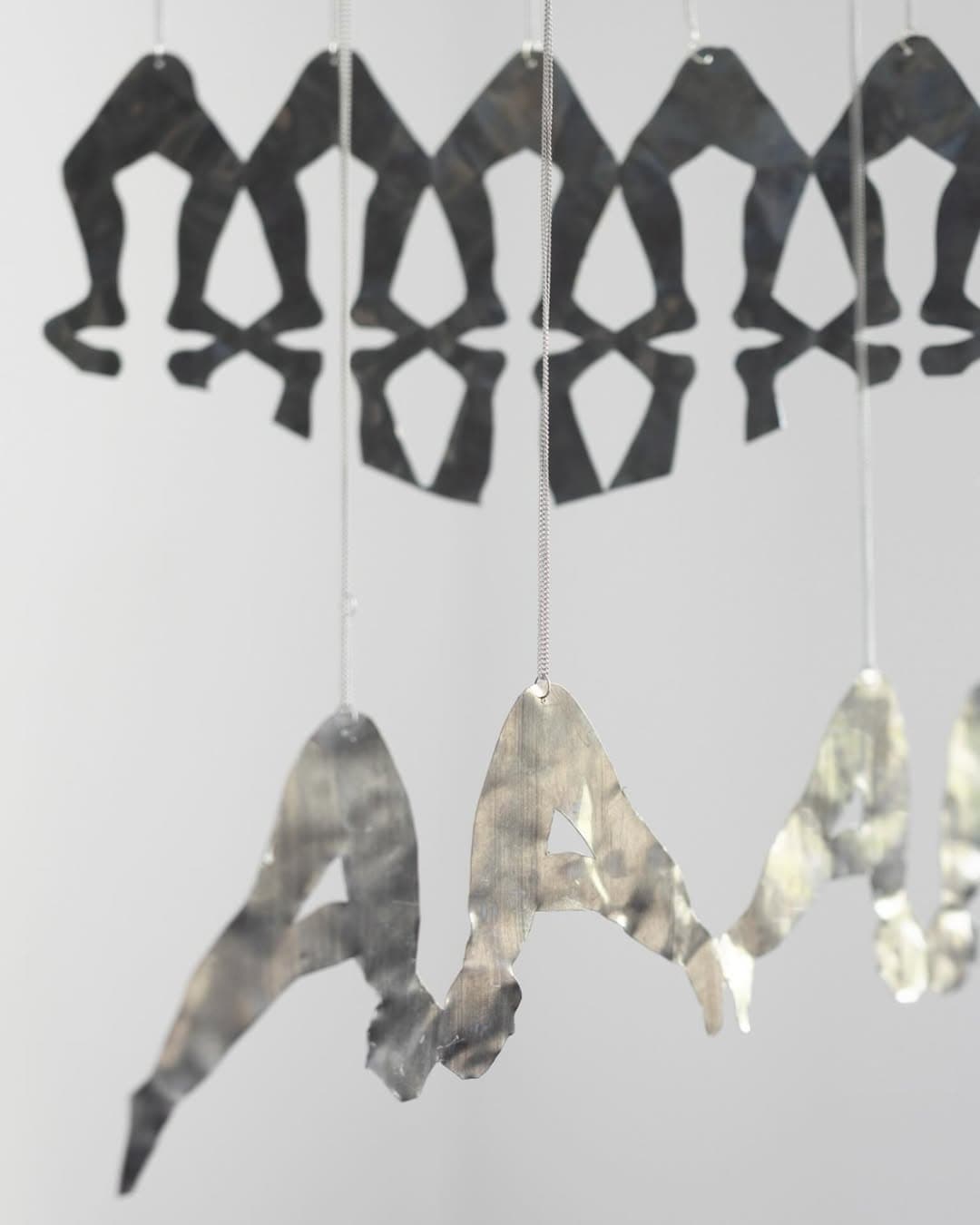
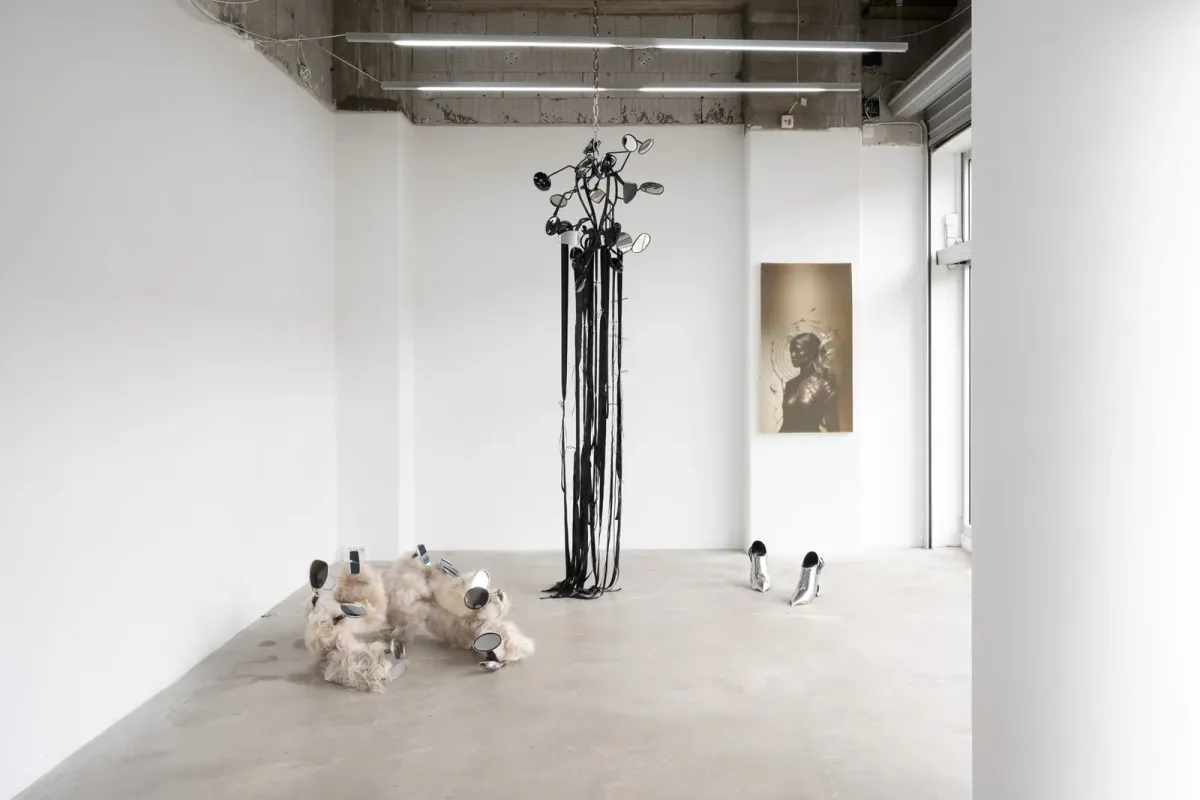
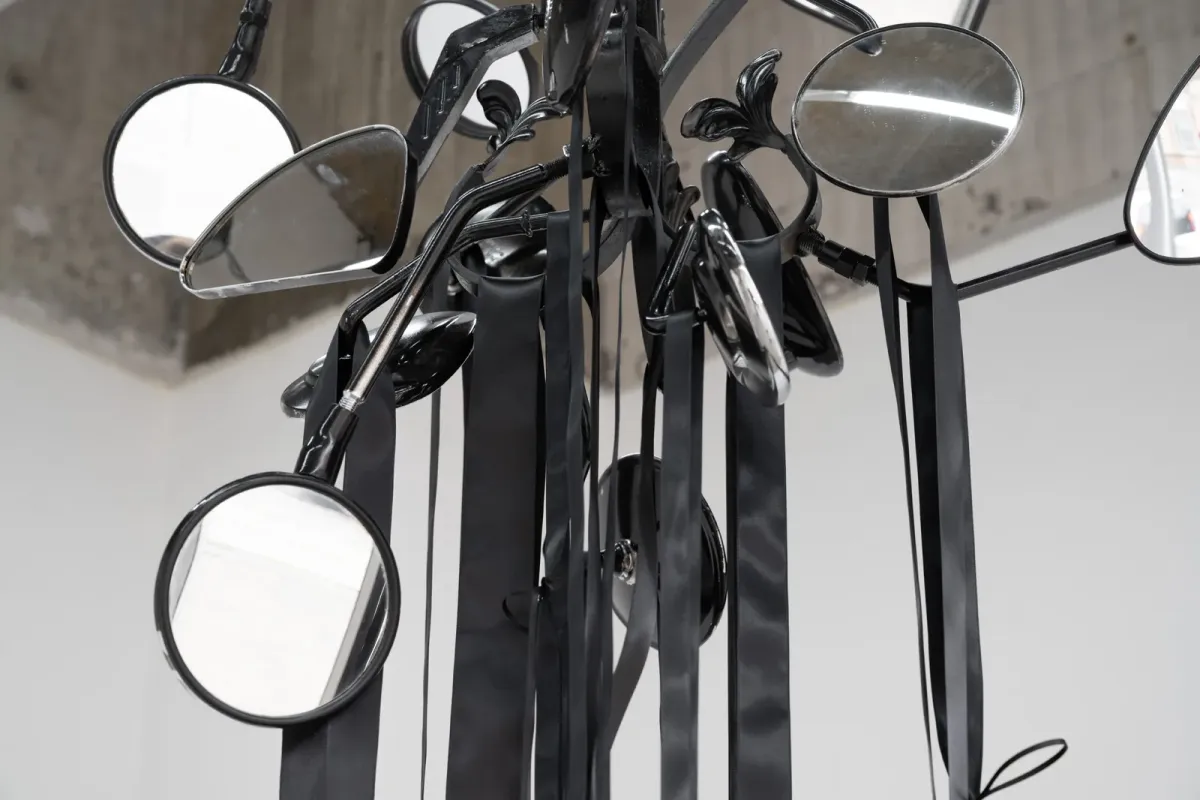
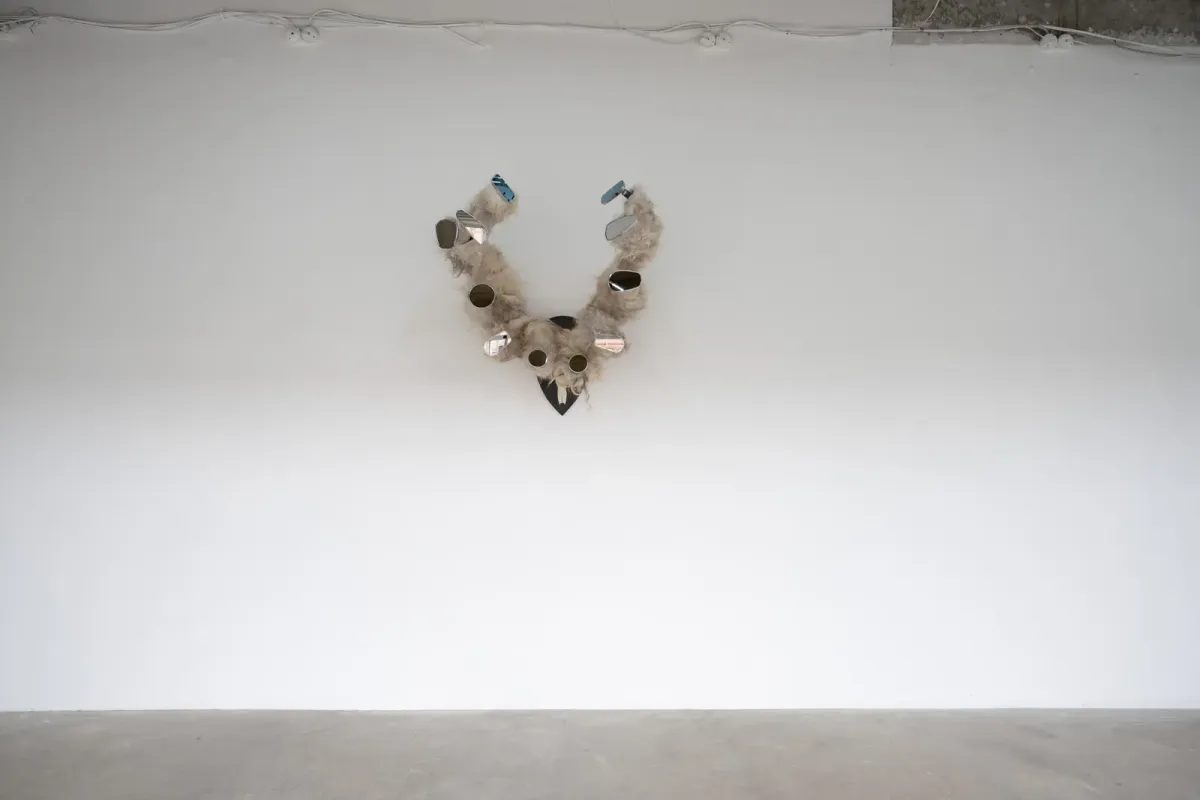
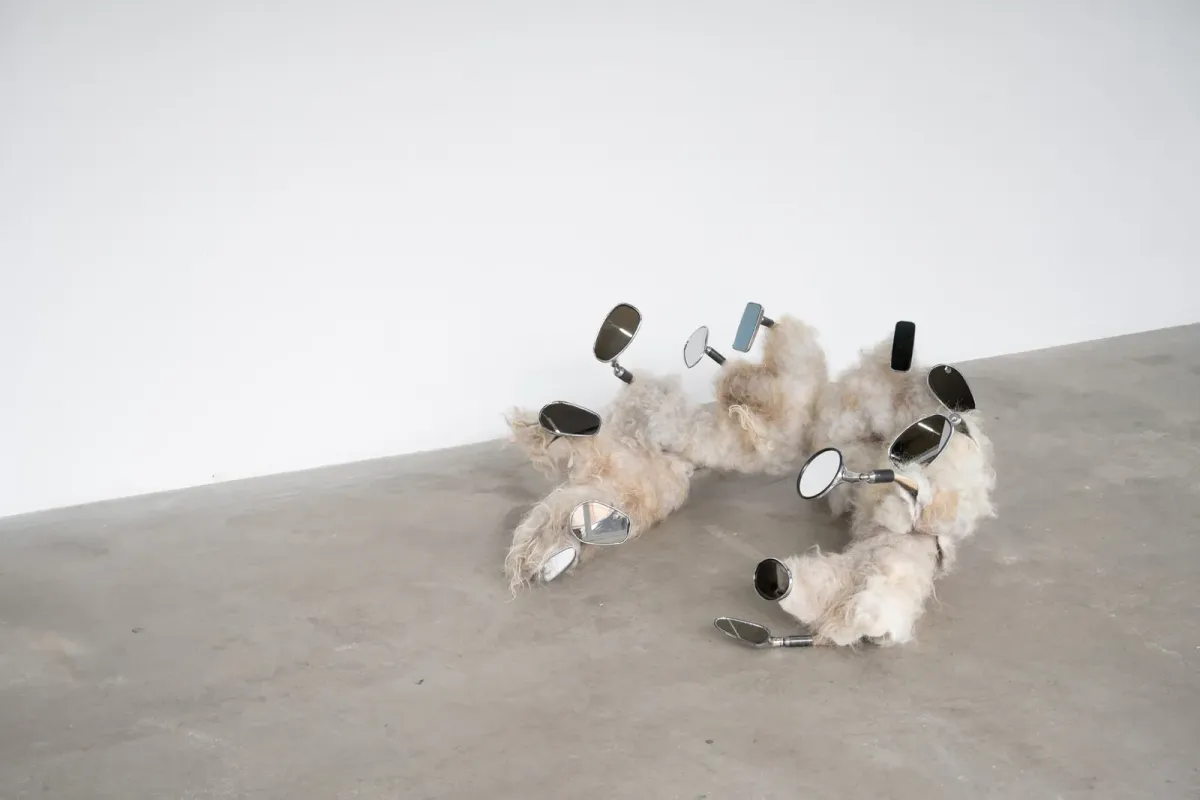
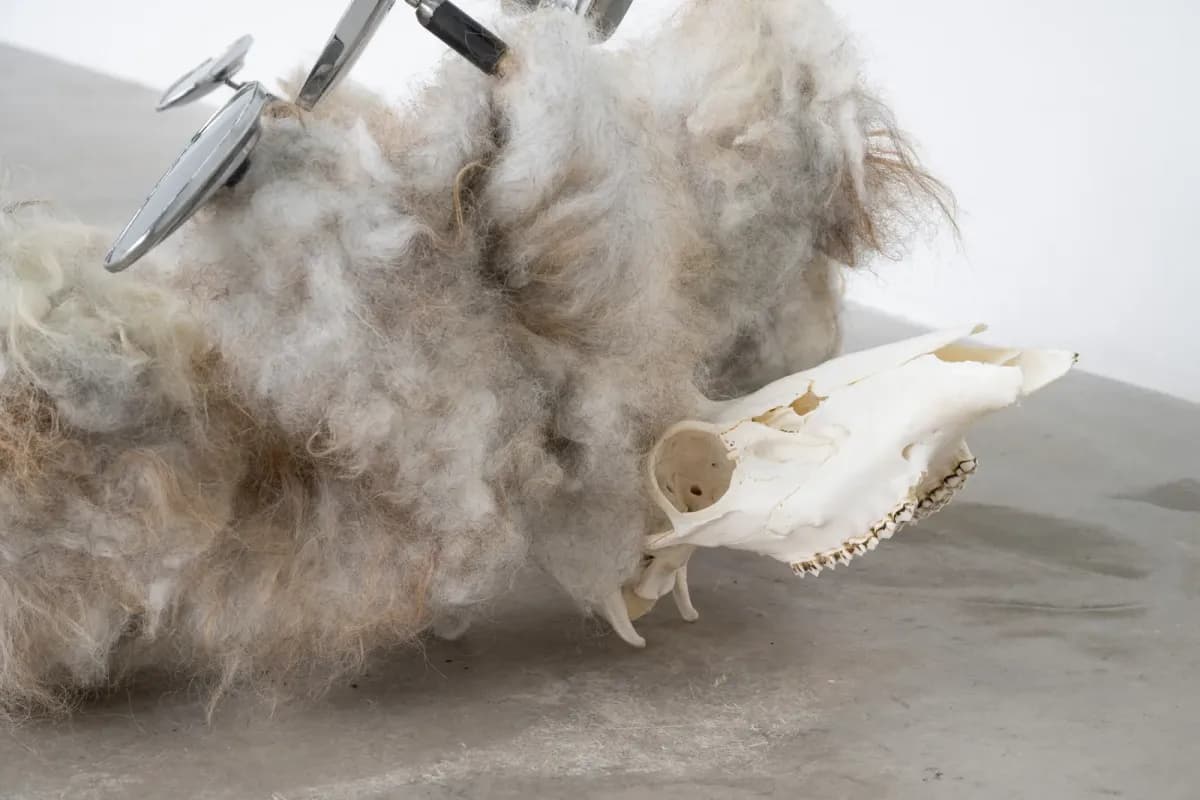
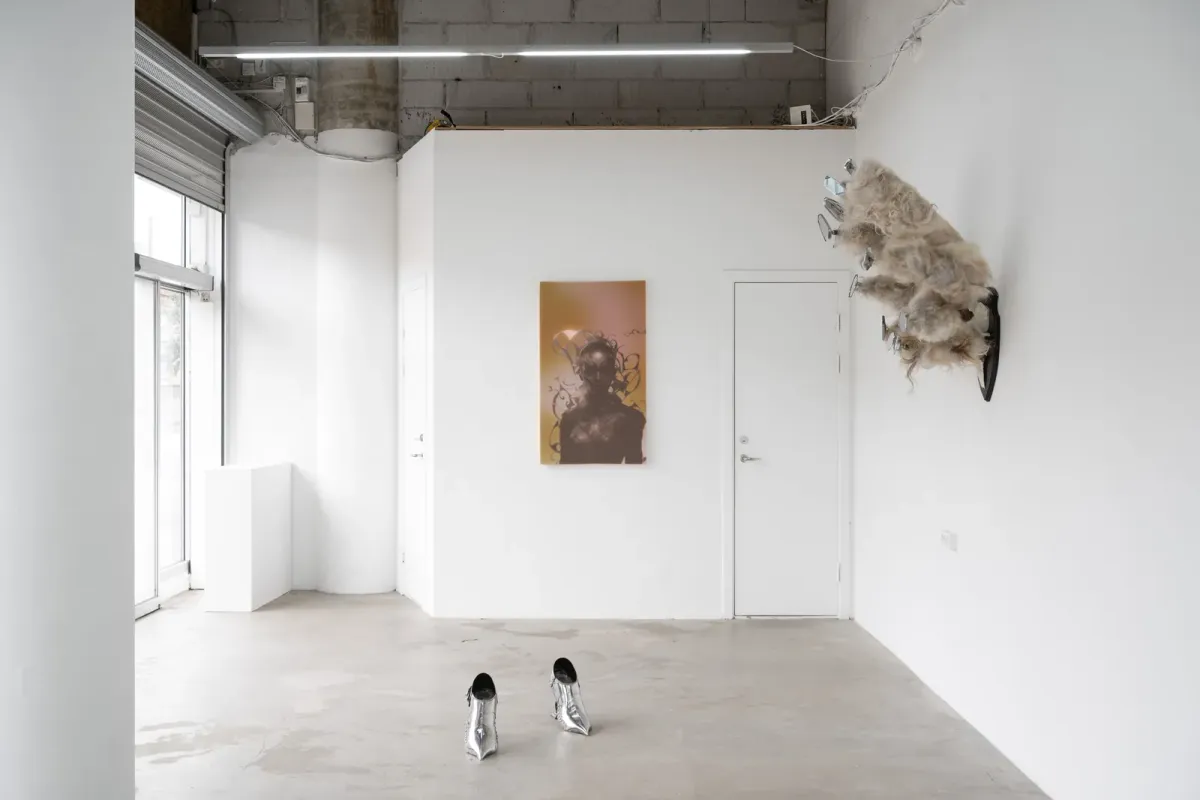
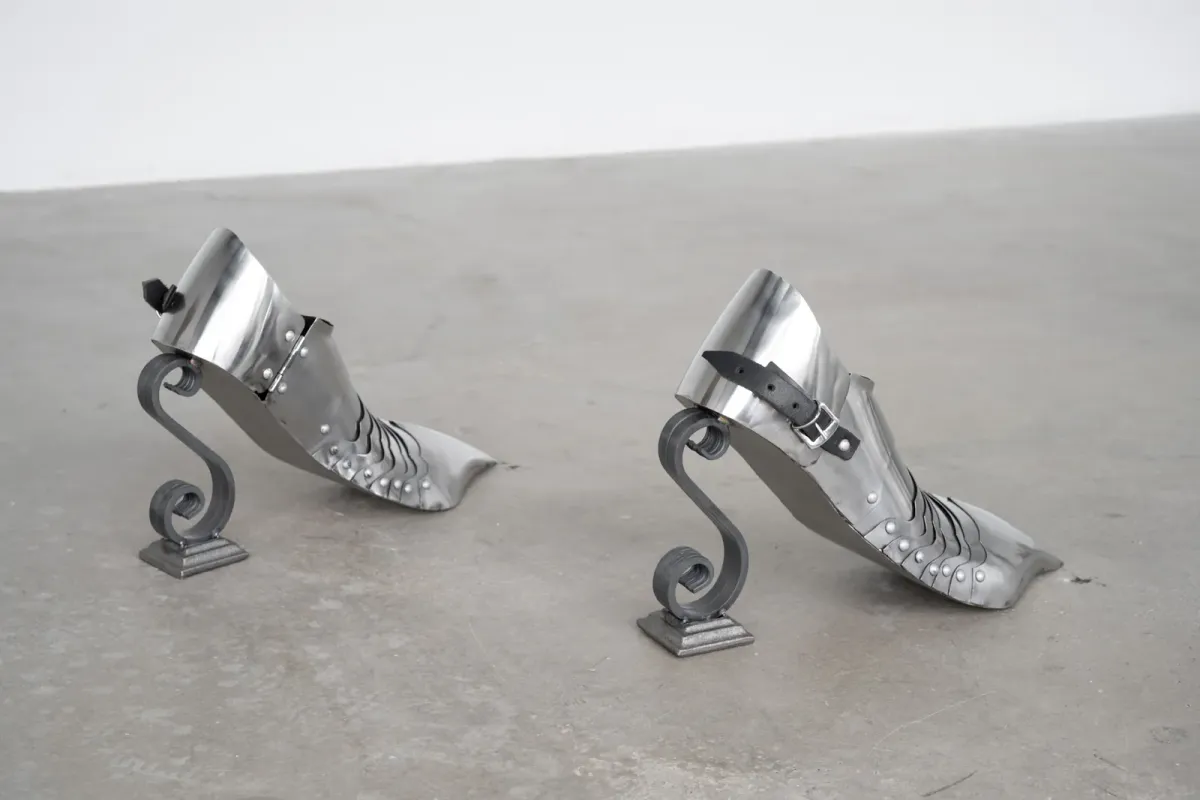
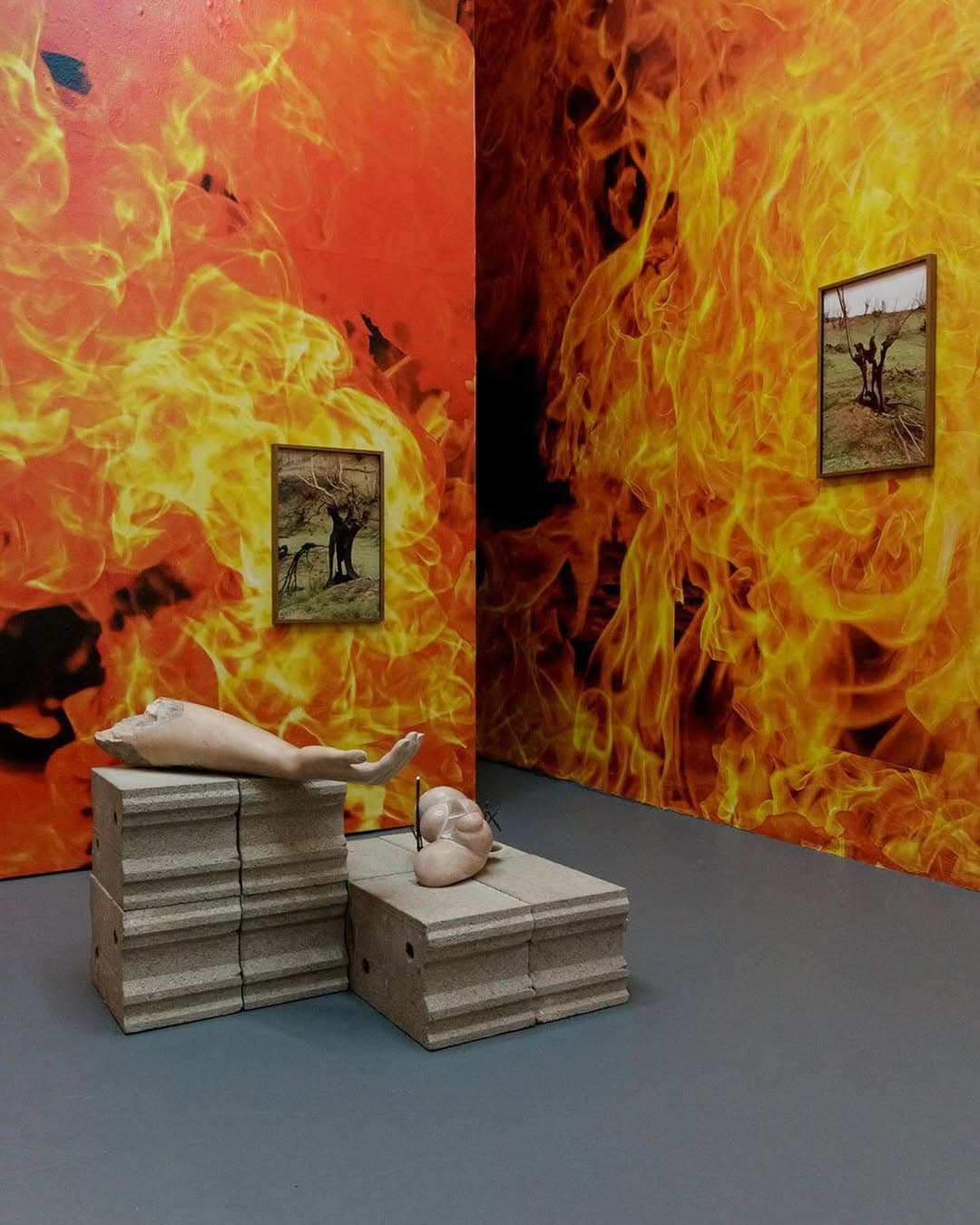
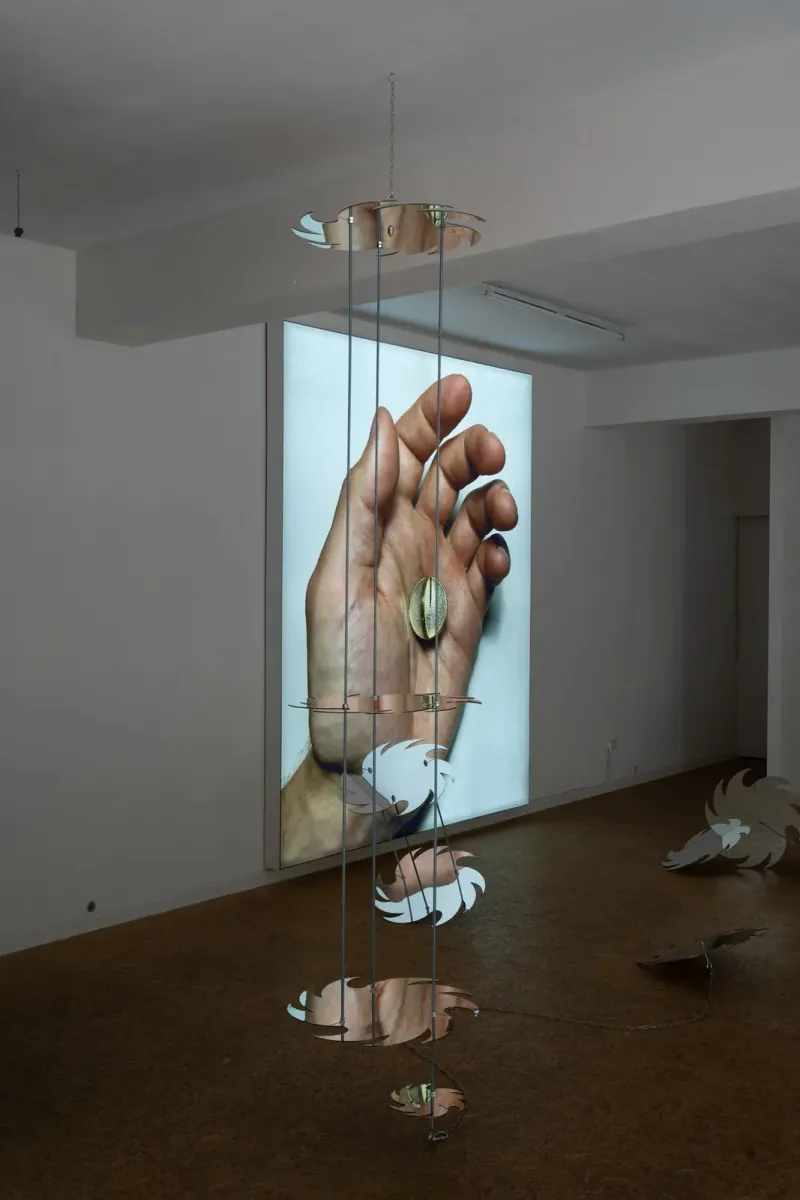
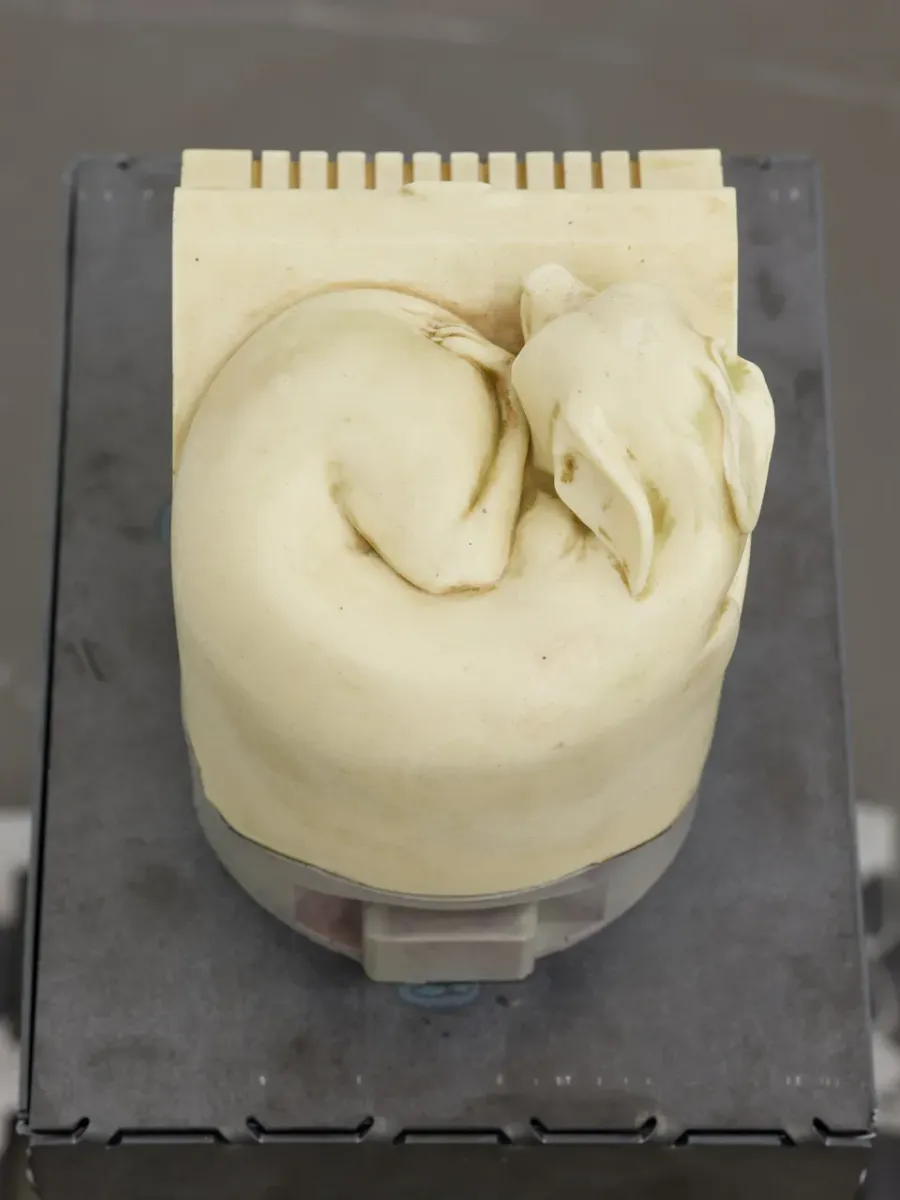
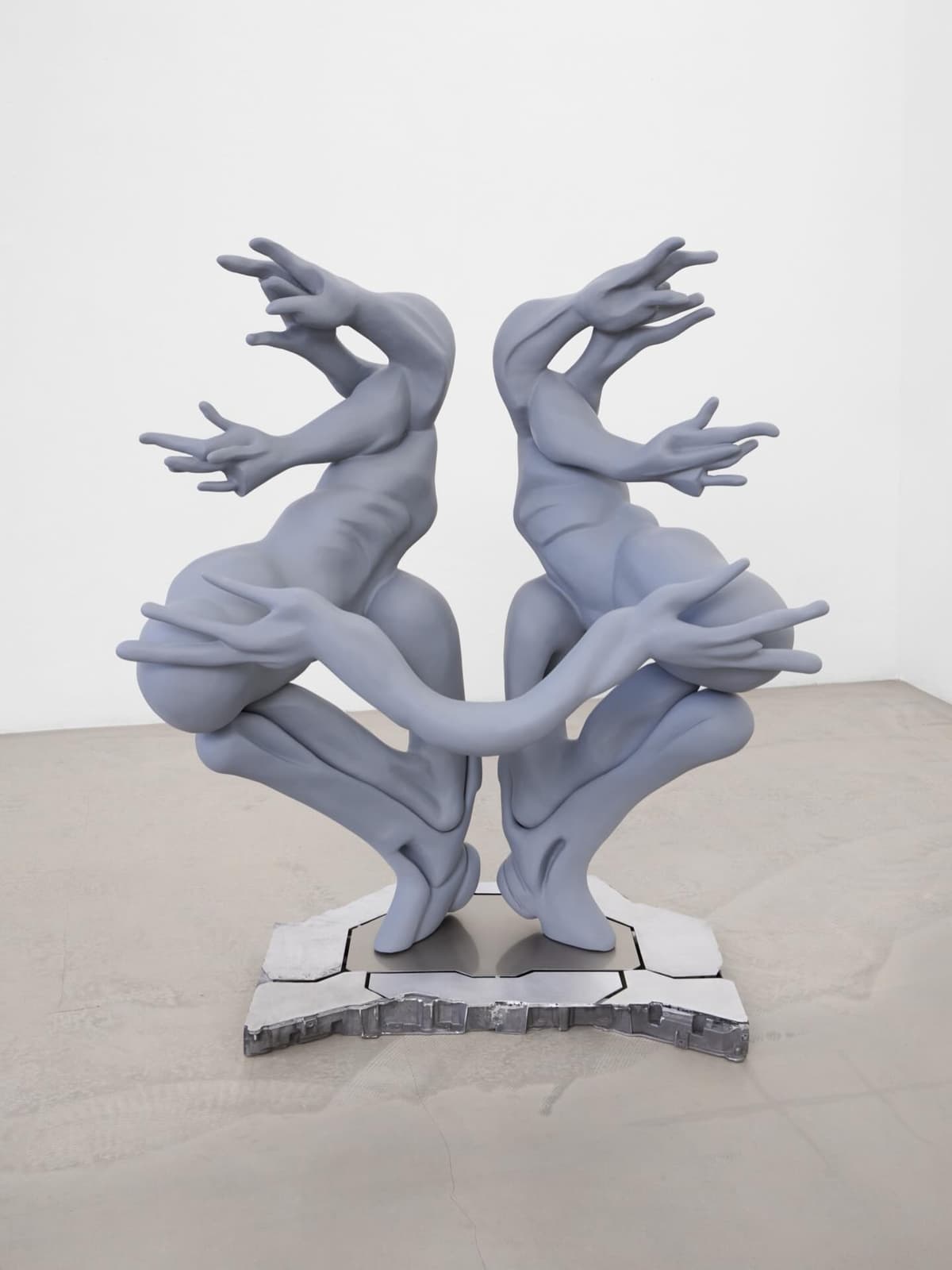
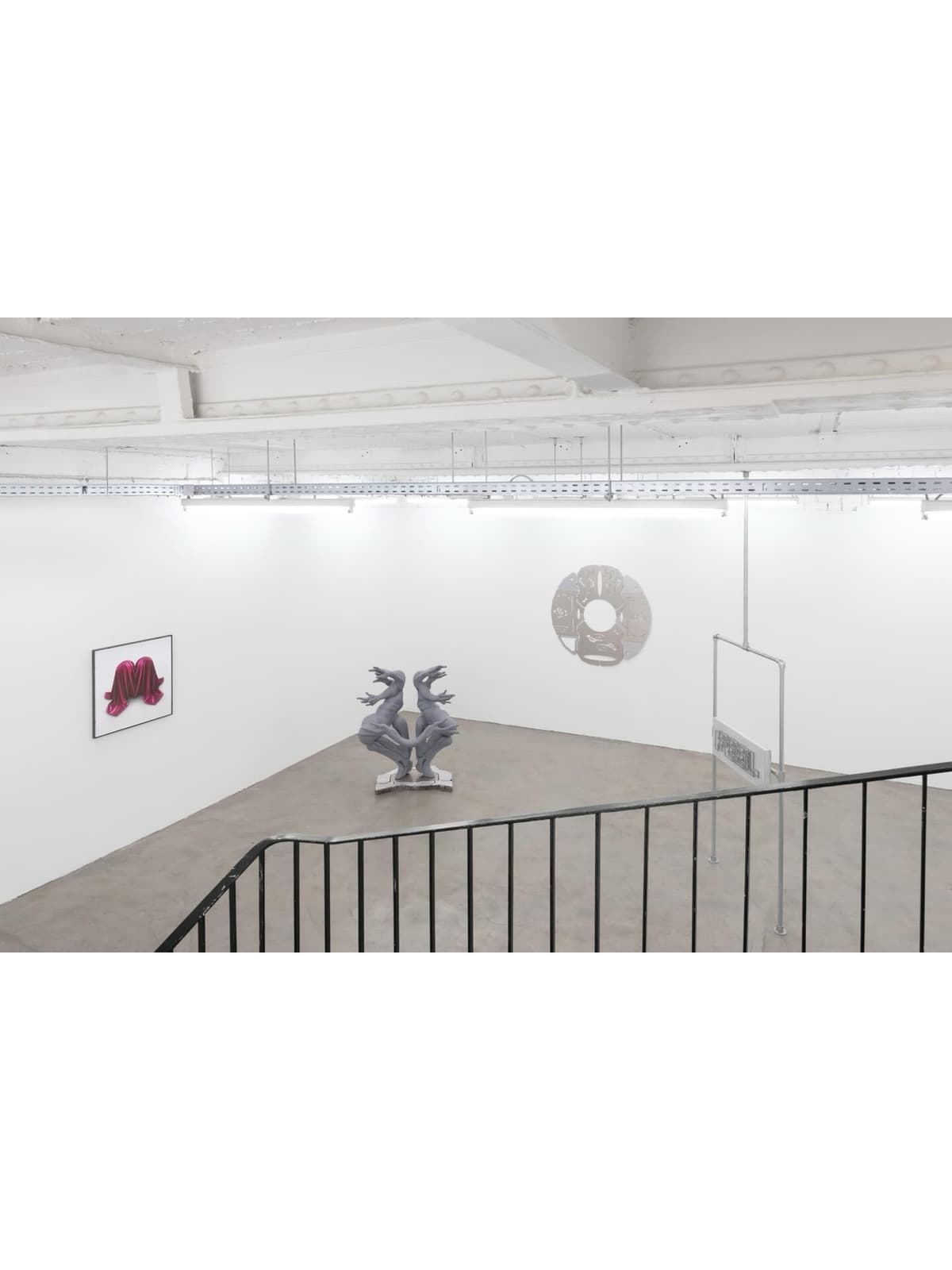
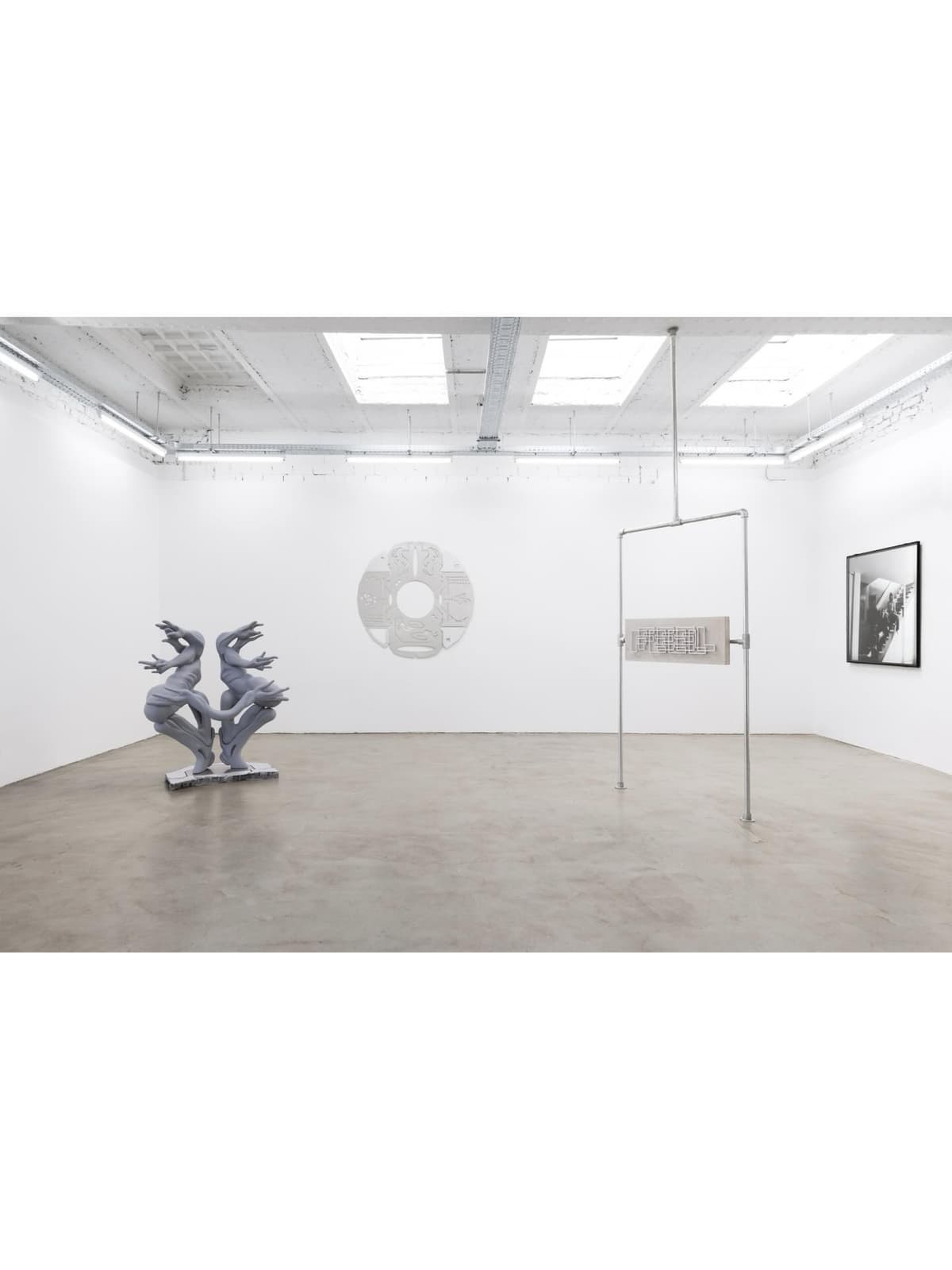
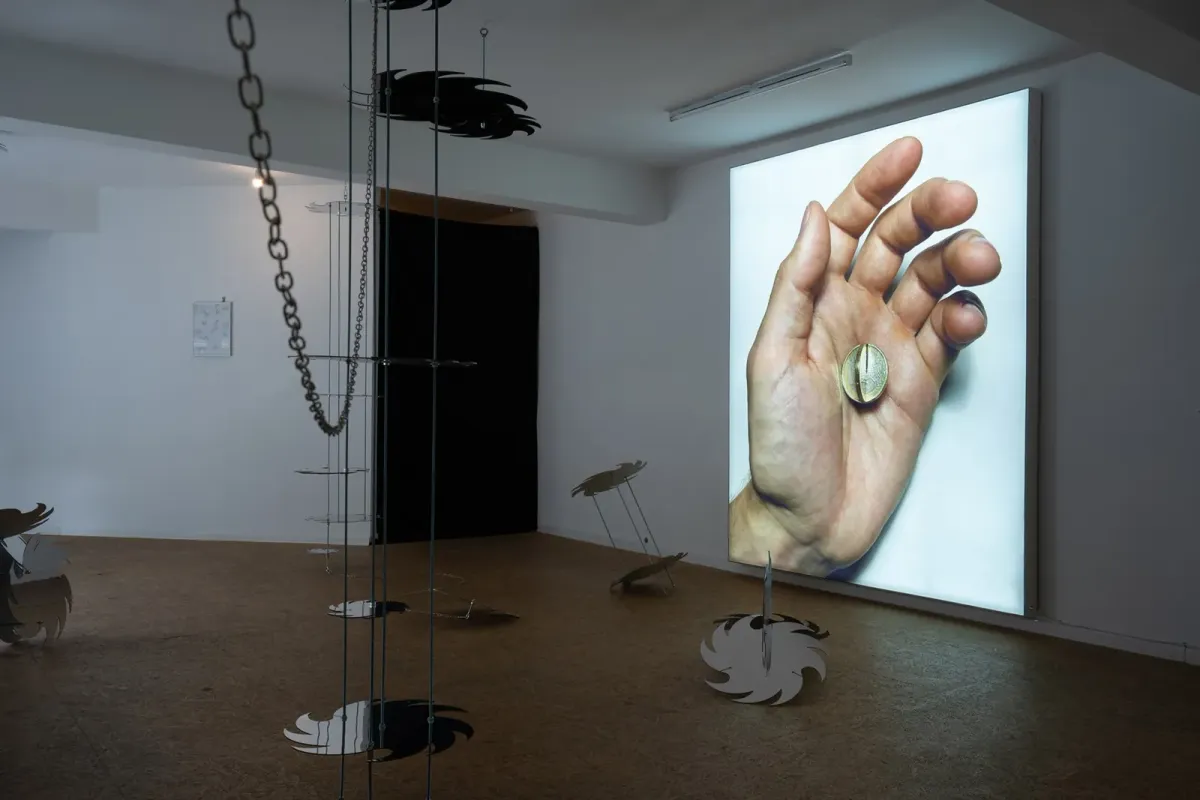
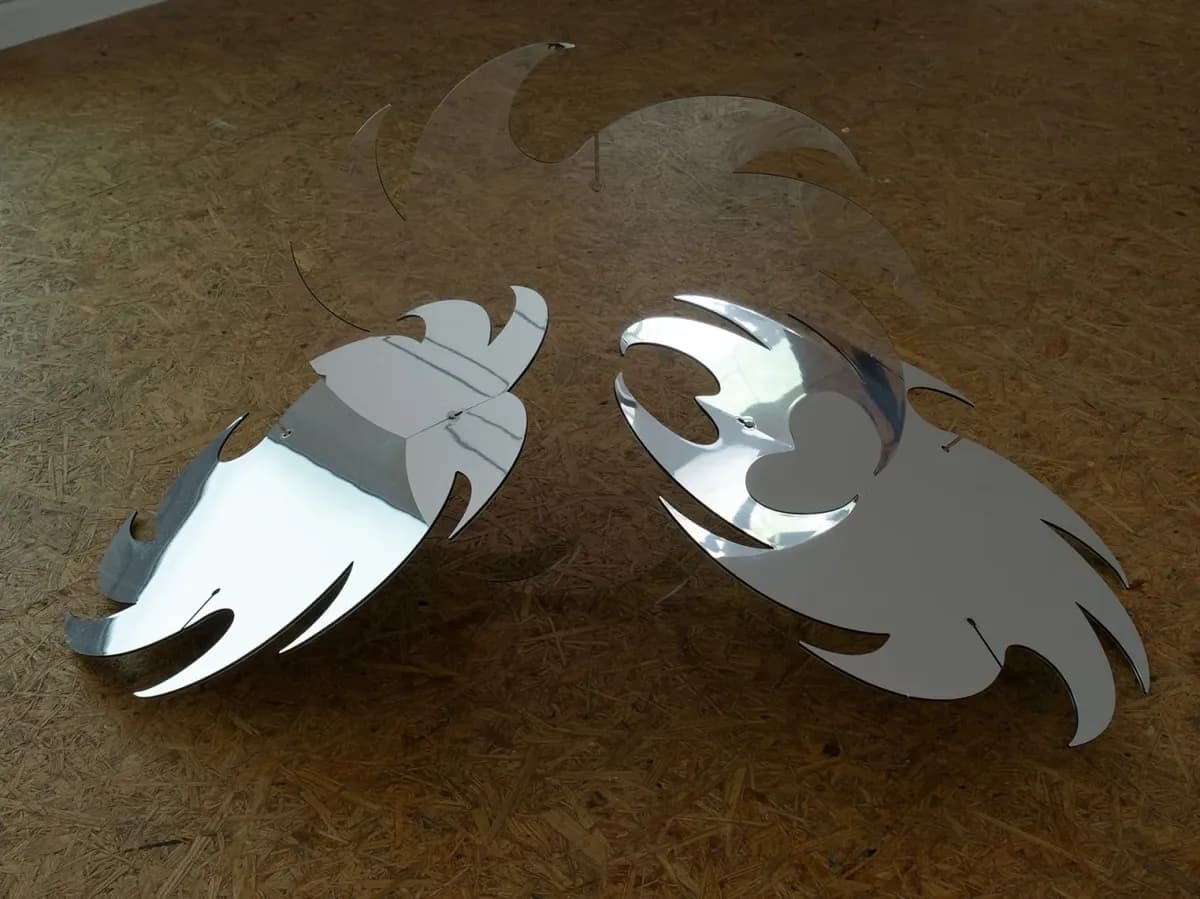
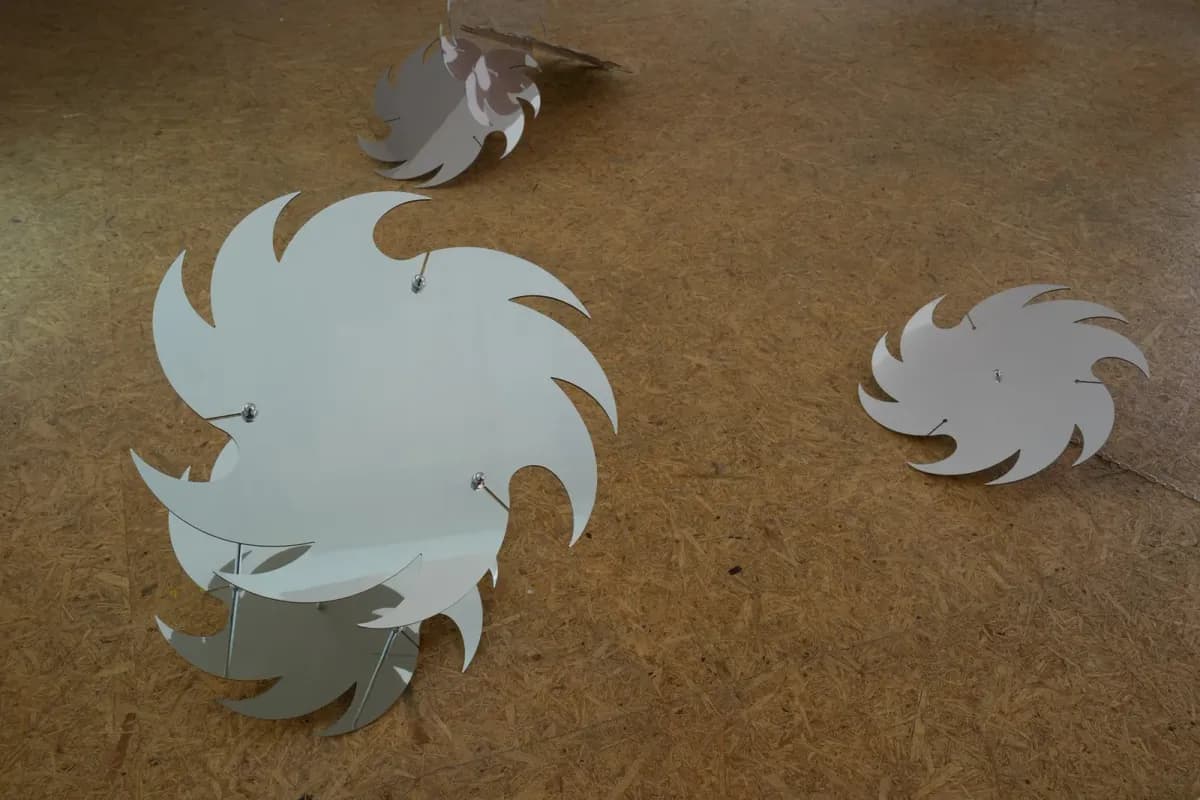
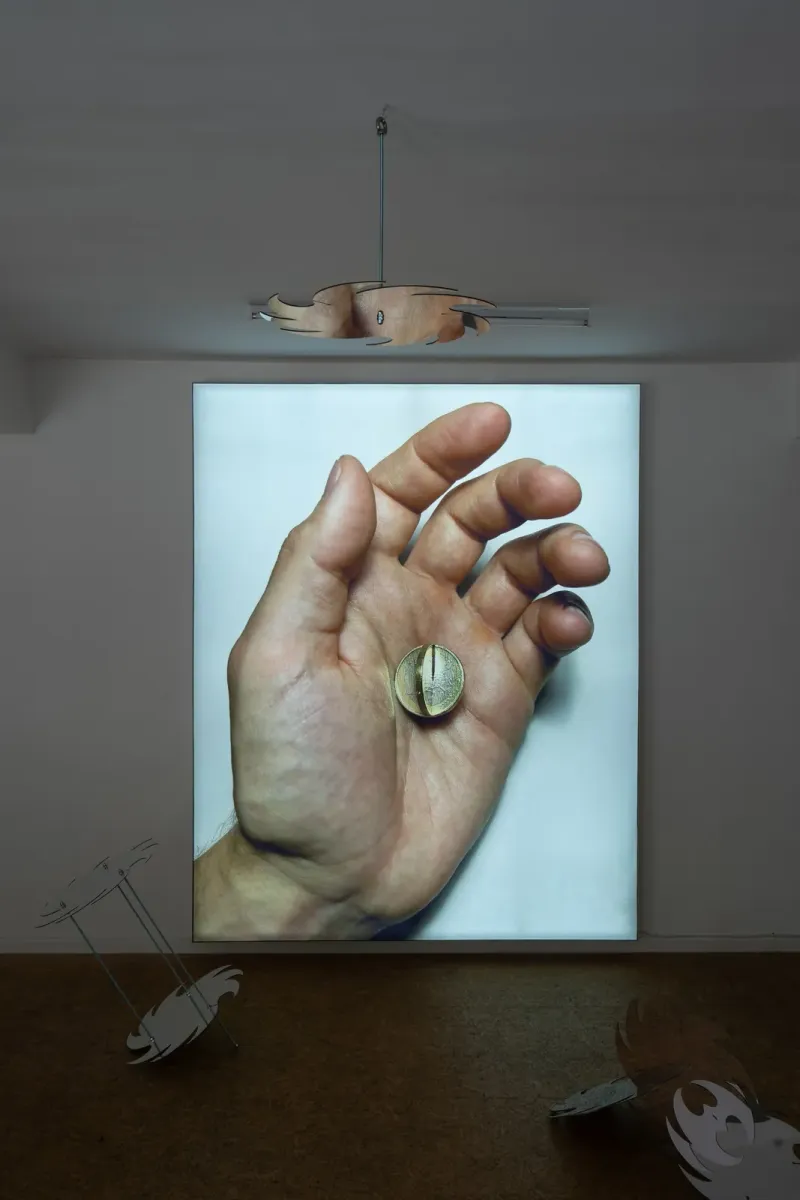
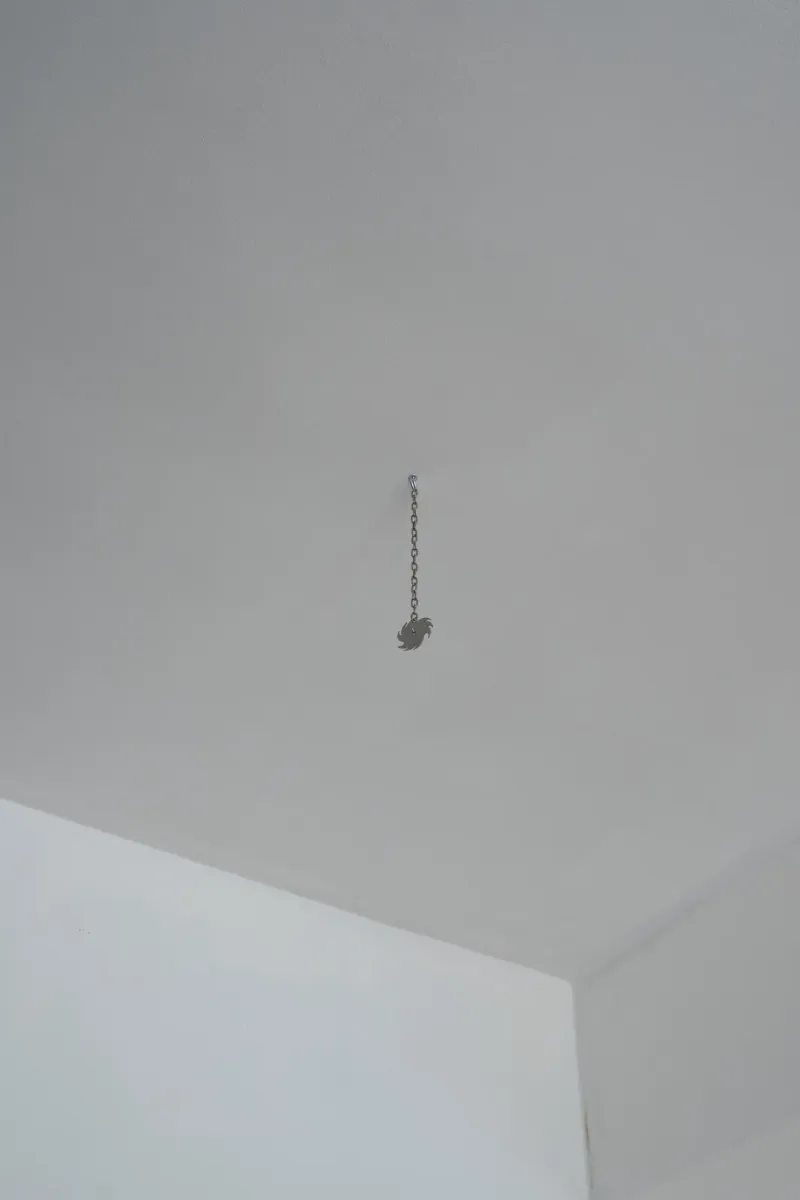
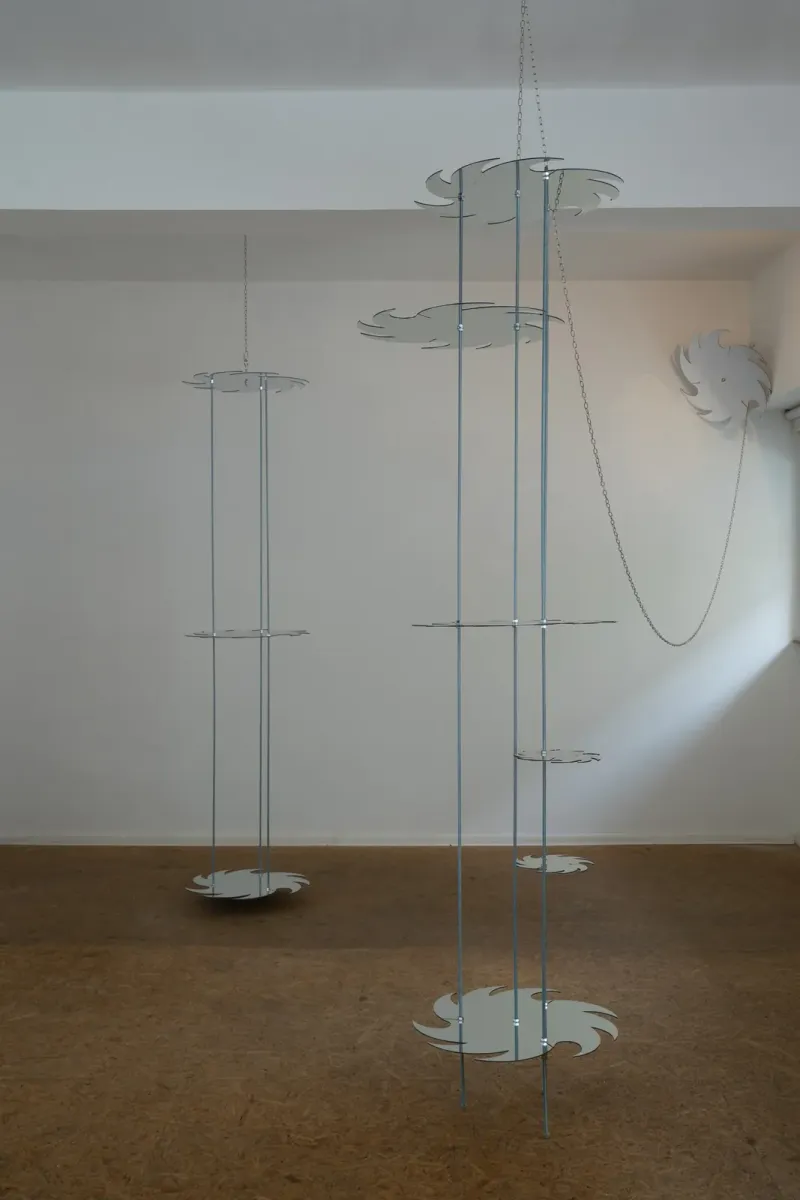
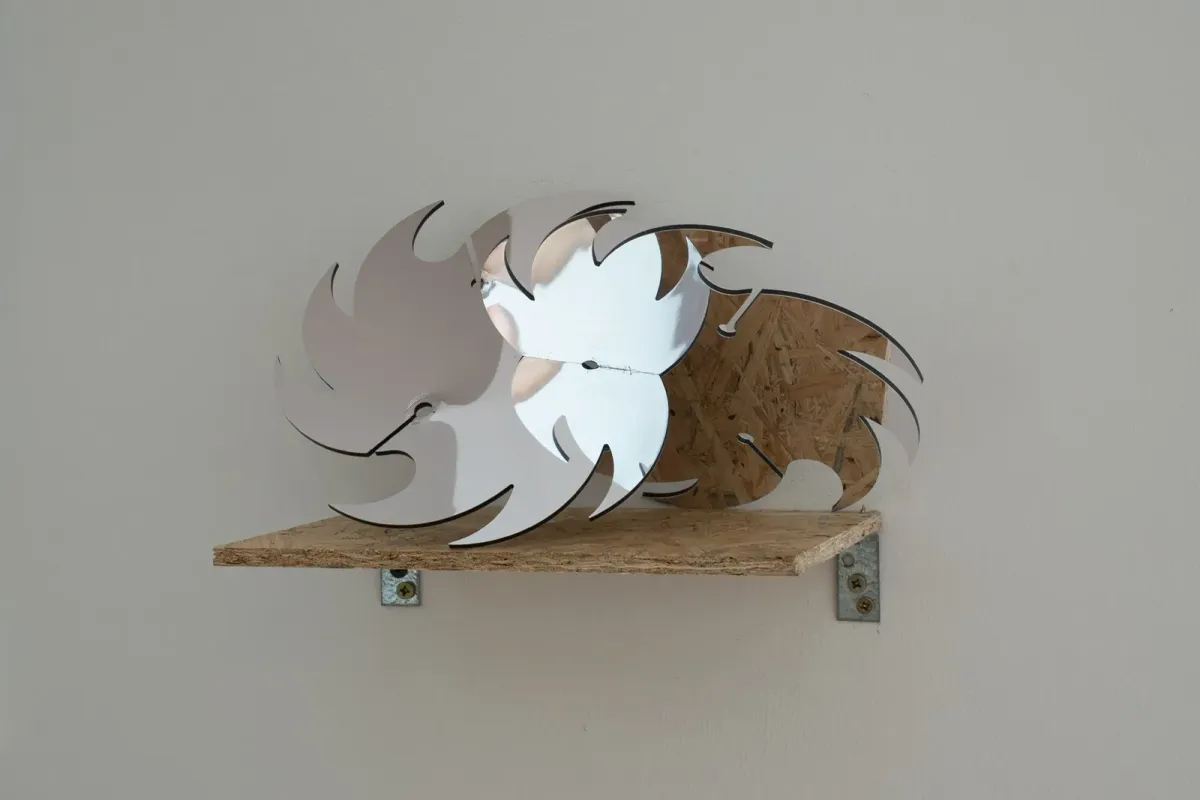
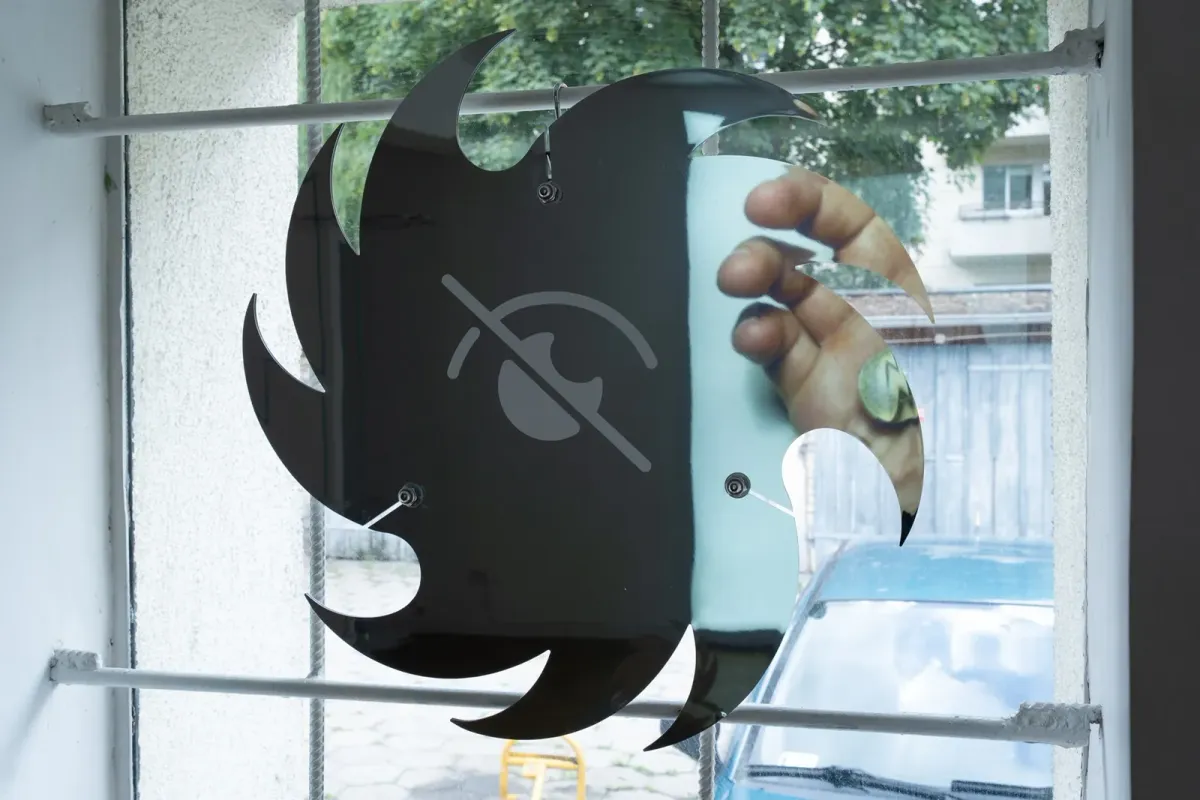
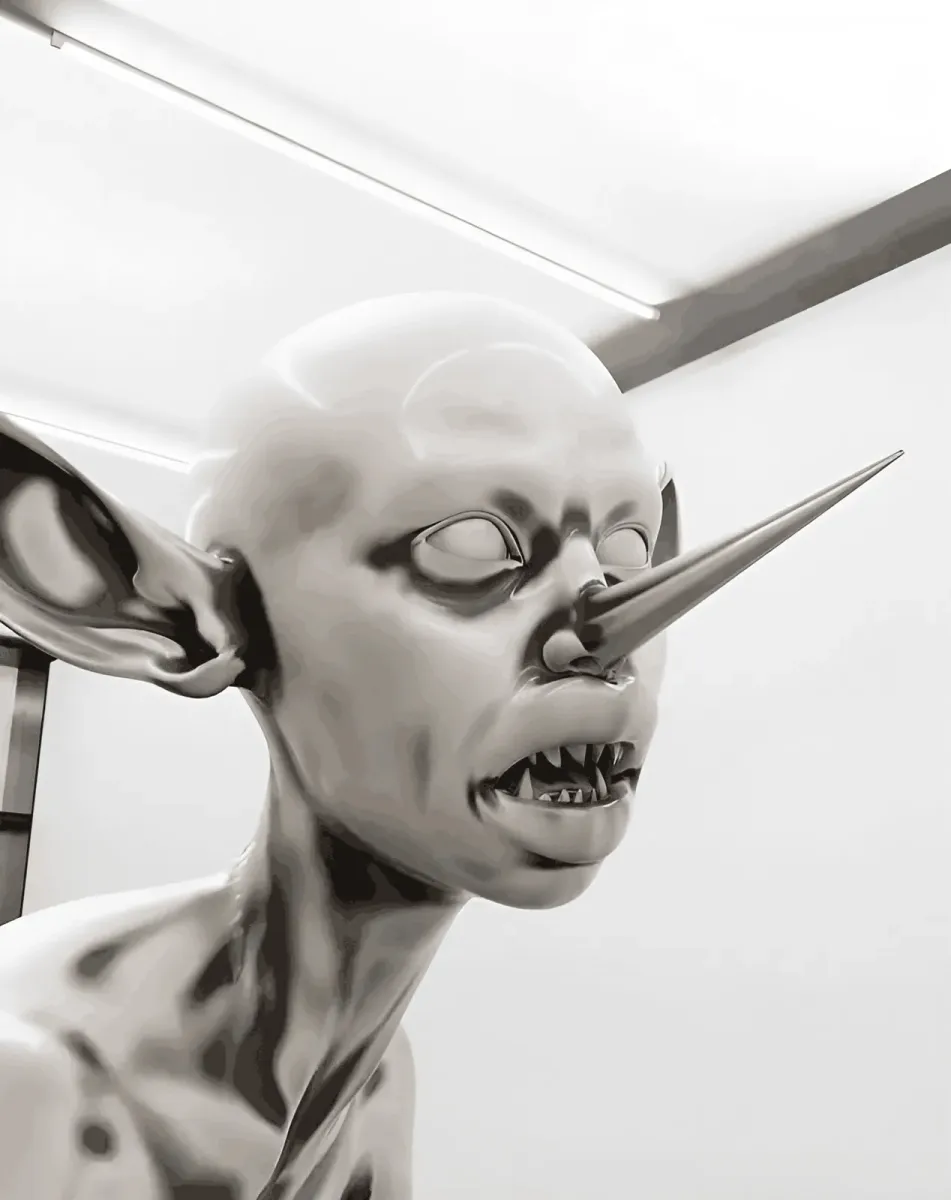
The exhibition space unfolds like an organism: a situational construction, changeable and open to reconfiguration, similar to the self-organizing ocean in Stanisław Lem's novel Solaris. Mirrored, fiery forms reflect the viewer and the surroundings, drawing them into an encounter with a projection and with their own reaction to it. In the context of growing political tensions and radicalization, this figure of "otherness" increasingly becomes the foundation of counter-narratives and a tool for producing fear, borders, and exclusion. Shupliak asks where, in whom, and why we begin to see the stranger.
The exhibition resembles a provisional playground that may turn into a barrier. The artist offers the possibility of play, arrangement, and observation, yet this is not an innocent situation. Every movement takes place among reflections, sharp edges, and mutual acts of watching. This play is marked by an awareness of one's own position.
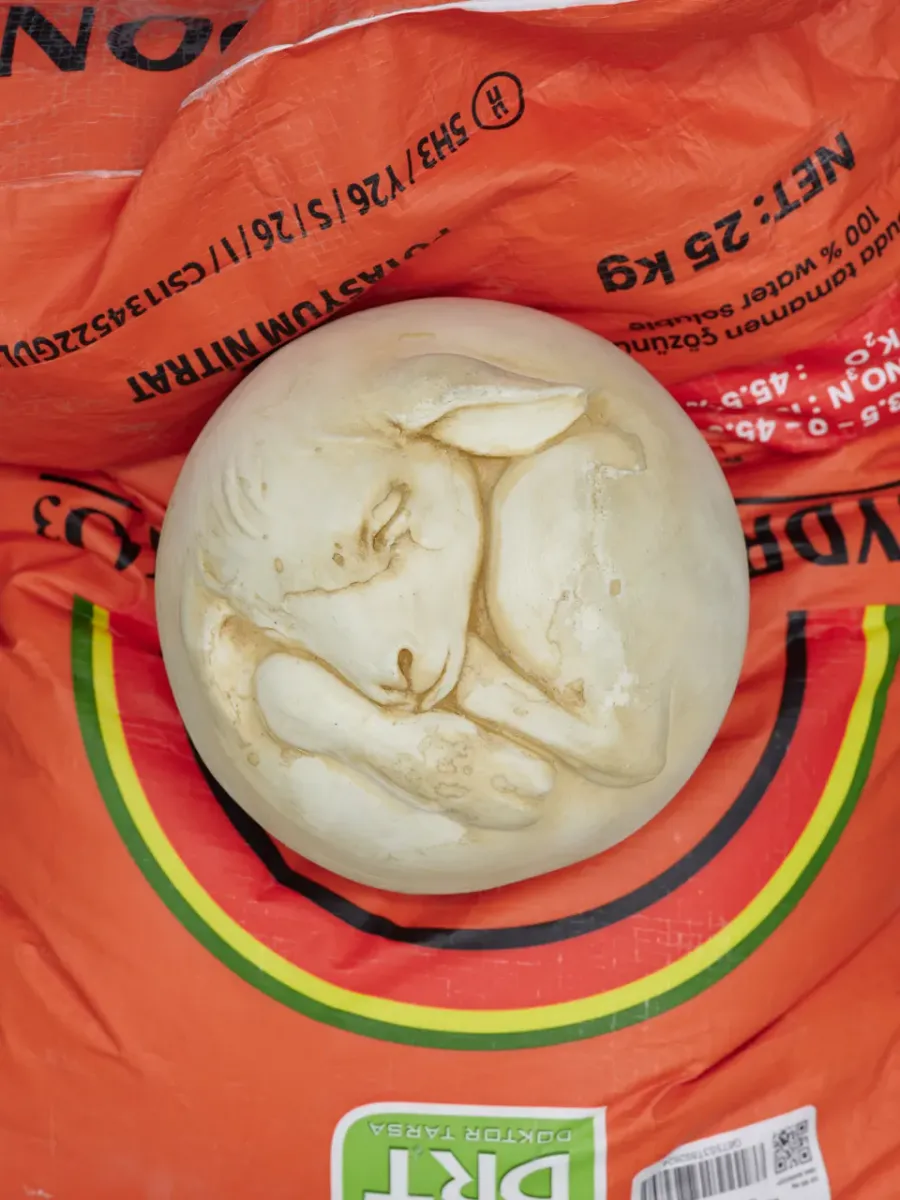
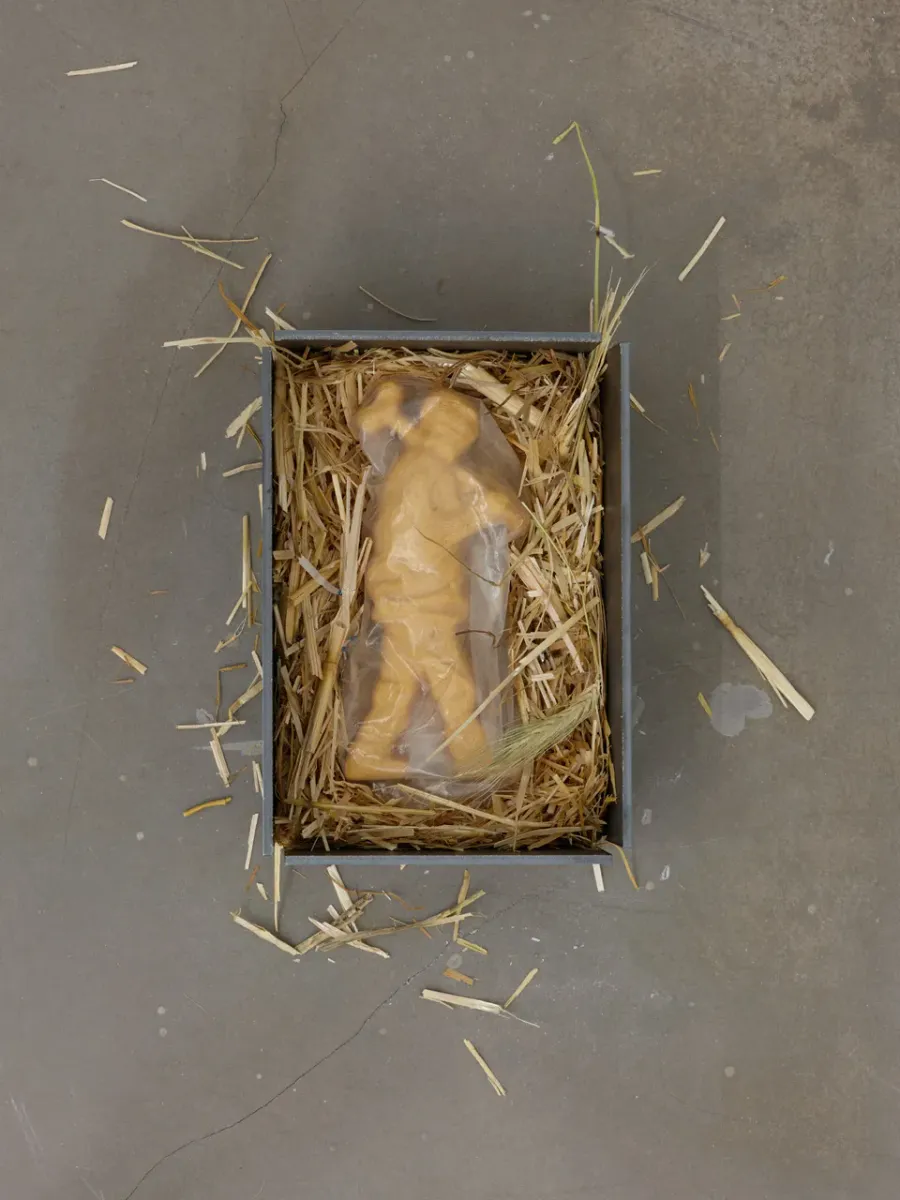
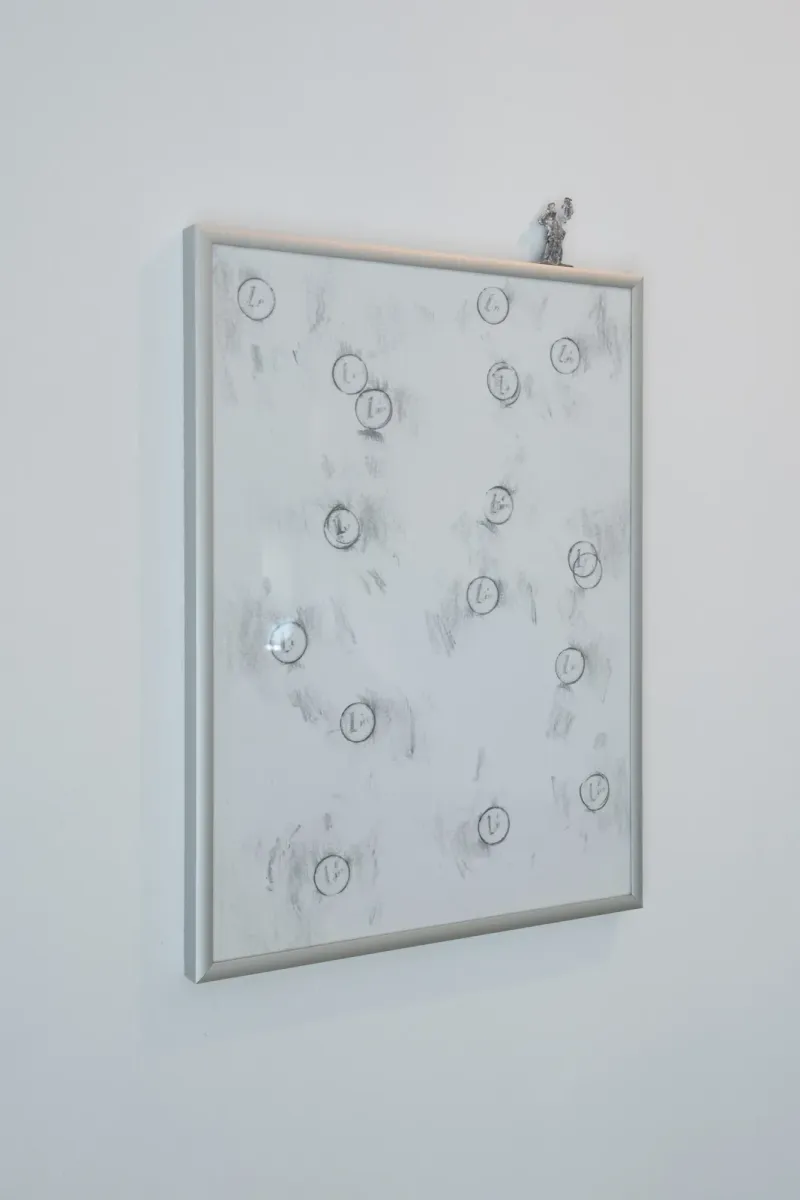
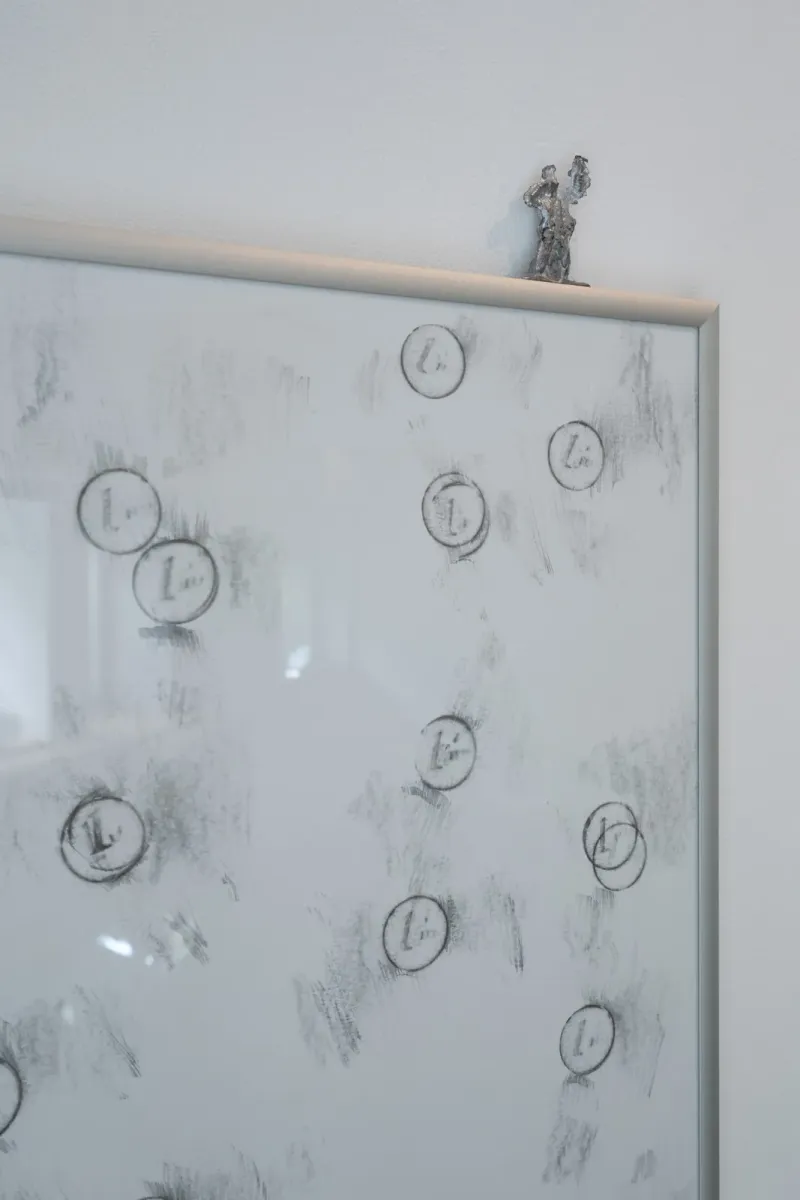
Another part of the exhibition is a drawing created with a lead toy soldier, which the artist uses to rub imprints of coins. One of its strongest connotations is the price of European security. It is no longer only about how much we are ready to pay for it. What becomes more important is who ultimately becomes the payer.
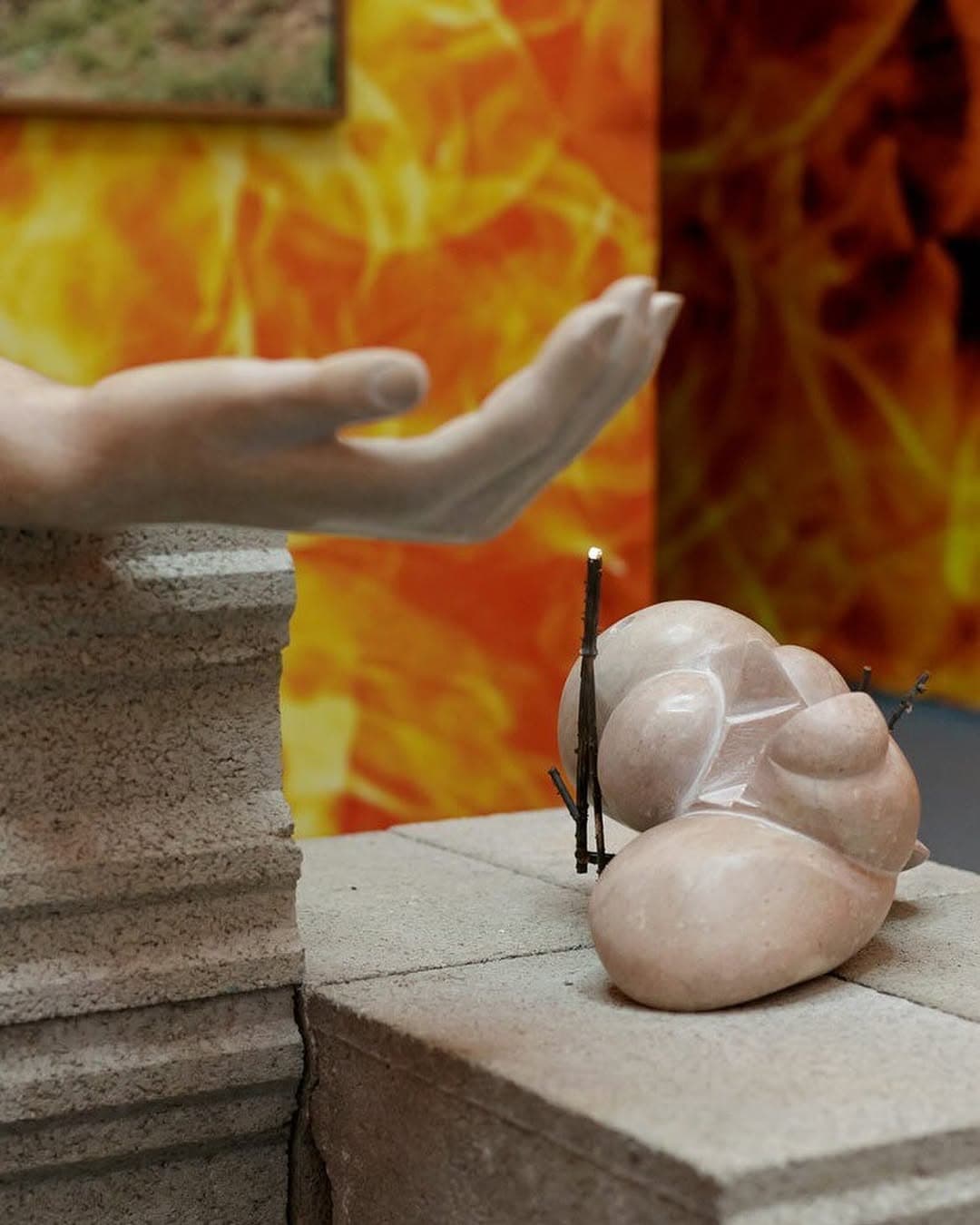
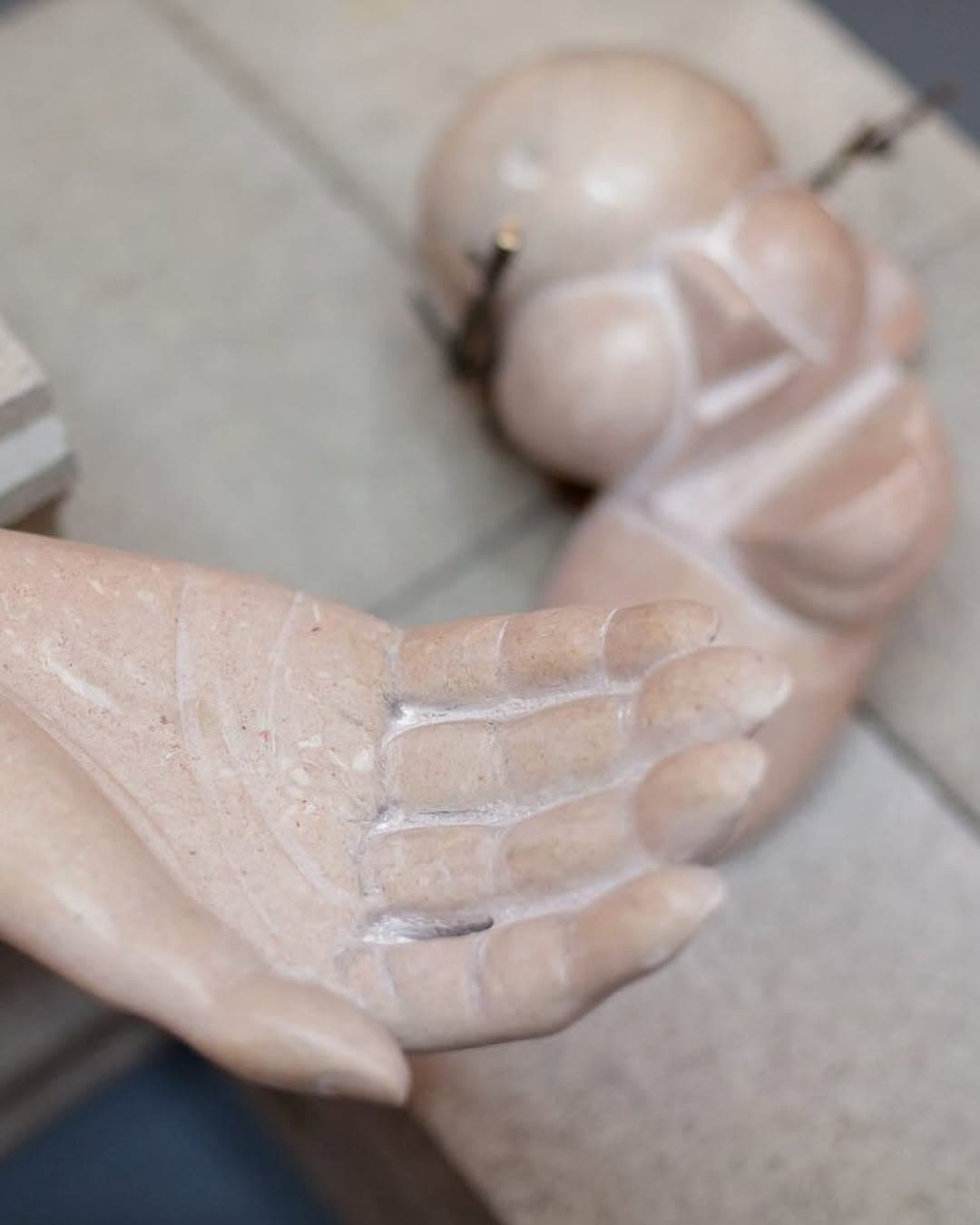
Above the space looms the artist's hand holding an object composed of two different euro coins. Shupliak appears to offer a gift, but through the artistic gesture the coins lose their functionality and fall out of economic circulation. The fleshy, corporeal image of the hand can be read in multiple ways: as a suggestion that the fate of Europe is in our hands, or, conversely, that it remains in the hands of selected, privileged, essentially male subjects. The gesture of reconstructing the symbol of the EU leads to a question of resource distribution. Is the European community, living in relative security, ready to reach out and share its capital with those it perceives as strangers?
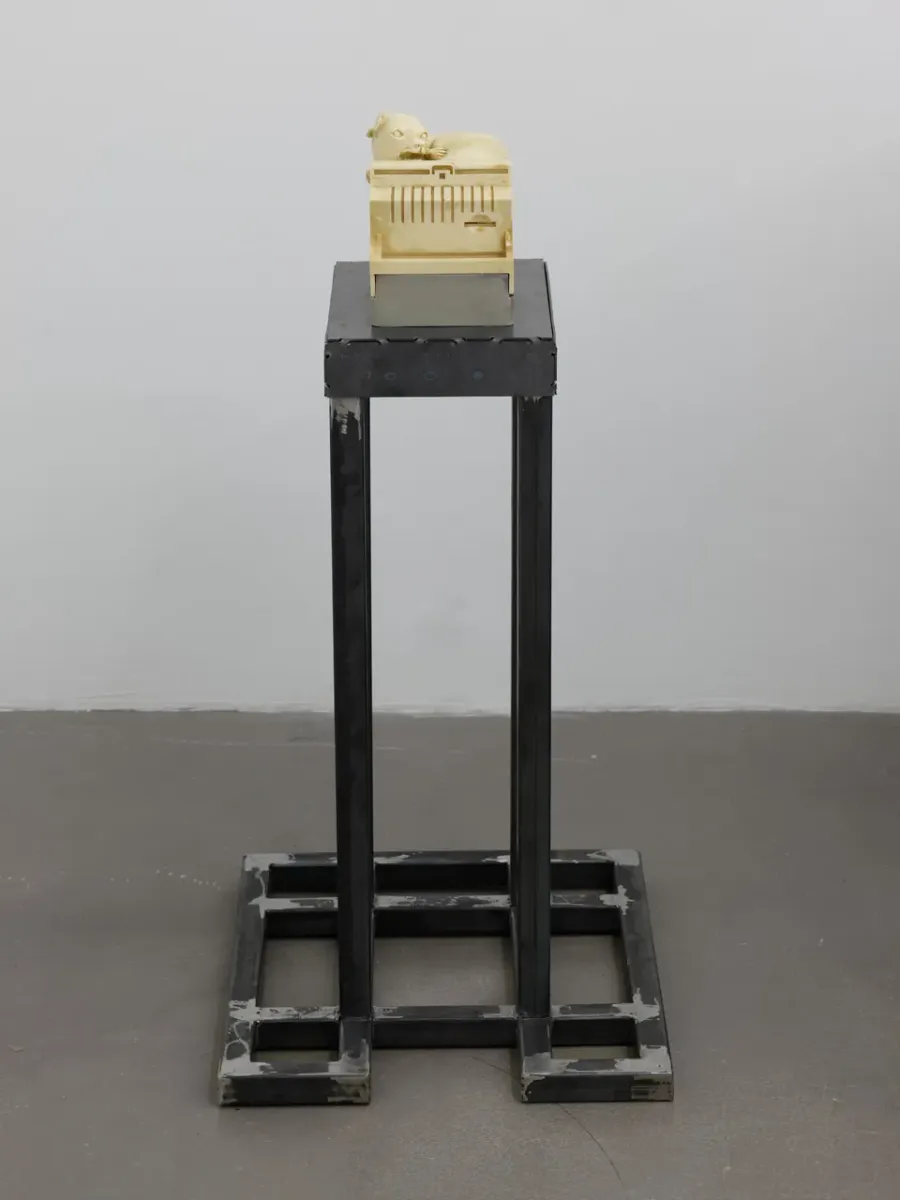
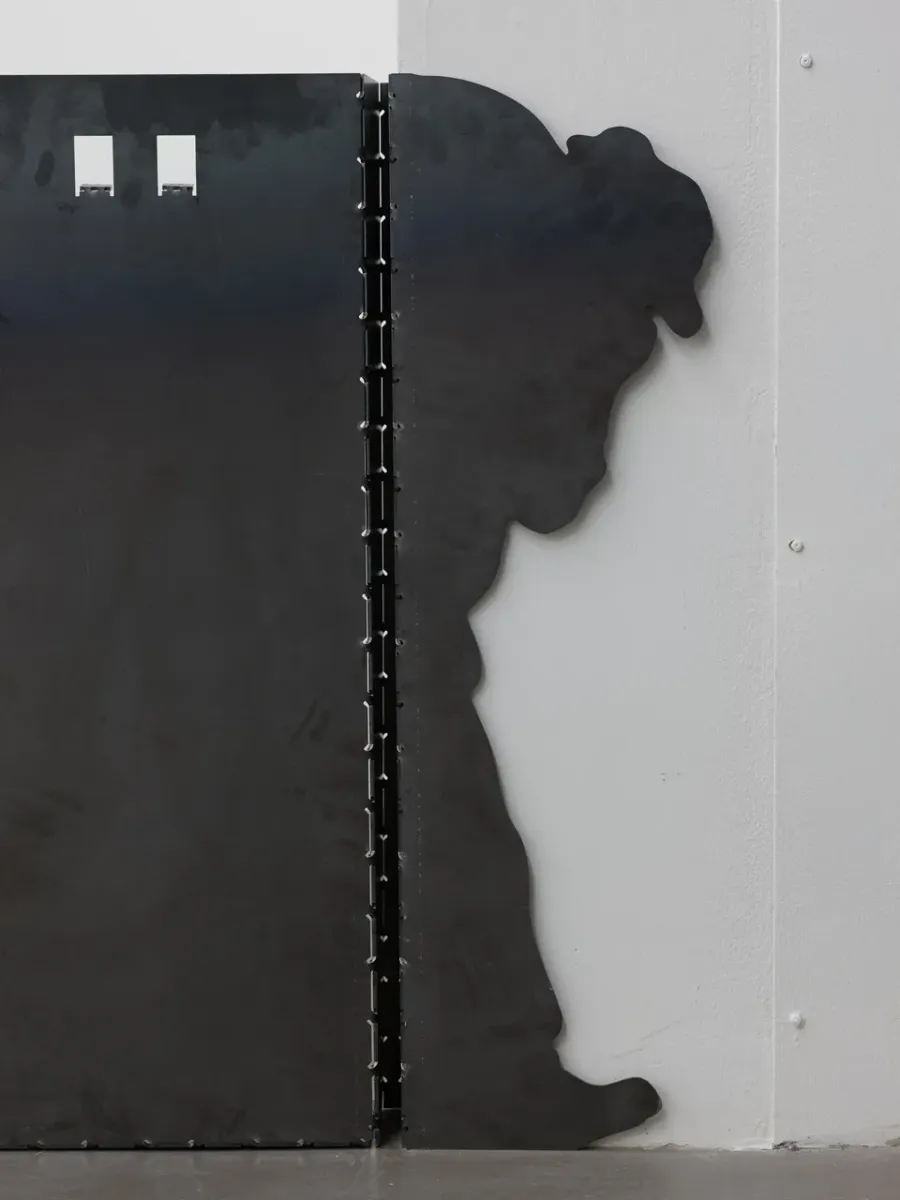
The exhibition touches upon fragility, the weight of decisions, and the price of European security, but it does not lead reflection solely toward dystopian scenarios. Its modular structure activates the possibility of creating new arrangements, constructions, and meanings. What has been cut, separated, or deprived of its original function holds the potential for reconfiguration. Places of rupture may become places of contact, and cracks may indicate where a more stable and lasting form can be created. This is not an easy task. It remains possible.
Artists in this exhibition
More at DOMIE
More in Poznań
Related topics
.webp&w=1200&q=75)